ka puta ko Rongo, ko Tane Mahuta, ko Tangaroa, ko Tumatauenga, ko Haumietiketike, ko Tawhirimatia.
Toko te Rangi ki runga, ko Papa ki raro.
Ka puta te ira tangata ki te whai ao, ki te ao marama.
E Rongo, whakairia ake ki runga, kia tina! Tina!
Hui e, taiki e!
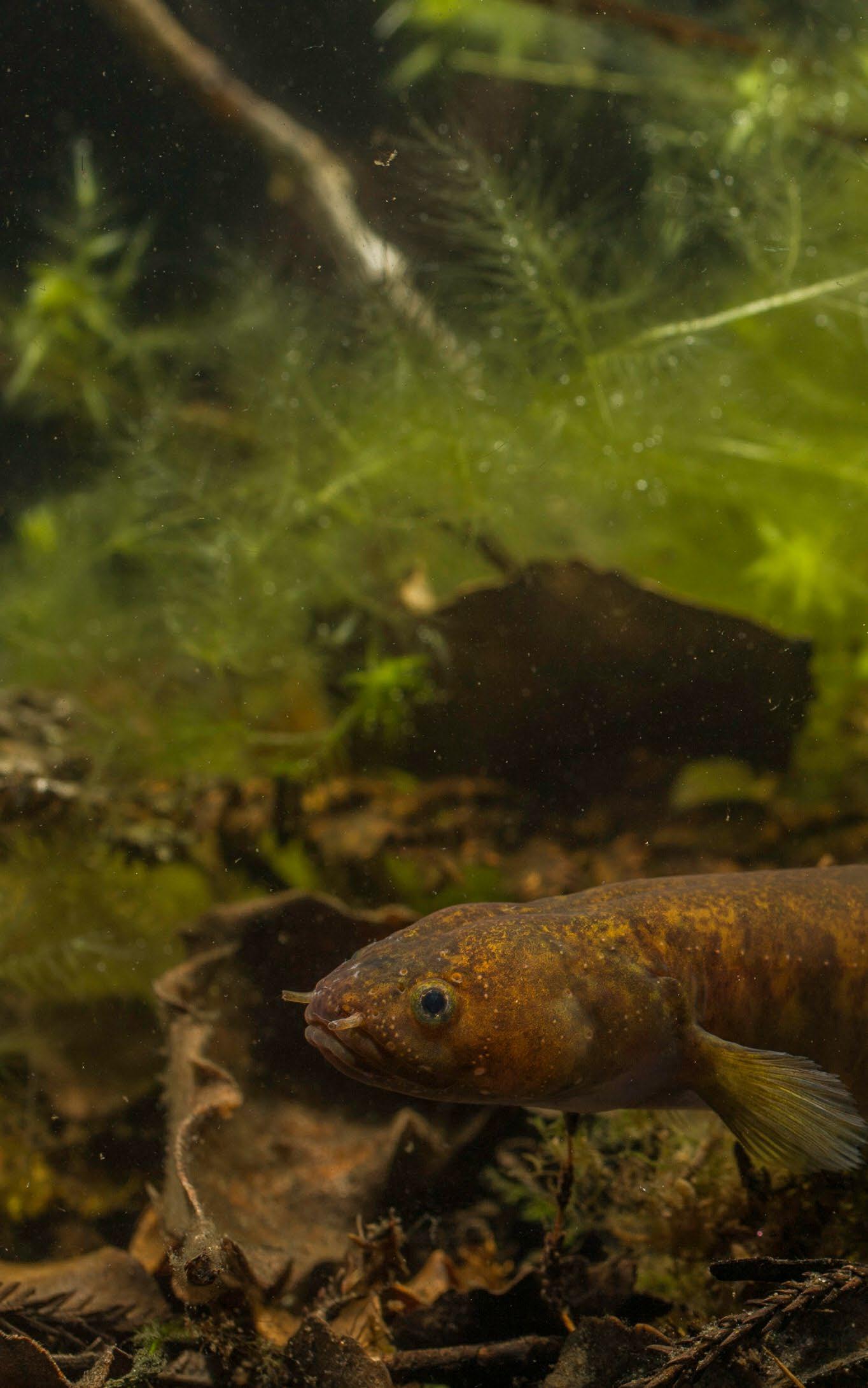
CREDIT: ANGUS MCINTOSH
Executive Summary
This is Te Wai Māori’s quarter four (Q4) report to iwi against the 2024/25 Annual Plan and covers the period 1 July to 30 September 2025. As with our previous quarterly reports, this report has been developed to give regular insight into the work the Trust undertakes on behalf of the beneficiaries of the Māori Fisheries Settlement, including Mandated Iwi Organisations.
Tēnā koutou katoa,
We are pleased to present to you our third quarter report of the 2024/25 financial year. This year’s work programme supports the strategic priorities and long-term outcomes detailed in the Trust’s Annual Plan. These include:
+ Enhancing the health and wellbeing of indigenous fisheries and their habitat
+ Enhancing the recognition and status of indigenous species
+ Providing better opportunities for the participation of iwi and hapū in resource management decision making processes as they relate to freshwater fisheries and habitat
+ Promoting and sharing indigenous fisheries expertise, knowledge and understanding
+ Increasing the quality and range of information to iwi and hapū on freshwater fisheries and habitat
+ Supporting iwi and hapū capacity and capability in freshwater fisheries.
As always, we welcome your feedback on the structure and content of our reporting.
Nāku noa, nā
Rawiri Faulkner Chair, Te Wai Māori Trust
Wai Māori around the motu
Water abstraction case study with Rangitāne o Wairarapa
Te Wai Māori is working with the Rangitāne o Wairarapa taiao tīma and Kohunui Marae on an over-abstraction case study in the Tauānui and Tūranganui catchments.
The case study (based in the South Wairarapa) involves analysing the impacts of water abstraction on summer refuge habitat for indigenous fish species and includes an audit of water takes from the Tauānui and Tūranganui Awa catchments, coupled with a stock take of existing flow data. The case study has a cultural flow monitoring component that aims to bring whānau on board so that they can monitor awa over summer months, when flows significantly decrease. At the end of the monitoring period (late February 2026) it is intended that a wānanga will be held to assemble and review all monitoring data gathered.
Kohunui Marae wānanga
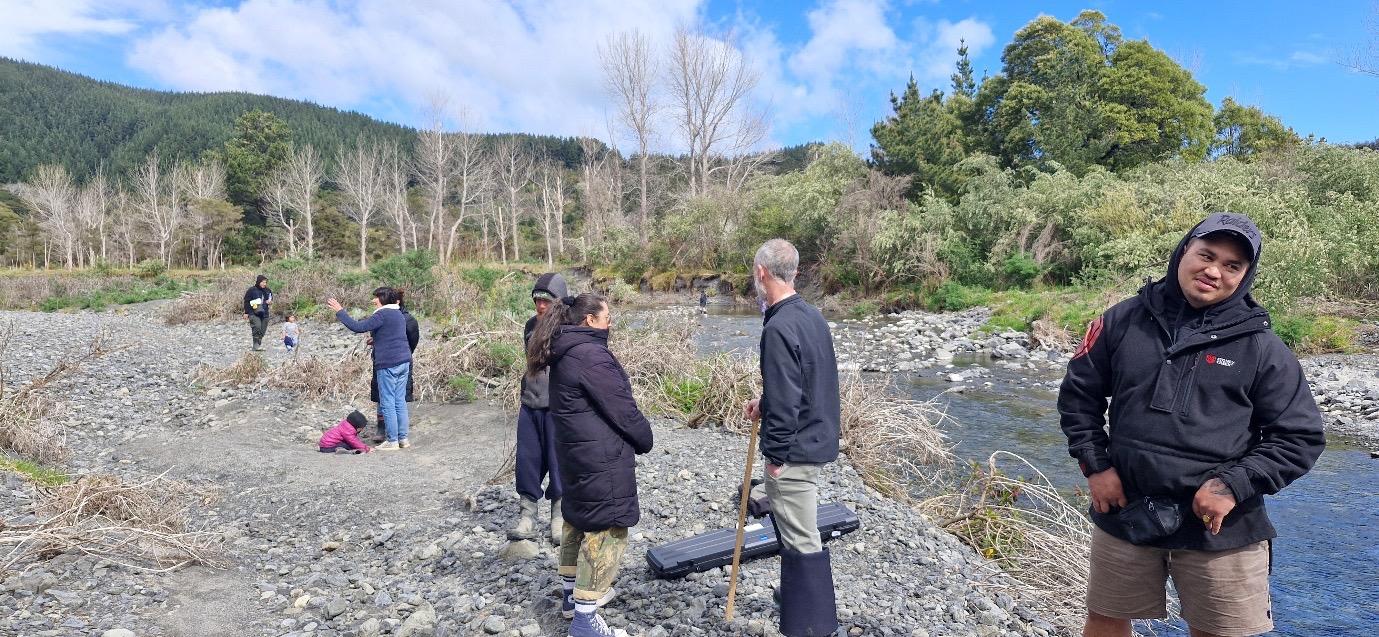
A facilitated wānanga was held at Kohunui Marae on 13 September 2025 with iwi, hapū, whānau and Greater Wellington hydrologists. The purpose of the hui was to give some background on the current state of the Tauānui and Tūranganui Awa, to garner interest from whānau to begin monitoring both, to discuss flow measurements methods and to visit the Tūranganui Awa to demonstrate monitoring techniques.
Local whānau - Kara Kenny, and Natasha Robinson (also of Mountains to Sea) - and Joe Potangaroa shared their collective mātauranga around cultural monitoring that included mauri, atua/ahua, and habitat assessments. The wānanga was well attended, with over 40 people present. For many, it was their first visit to the upper reaches of the Tūranganui Awa, which in large part has very little access points available. A second hīkoi/site visit is planned to both awa on 13 December 2025, where Kara, Natasha and Mike Thompson (Greater Wellington hydrologist) will demonstrate a more comprehensive run-through of flow monitoring techniques (width, depth, velocity and temperature) combined with observational mātauranga monitoring techniques. A summer roster for monitoring will also be developed.
Local history
By way of background, both the Tauānui and Tūranganui Awa are tributaries that flow into Wairarapa Moana, a wetlands complex located at the bottom of the Wairarapa catchment. Wairarapa Moana has been a taonga for hundreds of years, acknowledged by local Māori as a place of tremendous cultural and spiritual value. The Tauānui and Tūranganui Awa were originally part of the wider Wairarapa Moana wetland, particularly during hinurangi and the Tūranganui was once navigable by waka. They have been considerably modified over time, particularly as a result of the Lower Valley Development Scheme, where 5,500 hectares of lakes and wetlands were drained, including the extensive Pouawha Wetlands and Te Hopai Lagoon.
The Lower Valley Development Scheme’s purpose was to drain the lower valley to create more farmland, and it included diverting the Ruamāhanga River into Lake Ōnoke (bypassing its natural channel into Lake Wairarapa), widening and deepening the channel of the lower Ruamāhanga, building a stopbank system from Lake Ōnoke to Martinborough, draining the wetlands east of Lake Wairarapa, and installing floodgates to regulate the flow of water from Lake Wairarapa.1
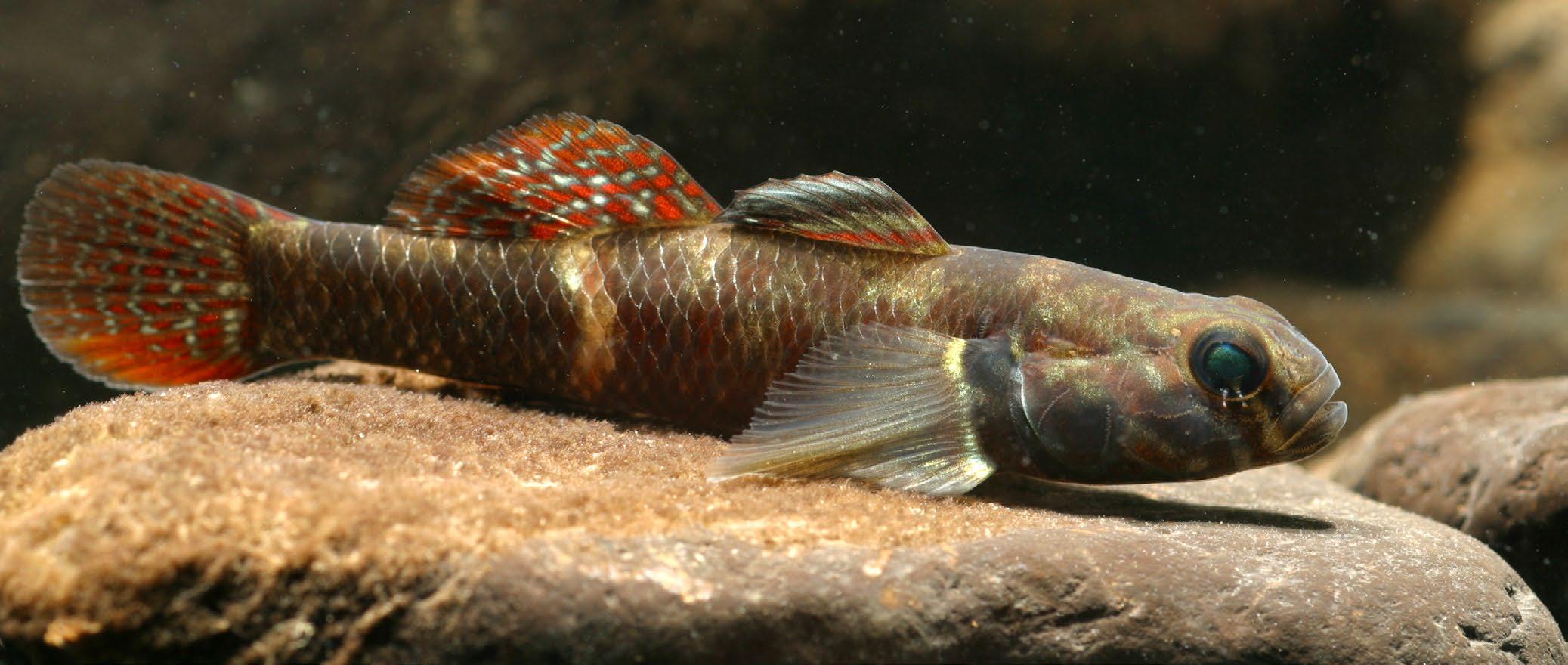
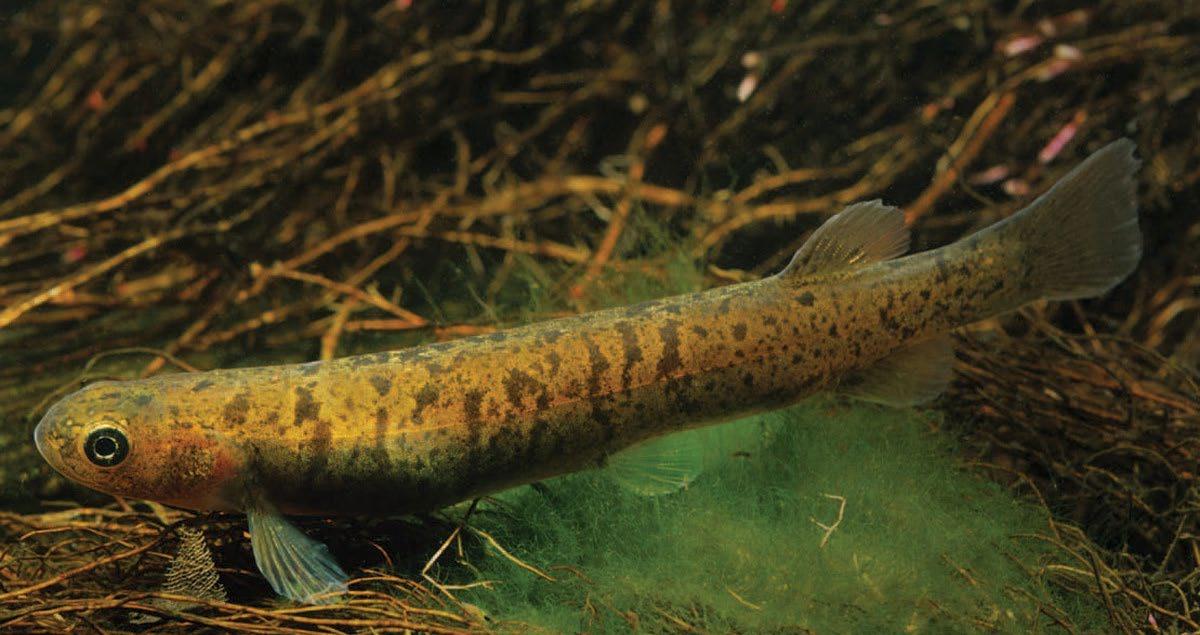
However, despite the changes to the natural environment, Wairarapa Moana, the Tūranganui and the Tauānui are still critical migratory pathways for many important and threatened indigenous freshwater species.2 The Tūranganui River’s closeness to the Ōnoke outlet means that diadromous migrating fish will choose to go up this stream first, rather than travel the length of the Ruamāhanga Awa. And both the Tauānui and Tūranganui Awa have an important connection to the Aorangi Range, where their headwaters originate. They also provide habitat for indigenous threatened/at risk fish species and habitat for more than six migratory indigenous species, including banded kōkopu, giant kōkopu, īnanga, koāro, longfin tuna, redfin bully and Torrentfish/panoko.3
1 Jim Flack, https://www.waiwetlands.org.nz/environmental-decline-and-awakening
2 https://www.waiwetlands.org.nz/
3 Wairarapa Moana Restoration Plan 2022, Kāhu Environmental.
These awa are significant taonga and the Tūranganui is wāhi tupuna and ngā puna waiora. It is still a valuable food basket and sacred place for tangata whenua who used to swim in its waters, and gather watercress, kōura, tuna and īnanga for kai. Both awa still have relatively clean water, however in recent years they have been subject to low flows. Local Māori are very concerned about the increase in irrigation and sustained low flows during summer months which is directly impacting the mauri, mahinga kai species, habitat, water quality, and human health for these rivers. Drying effects are now visible from the bridges located on Lake Ferry Road which is a source of mamae for many.4
Cultural monitoring
It is critical to have regular monitoring of both awa in place to safeguard mana whenua values and this has been missing to date. Cultural monitoring is important to enable tangata whenua to reclaim their role as kaitiaki, to provide information to their communities, and to gather and control monitoring data and its interpretation. It is also a powerful way to reconnect whānau to these waterbodies. A key component of this case study is to assist Rangitāne so that they can meaningfully contribute to regional council consenting and freshwater accounting processes, including through the use of gathered flow data to determine the extent of over abstraction. This mahi will also likely feed into community catchment processes, which are in their early inception. The case study is well timed as water take consents in the catchment are coming up for renewal in 2031 and Rangitāne will be in a much better position to influence outcomes.
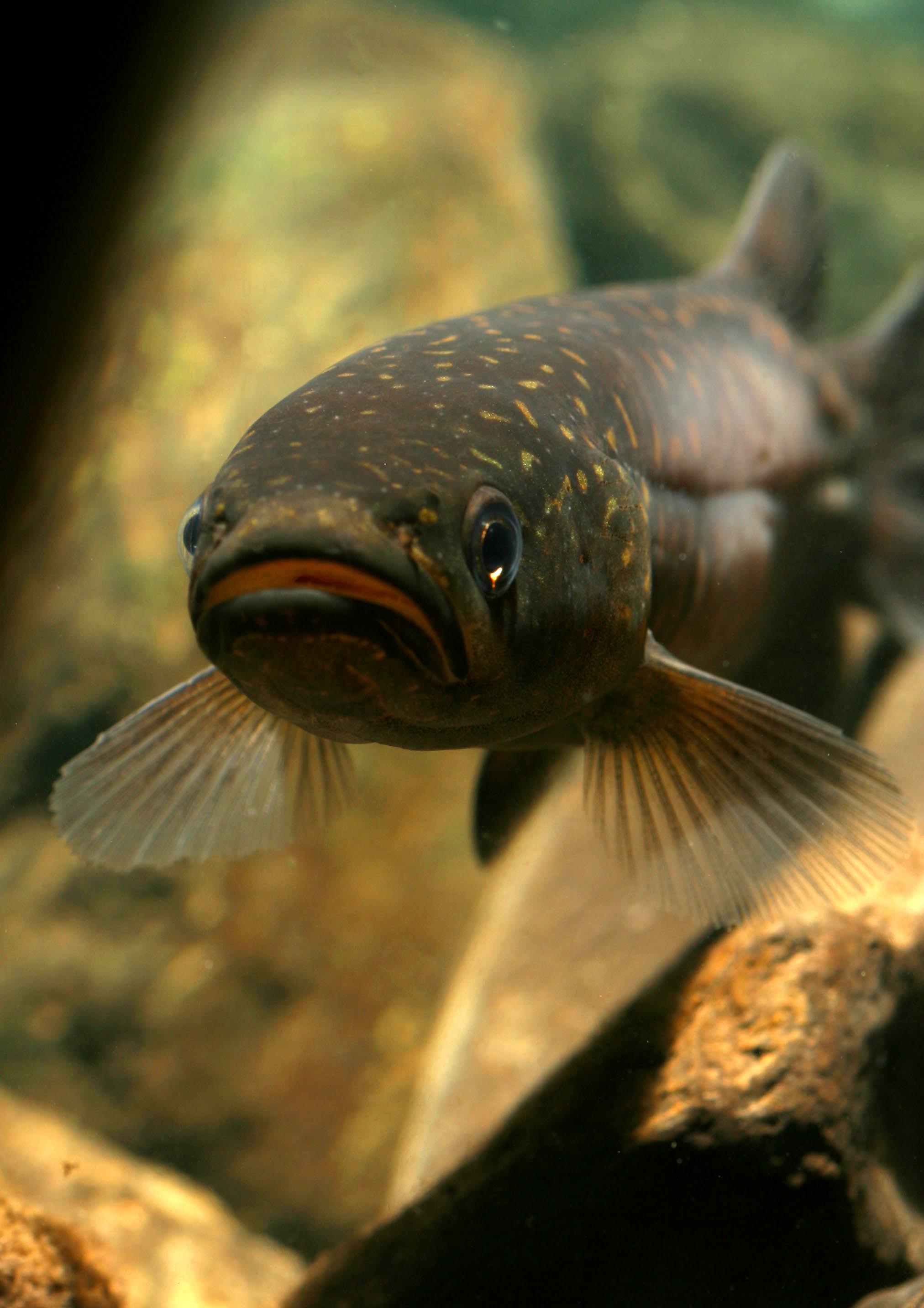
ANGUS MCINTOSH
Operational performance against annual plan
1. Enhance the health and wellbeing of indigenous fisheries and their habitat
Fish Futures Working Group
Hui and mahi have continued through this quarter for the Fish Futures work programme. This included scheduling the remaining hui for the year ahead for the Fish Futures Working Group, revisiting the working group priorities, reiterating rohe partner priorities and seeking the support of the wider roopu for the actions identified and remaining programme time.
Additionally, research leads from across the wider research programme met in early September for a quarterly hui to workshop research ideas for the possible continuation of the current 5-year Fish Futures research programme into an additional year 6.
2. Enhance the recognition and status of indigenous species
Te Mana o Ngā Tuna
An ā-tinana Te Mana o ngā Tuna hui is scheduled for early October. Kaupapa to be discussed will include appointments to the rōpū and potential next steps for the tuna kaitiaki network, building on the database of kaitiaki contacts that gathered at the Māori Freshwater Fisheries Conference earlier this year.
3. Providing better opportunities for the participation of Iwi and hapū in resource management decision-making processes as they relate to freshwater fisheries and habitat Resource
Management and other Reform
The Trust continues to respond to legislative reform that impact Māori rights and interests in freshwater fisheries. This included providing feedback in late July to new national direction packages that
amend the NPS-FM, the Resource Management (National Environmental Standards for Freshwater) Regulations 2020 and the Resource Management (Stock Exclusion) Regulations 2020. Decisions are due before the end of the year.
In August the Government also passed the Resource Management (Consenting and System Changes) Amendment Bill, the Local Government (Water Services) Bill and the Local Government (Water Services) (Repeals and Amendments) Act into law. The original water services Bill has now been divided into two separate pieces of legislation. The Acts establish the regulatory framework for water services delivery, including new governance arrangements, economic regulation, consumer protection measures, and changes to the water quality regulatory framework and the water services regulator.
The Acts also introduced a number of mechanisms to “streamline and standardise design and RMA approval processes for water infrastructure”. This includes wastewater environmental performance standards (WEPS), and stormwater environmental performance standards (SEPS). Councils were required to finalise water service delivery plans by Wednesday 3 September 2025 and prepare for the transition to the new regime.
Promote and share indigenous fisheries expertise, knowledge and understanding.
Māori Freshwater Fisheries Conference
Preliminary planning is underway for the next Māori Freshwater Fisheries Conference which the Trust holds to provide a forum to bring iwi and hapū together to share freshwater fisheries knowledge and expertise. This year the tono to host the conference within their rohe was taken up by Ngāti Kahungunu.
4. Supporting Iwi and hapū capacity and capability in freshwater fisheries.
Wai Ora Fund
This quarter, the Trust continued to support 2024 funding round recipients: Te Rūnanga o
Ngāti Mutunga, Te Waiau Mahika Kai Trust, Hokonui Rūnanga Floriculture Limited and Ngātiwai Trust Board. The Trust also supported Te Arawa Lakes Trust, Wakatū Incorporation, and Aki Tai Here Limited to achieve their milestones and conclude their Wai Ora 2024 project. The Trust also continued to support one project from the 2023 funding round: Ngāti Kahungunu Iwi Incorporated. Additionally, the Trust assisted Tuawhenua Trust and Te Ani Waata Whānau Trust in completing the final milestone of their 2023 and 2021 Wai Ora project.
Tiaki Wai Fund
This quarter, the Trust continues to support Te Kūpenga Hou Ltd, Aoraki Environmental Consultancy Ltd, Te Maru o Ruahine Trust and Ngāti Tamaterā Treaty Settlement Trust.
MfE Essential Freshwater (Tangata Whenua) Fund
The Te Mātāpuna o te Wai fund has a pool of $12.8 million to develop the capability and capacity of hapū and iwi in their aspirations
for their freshwater taiao. Te Mātāpuna o te Wai offers a three-year investment through planning support for Te Mana o te Wai/Taiao System approaches and supporting the capacity of hapū and iwi by resourcing kaimahi (full time employees).
The Grant will be delivered with support from Te Wai Māori Trust and Poipoia Ltd, who are responsible for administering, managing and distributing funds.
The Trust entered into a funding agreement with the Ministry for the Environment on behalf of the National Iwi Chair Forum Pou Taiao (through its Freshwater Iwi Leaders Group) in February 2023. The programme is tracking against the deliverables of the overarching funding agreement, with the final project report due to the Ministry in mid-October.
Financial performance against plan
The following table summarises each area of work identified in the 2025 annual plan by comparing actual to budgeted expenses for the year to date. These figures have not been audited.
Te Wai Māori Finance Report to 30 September 2025
iwi and hapu
Comments on financial performance
+ Total costs were $10,688,660m, of which the bulk ($9,760,432m) relate to the MfE Essential Freshwater (Tangata Whenua) Fund.
+ Budget 2025 reflects a surplus of $708k, being the return required to offset inflation i.e. maintain the real value of settlement funds.
+ Portfolio performance at the end of September is $1,891,099m ahead of budget.