He reo tō te wai, He reo tō te tangata, Kotahi tonu te whakapapa Whakakotahitia!
He reo tō te wai, He reo tō te tangata, Kotahi tonu te whakapapa Whakakotahitia!
1 Executive Summary
3 Wai Māori around the motu
5 Operational performance against annual plan
8 Financial performance against plan
9 Comments on financial performance

Ko Rangi, Ko Papa, ka puta ko Rongo, ko Tane Mahuta, ko Tangaroa, ko Tumatauenga, ko Haumietiketike, ko Tawhirimatia.
Toko te Rangi ki runga, ko Papa ki raro.
Ka puta te ira tangata ki te whai ao, ki te ao marama.
E Rongo, whakairia ake ki runga, kia tina! Tina!
Hui e, taiki e!
This is Te Wai Māori’s quarter two (Q2) report to iwi against the 2024/25 Annual Plan and covers the period 1 January to 31 March 2025. As with our previous quarterly reports, this report has been developed to give regular insight into the work the Trust undertakes on behalf of the beneficiaries of the Māori Fisheries Settlement, including Mandated Iwi Organisations.
Tēnā koutou katoa,
We are pleased to present to you our second quarter report of the 2024/25 financial year. This year’s work programme supports the strategic priorities and long-term outcomes detailed in the Trust’s Annual Plan. These include:
+ Enhancing the health and wellbeing of indigenous fisheries and their habitat
+ Enhancing the recognition and status of indigenous species
+ Providing better opportunities for the participation of iwi and hapū in resource management decision making processes as they relate to freshwater fisheries and habitat
+ Promoting and sharing indigenous fisheries expertise, knowledge and understanding
+ Increasing the quality and range of information to iwi and hapū on freshwater fisheries and habitat
+ Supporting iwi and hapū capacity and capability in freshwater fisheries.
As always, we welcome your feedback on the structure and content of our reporting.
Nāku noa, nā
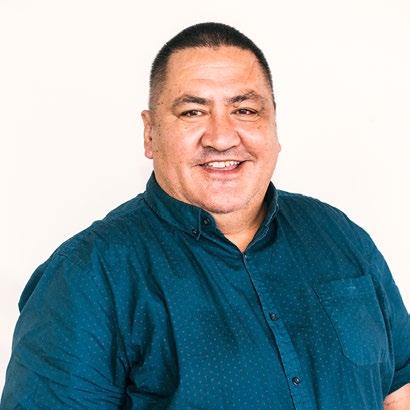
Rawiri Faulkner Chair, Te Wai Māori Trust
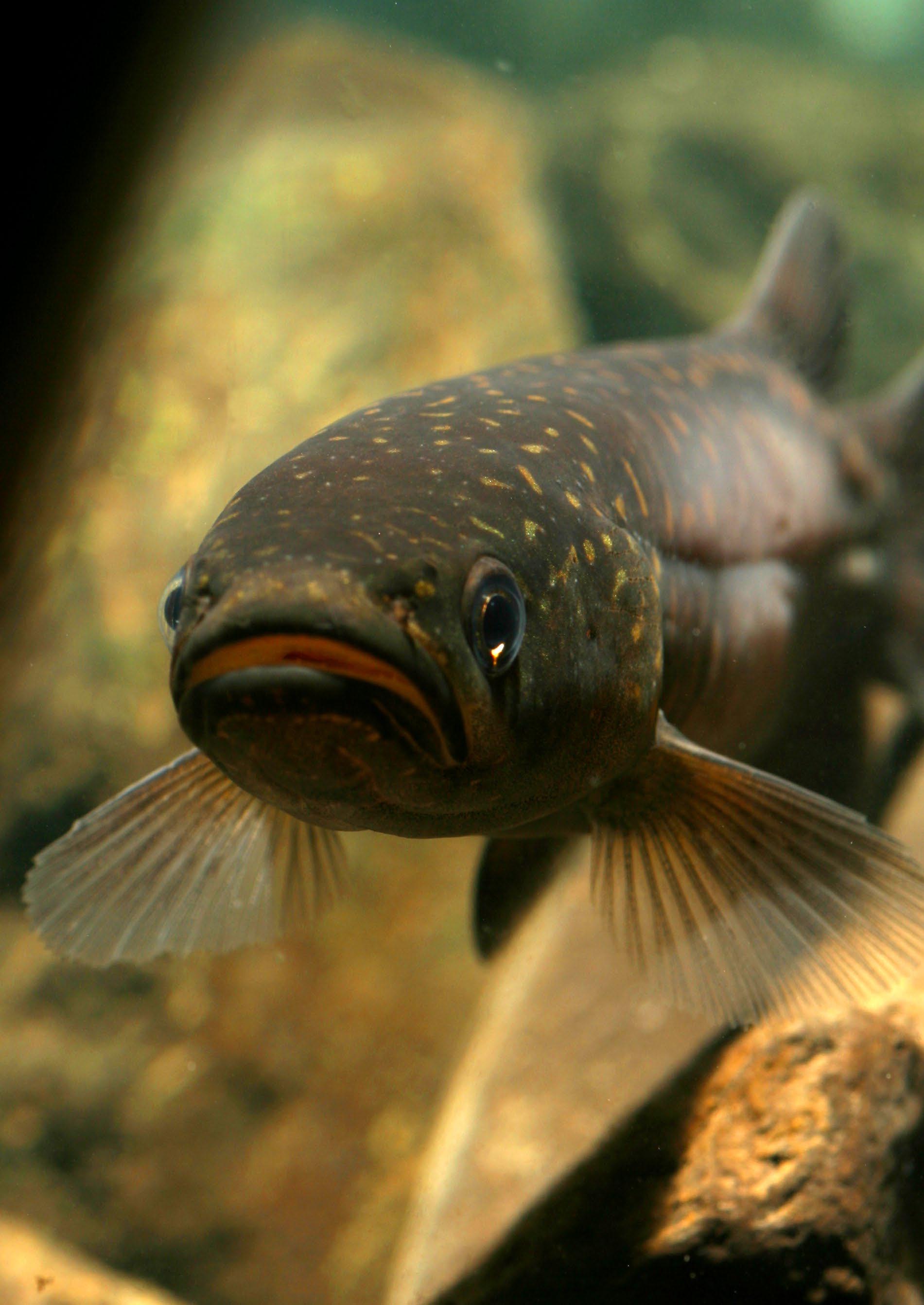
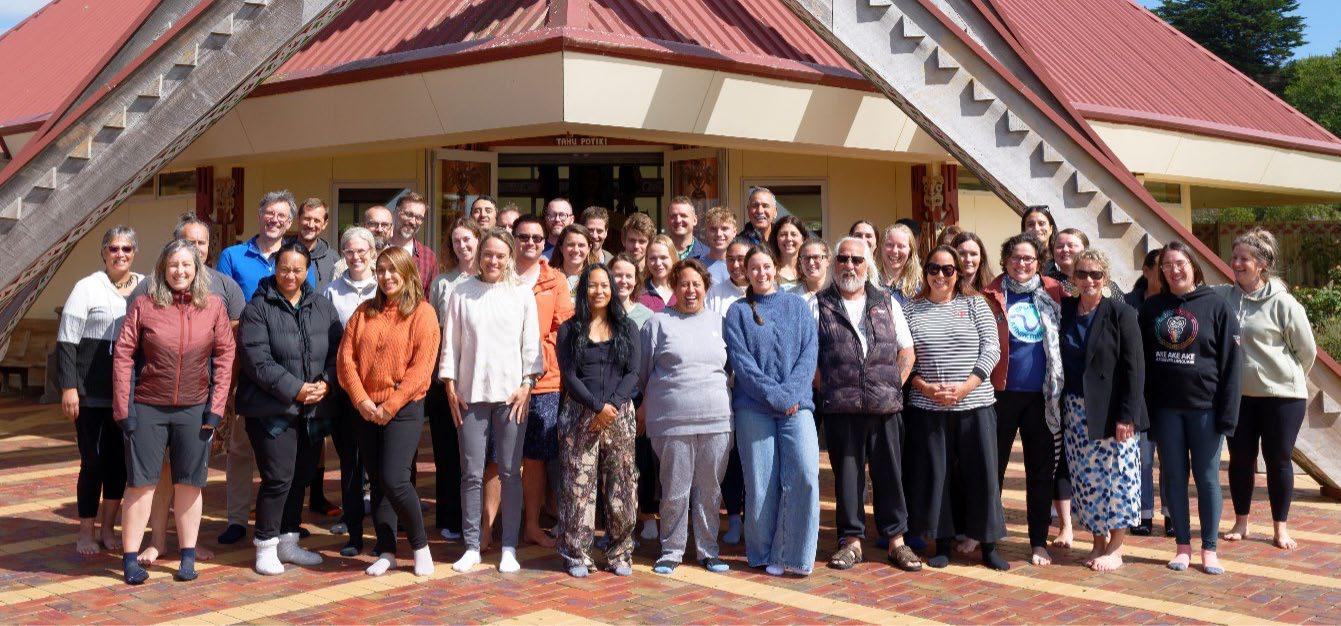
This year, the Annual Fish Futures Symposium was hosted by Murihiku Rūnaka in Motupōhue/Bluff from the 4th to the 6th of March at Te Rau Aroha Marae. Relationship building, sharing research progress and inspiring new ideas and opportunities were the focus of this huihuinga. The group gathered for the Symposium represented a number of organisations and institutions, including Cawthron Institute, Te Arawa Lakes Trust, the University of Canterbury, Te Ao Marama Inc, and Te Wai Māori Trust.
The first day of the Symposium saw local presentations from ahikā on various environmental initiatives occurring in their rohe, including Rangatahi Tūmeke, a programme created to encourage rangatahi to reconnect with te taiao and Predator Free by 2050 on Bluff Hill/Motupōhue, which utilises groundbreaking AI technology in their pest control methods.
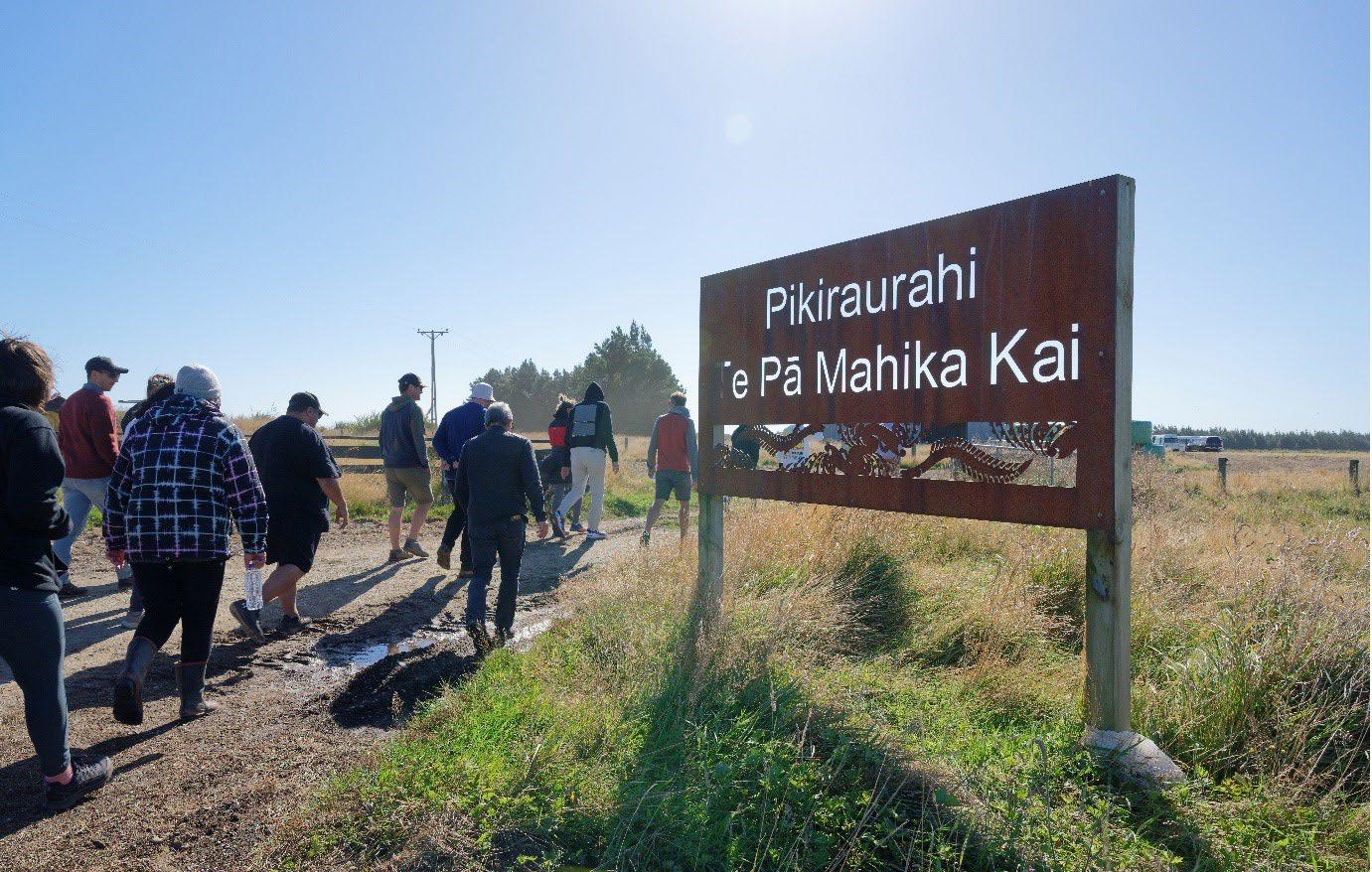
The second day of the huihuinga comprised of presentations from the Fish Futures Working Group as well as rohe partners and a fieldtrip to the Waituna Lagoon. The Waituna Lagoon is part of the internationally recognised 20,000ha Awarua Wetland which is located 40km southeast of Invercargill. It is the site of a major 5-year rehabilitation project progressed by a Trust constituted by mana whenua groups, local and central government as well as industry and an independent community representative. With $13.3 million in funding, the Trust was able to: purchase and retire 584 hectares of farmland to create a buffer around the lagoon, with 403 hectares returned to Awarua Rūnanga to establish a mahinga kai pā; trial a range of tools to reduce contaminants reaching the lagoon; and complete a significant demonstration on Waituna Creek to reduce erosion and improve the quality of instream habitat for native freshwater fish.
SOURCE: FISH FUTURES, DAVE
On the third and final day of the Symposium, the group enjoyed presentations from a range of freshwater fish/habitat experts, scientists and academics on emerging issues for freshwater fish. The final session of the huihuinga comprised of in-depth discussions exploring potential impact pathways for Fish Futures, with a number of pathways acknowledging the role of social media to inform and educate the public on those emerging issues discussed.
Overall, the Fish Futures Annual Symposium provided an opportunity to gather a wide range of expertise and skillsets under the mahau of Te Rau Aroha marae to discuss the best approach and next steps in terms of the challenges our freshwater fish are currently facing. In times of uncertainty, huihuinga like this are invaluable as they inspire and re-instil faith and a sense of kotahitanga in its participants who advocate for our freshwater taonga and their habitats.
Enhance the health and wellbeing of indigenous fisheries and their habitat
The Fish Futures Working Group (FFWG) met briefly in Motupōhue on 4 March 2025 before the Annual Fish Futures Symposium.
The key focus of the hui was to finalise work priorities for the rohe partners in the remaining 18 months of the project.
2. Enhance the recognition and status of indigenous species
Te Mana o Ngā Tuna
This quarter co-Chairs Erina Watene and Erina Wehi-Barton are preparing to host a wānanga/workshop at the Māori Freshwater Fisheries Conference in April to discuss tuna mahi across the motu and gauge interest in coordinating a tuna practitioners network.
The Trust is working with Rata Pryor Rodgers (Kitson Consulting) and Te Kani Price (Huia
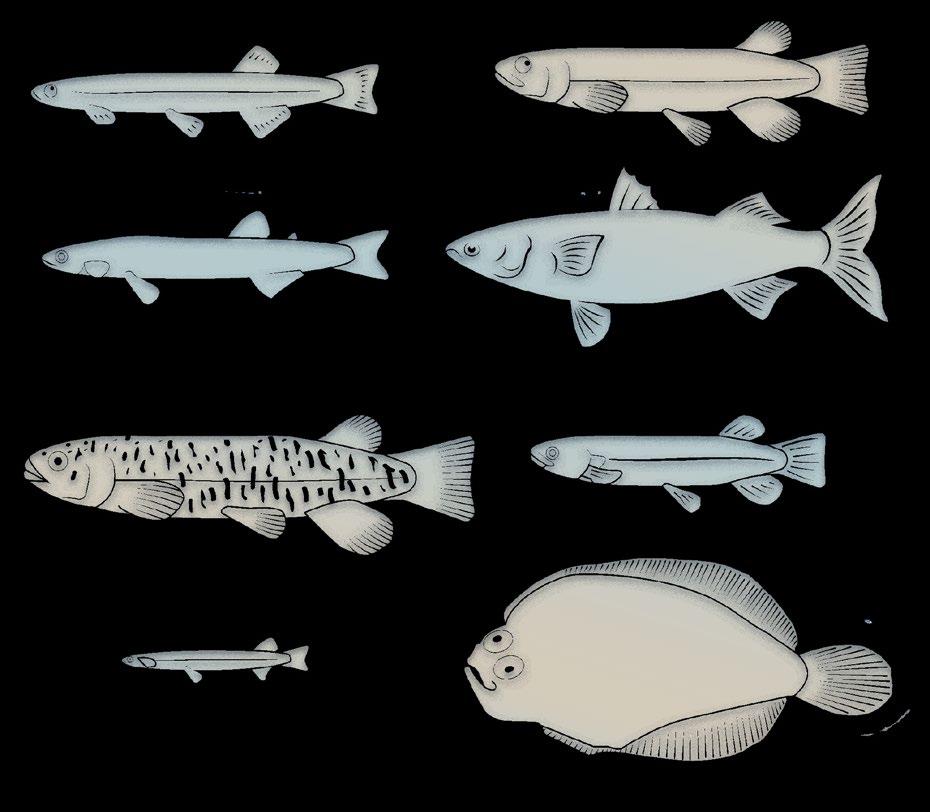
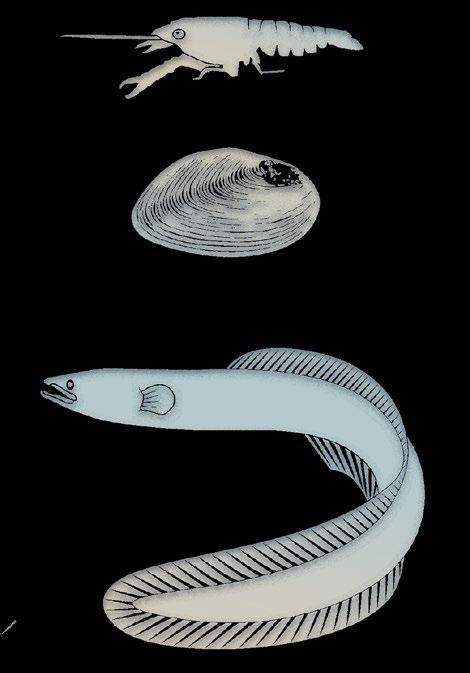
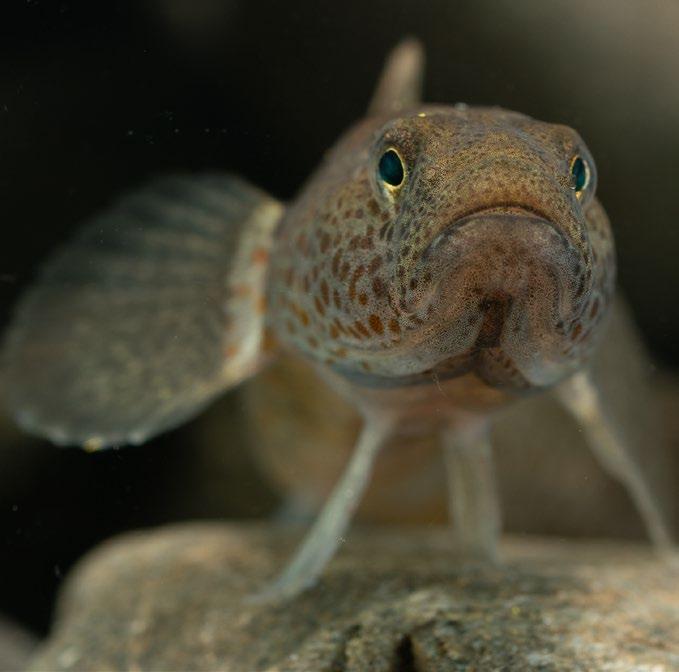
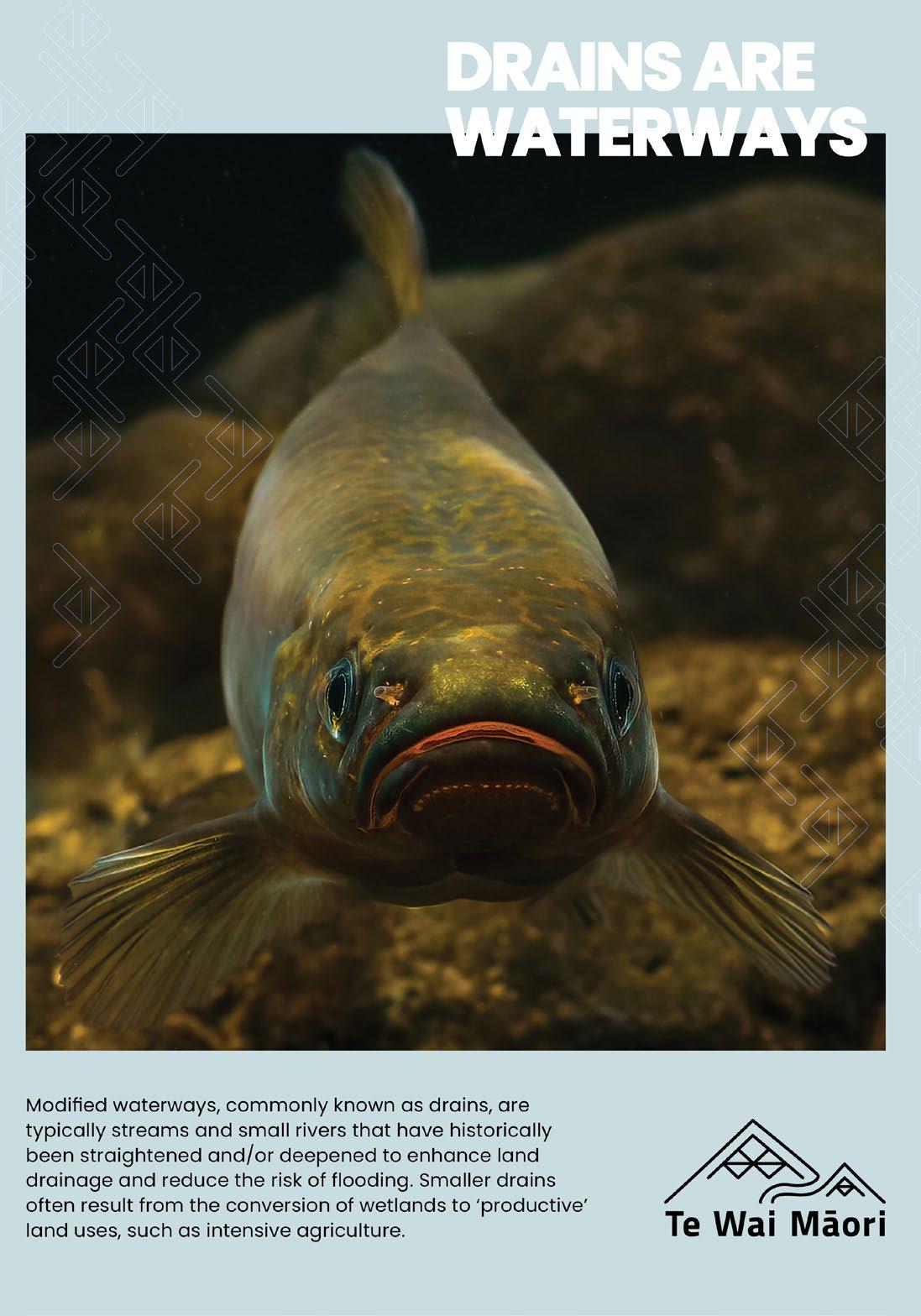
Publishers) to finalise the Drains are Waterways brochure. The brochure talks about the ecological importance of drains, includes some amazing pictures of the 22 native species officially recorded in drains, and identifies best practice for drain clearance to reduce harm to taonga species that inhabit these waterways. It is anticipated that the brochure will be published and ready to disseminate at the conference next month.
3. Providing better opportunities for the participation of Iwi and hapū in resource management decision-making processes as they relate to freshwater fisheries and habitat
The Trust continues to respond to the swathe of legislative changes that are underway.
This included drafting responses in opposition to the Treaty Principles Bill, the Resource Management (Consenting and Other System Changes) Amendment Bill and the Local Government (Water Services) Bill (the Water Services Bill).
The Resource Management (Consenting and Other System Changes) Amendment Bill is concerning insofar as it relaxes rules around discharges to water, allows farm plan certification and audit services to be delivered by industry organisations and inserts a default 35-year direction for energy generation and long-lived infrastructure.
The Government is also proposing to replace the RMA with two new bills. The Natural Environment Act (NEA) will focus on the use, protection, and enhancement of the natural environment. This includes land, air, freshwater, coastal and marine water, and other natural resources. The Planning Act will focus on land-use planning and regulation.
An Expert Advisory Group (the EAG) was established in September 2024 to provide a blueprint to Ministers on RMA reform. The roopu produced the Final EAG Report – Blueprint for RMA Reform (the EAG report) at the end of last year which included 21 key recommendations.
Pou Taiao Advisors in their summarised feedback on the EAG report (dated 25 March 2025) said that the report was very high-level and would require substantive work to operationalise it for any new RM system. This would include providing proposal details, workability and consistency with Treaty of Waitangi settlements. It would also require very intensive engagement to ensure the work is advanced in a meaningful way.
The Government is aiming to introduce the Bills in late 2025 and pass the Bills into law in mid-2026. The Select Committee process will be the main mechanism for public consultation.
The Water Services Bill is part of the Local Water Done Well reforms. The Bill includes arrangements for the new water services delivery system, a new economic regulation and consumer protection regime for water services, and changes to the water quality regulatory framework and the water services regulator Taumata Arowai.
This is the third bill that the Government has produced as part of the reform programme. Key aspects of the Water Services Bill that we submitted against include amendments that repeal the requirements in water services legislation to give effect to the principles of Te Tiriti o Waitangi and Te Mana o te Wai and limit the role of the Māori Advisory Group.
Staff are also keeping a watching brief on the Proposed Wastewater Environmental Performance Standards. A discussion document was released by Taumata Arowai in March. The proposed standards for open ocean discharge imply a much lesser degree of treatment, and there is potential for current plant operators to amend their existing consents to match the
new lower standard. The discussion document (which is light on detail) also proposes setting the activity status for wastewater projects at a national level and extending consent terms for discharges to water and land for a period of 35 years.
4. Promote and share indigenous fisheries expertise, knowledge and understanding.
Freshwater Fisheries Conference
Planning continued this quarter for the 2025 Māori Freshwater Fisheries Conference to be held at the Les Munro Centre in Te Kūiti on 7 and 8 April.
The conference provides an opportunity to gather, share and support the crucial network of kaitiaki wai māori. The theme of this year’s huhuinnga is he wai pūnehu – navigating murky waters. In these times of uncertainty, it can be difficult to see a clear path forward. How do we work together to navigate these murky waters, build on our collective actions and achieve enduring positive outcomes for our freshwater taonga?
5. Supporting Iwi and hapū capacity and capability in freshwater fisheries.
This quarter, the Trust continued to support 2024 funding round recipients: Te Arawa Lakes Trust, Wakatū Incorporation, Te Rūnanga o Ngāti Mutunga, Te Waiau Mahika Kai Trust, Hokonui Rūnanga Floriculture Limited, Ngātiwai Trust Board and Aki Tai Here Ltd. The Trust also continued to support three projects from the 2023 funding round: Tuawhenua Trust, Ngāti Kahungunu Iwi Incorporated and Maungataniwha ki Rangaunu Trust and one from the 2021 funding round: Te Ani Waata Whānau Trust.
This quarter, the Trust is working to enter into agreement with two groups: Aoraki Environmental Consultancy Ltd and Ngā Puna Rau o Rangitikei for Tiaki Wai funding.
Aoraki Environmental Consultancy Ltd (the environmental entity of Te Rūnanga o Arowhenua) seeks funding for research/kaupapa Māori baseline research of kanakana spawning habitats in the Arowhenua takiwā. This baseline research will provide more comprehensive and higherquality kanakana information to Kāti Huirapa ki Arowhenua, enabling them to develop a project plan to restore and protect kanakana habitat in the takiwā.
Nga Puna Rau o Rangitikei’s ‘Pourewa Tuna Monitoring Project’ seeks to protect the health and abundance of freshwater tuna within the Pourewa awa by utilising the mauri compass framework, traditional methods and environmental monitoring tools and empowering Ngāti Hauiti to exercise their right as kaitiaki.
The Trust also supported Te Rūnanga o Te Rarawa Trustee Limited to achieve their milestones and conclude their project. The Trust continues to support Patuharakeke Te Iwi Trust Board and Te Kūpena Hōu Ltd.
The Te Mātāpuna o te Wai fund has a pool of $12.8 million to develop the capability and capacity of hapū and iwi in their aspirations for their freshwater taiao. Te Mātāpuna o te Wai offers a three-year investment through planning support for Te Mana o te Wai/Taiao System approaches and supporting the capacity of hapū and iwi by resourcing kaimahi (full time employees).
Again, the management of funding agreements and deliverables under the Te Mātāpuna fund was the focus for the quarter (led by subcontractors Poipoia Limited).
The following table summarises each area of work identified in the 2025 annual plan by comparing actual to budgeted expenses for the year to date.
+ Te Wai Māori have generated a $351k net surplus to 31 March 2025, which is $93k behind budget.
+ Total costs were $5.372m, of which the bulk ($4.858m) relate to the MfE Essential Freshwater (Tangata Whenua) Fund.
+ Budget 2025 reflects a surplus of $708k, being the return required to offset inflation i.e. maintain the real value of settlement funds. Portfolio performance was poor in March, such that YTD returns are ($224k) behind budget.
+ Operational and Governance cost savings are $23k and $2k respectively. Operational savings are in HR $31k.
+ Excluding MfE Essential Freshwater (Tangata Whenua) Fund, project costs are tracking well overall at $3k behind budget. Freshwater Funding overspend continues to be offset by savings elsewhere, particularly Indigenous Freshwater Species.
+ MfE Essential Freshwater (Tangata Whenua) Fund grant payments are $3m ahead of budget, with most funds paid out in the first two quarters.