

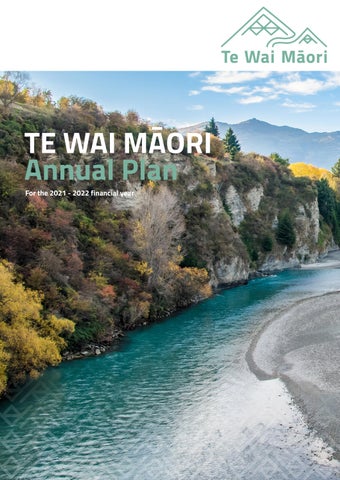
For the 2021 - 2022 financial year


Ko Rangi
Ko Papa
Ka puta ko Rongo
Ko Tāne Mahuta
Ko Tangaroa
Ko Tūmatauenga
Ko Haumia-tiketike
Ko Tāwhirimatea
Tokona te Rangi ki runga
Ko Papa ki raro
Ka puta te ira tangata ki te whai ao, ki te ao marama
E Rongo, whakairia ake ki runga, Kia Tina! Tina! Haumi e!
Hui e, Taiki e!
Te Wai Māori has a board of three directors and three alternate directors who are each appointed for a four-year term, with a maximum of two terms. The directors are responsible for approving the strategic outlook of the organisation and ensure the goals and objectives are implemented. Te Wai Māori directors follow a Charter of Corporate Governance, Best Practice, and a Code of Ethics.

Donna Flavell - Chair Waikato, Ngāpuhi, Ngāti Ruapani

Pahia Turia - Director Ngā Wairiki, Ngāti Apa, Whanganui, Ngā Rauru and Ngāti Tuwharetoa

Ian Ruru- Alternate Director Te Aitanga ā Māhaki, Ngāti Porou, Ngāi Tai, Te Whakatōhea

Erina Watene-RawiriAlternate Director Waikato-Tainui, Ngāti Maniapoto, Ngāi Te Rangi
Tēnā koutou katoa,
On behalf of the directors of Te Wai Māori Trust, I’m pleased to present the 2021/2022 Annual Plan and Budget.
This year’s Annual Plan will support the strategic priorities and long-term outcomes that Te Wai Māori Trust continue to work toward, including:

Rawiri Faulkner - Director Ngāti Whakaue, Ngāti Raukawa ki te Tonga, Ngāti Toa Rangatira, Ngai Te Rangi

Maria Nepia - Alternate Director Ngāti Tūwharetoa, Rakaipaaka
• Enhancing the health and wellbeing of indigenous fisheries and their habitat.
• Enhancing the recognition and status of indigenous species.
• Providing better opportunities for the participation of iwi and hapū in resource management decision making processes as they relate to freshwater fisheries and habitat.
• Promoting and sharing indigenous fisheries expertise, knowledge and understanding.
• Increasing the quality and range of information to iwi and hapū on freshwater fisheries and habitat.
• Supporting iwi and hapū capacity and capability in freshwater fisheries.
The annual plan will see the Trust continue to support the Freshwater Iwi Leaders Group in responding to Government’s ongoing resource management reform and freshwater review processes, support freshwater species work programmes and initiatives, targeted freshwater fisheries research, and continue to support iwi and hapū through the Wai Ora and Tiaki Wai funds.
Nāku noa, nā
Donna Flavell Chair, Te Wai Māori Trust

Our freshwater taonga continue to face ongoing and increasing pressure, including declining water quality, habitat modification and loss, barriers to fish passage and migration and a changing climate. These factors give rise to serious concern for the health, wellbeing and abundance of our freshwater taonga.
The Trust’s core values are:
• Te Mana o Te Wai, reflecting that freshwater ecosystems come first.
• Whakapapa, reflecting the connection between whānau, hapū and iwi, and te taiao.
• Kaitiakitanga, reflecting whānau, hapū and iwi obligations, as descendants of ngā Atua.
These values determine the way we approach our work and define the way we behave. These
values involve us moving from talk to action, to strategise and mobilise, and to put the interests of freshwater taonga first.
Ensuring the health and wellbeing of freshwater is essential for the continued health and wellbeing of freshwater fisheries. Healthy freshwater fisheries require good management of freshwater habitat and the wider environment. Many of the pressures on our freshwater taonga are due to modification of freshwater environments.
There is a need to identify and articulate iwi and hapū values in relation to freshwater species and ecosystems to improve awareness in resource management processes, and influence agencies with responsibilities for freshwater fish and habitat.

Our key priorities for 2021/2022 include the following programmes and projects:
Responding to legislative reform and policy
• Providing continued support to the Freshwater Iwi Leaders Group in seeking to ensure that the rangatiratanga of iwi and hapū guaranteed under Te Tiriti o Waitangi is upheld in the Government’s ongoing resource management reform and freshwater review processes. This includes:
• Resource management reform
• Freshwater reform including
• Māori rights and interests in freshwater
• NPS-FM implementation
• Three Waters reform
• Wider legislative reform included in this work programme includes biodiversity and climate change.
• In partnership with iwi and hapū, Te Wai Māori will develop policy responses and other initiatives to key legislative reform affecting freshwater taonga.
Indigenous freshwater species
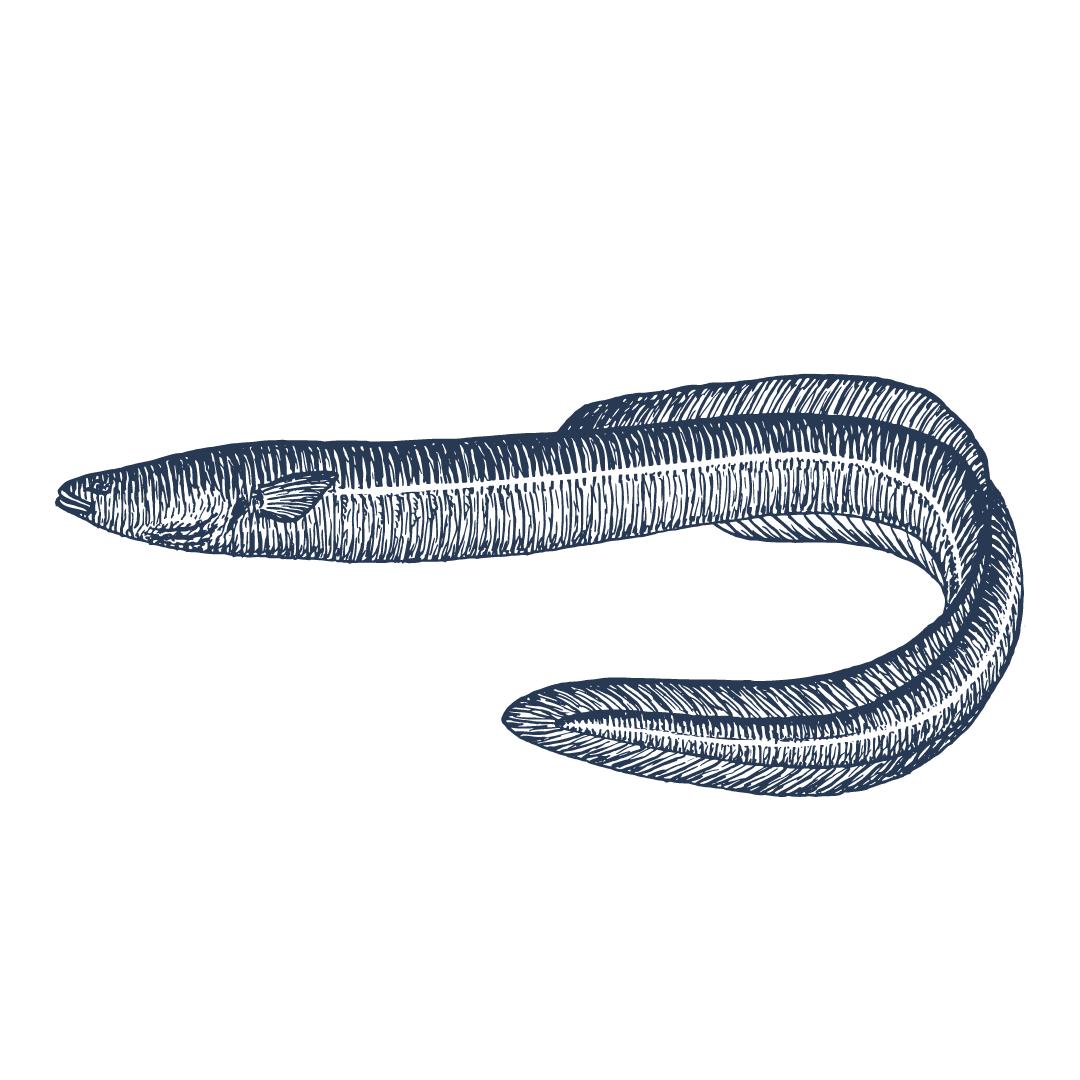
• The Trust will continue to support species specific work programmes and initiatives including continued work on Tuna, Piharau/Kanakana and Īnanga.
Targeted research
He reo tō te wai
He reo tō te tangata Kotahi tonu te whakapapa Whakakotahia!
Conference
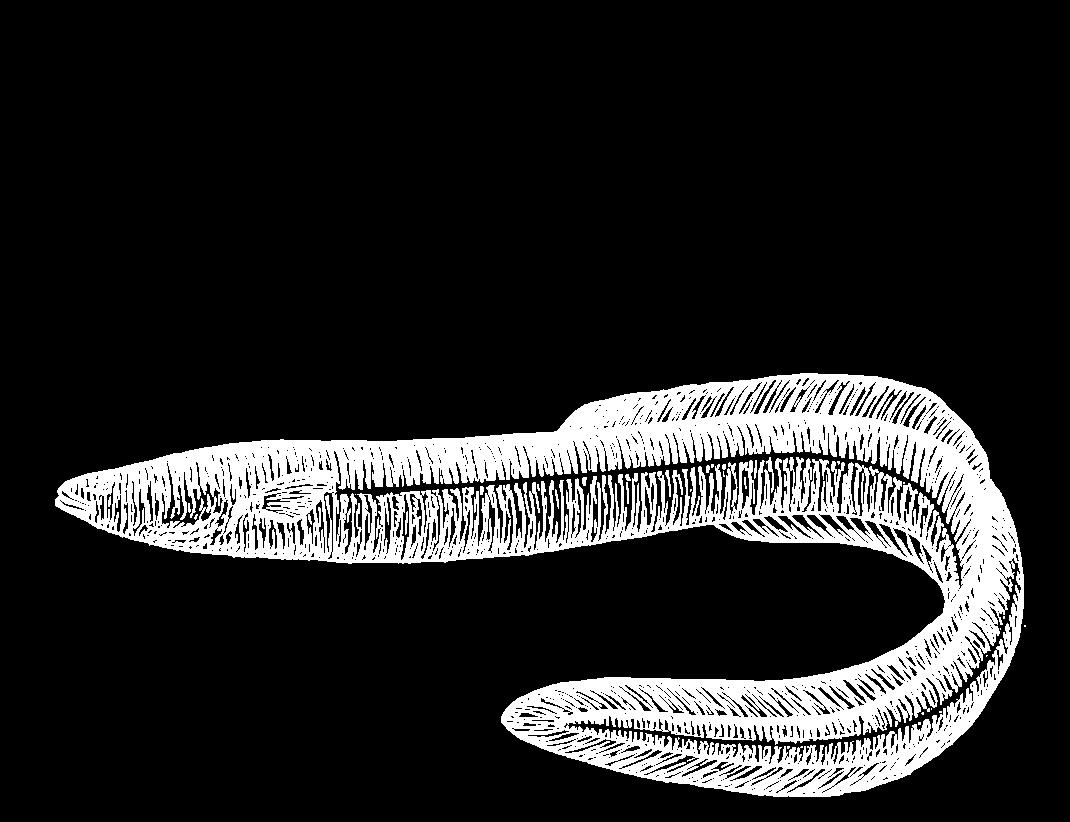
• The Māori Freshwater Fisheries Conference is a biennial event brought together by Te Wai Māori Trust, providing a forum for the coming together of iwi and hapū to share freshwater fisheries knowledge and expertise. The next Māori Freshwater Fisheries Conference is proposed to be held at the Great Lake Centre in Taupō in August/September.

• Support research on indigenous freshwater species and research projects with a focus on kaupapa Māori approaches to assessing and monitoring freshwater health.
Supporting iwi and hapū through freshwater funding
• Provide funding to iwi, hapū and Māori through the Wai Ora and Tiaki Wai funds to support projects throughout Aotearoa to protect, enhance and develop freshwater fisheries and habitat.
The following summarises the key actions for Te Wai Māori for the 2021/22 financial year.
1.
Enhance the health and wellbeing of indigenous fisheries and their habitat
2.
Enhance the recognition and status of indigenous species
3. 4. 5.
Providing better opportunities for the participation of iwi and hapū in resource management decision making processes as they relate to freshwater fisheries and habitat
Promote and share indigenous fisheries expertise, knowledge and understanding.
Supporting iwi and hapū capacity and capability in freshwater fisheries.
1.
Enhance the health and wellbeing of indigenous fisheries and their habitat
• Continue to support species specific research
• Continue to support research projects with a particular focus on kaupapa Māori approaches to freshwater assessment and monitoring working in partnership with iwi and hapū
• Continue to seek opportunities for alignment with other entities that fund and/or undertake freshwater fisheries research to influence and leverage funding that supports freshwater fisheries outcomes.
2.
Enhance the recognition and status of indigenous species
• Raise awareness of pressures facing our freshwater taonga
• Build strategic relationships and influence policy outcomes to ensure freshwater taonga are considered and provided for.
• Assist iwi and hapū to articulate their values and aspirations and enhance their relationship with freshwater taonga.
• Īnanga
• Seek to ensure that the rangatiratanga of iwi and hapū guaranteed under Te Tiriti o Waitangi is upheld in the Department of Conservation’s whitebait management review. This includes seeking to ensure that the relationship of Māori with traditional waters and fisheries are given appropriate recognition and that customary fishing rights are upheld.
• Seek to ensure that to Department of Conservation’s whitebait management review addresses the wide range of threats facing the species including habitat loss and degradation, fish passage barriers, water quality degradation, climate change and predation by introduced species.
• Tuna:
• The Trust will continue to contribute to the national review for longfin tuna, engaging with tangata whenua, and those

2.
Enhance the recognition and status of indigenous species (cont.) agencies with responsibility for tuna to review the fishing and non-fishing pressures on the species.
• The Trust will also continue to provide support to Te Mana o Ngā Tuna, the national body for tuna.
• To identify and promote appropriate mechanisms to increase iwi and hapū participation and influence in decisions relating to Tuna and its habitat.
• Raise awareness of the pressures on Tuna.
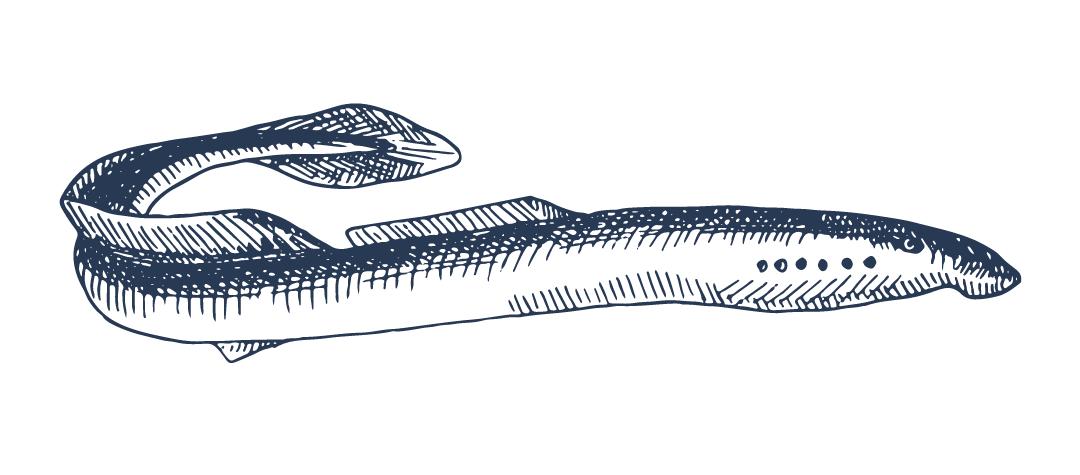
• Piharau/Kanakana:
• Give effect to the Piharau/Kanakana strategy, by working with iwi and hapū (through the Iwi Steering Group) to develop initiatives that:
• Improve knowledge of Piharau/Kanakana by identifying, supporting, and distributing research.
• Build strategic relationships with relevant agencies to enhance the health and wellbeing of Piharau/Kanakana and work with those agencies to improve the ability of iwi and hapū to influence decision making for the species and its habitat.
• Raise awareness and education of Piharau/Kanakana as a taonga.
• Assist iwi and hapū to articulate their values and aspirations and enhance the relationship of Māori with Piharau/Kanakana.
3.
Providing better opportunities for the participation of iwi and hapū in resource management decision making processes as they relate to freshwater fisheries and habitat
• In partnership with iwi and hapū, develop policy responses and other initiatives to key legislative reform affecting freshwater taonga including habitat.
• Develop and respond to initiatives to protect and advance Māori interests in freshwater fisheries.
4.
Promote and share indigenous fisheries expertise, knowledge and understanding
• Provide opportunities for iwi and hapū to share fisheries knowledge and expertise, notably through holding the 2021 Te Wai Māori Freshwater Fisheries Conference and iwi workshops.
5.
Supporting iwi and hapū capacity and capability in freshwater fisheries
• Providing funding to iwi, hapū and Māori through the Wai Ora Fund to support projects throughout Aotearoa to protect, enhance and develop freshwater fisheries and habitat.
• Providing funding to iwi, hapū and Māori through the Tiaki Wai Fund to support iwi to deliver small scale projects.

The following summarises how Te Wai Māori will measure the success of the annual work programme against the following key performance indicators.
iwi and hapū know who we are, what we do and why we do it, and see value in our mahi
Iwi and hapū know who we are and what we do and are satisfied that the Trust provides a valuable and necessary service
Achieved by Measures
Active engagement with iwi and hapū.
Through the Wai Ora and Tiaki Wai funds iwi and hapū are empowered to protect, enhance, and develop their freshwater fisheries and habitat.
Māori Fisheries Conference, Te Wai Māori Freshwater Fisheries Conference, regional hui, and workshops held. Positive feedback is received from attendees.
Positive feedback is received from recipients of these funds and positive outcomes are realised for freshwater fisheries and habitat.
The Trust is able to influence freshwater fisheries outcomes and advance Māori rights and interests in freshwater fisheries.
The Trust has meaningful strategic relationships with key Ministers, agencies, and other parties with an influence over freshwater fisheries outcomes.
Analysing and responding to government reforms affecting freshwater fisheries and habitat.
New relationships with relevant parties are established.
The views of the Trust are proactively sought by these parties on matters affecting freshwater fisheries and habitat.
Quality analysis and responses to government reforms affecting freshwater fisheries and habitat are prepared.
Material is shared with iwi and hapū and made available on the Te Wai Māori website.
Proactive and constructive engagement is undertaken that seeks opportunities for the co-development of policy, legislative mechanisms and research.
The Trust is a known and trusted source of quality freshwater and freshwater fisheries information.
Partnering with iwi and hapū on targeted strategies for freshwater taonga, including tuna and Piharau/ Kanakana
A range of good quality information is available for iwi and hapū on freshwater fisheries. Positive feedback is received on this material.
Demonstrated investment in innovative research.
Measurable progress made toward implementing species specific strategies developed with iwi and hapū.
All statutory obligations under the Māori Fisheries Act have been met as required. Detailed in annual reporting.
Celebrating and sharing our mahi, including research and policy responses.
Identifying opportunities in the media and events where the Trust can have a voice on freshwater fisheries matters to promote our work and that of iwi and hapū and raise our profile.
The Trust is proactively engaged in government policy processes/forum on freshwater fisheries and habitat.
The Trust is engaged in collaborative research projects with crown, CRI and/or other organisations with
Research, policy responses and other key information and achievements are shared on our website, through social media and other forums as appropriate.
In FY21/22 Te Wai Māori is expected to have expenses of $1,196,399 for the year (FY20/21: $1,224,295) in the following key areas. income EXPENSES
In FY21/22 Te Wai Māori is expected to generate income of $2,237,927 (FY20/21: $1,329,007) from the portfolio investment fund.
Key assumptions in constructing the budget are basing Te Wai Māori income on the following:
• Annual drawdowns for operational expenditure are targeted to be no more than 4% of the average of the previous 3 years of the total portfolio investment fund attributable to Te Wai Māori.
• Transition to the diversified portfolio agreed under the Statement of Investment Objectives and Policies (SIPO) and review of SIPO completed to ensure it continues to be appropriate for the organisation’s requirements and investment climate.
• Short term funds held outside of the portfolio are managed to maximise returns, within acceptable risk parameters, for the period they are held.
• Available cash flows are managed to meet the needs of Te Wai Māori.
• The returns from the portfolio are monitored to ensure the planned expenditure is aligned with the prospective available returns.
• Surplus investment income, above the 4% available for annual drawdowns, is transferred into a capital maintenance reserve to preserve the real value of the portfolio and therefore income available for operational expenditure.