Students come to Thomas Edison State University with careers in full swing, family members depending on them and active commitments to their communities and country. What they discover at TESU is a pathway that honors prior learning, adapts to life’s complexities and provides the support they need to fulfill their academic goals.
The stories in this issue of “Invention” reflect that shared commitment.
You will read about learners fueled by our unique academic model and workforce partnerships, students pursuing doctoral studies to lead change in their professions and nurses prepared to meet urgent workforce needs through institutional collaborations. You will also meet families whose TESU degrees span siblings, spouses and generations — proof that one person committed to learning ignites a powerful legacy of achievement.
Every story is underpinned by a source of strength: dedicated student support teams, course mentors and staff who champion student success and donors who invest in futures in which they genuinely believe. Together, we form the foundation that enables our students and alumni to persist and thrive.
We are proud to serve adult learners who remind us that personal growth rarely follows a predictable arc, but the persistence that sustains it is unwavering. As you read these stories, I hope you are inspired by the ingenuity, determination and generosity that define the TESU community.
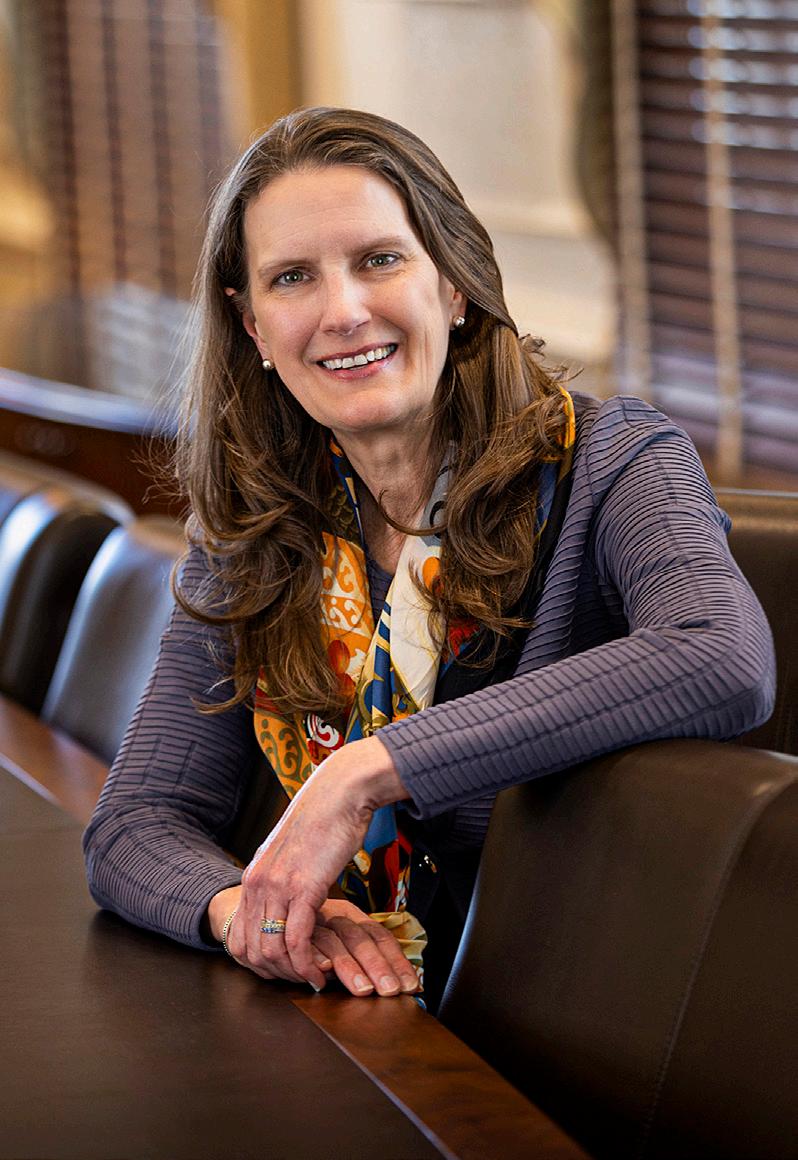
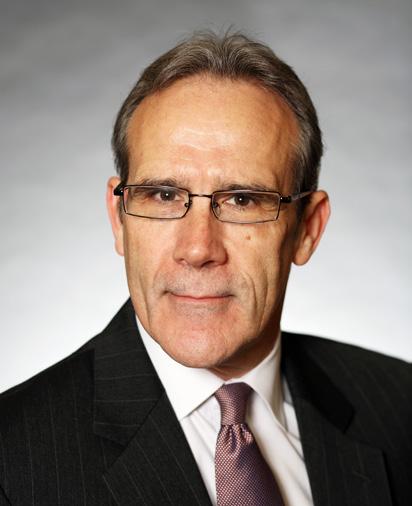
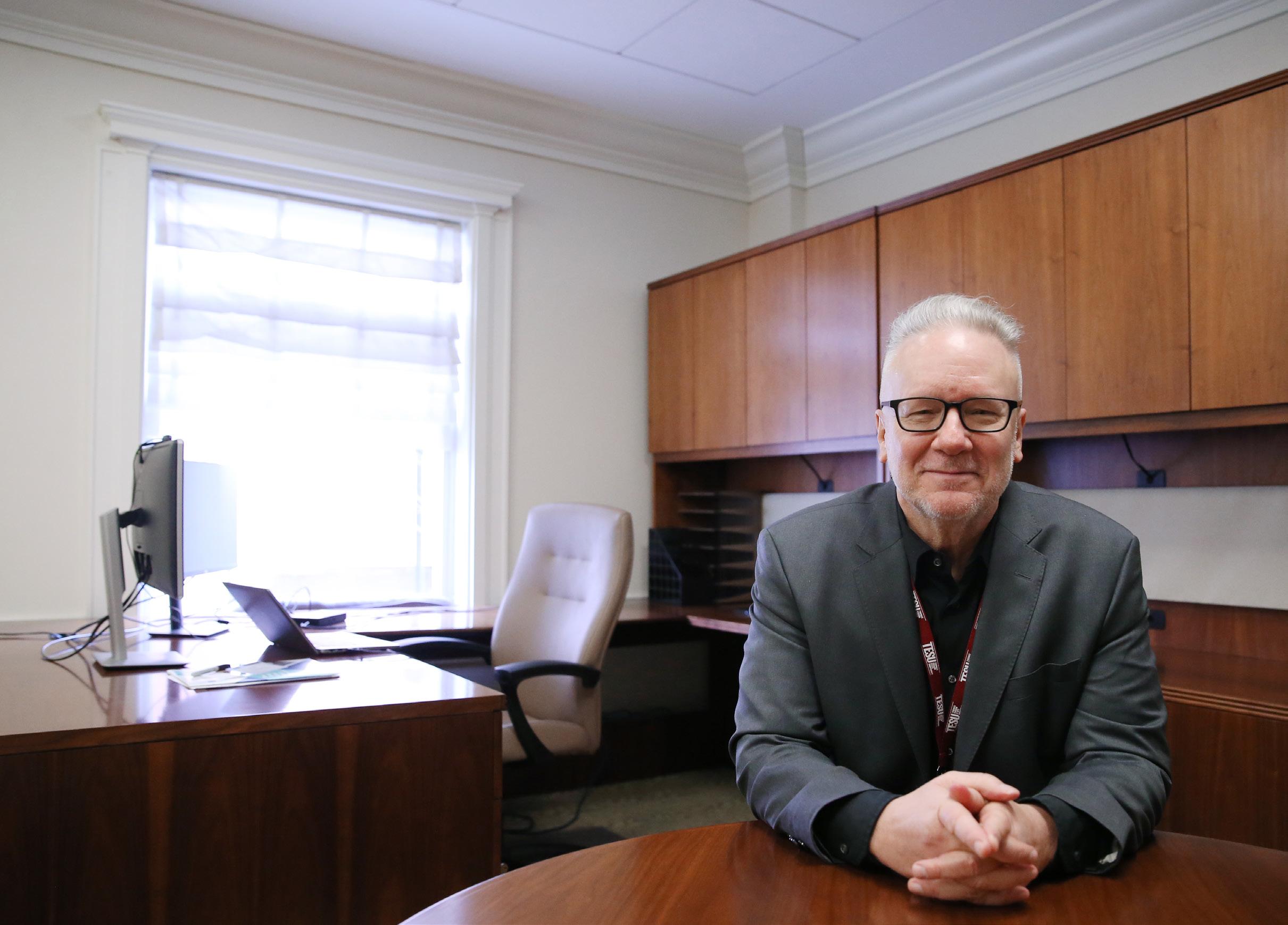
Merodie A. Hancock, Ph.D. President, TESU
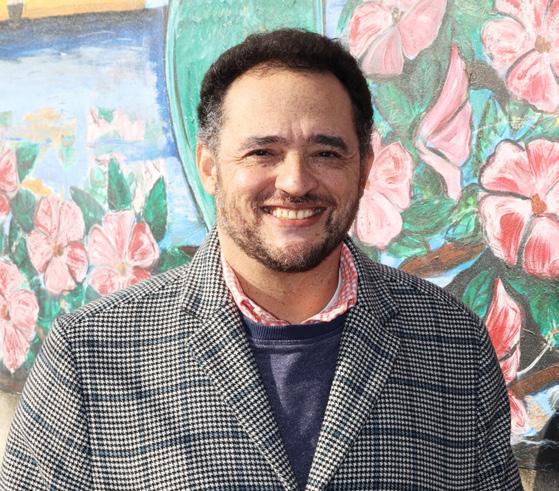
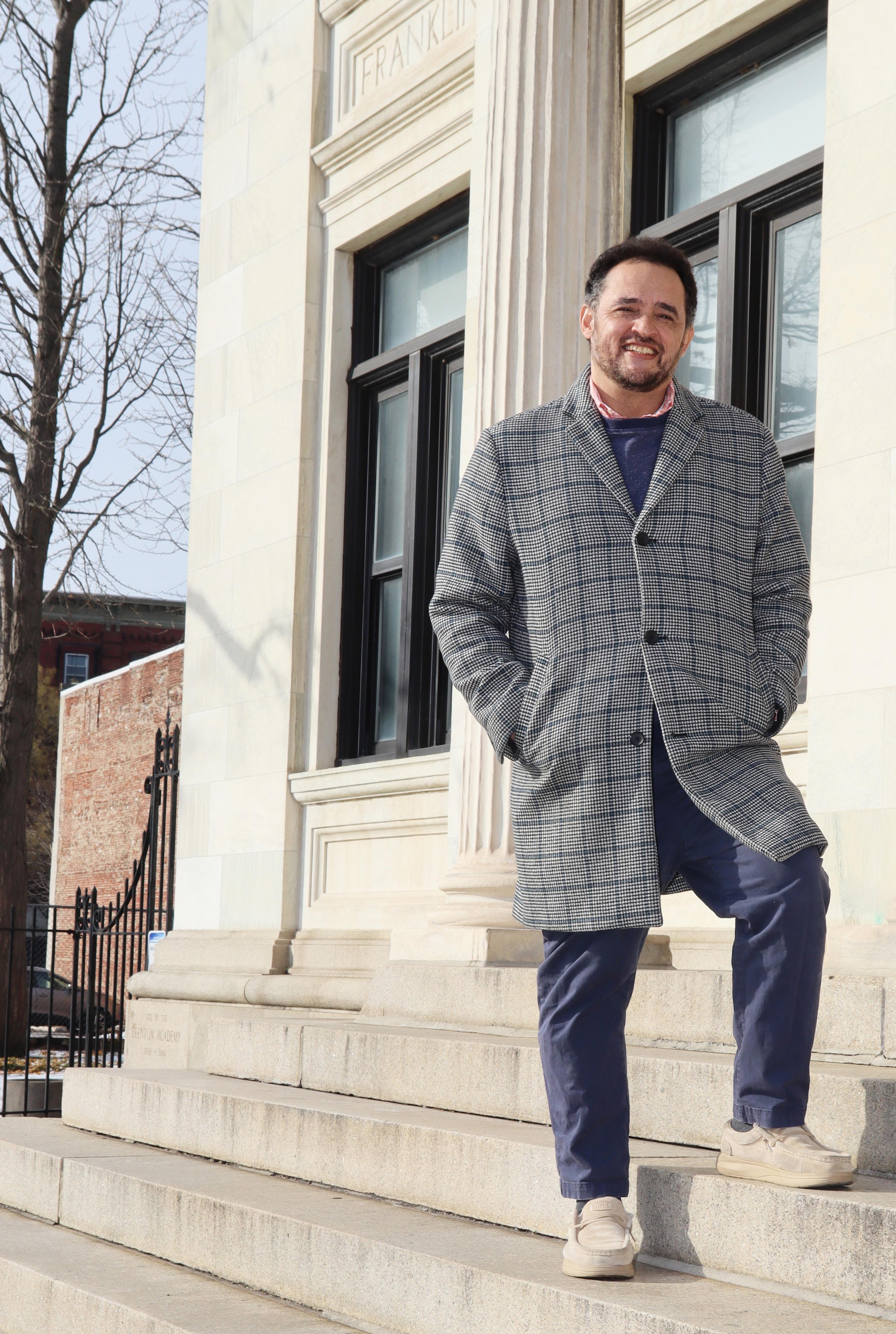
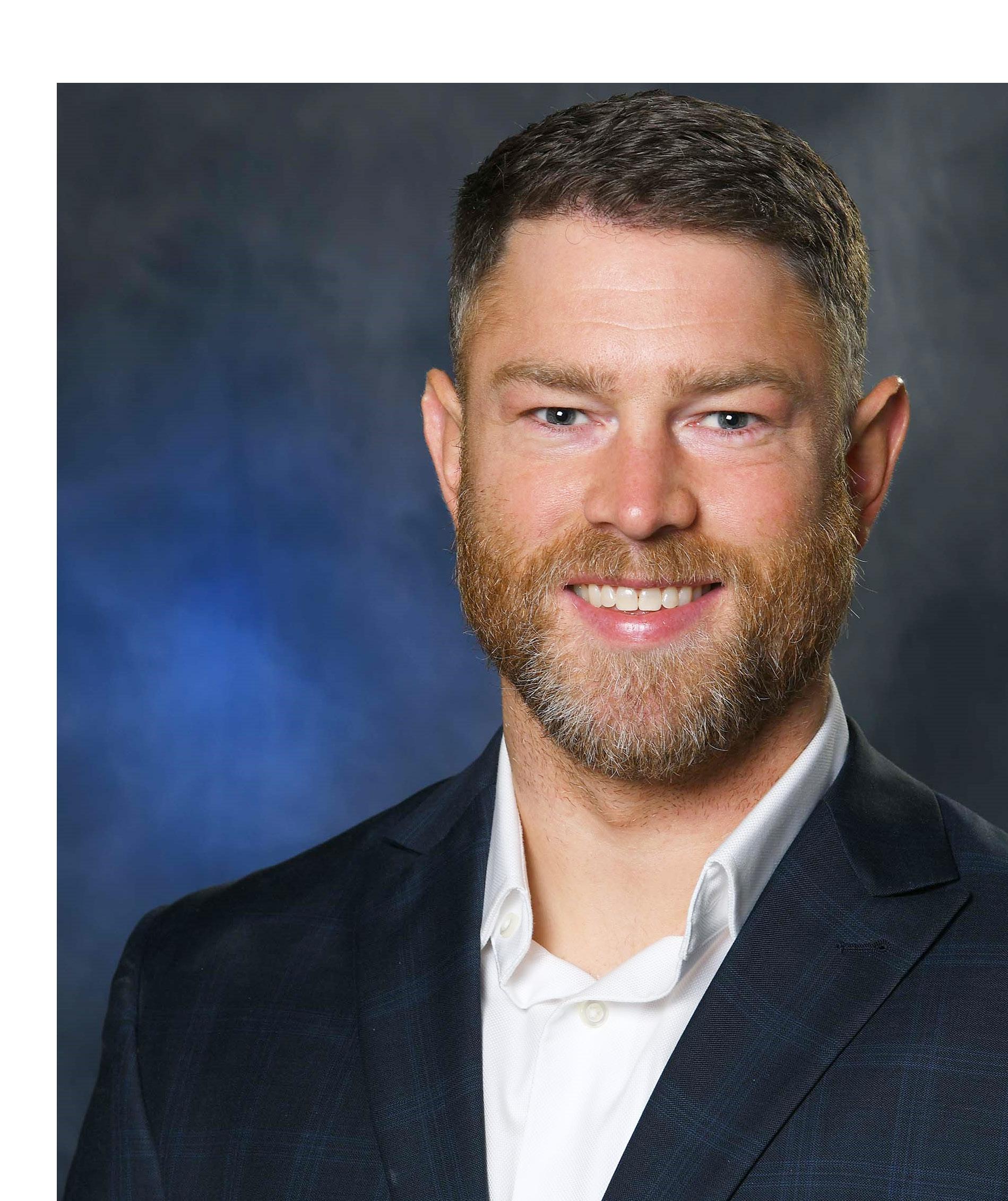
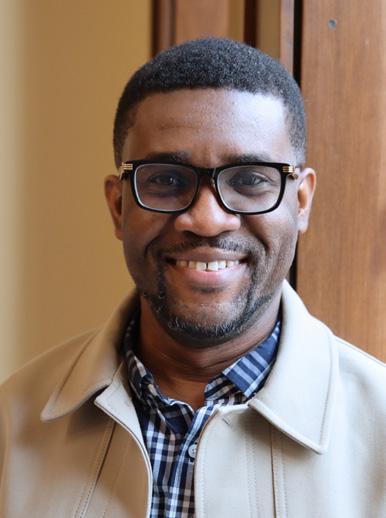
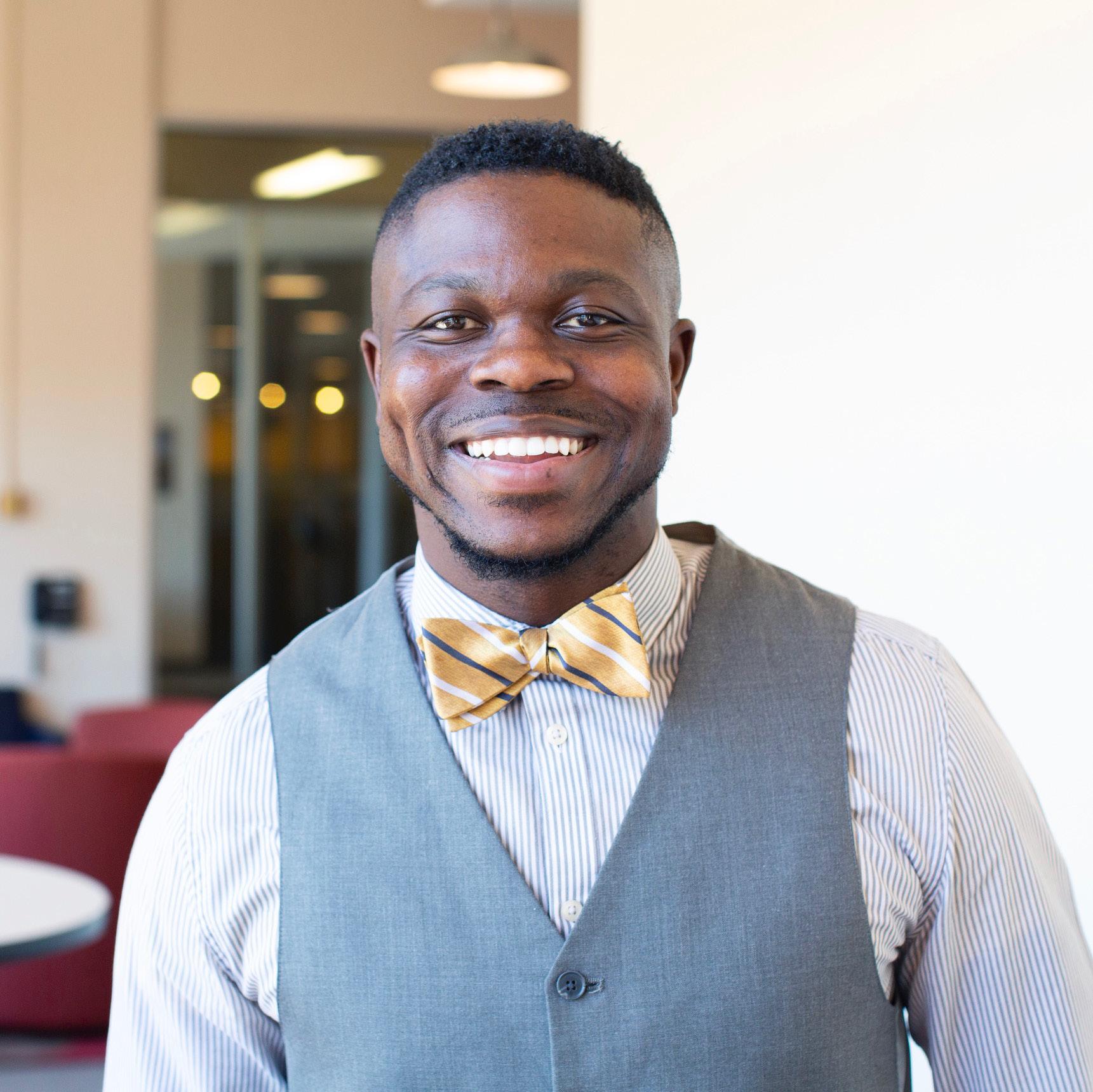
Christopher Benson, MPSL ’22, B.A. ’14
How a legacy of service inspires community change
For Christopher Benson, service isn’t just a career path — it’s a family tradition.
As managing director of Workforce Development at Isles Inc., a Trenton-based nonprofit focused on empowering sustainable communities, Benson embodies the values of leadership, equity and education that have guided him since childhood.
“My motivation was rooted in my family and early influences,” Benson explained. “Both of my parents worked in nonprofit leadership and academia — so service, education and equitable outcomes have always been central themes in my life.”
His mother, Michaela Benson, M.S. in Management ’00, is also a TESU graduate whose educational journey profoundly influenced him. “I remember her saying in a televised interview, ‘I knew I wanted to go back to school, but I didn’t want to go back to class.’ Her firsthand experience inspired me to follow a similar path,” Benson said.
After earning his B.A. in 2014, he pursued a Master of Public Service Leadership (MPSL) with a focus on Nonprofit Management at TESU’s John S. Watson School of Public Service.
“The leadership team at the Watson School was incredibly supportive and nurturing during my academic journey,” he said. “That guidance, combined with the ability to apply credits from my undergraduate degree toward my master’s through the Accelerated Bachelor’s to Master’s Program, made the experience both seamless and rewarding.”
The path back to academia was never linear. After high school, Benson enrolled at Howard University but found that the traditional on-campus experience didn’t suit him. “When I started working more hours and taking fewer courses, it took me some time to get
back into an academic rhythm,” recalled the Trenton, N.J., resident.
TESU provided the flexibility and support he needed to succeed, he said, including a $1,000 Thomas M. Eklund Endowed Scholarship he received as an undergraduate and a $298 Finish Line Scholarship through the Carolyn Jane Scott Charitable Trust to help him through the final stretch of his master’s degree. The program provides targeted support to help students stay on track for graduation.
“Once I enrolled, the staff and mentors helped me find my footing and regain my confidence,” Benson said.
“My B.A. degree accommodated my work schedule, positioned me to succeed and prepared me for master’s-level coursework. I felt far more supported at TESU than anywhere else.”
Empowered by his education, Benson was ready to bring his skills and renewed confidence back to the community — he found purpose through Isles Inc. Established in 1981, the organization collaborates directly with residents to improve education and employment outcomes, address environmental hazards, rehabilitate homes and transform vacant lots into productive green spaces. Benson provides strategic direction and oversight for multiple departments and programs under Isles’ umbrella.
“I collaborate closely with our team, clients and program administrators to ensure initiatives run smoothly and meet our objectives,” he noted. “A key part of my role involves planning and developing grant proposals, then overseeing implementation, monitoring and reporting.”
Among the many initiatives he oversees, Benson is particularly proud of Fund My Future, a partnership between his organization and the New Jersey Department of Labor and Workforce Development.
“The goal is to help individuals gain credentialed job skills and succeed in the workforce. Participants work with employment coaches to match their skills and interests with available training programs. After completing the training, they receive ongoing support to secure employment,” he explained. “The program currently serves about 120 participants, providing stipends for individuals making less than a living wage while they earn their certification. I needed this kind of support when I was in a similar situation, so it holds special importance for me.”
Benson credits an internship program at the Watson School for helping shape his leadership style.
“I was already working at a charter school, and the internship deepened my expertise across administrative, operational and instructional areas,” he said. “One of my projects was helping to launch a TESU alumni group for first responders and connecting them
with professional networking opportunities.”
He noted that TESU’s instructional staff and associate dean Ann Prime, Ed.D., helped him develop confidence and insight that continue to influence his work today. “The practical experience I gained during that internship has been indispensable in shaping how I lead workforce development initiatives.”
For students pursuing similar paths, Benson stresses the importance of understanding one’s learning style and making full use of available support.
“Know what type of learner you are and what study conditions work best for you,” he advised. “Online learning is different from a conventional classroom, but there are still many opportunities for interaction and networking. Take advantage of the academic support and resources available — you’ll be selling yourself short if you don’t.”
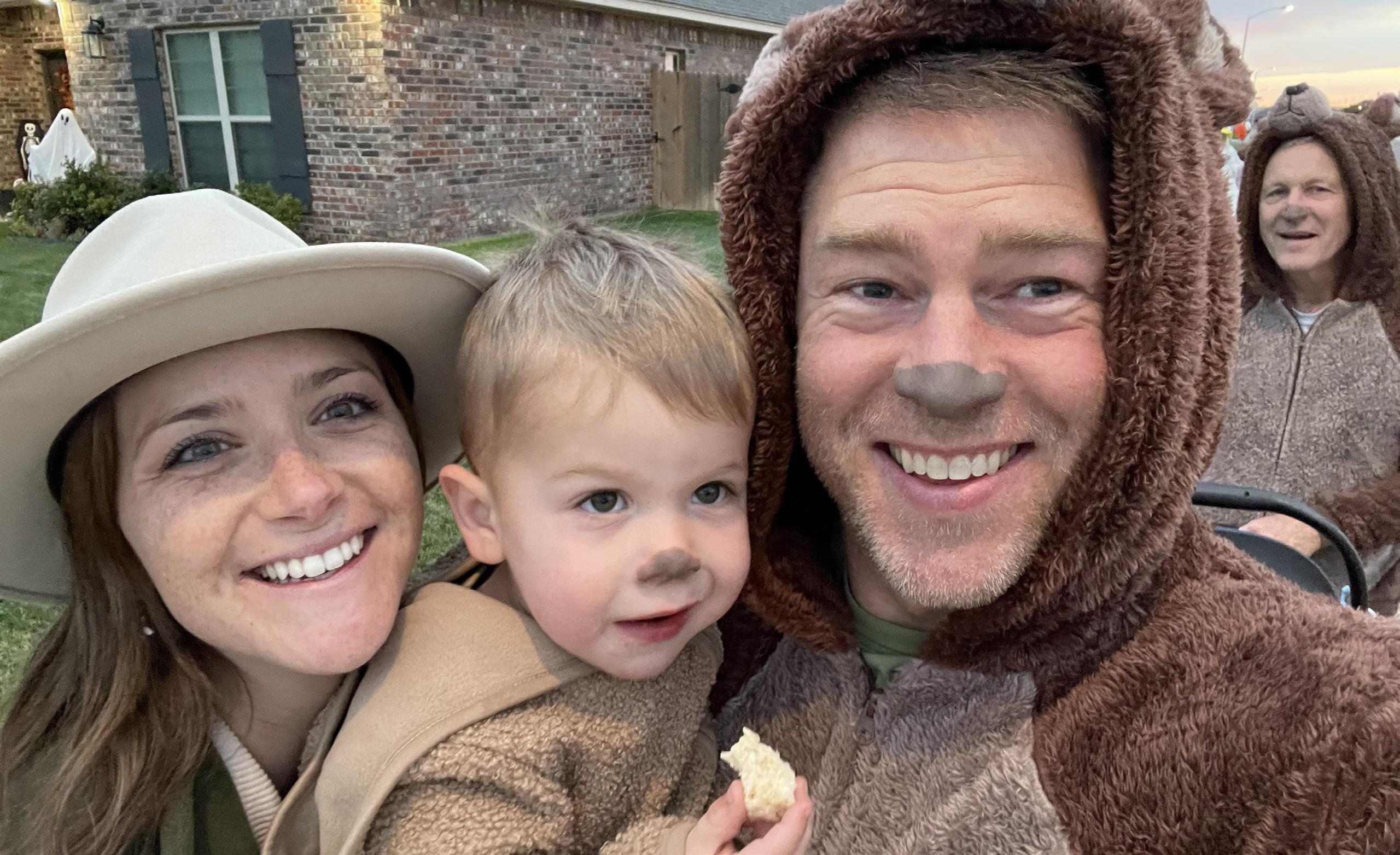
Outside of work, Benson finds joy in family and community. He and his wife, Samantha, are the proud parents of a 1-year-old son, Lennox.
“Family time is my greatest joy — whether I’m cooking for them or we’re listening to music together,” he shared. The family is also active with the Universalist Unitarian Church at Washington Crossing, N.J., where Benson offers technical assistance and support for community-based initiatives.
Reflecting on his educational and professional journey, Benson sums it up: “Service has always been part of who I am. TESU helped me refine that passion into purpose and gave me the tools to turn that purpose into action.”
Whether you are preparing to lead change or advance your career in public service, TESU offers pathways designed to move you forward. Learn more about the John S. Watson School of Public Service at tesu.edu/Watson, explore the streamlined, 30-credit Master of Public Administration (MPA) at tesu.edu/mpa and discover scholarship opportunities at tesu.edu/scholarships
Protecting Those Who Serve
Jacqueline Iannacone, DNP ’26, BSN ’15
From DNP research to real-world reform in law-enforcement care
Jacqueline Iannacone recognizes the intense stress police officers face. As an expert in psychiatric care, she also understands the strategies that help them persevere. What she has never understood is why those two disciplines rarely intersect.
As a psychiatric mental health nurse practitioner who earned a Doctor of Nursing Practice (DNP) at TESU’s W. Cary Edwards School of Nursing and Health Professions, Iannacone has long been concerned about the infrequency of psychiatric monitoring for law enforcement professionals. It’s a pursuit that hits close to home, as her brother, father, husband, father-in-law and brother-in-law served on New York and New Jersey police forces, for NJ Transit and in the U.S. Navy.
“Officers are customarily required to undergo psychological evaluations as part of the hiring process, yet once they’re in the field, often under unimaginable stress, there is no routine check in on their mental health,” Iannacone said.
That is precisely why she pursued her DNP and focused her practicum project on making routine psychiatric care a standard part of police work. Her studies were supported by a $20,000 New Jersey
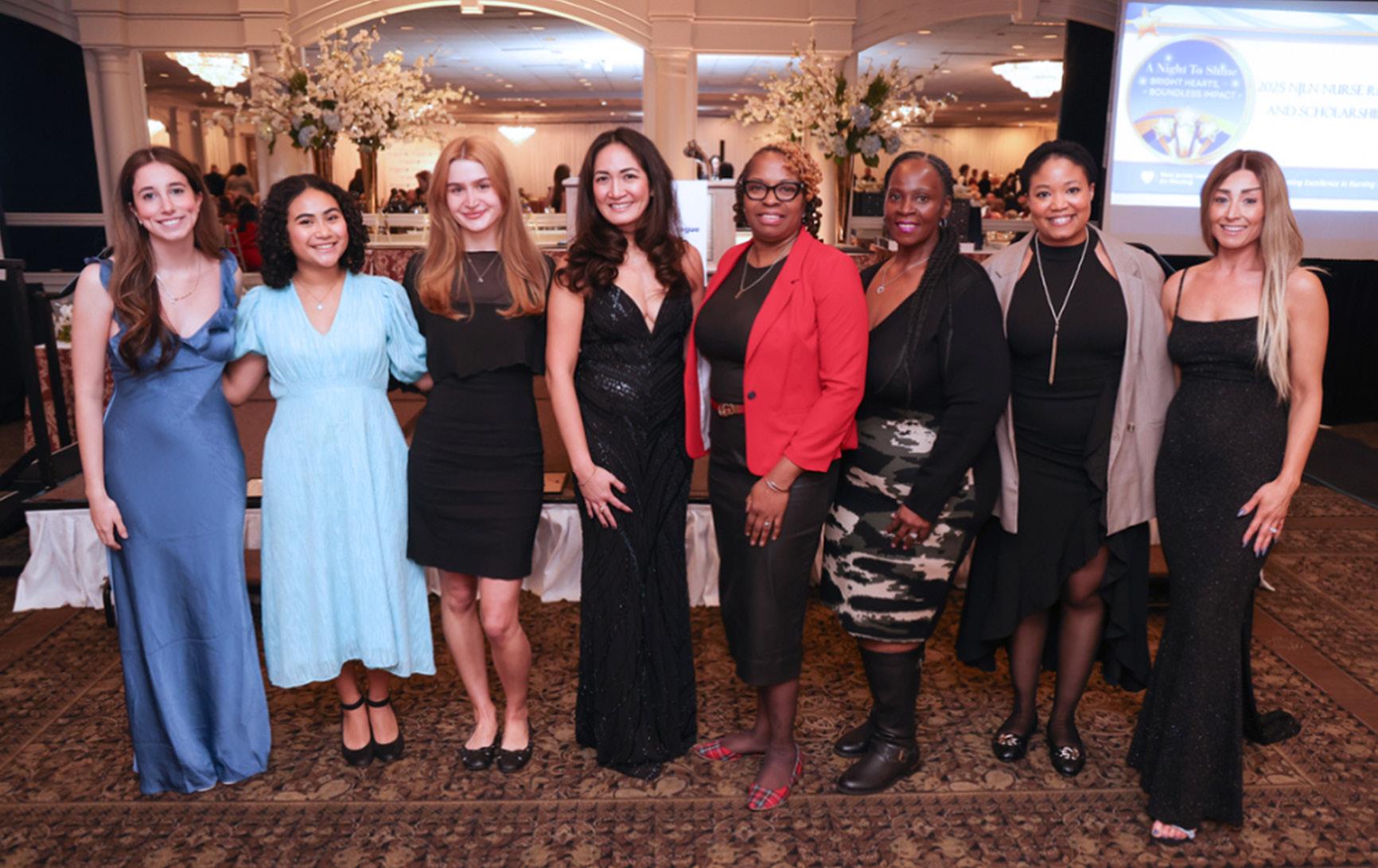
League of Nursing’s (NJLN) Dr. Maureen Sullivan Foley Memorial Scholarship in 2025.
“I am always looking for ways to improve the process. My DNP coursework gave me the knowledge, influence and credibility to change the system from within and to take evidence-based action that provides those in law enforcement with the care and dignity they deserve,” noted Iannacone, a partner at NJNP Behavioral in Manasquan, N.J., where she evaluates, treats and coordinates care for patients with behavioral, emotional or substance-abuse disorders.
“I am most proud of the trust and rapport I have built with my patients,” Iannacone stated. “Many of them come to me at their lowest point and are often skeptical about treatment. Seeing them regain control of their lives is the most rewarding part of my work.”
At age 19, while she was still a certified nursing assistant on a locked dementia unit, a pivotal experience set the tone for Iannacone’s career.
“I learned how to communicate with patients who could no longer express themselves clearly, how to comfort families grieving their loved ones’ cognitive decline and how compassion
can speak louder than words,” she recalled.
To pursue her calling, Iannacone earned an associate degree in nursing science from Excelsior University, a Bachelor of Science in Nursing (BSN) from Thomas Edison State University and a Master of Science (MSN) in psychiatric mental health nursing from Monmouth University.
“My DNP studies now help me think in terms of outcomes, quality improvement and sustainability,” she said. “I see each patient not just as an individual but as part of a broader system that can either support or hinder their recovery.”
For many aspiring nurses, continuing education offers not only rewarding work but also clear financial rewards. In the northeastern U.S., average annual salaries climb from about $98,430 for staff-level registered nurses to roughly $132,000 for nurse practitioners — advanced roles that typically require an MSN or DNP. But for Iannacone, the greatest inspiration has been the fulfillment that comes with the job.
“Psychiatric nursing is one of the most meaningful and humane forms of medicine,” she said. “It demands patience, humility and heart. The work
can be emotionally heavy, but the reward of helping someone find hope is unlike anything else.”
Iannacone said returning to TESU for her doctoral degree was an easy decision.
“Ten years ago, I was a full-time RN at an inpatient detox center, pregnant with my son, Joey, and juggling marriage, work and school,” she said. “TESU made it possible for me to do it all. The flexibility of online learning allowed me to grow academically without sacrificing my family or my career. Returning to pursue my DNP felt like coming home.”
Along the way, Iannacone received additional support through a $1,425 TESU Foundation Nursing Scholarship, a $250 Presidential Alumni Scholarship and a $3,000 Edward W. & Stella C. VanHouten Memorial Fund Scholarship. She said she is grateful for the support that came at pivotal times and added that the NJLN distinction validated her belief that mental health care for law enforcement officers deserves statewide attention and reform.
Ultimately, Iannacone’s work aims to close a long-standing gap between service and support. For her practicum
project, “Courage, to Serve, Strength, to Heal,” she test-launched a confidential, self-guided wellness intervention for first responders in one New Jersey county. Through a QR code, police officers accessed brief videos that encouraged daily practices — from five minutes of sunlight to box breathing — to ease anxiety. Using a validated questionnaire administered biweekly over 8 weeks, Iannacone found that participants’ depression scores improved and confirmed what she has long suspected: protecting those who serve must include caring for their mental health. As she looks ahead, she plans to advocate
for statewide policies that require routine psychological evaluations for law enforcement officers, paired with education to reduce stigma and normalize care.
“The work is rooted in evidence, compassion and lived experience — and driven by a simple conviction that those who serve deserve to heal, too,” she said.
To learn more about the degree and certificate programs available in the W. Cary Edwards School of Nursing, visit tesu.edu/nursing
B.S. in Nuclear Energy Engineering Technology student
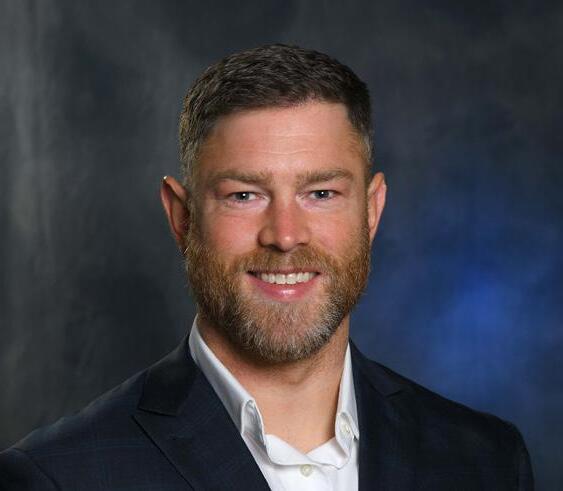
With a career that has taken him from technician to executive roles, Justin Fox is familiar with every rung of the nuclear energy workforce ladder. As a senior manager of Project Performance for PanTeXas Deterrence, the operating and managing contractor for the National Nuclear Security Administration’s Pantex Plant, Fox led the launch of the Pantex/TESU educational partnership in 2023. The collaboration has created pathways for Pantex employees to pursue degrees while advancing their careers. We spoke with Fox about his career journey, the partnership’s origins, his ongoing connection to TESU and why he remains focused on developing the next generation of talent for his employer.
You played an integral role in developing and launching the educational partnership between Pantex and TESU. How did the idea originate, and how was it implemented?
AWhen I joined Pantex in 2019, we faced a major workforce shift as many employees were nearing retirement. At the same time, we had several highly skilled, hands-on staff members eager to advance but confronted with the familiar obstacles of cost and time in earning a college degree. Having worked my way up from technician to physicist to manager, I understood these challenges firsthand. As a TESU alumnus, I was already familiar with the University’s expertise in converting real-world experience into academic credit and its existing ties to the nuclear power industry. I drafted the initial concept and collaborated with our leadership teams to develop a program that satisfied the site’s federal standards, aligned with our reimbursement policies and lowered upfront costs through a tuition discount and deferral option. This resulted in a formal agreement with TESU in 2023
A Trailblazer FROM TO
that included Pantex and its sister site, Y-12, and offered our 4,800 employees the opportunity to earn academic credit for on-the-job experience. When combined with our current reimbursement program, this significantly reduced costs and shortened the time to degree completion. Currently, nearly 80 employees are enrolled, and 150 program applicants are strengthening our longterm talent pipeline. It all started with a simple question, ‘What can we do?’ and our shared commitment to creating opportunities for our employees.
QAs a senior manager at PanTeXas Deterrence, you lead a team that provides data-based insights to senior management and drives best practices within project management to ensure programs are delivered on time and in compliance with federal requirements. What formative experiences shaped your ability to balance these responsibilities while continuing your studies?
Much of what shaped my professional growth came from mistakes I made
JustinFoxwithhisfamily
early in my career. I mishandled communications, misread situations and had reports returned to me covered with red edits — clear signs that I needed to grow. I was also laid off more than once, which pushed me to pursue degrees, certifications and as much technical and leadership experience as I could. While working in multiple capacities across roughly 20 nuclear sites, I experienced every leadership style and operational tempo imaginable. Under those circumstances, you either adapt or break. Learning to compromise was one of the toughest lessons. Over time, my goals remained the same — excellence, high standards, and caring for my team — but my approach evolved. I now focus on alignment, meaningful goal development and anticipating team members’ personal and professional needs. Continuous learning from peers, professional mentors and leadership literature has reinforced my growth and shaped how I lead today.
QHow did you learn about TESU and what motivated you to continue your studies in our Accreditation Board for Engineering and Technology (ABET)-accredited Nuclear Energy Engineering Technology program?
AQ
What aspects of our TESU experience resonate with you the most?
A Q A A Q
Many
standard. Also, since much of what we do involves engineering, pursuing my B.S. in Nuclear Energy Engineering Technology ensures I stay fully qualified for future opportunities. Everything I learned at TESU was immediately relevant to my job. College programs often teach theory you may not use, which makes returning for a degree feel like a check-the-box exercise. At TESU, I could apply what I learned day to day. That practical relevance made the experience valuable and motivating.
of our students balance work, family and education. What strategies have you found most effective for staying on track with your degree while holding a seniorlevel position?
I first learned about TESU early in my career. Several radiation safety technicians I worked with spoke highly of the University’s reputation in nuclear power programs, which led me to enroll. At the time, my motivation was shaped by a respect for frontline experience. As a technician, I saw decisions being made without input from those directly involved in the work. I wanted to bridge that gap by combining my technical knowledge with field experience and constructive engagement, and that goal still drives my efforts. Today, continuing my studies is about overcoming barriers. At Pantex, many roles require an ABET-accredited degree, and while I hold other degrees and certifications, none meet that
For me, structure is essential. I grew up with attention deficit disorder, so when I stopped medication as a young adult, I needed discipline and a strict schedule to stay on task. I wake up early to walk the dogs and work out before starting my workday. Afterward, I carve out family time before focusing on my TESU coursework. If I stray from my routine, I feel overwhelmed. It’s not perfect — and having two little ones makes maintaining a routine challenging — but I try to be as intentional as possible with time management. One strategy that helps is integrating work and school: I often turn professional challenges into course- or discussion-board assignments, so I’m solving dilemmas while completing coursework. It’s a win-win that keeps me engaged and efficient.
“PROGRAMS LIKE TESU’S B.S. IN NUCLEAR ENERGY ENGINEERING TECHNOLOGY AND BSAST IN RADIATION PROTECTION ENHANCE PROFESSIONALS’ CONFIDENCE BY COMBINING TECHNICAL KNOWLEDGE WITH PRACTICAL APPLICATION. THAT BLEND WILL ALWAYS BE ESSENTIAL FOR FILLING CRITICAL ROLES.”
JUSTIN FOX, BSAST ’12
What advice would you give students considering returning to school but who are hesitant because their careers are in full swing, particularly those in technical or industrial sectors?
Make sure it’s right for you. Going back to school is a big commitment, and it’s easy for others to say you “need” a degree — but first, figure out what you
want. I know firsthand that it’s not fun to pay for a degree you never finish. Clarity is key. If the degree doesn’t align with your career goals or daily work, staying motivated will be tough. That’s why I value TESU. The coursework was immediately applicable, and I stepped into my first health physicist role using what I learned.
QWhat possible technical or “soft” skill gaps do you see in the workforce today?
AOne of the most significant gaps I see is in workplace dynamics. Learning to communicate ideas effectively and build credibility is essential. Emotional intelligence is also critical. Another challenge can come from the inability to self-advocate. Many people need to learn how to articulate their value, including principles, accomplishments and ambitions, especially during interviews. Programs like TESU’s B.S. in Nuclear Energy Engineering Technology and BSAST in Radiation Protection enhance
professionals’ confidence by combining technical knowledge with practical application. That blend will always be essential for filling critical roles.
QFeel free to share about your family members, pets, anyone who may have influenced you and your favorite pastimes!
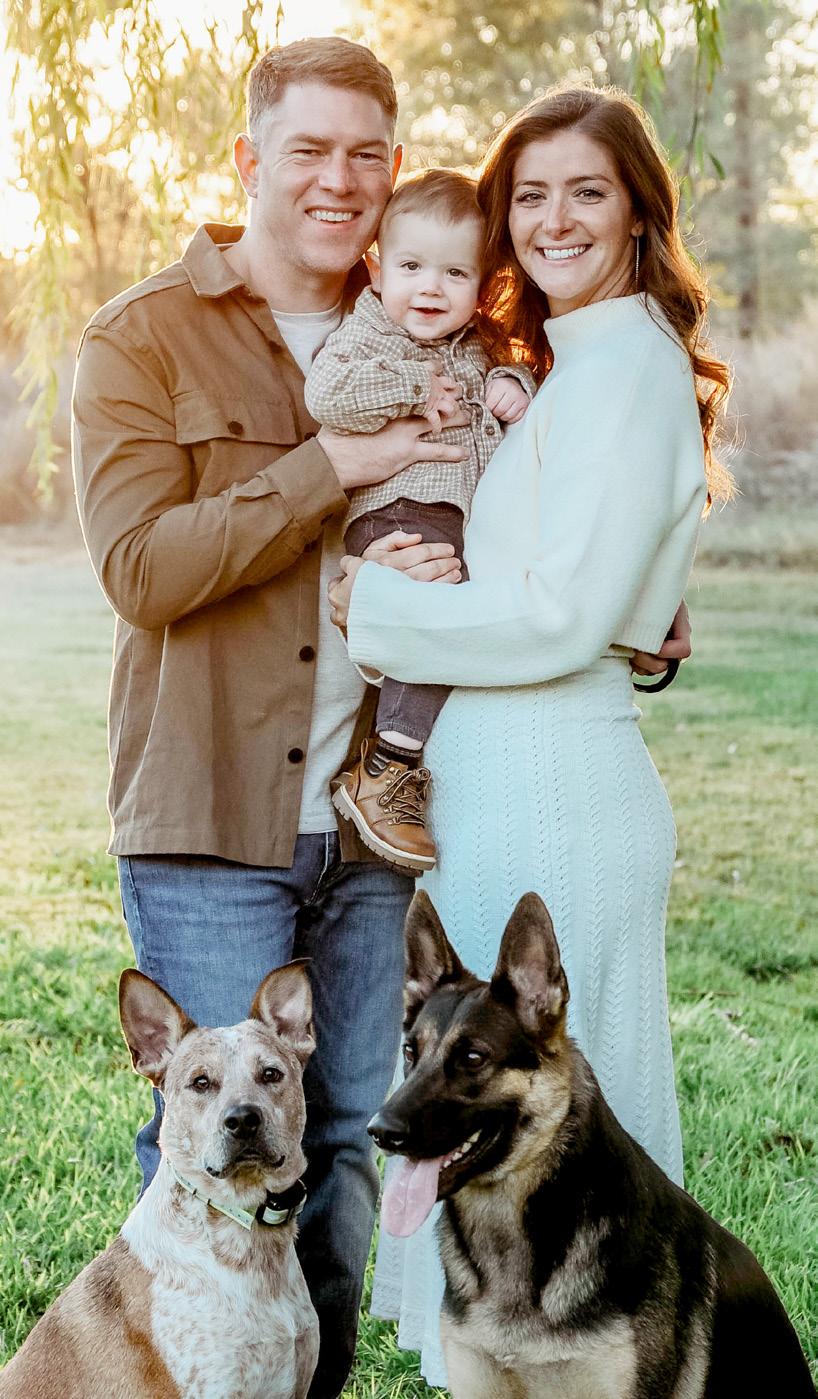
AI was adopted at birth and owe everything to my parents. I am forever grateful for the opportunities they gave me. Meeting my wife, Karina, nine years ago also profoundly changed my trajectory. She inspired me to be more intentional about helping others and ultimately guided me toward shaping a career around that purpose. We now have two young sons — Oliver and Archer — who have made life even more complete. We also have two dogs, Sophie, a German shepherd, and Scout, a red heeler, who keep us on our toes. I’m incredibly fortunate to be surrounded by family and friends who ground me,
support me and continually inspire me to strive for excellence. I also read 15–20 leadership and development books a year. Outside of work, I’m passionate about photography, focusing on nature and sports. I also enjoy hiking, gardening and cooking.
In addition to his TESU degrees, Fox earned his M.S. in Occupational Safety, Health and Environmental Management from Columbia Southern University. He holds professional certifications as a Project Management Professional, Registered Radiation Protection Technologist and Certified Safety Professional, and is a Lean Six Sigma Black Belt.
For more information on the University’s B.S. in Nuclear Energy Engineering Technology program, visit tesu.edu/ bs-neet. TESU offers access to highquality education programs and industryspecific solutions that match your goals. Visit tesu.edu/corporate-partners for more information.
Growing with TESU and Giving Back Through Education
Catharine Punchello, MSM ’13
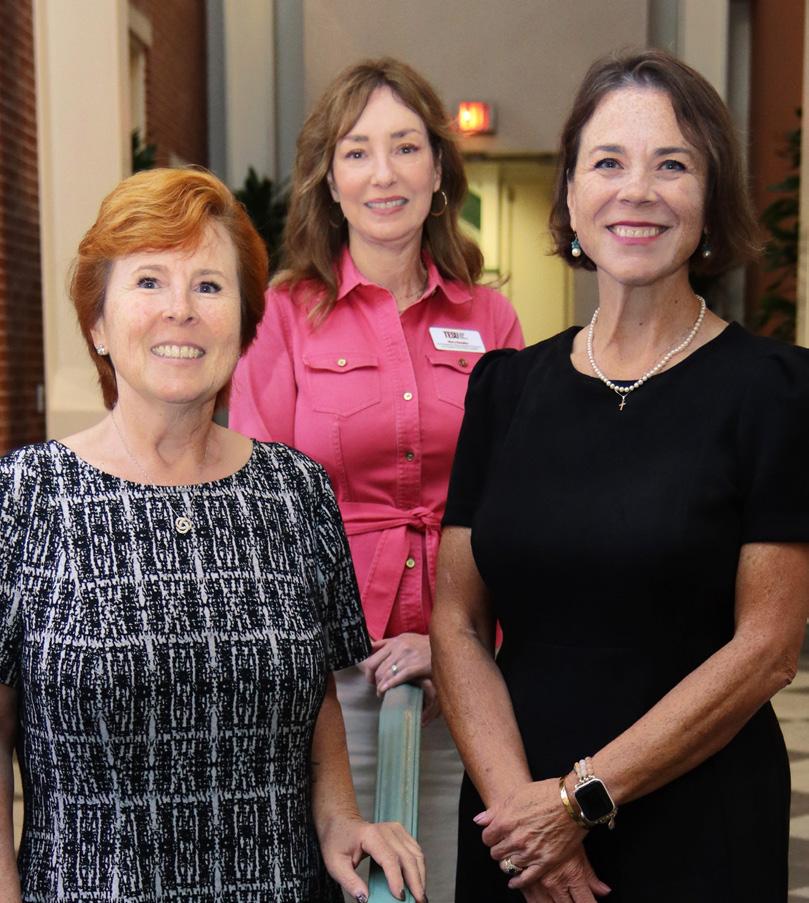
For more than three decades, Catharine “Cathy” Punchello, Master of Science in Management ’13 (left), has grown alongside Thomas Edison State University (TESU) as an employee, alum, leader and advocate for adult learners. Today, as vice provost and registrar, her perspective is shaped by deep institutional knowledge and lived experience.
Her career at TESU began with a parttime position while she was a student at Rider University. This led to a full-time role as a registration coordinator, where she was introduced to the institution’s then-nascent distance-learning model. In this hands-on role, Punchello manually registered students in courses, coordinated grades with their course mentors and entered records into the institution’s legacy systems.
“Today, students can complete coursework whenever and wherever they have the opportunity, with immediate feedback, real-time access to institutional information, comprehensive student support and rich course content. We provide a path forward for anyone to earn their degree — whether it takes them one year or 20,” she said.
Punchello’s commitment to TESU’s academic model deepened when she became a TESU student herself while working full-time and raising her children.
“I considered pursuing my master’s degree for years,” she said. Encouraged by former TESU registrar Sharon Smith, Punchello finally took the plunge, starting with one course at a time. Three years later, she crossed the finish line. “That experience helped me understand firsthand the challenges our students face,” she said.
That dedication extends beyond her professional role. In 2025, she and her three sisters — including Juliette Punchello, Ed.D., senior director of Recruitment and Enrollment Management at TESU — established the Joseph and Barbara Punchello Endowed Scholarship for students currently pursuing or who have completed teacher training. The siblings agree it is a fitting tribute.
“Learning was a constant theme in our household. My parents provided
unwavering support and modeled a strong work ethic and the importance of education. They were the first in their families to attend college,” Punchello noted. “Because both were high school teachers, education shaped our lives so positively that we wanted to honor their names by supporting others’ educational journeys.”
From her current vantage point as registrar and vice provost, she has seen the transformational effect of scholarship support and its ability to sustain momentum and ease financial pressures for students. She is especially proud that her family’s endowed scholarship extends beyond need-based funding.
“Everyone can benefit from financial support,” she said. “Funding can also help those who demonstrate exceptional leadership, innovation or service, or it can reward strong academic performance.”
Punchello credits the University’s culture of collaboration, openness and experimentation, particularly in its early years, for shaping its trajectory and her career.
“I have grown up here and been given opportunities I would not have had elsewhere,” she reflected. “It has contributed to my life in more ways than I could have foreseen, and I have met so many colleagues who have become my family.”
Looking ahead, she hopes the scholarship will continue to support educators for generations to come.
“After announcing the fund on social media, the family received an outpouring of messages from my parents’ former students. Reading those comments was wonderful and touching,” she said. “It was a reminder that a teacher’s impact reaches far beyond the classroom. Being an educator in 2025 is very different from what it was when my parents began their careers, and these changes can be challenging. Whether teachers are embarking on their careers or upskilling to manage evolving demands, continuing education will always be the
pathway to success.”
According to Mary Heagley, vice president for Advancement and executive vice president of the TESU Foundation, “There is no better endorsement of TESU’s mission than an endowed scholarship. Endowments are permanent funds at the University that serve as lasting legacies for donors and their families. To have the Punchello name forever connected to the University in this way is an honor, because the family’s values of education, hard work and generosity align perfectly with our principles.”
Punchello lives in Schwenksville, Pa., with her partner, John, and enjoys painting, crocheting, long walks outdoors and true-crime podcasts. Family remains central to her life. For her, giving back to TESU is not a single act, but a continuation of a lifelong relationship — one rooted in opportunity, innovation and a shared belief in the power of education.
To learn more about the scholarships available at TESU, visit tesu.edu/ scholarships. Support from students, alums, mentors, staff, corporations, other benefactors and friends of the University fuels its mission and ensures educational access for all. For more information, contact the Office of Advancement at advancement@tesu.edu
TESU’s growing doctoral programs are designed to meet leaders where they are
For professionals balancing complex careers, personal commitments and a desire to lead with purpose, doctoral education must go beyond conferring a credential; it must deliver real-world application.
Thomas Edison State University’s four doctoral programs — the Doctor of Business Administration (DBA), the Doctor of Education (Ed.D.) in Organizational Leadership, Culture and Change, the Doctor of Education in Professional Studies (Ed.D) and the Doctor of Nursing Practice (DNP) in Systems-Level Leadership — are intentionally designed for adult learners who want to apply practice-oriented research directly to the challenges facing their professions and communities.
Doctor
of Business Administration (DBA)
Introduced in 2020, the DBA exemplifies the University’s commitment to experienced professionals through a flexible, high-touch academic model that pairs rigorous scholarship with immediate workplace relevance. Both the DBA and the Ed.D. in Leadership, Culture and Change, offered by the School of Business and Management, feature an interdisciplinary curriculum that blends academic study with experiential learning. According to the School’s dean, Michael Williams, Ph.D., this approach “provides a customizable doctoral experience within a cohort-based learning community that supports individual growth and career advancement.”
For TESU alum and current student Karen Schober, the DBA program offers a distinctive learning community and concierge-style academic support that aligns with her personal commitments and professional objectives.
“Course mentors and members of my
cohort are always available as sources of support, sounding boards and consensus-builders,” noted Schober, who earned her B.A. in 2015 and her MBA in 2023 from TESU. As executive director and founder of Fireball Studio LLC, Schober focuses on marketing and consulting and is exploring the launch of her own medical billing company while simultaneously completing the DBA program’s Scholar Practitioner Field Project. “It’s been an amazing experience, a program that truly works around my life as a mother of three and an entrepreneur.”
She also values the School’s on-campus doctoral orientations, symposia and networking events, which she said clarify program expectations and strengthen her academic writing skills.
“My DBA experience has been nurturing on multiple levels,” noted the Oaklyn, N.J., resident. “Even though I earned my bachelor’s and master’s degrees at TESU, doctoral study is a different world. These networking sessions help us build our confidence and provide a true sense of community.”
scholar-practitioner model to his DBA field project, which examines servant leadership and its correlation to employee well-being. He shared insights from his work at the School’s December doctoral networking event and reflected on his decision to transfer from a Ph.D. program at another university to TESU.
“What attracted me to the DBA program? The short answer is Dr. Michael
Williams,” remarked Dunaev, managing director and CEO of Paques B.V.’s North American Business Unit, who had reached the dissertation phase of a Ph.D. program elsewhere before enrolling at TESU. “From the outset, he was available whenever I needed. During an initial virtual meeting, he listened carefully, understood my objectives and helped me map out a clear path forward. As a
busy father of four juggling a demanding career, I left that conversation energized — and immediately texted my wife about that ‘eureka’ moment.”
According to Williams, that level of connection is intentional and reflects a program structure designed to support professionals at every stage of doctoral study.
Doctor of Education in Organizational Leadership, Culture and Change (Ed.D.)
Launched in 2024, the Ed.D. in Organizational Leadership, Culture and Change became the School of Business and Management’s second doctoral offering, expanding TESU’s portfolio for leaders seeking to drive organizational transformation.
For Michael-Anne Regan, a seasoned educator, owner of Intuitive Impact LLC and president of the Roselle Park (N.J.) Board of Education, the program’s blend of rigorous scholarship and human connection has been defining.
“Not only have the in-person components and cohort model created a level of support I never experienced in a fully online master’s program at another university, but also the program has fundamentally changed how I think and lead,” said Regan. “The mentors are genuinely responsive, seasoned practitioners and invested in our success. That sense of community makes all the difference and keeps me moving forward.”
The experience laid the groundwork for a process that challenged Regan’s assumptions and reshaped her leadership approach.
“The interdisciplinary curriculum expanded my perspective beyond the education ‘echo chamber,’ introducing frameworks from the business and
leadership worlds that I now apply in my classroom, in my Board of Education work and in every professional decision I make,” she said. “The Ed.D. curriculum didn’t just deepen my knowledge; it helped me become the leader I always knew I could be.”
Regan’s experience reflects the Ed.D. program’s broader mission: to cultivate leaders who can navigate complexity and translate theory into meaningful organizational change. That objective is guided by educators who bring institutional knowledge and a longstanding commitment to TESU’s scholarpractitioner model.
“Student response has been overwhelmingly positive. The program attracts working professionals from diverse sectors seeking to elevate their careers and become creative, forward-thinking leaders,” noted Robert
Bigelow, Ph.D., associate dean of the Ed.D. program. A course mentor with more than a decade of experience at TESU, Bigelow spent 11 years guiding students in the School of Business and Management and was among the original mentors for the DBA program. This perspective has helped shape the Ed.D.’s applied, studentcentered approach.
Fred Ayifli, newly enrolled in the Ed.D. program, is also transitioning from a predominantly in-person academic experience to a virtual learning environment. Before enrolling at TESU, he earned his B.A.
at the University of Ghana and his M.Sc. from Wageningen University & Research in the Netherlands. He had just begun his Ph.D. coursework there when he temporarily paused his doctoral studies to accept a position with the United Nations, where he currently serves as a management and program analyst.
“When I was researching doctoral programs, Thomas Edison State University’s Ed.D. program stood out as a purposeful and feasible continuation of my academic journey,” stated Ayifli, a Cresskill, N.J., resident. “I’ve always longed to connect my professional leadership practice directly with my academic pursuits, and TESU’s
recognition of experiential learning through its Credit for Prior Learning framework was a significant attraction.”
Ayifli noted that while complete immersion in the virtual learning environment requires discipline, sustained support from instructional staff and fellow cohort members has helped him connect coursework directly to professional practice.
“Organizations today operate in increasingly complex political, regulatory and economic environments,” noted Williams. “Through a curriculum grounded in analytics and evidencebased practice, these students are already gaining the tools to address pressing challenges, improve performance and enhance long-term organizational success while earning a defining credential.”
Doctor of Nursing Practice in Systems-Level Leadership (DNP)
The W. Cary Edwards School of Nursing and Health Professions’ Doctor of Nursing Practice (DNP) in SystemsLevel Leadership has been responding to the evolving needs of nurse professionals since it was launched in 2018 as TESU’s first doctoral program.
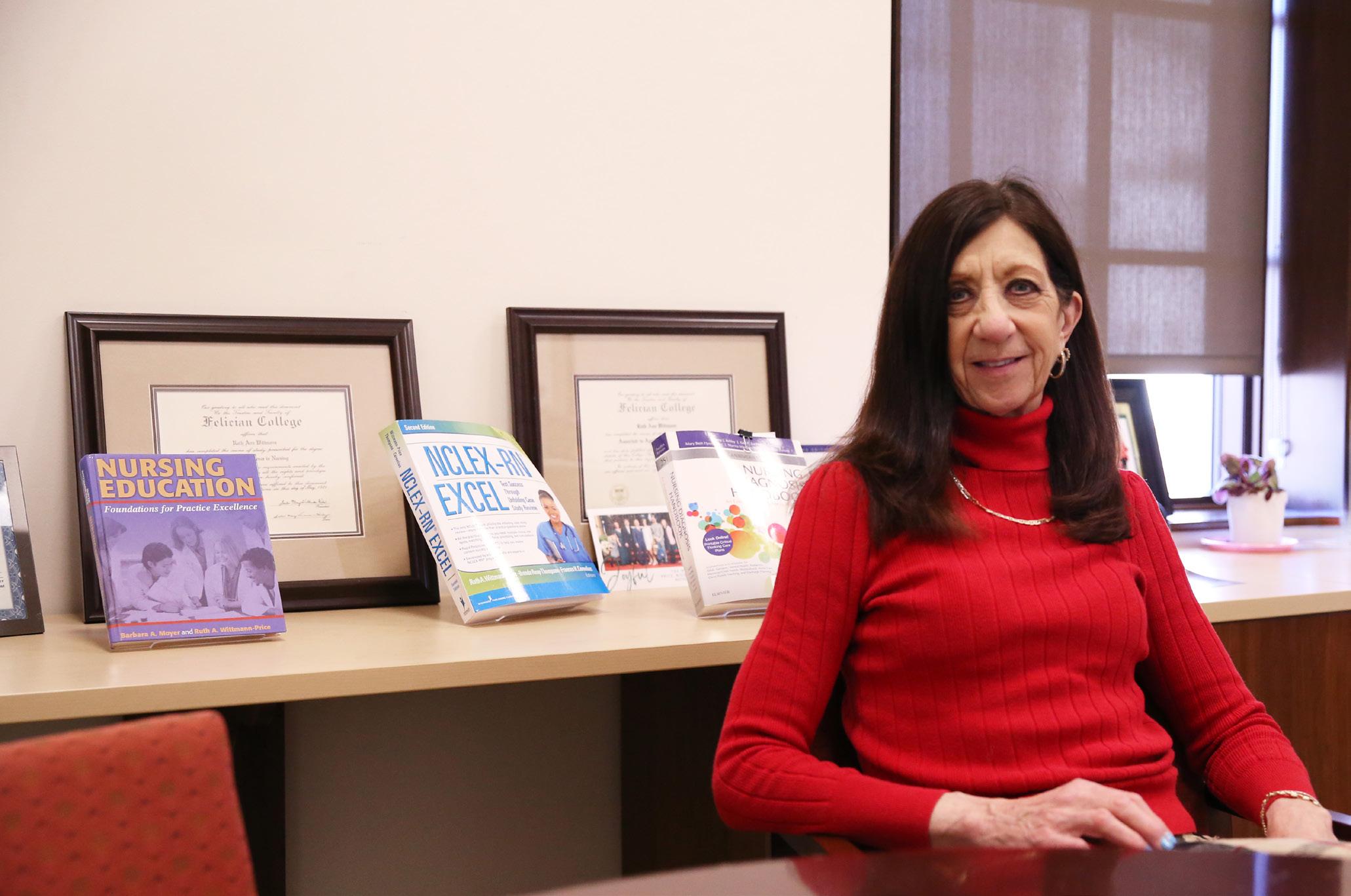
“The DNP program equips nurses to lead, innovate and elevate care across settings,” said Ruth WittmannPrice, Ph.D., RN, dean of the nursing school. “The curriculum culminates in a scholarly project designed to create a sustainable, system-level impact on health care organizations or communities.”
Program graduates typically pursue leadership roles as health system administrators, informaticists, nurse educators and nurse practitioners. According to Wittmann-Price, nursing professionals are becoming increasingly proactive in developing the competencies needed to implement system-based changes that benefit
patients, families and their colleagues and communities.
According to Chinaza Nwosa, DNP ’25, the program fundamentally reshaped how she approaches nurse leadership.
As associate director of Health Services at Overture, a behavioral-health subsidiary of Colorado-based Beken
Holdings, Nwosa focuses on coaching and developing nurses, particularly those early in their careers, to thrive in highacuity environments.
“Implementing my doctoral project — a Zoom-based peer support program for intensive care-unit nurses — gave me firsthand experience identifying root
challenges, building sustainable interventions and measuring realworld outcomes,” said Nwosa. “In completing the coursework, I didn’t just grow as a nurse; I grew as a change agent.”
According to WittmannPrice, DNP enrollment continues to grow as nurse leaders like Nwosa assume increasingly influential roles.
ChinazaNwosa,DNP’25
“Our DNP students often enter the program already aligning clinical, operational and administrative functions to advance institutional goals,” she noted. “The program equips them with the authority and conviction to influence executive decisions and lead transformational change. Our graduates are trusted voices in nursing policy, pedagogy and patient advocacy, and they are increasingly essential to shaping quality care at both the regional and national levels.”
For Nwosa, those outcomes are not merely theoretical; the program’s focus on real-world application continues to shape her leadership practice.
“I apply what I’ve learned every day — leading cross-functional teams, evaluating outcomes and advocating for vulnerable populations,” she stated. “When nurses feel empowered, patients receive better care and health
care systems truly evolve. I began college at 16 and often felt underestimated. The TESU program gave me the confidence to speak up, lead boldly and step into roles that require both clinical depth and executive leadership.”
She credits the School’s commitment to working professionals and its sustained support from DNP course mentors and staff with helping her persist through the challenges of doctoral study.
“Earning the DNP represented growth,
healing and sacrifice,” she said. “I’m proud to be part of the TESU nursing community, and I hope my journey encourages other nurses to keep going.”
For Wittmann-Price, ensuring access to that path is deeply personal.
“Personal support systems were pivotal at every stage of my journey,” she recalled. “As a first-generation college student and the eighth of 11 children, I was only able to begin my nursing education because someone who believed in me offered me a scholarship. From there, those who mentored me and cheered me on helped clear my pathway to doctoral-level study. That ethos continues to guide how we support our students today.”
Doctor of Education in Professional Studies (Ed.D.)
Building on the momentum of TESU’s doctoral portfolio, the Heavin School of Social Sciences, Humanities, and Education in February announced the launch of a bold new doctoral pathway: the Doctor of Education (Ed.D.) in Professional Studies, an innovative doctoral degree-completion program. Created for the tens of thousands of individuals nationwide who began a doctoral program but did not complete it, the Ed.D. in Professional Studies
positions TESU as the only New Jersey public institution offering a doctorate intentionally designed to remove barriers, honor prior learning and help students with at least 21 credits from a prior accredited doctoral program cross the finish line to a terminal degree. The program reflects TESU’s longstanding commitment to reimagining higher education for adult learners and working professionals. Applications are now being accepted, with a start date of
July 1, 2026. The fully online program recognizes students’ prior doctoral-level coursework. It integrates that work into a flexible, mentor-supported structure that culminates in a Scholar-Practitioner Field Project, transforming unfinished academic work into a completed, practice-driven doctorate.
For more information on doctoral degree programs available at TESU, visit tesu.edu/doctoral.
Creating a Legacy of Learning Creating a Legacy of Learning
When
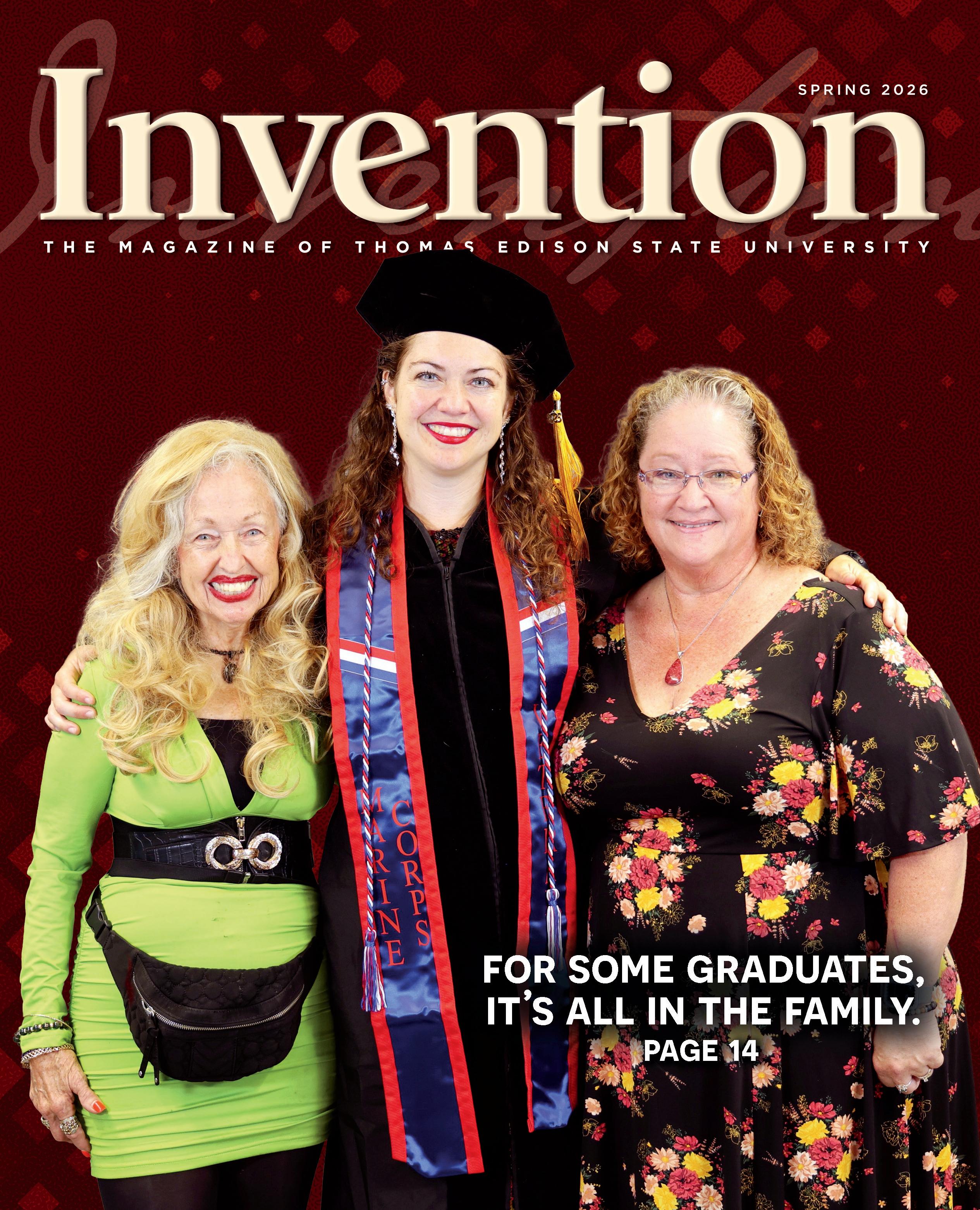
it’s all in the family, TESU degrees become generational achievements
Whenfamily members pursue academic journeys together, shared dreams become shared degrees, with each diploma inspiring the next.
For TESU’s students, education is rarely a solo effort. Earning a degree often becomes a family project and a shared experience fueled by perseverance and the belief that learning not only changes a single trajectory but also influences generations. Here, siblings share scholarly achievements, grandparents model academic excellence, couples carve out study time after putting children to bed and graduates walk across the Commencement stage, aware that their most cherished fans are watching from the tiered seats. At dining room tables, in home offices and between shifts, these families pursue their most coveted goal: earning college degrees, side by side.
The Mallon Siblings
For the Mallon family, TESU provided pathways to degree completion for six siblings. One of them, Genevieve Arzola-Torres (née Mallon), noted that her B.S. in General Management, completed in 2025, began with her oldest sister’s example.
“The trailblazer was my oldest sister, Erin Mallon (BSBA ’08). I remember when she discussed possible degree pathways with our parents because she had been slowly building a craft business and wanted to keep it going strong,” said Arzola-Torres, who serves as a director of client services and advocacy for a nonprofit. “She discovered that an academic program at (then) Thomas Edison State College would allow her to balance earning her degree with growing her business.”
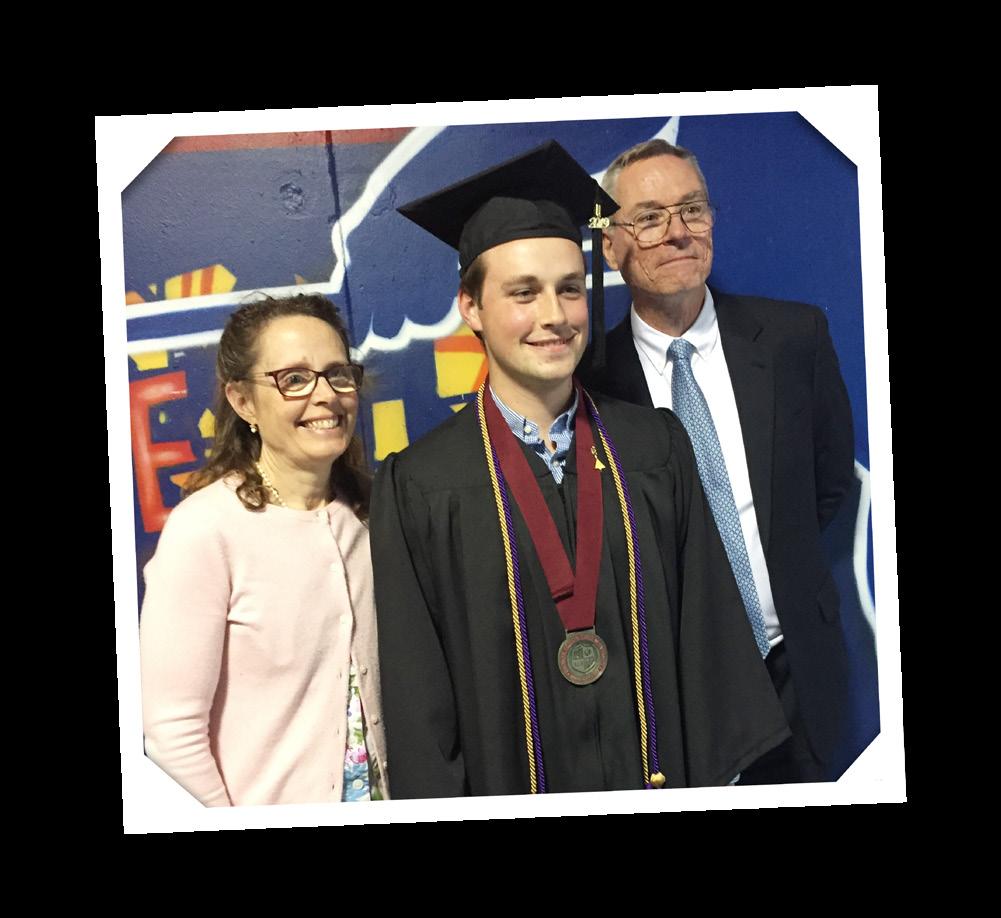
Mallon siblings Sarah, BSBA ’15; Matthew, BSBA ’19; and Brendan, B.S. in Homeland Security and Emergency Management ’24, followed suit. Arzola-Torres completed her remaining requirements to earn her B.S. in General Management in August 2025,
“What could have been an extremely stressful time juggling wedding planning, work and coursework was manageable thanks to TESU’s academic model,” she noted. “I didn’t have to pause my life to attend school, and I immediately applied what I learned in my courses in my career. School accommodated my life, not the other way around, while having the time and freedom to pursue life goals and preparing to move into our first home.”
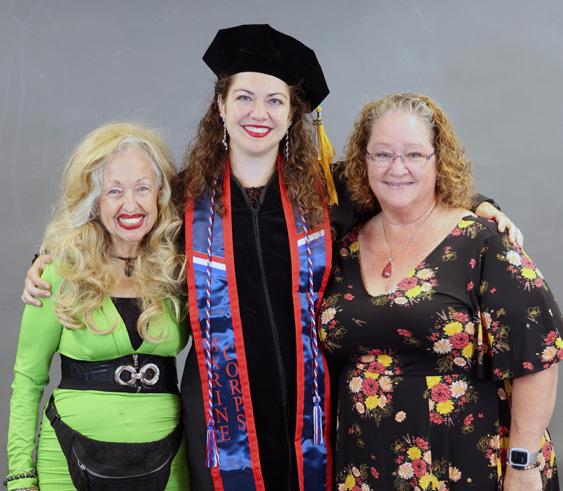
(Top)GenevieveArzola-TorresandsisterSarahMallon (Left)DivyaGraceThomasandherhusbandShinojThomas (Right)GabrielleJubastandsbetweenhergrandmotherMartha Noel-Stier,left,andhermotherCassandraJuba All are TESU alumni.
A husband and wife team
For Divya Grace Thomas (B.A. in Psychology ’25) and her husband, Shinoj Thomas (M.S. in Cybersecurity ‘22, B.A. in History ’17), the journey back to higher education began with a single conversation that gave rise to a commitment. As Divya embarked on her bachelor’s degree and Shinoj, an IT specialist, started his master’s coursework, studying together became more than an academic pursuit; it became a symbol of partnership and a lasting example for their children.
“Our return to higher education began on our early morning walks during the COVID-19 shutdowns,” noted Divya. “One morning, we passed a sign that read, ‘Old ways won’t open new doors,’ which sparked my thinking. I said out loud something I’d been considering for years: ‘I want to go back to school.’ I had already earned an associate degree in 2010 and worked as a respiratory care practitioner. The moment I shared that aspiration, Shinoj replied, ‘If you’re going back, I’m joining you.’ Sharing this dream — and ultimately the TESU Commencement stage — made our accomplishments feel intertwined. It wasn’t just two degrees; it was a shared commitment to growth and to the future we want for our family.”
That journey had its share of distractions.
“Our path wasn’t linear. We visited the TESU campus together in 2017 with the intention of continuing our studies, but when our son was diagnosed with autism, we put school on hold to focus on his needs. We eventually registered for courses in July 2020. Balancing school, work and family required structure, grace and a good measure of planning,” recalled Divya.
She shared the strategies that helped the Williamstown, N.J., couple stay focused while keeping their degree goals feasible: keeping a color-coded weekly schedule, rotating household tasks, reserving quiet study blocks for whoever has a heavier week, designating specific study dates to stay accountable even working side by side, turning off cell phones during core study times, and reserving a “rest night” or two each week.
“When I struggled with a chemistry course in January 2021, we treated my short break that followed as a ‘strategic pause’ before resuming my studies,” she said.
While the Thomases remained focused, their family responsibilities expanded with the arrival of a baby daughter in May 2022. Divya said they relied increasingly on family support during exam times and stayed in touch with their course mentors during busy periods.
“Pursuing our degrees together created a culture of learning at home. Our children and extended family saw us turn to our academic advisors during peak times, revise plans and persevere. It normalized curiosity and resilience and showed that setbacks weren’t dead ends, just detours. That has strengthened our marriage, too — we became better at sharing responsibilities, setting limits and celebrating small wins.”
Three generations of graduates
In Gabrielle Juba’s family, academic achievement isn’t just incremental; it spans three generations. As Gabrielle celebrated earning her Doctor of Business Administration (DBA) degree in 2025, she follows in the footsteps of her mother, Cassandra Juba, B.A. ’11, and her grandmother, Martha NoelStier, BSBA ’11 and A.S. in Management ’84 — all Thomas Edison graduates. She said their example has shaped her since childhood and inspired the perseverance that helped her complete three demanding degree programs, earn professional credentials, serve in the military and build a dynamic career as a Certified Public Accountant (CPA).
“It is especially meaningful for me to share this achievement with my mom and grandma, who are also TESU graduates,” said Gabrielle, a resident
of Brevard, N.C. “I feel blessed that they showed me the value of higher education while I was growing up. My mom would typically stay up late after we went to bed to finish her schoolwork and always aimed for straight A’s. She would take us to her community college campus, discuss her courses and we always attended both her and my grandma’s graduations. I was lucky to have both by my side when I celebrated earning my DBA during TESU’s 2025 Commencement. It was a powerful day, not just to celebrate my accomplishments but also the family legacy that’s been built.”
That inherited tenacity also helped her earn a CPA license and serve in the U.S. Marine Corps.
“They modeled behavior and academic drive that strongly influenced me. I also think serving in the military following high school helped fuel that fire and focus,” she recalled. “I always want to push myself to the next level while striking a balance in my life.”
Gabrielle is the Chief Financial Officer (CFO) of Creating a Family, a nonprofit focused on strengthening and inspiring adoptive, foster and kinship parents and the professionals who support them. She also owns a CPA firm focused on CFOlevel support and forensic accounting. Additionally, she serves on the boards of Veterans Healing Farm, the North Carolina Association of Certified Public Accountants’ Young Professionals Cabinet and the Education Resource Group.
To learn more about how TESU can help you advance, lead and succeed, visit tesu.edu/why-tesu
How a military-friendly education supports leadership in one of aviation’s most elite squadrons
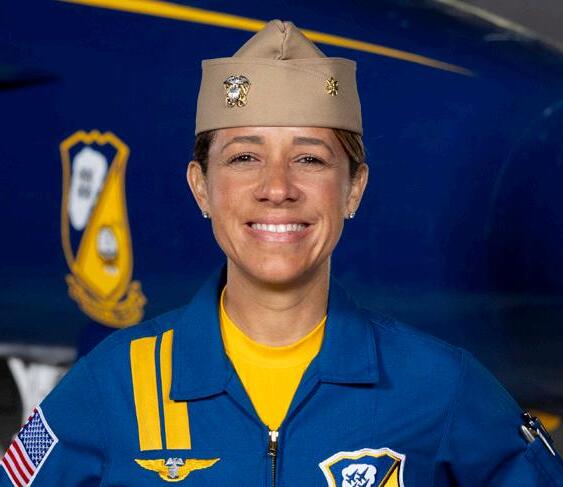
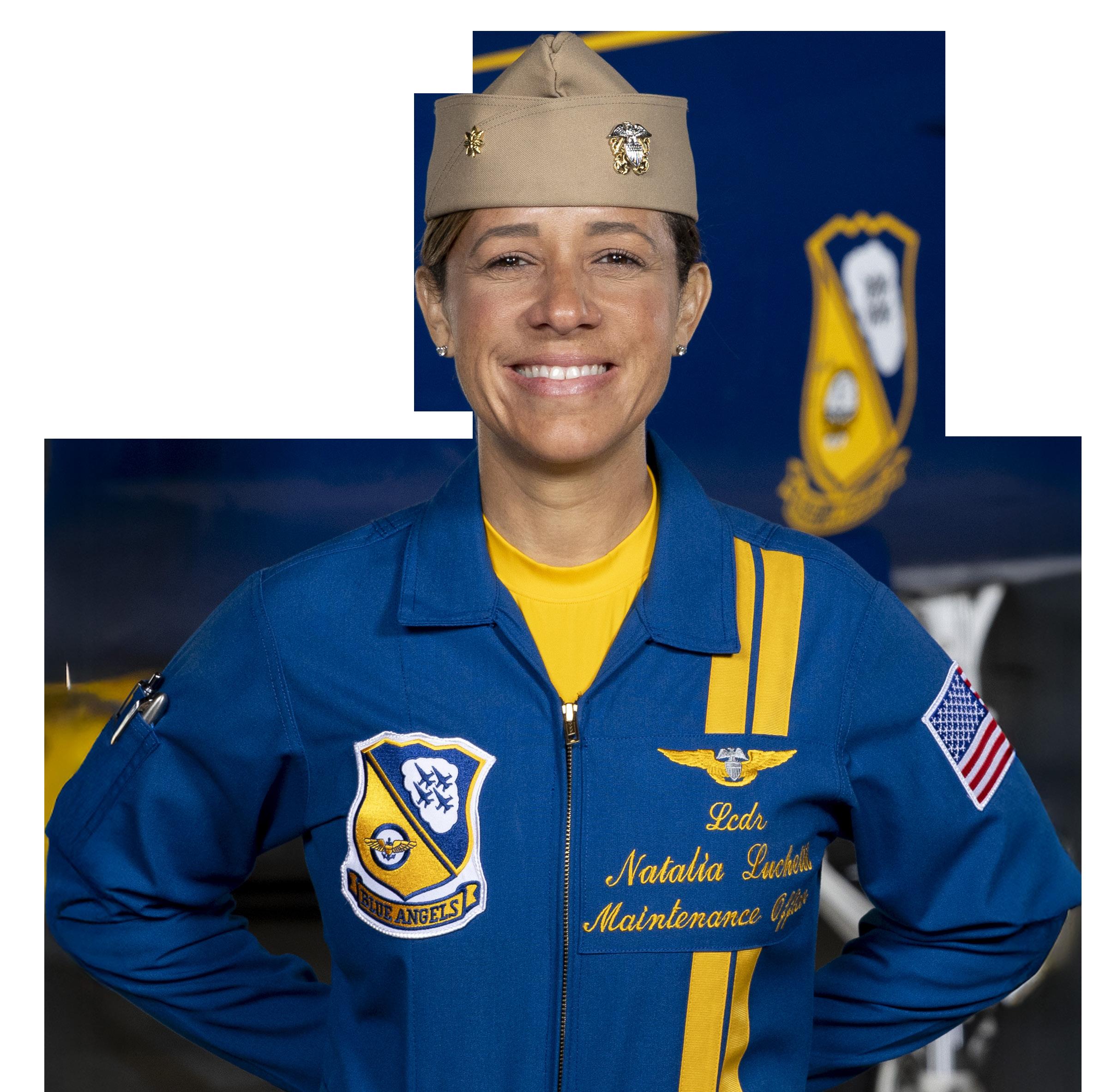
For Lt. Cmdr. Natalia Luchetti, education has never been a detour from military service — it has been a force multiplier. Long before becoming the first woman to serve as maintenance officer for the U.S. Navy Flight Demonstration Squadron’s Blue Angels , she understood that learning was essential to leading at the highest levels of naval aviation.
While earning her AAS in Military Technology in 2016 and a B.S. in Organizational Leadership (BSOL) in 2023 from TESU, Luchetti found that the University’s flexible, military-friendly model enabled her to complete both degrees while deploying, relocating and raising a family. That foundation, paired with two decades of operational experience, now underpins her leadership of one of the world’s most elite aviation teams.
“I immediately applied what I was learning in my role,” noted Luchetti.
“Courses in leadership
communication and organizational change and behavior helped me refine how I manage people, resolve conflicts and articulate a clear vision in an environment where clarity and trust are crucial.”
Growing up in Mayagüez, Puerto Rico, Luchetti learned how quickly stability can disappear — and how responsibility often follows. After Hurricane Hugo struck in 1989, relief workers descended on the island, handing out toys and necessities.
“I received a small gift, but it wasn’t about the toy; it was the feeling of being seen and cared for during a hard moment,” she recalled. “That memory shaped how I serve others, and I’ve tried to pay that forward ever since.”
When Hurricane Georges devastated the island in 1998, Luchetti, then a teenager, took two jobs to help her family rebuild.
The experience reinforced a mindset that would later define
her approach to crises: step in when things break down and take responsibility. Because college wasn’t financially feasible for her family at the time, she was determined to ease the burden. In 2001, she joined the U.S. Navy with a practical plan — serve for four years, support her family and save for school.
“When the 9/11 attacks occurred while I was in boot camp, service was no longer a stepping-stone; it became a calling,” Luchetti said.
Immediately immersed in a demanding role, she found purpose in an environment where accountability and teamwork were nonnegotiable — qualities that would later define her.
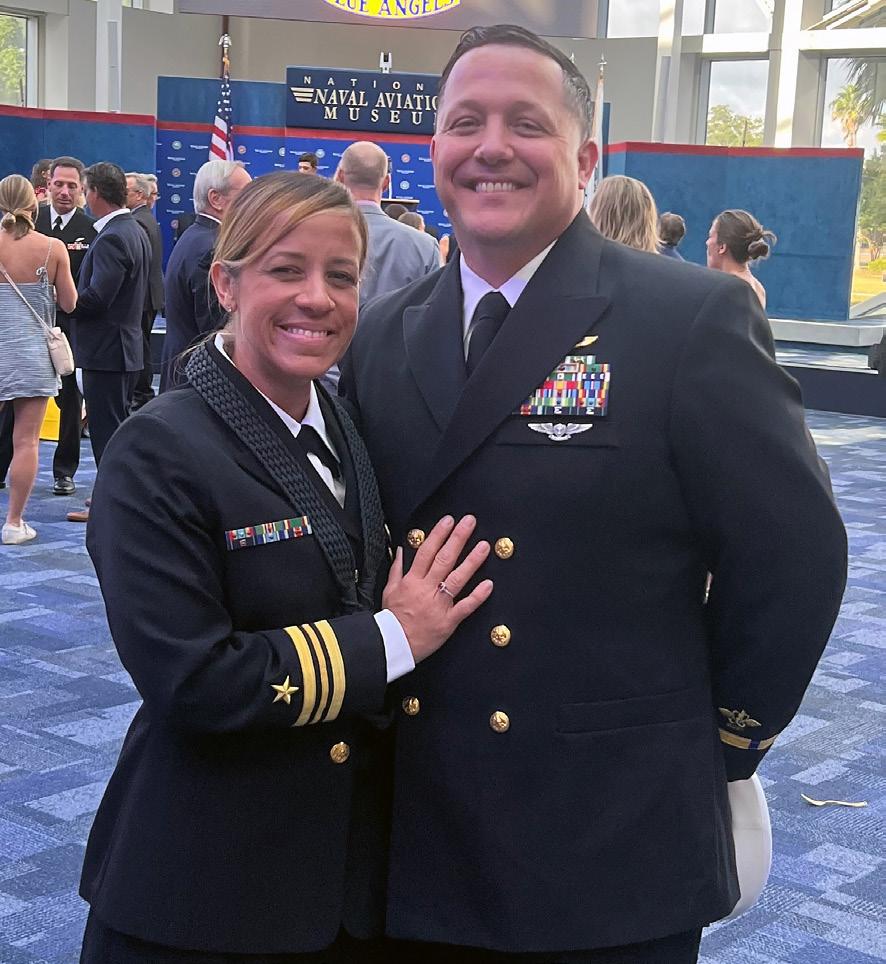
“Being selected for the Blue Angels was the culmination of every sacrifice, deployment and long night away from my family,” she said. “When I got the call, I wasn’t thinking about prestige; I was recalling my father’s words: ‘Take on the hardest jobs, don’t wait around and always be two steps ahead.’ I thought of my family’s sacrifices, especially my husband’s — a Navy chief warrant officer — and my three children. I also thought of the younger version of myself, standing watch on the USS Kitty Hawk, initially struggling to understand the English-language announcements. It’s a great honor and humbling every single day.”
“TESU’S MODEL LET ME BRING MY OPERATIONAL EXPERIENCE INTO THE CLASSROOM AND APPLY ACADEMIC CONCEPTS DIRECTLY TO MY SQUADRON. IT MADE ME A BETTER COMMUNICATOR AND A MORE INTENTIONAL LEADER, ESPECIALLY IN HIGH-TEMPO ENVIRONMENTS.”
what it feels like to turn wrenches on the flight line at 2 a.m., and I also know what it feels like to be the one making the final decision. That insight keeps me grounded and helps me make better choices for my team.”
After 24 years, rising from naval seaman recruit to chief petty officer and now a lieutenant commander, Luchetti’s career progression underscores how education can bridge enlisted and leadership pathways and create opportunities to earn a commission as a naval officer. As a Puerto Rican woman in a pioneering role, she also understands the weight of representation.
“I am grateful to everyone who opened doors long before I stepped through them,” she said. “I come from a place where dreams like this felt impossible. Standing in a role where young women can look at me and say, ‘If she did it, maybe I can too,’ is the greatest honor.”
That commitment has guided her educational journey.
The mission of the Blue Angels is to showcase the teamwork and professionalism of the United States Navy and Marine Corps through flight demonstrations and community outreach, while inspiring a culture of excellence and service to country. In her current role, Luchetti is responsible for keeping the squadron’s Super Hornet aircraft and C-130J Super Hercules “Fat Albert” safe, mission-ready and performing at capacity. She oversees coordination among pilots, maintainers and FAA controllers during demonstrations, manages maintenance decisions
during air shows, directs ground-to-air communications and leads 147 sailors and Marines in support of weekly deployments of personnel, equipment and aircraft to 32 cities across the U.S.
“At its core, the job is about trust, precision and keeping everyone safe,” she noted. “Our jets fly mere inches apart at hundreds of miles per hour. I know
“TESU’s model let me bring my operational experience into the classroom and apply academic concepts directly to my squadron. It made me a better communicator and a more intentional leader, especially in high-tempo environments,” said Luchetti, who urges fellow service members to take the first step. “Start even if you can only take one class at a time. Use your benefits. Be honest with family and command personnel about your goals. There will never be a perfect moment to enroll, but once you finish, no one can take that accomplishment away.”
To learn more about the programs available in the University’s School of Business and Management, visit tesu.edu/business. The hallmark of an associate degree from TESU is flexibility. Learn more at tesu.edu/degreesprograms/associates.
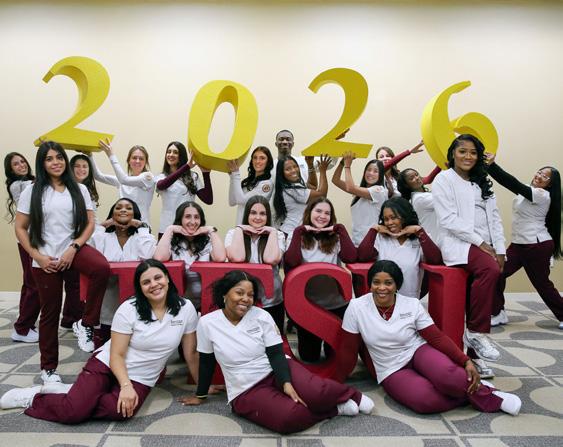
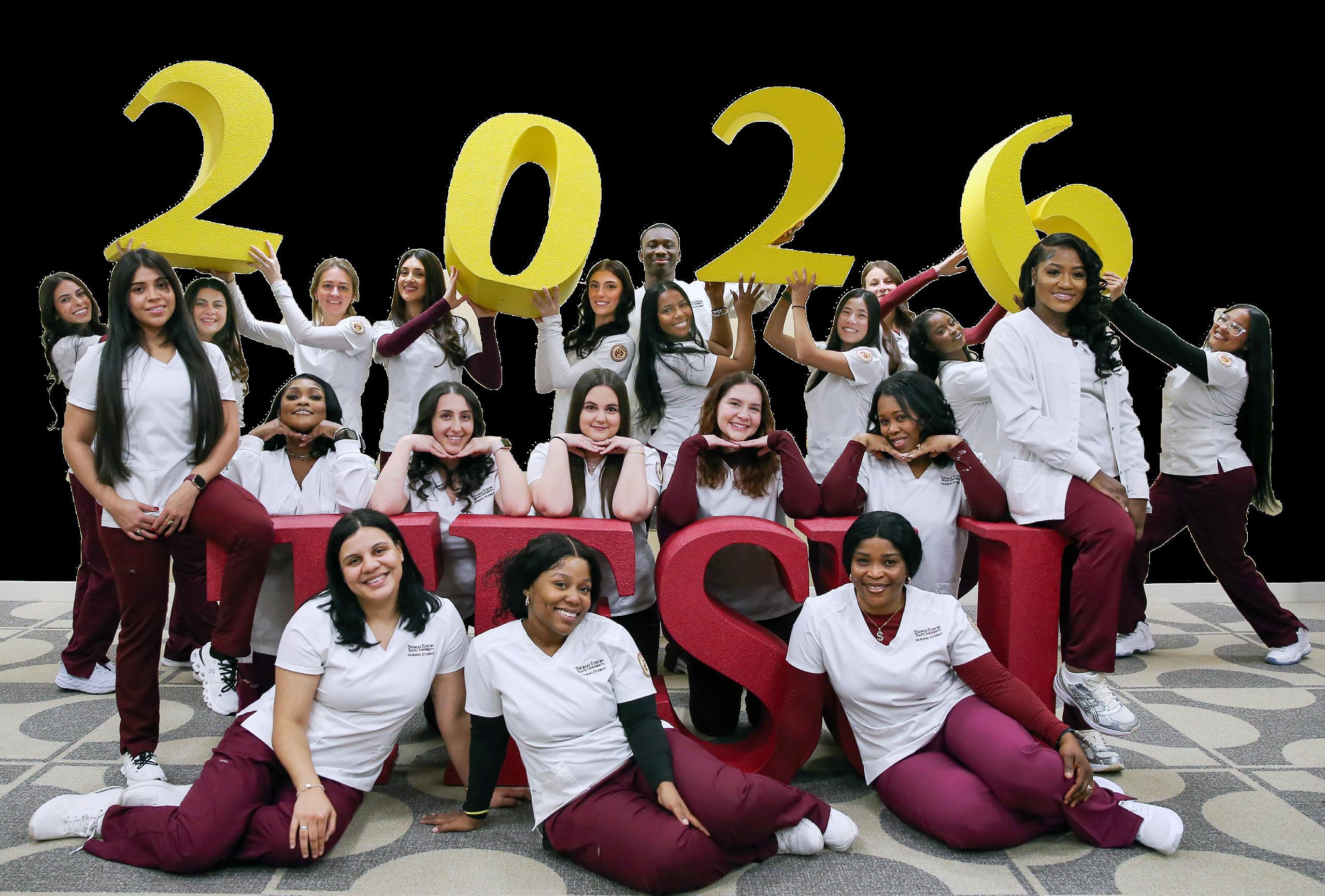
They entered the program with backgrounds in biochemistry, psychology and fashion design. Fifteen months later, the inaugural cohort of Thomas Edison State University’s Accelerated BSN — BAYADA Scholars Track at Cooper University Health Care is practice-ready.
The December 2025 Pinning Ceremony at the New Jersey State Museum in Trenton, N.J., celebrated the collaboration between Thomas Edison State University (TESU), Cooper
University Health Care and the nonprofit organization BAYADA Education Inc. It was the culmination of one of nursing education’s most effective models: intensive, hands-on clinical immersion reinforced by effective coursework that helps students transition to the field quickly. Launched in 2024, the partnership reflects a growing movement of second-degree professionals from diverse educational backgrounds and vocational paths drawn to the nursing field.
That journey includes students like Sarah Mansfield, BSN ’26, a BAYADA Scholars track student who worked in the fashion industry for eight years before entering the nursing field.
“A career in nursing always lingered in the back of my mind. I knew that if I ever pivoted from a career in fashion, it would be into health care,” noted Mansfield, who resides in Medford, N.J. “Once I applied and was offered the opportunity to join the BAYADA Scholars Track, I jumped in immediately. I’ve already
received a job offer from Cooper University Health Care in its Graduate Nursing Program as I prepare to sit for the NCLEX-RN (National Council Licensure Examination for Registered Nurses).”
Michaela Donnelly, BSN ’26, realized she wanted to pursue nursing after graduating from Rowan University with a B.S. degree in biochemistry and working as a medical assistant. She said that collaborating closely with nurses in the urgent-care setting gave her a firsthand view of the scope and importance of their work. Influenced by her mother’s career trajectory — from registered nurse to nurse practitioner — the Mercerville, N.J., resident said she began to recognize nursing as a profession that uniquely blends clinical knowledge, compassion and patient advocacy. She chose the Accelerated BSN Program at TESU’s Trenton campus.
“I’ve always had a passion for helping people, and that purpose is central to a career in nursing,” said Donnelly. “What stood out to me about the Accelerated BSN Program was the flexibility and clinical experiences that focused on preparing for the profession. In leveraging the hybrid schedule, I learned to manage my time wisely while balancing schoolwork, personal life and part-time work. The focus was on evidence-based practice and skills that prepared me for a nursing career with confidence. I also liked that we rotated through multiple clinical sites. Overall, I felt TESU offered a fast-paced and wellbalanced program that suited me best.”
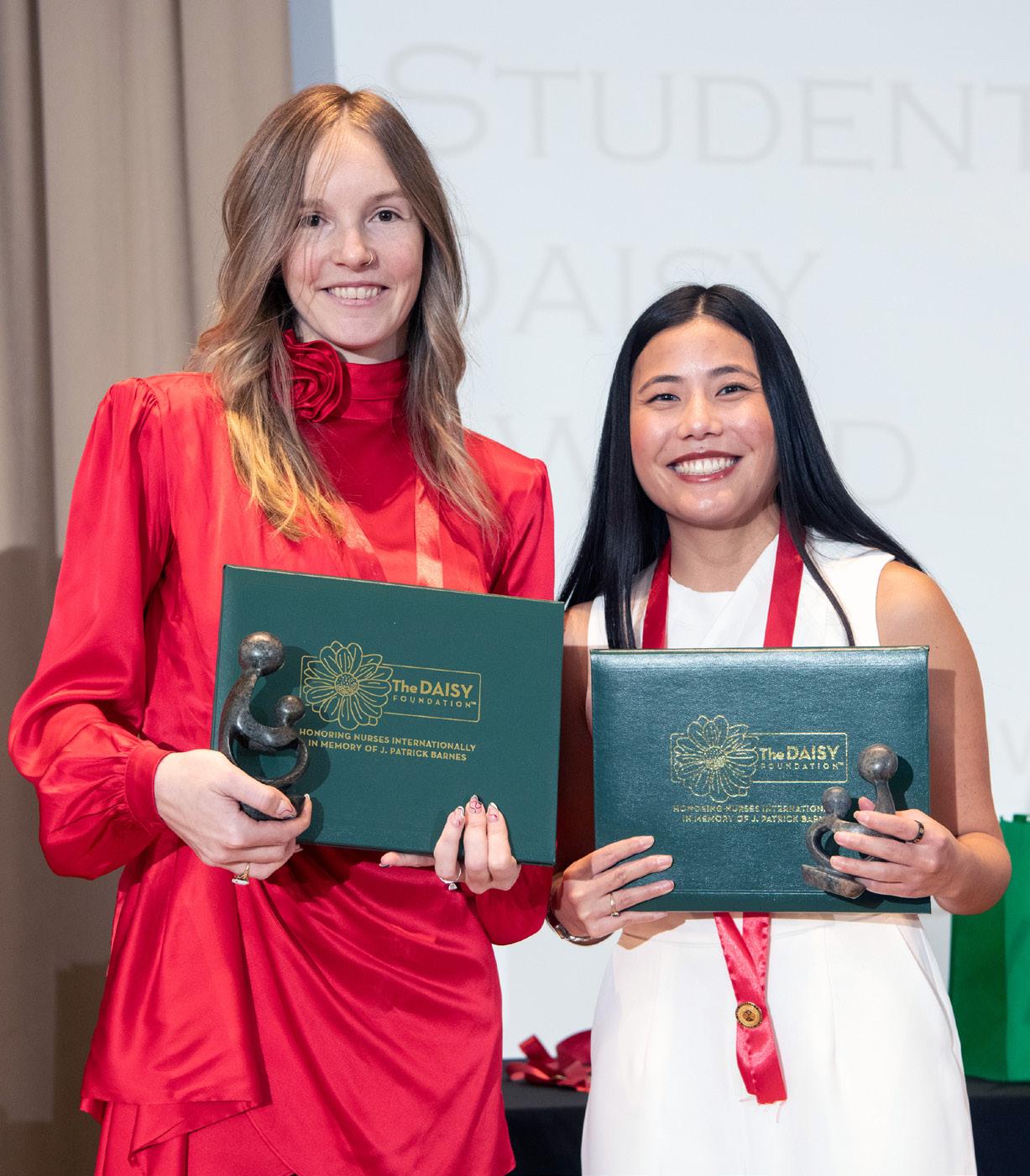
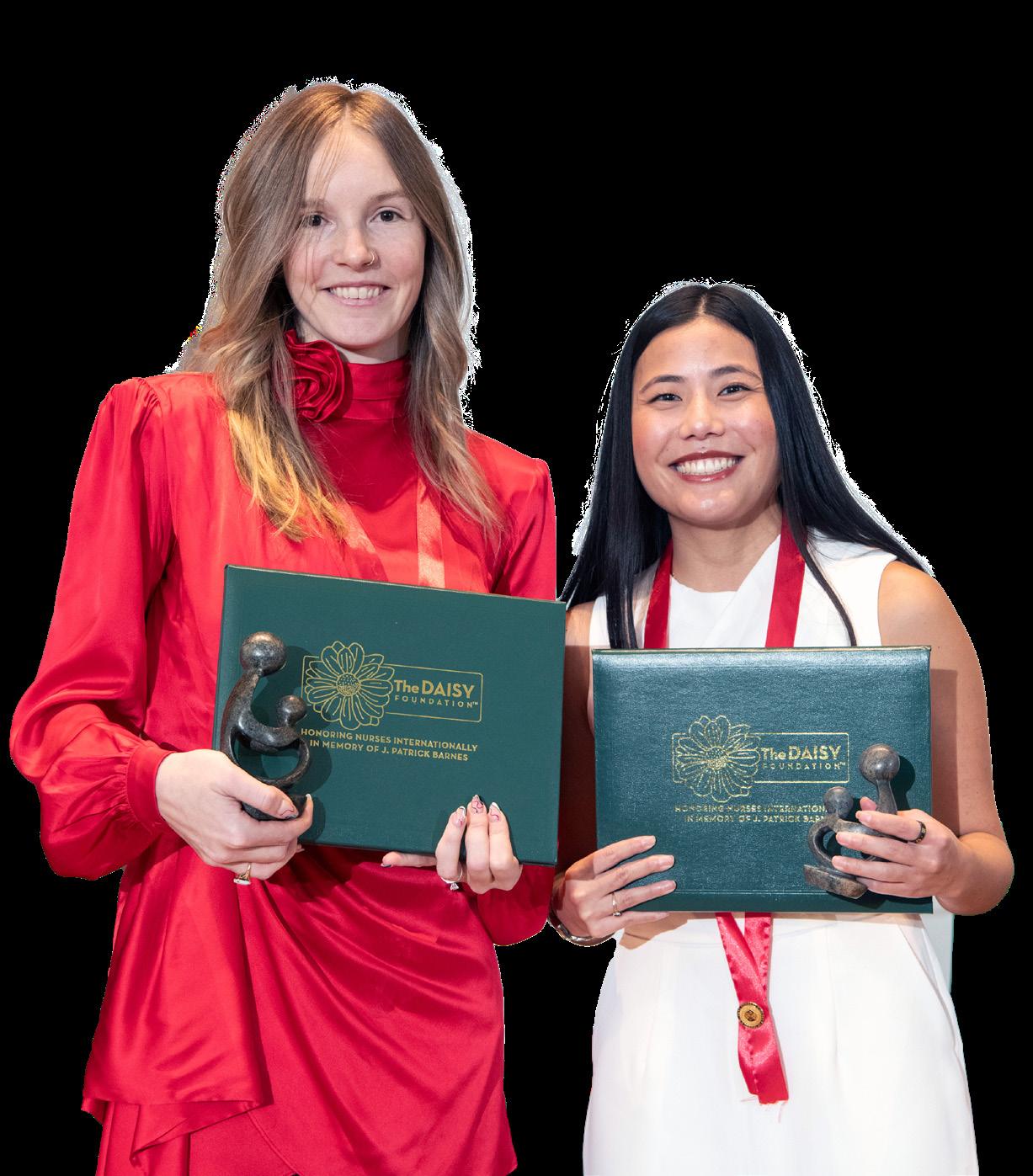
Both Donnelly and Mansfield were presented with the prestigious DAISY Award for Extraordinary Nursing Students during the Pinning Ceremony. The internationally recognized award honors exceptional nursing students.
“Receiving the DAISY Award was incredibly meaningful to me,” added Donnelly. “It reinforced that even through rigorous academic and clinical demands, it is important to me to lead
with compassion and focus on patient-centered care. The recognition was a reminder of why I chose to become a nurse and reinforced the importance of committing to myself, my patients and my peers.”
For Mansfield, the recognition held special meaning. She completed the program while preparing to welcome a baby daughter — a milestone that coincided with a demanding academic and clinical schedule.
“Looking back on the past 15 months, I have been profoundly changed by this experience, both personally and professionally,” Mansfield reflected. “Completing an intensive nursing program while expecting my baby required adaptability, focus and perseverance. Motherhood has deepened my empathy, patience and sense of responsibility, which shape how I connect with and advocate for patients and their families during their vulnerable moments.”
The program is designed to address the critical nursing shortage and provide a unique, fast-paced pathway for individuals who already hold a bachelor’s degree or have 60 undergraduate credits in a non-nursing field to become registered nurses. A full-time hybrid curriculum is completed in 15 months. Learners work alongside experienced nurses, advanced practice
providers and physicians to care for patients and families across the continuum of care.
“We are proud to join BAYADA Education and Cooper University Health Care in taking meaningful action to address the nursing shortage,” said Merodie A. Hancock, Ph.D., president of TESU. “Seeing the first cohort successfully complete this innovative pathway affirms the strength of our collaborative nursing programs and prepares the skilled nurses our
Personalized guidance that empowers adult learners from start to finish
This approach has been a linchpin in TESU’s relationship with its students since its founding in 1972.
Robert Bergin, a current MBA student and B.A. ’25 graduate, said his experience with TESU’s Office of Academic Advising staff was a significant factor in his success and persistence as an adult learner.
“Returning to TESU after many years away was intimidating and a little unsettling. I wasn’t familiar with current higher education systems, processes or expectations, and a major concern was how I would balance school with family and work,” said Bergin, who serves as a team lead at PSEG, overseeing end-to-end project delivery for gas-main replacement and infrastructure support across the energy company’s New Jersey operating regions.
For Bergin, those doubts quickly dissolved once he connected with Senior Program Advisor Amy Immordino, who understood his goals.
“From our very first interaction, Amy made everything manageable. She walked me through re-enrollment, laid out a clear pathway to complete my degree and recommended which classes would best fit my goals,” noted Bergin, a Lumberton, N.J. resident. “She also kept me focused on enrollment deadlines and the course sequences I should follow. What I appreciate most is her responsiveness. Every interaction showed she genuinely cared about my progress and wanted to see me succeed in my studies. I am incredibly grateful for that support.”
“WE SUPPORT STUDENTS ACROSS MULTIPLE ASPECTS OF THEIR THOMAS EDISON STATE UNIVERSITY EXPERIENCE, INCLUDING REVIEWING ACADEMIC PROGRESS AND COURSE PLANS, SELECTING PROGRAMS THAT ALIGN WITH THEIR OBJECTIVES, OPTIMIZING PREVIOUSLY EARNED CREDITS, LEVERAGING THEIR PROFESSIONAL TRAINING AND PREPARING FOR GRADUATION. OUR STAFF IS UNIQUELY COMMITTED TO HELPING STUDENTS MAKE FULLY INFORMED DECISIONS THROUGHOUT. ”
JAZZ JACKSON, E D .D., VICE PROVOST AND CHIEF STUDENT SUCCESS AND EXPERIENCE OFFICER
Bergin’s experience reflects a broader institutional commitment to ensuring that TESU students receive strategic guidance throughout their academic journey.
“Online learning requires intentional support,” noted Jasmeial “Jazz” Jackson, Ed.D., vice provost and chief Student Success and Experience officer at TESU. “We support students across multiple aspects of their Thomas Edison State University experience, including reviewing academic progress and course plans, selecting programs that align with their objectives, optimizing previously earned credits, leveraging their professional training and preparing for graduation. Our staff is uniquely committed to helping students make fully informed decisions throughout.”
That philosophy moves beyond aspiration to real-world impact. Bergin experienced that support firsthand
through the University’s long-standing educational partnership with PSEG.
“As a full-time employee, parent and youth coach, maintaining work–life balance is already a challenge. However, the structure, flexibility and support through the TESU/PSEG corporate partnership made it achievable,” said Bergin. “It created an environment where I could achieve my goals without sacrificing other responsibilities. Partnerships like this are a game changer for working professionals, and I couldn’t have done it any other way.”
Beyond individual success stories, TESU’s advising approach is designed to recognize and build on students’ prior learning experiences.
“Our advisors understand that TESU students rarely start from scratch and are uniquely equipped to meet the needs of our students because
our academic model is built around flexibility, personalization and respect for students’ lived experiences,” continued Jackson. “We routinely help adult learners maximize their creditfor-prior-learning options, military training, professional certifications, trade apprenticeships and credit-by-exam options — often significantly reducing time to degree completion. Our staff also helps determine realistic course loads, pacing and course sequencing that won’t overwhelm students already balancing multiple responsibilities.”
The University’s academic advisors are dedicated to helping students succeed. Visit tesu.edu/advising to learn more. The University is also honored to partner with the region’s largest and most respected employers. Find out more about our Corporate Choice program at tesu.edu/corporate-partners.
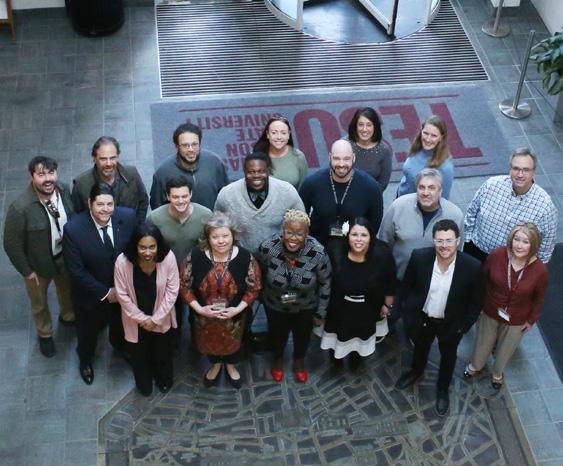
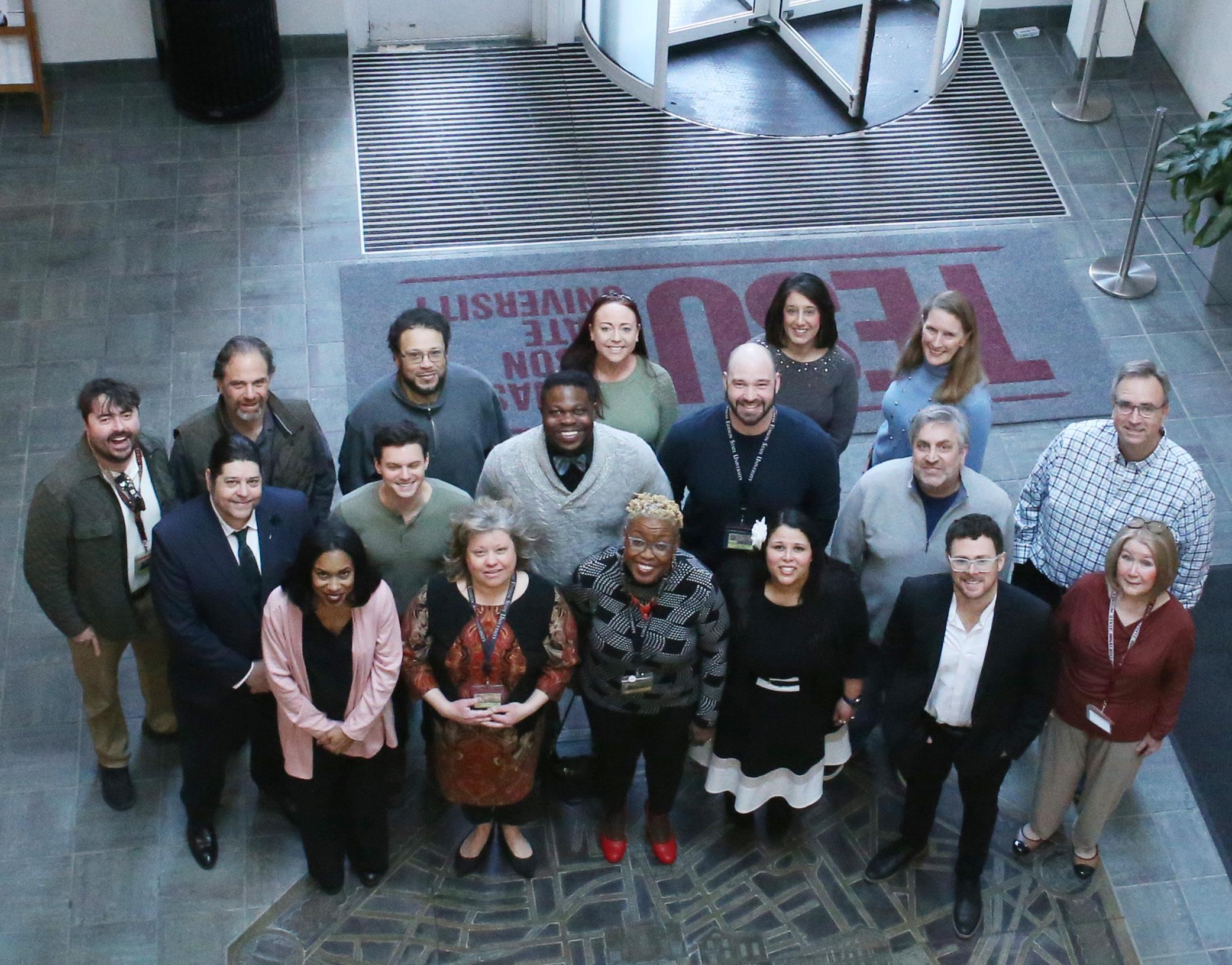
TESU’s Academic Advising team poses with University president Merodie A. Hancock, Ph.D. (back row, right end).
Thomas Edison and Ramapo College Sign Letter of Intent to Expand Educational Access and Pathways Across the State
TESU and Ramapo College of New Jersey (RCNJ) have signed a Letter of Intent (LOI) affirming their shared commitment to expand access to highquality, flexible educational pathways for learners at every stage of their academic and professional journeys.
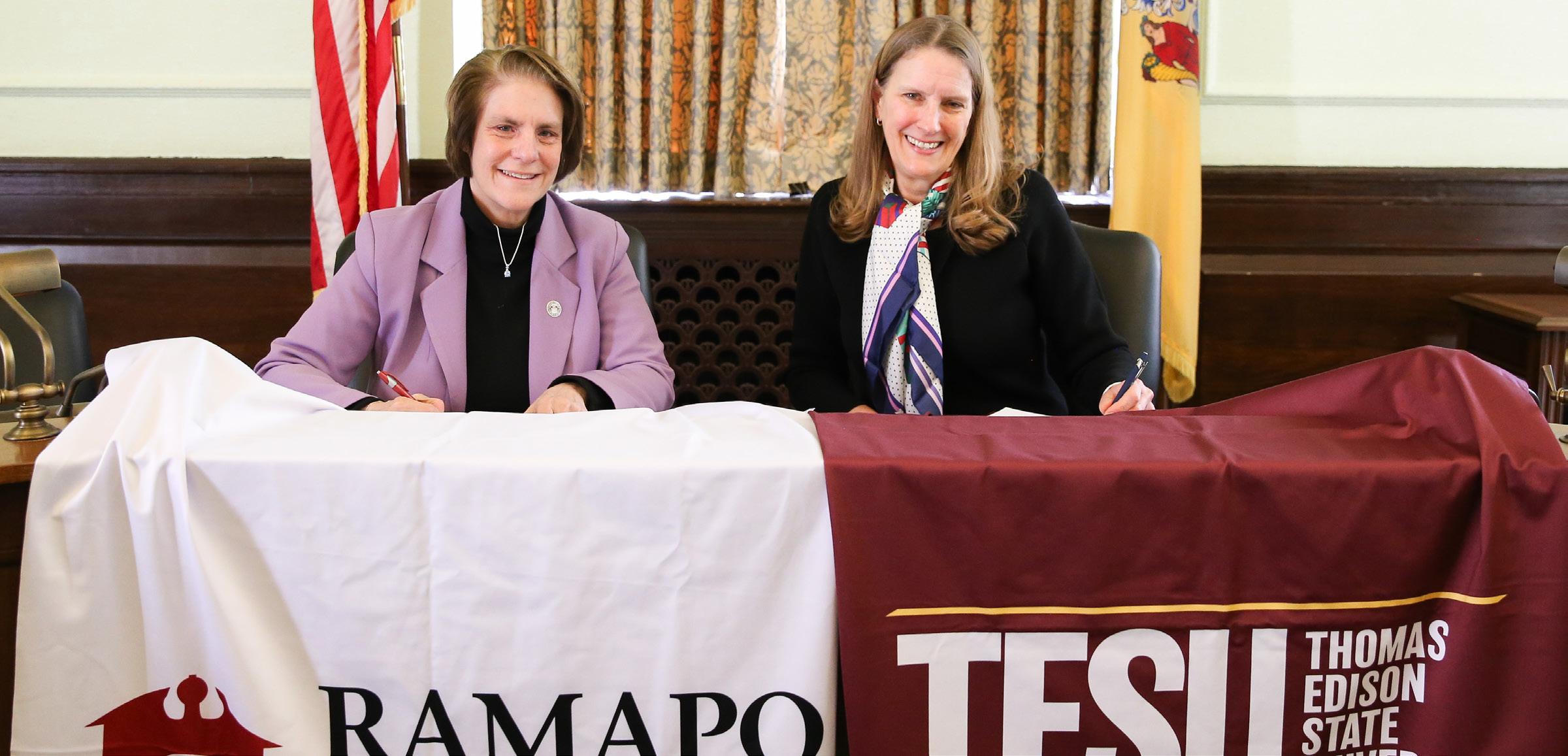
The agreement, signed by presidents Dr. Merodie A. Hancock of TESU and Dr. Cindy R. Jebb of RCNJ in a special ceremony at New Jersey’s State House last December, officially marks the collaborative effort between two of New Jersey’s public institutions that responds to the evolving needs of workforce development and communities across the state.
The LOI outlines the guiding principles that will inform the institutions’ joint work. TESU and RCNJ will prioritize immediate, student-centered action by focusing on educational access and flexibility for traditional-age students, adult learners and nontraditional populations. Both institutions reaffirm their commitment to academic quality, accreditation standards and institutional autonomy as they explore new ways to connect learners with programs that support their goals. The partnership
also emphasizes mutual benefit and long-term sustainability, ensuring that initiatives advance each institution’s mission while generating meaningful outcomes for students. Agility and innovation will guide the collaboration as the institutions work to meet rapidly changing workforce, economic and community development demands.
Under the LOI, TESU and RCNJ will continue exploring several initial areas of collaboration. These include the development of articulated master’s degree pathways that create seamless transitions from undergraduate programs at one institution to graduate programs at the other. The institutions will also continue to examine opportunities to offer responsive certificate programs, stackable credentials and micro-certificates aligned with emerging workforce trends and career-advancement needs. Additional areas of focus include establishing new degree-completion pathways — particularly those that incorporate prior learning assessment for adult learners and others who have earned credits but have not yet completed a degree — and coordinating student support
services such as aligned advising where applicable.
“This Letter of Intent represents a proactive and forward-looking commitment to New Jersey’s learners,” said Hancock. “By leveraging Ramapo’s strengths as a leading public liberal arts college with TESU’s decades of expertise serving adult students through online and flexible learning, we are creating pathways that are both academically rigorous and immediately responsive to the needs of students and employers.”
“This agreement reflects the best of what public higher education can offer — collaboration, innovation and an unwavering focus on students,” said Jebb. “We look forward to the work ahead with Thomas Edison State University as we design pathways that are responsive, inclusive, aligned with the needs of today’s learners and also contribute to New Jersey’s workforce development.”
TESU and RCNJ will expedite work to assess, design and prioritize joint initiatives stemming from this agreement. The institutions expect to announce specific program pathways and offerings as they are developed.
Dr. Patricia Kempton Appointed to TESU Board of Trustees
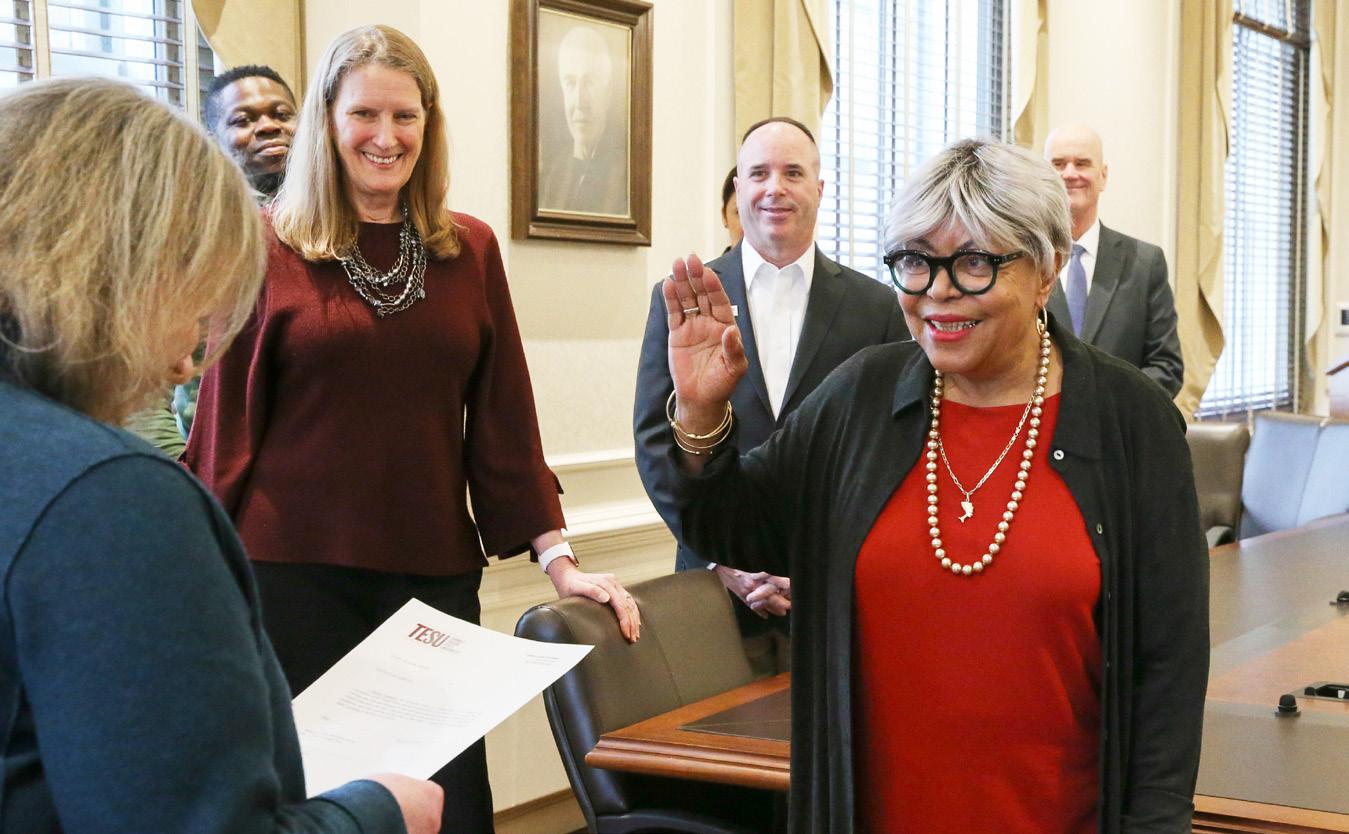
In January of this year, Patricia Kempton, Ed.D., was sworn as the newest member of the Thomas Edison State University Board of Trustees.
Kempton joins seven new members who were appointed to the board in 2025. In June 2025, the board voted to expand its capacity from 11 to 13 members, not including student trustees.
“We are honored to welcome Dr. Kempton to the Thomas Edison State University Board of Trustees,” said Dr. Michael Toscani, chair of the board.
“Her extensive educational background will provide insight that will strengthen our ability to guide the University and support its mission.”
“Dr. Kempton’s lifelong commitment to education and community service reflects the values at the heart of Thomas Edison State University,” said Merodie A. Hancock, Ph.D., president of TESU.
“Her deep roots in Trenton and broad experience across K–12 and higher education will strengthen the board’s ability to advance equitable access and student success.”
Kempton has more than 30 years of experience in secondary and higher education, having taught at college, high school and middle school levels. She held
a variety of positions within the Trenton Public Schools from 1994 to 2015 and has remained deeply engaged in the Trenton community. Her service includes board memberships with the Trenton Head Start program and the Henry J. Austin Health Center. She is also active at Grant Chapel AME Church on Mercer Street in Trenton.
A resident of Ewing, Kempton holds an Ed.D. in Educational Leadership from the University of Massachusetts Amherst,
a master’s degree from Boston College and a bachelor’s degree from Tufts University.
“I am grateful for the opportunity to serve Thomas Edison State University and to contribute to an institution that expands access to higher education for adult learners,” Kempton said. “I look forward to working with my fellow trustees to support the University’s mission and ensure its continued impact across New Jersey and beyond.”
TESU and Aviation High School Enter MOU to Expand Credit for Prior Learning Opportunities
TESU and Aviation High School in Long Island City, N.Y., have entered into a Memorandum of Understanding (MOU) that will allow students to earn college credit for their FAA Airframe and Powerplant Mechanical certifications through TESU’s Professional Learning Review process.
Through this agreement, students may apply earned credits toward select TESU degree programs or place them on an official TESU transcript through the University’s Individual Learning Account (ILA). The ILA option provides students with added flexibility to transfer their credits to another institution if that better supports their academic goals.
Credits earned through this partnership
may be applied toward the following TESU degree programs: the Associate of Applied Science in Aviation Support, the Associate of Science in Aviation Maintenance Technology, the Bachelor of Science in Aviation Maintenance Technology, the Bachelor of Science in Aviation Management and the Bachelor of Science in Technical Studies.
“This collaboration is a powerful step forward,” said Dr. Merodie A. Hancock, president of TESU. “By recognizing the value of college-level learning at Aviation High School, we are not only expanding opportunity for students but also accelerating their pathways to degree completion.”
TESU’s Credit for Prior Learning (CPL) Program is designed to recognize college-level learning gained outside the classroom, in this case through FAA aviation certificates earned at Aviation High School.
For more information about TESU’s Credit for Prior Learning Program, contact the Professional Learning Review office at CPL@tesu.edu.
With Foundation Funding, TESU Envisions Transformative Artificial Intelligence Center
In October, the University announced plans to create a Center of Excellence for AI Innovation. The initiative will ensure that every TESU student, regardless of discipline, graduates with meaningful AI competency, positioning them to thrive in a technology-driven workforce.
Backed by an initial $450,000 in seed funding from the TESU Foundation, the Center represents a major milestone in the University’s 2025–2028 Strategic Plan and will place TESU at the forefront of integrating artificial intelligence across higher education.
“TESU has always been ahead of the pack with our living curriculum that builds on our decades of innovation and outcomes,” said TESU President Merodie A. Hancock, Ph.D. “By embedding AI into every aspect of learning and student support, we will empower graduates, from nursing and business to technology and the liberal arts, with leading-edge AI skills and confidence.”
“TESU HAS ALWAYS BEEN AHEAD OF THE PACK WITH OUR LIVING CURRICULUM THAT BUILDS ON OUR DECADES OF INNOVATION AND OUTCOMES. BY EMBEDDING AI INTO EVERY ASPECT OF LEARNING AND STUDENT SUPPORT, WE WILL EMPOWER GRADUATES, FROM NURSING AND BUSINESS TO TECHNOLOGY AND THE LIBERAL ARTS, WITH LEADING-EDGE AI SKILLS AND CONFIDENCE.”
The Center will focus on three core areas:
• AI-Infused Learning and Credentials: Embedding AI expertise into courses across all disciplines, developing applied AI microcredentials and certificates and making coursework more interactive and personalized
• Enhanced Student Experience: Deploying AI-powered tools for recruitment, advising, real-time onthe-job learning and transfer credit mapping, “what-if” academic planning and 24/7 virtual assistance tailored to working adults
• Institutional Agility: Using AI for environmental scanning, collaboration and workflow optimization to enhance TESU’s responsiveness and operational efficiency
TESU PRESIDENT MERODIE A. HANCOCK, P H .D.
As TESU builds partnerships, both corporate and philanthropic, to advance the Center, Steven R. King, MBA ’15, BSBA ’93, chair of the TESU Foundation Board and an expert in early-stage technology companies, underscored the urgency of this effort. “This Center positions TESU for the future and leverages the University’s unique ability to be both nimble and bold,” King said. “It creates an exciting opportunity for pioneering technology companies that share TESU’s spirit of innovation and commitment to join forces with an institution invested in shaping what’s next.”
The Center will launch with the appointment of AI Scholars-in-Residence and pilot initiatives. These initiatives will expand into scalable programs that embed AI into every student’s degree plan, ensuring graduates leave TESU prepared for the careers of today and tomorrow.
By investing in this Center, TESU reaffirms its role as a national leader in higher-education innovation, fulfilling its vision of “Building Careers, Advancing Professions and Empowering Lives.”
Edwin “Eddie” Calzaretta is a proud three-time graduate of Thomas Edison State University. Having discovered TESU through his professional network, Calzaretta was balancing a demanding, hands-on career with a strong desire to further his education. TESU’s reputation for supporting working professionals — including those with technical backgrounds — immediately stood out. “The ability to translate real-world experience into academic progress was incredibly appealing, and it ultimately gave me the pathway I needed to complete my degrees while continuing to grow professionally,” Calzaretta said.
Before enrolling at TESU, Calzaretta was working full time as an aircraft maintenance technician, a role that required discipline, precision and accountability every single day. During this time, he developed a growing interest in finance, markets and longterm planning — especially helping fellow aviation professionals make smarter financial decisions. Calzaretta felt TESU built him the bridge between where he was and where he wanted to go, allowing him to pursue higher education without stepping away from current career responsibilities.
“Professionally, TESU helped position me to transition into wealth management. The credibility of earning
my degrees while working resonates deeply with my clients because they see someone who understands discipline, time management and real-world career demands,” Calzaretta noted.
“I continue to stay engaged with TESU because it represents opportunity — not just for me, but for countless working professionals looking to elevate their trajectory,” said Calzaretta. “I’m passionate about giving back to an institution that created such a flexible and empowering pathway.”
Completing the Genius Program is a natural extension of that commitment. It allows graduates to deepen their connection with the University, collaborate with other driven alumni and sharpen their ability to mentor and guide students who are navigating similar paths.
“Today, my engagement with TESU is both personal and professional. I’m always eager to connect with fellow alumni, students and professionals, whether it’s to share career insights, financial guidance or simply expand
meaningful relationships. TESU opened doors for me, and I take pride in helping open doors for others as well,” Calzaretta concluded.
To complete the five steps of the Genius Program and become a TESU advocate, visit tesu.edu/genius.
Keep Us Posted!
Alumni and friends of TESU are invited to join the Genius Program. Simply complete five steps to be eligible for the prize! See complete details at tesu.edu/genius.
To connect with the Office of Alumni Engagement and fellow TESU alumni, join the conversation on social media: Alumni Facebook Group: tesu.edu/FacebookGroup
Commencement 2026
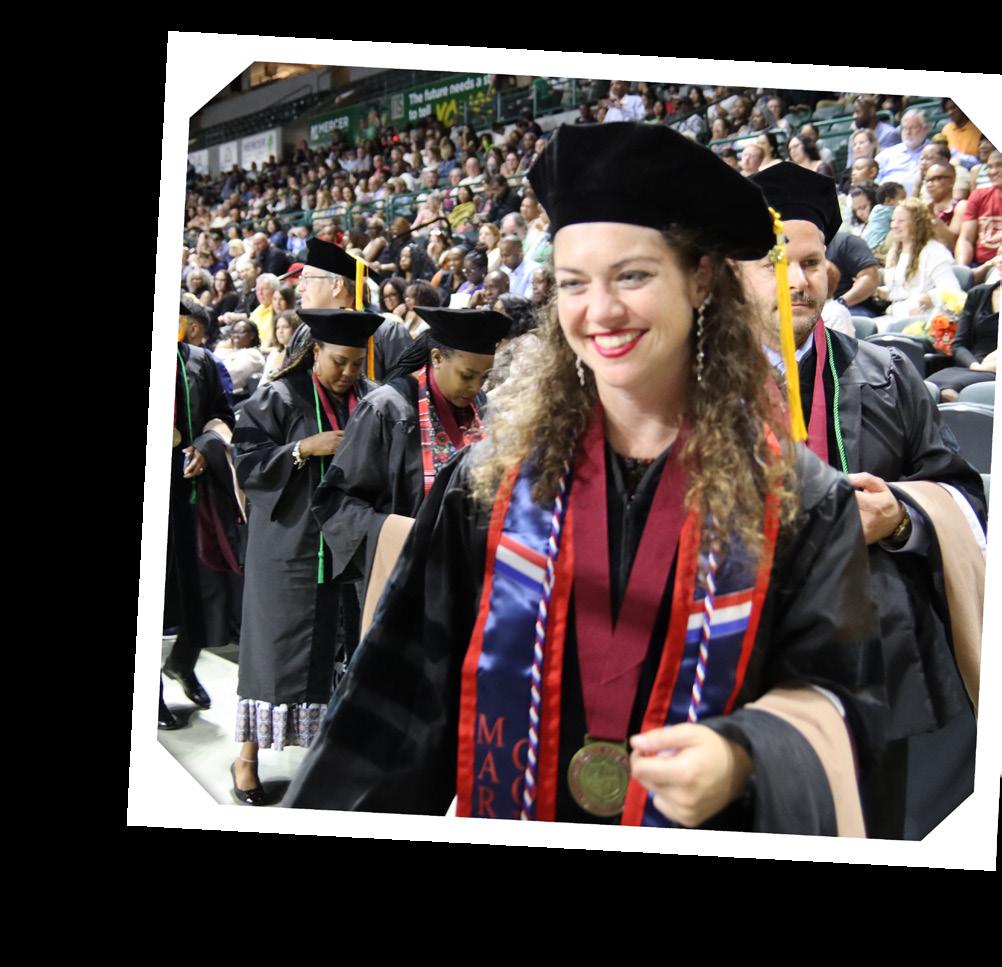
TESU’s 53rd Annual Commencement ceremony will be held on Saturday, Sept. 26, 2026 at the CURE Insurance Arena in Trenton, N.J. Check out tesu.edu/commencement for more information.