FRP Pot vs Plastic & Metal Planters Which is Best for Commercial Projects (1)
FRP v. Platic v. Metal Plater
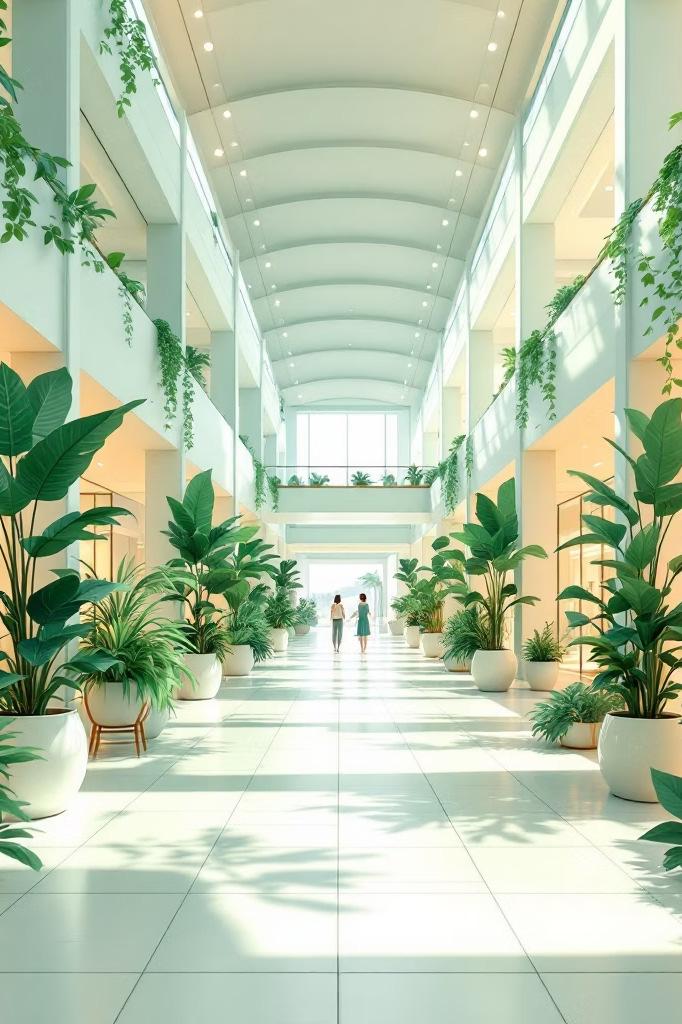
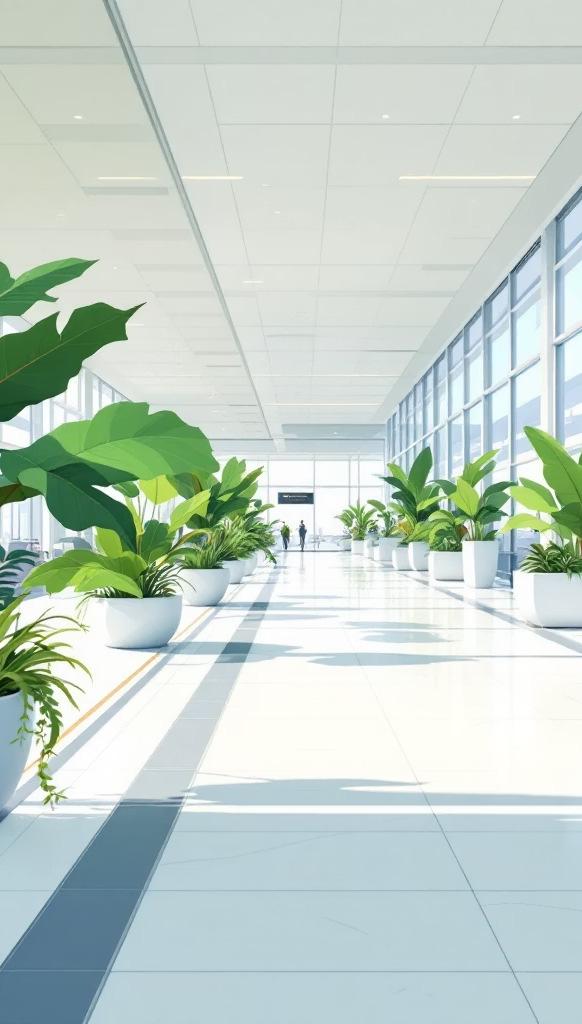
When planning a commercial landscape—whether it’s a corporate office, hotel lobby, mall atrium, hospital entrance, or airport terminal—the choice of planter is more than just aesthetic. It directly impacts maintenance cost, durability, safety, and brand perception.
As one of the leading FRP Planters Manufacturers in India, we’ve worked closely with architects, landscape consultants, and procurement heads across large-scale projects.
This detailed guide breaks down the real differences between FRP (Fiber Reinforced Plastic), traditional plastic, and metal planters—so you can make an informed, cost-effective, and long-lasting decision for your project.
Wat I a FRP Plater?
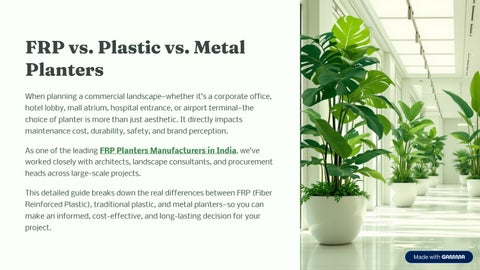
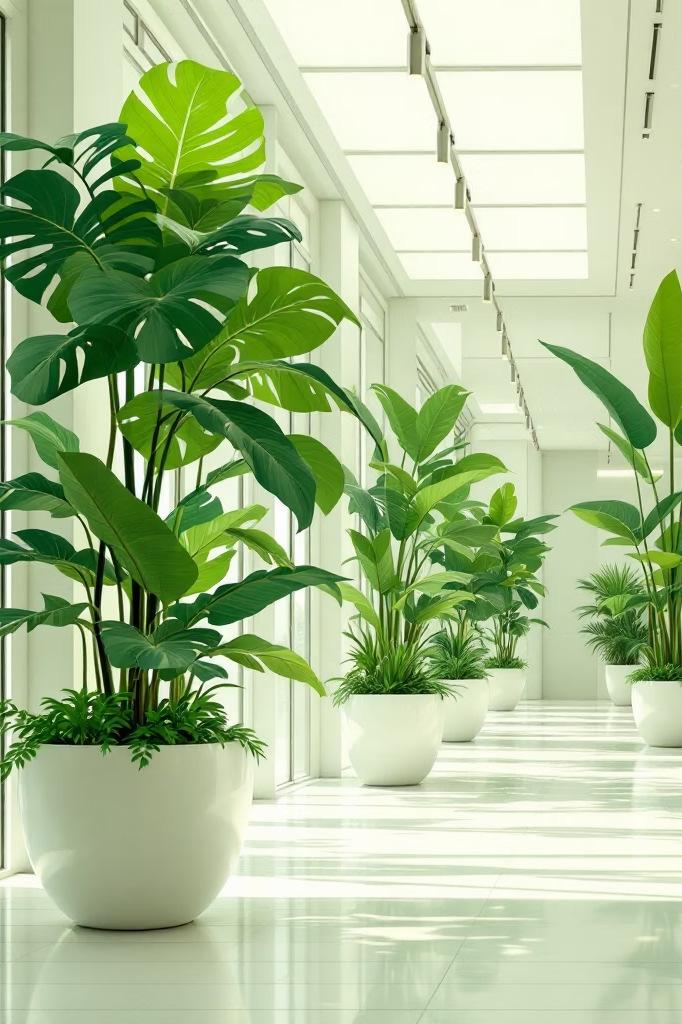
An FRP pot (Fiber Reinforced Plastic pot) is manufactured using highstrength fiberglass and resin composites. Reputed Fiberglass Planter Manufacturers engineer these planters to withstand extreme environmental and structural stress while maintaining premium aesthetics.
At-a-Glace Copario
FeatureFRPPlasticMetal
Durability8–15+ years2–5 years5–10 years
WeightLightweightVery lightweightHeavy
Rust Resistance100% rust-proofRust-proofProne to rust
Long-Term CostHighly economicalReplacement cost highMaintenance cost high
Durability Uder
Coercial Stre
FRP
Reinforced layers resist cracking, warping, and fading. Lifespan exceeds 10 years with minimal maintenance.
Platic
Degrades under prolonged UV exposure — becomes brittle and discolored, especially in Indian climates.
Metal
Vulnerable to corrosion and rust without frequent coating, increasing long-term maintenance expenses.
Expert Insight: In commercial hospitality and corporate campuses, 70% of clients now prefer fiberglass over plastic due to lifecycle durability advantages.
Deig Flexibility Aetetic
Stoe Fii
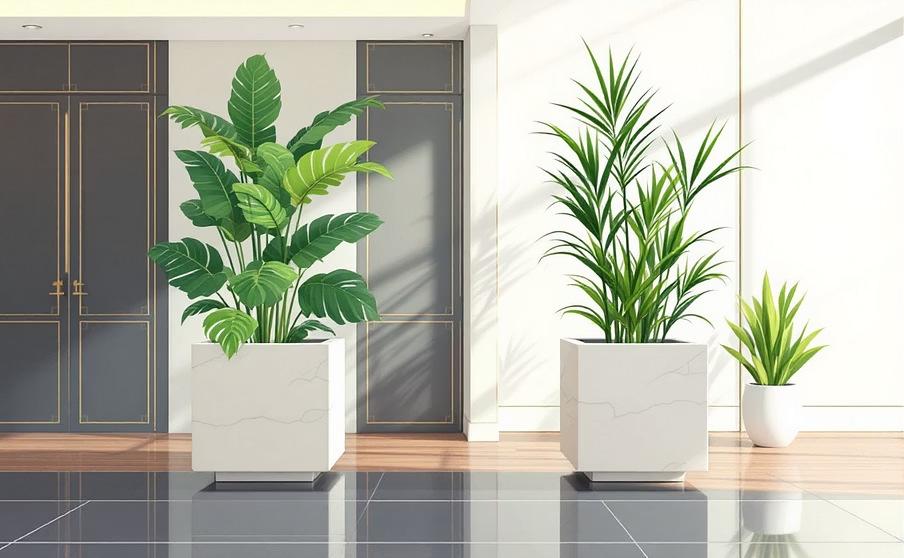
Natural stone appeal for premium hospitality and corporate environments.
Fii
Clean, modern minimal aesthetics for contemporary commercial spaces.
Cuto Sape
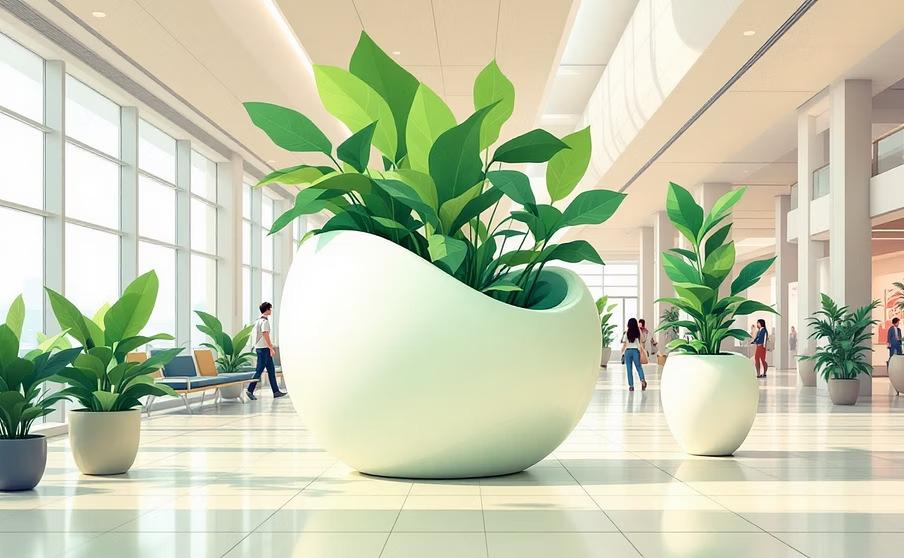
Extra-tall, wide, or oversized — fully customizable sizes and seamless finishes.
Lightweight, structurally strong Platic Lightweight, windunstable Metal
Heavy, hard to reposition
Commercial projects frequently require moving large planters during events or redesigns. Weight directly affects installation efficiency and flexibility.
FRP
Lightweight yet structurally strong — ideal for oversized designs.
Platic
Light but unstable in wind — risky for large outdoor planters. Metal
Heavy and difficult to reposition — limits layout flexibility.
Log-Ter ROI: Te Real
Cot Story
For a commercial complex using 50 large planters over 8 years:
2x Platic Cot
Replacement cycle every 2–4 years doubles your spend. 40% Metal Overead
1x FRP Ivetet
Repainting and rust treatment adds 30–40% in ongoing costs.
Single purchase, minimal upkeep over 8–12 years.
Weater Reitace i Idia Coditio
India's climate varies drastically — from coastal humidity to northern heatwaves. FRP is the recommended choice for professional commercial projects.
Plasticfades.Metalcorrodes.FRP remainsstable.
We Sould You Cooe Eac?
Cooe FRP We…
Project is commercial or institutional
Custom large sizes are needed
Durability and brand image matter
Stone or matte finishes are desired
Cooe Platic We…
Temporary installations only
Budget is extremely limited
Indoor, low-traffic areas
Cooe Metal We…
Industrial theme required
Covered indoor environments
Maintenance commitments are acceptable
Te Clear Coice for Coercial Project
Across IT parks, hospitals, airports, government buildings, and luxury towers — FRP delivers the perfect balance of durability, elegance, and long-term savings.
Lat 8–15+ year
Minimal maintenance, maximum lifespan.
Fully Cutoizable Sizes, shapes, stone/matte finishes — built for your brand.
Bet Log-Ter ROI
Single investment outperforms plastic and metal over time. FAQ: FRP planters do not crack easily — reinforced fiberglass layers provide high impact