
About the Wal-yan Respiratory Research Centre
The Wal-yan Respiratory Research Centre - a powerhouse partnership between The Kids, Perth Children’s Hospital Foundation and Perth Children’s Hospital - brings together clinicians, scientists and community members from across the globe with a united goal to prevent childhood respiratory illness and ensure that all children have healthy lungs for life.
Our Vision
To ensure that every child has healthy lungs for life.
Our Mission
To prevent and cure respiratory illness in children through worldclass, multidisciplinary research, that will drive pioneering discoveries out of the labs and into the community, across WA, Australia and beyond.
The Wal-yan Respiratory Research Centre conducts research into a wide range of childhood respiratory disease areas, with a clear focus on:
• Asthma
• Cystic fibrosis
• Indigenous respiratory health issues
• Environmental factors affecting lung health
• Respiratory consequences of pre-term birth
• Normal developmental trajectories of respiratory function and the immune system
Message from the Head
This past year has marked a turning point for the Wal-yan Respiratory Centre. We have emerged from a period of unprecedented challenges - arguably some of the most difficult times our researchers have faced in recent memory - with renewed strength, clarity, and purpose. Despite the disruptions and uncertainty, our centre has not only endured but excelled. We are no longer just surviving, we are thriving.
The resilience and adaptability of our researchers have been nothing short of remarkable. Many of our early-career scientists stepped into senior roles and rose to the occasion admirably. Others were required to change the focus of their research. From the outside, these transitions may appear seamless, but I know firsthand the personal and professional toll they can take. I am deeply proud of how members of our centre have supported one another and continued to deliver impactful science.
A major milestone this year was the development of our 10-year strategy - a bold and collaborative vision for the future of lung health research. This was not an easy task. It required reflection, honest conversations, and a collective commitment. Strong and wide consumer engagement affirmed that we are on the right path. The consumer voices reminded us that what we do matters, and that what they need is exactly what we strive to deliver.
This strategy sets the stage for our next chapter: expanding our visibility across WA, nationally, and globally as a leader in childhood lung health research. It provides a clear framework to enhance collaboration and attract the funding necessary to scale our work and deepen our impact. It also reflects our commitment to building capacity, fostering collaboration, and improving health outcomes for children.
As we look ahead, I am filled with optimism. The Wal-yan Respiratory Centre is advancing with purpose - driven by talent, tenacity, and a shared vision to help children grow up healthy.

Professor André Schultz, Head of the Wal-yan Respiratory Research Centre
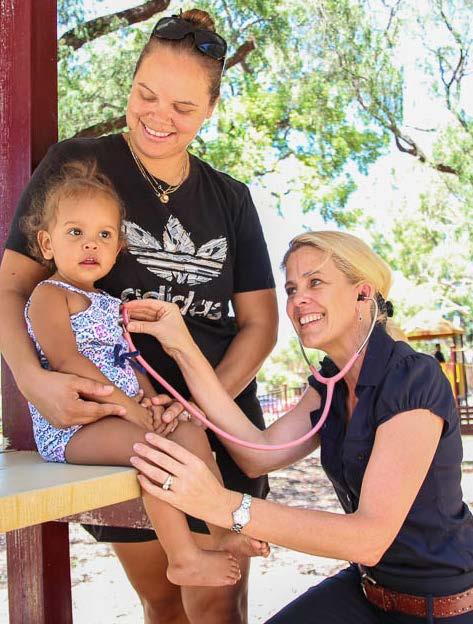
Superviruses to fight superbugs: Perth’s first phage manufacturing facility opens
Western Australia’s first phage manufacturing facility has officially opened, offering new hope for patients battling antibiotic-resistant infections. Led by Associate Professor Anthony Kicic and the Phage WA team, the facility will produce tailored phage therapies that could help treat lung, skin, and ear infections.
Phages are viruses that target and destroy harmful bacteria. The team has built a large phage library and secured national ethics approval for compassionate use. With WA and federal funding, they’re now launching a translational trial program for patients with antibiotic-resistant lung infections.
The opening of the cutting-edge facility means the team can now develop safe phage treatments for critically ill patients right here in WA.
Researchers named as joint winner in the 2024 Premier’s Science Awards.
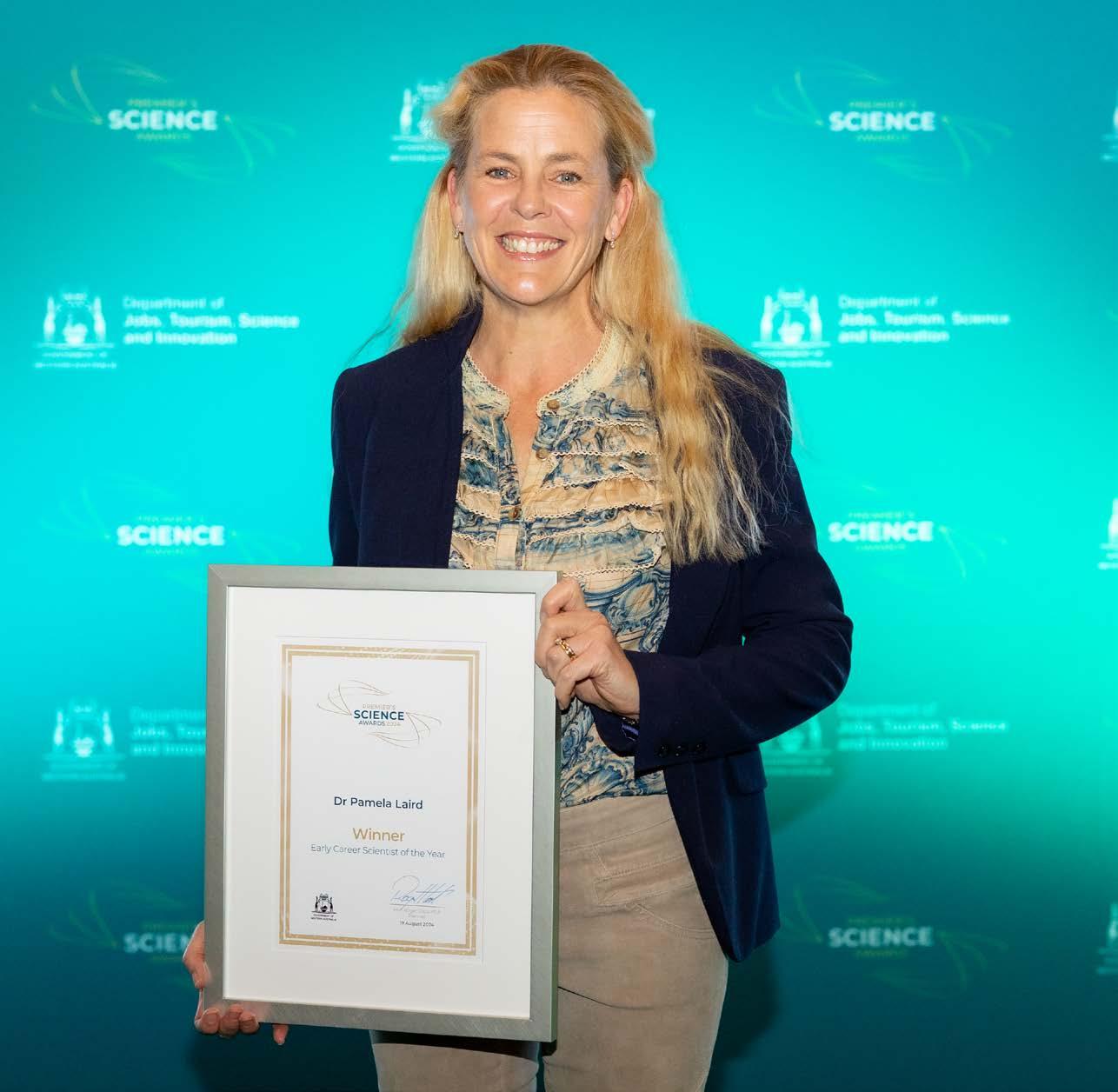
Dr Pamela Laird was named joint Early Career Scientist of the Year at the 2024 WA Premier’s Science Awards for her significant contribution towards reducing the chronic respiratory disease burden in Aboriginal children.
Her research within the Wal-yan Respiratory Research Centre has provided world-first data on bronchiectasis and chronic wet cough, conditions disproportionately affecting Aboriginal communities.
Working closely with Aboriginal medical services, leaders and communities, she has contributed to national guidelines and created highly accessible resources that, together with her research, have already helped save little lungs. Her dedication to bridging healthcare gaps in remote WA has been widely recognised.
Dr Laird shared the award with Dr Neil Robinson from UWA, who was honoured for his work in next-generation energy solutions.
Dr Pamela Laird
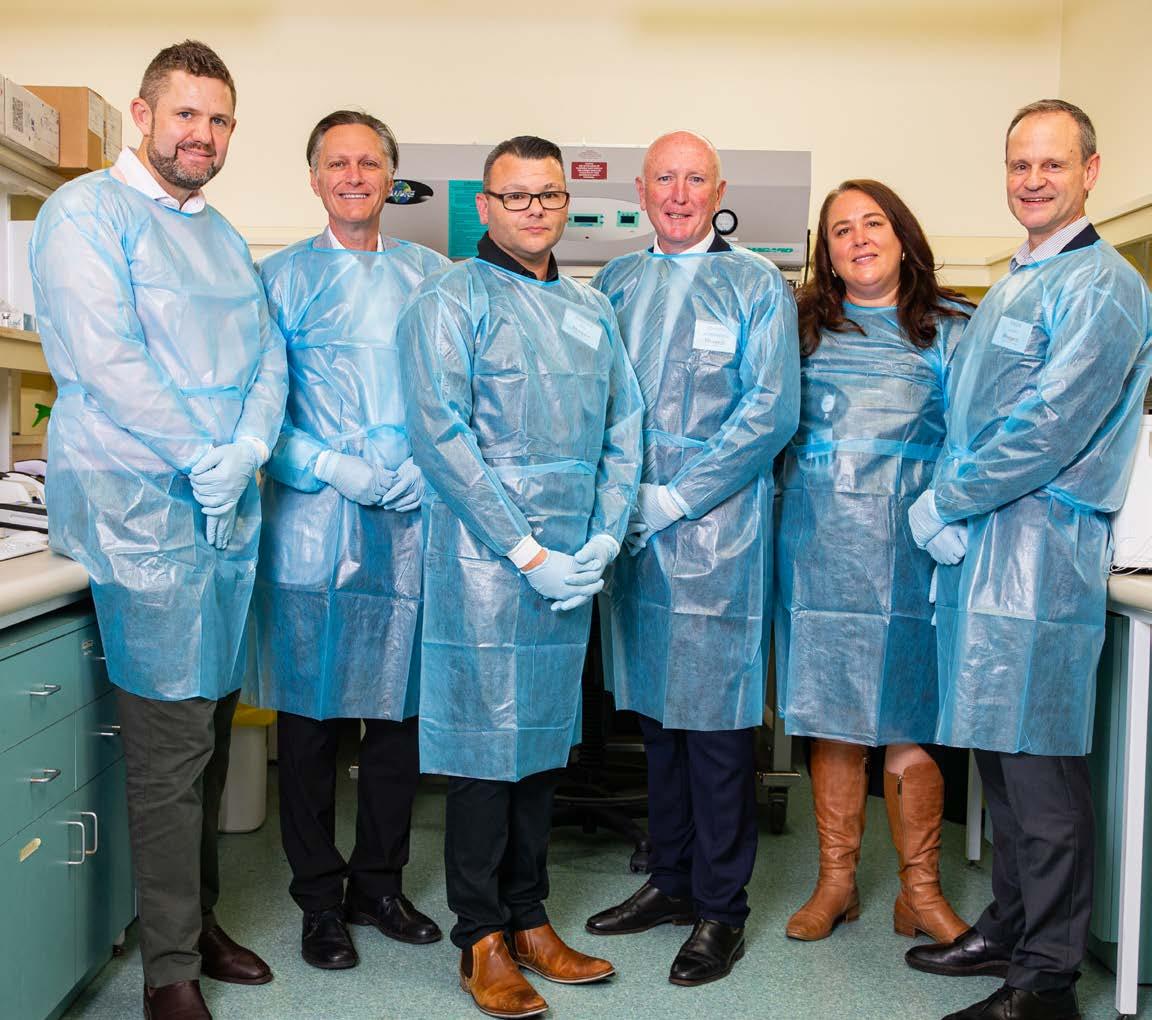
Alex Harper (Chief Development Officer at Perth Children’s Hospital Foundation), Professor Jonathan Carapetis (Executive Director of The Kids Research Institute Australia), Associate Professor Anthony Kicic (Scientific Lead Phage WA at The Kids Research Institute Australia), Stephen Dawson (WA Minister for Medical Research) Alexandra Robertson (Director Research Operations at Perth Children’s Hospital) and Professor André Schultz (Head of Wal-yan Respiratory Research Centre).
Wal-yan Respiratory researchers joined global respiratory congress in Vienna
Wal-yan Respiratory researchers presented their cutting-edge respiratory research at the European Respiratory Society Congress in Vienna in September 2024. Topics included lung disease in premature babies, cystic fibrosis, chronic wet cough in First Nations children, and innovative lung function testing.
Presenters include Associate Professor Shannon Simpson, Dr Denby Evans, Dr Harriet Crabtree, Dr Gloria Lau, Associate Professor Kathryn Ramsey, Dr Jenny Lam and Dr Renee Ng. Their contributions reflect the Centre’s global leadership in paediatric respiratory health.
The Congress provides a platform to share findings and collaborate internationally to improve respiratory outcomes for children.

Respiratory research program recruits 400th participant, marking key milestone
The WA Epithelial Research Program (WAERP) marked a major milestone in September 2024 with its 400th participant. The biobank collects airway cells from children and adults undergoing elective surgery, supporting over 25 respiratory studies.
These cells help researchers understand diseases like asthma, cystic fibrosis, and the effects of premature birth. WAERP collaborates nationally and internationally, with contributions from families playing a vital role.
The program continues to drive breakthroughs in respiratory research, with long-term benefits for future generations.
Allied Health award for respiratory researcher Dr Pamela Laird
Dr Pamela Laird won Allied Health Researcher of the Year at the WA Excellence in Allied Health Awards, recognising her impact on Aboriginal child respiratory health. Her followup strategy for children hospitalised with chest infections is now routine at Perth Children’s Hospital and expanding nationally.
She’s known for her advocacy, mentorship, and co-creation of accessible resources with Aboriginal communities. This award adds to her Premier’s Science Award win earlier in the year.
Dr Laird’s work exemplifies how research can directly improve clinical practice and community health outcomes.
Dr Pamela Laird
Researchers share in almost $1.8 million for groundbreaking child health respiratory research
Three Wal-yan researchers – Associate Professor Anthony Kicic, Associate Professor Shannon Simpson, and Associate Professor Kathryn Ramsey – received $600,000 each, totalling almost $1.8 million in funding from the WA Child Health Research Fund to advance studies in asthma, prematurity-associated lung disease, and bronchiectasis.
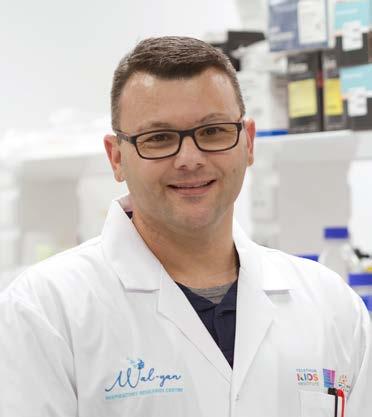

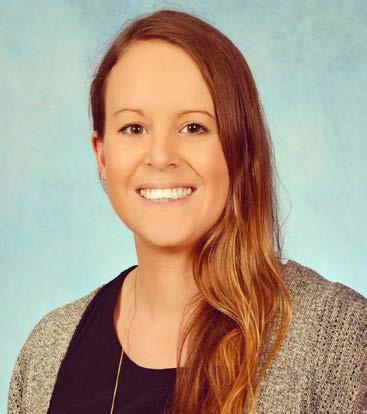
Associate Professor Kicic’s project will identify asthma risk in children under five by combining lung function tests with genetic and viral data. Associate Professor Simpson’s research aims to categorise lung disease in premature children to develop guidelines for targeted treatments. Associate Professor Ramsey’s work focuses on improving outcomes for children with bronchiectasis, through prospective, longitudinal analysis of airway sputum and clinical surveillance data.
These projects will help fill critical gaps in paediatric respiratory care and improve long-term health outcomes for children across WA.
Early Career Child Health Researcher Fellowships
Five of eight Early Career Child Health Researcher Fellowships were awarded to researchers from The Kids, supported by Brightspark Foundation, WA Future Health Research and Innovation Fund, and Stan Perron Charitable Foundation. These fellowships provide financial support and mentorship to emerging child health researchers.
Airway Epithelial Research Officer, Dr Renee Ng, will be focusing on advancing phage therapy as a safe, effective alternative to antibiotics, improving treatment options and quality of life for children while contributing to the fight against antimicrobial resistance (AMR).
This initiative strengthens WA’s research pipeline and supports innovative solutions to pressing health challenges.
Raine Foundation support for researchers
Dr Denby Evans and Dr David Hancock received Raine Priming Grants as they progress towards independent research careers.
Dr Evans’ project explores airway epithelium as a treatable trait in preterm lung disease, while Dr Hancock’s work aims to predict respiratory trajectories in early life.
Dr Evans also received a Collaboration Award for a joint project with the University of Barcelona, harmonising data analysis to better understand chronic lung disease following preterm birth.

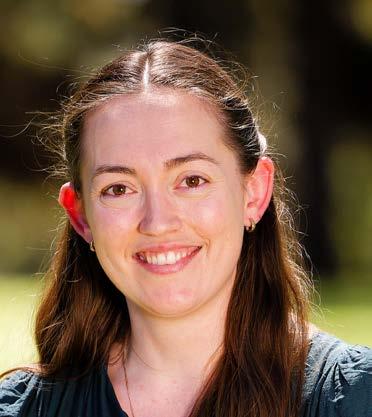

Associate Professor Anthony Kicic
Associate Professor Shannon Simpson
Associate Professor Kathryn Ramsey
Dr Renee Ng
Dr Denby Evans Dr David Hancock
Understanding how invasive fungi target weakened immune systems
Dr Luke Garratt will lead a $1.236 million project under the the Ideas Grant Sceme, investigating two dangerous fungi – Scedosporium and Lomentospora – that threaten immunocompromised patients. These fungi are resistant to frontline treatments and pose serious risks to transplant and cancer patients.
The research will decode how these fungi interact with human cells, aiming to develop new detection and treatment strategies. Garratt’s team includes experts from The Kids, UWA, and Fiona Stanley Hospital.
This project addresses a critical gap in fungal disease research and could lead to lifesaving interventions.
New funding to accelerate AI personalised phage therapies


Wal-yan researchers Associate Professor Anthony Kicic, Dr Yuliya Karpievitch, Dr Chris Malajczuk, Dr Joshua Iszatt, Dr Andrew Vaitekenas, and Dr Patricia Agudelo-Romero received $500,000 from the WA Government’s Future Health Medical Research and Innovation (FHRI) Fund to develop PHAEDRA, an AI platform that predicts phage activity against a patient’s antimicrobial-resistant (AMR) bacterial infection. This innovation could cut treatment delays by up to five days.
PHAEDRA uses generative AI to match phages to bacterial infections, accelerating personalised therapy. The platform builds on earlier feasibility studies funded by a $50,000 Future Health Research innovation fund grant.
Community partnership sets priorities for preterm lung health research
The Foundations of Lung Disease team led a national Priority Setting Partnership to identify top research questions in preterm lung disease, involving parents of preterm children, young adults born preterm, preterm research cohorts and healthcare professionals.
Through surveys and workshops, the community helped define the top 10 priorities, including lifelong lung health impacts, follow-up care, and culturally appropriate resources for diverse populations.
This collaborative approach ensures future research aligns with real-world needs, improving outcomes for people born prematurely.
Dr Luke Garratt
Dr Joshua Iszatt and Dr Yuliya Karpievitch
Cure4CF Grant a boost for innovative Cystic Fibrosis research
A $350,000 Cure4CF grant will accelerate the Phage WA team’s work on treating antimicrobial-resistant lung infections in people with cystic fibrosis (CF). The team has built a biobank of over 3,500 phages and is now homing-in on treating AMR lung infections in people with CF with phage therapy.
The team, comprising Team Leader Associate Professor Anthony Kicic, Dr Yuliya Karpievitch , Dr Joshua Iszatt, Dr Daniel Laucirica, Dr Kak-Ming Ling, Dr Chris Malajczuk, Dr Samuel Montgomery, Dr Andrew Vaitekenas and Dr Renee Ng, will be screening adults and children with CF who have bacterial infections that are resistant to antibiotics and testing an Artificial Intelligence (AI) phage-matching tool against regular phage-matching processes to determine the tool’s accuracy and efficiency.
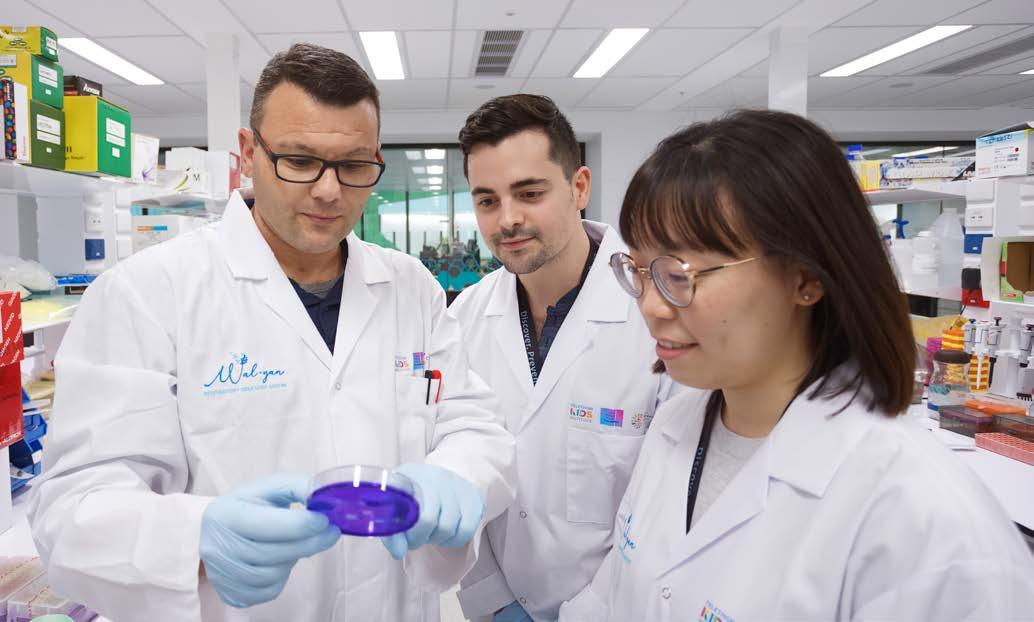
This work is vital for patients with CF, who are especially vulnerable to superbugs and urgently need new treatment options.
Top researchers recognised for respiratory research
Dr Katherine Landwehr and Dr Pamela Laird received major awards at the Thoracic Society of Australia and New Zealand and the Australian and New Zealand Society of Respiratory Science (TSANZSRS) Annual Scientific Meeting in Adelaide.


Dr Landwehr, Senior Research Fellow in the Respiratory Environmental Health Team, was awarded $50,000 to study the respiratory effects of biodiesel emissions, some of which may be more harmful than diesel.
Dr Laird, Senior Research Fellow in the Airway Epithelial Research Team, received two awards: a $25,000 grant supporting her Indigenous lung health research and $7,500 grant designed to support women in respiratory science and reduce barriers for women in STEMM.
Unique twin study reveals clues to childhood allergies
A study led by Dr Jonatan Leffler explored how genetics and environment shape childhood allergies. Using immune profiles from 93 twin pairs, the research found that while some immune traits are inherited, others are influenced by environmental exposures.
Using advanced immune profiling and statistical modelling, the team found that certain immune cells, such as B cells and basophils, are strongly influenced by genetics.
The findings suggest that even children with a strong genetic predisposition may benefit from tailored environmental interventions, such as exposure to diverse microbiomes or reduced pollutants, to reduce their risk.
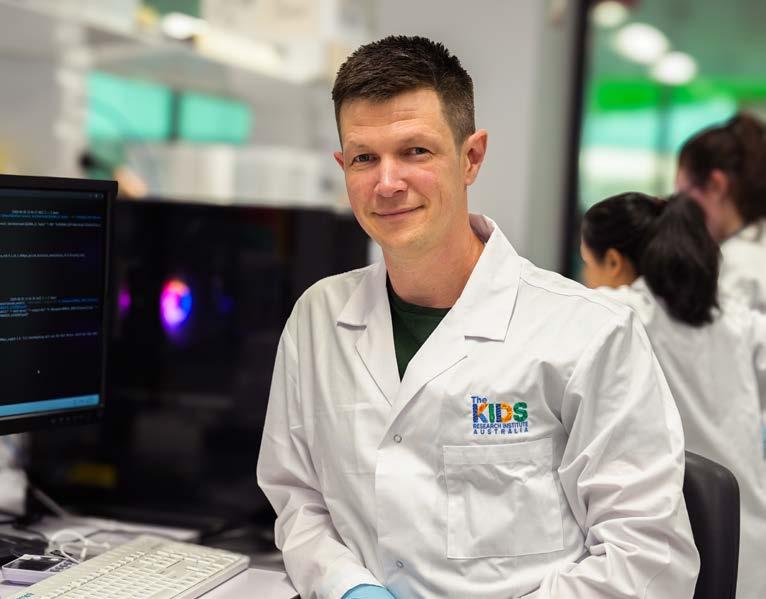
Dr Katherine Landwehr Dr Pamela Laird
Dr Jonatan Leffler
New guidance aims to transform Indigenous healthcare through cultural safety and partnership
Professor André Schultz, Head of the Wal-yan Respiratory Research Centre, has developed a set of practical, evidence-based principles with the NHMRC Centre for Research Excellence in paediatric lung health to guide clinicians in delivering culturally safe care to Aboriginal and Torres Strait Islander children.
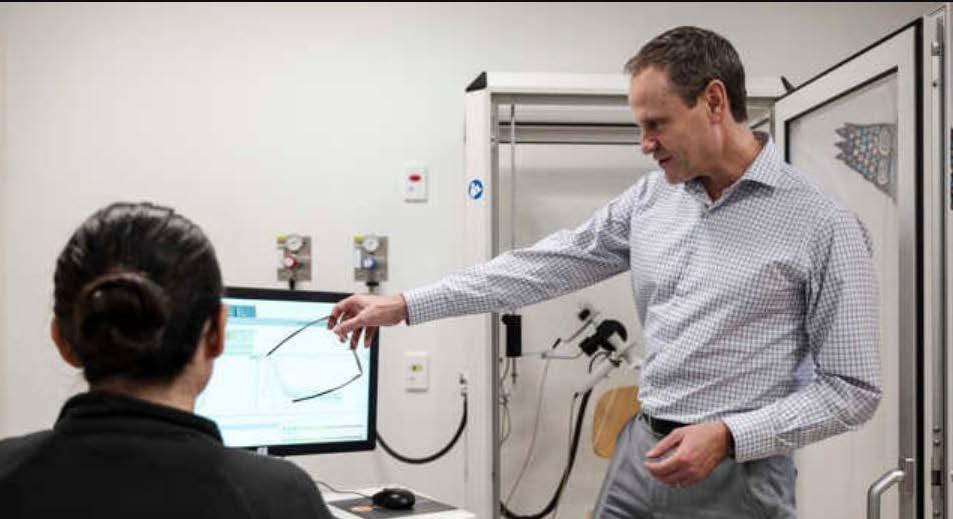
Informed by extensive community consultation and clinical experience, the project highlights the importance of respectful communication, co-designed health resources, and effective follow-up to improve long-term health outcomes.
While rooted in respiratory medicine, the learnings are intended to be applied across all areas of healthcare.
Community involvement and engagement
At the Wal-yan Centre, we prioritise amplifying the community’s voice in respiratory research.
Our commitment lies in ensuring that our research is not only relevant, but also delivers high-quality outcomes and successful translation of our research findings into effective clinical care.
As part of this commitment we are proud to have over 60 community members who contribute to our research through our nine community reference groups:
INSPIRE (Innovative Solutions and Partnerships for Indigenous Respiratory Excellence) Consumer Reference Group of WA
Bronchiectasis Consumer Reference Group of Western Australia
Child and Adolescent Cystic Fibrosis Consumer Reference Group of WA
Kids Easy Breathing Study Aboriginal Advisory Committee
Neuromuscular Consumer Reference Group
Next Generation CF Youth Consumer Reference Group
Preterm Community Reference Group
Western Australian Epithelial Research Program (WAERP) Consumer Reference Group
In addition, we are fortunate to have a number of community members who help to shape our research as ‘research buddies’ and as research investigators.
Community reference group highlights
INSPIRE Consumer Reference Group
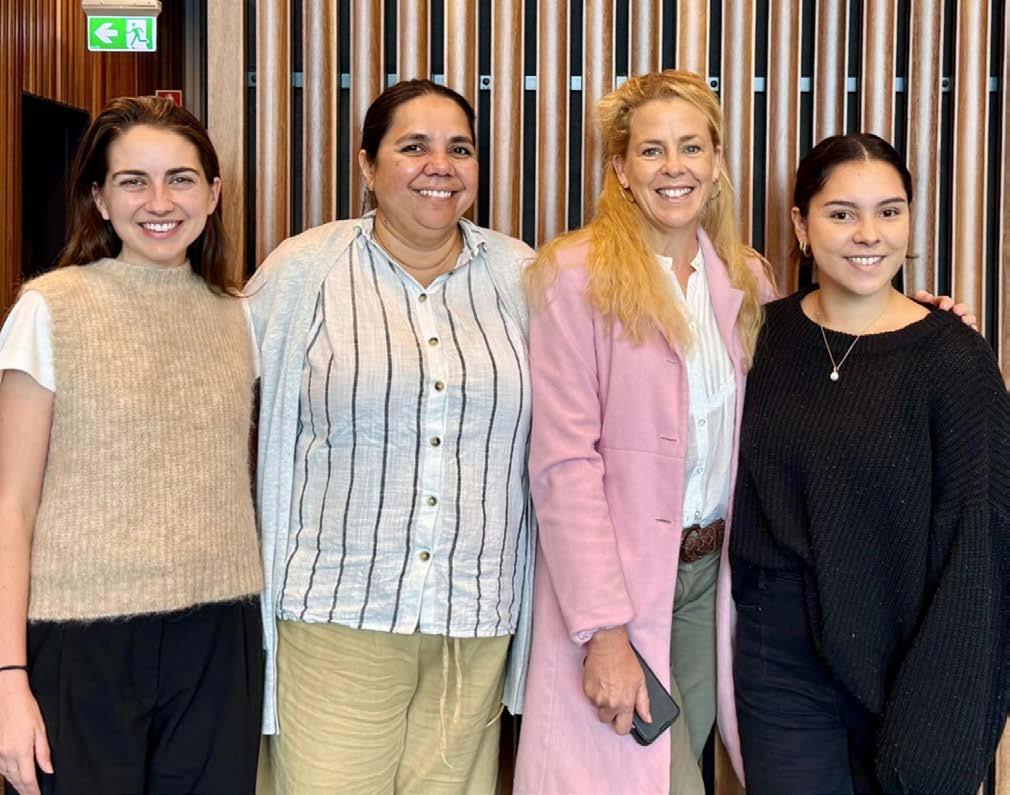
A key milestone this year was the expansion of the ACE Study to Townsville University Hospital and Cairns Hospital, paving the way for Aboriginal and Torres Strait Islander families from North Queensland to join the INSPIRE Consumer Reference Group.
The INSPIRE CRG webpage was refreshed during the year to better reflect current activities and opportunities for involvement.
Preterm Community Reference Group
Over the past year, the Preterm Consumer Reference Group has made significant contributions to research, resource development, and community engagement. Members provided detailed feedback on multiple research proposals and study briefs, ensuring community priorities were embedded in projects such as FINGERPRINT, PELICAN, WALHIP-CPET, BALLOON, and Epithelial cell repair grants.
The group also provide valuable input to teams working on preterm research beyond lung health, broadening the scope and impact of their involvement. In addition The group reviewed and refined a suite of new resources for families and adults born preterm, which are now publicly available on the Kids website, and actively participated in community events such as the World Prematurity Day picnic. Two members represented the group on a webinar panel discussing prematurityassociated lung disease, and what primary care needs to know, where they openly shared their lived experiences with more than 60 participants. Members powerfully share their experiences, and advice with each other and researchers who engage with the group.
BRIGHT Consumer Reference Group
In 2025, leadership of the BRIGHT CRG transitioned to one of our passionate consumer members, Michelle, who now chairs the group’s meetings. Her facilitation has fostered open, constructive conversations, helping us better understand and respond to community priorities.

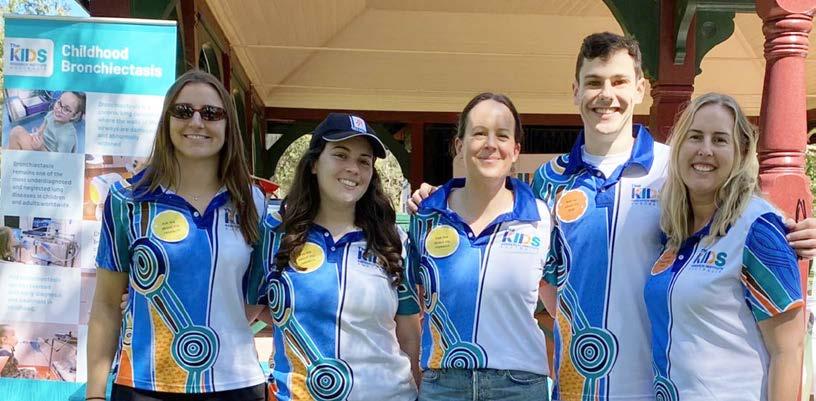
Consumer involvement was pivotal in securing a successful WACRF grant for the IMPACT study, which investigates the mechanisms of bronchiectasis in childhood.
A standout achievement this year was the co-design of our first-ever Bronchiectasis Family Day, taking place in October. Consumers have played a central role in shaping the event, ensuring it promotes community connection and offers a meaningful, enjoyable experience for families and researchers.
The Kids Easy Breathing Study (KEBS) Aboriginal Advisory Committee
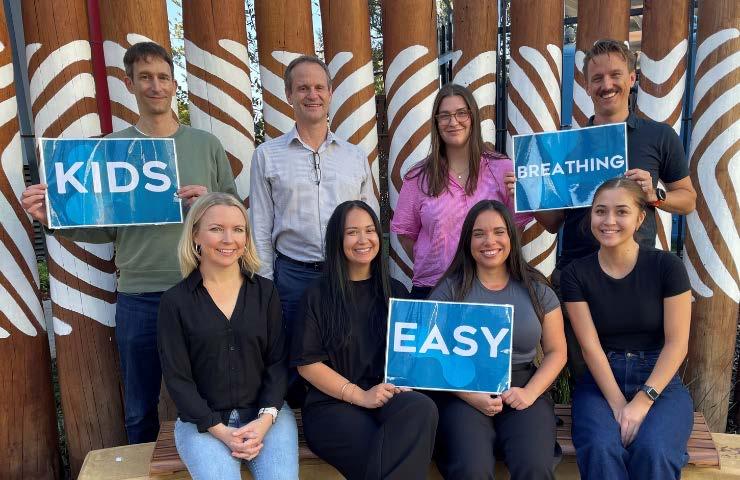
The Kids Easy Breathing Study (KEBS) continues to make progress with recruiting. This year we reached a milestone of recruiting half of our cohort with 150 total participants engaged, of which 15% are Aboriginal babies.
The Aboriginal Advisory Committee (AAC) have been integral in ensuring our recruitment of Aboriginal families remains culturally safe. We developed a visual KEBS Roadmap Summary to assist families to better understand our recruitment steps in a fun and easy way. This year we welcomed new AAC member Steph Blurton, who comes with a background in Aboriginal health and nursing. The broader BREATH Team also grew to welcome new Program Manager, Caris Jalla; Project Coordinator, Sara Pasic; and Research Nurse, Kate Lucas. Recruitment will be finalised in 2026 and early results will be shared at the end of next year.
Community conversations: shaping the future of kids’ lung health research
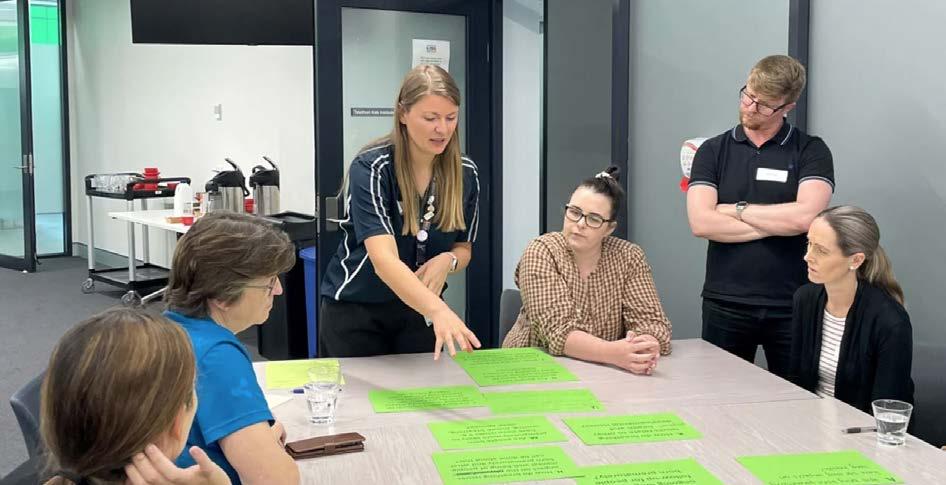
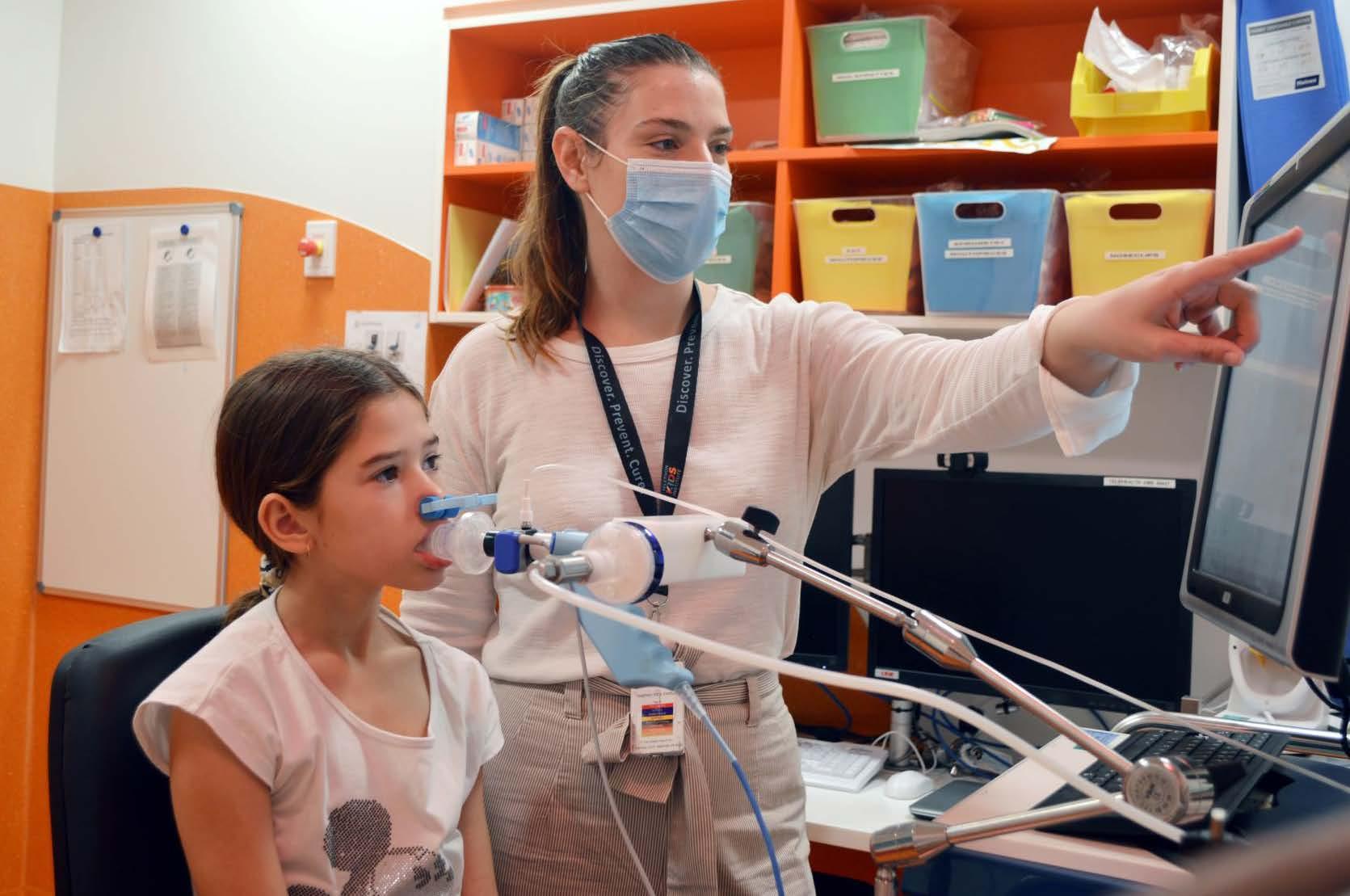
In 2025, the Wal-yan Respiratory Research Centre hosted a series of four community consultation sessions –three in the Perth metropolitan area and one online for regional participants. These sessions were designed to gather insights from families, carers, and community members to help shape the Centre’s future research priorities in children’s lung health.
What lung health concerns matter most to families and communities?
Participants were invited to share their lived experiences, concerns, and ideas.
The consultations aimed to answer three key questions:
What areas of kids’ lung health should the Wal-yan Centre focus its research on?
What tools and resources do families need to help children manage their lung health?
Lung health as a foundation for quality of life
Participants described lung health as essential to daily function, emotional wellbeing, and childhood development. Many noted that lung health is often invisible until compromised, and that stigma and under-recognition remain challenges.
Prevention and early intervention
There was strong support for research and public health strategies focused on early detection, vaccination, and lifestyle education. Families expressed a desire for proactive approaches to prevent long-term damage.
Environmental and lifestyle concerns
1 2 3 4
Support, education, and access
Air pollution, bushfire smoke, vaping, and passive smoking were identified as major threats. Participants called for stronger public health messaging and policy action to address these risks.
Families highlighted gaps in postdiagnosis support, continuity of care, and health literacy. There was a clear need for accessible, age-appropriate educational resources and better communication from healthcare providers.
Chronic conditions and complex care
Managing chronic lung conditions like cystic fibrosis (CF) and asthma remains a significant burden. Families called for improved treatments, clearer care pathways, and better coordination between hospital and community care.
Mental health and emotional impact
The psychological toll of managing lung conditions, especially in children, was a recurring theme. Parents spoke of anxiety, isolation, and the need for mental health support alongside physical care.
Dedicated discussions with Aboriginal families revealed systemic barriers to care, including racism, lack of culturally safe services, and poor access in remote areas. Participants emphasised the importance of integrating traditional knowledge and empowering Aboriginal voices in health strategy development.
8
9 6 7 5
Community members urged the Centre to focus on:
• Prevention and early intervention
• Innovative treatments and personalised medicine
• Diagnostic tools and biomarkers
• Long-term lung health trajectories
• Social and environmental determinants
• Mental health links
• Rare and complex conditions
Families requested:
• Clear, practical guidelines for managing lung conditions
• Digital tools and apps for tracking symptoms
• Public education campaigns
• Support services and financial assistance
• Improved healthcare access in regional areas
Global reach and impact
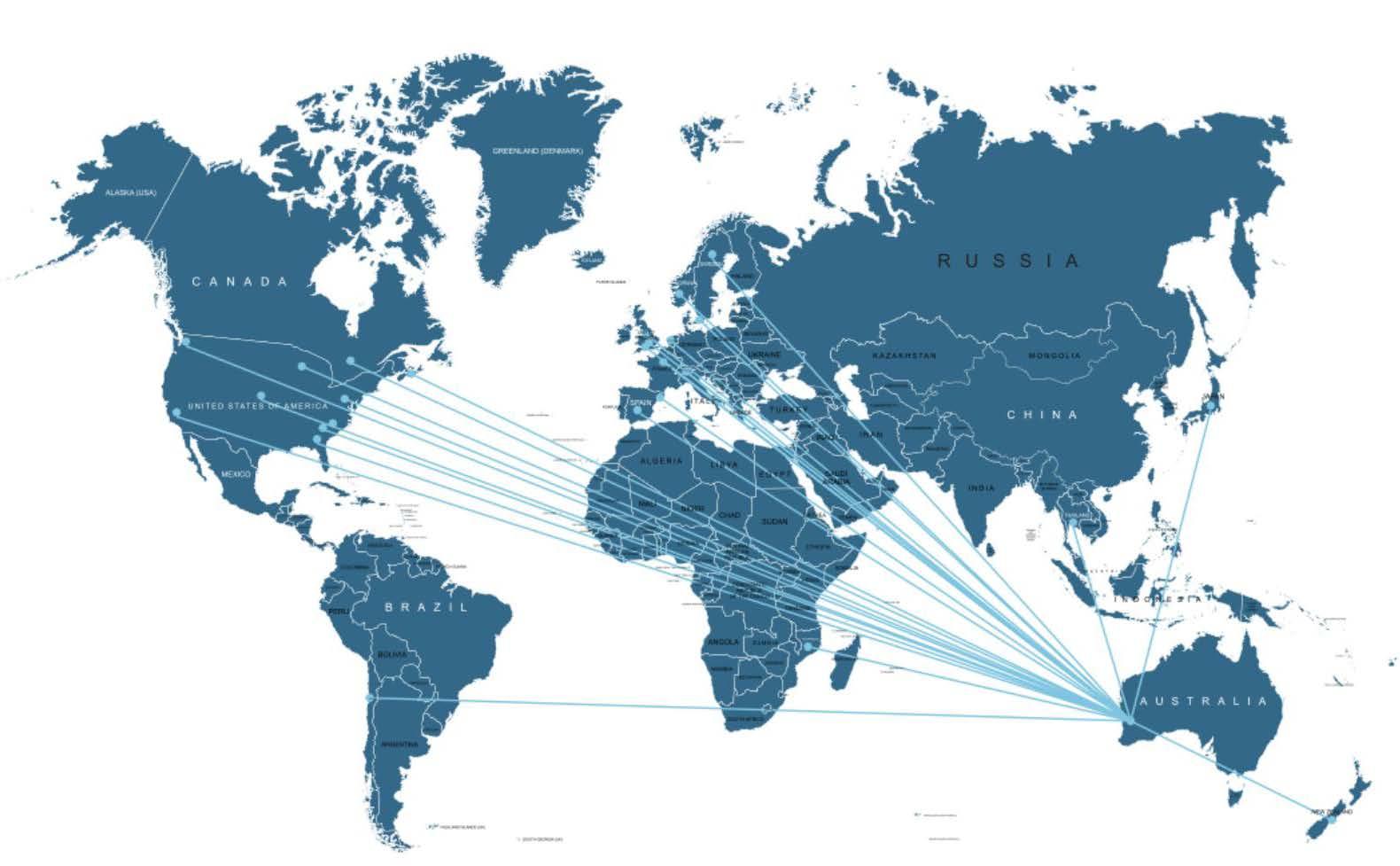
We are actively collaborating with colleagues and organisations around the world including:
• Prematurity’s Effects on the Lungs in Children and Adults Network (PELICAN) – a European Respiratory Society’s clinical research collaboration. Associate Professor Shannon Simpson co-chairs the consortium alongside Prof Dianne Gray from University of Cape Town, South Africa. The Global Lung Function Initiative (GLI) task force to generate healthy reference data for the multiple breath washout lung function test. Associate Professor Kathryn Ramsey co-chairs the multiple breath washout task force and Associate Professor Shannon Simpson chairs the oscillometry taskforce which include leaders in the field from around the world.
• Associate Professor Kathryn Ramsey co-chairs the American Thoracic Society Multiple breath washout technical standards task force with other international leaders in the field.
• The Clinical Epigenetics Team is part of the global Immune Development in Early Life (IDEAL) program coordinated by the Precision Vaccines Program at Boston Children’s Hospital. The study leverages systems biology – technologies that measure inventories of cells and molecules in the body- and modelling human immunity outside the body (in vitro) to understand how a child’s immunity is established, developed and maintained in the first five years of life. This childhood immune development is then associated with common paediatric health outcomes such as vaccine responsiveness, wheeze and asthma proneness.
• A-STAR Institute, Singapore
• Boston Children’s Hospital
• Centro de Investigação em Saúde de Manhiça (CISM), Maputo, Mozambique
• Consorcio de Investigación Biomédica en Red de Epidemiología y Salud Pública (CIBERESP), Madrid
• Dalhousie University, Halifax, Canada
• Department of Clinical Science, University of Bergen, Bergen, Norway
• Department of Pediatrics, University of Wisconsin - Madison, Madison, WI, USA
• Department of ENT, Head and Neck Surgery and Audiology, Rigshospitalet, Copenhagen University, Copenhagen, Denmark
• Erasmus University Medical Center, Rotterdam, Netherlands
• Emory University, Georgia, USA
• ICREA, Pg. Lluís Companys 23, 08010 Barcelona, Spain
• INSERM, Paris, France
• ISGlobal, Hospital Clínic - Universitat de Barcelona, Barcelona, Spain
• King Chulalongkorn Memorial Hospital, Thai Red Cross Society, Bangkok, Thailand
• Meyer Children’s Hospital, Florence, Italy
• Pediatrics Department, Hospital Sant Joan de Déu, Universitat de Barcelona, Esplugues, Barcelona, Spain
• Respiratory Medicine, University College London, London, UK
• Research Institute, Hospital for Sick Children, Toronto, Canada
• School of Medicine at Pontificia Universidad Católica de Chile
• School of Medicine, Cardiff University, Cardiff, Wales
• Seattle Children’s Research Institute, Seattle, WA, USA
• Thirona, Nijmegen, The Netherlands
• University of British Columbia, Canada
• University of North Carolina at Chapel Hill School of Medicine, NC, USA
• University of Manchester, UK
• University of Bern, Bern, Switzerland
• University of Washington, Seattle, WA, USA
• University Health Network and University of Toronto, Canada
• Yamagata Prefectural Central Hospital, Yamagata, Japan
• Yamagata University, Japan
• National University of Singapore, Singapore
• Univeristy of Pittsburgh, USA
• University of Cologne, Germany
• University of Arizona, USA
• University of Wisconcin, USA
• Queen Astrid Military Hospital, Belgium
• Monash University, Australia
• University of Queensland, Australia
• University of Sydney, Australia,
• Westmead Insitute of Medical Research, Australia
• University of Western Australia, Australia
• Curtin University, Australia
• Murdoch University, Australia
• University of Adelaide, Australia
• Royal Children’s Hospital Melbourne, Australia
• Murdoch Children’s Research Institute, Australia
• Queensland Children’s Hospital, Australia
• Sydney Children’s Hospital, Australia
• University of New South Wales, Australia
• The Bixby Center for Population, Health and Sustainability, School of Public Health, University of California, Berkeley, California, USA
• Medical University of Graz, Austria
Grant income
Members across the Centre received the following grants between 1 July 2024 and 30 June 2025. Wal-yan Respiratory Centre researchers and their global collaborators were awarded a total of $12,318,147 in grant funding. A breakdown of the awarded grants is presented in the table below. The amounts shown in some cases are less than the full grant but reflect the portion of the grant being received by the Wal-yan Respiratory Research Centre.
Shannon Simpson BALLOON: Bacterial mucosal immunotherapy for prevention of wheeze in preterm born infants
Patricia Agudelo Romero Innovative Diagnostic
Landwehr
Thomas Iosifidis Is respiratory morbidity decided before birth: The vulnerable epithelial hypothesis
Pamela Laird
Chief Investigator Project Title Funding Body
Pamela Laird Improved Lung Health for Indigenous Children through Indigenous Partnerships and Implementation Science
Deb Strickland Reducing acute severe respiratory events in health care workers during the Covid-19 pandemic with OM85
Anthony Kicic Using in silico generative artificial intelligence modelling to predict bacteriophage activity against specific AMR bacteria
Pamela Laird Innovative Solutions and Partnerships for Indigenous Respiratory (and other health) Excellence (INSPIRE)
Luke Garratt Decoding Host Invasion: Mapping Secondary Metabolite Weaponry of Antifungal-Resistant Scedosporium and Lomentospora
Anthony Kicic RAPID-PHAGE: Implementing a screening platform to rapidly match bacteriophage with antimicrobial-resistant respiratory pathogens.
Renee Ng Investigating the potential of phage combination therapies to improve antimicrobial stewardship and delay resistance development
Chief Investigator Project Title Funding Body
Shannon Simpson Developing phenotypes of lung disease after preterm birth to enable a personalised approach to treatment (DEVELOP)
Thomas Iosifidis GROW AERIAL - Gathering Respiratory epithelial Observations for lung Wellness in the AERIAL birth cohort.
Kathryn Ramsey IMPACT: Identifying Mechanisms and a Personalised Medicine Approach to Childhood Bronchiectasis Treatment
Denby Evans The airway epithelium: a treatable trait of preterm lung disease?
André Schultz Improving outcomes of recurrent preschool wheeze: a multicentre randomised controlled trial (RCT) with biomarker discovery
Christopher Malajczuk Artificial IntelligenceEnhanced Bacteriophage Training
Caitlin Wyrwoll Extreme heat and pregnancy complications: harnessing the diverse Australian climate and population for global answers
Publications
Abe S, Wannigama DL, Suzuki Y, …….. Stick SM, Kicic A. Real world effectiveness of early ensitrelvir treatment in patients with SARS-CoV-2, a retrospective case series. New Microbes New Infect. 2024;62.
Agudelo-Romero P, Caparros-Martin Jose A, Sharma A, Saladié M, Sly Peter D, Stick Stephen M, O´Gara F. A near-complete genome of the uncultured Staphylococcus aureus phage COMBAT-CF_PAR1 isolated from the lungs of an infant with cystic fibrosis. Microbiology Resource Announcements. 2024;0(0):e01047-24.
Amodio D, Angelidou A, Cotugno N, ……. Martino DJ, Maertens K, Heath P, On behalf of IPVC 2023 Speakers’ group. Biomarkers of vaccine safety and efficacy in vulnerable populations: Lessons from the fourth international precision vaccines conference. Vaccine; 2025: Elsevier Ltd.
Amodio D, Rossetti C, Angelidou A, Sanna M, ……. Martino D, McEnaney K, et al. Immune Development in Early Life (IDEaL) longitudinal cohort study protocol: Identifying biomarkers of vaccine responsiveness, respiratory infection, and asthma. Journal of Allergy and Clinical Immunology: Global. 2025;4(4).
An AY, Acton E, Idoko OT, Shannon CP, ……. Martino D, Tebbutt SJ, Levy O, Steen H, Kollmann TR, Kampmann B, et al for the EPIC Consortium. Predictive gene expression signature diagnoses neonatal sepsis before clinical presentation. eBioMedicine. 2024.
Bappoo N, Tongpob Y, Hakim M, ,,,,,,,,, Wyrwoll CS. Feto-placental vascular structure and in silico haemodynamics: Of mice, rats, and human. Placenta. 2024;158:175-84.
Beaven ML, Gibbons JTD, Course CW, ……… Smith EF, Simpson SJ. Physiological responses to exercise in survivors of preterm birth: a meta-analysis. European Respiratory Review. 2025;34(176).
Bestry M, Larcombe AN, Kresoje N, Chivers EK, Bakker C, Fitzpatrick JP, ……. Buckberry S, Lister R, Symons M, Martino D. Early moderate prenatal alcohol exposure and maternal diet impact offspring DNA methylation across species. Elife. 2024;12.
Boyle E, Laird P, Leslie GD, Stokes S, et al. Pre-Post Intervention to Strengthen and Sustain the Paediatric ESCALATION System (The SPECS): Study Protocol. Global Implementation Research and Applications. 2025.
Bradshaw TK, Gibbons JTD, Wilson AC, Bates A, Simpson SJ, Downs J. Factors influencing participation in home, school, and community settings by 6- to 9-year-old children born preterm: a qualitative descriptive study. Qual Life Res. 2025.
Canning JS, Laucirica DR, Ling KM, Nicol MP, Stick SM, Kicic A. Phage therapy to treat cystic fibrosis Burkholderia cepacia complex lung infections: perspectives and challenges. Front Microbiol. 2024;15.
Carr PG, Ling KM, Iszatt JJ, Poh WP, Sutanto EN, Ng RN, Chang BJ, Stick SM, Kicic A. A complete genome of an obligately lytic Pseudomonas aeruginosa bacteriophage, Minga-mokiny 4. Micro Res Ann. 2025;14(4).
Chaya S, Simpson SJ, Marozva N, Jacobs C, et al. The effect of moderate-to-late preterm birth on lung function over the first 5 years of life in a South African birth cohort. ERJ Open Res. 2025;11(3).
Cleary M, Keeley J, Richardson C, Heussler H, Wilson A, Walsh J, Downs J. The perspectives of autistic adolescents and their parents on sleep strategies for insomnia. Sleep Med. 2025;131.
Conradie T, Caparros-Martin JA, Egan S, Kicic A, Koks S, Stick SM, Agudelo-Romero P. Exploring the Complexity of the Human Respiratory Virome through an In Silico Analysis of Shotgun Metagenomic Data Retrieved from Public Repositories. Viruses. 2024;16(6).
De Luca D, Modi N, Davis P, …….. Pillow JJ, Robertson N, et al. The Lancet Child & Adolescent Health Commission on the future of neonatology. Lancet Child Adolesc Health. 2025.
Du Berry C, Simpson SJ, Spittle AJ, Holland AE, Bates A, Cox NS. Exercise training to address lifelong consequences of preterm birth: a survey of perceived needs. Respir Med. 2025;247.
Evans DJ, Smith EF, Hemy NR, Gibbons JTD, Wilson AC, Kicic A, Simpson SJ. Delayed airway epithelial repair is correlated with airway obstruction in young adults born very preterm. ERJ Open Res. 2025;11(2).
Fimognari N, Kardol LR, O’Shannassy T, ……. Wyrwoll CS. Inclusion of genital, sexual, and gender diversity in human reproductive teaching: impact on student experience and recommendations for tertiary educators. Adv Physiol Educ. 2024;48(4):698-703
Foong RE, Vicendese D. Considerations for Causal Inference Studies. Respirology. 2025.
Gibbons JTD, Beaven ML, Course CW, …….. Wilson AC, Kotecha S, Simpson SJ. Lung volumes, gas transfer and oscillometry after preterm birth: systematic review and meta-analysis. Eur Respir Rev. 2025;34(176).
Goel D, Wilson A, Baynam G, Waters K, Pillow J, Rao S. Neurodevelopmental impairment in children with Robin sequence: A systematic review and meta-analysis. Early Hum Dev. 2025;201.
Hancock DG, Kicic-Starcevich E, Sondag T, Rivers R, McGee K, Karpievitch YV, D’Vaz N, Agudelo-Romero P, Caparros-Martin JA, Iosifidis T, Kicic A, Stick SM. Real time monitoring of respiratory viral infections in cohort studies using a smartphone app. iScience. 2024;27(10).
Hemy NR, Bates A, Frank B, McKenzie A, Simpson SJ. Research priorities for preterm lung health research across the lifespan: a community priority setting partnership. BMJ Paediatr Open. 2025;9(1).
Iszatt JJ, Larcombe AN, Garratt LW, Stick SM, Kicic A, WAERP. Lytic activity, stability, biofilm disruption capabilities and genomic characterisation of two bacteriophages active against respiratory MRSA. Journal of Applied Microbiology. 2025.
Kuramasu Y, Suzuki Y, Akaneya D, …….. Kicic A, Shimotai Y, Hamamoto H, et al. Identifying High-Risk Bacteria with Active Nasal Swab Surveillance in Intensive Care Units to Prevent Ventilator-Associated Pneumonia. Int J Transl Med. 2025;5(2).
Laird P, MacKenzie G, Gill F, Burr C, McKinnon E, Cooper M, Geelhoed E, Schultz A. A Small Device May Deliver King-Sized Solutions for Patients With an Exacerbation of Cystic Fibrosis. Internat J Pediat (United Kingdom). 2024;2024.
Landwehr KR, Larcombe AN. Comment on Karthikeyan et al. Concordance between In Vitro and In Vivo Relative Toxic Potencies of Diesel Exhaust Particles from Different Biodiesel Blends. Toxics 2024, 12, 290. Toxics. 2025;13(3).
Larcombe A, Hunter L. Hidden in plain sight: how vaping manufacturers exploit legislative loopholes. Med J Aust. 2024.
Larcombe AN, Landwehr KR, Berry LJ, Catchpole EE, Gray A, Kardol LR, Wyrwoll CS. In utero and early-life nitrate in drinking water impacts lung function of weanling rats. Sci Total Environ. 2025;971.
Larcombe AN, Chivers EK, Landwehr KR, Berry LJ, de Jong E, Huxley RR, Musk A, Franklin PJ, Mullins BJ. Partial amelioration of a chronic cigarette-smoke-induced phenotype in mice by switching to electronic cigarettes. Arch Toxicol. 2025.
Lau G, Walker R, Laird P, Lewis P, Kuthubutheen J, Schultz A. Identifying barriers and facilitators for the effective diagnosis and provision of primary health care for otitis media from the perspective of carers of Aboriginal children. J Paediatr Child Health. 2024.
Lee W, Barbosa AD, Lee AHY, …….. Martino D, Stenos J, …….. Kresoje N, Skut P, Irwin PJ, …….. Kollmann TR, Oskam CL. From Local to Systemic: The Journey of Tick Bite Biomarkers in Australian Patients. Int J Mol Sci. 2025;26(4).
Leffler J, Read JF, Mok D, Serralha M, Bosco A, Holt PG, Saffery R, Strickland DH. Atopy-related immune profiles are subject to genetic influence as evaluated using school-aged twin pairs. Sci Adv. 2025;11(29).
Le Souëf PN, Adachi Y, Anastasiou E, et al. Global change, climate change, and asthma in children: Direct and indirect effects - A WAO Pediatric Asthma Committee Report. World Allergy Organ J. 2024;17(11).
Looi K, Sutanto EN, Iosifidis T, Berry LJ, Kicic A, Stick SM. Azithromycin mitigates human rhinovirus impact on barrier integrity and function in non-diseased airway epithelium. Frontiers in Cell and Developmental Biology. 2025;13.
Looi K, Iosifidis T, Harrison S, Stick SM, LeSouef P, Laing IA, Kicic A. Innate epithelial and functional differences in airway epithelium of children with acute wheeze. Frontiers in Cell and Developmental Biology. 2025;13.
McCarron A, Ling KM, Montgomery ST, Martinovich KM, Cmielewski P, Rout-Pitt N, Kicic A, Parsons D, Donnelley M. Lentiviral vector gene therapy and CFTR modulators show comparable effectiveness in cystic fibrosis rat airway models. Gene Ther. 2024.
Martino D, Schultz N, Kaur R, van Haren SD, Kresoje N, Hoch A, et al. Respiratory infection- and asthma-prone, low vaccine responder children demonstrate distinct mononuclear cell DNA methylation pathways. Clin Epigenetics. 2024;16(1).
Martino D, Kresoje N, Amenyogbe N, Ben-Othman R, ……. Richmond P, Tebbutt SJ,…… Kollmann TR. DNA Methylation signatures underpinning blood neutrophil to lymphocyte ratio during first week of human life. Nat Commun. 2024;15(1)
Marpole RM, Schultz A, Wilson AC. Improving screening in a paediatric cohort for cystic fibrosis-related diabetes: A quality improvement project. Pediatric Pulmonology. 2024.
Marshall H, Vandeleur M, Dean E, …….. Schultz A, Williams J, et al. Thoracic Society of Australia and New Zealand (TSANZ) Guidance for the Management of Electronic Cigarette Use (Vaping) in Adolescents and Adults. Respirology. 2025.
Mitrou F, Milroy H, Coffin J, Hamilton SL, Brennan-Jones CG, Schurer S, Davis EA, Richmond P, Passmore HM, Pearson G, Brown A, O’Donnell M, Bowen AC, Azzopardi P, Conigrave KM, Downs J, Cooper MM, Ramsey KA, Ferrante A, Johnson SE, Cave L ……. Zubrick SR. Cohort profile: Understanding the influence of early life environments and health and social service system contacts over time and across generations through the Western Australian Aboriginal Child Health Survey (WAACHS) Linked Data Study. BMJ Open. 2024;14(10):e087522.
Nesbit M, Ko CKL, Mamo JCL, Lam V, Landwehr KR, Larcombe AN, Takechi R. Exposure to biodiesel exhaust is less harmful than exposure to mineral diesel exhaust on blood-brain barrier integrity in a murine model. Front Neurosci. 2024;18.
Owens L, Le Souëf PN. Does lung function in preschoolers help to predict asthma in later life? Pediatr Allergy Immunol. 2024;35(12).
Quintrell E, Page A, Wyrwoll C, Larcombe A, Preen DB, et al. Alcohol pharmacotherapy dispensing trends in Australia between 2006 and 2023. Alcohol Alcohol. 2024;59(5).
Quintrell E, Russell DJ, Rahmannia S, Wyrwoll CS, Larcombe A, Kelty E. The Safety of Alcohol Pharmacotherapies in Pregnancy: A Scoping Review of Human and Animal Research. CNS Drugs. 2024.
Quintrell E, Wyrwoll CS, Larcombe A, Page A, et al. The Use of Alcohol Pharmacotherapies and Prescription Contraceptives among Females of Reproductive Age in Australia. Int J Ment Health Addict. 2025.
Ramsey KA, Stanojevic S, Chavez L, ……. Hall GL, Latzin P, O’Neill K, …….. Harper A, Healy L, et al. Global Lung Function Initiative reference values for multiple breath washout indices. Eur Respir J. 2024;64(6).
Renouf B, Sutanto EN, Kidd C, Lim J, Amin M, Berry L, Hoyne GF, D’Vaz N, Kicic-Starcevich E, Stick SM, Iosifidis T. Profiling epithelial viral receptor expression in amniotic membrane and nasal epithelial cells at birth. Placenta. 2025;160:82-8.
Scott N, Martinovich KM, Granland CM, Seppanen EJ, Tjiam MC, de Gier C, Foo E, Short KR, Chew KY, Fulurija A, Strickland DH, Richmond PC, Kirkham LAS. Nasal Delivery of Haemophilus haemolyticus Is Safe, Reduces Influenza Severity, and Prevents Development of Otitis Media in Mice. J Infect Dis. 2024;230(2):346-56.
Sharma A, Conradie T, Martino D, Stick SM, Agudelo-Romero P. Target-methylseq-qc: a lightweight pipeline for collecting metrics from targeted sequence mapping files. Journal of Open Source Software. 2025;In Press.
Shaw NC, Chen K, Farley KO, Hedges M, Forbes C, Baynam G, Lassmann T, Fear VS. Identifying SETBP1 haploinsufficiency molecular pathways to improve patient diagnosis using induced pluripotent stem cells and neural disease modelling. Mol Autism. 2024;15(1).
Shein AMS, Wannigama DL, Hurst C, ……. Kicic A, Chatsuwan T, et al. Phage cocktail amikacin combination as a potential therapy for bacteremia associated with carbapenemase producing colistin resistant Klebsiella pneumoniae. Sci Rep. 2024;14(1).
Shein AMS, Hongsing P, Smith OK, ……. Kicic A, Chatsuwan T, et al. Current and novel therapies for management of Acinetobacter baumannii-associated pneumonia. Crit Rev Microbiol. 2024.
Simpson S, Irvin CG, King GG, Veneroni C. Oscillometry: clinical significance and applications. ERS Monogr. 2025;2025-April(107):100-18.
Steinberg R, Mostacci N, Kieninger E, .,…… Ramsey KA, Hilty M, Latzin P, Korten I. Early nasal microbiota and subsequent respiratory tract infections in infants with cystic fibrosis. Commun Med. 2024;4(1).
Stoecklin B, Al-Obaidi Z, Svedenkrans J, Dellacà R, Pillow JJ. Diaphragm Function in Very Preterm Infants at 36 Weeks’ Postmenstrual Age. Pediatr Pulmonol. 2025;60(5).
Wang KCW, James AL, Donovan GM, Noble PB. Prenatal Origins of Obstructive Airway Disease: Starting on the Wrong Trajectory? Compr Physiol. 2024;14(5):5729-62.
Wannigama DL, Amarasiri M, Phattharapornjaroen P, …….. Kicic A, Valdebenito JO, et al. Surveillance of avian influenza through bird guano in remote regions of the global south to uncover transmission dynamics. Nat Commun. 2025;16(1).
Wannigama DL, Amarasiri M, Phattharapornjaroen P, …….. Kicic A, Rockstroh JK, Siow R, et al. Community-based mpox and sexually transmitted disease surveillance using discarded condoms in the global south. Lancet Infect Dis. 2024.
Withers A, Pettigrew G, Filmer K, Lam J, Downs J, Wilson A. Comparing home polysomnography with transcutaneous CO2 monitoring to laboratory polysomnography in children with neuromuscular disorders. J Clin Sleep Med. 2025;21(4):639-48.
Yonpiam M, Wannigama DL, Shein AMS, …….. Kicic A, Hamamoto H, et al. Combination of curcumin or chitosan with photodynamic therapy as an effective alternative therapy for overcoming wound infection associated with multidrug-resistant Acinetobacter baumannii. Microbe. 2025;7.
Yu K, Tenaglia V, Chua EG, Haines R, Bahal G, Nicol MP, Bahal RK. Interactions between bacteria in the human nasopharynx: a scoping review. Lancet Micr. 2025.
Powerhouse Partnership
Australian Cystic Fibrosis
Research Trust
Channel 7 Telethon
Conquer Cystic Fibrosis
Cystic Fibrosis Australia
Cystic Fibrosis Western Australia
Mineral Resources Ltd
Northern Star Resources
Perpetual’s Impact Philanthropy Program
Rio Tinto
Rothwell Family Foundation
Stan Perron Charitable Foundation
The Wal-yan Respiratory Research Centre is located at:
The Kids Research Institute Australia
Northern Entrance
Perth Children’s Hospital
15 Hospital Avenue
NEDLANDS WA 6009
Phone: (08) 6319 1000
Email: Walyan.Respiratory@telethonkids.org.au
Connect with us and find out more: Facebook: @WalyanCentre
Website: https://walyanrespiratory.thekids.org.au/