

Academic Authors: Sneha Sharma, Anuj Gupta, Sayani Sarkar, Chandni Bhargava
Creative Director: Bhavna Tripathi
Book Production: Vishesh Agarwal, Tauheed Danish, Amisha Gupta
VP, Learning: Abhishek Bhatnagar
All products and brand names used in this book are trademarks, registered trademarks or trade names of their respective owners.
© Uolo EdTech Private Limited
First impression 2025
This book is sold subject to the condition that it shall not by way of trade or otherwise, be lent, resold, hired out, or otherwise circulated without the publisher’s prior written consent in any form of binding or cover other than that in which it is published and without a similar condition including this condition being imposed on the subsequent purchaser and without limiting the rights under copyright reserved above, no part of this publication may be reproduced, stored in or introduced into a retrieval system, or transmitted in any form or by any means, electronic, mechanical, photocopying, recording or otherwise, without the prior written permission of both the copyright owner and the above-mentioned publisher of this book.
Book Title: Dawn Teacher Manual Level C Part-IV
ISBN: 978-81-985727-5-2
Published by Uolo EdTech Private Limited
Corporate Office Address: 85, Sector 44, Gurugram, Haryana 122003
CIN: U74999DL2017PTC322986
Illustrations and images: www.shutterstock.com, www.stock.adobe.com and www.freepik.com
All suggested use of the internet should be under adult supervision.

he early years of education serve as the cornerstone for a child’s cognitive, social, and emotional development. This crucial stage is not solely about literacy and numeracy but about enabling holistic growth, ensuring that children develop into confident, inquisitive, and well-rounded individuals. The DAWN curriculum has been meticulously designed to be in alignment with the National Education Policy (NEP) 2020 and the National Curriculum Framework for Foundational Stage (NCF-FS) 2022, thereby integrating the Panchakosha framework—a five-dimensional approach that nurtures physical, emotional, intellectual, social, and moral development in young learners—within the scope of this curriculum.
The curriculum follows a structured 180-day teaching plan, ensuring a well-paced and progressive learning journey. The 4+1 Teaching Model offers a balanced approach, with four days dedicated to new learning and the fifth day—the Catch-up Carnival—focused on revision and personalised support. This model ensures that every child consolidates learning effectively while receiving additional reinforcement where needed.
A Curriculum Rooted in the Panchakosha Framework
The DAWN curriculum is not merely a sequence of lessons; it is an experiential and thoughtfully designed learning journey that strengthens all five dimensions of the Panchakosha framework:
1. Physical Development – Through movement-based activities, action rhymes, gross and fine motor skill exercises, yoga, and simple meditation practices, children enhance coordination, balance, and self-regulation.
2. Social and Emotional Growth – Circle Time discussions, role-play, games, storytelling, and collaborative activities encourage empathy, cooperation, self-expression, and social awareness.
3. Intellectual Growth – The structured and age-appropriate progression of literacy and numeracy concepts, moving from concrete to abstract understanding, strengthens problem-solving skills, logical thinking, and foundational cognitive abilities.
4. Spiritual and Moral Development – Stories, rhymes, discussions, and guided reflections help children understand fundamental values such as kindness, honesty, patience, and respect for both people and the environment. Guided yoga and meditation help children stay calm, focus better, and feel happy.
5. Sensory and Experiential Learning – The DIY section provides opportunities for art and craft, STEM-based explorations, rhymes, stories, and interactive games, ensuring hands-on engagement, creativity, and imaginative thinking.
The curriculum has been carefully structured for ease of implementation, ensuring that lessons are engaging, developmentally appropriate, and seamlessly executable with minimal resources. Pro tips, error alerts, and best-practice strategies equip teachers with the tools needed to deliver lessons effectively while maintaining a structured and stimulating learning environment.
This manual is not just a teaching guide but a comprehensive support system designed to make classroom instruction efficient, engaging, and impactful. Each lesson follows a well-defined sequence, ensuring a smooth flow of activities that build upon prior knowledge, making learning meaningful and enjoyable.
By following this manual, teachers can confidently create a nurturing, inclusive, and stimulating learning environment, ensuring that every child progresses at their own pace while developing a strong foundation for future learning and personal growth. Through this collaborative journey, let us empower young learners to explore, discover, and thrive—one meaningful lesson at a time.




1. Lesson Plan Structure: A Thoughtfully Designed Approach for Effective Learning
• Structured 180-Day Plan – The curriculum is designed with 150 teaching days dedicated to introducing and developing new concepts, and 30 revision days to reinforce learning and strengthen the understanding of one concept before moving forward to the next.
• 4+1 Teaching Model – A systematic and balanced approach where the first four days in a week focus on new learning, ensuring concept clarity and skill-building, while the fifth day is dedicated to revision and reinforcement. This structured progression helps children absorb, apply, and retain knowledge effectively.
• Catch-up Carnival: A Dedicated Revision and Support Day – The 5th day of every week is designed to consolidate learning and provide targeted support through: Revisiting and Strengthening Weekly Learning – A structured review session that ensures children have the opportunity to recap and reinforce concepts introduced during the week.
Providing Additional Support for Struggling Learners – Carefully designed guidance, scaffolding techniques, and engaging revision strategies to help children who need extra time and practice to grasp key ideas.
2. Holistic Learning: The Panchakosha Framework in Action
• Strong Emphasis on Core Subjects – The curriculum provides comprehensive coverage of General Awareness, Literacy, and Numeracy. Every lesson is carefully designed to enhance cognitive skills, logical reasoning, and problem-solving abilities, ensuring children develop a strong academic foundation.
• Dynamic Circle Time Engagement – Thoughtfully structured Circle Time activities to kickstart the day on a positive note, and promote physical agility, emotional intelligence, social skills, moral values and spiritual awareness. Teachers are provided with a variety of interactive discussions, songs and rhymes, stories and role play scenarios, guided meditation, yoga practices, and mindfulness exercises to help children kickstart their day on a positive note.


• Hands-on Learning through the DIY Section – A dedicated enrichment segment at the end of each day, the DIY section offers STEM explorations, Art & Craft activities, storytelling sessions, song and dance, fun activities and interactive games. These experiential activities not only encourage creativity, motor development and sensory learning, but also add a flavour of joy in day-to-day learning.
3. Engaging Learning Approach: A Structured and Interactive Experience
•
Seamless Daily Flow – Each day follows a well-structured sequence, ensuring a smooth transition between activities and concepts. This thoughtful flow allows children to grasp new ideas naturally while reinforcing prior learning in a logical and engaging manner.
• Step-by-Step Lesson Guidance – Clear, concise, and easy-to-follow lesson plans provide teachers with structured guidance, ensuring confident, organised, and effective lesson delivery.
• Multisensory Learning Approach – Lessons are designed to stimulate multiple senses, incorporating visual, auditory, and kinesthetic activities. This approach enhances retention, strengthens comprehension, and makes learning more dynamic and interactive.
• Progressive & Play-Based Activities – Carefully curated play-based learning experiences align with children's developmental needs, ensuring a smooth transition from concrete exploration to pictorial representation and symbolic understanding. This gradual progression builds confidence and deepens understanding.
4. Teacher Support & Best Practices: Equipping Educators for Success
• Pro Tips for Teachers – Expert-backed teaching strategies and classroom management tips help educators enhance student engagement, encourage participation, and maximise learning outcomes.
• Error Alerts for Caution – Carefully curated guidelines on common teaching pitfalls ensure that lessons are delivered smoothly and effectively, helping teachers avoid misconceptions and common errors or mistakes.
• Creative Homework Ideas – Engaging, hands-on, and age-appropriate homework activities encourage playful learning beyond the classroom, reinforcing key concepts in a fun and meaningful way.
1. Use Fun Attention Getters – Clap patterns, call-and-response chants, or simple signals like “1-2-3, eyes on me!” keep kids engaged.
2. Use a Soft Signal for Attention – Instead of raising your voice, use a bell, a clapping pattern, or a simple phrase like "Hands on your head!"
3. Print-rich Environment – Use pictures and words to label materials in the classroom for creating a print-rich environment.
4. Create Clear Rules – Keep the rules simple and display them with pictures so kids can easily remember.
5. Use Positive Reinforcement – Notice good behavior and give compliments or badges often to encourage more of it. Praise good behaviour by saying "I love how quietly you are sitting!" instead of pointing out who isn’t.
6. Use Visual Schedules – A daily routine chart helps kids know what to expect and feel secure.
7. Make Transitions Exciting – Use songs or movement games to smoothly switch between activities.
8. Use Colour Cues for Noise Levels – Display a red sign for silent work, yellow for low talking, and green for discussion time.
9. Keep Instructions Short & Sweet – Young learners need clear, simple directions. Too many words can confuse them.
10. Use Movement Breaks – Brain breaks, stretching, or dancing help keep little bodies and minds active.
11. Have a Magic Word – A special word (like “popcorn”) can signal kids to listen or freeze.
12. Keep Supplies Organized – Label bins and shelves with pictures so kids can easily find and put away materials.
13. Use a Talking Object – Pass around a soft toy or ball; only the person holding it can talk.
14. Use Ice-cream Sticks – Write each student's name on an ice-cream stick, randomly pick one, and invite that child to answer.
15. Set Up a Turn-taking Chart – Write names in order so kids know when their turn is coming.
16. Mix Up Seating Arrangements – Change partner or group work setups to keep children engaged and encourage teamwork.
17. Have a "Mystery Motivator" – Randomly surprise children with a small reward for good behaviour (e.g., extra playtime).
18. End the Day on a Happy Note – Have a short "What did you learn today?" or "One thing that made you smile!" discussion before leaving.


Circle Time
Tongue Twisters
General Awareness Air Around Us
Book & Page
General Awareness, page 93
Foundational Literacy Starting Blends 3 Literacy Skillbook, page 76
Foundational Numeracy Ordinal Numbers
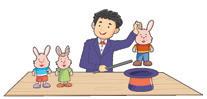
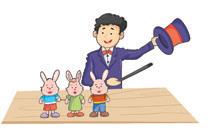
DIY Story: The Magic Pot
Numeracy Skillbook, pages 67–68
Rhymes and Stories, pages 59–63
LO: Children will develop pronunciation, listening, and speaking skills using tongue twisters.
1. Warm-Up: Say: Today, we will have fun with some tongue twisters! Explain briefly: A tongue twister is a fun sentence that’s tricky to say quickly. It helps us speak clearly.
2. Let Us Try: Write this simple tongue twister on the board: Red lorry, yellow lorry.
Say: Listen carefully. Then slowly say the tongue twister once or twice. Say: Now, repeat after me. Repeat together 3 times, getting faster each time.
Next, write another one: Six silly sheep or Funny fish swim fast. Say it slowly and clearly. Ask: Can you say it with me? Then repeat it together. Let the children try saying it alone if they are confident.
You can help children create their own simple tongue twisters using easy words.

LO: Children will identify how air is used in daily life.
Resources: General Awareness, page 93
1. Warm-Up: Say: Today, we will learn how air helps us every day. Ask: Can we see air? Can we feel air? Blow on your hand and say: Can you feel that? That is air. Air is all around us.
2. Movement and Actions: Say: Let’s think of the ways we use air.
• Walk in place and say: We need air to breathe.
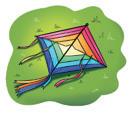
• Pretend to fly a kite and say: Air helps kites fly.
• Pretend to play a flute and say: Air helps us play the flute.
• Blow on your hand again and say: Air helps dry wet clothes.
• Act like you are blowing up a balloon and say: We fill balls and tyres with air.
Let the children copy your actions and say each sentence with you.
3. Air Around Us: Ask children to open page 93 of the General Awareness. Guide children to observe the pictures and talk about how air is used.





LO: Children will identify words that start with ‘sp’, ‘sk’, ‘st’ and ‘sn’.
Resources: Literacy Skillbook, page 76




1. Warm-Up: Say: Today we will learn new sounds by blending two different letter sounds. Say each blend slowly and clearly, using actions. Say: “s” says /s/ /s/ /s/ and raise the right hand. Then say: “p” says /p/ /p/ /p/ and raise the left hand. Now say: Let’s blend them together – we get “sp.” (Clap both hands.) Explain blends ‘sk’, ‘st’, and ‘sn’ in a similar manner. Practise saying each blend 3–4 times with actions.
2. Sound and Word Matching: Say: Let’s say some words together and listen to the sound at the beginning. Say: If we blend the letters ‘s’ and ‘t’, we get – “st”. Let’s hear some words that begin with st. Say aloud names of a few objects that begin with the blend – ‘st’. For example, say: st – st -st – stop; st – st -st step. Ask children to repeat after you. Emphasise the starting blend – st – while saying the words. Repeat the same for words starting with the blends – ‘sp’, ‘sk’ and ‘sn’.
3. Starting Blends 3: Ask children to open page 76 of the Skillbook. Guide them to look at the pictures and say aloud the words starting with blends. For example, point to the picture showing a spin and say: /sp/ /sp/ spin. Repeat each word 3–4 times.
Look for objects at home that start with sp, sk, st and sn blends.


Blends–3


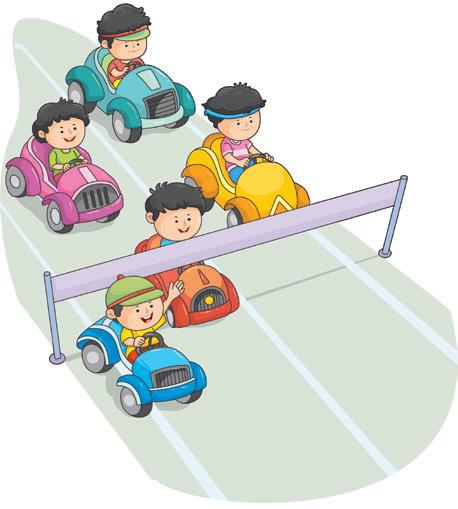
LO: Children will recognise and use ordinal numbers (1st to 10th) in everyday situations.
Resources: Numeracy Skillbook, pages 67–68; some crayons

1. Warm-Up: Say: Today we will learn some special number words. These words tell us the position of something—like first, second, third!
Ask: Who came to school first today? Who is sitting second in this row? Let the children respond.
2. Understanding Positions: Place some crayons in a straight line or in a row. Say: Let’s count and name their positions—first, second, third, fourth, fifth.
Point to each one and say the ordinal number slowly. Ask the children to repeat after you. For example, say: The red crayon is first. The green crayon is second. The yellow crayon is third.
Ask: Can you tell me which crayon is fourth? Which one is fifth? Let the children answer.
3. Ordinal Numbers: Ask children to open page 67 of the Skillbook. Guide them to identify the position of each child and read aloud the sentences. Then, ask them to turn to page 68 of the Skillbook. Guide them to observe the children and let children identify the positions.







Do not ask children to solve or write anything on page 68 in this session—just observe and identify positions aloud.
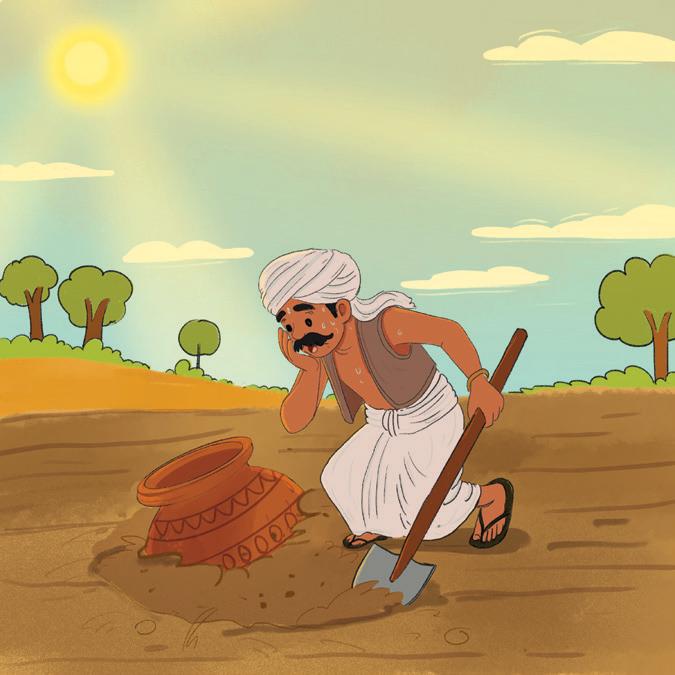
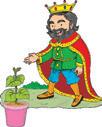
LO: Children will discuss the pictures from the story The Magic Pot. Resources: Rhymes and Stories, page 59–63
1. Warm-Up Discussion: Begin by asking: Did you see a pot? / What do you do with a pot? Listen to all responses. Show picture of a pot, if possible.
2. The Magic Pot: Refer to pages 59 and 63 of the Rhymes and Stories book. Ask children to observe the pictures and discuss them one by one. Ask them questions like: What do you see in the picture? / What is the man doing? / What do you see in the pot?
Circle Time Fun with Exercises
General Awareness Presence of Air
Foundational Literacy Writing Starting Blends
Foundational Numeracy Ordinal Numbers
General Awareness, page 94
Literacy Skillbook, page 77
Numeracy Skillbook, page 68
DIY Story: The Magic Pot Rhymes and Stories, pages 59–63
LO: Children will perform simple exercises to support physical development.
1. Warm-Up Talk: Begin by telling the children: We are going to move our bodies today with some simple exercises. Exercises help us stay strong and healthy. Ask: Do you like to jump or stretch? Allow a few children to respond.
2. Exercise Time: Stand where all children can see you. Say: Watch me and do what I do. Begin with:
• This is stretching. Stretch your hands up, up, up! (Do it slowly. Children follow.)
• Now bend down and touch your toes. (Model slowly.)
• Let’s jump! Jump like a frog—1, 2, 3! (Count with them.)
• Now, let’s move our heads—side to side… up and down.
• Hands on your waist. Turn left, turn right.
Repeat each movement 2–3 times, encouraging all children to join in.
3. Cool Down: Ask the children to sit quietly. Say: Let’s breathe in… and out… slowly. Now sit still like a statue. Good job!
LO: Children will identify activities that show the presence of air.
Resources: General Awareness, page 94; a deflated balloon; a sheet of paper or cloth
1. Warm-Up: Stand in front of the children and wave your hand near your face. Say: Can you feel something? I feel air. Air is all around us, but we cannot see it. Ask: Can you see the air? Let the children respond. Say: No, we cannot see it, but we can feel it.
2. Blowing Air: Ask the children to take a deep breath and blow on their hand. Say: Blow on your hand. Can you feel something? That is air. Repeat the activity once or twice. Ask: Where is this air coming from? Help them understand: From your mouth. That shows air is around us. Then, blow some air in the balloon and explain that air helps inflate the balloon.
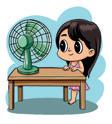
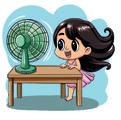
3. Simple Demonstration: Hold a sheet of paper or a small cloth and place it under or near a fan. Let it flutter. Say: See how the paper moves. That is because of air. Allow a few children to try. Then say: When air moves, it makes things move too.
4. Presence of Air: Ask children to open page 94 of the General Awareness. Guide the children to identify the activities shown in each picture.
LO: Children will guess starting blends of words and pictures. Resources: Literacy Skillbook, page 77



1. Recap: Call out a blend: sp! Ask children to think of a word with that blend (prompt if needed). Say: sp- spin! Everyone say: sp – spin! Repeat with other blends (sk, sn, st). Then say a few words aloud and ask: What sound does it start with sk, st, sn, or sp? Examples: skin → sk/ stop → st/ snap → sn /spit → sp.
2. Reading Words with Blends: Write down some words starting with sp, sk, sn and st blends. Guide children to read the words one by one, for example: /st/ /e/ /m/ - stem.
3. Identifying Blends: Call children one by one, say a word and write the word on the board with the starting blend missing, for example ___ e p (step). Let children guess the starting blend.
4. Solving Exercises: Ask children to open page 77 of the Skillbook. Help children identify the objects shown in the picture and guide them to write the starting blends.





Refer to page 77 of the Skillbook. Practice reading the words with starting blends.
LO: Children will identify positions from 1st to 5th through activities and pictures.
Resources: Numeracy Skillbook, page 68
1. Setting Up: Ask five children to stand in a straight line, one behind the other or side by side, depending on space. Say: We are going to play a game about who is first, second, third, fourth, and fifth.
2. Identifying Positions: Point to the child at the front. Say: This child is first. Point to the next one: This child is second. Continue until the fifth child. Ask the class to repeat after you: First, second, third, fourth, fifth. Repeat the line and positions 2–3 times with different children.
3. Reading Ordinal Numbers: Write on the board: 1st, 2nd, 3rd, 4th, and 5th. Say each word slowly and clearly. Say: Let’s read these together. Repeat 2–3 times and encourage the children to read with you.
4. Ordinal Numbers: Ask children to open page 68 of the Skillbook. Guide the children to identify the positions and write the ordinal numbers.
LO: Children will listen to the story The Magic Pot and draw and colour a picture of a pot. Resources: Rhymes and Stories, pages 59–63; drawing sheet (per child); crayons
1. Interactive Read Aloud: Read aloud the story The Magic Pot with actions and expressions. Pause in between to show pictures and ask questions for the story. You can ask questions like: What was Gopi doing? / What did Gopi find? / What happened when Gopi kept the spade in the pot? / How did Gopi find a hundred apples? Why did the neighbour run away?
2. A Pot: Give the drawing sheet to children. Guide them to draw a picture of a pot and colour it. Demonstrate and show on the board how to draw a pot.
Domain
Topic of the Day
Circle Time Fun Game: Simon Says
General Awareness Air Pollution
General Awareness, page 95
Foundational Literacy Starting Blends - 3 Literacy Workbook, pages 41–42
Foundational Numeracy Ordinal Numbers
DIY Paint my Costume
LO: Children will follow instructions by playing the game Simon Says.
Numeracy Workbook, pages 57–58
Art and Craft, page 36
1. Explaining the Game: Say: We are going to play a game called “Simon Says”. Only do the action if I say “Simon says” before it. If I don’t say “Simon says”, don’t do it. Listen carefully.
2. Game Time: Begin with clear instructions:
• Simon says touch your nose.
• Simon says jump two times.
• Clap your hands! (Do not say “Simon says”—they should not clap!)
Smile and say: Oh! I didn’t say “Simon says”!
You can ask a few children to give the instructions and let children follow them. Guide them to say: Simon says ___________.
LO: Children will identify activities that lead to air pollution. Resources: General Awareness, page 95
1. Warm-Up: Ask: What do we all need to live? Let children answer: air, water, food. Say: Today, we will talk about air. Air is all around us. We breathe air every day.
Now ask: What happens if the air is dirty? Let children guess. Say: When the air becomes dirty, we call it air pollution.
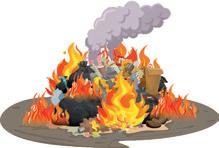
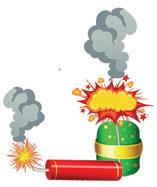
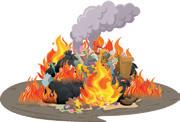
2. Giving Examples: Say: Air becomes dirty when there is smoke, dust, or bad smell. Give examples: When cars release smoke, when people burn garbage, when factories release smoke—all this makes the air dirty. Give some examples of ways to keep air clean:
• Do not burn rubbish.
• Plant more trees.
• Keep the place clean.
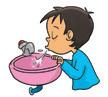
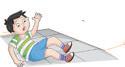
3. Air Pollution: Ask children to open page 95 of the General Awareness book. Guide them to look at the pictures and identify the different activities that cause air pollution and cross them out.

LO: Children will identify, read and write words with starting blends: ‘sp’, ‘sk’, ‘st’, ‘sn’.
Resources: Literacy Workbook, pages 41–42
1. Guess the Blends: Call children one by one and say a word starting with a blend, for example: spin. Write the word on the board with the blends missing - ___ i n (spin). Give them any two options—sp or sk and let children guess the correct blend.
2. Starting Blends 3: Ask children to open page 41 of the Workbook. Guide children to look at the pictures and identify the correct starting blends and write them.
3. Reading Words Starting with Blends: Write down the blends from page 42 of the Workbook on the board and guide children to read them one by one. For example, say: /sp/ /o/ /t/- spot ; /sk/ /i/ /p/ - skip. Read each word 2–3 times and ask children to read along.
4. Writing Words with Blends: Ask children to open page 42 of the Workbook. Read aloud the words one by one and ask children to trace and write the words in the first two rows (spin and spot).








Refer to page 42 of the Workbook. Trace and write the words given on the page and practise reading the words with starting blends.
LO: Children will identify positions from 1st to 10th through activities and pictures. Resources: Numeracy Workbook, pages 57–58
1. Recap: Say: We have already learned about ordinal numbers—first, second, third, fourth and fifth. Today, we will revise them and learn up to tenth. Ask: Who remembers how we write first? Let a few children come forward and write on the board.
2. Ordinal Numbers till 10th: Write the ordinal numbers on the board: 1st – First, 2nd – Second, 3rd – Third, 4th – Fourth, 5th – Fifth, 6th – Sixth, 7th – Seventh, 8th – Eighth, 9th – Ninth, 10th – Tenth. Point and say each one clearly. Ask children to repeat after you. Do this 2–3 times.
3. Making a Line: Ask 10 children to come forward. Give each one a small paper with a number (1–10) or simply ask them to remember their number. Make them stand in a line. Say: Who is first? Help the class answer. Continue until: Who is tenth? Say: This is the first child, this is the second child… till tenth. Then switch the line with 10 new children and repeat.
4. Ordinal Numbers: Ask children to open page 57 of the Workbook. Guide them to look at the position of each object and write the correct ordinal number. Then, ask them to open page 58 of the Workbook and write the ordinal number for the coloured objects.
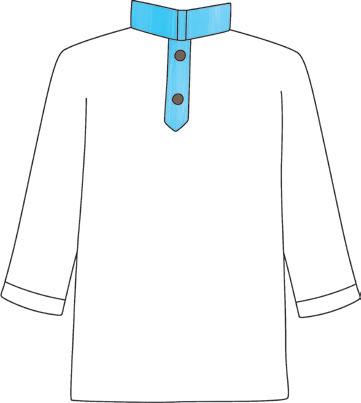
LO: Children will paint a picture of a kurta using watercolour. Resources: Art and Craft, page 36; blue paint, paintbrush (per child)
1. Warm-Up: Hold up the brush and say: This is a paintbrush. We dip it in paint and use it on paper. Painting feels smooth and wet. It dries later. Today, we will paint a picture.
2. Paint my Costume: Ask children to open page 36 of the Art and Craft book. Ask them to paint the kurta using a paintbrush and blue paint. Demonstrate and guide children to do the painting.







Domain
Circle Time
General Awareness
Topic
Family Time
Caring for Earth
Book & Page
General Awareness, page 96
Foundational Literacy Spot and Snip Reader, page 12
Foundational Numeracy Addition Numeracy Skillbook, page 69
DIY Paint my Costume
LO: Children will share how they spend time with their families.
Art and Craft, page 37
1. Introduction: Say: We all have a family. We care about our family. Family time means spending time together—talking, eating, playing, and helping each other.
Ask: Who do you have in your family? Let a few children answer.
Say: Very nice!
2. Sharing Time: Say: I like to sit with my family and eat dinner. What do you like to do with your family?
Let children share simple answers like: I play with my brother. / I help my mother. / I watch TV with my sister.
Say: These are happy family times! Make sure everyone has a turn to share.
LO: Children will identify ways to care for Planet Earth. Resources: General Awareness, page 96; a globe
Introduction
1. Warm-Up: Hold up a globe or draw a simple circle on the board and say: This is our Earth. Earth is our home. We all live on Earth—people, animals, birds, and trees. Ask: Do you love your home? Yes? Then we must take care of our big home—the Earth!
2. Discussion Time: Say: We keep our house clean. In the same way, we must keep the Earth clean too. Ask: What makes the Earth dirty? Help them answer: Throwing rubbish, cutting trees, creating too much pollution. Say: When we do this, the Earth becomes sad. But we can make the Earth happy!
3. Taking Care of Earth: Do simple actions to care for Earth. Say and act out:
• Throw waste in the bin.
• Do not pluck flowers.
• Plant more trees.
• Do not waste water.
• Do not burn rubbish.
Repeat each line and action together.
4. Caring for Earth: Ask children to open page 96 of the General Awareness. Guide them to look at the pictures and discuss the ways in which one can take care of planet Earth.
LO: Children will read aloud a passage having words with starting blends. Resources: Reader, page 12
4. Guided Reading: Read aloud the sentences from page 12 of the Reader book. Ask children to repeat the sentences after you while pointing to each word with their finger.
5. Reading Practice: Call children one by one to read a sentence from the Reader book. Encourage others to repeat after them. Assist children if they struggle to read.

Encourage children to point to each word and read slowly, one word at a time.


1. Picture Talk: Ask children to open page 12 of the Reader book. Point to each picture one by one and ask: What do you see in this picture? Listen to all responses and say, for example: This is a dog. / This is a pen. Repeat with all pictures.
2. Explaining in Home Language: Read the lines from page 12 of the Reader book and explain them in a mix of English and the home language to ensure understanding.
3. Words Starting with Blends: Introduce the words with starting blends on page 12. Write a word on the board and guide children in reading it. (spot, snip, snap, skip, slim, swan). Also introduce the words—jump and pond from the page.


Read the sentences given on page 12 of the Reader book and underline all the words with blends.
LO: Children will understand addition using objects and pictures to add. Resources: Numeracy Skillbook, page 69; some common classroom objects (pencils, crayons, books, etc.)
1. Warm-Up: Hold up two pencils in one hand and say: I have 2 pencils. Then hold up 1 pencil in the other hand and say: I have 1 more pencil. Let us count how many pencils there are altogether. Count aloud with the children: 1, 2, 3. I have 3 pencils now. 2 + 1 = 3. Say: This is called addition. We add to find out how many in total. Write plus sign (+) on the board and say: This is the plus sign. It is used to show addition.
2. Let’s Add: Use simple classroom objects—pencils, crayons, books, etc. Say: Let’s add using objects. I keep 3 chalks on the table. Then I add 2 more. Let’s count together. Children count: 1, 2, 3, 4, 5. Say: 3 + 2 = 5 Repeat with different numbers up to 5 or 10. Let children take turns placing and counting objects.
3. Addition: Ask children to open page 69 of the Skillbook. Guide them to look at the picture and count the number of gifts by adding.
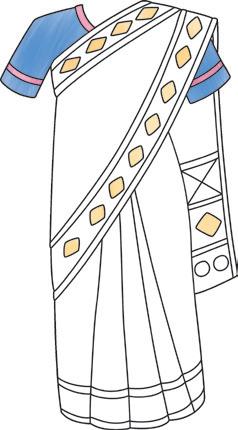
LO: Children will share what they like to wear and paint a picture of a saree. Resources: Art and Craft, page 37, watercolours, paintbrush (per child)
1. My Favourite Dress: Ask children to share what they like to wear and why. Guide them to say: I like to wear ______ because ______. Ensure everyone gets a turn to share.
2. Paint My Costume: Say: Today we will paint a saree. Have you seen anyone wear a saree? Listen to all responses. Then, guide children to paint the saree using water colours.










Domain General Awareness
Learning Outcome
Children will identify different uses of air and activities that cause air pollution.
Resources General Awareness, page 93; a soft toy
Suggested Method Pass around a soft toy. Ask the child holding the toy to share one use of air and one activity that causes air pollution. Clap for each child and give them a smiley. Ensure everyone gets a turn.
Support for Struggling Learners
Pair a struggling learner with a buddy. Ask them to refer to page 93 of the General Awareness book. The buddy points to the pictures and mentions different ways in which air can be used.
Domain Foundational Literacy
Learning Outcome Children will identify words that begin with the blends sp, sk, st, and sn.
Suggested Method Call children one by one.
• Say aloud a word and ask them to identify the starting blend of the word.
• Then, ask them to say aloud words beginning with the blends sp, sk, st, and sn. Clap for each child and give them a smiley. Ensure everyone gets a turn.
Support for Struggling Learners
Gather the learners together. Say each blend clearly and slowly, for example: s says /s/ and p says /p/. Blend them together and you get – sp. Ask children to repeat after you. Repeat the same for blends sk, st, and sn. Then, read aloud a few words starting with each blend and let children repeat after you.
Domain Foundational Numeracy
Learning Outcome Children will identify how to use ordinal numbers to describe object positions.
Resources Some common classroom objects (books, toys, crayons, etc.)
Suggested Method
Support for Struggling Learners
Place 10 objects in a row. Call children one by one. Ask questions like: Which object is 6th in the line? Let children share their answers. Clap for each child and give them a smiley. Ensure everyone gets a turn.
Place objects in a row one by one and call out: 1st, 2nd, 3rd and so on till 10th. Ask children to repeat after you. Reinforce by repeating the sequence and letting children point and say the positions.















Circle Time Word Chain Game
General Awareness The Days of the Week
General Awareness, page 98
Foundational Literacy Ending Blends - 1 Literacy Skillbook, page 78
Foundational Numeracy How Many More?
DIY The Sketchy Umbrella
Numeracy Skillbook, page 70
Art and Craft, page 38
LO: Children will play a word chain game using the last letter of each word.
1. Warm Up: Say: Today, we will play a word game called ‘Word Chain’! In this game, we say words one after another - the next word must begin with the last letter of the previous word. Give an example: I say ‘dog’. The last letter is ‘g’. So, the next word must begin with ‘g’, like ‘goat’.
2. Practice Time: Start slowly with CVC (consonant-vowel-consonant) or simple words children know. Say: Let’s try together. I say ‘cat’. Who can say a word that begins with ‘t’? Prompt children with words like ‘tap’, ‘ten’ or ‘top’. Then say: Great! Tap ends with ‘p’—what comes next?
3. Circle Word Chain: Call 6–8 children at a time and ask them to stand in a circle. Start the game by saying a word, for example: ‘bat’. The next child must say a word starting with ‘t’: top → pen → net → tap, and so on. Say: Think quickly! We all help each other! Ensure everyone gets a turn.
LO: Children will learn and say the names of the days of the week. Resources: General Awareness, page 98
1. Warm-Up: Say: There are 7 days in a week. Every day has a name. Let’s learn the names of the days together. Ask: Do you know what day it is today? Let children try. Say: Very good! Let’s learn all the days now.
2. Rhyme Time: Recite the rhyme Days and Actions with expressions and actions and ask children to recite along. Repeat 3–4 times to help children learn the names of the days of the week.
Days and Actions
Monday, Tuesday, clap your hands, Wednesday, Thursday, take a stand! Friday, Saturday, touch the ground, Sunday’s fun — now turn around!
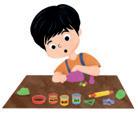
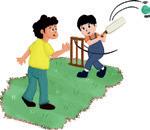
3. Days of the Week: Ask children to open page 98 of the General Awareness book. Guide children to look at the pictures and say aloud the days of the week. Discuss what Ankit does on each day, for example: On Monday Ankit plays with play dough. / On Tuesday Ankit plays cricket. At the end, say each day slowly and clearly. Ask children to repeat after you. 98
You can ask children to share anything special they do on specific days.
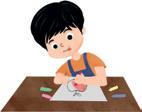
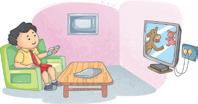
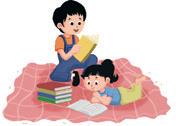
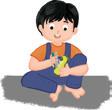
LO: Children will identify words that end with blends like ng, nt, nk and nd.
Resources: Literacy Skillbook, page 78
1. Warm-Up: Say: Today we will learn some special sounds that come at the end of some words. Say: ‘n’ says /n/ /n/ /n/ and raise the right hand. Then say: ‘g’ says /g/ /g/ g/ and raise the left hand. Now say: Let’s blend them together – we get “ng.” (Clap both hands.) Explain blends nt, nk, and nd in a similar manner. Practise saying each blend 3–4 times with actions.
2. Sound and Word Matching: Say: Let’s say some words together and listen to the sound at the end. Say: If we blend the letters ‘n’ and ‘g’, we get – “ng”. Let’s hear some words that end with ng. Say aloud names of a few objects that end with the blend – ‘ng’. For example, king /ng/ /ng/; ring /ng/ /ng/. Ask children to repeat after you. Emphasise the ending blend – ng – while saying the words. Repeat the same for words ending with the blends- nt, nk and nd.
3. Ending Blends – 1: Ask children to open page 78 of the Skillbook. Guide them to look at the pictures and say aloud the words ending with blends. For example- point to the picture showing a king and say – /ng/- /ng/ king. Repeat each word 3–4 times.
Look for objects at home that end with ng, nt, nk and nd blends.


LO: Children will understand addition using real objects and stories. Resources: Numeracy Skillbook, page 70; some flowers; some countable objects (pebbles, crayons, pencils, etc.)
1. Recap: Say: Today we will learn addition through a short story. Addition means putting things together. We use this sign: +.
Write + on the board. Say: This is the plus sign. It means we add things together.
2. Story Time: Say: Let’s listen to a story.
One day, Rani found 2 red flowers in the garden. (Place 2 flowers or leaves on the table)
Say: She kept walking and found 1 more red flower. (Add 1 more)
Say: How many flowers does Rani have now? Let’s count: 1, 2, 3.
Say together: 2 plus 1 equals 3. Write it on the board: 2 + 1 = 3
3. Counting and Adding: Call children one by one and give them 4–5 objects. Say: Take 2 crayons. Now take 1 more. Put them together and count. What is 2 + 1? Repeat with other combinations and ensure everyone gets a turn.
4. How Many More?: Ask children to open page 70 of the Skillbook. First, show the picture and discuss the pictures with children. For example, say: How many rabbits do you see? / How many do you see now? Then, read aloud the content and write the numbers on the board as you read.
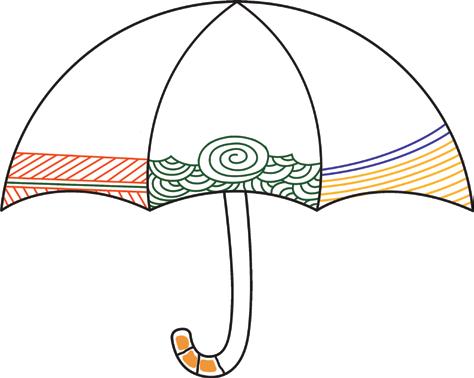
LO: Children will decorate an umbrella picture with patterns. Resources: Art and Craft, page 38; an umbrella; sketch pens
1. Warm-Up: Show an umbrella and ask: What is this? Listen to all responses and say: This is an umbrella. When do we use an umbrella? Let children share their answers and say: We use an umbrella to protect ourselves from the rain and the sun. Today we will decorate the picture of an umbrella using patterns.
2. The Sketchy Umbrella: Ask children to open page 38 of the Art and Craft book. Guide them to draw the patterns on the umbrella using sketch pens.



Domain
Topic of the Day
Circle Time Story Weaving
General Awareness The Days of the Week
Book & Page
General Awareness, page 98
Foundational Literacy Ending Blends - 1 Literacy Skillbook, page 79
Foundational Numeracy Adding Two Groups Numeracy Skillbook, page 71
DIY Rhyme: Firemen Rhymes and Stories, page 64
LO: Children will share ideas and create a story together.
1. Warm-Up: Say: Today we will make a story together. This is called story weaving. We will think, imagine, and take turns to speak.
Say: In this story, we will not use any animals. We will use people, places, and things we know.
2. Story Weaving: Begin with a simple line: One day, a girl named Asha woke up early in the morning. Ask: What do you think she did next?
Let one child add a sentence: She brushed her teeth and got ready for school.
Continue the story with: Asha wore her favourite yellow dress and packed her bag. Give prompts like:
• Where did Asha go? (e.g. market, school, park)
• Who did she meet? (e.g. friend, teacher, shopkeeper)
• What happened next? (e.g. she helped someone, found something, did a fun activity)
Keep the story realistic and simple.
3. Ending the Story: At the end say: Now let’s end the story. Ask: What did Asha do in the end? / Was she happy? / Did she go home? Finish with a cheerful line: Asha came home, had dinner with her family, and went to sleep with a big smile.
You can also ask children to come up with a title for the story. Pro Tip
LO: Children will revise the days of the week.
Resources: General Awareness, page 98; flashcards of days of the week (from General Awareness book)
1. Recap: Begin the session by reciting the rhyme Days and Actions from the previous session. Repeat 3–4 times.
2. Identifying Days of the Week: Give the days of the week flashcards to children. First, say aloud the names of the days one by one and ask children to repeat after you. Then, write the days of the week one by one on the board and ask children to match the flashcard with the correct spelling. Guide them as required.
3. The Days of the Week: Ask children to open page 98 of the General Awareness book. Guide children to look at the pictures and say aloud the names of days of the week. Then, ask questions like: On which day does Ankit read a book? /On which day does Ankit watch TV?
LO: Children will identify words ending with blends – ng, nt, nk and nd.
Resources: Literacy Skillbook, page 79
1. Recap: Call out a blend: ng! Ask children to think of a word with that blend (prompt if needed). Say: ng – king! Everyone say: ng – king! Repeat with other blends (nt, nk and nd). Then say a few words aloud and ask: What sound does it end with – ng, nt, nk or nd? Examples: king → ng/ mint → nt/ sink → nk/ pond → nd.
2. Reading Words with End Blends: Write down some words ending with ng, nt, nk and nd blends. Guide children to read the words one by one, for example: /k/ /i/ /ng/ - king.
3. Identifying End Blends: Call children one by one, say a word and write it on the board with the ending blend missing, for example p o ____ (pond). Let children guess the ending blend.
4. Solving Exercises: Ask children to open page 79 of the Skillbook. Help children identify the objects shown in the picture and match each item with the correct word.

Refer to page 79 of the Skillbook. Practice reading the words with end blends.


LO: Children will add two groups of numbers to find the total.
Resources: Numeracy Skillbook, page 71; common classroom items (books, pencils, toys, crayons, etc.)
1. Recap: Say: Today we will learn how to add—that means putting things together. We will also learn a new sign—the plus sign!
Show the plus sign on the board. Say: This is called the plus. It means we are adding.
2. Adding Using Objects: Use chalk pieces, pencils, bottle caps, or leaves. Say: I have 2 pencils in one hand and 1 more in the other. Let’s add them. Put them together and count: 1, 2, 3. So, 2 + 1 = 3. Write it on the board: 2 + 1 = 3
Say slowly: Two plus one equals three.
Repeat 2–3 times with different objects.
3. Guided Practice: Give children 4–5 small items like stones, seeds, or paper bits. Say: Put 2 stones on the table. Now add 2 more stones. Count them together. Ask: What is 2 + 2? Let them answer. Repeat with other simple combinations.
4. Adding Two Groups: Ask children to open page 71 of the Skillbook. Guide them to count the objects in each group and then add and write the total.
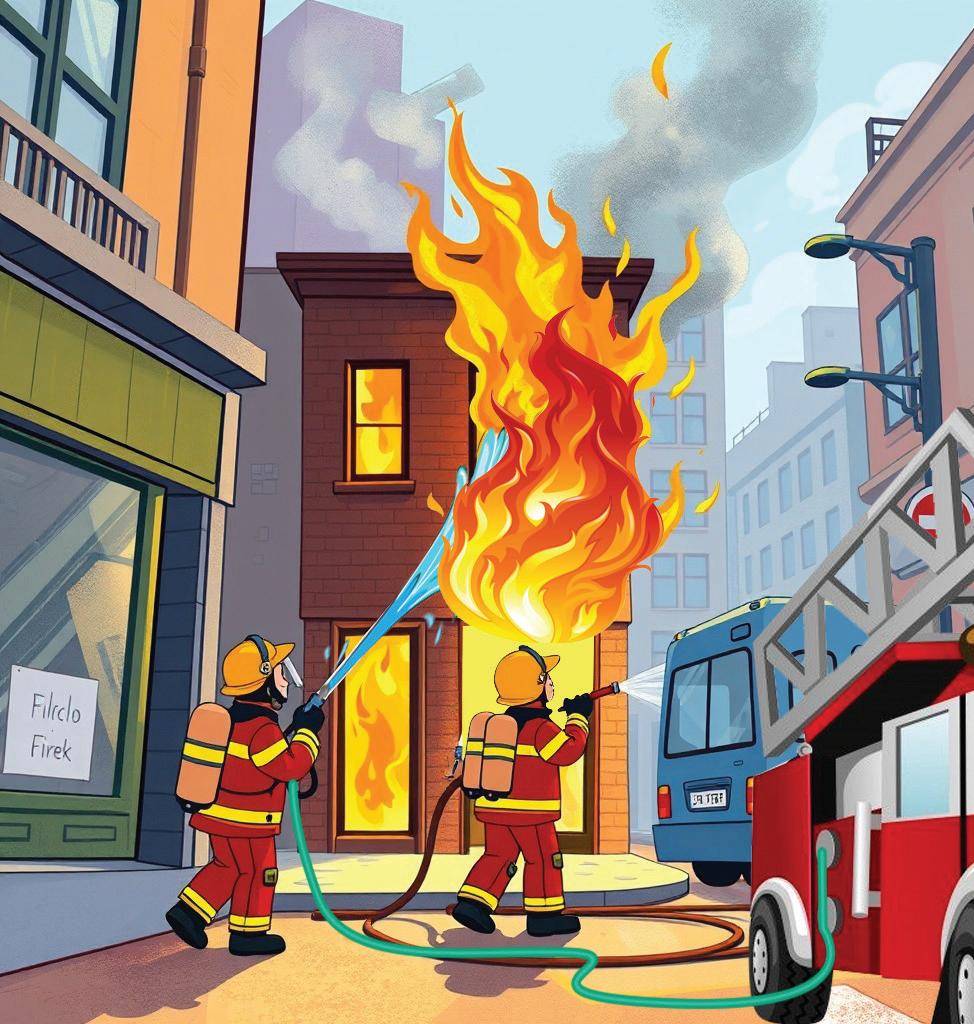
LO: Children will recite the rhyme Firemen with actions.
Resources: Rhymes and Stories, page 64
1. Warm-Up: Say: Today we will learn about firemen. Firemen are helpers. They put out fires and keep us safe. Ask: Have you ever seen a fire engine? What colour was it? Let children respond. Help them say: Red!
2. Firemen: Recite the rhyme Firemen with actions and expressions and ask children to recite along. Repeat 3–4 times.



Circle Time Mindfulness
General Awareness Sunday Routine
Foundational Literacy Ending Blend 1 Literacy Workbook, page 43
Foundational Numeracy Let Us Add Numeracy Workbook, page 59
DIY Rhyme: Firemen Rhymes and Stories, page 64
LO: Children will practise mindfulness by breathing and thinking happy thoughts.
Resources: Soft music
1. Warm-Up: Say: Today, we will learn how to be calm and happy. We will practise something called mindfulness. Mindfulness means paying attention to right now—what you see, hear, feel, and breathe.
2. Breathing Exercises: Say: Let’s sit quietly. Close your eyes or look down softly. Take a deep breath in—1, 2, 3. Now breathe out slowly—1, 2, 3. Repeat 3 times slowly, counting together. Say: When we breathe like this, our body feels calm and happy. Play soft music in the background if possible.
3. Happy Thoughts: Say: Think of something that makes you happy—your family, a friend, or a pet. Ask children to smile when they think about it. Say: When we think happy thoughts, we feel good inside.
LO: Children will talk about what they do on Sunday.
1. Warm-Up: Say: Today we will talk about Sunday. It is a holiday! Ask: Do you come to school on Sunday? Let children respond: No! Say: Sunday is a fun day. Let’s talk about what we do on Sundays.
2. Talk about Activities: Say: On Sunday, we stay at home. Some children go to the park. Some go to the market. Some visit relatives. Some watch TV or help out at home. Ask: What do you do on Sunday? Let children answer. Give prompts if needed: Do you go out? / Do you eat something special? / Do you play?
3. Sharing Time: Ask 3–4 children to stand up and say one line: On Sunday, I ______. Help them if needed: On Sunday, I go to the park. Say: Very good!
LO: Children will read and write words with final blends. Resources: Literacy Workbook, page 43
1. Guess the Blends: Call children one by one and say aloud a word. Let children listen to the words carefully and guess the end blend. For example: if you say ‘pond’ guide children to say ‘nd’.
2. Reading Words with Ending Blends: Write down the blends from page 43 of the Workbook on the board and guide children to read them one by one. For example, say: /s/ /a/ /nk/ - sank; /p/ /o/ /nd/pond. Read each word 2–3 times and ask children to read along.
3. Writing Words: Ask children to open page 43 of the Workbook. Read aloud the words one by one and ask children to write words ending with ‘ng‘ and ‘nk’ blends.
Refer to page 43 of the Workbook. Write words ending with ‘nd’ and ‘nt’ blends.
LO: Children will add two groups to find the total number. Resources: Numeracy Workbook, page 59; some common classroom objects (books, crayons, pencils, etc.)
1. Recap: Ask a few children to come forward. Say: 2 children are here. Now I call 1 more. How many now? Let the class say: 2 + 1 = 3
Repeat with other combinations of students (keep it within 5 to keep it simple).
2. Add in Groups: Use bottle caps, crayons, leaves, or chalk pieces—any simple objects available in class. Divide the class into 2–3 small groups (or pairs if the class is small).
Say: Each team will get two small groups of things. You will count them and say the total. Place 3 bottle caps on one side and 2 on the other. Say: Look! One group has 3 caps. One group has 2 caps. Let’s count together: 3 + 2 = 5. Let the children count using fingers or objects, and say the number sentence aloud. Give a cheer when they answer correctly: Very good! That’s correct!
3. Let Us Add: Ask children to open page 59 of the Workbook. Guide them to look at the pictures and count and add things in each set.

LO: Children will recite the rhyme Firemen and do some actions related to firemen. Resources: Rhymes and Stories, page 64
1. Rhyme Time: Recite the rhyme Firemen with actions and expressions and ask children to recite along. Repeat 3–4 times.
2. Action Time: Say: Let’s act like firemen!
• Pretend to wear a helmet.
• Pretend to hold a hose and spray water.
• Make a fire engine siren sound: nee-naw, nee-naw!
Let children join in and act with you. Say: We are brave firemen!

Domain Topic of the Day
Circle Time Gratitude
Book & Page
General Awareness Seasons General Awareness, page 99
Foundational Literacy Out in the Park; The Kind and the Band Reader, pages 13–14
Foundational Numeracy How Many Numeracy Workbook, pages 60–61
DIY Birthday Wishes
Art and Craft, pages 39–40
LO: Children will understand gratitude and share what they are thankful for.
1. Warm-Up: Say: Today we will learn about gratitude. Gratitude means saying thank you to people and for things that make us feel happy.
Ask: Who do you say thank you to? (Let children answer: parents, friends, teacher, etc.)
2. Think and Share: Say: Let’s think about what we are thankful for.
Ask questions one by one:
• What food do you like? • Who helps you at home? • What toy do you enjoy?
After each question, say: We can say “Thank you” for this.
3. Gratitude Circle: Children sit in a circle. Pass a soft ball or any safe object. When a child gets it, they say: Thank you for ___ (something or someone they like) For example: Thank you for my school bag, which I use every day. Continue till everyone gets a turn.
LO: Children will identify the seasons – spring, summer, monsoon and winter. Resources: General Awareness, page 99
1. Warm-Up: Say: There are four seasons in a year. Each season feels different. Today, we will learn about spring, summer, monsoon, and winter.
Say: Let’s find out what happens in each season!
2. Fun with Actions: Talk about each season and act it out one by one: Spring: Say: In spring, flowers bloom and the weather is nice.
Action: Pretend to smell a flower.
Summer: Say: In summer, the sun is hot. We drink cold water and eat mangoes.
Action: Wipe your forehead and fan yourself.
Monsoon: Say: In monsoon, it rains. We use umbrellas and wear raincoats.
Action: Pretend to open an umbrella.
Winter: Say: In winter, it is cold. We wear warm clothes and drink hot milk.
Action: Pretend to wear a sweater and blow warm air on hands.
3. Seasons: Ask children to open page 99 of the General Awareness book. Guide them to look at the pictures and identify the different seasons.
LO: Children will read sentences with ending blends -nd, -ng, -nk, -nt.
Resources: Reader, pages 13–14
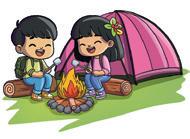
1. Picture Talk: Ask children to open page 13 of the Reader Book. Point to each picture one by one and ask: What do you see in the picture? Listen to all responses and say, for example: We see a boy and a girl. / We see a tent. Repeat with pictures on page 14.
2. Explaining in Home Language: Read the lines from pages 13 and 14 of the Reader Book and explain them in a mix of English and the home language to ensure understanding.
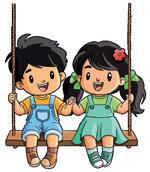
3. Words with Ending Blends: Introduce the words with ending blends on page 13. Write a word on the board and guide children in reading it. (sand, swing, wind, pink, tent, pond, mint, plant). Repeat the same for the words ending with blends on page 14 (king, band, plant, bank, song, ring).
4. Guided Reading: Read aloud the sentences from page 13 of the Reader book. Ask children to repeat the sentences after you while pointing to each word with their finger. Repeat the same for page 14.
5. Reading Practice: Call children one by one to read a sentence from the Reader Book. Encourage others to repeat after them. Assist children if they struggle to read.
Encourage children to point to each word and read slowly, one word at a time.

Read the sentences given on pages 13 and 14 of the Reader book and underline all the words with blends.
LO: Children will add two groups of objects to find the total. Resources: Numeracy Workbook, pages 60–61; common classroom objects (toys, crayons, pencils, books, etc.)
1. Treasure Adders: Place 2 pencils in a group and 3 more in another. Say: Group one has 2 treasures. Group two has 3 treasures. Let’s add 2 and 3. Count aloud with the class: 1, 2, 3, 4, 5 — 2 + 3 = 5! Say: Well done! You found 5 treasures! Repeat with different combinations.
2. Challenge Round: Call out quick problems aloud:
Let children count using their fingers or objects and say aloud the answers.
3. How Many: Ask children to refer page 60 of the Workbook. Guide them to count the objects and find the total.

Refer to page 61 of the Workbook. Add the number of things to find the total.




LO: Children will trace birthday wishes and make flower prints. Resources: Art and Craft, pages 39–40; leaves; crayons
1. Warm-Up: Say: Today we will learn how to wish someone on their birthday. A birthday is a happy day. We can make others happy by saying kind words. Ask: What do we say on a birthday? (Help children respond: Happy Birthday!)
2. Birthday Wishes: Ask children to refer to page 39 of the Art and Craft book and trace the birthday wish and read aloud the wish as well. Then, guide them to solve page 40 as per the given instructions.


Domain General Awareness
Learning Outcome Children will recite the days of the week aloud.
Suggested Method Call children one by one. Ask each child to say the days of the week aloud. Clap and cheer after each turn. Ensure everyone participates.
Support for Struggling Learners
Pair a struggling learner with a buddy. The buddy says each day aloud; the learner repeats after them.
Domain Foundational Literacy
Learning Outcome Children will identify words ending in ‘ng’, ‘nt’ , ‘nk’ and ‘nd’.
Suggested Method Call children one by one. Say aloud a word and ask them to identify the ending blend. Then ask them to say words ending in ‘ng’, ‘nt’, ‘nk’ and ‘nd’. Clap for each child and give a sticker. Ensure everyone gets a turn.
Support for Struggling Learners
Gather the learners together. Say each blend clearly and slowly, for example: “n” makes the /n/ sound, and “g” makes the /g/ sound. Together they make “ng”. Ask children to repeat. Repeat for ‘nt’, ‘nk’ and ‘nd’. Say aloud a few words ending in each blend and let children repeat.
Domain Foundational Numeracy
Learning Outcome Children will solve simple one-digit additions.
Resources Some common classroom objects (books, pencils, crayons, etc.); 2 trays
Suggested Method Call children one by one. Show two sets of objects. For example, say: There are 4 chalks in this tray and 2 in that tray. How many chalks are there in total? Guide children to add and find the total. Clap for each child and give a sticker. Ensure everyone gets a turn.
Support for Struggling Learners
Gather the learners together. Show 4 books, then 2 books. Explain: 4 and 2 make 6. Repeat with other objects.
Domain
Topic of the Day
Circle Time Yoga and Meditation
General Awareness Summer Season
Book & Page
General Awareness, page 100
Foundational Literacy Ending Blends 2 Literacy Skillbook, page 80
Foundational Numeracy Subtraction Numeracy Skillbook, pages 72–73
DIY Making a Rainbow from White Light STEM Exploration, pages 25–26
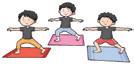
LO: Children will practise a yoga pose and meditate.
1. Warm-Up: Say: Today we will do a yoga pose called Warrior 1. A warrior is strong and brave. This pose helps our body stand tall and feel strong. After that, we will sit quietly like calm little stars. Say: Let’s stretch like a tall tree! Hands up… stretch… and down!
Repeat once.
2. Warrior 1 Pose: Say and show each step slowly. Let children copy you.
• Stand tall with your feet together.
• Now, move one foot forward and one foot back.
• Bend your front knee a little.
• Lift both arms straight up.
• Look up. Take a deep breath.
• Say: This is Warrior 1—strong and tall!
Hold for 5–8 seconds. Then switch legs and repeat.
3. Calm Meditation: Say: Now let’s sit down with legs crossed and eyes closed.
• Take a deep breath in… and out…
• Think of something that makes you happy—a friend, a toy, or your family.
• Smile gently… stay calm like the morning sky.
Pause quietly for a few seconds.
Say softly: Now, open your eyes slowly and smile.
LO: Children will recognise the summer season and talk about its weather, clothes, food, and activities. Resources: General Awareness, page 100
1. Warm-Up: Say: Today, we will learn about the summer season. In summer, the weather is hot. The sun shines brightly in the sky. Ask: Have you felt the hot sun on your face? What do you do when it is very hot? Let children give short answers.
2. Activity Time: Say: Let’s talk about summer things. In summer, we wear cotton clothes. We drink cold water and eat fruits like mango and watermelon. Ask: Do you wear caps or sunglasses in summer? Do you like ice cream? Let children respond. Next, play a quick “Yes or No” game. Ask: Do we wear sweaters in summer? (No!)/ Do we drink juice in summer? / Is the sun hot or cold? (Hot!)

3. Summer Season: Ask children to open page 100 of General Awareness book. Guide children to look at the pictures and identify those related to the summer season.
Do not solve page 100, just discuss the pictures.





LO: Children will identify words that end with blends like mp, ft, lt, sk and st. Resources: Literacy Skillbook, page 80
3. Ending Blends: Ask children to open page 80 of the Skillbook. Guide them to look at the pictures and say aloud the words ending with blends. For example- point to the picture showing a camp and say – /mp/- /mp/ camp. Repeat each word 3–4 times.


Look for objects at home that end with mp, ft, lt, sk and st blends.








1. Warm-Up: Say: Today we will learn some special sounds that come at the end of some words. Say: “m” says /m/ /m/ /m/ and raise the right hand. Then say: “p” says /p/ /p/ /p/ and raise the left hand. Now say: Let’s blend them together – we get “mp.” (Clap both hands.) Explain blends mp, ft, lt, sk and st in a similar manner. Practise saying each blend 3–4 times with actions.
2. Sound and Word Matching: Say: Let’s say some words together and listen to the sound at the end. Say: If we blend the letters ‘m’ and ‘p’, we get – “mp”. Let’s hear some words that end with mp. Say aloud names of a few objects that end with the blend – ‘mp’. For example, jump /mp/ /mp/; camp /mp/ /mp/. Ask children to repeat after you. Emphasise the ending blend – mp – while saying the words. Repeat the same for words ending with the blends- ft, lt, sk and st.


LO: Children will understand the concept of subtraction using concrete objects and a short story. Resources: Numeracy Skillbook, pages 72–73; common classroom objects (books, crayons, pencils, toys, etc.)
1. Warm-Up: Show 5 chalks and say: I have 5 chalks. I gave 2 to my friend. Remove 2 chalks. Ask: How many are left? Let children count the remaining: 1, 2, 3… Three chalks are left! Repeat with 4–5 examples, using different numbers (within 10).
2. Subtraction Stories: Say: Now I will tell you a short story. You help me finish it by telling what’s left.
Example: There were 6 mangoes on the table. Rani ate 2. How many are left? Wait for answers. Guide if needed: 6 take away 2 is 4.
Use more such oral stories (use fingers to show the numbers).
You can ask children to say whether the number becomes more or less in subtraction.
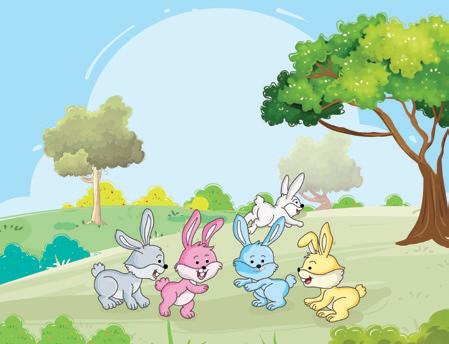
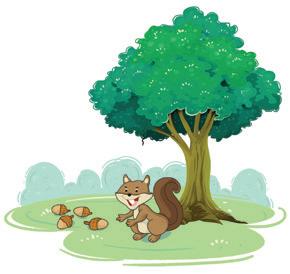
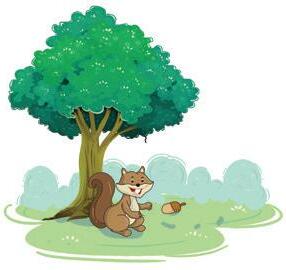
3. Picture Talk: Guide children to look at the picture on page 72 and say: There are 5 rabbits and one ran away. How many are left? Then refer to the picture on page 73, say: There are 4 nuts and the squirrel ate one nut. How many are left? Guide children to look at the pictures and count the number of items.
LO: Children will observe how light reflects off a mirror using sunlight. Resources: STEM Exploration, pages 25–26; a mirror
1. Warm-Up: Say: Today we will see how a mirror can catch sunlight and move it around! This is called reflection. A mirror reflects light. Hold up a small mirror. Ask: Have you seen your face in a mirror? Today we will do something different with it!
2. Sunny Reflection: Take children to a sunny area (inside near a window or outside).
Hold the mirror and tilt it slowly in the sunlight so a small bright spot of light appears on the wall, ground or hand. Say: Look! The light is jumping! It is moving because I am moving the mirror. Move the mirror around slowly and let the children follow the bright spot.


2.
3.
Domain
Topic of the Day Book & Page
Circle Time At the Beach
General Awareness Summer Season
General Awareness, page 100
Foundational Literacy Ending Blends 2 Literacy Skillbook, page 81
Foundational Numeracy Subtraction Numeracy Skillbook, pages 72–73
DIY Making Rainbow from White Light
STEM Exploration, pages 25–26
LO: Children will pretend to do simple activities one can do at the beach.
1. Warm-Up: Say: Let’s go to the beach in our imagination!
Ask: What do you see at the beach? (Guide responses: sand, water, shells, sun)
Say: We build sandcastles, splash in water, and wear hats and sunglasses.
2. Action and Sound Game: Say: Let’s pretend! Guide children to do the following actions:
• Pretend to walk on sand – slow and soft.
• Make wave sounds – swoosh!
• Pretend to pick shells and look at them.
Let children act and have fun.
Let children share what they do when they go to the beach.
LO: Children will share things they like about summer and identify things we use during summer. Resources: General Awareness, page 100
1. Warm-Up: Say: Last time, we learnt about the summer season. Let’s remember—how is the weather in summer?
Let children answer: Hot!
Say: What do we eat in summer? What do we wear?
2. Summer Time: Say: Now think and tell—what do you like about summer? Help each child complete the sentence: I like summer because I eat __. (mango/ice cream) In summer, I wear __. (hat/shorts)
Practice
3. Summer: Ask children to open page 100 of the General Awareness book. Guide them to look at the pictures and tick the summer things.
LO: Children will look at the pictures and complete words with the correct blends.
Resources: Literacy Skillbook, page 81
2. Reading Words with End Blends: Write down some words ending with mp, ft, lt, sk, st blends. Guide children to read the words one by one, for example: /k/ /a/ /mp/ - camp.
3. Identifying End Blends: Call children one by one, say a word and write it on the board with the ending blend missing, for example: me ____ (melt). Let children guess the ending blend.
Practice
4. Solving Exercises: Ask children to open page 81 of the Skillbook. Guide them to identify the pictures and fill in the blanks with the ending blends.
Refer to page 81 of the Skillbook. Practice reading the words with end blends.


1. Recap: Call out a blend: mp! Ask children to think of a word with that end blend (prompt if needed). Say: mp – camp! Everyone say: mp – camp! Repeat with other blends (ft, lt, sk and st). Then say a few words aloud and ask: What sound does it end with – mp, ft, lt, sk or st? Examples: camp → mp/ left → ft/ melt → lt/ desk → sk/ dust → st.


LO: Children will identify subtraction as ‘taking away’ and recognise the minus sign (–) through objects and a short story.
Resources: Numeracy Skillbook, pages 72–73; some common classroom objects (books, toys, pencils, etc.)
1. Warm-Up: Say: Today we will learn about a new math sign—the minus sign. It looks like this (write – on the board). Say: We use the minus sign when we take something away. That is called subtraction. Say together: Minus means take away.
2. Subtraction Using Objects: Use everyday objects like pencils, erasers, or bottle caps. Example: Place 5 pencils. Say: There are 5 pencils. I take away 2 pencils.
Remove 2 and count what’s left. Say and write: 5 – 2 = 3
Say: Five minus two equals three. Repeat with other numbers (within 10).
3. Subtraction Story: Tell this short story slowly: Rani had 6 laddoos. She gave 2 laddoos to her brother. Ask: How many laddoos are left with Rani? Help children say: 6 – 2 = 4 (write on the board).
Say: Six minus two equals four.
4. Subtraction: Refer to pages 72–73 of the Skillbook. Show the pictures and read aloud the content given on the pages. Write the numbers on the board as well.
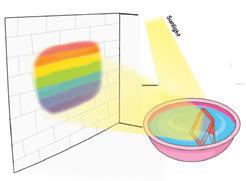
LO: Children will observe rainbow colours formed when sunlight passes through water and reflects off a mirror.
Resources: STEM Exploration, pages 25–26; a mirror; a tub of water
1. Warm-Up: Say: Have you seen a rainbow in the sky? Today we will try to make a rainbow using water, a mirror, and sunlight! Ask: What colours do you see in a rainbow?
Let them try to name a few colours (guide if needed: red, orange, yellow, green, blue, indigo, violet).
2. Making a Rainbow: Take children to an open sunny space. Follow the steps given on pages 25–26 to do the experiment and make rainbow colours. Then, guide children to mark the response for point 5.

Domain Topic of the Day Book & Page
Circle Time Favourite Place to Visit
General Awareness Rainy Season
General Awareness, page 101
Foundational Literacy Ending Blends - 2 Literacy Workbook, page 44
Foundational Numeracy How Many Left? Numeracy Workbook, pages 62–63
DIY Story: The Gingerbread Man Rhymes and Stories, pages 65–69
LO: Children will share their favourite place to visit.
1. Warm-Up: Say: Today we will talk about our favourite fun places. A fun place is where you go and feel happy.
Ask: Where do you like to go? (Help with options: park, zoo, temple, granny’s house, fair, beach, market, mall, etc.)
Say: Think about one fun place. What do you do there?
2. Sharing Time: Say: Now, one by one, we will share our fun place.
Guide children to say: I like to go to the ___. I go there with ___. I like to ___ there.
(Example: I like to go to the park. I go there with my papa. I like to play on the swing.)
Support shy children with sentence prompts or buddy-sharing. Ensure everyone gets a turn.
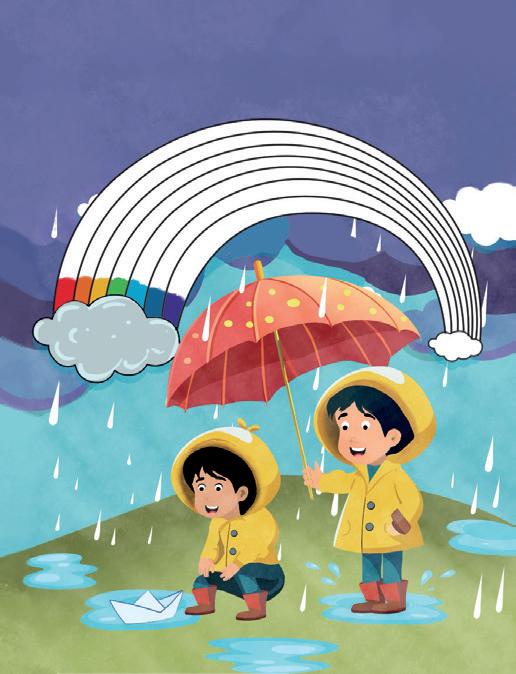
LO: Children will discuss what happens in the rainy season and talk about a picture of it. Resources: General Awareness, page 101; an umbrella; a raincoat
Introduction
1. Warm-Up: Say: Today, we will learn about the rainy season. It rains a lot, the sky is cloudy, and we hear thunder!
Ask: Have you seen rain? What do you like to do when it rains? Listen to all responses.
2. Activity Time: Show an umbrella and a raincoat and say: This is an umbrella. This is a raincoat. Ask: Why do you use them when it rains? Listen to all responses. Say: We wear raincoats and carry umbrellas to stay dry. We see puddles and frogs!
3. Picture Talk: Ask children to open page 101 of the General Awareness book. Discuss the picture on the page. Ask questions like: What do you see? / What are the children doing? Point to the picture and show that the children are using an umbrella and wearing a raincoat and a gumboot.
Ask children whether they make paper boats or play in puddles during the rainy season.
LO: Children will read and write words with ending blends.
Resources: Literacy Workbook, page 44
1. Guess the Blend: Call children one by one and say aloud a word. Let children listen to the words carefully and guess the end blend. For example: if you say ‘melt’ guide children to say ‘lt’.
2. Reading Words with End Blends: Write down the blends from page 44 of the Workbook on the board and guide children to read them one by one. For example, say: /j/ /u/ /mp/ - jump; /l/ /e/ /ft/ - left. Read each word 2-3 times and ask children to read along.
3. Writing Words: Ask children to open page 44 of the Workbook. Read aloud the words one by one and ask children to write words ending with ‘mp‘, ‘ft’ and ‘lt’ blends.

Refer to page 44 of the Workbook. Write words ending with ‘sk’ and ‘st’ blends.
LO: Children will identify subtraction as ‘taking away’ using physical objects to count and find out how many are left.
Resources: Numeracy Workbook, pages 62–63; some common classroom objects (books, toys, crayons, pencils, etc.)
1. Recap: Place 6 pencils in front of the children. Say: There are 6 pencils. I take away 2. Remove 2. Ask: How many are left? Let the children count and say: 4 pencils are left! Say and write on the board: 6 – 2 = 4
2. Counting and Subtracting: Call children one by one. Tell them a simple subtraction sentence. For example: You have 7 erasers. Take away 3. How many are left? Let them do the action and count. Encourage them to say: Seven minus three equals four. Ensure everyone gets a turn.
3. How Many Left?: Ask children to refer to pages 62 and 63 of the Workbook. Guide them to count and find out how many are left.


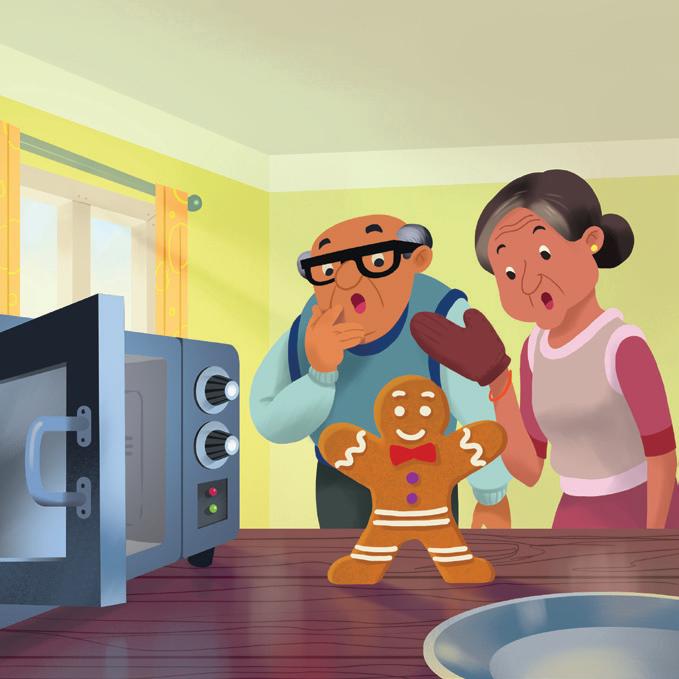
LO: Children will discuss the pictures from the story The Gingerbread Man. Resources: Rhymes and Stories, pages 65–69
1. Warm-Up: Ask: Do you like to eat breads and biscuits? Listen to all responses and ask: What is the shape of the bread and biscuit that you eat? Let children share their responses. Say: Today we will look at pictures from a fun story about bread shaped like a small man.
2. Picture Talk: Refer to pages 65–69 of the Rhymes and Stories book. Show the pictures one by one and discuss them with children. Ask questions like: What are the old man and the woman doing? / What animals do you see? / What are the animals doing?


Domain
Topic of the Day
Circle Time Caring for Animals
General Awareness Rainy Season
Book & Page
General Awareness, page 101
Foundational Literacy Musk sees a Bird Reader, page 15
Foundational Numeracy Taking Away
DIY Story: The Gingerbread Man
LO: Children will identify ways to care for animals and act them out.
Numeracy Skillbook, page 74
Rhymes and Stories, pages 65–69
1. Warm-Up: Say: Animals are living beings. They feel happy, sad, hungry, and tired—just like us. We must care for animals.
Ask: What animals do you see around you? (Help children answer: cow, dog, cat, birds, goat).
Ask: How can we take care of animals? (Guide responses: give food, water, don’t hit, be kind, give shelter).
2. Act and Learn Game: Say: Let’s act out how we can care for animals! Give action prompts and let children act with you:
• Pretend to give water to a thirsty dog.
• Pretend to feed some grains to a bird.
• Pretend to pat a cat gently.
Say: Kind hands, kind words, kind hearts—that’s how we care!
LO: Children will recall rainy season concepts, learn about rainbows, and colour the rainbow. Resources: General Awareness, page 101; crayons; a picture of a rainbow
1. Warm-Up: Say: Do you remember what happens in the rainy season?
Ask: What do we wear? What do we see in the sky? Let a few children answer.
Then say: Sometimes, after the rain, we see a rainbow in the sky! It has many colours. It is bright and beautiful!
2. Rainbow Colours: Show a picture of a rainbow and discuss its colours – red, orange, yellow, green, blue, indigo, and violet. Then guide children to identify the colours from their crayon sets.
If a picture of the rainbow is unavailable, just discuss the colours of a rainbow.
3. Rainy Season: Ask children to open page 101 of the General Awareness book. Guide children to colour the picture of the rainbow with crayons.
LO: Children will read sentences with the ending blends – sk, lt, mp, st, and ft.
Resources: Reader, page 15
1. Picture Talk: Ask children to open page 15 of the Reader book. Point to each picture one by one and ask: What do you see in the picture? Listen to all responses and say, for example: We see a horse./ We see a mask. Repeat with all pictures.
2. Explaining in Home Language: Read the lines from page 15 of the Reader book and explain them in a mix of English and the home language to ensure understanding.
3. Words Ending with Blends: Introduce the words with ending blends on page 15. Write a word on the board and guide children in reading it (Musk, camp, colt, mask, desk, jumps, stomps, rest, lifts, nest).
4. Guided Reading: Read aloud the sentences from page 15 of the Reader book. Ask children to repeat the sentences after you while pointing to each word with their finger.
5. Reading Practice: Call children one by one to read a sentence from the Reader book. Encourage others to repeat after them. Assist children, if they struggle to read.
Encourage children to point to each word and read slowly, one word at a time.


Read the sentences on pages 15 of the Reader book and underline all the words with blends.
LO: Children will understand subtraction by looking at pictures, crossing out some and counting how many are left.
Resources: Numeracy Skillbook, page 74


2. Taking Away: Guide children to solve page 74 of the Skillbook by counting the total number of objects and crossing out the number of objects that need to be subtracted.

1. Explaining Subtraction: Draw 5 stars on the board. Say: There are 5 stars. I take away 2. Cross out 2 stars. Ask: How many are left? Let’s count together. Write on the board: 5 – 2 = 3. Say: Five minus two equals three. Repeat this with other simple shapes like circles, flowers, or apples. Each time, draw the full number, cross out some, and count what’s left. Write the subtraction sentence after each example.
LO: Children will listen to the story The Gingerbread Man and decorate their own gingerbread man.
Resources: Rhymes and Stories, pages 65–69; a paper cut-out in a shape of gingerbread man (per child); crayons; bindis (5 per child)
1. Interactive Read Aloud: Read aloud the story The Gingerbread Man with expression and voice modulations. Pause in between to show pictures and ask questions. Ask questions like:
• What did the old man and the woman make?
• Who ran fast?
• What animals were running after the gingerbread man?
• Who was standing at the river?
• Who ate the gingerbread man?
2. Making a Gingerbread Man: Give the cut-outs and other materials to children. Let them decorate the cut-out with crayons. Guide them to make two eyes and three buttons by pasting the bindis.

Domain General Awareness
Learning Outcome
Children will share facts about the summer and rainy seasons.
Resources General Awareness, pages 100–101; A soft toy; rainy day flashcard (from General Awareness book)
Suggested Method Say: We learned about summer season and rainy season this week. Summer is hot, and it rains during rainy season. Then, pass around the soft toy. Ask children holding the soft toy to share one point on summer season and another point on rainy season.
Support for Struggling Learners
Gather the struggling learners. First, refer to page 100 of the General Awareness book and help children identify different things used in the summer season. Then, show the rainy season flashcard and discuss the picture on page 101 of the General Awareness book.
Domain Foundational Literacy
Learning Outcome Children will identify words with ending blends – ‘mp’, ‘ft’, ‘lt’, ‘sk’, and ‘st’.
Suggested Method Call children one by one.
• Say aloud a word and let them identify the ending blend of the word.
• Then, ask them to say aloud words ending with blends - mp, ft, lt, sk, and st. Clap for each child and give them a smiley. Ensure everyone gets a turn.
Support for Struggling Learners
Gather the learners together. Say each blend clearly and slowly, for example: m says /m/ and p says /p/. Blend them together and you get ‘mp’. Ask children to repeat after you. Repeat the same for the blends – ‘ft’, ‘lt’, ‘sk’, and ‘st’. Then, say aloud a few words ending with each blend and let children repeat after you.
Learning Outcome Children will be able to solve simple one-digit subtraction.
Resources Some common classroom objects (pencils, books, toys, etc.); 1 tray
Suggested Method
Support for Struggling Learners
Call children one by one. Show them a set of objects. For example, say: There are 8 pencils in this tray and I take away 3. How many pencils are left? Guide children to find out how many are left. Clap for each child and give them a smiley. Ensure everyone gets a turn.
Gather the learners together. Show them 6 books and then remove 2 books. Explain that if we remove 2 from 6, 4 are left. Repeat the procedure with other objects.

Domain Topic of the Day
Circle Time My Hobby
General Awareness Winter Season
Book & Page
General Awareness, page 102
Foundational Literacy One and Many Literacy Skillbook, page 82
Foundational Numeracy Taking Away Numeracy Workbook, page 64
DIY Water Makes Music STEM Exploration, pages 27–28
LO: Children will talk about their hobbies using simple sentences.
1. Warm-Up: Say: Today, we will talk about hobbies. A hobby is something you like to do in your free time. Ask: Do you like to draw? Do you like to dance? That could be your hobby!
2. Sharing Time: Say: Let’s listen to a few hobby sentences. Say: My hobby is drawing. I like to draw flowers and houses. Let children take turns saying: My hobby is _____________. Help them if needed.
3. Hobby Wall: Say: Let’s make a pretend hobby wall. Ask: Who likes drawing? Come and stand here. Who likes dancing? Stand there. Group children by hobby and let each group say their sentence together: We like dancing!
If space is limited, ask children to raise their hands instead of moving around.
LO: Children identify winter weather, clothing, food, and common activities.
Resources: General Awareness, page 102
1. Warm-Up: Say: Today, we will learn about the winter season. In winter, the weather is cold. We wear warm clothes and drink hot drinks.
Ask: What do you wear when it is cold? What do you like to eat in winter?
2. Winter Talk: Say: In winter, we wear jackets, woollen hats, and gloves. We see fog in the morning. We drink hot milk or soup.
Ask: Do you like to stay in the sun in winter? Do you wear sweaters?
Mime actions: shivering, wrapping a scarf, drinking warm milk. Let the children copy.
3. Winter Season: Ask children to open page 102 of the General Awareness book. Guide them to identify the activities shown for winter.
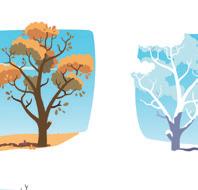
Error Alert!
Do not solve page 102 in this session; only discuss the pictures.
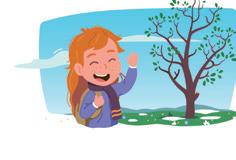
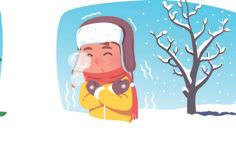




LO: Children will identify the concept of one and many by looking at objects and pictures.
Resources: Literacy Skillbook, page 82; common classroom items (pens, books, bags, etc.)
1. Warm-Up: Hold up a pen and say: This is one pen. Then hold up a few more pens and say: These are many pens. Repeat the same using other items like a toy, a bag, a book, etc. Explain: Many means more than one.
2. Writing Words: Show a pen and write ‘pen’ on the board. Then, show two or more pens and write ‘pens’ on the board. Explain: We add ‘s’ when the object is more than one. Try with other words like: book, bag, ruler, etc.
Error Alert!
For one and many, introduce only simple CVC words where adding ‘s’ forms the plural. Avoid words like leaf – leaves, bush – bushes; box – boxes and so on.
3. One and Many: Ask children to open page 82 of the Skillbook. First, show them the pictures and explain ‘one’ and ‘many’. Then, guide them to look at the pictures and read the words and write the correct word for more items.


Write the ‘many’ forms of the words: cap, bet, pot, nut and hut.


LO: Children will count and find how many are left after taking away a certain number of objects. Resources: Numeracy Workbook, page 64; some common classroom objects (books, pens, pencils, chalks, etc.)
1. Explaining Taking Away: Today, we are going to learn about taking away. Taking away means removing some objects and finding out how many are left. Show 4 books or draw 4 books on the board. Say: Look, there are 4 books. I am taking away 2. Remove or cross out 2 books. Ask: How many are left? Count together: 1, 2. Write: 4 – 2 = 2 on the board.
2. Hands-On Activity: Call children one by one. Give each child a number of objects, for example: 4 erasers. Say: Keep 4. Now take away 1. How many are left? Guide them: Take away means remove. Ensure everyone gets a turn and repeat with other numbers. Guide them to write for example, 4 – 1 = 3, on the board.
3. Taking Away: Ask children to open page 64 of the Workbook. Guide them to solve page 64 by crossing out the number of fruits and counting how many are left.


LO: Children will listen to sounds by tapping glasses filled with different levels of water and observe how the sound changes.
Resources: STEM Exploration, pages 27–28; 3 glasses; a jar of water; a pencil
1. Warm-Up: Say: Today we will make music using glasses and water! Hold up a glass and say: When we tap the glass, it makes a sound. Ask: Do you think water will change the sound? Let’s find out!
2. Making Music: Fill 3 glasses with water at low, medium, and high levels. Tap each glass with a pencil and say: Listen carefully!
• Tap the glass with less water and ask: Is the sound high or low?
• Tap the one with more water and ask: Is the sound different?
• Tap all three slowly, one by one.
Let children listen and say: This sound is high / low / soft / loud. Say: Different water levels make different sounds.



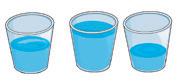


You can also ask children to tap other things like pencil boxes, books, etc. with a pencil to hear the kind of sound they make.
Domain
Topic of the Day
Circle Time Fun with Exercises
General Awareness
Winter Season
Book & Page
General Awareness, page 102
Foundational Literacy Is and Are Literacy Skillbook, page 83
Foundational Numeracy Skip Counting in 2s
DIY Water Makes Music
Numeracy Skillbook, page 75
STEM Exploration, pages 27–28
LO: Children will learn about simple body movements that help us stay healthy and active.
1. Warm-Up: Say: Today, we will learn some fun and easy exercises. Exercise keeps our body strong and happy. Ask: Do you like to run or jump? That is exercise too!
2. Activity Time: Say: Let’s start with a few simple exercises. Stand up and follow me.
Do each movement slowly and clearly:
• Stretch your arms up high. Touch the sky!
• Bend down and touch your toes.
• Jump up like a frog—1, 2, 3!
• March on the spot—left, right, left, right!
• Move your arms like you are swimming!
Say: Let’s do them all again! Repeat the actions once more, slowly.
LO: Children will identify different activities we do during the winter season.
Resources: General Awareness, page 102
1. Recap: Recap the concept of the winter season by asking simple questions like: What do we wear in winter? What do we eat or drink to keep ourselves warm? In which season do we see fog in the morning?
2. Game Time: Say: Let’s play a fun game called “Winter Says”! Give some instructions and ask children to enact them:
• Winter says wear a sweater! (pretend to wear a sweater)
• Winter says drink hot soup! (mime sipping)
• Winter says sit in the sun! (pretend to stretch hands in the sun)
If you don’t say “Winter says” and someone still acts, they sit down for one round.
Play 2–3 rounds.
3. Winter Season: Ask children to open page 102 of the General Awareness book. Guide them to tick the things that are done during the winter season. At the end, ask them to share the activity they like to do during winters. Guide them to say: I like to __________ during winter.
102
LO: Children will understand and use “is” for one object and “are” for more than one object, using simple CVC words.
Resources: Literacy Skillbook, page 83; classroom objects like (pens, books, crayons, etc.)
1. Explaining ‘Is’ and ‘Are’: Say: Today we will learn how to use “is” and “are”.
Say: We use “is” when we talk about one thing. (show one pen)
Say: We use “are” when we talk about more than one thing. (show 2–4 pens)
2. More Examples: Write the sentences on the board and read them aloud:
• A cat is on the mat.
• Cats are on the mat.
Underline the words “is” and “are.”
Ask: How many cats are in the first sentence? (One)
Ask: How many cats are in the second sentence? (Many)
3. Is and Are: Ask children to open page 83 of the Skillbook. Guide them to read the sentences and fill in the blanks with ‘is’ or ‘are’.




LO: Children will recognise the number patterns when counting by 2s and begin to skip count aloud confidently.
Resources: Numeracy Skillbook, page 75
1. Warm-Up: Say: Today we will learn a fun way of counting—by skipping. We will count by 2s. Example: 2, 4, 6, 8, 10!
Clap twice and say 2, clap again and say 4, and so on till 10. Ask children to repeat and clap with you.
2. Counting in 2s: Write a set of numbers in sequence on the board – say 11, 12, 13, 14, 15, 16, 17, 18, 19, 20. Count in 2s and circle the numbers that follow the pattern of counting by 2s (12, 14, 16, 18, 20). Repeat with other sets of numbers for more practice.
3. Skip Counting in 2s: Ask children to open page 75 of the Skillbook. Guide them to fill in the missing numbers by counting in 2s.
Write down any 2 sets of numbers by skip counting in 2s. Each set should have at least 6 numbers, example: 2, 4, 6, 8, 10, 12.
LO: Children will identify how glasses with different levels of water create music. Resources: STEM Exploration, pages 27–28; 3 glasses; a jar of water; pencil
1. Listening to Sounds: Fill each glass with a different level of water. Tap the glasses in a rhythm and say: Let’s tap and count together: 1 – 2 – 3 – 1 – 2 – 3.
Let children clap along. Then say: This is like making music with glasses! Guide them to understand that the glass with more water makes a lower sound and the one with less water makes a higher sound.
2. Pouring Water: Pour water from one glass to another to change the levels and ask the children to listen again. Ask: Does the sound change? Encourage them to share their answers.
Pro Tip
Invite children to come and tap the glasses themselves to explore the different sounds.
Circle Time
General Awareness
Memory Game
Spring Season
Foundational Literacy Starting Digraphs
Foundational Numeracy Skip Counting in 2s
DIY A Colourful Peacock
Book
General Awareness, page 103
Literacy Skillbook, page 84
Numeracy Skillbook, page 76
Art and Craft, page 41
LO: Children will build memory, vocabulary, and listening through fun repetition games.
1. Warm-Up: Say: Let’s play a fun memory game! We will pack a school bag—using only our words! Show or point to an imaginary bag and encourage children to imagine along with you. Ask: What do you think we should put inside our school bag?
2. Game Time: Say: I put a pencil in my school bag. (Pretend to place a pencil inside the bag.)
Ask the next child to repeat your sentence and add one more item. I put a pencil and a book in my school bag.
Continue around the circle, with each child repeating the previous items in order and adding a new one: I put a pencil, a book, and a water bottle in my school bag.
Encourage the children to listen carefully and help each other if someone forgets.
Once 8–10 items are added, begin a new round with a fresh sentence starter, such as:
• I went to the market and bought…
• In my toy box, I have…
• On my lunch plate, there is…
LO: Children recognise the spring season through games and picture discussion.
Resources: General Awareness, page 103
1. Warm-Up: Say: Today, we will learn about the spring season. In spring, the weather is pleasant, flowers bloom, trees are green, and birds sing!
Ask: Have you seen butterflies or flowers around this time?
2. Spring Actions: Say: Let’s do some actions for the spring season. Call out spring-related actions:
• Smell the flowers! (pretend to sniff)
• Fly like a butterfly! (wave arms and move)
• Chirp like a bird! (make chirping sounds)
• Blow like the breeze! (move arms gently side to side)
3. Spring Season: Ask children to open page 103 of the General Awareness book. Guide children to observe and discuss the picture. Name and describe the flowers shown at the bottom of the page.







LO: Children will identify words that start with ‘ch’, ‘sh’, ‘wh’ and ‘th’ digraphs.
Resources: Literacy Skillbook, page 84
1. Explaining Digraphs: Say: Today we will learn some special letter sounds. Two letters come together to make one sound. These are called digraphs.
Write each digraph on the board, say the sound, and have children repeat:
• ch – as in chip
• sh – as in ship
• th – as in thumb
• wh – as in wheel
Repeat each sound 3–4 times. Say: Repeat after me: ch–ch–ch, sh–sh–sh, th- th-th, wh- wh- wh.
2. Words Examples: Say 1–2 short words for each digraph and ask children to listen and repeat:
• ch: chip, chin
• sh: shop, ship
• th: thin, thumb
• wh: when, whip
Say each word slowly and clearly, and ask: What sound do you hear at the start?
3. Starting Digraphs: Ask children to open page 84 of the Skillbook. Guide them to look at the pictures and say aloud the words with starting digraphs. Guide them to say, for example: /ch/ /ch/ chop.



LO: Children will count in 2s and identify the correct numbers.
Resources: Numeracy Skillbook, page 76
1. Number Hopscotch: Make a number hopscotch on the floor. Write the numbers from 1 to 20. Call children one by one and ask them to count and jump on numbers by skip counting in 2s. Ensure everyone gets a turn.
2. Skip Counting in 2s: Ask children to open page 76 of the Skillbook. Guide them to circle the correct numbers by counting in 2s.
Refer to page 76 of the Skillbook. Write the numbers you circled while skip counting in 2s below.
LO: Children will complete a peacock’s feathers using fingerprints.
Resources: Art and Craft, page 41; paint
1. Warm-Up: Say: Today we will learn about a beautiful bird – the peacock! Tell children:
• The peacock is the national bird of India.
• It has bright blue and green feathers.
• The male peacock dances and spreads its feathers in the rain.
• It is a very colourful bird.
Ask children simple questions like:
Have you seen a peacock? What colours do you see on it?
2. A Colourful Peacock: Ask children to open page 41 of the Art and Craft book. Guide them to dip their fingers in paint and make fingerprints to complete the peacock’s feathers.



Domain
Topic of the Day
Circle Time My Favourite Season
General Awareness Spring Season
Book & Page
General Awareness, page 103
Foundational Literacy Starting Digraphs Literacy Skillbook, page 85
Foundational Numeracy Skip Counting in 2s
DIY An Origami Car
Numeracy Workbook, page 65
Art and Craft, page 42
LO: Children will identify different seasons and talk about their favourite season using simple sentences.
1. Warm-Up: Say: There are four main seasons—summer, winter, rainy, and spring.
Ask: What do you feel in summer? Is it hot or cold? What happens in the rainy season?
Let children respond with short answers.
2. Sharing Time: Talk about your favourite season. Say: My favourite season is winter. I like to wear warm clothes. I drink hot soup. The weather is cold.
Say: Can you think of your favourite season?
Help children form and say one simple sentence: My favourite season is __. I like it because __. Give clues if needed: Do you like mangoes? Then maybe you like summer!
Ensure each child gets a chance to speak.
LO: Children will discuss the spring season and colour a picture related to it.
Resources: General Awareness, page 103
Introduction
1. Recap: Ask: Do you remember what we see in spring? Let children answer: flowers, butterflies, birds, sunshine.
2. Spring Word Hunt: Say: Let’s find some spring words hidden around us! Give clues like:
• I fly and have colourful wings. (butterfly)
• I grow on plants and smell nice. (flower)
• I shine in the sky but I am not too hot. (sun) Let children guess the words. You can act them out for extra fun.
3. Spring Season: Ask children to open page 103 of the General Awareness book. Guide children to colour the spring picture.
Show real flowers or picture cards of colourful flowers in class to help children connect better with the topic.
LO: Children will identify the starting digraphs of a given word.
Resources: Literacy Skillbook, page 85
1. Recap: Revise the beginning digraphs by writing them on the board – ch, sh, wh and th. Then say aloud a few words starting with the digraphs and ask children to repeat after you. For example: ch- chin; sh- shop, wh- wheel; th – thin
2. Identifying Starting Digraphs: Call children one by one. Say aloud a word and ask them to guess the starting digraph. Ensure everyone gets a turn.
3. Starting Digraphs: Ask children to open page 85 of the Skillbook. Guide them to look at the pictures and circle the correct starting digraphs.




Look for items at home that start with the digraphs ch, sh, wh, and th.
LO: Children will count numbers in twos and mark the correct numbers.
Resources: Numeracy Workbook, page 65
1. The Missing Numbers: Write down some numbers on the board with some numbers missing in between. For example: 2, __, 6, ___, 10. Guide children to fill in the blanks with numbers by counting in 2s. Repeat with different sets of numbers.
2. Skip Counting Fun: Say aloud numbers from 1 to 20. Ask children to clap on the numbers by counting in 2s. For example: clap at 2- clap at 4 – clap at 6 and so on. In the next round start clapping from 10.
3. Skip Counting in 2s: Ask children to open page 65 of the Workbook. Guide them to solve the exercise by counting in 2s and marking the correct numbers.
LO: Children will make an origami car by folding paper. Resources: Art and Craft, page 42; origami paper (1 per child)
1. Warm-Up: Ask: What vehicles do you see on the road? Listen to all responses. Then say: Today, we will make a paper car.
2. An Origami Car: Give each child a sheet of paper. Follow the steps given on page 42 of the Art and Craft book and guide children to fold the paper to make a car.












Domain General Awareness
Learning Outcome
Children will share facts about the winter and the spring seasons.
Resources General Awareness, pages 102–103; a soft toy; winter flashcard (from General Awareness book)
Suggested Method Say: We learned about the winter season and spring season this week. Winter is cold, and new flowers bloom in spring. Then, pass around the soft toy. Ask each child holding the soft toy to share a sentence about the winter season and one sentence about the spring season.
Support for Struggling Learners
Gather the struggling learners. First, show the flashcard on the winter season and say: It is cold during winter. Then, refer to page 102 of the General Awareness book and help children identify different activities done in the winter season. Then, discuss the spring season by referring to the pictures given on page 103 of the General Awareness book.
Domain Foundational Literacy
Learning Outcome Children will identify words with starting digraphs - ch, sh, wh and th.
Resources Flashcards of digraphs ch, sh, wh and th (from Skillbook)
Suggested Method Call children one by one.
• Say aloud a word and let them identify the starting digraph of the word.
• Then, ask them to say aloud words beginning with digraphs - ch, sh, wh and th. Clap for each child and give them a smiley. Ensure everyone gets a turn.
Support for Struggling Learners
Gather the learners together and give them the digraphs flashcards. Say: Can you find the flashcard with sh written on it? Explain: Here two letters come together to make a new sound /sh/. Guide children to say the sound and say some words beginning with ‘sh’ship, sheet, sheep and so on. Repeat the same for digraphs ch, wh and th.
Domain Foundational Numeracy
Learning Outcome Children will be able to skip count in 2s and identify the numbers.
Resources Chalk
Suggested Method Call children one by one. Write a number sequence on the board with a few numbers missing, for example: 2, __, 6, 8, __. Ask children to fill in the blanks by counting in 2s. Clap for each child and give them a smiley. Ensure everyone gets a turn.
Support for Struggling Learners
Gather the learners together. Write numbers from 1 to 10 on the board, then count numbers in 2s and circle numbers 2, 4, 6, 8 and 10. Explain: We are counting every second number. Repeat with other sequences, like 11 to 20.
Domain Topic of the Day
Circle Time
General Awareness
Mindfulness
Months and Seasons
Foundational Literacy Ending Digraphs - 1
Foundational Numeracy Skip Counting in 5s
DIY An Origami Car
Book & Page
General Awareness, page 104
Literacy Skillbook, page 86
Numeracy Skillbook, page 77
Art and Craft, page 43
LO: Children will relax, focus, and notice their breath and nearby sounds.
1. Warm-Up: Say: Today, we will do something special. It’s called mindfulness. We will sit still, listen to sounds, and feel our breath—just like quiet superheroes!
2. Focusing on Breath: Say: Sit straight. Close your eyes gently. Put your hands on your lap. Say: Now breathe in… slowly. 1, 2, 3… Breathe out… 1, 2, 3. Repeat this 3–4 times with the children. Speak slowly and softly. Say: Feel the air going in… and out. Like a balloon rising … and falling.
3. Listening to Sounds: Say: Now keep your eyes closed and listen carefully. Ask: What sounds do you hear? Wait silently for a few seconds. Then ask: Did you hear a bird? A fan? Footsteps? Children can raise their hands or whisper what they heard. Repeat both steps once more if time allows.
LO: Children will name and identify the twelve months of the year.
Resources: General Awareness, page 104
Introduction
1. Warm-Up: Say: There are 12 months in a year. Each month has something special. We will learn all their names today! Speak slowly and clearly: January, February, March, April, May, June, July, August, September, October, November, December.
Ask: Do you know which month is your birthday?
2. Month Train: Ask 12 children to stand in a line. Give each one the name of a month to remember. Say: You are a month train! When I say “Start,” you must say your month in order. Guide them: Child 1: January; Child 2: February and so on.
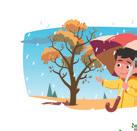
After completing the line, everyone claps and repeats all the months together. Switch children and play again.
3. Months: Ask children to open page 104 of the General Awareness book. Point to each picture and say the month name clearly. Ask children to look carefully at the pictures and repeat the names after you.
Resources: Literacy Skillbook, page 86
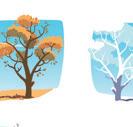

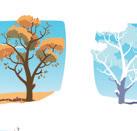


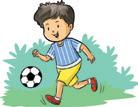

LO: Children will recognise and say common words that end with the ‘ck’ digraph.

1. Warm-Up: Say: Today we will learn words ending with digraph ‘ck’. Explain ‘ck’ makes the sound /k/. Write ‘ck’ on the board and guide children to say /k/ /k/ /k/. Then, write the following on the board – ack, eck, ick, ock, uck and say:
(/a/ /k/) – ack – ack – ack
(/e/ /k/) – eck – eck – eck
(/i/ /k/) – ick – ick – ick
(/o/ /k/) – ock – ock – ock
(/u/ /k/) – uck – uck – uck
Say each sound clearly and let children repeat 2–3 times. Keep them written on the board for reference.
2. Word Building: Write down some words with ending digraph ‘ck’ and guide children to read them aloud:
• Back → /b/ /a/ /k/
→ /n/ /e/ /k/
→ /p/ /i/ /k/
→ /r/ /o/ /k/
→ /d/ /u/ /k/
Let children repeat each word after you, emphasising the ending sound /ck/.
3. Ending Digraphs: Ask children to open page 86 of the Skillbook. Guide them to look at the pictures and say the words aloud, focusing on the ending digraph. Repeat each word 3–4 times with the children. Help them identify the ending sound /ck/.


Digraphs–1







Help children find objects around the classroom or in pictures that end with the /ck/ sound.



LO: Children will recognise number patterns when counting by 5s and begin to skip count aloud confidently.
Resources: Numeracy Skillbook, page 77
1. WarmUp: Say: Today we will learn a fun way of counting—we will skip numbers! Say: We will count by 5s: 5. 10, 15, 20, 25…. Clap five times and say 5, clap again and say 10, and continue till 25. Ask children to clap and count along with you.
2. Counting in 5s: Write a set of numbers in sequence on the board – for example 11, 12, 13, 14, 15, 16, 17, 18, 19, 20. Count in 5s and circle the correct numbers (15, 20 and so on). Repeat with other sets of numbers to reinforce the pattern.
3. Skip Counting in 5s: Ask children to open page 77 of the Skillbook. Guide them to fill in the missing numbers by counting in 5s.
Write down any 2 sets of numbers by skip counting in 5s. Each set should have at least 3 numbers, example: 5, 10, 15.
LO: Children will paste the origami car made earlier.
Resources: Art and Craft, page 43; origami car; glue
1. Car Actions: Say: Let’s pretend to drive a car! Give simple instructions: Drive the car (say vroom–vroom). Blow the horn (say beep–beep). Encourage children to join in with the sounds and actions.
2. Origami Car: Ask children to open page 43 of the Art and Craft book and guide them to paste their origami car on the page.

Domain
Topic of the Day
Circle Time Crossing Hurdles
General Awareness Months and Seasons
Foundational Literacy Ending Digraphs – 1
Foundational Numeracy Skip Counting in 5s
Book & Page
General Awareness, page 104
Literacy Skillbook, page 87
Numeracy Skillbook, page 78
DIY Rhyme: There Were Ten in the Bed Rhymes and Stories, page 70
LO: Children will build balance, coordination, and confidence through a simple obstacle game.
Resources: Chalk; rolled towel; boxes
1. Warm-Up: Say: Today, we will play a fun game called ‘Cross the Hurdles!’ We will move carefully and try not to touch the hurdles.
Say: This game helps us stay active and learn how to move with control.
2. Activity Time: Use classroom items to make soft, safe “hurdles”.
Place a rolled towel or boxes on the floor in a line, leaving small gaps between each.
Play the Game: Say: We will walk and cross the hurdles one by one. Step over gently. Do not touch them! Demonstrate slowly how to step over the hurdles.
Let 3–4 children try at a time, while the others clap or cheer quietly.
Variations (if space allows)
• Ask them to jump with both feet over one small hurdle.
• Ask them to walk sideways or backwards carefully.
LO: Children will identify the months and the season for each.
Resources: General Awareness, page 104
1. Warm-Up: Say: There are 12 months in a year. We also have 4 seasons in India: summer, monsoon (rainy), winter, and spring.
Ask: Do you feel hot in some months and cold in others? That is because of the seasons!
Say each season clearly and ask children to repeat: Summer, Monsoon, Winter, Spring.
2. Months Matching: Say: Now I will tell you which months belong to each season in India. Speak slowly and clearly:
Summer: April, May, June
Monsoon: July, August, September, October
Winter: November, December, January, February
Spring: March
3. Months and Seasons: Ask children to open page 104 of the General Awareness book. Guide children to look at the pictures, say aloud the months of the year and the seasons shown in each month.
LO: Children will identify objects ending with the ‘ck’ digraph.
Resources: Literacy Skillbook, page 87
1. Recap: First, write ‘ack’, ‘eck’, ‘ick’, ‘ock’, ‘uck’ on the board and read them aloud. Ask children to repeat after you. Then, revise some words that end with ‘ck’ digraph:
• ack – back, sack
• eck – deck, neck
• ick – tick, brick • ock – rock, sock
uck – duck, pluck
2. Guess the Digraph: Call each child and say a word ending with ‘ck’ (e.g. back). The child guesses the ending sound of the digraph ‘ck’. Write the word on the board and guide them to sound it out: /b/–/a/–/k/ = back. Ensure each child gets a turn with a new word.
Refer to page 19 of the Reader book. Practice reading sentences with words ending with ‘ck’ digraph.
3. Ending Digraphs – 1: Ask children to open page 87 of the Skillbook. Guide them to look at the pictures, identify the words and write the missing letters to complete each word.




Refer to page 19 of the Reader book. Underline the words ending with the ‘ck’ digraph.




LO: Children will skip count in 5s and recognise number patterns. Resources: Numeracy Skillbook, page 78; some pebbles
1. Recap: Write down 1 to 20 on the board. Say: Let us count and circle the numbers by counting in 5s. Circle 5, 10, 15 and 20 and ask children to read the numbers aloud.
2. Hopscotch Fun: Draw a hopscotch grid on the floor with numbers 1 to 20 written on it. Call children one by one and give them the pebbles. Ask them to count in 5s and place the pebbles on the correct numbers. Guide them as required.
3. Skip Counting in 5s: Ask children to open page 78 of the Skillbook. Guide them to skip count in 5s and circle the correct numbers and write them below.
LO: Children will recite the rhyme There Were Ten in the Bed with actions and expressions. Resources: Rhymes and Stories, page 70
1. Warm-Up: Say: Let’s count from 1 to 10, jumping once on each number.
Then say: Now let’s count backwards from 10 to 1 and take a step back each time.
Children count forward while jumping, and then count backward while stepping back or clapping hands.
2. Rhyme Time: Recite the rhyme There Were Ten in the Bed with actions and expressions and ask children to sing along. Continue reciting the rhyme until none are left. Repeat 3–4 times.
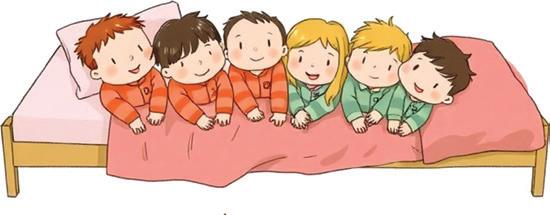

Domain
Circle Time Giving Title to a Story
General Awareness My India
Foundational Literacy Ending Digraphs - 2
Foundational Numeracy Skip Counting in 5s
General Awareness, page 106
Literacy Skillbook, page 88
Numeracy Workbook, page 66
DIY Rhyme: There Were Ten in the Bed Rhymes and Stories, page 70
LO: Children will choose a suitable title for a short story based on the main idea.
1. Warm-Up: Say: Today, we will learn how to give a title to a story. A title is the name of the story. It tells us what the story is about.
Say: If a story is about a cat who loses her bell, what can the title be? Maybe—“The Lost Bell.”
2. Story Time: Narrate the story given in the box with expressions and voice modulations. Repeat 2–3 times to help children understand the story.
3. Giving a Title: Ask: What is this story about? Let children answer: monkey, balloon, forest.
Then, ask: What can be a good title? Suggest 1–2 examples: “The Monkey and the Balloon” or “The Flying Balloon”.
Let children suggest their own titles. Praise all ideas.
One day, a little monkey found a red balloon in the forest. He took it to show his friends. The balloon flew up in the air. The monkey climbed trees and jumped high but could not catch it. Then the balloon landed on a big leaf. The monkey caught it and smiled.
LO: Children will learn facts about India and trace the name of the country. Resources: General Awareness, page 106
1. Warm-Up: Say: Today, we will learn about our country—India. India is our home. It is a big and beautiful country.
Ask: What is the name of your country? (Let children respond: India!)
2. Basic Facts: Say each sentence clearly and slowly. Let children repeat after you.
• The name of our country is India.
• The capital of India is New Delhi.
• Our national flag has three colours: saffron, white, and green.
• The wheel in the middle is called the Ashoka Chakra.
After each fact, pause and ask: Can you say that with me?
3. My India: Write the word ‘India’ on the board and say: The name of our country is India. Then, ask children to open page 106 of the General Awareness book and ask them to trace the name of the country given at the bottom of the page.

LO: Children will recognise and say common words that end with the digraph ‘ll’.
Resources: Literacy Skillbook, page 88
1. Warm-Up: Say: Today we will learn words ending with the digraph ‘ll’. Explain that ‘ll’ makes the sound /l/. Write ‘ll’ on the board and guide children to say /l/ /l/ /l/. Then, write the following on the board: all, ell, ill, oll and say:
(/a/ /l/) – all – all – all
(/e/ /l/) – ell – ell – ell
(/i/ /l/) – ill – ill – ill
(/o/ /l/) – oll – oll – oll
Say each clearly and let children repeat 2–3 times. Keep them written on the board.
2. Word Building: Write some words ending with the digraph ‘ll’ and guide children to read them aloud:
• Ball → /b/ /a/ /l/
• Tell → /t/ /e/ /l/
• Fill → /f/ /i/ /l/
• Roll → /r/ /o/ /l/
Let children repeat the full word after you, emphasising the ending sound -ll.
3. Ending Digraphs: Ask children to open page 88 of the Skillbook. Guide them to look at the pictures and say the words aloud, focusing on the ending digraph. Repeat each word 3–4 times with children.
Guide children to identify the end sound ‘ll’.


Help children find objects around them that end with ‘ll’ digraph.
LO: Children will skip count in 5s and mark the correct numbers.
Resources: Numeracy Workbook, page 66
1. The Missing Numbers: Write down some numbers on the board with some numbers missing in between. For example: 5, ___, ____, 20, ___, 30. Guide children to fill in the blanks with numbers by counting in 5s. Repeat with different sets of numbers.
2. Skip Counting Fun: Say aloud numbers from 1 to 30. Ask children to clap on the numbers while counting in 5s. For example, clap at 5, clap at 10, clap at 15 and so on.
3. Skip Counting in 5s: Ask children to open page 66 of the Workbook. Guide them to complete the exercise by counting in 5s and marking the correct numbers.
Write numbers up to 30 by skip counting in 5s.
LO: Children will recite the rhyme There Were Ten in the Bed and play a fun game.
Resources: Rhymes and Stories, page 70
1. Rhyme Time: Recite the rhyme There Were Ten in the Bed with actions and expressions and ask children to recite along. Repeat 3–4 times.
2. Fun Game: Children sit or stand in a circle. Pick 10 children to be “in the bed”. After each verse, one child “falls out” and sits outside the circle. Say: Let’s see who’s next to roll over! Count together! Continue until only one child is left. Ensure everyone gets a turn.


Domain
Circle Time
General Awareness
Mystery Hidden Object
My India
Foundational Literacy Ending Blends - 2
Foundational Numeracy Number Names from 11 to 20
DIY Mould Me into an Octopus
Book & Page
General Awareness, page 106
Literacy Skillbook, page 89
Numeracy Skillbook, page 79
Art and Craft, page 44
LO: Children build observation, memory, and speaking skills by playing a mystery game.
Resources: Common classroom objects (eraser, chalk, paper, ruler, pencil, etc.)
1. Warm-Up: Say: Today, we will become little detectives! We will look for mystery objects hidden in our classroom. You will listen carefully, look closely, and find the objects I describe.
2. Setting Up: Hide 3–5 small and safe objects in the classroom (chalk, eraser, spoon, paper ball, ruler, pencil cap, etc.) in easy-to-reach spots (behind books, under a table, inside a box, near a window). Say: I have hidden something small. It is white. You write with it. Can you find it? (Answer: chalk)
3. Activity Time: Call children one by one. Let children guess and search. When they find it, say: Well done! You found the mystery object!
Continue with other clues:
• I am long. I help you draw straight lines. (ruler)
• I am soft and help you clean the board. (duster)
• I make things stick. (glue stick)
If needed, give one more hint after a few seconds.
LO: Children will identify the map of India and locate Delhi and their home state.
Resources: General Awareness, page 106
1. Warm-Up: Say: Today we will talk about the map of India. A map shows us where places are. India is our country. It has many states. Each state has cities and towns.
Ask: Do you know the name of your state? (Wait for responses. Guide them if needed.)
2. Key Places: Say each sentence slowly and clearly. Ask children to repeat after you.
• The name of our country is India.
• The capital of India is New Delhi.
• I live in the state of ___ (say the local state).
3. My India: Ask children to open page 106 of the General Awareness book. Show the picture and say: This is the map of India. Then, help them locate Delhi on the map and the state they live in. Walk around to help children and ensure they point correctly.
LO: Children will identify words that end with the ‘ll’ digraph.
Resources: Literacy Skillbook, page 89
1. Recap: Write ‘all’, ‘ell’, ‘ill’, ‘oll’ on the board and read them aloud. Ask children to repeat after you. Then, revise some words that end with ‘ll’ digraph
• all – ball, tall • ell – bell, tell
ill – fill, bill
oll – doll, roll
2. Guess the Digraph: Call each child and say a word ending with ‘ll’ (e.g. hall). The child guesses the ending sound of the digraph ‘ll’. Write the word on the board and guide them to sound it out: /h/–/a/–/l/ = hall. Ensure each child gets a turn with a new word.
Tip
Refer to page 20 of the Reader book. Practice reading sentences with words ending with the ‘ll’ digraph.
3. Ending Digraphs 2: Ask children to open page 89 of the Skillbook. Guide them to look at the pictures, identify the words, and write down missing letters to complete each word.


Refer to page 20 of the Reader book. Underline the words ending with the ‘ll’ digraph.
LO: Children will recognise, say and write number names from eleven to twenty. Resources: Numeracy Skillbook, page 79
1. Learning Number Names: Write the number names from eleven to twenty on the board (one at a time or in small sets). Say each number name clearly and slowly: Eleven: E-L-E-V-E-N Ask children to repeat after you. Continue through to twenty. Repeat the set twice for practice.
2. Number Names from 11 to 20: Ask children to open page 79 of the Skillbook. Guide them to read and write each number name from eleven to twenty.
LO: Children will make an octopus out of clay. Resources: Art and Craft, page 44; blue and orange clay
1. Warm Up: Say: Today, we will make a sea animal called an octopus. Explain: An octopus has eight arms. It lives in the sea. It can swim and has many colours.
Ask: How many arms does an octopus have? Where does it live?
2. Making an Octopus: Give the blue and orange clay to the children. Guide them to roll and shape the clay to make an octopus. Follow the steps shown on page 44 of the Art and Craft book.










Domain General Awareness
Learning Outcome
Children will identify Delhi and their home state on the map of India and share one fact about India.
Resources General Awareness, page 106
Suggested Method Call children one by one and ask: Can you share one fact about our country, India? Show them the map of India and guide them to spot Delhi and their own state. Clap for each child, and give them a smiley sticker or stamp. Ensure everyone gets a turn.
Support for Struggling Learners
Gather the struggling learners in a small group. Say: The name of our country is India. The capital of our country is Delhi. Show them the map of India from Page 106 and help them locate Delhi and their state.
Domain Foundational Literacy
Learning Outcome Children will identify words that end with the digraphs ‘ck’ and ‘ll’.
Resources Flashcards of digraphs ‘ck’ and ‘ll’ (from Skillbook)
Suggested Method Call children one by one. Say aloud a word and let them identify its ending digraph. Then, ask them to say more words that end with the digraphs ‘ck’ and ‘ll’. Clap for each child and give them a smiley. Ensure everyone gets a turn.
Support for Struggling Learners
Gather the struggling learners together. Show them the flashcards and say: Can you find the flashcard with ‘ck’ written on it? Explain: When two letters come together, they make a new sound /k/. This is called a digraph. Guide children to say the sound and name words ending with ‘ck’, such as back, rack, sack. Repeat the same process for the ‘ll’ digraph.
Domain Foundational Numeracy
Learning Outcome Children will skip count in 5s.
Resources Chalk
Suggested Method Call children one by one. Write a number sequence on the board with a few numbers missing (e.g. 5, ___, ___, 20, ___). Ask each child to fill in the blanks by skip counting in 5s. Clap for each child and give them a smiley. Ensure everyone gets a turn.
Support for Struggling Learners
Gather the struggling learners together. Write numbers from 1 to 20 on the board. Count aloud in 5s and circle the numbers 5, 10, 15, and 20. Explain: We are skip counting by 5s, which means we count by jumping 5 numbers each time.








Circle Time Yoga and Meditation
General Awareness
National Symbols of India
Foundational Literacy Ending Digraph - 3
General Awareness, page 107
Literacy Skillbook, page 90
Foundational Numeracy Number Names from 11 to 20 Numeracy Workbook, page 67
DIY Mask Me Up – A Panda
LO: Children will practise a simple yoga pose and meditation. Resources: Soft music
Art and Craft, page 45
1. Warm-Up: Say: We are going to do some yoga today. Yoga helps our body become strong and calm. Ask children to stand in a circle or line. Say: Let’s take three deep breaths.
• Breathe in slowly… and breathe out. (Repeat 3 times)
• Feel your chest go up and down.
• Smile gently as you breathe.
2. Chair Pose: Say: Now we will try a pose called Chair Pose. It looks like you are sitting on an invisible chair! Guide children to do the following pose:
• Stand with your feet together.
• Raise your arms straight up beside your ears.
• Now bend your knees, like you are sitting on a chair.
• Keep your back straight and look forward.
• Hold it for 5 seconds while breathing slowly. Now come back up. Repeat 2–3 times gently.
Say: You are strong like a chair!
3. Meditation: After the pose, ask children to sit down. Say: Close your eyes. Take a deep breath in... and out. Think of something that makes you smile. Sit quietly for about 30 seconds to 1 minute.
LO: Children will identify and name India’s national bird, fruit, animal, and flower using simple facts. Resources: General Awareness, page 107
1. Knowing National Symbols: Say: India has some special symbols that show its beauty and culture. Let’s learn four today!
Speak slowly and clearly. Tell them:
• National Bird – Peacock: It is colourful. It dances when it rains.
• National Fruit – Mango: It is sweet and juicy. We eat it mainly in summer.
• National Animal – Tiger: It is strong and fast. It has black stripes.
• National Flower – Lotus: It is pink and grows in water.
As you say each one, ask children to repeat the name after you.
2. National Symbols of India: Ask children to open page 107 of the General Awareness book. Guide children to look at the pictures and identify the national symbols of India.
LO: Children will identify words ending with the ‘ss’ digraph.
Resources: Literacy Skillbook, page 90

1. Warm-Up: Say: Today we will learn words ending with digraph ‘ss’. Explain ‘ss’ makes the sound /s/. Write ‘ss’ on board and guide children to say /s/ /s/ /s/. Then, write the following on the board: ass, ess, iss, oss and say:
(/a/ /s/ /s/ ) – ass – ass– ass
(/e/ /s/ /s/) – ess – ess – ess
(/i/ /s/ /s/) – iss – iss– iss
(/o/ /s/ /s/) – oss – oss – oss
Say each clearly and let children repeat 2–3 times.
2. Word Building: Write down some words with ending digraph ‘ss’ and guide children to read them aloud:
• grass → /gr/ /a/ /s/
• Miss → /m/ /i/ /s/ • Dress → /dr/ /e/ /s/ • Toss → /t/ /o/ /s/
Let children repeat the full word after you, emphasise the ending sound – ‘ss’.
3. Ending Digraph: Ask children to open page 90 of the Skillbook. Guide them to look at the pictures and say aloud the words emphasising the ending digraph. Repeat each word 3–4 times with children. Guide children to identify the ending sound of the ‘ss’ digraph.


LO: Children will recall and read the number names from 11 to 20.
Resources: Numeracy Workbook, page 67; number names flashcards for 11 to 20 – (from Skillbook)
1. Reading Number Names: Write down the number names from 11 to 20 one by one on the board. Read it aloud, ask children to repeat after you and hold up the correct flashcard. For example: write ELEVEN on the board and guide children to say aloud eleven and hold up the flashcard with eleven written on it. Repeat with all number names till 20.
2. Number Names from 11 to 20: Ask children to open page 67 of the Workbook. Guide them to fill in the missing letters to complete the number names and match them with the correct numbers. 67
Practice reading the number names from page 67 of the Workbook.
LO: Children will learn facts about pandas and tie a thread to make a panda mask.
Resources: Art and Craft, page 45; one thread (per child)
1. Warm-Up: Say: Today we will learn about a cute animal – the panda! Tell children these simple facts:
• Pandas have black and white fur.
• They live in forests and eat bamboo leaves.
• Pandas walk slowly and love to sleep a lot.
• They look big and round and are very gentle.
Say each sentence slowly and clearly. Ask children to repeat some of the words like panda, bamboo, black and white.
2. Mask the Panda: Refer to page 45 of Art and Craft book. Give children the mask cut-out and guide them to tie a thread to make the mask.


Let children wear their masks and have fun after they complete the artwork.
Circle Time
General Awareness
Happiness Chain
National Symbols of India
Foundational Literacy More on End Digraphs
Foundational Numeracy Reading a Clock
DIY Story: The Princess and the Pea
General Awareness, page 107
Literacy Skillbook, page 91
Numeracy Skillbook, page 80
Rhymes and Stories, pages 71–75
LO: Children will express positive feelings, appreciate kind actions, and build joy and connection with others.
1. Warm-Up: Say: Today we will make a Happiness Chain!
Ask children: What makes you happy?
Give examples:
• Playing with friends
• Eating mangoes
• Getting a hug from mummy
• Helping someone
Let 4–5 children share. Smile and nod as they answer. Say: When we share happy things, everyone feels good!
2. Happiness Chain: Tell children: Now we will make a chain with our happy words! Start by saying: I am happy when I help a friend.
Then say: Now pass it on. Who wants to add their happy moment to our chain?
Let each child take a turn and say: I am happy when… (e.g. I play with my brother).
Hold hands or make a small action (like a clap or a smile) after each one to connect the chain. Continue till many children have spoken.
LO: Children will identify India’s national symbols using pictures.
Resources: General Awareness, page 107
1. Guess the National Symbol of India: Say simple clues and let children guess. For example:
• I am a fruit. I am yellow and sweet. What am I? (Mango)
• I have many colours. I dance in the rain. What am I? (Peacock)
• I grow in water and have pink petals. What am I? (Lotus)
• I roar and have stripes. What am I? (Tiger)
Encourage all children to answer together.
Practice
2. National Symbols of India: Ask children to open page 107 of the General Awareness book. Ask them questions like: Can you show the National bird of India? / Can you show the National flower of India? Let children point to the correct picture. Monitor and guide them as required.
LO: Children will read words with the end digraphs–sh, ch and th.
Resources: Literacy Skillbook, page 91
1. Warm-Up: Say: I will say a word. You tell me if it ends with sh, ch, or th. Examples:
• Fish → sh
• Bench → ch
• Teeth → th
Say each word slowly. Let children guess and say the correct ending sound.
2. Word Building: Write 2–3 simple words for each digraph on the board.
Examples:
• sh: fish, dish
• ch: rich, peach
• th: with, path
Sound them out slowly and ask children to repeat.
You can refer to page 21 of the Reader book to read sentences having words with beginning and end digraphs.
3. End Digraphs: Ask children to open page 91 of the Skillbook. Point to the pictures one by one and read aloud the words. Ask children to repeat after you, emphasising the sound of the end digraphs.







LO: Children will learn to identify the long hand and short hand of a clock and read the time in o’clock. Resources: Numeracy Skillbook, page 80; a clock
1. Warm-Up: Show a simple clock or draw a clock on the board. Say: This is a clock. A clock tells us the time. Point to the two hands and say: The short hand shows the hour. The long hand shows the minutes. Then say: When the long hand points to 12, we say it is o’clock.
2. Reading O’Clock Time: Move or point to the short hand at different numbers with the long hand at 12. Say, for example: Look at the clock. The short hand is at 3. The long hand is at 12. It is 3 o’clock. Repeat with 6 o’clock, 9 o’clock, and 12 o’clock. Ask children to repeat after you: It is 6 o’clock… It is 12 o’clock.
3. Reading a Clock: Ask children to open page 80 of the Skillbook. Guide them to look at the position of the long hand and the short hand on the clock and read the time.
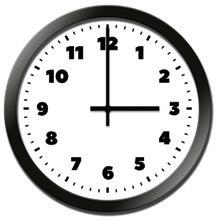
Try reading the clock at home (o’clock times) with an adult.
LO: Children will discuss pictures from the story The Princess and the Pea. Resources: Rhymes and Stories, pages 71–75; one sheet of paper; a few books; two small peas or marbles
1. Feel the Pea: Place a pea under a paper and another under piles of a few books or papers. Call children one by one and let them feel both piles. Ask: Under which pile can you feel the pea? Let children feel and share their responses. Ensure everyone gets a turn. Say: Today we will look at pictures of a story where a queen hides a pea under a pile of mattresses.
2. Picture Talk: Refer to pages 71–75 of the Rhymes and Stories book. Show the pictures one by one and discuss them with children. Ask questions like: What do you see in the picture? / What is the woman doing? / What is the queen putting under the mattresses?
Princess and the Pea
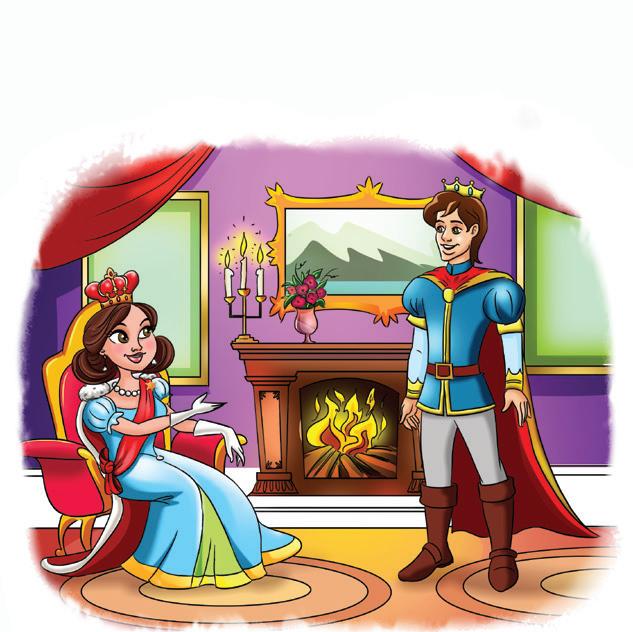
Circle Time
General Awareness
Sequencing a Story
National Festivals
Foundational Literacy Opposites
General Awareness, page 108
Literacy Skillbook, page 92
Foundational Numeracy Reading a Clock Numeracy Skillbook, pages 80-81
DIY Story: The Princess and the Pea Rhymes and Stories, pages 71–75
LO: Children will identify the correct order of events in a story using simple words, pictures, or short sentences.
1. What Comes First: Say: Every story has a beginning, middle, and end. Ask: Do we eat first or brush our teeth first in the morning? Give 1–2 more examples:
• Do we wear shoes first or socks first?
Let children answer. Praise all responses.
Say: Just like our day, stories also happen in order.
2. Jumbled Story: Tell a very short story in the wrong order, such as:
Then the rabbit ate the carrot. First, the rabbit ran home. At last, he found a carrot in the kitchen.
Ask: Does that sound right? Let children guess and share their answers. Now say: Let’s fix the story together! What should come first?
Guide them to say:
• First, the rabbit ran home.
• Then, he found a carrot.
• Last, he ate the carrot.
Say the corrected story aloud and let children repeat.
Take any object of your choice. Prepare a short story based on the object and share it in the class tomorrow. Give a title to your story.

LO: Children will recognise and name three national festivals of India, and understand their basic importance.
Resources: General Awareness, page 108
1. Warm-Up: Say: Some days are special for the whole country. We call them national festivals. Let’s learn about three of them.
Practice
2. National Festivals: Ask children to open page 108 of General Awareness book, show them the pictures and read aloud the content given on the page. Then, share the following facts:
Independence Day – 15th August
Say: India became free on this day. We see the Indian flag, sing songs, and say “Jai Hind!”
Republic Day – 26th January
Say: On this day, we got our own rules (Constitution). People do parades and wave flags.
Gandhi Jayanti – 2nd October
Say: This is the birthday of Mahatma Gandhi. He loved peace and truth. People clean places and remember him.
Ask children to repeat the names and dates of each festival slowly after you.


LO: Children will identify the opposites of words by looking at objects and pictures. Resources: Literacy Skillbook, page 92; objects to show opposites (e.g. cotton–soft, stone–hard; book–big, pencil–small)
1. Explaining Opposites: Say: Some words are opposites. They mean completely different things. Give simple examples using actions and voice:
Say loudly: Loud!
Then softly: Soft!
Say: Loud and soft are opposites.
Repeat with happy–sad (show facial expressions), big–small (use hands), hot–cold (pretend to blow hot tea and shiver).
2. Looking at Objects: Point to or hold up to items in the classroom to show:
• This is a big bag. That is a small eraser.
• The chair is hard. The pillow is soft.
Ask: Is your bottle big or small? Is the bench hard or soft?
Practice
3. Opposites: Ask children to open page 92 of the Skillbook. Guide them to look at the pictures and identify each pair of opposites. Read aloud the words and ask children to repeat after you.






LO: Children will read the time in o’clock by looking at a clock.
Resources: Numeracy Skillbook, pages 80–81; a clock
1. What’s the Time: Call children one by one. Show a time (in o’clock) on the clock. First, guide them to identify where the long hand and the short hand are placed and then let them read the time in o’clock format. Ensure everyone gets a turn.
2. Reading a Clock: First, recap reading the time from page 80 of the Skillbook. Then, guide children to solve page 81 by reading and writing the correct time.


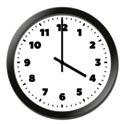
LO: Children will listen to the story The Princess and the Pea and play a game.
Resources: Rhymes and Stories, pages 71–75
1. Interactive Read Aloud: Read aloud the story The Princess and the Pea with expressions and voice modulations. Pause in between to show pictures and ask questions like: Who came to the castle on a stormy night? /What did the queen place under the mattress? / Did the princess sleep?
2. Fun Game: Call out different objects and ask: Is it soft or hard? Children can answer by clapping once for soft and twice for hard. Examples:
• Pillow (soft – one clap)
• Stone (hard – two claps)
• Sponge (soft – one clap)
• Wood (hard – two claps)
• Mattress (soft – one clap)
• Pea (hard – two claps)
You can also use some real objects like some cotton and a duster to explain what hard and soft mean.
Domain
Topic of the Day
Circle Time Story Telling
General Awareness National Flag
Foundational Literacy Opposites
Foundational Numeracy What Time Is It?
DIY Bunny Tales
LO: Children will share a story based on an object with their peers.
Resources: Objects brought by children from home
Book & Page
Literacy Skillbook, page 93
Numeracy Skillbook, page 82
Art and Craft, page 47
1. Warm-Up: Say: Today you will share a story based on an object you brought. Explain that their story should have a title, a beginning, middle and an end.
2. Modelling: Show an object and narrate a story to children as an example. For example, hold a pencil and say: The name of my story is The Yellow Pencil.
A little pencil rolled off the table and landed near a book. A child found it and drew a colourful rainbow.
3. Sharing Time: Guide children to come one by one, show their objects and share their story. Support struggling learners by asking questions like: What object is it? / What can you do with it? / Can you think of something fun about this object?
In case some children forget to bring an object from home let them choose one from the classroom.
LO: Children will recognise the Indian flag, learn its three colours and their meanings, and create a simple paper flag.
Resources: 3 paper cut-outs: orange strip, green strip, 1 small circle (blue) for Ashoka Chakra (pre-cut or drawn by teacher) - per child; glue; white A4 size paper (per child); an Indian flag ; a stick (per child)if possible
1. National Flag: Say: Our country India has its own flag. It is called the Tiranga, which means three colours. Show the Indian flag to children. Introduce the three colours and meanings simply:
• Saffron on top – stands for courage.
• White in the middle – stands for peace.
• Green at the bottom – stands for growth.
• There is a blue wheel in the centre – it is called the Ashoka Chakra. Repeat each word slowly and let children repeat after you.
2. Making an Indian Flag: Give the materials to children. Say: Let’s make our own Tiranga!
Help children make the three colour strips—paste the orange strip at the top, leave some white space in the middle, and then paste the green strip. Place the blue circle in the centre of the white strip. Help children attach the flag to a stick or just let them hold it proudly.
Ensure the National Flag is made horizontally, not vertically.
LO: Children will identify opposites through a fun game and by looking at pictures. Resources: Literacy Skillbook, page 93
1. Recap: Say aloud some words and ask children to mention their opposites. For example, ask: What is the opposite of big? Guide children if they share an incorrect answer.
2. Action Game: Do the Opposite: Say: I will do something. You do the opposite! Clap your hands fast – children clap slowly. Sit down – they stand up.
Say: Happy! – they make a sad face. This adds movement and helps them remember through fun. Repeat with other words like open-close/ big -small/ tall – short etc.
3. Opposites: Ask children to open page 93 of the Skillbook. Guide them to look at the pictures and identify each pair of opposites. Read aloud the words and ask children to repeat after you.


LO: Children will match daily routines with the correct time. Resources: Numeracy Skillbook, page 82
1. Matching Time to Daily Routine: Ask: What do you do at 8 o’clock in the morning? Say: I eat breakfast at 8 o’clock. Then say: We come to school at 9 o’clock in the morning. Say a few more: We eat lunch at 1 o’clock in the afternoon. We go home at 3 o’clock, in the afternoon. Write a few times and match them with actions like: eating, going to school, sleeping. Clearly mention morning, afternoon, evening or night.
2. What Time is It?: Ask children to open page 82 of the Skillbook. Guide them to read the time and match it with the correct activity.
LO: Children will perform fun actions and paste stickers to complete a picture. Resources: Art and Craft, page 47; sticker sheet
1. Warm-Up: Say: Let’s pretend to be little bunnies! Ask: Do you know how bunnies move?
Say: They hop, wiggle their noses, and eat carrots. Do a quick action and say: Hop like a bunny! Let children follow. Repeat with: Wiggle your nose like a bunny! / Nibble a carrot like a bunny! / Hide in a burrow!
2. Bunny Tales: Ask children to open page 47 of the Art and Craft book. Guide them to complete the picture by pasting the correct stickers from the sticker sheet.



Domain General Awareness
Learning Outcome Children will identify the national symbols and national festivals of India.
Resources General Awareness, pages 107–108
Suggested Method Call children one by one and ask them questions like:
• What is the national flower of India?
• What is the national animal of India?
• When is Independence Day celebrated? Clap for each child and give them a smiley. Ensure everyone gets a turn.
Support for Struggling Learners
Gather the struggling learners. First refer to page 107 and help them identify the different national symbols of India. Then, discuss the national festivals of India by referring to page 108 of the General Awareness book.
Domain Foundational Literacy
Learning Outcome Children will identify words with the ending digraph – ss.
Resources Flashcards of ss (from Skillbook)
Suggested Method Call children one by one and ask them to say aloud a word ending with digraph ‘ss’. Clap for each child and give them a smiley. Ensure everyone gets a turn.
Support for Struggling Learners
Gather the learners together and show them the flashcard with ‘ss’ written on it or write ‘ss’ on the board. Explain: Here two letters come together to make a new sound /s/. Guide children to say the sound and say some words ending with the ‘ss’ digraph, for example: grass, dress, toss and so on.
Domain Foundational Numeracy
Learning Outcome Children will be able to read the time in o’clock.
Resources a clock
Suggested Method Call children one by one. Show a time (in o’clock) and ask: Where is the long hand and where is the short hand? Then, ask them to say the time in o’clock.
Support for Struggling Learners
Gather the learners together. First show a clock and explain the short hand and the long hand. Then, show a time in o’clock and say it aloud, for example: 9 o’clock and ask children to repeat after you. Then explain that in o’clock the long hand is always on 12. Repeat with other times.

Domain
Topic of the Day
Circle Time Pattern Actions
General Awareness Celebrations at School
Book & Page
General Awareness, page 109
Foundational Literacy These and Those Literacy Skillbook, page 94
Foundational Numeracy Daily Routine Numeracy Skillbook, page 83
DIY Rhyme: The Mulberry Bush Rhymes and Stories, page 76
LO: Children will create patterns using simple actions and movements.
1. Introduction: Start by saying: Patterns happen when something repeats—like clap, clap, stomp, clap, clap, stomp! Demonstrate a simple pattern and ask children to copy you.
2. Follow the Pattern: Create a pattern using movements: Clap – Clap – Stomp – Clap – Clap – Stomp or Jump – Turn – Jump – Turn Say, Let’s do it together! Guide the class through the sequence and encourage them to repeat it with you.
3. Creating Patterns: Ask children to come up with their own action pattern using 2 or 3 moves. For example: Tap – Tap – Hop Wave – Spin – Wave
Let the class follow each child’s pattern for a few turns.

Draw a simple pattern using shapes or objects at home.
LO: Children will discuss events and special days celebrated in the school.
Resources: General Awareness, page 109
1. Warm-Up: Start by asking: What does “celebration” mean? Let children share what they know. Say: A celebration is when people come together to have fun, remember something special, or be happy together!
2. Discussion Time: Ask: What celebrations do we have at school? Help children list common ones like:
• Independence Day
• Teacher’s Day
• Festival Days (e.g., Diwali, Christmas, Eid, Pongal)
• Annual Day / Sports Day
Let each child share their favourite part of one celebration, they have experienced.
3. Celebrations at School: Ask children to open page 109 of the General Awareness book and discuss the events shown in the picture. Guide them to tick the events that they celebrate at school.
LO: Children will identify when to use ‘These’ and when to use ‘Those’.

Resources: Literacy Skillbook, page 94; some common classroom objects (toys, pencils, crayons, books, etc.)
1. Explaining ‘These’ and ‘Those’: Start with two sets of objects (e.g., toys or pencils): one placed close to the children, and the other far away. Say: When things are near us, we say “these.” When things are far, we say “those.”
Example:
Hold up 3 books close by and say: These are books. Point to 3 books across the room and say: Those are books.
2. Point and Say: Place a few objects around the classroom. Ask children to point to nearby ones and say: These are... Then have them stretch their arms toward faraway ones and say: Those are... Repeat with different objects like pencils, books, or bags to reinforce.
3. These and Those: Ask children to open page 94 of the Skillbook. First discuss the pictures and then read aloud the sentences one by one. Ask children to repeat the sentences after you. Write ‘These’ and ‘Those’ on the board and guide children to read them.


LO: Children will understand the meaning of daily routine and identify different activities that they do throughout the day.
Resources: Numeracy Skillbook, page 83
1. Warm-Up: Begin by asking: What do you do every morning when you wake up? Let children share a few ideas. Then explain: A daily routine is what we do every day in the same order—like brushing teeth, going to school, and bedtime!
2. Story Time: Narrate the story Rani’s Busy Day to explain the concept of daily routine. Ask questions to discuss the story:
• What does Rani do in the morning?
• What does she do in the afternoon?
• When does Rani do her homework?
• What does she do at night?
Rani’s Busy Day Rani wakes up in the morning when the sun comes up. She brushes her teeth and washes her face. Then she puts on her uniform and eats her breakfast. Rani goes to school with her red bag and water bottle. In the afternoon, she eats lunch and plays with her friends. In the evening, Rani comes home and does her homework. At night, she eats dinner with her family and goes to bed.
3. Daily Routine: Ask children to open page 83 of the Skillbook. Guide them to look at the pictures and identify the activities shown during different times of the day.
Tip
Let a few children share what they do from morning to night.
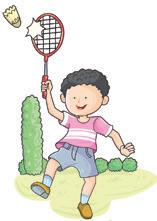
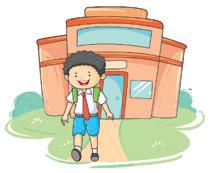
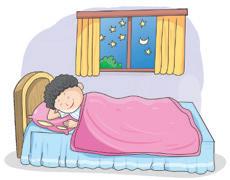
LO: Children will recite the rhyme The Mulberry Bush with actions and expressions. Resources: Rhymes and Stories, page 76
1. Rhyme Time: Recite the rhyme The Mulberry Bush with actions and expressions and ask children to sing along. Repeat 3–4 times to help children learn the rhyme.
2. Add a Line: Ask children: What else do we do in the morning? Encourage them to come up with their own verse and action (e.g. This is the way we eat our food). Let them lead the group with their version!
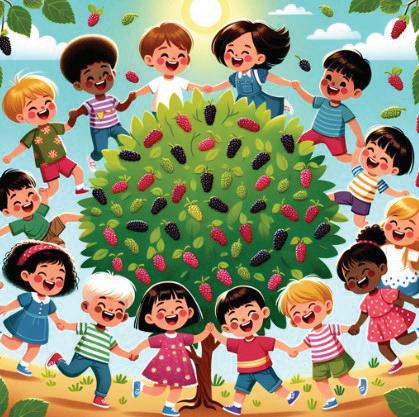
Domain Topic of the Day
Circle Time
General Awareness
Tying a String
Religious Festival
Foundational Literacy Long A: ai, ay
Foundational Numeracy Time and Daily Routine
DIY Story: Oops!
LO: Children will learn to tie a string and develop fine motor skills.
Resources: One piece of string (per child); a shoelace; yarn; a ribbon
Book & Page
General Awareness, page 110
Literacy Skillbook, page 96
Numeracy Workbook, page 68
Rhymes and Stories, pages 77–81
1. Warm-Up: Begin by asking: Have you ever tied your shoe or closed a gift with a ribbon? Explain: Tying strings helps us in everyday tasks, like wrapping, securing, or dressing up!
2. Types of Strings: Display a few simple materials:
• A shoelace
• A piece of yarn
• A ribbon or cord
Let children touch and stretch them while you name each one.
3. Tying a String: Use a thick shoelace or ribbon for visibility. Steps:
• Cross both ends to make an ‘X’.
• Tuck one end under the other and pull tight—this makes a knot
• (Optional) For a bow: make two loops (‘bunny ears’) and tie them together
Repeat slowly and guide children to copy each move with their own string.
Practise tying a string with the help of an adult.
LO: Children will identify and learn about different religious festivals in India.
Resources: General Awareness, page 110
1. Warm-Up: Begin by asking: What is a festival? Let children share their ideas. Say: Festivals are special days when people come together to celebrate, wear nice clothes, eat yummy food, and feel happy!
Emphasize that India has many different festivals because people follow different religions—and we all enjoy celebrating together!
2. Indian Festivals: Discuss the following Indian festivals with children:
• Diwali – People light lamps, burst crackers and eat sweets on Diwali.
• Christmas – People decorate Christmas trees and give gifts to each other on Christmas.
• Eid – People share sweets and wear new clothes on Eid.
• Gurpurab – People wear new clothes and go to Gurdwara to celebrate the birthday of Guru Nanak.
• Holi – Holi is a fun festival of colours and happiness.
• Dussehra – Dussehra is the festival where good wins over evil.
3. Religious Festivals: Ask children to open page 110 of the General Awareness book. Guide them to look at the pictures and help them identify the festivals. 110
Error Alert!
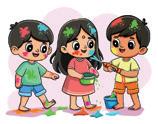
Only discuss the pictures given on page 110 in this session. Do not write the names of the festivals.
LO: Children will identify words with long A sounds by looking at pictures. Resources: Literacy Skillbook, page 96
1. Warm-Up: Say: Today we will learn some special words that have the long A sound – like in rain and play. Say each word slowly: r-a-i-n… rain, p-l-a-y… play
Ask children to repeat after you.
2. Word Wall: Write or say these words clearly:
‘ai’ words: rain, tail, mail, pain
‘ay’ words: play, day, say, tray
Say each word slowly and clearly. Ask children to repeat 2–3 times. Say: ‘ai’ is usually in the middle, ‘ay’ is usually at the end.
3. Long A: Ask children to open page 96 of the Skillbook. Guide them to look at the pictures, say the words aloud, and repeat after you.






Show some objects with the Long A sounds (tray, pail, clay, spray)
LO: Children will describe their daily routine using time.
Resources: Numeracy Workbook, page 68; a clock
1. Warm-Up: Begin by asking: Do you know what time it is now? Show a simple clock and explain: Time tells us when we do things every day!
Say: We wake up, eat, go to school, play, and sleep at different times. These are parts of our daily routine! Show them some times in o’clock on the clock.
2. Routine Talk: Start a discussion with prompts:
• What do you do in the morning?
• What do you do after school?
• What do you do before bed?
Help children list common daily tasks in order (wake up, brush teeth, eat breakfast, go to school…).
3. Time and Daily Routine: Ask children to open page 68 of the Workbook. Guide them to identify the activities in the picture and write the correct time.
LO: Children will discuss the pictures from the story Oops. Resources: Rhymes and Stories, page 77–81
1. Warm-Up: Ask: Who has a pet at home? Let children share their responses. Ask them to share what food their pets eat.
2. Oops: Ask children to refer to pages 77–81 of the Rhymes and Stories book. Discuss the pictures by asking questions like:
• What do you see in the picture?
• What birds and animals do you see?
• What are the boy and the girl doing?
• What is the dog doing?



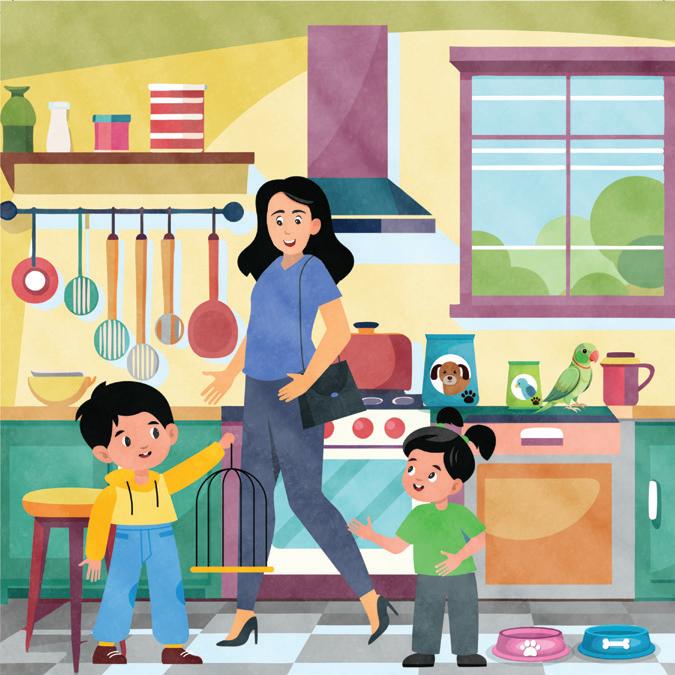
Domain
Topic of the Day
Circle Time Fun Game: Find the Object
General Awareness
Religious festivals
Book & Page
General Awareness, page 110
Foundational Literacy Long A Literacy Skillbook, page 97
Foundational Numeracy Role Play: Daily Routine
DIY Story: Oops
Rhymes and Stories, pages 77–81
LO: Children will use thinking, observation and teamwork to solve a mystery. Resources: Some common classroom objects (books, chairs, pencils, etc.)
1. Setting the Context: Say: Oh no! Our toy (mention the name of the toy) is missing! Build excitement: Can we help find it using clues?
2. Clue Hunt: Call 2–3 children at a time. Give the first clue: It’s hiding near something we sit on. Let children look around and find the chair. Leave 2–3 more clues, each leading to a different place (use simple hints like ‘where books rest’ or ‘where we keep the crayons’). Ensure everyone gets a turn.
Celebrate when they find it: Great teamwork, you solved the mystery!
LO: Children will recognise and name common religious festivals through simple clues. Resources: General Awareness, page 110
1. Recap: Say: We celebrate many colourful and happy festivals. Let’s play a riddle game to guess them! Tell them: Listen to the clue and try to guess the festival. If you know the answer, raise your hand!
2. Solving Riddles: Say each riddle slowly and clearly. Pause and let children guess after each one.
• I see the moon, I wear new clothes, I share sweets with my friends. What festival is it? → Eid!
• I see a star, I hear bells ring, we sing songs and decorate a tree. What festival is it? → Christmas!
• We light diyas, we burst crackers, our homes shine bright. What festival is it? → Diwali!
• We throw colours, we dance and play, it’s a colourful and happy day. What festival is it? → Holi!
• We hear stories of brave heroes, we clap and cheer, good wins over bad. What festival is it? → Dussehra!
• We listen to stories of Guru Nanak, we light candles and pray. What festival is it? → Gurpurab!
3. Religious Festivals: Ask children to open page 110 of the General Awareness book. Guide them to look at the pictures and write the name of each festival.
LO: Children will identify words with ‘long A’ – ay and ai and write them. Resources: Literacy Skillbook, page 97
1. Recap: Say aloud some words with ‘long A’ and ask children to repeat after you: ai words: rain, tail, mail, pain ay words: play, day, say, tray Write them down on the board.
2. Sorting Words: Write words with ‘ai’ and ‘ay’ on the board in a jumbled order. Call children one by one, guide them to identify a word with ai and circle it, and underline a word with ay. Also, guide them to read the words.
3. Long A: Ask children to open page 97 of the Skillbook. Guide them to identify the pictures and say them aloud. Then, ask them to write the words in the correct boxes.



Refer to page 97 of the Skillbook and practice writing words with ‘long A’ sound in your notebooks.
LO: Children will talk about their daily routine and match it with parts of the day.
1. Talk about the Day: Say: Every day, we do things from morning to night. Let’s talk about what we do and when! Write or say time words clearly:
Morning — brush, eat breakfast.
Afternoon — play, eat lunch.
Evening — come home, rest.
Night — eat dinner, sleep.
2. Role Play: Say: Let’s pretend to do our daily activities. You will act, and we will guess the time! Let one child come up at a time and act. Give them an activity and let others guess the time. For example:
Brushing – It’s morning!
Eating lunch – It’s afternoon!
Coming home – It’s evening!
Sleeping – It’s night!
Ensure everyone gets a chance to enact an action.
LO: Children will listen to the story Oops and discuss it.
Resources: Rhymes and Stories, pages 77–81
1. Interactive Read Aloud: Read aloud the story Oops with expressions and voice modulations. Pause in between to show them pictures and ask questions like: What did Mama ask Uma and Sai to do? / What does Buddy eat? / What did Buddy do? / Who is angry? /What did Mama come and say?
2. Wrap Up Actions: Ask children to do the following actions as you say the animals in a random order:
• Buddy the dog- say: bow wow
• Kitty the cat: say: meow
• Pete the parrot: say: flap your arms like wings.
Domain
Topic of the Day
Circle Time Finding Solutions for Problems
General Awareness Odd One Out
Book & Page
General Awareness, page 111
Foundational Literacy Long E: ee, ea Literacy Skillbook, page 98
Foundational Numeracy Days of the Week
DIY Rhyme: Daddy and Me
Numeracy Skillbook, page 84
Rhymes and Stories, page 82
LO: Children will think, decide, and respond to everyday problems using simple reasoning.
1. What is a Problem: Say: A problem is something that needs to be fixed or solved.
Example: If your pencil breaks, what can you do? Let children answer: Sharpen it or take another pencil! Say: That’s solving a problem!
2. What Should We Do: Give one simple problem at a time and ask: What should we do?
• You are thirsty, but your water bottle is empty.
→ Tell the teacher / Ask for water.
• Your friend is sad.
→ Give a hug / Ask what happened.
• You drop your crayons.
→ Pick them up.
• You can’t open your tiffin box.
→ Ask for help.
Let children respond to each. Support shy children with prompts.
LO: Children will identify and name key objects used in different religious and cultural festivals. Resources: General Awareness, page 111
Introduction
1. Warm-Up: Say: Every festival has special things we see or use. Let’s talk about them! Introduce one festival at a time and ask questions like:
Do you light diyas at home on Diwali?
Have you seen a Christmas tree?
2. Objects Related to Festivals: Mention objects used in each festival:
• Diwali – diya, sweets, candles
• Holi – colours, pichkari (water sprayer)
• Dussehra – bow and arrow (Rama), Ravan effigy
• Eid – moon, sweets (sewai), new clothes
• Gurpurab – candle, langar, Gurdwara
• Christmas – star, Christmas tree, bells, gifts
Practice
3. Odd One Out: Ask children to open page 111 of the General Awareness book. Guide them to look at the pictures and circle the object that doesn’t belong in each festival group.





LO: Children will identify and read words with the long E sound spelled as ee and ea.
Resources: Literacy Skillbook, page 98
1. Listening to Sound: Say: Listen carefully! I will say some words. Tell me the sound you hear.
Say slowly and clearly: see, tree, bee, eat, seat, leaf.
Ask: What sound do you hear in all these words? → Eeeee!
Say: These words have the long E sound. Some words use ee and some use ea to make that sound!
2. Reading Words: Write the following on the board:
‘ee’ words: see, tree, bee, feet, sheep
‘ea’ words: eat, leaf, seat, team, bead
Point to each word, say it clearly, and ask children to repeat.
Say: All these words say Eeeee!
3. Long E Words: Ask children to open page 98 of the Skillbook. Guide them to look at the pictures and identify the objects. Say aloud the words and ask them to repeat after you.






Look for objects that have long E sound at home.
LO: Children will identify and name the 7 days of the week in order.
Resources: Numeracy Skillbook, page 84
1. Warm-Up: Say: There are 7 days in a week. We do different things on different days!
Say the days aloud slowly: Monday, Tuesday, Wednesday, Thursday, Friday, Saturday, Sunday. Let children repeat after you 2–3 times.
2. Days of the Week: Refer to page 84 of the Skillbook. First, recite the rhyme given on the page and ask children to sing along. Then, guide them to read aloud the days of the week in order.


You can also ask children to share anything specific that they do on a day of the week. For example: I go swimming every Saturday.
LO: Children will recite the rhyme Daddy and Me using actions and expressions.
Resources: Rhymes and Stories, page 82
1. Warm-Up Talk: Ask children to share how they like to spend time with their fathers. Listen to all responses. Ensure everyone gets a chance to share their answers.
2. Rhyme Time: Recite the rhyme Daddy and Me with actions and expressions and ask children to recite along. Repeat 3–4 times.
and Me



Domain General Awareness
Learning Outcome
Children will identify and name different religious festivals of India.
Resources General Awareness, page 110
Suggested Method Call children one by one and ask them to share a point on any one religious festival of India. Ask guiding questions like: What do we do during this festival? / What is special about this festival? / Why is this festival celebrated? Ensure everyone gets a turn and give a smiley to each child.
Support for Struggling Learners
Domain
Gather the struggling learners. Refer to page 110 of the General Awareness book and help them identify the festivals given on the page.
Foundational Literacy
Learning Outcome Children will identify words with Long A (ai, ay) sounds.
Resources Flashcards of ai and ay (from Skillbook)
Suggested Method Call children one by one and ask them to say aloud two words with the long A sound, one with ‘ai’ and another with ‘ay’. Clap for each child and give them a smiley. Ensure everyone gets a turn.
Support for Struggling Learners
Gather the learners together. Ask them to hold up the ‘ai’ flashcard and say: When a word has ‘ai’, it makes the long A sound. Then give examples like rain, snail, rail, tail. Repeat the same steps for ‘ay’.
Domain Foundational Numeracy
Learning Outcome Children will describe their daily routine using time words.
Resources Numeracy Skillbook, page 83
Suggested Method Call children one by one. Ask them to share their daily routine. Ask questions like: What do you do in the morning? / What do you do in the afternoon? Ensure everyone gets a turn and give a smiley to each child.
Support for Struggling Learners
Gather the learners together. Refer to page 83 and discuss the different activities done in the morning, afternoon, evening and at night. Encourage children to enact and show the activities.


Domain
Topic of the Day
Circle Time Making Choices
General Awareness Gadgets We Use
Book & Page
General Awareness, page 113
Foundational Literacy Long E – ee, ea Literacy Skillbook, page 99
Foundational Numeracy Days of the Week
DIY Rhyme: Daddy and Me
Numeracy Workbook, page 69
Rhymes and Stories, page 82
LO: Children will express their preferences clearly in full sentences using “I like… because.”
1. Explaining Choices: Say: Today we will talk about what we like! Sometimes, we like different things, and that’s okay! Let’s share our choices with our friends.
2. Activity Time: Give real-life examples and model first. For example, say: I like milk because it makes me strong! Now ask: Do you like milk or juice? Encourage children to say: I like juice because it is sweet.
Other prompts to use:
• Do you like rice or roti?
• Do you like playing with a ball or a teddy?
• Do you like Story time or Rhyme time?
• Do you like sunny days or rainy days?
Help shy children with sentence starters.
LO: Children will recognise and name common gadgets used at home or school. Resources: General Awareness, page 113; some gadgets – phone, calculator, digital clock, watch, laptop, headphones, etc.
Introduction
1. What are Gadgets: Say: We use many machines or tools to help us. These are called gadgets! Give examples such as: laptop, smartphone, speaker, television, tablet, remote, printer, calculator, mouse, headphones, digital clock, computer.
Ask: Have you seen any of these at home? Listen to all responses.
2. Common Gadgets: If available, show real objects like mobile phone, remote, calculator. Or simply name and describe them one at a time:
• This is a laptop – we use it to work.
• This is a television – we watch cartoons on it.
• This is a smartphone – we can call or play games.
• This is a digital clock – it tells us the time. Let children repeat each word after you.
3. Gadgets We Use: Ask children to open page 113 of the General Awareness book. Guide them to look at the pictures and identify the gadgets. Say each gadget name aloud and let children repeat.
You can take children to the computer lab to show them different gadgets like computer, laptop and a printer, if available.
LO: Children will identify words with long E – ee and ea and write them. Resources: Literacy Skillbook, page 99


1. Recap: Say aloud some words with long E and ask children to repeat after you:
• ea words: tea, sea, leaf
• ee words: tree, sheep, seed Write them down on the board.
2. Sorting Words: Write words with ea and ee on the board in a jumbled order. Call children one by one. Guide them to circle a word with ‘ea’ and underline a word with ‘ee’. Also, guide them to read the words.
3. Long E Words: Ask children to open page 99 of the Skillbook. Read the words and say them aloud. Then, ask them to write the words in the correct boxes.
Refer to page 99 of the Skillbook and practise writing words with long E sound in your notebooks.
LO: Children will recall and say the seven days of the week confidently through a fun game.
Resources: Numeracy Workbook, page 69
1. Day Train: Call seven children at a time. Say: Let’s make a train! Each child will say a day and join the train. Start with Sunday. Hold hands with the next child who says Monday, then Tuesday, and so on until Saturday. Once the train is ready, ask children to chant the days. Ensure everyone gets a turn.
2. What Comes Next: Say a day and ask: What comes next? Example: Monday... what comes next? → Tuesday! Children raise hands to answer. Let them take turns. Make it fast-paced like a quiz for excitement!
3. Days of the Week: Ask children to open page 69 of the Workbook. Guide them to tick the day that comes next on page 69.
LO: Children will recite the rhyme Daddy and Me and make a card for their fathers. Resources: Rhymes and Stories, page 82; drawing sheet (per child); crayons
1. Rhyme Time: Recite the rhyme Daddy and Me with actions and expressions and ask children to recite along. Repeat 3–4 times.
2. Card Making: Give materials to children. Guide them to fold the paper and make a greeting card for their fathers. Help them write ‘I love you Daddy’ inside the card. Let them decorate the card with crayons. Say: Give this to your father when you reach home.
Domain
Circle Time
Topic of the Day
Pass the Clap
General Awareness Gadgets at Home
Book & Page
General Awareness, page 114
Foundational Literacy Long O – oo, ow Literacy Skillbook, page 100
Foundational Numeracy Days of the Week
DIY Story: Tenali and the Priest
Rhymes and Stories, pages 83–87
LO: Children will build listening, focus, rhythm and turn-taking skills in a fun group setting.
1. Setting the Context: Sit in a circle with all the children, if possible. Start by saying: We are going to pass a clap around the circle! Watch me! Clap once and turn to the child on your right. That child claps once and turns to the next. Keep passing the clap one by one around the circle.
2. Add a Twist: Change the clap to clap-clap or tap-tap or stomp-clap as the round progresses. Say: Now let’s pass a smile/ a click / a funny face! Children pass the action in a chain. If someone forgets or breaks the chain, cheer them on: Try again. You can do it!
LO: Children will identify some common gadgets at home. Resources: General Awareness, page 114 You can also ask children to pass actions in a pattern.
1. Warm-Up: Say: Some machines help us at home. They make work easy. These are called household gadgets. Give examples of a few gadgets used at home: Toaster, vacuum cleaner, washing machine, blender, mixer, hair dryer, sewing machine, iron, refrigerator, oven, water purifier, telephone.
2. Knowing Gadgets: Use simple sentences. Say the gadget name and describe its use in 1 line. Example:
• A washing machine washes clothes.
• A blender helps us make juice.
• A telephone helps us talk to others.
• A water purifier gives us clean water.
Ask: Have you seen these at home? Let children raise hands and repeat the sentence.
3. Action Game: Say: Now let’s play a game! I will say a gadget. You act like it! Examples:
• Toaster – pretend to pop up toast.
• Vacuum cleaner – pretend to clean the floor.
• Hair dryer – make a blowing sound.
• Washing machine – spin arms round and round.
• Iron – press with hands.


4. Gadgets at Home: Ask children to open page 114 of the General Awareness. Show them the pictures one by one and help them identify the gadgets. Then, ask them to tick the gadgets that they have seen at home.



LO: Children will recognise and read simple words with long O sounds made by oa and ow. Resources: Literacy Skillbook, page 100
1. Sound and Words: Say: Today, we will learn a sound that says “o” like in the word “boat”.
Say slowly: b-oa-t = boat
Now say: This “o” sound is written using o–a or o–w. Write and say: boat, coat, soap, goat (oa) snow, grow, slow, crow (ow)
Let children repeat each word after you. Write the words on the board.
2. Read and Match: Say two words and ask if they rhyme: boat – coat snow – grow soap – goat (no!)
Let children say yes or no, and repeat correct rhyming pairs.
3. Long O: Ask children to open page 100 of the Skillbook. Show the picture and say aloud the words and let children repeat them after you.







Try to identify objects with long O sounds at home.
LO: Children will recall and order the days of the week in a playful, engaging way.
1. Recap: Write the 7 days of the week clearly on the board in order. Read them aloud together once. Ask questions like: What comes after Monday? / What comes after Friday?
2. Game Time: Say: I am going to be the Day Detective! I will hide one day. You will tell me which day is missing!
• Erase or cover one day on the board.
• Say the rest aloud together with the children: Sunday, Monday, _____, Wednesday…
• Ask: Who can tell me which day is missing?
• Children mention the missing day: Tuesday!
Play this 4–5 times with different missing days.
LO: Children will discuss the pictures from the story Tenali and the Priest. Resources: Rhymes and Stories, pages 83–87
1. Warm-Up: Say: Tenali Raman was a very clever man. He used his brain to solve problems in clever ways!
Ask: Do you like people who are funny and clever? Take a few responses. Then say: Today, we will listen to one of his clever stories!
2. Picture Talk: Refer to pages 83–87 of the Rhymes and Stories book. Discuss the pictures one by one. Ask questions like: What are the men doing? / What do you see in the picture? / How does the king look?
Domain
Circle Time
Kind Words
General Awareness Gadgets and their Uses
Book & Page
General Awareness, page 115
Foundational Literacy Long O Words Literacy Skillbook, page 101
Foundational Numeracy Months of the Year
Numeracy Skillbook, page 85
DIY Story: Tenali Raman and the Priest Rhymes and Stories, pages 83–87
LO: Children will understand the value of speaking kindly through a short story and interactive activities.
1. What are Kind Words: Say: Kind words are words that make others happy. When we say things like “please,” “thank you,” “sorry,” and “well done” we are being kind. Ask: Can you think of some kind words?
2. Story Time: Narrate the story The Magic Pot with expressions and voice modulations. Repeat the story at least 2 times. Ask: What made the pot grow? Let children answer.
The Magic Pot
One day, a little girl found a pot in the garden. The pot said: “I grow with kind words!” The girl said: “Please grow!” The pot became a little bigger. She said, “Thank you.” The pot grew more. Then she said, “I love my family.” The pot grew big and shiny! Her brother came and shouted at the pot. It became small again. The children learnt –kind words make good things happen!
3. Say a Kind Word: Say: Now it’s your turn! I will pass an imaginary “kindness pot” (cup your hands). When it comes to you, say a kind word and pass it on. Prompt if needed: Please, Thank you, Good job, You are nice, I like your smile…
LO: Children will recognise common home gadgets and understand their basic use. Resources: General Awareness, page 115
Introduction
1. Warm-Up: Say: Some machines help us at home. They are called gadgets. Name each gadget slowly and clearly: Hair dryer, toaster, mixer, digital clock, vacuum cleaner, washing machine. Say: Each gadget has a job. Let’s see what they do!
2. What Does it Do: Name the gadgets and mention their uses:
• A hair dryer blows air to dry hair.
• A toaster heats and toasts bread.
• A mixer helps mix food like fruits and milk.
• A digital clock shows time with numbers.
• A vacuum cleaner cleans dust from the floor.
• A washing machine washes clothes.
Ask after each: Have you seen this at home? Let children respond with yes or no.
3. Uses of Gadgets: Ask children to open page 115 of the General Awareness book. Guide children to identify the gadgets and match them with their correct uses.
LO: Children will identify words with long O – ow and oa and write them.
Resources: Literacy Skillbook, page 101
1. Recap: Say aloud some words with long O and ask children to repeat after you:
• oa words: boat, goat, road
• ow words: glow, crow, snow Write them down on the board.
2. Sorting Words: Write words with ow and oa on the board in a jumbled order. Call children one by one. Guide them to circle a word with ow and underline a word with oa. Also, guide them to read the words.
3. Long O Words: Ask children to open page 101 of the Skillbook. Read aloud the words and ask children to repeat after you. Then, ask them to write the words in the correct boxes.


Refer to page 101 of the Skillbook and practise writing words with long O sound in your notebooks.


LO: Children will recall and name all 12 months of the year in order. Resources: Numeracy Skillbook, page 85
1. Warm-Up: Say: A year has 12 months. Each month is a part of the year. We have birthdays, festivals, holidays – all in different months!
Ask: Do you know your birthday month?
Let a few children respond.
2. Names of the Months: Say the months aloud slowly and clearly: January, February, March, April, May, June, July, August, September, October, November, December
Ask children to repeat after you, twice.
Use hand actions or claps to keep rhythm and engagement.
3. Months of the Year: Ask children to open page 85 of the Skillbook. First show them the calendar. Say: A calendar shows us which day of the month it is. Then read aloud the months one by one and ask children to repeat after you. Mention the 1st month, the 2nd month, the 3rd month and so on.
Show children today’s date on a real calendar, if available.
LO: Children will listen to the story Tenali Raman and the Priest and share their reflection.
Resources: Rhymes and Stories, pages 83–87
1. Interactive Read Aloud: Narrate the story Tenali Raman and the Priest with actions and voice modulations. Ask questions like:
• What did Tenali tell the priest?
• Who saw Tenali and the priest from the window?
• What did the king say to the guards?
• Who did the guards arrest?
• What did the priest realize?
2. Reflection Time: Ask the following questions and let children share what they feel:
• Should we be rude to others?
• Did Tenali do the right thing in the story? Why / Why not?
Let children share their answers.
Circle Time
Balancing Game
General Awareness My Computer
General Awareness, page 116
Foundational Literacy Words with ’oo’ Literacy Skillbook, page 102
Foundational Numeracy
Months of the Year
Numeracy Workbook, page 70
DIY Rhyme: Blow, Blow, Blow the Wind Rhymes and Stories, page 88
LO: Children will play a simple balancing game in the classroom.
Resources: A notebook or a book
1. Warm-Up: Say: Balance means standing or moving without falling. Ask: Can you stand on one foot like a flamingo? Let’s try! Let children try standing on one foot for a few seconds.
2. Balancing Like a Statue: Say: When I say “Freeze”, you must stop and balance like a statue! Play soft claps or count 1–2–3 to let children move, then suddenly say Freeze! Ask them to freeze in funny or still poses (standing on one foot, arms out, etc.).
Repeat 3–4 times.
3. Balance and Walk: Say: Now let’s try walking slowly with something on our heads!
Use light classroom objects like notebooks or paper. Instructions:
• Place the notebook on your head.
• Now walk slowly from one side of the room to the other.
• If it falls, try again – don’t worry!
Celebrate effort, not perfection.
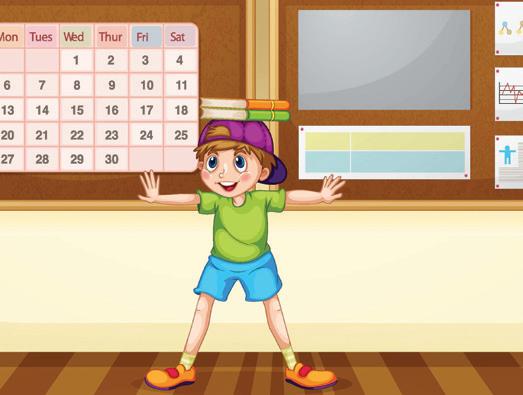
LO: Children will recognise and name basic parts of a computer: monitor, CPU, mouse, keyboard, and speakers.
Resources: General Awareness, page 116
1. Warm-Up: Say: A computer is a machine that helps us work, play, study, and talk to others.
Ask: Have you seen a computer at home or school?
Let a few children answer.
2. Parts of a Computer: Refer to page 116 of the General Awareness book to show the pictures of different parts of a computer. Say:
• This is a monitor – it looks like a TV. It shows pictures and words.
• This is a CPU – it is like the brain of the computer.
• This is a mouse – we use it to click and choose things on the screen.
• This is a keyboard – we press buttons to type letters and numbers.
• These are speakers – they help us hear sounds from the computer.
If a computer lab or office computer is available, take children to see the parts in real life.

3. My Computer: Ask children to open page 116 of the General Awareness book. Guide them to write the name of each part below its picture.
LO: Children will recognise and say common words with the /oo/ sound. Resources: Literacy Skillbook, page 102
1. Warm-Up: Say: Today we will learn words with the letters ‘oo’. These two letters make a special sound! Give two sounds:
“oo” as in moon – long sound
“oo” as in book – short sound
Say both slowly and clearly. Let children repeat: oo… moon… book…
2. Words with oo: Write a few “oo” words on the board. Group them by sound:
Long oo sound: moon, zoo, food, school, room, spoon
Short oo sound: book, cook, look, good, hook
Say each word aloud slowly. Ask children to repeat after you.
3. Words with ‘oo’: Ask children to open page 102 of the Skillbook. Show them the pictures one by one and say aloud the words. Ask children to repeat the words after you.






Find things at home with ‘oo’ in their name, like spoon, wool, book, broom. Use page 102 of the Skillbook for ideas.
LO: Children will recall and arrange the 12 months of the year in order. Resources: Numeracy Workbook, page 70
1. Recap: Say: A year has 12 months. Let’s say them together! Slowly say: January, February, March, April, May, June, July, August, September, October, November, December
Let children repeat after you. Say it again with claps or actions for rhythm.
2. Pass the Month: Children sit in a circle, if possible. Say: I will say ‘January’ and pass it to my friend. My friend will say the next month! Keep passing the name of the months around the circle.
Support children who forget the next month with gentle hints. Repeat once or twice.


3. Months of the Year: Ask children to open page 70 of the Workbook. Guide them to write the correct number beside each month to show the order.
LO: Children will identify what kinds of things blow in wind and recite the rhyme Blow, Blow, Blow the Wind Resources: Rhymes and Stories, page 88
1. Warm-Up: Say: Have you felt wind on your face? Wind is moving air. It can move things around us. Ask: What happens to your hair or your clothes when it’s windy?
Let children share simple answers. Give examples of things like a balloon, a feather, a paper, and leaves that can be blown by wind.
2. Rhyme Time: Recite the rhyme Blow, Blow, Blow the Wind with actions and expressions and ask children to recite along. Repeat 3–4 times.
Blow, Blow, Blow the Wind
Blow, blow, blow, Wind, where do you go? Up so high, You take kites to the sky. Blow, blow, blow, Wind, where do you go? Through the trees, You play with the leaves. Blow, blow, blow, Wind, where do you go? Up in the sky, You make balloons fly.


Domain General Awareness
Learning Outcome
Children will identify different gadgets and their uses.
Resources General Awareness, pages 113–114
Suggested Method Call children one by one. Show them any gadget from pages 113 and 114 of the General Awareness book. Ask: Can you name this gadget? / What does it do? Clap for each child and give them a smiley sticker. Ensure every child gets a turn.
Support for Struggling Learners
Pair a struggling learner with a confident buddy. Ask each pair to look at pages 113–114 together. The buddy points to each picture and says the name of the gadget. The learner repeats the name and its use after the buddy.
Domain Foundational Literacy
Learning Outcome Children will identify words with Long E (ee, ea) and Long O (oa, ow) sounds.
Resources Flashcards of ee, ea, oa and ow (from Skillbook)
Suggested Method Call children one by one. Ask each child to say aloud one word with a Long E sound and one with a Long O sound. Give an example prompt: Can you say a word with ee, like tree? Clap for each child and give them a smiley sticker. Make sure every child gets a turn.
Support for Struggling Learners
Gather the learners together in a small group. Hold up the flashcard showing ee and say: When a word has ee, it uses the name of the letter E. Give examples like tree, free, keep. Ask children to repeat the words after you. Repeat the same process for the ea, oa, and ow, using examples like leaf, boat, snow. Use gestures or visuals to reinforce meaning.
Learning Outcome
Children will say the names of the days of the week and months of the year.
Suggested Method Begin by recalling the days of the week and months of the year, if needed. Call children one by one and ask simple questions like:
• Which day comes after Sunday?
• Which month comes after May? Clap for each child and give them a smiley sticker. Make sure every child gets a turn.
Support for Struggling Learners
Gather the learners in a small group. Say: There are 7 days in a week. Say each day aloud slowly and ask children to repeat after you. Repeat the same process for the 12 months of the year. Use rhythm, claps, or hand actions to help with memory and engagement.


Domain
Circle Time Fun with Exercises
General Awareness Land Transport
General Awareness, page 117
Foundational Literacy Story: The Old Woman in the Vinegar Bottle Literacy Skillbook, pages 103–105
Foundational Numeracy
Months of the Year
DIY Rhyme: Blow, Blow, Blow the Wind Rhymes and Stories, page 88
LO: Children will perform simple exercises to support physical development.
1. Warm-Up: Ask children to stand in a circle and stretch their arms up, out to the sides, and forward. Next, let them touch their toes and slowly stand back up. Then, say: Let’s march in place! and lead them to march while counting to ten.
2. Jumping and Hopping: Begin by demonstrating small jumps on the spot and say: Let’s jump together! Encourage children to jump along, counting each jump. Then, switch to hopping on one foot, demonstrating first, and ask them to follow.
3. Balancing Game: Ask children to stand on one leg while counting to five. Then, say: Let’s try the other leg! and repeat. If needed, allow them to hold onto a chair for support.
4. Cool Down: Guide children to take deep breaths in and out. Say: Let’s stretch again! and lead them in gentle stretching before sitting down.
LO: Children will identify different types of transport that move on land.
Resources: General Awareness, page 117; toy car
1. Warm-Up: Hold up a toy car and ask: What is this? Let children respond. Ask: Have you seen this on the road? Explain: Cars, buses, bicycles, and trains are types of transport that move on land.
2. Movement Activity: Say: Let’s pretend to drive! Let children mimic driving by moving their hands like a steering wheel. Then, ask them to move like a bicycle and a bus.
3. Land Transport: Ask children to open page 117 of the General Awareness book. Guide them to identify the vehicles that move on land and match them with their correct back view.
Ask children to share their favourite land transport in which they like to travel and why.
Transport

LO: Children will listen to the story The Old Woman in the Vinegar Bottle and read the sight words from the story.
Resources: Literacy Skillbook, pages 103–105
1. Picture Talk: Ask children to refer to pages 103–105 of the Skillbook. Guide them to look at the pictures and share what they see. Ask them questions like: What do you see in the picture? / How does the old woman look? / What is the fairy doing? / How does the house look?
2. Interactive Read Aloud: Read aloud the story The Old Woman in the Vinegar Bottle with expressions and voice modulations. Pause in between to show pictures and ask questions like:
• Who lived in a tiny little house?
• What happened when the fairy waved her wand?
• Was the old woman happy after she got a house in a city?
• What did the old woman say after getting a castle?
• What happened at the end of the story?
3. Sight Words: Write down all the sight words from page 105 of the Skillbook. Point and read them aloud one by one. Then, call children one by one, say a sight word and let them find it on the board.
Refer to page 105 of the Skillbook. Find and underline the sight words from the story.
LO: Children will recall the months of the year through a fun activity.
Resources: A soft toy
1. Recap: Start by saying: There are 12 months in a year. Let’s learn their names while playing a fun game. Say aloud the names of the months in order.
2. Pass the Month: Ask children to sit in a circle. Hold a soft toy and say, January! Then, pass it to the next child. The next child must say February! before passing it on. Continue until all 12 months are named in order. Repeat until everyone gets a turn.
3. Birthday Month: At the end, guide children to share which month their birthday is in. Guide them to say: My birthday is in the month of ____________.
LO: Children will recite the rhyme Blow, Blow, Blow the Wind and play a fun game.
Resources: Rhymes and Stories, page 88
1. Rhyme Time: Recite the rhyme Blow, Blow, Blow the Wind with actions and expressions and ask children to recite along. Repeat 3–4 times.
2. Does it Blow: Name a few objects in a random order. If it can blow in the wind, ask children to show a thumbs up. If it cannot, ask them to show a thumbs down. Name objects like: feather, book, paper, balloon, stone, leaves, kite and so on.
Blow, Blow, Blow the Wind
Blow, blow, blow, Wind, where do you go?
Up so high, You take kites to the sky. Blow, blow, blow, Wind, where do you go? Through the trees, You play with the leaves. Blow, blow, blow, Wind, where do you go? Up in the sky, You make balloons fly.
Domain
Circle Time
Topic of the Day
Complete the Missing Path
General Awareness Water Transport
Book & Page
General Awareness, page 118
Foundational Literacy Action Words Literacy Skilbook, pages 106–107
Foundational Numeracy Fun with Addition
DIY Story: Snow White and the Seven Dwarfs Rhymes and Stories, pages 89–93
LO: Children will fill in missing numbers and letters to complete a path.
Resources: Chalk
1. Warm-Up: Write the numbers 1, 2, __, 4, 5 on the board and ask: Which number is missing? Let children guess and explain: We fill missing numbers to complete the path. Repeat with letters (c, d, __, f, g) and explain the idea of missing letters in words.
2. Complete the Path: Make a path on the board with some numbers missing and some incomplete words. Write sequences with missing numbers (e.g. 6, 7, __, 9, 10, __) and write words with missing letters like c_t, d_g, s_n (cat, dog, sun). Call children one by one and let them fill in the blanks to complete the words. Give hints to complete the words, for example: It gives us light in the morning. Ensure everyone gets a turn.
You can make the game a bit challenging by including words with blends or digraphs.
LO: Children will identify different types of water transport.
Resources: General Awareness, page 118; a toy boat or a paper boat
1. Warm-Up: Show a paper boat or a toy boat and ask: What is this? Let children respond. Then, point to a ship and ask: Where does it move? Explain: Boats, ships, submarines, and ferries move on water. These are types of water transport.
Say: Water transport helps people and goods travel across rivers, lakes, and seas. Some boats have sails, and some have engines.
2. Movement Activity: Say: Let’s pretend to row a boat! and guide children to move their arms like rowing. Then, ask them to move like waves and gently sway side to side.
3. Water Transport: Ask children to open page 118 of the General Awareness book. Read the lines given above and then point to each picture and name the vehicles. Ask children to repeat the names after you.
Draw a simple boat and colour it using crayons.
LO: Children will learn different action words through movement and by looking at pictures. Resources: Literacy Skillbook, pages 106–107
1. Warm-Up: Start by saying, Action words tell us what someone is doing. Act out simple actions like jumping, clapping, and running while saying the words aloud.
2. Movement Game: Call out an action word (e.g. Jump!) and have children perform the action. Repeat with words like clap, wave, sit, stand, dance, hop to make it fun.
3. Action Words: Ask children to open page 106 of the Skillbook. Guide them to look at the pictures and identify the action words. Repeat each word 2–3 times. Then, ask them to solve page 107 of the Skillbook by matching the pictures with the correct action words.



LO: Children will revise addition using fun games and concrete objects.
Resources: Some common classroom objects (crayons, pencils, books, etc.)
1. Recap: Begin by showing two pencils and saying: Here are two pencils. Then, add one more and ask: How many do we have now? Guide children to count and say three! Explain: When we add, we put things together to find the total.
2. Finger Counting: Say: Hold up two fingers. Then, ask children to add one more finger and count again. Continue with different small additions using fingers.
3. Counting Objects: Call children one by one. Use simple objects like buttons, pebbles, or beads. Say: Let’s add! Place 3 buttons and then add 2 more. Ask: How many now? Encourage children to count aloud. Ensure everyone gets a turn and repeat with different numbers.
LO: Children will discuss the pictures from the story Snow White and the Seven Dwarfs and talk about being kind.
Resources: Rhymes and Stories, pages 89–93
1. Being Friendly: Begin by asking: What makes a good friend? Let children share their thoughts. Explain: Friends play together, share, and help each other. Ask: Do you have friends? / What do you say to them? Encourage responses and reinforce kindness in friendships. Say: We will discuss the pictures from the story ‘Snow White and the Seven Dwarfs’ where Snow White became good friends with the dwarfs.
2. Picture Talk: Refer to pages 89–93 of Rhymes and Stories book. Show the pictures one by one and discuss them with children. Ask them questions like: What do you see in the picture? / What is the woman doing? / What is the girl doing? / What are the dwarfs doing?
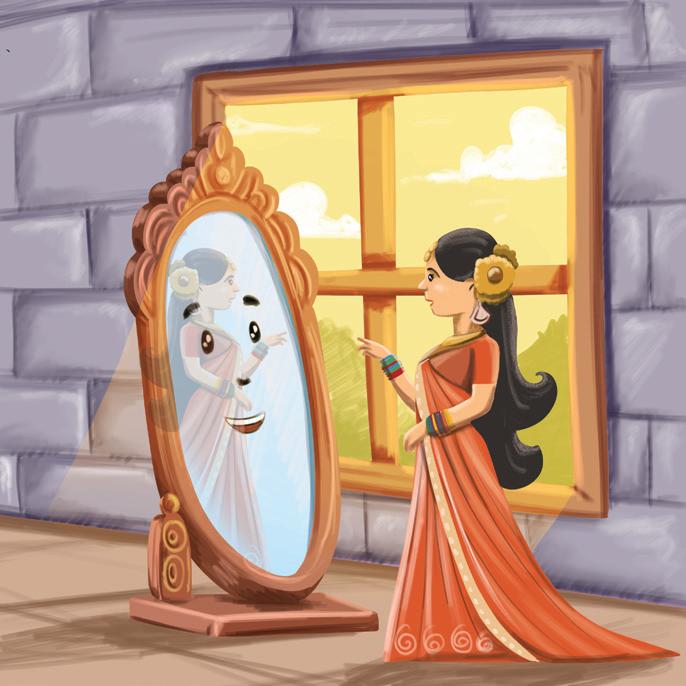
Domain
Circle Time Spot the Odd One Out
General Awareness Air Transport
Book & Page
General Awareness, page 119
Foundational Literacy Action Words Literacy Skillbook, page 108
Foundational Numeracy Fun with Addition
DIY Story: Snow White and the Seven Dwarfs Rhymes and Stories, pages 89–93
LO: Children will identify the odd item in a group.
Resources: Some common classroom objects (books, toys, crayons, pencils etc.)
1. Warm-Up: Say: Today we will play a game called ‘Odd One Out’. In this game, we look at a group of things and find the one that does not belong. Example: If I say – apple, banana, orange, shoe – which one is odd? Children answer: Shoe!
Say: Yes! All the others are fruits. The shoe is the odd one out.
2. Spot the Odd One: Use real or classroom items (or name them if objects aren’t available): Chalk, duster, pencil, spoon. Ask: Which one is the odd one out? Why?
Answer: Spoon – because it is not a classroom item.
Repeat with 2–3 more groups like:
• Chair, table, book, mango
• Dog, cat, ball, cow
• Red, green, blue, bread
• Notebook, bag, bottle, car
Each time, ask: Which is different? Why?
Praise all answers. Say: There can be more than one reason sometimes –that’s okay!
You can also ask children to name four things with an odd one out. Guide them to explain why it is the odd one.

LO: Children will identify and name different types of air transport. Resources: General Awareness, page 119
1. Warm-Up: Begin by asking: What do you see flying in the sky? Let children respond. Explain: Airplanes, helicopters, and hot air balloons move through the air. These are types of transport.
2. Movement Game: Say: Let’s fly like an airplane! Stretch arms wide and guide children to move around the room while making airplane sounds (Whoosh!). Repeat with a helicopter (Move your arms like spinning blades!).
3. Air Transport: Ask children to open page 119 of the General Awareness book. Guide them to look at the pictures and identify different vehicles that move in air. Then, ask children to join the dots to complete the picture of an airplane.
LO: Children will identify action words used in daily life.
Resources: Literacy Skillbook, page 108
1. Recap: Say aloud some action words and ask children to enact and show. For example, ask: Can you show how we eat? / Can you show how to sit? Say: Action words help us understand what someone is doing!
2. Real Life Connection: Ask: What actions do we do every morning? (wake up, brush, eat). Let children share their answers. Also, ask them to enact each action.
3. Action Words: Ask children to open page 108 of the Skillbook. Read aloud the action words and guide them to look at the pictures and circle the correct action.
LO: Children will revise the concept of addition through a fun game.
Resources: Chalk

1. Recap: Ask: If you have 4 apples and I give you 3 more, how many apples do you have now? Let children solve using their fingers or objects.
2. Setting Up: Draw a number grid on the ground, like a hopscotch (using chalk or tape). Write numbers 1 to 10 in a clear sequence.
3. Playing Time: Say: Let’s play with numbers! Ask a child to stand at number 2 and hop 3 steps forward. Then, ask: What number did you land on? Guide them to say 5 and explain: 2 + 3 = 5!
Repeat with different starting numbers and steps. Encourage children to say the full addition sentence each time. Ensure everyone gets a turn.
Draw any two sets of objects and then write the total. Do not draw more than 10 in each set.
LO: Children will listen to the story Snow White and the Seven Dwarfs and share their reflection on the story.
Resources: Rhymes and Stories, pages 89–93
1. Interactive Read Aloud: Read aloud the story Snow White and the Seven Dwarfs with expressions and voice modulations. Pause in between to show pictures and ask questions like:
• What did the magic mirror tell the stepmother? How did she feel?
• What did the queen tell the hunter?
• Who lived in the tiny cottage?
• Who dressed like an old woman?
• What fruit did the queen give Snow White?
• What happened after Snow White took a bite of the apple?
• Where did the dwarfs keep Snow White?
2. Reflection Time: Ask reflective questions from the story and let children share what they feel. Ask questions like:
• What do you think about Snow White?
• How was the Queen?
• Were the dwarfs kind?
• Should we take any food from strangers?
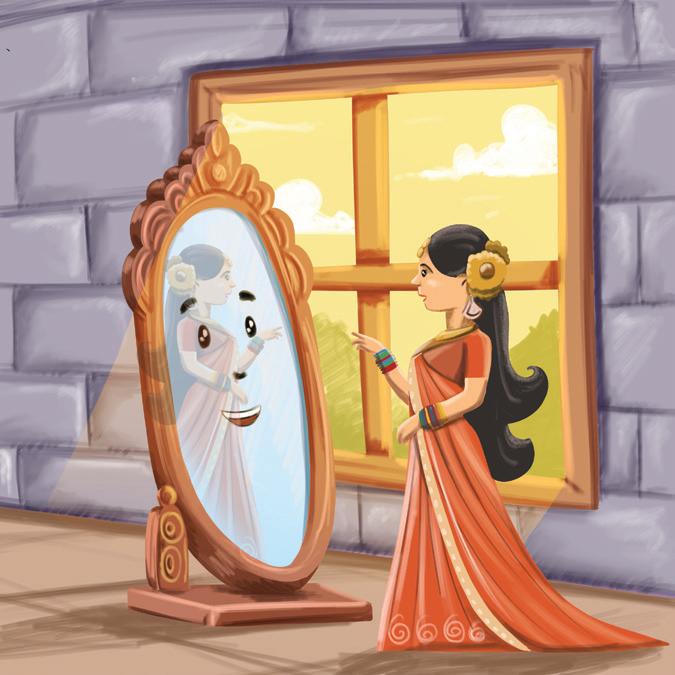
Domain
Circle Time Hit the Target
General Awareness On the Track
General Awareness, page 120
Foundational Literacy He, She, It Literacy Skillbook, page 109
Foundational Numeracy Fun with Subtraction
DIY Rhyme: Our Helpers Song Rhymes and Stories, page 94
LO: Children will improve their eye-hand co-ordination through a fun game.
Resources: A soft ball; a basket
1. Setting Up: Place a large basket, box, or marked target on the ground. Use a soft ball that can be safely thrown. Draw a line (using chalk or tape) where children will stand before throwing.
2. Hit the Target: Say: Let’s see if we can hit the target! Each child takes turns standing at the marked line and throwing the ball toward the basket. If they get the ball in the basket, cheer loudly and encourage them to try again from a little farther away. Demonstrate once, if required.
Instead of throwing the ball, you can say: Let’s roll the ball! and have them roll it toward the target.
LO: Children will learn about vehicles that move on tracks and how to travel in a train.
Resources: General Awareness, page 120
1. Warm-Up: Begin by asking: What do you see on train tracks? Let children respond. Explain: Trains, trams, and metros move on tracks. Tracks help vehicles stay in the right path and move smoothly.
2. Movement Game: Say: Let’s move like a train! Guide children to form a line, hold onto the shoulders of the person in front, and walk forward together while making train sounds (Choo-choo!). Conduct this in an open space, if possible.
3. Real-Life Connection: Ask: Have you ever traveled by train or metro? Let them share their experiences. Mention that we need a ticket to travel in a train or in a metro. Explain: Tracks help trains move safely without turning like cars and buses.
4. On the Tracks: Ask children to open page 120 of the General Awareness book. First, guide them to look at the pictures and discuss them one by one. Then, read aloud the content given on the page and discuss with children.

LO: Children will identify and correctly use the words “he”, “she”, and “it” while talking about people and things.
Resources: Literacy Skillbook, page 109
1. People and Things: Show or point to a boy in the class. Say, for example: This is Ravi. Ravi is a boy. He is my friend. Ask children to repeat: He is a boy.
Now point to a girl. Say: This is Meena. Meena is a girl. She is my friend. Children repeat: She is a girl.
Now point to or hold a book. Say: This is a book. It is red. We say ‘it’ for things. Children repeat: It is a book.
Write He, She and It on the board and point and show children and help them read the words.
2. Activity Time: Call out a name or show a real item or picture (or just mime):
Say: Rani is a girl. Who is Rani? Children respond: She!
Say: Raju is a boy. Who is Raju? → He!
Say: This is a chair. What do we say? → It!
Do this with 6–8 examples. Keep it fast and fun.
3. He, She, It: Ask children to open page 109 of the Skillbook. Guide them to look at the pictures and circle the correct words – he, she or it.


Solve page 62 of the Workbook by writing the words He, She or It to complete the sentences.
LO: Children will revise subtraction through an engaging hands-on activity. Resources: Some common classroom objects (books, toys, crayons, pencils, etc.)
1. Recap: Say: Today we will revise subtraction. Subtraction means taking away. Hold up 3 pencils. Say: I have 3 pencils. If I give 1 pencil to my friend, how many are left? Remove 1 pencil. Count: 1, 2 – two pencils are left.
Say: 3 take away 1 is 2.
Repeat with a few more examples using real objects like crayons, bottle caps, erasers or sticks.
2. Take Away Game: Place 5 pencils/crayons on a table. Say: Let’s play! I will take some away – you tell me how many are left.
Do this 4–5 times with different numbers.
Then let a few children come forward, take some objects away and ask the class: How many are left?
3. Hands-on Counting: Give each child or pair of children 5 small objects (e.g., leaves, bottle caps, crayons). Say: Keep 4 objects in front of you. Now take 2 away. How many are left? Let them count and say: 2!
Repeat with different numbers within 5. Keep the pace slow and clear. Say the subtraction sentence: 4 take away 2 is 2. Children repeat after you.
LO: Children will recite the Our Helpers Song with actions and expressions. Resources: Rhymes and Stories, page 94
1. Warm-Up: Say: Today we will learn about two helpers – a baker and a grocer.
• A baker makes bread, cakes, and biscuits.
• A grocer sells fruits, rice, oil, and things we use at home.
Ask: Who sells apples? → Grocer!
Who bakes a cake? → Baker!
Let children repeat after you: The baker bakes. The grocer sells.
2. Rhyme Time: Recite the Our Helpers Song with actions and expressions and ask children to sing along. Repeat 3–4 times to help children learn the song.
Here is the baker, I smell the bread, She wears a red cap on her head. I buy two loaves, one white one brown, I’m on my way through my hometown.
Helpers, helpers work all day, They help us out in every way.
Next is the grocer, kind and sweet, He makes our meals a great big treat! He hits the till, tells me what I owe, Helps me pack, so I can go.
Helpers, helpers work all day, They help us out in every way. Our Helpers Song
Domain General Awareness
Learning Outcome Children will identify different modes of transport- land, air, water, and tracks.
Resources General Awareness, pages 117–120
Suggested Method Call children one by one. Ask each child to name one vehicle for each mode of transport. Clap for each child and give them a smiley. Ensure everyone gets a turn.
Support for Struggling Learners
Gather the learners together. Ask: How do you come to school? Listen to all responses and say: Vehicles help us move from one place to another. Some vehicles move on land, some on water, air and on tracks. Give examples of each mode of transport. You can show pictures from pages 117 to 120 of the General Awareness book.
Domain Foundational Literacy
Learning Outcome Children will identify different action words and enact them.
Resources Literacy Skillbook, pages 106–107
Suggested Method Call children one by one. Ask them to name any 2 action words and enact the same. Clap for each child and give them a smiley. Ensure everyone gets a turn.
Support for Struggling Learners
Gather the learners together. Show them different actions from pages 106 and 107 of the Skillbook and say them aloud. Ask children to repeat the actions after you. Also, guide them to enact them.
Domain Foundational Numeracy
Learning Outcome Children will revise the concept of addition and subtraction.
Resources Some countable objects; chalk
Suggested Method Call children one by one. Write an addition statement and a subtraction statement on the board and guide children to solve them by counting objects. For example, write 2 + 3 on the board and let children count using objects and write the correct answer. Clap for each child and give them a smiley. Ensure everyone gets a turn.
Support for Struggling Learners
Gather the learners together. Show 3 pens and 3 pencils and ask: How many do I have in total? Then, write 3 + 3 = 6 on the board and explain to the children. Then, show 8 crayons and say: I gave away 4. How many are left? Write 8 – 4 = 4 on the board.
Domain
Topic of the Day
Circle Time Sharing Something Nice about Friends
General Awareness
Emergency Vehicles
Book & Page
General Awareness, page 121
Foundational Literacy Days of the Week Literacy Skillbook, pages 110–111
Foundational Numeracy Revising Subtraction
DIY Rhyme: Our Helpers Song Rhymes and Stories, page 94
LO: Children will recognise good qualities in their friends and express kind words.
1. Introduction: Say: Today we will talk about something very special – our friends!
Ask: Do you have friends in class? Let children respond. Say: Friends help us, play with us, and make us happy. We must say kind things to our friends.
2. Sharing Time: Say: Now we will take turns and say something nice about a friend. Give an example: Rita is my friend. She shares her crayons with me.
Call one child at a time and help them say something simple:
• He plays with me.
• She helps me pack my bag.
• He makes me laugh.
Praise each child’s effort. Encourage shy children by giving them ideas
LO: Children will recognise emergency vehicles and understand how they help us.
Resources: General Awareness, page 121
1. Warm-Up: Say: Today we will talk about three special vehicles: ambulance, police car, and fire truck. These vehicles help us when there is an emergency.
Name each one clearly and explain:
• An ambulance takes sick people to the hospital.
• A police car brings police officers to help us.
• A fire truck comes when there is a fire and helps people stay safe. Say: Let’s make siren sounds – wee-oo, wee-oo! Copy me.
2. Activity Time: Say: I will tell you something, and you tell me who comes to help. Examples:
• There is a fire in the house. → Fire truck!
• A person is hurt. → Ambulance!
• There is a theft in the house. → Police car!
3. Emergency Vehicles: Ask children to open page 121 of the General Awareness book. Guide them to match each vehicle with the correct emergency.
Ask children if they have seen these vehicles and where.
LO: Children will name the days of the week in order. Resources: Literacy Skillbook, pages 110–111
1. Warm-Up: Say: We have 7 days in a week. We go to school on some days, and we rest on some days. Ask: What day is it today? (Say the correct day if children are unsure.) Say: Let’s learn all the days together! Write the days on the board, point to them one by one and say it aloud.
2. Rhyme Time: Recite the rhyme given on page 110 of the Skillbook and ask children to recite along. Repeat 3–4 times.
3. Days of the Week: Ask children to open page 111 of the Skillbook and guide them to write the days of the week in order. Then, help them solve the question below and draw what they like to do on a Sunday.
Monda Tuesda
Wednesda
Frida
Sunda
Thursda
Sa urda
Refer to page 110 and trace the days of the week given on the page.
LO: Children will revise the concept of subtraction through a fun game. Resources: Chalk, some countable objects (toys, books, crayons, pencils, etc.)
1. Recap: Place 8 pencils on a table and remove 3. Ask: How many are left? Encourage children to count and say the answer aloud. Repeat with different numbers.
2. Setting Up: Draw a number grid on the floor, using chalk, with numbers 1 to 10 in sequence.
3. Play Time: Say, Let’s hop and subtract!
Ask a child to stand on number 7 and hop 2 steps backward. Then, ask: What number did you land on?
Guide them to say 5 and explain: 7 2 = 5!
Repeat with different starting numbers and steps, encouraging them to say the full subtraction sentence each time.
LO: Children will recite the rhyme Our Helpers Song with actions and expressions. Resources: Rhymes and Stories, page 94
1. Rhyme Time: Recite the rhyme Our Helpers Song with actions and expressions and ask children to recite along. Repeat 3–4 times.
2. More Helpers: Say: We already know a grocer and a baker. Today we will learn about more helpers!
Name each helper clearly, using simple sentences:
• A doctor helps us when we are sick.
• A teacher helps us learn.
• A postman brings letters.
• A cleaner keeps our school clean.
• A driver takes us safely in a bus or car.
Let children repeat each sentence after you.
Here is the baker, I smell the bread, She wears a red cap on her head. I buy two loaves, one white one brown, I’m on my way through my hometown. Helpers, helpers work all day, They help us out in every way.
Next is the grocer, kind and sweet, He makes our meals a great big treat! He hits the till, tells me what I owe, Helps me pack, so I can go.
Helpers, helpers work all day, They help us out in every way. Our Helpers Song
Domain
Topic of the Day
Circle Time Best Thing About School
General Awareness Vehicles and their Drivers
General Awareness, page 122
Foundational Literacy Months of the Year Literacy Skillbook, pages 112–113
Foundational Numeracy Skip Counting in 2s
DIY Story: The Ugly Duckling Rhymes and Stories, pages 95–99
LO: Children will share what they like the most about school.
1. Warm-Up: Begin by asking: What do you like about coming to school? Let children share their thoughts. Explain: Everyone enjoys different things—playing with friends, learning new things, or singing songs!
2. Sharing Time: Ask each child to say: The best part about school is… and let them complete the sentence. If they feel shy, encourage them by saying: You can tell us about your favourite game, book, or teacher!
3. Things We Like: Make a list on the board of the most loved activities—playing, learning, eating lunch, storytime. Say: Look, so many fun things happen at school!
You can also ask children to share why they like something at school so much.
LO: Children will identify people who drive different vehicles. Resources: General Awareness, page 122
1. Warm-Up: Begin by asking: Who drives a car? / Who flies an airplane? Let children respond. Explain: Every vehicle has a person who controls it!
2. Learning with Movement: Say: Let’s move like different drivers! Call out roles and guide children to act them out:
• Pilot – Spread your arms and fly like an airplane!
• Boatman – Pretend to row a boat!
• Driver – Hold an imaginary steering wheel and drive!
• Astronaut – Move in slow motion like floating in space!
• Captain – Stand tall and give commands like a leader!
3. Vehicles and their Drivers: Ask children to open page 122 of the General Awareness book. Guide them to look at the picture and match the vehicles with their drivers.
LO: Children will name the month of the year in order.
Resources: Literacy Skillbook, pages 112–113
1. Warm-Up: Start by asking: Do you know how many months are in a year? Let children guess. Explain: There are 12 months in a year, and we say them in order! Say aloud the months of the year and write them on the board.
2. Rhyme Time: Recite the rhyme given on page 112 of the Skillbook and ask children to recite along. Repeat 3–4 times.
3. Months of the Year: Ask children to open page 113 of the Skillbook. First, guide them to write the months in a sequence and then solve the questions given below.



Refer to page 112 of the Skillbook. Trace the names of the months given on the page.
LO: Children will revise counting numbers by skip counting in 2s. Resources: Some countable objects (pebbles, buttons, beads, etc.)
1. Recap: Begin by saying: When we count in 2s, we skip one number and jump to the next! Show this on the board: 2, 4, 6, 8, 10 and have children repeat after you.
2. Movement Game: Say: Let’s jump while counting in 2s! Guide children to jump while saying each number aloud: 2, 4, 6, 8, 10... Repeat a few times to make it fun.
3. Object Counting: Place pairs of items (buttons, pencils, pebbles) on a table and say, Let’s count in twos! Guide children to count the items in pairs together: 2, 4, 6, 8...
LO: Children will talk about the pictures from the story The Ugly Duckling. Resources: Rhymes and Stories, pages 95–99
1. Warm-Up: Say, Let’s waddle like ducklings! Guide children to move like ducks, flapping their arms and walking slowly. Say: We will discuss pictures from a story about a duck.
2. Picture Talk: Refer to pages 95–99 of the Rhymes and Stories book. Guide children to look at the pictures and discuss them. Ask them questions like: What birds do you see in the picture? / What are the colours of the birds? / Does the grey duck look sad or happy? / What colour are the swans?
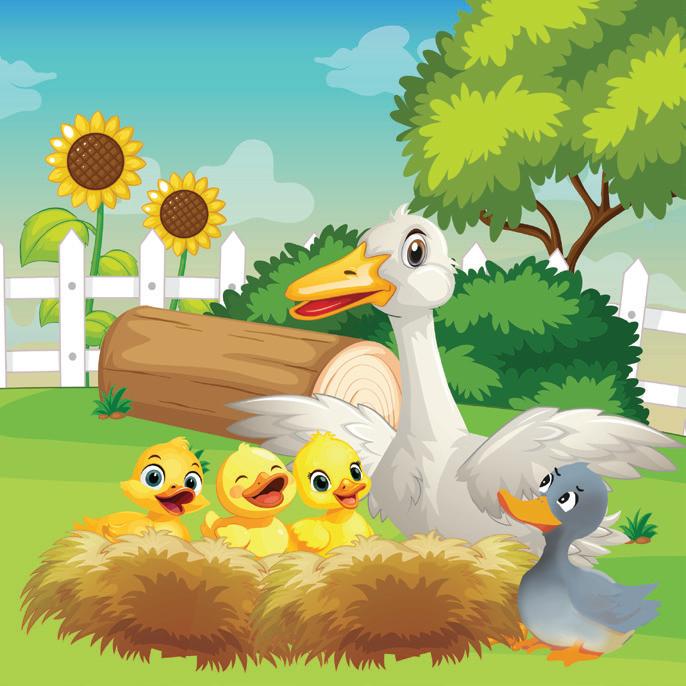
Domain
Topic of the Day Book & Page
Circle Time Making a Card for Friends
General Awareness Fuels
General Awareness, page 123
Foundational Literacy Use of ‘and’ Literacy Skillbook, pages 114–115
Foundational Numeracy Skip Counting in 5s
DIY Story: The Ugly Duckling
Rhymes and Stories, pages 95-99
LO: Children will use their creativity by making simple cards for friends using paper and crayons.
Resources: A drawing sheet (per child); crayons
1. Introduction: Say: We make cards to say kind words and make our friends smile. Ask: How do you feel when someone is kind to you? Let a few children share.
Say: Today, we will make a card for a friend in our class!
2. Making a Card: Give each child a sheet of paper (can be folded to make a card). Say: Draw something nice for your friend. You can draw a smiley face, heart, flower or stars. Guide them to write: You are my friend, or I like playing with you. (write on the board). Walk around and support children with words or ideas.
3. Sharing Time: Say: Now give your card to a friend. Say something nice like—This is for you! Let children exchange cards and smile.
You can pair children so everyone gives and receives a card.
LO: Children will understand that vehicles need fuel to move and learn the names of common fuels.
Resources: General Awareness, page 123
1. How Vehicles Move: Say: We see cars, buses, and autos on the road. But how do they move? Let children guess. Say: They need something called fuel. Fuel gives vehicles the power to move.
Say slowly and clearly: Some fuels are petrol, diesel, and CNG. Let children repeat each word after you: Petrol… Diesel… CNG.
2. What do Vehicles Use: Explain that petrol is used in many cars and scooters. Diesel is used in buses and trucks. CNG is a clean fuel used in autos and cars.
Say: Vehicles like cycles, bullock carts, boats, do not use petrol, diesel or CNG.
3. Fuels: Ask children to open page 123 of the General Awareness book. Guide them to look at the pictures and identify the vehicles that need fuel and ones that do not need fuel.
LO: Children will understand that ‘and’ is used to join two words together.

Resources: Literacy Skillbook, pages 114–115; common classroom items (pens, chairs, tables, books, etc.)
1. Explaining ‘and’: Say: We use ‘and’ to join two words together. Give simple examples using classroom objects:
• Pen and paper.
• Book and bag.
• Chair and table.
Let children repeat each pair after you. Write down the words on the board.
2. Look and Say: Pick or name two visible items from the classroom. Say: Look! Crayon and sharpener. Now point to two other things and ask: What are these?
Encourage children to say: bag and bottle / board and chalk.
Help and prompt gently, if needed.
3. Use of ‘and’: Ask children to open page 114 of the Skillbook. Guide them to look at the pictures and join them by writing the word ‘and’ in between.





Refer to page 115 of the Skillbook. Complete the page by writing ‘and’ in between two words.
LO: Children will revise skip counting in 5s.
1. Recap: Say: Skip counting means jumping numbers in a pattern. Today, we will count in 5s!
Count slowly together: 5, 10, 15, 20, 25, 30, 35, 40, 45, 50.
Clap or tap as you say each number. Let children repeat with actions.
2. Count and Jump: Ask children to count aloud from 1 to 30. Instruct them to jump only when they say a number that is part of the 5s pattern—5, 10, 15, 20, 25, and 30. Repeat the activity twice to reinforce the pattern.
LO: Children will listen to the story The Ugly Duckling and reflect upon it.
Resources: Rhymes and Stories, pages 95–99
1. Interactive Read Aloud: Read aloud the story The Ugly Duckling with expressions and voice modulations. Pause in between to show pictures and ask questions like:
• How was the duckling different from his brothers and sisters?
• What did the duckling ask the frog?
• How did the duckling look when he grew up?
• What did the duckling find out at the end?
2. Reflection Time: Say: The duckling didn’t feel good about himself, but he grew into a beautiful swan—showing us we should appreciate who we are. Ask children to share one thing that they like about themselves. Guide them with examples like: being kind, being friendly, good at drawing, etc. Ensure everyone gets a turn to share their responses.
Domain Topic of the Day
Circle Time Making a Card for Teacher
General Awareness Vehicles
Foundational Literacy Long Vowels: Magic ‘e’
Foundational Numeracy Reading Time on a Clock
Book & Page
Literacy Skillbook, page 116
DIY Rhyme: The Wheels of the Bus Rhymes and Stories, page 100
LO: Children will make a ‘Thank You’ card for their teachers. Resources: Drawing sheet; crayons
1. Warm-Up: Begin by asking: Why do we thank our teachers? Let children share their thoughts. Explain: Teachers help us learn and grow. Let’s make a card to say thank you!
2. Making a Card: Give the materials to children. Guide them to fold the drawing sheet to make a card. Encourage children to draw simple things they associate with school—books, stars, or a big smiling sun. Guide children to write or say a simple message: Thank you for teaching us! or You are the best teacher! Help them spell the words if needed.
3. Showing Gratitude: Once children complete making the card, let them share the card with their teacher and guide them to say: Thank you teacher.
LO: Children will recap different types of vehicles and make a vehicle using origami art. Resources: Origami paper (per child)
1. Recap: Begin by asking: What kinds of vehicles do you see on roads, in the sky, on water, or tracks? Let children share their answers.
2. Movement Game: Say, Let’s move like different vehicles! Call out a type, and children act it out: Car/Bus (Land Transport): Pretend to drive, holding an imaginary steering wheel. Boat/Ship (Water Transport): Sway side to side like waves.
Aeroplane/Helicopter (Air Transport): Stretch arms out and ‘fly’. Train/Metro (Track Transport): March in a straight line, making train sounds (Choo-choo!).
3. Origami Bus: Give the origami paper to children. Demonstrate and guide them to make a bus using the origami paper. Follow the instructions given in the picture. Then, guide children to make doors and windows.
LO: Children will identify and read words with the long vowel ‘e’. Resources: Literacy Skillbook, page 116
1. Explaining Long Vowel ‘e’: Start by saying: Some words have a magic ‘e’ at the end that makes the vowel sound long! Write kit and kite on the board, and ask: What is different? Explain: The ‘e’ at the end makes the vowel ‘i’ say its name! Repeat the same explanation for words like date, cone and tube.
2. Word Sorting Game: Say: Let’s find magic ‘e’ words! Write words like hat, tape, pin, pine, tub, tube and ask children to sort them into short vowel (hat, pin, tub) and long vowel words (tape, pine, tube).
3. Long Vowels: Magic ‘e’: Ask children to open page 116 of the Skillbook. Guide them to look at the pictures and say aloud the words with magic ‘e’ sound.
Try to identify different objects at home with long Magic ‘e’ sound.


LO: Children will identify and read the time in o’clock and identify the long hand and the short hand. Resources: A clock
1. Recap: Start by showing a clock and asking: What do you see on the clock? Let children observe and respond. Explain: Clocks tell us the time! When the long hand points to 12, we say “o’clock.”
2. Movement Game: Ask children to stand up and stretch their arms like clock hands. Call out a time (e.g. 3 o’clock), and guide them to point one arm straight up (like the minute hand pointing to 12) and the other to 3 (like the hour hand). Repeat with different times, like 5 o’clock, 7 o’clock, 10 o’clock.
3. Reading Time: Call children one by one. Show times like 1 o’clock, 4 o’clock, 9 o’clock on a toy clock or a drawn clock face. Ask: Where is the short hand? Where is the long hand? Let children identify the positions.
LO: Children will recite the rhyme The Wheels of the Bus with actions and expressions. Resources: Rhymes and Stories, page 100
1. Warm-Up: Begin by asking: Did you ever travel in a bus? Listen to all responses and ask: What do you see when you travel in a bus? Guide children to share responses like: passenger, conductor, wheels, driver, etc.
2. Rhyme Time: Recite the rhyme The Wheels of the Bus with actions and expressions and ask children to recite along. Repeat 3–4 times to help children learn the rhyme.
Pro Tip
You can refer to the origami bus made during the General Awareness session and talk about it.
Domain General Awareness
Learning Outcome
Children will identify different emergency vehicles and understand their purposes.
Resources General Awareness, page 121
Suggested Method Call children one by one. Ask them to mention the name of an emergency vehicle and share when it is used. Clap for each child and give them a smiley. Ensure everyone gets a turn.
Support for Struggling Learners
Pair a struggling learner with a confident learner. Ask each pair to refer to page 121 of General Awareness book. The buddy points to each picture and shares the name of the vehicle and the learner repeats the name after the buddy. The buddy also explains when each vehicle is used.
Domain Foundational Literacy
Learning Outcome Children will identify the use of ‘and’.
Resources Some common classroom objects (pens, pencils, books, toys, etc.)
Suggested Method Call children one by one. Show them two objects and ask them to join the objects using the word ‘and’. Clap for each child and give them a smiley. Ensure everyone gets a turn.
Support for Struggling Learners
Gather the learners together. Say: We will learn the use of ‘and’. It is used when we have to talk about two objects. Show a pen and pencil and say aloud: pen and pencil. Ask children to repeat after you. Repeat with other objects.
Domain Foundational Numeracy
Learning Outcome Children will skip count in 2s and 5s.
Resources Chalk
Suggested Method
Support for Struggling Learners
Write numbers from 1 to 20 on the board. Call children one by one. First ask them to point and say the numbers aloud while skip counting in 2s and then say the numbers aloud while skip counting in 5s. Clap for each child and give them a smiley. Ensure everyone gets a turn.
Gather the learners together. Write numbers 1 to 30 on the board. Skip count in 2s, circle the numbers, and ask children to repeat the numbers after you. Repeat the same for skip counting in 5s.
The early years shape a child’s cognitive, social, and emotional growth. The DAWN Curriculum, aligned with NEP 2020 and NCF-FS 2022, integrates the Panchakosha framework to nurture well-rounded development—physical, emotional, intellectual, social, and moral. This manual ensures progressive, engaging, and hands-on learning through a structured teaching model, and provides special days dedicated for reinforcement and enrichment activities.
Equipped with helpful alerts, pro-tips, and best practices, this manual makes teaching seamless, interactive, and impactful. With play-based activities and multisensory techniques, teachers can confidently create a stimulating, joyful, and inclusive classroom.
• 180-Day Teaching Plan: Well-paced progression with built-in revision days.
• 4+1 Teaching Model: Structured learning with a dedicated reinforcement day.
• Panchakosha Framework: A holistic approach to early childhood development.
• DIY & Hands-on Learning: STEM, Art & Craft, storytelling, and interactive activities.
• Dynamic Circle Time: Engaging discussions, mindfulness, and movement-based activities.
• Multisensory & Play-Based Approach: Enhancing retention through interactive learning.
• Error Alerts & Pro-Tips: Practical guidance for smooth and effective teaching.
Uolo partners with K-12 schools to provide technology-enabled learning programs. We believe that pedagogy and technology must come together to deliver scalable learning experiences that generate measurable outcomes. Uolo is trusted by over 15,000+ schools across India, Southeast Asia and the Middle East.
ISBN 978-81-985727-5-2
