



Academic Authors: Muskan Panjwani, Alina Yakunina
Creative Directors: Alena Sizintseva
Book Production: Larisa Pavlenko, Anastasia Voitovich
All products and brand names used in this book are trademarks, registered trademarks or trade names of their respective owners.
© Uolo EdTech Private Limited First edition 2026
This book is sold subject to the condition that it shall not by way of trade or otherwise, be lent, resold, hired out, or otherwise circulated without the publisher’s prior written consent in any form of binding or cover other than that in which it is published and without a similar condition including this condition being imposed on the subsequent purchaser and without limiting the rights under copyright reserved above, no part of this publication may be reproduced, stored in or introduced into a retrieval system, or transmitted in any form or by any means, electronic, mechanical, photocopying, recording or otherwise, without the prior written permission of both the copyright owner and the abovementioned publisher of this book.
Book Title: DinoLab Math Smartbook 3
ISBN: 978-93-89789-06-5
Published by: Uolo EdTech Private Limited
Corporate Office Address: 91Springboard, 3rd Floor 145, Sector 44, Gurugram, Haryana 122003
CIN: U74999DL2020PTC360472
Printed by: Printpro Solutions
All suggested use of the internet should be under adult supervision.
Get access to animated interactive courses, Marathons, Olympiads and much more — all in the Uolo Learn app!
1. Download the "Uolo Learn" app from Google Play (Android) or App Store (iPhone).
2. In the app, click scanner to scan the QR code below.
Class:
Name:
School:
3. Follow the instructions in the app to access the content.
DinoLab is an AI-powered self-learning platform that helps children learn Mathematics and other subjects step by step, at their own pace. Students can practise and revise every topic digitally and through printed smartbooks.
The DinoLab Mathematics Smartbook is a companion to the digital course. Each exercise has a QR code linking to the Uolo Learn app for continued practice.
Using AI, DinoLab creates a personalised learning path: it explains the concept, gives guided practice and adapts if mistakes occur — helping students gain clear understanding.
Digital content is presented as interactive flashcards with 50,000+ gamified exercises and animations, making learning engaging and enjoyable.
DinoLab works in Uolo apps and on multiple devices
To use DinoLab on the web, Smartboards and in computer labs, your school will receive special access for each student and teacher.
Once the Uolo Learn app is installed and you are logged in, you can access DinoLab. Our Mathematics course is designed with interactive exercises that help children cover the school syllabus step by step, at their own pace.
1 2 3
Compete and win in Marathons!
• Solve problems and earn points
• Check the leaderboards of your class, school and all of India
• Get achievement certificates
In this Smartbook, you will find QR codes placed next to the exercises. Simply use the QR scanner inside the app to access the interactive content. QR codes in the smartbook
1 2 3
the Uolo Learn app.
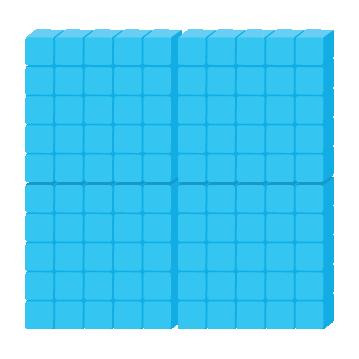
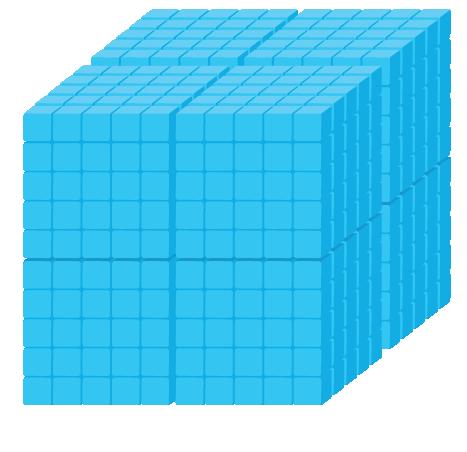
1. Look at the picture and circle the answers.
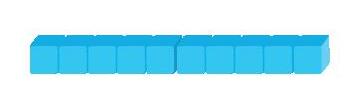
10 blocks are same as:
100 blocks are same as:
1000 blocks are same as:
10 hundreds 1 thousand 100 ones 1000 ones 1 ten 10 tens or 1 hundred 10 tens 1 ten 10 tens 10 ones 10 hundreds or 1 ten 10 hundreds 100 ones or 1 thousand 1 hundred 100 ones
2. Write the total number of blocks shown.
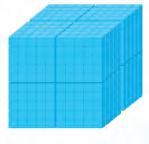
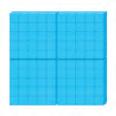
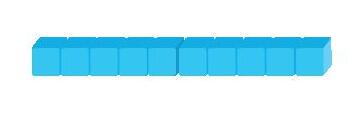
3 thousands
7 hundreds 2 tens =
2 thousands 3 hundreds = 2300 thousands hundreds tens ones = thousands hundreds ones =
3. Match each digit to its place value.
438 thousands hundreds tens ones
6379 tens thousands hundreds ones
1690 hundreds tens thousands ones
2045 tens ones hundreds thousands
4. Fill in the blanks.
2869
In this number the digit 2 is in the thousands place.
4512
In this number the digit is in the ones place.
1802
In this number the digit is in the hundreds place.
5182
In this number the digit is in the thousands place.
5. Read the sentence and circle the correct sheep.
Seven is in the thousands place.
6. Fill the blanks with correct numbers.
Five thousand eight hundred twenty-one
One thousand nine hundred thirty-seven
Four thousand six hundred five
Eight thousand seven hundred forty-nine
7. Compare the numbers using the correct sign.
8. Draw arrows to put the train coaches in order. Smallest number first!


9. Draw arrows to put the train coaches in order. Smallest number first!
10. Draw arrows to put the train coaches in order. Largest number first!
11. Draw arrows to show the position of numbers on the number line.
12. Draw arrows to show the position of numbers on the number line.
OFF
13. Look at the numbers shown on the number line. Then fill the blanks.
< 183 < 190 180 is closer to 183.
< 232 < is closer to 232.
< 578 < is closer to 578.
?
< < is closer to
< < is closer to ? 773 ?
14. Fill in the blanks.
237 + 3 = 240
237 – 7 = 230
240 is closer to 237.
473 + = 480
473 – = 470 is closer to 473.
518 + = 520 518 – = 510 is closer to 518.
696 + = 700 696 – = 690 is closer to 696.
15. A number that has a 0 in the end is called a round number. Connect each number to its nearest round number.
16. Round each number to the nearest ten. Write the
17. Round each number to the nearest hundred. Write the rounded number in the correct place.
1. A number that has a 0 in the end is called a round number. Connect the numbers whose sum is a round number. Write the sum in the box.
2. Circle 2 numbers to make round numbers in the sum. Write the answers in the blanks.
3. Find the pattern and fill in the blanks.
4. Find the pattern and fill in the blanks.
5. Fill in the blanks. Show your work in the table.
6. Add numbers and fill in the blanks.
7. Connect the numbers that add up to 500.
8. Connect the numbers that add up to 1000.
9. Complete these sums without regrouping.
10. Complete these sums with regrouping.
11. Complete these sums. Each answer has a zero.
12. Solve the sums by writing them in columns.
372 + 23 =
231 + 168 =
711 + 78 =
628 + 160 =
13. Solve the sums by writing them in columns.
287 + 313 =
452 + 256 =
688 + 312 =
299 + 501 =
14. Solve the sums by writing them in columns.
287 + 168 =
238 + 78 =
618 + 175 =
299 + 171 =
15. Tick ( ) the box that has the same sum as the numbers on the left.
+ 4
+ 4
– 4
+ 45 = ?
+ 3
+ 2
+ 2
+ 198 = ?
305 + 415 = ?
+ 4
+ 4
– 4
– 20
+ 20
– 20 19 + 65 = ?
16. Find the sum of the given numbers. Then round off the numbers to the nearest tens and find the sum again.
17. Circle the correct answer.
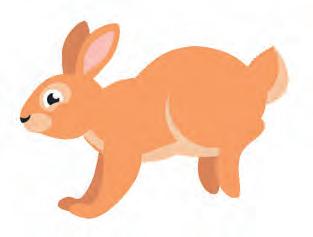
112 rabbits were near the lake. 12 rabbits ran into the forest. How many rabbits were still near the lake?
112 – 12 = 100
212 – 112 = 100
c.
112 + 12 = 124 a. b.
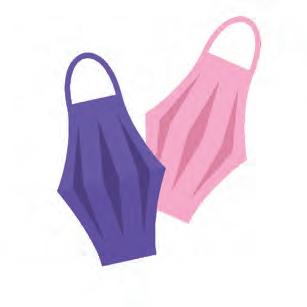
Sonia made 131 paper lanterns. Garima made 119 paper lanterns. How many paper lanterns did they make in all?
131 – 119 = 12
121 + 109 = 230
c.
131 + 119 = 250 a. b.
18. Fill in the blanks.
Nina read the first book in 125 hours. It took her 42 hours more to read the second book. How many hours did Nina take to read the second book?
+ =
Answer: Nina read the second book in hours.
Peter has 1000 stamps in his collection. Sam has 375 fewer stamps than Peter. How many stamps does Sam have?
– =
Answer: Sam has stamps.
19. Look at the picture and fill in the blanks.
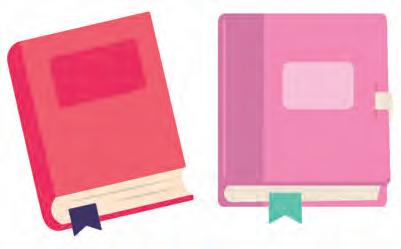
How many pages are there in these two books together?
+ =
Answer: There are a total of pages in the two books.
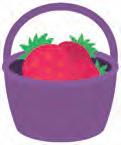
How many berries are there in both the baskets?
423 pages 258 pages + =
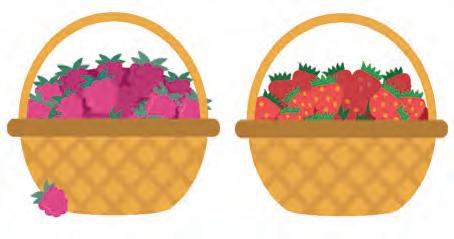
372 berries215 berries
Answer: There are berries in both the baskets.
20. Solve.
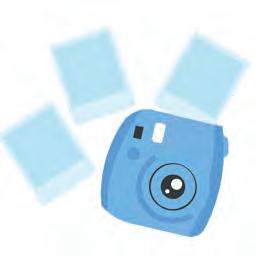
During their school trip to the zoo, Sonia took 128 photos. Garima took 37 more photos than Sonia. How many photos did Garima take?
Answer:
Mary and Gita were helping decorate the school hall for Math Week. Mary cut out 185 geometric shapes, and Gita cut out 122. How many more shapes did Mary cut than Gita?
Answer:
Kirti solved 415 math problems while preparing for her exam. Kaustubh solved 118 problems. How many math problems did they solve in total?
Answer:
In the first month, Sonia learned 305 new words. In the second month, she learned 127 more words. How many new words did Sonia learn in the second month?
Answer:
1. Find the pattern and then fill in the blanks.
2. Fill in the blanks and write the numbers.
3. Subtract tens and fill in the blanks.
4. Complete these subtractions without regrouping.
5. Complete these subtractions with one regrouping.
6. Complete these subtractions with two regrouping.
7. Solve the examples by writing them in the columns.
673 – 152 =
905 –703 =
678 – 453 =
421 – 181 =
392 – 139 =
902 – 404 =
176 – 98 =
491 – 103 =
372 – 189 =
8. Complete these subtractions from numbers that have a zero in the middle.
9. Solve the examples by writing them in the columns.
903 – 239 = 402 – 209 =
– 362 =
10. Subtract the numbers.
11. Solve.
500 – 398 =
490 – 107 =
200 – 98 =
Subtraction of 3-digit Numbers
12. Tick ( ) the box that has the same value as the subtraction statement on the left.
85 – 39 = ?
40 + 4
50 – 4
50 + 1
43 – 15 = ?
523 – 198 = ?
30 – 3
30 + 2
30 – 2
200 + 125
– 25
– 125
765 – 450 = ? 400 + 85 400 – 85
– 50
13. Subtract the given numbers. Then round off the numbers to the nearest tens and subtract again.
14. Circle the correct answer.
At first, there were 68 rabbits near the lake. Then 44 of them ran into the forest. How many rabbits were still near the lake?
68 + 44 = 112
68 – 44 = 24
70 + 40 = 110 a. b.
c.
Sonia made 250 paper lanterns. She sold 130 of them at the school exhibition. How many lanterns does Sonia have now?
a.
250 + 130 = 380
b.
250 – 130 = 120
c.
200 – 100 = 100
15. Solve the problems and fill in the blanks.
Nina read the first book in 100 hours. It took her 85 hours less to read the second book. How many hours did Nina take to read the second book? + =
Answer: Nina read the second book in hours.
Peter has 650 stamps in his collection. Sam has 120 less stamps than Peter. How many stamps does Sam have in his collection?
– =
16. Look at the pictures and solve the problems.
How many more pages does the first book have than the second book?
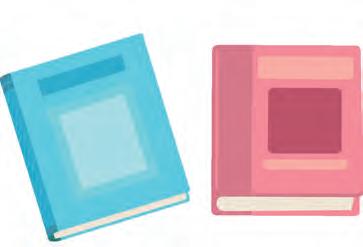
500 pages
Answer: The first book has pages more.
275 pages
There are 115 fewer berries in the second basket than in the first basket. How many berries are in the second basket?
Answer: Sam has stamps. – = – =
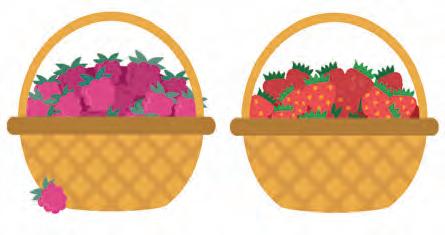
372 berries ? berries
Answer: There are berries in the second basket.
17. Solve.
During the visit to the museum, Sonia took 250 photos. Garima took 115 fewer photos than Sonia. How many photos did Garima take?
Answer:
Mary and Gita were decorating the classroom for Math Week. Mary cut out 185 geometric shapes, and Gita cut out 122. How many more shapes did Mary cut than Gita?
Answer:
Kirti solved 500 math problems. Kush solved 118 fewer problems than Kirti. How many problems did Kush solve?
Answer:
In the first month, Sonia learned 700 new words. In the second month, she learned 235 words fewer. How many words did she learn in both the months?
Answer:
1. How many legs do all the cows have? Fill in the blanks.
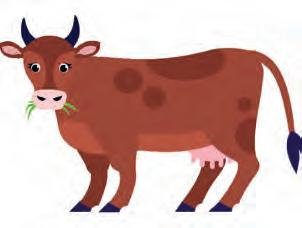
4 + 4 + 4 = 3 × 4 =
2. How many pencils are there in all the boxes? Fill in the blanks.
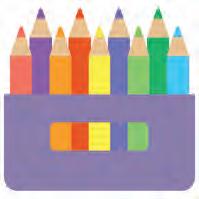
9 + 9 + 9 = × 9 =
3. How many legs do all the dogs have? Fill in the blanks.
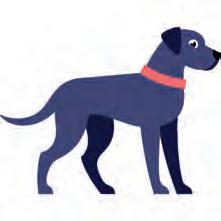
4 + 4 + 4 + 4 + 4 = 5 × =
4. How many legs do all the stools have? Fill in the blanks.
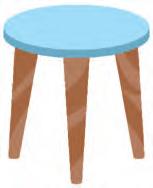
3 + 3 + 3 + 3 = × =
5. How many legs do all the spiders have? Fill in the blanks.
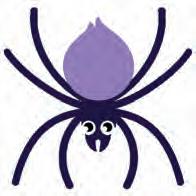
8 + 8 + 8 = × =
6. How many ears do all the rabbits have? Fill in the blanks.
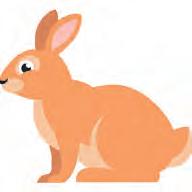
2 + 2 + 2 + 2 + 2 = × =
7. Write the number of crystals.
8. Fill in the blanks.
7 + 7 + 7 + 7 + 7 = 5 × =
6 + 6 + 6 = × 6 =
8 + 8 + 8 + 8 = × =
3 + 3 + 3 + 3 + 3 + 3 = × =
9. Circle all the expressions that match with the given pictures.
10. Fill in the multiplication table.
11. Cross out ( ) the incorrect statements.
12. Fill in the blanks.
1. Help Jenny cross the river. Connect each value in the red box to its matching value on the pole.
2. Match the boxes correctly.
3. Multiply the numbers.
4. Solve the expressions.
× 3 =
× 8 = 12 × 8 = 4 × 13 =
× 4 =
× 14 =
× 5 =
× 7 =
× 4 =
× 31 = 3 × 18 = 49 × 2 =
5. Multiply the given numbers. Then round off the first number to the nearest tens and multiply again.
6. Read the problem. Circle all the correct expressions.
There were 4 tables at a party. Each table had 13 guests. How many guests were there at the party in total?
7. Read the problem. Circle the correct bill.
Maria bought 3 packs of cookies for ₹56 each and 2 chocolate bars for ₹45 each. How much money did she pay?
Cookies:
2 × ₹56 = ₹112
Chocolate:
3 × ₹45 = ₹135
Total: ₹247
Cookies: 3 × ₹56 = ₹168
Chocolate: 2 × ₹45 = ₹90
Total: ₹258
Cookies: 2 × ₹56 = ₹112
Chocolate:
2 × ₹45 = ₹90
Total: ₹202
1. Connect each image with the correct statement.


18 ÷ 3 = 6
15 ÷ 5 = 3
10 ÷ 2 = 5
12 ÷ 6 = 2
6 ÷ 2 = 3
2. Write an expression for the given problem and solve it.
I have 14 fish, divided equally into 2 groups. How many fish are in one group?
14 ÷ 2 =
I have 12 shells, divided equally into 6 groups. How many shells are in one group?
÷ 6 =
I have 12 fish, with 3 fish in each group. How many groups do I have?
÷ =
The bear and seal have the same number of groups of fish. The bear has 5 fish in each group. How many fish does the bear have in all?
I have 4 groups of fish.
× =
3. Match each number in the division and multiplication sentences to its name.
4. Circle all the multiplication sentences where either the multiplier or the multiplicand is 8.
5. Circle all the division sentences where the dividend is
6. Connect each division statement to the related checking (multiplication) statement.
7. Fill the blanks in the table with the correct checking (multiplication or division) statements.
1. Circle all numbers that are divisible by 3.
2. Circle all numbers that are divisible by 4.
3. Find the quotient by breaking the dividend into easier numbers.
4. Complete these divisions.
pic. 1
1. Look at the pictures and write the number of different shapes in the table.
pic. 2
pic. 3
triangles
pic. 1 3
pic. 2
pic. 3
and Patterns
circles rectangles squares
0
2. Look at the shapes and complete the table.
Let`s find out about sides and corners in different shapes.
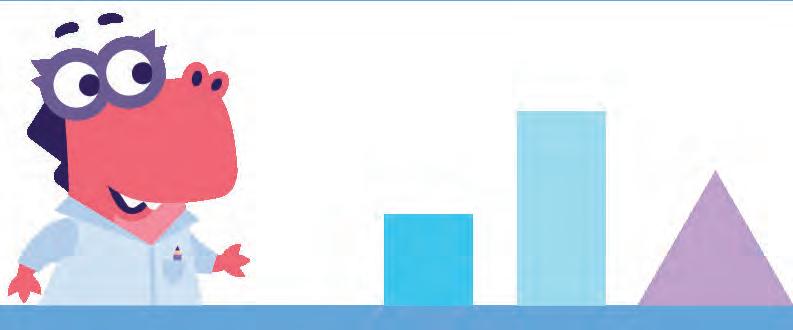
triangle square circle
A circle is different. It does not have any sides or any corners.
3. Connect each shape to its types.
closed figures
open figures
4. Connect each shape to its name. triangle pentagon quadrilateral heptagon hexagon
5. Colour all the closed figures.
6. Look at the pictures and fill in the blanks.
side 1 = 5 cm
side 2 = cm
side 1 = cm
side 2 = cm
Now underline the correct names of figures in the following sentences.
Opposite sides of a square / rectangle are equal.
All sides of a square/rectangle are equal.
7. Look at the shapes and then fill in the blanks to describe each figure.
flat faceflat facecurved facecurved edges
A cylinder has 1 curved face, 2 flat faces, 2 curved edges and 0 corners.
A cube has faces, edges, corners.
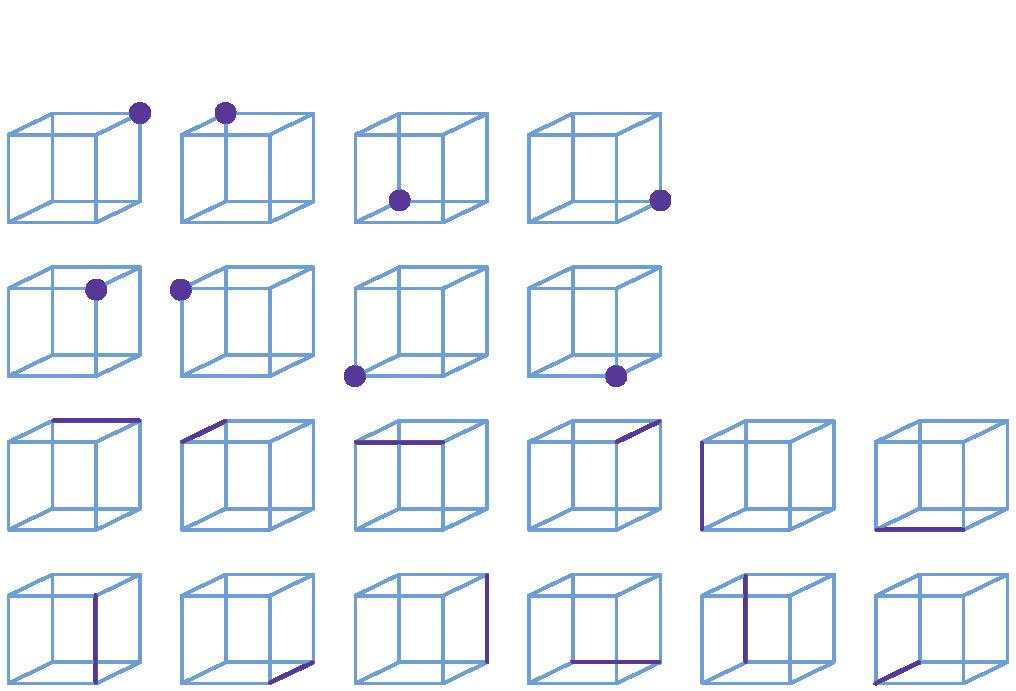
left side face right side face front face back face bottom facetop face
A sphere has curved face, 0 corners, 0 edges.
A cuboid has faces, corners, edges.
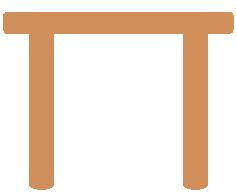
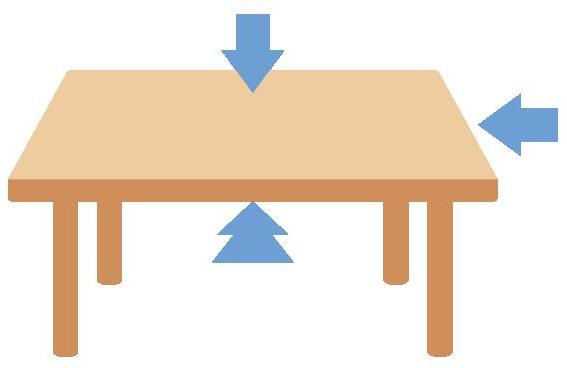
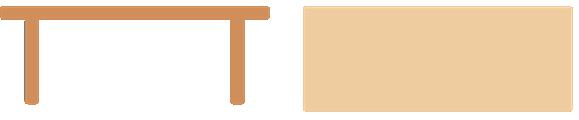
8. A table is viewed from top, front and side. Connect each view to the correct appearance.
top view
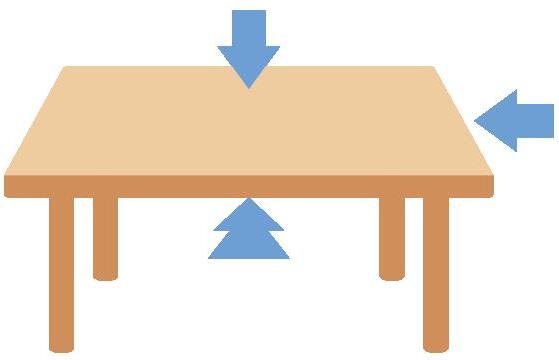
front view
side view

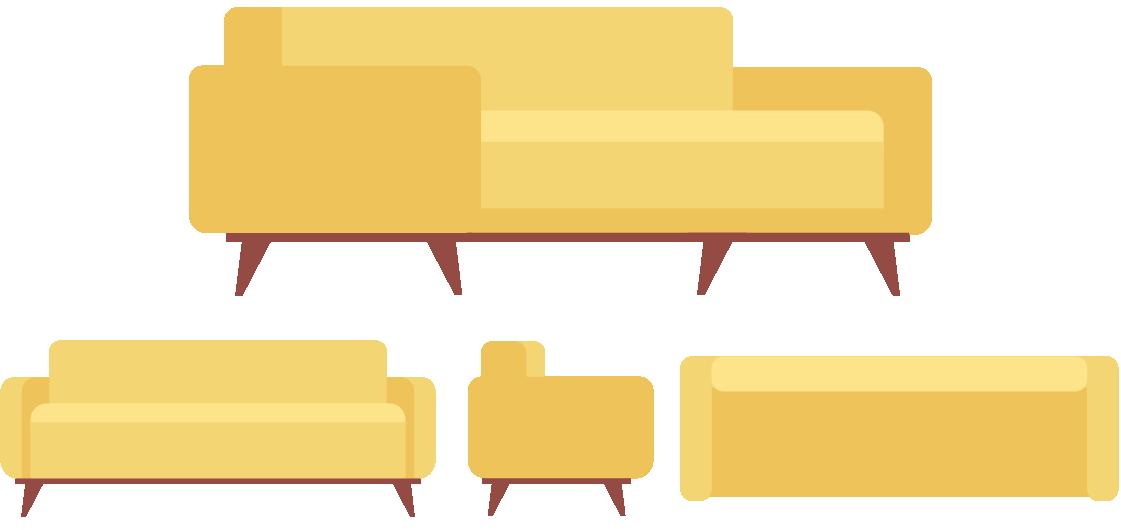
9. The objects shown are viewed from top, front and side. Connect each image to the correct view.
10. Connect each of the following shapes to its name.
11. Identify the 3-D shapes shown below. Then colour each shape as indicated.
12. Tick ( ) the shape that the given object looks like.
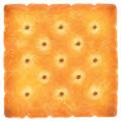
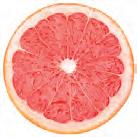
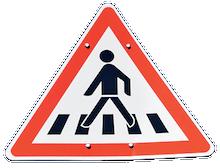
triangle rectangle circle circle square triangle
triangle circle square
circle triangle rectangle circle rectangle square
triangle circle rectangle
13. Tick ( ) the objects that look like a square.
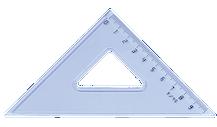
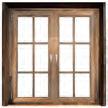
Tick ( ) the objects that look like a circle.
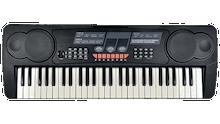
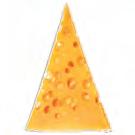
Tick ( ) the objects that look like a triangle.
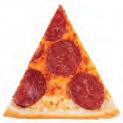
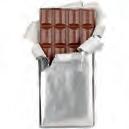
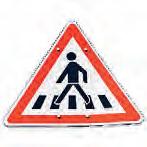
Tick ( ) the objects that look like a rectangle.
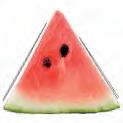
1. Draw three line segments of the length 3 cm, 5 cm and 8 cm.
2. Measure the lengths of the three line segments shown. Write their lengths in the boxes.
Length, Weight and Capacity
3. Draw a line segment whose length is the sum of the lengths of given line segments. Write its length.
4. Draw a line segment whose length is the difference of the lengths of given line segments. Write its length.
5. Write the length of the line segments.
6. Circle the line segment that is 4 cm long.
7. Circle the line segment that is 3 cm long.
8. Circle the line segment that is 7 cm long. 1 cm 1 cm
9. Circle all the standard units of length.
sharpener pencil stick metre centimetre hand span eraser pencil box
1 cm
10. Draw a rectangle with sides 7 cm and 5 cm long.
11. Write the length of each of these objects.
12. Circle all the scales that can be used to measure weights.
13. Choose the appropriate scale to measure the weight of each item.
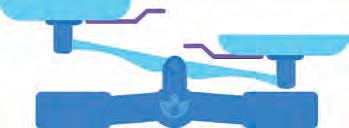
14. Look at the scales and write the weights of the things placed on them.
15. Circle the name of the heavier thing. Circle the word same if no one is heavier.

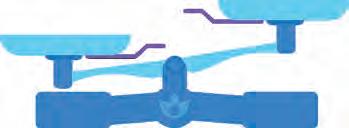
cat dog same
same
same
16. Circle the lighter thing.
same
same
same
carrots same
17. Write the weights of the animals.

18. Write the weight of each ostrich egg.
19. Fill in the blanks with the correct weights.
kg 8 kg 1 kg 2 kg kg kg
20. Fill in the blanks.




The weight of the apple is blocks.
The weight of the toy car is blocks.
21. Count and fill in the blanks.
There are 2 L of milk, L of juice and L of water.
There are L of soap, L of washing powder and L of shampoo.
22. Circle the standard unit of capacity.
cup bucket litre glass
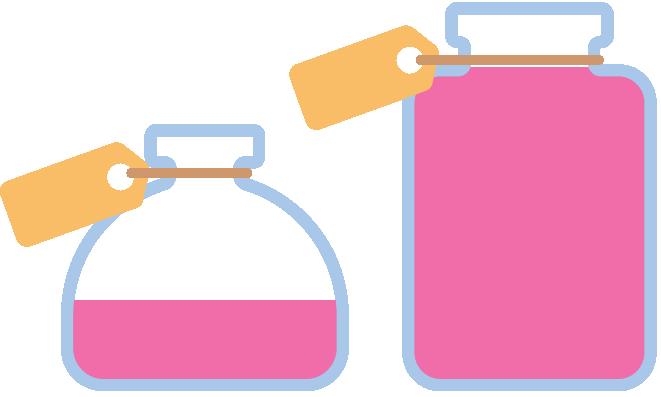
23. Look at the picture and write how many cups and glasses of water will fill the jar.
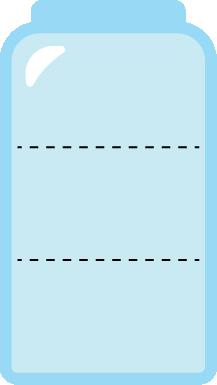
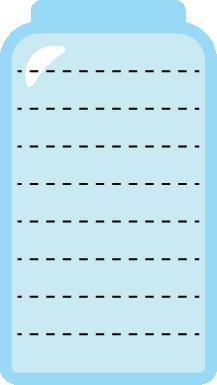


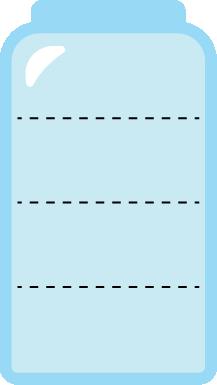

Compare the capacities of cup, glass and bottle using <, > or =.
24. Circle two watering cans inside each box to match the given statements.
The total capacity is 7 litres.
The total capacity is 7 litres.
The total capacity is 6 litres.
25. Look at the pictures and fill in the blanks. There are 2 litres of juice left in the jar.
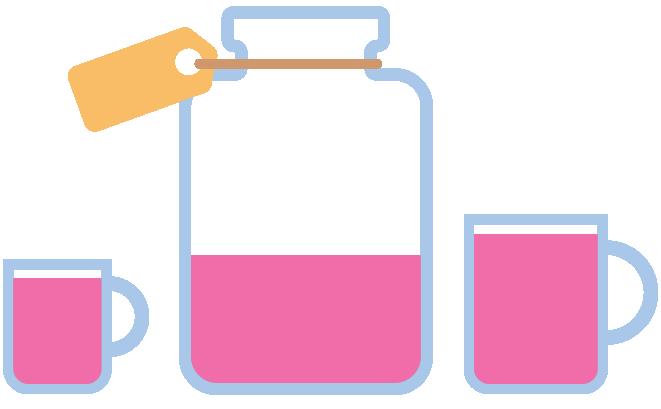
How much juice is left in the jar after filling the glasses?

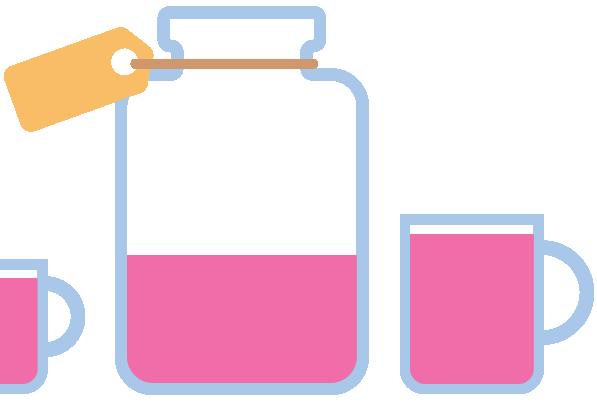
How much juice will remain in the right vessel after filling the vessel on the left?
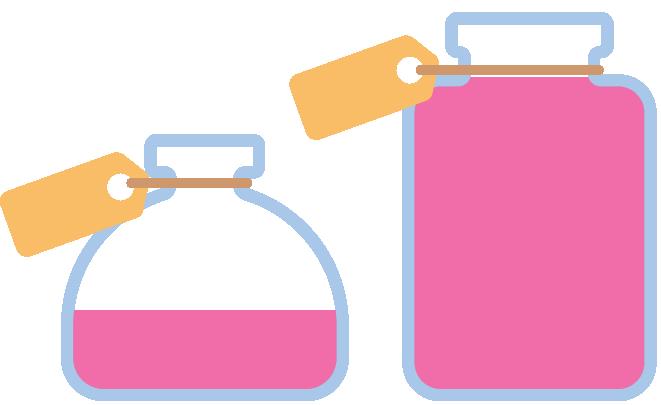
There will be 4 L of juice remaining. 7L 2 L 2 L 3L 6L 1 L 4L 5L 2 L
L of juice left.
L of juice left.
1. Connect each object to its name.
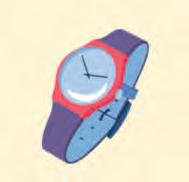
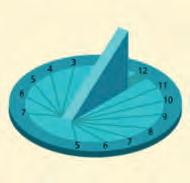
2. Connect each picture to the time it shows.
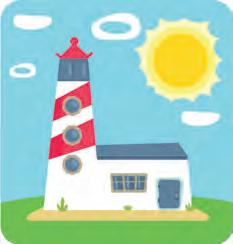
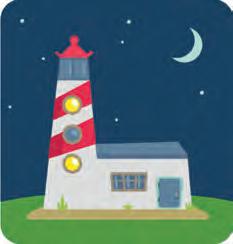
Night Morning Evening Daytime
3. Fill in the blanks with the hour shown on the sundial.
Sundial shows 5 hours.
shows hours.
Sundial shows hours.
4. Write the time each clock shows.
shows hours.
5. Circle the clock that shows 3:30. Circle the clock that shows 4:45.
that shows 12:10.
Circle the clock that shows 5:50.
6. Tick ( ) the class that is starting now by looking at the clock.
Timetable
8:30 English 9:20 Mathematics 10:10 Science 11:05 Music
Timetable
9:20 Science 11:05 Art 12:00 Music 12:55 Games
9:20 Mathematics 10:10 Music 11:05 Art 12:00 Science Timetable
7. Convert the time.
1 hr = min
1 hr 35 min = min
69 min = hr min
8. Draw the hands on the clock.
9. Convert the time.
10. Underline the correct unit of time.
My summer vacation lasted for 3 weeks / minutes / days / hours.
Travelling by train from Guwahati to New Delhi takes 32 weeks / minutes / days / hours.
The world record for the 100 meters is about 10 seconds / minutes / days / hours.
Pranav did his homework in 50 seconds / minutes / days / hours.
11. Compare the expressions. Use the following signs.
1 days 2 hr 25 hr
6 hr 16 min 5 hr 65 min
190 sec 3 min 20 sec
4 weeks 3 days 31 days
4 hr 45 min 275 min
56 hr 2 days 9 hr
12. Solve.
A shuttle bus sets off on its route at 15:40. It takes 2 h 20 min for it to reach its destination. It stops for 30 minutes and comes back to where it started from in 1 h 50 min. What time does the bus arrive at the starting point?
Answer: hr min
Convert.
1 min = sec
125 sec = min sec
2 min 50 sec = sec
1 day = hr
2 days 2 hr = hr
36 hr = day hr
1 week = days
1 week 5 days = days
23 days = weeks days
14. Look at the Calendar and fill in the blanks.
There
in the year shown in the calendar.
There are months in a year.
There are weeks in a year.
15. Circle all the months that have 31 days.
January February March
April May June
July August September
October November December
16. Circle all the months that have 30 days.
January February March
April May June
July August September
October November December
17. Use the above calendar to connect dates with days of the week.
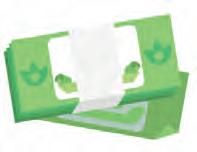
1. Circle the things we can pay with.
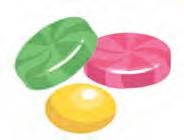
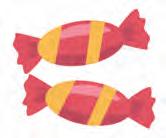

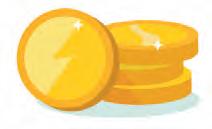
2. Connect the money shown to its type.
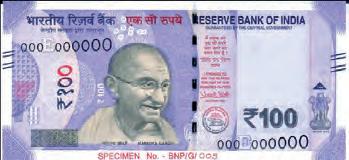
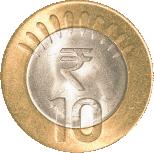
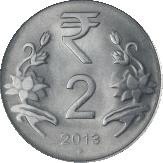
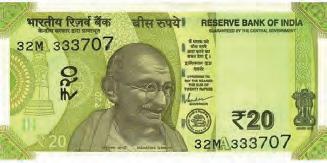
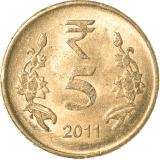
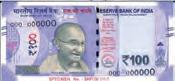
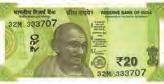
3. Circle all Indian currency notes and coins.
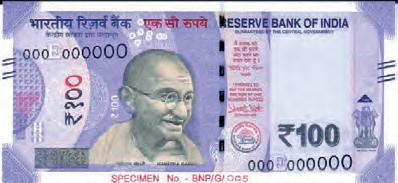
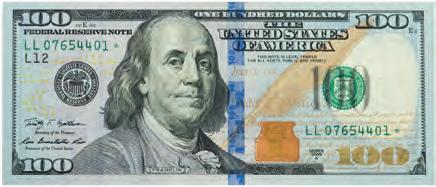
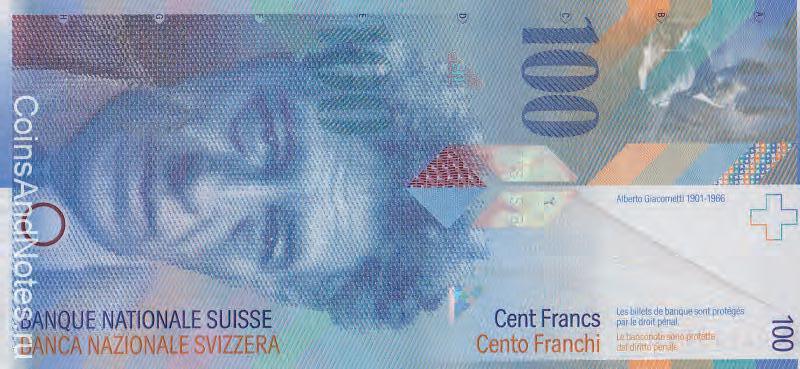
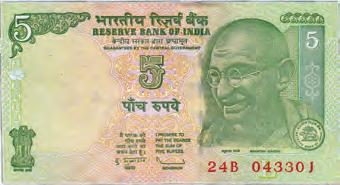
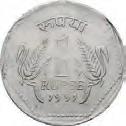
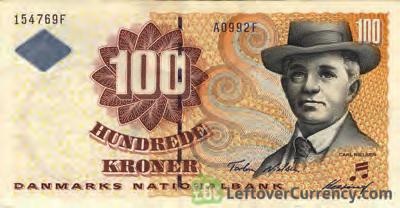
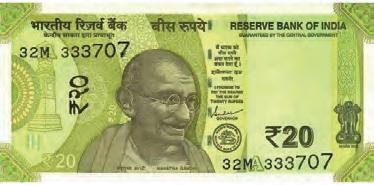
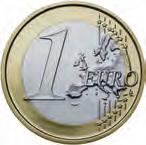
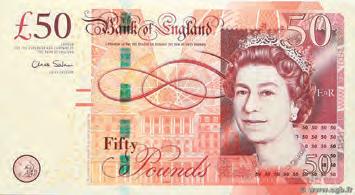
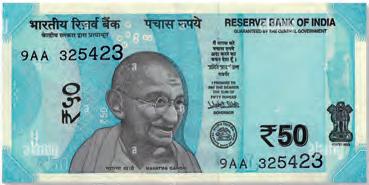
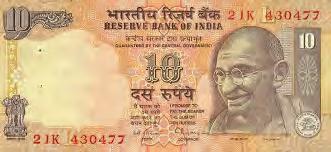
4. How much money is there in each wallet? Write in the blanks.
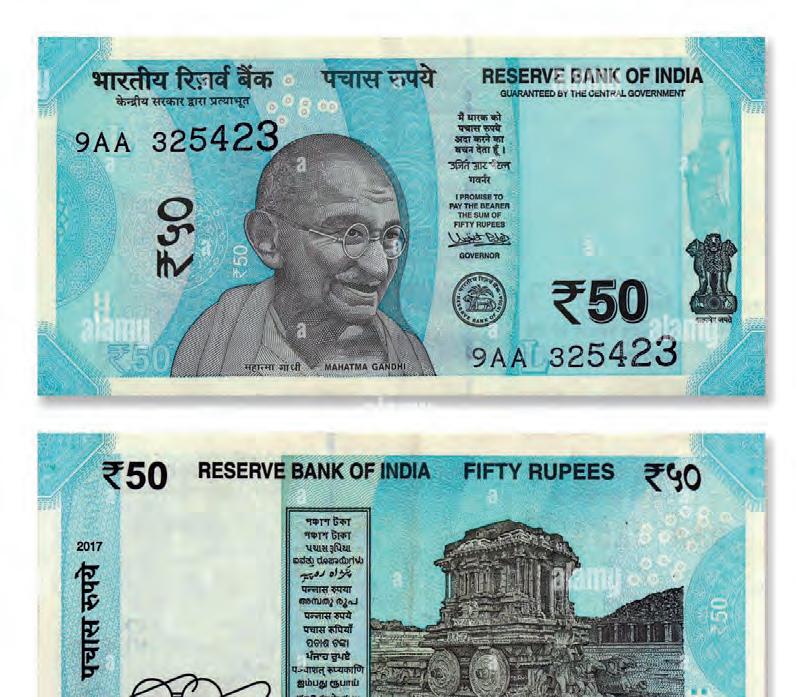
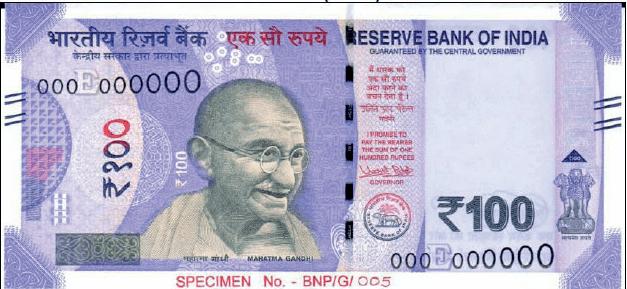
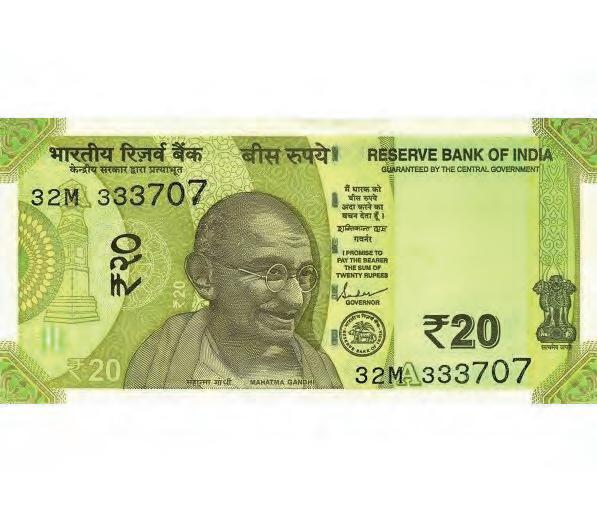
5. Circle how much money is there in each jar.

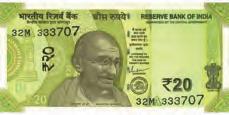
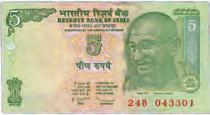
12
24 ₹ 14
6. Dino buys an ice-cream. How much money is left in her wallet? Write your answer in the blank.
I have ₹68 in my wallet.
I have ₹122 in my wallet.
Ice-cream costs ₹36.
₹68 – ₹36 = ₹
Ice-cream costs ₹25.
₹ – ₹ = ₹
7. How many banknotes and coins are needed to make the amount of money shown.
Start with the largest note or coin first. Write the correct number against each note and coin.
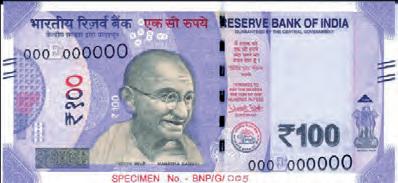
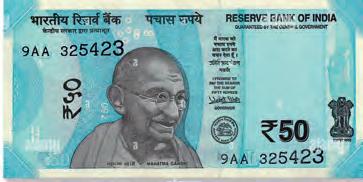
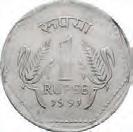
8. Prepare a bill for the following items purchased from a supermarket. Fill in the blanks and find the total amount to be paid.
9. Check the bill. Find and correct the mistakes in the Amount column.
10. Prepare a bill for the following items purchased from a supermarket.
11. Convert the following amounts.
₹1.00 = 100 paise
₹88.75 = paise
6250 paise = ₹
₹20.30 = paise
9850 paise = ₹
12. Solve the problem and fill in the blanks.
A movie ticket costs ₹480. A combo of popcorn and a cold drink costs ₹220. If Ravi has a ₹1000 note, how much change will he get back after buying one ticket and one combo?
Change = ₹ – ₹ = ₹ 1) 2)
Total cost = ₹ + ₹ = ₹
Answer: ₹
13. Convert the following amounts.
Long ago, 1 rupee = 100 paise = 1000 cowrie shells.
How many cowrie shells are equal to ₹5.75?
₹5.75 = shells
How many cowrie shells are equal to 220 paise?
220 paise = shells
14. Solve the problem and fill in the blanks.
Rice costs ₹65 per kg, lentils (dal) cost ₹110 per kg, and cooking oil costs ₹180 per bottle. If Meera has ₹500, can she buy 2 kg of rice, 1 kg of lentils, and 1 bottle of oil? If yes, how much money will be left?
Cost of rice = × ₹ = ₹
Total = ₹ + ₹ + ₹ = ₹
Does Meera have enough money to buy the items? YES/NO Money left = ₹500 – ₹ = ₹
Answer: ₹
1. Look at the pictures and fill in the blanks. 1 3
What fraction of the Austrian flag is white?
1 This is a marine flag meaning 'Man overboard'. What fraction of the flag is red?
1
This is a marine flag meaning 'I need a tow'. What fraction of the flag is black? 1
What fraction of the Hungarian flag is green? 1
This is a marine flag meaning 'Turn right'. What fraction of the flag is blue?
2. Connect each shaded part to the fraction it shows.
3. Write the fractions for the shaded parts. One third One quarter One half 5 7
4. Shade the part of each circle that matches the fraction.
5.
6. Connect each part of the fraction to its name.
Denominator
Numerator
Fraction bar 3 7 Fraction with different numerator. Fraction with equal numerator.
7. Connect each pair of fractions to the correct statement.
8. Fill in the blanks with correct sign: . =
=
9. Circle the correct fraction.
10. Each of the fraction given below is a part of some whole figure. Circle the whole figure related to each fraction.
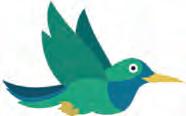
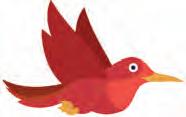
11. Circle the fraction of birds that are red.
12. Circle the fraction of days that are weekends.
13. Circle the fraction of fruits that are apples.
14. Shade the parts of each shape to match the given fractions and colours.
3 of all squares 1 4 of all squares 3 8 of all squares 3 4 of all squares 1 2 of all squares 1 8 of all squares
1. The times taken by five cars to finish a race are shown. Write their finishing positions.
*Less time means faster!
Car
Boat
2. The times taken by five boats to finish a race are shown. Write their finishing positions.
3. Read about Simon and Lilly. Mark their favourite activities in the table with a +.
Simon likes to play football and paint. Lilly likes to paint and sing.
4. Look at the picture. How many shapes of each colour are there? Write the numbers in the table.
5. Look at the tables and fill in the blanks. This table shows the pets that four students have.
Who has only one pet?
Who has all types of pets? and don’t have rabbits.
This table shows the weather and temperatures for three days.
How many sunny days are there?
What is the highest temperature?
What will be tomorrow's night temperature?
6. This table shows the hobby classes joined by four children.
Look at the above table and tick the correct answer. Who does not attend the chess class?
What
do all the children do?
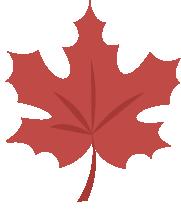
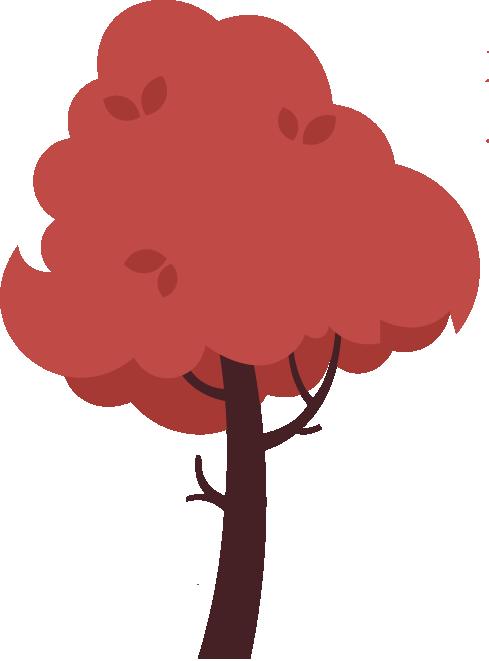
7. Look at the picture and fill in the table.
Tree height (m)
Leaf width (cm)
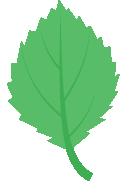
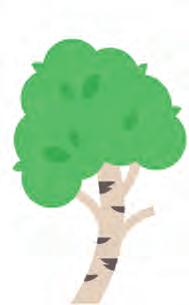
Birch treeMaple Boy Girl
8. Read what each child says and fill in the table.
NameAgeClassFavourite subject
My name is Parth. I am 7 years old. I am in class 3. My favourite subject is music.
I am Tanvi. I am 9 years old. I am in class 3. I love maths.
9. Look at the picture and answer the questions.

MondayTuesdayWednesday
How many cupcakes were sold on Wednesday?
How many cupcakes were sold in total over the three days?
Who scored the most goals?
How many goals did Mohit score?
= 1 goal
10. The following table shows the number of three types of fish.
CarpPikeGudgeon
Colour the graph below to show the number of fish of each type.
Number of fish
11. The image on the left shows the number of candies eaten by three children. Colour the graph on the right to show these numbers. CarpPikeGudgeon 1 2 3 4
Number of candies eaten
12. Show the number of vegetables of each type on the graph.
13. Show the number of toys on the graph.
Number of songs
15. Vikram can sing 3 songs, Kartik can sing 5, and Danish can sing 2. Show it on the graph.
16. Read the given graphs. Write the numbers they show in the table.
Number of boxes of pencils sold Friday Sunday
17.
1. Place Value
Page 1
1. 100 ones or 10 tens
10 hundreds or 1 thousand
Page 2
2. 3720; 1 thousand, 7 hundreds, 2 ones, 1702 2 thousands, 2 hundreds, 9 tens, 3 ones, 2293
Page 3
3. 6-thousands, 3-hundreds, 7-tens, 9-ones 1-thousands, 6-hundreds, 9-tens, 0-ones 2-thousands, 0-hundreds, 4-tens, 5-ones
Page 4
4. In this number the digit 2 is in the ones place.
In this number the digit 8 is in the hundreds place.
In this number the digit 5 is in the thousands place.
5. 7300
Page 5
6. 5821, 1937 4605, 8749
Page 6
7. > , >, < <, >, <
8. 1567, 1576, 1650, 6507, 6570
Page 7
9. 2034, 2340, 2403, 3240, 4302
10. 8921, 8912, 8291, 8192, 8129
Page 8

Page 9
13. 230 < 232 < 240, 230 is closer to 232.
570 < 578 < 580, 580 is closer to 578. 450 < 457 < 460, 460 is closer to 457. 770 < 773 < 780, 770 is closer to 773.
Page 10
14. 518 + 2 = 520, 518 – 8 = 510, 520 is closer to 518.
473 + 7 = 480, 473 –3 = 470, 470 is closer to 473.
696 + 4 = 700, 696 – 6 = 690, 700 is closer to 696.
Page 10
Page 11
16. 433 430, 567 570, 951 950, 398 400 17. 458 500, 988 1000, 121 100, 222 200
12

Page 13
2. 17 + 23 = 30, 48 + 2 = 50, 14 + 6 = 20
14
+ 30 = 50
=
Page 15 5. 7 + 163 = 170, 7 + 208 = 215, 7 + 284 = 291
16
Page 17
9. 978, 895, 836, 769
387, 789, 694, 557
10. 794, 670, 992, 819 908, 823, 923, 554
11. 604, 505, 509, 907, 700, 1000, 600, 390
Page 18
12. 395, 399, 789, 788
13. 600, 708, 1000, 800
14. 455, 316, 793, 470
Page 19
15. 19 + 65 = 80 + 4 = 84
28 + 45 = 70 + 3 = 73
256 + 198 = 450 + 4 = 454
305 + 415 = 700 + 20 = 720
Page 20
16. 48 + 33 = 81, 50 + 30 = 80, 127 + 289 = 416, 130 + 290 = 420, 351 + 468 = 819, 350 + 470 = 820.
Page 21
17. 112 – 12 = 100, 131 + 119 = 250
18. 125 + 42 = 167; 167
Page 22
1000 – 357 = 643, 643
19. 423 + 258 = 681, 681
372 + 215 = 587, 587
Page 23
20. 165 photos, 63 shapes, 533 problems, 432 words
Page 24
1. 30 – 20 = 10, 400 – 100 = 300
2. 118 – 5 = 113, 167 – 5 = 162, 206 – 5 = 201
Page 25
3. 652 – 10 = 642, 642 – 20 = 622, 622 – 30 = 592
4. 321 – 1 = 320, 321 – 10 = 310, 310 – 200 = 110
Page 26
4. 620, 103, 211
5. 113, 691, 416, 324
6. 289, 176, 298, 194
Page 27
7. 521, 202, 225, 240, 253, 498, 78, 388, 183
Page 28
8. 188, 216, 189, 258 269, 275, 285, 265 9. 664, 193, 245
Page 29
10. 261, 412, 222, 163 255, 418, 161, 329
11. 102, 383, 102
Page 30
12. = 30 – 2, = 200 + 125, = 400 – 85
Page 31
13. 48 – 39 = 9, 50 – 40 = 10,
127 – 103 = 24, 130 – 100 = 30,
451 – 408 = 43, 450 – 400 = 50.
Page 32
14. 68 – 44 = 24
250 – 130 = 120
15. 100 – 85 = 15
Page 33
650 – 120 = 530
16. 500 – 275 = 225
372 –115 = 257
Page 34
17. 250 – 115 = 135 photos
185 – 122 = 63 shapes
500 − 118 = 382 problems
600 − 354 = 246; 600 + 246 = 846 words
4. Multiplication Tables
Page 35
1. 12
2. 9, 18
3. 5, 20
Page 36
4. 4, 3, 12
5. 3, 8, 24
6. 5, 2, 10
Page 37
7. 2 × 5 = 10 3 × 6 = 18
4 × 7 = 28 5 × 5 = 25
Page 38 8. 5 × 7 = 35 3 × 6 = 18 4 × 8 = 32 6 × 3 = 18 9. 8 × 2, 2 × 8, 8 + 8;
Page 39 10.
Page 40 11.
Page 41 1. 2 × (31 + 14)
(14 + 22)
+ 12)
4 × (20 + 6)
Page 42
3. 92, 588, 184, 380 235, 168, 360, 680 4. 54 76 98 98 69 85 88 84 96 96 52 93
Page 43
5. 154, 20 × 7 = 140, 177, 3 × 60 = 180, 94, 50 × 2 = 100.
Page 44
6. 13 × 4, 13 + 13 + 13 + 13
7. Total: ₹258


Page 46
Page 45 1. 4. 3 × 8 = 24, 8 × 2 = 16 5. 6 ÷ 2 = 3, 6 ÷ 3 = 2
Page 48
Page 49
1. 30, 9, 60
2. 8, 40, 80
3. 68 ÷ 4 = (40 + 28 ) ÷ 4
68 ÷ 4 = 40 ÷ 4 + 28 ÷ 4
68 ÷ 4 = 10 + 7
68 ÷ 4 = 17
Page 50
84 ÷ 6 = 60 ÷ 6 + 24 ÷ 6 = 10 + 4 = 14
75 ÷ 5 = 50 ÷ 5 + 25 ÷ 5 = 10 + 5 =15
96 ÷ 8 = 80 ÷ 8 + 16 ÷ 8 = 10 + 2 = 12
4. 76 ÷ 4 = 19, 84 ÷ 2 = 42, 96 ÷ 3 = 32, 428 ÷ 4 = 107, 486 ÷ 3 = 162, 702 ÷ 3 = 234
Page 51 1. 2 3 4 0 3 2 2 0 3 0 2 4 Page 52 2. 3 3 4 4 0 0
Page 53 3.
closed figures open figures
triangle pentagon quadrilateral heptagon hexagon
Page 56
6. side 2 = 3 cm
side 1 = 5 cm, side 2 = 5 cm
Opposite sides of a square and a rectangle are equal.
All sides of a square are equal.
Page 57
7. 6 faces, 12 edges, 8 corners
Page 58
1 curved face
6 faces, 8 corners, 12 edges
8.
Page 59

Page 61
12. circle triangle rectangle circle rectangle
Page 62 13.
9.
Page 60 11. Page 60
Page 63 1.
Page 64
3. 8 cm
4. 7 cm
Page 65
5. 5 cm, 4 cm
Page 66
7.
8.
Page 67
9. centimetre, metre
Page 68
11. 8 cm, 6 cm, 3 cm, 15 cm
Page 69 12.
13.
Note: The other combinations can also be correct.
Page 70
14. 6 kg, 7 kg, 3 kg
9 kg, 2 kg, 4 kg
Page 71
15. melon, same, melon
Page 72
15. melon, chameleon, carrots
Page 73
17. 5 kg, 3 kg
18. 2 kg, 1 kg
Page 74
19. 6 kg, 6 kg
20. 7 blocks, 6 blocks
Page 75
21. 3 L, 3 L
3 L, 1 L, 3 L
22. litre
Page 76
23. 9 cups, 4 glasses
<,<
Page 77
24. 3 L + 4 L, 2 L + 4 L
Page 78
25. 3 L, 3 L
79



Page 80
3. 3 hours, 7 hours, 11 hours
4. 1 hr 15 min, 4 hr 40 min
81 5. Page 82
84 9.
Page 85
6. 9:20 Mathematics, 12:55 Games, 11:05 Art Page 83
10. weeks, hours, seconds, minutes
12. 20 hr 20 min
Page 87
13. 60 sec, 2 min 5 sec, 170 sec 24 hr, 50 hr, 1 day 12 hr 7 days, 12 days, 3 weeks 2 days
Page 88 14. 365 days, 12 months, 52 weeks
Page 89 15. March, May, July, August, October, December 16. April, June, September, November




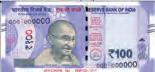
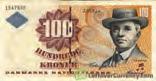
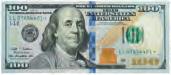
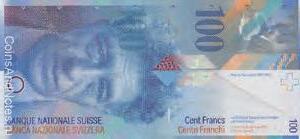
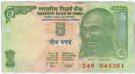

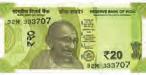

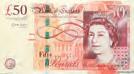
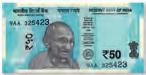
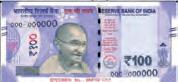
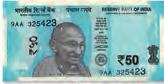

=
shells
=
Fractions
Page 108 14. Possible answers:
Page 109
1. 5, 2, 4, 1, 3 2. 2, 4, 5, 1, 3
5. Ahana, Palak, Ahana, Vinod
Page 111 2, +24, +13 6. Jai, Sport Page 112 7. 14 15 5 8
8. Parth, 7, 3, music Tanvi, 9, 3, maths
Page 113 9. 2, 8 Mayank, 3 Page