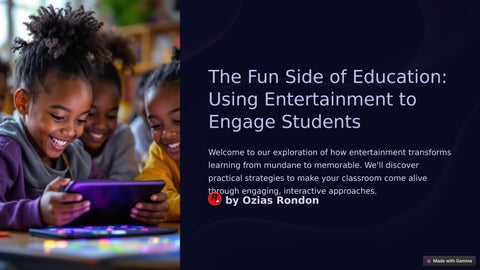

The Fun Side of Education: Using Entertainment to Engage Students
Welcome to our exploration of how entertainment transforms learning from mundane to memorable. We'll discover practical strategies to make your classroom come alive through engaging, interactive approaches.

by Ozias Rondon


Types of Educational Entertainment

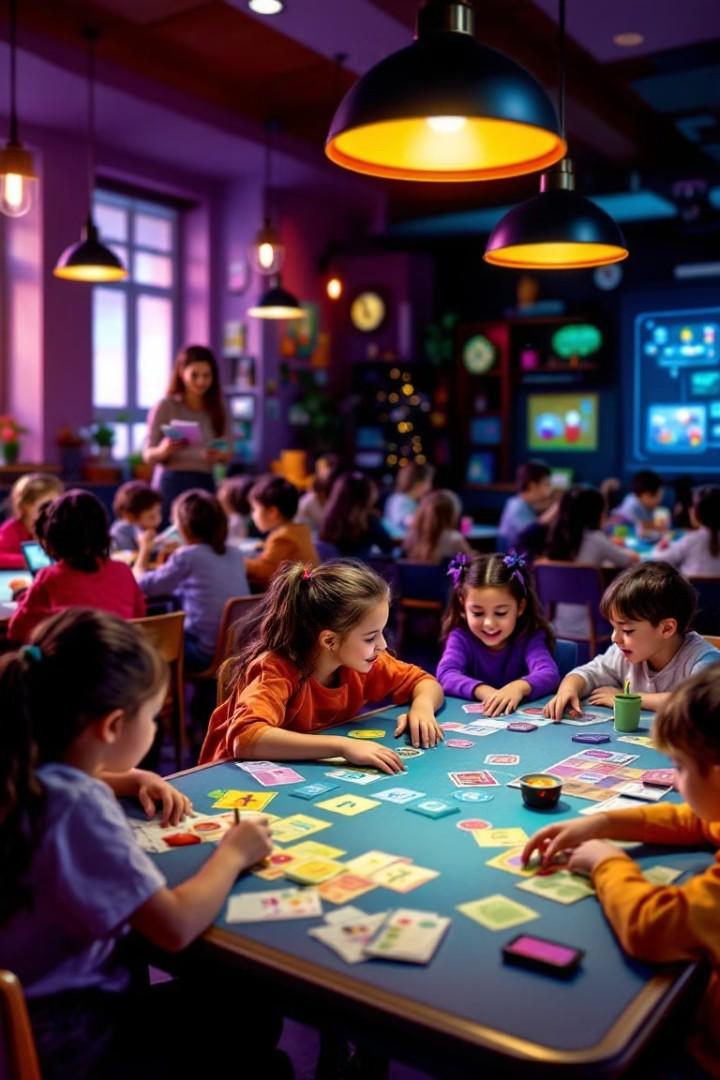
Educational Games
Simulations and digital games create safe spaces to experiment. Students learn through play and discovery.

Interactive Media
Videos and animations visualize complex concepts. Students engage with content at their own pace.

Storytelling
Narratives and roleplaying establish emotional connections. Students become characters in their learning journey.

Gamification
Points, badges, and leaderboards motivate achievement. Students work toward meaningful goals.
Benefits of Edutainment




Case Studies: Successful Edutainment



Kahoot! Quiz-based platform that turns assessments into exciting competitions. Students eagerly race to answer correctly.
Minecraft: Education Virtual world where students build historical structures and scientific models. Learning becomes an adventure.
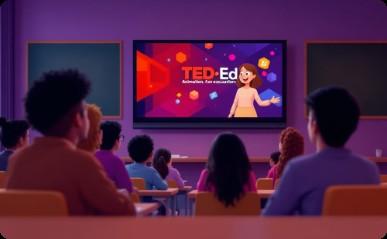
TED-Ed Animations
Beautifully animated lessons that explain complex topics. Visual storytelling makes concepts memorable.
Duolingo Language learning through game mechanics. Short, rewarding lessons keep students motivated to continue.
Overcoming Challenges
Balance Fun and Learning
Ensure entertainment supports educational objectives. Activities should have clear learning outcomes.
Ensure Educational Value Regularly assess activity effectiveness. Entertainment must support measurable learning. 4

Address Skill Differences
Create activities with multiple entry points. All students should find appropriate challenges.
Manage Classroom Dynamics
Establish clear rules for interactive activities. Excitement shouldn't become disruptive.

Measuring the Impact
15%
Test Score Improvement
Students in entertainment-rich classrooms show measurable academic gains over traditional instruction.
85%
Class Participation
Student engagement rates rise dramatically when entertainment elements are incorporated regularly.
93%
Attendance Rate
Students are more likely to attend classes they enjoy, reducing absenteeism significantly.
4.7/5
Student Satisfaction
Feedback from students consistently ranks entertainment-based learning methods higher.
The Future of Edutainment




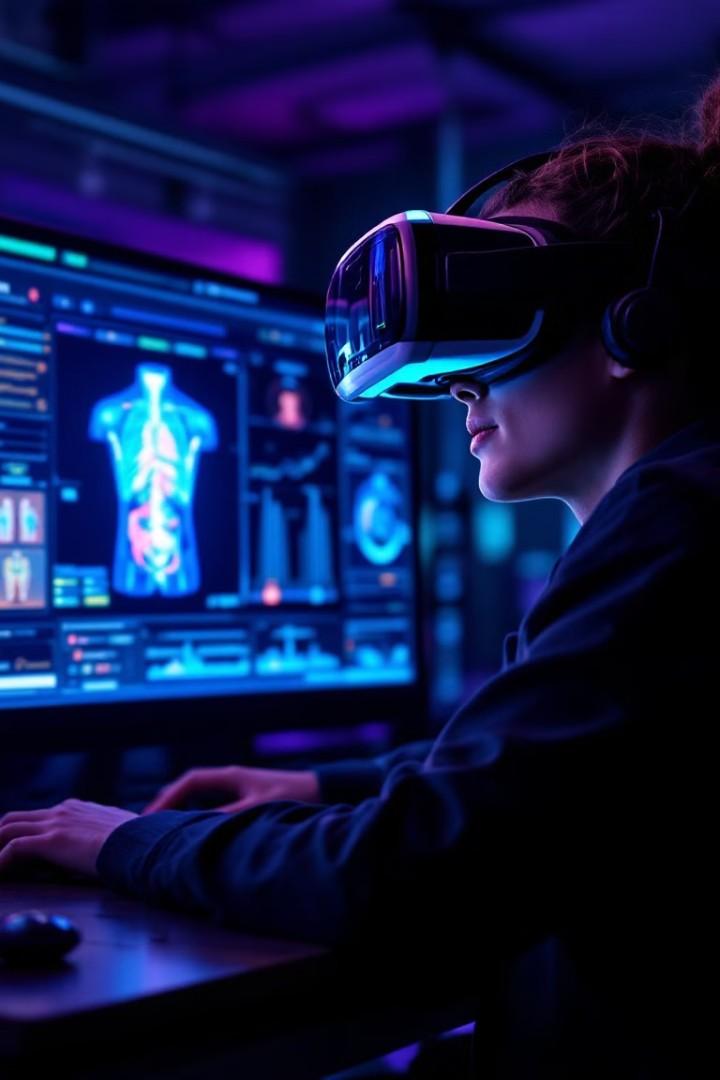
Virtual Reality
Immersive experiences will transport students inside historical events and scientific concepts. Learning becomes experiential.
Personalized Learning
AI-driven content will adapt to individual student needs. Everyone receives optimized challenges.
Adaptive Content Intelligent systems will adjust difficulty in real-time. Students move at their perfect pace.
Collaborative Environments
Global classrooms will connect learners across boundaries. Cultural exchange enhances education.