Machine Learning vs. Deep Learning: What's the Difference?
Explore the fascinating worlds of machine learning and deep learning. Discover key differences, applications, and when to use each approach.

by Ozías Rondón

Explore the fascinating worlds of machine learning and deep learning. Discover key differences, applications, and when to use each approach.
by Ozías Rondón
AI Defined Machines performing tasks that typically require human intelligence. They simulate cognitive functions and learn from data.
Historical Journey
From early theoretical concepts in the 1950s to today's sophisticated applications. AI has evolved dramatically.
Modern Impact AI now powers everything from smartphones to healthcare systems. Its influence continues to grow exponentially.

1 Supervised Learning
Uses labeled data with defined outcomes. The algorithm learns to map inputs to correct outputs.
2 Unsupervised Learning
Works with unlabeled data. Algorithms identify hidden patterns and structures without guidance.
3 Reinforcement Learning
Learns through trial and error. Systems receive rewards for correct actions in an environment.

Neural Inspiration
Modeled after human brain structures. Networks of connected artificial neurons process information.

Uses many processing layers to extract features. Each layer transforms data in increasingly abstract ways.

Capable of handling highly complex patterns. Excels at tasks like vision and language.




Input Layer
Receives raw data. Each node represents a feature or data point in your dataset.
Process information with weighted connections.
Multiple layers enable recognition of complex patterns.
Output Layer
Produces final results. Provides predictions or classifications based on processed data.

ML works with smaller datasets.
DL typically needs massive amounts of data to perform well.
ML requires manual feature selection. DL automatically extracts relevant features from raw data.
ML runs on standard computers.
DL often requires specialized GPU hardware for efficient processing.
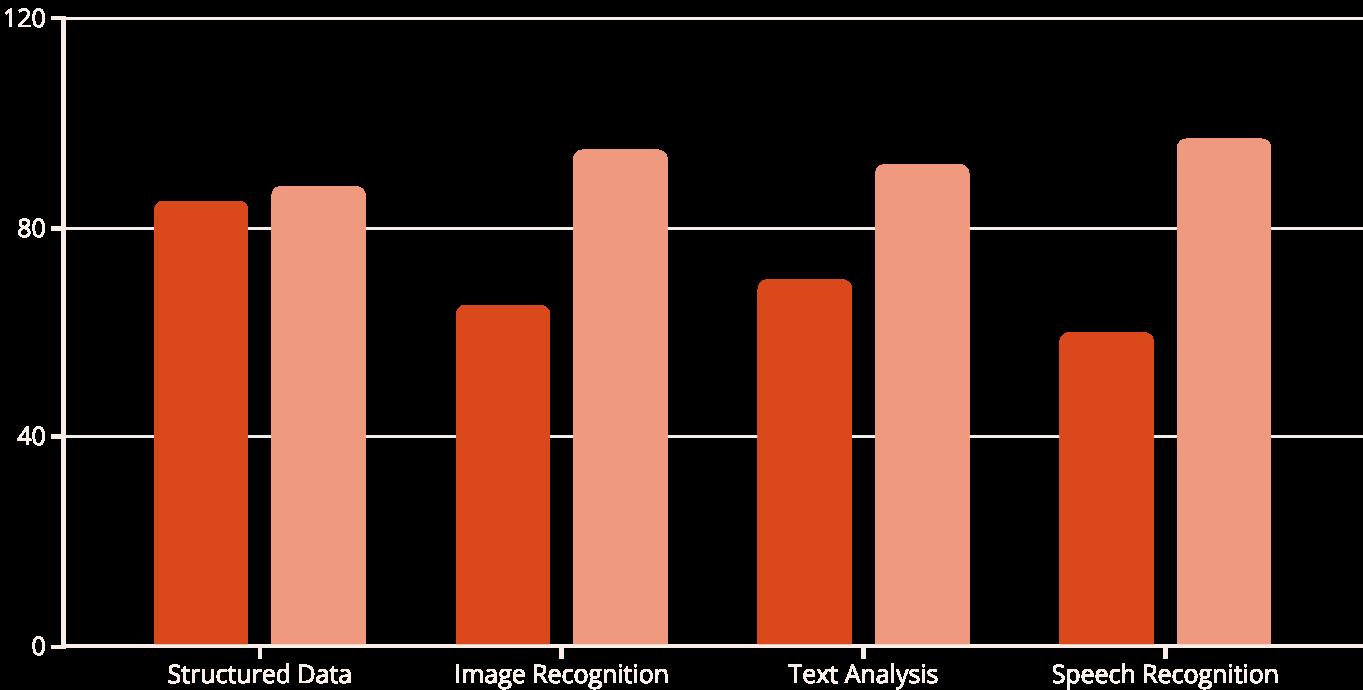
Machine Learning Deep Learning
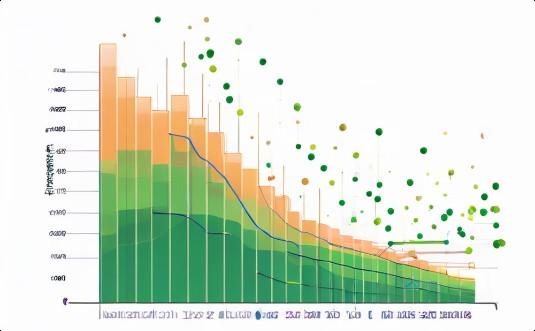
ML performs well with structured, tabular data. DL shows dramatic accuracy improvements with complex data types like images, text, and audio.



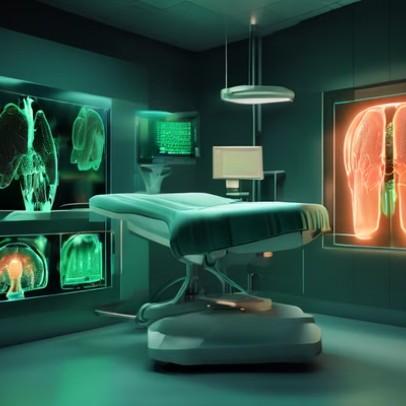
Deep learning powers advanced image recognition systems, self-driving cars, sophisticated language models, and medical diagnostic tools with unprecedented accuracy.
Unstructured information High Accuracy Needs Maximum performance required

Choose deep learning when dealing with complex, unstructured data like images or text. It's optimal when accuracy is paramount and you have substantial computing resources.


Feature Engineering Complexity
Creating effective features requires domain expertise. It can be time-consuming and difficult to optimize.
ML struggles with raw images, audio, and text. These formats require extensive preprocessing.
Overfitting Risk Models may memorize training data rather than generalize. They perform poorly on new, unseen examples.

Deep learning models require massive datasets. Many projects lack sufficient data to train effectively.
Neural networks lack explainability. It's difficult to understand how they reach specific conclusions. Resource Intensity Training requires specialized hardware. GPUs and TPUs add significant project costs.
AutoML
Automated machine learning systems will democratize AI. They'll handle model selection and optimization without human experts.
Few-Shot Learning
Systems will learn from minimal examples. They'll require far less data than today's models. 4

Explainable AI
New techniques will make deep learning more transparent. Complex models will provide humanunderstandable explanations.
Edge AI
Models will run efficiently on small devices. Processing will happen locally without cloud connectivity.

Algorithmic Bias
Models reflect biases in their training data. They can perpetuate or amplify existing societal prejudices.
Accountability Gaps
Who's responsible when AI makes mistakes? Legal frameworks struggle with automated decisionmaking.
Privacy Concerns AI systems often require vast personal data. Collection raises serious questions about consent and security.
Environmental Impact
Training large models consumes enormous energy. The carbon footprint of deep learning is growing rapidly.





Find problems where AI adds value. Focus on measurable business outcomes rather than technology.
Combine data scientists with domain experts. Success requires both technical and business knowledge.
Ensure data quality and accessibility. Create infrastructure that supports AI development and deployment.
Begin with pilot projects. Expand based on proven results and lessons learned.

1
Step: Create
Build stunning infographics and presentations to illustrate complex ML/DL concepts visually.
2
Step: Communicate Use professional visuals to explain AI strategies to stakeholders and team members.
3 Step: Convert
Turn technical concepts into clear, engaging visual stories that drive understanding. ClickDesigns makes it easy to create professional graphics that explain machine learning and deep learning concepts to any audience.


No design experience needed. Create professional ML/DL visuals in minutes with intuitive interfaces.

Templates
Access hundreds of AI-specific templates. Customize them with your own content in seconds.

Easy Sharing Export your designs in multiple formats. Present online or include in reports and presentations.
Ready to transform your AI communication? Visit
ClickDesigns | Graphics & Designs Made Easy today!