How to Eat Healthy on a Budget
Eating well doesn't have to break the bank. This presentation will show you practical strategies to nourish your body while protecting your wallet.
Discover how to make smart choices that benefit both your health and budget.

by Ozías Rondón

Why Eating Healthy Matters

Physical Health
Proper nutrition boosts immunity. It reduces risks of chronic diseases and improves energy levels.


Mental Wellbeing
Nutritious foods support brain function. They can enhance mood and reduce anxiety.
Financial Benefits Prevention costs less than treatment. Healthy eating can reduce medical expenses long-term.
Common Challenges


Price Perception
The belief that healthy eating costs more


Time Constraints
Limited hours for planning and cooking


Knowledge Gaps
Unfamiliarity with budget-friendly options
These obstacles often seem overwhelming. But with the right strategies, they can be overcome.

Shop Smart: Compare Prices
Unit Price Strategy
Look at the price per ounce or pound. The largest package isn't always the best deal.
Brand Comparison
Store brands often match name brands in quality. They typically cost 20-30% less for similar products.
Smart comparison shopping can reduce your grocery bill by up to 25%.
Strategic Sales Shopping
Use store flyers to plan meals. Focus on significant discounts, not minor savings.
Buy in Bulk
Non-Perishables
Share Costs
Rice, dried beans, and whole grains have long shelf lives. Buying larger quantities reduces cost per serving. Examples: Brown rice, quinoa, lentils, and oats can cost 30-50% less when purchased in bulk.
Split large quantities with friends. Organize a buying group for expensive items like nuts or specialty foods. This approach can make premium healthy ingredients affordable for everyone involved.
Portion and Freeze
Divide bulk purchases into mealsized portions. Label clearly with date and contents before freezing. This prevents waste and provides quick meal options when time is limited.
Choose Seasonal Produce
Seasonal Savings
Buy produce when naturally abundant

Freeze or can seasonal bounty

Farmers Markets
Support local growers for fresher options
Home Growing
Start with herbs in windowsill pots Preserve Excess
Seasonal eating connects you to natural cycles. It delivers peak nutrition at lower costs.

Embrace Plant-Based Proteins
$1.50 Per Pound
Average cost of dried beans vs. $3-5 for meat
15g Protein Amount in one cup of lentils 90% Cost Savings When replacing meat with plant proteins
Plant proteins offer exceptional value. They're nutritious, versatile, and extremely economical.
Try bean-based meals twice weekly to see significant budget improvements.
Cook at Home
Batch Cooking
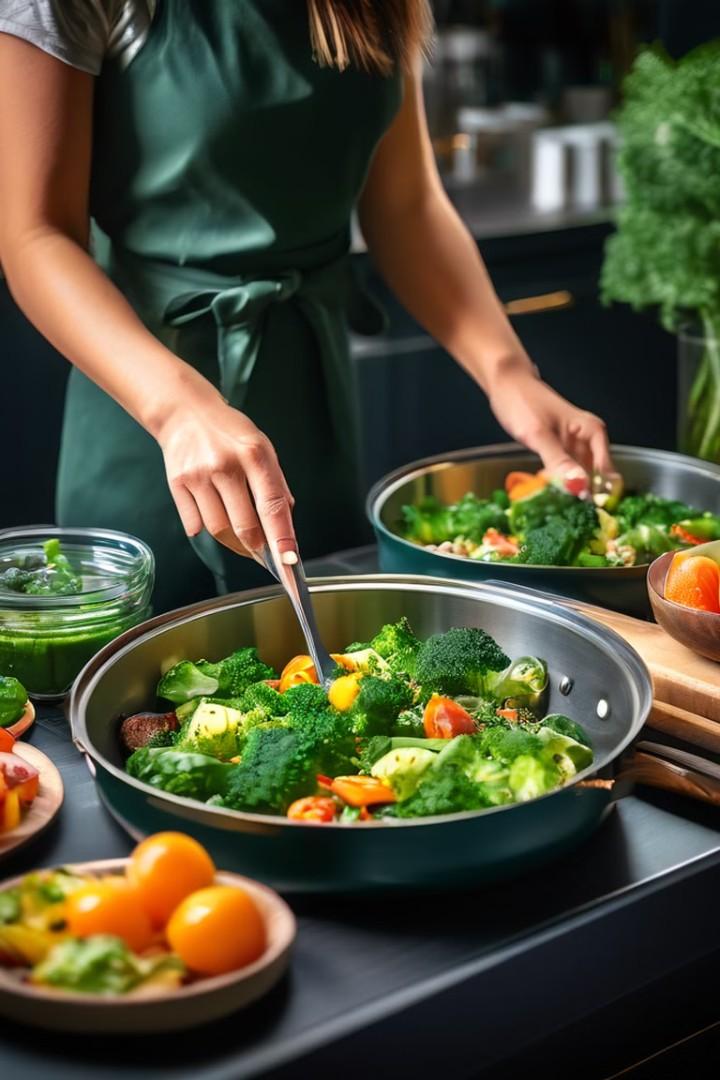
Prepare multiple meals at once. Dedicate 2-3 hours weekly for efficient cooking sessions.
Basic Skills
Learn to chop vegetables properly. Master simple techniques like roasting and one-pot cooking.
Creative Leftovers Transform tonight's dinner into tomorrow's lunch. Repurpose ingredients to prevent food fatigue.
Home cooking can cut your food expenses by 60%. The health benefits add even more value.
Smart Snacking




Prepare portion-controlled snacks weekly. Choose nutrient-dense options like nuts or vegetables with hummus.
Avoid expensive pre-packaged snacks. They cost more and typically offer less nutrition.
Use Everything
Whole Vegetable Cooking
Broccoli stems can be peeled and sliced. Beet greens are nutritious and delicious sautéed.
Regrow from Scraps
Green onions, lettuce bases, and herbs can regrow. Place them in water for continuous harvests.


Homemade Stock
Save onion skins, carrot tops, and celery ends. Simmer with herbs for free, flavorful broth.
Leftover
Transformation Monday's roasted vegetables become Tuesday's soup. Yesterday's rice transforms into today's stir-fry.
Store Food Properly
Herb Storage
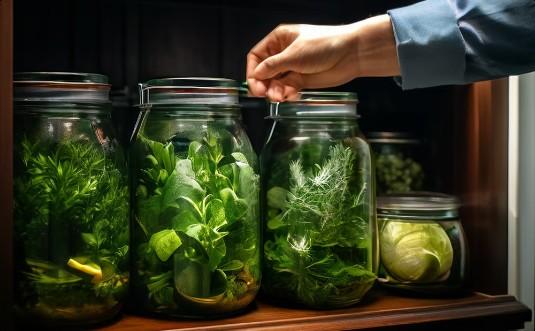
Store herbs like fresh flowers in water. Cover with a loose plastic bag to extend life by 2-3 weeks.
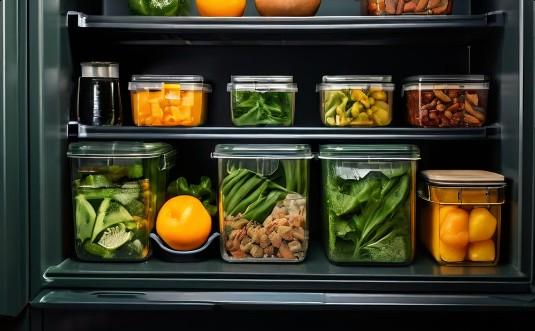
Container System
Use clear containers to see contents easily. Label with dates to track freshness.
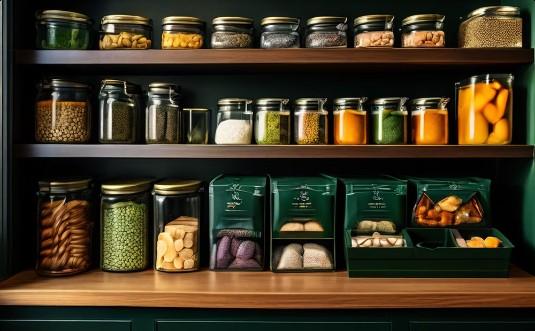
Pantry Organization
Store oldest items in front. Use airtight containers for opened packages to prevent pests.
Proper storage prevents up to 25% of potential food waste. This directly translates to budget savings.
Take Advantage of Resources Assistance

Programs
SNAP, WIC, and food banks provide valuable support

Digital Tools Apps like Flipp, Ibotta, and Checkout51 offer savings

Online Learning
Free recipes and tutorials teach budget cooking skills
Don't hesitate to use available resources. They exist to help everyone access healthy food.
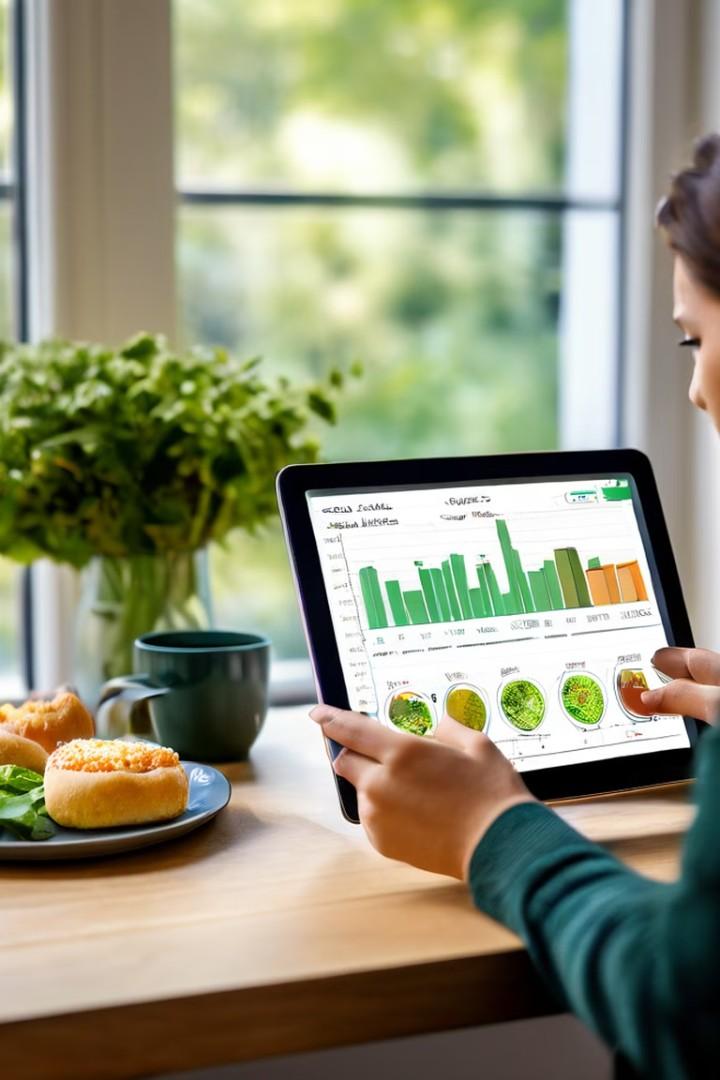
Track Your Progress
The Importance of Supplements


Introducing Free Sugar Pro Supplements

Sugar-Free Formula

Supports healthy blood sugar levels. Contains no artificial sweeteners or harmful additives.
Quality Ingredients

Premium nutrients in optimal forms. Designed to complement a wholesome diet effectively.
Budget-Friendly Value
Cost-effective supplementation. Delivers substantial health benefits at an accessible price point.
Free Sugar Pro complements your healthy eating efforts. It fills nutritional gaps while supporting overall wellness.