

How Breathwork Can Transform Your Health

Discover the ancient practice with modern science backing that can revolutionize your wellbeing. Through conscious breathing, you can unlock profound physical and mental health benefits. Join us on a journey to harness the power of your breath.

by Ozías Rondón
The Science Behind Breathwork


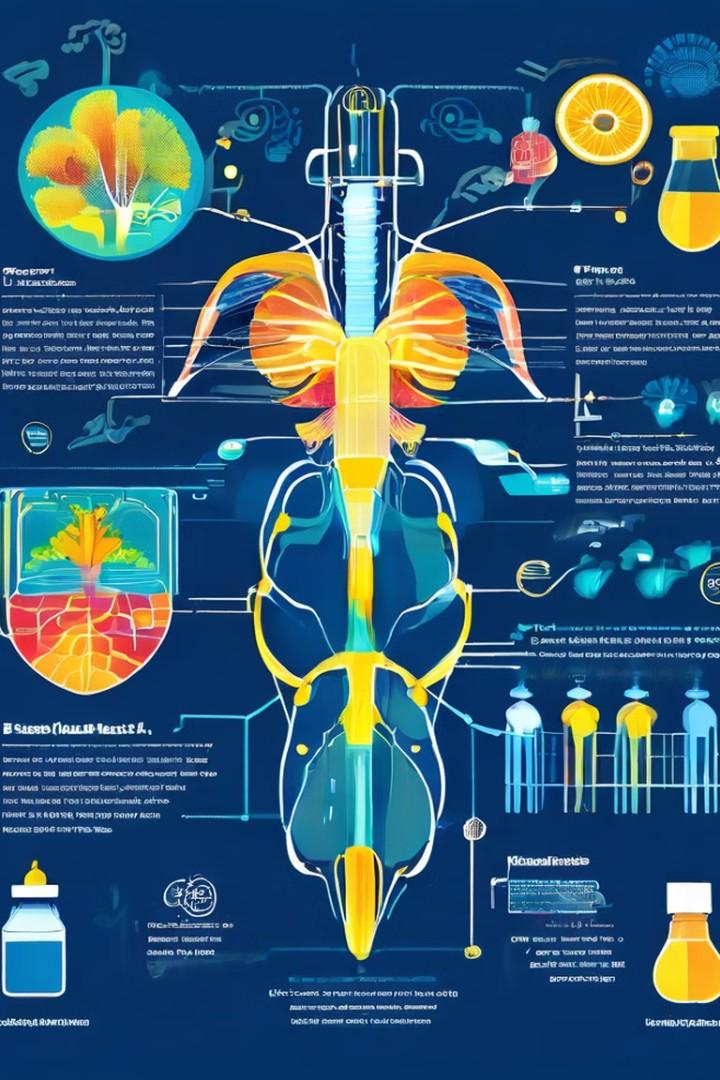
Nervous System Regulation
Activates the vagus nerve and parasympathetic response


Heart Rate Variability
Improves cardiovascular resilience and adaptability


Hormonal Balance
Reduces cortisol and increases feel-good neurotransmitters
Your breath creates a direct pathway to influence your body's stress response. Specific patterns can trigger relaxation within seconds.
Benefits of Breathwork
Stress Reduction
Activates the relaxation response to counter effects of chronic stress.

Calms the mind and prepares the body for restful sleep.

Mental Clarity Improves focus, concentration, and decision-making abilities.
Emotional Regulation
Helps process difficult emotions and maintain emotional balance. Better Sleep
Breathwork and Physical Health
Blood Pressure
Average reduction in patients practicing daily breathwork
Immune Function
Increase in natural killer cell activity 67%
Sleep Quality
Improvement reported by regular practitioners
Breathwork creates measurable physiological changes. Even five minutes daily can yield significant improvements within weeks.
Popular Breathwork Techniques



Box Breathing
Equal-duration inhale, hold, exhale, hold. Used by Navy SEALs for stress management.
4-7-8 Technique
Dr. Andrew Weil's method for inducing relaxation and sleep. Based on pranayama.
Alternate Nostril Yogic practice for balancing left and right brain hemispheres. Enhances focus.
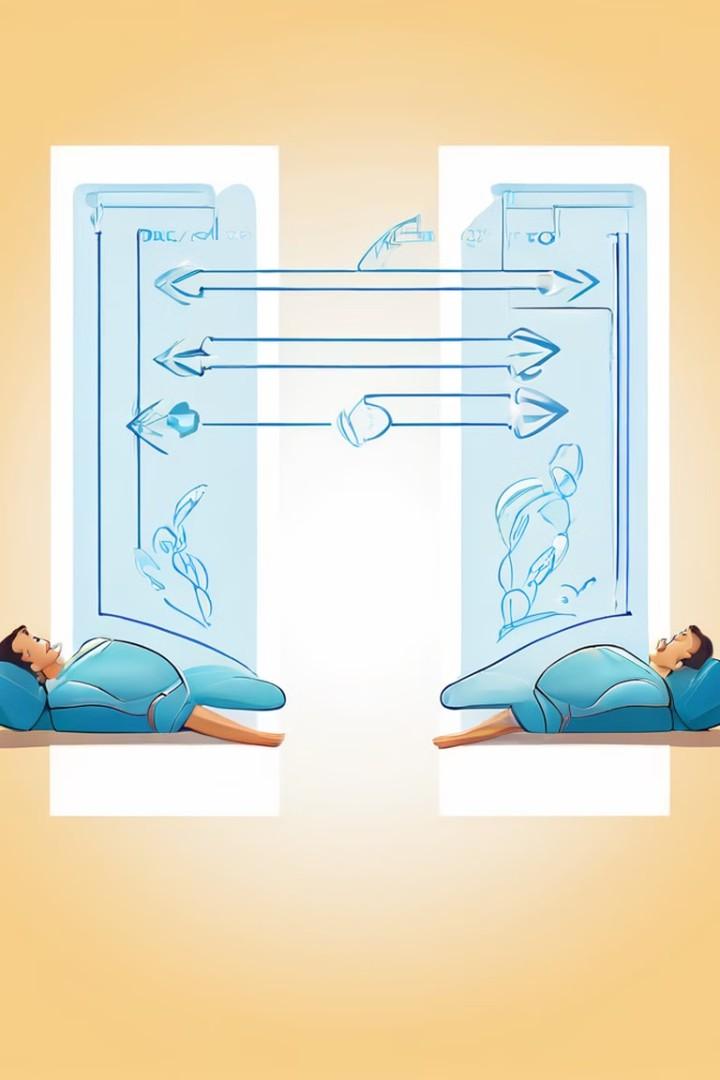
Box Breathing Technique
Inhale 4 Seconds
Breathe in slowly through nose, filling lungs completely
Hold 4 Seconds

Pause with empty lungs before beginning next cycle

Hold 4 Seconds
Retain breath comfortably, maintaining relaxed posture
Exhale 4 Seconds
Release breath completely through mouth
Practice box breathing for 5 minutes daily to reduce stress and improve focus. It's especially effective before high-pressure situations.
Breathwork for Energy and Performance
Oxygen Optimization
Proper breathing increases oxygen saturation in the blood. This fuels muscles and brain function more efficiently. Elite athletes use breathwork to improve recovery times and performance.
Endurance Enhancement
Mental Focus
Controlled breathing during exercise improves stamina. It helps maintain optimal oxygen-carbon dioxide balance. Studies show up to 15% performance improvement with trained breathing.
Breathwork sharpens concentration during high-pressure situations. It prevents mental fatigue during extended cognitive tasks. Many executives use breathing techniques before important meetings.

Breathwork in Daily Life

Morning Energizer
5 minutes of stimulating breath to awaken body and mind

Mid-Morning Reset
2-minute box breathing between tasks to maintain focus

Afternoon Revitalizer
3 minutes of alternating nostril breathing to combat post-lunch slump

Evening Wind-Down
4-7-8 breathing to transition from work mode to relaxation

Breathwork for Chronic Conditions
Asthma
Pursed Lip Breathing Reduces bronchospasm, improves air exchange
COPD Diaphragmatic Breathing Decreases work of breathing, increases oxygen
Hypertension Slow Breathing (6 breaths/min) Lowers blood pressure 5-15 mmHg
Insomnia 4-7-8 Technique Reduces sleep onset time by 15+ minutes
The Mind-Body Connection


Conscious Breathing
Gateway to influencing unconscious processes
Thought Patterns
Disruption of negative mental loops

Emotional Regulation
Development of response flexibility

Mindful Awareness
Cultivation of present-moment living
Your breath is the only autonomic function you can consciously control. This makes it a unique bridge between mind and body.

Getting Started with Breathwork

Start Small
Begin with just 5 minutes daily. The consistency matters more than duration.

Gradual Increase
Slowly extend sessions to 10-15 minutes as your capacity develops.

Daily Practice

Schedule your breathwork at the same time each day to build a lasting habit. Track Progress
Notice improvements in sleep, stress levels, and mental clarity over time.
Tools and Resources




Modern technology offers numerous tools to support your breathwork practice. Apps provide guided sessions, trackers measure progress, and online communities offer accountability.

Potential Challenges

Initial Discomfort
Light-headedness or tingling sensations may occur. Start with shorter sessions and gentle techniques.

Wandering Mind
Use counting or visualization to maintain focus. Your concentration will improve with practice.

Time Constraints
Integrate practice into existing routines. Even 3-minute sessions while commuting can be beneficial.

Consistency Issues
Use habit stacking by connecting breathwork to existing daily activities like brushing teeth.
The Future of Breathwork




Wearable Integration
Smart devices will provide real-time breathing feedback and personalized protocols.
Personalized Protocols
Genetic and biometric data will customize techniques for individual physiology.
Neurofeedback Combination
Brain-breath synchronization will enhance cognitive effects and therapeutic applications.
Medical Integration
Breathwork prescriptions will become standard in treatment plans across specialties.

Take Action with TeslaCare

Expert-Guided Programs
Personalized breathwork protocols designed by certified practitioners.

Supportive Community
Connect with fellow practitioners for motivation and shared experience.

Advanced Technology
Track your progress with proprietary breath monitoring tools. Transform your health today with TeslaCare's revolutionary breathwork programs. Visit https://www.checkout-ds24.com/redir/577873/nthien/ to begin your journey.