At this pivotal juncture of global change, design is no longer limited to shaping aesthetics. Instead, it has evolved into a strategic tool for increasing national competitiveness, resolving social issues, and strengthening governance resilience. During this past year, Taiwan Design Research Institute (TDRI) has advanced simultaneously across multiple practical paths. Through integration into public governance, city spaces, and industrial systems, design has gradually become an important force connecting policy, technology, and daily life.
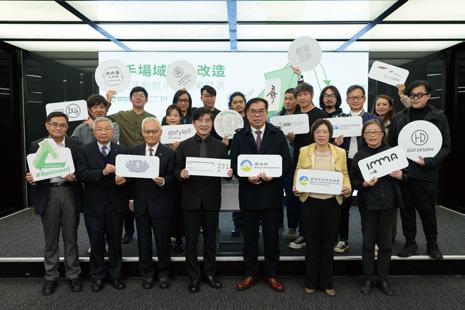
In this developmental context, TDRI is honored to receive recognition from industry, government, and academia for its numerous achievements. TDRI' s Service Innovation Division is dedicated to promoting design-driven public service innovation models and constructing cross-domain collaboration platforms with the aim of creating various "policy laboratories." To date, it has facilitated numerous cross-ministry policies and institutional prototypes, allowing design thinking to play a meaningful role in governance. These achievements have earned TDRI the Ministry of Economic Affairs' 9th National Industrial Innovation Award. TDRI also placed second behind the Industrial Technology Research Institute in the non-profits and government category of CommonWealth Magazine' s 2025 Excellence in Corporate Social Responsibility Award, demonstrating gradual recognition of TDRI' s long-term efforts to promote sustainable design, circular innovation, and social co-creation.
From Public Service to Spatial Reconstruction: Integrating Design into Systems and Everyday Life
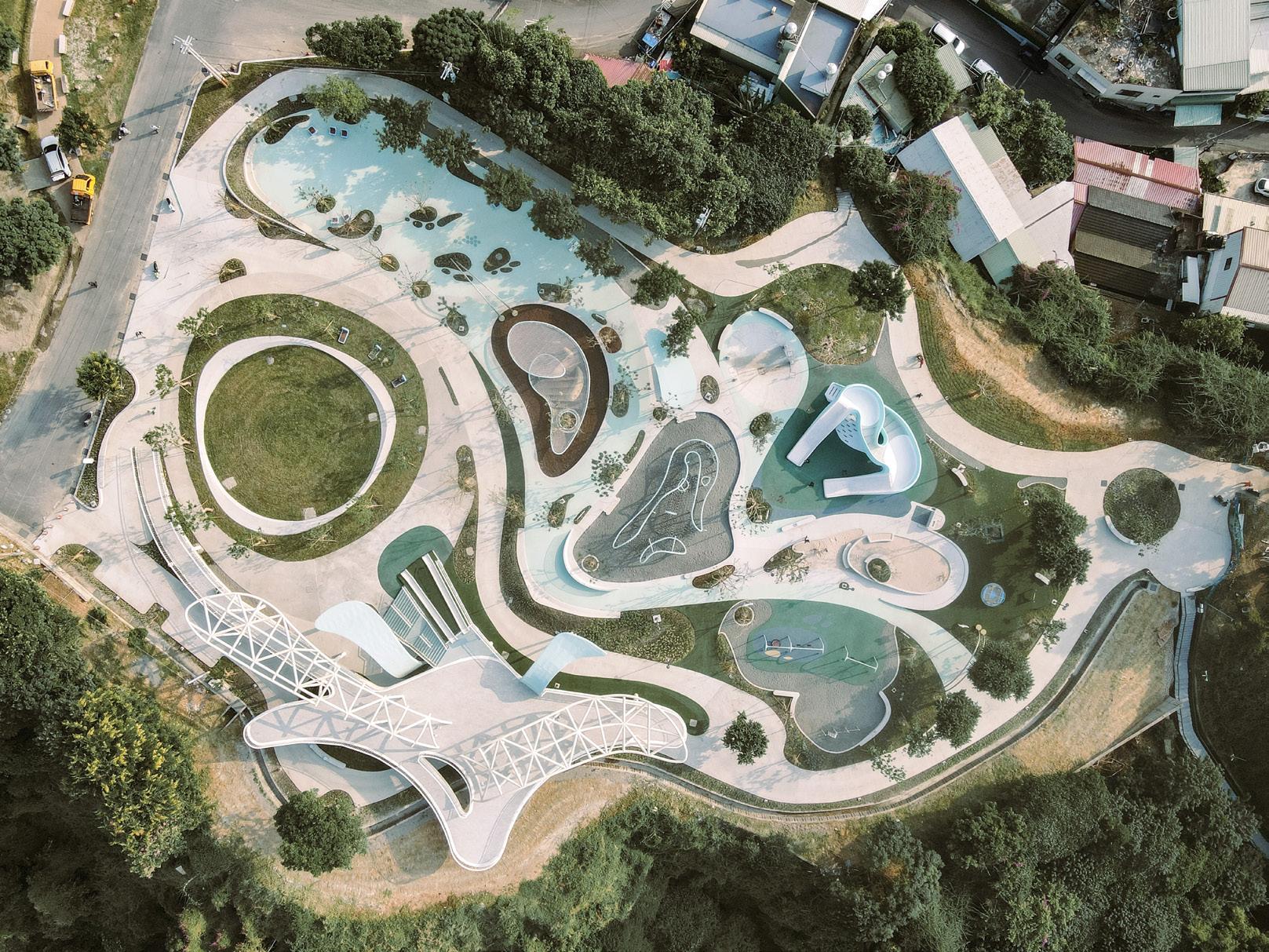
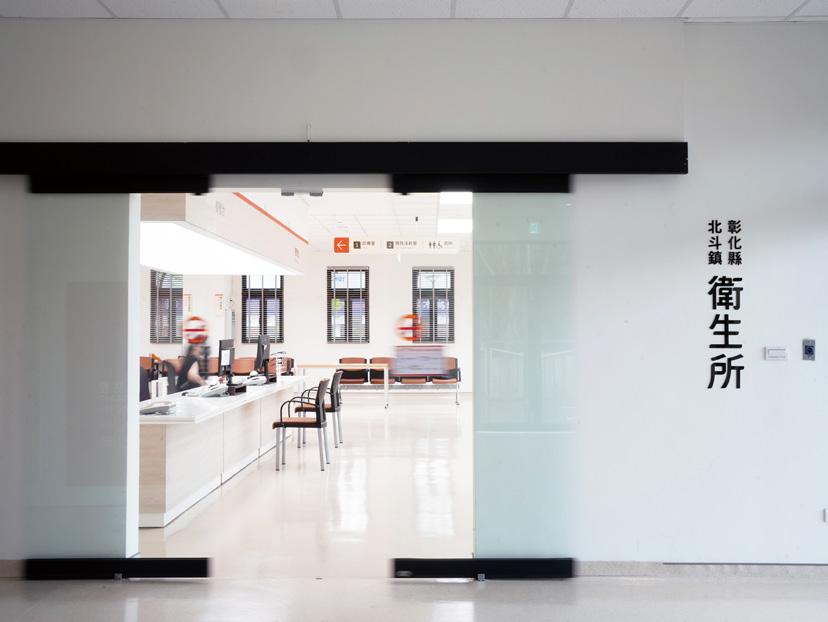
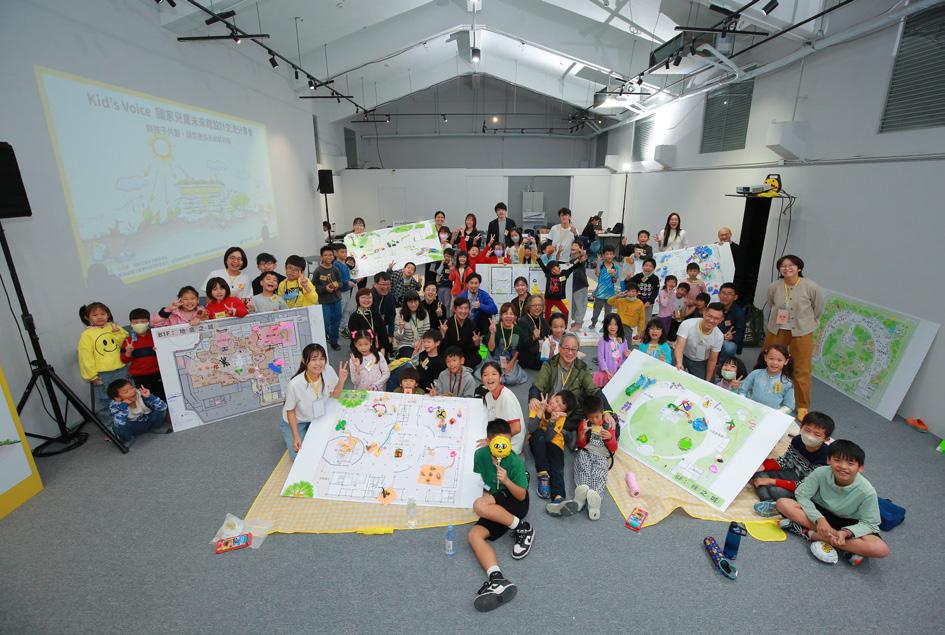
In our mission to foster the design ecosystem in Taiwan, we strive to manifest design thinking as a visible and palpable impact. The "Design Movement for Public" project produced concrete results in its third year of implementation. Projects ranging from the landscape reconstruction of Chiayi s Gangping Sports Park to the renovations of Changhua s Beidou Health Center, pedestrian spaces, and Baguashan SKY Playground all confirm that design can overturn old ways of thinking and make public spaces more meaningful and functional, driving the evolution of public venues.
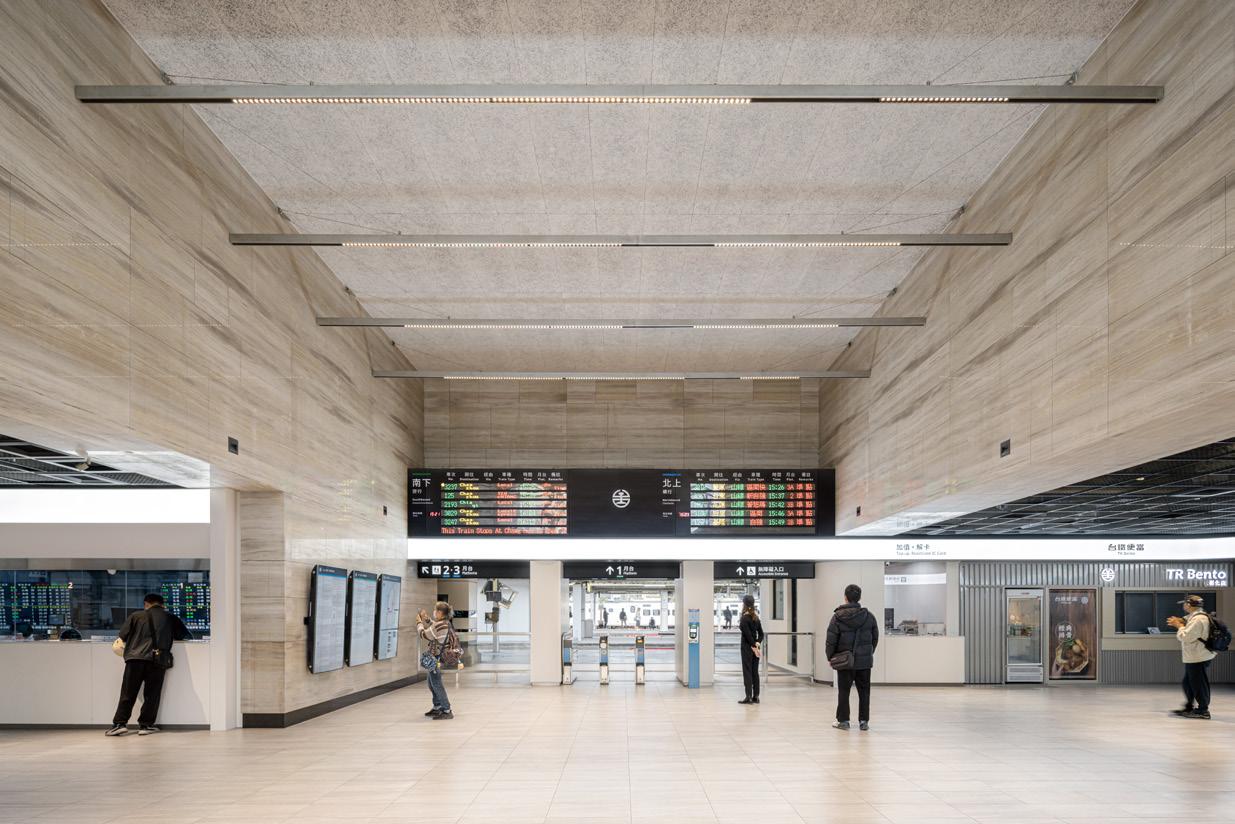
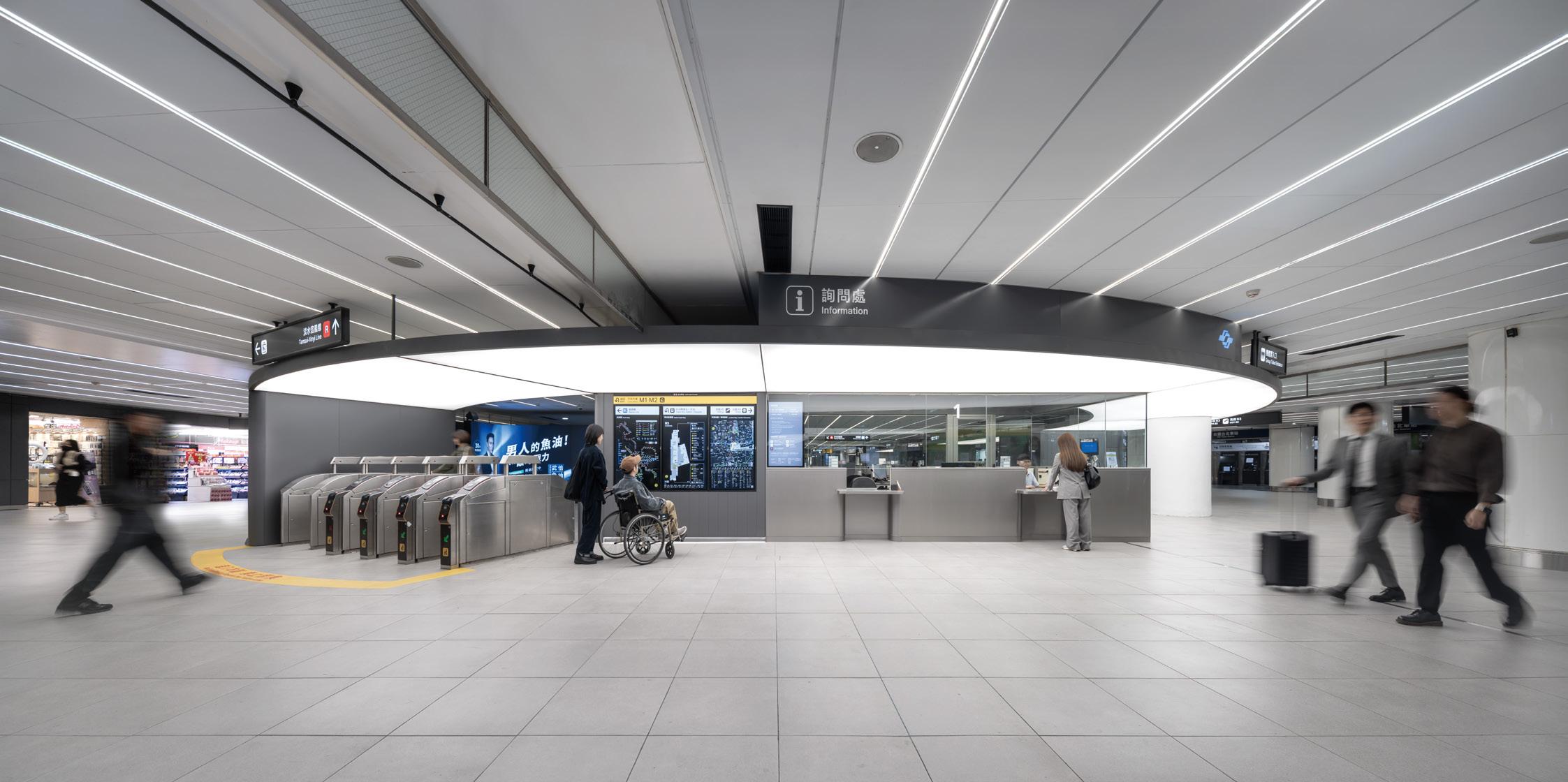
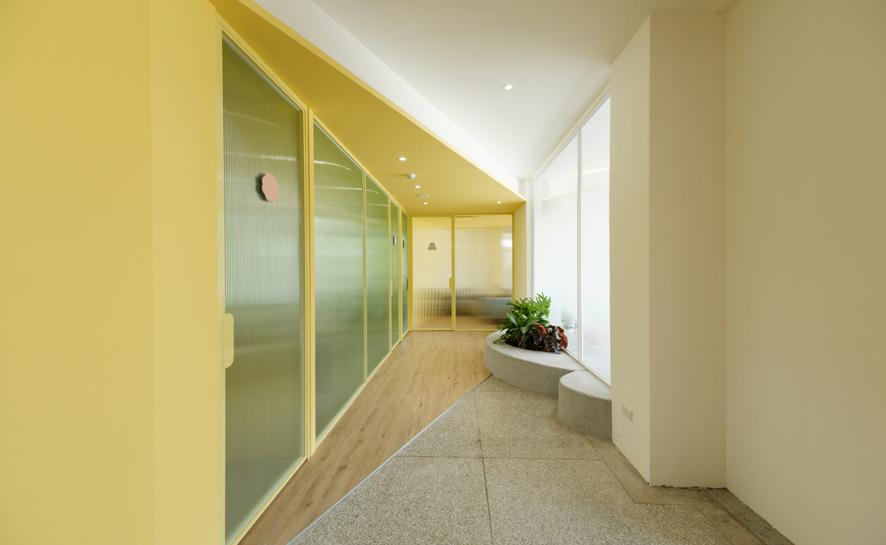
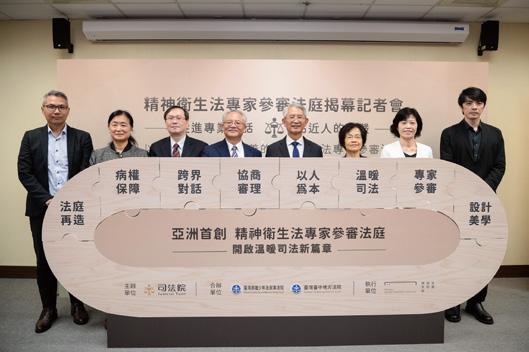
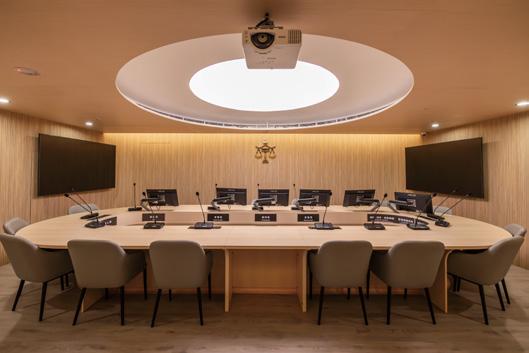
Design is also actively entering into important fields of public service. In the transportation sector, we applied the successful redesign of Taipei Metro' s Zhongshan Station to the more complex Taipei Main Station B3 Concourse. Through systematic organization and planning, we resolved long-standing issues of chaotic flowlines and incomprehensibility to create a more comfortable and modern transportation environment. In the medical and social fields, we assisted the Judicial Yuan in creating Taiwan s first people-centered mental health court, and we collaborated with the Ministry of Health and Welfare to improve the wayfinding systems at ministry-affiliated hospitals and make rigid spaces friendlier for patients. The high-profile "Public Health Center Re-Design" project was successfully replicated and implemented in Taitung City, allowing primary healthcare services to become more intuitive and seamless.
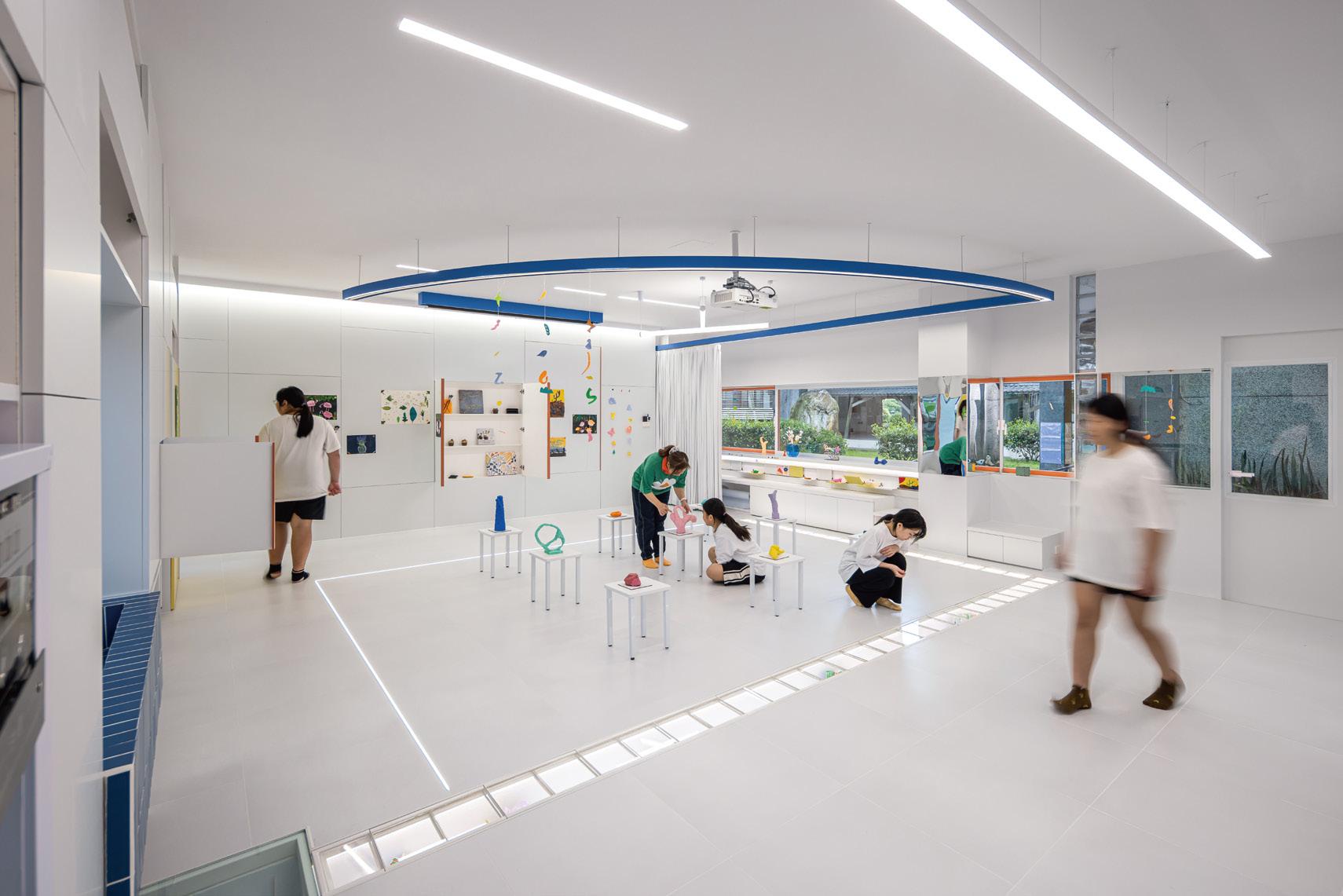
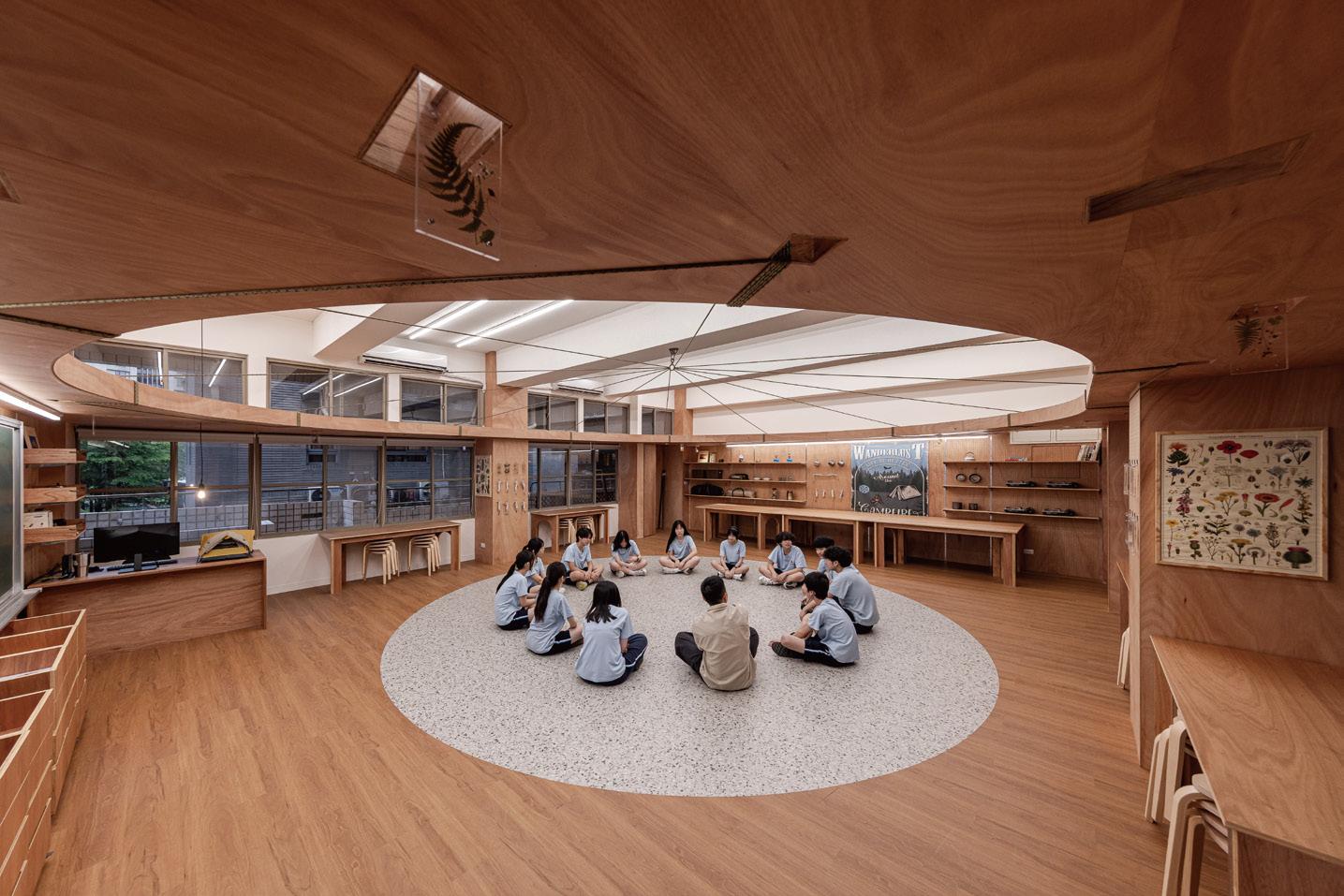
The influence of design continues to spread across campuses and communities. The "Design Movement on Campus" project entered its seventh year, and has so far transformed the learning environments at 129 schools. In 2025, the "Design Movement for Student Wellbeing" project, which upgrades university counseling spaces, was expanded to embed support in educational spaces as well. Through the reconstruction of various public spaces and services, we are progressively improving lives and turning design into the best tool possible for enhancing the quality of public service.
Cross-Disciplinary Connections and International Export: Defining the Influence of Taiwanese Design
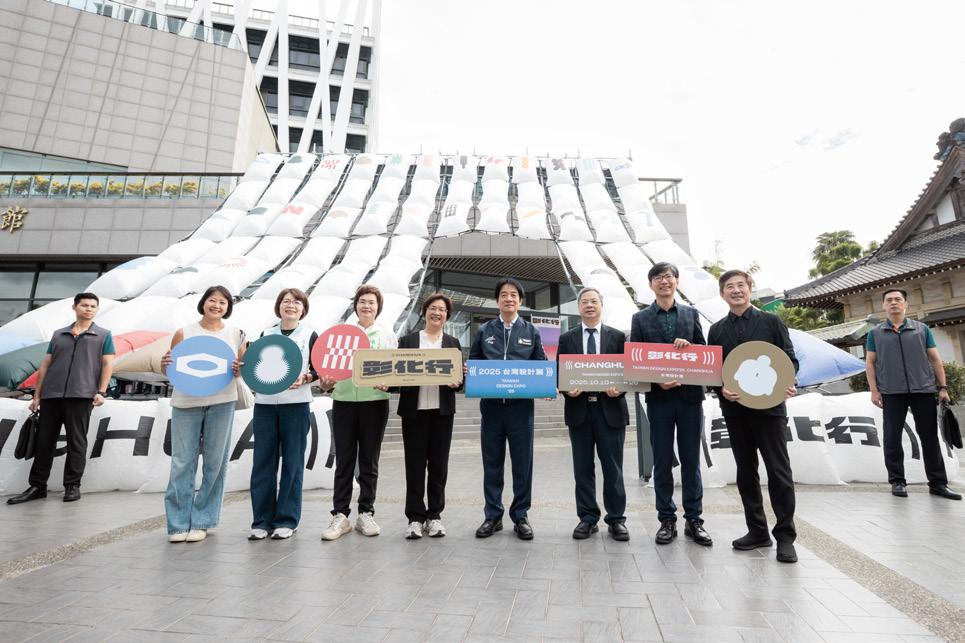
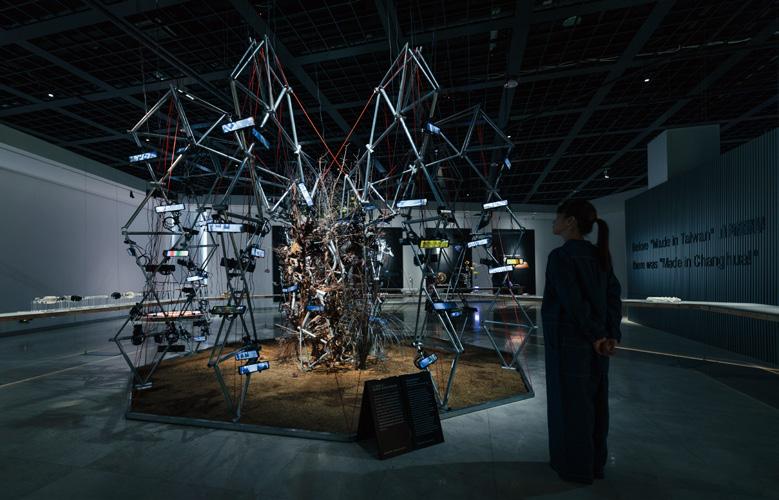
The social value of design is reflected in the breadth and depth of the connections it generates. The 2025 Taiwan Design Expo in Changhua set new records, with the main exhibition area spanning four townships and cities, and bringing together over 700 designers and more than 1,000 local businesses. The expo welcomed a record 7.8 million visitors and demonstrated how design takes root in local communities and allows cities to shine. The same cross-disciplinary energy was also on full display at Creative Expo Taiwan, which recorded a 12.5% growth in its
trade exhibitions since last year, with a total transaction value of NT$1.35 billion. The expo once again demonstrated that the deep integration of design, culture, and business opportunities can create substantial economic resilience for Taiwan' s creative industry.
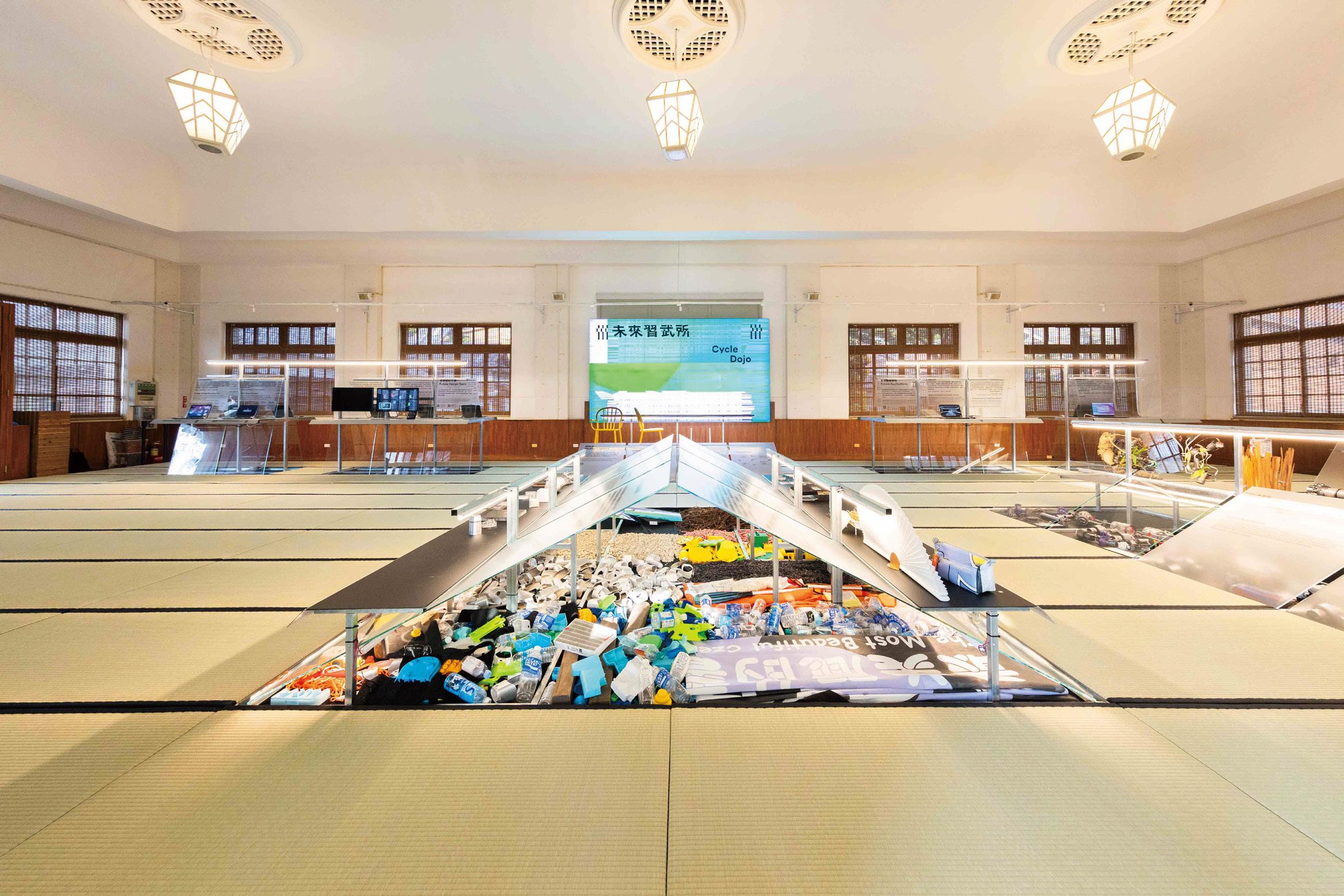
With regards to industry empowerment and sustainable transformation, we continue to drive innovation through design thinking. Whether it' s collaborating with the Ministry of Environment to promote "Circular Design Integration" and helping companies to implement product development principles such as easy disassembly and the use of recycled materials, or joining forces with the Ministry of Agriculture to link agriculture with modern markets through the "Agriculture Co-Worker (ACO)" program, TDRI is supporting businesses and industries in internalizing design thinking as a key competitive strategy.
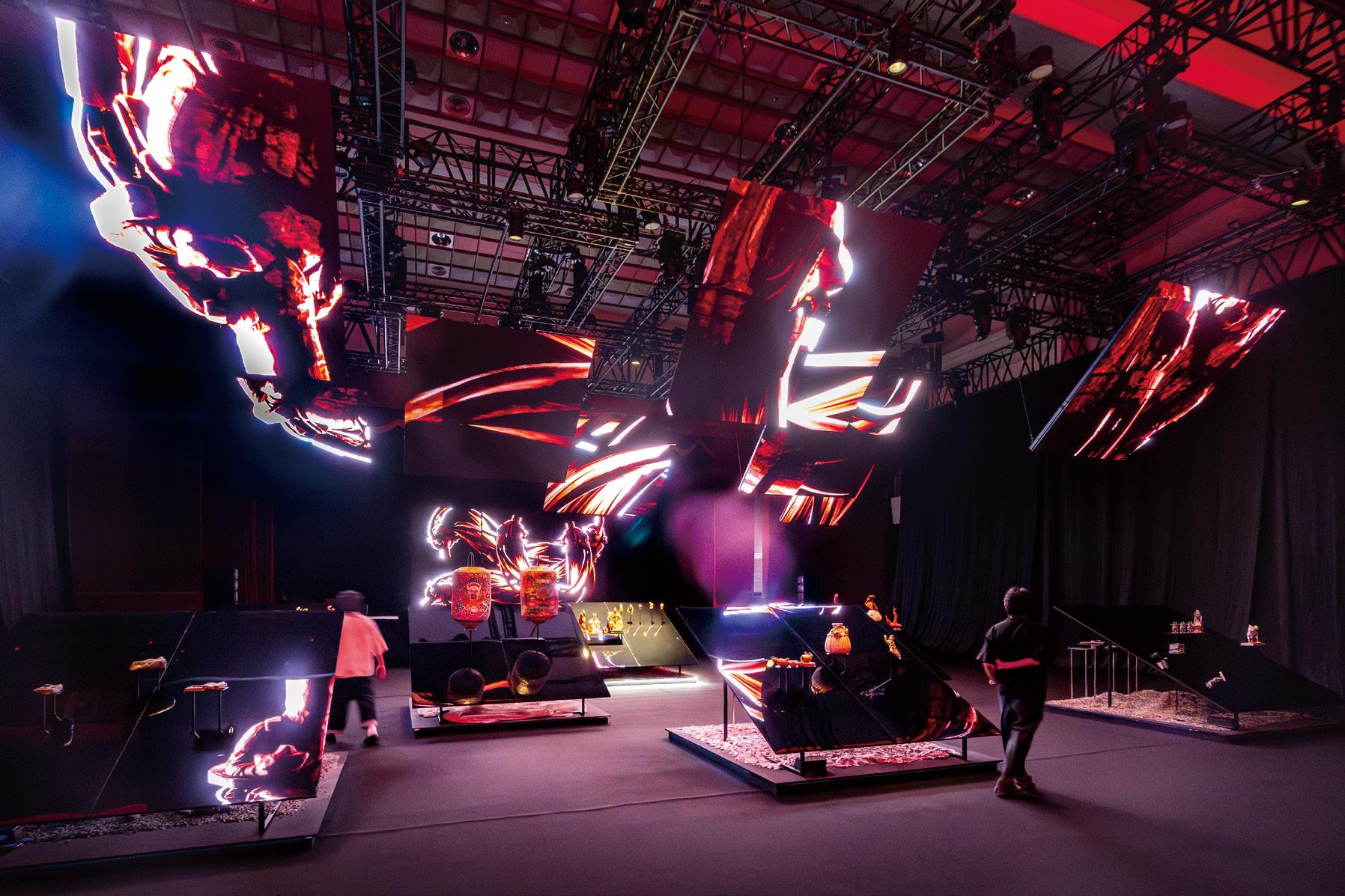
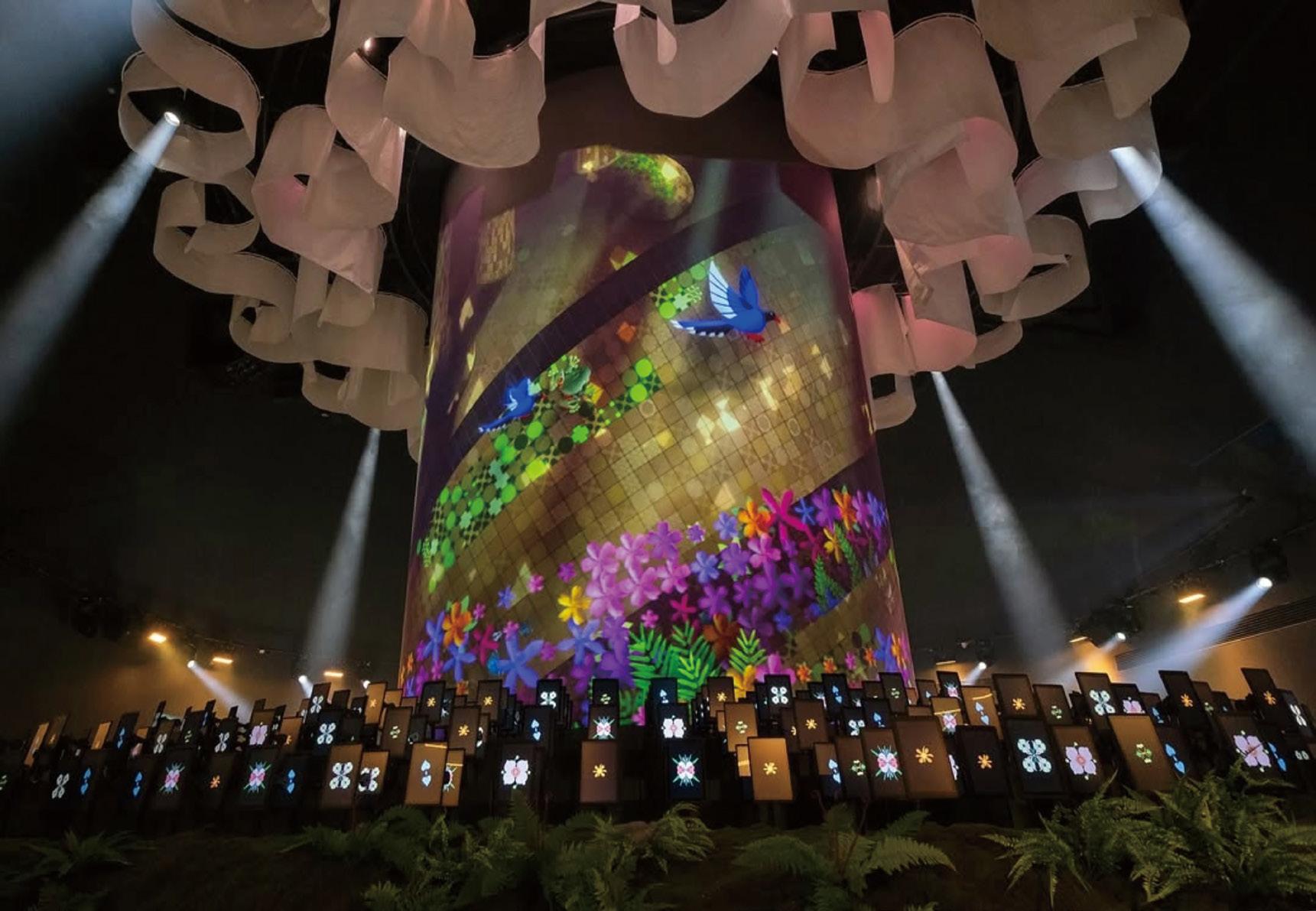
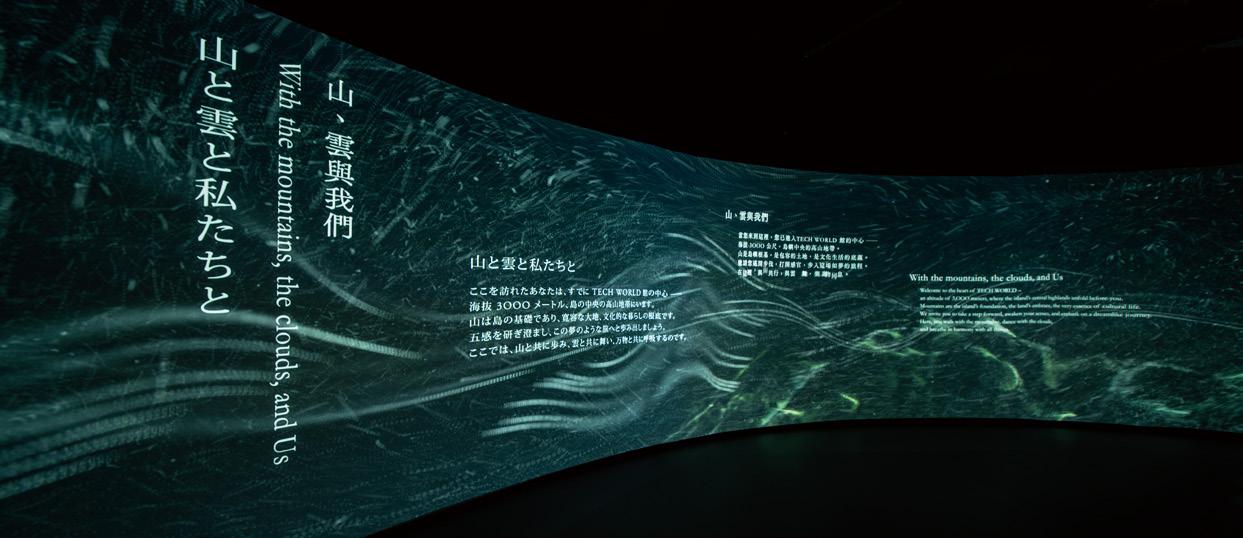
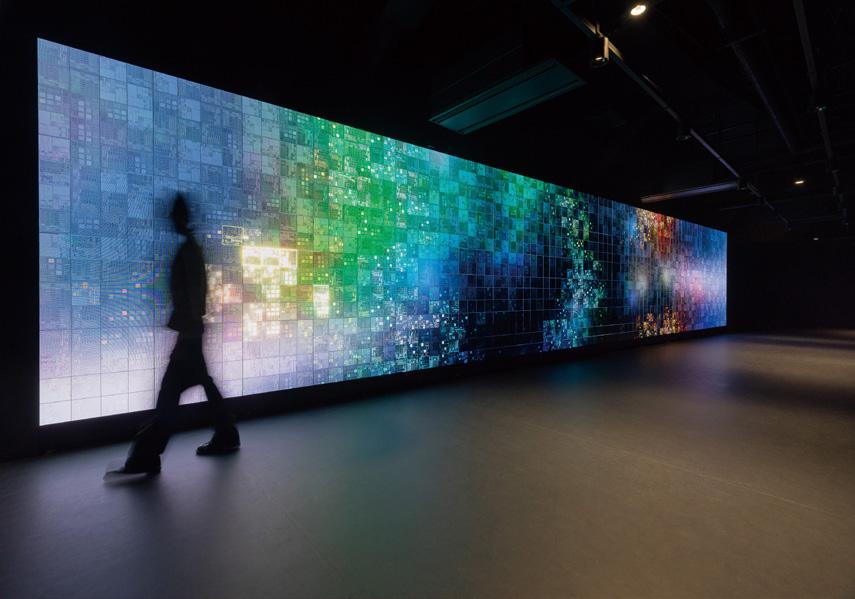
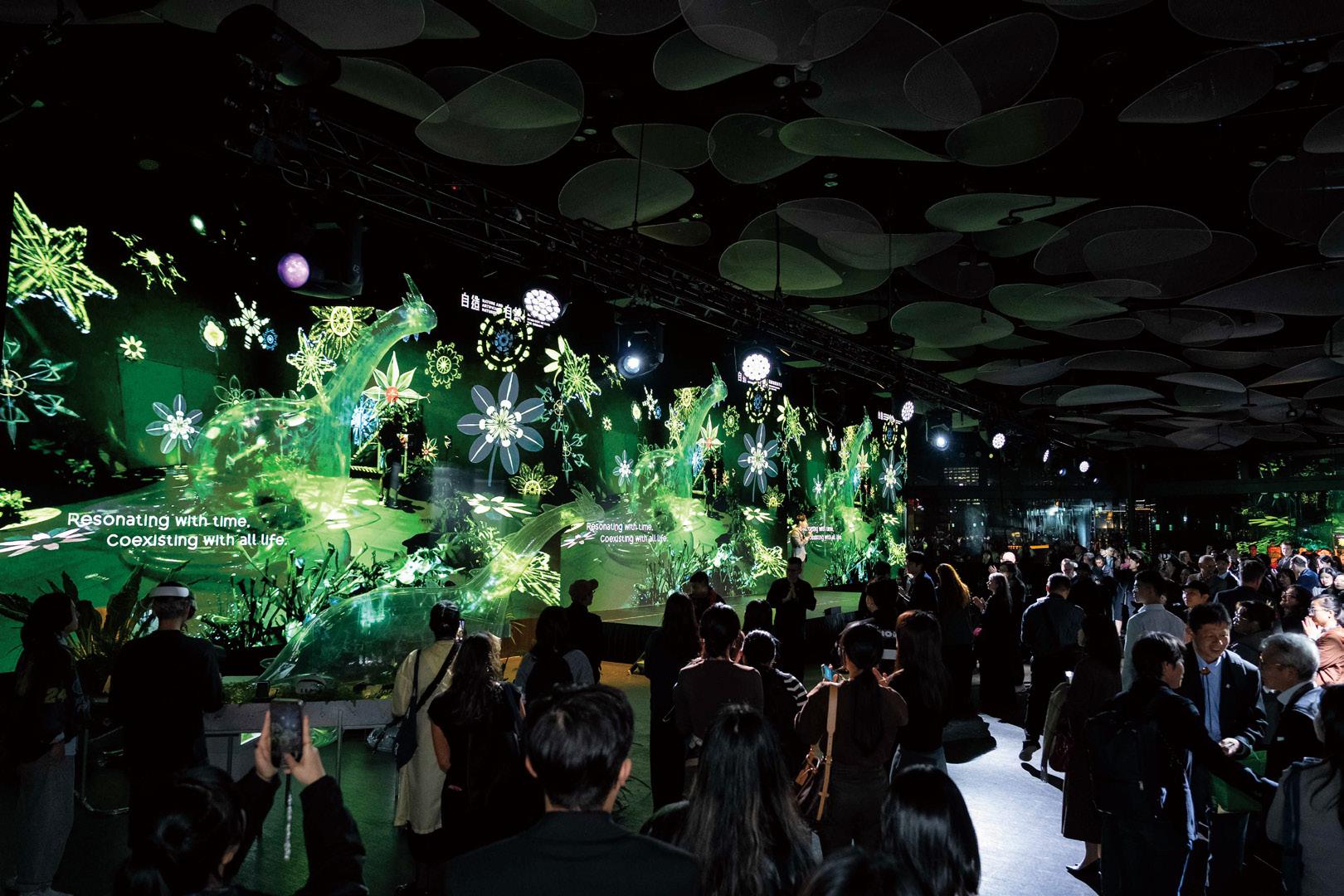
On the international stage, we are actively showcasing Taiwanese design to the world. TDRI was responsible for the curatorial planning of digital content and interactive design for the "TECH WORLD Pavilion" at Expo 2025 Osaka. The pavilion s Life Theater subsequently won the World Expolympics bronze trophy in the Best Exhibit/Display category. We not only participated in an international event, but also showed the world that Taiwan possesses more than just technological capabilities. We demonstrated our ability to create a universal vocabulary that resonates across languages and cultures, even within the intricate framework of international collaboration.
R&D Empowerment and Innovative Practices: Defining Future Paths Through Design
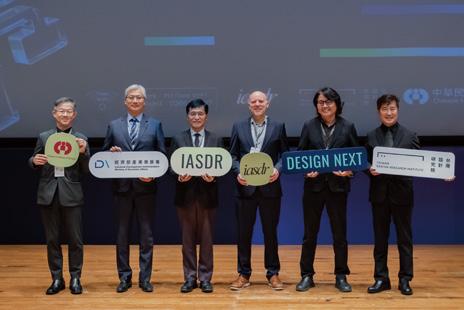
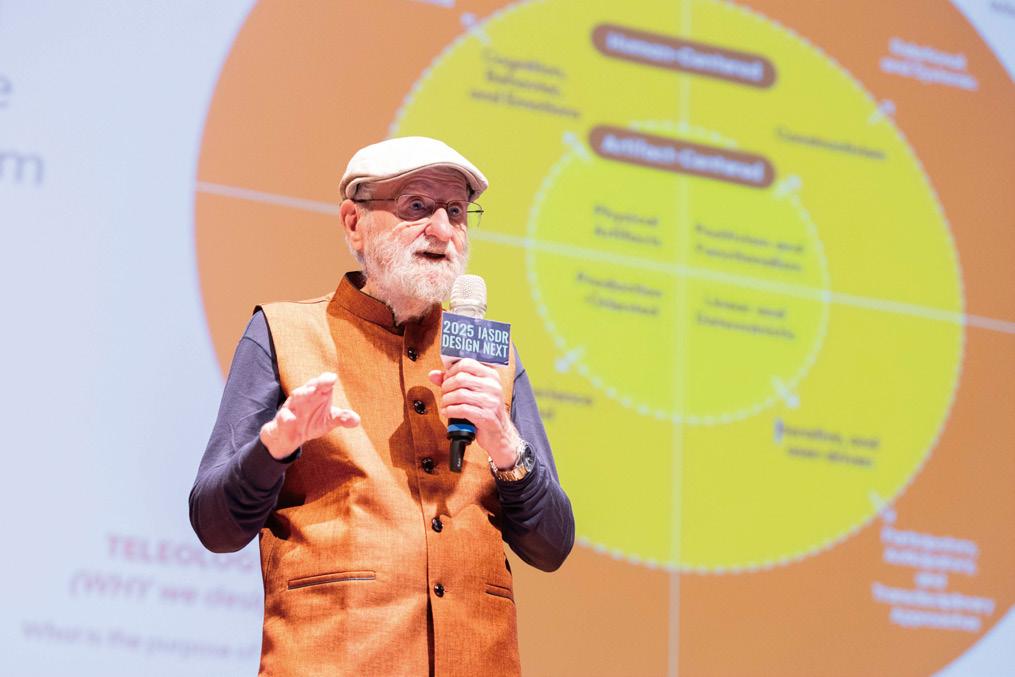
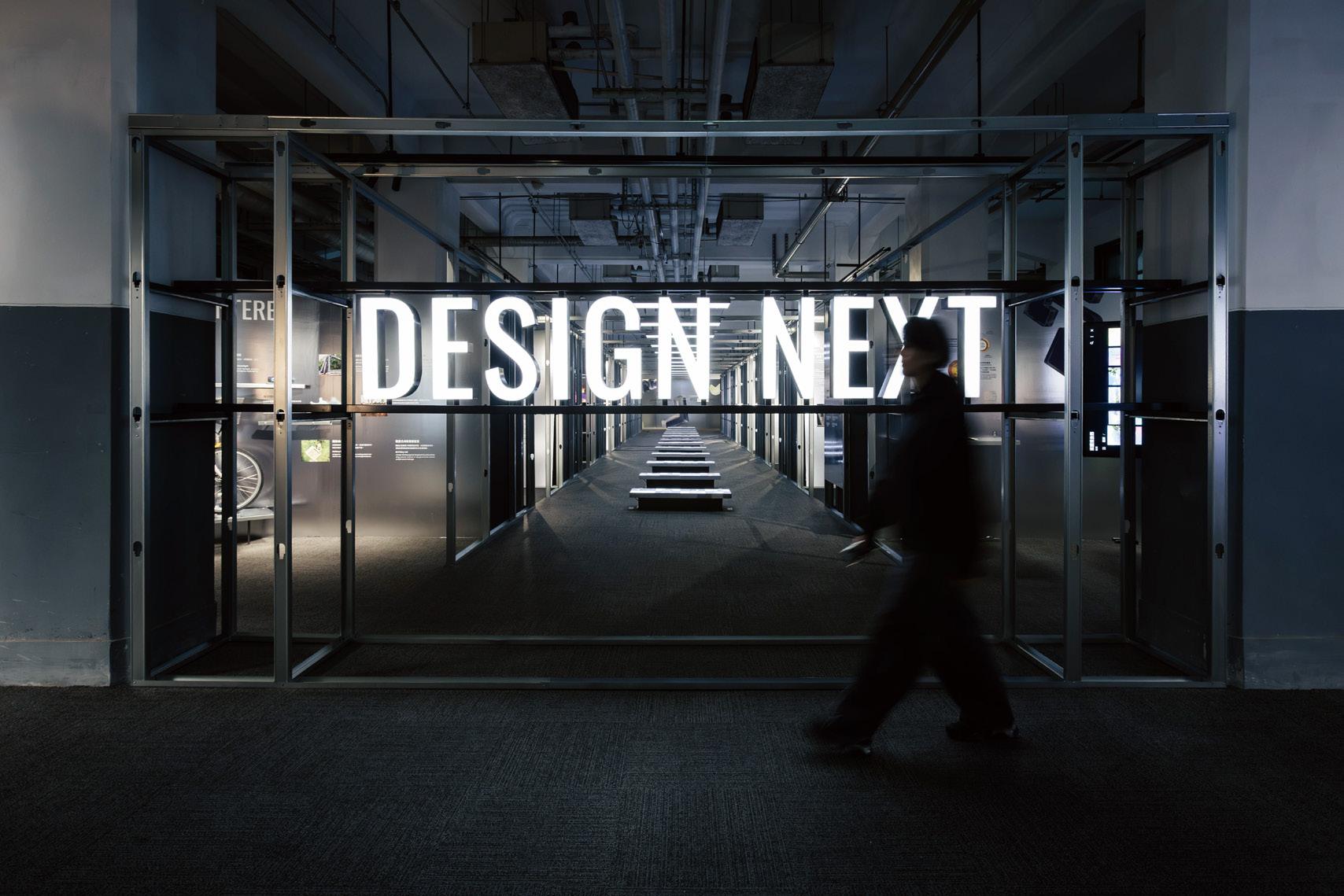
Behind all these achievements lie considerable design research and technological developments that have supported the momentum of innovation. In 2025, the International Association of Societies of Design Research (IASDR) conference returned to Taiwan following a 20-year hiatus. Under the theme "DESIGN NEXT," we wrote an important chapter for the global design research community. The conference was a resounding success, attracting over 800 international design scholars, industry leaders, and government representatives from 47 countries. It featured over 100 presentations, showcased more than 500 academic papers, and included numerous engaging keynote speeches and forums, all of which fostered in-depth intercultural and interdisciplinary dialogue. Under the Ministry of Economic Affairs Department of Industrial Technology s "Technology Development Program for Nonprofit Research Organizations," we focused on AI digital tools and circular sustainability technologies. We presented 16 research results and implemented a number of technology transfers, helping design thinking become a pivotal link between emerging technologies and industrial applications.
TDRI is a national design organization. Since its founding, TDRI has aspired to operate as a startup team in the nonprofit sector; as such, we embrace change and are willing to challenge the status quo. We have always believed that design is not merely the pursuit of aesthetics, but rather a profound public practice—a process of in-depth dialogue between people, the land, and social systems. From physical reconstructions at the local level to the promotion of state policies, TDRI has borne witness to countless cases where design has genuinely transformed Taiwan.
"People-centered" design thinking should not remain an idea, but should be integrated into policies, systems, and daily actions. TDRI is fortunate to be able to walk alongside its partners and watch design drive value innovation in Taiwan. This transformative power is thanks to all of our colleagues and partners who believe in design and dare to put their ideals into practice. In the future, TDRI will continue to use design to respond to the challenges of our time and create a development blueprint for our beloved Taiwan that is more imaginative, compassionate, and sustainable.
Chi-Yi Chang
President of Taiwan Design Research Institute
INTRODUCTION TO TAIWAN DESIGN RESEARCH INSTITUTE
跨域整合設計創價服務平台 以國家設計政策引領產業創新,發展高價值設計知識與應用
「設計」正以前所未有的速度影響全球,它在國家經濟、文化、社會當中所扮演的角色重要性與日俱增, 且越來越多其他產業將設計視為核心競爭力,藉由設計能量驅動企業,帶動國家整體的經濟發展。因此政 府於2020年2月4日成立國家級設計研究院 「財 團法人台灣設計研究院 」(簡稱「設研院」 )(Taiwan Design Research Institute, TDRI)。
Interdisciplinary Value-Added Design Service Platform
Leading industrial innovation with national design policy to develop high-value design knowledge and applications
Design is taking the world by storm. It plays an increasingly important role in the economy, culture, and society of a country. Meanwhile, more and more industries are treating design as a core competitive advantage. With this in mind, the government is establishing the "Taiwan Design Research Institute" (TDRI) in 2020. The aim of this project is to capitalize on Taiwan's strengths in design to drive industrial development and the overall economic growth.
TDRI plans to consolidate public resources from a wide range of government agencies with "the power of design", promoting design as a central governance value and as a national defense strategy. The Institute is expected to guide the sustainable development of industries and society, which should in turn improve the living quality of the general public. It can assist the government in making national design policy and increasing governance efficiency. In addition, through an integrated interdisciplinary approach, the Institute will introduce design-based thinking into government administration, drive talent cultivation in the private sector, and build businesses that lead the design industry.
OF TAIWAN DESIGN RESEARCH INSTITUTE
HISTORY
1990年
2011年
2013年
2014年
中華民國對外貿易發展協會「產品設計處」轉型成立「設計推廣中心」(Design Promotion Center, DPC),是TDC的前身。
DPC首次舉辦「台灣國際創意設計大賽」。
DPC於臺北華山文化特區舉辦首屆「台灣設計博覽會」。
政府為推動文化創意產業發展,成立國家級設計中心「財團法人台灣創意設計中 心」(Taiwan Design Center, TDC)。
The Product Design Department of the Taiwan External Trade Development Council was restructured as the Design Promotion Center (DPC), the predecessor organization of TDC.
DPC organized the first Taiwan International Design Competition
DPC organized the first Taiwan Design Expo at Huashan 1914 Creative Park.
In order to boost the development of the cultural and creative industries, Taiwan Design Center (TDC) was established by the government as a national design organization.
TDC entered formal operation at Nangang Software Park, taking over the organization known as the Taiwan International Design Competition, a categorized design competition and predecessor to the Golden Pin Concept Design Award. The Global Design Industry Information System was renamed Taiwan Design BOCO with the intention of allowing TDC to build an online resource center for creative design.
TDC established the National Design Award, an award open to those who passed the Taiwan Good Product Design Evaluation and the predecessor to the Best of Golden Pin Design Award. TDC took over the publication of the Design magazine and reformatted the magazine.
TDC helped Taipei City win the right to host the 2011 International Design Alliance (IDA) Congress, from amongst 19 competing cities from 13 countries. This was the first IDA Congress after the creation of the IDA by Icsid, Icograda, and the International Federation of Interior Architects/Designers (IFI).
The National Design Award was officially renamed the Golden Pin Design Award.
The Taipei City Government, the Industrial Development Bureau, and TDC cosigned a collaborative agreement to repurpose the Songshan Tobacco Plant into a center for the development of arts, design, and the cultural and creative industries.
TDC moved its headquarters from Nangang to Songshan Cultural and Creative Park, establishing the Park as an iconic multi-functional venue that combines industry interaction, consultancy, research and development, talent cultivation, exhibition, aesthetic experience, promotion, and marketing.
TDC established the Taiwan Design Museum, the first specialized museum among all Chinese communities dedicated to showcasing creative design. TDC held the first IDA congress in Taipei/Taipei World Design Expo.
With the help from TDC, Taipei City was selected as the 2016 World Design Capital; TDC established the Red Dot Design Museum Taipei.
Faced with the shift in global economic trends, the Golden Pin Design Award was redefined as the "top design award in the global Chinese marke"; the award's first year received record-breaking 1901 entries from both domestic and overseas contestants. The Design magazine was made available in both Chinese and English. Not Just Library was opened to the public, to create a new library that was more than just a library. TDC collaborated with the American Institute in Taiwan (AIT) to establish the first American Innovation Center (AIC) in Asia.
The Golden Pin Design Award adjusted its brand to include the new Golden Pin Concept Design Award (previously the Taiwan International Design Competition) and Young Pin Design Award (previously the Young Designers' Award) along with the original Golden Pin Design Award, rebuilding the brand image for the set of awards.
TDC organized and held the six official events of the 2016 Word Design Capital Taipei, showing the world how adaptive a city Taipei is. TDC released "design x boco", an online media integration of the Design Magazine and Taiwan Design BOCO.
TDC was awarded the 2017 Design Value Awards for its 2016 World Design Capital Taipei program, becoming the first design organization in Taiwan to receive such an honor and the only winner of the year to integrate design into a system of public service
facilities, demonstrating how creative design, the integration of design thinking and corporate strategy into holistic marketing, and financial strategy can help an organization innovate and create value.
The Creative Expo Taiwan's topic-based curation approach in the Cultural Explosion exhibition took the design community by storm, winning the internationally acclaimed Good Design Award and Good Design Award Best 100 of Japan.
Not Just Library was moved to the first floor of Songshan Cultural and Creative Park's Office Building, where Taiwan Design Museum and Cafe Solé are also located, to form a design community of spatial uniqueness
TDC was awarded the 2018 Ladislav Sutnar Prize from the University of West Bohemia in the Czech Republic. The prize is awarded to individuals or organizations with outstanding performance in the field of applied arts and design. TDC is the first Asian design organization to become a laureate of the award.
The Taiwan Design Museum, Not Just Library, DesignPin, and the American Innovation Center were united under a single banner to handle issues such as exhibition exchanges, the curated selection of concept stores, and reading materials and hands-on creative design. The new space was dubbed Song Yan Court in reference to the square court at its center.
In her closing ceremony speech at the National Design Congress organized by the Ministry of Economic Affairs, President Tsai Ing-wen of the Republic of China announced that Taiwan Design Center (TDC) will be elevated and renamed Taiwan Design Research Institute (TDRI) in 2020. TDC's promotion was selected as one of the top ten significant cultural & creative events in La Vie's 2019 Creative Awards.
TDRI President Chi-Yi Chang was selected as a member of the 2019-2021 World Design Organization Board, boosting Taiwan's voice in the international design community.
Taiwan Design Center (TDC) was officially renamed and elevated to Taiwan Design Research Institute (TDRI). Through the utilization of design capabilities, TDRI integrates inter-ministerial resources and increases the influence of Taiwanese design.
President Tsai Ing-wen personally awarded TDRI the 4th Presidential Innovation Award in the group award category. This highest honor in innovation is the latest presidential award received by TDRI after the Presidential Cultural Awards, Presidential Science Prize, and President Educational Award.
After being first elected in 2019, TDRI President Chi-Yi Chang was re-elected as a member of the World Design Organization Board in 2022 and continues to boost Taiwan's voice in the international community.
The World Design Organization hosted the 33rd World Design Assembly in Tokyo, Japan. The President of TDRI, Chi-Yi Chang, and Vice President of R&D, Shyhnan Liou, delivered a presentation of city design power indicators at the assembly and received recognition from experts of all sectors. TDRI also won the WDO 2023 President's Award, awarded biennially to honor the contributions and impacts of WDO members on the global design community. The Vice President of TDRI, Oliver Lin, was successfully elected as a member of the 2023–2025 Board of Directors.
TDRI's commitment to building a happy workplace environment earned it the 2023 Happy Enterprise Gold Award──Mass Communication, Education, and Social Welfare Category. TDRI will continue to build a positive work environment, offer competitive benefits, and create growth opportunities for employees.
TDRI and the Chinese Institute of Design won the right to jointly host the International Association of Societies of Design Research (IASDR)'s 2025 conference.
國際知名的紅點設計獎巡迴特展《台灣當代設計》於台灣設計館盛 大登場,以紅點設計獎核心使命「In search of good design and creativity」為基礎,精選年度臺灣獲獎作品,展出實體46件、數 位131件,共多達177件橫跨產品設計、品牌傳達與概念設計等領 域的代表性作品,全面呈現臺灣設計的創新能量與產業實力。
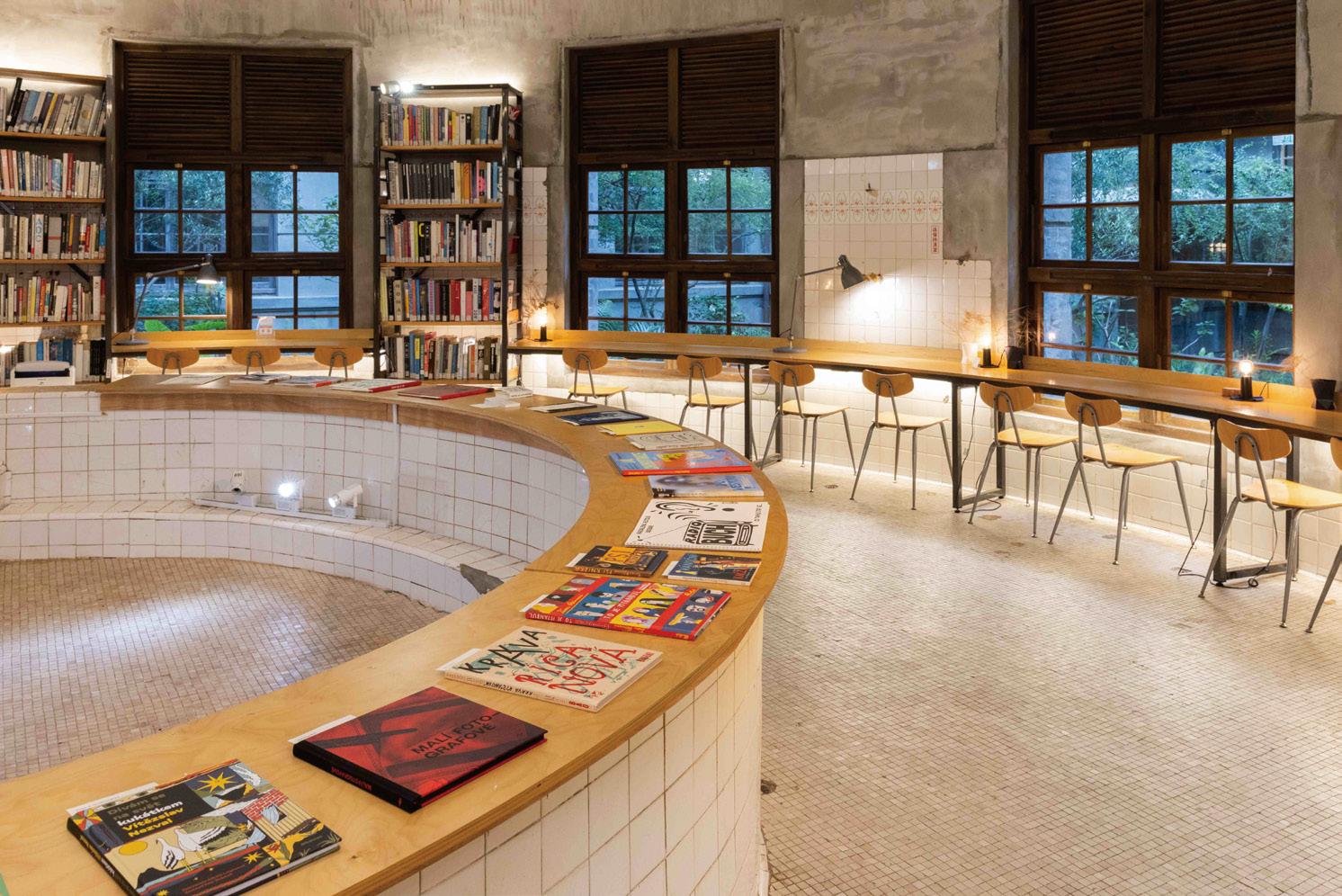
The Best Book Design from Taiwan – 2025 Golden Butterfly Award exhibition took place at Not Just Library. The exhibition displayed outstanding book designs from Taiwan and showcased the innovation and diversity in Taiwan's publishing design.
Apr.
4.13~10.13
4.26~4.30
TDRI was commissioned by the Taiwan External Trade Development Council to oversee the integration and production of digital content and multimedia interactive design for the TECH WORLD Pavilion at Expo 2025 Osaka. Under the theme "Technology x Design x Culture," TDRI linked the entrance area to exhibition areas including Life Theater, Nature Theater, and Future Theater, positioning design as the essential infrastructure connecting industry, technology, and life.
TDRI collaborated with Kobe Fashion Organization to jointly curate the exhibition, HYOGO x TDRI: Craft & Design in Harmony – A Co-Creation Project Between Hyogo and Changhua, at Expo 2025 Osaka's Gallery WEST.
May
5.09~5.12
5.20~5.23
The 44th edition of the Young Designers' Exhibition (YODEX) took place at Taipei Nangang Exhibition Center Hall 2, bringing together 59 schools, 122 departments, nearly 10,000 students, and approximately 3,500 design works under the theme "Preferred Future." Ten top design institutions from seven countries including the U.S., Thailand, Japan, Mexico, India, and Australia also took part in the exhibition.
The 2025 edition of COMPUTEX, Asia's most representative information technology industry trade show, took place at Nangang Exhibition Center. TDRI curated an exhibition themed "Re:DESIGN//AI" at the Ministry of Economic Affairs Technology Research Pavilion, which highlighted the design industry's innovative applications in artificial intelligence and sustainable circularity.
5.20~8.10
5.27~9.28
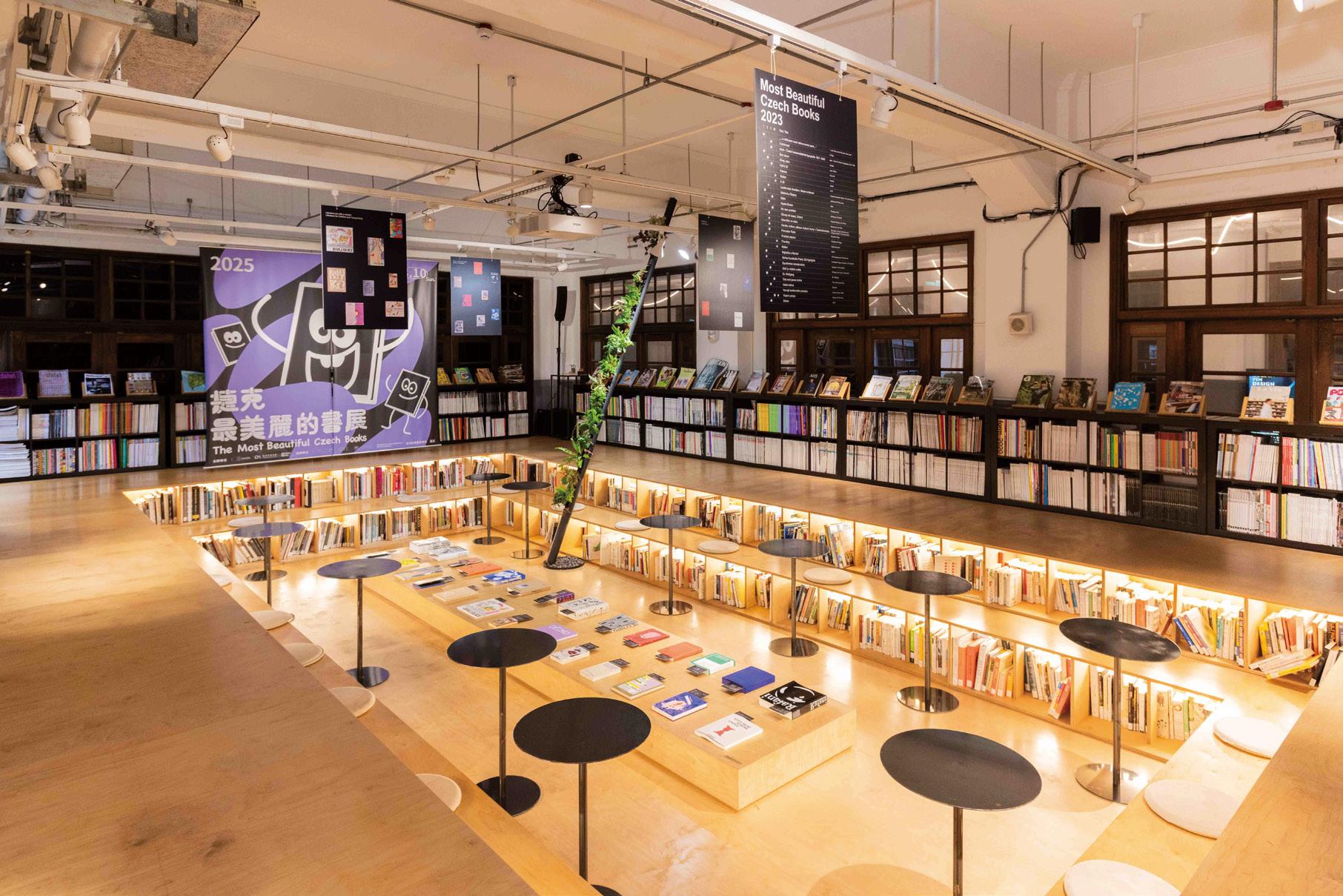
The exhibition The Most Beautiful Czech Books was held at Not Just Library and showcased the high degree of innovative exploration and integration between visual design and literary expression in Czech publishing.
The Ministry of Education and TDRI presented Design Movement Scene Action!, the annual exhibition of the Design Movement on Campus project, to share stories of aesthetic design transformations on campuses across Taiwan.
Jun.
TDRI's Service Innovation Division was recognized by industry, government, and academia, winning the Ministry of Economic Affairs' Innovative Trailblazer Team Award (Academic and Research Institution Initiatives) at the 9th National Industrial Innovation Award, highlighting the crucial role that design plays in promoting public policies and social innovation.
Aug.
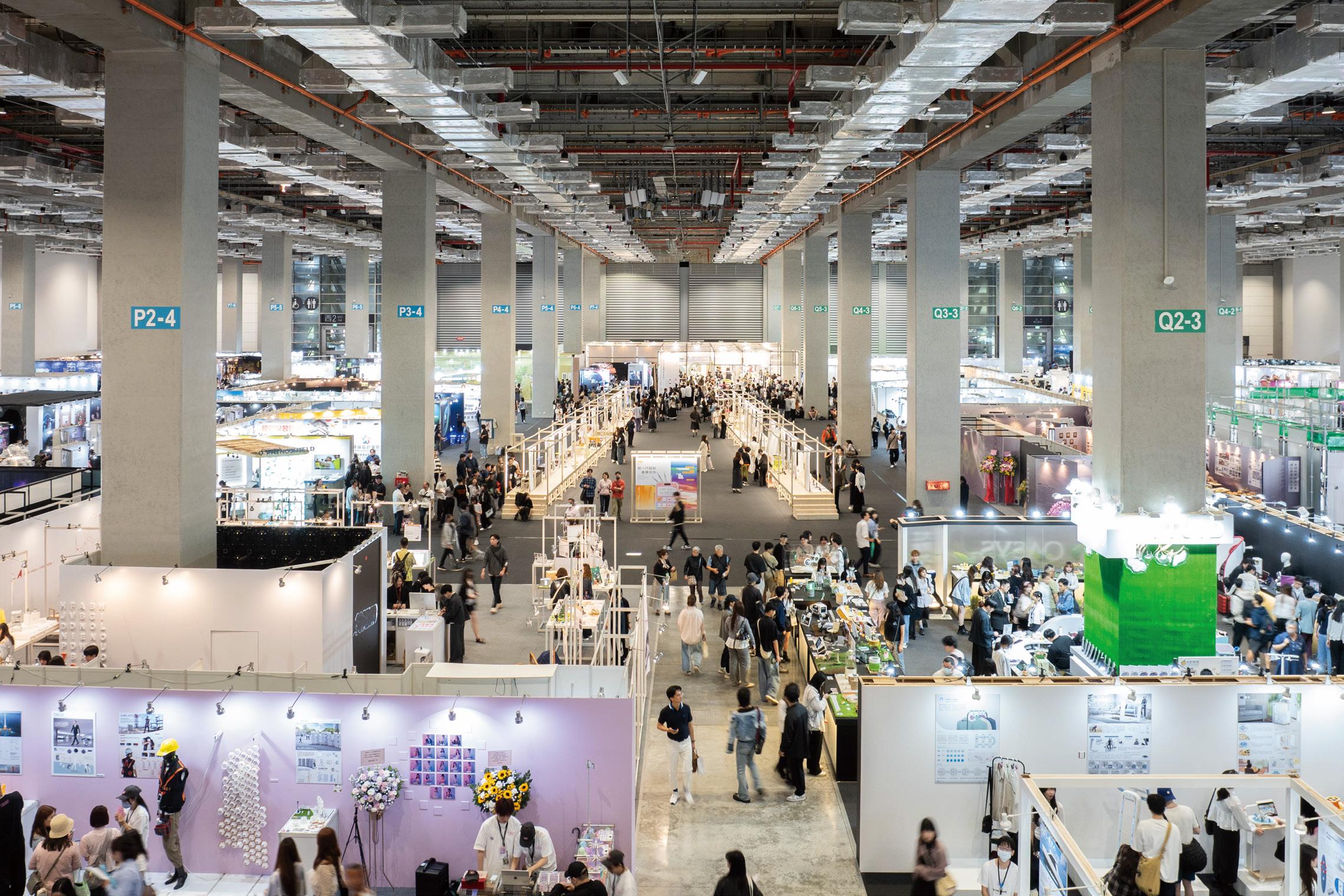
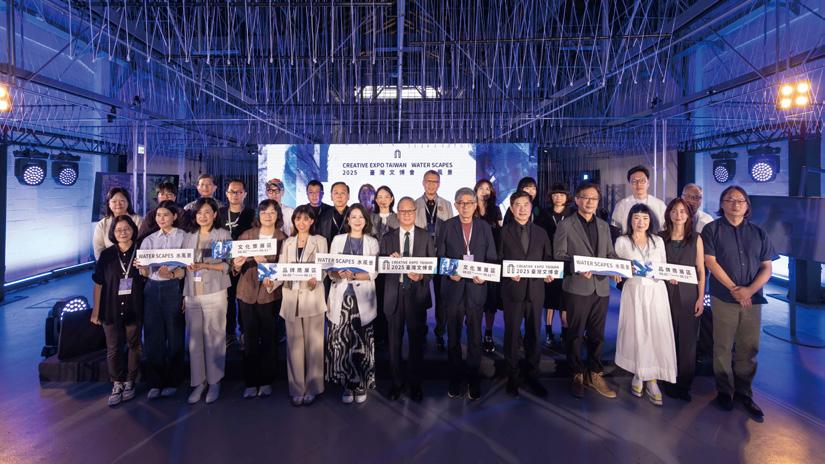
Creative Expo Taiwan was staged at Taipei's Songshan Cultural and Creative Park and Nangang Exhibition Center. The theme of the 2025 edition was "Water Scapes." The expo attracted 650,000 visitors and generated a total transaction value of NT$1.35 billion, an increase of 12.5% over 2024's NT$1.2 billion. Over 28,000 professionals and buyers took part, and new records were set for total floor space used, number of participating companies, booth count, and number of international exhibitors.
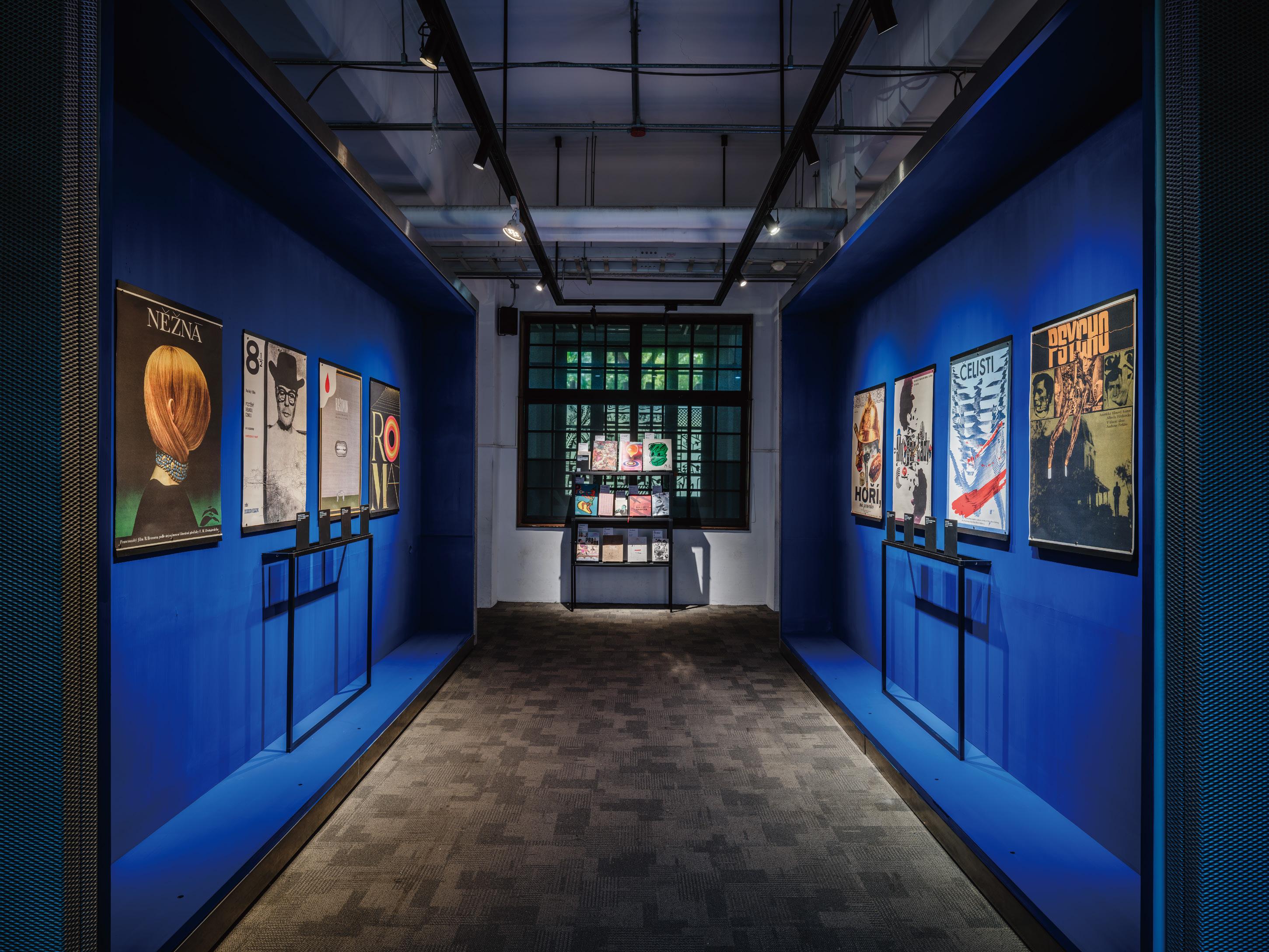
The exhibition Identity – The Story of Czech Graphic Design was showcased at Taiwan Design Museum. Visitors were able to read and understand Czechia through a visual language spanning 150 years.
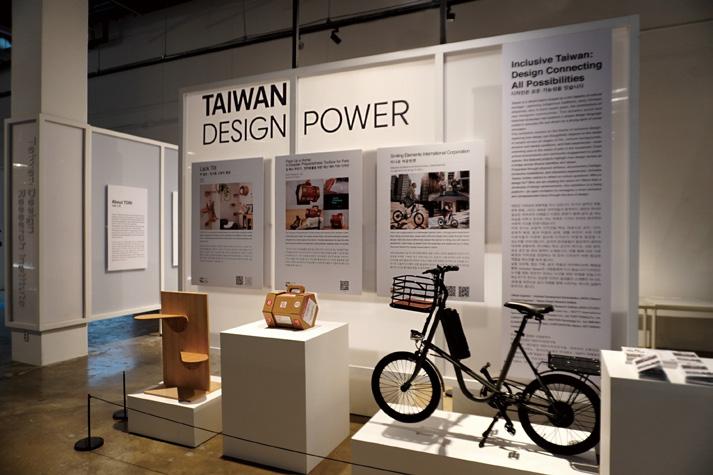
TDRI was invited to participate in South Korea's Gwangju Design Biennale for the first time. The Taiwan Pavilion's exhibition theme was "Inclusive Design." The pavilion showcased the power of design in promoting social inclusion and sustainable development.
Sep.
Taiwan Design Museum hosted the Contemporary Taiwanese Design special exhibition at the Red Dot Design Award. The exhibition featured a selection of Red Dot Design Award-winning works from Taiwan that achieved the award's motto, "In search of good design & creativity." On display were 46 physical works and 131 digital works, for a total of 177 representative works spanning product design, brand & communication design, and concept design. Together, the works showcased the innovative energy and industrial strength of Taiwanese design.
Oct.
Taiwan Design Expo was staged in Changhua for the first time, with Changhua City, Lugang Township, and South Changhua (Tianwei Township and Tianzhong Township) serving as the three main exhibition areas. The 19 curatorial themes included hidden champion industries, sustainable design, cultural revitalization, and industrial innovation. Over 700 designers, 1,640 manufacturers, and 600 local businesses took part, setting a new record in terms of scale for largest design expo.
After a rigorous selection process lasting several months, TDRI beat over 200 iconic companies and organizations to place second in the non-profits and government category of CommonWealth Magazine's 2025 Excellence in Corporate Social Responsibility Award
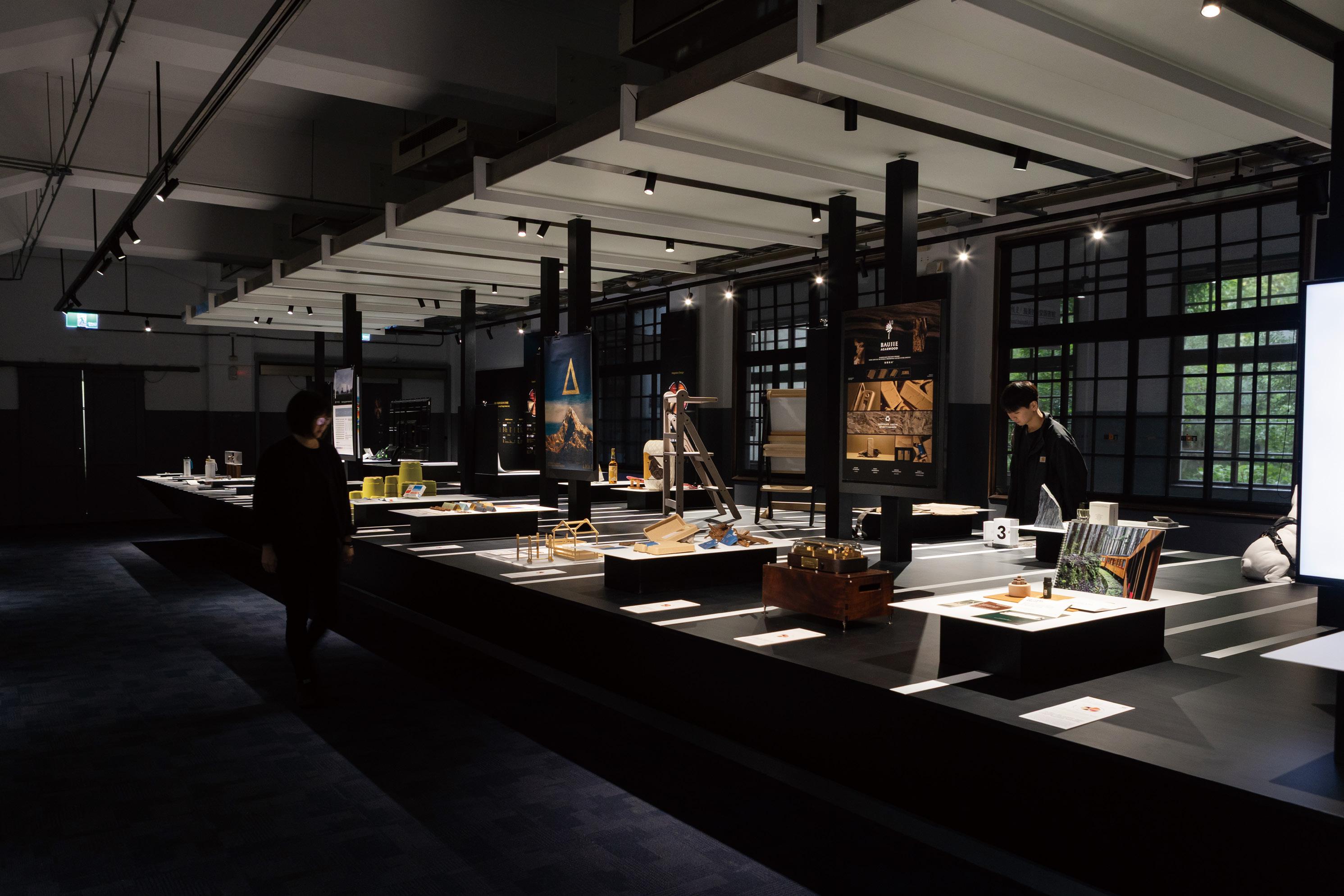
The 2025 Golden Pin Design Award Exhibition took place at Taiwan Design Museum, showcasing over 100 outstanding winners of the Golden Pin Design Award and Golden Pin Concept Design Award.
The third edition of Taiwan Design Week took place at Songshan Cultural and Creative Park with "DESIGN NEXT" as the theme.
Focusing on how design responds to contemporary social and environmental challenges, the event linked up with the International Association of Societies of Design Research (IASDR)'s 2025 conference to jointly invite design scholars and practitioners from all around the world to Taipei for discussions about the future direction of design.
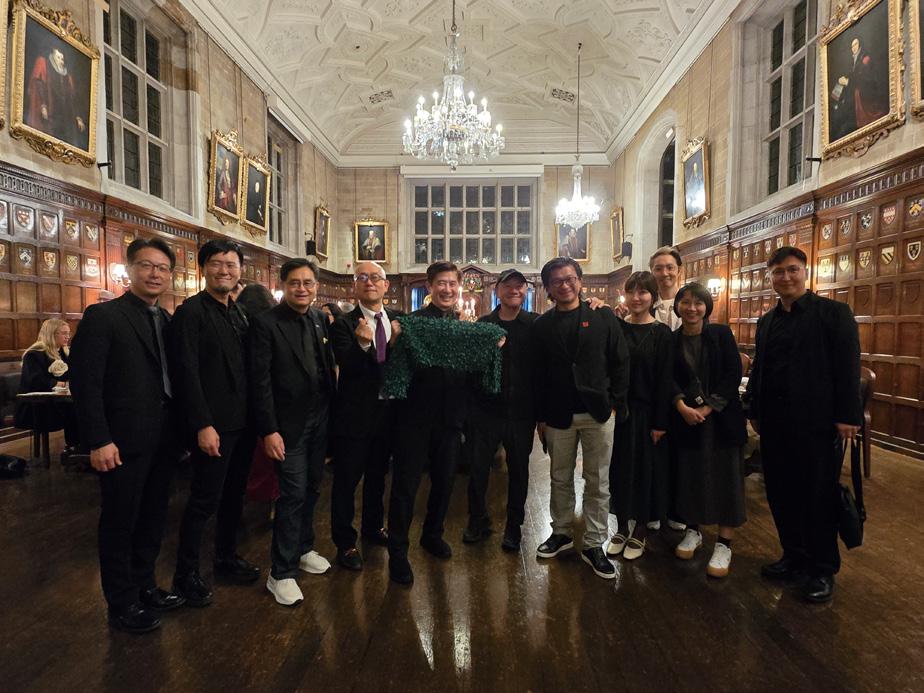
The IASDR conference returned to Taiwan following a 20-year hiatus. The conference took place at Songshan Cultural and Creative Park, and set a new record for event scale. Over 47 countries participated, with 800 international design scholars, industry leaders, and government representatives jointly exploring global design trends.
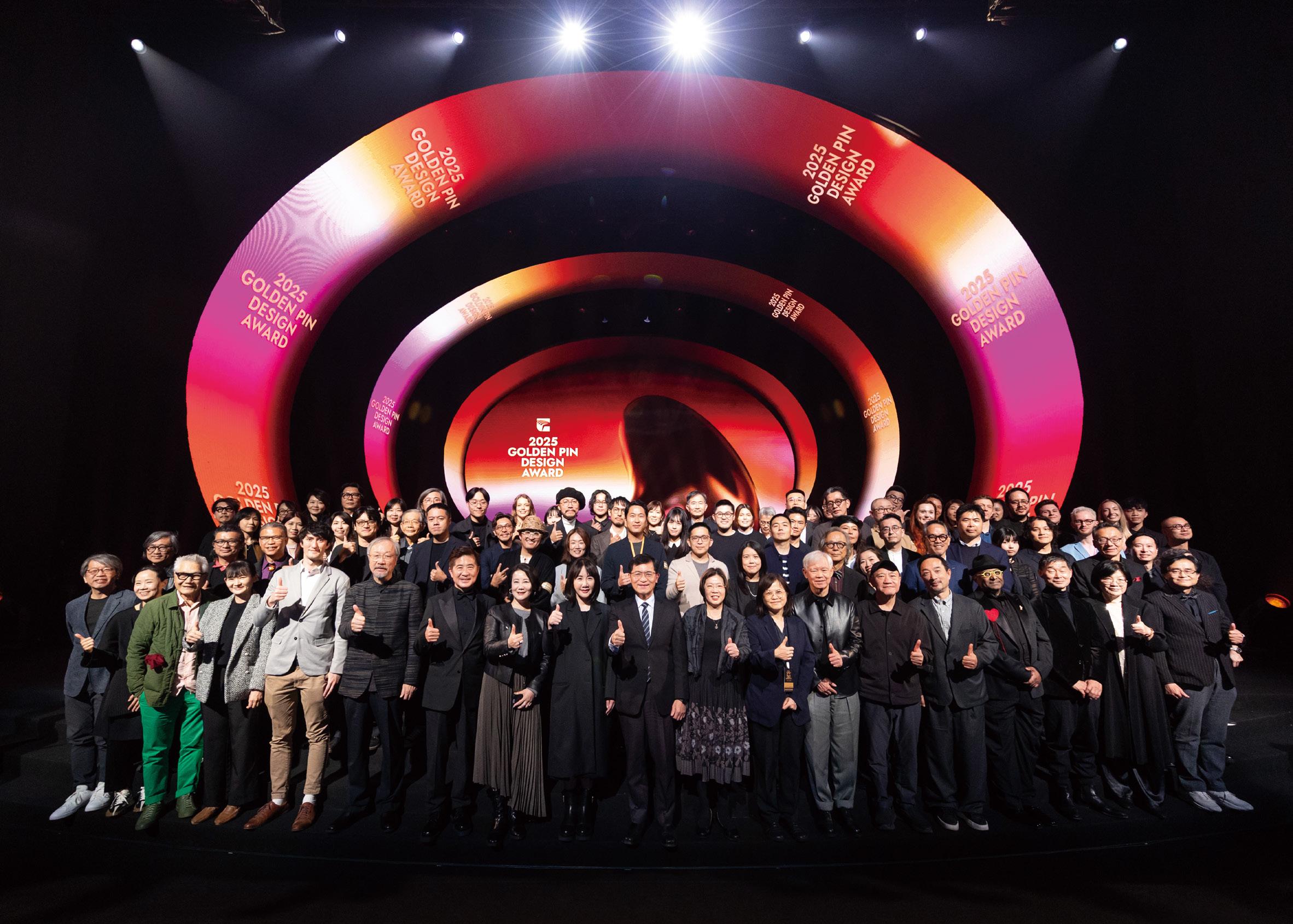
The 2025 Golden Pin Design Awards Ceremony was held at Taipei Performing Arts Center. The Honorary Award was presented to Professor Apex Lin (Lin Pang-Soong), chair professor at Asia University's Department of Digital Media Design and emeritus professor at National Taiwan Normal University's Department of Design, in recognition of his long-standing contributions to design practice, education, and international exchange in Taiwan.
財務概要 Financial Highlights
2025
收支營運決算表 Income Statement
收入總額 Total Revenues
業務收入 Operating Revenue
業務外收入 Non-operating Revenue
支出總額 Total Expenses
業務支出 Operating Expense
業務外支出 Non-operating Expense
所得稅費用 Income Tax
年度結餘(短絀) Net Income (Loss)
資產負債表 Balance Sheet
非流動資產
負債合計 Total liabilities
淨值
資產合計
註:年度財務報表係未經會計師查核,列示僅供參考。
負債及淨值合計
Note: These financial statements have not been audited by accountants and are presented for reference purposes only.
2025 ACCOMPLISHMENTS OF TAIWAN DESIGN RESEARCH INSTITUTE
建立設計研發機制
Establishment of Design Research & Development Mechanisms
TDRI hopes to build a collaborative mechanism for interdisciplinary innovation from a policy planning perspective, by improving the effectiveness of policy communication in between departments and teams. Through interdepartmental promotion mechanisms, we have introduced design thinking to important development policies and government forward-looking plans by formulating design policies in national development strategies and creating a well-designed environment for development. By integrating across disciplines through design, we established TDRI and its corresponding promotion platform mechanism, which elevated the value of design innovation research, public services, industry-driven fields, and connected Taiwan with international design resources, accelerating Taiwan's design policy development.
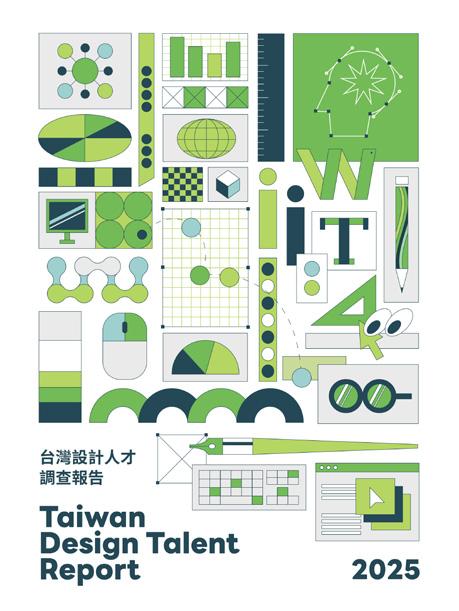
Taiwan Design Talent Report 2025 analyzes three key issues: economic trends and changes in the supply and demand of talent in Taiwan’s design industry; job requirements and career development goals for design talents with diverse backgrounds; and changes to the role of design, including the direction of future developments in the AI era. The report integrates official statistics from the Taiwan Creative Content Agency, Ministry of Education, and Ministry of Labor; the results of 988 validated questionnaires from a nationwide survey; and interviews with 12 experts in academia and industry. Twenty-four design practitioners were also invited to partake in a workshop entitled “Co-Creation Workshop on Job Development for Design Talents in the AI Era.” The report cross-validated findings using multiple research methods, providing a comprehensive picture of the overall landscape and trends shaping Taiwan’s design industry and talent development.
The report summarizes eight key findings, offering concrete strategic direction and recommendations for the government, industry, academia, and design talents. Its goal is to serve as an important reference for strengthening Taiwan’s design talent training system, promote job upgrades, and advance the sustainable growth of the design industry and its talents.
(2) Taiwan Industry Design Capability Report 2025
The two main objectives of TDRI’s research into Taiwan’s industry design capability this year were investigating the bottlenecks and needs in corporate design applications and analyzing the introduction of design methods into forward-thinking and strategic scenario-based simulations. The report collected data on aspects such as resources invested in design, innovation results, design barriers, and the resource requirements of local companies. It developed a set of nine indicators to evaluate the design maturity of companies across industries including manufacturing, construction, and retail. It then integrated information collected from 1,111 validated domestic questionnaires. Results determined the distribution of design maturity in Taiwan’s industries and analyzed related influencing factors; the research aims to serve as a reference for future policy adjustments in government and business. The research team also developed a set of exploratory tools for companies. Its future scenario planning research focuses on analyzing potential future scenarios, and the project explores how design thinking can strengthen organizational insight and enable future accomplishments. TDRI and the Japan Research Institute have recently embarked on a multinational collaborative study, and are using literature reviews, international case studies, and internal project reviews to uncover how companies can foster strategic foresight and clarify future challenges and opportunities.
(3) Urban Design Capability Research
Design not only serves as a bridge for communication, but also as an engine driving innovation in public services. In 2024, TDRI’s urban design capability research findings earned the Golden Pin Design Mark. In 2025, the research further integrated three major strategies: urban governance, operational mechanisms, and public participation. An open data and digital governance platform was also established. The platform has transformed complicated policies into an inclusive space for dialogue, lowered barriers to participation, and empowered citizens to shift from passive information recipients to active governance participants.
The institute validated the merit of its digital governance platform through an exhibition at the 2025 Taiwan Design Expo in Changhua. First, the exhibition’s urban data zone used infographics to lay the foundation for objective cross-city discussions. Next, the interactive experience zone guided value choices and exploration through gamified scenarios. Finally, the results aggregation zone visualized diverse perspectives as insights for policymaking via real-time dashboards. A total of 38,279 people participated, and 2,037 public proposals were submitted during the exhibition. This level of high involvement showed how the “data presentation – participation guidance – viewpoint intersection” cycle can enhance the public’s understanding of issues and willingness to participate in dialogue. The exhibition consolidated diverse public opinions into references for structured decision making, promoted cross-departmental collaboration, and furthered public policy dialogue. Ultimately, the exhibition provided an example of a transparent governance practice that is both scalable and sustainable.
1-2. International Design and Technology Trends Analyses
Bridging Technological Advancements for Future Living
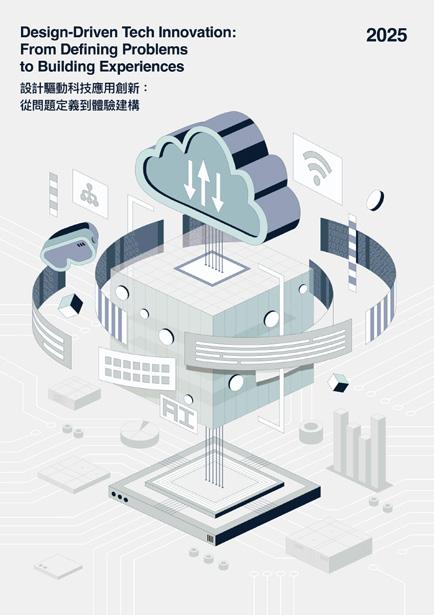
Design serves as a bridge between technological applications and the evolving social and environmental needs of future life. "Design-Driven Tech Innovation: From Defining Problems to Building Experiences" focuses on Taiwan's strategic policy priorities—Smart Living, Quality Health, and Circular Economy. Using future life needs as a core framework, this study explores how design functions as a key driver for the realization and innovation of technological applications.
Through cross-sector collaboration with leading research and academic bodies, including Industrial Technology Research Institute, Institute for Information Industry, National Yang Ming Chiao Tung University and National Taipei University of Technology, important trends in applying emerging technologies were identified. Insights from 11 domestic and international case studies of design-led technological products reveal the pivotal roles, core functions, and innovation opportunities of design within the R&D process.
The findings highlight that integrating human-centered design into the development process simultaneously optimizes customer desirability, technical feasibility, and financial viability. This approach translates technological innovation into tangible, feasible solutions for societal challenges. Ultimately, the report cultivates a common language for policy, industry, and talent development, bridging the gap between tech and design professionals. It guides technological development from mere potential toward creating viable, meaningful, and sustainable value for the future.
促進前端設計應用之企業經驗知識傳遞
設研院2025年將金點設計獎 Golden Pin Design Award 獲獎作品審查資料「設計理念」視為研究樣本,採 大量文本資料分析與訪談結合的混合研究方法,兼顧研究規模與深度,使設計應用前端企業的經驗,系統
1-3. Investigations of the Design Development Trends of Domestic Companies
Promoting experience and knowledge transfer from leading design application companies
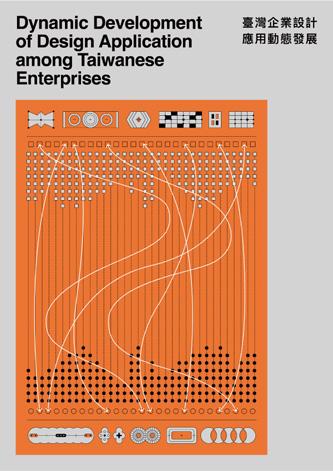
In 2025, TDRI used the design concept materials submitted in applications by eventual Golden Pin Design Award winning entries as research samples. It utilized a hybrid research method analyzing large text datasets and interviews to balance the research breadth and depth, while systematically collating the experiences of leading design application companies into design application methods that could later be referenced.
The extensive textual analysis drew on 2,835 award-winning entries from the past five years (2020-2024) to construct a design knowledge database that can be used for comparison and inductive research. TDRI’s analysis has transformed extensive data on design thinking and value propositions into observable and trackable design application trends, expanding the analytical level of design research. The in-depth interviews used 11 representative cases of design application trends to summarize the key actions and mindsets currently used in design to create value.
The "Dynamic Development of Design Application among Taiwanese Enterprises" report summarized the value of design into aesthetic, strategic, systemic, and value-oriented benefits, and concluded that the current drivers of company development in business and technology are shifting from product orientation to relationship management, and from problem-solving to systems thinking and societal adaptation. The results translated abstract design concepts into a design strategy language that companies can understand and reference, helping industry comprehend how design supports innovation in both technology and business. The report marks another of design's tangible contributions to industry decision-making and talent development, and raises its practical value in promoting the design industry and supporting knowledge acquisition.
1-4. Organization of International Industry-Academia-Research Co-Creation Innovation Platforms
Promoting international design co-creation: cross-sector workshops connecting global cutting-edge issues
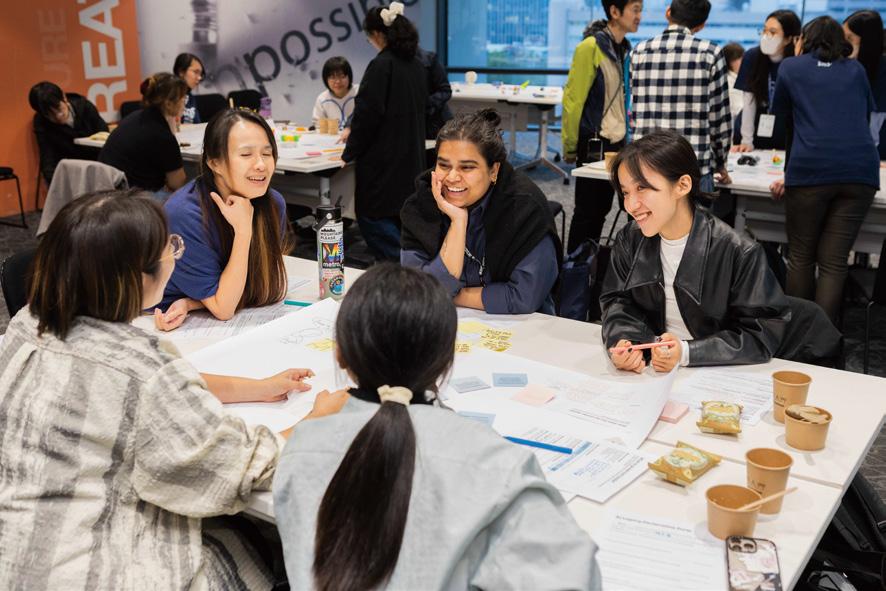
TDRI promoted numerous cross-sector, international co-creation workshops during IASDR 2025. One of the highlights was the Design for Social Impact Workshop jointly organized by TDRI and Stanford d.school. Forty participants from industry, government, and academia were invited to tackle complex social issues through human-centered design methods, immersive activities, and the AI tool Scopey. The workshop fostered cross-disciplinary interaction and laid the foundation for long-term co-creation and social innovation. Another highlight was the AI Design Carrier Workshop jointly organized by National Taiwan University of Science and Technology, Eindhoven University of Technology, and Digital Medicine Lab. The workshop focused on GenAI, agents, and digital legacies. It explored the possibility of AI carrying memories through design novels and prototyping. The Robot Personality Design and Vocabulary Systems Workshop led by Ulsan National Institute of Science and Technology focused on future personalization requirements and the construction of vocabulary frameworks for robots. The results of these international co-creation workshops has demonstrated how cross-disciplinary collaboration can promote the furtherance and application of research into forward-looking design.
為使生成式AI等新興科技真正融入百工百業的工作流程,並且期待能進 行更多元的科技應用探索,設研院也透過舉辦2025新一代設計展「可欲 未來」沙龍座談、參展COMPUTEX 2025、彰化台灣設計展與辦理年度 「設計 X 科技 創新方法論壇」,除了邀請到賴清德總統、經濟部龔明 鑫部長等長官蒞臨,更促進562位產官學研交流,觸及784萬民眾看見 科專成果,與社會大眾進行溝通。
1-5. Establishment of design resource platforms
TDRI continued to promote research on innovative scenarios and user needs in 2025. It also continued to develop digital design thinking tools with resource support from the Ministry of Economic Affairs' Department of Industrial Technology. Through its Design R&D Lab, TDRI published research results on design-driven industrial innovation, promoted exchanges between the technology and design fields, and drove discussions on topics such as material innovation, workflow innovation, and user exploration of future scenarios. In 2025, TDRI collaborated with five design associations and societies (Chinese Industrial Design Association, Taiwan Graphic Design Association, Taiwan User Experience Professional Association, Chinese Society of Interior Designers, and Taiwan Package Design Association) to promote innovative digital thinking tools and collect user feedback. The collaboration facilitated the development of new tools that can meet the needs of different design fields. Throughout the process, TDRI touched bases with 141 design professionals, providing 42 expert research viewpoints and 16 design cases for design teams to reference.
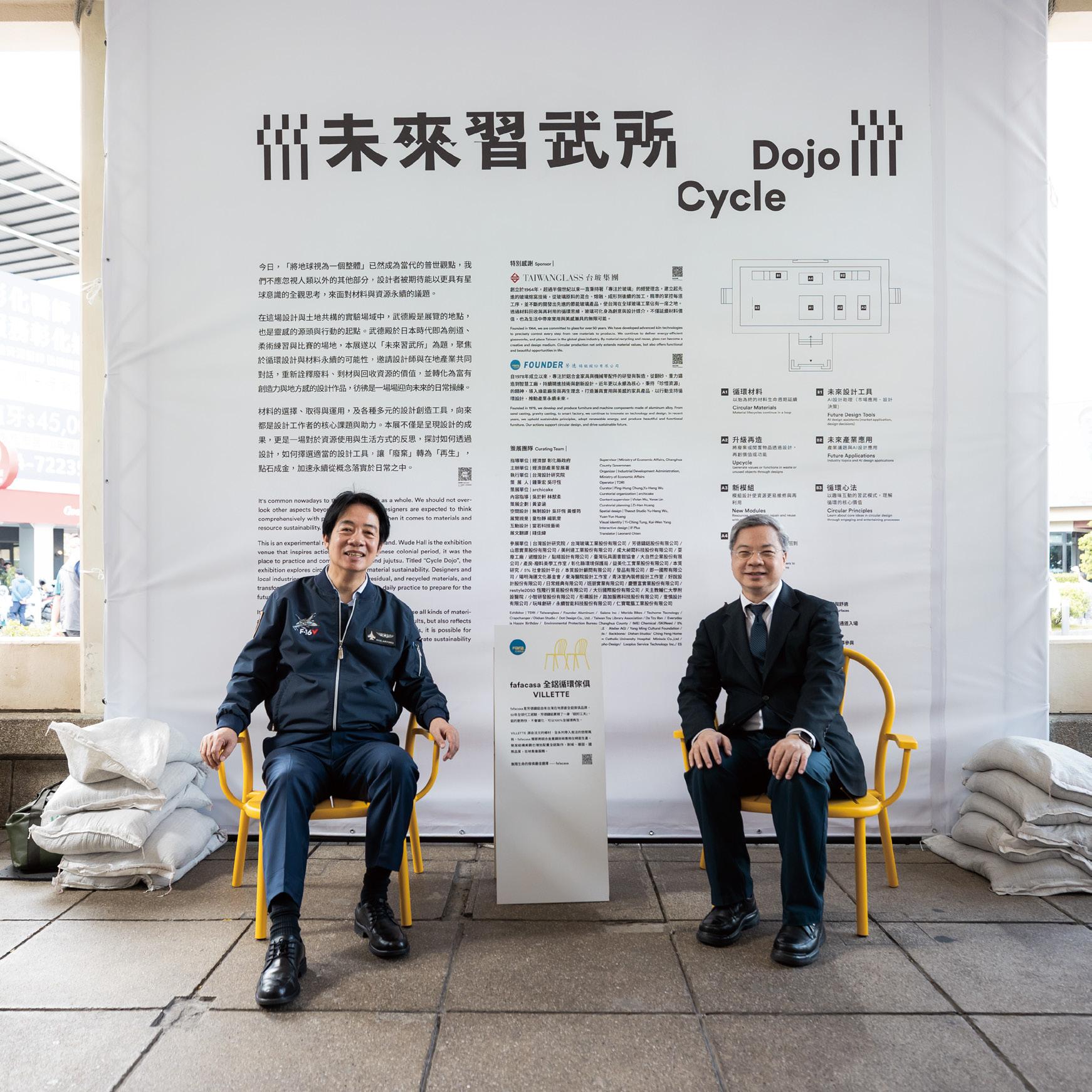
TDRI has used various initiatives to integrate emerging technologies such as GenAI into industry workflows, and it aims to explore more diverse technology applications moving forward. It hosted the “Preferred Future” talk at the 2025 Young Designers’ Exhibition, participated in COMPUTEX 2025 and the Taiwan Design Expo in Changhua, and organized the annual forum entitled "Design x AI Driven Innovation." It also communicated with the public by securing visits from President William Lai and Economic Affairs Minister Kung Ming-hsin; fostering 562 industry, government, academia, and research exchanges; and showcasing technological achievements to 7.84 million people
To help industries explore frontier technologies through design, respond to rapidly changing market environments, and create new technological value, TDRI has focused on three major themes since 2022: smart mobility, smart manufacturing, and circular materials. It is also working with industry, academia, and research institutions to jointly explore design-driven industrial innovation models.
In 2025, TDRI's research results were further applied in industry, and usage continues to spread. In smart mobility, TDRI worked with the Cycling & Health Tech Industry R&D Center, integrating GenAI and RAG technology to develop a bicycle design strategy tool. This tool was showcased for the first time this year, and has been provided to industry professionals to use in talent training courses and competitions. The tool has generated over 700 proposals and accelerated the efficiency of design exploration.
In smart manufacturing, the development of XR modules for machine tool displays and digital showrooms has optimized the machine tool digital marketing experience and lowered exhibition transport costs. Numerous machine tool companies have adopted these modules, including AccuteX, Palmary, and 3 Axle Technology. Meanwhile, technology transfer company Mind & Idea Fly Co. achieved a 49% increase in revenue by implementing these modules.
In circular materials, TDRI collaborated with Lotos (Techome Technology Co.) to promote stone sludge recycling in Taiwan and develop C-STONE, a circular marble paint and granite molding compound. The circular marble paint received the Green Building Material label in 2025 and has already been successfully used in 22 demonstration spaces (including community buildings, special education schools, and marketing and sales spaces). Over four million people have been introduced to this material through workshops, exhibitions, and media coverage.
Through the application of different research results, this initiative highlights the crucial role of design in research and brings the concept of design-driven innovation into industrial R&D.
1-7. 數位設計工具發展概況
設研院執行經濟部技術司「設計科技研發暨產研共創計畫」,2025年以因 應 A I 所帶來的變革為核心,發 展 設計領域專屬的數位工具,為設計從業人員提供解決方案。透過 A I 輔助設計流程與創意生成,開發共8支數位 設計工具(包含研究輔助、策略生成、專案管理等工具),以推動創新應用與產業升級。部分說明如下:
結合真實使用者評論與結構化模板,「使用者研究數位工具」幫助設計師有效整理並運用使用者需求與 洞察。另外,設計師僅需選擇產品和品牌 , A I 即可自動生 成 Person a、User Journey Ma p 和 Stakeholder Map,大幅縮短使用者研究時間。
(3) 設計師探詢市場機會與設計評估 「設計策略生成工具」以設計策略提案為核心,彙整四大設計思考模型結 合 A I 協作產 出 PESTE L 分析、競 品分析、創新機會方案與人物誌與顧客旅程。並且可另外依產業需求進行客製化開發,協助不同產業設計 人員提升提案的完整度與可行性,並加速市場探索對焦與策略目標。
設研院將持續 以 AI X 設計應用為核心,提供創新科技與數位工具資源,提升設計產業整體競爭力、推動數 位轉型,協助企業與設計師面對生成 式 A I 應用與跨域整合的挑戰。
1-7. Development of digital design tools
TDRI oversees the implementation of the Ministry of Economic Affairs’ Department of Industrial Technology’s Design Technology Development and Industry-Research Co-Creation Plan. In 2025, the plan focused on responding to the changes brought about by AI. It developed digital tools specifically for the design field as solutions for design professionals. Through AI-assisted design processes and creative generation, the plan developed eight digital design tools, including tools for research assistance, strategy generation, and project management, to drive innovative applications and industry upgrades. Some examples:
(1) Generating Market Competitor Statistics and Infographics
The Product Data Explorer tool includes over 300 categories of popular products and provides more than 50 interactive charts for each category. It quantifies common colors, differences in materials, functional combinations, and positive and negative user reviews. The tool provides a basis for design inspiration, using AI to generate trend reports on color, material, and finishes with a single click.
(2) Understanding User Profiles Through Real User Reviews
The User Data Explorer tool integrates real user reviews and structured templates to help designers effectively organize and address user needs and insights. In addition, designers merely need to select a product and brand, and AI will automatically generate personas, user journey maps, and stakeholder maps, substantially shortening the user research process.
(3) Exploring Market Opportunities and Conducting Design Evaluations
The Design Strategy Generation Tool focuses on design strategy proposals. It integrates four major design thinking models with AI to generate PESTEL analyses, competitive matrix analyses, opportunity concepts, personas, and customer journey maps, personas, and customer journey maps. This tool can be customized to help design professionals in different industries improve the completeness and feasibility of their proposals, as well as accelerate market exploration and sharpen strategic focus.
TDRI will continue to focus on AIX design applications to provide innovative technologies and digital tools. TDRI’s aim is to enhance the overall competitiveness of the design industry, promote digital transformations, and assist companies and designers in facing the challenges of GenAI applications and cross-field integration.
This design-focused project adopted a dual-track approach, combining tool development and co-creation research to construct a systematic mechanism for industrial innovation in the era of smart and sustainable development. Four implementation paths were integrated: early exploration, design-led specification development, PoC validation, and commercialization.
These paths helped companies improve development efficiency and decision-making accuracy. Through cross-disciplinary collaboration, the project also accumulated replicable application models and demonstrative outcomes.
In the development of products and services, Design Plus (D+) was used as the core methodology to reconnect with the essence of user and customer needs. By integrating cross-disciplinary technologies, industry knowledge, and design insights, this approach drives rapid prototype iteration and the optimization of innovative solutions in Taiwan.
By incorporating AI and data analytics, decision-making has shifted from experience-oriented to data-driven, thereby overcoming the limitations of traditional automation processes. This has effectively increased productivity, reduced costs, and enabled businesses to develop services and business models that are more closely aligned with market needs.
TDRI has also encouraged companies to participate in exhibitions and competitions, driving Taiwan's industries to develop forward-looking innovation capabilities and strengthen their international competitiveness.
Cross-domain research on micromobility service scenarios: future mobility is linked to local life
The main objective of TDRI's cross-domain research on micromobility service scenarios is to approach scenarios from the perspective of design-driven innovation, integrating and bridging the gaps and limitations between theoretical design research and practical application. One key strategy for putting research into practice is the creation of a design support system, which is needed for the implementation of innovative applications. The R&D team conducted participatory action research to outline a design-oriented development path for Living Lab, which later evolved into a multi-year research plan with milestones at each different stage. It built on the mechanisms established by the Micro-Mobility R&D Alliance, and has effectively promoted the application of industrial innovation as well as industry-academia collaboration.
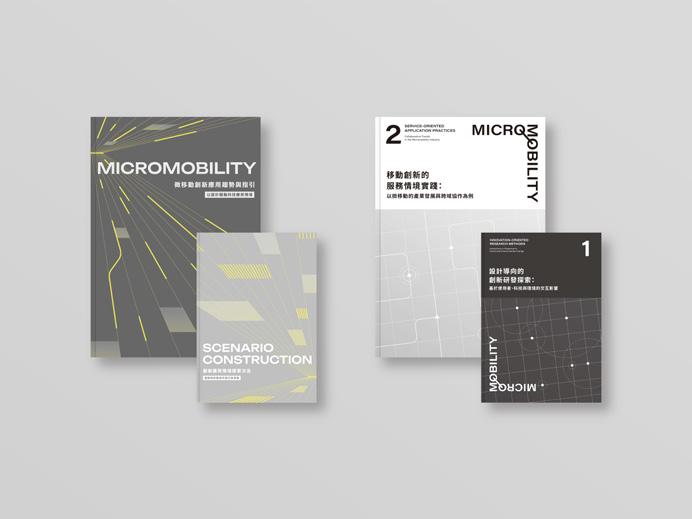
In 2025, service experience guided collaborations between local industries and tourism venues. AI application trends, design research, and industry resources were integrated to strengthen the development of local tourism. At the same time, preliminary research was conducted on the development of micromobility services for the elderly in super-aged societies. This research explored micromobility's potential and designed opportunities to add value to the living environments of the elderly. Relevant research results were compiled into methods for promoting the implementation of innovative applications through design research. Publications include: "Design-oriented Innovative R&D and Exploration: In View of the Mutual Interaction Between Users, Technology, and the Environment", "Service Scenarios and Practices of Mobility Innovation: Taking the Industrial Development and Cross-Domain Cooperation of Micromobility as an Exampl", "Micromobility Innovation Application Trends and Guidelines: Design-Driven Technology Application Scenarios", "Innovative Application Scenarios Exploratory Methods: Driving the Integration and Implementation of Micromobility Applications", "Scenario Exploration Workshop Application Toolkit".
Since 2022, TDRI has been progressively constructing and refining its scenario exploration methodology so that it can serve as a vital tool for supporting the R&D of prospective issues and the implementation of technological applications. TDRI’s initial focus was on establishing and validating a methodological framework. It later laid a replicable foundation for exploration through the use of systematic trend analyses, the identification of key uncertainties, and formalized scenario construction processes. Over the years, the research team has applied this methodology across multiple fields including future metaverse scenarios, smart healthy living, and community living circles to verify its applicability across various industries and technologies. TDRI also developed digital design tools to enhance real-time co-creation between teams, and AI was leveraged to increase exploration efficiency.
In 2025, scenario exploration advanced to the prototype verification stage, further accelerating the shift from simply envisioning the future to practical implementation. As an example, scenario design and interactive R&D were integrated into special education facilities. Researchers developed a scenario-based interactive prototype capable of responding to diverse learning requirements, establishing a model that facilitates collaboration between students, teachers, and staff. This interactive model offers over 15 functional action combinations and has been introduced at the special education facilities of three schools: Yunlin Chung Der Junior High School, the Special School Affiliated with N.T.T.U., and Taipei Municipal Jinhua Junior High School. To date, over 36 special education students have utilized the prototype.
These research achievements not only validate the application potential of TDRI's scenario exploration methodology in solving educational and social issues but also demonstrate the effectiveness of the methodology in promoting interdisciplinary dialogue, guiding innovative decision-making, and realizing the practical application of foresight research.
1-11. Organization of International Industry-Academia-Research Co-Creation Innovation Platforms
Returning to the starting point, launching the next step: IASDR 2025 "DESIGN NEXT"
IASDR is the world's most influential design research event. Taiwan hosted the first edition of this conference in 2005, and the event returned to Taiwan 20 years later in 2025. The 2025 edition was jointly organized by TDRI and the Chinese Institute of Design, evidencing Taiwan's key status in the field of international design research.
The theme of this year's edition was "DESIGN NEXT," echoing the theme of the previous edition that took place in Milan, "Life-Changing Design." The 2025 event focused on how design responds to technological evolution and social change. The conference received a record 1,120 submissions, of which 557 were accepted. Sessions were presented in six different formats. They included 119 presentations and seminars as well as three keynote forums covering the topics of humanity, public/industry, and technology. The conference fostered interdisciplinary and intercultural academic dialogue.
The conference also included satellite events such as industry exhibitions, company visits, industry exchanges and forums, and design co-creation workshops, all of which helped to deepen the connection between academics and design practitioners. IASDR 2025 brought together the capabilities of industry, government, academia, and research, promoting design as an important driver of social innovation and industrial transformation. It marks an important new chapter for Taiwan and the global design research community.
2-1. Driving Cross Domain Innovation in Enterprises
TDRI focuses on human needs and introduces information technology, digital tools, and AI to help the science and technology industry strengthen its service development capabilities, establish convenient, seamless, and intuitive smart service systems, promoting digital upgrades across the industry.
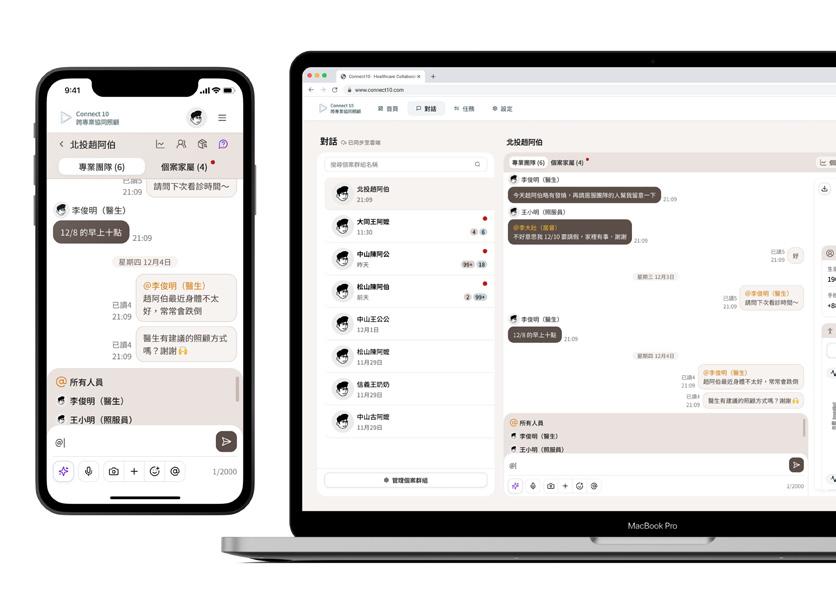
One example is the development of the Connect 10 platform for elderly care and the coaching it provides for platform users. TDRI used service design and UI/UX design methodologies to comprehensively assess user scenarios and workflow pain points before completing smart monitoring, cross-system data integration, and application interface optimization. TDRI's work helped the platform improve its data management and user experience, which in turn enhanced product usability and market adaptability.
Through the integration of human-centered design and AI technologies, TDRI successfully established a replicable and scalable smart home care service model. In 2026, it will expand its scope to additional home care centers and institutions. This will drive improvements in data application efficiency, service efficiency, and the overall quality of care in the industry, as well as lay the foundation for the upgrading of smart care and the technology service industry as a whole.
Design was used to form interdisciplinary cooperative alliances for jointly promoting and establishing innovation mechanisms and models for the industry, becoming a driving force for industrial innovation. Through carrying out forward-looking research, putting industry co-creation into practice, and operating interdisciplinary design platforms, agile co-creation was achieved through R&D and technology and design thinking was implemented to find valuable technological applications, instill design powers in industries, and establish a design innovation strategy for Taiwan.
In 2014, TDRI started promoting the YODEX Industry-Academia Cooperation program. Through a collaborative mechanism of "industry-posed problems and academia-driven solutions," the program has linked the capabilities of companies and design institutions, establishing a platform for cross-industry, cross-field, and cross-institution innovation, and promoting industry-academia co-creation and implementation. To date, the program has produced nearly 6,000 innovative concept designs. There have also been multiple successful commercialization cases, demonstrating the effectiveness of design in driving industrial innovation.
(1) YODEX Industry–Academia Cooperation
In 2025, YODEX's theme was "Preferred Future." The theme guided the creation of an industry-academia collaboration framework, directing companies and students to jointly explore future challenges in entertainment, health, and education.
(2) Regional Industry–Academia Cooperation
The YODEX Industry – Academia Cooperation project entered its 11th year in 2025. This year, seven companies and organizations proposed three challenging topics that attracted nearly 400 proposals from universities and colleges across Taiwan. Over the course of six months, students collaborated to develop forward-looking products, services, and experience concepts through research, field visits, and dialogues with businesses. Under the guidance of advisers, they proposed feasible innovative strategies and experimental models, strengthening their multidisciplinary practical skills.
The third edition of Regional Industry–Academia Cooperation focused on local needs, bringing together four representative companies and one local commercial district from the fields of materials, electronics, cosmetics, sports, and venues, as well as 26 multidisciplinary teams led by teachers from central and southern Taiwan. After grasping issues and generating ideas through practical observations at companies, teams proposed prospective solutions for local pain points. The results were presented in November 2025, and the presentation showcased the diverse approaches to and possibilities of local industrial innovation.
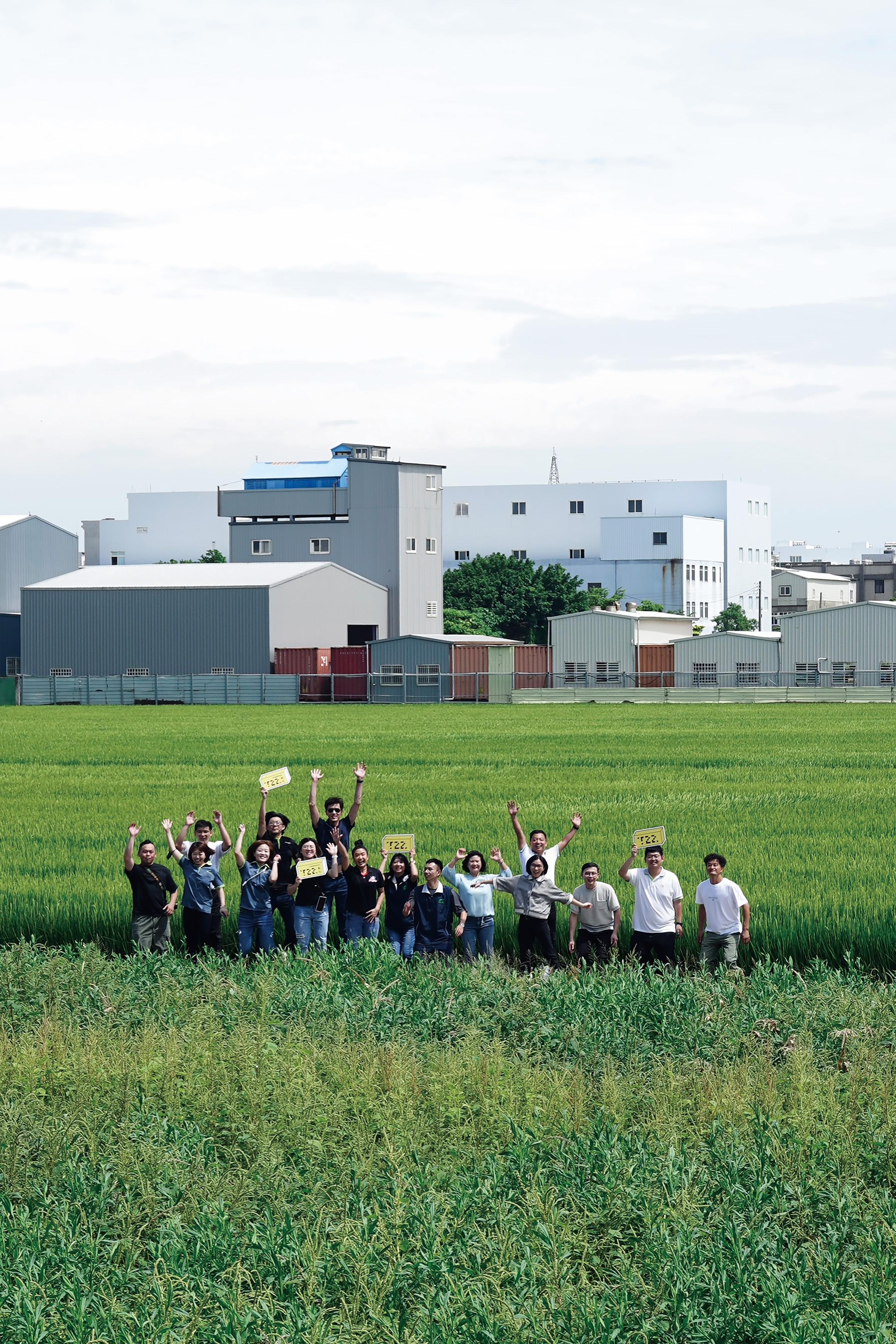
COC Co-Creation is a plan promoted by TDRI and the Ministry of Economic Affairs' Industrial Development Association. The plan allows decision makers to implement their design and market perspectives in manufacturing at the source. TDRI not only serves as an advisor during this process, but also as the co-creation partner of participating companies. In 2025, TDRI worked with Changhua's industries from horticulture, hosiery, paint, metalworking, to woodworking; transcending OEM frameworks, transforming their core strengths into desirable lifestyle brands.
Innovation in the manufacturing industry is closely linked to urban life. When aesthetics and home environments are integrated into traditional crafts, factories no longer merely take orders. Instead, they become lifestyle proposers. Through design-driven approaches, deep technical expertise is translated into market language for a new era, and manufacturers precisely align their products with customer requirements.
Under the opportunities created by the restructuring of the global supply chain, TDRI is leveraging design to create positive cycles within industry chains, and is forging manufacturing capabilities into internationally competitive brands. In the future, this force will transform even more cities, allowing local design techniques to shine, driving local prosperity, and deepening the influence of Taiwan's creative manufacturing on the international stage.
The Ministry of Economic Affairs' Industrial Development Administration launched the Industrial Design-Driven Innovation (IDDI) program in 2023 to promote design-driven transformation in Taiwan's industries; TDRI was entrusted with implementing the program. The design service industry and the manufacturing industry were designated as the primary targets. Under the plan, design becomes a driving force for innovation and improvement: TDRI aids industry partners in developing feasible design blueprints through the introduction of design thinking, establishment of mechanisms for multidisciplinary coordination, and elevation of corporate design capabilities.
IDDI has been implemented across 17 counties and cities around Taiwan in the three years since its launch, and has successfully assisted 109 companies. Over 329 cross-disciplinary design teams have partnered with the program, and nearly 269 new design professionals have entered the industry. In addition, 24 companies have established design departments, and 52 projects distinguished themselves in international competitions.
In the manufacturing industry, the introduction of design and social capabilities enabled numerous companies to reopen factories that had been shuttered for many years. Companies have reexamined their environments, facilities, and work models, using new perspectives to understand local culture and manufacturing conditions. These actions have not only enhanced brand value, but also gradually shaped a people-centered corporate spirit that combines culture and sustainability, positioning design as an important force connecting industry and society.
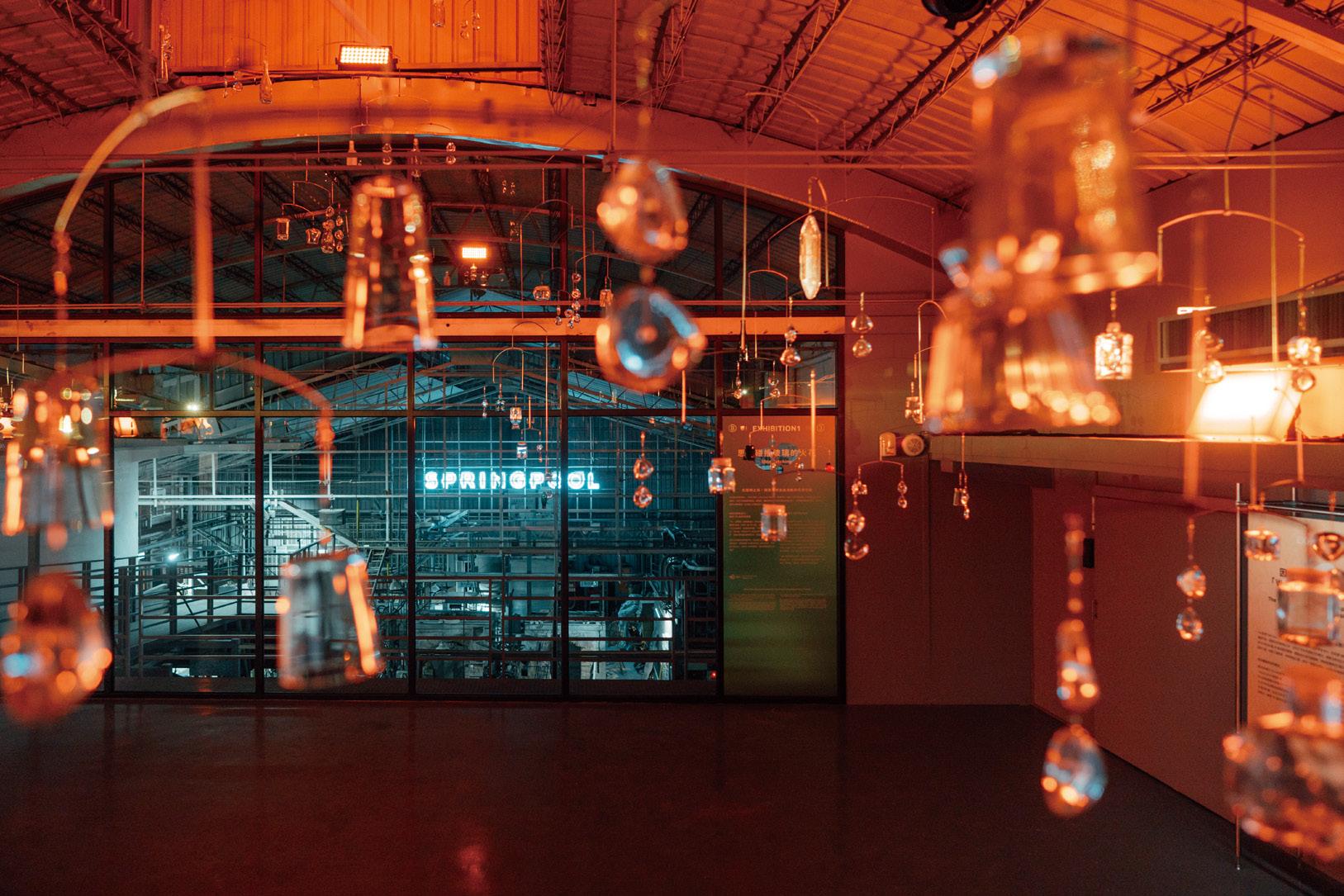
(Photo credit: 春池玻璃|春場、Photography by 林祐任 Youren Lin)
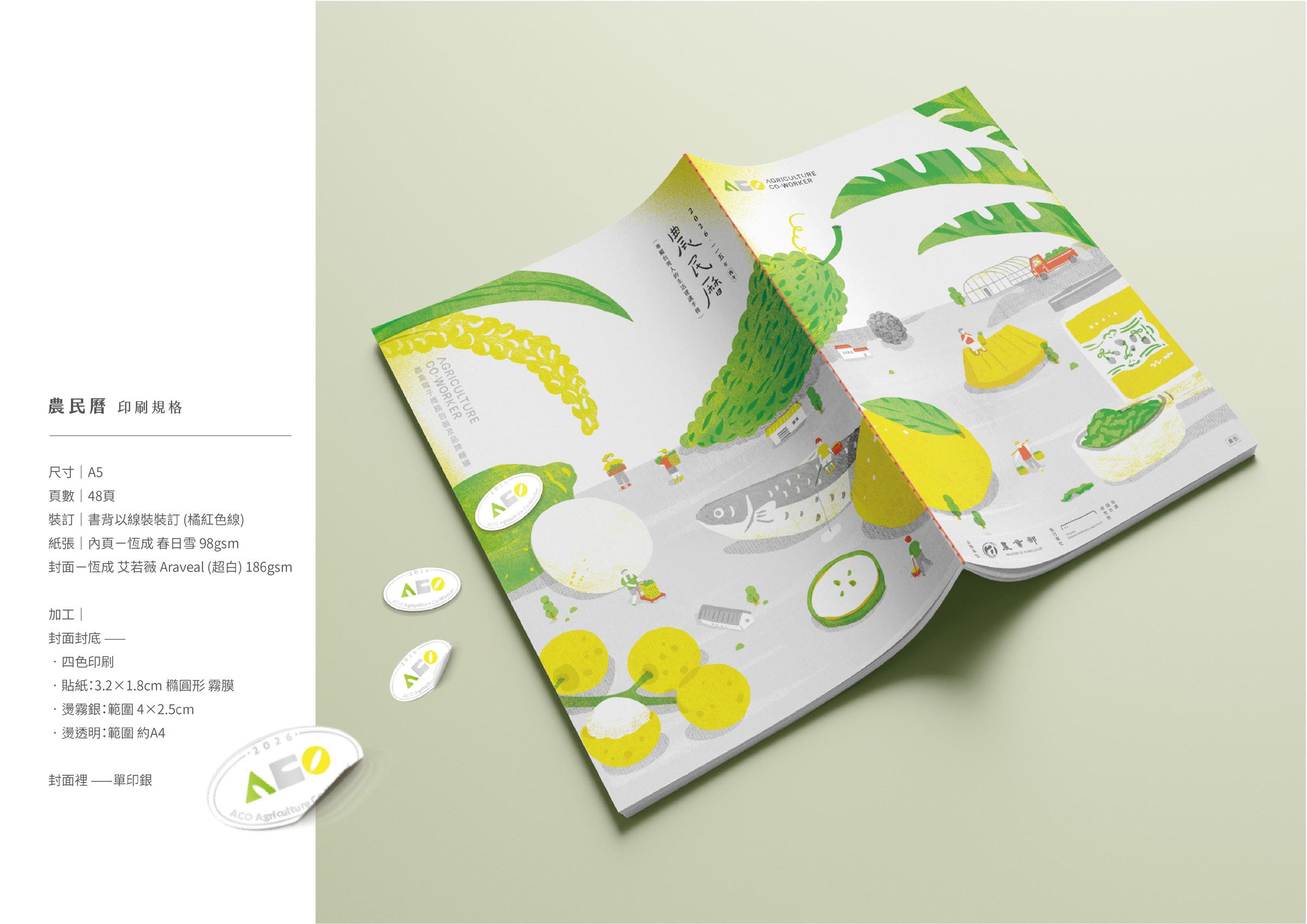
The AGRICULTURE CO-WORKER (ACO) program continues to drive the transformation of Taiwan's quality agricultural products. It is now in its seventh year, and has already coached over 60 fast-growing agricultural businesses. ACO reveals and showcases the unique value of Taiwan’s agriculture through professional consultations on e-commerce channels and brand design.
In 2025, the program continued coaching 13 innovative agricultural produce brands from around Taiwan, including smallholder farmers, regional integrators, and primary agricultural processing plants. It assisted people who were returning to their hometowns to work as farmers to establish complete brand operation mechanisms, offering integrated coaching on everything from brand positioning and product specifications to packaging design. The program also designed eye-catching graphics and texts based on the characteristics of e-commerce platforms, enabling brands to better reach consumers and showcase their uniqueness.
Design thinking was used to reinterpret the traditional farmers' calendar, making it easier for consumers to use it in their daily lives. Appealing, contextualized content incorporated the features of local ingredients and the conditions of production areas, promoting the product by strengthening its depth and memorability. Special emphasis was placed on the innovative models and multidisciplinary achievements resulting from the production and sales collaborations of small-scale farmers; this helped businesses expand their brand influence across different channels and venues and explore new market opportunities.
2-6. Commercial District Aesthetic and Design-Driven Project
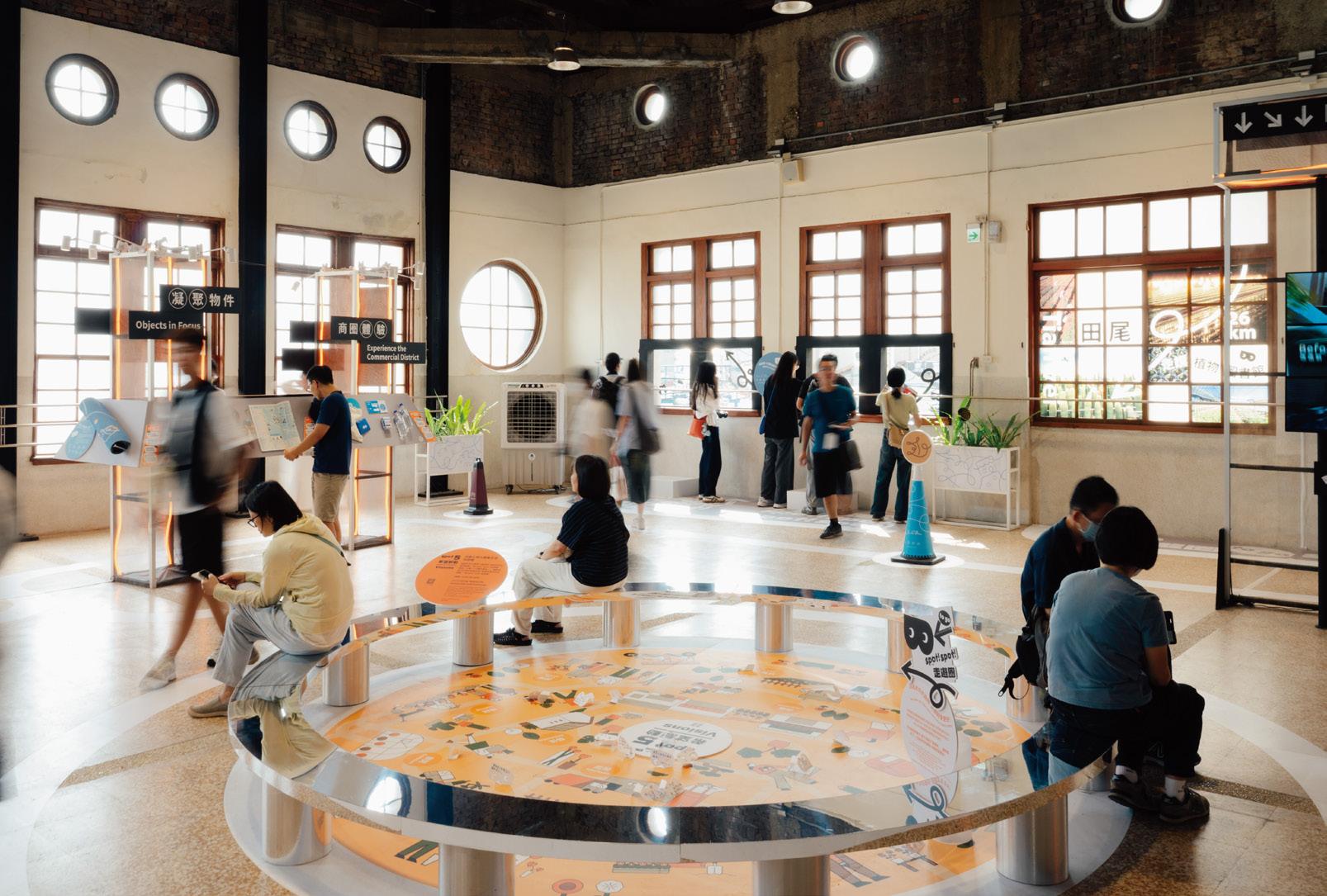
TDRI and the Ministry of Economic Affairs' Administration of Commerce continued to expand on the Commercial District Aesthetic and Design-Driven Project in 2025. The project moved from hardware renovation to software empowerment, while persisting in environmental aesthetics, service innovation, and resource integration to strengthen the resiliency and self-operational capabilities of commercial districts.
The four demonstration commercial districts that received coaching all produced excellent results. New Taipei City's Pingxi Commercial District practiced environmental sustainability through the integration of prayer culture and indigo dyeing. Taoyuan's Zhongyuan Commercial District promoted business-academia integration. Kaohsiung's Cishan Commercial District established a local brand to connect with tourists. Changhua City's Siaosi Commercial District issued publications that built organizational consensus. After Siaosi Commercial District underwent coaching, it received Japan's Good Design Award, Taiwan's Golden Pin Design Award, and the National Outstanding Commercial District Award, successfully pushing local culture onto the international stage.
The results were displayed at Taiwan Design Expo's "spot! spot!" special exhibition, attracting nearly 40,000 visitors and creating one million reach for the project. The satisfaction rate of local shops and tourists with the coaching results exceeded 80%. Through this initiative, commercial districts have revamped their appearances while becoming sustainable models for design-driven local economic development.
To achieve sustainable society goals and respond to challenges brought forth by rapid industrial transformation, TDRI is focused on empowering multidisciplinary design talents with forward-looking perspectives and practical skills. Its program provides designers with opportunities for multidisciplinary learning and industry exchanges in the key areas of circular sustainability, digital transformation, AI, public services, and social design. This is facilitated through design activities, including forums, lectures, workshops, visits, and curated exhibitions. The program also incorporates practical design case studies to establish design thinking teaching templates, systematizing design experiences into transferable and replicable learning models, helping higher education institutions strengthen their design of multidisciplinary teaching practices and cultivating a new generation of designers that are capable of responding to future industrial and social needs.
2-10. Benchmarking and Coaching for the Carbon-Reducing Packaging Design of Exported Products
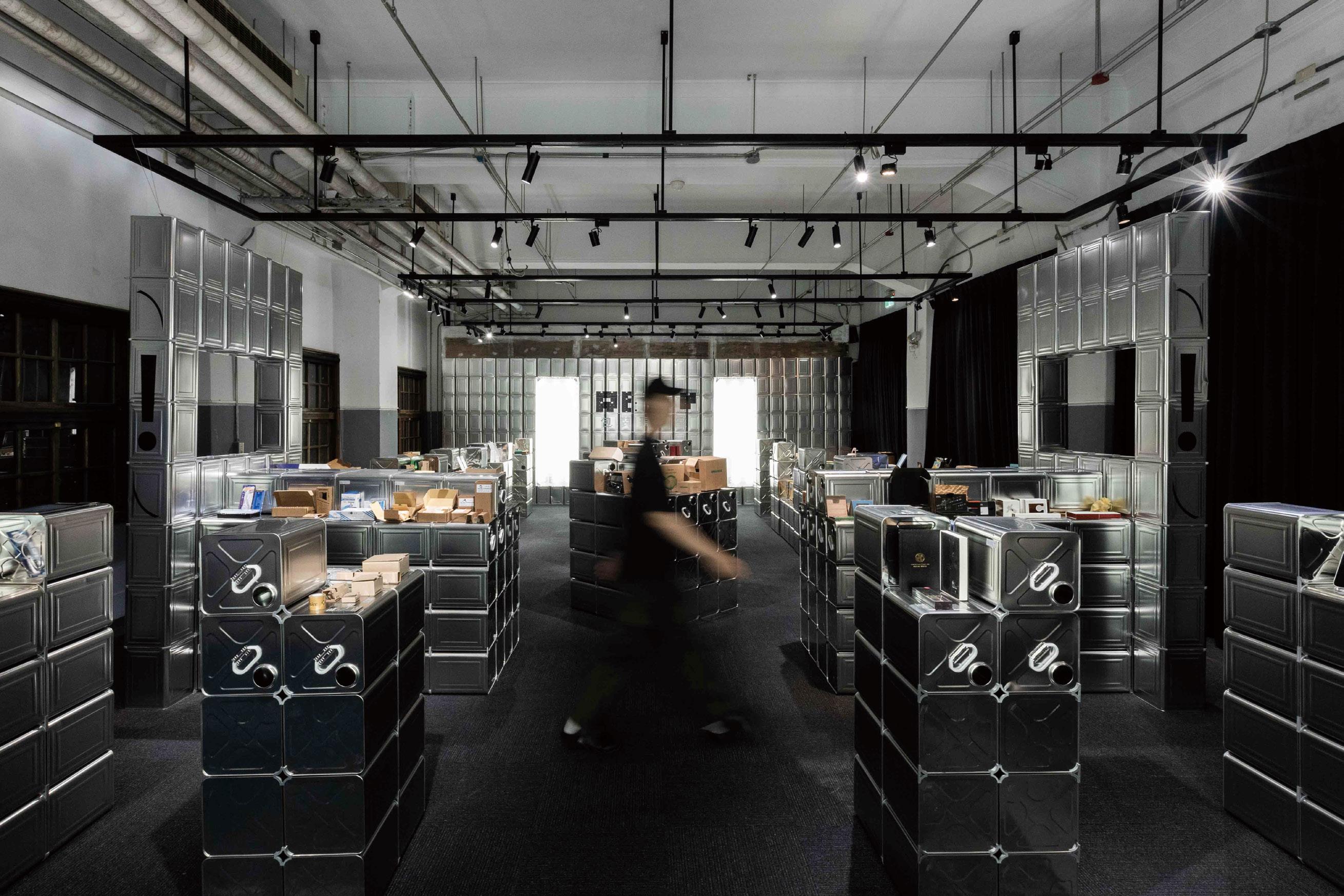
TDRI coaches Taiwan's SMEs to align their exported products with international carbon reduction and sustainability targets and strengthen their export competitiveness. It has achieved this by providing carbon-reducing design resources according to a company's products, target market, sales strategy, and existing packaging issues. The coaching aims to enhance SME packaging quality and overall brand image through design. TDRI also connects businesses with brand owners who are being coached by manufacturing and supply partners; the initiative introduces carbon-reducing packaging design systems and develops carbon-reducing solutions for internal-use packing materials and product packaging or services. TDRI curated a carbon-reducing packaging design exhibition—"(Re):P- Packing Lab"—by displaying the case studies of partnered enterprises in an experimental exhibition space, showcasing the collective practices of Taiwan's SMEs on the path to international sustainability. TDRI has also drafted and published a special publication highlighting the achievements of carbon-reducing packaging to demonstrate its benefits. The institute hopes this will encourage more domestic and international businesses to voluntarily invest in carbon-reducing packaging design, expanding the reach and influence of such efforts.
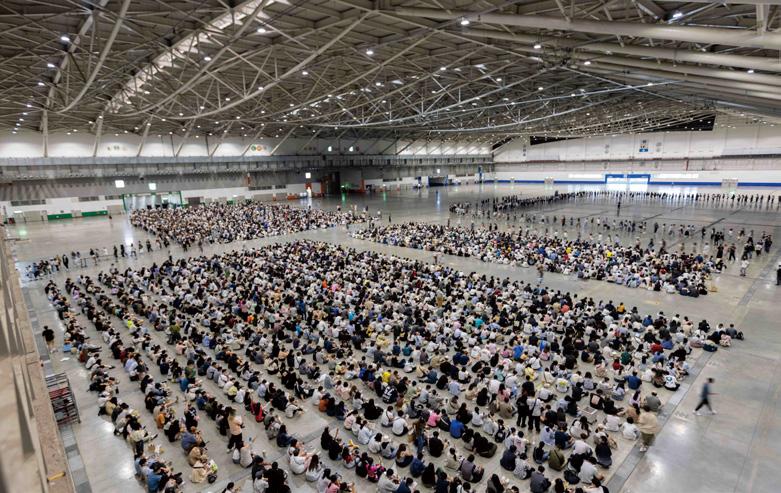
The 44th edition of the Young Designers' Exhibition (YODEX) took place from May 9-12, 2025 at Taipei Nangang Exhibition Center Hall 2, bringing together 59 schools, 122 departments, 9,000 students, and 3,500 design works. Ten top design institutions from abroad, including Australia's Royal Melbourne Institute of Technology, the United States' Pratt Institute, and India's Dehradun Institute of Technology took part in the exhibition. To encourage emerging designers to focus on industry and international trends, the theme of the 44th edition was "Preferred Future." Recycled materials and modular designs were utilized to create a themed exhibition space that reflected a circular, sustainable, and futuristic design aesthetic. Organizers urged students to extend their thinking beyond the present, offer their predictions and visions of the near future ten years from now, and transform those ideas into practical and innovative design proposals through design practice.
The four-day exhibition attracted 80,000 visitors and generated over 300 domestic and international media reports. Its key visual design won a 2025 Golden Pin Design Award. In addition to displaying co-creations from the YODEX Industry-Academia Cooperation project, companies were also invited to visit, and fourteen lectures—the most to date—were held to encourage the exchange of diverse viewpoints. The lectures covered a wide range of topics, including interior design trends, circular design, social innovation, cultural sustainability, intellectual property licensing, and packaging design. YODEX not only serves as a stage for up-and-coming design students to show off their innovative skills, but also as a platform linking industry and academia; the event strives to identify outstanding design talents and recognize outstanding creativity.
2-12. 金點設計獎系列獎項
金點設計獎系列獎項創立於1981年,是臺灣歷史最悠久、最具權威性的專業設計獎賽。自2015年起,針 對不同目標族群,分設「金點設計獎」、「金點概念設計獎」及「金點新秀設計獎」等三大獎項,褒揚 創新傑出的設計產品與作品。金點設計獎每年皆以高規格的盛大典禮,公開表彰獲獎作品,為設計界的 年度盛事。2025金點設計展以「刻度群像 The Spectrum of Scale」為主題,呼應「整合、創新、功 能、美感、傳達」五項評選指標,展現專業觀點與設計價值,展場亦設有互動區,提供安全開放的得獎 作品體驗,深化金點設計獎的大眾連結與品牌形象。
2-12. Golden Pin Design Award and its Associated Awards
Founded in 1981, the Golden Pin Design Award is the longest-standing and most iconic professional design award in Taiwan. Following it's internationalization in 2014, the Award further evolved into an award brand, expanding into three separate awards that together recognize the comprehensive design ecosystem: the Golden Pin Design Award for professional design teams, the Golden Pin Concept Design Award for emerging designers, and the Young Pin Design Award for graduating design students. The Golden Pin Design Award organizes a grand award ceremony each year to honor that year's winning works. It has become a highly anticipated annual event in the design industry. The theme of the Golden Pin Design Award 2025 Exhibition was "The Spectrum of Scale" and showcased the jurors' adaptation of the Award's five evaluation criteria – Integration, Innovativeness, Functionality, Aesthetics, and Communication – for the first time. There was also an interactive zone, designed with safe and accessible user experience with the winning works, enhancing the Golden Pin Design Award's brand image and connection with the public.
(1) Golden Pin Design Award|The Hall of Honor for Professional Designs
The Golden Pin Design Award accepts applications of commercially available products and completed spatial or integration design projects. It recognizes the quality of outstanding designs through an annual selection process, advocating the importance of design and R&D for driving innovation and enhancing brand value. In 2025, entries from 19 countries and regions around the world were received. After three selection phases, 429 works were ultimately selected as winners, earning the privilege to use the Golden Pin Design mark. Of these 429 works, 25 received additional honors in recognition of their excellence and special performance in social and environmental contributions: 22 were recognized as Best Design of the Year, one received the Special Award for Circular Design, and two received the Special Award for Social Design. Furthermore, the 2025 Honorary Award went to Professor Apex Lin, a distinguished chair professor at Asia University's Department of Digital Media Design and an emeritus professor at National Taiwan Normal University's Department of Digital Media Design. He was recognized for his long-standing contributions to thedesign practice, educational outreach, and international exchange.
(2) Golden Pin Concept Design Award|Innovative Proposals for the Future
The Golden Pin Concept Design Award is dedicated to design projects that have yet to be realized, mass produced, or published. It encourages students, designers, and startups to boldly explore forward-thinking ideas that may lead the future. In 2025, the competition received entries from 21 countries and regions around the world. After two selection phases, 27 works were ultimately selected as winners, earning the privilege to use the Concept Design Award mark. Three works stood out and claimed the top honor of Best Concept Design Award of the year. They covered the categories of product design, communication design, and spatial design. All three works fully demonstrated innovation, insight, and potential for future development and implementation in their respective responses to social issues, proposed environmental solutions, and product innovation concepts. The winning teams each received a certificate, a trophy, and a cash prize of NT$300,000.
(3) Young Designers Award|The Dream Stage for Emerging Designers
The Young Pin Design Award is the only official award given at the Young Designers' Exhibition (YODEX), the world's largest joint showcase of emerging design talents. It is also the only domestic award within the Golden Pin Design Award family, providing a creative platform for the next generation but also serves as an important launchpad for many Taiwanese young designers as they step into their professional careers. In 2025, TDRI once again joined forces with the Sustainable & Circular Economy Development Association to issue the Young Pin Special Award for Circular Design. In 2025, the competition received 4,862 entries from 122 departments at 59 schools across Taiwan. After two review rounds, 65 jurors from various fields selected 60 Young Pin Design Award winners, six Young Pin Special Award winners, and nine Best of Young Pin Design Award winners, in recognition of their outstanding creativity and implementation capabilities.
2-13. Demonstration Project for Enhancing the Image of Circular Product Design and Circular Service Industries
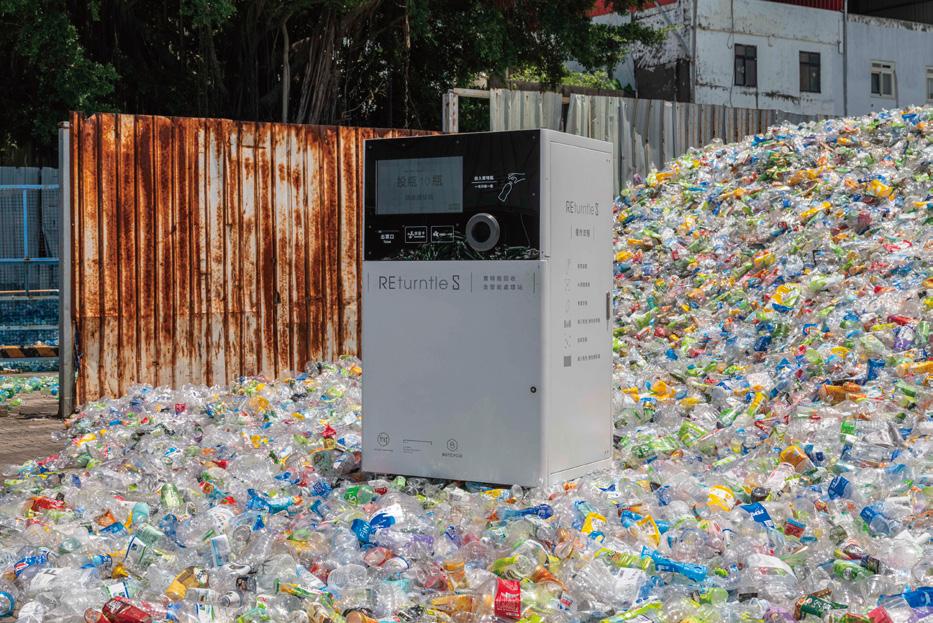
To promote effective resource circulation, the Resource Circulation Administration, Ministry of Environment(RECA)and the Taiwan Design Research Institute (TDRI) are introducing design thinking into resource circulation systems. The initiative encourages industries and the public to reconsider patterns of product use and consumption, shifting from single-use practices toward extending product lifespans, reuse, and shared-use models. Centered on the concept of integrating circular design at the source and enabling the continuous circulation of resources, the project applies design strategies such as modularization, ease of maintenance, ease of recycling, and refurbishment to develop circular and sustainable products and services that are accessible and meaningful to the public.
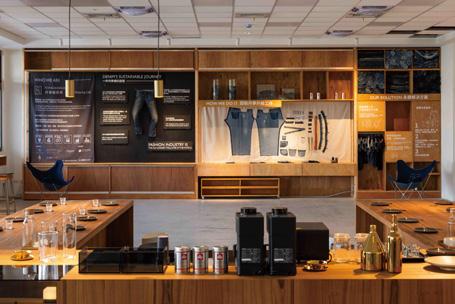
The project adopts a dual-track approach of product innovation and spatial implementation. On the product side, it focuses on everyday products with high replacement rates and recycling challenges. Six circular products with technological feasibility and market potential were developed, including the aluminum modular circular furniture system by Fangder Aluminum Co., Ltd., the easy-to-repair sustainable umbrella by Tcf. Umbrella, and the sustainable circular stationery set by Simbalion. These outcomes demonstrate practical results in extending product lifespans and reducing waste. On the spatial implementation side, the Zero Zero Changhua Jinma Recycling Station introduced AI-based pricing evaluation and an O2O (online-to-offline) operating model, improving both the circulation efficiency of secondhand goods and the overall user experience. Meanwhile, the Tzu Chi Foundation's Fengshan Jing Si Hall integrates recycled denim with modular furniture design to establish a circular lifestyle platform that combines education, hands-on experience, and community engagement, transforming the traditional image of recycling and secondhand spaces.
Overall, the project enables circular design to move from concept to practice, directly supporting circular economy and waste reduction policy objectives while further promoting the development of a circular and sustainable society.
2-14. 2025 School Textbooks Design Innovation Subsidy Program
Multidisciplinary co-creation, re-envisioning new benchmarks for educational aesthetics
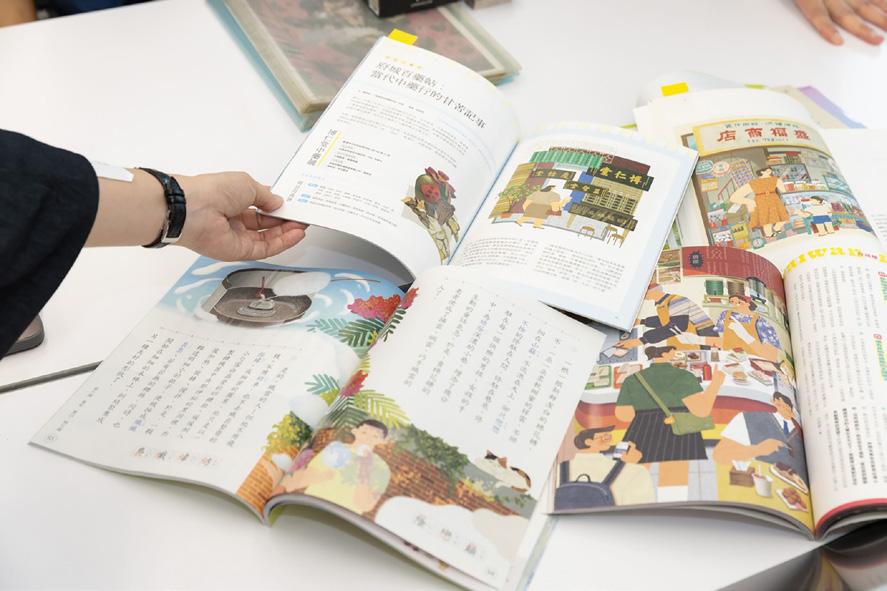
The 2025 School Textbooks Design Innovation Subsidy Program has reached a significant milestone. By expanding its scope to senior high and vocational school levels for the first time, the program saw a substantial 48% growth in scale. This year, the initiative successfully matched 7 publishers with 12 leading design teams to create 40 newly designed textbooks with a focus on aesthetic vision. Since its inception, the program's cumulative achievements have spanned 11 grade levels and 15 subjects, resulting in a total of 67 textbooks with completely revitalized covers and layouts. With an industry-weighted impact climbing to 85–90%, the program demonstrates a powerful momentum for transformation.
Driven by this aesthetic revolution, design has evolved beyond mere visual decoration to incorporate deep integration of color schemes and information hierarchy restructuring, maximizing textbook guidance and learning efficiency. By naturally blending Taiwan's landscapes and local elements into the educational environment, the program has significantly enhanced the sensory experience for over one million students nationwide. As policy promotion and aesthetic practice generate deep synergistic benefits, Taiwan's educational design has shone on the international stage, garnering 4 prestigious accolades, including Japan's Good Design Award and the Golden Pin Design Award.
These achievements redefine the market value of Taiwan's educational materials and prove to the world that Taiwan's innovation and implementation of educational design policies have become an indispensable global benchmark in the field of educational reform. This is not only a showcase of design prowess but also a concrete realization of Taiwan's
Through analyzing public service development trends and key service elements, TDRI planned and introduced service design mechanisms and strategies to the government sector and trained government agencies to use design methods and tools, so as to grasp the needs of the public and move towards a public service system where policy design is conducted using design thinking, driving the overall energy of innovation.
By devising public service design regulations and following up on improvement, we provided a development direction to optimize the quality of service in the public sector and further enhanced the overall rank of the domestic public design ladder. We hoped to build a public space that incorporates innovative thinking to encourage the government to conduct long-term thinking on public service strategies and future development, and to create benchmark exemplary cases so as to drive more public service design cases
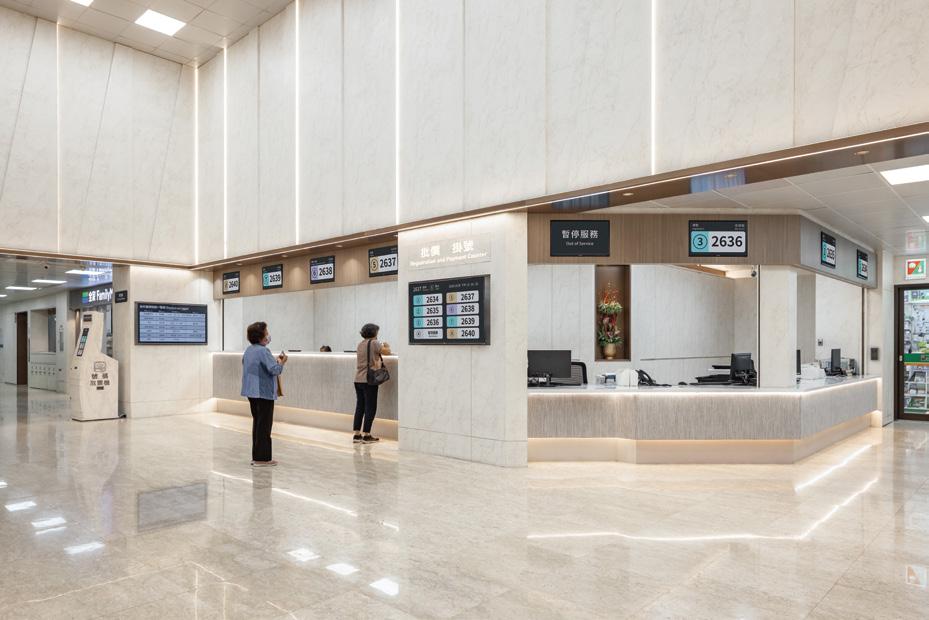
TDRI collaborated with the Ministry of Health and Welfare (MOHW)'s Hospital and Social Welfare Organization's Administration Commission to optimize the wayfinding system in public areas on the first and second floors of Taipei Hospital's older building. The project addressed issues such as excessive signage, inconsistent information, and poor readability, creating an environment where routes are both easy to understand and easy to find.
The design improvements followed the principles of system integration, human-centeredness, and sustainability. The improvements included visual consistency (rounded shapes and soft color palettes), color-coded service categories, unified fonts to improve readability, simplified language to increase comprehension by foreign users, and information interface optimization to enhance information hierarchies and highlight key information. A satisfaction survey conducted after implementation showed that 95% of respondents were satisfied with the new wayfinding system, underscoring its positive impact and highlighting the effectiveness of design improvements in improving the medical experience. The project's results were compiled into the Wayfinding System Demonstration Design Handbook and the Chinese-English Vocabulary Optimization Handbook to serve as future design and planning references for other MOHW-affiliated hospitals.
The Design Movement for Public project continues to promote a design-driven domestic circulation system through its core strategy of combining public investment and design orientation. Over the past three years, it has expanded across 16 counties and cities and completed 34 design transformations. The NT$150 million design investment has leveraged over NT$1.2 billion in construction budgets, concretely demonstrating the multiplier effect of introducing design into public spaces and facilities.
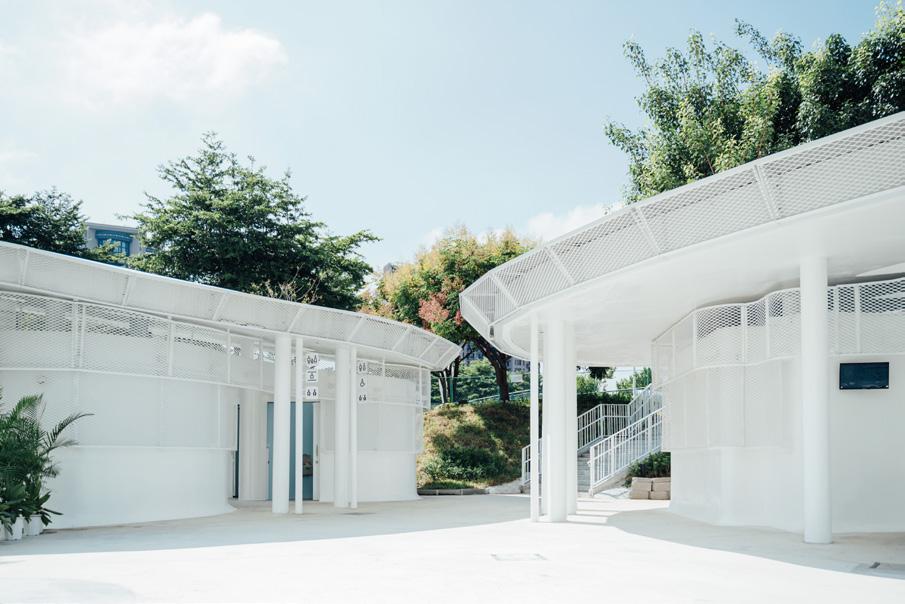
In 2025, the project's focus shifted to central Taiwan. Field visits to Beidou Health Center, Baguashan SKY Playground, Changhua Accessible Streetscape, and public restrooms at Wenxin Forest Park showcased how design brings warmth, imagination, and a sense of everyday life to public spaces, allowing cities to move forward with greater comfort and quality. Baguashan SKY Playground and Changhua Accessible Streetscape were officially unveiled in conjunction with the 2025 Taiwan Design Expo, becoming important milestones in promoting urban development.
In the future, as each site is progressively completed, Design Movement for Public will continue inviting the public to witness these ongoing changes, where design transforms lives and public spaces evolve in ways people can truly feel.
3-4. When History Meets Design: The New Dual Landmark of Changhua Station and the Roundhouse
Changhua Station is located at the junction of Taiwan Railway's Mountain and Coastal Lines and serves over 20,000 passengers daily. Just beside it stands Taiwan's only remaining operational roundhouse. In conjunction with the 2025 Taiwan Design Expo in Changhua, TDRI and Taiwan Railway Corporation jointly launched two initiatives: the Changhua Station Micro-Renovation project, and the Industrial Landscape Renewal project, the latter of which reimagined the national monument, Roundhouse. Together, these two initiatives mark a new chapter for connecting historic buildings with contemporary design.
Changhua Station Micro-Renovation: A Journey Guided by Light and Color
Changhua Station is an important transportation hub on the Mountain and Coastal Lines. The renovation reconfigured the station's lighting system, unified the color system, and streamlined information. It removed years' worth of accumulated visual clutter to make service counters and signage clearer and circulation more intuitive. The bento shop and furniture were also renovated, presenting familiar elements in a modern way with inspiration taken from Guanghua Express's corrugated metal panels.
Changhua Station also served as the first demonstration site for the Taiwan Railway Wayfinding System Optimization Project. Information for the Mountain, Coastal, and Chengzhui Lines was added to the station, and signage for elevators and stairs was supplemented. The wayfinding system was fully upgraded after user verification. Through this micro-renovation, a cleaner and warmer new look was achieved without altering the station's core structure, allowing the century-old building to continue providing a clear, friendly, and modern travel experience.
Using Materials to Accentuate a Living Historic Site: Recreating the Industrial Landscape of the Roundhouse
Changhua Roundhouse became operational in 1922 and was designated as a national monument in 1922. It is a rare example of a historic site that is still in operation. This renovation complied with the provisions of the Cultural Heritage Preservation Act: no alterations were made to the original façade, nor was the site obstructed or blocked. By reconfiguring the color system and removing clutter and unnecessary fixtures, the original appearance of the historic site was restored. Key locations along the visitor path such as the main gate, visitor information board, souvenir shop, and exit were refitted with weathering steel as the primary material, unifying the spatial tone, while greenery was planted to soften the otherwise industrial environment.
The working environment formed by the railway turntable, station chimneys, and signage was also preserved. The renovation deliberately maintained a clear distinction between the old and new, using weathering steel and subdued hues to distinguish new signage from the existing red warning signs and orange safety lines, avoiding visual disruption and highlighting the site's original appearance, while allowing visitors to pause and read in order to better understand the Roundhouse's cultural value.
TDRI and Taipei Rapid Transit Corp. teamed up once again, overhauling Taipei Main Station's B3 Concourse to improve the station service quality and create a more friendly travel environment. The station—the busiest in the Taipei Metro network—has been in operation for over 30 years, and issues have piled up: it suffers from out of date spaces, fragmented services, chaotic flowlines, and general incomprehensibility. The team started with the actual user experience and worked towards "integrating Taipei Metro services into service boxes." Multiple services including information, storage, commerce, meeting points, battery recharging, fire control equipment, and trash receptacles were integrated into systematic service boxes. The wayfinding system was also optimized to improve the overall service efficiency. To overcome the site's limits and the dense layout of columns, the team covered columns with curved service boxes, reorganized service interfaces, softened spatial boundaries, and freed up passageway areas to facilitate circulation.
The project also included renovating the ceilings, lighting fixtures, floors, and walls. The renovation transformed the previously dark and cluttered B3 Concourse into a clear, orderly, modern, and efficient transfer and travel environment.
The Design Movement for Student Wellbeing – University Counseling Space Transformation Project was initiated by the Ministry of Education in 2024 in cooperation with TDRI. It is a multidisciplinary collaboration between the psychology field and design industry. Its purpose is to strengthen mental health support systems for university and college teachers and students, increasing their mental resilience and willingness to seek help by implementing friendly, safe, warm, private, and supportive environments. In the first year of the project, renovations of the counseling spaces of four universities— Tamkang University, National Formosa University, Wenzao Ursuline University of Languages, and National Taitung University—were completed. The transformations addressed common issues such as disorganized pathways, lack of privacy, and limited space. They provided concrete and replicable solutions, including luminous yet private interface designs, clear flow in counseling spaces, and spatial configurations and atmospheres that support professional services.
Design Movement for Student Wellbeing improves physical spaces while enhancing student awareness of their own mental health and their willingness to seek help. The Ministry of Education and TDRI will continue to expand related work and increase the number of participating schools. They will also collaborate with experts in the psychology, construction, spatial design, and education fields to establish a replicable mental health support model that allows counseling spaces to become an important platform for universities and colleges to promote mental health.
藉由兒童參與式工作坊,以「森林冒險遊戲體驗」為出發點,提供孩子 多元素材、賦權孩子發揮創意、引導 實作,收集兒童、家長對遊戲需求,作為戶外地景遊戲建造參考。最後透過舉辦設計交流分享會針對場館各 層樓–地底、大地、風、水、光、綠之城主題,邀請場館設計單位共同參與,聽到孩子多元遊戲想法,落實 FOR children, WITH children, BY children理念。
3-7. Participatory Design Workshops and Public Briefings for the National Children's Future Museum Project
The National Children's Future Museum aims to create activity and learning environments inspired by nature. Natural elements such as vegetation, sunlight, wind, water, and earth are integrated into the design to form a dynamic landscape for play and exploration. Within this environment, children are encouraged to explore freely, experiment, play, and embark on their own adventures. The museum will provide opportunities for children to express creativity, build and create freely, and interact closely with nature. Through play, children learn to understand their bodies, regulate their emotions, and develop self-awareness.
To incorporate children's perspectives into the design process, participatory workshops were organized under the theme of a "Forest Adventure Play Experience." During the workshops, children were provided with diverse materials and guided through hands-on activities that encouraged imagination and creativity. Ideas and feedback from children and parents were collected to inform the design of future outdoor play landscapes. A design sharing session was also held with the museum's design team, where children's ideas for play were discussed in relation to the museum's thematic spaces3-6. 學美.耕心—大專校院輔導諮商空間改造計畫
3-8. Judicial Yuan's Demonstration Project for the "Expert Participation System Under the Mental Health Act"
To fulfill the spirit of the Mental Health Act and the Convention on the Rights of Persons with Disabilities, the Judicial Yuan commissioned TDRI to promote a demonstration project for the Expert Participation System Under the Mental Health Act. The redesign of the courts adopts a people-centered approach, aiming to construct judicial spaces that are user-friendly, aesthetic, and barrier-free.
This project adopted the courtrooms of Kaohsiung Juvenile and Family Court and Taichung District Court as its first demonstration sites, demonstrating commitment to human rights protection, vulnerable groups’ access to justice, and social fairness and justice. The spaces were infused with a warm atmosphere through the use of wood, soft lighting, rounded designs, and the addition of round tables for consultations. Additionally, soundproof, private, and comfortable lounges, as well as independent restrooms and barrier-free facilities, were constructed. The courts were also equipped with videoconferencing systems to support remote hearings and inter-agency cooperation, enhancing service flexibility.
It is hoped this design will serve as an important basis for new Mental Health Act policies. In the future, the design will be expanded to the district courts of Taipei, Shilin, New Taipei, Taoyuan, and Pingtung to expand the Expert Participation System and enhance the judiciary's public influence, realizing the vision of a friendly, accessible judicial system where every single person can participate with ease.
Reflect on industry, social, and environmental issues; integrate local businesses, NPOs, and NGOs; and facilitate public participation in interdisciplinary design to achieve system innovation, build new life models, and increase overall social value. Concurrently, combine new material knowledge with innovative application to revitalize traditional crafts and facilitate transmission and use social innovation to drive revolutionary reforms in all aspects of society.
The 2025 Taiwan Design Expo was jointly organized by the Ministry of Economic Affairs' Industrial Development Administration and the relevant departments of the Changhua County Government, and was jointly executed by TDRI and BIAS Architects and Associates. Its theme was "(((CHANGHUA)))." The expo welcomed over 7.84 million visitors, and was praised by Changhua residents as well as people from all over Taiwan. Visitors enjoyed a 97% satisfaction rate, and the expo generated an estimated value of NT$8 billion, demonstrating the significant influence of design on urban development.
The main exhibition area connected the three major exhibition zones of Changhua, Lugang, and South Changhua. A total of 723 design teams (half of which were local) and nearly 1,640 industry participants mobilized to carefully plan 19 major themed exhibitions, 14 activities centered on hot topics, 11 design response activities, and numerous urban revitalization projects. The event set new records for largest exhibition area and number of exhibition halls.
The content focused on Changhua's important role as a hub between Northern and Southern Taiwan and explored the various aspects of Zhanghua's industry, culture, and lifestyle. Through the translation of traditional industries, cross-domain dialogue, sustainable circular economies, and the integration of design into urban governance, the expo systematically explored the design capabilities of Changhua's different regions. The expo also initiated an in-depth dialogue between urban governance and design thinking, showcasing Changhua's deep cultural heritage and solid industrial strengths.
4-2. Revitalization of Local Industries with Design
In 2025, the T22 project responded to the global sustainability trend by progressively establishing a practical method that improves visibility, clarity, and trust in production areas, producing clear and interconnected results across different production areas.
In Changhua, T22 launched the Changhua Open Factory project, enabling the next-generation hidden champions of manufacturing in Changhua to form a cross-factory, cross-sector coalition that moved from individual operations to collaborative specializations, enhancing cross-factory integration capabilities.
In Hualien, T22 continued assisting the stone industry, translating long-hidden techniques and processes within the B2B supply chain into an internationally understandable design language. The initiative has been honored with a Good Design Award, confirming that local production areas possess the strength and potential to engage with the world through design and sustainability.
In Yingge, T22 hosted the fourth annual Yingge Open House, shining the spotlight on artisans, industries, and the local community through factory visits, guided street tours, Yingge banquets, and open-air markets. The open house deepened the outside world's understanding of production areas and laid a foundation of trust for cross-domain collaboration.
These initiatives ultimately culminated in the T22 Impact Report, which systematically evaluated improvements to production area value and transparency from three aspects: competitiveness, succession planning, and communication. The initiative advanced sustainability from a concept to a verifiable and replicable method for transforming local production areas.
Developing a global design network, connecting different design communities
In 2025, TDRI continued strengthening its cooperation with the World Design Organization (WDO), and has achieved significant results. At the 2025 World Design Congress in London, TDRI Vice President Oliver Lin received the highest number of votes and was reelected as a WDO board member for 2025-2027. He will also serve another term as treasurer, strengthening Taiwan's role and visibility in global design decision-making and governance. TDRI continues to take part in board meetings, promote the City Design Power Index Model, hold exchanges with multinational design institutions, and expand its cooperation networks with cities in Europe, the Americas, and Asia, all of which are helping to consolidate Taiwan's strategic position in the political and economic landscape of international design.
With regards to developing relationships with international design communities, TDRI and the Taiwan Graphic Design Association were invited to participate in an international networking event, The Design Showcase 2025, held in Poland in
Foster the participation of top Taiwanese cross-disciplinary teams on international stages and connect with global design resources and networks to amplify Taiwan's voice. Leverage design as a medium for international exchange to enhance Taiwan's industrial visibility, foster collaborative opportunities, and showcase the depth and strength of Taiwanese design globally.
5-2. Expanding Bilateral Cooperation with International Organizations
Expanding bilateral cooperation with international organizations and deepening design collaborations with other countries
Major milestones for expanding bilateral cooperation with international organizations and deepening design exchanges with other countries were achieved in 2025, successfully boosting international recognition of Taiwanese design. Ten international design cooperation agreements with seven countries were signed.
In Europe and the U.S., TDRI referred emerging Taiwanese designers for exhibitions at the Ambiente International Consumer Goods Fair in Germany, garnering extensive media coverage. TDRI also contributed to the iF Design Trend Report by presenting Taiwanese design perspectives; showcased Taiwan's electoral aesthetics and designs for the public at Gdynia Design Days in Poland; and participated in the International Design Forum in the U.S., where it signed an MoU with the Industrial Designers Society of America.
In Asia, TDRI facilitated the signing of three design development and cooper ation MoUs between the Taiwanese and Indonesian governments on talent exchanges, design awards and competitions, and bilateral research. TDRI also participated in the Busan Design Festival and Gwangju Design Biennale in South Korea, which attract ed local visitors and extensive media coverage. The institute recommended Taiwanese design experts to speak at international forums and act as jurors for international design awards in Japan, South Korea, Indonesia, the Philippines, and India. Its actions have successfully deepened global design cooperation through these organiza tional initiatives.
Systematically broadening the global visibility of Taiwanese design through the international media and diverse social platforms
TDRI continues to promote international marketing and media communication by integrating the successes and resources of its cross-group projects. Through the strategic use of the international media, social media platforms, and global press release tools, TDRI clearly communicates its core design philosophies and achievements, deepening the international community's understanding of Taiwanese design and creativity, professional capabilities, and industrial value.
Every year, TDRI invites the international media to visit Taiwan for on-site industry visits, forums, and exhibitions. In 2025, 12 international design, lifestyle, and financial media outlets were invited to Taiwan. Italy's DesignWanted and Pianeta Design, France's Intramuros, and Malaysia's ACG Media were all invited to collaborate for the first time. TDRI successfully invited the UK's Financial Times, the US's New York Times, and South Korea's The Korea Economic Daily to Taiwan, further expanding the international audience for Taiwanese design.
The number of followers of the Design in Taiwan Instagram account increased from around 10,000 at the beginning of the year to 14,600 at the end of the year, with the percentage of international followers increasing from 30% to 40%. TDRI also instituted a quarterly e-newsletter in English and has continuously made updates to it. TDRI has separately published news for the international audience through PR Newswire, writing 1,500 articles over the course of the year and further boosting
5-4. 大阪世界博覽會 TECH WORLD 館 數位內容暨多媒體互動設計
以設計融合創意與科技,向全世界說一個臺灣的故事
2025年大阪世界博覽會「TECH WORLD 館」由外貿協會委託 設研院統籌數位內容與劇場展演,負責展演內容與專案管理、 前期規劃、創意發想、跨域協作、測試營運等重要流程。
5-4. Digital Content and Interactive Multimedia Design for the TECH WORLD Pavilion at Expo 2025 Osaka
Using design to blend creativity and technology, sharing a Taiwanese story with the world
The Taiwan External Trade Development Council commissioned TDRI to plan digital content and theater presentations for the TECH WORLD Pavilion at Expo 2025 in Osaka. TDRI was tasked with key processes including performance content, project management, pre-planning, creative brainstorming, cross-domain collaboration, and operations testing.
TDRI invited Taiwanese multimedia teams Bito, Ultra Combos, and IF+ to jointly plan the pavilion's three theaters: Life Theater, Nature Theater, and Future Theater. Under the theme "Technology x Design x Culture," the theaters depicted a vision of a better future, featuring immersive images, point cloud technology, interactive installations, and mechanical devices that showcased Taiwan's technological prowess, natural and cultural heritage, and diverse values. The presentations received enthusiastic praise from the media and audiences. Notably, Life Theater won a World Expolympics bronze trophy in the Best Exhibit/Display category, marking an important milestone for Taiwan on the global stage. The venue, which connected nature, technology, and culture, showcased unique design perspectives and visions of the future while enhancing the visibility and international image of Taiwanese design.
Taiwan Design Week brings together the IASDR International Conference, academia, industry, and the global community to build a cross-domain platform
In 2025, Taiwan Design Week linked up with IASDR to jointly construct a cross-academia, cross-industry, and cross-border platform. The theme of Taiwan Design Week was "DESIGN NEXT." Design Week presented outstanding industry cases and design proposals across 12 international design topics, and it showcased 27 works from 31 domestic and international design teams. The works explored how design brings about paradigm shifts and value innovation. They also exhibited design's social impact and demonstrated the design perspectives and cultural responsibilities of new generations.
Taiwan Design Week 2025 also hosted numerous international events, including the Taiwan-Czech Design Forum and the Industry Tour focusing on technology and sustainability. Representatives from industry, government, academia, and research institutes signed design-related MoUs, boosting design exchanges between Taiwan and the international community. To further develop international connections, the event was expanded to also include Design Night. This year, 47 countries and a total of 312 representatives across academia, industry, media took part, resulting in an unforgettable design feast. The annual Taiwan Design Week platform allows TDRI to share its creativity and yearly propositions with the world, creating more international cooperation opportunities while boosting Taiwanese design's international influence.
Aggregating industry capabilities to create an international cultural and creative trade platform
The theme of the 2025 edition of Creative Expo Taiwan was "Water Scapes." The expo delved into Taiwan's cultural ecology, and was staged at Taipei's Songshan Cultural and Creative Park and Nangang Exhibition Center. TDRI brought its curatorial team and resources together to construct a comprehensive operational framework connecting cultural content, industry mechanisms, and markets, and to jointly promote a dual track, integrated model of "cultural curation x brand showcase." By leveraging abundant resources from all sectors, the expo has become an important platform in the international cultural and creative value chain.
The cultural curation zone systematically presented the development of water culture, connecting Taiwan's top 100 culture bases and promoting the transformation of cultural content and its integration with markets. The brand showcase zone at Nangang Exhibition Center featured over 650 brands. Over 125 forums, lectures, performances, and guided tours took place during the expo, and purchases reached a total of NT$1.35 billion. The expo set new record highs for the number of visitors at over 650,000 participants. It also set records for exhibition area size, number of participating companies, and number of booths. In the future, Creative Expo Taiwan will continue to strengthen its status as Taiwan's most important international cultural and creative trade show brand. By connecting Taiwan's culture and industry with the international market, it has become the most important international exhibition in the development of Taiwan's cultural industry.
Design Pin is guided by the brand philosophy "A Touch of Design for Everyday Life." Through curated product selections, it demonstrates how contemporary design responds to everyday needs while opening new perspectives on future living. The space brings together winners of the Golden Pin Design Award and other major domestic and international design awards, featuring lifestyle products, craft design, and innovative proposals that reflect the diversity and refinement of contemporary design, making design an accessible choice for enhancing everyday life.
Focusing on Taiwanese design brands, Design Pin promotes works that combine aesthetic value with practical functionality through a rigorous selection process and curatorial perspective. It demonstrates how design, beginning with objects, can influence lifestyles and shape cultural values. As a platform linking the Taiwan Design Museum and Not Just Library, Design Pin integrates exhibitions, reading, and curated retail selections to create a continuous design experience, highlighting the innovative capacity of Taiwanese design and conveying Taiwan’s design soft power to the international community.
In 2025, Design Pin continued its curatorial initiatives by launching a Red Dot Design Award–themed pop-up project in conjunction with the Taiwan Design Museum exhibition. It also collaborated with the Golden Pin Design Award Exhibition to present the "Golden Pin Christmas" limited-time event, alongside a curated selection of sustainable and circular design
By incorporating the historical background and environmental features of the former tobacco factory and integrating the Taiwan Design Museum, Not Just Library, and the design retail space Design Pin, the venue offers spaces for those who appreciate design and lifestyle aesthetics to experience exhibitions, learning, and creative activities. It also provides a comfortable platform for designers and creative professionals to exchange ideas, inspiring creativity and fostering dialogue.
Taiwan Design Museum (TDM) is the first design-focused museum in the Chinese-speaking world. Since its establishment in 2011, the museum has used design as a driving force to connect society, industry, and culture, shaping a contemporary design landscape unique to Taiwan. As a platform for design exchange and dialogue, TDM engages with international perspectives while highlighting the role of design in public services, industrial innovation, and everyday aesthetics, allowing design to become a vital force that responds to the needs of society and everyday life.
Through exhibitions, education programs, and cross-disciplinary collaboration, TDM presents key design trends and deepens public understanding and appreciation of the value of design. In 2025, with a focus on design aesthetics education, the museum organized 13 cross-disciplinary exhibitions covering topics such as public services, industrial applications, and international design trends. These exhibitions demonstrated how design can respond to social issues, support industrial development, and foster broader public dialogue.
Major exhibitions included "IDENTITY: The Story of Czech Graphic Design," which showcased the cultural depth and diverse styles of Czech graphic design, and the "Contemporary Taiwanese Design Awarded by Red Dot," presenting selected Red Dot Design Award-winning works from Taiwan and highlighting the innovation and international competitiveness of Taiwanese design.
In addition, the museum organized the "Design Peekaboo" Children's Design Summer Camp, which encourages children to explore seven fields of design through everyday experiences. The program aims to cultivate creativity, aesthetic literacy, and awareness of circular design. By integrating exhibitions with educational initiatives, TDM continues to serve as an important platform connecting education, industry, and the international design community, sharing the spirit and values of Taiwanese design with the world.
Not Just Library is more than a space for reading and books; it serves as a cultural medium that presents diverse perspectives and introduces design thinking to the public. Centered on the concept of "Reading×Design," the library curates a selection of design publications and cross-disciplinary knowl edge from Taiwan and around the world. Through curated book selections and thematic book exhibitions, it guides visitors to understand how design responds to everyday life and opens new ways of imagining the world.
The space is located within the historic Women's Bathhouse building in Songshan Cultural and Creative Park. While preserving the original spatial scale and architectural character, the environment integrates book displays with thoughtful spatial design to create a quiet, comfortable atmosphere suitable for extended reading. Inspired by the concept of a "Book Bathhouse," the space combines books, scent, plants, and natural light to form a calm and reflective environment where visitors can engage with design and culture while encouraging exchanges among readers, creators, and design professionals.
In 2025, Not Just Library continued to align its programming with the exhibi tions of the Taiwan Design Museum while promoting design aesthetics educa tion through a series of thematic presentations. Highlights included "Healing Consultation Room: Learning from Aesthetics - The University Counseling Space Transformation Project," presenting the outcomes of a design initiative to transform counseling spaces in higher education institutions, and "The Most Beautiful Czech Books Exhibition," which showcased the visual richness and literary depth of Czech book design.
In addition, the library organized more than 20 lectures and public programs throughout the year, extending exhibition themes and fostering dialogue. Through these initiatives, Not Just Library continues to serve as a creative platform that inspires ideas and expands cultural imagination.
Developed 8 digital AI design tools, databases, and platforms, serving 160,000 users and 2,456 members.
Developed 5 sets of design evaluation indicators and tools, which have been used a cumulative 99,000 times by companies.
Developed over 47 sets of design thinking tools and organized 86 workshops to promote industry innovation, empowering 3,100 people through design. Reported 105 research and development results, including patents, trademarks, publications, and trade secrets. Among them, 20 are patents, notably including a patent for C-STONE marble paint, which also obtained the Green Building Material Label. Published 29 books, including guidebooks on industry innovation and research reports, and held 14 international research presentations, reaching over 12,000 people.
International Development
2020~2025
Collaborated with over 29 international design-related organizations and signed 39 memorandums of cooperation.
Extended innovation results to 47 countries (an increase of 68% compared to 2024).
Featured in 8,531 international media reports and won 145 domestic and international design awards and competitions.
Led 102 design companies and over 100 startup teams in 2025, connected with over 350 international buyers, and facilitated over NT$ 40 million in international sales.
Industry Innovation
2020~2025
Developed 6 strategies for interdisciplinary design innovation. Involved 3,251 teams in projects, both directly and indirectly.
Engaged 7,695 students in industry-academia collaboration, training 15,563 emerging talents in industry innovation.
Invested NT$ 2.15 billion in corporate investments, with a relative output value of over NT$ 1.85 billion Shared achievements with 10,665 companies, facilitating the establishment of 13 in-house design departments.
Public Services
2020~2025
Collaborated with 211 public-sector entities to promote innovation in public services (27% of the public sector).
Established over 19 design specifications and made 16 regulatory proposals, leading 6 counties and cities to establish dedicated design units.
Facilitated NT$ 5.89 billion in design innovation investments by the public sector, reaching 284 million participants, a tourism output value of NT$ 21.16 billion, and 8.426 tons of reduced carbon emissions.
Rallied 126,997 people between 2024 and 2025 to participate in interactive experiences.
Ministry of Economic Affairs Nation Industrial Innovation Award
The Nation Industrial Innovation Award, which acknowledges achievements in innovation, cross-domain integration, and industrial leadership, is one of the highest honors in Taiwan's industrial sector. In 2025, TDRI's Service Innovation Division was recognized for design-driven innovation in public services.
2025 天下永續公民獎
台灣設計研究院榮獲《天下雜誌》2025天下永續公民獎非營利事業政府組第2名。
2025 CommonWealth Excellence in Corporate Social Responsibility Award
TDRI placed second in the non-profits and government category of CommonWealth Magazine's 2025 Excellence in Corporate Social Responsibility Award.
臺北市文化類志願服務運用單位績效評鑑
台灣設計研究院「台灣設計館」參與臺北市政府文化局舉辦「114年度臺北市文化類志願服 務運用單位績效評鑑」,在50個參選單位中脫穎而出,榮獲文化類 B 組(民間團體 / 基金 會 / 文化機構法人)「甲等獎」 殊榮。
Taipei Cultural Volunteer-Involving Organization Performance Evaluation
TDRI's Taiwan Design Museum participated in Taipei City Government's Department of Cultural Affairs' "2025 Taipei Cultural Volunteer-Involving Organization Performance Evaluation." Taiwan Design Museum beat 49 other participants to win First Prize in Cultural Category B (private organizations, foundations, and cultural institutions).
世博奧林匹克競賽
臺灣以民間企業名義參展大阪‧關西世博的「TECH WORLD 館」中設置的「生命劇場」, 在表彰優秀展館的「世博奧林匹克競賽」展示 陳設部門中榮獲銅獎;「TECH WORLD 館」 同時也入圍最佳要素 細節獎、觀眾票選獎及館長特別獎。
World Expolympics
Taiwan exhibited at Expo 2025 Osaka via the private sector pavilion "TECH WORLD." At the World Expolympics, the pavilion's Life Theater won a bronze trophy in the Best Exhibit / Display category. "TECH WORLD" was also a finalist for Best Element / Detail, the People's Choice Award, and the Director's Choice Award.
07 05
聯合國 UNSDG SiAC 大獎
《THE GREEN BOOK》(TGB)這本台灣永續指南因其創新的永續解決方案和行動,榮獲 Excellence Award。
United Nations Sustainable Development Goals Sustainable Impact Assessment & Certification
The Green Book (TGB), a guidebook on sustainability in Taiwan, won the Excellence Award for its innovative sustainability solutions and actions.
06
2025 日本優良設計獎
日本 GOOD DESIGN AWARD公布2025年獲獎名單,來自世界各地共有5,225件作品參賽,經 過二階段專業評選,最終選出1,619件作品獲得標章。設研院共有8項相關專案獲獎:
★ Interior Space|Best 100|學美‧美學|國立關西高中「關西製茶所」
★ Media & Contents|2024 新一代設計展:超越永續-借物計畫
★ Public Facility & Civil Structure & Landscape|彰化縣小西商圈
★ Interior Space|學美‧美學|新北市青山國中小「青山森林」
★ Activity|天然再生纖維解方:鳳梨取纖機
★ Activity|T22 設計振興地方產業計畫:花蓮
★ Industry & Public Equipment|羽絨回收機
★ Activity|永和耕莘醫院:真福共好基地
Good Design Award 2025
Japan's Good Design Award received 5,225 submissions from around the world in 2025. After two rounds of expert judging, 1,619 works were selected as award winners. Eight TDRI-led projects won the award:
★ Interior Space | Best 100 | Design Movement on Campus | National Kuan-Hsi Senior High School: Tea Factory
★ Media & Contents | YODEX 2024: Beyond Sustainability – The Borrowing Project
★ Public Facility & Civil Structure & Landscape | Changhua County Siaosi Commercial District
★ Interior Space | Design Movement on Campus | New Taipei Municipal Qingshan Elementary and Junior High School: Qingshan Forest
★ Educational/Cultural, Gold Award | Design Movement on Campus | Taipei City Fanghe Experimental High School: Little Aesthetic Hub
★ Educational/Cultural, Bronze Award | Design Movement on Campus | Changhua County Hudong Elementary School: Light Roof / Room
衷心感謝以下單位,對於台灣設計研究院的支持與協助。
We are thankful to our partners.
公部門:
行政院|司法院|經濟部|經濟部產業發展署|經濟部商業發展署|經濟部產業技術司|科技部|農業部|環境部|環 境部資源循環署|文化部|教育部|勞動部|衛生福利部|衛生福利部附屬醫療及社會福利機構管理會|交通部航港局 |臺北市政府|桃園市政府|彰化縣政府|臺中市政府建設局|國民及學前教育署|國營臺灣鐵路股份有限公司|國家 圖書館|桃園市立圖書館|文化內容策進院|臺北表演藝術中心|Sapporo Transnational Expansion & Partnership (STEP), Sapporo City Government
教育單位 :
國立臺灣大學|國立陽明交通大學|國立臺灣科技大學|國立臺北科技大學|大同大學 |Hasso Plattner Institute of Design at Stanford University|Faculty of Industrial Design, Eindhoven University of Technology|Hokkaido University| Hong Kong Polytechnic University
CONFEDERATION OF INDIAN INDUSTRY OF INDIA|Czech Centre Taipei|Gwangju Biennale Foundation|iF International Forum Design GmbH|JR East Marketing & Communications,Inc.|Knowledge Capital Association| Red Dot GmbH & Co. KG