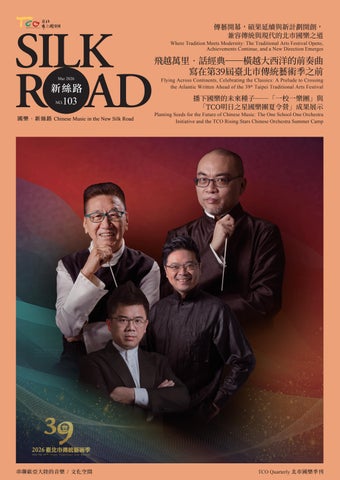
Where Tradition Meets Modernity: The Traditional Arts Festival Opens, Achievements Continue, and a New Direction Emerges
飛越萬里•話經典──橫越大西洋的前奏曲 寫在第��屆臺北市傳統藝術季之前 Flying Across Continents, Celebrating the Classics: A Prelude to Crossing the Atlantic Written Ahead of the 39th Taipei Traditional Arts Festiva l
播下國樂的未來種子──「一校一樂團」與 「TCO明日之星國樂團夏令營」成果展示 Planting Seeds for the Future of Chinese Music: The One School One Orchestra Initiative and the TCO Rising Stars Chinese Orchestra Summer Camp
目錄 │ Table of Contents
新思路 The Route to Innovation
封面故事 Cover Story
國樂新生活 Chinese Music as Daily Practice
國樂新視界 New Vision of Chinese Music
這些人這一刻 The Moment
發行人
總編輯
藝術顧問
編審委員
企劃/執行編輯
編輯顧問
翻譯編輯
翻譯
鄭立彬
鍾永宏
吳榮順、林谷芳、林昱廷、施德玉、樊慰慈、瞿春泉、蘇文慶(依姓氏筆劃順序)
徐端容、黃馨玉、邱誓舷、郭沛溱、蔡珮漪、謝從馨、黃湞琪、朱樂寧
俠客行文創顧問有限公司
沈冬
李明晏
余境萱
傳藝開幕,碩果延續與新計劃開創,兼容傳統與現代的北市國樂之道
Where Tradition Meets Modernity: The Traditional Arts Festival Opens, Achievements Continue, and a New Direction Emerges
飛越萬里•話經典──
橫越大西洋的前奏曲寫在第��屆臺北市傳統藝術季之前
Flying Across Continents, Celebrating the Classics: A Prelude to Crossing the Atlantic Written Ahead of th e 39 th Taipei Traditional Ar ts Festival
規律準備、咖啡和覺察:音樂家談壓力應對與放鬆
Routine, Coffee, and Awareness: Musicians on Managing Stage Pressure and Relaxation
播下國樂的未來種子 「一校一樂團」與
「TCO明日之星國樂團夏令營」成果展示
Planting Seeds for the Future of Chinese Music: The One School One Orchestra Initiative and the TCO Rising Stars Chinese Orchestra Summer Camp
開啓中部地區國樂創作的先行者──中師之光林聰地校長 ����-��年代臺灣國樂人的耕耘記述(十八)
A Forerunner in Chinese Music Composition in Central Taiwan: Principal Tsung-Ti Lin Chinese Music Practitioners in Taiwan, 1960s–1970s (18)
Publisher
Editor-in-Chief
Artistic Advisors
Editorial Review Committee
Executive Editor Production
Editorial Consultant
Translation Editor
English Translator
Li-Pin Cheng
Yung-Hung Chung
Rung-Shun Wu, Ku-Fang Lin, Yu-Ting Lin, Te-Yu Shih, Wei-Tsu Fan, Chunquan Qu, Wen-Cheng Su (by Order of Stroke Numbers of Surname in Chinese)
Where Tradition Meets Modernity: The Traditional Arts Festival Opens, Achievements Continue, and a New Direction Emerges
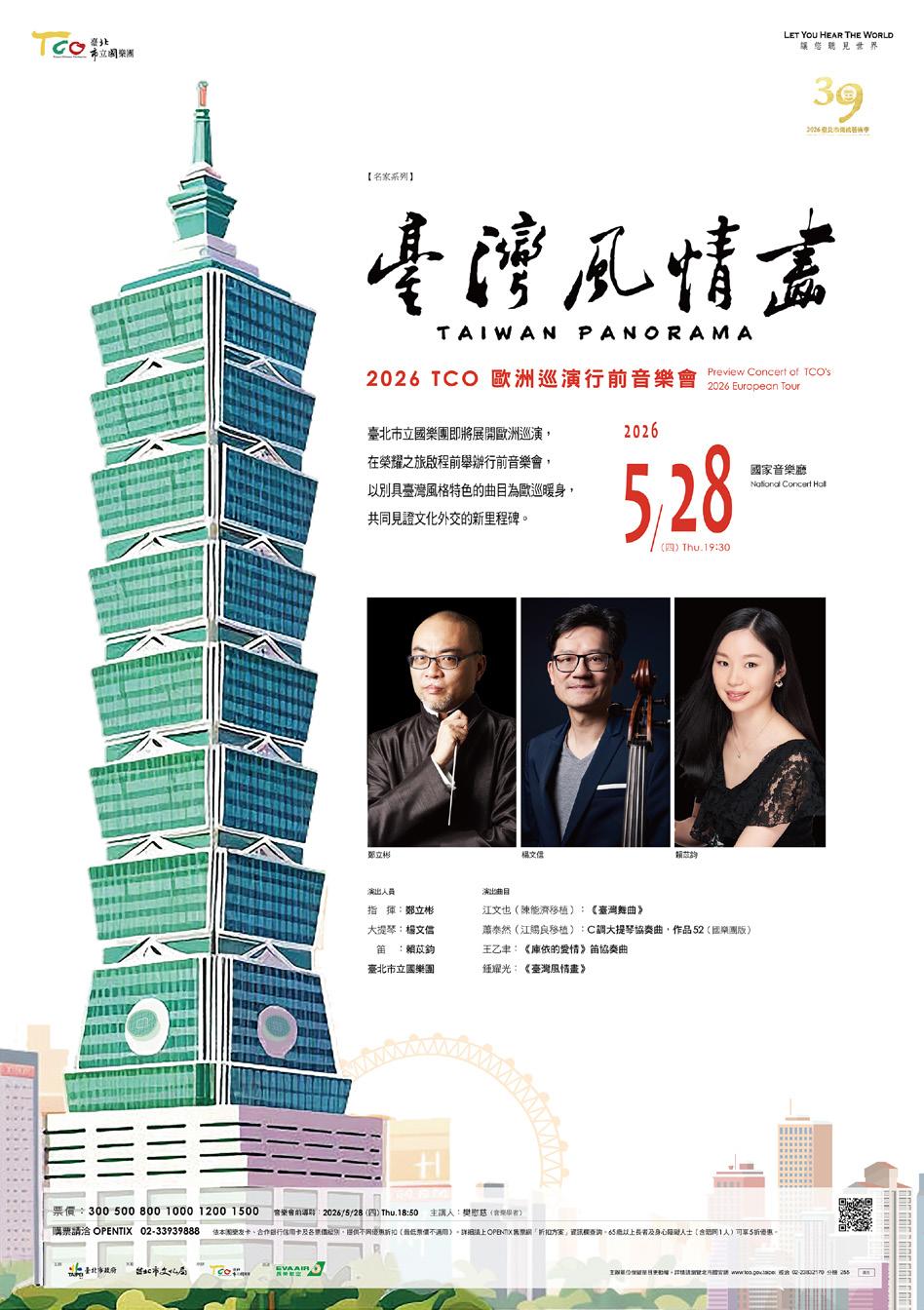
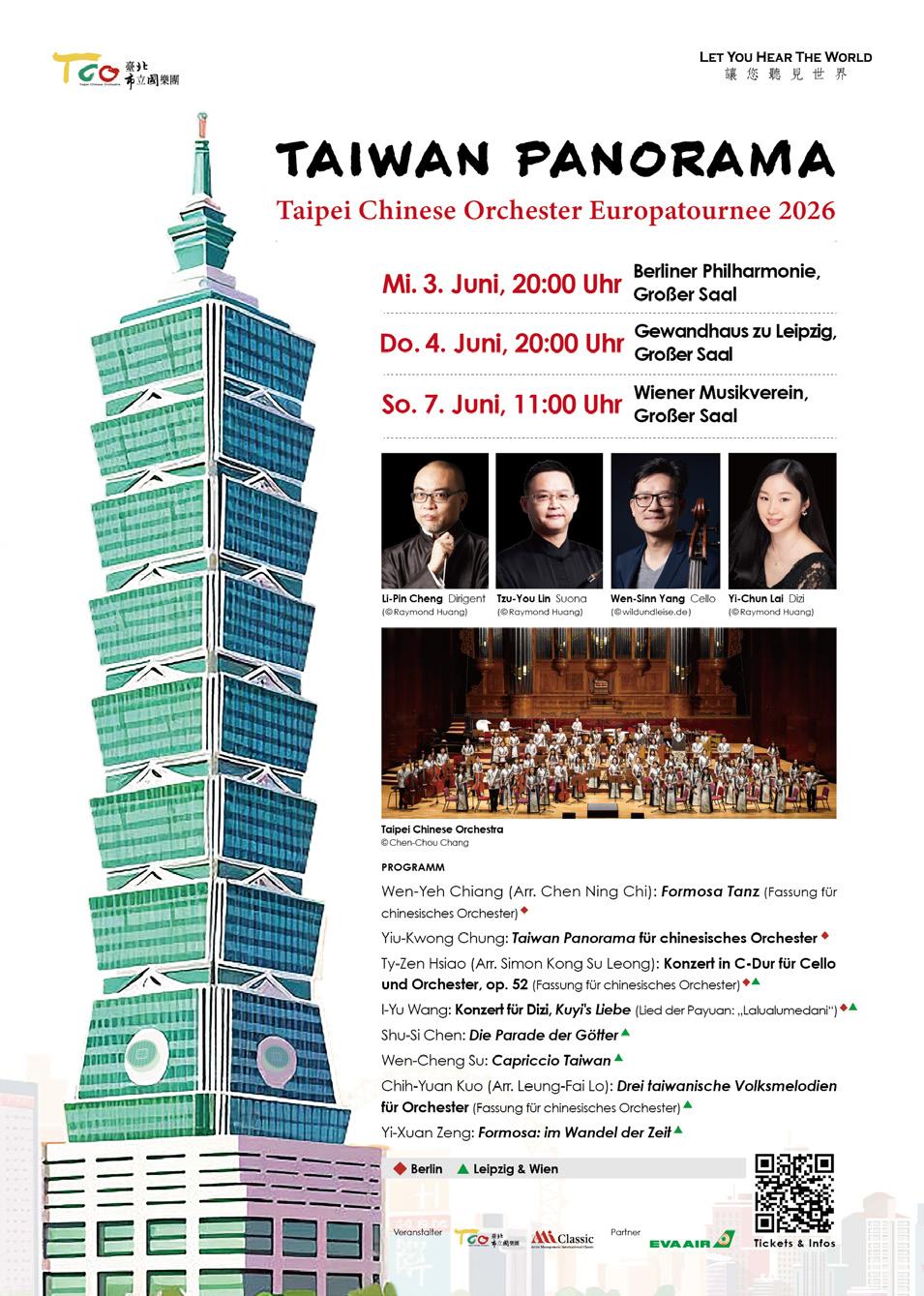
The 39 th Taipei Traditional Arts Festival will open in late spring 2026 with another season of ambitious programs. Ma-Li Liu’s cover story surveys the festival’s highlights and vision, taking readers from the opening concert Guan Gong, where old and new converge, through Plucking the Strings of the Cosmos, centered on intergenerational mentorship, and The Grand Master, a tribute that brings 2 orchestras together, to the closing concert Taiwan Panorama, bound for Berlin, Leipzig, and Vienna on a European tour. Running from March through June, the festival takes audiences from Zhongshan Hall and the National Concert Hall to stages across Europe, all in the company of Chinese Music.
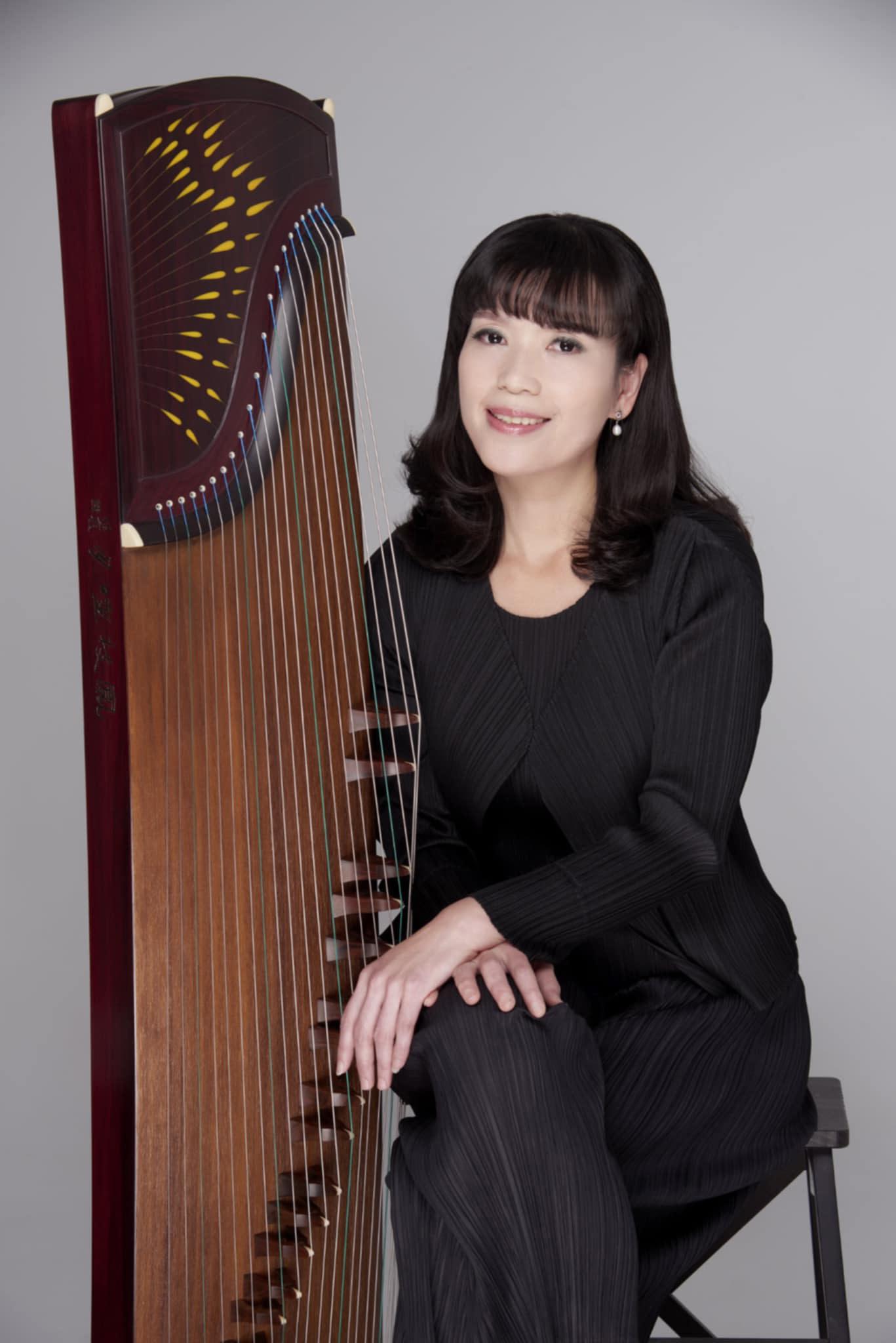
What do musicians do when the pressure builds? This issue’s Chinese Music as Daily Practice column turns to stress and relaxation. Writer Tsai-Teng Yen sits down with Hong-Yu Liu, principal guzheng of the Taipei Chinese Orchestra, and Hsin Fang, the orchestra’s timpanist. From coffee rituals to anime, the 2 musicians reveal their personal escapes alongside hard-won insights on disciplined preparation and staying physically and mentally grounded.
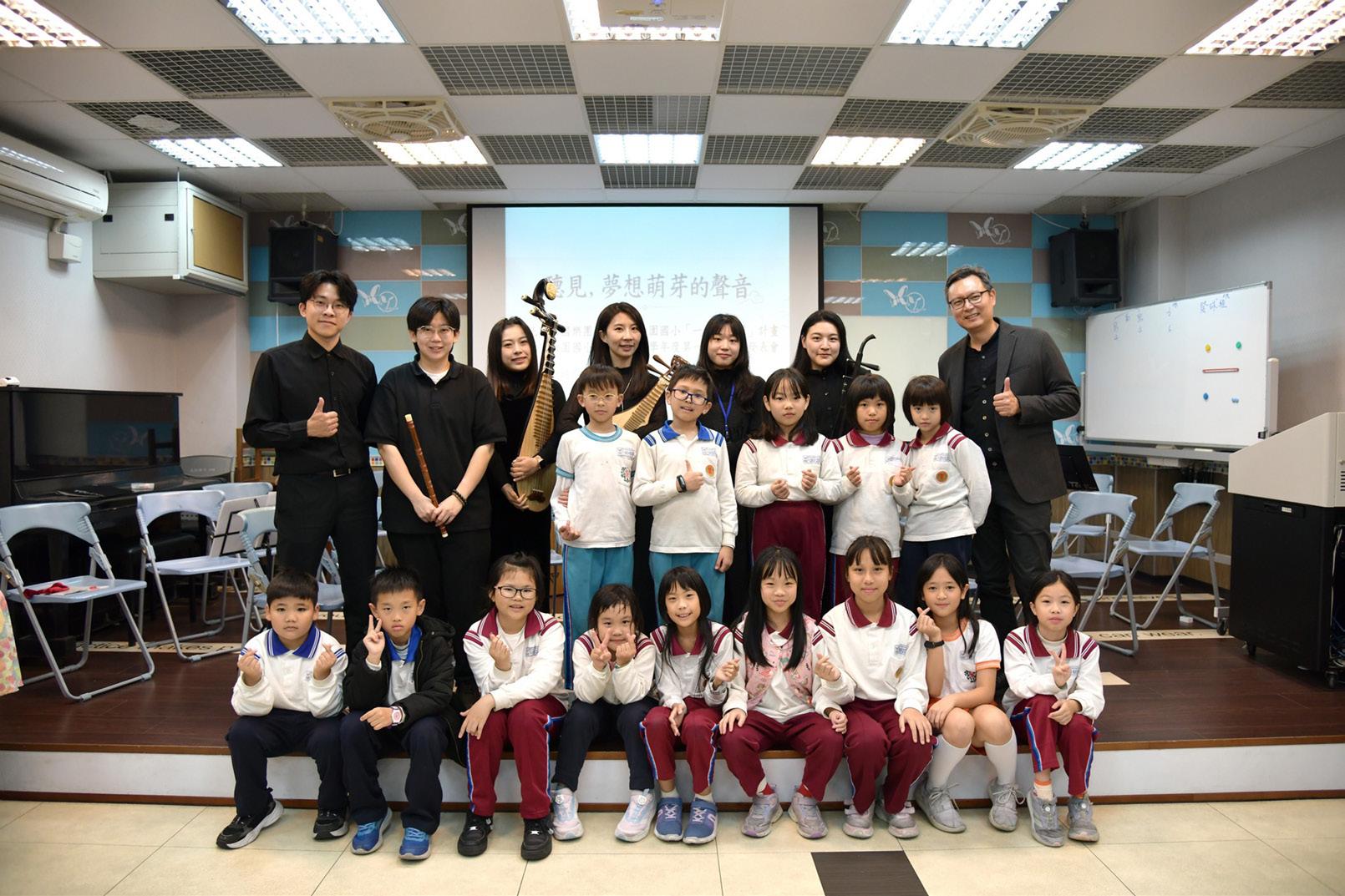
In New Vision of Chinese Music, Jo-Yao Huang reports on 2 talent-development programs the TCO launched in 2025: One School One Orchestra and the TCO Rising Stars Chinese Orchestra Summer Camp, taking us through the logistics, classroom challenges, and teacher and student feedback. At Xiyuan Elementary School, where One School One Orchestra made its debut, a club of just 15 students overflowed with enthusiasm for Chinese Music, producing moments no one in the room is likely to forget. 3 Rising Stars campers also share candid reflections that speak to the camp’s successful first year.
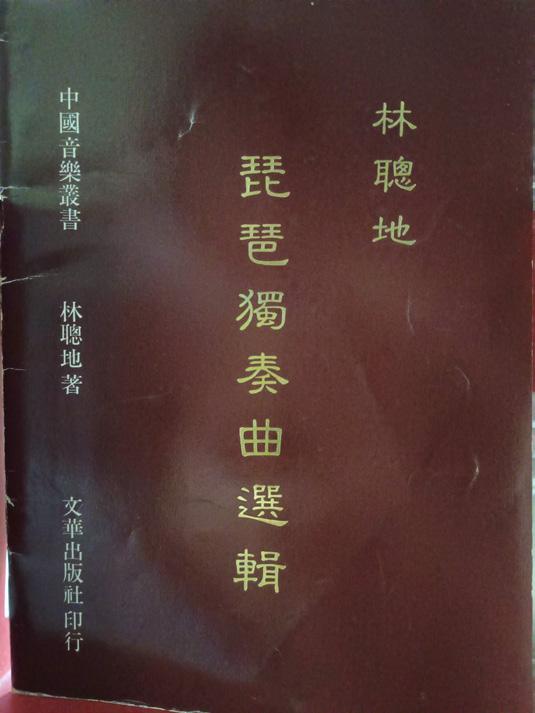
The latest installment of Chih-Yi Wan’s series, Chinese Music Practitioners in Taiwan, 1960s to 1970s, profiles Principal Tsung-Ti Lin, a trailblazing figure from central Taiwan. As president of the Chinese Music club at Taiwan Provincial Taichung Teachers College, Lin organized a composition workshop that advanced the creation of original Chinese Music in the region during the 1970s. He later composed over 40 works for the Taichung City Chinese Orchestra, a body of work that laid an important foundation for the development of Chinese Music composition in central Taiwan.
As winter turns into spring, the TCO carries last year’s achievements forward, pressing ahead with new initiatives and sharpening its artistry. The orchestra looks back at landmark works and historical figures while continuing to cultivate emerging tale nt. Chinese Music, an art that holds tradition and modernity in the same breath, finds its purpose here.
Flying Across Continents, Celebrating the Classics: A Prelude to Crossing the Atlantic Written Ahead of the 39th Taipei Traditional Arts Festival
Text / Ma-Li Liu (Adjunct Assistant Professor at National Dong Hwa University and Department of Music, University of Taipei)
Image / Taipei Chinese Orchestra
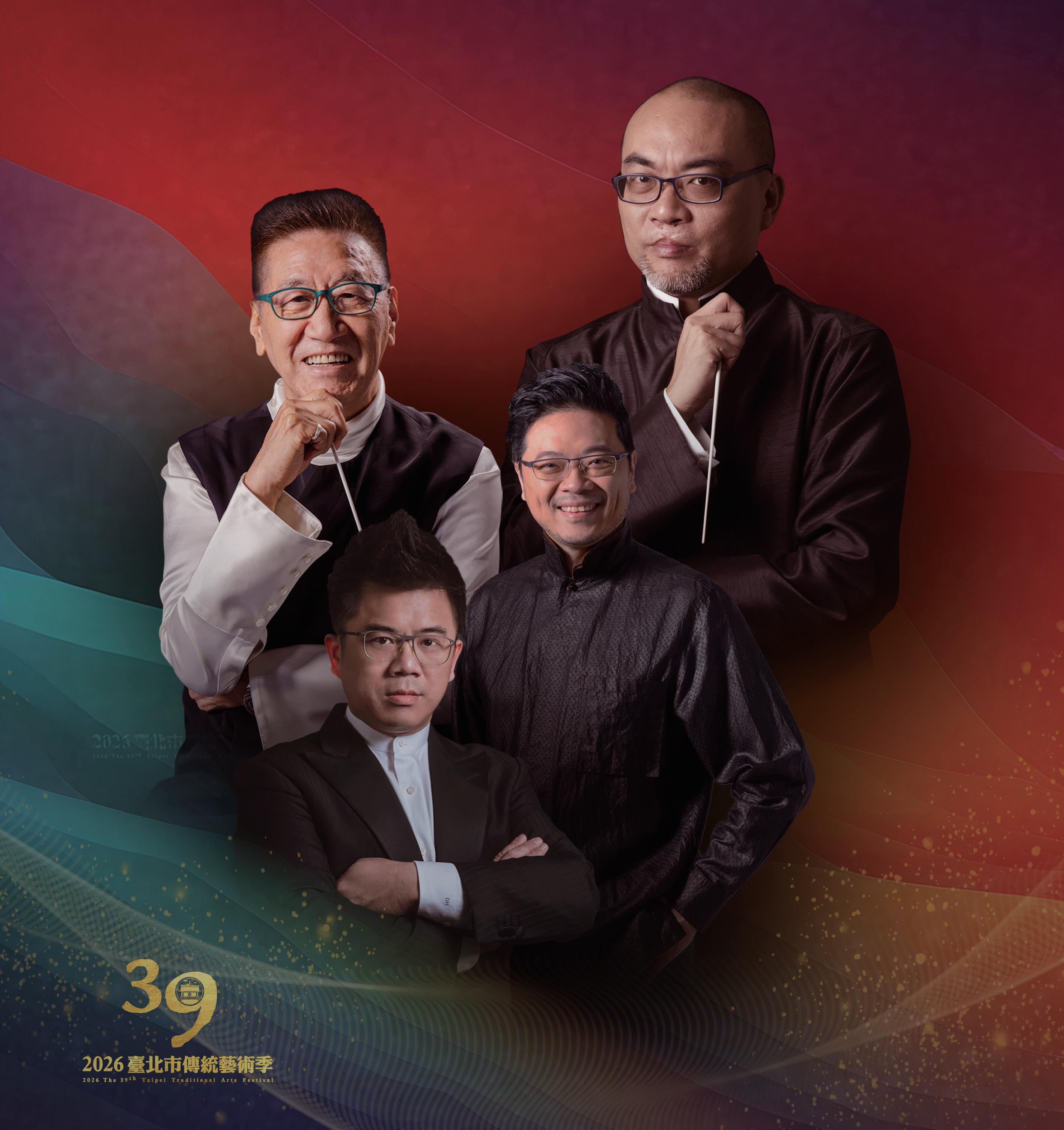
Every spring since 1988, the Taipei Chinese Orchestra (TCO) has hosted the Taipei Traditional Arts Festival. Now in its 39th edition, this year's festival presents 24 programs over 31 performances, confirming its place as one of Taipei's foremost cultu ral events of the season. Centering on cross-genre fusion, international touring, and tributes to master composers, the festival ranges from the iconic works of Leung-Fai Lo to pieces by emerging composers, tracing the evolving life of Chinese Music on both traditional and contemporary stages.
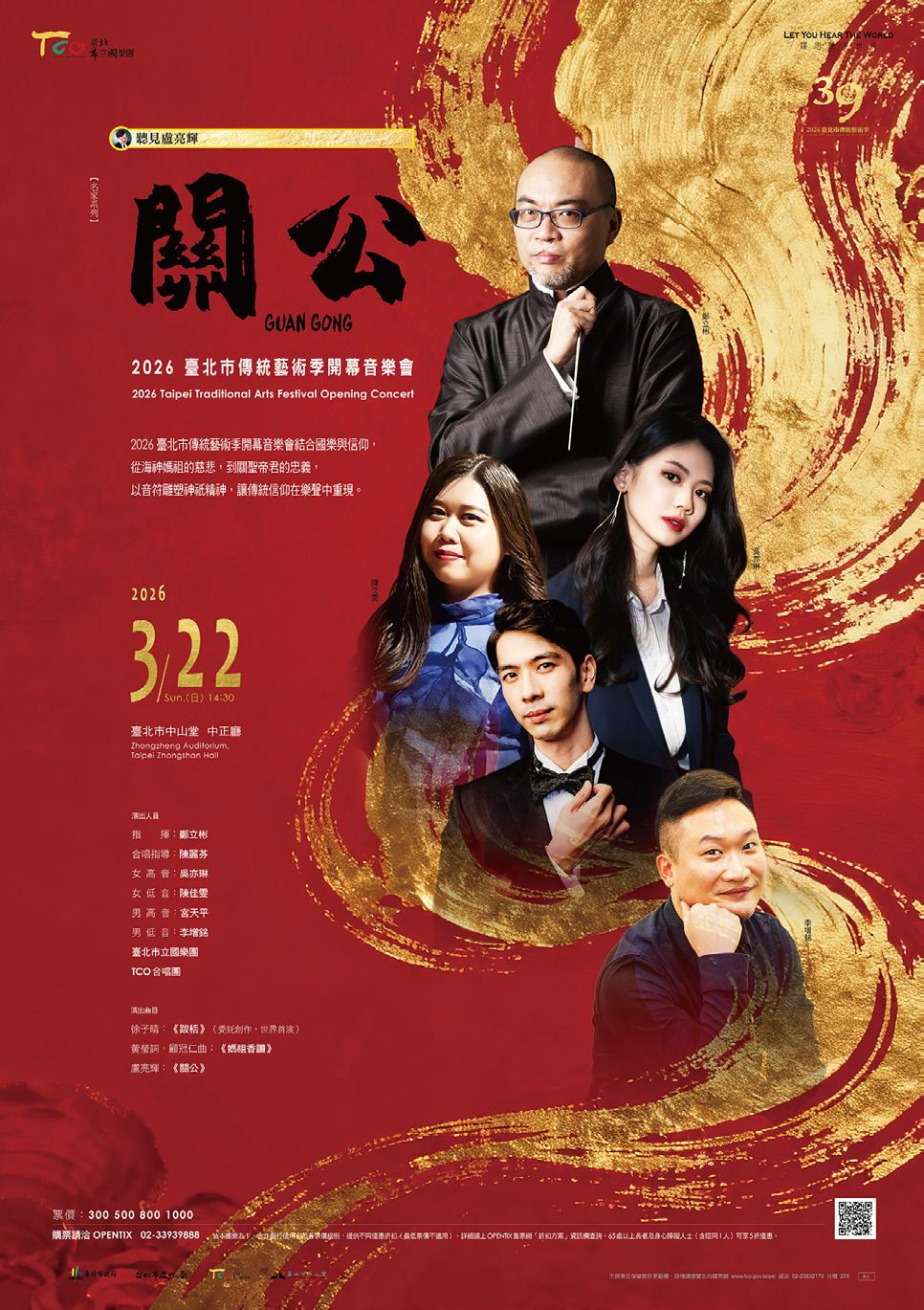
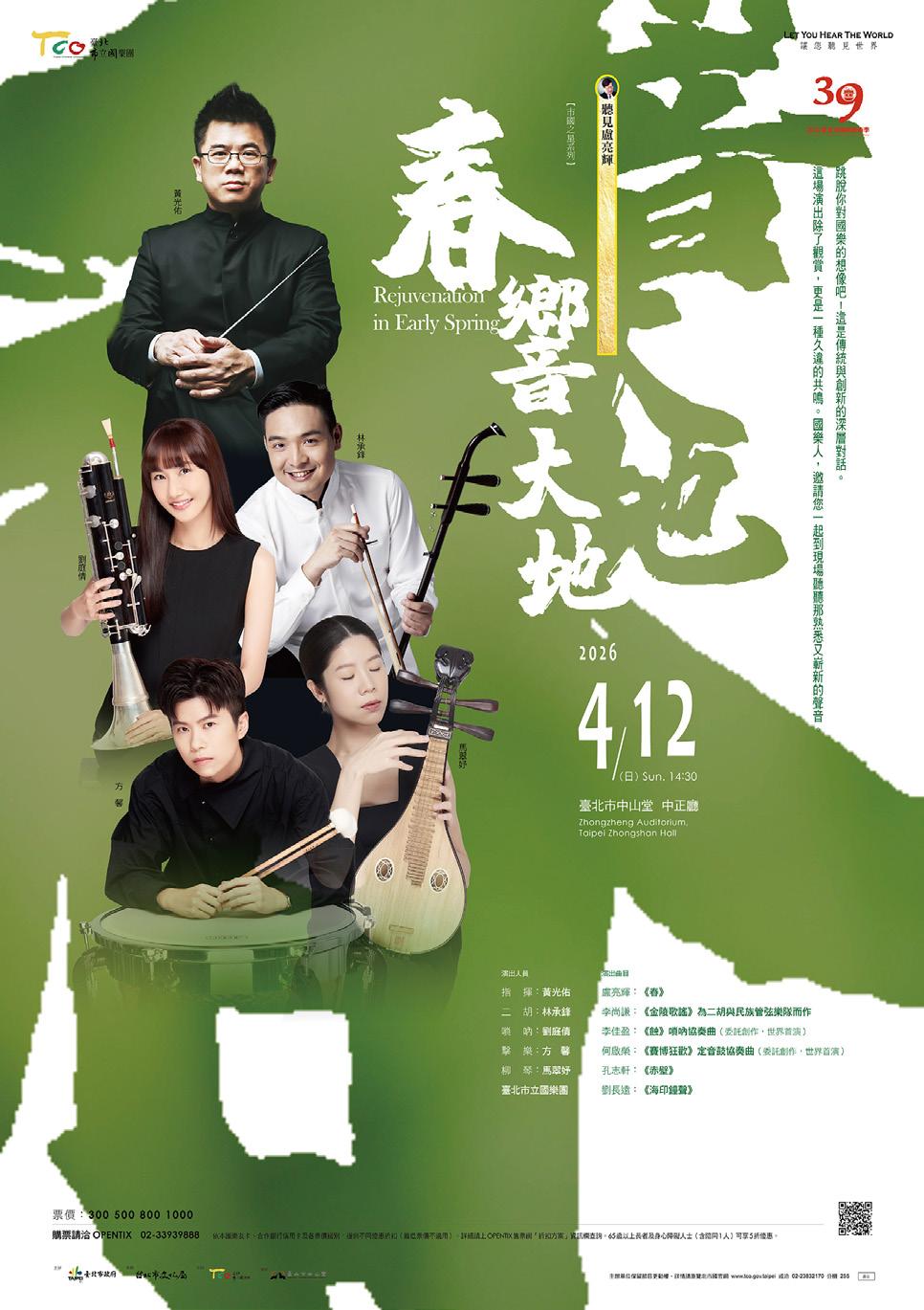
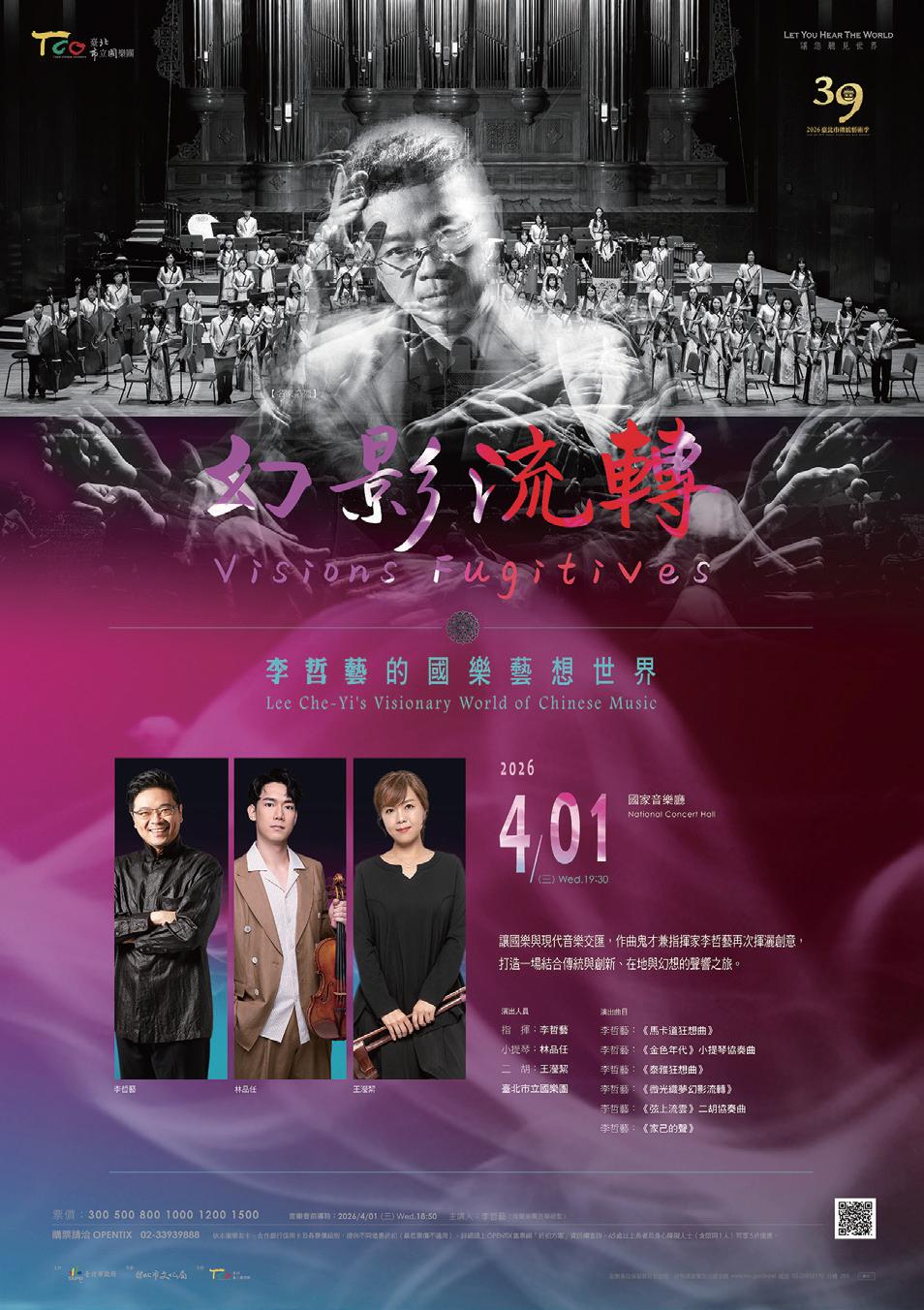
Guan Gong 2026 Taipei Traditional Arts Festival Opening Concert, opening at Zhongzheng Auditorium, Taipei Zhongshan Hall, draws on the compassion of Mazu and the loyalty of Guan Gong through epic works by Leung-Fai Lo. The program also features premieres of Tzu-Ching Hsu's Pua'h-Pue and Guanren Gu's The Mazu Incense Praise. Visions Fugitives revolves around Che-Yi Lee's Visionary World of Chinese Music, with violinist Richard Lin and erhu performer Ying-Chieh Wang joining forces in a program that pushes the imaginative boundaries of Chinese Music. Spotlighting 4 soloists, Rejuvenation in Early Spring introduces newly commissioned concertos for suona and timpani by Ann Lee and Vincent Ho, blending Eastern and Western musical forms.
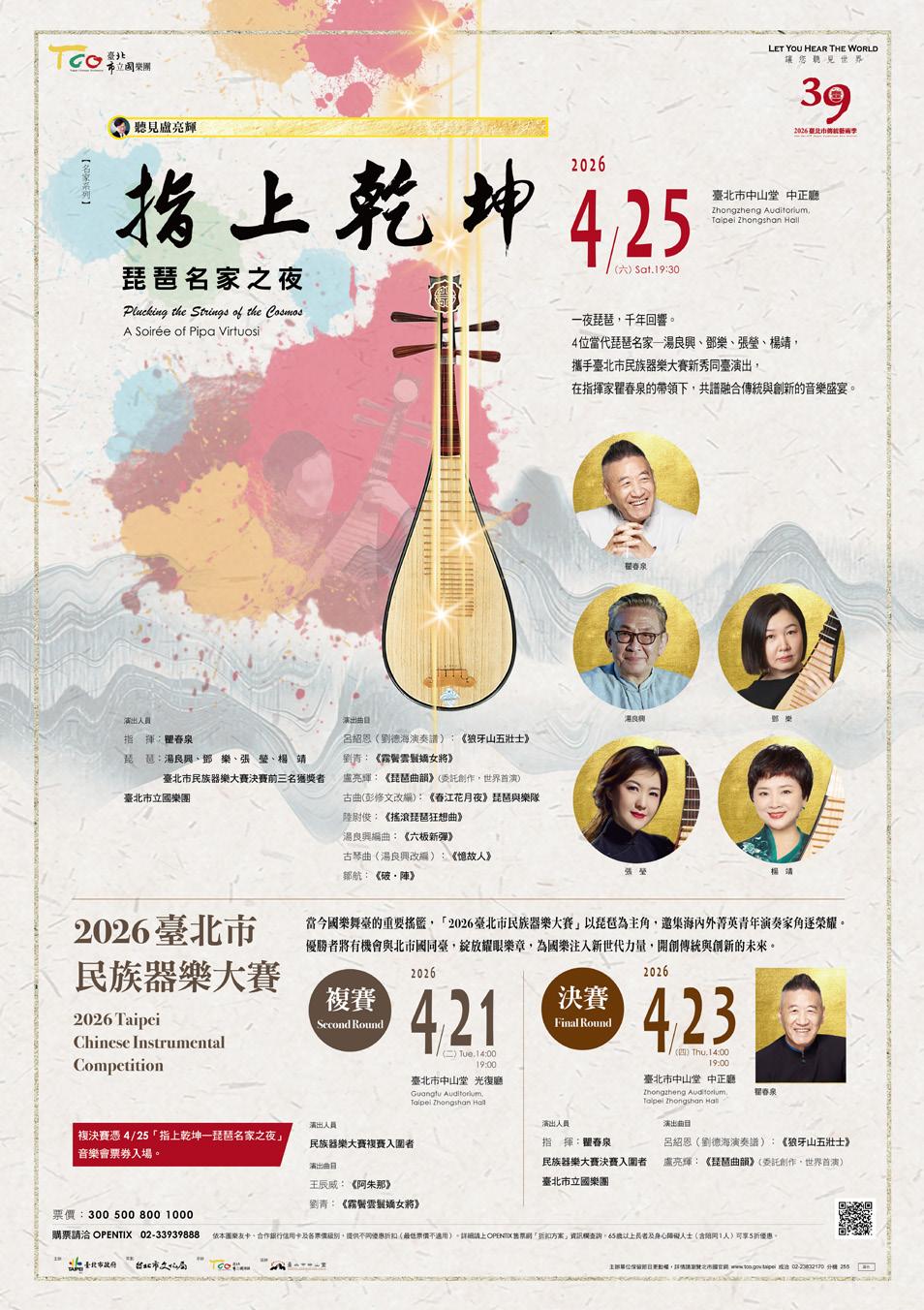
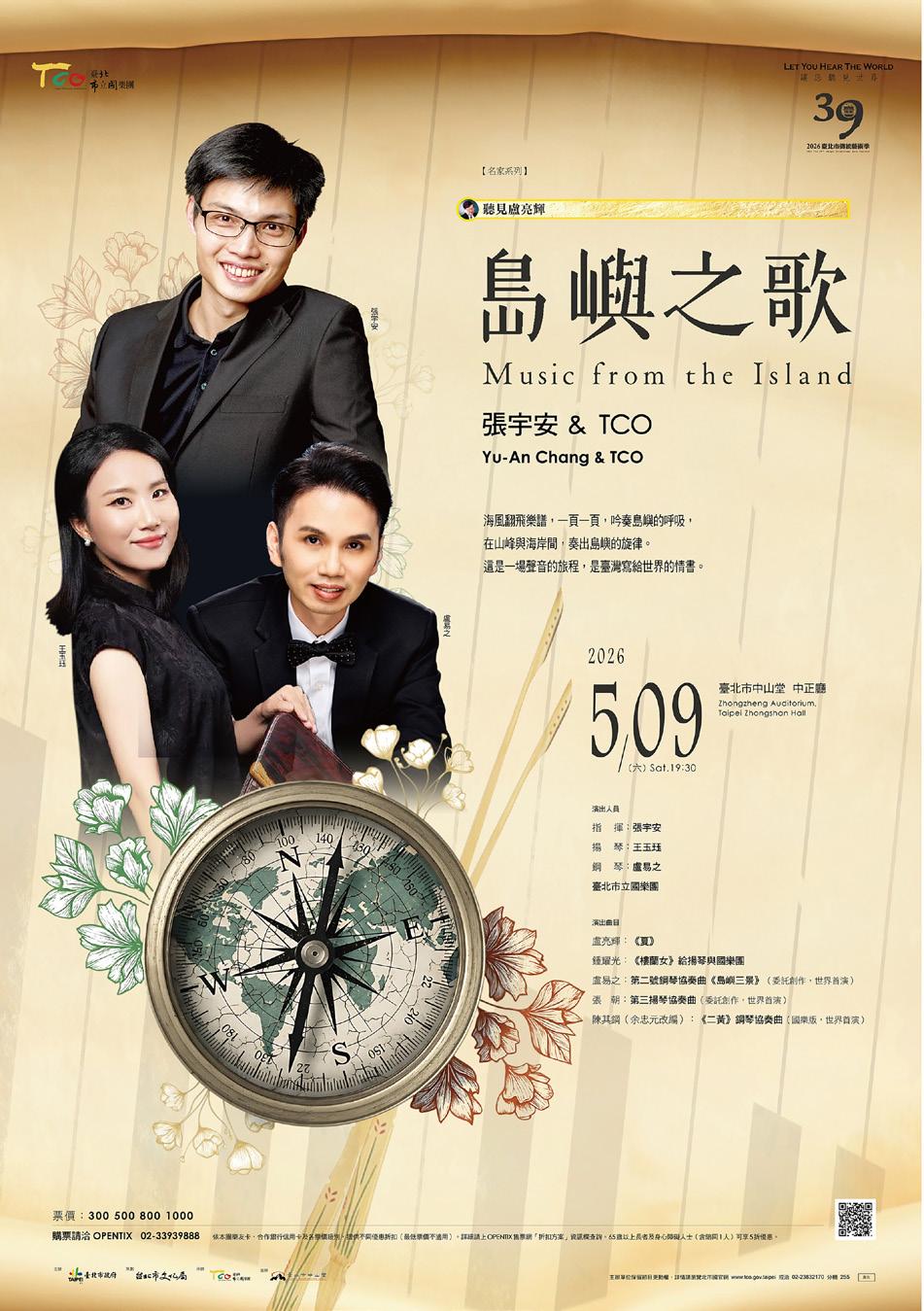
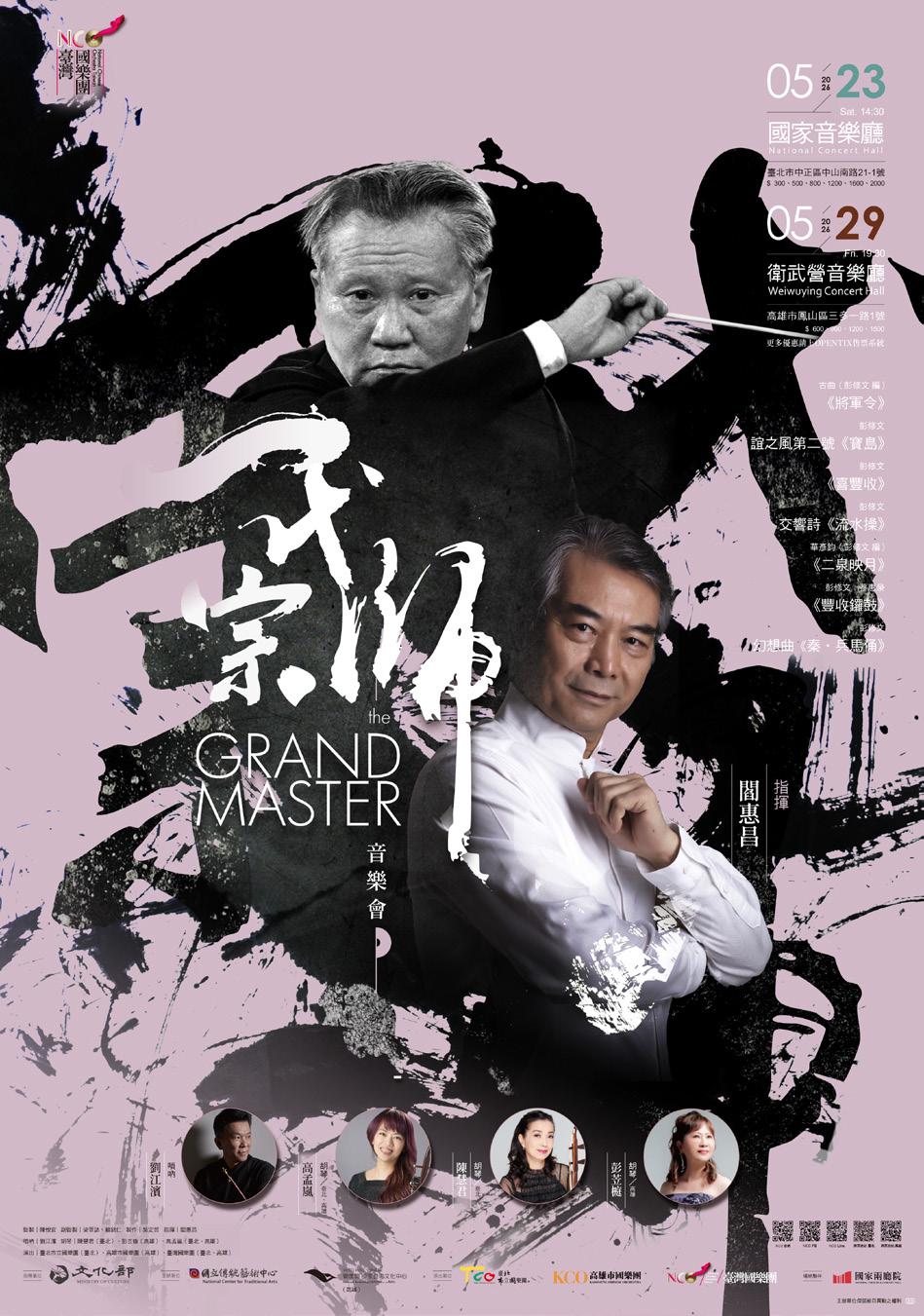
Plucking the Strings of the Cosmos brings seasoned and young pipa players together on stage for a program of rearranged classics, modern works, and cross-genre pieces. In Music from the Island, Yi-Chih Lu and Yujue Wang premiere new piano and yangqin concertos inspired by the island's landscapes. Presented in collaboration with the National Chinese Orchestra Taiwan, The Grand Master pays tribute to the founding figure Xiuwen Peng through a program revisiting his iconic ensemble works.
The season also includes an open call for submissions on the theme of cross-genre fusion. A Legendary Story about Persia and Silk invites Persian music masters for a concert that bridges Eastern and Middle Eastern traditions.
Spanning 3 months, this musical feast opens with Guan Gong and culminates at the Musikverein Golden Hall in Vienna with Taiwan Panorama. Guided by twin themes of the “classical” and the “timeless”, the TCO transforms tradition into a signpost pointing toward the future, carrying Taiwan's cultural voice to the world stage.
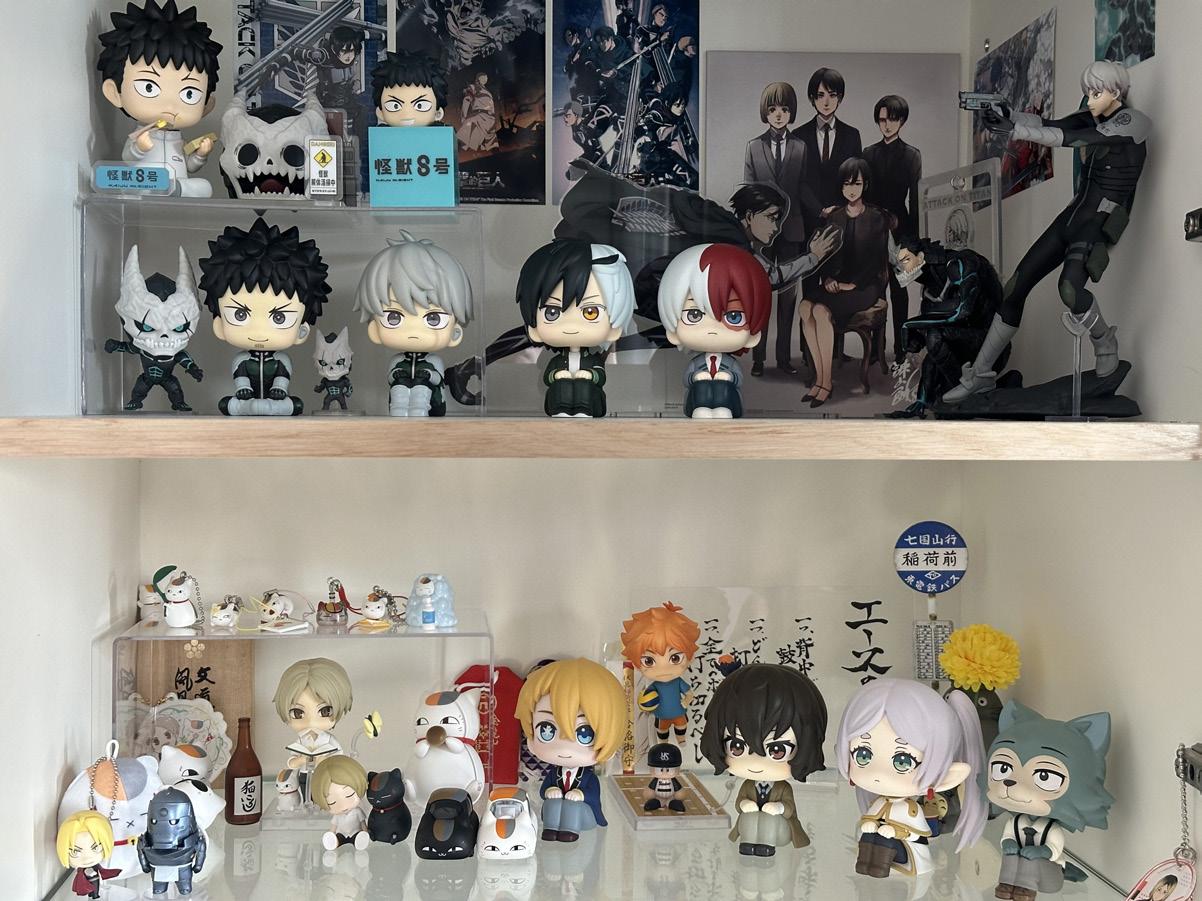
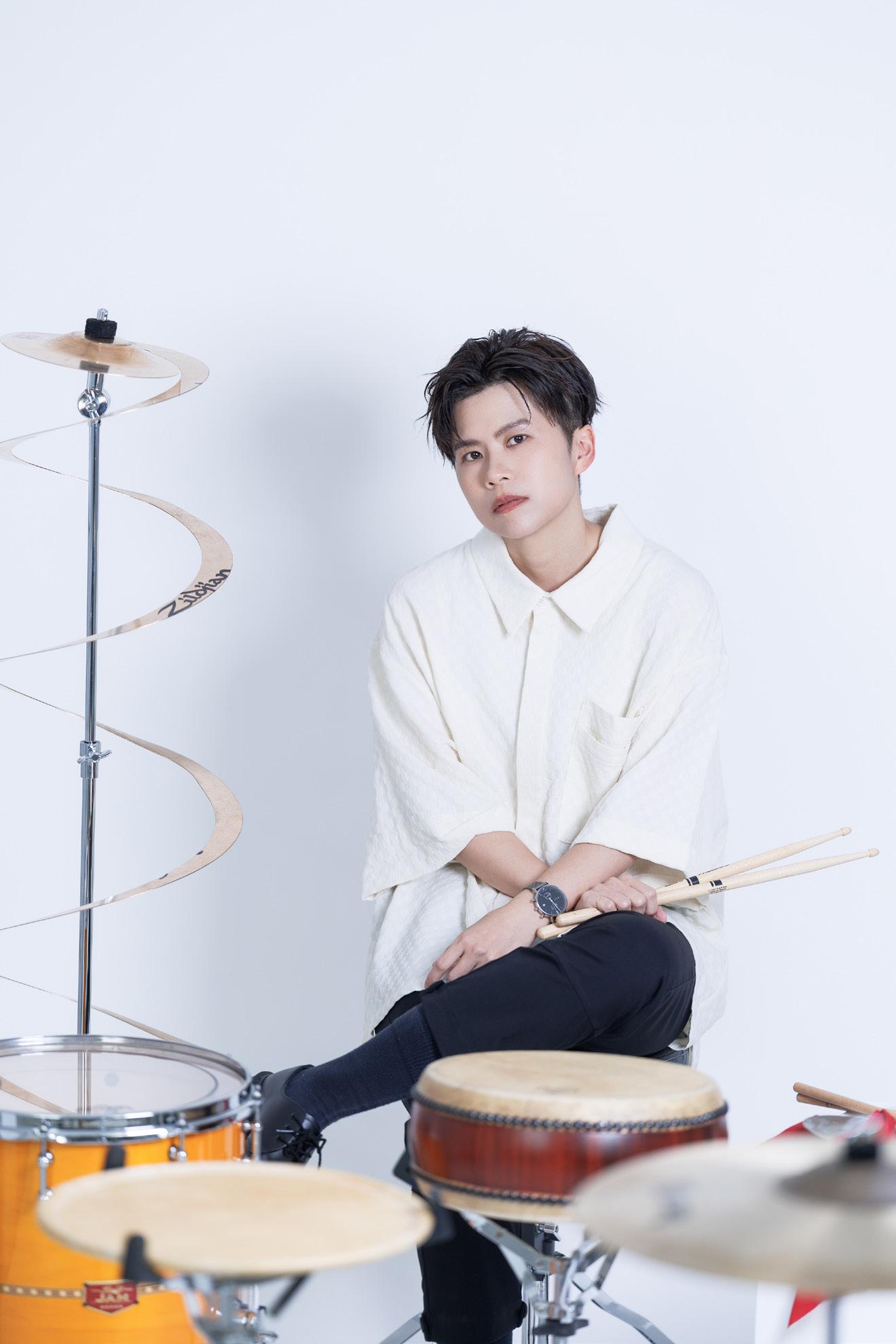
方馨是臺北市立國樂團定音鼓團員,義大利 PAS 第十二 屆國際擊樂大賽定音鼓首獎,亦是當代三重奏 CUBE BAND 打擊樂演奏家、藝術計畫 Hidden Routine 發起人 之一。她透過演奏和創作,在傳統器樂與當代重奏領域 中積極拓展音樂語彙及其聲響的可能性。她高度自律、 擅於自我覺察和省思,同時是個大寫 I 的 INTJ ,喜愛動 漫。
Routine, Coffee, and Awareness: Musicians on Managing Stage Pressure and Relaxation
Text / Tsai-Teng Yen
Image / Hong-Yu Liu, Hsin Fang
Stage pressure is a recurring challenge for performers. The concert stage is inherently high-stakes. Learning to regulate both body and mind becomes an ongoing discipline for professional musicians.
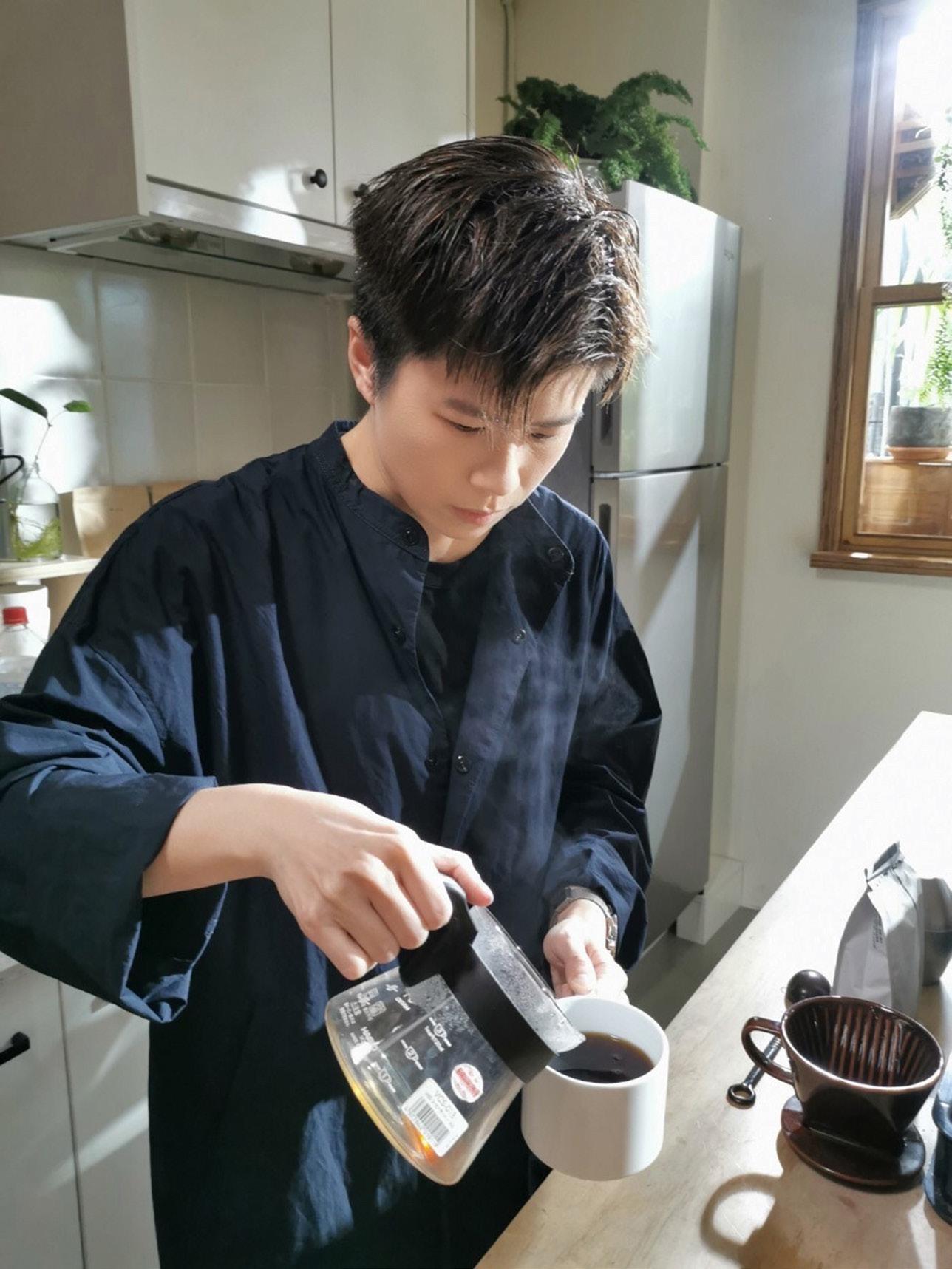
Hong-Yu Liu, principal guzheng of the Taipei Chinese Orchestra (TCO), and Hsin Fang, the orchestra’s timpanist, offer a useful contrast. One may wait for long periods before a sudden solo entry; the other maintains rhythmic stability for the entir e ensemble. In both cases, what helps is a ritualized routine. Liu regulates her heart rate through rhythmic breathing. Her attention shifts to the music and to how the parts relate to one another. The focus moves from self to sound. Fang takes a different approach, maintaining a highly disciplined daily routine and pre-performance protocol. She keeps everything consistent, from diet to preparation details. Such regularity reduces uncertainty.
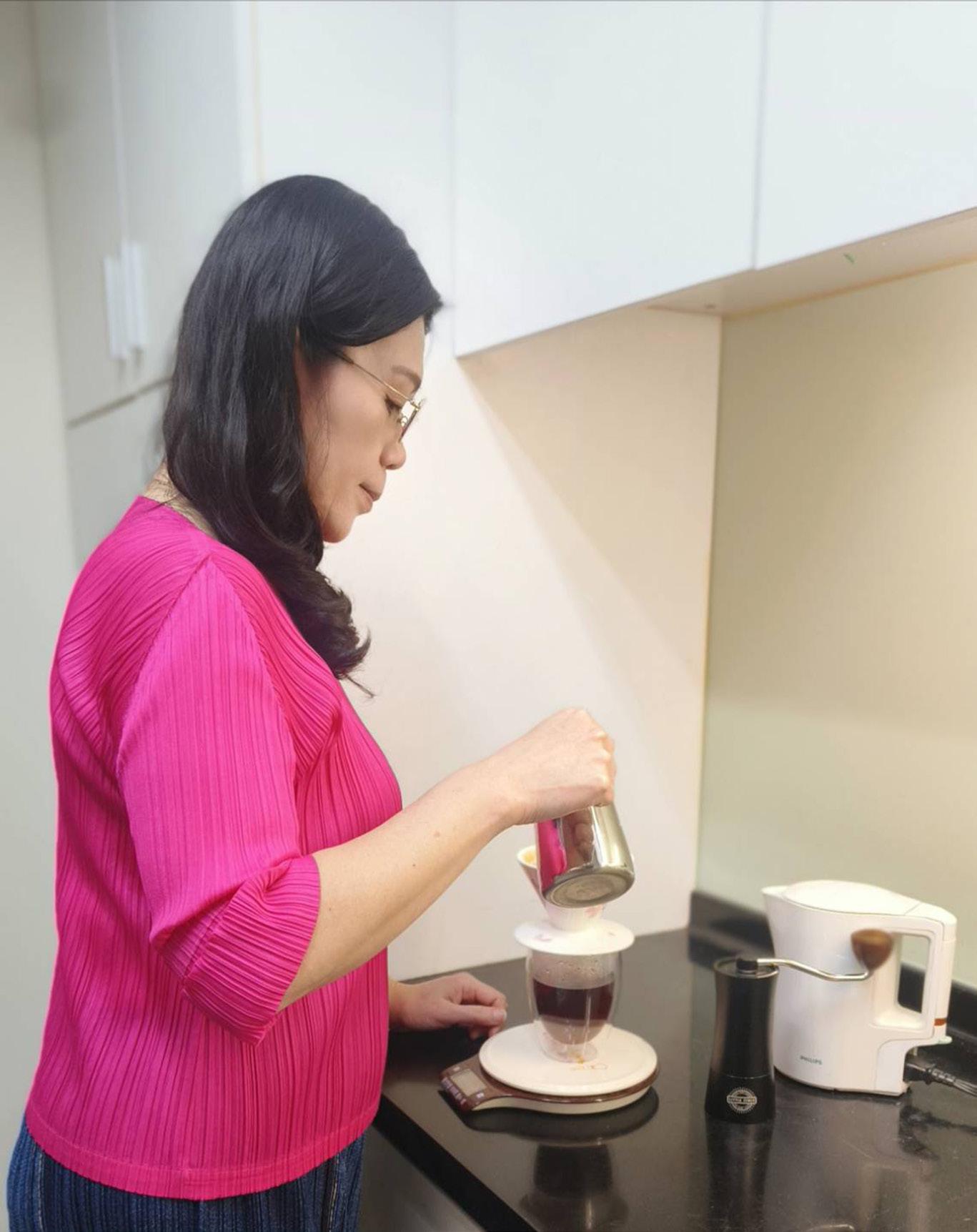
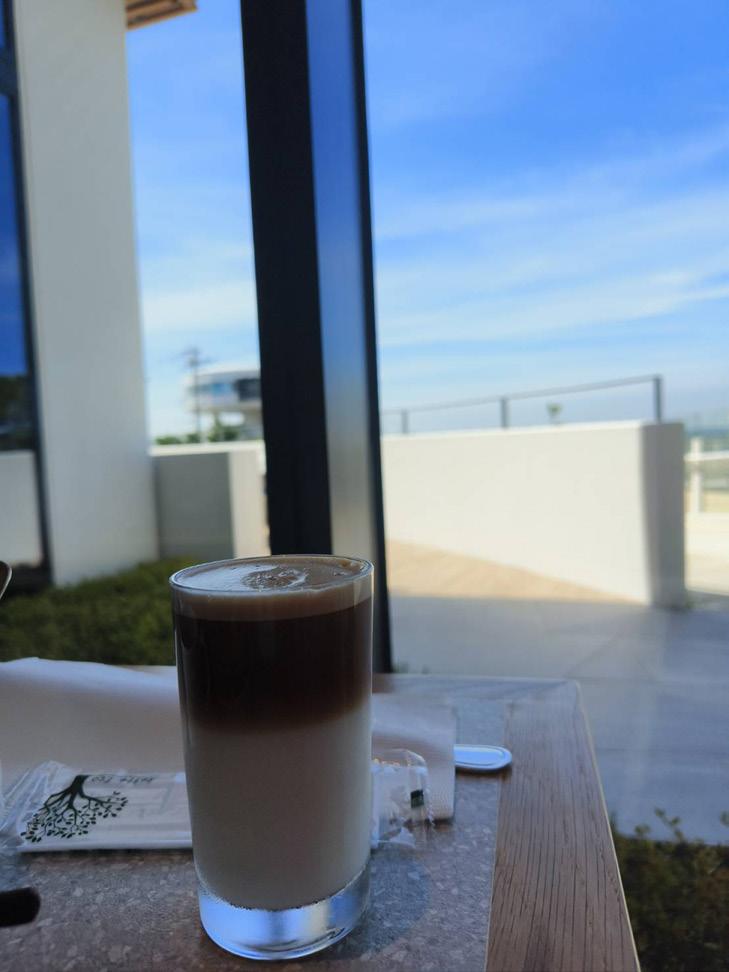
Rituals, too, carry a stabilizing weight. Both Liu and Fang incorporate coffee into their pre-performance rituals, though it is not their only one. A brief, solitary walk or a moment spent organizing notes can be just as grounding. After a concert, both make a point of stepping away. Anime, hobbies, or simple everyday activities help them decompress and avoid carrying the intensity into their rest.
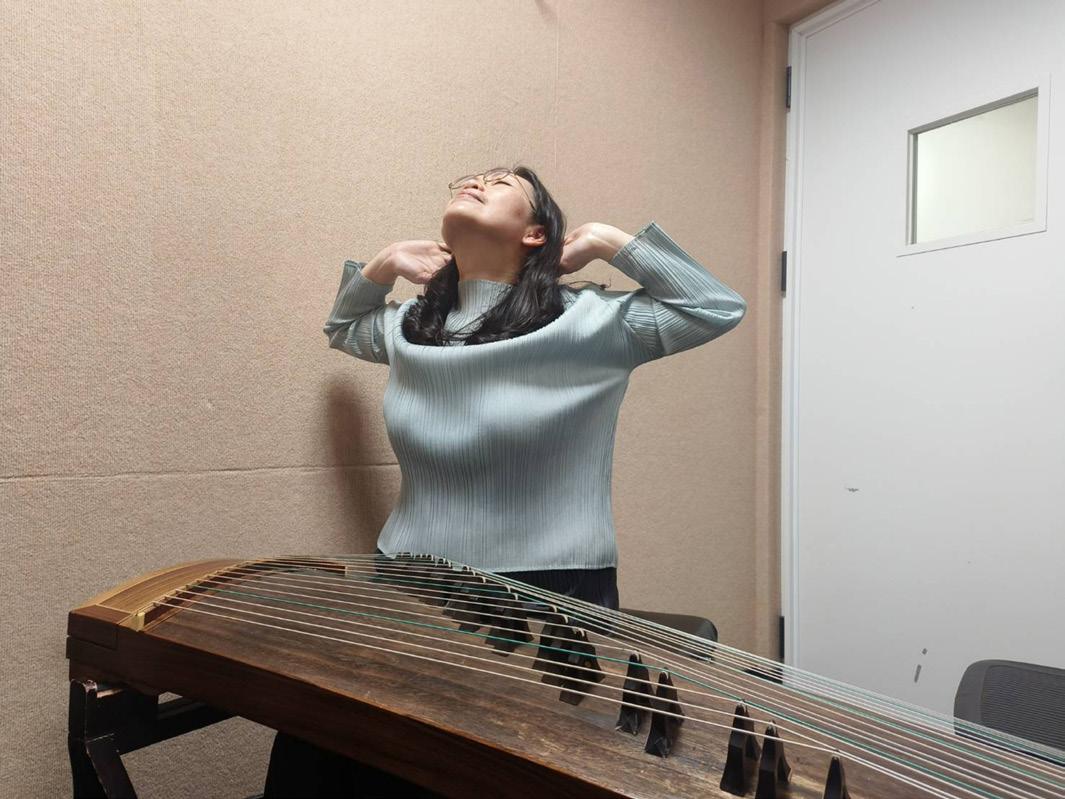
Over the long term, physical relaxation and self-awareness become especially important. Regular rest, stretching, and attentive listening to bodily signals help reduce accumulated fatigue and release physical and mental tension. Equally important is holding on to enjoyment and self-affirmation amid the demands of the profession, so that music remains part of daily life. Disciplined preparation, self-observation, and timely detachment, neither indulgent nor ascetic, combined with a conscious return to equilibrium, form strategies any performer can draw on.
Planting Seeds for the Future of Chinese Music: The One School
One Orchestra Initiative and the
TCO Rising Stars Chinese Orchestra Summer Camp
Text / Jo-Yao Huang
Image / Taipei Chinese Orchestra
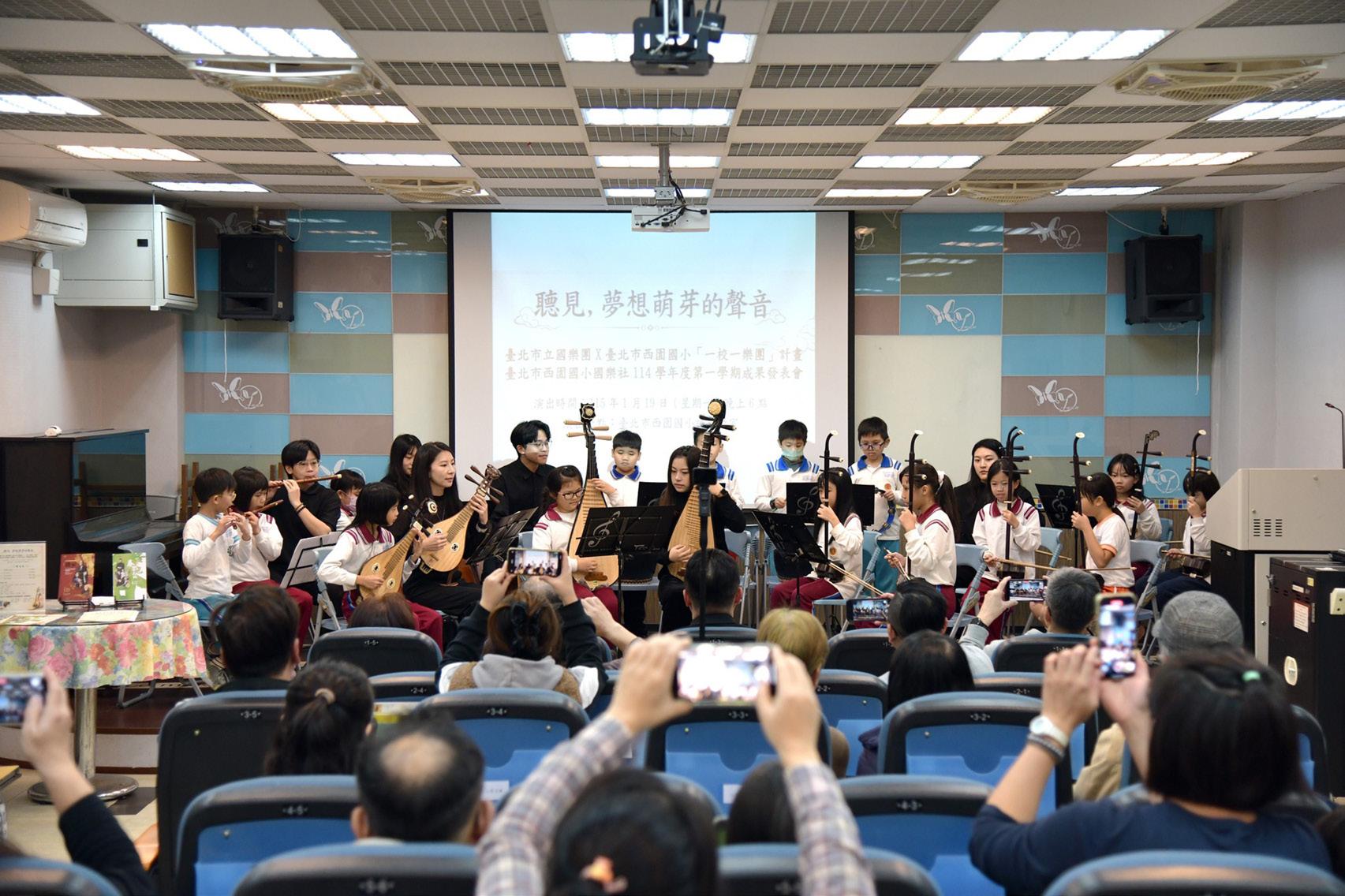
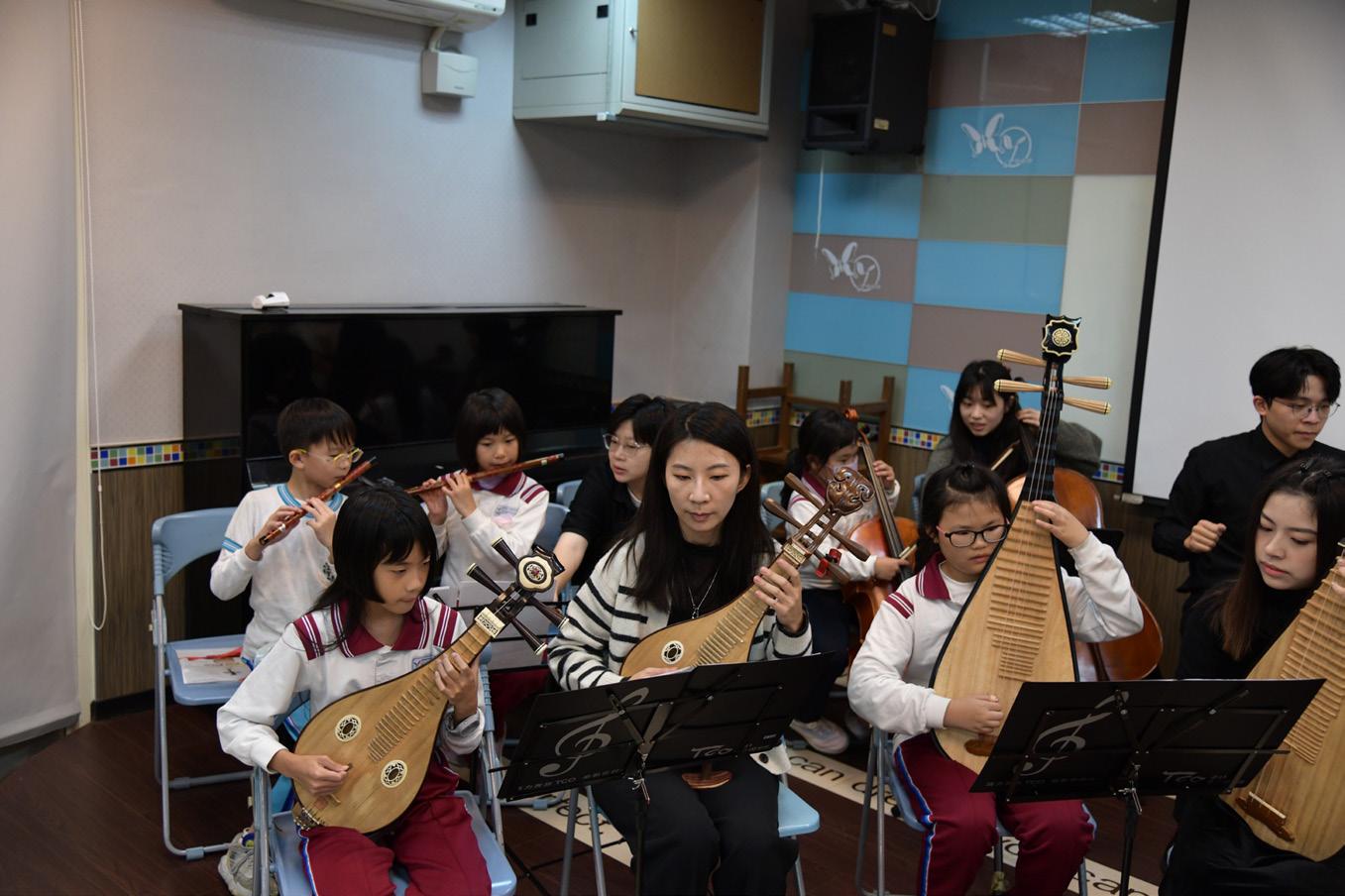
The Taipei Chinese Orchestra’s 2025 One School One Orchestra initiative began at Xiyuan Elementary School, where 15 students in grades 2–4 formed a Chinese Music club guided by TCO musicians. By the end of the semester, the club’s showcase concert received warm praise from parents, and the students were eager to continue. Building on this success, TCO hopes the program will eventually operate under the leadership of schools and parents, while also creating career opportunities for music majors interested in teaching.
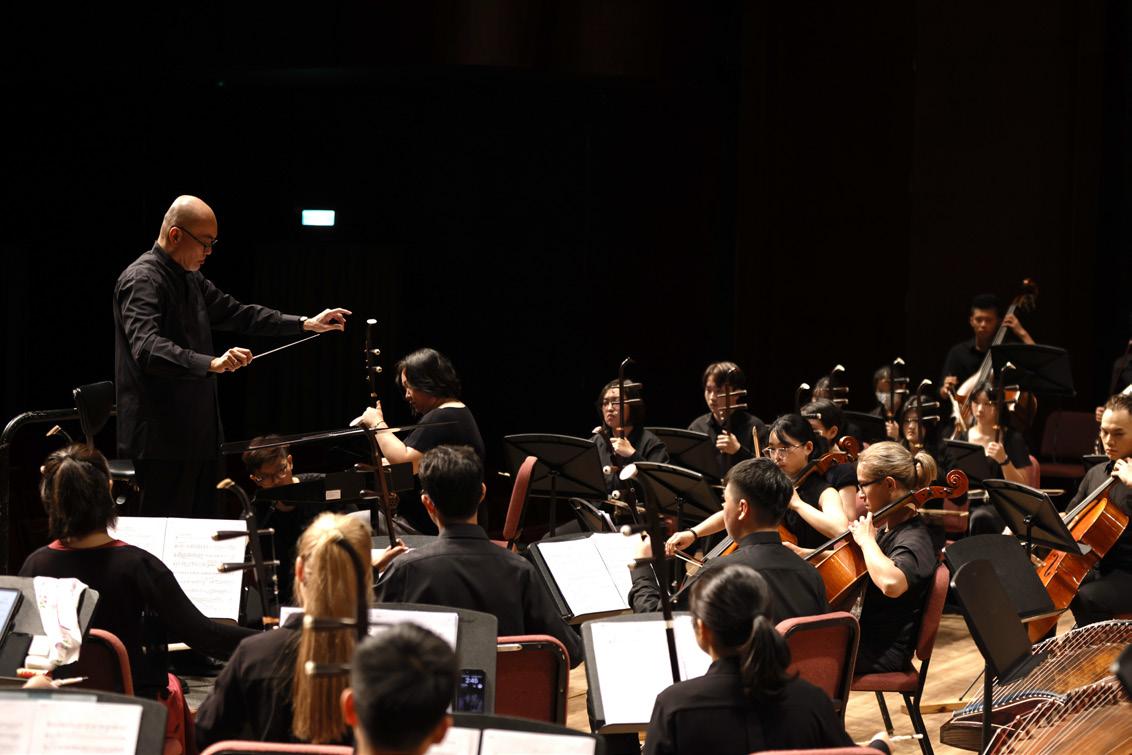
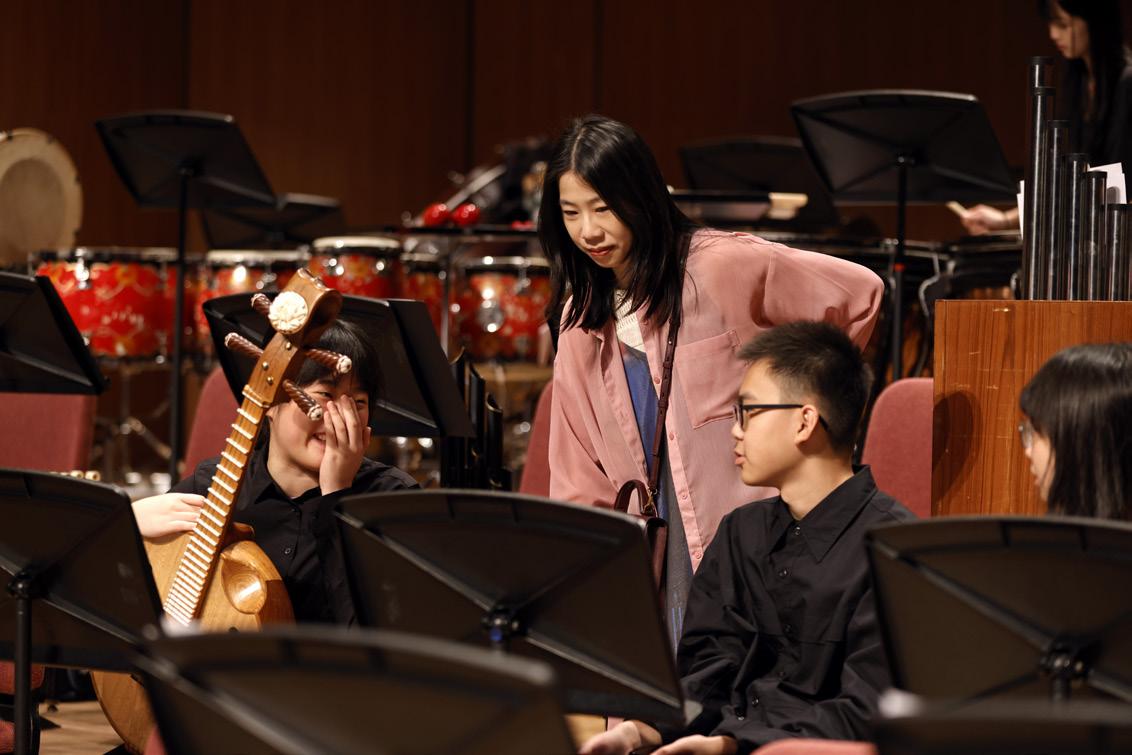
In addition to school-based outreach, the TCO Rising Stars Chinese Orchestra Summer Camp brings together Chinese Music students aged 13 to 25 from Taiwan and abroad for 1 week of intensive training at a professional orchestra level. The program concludes with performances in Taipei and Kaohsiung. Interviews with 3 participants reveal the personal growth and insights they gained during the experience.
Together, these 2 initiatives form a generational bridge for Chinese Music. While One School One Orchestra opens the door for elementary school students, the Rising Stars Chinese Orchestra Summer Camp helps young musicians develop as skilled performers with an international outlook, ultimately laying the groundwork for Chinese Music on the world stage.
A Forerunner in Chinese Music Composition in Central Taiwan: Principal Tsung-Ti Lin
Chinese Music Practitioners in Taiwan, 1960s–1970s (Part 18)
Interview and Text / Chih-Yi Wan
Image
/ Chih-Yi Wan, Tsung-Ti Lin
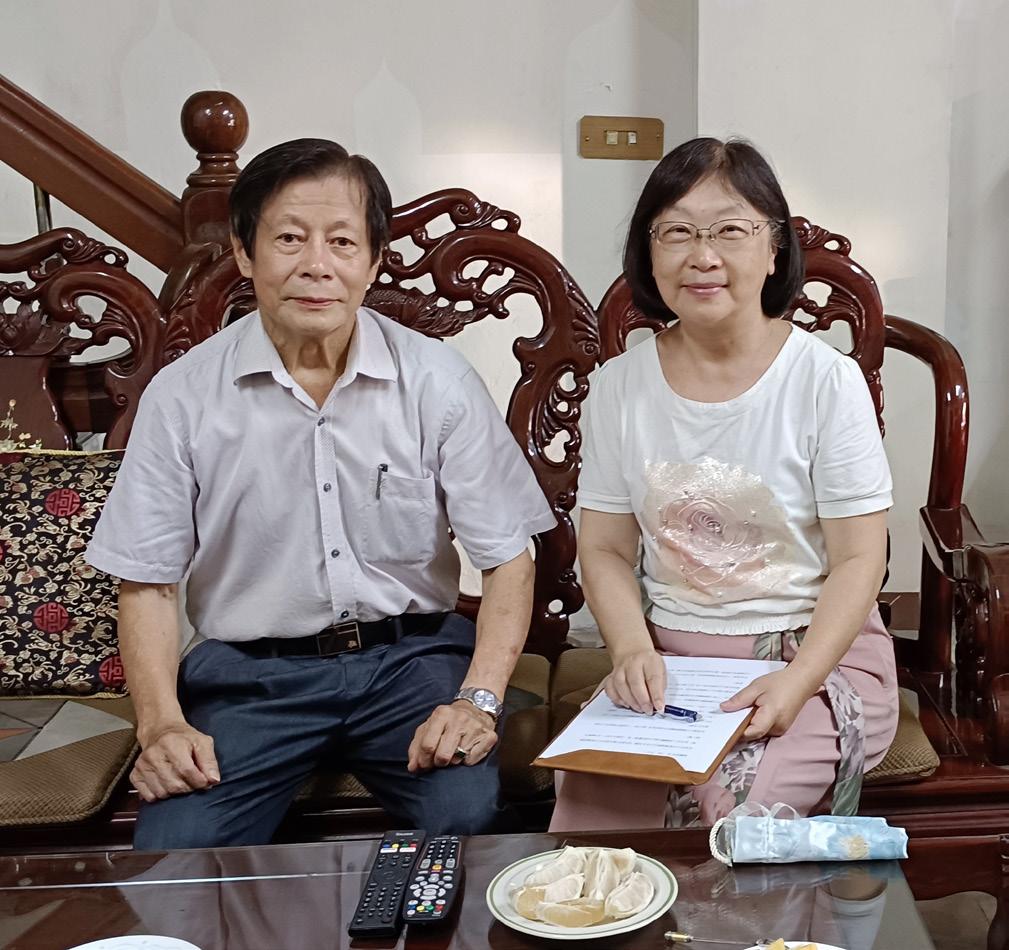
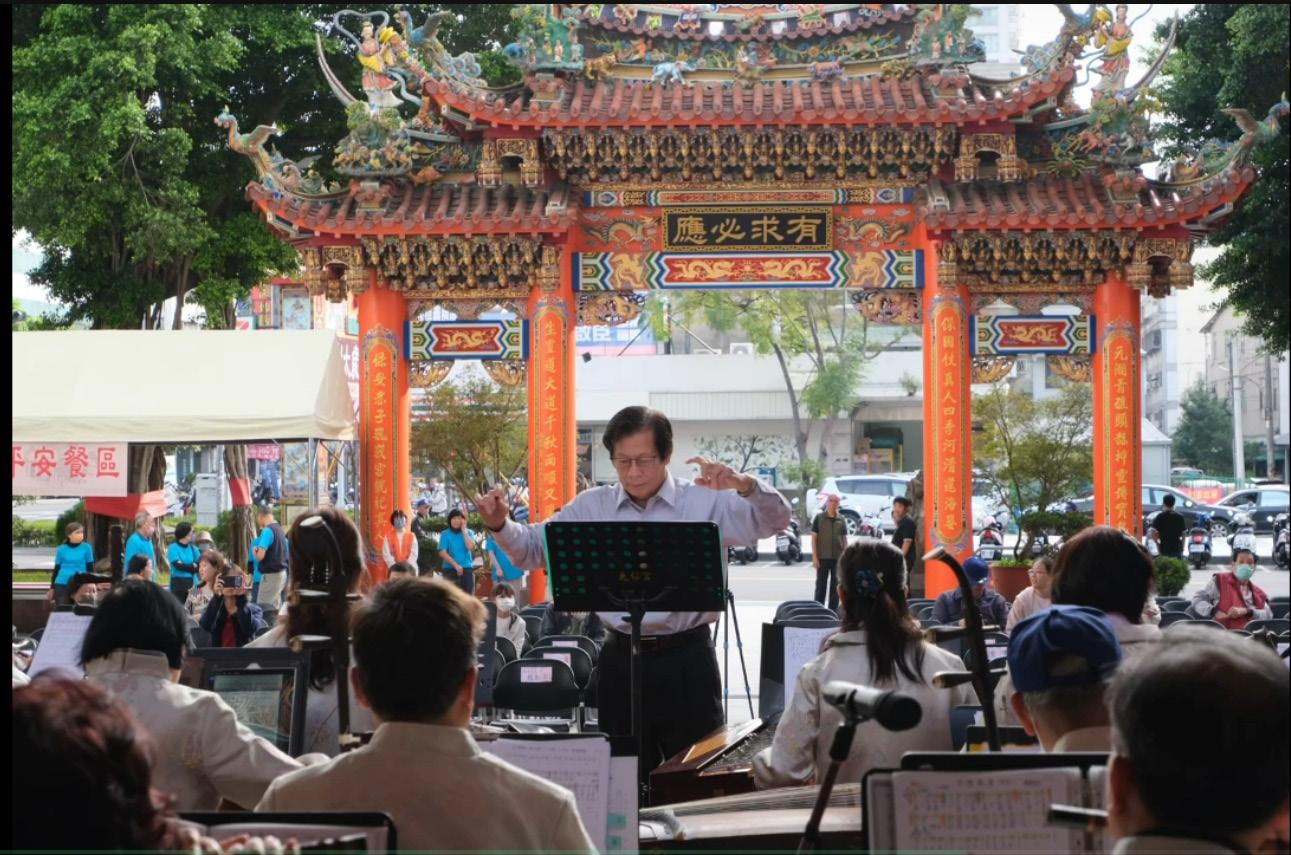
Founded 44 years ago, Taichung City Chinese Orchestra will see a change in leadership at the end of 2026, when Director Professor Yueh-Li Lin steps down, and Deputy Director Principal Tsung-Ti Lin takes over. In this interview, Principal Lin looks back on his path in Chinese music and on decades of steady, unassuming dedication to composition.
Under his father’s guidance, Principal Lin began studying the erhu at an early age and soon developed a deep interest in Chinese musical instruments. After entering Taiwan Provincial Taichung Normal College, he studied the pipa with the school’s Chinese music club and soon stood out. Today, he is proficient across winds, bowed strings, plucked strings, and percussion. During his time at the college, he served as president of the Chinese music club, founded a composition group, and helped foster an environment that encouraged new creation. Members of the group included Hsi-Shan Tsai, Li-Ying Wei, and Ching-Chieh Shih. In the 1970s, together with their junior schoolmate Chung-Shen Chen, they received more than 10 awards in the Awards for Compositions of Chinese Instrumental Music. Principal Lin won first prize twice in the ensemble category with March of the Ten Major Construction Projects (1976) and Bamboo (1977), and is widely regarded as a pioneer of Chinese music composition in central Taiwan.
Principal Lin studied composition under Professor Chien Li. Although the study period lasted only six months, the training proved formative. Keeping Professor Li’s guidance in mind and continuing to pursue further study, he wrote works tailored to the Taichung City Chinese Orchestra and effectively served as the orchestra’s resident composer. His compositions and arrangements total 42 works.
After becoming a principal, he continued building Chinese music ensembles at the elementary schools where he served, personally leading performances and preparing repertory for student players. Even after retirement, he has continued returning to the school to support the ensembles’ growth. In addition to the integrated ensemble at Ruei Cheng Elementary School (founded in 2005), he currently coaches Yuan Bao Temple Chinese Orchestra (founded in 1992) and Ching Yun Chinese Orchestra (founded in 2021).