

examined the college’s expenses compared to other Texas community colleges similar in size.
The board of trustees will vote on Feb. 26 whether to implement student fees in the 2027 academic year to offset the college’s decrease in revenue as more legislative tax exemptions are introduced.
“These updated fees help support the services students use every day and the career-focused programs that prepare them for indemand jobs,” said Chancellor Elva LeBlanc in a statement to The Collegian. “Financial aid and scholarships can be used to help cover student fees.”
Last semester, Chief Financial Officer Pamela Anglin said a committee of administrators, faculty and staff members from all campuses
It’s a passing on a direct cost to the student. ... We’ve really been fortunate in the past because of our tax revenue.
Pamela
Anglin
Chief Financial Officer
“In some cases, we were the only college paying [some expenses] for students,” Anglin said. One of those expenses is lab hours. TCC has never charged stu-
dents extra money for a lab, but the state allows a college to charge up to $24 per credit hour. So, the committee recommended the college charge a flat rate of $24 to students enrolled in a class with a lab.
“That’s what it’s more of,” Anglin said. “It’s passing on a direct cost to the student. We’ve really been fortunate in the past because of our tax revenue.”
Another potential fee would be the cost of materials for programs the college currently provide for students.
“In nursing we’ve been buying software packages for each student, and it was a significant [cost],” Anglin said. “Other colleges don’t do that.”
TCC’s board of trustees debated student fees at its work session
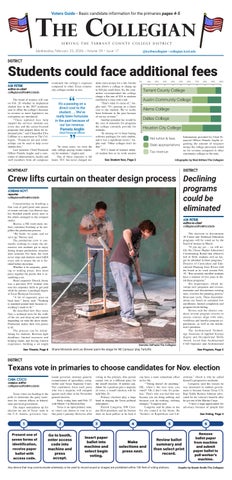
Net tuition & fees
State appropriations
Tax revenue
JORDAN HOYT
Concentrating on brushing a thin coat of gold paint onto pieces of ornate red trim, Leo Brewer lays his finished puzzle piece next to the others arranged in the compact studio.
Brewer, a NE work-study student, continues brushing as he simplifies the production process.
“We build, we paint, and we set it up,” Brewer said.
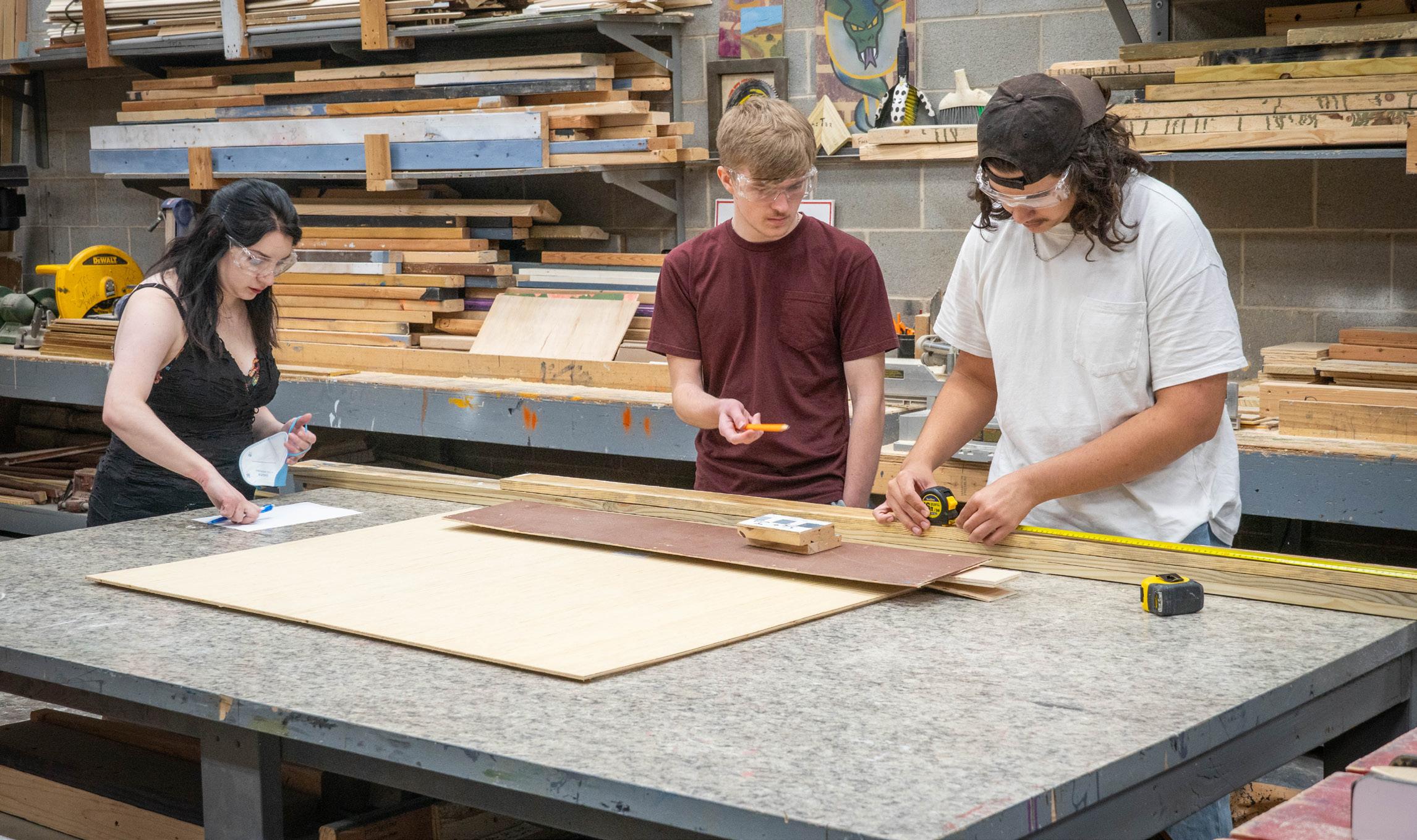
The production crew is constantly working to create the immersive sets students get to enjoy during drama productions semester after semester. For them, the work never stops and students must fulfill every role to ensure the set is finished before showtime.
Whether it be carpentry, painting or making props, they must piece together the puzzle that is assembling a set.
Head carpenter Dereck Jenny was a previous TCC student who uses his carpentry skills to get paid while he pursues a paralegal degree at Texas Wesleyan University.
“A lot of ingenuity goes on back here,” Jenny said. “Nothing is standard around here because everything’s made to fit.”
He described how they reuse flats, a technical term for the walls of the set, and chop up and repaint depending on what the show needs. Production makes their own pieces to fit.
The process can be intimidating for students. Between tight deadlines, limited resources and helping hands and having limited experience, building a set might

Information provided by Chief Financial Officer Pamela Anglin regarding the amount of taxpayer money the college previously relied on for revenue compared to other community colleges in the state.
The decision to discontinue 10 Career and Technical Education programs will be voted on by the board of trustees in March.
“If you say yes ... we will notify the [Texas Higher Education] Coordinating Board that effective fall of 2026, students will no longer be admitted in these programs,” Director of Curriculum and Educational Planning Issac Rivera told the board at its work session Feb. 19. “But currently enrolled students have a window of five years to finish these programs.”
His department, which develops new programs and revises, maintains and discontinues existing ones, oversees the planning process’ three-year cycle. These discontinuations are based on sustained low enrollment, limited completion and program levels failing.
Rivera said the district conducts several program reviews to ensure courses align with state, workforce and transfer program expectations, as well as the institution’s priorities.
The Architectural Technology Associate of Applied Science degree and Occupational Skills Award, Level One Architectural CAD Operator and Architectural
voting in the primary, that person cannot vote in a different party for the runoff election. If neither candidate for a position gets a majority of votes, a runoff election will be held May 26.
Early voting lasts until Feb. 27 with March 3 as Election Day.
Texas is an open primary state, so voters can choose to vote in either party’s primary. However, after
Texas voters are heading to the polls to determine the party nominees for various offices in federal, state and local government. The major nominations up for election are one of Texas’ seats in the U.S. Senate, governor, lieutenant governor, attorney general, commissioner of agriculture, comptroller and Texas Supreme Court. The candidates from each party who win a majority will compete against each other in the November general election.
Primary elections play a large hand in shaping the Texas political atmosphere.
Patrick Longoria, NW Campus SGA president, said he focuses more on local politics as he feels it
can have a more immediate effect on his life.
“‘Voting doesn’t do anything.’ OK, when’s the last time you voted? ‘Oh, I don’t vote. It’s pointless.’ That’s why you feel that way because you are doing nothing, and because you do nothing, nothing changes,” Longoria said. Longoria said he plans to run for city council in the future. He “borders on Republican and Lib -
ertarian,” which is why he called himself a progressive moderate. Longoria said the reason he was interested in student government is because former Texas U.S. Rep. Eddie Bernice Johnson advocated for his veteran’s benefits after he got out of the Marine Corps. “I have a huge appreciation for advocacy because of people like
RYLEIGH ROPER managing editor collegian.editor@tccd.edu
In honor of Valentine’s Day, the librarians on SE Campus created a unique display, and students have been loving it.
The display, titled “BookDash,” consisted of shelves holding brown paper bags with mini fake receipts on them that had descriptions of a mystery book inside. One read Korean cafe, fandom and fake dating while another had the words humorous, parent/adviser and relationships displaying a variety of options.
Library instructional assistant Ana Ortiz pitched the idea of a more universal Valentine’s Day display that could appeal to a variety of students. In the past, she said the library did “blind dates with a book,” so she said making the bags look like DoorDash bags felt like a way to do just that.
“I collaborated with Anna Hithersay, who is a librarian here,” Ortiz said. “[We] kind of highlight books that were about love and sort of love as an emotion, relationship and not just romance for February.”
The “blind date with a book” concept became popular online with the rise of BookTok.
Bookstores across the country ranging from small local ones to chains like Barnes & Noble have created their own displays with books wrapped in paper with a vague description of its contents. Students have recognized the idea and think it’s cool how the library is doing something similar.
“I saw that on TikTok that you have to buy a blind date book,” SE student Dayra Trejo said. “That’s interesting because I saw you just have to show your ID and they give you the bag.”
The library staff was surprised by the students’ reaction, Ortiz said. As soon as she was putting the book bags on display, students were coming up to her curious about the books. Hithersay said she had to pull more books as the students were cleaning the shelves.
“The student reaction has been phenomenal,” Hithersay said. “Immediately, people started coming and looking at it and asking questions and within that first day over half of the books were already checked out, so we’ve been pulling more books. We are really excited about the response.”
While the display is only being filled through February, the staff plans to do something similar but with the video collection the SE library offers.

“We are actually talking about doing a different version in the future around our videos, streaming movies and DVD collection,” Hithersay said. “We are always looking for
time into a practice session.
Some math instructors at TCC are using an alternative method of teaching, called flipped classrooms, to boost the success of their students.
In a traditional classroom, instructors introduce new material during an in-class lecture, then students attempt to solve math problems on their own time.
A flipped classroom is where the students’ homework is to watch the lecture, while class time is spent working through assignments, often in groups, with an instructor’s guidance if necessary.
Math is typically associated with long lectures, pages of notes and hours of struggling with homework.
But in a number of TCC classrooms, students like Arleanis Aguilarte have realized that doesn’t have to be the case.
“Once you get used to the structure and understand how it works, it actually becomes much easier and lighter,” she said.
Instructors such as NE Campus’ Kim Campbell use flipped classrooms to reshape how students experience math. She records lecture videos for students to watch in preparation for class.
Along with the videos, students complete a set of guided notes to follow along and maximize their understand-
Fees (continued from page 1)
meeting on Feb. 19, where they discussed how the budget is facing a new reality due to tax exemptions.
“Historically, we’ve been relying on about 70% of our budget ... coming from property taxes,” Anglin said. “So, as property tax revenue goes down, we have to come up with money from another source.”
These legislative changes have caused the college to lose a significant amount of revenue it previously received. Different business and homestead property tax exemptions have already caused the college to lose a lot of money during the past year.
“It’s millions, lots of zeros,” Anglin said. “And all of this is happening at the same time as operating costs are going up.”
Along with tax exemptions, the college is also entering its fourth year of a tuition freeze mandated by Gov. Greg Abbott. To combat the significant decrease in revenue, the college is working on receiving more funding from the state.
However, in 2023, the state changed how it funded colleges. Instead of focusing on enrollment numbers, funding is now dependent on students completing a degree, transferring to a university or entering the workforce.
Vice Chancellor for Communications and External Affairs Reginald Gates said the college is looking to see what it provides that is excessive in comparison to other colleges in the state. He said some of the packages provided for students have amenities included that students don’t use.
“We look at efficiencies ... and see what is true usage,” Gates said.
While focusing on narrowing its expenses and innovatively increasing its revenue, Anglin said the college will still prioritize student success.
“Part of our mission and the state’s expectation, and our taxpayers’ expectation, is that we’re training people to fill the jobs in Tarrant County,” she said. “The workforce of the future.”
ing of the math concepts. Watching lectures at home gives students the opportunity to pause and rewind sections as many times as needed, instead of potentially feeling pressure to keep pace with a live lecture.
NE student Llivian Hart works a night shift, so she benefits from the freedom of being able to watch the lectures at any time.
In these classes, I actually understand the concepts and learn the material. I’m not just trying to pass the class.
Arleanis Aguilarte NE Student
“Instead of sleeping through the in-class lectures, I can listen to them at night and take notes on the material while I am naturally more awake,” Hart said. “And engage with the material during the day, where I can make mistakes and ask questions while I am a little sleepy.”
When students come to class, they are expected to have already seen the material, essentially turning the class
Instead of focusing on the instructor, the flipped classroom prioritizes student engagement.
Students collaborate to solve problems, leading to peers talking through challenging concepts with each other.
Instructors move around the room, answering questions and helping students navigate areas of struggle inperson. It creates space for students to make mistakes without feeling intimidated or isolated.
The result is a classroom that is busier, and sometimes noisier, but far more interactive. It may look different from the math classrooms many students are used to, but the goal remains the same: success.
A 2021 study published by the International Journal on Social and Education Sciences showed flipped classrooms for first-year math students leading to an 81.6% pass rate, opposed to 78.1% in non-flipped.
“In these classes, I actually understand the concepts and learn the material,” Aguilarte said. “I’m not just trying to pass the class.”
Campbell records lectures, develops guided notes and brainstorms learning activities, requiring her to give up significantly more of her own time than if she were delivering traditional lectures. But for her, it’s all worth it.
“It’s a lot more fun to get to see the students learning and when those light bulbs [in their heads] come on,” Campbell said.
(continued from page 1)
Paraprofessional programs are being requested for discontinuation due to low graduation rates, lack of industry credentials and misalignment with workforce needs, said South Vice President of Academic Affairs Stephen Jones.
“This is an Associate in Applied Science, which has courses that doesn’t directly transfer to the university,” Jones said. “That’s what the students realize. Because if you look at the numbers, we have high enrollment, but once they figure out the courses are not transferable, then they go straight to the university.”
To make these courses transferable to a university, there would need to be additional studio time added to their class. Adding these extra hours would only allow full-time faculty to teach two–to-three classes instead of the required course load of five.
“Which would not be feasible because at the time we only had one full-time faculty member,” Jones said.
TR President Sean Madison requested the Educational Sign Language Interpreting program be deactivated due to the certificate not being a viable credentialing path, and there being no recorded completions of the program for over five years.
“Under the Coordinating Board requirement, a program must reach 25 completions within a five-year window to maintain viable status,” Madison said. “Furthermore, this ESC is currently ineligible for financial aid.”
Other sign language interpreting programs will remain active.
To better allocate resources to better performing technical programs, Madison requested to deactivate a Level One Geographical Information Systems Programmer certificate since it’s only had one completion since 2021.
Then two Marketing OSA programs, representing the same program under different codes, were requested for deactivation by Madison not only to be compliant with state requirements but also because enrollment has fallen below state-driven liability thresholds.
Enrollment for the Flight Instructor En-

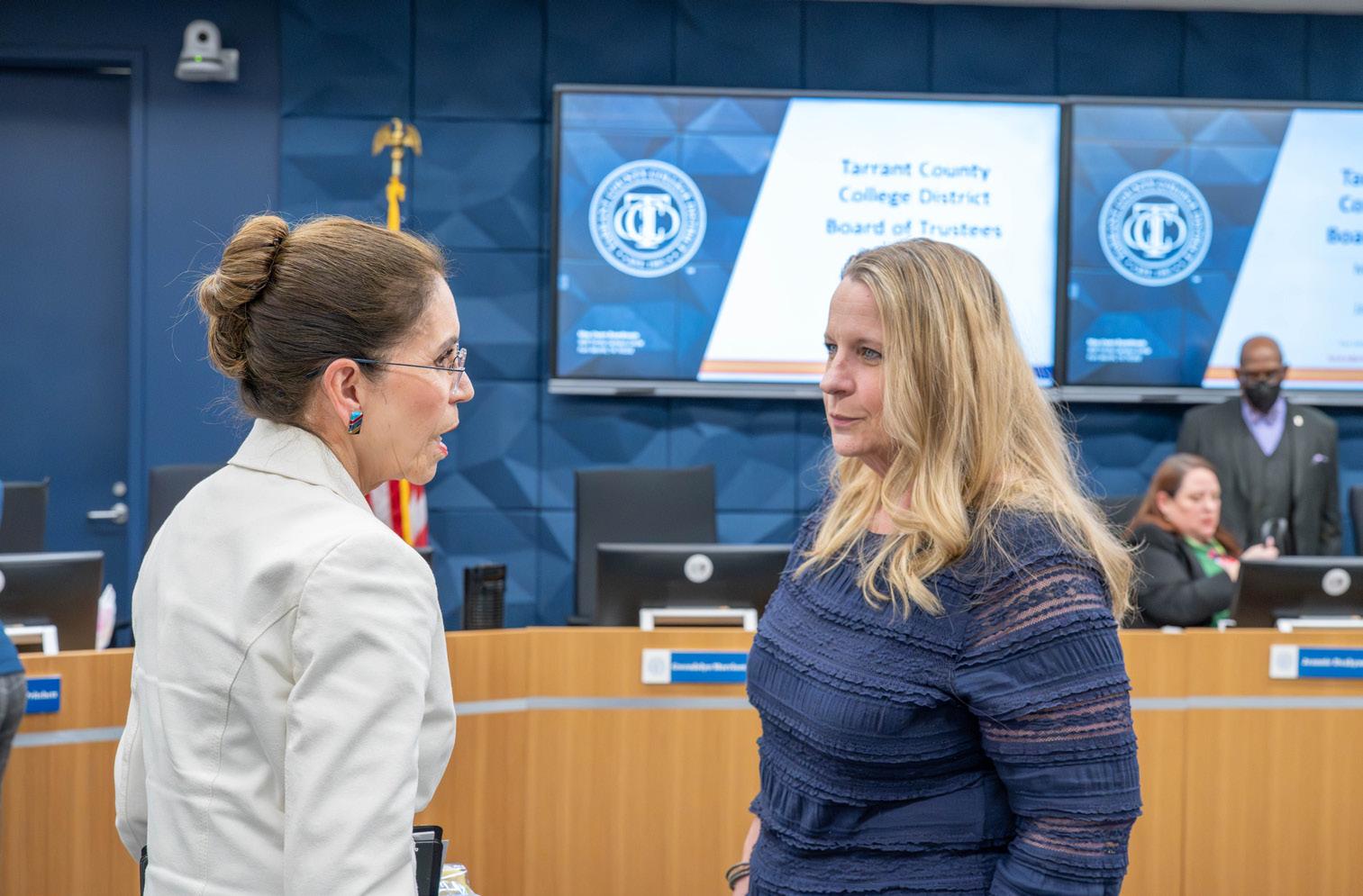
hance Skills Certificate has declined over the past five years, NW President Zarina Blankenbaker said. The certificate does not offer clearly defined workforce outcomes after completion, which is one reason why Blankenbaker requested its discontinuation.
While its enrollment has declined over the past five years, the closing of this certificate will not affect the Professional Pilot Degree program.
Level Two Horticulture Business Management was recommended by Blankenbaker due to sustained low enrollment and low completion. It also was not designed as a stackable credential within the horticulture Associates of Applied Science degree plan.
“Advisory Committee feedback did not identify a strong workforce need for this stand-alone credential in its current configuration,” Blankenbaker said.
SE President Andrew Bowne requested
two Computer Support Specialist Certificate programs be discontinued. These were made up of six courses, four of which are included in other Information Technology programs. “This certificate is not leading to enhanced employment opportunities,” Bowne said. Chancellor Elva LeBlanc said the purpose of the discontinuation presentation at the meeting was to educate them to move forward with their plan to vote at its Feb. 26 meeting. However, due to three board members being absent Feb. 19, it was decided to push the vote to March.
Vice Chancellor for Communications and External Affairs Reginald Gates said this isn’t the college taking away or cutting programs. It’s just deactivating the underperforming ones.
“It makes me think about Spectrum cable,” Gates said. “Theres a lot of channels I don’t watch, but I’m paying for it.”
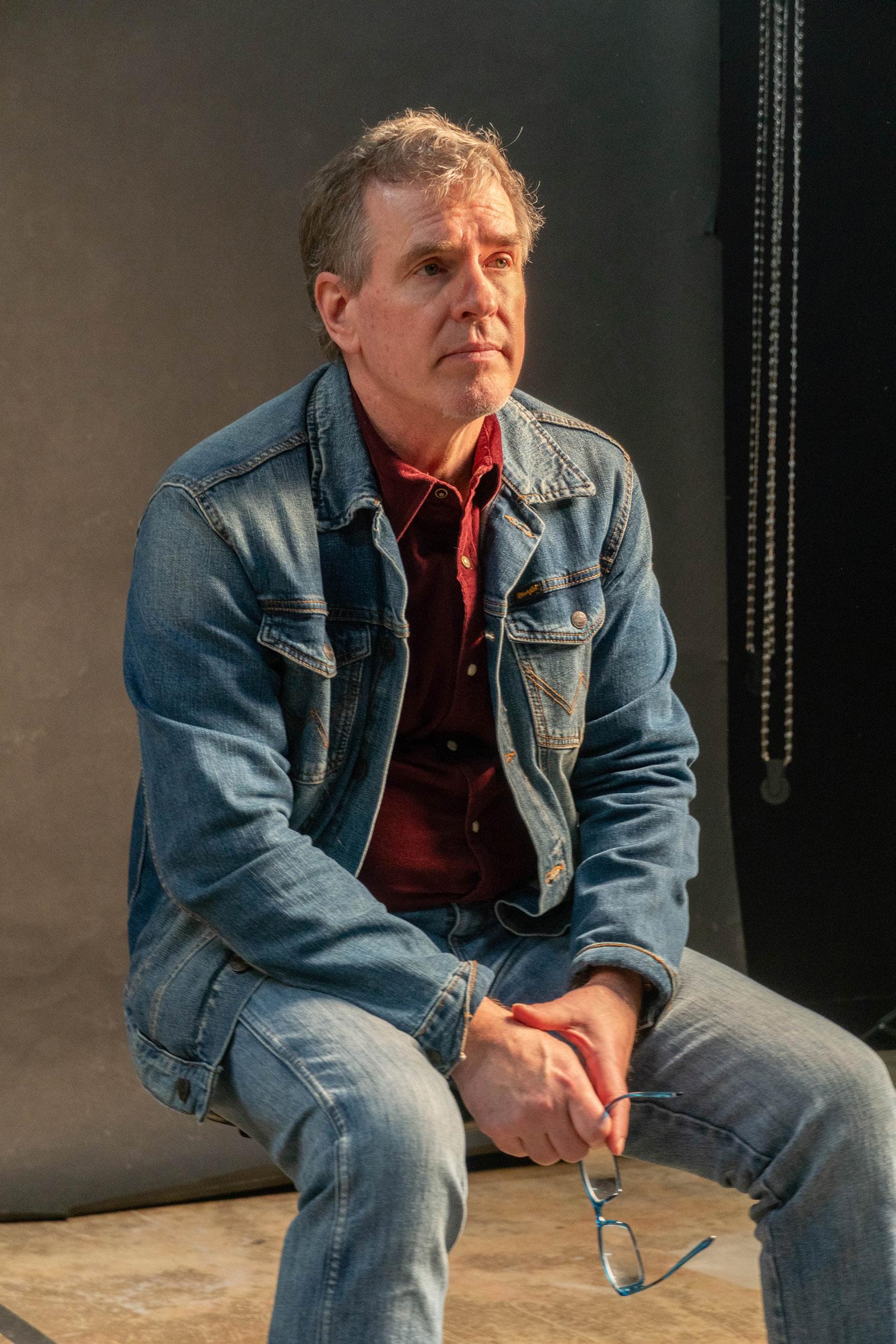
NE Visual Arts adjunct Michael Mulvey has been involved with the photographic craft for most of his life.
While working for The Dallas Morning News, he and his colleagues won the 2006 Pulitzer Prize for breaking news photography for their coverage of Hurricane Katrina. Later in his life, due to a shift in photojournalism and his desire to diversify his knowledge in photography more broadly, he gained his Master of Fine Arts at Texas Woman’s University and entered his current role as an educator.
When you won the Pulitzer in 2006 how was that, how did that feel having one of your works included in that Pulitzer award for the Katrina Hurricane?
I don’t think that any one person could have won, it was too big an area and too many complex things. So, we had eight people, and I was just lucky to be one of the eight that were in the final edit. ... It was like the right place at the right time, the right skill set, like, ready to do that work. ... We were really at a weird place where it’s almost like we were all working collectively and collaboratively, and yet we all kind of had our own little bit of creative vibe to what we were doing. ... So, it was very nice, because then you start to get a lot of images together, and they all flow. When they all flow it’s nice.
How did your former role as a press and editorial photographer inform your current role as an educator?
I think there’s a little bit of wisdom, just like a first responder, or many other jobs, clergy, all sorts of jobs. You’re in the worst environment, the poorest home, the least seen place in the morning and somehow in the afternoon, you’re in the most successful,
wealthy community making photographs for something else. And you have to walk and function in both places. And it has to be seamless. You have to be the type of human that can walk in all these spaces, and that is kind of
interesting. ... It’s hard mentally but you have to be able to identify with people and humanize people and be empathetic, and all these things and you have to do it in all kinds of environments. What does that sound like? Pub-
(continued from page 1)
her, so that’s actually one of the reasons I got so involved in SGA, and why I care a lot about the campus politics and district politics, and making it my business to know what they plan on doing,” he said. “... I don’t care about your political affiliations. I care about your personal and professional beliefs. How do you act?”
NW student Alexis Smith Bauman cast her early vote on Democrat U.S. Senate candidate James Talarico at the NW polling location in NW11.

“I like that he is taking religion back from the right,” she said. “So, coming from the religious perspective he has, he is more powerful in that position. He can kind of reach people who were maybe harder to reach beforehand, I think.”
Tarrant County is historically a swing county, meaning that it can really be anyone’s guess which way it votes.
“I think that it’s kind of like a perfect storm for Democrats to take the opportunity to make gains in Texas normally you wouldn’t expect to see,” South SGA chair member and Democrat Aden Golden said. “For example, with the special election that just happened. ... Republicans lost this seat that had been held by them for a while and people view those things as prelude into like midterms.”
Democrat Taylor Rehmet faced Trumpendorsed candidate Leigh Wambsganss and, to the surprise of many, won a special-election Texas Senate seat in a historically red Tarrant County district on Jan. 31. NW student and SGA secretary Cleo Kapavik, who referred to herself as a progres-
lic education. Right. So, I’m already that way. I’m ready to help the most talented student that doesn’t really need any help, and I’m also able to help the student that needs extra help or something.
What are your aims for your students? How do you try to help them grow?
So, I love to see people critically think. I love to see people find another way of visually communicating what it is they want to communicate. So, I always feel like, just as we could be in English, and we are tasked with having a personal story or opinion or writing about ourselves. ... So, you know how can I, instead of the written word, how can I visually use the camera to make an image or through other forms of art, alongside with, both photography and something else visually?
So I think our visual knowledge and our visual communication skills, I think they’re really just as important as the written and I really like when you can tell people are starting to make those connections and expressing themselves in new ways, and then also furthering the craft.
Why have you decided to work in the public college and university system, in particular focusing on Tarrant County College?
Tarrant County is unique in that they have wonderful equipment that is both dated but extremely important to the process, and they’ve taken care of it. ... I mean, just look around this place. It’s small, it’s lean and mean, but it has everything and more than you really need. And there’s so many schools just don’t have it. I would say the facilities and the people that are here are what I admire and like the most about Tarrant County. ... It’s probably one of my favorite places to work.
sive Libertarian, volunteered to help campaign for Rehmet.
When it comes to voting, Kapavik said she wished more people would critically research candidates.
“I would really tell people to look where people get their funding from, and where, you know, a lot of our money gets placed into because that’s more of where a person’s vested interest is going to be in,” she said. “It’s very difficult to voice your opinion to a congressperson or to really just any elected office person that has far bigger interests because of money.”
Kapavik emphasized the importance of free speech and class solidarity.
“There’s been a lot of recent bills that have passed through the Texas Legislature, like the Senate Bill 17, that have really impacted how our interactions with our professors are,” she said.
“College is supposed to be that environment where we’re supposed to be free to share our ideas and opinions and whatnot.”
Kapavik said she hopes this election leads to an increase in union membership and collective bargaining of the working class.
Golden said that people are upset with the current state of the country.
“You know, you turn on the news, and you hear about all these terrible things that are going on like ICE raids, you’ve got the Epstein files, people getting deported that are American citizens,” Golden said. “It’s just so, like where do we live? It’s like we live in a thirdworld country.”
Feb. 17
Feb. 13
NW: A vehicle burglary was reported.
South: Theft of property valued less than $750 but more than $100 in the Health and Physical Education building was reported.
South: A vehicle burglary was reported.
Feb. 16
NW: Graffiti with a loss of less than $100 was reported in NW05.
SE: Less than five items and usage of fraudulent identification, which is a state jail felony, was reported.
NW: Disorderly conduct was reported in the NW06 building.
Feb. 18
NE: A parked car was struck in parking lot F1.
SE: An act of clery stalking was reported.
NE: An assault that caused bodily injury occurred in the Health and Physical Education Building.
NE: A Class C Assault occurred in the Health and Physical Education Building.
TR: A parked car was struck.
Is the chief executive of the state.
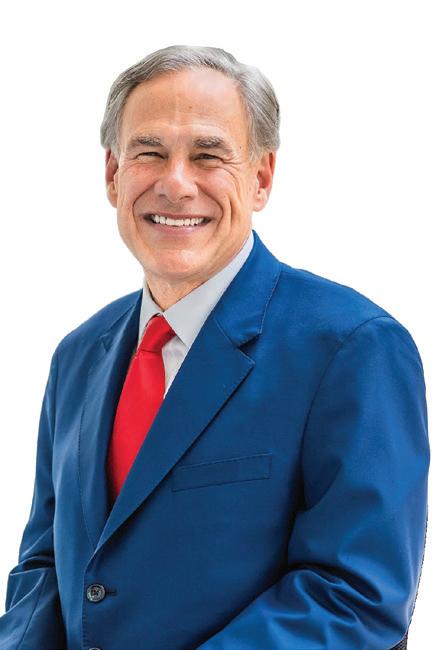
Greg Abbott, Republican, incumbent
Lower costs by abolishing school property taxes for homeowners, cutting business franchise tax and requiring voter approval to raise tax rates.
Secure the southern border by supporting program for state to build its own wall, banning sanctuary cities for immigrants and requiring law enforcement to comply with federal immigration.
Use public taxpayer dollars to fund children’s education at private schools through a voucher program.
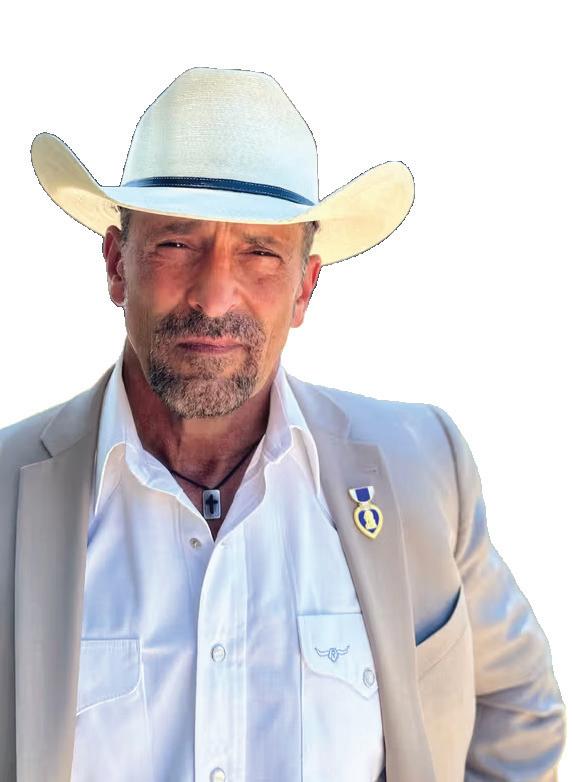
Pete “Doc” Chambers, Republican
Lower costs by abolishing property taxes for single-family homes and long-term rentals.
Secure the southern border by deploying Texas State and National Guard forces partnering with county sheriffs and federal agencies for surveillance. Limit in-state hiring of H-1B visa recipients.
Reform public education and replace Texas Education Agency with Texas School Performance & Support Authority, end private school vouchers and focus on students.
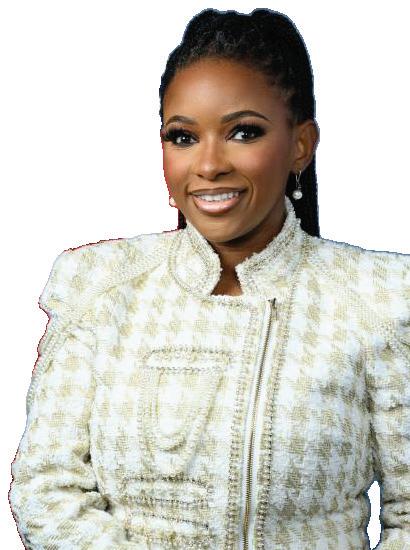
U.S. Representative for Teca’s 30th Congressional District since 2023.
Proud cosponsor of Medicare for All Act and believes in eliminating premiums and deductions, capping the price of certain medications and cracking down on Big Pharmaceutical.
Hopes to reinstate tax credits for electric and alternative fuel vehicles. Opposes drilling on public land, believes in reinstating wind and solar energy investments and regulating AI.
Supports Texas jobs through fair trade agreements and values foreign policy by focusing on supporting, compromising and fixing relationships with allies rather than invading and enforcing policies onto them.
Believes in restoring the educator’s professional development and student achievement programs, prohibiting the book ban, surging funding into schools and addressing the growing literacy problem.
Oversees the state Senate and has significant control over the flow of legislation.

Gina Hinojosa, Democrat
Lower costs by providing more opportunities for small businesses and working Texans.
Gain more guidance on immigration police and look toward boarder communities when making decisions. Supports boarder control, not deportation of community members.
Go back to the basics in public education, scrap private school vouchers, prioritize teacher pay and deemphasize standardized testing.
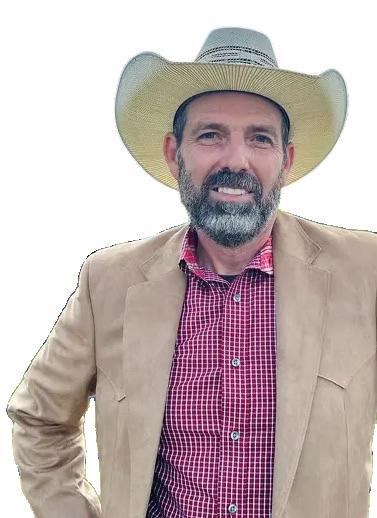
Bobby Cole, Democrat
Lower costs by raising the minimum wage, protecting workers’ rights and fight the increase of property taxes by adding more exemptions and having state pay its share.
Border control needs to be practical and not theatrical. Need to create a legal process that works for Texans, the economy and stops villainizing people.
Fund public education and ensure schools have resources for success by investing more in public education, raising teacher pay and ending private school vouchers.

Dan Patrick, Republican Incumbent
State senator from 2007 to 2015.
No public comment from Patrick on healthcare, specifically. Endorsed by the Texas Health Care Association PAC in 2022, who stated that Patrick “recognizes the vital role our long-term care facilities play across the state.”
Supports a Texas State abortion ban. In January 2025, Patrick commented that the language of the bill should be clarified so doctors do not fear penalties for terminating pregnancies in fatal medical emergencies.
Supports school vouchers.
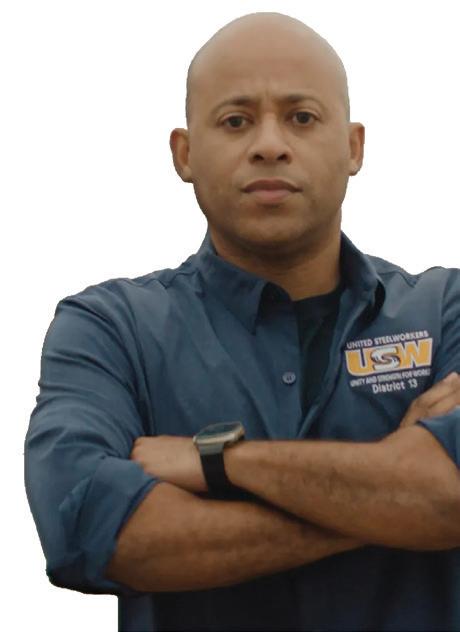
Marcos Vélez, Democrat
Labor organizer with the United Steelworkers.
Affordable access to healthcare, housing, utilities, and resources for seniors.
Increase public school funding and teacher pay.
Raise the minimum wage.
Property Tax Relief and home ap praisal reforms.
Protections for ranchers and farm ers in rural Texas.
Texas voters will elect one member to represent Texas in the U.S. Senate.
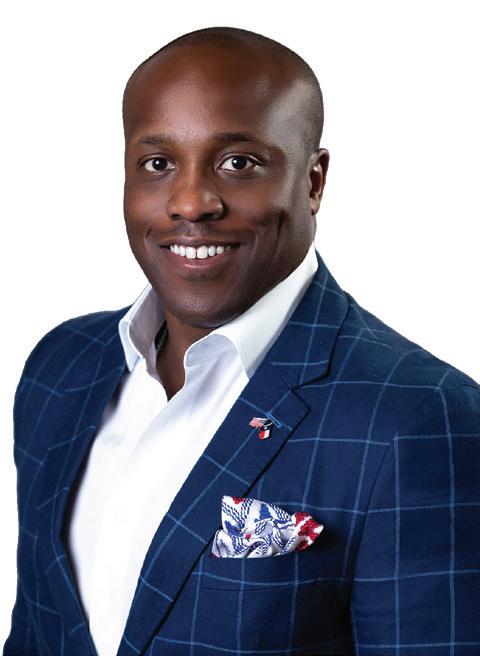
• Former U.S. Army officer and a U.S. representative for Texas’s 38th congressional district since 2023.
No public comment from Hunt on healthcare, specifically. In 2020, commented he wanted to repeal Obamacare and is pro-life.
Supports DOGE and cutting America’s spending to decrease national debt and fraud.
• For oil and gas production, but focuses on energy addition, not energy transition. Wants reliance on oil drilled in the states.
No public comment from Hunt on education, but he said in the past it is the responsibility of leadership to ensure students’ safety.

Democrat
State Senator since 2018.
Plans to alleviate health care costs by protecting Americans coverage, lowering prescription drug prices and providing affordable notfor-profit options.
Wants to add wind and solar jobs to the oil and gas industry to help create jobs while focusing on diversifying and accelerating energy production without compromising the environment.
His foreign policy priority is to stand against veteran’s assistance being privatized, repeal tariffs and support trade, deepen NATO and EU ties and restore international development.
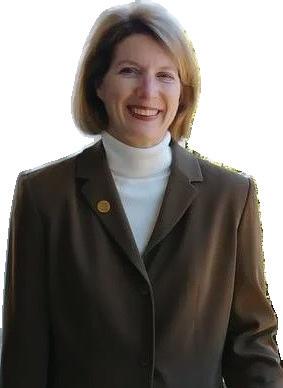
Vikki Goodwin, Democrat
Filed House Bill 1676, Cati’s Act, requiring stricter standards in childcare when it comes to swimming. This bill was introduced after 6-year-old Cati DelaPeña drowned in 2019 at a Cedar Park pool.
Healthcare is one of Goodwin’s listed campaign priorities. She wants to expand Medicaid, repeal abortion bans and expand mental health resources.
Increase funding for public education and opposes Gov. Abbott’s school voucher program.
Supports regulation of data center water usage.
• Proposes “The Fair Rent Incentive Act,” which would lower the assessment cap for landlords who charge average of below market rent.

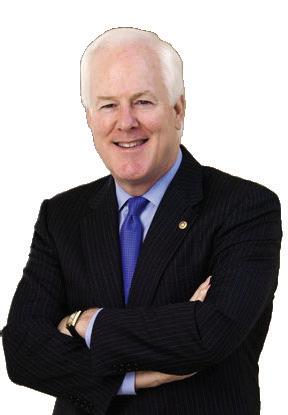
John Cornyn, Republican, incumbent
Served in the U.S. Senate representing Texas since 2002.
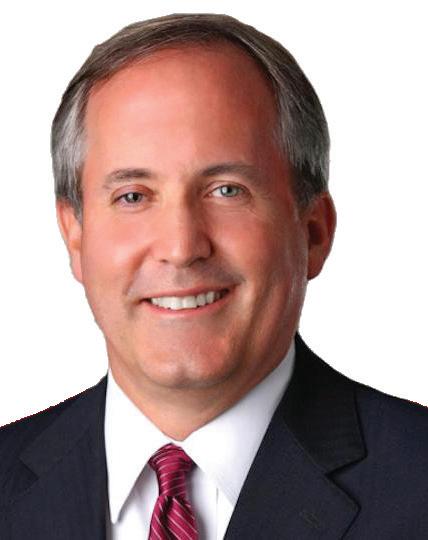
Paxton, Republican
• Served as Attorney General of Texas since 2015. No public comments from Paxton about healthcare, specifically. However, he states he defends pro-life and sued a doctor for providing gender-affirming care.
Provide citizens with a healthcare system that fits their needs by introducing bills to lower prescription drug prices and supporting the repeal of Obamacare. Economic policies should create an environment that fosters economic production, job growth and increase wages. Believes in reducing taxes on Americans and businesses. Supports efforts to encourage energy conservation while increasing the production of domestic sources of fossil fuels and exploring alternative sources to make energy more secure.
• Supports President Trump’s legislative priorities and is a strong fiscal conservative who will wants to cut taxes and revitalize American manufacturing.
Say that ICE is a rogue police force that’ s unleashed error across American cities and needs to be held accountable and reformed.
No public comments from Hunt on foreign policy, but he’s supported protecting American companies and businesses from Russia and firmly believes in deploying the military to Texas’ border and implementing strict measures against those crossing illegally.
As a former public-school educator, he wants to support students’ reading and math skills through grants, supporting teachers, feeding programs and not prioritizing AI in the classroom. He believes in immigration reform and securing the border, holding ICE accountable, creating better pathways for certain undocumented immigrants and prioritize deportation on criminals not neighbors.
• Provide states and local school districts the freedom to design innovative educational programs that fit the need of each child. Believes a clear foreign political strategy is critical and supports intelligence gathering efforts.
• Prioritizes energy independence and advocates for the oil and gas industry. Actively opposing environmental policies, Paxton has sued the federal government frequently for threatening the oil industry. No public comments from Paxton about education, specifically. However, he is firm on displaying the Ten Commandments in classrooms.
• Is running to help President Trump finish the boarder wall and protect national sovereignty and supports deportation. Will work to advance policies that prioritize the nation’s interests first over foreign countries.

Referred to as GLO, they are the head of collecting and keeping records, providing maps and surveys, issuing titles and managing settlements of over 13-million acres of state land. This office controls money in disaster relief and determines who gets help, how public schools are funded, how Texas history is recorded and how veteran services are managed. The office has been criticized for how it handled disaster relief during Hurricane Harvey and for previous commissioner’s statements regarding cultural holidays.
Candidates are:
Dawn Buckingham, Republican, incumbent
Jose Loya, Democrat
The Lieutenant Governor, which many say is the most powerful position in Texas government, oversees the state Senate and has significant control over the flow of legislation. The Lieutenant Governor sets the Senate’s agenda, meaning they control what the Senate talks about and votes on. The Lieutenant Governor also co-manages the Legislative Budget Board and is a member of the Legislative Redistricting Board.
Candidates are:
Dan Patrick, Republican incumbent
Vikki Goodwin, Democrat Marcos Vélez, Democrat
Is the chief financial officer, accountant and treasurer for the state. The main responsibilities are collecting sales tax, managing contracts and estimating the state’s revenue and economy. This office oversees the budget which affords the state to implement private school vouchers, boost teacher pay, award grants to support immigration enforcement and strengthen water infrastructure
Candidates are:
Kelly Hancock, Republican, acting comptroller
Don Huffines, Republican
Christi Craddick, Republican Sarah Eckhardt, Democrat
Is the highest court for criminal cases and consists of a presiding judge and eight judges. Their responsibility is to review appeals in criminal proceedings, including cases involving the death penalty, and establishes binding precedent, a rule or principle, that must be followed by lower courts. The court also serves as the final say for post-conviction habeas corpus proceedings, which gives state felons the right to challenge the legality of their detention. Three seats are up for grabs this election, but only the Republican primaries for Place 3 and Place 9 have more than one candidate.
Candidates are:
Place 3:
Alison Fox, Republican
Lesli Fitzpatrick, Republican
Thomas Smith, Republican
Brent Coffee, Republican
Okey Anyiam, Democrat
Place 4:
Kevin Yeary, Republican, incumbent
Audra Riley, Democrat
Place 9:
John Messinger, Republican
Jennifer Balido, Republican
Holly Taylor, Democrat
Regulates energy infrastructure across the state. Commissioners are responsible for regulating oil and gas production, natural gas facilities, hydrogen pipelines, coal and uranium surface mining. They inspect facilities, enforce penalties and report to the state legislature. Recently, the agency has taken on regulating emissions as companies look to create alternate energy sources. The commission is also responsible for ensuring facilities are prepared to avoid incidents that could affect the state’s power grid. Critics say the commissioner’s financial ties to the oil and gas industry influence their decisions and cause a lack of transparency regarding contaminated drinking water, fracking causing earthquakes and the effects of oil field emissions on Texans' health.
Candidates are:
Jim Wright, Republican, incumbent
Hawk Dunlap, Republican
Katherine Culbert, Republican
Bo French, Republican
Jon Rosenthal, Democrat
The Texas attorney general is the chief legal officer of Texas, like a lawyer. The attorney general is responsible for interpreting the Texas constitution, taking legal action for the state, overseeing state civil investigations and challenging agencies and statutes in court.
Tony Box, Democrat
U.S. Army veteran in Iraq and Afghanistan, FBI Special Agent, SWAT team member and federal prosecutor.
• According to his campaign, he uncovered “$30 billion in waste and fraud” while working as an investigator for the Congressional Commission on Wartime Contracting in Iraq and Afghanistan. Was inspired to dedicate his life to public service after being shot at 16 while defending a coworker from being robbed.

To
Nathan Johnson, Democrat
State Senator for the 16th congressional district. Only woman in the attorney general race.
• Wants to enable the attorney general’s office to investigate and prosecute more criminal cases. Supports Donald Trump, and modern conservative values including:
• Second Amendment.
• Ending abortion.
• Law enforcement.
Chip Roy, Republican
U.S. Representative for Texas’s 21st congressional district
Hardline fiscal conservative of the “Freedom Caucus”
• Positions include:
• Increased border security.
• Preventing Federal overreach.
• Protecting gun rights.
• Fighting liberal agendas in Texas.
Aaron Reitz, Republican
• U.S. Assistant Attorney general from March 31, 2025, to June 11, 2025, before resigning to run Investigating waste and fraud.
• Fighting censorship from tech companies.
• Holding pharmaceutical companies accountable.
• Addressing health concerns from processed foods.
Joe Jaworski, Democrat
55th Mayor of Galveston
Wants to create a “Division of Affordability” which will:
Fight utility rate increases
Sue medical and property insurance companies to ensure timely payments
Sue predatory loan companies
Investigate landlords
Will reform and improve the Child Support Division.
Sue “scammers, bullies, and authoritarians.”
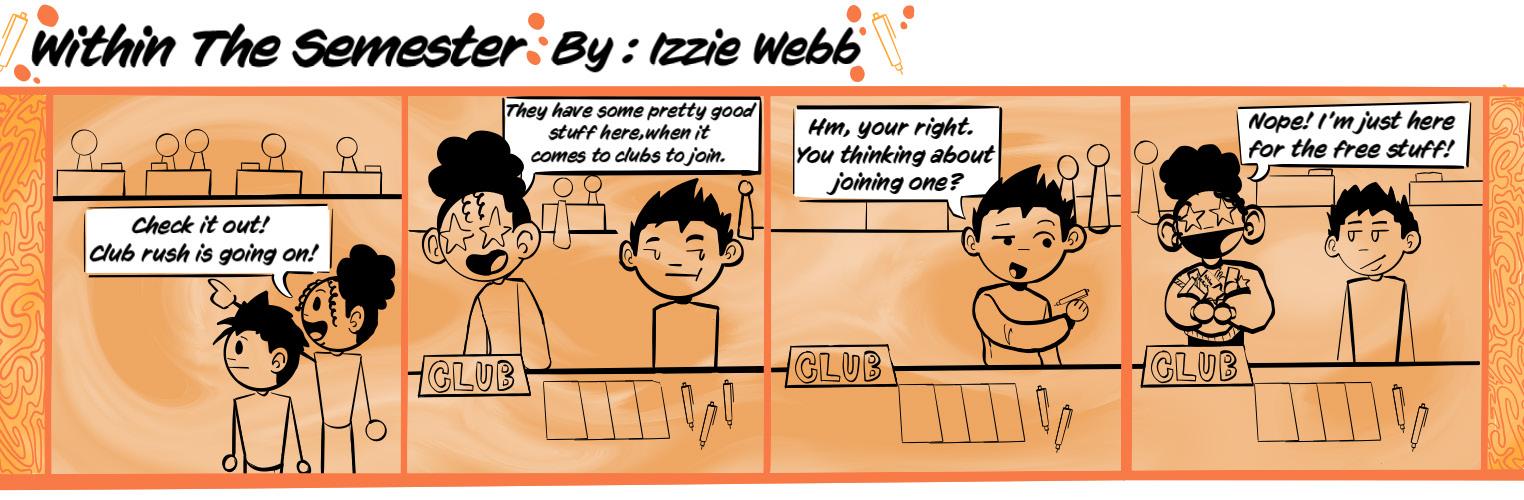
Now more than ever, it’s important for student journalists to stand together.
The ninth annual Student Press Freedom Day is Feb. 26. This is a national day of action created by the Student Press Law Center to celebrate student journalists’ important role in their community, acknowledge the censorship they face and advocate for better press freedom protections. This year’s theme is Resilience in Action. In a nation where journalism is constantly under attack by the current administration, the theme seems fitting. Student journalists across the country have to push through censorship, intimidation and even legal threats on their own campuses.
The Indiana Daily Student, the student publication at Indiana University, was hit with a wave of censorship last October.
The university attempted to restrict the content that was published, and when the publication’s leadership refused, they terminated former Director of Student Media Jim Rodenbush.
The IDS then published an article online titled “CENSORED” highlighting the issue. They had to publish online because they weren’t allowed to print.
At UT Dallas, the editor-inchief for the independently produced paper, The Retrograde, has faced threats of suspension for simply doing his job, editing.
After receiving a letter to the

editor with information that was proven inaccurate by many sources, the EIC followed publication policies and provided the correct information.
Here at The Collegian, we’ve dealt with our own set of restrictions.
Employees across all campuses have been warned not to talk to us without the approval of the administration.
This feels like an attempt to restrict our reporting. These roadblocks have forced
us to find other ways to get important stories to our audience: the students.
We are a student publication, run by students and written for students.
Our priority is to report on the news that will affect students.
So, when we have to jump through unnecessary hoops that are time-consuming, it makes it hard to do that.
We give a unique perspective and live similar lives to our readers. We provide a trusted source for
young voices to share their stories and worries.
That’s the power of student journalism.
Student journalists are on the front lines covering challenging but important stories that affect our communities.
From racist incidents on campus to LGBTQ+ discrimination, we are the ones who are standing up for our students when local news agencies can’t. This happens either because the story isn’t deemed big enough or because local news are
also facing their own cuts.
People don’t realize how crucial a publication like The Collegian is to the success and function of TCC.
We hold our college leadership accountable and show how their decisions affect students. Without students, TCC would cease to exist, so it’s crucial that students are informed about how the school is working for and possibly against them.
Due to budget cuts and intimidation across the nation to all forms of news media, local news stations face their own set of restrictions, causing important community stories to sometimes fall through the cracks.
And that’s where student media comes in.
Students are sometimes the only ones covering board of trustee meetings where important information is discussed.
Without student journalists there, who knows what changes could be implemented that could end up going under the radar?
So, when school administrators or other officials create roadblocks and use censorship, they not only bury important stories, but they are also challenging the very core value of this country: freedom.
Young journalists need greater student press freedom now more than ever before.
We must keep telling important stories in our communities and creating impactful pieces that hold our leaders accountable.
“I’d rather die than go to community college.”
This is an actual sentence someone said to me when I told them I would attend TCC. The crazy part? This was not the first or last time I would have a conversation like that.
I left that conversation feeling a bit perplexed. But mostly, I was confused. I didn’t know that I could feel embarrassed about my college choice, but here I was being ridiculed for it.
A college degree is highly favored in America, but when you don’t start at a university, you are viewed as less than.
Why is that?
It seems most young people tend to think students at two-year colleges are lazy, unmotivated and unserious.
From my experience, university students have a superiority

complex. I’ve heard many negative remarks from my friends when the topic gets brought up.
“Why didn’t you try enough in high school?” “Is it just a money thing?” “You know you can take out loans, right?”
I shouldn’t have to justify why I’m here. But while I am, I’m making the most of my experience.
So many community college students simply attend class
then leave. But there are so many more opportunities when you stick around.
This is my first semester working for The Collegian, and I have just been introduced to The NewsFeed, TCC’s student-broadcast news program.
I am also actively engaged with the math tutoring program in the Learning Commons on NW Campus.
The people that I’ve met at this college have been so knowledgeable that it drives me to learn more.
Recently, I conducted an interview with one of my past professors who was also a student here.
She talked about how community college didn’t have a great reputation then either. But her perspective quickly changed when she found her people and her passion here.
Because she attended TCC,
she is now teaching here. And that wouldn’t have happened if she went straight to university from high school. I left that interview with a renewed perspective. I was thrilled to know I could relate to someone who started where I am now.
While working for The Collegian, I make it a priority to talk to people on campus. Many students have told me that they don’t tell their friends where they go to school because they’re embarrassed. This saddens me because I feel like it’s holding them back.
If I could go back to senior year me and give her advice, I would tell her not to listen to her peers’ opinions. When I started being more involved and lingering more on campus, that’s when I got the full experience of optimizing the amazing opportunities our school has to offer.
I strongly believe we should all celebrate our academic progress and achievements, even if it’s not the traditional route.
If we, the students, keep holding onto the feeling of embarrassment, then we will continue the negative stigma community college has.
Instead, we should focus on the positives. We are getting a quality education with a lower studentto-teacher ratio, and we are paying much less than the students who attend university. We also have the same access to clubs, student organizations and campus events. With all these resources, we have the ability to succeed if we just take the opportunity.
Instead of sulking in your sadness when people make fun of you for going to community college, get the best revenge: graduate with no debt and still get your dream career.
In a time when America feels so divided, standing in a crowd who all share the common desire for peace was like a breath of fresh air.
Immigration and Customs Enforcement raids, the threat of a war with Iran, growing economic instability and ever-increasing outbursts of extremist violence are a few of the issues dominating the thoughts of Americans right now.
Many people feel as if America has reached a point of no return and that they are all alone in their concerns. It felt fitting that on Valentine’s Day, instead of staying home watching romantic comedies, going on an expensive date or contemplating the end of the world, I was there at the Walk for Peace homecoming.
These 19 monks, beginning their pilgrimage of over 100 days across nine states, have garnered

The Collegian is

national attention for their message. They began their journey in Fort Worth and traveled on foot to Washington to inspire the nation. They’ve been given countless gifts and showered with love and support. Despite the heartwarming display of resilience and faith, it’s important to ask what impact this has truly had.
publication serving the Tarrant County College District. Editorial statements and advertisements do not necessarily reflect the opinion of the TCC administration.
Individual lives have certainly changed. People came from all across the country just to see a glimpse of these monks and walk together.
Have any laws changed because of these monks? Politicians and officials welcomed the monks in the states they walked through, but will they actually make peace a priority in their communities? So far, they have not, but maybe they should.
Will the world recognize the devotion to peace these monks had shown and proclaim peace? No, but maybe it should.
This journey did not come without a cost. Two monks were hit by a car during their journey, which led to one monk needing an emergency amputation of his leg.
Those monks had sacrificed so much, and not for attention or noto-
riety, but because they believe peace must require action and sacrifice.
“Mindfulness is the key to show people that peace is something that is possible and always begins from within,” said Bhikkhu Paññākāra, the vice president of the Huong Dao Vispassana Bhavana Center in Fort Worth, in an interview with CBS News. “No one can change this world, but together, all people and all venerable monks are walking together on this journey. ... We can make a difference.”
To them, this was not political.
This was a spiritual offering to Buddha and a reminder to the world that peace could be possible.
I think that despite the intentions of these monks, this was a political act.
In a time of such global instability, even the possibility of peace feels political. Because for there to



be peace, bombs cannot drop. Peace is not families torn apart. Peace is not children starving and dying. These monks should inspire us, yes. But we must not forget that it is the collective responsibility of the people to bring about peace. Peace is an action, not a state of being. Call your representatives. Sign a petition. Volunteer at a local organization focused on community healing and preventing harm. Get involved in protests that call for peaceful geopolitical action. Faith is good for the soul and good for the community. But faith must walk hand in hand with movement. These monks have gotten our attention and asked us to look inward. So, we must. What are we willing to sacrifice for peace?






MATT PENROD campus editor collegian.editor@tccd.edu
Grammy award-winning rapper Baby Keem’s sophomore album “Ca$ino” is his most personal work yet.
It trades the ambitious scope and production of his debut album, “The Melodic Blue,” for a deeper look into Keem’s life. Less than 30 seconds into the solemn first track, “No Security,” it’s clear that “Ca$ino” is going for substance, not style.
“Uncle Andre just passed, I can’t help but bear blame,” he raps. “Wish I got him help when the resources came.”
Later in the song we learn that as a child his mother would walk him in the cold with no shoes. He also reveals that when he was working on his second mixtape at age 18, she was in and out of jail and homeless.
The second song is the title track, which drops the melancholy sound for a thumping beat guaranteed to start mosh pits at all of his future concerts. Keem still manages to fill the song with meaningful lyrics about his grandmother’s death and his choice to remain estranged from his father.
On the bright side, Keem has a great relationship with his cousin, Kendrick Lamar, who appears twice on “Ca$ino.” “House Money” is another mosh-pit-inducing song showcasing the duo’s chemistry and lyricism, along the lines of “Range Brothers” and “Family Ties” from “The Melodic Blue.”
Lamar’s other appearance is on “Good Flirts,” unfortunately one of the lowlights of the album. It’s not their usual high-energy collaboration. Instead, it’s a generic R&B sounding song, with Lamar’s verse feeling like it was written for the TikTok crowd, and Keem delivering none of the introspective lyrics that make this album special.
The album is hit or miss when it tries to be fun. That isn’t the point of this project, and that’s OK. The other miss is “$ex Appeal” featuring Too $hort. There’s just no need for a Bay Area sounding club song, especially when it falls between two of the deepest songs on the album: “I am not a Lyricist” and “Highway 95 pt.2.”
“Highway 95 pt.2” expands on its predecessor from “The Melodic Blue,” while

the ironically titled “I am not a Lyricist” shows Keem experiment with different flows, as well as his natural voice, resulting in a sound similar to Andre 3000’s. He skillfully raps about growing up around extensive substance abuse in Las Vegas, the metaphor behind the album’s title. His life was a casino game. He had no control.
“I wish we never came to Vegas from Long Beach,” Keem raps.
An example of a fun song hitting the mark is “Dramatic Girl” featuring Che Ecru. It’s built around a sample of MGMT’s 2007 cult-classic “Kids.” In this case, he uses
his versatility to craft an incredibly unique track.
The album’s closer, “No Blame,” brings “Ca$ino” full circle with Keem acknowledging that he doesn’t blame his mother for the trauma he endured as a child, because he knows she went through trauma of her own.
“The Melodic Blue” is one of the best debut rap albums of the 2020s, so expectations for “Ca$ino” were high. For the most part, Keem didn’t disappoint.

and Teas
RYLEIGH ROPER managing editor collegian.editor@tccd.edu
People of all ages, genders and backgrounds gathered at a record store in Fort Worth to appreciate clothing and music.
Doc’s Records and Vintage hosts a vintage flea market every third Saturday of the month with live music from local musicians and free beer provided by Fort Brewery. Vendors line the alley behind the building with people flowing in and out to appreciate the live bands surrounded by rows of vinyl inside.
The market is kid-friendly with even some of the vendors bringing their children along. The next vintage flea market will be from noon to 6 p.m. March 21 at 2628 Weisenberger St.
NW student Santiago Lara co-owns a booth where he sells hand-picked vintage clothing. He said his inspiration to start his business, Estrit Vintage, was his grandmother.
“Over there in Mexico, she would sell clothes that she would buy from the U.S., and she would sell it over there,” he said. “So, I began to do somewhat like that over here.”
Lara said while his goal is to grow his business, he also hopes to create new friends within the space with people who have similar interests and hobbies.
Tucked in the alley between several other
tents sat Cavalinho Vintage. With earthy elements such as the branches hanging from the tent acting as clothes racks, Cavalinho Vintage stuck out among the rest.
The owner Jasmine Herrera explained that she grew up in the countryside and attributed her two identities of being Mexican American to why she upcycles materials and is such an advocate for thrifting and slow fashion.
“Growing up, I would always go to yard sales, garage sales with my parents and family. And it was truly out of necessity. It was what we could afford,” Herrera said. “I’m also a strong advocate for sustainability and slow fashion. I think that that’s so imperative, especially in our current time and age, that high fashion and fast fashion is taking an extreme toll on our environment.”
The pieces Herrera picks to add to her inventory, she said, is a reflection of herself. She tries to pick pieces out that will make people feel like “their most electric self.” She said that’s what drives her.
“What I really love to see is when other people pick up a piece and they’re like, ‘Oh my gosh, this would look great with this said thing that I currently have,’” Herrera said. “I’m also a big fan of always saying life is your runway. So, you can dress in some stilettos with a gown to the grocery store. Why not?”
Above all else, a sense of community is
what seemed to draw people in.
Shopper Tala Sudad said she has been to events similar to Doc’s but never really had the chance to actually soak them in. She said the casual vibe of Doc’s allowed her to actually enjoy her time.
“I like how easy it is to talk to people,” Sudad said. “I feel like you can just walk up to someone and start talking to them and you’ll find a new person to talk to, like a new friend.” In a group of friends, Sudad hopped from tent to tent scoping out all the unique pieces looking for the perfect piece to add to her collection. Even for those who aren’t into fashion, there was still something for them to enjoy. Caegan Damuth said he just happened to be in town and wanted to support some of his friends.
“I just like cool stuff, and I like coming here ‘cause there’s cool music inside,” Damuth said. “The girl that’s in our band, she also works here so we like to come here, see her, support her, do what we can.”
The night before his band, Spurred, performed at the Rubber Gloves Rehearsal Studios in Denton. He said he’s not big into fashion, but he does make clothes for local bands.
“I’m a screen printer, so I print for bands and stuff,” Damuth said. “It’s cool coming out here and seeing the difference because there’s also people here that do that so it’s cool to connect and see people.”
(continued from page 1)
seem daunting. Students aren’t required to take a particular class to participate in production. Anyone can volunteer and everyone is welcome. Jenny offered reassurance, though, for those who might be up for the challenge.
“Most students in production don’t know anything about set design,” Jenny said. “Some have never even touched a power tool or know the difference between Philips and a flathead screwdriver.”
By the end of the semester, students gain an immense wealth of practical skills. Some said they can renovate their homes or build their own furniture. Through their experience, they learn how to properly take measurements, identify what materials are needed and how to operate the right tools for the job.
Students even grow in interpersona l skills: teamwork, focus, time management. All these skills help them develop professionally.
Cozette Sawyer, a NE early college high school student, works on campus rather than her high school theater department because of the connections and professional experience offered at the campus.
“You just have to walk into the shop. There’ll always be something for you to do,” says Sawyer.
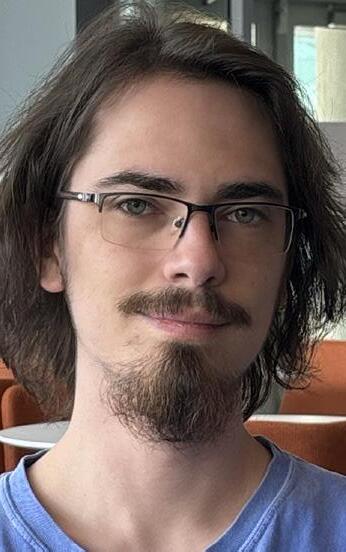
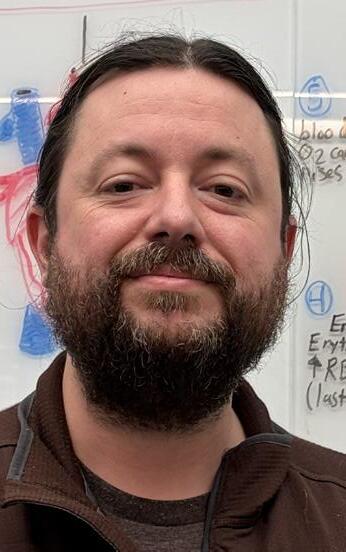
Q:“How do you work through burnout?”
“ Usually by taking some time for myself and stepping away from stuff. That’s usually the best way to go about it, because if you can’t recover any time and you do things you love, then how are you going to do it? ... Sometimes you really just need to step
For more details about these and other events visit: https://calendar.tccd.edu/

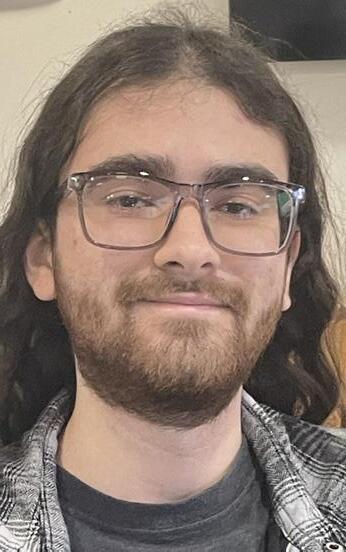
A lot of times, whenever I do feel like that [burnt out] it’s because I’ve isolated myself, and so if I realize that, I’ll go out and spend a day with some friends or treat myself to something. Sometimes it’s the opposite, and I’ve been out too much. I’ll sit inside, listen to music, maybe read a bit.”

Dorton TR Campus
“So I just remember my ‘Why’. I kind of like remembering your why, and just it’s a privilege to get up every single day. And I tell myself every morning, like ‘yes I’m tired, but I’m grateful and I have things to accomplish, and the closer I am to those achievements has to be like struggle,’ burnout with jobs, college, all those sorts of things. Achievements require struggle.”

“I usually like to turn on calming music and just lay down in bed. Other than that, I like going and playing pool with friends. If I’m tired of being outside, I just go home and watch TV shows, movies, stuff like that. I feel like there’s no real way to deal with burnout except resting your body. So I try to get long hours of sleep when I know I’m burned out that night.”