

ASH PETRIE AND MATT PENROD editor-in-chief and campus editor collegian.editor@tccd.edu
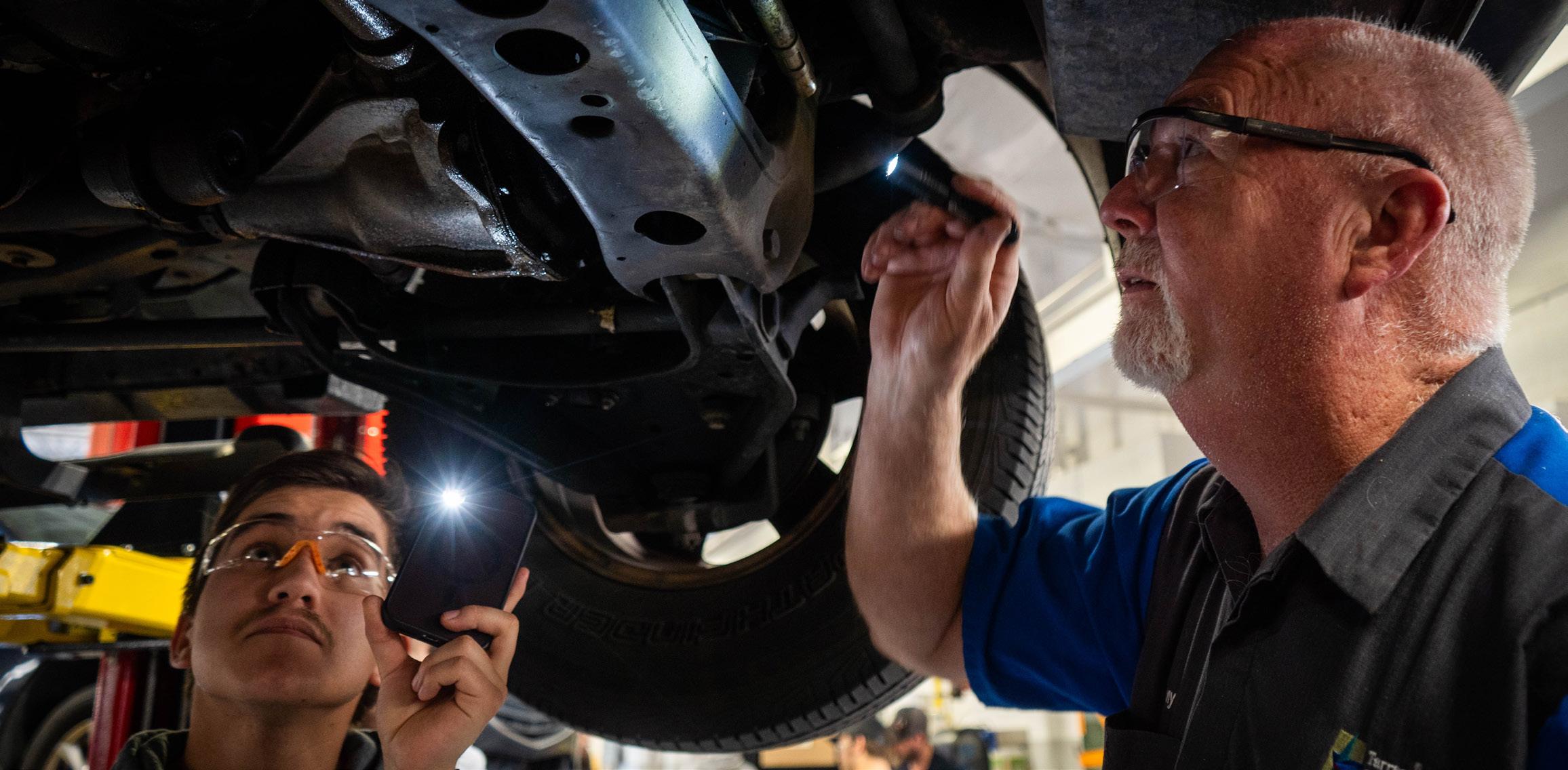
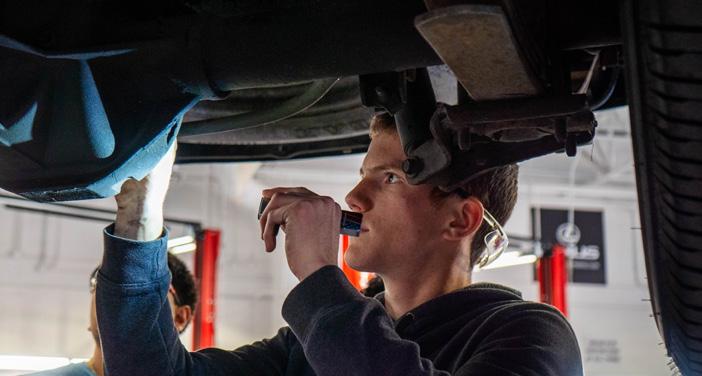
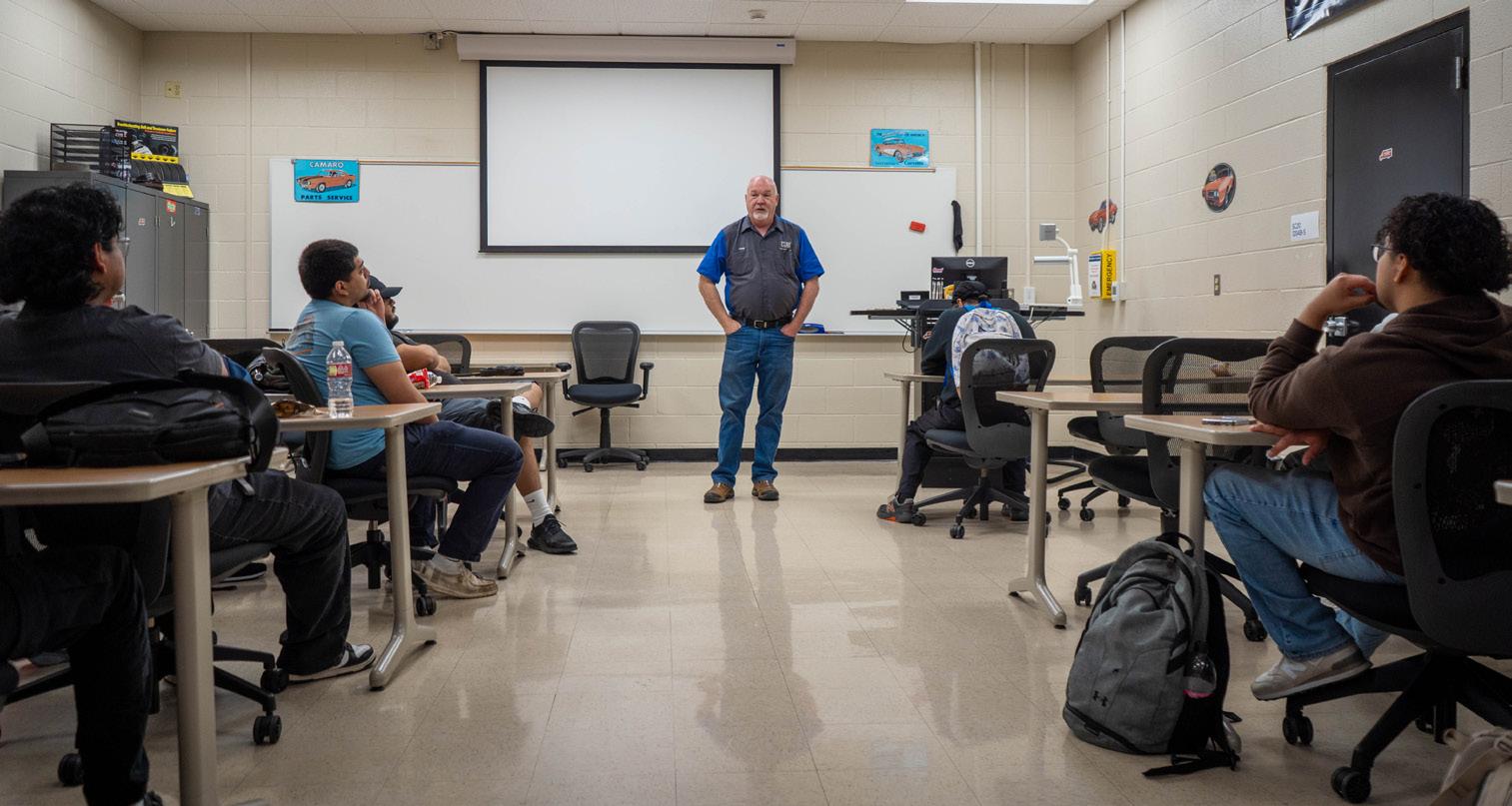
Beneath the undercarriage of South Campus student Aiden Buckley’s blue Ford, automotive program students look at the car’s rear differential as their instructor Tony Edwards steers them toward the correct diagnosis.
“I’ve never worked off a lesson plan,” Edwards said. “I try to be flexible in case one of you show up and say, ‘Hey man, my car broke down on the way here. Can we fix it? Can we look at it?’”
Edwards said he teaches students realworld problems, hands-on, during class by allowing them to work on each other's vehicles.
“The sense of accomplishment that you get from knowing I helped that car get back on the road, that's a lot more valuable to me than just, ‘Oh, I know how to take that apart and put it back together,’” he said.
The garage stays busy with students and instructors shuffling between tool carts and open hoods. For a good number of students, this is their first step into the industry. For
some instructors, like Edwards, this has been their routine for decades.
The automotive program is split into two, the general automotive program and the Toyota T-TEN program. Jim Martin, a retired instructor, began teaching the general program in 1993 and helped establish the Toyota T-TEN on campus.
“It added a level of legitimacy that the automotive program never had before,” Martin said. “Before that we were just ... grease monkeys.”
Students enrolled in the Toyota T-TEN 18-month program learn six days a week, three days in class, and three days working for Toyota. T-TEN students are interviewed
and must pass a test, while the general program does not have any special requirements.
“Not all of them stay in the field. They’re just here to learn how to work on their own cars,” Edwards said. “Some have aspirations of becoming their own business owners, and some just want to work on cars for a living.”
Student Nathan Ramirez will complete the automotive program this spring. However, before enrolling at TCC two years ago, he toured the Universal Technical Institute in Irving. He said these schools offer accelerated nine-month programs that can cost up to $50,000 for a person to graduate with only a certificate.
“The reason I’m here is cause I want to be master tech certified,” Ramirez said.
A Master Automotive Technician certification requires two years of experience and passing eight tests.
The two-year automotive program counted toward Ramirez’s certificate requirement. So, he said he hopes to graduate with an associate degree, a Master Certified Automotive Technician certification and two years of experience.
See Automotive, Page 4
CARA COCO campus editor collegian.editor@tccd.edu
The tree branches stretched toward the sky, gnarled and twisted. Water quietly lapped at the shore, reflecting a moody grayness that the morning had settled on. Fog rolled over the water and up the dull, grassy hill, shrouding the tree in its solitude.
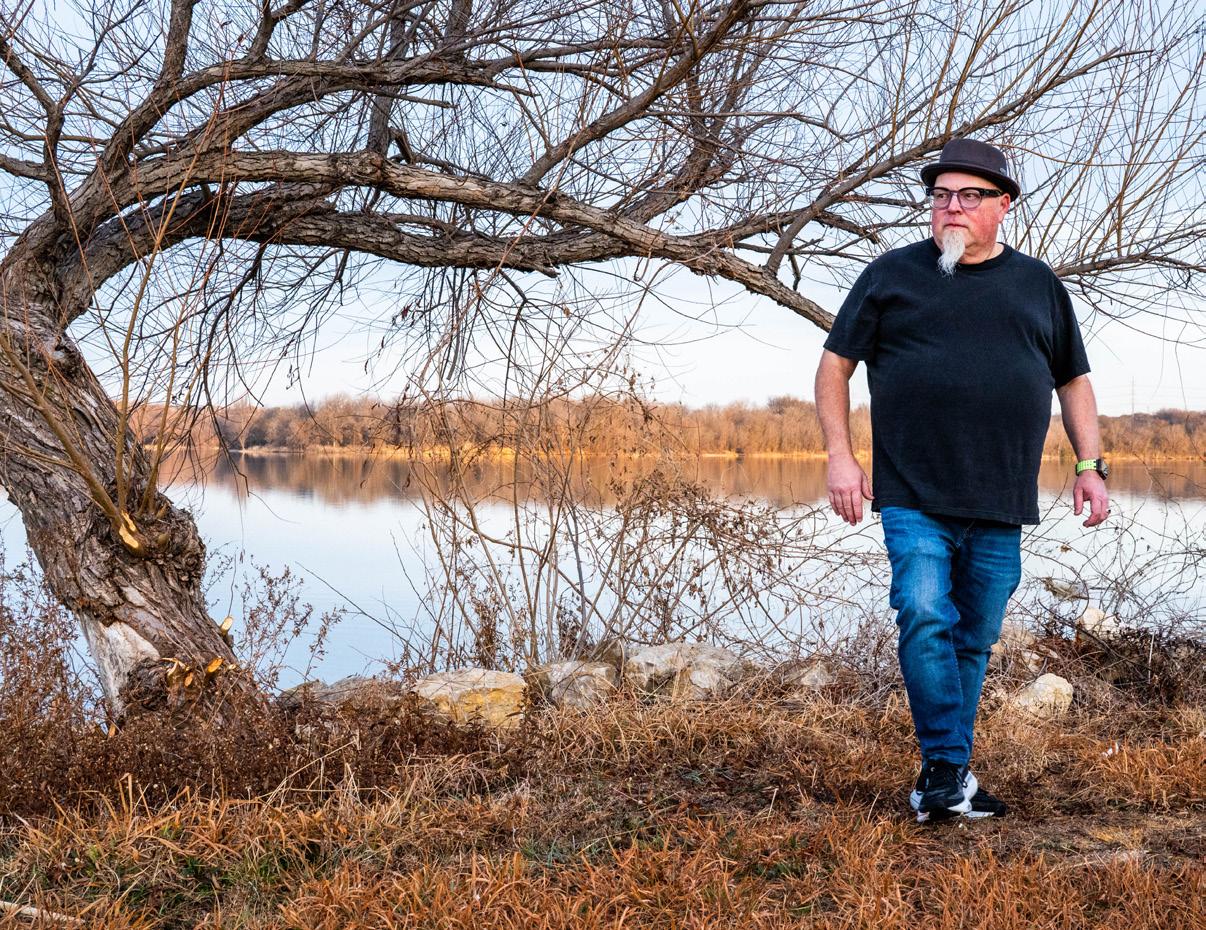
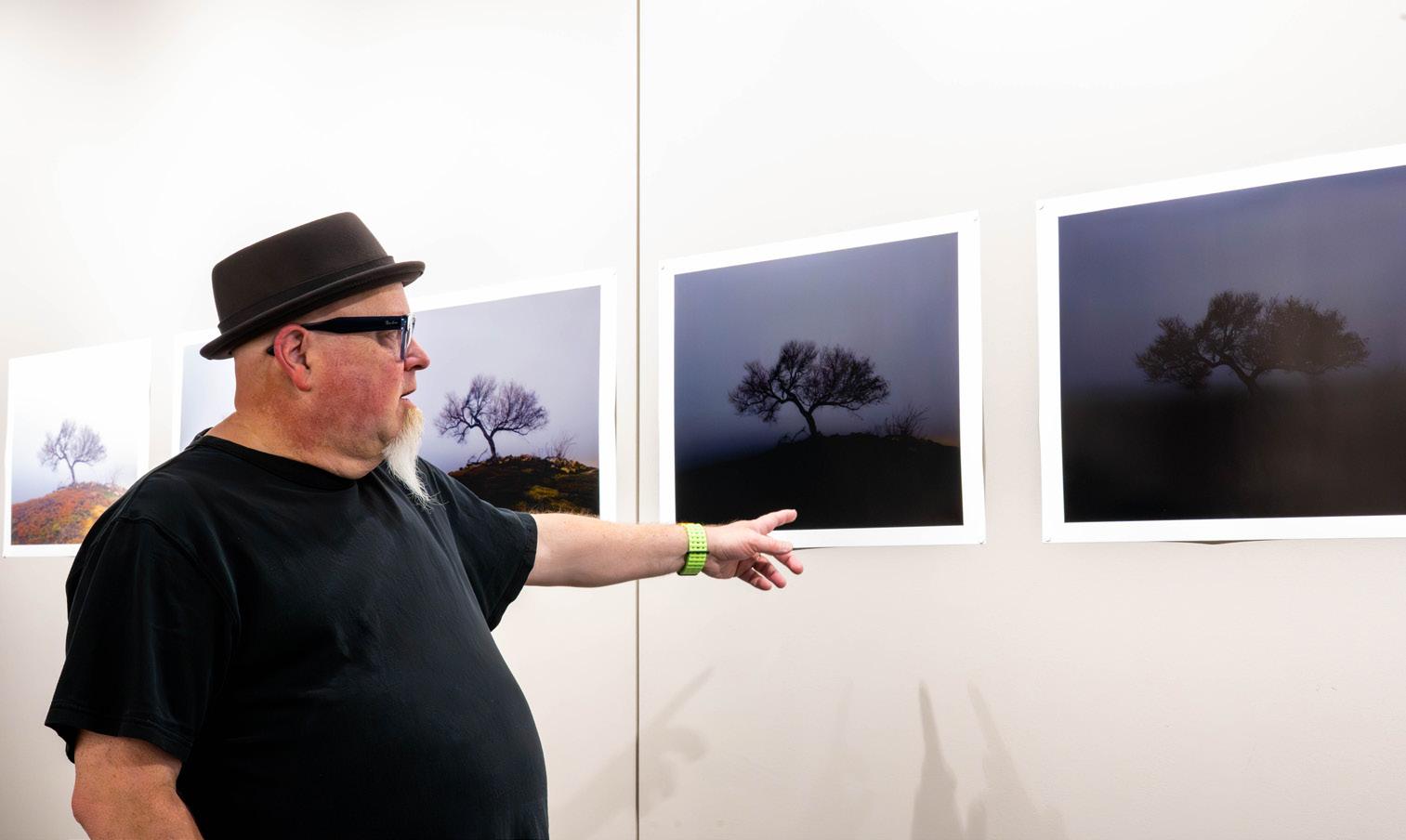
NW assistant professor Kent Anderson Butler captured this moment in his recent photography exhibition “Silent Witnesses.”
“I’ve always been fascinated with nature, the landscape and especially trees,” Anderson Butler said. “For some reason, all throughout my life, anytime I’ve come upon a tree, there’s just something about it that I feel a kind of kinship to.”
The exhibition, which runs until Feb. 20, displays photos of three different trees on NW Campus, each with a progression of exposure pictures that range from an ethereal light to a dark depth.
“Stripped bare or softly veiled, these trees stand as sentinels, their stillness suggesting a deep connection to the land and the passage of time,” Anderson Butler said on his artist website. “They are silent witnesses to the awakening of the world.”
At the opening reception on Feb. 3, Anderson Butler described how each set of trees spoke to him differently.
“I use myself in my work,”
Anderson Butler said. “I wanted to still be able to convey some of the things I’m interested in conceptually without using my physical body
in the work. And so, in some ways, to me, these pieces act as absent portraits.”
“Unheard Voices,” the first photo series, displays a tree nestled among rocks on a reddish, grassy hillside. Anderson Butler said this tree spoke to him because it is “this solitary tree on this little bluff,” and he thinks, “Sometimes, we feel like that as individuals.”
“Hushed Observer,” the second series of photos, displays a tree looming above the murky Marine Creek Lake, almost as if it is peering at its reflection. The sky looks nearly endless, blending into the water in shades of blues and grays. Anderson Butler said the reflection of the water is similar to “the duality of who I am as an individual.”
“Mute Evidence,” the third series of photos, displays a tree rooted on a slanted grassy spot. In the background, a tree branch emerges from the gray lake, providing depth to the photo. Anderson Butler highlighted how the tree has “a relationship to the branch in the water,” almost as if “these two elements of nature are having dialogue with each other.”
The extreme exposure shots challenge the viewer to step closer to the picture, he said.
“Part of the body of work is also about perception,” he said. “These are photographed in the fog these trees ... and if you look, it almost seems like it’s a time lapse, but from light to dark.”
Each series has 10 pictures of the same tree, but none are the same.
“As a photographer you move

MATT PENROD campus editor collegian.editor@tccd.edu
A new workshop series on NE Campus is teaching students how to build visual worlds using Blender, a free, industry-relevant CGI and 3D animation software.
Seth Small, an instructor in the radio, TV and film department, led the first workshop on Feb. 6, focusing on the basics of the program. The series will ultimately give students the tools to create Hollywood-level visuals with a low budget.
“Professionals are using it in the field for film and video game making, so it’s relevant to teach,” Small said.
Blender can be used alongside live-action footage to construct different environments and settings. It was used to create the film “Flow,” winner of Best Animated Feature at last year’s Oscars. Blender was also used for both CGI and compositing in the 2015 movie “Hardcore Henry,” generally considered visually groundbreaking for its time.
“I want us to stay innovative, and I think doing stuff like this is a way we stay innovative,” Small said.
Some colleges, such as the University of Michigan, have made Blender a primary software that is widely available in campus laboratories. It is also used by NASA to animate and render many publicly available 3D models and interactive web applications, such as the Mars rover simulation.
Small began the first workshop with a discussion about the key aspects of immersive worldbuilding and visual storytelling. Director Ridley Scott was used as an example, with Small citing Scott’s masterful use of techniques like overwhelming environmental detail that allows audiences to suspend their disbelief in the films “Blade Runner,” “Kingdom of Heaven” and “Alien.”
Stripped bare or softly veiled, these trees stand as sentinels, their stillness suggesting a deep connection to the land and the passage of time.
Kent Anderson Butler NW assistant professor
around like you are experiencing a space. The light’s changing, the clouds are changing and you’re usually looking for that perfect moment to get your shot,” NW arts professor Trish Igo said. “It’s like you’ve taken that perfect moment, and almost like a prism divides light, you spread it back out again.”
“Silent Witnesses” was taken using Anderson Butler’s phone camera in one sitting. He said he was on a morning walk down to the lake before his classes when he captured the photos.
This is Anderson Butler’s second year teaching at TCC, and his goal for his students is to “take the things that are deep and driven in their soul and then manifest those things out into a piece of art that they make.”
“I tell my students all the time, like it’s really easy for us to become numb to our surroundings,” he said.
Anderson Butler’s voice wavered and he teared up when he described the photography project
See Butler, Page 4
He went as far back as Fritz Lang’s 1927 silent science-fiction film “Metropolis” to emphasize that modern filmmakers have no excuses for poor visuals. Small also showed examples of his own work, demonstrating how low-cost materials combined with digital tools like Blender can produce high-level results.
He praised indie filmmaker Ian Hubert, known for his use of Blender. Hubert was also the VFX supervisor for the 2018 science-fiction film “Prospect” starring Pedro Pascal.
“A lot of it is just a green screen and a dream,” Small said. Small has been teaching himself Blender for the past five years after wanting more out of his personal projects.
“I’m a huge science-fiction person, fantasy person and I hit this wall. I couldn’t make these fantastic landscapes,” he said. “I wanted to make an audience look at a shot and think, ‘Wow, I believe this. I believe that I’m here in this world.’”
Small holds a master’s degree in art and technology, with an emphasis on media production and AI ethical tool usage. His thesis asserted that low-budget, indie filmmakers with current tools are capable of competing with big-budget Hollywood projects, so he bought just one item before shooting his master’s thesis project.
“I needed to make a spaceship, and I needed him to sit somewhere that was real ... so I spent $50 on a very cheap racing chair for a car,”
Texas Gov. Greg Abbott threatening to take away state funding from high schools with students who participate in protests is a restriction of the First Amendment.
In response to high school students protesting Immigration and Customs Enforcement on Jan. 30, Abbott argued walkouts are disruptive and lead to criminal chaos, and the schools allowing this behavior should be treated as co-conspirators.
But what is so criminal about student walkouts?
This type of political demonstration has been conducted by students since 1766. The Great Butter Rebellion at Harvard University, where students protested poor food quality, is considered the first student protest in the United States.
While today’s protests are heavier than just arguing against stale bread, it shows how students have always used walkouts as a way for their voices to be heard.
The law can’t strip students from their first amendment rights at their school entrance, but there are rules they must follow.
Number one on the list being they must show up.
When Alexandria Wineglass asked her daughter why she participated in Boswell High School’s walkout during the day, her daughter said, “Nobody will listen if it’s on the weekend.”
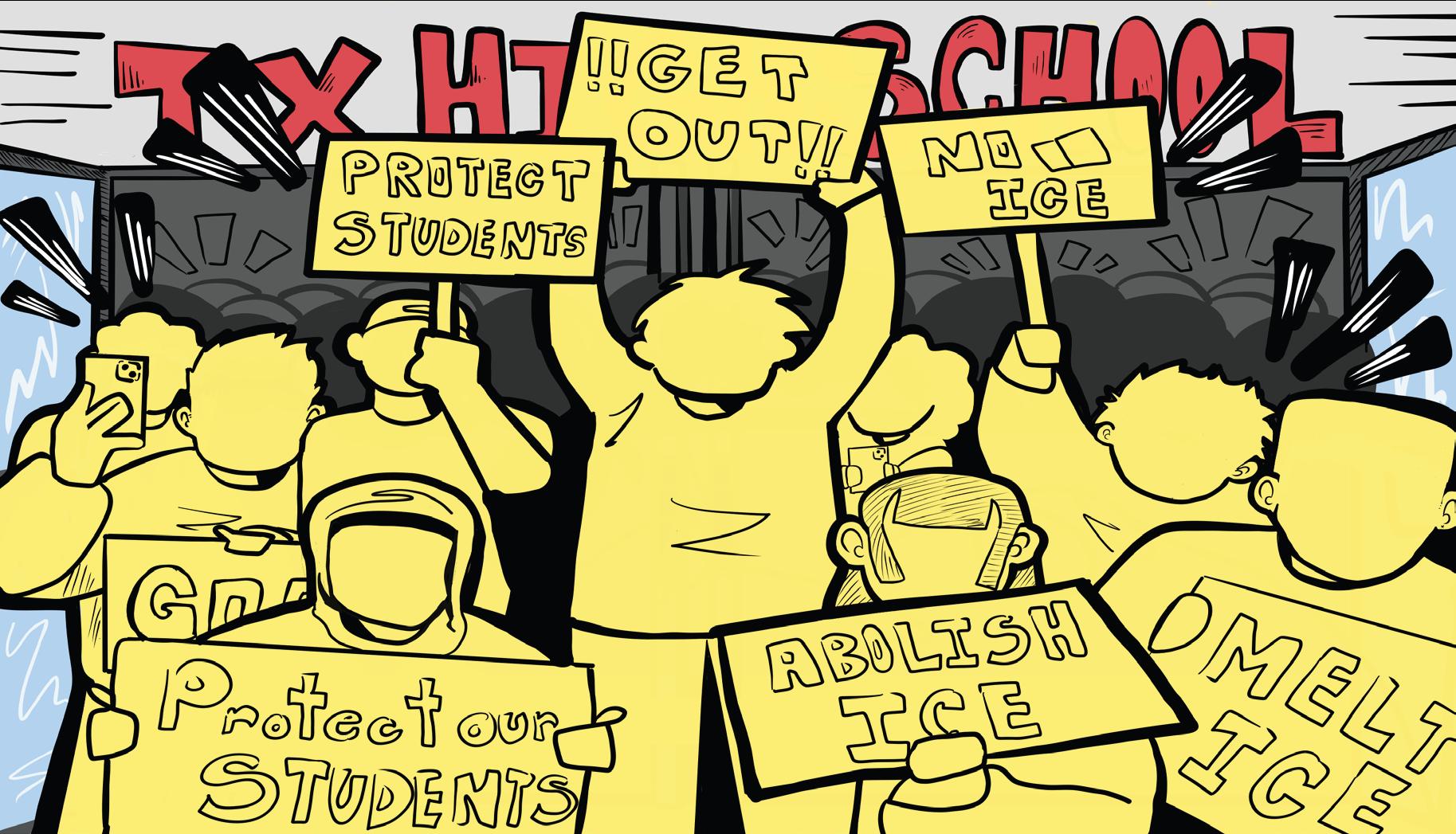
This is why high school students conduct walkouts.
They’re not old enough to vote, and their voices are locked inside a building eight hours a day, five days a week for 36 weeks a year.
The only logical way for them to argue against what is happening is by breaking the number one rule, being there.
So, again what is criminal about this behavior?
Nothing, really. Unless you think students skipping class to
voice their opinions about issues they’re passionate about is chaotically harming people.
Yes, students by law must go to school. However, the law can’t force students to stay.
And if there were to be a law created stating this, how would it be enforced? By hiring a doorman for each exit?
The thing is these are children who have been impacted by ICE. Whether it was a family member, a friend or a friend of a friend, it doesn’t matter.
Instead of remaining silent or complacent, these students are using their first amendment right to be heard.
Abbott hasn’t been impacted negatively by ICE. He endorses it.
He won’t stop defending ICE, even if it means calling teachers and students who think differently than him criminals.
This is the biggest problem of all of it. By calling them criminals, they’re changing the rhetoric. Instead of discussing something that has always happened,
they’re now making it sound violent.
There have only been two students arrested, and it was because they had alcohol, according to Kyle Police Department. However, police there had to arrest 45-year-old Chad Michael Watts for beating up a high school girl protesting.
By making children sound like criminals, you subject them to violence. By calling school districts criminal, you subject them to violence.
By allowing students to freely speak their minds through forms of protesting like walkouts, you aren’t subjecting them to violence. You’re giving them the space to gather and discuss what is affecting them during a time when the world is chaotic.
Students aren’t driven to create violence through protesting. It’s the words being used by people in power that fuels others to be violent against those with opposing opinions.
Calling teenagers criminals for speaking up is wrong, and threatens their safety more than them doing a walkout in the first place.
Insteads of threatening to take away school funding and students’ voices, Abbott should consider finding more ways to support student growth by actually listening to what the future generation is saying.
The people yearn for community but then deny it when it’s right in front of their face.
Children across the globe are all using the term “6-7,” and it has so many adults questioning what it even means.
But I think the meaning is far less important than the overall impact.
“6-7” isn’t something to be defined.
It’s a feeling, a form of celebration and kids across languages are using the term to communicate.
A video went viral of a young American boy in the Netherlands yelling “6-7” across the street to a young Dutch boy who recognized the phrase. Here they shared a moment to communicate even though they speak different languages.
When I first watched this video, I did what many people my age or older do — I rolled my eyes. But after watching it a second
time, I recognized how wholesome the moment they shared was. Two kids, two different languaes and upbringings but one common ground.
A silly meme that has taken over the internet. I work as a swim instructor at a luxury gym, so I work with a lot of children. A few months ago, I noticed they would snicker whenever I would count and say “five, six, seven.”
I became a bit peeved as I had
seen the trend online, but I didn’t understand the point.
I even had to result in asking my 15-year-old sister what it meant. To which she responded “There is no meaning.”
After weeks of avoiding the phrase, I gave in and embraced it.
When I used it jokingly with my swim students they found it shocking that I knew the joke.
My 5-year-old students would ask me, “How do you know that?” I would respond with the same question, and they would say they learned it from a friend at school.
Their parents were not as amused and sometimes even banned their kids from saying the phrase.
Out of habit I started using the joke at home with my friends and family.
We live in a world divided and polarized in many ways, so why are so many adults shaming and
demonizing what little community children today have?
This isn’t the first time millions of people have come together to participate in a social media trend.
The mannequin challenge was a global phenomenon across social media nearly 10 years ago in 2016. Groups of people would freeze in action like mannequins while a camera moved through the scene, often set to “Black Beatles” by Rae Sremmurd.
What started as a fun trend among students quickly spread to celebrities and corporations reaching across the world.
This brought together millions of people in a year full of tragedies like the Pulse nightclub shooting where 49 people died, making it the second-deadliest shooting in modern U.S. history and more local, 12 police officers were gunned down in Dallas.
And around the world, there were terror attacks in West Africa and Belgium. This mirrors the ongoing conflicts we see today, which is why community is more important than ever.
Social media has done a lot of damage to the human population, but one of the more positive things to come out of it is a sense of community.
The art of being able to talk with people all around the world is something truly beautiful. One of the ways we do that is from online trends and memes.
While they may seem pointless and stupid these jokes and memes are a way for children today to feel seen.
So, let’s stop judging and shaming kids for using silly little harmless phrases when in truth, it’s their way of getting through this dark world together.
The integrity of either film or news media will take a significant hit if Warner Bros. Discovery is acquired by Netflix or Paramount Skydance.
Late last year, Netflix offered to pay close to $83 billion in exchange for WBD’s studio and streaming assets.
Paramount challenged with a bid of over $108 billion to acquire all of WBD’s assets, including CNN.
If WBD is acquired by Netflix, it will hurt movie theaters across the country, resulting in a decline in the art form.
streaming movies at home, there are plenty of people aware of the fact that certain movies were meant to be watched in theaters.
No one who truly appreciates the art of film is looking forward to watching “The Odyssey” on their TV.
Most people can figure out how to get to a movie theater. Most people can’t afford a theater level sound system, and they definitely can’t figure out how to get a 52-foot-tall IMAX screen in their house.
the nation. Along with the Best Picture nomination, it received others for things like Best Sound and Best Cinematography, aspects of film that are significantly heightened by a theater experience. If Netflix acquires WBD, they will own the rights to DC Comics, which is very concerning for the theatrical release of “The Batman Part II.”
Paramount also wants CNN, one of the biggest global TV news networks.
Paramount is trying to rival Comcast and Disney in terms of media conglomeration and take over America’s news ecosystem in the process.
Matt Damon and Ben Affleck explained on Joe Rogan’s podcast that Netflix typically requires script writers to reiterate the plot of the movie three to four times because they assume viewers aren’t paying attention for some reason. This results in bad writing and film pacing.

Netflix CEO Ted Sarandos has called theaters outdated and argued that consumers want to watch movies at home before making a strange argument about people not being able to walk to theaters, as if there are no other modes of transportation. While it can be convenient
Netflix only gives extremely limited releases to award-worthy films, purely for eligibility purposes.
Guillermo Del Toro’s “Frankenstein” is nominated for Best Picture at The Oscars this year. It was released on Netflix and in just 10 IMAX theaters across
“The Batman” released on 405 IMAX screens nationwide in 2022, coming off the pandemic. Netflix will undoubtedly stunt the sequel’s release. As disheartening as that is for film fans, in the grand scheme of things it may not even be the worst option.
Netflix just wants the WBD film and TV studio, plus ownership of HBO.



They already own CBS News, so acquiring CNN would be a clear conflict of interest, further breaking the trust between the news media and the general public. However, they aren’t completely anti-theater.
As usual, America is faced with two terrible options, but in this case the people don’t get a vote. The Department of Justice and the Federal Trade Commission need to step in and stop either one of these potentially monopolyforming mergers from happening.
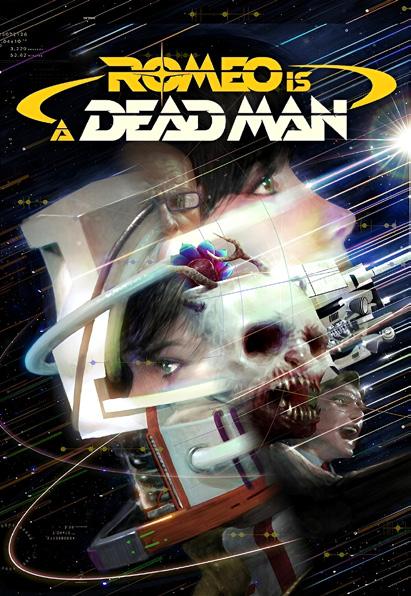
Romeo is a Dead Man Developed by GRASSHOPPER MANUFACTURE INC. Releasing Feb. 11

Mario Tennis Fever
Developed by Camelot Software Planning Releasing Feb. 12 End
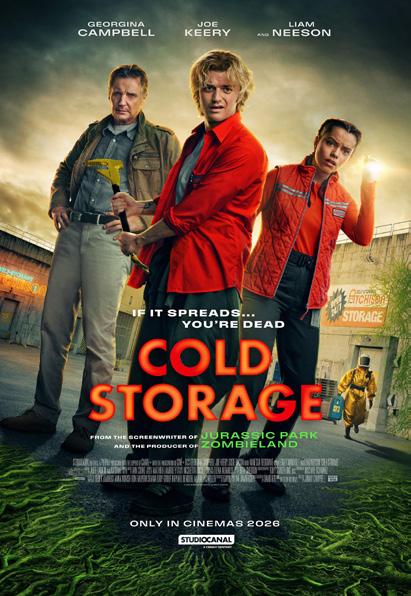
Directed by Johnny Campbell
theaters Feb. 13
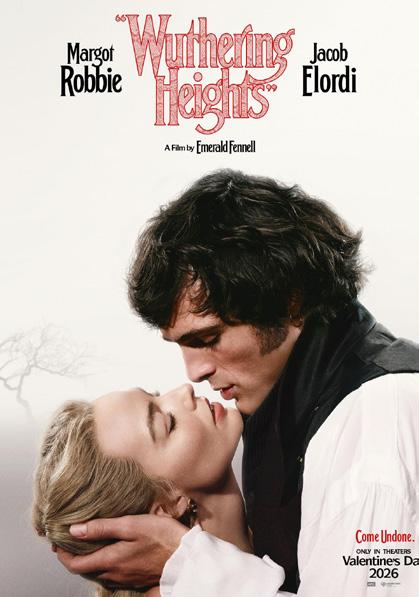
Wuthering Heights Directed by Emerald Fennell
theaters Feb. 13
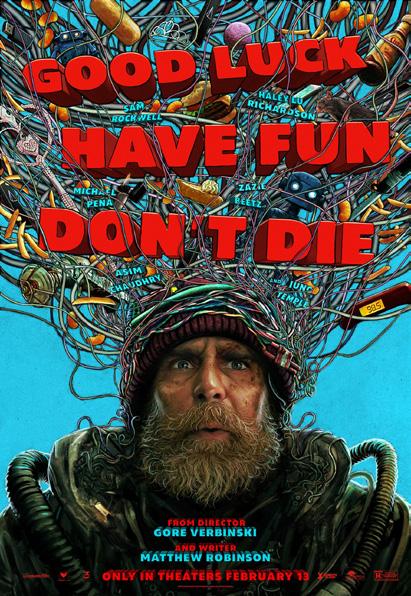
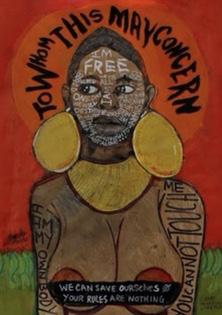

Feb. 13
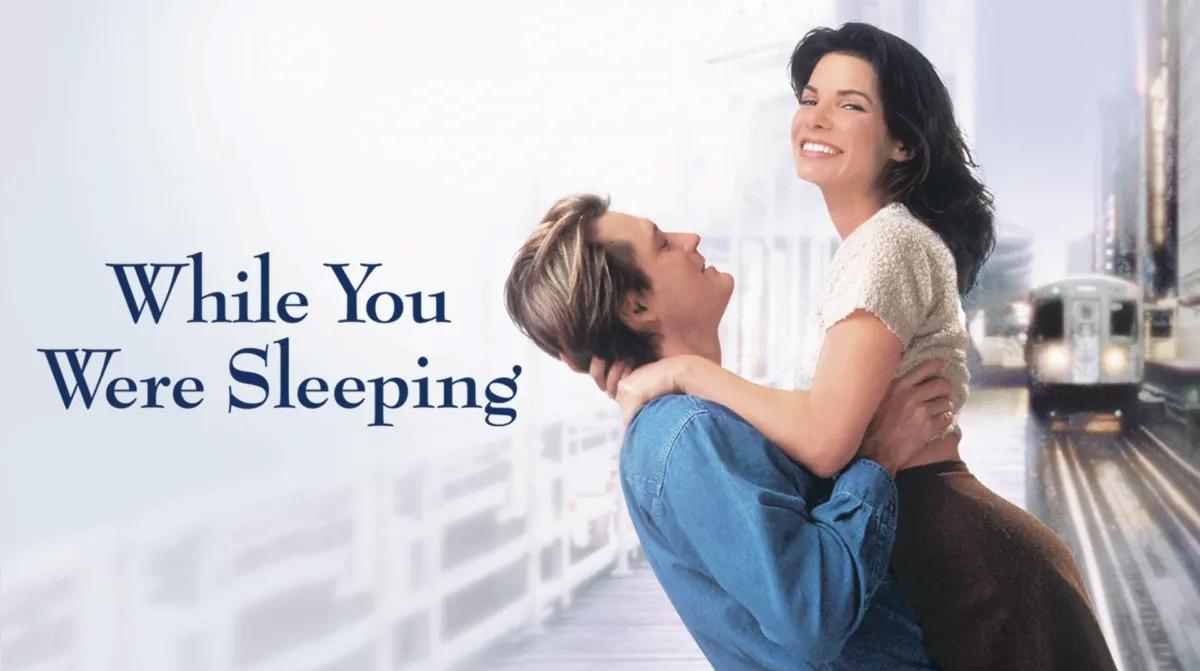
Starring Sandra Bullock and Bill Pullman, “While You Were Sleeping” is a beloved romantic comedy and a ’90s staple. Set in Chicago, the movie follows Lucy, a lonely Transit Authority token collector who is infatuated by one of her regular commuters named Peter. Just when she thought it would be a typical day, she is startled from her mundane routine when Peter is thrown onto the train tracks.

This is the perfect album for Valentine’s Day. It’s passionate, intimate and unapologetically explicit. This results in timeless music with a smooth, yet upbeat R&B sound that still holds up over a decade later.
Drake is the only feature, enhancing the atmosphere as the two Toronto artists effortlessly blend their styles on “Over Here.” The album is mostly fun and seductive, but the song “TBH” reveals his vulnerable side. “Cause baby close just isn’t close enough,” he said.
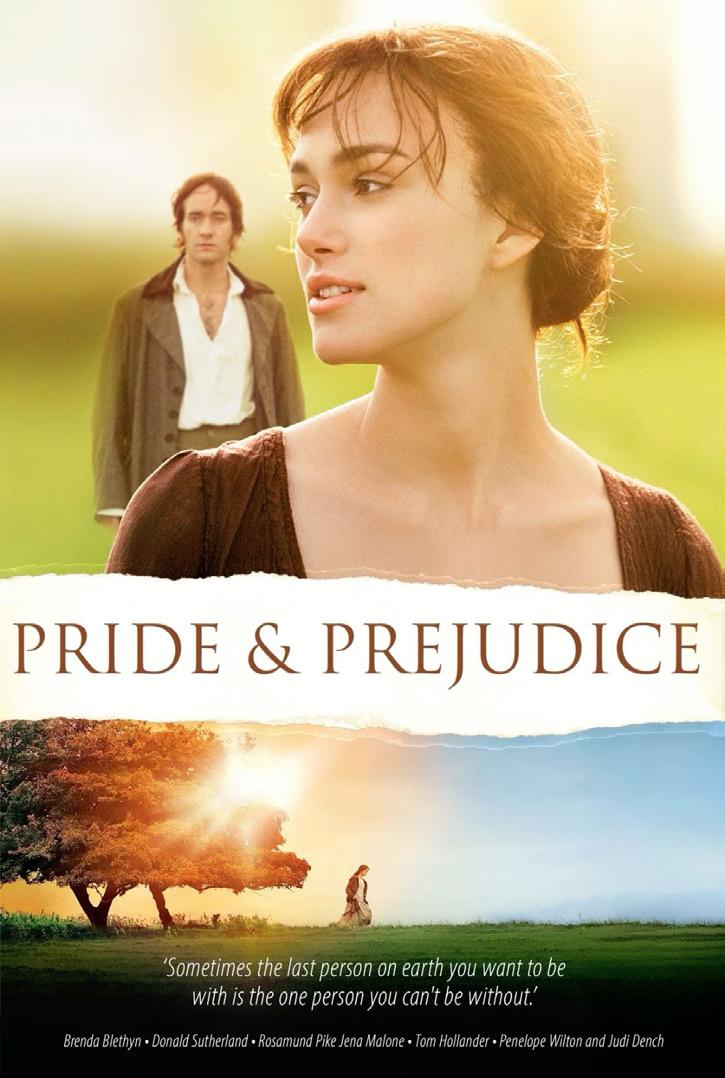

“Pride & Prejudice” is a beloved English period romance focused on a progressing infatuation between the fiery Elizabeth Bennet andthestiffMr.Darcy.EverytimeIwatchthis movie, I notice something new. It isn’t a classic the-moody-bad-boywins-the-girl trope. “Pride & Prejudice” focuses on two flawed characters and how social class, gender and first impressions can color how two people interact with each other. To understand one another, Bennet and Darcy have to meet in the middle. "You have bewitched me, body and soul," Mr. Darcy said to Elizabeth.
“While You Were Sleeping” reverses the damsel in distress trope by the woman saving the man, when that wasn’t common in ’90s cinema. Beyond the romance, the movie explores themes of yearning for belonging and how dangerous it is to live a lie, even if it fulfills the fantasy, you always wanted.
“I never met anyone I could laugh with,” Lucy said.

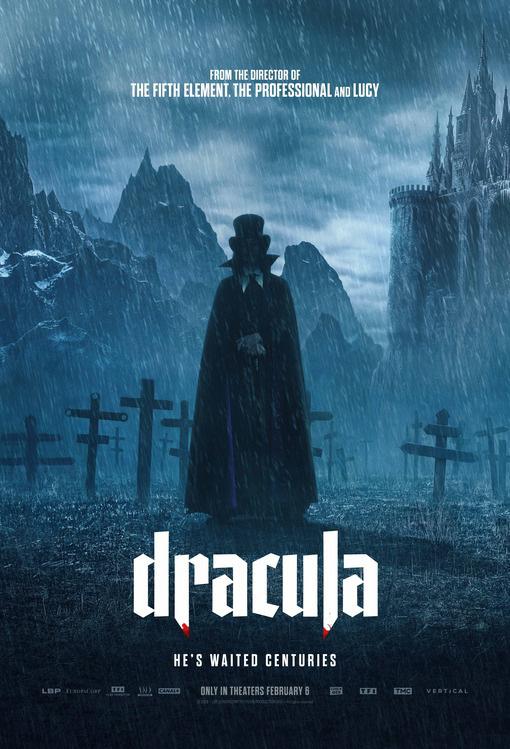
Dracula is a classic monster we’ve all grown to know as a Halloween icon, but very few know about his backstory.
It’s a devastatingly romantic story of a man who loses his wife in war and waits 400 years for her return.
This film does his story justice and gives humanity to a character we have demonized for over a century.
He isn’t evil. He was just in love.
“You think God will forgive us for loving each other so much?” Dracula asked his wife.
“God is love. He understands. And if he doesn’t, he can go to hell,” she responded.
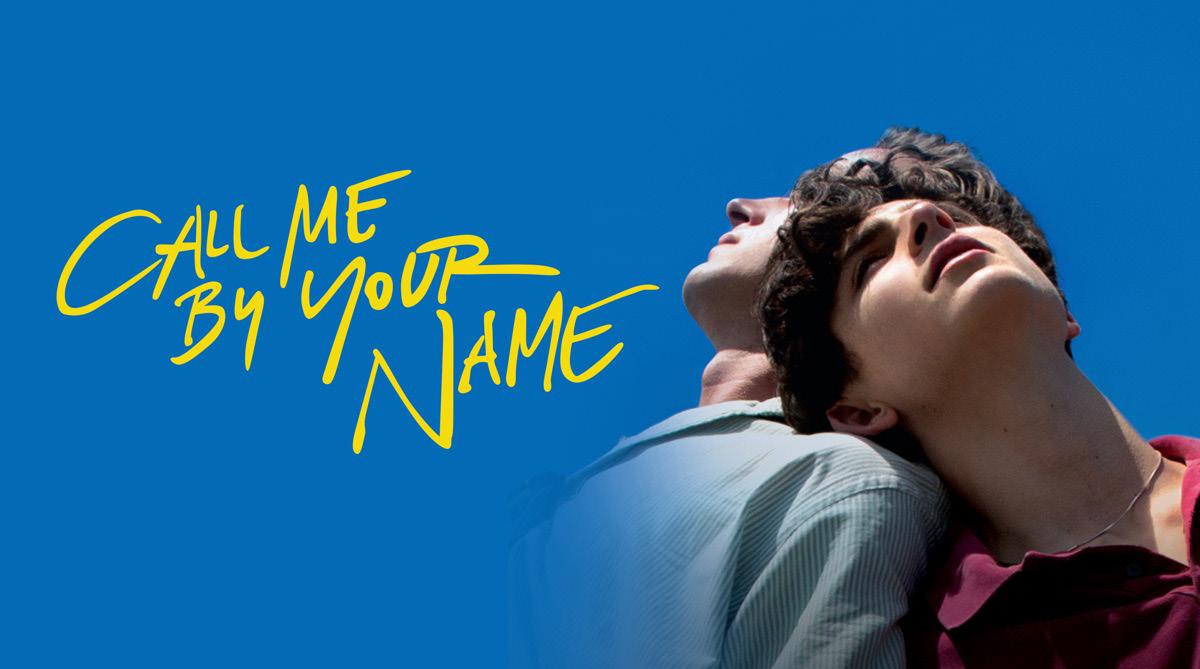
“Call Me by Your Name” is the story of a sudden romance between a boy and a summer guest set in the countryside of Italy in 1983. This movie offers both a beautiful story emotionally and visually.
In a time where gay relationships are demonized, the two main characters, Elio and Oliver, are given the space to truly love one another for the summer without persecution.

(continued from page 1)
“Before joining the program, all I did was build motors. I didn’t do anything else before that. It was just maintenance stuff. No diagnosing [cars] at all,” Ramirez said. “I’ve learned a lot from just being able to build. “Before joining the program, all I did was build motors. I didn’t do anything else before that. It was just maintenance stuff. No diagnosing [cars] at all,” Ramirez said. “I’ve learned a lot from just being able to build. Now, I can actually diagnose. I can actually figure out what’s going on in the vehicle.”
Through the program, students can apply for dealership internships. Student Jesus Galvan said before joining the program he tried to secure something within the industry. He had prior experience and was hoping it gave him an in for interning.
“I wasn’t going to school, and I was trying to apply but they wouldn’t accept me,” he said.
Galvan started in January 2025 and by the fall he decided to apply for a scholarship that also provided him with an internship.
“I actually got the internship because of this program, and it’s a part of Autobahn,” Galvan said. “So, it’s a really good program. I don’t really think I would have gotten it without this program.”
Each semester, instructors survey students about their goals, and they said sometimes the public misunderstands what modern automotive work requires, making it difficult to feel accomplished. As vehicles become more advanced, repairs do too.
“It takes a lot of intelligence to work on a
car nowadays,” Edwards said. Waiting lists of students form to register for classes each semester, but the programs’ availability is limited due to restricted space.
South Campus President Dan Lufkin has been one of the program’s strongest supporters. Edwards said Lufkin wants to introduce an electric vehicle program, but it would require a new building.
A new 135,000 square foot building was in the programming stage and even allocated bond funding in 2019. However, post-pandemic inflation played a role in halting the project because the cost projections rose from $44 million to $70 million, Edwards said.
Even though they’re working out of the same garage since 1993, many students attributed the automotive program and Edward’s teachings to their success, not just in their career but life, too.
“Tony right there, he’s helped me out a lot,” Ramirez said. “He’s a good instructor, and I’ve learned a lot beyond just being able to work on cars.”
During a lecture before heading to the garage, student Aaron Hernandez asked Edwards for guidance on how to better manage the stress that comes with the industry, so one doesn’t fall into addiction to cope.
And Edwards said it’s important for one to realize if they are ready to manage themselves in whatever they take on.
“You have to learn self-control,” Edwards said. “It’s not just about automotive. It’s about life, right? ... I constantly try to remember stories to help share true life with you.
(continued from page 1)
Kent Anderson Butler, NW assistant professor, describes his photographic project,
a colleague of his, Ken Gonzales-Day, had published. “Hang Trees” by Gonzales-Day shows a series of trees that had been used in violent lynchings of the local immigrant population during the Civil Rights Movement in California.
“That really spoke to me, but it also started to make me think that these living elements of nature have a story, and at the same time, it’s like time just passes them by,” Anderson Butler said.
NW arts assistant instructor Damek Salazar, a colleague of Anderson Butler, connected how nature holds memories to his own life.
“The aspect of trees just being around for a long time is something that, as I get older,
he said.
how trees silently observe the
I kind of reflect on,” Salazar said. “There’s so many moments in my life where I’ve had specific events at specific places, and I’m like ‘There’s a part of a memory that’s sort of trapped there for me.’”
“Silent Witnesses” is not just an exhibition symbolizing the connection between memory and nature. Anderson Butler said he hopes this exhibition encourages people to slow their lives down a bit.
“I feel like it’s always hard for us to look at and talk about photography because we’re so used to seeing it everywhere, and so we don’t really think about how much photographic images read into our psyche,” Anderson Butler said. “As a culture, we need visual literacy.”
(continued from page 1)
NE student Gabe Coley said he struggled to learn the software on his own, but Small’s in-person instruction made a significant difference compared to other tutorials.
“I’m already learning like 100 times more than I did from just trying to figure it out on my own or watching tutorials,” Coley said.
Small demonstrated aspects of the software on Suzanne, a 3D model of a monkey’s head included in Blender, often used as a
quick way to test animations, textures and lighting setups. It was named Suzanne after the orangutan in the film “Jay and Silent Bob Strike Back.”
NE student Cameron Wilcox attended because he wanted to learn how to use a new application.
“I’m just trying to figure out all the aspects of being a creative, being an artist,” Wilcox said.
Q:“What is your dream valentines date?”
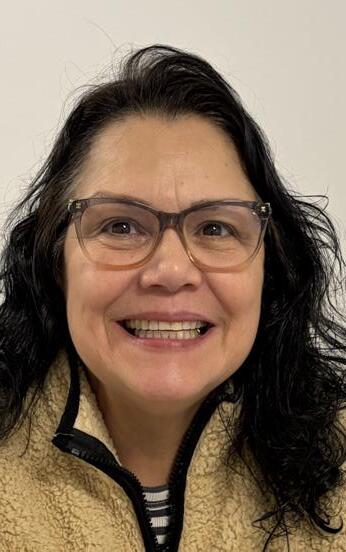

Rose Cantu SE Campus
“Food. It’s not going to be with a man. Women are the ones that bring the love. I do this for me. I take myself out to eat. Well first I get my eyebrows waxed, a manicure or a haircut. Like a trim, just something to let me know ‘you’re special’ you know? We’re so hard on ourselves. I’m a grandma, a great grandma and with an adult kid. ... So, self-care, something for me, without a man. Not everybody has a boyfriend, not even young girls because we are focused on what we got to do.”
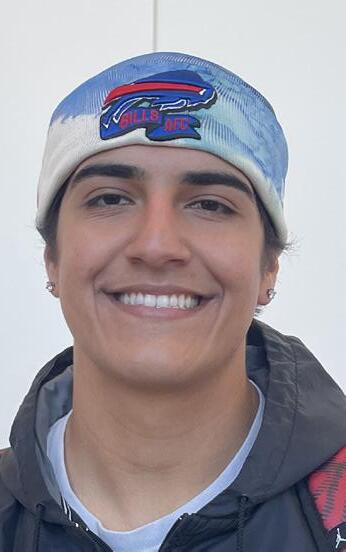
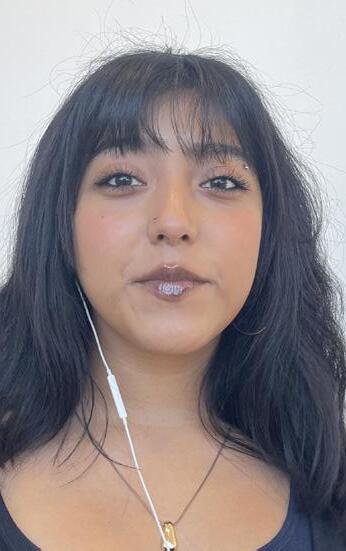
Abigail Chavez
TR Campus
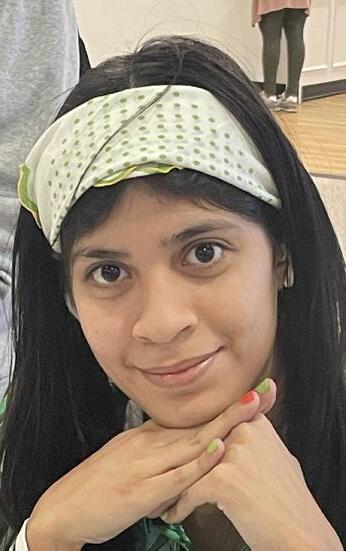
“It ’s probably going to the carnival, because you know, we can have fun around there, do whatever. Then maybe going to Chick-Fil-A after for the little platters, you know, the little cookie ones ... Mostly play [carnival] games, the ones we win like stuffed prizes.”

and do baking or something, make some cute crafts and watch movies.”