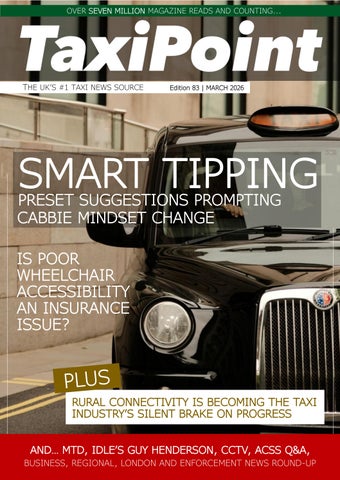



TaxiPoint Chief Editor:
Perry Richardson
TaxiPoint Publishing & Advertising Manager:
Lindsey Richardson
Visit us online at:
www.taxi-point.co.uk
Write to us at:
contact@taxi-point.co.uk
Advertising enquiries at: advertising@taxi-point.co.uk
The publishers reserve the right to refuse, withdraw, amend or otherwise deal with all advertisements without explanation. All advertisers must comply with the British Code of Advertising practice.
The views expressed in this publication are not necessarily those of the publishers.
All written and image rights are reserved by the author as displayed.
Reproduction in whole or in part without prior permission from the publisher is strictly prohibited.
Copyright brand TaxiPoint 2026. Creative Common image licences displayed where applicable.


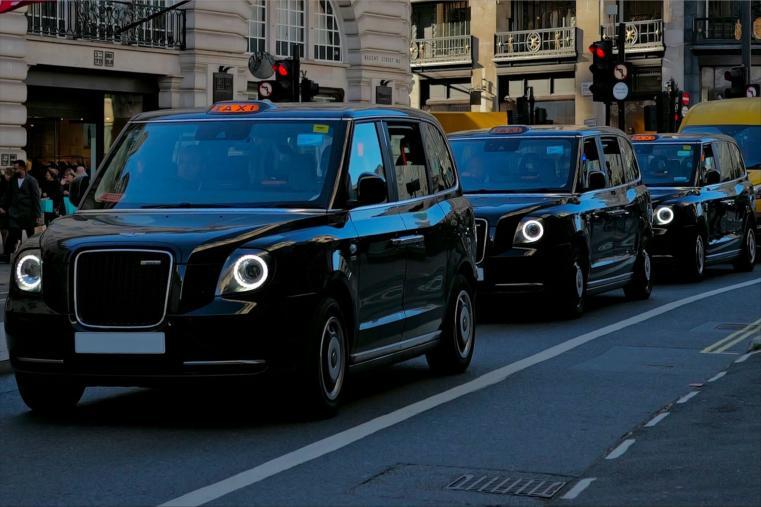

After months of consultations across the trade, from proposed licensing region changes to transport committee inquiries, the talk is starting to fade and the waiting begins. The meetings have been had. The evidence has been heard. Now the industry watches for decisions that could shape how we operate for years to come.
Early signs hint the Government are searching for a middle ground. That might suit policymakers, but for many in the trade it will not go far enough. Cross-border hiring remains the stand-out concern. Given the seriousness of the Casey Report that triggered much of this debate, some will question whether compromise is enough.
In the capital, the picture around pedicab licensing is becoming
clearer. At the same time, autonomous vehicle trials are no longer a concept confined to reports and conference halls. They are visible on the streets of London most days and further change is coming.
There is plenty to keep an eye on and plenty to scrutinise. Over the coming weeks we will track every development across TaxiPoint’s daily news website, this monthly magazine and our expanding Premium news platform. As ever, we will focus on what it means for drivers, operators and the wider industry.
Be lucky,

Perry Richardson
TaxiPoint Editor and Founder
iving evidence to the House of Commons Transport Committee in January this year, Transport Minister Lilian Greenwood MP highlighted the poor availability of wheelchairaccessible vehicles (WAVs) in many parts of the UK, particularly within private hire vehicle (PHV) fleets.
“We want there to be sufficient wheelchair accessible vehicles that serve the needs of disabled people who want them,” Greenwood told MPs. “I do not want people to be in a position where they cannot access a vehicle that meets their needs and enables them to do the journeys they want to do.”
Published in June 2022, the statutory guidance on ‘Access to taxis and private hire vehicles for disabled users’ is clear.

ARTICLE BY DAVID SWEENEY HEAD OF TAXI BROKING AT THE TAXI INSURER
Section 165 of the guidance requires “drivers of a designated wheelchair accessible taxi or PHV to carry a wheelchair user without charging extra, and any non-exempt driver to provide reasonable assistance to any wheelchair user”.
Given that drivers of wheelchair-accessible taxis or PHVs are legally required to pick up disabled users of wheelchairs, why is the provision of designated vehicles so inadequate across the country?

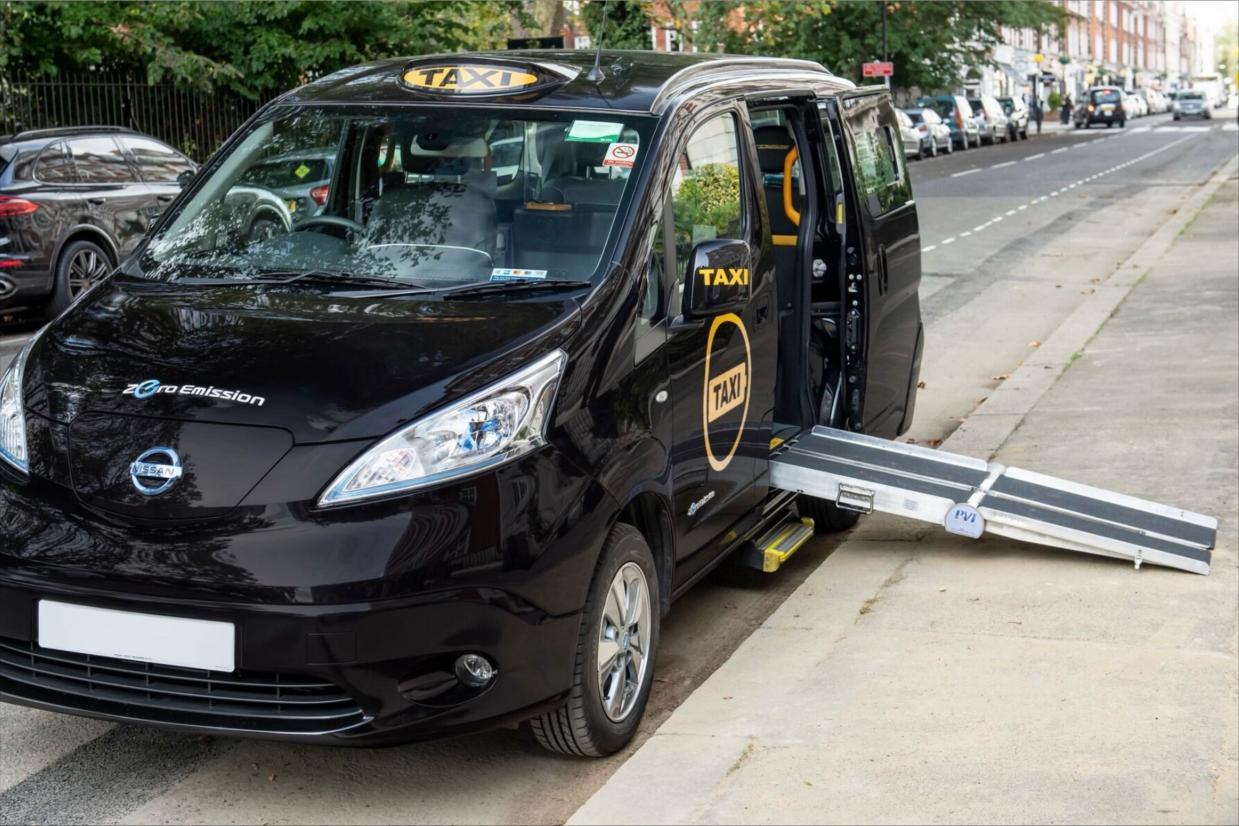
Although the cost of WAVs remains a key challenge, with purpose-built vehicles costing several times more than standard saloon cars, it’s worth examining if insurance premiums are also a factor.
The overwhelming majority of The Taxi Insurer’s individual customers are PHV drivers, who generally choose vehicles plated to carry four passengers, such as a Toyota Prius or a Skoda Octavia. Neither of those vehicles are suitable for carrying passengers in wheelchairs.
In fact, our data shows that just 2% of the vehicles we cover are either suitable or have been adapted to cater for wheelchair passengers. That figure tallies with the Government’s own research, which found that in England on 1 April 2024 there were 5,600 wheelchair-accessible PHVs, making up 2% of all licensed PHVs.
From an insurance perspective, there’s no reason why a WAV should attract a higher premium than a non-WAV.
It’s true that a WAV’s ramp is classed as a modification but, as a non-performance-enhancing modification, it's not one that alters your insurance premium. Neither is it a modification that affects the theft risk profile of the vehicle. It's a modification made purely for customer service purposes.
Considering that the whole ethos of being a taxi or PHV driver is to provide a service to the entire public, including those with a disability, and that WAVs don’t attract higher premiums than nonWAVs, it seems that the Government will have to tackle the WAV cost issue if any meaningful progress is to be made in the provision of WAVs in the taxi and PHV industry.




Taxi and private hire drivers are facing significant changes to the way they report their earnings, with Making Tax Digital set to become a legal requirement for thousands of self-employed cabbies from April 2026. TaxiPoint spoke to Vatax Accounting to outline what the shift to quarterly digital reporting will mean in practical terms for drivers across the sector, particularly those operating as sole traders.
Under the new regime, drivers above certain income thresholds will need to submit digital updates to HMRC every three months rather than filing a single annual tax return. With noncompliance triggering penalty points and fines, the move represents an operational change that could affect record-keeping, software choices and day-to-day admin for many in the trade. Below, Vatax Accounting answers key questions on who is affected first, what systems are required and how drivers can prepare.
What exactly is Making Tax Digital, and why should taxi and PHV drivers care right now?
It is a new way of recording the trader account’s income and expenditure to be reported to HMRC on a quarterly basis rather than once a year. It is becoming a legal requirement and noncompliance will result in fines levied by HMRC.
Which taxi and PHV drivers will be affected first, and when does MTD actually start for them?
All self-employed drivers who TAKE before any costs £50,000 per year commencing from 6th April 2026.
How often will taxi and PHV drivers have to submit information to HMRC under MTD, and what’s the real workload increase?
Every 3 months plus a final return at end of the year. Real work increase will depend on how records are kept at present.
What software do taxi and PHV drivers actually need— spreadsheets, apps, or full accounting software?
Either an accountancy software package or basic records passed on to bookkeeper agent to prepare for HMRC submission.
What penalties are drivers facing if they get MTD wrong or miss submissions? If a cabbie ignores MTD and hopes for the best, what can they expect from HMRC?
HMRC basing fines on a penalty point system after 2 points fines start at £200 and rise according to continued noncompliance.
What should a driver be doing in the lead up to prepare, even if MTD doesn’t apply to them yet?
Although only drivers with a turnover above £50k are effected this year, from 2027 drivers with a turnover of £30k and from 2028 with a turnover of £20k all will be required to use the MTD system Therefore it would be best if drivers all set up systems that create digital records either by their own software package or through an agent.

Article by Guy Henderson, Chief Visionary Officer at Idle,
a driver-first platform focused on delivering earning opportunities and greater transparency across the private hire sector.



Wworking platform (I use that phrase lightly!), then we could build it anywhere. And we did.
Leicester taught us how to build. Now we need to learn how to scale. Scaling requires a different
fresh demand walks off a plane, a ship, or a train every single day, which is the difference between building and scaling. Leicester was the proof Liverpool is the launchpad.

Plus, there is a network of drivers loudly and confidently asking us to launch in their city, you know who you are (Merseyside Drivers WhatsApp Group).
The industry is broken, everyone entering it seems to think the answer is a fresh coat of paint. New apps pop up promising they are different to Uber, to Bolt, to all the rest, but if you look closer, they are using the same premade platforms. The same third-party software and the same commission model with the percentages moved around.
They have not built anything from scratch. It seems they have chosen the path most taken, and they have bypassed the hard slog of getting it wrong time after time and still getting up to face the music.
You cannot fix a broken system by attacking it at the surface. The foundations are still rotten, “Less
commission here”, “An admin charge there”, “A Founding Fee” somewhere else. It is still the same extraction dressed in different clothes. A critical look will reveal the architecture underneath still allows exploitation, which means one day, when the investors want returns or the market gets tough, that exploitation will come.
“To make real change, you have to rebuild from the ground up”
We haven’t chosen “not to take commission”, we have built an app where taking commission is literally structurally impossible. The ethics are not a policy, they are our absolute architecture.
We get asked all the time. Why don’t you discount the rides… do the first 5 rides at 20% discount, this will get passengers on board and drivers going online The answer is a flat NO. That discount comes out of a driver's pocket, and if you do not like that answer, then we are not the app for you.




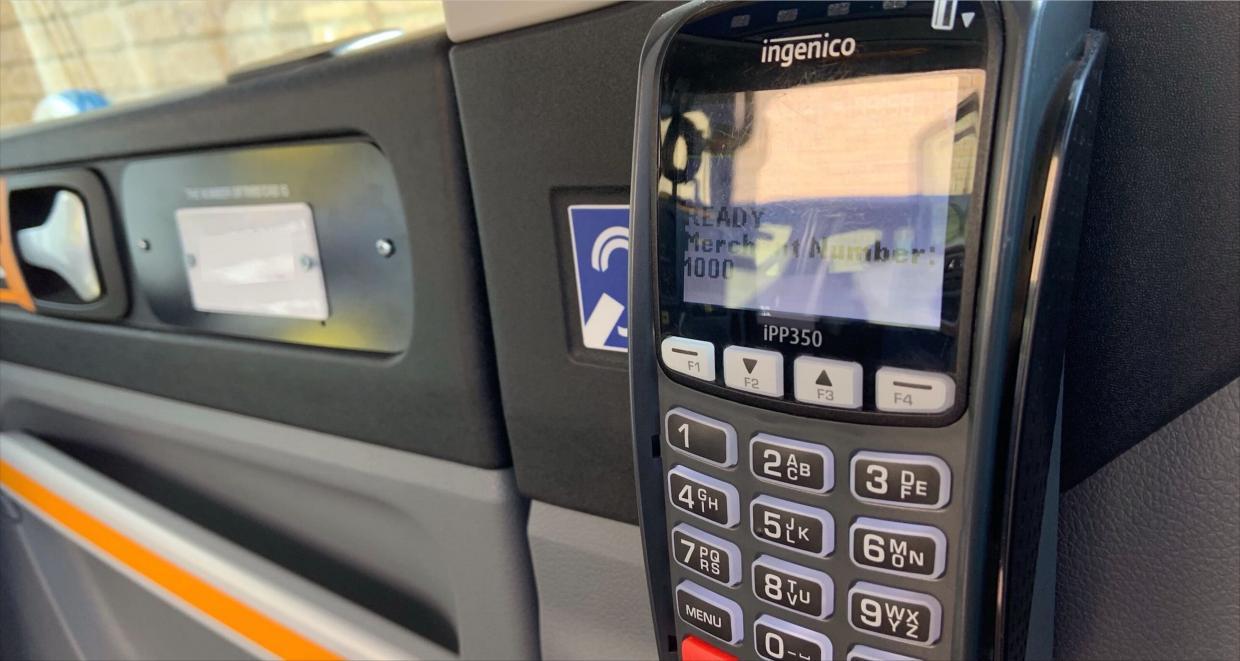
As contactless and app-based payment technology becomes standard across the taxi sector, tipping practices in the London black cab trade are beginning to evolve.
In restaurants and hotels, suggested service charges are now routinely presented at the point of payment. Customers are typically given preset percentage options on a card terminal, with the ability to amend or remove the amount before completing the transaction. That same model is now increasingly being introduced into black cabs as drivers upgrade to newer card payment devices.
For many cab drivers, gratuities have traditionally been viewed as a discretionary bonus offered by passengers in recognition of good service. Tipping has rarely been promoted directly. Instead, drivers have tended to leave the decision entirely with the passenger, allowing them to enter an amount discreetly on the card machine without prompting or discussion.
Smarter payment terminals are now shifting that dynamic. Devices can be configured to present passengers with suggested tip percentages automatically before payment is authorised. The customer retains full control and can select, amend


or decline the amount, but the presence of a visible prompt changes the interaction at the end of the journey.
For some drivers, certainly not all, this approach may feel uncomfortable. The black cab trade has long prided itself on professionalism and service without overt sales techniques. There may be concern that automated prompts could be perceived as pressuring passengers, particularly among those unfamiliar with the technology.
However, the wider service economy suggests the practice is becoming standard, so why not include the taxi industry as well? As consumers grow accustomed to digital tipping prompts in hospitality and other transport services, expectations may shift accordingly. In that context, black cab drivers face a choice: adapt to the new payment norms or risk appearing out of step with broader customer experience trends.
Clear communication at the point of payment may help ease concerns on both sides. A simple explanation that the terminal displays preset

‘Adapt to the new payment norms or risk appearing out of step with broader customer experience trends.’


he debate in Parliament over rural mobile coverage may feel distant from the day-to-day realities of taxi and private hire operators. However, for many firms serving villages, market towns and remote communities, patchy connectivity is not seen as a minor irritation. It is a structural barrier to modernisation, competitiveness and, increasingly, safety.
The industry has spent the last decade digitising. Local operators have been looking to invest in app-
based booking systems, cloud dispatch platforms, real-time vehicle tracking and integrated card payments. Customers expect to see their driver approach on a map, receive automated notifications and pay without cash. Regulators increasingly expect digital records, GPS data and electronic receipts.
All of that depends on reliable mobile data.
In rural areas, the reality is often very different from the coverage maps. Drivers report dropped



connections on key routes, dead zones around housing estates and intermittent 4G that cannot reliably support app refresh rates or payment authorisation. A booking request may reach the operator system, but the allocated driver does not receive it until several minutes later, if at all. In a small fleet, that delay can mean a lost job. In a dispersed rural patch, it can mean a passenger left waiting with no update.
For local operators attempting to modernise, the result is a constant compromise. They are told that digital transformation is essential to compete. They are encouraged to adopt automated dispatch, dynamic pricing and integrated driver apps. Yet when signal fails on the outskirts of town or along a country lane, staff revert to radio or phone calls. Some operators quietly maintain dual systems, digital and analogue, just to guarantee continuity.
That duplication adds cost and it also slows progress.
The problem does not only affect small independents. National ride hailing platforms that enter rural markets often discover that theoretical coverage does not translate into operational reliability. An app can show outdoor signal map while drivers on the ground experience lag and failed pings. The result is black spots where the platform technically operates but practically struggles.

hardware, but they cannot build masts or enforce data accuracy from mobile providers. At the same time, policymakers promoting digital transformation, cashless travel and future mobility need to recognise that infrastructure is uneven.
Rural communities rely heavily on taxis and private hire with public transport often sparse. Connectivity is no longer a consumer luxury; it is core transport infrastructure.
Until rural signal matches the promises made on paper, parts of

axiPoint sat down with taxi and private hire CCTV specialists ACSS to explore one of the most hotly debated issues in the industry: whether in-vehicle CCTV should become a mandatory requirement under national taxi and private hire standards. With discussions around safety, enforcement and cross-border working continuing to gather pace, ACSS sets out its position on the role technology can play in protecting drivers and passengers, while addressing concerns around privacy, cost and regulatory oversight.
In the interview, ACSS draws on direct feedback from fleet operators and drivers to explain why it believes properly regulated CCTV systems offer evidential benefits across the sector. The company also outlines how the Government’s Devolution Bill could shape a more consistent national framework, and what minimum safeguards should
apply if mandatory installation is not pursued.
There’s lots of discussion around taxi and private hire National Standards, with mandatory CCTV at the heart of many debates. Should CCTV be mandatory nationwide?
This is a complex topic, and we believe it is important to remain transparent and balanced. Based on direct feedback from our customers, fleet operators, drivers, and passengers, CCTV has proven to solve a wide range of issues across the sector.
Mandating CCTV supports not only operators and vehicle proprietors but also councils, many of which are experiencing increasing challenges with crossborder working that impacts local drivers and enforcement.
CCTV systems also empower drivers. There is a common misconception that when CCTV is mandated by councils, authorities have remote access and can
monitor drivers at any time. This is simply untrue. Properly designed policy-led systems, such as those implemented under the Welsh nationwide policy - where we assisted in providing technical guidance - are built to prioritise safety for both drivers and passengers while ensuring strict data protection.
Cost is often raised as a concern when discussing mandatory CCTV. However, it is important to consider the potential savings through reduced insurance premiums, fewer disputes, and lower legal costs. When viewed in this context, CCTV becomes a
protective investment rather than simply an expense.
In summary, we believe CCTV should be mandated nationally, as it already is across much of the public transport sector. When implemented correctly, it provides meaningful safety, accountability, and protection for drivers, passengers, operators, and the wider public, helping to make the UK’s transport network safer for everyone.
How can the Devolution Bill play a part when it comes to discussions around CCTV?
The Devolution Bill can set a national standard for CCTV standards which need to be

upheld by operators and vehicle proprietors, the conversation and consideration will help councils across the UK adhere to a set standard where everyone is then treated fairly and equally, and consumers are provided with security solutions which they can trust. The policy would impact assist all elements of the taxi trade in having a uniform understanding of their expectations and open the door to them being protected nationally. Allowing for drivers, operators or even vehicle rental companies to have a smoother transition into working in a different region. National standards help elevate the entire sector.

If the Government chooses not to go down the mandatory route, what should be the minimum standards for taxis operating CCTV?
The cost/benefit of having CCTV is so compelling for a taxi driver that there shouldn’t be the need to make it mandatory. Thus, regulations should focus on setting standards that adequately ensure people’s privacy rights. Any public recordings must be protected and only accessed by duly authorised personnel under strict conditions. The current regulatory framework should provide such assurance.
What are the benefits of having CCTV onboard, and
can you provide any working examples?
An obvious benefit of a CCTV system is the ability to demonstrate almost immediately and unequivocally responsibilities in case of any incident or accident. By avoiding unnecessary dispute, considerable costs and time can be saved.
CCTV also plays a vital role in protecting drivers from false allegations, providing reliable evidence that can quickly confirm events and protect livelihoods. In addition, CCTV acts as a strong deterrent against anti-social behaviour. Drivers frequently report that clearly displayed signage and visible systems encourage passengers to behave
more respectfully, reducing incidents of abuse and conflict.
What would you say to cabbies concerned about privacy and data capture?
Footage is only accessible to authorised data controllers who are ICO-compliant and trained in responsible data handling. Typically, footage is stored securely on the system for around 28 days and can only be accessed through controlled retrieval processes. Where cloud-based solutions are used, these systems are designed to provide fleet operators with secure oversight while maintaining data integrity and compliance with GDPR requirements.

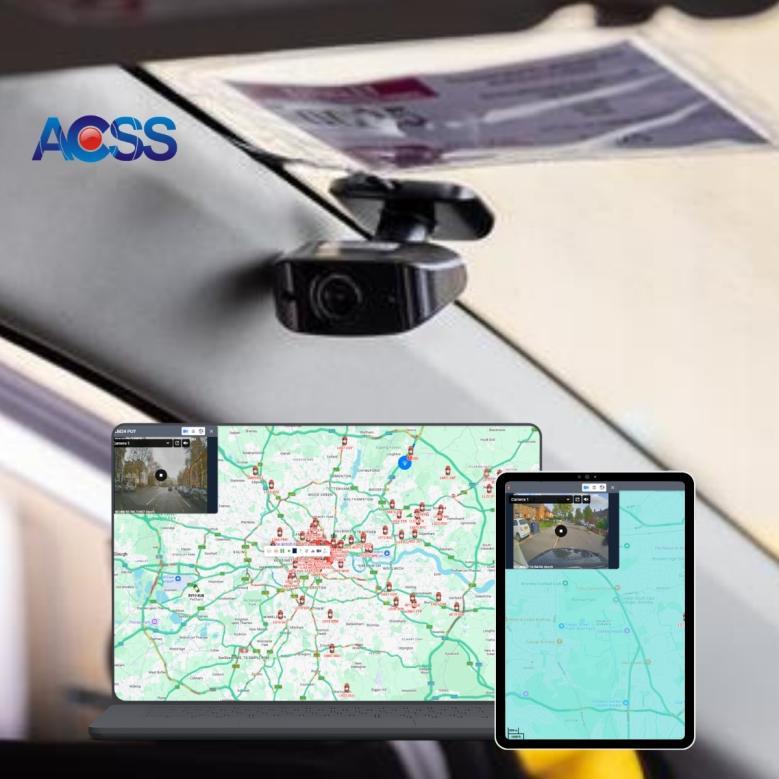
ACSS TaxiView reports that fleets using its advanced connectivity are reducing incident reporting time by up to 80%. The latest connected camera system enables taxi and PHV fleet operators to manage and monitor vehicles from a single platform, providing full visibility while maintaining ICO compliance and meeting council regulations.
Drivers continue to face the very real risk of losing their licences and income due to false allegations or incidents that were not their fault. In these situations, speed is critical.
TaxiView enables remote footage downloads within minutes compared to traditional offline CCTV systems that require manual, on-site laptop downloads. The first few hours after an incident can be crucial. Faster access to evidence reduces reporting time, minimises operational disruption, and can significantly reduce associated costs.
The system also acts as a deterrent against false accusations, helping drivers protect their Uber or Bolt accounts from suspension and avoid unnecessary loss of working time.
Unlike ageing CCTV systems where data can be lost, corrupted, or fail without warning
TaxiView includes a built-in health alert feature. This proactively notifies operators of technical issues, helping prevent costly failures and protecting both vehicle and driver.


With councils moving towards more standardised safety guidance, expectations around CCTV compliance and crossborder enforcement are increasing to protect the public and ensure fair competition.
TaxiView allows operators to set geofenced areas, including restricted or no-go zones, ensuring vehicles operate within licensed parameters. Advanced tracking with 10-second location pings provides precise, real-time
oversight and supports compliance monitoring.
Managing fleets of hundreds of vehicles can be challenging. Even simple tasks such as tracking MOTs and mileage reports can become complicated.
With TaxiView, fleet operators can track mileage, set custom alerts for MOTs and servicing, monitor vehicles, view footage, and receive system health alerts all from a smart dashboard.
TaxiView allows fleet operators to manage vehicles from a single platform. Some customers manage more than 500 vehicles, tracking MOT licensing and renewal dates with complete automation and notifications, while monitoring mileage reports and scheduling maintenance.
With a complete overview of fleet activity, connected systems encourage transparency and protection. Alerts notify drivers and operators of system issues or vehicle concerns, helping fleets stay compliant and operational.


moking in licensed taxis and private hire vehicles has long been prohibited across the UK, but confusion remains among some drivers and passengers about whether vaping is treated the same way and what enforcement powers apply.
Under the Health Act 2006 and subsequent smoke-free regulations in England, smoking is banned in any vehicle used for work purposes if more than one person uses the vehicle, regardless of whether they are present at the same time. That includes all licensed taxis and private hire vehicles. Similar provisions apply in Wales under the Smoke-free Premises etc. (Wales) Regulations 2007, in Scotland under the Smoking, Health and Social Care (Scotland) Act 2005, and in Northern Ireland under the Smoking (Northern Ireland) Order 2006.
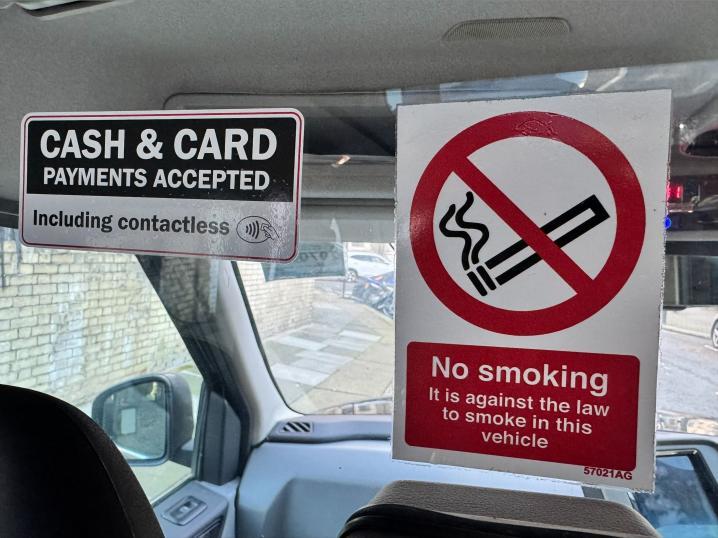
signage. Licensing authorities may also take action under local taxi and private hire licensing conditions.
For the licensed trade, this means that drivers and passengers are prohibited from smoking traditional tobacco products inside the vehicle at any time, including when the vehicle is not carrying a fare. The rules apply whether the vehicle is moving or stationary and cover cigars, cigarettes and pipe tobacco.
Drivers who allow smoking in their vehicle can face fixed penalty notices and potential prosecution. Enforcement is typically carried out by local authority environmental health teams, with fines for smoking in a smoke-free vehicle and separate penalties for failing to display required no-smoking
The legal position on vaping is different. The national smoke-free legislation does not automatically include electronic cigarettes. However, most local licensing authorities across England, Wales, Scotland and Northern Ireland include specific conditions within taxi and private hire vehicle licences prohibiting the use of ecigarettes inside licensed vehicles.
As a result, in many council areas vaping is treated in the same way as smoking for licensing purposes, even though it is not covered by the original smokefree legislation. Drivers are usually prohibited from vaping while on duty, and passengers can be
refused permission to vape inside the vehicle. Operators may also set company policies banning vaping in their fleet vehicles. Breaches of local licence conditions can lead to warnings, suspension or revocation of a driver’s licence.
Licensed drivers are responsible for ensuring compliance with smoke-free laws and any additional local conditions attached to their vehicle and driver licence. This includes displaying the correct no-smoking signage in the vehicle, which must meet prescribed size and wording requirements.
If a passenger attempts to smoke during a journey, drivers are entitled to stop the vehicle when safe to do so and request that the passenger extinguish the cigarette. Continued refusal can justify terminating the hire, provided the driver follows local authority guidance and does not place themselves at risk.
For passengers, smoking is illegal in all licensed taxis and private hire vehicles across the UK. Attempting to smoke can result in a fixed penalty fine and removal from the vehicle.
Vaping is likely to be prohibited as well, depending on local council conditions and operator policy. Passengers should assume that e-cigarette use is not permitted unless the driver explicitly confirms otherwise, and even then drivers may be restricted by licensing rules.
The rules are designed to protect drivers and passengers from second-hand smoke exposure and to maintain a consistent professional standard within the licensed trade. Non-compliance can carry financial penalties and pose a risk to their licence, making awareness of both national legislation and local licensing conditions essential for those operating in the sector.

Bilking, the act of making off without paying a taxi or private hire fare, remains a recurring issue for drivers across the UK, with cases regularly reported and prosecuted under criminal law rather than treated as civil debt disputes. For drivers, that distinction is critical, influencing how incidents are reported and pursued.
Under Section 3 of the Theft Act 1978, making off without payment is a criminal offence where a person, knowing payment on the spot is required or expected, dishonestly leaves without paying and with intent to avoid payment permanently. In the context of taxi and private hire journeys, this typically applies where a passenger exits a vehicle without settling the agreed fare.
Contrary to some misconceptions within the trade, bilking is not automatically a civil matter. While disputes over fare amounts or service quality can fall into civil territory, deliberate non-payment with intent to avoid settling the fare is a criminal offence. Police forces have consistently treated clear cases of fare evasion as criminal matters when sufficient evidence is available.
For drivers, the challenge often lies in proving intent. Officers will assess whether there is evidence that the passenger deliberately avoided payment, rather than simply being unable to pay or intending to return. In-vehicle CCTV and electronic
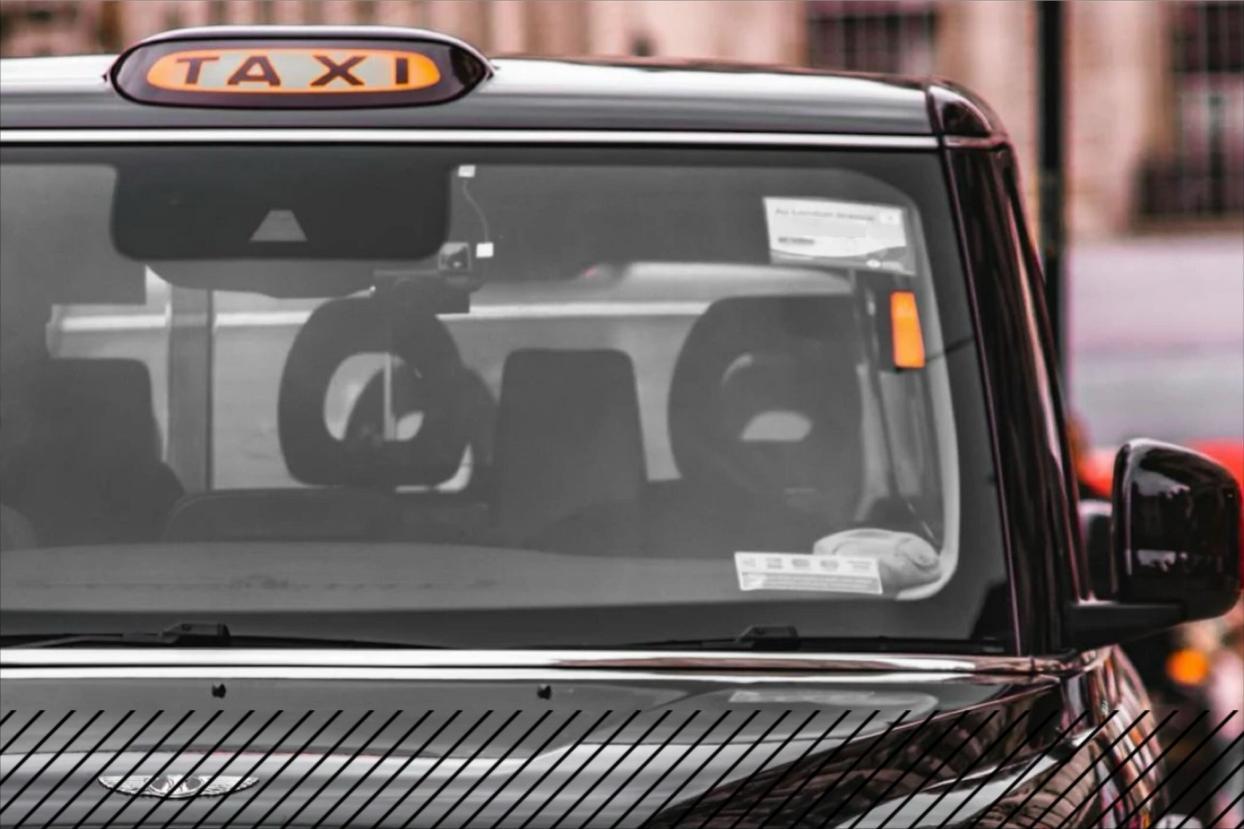
booking records can strengthen cases by providing clear documentation of the journey and the passenger’s actions.
TaxiPoint has reported on numerous bilking incidents involving both hackney carriage and private hire drivers. In several cases, offenders have been traced using CCTV footage and registration details where journeys were pre-booked or involved linked addresses.
In one North Yorkshire case, police issued a public appeal after a passenger allegedly ran from a taxi following a journey to Scarborough in the early hours, asking witnesses to contact an officer directly.
Court outcomes underline that even relatively small fares can still lead to prosecution where the conduct is clear. In Chester, a 33-year-old man pleaded guilty to making off without payment and using threatening and abusive words after a dispute during a £15.90 journey back to the Mercure Hotel on 22 November 2025. Magistrates fined him £266 and ordered compensation for the unpaid fare, plus a surcharge and prosecution costs.
found to be involved in theft, fraud or violent offences against the cabbie. Where threats or assaults accompany non-payment, charges can escalate beyond making off without payment, significantly increasing potential penalties.
From an operational perspective, drivers are advised not to place themselves at risk in attempting to prevent a passenger from leaving. The National Police Chiefs’ Council guidance has long emphasised that personal safety should take priority over fare recovery. Physical attempts to detain passengers can expose drivers to harm and potential legal consequences against themselves.
Cases can also end with lower-level penalties, particularly where incidents involve drunkenness and disputes rather than violence, though they still result in criminal findings. A 23-year-old man was fined after being found guilty of dishonestly making off without payment following a £27 journey in Pembrokeshire, with magistrates ordering additional costs, compensation and a surcharge.
Sentences for bilking typically fall within the Magistrates’ Court's jurisdiction. Penalties can include fines, compensation orders, community orders or, in more serious or repeated cases, custodial sentences. The severity will depend on factors such as the value of the unpaid fare, previous convictions and whether the incident formed part of wider offending behaviour.
There are also instances where bilking has been linked to broader criminal conduct. In certain cases, passengers who refused to pay fares were also

If a driver suspects bilking, the recommended course of action is to gather as much information as possible safely. This may include noting descriptions, recording vehicle registration numbers if accomplices are involved, and preserving CCTV footage. Prompt reporting to the police improves the likelihood of successful identification and prosecution.
Where journeys are pre-booked through licensed operators or app-based platforms, operators may assist in tracing passengers through account details. However, the legal route remains criminal where intent to permanently avoid payment can be shown.
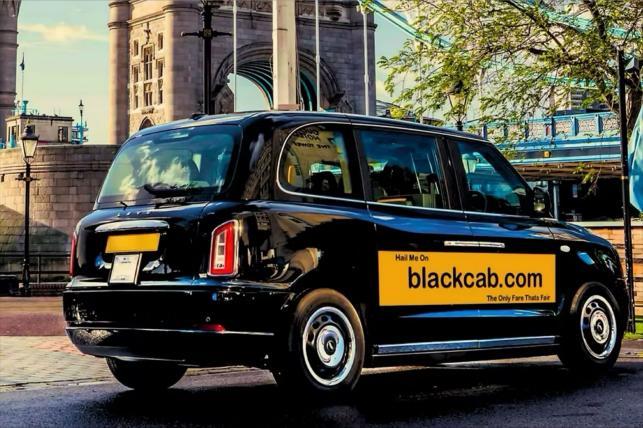
blackcab.com has confirmed its passenger booking app is now live on both Android and Apple platforms, marking a key milestone in the relaunch of the commission-free taxi platform backed by Cabvision founder Lee DaCosta.
In a message to drivers, a blackcab.com spokesperson said: “Passenger App is now live for both Android and Apple. Please ensure you are online and give us the best support you can. Zero commission and don’t forget customer pays you directly by cash or card.”
The company also confirmed a major marketing push tied to the aviation sector. The spokesperson added:
“Our marketing campaign with British Airways starts on 1st March and runs through until the end of the year. Our aim is to put as many passengers as we can in Black Cabs.
“We’ll be advertising alongside premium brands, reinforcing the message to global travellers that the black cab is still No.1 for travel in London.”
City Cabs Edinburgh has launched access to London taxis through its passenger app, marking a significant expansion of the Scottish operator’s digital footprint into the capital.
The move, branded as City Cabs London, allows customers using the City Cabs App in London to book into a network of more than 10,000 licensed London taxis via its existing relationship with Gett.
The firm said the average pickup time in the capital is under four minutes, with journeys booked and managed entirely within the City Cabs App at standard London taxi meter rates.
Passengers will not be redirected to or required to download or use the Gett platform. All bookings remain within the City Cabs ecosystem, a decision the company said is aimed at keeping customers engaged with its own brand when travelling beyond Edinburgh.
The expansion forms part of a broader strategy to increase customer demand and maintain utilisation across its Edinburgh fleet.


Freenow by Lyft has honoured a group of black cab drivers at its latest driver recognition event, highlighting high trip volumes, long-standing service and wider contributions to the taxi trade and local communities.
The awards brought together drivers from across the capital and focused on three categories: Driver of the Year, Legacy Driver and Driver’s Driver. The initiative forms part of the platform’s ongoing engagement with licensed taxi drivers operating through its app.
Seven drivers were named Driver of the Year 2025, an award recognising those with the highest trip volumes,
strong customer satisfaction scores and consistent operational performance. The recipients were Chris Jones, David Arthur Porter, Andrew Keen, James Kevan Jones, Antony Hizer, Faisal Dahir and Koray Hassan.
In the Legacy Driver category, Freenow by Lyft recognised drivers who have been operating on the platform for the longest period. The award is intended to mark loyalty and sustained contribution to the trade during a period of significant regulatory and technological change. Those named Legacy Driver 2025 were Neil Chadwick, Jim Parlour, Mark Andrews, Jason Todd, Perry Richardson and Matthew Emmerson.
Lancaster City Council has granted a private hire operator’s licence to Uber Britannia Ltd, bringing the ride-hailing firm and its associated drivers under direct local regulation for the first time.
The approval means the operator, along with drivers and vehicles working through its platform in the district, will now fall within the council’s licensing and enforcement framework. The decision followed confirmation that Uber Britannia Ltd had met all statutory requirements for the grant of a private hire operator’s licence.
Until now, drivers using the Uber platform in and around the Lancaster district had typically been licensed by authorities outside the area. This arrangement stems from legislative changes introduced in 2015, which allow private hire drivers and operators licensed in one local authority area to undertake bookings anywhere in England and Wales, regardless of where they are based.
Join TaxiPoint Premium to unlock more taxi and private hire industry news vital to your business. For just £4 per month you get all the latest exclusive Premium news and full unrivalled access to our Premium library. Join the Premium debate to stay one step ahead and to support the trade’s most trusted news source.
DATA SHOWS TESLA CHARGING AROUND £2.55 PER MILE IN SAN FRANCISCO, BUT THATS SIGNIFICANTLY BELOW WAYMO AND UBER
New report gives first insight into what prices the UK taxi and PHV industry might be competing against


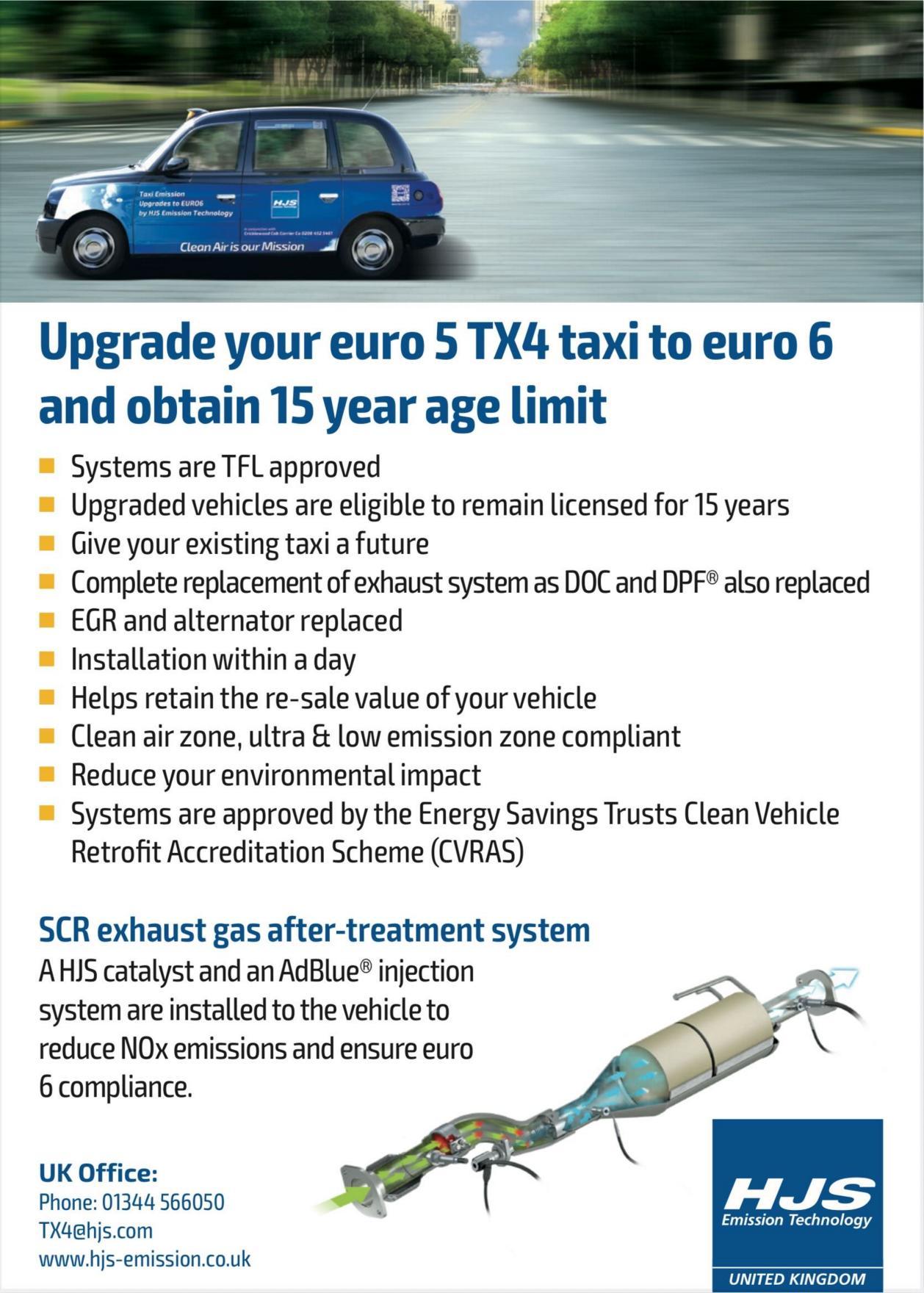
HJS ‘EAGERLY AWAITS’ FIRST INSTALLATION OF NEW EURO 5 TX4 EMISSIONS SYSTEM


WAYMO BEGINS FULLY AUTONOMOUS OPERATIONS WITH SIXTH-GENERATION DRIVER
ADDISON LEE RESHAPES LEADERSHIP TEAM WITH EXPANDED CUSTOMER AND GROWTH ROLES


OUNO ADDS LONDON BLACK TAXIS TO APP THROUGH GETT INTEGRATION
WHAT DO PHV OPERATORS NEED TO KNOW ABOUT THE DEREGULATION ACT AND SUBCONTRACTING COMPLIANCE?


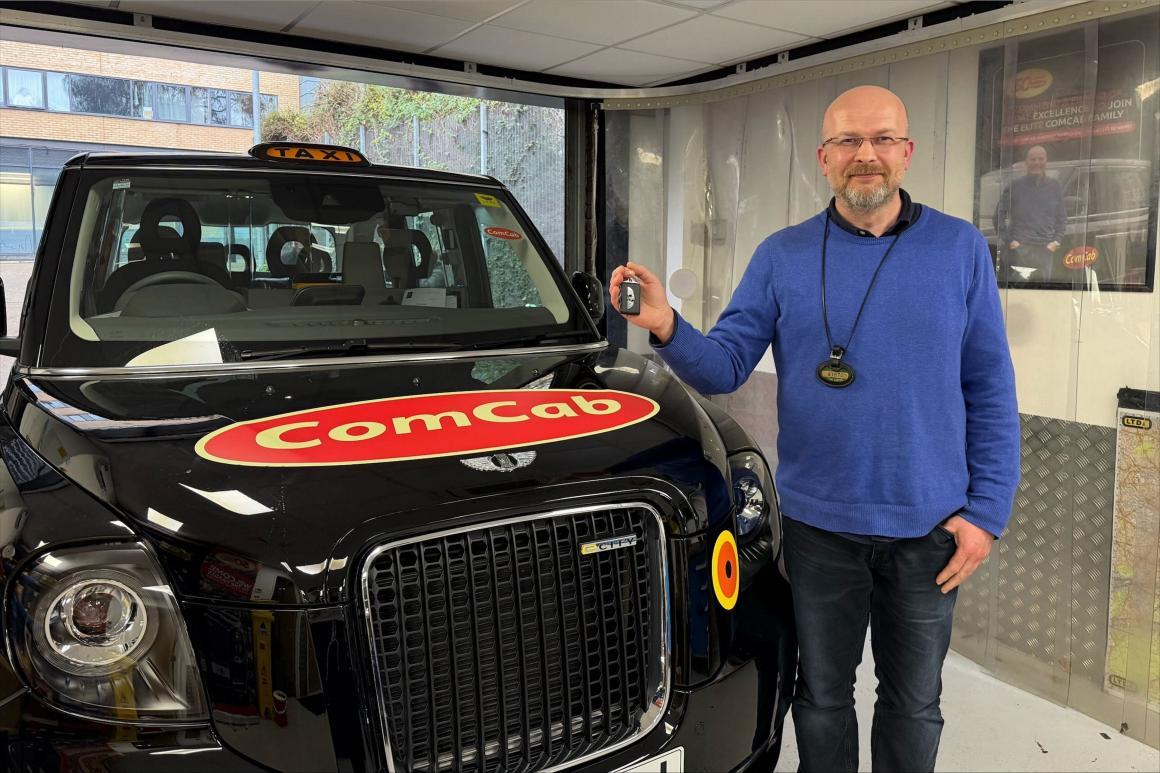
Addison Lee has marked a milestone in its driver development programme after one of its long-serving drivers became the first to qualify as a London black cab driver through the firm’s Knowledge School initiative.
Marcin Klich, who spent 18 years driving with Addison Lee, completed the Knowledge of London in 21 and a half months while continuing to work. The timeframe is notably shorter than Transport for London’s 2025 average completion time of around three years. He has now joined ComCab London and recently collected the keys to his new taxi after earning his Green Badge.
The achievement represents the first successful qualification from Addison Lee’s West Drayton Knowledge School, delivered in partnership with WizAnn, since the programme launched in February
2024. The initiative is designed to provide structured training and peer support to drivers seeking to transition from private hire to the licensed taxi trade.
Marcin said: “Working regularly in central London meant I didn’t feel like I was starting from scratch - I already had a strong foundation. The training and support were amazing. Whenever I needed help or guidance, there was always someone there.”
He described the bi-monthly Knowledge appearances as the most demanding element of the process. “You only get one chance every two months. The night before, it feels impossible to sleep,” he said. Candidates must demonstrate detailed route knowledge and points of interest to examiners during these staged assessments, which are widely regarded as one of the most rigorous
licensing processes in the UK transport sector.
Despite the pressure, Marcin said the structured school environment and peer network were critical in maintaining focus. Since qualifying, he said the move into the black cab sector has delivered greater flexibility and a renewed sense of professional pride. “Being part of such an iconic fleet feels really special,” he added.
The Knowledge of London remains the gateway for prospective taxi drivers, often requiring several years of study and financial commitment. Initiatives like Addison Lee’s have supported progression into the licensed taxi sector and look to help address ongoing supply challenges.
Addison Lee’s West Drayton Knowledge School allows drivers to continue earning while preparing
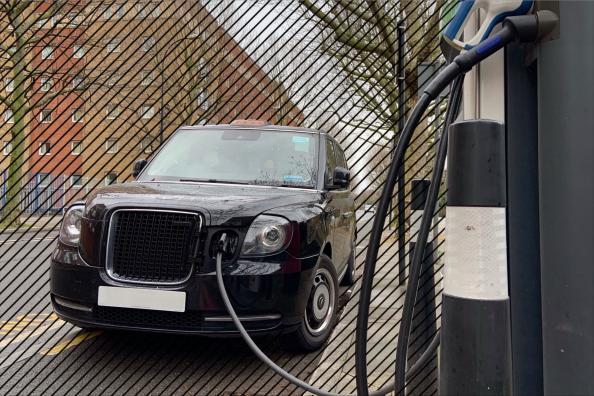
Autonomous vehicle operator Waymo has apologised after its electric vehicles were found using charging bays in London reserved exclusively for licensed black taxis.
Cab trade representatives reportedly raised concerns with Transport for London (TfL) after Waymo vehicles were seen plugged into rapid chargepoints designated for the capital’s licensed taxi fleet. Under London regulations, only licensed black cabs are permitted to use dedicated electric taxi charging bays installed to support the trade’s shift to zero-emission capable vehicles. The infrastructure was introduced alongside environmental requirements that all newly licensed taxis must be zero-emission capable.
According to The Standard, Waymo said it had raised the matter with the third-party company
for examinations, potentially lowering the opportunity cost traditionally associated with fulltime study. Marcin’s progression highlights how existing road experience, combined with structured tuition, can shorten qualification times and create new career pathways within the capital’s taxi and private hire industry.
Patrick Gallagher, Interim CEO at Addison Lee, said: “Marcin’s achievement is a fantastic milestone for the Knowledge School and a real credit to his commitment and professionalism.
“We set the programme to give experienced drivers the structure and support to take the next step in their careers while continuing to work – and Marcin’s success shows exactly what’s possible with the right environment around you.”
responsible for operating its fleet. “We take our responsibility to be a good member of London’s transport network very seriously, and we apologise to the taxi drivers whose charging needs were temporarily disrupted,” a spokesperson said.
“We’re aware of two instances of this issue and have been in close communication with TfL about each. We raised this with our driving operations partner, who assured us they implemented strict policies to address this human error.”
A United Cabbies Group spokesperson said the issue had been escalated to TfL. The union added that TfL told them: “The company has been very apologetic and has taken some robust action. It has also put in place some further, practical measures to prevent these vehicles using taxi-dedicated points.”

Transport for London (TfL) will introduce maximum metered fares for pedicab journeys from October, setting a base fare of up to £5 plus a charge of up to £1 per minute, as part of a new regulatory framework aimed at bringing the previously unregulated sector under formal oversight.
Operators will also be permitted to add up to £3 for each additional passenger on top of the total fare. The fare structure marks the first time pedicab prices in the capital will be capped, following longstanding concerns over excessive charging in high-footfall areas.
TfL said the fare levels have been calculated to ensure drivers can earn above the London Living Wage, while protecting passengers from what it described as well documented rip-off fares. The regulated maximum fares are scheduled to come into force on 30 October 2026.
The pricing framework forms part of a broader set of regulations enabled by the Pedicabs (London) Act 2024, which grants TfL powers to regulate the trade but does not prohibit pedicab operations. The authority will introduce the new rules in stages over the coming year, with driver and operator licences becoming mandatory from 30 October 2026 and vehicle licences required from February 2027.
From 9 March 2026, pedicab drivers will be able to apply for a one-year licence at a proposed fee of £114. Vehicle licences are proposed at £100 per year. A transition period will allow existing drivers and operators time to meet the new standards.
The regulatory package introduces minimum safety and operational requirements for drivers, vehicles and operators. Drivers will be required to undergo an enhanced DBS check, hold a full driving licence or valid theory test certificate, meet English language standards, satisfy minimum medical requirements and pass an assessment covering safety, equality and regulatory knowledge.
Since the Act came into force, TfL has conducted two public consultations involving London residents, business groups and industry representatives to develop the framework. The authority said the regulations have been tailored to reflect the specific operating model of pedicabs and the areas in which they predominantly trade.
For businesses in central London, particularly in the West End and tourist districts, the move introduces greater certainty over pricing and standards in a segment that has drawn criticism over inconsistent fares and operational practices. The phased approach is intended to allow market participants time to adapt ahead of full enforcement in late 2026 and early 2027.

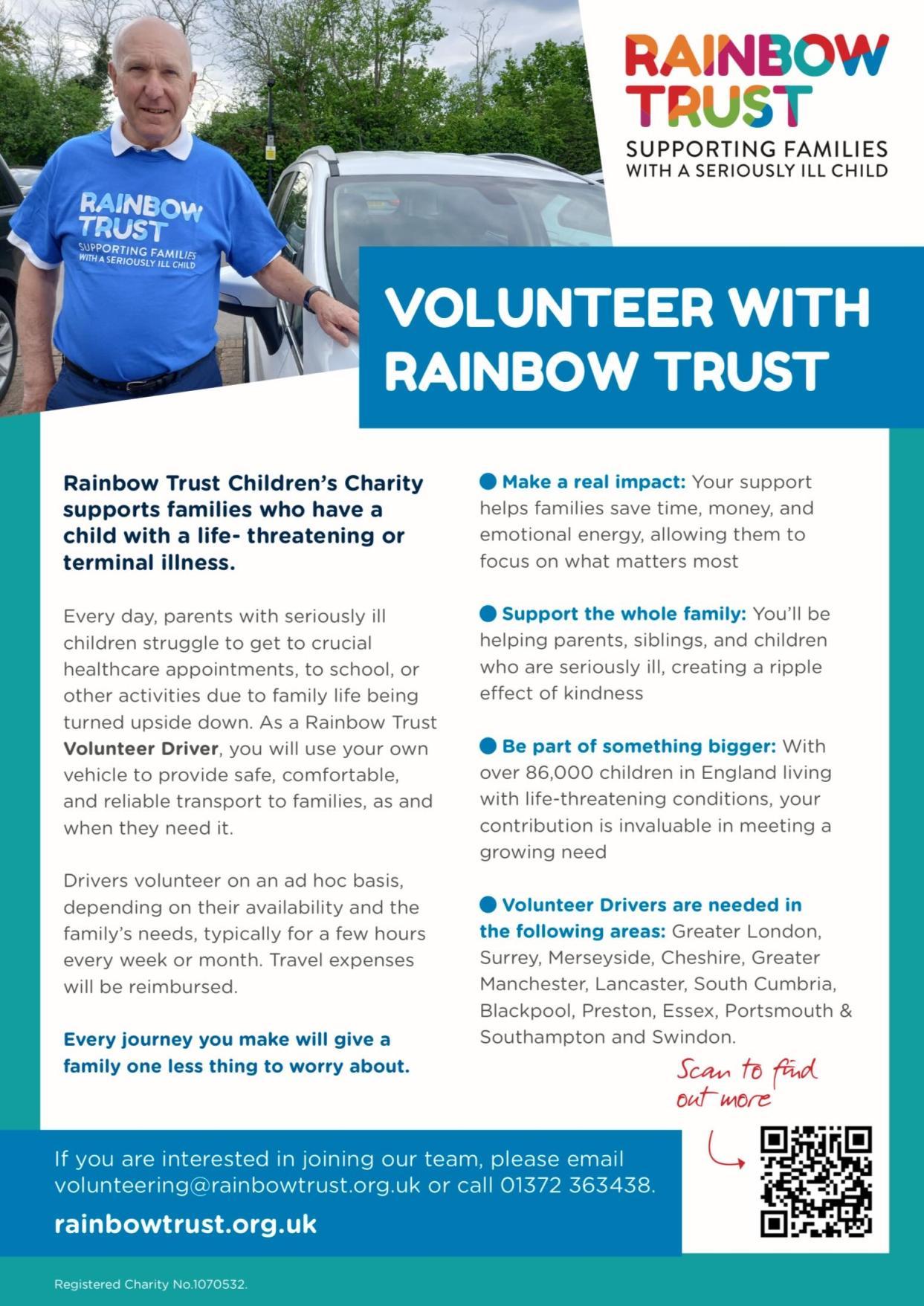
Efforts to clamp down on illegally operating out-of-area private hire vehicles in Bracknell Forest are being hindered by a lack of formal witness support from within the taxi trade, councillors have been told.
The issue was raised again at the latest Taxi Trade Group meeting and detailed in a report to the Licensing and Safety Committee. While drivers continue to voice concerns about cross activity, officers say enforcement is dependent on those same drivers being prepared to stand as witnesses in court.
It is at this stage that cases often stall. The report is explicit about the challenge facing enforcement Unfortunately, when these reports are received and the member of the trade is asked to provide a statement and support the Council in its efforts to prosecute the driver concerned, the trade is reluctant to assist meaning that no action
Under current legislation, private hire vehicles licensed by other authorities are permitted to operate in Bracknell Forest provided they are working lawfully. As a result, enforcement action can only be taken where there is clear evidence of offences such as unlawful plying for hire. The report states that “the only option to deal with any illegal drivers is through prosecution for Plying for Hire which then invalidates their vehicle insurance and therefore they can be prosecuted for no insurance”.
However, building such cases requires first-hand testimony. According to officers, “the trade member who has witnessed this and who possibly takes photographic evidence becomes the Council’s main witness and will therefore be required to provide a statement detailing what they have seen and then appear in court in support of the Council”.
Officers stress that without a willing witness prepared to provide a formal statement and attend court, prosecutions cannot proceed. While the council continues to undertake its own enforcement exercises and is currently prosecuting one driver observed by a council employee, most cases depend on cooperation from those who initially raise the complaint.
Where sufficient evidence cannot be secured locally, details may be passed to the driver’s licensing authority. However, Bracknell Forest Council has no jurisdiction over what action, if any, is taken elsewhere.
Without direct support from drivers prepared to give evidence, officers indicate that options remain limited under existing legislation.
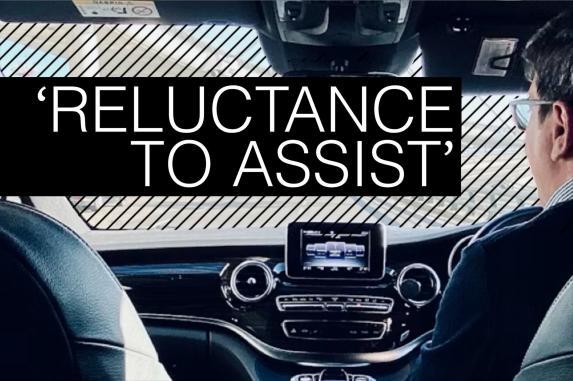

Anew hackney carriage demand study has found significant unmet demand in Torridge despite a sharp fall in overall rank usage, prompting councillors to consider how service gaps are addressed while maintaining the existing cap on taxi numbers.
The study, presented to Torridge District Council’s Licensing Committee, shows estimated weekly passenger demand at the Bideford Quay rank has fallen to 914 passengers, down 23% from 2022 and just 39% of the 2016 peak of 2,339. The council currently limits hackney carriage vehicle licences to 49 plates and is required to review demand regularly to justify retaining the cap.
Despite lower demand, passenger waiting times have worsened. The average passenger delay has increased to 1.2 minutes, up from 0.97 minutes in 2022 and 0.27 minutes in 2019. Of the 78 hours observed during the September 2025 survey period, 38% recorded one or more passengers arriving when no vehicle was immediately available. The longest recorded wait was nearly 23 minutes.
Using the industry-standard Index of Significance of Unmet Demand, the report calculated a score of 1,557, well above the threshold of 80 used to denote significant unmet demand. All key indicators deteriorated compared with the previous survey, including the proportion of weekday daytime hours with queues and the share of passengers travelling in hours with average waits exceeding one minute.
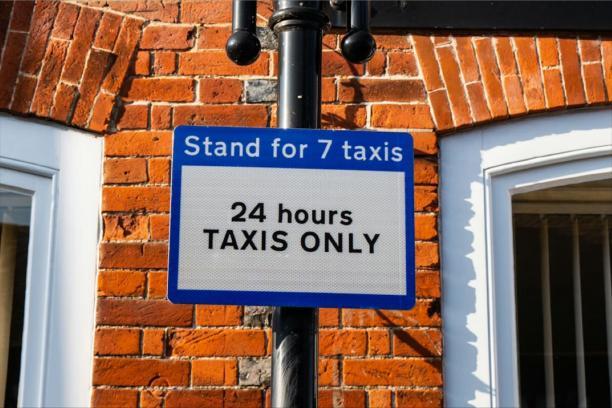
The study, carried out by Licensed Vehicle Surveys and Assessment, found that 49% of total delay occurred during so-called “thin demand” hours, when nine or fewer passengers used the rank in an hour. These low-flow periods make it difficult for drivers to justify waiting at the rank, with average occupancy at 1.5 passengers per trip and an estimated 0.1 paying trips per vehicle per hour when spread across the fleet.
Public perception of service quality remains strong. In on-street surveys of 226 respondents, 33% said they had used a licensed vehicle in the previous three months, up from 24% in 2022. However, 77% said they would use hackney carriages more if fares were more affordable. Latent demand, measured by passengers reporting they had given up waiting at a rank, rose to 9%, up from 1.1% in 2022.
Although the index indicates significant unmet demand, the consultants concluded that issuing additional plates could be counterproductive in a low-demand market.

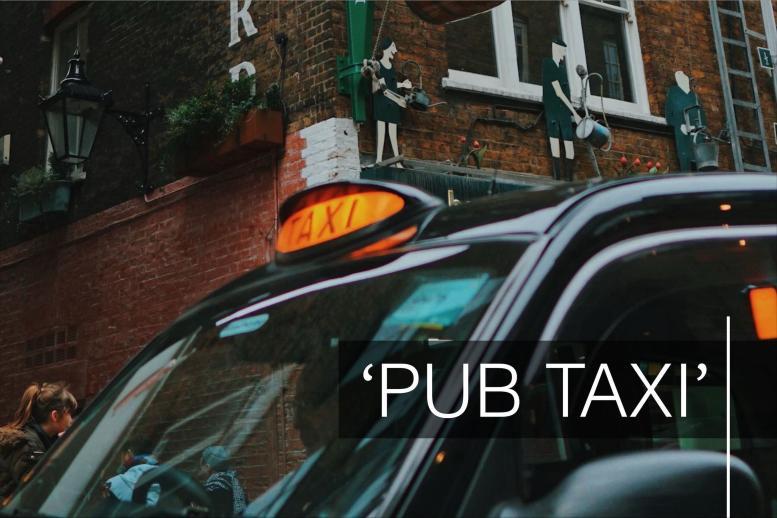
shford Borough Council has defended its decision to intervene in a charitable ‘pub taxi’ service operated by The Flying Horse in Smarden, stating that the scheme amounted to a licensable private hire activity and could not continue without the appropriate authorisations.
The council confirmed it contacted the business informally after becoming aware of the service, which was linked to fundraising efforts for the MND Association, one of the Mayor’s charities for 2025/26. While acknowledging the pub’s intentions, the authority said it was required to act in line with its statutory duties as Licensing Authority.
An Ashford Borough Council spokesperson said: “We recognise the good intentions behind the ‘pub taxi’ service that has been offered by The Flying Horse, Smarden and their charitable community fundraising for the MND Association which remains one of our Mayor’s charities for 2025/26.
Under current legislation, providing a vehicle for hire with the services of a driver, whether or not a fare is charged directly, constitutes a licensable private hire activity. The council said that once it established the arrangement fell within that definition, it had limited discretion but to require
“However the council must balance good intentions with our regulatory responsibilities as the Licensing Authority and as soon as it came to our attention, the business was informally contacted to find out more. On confirming the service amounted to private hire, the business was initially asked to cease the service in absence of the relevant licences.”
Taxi drivers in Derry are facing mounting vehicle repair bills and loss of earnings as a result of pothole damage, the Northern Ireland Assembly has heard during a Private Members’ Business debate on road maintenance.
Speaking at Stormont, Sinéad McLaughlin MLA told Members that drivers in the city had repeatedly raised concerns about the impact of poor road conditions on their livelihoods. She said potholes were damaging tyres and suspension systems and affecting drivers’ ability to generate income.
Mark Durkan MLA responded by acknowledging the consequences for those who rely on the roads to make a living. He told the chamber that the

whether the Department for Infrastructure would be properly resourced under a promised new multiyear Budget. Durkan questioned whether the department would be empowered to implement its road maintenance strategy fully or continue to
depend on in-year monitoring rounds to supplement its funding allocation.
He also called for improved inspection regimes and quality assurance to ensure repairs last, alongside better coordination of works to protect newly resurfaced roads. Transparent cost tracking and sustained multi-year investment were cited as necessary measures to improve accountability and deliver longer-term improvements.
The debate in Belfast follows similar concerns raised across other parts of the UK, where industry groups have pointed to rising maintenance costs and breakdown incidents linked to road quality. For owner-drivers and small operators, unexpected repair bills can erode already tight margins, particularly amid broader cost pressures including fuel, insurance and vehicle financing.
Durkan told the Assembly that preventative maintenance was more cost-effective than reactive repairs, arguing that sustained investment would save both lives and public money. He said there was a need to move away from what he described as patchwork solutions towards structured, longterm planning.
As the Executive prepares to outline its financial framework, industry stakeholders will be hoping road maintenance funding shifts towards multiyear certainty, rather than remaining subject to shorter-term adjustments through monitoring rounds.
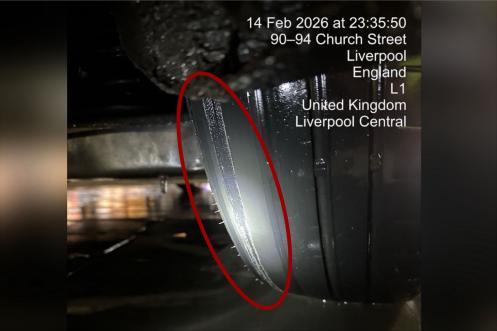
Licensing officers from Liverpool City Council carried out a joint late-night enforcement operation with Merseyside Police, resulting in several licensed vehicles being issued with defect and suspension notices.
According to a Liverpool City Council’s licensing team spokesperson, officers conducted compliance checks on licensed vehicles operating in the city. During the operation, vehicles from various licensing authorities were stopped and inspected, with enforcement action taken where standards were not met.
Among those issued with notices was a private hire vehicle licensed by City of Wolverhampton Council. An image shared by the licensing team showed a tyre with significant wear. The stop took place on 14 February 2026 near Church Street in Liverpool city centre.
The council said that several vehicles were served with defect and suspension notices.
A vehicle operating as a private hire vehicle in Liverpool was stopped by Merseyside Police, with checks revealing neither the driver nor the vehicle held the appropriate licences.
Liverpool City Council’s Licensing team confirmed the enforcement action took place on 14 February 2026. A council spokesperson said: “A vehicle operating as a PHV was stopped by Merseyside Police on 14/02/26. After inspection neither the driver/vehicle held the appropriate licences.”
Licensing officers were present during the stop to assist police. The council added that “the driver will
now face summons for insurance offences,” indicating further legal proceedings are expected.
Operating a private hire vehicle without the correct driver and vehicle licences is a criminal offence and can also invalidate insurance cover.
The action forms part of ongoing joint operations between Liverpool City Council Licensing and Merseyside Police targeting non-compliant vehicles working within the city. Such operations typically focus on meeting licensing requirements, insurance, vehicle condition and driver eligibility.
purchase conducted by Central Bedfordshire Council.
Nazik Sabir was convicted of failing to use his taxi meter and charging more than the metered fare during the enforcement operation in September 2025. The case was brought by Central Bedfordshire Council as part of its compliance and licensing activity within the private hire and hackney carriage sector.
According to the council, the offence came to light following a planned sting operation designed to assess compliance to fare regulations. Licensed hackney carriage drivers are required to use their meters for journeys within the controlled district, with fares calculated in line with the tariff set by the local authority.
operation.
Sabir did not attend the subsequent court hearing. The court found him guilty and imposed a fine of £220. He was also ordered to pay £2,141.55 in costs, bringing the total financial penalty to £2,361.55.
Cllr Tracey Wye said: “Licensed taxi drivers are trusted to charge passengers fairly and in line with the law. This prosecution sends a clear message that we will not tolerate drivers who abuse that trust by failing to use their meter or overcharging customers.
“Our test purchasing programme is an important tool in protecting the public and ensuring a level playing field for the vast majority of drivers who operate honestly and professionally.”