




TaxiPoint Chief Editor:
Perry Richardson
TaxiPoint Publishing & Advertising Manager:
Lindsey Richardson
Visit us online at: www.taxi-point.co.uk
Write to us at: contact@taxi-point.co.uk
Advertising enquiries at: advertising@taxi-point.co.uk
The publishers reserve the right to refuse, withdraw, amend or otherwise deal with all advertisements without explanation. All advertisers must comply with the British Code of Advertising practice.
The views expressed in this publication are not necessarily those of the publishers.
All written and image rights are reserved by the author as displayed.
Reproduction in whole or in part without prior permission from the publisher is strictly prohibited.
Copyright brand TaxiPoint 2026. Creative Common image licences displayed where applicable.



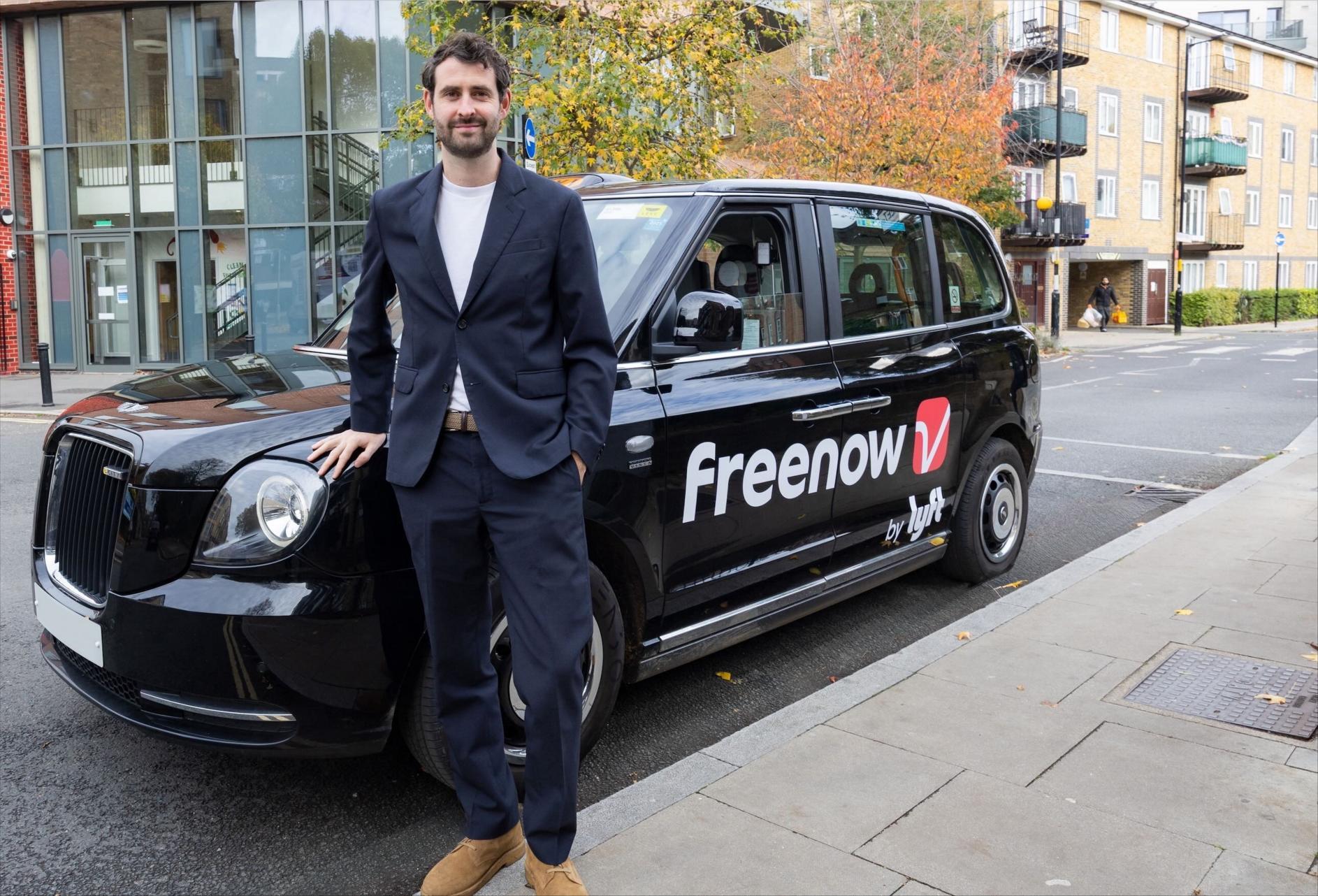
This edition brings together two of the taxi and private hire industry’s biggest voices, Uber’s Andrew Brem and Freenow by Lyft’s Danny O’Gorman, both offering views on where we stand now and what lies ahead.
Their contributions sit alongside fresh detail from transport minister Lillian Greenwood MP, who appeared before the Transport Committee earlier last month. Her comments point towards reform that may finally move beyond just the warm words and into something drivers can measure in their working day. The industry has heard promises before, so attention will now turn to what actually follows.
On the road and behind the wheel, what is usually known as the quieter kipper season has delivered better levels of work than expected, at least from the
driver’s seat in London. Demand has held up and the feared January slump has not quite landed. For me, the real test always comes later in the year. April has a habit of biting hard, particularly around the Easter school holidays.
TaxiPoint Premium subscribers will also have noticed a rise in the volume of new stories as the service continues to scale up. Support from readers is driving that progress and allowing coverage of taxi industry news that rarely sees daylight elsewhere. Thank you!
Be lucky,

Perry Richardson
TaxiPoint Editor and Founder

Gorman,
UK General Manager at Freenow by Lyft,
sufficient on their own. He said Freenow by Lyft’s benchmark also rests on its ability to remain a leading taxi-first platform, deliver consistent and sustainable earnings for drivers, and provide a reliable, safe service for passengers. Expansion into additional UK cities, following recent launches including Coventry and Glasgow, forms part of that picture, alongside a shift from planning to live testing of autonomous vehicles during the year.


By the end of 2026, what does success actually look like for Freenow by Lyft in the UK? Is it market share, city coverage, profitability, or something else?
Market share and profitability remain core business health indicators. However, success for us also means continuing to be a leader in the taxi sector and the partner of choice for taxi drivers, by providing sustainable earnings and a user-friendly app. For passengers, we want to deliver a great travel experience that makes moving through UK cities seamless, safe, and efficient.
As part of our success trajectory, we will be expanding our footprint into more British citieslast year we expanded into Coventry and Glasgow. However, our true benchmark is ensuring drivers have consistent, sustainable earnings and passengers have a service they can trust.
Crucially, 2026 marks a pivotal year for innovation. We are working closely with our partners and key stakeholders to establish the necessary frameworks for Autonomous vehicle (AV) deployment. Success in 12 months' time will mean we have successfully transitioned from planning to the testing phase.
The acquisition by Lyft marks a transformative milestone for Freenow, but our core mission remains unchanged: we are committed to reinforcing our taxi leadership and being the preferred partner for taxi drivers. Building on our achievement of profitability last year, joining forces with Lyft allows us to accelerate our growth and unlock tangible benefits for drivers and passengers alike.
travellers into UK cabs. Our high-visibility marketing campaigns will continue to support demand, which is also leveraged by our strong B2B client portfolio.
• A focus on driver success: We are reinvesting our combined resources into innovations that support drivers and passengers, for example our driver priority programme and our airport prebook promise. These innovations are designed to protect drivers’ earnings, reduce dead mileage, and provide a more reliable, professional experience for those behind the wheel.
In 2026, our UK strategy evolve in three key areas:
• Unrivalled demand and brand power: Following our successful rebranding to Freenow by Lyft, we will continue to leverage Lyft’s global reach to bring more international
• Expanding our offer to more cities: Last year Freenow by Lyft expanded into 30 new cities across the UK and Europe and during 2026 we plan to continue this expansion in the UK.
By combining Freenow’s deep local and European expertise with Lyft’s global innovation, we are ensuring that the UK taxi industry remains profitable, modern, and resilient for years to come.
What, if anything, will be different for drivers, operators, and passengers?
The partnership between Lyft and Freenow represents a significant step forward for the European taxi and transport landscape.
We recognise that the taxi industry is a vital part of urban infrastructure. We remain steadfast in our collaborative approach with regulators, cities, unions and fleet partners to ensure a sustainable growth while upholding the professional standards that define the trade.
What specific changes would you like to see made to England’s National Minimum Standards to make them fit for purpose in a digital, app-led taxi market?
For Drivers and Operators: unlocking new demandthe most immediate benefit for our partners is the 'bridge' we are building across the Atlantic. By making Freenow the preferred app for Lyft’s massive North American passenger base traveling to Europe and vice versa we are creating a virtuous cycle of demand. For drivers and fleet operators, this means more passengers and more consistent earnings throughout the day.
For Passengers: a truly global experiencepassengers will see a tangible shift in the quality of their journey. We are introducing more consistent pricing and faster matching to reduce wait times. Passengers can also look forward to new app features, ensuring that the passenger's experience is more intuitive than ever before.
For industry stakeholders - a commitment to
As always, Freenow by Lyft will continue to work closely with relevant stakeholders to respond to consultations while safeguarding driver partners and ensuring passengers have the best experience when using our service.
WAV taxi numbers are still declining. What practical levers like funding or incentives, do you believe would actually move the dial in 2026?
London’s black cab trade remains the only 100% wheelchair-accessible transport network in the
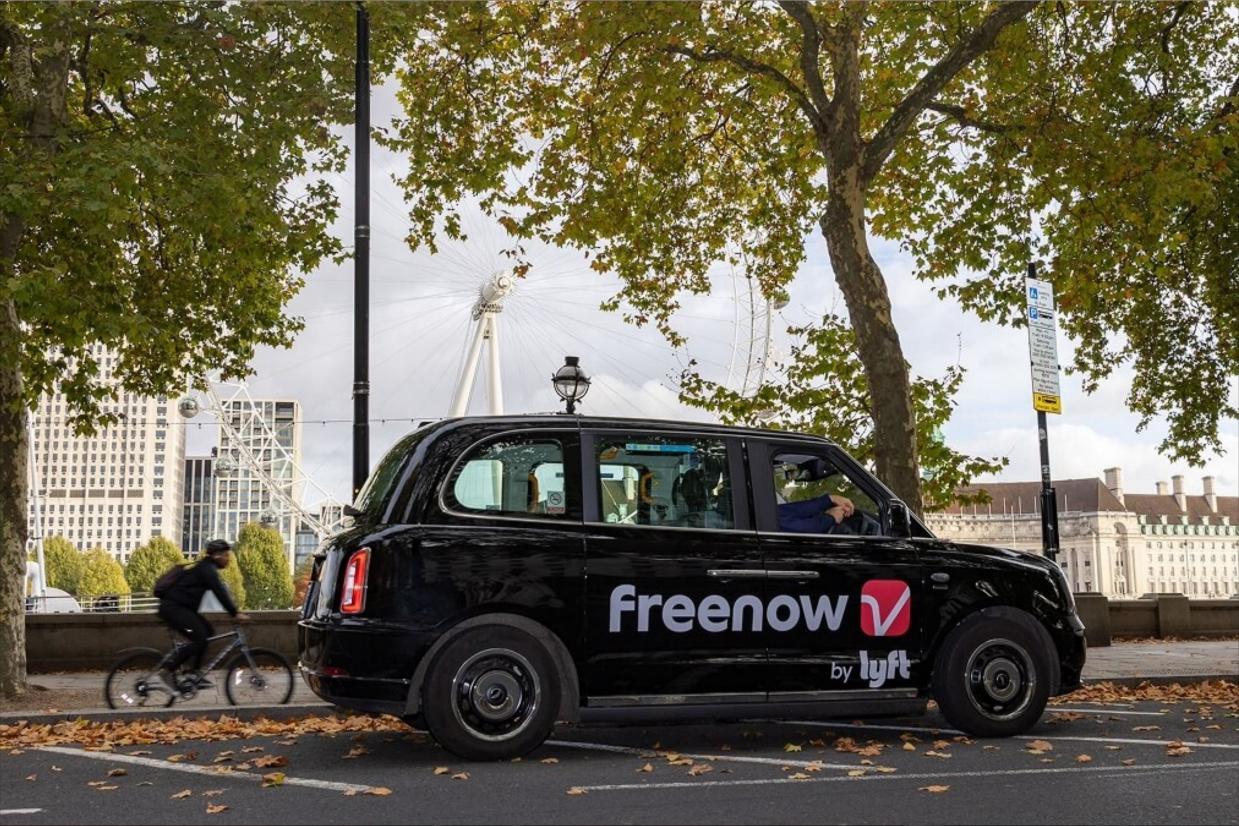

proactive work, such as presence at job fairs to find the next generation. But recruitment is only half the battle; the high cost of vehicles is one of the biggest pain points for drivers. If we want new drivers to stay, TfL must provide the financial support needed to handle rising vehicle costs to make the job sustainable for the long haul.
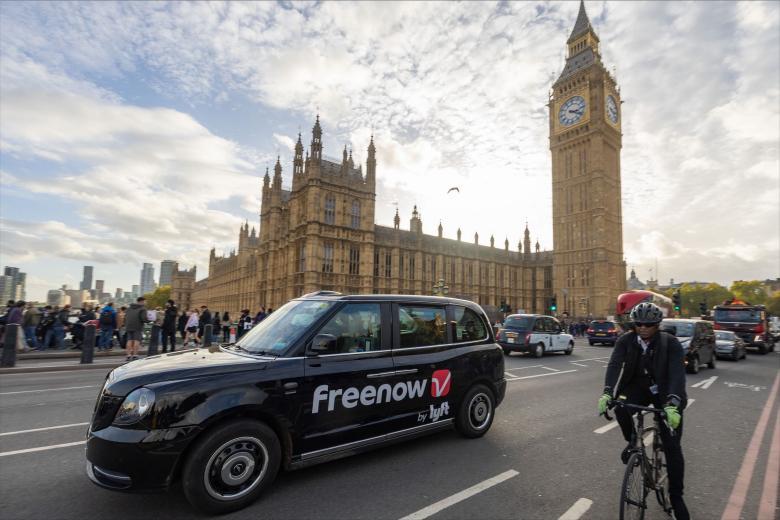
The rollout of autonomous vehicles (AVs) is expected to transform the taxi and private hire industry by expanding the overall market and creating a more resilient "hybrid network". Rather than replacing human drivers, AVs are helping to

We're starting with an initial fleet of dozens of vehicles in London. The fleet will scale based on passenger demand, regulatory feedback, and operational performance in the years following the initial 2026 deployment, with the hope of scaling to hundreds from there, pending regulatory approval.
How will it work with Baidu? Will Freenow share the same fleet as Uber who also announced a partnership with Baidu?
Lyft will own the operational value chain and marketplace while Baidu provides vehicles, technology validation, and comprehensive technical support.
We're moving forward with an initial order of dozens of vehicles for London in 2026 to begin mapping and testing, and plan to roll out the fleet on the Lyft ecosystem over a measured period of time.
The introduction of autonomous vehicles will be a landmark moment for London, but this won’t be a replacement for the world-class service of our licensed taxi trade. At Freenow by Lyft we are firm
in our support for black cab drivers; they are the backbone of London’s roads, and we are committed to continue our support to ensure the trade continues to thrive and can recover from the challenges faced in the recent years.
The reality is that London’s transport needs are growing, and one size does not fit all. While AVs will help grow overall demand for shared mobility, black cabs provide a bespoke, high-quality service, comfort, space and accessibility that is not comparable. In addition, black cabs will continue to move faster than other vehicles as they can use the bus lanes or pull up on double yellow lines. Therefore, the Knowledge of London and black cabs are here to stay and will continue to serve Londoners and visitors alike in the years to come. By integrating new technology alongside the unique expertise of 'The Knowledge', we are ensuring that London remains the most mobile and accessible city in the world.


s shared-intelligence technology begins to enter live testing within the UK taxi sector, one question is emerging as decisive: how many drivers need to be actively using and contributing before these platforms deliver meaningful value? While artificial intelligence and voice-led interfaces attract attention, there are questions around adoption density, often referred to as critical mass, and how it will ultimately determine whether these tools become embedded in daily taxi operations.

New platforms such as Barty Taxi are built around the great idea that licensed drivers can collectively generate a real-time picture of street conditions that no single driver or static data source can match. Information on rank movement, traffic disruption, venue clearances, enforcement activity and demand hotspots is already known within the trade, but typically dispersed across conversations, messaging groups and individual experience. The technology challenge is not collecting that intelligence, but aggregating it quickly enough, accurately enough, and at sufficient scale to influence on-shift decisions.
Critical mass, in this context, refers to the point at which enough drivers are contributing frequent, reliable updates so that the information presented is consistently useful across a wide area. Below that threshold, data gaps might appear and drivers revert to traditional instincts and sources. Above it, the system begins to self-reinforce, as useful insights encourage more participation, improving coverage further.
This dynamic differs from private hire ridehailing platforms, which reach scale


extension of working the street rather than an additional task competing for attention.
Trust also plays a role in reaching critical mass. Drivers must believe that the information they receive is timely, accurate and not distorted by outdated reports or bad actors. Systems that surface patterns rather than isolated inputs are better positioned to maintain credibility, but they still depend on volume. One-off reports rarely move the needle. Consistent signals from multiple drivers do.
Geography adds another layer of complexity. Critical mass is not uniform across a city. Busy nighttime zones, major stations and
event-heavy districts may reach useful density quickly, while suburban or off-peak areas lag behind. This uneven coverage may create a patchwork experience, where the app feels indispensable in some contexts and irrelevant in others.
Managing expectations during that transition is seen as essential to long-term adoption.
There is also a cultural dimension, as the taxi trade has long operated on informal cooperation, but participation has traditionally been selective. Some drivers share freely, others guard information closely. Sharedintelligence platforms test whether digital tools can shift

that balance by offering reciprocal value. If drivers see that contributing leads directly to better outcomes on shift, resistance is likely to soften.
From a commercial standpoint, reaching critical mass has implications for sustainability. Platforms that fail to cross the threshold struggle to justify continued development or expansion. Those that succeed gain leverage, not just technologically, but strategically. A dense, driver-owned data layer becomes a valuable asset, one that can support additional services or integrations without handing control to external platforms.
Regulators may also be very interested in this data driven realtime space. Shared-intelligence tools that improve efficiency without reallocating work align more comfortably with existing taxi frameworks than bookingbased systems. How data might be shared to help manage driver numbers and taxi rank locations will also be a high on the list when it comes to interest.
Critical mass is less about headline user numbers and more about active, habitual use. A smaller group of consistently engaged drivers can generate more value than a large but passive user base. The challenge for developers is to identify and
nurture that core, while designing systems that scale organically as trust builds. It can be done and there are people behind Barty that have successfully managed it before.
As shared-intelligence apps move beyond testing and into wider use, their success will hinge less on artificial intelligence sophistication and more on human behaviour feeding the technology. Without sufficient participation, even the smartest system becomes just another unused icon on the mobile device.

The recent overhaul of VAT treatment for taxi and private hire vehicle journeys prompted an extended and at times tense debate in a Commons Public Bill Committee on 29 January. MPs from across the opposition parties warned that the measure risks higher fares, increased pressure on council budgets and unintended consequences for rural communities and vulnerable passengers.
The dispute focused on Clause 79 of the Finance (No. 2) Bill, which removes taxi and private hire vehicle transport from the Tour Operators’ Margin Scheme. Under the scheme, VAT is currently charged only on an operator’s margin rather than the full fare. The Government argues that some large private hire operators have used the arrangement to significantly reduce their effective VAT rate and that the change will ensure consistency and protect tax revenues.
Opening the debate, Shadow Exchequer Secretary James Wild moved Amendment 42, which would exempt taxi and private hire journeys in rural areas from the new VAT treatment. Wild said Clause 79 was already being described within the industry as “the taxi tax” and warned that it would expand the scope of VAT in a way that directly affected passengers.
“Currently, under the Tour Operators’ Margin Scheme, VAT is charged only on the operator’s margin,” he told the committee. “The clause will remove taxi and private hire vehicle transport from the scope of the Tour Operators’ Margin Scheme.” He said the change followed a tribunal defeat for HM Revenue and Customs on whether ride hailing services qualified for the scheme, with an appeal still pending.
“Drivers and businesses now have to charge VAT at 20% on the fare paid by the customer – taking, for example, a £20 fare to £24,” Wild said, noting that the measure had already taken effect from 2 January. While the Labour government had not increased the VAT rate, he argued it had “certainly expanded the scope of its application”.

Treasury figures, he said, showed the change would raise about £190 million in 2025-26, rising to around £675 million a year by 2031. “That strikes me as a significant new burden – a significant new tax – on private hire and taxis,” Wild said, adding that passengers would ultimately bear the cost.
A central theme of the debate was the impact on rural areas, where taxis and private hire vehicles often substitute for limited or non-existent public transport. Wild said industry bodies were warning of double digit fare increases in some locations, with elderly and disabled passengers, women travelling at night and workers on early shifts among those most exposed.
Those concerns were echoed by Conservative backbencher Blake Stephenson, who represents a largely rural constituency. Stephenson told the committee that many villages were poorly connected to nearby towns and relied on taxis for essential journeys. He also highlighted the use of taxis to transport children with special educational needs and disabilities.
“Does my hon. Friend agree that the increase in fares, which will be passed on to our vulnerable constituents, is unacceptable,” Stephenson asked, “and that a charge will be passed on to local authorities, which is not fair to our local taxpayers?”
Wild said rural councils already spent tens of millions of pounds each year on taxi transport for SEND pupils. Citing Norfolk as an example, he said annual spending was in the region of £30 million to £40 million. “That is a huge proportion of the money that is spent on special educational needs,” he said, warning that a VAT increase could add to pressures on councils already struggling with funding.
Beyond fare increases, Wild argued that Clause 79 would create new administrative burdens for operators, forcing small businesses to account for VAT under more complex rules. He said that
uncertainty made it harder for firms to plan or invest, quoting one private hire operator who said:
“A 20% VAT hike would hit the elderly, disabled and rural passengers hardest. Businesses cannot plan, invest or grow while uncertainty remains.”
The opposition also raised concerns about how the policy would interact with changing business models in the private hire sector. Wild said some large operators, including Uber, were reclassifying themselves as technology platforms rather than transport providers in parts of the country. That shift, he argued, could move VAT liability from companies to individual drivers, many of whom earn below the VAT registration threshold.

The Liberal Democrats pressed the same point. Joshua Reynolds cited media reports suggesting that Uber had altered its contracts outside London so that it acted as an agent rather than the supplier. As a result, he said, many fares outside the capital could avoid VAT entirely, while passengers in London faced higher prices because Transport for London did not permit the agency model.
“Why are we now in a position where we have an absurd two-tier system in which identical journeys are taxed differently depending on whether they

take place inside or outside London?” Reynolds asked, questioning whether the Treasury had accepted that the policy risked failing to deliver its projected revenue.
SEND transport costs were raised again by Liberal Democrat MP Martin Wrigley, who said Devon spent around £50 million a year on taxis for children requiring specialist education. “A 20% tax on that would equate to £10 million,” he said, asking whether councils would be reimbursed to avoid cuts elsewhere.
Responding for the Government, Exchequer Secretary Dan Tomlinson said the change was designed to ensure that certain private hire operators were taxed on the same basis as others. He declined to comment on the affairs of individual companies but said HMRC would independently determine whether operators were acting as agents or principals and apply VAT accordingly.
Tomlinson said the Government was confident the exclusion from the margin scheme was “carefully targeted would not have unintended consequences for legitimate tour operators. He argued that the reform would end exploitation of an administrative scheme intended for tour operators, which in some cases reduced effective VAT rates to around 4%.
where permissible, and resisted calls for a specific compensation guarantee.
Wild returned to press concerns about day trip and excursion operators, arguing that the drafting of Clause 79 could force tour firms to unbundle packages, increasing complexity and costs. He also said the Government had failed to address rural impacts adequately and warned that higher transport costs would add to cost-of-living pressures.
“The OBR certified our costings for the Budget, and this measure is expected to raise £700 million of tax revenue in each year,” he said. “That is vital to the public finances.”
On SEND transport, Tomlinson said most taxi services were not using the margin scheme and would therefore be unaffected. He added that local authorities had long-standing mechanisms for handling VAT liabilities, including reclaiming VAT
Saying he was not satisfied with the minister’s assurances, Wild confirmed he would press Amendment 42 to a vote. The committee subsequently voted on the proposal as scrutiny of the Finance (No. 2) Bill continued, with the broader VAT reform set to remain a contentious issue for the taxi and private hire sector as the legislation progresses through Parliament.


system is “archaic and fragmented” and no longer fit for purpose. Giving evidence to the Transport Select Committee in January, Lilian Greenwood set out a reform agenda centred on national minimum standards, curbing cross-border licensing and addressing persistent failures in accessibility, particularly for wheelchair users.
The session, which marked the final oral evidence hearing in the Committee’s inquiry into taxi and private hire licensing, offered the most detailed insight so far into the Department for Transport’s thinking
Three themes dominated the Minister’s evidence: the introduction of enforceable national minimum standards, structural reform to address out-of-area working, and a more interventionist approach to accessibility where market forces have failed.
At the core of the Government’s plans is the introduction of national minimum standards for taxi and private hire licensing, enabled through powers in the English Devolution and

Community Empowerment Bill.
Greenwood described this as the necessary first step towards restoring consistency and public confidence across England’s 263 licensing authorities.
“It is absolutely clear to everyone that the current legislation is archaic and fragmented,” she told MPs. “We have a decent functioning taxi and PHV sector despite the legislation rather than because of it.”
The Minister was explicit that certain areas would tolerate no local variation. “When it comes to safeguarding, safety and accessibility, we want to set standards that it would be hard to improve on,” she said, pointing to enhanced DBS checks and mandatory checks against barred lists
as examples of requirements that should apply universally.
Accessibility training was singled out as an immediate priority. Greenwood described it as only around two authorities currently mandate disability equality training, adding: “You should know that when you use one of these vehicles, the people who are providing that service know what is appropriate in order to meet the needs of disabled people.
While stressing that the standards would be minimum rather than absolute, Greenwood acknowledged the risk that partial harmonisation could entrench licence shopping. However, she argued that raising the floor nationally would reduce



incentives for drivers to seek out authorities perceived as cheaper or quicker. The standards, she said, were intended to “race the rising tide to raise all boats”.
The second major takeaway concerned out-of-area working, an issue repeatedly raised during the inquiry and one Greenwood accepted was undermining both enforcement and public trust.
I do not want people to shop around for licences,” she said. “It is not a good situation.” Greenwood rejected the notion that any single authority was to blame, but accepted that the current framework had created structural incentives for drivers to license far from where they work.
The Minister confirmed that national minimum standards would be combined with a proposal to move licensing responsibility from district councils to around 70 local transport authorities. This, she argued, would improve consistency and make enforcement more workable. “If we move from 263 local licensing areas to around 70, that combined with national minimum standards will lead to much greater consistency,” she said.
Importantly for licensing authorities and drivers, Greenwood did not rule out further restrictions on crossborder working if early reforms fall short. “These measures are not a panacea,” she told the Committee. This is not the end of the conversation.”
Officials outlined a range of options under consideration, including restrictions linked to where a driver lives rather than where journeys start and end. Greenwood acknowledged that more radical models, such as journey restrictions, carried risks around empty mileage, higher fares and reduced availability, particularly for disabled passengers.
“We know what the outcomes need to be,” she said. “We have not reached a fixed view on what the best way is of getting there.”
and wheelchair provision under renewed scrutiny
The most pointed exchanges of the session came on accessibility, where Greenwood accepted that existing legislation and enforcement were falling short, especially for wheelchair users.
“The statistics and the anecdotal evidence we have from guide dog users are appalling,” she said. “We have to assume that enforcement is not working as well as it should.”
On wheelchair accessible vehicles, Greenwood acknowledged that provision remains uneven and, in many areas, inadequate. While noting that wheelchair accessible vehicles are not suitable for all disabled passengers, she accepted that the current market was failing to meet demand.
“Certainly, I would want there to be sufficient provision to meet need,” she told MPs. “I do not want people to be in a position where they cannot access a vehicle that meets their needs and
enables them to do the journeys they want to do.”
However, the Minister stopped short of committing to national quotas or mandates, citing cost pressures and the risk of unintended consequences, such as drivers switching from taxis to private hire to avoid wheelchair requirements. “I am not sure that there is a really easy way to do it,” she said, describing the challenge as one requiring a balance of incentives and regulation.
Senior officials confirmed that the issue is most acute in the private hire sector, particularly outside major cities. Greenwood committed to further work on the issue, including exploring whether national standards or other mechanisms could play a role.
While Greenwood avoided setting firm timelines, her evidence left little doubt that reform is imminent. She told MPs that the Department intends to move quickly once legislative powers are secured, with consultation on national minimum standards expected to follow shortly after Royal Assent.
“It is time that there was action, said.
The era of highly localised, uneven taxi and private hire regulation is drawing to a close, and national consistency, tighter oversight and renewed pressure on accessibility are now firmly on the Government

TaxiPoint speaks with Uber UK General Manager Andrew Brem about several of the most pressing regulatory and commercial issues facing the taxi and private hire sector. The exclusive discussion covers Uber’s move to agent and principal arrangements outside London, the impact of new VAT rules in the capital, the Transport Committee’s focus on cross-border working, and the case for mandatory national licensing standards.
Brem also addresses ongoing debate around dynamic pricing and the pace of electric vehicle adoption following changes to London’s Congestion
Charge framework, setting out Uber’s position on how these developments affect drivers, passengers and the wider industry.
Agent/Principal changes to driver terms for drivers outside of London. Lots of talk in the media about this, but is it really a big change for Uber and the industry as a whole?
Almost every operator outside of London is an Agent, so this is Uber aligning with the entire rest of the industry and the rules set out by the Government. What isn’t changing is that Uber will still offer drivers ‘worker’ status, meaning our
drivers have industry leading benefits, including holiday pay. To my knowledge we’re the only operator that automatically enrols drivers into a workplace pension which includes contributions from Uber - the first of its kind in the ride hailing PHV industry. Drivers using Uber have free sickness and injury protection, new parent payments and free Open University courses for them and their families.
I’m deeply disappointed with the new VAT rules for London. As soon as the Budget was announced, I was publicly outspoken about them: there’s no escaping that a VAT hike means higher prices for passengers in the capital, which likely means less work for drivers. Going forward, driver pricing will become exclusive of VAT. This means that drivers who are registered for VAT will receive 20% VAT from Uber on top of the trip payment. Drivers who
are not registered for VAT will only receive the trip payment. We recognise the addition of VAT is a change for London drivers and they might want to take tax advice on the implications for them. It will depend on individual circumstances but many drivers will now likely be better off if they register for VAT and, potentially, access the Flat Rate Scheme. Uber has made arrangements with several independent accounting firms from which drivers can obtain independent tax advice, including whether VAT registration may be suitable for them.
There’s been lots of focus on ABBA to solve cross-border working concerns. Is this something Uber would support or are there other ways to tackle the concerns raised?
Fundamentally I believe the right solution to any questions over cross-border travel is to create national standards that are rigorous, fair and applied right across the board, and I think the

Government’s decision to introduce this through the Devolution Bill is a really welcome move. People don’t think, let alone travel, within administrative boundaries. If someone is travelling to the station or an airport just outside their local authority border, it’s only sensible that once the driver has dropped a passenger, that they are then able to collect someone from there for their next trip. Drivers shouldn’t be bound by arbitrary restrictions that would come at the expense of drivers’ ability to earn flexibly and the public’s ability to get home safely and affordably. There’s also a sustainability point herenobody wants drivers having dead leg journeys that create unnecessary emissions and mean more cars on the road.
National Standards: What should they look like? Is it a matter of tweaking what we have or starting from scratch?
I’m very supportive of mandatory national standards for licensing. I think this is the single most important change that needs to be made to the way the sector is regulated. The public expects safety standards to be the same, no matter where they are in the country, and this feels like a big step forward. On the whole the sector is well regulated but there are some clear areas where I believe we can make progress for drivers and passengers. In particular, I think there’s an important opportunity to bring total consistency on driver background checks, management of safety complaints and the use of CCTV. CCTV is a great example of where there's a chance to make real headway. At the moment drivers say the rules around CCTV in their vehicles are far too confusing, so clarity would be very welcome. All these standards also need to be underpinned by proper national enforcement and a national database that has clarity on licensees, revocations and refusals.
Dynamic pricing: Why should drivers support a dynamic pricing model rather than a more traditionally static or rigid pricing model seen?
At its heart, dynamic pricing helps make more trips happen and that creates more opportunities for drivers to earn. With dynamic pricing, fares adjust to specific local conditions - so fares will reflect factors such as how many trips are being requested at a particular moment, the availability of drivers in the area, and where the trip starts and ends. Things like the weather and time of day make a difference. Dynamic pricing is there to create the highest likelihood for a trip to happen by making pricing attractive for both riders and for drivers. Since both rider and driver fares adjust, the amount that Uber keeps from the rider fare varies from trip to trip, from virtually zero to almost half - but this quickly averages out. We encourage drivers to look at their
weekly summary to see how much Uber kept from their week’s fares - we often find that drivers are pleasantly surprised when they see the average amount over the week’s trips. We’re absolutely clear that the majority of fares go where they belong: in drivers’ pockets.
Electric Vehicles: How have the changes to Congestion Charging impacted Uber and are you concerned it may slow down the shift to greener vehicles?
London has really led the way on electrification and that’s in part thanks to bold policies from the Mayor. Almost 40% of Uber’s miles in London are fully electric and giving EV drivers an exemption from the Congestion Charge was a critical factor in London's world-leading electrification progress. It’s been a great thing for the people who live, work and visit the capital. Electric cars mean riders enjoy a smoother, quieter ride and they help cities address air pollution. It’s positive that there is still a
25% discount on the Congestion Charge for EVs, but there’s no escaping that any increase in costs for drivers will likely make it harder to go electric.
I’m really proud that London is one of Uber’s leading cities for EVs globally and we’ll continue to support drivers to make the switch. Last year, we announced a partnership with the global network of mayors, C40 Cities, to help cities boost access to charging infrastructure. London is one of the priority cities for that partnership, and unlocking access to charging infrastructure is key to making further progress.



Taxi and private hire vehicle operators are increasingly examining how online reputation affects bookings, with services such as ReviewMaster highlighting the role structured review management could play in supporting trust and visibility in competitive local markets.
Across much of the sector, passenger behaviour has shifted towards checking online feedback before making contact. Google search and Maps listings are often the first point of comparison for customers looking for local taxis, airport transfers or pre-booked journeys. Operators appearing with stronger ratings and recent reviews are typically more likely to secure enquiries, even when pricing is similar.
Industry suppliers argue that reputation is no longer a passive outcome of service quality but something that can be managed more deliberately. Tools like ReviewMaster, developed by TaxiSolutions, are positioned as ways for operators to build a consistent and current review presence rather than relying on occasional passenger feedback.
A key challenge for many firms is review stagnation. Listings with outdated or infrequent reviews can appear inactive, which may affect both customer confidence and search visibility. Regular, recent feedback is widely understood to be a factor in local search rankings, particularly on Google Maps, where passengers often make quick decisions between nearby operators.

solely on price and more likely to proceed with bookings for highervalue work such as airport transfers, business travel or group journeys.
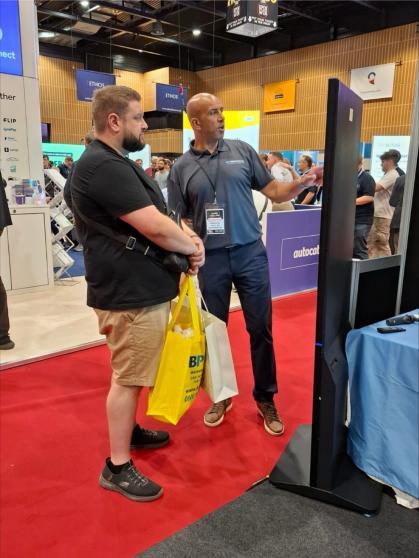
Supporters of review management services suggest that a steady flow of reviews can help reduce friction at the booking stage. Passengers who feel reassured by other customers’ experiences are less likely to focus
There is also an operational dimension around patterns in passenger feedback which may highlight recurring issues around punctuality or communication. When aggregated and reviewed consistently, this information can help operators identify systemic problems rather than reacting to individual complaints. Service
improvements made off the back of feedback may then feed back into stronger reviews over time. How operators respond publicly to feedback is another factor. Professional and timely responses can signal accountability and customer care, which industry observers say may influence future passengers as much as headline ratings. In this sense, reputation management extends beyond collecting reviews to demonstrating how a business engages with its customers.

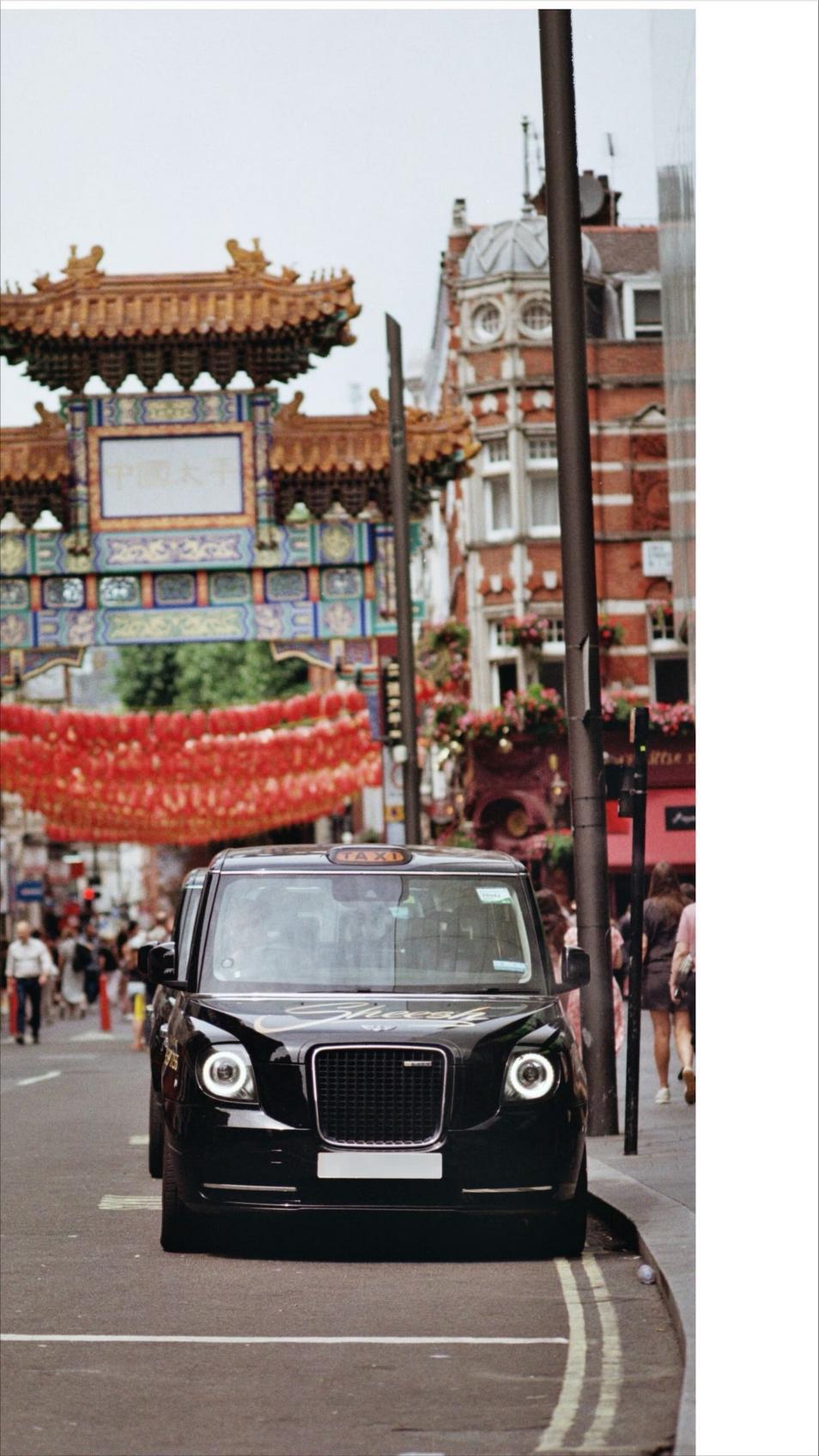

s Plug-in Taxi Grant (PiTG) is expected to come to an end within the next few months, bringing down the curtain on a scheme that has underpinned much of the transition to purpose-built ultra-low emission
The closure in April 2026 will remove a direct price discount that has helped offset the higher purchase costs of electric and plug-in hybrid hackney carriages.
The PiTG was introduced to bridge the cost gap between internal combustion engine taxis and low emission vehicles. Under the scheme, buyers of eligible new taxis receive a discount of up to £4,000 or £3,000 at the point of sale, depending on the vehicle’s zero-emission range and emissions performance. The grant has been particularly significant for wheelchairaccessible taxis, where vehicle prices are typically higher than standard private hire cars.
Vehicles have been split into two categories. Category 1 has offered up to £4,000 for taxis capable of travelling at least 70 miles on zeroemission power with emissions below 50gCO2 per kilometre. Category 2 has provided up to £3,000
for vehicles with a zero-emission range of between 10 and 69 miles, also capped at 50gCO2 per kilometre. In all cases, the grant has only applied to new, purpose-built taxis.
The scheme has been administered through Office for Zero Emission Vehicles, with vehicle eligibility determined using Worldwide Harmonised Light Vehicle Test Procedure data. Manufacturers have been required to apply for approval of specific models and variants, with formal sign-off linked to type approval handled by the Vehicle Certification Agency. Drivers and fleet owners have not applied directly, instead benefiting from the grant as a discount applied by dealerships.
The impending end of the PiTG is expected to have implications for the black cab fleet. Purposebuilt electric taxis often cost tens of thousands of pounds more than legacy diesel vehicles, and operators say the grant has played a huge role in making the move to greener cabs viable. Without
it, monthly lease payments and upfront deposits are likely to rise, particularly for owner-drivers.
Industry stakeholders also warn that the timing is sensitive. Many local authorities continue to tighten emissions standards through clean air zones and taxi licensing conditions, effectively pushing drivers towards ULEV models. The withdrawal of central government support risks widening the gap between regulatory ambition and the economic pressure faced by drivers.
Second-hand and converted vehicles have never been eligible for the PiTG, and its closure is unlikely to affect that segment directly. However, the reduced flow of subsidised new vehicles into the market may, over time, limit the availability of used electric taxis, slowing broader fleet turnover and pushing up prices as demand for fewer vehicles increases.

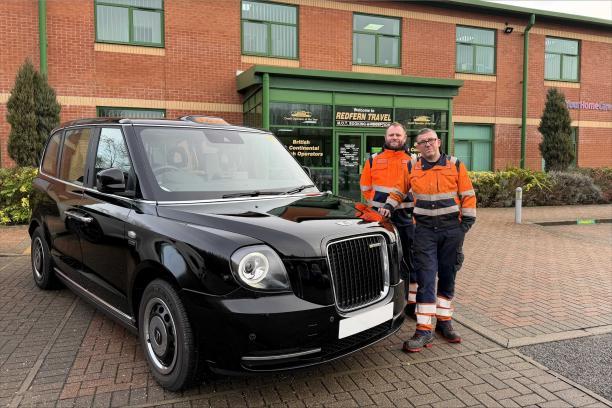
LEVC has appointed Johnson Bros Tours and Redfern Travel as its official aftersales partner for the East Midlands, extending authorised service and repair coverage for its TX taxi and VN5 electric van range.
The family-owned commercial vehicle operator will provide support from four sites across Derbyshire and Nottinghamshire, giving LEVC drivers access to dedicated workshop facilities and trained technicians.
Johnson Bros Tours and Redfern Travel has operated in the commercial vehicle sector since 1950 and currently manages and maintains large fleets of buses and coaches. LEVC said the business’s experience in highutilisation fleet maintenance was a key factor in the appointment, particularly for taxi operators where vehicle downtime has direct earnings implications. Under the arrangement, TX taxi drivers and VN5 van operators will be able to book servicing and repairs locally rather than relying on more distant authorised centres. LEVC said this would shorten turnaround times and improve operational resilience for drivers working across the East Midlands.
A new taxi booking app designed exclusively for hackney carriage drivers has been launched in Milton Keynes, positioning itself as a locally focused alternative to PHV platforms that dominate app-based bookings.
The platform, branded Be Taxi, is targeted solely at licensed hackney carriage drivers operating in the city. Its developers say the app is intended to modernise how streetlicensed taxis access pre-booked work while preserving the regulatory and operational model unique to the hackney trade.
Be Taxi is designed to allow passengers to book licensed hackney carriages directly through a smartphone app, with jobs automatically dispatched to the nearest available vehicle. The system does not use third-party fleet operators or intermediaries, with the platform structured around direct driver-to-passenger bookings.
A Be Taxi spokesperson said: “This is more than an app - it’s a movement to protect and modernise the Hackney Carriage tradition.
“With unity, we can build a fairer, more visible, and more accessible taxi service for our city in Milton Keynes.”

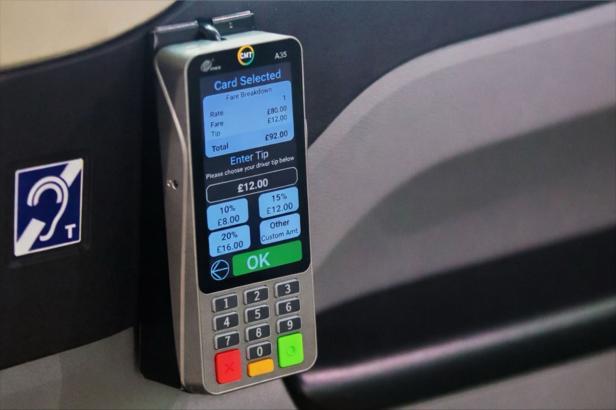
CMT has begun rolling out its new V2 card payment system after completing a significant hardware upgrade, introducing a new generation of payment terminals for London taxi drivers.
The V2 platform replaces CMT’s existing payment technology and has been designed specifically for the London taxi market.
The new terminals are built on an Android-based platform and feature a larger touchscreen interface, integrated directly with the taxi meter. CMT said the design aims to streamline the passenger payment process while improving system reliability and transaction speeds for drivers.
One of the key technical changes is the introduction of store-and-forward functionality, allowing card
payments to be securely captured during temporary signal loss and processed automatically once connectivity is restored. This is intended to reduce failed or abandoned transactions in areas with poor mobile coverage.
CMT said the V2 system is Payment Card Industry compliant through to 2032, giving it a longer compliance lifespan than some existing taxi payment devices.
The company has also retained its daily settlement model, paying drivers seven days a week including weekends and Bank Holidays. Faster settlement and predictable cashflow have been cited by drivers as a top priority, particularly amid rising operating costs.
Blacklane has launched chauffeur operations in four additional European cities, extending its footprint across northern Italy and southern Germany at the start of 2026.
The expansion covers Varese, Bergamo and Verona in Italy, alongside Nuremberg in Germany, strengthening the company’s coverage in regions with a mix of corporate travel, leisure demand and cross-border mobility.
René van Olst, CEO EMEA & APAC at Blacklane, said: “We’re thrilled to extend Blacklane’s hospitality to Varese, Bergamo, Verona, and Nuremberg. These latest launches allow us to bring our exceptional service to even more guests traveling throughout Europe, timed ahead of key international events taking place particularly in northern Italy. We’re continuing to build on our growth momentum in 2026. Watch this space for more new cities to come very soon.”

Transport for London (TfL) has launched a Goodwill Payment Scheme for existing taxi and private hire vehicle drivers who were adversely affected by licence processing delays linked to new IT systems and a prior cyber security incident.
The scheme follows disruption to licensing operations after the introduction of new licence processing software, compounded by recovery work following an earlier cyber attack. The issues were formally acknowledged by TfL in TPH Notices, which set out the causes of delays and mitigation measures taken.
TfL said most existing taxi and PHV drivers were not affected due to the three-year licence renewal cycle. However, drivers who were required to renew during the affected period experienced delays that in some cases led to short interruptions in their ability to work.
To limit operational impact, TfL implemented several measures including recruiting additional licensing staff and prioritising renewals for existing licensees. Short-term licences were issued to PHV drivers where appropriate, allowing continued operation. Taxi drivers who submitted renewal applications before their existing licences expired were permitted to continue working under existing legislation while their applications were processed.
Despite these steps, TfL acknowledged that some drivers still experienced disruption. The Goodwill Payment Scheme has been introduced as a one-off recognition of that impact for drivers who meet defined eligibility criteria.
Under the scheme, eligible drivers will receive a payment equivalent to the refund value of both their Application Fee and Grant of Licence Fee. This equates to £300 for taxi drivers and £310 for PHV drivers. Drivers who experienced a period of more
than seven days without a valid licence will receive an enhanced payment of £500.
Eligibility is limited to existing taxi and PHV drivers whose renewed licences were issued between 1 September 2024 and 31 December 2025. Applicants must have successfully renewed their licence, remained licensed throughout the period, experienced a lapse in licensing, and completed all mandatory driver assessments before their previous licence expired.
TfL said drivers do not need to apply for the payment. All eligible licensees will be identified by TfL and contacted directly, with payments issued automatically by cheque.
The scheme does not apply to first-time licence applicants. TfL stressed that submitting a licence application does not guarantee approval and that there is no fixed timescale for licence decisions. The authority noted that the licensing process is multi-
stage, often involves requests for additional information, and includes elements outside TfL’s direct control.
A TfL spokesperson said: "We’re sorry that some drivers who attempted to renew their licences last year experienced disruption and delays. To recognise the impact that these issues have had on drivers, we are introducing a one-off Goodwill Payment Scheme for those who meet the specific criteria. We will be writing to eligible drivers shortly with further details.
“This follows our work last year to mitigate the impact of these delays, including recruiting additional licensing staff and issuing short -term licences to PHV drivers in appropriate circumstances enabling them to continue to work. We continue to take every possible step to ensure that all drivers who meet licensing requirements are licensed and able to work.”
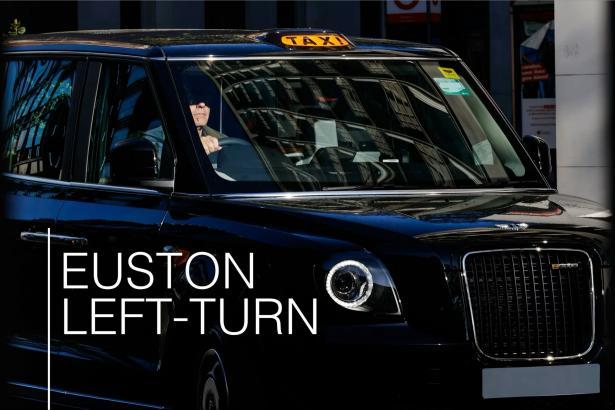
Licensed taxis are set to regain direct access to the ranks at London Euston Station following a Transport for London (TfL) proposal to allow a left turn from the A501 Euston Road into Churchway.
The move removes a long-standing banned manoeuvre that has forced drivers into indirect and congested routing to reach the station’s official taxi facilities.
According to documents seen by TaxiPoint, TfL confirmed it intends to vary an existing traffic order to permit the turn specifically for taxis travelling eastbound on Euston Road. The change would apply at Churchway in the London Borough of Camden and is designed to improve operational access to the station’s taxi rank for both passenger drop-offs and pick-ups.
According to TfL’s statement of reasons, the primary justification for the amendment is to facilitate direct access to the Euston Station taxi rank, reducing unnecessary mileage and time spent navigating surrounding streets. The authority said the existing restriction has limited efficient rank access for taxis approaching from the west, despite Euston being a major national rail gateway.

The Mayor of London has backed the recommendations of a parliamentary report calling for stronger action against illegal or so-called ghost number plates, following claims that the practice is costing Transport for London (TfL) tens of millions of pounds each year in lost revenue.
Responding to a formal City Hall question from Caroline Russell of the City Hall Greens, the Mayor said urgent action was required to curb the growth of ghost plates being used to avoid road user charging and airport drop-off fees.

The issue was raised with reference to a December 2025 report by the All Party Parliamentary Group for Transport, which warned of a sharp increase in the use of illegal and cloned registration plates across the capital. The report cited evidence submitted by Transport for London showing that PCN cancellations linked to cloned plates more than doubled between 2021 and 2022, rising from 7,274 to 16,553 cases.
The APPG estimated that TfL could be losing £49.8m in revenue annually, alongside £898.8m in uncollected fines, although the Mayor stressed these figures were not official TfL calculations.
“The quoted lost revenue figures are estimates made by the All Party Parliamentary Group for Transport, not official figures from Transport for London,” the response said.
Despite this, the Mayor said he supported the recommendations set out in the report and acknowledged the scale of the problem facing London’s enforcement system. The use of ghost plates has been linked to attempts to evade congestion charging, ULEZ fees and airport access charges, with taxis and private hire vehicles among those cited in the report.
Responsibility for enforcement sits primarily with the police rather than TfL, the Mayor confirmed, but he said the transport authority was taking steps to improve detection. TfL is currently reviewing and trialling technical solutions designed to enhance its camera network so that illegal or altered number plates can be identified more effectively.
The Mayor added that TfL is working closely with the Metropolitan Police Service and other stakeholders, while the Government is also pursuing measures to address the growing use of ghost plates nationally.
Unite the Union’s Glasgow Cab Section says its members have now been repaid £2,000 deposits lost after Vehicle Repowering Solutions (VRS), a taxi conversion business, entered liquidation in 2024.
In a statement circulated to members, the cab section said the collapse left many taxi drivers with substantial losses, with drivers having paid deposits linked to taxi conversion work.
The union said it had faced resistance in the aftermath of the liquidation, alleging that the Energy Saving Trust, Transport Scotland and the Scottish Government were “as usual indifferent to the plight of Taxi drivers” because drivers are self employed and the deposits were treated as a commercial decision and transaction.
According to the statement, Unite’s cab section quickly called a meeting of affected members who had lost their £2,000 deposits, and pursued the matter
through political channels after what it described
It was only after the union had the issues debated at the Scottish Parliament, that we started to make the statement said. Adding: “We can now confirm that all the union members have had their £2k refunded in full.”
A separate message accompanying the update said the repayments were made by the Scottish Government and the Energy Saving Trust, and credited branch chair James Carbery and branch secretary Gary Watson, alongside Unite members, for driving the campaign.
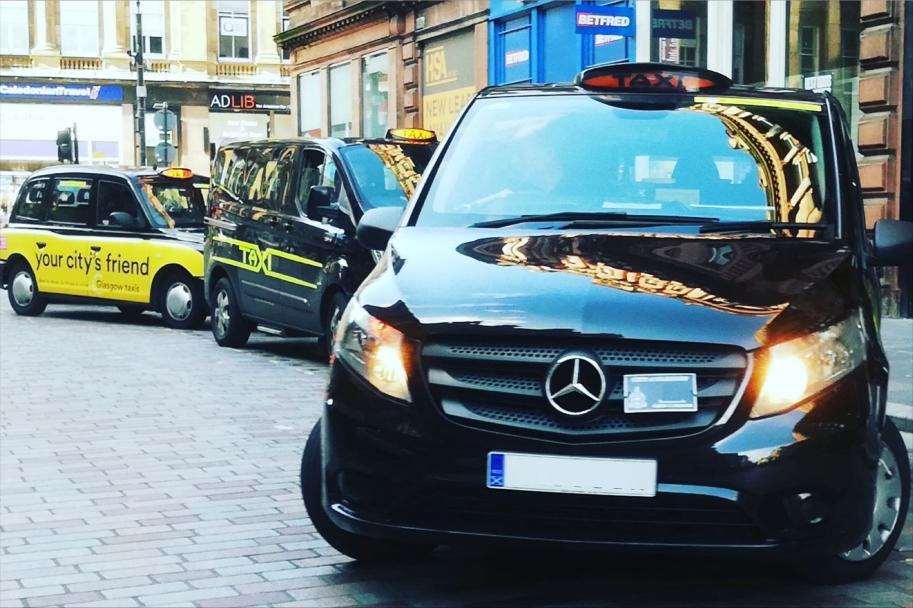
A London-licensed private hire driver has been fined more than £2,000 and received eight penalty points after being caught illegally plying for hire during the Henley Regatta, in a case highlighting continued enforcement against outof-area drivers operating unlawfully at major events.
Shafqat Ali, 36, appeared at Reading Magistrates’ Court on Friday 9 January, where he pleaded guilty to unlawfully plying for hire, failing to hold the correct insurance and not wearing his driver badge issued by Transport for London (TfL).
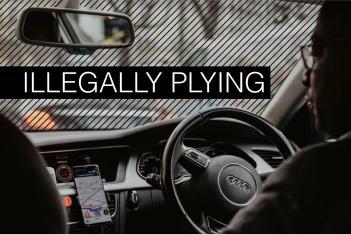
Magistrates heard that Mr Ali, who was licensed in London and working for a chauffeur company, was in Henley-on-Thames on 5 July 2025 during the Henley Regatta. He had travelled to the area
expecting to receive a pre -booked job, but when no booking materialised, he chose to accept work unlawfully.
The court was told that enforcement officers identified Mr Ali operating without the appropriate hire and reward insurance and without displaying his TfLissued private hire driver badge, both of which are mandatory conditions of his licence.
In sentencing, magistrates took account of Mr Ali’s early guilty plea and his previously clean driving record. He was fined £384 for unlawfully plying for hire and a further £576 for failing to have the required insurance in place.
The court also imposed a £384 victim surcharge and ordered Mr Ali to pay £924 in prosecution costs, bringing the total financial penalty to £2,268. In addition, eight penalty points were added to his DVLA driving licence.
Rother District Council is preparing to tighten its taxi licensing enforcement framework by approving a revised penalty points scheme covering hackney carriage and private hire drivers, operators and vehicle proprietors.
A report to the council’s Licensing and General Purposes Committee recommends amending the existing Taxi Licensing Policy to adopt an updated points-based system, with penalty points remaining on record for three years and referral to a licensing panel once more than 11 points are accrued.
The revised scheme is intended to deal with minor misdemeanours in a more structured and consistent way, while creating a clearer audit trail of driver and operator behaviour over time. Council officers say repeated low-level breaches can demonstrate a pattern of poor conduct that raises questions about whether a licence holder remains fit and proper.
According to the report, the main changes include the introduction or clarification of penalties for parking in designated disabled bays, parking with wheels on the pavement, failing to subscribe to the Disclosure and Barring Service update service, moving off a taxi rank when a passenger with assistance needs is approaching, and vaping inside licensed vehicles.

Aafter complaints of overcharging passengers has been refused a new licence, with councillors concluding his conduct undermined public trust in the trade.
Arsalan Khan lost his bid to renew his taxi driver’s licence for a further three years after appearing before the city’s licensing committee, which heard he had previously been suspended for charging incorrect fares and failing to use his meter.
The committee was told that multiple complaints had been made to the taxi and private hire enforcement unit about Mr Khan attempting to charge passengers more than the regulated fare. In one case, a passenger said they were asked to pay £25 for a journey that would normally cost around £13. Another complainant reported being quoted £25 while the meter was switched off.
Mr Khan told councillors he had been suspended after giving what he described as the “wrong price”. He accepted responsibility for his actions and said he had learned from the incident, asking the committee to give him another opportunity.
Committee chair Councillor Alex Wilson said the suspension was a direct consequence of the behaviour that had been reported. Addressing Mr Khan, he said: “You gave a passenger the wrong price, or you didn’t put it through your meter. Why should we give you a new licence based on the fact that you tried to defraud a member of the public?”
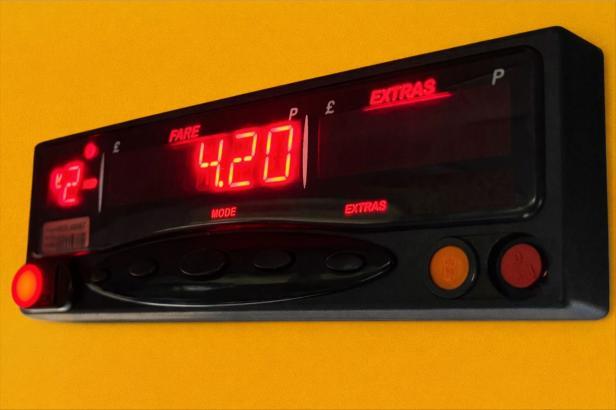
Mr Khan responded that the incident had been a mistake. “It was my mistake and I take full responsibility,” he said. “I’m asking the committee to give me an opportunity to show I have genuinely learned my lesson.” He added: “I will always comply with the licence conditions.”
Councillor Wilson, backed by Councillor Sean Ferguson, moved to refuse the application. An alternative proposal was put forward by Councillor Leòdhaas Massie, seconded by Councillor Eunis Jassemi, which would have granted a one-year licence with a severe warning attached.
With three votes cast for each proposal, the deciding vote fell to the committee chair. Councillor Wilson used his casting vote to refuse the application, meaning Mr Khan will not be granted a new taxi driver’s licence.
loucester City Council has secured a successful prosecution against a driver who operated a private hire vehicle without a licence and without valid insurance, following enforcement action that raised passenger safety concerns.
Samir Jamshidi pleaded guilty at Cheltenham Magistrates' Court to using a private hire vehicle without a licence and driving without insurance between 9 May 2025 and 1 June 2025. The offences occurred after his hackney carriage driver’s licence had been revoked by a neighbouring licensing authority.
Despite the revocation, Jamshidi continued to undertake private hire journeys for a licensed operator during the period in question. Operating without a valid licence also meant the vehicle was not insured for hire and reward, leaving passengers without protection in the event of an incident.
The court imposed eight DVLA penalty points on Jamshidi’s driving licence alongside a £120 fine. He was also ordered to pay a £48 victim surcharge and £2,008.60 in prosecution costs.
The case was brought by Gloucester City Council’s licensing team, supported by the council’s Counter Fraud and Enforcement Unit. Legal proceedings were handled by One Legal, which provides legal services across several Gloucestershire authorities. Licensing officers identified that Jamshidi had continued working despite no longer holding a valid driver licence, highlighting ongoing concerns around cross-border working and drivers
attempting to remain active after enforcement action by another authority.
Local authorities have repeatedly warned that unlicensed and uninsured private hire activity presents a direct risk to public safety, as vehicles and drivers operating outside the licensing system are not subject to routine checks, safeguarding standards or insurance requirements.
The prosecution forms part of wider efforts by councils to tighten compliance within the taxi and private hire sector, particularly where drivers seek to bypass licensing controls following suspension or revocation elsewhere.
Cllr Rebecca Trimnell, Gloucester City Council’s Cabinet Member for Communities, said: “Gloucester City Council is committed to ensuring the safety of passengers and the legality of Hackney Carriage and Private Hire services in our community. This successful prosecution sends a very clear message that we will not tolerate illegal activity in our city and will take decisive action to protect Gloucester residents and visitors.”


drivers across the district, offering the mandatory course at no cost to applicants.
The council said the initiative, supported by central government funding, removes one of the main barriers to entry for new drivers by covering all course fees. The training is delivered through Lancaster & Morecombe College and is open to people with no prior experience in the taxi trade.
According to the council, the scheme is designed to attract new entrants by promoting taxi driving as a flexible form of self-employment. Licensed drivers are able to choose their own working hours, operate independently and benefit from what the authority described as consistent demand for services across the Lancaster district.
The council also emphasised that applicants do not need to own a vehicle to take part in the course, further lowering the threshold for participation. Once licensed, drivers can work across the district serving both residents and visitors.
The move comes amid growing concern among local authorities about the availability of taxis, particularly during peak periods and late-night hours. Lancaster City Council said increasing the number of licensed drivers would help reduce waiting times and improve reliability, including during major events and busy weekends.
The council highlighted the wider economic and social benefits of increasing taxi provision, noting the role of taxis in supporting older residents, disabled passengers and shift workers who may have limited public transport options. Improved taxi availability was also linked to supporting the local night-time economy and hospitality sector.
The course itself covers essential knowledge required for licensing, alongside safety and safeguarding training. The council said this ensures new drivers are able to enter the trade with confidence while maintaining expected standards of public safety.
Sessions are planned for 12 February, 18 February and 27 February, with bookings available through the council’s website.
authority and the police to support a safe and wellmanaged night-time economy across the borough.

HIRE VEHICLE CHECKS
HIT NUNEATON STREETS
AS CROSS-BORDER CABS
FACE LATE-NIGHT CRACKDOWN
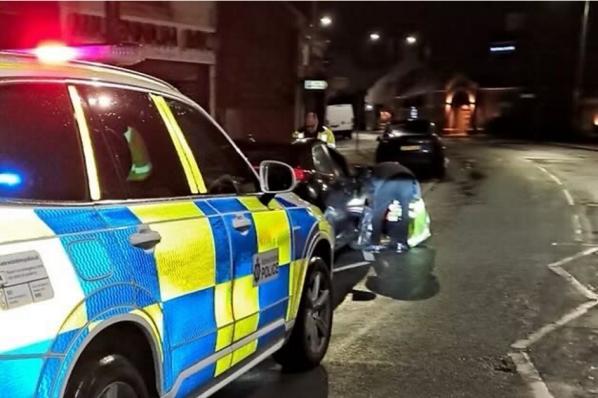
Licensing officers carried out late-night compliance checks on private hire vehicles in Nuneaton and Bedworth as part of a joint operation with police and council enforcement teams.
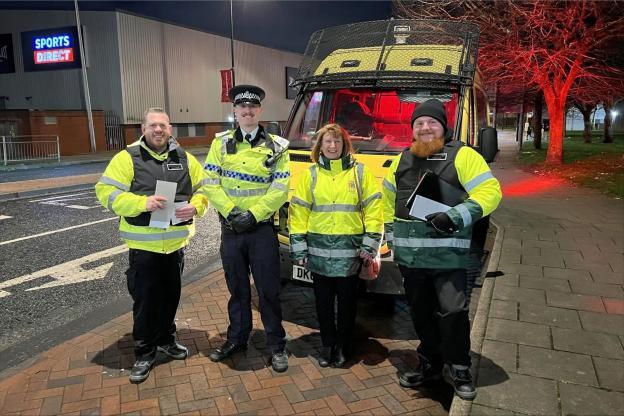
The patrol was led by City of Wolverhampton Council licensing officers alongside Warwickshire Police and colleagues from Nuneaton and Bedworth Borough Council. Vehicles were stopped to verify licensing status, insurance, identification plates and general compliance with local and national private hire rules.

A taxi driver in Great Malvern has been issued with a fixed penalty notice after being seen using a mobile phone while stopped at traffic lights, West Mercia Police said.
The incident took place on Church Street while a Malvern Hills neighbourhood officer was on foot patrol. Police said the driver was observed using his phone while waiting at a red signal and was spoken to at the scene before enforcement action was taken.
Under current UK legislation, using a handheld mobile phone while driving includes use while stationary in traffic. The standard penalty is a £200 fine and six penalty points on a driving licence.
Police forces across England and Wales have maintained targeted enforcement of mobile phone offences, citing safety risks and repeat non-compliance among professional drivers, including licensed taxi and private hire operators.