

















GREETINGS, AND WELCOME TO THE 2025 SPOTLIGHT! PROJECT SHOWCASE AND SCHOLARSHIP COMPETITION.
As we begin a new academic year, marked by rapid change and new global challenges, we are reminded that adaptability, resilience, and community have never been more important. Now in its 32nd year, the Tauber Institute for Global Operations continues impactful work in developing emerging leaders with strong operations, supply chain, and business acumen skills. This year, students completed 22 Industry projects, took part in our Leadership Advantage modules, the Global Operations Conference, core courses, attended onsite industry experiences, and connected as a community along their leadership journeys.
As industries continue to navigate disruption, including changing consumer attitudes, supply chain challenges, cost pressures, and digital transformation, the challenge to retain and grow talent remains pivotal. The Tauber Institute piloted a new innovative project path for stage 2 company growth to continue to diversify the project experience and opportunities for our students. In addition, we launched a Career Advancement Series to broaden full-time opportunities and connections. The outcomes of all of these projects resulted in solutions that will drive measurable value well beyond the summer project, as well as grow our future talent pipeline.
As you will see during the 2025 Spotlight! event, the results are both transformative to our students’ future careers and highly impactful for our industry partners. We are incredibly grateful to our industry partners who have invested in our program, supported these projects, and continue to raise the bar on what an academic and industry collaboration can produce.
This guide provides insight into 2025 students and team project outcomes, and describes the challenges, methodologies, and results of each sponsored project. The depth and breadth of our students’ project outcomes reflect the demands faced by operations functions around the world. We hope these executive summaries will provide insight into the Tauber Institute’s solid global reputation and partnerships with leading companies that know our students can be called upon to solve some of their most challenging problems.
We also extend our sincere thanks to everyone at the University of Michigan, including the Tauber staff team, faculty advisors, University Leadership, and the many support functions who have supported our program throughout this journey.
Here's to celebrating our collective success, new beginnings, and creating an incredible talent pipeline together.
Best Regards,
Damian, Saif, & Anne



Ford Motor Company
Business Co-Director of the Joel D. Tauber Institute
Donald C. Cook Professor of Business Administration
Ross School of Business

Goff Smith Co-Director of the Joel D. Tauber Institute
Seth Bonder Collegiate Professor of Industrial and Operations Engineering
College of Engineering

ANNE PARTINGTON
Managing Director
Head of Industry Partnerships
Tauber Institute for Global Operations
Dear U-M Students, Industry Partners, Colleagues, and Friends:
Welcome to the 32nd Annual Spotlight! Project Showcase and Scholarship Competition, presented by the Tauber Institute for Global Operations at the University of Michigan. It is my pleasure to congratulate every student who has completed this impactful interdisciplinary fellows program, joining an impressive network of more than 1,600 Tauber alumni who are making a difference around the world.
We welcome our incoming Tauber students into this exceptional collaboration between the College of Engineering and the Stephen M. Ross School of Business. Returning students bring with them additional leadership skills acquired through their Tauber projects, and we congratulate them on these achievements. Each year, our vibrant community demonstrates how partnerships between diverse disciplines inspire innovation, growth, and excellence.
At the University of Michigan, we take pride in our commitment to research, education, and leadership development in the service of our broader society. The Tauber Institute stands as a prime example of how our graduates excel at driving meaningful innovation and positive change. By bringing together talented students with varied perspectives, the Tauber Institute empowers them to develop creative solutions to the complex, large-scale operational and supply chain challenges our world faces today. Their work demonstrates that addressing significant issues requires collaboration across disciplines and sectors.
Time and again, we see how interdisciplinary efforts like those at Tauber lead to results that not only benefit organizations but also support our ongoing mission to advance knowledge and learning. Our students refine their skills while delivering solutions that contribute to progress and improvement on many levels.
These experiences then lay the foundation for joining a distinguished community of Tauber alumni whose accomplishments are a testament to the program’s impact. Reflecting on over 30 years of Tauber Institute history, I encourage you to celebrate the achievements of these esteemed individuals, who are shaping the future and redefining boundaries within their professions and communities. Their persistent drive and commitment to excellence capture the University of Michigan’s proud spirit and legacy.
And it is in this enduring spirit that we extend our deepest gratitude to Joel D. Tauber. Without his initial vision and continuing support, the Tauber Institute and its many successes would not have been possible. I also want to thank our company partners for their guidance and willingness to mentor the next generation of leaders across industries, public sectors, and entrepreneurial initiatives.
The pages that follow highlight the extraordinary results that emerge when different perspectives and expertise come together. I hope you enjoy learning about our students’ accomplishments as much as I have.
Forever Go Blue!

Domenico Grasso President
Santosh Narayan Venkatesan
Shreyash Parab
Mariana I. Fernández Correa
Lucas Hissong
AMAZON:
Heejung (CELINA) Jung
Michael Vu
Gahyun Kim
AMAZON:
Renato Ferreira Mattos
Randy Harris Marsiholan Siregar
Keiran Boerema
Reese Liebman
Mark Curry
Nathan O’Sullivan
Felix Liu
Zachary Vaitkevicius
Katherine
Michael T. Kirk
Oscar Roden
Maya Mileski
Zubin
Sergio
Ayushi
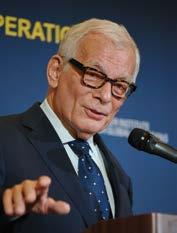
“When I was honored with the naming of the Tauber Institute back in 1995, I never dreamed it would become the vibrant global network of operations professionals and thought-leaders that it is today. Thank you all for your contributions to this community that inspires me with its energy and its eagerness to embrace new ideas.”
- Joel Tauber
It all began when a gathering of business advisors identified a key category of employees missing from their organizations: trained professionals who understand both the business and engineering aspects of manufacturing.
As a result of that discussion, the University of Michigan’s Ross School of Business and College of Engineering formed a new cross-unit collaboration. Named for benefactor and U-M alumnus Joel Tauber, the Tauber Institute was born — and immediately began to innovate.
Faculty in the two schools created new courses to deliver an integrated education addressing the challenges of modern manufacturing, with an emphasis on leadership skills.
The Tauber Institute sought every opportunity to immerse students in real-world experiences — leading to the development of Tauber team projects and the annual Spotlight! event, where students compete for academic scholarships through their presentations about their work at top companies across the U.S. and around the world.
The Tauber Institute’s true legacy lies not just in its accolades, but in the impact its graduates make across industries and sectors. Tauber alumni quickly drive positive change, foster community, and rise to rewarding leadership roles—demonstrating the institute’s commitment to developing leaders who make a difference wherever they go.
Students enter the Tauber Institute through the College of Engineering or the Stephen M. Ross School of Business. They bring experience in areas such as product engineering, manufacturing, supply chain, and consulting. Most hold undergraduate degrees in engineering or other technical fields. All share a strong commitment to careers in operations and supply chain management, supported by an education tailored to the needs of today’s firms.
ALL TAUBER STUDENTS ARE ENROLLED IN ONE OF THE FOLLOWING DEGREE PROGRAMS:
Engineering Global Leadership Honors
• Five-year honors program
• Combines engineering with business leadership skills
• Includes cultural concentration in a chosen global region
• Leads to BSE + MSE degrees
BBA + Tauber + MSCM
• 5th-year master’s degree
• Bridges Bachelor of Business Administration with Master of Supply Chain Management (MSCM)
• STEM-certified, 10-month program
• Focus: End-to-end global supply chain management
Engineering Graduate Programs
• Graduate-level engineering degrees paired with Tauber requirements
• Intensive coursework in:
• Operations
• Manufacturing technologies
• Business electives
• Degrees include: MEng, MSE, PhD, Doctor of Engineering
• Two-year program
• Prepares students for general management leadership roles
• Tauber component includes:
• Operations management courses
• Supply chain coursework
• Manufacturing-related engineering
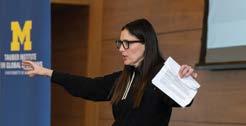
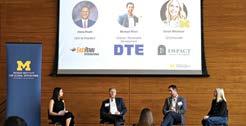


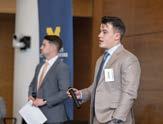
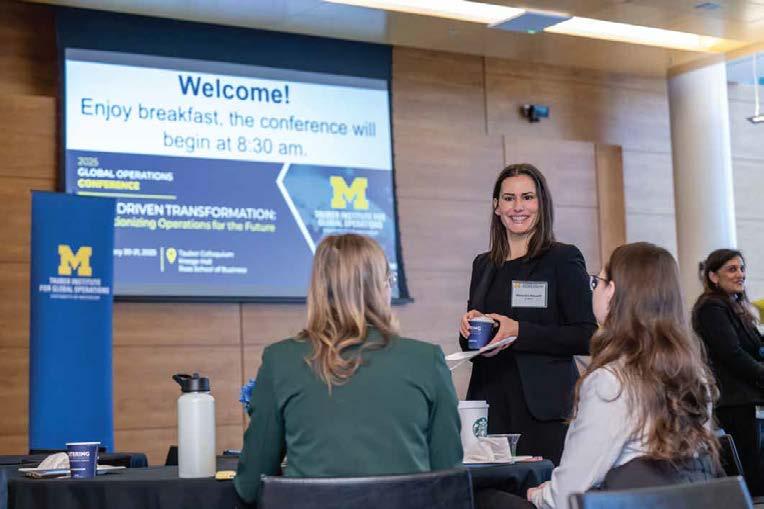
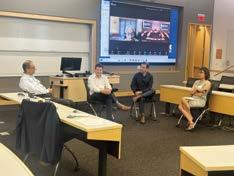
The Tauber Institute for Global Operations at the University of Michigan hosted its Global Operations Conference on February 20–21, 2025. The event brought together industry leaders, Tauber fellows, academics, and students to explore the evolving landscape of supply chain and global operations. While technology’s transformative power was a key focus, discussions highlighted an equally important theme: the value of lessons learned from failure.
Distinguished speakers and panelists examined how organizations can leverage technology for operational excellence while candidly sharing their experiences with setbacks. Jackie Cook, Director of Ops Engineering at Amazon, delivered the opening keynote and stressed that true innovation grows from the willingness to adapt after failures. She shared challenges
her team faced while implementing advanced supply chain solutions and described the pivots that followed. Her candid reflections reinforced the importance of resilience and adaptability in overcoming adversity.
A panel on “Resilient Supply Chains” further emphasized this theme. Panelists recounted projects that did not unfold as expected and explained how those experiences reshaped strategies and improved organizational strength.
Two additional panels broadened the conversation. The “Smart Operations” panel explored how artificial intelligence is driving efficiency and supporting better decisionmaking in operations. The “Sustainable Operations” panel showcased approaches for integrating environmental responsibility into business models, highlighting examples
where ecological sustainability and profitability reinforced each other.
We look at how that investment impacts the associate, how that investment impacts the customer experience, and how that investment interacts with human factor
- Jackie Cook, Amazon
concrete sense of how new solutions can be applied beyond theory.
Across sessions, a common theme emerged. Technology is an enabler, but it is not a cure-all. Progress comes from a culture that fosters experimentation, tolerates failure, and learns from it. Speakers illustrated how some of the most significant advances in operations have roots in initial setbacks that later proved essential to success.
The 2025 Global Operations Conference showcased the dynamic changes in industry


BUSINESS & ENGINEERING
The Tauber Institute is a capstone leadership program open to graduate students in both the Ross School of Business and the College of Engineering. There are no extra credits or added tuition. Through hands-on projects and crossfunctional learning, Tauber prepares students to lead in operations, supply chain, and technology by combining the strengths of both colleges.

The Tauber Institute offers a competitive edge by combining business and engineering expertise to solve high-impact, real-world challenges. Students gain handson experience through:
Multidisciplinary Team Projects: Work with top companies to address critical operational issues, delivering tangible results and gaining unparalleled experience.
Leadership Development: Tauber’s LeadershipAdvantageSM program equips students with the leadership, teamwork, and communication skills needed to thrive.
Cross-Functional Curriculum: Tauber integrates rigorous business and engineering coursework, preparing graduates to bridge gaps and drive innovation.
Industry Connections: Students connect with executives, alumni, and corporate partners through workshops, networking events, and competitions.
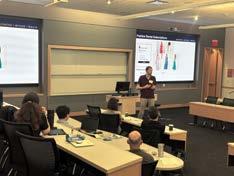
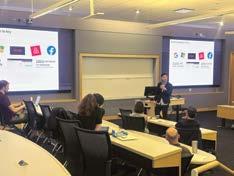
On MAY 15, 2025, the Tauber Institute for Global Operations at the University of Michigan hosted the inaugural “Frontiers in Operations” symposium at the Ross School of Business. Faculty from engineering and business came together to present research on emerging business models, technological change, and societal challenges. The event spotlighted early-career and newly arrived faculty alongside senior professors to encourage fresh collaborations.
The closing session featured senior faculty including Saif Benjaafar, Brian Denton, Izak Duenyas, and Ravi Anupindi. They emphasized that informal connections often spark the most impactful projects and stressed the importance of institutional support for sustained partnerships between engineering and business disciplines. Their advice for early-career researchers was to pursue collaborations that reach beyond traditional academic boundaries.
Looking forward, the symposium previewed the research topics and analytical tools that are likely to shape global operations in the coming years. The discussions pointed toward future directions in technology, policy, and innovation. By bridging business and engineering research, the Tauber Institute continues to foster the cross-functional thinking that prepares students to lead and helps companies adapt in a rapidly changing landscape.
The Industry Advisory Board (IAB) offers advisory guidance and support consistent with the Institute's mission and objectives. Spanning many industries from tech to non-profit, manufacturing and consulting, the IAB actively assists the institute in achieving its goals through sponsoring Tauber projects, lending industry insights, supporting Tauber events and scholarships, and providing pathways for full time career opportunities.

AMY MCLAUGHLIN 3M Company, Senior Vice President, Enterprise Customer Operations

BRIAN TAUBER BLT Ventures LLC, CEO

BILL CHIU
DTE Energy, Vice President, Distribution Engineering and Technology DTE Electric

JOANNE RZEPPA Amazon.com, Inc., VP, NASC Operations

JASON CLARK The Boeing Company, VP-GM 777/777X Program and Everett Site Leader

KANDY SUBRAMANIAN Ford Motor Company, Global Director Manufacturing Technology Development & Innovation

DANNY DAVIS American Industrial Partners, Partner

CRAIG WEISS ConAgra Brands, Senior Vice President, Supply Chain

JORGE RAMIREZ
General Motors Company, Global Director and Chief Manufacturing Cybersecurity Officer

DAVID HORING American Securities, Managing Director

JEFF TAZELAAR, Dow, Inc., Global Director ISC Innovation

JASKIRAT SOHI
Howmet Aerospace, Global Product Integrity and Warranty Manager

DOUG MEHL Kearney Inc., Partner and Americas Lead, Automotive and Industrial Practice

STRAMA National Center for Manufacturing Sciences, President & CEO

JOE DUDAS Mayo Clinic, Division Chair, Supply Chain Management and Planning

ROBERT NOACK Pfizer Inc., Senior Director, Pharmaceutical Sciences, Drug Product Supply

RUSSELL HENSLEY McKinsey & Company, Partner

LISELLE REGIS Target Corporation, Christian, Group Vice President, GSCL

BRYAN Microsoft Corporation, General Manager, Business Operations

TAUBER Tauber Enterprises, President
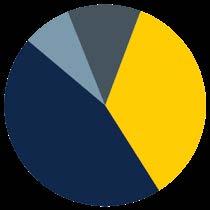
TOTAL STUDENTS: 52
PROJECT INDUSTRIES:
TOTAL PROJECTS: 22
STUDENTS
2025 PROJECT STUDENT COHORT: COUNTRIES REPRESENTED
INDONESIA
JAPAN
MEXICO
NETHERLANDS
SOUTH KOREA
SWEDEN
TAIWAN
UGANDA
UNITED STATES




MSE, MECHANICAL ENGINEERING

MSE, INDUSTRIAL & OPERATIONS ENGINEERING
Project Sponsors:
David Woodruff – Partner
Danny Davis – Partner
Kyle Reynolds – Manufacturing Engineering & Lean Manager
Faculty Advisors:
Dave Ostreicher – Ross School of Business
Ray Muscat – College of Engineering
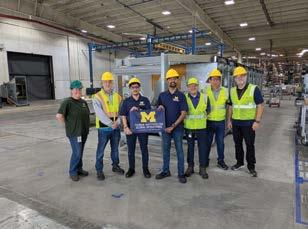
The Tauber Team partnered with AMERICAN INDUSTRIAL PARTNERS (AIP) and Grain & Protein Technologies (GPT) to strengthen operations for a critical new product introduction. AIP is a New York–based private equity firm with over $9 billion in assets under management and focuses exclusively on building and improving North American industrial businesses. In 2024, AIP acquired Grain & Protein Technologies (GPT), a global leader in grain storage, conditioning, and protein production equipment. GPT serves farmers and commercial operators worldwide with innovative, large-scale agricultural solutions.
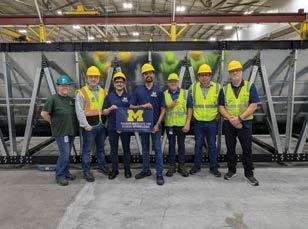
The Tauber Team worked with GPT’s Mix-Flow Dryer line, a high-priority New Product Introduction (NPI) designed to improve the efficiency and reliability of grain drying. The team documented the current state using value stream mapping, spaghetti diagrams, and detailed time studies, then applied these insights to drive targeted improvements. Accurate cycle times were established for major sub-assemblies, which enabled balanced labor allocation and reduced inefficiencies. Standard Operating Procedures (SOPs) were created and consolidated, enhancing clarity, consistency, and training effectiveness. In parallel, the shop floor was redesigned with structured layouts and 5S practices to eliminate clutter, improve material flow, and sustain organization. Leadership audits and visual tracking boards were introduced to reinforce accountability and maintain progress.
The resulting improvements reduced downtime, accelerated operator training, and created a more standardized and efficient production environment. These changes positioned GPT to scale the Mix-Flow Dryer line to meet increasing customer demand while maintaining quality and achieving Ship Complete on Time (SCOT) performance. By delivering a robust foundation for sustainable operations, the project supported GPT in bringing an innovative product to market and strengthened AIP’s broader mission of building high-performing industrial businesses.
With the implementation of the Tauber team’s recommendations, AIP and GPT are projected to eliminate approximately $4.97 million in manufacturing costs for the Mix Flow Dryer over the forecasted demand of 215 units across a four-year period.

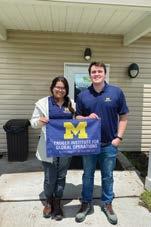

MARIANA I. FERNÁNDEZ CORREA
EGL (BSE ENVE / PH.D ENVIRONMENTAL ENGINEERING)


LUCAS HISSONG
EGL (BSE ME / MSE INDUSTRIAL AND OPERATIONS ENGINEERING
Data-Driven Optimization of Fiber Mix Inputs for Wood Pellet Production
Project Sponsors:
John Shellnutt - Process Engineering Manager
Jack Simmons - American Industrial Partner (AIP), Operations Associate
Faculty Advisors:
Mehmet Begen – Ross School of Business
Brian Love – College of Engineering
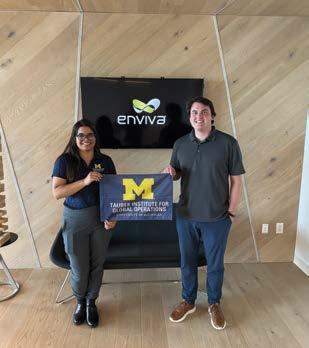
AMERICAN INDUSTRIAL PARTNERS, in collaboration with Enviva, the world’s largest producer of wood pellets, sponsored the 2025 Tauber Team to develop the Optimal Fiber Mix Tool, a data-driven decision-making platform to optimize raw material selection, increase plant throughput, and enhance profitability. Fiber procurement represents roughly 50% of Enviva’s cost of goods sold and currently relies on experience-based decisions, resulting in variability in production capacity, pellet quality, and financial performance. Given that Enviva purchases over 10.6 million tons of fiber annually, improving procurement precision can drive significant gains in consistency, efficiency, and profitability. By creating a structured, data-driven approach, the project aimed to reduce uncertainty and unlock significant financial opportunity across Enviva’s operations.
The team focused on four critical areas to enhance the Optimal Fiber Mix Tool. Moisture Content assumptions were validated and optimized across 16 commodities, 9 sites, and 5 fiber baskets using historical plant data. This improvement allows for more accurate throughput predictions, leading to a 10% increase in plant capacity accuracy. Particle Size Distribution assumptions were developed and incorporated into the tool for the first time, enabling more reliable capacity predictions at sites bottlenecked by sizing operations. The team also enhanced the capacity portion of the tool, improving accuracy by more than 30,000 tons annually, equating to a potential $5.3M annual impact on product sales forecasts. Finally, the team advanced the Transpiration-Dried Wood initiative by creating a forecasting model to predict natural moisture loss as logs age in the yard. Early analysis indicates that T-wood, which provides free, natural drying as logs age in the yard, could reduce mix moisture content by 2–3 percentage points and boost profit margins by $1.4–$1.6M annually at the pilot site.
The Optimal Fiber Mix Tool will provide Enviva with a unified decision-making framework connecting procurement, operations, quality, and finance. It enables informed procurement planning, identifies cost-effective raw material mixes, reduces bottleneck risks, and evaluates the operational impact of adding new inputs such as transpiration dried wood. Importantly, the tool also identifies high-impact capital investment opportunities by revealing which operational bottlenecks offer the greatest potential for improvements with the highest return on investment.


HEEJUNG (CELINA) JUNG MASTER OF BUSINESS ADMINISTRATION


MICHAEL VU
MASTER OF BUSINESS ADMINISTRATION
GAHYUN KIM MASTER OF BUSINESS ADMINISTRATION
Optimizing Outbound Volume Utilization in Amazon Operations
Project Sponsors:
Josh Ingram – General Manager
Jason Fogle – Senior Operations Manager
Abhishek Salvi – Operations Manager
Jordan Westendorff – Operations Manager
Faculty Advisors:
Lennart Baardman – Ross School of Business
Dawn Tilbury – College of Engineering
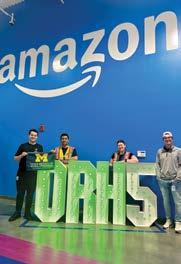
RBD5 is an AMAZON sort center in Irving, TX that receives and sorts packages from other Amazon facilities for outbound delivery. The facility processes packages through various sorting systems, and these packages are either manually packed or automatically routed into containers. Workers then secure these containers, move them to staging areas, and load them into trailers. The facility optimizes trailer space through methods like direct fluid loading into trailers and merging partially-filled containers.
Recently, the facility struggled with inefficient outbound trailer utilization, leading to excessive transportation costs. These inefficiencies resulted in nearly $2 million in annual transportation costs. The excessive transportation costs stemmed from three critical inefficiencies: deployment of additional trailers, significant underutilization of trailer capacity, and suboptimal routing decisions that wasted valuable fleet resources. To tackle trailer utilization, the Tauber team focused on improving three key metrics: Wasted Adhocs (the number of unnecessary additional trailers), Wasted Cubic Capacity (the amount of underutilized trailer space), and Nearly Empty Container Closed Early (the percentage of prematurely closed containers).
The team implemented three strategic improvements to improve trailer utilization at RBD5. First, the team optimized fluid loading by rebalancing fluid versus container loading operations, prioritizing staging by container type, consolidating volume through chute optimization, and enhancing photoeye sensor positioning to improve container fill detection accuracy. Second, the team established a new Merger role responsible for combining underutilized containers, complete with visual identifiers and clear instructions to ensure consistent execution. Third, the team reconfigured the Non-Conveyable area floor plan to create a streamlined, single-direction workflow that improved container processing efficiency and reduced travel distance to outbound docks.
These improvements delivered substantial waste reduction across all key metrics. Wasted Adhocs decreased by 72%. Wasted Cubic Capacity decreased by 64%, representing a reduction in underutilized space. Nearly Empty Container Closed Early rates reduced by 18% with even greater improvement during peak periods.
These improvements are projected to deliver substantial value for Amazon: over $1.5 million in annual transportation cost savings while eliminating more than 1,300 metric tons of CO2 equivalent emissions. Most importantly, these process improvements by the team represent sustainable practices with lasting operational changes. With the potential for network-wide implementation across Amazon facilities, the impact of these improvements could multiply many times over, driving significant improvements across the organization.


MASTER OF BUSINESS ADMINISTRATION

MASTER OF BUSINESS ADMINISTRATION
Project Sponsors:
ORH5 Efficiency Improvements
John Benson – Director of Operations
Connor Diercks – Senior Operations Manager
Faculty Advisors:
Hyun-Soo Ahn – Ross School of Business
Max Li – College of Engineering
AMAZON is a global leader in operations, constantly innovating to enhance customer experience and reduce costs. Sort Centers, critical components of the middle-mile network, receive packages from multiple sources and sort them by destination to streamline transportation and accelerate delivery times.
The Tauber team partnered with ORH5, a Sort Center located in Uxbridge, MA, to identify and implement costsaving opportunities that also improve customer experience. The project focused on both inbound and outbound processes and uncovered four key initiatives.
Leveraging Amazon’s best practices, the team developed and piloted solutions to improve headcount planning, accelerate startup routines, eliminate non-value-added activities, and increase inbound processing rates. These initiatives, refined with input from site leadership, are projected to deliver annual savings of over $1 million.
Additionally, the team identified future opportunities that generates another $700K in annual savings. Altogether, the improvements represent a $6.4 million in cumulative savings over three years for ORH5 alone, while also contributing with best practices for the network and supporting Amazon’s customer-centric operational excellence.

KEIRAN BOEREMA
EGL (BSE INDUSTRIAL AND OPERATIONS ENGINEERING / MSE INDUSTRIAL AND OPERATIONS ENGINEERING)


REESE LIEBMAN
EGL (BSE COMPUTER SCIENCE / MSE INDUSTRIAL AND OPERATIONS ENGINEERING)

MARK CURRY
MASTER OF BUSINESS ADMINISTRATION
NATHAN O’SULLIVAN
MASTER OF BUSINESS ADMINISTRATION
Project Sponsors:
Optimizing 777-9 Fuselage Assembly Flow
Jason Clark – VPGM – 777/777X Program
Rick Gimlin – Director – 777/777X
Production Engineering
Mike Daffon – Manager – 777/777X
Manufacturing Engineering
Faculty Advisors:
Andrew Wu – Ross School of Business
Prakash Sathe – College of Engineering
THE BOEING COMPANY, a global leader in aerospace and a top U.S. exporter, is dedicated to delivering innovative, safe, and high-quality aircraft to customers around the world. The 777X program signifies the next generation of Boeing's long-range, twin-engine jetliners. In particular, the Boeing 777-9 is poised to become the largest and most efficient passenger aircraft in the world, accommodating up to 426 passengers in its maximum configuration while achieving 10% lower fuel consumption and 10% reduced operating costs compared to its competitors.
This project focused on optimizing the production operations of the 777X primary structures at the Fuselage Assembly Center in Everett, Washington, specifically by targeting the splice plate installation and rework processes for the 777-9 aircraft. Splice plates are essential components that circumferentially join fuselage body sections, playing a critical role in the structural integrity of the airframe and the lifespan of the aircraft. However, the current drilling and installation processes generate chip debris and surface damage, resulting in NonConformance Records, costly rework, and delays that jeopardize the existing build plan.
To tackle these challenges, the Tauber team collected and analyzed data, conducted interviews with mechanics and subject matter experts, and interfaced with all support teams involved in the process to pinpoint inefficiencies in the current workflow. This thorough investigation led to the development of a comprehensive plan aimed at enhancing the splice plate process flow. Key elements of this plan include an optimized factory floor layout, the implementation of a real-time process tracking dashboard, a methodology for determining the optimal sequence of work, and the establishment of escalation procedures for immediate process support.
By addressing inefficiencies and communication gaps in the installation and rework processes, the implemented solutions aim to reduce queue times between support functions, provide scalable tools for future builds, and increase the production rate of the primary structures position—the current bottleneck in the production system.
Over the course of 12 months, these changes are expected to facilitate a 28% increase in production rates, aligning with the program's demands. Subsequently, the team projects an increase in internal revenue of $1.5 billion over the same period. Through this initiative, Boeing reaffirms its commitment to continuous improvement and innovation, ensuring the success of the 777X program and maintaining its leadership in the aerospace industry.


EGL (BSE-CS / MSEINDUSTRIAL AND OPERATIONS ENGINEERING)


ZACHARY VAITKEVICIUS
BTS (BBA AND MASTER OF SUPPLY CHAIN MANAGEMENT)
KATHERINE SUSAN MAHLER MASTER OF BUSINESS ADMINISTRATION
Driving Operational Excellence through Sustainable Solutions
Project Sponsors:
Craig Weiss – SVP Supply Chain
Michael Dunn – Vlasic Plant Engineering Manager
Faculty Advisors: John Branch – Ross School of Business
Seth Guikema – College of Engineering
Sam Beadle – Sr Director - Manufacturing
Tim Wagner – Vlasic Plant Manager
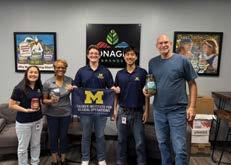
The Tauber team has partnered with CONAGRA BRAND’S Vlasic Plant in Imlay City, Michigan to drive sustainability through operational improvements across three key areas: hand pack yield optimization, hand packing automation, and energy efficiency. These efforts aimed to reduce product loss, explore innovative packing technologies, and uncover utility cost savings through data-driven analysis, all while working within the unique constraints of a seasonal, unionized workforce. Together, these projects reduced waste, conserved energy, and enhanced operational efficiency, supporting long-term environmental sustainability and resilient, scalable operations.
With a $1.2 million yield loss opportunity identified in FY24, the primary objective of the Hand Pack Yield Improvement project was to reduce yield loss and enhance packing accuracy. Key initiatives included the implementation of checkweighers, a real-time dashboard, a No Stockpiling Policy, a performance-based incentive program, the formation of a dedicated Hand Packer Committee, and targeted machine improvements.
The yield improvement project was projected to deliver approximately $1.4 million in annual savings. Beyond the financial impact, the recommended strategies reinforced best practices in hand packing, increased the number of in-spec jars, promoted accountability, and encouraged a focus on quality over quantity. Additionally, the initiatives were designed to improve communication, while fostering a culture of teamwork.
The packing initiative involved designing and executing a testing plan to evaluate pickle filling processes. We assessed various filling methods across different produce sizes to determine whether they met operational, safety, and performance standards. Testing revealed opportunities for improved filling processes for stacker cuts (one of two cuts of produce run on hand pack lines). However, the qualitative insights gained from these trials will be valuable in guiding the design of an improved process.
The Energy Meter Monitoring project aimed to identify $350,000 in annual savings by reducing excess utility consumption. Through collaboration with subject matter experts, Gemba Walks, and analysis of historical and flow meter data, we uncovered $1.1 million in annual savings. Additionally, we developed standard operating procedures (SOPs) for identifying, investigating, and responding to anomalies or fluctuations in flow meter data. We also identified additional opportunities to reduce energy consumption and approached this work with a peoplecentered lens – driving meaningful change through employee engagement and empowerment at the facility.
Together, these projects established a strong foundation for a more sustainable and efficient future at the Vlasic Plant. If fully implemented, the facility is projected to achieve $2.3 million in annual savings. Beyond the immediate impact, these initiatives have the potential to serve as a blueprint for other facilities across the company. Our vision is for the Vlasic Plant to become a model of sustainable operations – one that other sites can emulate. By laying this groundwork, we not only delivered short-term results but also enabled long-term, company-wide transformation.


MICHAEL T. KIRK
MASTER OF BUSINESS ADMINISTRATION


OSCAR RODEN
EGL (BSE MECHANICAL ENGINEERING / MSE INDUSTRIAL AND OPERATIONS ENGINEERING)

MAYA MILESKI
EGL (BSE BIOMEDICAL ENGINEERING / MSE INDUSTRIAL AND OPERATIONS ENGINEERING)
Project Sponsors:
Material Movement & Warehouse Transformation
Judson Duncan – President, Pressure Management (Project Champion)
Cooper Barth – Plant Manager
Miguel Illas – Logistics Manager
Faculty Advisors:
Izak Duenyas – Ross School of Business
Dave Ostreicher – College of Engineering
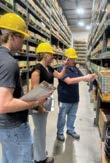
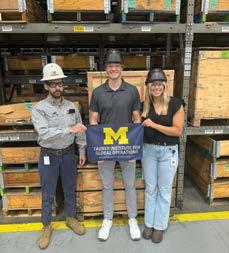
EMERSON is a global leader in technology, software, and engineering solutions that serves customers across industrial, commercial, and residential markets. The Tauber project team collaborated with Emerson’s Stafford, Texas Pressure Relief Valve (PRV) facility, which manufactures valves and provides parts solutions to its global customers. In addition to an aggressive sales target, Stafford sought to drastically improve Service Level. Despite its profitability, Stafford had been grappling with outdated warehouse practices that have driven up lead times and run up costs.
The team conducted a thorough analysis of warehousing processes and infrastructure including receiving, storage, cycle count, part-pulling, personnel organization, layout, and all other aspects of material movement in, out, and within the warehouse. The team then developed a strategy to apply lean warehousing principles across the site, informed by intensive academic research, deck-plate interviews and time-studies, and cross-functional collaboration.
First, the team overhauled the naming convention and labeling systems in the overflow warehouse section to be intuitive and resized virtual bin locations to match physical pallets. Most importantly, the team (with support from warehouse staff) swept the entire site and barcoded every bin location, which enabled barcode scanning for all transactions significantly reducing error and process times.
Next, the team standardized every task across the warehouse, from receiving crates all the way to delivery of parts on the line. The team collaborated with employees and supervisors to optimize processes, then developed easyto follow visual aids and worked to implement these processes throughout the summer. These included barcode scanner training, implementing visual aids for flow management, and creation of staffing boards to visualize cross training and enable shojinka, a flexible manpower line.
Lastly, the team developed a robust Supermarket Replenish Plan that explicitly assigned employees to replenish high-runner parts and developed data systems to automatically generate replenishment lists for this new team. Replenishers are now able to use this list to locate stock, transact the part with a barcode scanner, and determine exact location assignment in the Supermarket. Next, a long-term Supermarket solution was developed to fully leverage ERP tools, align criticality with Supermarket assignment, and fully utilize shelving real estate.
Across each of these areas, the team developed data-driven KPI’s and intuitive yet detailed data tools, allowing employees on the floor, plant management, and everyone in between to see in real time performance data, warehouse utilization, and historical performance trends to better allocate resources.
Initial estimates for these transformational improvements exceed $2.1M in cost savings alone over the next 3 years, with ample opportunity to increase production due to optimized warehousing processes. Additionally, the team was able to remove the requirement for 9 of 36 material handling vehicles, drastically reducing safety risk to personnel.

PINKHAM MASTER OF BUSINESS ADMINISTRATION

RAMOS
MASTER OF BUSINESS ADMINISTRATION
Project Sponsors:
Sustainable Supply Chain & Emerson Road to Net Zero
Taylor Shirley – Director, Operational Excellence & Profit Planning
Olivia Poon – Senior Manager, Responsible Sourcing
Faculty Advisors:
Ravi Anupindi – Ross School of Business
Neda Masoud – College of Engineering
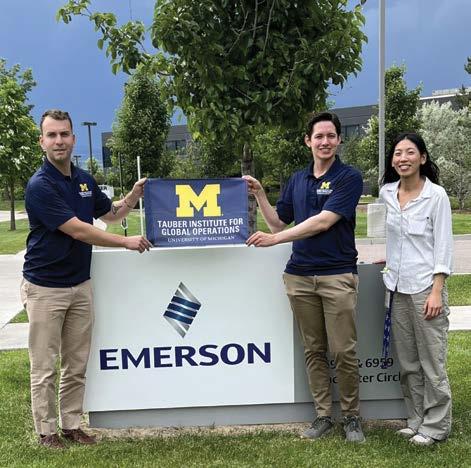
EMERSON is a global leader in industrial automation, providing hardware and software solutions across a wide range of sectors. Established in 1890 as a manufacturer of motors and fans, Emerson has evolved into a multinational enterprise with a diverse array of product lines, focusing primarily on process automation and control systems. The company places a strong emphasis on sustainability, guided by a comprehensive framework built on three pillars: Greening Of, Greening By, and Greening With Emerson. This framework addresses sustainability within Emerson’s own operations, its supplier base, and its customers’ operations. In pursuit of these goals, Emerson has committed to emissions reduction targets and Net Zero ambitions that are validated by the Science Based Targets Initiative (SBTi). Since 2021, the company has achieved a 44% reduction in Scope 1 and 2 emissions, with a goal of reaching a 90% reduction by 2030. Additionally, Emerson is targeting a 25% reduction in Scope 3 emissions by 2030 and a 90% reduction by 2045.
To further advance these initiatives, Emerson partnered with the University of Michigan’s Tauber Institute for Global Operations on this project to model Scope 3 Category 1 emissions, identify key emissions reduction levers, and develop actionable recommendations for high-impact opportunities. The focus of the model is on the Steel, Machined Parts, and Castings commodity teams – accounting for 50% of Emerson’s Scope 3 Category 1 emissions – due to the high embodied carbon content of metals and substantial overlap among suppliers for these three commodities, as well as amongst the emissions reduction initiatives themselves.
The model was developed by first forecasting emissions from these commodities out to 2045, incorporating projected increases in direct material spend while accounting for inflation and cost containment efforts. Fourteen emissions reduction initiatives were identified, with the impact of nine of these initiatives being quantified for use as model inputs. Three distinct scenarios, each built around three initiatives, were created to illustrate the impacts of “passive improvement,” “easy win,” and “long-term innovation” levers. Model outputs projected Emerson’s progress toward its Net Zero goals and identified key opportunities for substantial emissions reductions. Based on these insights, four primary recommendations for supplier actions were developed that maintain alignment with strategic supply chain initiatives while reducing Emerson’s Scope 3 Category 1 emissions by greater than 90% by 2045.




PEI-HUA YU
MASTER OF BUSINESS
ADMINISTRATION & MASTER OF SCIENCE ENVIRONMENT

GREG DE TOURNEMIRE
MASTER OF BUSINESS ADMINISTRATION

Benchmarking Solar System Performance: Site-Level Predictive Models for Installers
Project Sponsors:
Mark Quint – Senior Project Manager
Deep Chakraborty – CEO
Vivek Mohta – Senior Manager, Business Analytics
Faculty Advisors:
David Ham – Ross School of Business
Raed El Kontar – School of Engineering
ENACT SOLAR is a global cloud-based platform serving the residential solar and storage industry, empowering thousands of installers in over 30 countries to digitize project design and asset management. Recognizing a market gap in robust, data-driven post-installation support, Enact sought to advance its capabilities for assessing system health and proactively identifying field issues—a growing demand as the residential solar base expands and the industry faces new operational complexities.
The Tauber team addressed one of the sector’s most pressing pain points: the lack of consistent, site-specific benchmarking tools to evaluate expected versus actual solar generation in real operational contexts. The solution developed involved rigorous data cleaning and integration of over 56,000 daily records across 83 sites, combining production data with weather variables sourced from NASA. The team then designed, trained, and compared three predictive models—linear regression, random forest, and gradient boosting—to estimate daily site-level solar output. Model performance was systematically evaluated, with random forest ultimately showing the highest predictive power in this application.
By quantifying how actual production compares to predicted benchmarks, the modeling approach enables flagging of underperformance and early detection of system anomalies like inverter faults, shading, or soiling—issues that often eluded manual review or generic OEM alerts. The flexible methodology makes it applicable even to “orphan” systems lacking complete historical documentation, addressing a major installer need for scalable, reliable operations management across diverse fleets.
The economic impact of such predictive health modeling is considerable: with premium asset management platforms typically costing $50–$300 per user per month, the real value comes from operational leverage. The implemented benchmarking methodology helps installers prevent high-cost failures, reduce unplanned site visits, optimize preventive maintenance, and improve customer trust—all key to profitability as service demands rise. Enhanced forecasting and statistical anomaly detection support not only O&M cost reduction but underpin new recurring revenue opportunities through service contracts and subscription-based models.
By laying the technical and data foundation for scalable predictive maintenance, Enact Solar and the Tauber team have positioned the platform for the next wave of industry growth—unlocking meaningful operational savings for installers and building a critical competitive edge in residential solar asset management
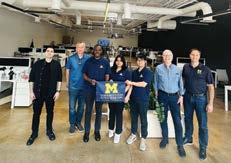


IBRAHIM AHMED SHARDOW MASTER OF BUSINESS ADMINISTRATION




SHUNSUKE UNO MASTER OF BUSINESS ADMINISTRATION

SIRI SHIVAPRASAD MS IN INDUSTRIAL AND OPERATIONS ENGINEERING
Eren Hursit – Project Champion
Eren Özeren – Project Supervisor
Second-Stage Scaling Project
Len Middleton – Ross School of Business
Larry Seiford – College of Engineering
FARK LABS is a global innovation hub headquartered in Turkey, dedicated to accelerating transformative change by supporting startups, entrepreneurs, and corporations as they scale into impactful ventures. Partnering with the Tauber Institute for Global Operations, Fark Labs explored opportunities to expand in the United States and strengthen its role as a bridge between global startups and regional innovation ecosystems.
In the United States, Fark Labs focuses on second-stage companies, which are firms with product-market fit, revenue between $1 million and $50 million, and 10 to 100 employees. These companies have moved beyond validating their concepts and now seek to grow using innovative business models, technologies, and disruptive ideas. Because second-stage companies drive significant impact in job creation, innovation, and regional growth, the project centered on supporting this stage.
The project included three main components. First, evaluate Michigan’s entrepreneurial ecosystem to identify opportunities for Fark Labs to establish credibility, form partnerships, and expand its services. Second, conduct tailored assessments for three portfolio companies, Büyütech, Mobiqu, and AMPHERR, to develop strategies for entering the U.S. market. Third, establish a framework for second-stage companies to assess their readiness and guide their growth.
The team combined database research from Pitchbook, Data Axle, D&B Hoovers, IbisWorld, and Technavio with 17 stakeholder interviews across incubators, funders, universities, and corporations, generating insights into Michigan’s ecosystem, U.S. market entry, and scaling frameworks.
At the ecosystem level, recommendations included strategies and performance indicators for Fark Labs to build credibility through partnerships and thought leadership. At the company level, the team designed market entry strategies aligned with each portfolio company’s growth ambitions. Ultimately, the team provided a practical tool to help second-stage companies navigate growth challenges.
Through this project, the team examined how entrepreneurial ideas evolve into scalable businesses and how ecosystems play a crucial role in facilitating or hindering that growth. This journey underscored the importance of not only addressing challenges within existing boundaries but also actively seeking out new opportunities that drive long-term impact. The team is grateful to our project champion, Eren Hursit, project manager, Eren Özeren, and faculty advisors, Len Middleton and Lawrence Seiford, for their guidance and support.



AYUSHI ROY CHOWDHURY
MSE DESIGN SCIENCE
ENGINEERING BSE
INDUSTRIAL AND OPERATIONS ENGINEERING

ANNA JI
MSE INDUSTRIAL AND OPERATIONS
ENGINEERING BSE CHEMICAL ENGINEERING
Strategic Pricing and Market Expansion in Cell and Gene Therapy
Project Sponsors:
Matthew Hemstreet – VP Marketing
Jim Chomas – CEO
Faculty Advisors:
Len Middleton – Ross School of Business
Luis Garcia-Guzman – College of Engineering
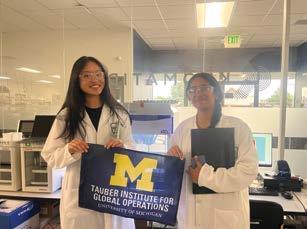
This project outlined a set of strategic initiatives to support KROMATID’S transition from a specialized scientific service provider to a scalable commercial partner in the fast-evolving cell and gene therapy (CGT) space. As Kromatid prepares to expand its customer base, enter European markets, and scale internal operations, our work focused on building the tools and structures needed for deliberate, sustainable growth.
The project addressed four interconnected challenges:
• Pricing: We designed a segmented pricing model, guided entry bundles, and use case-driven sales tools to replace ad hoc quoting with a strategic framework. These tools enable more confident, consultative conversations with customers and ensure prices reflect the complexity and regulatory rigor of Kromatid’s work.
• Market Expansion: Using a custom scoring matrix and opportunity map, we identified five high-potential European markets and developed a phased expansion plan. This framework provides a repeatable, data-driven approach to international growth grounded in ecosystem maturity, access dynamics, and infrastructure readiness.
• Operations Modeling: We built a simulation-based model that visualizes how work flows across assays, highlights bottlenecks, and quantifies process variability. Beyond informing pricing, the model establishes a foundation for long-term capacity planning and resource allocation.
• Communication and Culture: Through visibility mapping and a Kaizen-inspired workshop, we surfaced cross-functional friction points and fostered alignment around shared ownership and continuous improvement—laying the groundwork for a more transparent, collaborative culture as the company scales.
Together, these initiatives form a cohesive strategy to help Kromatid scale intentionally. By combining structured pricing, clearer operational visibility, and international positioning with cultural alignment, the project equips Kromatid with practical frameworks it can evolve and own. With these tools in place, Kromatid is positioned to grow not only faster, but smarter.






KIERSTEN KONING
EGL (BSE/MSEINDUSTRIAL & OPERATIONS ENGINEERING

JIAWEN QI BTS (BBA AND MASTER OF SUPPLY CHAIN MANAGEMENT)
North America Supplier Sustainability and Decarbonization Strategy
Project Sponsors:
Michael Zambito – Champion, Vice President of Sourcing Excellence
Rupak Doctor – Supervisor, Environmental Sourcing Manager at L'Oréal
Faculty Advisors:
Damian Beil – Ross School of Business
Sridhar Lakshmanan – College of Engineering
L’ORÉAL is the world’s largest beauty and cosmetics company, valued at $183 billion in 2024. Historically, L’Oréal has engaged in conversation and action surrounding social and environmental responsibility. Nearly 15 years ago, L’Oréal began to adopt an approach that focused on developing eco-friendly operations. In 2020, L’Oréal announced their L’Oréal for the Future sustainability targets to be accomplished by 2030, focusing on the most pressing environmental and social challenges in the world.
Out of the 15 L’Oréal for the Future public commitments in 2025, three are sourcing-led and focus on social and environmental sustainability within the supply chain. However, sustainability-driven decisions are currently time consuming and manual, making it difficult to streamline supplier evaluations and sourcing decisions while prioritizing sustainability. A stronger framework is needed for evaluating supplier maturity, measuring sustainability performance, and driving supplier action at scale creates significant hurdles for internal stakeholders looking to align with L'Oréal’s sustainability commitments.
To bring sustainability to the forefront of sourcing decisions and strengthen Scope 3 decarbonization strategy at L’Oréal North America, the Tauber project team: 1) built an Automated Sustainability Scorecard, 2) developed a Supplier Decarbonization Maturity Matrix, and 3) created a Strategic Decarbonization Master Plan for L’Oréal North America suppliers. The team designed and piloted the comprehensive Sustainability Scorecard for buyers to evaluate supplier sustainability during the Requests for Proposals (RFPs) process, conducted Scorecard pilots with stakeholders, created Scorecard training resources, and outlined next steps for wide adoption. Next, the team developed the supplier Decarbonization Maturity Matrix to assess suppliers’ decarbonization progress, applying it to >50 North America zone strategic suppliers, grouping them into categories, and outlining individualized decarbonization roadmaps. For long-term strategy, the team benchmarked industry best practices and L’Oréal’s current state, compiled and evaluated supply chain sustainability platforms, and recommended a comprehensive Supplier Climate Program to unify decarbonization resources and communications, targeting 98% of L’Oréal NA’s total emissions.
The deliverables collectively establish a consistent, scalable framework to evaluate supplier maturity, prioritize suppliers for collaboration, and measure sustainability performance, directly addressing L'Oréal's challenge in integrating these factors into sourcing decisions and supplier engagement.
The impact of the project is significant both immediately and in the long term. Feedback from stakeholders highlights a reduction of up to 75% in time spent on sustainability assessments and a significant increase in consistency, transparency, and buy-in for sustainable sourcing decisions enabled by the new Sustainability Scorecard. Through prioritized supplier engagement with the Maturity Matrix, L’Oréal North America could potentially address up to 51% of its supplier decarbonization target, by working with priority suppliers within 4 priority industries: Raw Materials, Packaging, Retail & Promotion, and Supply Chain & Manufacturing. If these efforts are further extended to drive higher engagement across the supplier base, projections indicate that L’Oréal NAM could surpass its 2030 goal, potentially achieving more than 100% of the reduction target through supplier decarbonization. Long term, this project establishes a scalable foundation for integrating sustainability as a core sourcing consideration and positions L’Oréal as an industry leader in driving supply chain decarbonization and advancing progress toward its L’Oréal for the Future commitments.

KIM MASTER OF BUSINESS ADMINISTRATION
Project Sponsors:
Centralized Material Planning
Lisa Boyle – Director of Supply Chain Planning
Gabriela Tobias – Materials Planning Manager
James Bryant – MRP Process Lead
Faculty Advisors:
Ekaterina Astashkina – Ross School of Business
Cong Shi – College of Engineering
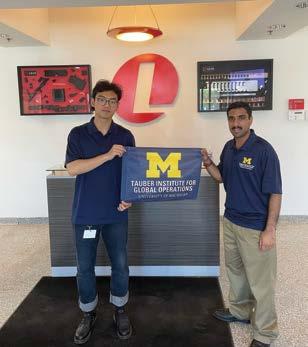
LEAR CORPORATION, a leading automotive manufacturing company, initiated the Centralized Material Planning (CMP) project to enhance supply chain resilience and agility across its global Electronics Division. Historically, each plant operated with its own manual planning process, resulting in inefficiencies, inconsistent data visibility, and reactive decision-making.
The 12-week Tauber project served as the first phase of CMP’s long-term transformation. The team conducted interviews with planners from four plants across three countries—Mexico, Morocco, and Spain—to assess existing planning processes. Based on this analysis, the team recommended a standardized workflow modeled after the best-performing site. Additionally, a dashboard integration strategy was proposed to provide real-time visibility into material KPIs and planning metrics across all sites.
To lay the foundation for data-driven decision-making, the team interviewed data owners across ERP systems and Palantir Foundry and conducted historical report trend analyses to understand field-level meanings and user behavior. These efforts informed the development of data transformation logic and refresh cadence, which were then structured into an end-to-end pipeline design.
The team also explored future enhancements by benchmarking best practices in AI-powered supply chain management from companies such as Airbus, Heineken, and C&A. These insights supported the design of a fourphase AI roadmap that includes chatbot support for planners, exception-based alerts, and forecasting model integration.
The project not only advanced Lear’s digital material planning vision but also positioned the company for scalable and proactive supply chain decision-making, powered by automation and AI.



Manufacturing Asset Management and Automated Capacity Planning
Project Sponsors:
Jennifer Johnson – Global Vice President, Advanced Manufacturing Engineering, E-Systems Faculty
Faculty Advisors:
Jim Omartian – Ross School of Business
David Kaufman – College of Engineering
LEAR CORPORATION’S E-Systems division is at the center of a fast-changing automotive market. Customer orders swing wildly—sometimes cut just weeks before delivery—and the shift toward electric vehicles only adds more uncertainty. In this environment, how can plants know exactly when to buy new machines, when to transfer them, or whether they already have the capacity they need?
Today, capacity planning across global plants is often manual, inconsistent, and slow. Each plant has its own spreadsheets, calculations, and local assumptions. Requests for new machines can take weeks to validate, and without a common standard, the global team struggles to compare needs across regions. The risk? Overspending on equipment that sits idle, or missing opportunities when demand spikes. The challenge is compounded by the lack of clear visibility into high-value equipment worldwide. Without knowing precisely what machines exist, where they are, and what condition they’re in, plants can’t easily transfer underutilized assets. That gap makes it harder to right-size capacity and avoid unnecessary purchases.
The Tauber team tackled both issues together. First, they developed a global, standardized capacity planning tool that integrates real-time machine performance data, demand forecasts, and production logic to produce consistent, justifiable machine requirements based on production needs. It can run in minutes instead of weeks, enabling faster, data-driven decisions and helping to avoid millions in overspent equipment budgets.
At the same time, the team benchmarked asset management tools to support a single, centralized registry of manufacturing equipment. After evaluating over 100 vendors, they recommended fully enabling the existing enterprise asset management system rather than replacing it with other open-market solutions. The enablement plan will unlock unused capabilities, integrate asset data with the capacity planning tool, and establish a single source of truth for equipment data.

MASTER OF BUSINESS ADMINISTRATION
MASTER OF PUBLIC HEALTH

DEWAKI DHIMAL
MASTER OF BUSINESS ADMINISTRATION
MASTER OF HEALTH SERVICES ADMINISTRATION
Optimizing Pharmacy Operations: Centralized Systems, Local Wins, and Strategic Expansion
Project Sponsors:
Eric Tichy – Division Chair, Pharmacy Supply
Solutions Associate Professor of Pharmacy
Joe Dudas – Division Chair, Strategy and Innovation Supply Chain Management
Faculty Advisors:
Jun Li – Ross School of Business
Mariel Lavieri – College of Engineering
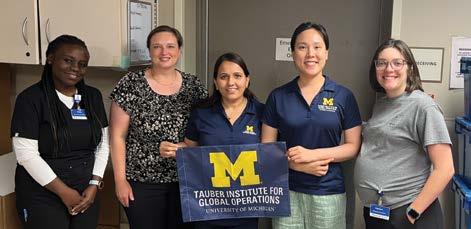
Mayo Clinic, a world-renowned academic medical system with destination medical center campuses in Minnesota, Florida, and Arizona, manages over $16.6B in annual revenue and serves 1.4M+ patients annually. Its enterprise supply chain is centralized and mature while pharmacy supply chain operates as a hybrid model with sourcing and contracting centralized and procurement decentralized. This dynamic (pharmacy supply chain) has configuration has certain variability in processes, potential inefficiencies, and increased risk during drug shortages.
To address these issues, the team was tasked with identifying operational gaps and designing solutions that would enhance and optimize pharmacy practices across campuses and better align them with enterprise-level supply chain excellence. Leveraging data analysis of purchasing and waste, 80+ stakeholder interviews, process mapping across all three Mayo campuses, and benchmarking against a leading Healthcare System, the team identified three high-impact areas of opportunity:
1. Standardized Processes – Adopt consistent requisition workflows, clear role separation, and standardized purchase order practices across campuses.
2. Enterprise KPIs – Align waste and credit recovery targets across campuses using reverse distribution vendor Inmar and purchase history data.
3. Centralized Procurement – Explore expansion of centralized procurement functions to improve coverage, coordinate across campuses, and improve responsiveness during shortages.
These recommendations not only drive financial value but also lay the groundwork for a more resilient, responsive, and standardized pharmacy supply chain across the Mayo enterprise.
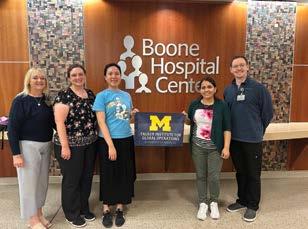
As a 392-bed community hospital, Boone Health represents a critical test case for pharmacy supply chain transformation in resource-constrained environments in a smaller setting. It faces increasingly complex challenges—ranging from fragmented ordering workflows and higher than normal drug waste to inefficient shortage response and potentially overstocked inventory.
Compared to Mayo Clinic, Boone’s pharmacy has a less disciplined operation with limited analytics, standard operating procedures (SOPs) gaps, and overreliance on manual judgment. These gaps have led to chronic inefficiencies and missed cost recovery opportunities.
The Boone optimization initiative set out to translate Mayo Clinic’s enterprise-level best practices into a community hospital context. The team conducted in-depth process mapping, historical purchasing data analysis, inventory assessments, and benchmarking against Mayo Clinic Pharmacy and Supply Chain. The outcome was a structured transformation roadmap targeting three domains: inventory planning, waste management, and shortage resilience.
While no implementation has occurred, the roadmap demonstrates potential operational efficiencies and a scalable example for other mid-sized health system clients of Inspirity seeking to elevate their pharmacy operations without enterprise-scale infrastructure. Insights from Boone illustrates the adaptability of Mayo’s pharmacy supply chain standards in smaller, decentralized systems and strengthens the case for support models through partners like Inspirity Health Partners.
INSPIRITY HEALTH PARTNERS: SCALING MAYO’S SUPPLY CHAIN EXCELLENCE
Inspirity Health Partners is strategically positioned to extend Mayo Clinic’s pharmacy supply chain expertise to independent hospitals nationwide. By targeting systems with 300–1,000 beds—many of which face the same challenges observed at Boone, including fragmented inventory planning, high drug waste, and reactive shortage management—Inspirity offers a structured, adaptable solution. This model includes standardized SOPs, data-driven dashboards, proactive shortage protocols, and structured onboarding, all adapted from Mayo’s best enterprise practices.
Insights from Boone serve as a reference framework, demonstrating the potential operational and financial benefits of adopting these practices in smaller. Decentralized hospitals. The approach illustrates both feasibility and value, highlighting Inspirity’s ability to bridge the gap between enterprise-level innovation and community hospital execution, positioning Inspirity as the partner of choice for regional pharmacy optimization.



Project Sponsors:
Waste Stream Optimization
Olivia Whipple – Financial Director –Operations, Ancillary Services, and Safety
Amy Campbell – Project Lead Manager –Operations, Ancillary Services, and Safety
Faculty Advisors:
Mohamed Mostagir – Ross School of Business
Amy Cohn – College of Engineering
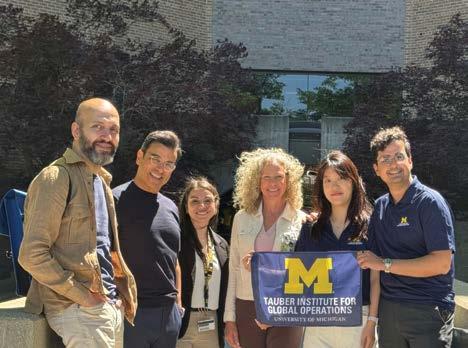
MICHIGAN MEDICINE, a $8.5B academic medical center, generates over 8,600 tons of waste annually across four main facilities. With the upcoming expiration of its general waste contract and the addition of a fifth dock at the D. Dan and Betty Kahn Health Care Pavilion, Michigan Medicine sought to streamline its waste operations and prepare for future volume growth. Fragmented vendor arrangements, inconsistent billing, and missed rebate opportunities across medical, general, recycling, shredding, and scrap metal streams highlighted a need for system-wide optimization.
The Tauber team conducted a comprehensive analysis of Michigan Medicine’s current-state waste operations, including a detailed contract and invoice review, waste volume mapping, and benchmarking against peer institutions. Key findings included $56K in unclaimed rebates from GFL, $21K in overbilling by Stericycle, underutilization of in-house autoclave capacity, and high variation in shredding vendor costs. The team also identified cost inefficiencies related to Daniels’ proprietary sharps containers and evaluated sharps cutter alternatives.
Based on these insights, the team developed and supported a future-state waste strategy and RFP framework encompassing vendor consolidation, rebate enforcement, increased autoclave throughput, restructured pickup cadence, and revised sharps handling practices.
Michigan Medicine is now positioned to capture $260K+ in near-term savings and reduce vendor complexity across its waste lifecycle. The new framework will also scale to support future volumes, ensuring a more cost-effective, compliant, and sustainable system for years to come.


EGL (BSE AEROSPACE / MSE SPACE ENGINEERING)

EGL (BSE ROBOTICS/ MSE ROBOTICS)
Improved Downtime Tracking and Analysis of Cleanroom Operations
Project Sponsors:
William Muir - Vice President of Operations
Mike Haag – Senior Processing Engineer
Adam Liebowitz – Departmental Head of Quality
Faculty Advisors:
Ravi Anupindi – Ross School of Business
Judy Jin – College of Engineering
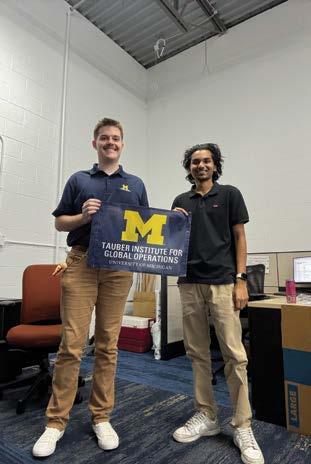
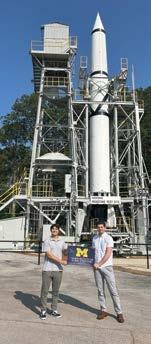
NAVITAS SYSTEMS is a manufacturer of high-performance energy solutions and operates a highly specialized Sonobuoy production line within a cleanroom environment. These batteries play a critical role in naval sonar systems and are produced under strict quality and environmental standards. As part of our Tauber project, our goal was to improve visibility, operational efficiency, and responsiveness on this production line through digital tools and data systems.
Initial stakeholder interviews along with direct observation and analysis revealed key obstacles: fragmented data sources, untracked downtime, inconsistent machine performance, and a lack of real-time visibility into production and environmental conditions. Operators lacked centralized tools for quickly identifying faults or incidents in cleanroom production, while engineers had no consistent system for analyzing performance trends or evaluating root causes of downtime and yield loss.
To address these limitations, we designed and implemented a Cleanroom Dashboard System, a hub of live and historical dashboards that centralize key production, machine, and environmental data. This system includes Production and Engineering screens along with Historical Downtime and Shift Report views.
The new system replaces fragmented data and several sources with a shared operational data hub, enabling faster response times, improved scrap mitigation, and better coordination between operators and engineering. Following dashboard implementation, average hourly throughput increased by 12%, and downtime interventions became more proactive. Over the next 3 years, these tools are projected to increase revenue by $6.6M due to throughput improvement.
This project delivers a foundational visibility platform that not only improves short-term metrics but also sets the stage for deeper root-cause analytics, integration across production lines, and scalable continuous improvement efforts across Navitas’ cleanroom operations




Building an AI Adoption Framework for Manufacturers
Project Sponsors:
Jon Riley – Chief Digitalization Officer
Christopher Fick – Principal, Strategic Communication & Special Projects
Faculty Advisors: Ran Zhuo – Ross School of Business Salar Fattahi – College of Engineering
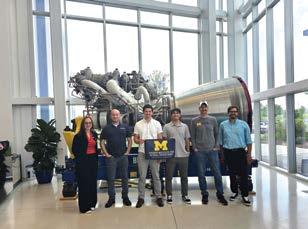
THE NATIONAL CENTER FOR MANUFACTURING SCIENCES (NCMS) is a leading non-profit organization dedicated to advancing U.S. manufacturing competitiveness through collaborative research and technology development. Based in Ann Arbor, Michigan, NCMS facilitates advanced manufacturing solutions, particularly in areas of supply chain management and sustainability.
This project, conducted in partnership with the Tauber Institute for Global Operations, proposes a flexible framework that enables small to mid-sized manufacturers (SMMs) to implement artificial intelligence (AI) into their operations. AI offers significant potential for improving manufacturers’ decision-making and competitiveness in the digital age. However, many manufacturers lack a clear starting point for AI adoption. Our framework provides a structured, actionable pathway to help bridge the gap and unlock AI’s potential across the manufacturing industry.
The team’s efforts culminated in the identification of three concepts “AI Transition,” “AI Journey,” and “AI Dashboard” that form a unified framework to guide SMMs through AI adoption. To begin the framework, the “AI Transition” provides an entry assessment to evaluate a company’s AI readiness and establish a foundation for implementation. Once evaluated, the “AI Journey” serves as a planning tool powered by large language models (LLMs), interpreting manufacturer inputs to infer readiness and recommend tailored solutions. To validate this workflow, the team developed the “AI Dashboard” backend, which extracts insights on processes, materials, and products from public manufacturing project abstracts. By demonstrating consistent inference capabilities, the initiative confirmed the framework’s technical feasibility and delivered NCMS an initial end-to-end solution for accelerating AI integration.



HAARIKA GURIVIREDDYGARI
BTS / MASTER OF SUPPLY CHAIN MANAGEMENT

JANEL WEATHERLY MASTER OF BUSINESS ADMINISTRATION
JUSTIN WONG
EGL / MASTER OF DATA SCIENCE
Project Sponsors:
Data Visualizations for Spot Anomaly Detection
Thomas Richards – Director of Operations, Digital Manufacturing (Project Champion)
Alyssa Carter – Manager Digital Manufacturing, Robotics & Automation (Project Supervisor)
Shelbi Margarida – Senior Data Analyst, Digital Manufacturing (Project Supervisor)
Hanna Chapin – Robotics Engineering, Digital Manufacturing (Project Manager)
Steve Leider – Ross School of Business
Leia Stirling – College of Engineering
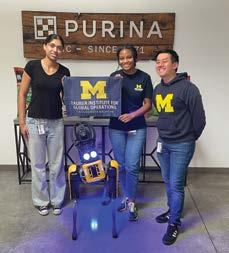
NESTLÉ PURINA PETCARE, a $21.5B company and the global leader in pet care, has consistently prioritized innovation to support its profitability margin goals. One of its most recent factoryfacing advancements is Spot, a mobile robotic platform that autonomously conducts thermal and acoustic inspections to detect anomalies before equipment failure. While Spotsignificantly reduces manual inspection time and enhances data availability, Purina teams have struggled to unlock the robot’s full potential. Key gaps, such as the lack of real-time visibility, disjointed reporting, and inconsistent work order processes, have made it difficult for factories and leadership to act on Spot’s data and quantify its value.
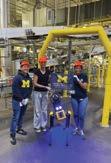
To close this gap, the Tauber team partnered with Purina on a three-phase project to streamline Spot data access and create a scalable Power BI dashboard framework. In Phase one, the team conducted in-depth stakeholder interviews, and an on-site factory visit to build user personas for robot wranglers, maintenance managers, divisional maintenance, and Digital Manufacturing leadership. These personas informed the design of dashboard mockups tailored to each role. In Phase two, the team developed functional dashboards using Orbit API pulls, SAP AMM semantic models, and SQL-based maintenance queries. In Phase three, the team tested the dashboards with end users, collected feedback to refine layout and functionality, and created standard operating procedures (SOPs) for long-term usage.
The resulting dashboard system addresses multiple operational challenges. First, it merges previously siloed data sources into a centralized platform. It also clarifies Spot’s value through real-time metrics like Actions Taken, Downtime Avoided, and Spot Usage Scores, which promotes accountability by standardizing how factories are evaluated. The dashboards shift factory teams from reactive to proactive maintenance, improve consistency in Spot usage, and reduce dependence on ad hoc reporting from the Robotics team. By surfacing benchmark-based metrics and linking anomaly alerts directly to outcomes, the dashboards help close the loop between detection and resolution. This solution is projected to save $21.7M over three years through reduced unplanned downtime and increased operational efficiency. Through implementing and deploying the dashboards to all factories, Purina can effectively reinforce its predictive maintenance strategy and maximize its return on investment in robotic inspection with Spot.

LUCA GIANCARLO DIOMEDE
EGL (BSE / MSE INDUSTRIAL AND OPERATIONS ENGINEERING)



JAMES DURHAM SORENSEN MASTER OF BUSINESS ADMINISTRATION
MADELEINE SHINDER
EGL (BSE / MSE INDUSTRIAL AND OPERATIONS ENGINEERING
Data, Data Everywhere: Streamlining Information Flow in Pfizer’s Clinical Manufacturing
Project Sponsors:
Rob Noack – Executive Director, Drug Product Manufacturing (Project Champion)
Allison Bellows – Process Engineer (Project Supervisor)
Petra Romano Lieber – Manager Global Strategy and Projects (Project Support)
Alex Miller – Digital Infrastructure (Lead Project Support)
Evan Bean – Digital Manufacturing Engineer II (Project Support)
Hyun-Soo Ahn – Ross School of Business
Brian Denton – College of Engineering
Pfizer Inc. is a global pharmaceutical leader with operations in over 125 countries and a robust portfolio spanning vaccines, oncology, internal medicine, rare disease, and anti-infectives. In 2023, Pfizer generated over $58 billion in revenue, with significant reinvestment into R&D, totaling approximately $10.5 billion.
At the heart of Pfizer’s R&D footprint is the Groton, Connecticut site, housing over 2,000 employees and serving as the primary hub for clinical manufacturing. This group is responsible for producing solid oral dosage forms for clinical trials, translating lab-scale development into manufacturing-ready processes for commercial site locations such as Newbridge, Ireland and Freiburg, Germany. Over the past five years, Groton’s clinical manufacturing group has seen a surge in data capture, including a 445% increase in data collection from production equipment – this creates an opportunity to leverage data for faster, smarter decisions amidst the digital transformation of pharmaceutical operations.
The Tauber team was embedded within the Process Intelligence group, which sets up the infrastructure and workflows for data capture, consolidates data across partner manufacturing lines, and transforms it into visual insights and decision-making tools. Despite rising data availability, siloed systems and inconsistent storage practices across partner lines limit access and usability, while manual, time-consuming processes further hinder cross-functional collaboration.
To address this, the Tauber team conducted a comprehensive stakeholder analysis across upstream and downstream functions to define an ideal future state – one with standardized data strategies, reduced dependence on local files, and automated workflows. Recognizing the scope of a 12-week engagement, the team prioritized three targeted data products: a batch data dashboard for end-to-end visibility, a GenAI chatbot to assist with qualitative knowledge transfer, and a regulatory filing dashboard to eliminate manual documentation tasks. Collectively, these tools are projected to save Pfizer $6.9 million and 40 days of work over the next three years.
In addition to delivering tangible solutions, the team created clear documentation, training guides, and actionable next steps for continued development. Their work continues the group’s mission of long-term digital integration, empowering clinical manufacturing to bridge the gap between innovation and execution in a rapidly evolving pharmaceutical landscape.


GOEL MASTER OF BUSINESS ADMINISTRATION

MASTER OF BUSINESS ADMINISTRATION
Project Sponsors:
Nate Dietrich – Director of Advanced Manufacturing & Engineering Process
Jeff Brower – Operations Director
Faculty Advisors:
Vijay Pandiarajan – Ross School of Business
Luis Garcia Guzman – College of Engineering
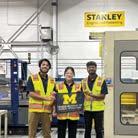
STANLEY BLACK & DECKER (SBD) is a globally recognized Fortune 500 company with $15.8 billion in revenue, operating in more than 60 countries. SBD is a leader in power tools and fasteners sectors. Stanley Engineered Fastening (SEF), a subsidiary of SBD’s Industrial division with $2.5 Billion in revenue from fastener and assembly technologies.
The company engaged the Tauber team to transform raw material and work-in-progress (WIP) visibility at its Chesterfield plastics and metals plants. The plants were facing inefficiencies due to disorganized material storage, siloed ordering, inaccurate inventory data, and lack of real-time WIP tracking, resulting in overordering, lost materials, machine downtime, and visibility gaps across external vendor processes.
To address these issues, the team conducted extensive data analysis and on-floor observation across departments. At the Plastics Plant, the team redesigned the material flow by reorganizing the colorant rack using a data-driven Kanban system, revising the start-up checklist to enforce inventory updates, and implementing a proactive ordering process using a Power BI dashboard. These changes improved inventory accuracy, material visibility, and reduced both downtime and raw material purchasing.
At the Metals Plant, the team implemented a physical WIP board to track outside vendor movement, developed a Power BI dashboard for real-time vendor performance, and introduced a vendor pre-scheduling form to reduce break-in fees. A future-facing RFID system was simulated to enhance traceability further.
These combined efforts are expected to yield annual savings of $1.8 million at the Plastics Plant and $120K at the Metals Plant, driven by reduced raw material purchases, improved inventory utilization, labor time savings, and enhanced vendor coordination. The project also freed up over 8,000 labor and machine hours annually, enabling faster changeovers, reduced overtime, and improved fulfillment. The solutions provide scalable frameworks to be replicated across SBD’s global operations and set the foundation for digitized, efficient material management.


CLAIRE ADAMS
BTS (BBA / MASTER OF SUPPLY CHAIN MANAGEMENT)



REILLY HANSON
EGL (BSE / MSE INDUSTRIAL AND OPERATIONS ENGINEERING)

DANIEL J. D’ARRIGO
EGL (BSE / MSE INDUSTRIAL AND OPERATIONS ENGINEERING)
Reducing Sorter Recirculation and Non-Value-Added Time in Outbound Processes
Project Sponsors:
Kyle Murphy - Director, Supply Chain Operations
Amanda Zimmerman - Director, Supply Chain
Irene Quarshie - SVP, GSCL Operations
James McLean - Arrows Program Manager
Faculty Advisors:
Ruslan Momot – Ross School of Business
Vijay Subramanian – College of Engineering
TARGET CORPORATION is a leading U.S. retailer, offering a broad assortment of products including apparel, electronics, groceries, and household essentials through both physical stores and digital platforms. As a major player in the retail industry, Target is committed to delivering convenience and value to its guests by leveraging innovation, automation, and large-scale supply chain optimization. Through its Global Supply Chain and Logistics network, Target continuously seeks to enhance operational efficiency to support a seamless omnichannel shopping experience.
The team spent time at Target’s Regional Distribution Center (RDC) T-0551, where their project focused on enhancing operational efficiency in the Outbound process by reducing non-value-added (NVA) time caused by line stoppages. These stoppages, primarily driven by carton induction issues on the Sorter machine and conveyor line jams, disrupt freight flow and reduce throughput, resulting in significant labor inefficiencies.
Using 8-step problem solving and lean methodologies such as process mapping, time studies, Gemba walks, and over 30 stakeholder interviews, the team identified key opportunity areas within the Outbound process. Close collaboration with Operations Managers, Production Controllers, and Team Members (TMs) provided firsthand insights into process pain points and informed solution development.
The team identified the recirculation rate as the key metric for improvement. Recirculation Rate is the percentage of cartons that fail to divert from the Sorter machine to their assigned truck trailer and must re-circulate. Root causes of inefficiency included poor visibility of warning lights in shipping lanes, uneven distribution of cartons between the two sides of the Sorter machine, inconsistent label placement quality, and lack of real-time data visibility for TMs. To address these, the team developed and tested three core solutions. First, Visual Management Tools for the Depalletization (Depal) area of Outbound, including real-time dashboards to improve pacing visibility and TM engagement. Second, a Shipping Lane Dashboard that utilizes real-time data to help TMs manage variable volumes of cartons in shipping lanes. Third, a Discrete-Event Simulation, a virtual model to test process changes and forecast operational impacts.
These solutions were designed with scalability in mind, enabling implementation across Target’s 25 RDCs nationwide. Initial testing showed strong TM engagement and positive feedback, with early signs of improved pacing and motivation. Financial modeling projects over $2.5 million in annual savings from increased Depal productivity and $6.5 million from reduced recirculation rates. Additionally, successful implementation could defer the need for a new RDC, saving Target up to $156 million in capital investment.
With continued piloting and scaling of these solutions across the network, Target is well-positioned to empower TMs, reduce NVA time, and meet its 8% recirculation rate goal, advancing its broader supply chain optimization strategy.
Our students this year are rated as exceeding our expectations with the project outcomes & quality of work they delivered for this project.
The company benefited from the technical skill set the team brought to our company to identify and help solve the problem they were given. We also benefited from a fresh perspective and set of eyes to look at things differently and from a different viewpoint
-
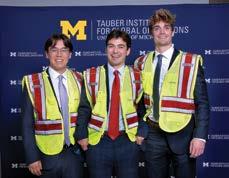
Amanda Zimmerman | Project Sponsor
Find your Tauber Team. Experience the impact.
Collaborate with our renowned capstone fellowship program that features a unique partnership with the Ross School of Business and the College of Engineering.
tauber.umich.edu/team-projects


Want to get involved? Sponsor a project or a special event? Contact Anne Partington, Managing Director & Industry Partnerships | aparting@umich.edu or Mary Crosby, Associate Director, Industry Partnerships| marcros@umich.edu


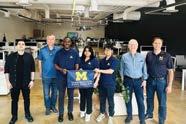
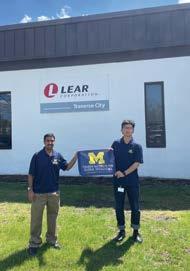
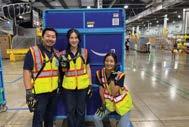



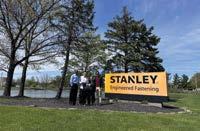
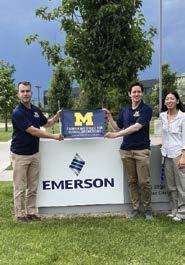
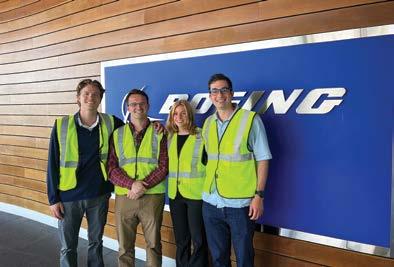





Tauber Institute for Global Operations in partnership with For