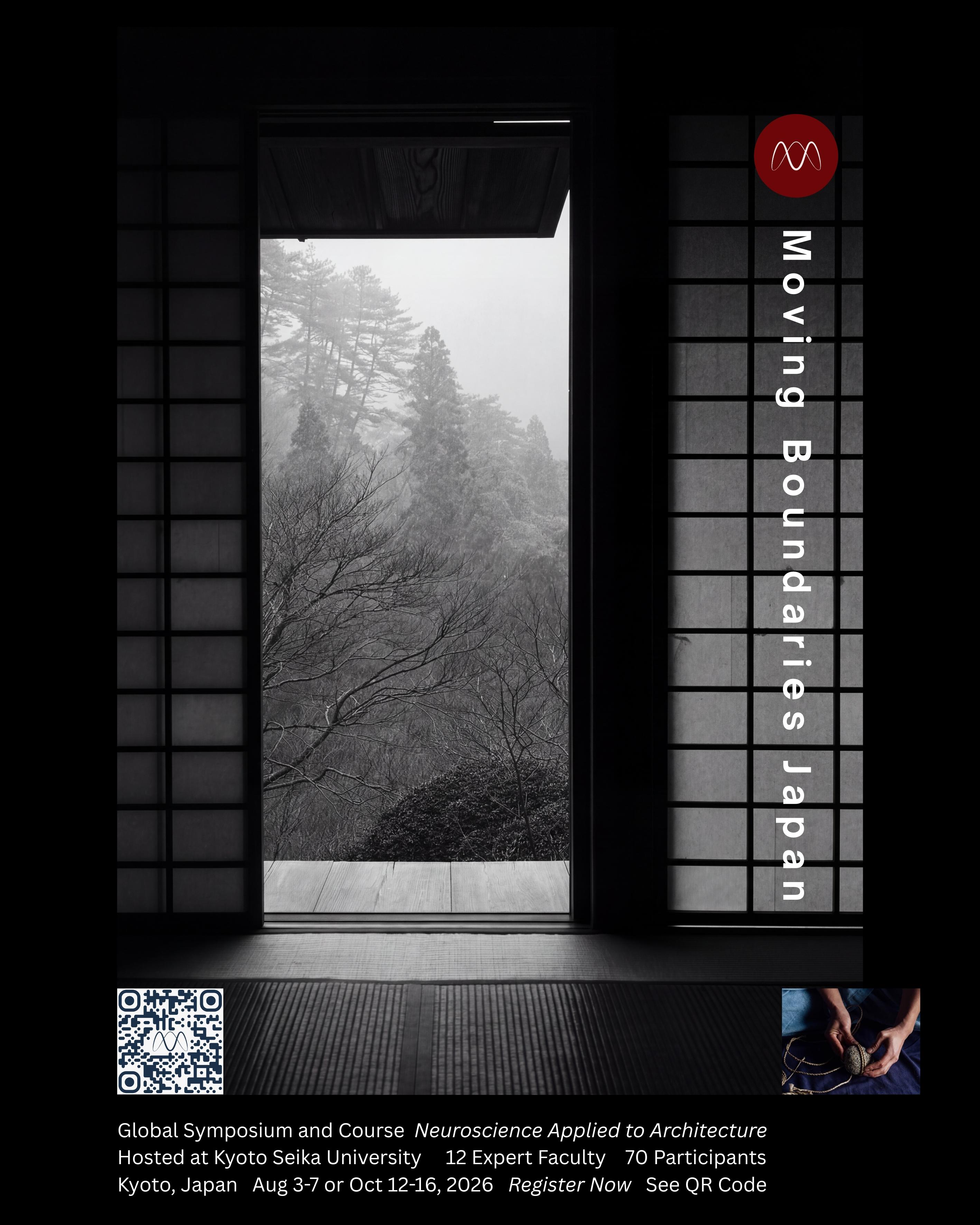


We are now enrolling participants for the Moving Boundaries Global Symposium and Course, which runs October 12-16 in Kyoto, Japan Travel expenses are not included in tuition. SPACES ARE LIMITED.
Lectures / Masterclasses (12 Faculty)
Global Experts in Sciences and Design
Panel Discussions and Q&A
OCTOBER 12-16, 2026
GLOBAL SYMPOSIUM AND COURSE FOR THE FIRST TIME IN JAPAN
MORE INFORMATION: HOSTED AT: KYOTO
www.movingboundaries.org
Hands-On Experiences
Small-Group Conversations Facilitated by Faculty and Colleagues
Opportunity to Present to Your Peers
Architecture Tours: Temples, Zen Gardens, Visit Work of Tadao Ando
Networking Sessions
Social Events and Special Meals
Cultural Immersion in Kyoto
Receive a Certificate of Completion hand-signed by the MB Chairs
OCTOBER 12, 2026
The first session of Moving Boundaries will focus on evidence-based design for health Farrow and Valentine will lecture on salutogenic design, showing projects around the world and telling us about strategies for combining research and practice Analysis of case studies and a conversation with the audience will follow
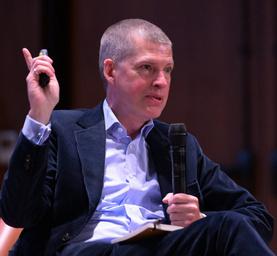
TYE FARROW
Architect, Author, Scholar
Sr Partner, Farrow Partners Architects Joint Session: “From Pathogenesis to Salutogenesis: Rethinking the Brain–Body Connection in the Built Environment”
KYOTO SEIKA UNIVERSITY
TYPOLOGIES INVESTIGATED:
URBAN DESIGN AND PLACEMAKING OFFICE DESIGN AND HEALTHCARE
10AM-4 PM MORE INFORMATION:

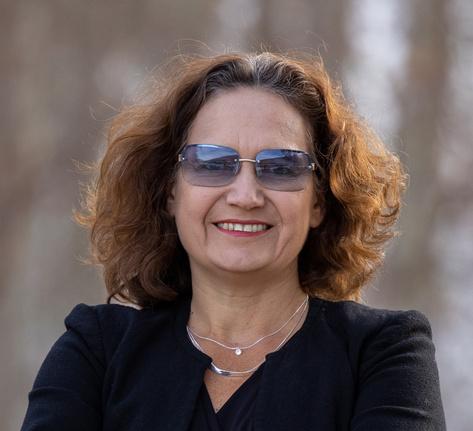
Ph D , Scientist, Design Researcher
HKS; RISE; Cambridge; Harvard Joint Session: “From Pathogenesis to Salutogenesis: Rethinking the Brain–Body Connection in the Built Environment”
TATIANA A.BERGER
Director & Founder of Moving Boundaries Collaborative
Architect, Consultant, Professor Welcome speech “Human Sciences and the Future of Architecture for the 21 Century” st
The first session of Moving Boundaries will focus on evidence-based design for health Farrow and Valentine will lecture on salutogenic design, showing projects around the world and telling us about strategies for combining research and practice. Analysis of case studies and a conversation with the audience will follow
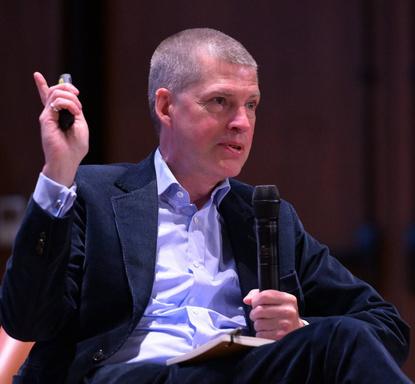
TYE FARROWArchitect, Author, Scholar Sr Partner, Farrow Partners Architects Toronto, Canada
Author of Constructing Health: How the Built Environment Enhances Your Mind's Health
READ BIO
OCTOBER 12, 2026
LECTURE AT 12PM
WITH CLEO VALENTINE: “FROM PATHOGENESIS TO SALUTOGENESIS: RETHINKING THE BRAIN–BODY CONNECTION IN THE BUILT ENVIRONMENT”
READ ABSTRACT
Tye Farrow received his Master’s degree at Harvard University. He has deep expertise at the interface of sciences and design He has been recognized internationally as a global leader, creating truly seminal places where people can thrive Over the past years, has presented on salutogenic design to organizations on six continents
The first session of Moving Boundaries will focus on evidence-based design for health. Valentine and Farrow will lecture on salutogenic design, showing projects around the world and telling us about strategies for combining research and practice. Analysis of case studies and a conversation with the audience will follow.
CLEO VALENTINE
READ BIO
OCTOBER 12, 2026
LECTURE AT 12PM
WITH TYE FARROW: “FROM PATHOGENESIS TO SALUTOGENESIS: RETHINKING THE BRAIN–BODY CONNECTION IN THE BUILT ENVIRONMENT”
READ ABSTRACT
Cleo Valentine is a systems designer, neuroarchitectural researcher at HKS and research associate at Harvard University Her research investigates the impact of visual exposure to selected architectural forms on neuroinflammatory responses. In doing so, this research aims to establish the field of architectural neuroimmunology and to support the creation of a healthier built environment.
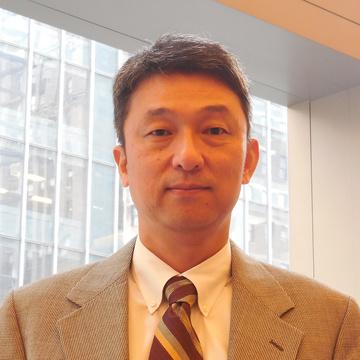
The scenery of a Japanese garden functions as a psychological catalyst, asking the observer to see beyond the surface. This lecture examines the Japanese view of nature and its historical manifestations in garden design. Kurimoto will demonstrate ideas from his talk during on-site visits in historic gardens of Kyoto
OCTOBER 12, 2026
LECTURE AT 5PM
“THE INNER LANDSCAPE OF THE JAPANESE MIND AS REFLECTED IN JAPANESE GARDENS”
FOLLOWED BY TOURS OF GARDENS IN KYOTO ON OCT.13 AND CONVERSATION
READ ABSTRACT
www.movingboundaries.org
TAKAYA KURIMOTO Landscape Architect, Scholar Japanese Garden Designer, Lecturer at Yale University, Connecticut, USA
READ BIO
Takaya Kurimoto is a Japanese garden designer and a registered landscape architect in the United States He explores the ways in which Japanese gardens contribute to mindfulness and healing. He has a Master’s degree in Landscape Architecture from Cornell University and is a lecturer on East Asian landscapes at Yale University.
Kurimoto will demonstrate how the Japanese view of nature is physically manifested, during on-site visits in historic gardens of Kyoto. Robinson’s lecture will illuminate Japanese spatial concepts and their possible interpretation in contemporary design practice Olszewska will present restorative design as a bridge between these spatial traditions and emerging research in neuroscience. Together we will explore how environments shape cognitive, affective, and physiological restoration
OCTOBER 13, 2026
KYOTO SEIKA UNIVERSITY
TYPOLOGIES INVESTIGATED: RESIDENTIAL DESIGN
GARDEN DESIGN
MORE INFORMATION:
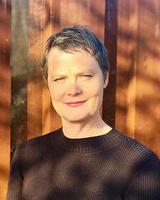
SARAH ROBINSON (Remote) Architect, Author Philosopher, Professor, Aalborg Univ, Denmark and NAAD Lecture 3 “Japanese Gardens and Felt Space”
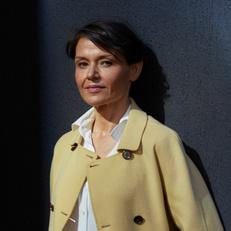
NATALIA OLSZEWSKA MD, Neuroscientist, Researcher Co-Founder at Impronta, Author Lecture 4 “Restorative Design: From Cultural Intuition to Scientific Evidence”
In this session, Robinson explores resonance between bodies, plants, the elements and buildings in the context of Japanese gardens She suggests how the time-honored principles practiced particularly in Japanese stroll gardens can enrich and re-vitalize contemporary design practice.
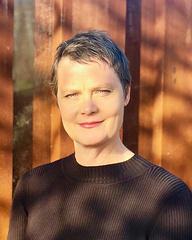
SARAH ROBINSON (Remote) Architect, Author, Philosopher, Faculty at NAAD, and at Aalborg University Author of Architecture of Resonance, Architecture is a Verb; Nesting, and many other important books
READ BIO
OCTOBER 13, 2026
LECTURE AT 3:30PM
“JAPANESE GARDENS AND FELT SPACE”
READ ABSTRACT
Sarah Robinson is an architect, writer and educator, based in Pavia, Italy Her writing and research explores the many ways that the built environment shapes body, mind and culture. She teaches internationally, is Adjunct Professor at Aalborg University and serves in an advisory role to organizations that promote life-centered design.
This session of Moving Boundaries will explore how environments shape cognitive, affective, and physiological restoration Olszewska will present restorative design as a bridge between Japanese spatial traditions, emerging research in neuroscience and applications in architecture.
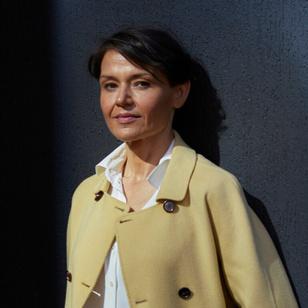
ATALIA OLSZEWSKA
, Co-Founder, Impronta, Author, fessor NAAD, Neuroscientist alth Professional kow, Poland
READ BIO
OCTOBER 13, 2026
LECTURE AT 5PM
“RESTORATIVE DESIGN: FROM CULTURAL INTUITION TO SCIENTIFIC EVIDENCE”
READ ABSTRACT
Natalia Olszewska is a Co-Founder of IMPRONTA, a research and consulting studio dedicated to merging neuroscience and architecture through an evidencebased design approach. She is a physician with a unique educational background in medicine and neuroscience applied to architectural design
The third session will focus on bridging neuroarchitecture research and practice: Nanda and Chatterjee will offer perspectives from decades of experience at the intersection of disciplines They will offer strategies for design, education and advocacy and they will engage the audience in a discussion about challenges of contemporary cross-disciplinary work.
OCTOBER 14, 2026 2-5 PM
KYOTO SEIKA UNIVERSITY
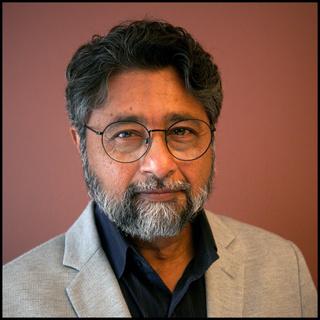
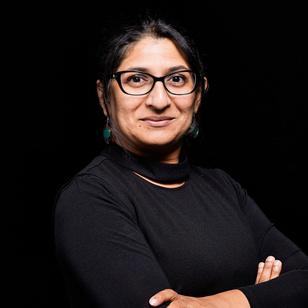
ANJAN CHATTERJEE Ph D Author, Professor of Neurology, Perelman School of Medicine
Lecture 6 “The Neuroaesthetics of the Built Environment”
UPALI NANDA Ph D Architect, Professor, Global Sector Director, Innovation HKS Architects, U S
Lecture 7 “Bridging NeuroArchitecture Research and Practice”
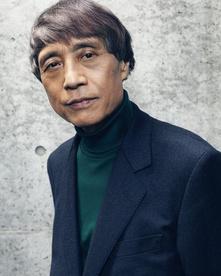
TADAO ANDO Ando is not a faculty member
We will experience his architectural masterpieces in Kyoto, Osaka, Kobe His work is a central focus of MB Japan. Visits start on October 14.
OCTOBER 14, 2026
LECTURE AT 2PM
“THE NEUROAESTHETICS OF THE BUILT ENVIRONMENT”
Contemporary neuroaesthetics investigates aesthetic experiences through a biological lens. In this lecture, Chatterjee will show how our brains respond to our environment and that we harbor hidden behavioral and brain responses to architecture based on several core neuropsychological dimensions. READ ABSTRACT
ANJAN CHATTERJEE Ph D , Neuroscientist, Author Professor of Neurology, Perelman School of Medicine, U S Author of The Aesthetic Brain: How We Evolved to Desire Beauty and Enjoy Art; Brain, Beauty and Art; Neuroethics in Practice, and other books
READ BIO
Anjan Chatterjee, MD, FAAN, is Professor of Neurology, Psychology, and Architecture and the Founding Director of the Penn Center for Neuroaesthetics. He is a member of the Center for Cognitive Neuroscience, and the Center for Neuroscience and Society at the University of Pennsylvania. He is the author of many influential books, including The Aesthetic Brain
Dr Upali Nanda will offer perspectives from decades of experience at the intersection of disciplines. She will advocate for “architecture for neuroscience” , as a key element of building for brain health and brain skills in a time where being human, and designing for humanity, is the biggest challenge we face.
OCTOBER 14, 2026
LECTURE AT 3PM
“BRIDGING NEURO-ARCHITECTURE RESEARCH AND PRACTICE: PERSPECTIVES FROM TWO DECADES OF EXPERIENCE AT THE INTERSECTION”
UPALI NANDA Ph D Architect, Professor, Global Sector Director, Innovation HKS Architects, U S ANFA Board Member Author of Sensthetics: A Crossmodal Approach to Designing for the Senses
Dr.Upali Nanda is a Partner and Executive Vice President at HKS. As the firm’s Global Sector Director, Innovation she oversees HKS’ Cities & Communities practice and its Advisory, Research and Sustainable Design services. She was executive director of CADRE, the research arm of HKS, for 10 years. In 2018 she was awarded the Women in Architecture Innovator Award by Architectural Record
OCTOBER 16, 2026
2-5 PM
The fourth session of Moving Boundaries will be developed at the interface of psychology, philosophy, sociology, architecture, and psychiatry. There is a wisdom to be found in philosophies of ‘nothingness’ such as those developed by the Kyoto School They invite us to approach architecture not as an exterior structure but as a field of lived relations, and space as something that shapes us as much as we shape it.
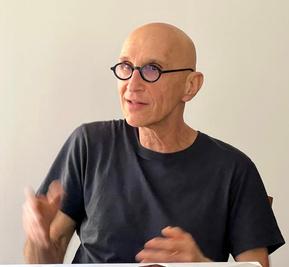
DAVID DORENBAUM MD, Psychoanalyst, Author, Professor, University of Toronto
Conversation 8 “The Kyoto School of Philosophy, Architecture and The Space of Mind”
CONVERSATIONS AND PANEL ON SITE IN KYOTO
MORE INFORMATION: KAMOGAWA VILLA KYOTO, JAPAN
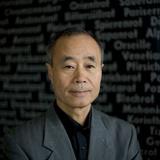

RYŌSUKE ŌHASHI Ph D Philosopher, Former Professor of Philosophy, Kyoto, Japan
Conversation 8 “The Kyoto School of Philosophy, Architecture and The Space of Mind”
GUEST TBA A third guest will be announced over the summer
This session is conceived as an open conversation rather than a formal lecture. A philosopher, a neuroscientist, a psychoanalyst, and an architect will reflect together on how built form and consciousness mirror, influence, and sometimes unsettle one another. With unexpected guests, and engaging exhanges, this day promises to be truly memorable
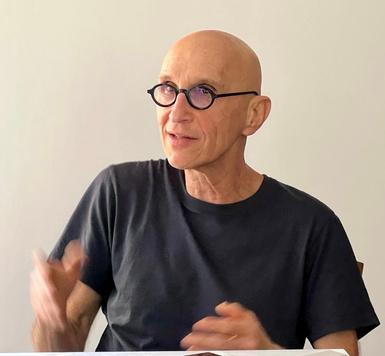
DAVID DORENBAUM D, Psychoanalyst, uthor, contributor to Pais, Assistant Professor, niversity of Toronto, Canada
READ BIO
OCTOBER 16, 2026
“THE KYOTO SCHOOL OF PHILOSOPHY, ARCHITECTURE AND THE SPACE OF MIND”
READ ABSTRACT
David Dorenbaum, MD (México, 1956), is a psychoanalyst, an Assistant Professor in the Department of Psychiatry at the University of Toronto, a member of the International Psychoanalytic Association and the Lacan Clinical Forum at the Austen Riggs Center in Stockbridge, Massachusetts. Dorenbaum is also an accomplished author.
This session is conceived as an open conversation rather than a formal lecture A philosopher, a neuroscientist, a psychoanalyst, and an architect will reflect together on how built form and consciousness mirror, influence, and sometimes unsettle one another. With unexpected guests, and engaging exhanges, this day promises to be truly memorable
OCTOBER 16, 2026
CONVERSATION AT 2PM
“THE KYOTO SCHOOL OF PHILOSOPHY, ARCHITECTURE AND THE SPACE OF MIND”
FOLLOWED BY PANEL DISCUSSION
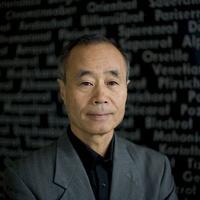
RYŌSUKE ŌHASHI Ph D , Philosopher, Former Professor of Philosophy, Kyoto University, Japan Author of Japan and Heidegger; Beauty in Japan, and other books
Ryōsuke Ōhashi is one of the most distinguished philosophers in Japan He belongs to the Kyoto School, a Japanese academic philosophical movement that emerged at the beginning of the 20th century He has won numerous awards and has held teaching positions at universities around the world, including the Kyoto Technical University, Osaka University, as well as in France, Taiwan, Hong Kong, and U S
The final session of Moving Boundaries will focus on the role of light and circadian rhythms in the built environment, drawing on groundbreaking research about restorative design, environmental factors and human health, with scientific evidence provided by both professors Applications in architecture will be discussed.
DAYS 7-8
OCTOBER 18-19, 2026
10AM - 2PM
ESPOIR HOTEL TESHIMA ISLAND
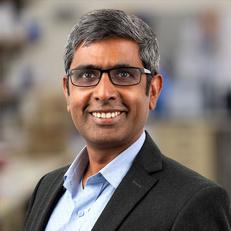
SATCHIN PANDA Ph D Neuroscientist, ANFA
Board Member, Salk Institute, U S Lecture 9 “Designing Built Environment to Reignite the Wisdom of Our Body and Mind”
MORE INFORMATION:
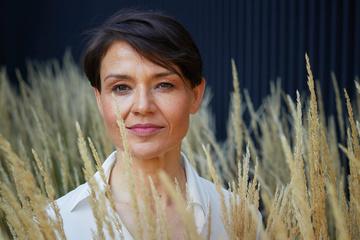
NATALIA OLSZEWSKA MD, Neuroscientist, Researcher
Co-Founder at Impronta, Author Krakow, Poland
Respondent Panel Discussion Oct 19
Director & Founder of Moving Boundaries Collaborative
Architect, Consultant, Professor
Moderator: Panel Discussion
The final session of Moving Boundaries will focus on the role of light and circadian rhythms in the built environment, drawing on groundbreaking research about restorative design, environmental factors and human health, with scientific evidence provided by both professors. Applications in architecture will be discussed
SATCHIN PANDA Ph D , Neuroscientist ANFA Board Member, Salk Institute, La Jolla, U S Author of The Circadian Code; The Circadian Diabetes Code
OCTOBER 18, 2026
LECTURE AT 10AM
“DESIGNING THE BUILT ENVIRONMENT TO ALIGN WITH HUMAN BIOLOGY”
Satchin Panda, Ph.D. is a Professor at the Salk Institute in California, where his research focuses on the circadian regulation of behavior, physiology, and metabolism in model organisms and in humans Author of important books, he received the Julie Martin Mid-Career Award in Aging Research and the Dana Foundation Award in Brain and Immune System Imaging. Panda is a Board Member of ANFA.
This final session of Moving Boundaries will explore how environments shape cognitive, affective, and physiological restoration. Olszewska and Panda will discuss the importance of daylight and circadian rhythms, among other factors, in restorative design.
ATALIA OLSZEWSKACo-Founder, Impronta, Author essor NAAD, Neuroscientist kow, Poland
READ BIO
OCTOBER 19, 2026 PANEL CONVERSATION WITH SATCHIN PANDA
HOW ENVIRONMENTS SHAPE COGNITIVE, AFFECTIVE AND PHYSIOLOGICAL RESTORATION
APPLICATIONS FOR DESIGN
Natalia Olszewska is a Co-Founder of IMPRONTA, a research and consulting studio dedicated to merging neuroscience and architecture through an evidencebased design approach. She is a physician with a unique educational background in medicine and neuroscience applied to architectural design