DATABASE : DRESS
FABRICS
• Chiffon
• Silk georgette
• Viscose crepe
• Lightweight cotton voile
• Printed scarves (silk twill)
ORIGIN
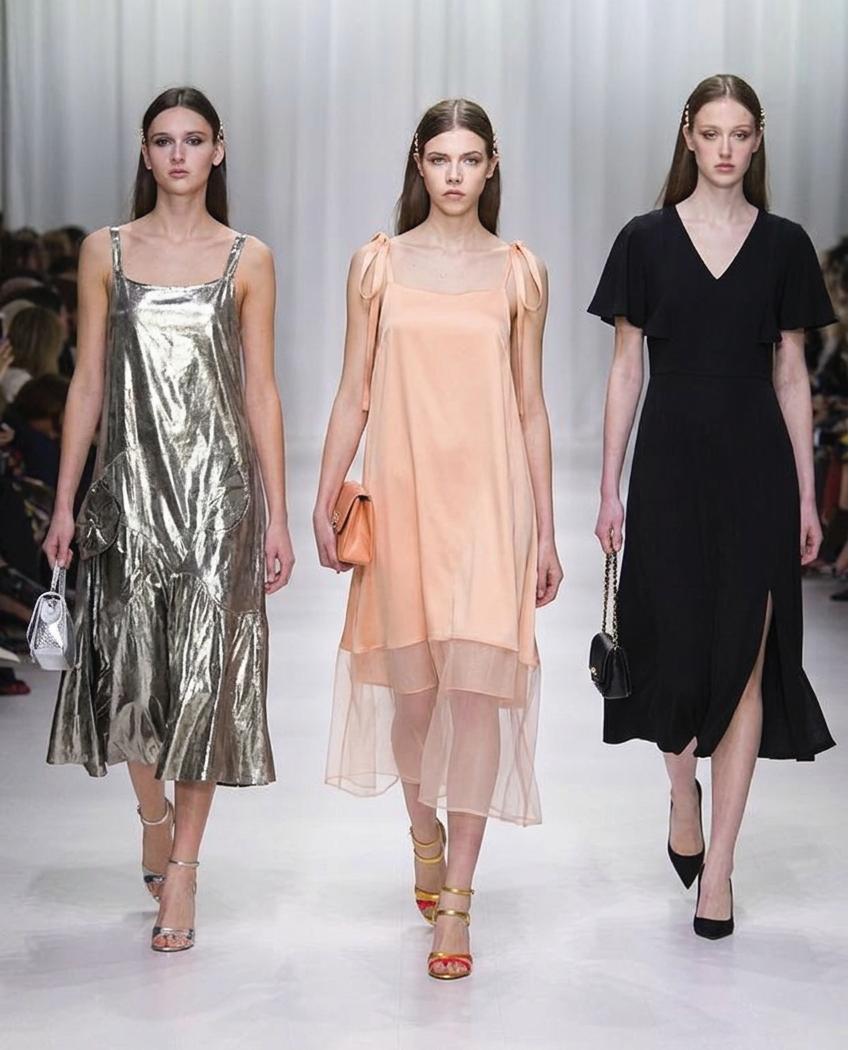
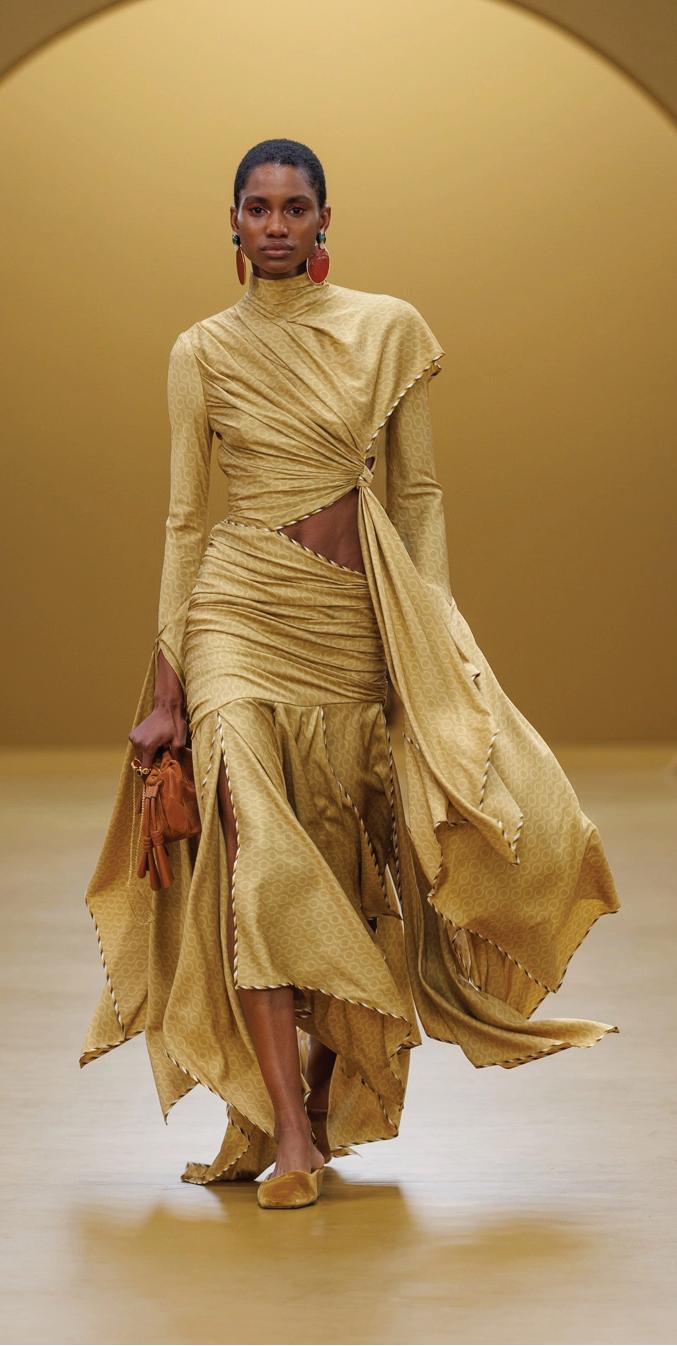
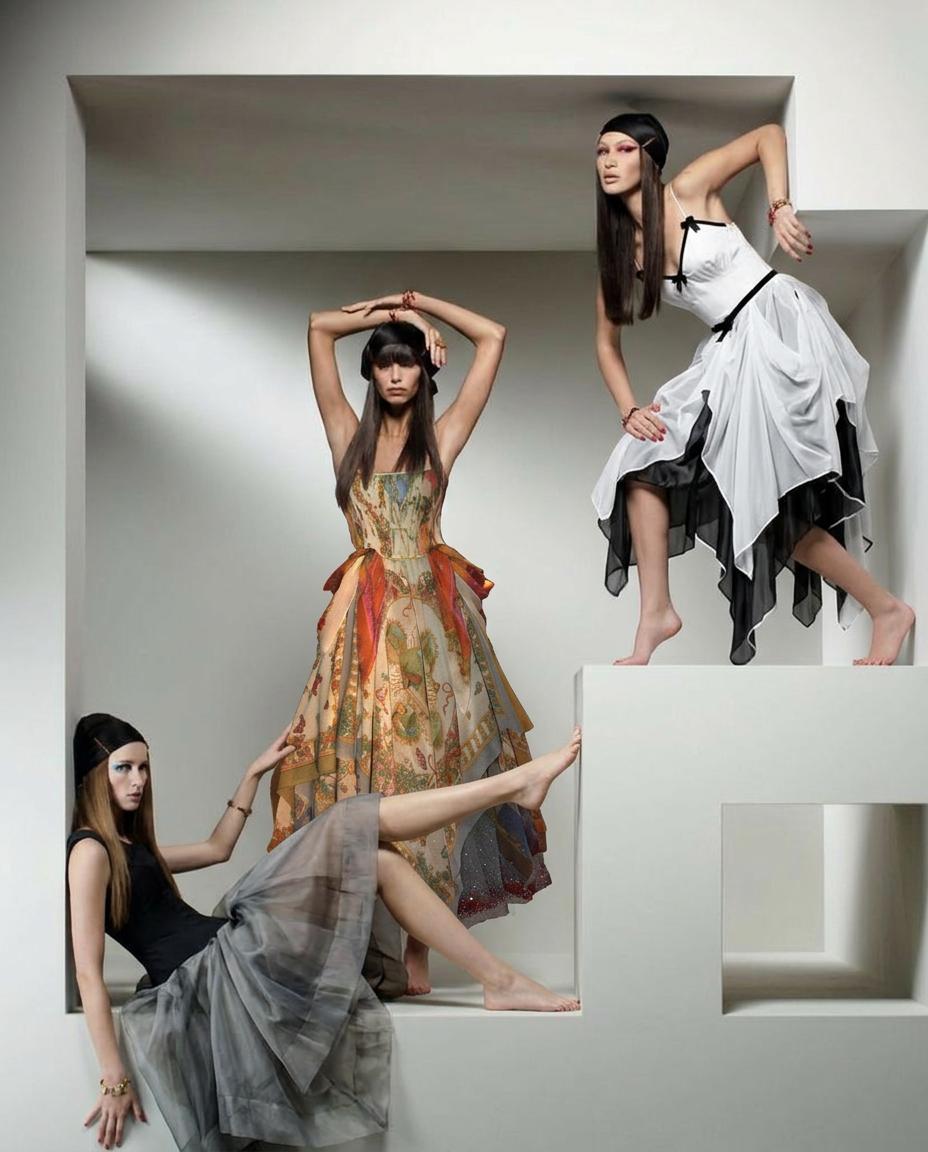
Emerged in the 1920s–1930s as designers experimented with bias cuts and asymmetry.
Revived in the 1970s bohemian era — flowing hems, scarf‑like panels, patchwork.
Strong comeback in the 1990s–2000s (Galliano for Dior, early McQueen).
Today associated with boho, resort, and eveningwear.
SILHOUETTE + LINE + VOLUME
• Asymmetrical hem made of pointed panels.
• Fluid A‑line or column upper body.
• Movement-focused volume
— hem flares when walking.
• Often cut on the bias for drape.
DETAILS
• Hanky hem / pointed hem
• Bias cut
• Spaghetti straps / halter neck
• Empire waist or dropped waist
• Scarf panels / layered chiffon panels
ORIGIN
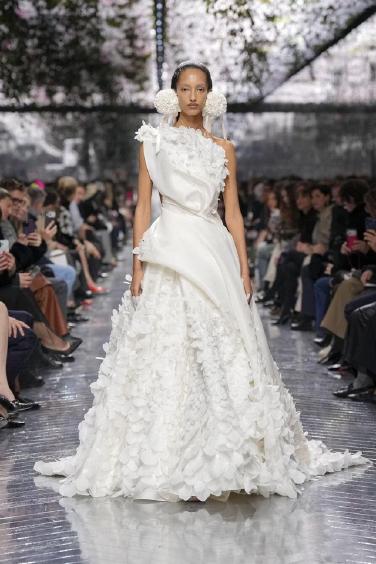
Rooted in Victorian and Edwardian dressmaking.The princess line was introduced by Charles Frederick Worth in the late 19th century.
Defined by vertical panel seams instead of a waist seam.
SILHOUETTE + LINE + VOLUME
• Princess seams elongate the body.
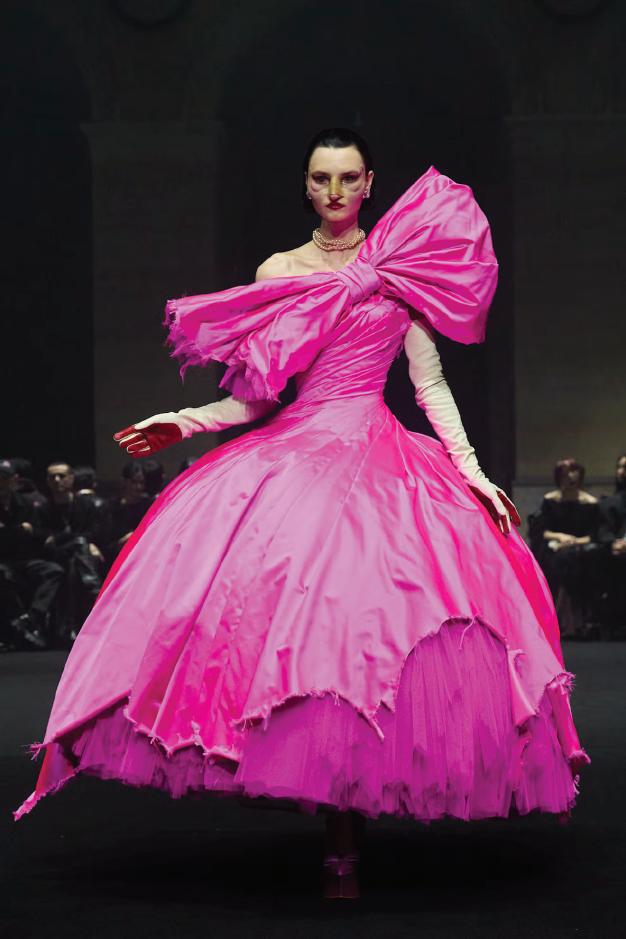
• Fitted bodice + flared skirt (A-line or ball gown).
• Can be dramatic (couture) or minimal (modern bridal).
• Emphasis on verticality and smooth shaping.
DETAILS
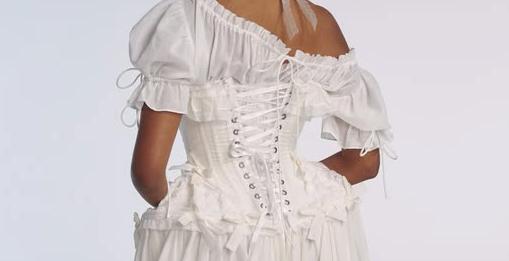
• Princess seams
• Sweetheart neckline
• Corseted bodice
• Full skirt / ball skirt
• Tulle underskirt
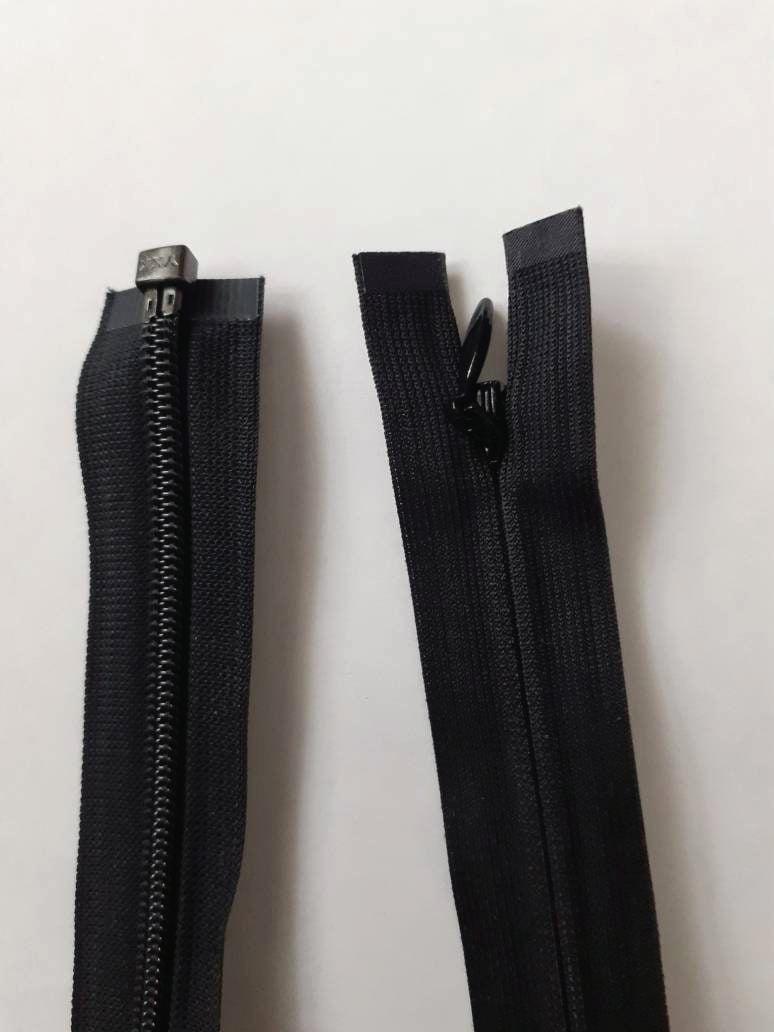
• Invisible zip
• Boning
FABRICS
• Tulle
• Satin
• Silk mikado
• Organza
• Brocade
• Embroidered tulle
Modern princess dresses appear in bridal, eveningwear, and couture.
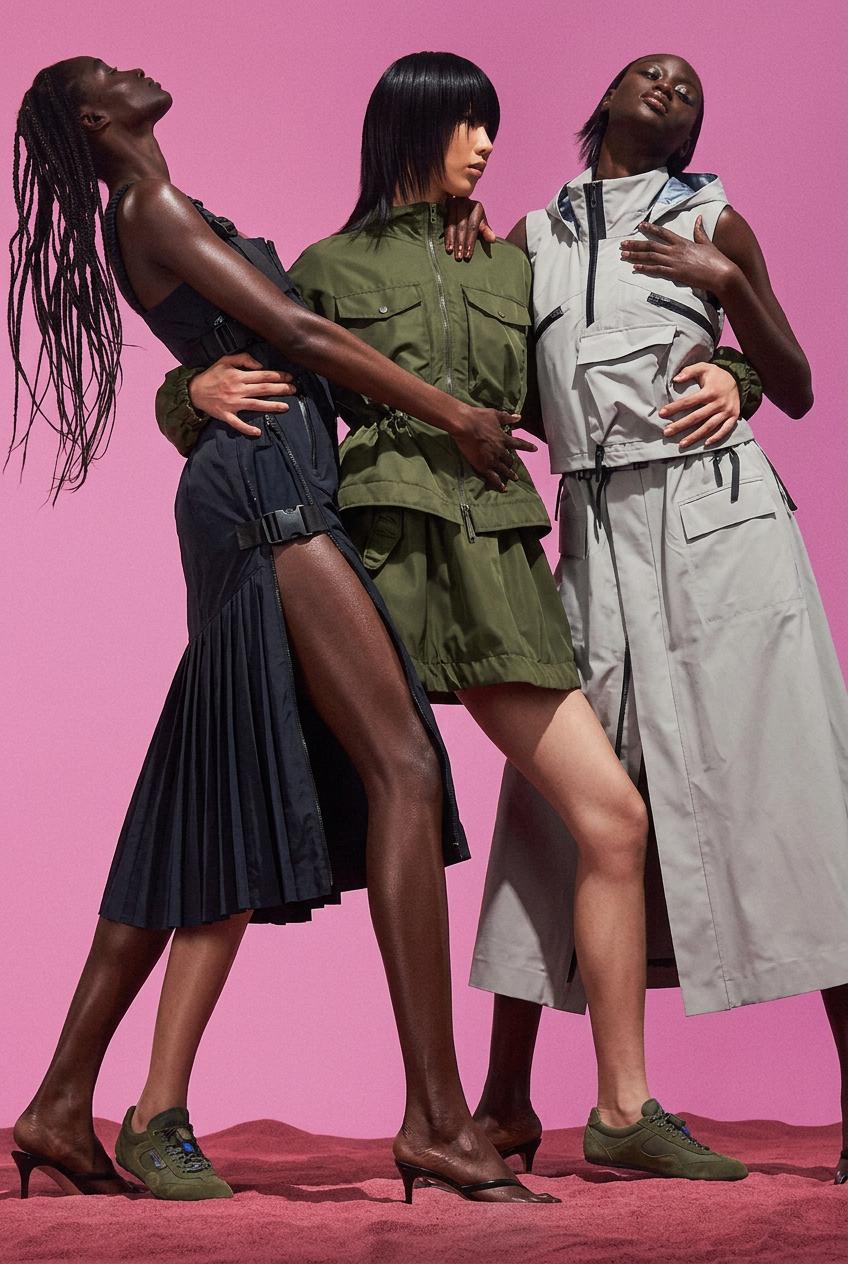
SILHOUETTE + LINE + VOLUME
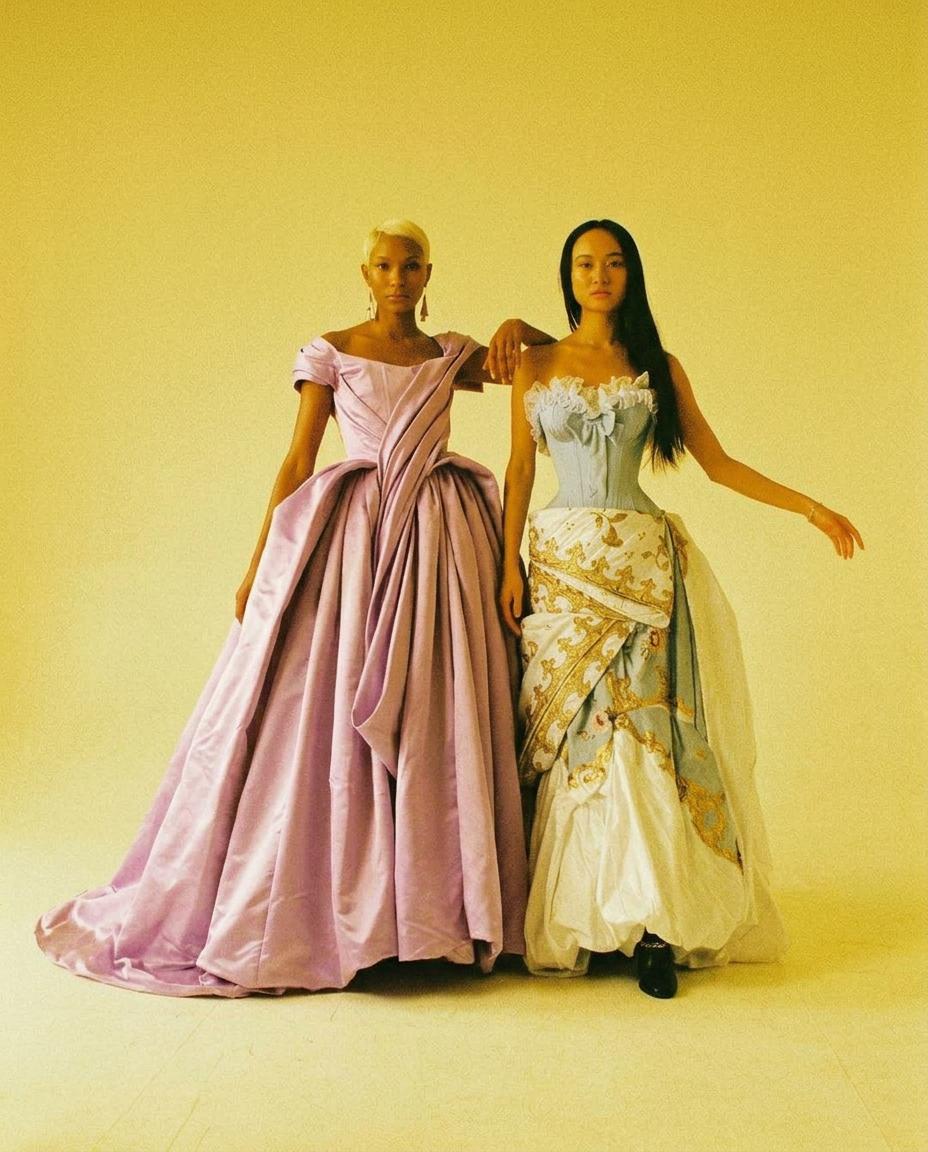
• Straight or slightly A-line.
• Often structured with crisp lines.
• Can be mini, midi, or maxi.
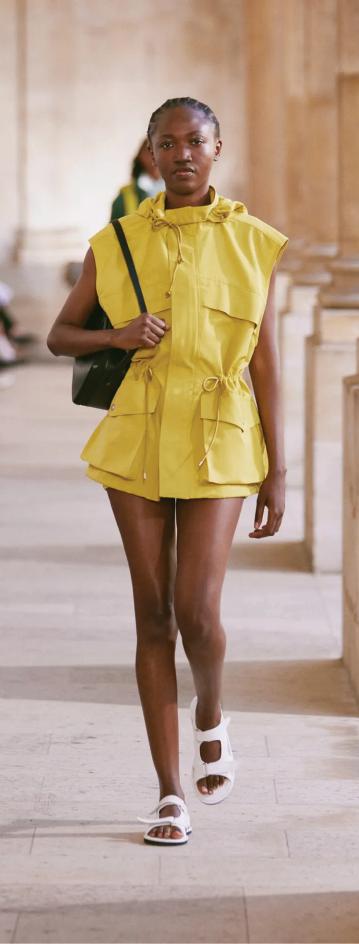
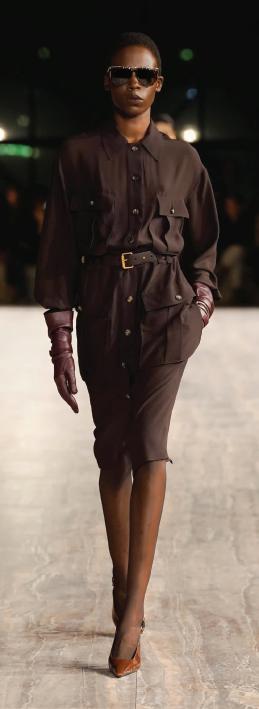
• Defined by functional pockets and utility seams.
DETAILS
• Patch or flap pockets
• Epaulettes
• Drawstring waist
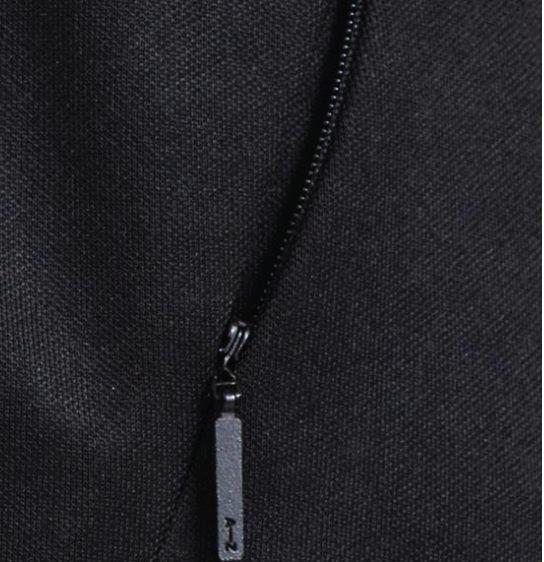
• Front zip
• Snap buttons
• Belted waist
FABRICS
• Cotton twill
• Ripstop nylon
• Denim
• Poplin
• Technical fabrics (nylon, parachute cloth)