This publication is an initiative of the Health Promotion Program at TasCAHRD, the Tasmanian Council on AIDS, Hepatitis and Related Diseases.
TasCAHRD receives funding from the Crown through the Department of Health to provide these services.
Photos in this magazine are courtesy of Unsplash Photographers.
WARNING: Views expressed in Red Thread are those of the authors and do not necessarily reflect the views of TasCAHRD.
Would you like to see your business or service advertised in this magazine? Contact TasCAHRD for more information – editor@redthread.org.au
By Jen Wiedman
Boundaries and mental health
The quiet cost of always adapting
In queer communities, boundaries are often talked about - but far less often supported.
Many of us grow up learning to adapt early. To stay safe. To stay loved. To stay connected. We learn how to read a room, soften our needs, explain ourselves carefully, or tolerate discomfort longer than we should. While these skills can be protective, over time they can quietly erode our mental health.
When boundaries are repeatedly crossedor when we’re unsure what our boundaries even are - the impact accumulates. It can look like chronic anxiety, resentment, shutdown, people-pleasing, exhaustion, or a constant sense of being “too much” or “not enough.” It’s not usually one big incident that causes burnout. It’s the drip-feed of selfabandonment.
So how do we know when to stretch, and when to draw a line?
Stretching a boundary can be healthy when it’s a conscious choice. Compromise might look like tolerating short-term discomfort for connection, growth, or shared values... without betraying yourself. You might feel nervous, but not unsafe. Tired, but not resentful. You can recover afterwards.
Giving in , on the other hand, often feels heavy. There’s pressure. Obligation. Fear of conflict, rejection, or being misunderstood. You say yes while your body says no. And afterwards, something lingers: tightness, anger, sadness, or depletion.
Holding a firm boundary becomes essential when your wellbeing, safety, or sense of self is consistently impacted. If a relationship requires you to shrink, explain your identity repeatedly, ignore your limits, or manage someone else’s emotions at the expense of your own - that’s not flexibility. That’s harm, even when it’s subtle.
A useful question isn’t “ Is this reasonable?” but rather: “ What does this cost me? ”
If the cost keeps increasing (emotionally, physically, relationally and even finacially) it’s a sign something needs attention.
This is often where therapy can help.
Not because you’re failing at boundaries, but because boundaries are rarely just about the present moment. Many of our patterns were shaped long before adulthood: in families where needs weren’t welcomed, identities weren’t affirmed, or safety depended on being easy, helpful, or invisible.
A skilled therapist can help you gently unpack what’s happening beneath the surface - the old drivers, survival strategies, and blind spots that make boundaries confusing or hard to hold. Therapy offers a space to slow down, listen to your body, clarify your values, and learn the difference between discomfort that grows you and discomfort that diminishes you.
Boundaries aren’t walls. They’re information. They tell you where you end, where others begin, and what you need to stay mentally well and not just survive, but feel whole.
If you’re constantly tired from adapting, negotiating, or second-guessing yourself, that’s not weakness. That’s wisdom knocking. You don’t have to figure it out alone.
Check out the highly skilled crew at the Wild Calm Affiliate Network for who can help you with this kind of thing.
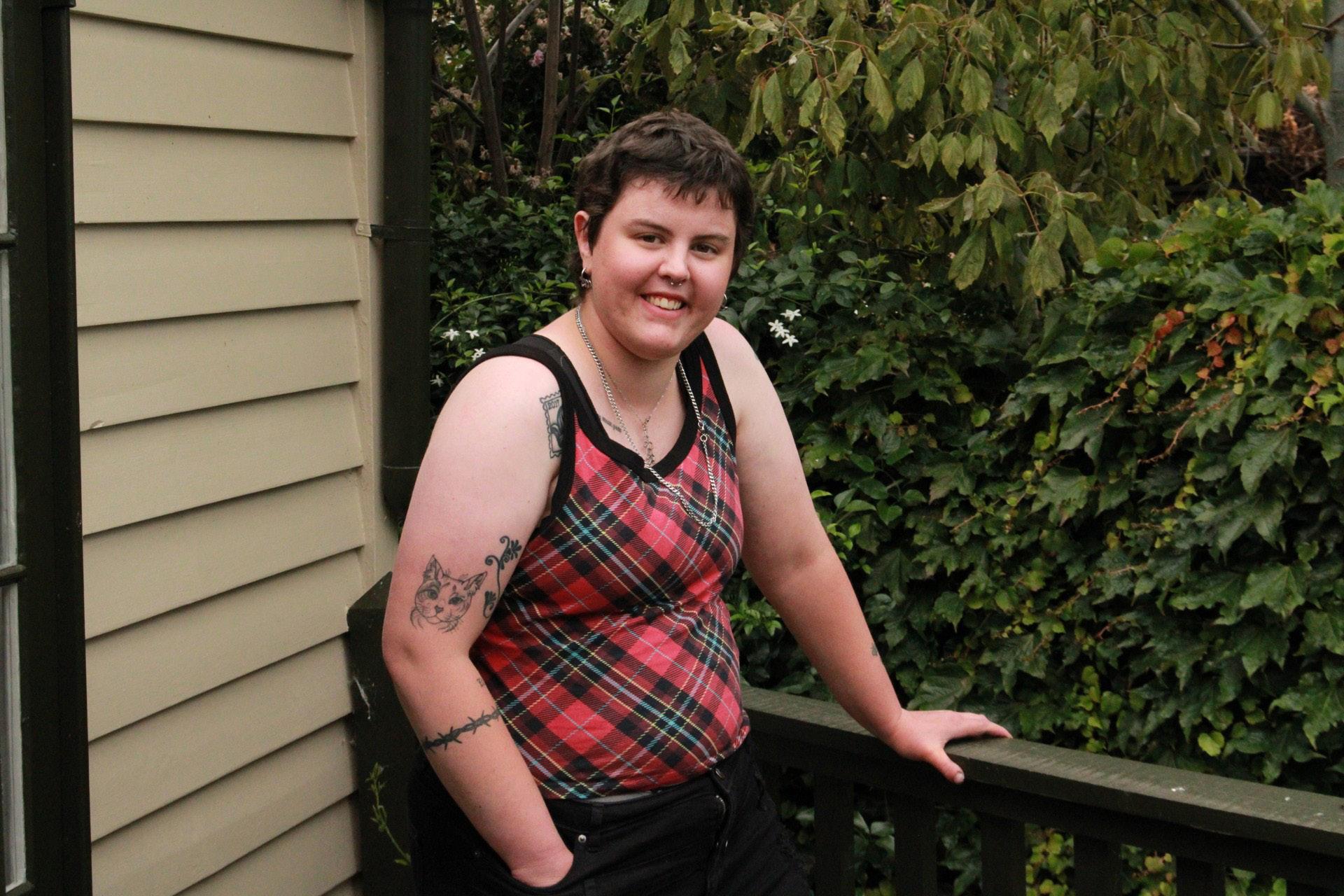
By Chris Anderson Black
Every day – a new stage
*Names are changed for privacy reasons
Every day of life is a new stage, a new day to shape who we are. And every year a time of change, but if you follow your heart and values, and stay true to you, you’ll grow and flourish. And it’s really important that every day you meet yourself where you’re at.
Here are five times I’m so glad I met my closeted trans self where he was at.
When I was two my twin sister Alice decided her favourite teddy was a girl, so I naturally presumed your favourite teddy was the same gender as yourself and made my teddy Puddle (a duck) a boy.
Around the age of six I decided my favourite barbie doll was a boy, so I found the shortest
pair of barbie shorts and put the Velcro at the front to make a ‘fly’, creating what I pretended where his boxer shorts.
When I was six, I’d hide in my bedroom and put a ball of socks in my underwear to create a bulge, pretending I had a dick, that was the first time I felt really recognisable gender euphoria.
When I was eleven, I was so jealous that men could stand to piss, I used my artistic talents to secretly illustrate my favourite AMAB fictional characters taking a piss standing up.
And when I was sixteen, I dressed up as Freddie Mercury at Live Aid for Halloween and I drew a black moustache on with eyeliner, I was so disappointed it easily wiped off at the end of the night.
Now these are just a few of many times I met my closeted self where he was at, but the most important thing about this, is that it is about kindness. Kindness to yourself and by being kind to yourself you allow room for growth and happiness, two of the most fulfilling things in life.
By Annie
Embracing change
Last edition we left Simon in psychiatric care, and Nesha frantically looking after him.
After all that, Simon changed his name to Alex.
After Alex’s discharge from the psychiatric ward in 2001, Nesha and Alex moved into a unit in Melbourne. Nesha, exhausted and anxious about her partner, managed to work while continuing to care for Alex. Alex’s recovery was not immediate.
For most of the first year, Alex’s delusionary behaviour clouded their relationship, as he was convinced Nesha was attempting to get rid of him by poisoning his food and drink. It was time to crawl out into the world and for the next four years they were determined to survive.
Firstly, they travelled to regional Victoria and took in odd jobs; milking cows, hospitality and landscape gardening, gaining skills and experience in all sorts of roles.
In 2005 they bought a house in the Victorian bush. Life had started to turn around. They now owned their own home. The small township close by was incredibly inviting and accepting of this couple, who were the first openly gay men to be part of the community. Free to express their opinions without interference or fear of harm – this was a quantum leap for their existence and lifestyle.
Stay tuned for part three. Scan this
The previous ordeal of hospitalisation years ago had almost finished them. This, dear reader, is the part in the story to mention that Nesha and Alex are the most likeable peoplegenuine, funny and caring.
As the healing continued, Alex was now mentally and physically able to work and enjoyed the comradery at the Australian Wheat Board. His role was to shuffle tons
of grain making him stronger and super fit. He laughs at the fact that this was the most masculine job one could imagine. “And I was bloody good at it!” He soon rose to be second in charge.
Meanwhile Nesha had three jobs…
They both owned a café - enter the first espresso machine to exist in the village. They became cooks serving real food, with Nesha also being front of house. Nesha’s second job was working on a duck farm. This entailed driving front-end loaders, and other duck farm duties, without knocking down the various sheds or running over ducks. Concreting was the third job…
These 3 years were transformative. The community offered hugs or shook hands, allowing Nesha and Alex to truly relax and be accepted. They felt so different. Invitations such as “Is your wife coming over? …. No, my husband is tho,” soon became normal conversation.
The town was very aware of gender diversity. One evening, however, a bar staff member ran away in shame, only to return and apologise the next day for assuming they were heterosexual. She didn’t know what to say.
Their newfound employment encapsulated normality – with a bit of extra flare.
Nesha and Alex are Indigenous. Nesha talks about her Pop: “He taught me, if you want something in life, you have work for it.”
Three years later they thought “why don’t we move to Tassie?”
By Alex and Jamie
Nitazenes - a deadly addition
In June 2024 in Melbourne, a tragedy occurred. Four friends took what they thought was cocaine, but it turned out to be protonitazene, a highly toxic synthetic drug. None survived, and the youngest was just 17 years old.
Ways to stay safe:
Test strips are available to detect nitazenes, but they are expensive and not readily available.
There are several other ways you can protect yourself.
Use a staggered approach for yourself - take a small amount to start with in case there are any side effects.
Stagger the hits between people you are sharing with - someone can administer naloxone if needed, and seek medical help.
Always have naloxone with you, just in case.
Nitazenes are synthetic opioids that are extremely potent. They were developed as a pharmaceutical pain killer but never approved. They are being found in common street drugs, vapes and counterfeit painkillers. They can be 500 times stronger than heroin and 10 times stronger than fentanyl. Due to their strength, they can cause respiratory depression within minutes and can cause paralysis, seizures and death.
This creates a barrier to safe drug use because nitazenes are present in drugs that people are not expecting them to be, for example, cocaine.
This highlights a need for caution.
Injectable naloxone:
Last year in Tasmania, a new version of naloxone became available in Tasmania. Prenoxad is effective on all opioidssuch as morphine, heroin, synthetic and pharmaceutical medications. Instead of a nasal spray, it comes in a needle and syringe that is injected into a muscle. It contains five doses of naloxone instead of two. This can make a huge difference in the case of stronger drugs such as nitazenes, where two doses of the nasal spray may not be enough to keep someone alive until help arrives.
Both Naloxone and Prenoxad are available from your local NSP or pharmacy.
It’s a good idea to have these on you in case of emergencies, as you may be able to save someone’s life.
By Naomi and Katherine
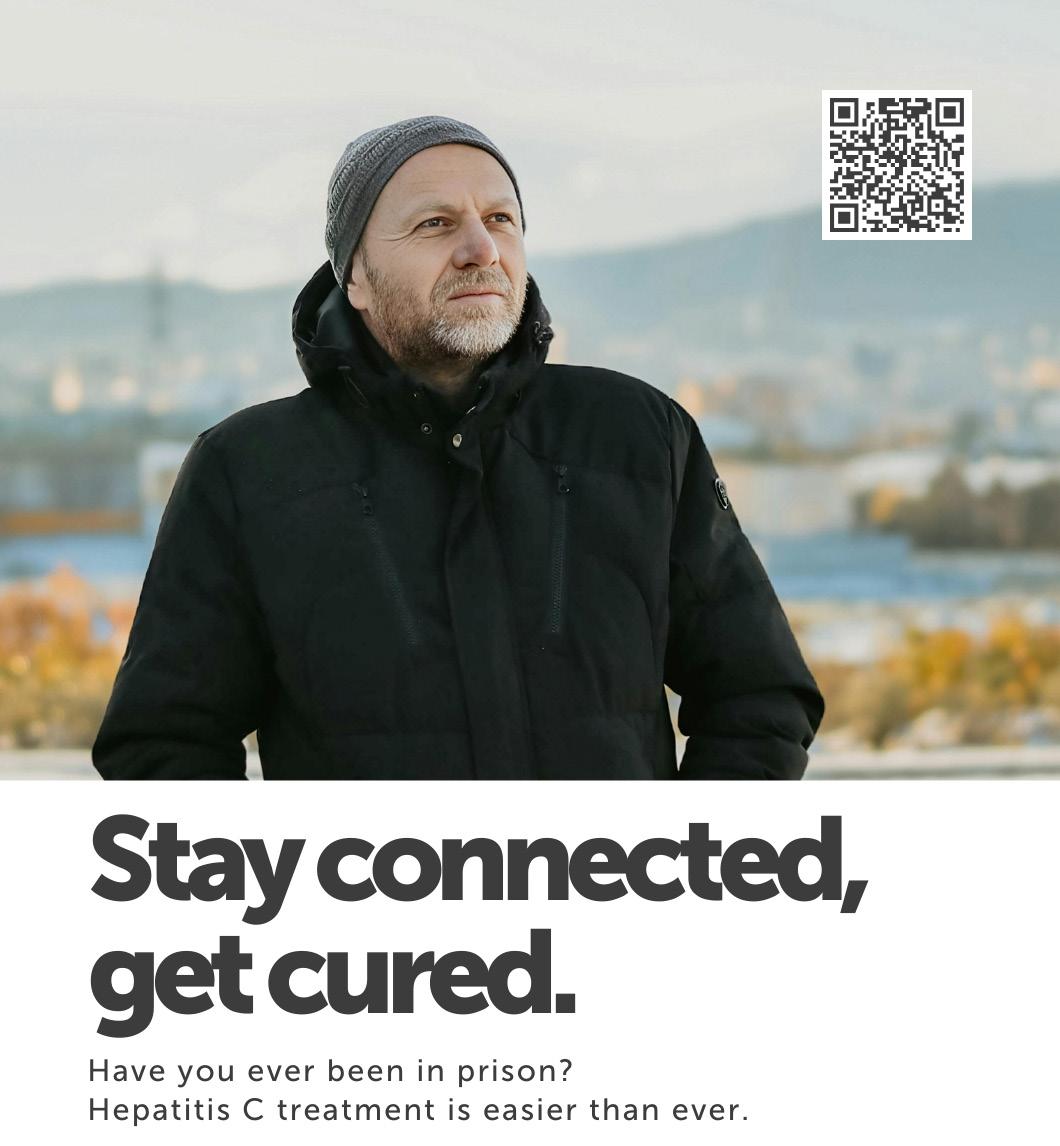
Treating Hep C after prison
Coming home from prison can be a challenging time especially for someone living with Hepatitis C.
Many people don’t realise that key services— like hepatitis C testing and treatment—are free, confidential, and available locally.
When we meet people with compassion and practical help, we support their health, dignity, and sense of belonging. A simple smile at a reception desk, an offer of assistance, or the willingness to listen without assumptions can be transformative.
For many, the world outside has shifted while they’ve been inside. Phones, Medicare details, housing, transport, and even knowing where the nearest Hep C clinic is—these practical hurdles can quickly pile up. And when life feels chaotic, health care often slips to the bottom of the list. This is where family, friends, and even neighbours might be able to help.
One of the biggest barriers people face after release is feeling judged.
Support doesn’t have to be formal. Everyday gestures matter. Helping someone set up a phone, navigate Centrelink, book a GP appointment, or understand what free health services are available can remove enormous stress.
If someone in your community is returning from prison, reach out. Listen. Offer support. Share information.
Screen for cancer
It could save your life. Cancer screening aims to find cancers early which improves treatment options and survival. In Australia, national screening programs offer free tests to those most at risk and includes four cancers: breast, cervical, bowel and lung. Screening is for people with no symptoms. If you are unsure if screening is right for you, or if you have any symptoms, talk to your doctor.
Breast Screening
Everyone (regardless of gender) has breast tissue. People assigned female at birth have a higher risk of getting breast cancer than people assigned male at birth.
The Breast Screening Program, BreastScreen, should be done every 2 years for people aged 50–74 years who are either:
• Cisgender women
• Trans women who have been on gender affirming hormone therapy for 5 or more years
• Assigned female at birth trans people who have not had top surgery. People who have had top surgery may still need screening, depending on individual risk and type of surgery.
Talk to your doctor to check what is right for you. Eligible people aged 50-74 are invited by letter, but everyone over the age of 40 years can screen for free. Call 13 20 50 to book an appointment.
Cervical Screening
Cervical cancer develops in the cervix, which is the top of the vagina and base of the uterus.
Most cases are caused by human papillomavirus (HPV), a common virus spread through sexual contact. The HPV vaccine significantly reduces the risk of HPV causing cervical cancer but does not remove it. This is why regular screening still matters.
The Cervical Screening Program should be done for people with a cervix aged 25-74 years who have ever had any sexual contact .
Cervical screening is done at a health clinic, such as a doctor clink or family planning clinic. You can collect the sample yourself, or if you prefer, your doctor can do it. Cervical screening is recommended every 5 years.
Bowel Screening
Bowel cancer can occur in the small bowel, large bowel or rectum. The Bowel Cancer Screening Program is done through a kit sent to your home. The test is free, clean and easy. From 45-49 people are encouraged to opt into the program by calling 1800 627 701. After you’ve opted in, or from 50, you’ll get a kit in the mail every 2 years.
Bowel screening should be done every 2 years for ALL people aged 45-74 years.
Lung Screening
The Lung Cancer Screening Program targets high-risk individuals and involves getting a CT scan of the chest.
Lung screening should be done every 2 years in people aged 50-70 years who:
• Have no signs or symptoms of lung cancer
• Currently smoke or vape (or quit in the last 10 years)
• Has a history of smoking at least 30 pack years
See your doctor or healthcare provider to find out whether you’re eligible for the program based on your age and smoking history.
Checklist
1. Book an appointment with your doctor to discuss cancer screening.
Don’t forget:
• Mention any gender affirming treatments you have or are currently undergoing
• Check your clinic has noted your screening requirements based on your anatomy. This ensures you will get appropriate screening reminders.
2. Check your address is up to date with Medicare and Australian Electoral Roll as the postal address on file is where information will be sent.
3. Use the Genders, Bodies and Relationships Passport to make telling your doctor about your gender, body and relationship easier. Copies are free for download at lgbtiqhealth.org.au/passport
By Red Cross
A national project delivering bilingual health education
Topic 1: Let’s Talk Mental Health
In this session, participants will learn about what supports good mental wellbeing and what can impact it. Bilingual Health Educators will provide helpful tips on caring for mental health and feeling confident to seek support when needed.
Topic 2: Navigating the Australian mental health system
Bilingual Health Educators will share information about mental health supports and services in this session. Participants will learn how to use referral information and understand the basic rights and responsibilities within the Australian mental health system.
Topic 3: Lung Cancer Screening
This health education session will cover what lung cancer screening involves, who is eligible, and how to access screening services in different states and territories.
Topic 4: Breast Cancer Screening
Bilingual Health Educators will provide session participants with information about breast screening through BreastScreen Australia, including eligibility criteria, the mammogram process, and the benefits of early detection.
Topic 5: Cervical Cancer Screening
This session explores the causes of cervical cancer and how regular screening can help with early detection and prevention. Bilingual Health Educators will explain the different types of screening tests and how participants can maintain their privacy throughout the process.
Topic 6: Bowel Cancer Screening
Bilingual Health Educators will share information about bowel cancer and why screening every two years is so important for early detection. Bilingual Health Educators will show participants how to use the free athome bowel screening test kit with confidence.
A national project delivering bilingual health education
Topic 7: Contraception choices
There are many contraception options available to suit different needs. In this session, Bilingual Health Educators will provide information about these options to help participants make informed choices about their health. Bilingual Health Educators will also connect participants to relevant health services.
Topic 8: Safer sex
This session is about sexual health and safety. Bilingual Health Educators will share information on the types of sexually transmitted infections (STIs), including Hepatitis B and syphilis, protection methods, and support services. This session will include discussion of consent and intimacy.
Topic 9: Understanding menopause
In this session, participants will learn about the difference between perimenopause and menopause. Bilingual Health Educators will discuss common symptoms, and how these can be managed. Participants will also learn about healthcare services that can provide support to navigate both perimenopause and menopause with confidence.
Topic 10: Pregnancy choices
Participants will learn about the pregnancy options available in Australia, including those related to abortion. Bilingual Health Educators will provide information about reproductive health rights, how to make informed pregnancy choices, and the health services that can support their decisions.
Health in My Language is supported by funding from the Australian Government *MCWH is working towards making our in-language health education sessions accessible to migrant and refugee non-binar y and gender diverse people. We use the term ‘women’ to be inclusive of cisgender and trans women.
Who we are, where we work.
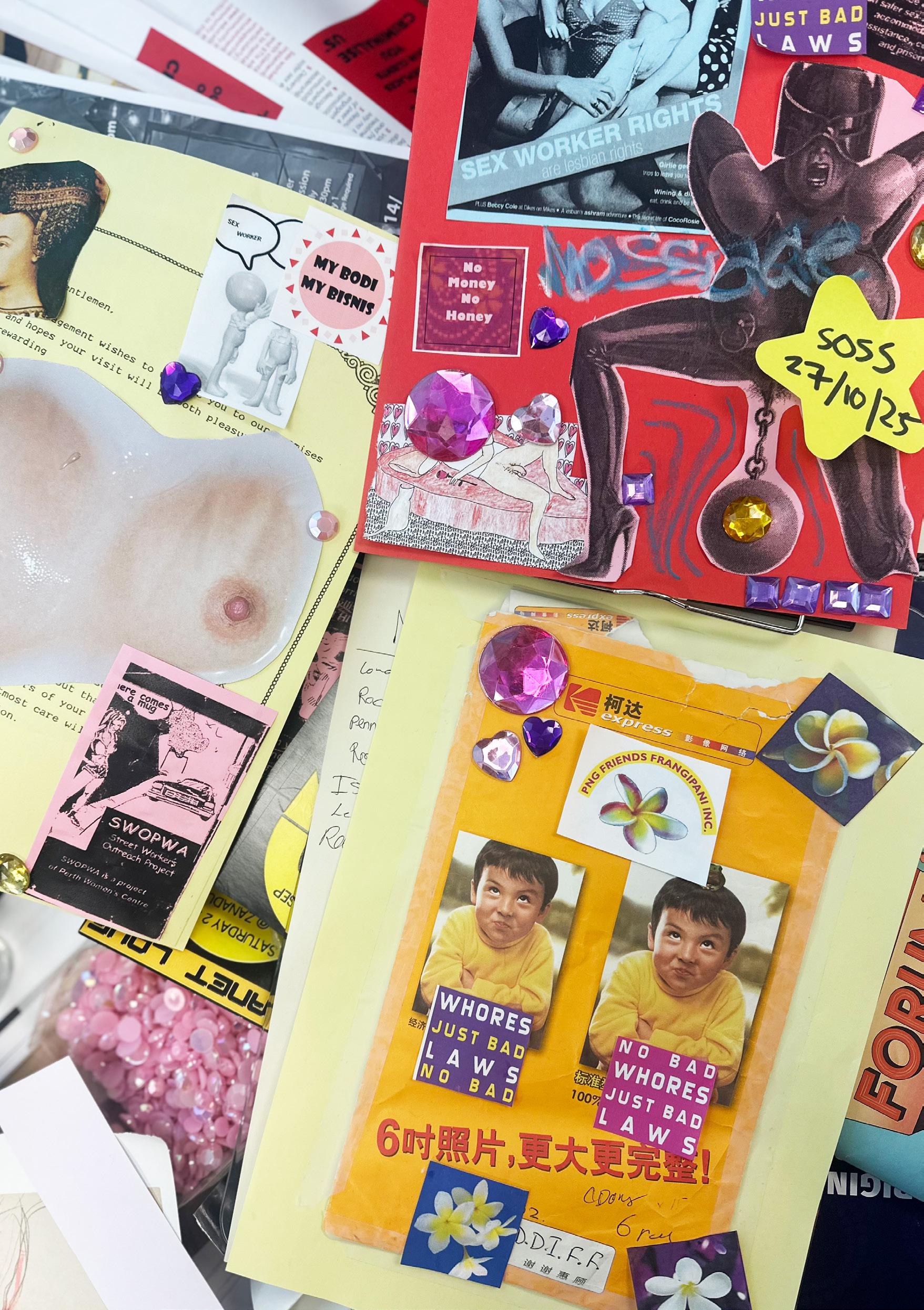
A paid survey for sex workers in Lutruwita/Tasmania
Sex workers face challenges that many people never see — both at work and in our daily lives. Stigma and discrimination associated with sex work, gender, sexuality, race, culture or disability impacts our access to services, health and wellbeing. Sex work itself is diverse and ever-changing, and in Lutruwita/Tasmania it comes with added pressures: small-town visibility, high costs of living, a lack of affordable, secure housing, limited access to safe and non-judgmental healthcare, and laws that criminalise many forms of sex work. Yet sex workers are part of every community. We work, contribute and deserve the same rights, safety, and pride as anyone else.
Scarlet Alliance’s Tasmania Sex Worker Outreach Project (SWOP Tas) believes sex workers should always lead conversations about our own lives. That’s why we’re running our 2026 sex-worker-only survey — to better understand the diversity and needs of sex workers in Lutruwita/Tasmania, and what we want for the future. Participation is confidential: you can register using a preferred name, and responses will never be used to identify anyone. Insights from this survey will shape our outreach, advocacy, and policy work.
The first 80 participants can receive $50 for taking part. We especially encourage responses from marginalised sex workers — including Aboriginal sex workers, LGBTQIA+ sex workers, disabled sex workers, sex workers who use drugs, and migrant sex workers. This survey is open to all sex workers who live or have lived and worked in Lutruwita/Tasmania.
To participate, ask questions about eligibility, or share access needs, contact outreachtas@scarletalliance.org.au.
We care deeply about our fellow sex workers, and we stand in solidarity with sex workers everywhere.
NSP OUTLETS &
PRIMARY
Northwest
Youth, Family and Community Connection
62 Stewart Street Devonport
Anglicare 51 Wilmot Street Burnie
South
Bridgewater Community Centre
6 Bowden Drive Bridgewater
Anglicare 436 Main Road Glenorchy
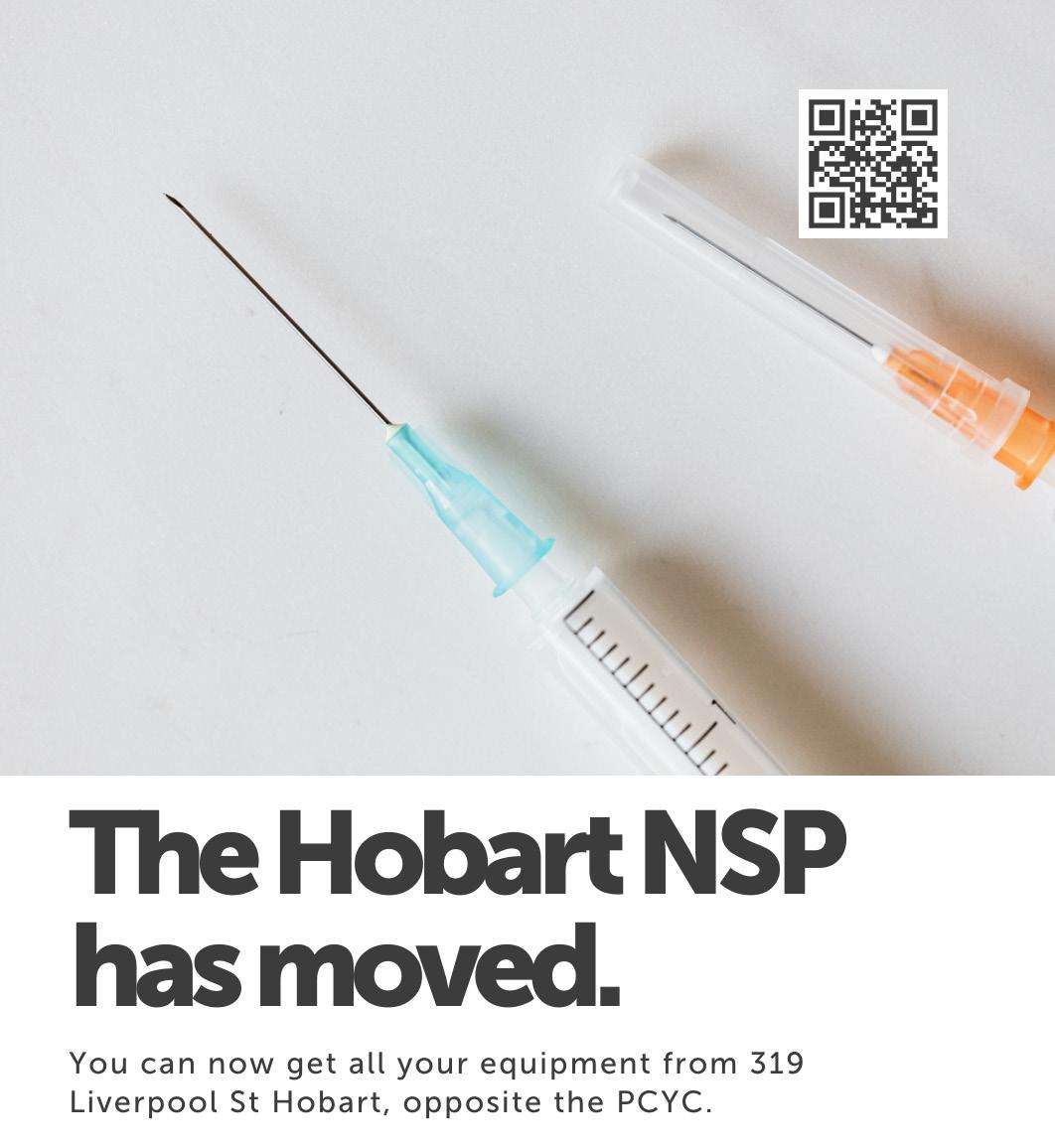
Tasmanian Council on Aids, Hepatitis and Related Diseases 319 Liverpool Street Hobart
Clarence Integrated Care Centre
18-22 Bayfield Street Rosny
North
Salvation Army
111 Elizabeth Street Launceston
SECONDARY
Northwest
Burnie Community House
24 Wiseman Street Burnie
North West Regional Hospital
23 Brickport Road Burnie
King Island District Hospital and Health Centre
35 Edwards Street Currie
Devonport Community Health Centre
23 Steele Street Devonport
Rosebery Community Hospital
Hospital Road Rosebery
Smithton District Hospital
74 Brittons Road Smithton
Wyndarra Centre Inc.
43 Smith Street Smithton
West Coast District Hospital
60-64 Orr Street Queenstown
South
The Link Youth Health Service
57 Liverpool Street Hobart
Tasmanian Aboriginal Centre
56 Patrick Street Hobart
Geeveston Community Centre
9b School Road Geeveston
Gagebrook Community Centre
191 Lamprill Circuit Gagebrook
Bridge Treatment and Recovery Services
63-83 Creek Road New Town
North
Cape Barren Community Health Centre
5 Everett Court Cape Barren Island
Flinders Island Multi-Purpose Centre
James Street Flinders Island
Flinders Island Aboriginal Association Inc 16 West Street Lady Barron
Tasmanian Aboriginal Centre 182 Charles Street Launceston
Ravenswood Community Health Centre
39-41 Lambert Street Ravenswood
St Helens District Hospital 10 Annie Street St Helens
VENDING MACHINES
Northwest
40-48 Best Street, Devonport –Ground level, Multi-level carpark
North
Salvation Army
111 Elizabeth Street Launceston
Youngtown Pharmacy 369 Hobart Road Youngtown
These NSP locations have been reproduced from the Department of Health webpage.
Fentanyl test strips detect the presence of fentanyl
Fentanyl Test Strips are FREE and allow you to be more about informed the drugs you use
TasCAHRD NSP 319 Liverpool St, open 10am-4pm weekdays
Anglicare Glenorchy NSP 436 Main Rd Open 10am-4:30pm weekdays
Speak to your friendly NSP staff to find out more.
NSP PHARMACIES
NORTH WEST
Healthpoint Pharmacy Burnie
Pharmacy 4 Less Burnie
Upper Burnie Alliance Pharmacy
King Island Pharmacy
Terry White Chemmart – Valley Road
Mersey Pharmacy
Terry White Chemmart Latrobe
Advantage Pharmacy Penguin
Railton Pharmacy
Turnbull's Pharmacy
Guardian Pharmacy Smithton
Somerset Pharmacy
Priceline Pharmacy Ulverstone
Peter Thompson's Pharmacy
Westside Pharmacy
Dixon's Pharmacy
Healthpoint Pharmacy
Yolla Community Pharmacy
Zeehan Pharmacy
NORTHWEST
Tamar Pharmacy
Bicheno Pharmacy
Bridport Pharmacy
Deloraine Amcal Pharmacy
Deloraine Guardian Pharmacy
Your Pharmacy
George Town Pharmacy
Epic Pharmacy Kings Meadows
Priceline Pharmacy Launceston
Terry White Chemmart Health Hub
Hatton and Laws Pharmacy Launceston
Terry White Chemmart Launceston
Longford Discount Pharmacy
Terry White Chemmart
Terry White Chemmart Newstead
Perth Pharmacy
Ravenswood Discount Pharmacy
Riverside Pharmacy
Galloway's Pharmacy
St Helens Pharmacy
St Marys Pharmacy
Westbury Pharmacy
Youngtown Pharmacy
SOUTH
Bellerive Quay Pharmacy
Rhys Jones Pharmacy
Central Highlands Pharmacy
Priceline Pharmacy Bridgewater
Brighton Pharmacy
Chigwell Pharmacy
Claremont Discount Pharmacy
Derwent Park Pharmacy
Terry White Chemmart Dodges Ferry
Geeveston Pharmacy
Elizabeth Hope Priceline Pharmacy
Guardian Pharmacy Glenorchy Central
Priceline Pharmacy Hobart
Your Hobart Chemist
Davey Street Discount Pharmacy
Shoreline Amcal Pharmacy
Rosetta Pharmacy
Wentworth Pharmacy
Huonville Pharmacy
Priceline Pharmacy Kingston
Chemist Outlet – Kingston
Terry White Chemist Kingston
Kingborough Medical Centre Pharmacy
Lauderdale Pharmacy
Lenah Valley Amcal Pharmacy
Lindisfarne Village Chemmart
Rosetta Pharmacy
Chemist Warehouse Moonah
New Norfolk Amcal Community Pharmacy
Guardian New Norfolk Pharmacy
Epic Pharmacy New Town
Friendly Care Advantage New Town
North Hobart Amcal Pharmacy
Tasman Pharmacy
Oatlands Pharmacy
Risdon Vale Pharmacy
Chemist Warehouse Rosny
Terry White Rosny Park
Rhys Jones Pharmacy
Magnet Court Chemmart – Terry White
Healthpoint Pharmacy Snug
Chemmart Sorell
Chemist Warehouse Sorell
Sorell Plaza Pharmacy
South Hobart Capital Chemist
Swansea Pharmacy
Triabunna Pharmacy
Warrane Pharmacy
West Hobart Amcal Pharmacy
SIGNPOST
A guide to inclusive organisations in Tasmania
Care Forward
Carers Tasmania Ltd
City Organics
Clarence City Council
Clarence Doorways
Cloddy IT
Colony 47
Convict City Rollers
CVGT Hobart
Danu Herbs
Dianne Ainslie NDIS Support Worker
Doone Kennedy Hobart Aquatic Centre
Ella Haddad MP
Emily Parkinson – Registered Psychologist
Equal Opportunity Tasmania
Eye Am Hair
Family Planning Tasmania
Fiori Florist
Flourish Mental Health Action in our Hands Inc
FRIENDZ LGBTIQ SOCIAL GROUP
Glenview Community Services
Goodbyes Hobart
Hairy Legs Cafe
Halcyon South
Hall Payne Lawyers
Hamlet
Hobart Brewing Company
Hobart Cat Café
Hobart Folk Dances (Folk Federation of Tasmania)
Hobart Functions & Conference Centre
Hobart North Uniting Church
Hobart Out Tennis Inc
Holyoake
Hospice volunteers South
inside Hobart
Inspired Office
Ironic Party Planning
Joyous Celebrations
Kingston Neighbourhood House
Laid Back Manor
Lindisfarne Psychology & Wellbeing Centre
Locker Room Hobart
Mitch Robson Counselling
Moto Vecchia Cafe
Mures Tasmania
New Town Chiropractic
New Town Health
Ogilvie Jennings Lawyers
Peppermint Bay
Positive Solutions
Pulse Youth Health
QTAS Arts
Queer Sporting Alliance
Rainbow Care Clinic
Rainbow Youth Events Hobart
Raw Strength Tasmania
State Cinema
Stress Free Fast
Sush
Sush Track
Tassie Bird and Poultry Supplies
Tempo Therapy & Consulting
Terry White Chemmart Lindisfarne
Terry White Chemmart Rosny Park
The Art of Tea Bouteaque
The Circus Studio
The Grand Poobah
The Hobart Bookshop
The Huon Domestic Violence Service
The Link Youth Health Service
The Page And Cup
Theatre Royal
Thistle Witch Gardening
Transform Counselling and Psychotherapy
Youth Arts & Recreation Centre
NORTH:
Attitude Counselling
Beaconsfield Child and Family Centre
Beaconsfield Mine and Heritage Centre
Bright Beginnings Yoga
CVGT Launceston
Deloraine House Inc
Diversity Launceston
Dorset Community House
Enterprising Aardvark Counselling and Consultancy
Florage
Gentle Death Education and Planning
Launceston Community Legal Centre
Launceston Football Club
Launceston Head to Health
Mediation Matters Tasmania
Positive Solutions
Prydes Support
Respect at Work
Reynish Counselling
Salveo Healthcare
Skittles LGBTQIA+ Youth Group
Tamar Visitor Centre
The Blue Door
The Church Campbell Town
Tresca Community Centre
NORTH-WEST:
Burnie City Council
Connect4Life
Dr Claire Jensen
East Devonport Neighbourhood House
HAEL XIII
Headspace Devonport
Secret Buddha Cafe
Serenity House
The Postmaster Inn Bed and Breakfast
Victoria Street Clinic
Wajan Hale Counselling
Warrawee Women’s Shelter
Weddings For Everyone
Youth, Family & Community Connections
TASMANIA WIDE:
Almost Heaven Clydesdales
Anglicare Tasmania
Australian Unemployed Workers Union Tasmania
Baptcare Family and Community Services Tasmania
Cancer Council Tasmania
Carers Tasmania
Community and Public Sector Union
Council on the Ageing
Daydream Photography
Engender Equality
Equal Together
Equality Tasmania
Heidi Harrison Psychotherapy
Independent Living Centre Tasmania
Family Violence Counselling and Support Service
Libraries Tasmania
Lifeline Tasmania
Love Is All – Civil Celebrant
Marry Me, Memily
Mental Health Council of Tasmania
Mission Australia – Disability Employment Services
Pride Society of UTAS
Rainbow Communities Tasmania
Rebecca White MP
Scarlet Alliance Tasmanian Sex Worker Project
Sensual Potential
Sexual Assault Support Service
St John Ambulance
Statewide Sexual Health Service
TasCAHRD
A Tasmanian Lifeline
Tasmania Police
TasPride
TasTAFE Student Support Team
Tender Funerals
Transgender Tasmania
Uniting AgeWell
UTAS Ally Network
Working It Out
Signpost is a project of Working It Out. signpost@workingitout.org.au
SERVICES DIRECTORY
EQUAL OPPORTUNITY TASMANIA
https://equalopportunity.tas.gov.au
Ph 1300 305 062
The office of the anti-discrimination commissioner
SCARLET ALLIANCE TASMANIAN SEX WORKER OUTREACH PROJECT
outreachtas@scarletalliance.org.au
Ph 0451 835 897
www.scarletalliance.org.au
TASPRIDE
www.taspride.com
Celebrating and uniting the Tasmanian LGBTIQQ community
WORKING IT OUT
www.workingitout.org.au
Sexuality and gender support and counselling
SEXUAL HEALTH SERVICE
http://www.dhhs.tas.gov.au/sexualhealth
Toll Free: 1800 675 859
Clinic 60 – 60 Collins St Hobart
Ph 03 6166 2672
Mon – Fri 8:30am – 4:30pm
Clinic 34 – 34 Howick St Launceston
Ph 03 6777 1371
Mon – Fri 8:30am – 4:30pm
Devonport – Ph 03 6777 1371
by appointment only
Counselling, support, referrals, STI/HIV testing and PrEP prescriptions
TASCAHRD – TASMANIAN COUNCIL ON AIDS, HEPATITIS & RELATED DISEASES
www.tascahrd.org.au
Ph 1800 005 900
TAS POLICE LGBTIQ LIAISON OFFICERS
www.police.tas.gov.au
Ph 03 6230 2111 (Hobart)
Ph 03 6336 7000 (Launceston)
Ph 03 6434 5211 (North West)
ATDC TAS – THE ALCOHOL, TOBACCO & OTHER DRUGS COUNCIL OF TASMANIA
http://www.atdc.org.au/ Advocating and initiatives
THE LINK YOUTH HEALTH SERVICE & HEAD SPACE FOR PEOPLE AGED 12-24
http://www.thelink.org.au
57 Liverpool St Hobart | Ph 03 6231 2927
Mon – Fri 9:00am – 5:00pm
Counselling, outreach, case management, support for mental and sexual health, alcohol and drugs (incl NSP), family planning
HOBART COMMUNITY LEGAL SERVICE
www.hobartlegal.org
166 Macquarie Street, Hobart | Ph 03 6223 2500
Shop 3, Covehill Fair, Bridgewater
Ph 03 6263 4755
FAMILY PLANNING TASMANIA
http://www.fpt.org.au
421 Main Rd Glenorchy
Ph 03 6273 9117 | Mon – Fri 9:00am – 5.00pm
93 Patterson St Launceston
Ph 03 6343 4566 | Mon – Fri 9:00am – 5.00pm
199 Mount Street Upper Burnie
Ph 03 6431 7692 (Tues, Wed and Thurs)
Contraception, cervical screening, gynecology, sexual health checks, planned and unplanned pregnancy.