
NET ZERO
Part of Tarmac's Sustainability Strategy Our
CLIMATE ACTION - OUR RESPONSE
Decarbonising our business, and providing products, services and solutions that help society and the UK built environment mitigate the impacts of climate change is central to our commercial strategy and corporate purpose.
We have taken early action to drive decarbonisation across our business. Based on 1990 emissions levels Tarmac has successfully reduced CO2 emissions by 37.8% per tonne of cementitious product. We recognise that it is vital to stay agile, continually reviewing and evolving our progress, and in 2021 we launched Act, our new sustainability strategy that builds on our past achievements.
Act sets out our commitments, objectives and goals against three main themes: ‘People’, ‘Planet’ and ‘Solutions’. It includes our objective to be net zero by 2050.
Here we set out our plan to achieve net zero so that our stakeholders can see the firm steps we are taking to support the UK’s net zero targets.
Our commitment is to be a net zero business by 2050
CLIMATE TARGETS
To drive our transition to net zero, our parent company, CRH, has set an ambitious, industry leading target to reduce absolute CO2 emissions across the business by 30% by 2030. Tarmac is committed to playing its part in supporting CRH to meet its targets.
This target, from a 2021 baseline, is supported by a series of Science Based Target Initiative (SBTi) validated targets.
The science based target defines how much and how quickly we need to reduce our CO2 emissions to be consistent with the goals of the international Paris Agreement.
Our targets are based on reducing our Scope 1, 2 and Scope 3 CO₂ emissions:
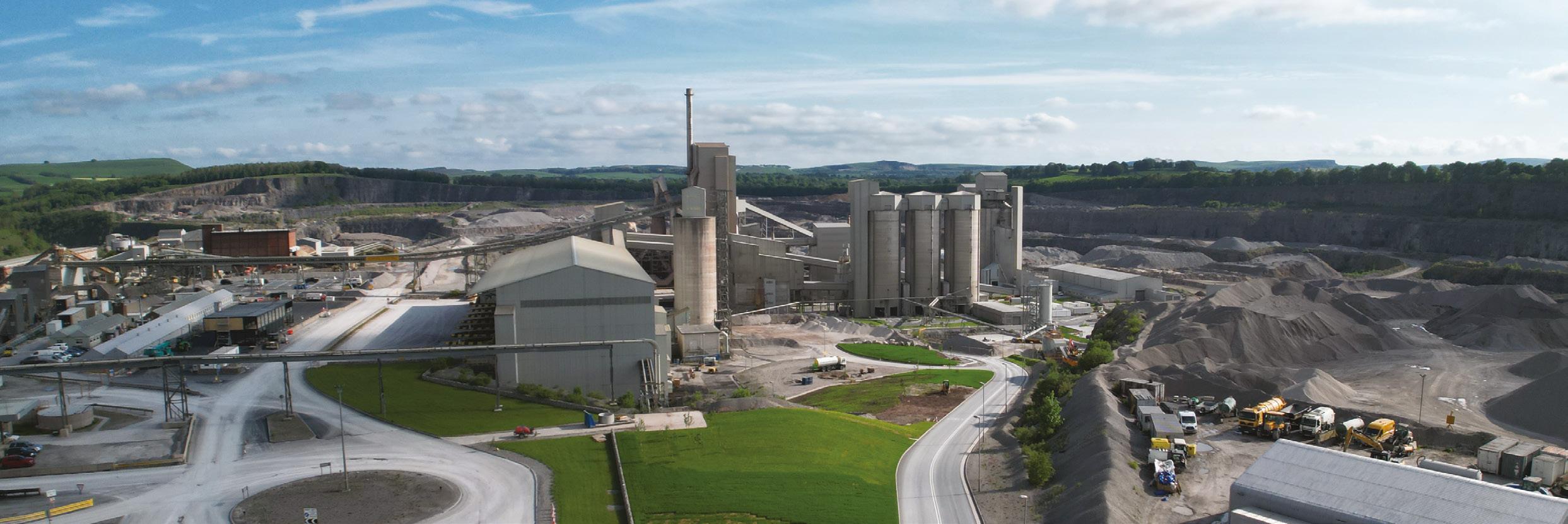
SCOPE 1 are direct CO2 emissions from the sources we own or control – for example, from fuels used in our operations and vehicles
SCOPE 2 are CO2 emissions we create indirectly – for example, from the electricity we buy
SCOPE 3 are indirect CO2 emissions in our value chain – for example, from the goods we buy
Direct Emissions
SCOPE 1
CO2 emissions that arise from the use of fuels and raw materials in our operational processes
Indirect Emissions
SCOPE 2
CO2 emissions that arise from the generation of electricity we use



purchased for own use
Indirect Emissions
SCOPE 3
CO2 emissions that arise from other business-related activities

services

OUR NET ZERO ROADMAP
2,500,000
RENEWABLE ELECTRICITY
2,000,000
Net carbon emissions (tCO₂)
1,500,000
1,000,000
500,000
OPERATIONAL EFFICIENCY
LOW CARBON FUELS
ONGOING DECARBONISATION OF MATERIALS 30% REDUCTION
PLANT MODIFICATIONS
ELECTRIC CAR, VAN AND DELIVERY FLEET
SMALL MOBILE PLANT SWITCHED TO ELECTRIC
PLANT TO
SELF-GENERATED POWER
CARBON CAPTURE
LARGE MOBILE PLANT SWITCHED TO HYDROGEN BURNERS SWITCHED TO HYDROGEN
OUR ACHIEVEMENTS UP TO 2021 BASELINE
Mid-1990s
Successful pilot of alternative fuels at Dunbar cement plant including shredded tyres
2004
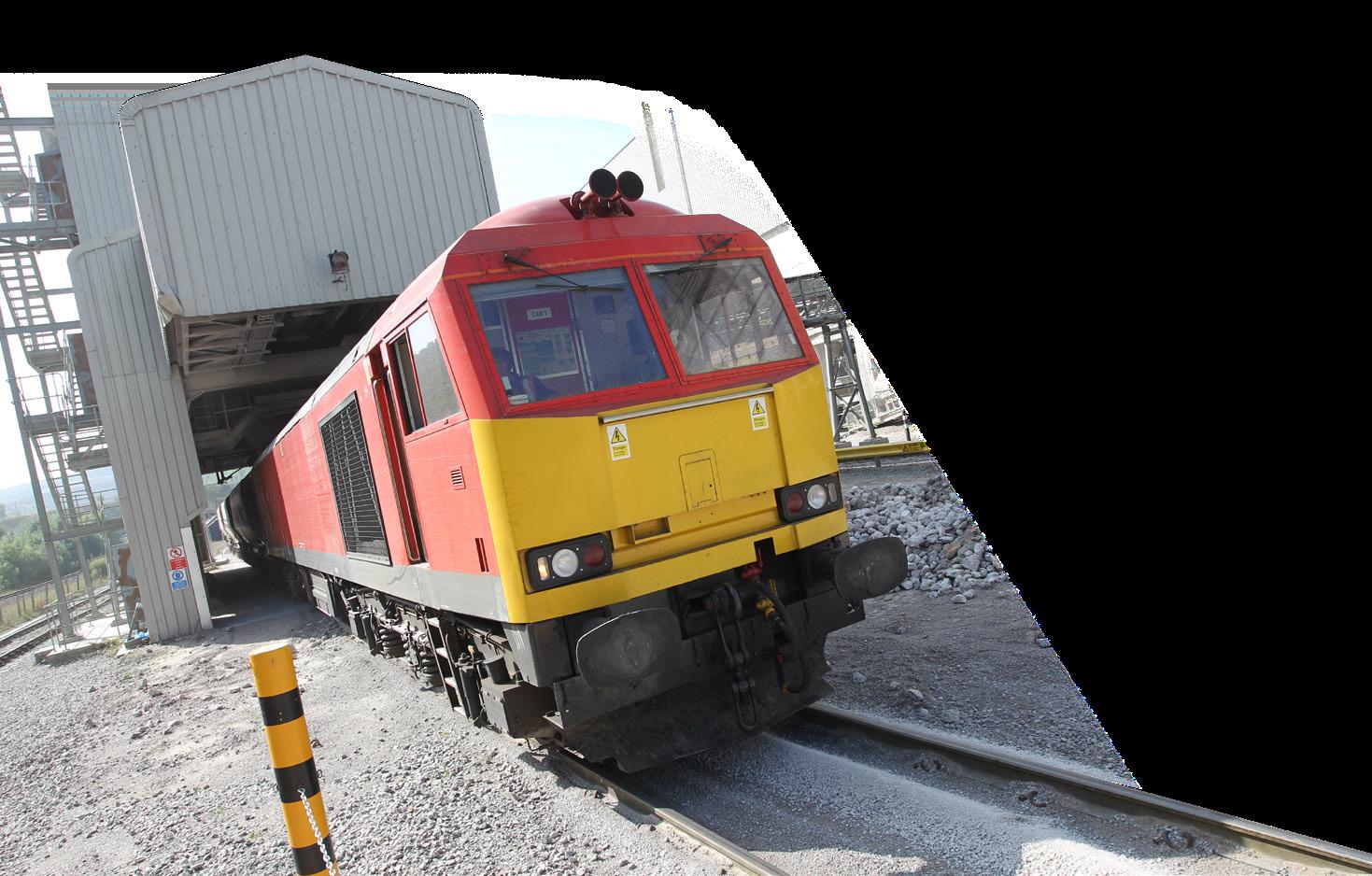
A new cement plant with associated rail loading facility built at Tunstead
2005
Meat and bone meal used in the Aberthaw cement kiln
2006
Tyres first used as an alternative fuel at Tunstead cement kiln
2010
Purchased all the renewable electricity produced by a wind farm in South Wales
2011
Launched Tarmac sustainability strategy
Applied for the first UK dual fuel permit to use waste tyres and solid recovered fuel simultaneously in cement manufacturing
2013
Aberthaw cement plant partnered with an energy company for the blending of waste residue ash in cements
2014
Successful trial of low temperature asphalt
2015
Tarmac’s second sustainability strategy released
First plant with high capacity cold Recycled Asphalt Planing technology at Harper Lane makes asphalt mixes with 55% recycled content
2018
First Tarmac Innovation Challenge
2019
Dunbar cement plant begins using solid recovered fuel
Collaborate with other companies in and around the Peak District to collectively find solutions to decarbonise the region
Switch over 60% of our asphalt plants from oil to lower carbon alternatives including natural gas and LPG (Liquefied Petroleum Gas)
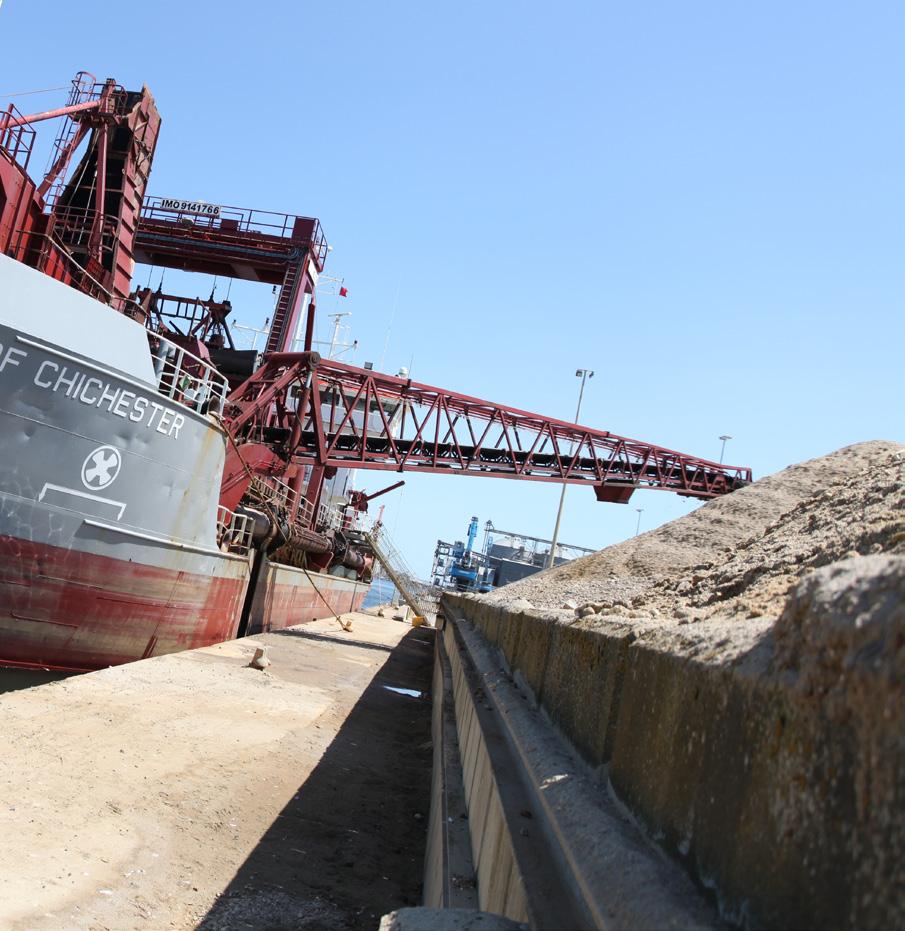
Over 9 million tonnes of product moved by rail per year - removing 450,000 lorry movements from roads
Use of materials such as GGBS (Ground Granulated Blast-furnace Slag), fly ash and RAP (Recycled Asphalt Planings) in low carbon products
All three of our cement kilns using waste-derived fuels to replace part of the fossil fuel mix
Reusing over 7 million tonnes of waste from other industries as raw materials and fuels each year
Launched the decarbonisation club with 16 key suppliers to reduce our Scope 3 emissions
STRATEGIC INITIATIVES 2030 & BEYOND
Delivering net zero is not a linear process but we forecast that the following technologies will play an important and active part in delivering our 2030 commitment.
Electricity
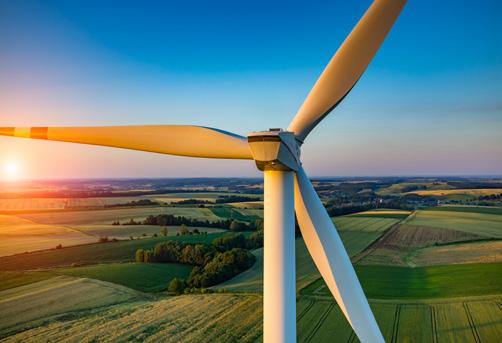
As one of the UK’s largest landowners, we are exploring the potential to supplement on-site power demand with self-generated clean energy
Electricity switching
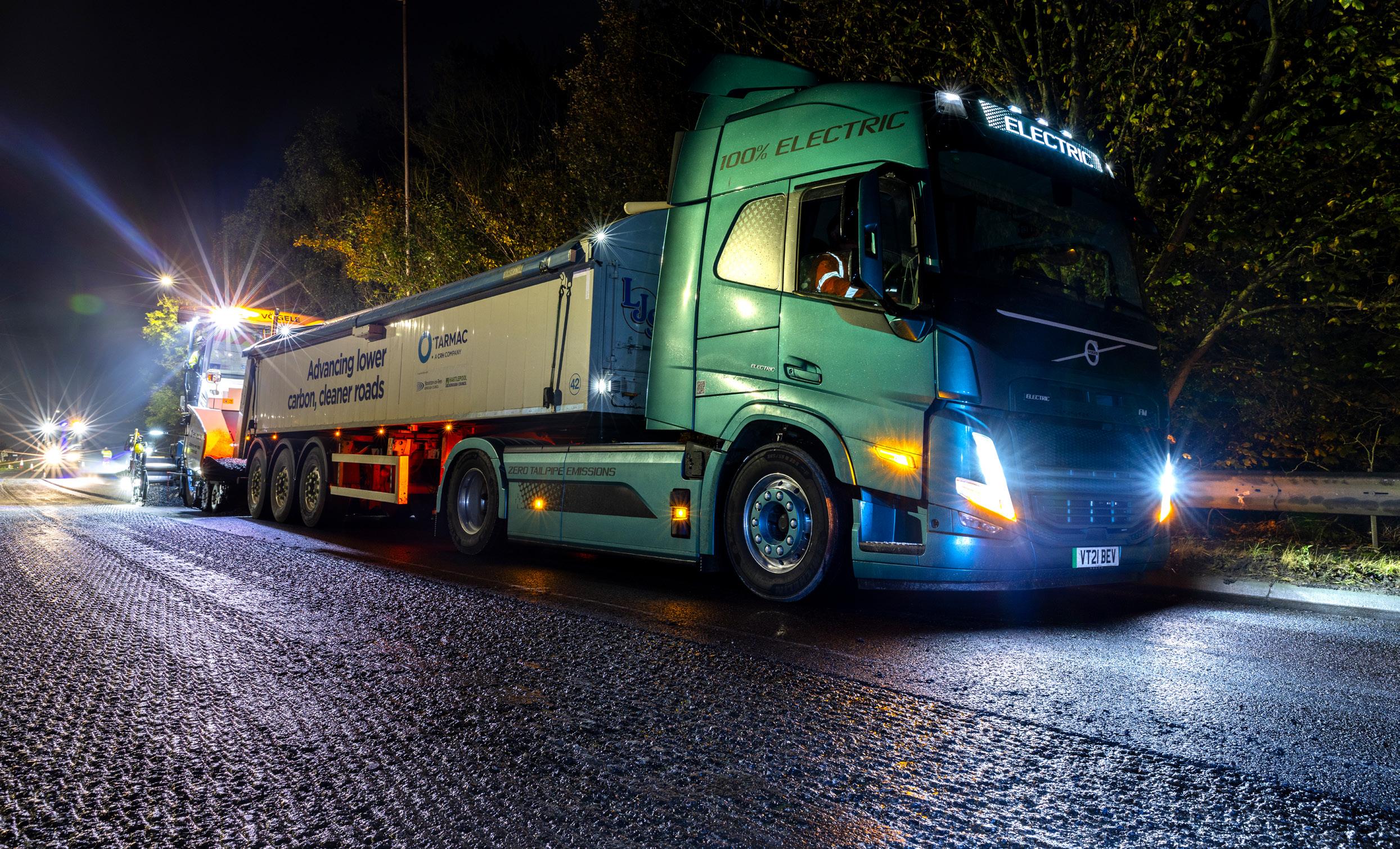
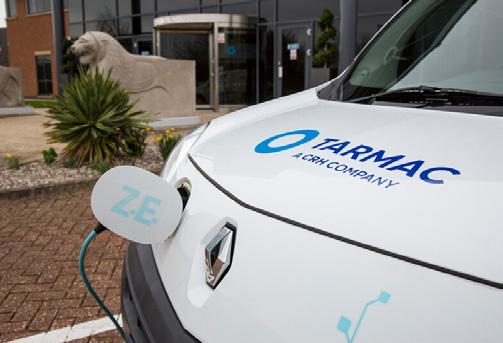
We have signed up to the EV100 scheme and have committed to transition 100% of our company car and van fleet to electric before 2030
We are switching to mobile equipment that runs on 100% renewables or hybrid
We will also electrify operational equipment where possible across all our sites
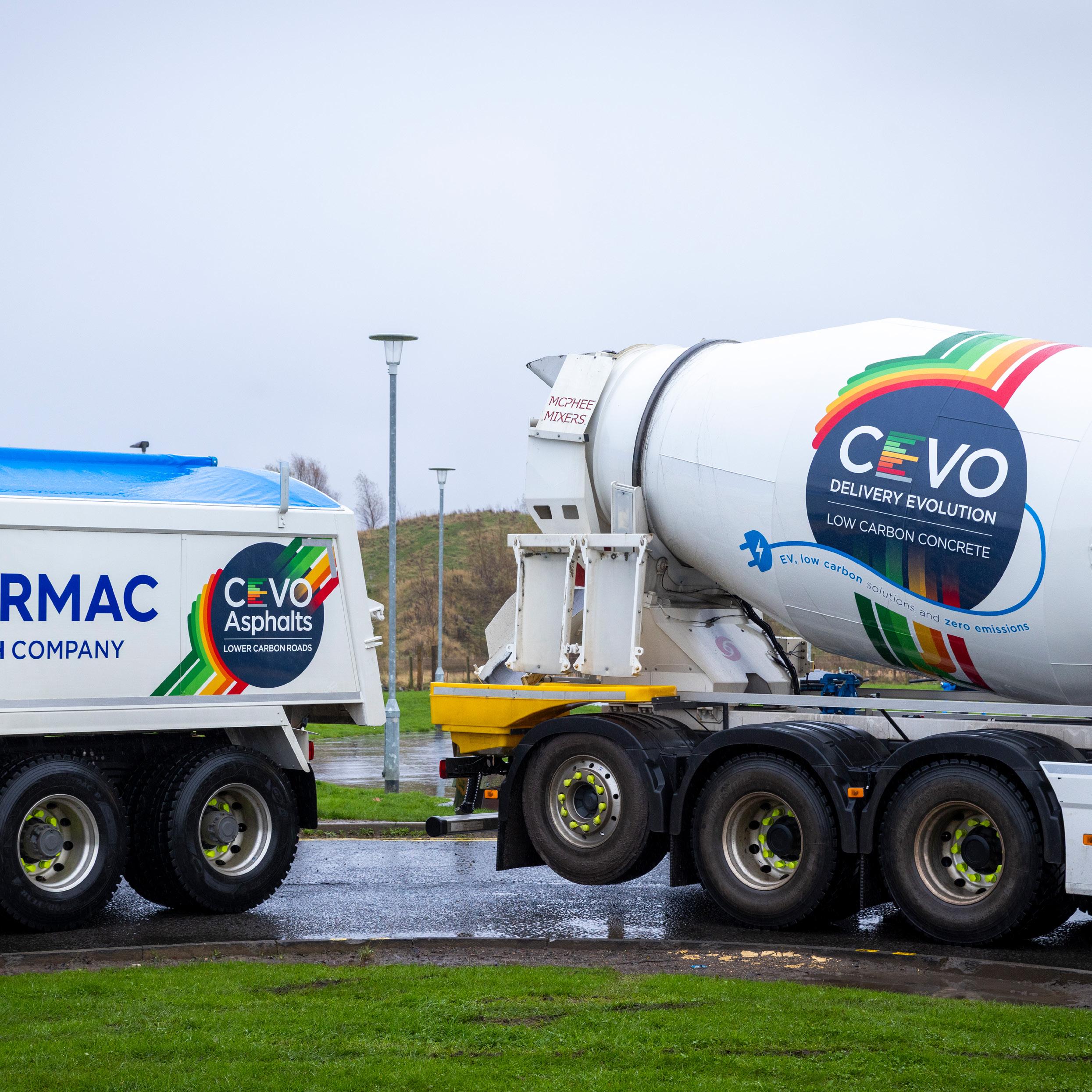
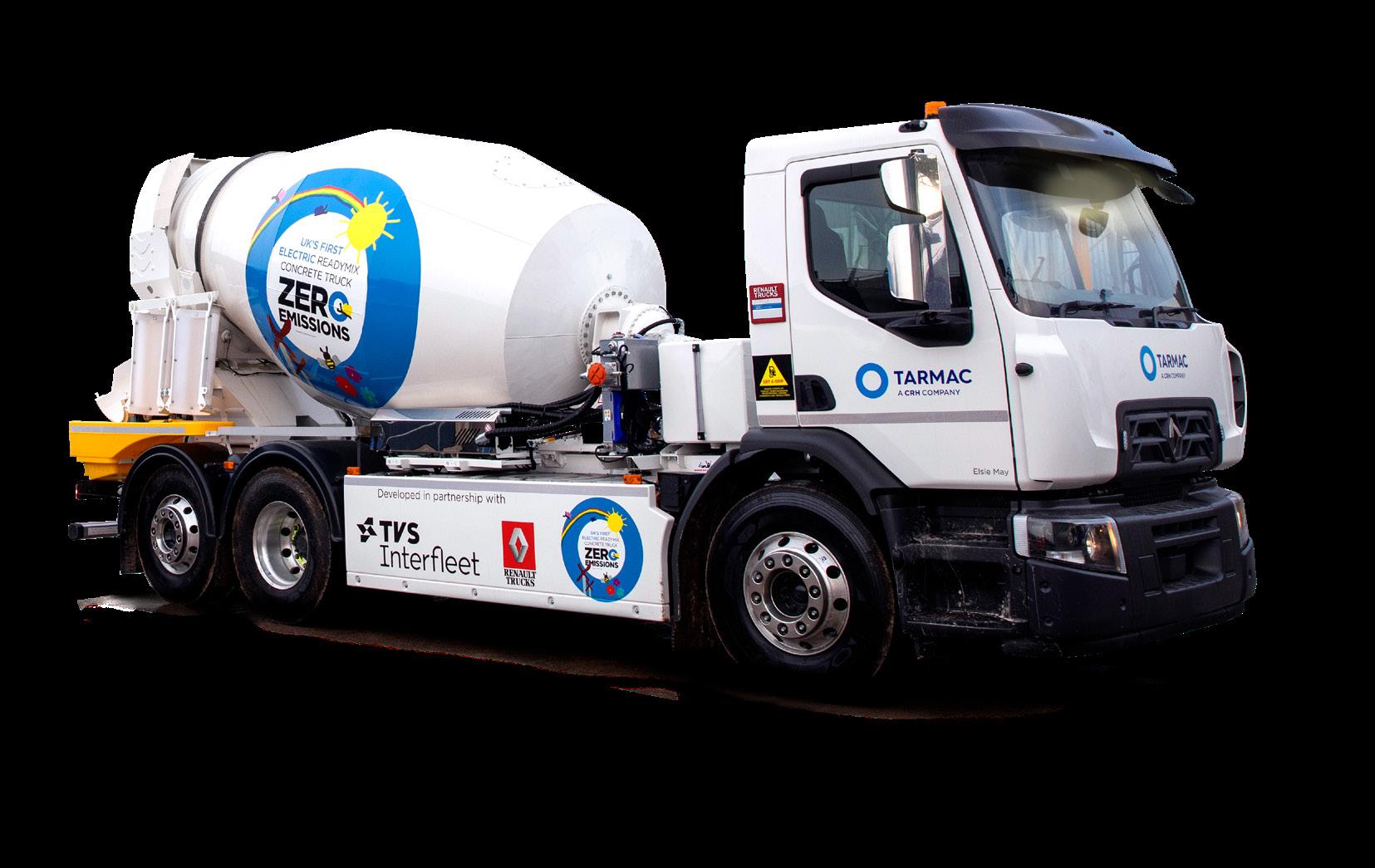
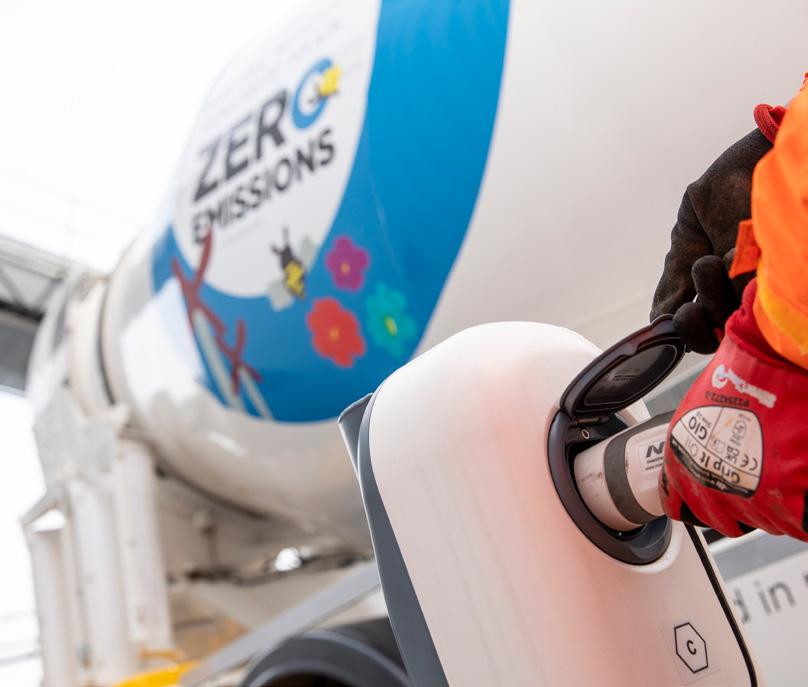
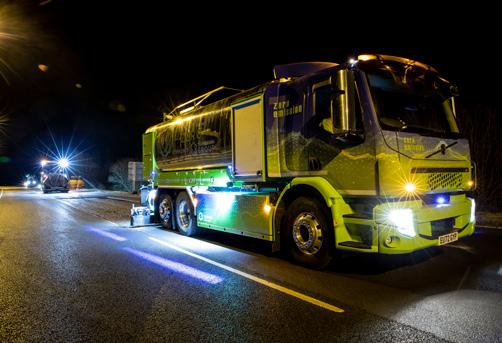
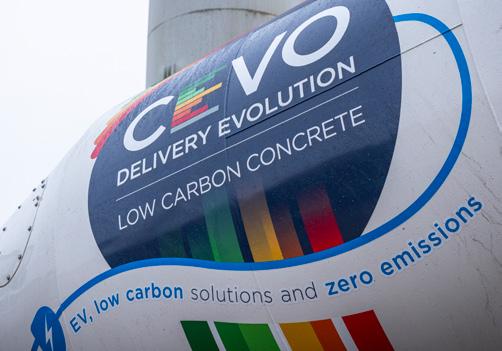
We are operating the first battery electric concrete mixer truck. In addition to zero tailpipe emissions, the mixer contributes to improving air quality in low/zero emission zones
INITIATIVES
We recognise that some of these technologies are more costly to deploy, so it’s important there is a market demand for lower carbon products and solutions.
Energy efficiency
Every site has an energy efficiency target and proactively undertakes an annual energy saving opportunities assessment
Through our cross business programme, Optimise and our ISO 50001 energy management system, we target energy and CO₂ reduction through best practice operational control
Fuel switching and low carbon manufacturing
We are actively fuel switching to reduce CO₂ across our product portfolio and manufacturing sites
Asphalt
We have made warm mix asphalt (WMA) the default product for customers instead of hot mix asphalt (HMA), lowering the CO₂ of asphalt by up to 12%
We have supplied over 4 million tonnes of warm mix asphalt since 2012, with savings of up to 21,000 tonnes of CO₂ per year
We are investigating the potential use of bio-binders to partially replace bitumen and achieve CO2 reductions as well as polymermodified bitumen to deliver longer lasting durability
Cement
We have invested in a new chlorine bypass that allows our kiln to use up to 70% waste derived fuels

Low carbon fuels
Mobile plant
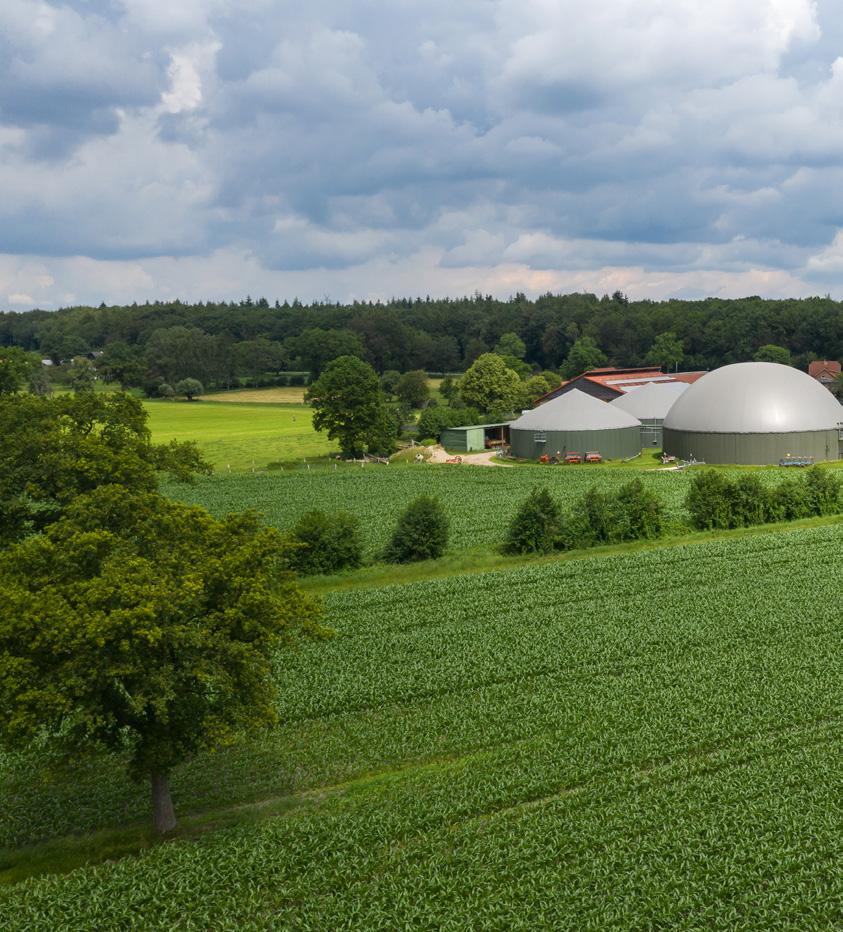
We are using HVO (Hydrotreated Vegetable Oil) as a transition fuel in suitable applications and trialling other alternative solutions until battery, electric, hydrogen or other alternatives are available
Rail
We have trialled HVO as the fuel for delivery of construction materials along a key strategic rail route operating from quarries to asphalt plants
Product Design
Cement
We are reducing the amount of CO₂-intensive clinker in cement and concrete by developing new products including Portland limestone cement (PLC) and cements that include calcined clay

Concrete
We are further optimising the use of cementitious materials like Ground Granulated Blastfurnace Slag, fly ash and limestone in concrete mixes
We are developing our range of low carbon concretes, including the development of AACMs (Alkali Activated Cementitious Materials)
Recycling
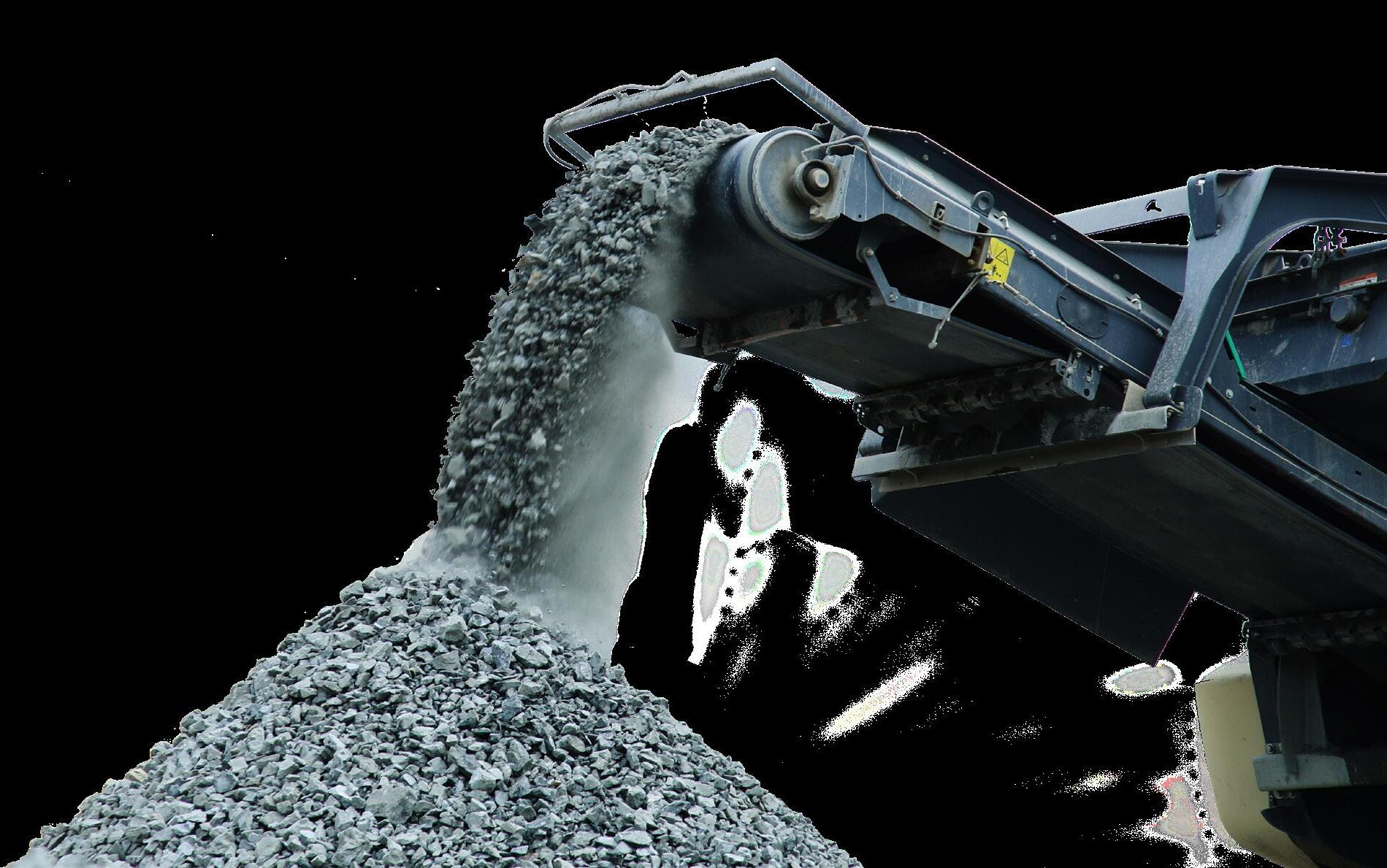
We optimise the use of recycled materials and provide advice on the lowest CO₂ material options for every project.
We use over 1 million tonnes of RAP in new asphalt and are seeking to increase this further
2030-2050 FUTURE ENABLERS
Tarmac has a clear understanding of the technologies needed to achieve net zero but, like many businesses and industries we cannot deliver net zero in isolation. It will take a combination of many technologies and actions working together to achieve net zero across our business and value chain.

We are realising the possibilities of new technologies with trials and proof of concept projects
NET ZERO
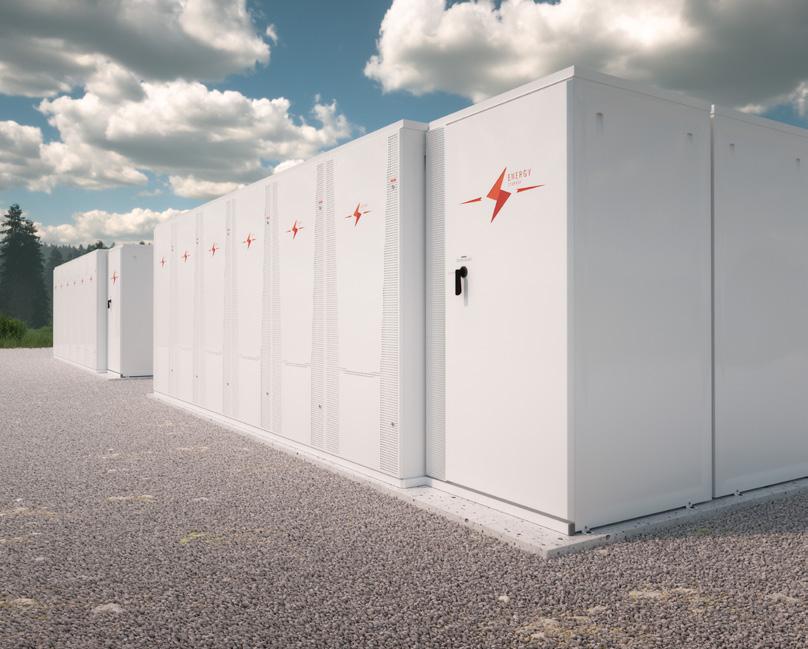
Energystoragetechnologies
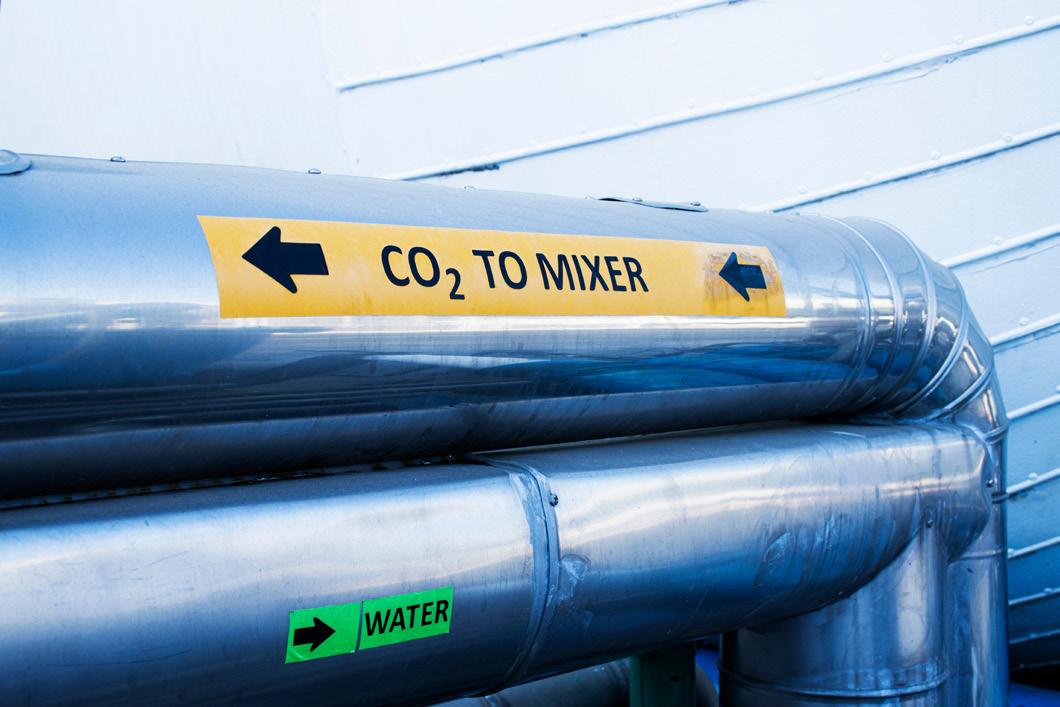
CARBON CAPTURE UTILISATION AND STORAGE
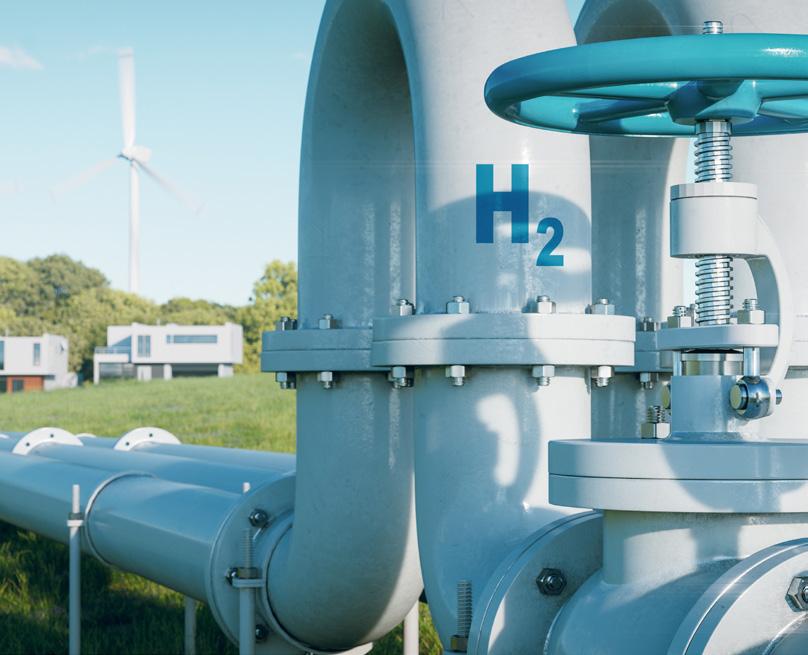
POLICY ENABLERS
The task of deeper decarbonisation becomes more challenging and more complex as businesses make progress. Consistent government policy with predictable financial support mechanisms will be needed to enable long term decision making.
Underpinning this is the need for aligned investment in the infrastructure that businesses require to enable the decarbonisation of manufacturing processes and along their value chain. This includes, for example, decarbonised transport, decarbonised electricity and energy, carbon capture utilisation and storage (CCUS) and infrastructure for CO2 transport.
We will continue to work with UK and devolved governments and industry to build a shared understanding and pathway to net zero, one where policy, financial and infrastructure enablers are coordinated to support industry decarbonisation and to deliver a viable transition.
A WHOLE-LIFE APPROACH
We are committed to delivering value to our customers and clients through the application of our four 'ins' model. This is helping them to identify and develop carbon reduction opportunities through a whole lifecycle approach which supports the development of a more sustainable built environment.
ACTING TOGETHER
Tarmac is working with customers, suppliers and all stakeholders
We are:
Helping customers understand the environmental impacts of their materials with carbon footprints across our product portfolio
Collaborating with 800 members of our supply chain and over 200 companies at our 2021 and 2022 supplier sustainability weeks
Educating and assisting our top suppliers with calculating their Scope 1,2 and 3 emissions in order to create and manage our own database of Scope 3 emissions
Developing concepts from our Innovation Challenge submitted by suppliers to reduce carbon emissions
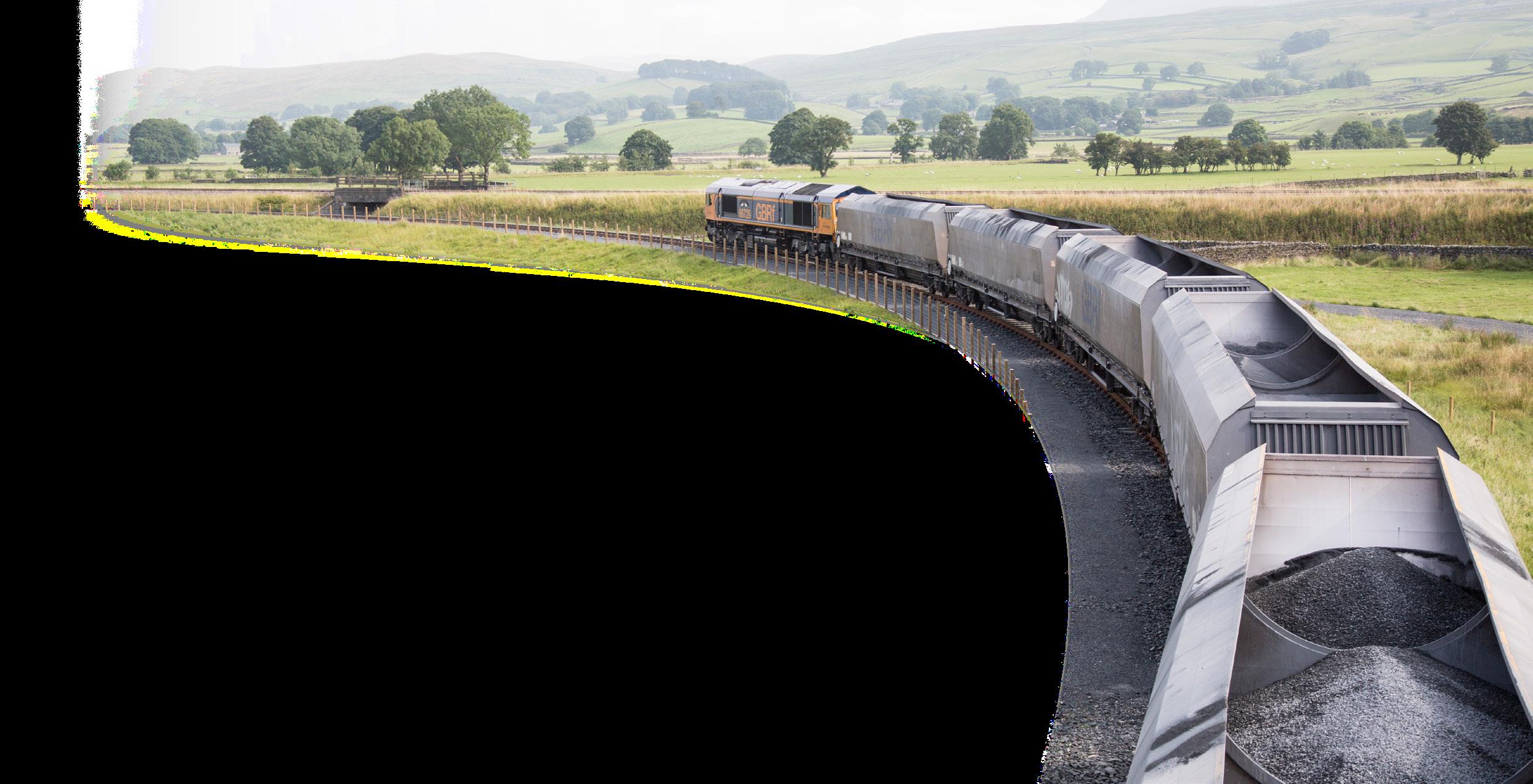
Delivering net zero logistics by evaluating push factors (emissions regulatons, customer requirements) and pull factors (operational and commercial viability of new technologies)
Engaging on the development of UK industry standards to include lower carbon cements and alternative binders, enabling formal documentation of their suitability and environmental performance
At Tarmac we are challenging every aspect of our business to advance our decarbonisation.
We recognise net zero is a collaborative commitment and are open to exploring opportunities to trial, develop, and deliver the progress demanded by this global opportunity. Let’s ACT together.
TARMAC 2030 CARBON REDUCTION INITIATIVES SUMMARY
Renewable
Electricity
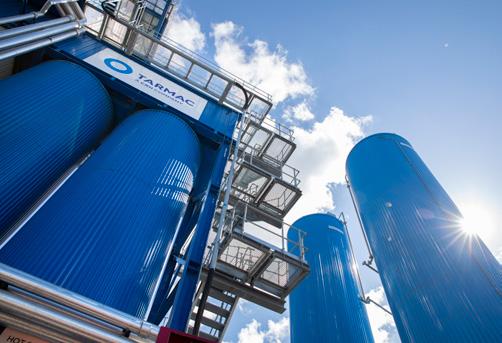
Tarmac is developing a renewable generation portfolio
Electricity Switching
We are electrifying operational equipment where possible
Energy Efficiency
All our sites have energy efficiency targets
Lower Energy
Manufacturing & Fuel Switching
We are fuel switching to reduce CO₂ across the product portfolio and
Increased Recycling
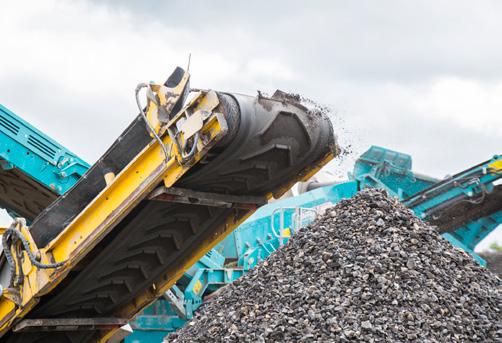
We aim to optimise the use of recycled materials within our products
Product Design
We are reducing the amount of CO₂intensive clinker in cement and concrete
EV cars and vans
We have pledged to transition 100% of our company car and van fleet to electric before 2030
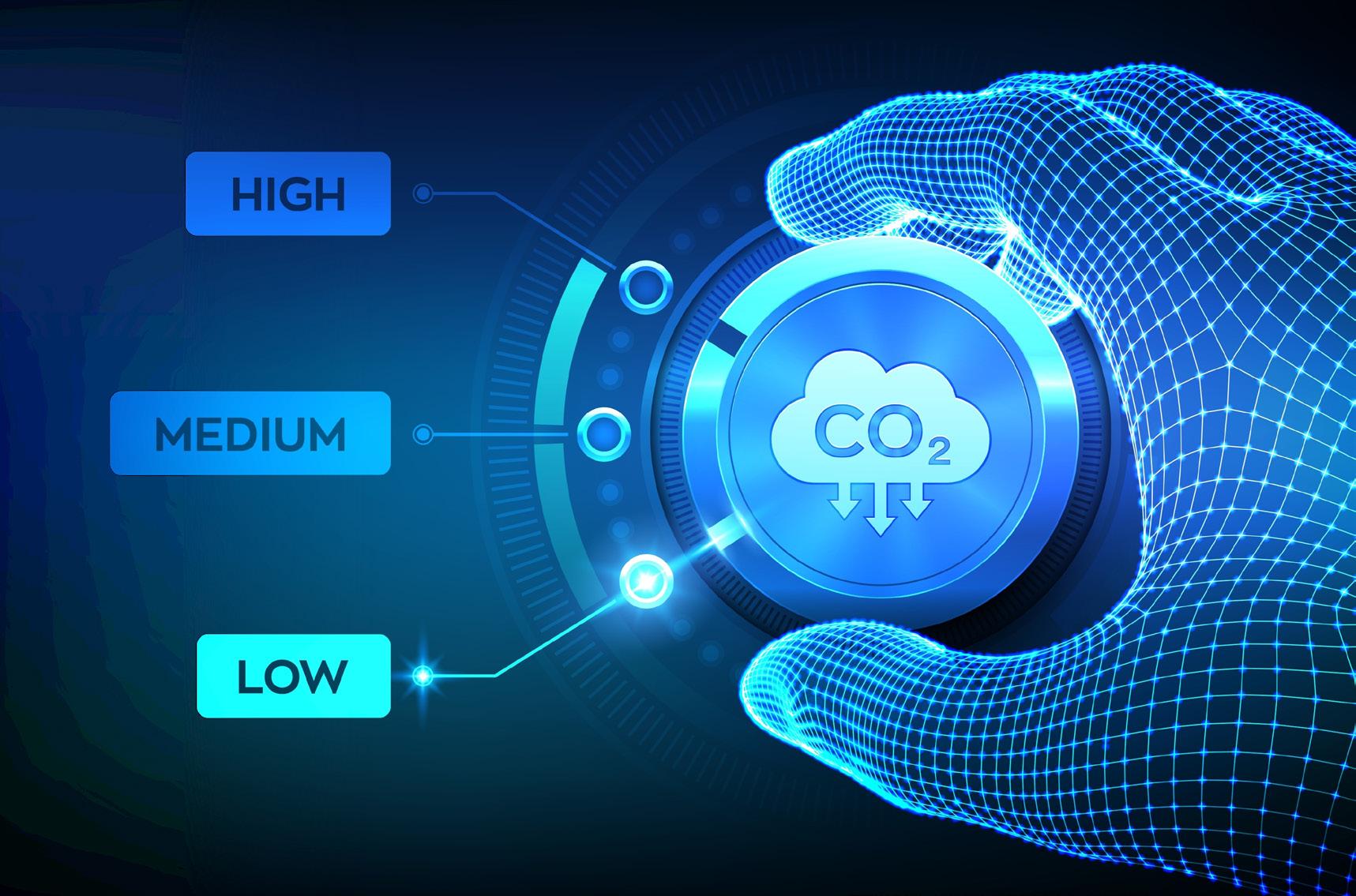
30% absolute reduction by 2030