

Low carbon concrete (LCC) is the term given to the latest design concretes that are progressing concrete’s transition towards Net Zero targets. Following years of trials and advances in concrete technology CEVO low carbon concretes deliver simple solutions to making better material choices.
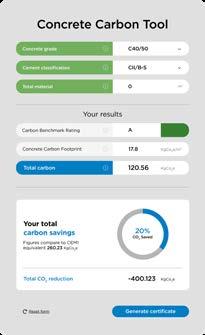
CEVO is our commitment to supplying concretes that offer transparent carbon savings and easy to understand performance grading based on the amount of carbon taken out of the design using replacements, limestone fillers or an Alkali Activated solution.
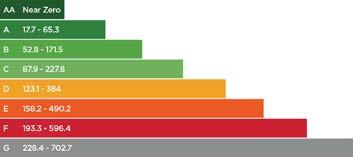
We’ve aligned our low carbon concrete to the UK adaptation of the Global Cement and Concrete Association (GCCA) Global Ratings for Low Carbon and Near Zero Concrete. This means complete transparency in achieving carbon reductions aligned to industry standards and no offsetting.
Tell us what you want to achieve from a industry standard AA to G and what strength your application needs to achieve, and we will deliver a CEVO low concrete solution.
Simple.
Strength + CO₂ reduction = low carbon concrete
Specification made simple
We believe that a zero-carbon future for concrete can only be achieved from an accurate starting position. That’s why we have adopted the Global Cement and Concrete Association low carbon concrete rating classification.
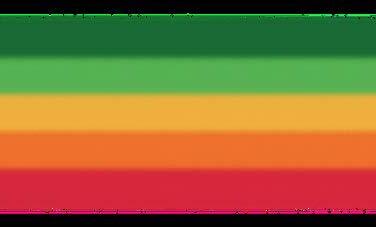
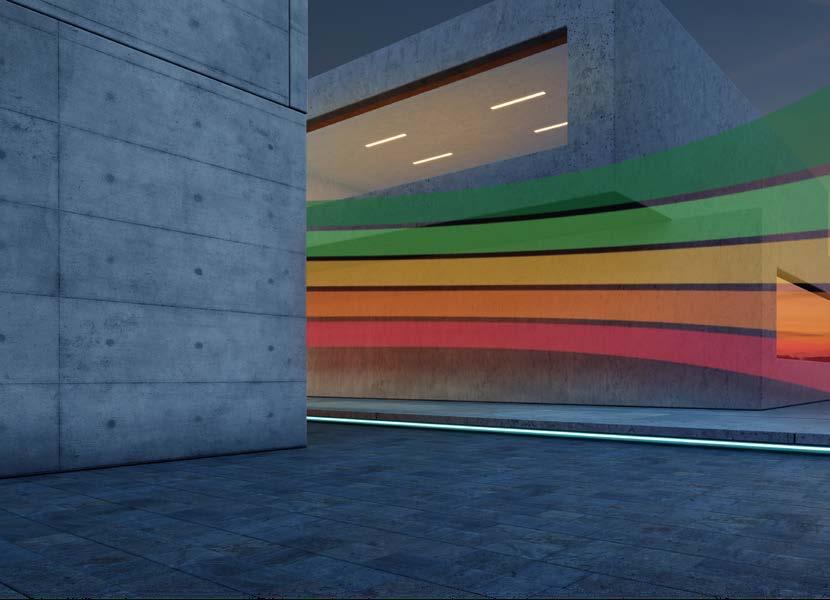
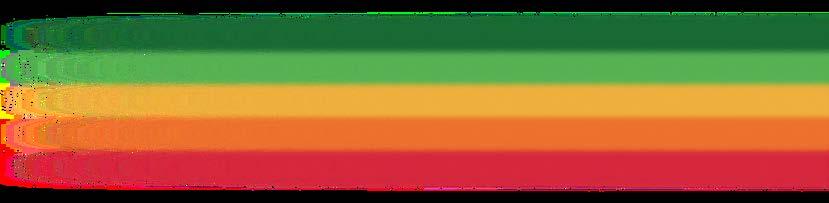
Concretes are graded by strength properties and then banded. Just like energy ratings the carbon performance is easy to understand and visually represented in a universally recognised benchmark.
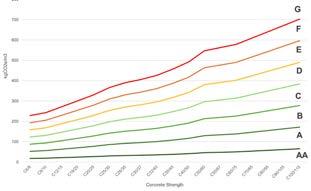
Today we achieve low carbon concrete materials by using GGBS, Fly Ash, Fillers, Portland Limestone cements and Alkali Activated solutions.
Tomorrow is an evolution. The routemap includes CEVO digital (integrated sensors delivering data optimised concrete performance) electric vehicle delivery, calcined clays and carbon capture.
The update to the BS8500 British concrete standard allowing PLC cements to be used in combination with GGBS and fly ash has been a major focus in our concrete solutions evolution. Essentially, PLC cement allows up to 20% of the cementitious elements to be limestone filler, which replaces clinker, lowering the carbon emissions from cement.
Having run full-scale demonstration projects with key customers, Tarmac has already switched 80% of sites to CEM II. The remaining sites should be witched by Q3 2026.
Tarmac has developed an alkali-activated material system (AACM) partnering with industry leader Wagners. This product has also been used in fullscale demonstrations across the UK in the past two years, including Hexham Flood Defense with BAM and the Environment Agency and National Highways on the M42. This material solutions delivers the highest carbon reductions available today, however it is not currently suitable for all applications.
As concrete engineering progresses the next step for AACMs will be for appropriate standards to be developed to allow wider use of this product.
Low carbon concrete solutions It’s specification made simple. Join us.
Scan to watch the film

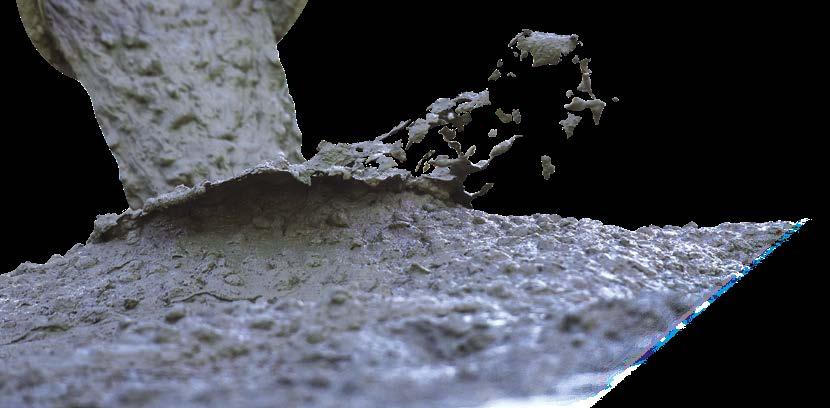
When clients, design requirements and programme times demand more than standard concretes can achieve, Tarmac’s range of specialist readymix concretes and screeds can help you raise the bar on project delivery while delivering measurable carbon savings.
Self-compacting concrete with supplementary cementitious materials (SCM’s)
They can be produced using cement replacement technology up to 75% to reduce carbon footprints. They also eliminate the need for mechanical compaction and finishing, helping to improve productivity and reduce energy consumption along with dust and noise pollution.
Topflow concretes are available in several mix variants including:
• TOPFLOW HORIZONTAL for floor slabs
• TOPFLOW TRENCHFLOW for fast, efficient construction of foundations and footings
• TOPFLOW ARCHITECTURAL for an exceptional finish on vertical elements like walls and pillars
• TOPFLOW PRECAST for precast manufacturing and construction
Flowing, cement free anhydrite floor screed Anhydrite-based screeds offer a lower carbon footprint from using recycled materialsmainly calcium sulphate instead of cement.
Topflow Screed A is cement free and has an installed carbon footprint saving of 20.45kg CO₂e/m² compared to sand cement screed, a binder made from 98% recycled material and an overall recycled content of 36%.
Fast drying cement-based liquid floor screed Topflow Screed C can reduce CO₂ emissions through a reduced cement content and shallower installation depths. Its sustainability is further supported by its recyclability with it being able to be used for new concrete again.

Fibre reinforced concrete
By replacing conventional steel reinforcement, Topforce offers sustainability benefits through reduced carbon emissions, enhanced durability, and less construction waste. Topforce concretes can also utilise SCM technology to reduce the amount of cement in the mix, to further reduce carbon emissions.
High strength silica fume concrete
Toproc increases durability and strength that extends the life of structures. It can also provide a reduced carbon footprint by replacing cement and using a secondary by product: silica fume from the silicon and ferrosilicon alloy production industry.
Early strength concrete
Toproc Rapid is a high strength concrete that uses accelerators, reducing project timelines, enabling cold-weather construction and allowing for less energy-intensive precast manufacturing by eliminating the need for heat curing.

Waterproof concrete
Topproof waterproof concretes offer a simple, cost-effective alternative to traditional waterproof construction methods. By removing the need for additional membranes or finishes, they help to simplify designs, save time and reduce site waste.
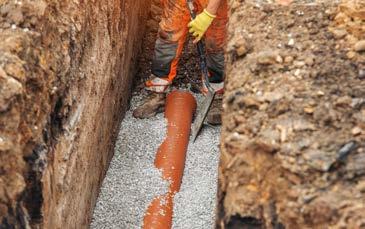
Lightweight, foamed concrete
Low density, free flowing, easy to place foamed concrete for void fills and trench reinstatement applications.

Some of the recent projects that have been completed
ACHIEVING UP TO 70% REDUCTION IN CO₂E
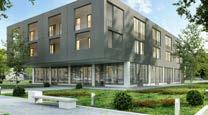
3000m3 of low carbon concrete mixes were supplied for construction of the foundations and ground floor slabs. A further 3500/4000m3 for all the columns and upper floors.
Tarmac’s technical representatives were on hand throughout, to ensure that all of the mixes were delivered as specified and to help the contractor get the best possible result. All the carbon savings for the project were fully documented on detailed carbon footprint calculations to help the project delivery team record the total emissions for the building.
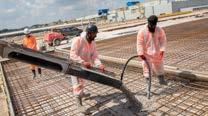
This trial demonstrated the potential to use very high ground slag (GGBS) contents in excess of 90 per cent, as an alkali activated cementitious material conforming to BS EN197, the standard for cementitious materials allowed to be used in ready mixed concrete, to significantly reduce carbon emissions, whilst still producing a quality finish and allowing normal construction and demoulding times.
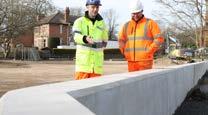
With sustainability a primary consideration, the carbon footprint of the concrete supplied was calculated using the BSI PAS2080 specification – a method for assessing the life cycle greenhouse gas (GHG) emissions of concrete. In the UK, cement, a critical component of concrete, produces an average of 1.5 per cent of emissions, efficient plant and alternative fuel switching to waste biomass made an important contribution to help lower overall emissions. Concrete footprints were lowered further by replacing some of the cement with secondary cementitious materials such as fly ash, GGBS and now limestone fillers.