Owensboro’s only locally owned daily news.
SECOND QUARTER 2026
By JOHN KIRKPATRICK
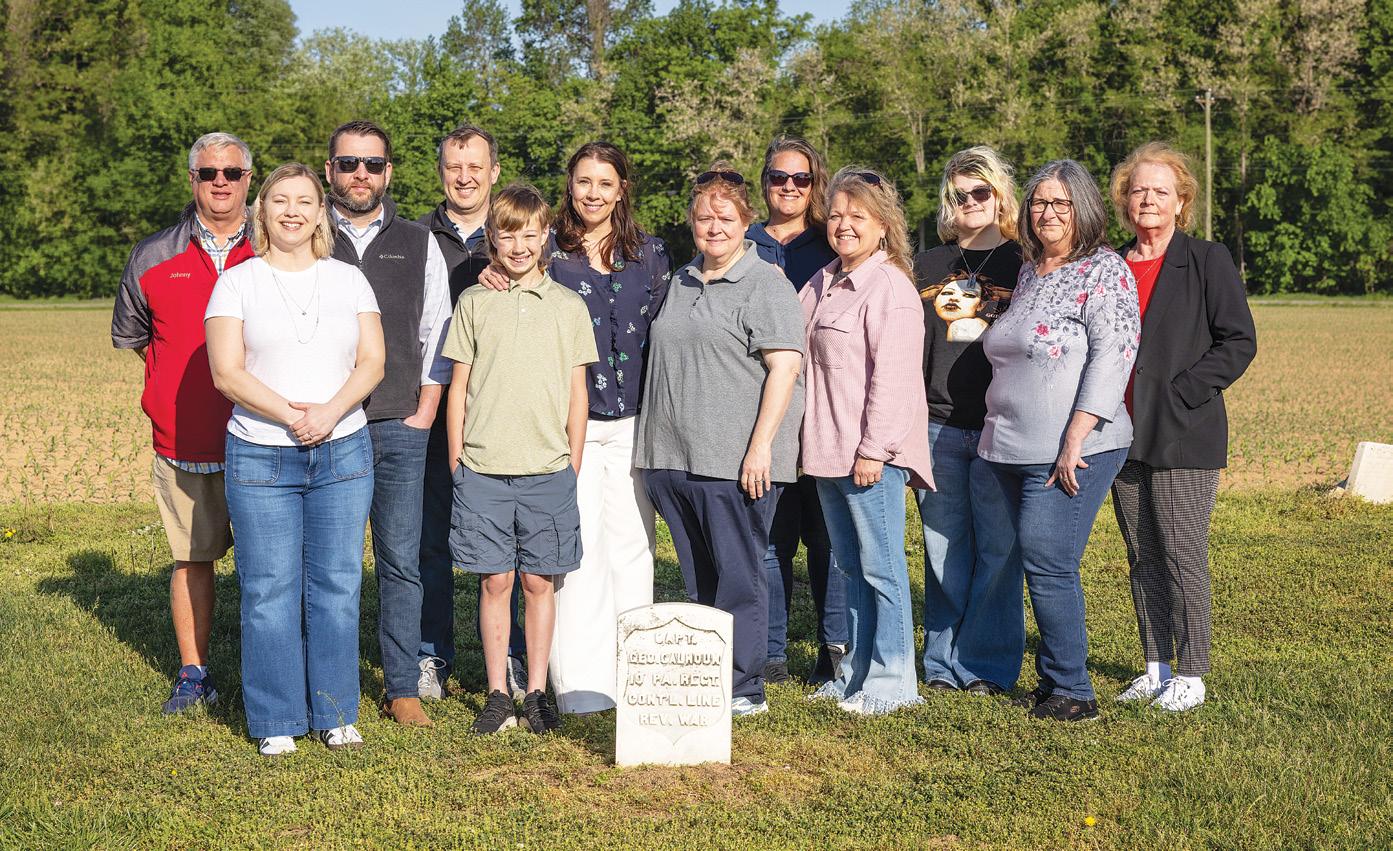
As the United States approaches its 250th anniversary, four men buried in and around Owensboro offer a direct link to the nation’s founding and to the earliest days of this community.
George Calhoon, William Smeathers, Benjamin Field, and Thomas Moseley all served during the Revolutionary War, according to pension records, local histories, and family research. Long before Owensboro became a city, all four men helped shape life on the Kentucky frontier.
Their graves remain in local soil.
Their names still surface in pension files, old newspapers, county histories, and family records. And as the nation prepares to mark 250 years since the Declaration of Independence in 2026, their lives raise a timely question: Who among their descendants may still be here, carrying pieces of those stories forward?
For Jean Owen, that connection is personal.
“He’s my fifth great-grandfather,” Owen said of George Calhoon.
According to his pension application filed in Daviess County in
1832, Calhoon was born Feb. 1, 1754, in Lancaster County, Pennsylvania, and entered service in 1776 as a third lieutenant in the Pennsylvania militia. He said he joined what was known as the “flying camp,” a mobile defensive force, serving under Capt. John McHatton.
In his sworn statement, Calhoon described marching to Fort Lee in New Jersey and Fort Washington in New York during the early stages of the war. He told the court he witnessed the fall of Fort Washington from across
Continued on page 4
After a year off, the Owensboro Food Truck of the Year competition is rolling back into town.
Voting returns July 9-11 and coincides with the 30th anniversary season of Friday After 5, giving the community a chance to sample and support multiple local trucks in one place.
The event, hosted by Owensboro Times, first launched in 2023, when J’s Good Grub claimed the inaugural title. Sunny Daze Cruisin’ Café won in 2024, and the contest paused in 2025 as OT merged with Tanner Publishing into Black Box Media.
Now, the competition returns with renewed focus on highlighting Owensboro’s growing and diverse food truck scene.
From burgers and chicken tenders to barbecue, Italian, Filipino, and Mediterranean cuisine, food trucks continue to expand their presence across the city.
Regular stops include dedicated locations such as Street Eats and Treats on Parrish Avenue and The Lot on Fourth Street, along with rotating appearances at gas stations, schools, factories, and community events.
Leading up to and during voting, Owensboro Times’ Forks Up coverage will spotlight featured trucks, musttry menu items, and where to find them. (You can follow the Forks Up Facebook page for all the tasty details.)
Food Truck of the year voting will take place exclusively on owensborotimes.com, with the community deciding which truck earns the 2026 title. Support your favorite, cast your vote, and help crown this year’s winner.
So, what’s for dinner?
Get a closer look at the candidates running in the 2026 Election. See page 17



4
Continued from page 1
the river after being sent away on assignment shortly before the fort was overtaken.
He later served as a quartermaster and then as a lieutenant in a ranger company, spending much of his time guarding the Pennsylvania frontier — a role that often meant daily skirmishes and constant movement through unsettled territory.
Calhoon also stated in a later filing that he participated in frontier expeditions in Kentucky under George Rogers Clark in 1782, including campaigns along the Miami and Wabash rivers.
Witnesses in Daviess County, including fellow veteran Anthony Thompson, supported his claims, and the court ultimately affirmed his service. He was granted a pension of $246.66 per year beginning in 1831.
Owen said her family’s understanding of Calhoon adds a deeply personal layer to that documented record.
“I have a letter that his great-grandson … wrote that George Calhoon never knew his parents,” she said. “They were murdered in a Native American
attack, and he was taken in by the Native American tribe until he was rescued by a group of white settlers when he was a young boy.”
That account echoes narratives found in later regional histories, including the Biographical Cyclopedia of the Commonwealth of Kentucky, though historians acknowledge that frontier-era stories often blend fact and family tradition.
Owen said her family has spent years working to sort through those layers, particularly correcting confusion between Calhoon and another Revolutionary War officer with a similar name.
“They were confusing Lieutenant George with a Captain George,” she said. “We’re trying to correct the misinformation.”
According to Kentucky Family Records and other local sources, Calhoon moved to Kentucky after the war, living first in Nelson and Henry counties before settling in what is now Daviess County around 1811. He purchased land southwest of Yellow Banks and lived there until his death on Oct. 20, 1835.
He is buried on what is now the Bittel farm off KY 56,
though Owen said even the historical marker there contains inaccuracies.
“It has him listed as a captain,” she said. “But he was a lieutenant.”
Despite those discrepancies, Owen said the connection remains meaningful.
“It makes me proud,” she said. If Calhoon’s story reflects both documentation and rediscovery, the legacy of Benjamin Field stands out for the depth of its
surviving records — and the dedication of descendants who continue to preserve it.
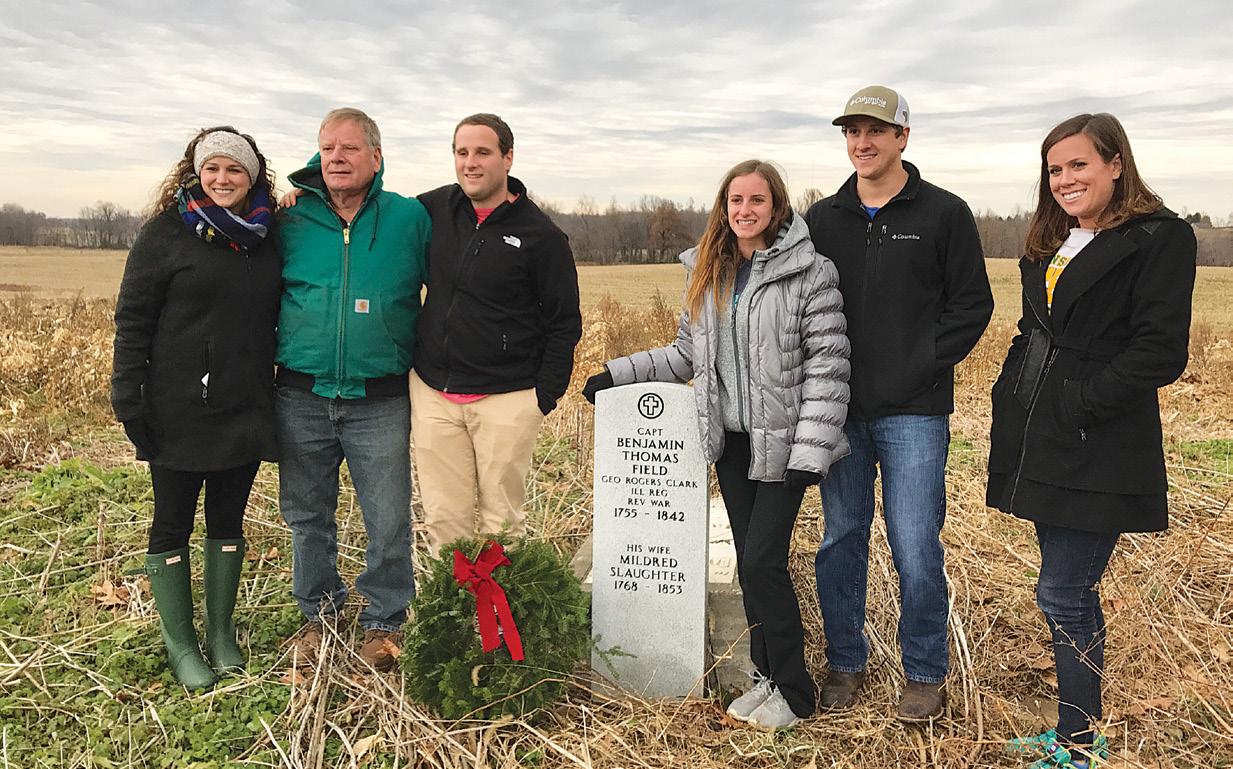
Born Nov. 14, 1755, in Culpeper County, Virginia, Field served in multiple roles during the Revolutionary War, including private, ensign, and captain, according to his pension file.
In a declaration filed in Daviess County in 1833, Field said he first volunteered under George Rogers Clark in 1780 and later
received a captain’s commission in Virginia’s state line. He described traveling by river and overland routes to join military forces in the western theater of the war, including operations near the Falls of the Ohio.
Field also recounted losing nearly his entire troop in an engagement with Native forces near what was known as Floyd’s Defeat, a reminder of the dangers faced by soldiers on the western

The War Department later certified his service, awarding him an annual pension of $289.32 beginning in 1831. Additional historical accounts, including an 1842 notice in The Commonwealth of Frankfort, state that his commission was issued by then-Gov. Thomas Jefferson.
For Charlie Evans, a direct descendant, that history has been part of his life for decades.
“My mother was in the DAR, and I was a 7th-grader,” Evans said. “Our English teacher wanted us to write a paper on Kentucky pioneers, and my mother said, ‘You write about your great-great-greatgrandfather.’”
Evans said that assignment marked the beginning of a lifelong connection to Field’s story — one that required persistence long before online genealogy tools existed.
“In 1957, my mother wrote the National Archives in Washington and asked for his military records,” he said. “They mailed back a copy of his commission.”
That document, Evans said, remains a prized family artifact.
“It’s to Captain Benjamin Thomas Field,” he said. “Signed by Thomas Jefferson.”
According to Kentucky Family Records, Field came to Kentucky in December 1795, when the region was still part of a rapidly expanding frontier.
Evans said the family’s oral history paints a vivid picture of that arrival.
“He landed where the VFW is today,” Evans said. “He left his wife and child on the flatboat, walked about 12 miles south toward Utica, started building a cabin, then came back, tore up the flatboat, and used the lumber to finish the house.”
Field’s postwar life centered on land, law, and leadership. Historical records show he worked as a surveyor, served as an assistant judge in Ohio County, and represented the county in the Kentucky Legislature in 1808.
Evans said Field also spent years surveying land tied to his extended family’s holdings.
“For 11 years after the Revolutionary War, he was surveying land in Kentucky,” Evans said. “Basically figuring out what his grandfather owned.”
Field died Jan. 2, 1842, and was buried near present-day U.S. 431 north of Utica. His widow, Mildred, later filed for pension benefits, attesting to his service and their marriage dating back to 1790.
Evans said the cemetery where Field is buried remains intact but requires ongoing care.
“That little cemetery gets lost about every 25 years,” he said. “And then somebody finds it again.”
Evans himself rediscovered the site in 2014 after it had become overgrown and difficult to locate.
“I go out there once in a while and try to clean it up,” he said.
While Field’s legacy remains preserved through documentation and descendants, the life of William Smeathers — often called Bill Smothers — survives through a blend of record and folklore.
According to Kentucky Family Records and serialized accounts published in the Owensboro Monitor in 1866, Smeathers was born in Virginia in the mid-1750s and served during the Revolutionary War, including participation in the Battle of King’s Mountain under Col. Isaac Shelby. Those accounts describe
him as a frontier orphan whose father was killed by Native Americans, a man who grew up hardened by loss and wilderness life before eventually heading west in search of opportunity — and conflict.
After the war, Smeathers came to Kentucky, first helping establish frontier defenses at Hartford along Rough Creek before eventually settling at Yellow Banks, where he built what is often described as the first cabin in the area.
Historical narratives portray him as a skilled hunter and fiercely independent frontiersman who lived for a time in near isolation, trading with passing boat crews and roaming vast stretches of land that would later be settled by others.
His story includes one of the most dramatic episodes in early regional history — the killing of a man during a confrontation at his home and his subsequent trial in Hartford, where he was acquitted after being defended by Joseph Hamilton Daviess.
Smeathers later left Kentucky and moved to Texas, where he died in 1839.
Thomas Moseley’s story, meanwhile, is closely tied to the very formation of Daviess County.
Born in Virginia in the 1750s, Moseley served as a private and later a sergeant in a Virginia regiment during the Revolutionary War, according to historical accounts compiled in local newspapers and county histories.
He arrived in Kentucky in the years following the war and eventually settled in Owensboro, where he operated a tavern that became a central gathering place for early settlers.
According to multiple historical sources, including later Messenger-Inquirer coverage,

discussions to separate from Ohio County and form Daviess County took place at Moseley’s tavern around 1813.
When the county was officially established in 1815, his tavern served as the first courthouse.
“Yellow Banks is destined; mark that, gentlemen, destined,” Moseley is reported to have said, advocating for the settlement to become the county seat.
Moseley died in 1841 and was buried near present-day Fifth and Triplett streets. His gravesite has been rediscovered, preserved, and rededicated multiple times over the past century, including the installation of a marker by the Daughters of the American Revolution in 1926 and additional improvements in 2001.
Together, the four men reflect different paths through the Revolutionary era and the Kentucky frontier — soldier, scout, pioneer, public servant, and founder.
Their stories are preserved in court records, pension files, family histories, and, increasingly, in the voices of descendants working to piece those histories together.
For Owen and Evans, that work is both personal and ongoing.
“It makes me proud,” Owen said.
As Owensboro looks toward the nation’s 250th anniversary, their lives offer a reminder that the Revolution’s legacy didn’t end on distant battlefields — it continued west, carried by men who helped build the communities that still stand today.
And in some cases, their stories are still being uncovered — one document, one gravesite, and one family at a time.
Editorial
MANAGING EDITOR
Ryan Richardson
ASSISTANT EDITOR
John Kirkpatrick
SPORTS WRITER
Max Rayman
PUBLISHERS
Jason Tanner
Christy Chaney
Do you have a story idea? We want to hear from you! Email your suggestion to info@owensborotimes.com.
Advertising
ACCOUNT DIRECTOR
Brock Quinton
Owensboro Times’ printed newspaper is a FREE publication because of community support. Thank you to the great group of businesses and organizations who advertise.
For more information about advertising in our free newspaper or on owensborotimes.com, email brock.quinton@blackbox.media.
Design & Photography
STAFF PHOTOGRAPHER
Jamie Plain
LAYOUT AND AD DESIGNER
Andrea Roberson
Online
Subscribe to our digital product at owensborotimes.com/subscribe.
FOLLOW US ON SOCIAL MEDIA



By AVA HYLAND
other to improve.
“We’ve always kind of known each other,” Sandefer said. “That’s just how it is in dance — you grow up alongside each other.”
Along with their years of training under Joy Johnson, both dancers — currently seniors at Owensboro High School — also point to OHS instructor Ashley Ayer Martin as a major influence throughout their journeys.
“She is like family to me and has been a huge support system throughout my journey,” Tutt said.
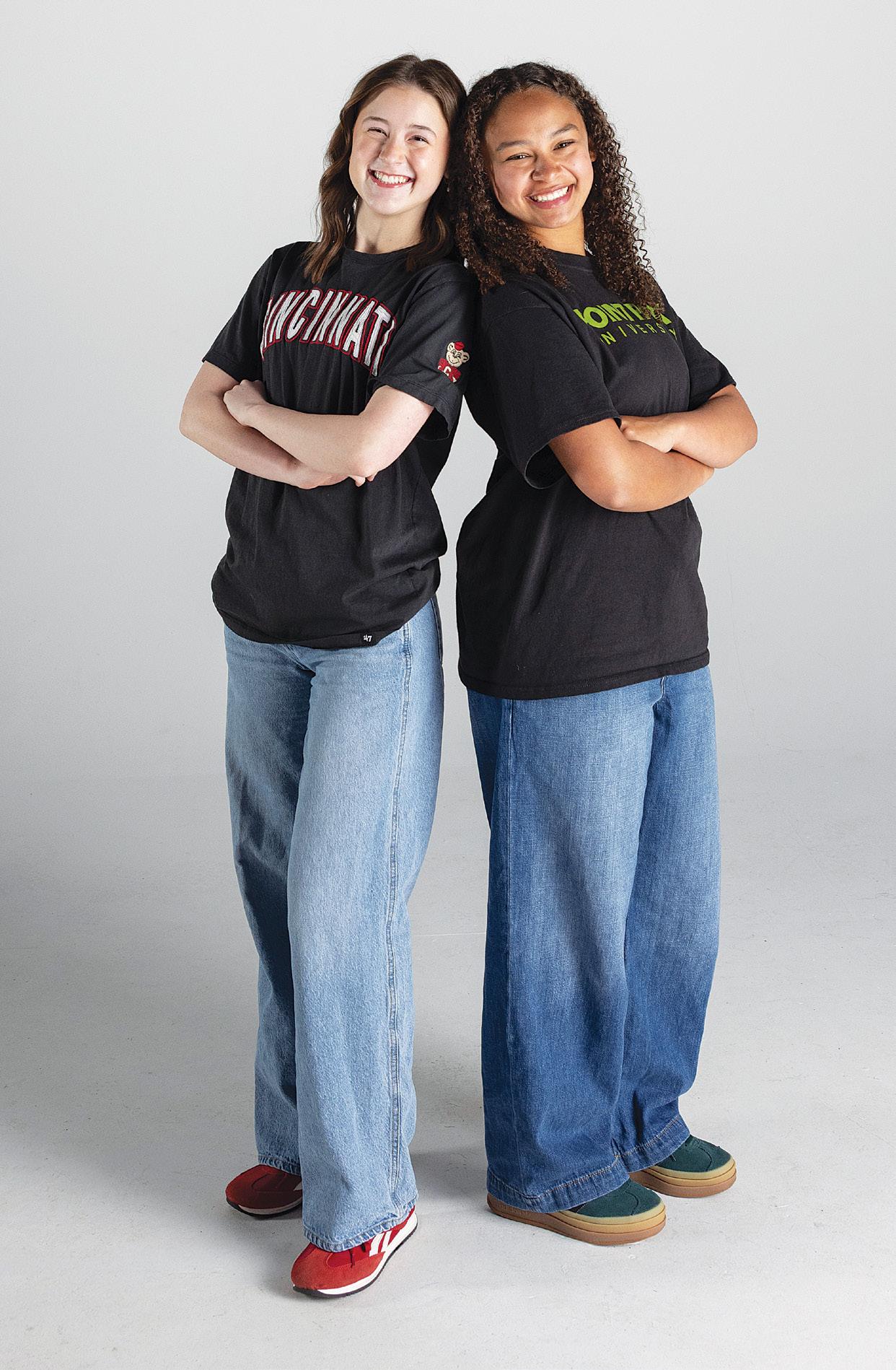
From their apprentice company days with the Owensboro Dance Theatre to performing and collaborating through school dance programs, their bond deepened through a shared passion for dance and performance. Now, that same passion is carrying them to two prestigious programs: Sandefer to the University of Cincinnati College-Conservatory of Music, and Tutt to Point Park University.
Though their paths will soon diverge, their stories reflect the same foundation — discipline, mentorship, and a love of dance that began long before college auditions.
For Sandefer, dance has never been just an activity; it has been a constant.
“I’ve been dancing since I was three. My mom first put me in classes, and it’s been a part of my life ever since,” she said.
Like many young dancers, she grew up watching older performers take the stage, imagining herself in their place.
Johnson, Sandefer developed not only her technique but her mindset as a dancer.
“She’s always been kind and patient, but she also expects you to get it right,” Sandefer said. “She doesn’t mess around when it comes to technique and the basics.”
Even as choreography grew more advanced, Johnson’s emphasis remained the same.
“Her feedback was always focused on the fundamentals,” Sandefer said. “The small things can make or break a dance.”
That attention to detail helped guide Sandefer toward her primary passion: ballet.
“I think it was freshman year, working on my first solo, that really helped me realize I loved ballet more than anything else,” she said.
Still, she’s intentional about expanding her range.
“I love ballet, but I don’t want to limit myself,” Sandefer said. “I want to become a well-rounded dancer.”
That desire played a key role in her college decision. Though she initially planned to attend another program, her perspective shifted during the audition process. At a college fair in Boca Raton, she met University of Cincinnati ballet chair Shauna Steele — a moment that stood out immediately.
“I felt an immediate connection with her,” Sandefer said. “You could tell she was genuinely passionate about her students and their growth.”
A campus visit soon followed, where she took classes and observed a student-run choreography showcase.
“That amazed me because it was entirely student-run — lighting, sound, choreography,” she said. “That’s when I realized this was the place I wanted to be.”
In a local Owensboro dance studio, where long hours of training shape young dancers, Molly Sandefer and Raelee Tutt grew up side by side — not just as classmates, but as dancers working toward the same goal. They don’t remember exactly when they met. In the dance world, friendships tend to form less through introductions and more through shared routines, rehearsals, and years spent moving in sync. By middle school, the two were inseparable — attending classes together, riding to rehearsals, and pushing each
“I think I always wanted to be like the older girls,” Sandefer said. “Growing up, you see the seniors performing their solos and having those big moments on stage, and I always strived to be like them.”
That aspiration became reality when she joined the Owensboro Dance Theatre’s company and earned one of her first solo roles in The Nutcracker — a moment she credits with solidifying her future in dance.
“I think that’s when I realized I wanted to continue dancing after high school,” she said.
Training for years under
She received her acceptance in January, confirming the path she now feels called to pursue. Looking ahead, Sandefer hopes to continue refining her technique while exploring choreography.
“I love creating pieces for other dancers and seeing how the process unfolds,” she said. “That’s definitely one of my main goals.”
As she prepares for the next chapter, Sandefer carries with her years of discipline and the quiet understanding that growth often begins with the smallest details.
For Tutt, dance began with music and a moment that would shape everything that followed.
“When I was 2, my grandma put on The Nutcracker,” Tutt said. “The moment I heard the music, I instantly connected with it. I just started dancing and moving my body.”
Recognizing that spark, her grandmother enrolled her in classes, setting Tutt on a path that quickly became a passion.
“From that moment on, I fell in love with the art form,” she said. “It came naturally to me, and I felt I could truly express myself through dance.”
Like Sandefer, Tutt trained under Johnson from a young age, building both skill and confidence.
“She saw my passion, and she had always pushed me to be the best that I can be,” Tutt said. “Her constant support means so much to me.”
While ballet remained her foundation, Tutt discovered that her true passion was jazz, the style she plans to pursue as a career.
Her decision to attend Point Park University reflects that focus. The program’s jazz concentration — along with academic opportunities — made it stand out.
“I can also pursue a master’s in business, and the program offered everything I was looking for,” Tutt said.
Her long-term goal is clear.
“I do want to dance for Giordano Dance Chicago,” she said, referencing the renowned jazz dance company that has influenced her
training.
Tutt’s connection to the Giordano technique runs deep. She has attended workshops and trained with instructors from a young age, earning recognition along the way.
“I was honored to receive the Light Award, given to a dancer who demonstrates the spirit and passion of a Giordano performer,” she said.
That experience included shadowing the company — a glimpse into the professional world that helped shape her ambitions.
“It was incredibly eye-opening,” Tutt said. “It gave me a glimpse of the professional world and showed me everything I needed to prepare for.”
Balancing that journey hasn’t always been easy. Between school, rehearsals, and performances, time was often limited.
“It was definitely a struggle,” she said. “I go to school, I go to dance, and I go to bed.”
Still, she remained committed, prioritizing both academics and her passion.
“I always made sure that I would get school done before I did dance,” Tutt said.
Weekends became her time to reconnect with family and friends — a necessary reset in an otherwise demanding schedule.
Now, as she prepares to leave Owensboro, Tutt is focused on what comes next: performing, choreographing, and eventually teaching.
“I definitely want to be a choreographer and also teach,” she said.
But at the center of it all remains the same motivation that began years ago with a simple piece of music.
“They’re a constant reminder as to why I do what I do,” Tutt said of her mentors. “And that I need to keep going.”


It’s hard to imagine now, but before fountains danced along Veterans Boulevard and children swarmed one of the nation’s most acclaimed playgrounds, Smothers Park was little more than a sloping bank with a modest playset and a boat ramp.
More than a decade later, the park has become the crown jewel of downtown Owensboro — a symbol of investment, vision, and transformation. And perhaps nothing captures that evolution better than the “concrete trees” holding the riverfront together — literally and figuratively.
A revolutionary redesign
The reinvention of Smothers Park began around 2007, led by then-Mayor Tom Watson and supported by a $40 million earmark from U.S. Sen. Mitch McConnell for construction of the initial retaining wall.
Looking back, Watson said the City’s preparedness and political relationships played a key role in securing the funding.
“We already had a plan in place,” Watson said. “Other cities weren’t ready. So I asked them if we could take their front-end money, and they could have our back-end money. They agreed, and we got started.”
Ron Payne was elected mayor in 2008 and oversaw the park’s development into what it is today.
That early momentum allowed Owensboro to leap ahead in developing what would become one of America’s toprated children’s parks. The total public investment was around $80 million, with additional private development pushing total downtown investment into the hundreds of millions.
“This park is a lot like a loss leader at a grocery store,” said Assistant City Manager Lelan Hancock. “It may not directly generate revenue, but it brings people in. Once they’re downtown, they’re shopping, eating, staying at hotels. That’s the return.”
By JOHN KIRKPATRICK
Among the park’s most misunderstood — and now most iconic — features are the oversized concrete trees that tower throughout the playground.
“When they went up, people thought they were just weirdlooking art installations,” Reggie Helm, a local musician who wrote a satirical song titled "Concrete Trees," said in a previous OT interview. The song, which poked fun at the city’s spending, briefly went viral and sparked heated public debate.
But those trees are far from ornamental. According to Hancock, they’re essential to the playground’s structural integrity and purpose.
“They connect the elevated walkways and support the entire ADA-accessible structure,” Hancock said. “If you’re in a wheelchair, if you have any kind of mobility challenge, you can go with your child, play with your child, and access every part of that playground.”
Hancock said the city worked closely with Miracle Playground and Cost of Wisconsin, a specialty manufacturer that builds larger-than-life, life-like structures. The design incorporates elements inspired by the Ohio River — from fish and cattails to log-like tree trunks — all with intentionality.
“It was revolutionary,” Hancock said. “Not just in how it looked, but in what it allowed us to offer. Accessibility. Inclusion. Imagination.”
The legacy beneath the surface
Beneath the park’s polished surface is a massive structural feat. Coffer dams and sheet piling were installed along the riverbank to prevent erosion and reclaim land that had slipped away over decades. The bank was rebuilt, utilities were installed, and the playground, fountains, and walkways were constructed on top.
“There’s more than meets the eye,” Hancock said. “And that’s part of what makes it special.”
Owensboro now maintains a dedicated replacement plan to ensure the park — and others like it — remain in top condition.
“Our parks are well-maintained because they’re heavily used,” Hancock said. “That’s a good problem to have.”
From controversy to community pride
Helm’s parody song once caused enough stir that local radio stations pulled it from rotation under pressure. But over time, even he grew to appreciate the park’s broader value.
“Everybody who used to complain about it is okay with it now,” Helm said. “It brings people together. It’s a draw. Kids go crazy for it. And in the end, I guess that song brought awareness.”
Watson agrees, saying he
continues to field compliments from visiting officials and business leaders.
“They ask, ‘How’d you do it?’” Watson said. “And I tell them — it took vision, planning, and political will. But mostly, it was this community that built it and believed in it.”
He noted the park has been a catalyst for economic development, sparking nearby projects such as the convention center, new hotels, restaurants, retail shops, and the river walk.
“There used to be nothing downtown,” Watson said. “Now it’s full of life. And Smothers Park — that was the spark.
As Smothers Park approaches its 14th year since reopening, it stands not only as a symbol of revitalization but as a reminder that bold moves, even controversial ones, can pay off when grounded in purpose.
Behind every successful business is someone whose passion, grit, and dedication keep things running — often without the spotlight. The Heart Behind the Hustle shines a light on those people, sharing the stories of the hard work and heart that drive our local businesses forward.
By RYAN RICHARDSON
For Jenney Payne, what started as helping behind the scenes at her husband’s business slowly grew into something much more.
“You just start filling in, and the next thing you know, you’re working more than you planned,” she said.
Today, Jenney serves as showroom manager at WinSupply of Owensboro, where she plays a central role in shaping both the design experience and the relationships that keep customers coming back.
WinSupply was founded in 1996 by her husband, Leo Payne, with the help of employee Chris Morris, and was initially focused on plumbing supplies. Over the years, the business has expanded to include lighting, cabinets, countertops, appliances, and more — evolving into a fullservice resource for contractors and homeowners.
But inside the showroom, Jenney’s role goes far beyond products.
“I want to partner with my customers,” she said. “Not just be a place where they shop.”
That mindset has helped
turn transactions into long-term relationships — something Leo said has been critical to the company’s growth.
“Jenney has brought exceptional leadership skills and a genuine desire to help others succeed,” he said. “Her determination to see every task through to completion is truly unmatched.”
Jenney officially stepped into a larger role in 2006 after initially helping while raising their children.
As the business grew, so did her responsibilities — particularly as the showroom expanded to include more design-focused offerings.
A major turning point came in 2009 with the addition of lighting, cabinets, and countertops, followed by appliances soon after.
With that expansion came a shift in customer expectations — and a greater need for guidance.
Jenney’s ability to blend design expertise with a strong sense of urgency has helped define the customer experience.
“Her passion and talent for design are tremendous assets,”

Leo said. “She consistently elevates the overall customer experience.”
Much of her work happens behind the scenes — from coordinating orders to managing logistics in an industry where shipping delays have become more common. It’s a level of detail many customers may never see, but one that directly impacts whether projects stay on track.
“Jenney is deeply dedicated to every client who supports us,” Leo said. “She approaches each project on a personal level, ensuring that every detail is handled and expectations are exceeded.”
That same personal approach extends beyond the showroom.
In recent years, WinSupply has hosted a Christmas tree silent auction to benefit local nonprofits
— an effort that Jenney said began as a way to support My Sister’s Keeper and has since grown into an annual tradition.
“God has definitely blessed us,” she said. “And we feel blessed to be able to bless someone else.”
For Jenney, the business has always been about more than sales — it’s about relationships, community, and shared purpose.
Working alongside her husband has brought its own rewards.
“It has been incredibly rewarding to build and grow this business alongside Jenney,” Leo said. “We share a strong personal relationship and a mutual passion for serving others, which makes working together even more meaningful.”
Now, nearly three decades after WinSupply first opened its doors, Jenney said she finds fulfillment not just in the company’s growth, but in the connections built along the way.
“Looking ahead, the focus remains on continuing to grow while maintaining strong relationships with customers and the community,” she said. “At the same time, there’s a desire to enjoy more time with family — especially with two granddaughters now in the picture.”
Because for her, the success of WinSupply has never just been about what’s sold inside the building, but the people it serves.

By RYAN RICHARDSON
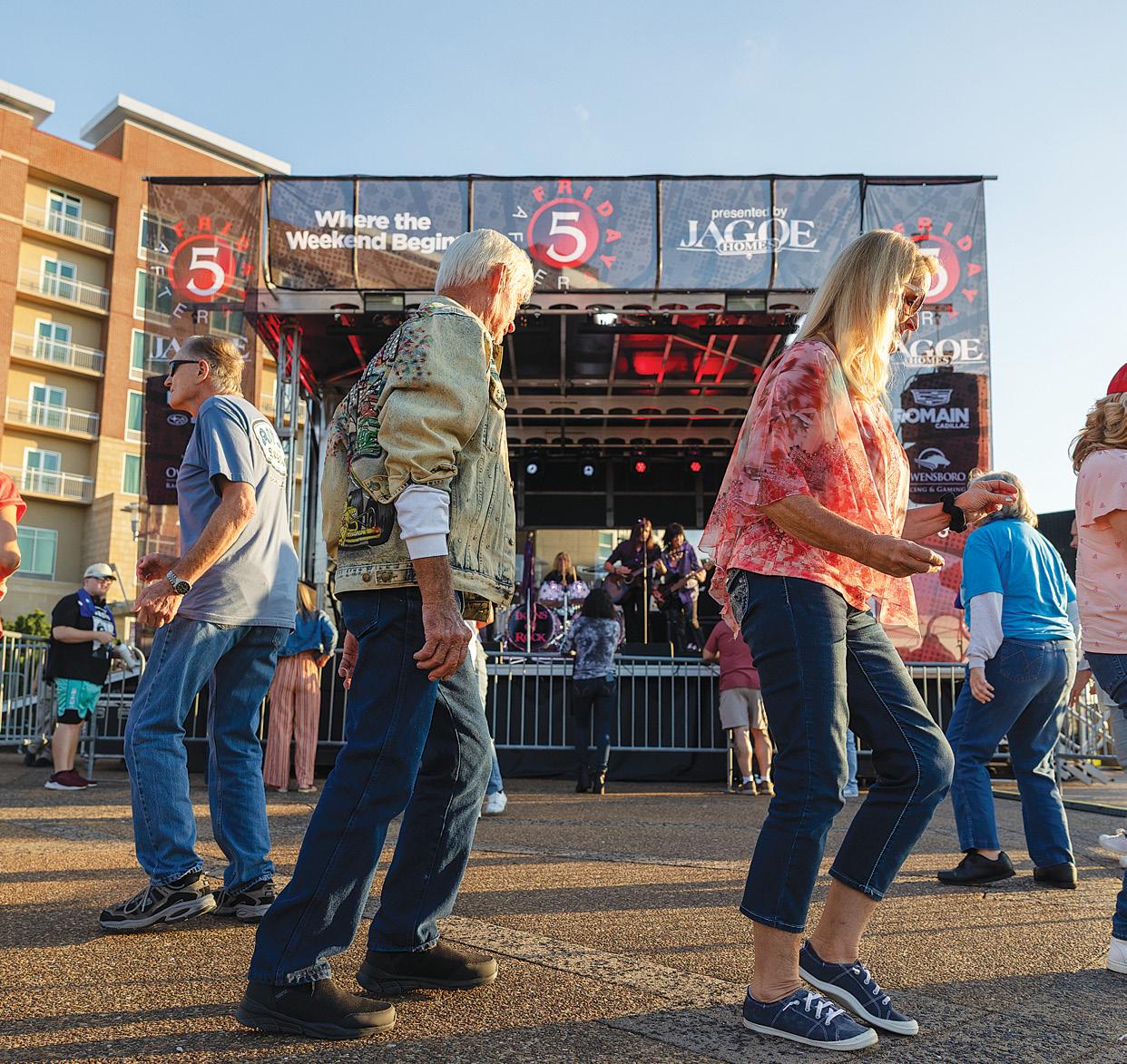
Friday After 5 will mark its 30th anniversary this summer with its largest and most diverse season to date, as the longrunning riverfront concert series continues to grow its reach and impact in Owensboro.
The free weekly event returns May 15 through Aug. 7, once again transforming the downtown riverfront into a hub for live music, food, and community gathering — a role it has steadily expanded since its early days as a smaller local attraction.
“This is without a doubt the biggest and most exciting season we’ve ever put together,” said Heath Eric, CEO of The Eric Group and talent buyer for the series.
“When you look at the diversity of the lineup, the number of highimpact nights, and the overall experience we’re creating across two stages, it’s truly a celebration of everything Friday After 5 has become over the last 30 years.”
That growth is reflected in both the scale and scope of the 2026 lineup.
Eric said this year’s schedule intentionally blends genres and audiences, featuring everything from classic rock and Southern rock to country, R&B, pop, and high-energy dance bands. The goal, Eric said, is to ensure that each week offers something different while still maintaining the familiar feel that has kept

crowds returning for three decades.
“It’s important for us to program something for everyone,” Eric said. “You’ll see national touring acts, regional favorites, tribute experiences, and emerging artists all sharing the same stage. That’s what makes Friday After 5 special — every Friday night feels different.”
The 13-week season includes several marquee nights, including a July 3 event featuring a drone show and a July 10 concert designated as the official 30th anniversary celebration.
A defining feature of the series remains its twostage format, which allows for continuous music throughout the evening. Performances begin on the Overlook Stage before shifting to the Main Stage for headlining acts, creating a steady flow of entertainment from early evening through the night.
“We’re not just putting on a concert — we’re creating an experience,” Eric said. “Two stages allow us to showcase more talent, keep the energy up all night, and give fans even more reasons to come early and stay late.”
While nationally touring acts and tribute bands often draw the
largest crowds, Eric emphasized that local and regional performers remain a key part of the lineup.
More than 20 artists from the region are scheduled to perform this season, providing a platform for local talent alongside higherprofile acts.
“We’re incredibly proud of the local talent we have in this region,” Eric said. “This platform allows us to showcase those artists alongside bigger touring acts, and that’s something we’re very intentional about.”
Eric said attendance is expected to reach up to 15,000 people per night, with even larger crowds anticipated for major event evenings. That turnout continues to position Friday After 5 as not only a weekly entertainment option, but also a significant driver of tourism and economic activity in Owensboro.
“Our goal has always been to create something that serves the community while also bringing people into Owensboro,” Eric said. “This lineup reflects that balance — we’re showcasing our city while delivering a high-level entertainment experience that attracts visitors from across the region.”
The 30th anniversary is also a
moment to reflect on the people behind the event.
“For 30 years, Friday After 5 has been driven by an incredible group of volunteers, board members, sponsors, and community partners,” said Brad Howton, chair of Friday After 5. “This 30th anniversary season is a celebration of that legacy and everything this event has come to represent for Owensboro.”
What began as a local summer gathering has evolved into one of the region’s largest free concert series, drawing thousands to the riverfront each week and becoming a defining part of Owensboro’s identity.
As the milestone season approaches, organizers said the focus is on delivering a summer that reflects both the event’s history and its continued growth.
“There’s a lot of excitement around this season,” Howton said. “We’ve worked hard to make it special, and we can’t wait to see the community come together to celebrate 30 years of Friday After 5.”
Friday After 5 takes place each Friday from 5-10 p.m. on the downtown riverfront. Admission is free.

Friday After 5 lineup
May 15 – City of Owensboro Night
Main stage: Juice Box Heroes (rock/ pop/dance hits)
Overlook stage: The Green Lights (rock/pop)
May 22
Main stage: Jimmy Church Band (Motown/pop/R&B/dance)
Overlook stage: The Bobby Clark Band (classic rock/variety)
May 29
Main stage: Sterling Elza + KG & The Bad Habits (red dirt country/rock)
Overlook stage: Jay McElwain Band (rock/blues)
June 5
Main stage: Resurrection – A Journey Tribute + Reckless: America’s Bryan Adams Experience (classic rock/arena rock)
Overlook stage: Flat Stanley (alternative/rock)
June 12
Main stage: Hayden Coffman + L’il
Man J + Musick Studios All Stars (country/country rap/pop)
Overlook stage: Roulette (rock/variety)
June 19
Main stage: Nigel Dupree & The Heat + Galactic Foghorn (southern rock/rock)
Overlook stage: Retro Shock (80s/ rock)
June 26
Main stage: 7 Bridges: The Ultimate Eagles Experience + Hayley Payne
(classic rock/Eagles tribute)
Overlook stage: The Sorrels (Americana/country)
July 3 – Drone show night
Main stage: Whiskey Row + Cynthia & The End Times (modern country/rock)
Overlook stage: Last Call (country/ rock)
July 10 – 30th anniversary celebration
Main stage: Lakeview + Dan Hall & Blackford Creek (country/rock/ modern country)
Overlook stage: Uncharted Band (rock/variety)
July 17
Main stage: Vinyl Radio + Lindsey
James Williams (classic rock/70s hits)
Overlook stage: The Blue Bridge Boys (bluegrass/Americana)
July 24
Main stage: Unlimited Show Band + DJ George Rose (R&B/funk/soul/dance)
Overlook stage: Hall Pass (rock/pop)
July 31
Main stage: DJ Shay’s Dance Party + Cam Thompson (DJ/country/altcountry)
Overlook stage: The Rubbing Alcoholics (rock/party)
August 7 – Back to school bash
Main stage: TBA
Overlook stage: Soul N The Pocket (funk/soul/R&B)


By JOHN KIRKPATRICK
For nearly two centuries, Fourth Street Baptist Church has been woven into the fabric of Owensboro’s Black community. The congregation has been shaped by faith, perseverance, and change, and it now finds itself stepping into a new chapter.
The church’s story stretches back to the earliest days of Baptist worship in the area, with historical notes and markers tracing its roots to congregations connected to Yelvington and Rock Springs, the formation of the United Baptist Church of Owensboro in 1835, and the eventual rise
that later became Fourth Street Baptist Church.
But for members such as Pamela Smith-Wright, the church’s significance is about more than dates on a page.
“I think what makes Fourth Street special is that we came from First Baptist, and we have always tried to be welcoming to everybody,” Smith-Wright said. “Most of the Black Baptist churches in Owensboro came out of Fourth Street. We’ve been here all this time, and I think it’s the spirit of our church that makes it what it is.”
That spirit, she said, has long been rooted in the people.
“We all lived around each other, went to school together, and went to church together,” Smith-Wright said. “It wasn’t about titles or who somebody was in the community. We were just a church family.”
Smith-Wright, who said she has attended the church all her life and has been a member since age 9, has watched Fourth Street change across decades while still
made it special.
She remembers worshipping in the old church building, a structure she described as both beautiful and enormous.
“The old church was something to see,” SmithWright said. “It had a basement, a sanctuary, an upstairs, and a balcony. It seated 2,000 people, and instead of pews, it had individual wooden seats. It really was a work of art.”
The beauty of the building, though, eventually gave way to age and deterioration.
“We had stained glass all through that church, and it was just beautiful,” Smith-Wright said. “But over time, it started to crumble. We had pigeons flying in on Sunday mornings, and sometimes we had to rope off sections because plaster was falling.”
She said the congregation eventually moved into its current building in 1973, worshipping at Western school while the new sanctuary was being built.
That move was one of many
marked by both hardship and endurance.
According to church histories and marker application materials, a log cabin at Second and Walnut served Black worshippers around 1830, and the United Baptist Church of Owensboro was formed in 1835 with both white and enslaved Black members. A revival in 1839 spurred major growth, and by 1840 an African-American branch had been formally established, though it remained under white oversight for a time. In 1866, the congregation gained full independence, receiving its own property and house of worship.
Smith-Wright said the history is deeply meaningful, even if some of the earliest dates are hard to pin down with certainty.
“That part gets a little cloudy,” she said. “We know the church goes way back, but there were buildings that burned and different places where people worshipped. So, depending on which point you start from, the dates can look a little different. But what never
changed is that this church has been here a long, long time.”
That staying power is part of what makes Fourth Street stand apart. Its legacy is not only in its longevity, but also in its influence in Owensboro’s religious history.
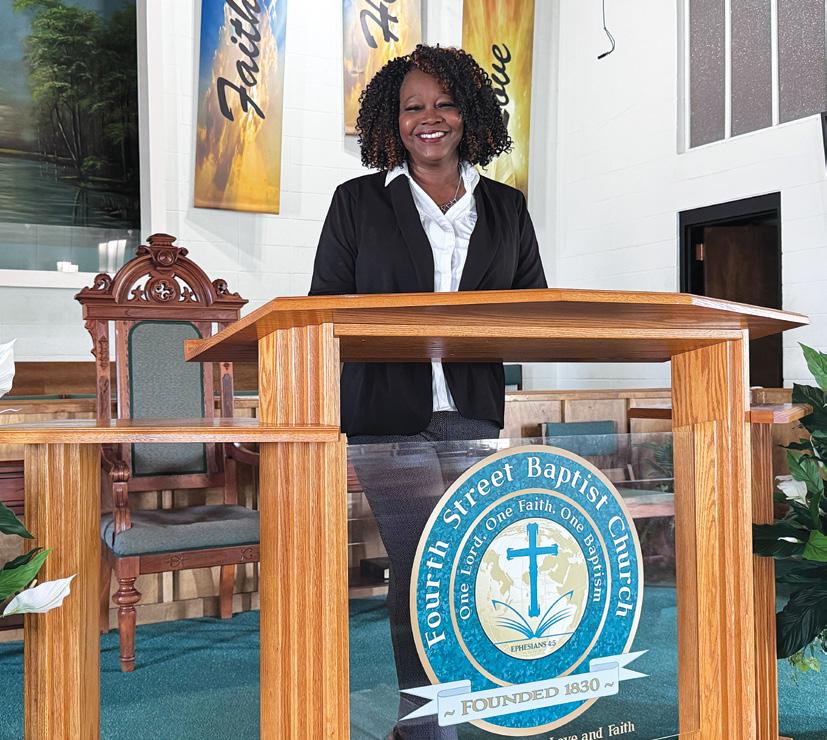
Now, that long legacy is being carried forward by Rhonda M. Pearson, who was recently chosen to lead the congregation. She is the first female to ever serve as the church’s senior pastor.
Pearson said her journey to Fourth Street began in August 2020, when she moved to Owensboro to help Mario C. Pearson Jr. after he was diagnosed with stage four colon cancer. She later married him, served alongside him in ministry, and was placed in the church’s executive pastor role. After his death in August 2024, she and other ministers helped guide the church through a transition period before the congregation began a formal pastoral search in early 2025.
For Pearson, the calling feels deeply personal.
“What makes Fourth Street special to me is that I believe God was ordering this long before I ever understood it,” Pearson said. “He used Mario to get me here, and now I feel like I’m being
trusted to carry forward the work he started.”
She said stepping into the role after her late husband’s ministry makes the moment especially meaningful.
“It feels like he passed me the baton, and now it’s my turn to run with the vision,” Pearson said. “We spent so many long nights talking about Fourth Street, about where it was headed and what God wanted to do here. To now be in this position means more than I can really put into words.”
Even with the history surrounding the moment, Pearson said what stands out most to her is the congregation itself.
“They have hearts of gold,” Pearson said. “My family came in for my ordination, and my mother said she had no worries about me being here because she could already see how these people would care for me. It really is a home away from home.”
She described Fourth Street as a church filled with people who want to serve, love God, and support one another.
“They are a loving group of people who truly want to do what God has called them to do,” Pearson said. “They’ve been so supportive, and I’m truly grateful
for that.”
Smith-Wright said Pearson’s selection represents both continuity and change — something Fourth Street has managed to hold in tension for generations.
“What’s happening now is a huge change for this church,” Smith-Wright said. “There was a time when women were not allowed in the pulpit at all. To now have a woman as senior pastor is something I never would have imagined seeing when I was younger.”
At the same time, she believes Pearson is the right person for this moment.
“I think people are excited because this feels new,” SmithWright said. “Even though we’ve known her, it’s still a new season, and I think she’s going to be great.”
That mix of memory and momentum may be what defines Fourth Street Baptist Church today.
It is a place with deep roots in Owensboro’s Black church history, born out of a complicated past and sustained by generations of believers. It is a church that has seen buildings rise and fall, membership grow and shift, and

traditions evolve over time. And now, with a new pastor preparing to lead, it is also a church looking ahead.
For Pearson, that future begins not with trying to reinvent Fourth Street, but with building on what has always made it special.
“There is such a rich history here,” Pearson said. “My desire is to honor that history, continue that legacy, and see what God wants to do next.”
“
They are a loving group of people who truly want to do what God has called them to do. They’ve been so supportive, and I’m truly grateful for that.

By AVA HYLAND
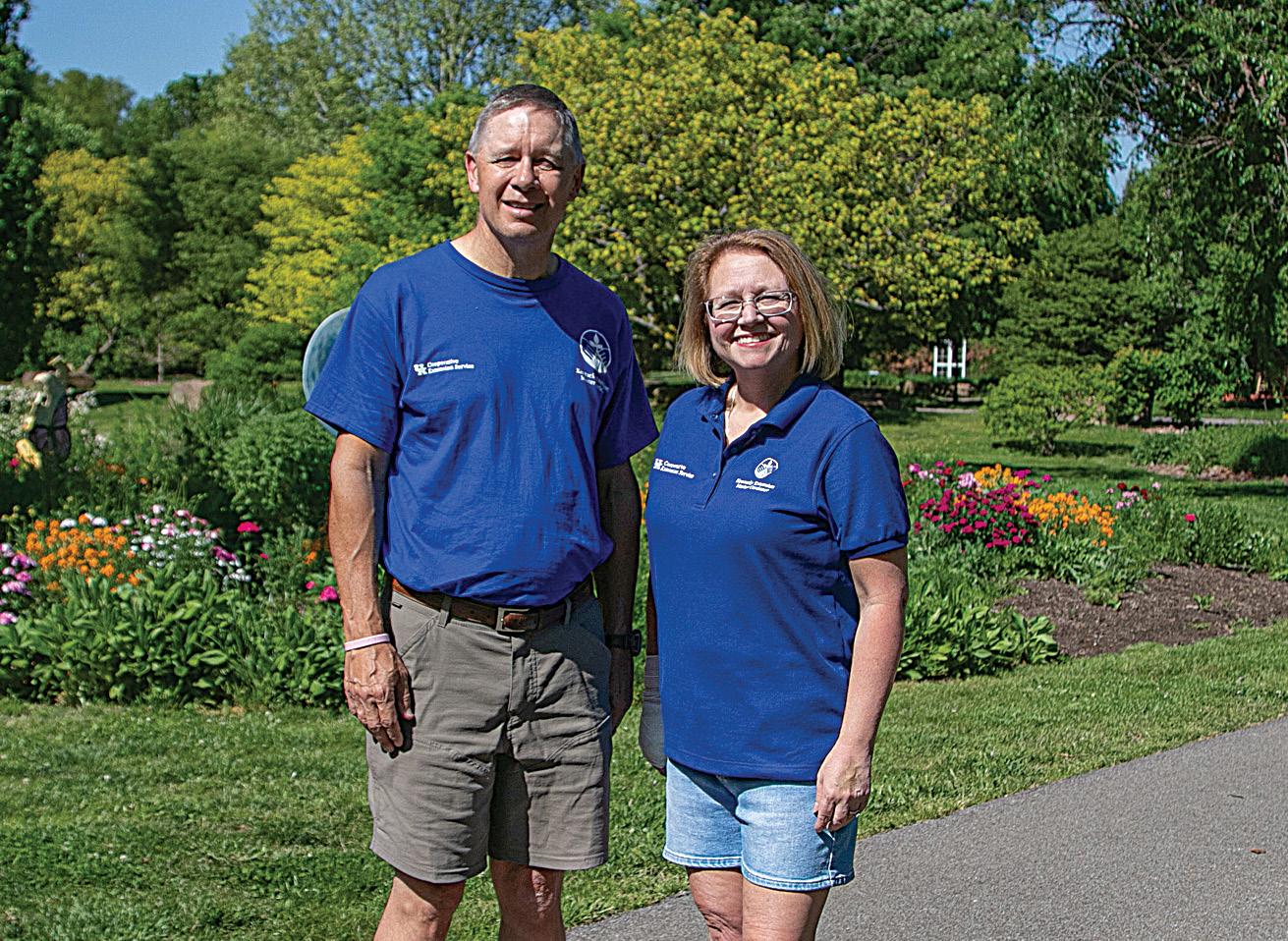
When new Master Gardener interns begin their first year in Owensboro, they are matched with experienced volunteers who help guide them through the program’s training, events, and outreach efforts.
The program is a relatively new addition to the organization, designed to support the newcomers as they complete their 1-year internship and begin participating in community projects.
“It’s a great program,” said Cheryl Rieves, vice president of the Master Gardener program. “You pair someone who’s brand new with someone more experienced, just to help them get acclimated and understand all the different things we do.”
The mentorship program, launched with its first class in 2023, begins after participants complete a 14-week training course and pass a final exam. Once they enter their 1-year internship, new members are matched with mentors who help introduce them to the organization’s work and community partnerships.
“What we try to do in those first few months is have interns attend events with their mentors,” Rieves said. “They learn the ins and outs of the program and start to feel like part of the group.”
That sense of connection is especially important for newcomers. Rieves said she understands the experience firsthand after returning to
Owensboro following decades away.
“I didn’t really know anyone when I came back,” she said. “So having that mentorship program really helped me feel connected. It’s a great way to meet people and make friends.”
The program has also expanded beyond simple pairings. This year, mentors and interns visited partner organizations together, including the Western Kentucky Botanical Garden, Habitat for Humanity, and the Daviess County Public Library, to better understand how Master Gardeners serve the community.
“We’re trying to educate new interns while also making them feel included,” Rieves said.
For mentor Susan Frank, the goal isn’t to teach — it’s to guide.
“We don’t try to instruct them,” Frank said. “Everyone comes in with their own knowledge. Our role is to help them navigate all the opportunities and figure out where they want to spend their time.”
Frank, who has been a Master Gardener for three years, said the variety of volunteer work can feel overwhelming at first.
“There are so many ways to get involved, it can be intimidating,” she said. “So I just try to support Craig and help him find what he enjoys.”
Craig Jones, an intern paired with Frank, said the experience has already made a significant impact.
“It’s helped immensely,” Jones said. “You’re learning constantly — from classes, events, and the people around you.”
After retiring and returning to Daviess County, Jones said he had long been interested in becoming a Master Gardener but never had the time until now.
“When I saw the brochure, I thought, ‘This is perfect,’” he said. “And it’s been everything I hoped for.”
Beyond gardening knowledge, Jones said what stands out most is the sense of community and shared purpose.
“You just feed off the
knowledge of others,” he said. “And one of the main goals is to learn and then share that information with the public.”
That mission is reflected in the group’s impact. Rieves said Master Gardeners volunteered roughly 4,500 hours last year, working with the local extension office to provide gardening education.
“We rely on evidence-based science,” she said. “Not just something you saw online — it’s information that’s been studied and proven.”
While the formal mentorship lasts through the 1-year
internship, both Frank and Jones agree that the relationship doesn’t end there.
“I don’t think it ever really ends,” Frank said. “You build friendships, and you continue to support each other.”
With community events, educational outreach, and opportunities for gardeners of all experience levels, the program continues to grow — one connection at a time.
“It’s a lot of fun,” Rieves said. “You can be as involved as you want, but there’s something here for everyone.”

By RYAN RICHARDSON
Daviess County Sheriff Brad Youngman says a newly adopted countywide parking ordinance is now in effect and will soon begin shifting from an education phase to formal enforcement, giving deputies a new tool to address ongoing parking complaints in unincorporated areas of the county not typically covered by a parking ordinance.
The policy was formally adopted after months of coordination between the Sheriff’s Office, Daviess County Fiscal Court, and County Attorney John Burlew. Deputies began operating under the new framework in January, with citations expected to begin this month.
Youngman said the ordinance is designed to address both public safety and quality-of-life concerns, ranging from blocked driveways and mailboxes to vehicles parked in ways that could prevent emergency vehicles from navigating neighborhood streets.
Under the ordinance, deputies are authorized to issue civil citations to the registered owner of a vehicle found in violation, even if the driver is not present. Vehicles may also be impounded when necessary.
“It’s not really about going out there and just writing tickets,” Youngman said. “Sometimes it’s easy to ask somebody to move their car. They were there
temporarily. No big deal. Other times it’s, ‘Yeah, this happens all the time, and I’m tired of it.’ And so at that point, we will issue a citation.”
The ordinance outlines specific violations and fine amounts, all handled as civil penalties separate from state traffic citations. Fines range from $15 to $25, with late fees doubling the total if unpaid after 30 days. Included violations are:
Parking in a marked handicap space without authorization: $25, or $50 late
Parking facing the wrong direction: $15, or $30 late
Parking in a posted no-parking zone: $15, or $30 late
Parking within six feet of a driveway or mailbox: $15, or $30 late
Abandoning a vehicle on a roadway: $15, or $30 late
Blocking access to a right-ofway: $15, or $30 late
The ordinance also establishes an appeals process.
Vehicle owners have seven days to pay the fine or request a hearing before a newly created Impoundment Hearing Board. If a vehicle is impounded, the owner may post a bond to retrieve it before the hearing. The board must hold the hearing within 10 business days — or within 72 hours if the owner cannot afford the bond — and can either uphold
A new countywide parking ordinance in Daviess County aims to address neighborhood complaints and safety concerns, with deputies preparing to transition from warnings to citations in the coming weeks. | Photo by Jamie Plain
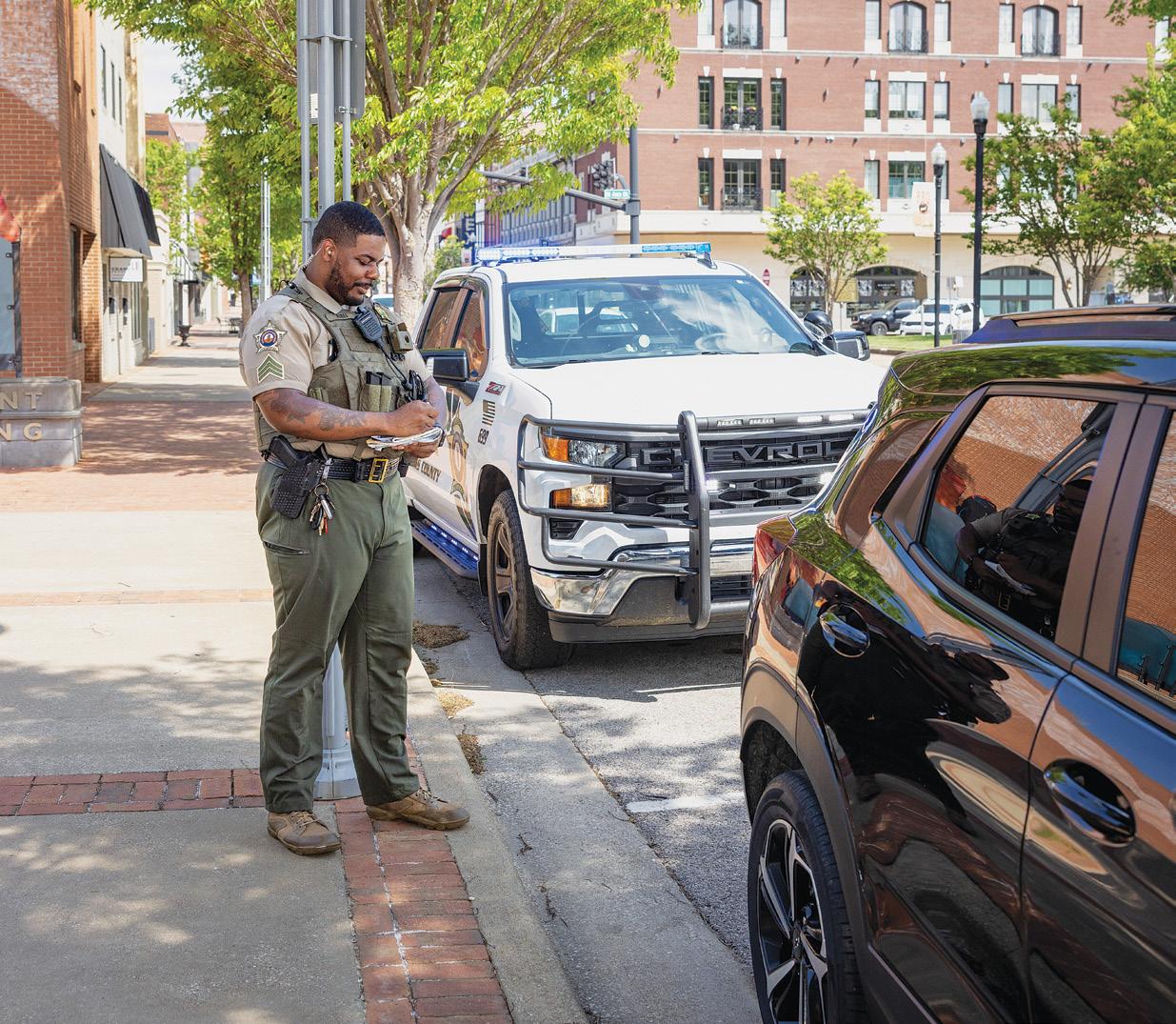
or overturn the impoundment. Decisions may then be appealed to Daviess District Court.
Youngman said DCSO used January through April as a grace period, but they will begin issuing citations this month.
Youngman said deputies have historically addressed unsafe parking by towing vehicles, particularly when public safety was at risk.
“If it’s a public safety issue, the car’s got to go,” he said. “That’s what we traditionally do. We tow it, and then when the person calls in, dispatch tells them who towed their vehicle. The citations are more of a middle ground. We’re not towing your car, but we can’t have you doing this.”
Youngman said the goal is not revenue generation and that there
will be no citation quotas.
“Quotas are illegal,” he said. “The quota for me is public safety. I don’t say, ‘You need to write this many tickets.’ I say, ‘There’s a problem over there. Go address it.’”
He said enforcement will be driven primarily by complaints, though deputies may also act proactively when they observe violations during patrol.
“That’ll be the deputy’s discretion,” he said. “If they want to tell the person to move their car, knock on the door, or if they want to drop a citation, that’s up to them. Deputy discretion is the key driver in law enforcement.”
Youngman said handicap parking enforcement remains a personal priority.
“If you’re parking in a handicap
spot and you’re not handicapped, you’re going to get a ticket, and I’m not sorry,” he said. “If you’re blocking your neighbor’s driveway and he’s asked you to quit doing it and you’re still doing it, and you get a ticket, I’m not really sorry.”
Youngman said the ordinance is ultimately intended to reduce repeat calls for the same issues and allow deputies to spend more time on higher-priority public safety concerns.
“Currently, the model is to try to track down the owner of the vehicle and ask them to move their car. That takes time,” he said. “Deputies have had to do that multiple times at the same location for the same car over the years, and that takes away from what we should be doing for other Daviess County citizens.”

By JOHN KIRKPATRICK
While most Owensboro and Daviess County residents never see a charge for the transient room tax, the money it generates helps fuel everything from local museums to sports tourism to downtown development.
The tax is paid almost entirely by visitors staying in hotels, short-term rentals, or other temporary lodging. That includes tourists in town for conventions, tournaments, or events like BBQ & Barrels and the All-A Classic.
The funds are restricted by state law to specific uses tied to tourism and economic development, and local leaders say that’s by design.
“It shifts the burden away from residents,” said Mark Calitri, President and CEO of Visit Owensboro. “This is good money — money earned elsewhere that becomes local once visitors arrive. It allows Owensboro to invest in growth without raising taxes on the people who live here.”
The State of Kentucky allows local governments to levy up to three separate components of the transient room tax for specific purposes. In Daviess County, both the City and County have opted to levy different combinations of these components.
The City of Owensboro levies a 4% transient room tax, with 3% going toward debt service for the new Bluegrass Fieldhouse and 1% allocated to help cover operational costs at the Owensboro Convention Center.
Daviess County Fiscal Court levies a 6% transient room tax, composed of 3% to fund the CVB, 2% for bonds supporting performing arts projects, and 1% also used for Convention Center operations.
While each entity manages its own portion separately, all of the funding comes from the same source — overnight guests — and is used for purposes that support tourism, events, and cultural amenities.
City portion supports Fieldhouse and Convention Center
Angela Waninger, the City of Owensboro’s Director of Finance and Support Services, said the City’s portion is deposited into a dedicated Tourist & Convention Fund. She said the majority of the revenue is currently earmarked for the Fieldhouse, a new downtown sports complex, while the rest supports the Convention Center.
“The purpose of implementing the tax was to generate revenue from visitors and reinvest that money into tourism-generating assets that provide economic development and impact,” Waninger said.
The City also uses the tax to market Owensboro, promote events, and enhance visitor-facing services.
Waninger said the City has worked to improve compliance among short-term rental operators, using a software program called Rentalscape to track listings and identify unregistered properties.
“Hotels already collect and remit the tax — and it’s important that short-term rentals do the same,” she said.
Daviess County Treasurer Jordan Johnson said the County’s structure was designed to reduce reliance on general fund tax dollars by using
tourism-generated revenue to support venues that attract those visitors in the first place.
Those dollars support agencies and venues, including the RiverPark Center, Bluegrass Music Hall of Fame and Museum, Owensboro Museum of Science and History, Owensboro Symphony, and others.
“With the state allowing a revenue stream outside of [general fund] structure to support institutions of the performing arts, it ultimately reduces the local tax burden on citizens,” Johnson said.
Daviess County is also somewhat unique in how it can allocate excess funds from its 2% portion dedicated to performing arts. Unlike other counties, which must tie those funds to bonded debt, Johnson said Daviess County is authorized to distribute excess revenue directly to eligible entities for operational or capital use.
That flexibility has become increasingly relevant as the county has seen growth in hotel development and higher-than-expected occupancy rates, generating more revenue than originally projected.
For Visit Owensboro, the room tax is the primary revenue source used to attract events and visitors. Calitri said tourism marketing isn't about one-time wins — it's about keeping
the economy moving.
“Tourism dollars are bucket fillers, not bucket takers,” he said. “They bring money into the community that wasn’t here before, then get reinvested to keep that cycle moving.”
He pointed to sports events like the Kentucky 2A State Tournament and the All-A Classic as examples. Those events bring thousands of outof-town guests who stay in hotels and spend at local businesses. The new Fieldhouse, he said, is being built to capture even more of that market.
“Once open, local residents will also be able to use that facility year-round,” Calitri said. “But it exists because good money flowed in first.”
He added that if the community stopped investing in tourism promotion through the room tax, the results would be immediate and visible.
“Owensboro would host fewer events and offer fewer experiences,” Calitri said. “Restaurants and attractions would feel the drop-off. And arts and cultural groups would lose a key source of support.”
Ultimately, he said, tourism is more than a budget line — it’s an entry point to economic development.
“It introduces new people to Owensboro — some as visitors, some as future residents, business owners, or investors,” Calitri said. “Everything starts with that first visit.”

This issue builds on Owensboro Times’ expanded election coverage by moving beyond introductions and offering voters a deeper look at many of the candidates who will appear on the ballot.
For contested primaries in most Daviess County races, candidates were provided an opportunity to work with OT to produce a 150-word
biography at no cost, with optional expanded versions available. In select races without a primary, candidates were offered the option to submit a 150-word bio. For the remaining races — including those in Hancock and McLean counties, as well as state and federal offices — this section includes headshots for candidates who provided them.
As with all OT election coverage, the goal is to present clear, factual information in a consistent format, giving voters an accessible way to learn about the individuals seeking office. Additional coverage will continue online and in future print editions to help readers stay informed ahead of Election Day.
Owensboro Times is excited to provide you with comprehensive live coverage of the local results on the Primary Election night. We’ll be streaming live from our studio — complete with a desk anchor breaking down the votes on air as they come in. We also plan to bring you live reactions from some of the winning candidates as the races are called.
Keep up with our full election coverage here:


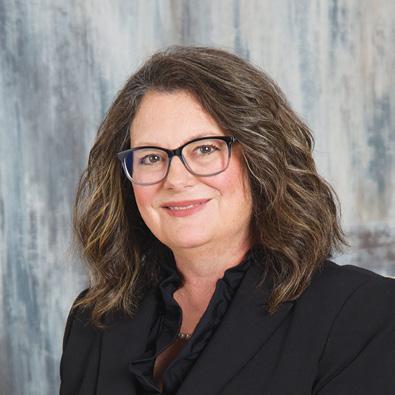
Janie Marksberry, East Daviess County Commissioner and longtime real estate professional, is the first woman to seek the office of Daviess County Judge-Executive.
Following in the footsteps of her parents — William H. “Bill” Marksberry, a lifelong farmer and entrepreneur, and Louise Marksberry, a beloved teacher at Philpot Elementary — Marksberry says she believes strongly in public service and bold leadership.
She believes Daviess County needs stronger collaboration, greater transparency, and a more proactive approach to local challenges. Marksberry says her strengths include standing firm for what is right even when it is difficult, persistently questioning what appears to be wrong, and having the leadership to make course corrections when needed. She says she is not afraid to admit mistakes and values open communication, even when there is disagreement.
With more than 40 years in the entrepreneurial field and her recent term on Fiscal Court, Marksberry says she has seen firsthand how County decisions impact citizens, neighborhoods, and businesses. She believes missed opportunities have come from a lack of vision and leadership, and that without change, progress will stall.
Marksberry says her leadership style is to listen to all sides, then take bold, decisive action. She notes that too many issues have been “kicked down the road and handed off to the next Fiscal Court,” including ongoing concerns such as maintenance of Panther Creek.
Marksberry emphasizes the importance of maintaining infrastructure, addressing flooding, and strengthening accountability by improving
accessibility between County officials and the public.
If elected, she says she will work to develop an outdoor venue with a permanent stage for music and theater, reform planning and zoning to be more business-friendly, and upgrade community services such as the airport, animal shelter, library, and parks. She also plans to address social issues affecting residents, including the use of opioid settlement funds.
Marksberry believes in mentoring future leaders and intends to create a “high school Fiscal Court” which will have students as mentees under the Daviess County Fiscal Court members.
Marksberry says she supports private property rights, while recognizing the need to protect neighbors and consider community impact in larger projects.
She says she sees economic development as a balance between supporting small businesses and attracting larger industry and believes the County should present itself in the best light through well-maintained infrastructure, creative signage, smart growth, and revitalizing existing buildings.
Marksberry believes affordable housing must be addressed by helping builders and developers access the resources needed to offset infrastructure costs. She says she will work to expand access to state and federal housing grants and strengthen community partnerships to support new development. She believes every working citizen should have the opportunity to afford their first home and build generational wealth, and she plans to make this a strong focus of her term, if elected.
Marksberry is a lifelong Daviess County resident, married to Carl Ringwall, and resides in Philpot on their family farm with two horses, two dogs, and three cats. They have three children — John Ringwall, Abbie Roden Sandbach, and Juli Ringwall Webster — along with their spouses. She says they have been blessed with four grandchildren: Jensen, Walker, Teddie, and Kiera.
DAVIESS COUNTY JUDGE-EXECUTIVE
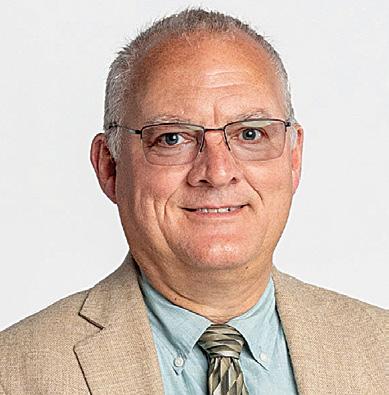
Charlie Castlen says he is seeking another term as JudgeExecutive to continue building on momentum in Daviess County and to maintain progress on economic
development, infrastructure, and public services.
Castlen says public safety and continued economic growth remain central priorities. He points to job creation and private investment during his tenure as evidence that the county is moving in a positive direction.
He also highlights zoning changes intended to support industrial development, expanded resources for the sheriff’s office and detention center, and a restructuring of volunteer fire department funding. Fiscal
Court also approved a property tax reduction during his administration.
Castlen previously served 12 years as a Daviess County Commissioner and 10 years on the Owensboro City Commission, including eight years as Mayor Pro Tem.
If re-elected, Castlen says he wants to continue focusing on infrastructure improvements, public safety, park development, and partnerships that support growth across Daviess County residents and families.
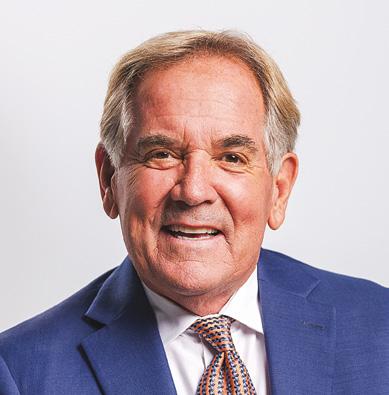
Rod Kuegel says he wants to improve cooperation and move the community forward through stronger collaboration.

Retired custom home builder and marketing specialist Robert Morris is running for Central Daviess County Commissioner.
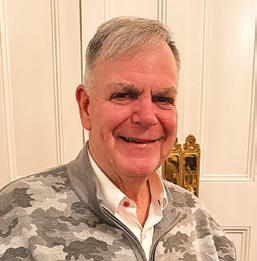
Kuegel has spent 50+ years working the land in western Daviess County and owning/ operating three local businesses. He has served on many local and national boards across various industries, ranging from agriculture and banking to higher education and more.
Kuegel says his campaign focuses on bringing City and County leaders together to better compete for jobs and economic development opportunities. He says communities must present a united front to attract business investment.
He says a lack of cooperation among local leaders has slowed progress and limited competitiveness. He emphasizes listening to residents, gathering input, and making informed decisions based on facts and community needs.
Kuegel says local issues should take priority over party affiliation and that voters are looking for practical, solutionfocused leadership to ensure a bright, prosperous future for every single resident here.
Morris says public safety is his number one priority. He says it appears the national trend has “gotten its foot in the door” and he will “slam the door shut.”
Morris says he intends to bring unity to library, animal shelter, and drainage issues through common sense and creative ideas. He says he will vote no on solar panel farms, saying the risk is not worth the reward.
Morris says he plans to move abandoned homes into the affordable housing market, and he supports directing
opioid settlement funds to law enforcement, fire departments, the jail, and the local hospital. He says he supports protecting senior citizens, cleaning county line approaches, entrepreneurship, infrastructure preventative maintenance, buildready industrial sites, and creating revenue through profit centers rather than tax increases.
Morris says he plans to donate half his Commissioner salary to the animal shelter, legal impediments aside.
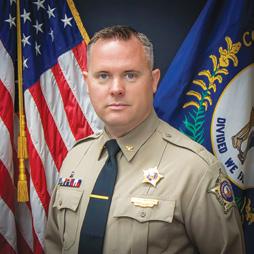
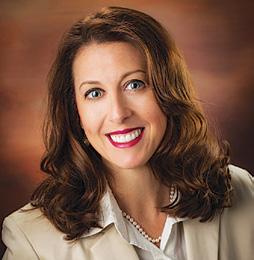
DAVIESS COUNTY PVA REPUBLICAN
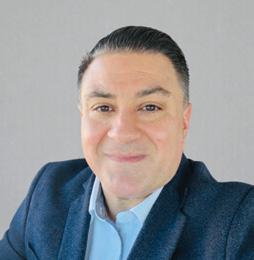
CENTRAL DAVIESS COUNTY COMMISSIONER • REPUBLICAN
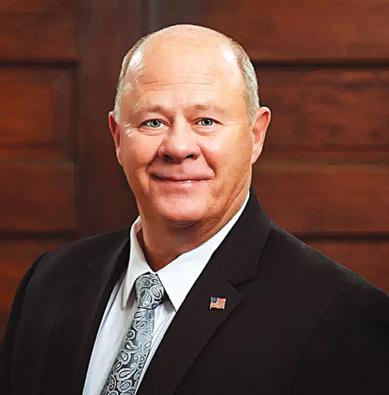
Larry Conder is seeking re-election as Central District Commissioner on Daviess County Fiscal Court, saying he
is running on a record of results that speaks for itself.
Under his tenure, Daviess County achieved its lowest property tax rate since 1975, completely overhauled volunteer fire department funding, secured the investment that moved the senior community center forward, and completed major renovations at Yellow Creek and Panther Creek parks.
A former two-term
Owensboro City Commissioner, Conder says he brings experienced financial and
DAVIESS COUNTY PVA DEMOCRAT
administrative leadership to the challenges ahead, including a potential new first responder center and detention center renovation that together could total $55 million to $60 million. He believes those decisions require someone who understands both the financial capacity and the necessity of major commitments.
Conder says his priorities are fiscal responsibility, public safety, and stronger cooperation among county, city, and state leaders to keep Daviess County moving forward.
WEST DAVIESS COUNTY COMMISSIONER • REPUBLICAN
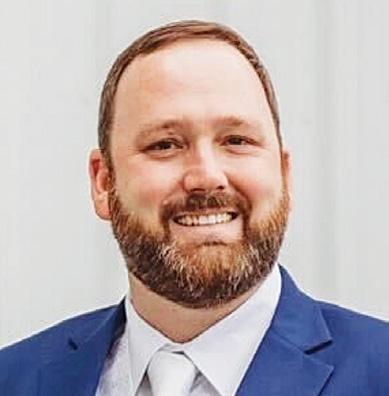
Dustin Warren says he is running for West County Commissioner to represent Daviess County families and taxpayers while helping guide decisions that affect the County’s future.
Warren says public safety, education, and open communication with residents are among his top priorities. He believes County government should ensure law enforcement, fire departments, and emergency service agencies have the funding and resources needed to serve the community effectively.
He also emphasizes accessibility and direct communication with constituents. Warren says listening closely to residents and talking through disagreements face-to-face are important parts of solving problems and making sound decisions on complex County issues.
Warren is a lifelong Daviess County resident who works in agriculture, farming row crops, raising tobacco, and cattle with
his brothers. He also operates Warren Field and Forestry, a land management business focused on forestry services and property management.
He previously ran for office in 2022 and currently serves on the Daviess County Soil Conservation Board. Warren has also volunteered for more than 20 years with the Saint Joseph Fire Department, where he serves as a captain and EMT. He says those experiences have given him firsthand insight into the needs of emergency responders, farmers, and rural families across the county.
Warren is also active in several community organizations. He serves on the board of directors for the Daviess County Farm Bureau and is involved with St. Alphonsus Catholic Church, where he chairs the parish cemetery board. Those roles, he says, have helped him stay connected to community concerns and agricultural issues affecting local residents.
He says his decision to run was strengthened by thinking about the future he wants for the youth growing up in Daviess County. Warren and his wife, Destini, have a young son and are expecting their second child in August. Warren says his own experience of starting a family reinforced the importance of building a strong community for future generations.
Warren says public safety remains especially important
because of his long service in emergency response. He believes County government should continue investing in law enforcement, fire departments, and emergency medical services so responders have the tools and support needed to protect residents.
He also says education matters because young people and adults trying to better themselves should have opportunities to grow and succeed. Warren says those opportunities help strengthen families and contribute to the long-term stability of the county’s workforce and economy.
On controversial issues, Warren says County leaders should hear all sides before voting. He believes some disputes can be improved through better communication, while others may require more discussion and patience. In either case, he says empathy and direct conversation are important for reaching better outcomes.
Warren says his campaign is rooted in service rather than criticism. He says he is not interested in attacking the current Fiscal Court but instead wants to offer a steady approach focused on representing residents across the county.
If elected, Warren says he plans to remain accessible to constituents while supporting public safety, agriculture, and community services throughout Daviess County.

Chris Castlen says he is seeking another term as West County Commissioner to continue serving Daviess County and build on recent efforts to strengthen public safety, infrastructure, and essential county services.
Castlen says support for emergency responders remains one of his top priorities. During his time on Fiscal Court, he points to pay increases approved for jail deputies, sheriff’s deputies, and fire personnel as efforts that improved recruitment and retention. Those changes, he says, helped the Daviess County Detention Center reach full staffing after several years of shortages.
He also highlights policy changes that eliminated volunteer fire department dues and replaced them with a 1.1% insurance license fee intended to provide more consistent funding for fire protection. The change helped the Daviess County Fire Department achieve a Class 4 ISO rating, which can help reduce insurance premiums for residents and improve fire protection services across the county.
Castlen also points to infrastructure and service improvements as priorities during his time in office. Fiscal Court approved upgrades to the County transfer station that will allow contractors to again bring construction and demolition debris to the site instead of hauling materials directly to the landfill. With construction debris expected to return to the transfer station in 2026, County leaders plan to reassess cleanup needs along landfill routes that have experienced heavier traffic and litter.
Flooding and drainage issues have also been a focus, particularly in western areas of
Daviess County. Castlen says the County has worked with partners including the Kentucky Division of Water, the U.S. Army Corps of Engineers, and the Green River Area Development District to explore available programs and long-term mitigation options aimed at reducing flood risks.
Castlen first entered public office in 2022 after a long career in law enforcement. He spent more than 20 years with the Owensboro Police Department and retired in 2017 with the rank of lieutenant. While working at OPD, Castlen obtained an MPA from Western Kentucky University. He says that background in policing and public safety continues to shape how he approaches local government decision-making.
Castlen says he believes leadership requires evaluating facts, listening to different viewpoints, and making decisions that serve the broader community even when issues become divisive. He says working with trusted partners and gathering information helps guide decisions that affect residents across the county.
Castlen remains active in several service organizations, including the Fraternal Order of Police, the Kentucky Law Enforcement Assistance Program, and the Marine Corps League. He also serves on his church board and other nonprofit boards in the community.
He also points to the Fiscal Court’s property tax reduction during his term as another example of balancing investment in County services with fiscal responsibility, saying the court worked to strengthen essential operations while still lowering the tax rate for residents and property owners across Daviess County.
If re-elected, Castlen says he plans to continue focusing on public safety, infrastructure improvements, and flood mitigation while encouraging greater participation from residents in County boards and advisory committees. He says broader community involvement can help ensure decisions reflect the needs of residents throughout Daviess County.
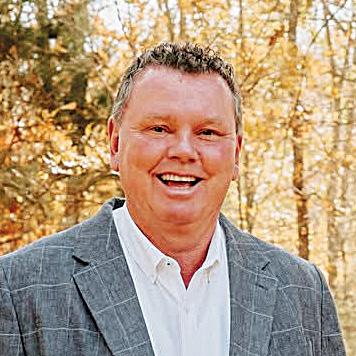
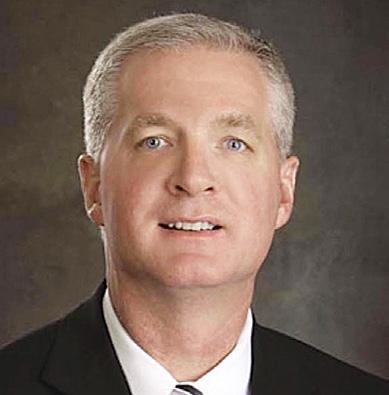
Shane Cox says he is running for East Daviess County Commissioner to give back to a community where he and his family have built their lives and careers over many years.
Cox lives in Whitesville and has spent 31 years in the insurance industry, primarily as a commercial agent. He started his own business in 2002 and later sold the practice, but he still works for that company and handles all commercial accounts. He says his work taught him to
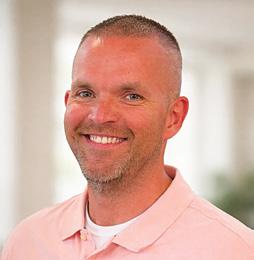
Dr. Steven Shake says he is running for Daviess County East Commissioner to use his business experience to support economic growth and represent the interests of Daviess County residents.
Shake says economic development is the central focus of his campaign. He wants the County to strengthen partnerships with the City and regional organizations while pursuing new opportunities in pharmaceutical manufacturing,
respond quickly, listen carefully, and solve problems, adding that those habits would carry into public service and constituent work.
While Cox has never held elected office, he says his experience prepared him for public service and helped him build long-term relationships.
Cox says responsiveness and listening to residents will guide his approach to local government. He says officials should focus on addressing citizen concerns and making decisions that reflect the majority view of the community rather than personal opinion.
Cox says when it comes to making decisions on community issues, county leaders should appoint qualified professionals to manage operations while elected officials focus on oversight and representing the public.
workforce development, job creation, flood mitigation, utility infrastructure, and continued support for the sheriff’s office and fire departments.
Shake says Daviess County should be aggressive in seeking major employers and exploring industries that could bring long-term investment to the community. Shake has pointed to the national push to bring more manufacturing back to the United States as a reason the County should actively pursue pharmaceutical opportunities and ask companies to consider locating in the region. He says the County should be willing to make inquiries and compete for major projects rather than assume those opportunities will go elsewhere.
Shake moved to Owensboro in 1992 and worked at the state’s first Walmart optical center before opening Owensboro
If elected, Cox says he will remain accessible and responsive to residents across Daviess County. He says his phone number is publicly available and that accessibility is central to his approach.
Cox emphasizes Daviess County offers strong quality of life and opportunities for families, and he says serving in office would allow him to invest further in the community and support practical solutions to local issues.
Cox says he will focus on collaboration, clear communication, and steady attention to community needs. He says decisions should be grounded in facts and input from residents while keeping the county moving forward with consistent, service-oriented leadership for the future of the entire community.
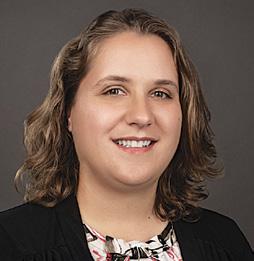

Joe Hagan is a lifelong Kentuckian and 34-year Daviess County resident running for East County Commissioner.
A husband, father of five, and grandfather of eight, Hagan built his career in skilled trades, manufacturing, and operations, working from the shop floor into leadership roles and owning multiple businesses.
Family Eye Care in 2002. He says building a local business helped prepare him for public service and gave him firsthand experience with the challenges and opportunities local businesses face. That background, he says, shaped his interest in policies that support employers, workers, and continued county growth and gave him experience making decisions, managing operations, and serving patients.
Shake says he believes the current Fiscal Court has done a good job and wants to build on that work. If elected, he says he would take an open-door approach and remain accessible to residents through calls, texts, emails, and direct communication. He says listening to residents and communicating clearly would be an important part of how he would serve in office.
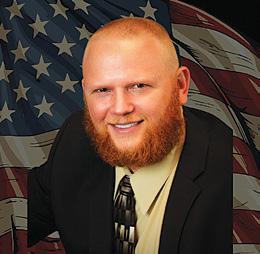
Hagan says his campaign centers on three priorities: real-
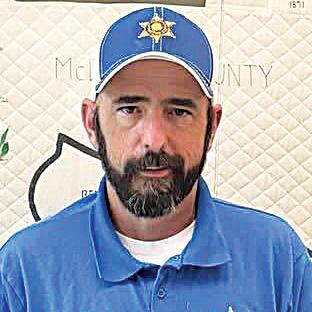
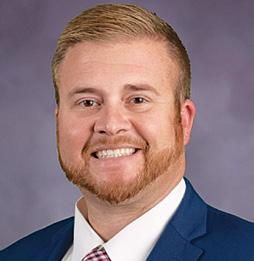
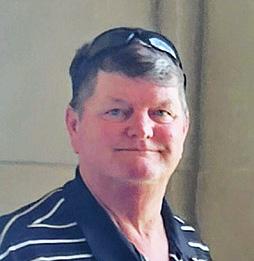
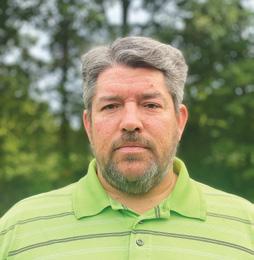
world leadership grounded in accountability, integrity, and transparency in County government, and thoughtful economic development that balances growth with preserving the rural character that defines Daviess County.
Hagan believes effective government requires cooperation across City, County, and regional lines and that leaders must plan beyond the next election cycle. He says he is focused on attracting new industry, supporting existing businesses, strengthening law enforcement, and spending taxpayer dollars with discipline.
Hagan says his motivation is personal. He says Daviess County has been good to his family for three generations, and he wants it to remain a place where grandchildren can build their lives.
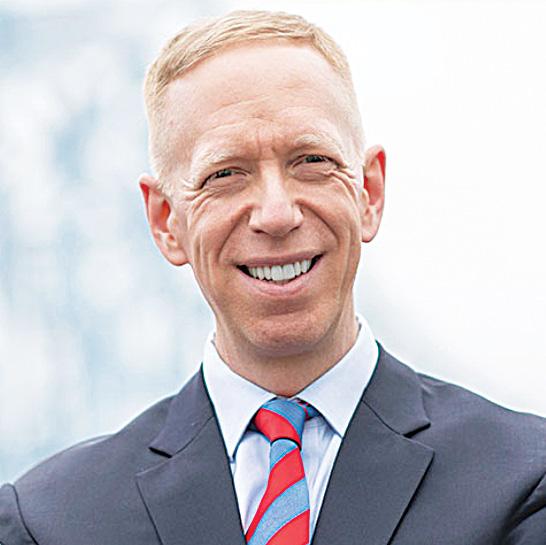
Tyler Goad says he is seeking a seat on the Owensboro City Commission, citing a desire to bring a handson and collaborative approach to issues such as economic development, homelessness, and City-County cooperation.
Goad, 50, currently teaches in the Navy Junior ROTC program at Daviess County High School following a 21-year career as a U.S. Navy officer. He says his military background and international experience shape how he views leadership and problem-solving in local government.
During his Navy career, Goad served as both a surface warfare officer and an intelligence officer. His final tour supported senior leadership within the Pacific Fleet’s submarine force, including the current CNO. Through those roles, he gained experience evaluating complex issues, gathering information, and working with teams to reach decisions.
After retiring from military service, Goad now leads the NJROTC program at Daviess County High School, a program
focused on learning leadership, citizenship, and practical life skills for students.
Goad says helping students prepare for adulthood has reinforced his belief in the importance of strong communities and opportunities for young people.
One issue he says he wants to address as a commissioner is economic development, particularly the need for more high-paying jobs in the region.
Goad says many young adults leave Owensboro after college because they cannot find opportunities that match their education with career opportunities in Owensboro. He says encouraging businesses that provide higher-wage employment will help retain local talent and strengthen families in the community.
He also believes homelessness requires a more focused and coordinated response among agencies already working on the issue.
Goad believes that Owensboro has the right mix of services, but that much stronger collaboration and communication are needed between the agencies providing services to improve outcomes for individuals experiencing homelessness.
Another priority he identifies is strengthening the working relationship between City and County governments.
Goad says cooperation between the two governments is important when addressing issues such as economic
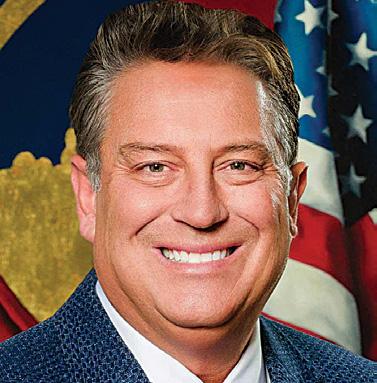
Jeff Sanford is seeking reelection to the Owensboro City Commission, saying he wants to continue work on several initiatives started during his current term.
development, infrastructure, and public safety.
Goad says he identifies as a moderate and believes elected officials need to focus on solving problems and working collaboratively, rather than emphasizing political divisions.
He says his approach to decision-making would involve research, consultation with experts, and listening carefully to community members
If elected, he says he would bring what he describes as a fact-finding mindset to the role, focusing on gathering information and working with others to develop practical solutions for Owensboro’s future.
Goad emphasizes his experiences living overseas and visiting dozens of countries have given him perspective on different cultures, governments, and ways communities solve problems. He believes those experiences allow him to bring new ideas and outside perspectives to local government.
Goad says he would also bring the perspective of a veteran and a parent with school-aged children to the commission, noting those qualities are missing from the incumbents and influence how he views education, workforce development, and the future of the community. He says dialogue — not just listening — with residents and community organizations would help ensure city policies reflect the needs of the people they serve.
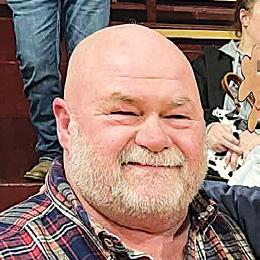
NORTHWEST MCLEAN
COUNTY CONSTABLE REPUBLICAN
SOUTHWEST MCLEAN
COUNTY CONSTABLE REPUBLICAN
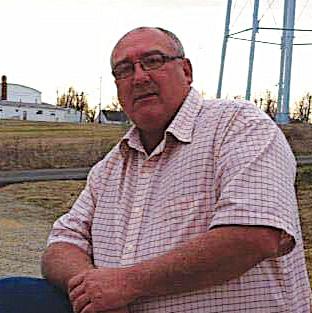
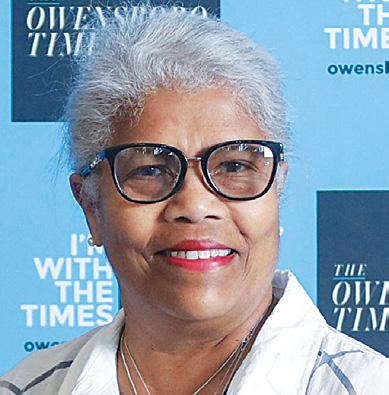
Pamela Smith-Wright is seeking to return to the Owensboro City Commission, saying she still has more to contribute after six terms in office and decades of community involvement.
Smith-Wright was first elected to the commission in 2011 and served five consecutive terms. She later lost a mayoral race
SOUTHWEST MCLEAN
COUNTY CONSTABLE REPUBLICAN
Sanford, a local real estate agent and longtime public servant, says priorities include industrial development, affordable housing, downtown revitalization, and addressing homelessness.
He says one focus has been expanding the City’s industrial park. Sanford says the city has secured property for the project but still needs infrastructure investment to prepare the site for manufacturers.
Sanford also points to progress in redevelopment efforts, including the ongoing
transformation of Towne Square Mall and continued investment along South Frederica Street.
Looking ahead, Sanford says affordable housing remains a growing concern. He says the City is exploring ideas such as accessory dwelling units, smaller developments, and other concepts that could help create attainable housing options for residents.
Sanford says his approach to leadership involves listening to community feedback and working collaboratively to move projects forward.
in 2020, was re-elected to the commission in 2022, and again ran unsuccessfully for mayor in 2024. She is the longest-serving female commissioner in Owensboro history and the first woman to serve as Mayor Pro Tem. She says she is running again because she believes her experience and long history of community service still have value for the city.
Smith-Wright says Owensboro is doing well but must continue planning ahead for economic development and future growth.
Smith-Wright says City officials must also approach issues with empathy and careful consideration. She says local leaders should listen to residents, consider multiple perspectives, and respect the rights of individuals throughout the community.
OWENSBORO CITY COMMISSIONER

John Ross Martin says he is running for Owensboro City Commission with a focus on strong infrastructure, safe neighborhoods, and smart, long-term growth. A 31-year-old Owensboro native, Martin has built his career revitalizing local properties — restoring buildings, investing downtown, and bringing new life to overlooked spaces. With experience in both corporate leadership and real estate, Martin says he understands the needs of homeowners, small businesses, and growing industries alike.
If elected, Martin says he will prioritize reliable roads, modern utilities, and public safety, while strengthening workforce pathways that connect local talent to good-paying jobs. He believes in practical solutions, responsible spending, and planning that keeps Owensboro moving forward. Martin says he is approachable, driven, and committed to serving with transparency and purpose, working alongside the community to build a stronger, more connected city for today and for the future.
OWENSBORO CITY COMMISSIONER
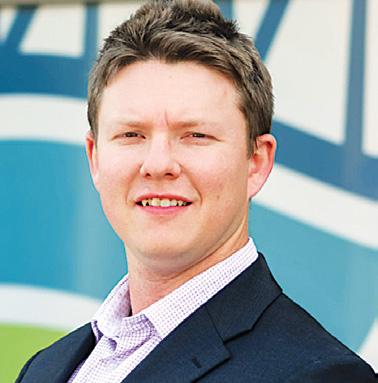
Born and raised in Owensboro, City Commission candidate Harley Metcalf says he is a proud product of the community he has always called home. Metcalf says he is deeply rooted in the values of hard work, loyalty, and service, and has built a life centered around the people he loves and the place he cherishes most.
Metcalf says he is
SHARON
a devoted husband and father who understands the importance of showing up not just for family, but for neighbors, colleagues, and fellow community members. He says these principles have guided his commitment to his union family, where he says he has demonstrated time and again that dedication, integrity, and solidarity are more than words; they are a way of life.
Metcalf says he is channeling that spirit into serving the greater Owensboro community. He believes that every resident deserves a representative who fights for them with the same passion he says he brings to everything he does.
OWENSBORO CITY COMMISSIONER
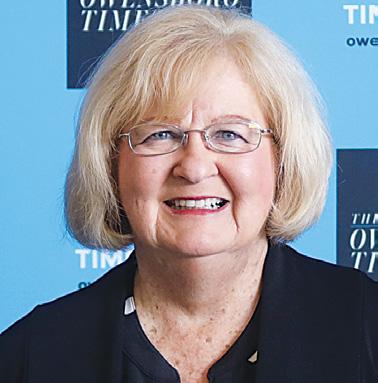
Sharon NeSmith is seeking re-election to the Owensboro Board of Commissioners, saying she brings dedicated and inclusive leadership to the role she has served since 2023.
NeSmith says she is guided by a five-step approach — listen, ask questions, find answers, explore options or opportunities, and communicate the why or why not — saying that ensures every resident has a voice and access to clear
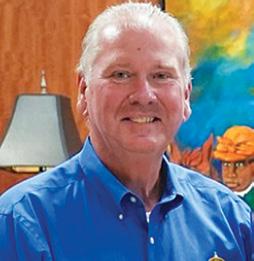
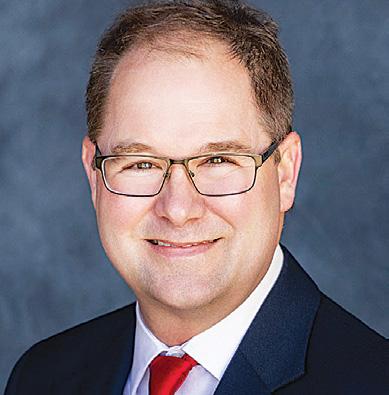
he describes as the City’s progress through partnerships, economic development, and community investment.
noting that listening to residents and working with fellow leaders has helped move projects forward.
information. She says she thoroughly researches issues, collaborates with impacted citizens, businesses, and stakeholders, and focuses on practical, forward-thinking solutions.
She says a strong example of her commitment is her support for the Green River Food Community Warehouse project, which aims to address food insecurity while building long-term community resilience.
NeSmith says Owensboro benefits from her steady, solution-oriented style that balances immediate needs with fiscal responsibility and future planning.
NeSmith says if elected, she’ll continue to offer transparent, responsive, and effective leadership that puts our community first.
Curtis Maglinger says he is seeking re-election to the Owensboro City Commission, citing a desire to continue what
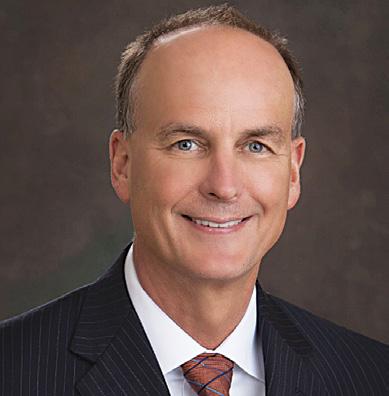
Steve Johnson is running for Owensboro City Commissioner on a platform of economic growth, neighborhood investment, and accountable leadership
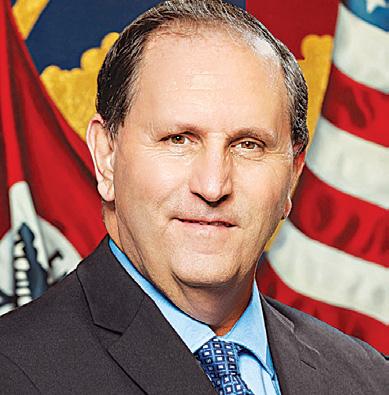
Bob Glenn says he is seeking re-election to the Owensboro Board of Commissioners, pursuing what would be his seventh overall
Maglinger says his interest in public service was influenced by his late father, who previously served on the commission. He says watching his parents serve others through their business and community involvement inspires him to give back.
Maglinger says collaboration has been one of the most rewarding aspects of his first term,
OWENSBORO CITY COMMISSIONER
— a campaign he describes as “embracing the future while honoring the past.”
Johnson brings more than 35 years of public policy experience, including roles with the U.S. House of Representatives, the U.S. Senate, the Kentucky Legislative Research Commission, and Daviess County Fiscal Court.
He says his top priorities are public safety and infrastructure, along with affordable housing, job growth, and expanded career pathways for local students in Owensboro’s future.
Maglinger says continued cooperation between City government, schools, businesses, and community organizations will be key to maintaining Owensboro’s growth and quality of life.
He also served as Vice President of Government and Community Affairs at Owensboro Health and has helped secure more than $130 million for regional jobs, healthcare, and economic development.
An Owensboro native, Johnson has served as a trustee of the Bluegrass Music Hall of Fame and Museum and has been active with the Greater Owensboro Chamber of Commerce, the Greater Owensboro Economic Development Corporation, and Visit Owensboro.
If elected, Johnson says his focus will be economic development, neighborhood connectivity, public safety, and fiscally responsible leadership for every resident.
OWENSBORO CITY COMMISSIONER
term and fourth consecutive.
Glenn says he remains motivated to help guide the City’s continued growth while maintaining its financial stability.
Glenn says he believes Owensboro is moving in a positive direction, pointing to recent projects such as redevelopment of the former juvenile justice center property on KY 54, construction of a new senior community center, development of an indoor sports facility, and plans for additional recreational amenities.
He also highlights efforts to expand the City’s economic and tourism footprint, including new downtown hotel investment, entertainment developments, and continued promotion of festivals and cultural attractions.
Looking ahead, Glenn says key priorities include addressing affordable housing, strengthening partnerships with community organizations that serve youth, and maintaining cooperation between City and County governments as Owensboro continues to grow.
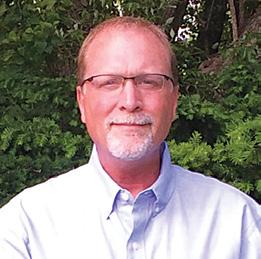
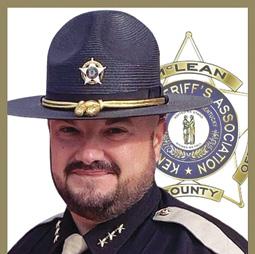
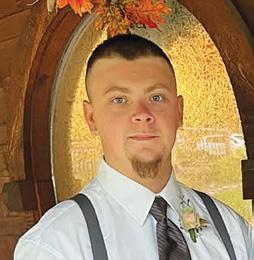
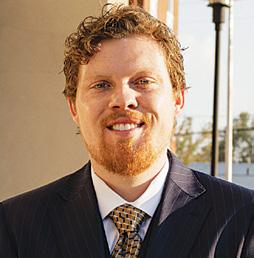
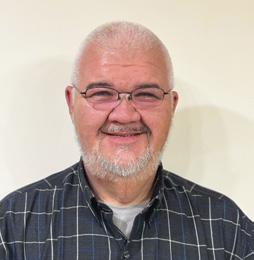
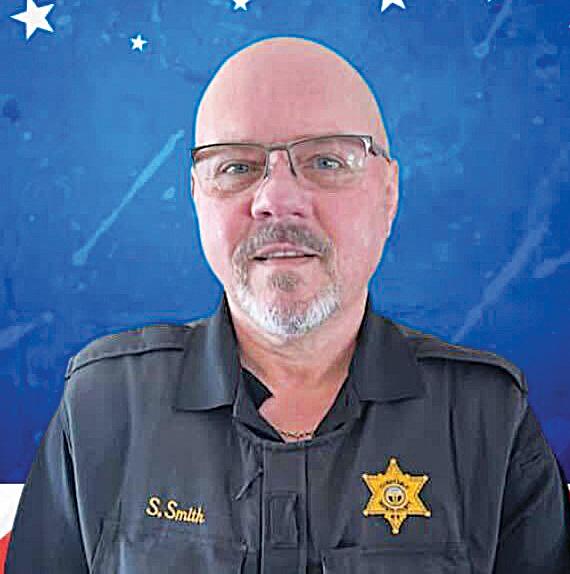
Scott Smith says he is running for Daviess County West District Constable to continue serving the community and bring decades of public service experience to the position.
Smith currently serves as a deputy constable and says his decision to seek the elected role comes from long experience with the office and a desire to continue helping residents. Constables represent districts but hold countywide jurisdiction and assist with a range of duties
when requested.
The office primarily handles paper service, including child support notices, eviction papers, and warrant notifications.
Constables may also assist with security details, community events, and situations where additional support is useful for law enforcement and public safety.
Smith joined the constable’s office in 2006 and says the work allows him to interact directly with residents while supporting other public safety agencies.
His public service experience also includes more than four decades with the Moseleyville Fire Department. Smith joined the department as a volunteer firefighter in 1986 and currently serves as chief and an emergency medical technician.
Before entering the constable’s office, Smith worked in the coal mining industry while continuing
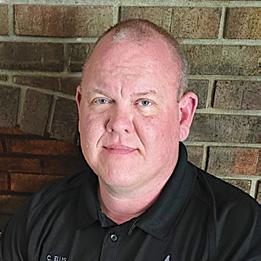
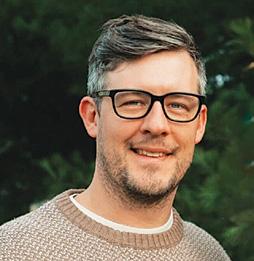
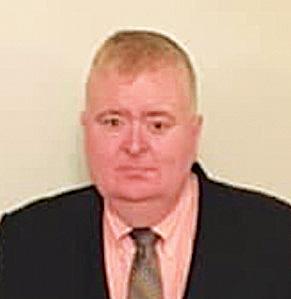
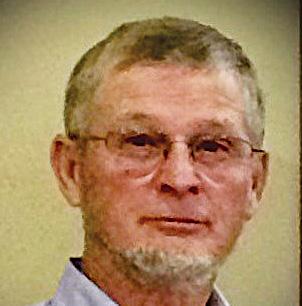
his volunteer emergency service. Smith says those years of service helped prepare him for leadership in the constable’s office because the job requires reliability, communication, and familiarity with the community. In addition to emergency service work, Smith says he values being accessible to residents and responding when help is needed. He says the constable’s office provides another way to assist law enforcement and serve the public.
If elected, Smith says he plans to continue focusing on responsiveness and experience while supporting residents and working with other public safety agencies throughout Daviess County. He says the job often involves serving papers, assisting with security, and helping during emergencies when additional personnel are useful.
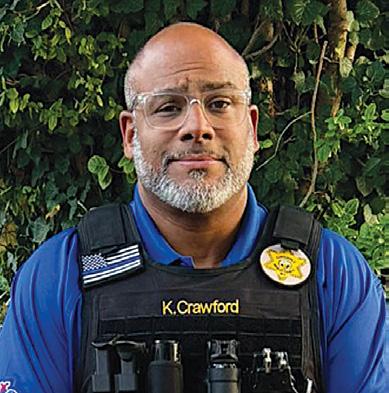
Kris Crawford says he is seeking another term as Daviess County West District Constable to continue serving residents and assisting law enforcement through the duties of the constable’s office in Daviess County. Crawford says the position allows him to support the community by providing another presence and resource when residents or agencies need assistance. The office
MCLEAN
handles paper service such as child support notices, eviction documents, and warrants, while also helping with event security.
Crawford has served as West District Constable since 2018 after previously working 14 years as a deputy constable. His public service career began in 1998 with the Indiana Department of Corrections before later working at the Daviess County Detention Center.
In addition to his constable duties, Crawford works for Daviess County Public Schools, which he says provides another perspective on serving local families.
If re-elected, Crawford says he plans to remain focused on reliability, responsiveness, and supporting the community whenever assistance is needed.
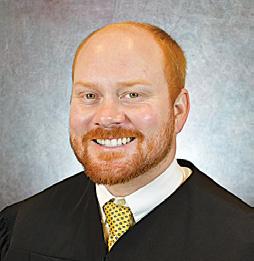
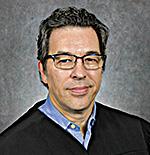
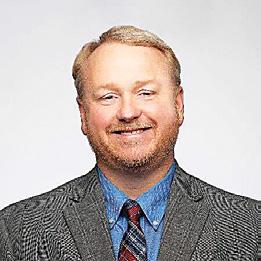
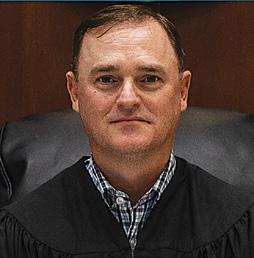
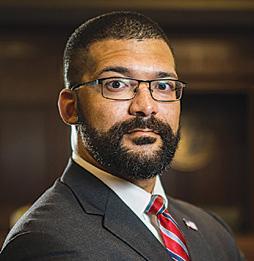
38TH DISTRICT JUDGE, DIVISION 1
45TH DISTRICT JUDGE
Leslie McCarty says she is seeking another term to continue improving the clerk’s office while maintaining reliable elections, accessible records, and strong customer service for Daviess County residents.
McCarty says her priorities include continuing smooth election operations, preserving county records, and expanding services that make the office more convenient for the public.
6TH CIRCUIT JUDGE, DIVISION 1
38TH DISTRICT JUDGE, DIVISION 2 PHILLIP J. PAGE
6TH DISTRICT JUDGE, DIVISION 2
6TH DISTRICT JUDGE, DIVISION 2
6TH DISTRICT JUDGE, DIVISION 3
During her tenure, the office added contactless payment options through major mobile platforms, expanded free online access to records, and introduced property fraud alert services designed to protect property owners.
She also oversaw updates to the office itself, including two remodels and restoration of historic record books so permanent county documents can be preserved for future generations.
McCarty says election
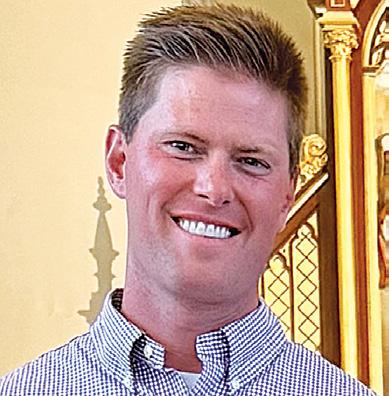
Matt Galloway says his campaign for Daviess County Clerk focuses on streamlining operations, reducing wait times, and ensuring elections are transparent
administration remains one of the most visible responsibilities of the office. She points to the county’s transition to vote centers and says recent elections have operated smoothly under the updated system.
McCarty has served two terms as County Clerk and says the office has navigated a variety of challenges during that time, including a recount election, technology changes, and natural disasters while continuing to provide services to the public.
She also credits staff members with improving the office’s internal culture and customer service, saying a strong team environment helps deliver better service to residents.
McCarty says the clerk’s office is responsible for maintaining permanent land records for the county and ensuring documents remain accessible to the public. Restoration and preservation work on older record books has been a focus of her administration so historical records remain intact and available for future generations.
She also emphasizes the importance of transparency in election administration and following state statutes that govern the process. McCarty says the office works to ensure elections are conducted according to Kentucky law while remaining open to public observation and participation.
McCarty also emphasizes
and trustworthy. He believes the clerk’s office should provide reliable service while adapting to modern technology without leaving behind residents who prefer traditional communication.
Galloway works for Columbia Sportswear as a manager overseeing quality and continuous improvement projects. His career has included leadership roles in inventory control, production planning, and workforce optimization. He says those experiences prepared him to evaluate processes and improve efficiency in a high-volume public
collaboration with other local offices, including Fiscal Court, the property valuation administrator, and the sheriff’s department. She says those working relationships help ensure records, tax processes, and election administration function smoothly for residents across Daviess County.
If reelected, McCarty says she plans to continue strengthening election administration, maintaining accurate land records, and building on improvements in transparency, accessibility, and customer service throughout the clerk’s office.
McCarty says misinformation about election systems has become more common in recent years, but she remains confident in the safeguards required by Kentucky law. She says voting machines used in the county are not connected to the internet and that election procedures are designed to ensure security and accountability throughout the process. She says maintaining public trust requires clear communication about how elections operate and why procedures exist. The clerk’s office aims to provide accurate information and remain transparent with residents who have questions about voting systems or election procedures.
She says that teamwork remains essential to future success.
office.
A lifelong Daviess County resident, Galloway graduated from Daviess County High School and then received his bachelor’s at Brescia University. He lives in Owensboro with his wife, Molly, and daughters, Monroe and Millie, all members of St. Stephen Cathedral.
If elected, Galloway says he plans to focus on improving processes, supporting staff development, and maintaining open communication with residents while ensuring the office is responsive and efficient.
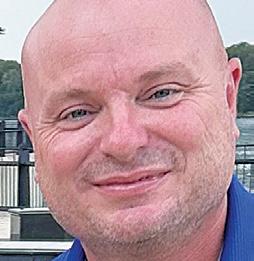
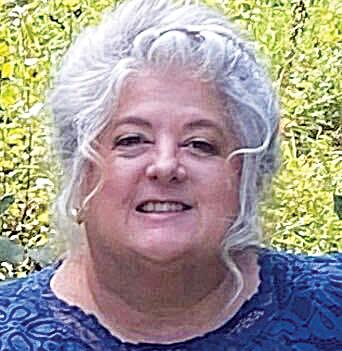
WEST DAVIESS COUNTY
JUSTICE OF THE PEACE REPUBLICAN
EAST DAVIESS COUNTY
JUSTICE OF THE PEACE REPUBLICAN
6TH DISTRICT JUDGE, DIVISION 1
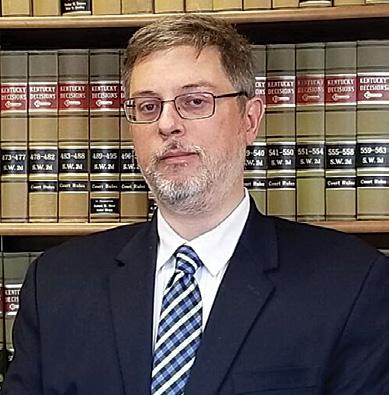
William C. Mattingly says he is seeking election as Daviess District Court Judge, citing nearly a decade working inside the local court system and a desire to improve efficiency, clarity, and accessibility for Daviess County residents.
Mattingly most recently served as a staff attorney for the Kentucky Court of Appeals after several years as a staff attorney in Daviess Circuit Court. He says those roles gave him insight into how judges evaluate cases, manage dockets, and explain legal decisions that affect people’s lives.
Mattingly says District Court is often one’s first interaction with the justice system. The court handles traffic violations, misdemeanors, probate matters, civil disputes, and other cases that can directly affect a person’s family, business, finances, or freedom.
Because of the large number of matters handled each day, Mattingly says effective docket control is essential. He says reducing wait times and keeping proceedings organized benefits both the public and the legal system.
He says improving efficiency requires coordination among judges, prosecutors, defense attorneys, court security, clerks, and other court staff. Collaboration across those roles, he says, helps ensure cases move forward while protecting the rights of everyone involved.
Mattingly also emphasizes the importance of timely rulings. People appearing before the court are often waiting for decisions that affect their lives in significant ways, and he says those matters should be resolved

Russell Duty is running for District Court Judge and says he has spent his career protecting
6TH DISTRICT JUDGE, DIVISION 1
the rights of local residents and businesses. He says he is now ready to serve the community from the bench.
A Washington & Lee University School of Law graduate, Duty launched his legal career as a U.S. Army JAG officer at Fort Knox as a Special Assistant U.S. Attorney prosecuting cases on behalf of the United States government. After returning to civilian life, Duty says he built one of Owensboro’s most experienced legal careers –
6TH DISTRICT JUDGE, DIVISION 1
working for the Kentucky Workers Compensation Board, practicing with a local firm, a partnership, and founding his own practice in 2004.
Duty says he has handled the full range of district court matters over 31 years: misdemeanors, probate, civil suits, juvenile, and guardianships. A member of the Owensboro-Daviess County Board of Ethics, Duty has called Owensboro home since 1993. He and his wife, Heather, have five daughters.
carefully but without unnecessary delay.
Another priority for Mattingly is clear communication from the bench. He says many people in District Court appear without attorneys and may not understand why a judge reached a particular decision.
Mattingly says judges should explain their reasoning so individuals leave the courtroom with a clearer understanding of the outcome and how the law was applied. Even when people disagree with a ruling, he says they deserve to understand how the decision was reached.
Outside the courtroom, Mattingly serves as an adjunct professor at Kentucky Wesleyan College, where he teaches legalrelated courses. He says that experience has helped him explain complex legal ideas in more direct language.
Mattingly also supports programs that help educate young people about the legal system, including mock trial programs that introduce students to careers in law and connect them with mentors.
If elected, Mattingly says he plans to focus on efficient case management, clear communication, and careful decision-making while applying the law fairly for the people of Daviess County.
He says his appellate experience reinforced how important trial court rulings are because appellate judges review whether lower courts considered the proper legal standards. That perspective, he says, strengthened his belief that district judges must be deliberate, thorough, and clear.
Mattingly is an Owensboro native and a graduate of Owensboro Catholic High School. He holds degrees from Bellarmine University, the University of Toledo College of Law, and the University of Kentucky.
If elected, he says he would use what he learned in Circuit Court and at the Court of Appeals to help ensure District Court remains efficient, understandable, and responsive to the people it serves.
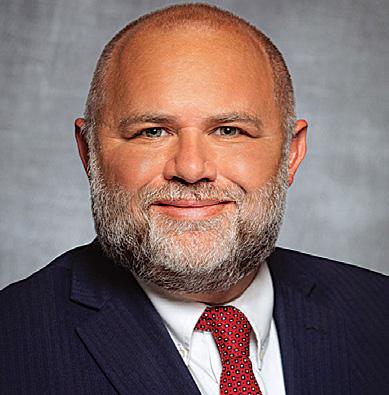
bringing 27 years of courtroom experience.
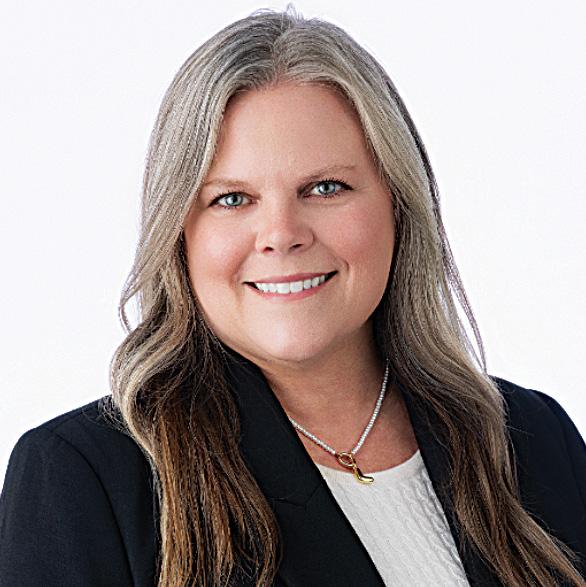
Lelah Rogers is seeking election as Daviess District Court Judge. Rogers has been working for more than 20 years with the Department of Public Advocacy, saying she has represented thousands of clients in Juvenile, District, and Circuit Courts in Daviess and Ohio counties during that time.
Rogers says her experience has given her a deep understanding of how cases move through the justice system and how early decisions and actions can have a positive impact on individuals and families. She says many of the cases she has handled involve people dealing with addiction, mental health challenges, homelessness, or unstable family environments. Since District Court is often the first point where those issues appear within the legal system, she says it plays an important role in shaping outcomes for individuals who appear before it.
Born and raised in Owensboro, he graduated from Owensboro Catholic High School and earned degrees in economics and government from Centre College and a law degree from the University of Kentucky. He began as a judicial clerk, worked as a defense attorney, and has been with the Commonwealth’s Attorney’s Office since 2002.
Payne says that experience gives him the unique perspective and temperament to handle the
6TH DISTRICT JUDGE, DIVISION 1
Rogers says that this is exactly why she is running.
She believes judges must balance accountability with compassion while applying the law fairly. She says it is important for individuals, juveniles, and adults to take responsibility for their actions, adding that if they don’t do that, they cannot work on changing that behavior. Rogers says that sometimes, though, people need help knowing how to change and what programs have to offer for support. She says many of my clients are “just surviving,” emphasizing it is hard to overcome obstacles when dealing with food insecurity and homelessness.
Rogers believes listening carefully to individuals who appear in court is an important part of ensuring the process is fair and that people understand the decisions being made. Rogers also says clear expectations from the bench can help defendants and families better understand how the legal system works and why certain rulings are issued.
Rogers earned her undergraduate degree in English from UCLA while working as a paralegal for a medical malpractice firm in California. She earned her law degree from the University of Kentucky College of Law, graduating
responsibilities of a District Court Judge with knowledge and common sense.
Payne and his wife, Courtney, are raising a blended family of six children. Between work and family, he also coaches youth sports and volunteers in the community.
Payne says with his vast legal experience and lifelong roots in Daviess County, he is committed to making District Court clear, fair, and easy to navigate for everyone who comes through its doors.
in 2005. Since that time, she has worked for the Department of Public Advocacy, representing juveniles and adults in District and Circuit Courts. She says she has represented clients in relatively simple cases, such as DUIs, all the way to working on death penalty cases.
Rogers says she has mediated and tried many cases over the years and has a deep understanding of how District Court works. She says it is her specialty and what she does every day.
Rogers resides in Owensboro with her husband, Jason Reeves, and their five children, Ava (21), William (18), Logan (17), Charlie (15), and Max (10). Rogers says raising five children while being a public advocate with a heavy caseload has been difficult and challenging at times, adding that it takes a lot of effort and planning to balance both.
Rogers is also active in the community. She is a long time member of the Junior League of Owensboro, a new member of Impact 100, and a board member of Girls Inc.
If elected, Rogers says she would focus on consistent decision-making, listening to those who appear before the court, and ensuring the District Court continues to serve the community fairly and compassionately.
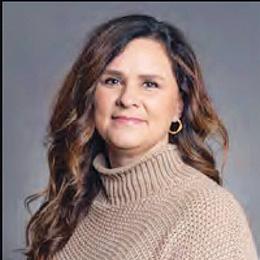
MAGISTRATE/JUSTICE
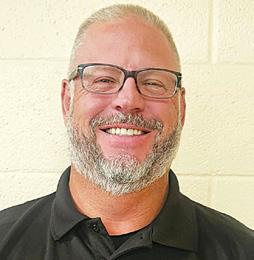
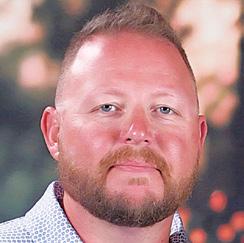
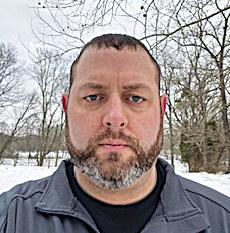

HANCOCK
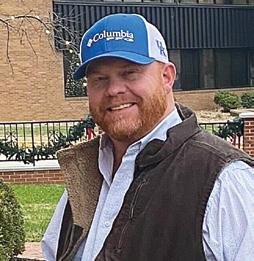
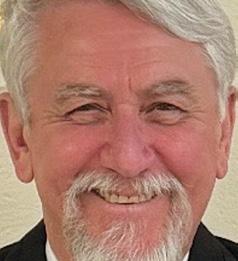

HANCOCK COUNTY
MAGISTRATE/JUSTICE
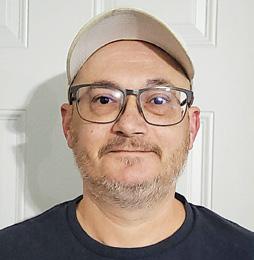
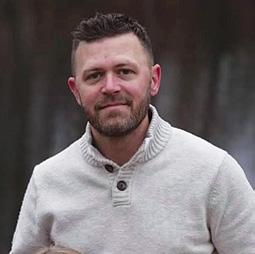
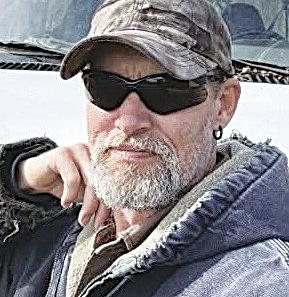
HANCOCK
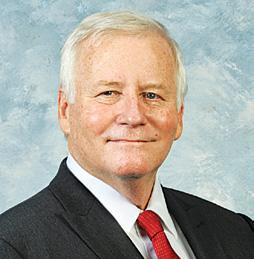
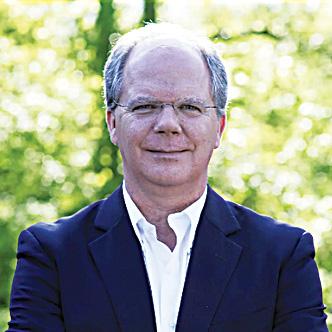
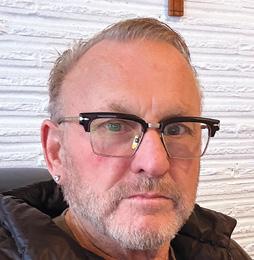
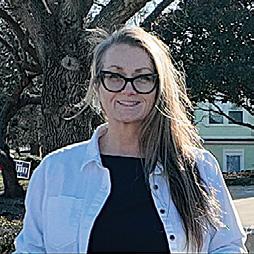
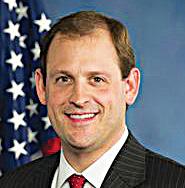
KENTUCKY HOUSE, DISTRICT 12 REPUBLICAN
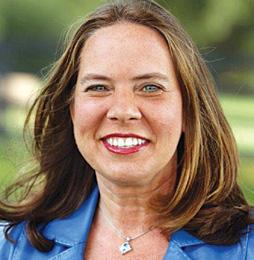
KENTUCKY SENATE, DISTRICT 8 REPUBLICAN

KENTUCKY HOUSE, DISTRICT 14 DEMOCRAT
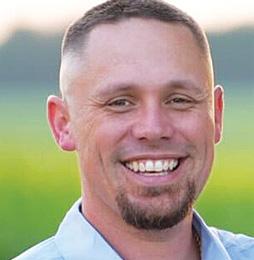
D.J. JOHNSON
KENTUCKY HOUSE, DISTRICT 13 REPUBLICAN
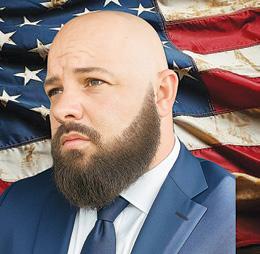
KENTUCKY HOUSE, DISTRICT 2 REPUBLICAN
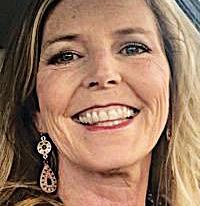
KENTUCKY HOUSE, DISTRICT 2 DEMOCRAT
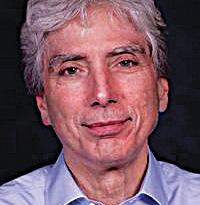
U.S. SENATE REPUBLICAN
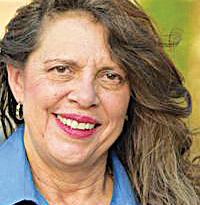
U.S. SENATE REPUBLICAN
KENTUCKY HOUSE, DISTRICT 7 REPUBLICAN
KENTUCKY SENATE, DISTRICT 8 DEMOCRAT
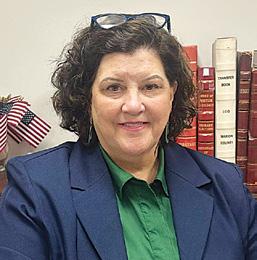
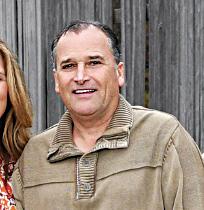
KENTUCKY HOUSE, DISTRICT 14 REPUBLICAN

KENTUCKY HOUSE, DISTRICT 2 REPUBLICAN
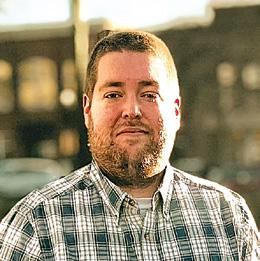
KENTUCKY HOUSE, DISTRICT 2 REPUBLICAN
KENTUCKY HOUSE, DISTRICT 2 DEMOCRAT
VALERIE “DR. VAL” FREDRICK
U.S. SENATE REPUBLICAN
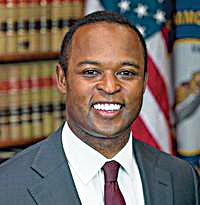
U.S. SENATE REPUBLICAN
KENTUCKY HOUSE, DISTRICT 7 DEMOCRAT
KENTUCKY HOUSE, DISTRICT 14 REPUBLICAN
KENTUCKY HOUSE, DISTRICT 13 DEMOCRAT
KENTUCKY HOUSE, DISTRICT 2 DEMOCRAT
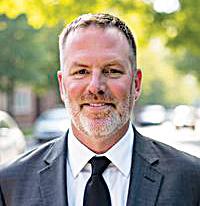
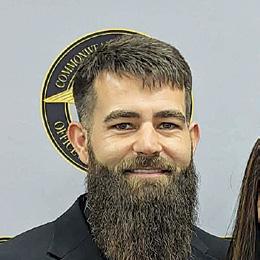
HOUSE, DISTRICT 2 DEMOCRAT
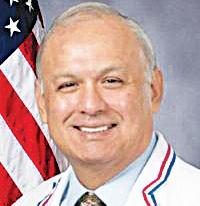
U.S.
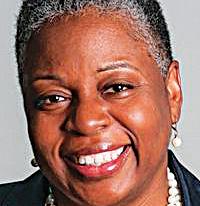
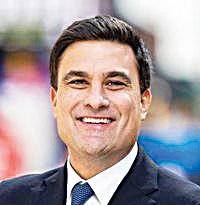

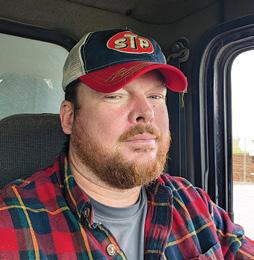
U.S.
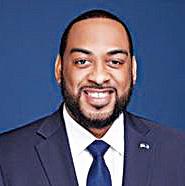
U.S.


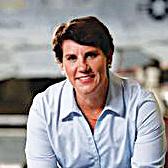



PURSUANT TO KRS 424.290, “MATTERS REQUIRED TO BE PUBLISHED,” THE FOLLOWING RACES WILL APPEAR ON THE VOTING MACHINES AND PAPER BALLOTS IN THE PRECINCTS LISTED IN DAVIESS COUNTY FOR THE PRIMARY ELECTION, MAY 19, 2026.
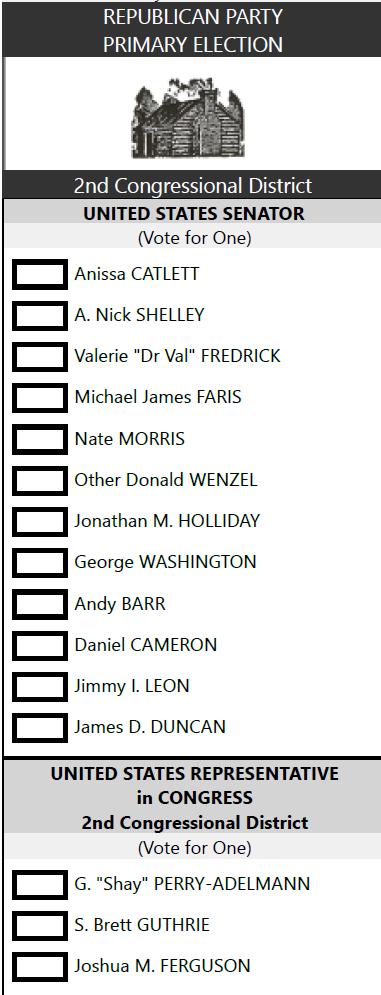
ALL PRECINCTS
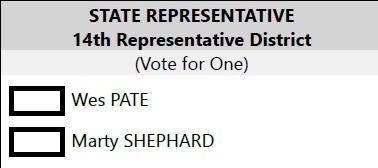
PLEASANT RIDGE, UTICA, WHITESVILLE, HABIT, KNOTTSVILLE, MACEO, AND YELVINGTON
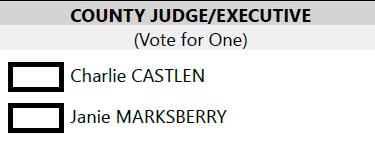
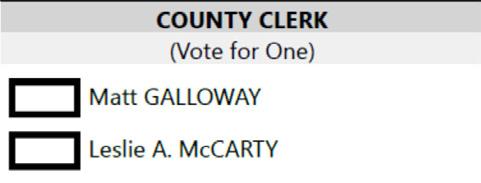
ALL PRECINCTS
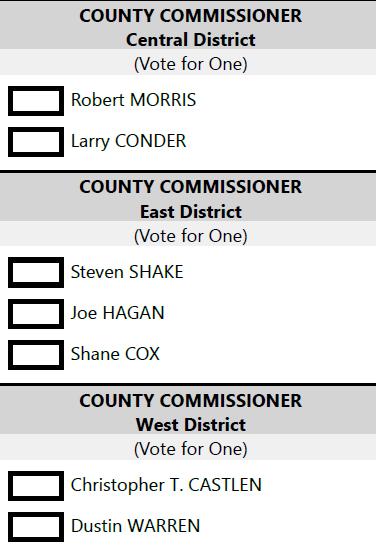
PRECINCTS
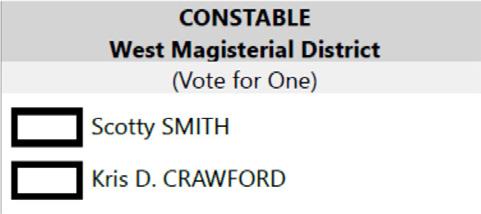
AUDUBON, CRAVENS, LEE MANOR, SUTTON, IMMACULATE, APOLLO, FOUST, MORELAND, PRECIOUS BLOOD, SHIFLEY PARK, SOUTHTOWN, NORTHTOWN, SAINT MARTINS, WEST SIDE, SORGHO, STANLEY, SAINT JOSEPH, AND WEST LOUISVILLE
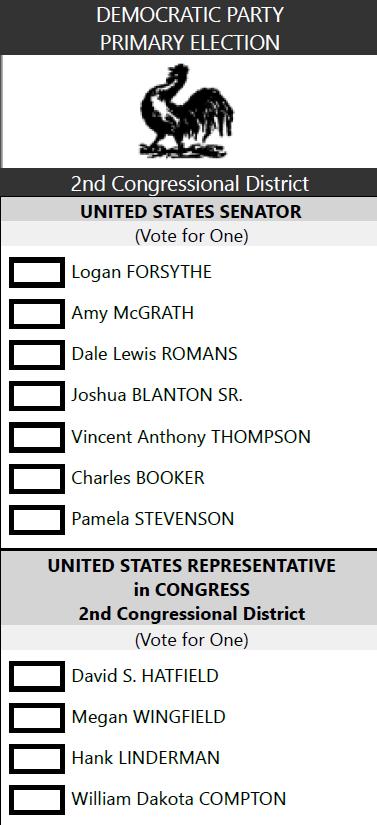
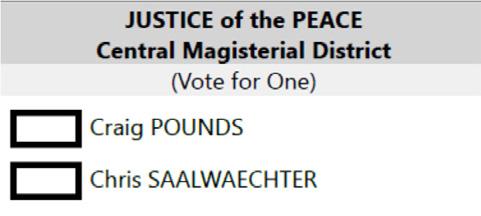
OWENSBORO GRAIN, WENDELL FOSTER, HILLCREST, CIGAR FACTORY, LINCOLN MALL, ROOSEVELT HOUSE, OMS, 5/6 CENTER, NEWTON PARRISH, HOBO WOODS, CHUCK GRAY, TEXAS GAS, TAMARACK, PLEASANT RIDGE, UTICA, SOUTHERN OAKS, MASONVILLE, AND FIELDS
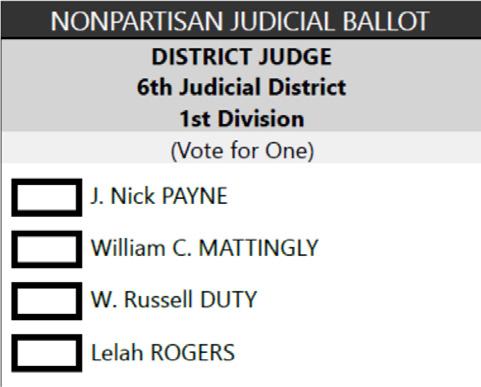
ALL PRECINCTS
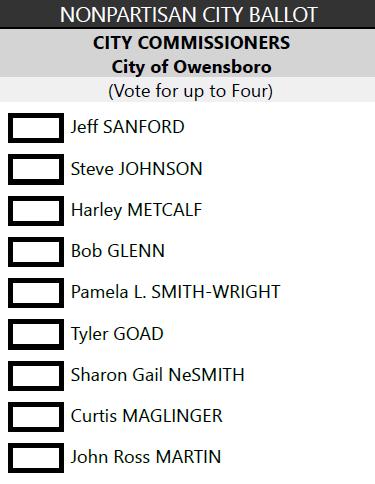
CRAVENS, LEE MANOR, APOLLO, FOUST, PRECIOUS BLOOD, CIGAR FACTORY, ROOSEVELT HOUSE, OMS, 5/6 CENTER, NEWTON PARRISH, HOBO WOODS, AND TEXAS GAS; PART OF AUDUBON, SUTTON, IMMACULATE, MORELAND, SHIFLEY PARK, SOUTHTOWN, NORTHTOWN, OWENSBORO GRAIN, WENDELL FOSTER, HILLCREST, LINCOLN MALL, CHUCK GRAY, TAMARACK, FIELDS, ALVEY PARK, SEVEN HILLS, DCHS, NO. SEVEN HILLS, HEARTLANDS, ISLANDVIEW, AND LAKE FOREST
By CHRISTY CHANEY
Thank you, Cameron Sanderson, for “chicken wing, chicken wing, hot dog and baloney, chicken and macaroni!” Did you sing along? There is not a moment that I do not think of chicken wings and then loudly, embarrassingly sing this song.
But here’s the thing about chicken wings: they can come from anywhere. Well, chickens, obviously, but you get the point. Food service has a way of taking a wing and making it its own.
So we set out to break down a few spots around Owensboro where you can get great wings — and what they’re doing to earn a spot in your game night, wing night, or random Tuesday rotation. Don’t worry, we know there are so many more places to get wings, and we will get to them. Just consider this our
first crack at getting your hands on this delicacy.
Before we get into where to go, let’s talk origin story. Wings are more tied to a city than a single restaurant — and I am absolutely not getting into that debate. I like to believe it was The Anchor Bar, because that would mean Teressa Bellissimo invented them, and there is nothing a woman can’t do, so of course she did the thing.
But what everyone can agree on is that Buffalo wings began in Buffalo, New York, nearly 60 years ago, and we’re still arguing about drums versus flats today.
What we’re not arguing about? Fried versus baked versus smoked, because it’s obviously fried. I’m also not arguing over breaded, because I didn’t order traditional


fried chicken; I ordered a chicken wing.
We are also not talking about boneless wings. Frankly, that’s a glorified chicken nugget, and I am not down for it. I do not like chicken in nugget form. At all. Tenders I can accept, but don’t use the word boneless or popcorn or form it into a dinosaur and try to convince me it is anything more than what it is: a nugget. NOPE TO THE NUGGETS. End of rant. Moving on.
So where can you get them in Owensboro? Everywhere! But here’s how we broke it down:
National chain restaurant
Beef ‘O’ Brady’s made its Owensboro debut 20 years ago this year, and the Bratcher family has been slinging chicken wings ever since. With 12 sauces and five dry rubs, the options are broad. Our personal order was a mix of drums and flats, fried extra crispy, with blackened seasoning, and a side of ranch (it’s a theme you will continue to see). We like a crackle to our chicken. I am weak when it comes to heat, and the blackened gives me just the right amount. Chef Will, on
the other hand, can take the heat and would have preferred it, but I got my way this time.
Regional chain restaurant
Mister B’s Pizza and Wings hails from Henderson and is the newest arrival to our chicken wing offerings. They have 13 house-made wing sauces, 12 dips, and five modifications, and all that makes a math problem I do not know the answer to. The internet says the answer is 3,900, and I believe everything I read on the internet. Although these wings are smaller in stature than the other options we tried, Mister B’s prides itself on fresh wings, never frozen or precooked. We ordered 10 wings, mild, with a side of their house wing dip, extra crispy. Wing dip is what you get when ranch and blue cheese get married. You can pretty much slather it on anything, and it immediately ups the flavor profile.
Pizza restaurant
PeezO’s is known for some seriously heavy pizza toppings, but they also deliver on the largeand-in-charge chicken wing. Six-
teen sauce and rub options, you can order a 100-piece on their website, but let’s be clear, they are only rocking the ranch. Don’t try to get fancy with the carrots or celery either; I did not see that as an option. But the wings are big! They come drenched in sauce, and they were bright red in color. I forced Chef Will to stay true to my mild order with ranch. Extra crispy wasn’t listed as an option, but it’s okay, because they did not arrive soggy!
J’s Good Grub rolls up loud and in charge, and his wings do the same. Big wings, big flavor. Now the ranch comes prepackaged in a cup, but we are going to let that go because they are rolling in a tight space, and nobody is perfect. This sauce has some kick to it, and I got the mild, but it’s the kind of heat that makes you want to eat more, not the kind that makes you want to drink milk. But don’t worry, of their 14 sauce offerings, you can run the flavor profile from sweet to spicy and find the perfect fit for your Scoville tolerance. Add a side of Cajun ranch fries, and it’s
the dinner of champions.
They have what?
And now for the oddest place I have had wings in Owensboro: a Mexican restaurant. It’s not just for chicken, cheese, and rice anymore. We hit not one but two local haunts that are serving up their version of buffalo chicken wings.
El Molcajete Mexican Cuisine’s wings come hot, mild, BBQ, or mango habanero. But they also arrived with two little cups — one full of red salsa and one flavor-and-spice hit of neon green salsa, all made in-house. Salsa instead of ranch. Yes. Do it. Dip it.
And then we hit Jordy’s, and this is a different experience. Chef Will sent me here. I laughed. Apparently, he knew about these wings way before I did. They come how they come. No different flavoring options, no choices, no special order. You take it like it’s served. The sauce is hot, then it’s sweet, then it’s hot again. I ate it off the chicken wing and then off my fingers because I was confused but happy. So, I am really not sure what cat-
egory these go in because, well, other than the fact that they are fried and chicken, it’s a completely unique experience. And they come with chips and salsa. I have nothing else to say. Chef Will would like to remind everyone that Tuesdays are not just for tacos! Order the wings, too.
Hungry for more
So, there you have it. Our wing review. We know we missed some gems. Probably one of your favorites, and that’s fine. We know you’ll tell us all about it. Loudly.
But this is not a one-anddone situation, so stay tuned. Forks up!

Welcome to WellBeing, where we share what’s happening in and around Owensboro Health.
For years, Amanda Devine watched her daughter, Addy Robison, struggle with symptoms no one could fully explain.
There were episodes that looked like seizures. Extreme fatigue. Missed school days and mounting frustration. Doctors searched for answers as Addy’s health continued to decline.
It wasn’t until genetic testing — prompted by collaboration between specialists — that the pieces finally came together.
Now 16, Addy was diagnosed last summer with Fabry disease, a rare genetic disorder that affects the body’s ability to break down certain fats. Over time, those fats can build up in blood vessels and organs, leading to pain, fatigue, kidney problems, and an increased risk of stroke.
The diagnosis brought clarity, but it also brought a new reality: lifelong enzyme replacement infusions every other week.
“At first, we were told we’d have to go to Louisville,” Amanda said. “That was devastating. She was finally healthy enough to go back to school, and we thought we’d have to homeschool again because of the travel.”
Instead, Addy now receives her infusions at Owensboro Health Regional Hospital — close to home and the life she’s fought to get back.
A long road to answers
Addyson’s medical journey began early in her life. She has cerebral palsy and experienced seizure-like episodes as a young child. As she grew older, those symptoms evolved.
“She had a lot of falls that didn’t seem like seizures,” Amanda said. “I thought they were more like strokes.”
By middle school, the symptoms became overwhelming. Addyson transitioned to homeschooling and struggled with both physical and mental health challenges. It wasn’t until a nephrologist noticed concerning patterns and ordered genetic testing that Fabry disease was identified.
Testing revealed the condition runs in the family. Amanda and one of her younger daughters also have Fabry disease, while another sibling does not.
“It’s rare. You don’t expect it,” Amanda said. “But once we knew, so much finally made sense.”
Fabry disease is treated with enzyme replacement therapy, which replaces what the body cannot produce on its own. For Addy, each infusion takes several hours and must be done every other week.
For many families, that kind of treatment once meant frequent, long-distance travel to larger cities.
“Families were spending entire days on the road for treatments they needed regularly,” said Savannah Barnett, manager of surgical and pediatrics at Owensboro Health Regional Hospital. “Now, that isn’t needed.”
Owensboro Health offers pediatric infusions within the Surgical and Pediatric Unit, reducing the burden on families across the region. Children range from infants to teens and receive treatment for conditions including autoimmune disorders, iron deficiency, and other specialty needs.
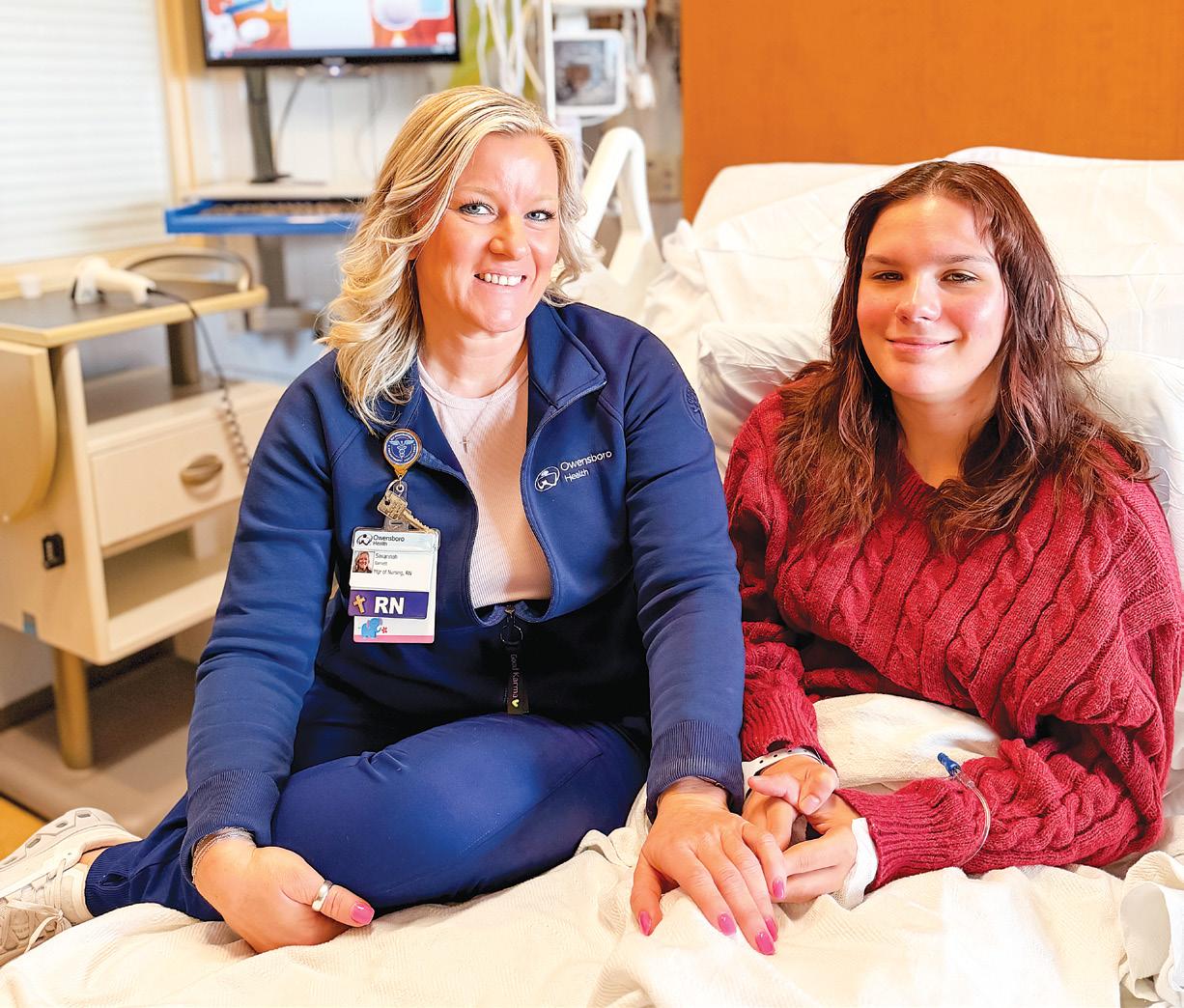
Once a child’s specialist manages prior authorization and sends medication orders, families work directly with the unit to schedule appointments, often through direct texting rather than a call center.
“That flexibility makes a huge difference,” Barnett said.
Children receive infusions in pediatric rooms staffed by nurses trained in pediatric advanced life support. Some medications require one-on-one monitoring during the first hour, making the Pediatric Unit the safest setting. Whenever possible, children are scheduled with nurses they already know and trust.
“Families get to know us, and we get to know them,” Barnett said.
To make long visits easier, the unit includes a playroom, a PlayStation, and a newly added slushie machine. Seven patient rooms have been renovated with bright colors and kidfriendly themes, matching the playroom just down the hall. The
improvements were made possible through a year-long project led by the hospital’s Volunteer Auxiliary.
More than convenience
For Addy’s family, the ability to stay local has been life-changing.
“A trip to Louisville meant we were gone all day,” Amanda said. “Now she can rest afterward, and we can still manage school and everything else.”
Addyson typically arrives in the morning and is home by early afternoon. The process has become smoother over time, and far less stressful.
“The nurses, the IV team, the scheduling — everyone has been amazing,” Amanda said. “They can get her IV on the first try, which hasn’t always been the case elsewhere.”
Getting back to being 16
Now a junior in high school, Addyson is enrolled in honors classes and rediscovering parts of herself that had been overshadowed by illness.
“She’s not like most 16-yearolds,” Amanda said. “She’s so incredibly smart.”
While some challenges remain, the physical improvements are undeniable.
“She used to sleep all the time. She had no energy,” Amanda said. “Now she gets up every day, ready for school. It’s been a complete 180.”
A message for other families
Amanda hopes other parents caring for medically complex children will learn that pediatric infusion services are available close to home.
“I know families who don’t even realize this is an option,” she said. “You don’t have to leave town to get good care.”
To this mom, staying local has made all the difference.
“This has been a blessing,” Amanda said. “It’s helped her feel normal again, and that means everything.”
She loves reading, writing, and music. And her mother says Addy far wiser than her years.
Owensboro Health recently unveiled a new Mobile Mammography Clinic, a state-ofthe-art vehicle unit that will take potentially lifesaving breast cancer screenings to neighborhoods and communities across Western Kentucky. Funded by Owensboro Health Foundation, the mobile clinic will visit employers, nonprofit organizations, and community events, making screenings for women more accessible.
“In our region, too many women experience a lack of access to the mammogram care they need, but Owensboro Health is determined to change this,” said Owensboro Health Chief Operating Officer Beth Steele. “Early detection of breast cancer saves lives, and our stateof-the-art mobile clinic will take screenings directly to the places where women live and work. It
represents a major commitment by Owensboro Health to eliminate barriers to care and improve women’s health.”
The Mobile Mammography Clinic features advanced 3D screening technology from Hologic — the same level of technology used at other Owensboro Health locations. It also features a private, comfortable changing room and is staffed by women technologists. Programs like the Foundation’s Mammograms for Life provide financial assistance to patients who do not have insurance.
“Owensboro Health Foundation is honored to provide the resources needed to expand access to mammography care across our region, and to support the work of Owensboro Health’s incredible cancer services and radiology teams,” said Foundation
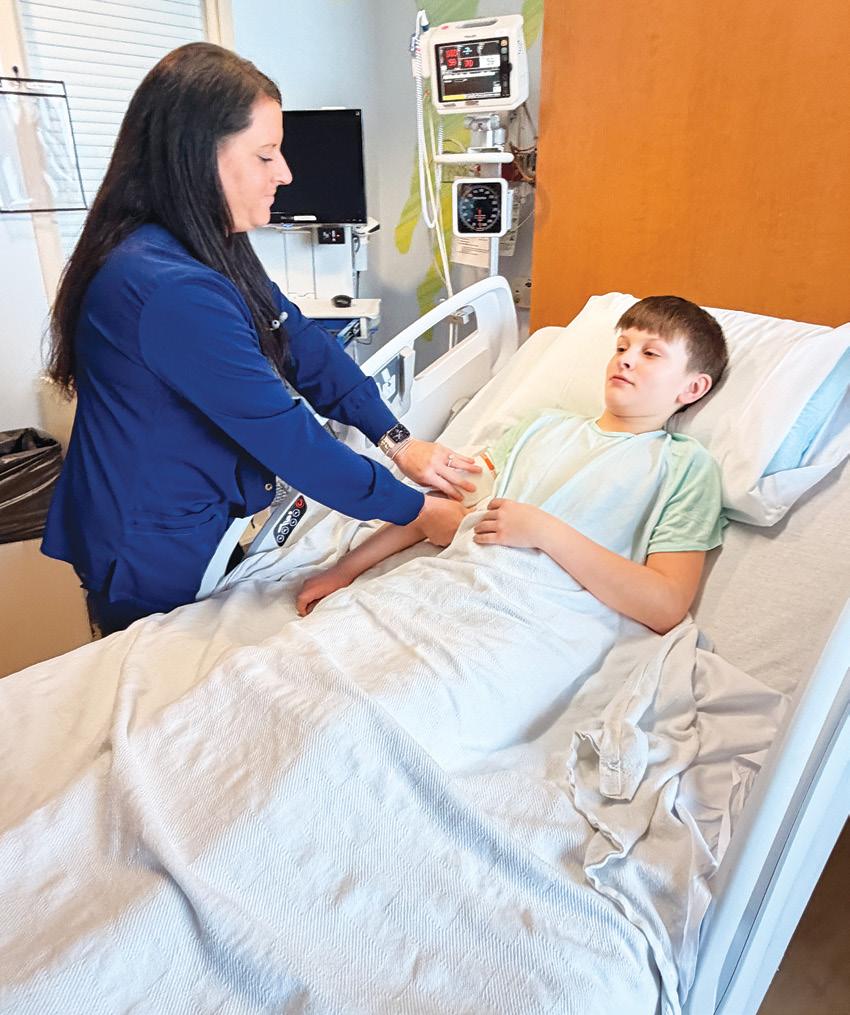
PFAC and the IMAP Project
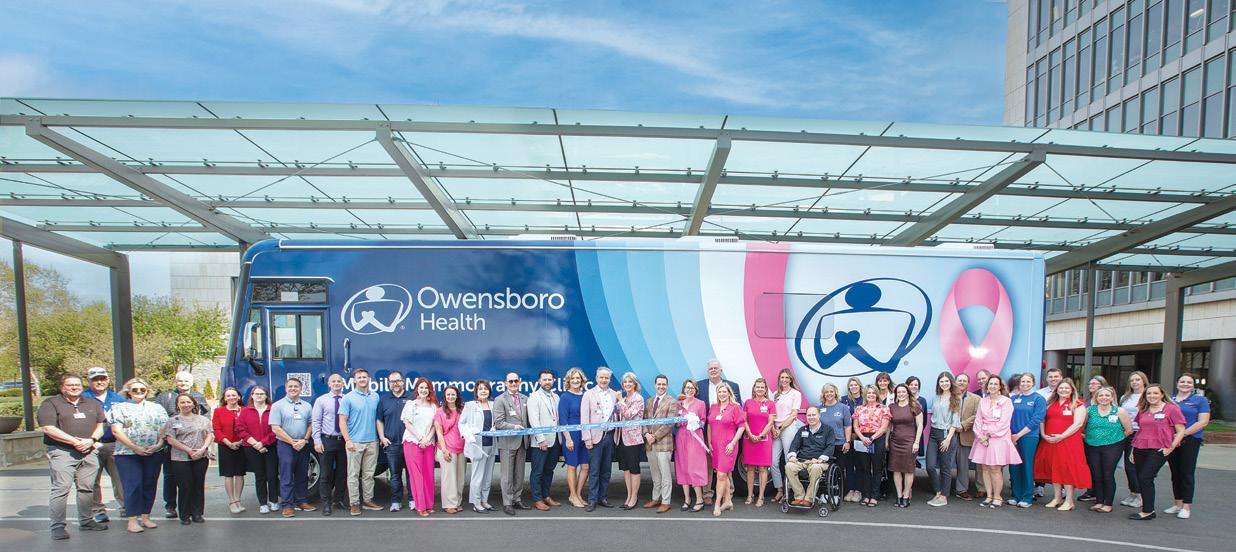
Senior Director Tracy Naylor. “The Mobile Mammography Clinic is a shining example of the impact we can have when a community works together. Special things can happen.”
Mammograms typically take about 15 minutes to complete, and most insurance plans cover annual mammograms for women 40 and over. Screenings will be performed on a walk-in basis, and diagnostic mammograms will not be performed at the clinic.
When your child is sick, every second matters. Parents of medically complex children know this better than anyone. They’ve spent nights in emergency rooms, navigated long lists of specialists, and often carried binders of notes, forms, and test results from one hospital to another. Owensboro Health understands that journey, and that’s why the health system launched a new way for parents to help shape care.
In 2024, Owensboro Health created two Patient Family Advisory Councils (PFACs), one for pediatric patients and one for geriatric patients. These groups bring parents and caregivers into direct conversation with providers and leaders.
“They’ve already made a difference,” said Director of Patient Experience Shannon Parham. “These councils make sure parents’ voices are heard so that we can improve care together.”
For pediatric families, the need is urgent. Many parents of chronically ill children have faced gaps in care, whether in medical supplies, skilled team members, or communication between hospitals. Owensboro Health wanted to change that.
“One of our parents has a child who needs a very specific medical supply,” Parham said. “Our team wants to make sure we have that supply available when the need arises. That’s the kind of direct feedback that changes care.”
One of the first projects from the Pediatric PFAC is the Illness Management Action Plan (IMAP).
An IMAP is a written action plan that outlines the best way to care for a child with complex medical needs during an emergency. It’s created by the child’s specialist and shared with the family and emergency care teams.
Think of it as a roadmap for treatment:
It lists the child’s diagnosis and unique medical needs.
It explains what treatments or medicines work best for that child.
It flags what doesn’t work or could be harmful.
For parents, the IMAP provides reassurance. Instead of having to explain a complicated medical history in the middle of a crisis, they can hand over the plan. For providers, it’s a trusted guide that helps avoid delays and ensures care is safe, specific, and fast.
“It helps the team know what works for that child right away,” said Brittany James, RN, director of Maternity Services.
“Every child is different. An IMAP can help provide treatment right away in the middle of a crisis and give parents peace of mind that their child’s current treatment plan is being reviewed.”
The council is working on practical ways to spread the word. Flyers with clear instructions are being developed for pediatric offices and the Emergency Department. The
Employers and organizations who are interested in booking the Mobile Mammography Clinic should visit OwensboroHealth. org/MobileMammo or call 270685-7100. There is no charge to reserve the bus.
flyers will explain what the IMAP is, how to fill it out, and where to return it.
Owensboro Health treats nearly 20,000 children in the Emergency Department each year. Children with complex needs often arrive during urgent situations. The IMAP gives ED providers treatment suggestions that are specifically recommended for this patient by their specialist.
“Parents know their child better than anyone,” James said. “The IMAP honors that knowledge and shares it with the care team. It’s about partnership — parents, providers, and specialists working together to keep kids safe.”
The PFACs are still new, but they are already shaping the way Owensboro Health cares for its most vulnerable patients. From securing supplies to building better communication, the councils are giving families a voice in how care is delivered.
“This is just the beginning,” James said. “Parents asked for better tools, and together we’re building them. The IMAP is one step toward making emergency care less overwhelming and more reassuring. When a child comes in, we want parents to know — we’re ready.”
Need an IMAP for your child? Ask their primary care provider at your next visit, or go to OwensboroHealth.org/IMAP.
By AVA HYLAND

The hum of gravity-powered cars racing downhill will return to Ben Hawes Park on June 13 as the Owensboro Lions Club hosts its annual Soap Box Derby, offering local youth a chance to compete, learn, and potentially advance to a world championship stage.
Open to racers ages 7 to 21, the event is part of a larger national program designed to teach STEM concepts and life skills through hands-on experience. Participants compete in divisions such as Stock, Super Stock, and Masters, with local winners earning a coveted spot at the Soap Box Derby World Championship in Akron, Ohio.
“This year’s local race is June 13, and it’s open to kids from Owensboro and the surrounding area,” said organizer Stephen Locher.
The event in Akron brings together winners from across the country to compete for the world
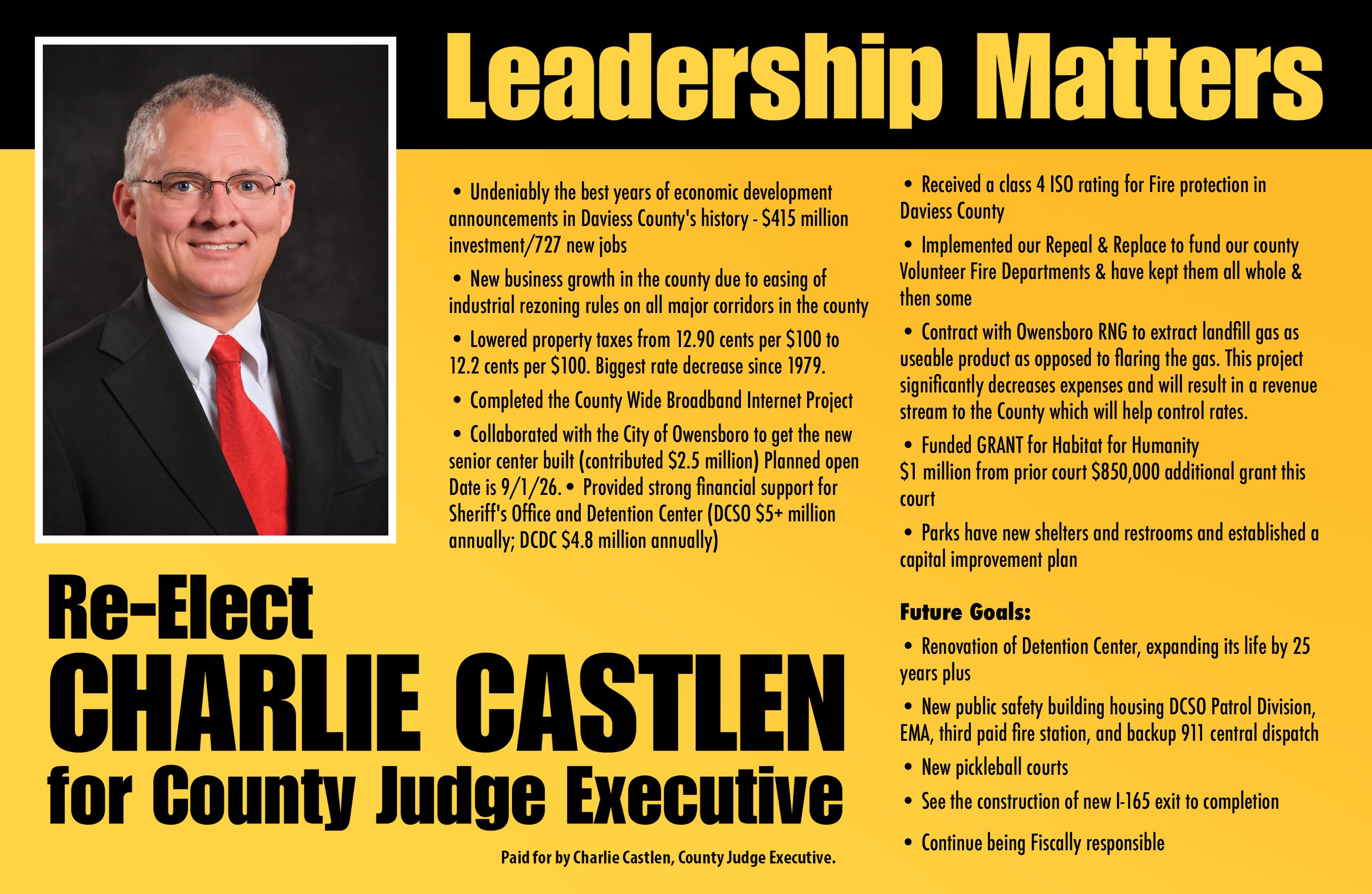
title, with champions earning a place in the Soap Box Derby Hall of Fame.
“Their car is displayed in the Hall of Fame.” Locher said.
For many families, the derby is more than a single race. Some participate in a rally series, traveling to competitions in multiple states to earn points toward a national berth. Locher said his own son followed that path to success.
“He won the World Championship in 2022,” Locher said. “He was the only second world champion from Owensboro.”
Locally, the Lions Club plays a role in making the event possible, partnering with a parent-led committee that helps organize races and maintain the program year-round.
“When it comes time for the local race, that’s really the Lions Club’s time to shine,” Locher said.
The derby itself also emphasizes accessibility. Families do not need prior experience — or even their own car — to get started.
“We have 30 to 40 cars available through the Lions Club,” Locher said. “If a family just shows up, we can get their child fitted with a helmet and ready to race.
New racers can get a preview of the experience during a rally weekend scheduled for May 16-17, while May 9 will feature a “Super Kids” race for children with disabilities, along with opportunities
for practice runs.
Organizers said they work to ensure cost is not a barrier to participation.
“A lot of kids usually don’t have to pay,” Locher said. “When somebody comes along, we try to really help them out … whether it’s helping them out with the entry fee or just trying to guide them.”
That guidance often extends beyond the track through a strong mentorship culture within the program.
“We always try to take one child under our wing and mentor them,” Locher said.
“Whether it’s in racing or in life.”
For organizers and volunteers, the goal is to keep the long-standing Owensboro tradition alive while opening doors for the next generation.
“They really do a lot, and they help us out quite a bit,” Locher said of the Lions Club. “We’re pretty thankful for that.”
Beyond racing, the organization’s broader community efforts help support initiatives throughout Owensboro. The club has contributed to projects such as funding a Habitat for Humanity home, hosting free “Breakfast with Santa” events, collecting toys and hygiene products for local families, and supporting vision care through screenings and eyeglass assistance. Members also assist Sleep in Heavenly Peace by building beds for children in need and providing scholarships for local students.



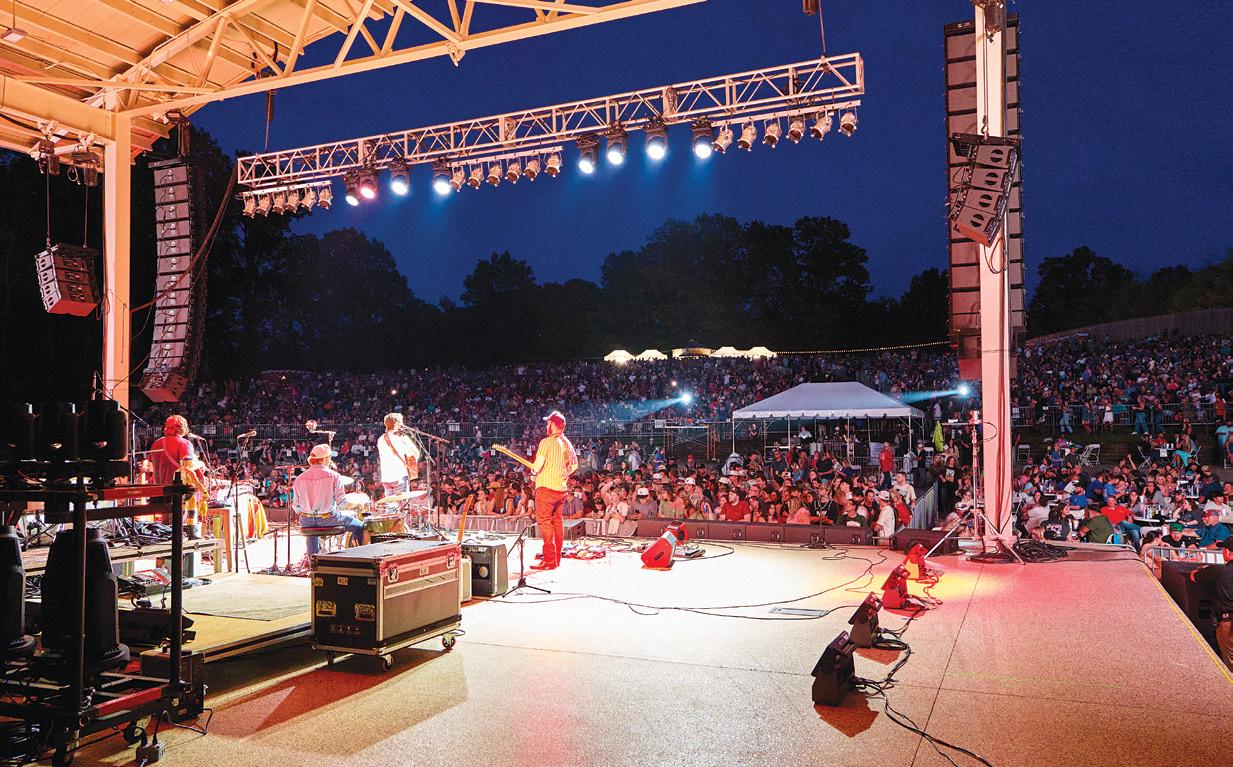
By RYAN RICHARDSON
Beaver Dam Amphitheater is preparing for its biggest season yet as it enters its 12th year, continuing to expand its footprint as a regional destination for live music.
With a growing lineup of nationally touring acts and additional announcements still to come, organizers say the 2026 season reflects both the venue’s rising profile and its continued investment in the fan experience.
“This is without question our biggest season yet,” said Heath Eric, President and CEO of The Eric Group. “We’ve worked incredibly hard to build a lineup that not only brings top-tier talent to Beaver Dam, but also delivers a diverse, high-quality experience for fans across the region.”
Often referred to as “The DAM,” the outdoor venue has steadily evolved from a local attraction into a regional draw, attracting visitors from across
Kentucky and surrounding states.
Eric said attendance has expanded to include fans traveling from all 50 states, as well as at least 14 other countries.
That growth has helped position the venue as a consistent stop for national touring artists, a shift that has been years in the making.
“The DAM has become a destination. Artists want to play here, and fans are willing to travel to be part of it,” Eric said. “And we’re not done yet. There’s more to come.”
The 2026 schedule includes a mix of genres and performers, with Eric emphasizing variety as a key part of the booking strategy. Additional shows are expected to be announced as the season progresses, adding to an already robust calendar.
Alongside the expanded lineup, the City of Beaver Dam has made several infrastructure
improvements to the venue ahead of the season. Upgrades include expanded dressing rooms and lounges for performers, the addition of a second loading dock to improve touring logistics, and enhancements to lighting and production capabilities.
“These improvements matter,” Eric said. “They enhance the artist experience, improve operations, and ultimately create an even better show for our fans. It’s all part of continuing to raise the bar.”
Eric said those investments are aimed not only at improving performances, but also at supporting the venue’s continued growth as a regional economic driver.
Each event brings visitors into Beaver Dam and surrounding communities, supporting local hotels, restaurants, and businesses.
By JOHN KIRKPATRICK
A large data center project planned for the former Century Aluminum smelter site in Hawesville could bring new investment and jobs to Hancock County, as local officials and residents continue weighing the benefits and concerns tied to the redevelopment.
TeraWulf Inc., a publicly traded digital infrastructure company, acquired the Hawesville site as part of a broader expansion announced in February. In that release, the company said the property includes more than 250 buildable acres and about 480 megawatts of existing power availability, making it attractive for large-scale data center development.
The Century Aluminum facility has been idle since 2022, when the company shut down the smelter because of economic conditions and laid off more than 600 workers.
Hancock County JudgeExecutive Johnny Roberts said County Leaders initially hoped the smelter could reopen, but that focus shifted once it became clear the property would instead be sold and repurposed.
Roberts said the County had no role in the private sale of the property, which was already zoned for heavy industrial use, but did make two requests of TeraWulf after learning of the project.
“We don’t want to subsidize their business on the back of the ratepayers,” Roberts said. “And we asked them to hold a public town hall meeting where people could ask questions.”
He said the company
complied with both requests.
Roberts said TeraWulf has told County leaders the Hawesville site will not be used for bitcoin mining, but instead for an artificial intelligencefocused data center.
“It’s an AI data center,” Roberts said. “It will be interesting to us when we find out who the end user is.”
That end user, sometimes called a hyperscaler, has not yet been publicly identified.
In an interview on CNBC Television, TeraWulf CEO Paul Prager said the Hawesville project is intended to meet fastgrowing demand from major data center customers. He said the company sees the site as a near-term opportunity because of its immediate access to 480 megawatts of power and its central location. Prager said TeraWulf hopes to have a data center online there in the second half of 2027, and described the site as well-positioned to serve a customer quickly because of its existing energy infrastructure and scalability.
Prager also said on CNBC that there is “urgent demand” for the Hawesville site and that TeraWulf is in talks with several parties, but he did not identify a customer. He said the company prefers a hyperscaler customer and indicated TeraWulf would announce an end user once an agreement is signed.
Roberts said one reason the project drew interest is the same reason the aluminum smelter operated there for decades — the site already has access to major power infrastructure.
“The facility had 480
“The investment the City of Beaver Dam has made in this venue benefits the entire region,” Eric said. “We’re filling hotel rooms, driving tourism, and creating a positive economic impact across multiple communities.”
Looking beyond the main concert season, The DAM is also preparing to launch a new event this fall.
Stomp & Holler, a two-day festival scheduled for Oct. 2-3, will focus on roots-driven music and offer a more intimate concert experience. Eric said the event is designed to complement the larger shows hosted throughout the summer while remaining accessible to a wide audience.
“We want fans to be able to come out, enjoy incredible music, and have a ‘DAM good time’ without breaking the bank,” Eric said. “That’s a core part of who we are.”
As ticket sales continue and additional announcements are expected, Eric said the momentum around the venue continues to build. For The Eric Group, the goal is not only to maintain that growth, but to continue elevating the overall experience for both artists and fans.
Beaver Dam
Amphitheater lineup
April 24
CAIN with special guest Andrew Ripp
May 23
George Thorogood & The Destroyers with special guest The Marshall Tucker Band
May 29
Hank Williams Jr. (sold out) with John Foster
June 6
K-Pop & Demon Hunters Fan Fest
July 4
Sparks in the Park
The Kentucky Headhunters with Andy Brasher Band
July 17
Kansas with .38 Special
August 1 — Rock the DAM 9
Tom Keifer Band, White Lion, Steven Adler, more TBA
August 8
Wynonna Judd with Melissa Etheridge
August 15
Bret Michaels with special guest Buckcherry
August 21
Mac McAnally with Scotty Emerick
August 29
Dwight Yoakam
September 26
Foreigner
October 2-3
Stomp and Holler
(inaugural 2-day roots music festival)
By JOHN KIRKPATRICK
For eight decades, Island Dairy Freeze has served as a beloved roadside stop in McLean County, drawing customers from across the region for burgers, fries, and soft serve. Opened in 1946 by Owsley Brown Taylor and his wife Edith, the restaurant at 660 Adams Avenue in Island remains largely unchanged in both look and operation.
“If it wasn’t for the surrounding counties, the Dairy Freeze probably wouldn’t still be here,” said Dan Taylor, grandson of the founders and current operator. “Eighty percent of our business comes from those two counties.”
The building still includes the original structure, though additions have been made over the years. There's no drive-thru, and it’s still a walk-up experience. The restaurant remains cash only.
Orders are made fresh, using the same beef from the same company since the beginning.
“It’s delivered fresh three times a week, since day one,” Taylor said. “It’s never frozen.
Same recipe. Same company. Our lettuce and onions are cut every morning. In the summer, I try to use homegrown tomatoes when I can get them.”
That commitment to consistency has kept the Dairy Freeze popular through every generation. During the COVID shutdowns, Taylor said business surged. One day, they sold more than 1,600 burgers thanks to a steady stream of customers looking for carryout.
Even without a drive-thru, the Dairy Freeze thrives on warm, sunny days.
“If it’s 60 degrees and the sun is out, we’re going to be busy, no matter what time of year,” Taylor said.
While the menu is simple, it’s the freshness and the nostalgia that keep people coming back. The signature “Island burger” isn’t built on secret sauces or gimmicks. It’s just a classic burger made right.
“There ain’t a thing we do to them except make them fresh,” Taylor said. “Where else can you go for a hamburger that’s
actually fresh?”
Cheese balls and blue goo soft serve are top sellers. Burgers and fries remain staples. And Taylor said he still hears customers at the window telling their children about coming to the Dairy Freeze when they were young.
“They’ll say, ‘You’ve got to try the blue goo. I grew up eating it,’” he said. “People share their memories. Now they’re bringing their kids, and it means a lot.”
A giant soft serve cone still sits atop the roof, a fixture that’s been there since day one.
Taylor’s connection to the Dairy Freeze runs deep. He started working there as a kid, picking up trash and helping prep ingredients before school was out for the summer. His mother, Lydia, took over dayto-day operations in 1978 and helped grow the restaurant’s reputation through the 80s and 90s.
“My mom put her heart and soul into it,” he said. “We wouldn’t be where we are today without her.”
Taylor's brother, Tim, is also involved, keeping the equipment running and helping with the operation.
“He’s the mechanic,” Taylor said. “He keeps everything working and goes above and beyond for our customers.”
The business has supported three generations of the family, and Taylor said he’s hopeful that one of the family’s younger members will eventually carry the torch.
“We’ve got plenty of grandkids in the family,” he said. “Somebody will take it over one of these days.”
While many restaurants have changed with the times, Taylor believes the Dairy Freeze’s staying power comes from staying the same. No digital kiosks. No online orders. No mobile apps.
“This place is home,” he said. “You can either go through the motions, or you can take pride in it. And this, this is my life.”
megawatts available … with the infrastructure that was available, we assume that was some of the attraction,” Roberts said.
Mike Baker, director of the Hancock County Industrial Foundation, has been involved in local discussions about the redevelopment. He said that existing infrastructure makes the Hawesville proposal different from many other data center projects.
“This was heavy industrial property already zoned heavy industrial,” Baker said. “There had been a major industry … operating on the site 24/7 for the last 50-plus years.”
Baker said the site’s existing power access also helps answer one of the biggest questions many communities have when data centers are proposed.
“They didn’t have to tax the grid to be able to operate,” Baker said.
Still, Roberts said local officials are continuing to study the possible impacts of the
project, especially when it comes to power, water, and noise.
“We’re trying to educate ourselves on this whole process,” Roberts said. “This is new to us also.”
Roberts said TeraWulf has told local officials the facility’s water demand will be far lower than the former smelter’s. He said Century used roughly 550,000 gallons of processed water per day, while TeraWulf has indicated the data center would use about that much over several years.
“But for complete disclosure, I don’t know much about that business,” Roberts said. “We’re trying to learn things, too.”
Baker said County leaders have also been told the facility will use a closed-loop water system supplied by existing wells on the property, reducing the impact on municipal water systems.
“There’ll be very little impact, if any, on local water,” Baker said. Officials said the project will not replace all of the jobs that were lost when Century idled
the smelter, but they believe it could still provide a meaningful economic boost.
Roberts said the company has projected about 120 permanent jobs once the site is fully operational, along with approximately 1,000 construction jobs during the build-out phase.
Baker said those permanent positions are expected to be technical but trainable.
“You don’t have to be a nuclear scientist to hold one of those down,” Baker said.
He also said TeraWulf has already hired eight former onsite Century employees who had been monitoring the property, which he called an encouraging sign.
Both Roberts and Baker said the overall investment tied to the project could be substantial, though final figures have not yet been formally announced. Baker said the total has been discussed in the range of $3.7 billion.
Roberts said the most recent timeline he had heard called for operations to begin by late summer 2027, though he
noted that could still change.
For now, County leaders say their role is largely to stay informed, share what they know with the public, and make sure the project does not unfairly burden local residents.
“Whatever power usage they have at that facility, they pay for that,” Roberts said. “We don’t expect our folks here in Hancock County to subsidize any of their process.”
Even with lingering questions, both local leaders said the project appears to offer a stronger long-term outcome than leaving the old smelter vacant.
“It’s much better than the alternative of that vacant smelter sitting there,” Baker said. Roberts said officials will continue learning about the industry and evaluating what the project means for the county as plans move forward.
“I think it’s part of our job to educate ourselves on what this means,” he said. “We’re trying to learn, too.”

Missed a headline or two? Here’s your quick catch-up on the stories Owensboro’s been talking about. For daily updates, follow us online or subscribe to our free email newsletter.







Female veterans monument proposed for downtown; funds being sought
Plans are underway for a downtown Owensboro monument honoring female veterans, with organizers seeking approximately $350,000 in funding and aiming for a 2027 dedication.
Blue Bridge Squatch Fest to include Bigfoot and paranormal celebration
Blue Bridge Squatch Fest will debut Sept. 26 in Owensboro, featuring Bigfoot-themed vendors, speakers, contests, and family activities, with proceeds benefiting local charities.
Owensboro Times now offering pet obituaries to honor beloved companions
OT has launched pet obituaries, allowing families to honor beloved animals with photos, stories, and memories, creating a lasting community space for remembrance and tribute.
City exploring phased improvements for English Park along Owensboro riverfront
Owensboro officials are developing a phased plan to upgrade English Park, adding amenities, event space, and food truck areas while replacing aging structures and gathering more public input.
DCSO: 2 arrested following Knottsville shooting that left teen dead
A Knottsville field party shooting left a 19-year-old dead and a juvenile injured, prompting a multi-day investigation that led to two arrests.
2nd; AHS 4th at national dance competition
Daviess County’s dance team finished second in their division of hip hop in the national competition, while Apollo placed fourth in their division.
retires as OHS boy’s basketball coach after 25 seasons
Rod Drake retired as Owensboro High School’s boys basketball coach after 25 seasons, with a career highlighted by a 2015 state title and a lasting impact on players.
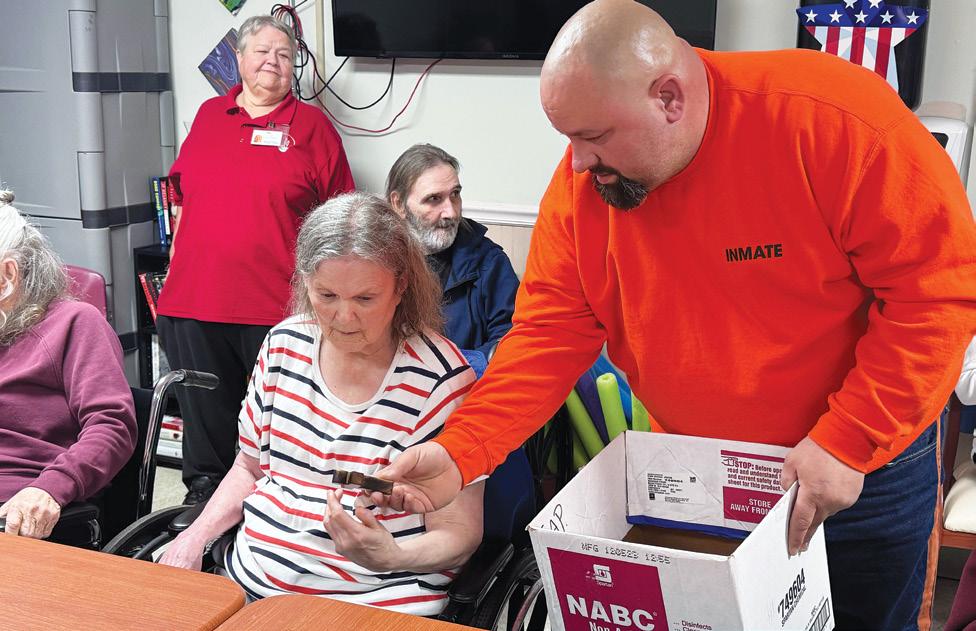


Inmate crafts crosses, delivers hope to nursing home residents
An inmate at Daviess County Detention Center handcrafted 100+ wooden crosses and personally delivered them to nursing home residents, offering encouragement, connection, and hope to two often-isolated groups.
Tow truck community honors late Fischer with large procession
Tow truck operators honored David Fischer, killed roadside by a passing semi, with a large procession while urging drivers to follow Kentucky’s slow down, move over law.


Yak and Yeti Himalayan Cuisine targeting June opening in Owensboro
Yak and Yeti Himalayan Cuisine is planning a late June opening for its Owensboro location, bringing Nepalese and Indian dishes to Wesleyan Park Plaza.
Nothing Bundt Cakes ‘coming soon’ to Owensboro
Nothing Bundt Cakes is planning an Owensboro location. They specialize in frosted Bundt cakes, offering multiple sizes, classic and seasonal flavors, and giftable desserts.







May 8-9
DOWNTOWN OWENSBORO
A longtime Owensboro tradition continues with BBQ & Barrels, blending barbecue heritage with a modern bourbon-focused experience. Enjoy live music, tastings, vendors, carnival games, and plenty of smoked meats during this lively, communitycentered riverfront celebration.
May 15
DOWNTOWN OWENSBORO
Kick off the 2026 season of
Friday After 5 with an evening of free live music, food, and familyfriendly fun along the riverfront. The award-winning weekly series returns with multiple stages, local vendors, and a festive downtown atmosphere.
May 15-17
JACK T. WELLS ACTIVITY CENTER
This heartfelt musical tells a story of redemption, resilience, and community. Set in a struggling small town, it follows a young woman seeking a fresh start
and discovering unexpected connections that bring hope and healing.
6
MCCONNELL PLAZA
The Owensboro Symphony brings Motown hits to life during this free riverfront concert. Featuring Grammy-winning vocalists, the evening blends classic songs with a lively outdoor setting. VIP seating and dinner packages are also available.
June 12-14
CONVENTION CENTER
This three-day pop culture convention celebrates anime, gaming, and fandom. Featuring cosplay, panels, vendors, and interactive experiences, OMG!Con welcomes fans of all ages for a vibrant weekend along the Owensboro riverfront.
13
GRIFFITH AVENUE
Local musicians take to front porches for this unique neighborhood festival. With multiple genres, food trucks, and a laid-back atmosphere, PorchFest offers a full day of music while bringing the community together in a fun, walkable setting.
13-14
THE COTTAGE FARM STAND
The fifth annual Strawberry Festival returns at The Cottage, featuring fresh strawberries, food vendors, arts and crafts, live entertainment, a petting zoo, pony rides, inflatables, face painting, balloon animals, games, and more.
20
ENGLISH PARK
This annual event includes live music, a fashion show, vendors, and activities for all ages along the riverfront. The
celebration highlights culture and community, offering a full day of entertainment, food, and local participation.
WESTERN KENTUCKY
BOTANICAL GARDEN
Set among vibrant daylily gardens, this evening event offers live music, food, and activities for all ages. Guests can enjoy a relaxed outdoor setting with entertainment, a petting zoo, mini golf, and a variety of familyfriendly attractions.
24-27
YELLOW CREEK PARK
ROMP Festival returns with four days of bluegrass, roots music, and immersive experiences. From workshops and jam sessions to camping and late-night performances, this nationally recognized festival delivers a full weekend of music and culture.
3-4
MULTIPLE LOCATIONS
The City of Owensboro’s 4th of July celebration features a full weekend of live music, a drone show, family-friendly activities, and entertainment across the city. Festivities culminate with a large-scale, multi-location fireworks display designed to be visible throughout the community.