
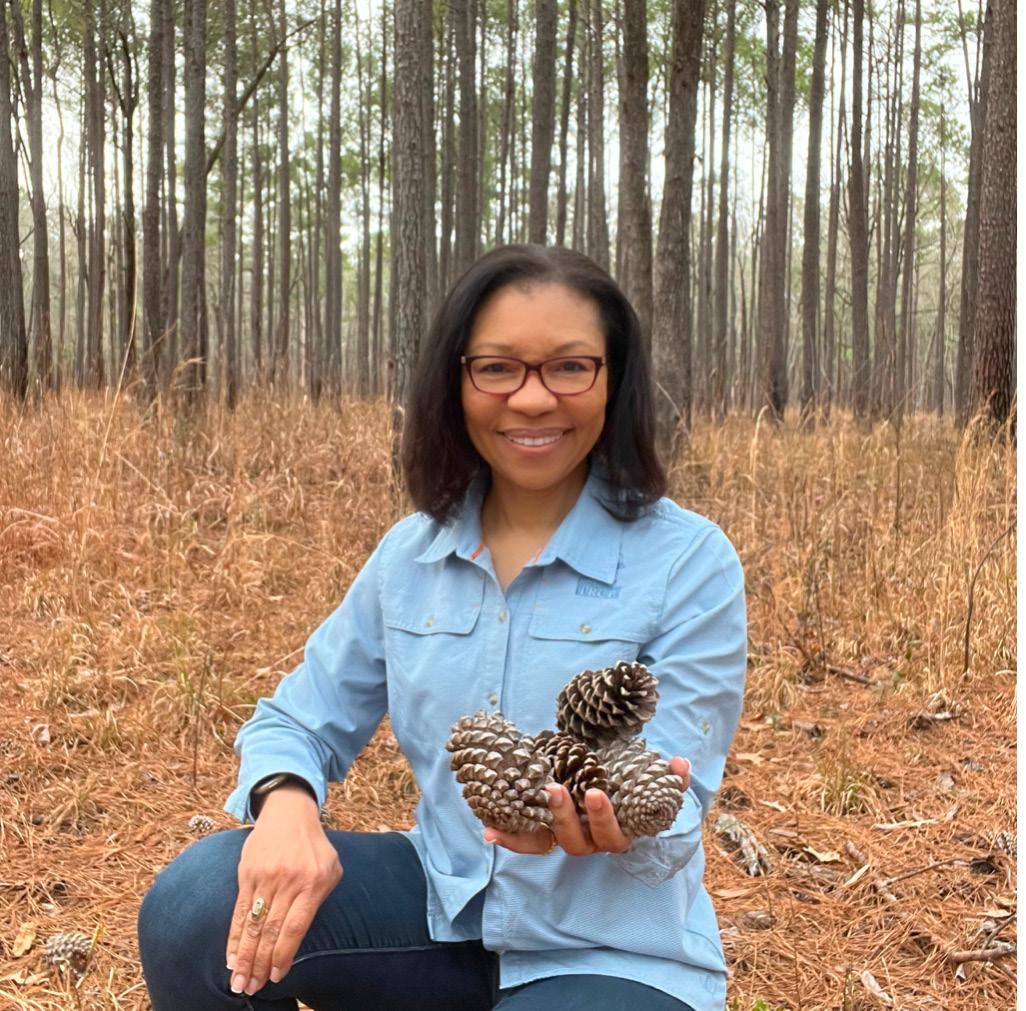
Jamelle Ellis, Theodore Roosevelt Conservation Partnership 2025 Longleaf Partnership Council Chair
For America’s Longleaf Restoration Initiative (ALRI), 2025 was a year that underscored the importance of adaptability within an evolving conservation and economic landscape. The shifting policy, market, and funding outlooks required flexibility and open dialogue between partners. While these dynamics presented real challenges, they also reinforced the strength of a partnership built on shared purpose, technical expertise, and long-standing collaboration. Throughout the year, ALRI partners demonstrated a continued commitment to restoring and sustaining longleaf pine ecosystems. Our collective ability to respond constructively to emerging needs reflects more than operational coordination. It reflects trust.
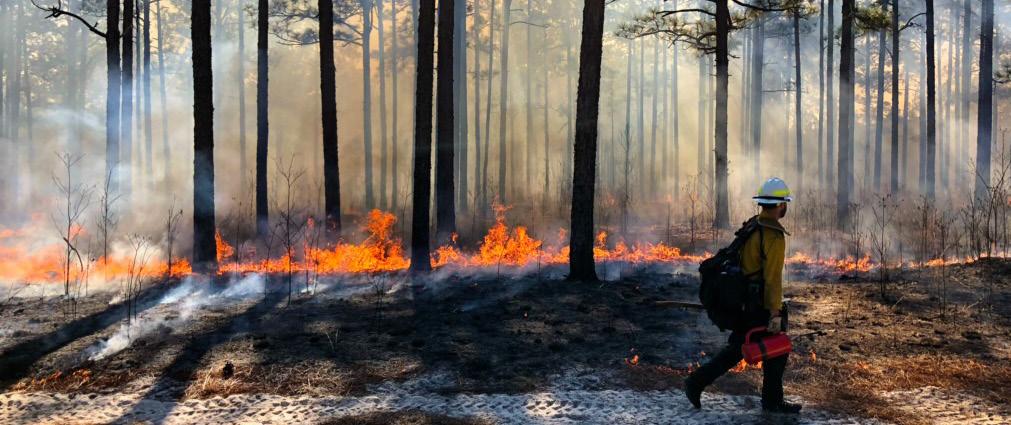
Prescribed fire on millions of acres of longleaf continued to play a central role in longleaf management through intentional, sciencebased burning practices that support native plant communities, improve wildlife habitat, and reduce the risk of catastrophic wildfire. This commitment to prescribed fire across public and private lands reflects the deep understanding within this partnership that ecological integrity depends upon restoring and maintaining natural disturbance regimes. ALRI partners advanced efforts to engage communities and elevate public understanding of the benefits of fire and forest stewardship through the production of films like Devouring Beauties and Young Fires, outreach and knowledge-sharing opportunities like prescribed fire festivals, and the 11th International Fire Ecology and Management Congress. I experienced the significance of this work firsthand when I visited the Moody Forest in Baxley, Georgia, last April for a Learn and Burn sponsored by the Georgia Department of Natural Resources. These types of events not only advance technical capacity, but they also
strengthen community ties among the people who care about and steward longleaf landscapes.
The Tree Improvement and Seedling Working Group faced a particularly demanding year when a projected poor cone crop created concerns about seed availability across the Southeast. In response, partners mobilized quickly. A coalition led by The Longleaf Alliance, The Nature Conservancy, and members of the Longleaf Partnership Council (LPC) coordinated to identify, harvest, and secure available seed resources. Approximately 16,500 pounds of longleaf seeds were ultimately collected in the fall, avoiding the impacts of a predicted low-production year.
Shifting economic conditions within regional timber markets also led to elevated discussions between LPC members as mill closures and shifting supply chains continue to introduce uncertainty for landowners and forest industry partners. In response, the LPC created an Economic and Markets Working Group that is focused on developing strategies that address market volatility, explore new opportunities, and identify tools that align ecological objectives with economic sustainability.
The accomplishments of 2025 reflect steady progress achieved under dynamic conditions. Large-scale conservation is never linear, but the resilience of this partnership continues to distinguish ALRI as a force in conservation. By acknowledging challenges directly and responding through coordinated action, the LPC has continued to strengthen both the ecological foundation of the longleaf ecosystem and the collaborative framework that sustains this work. As we move forward, the LPC remains committed to listening to partners, understanding emerging needs, and building upon the shared successes reflected in this report.
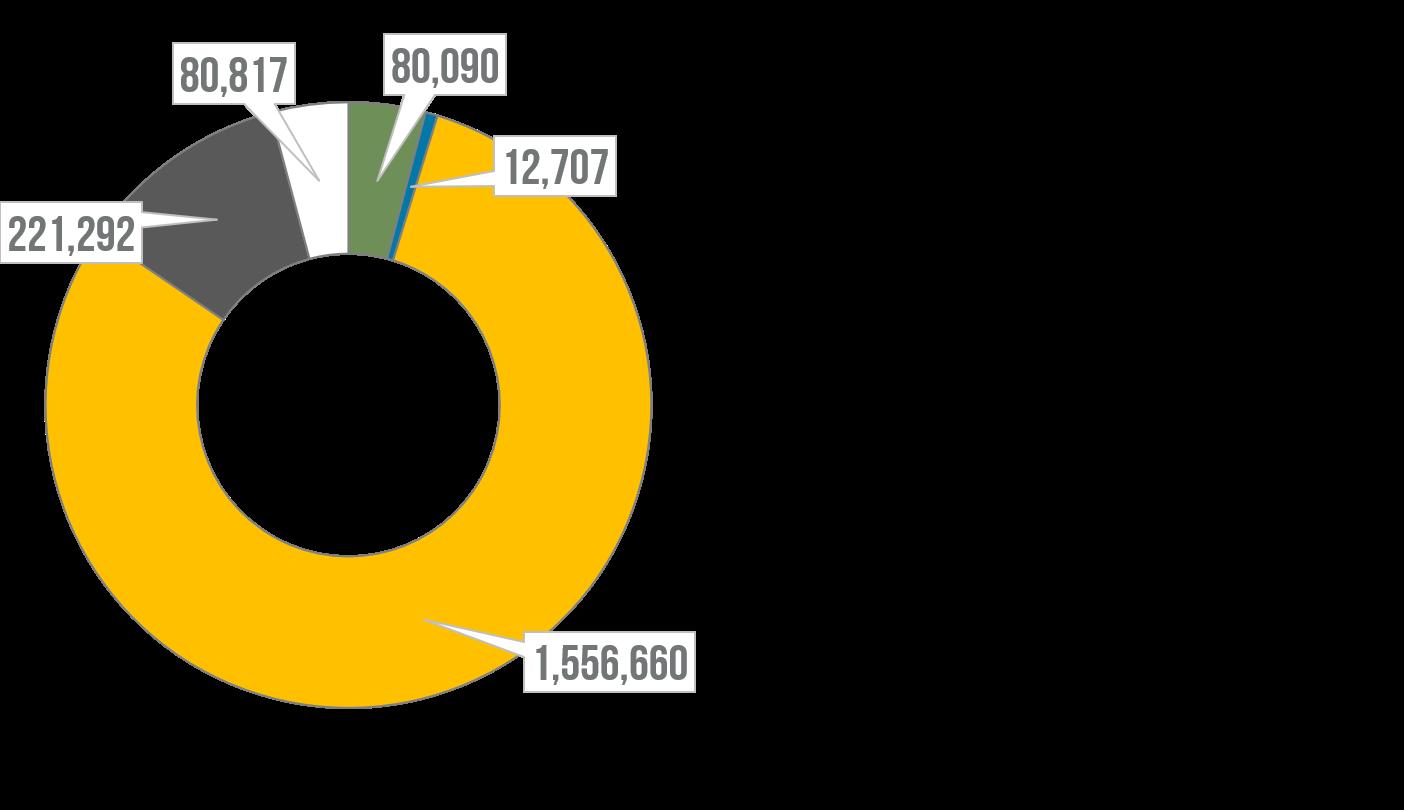
In Fiscal Year 2025, partners across the longelaf pine range recorded 1.95 million acres of longleaf management activities, including a record-setting acreage protected long term through land acquisition and conservation easements. Since 2010, more than 26.5 million acres* of longleaf management activities have been reported.

92,797 Acres of longleaf Gained

1,556,660 Acres of prescribed burns
80,817 Acres of land protected *multiple treatments applied to some acres
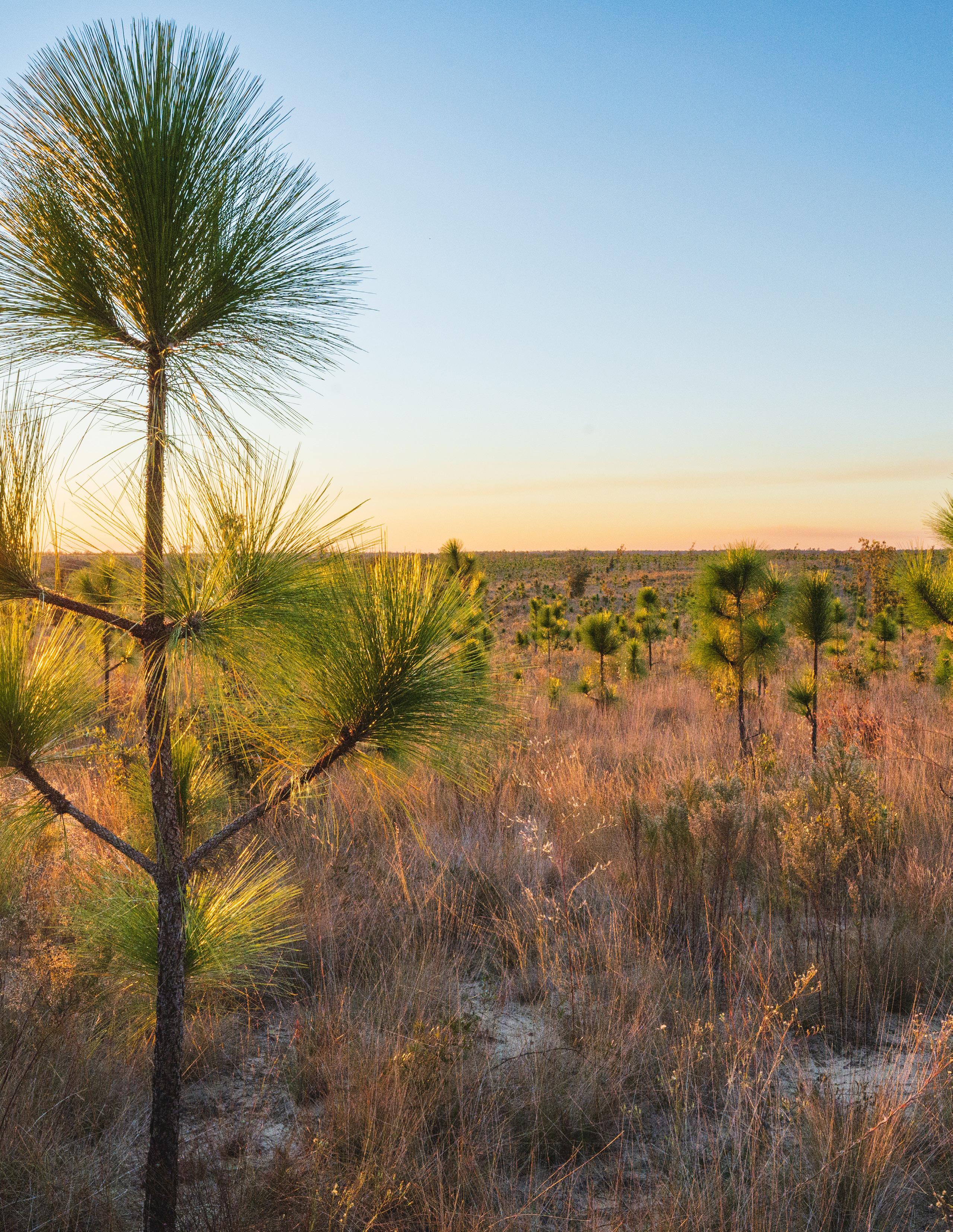
Longleaf pine management translates to positive outcomes for ecological, economic, and social values.


BENEFITS FOR PEOPLE – Longleaf forests provide clean air and water, support regional and rural economies, and create recreational opportunities.
RISK REDUCTION – Longleaf trees are better adapted to high winds, more tolerant of drought and fire, and less susceptible to pine beetles and other pests.
MILITARY READINESS – Longleaf forests buffer military facilities against incompatible development and potential conflicts with training exercises.
ECONOMIC VALUE – Longleaf forests produce highquality timber, providing revenue streams through both traditional and emerging markets.
ECOLOGICAL IMPORTANCE – Open longleaf pine timber and robust native groundcover plants maintained by frequent fire support unique wildlife.
America's Longleaf partners recorded 1.95 million acres of longleaf management activities in Fiscal Year 2025.
LONGLEAF PINE CONSERVATION DEPENDS ON COLLABORATION ACROSS OWNERSHIPS TO CREATE CONNECTED, RESILIENT LANDSCAPES.
With 86% of land in the Southeast under private ownership, private longleaf forests support working forests, local economies, military readiness, and wildlife while public lands provide anchor sites for restoration, research, and long-term stewardship.
Hitchcock Woods stands as an exemplary private working forest in the Southeast, demonstrating how active stewardship can protect natural areas while delivering public benefits. Encompassing thousands of acres in Aiken, South Carolina, the forest supports forestry education and research while providing recreation opportunities for the community, including more than 70 miles of trails open to horseback riding, hiking, jogging, and related outdoor uses.
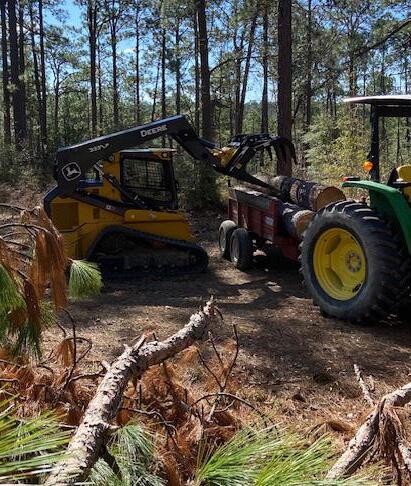
In September 2024, Hurricane Helene brought heavy rain and high winds to the region, causing tree damage and temporary closures within Hitchcock Woods. Recovery efforts focused on reestablishing access and managing storm debris while accelerating ecological restoration. Land managers removed hazardous trees, reopened trails safely, and recovered salvageable timber. Prescribed fire remained central to this work, helping reduce fuel, stimulate native groundcover, and create favorable conditions for longleaf regeneration. This progress was made possible by increased community donations and assistance from the Natural Resources Conservation Service, highlighting the importance of coordinated federal and local response efforts.
While the storm impacts were significant and recovery is still ongoing, the property's history of sustainable timber harvesting and prescribed burning illustrates the value of long-term, active management before and after disturbance events. Hitchcock Woods demonstrates how private land stewardship can balance conservation, safety, and long-term sustainability.
The year 2025 marked a defining moment in our decades-long effort to restore longleaf pine ecosystems across the South. After all, a forest isn’t restored all at once. It happens in careful increments — the kind that slowly accumulate until, suddenly, an entire landscape begins to change.
Since launching the Million-Acre Challenge in 2017, the USDA Forest Service has been working to put one million additional acres "on the path" toward longleaf pine ecological recovery. That path is not symbolic; it’s measured in prescribed fire drifting through understory, in thinning that allows sunlight to strike the forest floor, and in seedlings taking root where longleaf once towered.
Eight national forests and the Department of Energy’s Savannah River Site (also managed by the USDA Forest Service) joined those efforts, accelerating essential work for long-term resilience.
None of this progress would be possible without the partnerships that anchor it. America’s Longleaf, the National Fish and Wildlife Foundation, and local implementation teams all played a pivotal role in moving restoration forward at scale. And the work won’t stop here.
When the acres enrolled in the Challenge reach full restoration, the USDA Forest Service will steward more than 1.8 million acres of longleaf ecosystems. This isn’t a story about acres restored. It’s about what becomes possible when coordinated, science-driven action reshapes the future of a landscape and, with it, the heritage of the South.
As working forests, longleaf pine delivers high-value timber, pine straw, wildlife habitat, resilience, and other benefits, like carbon sequestration and water, that are increasingly being recognized in emerging markets.
In the longleaf pine ecosystem, restoration and economic opportunity can go hand in hand. Even with recent mill closures and shifting demand, America’s Longleaf partners are working to develop and connect forest landowners to new revenue streams. Several initiatives this year illustrate how restoration and market development are reinforcing one another on the ground.
• The Northwest Florida Sentinel Landscape recently launched the Resilient Forest Economy Initiative with support from the Department of War's Readiness and Environmental Protection Integration (REPI) Program to strengthen forest product markets while reinforcing the compatible land uses of military readiness and rural economies.
• The Forest Landowners Association is advancing woody biomass markets through policy and investment in export infrastructure at the Port of Savannah.
• The Longleaf Alliance is working to connect longleaf to the mass timber supply chain, ensuring private landowners can participate in the growing demand for sustainable building materials, and pilot testing a framework for biodiversity crediting.
• The National Wildlife Federation is investigating opportunities for a wildlife-friendly pine straw market which would enable landowners to capture value while maintaining longleaf understory and habitat quality.
Together, these efforts, from economic initiatives and innovative pilot projects to targeted market development efforts, underscore a clear message that longleaf pine restoration is not only a conservation success story but a resilient, market-driven working forest well-positioned for the future. Regional partners such as the Southeast Regional Partnership for Planning and Sustainability (SERPPAS) and Keeping Forests are advancing complementary strategies across the Southeast that align forestry, conservation, defense resilience, and the forest products markets.
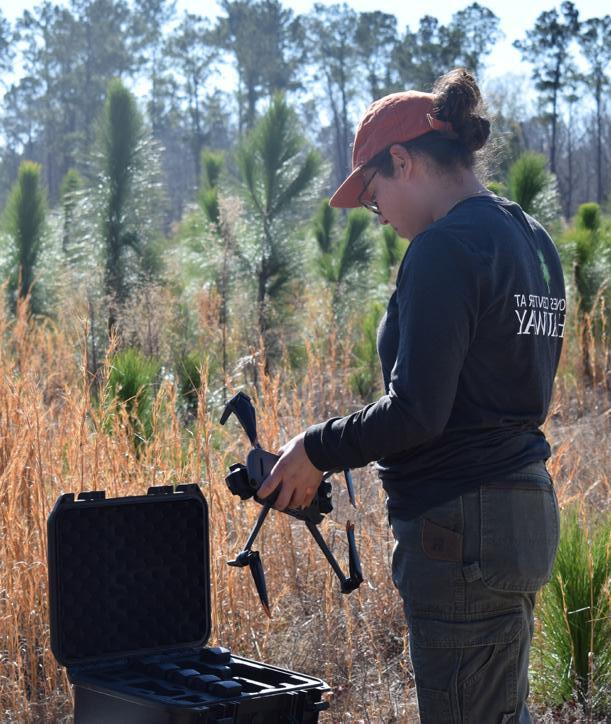
Through collaboration and shared vision, America’s Longleaf continues to connect landowners, partners, and other collaborators, ensuring that longleaf restoration is both ecologically meaningful and economically durable.
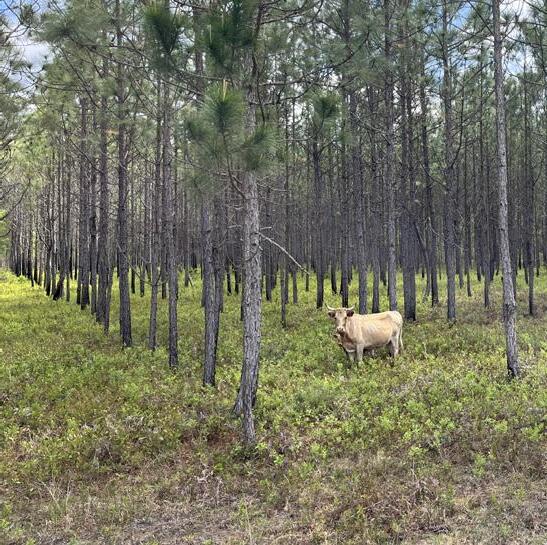
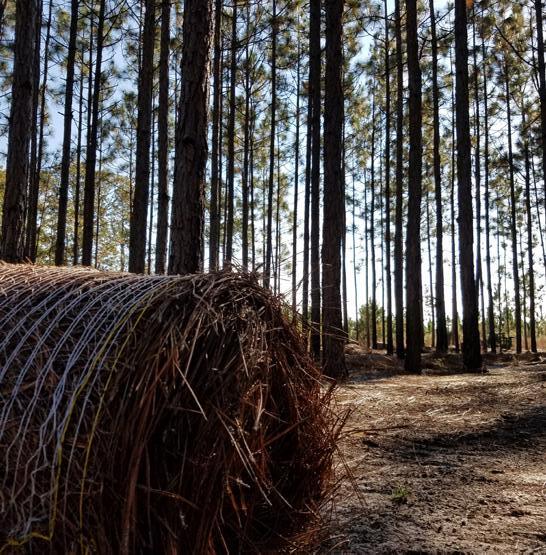
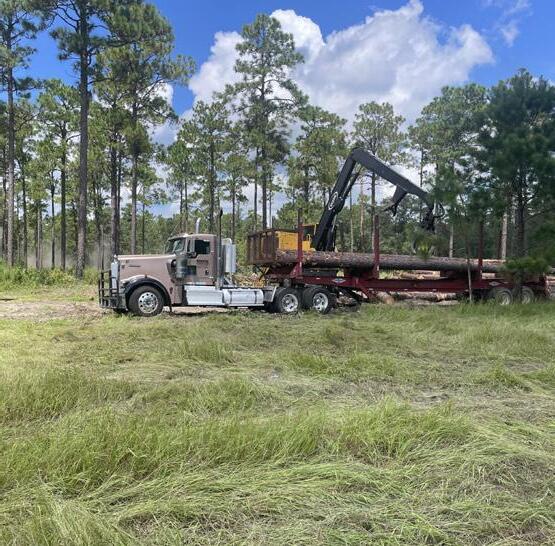
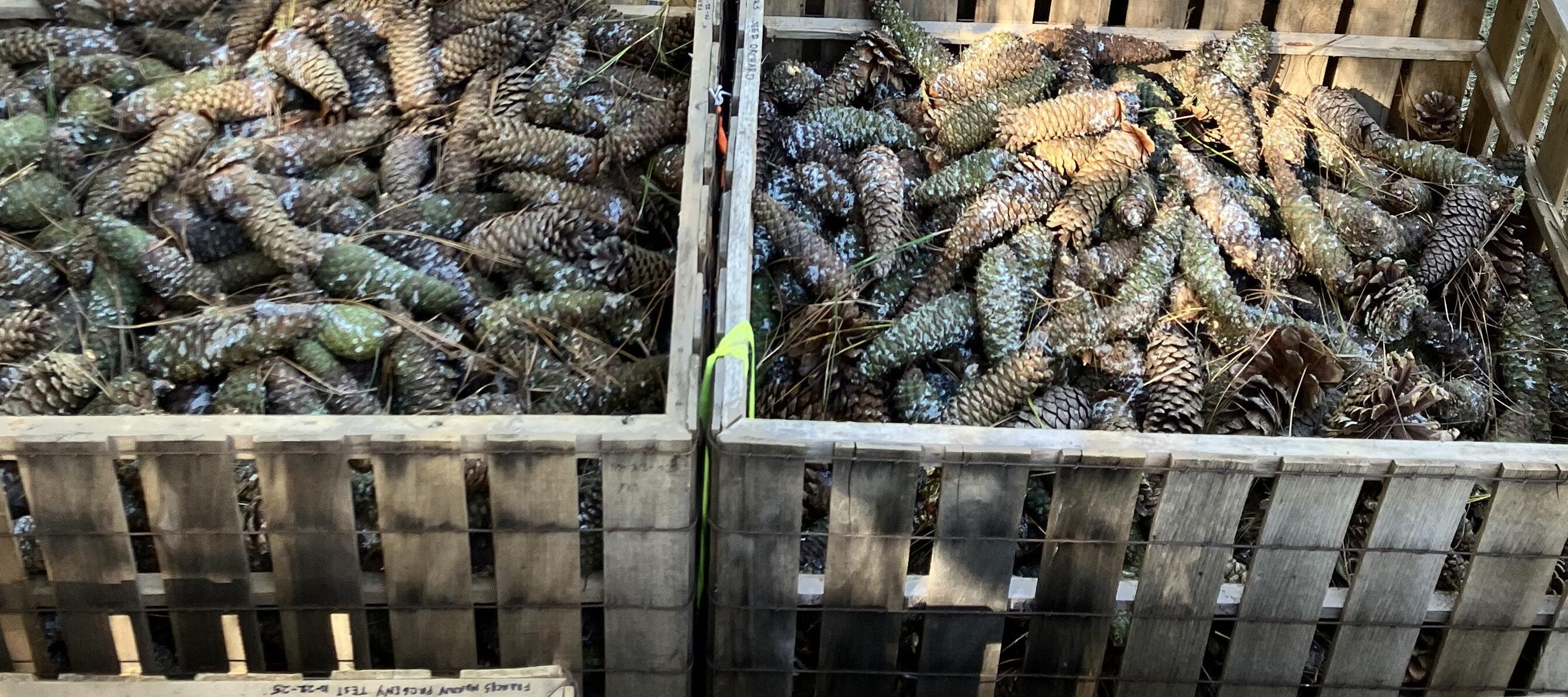
At the beginning of last summer, longleaf pine seed inventory was nearly exhausted, and the USDA Forest Service's annual Longleaf Pine Cone Prospects report projected poor cone production and a very limited crop for the fall of 2025. Without a significant collection effort, there would be no seed available for nurseries to grow longleaf seedlings for the 2026-2027 planting season. As awareness of the dire situation spread, America’s Longleaf partners rose to the challenge of finding the limited cone crops where they existed across the range.
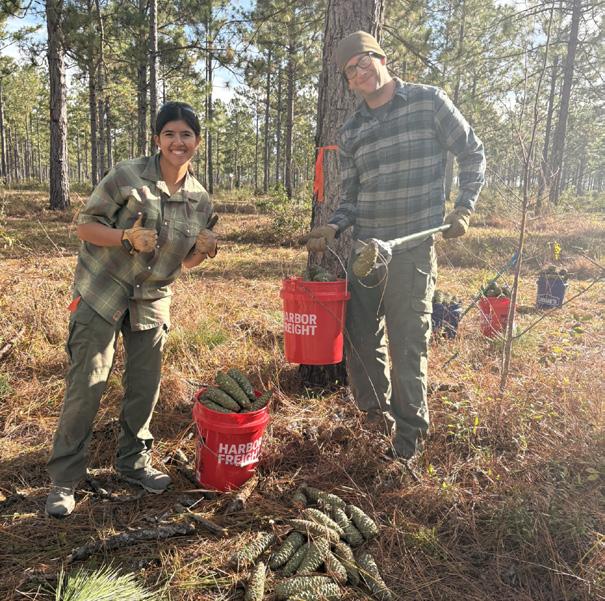
Citizen scientists joined partners in the search for longleaf pine cones, utilizing a cone survey widely shared through outreach channels by The Longleaf Alliance and others. Through every report, phone call, and email, awareness grew and potential cone collection sites were identified. Cone collection is a highly laborintensive process in a very short harvest season, requiring many people to handle processes that are only partially automated. Most longleaf partners are short-staffed now and were so during the season when they are most dependent upon temporary labor. The robust response from America’s Longleaf partners assisting each other made all the difference. Knowing that cone harvesting
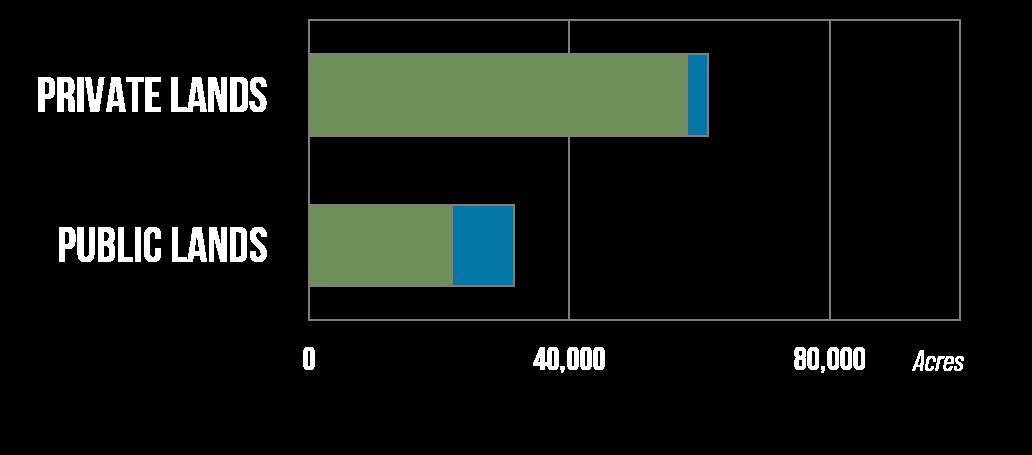
America's Longleaf partners reported almost 93,000 acres of longleaf pine gained in 2025, including a new record for longleaf gained through silviculture. Private landowners continue to lead the effort on longleaf establishment projects, accounting for 63% of longleaf tree planting acres.
America's Longleaf measures longleaf pine acres gained through tree plantings and silvicultural practices that shift an existing forest with a minor component of longleaf to longleaf dominant through thinning, prescribed fire, or other treatments.
coincides with peak hurricane season and untimely windstorms could derail efforts, partners wanted to ensure that each of the few collecting crews had a primary plan as well as a backup alternative.
With significant engagement from many levels including state, federal, and private partners, longleaf pine cone collections occurred in the limited longleaf pine orchards that exist, as well as in natural longleaf stands. The 2025 range-wide harvest totaled over 34,000 bushels and is expected to yield about that same number of pounds of cleaned seed. America's Longleaf is very proud of all the contributing partners who made cone harvesting a priority at a time when seed inventories were nearly exhausted, turning a critical bottleneck in the longleaf restoration effort into a collaborative success. Partners hope to leverage the success of the 2025 cone harvesting effort into future cycles, illustrating the strength of America’s Longleaf lies in its partnerships and networks.
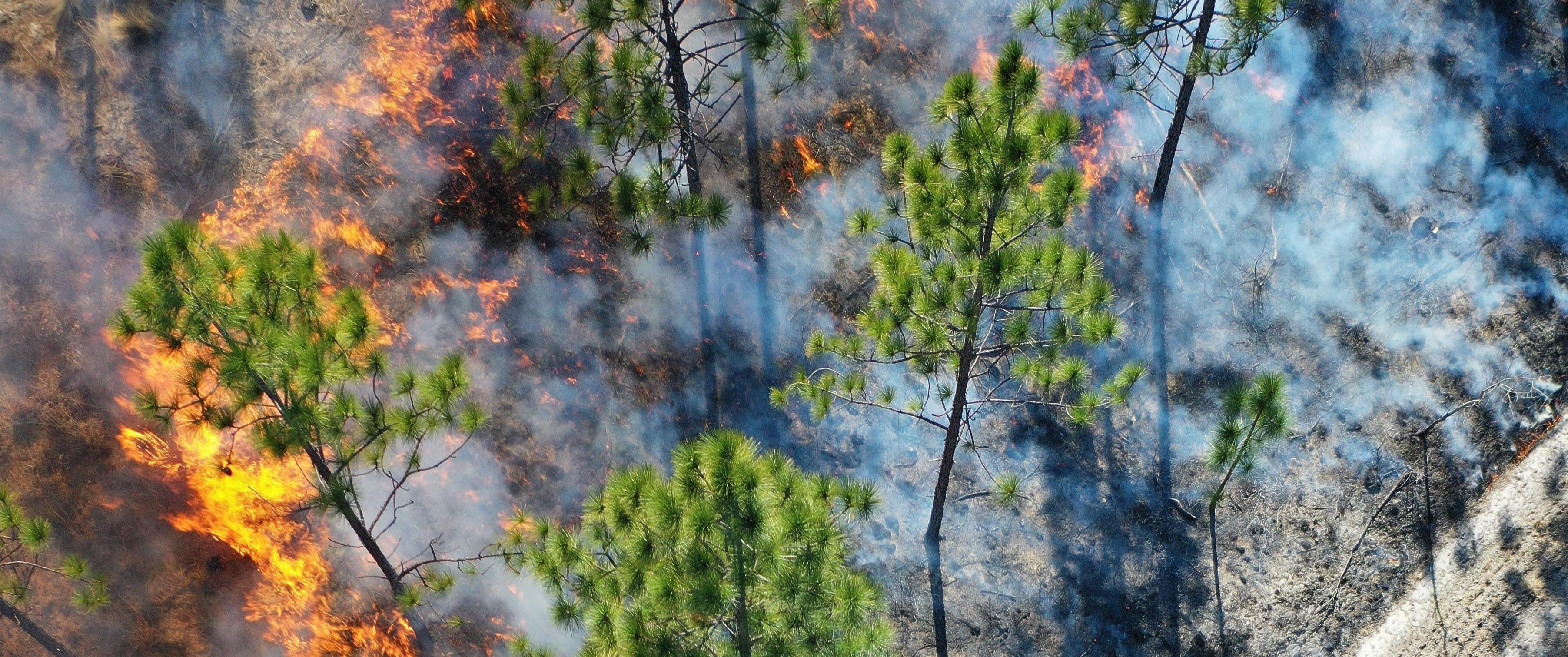
With an increased need for additional capacity for prescribed burning and to train others to implement prescribed fire, collegiate burn crews, prescribed burn associations, and cultural burn associations have risen as a potential solution. Increased training and implementation capacity has led to more acres of prescribed fire on the ground and more stewards of fire for healthy longleaf pine forests.
A student burn crew is a school-based or school-sponsored program that gives students the opportunity to actively engage in wildland fire management. The 2025 release of the film Young Fires highlighted the importance of engaging these early career professionals. Meanwhile, the panel "Igniting the Flame: Building Thriving Collegiate Burn Clubs" at last year’s Association of Fire Ecology Conference showcased the impacts student burn crews have and unveiled, through conversations with the audience, that more are working toward establishment, such as the Fort Valley State University FireCats.
A prescribed burn association (PBA) is a group of volunteer landowners and other interested individuals that collaborate
to conduct prescribed burns in a “neighbor helping neighbor” framework. Similarly, a cultural burn association (CBA) is a group of tribal members and other interested individuals that collaborate to conduct prescribed burns. PBAs and CBAs have spread throughout the U.S., with more than 150 PBA/ CBAs across 21 states. In the Southeast alone, from 2000 to 2023, 14 active PBAs were created.
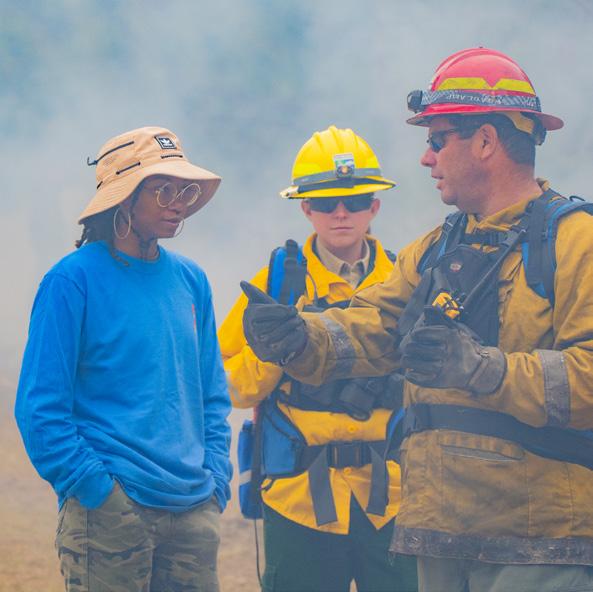
With warming temperatures amplifying wildland fire activity, it is more important than ever to train fire practitioners. While PBAs are doing this on the private lands side, student burn crews are training the future workforce, allowing the youth to enter the natural resource field with the necessary skill sets. These groups provide a sense of hope that we can continue to meet and surpass our land management goals, and in the process, increase the future capacity of the fire practitioner workforce.
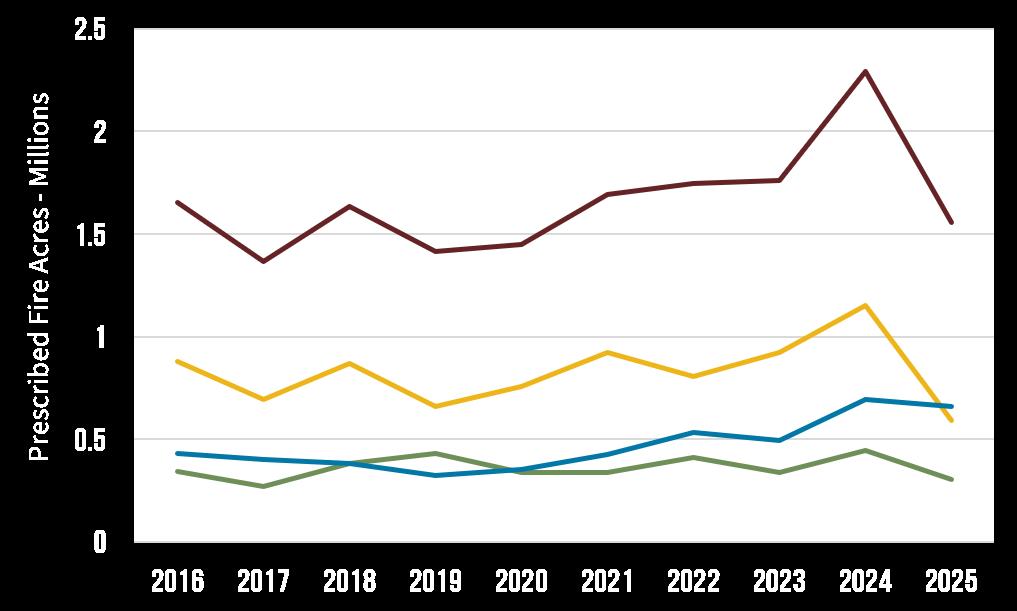
After a record setting prescribed fire year in 2024, partners reported notable declines in longleaf acres burned on public lands. For the first time ever, private landowners reported more acres of burning in longleaf than federal agencies.
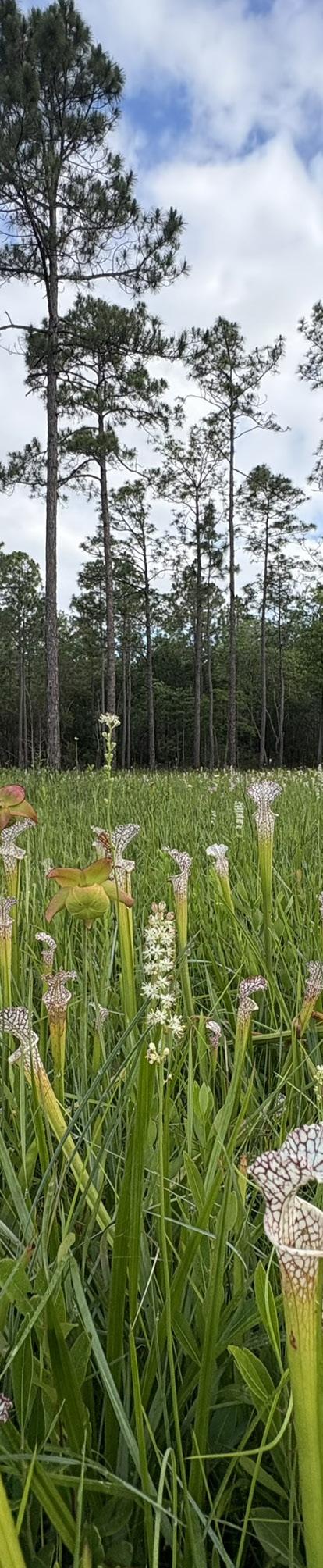
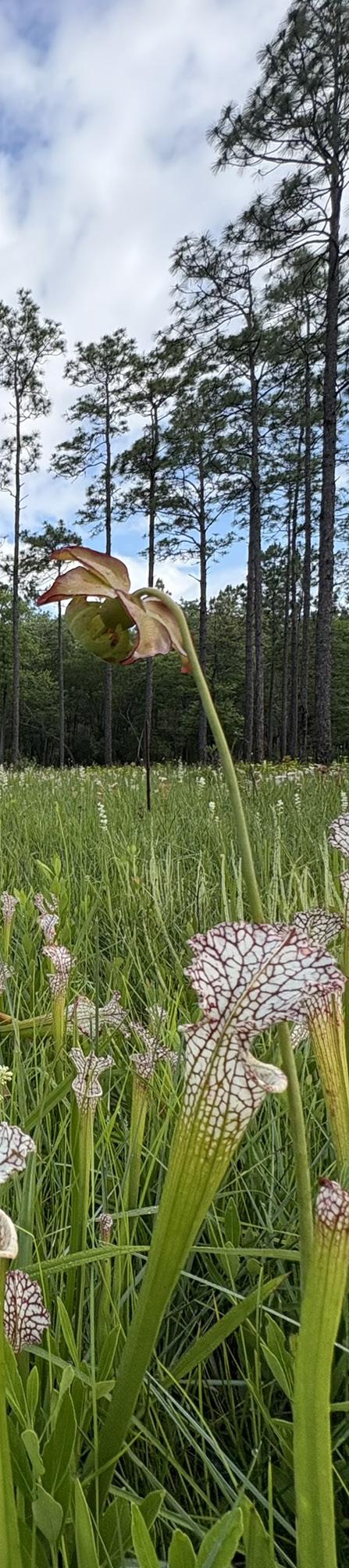
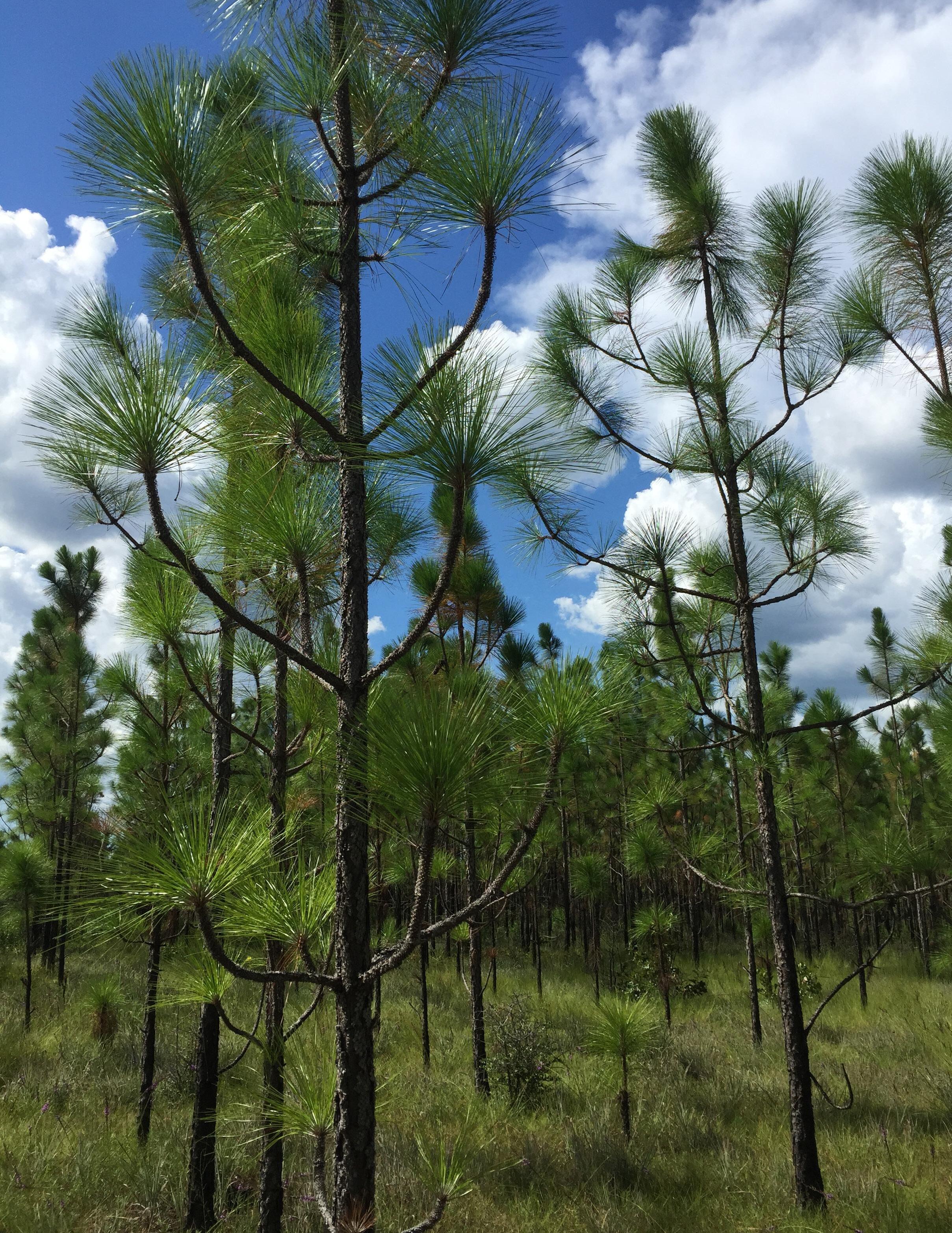
THE LONGLEAF LANDSCAPE'S OPEN PINE CANOPY AND ROBUST NATIVE GROUNDCOVER PLANTS ARE MAINTAINED BY FREQUENT FIRE. A MOSAIC OF UPLANDS AND WETLANDS SUPPORTS AN INCREDIBLE NUMBER OF PLANTS AND ANIMALS, INCLUDING UNIQUE SPECIES FOUND NOWHERE ELSE.
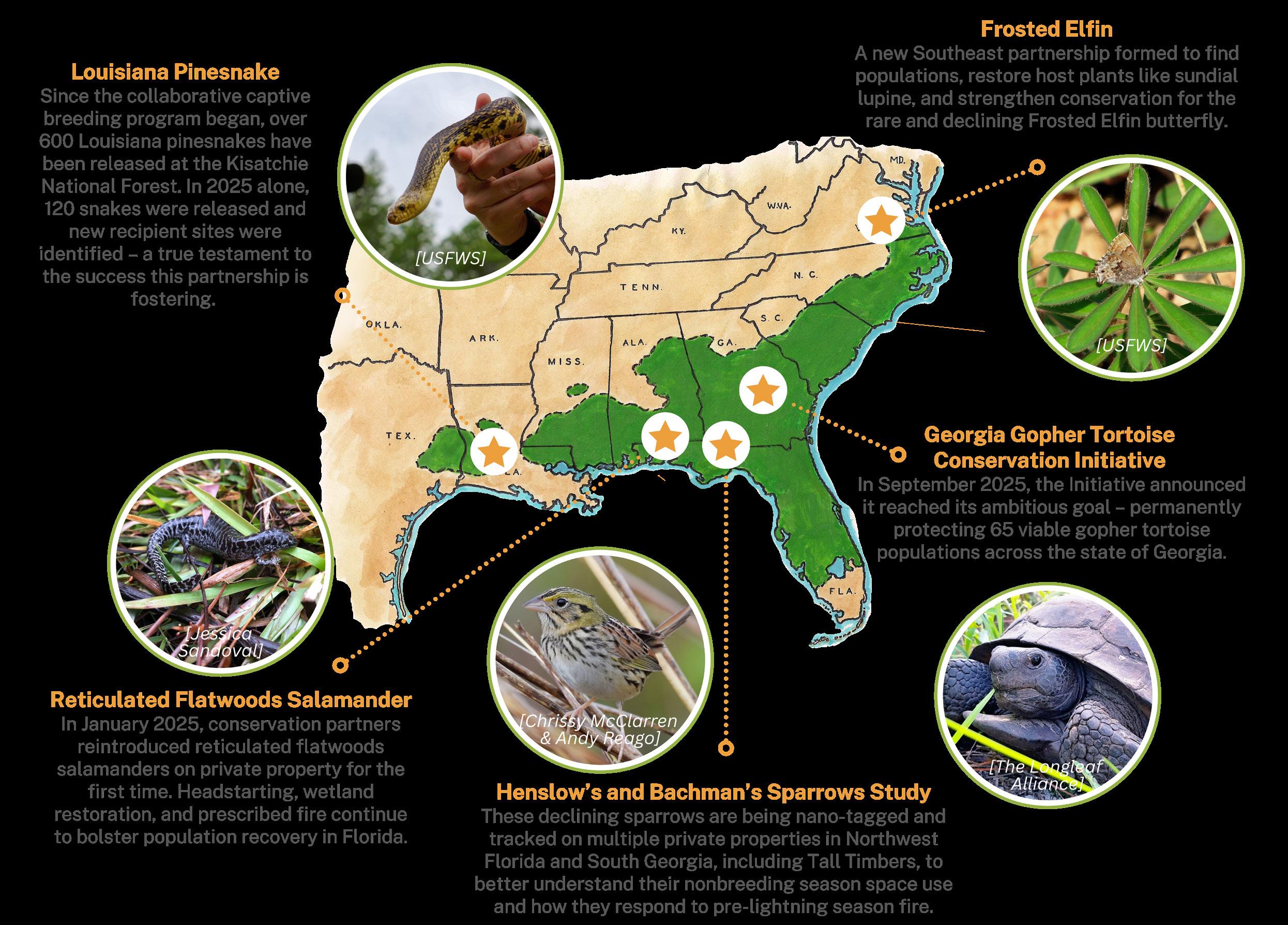
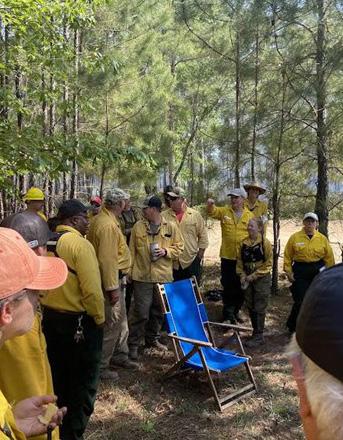
In April 2025, the U.S. Army’s Fort Stewart hosted a collaborative research campaign that brought scientists and engineers from across the country together to study the same prescribed burns, simultaneously. At the same time, land managers had the opportunity to communicate directly with the researchers developing the tools that will shape the next century of wildland fire management. This kind of co-productive, place-based work creates a culture where operational needs and scientific innovation inform one another. Research shows co-productive science is more readily applied, making it a practical pathway for addressing complex fire management challenges. The campaign supports the military mission by advancing tools for the prescribed fire program, helping to reduce wildfire risks and minimize disruptions to training. Fort Stewart is more than a military installation; it’s also home to tens of thousands of acres of longleaf pine. Efforts like this help ensure that future longleaf stewards are equipped with the knowledge and technology needed to manage these landscapes and navigate the increasingly complex challenges facing wildland fire.
By Brandon Rutledge, Longleaf Partnership Council Chair-Elect, Jones Center at Ichuaway
Maintain, improve, and restore – the three vital components of America’s Longleaf's goal of eight million acres of longleaf pine. As we look forward, new challenges –and opportunities – to advance each component emerge. Changes in markets, technology, seed and seedling availability, seedling quality, funding, work capacity, and land use can at times seem overwhelming. As we move forward, it is important for us to maintain our focus on these three components and how they advance our vision of functional, viable longleaf pine ecosystems inspired through exceptional partnership. Let’s keep “the main thing, the main thing.”
The Longleaf Partnership Council (LPC) has efforts already underway to capitalize on new opportunities and navigate some of these challenges. The management of timber resources is an important tool in maintaining and restoring longleaf pine forests. An Economics and Markets Working Group has been established to explore how America's Longleaf can support new and existing timber markets with a diversity of partners and stakeholders. There is continued momentum in the Tree Improvement and Seedling Production Working Group after recent success in the collection of seed, improvement of seedling quality, and assurance of more consistent availability of seedlings. All of the working groups remain focused on reaching our vision.
With two million acres of longleaf pine forest restored since 2010, evaluating our position on the spectrum of maintain, improve, and restore is critical to guiding our future efforts and transitioning forests and landscapes from one condition to the next. America's Longleaf is in the process of implementing a new Monitoring Plan through the development of a plot network and conducting pilot projects to explore new techniques. This effort will provide a better look at the current conditions of longleaf pine forests and an assessment of restoration efforts. Development of the Longleaf Sustainability Analysis v2 will begin in 2026 with an anticipated release in 2027 to continue identifying the “right work” in the “right places.” Additionally, growing collaborations with sister initiatives like the Southeast Regional Partnership for Planning and Sustainability, increasing our engagement with state forestry and wildlife agencies, and expanding the level of engagement with local implementation teams and LPC members will ensure awareness of future opportunities and increase capacity.
In the fall of this year, we will come together at the Biennial Longleaf Conference in Williamsburg, Virginia, and celebrate the LPC’s 15th year. Partnership has been the cornerstone of our collective success. Guided by our Conservation Plan and Strategic Priorities and Actions Plan, we remain focused on our goal to maintain, improve, and restore. This is an exciting time for America’s Longleaf and the LPC – a time to take stock of what we have accomplished together and continue charting our course in a rapidly changing future.

Since 2012, the Longleaf Landscape Stewardship Fund (Fund) has invested more than $131 million in grants to restore, enhance, and protect longleaf pine ecosystems across their historic range. Those awards have leveraged more than $113 million in matching contributions, bringing total conservation investment to more than $244 million. This sustained support helps public-private partnerships work at a scale no single organization could achieve alone. Success depends on collaboration among funders, agencies, nonprofit partners, and private landowners working together to expand longleaf habitat and strengthen the ecosystem for the long term.
Through the Fund, the National Fish and Wildlife Foundation

(NFWF) has awarded grants to more than 60 organizations since 2012. These on-the-ground partners are advancing America’s Longleaf by establishing new longleaf forests and improving existing longleaf habitat with fire and other management practices. Collectively, these projects are impacting more than 5.5 million acres of longleaf habitat.
NFWF continues to expand resources for longleaf restoration, improvement, and stewardship, with partner contributions growing significantly in recent years. That momentum has helped drive record funding levels and highlights both the value of public-private partnerships and the broad benefits of these projects, including stronger biodiversity, improved water outcomes, and greater forest resilience and productivity.
*Longleaf establishment acres do not include 2025 nursery production estimates.

Significant progress has been made toward America Longleaf’s goal of restoring eight million acres of longleaf pine across its historic range, but additional investment is needed to reach and maintain that target. To help scale restoration, NFWF is working with the longleaf community to develop a new 30-year business plan outlining strategies, goals, and funding needed to reach eight million acres and sustain them over time through prescribed burning and other management activities. Building on lessons from the current Longleaf Forests and Rivers Business Plan, the new plan will set ambitious habitat, species, and funding targets and incorporate improved spatial data, tools, and technologies to better measure habitat response, species outcomes, and co-benefits such as water conservation. The first version, which will also address other Southeast habitats, is expected in late 2026 and will be updated as conditions and information evolve.










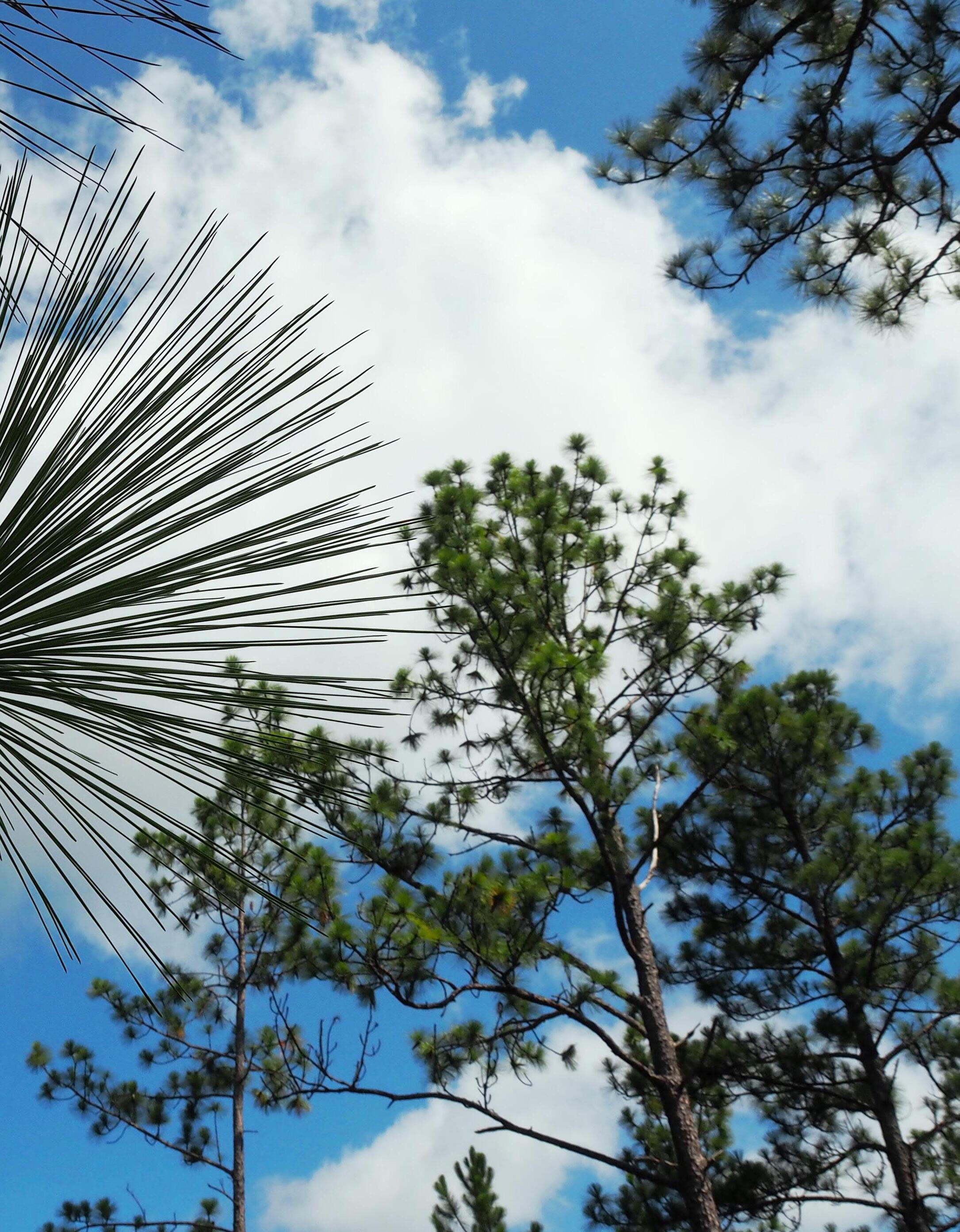
Boggy Slough Conservation Area





America's Longleaf Leadership Team — Amadou Diop, Jamelle Ellis, David Gonzales, Ricky Lackey, Brandon Rutledge, Kathryn Smith, & Matthew Vandersande
West-Central Louisiana Ecosystem Partnership
Report Contributors — Ryan Bollinger, Sarah Cain, Sarah Crate, Shelby Flores, Christian Fernandez, Lisa Lord, Ad Platt, Kathryn Smith, Hannah Sodolak, & Kimberly Tillman
The views and conclusions contained in this document are those of the authors and should not be interpreted as representing the opinions or policies of the U.S. Government or the National Fish and Wildlife Foundation and its funding sources. Mention of trade names or commercial products does not constitute their endorsement by the U.S. Government, or the National Fish and Wildlife Foundation or its funding sources. This document is supported by a competitive grant from the National Fish and Wildlife Foundation made possible with the support of the U.S. Department of Agriculture’s Natural Resources Conservation Service, USDA Forest Service, U.S. Department of War, Bezos Earth Fund and Southern Company. USDA is an equal opportunity provider.