Report 2025 / 2026

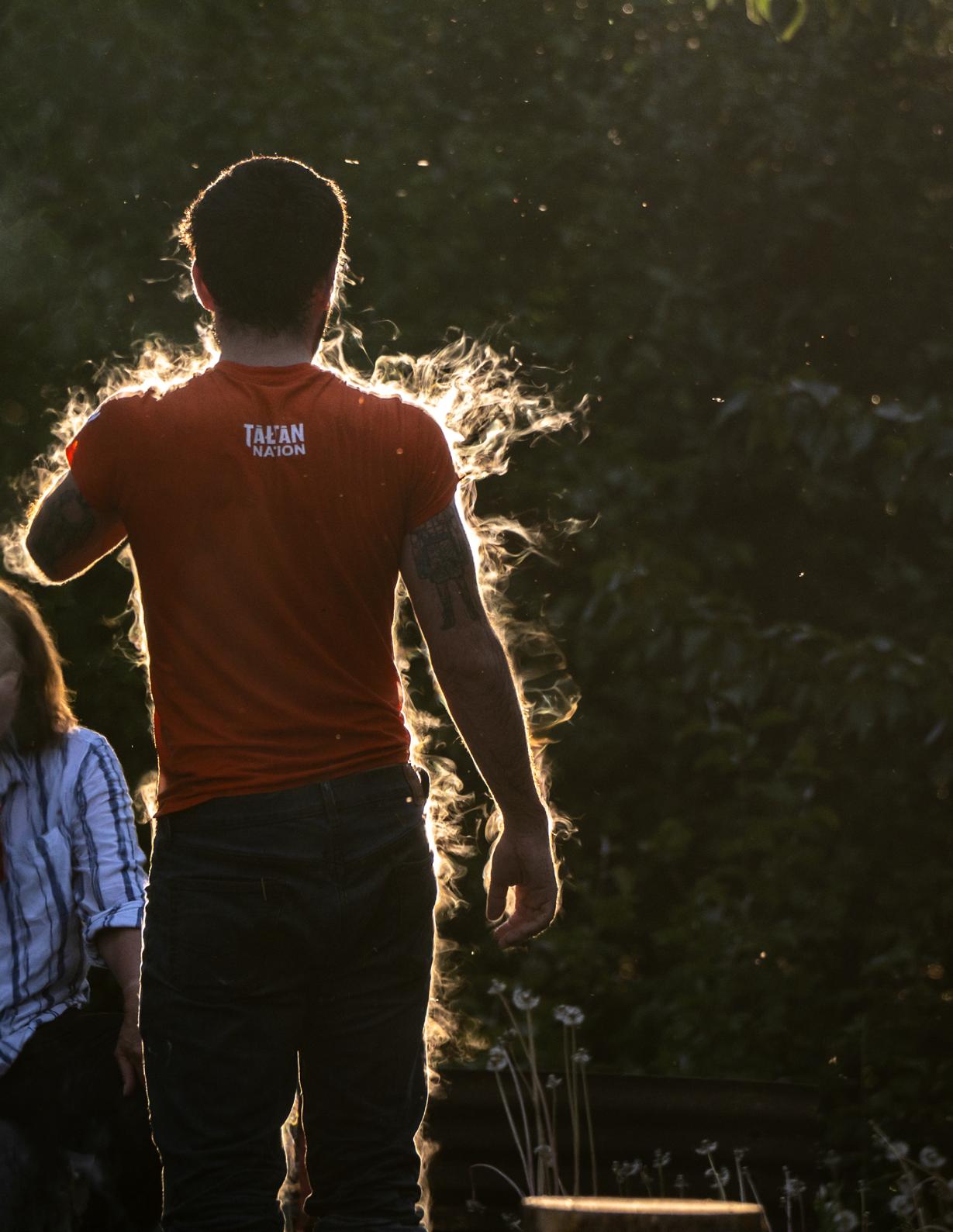
Cover: Waylon Asp steps out of a sweat on the shore of Dease Lake
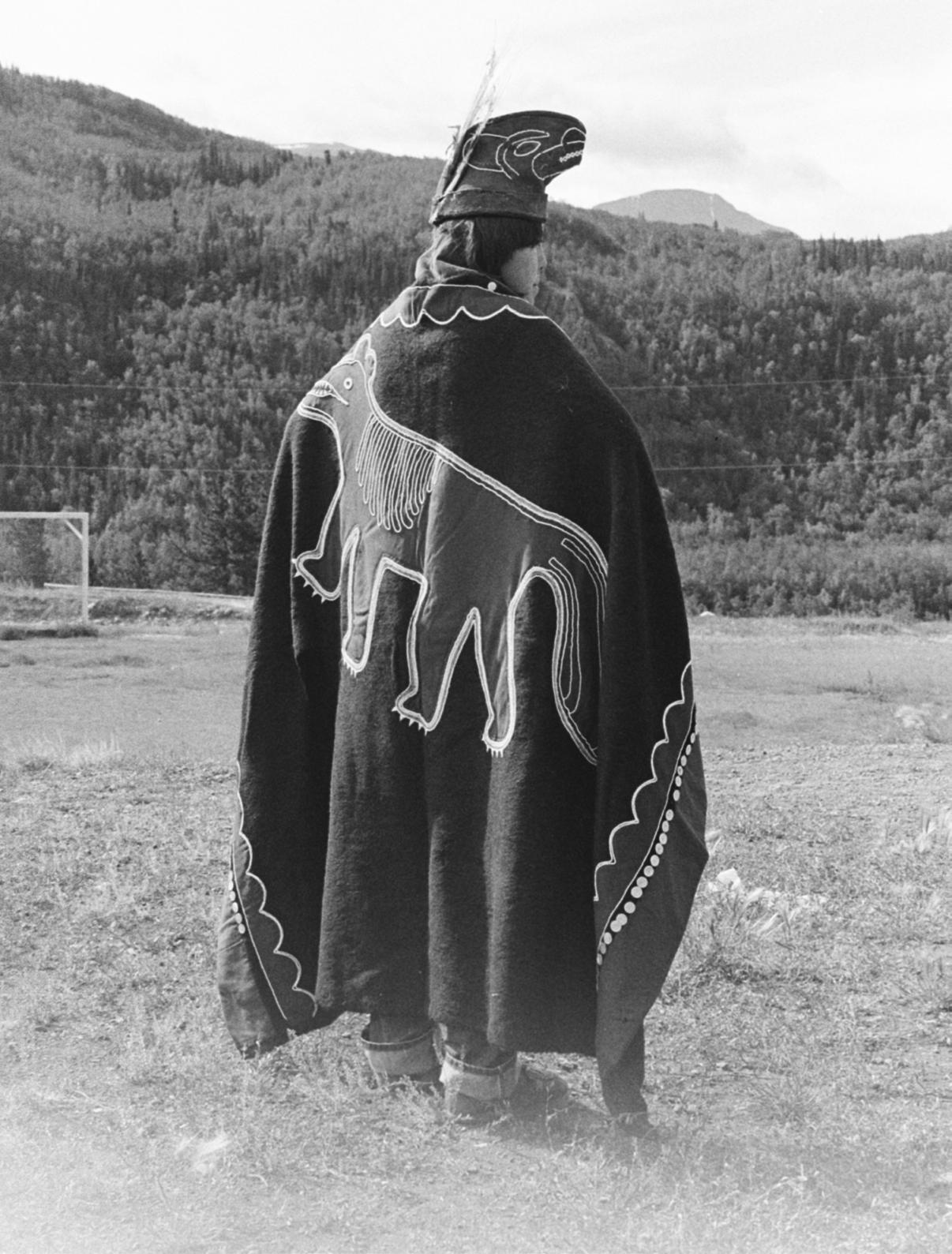
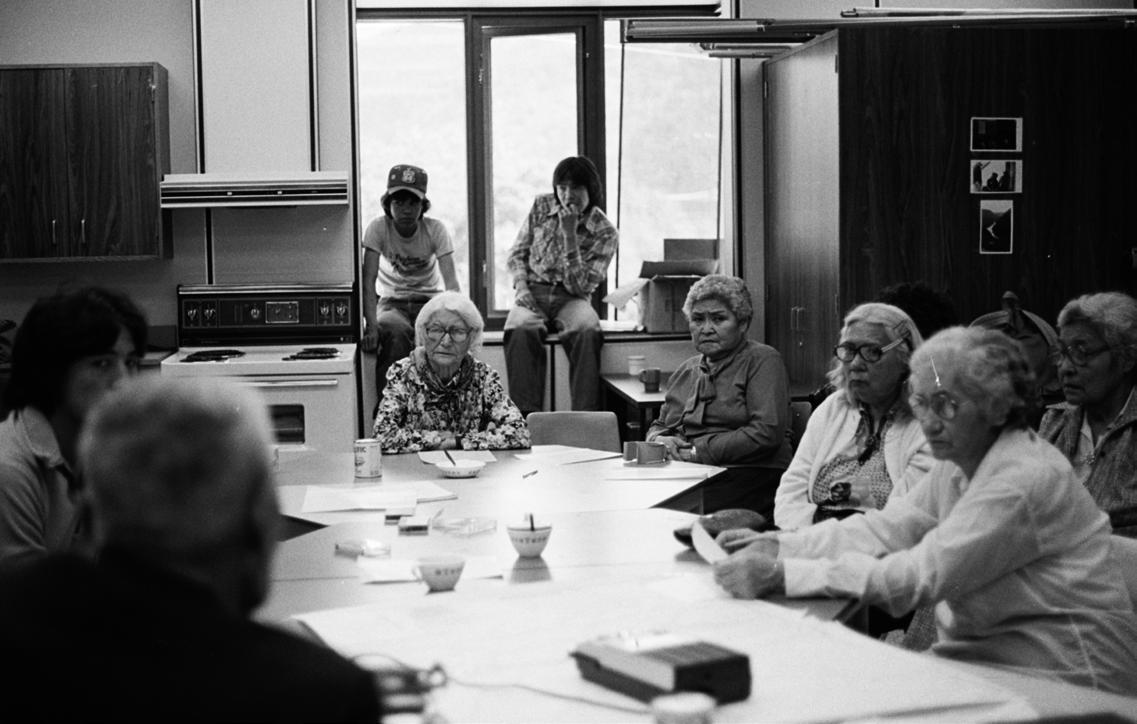
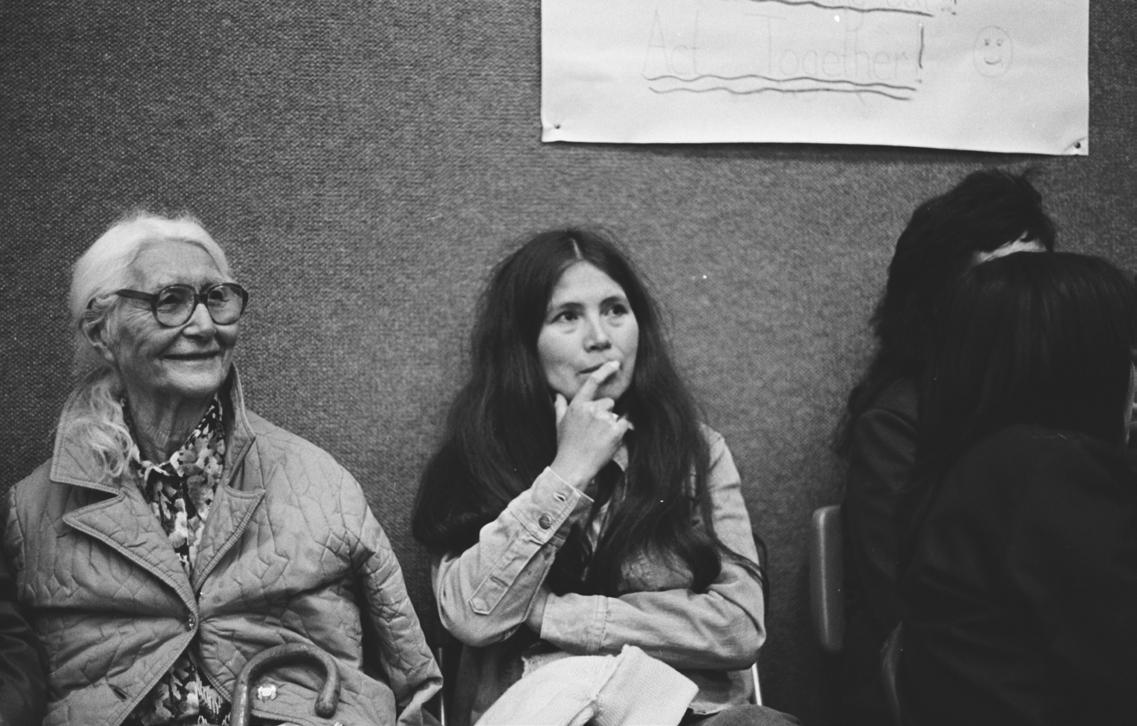
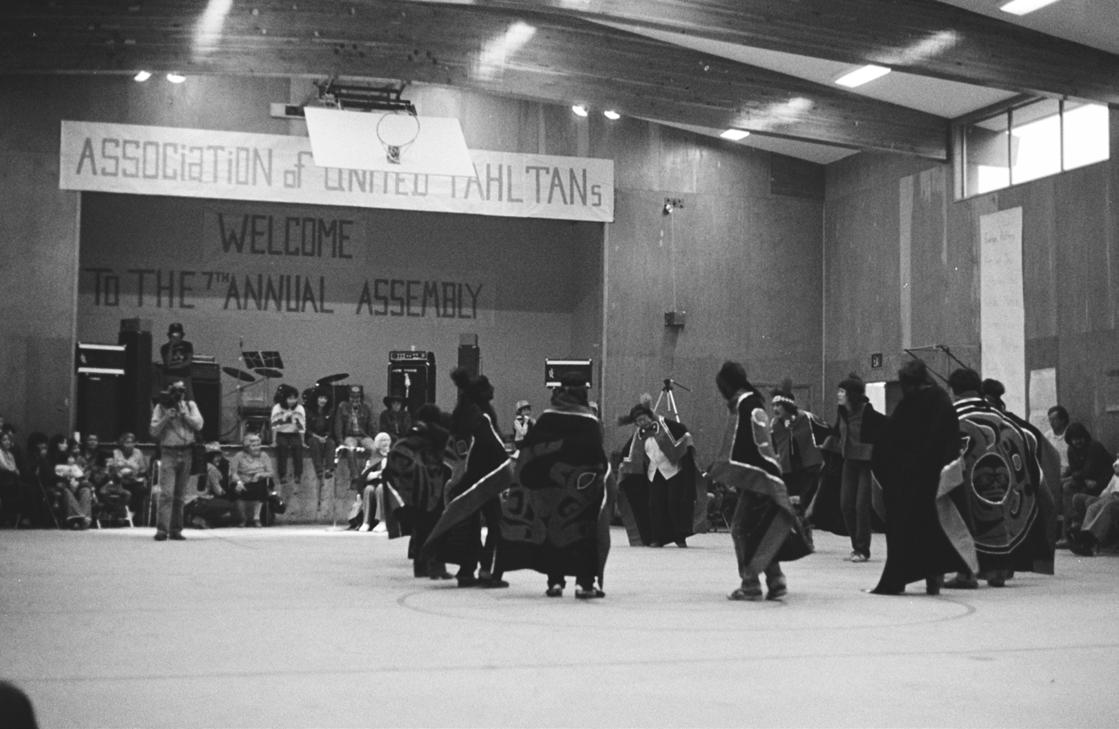
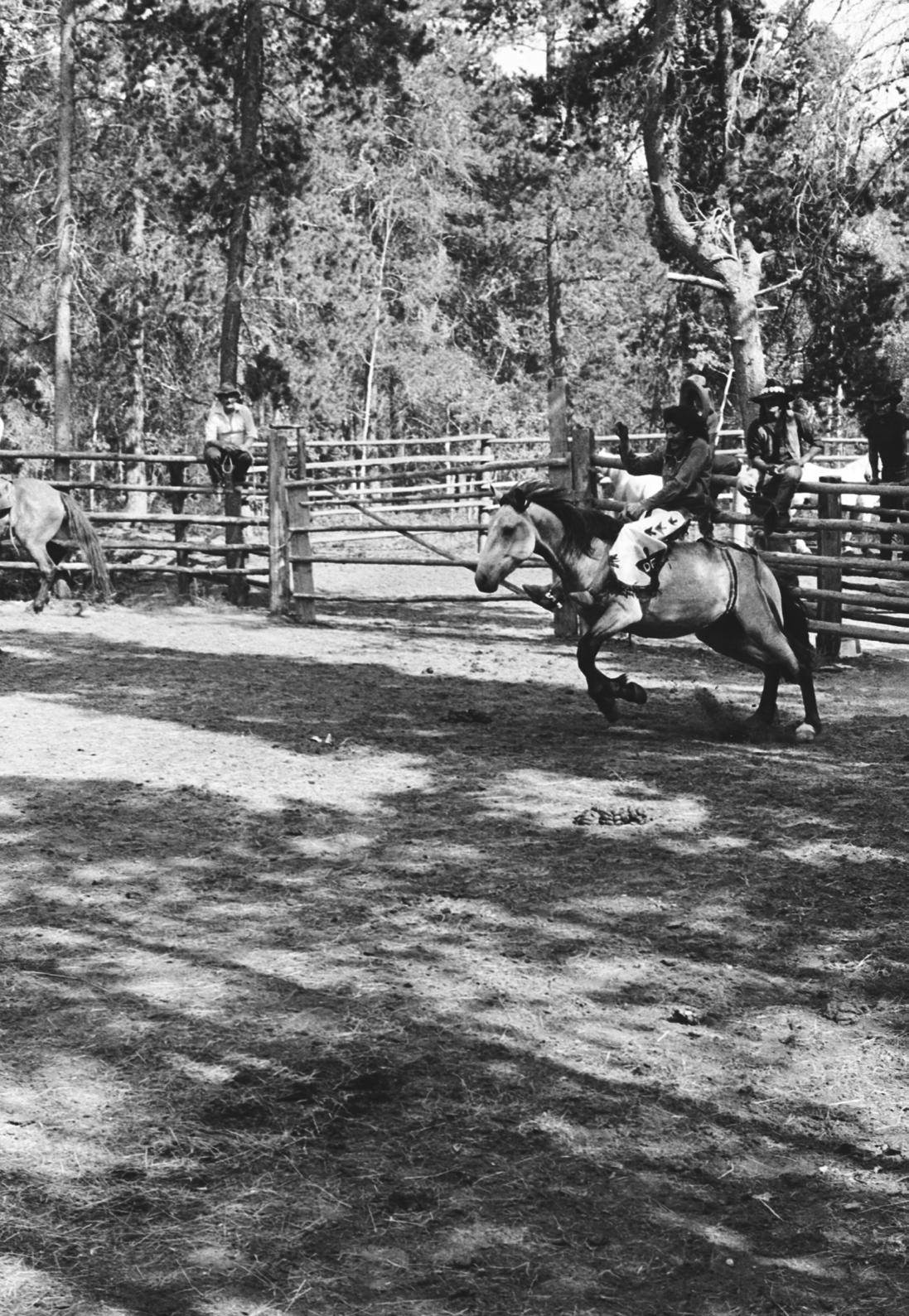
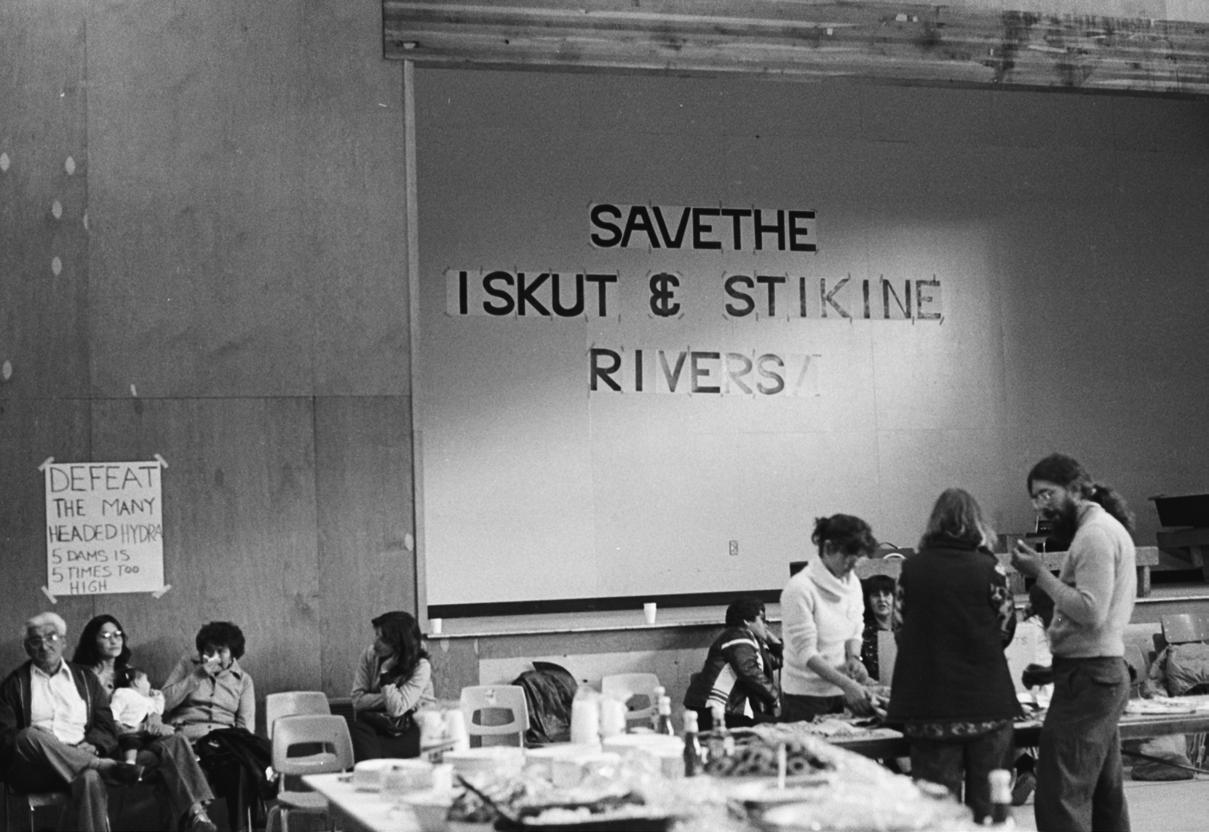
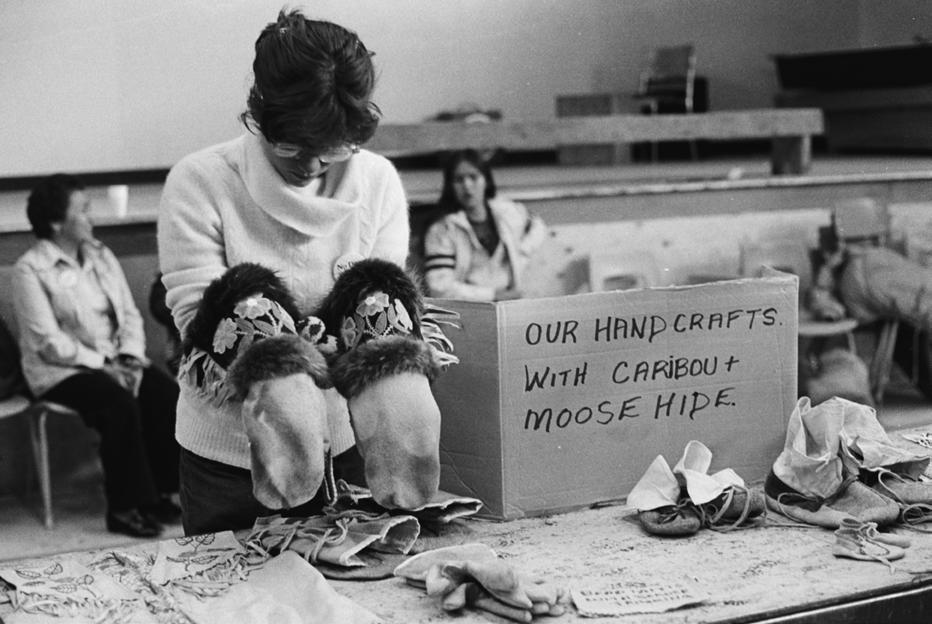
Inside Cover: Wolf at Tahltan Lake, photo by Peter Mather; Archival photo from 1980, donated by Sylvia Albright
Report 2025 / 2026
We the undersigned members of the Tahltan Tribe, speaking for ourselves, and our entire tribe, hereby make known to all whom it may concern, that we have heard of the Indian Rights movement among the Indian tribes of the Coast, and of the southern interior of B.C. Also, we have read the Declaration made by the chiefs of the southern interior tribes at Spences Bridge on the 16th July last, and we hereby declare our complete agreement with the demands of same, and with the position taken by the said chiefs, and their people on all the questions stated in the said Declaration, and we furthermore make known that it is our desire and intention to join with them in the fight for our mutual rights, and that we will assist in the furtherance of this object in every way we can, until such time as all these matters of moment to us are finally settled.
We further declare as follows:
FIRSTLY – We claim the sovereign right to all the country of our tribe—this country of ours which we have held intact from the encroachments of other tribes, from time immemorial, at the cost of our own blood. We have done this because our lives depended on our country. To lose it meant we would lose our means of living, and therefore our lives. We are still, as heretofore, dependent for our living on our country, and we do not intend to give away the title to any part of same without adequate compensation. We deny the B.C. government has any title or right of ownership in our country. We have never treatied with them, nor given them any such title. (We have only very lately learned the B.C. government makes this claim, and that it has for long considered as its property all the territories of the Indian tribes in B.C.)
SECONDLY – We desire that a part of our country, consisting of one or more large areas (to be selected by us), be retained by us for our own use, said lands and all thereon to be acknowledged by the government as our absolute property. The rest of our tribal land we are willing to relinquish to the B.C. government for adequate compensation.
THIRDLY – We wish it known that a small portion of our lands at the mouth of the Tahltan river, was set apart a few years ago by Mr. Vowell as an Indian reservation. These few acres are the only reservation made for our tribe. We may state we never applied for the reservation of this piece of land, and we had no knowledge why the government set it apart for us, nor do we know exactly yet.
FOURTHLY – We desire that all questions regarding our lands, hunting, fishing, etc., and every matter concerning our welfare, be settled by treaty between us and the Dominion and B.C. governments.
FIFTHLY – We are of the opinion it will be better for ourselves, also better for the governments and all concerned, if these treaties are made with us at a very early date, so all friction, and misunderstanding between us and the whites may be avoided, for we hear lately much talk of white settlements in the region and the building of railways, etc., in the near future.
Signed at Telegraph Creek, B.C., this eighteenth day of October, nineteen hundred and ten, by NANOK, Chief of the Tahltans NASTULTA, alias Little Jackson
GEORGE ASSADZA, KENETL, alias Big Jackson
And eighty other members of our tribe.

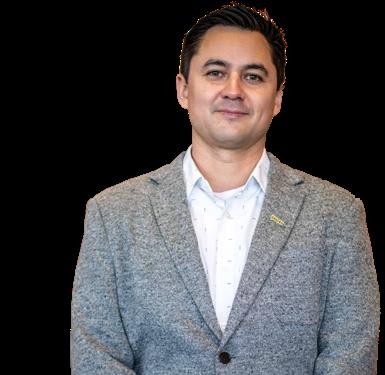
Kerry Carlick President, Tahltan Central Government
In my first year as President, I focused on restoring stability, rebuilding trust, and advancing a vision grounded in wellness, unity, and responsible governance.
I recognize that I am only one year into this role, with much still to learn and accomplish, but I believe we have already made important progress and will continue to build on that groundwork for the years ahead.
One year ago, the TCG Board stepped into our leadership roles during a challenging time for our Nation. The TCG had experienced significant staff turnover, strained relationships, and a loss of trust among members and leadership. From the beginning, my commitment has been to lead with integrity, empathy, and teamwork, and to refocus our efforts on serving the Tahltan people.
At the core of my leadership philosophy is a single guiding principle: wellness. I believe the Tahltan Nation depends on healthy individuals, families, communities, governance systems, and lands. This vision is supported by six key pillars that guide my work.
First, mental and physical health. I have emphasized the need for healing and support systems that address both historical and recent challenges.
Second, community development. I am committed to building vibrant, livable Tahltan communities where people and families can thrive.
Third, education and youth development. The Tahltan people have always known that our future lies with our young people, and my goal is to continue that legacy of lifting our youth.
Fourth, communication and transparency. Rebuilding trust between TCG leadership and members is a top priority.
Fifth, cultural preservation and resource stewardship. Our connection to the land is central to who we are. I am committed to protecting our lands and culture while ensuring responsible development guided by Tahltan priorities. This includes strengthening land-use planning, advancing fisheries policy, and embedding Traditional Knowledge into our decisions.
Finally, good governance and financial stewardship. Rebuilding our internal culture around accountability, collaboration, and service to our people. Strengthening governance structures and ensuring transparent financial management are key to this effort.
Alongside this work focus, we have achieved several important milestones this year.
In December, with 1753 ballots cast [53.3% of eligible voters voted] and 1357 voting YES [77.4% in favour] to the Impact Benefit Agreement (IBA) for the Eskay Creek Revitalization Project, the Tahltan Nation expressed their strong support for this IBA. This agreement delivers unprecedented benefits to the Tahltan Nation, including an estimated $1.2 billion in cash, over $570 million in Tahltan contracts, and more than $184 million in wages over the life of the project. It also establishes industry-leading environmental protections and regulatory collaboration, while creating opportunities to invest in housing and infrastructure across our three communities. Reflecting community priorities, it includes potential tax exemptions, expanded business opportunities, and a $40 million upfront payment which is providing $10,000 to eligible Tahltans in the 2026 calendar year.
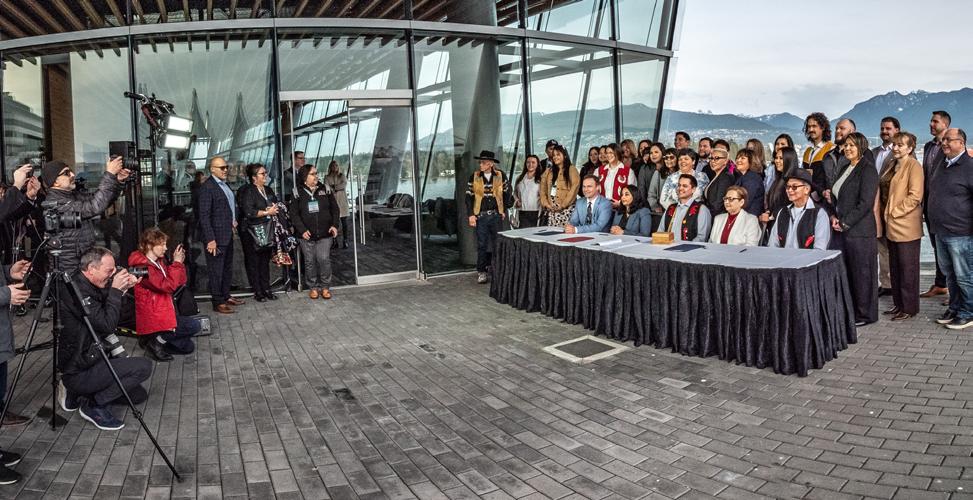
In January, building on the momentum of the positive IBA decision for Eskay Creek, the Tahltan Nation achieved a global first, making the first consent decision on a mining project by an Indigenous Nation ever. This was a culmination of years of work by Tahltan leaders and members affirming what we have always known: Tahltan people have jurisdiction over Tahltan Territory.
We also entered into a Mineral Tax Revenue Sharing Agreement with the Province. This agreement will provide long-term financial benefits to our Nation and support investments in housing, infrastructure, and community development over the life of the mine.
In January, we introduced the Tahltan Nation App–available on the Apple Store and Google Play–which provides a fast, simple, and secure way to keep up with our Nation, including news, updates and community alerts, events and posters, jobs and contracts, members-only opportunities and information, reports, policies, surveys, and more.
In February, I was pleased to begin work alongside the Tahltan Leadership Forum on the development of a Tahltan Nation
Strategic Plan to help guide the future priorities and long-term vision of our Nation. This collaborative work is focused on strengthening unity, identifying shared goals, and ensuring our future decision-making reflects the needs and aspirations of the Tahltan people.
Following the MOU signing between the 3Nations Society (Tahltan, Kaska, and Taku River Tlingit) and the First Nations Health Authority (FNHA) in September 2025, the 3Nations Transformative Health Declaration was signed in February 2026. The declaration marks a shared commitment to advancing Nation-led, culturally-grounded health and wellness services across the 3Nations collective territories.
Through the Tahltan Wellness Working Group, TCG, the Iskut Band, and the Tahltan Band have come together to create a culturally-grounded healing program. The goal of this program is to support Tahltans in their wellness journey and strengthen the wellbeing of our people. The Tahltan Nation Land-Based Healing Program will be in Tahltan Territory, will be Tahltan-led, and it will be rooted in our laws, language, culture, and relationship to our land.
Strengthening our financial foundation has also been a central focus. We are planning to carry out a full organization-wide financial review, with the goal of examining spending over the last few years and creating a clear roadmap to improve financial systems and controls going forward. This includes the establishment of permanent Chief Financial Officer and Chief Executive Officer positions, bringing greater stability and accountability to our organization.
Below: Announcing the first ever UNDRIP Section 7 Agreement with the Province January 2026
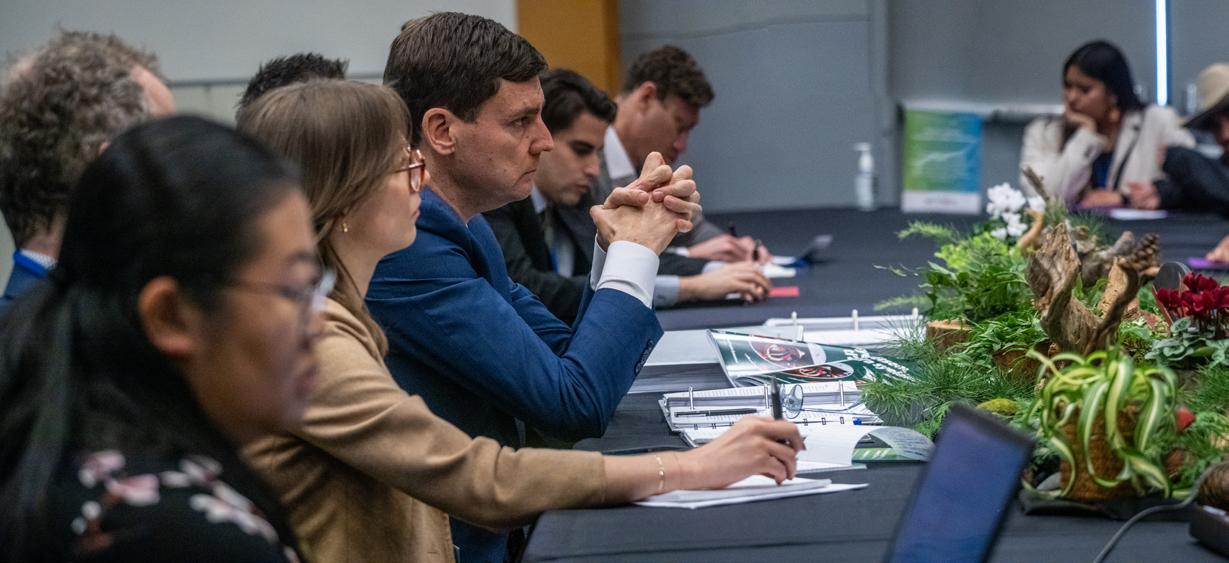
In the area of Land Stewardship, we took important steps forward by beginning collaboration with the Province on a Phase 1 Land Use Plan. Guided by the Tahltan Stewardship Plan—developed over more than a decade and approved by our Nation—this work will help protect culturally and environmentally significant areas while strengthening co-management and governance of resource development.
Our Nation-to-Nation relationship with the Province of British Columbia remains a key priority. Through ongoing collaboration, we have secured future community benefits, including infrastructure improvements such as sidewalks in Dease Lake, paving in Iskut, and other investments that will directly improve the quality of life for Tahltan members in all three of our Tahltan communities.
In April, at the direction of the Tahltan Leadership Council, TNDC began clearing and grubbing work on IR 13 to prepare the site for future housing and infrastructure development. This work reflects Tahltan leadership’s commitment to ensuring development leads to real, tangible improvements for our people.
In May, we completed our second Section 7 Agreement as it pertains to the Red Chris Block Cave Project. We are now focused on strengthening the implementation of our existing agreement for this project, including improving processes and resourcing and supporting the transition from open pit to underground operations through training and workforce development.
Also in May, I was honoured to host Canada’s Minister of Energy and Natural Resources, Tim Hodgson, and British Columbia’s Minister of Mining and Critical Minerals, Jagrup Brar, throughout Tahltan Territory. During the visit, I highlighted the importance of responsible resource development grounded in Tahltan values and, along with my fellow Tahltan leaders, advocated for greater investments in critical community infrastructure, housing, roads, and services to ensure our communities directly benefit from development in our Territory.
At the heart of these achievements is a renewed and immediate focus on unity. Building off the work initiated by the last administration, I am committed to continuing to work together with both Bands as one Nation to achieving our shared goals of a healthy, united, and self-determining Tahltan Nation.
While I am proud of what we have accomplished together, I know this is only the beginning. There is still much work ahead to rebuild trust, strengthen governance, and deliver on the priorities of our people. I remain committed to listening, learning, and working alongside Tahltan members every step of the way.
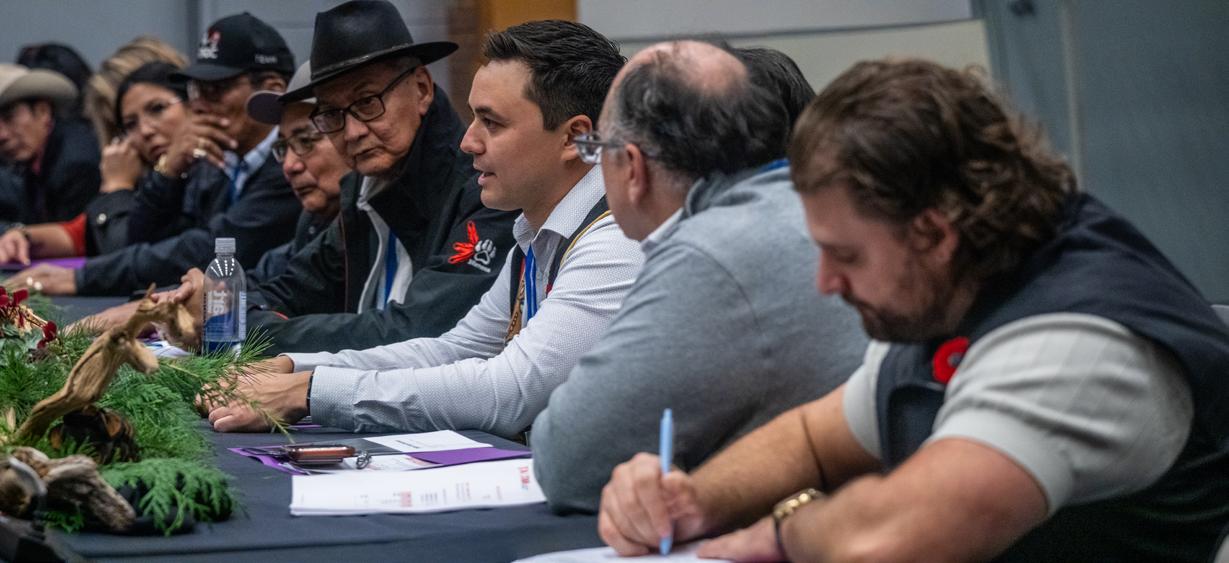
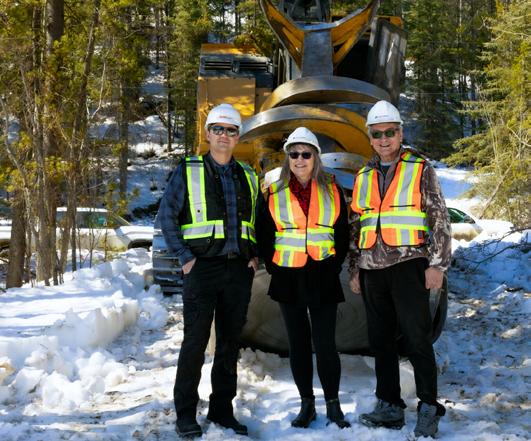
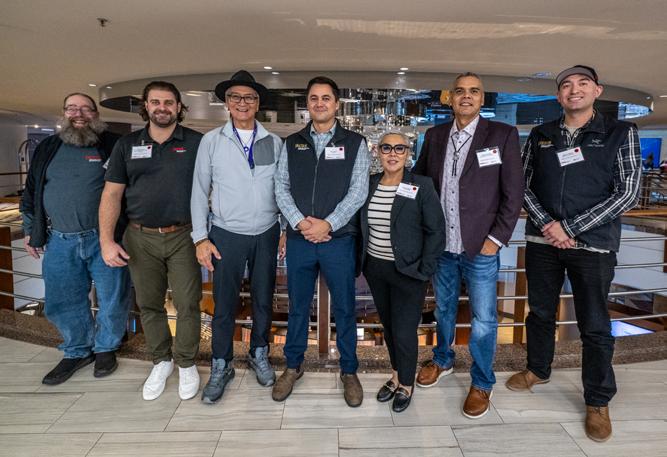

I want to begin by sincerely thanking all Tahltans who placed their trust and confidence in me. Serving as Vice President during this past year has been both an honour and a responsibility. Being able to serve our Nation and our people in this role is something I do not take lightly.
This has been my first year serving as Vice President, and like many leadership roles, it has come with long days, difficult conversations, and important decisions that directly impact our communities and future generations. I do not want to sugar coat the responsibility that comes with this work. Leadership is not always easy, especially during periods of rebuilding and change, but I remain committed to continuing this work because I care deeply about our people, our communities, and the future of the Tahltan Nation.
Over the past year, much of my focus has been on strengthening governance, rebuilding internal processes, supporting organizational capacity, and helping re-establish strong foundations for the work ahead. While some of this work happens behind the scenes, it is critical to ensuring our government operates in a transparent, accountable, and sustainable way for future generations.
Part of this work has included supporting improvements to internal governance processes, participating on hiring and finance-related committees, contributing to strategic planning and leadership discussions, supporting land stewardship and planning conversations, participating in industry and negotiation discussions, and helping strengthen communication and coordination across departments. I have also worked to support efforts to rebuild teams and systems that experienced significant transition over recent years. Rebuilding strong foundations takes time, but it is necessary work.
I have also remained focused on supporting communication and transparency with our members and communities. One example of this has been helping launch a dedicated Dease Lake Community Funds newsletter focused on sharing the history of the Funds, highlighting community investments, and providing updates on ongoing planning related to recreation, infrastructure, services, and long-term priorities in Dease Lake. I believe clear communication and accessible information are important to rebuilding trust and ensuring members remain informed and engaged.
Kimberley Marion Vice President, Tahltan Central Government
Another area that has been especially important to me has been the work underway to re-establish the Tahltan Youth Council. I strongly believe in creating pathways for the next generation of Tahltan leaders and ensuring our youth feel empowered to step into future roles across governance, stewardship, industry, negotiations, culture, language revitalization, and community leadership.
For me, the Youth Council is about more than meetings or structure. It is about mentorship, relationship building, capacity development, and passing knowledge, skills, and opportunities to the next generation so they feel supported, included, and prepared to help lead our Nation into the future.
Alongside this work, I have continued participating in discussions and engagement related to major projects, negotiations, governance initiatives, strategic planning, and land stewardship conversations impacting our Territory and communities, including ongoing discussions connected to the Eskay Creek Revitalization Project, Red Chris Block Cave Project, other mining initiatives, and broader stewardship and planning work across Tahltan Territory. I believe responsible development and strong stewardship must go hand in hand. Protecting our lands, culture, and values while planning carefully for future generations remains deeply important to me. It is important that we manage the pace and scale of development in our Territory, and ensure Tahltans are benefitting from the development which does take place.
I have also continued advocating for stronger community engagement and relationship building with Tahltans both within and outside our Territory. I believe it is important that leadership creates more opportunities for members to connect, ask questions, share perspectives, and stay informed outside of major negotiations or project-related processes. Nation building happens through relationships, communication, and working together.
I believe strongly in the importance of raising each other up rather than tearing each other down. Supporting the health and wellbeing of our communities, families, leadership, staff, and one another is critical to ensuring all of us can live healthy and meaningful lives. We all carry responsibilities, challenges, and pressures in different ways, and I believe we move forward best when we continue supporting one another with respect, kindness, and accountability.
As someone who has spent many years building businesses, supporting community initiatives, and working directly with people across our Territory, I also understand the importance of creating opportunities that help Tahltans build capacity, confidence, and long-term independence within our Nation. I believe strong governance includes supporting our people to grow into leadership roles across all sectors and areas of work.
This past year has reinforced for me that rebuilding and strengthening our Nation is ongoing work. There is still much ahead of us, but I remain hopeful and committed to continuing to support positive change, stronger governance, greater transparency, and meaningful opportunities for our people and communities. I truly believe we are stronger together when we continue supporting one another, sharing knowledge, investing in our youth, and working collectively toward a strong future for the Tahltan Nation.
I also want to sincerely thank the TCG Board and Executive, both Tahltan Band Councils and Chiefs, TCG staff, Elders, youth, community members, supporters, friends, and allies who continue contributing their time, energy, and care toward our Nation and communities. This work is only possible because of the many people who continue showing up every day to support our Nation in different ways.
I am especially looking forward to spending time with many of you at fish camp this summer and connecting again at our upcoming Annual General Assembly. Opportunities to gather together, reconnect, share stories, and spend time on the land remain deeply important to all of us.
Most importantly, I remain committed to helping build a strong future for all Tahltans, for our youth, and the generations that will follow us.
Mēduh.
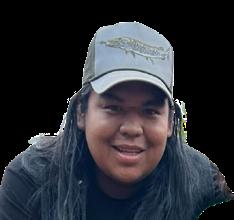
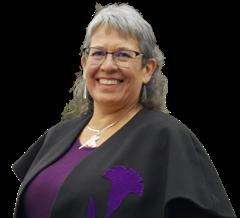


Elliott Brown Carlick Family carlick@tahltan.org
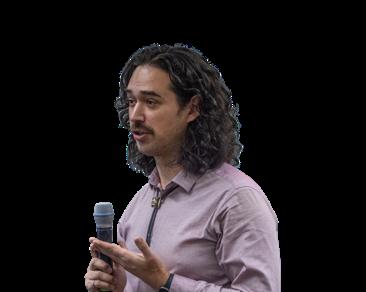
Nathan Skubovious Eth’eni Family etheni@tahltan.org
Susan Kelly Etzenlee Family etzenlee@tahltan.org
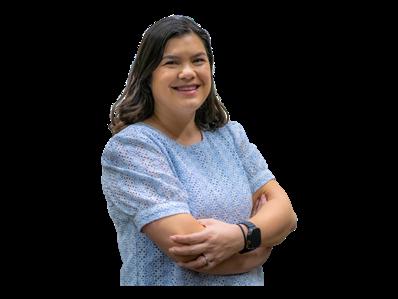
Brandi MacAulay Quock (Dekama) Family quock@tahltan.org
Amanda Quash Good-za-ma Family goodzama@tahltan.org

Ramona Quock
Simgaldtada (Ts’imgalteda) Family simgaldtada@tahltan.org
Carl Carpentier Cawtoonma Family cawtoonma@tahltan.org

Shoe Kawk/Howd-AGhtte (Shukak) Family shoekawk@tahltan.org
Melva Quock
Stikine Claw/Thicke Family stikineclaw_thicke@ tahltan.org

Dayle Creyke Thud ga Family thudga@tahltan.org

Megan Aldeen Walsh & Shane Joseph Walsh
April 25, 2025 6lbs 7oz

Regan Asp & Maddison Wesley
July 7, 2025 10.1 lbs


T Ū DESA CASSIDY EDZERZADENNIS
Isadaya Edzerza & Tony Dennis
May 20, 2025 7 lbs. 14 oz

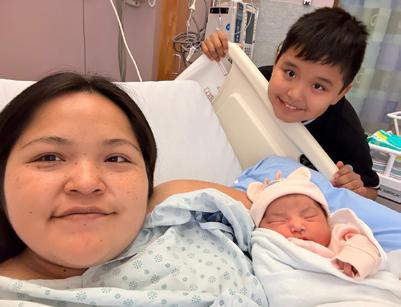
Tysheena Nole
June 26, 2025 6 lbs 11 oz
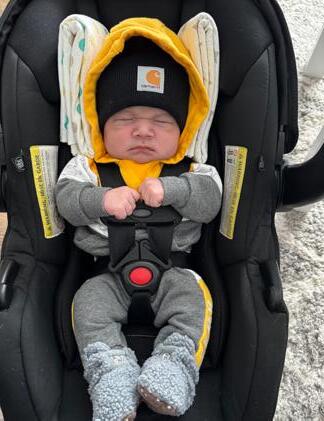
Marylee Merico Deedee Quock & Jacob
Nathaniel Floyd Alexcee
Dec 30, 2025 6lbs
Kailene Louie & Waylon Tashoots
March 24, 2026 7lbs 13oz
Feb 10, 2026 10 lbs
JANELL MORIN
June 1949 – July 2025
SHAWN MOSTAD
February 1976 – July 2025
ROY MILLSPAUGH
September 1949 – August 2025
NICOLE REID
July 1989 – August 2025
MARGERY INKSTER SR.
March 1939 – September 2025
LORRAINE HENYU
August 1946 – October 2025
ADA ENDERES HAMLIN
March 1934 – November 2025
STEVEN MCPHEE
October 1986 – November 202525
LORNE (HANK) WILLIAMS
March 1955 – November 2025
JAMES (JIMMY) DENNIS
June 1934 – November 20255
DOUGLAS CARLICK
February 1945 – January 202625
BERTHA LOUIE
August 1949 – January 202625
JUDY MCLEAN
December 1947 – January 202625
AUGUST BROWN
August 1947 – February 2026
LOUIS (ORVILLE) BROWN
December 1938 – March 2026
DOROTHY (EDNA) QUOCK
March 1925 – March 2026
JASON LOW January 1982 – May 2026
QUADE LOUIE
February 1996 – May 2026
WILBURN QUOCK
November 1959 – June 2026
GLADYS QUOCK
October 1943 –June 2026
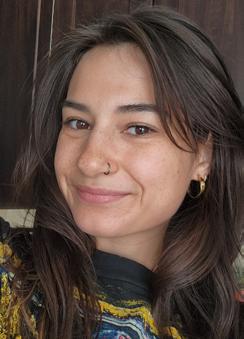


Political Science, University of Calgary
I hope to pursue a graduate degree in Political Science.

Indigenous Human Service Worker Certificate, Northern Lights College
In the future, I plan to move closer to Tahltan territory to reconnect with my roots and build stronger bonds with Tahltan people. I aim to graduate with my Social Work diploma in the coming years and continue my education in the mental health & addictions field. Focusing on professional growth that is rooted in Indigenous values and community empowerment.
Dogwood Diploma, Dease Lake
As I get closer to graduation, I’ve been thinking a lot about what comes next. My plan is to attend Blanche Macdonald Centre and continue building my passion for beauty. Once I earn my diploma, I hope to work, travel the world, and express my creativity through makeup, hair, and nails.
High school has taught me so much, but the biggest lesson I’ll carry with me is this:
“It doesn’t matter where you come from, it matters who you choose to be.”
I’m excited for this next chapter and everything it will bring.

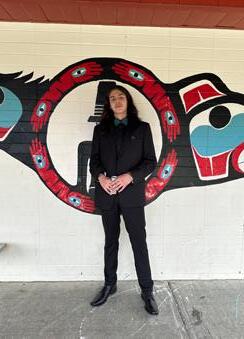

CARLENE QUOCK EGHAD Ē N KE E’HD Ī
Masters of Education, University of British Columbia
I have been accepted to UBC PhD in Curriculum Studies beginning in September 2026 and I won the Aboriginal Phd Fellowship from the Faculty of Education UBC. I will be studying fulltime but I am hoping to return to the territory and pilot a curriculum that I built. I have recently launched my new education systems consulting business called Obsidian Ladybug Education Systems Consulting.
obsidianladybug.com

Dogwood Diploma, Dease Lake
Applied to Langara College in Vancouver for photography; I have plans to attend university for Indigenous Land Stewardship after I pursue my side passion of photography.
Indigenous Early Childhood Education Certificate, Nicola Valley Institute of Technology
I plan to work at the Head Start within my community and continue my education in the field of early childhood education.
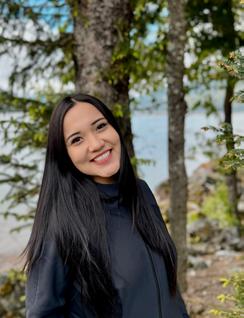
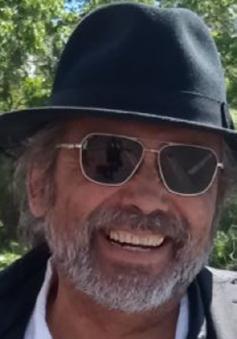

Early Childhood Education Certificate, Nicola Valley Institute of Technology
“ “ “
I plan to continue working at the Tahltan Head-start, providing safe spaces for early years. Serving the community. Providing nurture and care for our next little leaders. With wishes to further my education, bachelors, masters, so on.

KEN EDZERZA
Honorary Doctorate of Law, UBC
I plan to travel, enjoy my family and be of service.
Bachelor of Science in Civil Engineering, UBC Okanagan
I plan to pursue my P. Eng in Civil Engineering.



Hairstyling Certificate, Delmar Hair College
I plan to gain skills and experience employed in a salon to help me become an entrepreneur and have my own salon one day.

Diploma, Foothills Composite High School
“I registered as an apprentice welder and will pursue my red seal journeyman over the next four years.
Diploma, South Kamloops Secondary School
I’m thinking of getting into Welding. I quite enjoy welding. I’m also a figure skater, so I would love to skate for Disney on Ice one day. That would be a dream come true for me.
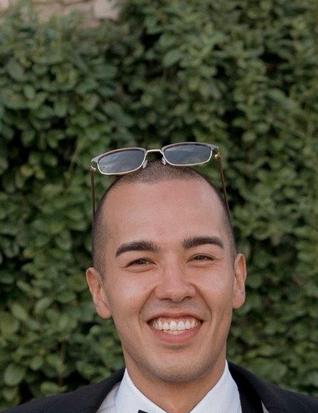

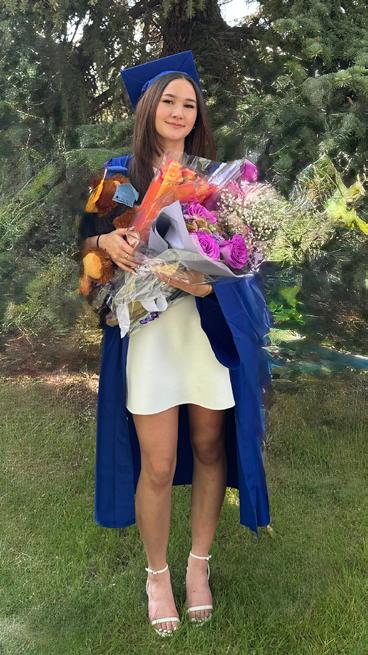
BA Psychology, Simon Fraser University
“ “
I was raised by my mother in Prince George, with family roots in Iskut. I plan to eventually continue my education through a Masters in Counseling after gaining more experience working with others and learning from the communities around me.
At the moment, I am beginning to work in Tahltan territory to utilize my education and skills while continuing to learn and understand the best way I know how. I hope to one day help others broaden their understanding of mental health and know that sometimes it is okay to not feel okay. I want to show other young Indigenous men and women that vulnerability can be a strength as well.
I hope to continue learning every day by allowing myself and others to see different perspectives and embrace a holistic understanding of healing: physically, mentally, spiritually, and emotionally. One of my biggest dreams is to eventually run Jiu-Jitsu camps for youth in the territory, creating spaces that encourage confidence, discipline, connection, and healing in a healthy environment.
Social Services Diploma, Canadore College
After graduation, I hope to build a meaningful career in social work by helping Indigenous communities in healing and wellness. I want to support individuals and families with compassion, understanding, and respect for their culture and traditions. My goal is to make a positive difference, promote healing, and continue growing both personally and professionally.
Hairstyling Diploma, MC College
My plans are to hopefully be able to open a salon in Yellowknife where my mom currently lives.
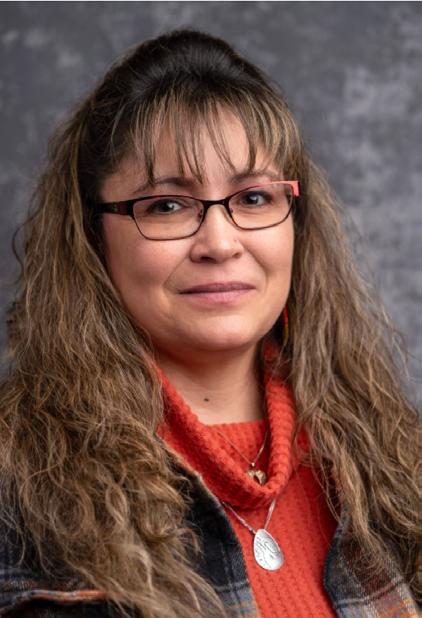
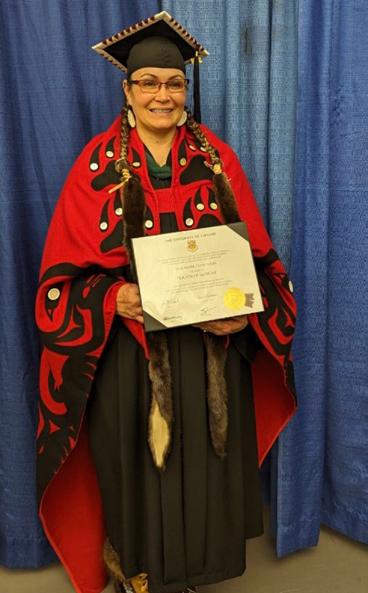
Doctor of Medicine, University of Alberta
“My grandparents are John and Dinah Creyke and my parents are John and Irene Creyke. I was born in Whitehorse, YK and grew up in Calgary after the passing of my father John.
I embarked on a degree in medicine at the age of 51 and now at the age of 56 I am graduating from the University of Alberta with a degree as a Medical Doctor specializing in Rural Family Medicine. I have been completing my family medicine residency in Yellowknife NT, Whitehorse YK, Iqaluit NU, and Invuik NT and I would love to return to the Tahltan territory to be a family doctor. I am dedicated to serving Indigenous populations in the north and providing the best holistic care I can, specializing in mental health and addictions medicine.
I waited until most of my 11 children were grown to embark on this journey and while I am still a mother, I am also blessed with being a grandmother to 8 beautiful grandchildren. I would have never achieved this milestone without the love, support and encouragement of my children - Melissa, Josh, Reno, Taylor, Kendra, Rameses, Romeo, Amber, Jade, Sapphire and Tiana and their beautiful families, my partner Curtis, my extended Tahltan family and the support of the TCG and the Tahltan Education Department. All of my achievements in this journey are because of community, love, and prayer…the same elements of healing. I am forever grateful and honoured to be the first female Tahltan medical doctor. It is a blessing that comes with great responsibility to change systems that historically have been harmful to Indigenous people but that also have the potential to be spaces where Indigenous people, Tahltan people, can make a difference. Mēduh for the love and support that has been given to me to complete this journey ❤





Prepared by: Theresa Montpellier, CPHR HR Business Partner
Over the past year, the Human Resources function at Tahltan Central Government (TCG) has transitioned from establishing foundational structures to strengthening and advancing a more consistent, responsive, and culturally grounded HR framework. Building on the initial work completed in 2024/2025, this year has focused on implementation, refinement, and operational support across departments. A significant milestone includes the approval and implementation of a Casual Employment Framework to support seasonal and short-term workforce needs.
HR has continued to support recruitment, employee relations, and systems improvements while working to increase consistency, accountability, and alignment with Tahltan values This work reflects a shift from building the framework to actively applying and strengthening it in practice.
Throughout 2025/2026, HR supported recruitment across multiple departments, including operational, administrative, and seasonal roles.
• Total New Hires: 8 (2 pending) Total New Hires: 13 + (2 pending) 10 posted positions / 3 direct awarded short-term contracts
• Seasonal Fisheries Hires: 15 + casuals
• Leadership roles recruited: 2 pending
• Employee resignations etc.: 4
• Recruitment processes have become more structured, with increased HR involvement to ensure consistency, fairness and confidentiality aligned with FOIPA – Freedom of Information and Protection of Privacy requirements.
In April 2026, the TCG Board approved the implementation of a Casual Employment Framework to support seasonal and short-term workforce needs across the organization. This framework introduces:
• Centralized casual employee pool for seasonal and short-term roles
• Improved workforce continuity for returning workers
• Reduced repetitive onboarding and administrative processes
• Standardized HR and payroll engagement across departments
• Increased organizational compliance and accountability
This marks an important shift towards a more consistent and sustainable workforce model.
The Casual Employment Framework will directly support fisheries seasonal workers and will also be applied to staffing for other departments as well as for the Annual General Assembly (AGA), including youth employment. Under this approach:
• Youth engaged for AGA will be formal employed as casual employees of TCG
• Clear supervisory structures will be established, with oversight through the Events Coordinator Assistant
• All individuals will be processed through HR and payroll systems prior to commencing work
This ensures that all workers are supported within a consistent, compliant, and well-defined employment structure.
This year, HR placed an increased focus on recognizing employee contributions and strengthening continuity of service across the organization. As part of workforce transitions, particularly through the casual employment framework, employees who have supported TCG over multiple seasons are now being formally acknowledged for their cumulative years of service. This approach supports not only internal recognition but also provides employees with a verifiable employment history that can support external needs such as financial applications, housing, and long-term career development.
Looking ahead, HR is working toward the development of a more structured Employee Recognition Program. This will move beyond years of service to include:
• Recognition of Long-term and returning seasonal employees.
• Acknowledgment of contributions during high-demand operational periods.
• Opportunities for leadership to formally recognize employee efforts in a consistent and meaningful way and formally tracked and reflected in HR records.
• Years of service for returning seasonal employees will be recognized from their original start dates.
The intent is to create a recognition approach that reflects organizational values while strengthening employee connection to TCG over time.
This year highlighted the need for a more consistent and structured approach to performance management and employee development across TCG. While some departments have informal practices in place, there has not been a standardized, organization-wide approach to setting expectations, providing feedback, or supporting employee growth. HR has begun foundational work to address this gap. Initial steps included:
• introducing clearer expectations around roles and responsibilities during onboarding.
• Supporting managers/directors with guidance on addressing performance concerns as they arise.
• Beginning development of consistent tools and templates to support performance conversations.
Recognizing the importance of fairness and transparency, Hr is moving forward with implementation of a structured performance management framework that will:
• Establish consistent review cycles across departments.
• Support regular, constructive feedback between employees and supervisors.
• Align individual performance with organizational goals and priorities.
• Create clearer pathways for employee development and progression.
This work is ongoing and will continue to evolve as systems and supports are further developed.
Over the past year, significant progress has been made in strengthening HR systems, processes, and overall organizational consistency. HR has fully expanded the use of BrightHR™ (TCG’s current Human Resource Information System) across the organization, improving access to key tools such as employee records, policy resources, and compliance tracking. This has supported greater consistency in how information is managed and access.
Key advancements include:
• Improved accuracy and organization of employee data and records.
• Increased consistency in onboarding practices across departments.
• Strengthened focus on confidentiality and adherence to Freedom of Information and Protection of Privacy Act requirements in all HR processes.
• More structured handling and storage of employee and recruitmentrelated information.
In addition, HR has continued to support departments through ongoing onboarding, guidance and process development, helping to create more consistent practices across the organization.
While much of this work has been foundational, it has been critical in building a more stable and reliable HR framework. These improvements position TCG to continue strengthening internal operations, supporting employees more effectively, and maintaining compliance with legislative and organizational requirements.
Building on the progress made this year, HR will continue to focus on strengthening consistency, accountability, and employee experience across TCG. This coming year will prioritize practical, sustainable improvements that support both operational needs and long-term organizational stability.
Key priorities for the coming year include:
1. Development of an Employee Recognition Program – This will focus on:
a. Recognizing years of service, including seasonal and returning employees.
b. Acknowledging contributions during peak operational periods.
c. Creating consistent opportunities for leadership to recognize employee efforts.
The intent is to strengthen employee engagement and ensure contributions are acknowledged in a meaningful and visible way.
2. Continued Expansion of the Casual Employment Framework. The casual employment framework introduced this year will continue to be refined and expanded. Priorities include:
a. Ongoing application across departments beyond Fisheries and AGA.
b. Clear role classifications and pay structures for casual positions.
c. Improved scheduling and deployment processes.
d. Ensuring all casual work is routed through HR for consistency and compliance.
This work will support operational flexibility while maintaining fairness, transparency, and compliance across all casual employee practices.
3. Strengthening Recruitment Processes and Governance. HR will continue to refine recruitment practices to ensure consistency, transparency, and alignment with legislative requirements. This includes:
a. Standardizing recruitment workflows across all departments.
b. Strengthening documentation and evaluation processes.
c. Ensuring alignment with Freedom of Information and Protection of Privacy Act requirements.
d. Providing ongoing guidance to leadership on roles and responsibilities within hiring processes.
The focus will remain on maintaining a fair, structured approach to that protects both applicants and the organization.
4. Enhancing Onboarding and Employee Experience. Improving the onboarding experience will remain a priority to ensure employees are set up for success from the start. Key areas of focus include:
a. More Consistent onboarding processes across departments.
b. Clearer role expectations and early support for new hires.
c. Continued use of optimization of BrightHR™ for onboarding and documentation.
d. Strengthening coordination between HR, IT and departments.
A more structured onboarding experience will support employee confidence, performance and retention.
5. Ongoing Strengthening of HR Systems, Data, and Compliance. HR will continue building on foundational improvements made this year to ensure systems remain reliable, accurate, and aligned with best practices. This includes:
a. Maintaining accurate and organized employee records.
b. Continuing to strengthen confidentiality practices.
c. Ensuring compliance with privacy and employment legislation.
d. Supporting leadership with clear, consistent HR processes.
This ongoing work is essential to maintaining organizational integrity and supporting informal decision making.
6. Supporting Leadership with Clear HR Guidance and Structure. As the organization continues to evolve, HR will focus on providing clear; consistent guidance to leadership to support decision making and accountability. This will include:
a. Clarifying roles and responsibilities within HR-related processes.
b. Supporting leaders in applying policies and practices consistently.
c. Providing practical tools and guidance for managing teams.
The intent is to strengthen overall governance while ensuring HR remains a supportive, structured partner in leadership.
This work continues to reflect Tahltan values by placing people, community, and relationships at the center of organizational practices.
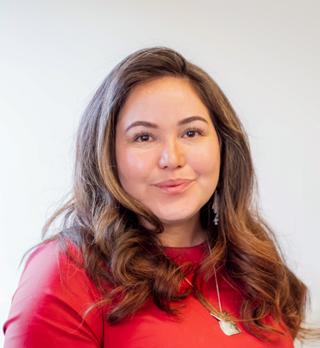
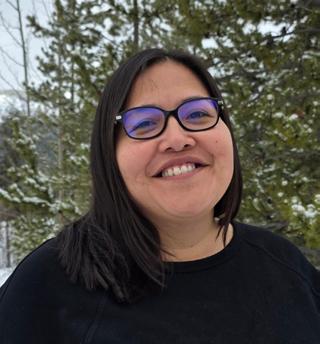
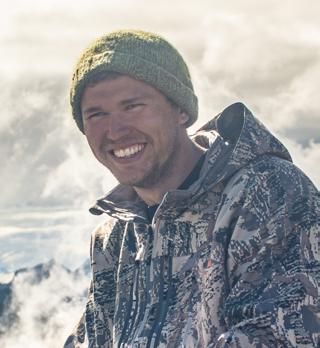
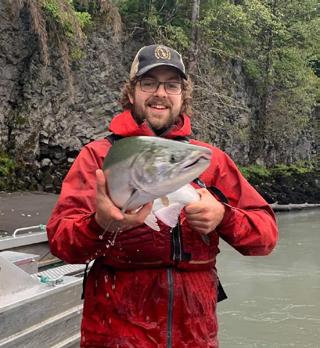
Executive Director (Interim)

Administrative Assistant

Senior Finance Officer
Fisheries Manager
Wildlife Director
Employment & Business Coordinator


Candace Quock
Education & Training Coordinator
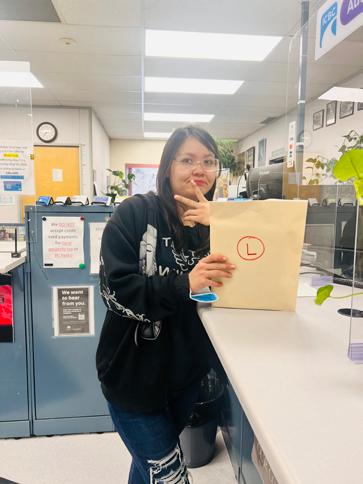
The Education Department has had a productive and successful year supporting Tahltan students through bursaries, funding, and ongoing educational programming. Our work has focused on increasing access to financial support, ensuring timely payments, and providing hands-on assistance to students throughout their education journey.
Bursaries Completed
» Seabridge Bursary (December): Dispersed between 31 students.
» ERM Bursary (January): Dispersed between 21 students.
» CMH Bursary ( March - April ) : Dispersed between 45 Students
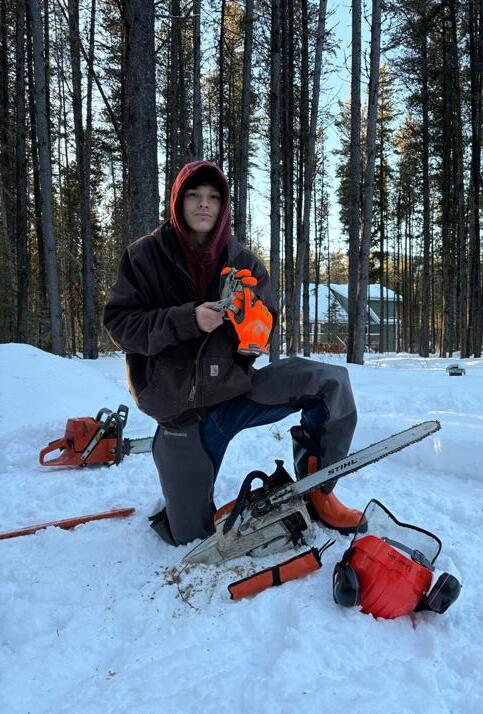
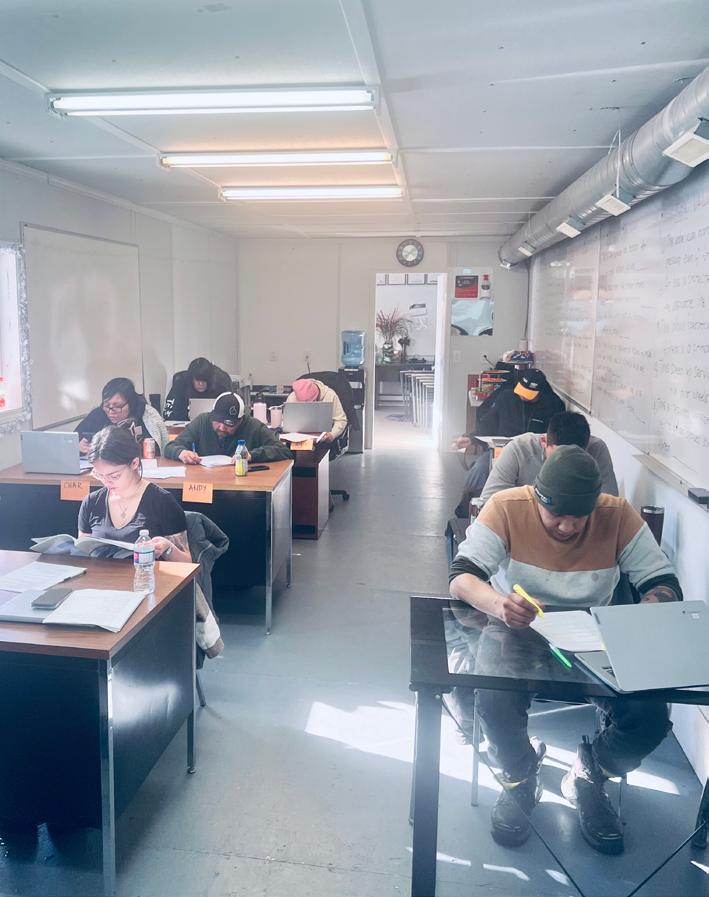
» Supported the successful March 2026 Dease Lake Boot camp
» 458 out of 516 Certificates
» 90% attendance rate and a 97% success rate.
» 20 course offered certification
» 64 signed up and 43 participated and 5 Tahltan business benefited from this year’s program
Partnered with these Companies to have these courses available:
» Tatl’ah Training & Engagement
» Fifth Element Training Centre
» Northern Lights College
» Tricorp
» Tahltan Nation Development Corporation
» Bandstra Transportation Systems Ltd.
» Seabridge Gold
» Couer Mining Inc.
» Northway Motor Inn
» Dease Lake Community Hall
» Kedah Propane
» Fountain Tire
» The Reach Group’s First Nations Capacity Fund
Supported Dease Lake driving school, Class 7, 1-3-4 and 5.
» 16 students in total who attended
Supported Tudor Gold Core cutting course.
» 20 seats for our Tahltan People.
» Held in Dease in May.

» Planning and preparing additional bursary intakes scheduled and working with Newmont.
» Completing new applications for Jan -Apr.
» Core Cutting Course for May
» Flagging Course in May-June
» Driving school in May and June
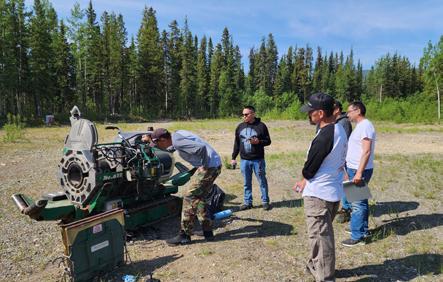
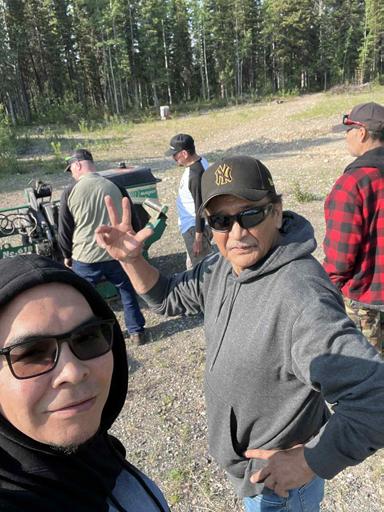
» Sponsoring students to take HDPE Fusing Operator Certification Course for May in Dease Lake.
Student Funding Support
Over 157 students have applied for education funding this year.
» 123 students are actively attending school.
» 24 Other band funding
» 17 Tricorp/outside funding
» 31 IBC Member’s applied
» 94 TBC Members applied
» 15 Other band members
» 17 None status
» 2 Newmont Apprenticeship
» 2 students applied days before start date and directed to apply for additional funding source, as these 2 tuitions exceeded our funding budget. Not denied just need more time to process.
» 0 Students denied.
25 new applicants are currently in the intake process.
The department continues to support all Tahltan students across various levels of education, with our budget at $620,781.90, from September 1, 2026 to April 9, 2026. This will increase from now until August 30, 2026.
• Supported students in successfully applying for education funding and bursaries.
• Completed follow-ups to confirm eligibility, funding amounts, and required documentation.
The Tahltan Central Government (TCG), together with the generous support of our business partners, continue to offer academic bursaries to Tahltan students pursuing post-secondary education, trades and skill development bursaries. The TCG has been administering bursaries since the inception of the Education & Training Department in 2018.
To be eligible for a bursary, an applicant must be of Tahltan ancestry and a member of the TCG. Students do not have to be a registered status Indian under the Indian Act.
Students can be from anywhere, studying anywhere in Canada and in any accredited post-secondary institution or trade school.
2025/2026 BURSARIES CONTRIBUTIONS
To qualify for funding, an applicant must:
• Be of Tahltan ancestry
• Be a confirmed registered member of the TCG
• Be registered on the TCG OnTrack employment resource website
• Be in good financial standing with the TCG, the Tahltan Band and the Iskut Band (if applicable)
• Be applying for a program that aligns with the program eligibility requirements outlined in the policy
Scan the QR code below to visit the Bursaries webpage: tahltan.org/bursaries
• Processed and coordinated payments for tuition and books.
• Implemented and administered living allowances for eligible students.
• Maintained detailed records of applications, approvals, payments, and ongoing student support activities.
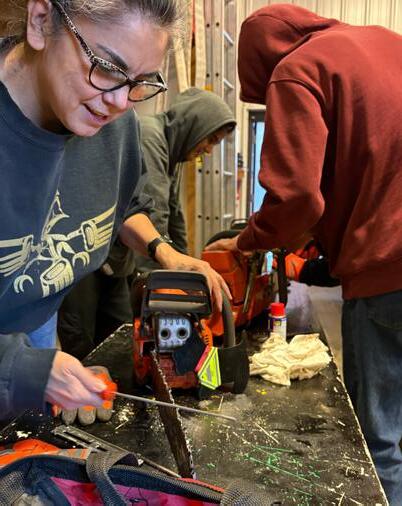
Our department has made significant progress this year in supporting Tahltan students to access education and training opportunities. Through successful bursary rounds, strong funding uptake, and consistent student support, the department continues to strengthen pathways to education, skills development, and future employment
Mariko Waite
Acting Language, Culture & Heritage Director
Over the past year, the Language Department and the Culture and Heritage Department came together. Our team includes Kathy Cottrell in Language, and Ursula Abramczyk, Kailene Louie, and Sam Fredrickson in the TCG Archives and Repository.
In addition, we hire seasonal Archaeology Monitors for fieldwork each summer.
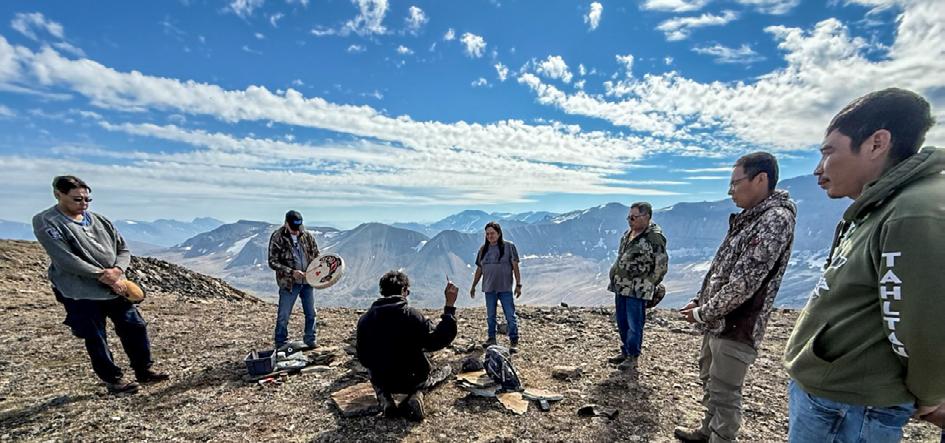
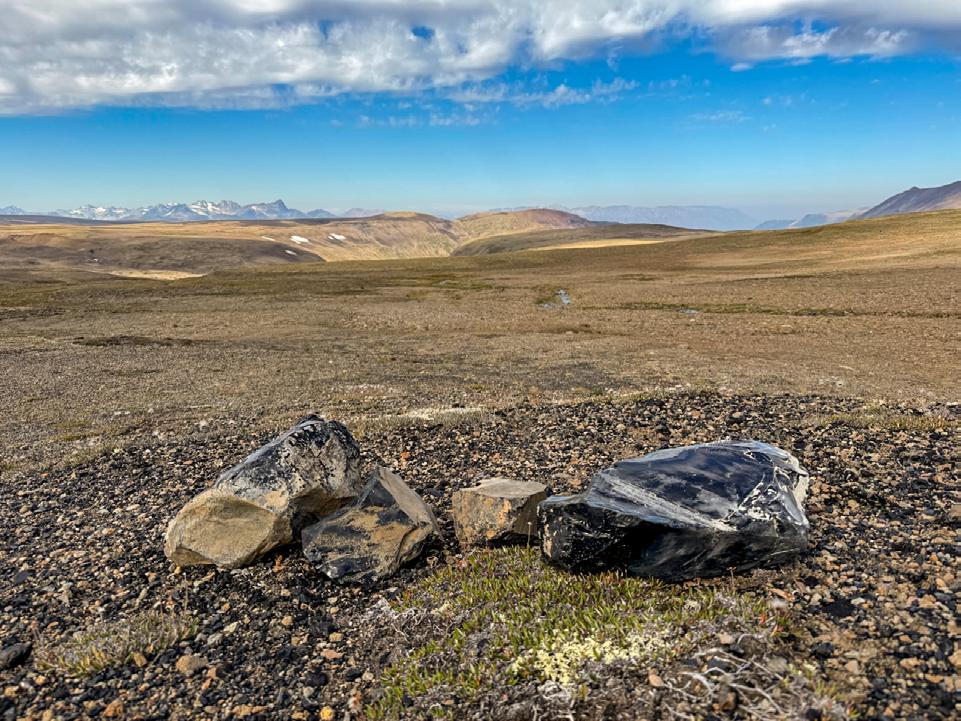
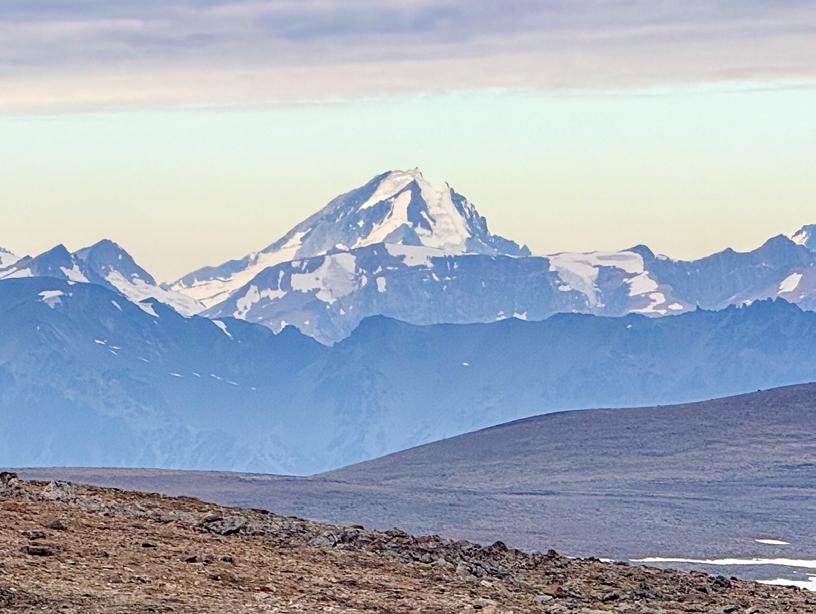
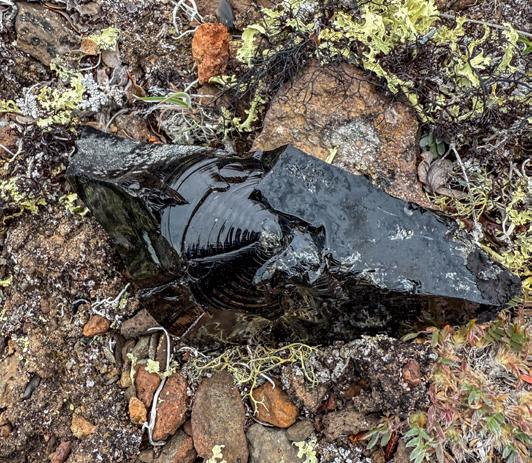
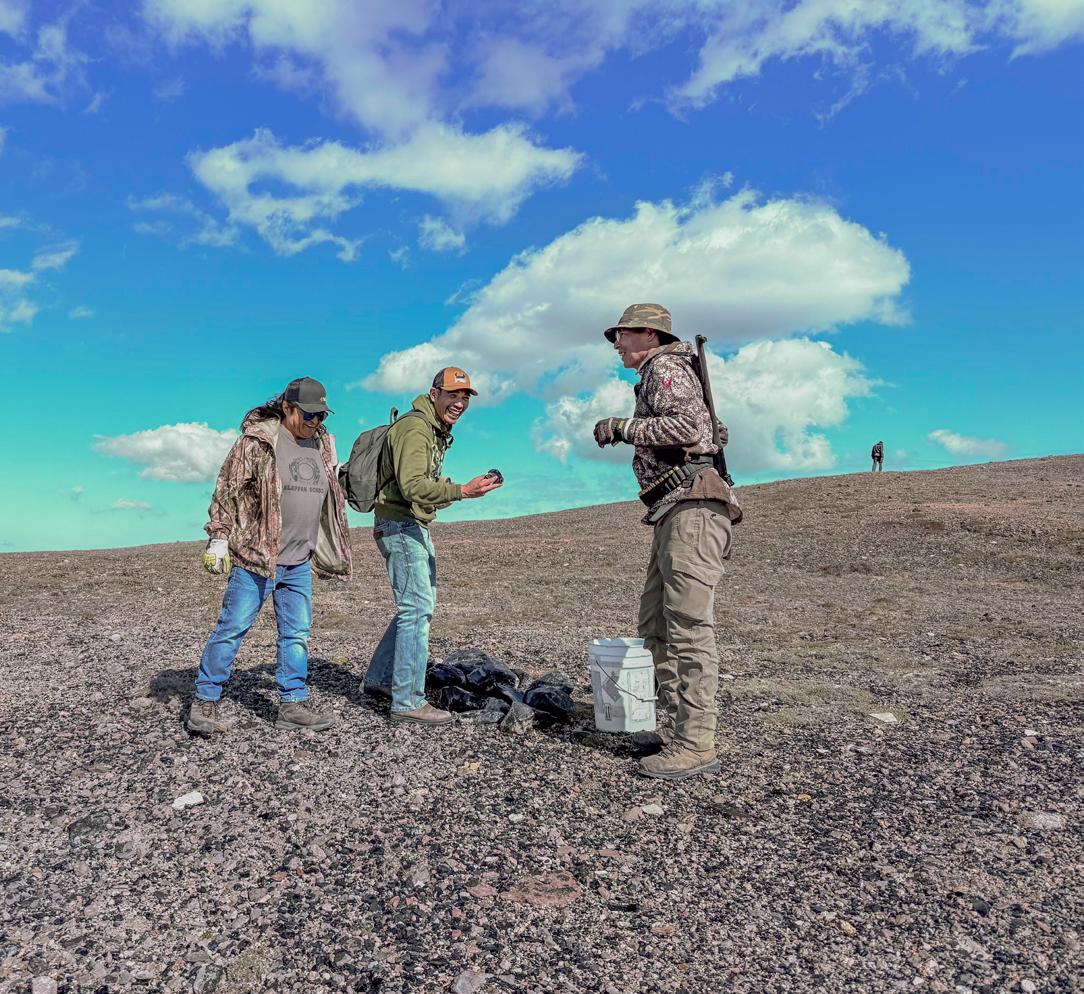
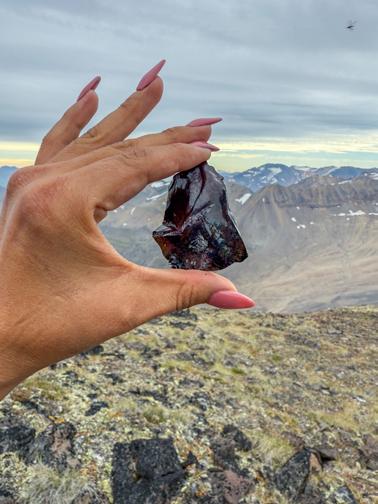
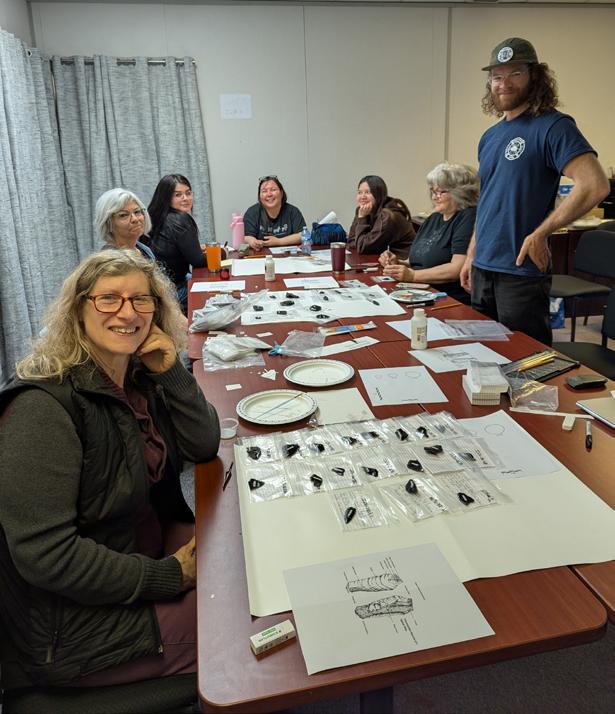
This year, TCG successfully completed a Dudāt (obsidian) revitalization project that brought Tahltan members together to reconnect with traditional harvesting practices, cultural teachings, and knapping skills.
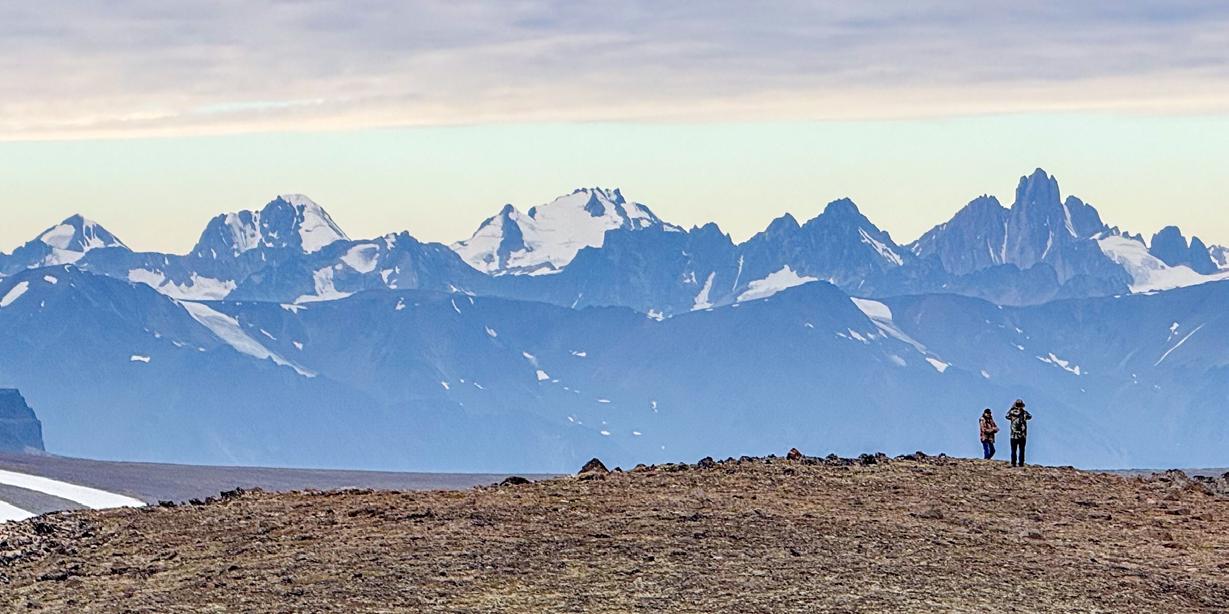
A key component of the project was a harvesting trip to Edzi’dzāe (Mount Edziza), where participants gathered surface Dudāt and took part in a ceremony on the mountain. Through a partnership with Iskut Band, additional community members were able to participate, including representatives from both Iskut and Tahltan Bands, as well as Chief Jackson. Shannon Dennis played a key role in both planning and leading the obsidian collection and shared his knowledge of Dudāt throughout the trip. A special contribution was made by Lesli Louie, a young Tāłtān language speaker who helped support the ceremony and bring Tahltan language into the gathering. The trip also benefited greatly from the guidance of Dennis Quock, whose extensive knowledge of the Edzi’dzāe area helped ensure a safe and successful experience for everyone involved. The trip provided an opportunity to reconnect with an important cultural landscape, strengthen relationships between community members, and learn about the significance of Dudāt in Tahltan culture.
The project concluded with a two-day Dudāt knapping workshop in Dease Lake led by Tahltan knapping instructor Shannon Dennis. Fourteen participants attended the workshop, where they learned how to work with Dudāt collected from Edzi’dzāe and developed their knapping skills through hands-on instruction. The workshop encouraged cultural sharing, skill development, and community connection while helping revive interest in traditional Tahltan knapping practices.
New tools, materials, and safety equipment were also purchased, providing resources that will support future workshops and cultural programming.
To help preserve and share the knowledge, experiences, and stories gathered throughout the project, TCG will also be producing a video highlighting the Dudāt revitalization project. The video will document the harvesting trip, ceremony, workshop activities, and participant reflections, creating a record that can be shared with the broader community and future generations.
A significant event this year involved the recovery and reburial of ancestral remains near Tahltan Hill.
On April 17, 2026, ancestral skeletal remains were reported along Highway 51 (Telegraph Creek Road) below Tahltan Hill. The Tahltan Band and TCG worked together, with guidance from a qualified archaeologist, to respectfully recover and rebury the remains of two individuals whose graves had begun to erode from the road cut. The remains were reburied at the Tahltan IR1 graveyard.
These were the fifth and sixth ancestral individuals recovered from eroding graves at Tahltan Hill over the past five years. This ongoing situation highlights the importance of protecting culturally significant areas and monitoring sites that may be affected by erosion and development. Talks with the BC Ministry of Transportation are being organized to find a remedy to this unfortunate situation.



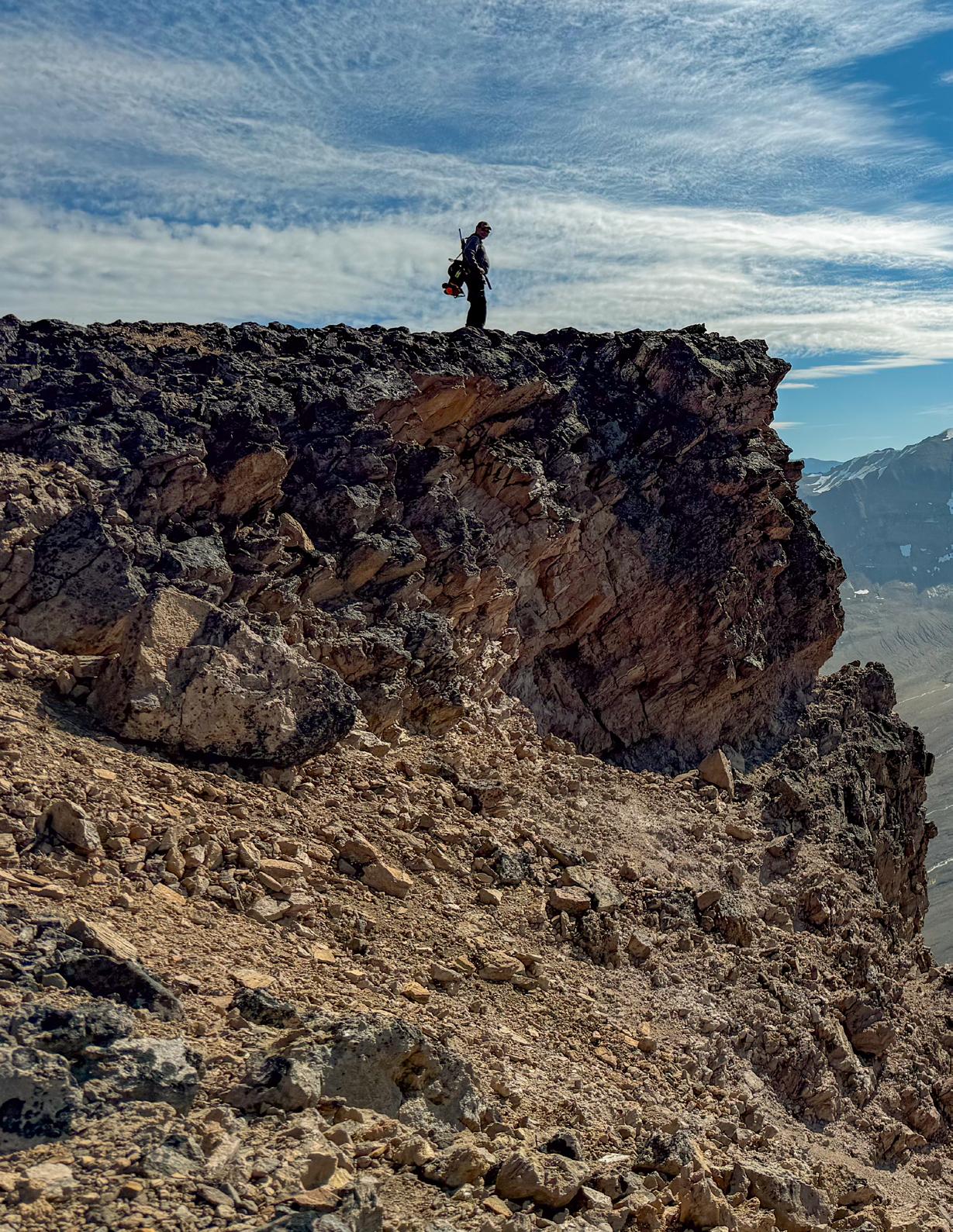
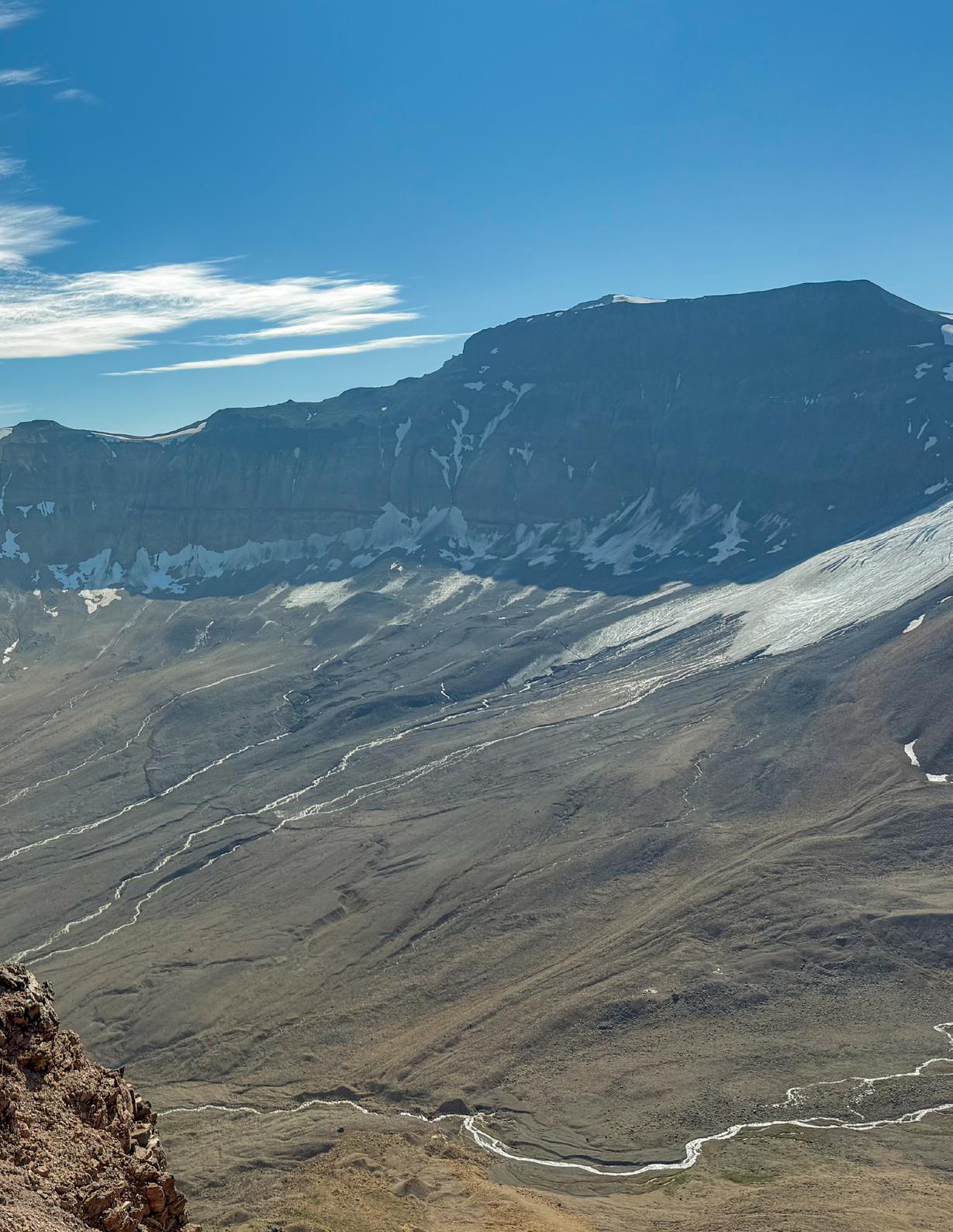
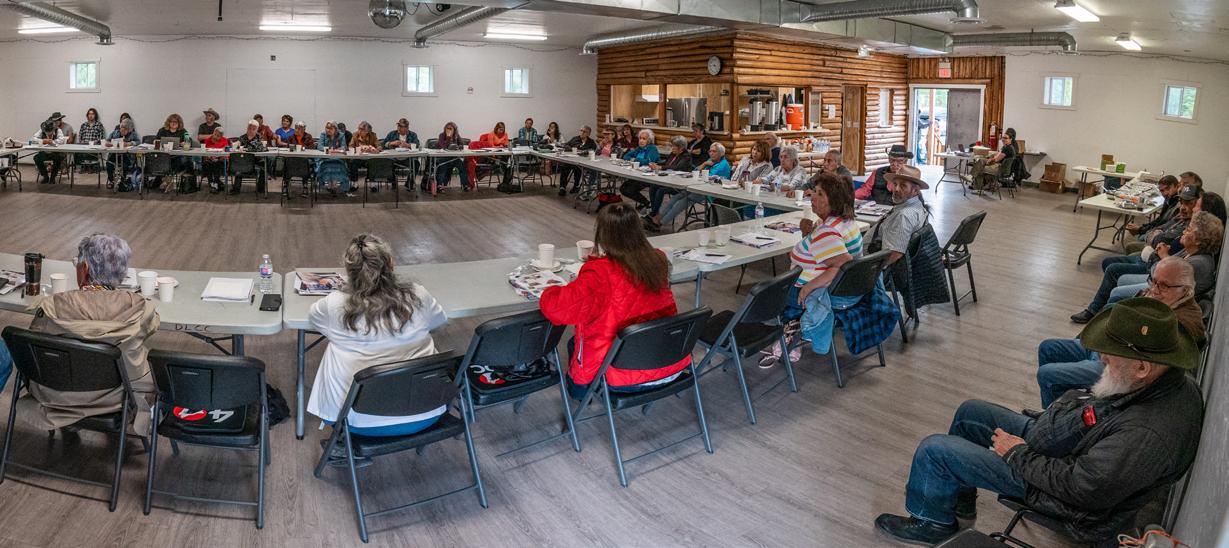
The Archaeology Monitoring Program has started the 2026 field season very busy, with monitors already working on several projects throughout Tahltan Territory. The program continues to play an important role in protecting Tahltan cultural heritage by ensuring archaeological sites, ancestral areas, and culturally significant places are considered during development activities.
Archaeology Monitors work alongside archaeologists, industry representatives, and contractors to help identify and protect cultural resources before and during ground-disturbing work.
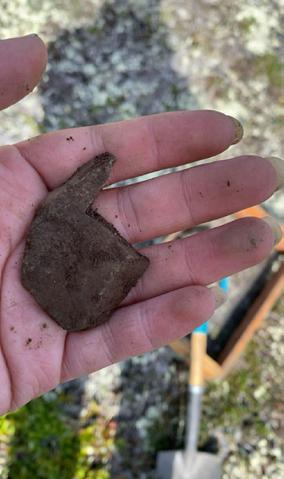
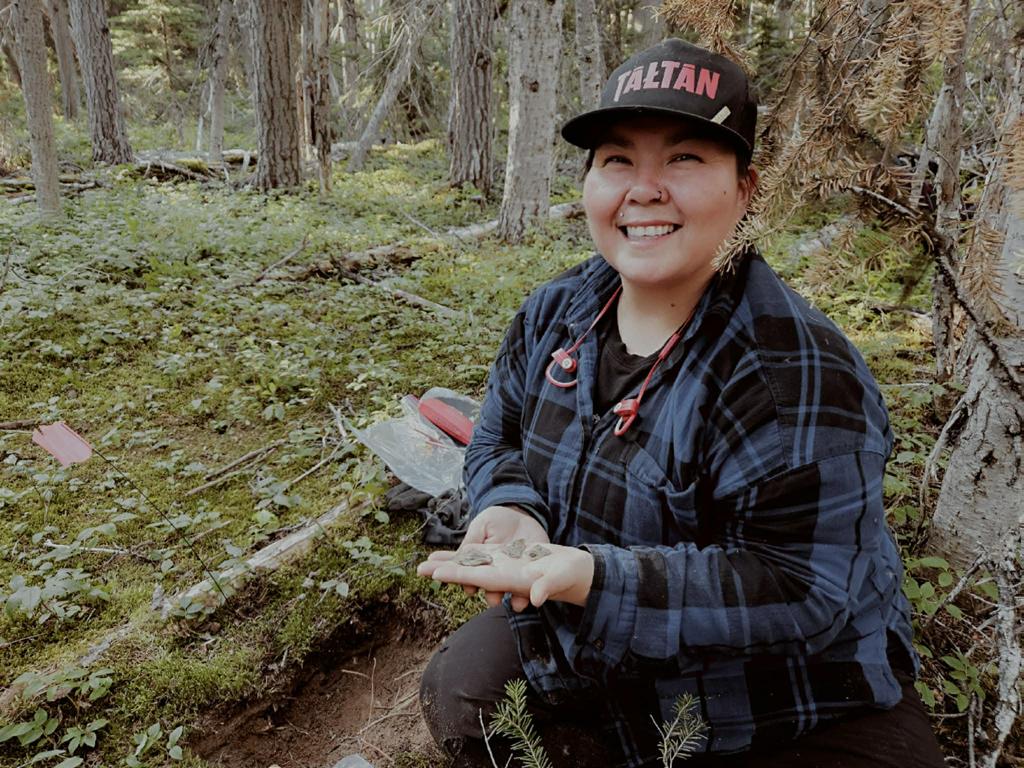
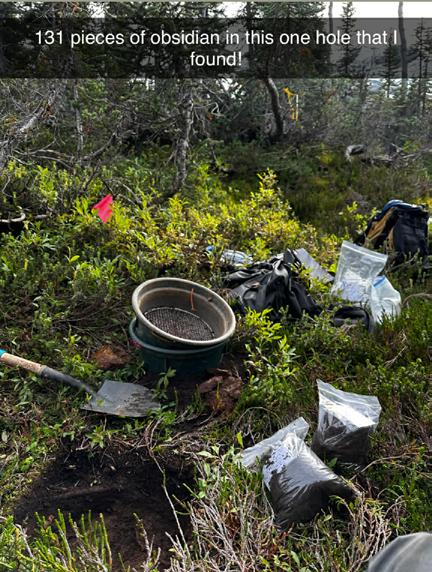
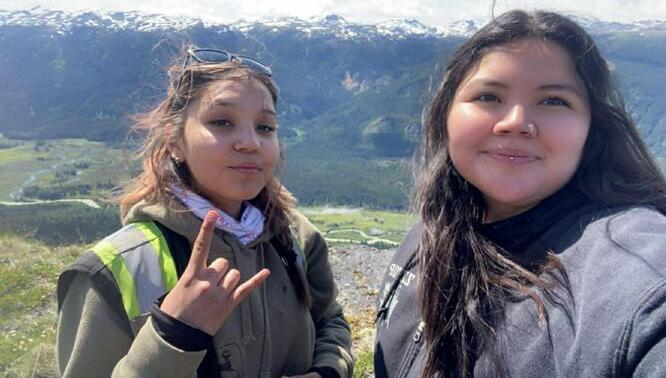
By Duncan McLaren
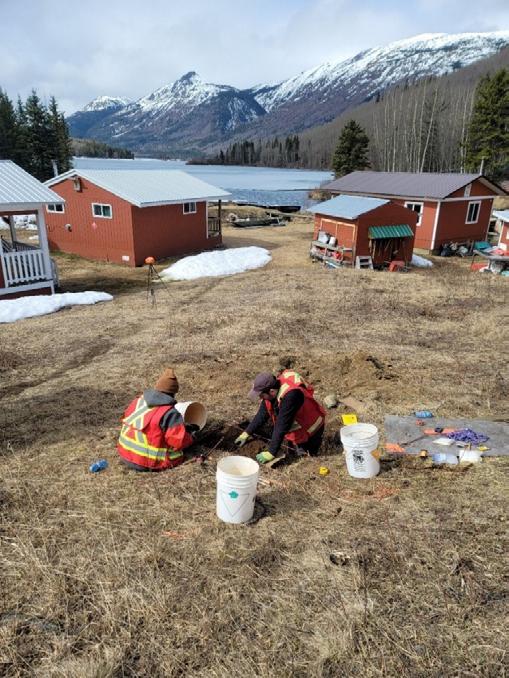
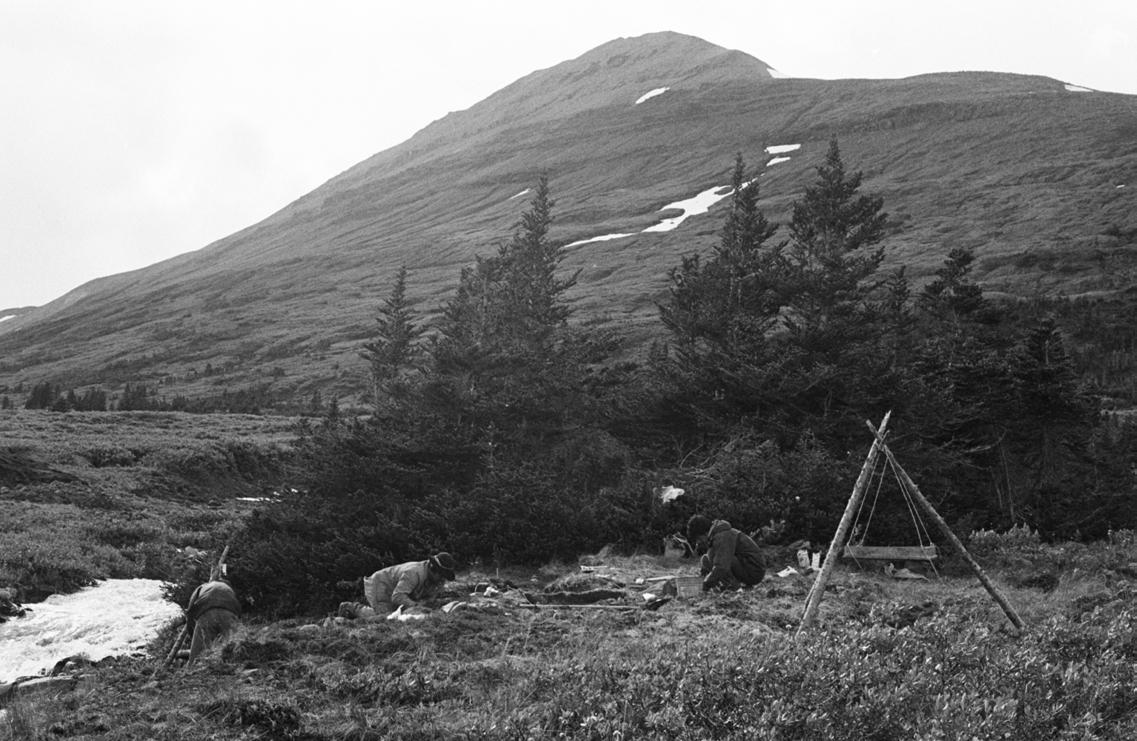
As part of the program to replace the aging weir at Tahltan Lake, archaeological impact assessment work was conducted in 2023 and 2025 to help manage archaeological deposits and features in the vicinity of the proposed project. The program assessed the area around the weir, borrow pits and ancillary facilities. A total of three archaeology sites exist in the local and the results of the subsurface testing program significantly expanded the geographic extent of these sites.
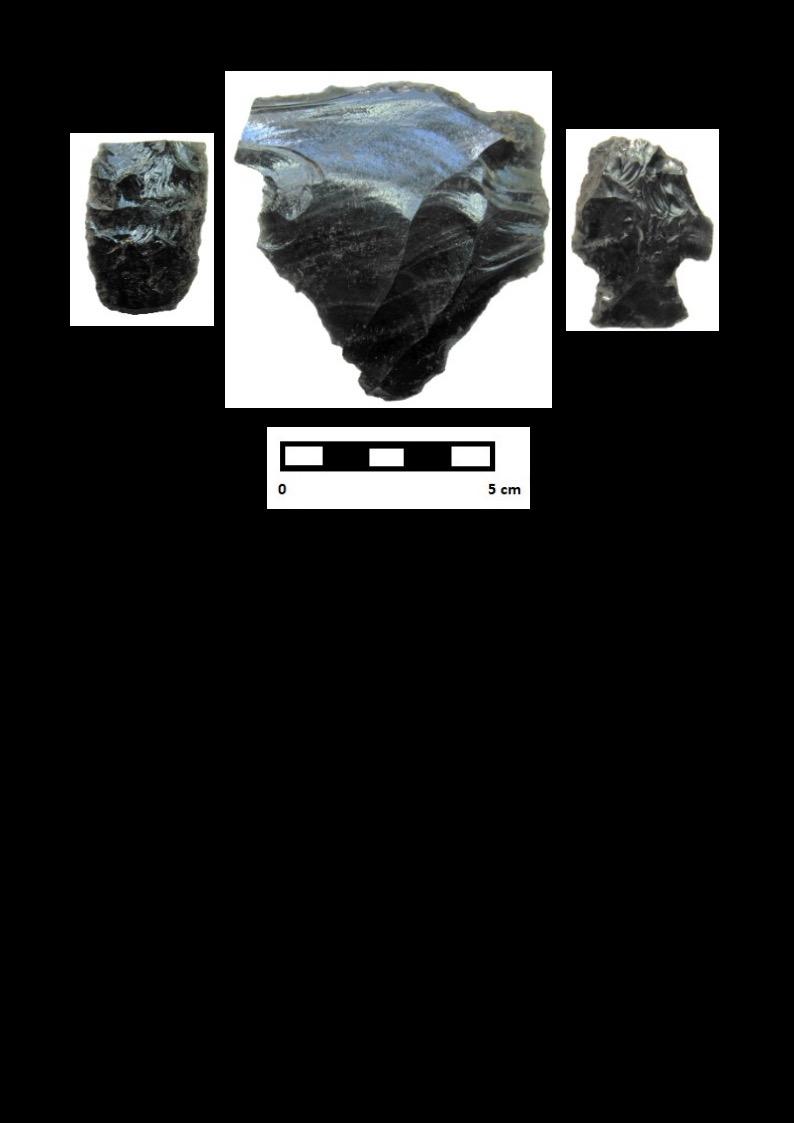
During the program, numerous obsidian, basalt, andesite and chert belongings/artifacts were found and recorded in multiple areas during shovel testing, trowel-based excavation, and in some cases on the surface.
Some artifacts were collected for analysis and have been sent to TCG’s Archives and Repository in Dease Lake for curation. Radiocarbon dates were acquired on charcoal found in association with stone tools with results indicating that the areas has been repeatedly used for at least the last 5,000 years. Tahltan archaeological field workers involved in the program included Kailene Louie, Leslie Louie and Verna Vance. Cheri Frocklage, Mariko Waite, and Patrick Hudson helped with project facilitation, logistics, and field operations. Archaeologists Evan Mugford, Brendan Gray and Duncan McLaren directed the archaeological field operations. Archaeological monitoring is planned for the construction of the new weir later in 2026.
This year TCG Archives & Repository (TCG A&R) welcomed a new archive assistant, Sam Fredrickson. Sam brings his passion for history and historical objects to our division of Language, Culture & Heritage.
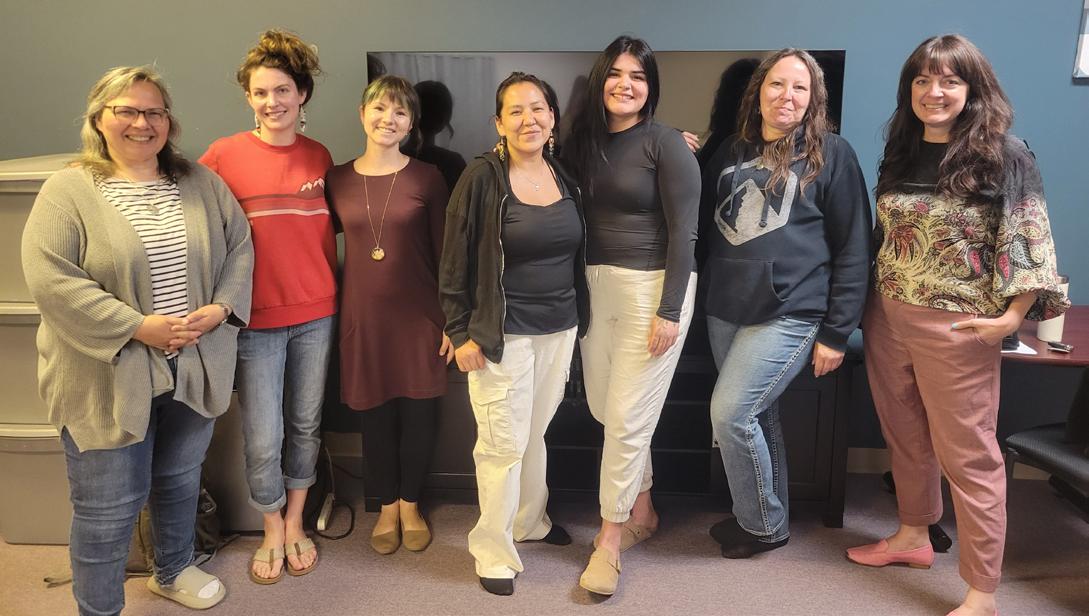
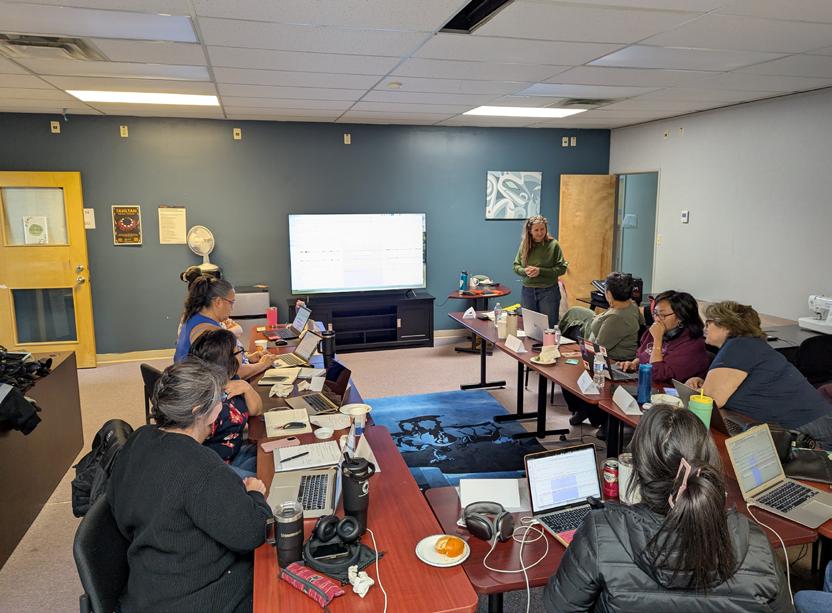
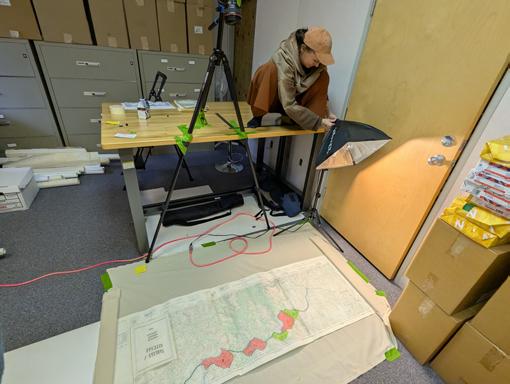
In 2025, archives staff were principally involved in preparing title & rights archives for import to the Border Project database. This involved inventorying, describing and digitizing archives held in Dease Lake. Populous Map, a team of dedicated volunteers led by activist and organizer Laura Cuthbert, came to territory to support digitizing outstanding archives. A big thanks to Laura and her team for providing much needed capacity to this project!
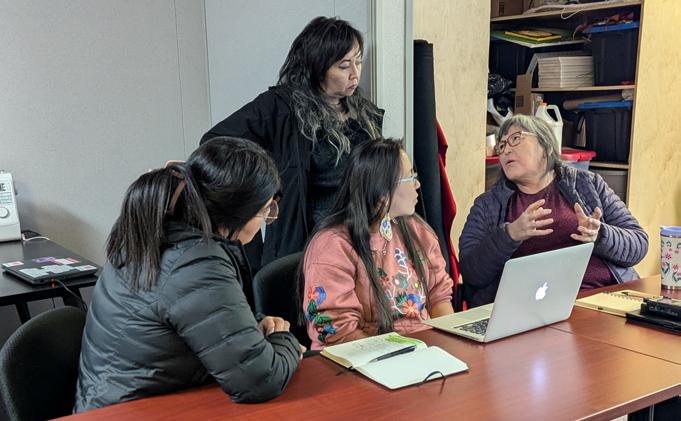
In 2025, we ran in-territory training sessions for TCG A&R staff and community members in collections management of archaeological materials, caring for Tahltan heirlooms and regalia, and Tahltan language transcription and translation. This training was grant-funded and led by professionals / experts in the fields of archaeology, cultural heritage, and linguistics. We hired several participants who successfully completed the training as contractors on various projects in the archives & repository. Please watch out for more training and contract opportunities in 2026/27!
Our team collaborated with Heidi Sweringa, the head conservator of MOA, and a team of UBC students to build an emergency management plan and training resources, ensuring that TCG A&R can strategically respond to different emergency types in a remote setting with limited human resources.
Across 2025/26, we acquired a number of collections for the archives and repository through donations, loans, and transfers, including textual records, magazines, cartographic materials, photographs, and archaeological materials. Highlights include:
• Terry Arnett’s BC History Magazine 4-part article series entitled “Mejade’sse: portrait of a woman navigating cultural erasure” (2023)
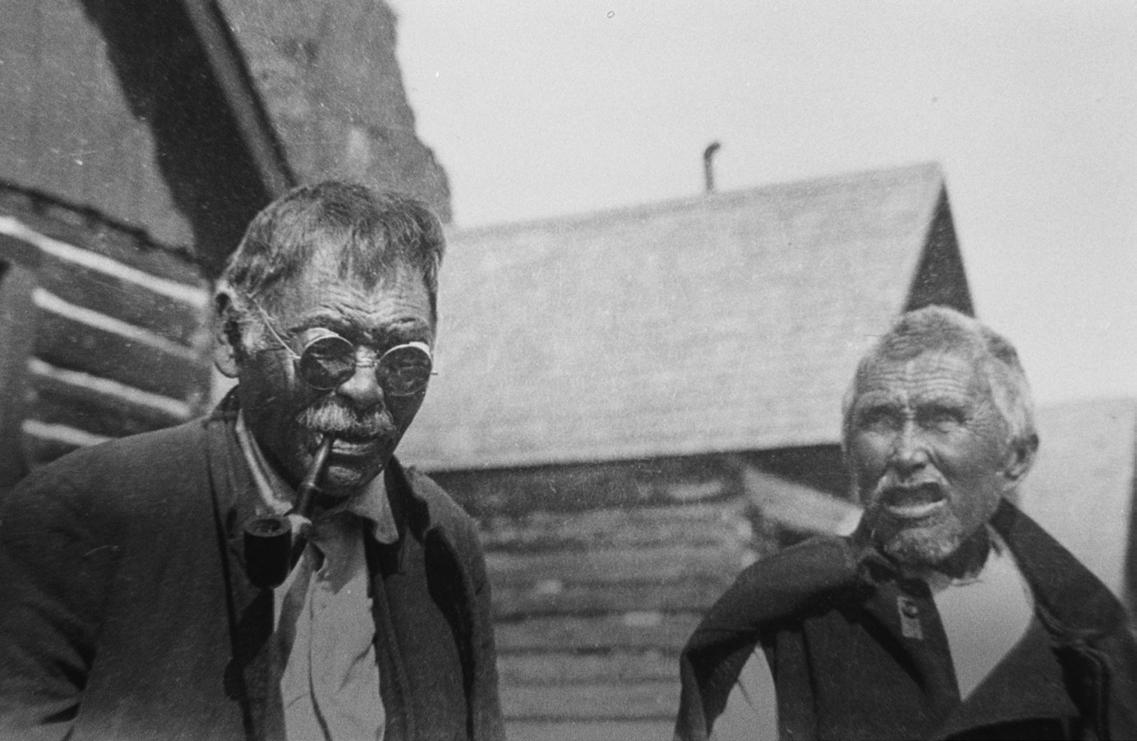
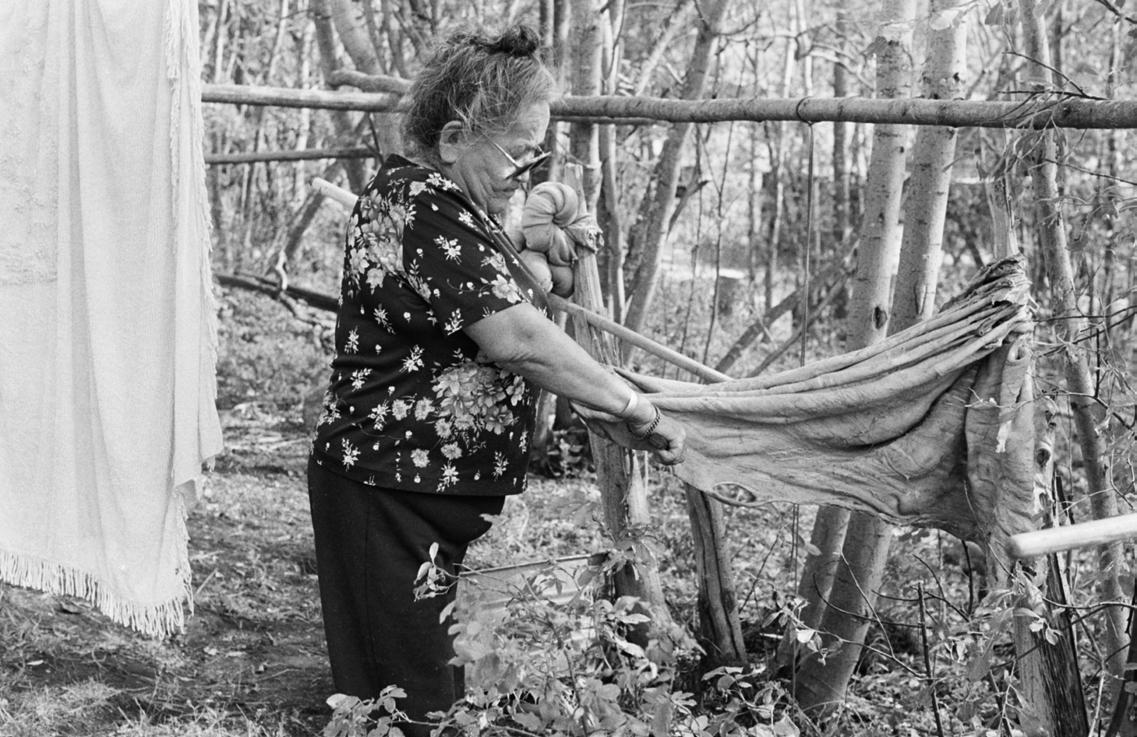
• 1,200 black and white photographs from Sylvia Albright showcasing Tahltan people living their best lives throughout Tahltan territory in the early 1980s
• Margaret Vanderberg’s handwritten notes and archival duplicates collected over a forty-year period, which informed her book “Through this Maze of Mountains” (available at the Super A in Dease Lake) (2024)
• Dozens of audio cassettes from Pauline Hawkins and her siblings, constituting a significant piece of Pat Carlick’s collection of documented Tahltan language (1970s-1980s)
• Thousands of obsidian artifacts through archaeology conducted at Sheslay, Klappan and Alkali Lake areas by Cordillera Archaeology in collaboration with Tahltan archaeology monitors


Page:
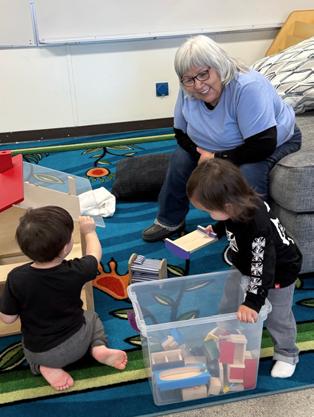
The K’asbā’e T’oh Ptarmigan’s Nest Language Nest opened for its third year of operation in January. We have had 3 students join us this year. One of our little ones is back for a second year. The children have enjoyed playing and learning Tāłtān.
The children learn their colours and new words in many ways. For example, while playing with play dough and sorting sets of coloured balls.
While playing in the kitchen they have learned verbs like eating, hungry, and thirsty. Nouns like k’otl (pot), bēs (knife), k’ūk’a (cup) are learned in conversation while they play.
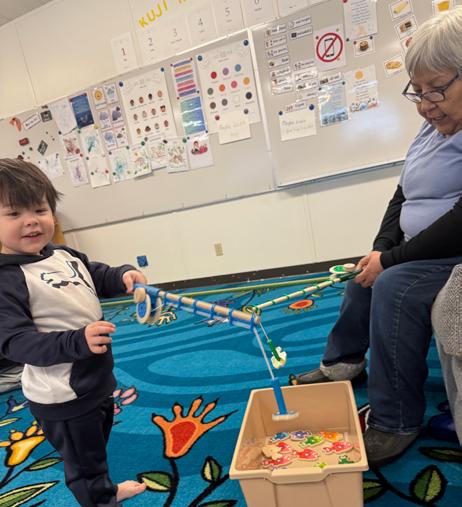
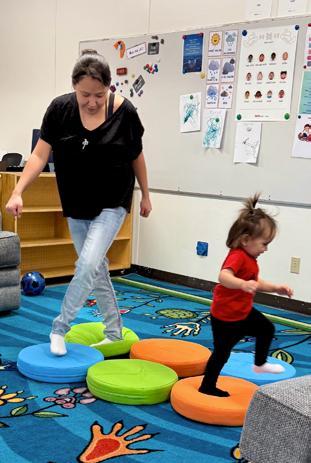
Counting has been learned in active play jumping from one circle to another, 1 łige, 2 łakē , 3 tat’ē, 4 łentē, 5 łola’e, 6 nasłige, etc. and also with puzzles and other toys. For example, both colours and numbers are learned with the fishing game.
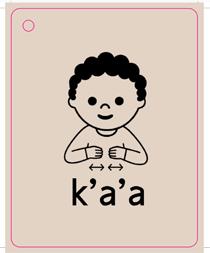
We have laddered language learning with baby sign language that some of the children have learned at home. For example, the word for more in Tāłtān is k’a’a.
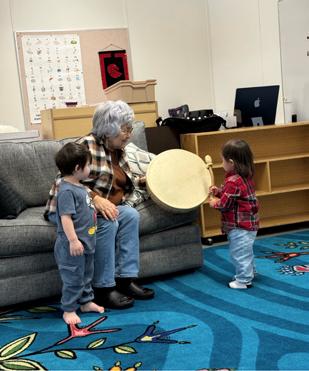
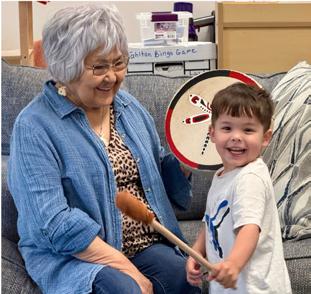
The children have learned songs that have been translated into Tāłtān and our elders have also taught the children to drum and sing traditional Tāłtān songs.
The Community Language Nights have been well attended. We have gone over learning how to introduce ourselves. We have also taught the numbers from one to twelve (łige to edesłakē) so that we could play Skip Bo in Tahltan with the cheat sheet our team created in the last two years. This cheat sheet was included in the AGA newsletter last year.
We learned the vocabulary for tableware. We used the children’s kitchen playset, and each one had a place setting to use as manipulatives. A placement with the names for each piece of kitchen item (cutlery or dishware) and its picture are being printed.

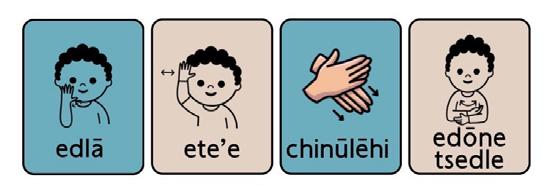
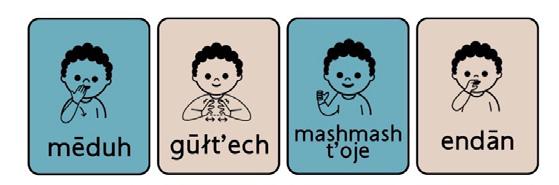

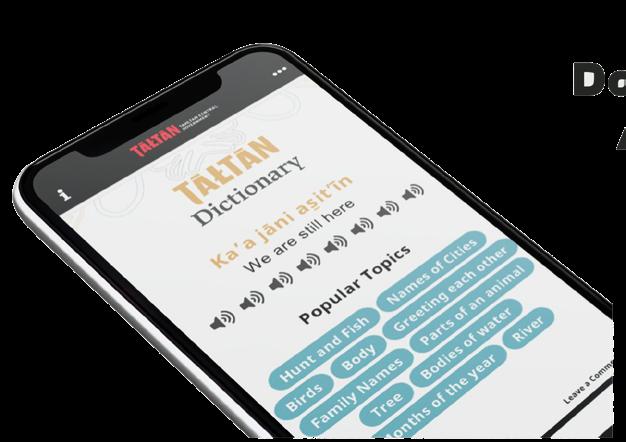
Scan the QR code below and download from the App Store OR search the App Store for “Tahltan Dictionary”.

LINKS:

‣ Getting started video: youtube.com/watch?v=zJW4slJ-l_Y
‣ Download on iOS (iPhone): apps.apple.com/us/app/6471603801
‣ Download on Android: play.google.com/store/apps/details?id=org.tahltan.dictionary
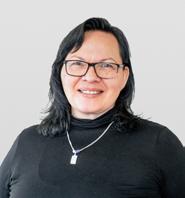
The past few months have been busy with fulfilling my grant obligations and providing many workshops and gatherings for the community. I have attended a food canning workshop to improve my understanding and capabilities with pressure canning. Other current activities I am doing are youth art classes, Elder luncheons, and planning many community activities/events.
I am proud of my foods program, with the grant funding I received I have purchased pressure cookers, dehydrator, smoker, vacuum sealers, stainless steel tables, meat grinder, and many supplies and utensils. With these I have started food preservation workshops that are really well attended and enjoyed by community. Now I just need a moose...
I am also looking into beginning some community cooking classes to start soon.
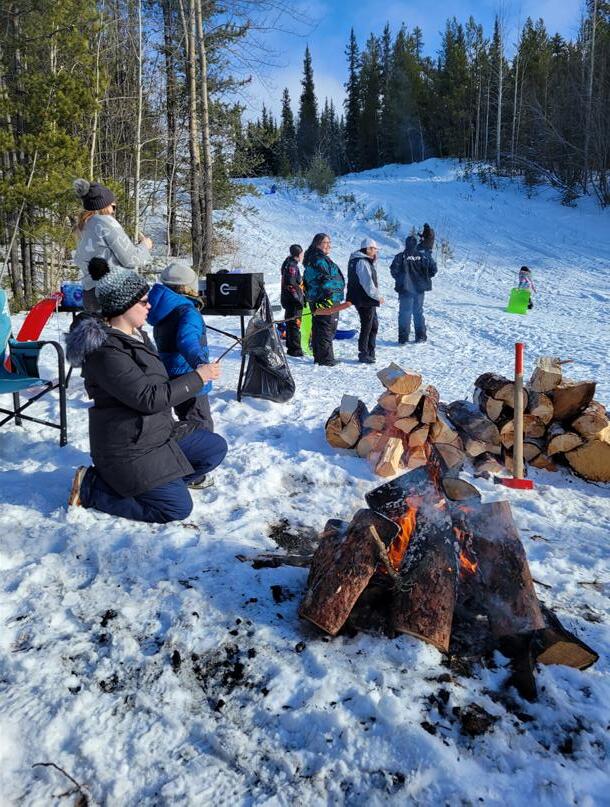
Other upcoming activities are Red Dress Day, a planting workshop, building a smoke house for Dease Lake, and Pride BBQ! Hope to see everyone there.
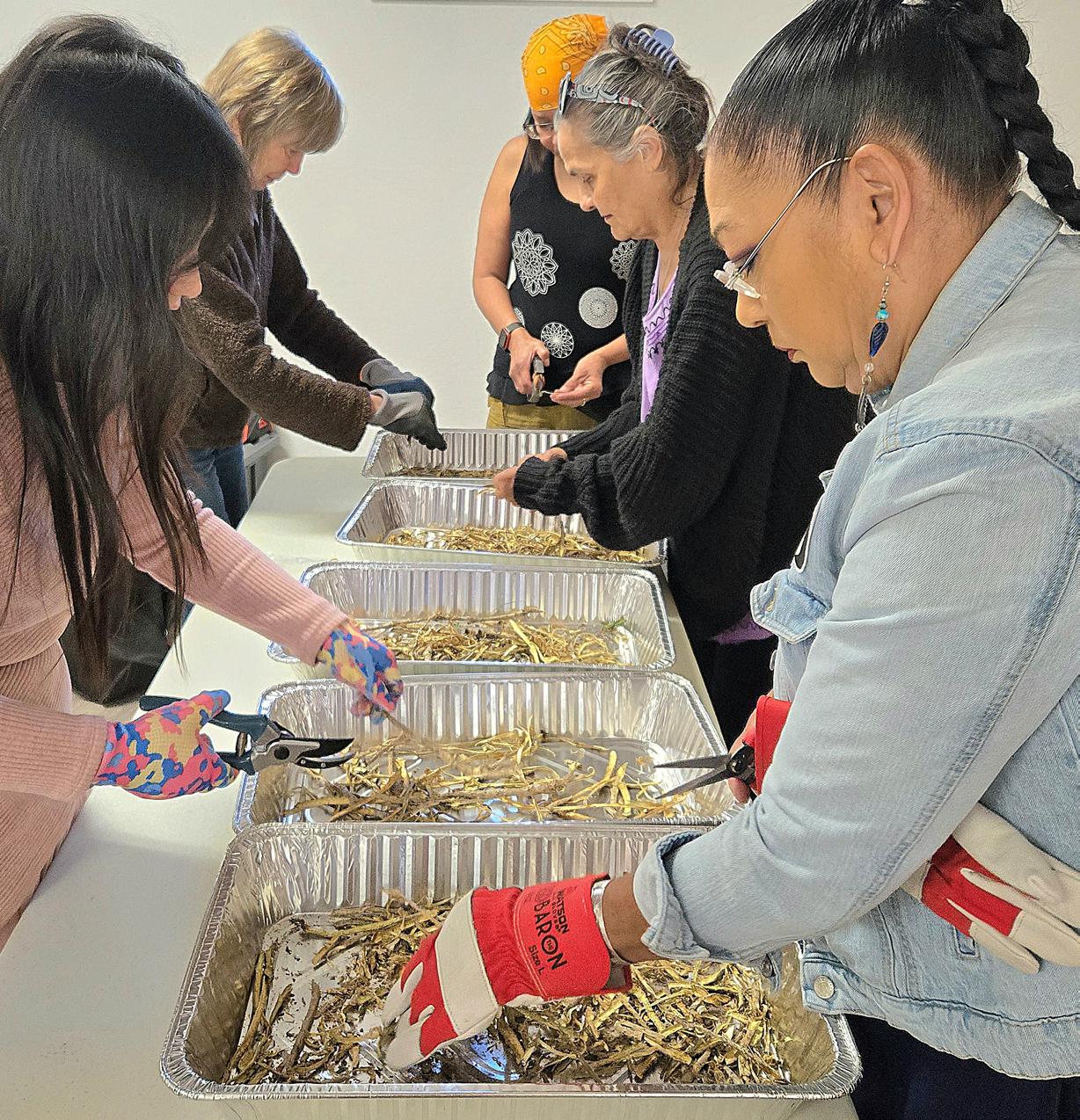
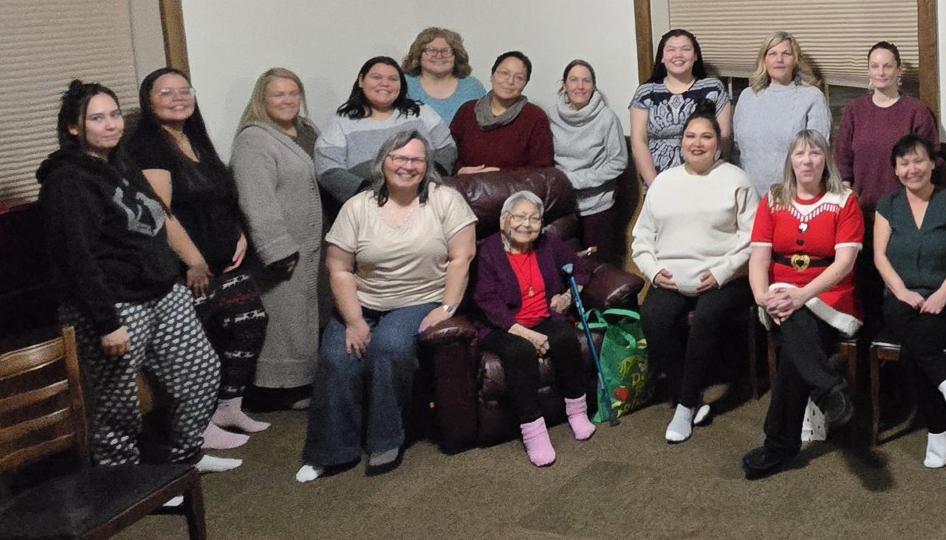
Throughout the year I had applied for many grants and was successful in securing many of them. The total amount I secured was $62,200.
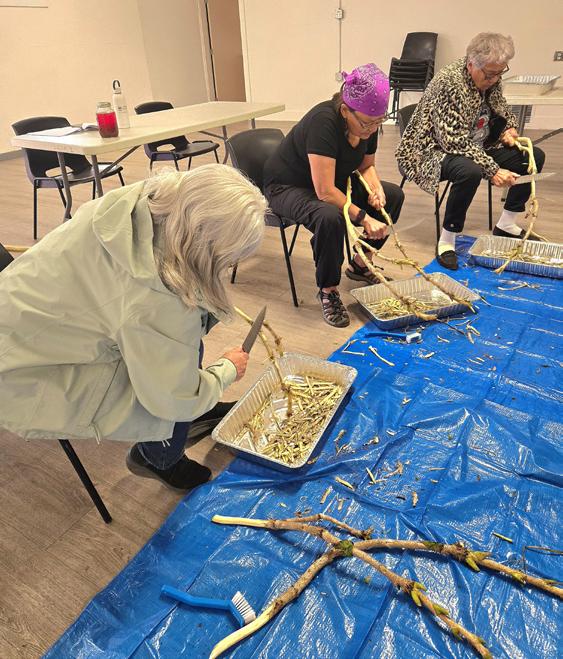
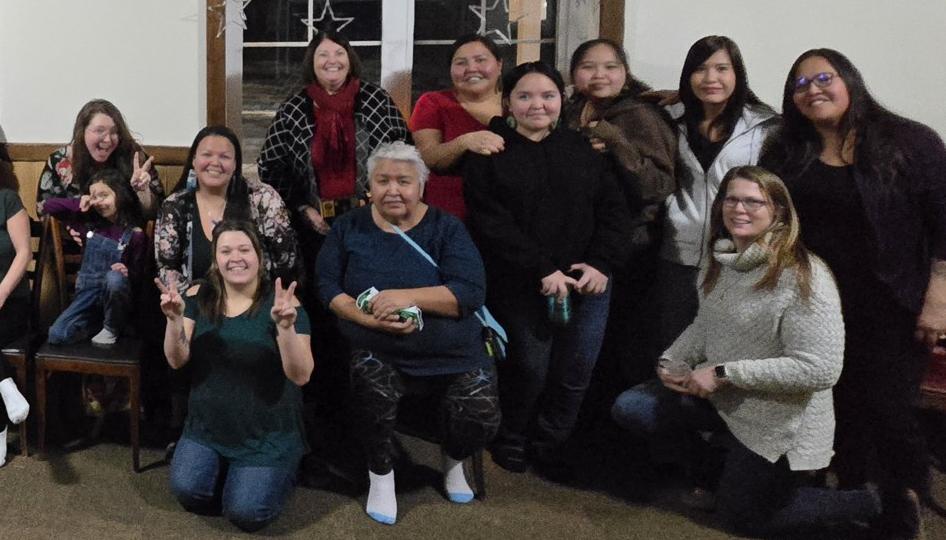
OTHER ACTIVITIES I HAVE DONE OVER THE LAST YEAR INCLUDE:
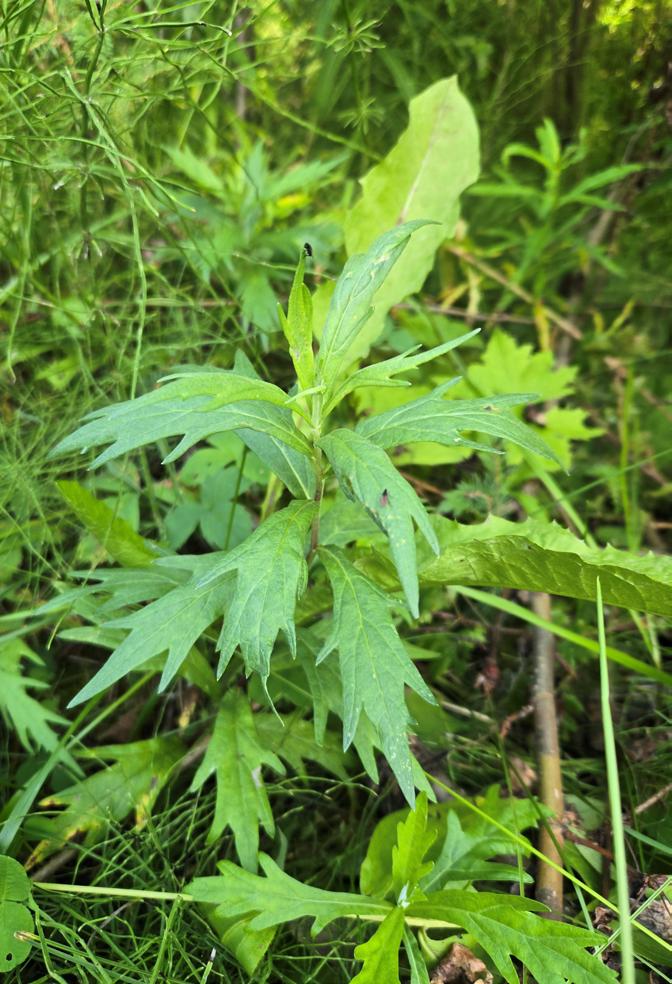
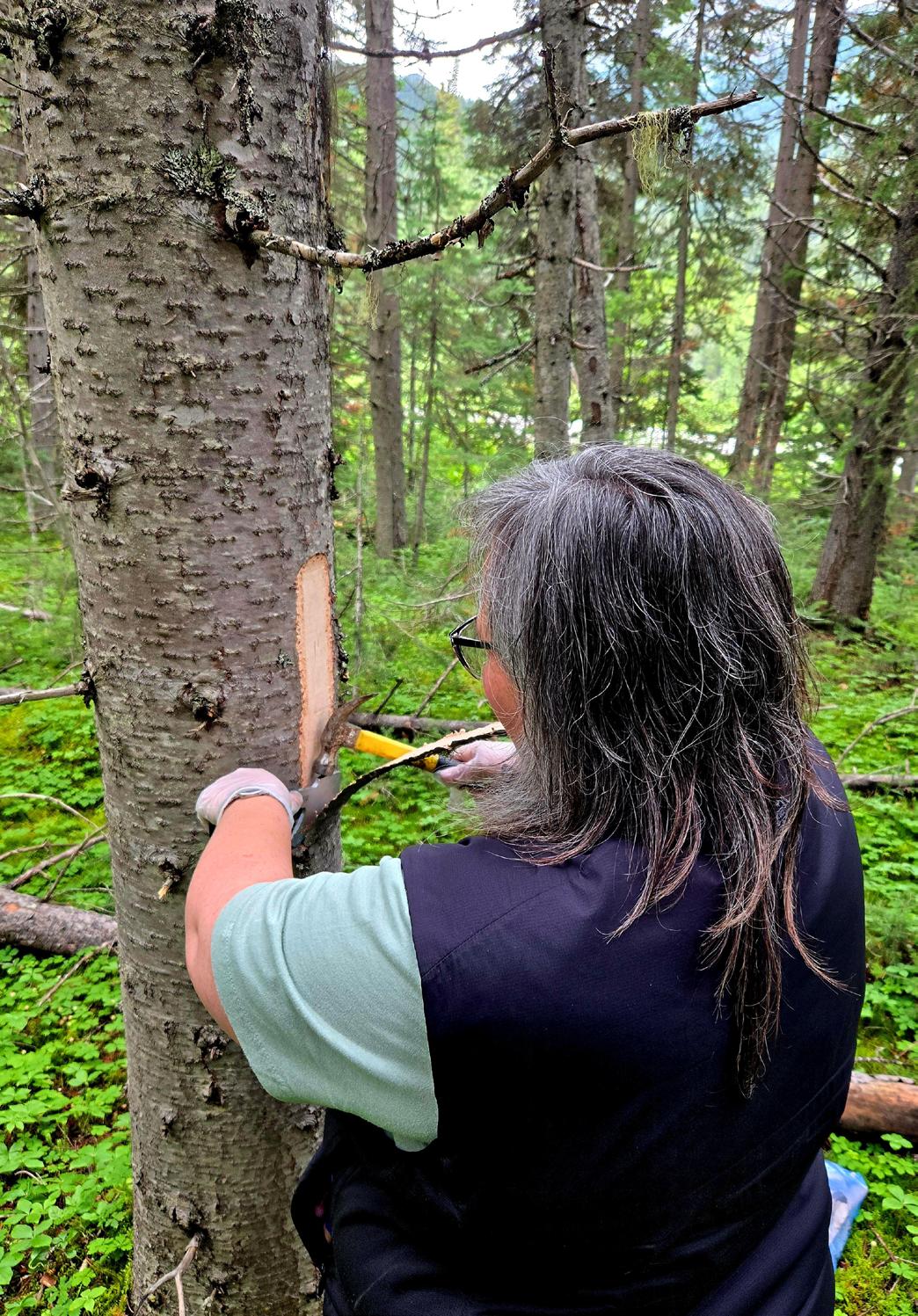
• Traditional Tahltan Medicine workshop with Vivian Lindstrom
• Orange Shirt Day lanyards
• Beet Canning with Pregnancy Outreach
• Peach canning with community
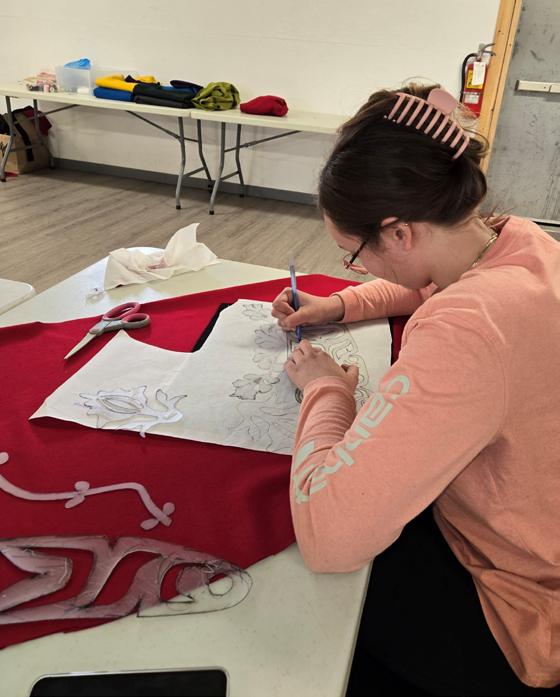
• Ribbon Jackets class for Youth with Sonia Dennis
• Button Blankets and Tunics with Una Ann Moyer
• National Day of Truth and Reconciliation community dinner and art contests with Jodi McKen
• National Elders Gathering in Edmonton with Tahltan and Iskut Band
• Canning Hot Pickles with Pregnancy Outreach
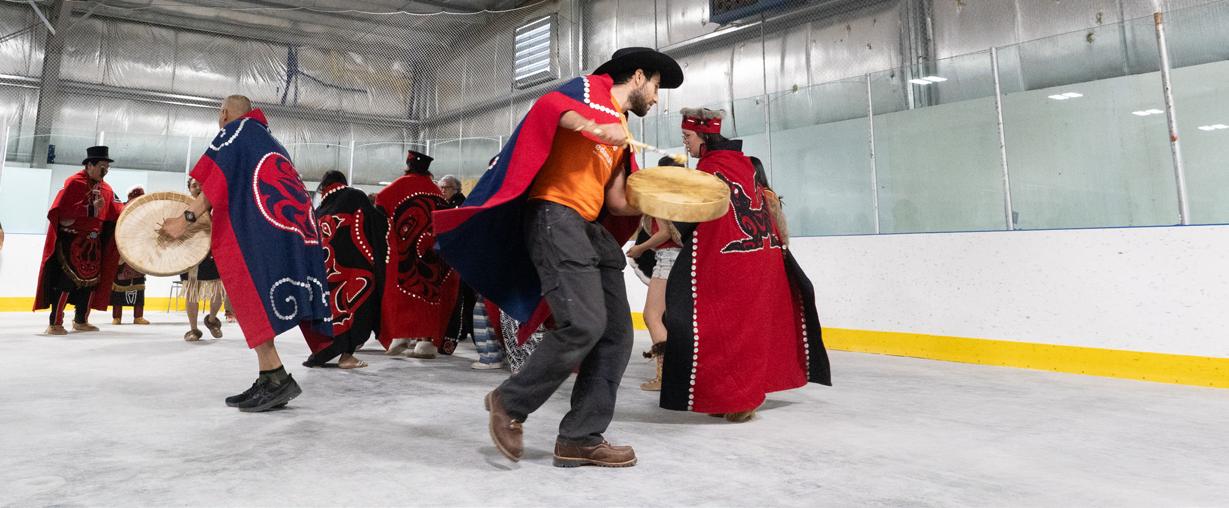
• Tahltan Dancing for the opening of the new Iskut School
• Tahltan Day Community Brunch and Blessing
• Hoop Dancer performance at Dease Lake School
• Halloween Dance for community
• Christmas cakes with Judith Ni Mhurchu
• Ladies Christmas Tea with Jodi McKen
• Girls Glam Pajama Party
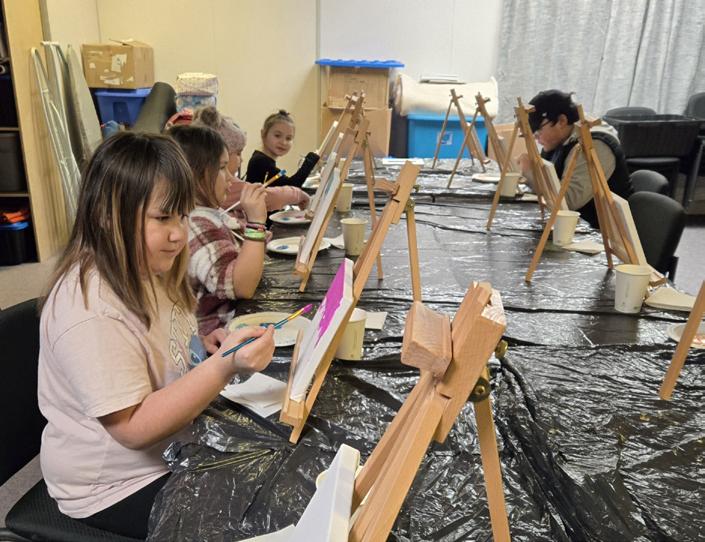
• Began Afterschool Art class with Youth
• Elders Lunches
I always welcome ideas for activities for Dease Lake and always try to bring them to our community.
Please feel free to let me know what you would like to see and do. I can be contacted by my email deaselakedirector@tahltan.org or my work number 250-771-3087.
• I would like to extend a huge Thank You to all community organizations and Individuals I work with throughout the year! Your collaborations truly enrich the community and events we do!
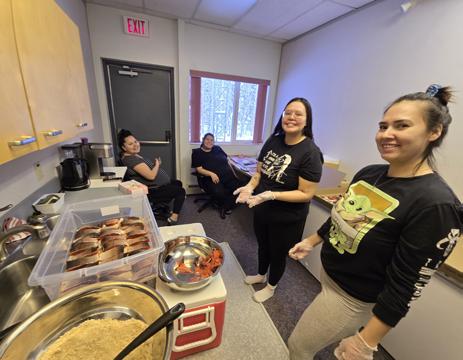

Vanessa Baker Employment & Business Director
Over the past year, the Employment & Business Department has continued to strengthen the connections between Tahltan members and industry. Our work supports the employment and businessrelated components of Tahltan agreements with industry, including Impact Benefit Agreements, Impact Benefit and Co-management Agreements, and Communication Agreements, helping ensure those commitments are carried through in meaningful and practical ways. Our overall focus has been on creating economic opportunities and supporting Tahltan participation in both employment and business opportunities.
At the core of our work is making sure Tahltan members have access to meaningful employment through Tahltan OnTrack. We’re available to work directly with members and provide hands-on support with resumes, cover letters, interview preparation, and overall job readiness. Whether someone is entering the workforce for the first time or looking to move into a new role, we offer practical, one-on-one guidance to help them feel confident and prepared.
A big part of this work is our ongoing collaboration with Talent Acquisition teams across industry. By building strong relationships with recruiters and hiring teams, we help make sure Tahltan members are aware of all available opportunities and have access to every possible pathway into employment. This also helps ensure job opportunities are shared in a timely and transparent way.
Advocacy continues to be a key part of our role. We represent Tahltan members in ongoing conversations with industry to support fair hiring practices, equitable access to jobs, and safe, respectful workplaces. We bring forward employment-related concerns, identify barriers, and work with employers to find solutions. When members are experiencing challenges in the workplace, we encourage them to first reach out directly to their HR department, and to their union if they are part of one. At the same time, we’re here to help navigate next steps, provide guidance, and connect members with the right people or channels if they feel they need additional support. This includes pushing for increased Tahltan hiring, better workplace conditions, culturally aware practices, and stronger accountability around commitments made to Tahltan people.
On the business side, our role is to support Tahltan entrepreneurs by helping connect them with industry and procurement teams, and by identifying and sharing potential opportunities. While we do not develop or manage businesses directly, we work collaboratively with procurement to help ensure Tahltan businesses are aware of upcoming work. We also create spaces for entrepreneurs to engage directly with industry through supplier forums, networking events, and targeted engagement sessions, helping build relationships and improve access to opportunities. Our goal for this coming year is to also start offering virtual engagement sessions for entrepreneurs to engage with industry if they are unable to make it to the events we currently host.
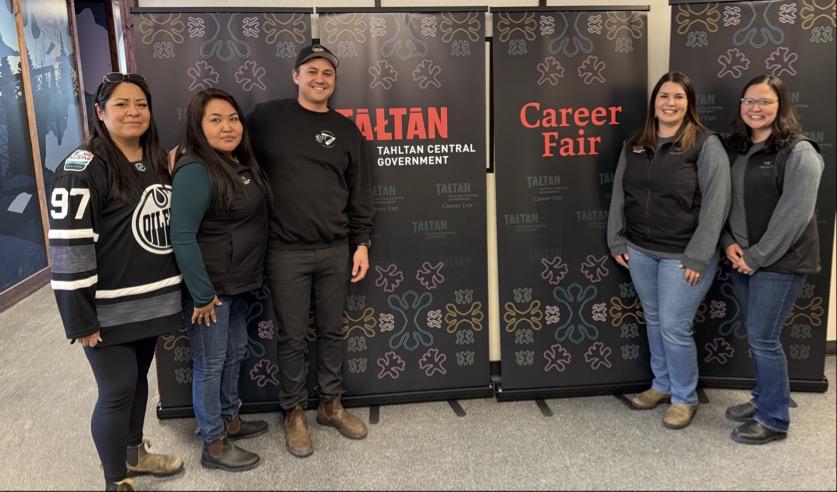
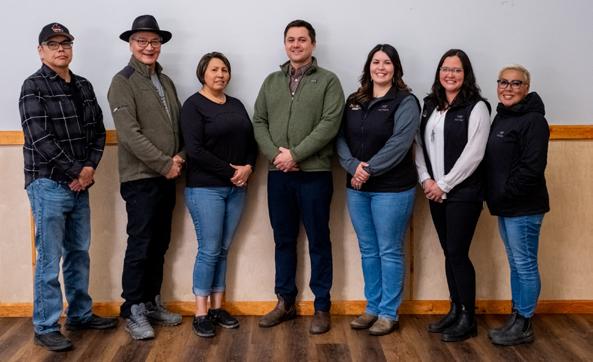
In November, we hosted a Tahltan Supplier Forum in Prince George, bringing together industry partners and Tahltan entrepreneurs for a full day of presentations and networking. Building on that, we recently held a three-day engagement event in Tahltan Territory on April 9th, 10th and 11th. This included time for the Tahltan Leadership Council and industry representatives to connect in a meaningful in territory setting, as well as a Supplier Forum in territory to support local businesses. The event wrapped up with a community career fair, where Tahltan members could connect directly with employers and learn more about available job opportunities.
Internally, we also welcomed a new team member Sascha Llewellyn as the Employment and Business Coordinator to the department this year, strengthening our capacity to continue supporting both employment and business-related work moving forward.
If you would like to reach out please send an email to either:
Employment and Business Director Vanessa Baker employmentdirector@tahltan.org
Employment and Business Coordinator Sascha Llewellyn employmentcorrdinator@tahltan.org
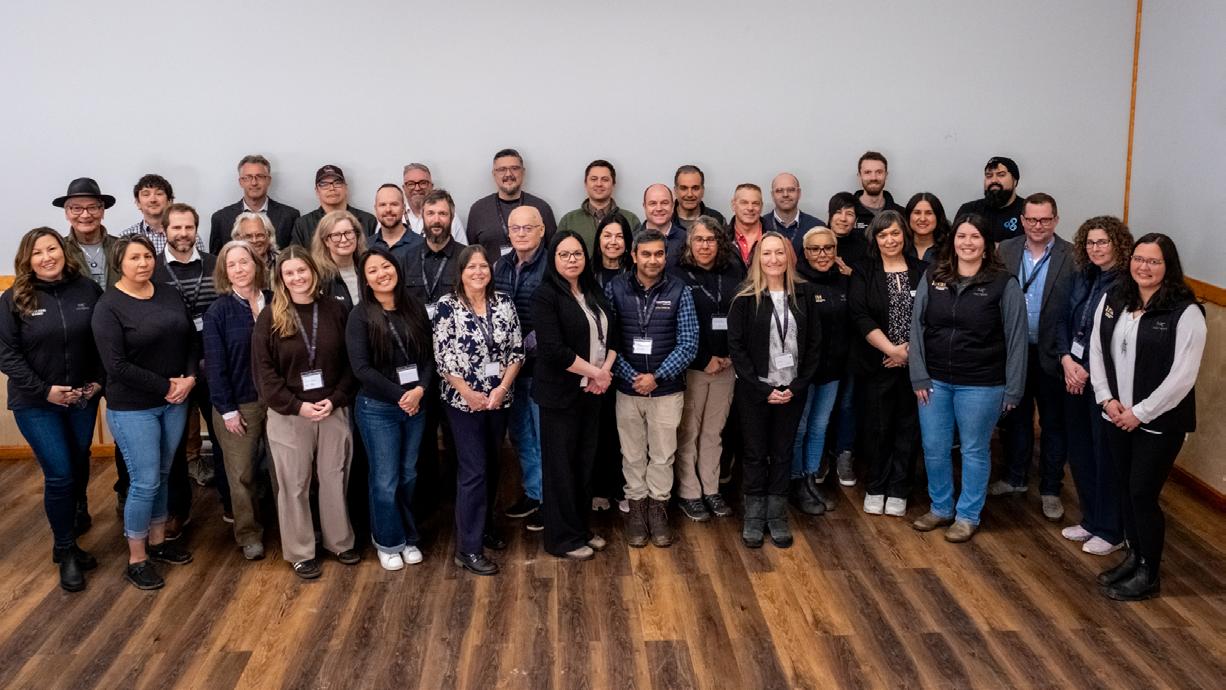
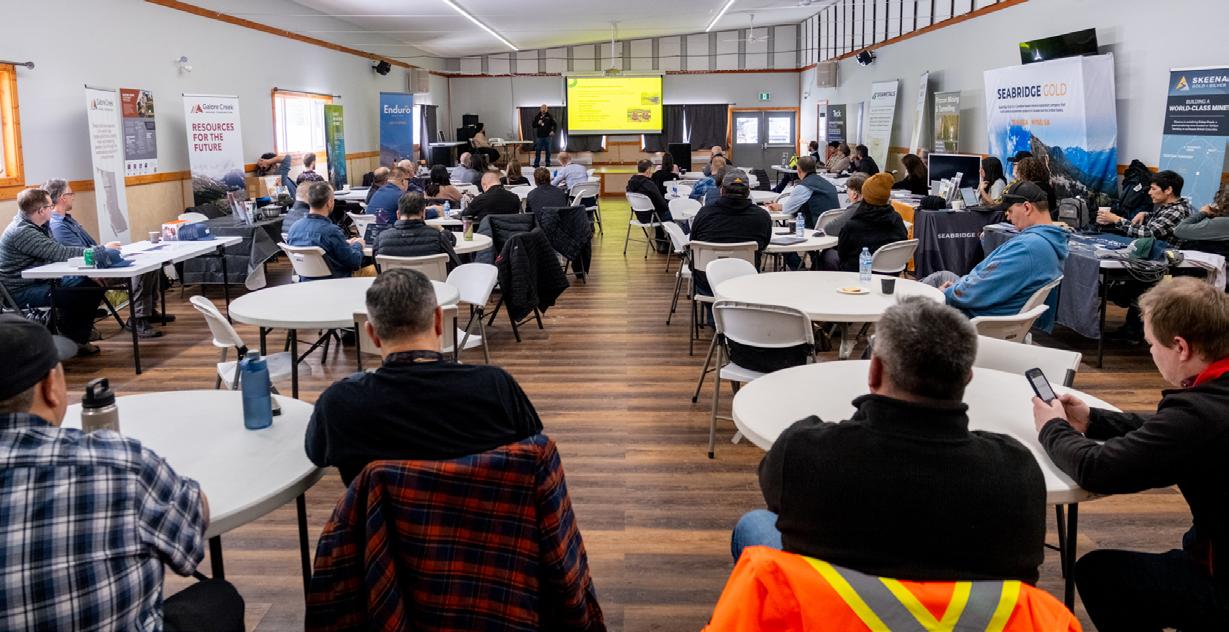
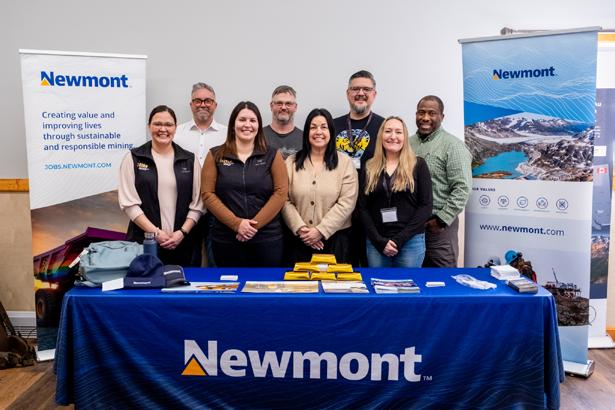
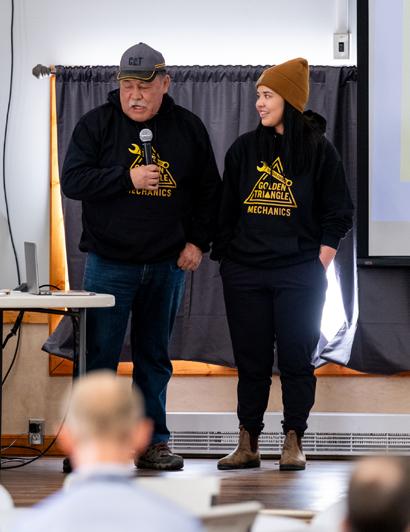
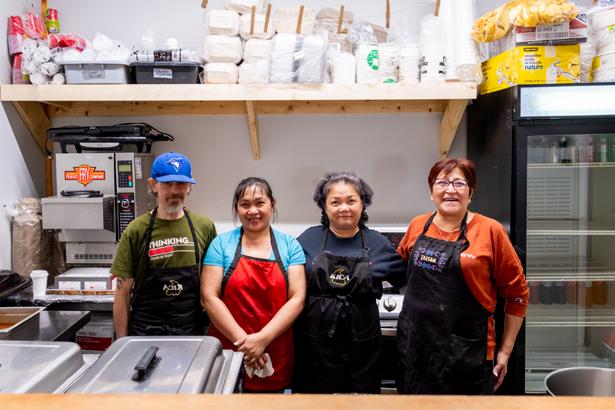
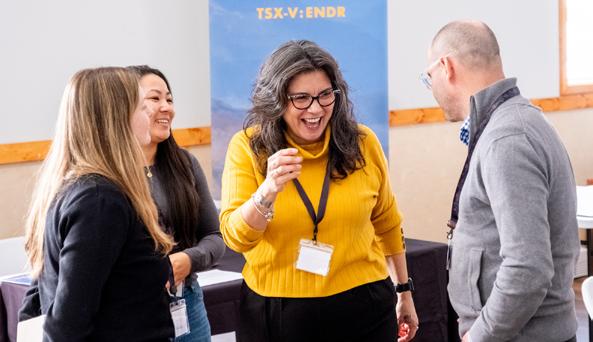
The Tahltan Supplier Forum, where Tahltan entrepreneurs showcased their businesses to industry partners—creating space for real conversations, building trust, and forming connections that support ongoing collaboration.
Mēduh to the Tahltan entrepreneur attendees:
• Dease Valley Industries
• Golden Triangle Mechanics
• Inner City Diesel
• Keda Logistics
• Keda Propane
• Kica Cross Country
• Khotin Construction
• Northern Labour Services
• Northern Watch
• Sharko Contracting
• Shauna Contracting
• T&B North Country Rentals
• T&T Communications
• Tagodi Development Corp.
• Tatl’ah Training & Engagement
• Tsaybe Creek Contracting
• Tsesk’iya Security
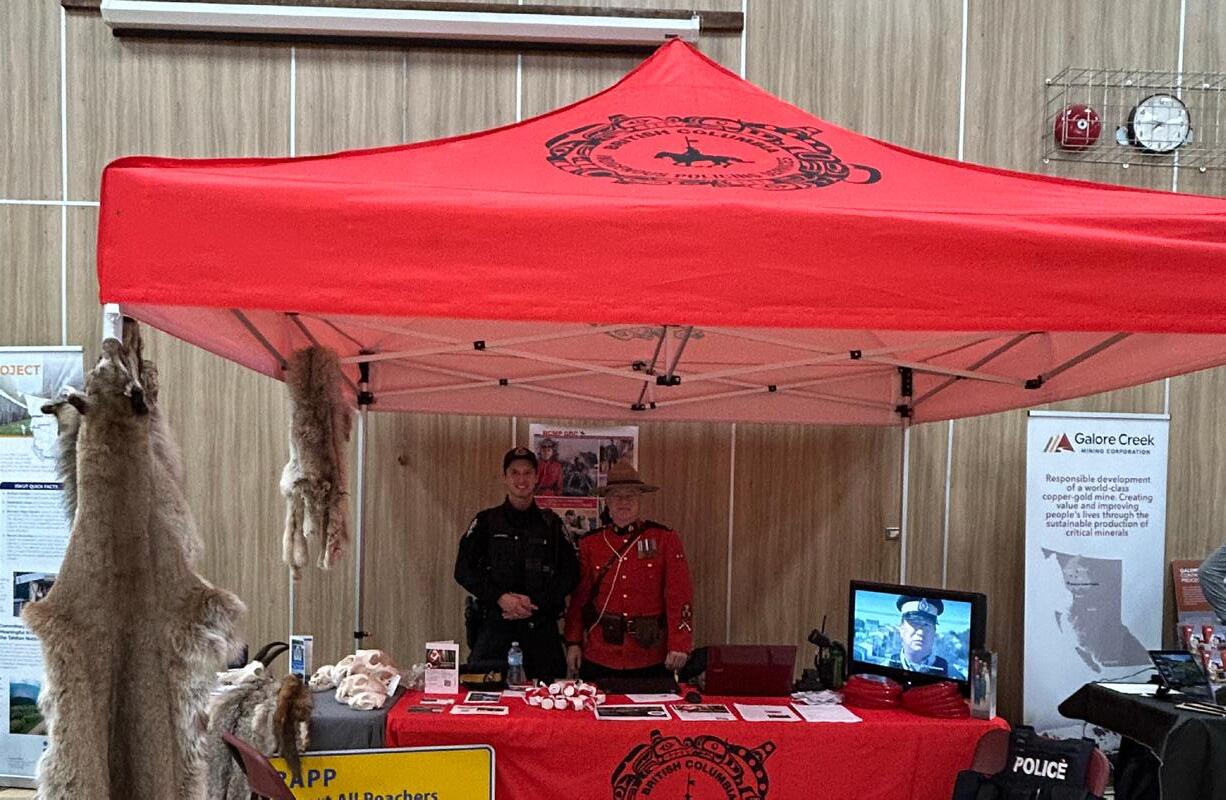
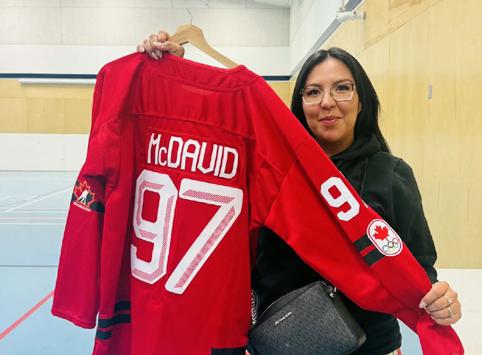
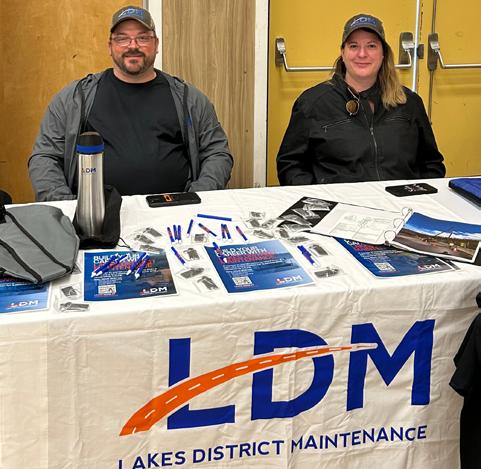
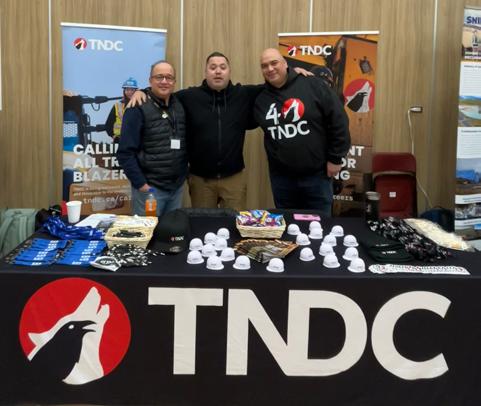
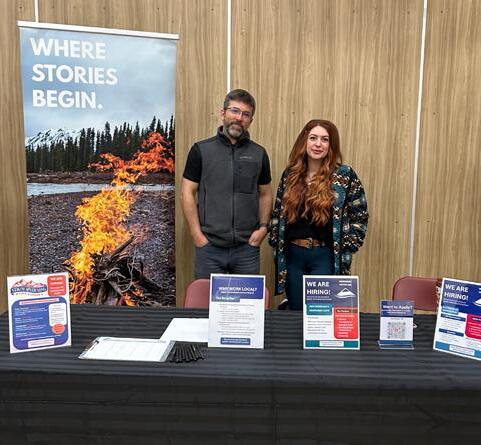
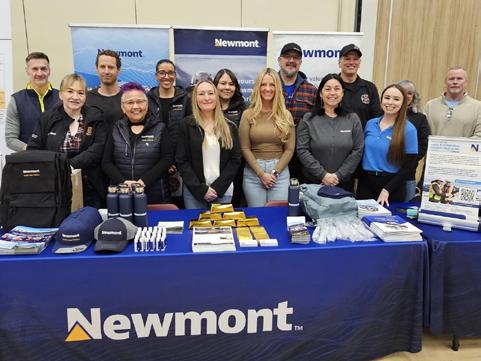
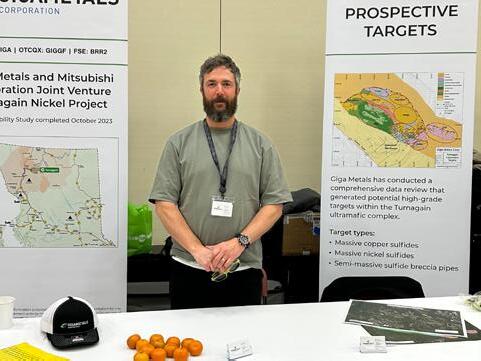
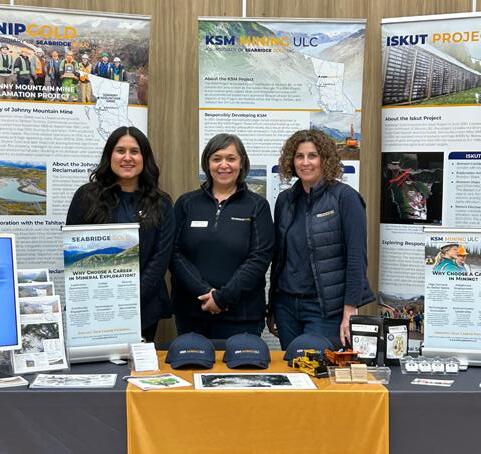
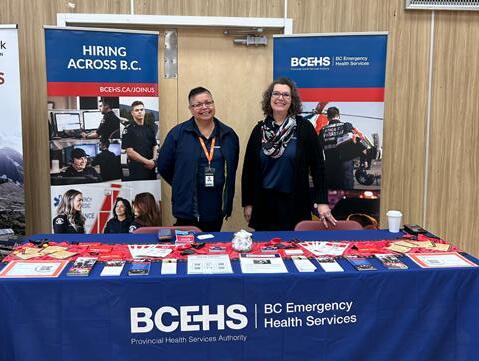
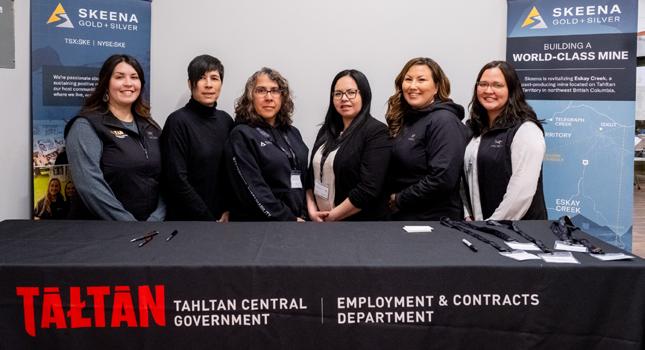
The Career Fair in Dease Lake, bringing community members and industry together for a day, focused on connection and opportunity.
The event created space for face-to-face conversations between job seekers and employers, helping to build relationships, share information, and explore potential career pathways.
We would like to thank the following organizations and companies for participating and supporting this event, as well as for generously providing door prizes:
• TNDC
• Coast Mountain Hydro
• Copper Fox Metals
• Enduro Metals
• Galore Creek
• Giga Metals Corp.
• Kingfisher Metals Corp.
• Newmont
• Procon Mining and Tunnelling
• Shaft Creek Joint Venture c/o Teck Resources Ltd.
• Skeena Gold + Silver
• Seabridge Gold
• Tudor Gold
• BC Ambulance Service
• Highway Maintenance Contractor – Lakes District Maintenance (LDM)
• Northern Lights College
• RCMP – Dease Lake
• BC Conservation Services
• Northway Motor Inn
• ESS/Compass Group Canada
• CIF Construction
DEPARTMENT MESSAGE
The days are growing longer, the snow is melting, and the warm spring air carries the melodies of the spring songbirds. The land is waking up from a long winter slumber and northern residents, including myself, are anxiously anticipating a quick transition from mud puddles and spring rains to fresh new summer greenery.
As I pause to reflect before I lay pen to this update that I provide to you all, I must say that I am overwhelmed by how quickly a year slips by on me now. Between the hustle and bustle of rolling out the various field projects and meetings that we are committed to, it is important to balance our lives, take a break, and soak up the fleeting moments of time with family and friends. It is by fishing, hunting, harvesting berries and medicinal plants and participating in the land-based activities that are important to me, and that ground me to balance my work and my personal life.
Just as the land changes through the annual seasons, we too have seen a season of changes within the fisheries department. Most notably, our Fisheries Manager Kerry Carlick was voted in as our new TCG President during the elections held in July at our annual AGA. During his 2 decades of employment with Tahltan Fisheries, Kerry made enormous contributions to this department. He started in the field, as a fisheries technician, and later moved into the role as Fisheries Manager for the Tahltan Band lending his knowledge and technical support
to the various stock assessment and monitoring projects within Tahltan Territory. Since moving to TCG administration in 2020, Kerry started many new initiatives, managed the fisheries department staff and played a large role in mentoring the young aspiring new hires. I will remain forever thankful to this young man for his years of dedication and genuine interests and care for the salmon, his staff, and his Nation. Although we miss him and his charming disposition, we wish him every success in his future endeavors, and we are all so very proud of him.
2025 also saw departures and arrivals within our field staff and we extend our best wishes to those that have moved on. Among the new arrivals to our field staff last July, was Ian Clevenger, a bright motived young man who participated in the Tahltan Lake adult weir and the Sockeye Egg Take projects. Ian applied for the manger position, not once, but twice. First in the fall for a seasonal position, and then again in the winter when it was re-posted for a full-time position. I will be forever grateful to him for his persistence. Ian has been on staff since March 4, 2026, and has settled into his position and is already making incredible contributions to our department and to staff growth. I am excited to see where he will help lead our staff and our field programming.
April 15th, crews began mobilizing to the Lower Stikine DFO camp, thus starting another field season for your dedicated fisheries department staff. There is nothing as rewarding as watching the seasons and scenery change on the rivers and the lakes and feeling like you are a part of this consistent circle of renewal from spring through winter, this circle of life and production that Tahltan people continue to depend on for balance, wellbeing, and health.
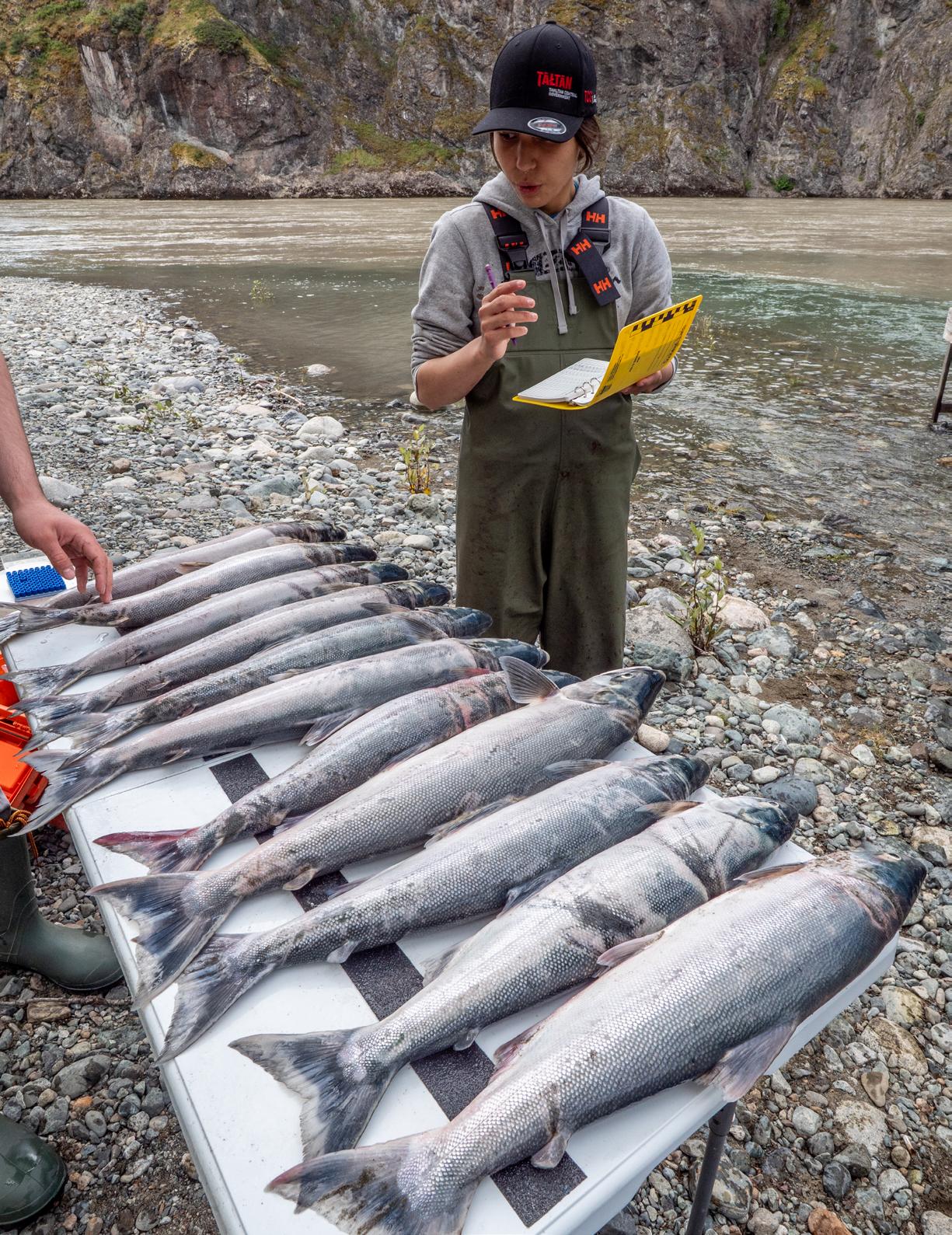
In 2025 the Stikine River watershed saw a terminal (or final) estimated run size of 15,172 which was a significant increase from the 2024 run size estimate of 8,000-9,000 large Chinook. The 2026 pre-season forecast is for 16,700 large Chinook, which is above the 10-year average of 11,300 – but is still below the Management Objective of 17,400. The Stikine River Chinook stocks continue to remain concerning to the Tahltan Nation and is of international concern for both Canada and the US. Although we are seeing some promising improvement, both Canada and the United States are continuing to take serious management measures and actions to avoid the harvest of Pacific Chinook salmon, which include:
• No directed commercial or assessment fishery
• Non-retention of all Chinook (dead or alive)
• The full angling closure of the Tahltan River from the confluence of the Stikine up
• Delaying the US subsistence Sockeye fishery
• Delaying the start of the Canada/US Sockeye commercial openings
• Delaying the opening of our First Nation fisheries to minimize the incidental catches of chinook
Enforcement of the Chinook closure will be in effect again for the 2026 fishing season.
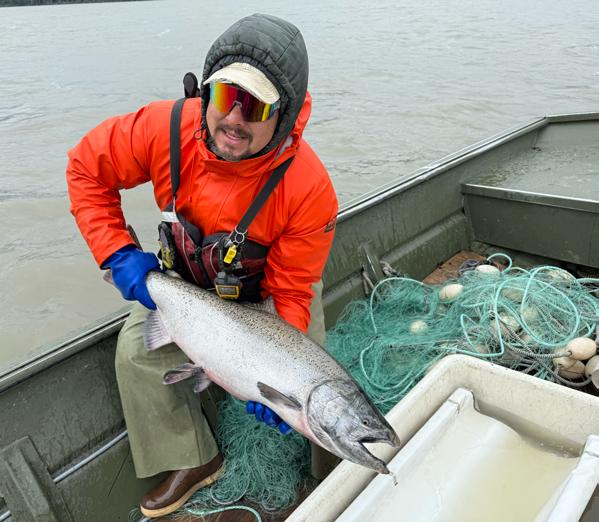
In 2025 we observed an increase in the numbers of King salmon recorded through the video counter at Little Tahltan River.
There were 690 Large (406 females-284 males) 437 Medium (79 females-358 males) and 105 Small (1 female-104 males).
In comparison to the 233 Large Chinook (King) salmon recorded at the 2024 Little Tahltan weir, the 2025 escapement of 690 is an encouraging indicator that perhaps the Stikine River Chinook salmon populations are in early stages of recovery.
Our Northern neighbours on the Taku River have seen improved escapement over the past 2 years and have a good pre-season run forecast for 2025. The Stikine forecast is also higher, and I am optimistic that marine survival may be improving and that, along with our shared conservation and directed fishery closures are playing a big role in the recently observed increase.
Your TCG Fisheries Department continues to strongly encourage and advocates for ALL our members to stay the course, and assist in efforts to preserve and conserve the Tahltan River Chinook salmon populations. You can do this by NOT setting your net through the migration period of these stocks. The 2026 Tahltan food fishery will open on July 7th to align with the arrival of the sockeye salmon and to allow for the majority of the Chinook/King salmon to migrate up-river past our food fishing corridor.
We would also like to ask everyone to record and release any healthy chinook from their nets, the number of Chinook released is important data for us to have as managers of the Food Fishery in Telegraph Creek.
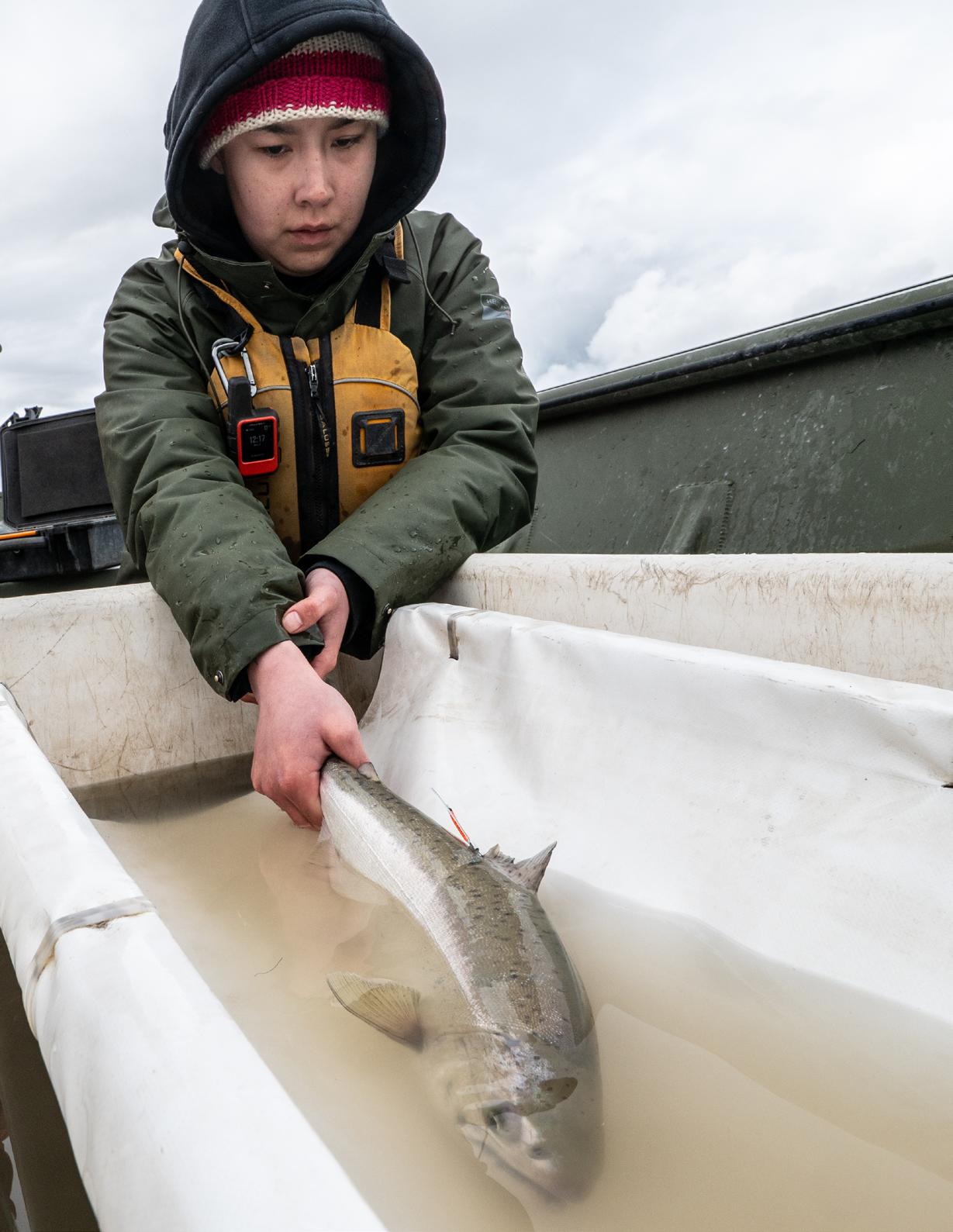
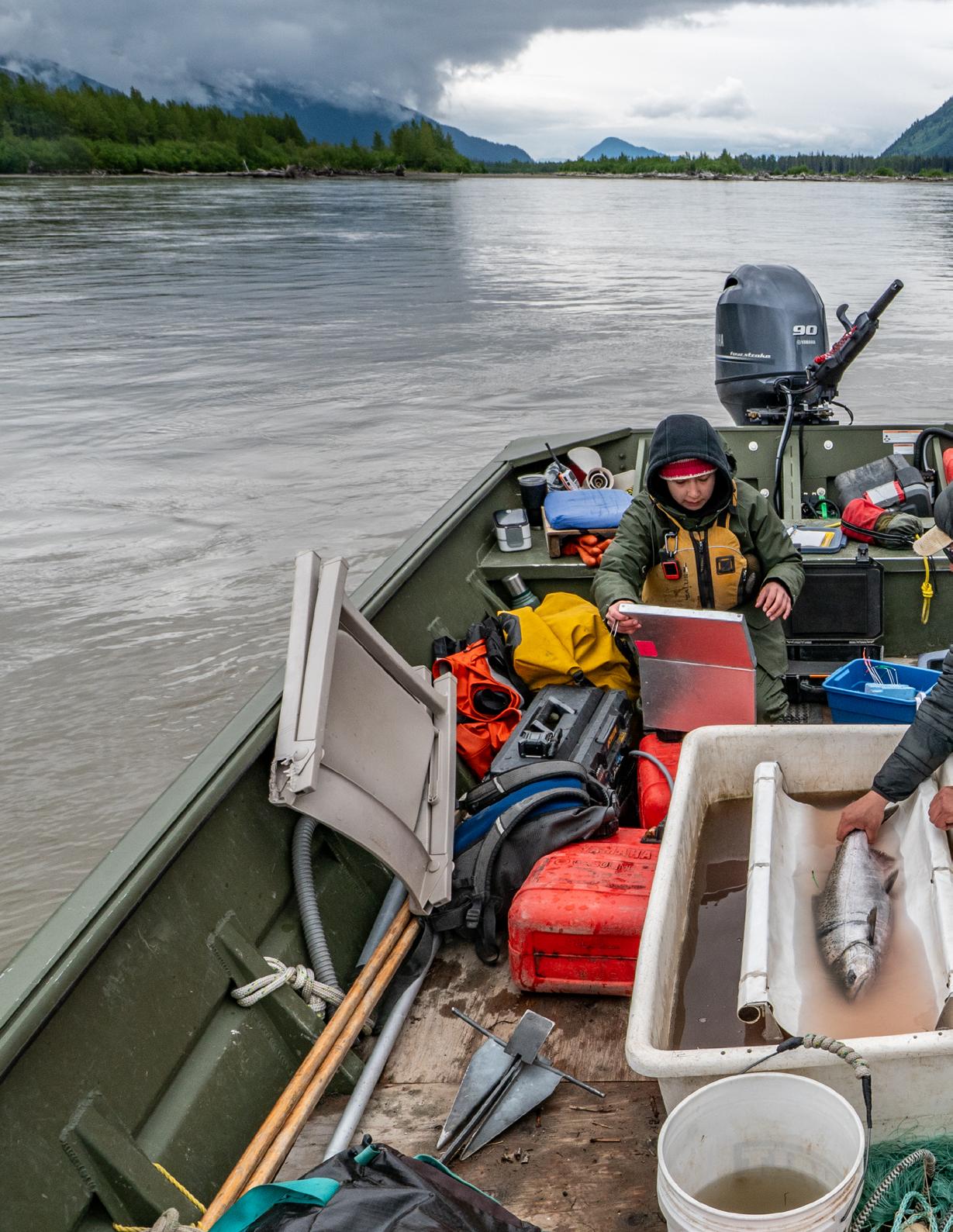
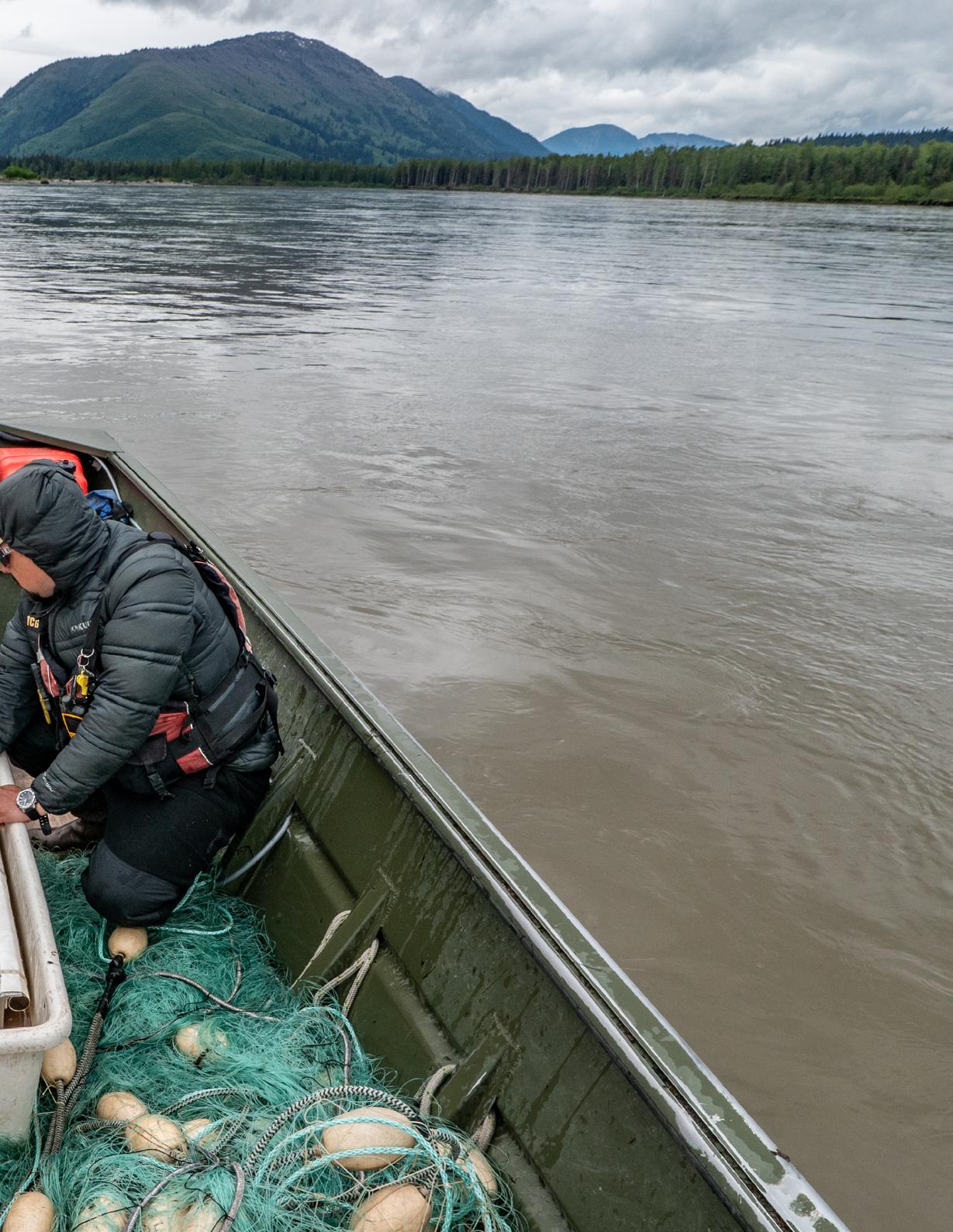
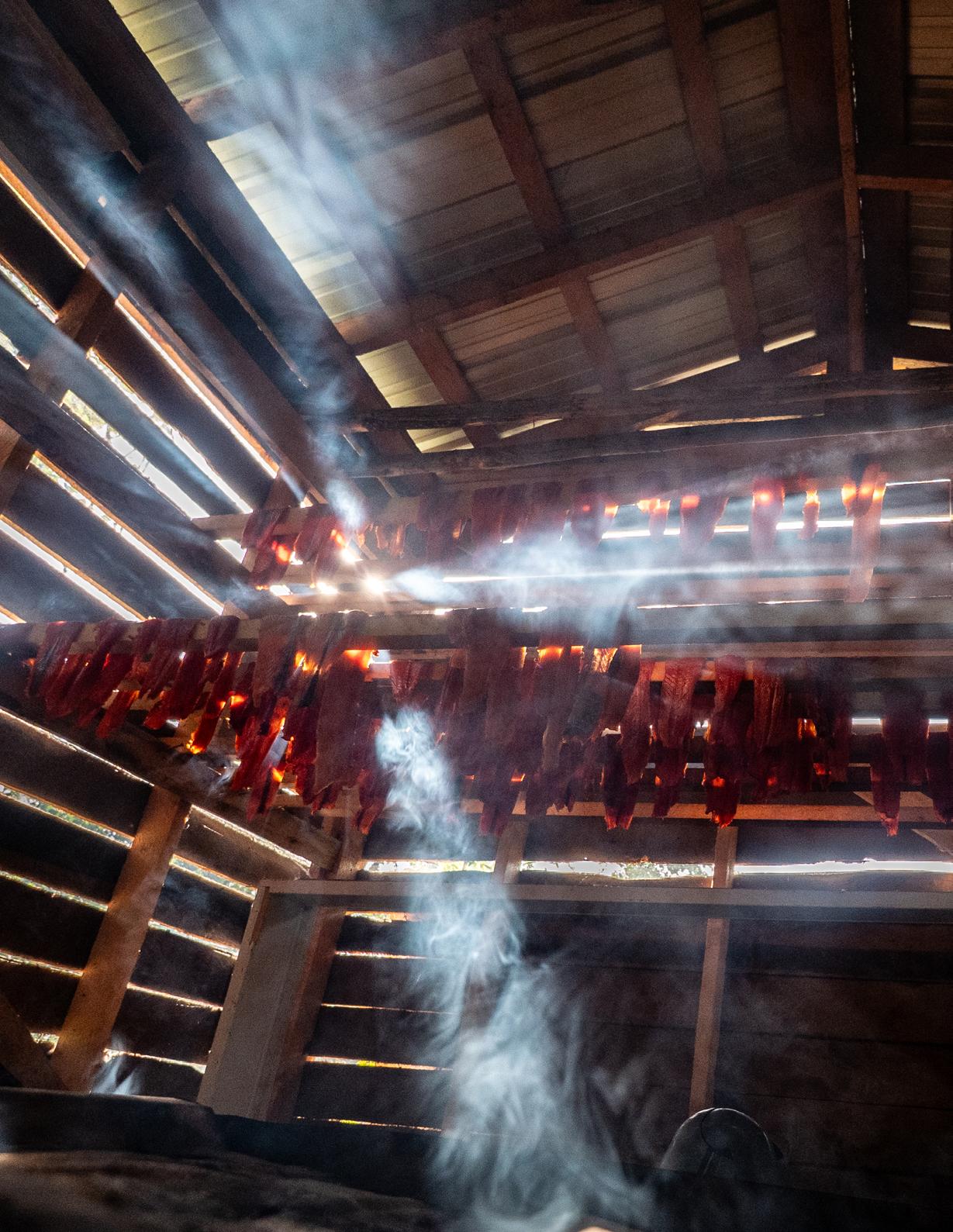
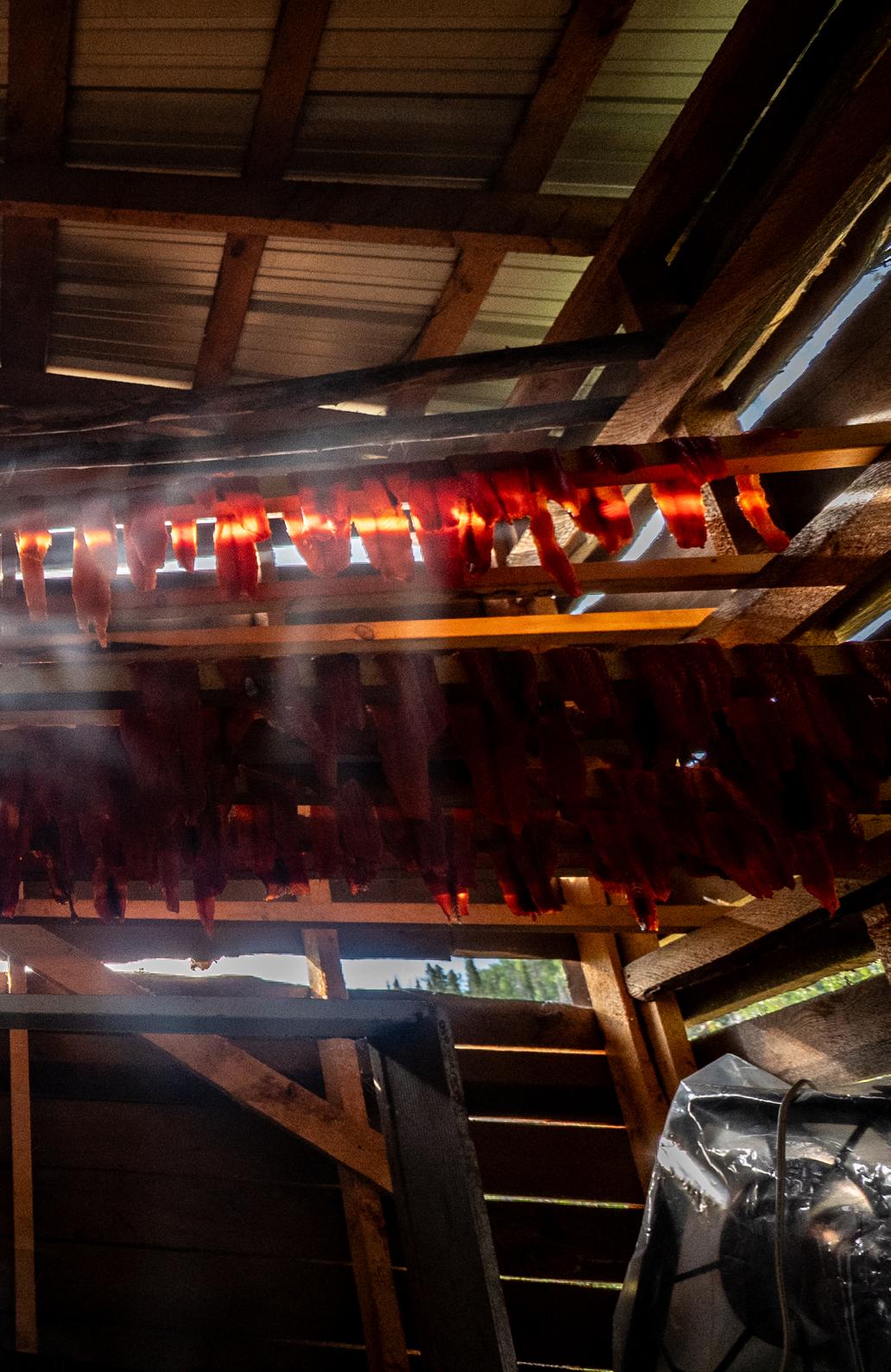

Our Fisheries monitor Noreen McLean will be present throughout the duration of the food fishery to issue our Tahltan fishers their food fish permits and collect catch records. Please find Noreen when you arrive before you start your fishing.
Our Fisheries Guardian, Margaret Asp will be stationed at the TCG Fisheries Department Cabin located at Tahltan River and will provide fishing and educational information to local fishers and visitors. Maggie will also be ensuring that Tahltans that are leaving Territory and traveling with their catch are accompanied by a valid Fisheries Department Transport Permit to expedite any Fish & Game checks they may encounter while in transit. As our eyes and ears on the ground, Margaret will work with DFO/RCMP enforcement personnel when required.
THE STIKINE RIVER SALMON STUDIES – BIOLOGICAL CONTRACT
LOWER STIKINE CODED WIRE TAGGING
LOWER STIKINE COMMERCIAL SAMPLING
LOWER STIKINE SOCKEYE ASSESSMENT
LOWER STIKINE ADULT CHINOOK TAGGING
TAHLTAN LAKE SMOLTS
LITTLE TAHLTAN CHINOOK
TAHLTAN LAKE SOCKEYE ADULT ENUMERATION
CATCH MONITORING & REPORTING
STIKINE STOCK SEPARATION/FOOD FISH SAMPLING
TAHLTAN RIVER CHINOOK ENUMERATION FEASIBILITY STUDY
STIKINE RIVER AERIAL SURVEYS
TAHLTAN SLIDE 2025 ESCAPEMENTS
TAHLTAN LAKE SOCKEYE
TAHLTAN LAKE SOCKEYE
• Escapement Goal Range: 11,000–25,000
Management Objective: 22,600
• 2026 Terminal Tahltan Run Forecast: 123,000
ESCAPEMENT GOAL RANGE
MANAGEMENT OBJECTIVE 11,000–25,000 22,600
123,000 80,000 43,000 ~112,000
Tahltan Wild: 80,000
Tahltan Enhanced: 43,000
10-Year Average: ~112,000
MAINSTEM SOCKEYE
• Escapement Goal Range: 13,000–33,000
Management Objective: 21,000
• 2026 Terminal Run Forecast: 60,000
10 Year Average: ~38,000
• Total Combined Stikine Sockeye Salmon Run Forecast: ~183,000
Mainstem stocks are targeted in the mixed fishery conducted in US marine waters (districts 106&108) the US in river subsistence fishery, and the Canadian commercial fishery.
Given the 2026 forecast of 60,000 for the Stikine Mainstem sockeye stocks, commercial fisheries opportunities will be afforded. If in-season sampling indicates that there are less mainstem in the system than forecasted, management actions will be taken to protect these stocks during their co-migration period.
MAINSTEM SOCKEYE
MANAGEMENT OBJECTIVE 13,000–33,000 21,000
ESCAPEMENT GOAL RANGE
TERMINAL RUN FORECAST
60,000 ~38,000
10-YEAR AVERAGE
~183,000
TOTAL COMBINED STIKINE RUN FORECAST
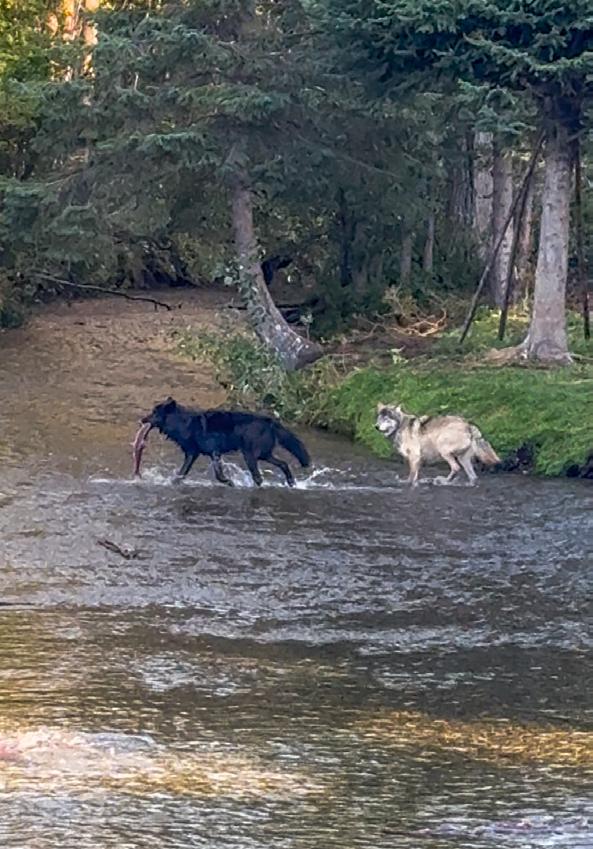
The TCG Fisheries Department secured the contract in the amount of $593,898 providing support costs and employment for approx. 16 field employees from April to October 2025.
The Juvenile Chinook and Coho coded wire tagging (CWT) project, which takes place on the lower portion of the Stikine River, was in operation from April 15- May 31, 2025. The project aims to capture and tag Chinook and coho juvenile salmon and apply a small, coded wire tag to each smolt. This provides essential information about their origin, age, growth, run timing, and other characteristics. This is a critical tool for guiding fisheries along the west coast of Canada and the United States.
This season, the project experienced issues with both low and highwater conditions. Despite the challenges, our Canadian and US crews successfully captured and tagged 25,501 Chinook and 4842 coho salmon smolts. The TCGFD staff that participated were led by Field Supervisor Jared Dennis and included Kyle Inkster, Drew Inkster, John Nole, Salina Gray, Peter Carlick Beck, Keira Asp, Francis Quock, Mariah Marion, Jay Day, and Raina Feldman (cook).
The Chinook Mark/Recapture project is an international tagging project designed to capture and tag Chinook salmon as they enter the Stikine River on the US side of the border. Tags are recovered throughout the fisheries and from the spawning grounds, providing data on run strength and stock distribution. TCGFD staff representing and participating in the project were Kyle Inkster, Drew Inkster and Antonio Gray in union with Alaska Department of Fish & Game (ADF&G) staff from May 5-July 10. Crews successfully tagged 214 large and 34 non-large captured in 7.250’ mesh nets, and using 5.125’ mesh nets, caught and tagged 77 large and 45 non-large Chinook salmon.
The non-lethal Sockeye Assessment fishery is designed to distinguish between Tahltan and Mainstem runs of adult Sockeye salmon returning to the Stikine and to give an idea of each stock’s in-season abundance. The returning fish are caught using a combination of drift and set nets. The drift-caught fish give a catch-per-unit-effort (CPUE), which gives us an idea of abundance, and the set net gives the biological samples used in the post-season analyses (stock composition, run timing, and run reconstruction).
The Assessment Fishery sampling program data is used in-season to provide direction to Fisheries Managers to manage the duration of the commercial openings and to ensure that they achieve their management objectives. These management objectives, in order of priority are:
• Conservation – make sure enough fish make it to the spawning grounds
• Food, Social, and Ceremonial – First Nation Fishery
• Commercial and Recreational Sectors
This year, both DFO and TCGFD staff delivered the 2025 project from June 15 to August 23. From TCGFD, we had Drew Inkster, Trisha Carlick, Harlin Nehass, and Salina Gray. They captured and released 534 sockeye salmon in the drift and 1,421 in the set net.
APRIL 15–MAY 31, 2025 WIRE TAGGING RESULTS (Alaska Department of Fish and Game)
25,501
CHINOOK
4,842
COHO
CHINOOK 2026 GOALS
30,000
10,000
COHO
The sockeye smolts that out-migrate in the spring are counted by means of a juvenile counting weir stationed at the outlet of Tahltan Lake that discharges into Johnny Tashoots Creek. Here, the sockeye smolts are counted by the bucket load using volumetric displacement; biological samples are also collected from a subset of the smolts. A total count is collected, and the ratio of enhanced vs wild smolts is determined through otolith analysis, which, in 2025, was determined to be 33% enhanced smolts. This was another season of improved wild production we have been observing since 2022.
In 2025, TCGFD staff led by Field Supervisors Drew Inkster and Noreen Mclean were Keira Asp, Harlin Nehass, and Trisha Carlick manning the weir and field operations for the project. The project ran from May 3 to June 15 and our field staff counted 2,157,792 sockeye smolts. Their highest count and busiest day for the 2025 smolt migration was moving 380,716 smolts in a 24-hour period, occurring on May 14th.
The annual run of sockeye salmon that returns to spawn in Tahltan Lake is counted through a weir installed at the lake outlet that drains into Johnny Tashoots Creek. The fish access the weir through a spillway, where they are counted visually, and a daily portion of them are sampled to determine the ratio of wild vs. enhanced origin.
From July 9th to September 15th, staff counted 40,139 adult sockeye salmon returning to spawn in the lake. A total of 1,774 were removed for egg take broodstock and 400 for biological sampling at the weir, resulting in a total natural spawning population estimate of 37,965. The first fish arrived at the weir on July 19th, with the biggest day being July 22, when 4,895 fish were counted over the 24-hour period. TCG provided a 2-man crew and weir operations were led over intervals with supervisors Drew Inkster, Ian Clevenger and Noreen Mclean supported by field technicians Keira Asp, Trisha Carlick, and Kenzie Dennis.
Stikine River Coho Salmon Stock Assessment Background:
Chapter 1 (Transboundary Rivers), 3(a)(ii)(A) of the Pacific Salmon Treaty directs the Parties to develop and implement an abundance-based approach to managing coho salmon on the Stikine River.
Since 2019, a variety of approaches have been investigated to assess Stikine River Coho abundance:
The Stikine River above-border estimate (bilateral project) was identified as the most promising approach.
2025 Stikine River Adult Coho AboveBorder Mark Recapture and Radiotelemetry Estimate (Year 3)
Event 1: Capture and Tagging (August 16 to September 25)
• At Kakwan Point, below the Canada/U.S. border (extension of Chinook and Sockeye tagging)
• 372 Coho marked (spaghetti tags)
• Drop out estimate: 182 radio tags deployed
• 4 never detected
• 73 detected above border
• 105 detected below border
• Estimated drop out: 59%
• 8 aerial surveys every 7-10 days (Aug 28-Oct 24)
Event 2: Recapture (August 23 to October 6)
• Recovery in: Canadian commercial fishery Lower Stikine Coho assessment set net sites
• 3,457 Coho inspected and 24 tag recoveries


Stikine River Adult Coho MR & Radio Telemetry
• There remains funding for the field portion of the Coho Assessment Project for the 2026 (final year).
• There is no funding available for radiotelemetry work in 2026.
• Given the high drop out rates we are observing, there are concerns about the estimates being generated. Alaska does not see the value in continuing the project.
• Continue to refine bilateral project
• Continue to develop coho salmon genetics baseline in Canada
The TCGFD staff participating in the project were Jared Dennis, Kyle Inkster, Drew Inkster, Shenoa Asp, Salina Gray, and John Nole.
Coho salmon were harvested in the small commercial Coho fishery, which takes place in-river above the US/CAN border, opening on August 24st, and concluding on August 31st, with a total Canadian commercial harvest of 2,902 pieces. DFO and TCGFD staff, who also completed the Coho Assessment works, sampled and monitored the fishery.
3,457
NUMBER OF COHO INSPECTED ABOVE BORDER
372
NUMBER OF COHO SPAGHETTI TAGGED
21,045
51,316 ABOVE BORDER POPULATION ESTIMATE
IN-RIVER POPULATION ESTIMATE
24 COHO STOCK ASSESSMENTS
NUMBER OF COHO TAGS RECOVERED
The TCGFD received an initial AFS contribution of $293,000 from DFO in 2025. Additional PST funding in the amount of $210,715, combined with surplus carried over from the 2023/24 Agreement contribution, resulted in total DFO funding in 2025 of $669,619. The AFS contribution agreement allows for office infrastructure, administration costs, vehicle purchases, insurance, and maintenance, equipment purchases and maintenance, wages, meeting travel, school programs, and an increasing list of stock assessment and monitoring projects which are summarized here. Some of our long-term projects that were previously funded under the bio contract have been moved over under AFS administration to ensure stability and continued funding for these projects.
The enumeration of the adult Chinook salmon that return to the Little Tahltan River each year is counted by visual means that involves using a video counter that records each fish as it passes by the camera. The staff can then download the files and review them to inspect for size, sex, and tag presence. This season marked the third year the crew tested a new device that TCGFD purchased, called a river scanner. This device records the data straight to a file, rather than the crews using their eyes and a background grid to make the measurements. They will continue using both methods to test/prove the new method with the old. Between June 26 and August 14, our staff recorded 612 large, 561 medium, and 163 jacks. Site operations were again led by Field Supervisor and site expert Jared Dennis with assistance and support provided by Field Technicians Jay Day, and Shenoa Asp. Jay filled the supervisor role for a spell, allowing Jared to leave camp for emergency dental work. All your years on the site and your knowledge of the operations were displayed when you took on the leadership position. Great job Jay.
Due in part to capacity issues, the Tahltan River Sonar project is paused and was not conducted in the 2025 field season. The sonar project will not be conducted in the upcoming field season. We look forward to resuming this work as soon as we are able.
The Tahltan food fishery that takes place in the Telegraph Creek corridor of the Stikine River was once again monitored by long term employee, Noreen Mclean. The purpose of her job is to issue food fish and transport permits and to collect catch records from all Tahltan members who fish for their sustenance needs. Noreen then enters the data on a spreadsheet and our weekly harvest information is provided electronically to DFO and TCGFD.
In 2025, the opening of the FSC fishery was delayed by two weeks to aid in the ongoing conservation efforts to let more Chinook (King) salmon, (who are co-migrants during the start of the sockeye run), safely through, to continue their journey to the Tahltan River spawning grounds. This management action is proving to be effective and we will continue to delay the start of our fishery until the Stikine Chinook populations start to trend towards signs of recovery. Every single King salmon that makes it back to spawn is a huge factor for the continuation of the stocks.
The Tahltan food fish harvest was reported as follows: 83 large Chinook, 217Jacks, and 8,650 sockeye salmon.
Mēduh to our fishers for releasing a total of 68 King salmon from their nets to continue their journey to the Tahltan River spawning grounds.
TAHLTAN FOOD FISH HARVEST
49 271
LARGE CHINOOK JACKS
8,650
SOCKEYE


The sampling of fish from the FSC fishery to collect biological data that aids in the stock composition and tag recovery for Chinook and Sockeye ran from July 10th to August 10th. The staff, led by Supervisor Raina Feldman, and accompanied by field technicians Hunter Frank and Mariah Marion, were successful in reaching the quota, providing 600 Sockeye samples, and opportunistically, 11 Chinook samples. We are grateful to our Tahltan Nation families and fishers who provide our team approval and access to sample their catch.
Margaret Asp is employed during the FSC fishery as our TCGFD Fisheries Guardian. During the summer, Margaret continues to monitor fishing activities on the Upper Stikine and Lower Tahltan rivers. A significant component of Margaret’s work is community engagement, informing the public and members about conservation concerns, expected returns, and other general info regarding fisheries or the area. Additionally, Margaret is authorized to provide permits and receive catch records. For the 2025 fishing season, Noreen McLean took on the additional task and duties to fill this role with Margaret taking time off to welcome her first grandchild. Mēduh to Noreen for holding down the fort. As discussed at our March G2G Meeting with DFO, the TCG Fisheries Guardian is scheduled to perform a joint patrol with the Federal Fisheries Officers. The goal is for those patrols to collaborate annually. This kind of collaborative approach ensures the resource has the best protection possible. This is a very important role and a tough one and we would like to recognize Margaret for her continued dedication to the salmon of the Stikine.
In 2023 we piloted a succession training strategy with the creation of a shadow position within the existing Upper Stikine River Monitoring programs operated by the TCG Fisheries Department. This has become part of the annual stock assessment and fishery monitoring into future years.
The objective of the shadow position is to provide the opportunities and options for this individual to rotate through, participating and shadowing the Fisheries Monitor, Fisheries Guardian, and Stikine Stock Separation staff as they conduct their respective duties throughout the field season.
This will ensure that we are building capacity within our field staff to move into monitoring and stock assessment projects positions with experience and confidence in their abilities.
2025 Egg Take Summary – There was a slight delay in mobilizing the crew to Tahltan Lake due to plane availability, and the TCG crew flew to the site with BC Yukon on the 11th of September. Sockeye salmon broodstock were collected from September 13th to 23rd.
A total of 792 females were spawned over the course of 4 egg take days conducted from September 16th – 22nd. This provided for an estimated 2,011,680 green eggs delivered to the Snettisham Hatchery in Alaska (based on an average fecundity of 2,540), which fell shy of this year’s adjusted egg take target of 2.5 million. For eggs delivered to the hatchery, the average percent survival to the 100 CTU stage was 59.7%.
The main challenges this year were related to multiple egg delivery flight delays, influenced by very poor weather conditions on the Alaska side. Two out of the three realized egg delivery flights were by helicopter, however the last eggs taken were delayed in being delivered by 5 days. This is the longest egg delivery delay on record since the project started in 1989.
Egg transport flight services were provided by Coastal Helicopters from Juneau. Camp was winterized and crew were demobilized and flown out on Sept 25th with BC Yukon Air. Much appreciation to Kenny, Gerri, pilots and staff at the base for their support.
In addition, 48 ovarian and 209 broodstock (lengths and otoliths) samples were taken and provided by field staff as per the project protocols.
2,011,680
ESTIMATED SMOLTS RELEASED FERTILIZED EGGS DELIVERED
1,209,000
Participating crew members were Richard Erhardt, Cheri Frocklage, Jared Dennis, McKenzie Dennis, Harlin Neehas, Jay Day, Noreen Mclean, and Ian Clevenger. Zoe Louie joined the crew in the capacity of camp cook. Zoe is the third generation of camp cooks from her family that have provided us delicious meals on this project. Her Grandma Pat Macintosh and her mom Raina Feldman taught her well and must have shared their best recipes with her. Thank you Zoe for being willing to take on the camp cook job on short notice and for being so darn good at it. Camp was sparkling clean and meals were amazing. We are hopeful that we may have snagged ourselves a project cook.
My heartfelt gratitude to our returning crew members for their ongoing commitment and the lending of expertise to some new field staff on this project.
Many thanks to Katie Harms, Kevin Steck, and the crew at Snettisham Hatchery. We truly appreciate all the people on the other end that make sure the support fights, fuel, propane, supplies, and groceries keep coming in. Meduh to DFO for use of the camp facilities.
On May 23, 2025 an estimated 1,209,000 sockeye fry were released into Tahltan Lake from the 2024 egg take.
Expected release in the spring of 2026 is estimated to be 962,700 due to unprecedented weather-related extended delivery delays experienced in the fall. The delays caused reduced survivals.
The Fisheries Department will continue to strive to increase our presence in the 3 local schools. Typically, students rear the sockeye eggs to the fry stage, observing egg and fish development along the way and learning about the biology of the pacific sockeye salmon and the cultural values and significance of the Stikine salmon resources to the Tahltan Nation.
We have not had the capacity to maintain the program but will be revisiting this opportunity and will work towards getting the salmon eggs back into our schools.
The TCG Fisheries Department thoughtfully plans for and provides the annual Department staff training schedule to ensure the health and safety of our field staff while they conduct their various stock assessment duties. The following is a summary of current courses and certifications provided during the spring training sessions.
• Swiftwater Motorized Boat Operator - Field Services (SMBO-FS) Certification
• Bear Defense & Non-Enforcement Shot-Gun Certification
11 Fisheries Department staff received the Bear Defence training at the Terrace Rod & Gun Club, April
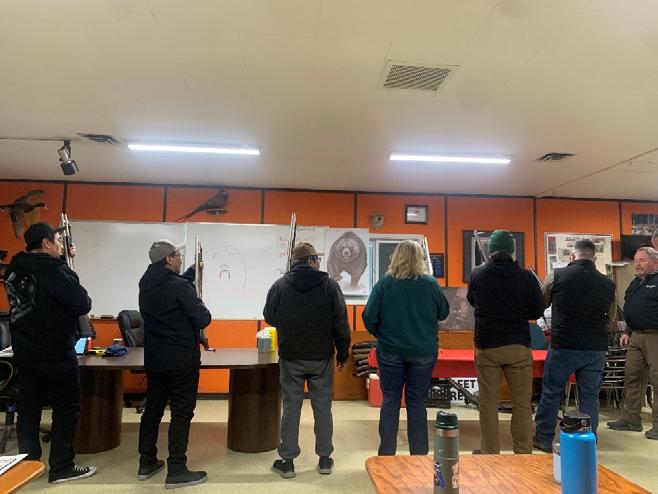
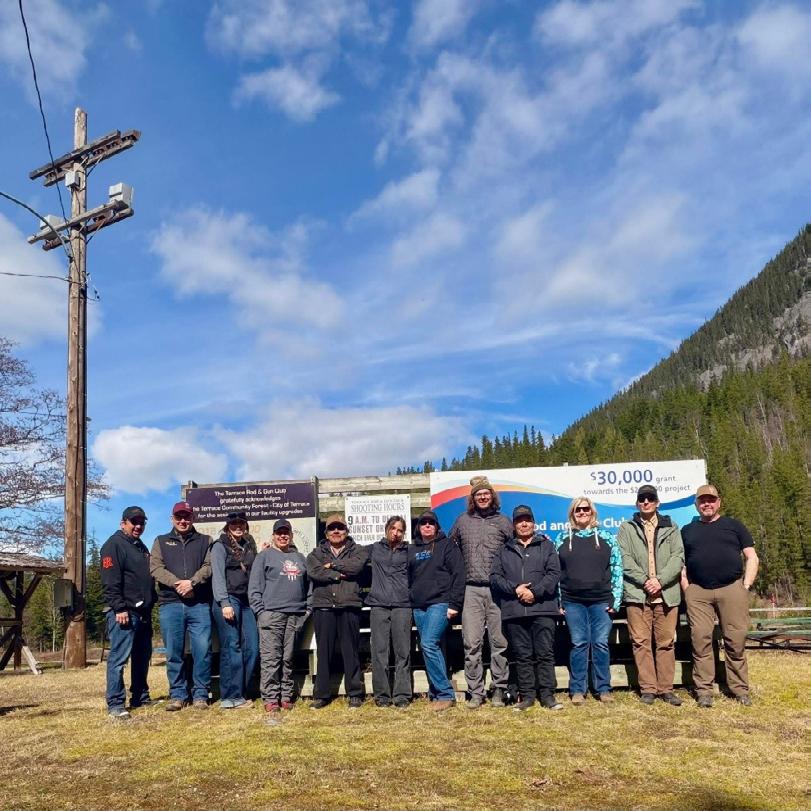
The 2025 Stikine River Chinook aerial survey was completed on August 6th by TCG Fisheries Director Cheri Frocklage and Field Supervisor Kyle Inkster. The survey flight was conducted with Tundra Helicopters out of Dease Lake, BC. The flight left the base at about 0810hrs and returned approx. 1800hrs. The weather throughout the day was excellent, with sunny skies and overall great conditions for the survey flight. Overall, the 2025 Chinook Aerial Survey results indicate some promise of improvement, and significantly higher numbers over prior years of poor Chinook salmon returns.
The Stikine River Sockeye aerial survey was completed on September 12, 2025, by TCG Fisheries Director Cheri Frocklage and Fiekld Technician Salina Gray. The survey flight was conducted using Tundra Helicopters out of Dease Lake, BC. The flight left Dease Lake at about 0830hrs and returned just after 1530hrs. The weather throughout the day was overcast, with some periods of mixed blue skies and clouds. It is notable that there was a rain event the night before that contributed to poorer viewing and water conditions for the survey. Overall, very poor counts at the index sites.
The Stikine River Coho aerial survey was completed on November 3, 2025 by TCG Fisheries Director Cheri Frocklage and Field Technician Raina Feldman. The survey flight was conducted with Tundra Helicopters out of Dease Lake, BC. The flight left Dease Lake at about 0845 hrs and returned just around 1645hrs. The weather cooperated through most of the day. We had to hold off on Porcupine survey due to morning fog but picked flight. Additionally, we did encounter light rain on the Craig River that turned into a snow blizzard that intensified resulting in calling off the survey at the very end, a mere 600 meters from the border. Overall, surveys were performed under excellent conditions, clear and lower water levels provided ideal viewing conditions. Overall, it was a good survey in ideal conditions, some sites showed higher numbers, while others were not as successful as we were anticipating.
Chinook Aerial Survey results, in sequential order:
Summary
Beatty Creek 14
Little Tahltan 332
Tahltan River 442
Christina River 187
Verret River 402
Sockeye Aerial Survey results, in sequential order:
Summary
Chutine River 1
Scud River 1
Porcupine River 0
Verret Sloughs 0
Verret River 40
Bronson Slough 0
Coho Aerial Survey results, in sequential order:
Summary
Craig River 262
Scud River 17
Porcupine River 111
Verret Sloughs 30
Verret River `140
Katete 246
Katete (West) 100
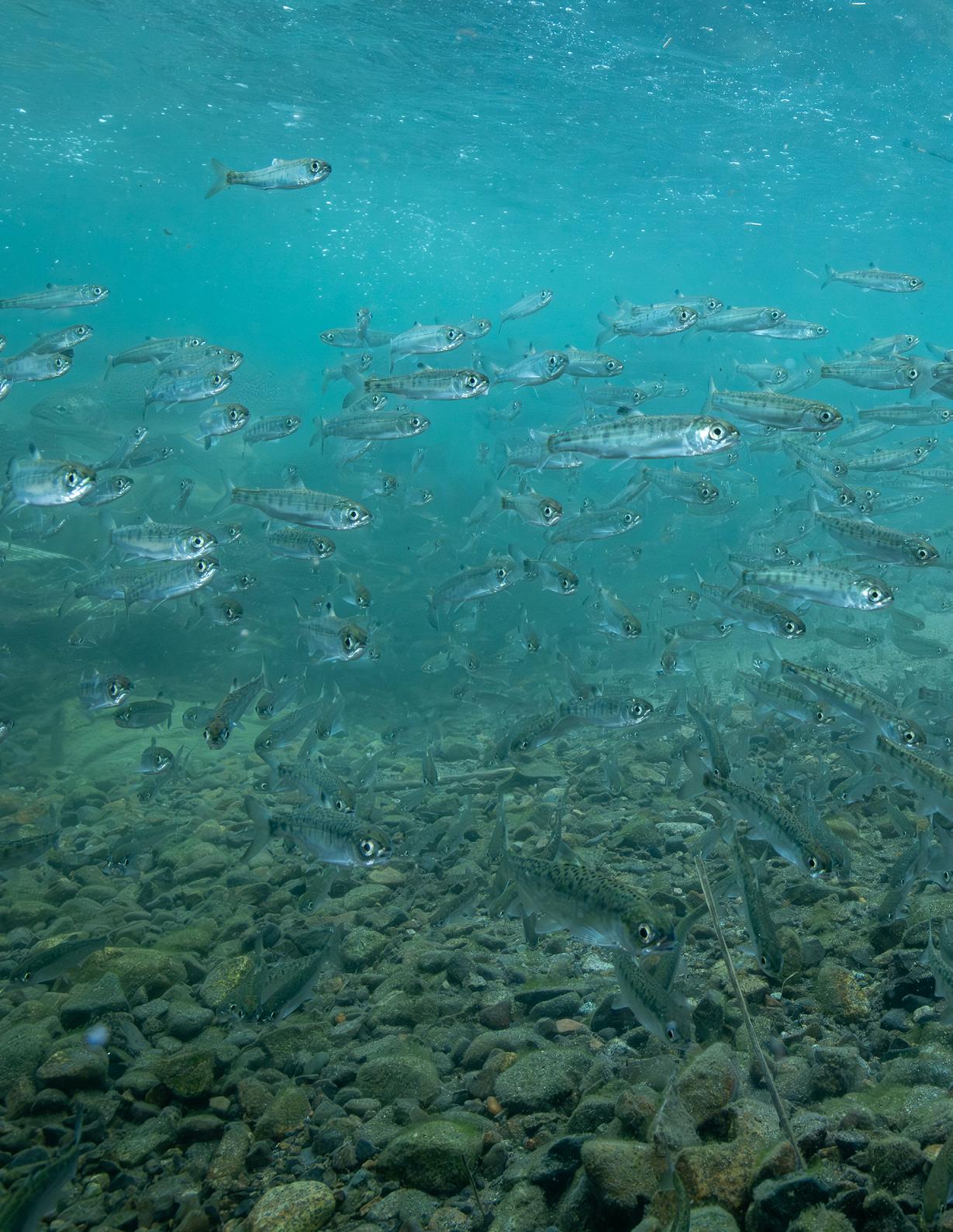
The Fisheries Managers continue to attend the various fisheries management meetings in-season and during the winter months including but not limited to:
• Stikine River Salmon Management Committee
• Transboundary Technical Committee and Enhancement Sub-Committee
• Pacific Salmon Commission –Transboundary Rivers Panel (CheriFrocklage TBR Panel Rep. Kerry Carlick-TBR Panel alternate) Paperwork underway to appoint Ian Clevenger to the alternate seat.
• Pacific Salmon Commission –First Nation Caucus (Richard now representing the TBR Nations on the FNC Executive Committee)
• G2G Meetings with DFO and TFN post and pre-season
• TCGFD/DFO – In season bi-weekly management meetings
• TCG/DFO – Tahltan Lake Dam Working Group
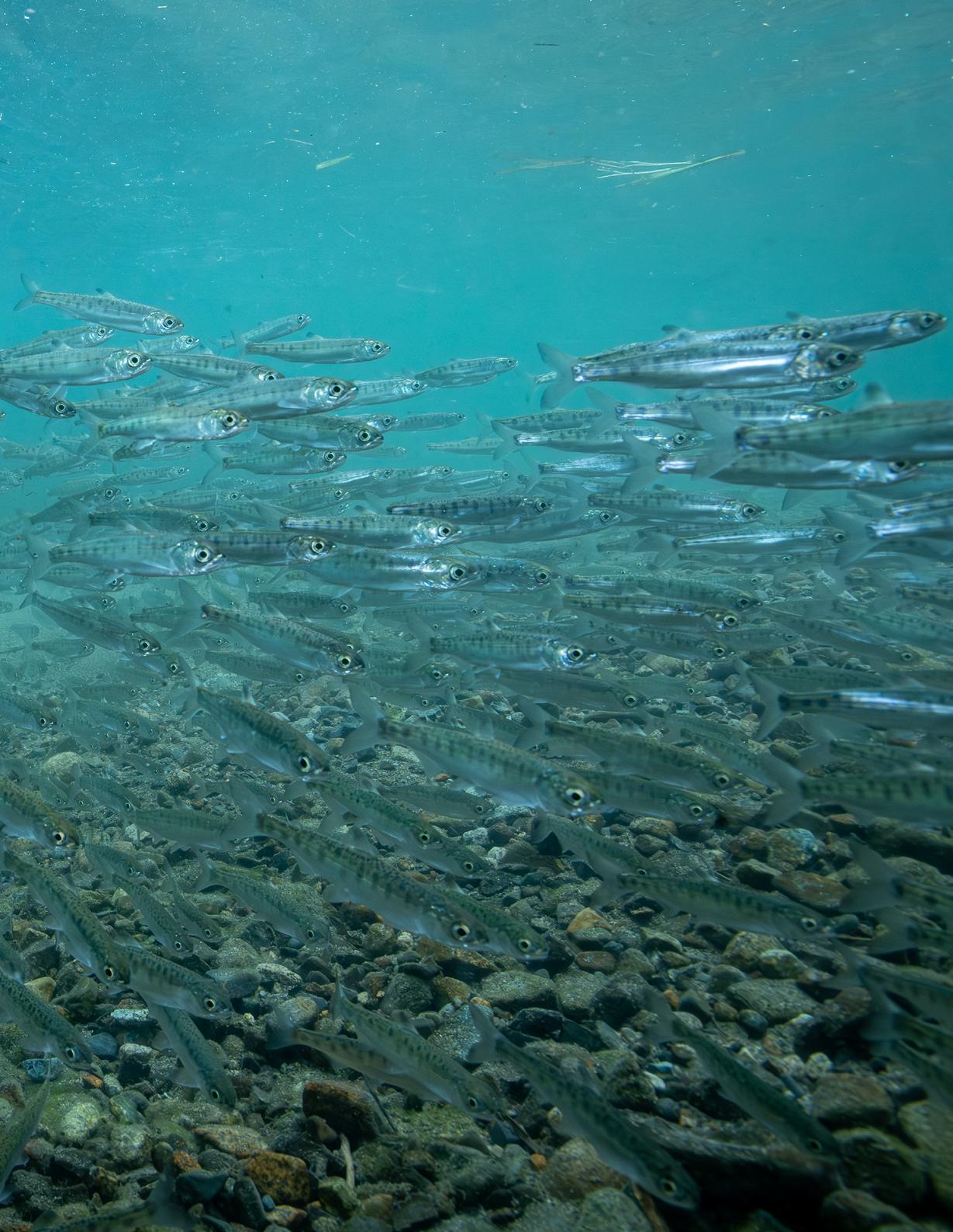
• TCG - BC/Tahltan Fish and Wildlife Working Group
• TCG - Major Project Reviews (Fisheries component)
• TCG – Directors and Team Leads Monthly Meetings
• TCG - Fisheries Department bi-weekly meetings
• TCG – Community Engagements
• TCG - FD Director and Executive Director bi-weekly meetings
• TCG - FD Director and Lands Director bi-weekly meetings
• TCG – Strategic Planning Meetings with Leadership and Board of Directors
• TCG – Tahltan Elders Council
• TCG - Annual General Assembly
2025
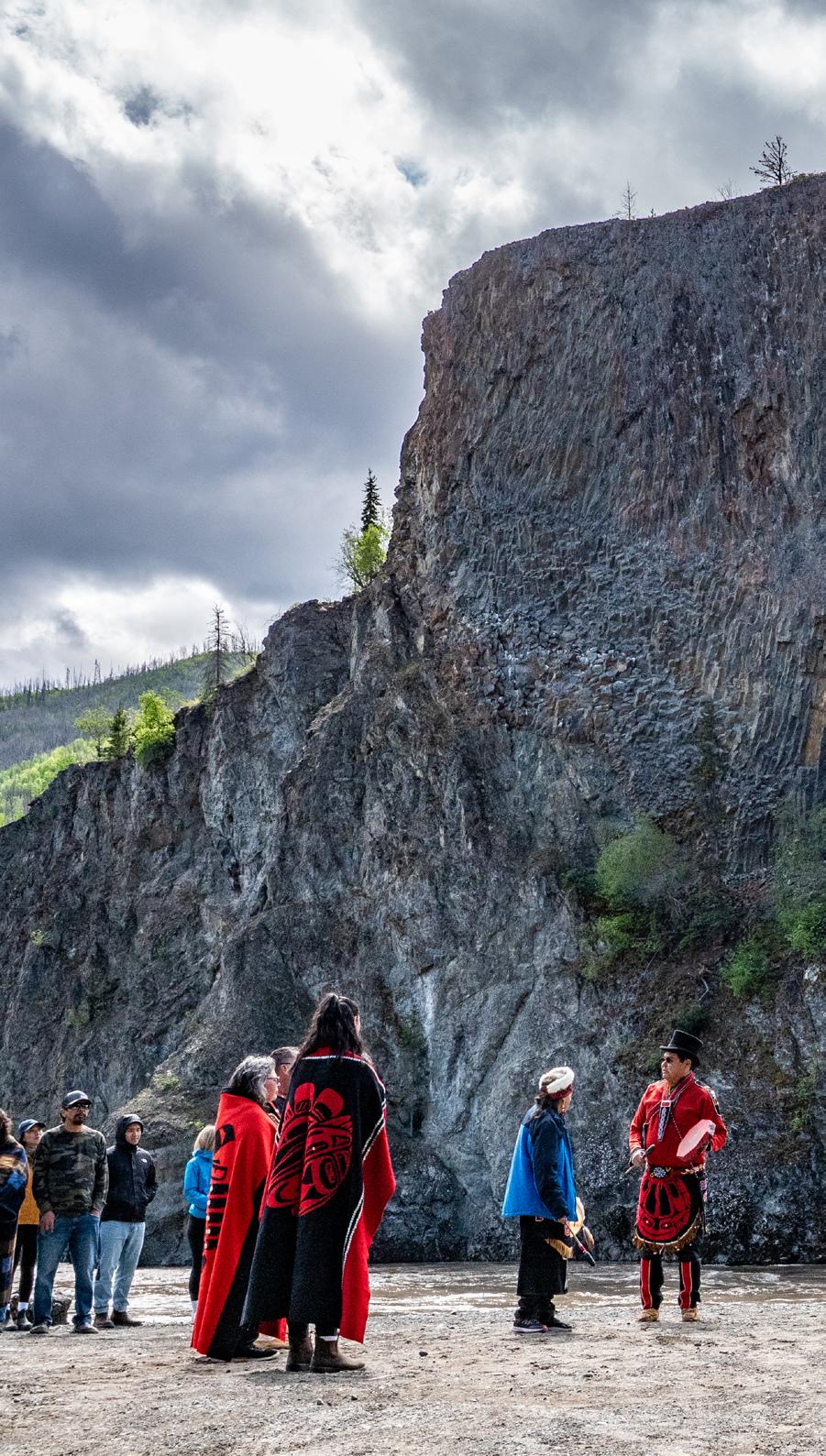
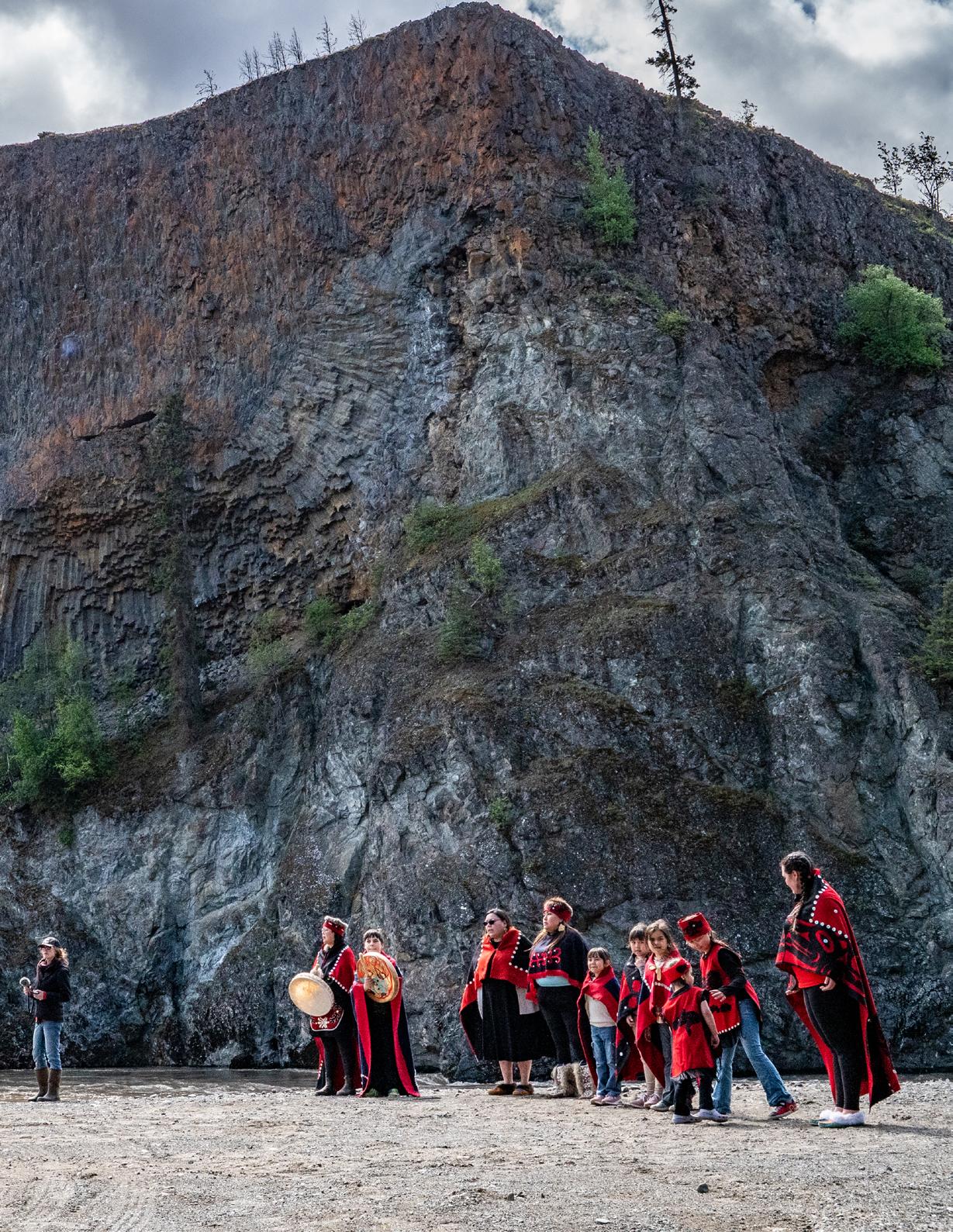
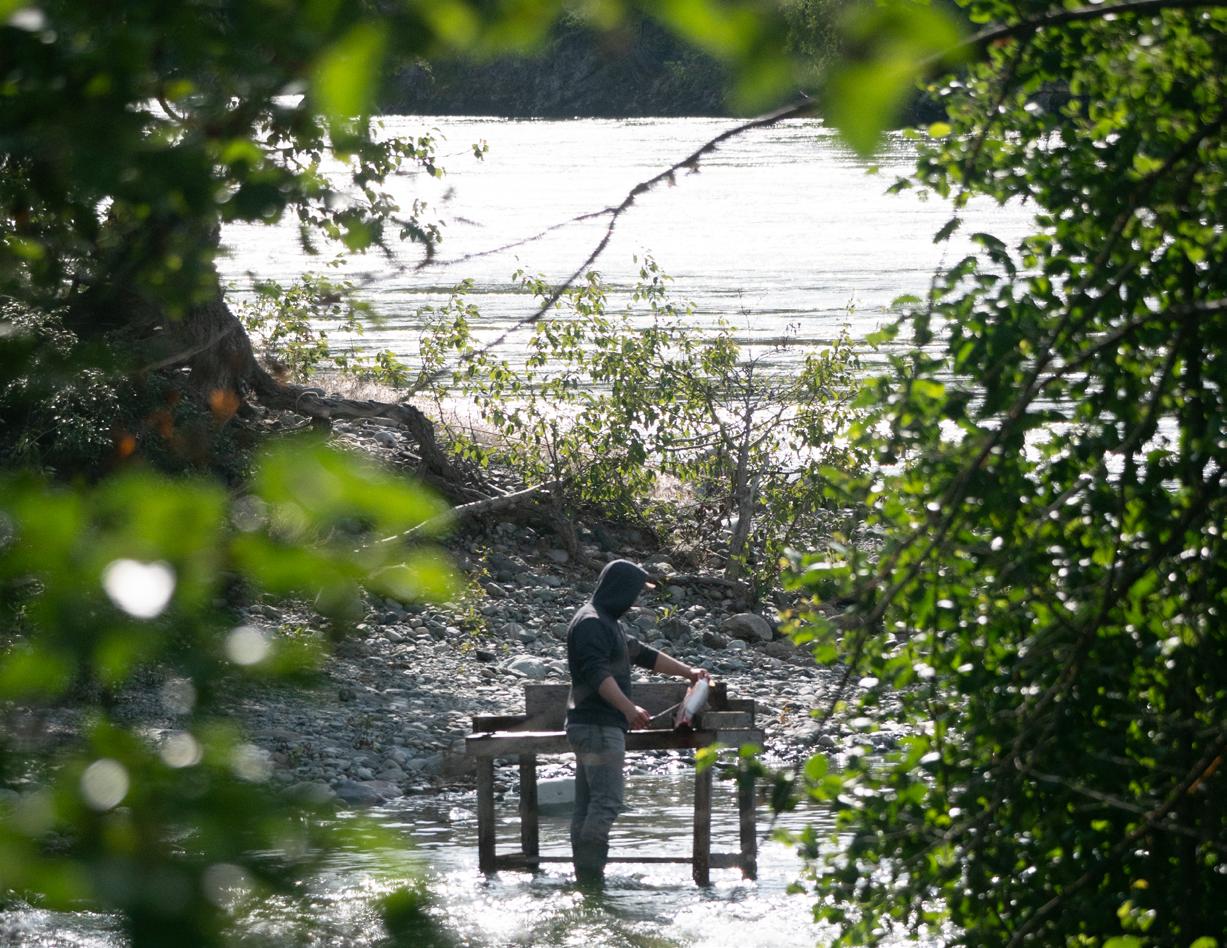
* There are no means to identify Stikine bound Coho in the marine fishery
The Canadian In-River Commercial Fishery released 519 Large Chinook and 394 Jacks. The Tahltan Nation appreciates the efforts of the Canadian commercial fleet for their efforts in conserving and assisting in the survival of the Chinook Salmon of the Stikine River Watershed.
The following table shows the bilaterally-agreed-upon escapement goals for Stikine Chinook, Sockeye and Coho salmon, as set out in the US/Canada Pacific Salmon Treaty.
Watershed Species Area
Comments
Stikine Chinook Stikine 28,100 (pre-season) 24,500 (in-season) 21,000 (MSY pre-season) 17,400 (MSY in-season) 14,000–28,000 Includes Little Tahltan Est. Feb 2023
Stikine Sockeye Stikine Wild 43,600
Est. Feb 2023
Stikine Sockeye Tahltan 22,600* 11,000–25,000 Est. Feb 2023 *Includes 3600 Broodstock
Stikine Sockeye Mainstem 21,000 13,000–33,000 Est. Feb 2023
Stikine Coho Stikine Not Yet Established N/A To Be Est. by 2029
*MSY is the Maximum Sustainable Yield is the maximum level at which a natural resource (fish) can be routinely exploited without long-term depletion.
There is a Chinook Biological Escapement Goal Review currently underway by the working group established by the Transboundary Technical Committee.
There is currently no means of accurately estimating Stikine Coho escapement or run size. The work to develop an accurate estimate of Stikine Coho is ongoing.
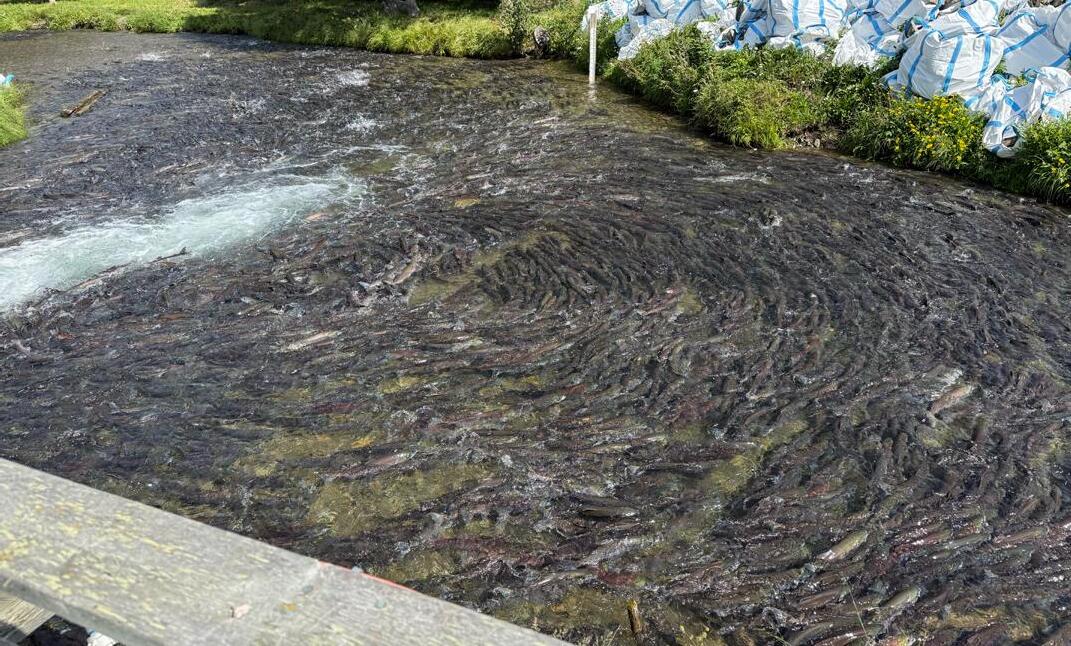
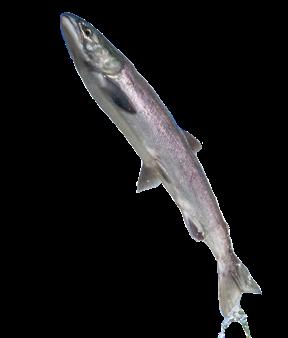
Last year (2025-26) there were no TCGFD PSCNF projects approved or conducted (although 2 proposals were submitted). For this year (2026-27) we submitted 3 proposals and 1 was approved, the Skeena Headwaters Habitat Restoration project. The Tahltan Nation has been / and remains instrumental in protecting the Sacred Headwaters. Over the years Tahltan Fisheries has conducted overview surveys and assessments along the abandoned rail grade and found that in general it does not pass fish. It isolates considerable fish habitat, and there is clearly a significant rail grade impact to both the existing accessible habitat and the habitat above the numerous fish passage barriers. The purpose of this project will be to develop a conceptual Fish Habitat Restoration Plan for the uppermost watershed unit of the Skeena River Headwaters. This can be considered a demonstration project in that the longerterm goal (and future intention) is for this plan to be both expanded (in area) and implemented, through a domestic Fish Habitat Offsetting Plan (FHOP) process.
Despite significant outreach to promote Chinook restoration, unfortunately, our NF submission this year for the Upper Stikine Chinook salmon rebuilding project was not approved. However, we will be looking to resubmit and/or seek other funding sources to implement this initiative next year. Here we propose to re-initiate a community-based strategic enhancement initiative that was conducted in the early 2000’s, to begin re-building (or re-establishing) some of the historical Chinook stocks in the Upper Stikine tributaries around the Telegraph Creek and Glenora area.
It was an extra busy winter cycle of PST related meetings this year with regular pre and post season sessions along with the additional start of preliminary informal Treaty negotiation background work. Cheri Frocklage remained our primary representative on the PSC Transboundary Panel and associated Technical Committees. Moving forward, we will be seeking to replace the previous seats of Kerry Carlick with our new Fisheries Manager, Ian Clevenger. Some key results of the post-season meetings involved: both CAN and US fisheries being within allocations; system-wide spawning objectives were finally met for Stikine Chinook (at least we breached the lower bound of the escapement goal range); and updates from the Technical Committee were provided on review of the Stikine Chinook escapement goal and improvements to the Chinook and coho salmon assessment programs.
Highlights of the pre-season meetings included: another very favorable forecast for sockeye and the Chinook return anticipated to be above the 10-year average and hopefully meet spawning objectives again. Moving forward we are all still treading carefully in terms of Chinook recovery and conservation, as they are still considered stocks of concern on both sides. In this regard, the CAN commercial fishery is planned to proceed with the same restrictions as in recent years inclusive of no directed Chinook fishery and a delayed sockeye fishery start with non-retention of Chinook.
The current Treaty is on a 10-year term and therefore set to expire at the end of 2028. Under the current challenging CAN/US and International political climate, both Parties nor the Commission have received formal mandates to officially start negotiating. However, it appears we are in line to obtain approval, and meanwhile each side can prepare and do their homework. In this regard, the CAN section of the TBR Panel spent significant unilateral time during the meetings this winter to confidentially discuss priority negotiation topics. Our TCGFD representatives developed and delivered specific discussion notes (to the CAN TBR Panel section only) regarding TCG interests and approaches for negotiations, to inform the future development of a first CAN position paper in PST TBR Chapter 1 language.
Since the fall of 2021, in partnership with Environment and Climate Change Canada, the TCGFD installed a hydrometric station on the Tahltan River, the station’s name is “Tahltan River at The Mouth (08CE005)”. The station can be searched on the Government of Canada website using the station name. This equipment is key in our efforts to monitor water levels on this river. The Tahltan River watershed is a key habitat for salmon species harvested by Tahltan fishers. For years the gauge at Tuya was used as a proxy but now we will have accurate real time data on what the water is doing. With this information we can monitor climate change trends such as when the timing of the spring freshet happens, when the lowest water is, all of which is very useful data when it comes to salmon management.
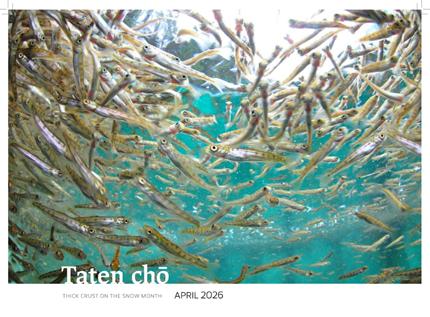
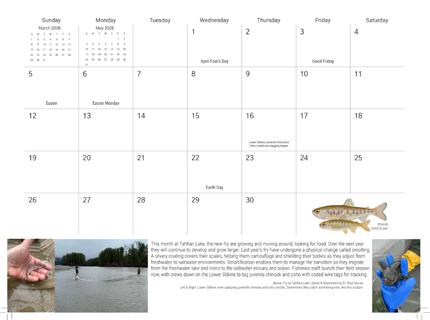
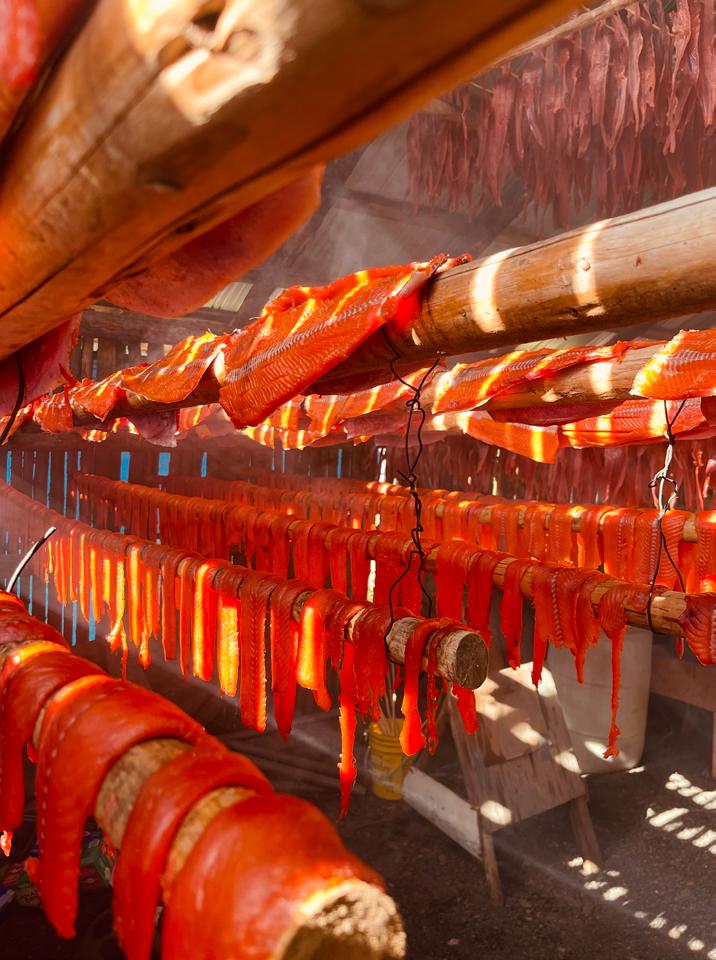
Mēduh to everyone who participated in the Fisheries Photo Contest for the 2026 Fisheries Calendar. We received over 160 photo entries. From them, TCG President Kerry Carlick, Vice President Kimberley Marion, and Secretary Treasurer Carol Danielson voted on their top choices.
Following the contest, we created a calendar detailing Fisheries Activities, and the seasonal life cycles of our salmon, over the course of a year. Calendars were printed and provided to every family on Territory. Next year, we hope to create many more. Please contact us if you’d like one.
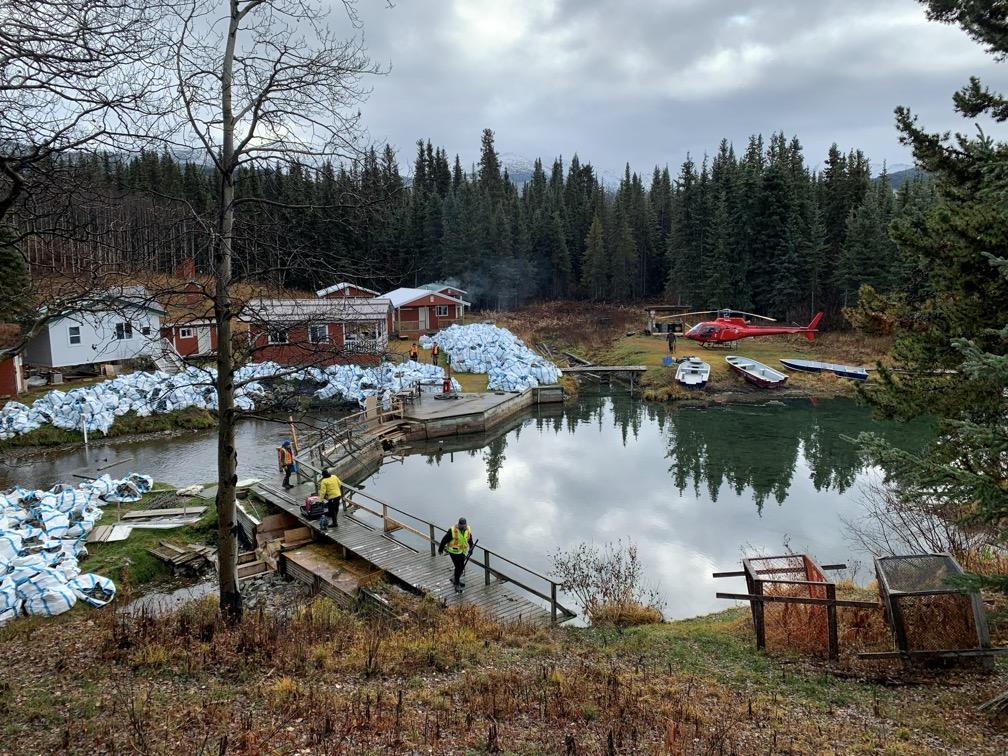
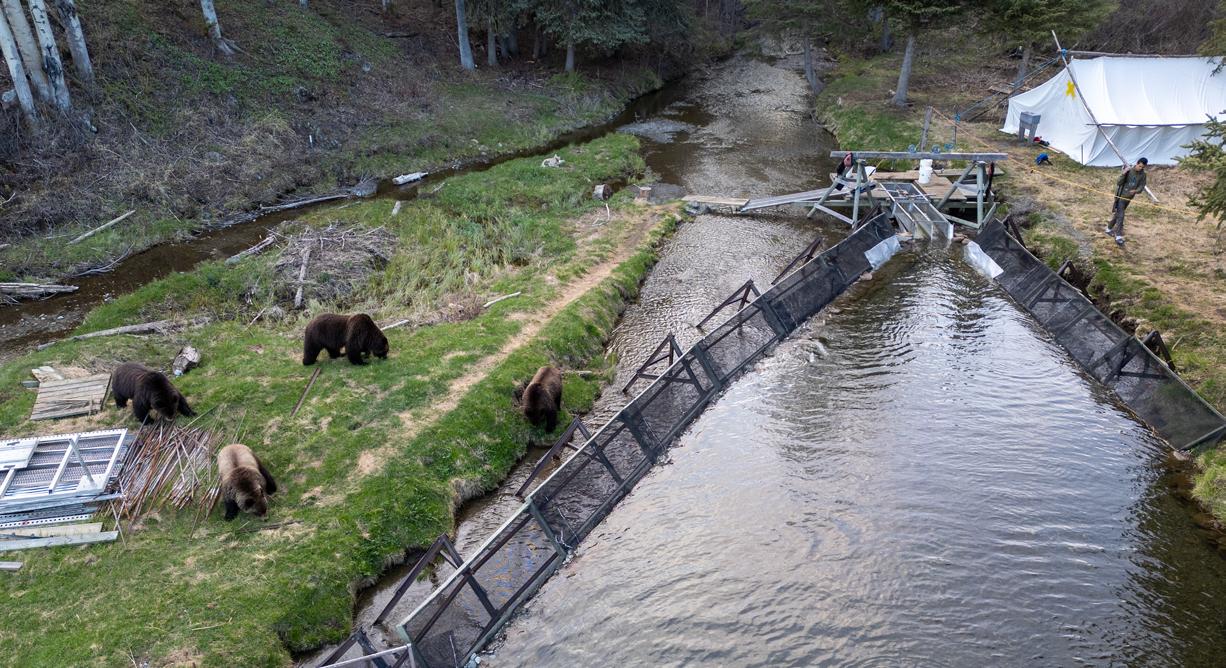
After several years of planning and engineering, fall 2026 is slated to be the construction window for the Tahtaneh weir replacement. In 2025 the design work was completed on the aluminum bin structures that will make up the dam structure. Tahltan Fisheries and the construction contractor, Matcon, sourced several areas of rock and gravel needed for the dam construction. The rip rap rock needed to stabilize the dam is now on site and the new gravel pit at camp has been cleared and prepped for extraction of materials for the dam. The TCG team continues to find and catalog artifacts at the site opportunistically in the course of other field work.
Tahltan Fisheries has taken the lead on the design of the spillway outlet for the dam. The spillway is a key component of the weir / dam as it sets how much water is discharged at any given time and is the point where sockeye access the lake on their return home. The design is based on monitoring and watershed modeling from the Tahltan lake Water Balance Model. This new structure is designed to release water in a manner that more closely matches the natural inflows to the lake making it more ecologically appropriate for both the upstream (in the lake) and downstream (Johnny Tashoots Creek) fish habitats. The spillway design also includes a low flow notch that will eliminate the need for returning sockeye to jump over the weir and instead will allow returnees to swim through the notch making passage into the lake easier with less energy expenditure and fewer injuries related to jumping. The photo below shows the site as of October 2025 with the large white bags of rip rap placed for construction.
The final design of the spillway is shown on the diagram below.
The spillway includes two components: 1) the main weir where most of the water is discharged and fish pass in and out of the lake and, 2) the emergency spillway which is designed to pass high flood flows to prevent the dam from overtopping. The original weir was shaped similarly to the current Emergency Spillway whereas the new Main Weir is shaped to pass water in a more natural pattern. The new weir design will facilitate better fish passage and include operational improvements to reduce fish handling stress and make for a more efficient work environment for staff at the weir.
Work at site for 2026 will include moving the aluminum bins for the dam structure from Vancouver to site, final engineering studies and logistical preparations for the fall 2026 construction window. TCG Fisheries staff will be on site for the construction to conduct environmental and heritage monitoring as well as project logistical support. The watershed model development will continue with data downloads of all the monitoring stations, a model update with the new data and station maintenance. The Tahltan Lake Water Balance model will be central to the development of water management objectives for the site during the dam commissioning phase in 2027 and beyond.
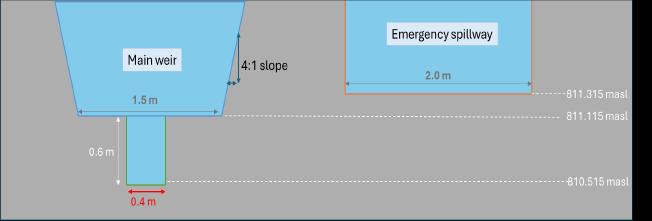
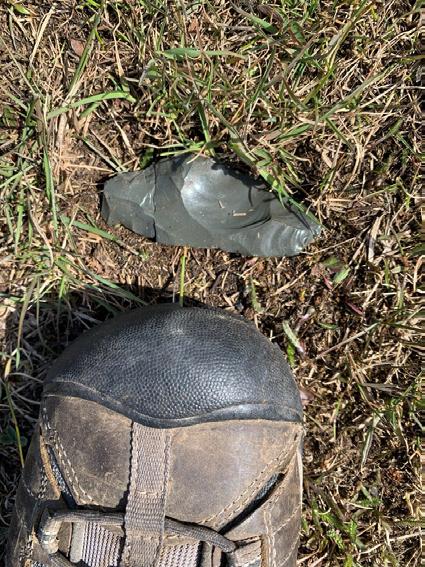
Above: An obsidian tool uncovered during the 2025 spring field visit.
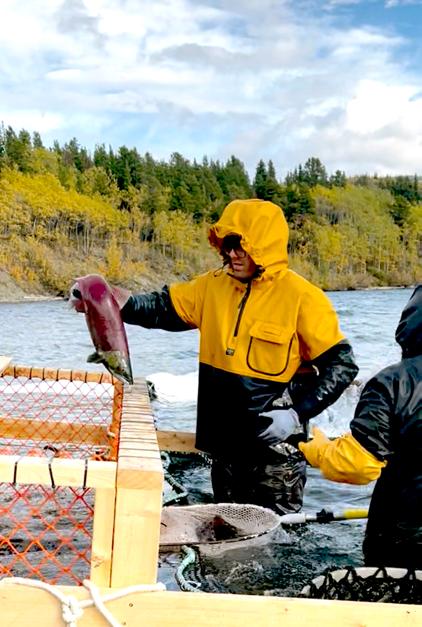

Hi my name is Ian Clevenger, I am grateful to be working for Tahltan Fisheries as fisheries manager. I grew up in the Rocky Mountains of SW Alberta, where there are no salmon. During my schooling in Prince George, friends and I would often skip class in the fall, fish coho and steelhead on the Skeena and Nass. Those trips opened my eyes to landscapes and cultures fed by salmon, I had never seen anything like it back home. Soon after graduating university, I took off trying to spend more time in those watersheds and communities. I found myself living in Gitwinksihlkw, working the Nisga’a fishwheels tagging the run of salmon all summer and fall, living out of a treehouse on the Koeye River near Bella Bella, counting sockeye and coho, moving around the north end of Vancouver Island on a sailboat, counting coastal streams, to last summer, packing up the car and spending six months working on smolt projects, building fishwheels and ultimately ending up at Tahltan Lake for the sockeye fence and egg take programs.
I’m very much looking forward to continuing spending time on the Territory, getting to know the people, places and fish. Some of my summer goals are to get out on the dirtbike, berry pick and spend more time down in Telegraph. Being outside and being with people always reminds me of the importance in what we do, I am inspired to continue to support Tahltan fisheries values on Tahltan Territory.
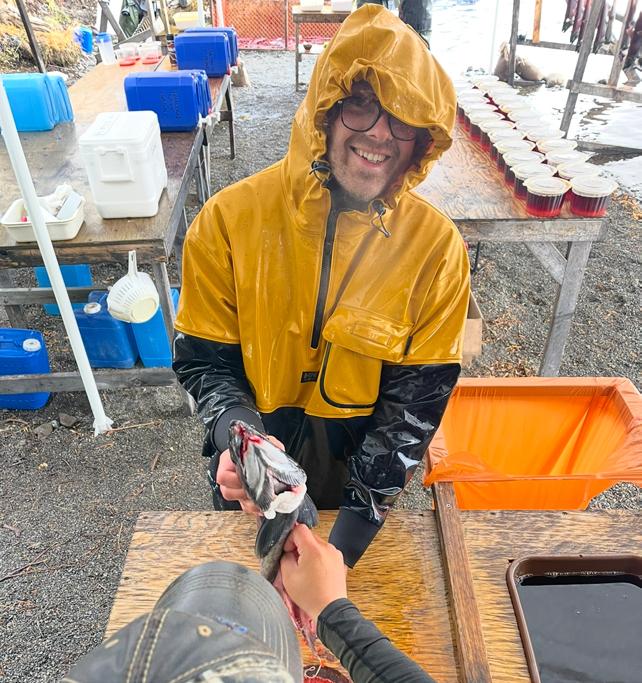
Kenzie resides in Dease Lake and is the daughter of Cindy Dennis and Dennis Quock. She graduated from high school in June, and joined our field staff in late August and participated in both the Tahltan Lake Adult and Tahltan Lake Sockeye Egg Take. We thank her for her contributions and wish Kenzie well with her new employment aspirations.
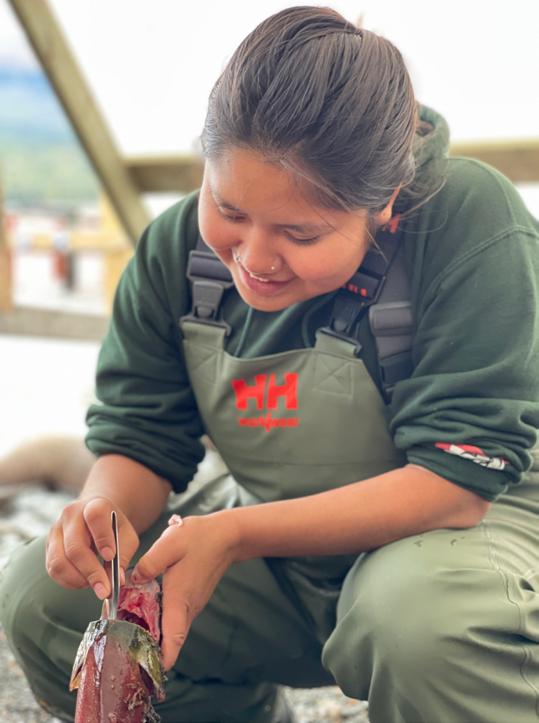
Zoe was hired in September to be our egg take camp cook. Mēduh for keeping camp so clean and for all the great baking, delectable meals, and laughs. We are hoping that Zoe will continue to provide her food preparation services and maybe even consider putting on waders and filling a field technician position. Zoe’s parents are Boyd Louie and Raina Feldman and she was born and raised in Tahltan Territory, currently residing in Dease Lake.

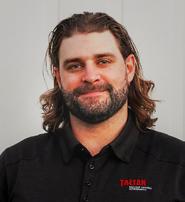
Connor Pritty Lands & Regulatory Affairs Director
This past year has been one of the most transformative periods for the Lands & Regulatory Affairs Department. As a core department driving Tahltan stewardship, and land and resource-based management, the department continued to expand its capacity and impact in response to the growing responsibilities of its mandate. Guided by the direction of Tahltan leadership, the department advanced critical initiatives that strengthen Tahltan jurisdiction and support the protection of the lands, waters, and heritage resources of the Tahltan Nation.
Over the year, the department led several major regulatory and environmental assessment processes, advanced key land use planning priorities, and continued to shape the future of responsible resource development in Tahltan Territory. Progress was made in implementing the Tahltan Stewardship Plan, including ongoing work to operationalize Tahltan Indigenous Protected and Conserved Areas. These efforts represent a meaningful shift toward embedding Tahltan values, knowledge, and authority into all land and resource decisions.
A major milestone this year was the completion of the first consent-based decision-making agreement under the Declaration on the Rights of Indigenous Peoples Act in British Columbia for the Eskay Creek Mine. This achievement is historic and reflects the strength of the department’s technical expertise, Tahltan leaderships advocacy, and commitment to advancing Tahltan title and rights and jurisdiction.
The department also continued to strengthen the foundation for compliance and enforcement through ongoing work with the Province of British Columbia. This effort is essential to ensuring that industrial activity in Tahltan Territory meets the standards and responsibilities required to safeguard the land and uphold Tahltan expectations.
What stands out most this year is the dedication and resilience of the departments staff. The complexity of the work continues to grow, yet our team consistently meet these challenges with professionalism, integrity, and a deep commitment to supporting the Nation’s goals. Their contributions are at the core of every success reflected in this report.
I extend sincere appreciation to Tahltan Leadership for their continued guidance, support, and trust. The progress made this year and the work ahead would not be possible without their vision and direction.
To all Tahltan members who participated in engagements, shared knowledge, and provided guidance throughout the year, thank you. Your voices remain central to this work and will continue to shape the path forward as the department enters another year of ambitious stewardship, land management, and protection of Tahltan title and rights.
Your Lands Director, Connor
Pritty
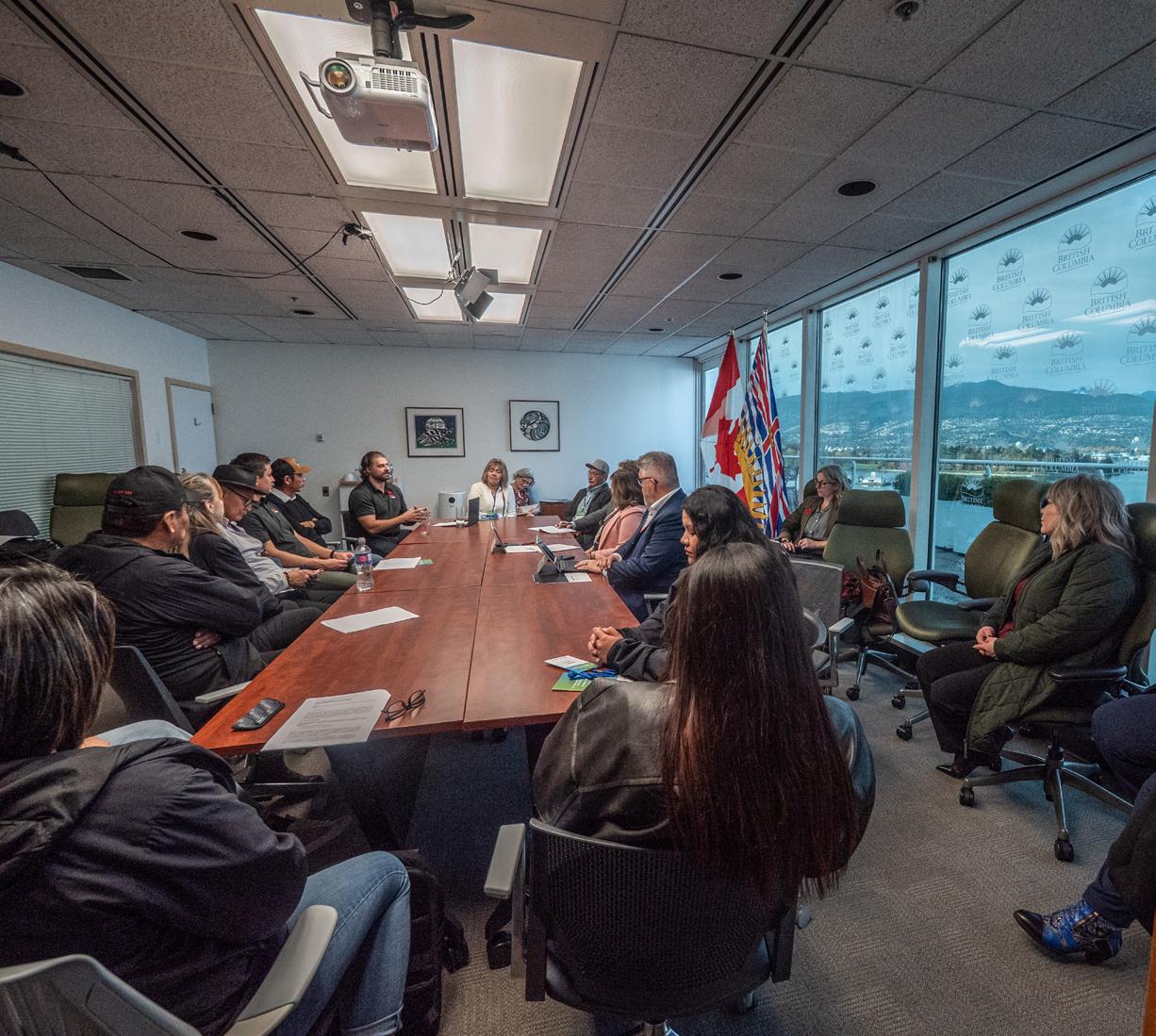

Blaine Lindstrom
SER Coordinator
As the Shared Engagement Record Coordinator, I am responsible for reviewing permit application referrals for proposed activities within our Tahltan Territory. With more than 100 referrals received each year, this work remains a central part of ensuring that development proceeds in a way that respects our Tahltan values, rights and title.
My years working throughout Tahltan Territory as an environmental monitor, technician, and consultant have grounded me in both the land and the regulatory systems that shape it. That experience built through fieldwork, compliance monitoring, and direct implementation of permit conditions continues to guide my approach today. It allows me to bring practical, on-the -ground insight to the review of applications and to anticipate how proposed activities interact with the land, water, wildlife and communities. I am proud to apply this experience in service of my Tahltan Nation.
In 2025, my role expanded significantly as major projects and planning initiatives increased. I supported community engagement process for environmental assessments, including the Red Chris Block Cave and Eskay Creek Revitalization projects. I also have been actively involved in ongoing land use planning between the Province of British Columbia and TCG, helping to advance priorities that strengthen the foundation for long-term stewardship of Tahltan Territory.
Across all this work, my focus remains consistent: supporting Tahltan leadership, strengthening regulatory oversight, and contributing to the protection and responsible management of Tahltan Territory for future generations.
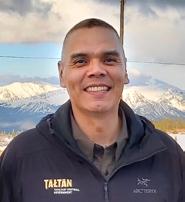
Shawn Ducharme
Major Projects Coordinator
My career has taken me through several key resource sectors in Northwest BC, each shaping how I understand land stewardship and responsible development. I began in forestry and fisheries, where I learned early how closely ecological health and community well being are connected. Those roles grounded me in the importance of sustainable management long before I entered regulatory work.
I later moved into compliance and enforcement, gaining a clearer view of how provincial systems operate and the importance of strong oversight. That experience reinforced the need to ensure activities on the land meet both legal standards and community expectations.
My work in the mining sector as an environmental technician, monitor, and project environmental coordinator gave me practical, on the ground insight into how projects function in Tahltan Territory. Implementing permit conditions and seeing impacts firsthand strengthened my understanding of what responsible development requires in practice.
Together, these experiences have shaped my approach to stewardship and advocacy. They’ve given me a balanced perspective on development, protection, and the long term interests of the Tahltan Nation.
In my current role as a Major Project Coordinator, I draw on this background to help oversee major developments in our Territory. My focus is ensuring that Tahltan values, rights, and priorities guide decision making and that governments and proponents understand their responsibilities when working in our Territory.
This work is especially important now, as British Columbia and Canada begin to more fully recognize Indigenous rights and title. Contributing to that shift—and helping ensure the Tahltan voice is respected in decisions that shape our future—is a responsibility I take seriously.
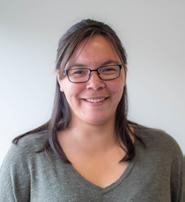
Roxanne Ball
Lands Administrative Assistant
My name is Roxanne Ball. I am a proud member of the Shoe-Kawk family and the Crow Clan of the Tahltan Nation.
I’ve been with the Tahltan Central Government for the past twelve years, working in various departments. For the last three years, I’ve served full-time as the Lands Administrator in the Lands Department. This past year was especially busy as we hosted many community engagements in territory and toured to hold a series of engagements off-territory as well. Keeping our members informed about our land is very important. I’m proud of the work we’ve done. I supported our work on Eskay Creek and the historic, first ever Section Seven Consent decision and our ongoing, continued land use planning with the Province.
This past year has a been major learning experience for me, with all the complexity of these major projects and my ever-expanding role in the department. I continue to join and support major projects, such as the Newmont Social Cultural Committee where I help guide their investments in our communities and the Cross-Cultural Training development, where I am helping with implementation. I’m deeply passionate about our people and our Land. The work I do is more than just a job—it’s close to my heart.
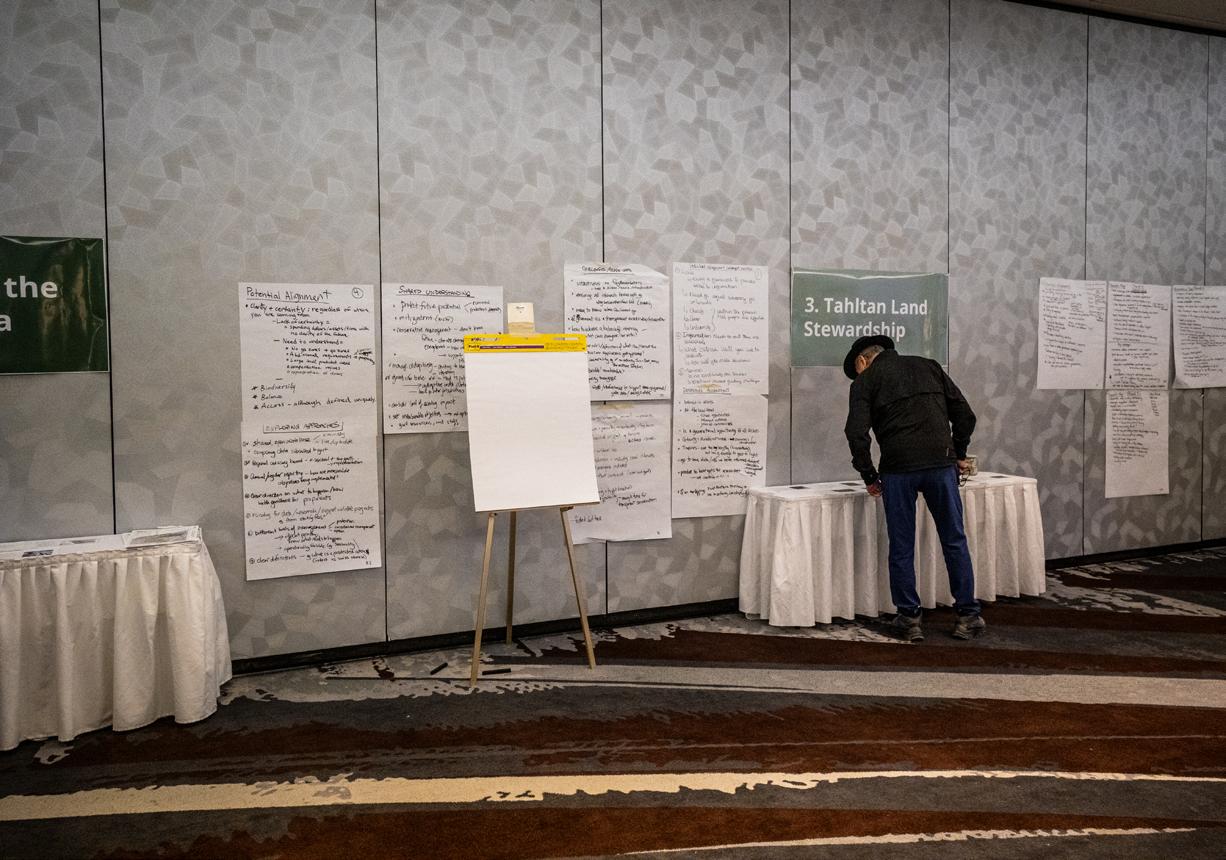
In 2025-2026, the department continued to advance one of the most progressive land and resource frameworks in Canada. Through the department, TCG continued to strengthen jurisdiction over lands and resource management, implement consent-based decision-making, and advance Nation-led stewardship across all major resource sectors within Tahltan Territory.
This year marked a significant transition from participation in regulatory processes to the exercise of direct decision-making authority grounded in Tahltan law, values, and governance systems. Across land use planning, major project assessments, permitting, and government-togovernment negotiations, the department focused on ensuring that development within Tahltan Territory reflects Tahltan priorities, protects core values, and supports long-term stewardship responsibilities.
Land use planning remains a foundational element of Tahltan stewardship and a critical tool for advancing jurisdiction over land and resource management. Central to this work is the Tahltan Stewardship Plan, Keep Our Trails Open, which was approved by the Nation in 2024. Over the past year, the department has continued to advance implementation of Tahltan Stewardship Plan, supporting the management of lands and resources for current and future generations.
Since its approval, the department has moved beyond development of the plan and into its application, using it as an active management tool in regulatory reviews and project assessments. This has established clearer and more consistent expectations for proponents while ensuring that decisions align with Tahltan-defined priorities and long-term stewardship objectives.
This work reflects a broader shift from a reactive, project-by-project review approach to a proactive system of land stewardship—one that defines where development may occur, where protection is required, and how decisions must be made moving forward.
In parallel, the Tahltan–BC Land Stewardship Planning Project continued to advance through collaboration with the Province of British Columbia. This work represents a significant step toward aligning provincial land use frameworks with Tahltan stewardship. Phase One of the plan is focused on core areas of the Territory, including Dease Lake, Iskut, Telegraph Creek, and the Sheslay, Tahltan Lake and Level Mountain areas. Through this process, Tahltan is working to define conservation/protection areas, management areas, and land use directions and standards that provide both protection for critical ecological and cultural values in Tahltan Territory.
The importance of this work extends beyond planning. It aims to establish enforceable stewardship standards and objectives, introduce pace and scale measures to guide development, and advance Tahltan jurisdiction in land and resource decision-making. Once complete, the Phase 1 Plan will be brought forward for Tahltan approval and formalized through provincial legislation, ensuring that Tahltan priorities are embedded within the legal framework governing land use across the Territory.
The department also continued to progress with advancing Tahltan Indigenous Protected and Conserved Areas (IPCAs), including Tataneh / Dzah Tē, Tenh Dzetle, and the Klappan Sacred Headwaters. While this work remains ongoing, it is advancing through the direction of Tahltan leadership and ongoing government-togovernment discussions. These areas represent some of the most ecologically and culturally significant landscapes within Tahltan Territory and will play a central role in protecting biodiversity, maintaining cultural values, and safeguarding sacred areas for current and future generations.
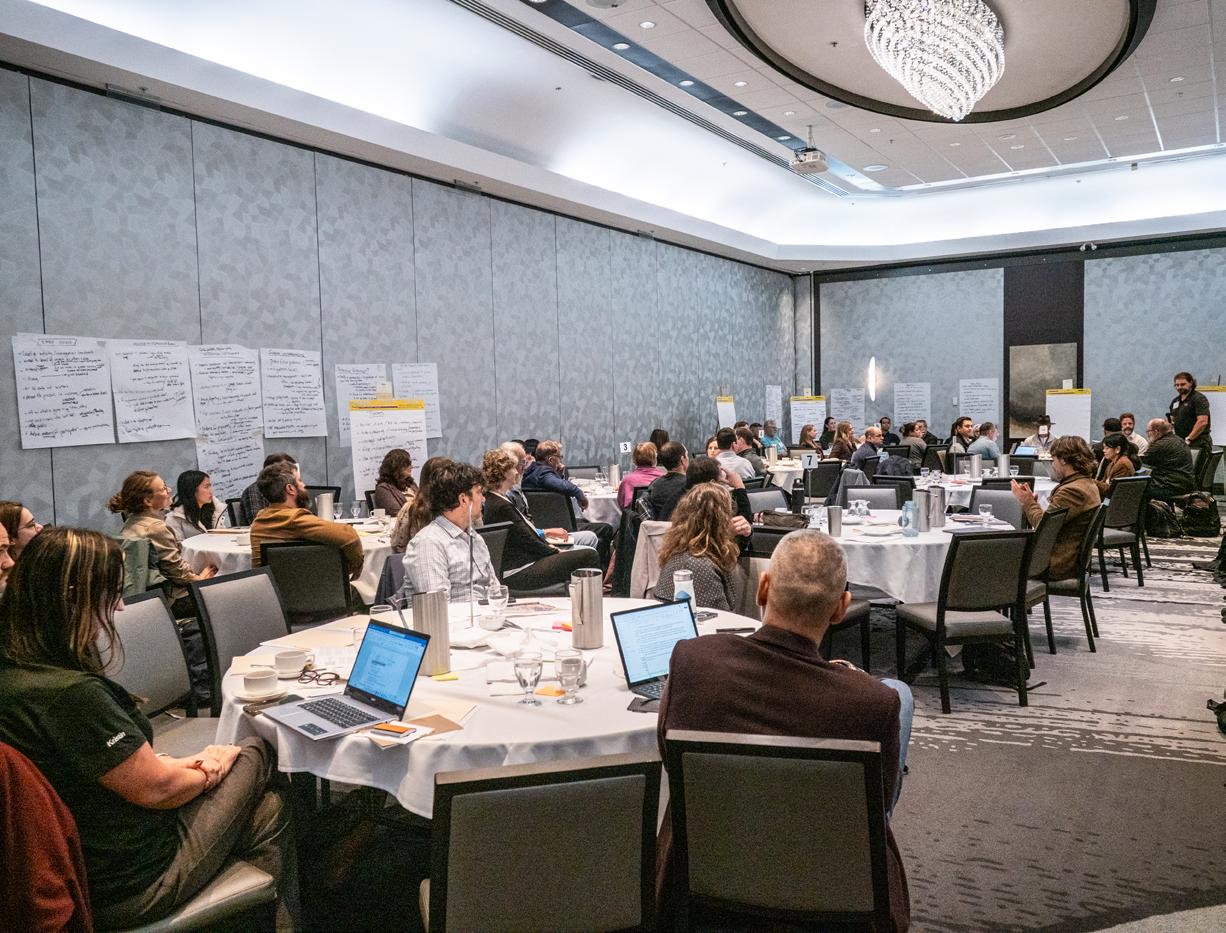
The 2025–2026 reporting period represented one of the most active and complex years for major project oversight within Tahltan Territory. The Lands & Regulatory Affairs Department was engaged across multiple large-scale mining projects at various stages of environmental assessment, permitting, and regulatory review.
This work required significant technical coordination, strategic oversight, and sustained engagement with proponents, regulators, and Tahltan membership. Across all major project files, the department played a central role in ensuring that project design, regulatory processes, and decision-making outcomes aligned with Tahltan priorities, stewardship values, and jurisdiction.
In January 2026, the Tahltan Nation made history by issuing its decision under the Section 7 Consent-Based Decision-Making Agreement for the Eskay Creek Revitalization Project—the first decision of its kind in British Columbia. This milestone represents a fundamental shift in how resource development occurs within Tahltan Territory, with Tahltan exercising direct decision-making authority alongside the Province, grounded in Tahltan law, governance, and stewardship principles.
The decision was informed by a comprehensive Tahltan Risk Assessment (TRA), a Nation-led framework designed to evaluate potential impacts to Tahltan lands, waters, culture, and way of life. Unlike conventional environmental assessment processes, the TRA integrates Tahltan Knowledge, community and membership input, and technical analysis to assess both projectspecific and cumulative effects across Tahltan Areas of Interest. Over the course of the assessment, more than 90 engagement and information opportunities were provided to Tahltan membership, ensuring that community perspectives, priorities, and concerns were central to the decision-making process.
Through this work, the Tahltan Nation established 20 legally binding Tahltan conditions under the Environmental Assessment Certificate and associated major project permits. These conditions require that key aspects of the project be developed, implemented, and monitored to the satisfaction of Tahltan, ensuring ongoing oversight and accountability throughout the life of the project. While mitigation measures significantly reduced many potential impacts, the assessment identified that
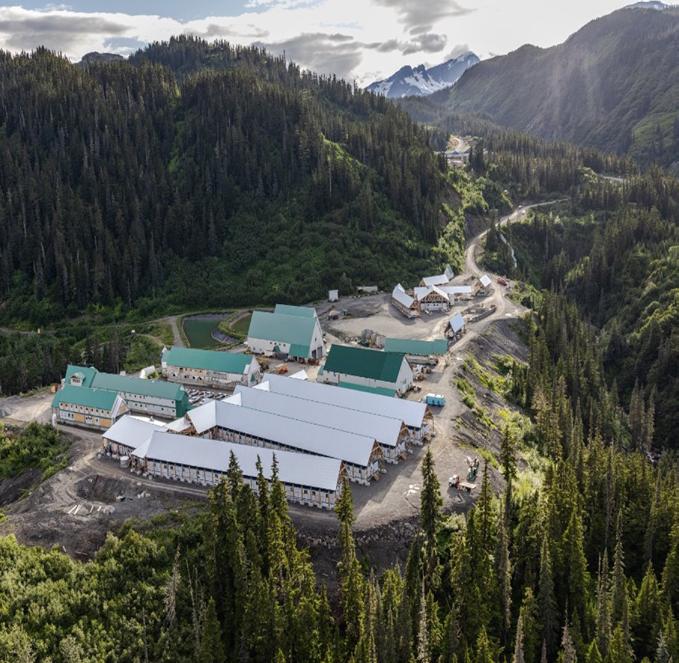
some adverse effects to Tahltan remained. As a result, additional terms, conditions, and accommodation measures were required to address these impacts and ensure that both the proponent and the Crown are accountable to Tahltan expectations.
Following completion of the assessment, Tahltan Leadership convened in early January 2026 to review the final Tahltan Risk Assessment and Environmental Assessment materials. A Notice of Decision was issued on January 11, 2026, outlining the conditions under which the Tahltan Nation provided its consent to the project. This decision establishes a new benchmark for Indigenous-led environmental assessment and consent-based decision-making in British Columbia.
With the decision now complete, the department’s focus has shifted toward implementation. This includes advancing the Impact Benefits Agreement with Skeena Gold + Silver, establishing oversight and compliance mechanisms, and working collaboratively with regulators and the proponent to ensure that all conditions are met throughout the life of the project. Ongoing work will also include supporting Tahltan communities in the design and implementation of monitoring programs related to wildlife, water, access to lands, and socio-cultural values.
This project represents a defining moment for the Tahltan Nation, demonstrating the successful application of consent-based decisionmaking and reinforcing Tahltan’s role as a governing authority in land and resource development within its Territory.
Work continued to advance the Tahltan Assessment under the Section 7 Consent-Based Decision-Making Agreement for the Red Chris Block Cave Amendment. This agreement represents the second consent-based decision-making process established by Tahltan under the Declaration on the Rights of Indigenous Peoples Act, building on the precedent set through the Eskay Creek Revitalization Project.
Through this work, Tahltan has continued to demonstrate that consent-based environmental assessment is not a one-time achievement, but an evolving governance model that can be applied across major projects within Tahltan Territory. The Red Chris process is further strengthening Tahltan’s role as a co-decision-maker and advancing the implementation of the Declaration Act within Tahltan Territory.
Over the past year, the department continued engagement with Tahltan membership while advancing technical review and application of the Tahltan Risk Assessment framework to evaluate potential impacts to lands, waters, wildlife, and cultural values, as well as cumulative effects across the Territory.
In parallel, the department has continued to implement the existing environmental commitments of the Impact Benefits Co-Management Agreement through the Environmental Oversight Committee with Newmont, as well as the Red Chris Management Agreement with the Province of British Columbia. This work ensures ongoing Tahltan oversight of key project components, including the tailings storage facility, water management systems, and the continuous improvement of environmental mitigation measures to protect water quality.
This work remains ongoing and will be critical in informing Tahltan leadership’s future decision-making on the project. As the assessment progresses, the Red Chris file will continue to build on the lessons learned through Eskay Creek while refining and strengthening Tahltan’s approach to consent-based decision-making.
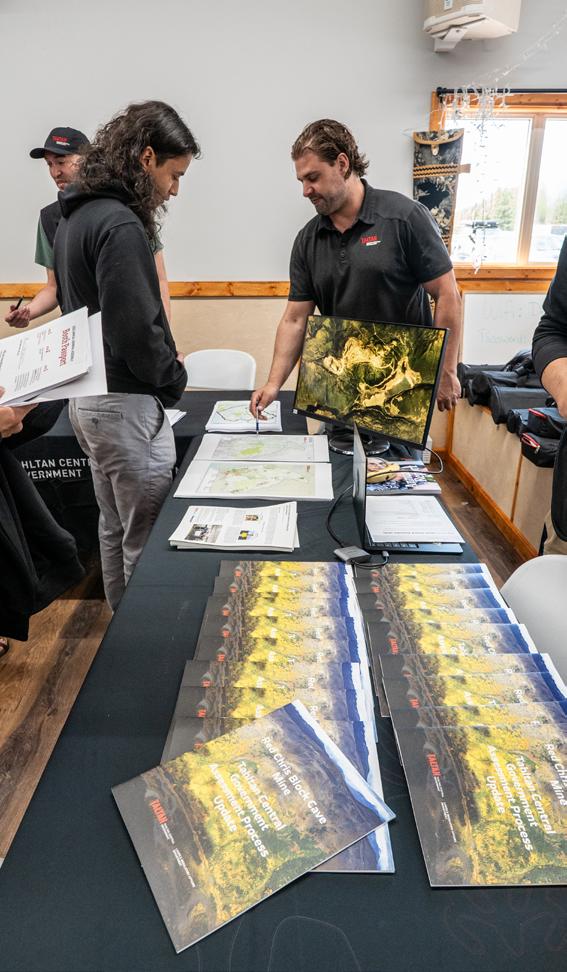
The department maintained a high level of engagement on the KSM Project, one of the largest and most complex mining developments within Tahltan Territory. Work focused on advancing regulatory oversight across multiple permitting streams, including the Mines Act, Environmental Management Act, and Water Sustainability Act.
Significant effort was directed toward technical review of key project components such as water management systems, underground infrastructure, and environmental mitigation measures. The department also worked closely with Tahltan Fisheries and technical teams to review fish habitat offsetting strategies, including the Glacier Creek Fish Habitat Offset Project and additional offset initiatives currently under development.
Ongoing monitoring, adaptive management, and collaboration with regulators and the proponent remain central to ensuring long-term environmental protection and accountability.
Engagement on the Galore Creek Project continued to focus on advancing technical understanding of long-term project proposals and environmental management approaches. Over the past year, the department and THREAT team participated in detailed technical sessions with the proponent, reviewing critical components such as tailings management facility design, rock storage strategies, water management systems, and closure planning.
These discussions have been essential in identifying priority issues and ensuring that long-term environmental risks are fully understood and addressed. As the project advances toward amendments to its existing approvals, the department remains actively engaged in ensuring that Tahltan priorities and expectations are reflected in all aspects of project planning and regulatory review.
Work on the Silvertip Mine focused on ongoing regulatory oversight, technical review, and participation in established monitoring and collaboration forums. The department contributed to key programs including the Aquatic Effects Monitoring Program, Trigger Response Plans, and reclamation research planning.
Engagement with the proponent has supported improved information sharing, particularly in areas such as groundwater monitoring and long-term environmental performance. The department continues to participate in Environmental Technical Working Group and Monitoring Committee meetings to ensure that Tahltan perspectives are incorporated into ongoing operations and future planning.
The department maintained involvement in the early-stage review of the Lawyers-Ranch Project, supporting assessment of the Initial Project Description and ongoing engagement with the proponent. This work has focused on identifying potential environmental, cultural, and cumulative effects, while ensuring that Tahltan expectations are clearly communicated as the project advances toward environmental assessment.
Looking ahead, the department will focus on the execution of a Tahltan Land Use and Occupancy Study to ensure that Tahltan Knowledge for the project area is documented and established at the outset. This work will inform the assessment of potential effects on Tahltan lands, resources, and way of life, and will serve as a foundational component for ongoing review as the project progresses through the environmental assessment process.
Major Projects Coordinator Shawn Ducharme asks a question during industry meetings at AME Roundup Vancouver, January 2026
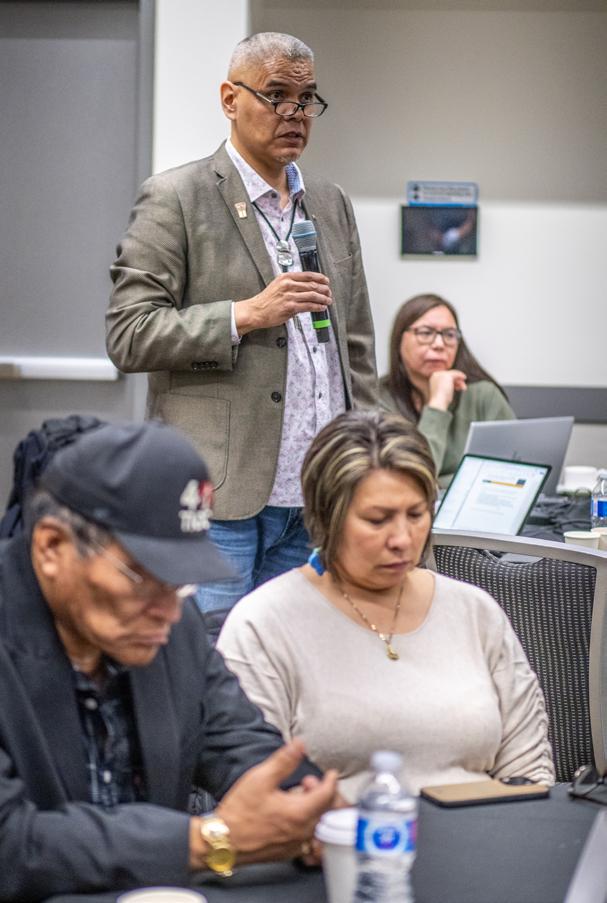
Permit referrals continued to represent a significant and growing workload for the department in 2025, reflecting increasing development activity across Tahltan Territory. Over the past year, the department processed 124 referrals, spanning mineral exploration, forestry, water authorizations, land tenure applications, and infrastructure-related permits.
This work is highly technical and requires careful coordination to ensure that all applications are reviewed in alignment with Tahltan laws, values, and stewardship objectives. Each referral is assessed using spatial data, including the Tahltan Ancestral Study, and evaluated against the Tahltan Stewardship Plan and known cultural and environmental sensitivities.
Much of this activity remains concentrated in highinterest regions such as the Golden Triangle, the Jade Boulder corridor, and the Metsantan area of Tahltan Territory. Increasing pressure in these areas has required the department to apply stronger and more consistent conditions to manage cumulative effects, protect key river systems, and safeguard culturally significant sites.
Through this process, the department continues to ensure that all development activity within Tahltan Territory is subject to rigorous, Tahltan-led review, with enforceable conditions that reflect the Nation’s expectations and long-term vision for stewardship.
Across all major and minor project files, the Lands & Regulatory Affairs Department continues to play a central role in ensuring that development within Tahltan Territory is subject to rigorous technical review, meaningful engagement, and clear alignment with Tahltan laws, values, and governance.
This work reflects a broader shift in Tahltan’s role—from participation in regulatory processes to active oversight, influence, and advanced decisionmaking authority across the natural resource sector.















The Tahltan Stewardship Plan (TSP) titled Keep Our Trails Open, developed through the Tahltan Stewardship Initiative (TSI), brings transformative change based on the recognition of Tahltan Title and Rights.
The Tahltan Nation has developed and finalized a Tahltan Stewardship Plan (TSP) through the Tahltan Stewardship Initiative (TSI). The Tahltan Stewardship Plan outlines Tahltan principles for caring for and stewarding all land within Tahltan Territory.
During the July 2024 AGA, the Tahltan Stewardship Plan titled “Keep Our Trails Open” was presented and approved by the assembly.
With the approval of the Tahltan Stewardship Plan, the Tahltan Nation is progressing to the next phase of land use planning, with the Tahltan Stewardship Plan serving as our guiding light.
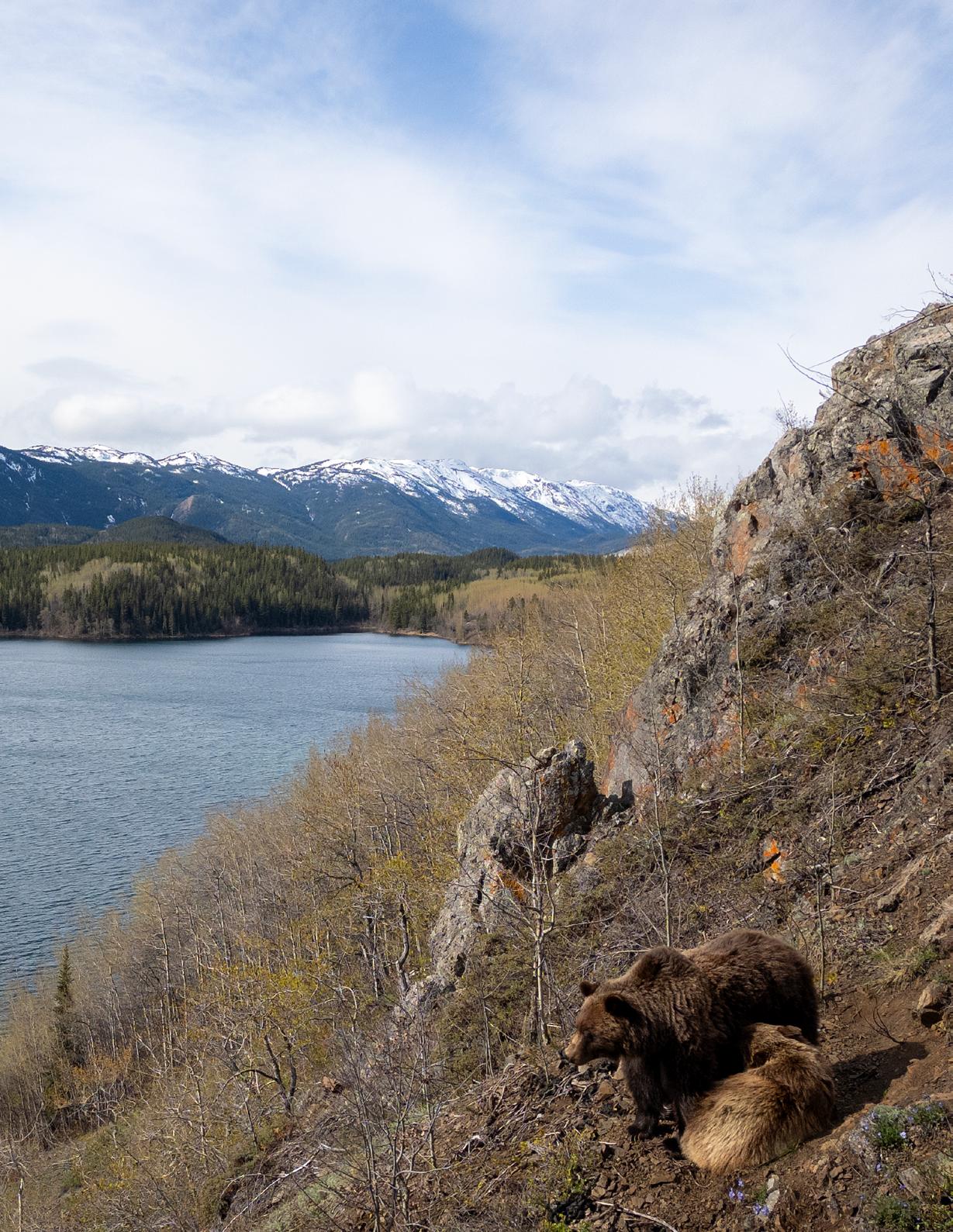
Scan the QR code below to visit the TSP website: tsp.tahltan.org
Scan the QR code below to watch the TSP video:
The department has been engaged in the Province of British Columbia’s five-year review of the Environmental Assessment Act, representing a key opportunity to advance Tahltan jurisdiction and strengthen how environmental assessments are conducted within Tahltan Territory.
The department submitted a formal position paper outlining priority areas for update, grounded in direct experience implementing the first consentbased decision-making agreements in the Province.
TCG’s submission identified several key areas where the current Act requires improvement. A central focus was the need to strengthen early engagement and scoping processes to ensure they are not constrained by provincial policy and instead support meaningful, consensusseeking approaches with Indigenous Nations. The department also emphasized the need to revisit how amendment applications to existing Environmental Assessment Certificates are addressed, particularly in situations where predicted effects or mitigation measures have proven inaccurate or incomplete over time.
The department also advanced recommendations to strengthen cumulative effects assessment and residual effects characterization. This includes moving beyond a narrow, Western-based approach toward a more holistic framework that incorporates Tahltan perspectives, considers longterm landscape-level impacts, and better reflects the realities of cumulative development pressures across the Territory.
Additional recommendations focused on improving coordination between environmental assessment and downstream permitting processes, ensuring that Indigenous Knowledge and Tahltan-defined conditions are formally incorporated into decision-making, and strengthening legislative tools to ensure that commitments made during environmental assessment are enforceable through permitting and compliance phases.
Progress was made in advancing the transition of the jade industry toward closure and reclamation. Building on the 2024 Jade Closure Order, the department has focused on addressing legacy environmental impacts, improving access control measures, and advancing reclamation strategies across impacted areas of the Territory.
This work includes collaboration with the Province through the Jade Protocol Agreement, development of access controls along the Jade Boulder corridor, and continued implementation of mapping and ground-truthing initiatives to better understand the extent of disturbance. Together, these efforts reflect a clear shift toward addressing historically unmanaged provincially approved development and restoring lands in alignment with Tahltan stewardship values and long-term priorities.
The department also engaged with the Province regarding its approach to consultation with Alaska-based Tribes whose asserted interests encroach on Tahltan Territory. Through these discussions, Tahltan raised concerns regarding the need for clarity about the Province’s approach to consulting with US-based Indigenous groups and the potential implications for consultation processes within British Columbia, including for Tahltan.
This work has focused on ensuring that consultation frameworks remain grounded in the constitutional recognition of Section 35 rights and that the legal and governance structures guiding decision-making within Tahltan Territory are clear, consistent with recent guidance from the Supreme Court of Canada, and respectful of Tahltan jurisdiction.
The department continued to support government-to-government collaboration on the Highway 37 Corridor Improvement Program, building on previous engagement and planning work to advance infrastructure upgrades across Highways 37, 37A, and 51. Over the past year, the department helped move forward discussions on improvements aimed at strengthening safety, accessibility, and connectivity throughout the corridor. Key areas of focus included additional passing lanes, shoulder widening, new chain-up areas, and the installation of Wi-Fi access points at strategic locations along Highway 37.
In parallel, the department remained actively involved in reviewing permit referrals associated with these projects. This work ensures that all upgrades and implementation activities reflect Tahltan values, community priorities, and long-term needs. Through consistent coordination with the provincial ministries, the department continued to advance transportation corridor improvements that aim to support the local communities.
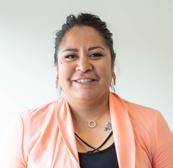
Darcie Louie Membership Specialist
MEMBERSHIP UPDATE
We are committed to keeping our membership records up to date throughout the year. Recently, we launched a campaign via email and social media encouraging members to update their information and register new children.
Please scan the QR codes below:
To update your membership information To register a birth or new member
Membership regularly supports departments and partner organizations with verified information. Examples include:
• Communications – Contact lists for meetings, newsletters, email, and text blasts.
• Lands and Wildlife – Trapline and land use verification.
• Finance – Member verification for Senior Supplement payments and program management.
• TNDC & Industry Partners – Membership verification for preferential hiring and bursaries.
• Education – Membership and verification letters.
• Culture & Heritage – Through joint research and planning the Archives and Membership departments collaborate on a variety of projects. Currently, The Borders Project has been prioritized as a key joint initiative.
• Employment – Member and associate verification for industry outreach and education.
• IBC, TBC, SCWG – Fulfill membership-related requests for elections, mailings, and statistics.
• Branding & Swag Support – Assistance with orders as needed across departments.
• Family Outreach – In partnership with Communications, we support Family Representatives.
• Onboarding – Membership supports onboarding and ongoing development of staff and BOD members.
• Signage Project – Assisting the committee with band engagement and sign development; project completion expected by Fall 2025. (See Communications Department update for details.)
The membership database is our most valuable tool and requires constant attention. The most timeconsuming yet vital aspect of our role is maintaining its accuracy to ensure smooth operations across all initiatives.
Records in the system: Active Membership:
Records examined in the last year: approx. approx.
6,135 4184 1,860 757
(up 200 from last year)
Tahltans out of Territory: Tahltans in Territory:
Total: 3,427
4,184
2920
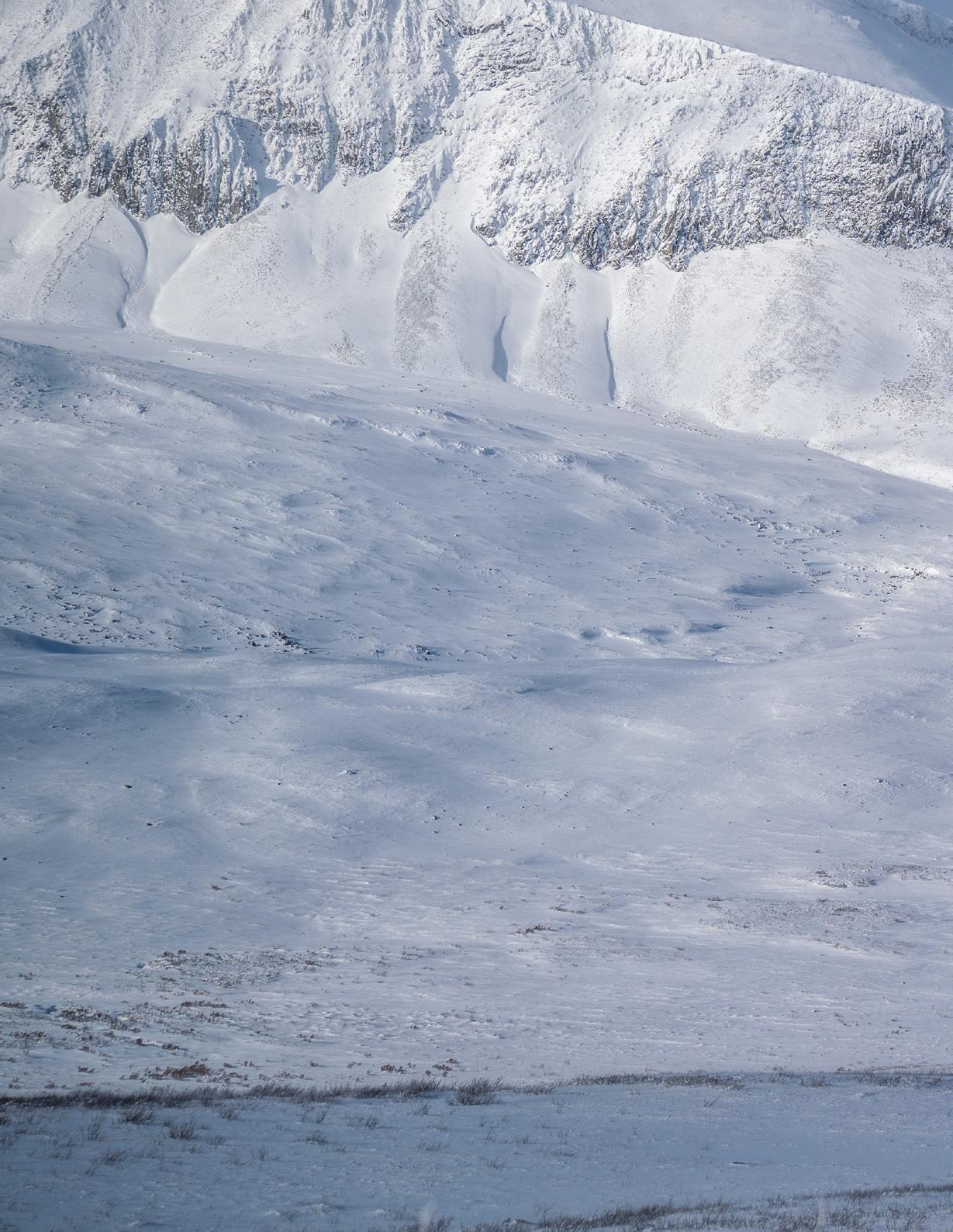
2026 marks ten years since the inception of the Wildlife Department.
Over those ten years, we’ve made significant progress towards wildlife co-management and co-governance. This includes increased efforts in inventories/population estimates, partnering in projects that address Tahltan concerns, and advancements in Tahltan jurisdiction regarding wildlife. Before discussing the direction that the department’s headed in, it’s important to celebrate all the work that’s been completed and to thank and acknowledge those who put so much effort into advancing Tahltan wildlife governance over the past decade. Ten years ago, Jarett Quock and Christine Creyke helped launch TCG’s Wildlife Department. They created the foundation we work from today. Jarett’s leadership in establishing the Guardian program with Clements Brace, joined shortly after by Lance Nagwan and Brianna Tashoots then Derek Louie, paved the way for our most important program. Our technical advisor and longest tenured member of the wildlife team, Norm MacLean, has been invaluable since the beginning. From 2019 to 2025, as Director of this department, Lance Nagwan developed a series of projects, building up our data and understanding, our capacity, equipment, and field methods, our operations and seasonal activities, and our authority to manage wildlife on our territory. Lance leaves a legacy allowing us to turn from collecting information on our most important species to operationalizing the data to ensure healthy populations grow and threatened populations recover.
tahltan.org/wildlife
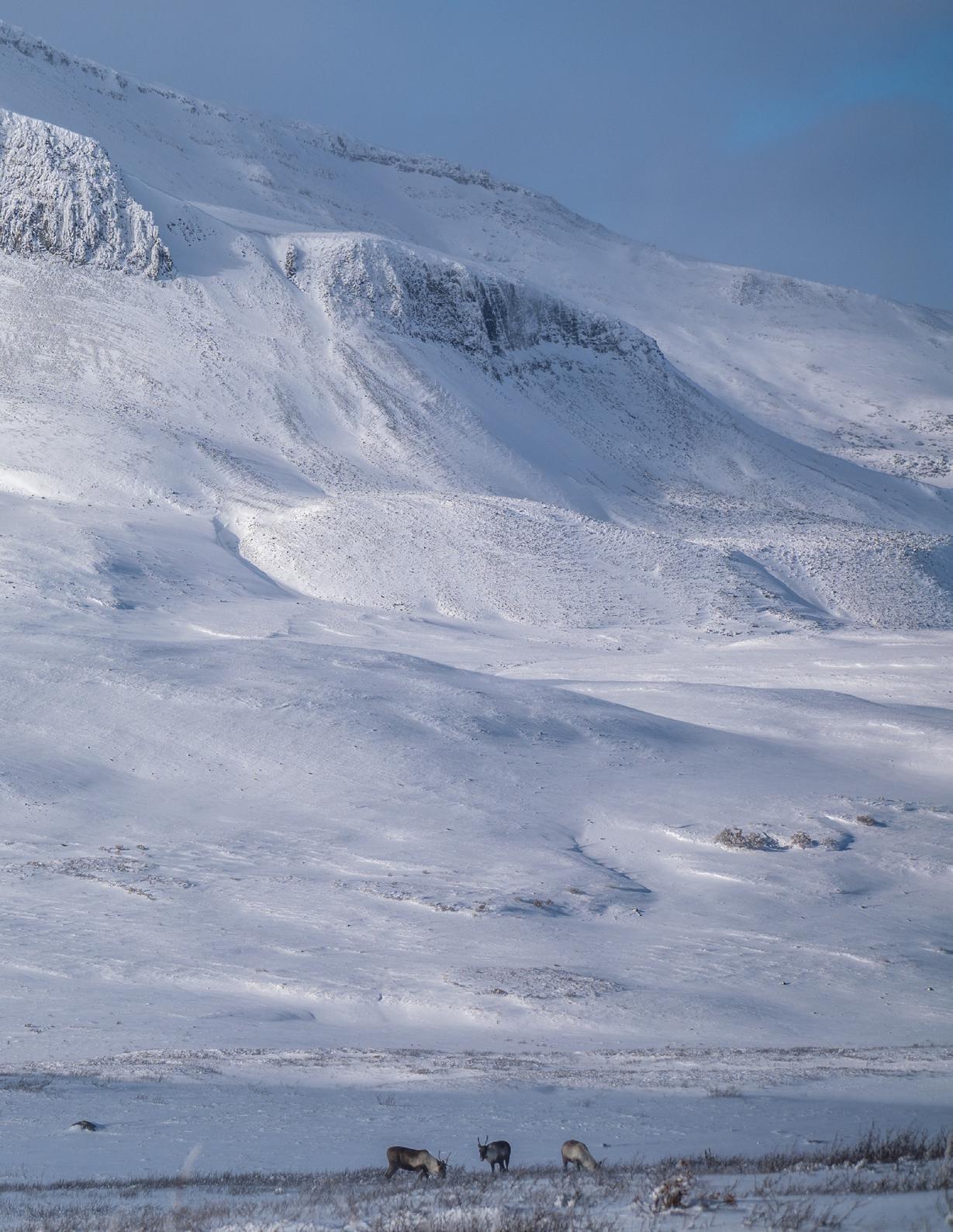
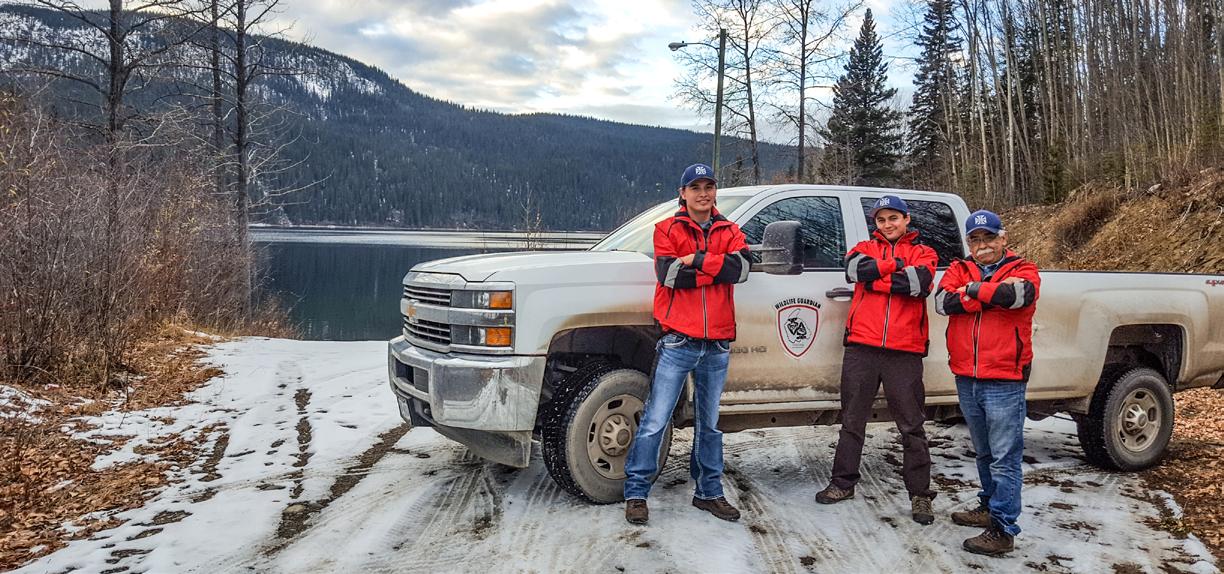
The early days of the department were marked with potential and optimism. Friends and family remember the excitement and passion Jarett shared in the beginning. He left a high paying job, applied for funding everywhere he could, joined many panels and created opportunities for us Tahltan people to manage our own land and animals. The passion he had for the work inspires us to this day.
» Tuya Isbā (goat) survey
» Start of Hodzih (caribou) collaring in Tseneglode herd
» Klappan Kedā (moose) composition survey
» Additional Tseneglode Hodzih (caribou) collars
» Edziza, Level-Kawdy, and Tseneglode Hodzih (caribou) post-calving, post-rut, and early winter (2021) surveys (continued for 4 years)
» Start of Hodzih (caribou) collaring in Level-Kawdy herd
» Start of Ch’iyōne (wolf) collaring (annually until 2025)
» Klappan Kedā (moose) composition survey
» Spatsizi Hodzih (caribou) post-calving, post-rut, and early winter surveys (continued for 4 years)
» Start of Spatsizi Hodzih (caribou) collaring
» Klappan Kedā (moose) composition survey
» Start of Edziza Hodzih (caribou) collaring
» Klappan Kedā (moose) Stratified Random Block (SRB) population estimate survey
» Dease Lake – Jade Boulder Road (JBR) Kedā (moose) SRB
» Stikine Isbā (goat) survey
» Klastline Sheep and Isbā (goat) survey
» Edziza Sheep and Isbā (goat) survey
» Spatsizi Sheep and Isbā (goat) survey
» Spatsizi Kedā (moose) SRB
» Level Mountain Kedā (moose) SRB
» Dease Lake Ch’iyōne (wolf) fixed-wing census
» North-Stikine Hodzih (caribou) mark-resight survey
» Edziza/Klastline Ch’iyōne (wolf) fixed-wing census
» Start of wildlife health and hair sampling project
» Start of first Dome Mountain Debēhe (sheep) project
» Conclusion of wildlife health and hair sampling project
» Start of biogeoclimatic ecosystem classification (BEC) program in 3 Nations territories
» Conclusion of first Dome Mountain Debēhe (sheep) project resulting and regulation changes to JBR
» Start of second Dome Mountain Debēhe (sheep) project
» Start of Spatsizi Debēhe (sheep) project
» Start of Spatsizi Khoh (grizzly) project
» Conclusion of Part 1 of Spatsizi Debēhe (sheep) project
» Start of Part 2 of Spatsizi Debēhe (sheep) project
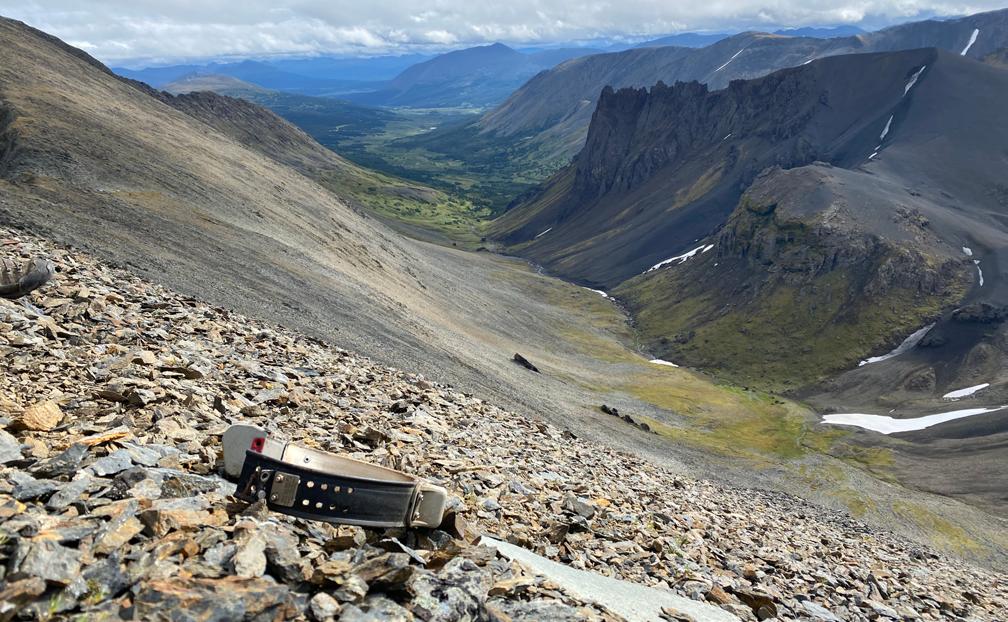
» Tahltan BC Shared Decision Making Agreement and establishment of Fish And Wildlife Working Group
» Beginning of Tahltan Guardian Program
» Began hunting season patrols and game checks with COS
» First Northern Roundtable meeting
» First Wildlife Guardian meeting with 3 Nations leadership
» Start of predator management trapping program
» TCG wildlife regulation change proposals to shorten moose seasons and move to antler restrictions on road access areas in the Territory (SOFT 10) and Klappan Limited Entry Hunting (LEH) on Railgrade
» TGOA Agreement
» Start of 3 Nations – BC Collaborative Stewardship Forum (3N BC CSF)
» Implementation of SOFT 10 Kedā (moose) antler restrictions
» Klappan Kedā (moose) LEH
» TCG AGA resolution to advance our own wildlife monitoring
» Closure of Edziza Hodzih (caribou) hunting
» Tahltan Predator Management Policy and associated Tahltan Predator Management Plan
» Began development of the Klappan Kedā (moose) Stewardship Plan
» Restarted Tahltan harvest surveys
» Tahltan Central Government – British Columbia Accord on Wildlife Management in Tahltan Territory (signed)
» Start development of Wildlife Accord collaborative monitoring plans
» TCG wildlife regulation change proposals to shorten Kedā (moose) seasons and move to LEH on roaded access in the Territory, move to LEH for Hodzih (caribou) across the territory
» Hodzih (caribou) and Kedā (moose) LEH regulation changes with LEH allocations and draws determined jointly with BC
» Northern Mountain Hodzih (caribou) Symposium
» Implementation of the pilot Information Governance Agreement to support implementation of the Accord
Over the past year, the wildlife department has been busy with multiple projects.
Inventory/population estimate surveys over the past year include a Hodzih (caribou) mark-resight survey for North Stikine in October 2025, a fixed-wing Ch’iyōne (wolf) Wolf census survey for the Klastline/Iskut Valley and Mess Valley, and the continued monitoring of Hodizh (caribou) and Wolf collars. Reports for the Hodzih (caribou) mark-resight survey and collaring programs are in progress. The report for the fixed-wing wolf census survey is also in progress. Results from last year’s (March 2025) fixed-wing Ch’iyōne (wolf) census survey (8 – 9.5 wolves/1000km2; pack size range of 4 – 10 wolves) and preliminary results from this year’s fixedwing Ch’iyōne (wolf) census survey are providing similar density estimates and pack sizes to the collaring mark-resight method (13
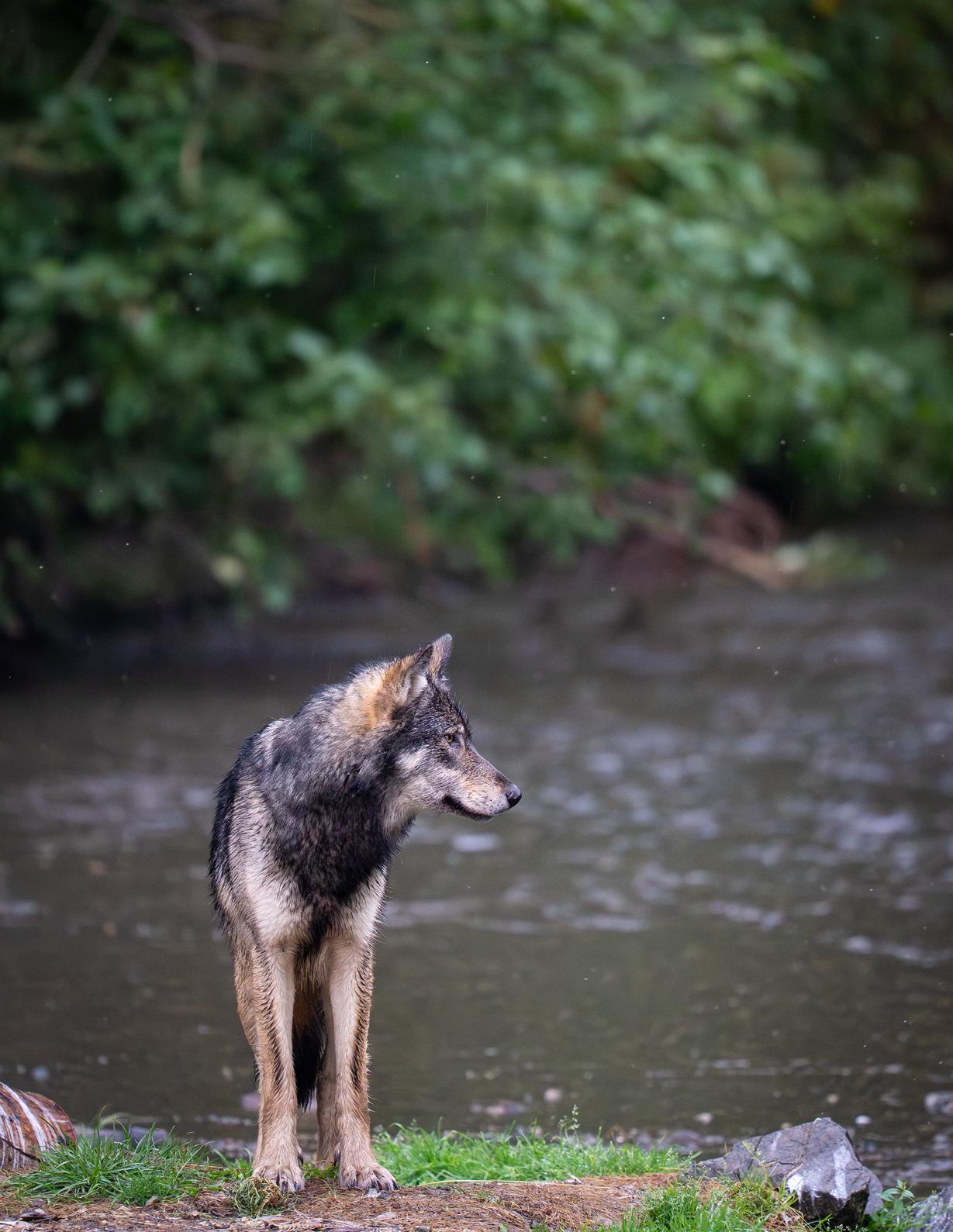
– 15 wolves/1000km2; pack size range of 8 – 18 wolves). I suspect the gap between density estimates will shrink as we apply the fixed-wing Ch’iyōne (wolf) census survey across more of the territory. Both surveys and methods are consistent with Tahltan knowledge, showing Ch’iyōne (wolf) densities greater than what’s required for Hodzih (caribou) recovery (< 3 wolves/1000km2). The fixed-wing Ch’iyōne (wolf) census survey is a cost-efficient method for estimating Ch’iyōne (wolf) densities that we’ll continue to pair with opportunistic Ch’iyōne (wolf) collaring.
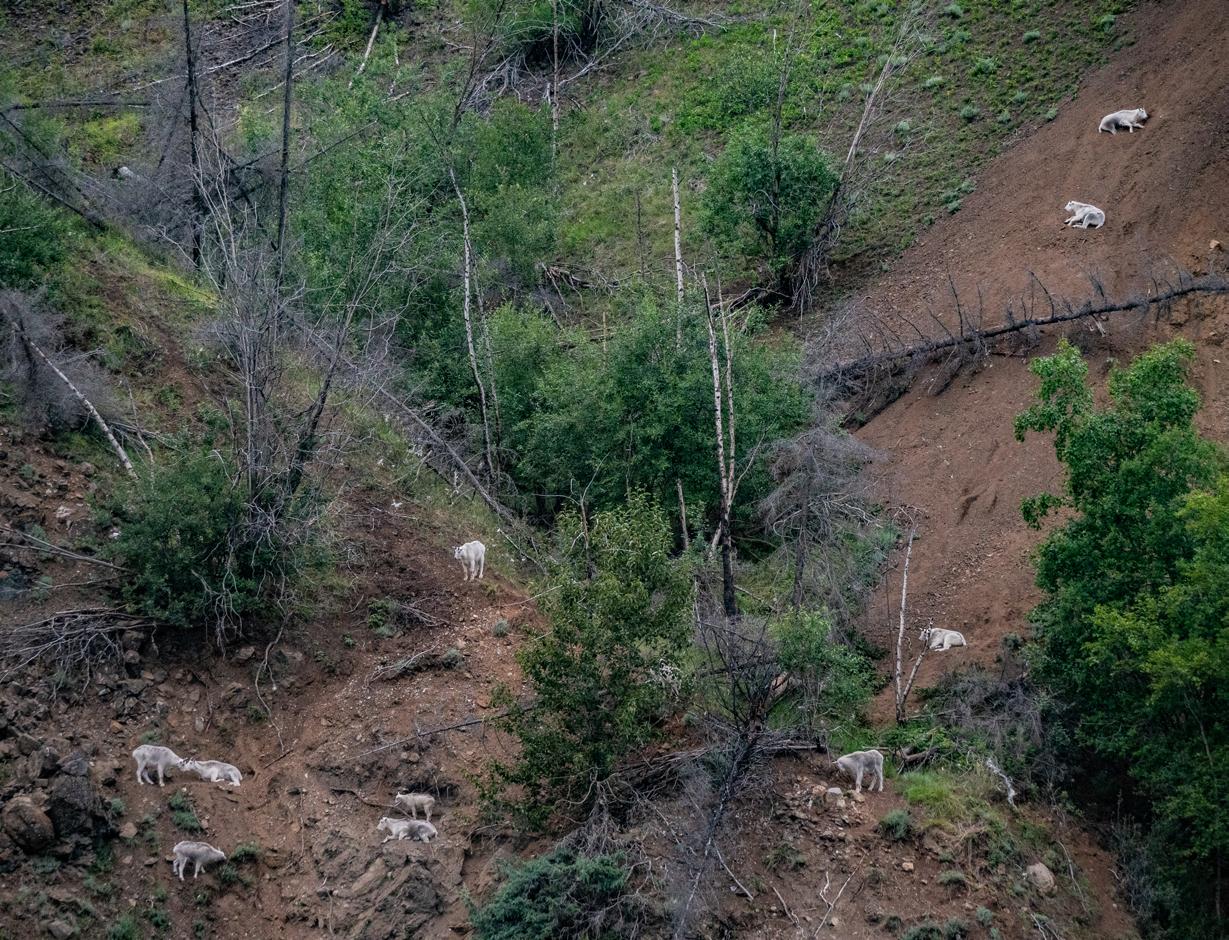
The 3 Nations BC Collaborative Stewardship Forum (3N BC CSF) continues to provide funds for Guardians and wildlife monitoring. Ongoing projects in the CSF include the Klappan Kedā (moose) Stewardship Plan (MSP) and Guardian Program Information Sharing with other nations. Once completed, we can apply the MSP as a template for Kedā (moose) stewardship in other areas of the territory. We expect to be bringing the MSP to the communities soon for feedback. Our upcoming CSF specific projects this year are the Edziza Hodzih (caribou) Recovery Plan, the 5-Year Guardian Strategic Plan, and a Review of the Hodzih (caribou) Inventory Methods (with BC, Kaska, and TRTFN). The goal of the Hodzih (caribou) Inventory Methods Review is to provide recommendations to the 3 Nations and BC for the most efficient methods of monitoring Hodzih (caribou) with the resources we have available. We’ll begin engagement for the Edziza
Hodzih (caribou) Recovery Plan in spring 2026. The goal is to base the plan in local and Tahltan knowledge and begin to implement recovery actions as soon as possible. We’ll begin engagement for the 5-Year Guardian Strategic Plan in spring 2026 as well. The goal is to get guidance from Tahltans for the direction of the Guardian Program over the next 5 years. Additional Tahltan projects that 3N BC CSF has supported over the past years include placing a climate monitoring station in Caribou Pass, Level Mountain Kedā (moose) SRB survey, LevelKawdy and Spatsizi Mark Recapture Survey with BC, helicopter support for biogeoclimatic ecosystem classification site investigations, Klappan Kedā (moose) SRB, trapping programs, Wildlife Immobilization, Capture, and Handling Training, and others over the last 8 years of CSF.
We’re progressing in our implementation of the Wildlife Accord. Under the accord, we’ve been continuing development of the Kedā (moose) and Hodzih (caribou) Collaborative Monitoring Plans (CMPs) with the Province and implementing the Information Governance Agreement (IGA). The CMPs are co-developed between us and the Province and outline sources of knowledge, monitoring methods, frequency of monitoring, and population benchmarks/indicators for each species. The IGA outlines how, when, why, and what wildlife data will be shared between us and the Province. Sharing data will result in better informed decisions in wildlife management. Additionally, Wildlife Accord funds have contributed to the Khoh (grizzly) Project in partnership with Safari Club International. The Khoh (grizzly) Project is aimed at increasing our understanding of Khoh (grizzly) seasonal movement, feeding ecology, habitat use, and home ranges in northern boreal interior (non-salmon) ecosystems in Tahltan Territory. We hope to have a Tahltan graduate student complete the analysis for this project. Fieldwork for the Khoh (grizzly) Project started in August 2025; guardians and biologists successfully captured and collared one Khoh (grizzly) using ground capture methods. The bear was fitted with a GPS/video camera collar that
we plan on dropping off later this summer to see if the camera can successfully capture predatory events. Aerial captures for this project will begin in late spring/early summer 2026. In the next year, Wildlife Accord funds will contribute to a culturally prescribed fire program in partnership with the Province. Our prescribed fire program will begin with Debēhe (sheep) habitat enhancement in the Todagin area in spring 2026 by reducing alpine shrub encroachment and increasing available forage. We plan to grow the program for habitat enhancement in other parts of the Territory in the future.
Other Wildlife Department projects that occurred over the past year include the addition of 5 new Limited Entry Hunting [LEH] signs in the territory, our biannual harvest survey (fall and spring), and the completion of Phase 1 of the Spatsizi Debēhe (sheep) project (in partnership with the Wild Sheep Foundation). The LEH signs were put up in areas such as the Dease River Crossing, Jade Boulder Road, Adsit Lake Road, and other access points, to ensure licensed hunters are aware of the 2024 changes to the Kedā (moose) LEH areas.
The Tahltan harvest survey’s provide invaluable data for TCG wildlife management and supports wildlife co-management between us and the province. Please note the harvest survey information is confidential and secure Tahltan Knowledge that is not shared. These
surveys tell us whether Tahltans can meet their food security needs for meat every year. They also provide information on trends in wildlife population densities, hunter effort and competition, areas of harvest, and species hunted/harvested. All this provides us with direction and priorities in our wildlife management actions. We’ll soon have a report on the previous 5 years of harvest surveys. The harvest surveys, and associated prizes, will continue every year; your participation is greatly appreciated.
Phase 1 of the Spatsizi Debēhe (sheep) project investigated the effects of hunter pressure on Debēhe (sheep) movements, and it concluded this year. The research was completed by an MSc researcher from the University of Alberta, and he’ll be presenting his research to the communities in late May. As part of this project, we’ll begin mortality site investigations this summer to look at the causes of mortality for collared Debēhe (sheep) Phase 2 of the project will begin this year, and the project is grounded in a Tahltan and Local Knowledge approach.
In addition to their participation in nearly all the previously mentioned projects, the guardians continue their regular operations. Guardians completed hunter patrols throughout the territory in the fall 2025 hunting season. For ease of reporting and record keeping after these patrols, we’ve worked with LGL limited to develop a guardian app for digital daily trip reports. The guardians have been using this app throughout the winter for their daily reports during the winter wolf trapping program. The trapping program will continue throughout the summer this year with intermittent breaks for guardian participation in fieldwork for other projects. The guardians have presented the trapping program in the schools in the territory. We’ll continue engaging with the youth in the communities, potentially through a fun bird identification project. A wilderness advanced first aid recertification was completed by the guardians in Lower Post in 2025 and an ATV/Side x Side certification was completed in Dease Lake in early 2026. Upcoming training includes swiftwater boat operator this spring, mortality site investigations this spring, and chainsaw and snowmobile training next winter. The guardians attended a guardian gathering in spring 2025 as part of the provincial initiative to bring guardians across the province to provide information on their activities and programs.
I started with TCG as the wildlife director on 8 December 2026. I’m thankful for all the work done by wildlife department staff before me and for the passionate team that I’m fortunate to inherit. I’m looking forward to many years of work with TCG wildlife and am excited to be a part of advancing wildlife co-governance and co-management.
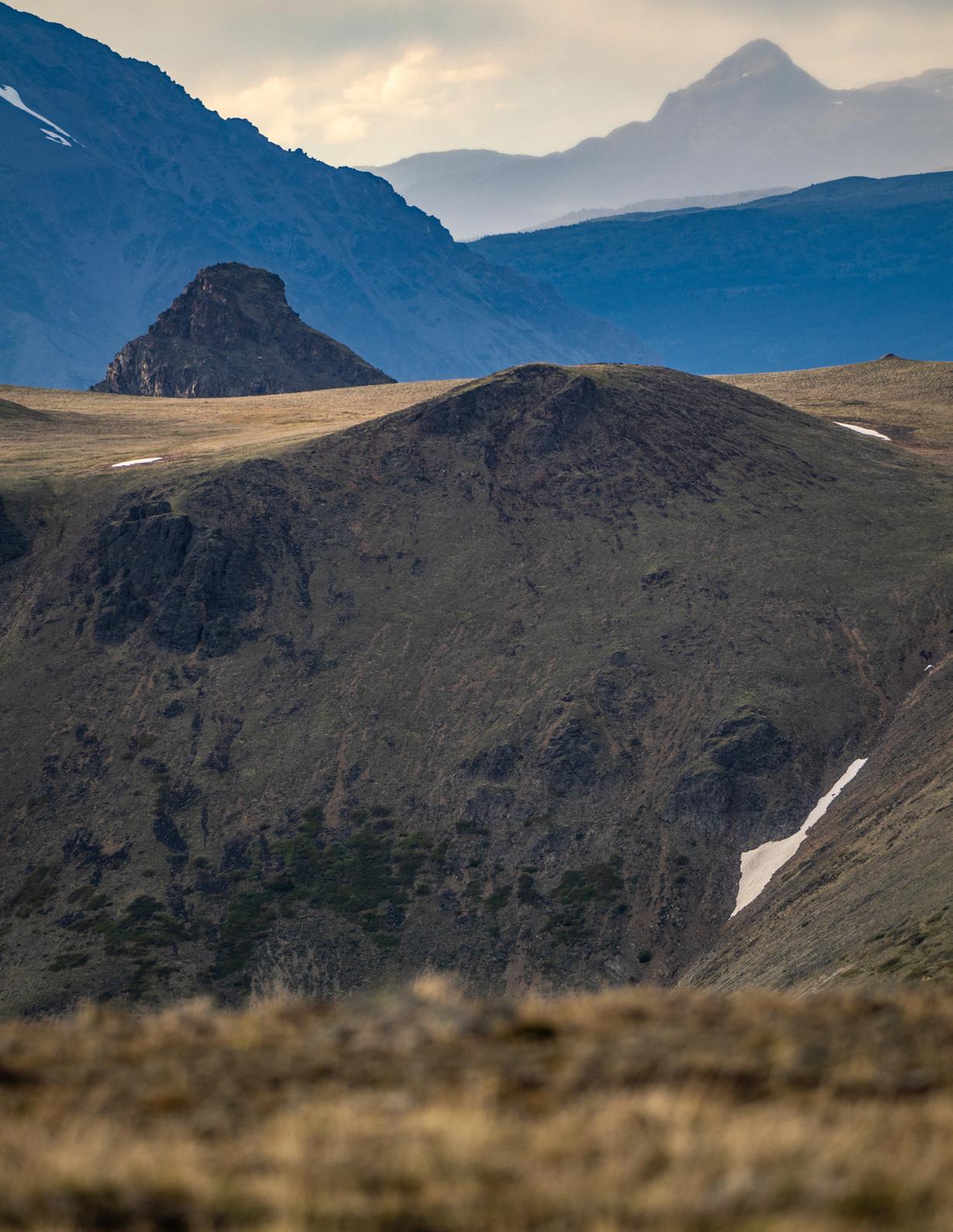
The Communications & Media Department manages TCG’s websites, Members-Only page, e-mail blasts, app, social media, virtual engagements, and IT. We develop and produce posters, presentations, and reports like this one, as well as special print projects like the Fisheries Calendar, Riversong brochure, and When the Meat Mother Gets Mad book.
We maintain and build TCG’s multimedia library and draw on it to produce videos, which last year included a longform documentary on chinook and a cold week covering the hodzih (caribou) rut high on Level Mountain. We work with outside media production companies as well, including on the grizzly collaring, obsidian harvest, and more.
In the last year, our major projects included the Signage Project, Cross-Cultural Training development, elections and IBAs, updates and improvements to the website and the launch of more approaches to and channels of communication.
2,553,210
31,078
TOTAL FOLLOWERS
90,718 6,080 80,445 6,670 832 1,677,423
55,074
TOTAL VISITS SESSIONS
TOTAL VIEWS TOP ENGAGED POSTS
1. Tahltan Nation vote YES in support of entering into the proposed Impact and Benefit Agreement with Eskay Creek Mining Ltd.
2. Message to the Tahltan Nation – $10,000 Payment Update – UPDATE #2
3. WE HEAR YOU – ESKAY CREEK REVITALIZATION PROJECT IBA [Executive Summary]
4. Province approves Eskay Creek mine, first Declaration Act Section 7 agreement [News Release]
5. Happy Tahltan Day Celebrating 115 Years since our Declaration
93,345
29,880
TOTAL TIME ON WEBSITE (MINUTES)
TOP VIEWED PAGES
1. Homepage tahltan.org
2. Membership page tahltan.org/membership
3. Our Government tahltan.org/central-government
4. Our Territory tahltan.org/our-territory
5. Contact page tahltan.org/contact
USERS BY CITY
Vancouver
Calgary
Toronto
Terrace 5. Prince George
554
TOTAL EMAIL CAMPAIGNS
291,677
TAOTAL EMAILS SENT
72,241
TOTAL OPENS
– EMAIL MARKETING –– LINKEDIN –– ONTRACK WEBSITE –– TCG MOBILE APP –
5,598
IMPRESSIONS
2,106
TOTAL FOLLOWERS
710
PAGE VIEWS
1,568
TOTAL FOLLOWERS
OPEN RATE
24.9% 290,275 99.5%
20,586
PAGE VIEWS
SUCCESSFUL DELIVERIES
DELIVERY RATE
EMAIL CAMPAIGNS BY MONTH
Mar 2025 13
Apr 2025 13
May 2025 9
Jun 2025 18
Jul 2025 8
Aug 2025 7
Sep 2025 26
Oct 2025 18
Nov 2025 23
Dec 2025 43
Jan 2026 12
Feb 2026 11
Mar 2026 14
Apr 2026 10
18,142
SESSIONS
15,223
USERS
613
TOTAL USERS
2,715
TOTAL VIEWS
139
TOTAL POSTS
15
PUSH NOTIFICATIONS

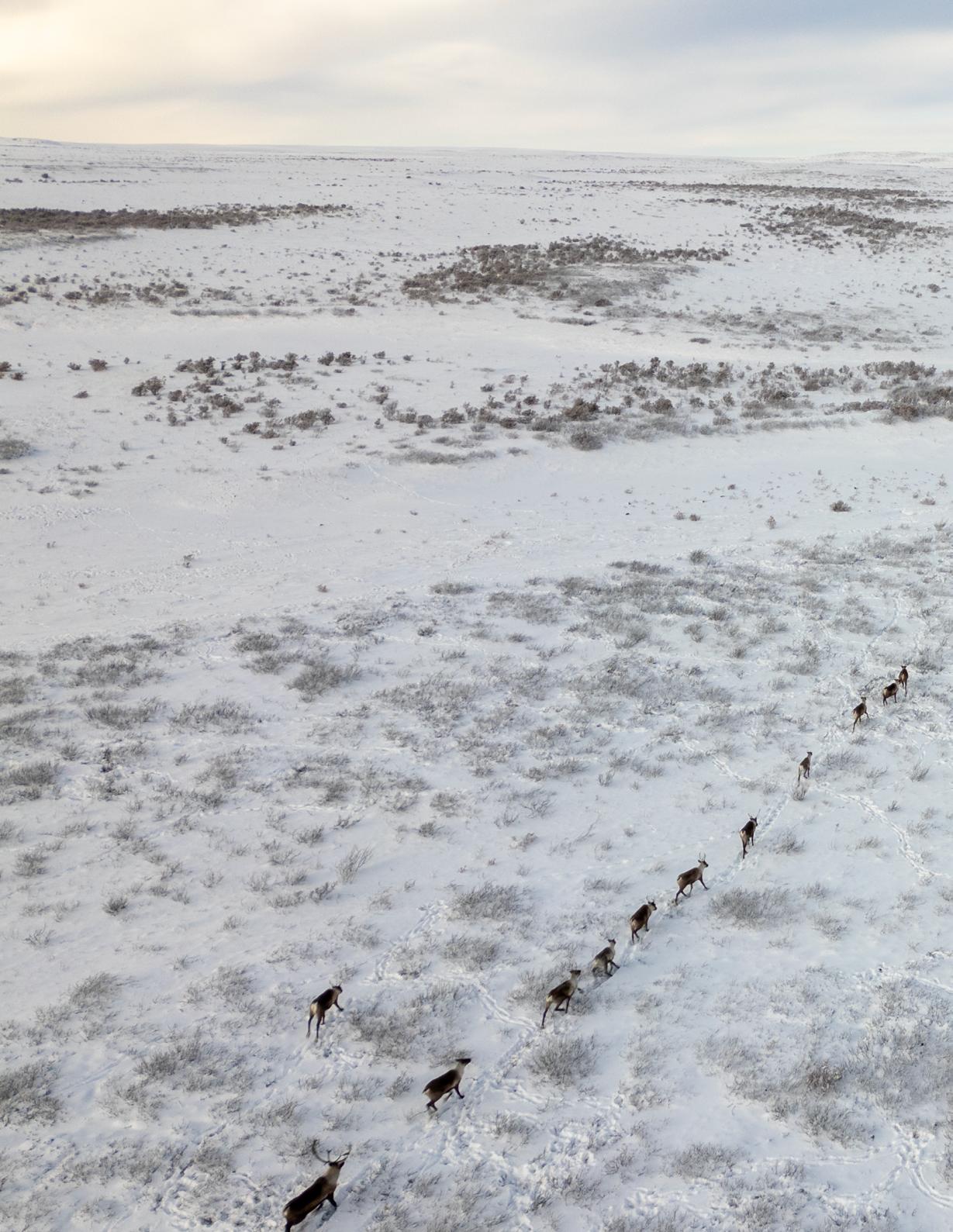
The Hodzih (caribou) rut on Level Mountain.
Still from an ongoing, collaborative multimedia project with the Wildlife Dept and Yukon photographer Peter Mather
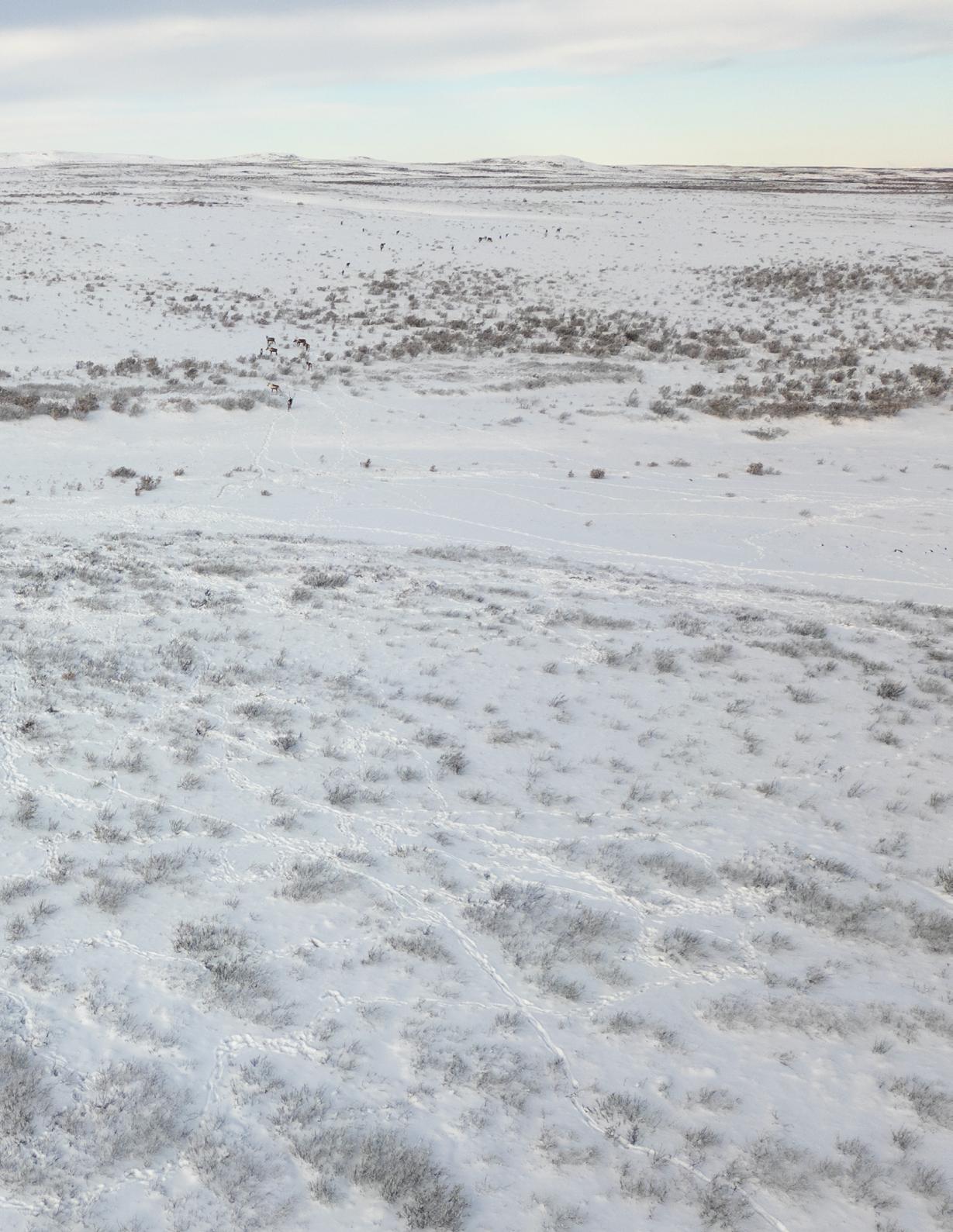
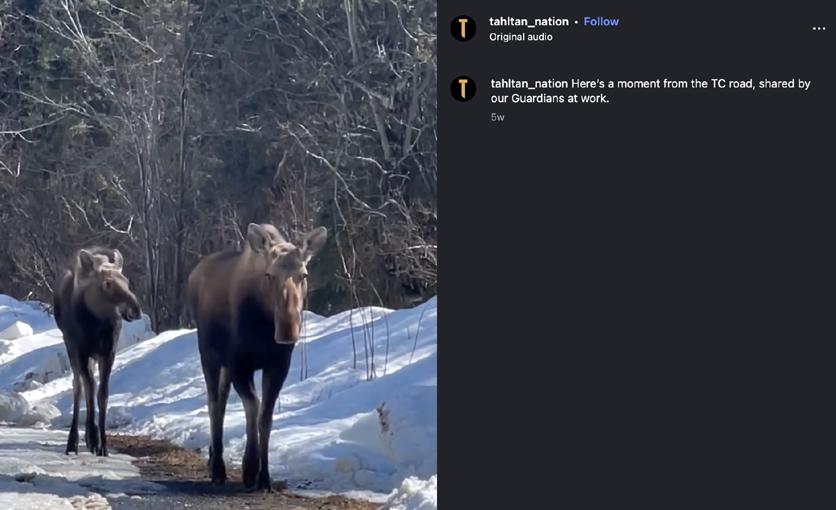


Alex Buri Director of Economic Diversification and Operations, Tahltan Hospitality
This past year has been a meaningful one for Tahltan Hospitality. The Northway moved into its first full operating year under a permanent General Manager, the Nation-wide Tourism Strategy alongside the Tahltan Band and the Iskut Band reached its first round of community engagement, and the structure standing up the enterprise continued to mature.
Here are some FAQs following our engagements with membership.
Tahltan Hospitality is the Nation’s hospitality and tourism arm. In 2023, we were created to acquire and operate the Northway Motor Inn. We continue to operate the hotel even as we expand to lead the Nation’s broader hospitality and tourism work alongside the Tahltan Band
and the Iskut Band. We are also the vehicle that will hold any future hospitality assets the Nation takes on. We sit inside the Tahltan Economic Development Structure (TEDS), through which the Nation owns and operates its commercial enterprises. Everything we do flows back to TCG, and ultimately to Tahltan members.
Over the past year, our communities identified tourism as a way to diversify our economy beyond mining, share our stories with visitors on our own terms, and create jobs at home. The Tahltan Tourism Strategy is the Nationwide effort to build tourism our way. Tahltan Hospitality, the Tahltan Band, and the Iskut Band are co-leading the work. We work together as equal voices from all three communities. Both Band Councils have formally endorsed this co-led approach.
The working group driving this forward includes Maggie Dennis (Iskut Band Manager), Amanda Dennis (Iskut Band Economic Development Officer), Joe Lloyd Walters (Iskut Band Development Corp.), Shana Dennis (Tahltan Band, Interim CAO), Eddy Van Mierlo (Tahltan Band Development Corp.), Corrina Reimert (Manager, Riversong), and myself. Thanks to support from Newmont, Indigenous Tourism BC, and Destination BC, we have secured $60,000 to develop a formal strategy. The first round of community engagements ran in Telegraph Creek, Dease Lake, and Iskut this spring, with a virtual session for off-territory members. Community input shapes our approach to everything that follows; we build our strategy itself from there.
This past year the Northway came into its own as a fully running Nation-owned hotel. After a structured recruitment process, Paul Wettstein joined as General Manager in December 2025, bringing seven years of experience from owning and operating Aurora Inn in Dawson City and seven years running a cafe and restaurant.
The Northway team today includes four Tahltan staff alongside colleagues from the Nisga’a First Nation, the Philippines, Switzerland, and Canada (with Tahltan family). Tahltan employment at the Northway is a priority. The labour market in our Territory is dominated by mining and resource-services work; hospitality draws from a smaller pool. Increasing the share of Tahltan members on our team is a focus for recruitment, and we are working to make the Northway a place of choice for Tahltans wanting to stay and work in the community. Wages have been moving steadily upward over the past year toward a living-wage standard to reflect our goal.
The property is in the middle of a multi-phase transformation. In March of 2025, the Province awarded us a $722,500 REDIP grant to fund a major lobby, restaurant, and cultural transformation of the hotel. Phase 1 is underway: a new café offering coffee, baked goods, and quick meals will replace the previous food-service offerings. Main lobby renovations and exterior improvements will follow in subsequent phases.
Alongside the REDIP-funded work, the hotel’s in-room entertainment and internet system is being upgraded, and we are scoping accommodation options to address staff housing, the largest operational constraint we face today.
Many people have asked about the renaming of the Northway. A community dinner in Dease Lake in May 2025 brought
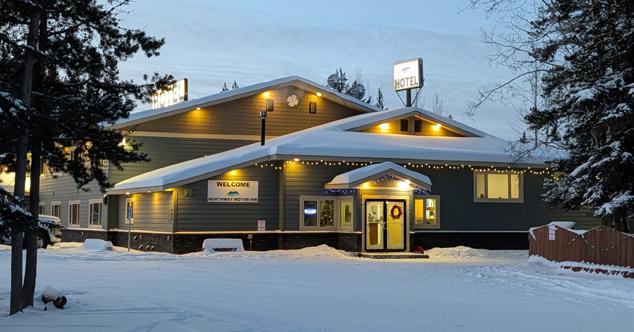
members together to brainstorm names and the values that should guide the hotel, complementing a Nation-wide name survey that gathered around thirty suggestions. After working through the options, we’ve chosen to step back from a near-term name change and to scope a broader rebranding effort that addresses how the Tahltan hospitality enterprise presents itself as a whole, not only through the hotel’s new name—all to ensure we get the brand, and each name, right. More to come as that work matures.
Tahltan Hospitality and TNDC are both Tahltan-owned businesses serving the Nation under different mandates. Tahltan Hospitality’s mandate is hospitality and tourism: the Northway, the Nation-wide Tourism Strategy work, and any future hospitality assets the Nation takes on. TNDC operates under a separate mandate covering other parts of the Nation’s economy. The two are complementary.
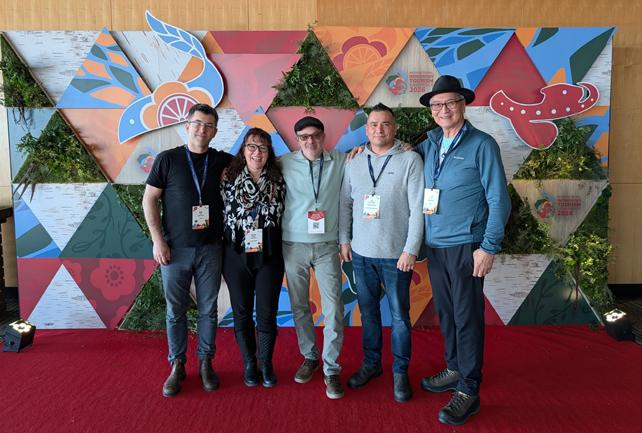
Tahltan Hospitality is overseen by three boards, each with three directors. One looks after the Nation’s economic interests at the highest level (the Trust). One oversees the broader enterprise and any future ventures the Nation takes on (the Master LP). One oversees the day-to-day of the Northway and our hospitality work (the Tourism LP). TCG Board members can serve on these boards, but the rules prevent them from forming a majority on any of them.
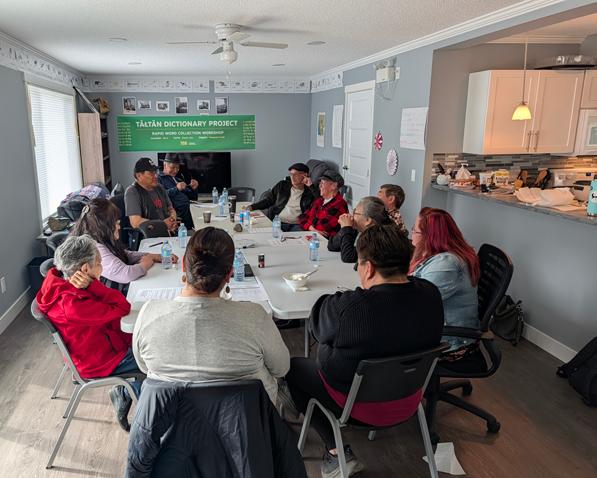
Trust board (TIHC) Alice Hamlin · Victoria McLean · One seat open
Master LP board (TEDGP) Crystal Donio · Maggie Dennis · Ken Edzerza
Tourism LP board (THGP) Freda Campbell · Kody Penner · Teneal Nole
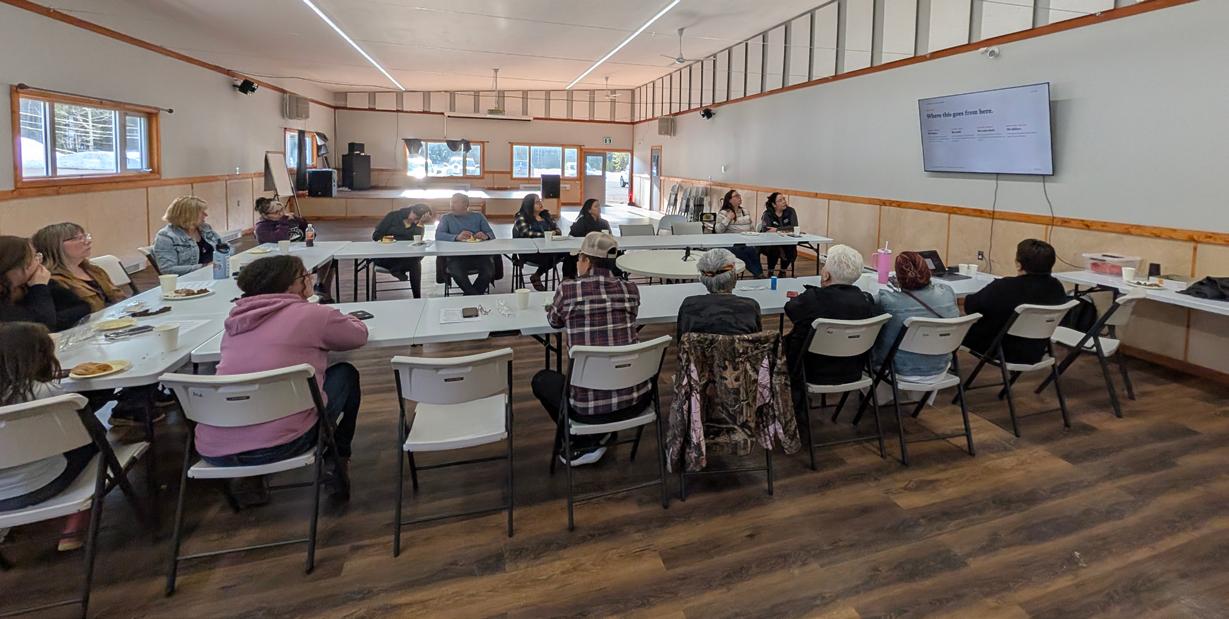
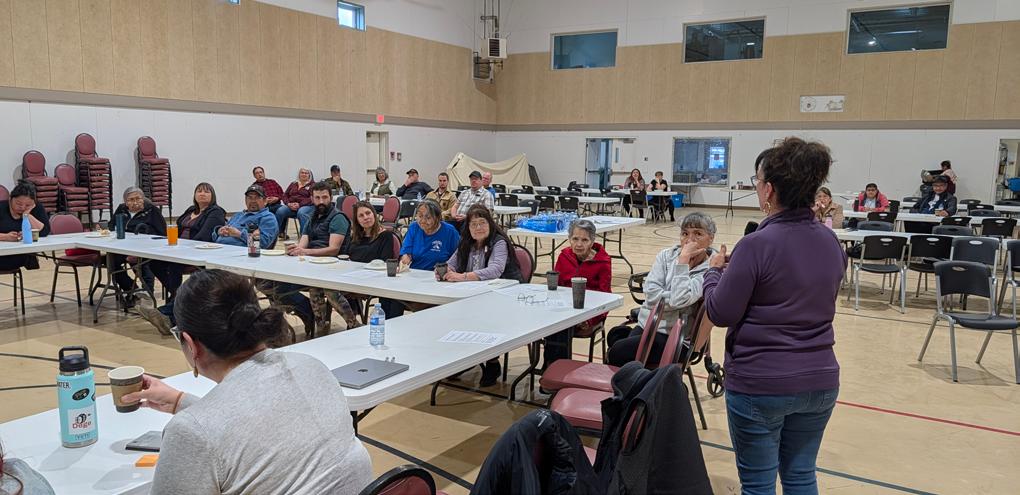
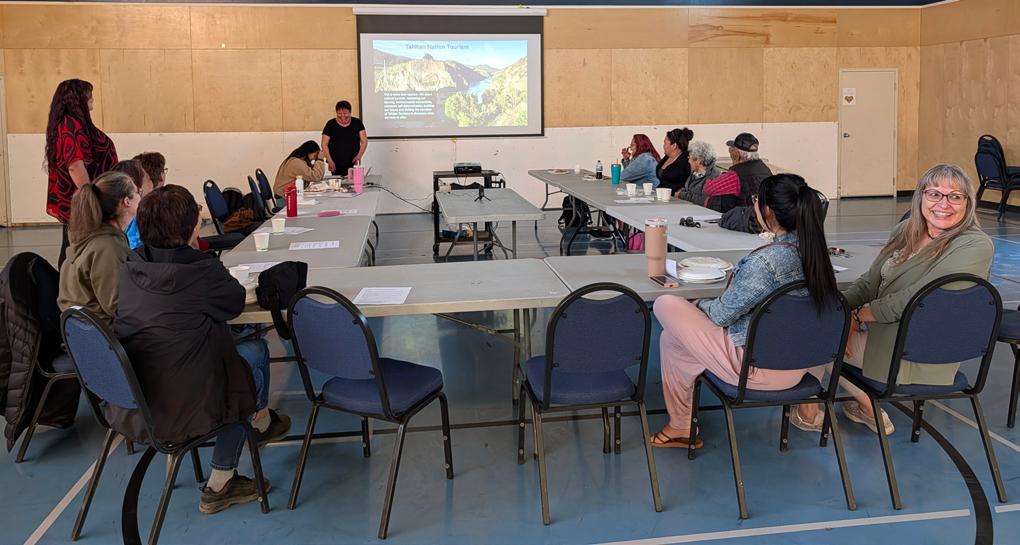
The year ahead runs on three threads. First, running the Northway well and connecting with community more. Second, landing the Nation-wide Tourism Strategy by the end of 2026 alongside the Bands. Third, evaluating opportunities to grow the Nation’s hospitality footprint only where the business can stand on its own. Tahltan Hospitality is young, but the structure the Nation has built is meant to last.
Top: Corrina Reimert (Riversong) speaking at the Telegraph Creek session, where we heard visitors should experience our stories told our way.
Above: Maggie Dennis (Iskut Band Manager) speaking at the Iskut session, where members called for a place to welcome visitors and for youth to learn on the land.
The Tāłtān Signage Project designed and built large custom community signage pavilions, as recommended by engagements in each of the three communities, especially with Elders and youth, along with satellite signage at rest stops and in the backcountry across a 360km stretch of Highway 37 and Highway 51. Thirty-two panels span the pavilions, sharing old stories, oral histories, and original artwork by eight different Tahltan artists. They describe Tahltan relations with the land, fish and wildlife, orient visitors to the modern nation, and instruct them about respectful behaviour. They also feature maps entirely in the Tāłtān language, sharing hundreds of placenames collected over years of research, verification, and careful transcription and translation.
The signs include:
• Pavilions for each community, featuring Story Panels, Tahltan Art, and Maps with Tāłtān Placenames
• Story Signs, Artwork and Tāłtān Placenames Map at Cold Fish Lake
• Story Signs at rest stops along H37 and H51
• Placenames signs, along the highway + backroads
• Respect Tahltan land signs for the backcountry
The project was supported by a $1M grant from the Ministry of Tourism, Arts, and Culture’s (MTAC) Destination Development Fund.

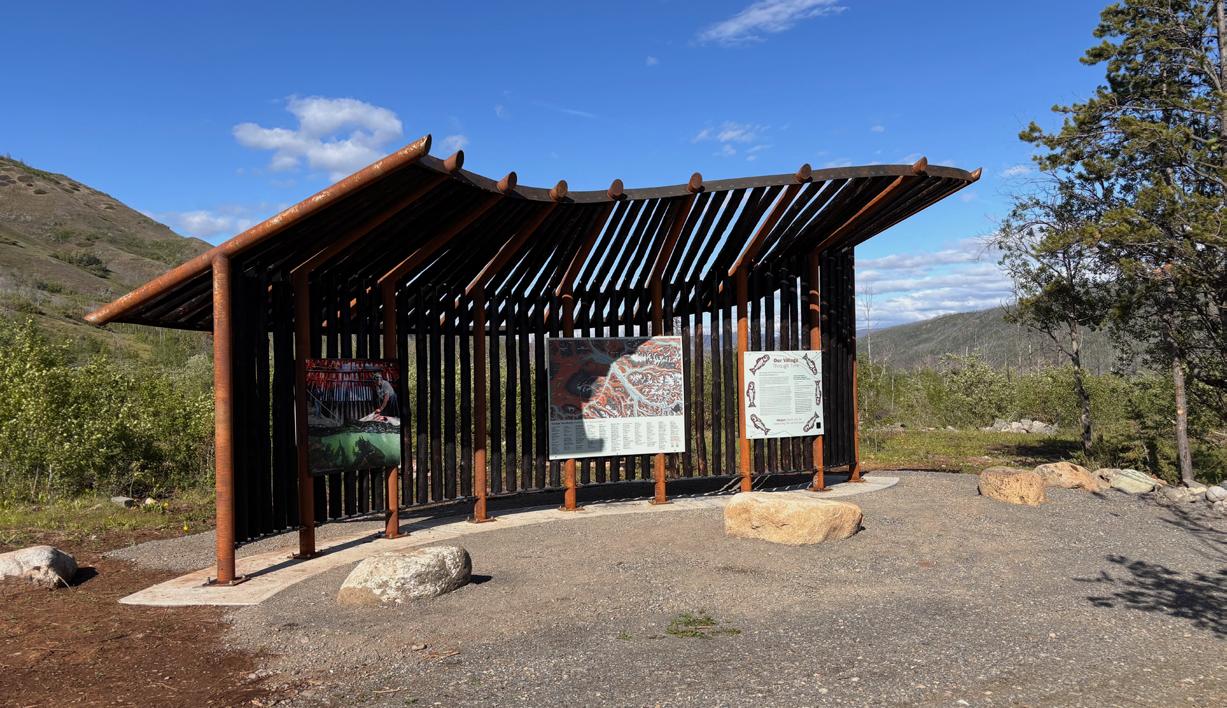
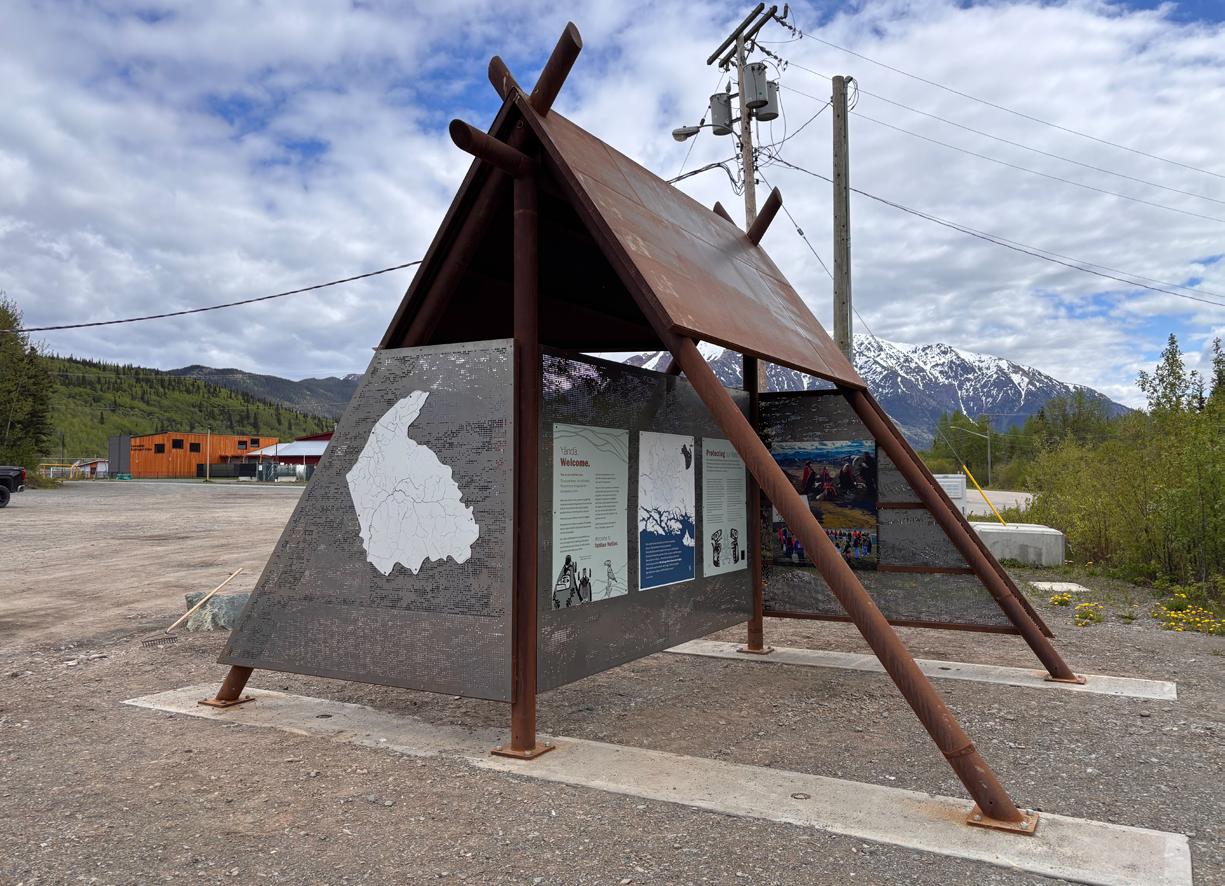




Above & Below: Examples of the Signage Panels featured on the community pavilions.
Following: Original artwork of the story of Denekā’lādiya, by Waylon Asp for Cold Fish Lake
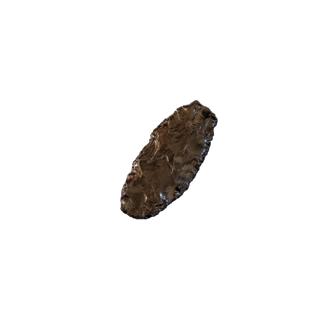

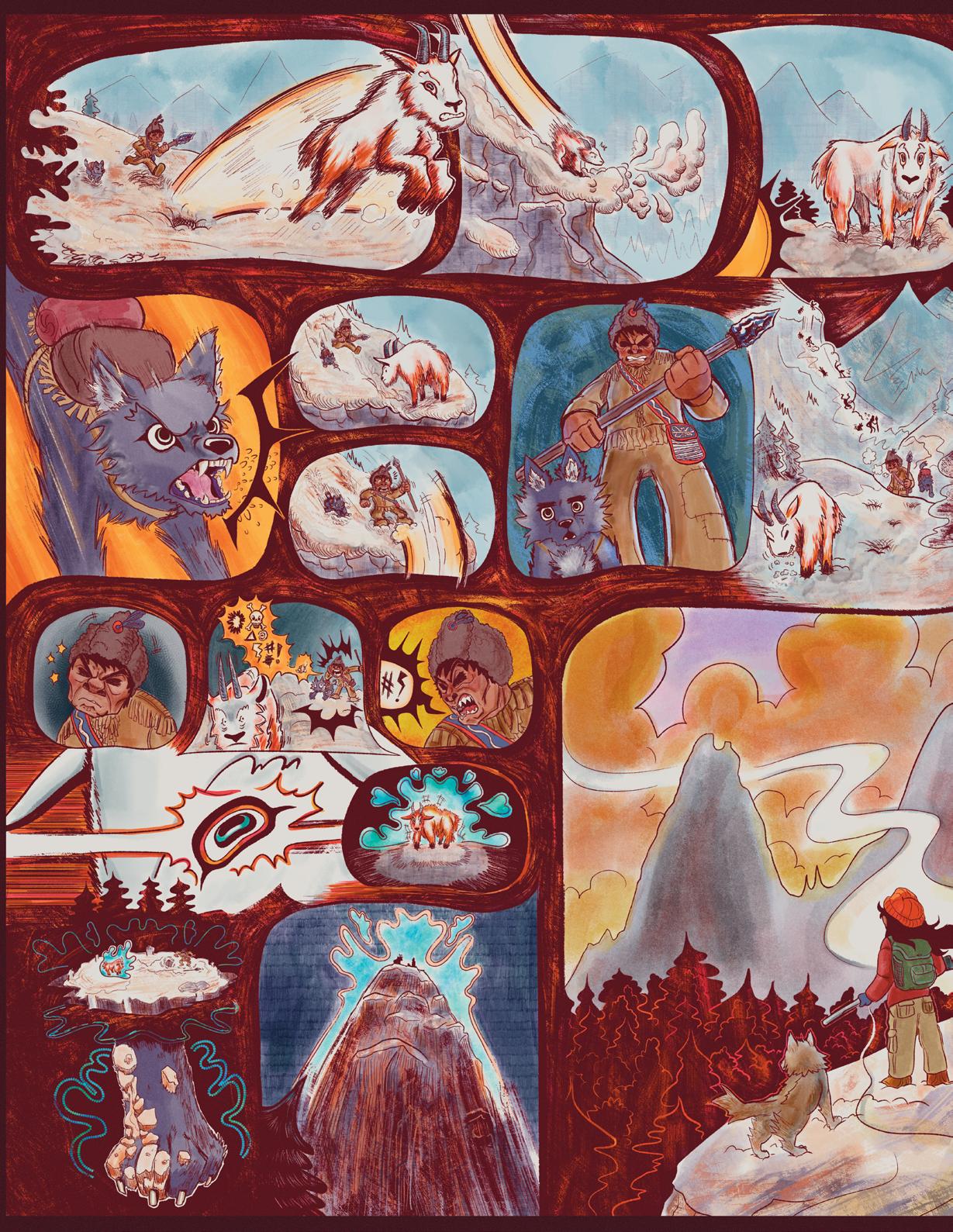








































































These signs weave together many voices.
and





























Lān Mēduh to TCG staff and the staff and students of Łuwechōn Kots’ede’i Kime (Łuwechon House of Learning) and all those who participated in consultations and community engagements.
Duncan Asp, Ed Asp, Vernon Asp, Waylon Asp, Kelly Bapty, Erma Bourquin, Jim Bourquin, Kitty Brown, Una Ann Campbell, Louise Carlick, Carl Carpentier, Kathy Cottrell, Dayle Creyke, Justin Creyke, Chad Norman Day, Norman Day, Loretta Dennis, MacKenzie Dennis, Maggie Dennis, Shana Dennis, Shaun Dennis, Shawn Ducharme, Allen Edzerza, Ken Edzerza, Pat Etzerza, Theresa Etzerza, Shannon Frank, Alice Hamlin, Alysha Johnny Hawkins, Pauline Hawkins, Tsēmā Igharas, Ann Jack, Chief Richard Rocky Jackson, Fannie Lindstrom, Rosemary Loring, Kailea Loften, Bertha Louie, Dylan Louie, June Louie, Lesli Louie, Morris Louie, Patricia Louie, Regina Louie, Rita Louie, Tanya Louie, Kimberley Marion, Sandra Marion, Louine McPhee, Lillian Moyer, Jamie Nole, Jim Nole, John Nole, Ruby Nole, Lynda Palmer, Cole Pauls, Carol Quock, Edna Quock, Chief Marie Quock, May Quock, David Rattray, Flora Reid, Cameron Tashoots, Clements Pete Tashoots, BoDean Williams, Michael Williams, Henry Vance, Janet Vance, Verna Vance
CREATIVE LEAD : Tsēmā Igharas
ARTISTS : Vernon Asp, Waylon Asp, Alysha Johnny Hawkins, Tsēmā Igharas, Jamie Nole, Cole Pauls
STRUCTURAL DESIGN : Miscellaneous Arts Activities Inc.; Obsidian Architecture
GRAPHIC DESIGN : Double Dare Design Inc.; Kiko Communication Design; TCG
CARTOGRAPHY : Kyle Singbell; TCG
FABRICATION : Parker and Johnstone Industries Ltd.; Starmaker Welding
CONSTRUCTION & SITE SERVICES : B V Weed Busters/Bobcat Services Ltd.; Cordillera Archaeology Inc.; Justin Creyke; Shauna D Contracting Ltd.; TNDC
ENGINEERING : Lambert Consulting Services; Toop Design; Herold Engineering
PROJECT MANAGEMENT : Craig Paulson
STEERING COMMITTEE & STAFF : Adam Amir, Alex Buri, Shawn Ducharme, Shannon Frank, Benjamin Jones, Pamela Labonte, Kailea Loften, Rosemary Loring, Lesli Louie, Mariko Waite

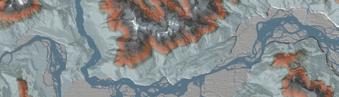
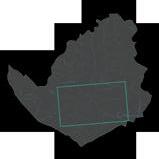





PARTNERS & PATRONS
We gratefully acknowledge the financial support of the Province of British Columbia through the Ministry of Tourism, Arts, Culture and Sport.
Rod Parker and Parker and Johnstone Industries Ltd.: Lān Mēduh to Rod Parker and his company, Parker and Johnstone Industries Ltd. for their donation of materials and fabrication, which greatly enhanced the artwork for our Tāłtān Signage pavilions.
B V Weed Busters/Bobcat Services Ltd: Special recognition for the partial donation of machine time and labour.
This project is the result of a long-term vision shared by many community members and leaders. We extend a Mēduh Chō, a big thank you, to the many people who contributed to this project over time.This is a partial and evolving list.There are many more contributors not listed here whose work is equally felt.
Executive
1 President Kerry Carlick president@tahltan.org
2 Vice President
Kimberley Marion vicepresident@tahltan.org
3 Secretary Treasurer Carol Danielson secretarytreasurer@tahltan.org
Board of Directors
1 Carlick Family Rep.
2 Cawtoonma Family Rep.
3 Eth’eni Family Rep.
4 Etzenlee Family Rep.
5 Good-za-ma Family Rep.
Elliott Brown carlick@tahltan.org
Carl Carpentier cawtoonma@tahltan.org
Nathan Skubovious etheni@tahltan.org
Susan Kelly etzenlee@tahltan.org
Amanda Quash goodzama@tahltan.org
6 Quock (Dekama) Family Rep. Brandi MacAulay quock@tahltan.org
7 Shoe-Kawk/Howd-A-Ghtte (Shukak) Family Rep. Dustin Tashoots shoekawk@tahltan.org
8 Simgaldtada (Ts'imgalt‘ēde) Family Rep. Ramona Quock simgaldtada@tahltan.org
9 Stikine Claw/Thicke Family Rep. Melva Quock stikineclaw_thicke@tahltan.org
10 Thud ga Family Rep. Dayle Creyke thudga@tahltan.org
Administration/Staff
1 Administration – Interim Executive Director Shannon Frank executivedirector@tahltan.org
2 Administration – Events Coordinator Shawna Benoit eventscoordinator@tahltan.org
3 Administration – Receptionist Shirley Nehass receptionist@tahltan.org
4 Administration – Human Resources Business Partner Theresa Montpellier hr-staff@tahltan.org
5 Administration – Administrative Assistant Sherri-Lynn Lake administrativeassistant@tahltan.org
6 Communications & Media – Director Adam Amir communicationsdirector@tahltan.org
7 Communications & Media – Technician Bobby Whang web@tahltan.org
8 Language, Culture & Heritage – Acting Director Mariko Waite lchdirector@tahltan.org
9 Language, Culture & Heritage – Coordinator Mariko Waite culturecoordinator@tahltan.org
10 Language, Culture & Heritage – Archivist Ursula Abramczyk archivist@tahltan.org
11 Language, Culture & Heritage – Archive Assistant Sam Fredrickson archive.assist1@tahltan.org
12 Dease Lake Community – Director Christina Callbreath deaselakedirector@tahltan.org NAME EMAIL
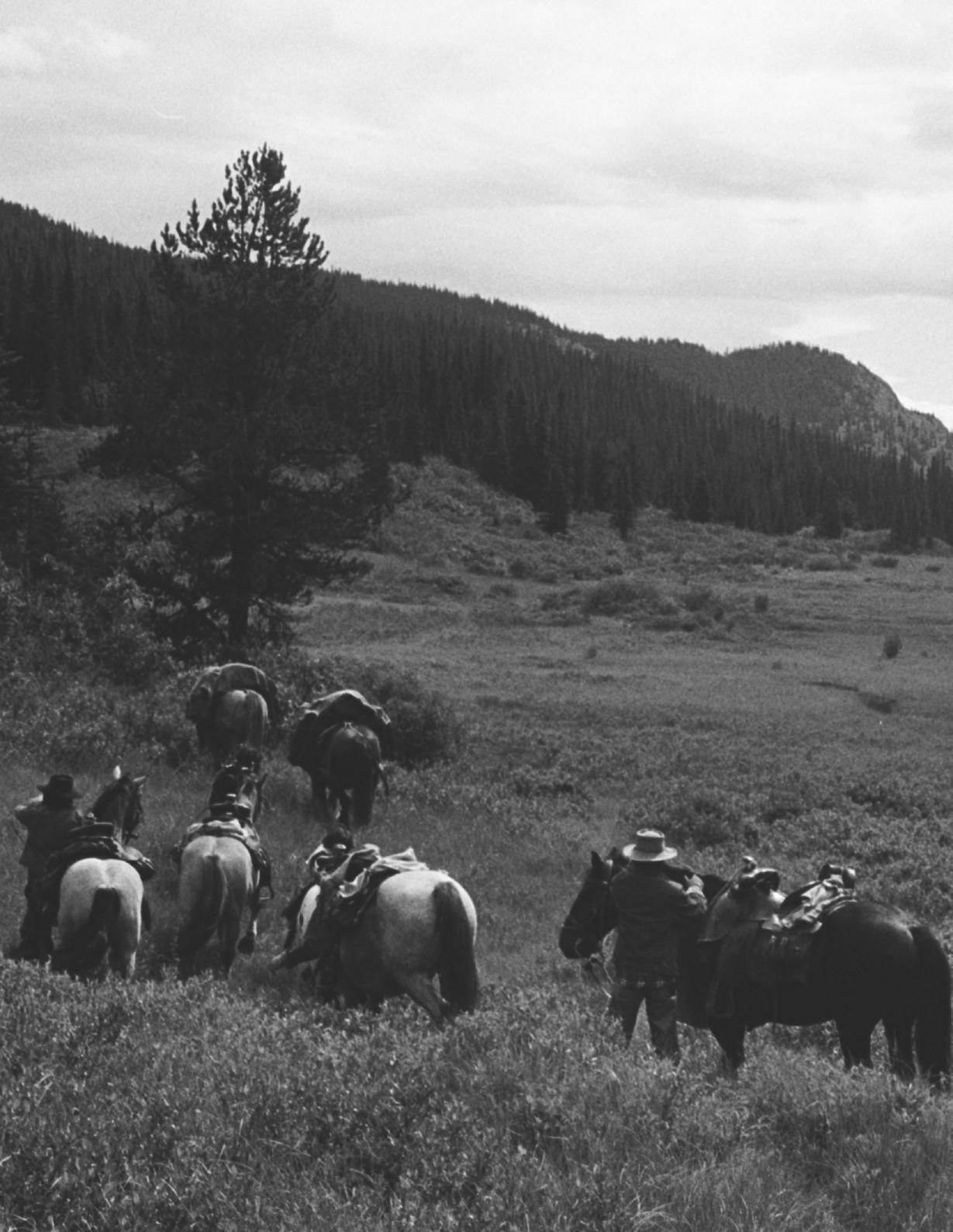
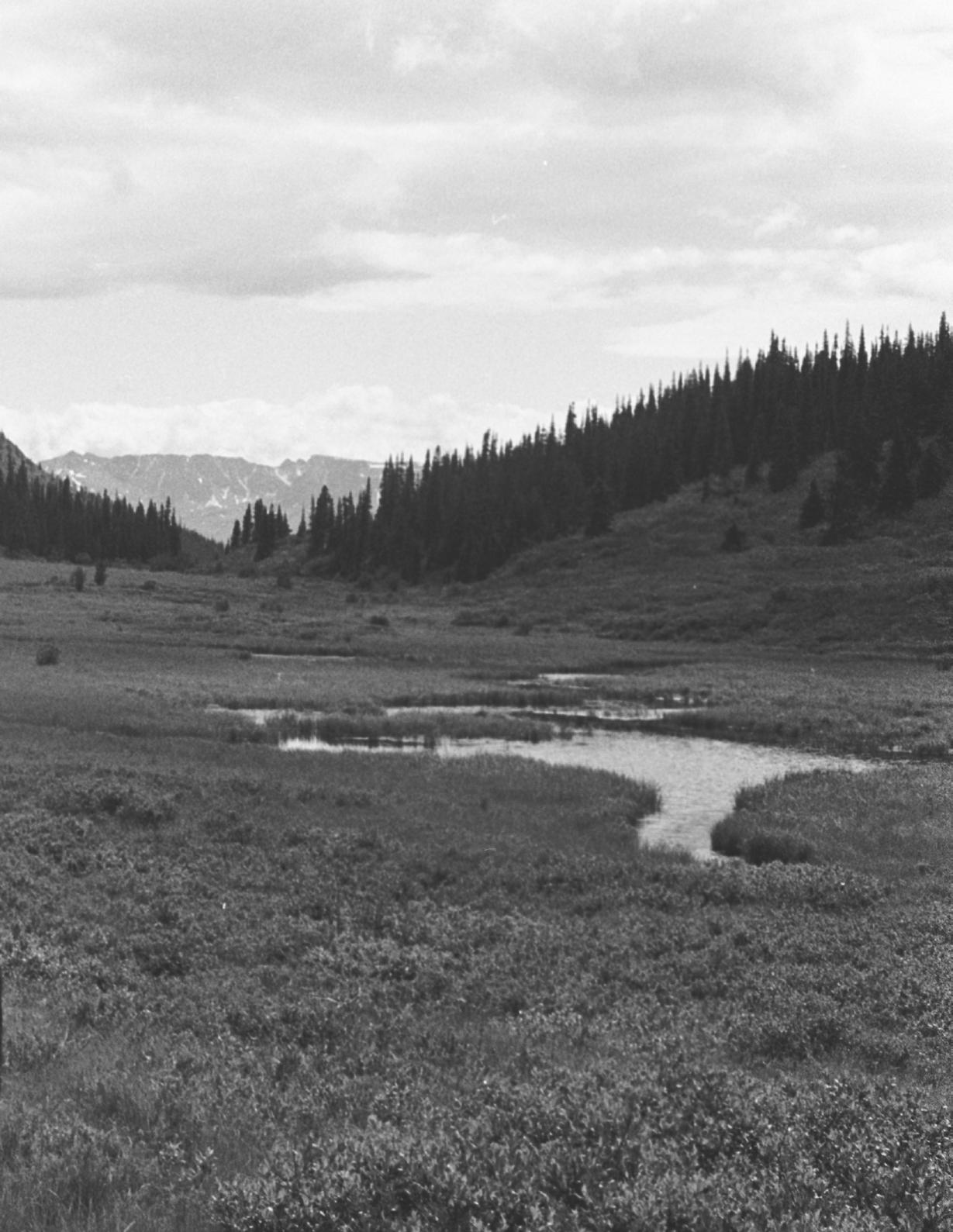
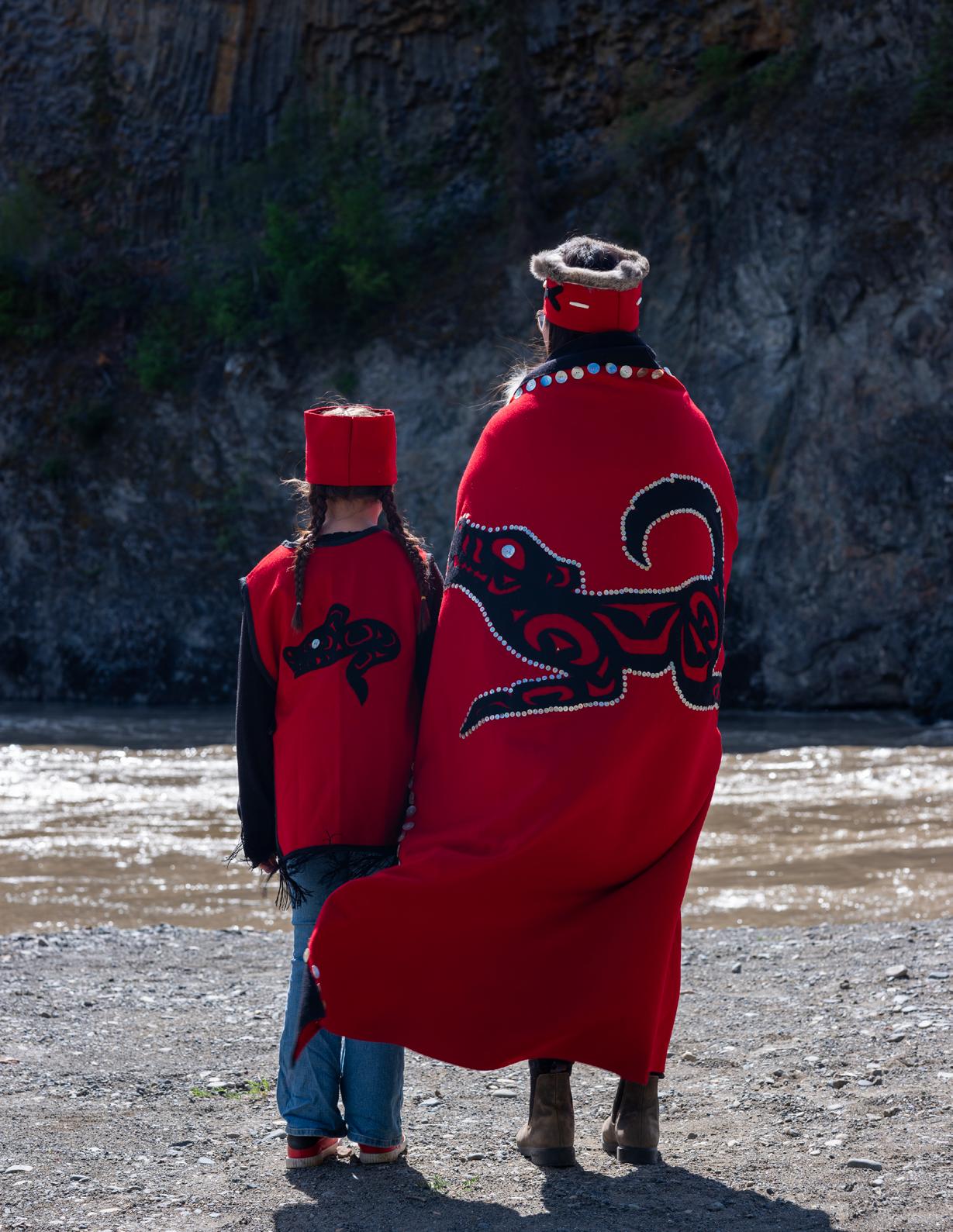

ANNUAL REPORT 2025/2026
/tahltangovernment Follow us and stay up-to-date with Tahltan Nation news, events, and job postings.