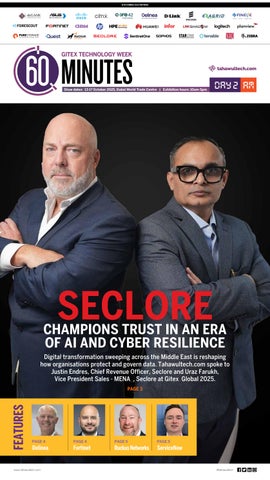
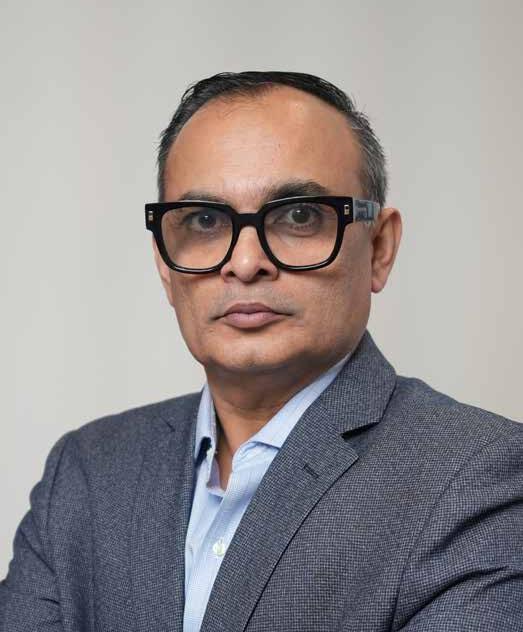
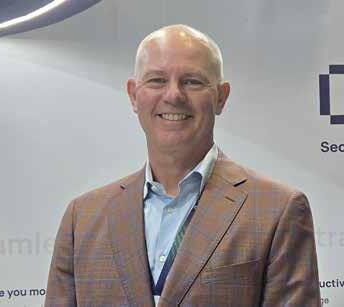
Digital transformation sweeping across the Middle East is reshaping how organisations protect and govern data. Tahawultech.com spoke to Justin Endres, Chief Revenue Officer, Seclore and Uraz Farukh, Vice President Sales - MENA , Seclore at Gitex Global 2025.









Digital transformation sweeping across the Middle East is reshaping how organisations protect and govern data. Tahawultech. com spoke to Justin Endres, Chief Revenue Officer, Seclore and Uraz Farukh, Vice President Sales - MENA, Seclore at Gitex Global 2025 at GITEX Global 2025.
Seclore leaders discussed with Sandhya D’Mello, Technology Editor, CPI Media Group, on how enterprises are tackling evolving challenges — from managing unstructured data and AIdriven threats to building resilience and maintaining customer trust. The global brand’s growing channel ecosystem continues to empower partners and businesses to advance towards a more secure and compliant digital economy.
You’ve been around the region and witnessed how fast the market is evolving. What are your impressions of the first day at GITEX Global? The general sentiment is much like always — it’s a great opportunity to meet partners and customers, as well as potential new ones. It’s also a fantastic occasion to catch up
with other vendors we collaborate with in the field. Overall, GITEX remains an invaluable event that we always look forward to.
What is the company showcasing at GITEX this year?
Unlike last year, when we presented a full suite of products on our platform, this year’s focus is on discovery and AI. We’re really aligning with market demand, particularly in helping organisations understand where their sensitive data resides — be it in the cloud, on desktops, or elsewhere. We’re introducing a stronger discovery-toremediation solution that offers end-to-end visibility and protection. Beyond that, GITEX is also about reconnecting with our ecosystem and partners.
With just a couple of months left in 2025, how do you evaluate the year’s performance compared to 2024, and what does the 2026 pipeline look like?
We’ve had the privilege of working with a fantastic network of partners, and our pipeline is stronger than ever. The first half of the
year was excellent, and as we close the third quarter, the outlook remains very positive. That said, we continue to earn customer trust every single day — it’s the foundation of our growth.
Technology must evolve to stay ahead of adversaries, but when it doesn’t, businesses must still have mechanisms to fall back on and recover quickly”.
What are the top customer trends or challenges you’re seeing, and how are you addressing them?
It varies by country. Saudi Arabia, the UAE, and Qatar are all at different stages of maturity, but the central issue everywhere is data protection. The old perimeter-based approach no longer works. Despite higher spending, breaches and costs are still rising. AI has also introduced an explosion of unstructured data, making sensitive data protection more complex than ever. Having been in this space for nearly 15 years, we understand these challenges well and are helping organisations locate and secure their most critical data.
Is cyber resilience now the key to business success?
Absolutely. Cyber resilience underpins everything — not just technology but also trust. Whether you’re a consumer brand, a service provider, or a partner, resilience ensures continuity and confidence. Technology must evolve to stay ahead of adversaries, but when it doesn’t, businesses must still have mechanisms to fall back on and recover quickly.
With Saudi Arabia emerging as a key regional force and Cybersecurity Awareness Month coinciding with GITEX, how do you see this momentum influencing the market?
The region is at a fascinating stage. In Saudi Arabia, regulations are

strict and compliancedriven, while the UAE is quickly catching up. GITEX is the perfect platform for customers to discover new technologies and understand how to adopt them. Events like this encourage awareness, learning, and innovation — all vital for improving regional cyber maturity.
Both the UAE and Saudi Arabia are advancing rapidly toward digitalfirst economies. What are your observations on how customers are responding to the growing need for proactive cyber resilience?
Every new technology — whether AI or GPT — brings both opportunities and challenges. AI, in particular, is reshaping business operations but also introducing new pain points. Unlike blockchain, which lost momentum, AI is here to stay. The focus now is on integrating AI responsibly into cybersecurity tools to address emerging threats. That’s where we and other vendors are investing heavily.
How are you empowering your channel ecosystem to keep pace with evolving AI and cybersecurity demands?
We’re a channel-focused company with a very strong partner ecosystem. We have structured partner programmes, regular communication via newsletters and WhatsApp updates, and ongoing enablement initiatives. Our partners act as an extension of us in the market — taking our message and solutions to customers. This close collaboration is key to ensuring consistent delivery and satisfaction.
What will be your key focus for 2026?
We’re prioritising the strengthening of our channel ecosystem. The region is seeing new partners entering from Egypt and beyond, particularly into Saudi Arabia’s growing cybersecurity space. Our aim is to ensure customer satisfaction through improved post-sales support. Justin and the customer success team are expanding efforts to make sure clients are fully supported and getting maximum value from our technology.
OndayoneofGITEX2025,onethemedominatedtheconversations:artificial intelligence(AI)anditsimpactonbusinessandsecurity.Onthesidelinesoftheshow, ArtGilliland,ChiefExecutiveOfficerofDelinea,sharedhisperspectivewithDeepaV NarwanionhowAIistransformingcybersecurityandwhatorganisationscandoto preparefortheemergingeraofintelligentthreats.
Gilliland noted that over the past four years, Delinea has undergone a significant transformation, which comes at a time when AI is reshaping every aspect of technology.
“There’s a lot of investment in AI, from our company and across the industry. What everyone’s realizing is that identity is one of the most critical
areas where AI can be captured, controlled, and managed within an organization. That’s where we’re investing heavily,” he emphasised.
Gilliland described AI as both a catalyst and a disruptor. He said, “What’s fascinating about AI is that nobody knows exactly where it’s headed because everyone is still learning
With every new technology the excitement to use it always outpaces the ability to secure it”.
how to use it. We’re seeing companies leverage it to drive productivity and improve efficiencies. At Delinea, we’re integrating AI into our products to make them easier to use and more responsive.”
But he cautioned that AI is empowering both defenders and adversaries. “The enemy is also innovating with AI. Today, attacks are faster, automated, and more
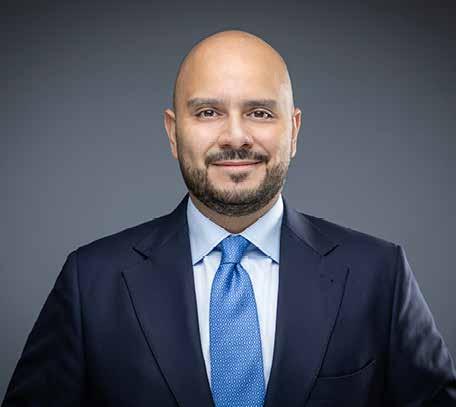
ShadiKhuffash,SeniorRegionalDirectorofSouthMiddleEast atFortinet,outlinesthevalueofsecureaccesssolutionsand theirapproachtointegratingAIacrossanentirecybersecurity lifecycleinthisexclusiveinterview.
What are the key innovations you are showcasing this year, and why is it relevant for the region?
At GITEX 2025, we will have a broad range of security products on show, addressing the fast evolving and increasingly complex cybersecurity challenges faced by organisations in the Middle East driven by digital transformation, advancement in AI and
the evolving regulatory landscape. These include a demo kit for securing organisational technology (OT) infrastructure, Fortinet’s Secure Access Service Edge (SASE) solution, cloud security, AI-Powered SecOps, as well as showcasing new services launched in the UAE, including Fortinet’s Sovereign SASE offering and our highly scalable multi-tenant security
information and event management system FortiSIEM as a Service.
With the UAE’s recent focus on national AI infrastructure projects, how is your company contributing to building or enabling this ecosystem?
Over the past two-years the UAE has seen rapid advances across AI, digital infrastructure and cybersecurity. We have witnessed government agencies embed AI into services in various sectors including law enforcement and education. There have been very interesting use cases in banking and FSI organisations as well as in telecommunications, including chatbot and fraud detection systems. On the other hand, cybersecurity demands have surged due the fast-paced development of technology adoption and increased use of AI. We are at a point in time
sophisticated than before. So, we have to fight fire with fire and use AI to also defend against such attacks. It’s the same cat-and-mouse game we’ve always played, just at super speed.”
When asked about the difference between generative and agentic AI, Gilliland used a practical example from Delinea’s own innovation roadmap.
“The first wave of AI was all about asking questions and getting answers faster; that’s what generative AI does. For example, the company developed Delinea Expert, which is trained on all our documentation and products. It functions as a virtual assistant integrated into our platform. You can ask it questions, upload log files, and it can assist in writing scripts. Since its launch, customers using it have contacted Delinea support 60–70% less. That’s a massive
where Local SOCs and MSSPs have grown, while enterprises have embraced zero-trust and SASE frameworks. Our unified security platform approach allows organisations get the most benefits out of new technology whilst securing the entire IT/OT infrastructure.
AI presents huge opportunities but also real challenges — from data quality and governance to scalability. How is your organisation addressing these challenges while maximising AI’s potential for your customers?
Fortinet’s own approach integrates AI across the entire cybersecurity lifecycle, not as a bolton feature, but as a foundational capability. Rather than isolate AI in individual tools, its FortiAI roadmap embeds intelligence across the entire cybersecurity stack – it is part of Fortinet’s security fabric. FortiAI applies AI to the three key pillars of cybersecurity: threat intelligence, security enforcement, and security operations. Each pillar has its own AI-driven focus, which together form the backbone of Fortinet’s integrated security fabric.
improvement in satisfaction and efficiency.”
In contrast, he highlighted that Agentic AI doesn’t just respond, it acts. It connects to data sources, makes contextual decisions, and can execute tasks autonomously.
“For customers, that might look like just another feature, but behind the scenes, it’s a huge leap forward. Many organisations are already developing these agents to make real-time, intelligent decisions,” he added.
According to the recent research from Delinea, while 94% of enterprises are investing in AI, fewer than half have the right security architecture to protect it.
“This happens with every new technology,” Gilliland explained. “The excitement to use it always outpaces the ability to secure it. The gap is concerning. What we’re focused on is helping customers close that gap, giving them tools and visibility to find where AI is being used and bring it under control.”
He emphasised that unsecured AI identities could become a significant vulnerability for cyber breaches. “When applications are given permissions or rights to make decisions, those apps become potential targets.”
Gilliland offered a threestep process for enterprises
seeking to strengthen their defences in the AI age. The first step is to gain visibility by identifying where and how AI is being used across users, applications, and machine identities. Second, take control by prioritising high-risk applications and centralising their password and identity management, ensuring that credentials are not stored in exposed systems. Lastly, it is crucial to build governance and establish a policy and framework that defines how AI is deployed, secured, and monitored.
In conclusion, Gilliland highlighted that predicting the future of this digital transformation is quite impossible. “The pace of change is unprecedented. Just a year ago, ChatGPT dominated, but we didn’t standardise on its APIs. We adopted Anthropic’s MCP framework for connecting AI to data and applications. A year from now, that might look completely different.” The key, he said, is adaptability. “You have to build flexible architectures because what you do today could potentially evolve in a few months. That means constant experimentation, investment, and learning. For enterprises, the first step is to establish a governance board. Step two is to ensure your systems are designed to pivot quickly.”
Fortinet deploys cutting-edge updates helping customers future-proof their security postures”.
This approach allows customers to use the power of AI to protect their infrastructures while being protected from existing and future AI-driven threats.
The cybersecurity threat landscape continues to evolve in parallel with advances in AI and cloud adoption. How are you strengthening your solutions to ensure resilience and trust in this new digital era?
Organisations and employees see immense benefits from cloudbased services and AI, however, point products are often dependent on bolt-on security, which are becoming increasingly
complex to manage with an ever- growing threat surface. This is why Fortinet is committed to providing a unified, cloud-native platform with centralised policy enforcement, and AIpowered threat intelligence.
Fortinet was founded on the principle of converging networking and security through a single operating system. This approach enables Fortinet to deploy cutting-edge updates, such as AI-powered innovations, across its unified operating system, helping customers future-proof their security postures. For example, FortiAI secures and transforms organisations by proactively defending against emerging threats in real-time, enabling rapid detection and response to threats, and automating security and network operations.
In the cloud arena, FortiCloud reduces operational complexity, improves visibility, and protects data and users across distributed environments, securing access, applications and infrastructure. This is backed by growing hybridcloud infrastructure that addresses growing data sovereignty requirements by enabling organisations to keep data local through its globally distributed infrastructure.
SteveJohnson,VPRegionalSalesEMEA,RUCKUSNetworks givesabriefoverviewoftheirimprovedconnectivitysolutionsand Wi-Fi7capabilitiesinanticipationofasuccessfulGITEX2025.

types of smart devices working together at scale, helping reduce costs and improve user experience. For remote and branch locations, we are highlighting the RUCKUS WAN Gateway. It strengthens edge security and simplifies operations by following a zero-trust approach.
Together, these solutions show how we are making networks faster, smarter, and more secure, helping businesses stay connected and ready for what comes next.
issues faster and provide strong wireless access even in busy areas, which improves the overall guest experience.
For apartment buildings, we’re offering solutions that provide consistent internet coverage in both private units and shared spaces. We also make it easy to connect smart devices like locks and sensors, which helps reduce costs and makes life more convenient for residents.
In large public venues like stadiums or convention centres, we’re demonstrating how our technology can handle thousands of people using the internet at the same time. Our systems help keep the connection fast and stable, even during big events. We also support features like mobile ticketing and payment systems to improve the experience for visitors.
To support better service and decision-making, RUCKUS AI™ provides deep insights into network performance”.
With GITEX core focus on digital transformation across industries. What key themes or innovations will RUCKUS Networks be highlighting at this year’s event?
At GITEX, we are showcasing how our latest technologies are helping businesses across industries move forward with digital transformation. Our focus is on building networks that serve a clear purpose, based on what each customer truly needs.
We are leading with Wi-Fi 7, featuring the R770 for indoor use and the T670 and T770 for outdoor environments. These access points are designed to deliver ultra-low latency, multi-link operation, and strong performance in high-
density areas.
We are also presenting the RUCKUS One® solution, our cloud-based platform powered by AI. It brings together Wi-Fi™, switching, and IoT into one system. With open APIs, it allows smooth integration with other tools and helps teams work more efficiently.
To support better service and decision-making, RUCKUS AI™ provides deep insights into network performance. It helps teams find and fix problems quickly and even prevent issues before they happen.
We are enabling secure and smart environments with our Cloudpath™ solution, which makes device onboarding safe and simple. The RUCKUS® IoT Platform supports many
Hospitality, multidwelling units, and large public venues are core verticals for RUCKUS Networks. What solutions or advancements will you be demonstrating at GITEX that address the unique connectivity challenges in these sectors?
At GITEX, we’re focusing on how our solutions help improve connectivity in places like hotels, apartment buildings, and large public venues. These environments often face challenges like crowded networks, many different types of devices, and the need for strong, reliable internet everywhere.
In the hospitality sector, we’re showing how guests can connect easily and securely to the network. Our tools help hotel staff solve
WilliamO’Neill,GeneralManagerandVicePresident,GCC, ServiceNow,spoketoDeepaVNarwanionthesidelinesof GITEX2025aboutthecompany’sstrongpartnerecosystem, andhowtheirnewlylaunchedAIExperienceisredefining enterpriseefficiency.
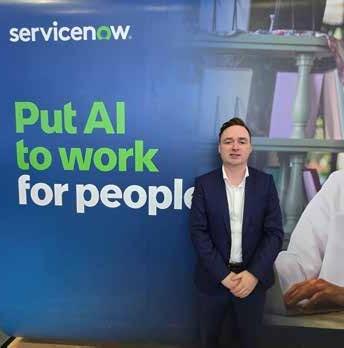
O’Neill described GITEX as a platform where innovation meets impact. He said, “We are here to be with our partners, customers, and industry leaders. Also, there’s no better place than Dubai, the heart of the region, to showcase our platform and the value it’s bringing to the region and to our customers.”
ServiceNow’s stand at GITEX features several strategic partners, a collaboration O’Neill described as central to the company’s regional strategy.
Overall, we’re showing how our technology can solve real problems in these sectors by making connectivity simple, secure, and reliable.
How does RUCKUS Networks’ PurposeDriven Networking approach differ from traditional “speeds and feeds” pitches, and how does it translate into customer business outcomes?
Traditional networking focuses on specifications and peak throughput.
RUCKUS Networks takes a Purpose-Driven Networking approach—starting with the customer’s outcomes and constraints, then aligning architecture, AI solutions, and operations to those goals. Practically, that means using the RUCKUS One solution for unified
“It’s important to have our partners showcased and present here,” he noted. “The partner ecosystem is critical to our strategy. They are the extended arm of our business. They help us accelerate our growth, and ensure that these programmes are delivered successfully so that customers achieve their outcomes and the impact we set out to deliver.”
A key highlight for ServiceNow this year is the AI Experience, which O’Neill described as a breakthrough in the evolution of enterprise software.
He explained, “When you look at enterprise software in the era of AI, it was typically built in silos, fragmented data and applications, and people were moving between the same apps just to get the same work done with repetitive actions. What we see now is that vendors have layered AI on top of these
management, RUCKUS AI for assurance and insights, and enabling secure access with Cloudpath and the RUCKUS IoT Platforms to remove friction across wired, wireless, and IoT. The result is measurable improvements: higher user satisfaction (fewer support tickets, better QoE), faster time-to-resolution (AI-driven root-cause analysis), lower OPEX (automation and zero-touch workflows), and faster time-to-value via open APIs that integrate with PMS, POS, ticketing, and other line-of-business systems. Instead of selling “speeds and feeds,” we are able to commit to KPIs like uptime, MTTR, onboarding success rate, and cost-toserve—turning connectivity into business outcomes.
Instead of focusing only on technical details like speed and capacity, we start by asking what the customer wants to achieve. We look at their goals and challenges, then build a network that supports those needs.
We use the RUCKUS One solution to manage everything in one place, RUCKUS AI to help find and fix problems quickly, and Cloudpath and RUCKUS IoT Platforms to help make connecting devices safe and simple. These tools work together to make things easier for both users and IT teams.
fragmented workflows, which creates patchwork, miscommunication, and fragmented outcomes.”
To solve this, ServiceNow has built an AI platform that unifies these workflows and data sources. “What we’ve done is build a multi-modal, multi-lingual tech, which brings web, image, any agent or any AI, in one platform,” he said. “We’ve unified the experience and brought all of those data sources together, so you’re getting more tangible outcomes and business impact in a non-siloed way.”
He added, “We’ve moved what was once an industry of systems of record to our platform, which is an AInative system of action.”
In the era of cognitive and agentic AI, ServiceNow has positioned itself as a key driver of enterprise transformation.
“We are the AI platform for business transformation,” O’Neill highlighted.
“We connect data
This approach leads to real results. Customers see fewer complaints, faster problem-solving, lower costs, and quicker setup. Our systems can also connect easily with tools like hotel check-in systems, payment systems, and ticketing platforms. Instead of just selling fast internet, we focus on helping businesses improve service, save time, and reduce costs.
What are the real-world benefits customers are seeing from Wi-Fi 7 deployments with the R770 and T670/T770 in MEA?
Customers using the R770 indoors and the T670 and T770 outdoors are seeing big improvements. They get faster and more reliable internet, even when lots of people are connected at the same time. This is great for places like hotels, stadiums, and apartment buildings. With multi-gig ICX™ switching, these locations also get stronger connections behind the scenes, which helps everything run smoothly. Using the RUCKUS AI and RUCKUS One solutions, teams can see how the network is performing, make automatic adjustments, and fix issues faster. This means fewer problems during busy times like events or hotel check-ins.
and workflows and supercharge that with agentic AI. The value that brings is in mitigating risk, increasing revenue, reducing cost, and ultimately increasing efficiencies across both private enterprises and the public sector in the Middle East.”
He added that the company’s focus extends beyond business efficiency to improving everyday experiences. “We see that tenfold — enhancing the experiences of people within the workplace and citizens as well. Our value proposition is strong and aligned with the visions of organisations in tandem.”
In conclusion, he said, “We’re delighted to be at GITEX and to welcome all our customers to our booth. We’ve got several agentic demos and AI demos happening, as well as showcasing our journey in the CRM space as we double down in those areas to serve both citizens and customers.”
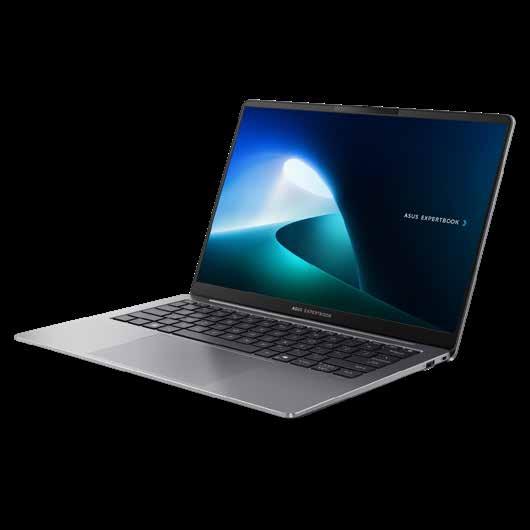
Business laptops often offer mostly just the basics, considering that their target audience (in this case, business users) need a device that’s capable of handling heavy workloads while having long battery life, not to mention a portable build. Enter the ASUS ExpertBook P5 (P5405), part of the company’s line of business-focused AI PCs with Copilot+, aimed at enhancing productivity that’s suited for any professional.
The P5405’s design is straightforward, with an aluminium chassis that’s lightweight and designed to meet military-grade durability standards. The size matches most 13-inch laptops, allowing
it to be easily bought anywhere. Opening the lid reveals the 14-inch WQXGA (2560 × 1600) anti-glare display. At 144 Hz, it’s super smooth, and the coating on the screen effectively removes reflections, which can be a distraction while working.
The top part houses the integrated webcam that comes with a privacy shutter and supports Windows Hello. The isolated keys on the keyboard make it a joy to type on, though we would have liked the cursor keys to be a little bit larger. There’s a dedicated Copilot key, letting users easily open Microsoft’s AI-powered companion and a built-in fingerprint
The P5405 excels in daily tasks, allowing us to complete our work, even lasting a whole workday on a single charge”.
reader on the power key. I/O ports are situated on the left side, featuring two Thunderbolt 4 USB-C ports, an HDMI out port, a USB-A port and a combo headphone and microphone jack. A single
11, ASUS has loaded the P5405 with up to an Intel Core Ultra 7 258V processor with a 47 TOPS NPU, 32 GB of RAM and a 2 TB SSD. We used the P5405 connected to an external screen and brought it on-site as we worked at different locations. It breezed through all our tasks when we used it for two weeks straight, with no
While most Dubai consumers trust organisations to protect their data, 44% would consider stopping doing business with an enterprise if a breach occurred.

Commvault, a leading provider of cyber resilience and data protection solutions for the hybrid cloud, recently announced its participation at GITEX Global 2025, where it will showcase the latest innovations in cyber resilience in the region.
The announcement comes alongside
new survey findings highlighting that while consumers trust organizations to safeguard their data, breaches still carry serious consequences. According to a survey of 1,000 Dubai consumers, which was conducted exclusively for Commvault by Censuswide, 71% believe businesses are
doing enough to protect and recover their data after a breach [1] , yet 44% would consider no longer doing business with them after a cyberattack. Both figures differ from the multi-national survey average [2] , where only 50% of respondents believe organisations are doing enough [3] and 37% say they consider walking
If your business is in the cloud, then the cloud is your business”.
effortlessly, answering our queries in seconds compared to other laptops, where it would take minutes. Special mention goes to the ASUS ExpertMeet, an on-device assistant that uses AI to help transcribe and translate recorded meetings. The best part? It works natively ondevice, so it will work even when the laptop is offline.
lasting a whole workday on a single charge. Cooling performance stands out, as the laptop effectively dissipates heat with fans that do not become overly noisy. For AED 4,899, the ASUS ExpertBook P5405 is a well-balanced business laptop that’s perfect for any business professional looking for a portable AI powerhouse.
away following a breach.
Among those who don’t believe businesses are doing enough to protect their data [4] nearly half (49%) pointed to the challenge of protecting data spread across multiple cloud and hybrid environments. The findings suggest that while consumers largely trust organisations to keep their data safe, this trust is fragile - one outage could result in major customer loss. And, while the UAE continues to take a critical role in advancing cybersecurity via the National Cybersecurity Strategy, with AI adoption and cloud expansion accelerating, businesses need to ensure they are properly preparing for emerging ransomware threats and data compromise. This puts the spotlight on resilience, recovery, and nonstop continuity.
At GITEX Global (Hall 5, Stand C20), Commvault will showcase Commvault Cloud, its modern cyber resilience platform. This platform integrates AI-driven automation, immutable storage, Cleanroom Recovery environments, Cloud Rewind, and Active Directory forest-level recovery. Together, these capabilities help enable organisations to detect threats quickly, recover without reinfection, and maintain critical operations even in the face of sophisticated attacks.
“It is clear from this survey that while organisations are trusted by their customers to protect and recover their data after an outage, there is still more that could be done”, said Fady Richmany, Corporate Vice President, Emerging Markets, Commvault. “If your business is in the cloud, then the cloud is your business. At GITEX, I look forward to meeting with customers and partners and demonstrating how the right tools, spanning multiple workloads and environments, can deliver true cyber resilience and readiness”.
At GITEX, Commvault will highlight how advanced resilience can help organisations rapidly recover from ransomware attacks while continuing to operate in a state of continuous business.
[1] Combines ‘Agree’ and ‘Strongly agree’
[2] Average taken from combined 3,000 respondents from France, Germany, and Dubai (United Arab Emirates)
[3] Combines ‘Agree’ and ‘Strongly agree’
[4] Filtered through from those that selected ‘Disagree’, ‘Strongly disagree’, and ‘Not sure’ to the question: To what extent do you agree or disagree that organisations are doing enough to protect, secure, and be able to easily recover data following a breach or outage.

ShawnZhao,PresidentofCampusNetworkDomain,DataCommunicationProductLine,Huawei, outlines the scope and potential value of their secure campus network solution.
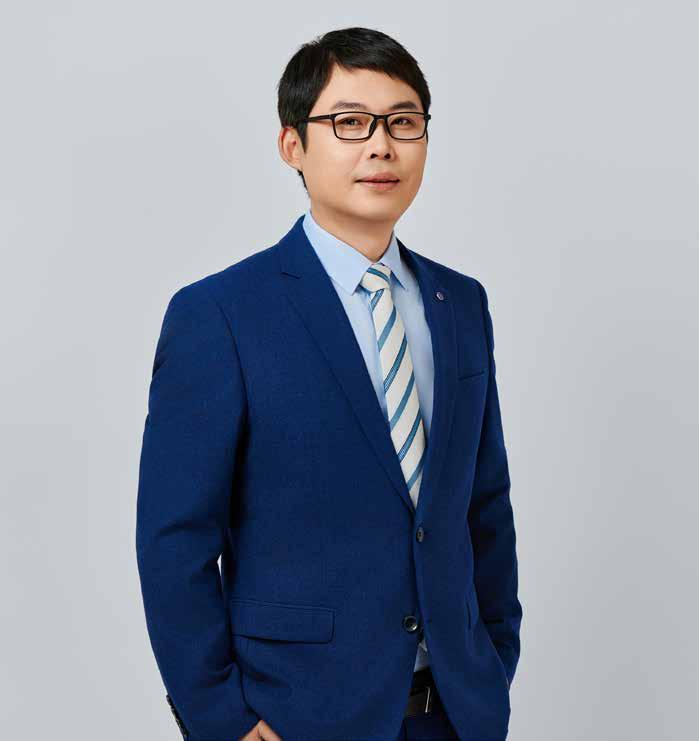
As digitalization accelerates and AI technologies evolve at breakneck speed, networks—the backbone of data flow and AI applications—are facing unprecedented challenges and opportunities:
AI-driven wireless upgrades: The surge in AI applications has caused a tenfold increase in data traffic, driving the shift from Wi-Fi 4/5 to Wi-Fi 7 and pushing campus networks toward 10 Gbps. As industries embrace digital and intelligent transformation, an influx of IoT endpoints is reshaping network architecture—from connecting people to connecting things and environments, and from basic communication to integrated sensing and IoT. Multi-service convergence is inevitable, with access points (APs) becoming vital to intelligent campus networks.
Full-scope security as standard configuration: The transition to wireless and the proliferation of endpoints introduce new risks: unmanaged internal assets, Wi-Fi interfaces vulnerable to eavesdropping, and undetected unauthorized imaging devices. To safeguard mission-
critical operations and data, campuses must implement full-scope security, prompting comprehensive network upgrades.
• Experience-driven application evolution: As services migrate to the cloud and large AI models gain traction, enterprises are increasingly adopting SaaS-based collaboration tools to boost productivity. This shift demands highperformance networks with ultra-low latency and zero packet loss to ensure seamless remote collaboration.
• AI-powered O&M transformation: Traditional operations and maintenance cannot keep pace with the explosion of endpoints and applications. Leveraging advanced AI models and expert-level knowledge bases is now essential to enhance O&M efficiency on campus networks.
Wi-Fi + X creates smart spaces on campus networks
Wi-Fi + sensing: Traditional campus networks have primarily focused on serving people—supporting their office work and communication while
The system detects abnormal terminal activities within 30 seconds and enforces automated control in just one second”.
ensuring reliable, stable, and secure Wi-Fi connectivity. But with the rise of technologies like the Internet of Things (IoT) and AI, campus networks are evolving from singlepurpose communication platforms to intelligent ecosystems for multi-dimensional data interaction. This evolution goes beyond expanding connectivity. By integrating IoT sensing devices, campus networks gain the ability to actively sense and respond to changes in the physical environment. Based on communication and sensing integration (CSI) technology, Huawei has transformed APs from mere network nodes into “neural endpoints”
of campus intelligence. These APs can detect subtle environmental changes by analysing how wireless signals are affected, enabling real-time situational awareness. The Harbin Institute of Technology, for example, has collaborated with Huawei to use CSI technology to integrate with building management systems (BMSs) for energy conservation, creating a green campus. CSI is also used to detect lingering individuals in classrooms, libraries, and restrooms during off-hours, enhancing campus safety. In healthcare, Huawei’s award-winning millimeterwave (mmWave) non-contact vital sign monitoring solution
replaces traditional manual rounds. It enables 24/7, contactless monitoring of vital signs such as respiration and heartbeat. At Hangzhou First People’s Hospital, this solution provides continuous data collection, early warnings of abnormal conditions, and realtime alerts—ensuring timely intervention and safeguarding patient lives.
• Wi-Fi + IoT: IoT networks are a key infrastructure for implementing comprehensive sensing of production factors, enabling real-time connectivity, eliminating information silos and data fragmentation, and delivering ubiquitous interconnection and efficient data communication. By integrating Wi-Fi and IoT, Huawei enables unified deployment of office and IoT networks using a single AP—eliminating redundant infrastructure and significantly reducing deployment costs.
Moreover, SoftwareDefined IoT (SD-IoT) supports multiple IoT expansion methods, including IoT cards, USB dongles, and built-in IoT modules, offering flexible configuration and streamlining deployment cycles and workloads. In healthcare, Guangzhou Overseas Chinese Hospital adopted Huawei’s WiFi + IoT solution and completed its network transformation in just three weeks, boosting deployment efficiency by 70%. In retail, Lianhua Supermarket implemented Huawei’s Wi-Fi + electronic shelf label (ESL) solution, using a single network to support smart label updates. This reduced equipment procurement costs by 50% and enabled visual, centralized management of all network devices through a unified platform—enhancing operational efficiency.
Huawei unveils the fullscope secure campus network solution As industries go digital and intelligent, the number and diversity of terminal devices have surged—intensifying security risks. Huawei addresses this challenge with 100% terminal asset identification through AIpowered clustering and a comprehensive terminal fingerprint database.
Leveraging AI-powered traffic behaviour analysis, the system detects abnormal terminal activities within 30 seconds and enforces automated control in just 1 second—helping enterprises see clearly and manage effectively to ensure campus asset security.
The wireless transformation of office networks is an inevitable trend. To mitigate concerns around Wi-Fi signal exposure and data vulnerability, Huawei introduced its exclusive Wi-Fi Shield technology. Powered by AI signal scrambling, it eliminates physicallayer risks of interception and eavesdropping. On the wired side, Huawei provides end-to-end MACsec encryption and supports post-quantum cryptography (PQC) algorithms—ensuring secure transmission across both wireless and wired dimensions. To date, over 100 government and financial institutions worldwide have adopted this solution to complete their wireless office transformation.
In privacy-sensitive campus areas—such as executive offices and archives—imaging devices are often prohibited, yet blind spots pose serious security threats. Huawei’s Wi-Fi APs, equipped with CSI technology and AI algorithms, enable centimeter-level micro-motion sensing to accurately detect human presence. This ensures real-time intrusion detection while preserving privacy, delivering 24/7 comprehensive spatial protection.
To combat the growing threat of hidden cameras in scenarios like CXO offices, confidential meeting rooms, and hotel spaces, Huawei launched the industry’s first spycam-detecting AP. With built-in AI feature matching algorithms, it can identify 110 imaging device models across 62 brands, including those using Wi-Fi, cellular backhaul, or local storage. As such, this first-of-its-kind AP provides real-time hidden camera detection and alerts, safeguarding privacy around the clock.
Huawei was named a leader in Gartner® Magic Quadrant™ and ranked No. 1 globally in Wi-Fi 7 market share and shipments. Huawei has been named a leader in the Gartner® Magic Quadrant™ for Enterprise Wired and Wireless LAN Infrastructure for three years in a row. Huawei remained the global No. 1 in enterpriseclass Wi-Fi 7 shipments and market share for five consecutive quarters.

Wireless headset o ering focus for all with adaptive hybrid ANC and noise-canceling mics.

TheHOTSystemsAIworkstationsdisplayedattheexhibition,poweredbyPNY,willserveasahubfor innovationandengagement,whereenterprises,technologyleaders,andprofessionalscanexplorethe nextfrontierofhigh-performancecomputing.
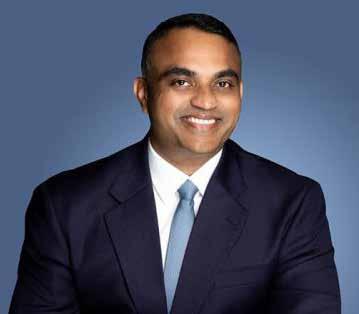
One of the many benefits of my job as Editor of CNME, is the opportunity to speak to some of the most prominent technology leaders from across the Middle East, APAC, Europe and United States.
Unsurprisingly, they share many of the same traits that are required to be a successful business leader in the ultracompetitive world of IT. Resilience. Leadership. Dedication. Commitment. Vision. Passion.
All those characteristics could be used to describe Jacob Chacko.
However, unlike some of his contemporaries, Chacko has the uncanny ability to perfectly articulate the key messaging that HPE really wants to convey to the public.
He peels back the layers of a story to reveal what it all means in the grand scheme of things, and that is a rare skill in the cut and thrust world of technology.
It is one of the many reason that I always relish the opportunity to get to speak to Chacko, because I always feel informed after our conversations, and the excitement and passion he has for HPE Networking really is palpable.
HPE’s acquisition of Juniper Networks for $14bn officially closed in July of this year, after being formally announced
in January 2024. It is a game-changing deal for the industry with the promise of increased innovation for customers and partners.
Yes, the deal to buy Juniper will copperfasten HPE’s position in networking, but as Chacko explains, it will allow them to meet growing customer demands in areas like enterprise campus, datacentres and service provider networking.
“The acquisition of Juniper Networks significantly broadens our ability to address customer needs across the entire networking spectrum. HPE has long been a leader in secure, AI-powered enterprise campus and branch networking, while Juniper brings deep expertise in datacentre and service provider networking. Together, we can deliver a unified portfolio that spans from edge to cloud, helping customers to modernise their networks, improve automation and assurance through AI, and scale securely to meet the rising demands of digital transformation,” said Chacko.
It is very common that when mega acquisition deals are brokered, quite naturally, it can take quite a while to absorb the new entity into the existing business structure, and
We can now address every segment of the market with AI-driven solutions, advanced security, and cloud-native capabilities”.
complete, end-to-end offering. This means customers in the MEA region can accelerate their cloud adoption, gain deeper visibility into network performance, and futureproof their infrastructure with technologies designed to scale,” said Chacko.
Chacko highlighted that across the Middle East, and especially in countries like the UAE, KSA and Qatar, the sheer scale of investment in digital transformation is unprecedented on a global scale but stressed that the network is key foundation in any digital strategy.
often customers can be impacted.
HPE is renowned for its customer-centric approach, and Chacko doubled down that one of the primary factors in the acquisition is to provide them with the ability to provide an even better customer experience.
“Our customers are increasingly looking for simplicity, automation, and security in their networking environments, whether in the campus, datacentre, or across service provider networks. By combining HPE’s strength in the enterprise edge with Juniper’s leadership in AI-driven datacentre and carrier-grade networking, we can now provide a
“For customers across the Middle East and Africa, the network is the backbone of their digital strategies — from powering smart campuses to enabling hyperscale datacentres and nextgeneration service provider networks. The integration of Juniper’s innovation into the new HPE Networking portfolio gives us a much stronger proposition. We can now address every segment of the market with AI-driven solutions, advanced security, and cloud-native capabilities. This allows us to better support enterprises and service providers in the region as they expand, innovate, and compete on a global scale,” said Chacko.
Datacentres are
being viewed as the key foundation in the AI infrastructure that is needed to drive the digital future.
However, what I wanted to know was how can HPE leverage the acquisition of Juniper to open and unlock new opportunities in the burgeoning datacentre space.
He reiterated that by embedding Juniper’s strength in highperformance gave HPE Networking a great springboard to capitalise on the opportunities emerging in AI-datacentres.
“AI is redefining the datacentre, and the acquisition of Juniper positions HPE to lead in this transformation. By combining HPE’s compute and storage leadership with Juniper’s strengths in high-performance, AIdriven networking, we can deliver datacentre solutions that are built for the scale, automation, and agility required to power the next wave of AI workloads. This creates unprecedented opportunities for our customers to modernise their infrastructure and unlock new levels of performance and efficiency.”
Chacko outlined that another key differentiator for HPE was the trust that it can deliver to both current and prospective partners looking to build AI-infrastructure.
“The datacentre has become the epicentre of AI innovation, and customers are looking for trusted partners who can help them design, build, and operate AI-ready infrastructure. With Juniper, HPE is now uniquely positioned to provide endto-end datacentre solutions — from servers and storage to intelligent, automated networking. This not only accelerates time-to-value for customers but also allows us to serve the fast-growing AI and cloud markets across the Middle East and Africa with even greater impact,” said Chacko.
Chacko also added that he believed the acquisition of Juniper allowed them to be more ‘strategic’ when dealing with governments and service providers.
“In the MEA region, we’re seeing unprecedented investment in AI-ready datacentres — from hyper-scalers to national
digital transformation programs. The integration of Juniper’s advanced datacentre networking into HPE’s portfolio opens new opportunities for us to support this growth with highly scalable, AI-driven infrastructure solutions. It allows us to partner more strategically with enterprises, governments, and service providers to build the digital foundations that will fuel innovation, economic diversification, and competitiveness in the years ahead,” said Chacko.
There have been many analysts that believe that the Juniper acquisition will also strengthen HPE’s hand when it comes to service provider networking, given Juniper’s rich legacy with the telecommunications industry.
Chacko highlighted the intense pressure that service providers are being saddled with when it comes to delivering high-performance and lower latency, but again, he believes that Juniper’s storied and fabled history in service provider networking gives HPE the ability to tackle this issue head-on for service providers.
“Juniper has a deep heritage in service provider networking, with decades of innovation in carrier-grade routing, automation, and security. By bringing this into HPE, we significantly strengthen our capabilities in serving the world’s leading telecom and service providers.
This synergy allows us to offer a comprehensive, AI-native portfolio — spanning the campus, datacentre, and carrier networks — positioning HPE as a true global force in end-to-end networking. Service providers are under immense pressure to deliver higher performance, lower latency, and greater automation, all while managing costs. Juniper’s legacy in telecommunications, combined with HPE’s leadership in hybrid cloud and edge-to-cloud architectures, means we can now deliver the agility, scalability, and intelligence that service providers demand. This empowers them to accelerate 5G, AI, and cloud services, and ultimately deliver more value to their customers,” said Chacko.
Chacko also added that the evolving and heightened expectations of a young population was also placing service providers under strain but emphasised how their edge-to-cloud strategy gave service providers more choice.
“In the Middle East and Africa, service providers are investing heavily in 5G


and digital infrastructure to meet the demands of a rapidly growing, young, and connected population.
By integrating Juniper’s carrier-grade expertise with HPE’s edge-to-cloud strategy, we can better support regional operators as they expand their networks, modernize services, and unlock new revenue streams. This makes HPE a stronger and more relevant partner for the telco industry, both globally and here in MEA,” said Chacko.
The rise of Generative AI and Agentic AI are completely reshaping and reimaging every major industry vertical on a global scale.
However, AI also has the power to transform networking, and Chacko
laid out what HPE’s approach to AI-enabled networking solutions and their vision for AI’s role in networking infrastructure.
He reinforced the commitment HPE has made to making networking truly AI-native.
“AI is not only transforming industries but also the very networks that power them. At HPE, our vision is to make networking truly AI-native — self-learning, selfoptimising, and predictive. Through the combination of HPE’s secure edge-to-cloud networking and Juniper’s AI-driven automation and assurance, we are building infrastructure that can anticipate issues before they occur, adapt in real time, and deliver a consistently seamless digital experience. We see AI as the nervous system of tomorrow’s networks, enabling agility, resilience, and intelligence at every layer,” said Chacko.
Chacko again touched on the importance of customer-centricity and declared that HPE wants to equip their customers with smarter networks, that significantly reduces overheads and complexity.
“Our customers don’t just want faster networks they want smarter networks that can scale with AI-driven business models. HPE’s approach is to embed AI into every part of the networking lifecycle — from simplifying deployment and automating operations to proactively identifying and resolving performance bottlenecks. This reduces complexity, lowers costs, and delivers higher reliability. With AI, networking becomes a true enabler of innovation rather than a constraint.
In the Middle East and Africa, organizations are embracing AI to drive national transformation strategies, smart cities, and digital economies.
Networking is the foundation of this shift. Our AI-enabled networking solutions are designed to provide the intelligence, automation, and security needed to support these ambitious initiatives. By combining global innovation with local execution, we can help customers in the region harness the full potential of AI to transform both their networks and their industries,” said Chacko.
Chacko believes that some of the key messaging around this historic deal with Juniper Networks has been lost and caught in all the noise that typically happens with an acquisition of this magnitude.
When pressed on what was the primary message, he wanted our readers to take from the merger, he said that their AI-native portfolio is ‘unmatched’ in the market.
“The message is simple: with the acquisition of
The Kingdom is setting a new benchmark for the effective integration of AI, data, and performance management in enterprise environments.
Saudi organisations are investing heavily in artificial intelligence (AI) and achieving results that position the Kingdom among one of the most advanced markets in the world, according to a new survey by Riverbed, the leader in AIOps for observability.
Revealed ahead of the company’s participation at GITEX GLOBAL 2025, the Riverbed study The Future of IT Operations in the AI Era unveils that Saudi organisations have increased overall AI investments by approximately 160% yearon-year. Impressively, more than a quarter (26%) of
Saudi enterprises invested over US$50 million in AI initiatives last year, compared with an average of 18% across the other markets surveyed. * This strong momentum is translating into measurable outcomes.
The survey found that 36% of Saudi organisations are fully prepared to implement their AI strategy today, with 78% expecting to reach full readiness within the next three years, a timeline aligned with Vision 2030. More than half (55%) of the respondents said the return on investment from their AIOps projects had already exceeded
expectations and an additional 38% cite they have met their original goals.
Behind this success lies a growing focus on data management and accessibility. Almost two-thirds (63%) of Saudi organisations are developing data strategies to support AI across the enterprise.
The clear popularity of cloud services reflects the success of the Kingdom’s digital transformation agenda and its ability to attract investment from global hyperscalers such as Microsoft, AWS, Google, and Oracle, who have poured billions into establishing world-class cloud data centres in the country. Currently, AI-related data is held in public cloud environments (31%), on-premises data centres (27%), and private clouds (25%). However, this reliance on private and on-prem environments is expected to decline over the next three years as more organisations move processing to the edge (across branch offices, logistics hubs, and factories) enabling faster and more intelligent operations.
With AI implementation accelerating, visibility and performance management are
Juniper, HPE is making a bold statement that we are committed to being a global leader in networking. By bringing together HPE Aruba Networking strengths at the enterprise edge with Juniper’s expertise in datacentre and service provider networking, we now offer an unmatched, AI-native portfolio that spans the entire spectrum — from edge to cloud to core. This positions us, and our customers, for the next decade of digital innovation. What this acquisition means for customers is choice, simplicity, and innovation. They will benefit from a unified approach that delivers AI-driven automation, secure connectivity, and cloudnative agility across every part of their network. Our future direction is about empowering customers to accelerate their digital strategies with confidence,
knowing they have a partner that can scale with them at every stage,” said Chacko.
He concluded and brought the curtain down on another wonderfully engaging, entertaining and informative interview, by reinforcing the viewpoint that the acquisition was ‘unlocking opportunity’. For us in the Middle East and Africa, the clear message is that HPE is doubling down on helping this region build the digital foundations of the future to drive growth, competitiveness, and innovation. With Juniper Networks, we are now in a stronger position than ever to support enterprises, governments, and service providers with secure end-to-end networking solutions that are purposebuilt with AI and for AI. This acquisition is about unlocking opportunity — globally and here in MEA,” said Chacko.
becoming critical to success. Saudi organisations currently use an average of 13 observability tools supplied by nine different vendors, but 98% are now consolidating these to simplify IT operations and strengthen system performance. Nearly all respondents (95%) agreed that adopting a unified observability platform would help teams identify and resolve operational issues more efficiently. Improving productivity was cited as a higher priority than cost reduction, signalling a focus on performance-led transformation.
The report also highlights how unified communications (UC) tools are central to operations, as IT leaders now spend nearly half (45%) of their work week using UC tools and applications. With 17% of IT help desk tickets related to UC systems and each ticket taking an average of 40 minutes to resolve, businesses are increasingly turning to advanced monitoring solutions. Saudi organisations are also embracing open standards to enhance monitoring and automation.
OpenTelemetry is gaining particular traction: 39% of
Saudi Arabia is one of the most exciting AI markets in the world right now, with bold governmentled initiatives and record levels of investment setting the stage for rapid transformation”.
Saudi organisations have already mandated its use, and a further 54% plan to do so within two years.
Almost all respondents (98%) agreed that
OpenTelemetry is a vital step towards achieving AIdriven automation, while 95% said standardising data across applications, infrastructure, and user experience is critical to their observability strategy.
“Saudi Arabia is one of the most exciting AI markets in the world right now, with bold governmentled initiatives and record levels of investment setting the stage for rapid transformation”, said Moueen Zahreddine, Senior Regional Director – GCC, at Riverbed.
“However, to fully capitalise on the momentum of AI, enterprises must overcome the challenge of executing and scaling AI projects across the organisation.
At Riverbed, we’re helping out customers do exactly that – implementing practical AI solutions as part of an enterprise-wise strategy to enhance digital experiences, improve IT operations, and realise the full potential of AI. At
GITEX, we look forward to engaging directly with business and technology leaders to help them accelerate their AI journeys”.
The Riverbed study underscores how Saudi Arabia is moving decisively from experimentation to execution in AI, combining ambitious investment with strategic maturity. As the Kingdom continues its digital transformation journey under Vision 2030, it is setting a new benchmark for the effective integration of AI, data, and performance management in enterprise environments.
Riverbed will participate at GITEX GLOBAL 2025 together with regional distributors StarLink and Mindware and will also have a presence on the stand of Reach Digital.
1* Note: Unless otherwise noted, all data and percentages referenced in the press release are based on a sample of 100 Saudi Arabia responses to the Riverbed Global Survey 2025: The Future of IT Operations in the AI Era. Survey respondents included business and IT leaders and technical specialists.
Built on five strategic pillars this platform delivers a centralised digital platform, an ecosystem for effortless discovery and management of innovative solutions.

Plaud, the world’s No.1
AI note-taking brand, has officially launched its Note Pro in the UAE ahead of GITEX 2025.
Plaid Intelligence
At the heart of all Plaud note-takers is Plaud Intelligence, the AI engine to transform conversations into organised, searchable, and actionable insights.
Through dynamic routing across OpenAI, Anthropic and Google’s latest and
smartest LLMs, Plaud crafted professionalgrade offerings, including over 3,000 templates, AI Suggestions, and Ask Plaud. These advanced capabilities are delivered through the Plaud App (available for both iOS and Android users) and the Plaud Web.
Globally, Plaud has crossed over 1 million users, with prior models like Plaud Note and NotePin already gaining traction in the GCC. This
time, together with the launch of Plaud Note Pro, Plaud introduces exciting updates to its Plaud Intelligence.
What gives Plaud its edge in the rapidly growing AI note-taking market
Plaud has defined — not just participated in — the AI notetaking category. With innovations like real-time human-AI alignment, multimodal capture,
dynamic access to the world’s leading large language models.
“Our goal is not merely to record conversations, but to transform how professionals think, recall, and act”, says Kamel Ouadi, Head of Plaud Global Brand Center. “Plaud leads the next era of intelligent note-taking — where human intention meets AI precision to create true cognitive efficiency”.
What Sets Note Pro Apart
Real-Time Human–
AI Alignment: The device introduces a first-of-its-kind “Pressto-highlight” button, enabling users to flag
Our goal is not merely to record conversations, but to transform how professionals think, recall, and act”.
and enterprise-grade privacy, Plaud is setting global standards for intelligent productivity tools. The launch of Plaud Note Pro marks
PNY looks to celebrate a double anniversary: 40 years of innovation and 10 years of presence in Dubai with its regional office.

PNY Technologies, a global supplier of components and storage solutions for the Artificial Intelligence, HPC, Data Center and Professional Visualisation markets, recently
announced its participation in the 2025 edition of GITEX. The company will be celebrating a double anniversary: 40 years of innovation and 10 years of presence in Dubai with its
regional office. Located at Stand H5-30 in Hall 5, PNY will showcase its entire AI ecosystem, from the most advanced consumer graphics cards to complete datacenter
the culmination of years of AI refinement through Plaud Intelligence 3.0, which combines deep learning from millions of user interactions with
key moments during a conversation so that the AI prioritizes those segments in its summaries. Multimodal & Multidimensional Intelligence: Beyond audio, the Plaud Intelligence engine (v3.0) now ingests text, images, and highlight cues and generates multidimensional summaries. It also supports “Ask Plaud,” letting users query their recordings for instant, referencebased answers. Plaud US+2HiConsumption+2
• Privacy & Compliance: The device and its services adhere to stringent standards, including SOC2, HIPAA, GDPR and EN 18031. PR Newswire+1
• Expanded Audio Reach: Equipped with four MEMS microphones and AI beamforming, Note Pro captures crystal-clear audio from up to 16.4 ft (5 meters) away. The Verge+2TechCrunch+2
• Smart Dual Mode Recording: The device automatically switches recording modes between inperson meetings and phone calls without manual intervention. TechCrunch+1
• Extended Battery Life: Users can leverage up to 50 hours in endurance mode, though at reduced range. The Verge+2TechCrunch+2
deployment solutions: Consumer exclusives: the new GeForce RTX 5050, which has just joined the RTX 50 Series line-up, along with the latest-generation PNY Blackwell
PNY offers a complete range of AI datacenter solutions, enabling Middle Eastern clients to scale their projects with confidence”.
graphics cards: RTX 5060, RTX 5060 Ti, RTX 5070, RTX 5080 and RTX 5090. The exclusive Chrome Edition will also be highlighted at the booth.
• Professional solutions via the PNY AI Factory: special focus will be placed on datacenter offerings, with the NVIDIA RTX PRO 6000 Blackwell Server Edition and the NVIDIA DGX Spark. For visualisation, the latest
PRO 6000 Workstation Edition and RTX PRO 4500 graphics cards will also be on display.
Exclusive demonstrations: software will take centre stage with AI applications live on the stand. Partner Akila will showcase a demo of its platform as well as the NVIDIA Omniverse application.
• Local partnerships: Infiniarc will present its AI Workstation at the booth, while Omnix will showcase its AI PC. As key players in the Middle East, these partners play a crucial role in driving the adoption of PNY solutions in the region.
This new edition of GITEX will also mark the 10th anniversary of PNY’s Dubai office. With its AI Factory, PNY now offers a complete range of AI datacenter solutions, enabling Middle Eastern clients to scale their projects with confidence while ensuring performance, efficiency, and compliance.
MarioM.Veljovic,GeneralManagerofVADTechnologies, reflects on three decades of channel leadership, the evolution of ICT distribution, and how his AI-first vision is shaping the region’s digital economy.
The regional ICT distribution space has undergone a seismic shift, evolving from traditional box-moving to a highly collaborative, value-driven ecosystem. At the heart of this transformation is a bold, innovationled strategy that places AI readiness, cloud enablement, and partner empowerment at the core.
Mario M. Veljovic is a veteran of the ICT industry with over 30 years of experience, having held senior leadership roles at leading ICT distributors across Europe, the Middle East, and Africa. Throughout his career, he has developed and executed strategies that transformed traditional ICT distribution into value-added models, and he founded a business focused on nextgeneration and disruptive technologies. Since relocating to the Middle East in 2003, Mario has played a key role in shaping the regional ICT distribution landscape.
As General Manager of VAD Technologies, he leads one of the region’s most dynamic valueadded distributors. Under his leadership, the company has built a strong reputation for enabling innovation and accelerating growth for both vendors and channel partners.
VAD Technologies has received several prestigious industry accolades, including: Top Distributor – Disruptive Technologies (GEC Awards) and AI Ready Infrastructure ValueAdded Distributor of the Year. Mario’s personal achievements have also been recognised with the “30 Years of ICT Distribution Excellence” Legacy Award, honouring his long-standing contribution to the channel ecosystem.
Mario’s ongoing mission is to: Help enterprises realise their digital transformation goals; Build a sustainable and partner-centric business model; and introduce innovative, value-added services tailored to evolving ICT market demands. Mario remains passionate about technology, channel development, and driving meaningful progress in the industry.
VAD Technologies has embraced a future-ready mindset to help partners scale, adapt, and thrive. In this exclusive interview, General Manager Mario M. Veljovic shares with Sandhya D’Mello, Technology Editor, CPI Media Group, his insights on the forces reshaping the channel and outlines his vision for sustainable, tech-driven growth across the GCC.
You’ve been a recognised leader in the regional channel space for years. How would you describe the current state of the IT distribution ecosystem in the Middle East, and what are the major forces reshaping it?
The Middle East’s IT distribution ecosystem has undergone a remarkable transformation over the last two decades. What was once a transactional, box-moving environment is now a dynamic, datadriven ecosystem. The shift is being driven by three key forces: digital transformation, collaboration, and managed services. Organisations across the region are accelerating their adoption of AI and cloud, which means distributors must now deliver AI-ready infrastructure, data analytics, and hybridcloud solutions. At the same time, collaboration has become central to channel success. Vendors, distributors, and resellers must operate in lockstep, joint marketing, training, and integrated platforms have become standard. Finally, the consumption model is changing. Businesses increasingly demand outcomes, not just technology. This has led to a rise in subscription-based, as-a-service models and demand for managed services. As distributors, we must now support recurring revenue, offer financing, and deliver real business value alongside technology.
VAD Technologies has consistently positioned itself as an innovationled distributor. What have been some of the key milestones or shifts in your portfolio and partner strategy in
the last 12 months?
Over the past year, VAD Technologies has doubled down on its “AI-First” strategy. Every product and solution we introduce must enable AI-readiness, and that direction has shaped both our portfolio and our partnerships. At events like LEAP and GITEX 2024, we showcased AI-enabled data centre infrastructure, physical security, communication bots, and advanced ITSM solutions. Beside our long-term strategic Partnerships with Industry Leaders, such as Pure Storage, Cohesity, ExaGrid and many others, we also secured major alliances including one with Hitachi Vantara to deliver hybrid cloud and AI solutions across our channel, and another with Lenovo Infrastructure Solutions Group to bring AI-ready infrastructure to our partners. We expanded our security and mobility capabilities by signing Hexnode (Mitsogo), a move that strengthens our unified endpoint management offering. Geographically, we’ve gone beyond the UAE with legal entities in Qatar and Saudi Arabia, and we’re preparing to expand into Oman, Kuwait, and Bahrain. Our work has been recognised by the industry, with awards such as “Datacentre Solutions VAD of the Year,” “Best AI Infrastructure VAD,” and “Top Distributor –Disruptive Technologies” reinforcing our commitment to innovation and partner success.
In a fast-evolving digital economy, how is VAD Technologies helping its channel partners stay ahead especially in areas such as AI, cybersecurity, and cloud?
Our mission has always been to be a future-ready, innovation-led distributor. In AI, we ensure that all the infrastructure, platforms, and services we deliver can support demanding workloads, machine learning, and advanced analytics. Our alliances with vendors give our partners access to cutting-edge solutions designed to meet enterprise-scale AI and hybrid-cloud needs.
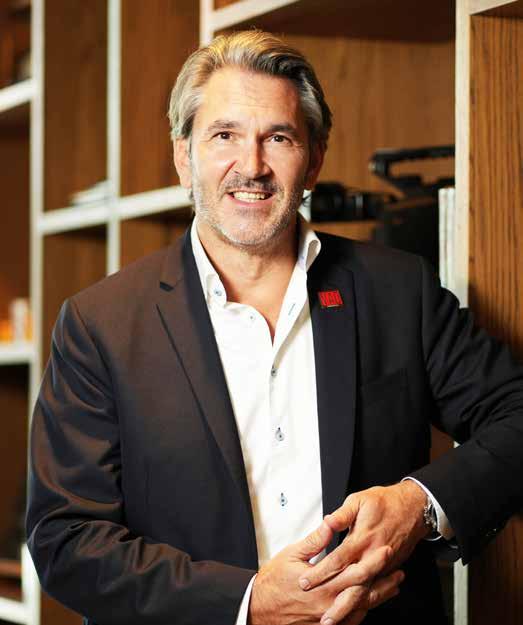
The future belongs to those who embrace both innovation and empathy”.
In cybersecurity, we’ve curated a robust portfolio of next-gen vendors addressing endpoint, data, and network protection. We support our partners through enablement, certification, and guidance to build their managed security practices. On the cloud front, we’re building digital marketplaces, offering pre-sales and technical support, and helping partners transition to recurring revenue models. Whether it’s through AI-powered CRM platforms or cloudmanaged IT offerings, we give our partners the tools to scale, adapt, and lead in this new digital era.
Talent retention and agility are top concerns for many businesses today. How does VAD Technologies ensure it remains an attractive and futureready organisation for both partners and employees?
At VAD Technologies, our people are our biggest asset. We’ve built a people-first culture rooted in empowerment, trust, and long-term commitment. Unlike transactional workplaces, we foster an environment where employees can grow with us. This culture extends to our partners as well many of whom have worked with us for many years and even this our very early beginnings.
We invest heavily in continuous learning, not only for our staff but for our channel ecosystem too, offering training, hands-on labs, and certification programs. On the agility front, we’ve embraced automation and digitisation to streamline operations and support flexible, remote work environments. Our AI-powered systems help staff work smarter, predict renewal cycles, and stay proactive. With a growing regional footprint and diverse hiring strategies, we are creating opportunities across the GCC and positioning VAD Technologies as a futureready organisation people want to work with and for.
What’s your vision for VAD Technologies for the next 2–3 years, especially in terms of expanding capabilities, new partnerships, or regional growth?
Looking ahead, our vision is to deepen our presence across the GCC, becoming the most trusted innovation partner for AI, hybrid cloud, and managed services. We will continue to roll out AI-powered solutions from strategic partners, and we plan to extend our presence into Oman, Kuwait, and Bahrain. Our goal is to empower local partners and customers by bringing VAD’s full capabilities
closer to them. We also see significant growth potential in expanding our as-a-service offerings and digital marketplace, enabling partners to build recurring revenue streams. Finally, we’ll continue to scout and onboard disruptive technology vendors in areas like quantum-safe security, analytics, and edge AI. Through our executive lounges at major events and a commitment to thought leadership, we’ll continue shaping the conversation on the future of IT distribution.
As a thought leader, what advice would you offer to up-and-coming leaders in the channel ecosystem looking to build resilient, innovation-driven businesses?
My advice to emerging leaders in the channel is simple: stay curious, stay human, and never stop learning. The future belongs to those who embrace both innovation and empathy. Use data and AI to make decisions, but remember that trust, relationships, and emotional intelligence are what truly drive growth. Focus on delivering outcomes, not just technology - customers want results. Build strong, empowered teams and give them the tools and autonomy to lead. Surround yourself with partners who share your vision and values, and don’t be afraid to challenge legacy models. Lastly, act with integrity. Technology is moving fast, but ethical leadership and responsible innovation will always stand the test of time.






LinkShadow sets the stage for the future of cybersecurity at GITEX 2025 with its CyberMeshX platform, promising unified intelligence for a rapidly evolving threat landscape.
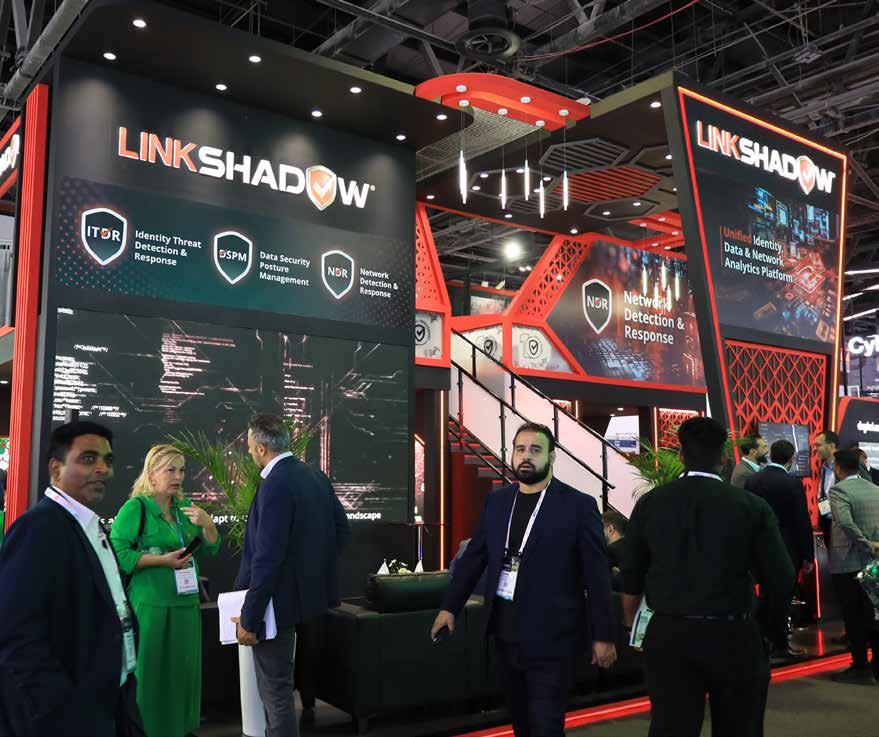
LinkShadow, a global leader in cutting-edge cybersecurity solutions, is redefining cybersecurity through its flagship platform CyberMeshX, a unified security ecosystem that integrates data, identity, and network protection. Headquartered in Athens, Georgia, founded in 2015, the company has grown into a recognised innovator in AI-powered cybersecurity, with a global footprint and strong presence in the Middle East.
Speaking to Sandhya D’Mello, Technology Editor, CPI Media Group, for the September issue of Security Advisor Middle East, Fadi Sharaf El-Dean, Chief Revenue Officer, LinkShadow, charted the brand’s plans to offer disruptive solutions to organisations to be proactive in detecting threats and build on its cyber resilience strategies.
Gitex — Global stage
The global brand is gearing up for the UAE’s popular five-day technology exhibition — Gitex Global which will set the global stage in October 2025. The tech fair has emerged as the definitive showcase of technology shaping the digital economy.
For cybersecurity professionals across the
Middle East, it is more than an exhibition — it is a barometer of future resilience. In 2025, the spotlight shines on LinkShadow, whose CyberMeshX platform is being positioned as a transformative force in the industry.
Enterprises struggle with increasingly sophisticated threats and fragmented defense systems. CyberMeshX offers a bold promise: a single, unified platform that empowers security teams with comprehensive visibility, contextual intelligence, and actionable insights.
Beyond SIEM and XDR: The new security mesh The cybersecurity industry has long relied on solutions such as Security Information and Event Management (SIEM) and Extended Detection and Response (XDR), each of which is valuable yet often operates in silos. The tools excel at monitoring specific layers — logs, endpoints, or network activity — but they leave gaps that adversaries are quick to exploit.
Fadi Sharaf said, “CyberMeshX isn’t just another SIEM or XDR bolted together. Traditional platforms focus on isolated layers — logs,
We continuously retrain to minimise bias, and most importantly, we reduce false positives through multi-signal correlation”.
endpoints, or network events. CyberMeshX fuses identity, data, and network visibility into one mesh, giving security teams a single investigation plane, where instead of piecing together random alerts, they see the entire attack storyline, end-to-end across cloud, endpoints, and identities.”
By reimagining detection and response through a Cybersecurity Mesh Architecture (CSMA), LinkShadow ensures that organisations are no longer piecing together incomplete pictures but instead view entire attack narratives with clarity.
Trust in AI: Explainability at the core
Artificial intelligence has become indispensable in
security operations, but it also introduces concerns around bias, opacity, and reliability in missioncritical environments. For LinkShadow, trust is nonnegotiable.
“We all know AI is becoming central, but in mission-critical environments, trust is everything. Every detection comes with the why: linked evidence, MITRE mapping, and context. We continuously retrain to minimise bias, and most importantly, we reduce false positives through multi-signal correlation — so analysts don’t waste time chasing ghosts,” said Fadi Sharaf.
This emphasis on explainable AI reflects a practical philosophy: technology must
Data sovereignty and compliance: The GCC imperative
In the GCC, regulatory compliance and data sovereignty are top boardroom priorities. With a patchwork of evolving regulations — from the UAE’s Personal Data Protection Law (PDPL) to Saudi Arabia’s National Cybersecurity Authority (NCA) frameworks — organisations need tools that guarantee compliance across cloud, SaaS, and on-premise environments.
“In our region, data sovereignty is crucial.
empower analysts, not overwhelm them. With confidence restored, security teams can focus on strategy rather than firefighting.
Identity: Today’s top breach vector
In today’s landscape, identity has emerged as the new perimeter. From service accounts to hybrid cloud users, digital identities have become prime targets for attackers. LinkShadow’s answer is Identity Threat Detection and Response (ITDR), a critical pillar within CyberMeshX.
“Identity is today’s top breach vector. With LinkShadow ITDR, we baseline every identity — users, service accounts, and privileges — across hybrid and multi-cloud. We can flag suspicious behavior, such as impossible travel, privilege escalation, or token misuse, in realtime. It strengthens the enterprise identity posture by ensuring that trust is continuously validated, not just assumed,” said Fadi.
This proactive approach to identity security marks a decisive shift from static validation to continuous verification, ensuring enterprises stay ahead of emerging threats.
LinkShadow DSPM automatically discovers and classifies sensitive data across SaaS, cloud, and on-prem. It enforces retention rules, highlights misplaced PII/PCI/PHI data, and builds a living data inventory. That gives CISOs confidence they are compliant with frameworks like PDPL, SAMA, NCA, and ADHICS v2 — not once a year, but continuously,” said El-Dean. This approach transforms compliance from a periodic exercise into a continuous state of readiness, offering CISOs reassurance in the face of tightening regional laws.
Deep Visibility with Intelligent NDR
The foundation of CyberMeshX includes LinkShadow’s Intelligent Network Detection and Response (NDR), a capability built to uncover threats in real time across complex network environments. What sets it apart is its adaptive intelligence — the ability to learn, profile, and respond as threats evolve.
NDR provides security teams with:
Complete visibility through custom dashboards, centralized threat visualization, and real-time measurement of security tool effectiveness.
• AI-driven threat hunting, where anomaly detection, automated incident response, and deep forensic analysis empower SOC analysts to neutralize risks before they escalate.
• Behavioural analytics that continuously profile assets, quantify risks, and flag anomalies for prioritised response.
By combining traffic and protocol analysis with





For more than 35 years, Gulf Business Machines (GBM) has been the region’s technology trusted partner. With 7 offices and over 1,500 professionals across the Gulf, GBM offers the region’s most comprehensive portfolio spanning digital infrastructure, hybrid cloud, cybersecurity, digital business solutions, and managed services.
automated response, LinkShadow’s NDR transforms raw network data into actionable insights. It reduces Mean Time to Detect and Respond (MTTDR), strengthens compliance reporting, and simplifies network mapping — ensuring no blind spot is left uncovered.
For enterprises, this translates into faster decisions, proactive containment, and greater resilience, enabling SOC teams to move from reactive firefighting to strategic defence.
Turning alert fatigue into intelligence
Ask any analyst about their greatest frustration, and the answer is consistent: alert fatigue. Hundreds of daily alerts, most
of them noise, stretch resources thin and create opportunities for real threats to slip through. CyberMeshX directly tackles this problem. “One of the biggest frustrations in SOCs is drowning in alerts.
CyberMeshX changes that. Instead of 50 disconnected alerts, analysts get a coherent narrative: ‘credential theft > lateral movement > data exfiltration’ in a single storyboard. It cuts the noise and transforms detection into clear, actionable intelligence,” explained El-Dean.
The platform reframes cybersecurity from managing alerts to interpreting stories — narratives that are richer, sharper, and more actionable.
Resilience with ROI: Doing more with less CISOs today are tasked with achieving resilience
while balancing shrinking budgets. CyberMeshX addresses this dual mandate by consolidating toolsets, lowering SIEM ingestion costs, and accelerating investigations.
“CISOs are under pressure to deliver more resilience with tighter budgets. CyberMeshX delivers measurable ROI by cutting SIEM ingestion costs, consolidating overlapping tools, and reducing investigation time from hours to minutes. Analysts are freed from noise to focus on real threats — that’s both cost savings and resilience in one move,” points out Fadi Sharaf.
Here, the conversation extends beyond defence to financial stewardship — ensuring cybersecurity is seen as both protector and enabler of business value.
LinkShadow recognises that most enterprises already operate with complex, layered security
stacks. Rip-and-replace strategies are impractical. CyberMeshX is designed API-first, integrating seamlessly with existing tools such as firewalls, CASBs, SIEM, and SOAR.
The migration philosophy is pragmatic: start with visibility — for example ITDR or DSPM — while keeping legacy tools operational. Gradually, CyberMeshX becomes the brain of the security operations, while existing systems remain the muscles. This reduces disruption while maximising outcomes.
Preparing for the future:
AI adversaries and tightening laws
Looking ahead, the regional threat landscape is expected to intensify, with AI-driven phishing, deepfake campaigns, and multi-stage attacks targeting critical sectors such as finance, healthcare, and energy.
At the same time, stricter data residency laws will demand even greater vigilance.
LinkShadow is aligning CyberMeshX precisely with these realities — uniting identity, data, and network signals to build full attack stories that help organisations anticipate, not just react.
Ultimately, the CyberMeshX vision is about reshaping the future of cyber defence. Instead of reacting to endless alerts, organisations are equipped with decisionintelligence layers that automate containment, strengthen posture, and deliver proactive resilience.
“We’re entering a new era. Defense is shifting from reactive alerts to proactive resilience. Adversaries are using AI to automate attacks — defenders must do the same to stay ahead. Platforms like CyberMeshX will be the
decision-intelligence layer of the SOC: explainable AI, unified visibility, and automated containment. That’s the foundation of the next generation of cyber defence,” said El-Dean. As GITEX 2025 unfolds, LinkShadow’s CyberMeshX is set to capture the imagination of cybersecurity leaders seeking answers to some of the industry’s toughest challenges. By unifying visibility, contextualising threats, and embedding intelligence at every layer, the platform promises to do more than just defend — it enables organisations to thrive in the age of AIdriven threats.
For CISOs, analysts, and security professionals in the Middle East, CyberMeshX is not just another product launch at GITEX. It is a blueprint for the future of cybersecurity — resilient, intelligent, and unified.
thamar was created by integrating international business norms and state-of-the-art technology to address inefficiencies in how investment firms manage investor services by replacing fragmented systems and manual processes with a single unified solution.

Saudi-based fintech provider, Sarmad, has officially launched “thamar”, an advanced solution for digitalising customer experience in asset management investment houses.
The all-in-one platform that digitises customer and employee activities, connects asset managers to distributors, and ensures compliance for smoother operations.
By doing so, it delivers a seamless investor
journey while expanding outreach and distribution capabilities. Aligned with the Financial Sector Development Program under Vision 2030, the solution supports the push toward greater investment literacy and helps accelerate the transition to a more inclusive and digital economy.
thamar was created by integrating international business norms and state-of-
the-art technology to address inefficiencies in how investment firms manage investor services by replacing fragmented systems and manual processes with a single unified solution. The platform is built specifically for local market needs and is fully aligned with local regulatory frameworks. It integrates seamlessly with government services for eKYC and is designed to reflect the unique
identity of each Capital Market Institution rather than offering a one-sizefits-all approach. thamar provides full investorfacing investment channels, along with an employee portal for internal activities. It also comes pre-integrated with omnibus bank accounts, payment gateways, and KYC compliance services, supported by a cloudnative and modular architecture that allows
thamar simplifies operations, strengthens compliance, and opens new growth opportunities by connecting asset managers with investors and distributors”.
firms to scale as their business grows.
Ali Alomran, CEO and Founder of Sarmad, said:
“KSA is becoming one of the world’s most dynamic investment hubs, and with thamar, we are proud to equip local capital market institutions with world-class technology tailored for local markets, directly supporting the transformation goals of Vision 2030. thamar is the first platform of its kind in the Middle East.
Built hand in hand with Saudi asset managers, thamar simplifies operations, strengthens compliance, and opens new growth opportunities by connecting asset managers with investors and distributors”.
Already in use by leading institutions, thamar has quickly demonstrated its
value as it provides a full suite of digital capabilities that enables frictionless investor services.
It acts as a central system of records for portfolios, transactions, client documents, and accounting, while giving organisations complete visibility across their operations.
thamar will continue to expand its integrations with distributors, roboadvisors, banks, and government services, while introducing new features, including Generative AI-powered tools. Looking ahead, Sarmad aims to extend thamar across the GCC creating a distribution layer that connects investment offerings with a broader base of investors and liquidity pools.

GITEX GLOBAL 2025 Oct 13 -17 | Dubai, United Arab Emirates
The conference provides an opportunity for enterprise, government, and private users to explore SamaX’suniqueStarlinksolutionsdesignedforterrestrialormaritimeneeds.

Sama X, an authorized Starlink global reseller, is participating for the first time at GITEX Global, the Middle East’s largest technology exhibition and innovation platform.
Under the slogan of “Effortless Connectivity, Limitless Business”, Sama X will showcase
how its transformative connectivity solutions empower businesses, professionals, governments, and communities, simplifying access to digital prosperity.
Backed by Alghanim Industries, Sama X was launched in early 2025
and is an official global channel for Starlink’s advanced low-Earth orbit (LEO) satellite-based services — the most sophisticated internet system ever deployed. Through its unique approach to providing the world’s most advanced satellite communication,
Sama X ensures a seamless and personal experience, including individual consultation, rapid installation, local support, and a 24/7 call center in both English and Arabic. Beyond concierge-like service, Sama X offers a suite of tools and capabilities
When
traditional networks fall short, Sama X delivers reliable connectivity that keeps you running”.
Sama X delivers the ideal connectivity to meet every customer’s need.
“When traditional networks fall short, Sama X delivers reliable connectivity that keeps you running,” says Amit Somani, CEO of Sama X. “Our debut at GITEX Global reflects our strong commitment to our customers across the region and across the globe. We look forward to showcasing not only our technical and operational capabilities, but also to providing a forum for potential customers and partners to interact with the Sama X team and learn first-hand about our unique offering and approach to serving the market.”
designed to maximize the customer experience and value, featuring its ‘MatriX’ customer portal, which puts network monitoring and management controls at the fingertips of each customer. From simple high-speed Internet access to fully integrated private network solutions,
Starlink services have already received regulatory approvals in Jordan, Oman, Qatar, Bahrain, Yemen, and Lebanon, while the UAE has authorized Starlink for maritime use. Accelerating the adoption of Starlink across the region is ushering in a new age of connectivity on land and at sea.
Sama X will be present at GITEX Global in Hall 21, Stand H21-24, providing hands-on demonstrations and consultations throughout the event.
Synergy Marine Group Strengthens Global Treasury Operations with Finesse’s Kyriba TMS Implementation.
Synergy Marine Group, a global leader in ship management and maritime solutions, continues to redefine digital transformation standards in the maritime sector through the strategic implementation of Kyriba’s Treasury Management System (TMS).
This enhancement, executed by
implementation partner Finesse, strengthens Synergy’s established digital infrastructure and reinforces its position as a technology forerunner in maritime operations.
The initiative modernized Synergy’s financial framework by seamlessly integrating the Kyriba TMS with existing Legacy System platforms, ensuring
business continuity while unlocking significant operational efficiencies.
Key measurable outcomes of the implementation include: Multi-Bank Connectivity: Streamlined international transaction processing across Synergy’s banking network Automated Vendor
Data Management:
Reduced manual maintenance of thirdparty and vendor master data
• Real-Time Payment
Visibility: Live payment status tracking for enhanced operational control
Global Bank Balance
Visibility: Real-time access to bank balances across all
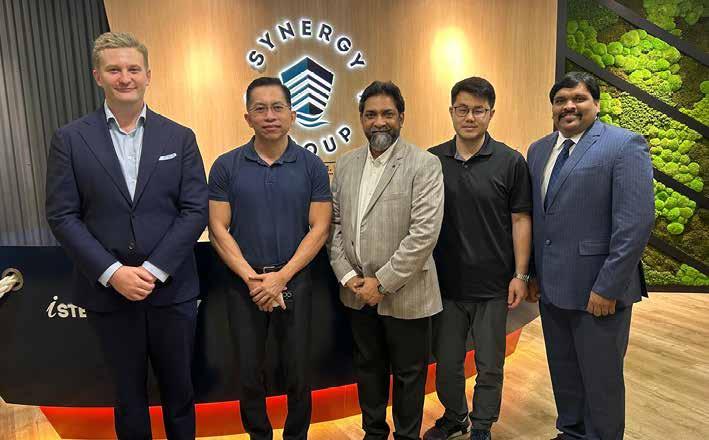
This strategic implementation reflects Synergy’s enduring commitment to digital innovation”.
international locations for informed treasury decisions
“This strategic implementation reflects Synergy’s enduring commitment to digital innovation,” said Mr Wee Keng Kwa, Chef Financial Officer, Synergy Marine Group. “By strengthening our treasury framework, we are realising new efficiencies that directly support operational excellence and sustainable global growth”.
“We are proud to have been the trusted implementation partner for this critical project. Our deep expertise in treasury transformation,
combined with Kyriba’s innovative platform, has enabled Synergy Marine to achieve enhanced transparency and efficiency across its global operations,” said Dhwani Sejpal VP – Treasury Transformations at Finesse.
This successful collaboration reinforces both Synergy Marine Group’s continued leadership in maritime innovation and Finesse’s position as a trusted partner for complex treasury transformations, positioning Synergy for sustained operational excellence across its global maritime operations.
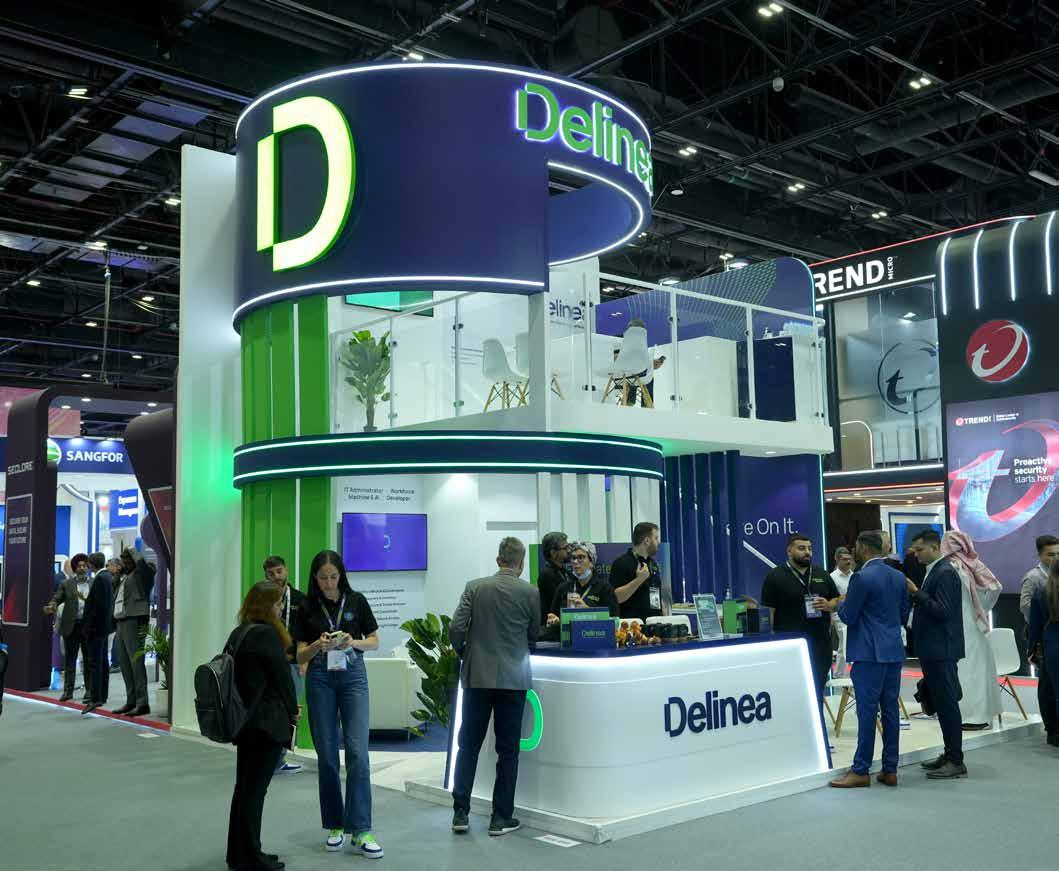
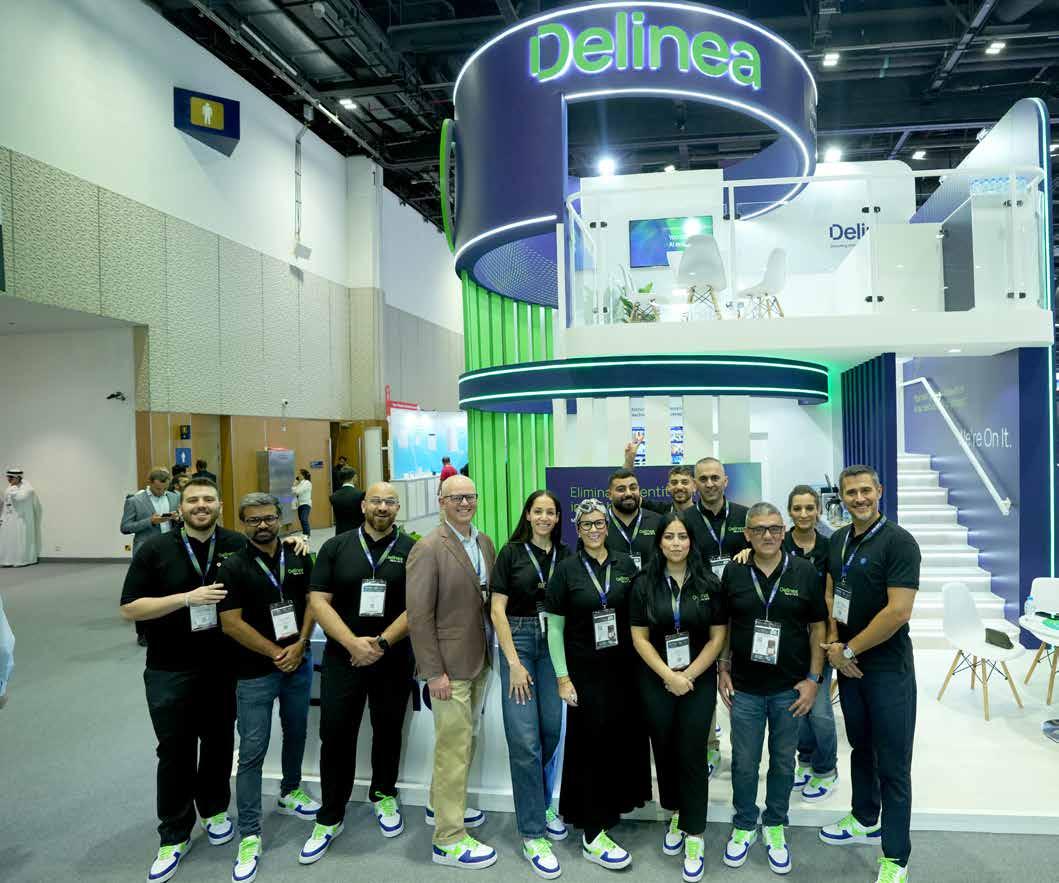

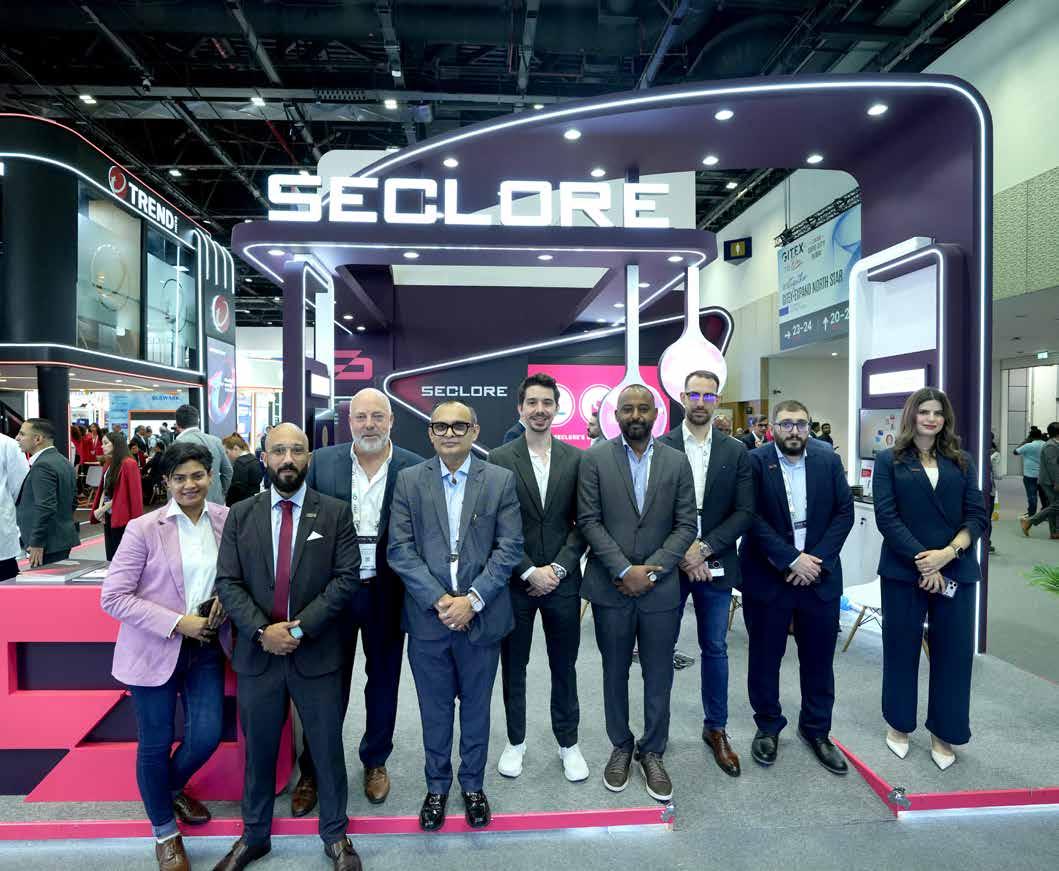
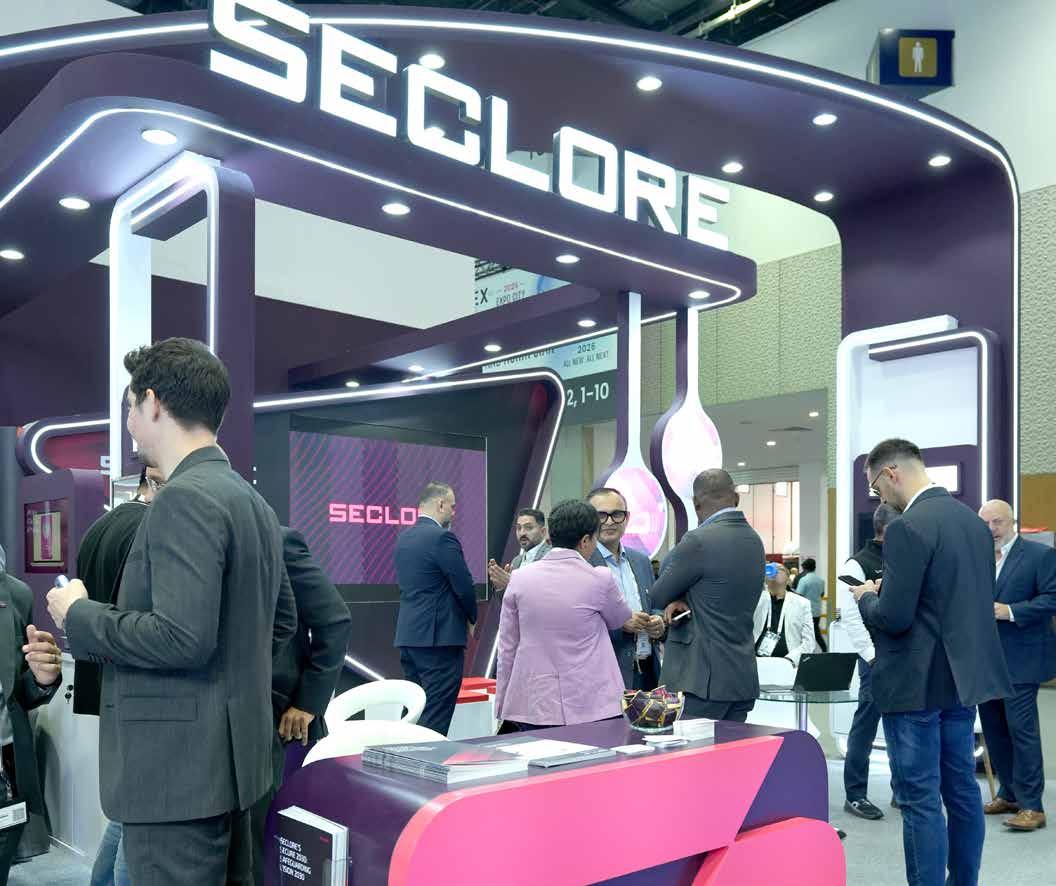

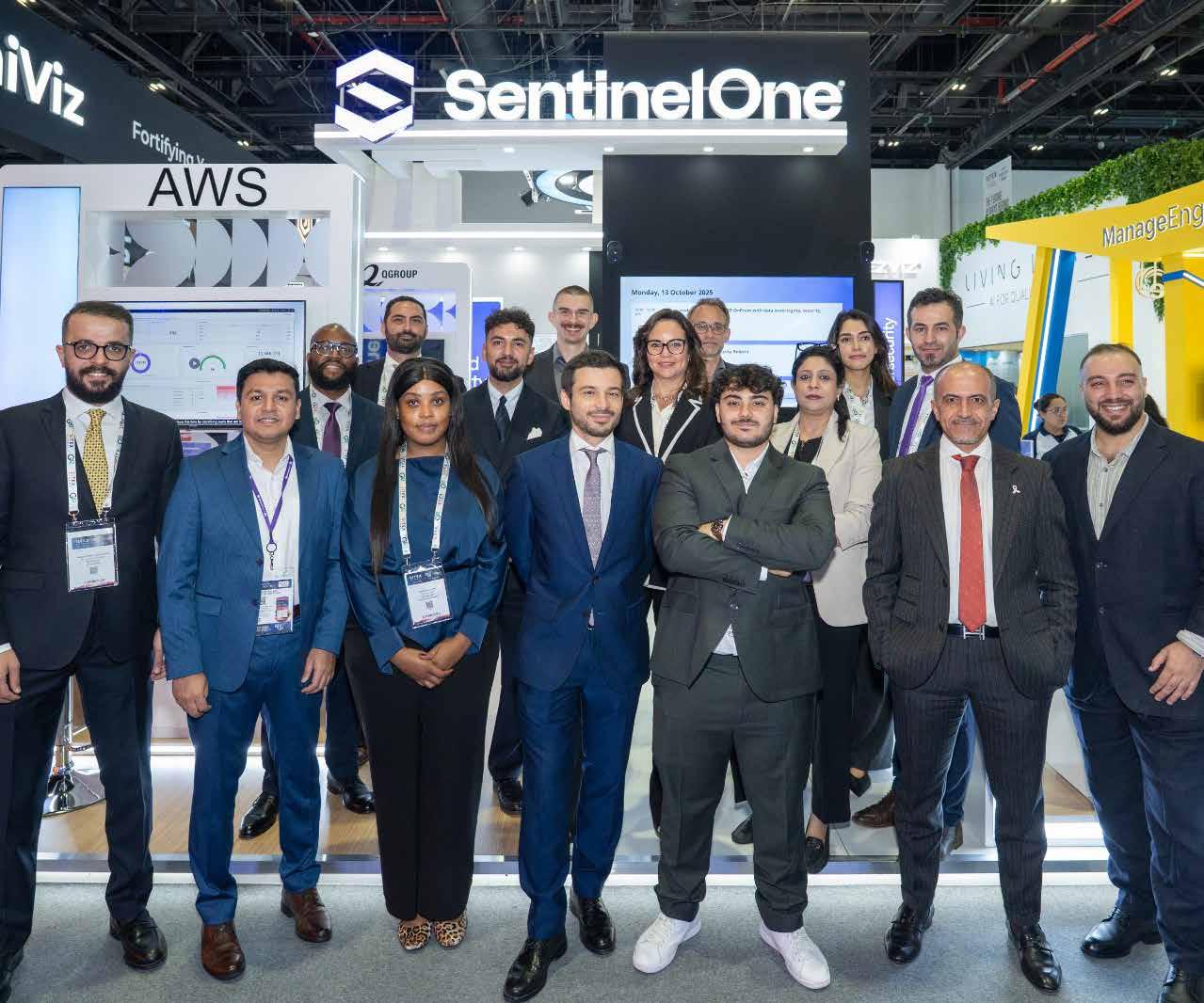
Vertiv™ OneCore: all-in-one, AI-enabled data center architecture, ready for high-performance workloads and rapid deployment.
Supports AI data centers and liquid cooling
Ideal for colocation and white space deployments
Delivers speed, scalability, and long-term flexibility
Tailored for 5+ MW turn-key data centers
Simplify complexity, deploy smarter Visit vertiv.com to learn more.