READY, SET,

Strategies for a Successful Product Launch with


Strategies for a Successful Product Launch with
Launching a new product is an exciting opportunity – one that requires careful planning, strategic execution, and strong collaboration. At Sysco, we believe that a great product is just the beginning. Success in the marketplace depends on how well a product is positioned, introduced, and supported throughout its launch journey.
Ready, Set, Launch! is designed to guide you through the product launch process with Sysco, offering practical strategies and best practices to help you bring your product to market successfully. Whether you’re launching a Sysco Brand product or introducing a new item into our distribution network, this resource will help you navigate the process with confidence.
This playbook focuses on what happens once your product is ready to go to market. It does not cover ideation (how to develop new products) or the logistical aspects of product development (such as QA, packaging, or regulatory approvals). Instead, it will help you execute a strong launch strategy, ensuring your product gains the visibility and support it needs from the start.
Throughout this playbook, we’ll explore key aspects of a successful launch, including:
• Strategic Planning: Understanding the elements that contribute to a strong product launch.
• Thorough Preparation: Completing each critical step with precision to ensure a smooth rollout.
• Collaboration: Engaging with key stakeholders to align on goals and execution.
More than just a guide, this playbook is a tool for fostering collaboration and innovation. It will equip you to launch successfully, engage effectively, and work alongside Sysco to drive meaningful results.

Launching a new product requires more than bringing a great item to market. It demands thoughtful planning, clear positioning, and ensuring the right people have the right information at the right time. While no two launches are identical, most follow a consistent progression that moves from strategic alignment to execution in the field. By engaging early with Sysco’s launch process, vendors can streamline their approach, strengthen positioning, and drive meaningful results from day one.
Effective launches are built on careful planning and preparation. Once a product has cleared the initial stages of development and is ready for market, the most effective launches follow a series of key phases:
❑ Final Approvals: Ensure packaging and product details are finalized.
❑ Launch Strategy Planning: Align stakeholders and define the go-to-market approach.
❑ Internal Preparation: Equip Sysco’s teams with the necessary tools and information.
❑ Sales Activation: Introduce the product and drive customer engagement.
❑ Ongoing Rollout: Maintain momentum through training and strategic follow-ups.

Early collaboration leads to stronger, more strategic launches. Engaging with Sysco at the right time helps vendors position their product for maximum impact from the start. 3

Each phase of the launch process builds on the one before it. The following timeline highlights key milestones and when they should happen for a smooth and effective rollout:
• As the product nears finalization for production, vendors can begin compiling product information (POS, training materials, marketing assets, etc.).
• Item Enrichment (product details for Sysco systems) should be initiated to allow time for revisions.
• The National Category Manager (NCM) will schedule the Launch Strategy Call. This is a critical planning meeting where Sysco and the vendor align on the launch approach.
• The first draft of the POS should be available for review at this stage.
• Item Enrichment should be well underway.
The Launch Strategy Call is one of the most critical moments in the launch process. This meeting, held at least one month before the Merch Launch, ensures that all stakeholders are aligned on key elements of the product rollout.
The key stakeholders involved in the product launch will:
• Review operational readiness and expected timelines.
• Align on stock shipments and product availability.
• Identify product education and training needs.
• Align on broker engagement and finalize Sales strategies.
• Finalize a detailed launch schedule, establishing clear roles and responsibilities.
For vendors, early preparation is crucial. Completing key deliverables before this meeting, such as Item Enrichment and POS materials, ensures that the launch strategy is well-informed and actionable.
• Sysco will coordinate an internal Merch Launch where regional Merchandising teams are introduced to the product and launch plan. This internal kickoff ensures our teams have the knowledge and materials needed to support the launch before the product reaches sites.
• By this stage, POS, Item Enrichment, and any supplemental training materials should be finalized, allowing the focus to shift to execution and driving customer interest.
• Sysco’s regional Merchandising teams will kick off the product launch to their Sales teams. They will introduce the product and provide key selling points to pique interest and gauge early reception.
• While Sysco leads the initial introduction to Sales, the product rollout continues through ongoing training sessions, promotional activities, and Sales team engagement.

• Connect with key stakeholders (e.g., Regional Category Managers (RCMs) / Regional Centre of Plate Managers (RCOPs); District Sales Managers (DSMs); Business Specialist Directors) to discuss potential training opportunities.
• Sysco will track early adoption and provide updates, allowing strategies to be adjusted as needed to maintain momentum.
A successful product launch is never a solo effort. The NCM is your key point of contact throughout this process, guiding you through each phase and connecting you with the right teams at the right time. Always start with the NCM – they will help ensure a smooth and well-coordinated launch. Refer to the contact list at the end of this resource for key points of contact.

For every new product launch, developing effective point-of-sale (POS) materials is a crucial step in ensuring success. POS materials serve as a key sales tool, equipping Sales Consultants (SCs) with the resources they need to introduce and promote new products effectively. These materials provide engaging visuals, highlight key product benefits, and include essential ordering details, making them invaluable for SCs looking to connect with customers.
POS materials play a vital role in the sales process by giving SCs the tools they need to drive customer engagement and advance opportunities. As a form of sales collateral, POS materials provide:
• Essential information for decision-making: Customers are often overwhelmed with options. POS materials help simplify the buying process by presenting key product details in a clear, concise format. Providing relevant, timely information builds trust and confidence in the product.1
• Support for lead generation: POS materials help generate interest by addressing customer pain points and offering solutions. Well-crafted materials serve as an excellent tool for initiating conversations and identifying potential leads.1
• Opportunities for re-engagement: Sales Consultants can use POS materials as a reason to follow up with potential customers, providing additional value at each stage of the sales process.1
To maximize impact, POS materials should be available in both print and digital formats:
• Printed POS materials are particularly effective at trade shows, food shows, and in-person customer meetings. A tangible handout reinforces brand awareness and helps potential customers recall key product details.1
• Digital POS can be easily shared via email, allowing SCs to quickly introduce products to customers. These materials provide a convenient way to showcase product benefits and encourage follow-up conversations.2
By creating engaging, well-structured POS materials, SCs have a powerful tool to introduce, promote, and sell new products effectively.
An effective POS document should be visually appealing, easy to understand, and aligned with the branding used across all launch materials. The design should be clean, engaging, and optimized for both print and digital formats. POS materials should always be created in both English and French to ensure accessibility.
❑ Product Name
A simple, memorable name used when talking about the product. This should be easy to recall and reference in conversations with customers.
❑ Brief Description or Tagline
A short, compelling introduction that highlights what makes the product unique and why it stands out.
❑ Features and Benefits
• Features describe the inherent qualities or specifications of a product – what it is or has.
• Benefits explain how these features provide value or solve a customer problem, focusing on customer impact and outcomes.
❑ Preparation Instructions (if applicable)
A high-level overview of preparation methods (e.g., bake; fry) and key timing details to help foodservice operators determine how the product fits into their workflow.
❑ Product Photos
• The primary image should be a lifestyle photo of the product in use. This is a high-quality image that shows the product in a real-world setting, helping customers visualize how it fits into their operation.
• An optional secondary image can be a close-up of the actual product (not case packaging). This can be helpful when the product has strong visual appeal or simply to give operators a clear sense of what they’ll receive once it’s out of the case.
❑ Ordering Information
Essential details for placing an order.
• Sysco SUPC
• Brand
• Pack size
• Piece count (if applicable)
• Product description (as listed in GS1/Sysco Supplier Suite)
❑ Sysco Brand Statement, QA Statement, and Copyright Information
Required for all Sysco Brand POS. This will be provided at time of POS creation.
For non-Sysco brand products, we can provide feedback on early drafts and offer suggestions to ensure the final POS is as impactful as possible. For Sysco brand products, we collaborate directly to co-create POS materials that uphold Sysco brand standards while ensuring maximum impact in the marketplace. Refer to the contact list at the end of this resource for key points of contact.
Ensuring a product is fully enriched before launch is critical to its success. Item Enrichment provides Sales Consultants and customers with the key details they need to make confident choices. A well-enriched product is easier for SCs to sell and for customers to evaluate when making purchasing decisions. Without complete and accurate enrichment, products may be overlooked, misunderstood, or underrepresented in the marketplace.
A fully enriched item provides a comprehensive and compelling product profile, equipping SCs with the information they need to confidently promote a product while ensuring customers can access key details when browsing in Sysco Shop. Item Enrichment works in tandem with POS materials: if POS is the attentiongrabbing ad, then Item Enrichment is the in-depth product overview that helps customers make an informed purchase.
To achieve 100% Item Enrichment, vendors must enter data into three key databases:
• GS1
• Sysco Supplier Suite: Item Enrichment
• Sysco Supplier Suite: One Sysco Data (OSD)
It’s important to note that being fully enriched in GS1 alone only equates to approximately 40% enrichment in Sysco Supplier Suite. That means if enrichment is only completed in GS1, SCs and customers aren’t getting the full picture. Completing enrichment in Sysco Supplier Suite: Item Enrichment and OSD is essential to ensuring product information is complete, accurate, and ready for launch.
The Canada Item Enrichment team is here to help vendors optimize their product enrichment efforts and ensure new products are primed for success. Whether you need training on Item Enrichment processes, a review of enrichment completion rates, or guidance on best practices for impactful, customer-facing content, we’re here to support you. By working together, we can ensure that every product is enriched in a way that maximizes its potential in the marketplace. Refer to the contact list at the end of this resource for key points of contact.
Enriching your items includes a variety of elements that work together to create a compelling and informative product profile. Each of these components plays an essential role in helping SCs and customers understand the product, how to use it, and why it’s worth purchasing.
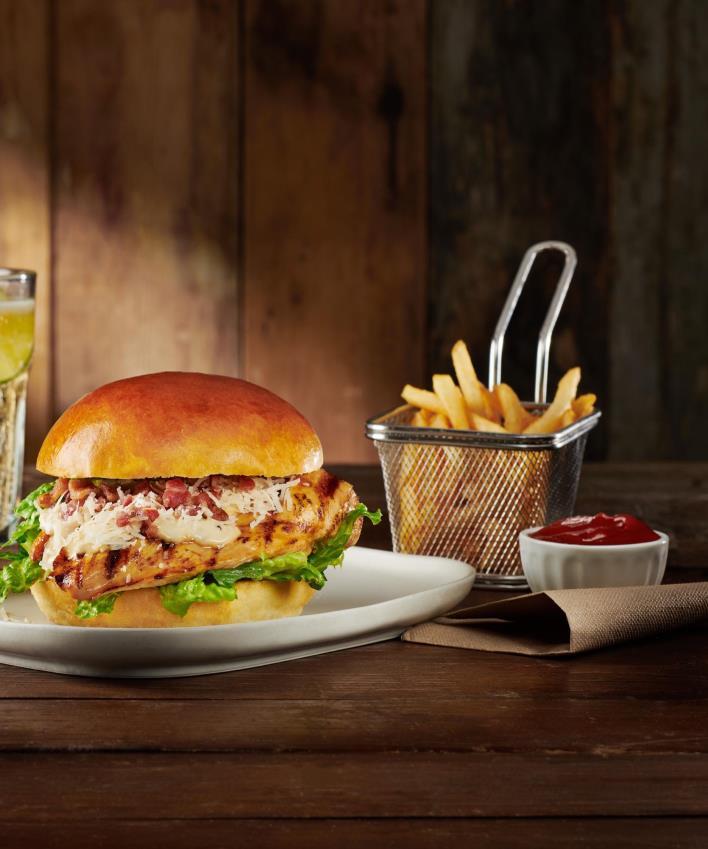
Product photos and videos play a crucial role in driving customer interest. Research shows that 75% of online shoppers rely on product photos to make purchasing quality product images result in a 94% higher conversion rate Additionally, product pages that include photos receive 95% more organic traffic than those without.1 Investing in high-quality visuals ensures that products are showcased effectively, making them more appealing to
This is the “hero” image – the primary visual that draws customers in. It should showcase the final product in a cooked, plated, or otherwise visually appealing way. A strong lifestyle image helps potential customers imagine how they would use the product in their operation.

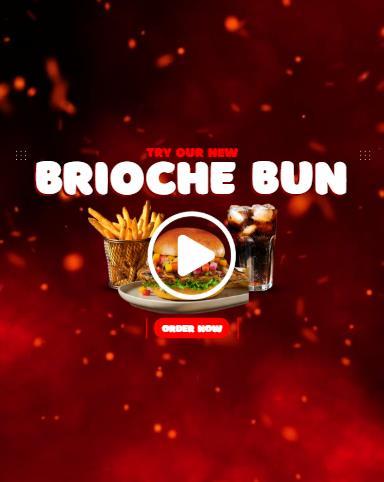
These provide a clear, realistic view of the product in its packaging, raw state, or without enhancements. While there is no limit to the number of product images, they should be highquality and informative.
Short, 1 to 3-minute videos can be extremely effective in demonstrating product applications. Videos that highlight how to prepare, serve, or use the product in a practical setting can increase engagement and drive sales.
The Features and Benefits (FABs) section provides essential product details that help SCs and customers make informed decisions. There are 11 FAB fields that contribute to a complete and useful product profile:
Product Descriptor
Yield or Serving Size
Storage and Usage
Marketing Statements
Packaging Information Size and Shape of Product
Quality and Format Preparation and Cooking Instructions
Handling Instructions
Culinary Applications 11
Additional Product Information
While all FAB fields are important, paying special attention to a few key areas can enhance product positioning:
❑ Product Descriptor
The first thing a customer or SC reads, this should be concise, engaging, and persuasive. Think of it as an introduction, highlighting what makes the product unique without being overly technical.
❑ Marketing Statement & Culinary Applications
These fields should align with POS materials to create a consistent message.
❑ Marketing Statements: This section should clearly communicate what makes the product stand out and why customers should choose it. Use engaging, benefit-driven language that highlights key features while demonstrating their value. Rather than simply listing attributes, craft statements that connect with the customer’s needs and show how the product enhances their operation.
❑ Culinary Applications: Provide enticing examples of how the product can be used across different foodservice settings. The more relevant and creative the examples, the more value they provide.
Customers and SCs rely on additional documentation to ensure they are selecting the right products. Providing comprehensive, clearly labelled files makes it easier to find essential information. These may include:
❑Product Certifications
Upload valid certifications such as Kosher, Halal, Gluten-Free, MSC Certified, etc. These should be valid beyond the upload date.
❑Specification Sheets
These provide detailed technical information about the product, including dimensions, materials, and composition. This is particularly useful for equipment, packaging, and ingredient-sensitive customers.
❑MSDS Sheets
These must be product-specific and correctly formatted.
❑Additional Resources
Uploading POS materials as additional resources can be extremely beneficial. This allows both SCs and customers to quickly reference a visually engaging overview while accessing the detailed information on the product’s Item Enrichment page. Future enhancements will allow POS materials to appear directly in Sysco Shop, further aiding customers in their purchasing decisions.
All Item Enrichment content must be provided in both English and French. This includes uploaded documents, which can either be bilingual or provided as separate English and French versions. When uploading files, use clear and structured naming conventions to ensure easy navigation for SCs and customers.
Training is a game-changer when it comes to the success of a new product launch. When our Sales teams have the knowledge, confidence, and enthusiasm to sell a product, they’re far more likely to introduce it to customers (and close sales). A well-executed training session ensures that Sales Consultants fully understand the product, how to position it in the market, and why it’s a great option for their customers. By investing in training, you’re not just providing information; you’re building excitement, creating buy-in, and empowering SCs to champion the product. The stronger their understanding, the more effectively they can sell, ultimately driving adoption and maximizing sales potential.
Every training session should aim to answer three key questions:
SCs need a deep understanding of the product’s key features, benefits, and unique selling points.
• How to answer: Cover product specifications, taste and texture, format, preparation methods, storage requirements, and what makes the product unique or innovative.
• Why it matters: If SCs can’t confidently describe the product, they can’t effectively sell it. Clarity builds confidence, and confidence leads to stronger outcomes.
SCs must know how to position the product in conversations with customers.
• How to answer: Provide features and benefits, key talking points, sales strategies, and ideal customer profiles. Discuss potential objections and how to overcome them.
• Why it matters: Understanding how to tailor the message to different customer segments – and how to address their challenges – ensures it reaches the right audience and drives sales.
SCs need to know how the product compares to national brands and competitors.
• How to answer: Highlight key differentiators such as cost savings, quality improvements, exclusivity, or unique applications. Conduct side-by-side comparisons where possible.
• Why it matters: Effectively positioning the product against competitors builds confidence, supports conversions, and drives long-term loyalty.
Every training session is an opportunity to create product champions within our Sales teams. The more engaged and informed SCs are, the more effectively they can introduce new products to customers and drive results. By leveraging these training opportunities to their fullest, you can ensure your products get the attention – and success – they deserve.
There are three key opportunities for vendors to present new products to Sales teams. Each format provides a unique way to educate and engage SCs.
A hands-on, in-person experience designed to showcase the product through tasting, demonstrations, and direct engagement.
❑ Live product tastings to allow SCs to experience flavour, texture, and quality firsthand.
❑ Cuttings comparing the product to national brands to highlight key differentiators.
❑ Interactive discussions and Q&A to build enthusiasm and confidence in selling the product.
❑ Encourage SCs to participate rather than just observe. Ask questions, prompt comparisons, and guide the discussion.
❑ Showcase the product in multiple formats (raw, cooked, or in a finished dish) to highlight versatility.
❑ For non-food items, allow SCs to test durability, functionality, or other key features.
❑ Create an engaging atmosphere. Build excitement so SCs leave eager to sell the product.
✓ Firsthand experience of the product’s taste, quality, and benefits.
✓ Understanding of how the product compares to competitors.
✓ Confidence in introducing the product to their customers.
A regionally hosted, interactive online training session that allows vendors to connect with SCs across multiple districts.
Consider including:
❑ Live cooking or product demonstrations to showcase product versatility.
❑ Market research and customer insights to position the product effectively.
❑ Competitor comparisons and key selling strategies.
❑ If possible, present from a kitchen or a hands-on environment to keep the session dynamic.
❑ Use polls, trivia, and Q&A to maintain engagement and ensure SCs retain key information.
❑ Co-present with a secondary facilitator who can monitor the chat to answer questions and drive engagement.
❑ Provide practical takeaways: selling scripts, positioning strategies, and customer insights.
✓ Understanding of the product’s applications and benefits.
✓ Knowledge of how to position the product against competitors.
✓ Confidence to introduce the product to customers, even without firsthand experience.
A targeted session, either in person or virtual, tailored to a specific district’s sales strategies and customer base.
❑ A deep dive into product positioning based on the district’s unique customer mix.
❑ Conversion strategies and success stories to inspire SCs.
❑ Samples (for in-person meetings) or visual tools (for virtual meetings) to reinforce key points.
❑ Research the district’s current customer base and sales trends to make the session highly relevant.
❑ Identify untapped opportunities. Who are they not selling to that should be considered?
❑ Focus on engagement over presentation. Spark discussions, ask SCs for their insights, and generate potential leads.
✓ Clear understanding of how this product fits into their district’s sales strategy.
✓ Tactics for positioning the product to customers.
✓ A list of potential sales opportunities to pursue.
Connecting with RCMs and RCOPs provides valuable regional insights that can help you tailor your training to specific audiences. They can also help ensure that your training is delivered consistently, to the right people, and at the right time throughout the first several months of a product launch. By working closely with these regional experts, you can maximize visibility and ensure your training plans are implemented successfully across all regions. Refer to the contact list at the end of this resource for key points of contact.
To deliver a high-impact training session, it’s essential to create a purpose-built, interactive presentation tailored to each setting. The most effective sessions are not one-size-fits-all. When planning your training approach, focus on what will have the greatest impact for your audience. Align with your Sysco contact on the session goals, audience, and timing, and ask questions to ensure your plan is targeted, relevant, and effective.
Whether you’re presenting in-person or virtually, consider these best practices to boost engagement and knowledge retention:
• Focus on engagement and practical information. Capture attention with interactive elements like live demonstrations, cuttings, and tasting opportunities.
• If using a slide deck, keep it minimal. Use simple, high-impact visuals that support your spoken message. Avoid clutter and only display key points to guide discussion.
• Provide a meaningful takeaway either during or following the presentation. Consider distributing interactive handouts, POS and product guides, or take-home samples to reinforce the message and keep your product top of mind.
• Leverage interactive virtual tools. Use audience engagement features like polls, Q&A, trivia, and live demonstrations from a kitchen or lab setting to maintain interest.
• If using a slide deck, structure it for clarity. Keep slides visually appealing with minimal text and high-impact visuals.
• Supplement with concise handouts. Instead of overloading slides, provide a one-page summary or digital resources that attendees can refer to after the session.
The best training sessions don’t just inform – they inspire. While our standard training opportunities are proven ways to engage with SCs, we encourage vendors to think outside the box and explore new, creative approaches. Whether it’s an immersive hands-on experience, gamified learning, or a unique digital campaign, the goal is to make training memorable, impactful, and engaging. Sysco is always open to fresh ideas, and we’re here to collaborate on innovative ways to bring your product to life for our Sales teams. If you have a concept that could make training even more effective, let’s explore it together!
We can provide feedback on your training materials, programs, and ideas to ensure they are fresh, impactful, and aligned with the objectives of effective sales training. Additionally, we can collaborate on supplemental training resources – such as sales training tools, eLearning courses, and other complementary materials – to further promote the product and upskill Sales teams. Working together, we can create training that is both engaging and results-driven. Refer to the contact list at the end of this resource for key points of contact.
Your product is fully enriched, POS materials have been created, training content is complete, and inventory is available across all sites. What’s next?
Partnership Activation supports vendors after launch by providing the insights, guidance, and accountability needed to sustain momentum and turn commitments into measurable results. Through regular check-ins, strategic guidance, and collaboration with both vendors and brokers, Partnership Activation helps move your strategy from planning to execution.
What happens after my product has launched internally to the Sales team?
Once a product is launched, maintaining momentum is critical. Engaging with Partnership Activation connects vendors with a dedicated point of contact for strategic guidance and support. These conversations help you stay on track with your launch commitments, bring your product to life in the field, and strengthen your approach through targeted feedback.
How does Partnership Activation help keep my launch on track?
Partnership Activation holds you accountable for training and engagement plans while offering feedback to refine your approach. Regular check-ins create opportunities to review early results and determine if adjustments are needed to maintain traction and drive sales. By consulting with Partnership Activation, you’ll maximize opportunities to build awareness, maintain traction, and drive results.
What role do I play in keeping momentum going?
The most successful vendors treat product launches as ongoing opportunities, not one-time events. Partnership Activation encourages this mindset by prompting vendors to take initiative: reach out early, follow up consistently, and stay actively involved. If a standard training slot isn’t available, work with regional teams to schedule alternative sessions that keep your product top of mind.
Prioritizing early outreach allows you to build strong connections and secure valuable presentation time. Be sure to engage with RCMs and RCOPs early to collaborate on a training plan and align on the best approach by region. When contacting DSMs, remember to loop in RCMs or RCOPs so they can stay informed or participate as needed. The goal is to create a plan for timely, ongoing engagement that keeps your product relevant and top of mind while excitement is high.
Partnership Activation provides continued support by reviewing sales data, highlighting areas of traction, and flagging where more focus may be needed. These insights not only help you refine your approach but can also generate valuable lead opportunities for your Sales teams. By combining performance reviews with actionable guidance, Partnership Activation ensures your efforts stay targeted and effective long after launch.
In addition to working directly with vendors, Partnership Activation regularly connects with broker networks to reinforce launch priorities, share feedback, and ensure consistent messaging. These touchpoints increase visibility into how your product is being represented in the field and keep your entire team aligned. By capitalizing on regular contact with Partnership Activation, your team can stay accountable to the launch strategy, act quickly on insights, and ensure brokers remain engaged, responsive, and aligned on next steps.
Consistency matters. Vendors who maintain regular contact with Partnership Activation and act on the guidance provided tend to see stronger long-term performance. Working together, we can stay accountable to the launch strategy and drive sustained success. Refer to the contact list at the end of this resource for key points of contact.
Successful product launches don’t happen in isolation. They’re the result of strong partnerships, shared goals, and clear communication. At Sysco, we’re committed to working side by side with our vendors to ensure every product is positioned for success. Whether you're seeking strategic advice, training support, or post-launch insights, our team is here to help every step of the way.
The key contacts listed below can support you throughout the launch process. We encourage you to reach out early, stay connected, and take advantage of the resources and expertise available to you.
Bryce Chandler Beef & Seafood Chandler.Bryce@Corp.sysco.ca
Dustin Hilbig Pork & Poultry Hilbig.Dustin@corp.sysco.ca
Melissa Stein
Sysco Brand Co-Ordinator Stein.Melissa@corp.sysco.ca
Ricardo Hamm
Non-Foods Hamm.Ricardo@corp.sysco.ca
Dawn Marsh
Dry Goods Marsh.Dawn@corp.sysco.ca
Ami Aujalay
Digital Content Product Manager Aujalay.Ami@corp.sysco.ca
Connor McNeill McNeill.Connor@hfx.sysco.ca
Dan Evans
Director, Partnership Activation Evans.Dan@Hfx.sysco.ca
Holly Phillips Phillips.Holly@hfx.sysco.ca
Karina Harper
Bakery, Beverages, & Dairy Harper.Karina@corp.sysco.ca
Cecil Palanna
Frozen & Commodity Palanna.Cecil@corp.sysco.ca
POS + Training Support
Jen Nugent
Product Education & Training Specialist
Nugent.Jen@corp.sysco.ca
Che Way
Regional VP, Merchandising Way.Che@vic.sysco.com
& Baking
Dairy & Frozen (Tortillas, Fries, Desserts)
Frozen & Chemical & Plant-Based Carol Stacey
Dry Grocery
Lamb, Value Added, & Seafood Tyson
Paper and Disposables & S&E
Kimberly Hebb
Poultry Stephanie Gunson
Beef & Pork Chris Pearce
Produce Peter McCoy
Sales
Kayla Grabia
Director, Sales Strategy & Operations
Kayla.Grabia@sysco.com
Karin.Lorz@sysco.com
Stacey.Carol@kelowna.sysco.ca
Heidi.Sas@sysco.com
Bailey.Tyson@vic.sysco.com
Kimberly.Hebb@sysco.com
Stephanie.Gunson@sysco.com
Chris.Pearce@sysco.com
Mccoy.peter@vic.sysco.com
Bronwyn Williams Director, Business Specialist Bronwyn.Williams@sysco.com
Kelowna Kamloops, Prince George Jeff Hall
Hall.Jeff@kelowna.sysco.ca
Kelowna Kelowna Mats Lundgren Lundgren.Mats@kelowna.sysco.ca
Vancouver Langley, Surrey, Abbotsford Dustin Collins Collins.Dustin@van.sysco.ca
Vancouver Whistler, Bowen Island, Pemberton, Vancouver Richard Fraser Richard.Fraser@sysco.com
Vancouver Chilliwack, Abbostford, Langley Steve Gropp Gropp.Steve@van.sysco.ca
Vancouver Vancouver
Vancouver Vancouver
Reid Malley Reid.Malley@sysco.com
Dean Akhurst Akhurst.dean@van.sysco.ca
Vancouver Coquitlam, New West, Vancouver Erin Wighton Erin.Wighton@sysco.com
Victoria Nanaimo
Missy Grant
Grant.Missy@vic.sysco.com
Victoria Victoria Giuseppe Martino Martino.Giuseppe@vic.sysco.com
Victoria Sydney
Victoria North Island
Jason Moldowan Moldowan.Jason@vic.sysco.com
Mark Turner
Turner.Mark@vic.sysco.com
Merchandising
Tracy Andrews
Regional VP, Merchandising Andrews.tracy@cgy.sysco.ca
Category
Beverages, Chemical, E&S, Healthcare
Canned & Dry
Commodity Beef
Dairy
Disposables
Frozen
Poultry
Seafood, Veal, Game, Bison, Lamb
Produce
Sales
Matt Belchior Director, Sales Operations & Performance Walker.Adam@corp.sysco.ca
Calgary Calgary Downtown
Calgary Bow Valley
Michael Ruddy
Amith Chugh
Shannon Lussier
Tim Leont
Jennifer Skoleski Merchandising Director Skoleski.Jennifer@wpg.sysco.ca
Ruddy.Michael@cgy.sysco.ca
Chugh.Amith@edm.sysco.ca lussier.shannon@reg.sysco.ca
Leont.Timothy@reg.sysco.ca
Glen Brown Brown.Glen@cgy.sysco.ca
Trevor Goertzen
Joe Scavarelli
Jenn Falcon
Judy Jansen
Goertzen.Trevor@edm.sysco.ca Scavarelli.Joe@wpg.sysco.ca
Falcon.Jenn@edm.sysco.ca Jansen.Judy@wpg.sysco.ca
Andreas Wiel Wiel.Andreas@edm.sysco.ca
Rob Breugom Breugom.Rob@cgy.sysco.ca
Christie Morin (AB)
Jacqueline Surdu (MBSK) morin.christie@edm.sysco.ca surdu.jacqueline@reg.sysco.ca
Meghan Monk Director, Business Specialist Monk.Meghan@cgy.sysco.ca
Eric Ornelas Ornelas.eric@cgy.sysco.ca
Joshua Dorn Dorn.Joshua@Cgy.sysco.ca
Calgary South Calgary Joe Redekopp Redekopp.Joe@cgy.sysco.ca
Calgary Calgary North
Calgary Southern Alberta Kootenay District
Calgary Central Alberta
Edmonton Edmonton and Area/Yukon/Northwest Territories
Christopher Sprentz Sprentz.Christopher@cgy.sysco.ca
Calvin Willet Willett.Calvin@cgy.sysco.ca
Jim Zabaneh Zabaneh.Jim@cgy.sysco.ca
Samantha Cote Cote.Samantha@edm.sysco.ca
Edmonton Northeastern Corridor of Alberta Irene Forsyth Forsyth.Irene@edm.sysco.ca
Edmonton Downtown, North, Hinton & Jasper
David Kravitz Kravitz.David@edm.sysco.ca
Edmonton West, Spruce Grove, Stony Plain, St. Albert James Seetoo Seetoo.James@Edm.sysco.ca
Edmonton Global Cuisine
Edmonton Edmonton South, GP and Peace River
Eric Sia Sia.Eric@edm.sysco.ca
Jon Spanton Spanton.Jon@edm.sysco.ca
Regina Regina Amy Cudmore Cudmore.Amy@reg.sysco.ca
Regina Saskatoon
Winnipeg Northwestern Ontario
Winnipeg Winnipeg
Winnipeg Winnipeg
Winnipeg West/North Manitoba
John Camilleri Camilleri.John@reg.sysco.ca
Jamie Harris Harris.Jamie@tby.sysco.ca
Taran Harvey Harvey.Taran@wpg.sysco.ca
James Parkinson Parkinson.James@wpg.sysco.ca
Mark Plett Plett.Mark@wpg.sysco.ca
Merchandising
Angeline Best
Regional VP, Merchandising Best.Angeline@ont.sysco.com
Category RCM/RCOP
Vanessa Trenholm Merchandising Director Trenholm.Vanessa@tor.sysco.ca
Beef / Pork / Game Yvonne van der Male vandermale.yvonne@tor.sysco.ca
Regional Produce Fadi Rania Fadi.Rania@sysco.com
Beverages / Dairy
Dry Grocery
Krista McIlwain (Central / Ottawa) Liam Higgins (Toronto / Southwest)
LeslieScott (Central / Ottawa) Grace Ge (Toronto / Southwest)
Frozen Grocery / Healthcare Mark Boyd (Central / Ottawa) Miken Rambhia(Toronto / Southwest)
Mcilwain.Krista@ont.sysco.com Higgins.Liam@swont.sysco.ca
Leslie.Scott@sysco.com Ge.Grace@tor.sysco.ca
Mark.Boyd@sysco.com Rambhia.Miken@tor.sysco.ca
Italian Segment Enrico Marinelli (All Sites) Marinelli.Enrico@tor.sysco.ca
Paper& Disposables / Chemical OmarAl-Salman (Central / Ottawa) Kory Hunt (Toronto / Southwest)
Poultry / Seafood
Sales
Valerie Sy-Quia
Heather Hayes (Central / Ottawa) Jim Daly (Toronto / Southwest)
Director, Sales Strategy & Operations Sy-Quia.Valerie@Tor.sysco.ca
Omar.Al-Salman@sysco.com Hunt.Kory@swont.sysco.ca
Hayes.Heather@ont.sysco.com daly.jim@swont.sysco.ca
Central Kingston & 401 Ahmad Addurobi Addurobi.Ahmad@ont.sysco.com
Central Peterborough/Durham Krystal Curtin Curtin.Krystal@ont.sysco.com
Central Northeast Brennan Doyle Brennan.Doyle@sysco.com
Central Northwest Julianne Kozera Kozera.Julianne@ont.sysco.com
Central Kawartha Muskoka Jon Quinlan Quinlan.Jon@ont.sysco.com
Central York/Simcoe Niko Bozic Bozic.Niko@tor.sysco.ca
Ottawa National Capital South George Wilkes Wilkes.George@ont.sysco.com
Ottawa National Capital Central Wadih Kaissar Wadih.Kaissar@sysco.com
Ottawa National Capital West
Toronto Peel/Dufferin
Justin Ryan Justin.Ryan@sysco.com
Doug Brooker Brooker.Doug@tor.sysco.ca
Toronto Halton MelaniQuinn Quinn.Melani@tor.sysco.ca
Toronto Leslieville/East Danforth Domar Francis Francis.Domar@tor.sysco.ca
Toronto Toronto North Nadim El Hage Nadim.ElHage@sysco.com
Toronto Etobicoke/Yorkdale TBD TBD
Toronto Downtown Toronto Andréa Schwarz Schwarz.Andrea@tor.sysco.ca
Toronto Scarborough Larissa Xu Xu.Larissa@tor.sysco.ca
Southwest London/Woodstock
Mike Nussey Nussey.Mike@swont.sysco.ca
Southwest Niagara Region Chris O’Connor OConnor.Chris@tor.sysco.ca
Southwest Windsor EssexCounty/Chatham Antonio Paulo Paulo.Antonio@swont.sysco.ca
Southwest Hamilton
Southwest Kitchener/Waterloo
Michael Ryan Ryan.Michael@swont.sysco.ca
Amy Sullivan Sullivan.Amy@swont.sysco.ca
Guillaume Durand Regional VP, Merchandising Durand.Guillaume@mtl.sysco.ca
Québec
Québec
Specialist George.David@hfx.sysco.ca