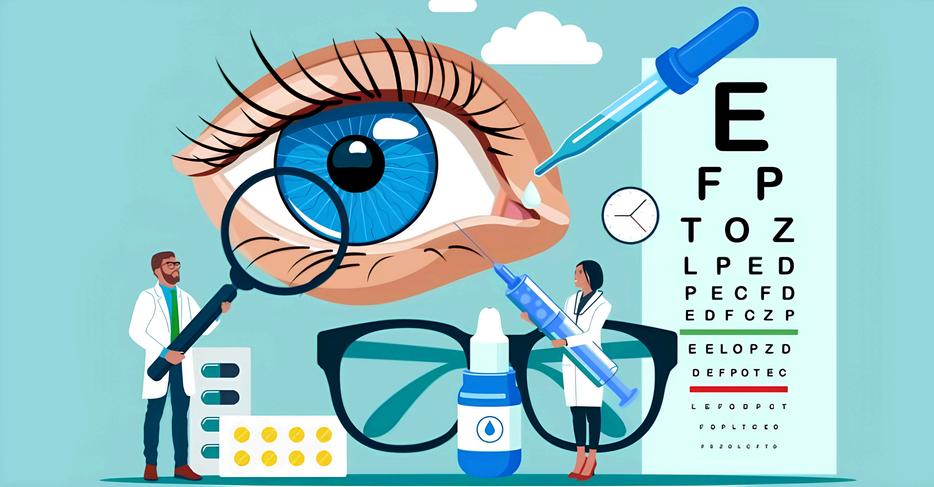
Your DNA Is Not Just Yours CRISPR Explained: HowWe’re Editing Genes Advancements in the Field of Ophthalmology Destruction In Just One Click
Environmental Impact of Technology: Innovation at what Cost?
SYNTHIFY
05 10 16
20 24 29
Investigating the Technical Foundations and Societal Impact of Bias in Machine Learning
Alessandro Haber
Introduction
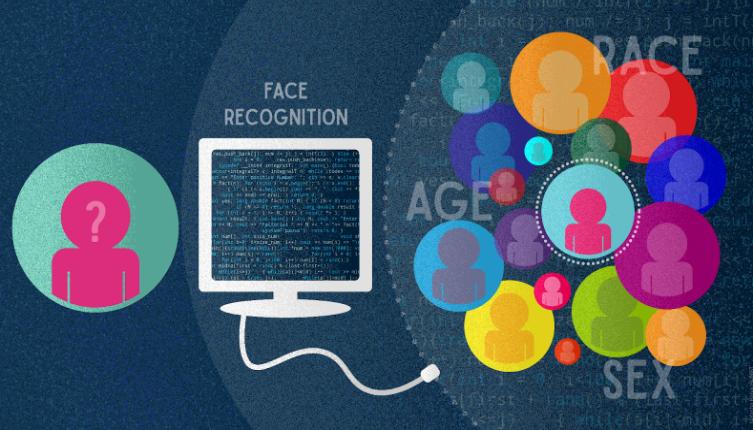
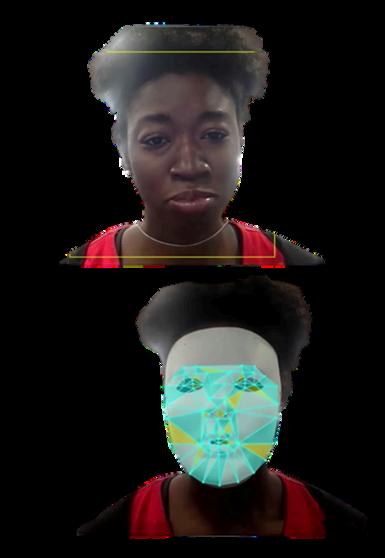
Imagine you apply for a loan, submit your resume, or walk past a security camera An AI system makes a sudden decision about you, reflecting a broader systemic issue where algorithms, trained predominantly on white male faces and historical data, perpetuate existing societal biases. Your application gets rejected Your resume never reaches human eyes Or worse, you ' re falsely identified as a suspect. This isn't a dystopian future; it's happening right now because biased training data has fed centuries-old prejudices directly into the machine learning models that govern our lives (IBM)
Machine learning models require vast amounts of training data to discern patterns and make predictions However, these datasets often mirror our complex and unequal cultural legacies, embedding historical biases into AI systems. White males dominate the data, while minorities, women, and other groups barely show up The numbers are apparent: NIST tested several facial recognition systems and found they properly identified white faces 99% of the time, while for African American faces, accuracy was just 66% (National Institute of Standards and Technology). A study conducted by the National Institute of Standards and Technology (NIST) demonstrated a notable disparity in the accuracy of facial recognition systems while white faces were properly identified 99% of the time, the accuracy dropped substantially to just 66% for African American faces. When your training data is impartial, your AI learns to be unfair too. The result is algorithms that reinforce discrimination at scale. However, technical fixes exist. Data augmentation, adversarial debiasing, and continuous fairness audits can help restore equity to AI systems (V7 Labs; Salesforce).
How Bias Enters Training Data
Biased training datasets often result from collection methods that systematically favor majority groups. For instance, criminal justice databases, dominated by disproportionate arrests of black individuals, create a feedback loop where biased inputs lead to biased models, perpetuating discriminatory policing p ti T h i ll thi t f i ffect datasets where underrepresented groups co l networks to overfit on dominant features such resulting in massive generalization failures on d olamwini, founder of Algorithmic Justice League ot diverse, the model will struggle when present sk was a closer fit to what the system had learne Arts & Culture)
Real-World Impacts and Case Studies
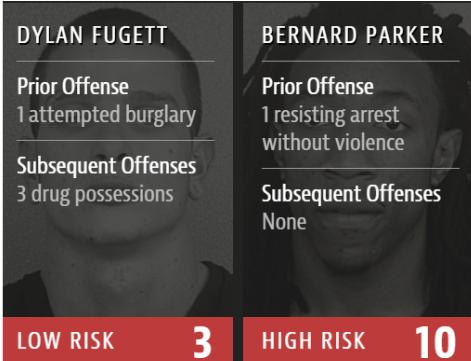
The Correctional Offender Management Profiling for Alternative Sanctions (COMPAS) criminal behavior prediction algorithm particularly demonstrates training data corruption, as its utilization on historically biased arrest records leads to black “witnesses” facing false positive rates of 45% versus 23% for the white ones, deeply impacting judicial decisions and perpetuating racial sentencing disparities nationwide (Angwin et al.).
Facial recognition utilization in law enforcement propagates prejudices by misidentifying minorities at exponentially higher rates, with ACLU benchmarks indicating error multipliers up to 100x for black women, directly contributing to unjust detentions and decreasing community trust in technology (ACLU Minnesota)
In human resources, AI hiring tools trained on past discriminatory resumes systematically filter out diverse candidates, reinforcing gender and racial disparities in workplaces while imposing massive economic losses from suboptimal talent pools estimated in the billions annually (Discrimination in AI-Driven HRM Systems).
Technical Mitigation Strategies
We've seen that fixing the data before training can cut bias by 20-50% One method is done by oversampling underrepresented groups or populating the dataset with diverse synthetic samples. Crucially, without affecting the model accuracy, it just ensures AI systems perform more equitably across different demographics (Salesforce).
Also, fairness-focused training techniques, like using special adversarial neural networks, can learn to skip over samples that provide insight into race or gender during the feature extraction step. This is a powerful way to authentically block biased outputs coming from the input data. Benchmarks confirm effectiveness, showing lower disparities in outcomes, specifically when we look at metrics like disparate impact ratios (Suresh et al.). At their core, these methods make sure fairness during the AI's learning phase by training the network to ignore problematic data points
Finally, serious check-ups (auditing) using metrics such as "equalized odds" and "demographic parity," plus making a real commitment to diverse data sources and constantly watching the system after it's deployed, have been shown to drastically reduce fairness problems by up to 67%, according to industry reports ("Ethical AI in Data Engineering").
Conclusion
The corruption of artificial intelligence by biased training sets is not just a technical issue but an ethical crisis, as evidenced by disparities in facial recognition accuracy and criminal justice algorithms, demanding immediate and sustained intervention. From the 66% accuracy gap in facial recognition systems to the 45% false positive rate disparities in criminal justice algorithms, the evidence overwhelmingly demonstrates that AI systems trained on historically unequal data reinforce and amplify existing societal discrimination Yet the existence of proven mitigation strategies offers tangible hope for transformation Moving forward, the AI community must embrace rigorous diversity requirements for training datasets and implement mandatory fairness testing protocols to ensure that machine learning serves all demographics equitably rather than marginalizing underrepresented populations.
January 24, 2026 / Alessandro Haber / alehaber18@gmail com
CRISPR EXPLAINED: HOW WE’RE EDITING GENES
Unpacking the Technology That Allows Scientists to Rewrite DNA
Maggie Zhang
Introduction
What if a single genetic error no longer meant a lifetime of illness? Instead of simply managing symptoms, scientists can now target and change DNA itself, transforming what once seemed like science fiction into reality For decades, many genetic diseases could only be addressed through ongoing treatment rather than permanent solutions. Advances in genetic research are now allowing scientists to attack the root cause of these diseases at the molecular level This progress represents a breakthrough in modern biology and opens new possibilities for treating inherited conditions. CRISPR, a gene-editing technology originally discovered in bacteria, is at the center of this transformation
How CRISPR Works and Why It’s a Game Changer
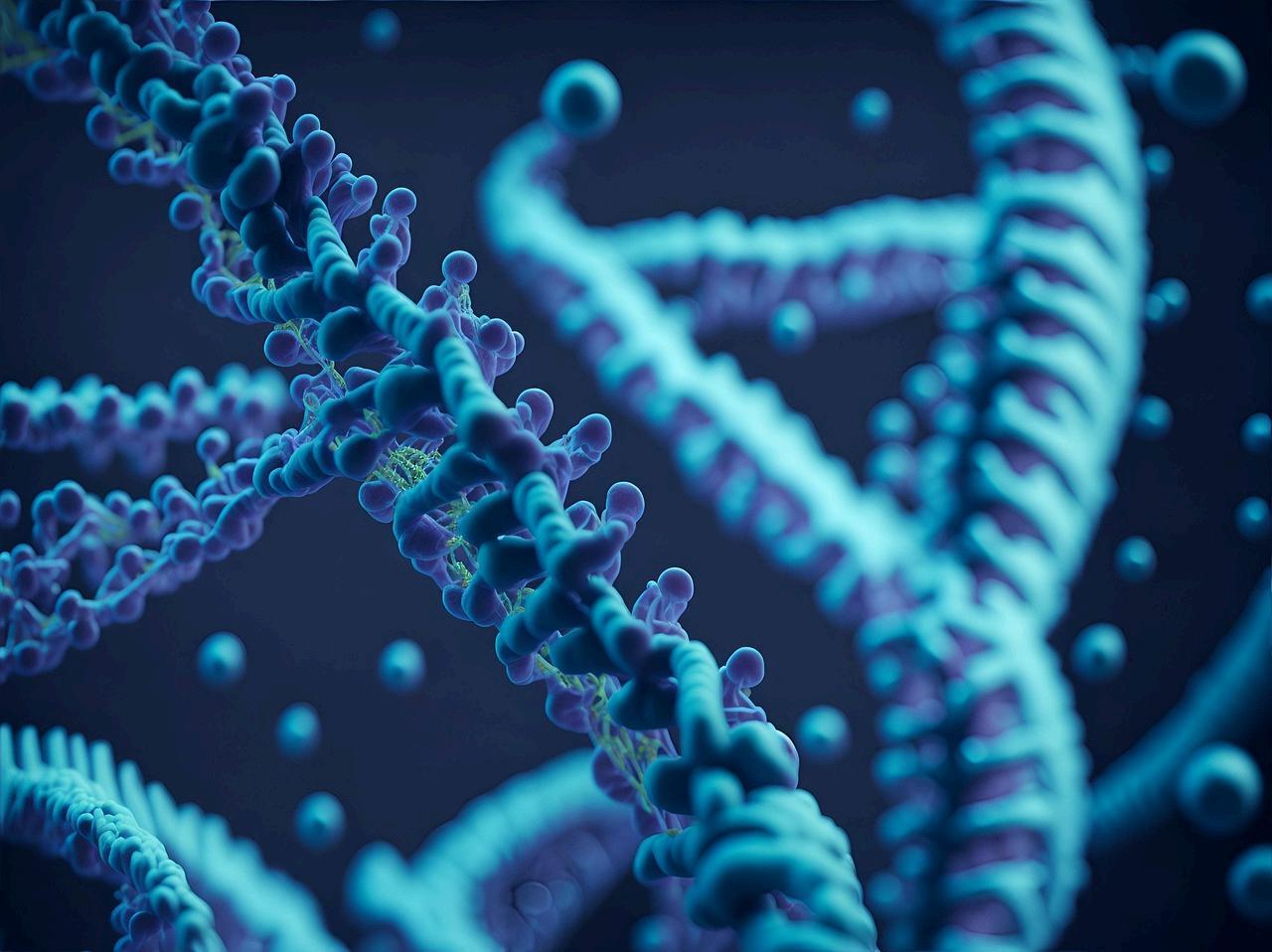
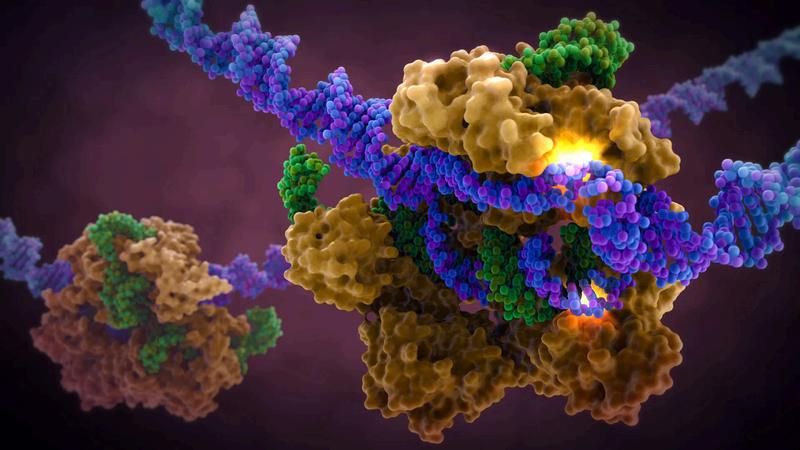
In bacteria, CRISPR stores fragments of viral DNA as a genetic memory When the same virus attacks again, CRISPR guides enzymes to cut the viral DNA, preventing the virus from spreading. Scientists realized that this natural mechanism could be adapted to target specific genes in other organisms, creating a new tool for genetic modification
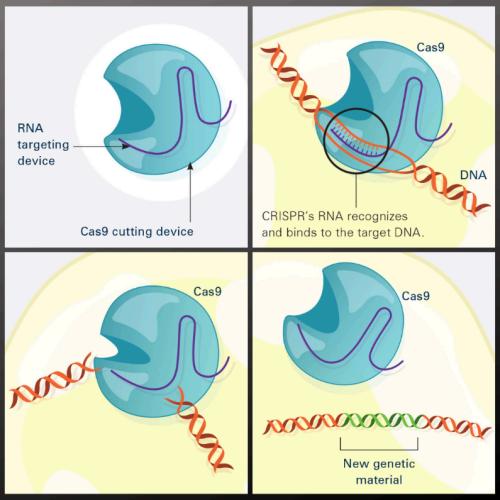
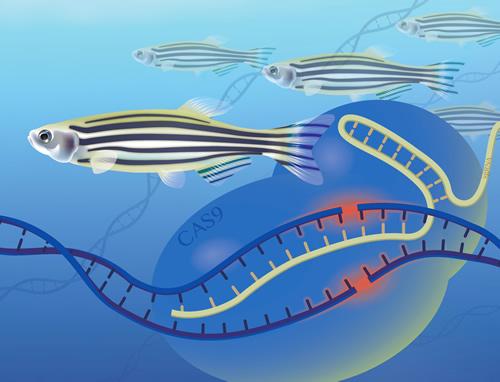
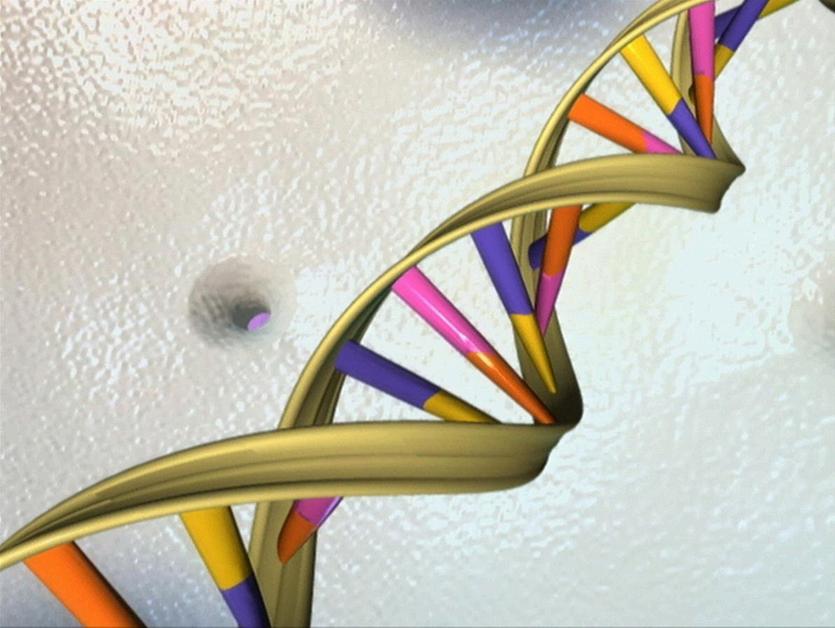
The CRISPR system relies on two main components. The Cas9 enzyme functions like molecular scissors that cut DNA, while guide RNA directs Cas9 to the exact DNA sequence that needs to be edited. This combination allows scientists to target specific genes with accuracy and efficiency, which was not possible with earlier techniques
The process begins by creating a guide RNA that matches a DNA sequence of interest Cas9 then cuts the DNA at that site, and the cell’s natural repair mechanisms either disrupt, remove, or replace the gene In bacteria, this process contributes to acquired immunity, but in research, it enables controlled and precise editing across a wide range of organisms
Compared with older gene-editing methods, such as Zinc Finger Nucleases, which were timeconsuming and difficult to design for each target, CRISPR is faster, simpler, and more versatile
Ethics Surrounding CRISPR
CRISPR’s ability to edit genes also raises significant ethical concerns. If the technology remains available only to wealthy individuals or nations, it could deepen social inequality, creating a “genetic underclass” in which some people have advantages simply because of access or privilege. These concerns become more serious when CRISPR is used for non-medical changes, like intelligence or appearance, because it could increase inequality instead of reducing it
Beyond inequality, CRISPR poses safety and regulatory challenges Editing human genes, especially for enhancement rather than medical treatment, could reduce genetic diversity, which is essential for adaptation and survival The dangers of moving too quickly were made evident in 2018, when a Chinese scientist announced the birth of genetically edited twins without proper oversight. The global backlash emphasized the risks of unregulated experimentation and highlighted the importance of ethical oversight in gene-editing research
Because of these risks, responsibility for CRISPR must be shared among scientists, governments, and corporations. Internationally coordinated regulations are necessary to ensure that gene editing is used safely and equitably
Real-World Applications and the Future of CRISPR
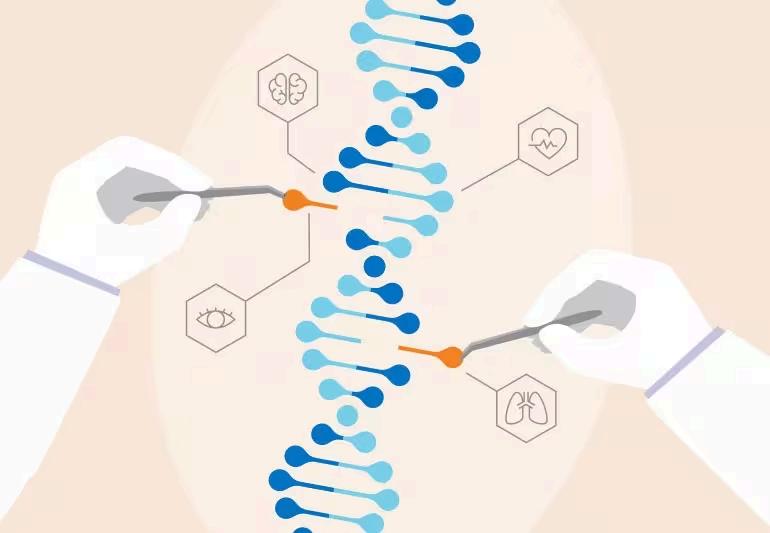
CRISPR is already being applied to correct disease-causing genetic mutations, such as those responsible for sickle cell anemia Unlike traditional treatments, CRISPR-based therapies address the underlying genetic cause of disease. Many of these treatments are moving from the laboratory to clinical trials
For example, Casgevy was approved by the U.S. Food and Drug Administration in 2023 for patients aged 12 and older with sickle cell disease, making it the first gene-editing treatment of its kind to reach patients outside clinical trials. More than 150 CRISPR-based clinical trials are currently underway worldwide, including studies that edit a patient’s own stem cells and return them through a transplant Because CRISPR directly edits DNA, these treatments may offer long-term or even permanent solutions rather than lifelong medical treatment.
In addition, CRISPR is accelerating biological research. Scientists can study gene function faster and more accurately than ever before, which speeds discoveries in genetics and biotechnology In the future, CRISPR may enable personalized medicine by tailoring treatments to an individual’s genetic makeup As these innovations continue, CRISPR has the potential to reshape how diseases are studied, treated, and prevented
Conclusion
CRISPR is a powerful gene-editing technology that is changing science and medicine. By using a natural defense system, it allows scientists to edit DNA more quickly and accurately than older methods. However, CRISPR also raises ethical concerns, such as unequal access to and the possibility of using it for non-medical traits If used carefully, CRISPR has the potential to greatly improve healthcare and benefit society in the future
Advancements in the Field of Ophthalmology
Marlee Mei
Ophthalmology is more than just the study of the eyes; it's about curing underlying disea ses and protecting one of the most delicate parts of our body Ophthalmology is the study and field of diagnosis and treatment of eye disorders Ophthalmologists are medically trained doctors who can perform surgeries and treat a wide range of eye diseases, helping treat common infections and also addressing more serious conditions Meanwhile, optometrists are specialists who perform routine vision checkups and have a Doctor of Optometry degree This path only requires 4 years of schooling.
EYECARE
Glasses were invented during the late 13th century, and Salvino D’Armate is often credited with the invention of glasses Before then, people with impaired vision had to squint, which led to eye strain and fatigue While daily tasks were a struggle, other senses, like hearing and touch, became stronger During the Middle Ages, glasses were used as scholars had to read and write scripts As time went on and new technological advancements emerged, new materials were created, and frames that were once made from bones or metal became more comfortable to wear They also became more stylish and accessible More recently, the Meta x Ray Ban glasses have been trending Over 2 million pairs have been sold since October 2023, when they were released to the public. With the glasses, you can take images and even record footage. There are some speculations about privacy concerns, but the glasses do not function if the lens is covered and emit a flash when in use.
LASIK eye surgery, or laser-assisted in situ keratomileusis, is a procedure designed to correct refractive vision issues such as astigmatism, farsightedness, and nearsightedness. So, how does it work? A specialized laser helps to reshape the cornea, allowing light to focus correctly on the retina and thus providing better vision. There are countless benefits of LASIK, including a quick recovery time and minimal discomfort. Additionally, with LASIK, you don’t need to depend on your corrective eyewear as much.
Contacts are an alternative to glasses for vision correction There are many advantages, such as providing a wider field of view and not fogging up like glasses This advantage makes it more reliable when you want to go to the gym; you won’t have to worry about them slipping off your nose bridge or breaking it when doing intense and rough physical activity. Contacts come in different types, including daily disposables, extended wear, and toric lenses for astigmatism. There are also colored lenses for aesthetic purposes, which can be prescribed as well. Popular brands like Hapa Kristin and Olens offer a wide range of colored lenses, and even sell sparkly and pink lenses as opposed to your typical brown or olive. Regardless of prescription, however, proper care and hygiene are essential to avoid infections, as our eyes are very sensitive.
DISEASES
Eyes can be affected by various conditions, including cataracts and glaucoma Every disease can lead to severe complications if not treated and diagnosed. For early detection and prevention, booking regular eye examinations is ideal. Awareness of the conditions are crucial for early diagnosis and effective treatments. Let’s dive deeper into some of these common eye diseases:
Cataract is a condition in which the lens in the eye becomes cloudy, resulting in blurry sight and impaired vision at night Cataracts are often an age-related disease and can be treated by surgery
Glaucoma is a common condition characterized by increased pressure within the eye, which can damage the optic nerve and result in vision loss There are no early symptoms, which makes routine eye checkups even more crucial
Amblyopia occurs when the brain does not fully acknowledge the signals from one eye, resulting in reduced vision in that eye It can be caused by numerous factors such as misaligned eyes, refractive errors, or other visual obstructions Treatment may include corrective lenses, eye patches, or vision therapy
Another common disease is diabetic retinopathy, with over 3 million cases in the US per year, which occurs in people with diabetes and results from damage to the blood vessels in the retina. This condition needs to be monitored as it can result in blindness in more severe cases, but in its early stages can lead to vision impairment if left unmanaged.
CONCLUSION
All in all, eye care isn’t just about seeing clearly. It is about caring for a part of your body that is so small, and plays a big role in our daily lives. With poor vision or without eyes, we wouldn’t be able to safely cross the road or admire art at a museum. From historic lenses to smart lenses and modern-day surgeries, the methods to treat our eyes have improved immensely. Ophthalmology reminds us that vision allows us to connect with people through eye contact and navigate the world By taking care of our eyes, we are able to experience life to the fullest and meaningfully
January 24, 2026 / Marlee Mei/ marleebmei123@gmail com
Destruction In Just One Click
Generative Adversarial Networks—a boon or our doom?
Mehreen Muzafar
Picture this: it's one of those random Saturdays, and your phone suddenly floods with countless
explicit pictures your explicit pictures It's hard to imagine, isn't it? After all, you don't remember taking any pictures like that or having any perverted people around you that would But what if I tell you that this far-fetched scenario, which is simply a fiction to you, has already become a devastating reality for countless people?
Welcome to the digital age where someone ' s identity has become expendable, a raw material to be stolen and weaponized This crime is executed through deepfakes: hyper realistic fake images, videos, and audio recordings generated via artificial intelligence
In South Korea, a systematic deepfake crisis victimized countless women, with victims as young as middle schoolers. In 2023, journalist Ko Narin exposed vast networks on Telegram where perpetrators, often teenagers themselves, shared photos of women and girls they knew and used AI software to graft their faces into images of sexually explicit bodies. These ‘humiliation’ rooms were highly organised, targeting over 500 specific schools. Victims were left terrified, blackmailed and lonely, often told by authorities that the crime was not serious because the photos were fake
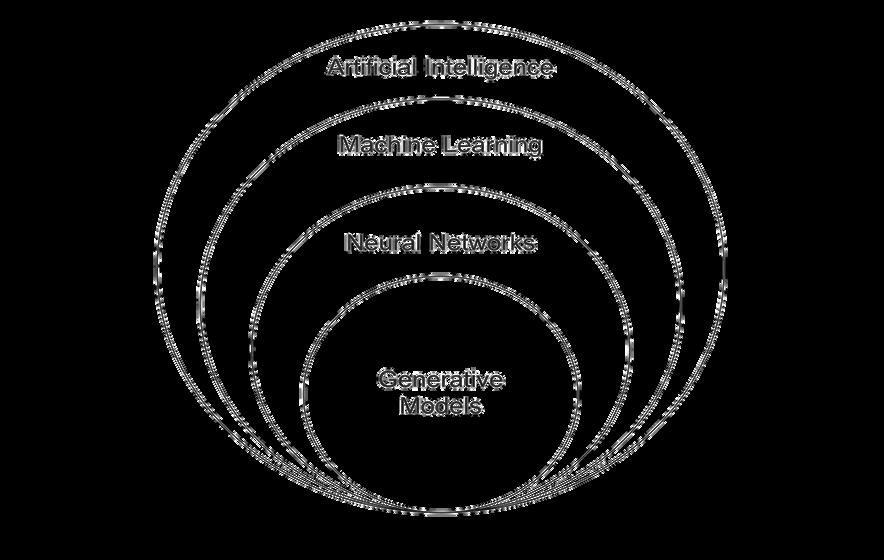
This article will explore the double-edged nature of this powerful technology. We will discuss the Generative Adversarial Networks (GANs) that make such violations possible, breaking down the technology that turns a mere photo into a tool of abuse Beyond the mechanisms of harm, we will also examine how this same technology can be harnessed for ethical purposes
EXPLORING THE TECHNOLOGY BEHIND IT
To understand the weaponizing of an innocent picture, we must look into the mechanism that makes it possible the Generative Adversarial Network
A GAN operates on the principle of unsupervised learning: the type of learning where the system effectively supervises its own training through an internal, adversarial process without any human supervision. Here, the two networks the Generator and the Discriminator are pitted against each other to force them both to become extremely skilled.
These two neural networks are engaged in what researchers describe as a continuous, adversarial minimax game; the Generator tries to maximize the Discriminator’s error rate and the Discriminator tries to minimize its own error rate
The first network, Generator, is tasked with creating synthetic data, such as a fake facial image. The second, Discriminator, is trained to distinguish between the authentic data and the Generator’s forgeries. They operate in a loop: The Generator produces a sample, the Discriminator evaluates it, and both models update their parameters based on the outcome The Generator's objective is to progressively refine its fakes until they can deceive the Discriminator, while the Discriminator simultaneously works to sharpen its detection capabilities It's through this repeated process that the generator learns to produce highly convincing data
This visual realism is achieved through the Convolutional Neural Networks (CNNs), the underlying architecture that allows the Generator and Discriminator to process images Rather than viewing a photograph as a whole, a CNN breaks it down in successive stages like identifying the pieces before assembling a puzzle This hierarchical method of processing is what enables AI to map and reconstruct a picture with such precision
This is the same technology that is integrated into AI bots and apps, making it easily accessible to the masses. In the South Korean Deepfake crisis, perpetrators used such bots to generate explicit pictures of the victims.
A DOUBLE-EDGED SWORD—FROM CRIMINAL WEAPON TO AN ETHICAL TOOL
The same GAN that fuels the deepfake crisis is also the foundation of some of today's most promising ethical AI applications
On one hand, this technology has been weaponized to inflict real and lasting harm, creating a system for harassment, defamation, blackmail, and the violation of consent at an unprecedented scale Researchers frame this as an ongoing ‘ arms race ’ , a continuous cycle where improvements in creating deepfakes are met with advances in detecting them, leaving society struggling to keep pace This race makes us lose trust in what we see and continuously keeps victimizing the victims who are told that their struggle is pointless because the pictures were not real
On the other hand, it's hard to see this technology only through the lens of crime when it has countless ethical uses In medicine, for example, researchers use GANs to generate entirely synthetic retinal scans These fake images are medically accurate and can be used to train diagnostic AI models without ever using a single real patient's private data This helps in advancing healthcare while protecting privacy simultaneously Similar positive applications are seen in the creation of safe simulation environments for autonomous vehicles and in the preservation of cultural heritage.
CONCLUSION
This technology is a mirror reflecting our choices back at us It can amplify our worst our capacity for cruelty and deception. But it can also amplify the best in us our drive to heal and protect.
Therefore, the path forward demands better laws that clearly criminalize digital exploitation, better platform governance to stop its proliferation, and a societal commitment to digital literacy that empowers people to understand this new world The future of this powerful technology will depend on what we decide it should do instead of what it can do Febuary 10/Mehreen Muzafar /mehreenmuzafar13@gmail.com
YOUR DNA IS NOT JUST YOURS.
THE ETHICAL RISKS OF DATA STORAGE, MONETIZATION IN CONSUMER GENETIC TESTING AND SHARING
Tersheena Clayton
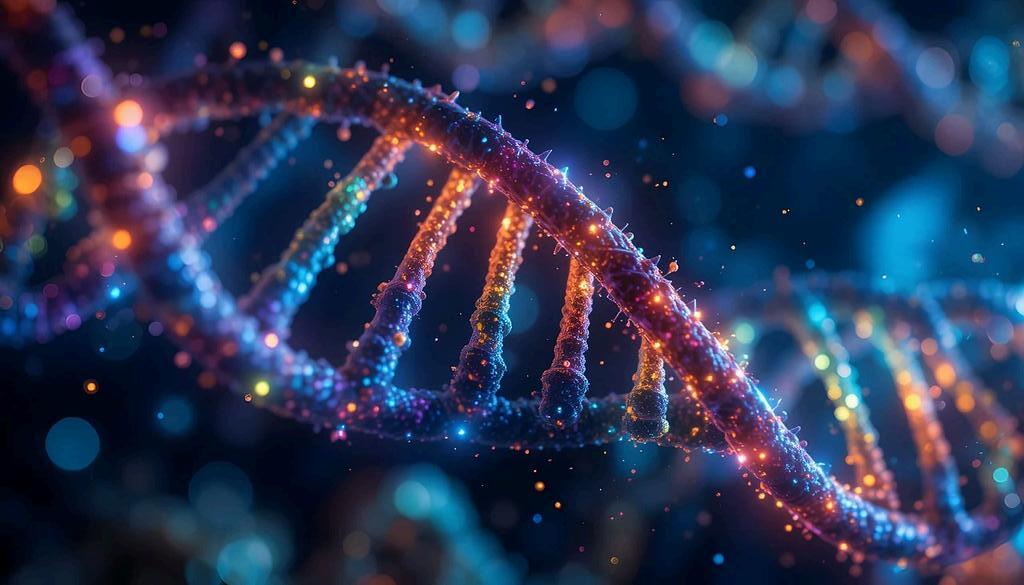
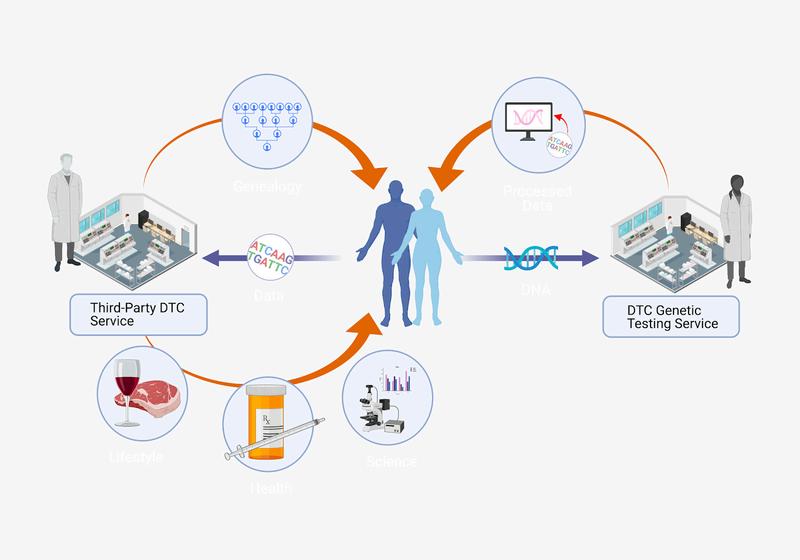
Aspit sample less than a teaspoon, sized could tell the person ' s family background, biological kin, and probable health risks In the last ten years, through organizations like 23andMe and AncestryDNA consumer genetic testing has become available to millions of people around the globe Though such offerings guarantee to provide you with personal experience along with the unveiling of science, nevertheless, they shoot up major ethical issues Genetic information is extremely private: unlike a password or credit card number, a person can never change their DNA and it contains data not only about that individual but also about their family members.
Consumer DNA testing has become popular, and with it, people are more and more concerned about how companies handle their genetic data This article outlines the ethical issues raised by consumer genetic testing, especially in terms of data privacy, sharing with third parties, and monetization, along with the shortcomings of the current legal framework.
HOW CONSUMER GENETIC TESTING WORK
Consumer genetic testing generally starts when a client sends his/her saliva to a private company. The company takes DNA from the sample, looks at certain genetic markers, and makes reports referring to ancestry or health characteristics. The National Human Genome Research Institute states that such companies, in most cases, keep genetic samples and digital DNA data for a long time unless users ask for deletion.
Besides just giving results to the consumers, the companies may also use the genetic data for their internal research or they may even share the data with third parties such as pharmaceutical companies and academic researchers. Consumer Reports has reported that a number of genetic testing companies reveal these practices in their very long privacy policies which the users probably do not completely read or understand before they give their consent.
ETHICAL CONCERNS - PRIVACY AND DATA CONTROL
A major ethical concern about consumer DNA testing is the loss of control over one ' s genetic information In contrast to other types of personal data, genetic information can disclose various things such as one ' s susceptibility to certain diseases, one ' s biological relatives, and common characteristics within the family Privacy experts hold the view that this aspect of genetic data makes it highly susceptible to abuse.
The Federal Trade Commission (FTC) has brought to court one case against a consumer genetic testing company that failed to secure the sensitive DNA data and misled consumers about data handling. In 2023, the FTC alleged that 1Health.io, a company that sold DNA health test kits, had left genetic and health data unsecured, had not honored the commitment of users data deletion and had changed its privacy policy retroactively without adequately notifying or obtaining consent from the affected consumers After a settlement, the FTC required the company to implement tighter safeguards for genetic information to forbid sharing health data without consumers ' express consent and to direct third party labs to destroy retained DNA samples. This action demonstrates that US regulators are aware of the unique sensitivity of genetic data and they consider violations of privacy and security in this area as a serious consumer protection issue.
DATA SHARING AND MONETIZATION
Many consumer DNA testing companies get money from selling test kits and also through partnerships with third parties. Consumer Reports discovered that some companies share deidentified genetic information with pharmaceutical companies for research and drug development. It is a common practice of companies to say that the shared data can never be linked to the original individuals. However scientists have demonstrated that genetic data can in some cases be unmasked when it is combined with other datasets.
From an ethical perspective, this brings up issues of informed consent. Users might agree to data sharing, but the complicated privacy policies often prevent consumers from really understanding how their genetic data could be used for profit Ethicists maintain that consent is not valid if users are unaware of the long term implications of donating their DNA.
LEGAL PROTECTIONS AND LIMITS
In the US, there are legislations like the Genetic Information Nondiscrimination Act (GINA), which safeguard individuals against genetic discrimination in health insurance and employment. Even so, NHGRI points out that GINA does not provide coverage for life insurance, disability insurance or long term care insurance and also does not cover the handling of genetic data storage or sales by private companies.
Legal scholars argue that companies providing genetic tests to consumers directly without intermediaries are, in fact, less tightly regulated than one might assume. For example, health data collected by hospitals are protected by HIPAA, but since consumer DNA testing companies are not considered healthcare providers, there are major gaps in consumer protections.
WIDER ETHICAL PROBLEMS
Ethical issues around consumer genetic testing go beyond the concerns of individuals Since DNA is someone that relatives share, the act of one person giving a sample can unintentionally reveal the genetic data of their family members without their permission Law and ethics experts maintain that this problem of privacy and autonomy at the individual level is deeply challenged by this.
In addition, there are also long term risks brought about by data breaches For instance, where credit card information can be changed if it gets leaked, your genetic information is something that you carry with you forever The Federal Trade Commission (FTC) has emphasized the point that if companies fail to secure their customers data properly, consumers may suffer serious and irreversible harm
CONCLUSION
Consumer genetic testing can provide helpful information and open doors to new scientific exploration, but it also brings up important ethical issues. How genetic data is stored, shared and turned into a product raises issues of privacy, informed consent, and the risk of hurting someone or their family. Current regulations hardly protect us and don’t really consider the special character of the genetic data.
As more people get their DNA tested, it may become necessary to impose stricter transparency rules and clearer data protection standards to make sure that people do not give up their genetic privacy without their knowledge just in case they are interested in learning something about themselves Consumers may share some of the blame, but the companies that make profit from their DNA are definitely the ones who should be most concerned about the issue of ethical responsibility
January 24, 2026 / Tersheena Clayton / TersheenaSC@gmail.com
ENVIRONMENTAL IMPACT OF TECHNOLOGY: INNOVATION AT WHAT COST?
MEASURING THE SUSTAINABILITY GAP IN GLOBAL INNOVATION
Ray Roh
Every year, millions of people line up to buy the newest iPhone, laptop, or device. However, we rarely stop to ask where these technologies originate and how they impact the environment. Every screen bought has a hidden environmental cost that consumers never consider. For example, manufacturing a single phone creates 55–95 kg of ����2 emissions, equivalent to driving a car over 150–200 miles.
Technology significantly impacts the environment overall Innovational progress in these technologies has raised questions regarding the sustainability of the progress we are making. Although modern technology brings undeniable benefits, its environmental impact raises ethical concerns that require greater accountability
ENVIRONMENTAL COSTS OF TECHNOLOGICAL DEVELOPMENT
Manufacturing modern electronics requires rare earth metals such as lithium, cobalt, and nickel. These materials are essential in the production of technologies. Extracting these resources involves harmful mining practices that damage ecosystems. Also, because these materials are finite, their overuse also creates long-term resource scarcity
The production and transportation of devices generate substantial carbon emissions. Semiconductor manufacturing by companies like the Taiwan Semiconductor Manufacturing Company (TSMC) relies on energy intensive processes that heavily increase greenhouse gas emissions.
Furthermore, data centers and AI systems require great amounts of electricity and water Consumers often do not know these factories exist, yet they play an important role in powering storage and artificial intelligence The consequences of excessive energy and water consumption affect vulnerable communities disproportionately This is because industrial facilities are mainly located in countries where raw materials are extracted
ETHICAL CONCERNS REGARDING ENVIRONMENTAL JUSTICE AND RESPONSIBILITY
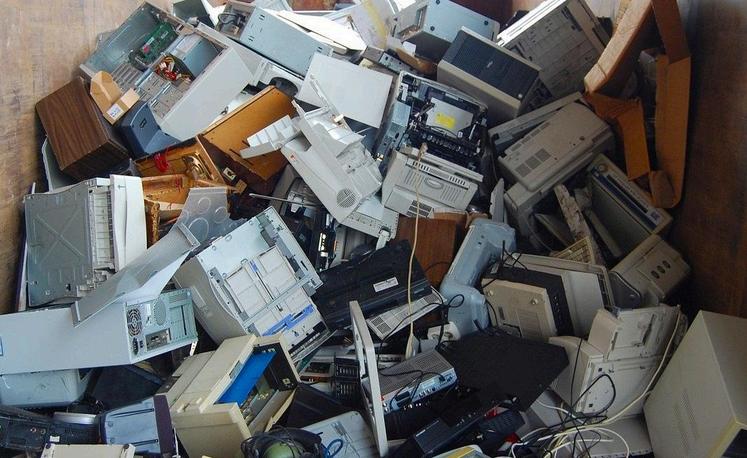
As the production of technology increases, so does the issue of e-waste Discarded devices contain toxic substances such as lead and mercury that pose serious risks to human health and the environment. These materials can seep into soil and water, causing long-term ecological damage.
The issue does not stop at an ecological point. A major ethical concern arises from how e-waste is managed globally. Wealthier nations often export their e-waste to developing countries. This allows rich countries to keep benefiting while less developed countries recieve the environmental burden. Moreover, laborers in these regions have to deal with e-waste under dangerous conditions, exposing themselves to dangerous materials without sufficient protection
When corporations prioritize profit and rapid innovation, people who are the least likely to buy these products get harmed the most Therefore, manufacturers, governments, and global regulatory systems should take responsibility for their own actions.
WHY PROGRESS MUST CONTINUE DESPITE CONCERNS
Even though environmental concerns arise, technology is a staple of modern society It plays a very important role in fields such as healthcare, education, and scientific research Stopping technological innovation could actually slow progress in addressing environmental challenges.
Companies need to innovate to develop more renewable energy systems. For example, AI is used to predict extreme weather patterns and improve resource efficiency in agriculture
Many solutions to climate change, such as solar power, wind energy, and carbon monitoring systems, depend on technological innovation. Stopping progress would not eliminate environmental harm It would delay the production of tools that slow down climate change The goal, therefore, is not to stop innovation, but to guide it responsibly and ensure its benefits outweigh its costs
MOVING TOWARD SUSTAINABLE AND ETHICAL TECHNOLOGY
In order to move toward sustainable and ethical technology, companies must prioritize durability by creating devices that last longer and are easier to repair When designing technology, we need to keep sustainability in mind This can significantly reduce waste and resource extraction
Governments can also help. By enforcing stronger environmental regulations and transparency requirements, we can minimize the toll that technological development takes on ecological health Currently, governments and corporations often prioritize innovation and economic growth, while environmental consequences are addressed only after damage has occurred
Consumers should also make an effort by supporting companies that invest in ethical practices, extending the lifespan of devices, and becoming more aware of digital consumption Sustainable technology is not the responsibility of one group alone.
CONCLUSION
Technology is ingrained in modern life While technological advancement has brought efficiency and opportunity, it has also produced environmental consequences that are frequently ignored or hidden from public view
The environmental costs of mining, manufacturing, data storage, AI usage, and e-waste are massive. Ignoring these impacts risks further climate change. At the same time, however, stopping technological progress would hinder advancements in machinery that could help us
The ethical solution lies in rethinking how it is developed, used, and disposed of. Corporations must should place more importance on transparency and sustainability and less on short-term profit Governments must enforce regulations that hold companies accountable for environmental harm. The overall goal should be a future in which technological progress and environmental conservation go hand in hand Responsible innovation ensures that the benefits of today’s technology do not come at the expense of future generations.
National Human Genome Research Institute Direct-to-Consumer Genetic Testing National Institutes of He wwwgenomegov/genetics-glossary/Direct-to-Consumer-Genetic-Testing
US Department of Health and Human Services Summary of the HIPAA Privacy Rule HHS, wwwhhsgov/hipaa/ professionals/privacy/laws-regulations/indexhtml
US Equal Employment Opportunity Commission Genetic Information Nondiscrimination Act of 2008 EE www.eeoc.gov/statutes/genetic-information-nondiscrimination-act-2008
“B Effects of Technology on the Natural World ” Www nagb gov, www nagb gov/naep-subject-areas/technology-and-engineeringliteracy/framework-archive/2014-technology-framework/toc/ch 2/society/society2 html
Head “The Sustainable Tech Transformation: Paving the Way for a Greener Future ” Ey com, 2024, www ey com/en ch/insights/sustainability/drive-the-green-transformation-enabled-by-technology Team, Communication “How Does Technology Affect the Environment?” Telefónica, 19 Nov 2024, www telefonica com/en/communication-room/blog/how-technology-affect-environment/ “The Impact of Technology on the Environment and How Environmental Technology Could Save Our Planet ” Edinburgh Sensors, 18 July 2024, edinburghsensors com/blog/3928/ Williams, Andrew “Sustainable Technology: Examples, Benefits and Challenges ” Forbes, 3 Feb 2024, www forbes com/sites/technology/article/sustainable-technology/ Zewe, Adam “Explained: Generative AI’s Environmental Impact ” MIT News, Massachusetts Institute of Technology, 17 Jan 2025, news mit edu/2025/explained-generative-ai-environmental-impact-0117
Layout: Ayeon Cho, Teresa Nam, Minsol Kim, Jeongyeon Han
SYNTHIFY
"Technology
is nothing. What's important is that you have a faith in people, that they're basically good and smart, and if you give them tools, they'll do wonderful things with them."