
SYNTHIFY
HANKUK ACADEMY OF FOREIGN STUDIES
HANKUK ACADEMY OF FOREIGN STUDIES
SEOUL INTERNATIONAL SCHOOL SEOUL INTERNATIONAL SCHOOL
March
SYNTHIFY
06 09 12 15
THE DYNAMICS OF SEASONAL CHANGES ON SPORTS INJURY RATES
- ETHAN KIMTHEIMPORTANCEOFLIVINGAREGULATEDLIFE-JIEUNPARK CIRCADIANRHYTHMSANDTHEHABENULA
THEEFFECTOFCLIMATECHANGE:PLANTSAREBLOOMING EARLIER-SEOYOONWON WHYISTHEFLOWERINGTIMECHANGINGANDWHATIMPACTDOESTHISHAVEONTHEECOSYSTEM
GREENTOGOLD:THEPSYCHOLOGICALIMPACTOFPLANT COLORCHANGES-JOSEPHLIM WHYPLANTSCHANGECOLORINDIFFERENTSEASONS,HOWCHLOROPHYLLISPRODUCED,ANDHOWCOLORAFFECTS HUMANPSYCHOLOGY
REVIVALANDREJUVENATION-WOOJINCHEONG INVESTIGATINGTHEENVIRONMENTALANDSOCIALCHANGES
19
ADDRESSINGSEASONALINFECTIOUSDISEASESOUTBREAKS INTHEGLOBALIZEDWORLD-IRISNAM UNVEILINGTHECHANGESINOURSOCIETYANDTHECONSEQUENTLYINCREASEDTHREATS
WHATISDAYLIGHTSAVINGS?-JUNHYUKBHNAG HISTORYOFDAYLIGHTSAVINGTIMEANDHOWITIMPACTSSOCIETY CHANGEINSEASONS,CHANGESINSPRING-ELLENRYU
NAVIGATINGSEASONALALLERGIES-LUCYJANG ADEEPDIVEINTOTHECAUSESOFHAYFEVERANDWAYSWECANRELIEVEITSSYMPTOMS
FADINGTONGUESANDWANINGSPRINGS-DOMINICHAHM PARALLELNARRATIVESBETWEENLANGUAGELOSSANDSPRINGTIMEBIODIVERSITYDECLINE
25
31
22
28
35
THE DYNAMICS OF THE DYNAMICS OF SEASONAL CHANGES SEASONAL CHANGES ON SPORTS INJURY ON SPORTS INJURY RATES RATES
 ETHAN KIM
A TRANSITION FROM WINTER TO SPRING
Simultaneously blooming flowers, accompanied by the harmonious chirping of birds, announce the arrival of the spring season Often symbolizing new beginnings and fresh transformations, the spring season appears to be a harmless and delightful one However, contrary to the superstitious atmosphere it brings, spring exposes athletes to various sports injuries In fact, the immense excitement resulting from the abundance of opportunities previously deprived during the winter unfortunately leads to serious injuries in the spring
THE UNDERLYING CAUSE OF SPRING SPORTS INJURIES
Except for winter sports athletes, many athletes are not as active in the winter compared to other seasons. The shorter daylight hours and lower temperatures hinder them from performing proper exercise sessions, leading to a natural weakening of muscles. The sudden physical demand on muscles after such inactivity can easily result in injuries. Attempting to perform certain actions that the muscles are no longer capable of, due to the weakening that occurred throughout the winter, exerts excessive stress on them, which could potentially lead to damage such as tearing. In addition to athlete inactivity, another factor comes into play: the transformation of the environment. Unlike indoor gyms and training centers with flat surfaces, athletes often train on grass fields or turfs, which have uneven surfaces. The unavoidable irregularities in these surfaces can contribute to non-contact injuries such as ligament sprains or even dislocations
SPORTS INJURIES COMMONLY
OCCURING DURING THE SPRING
SEASON
Among the diverse array of injuries, one frequently reported affliction among athletes is spraining This occurs when the ligaments of a joint such as the ankle or wrist , undergo a violent wrench or twist, leading to pain and swelling Such incidents arise when a physical action exceeds the capacity of these muscles and tissues Particularly with the tightening of tissues and the diminished strength of muscles during the winter, athletes become more susceptible to sprains Another prevalent injury is shin splints, medically known as medial tibial stress syndrome This condition manifests as pain along the inside edge of the shinbone due to inflammation of the surrounding tissue It ensues when consistent pounding and stress accumulate on the bones, muscles, and tendons of the lower leg. As previously mentioned, the transition to a novel training environment, primarily the alterations in surface characteristics, imparts heightened stress on the legs compared to what they are used to. .

SPORTS INJURIES COMMONLY OCCURING DURING THE SPRING SEASON
Among the diverse array of injuries, one frequently reported affliction among athletes is spraining This occurs when the ligaments of a joint such as the ankle or wrist , undergo a violent wrench or twist, leading to pain and swelling Such incidents arise when a physical action exceeds the capacity of these muscles and tissues Particularly with the tightening of tissues and the diminished strength of muscles during the winter, athletes become more susceptible to sprains Another prevalent injury is shin splints, medically known as medial tibial stress syndrome This condition manifests as pain along the inside edge of the shinbone due to inflammation of the surrounding tissue It ensues when consistent pounding and stress accumulate on the bones, muscles, and tendons of the lower leg As previously mentioned, the transition to a novel training environment, primarily the alterations in surface characteristics, imparts heightened stress on the legs compared to what they are used to
HOW TO DIMINISH THE INCIDENCE OF SPORTS-RELATED INJURIE
Warm-ups, often underestimated in their significance, ar executed or neglected by a substantial number of individ professional athletes undergo structured warm-up sessio after physical activity, a notable portion of the general po to overlook this practice and put themselves directly into routine This behavior could significantly elevate the risk particularly after an extended absence of physical exertio up phase is pivotal as it facilitates the loosening of joints blood circulation, allowing muscles to prepare for abrupt contractions Although there is no direct scientific eviden a correlation between stretching and reduced injury rates stretching into the routine is a valuable option Given th warm-ups are typically executed together, numerous res comprehensive step-by-step guides for these practices W no specific preventive method exclusively targeting sprin injuries, this general approach, when applied consistentl sports, can certainly contribute to injury reduction

Through diligent adherence to appropriate warm-up routines and careful adjustment to the dynamically shifting environment, athletes will be able to effectively mitigate a considerable number of injuries associated with spring sports
Februrary 2, 2024 / Ethan SeungHyun Kim / Kshkim0128@gmail com

THE IMPORTANCE THE IMPORTANCE OF LIVING OF LIVING A
REGULATED LIFE A REGULATED LIFE
: CIRCADIAN RHYTHMS AND THE HABENULA
JIEUN PARKHumans tend to live more structured lives than they might realize: going to bed, waking up, feeling hungry, and more, at specific times of the day, Yet, there is often an impulse to break these routines Perhaps you want to stay up until 4 a m to finish watching an Asian Cup match or suddenly crave chicken and pizza when it is not a regular meal time Despite the constant reminders from motivational videos and healthcare YouTubers to live a disciplined life, many of us find ourselves breaking our well-intentioned plans for routine living, especially when spring arrives. Nevertheless, somehow, we have managed to get by But why do these influencers insist on disrupting our lives with their insistence on routine and seemingly dull living? Let's delve into this question through the lens of neuroscience
Have you ever heard of the term "circadian rhythm," the internal clock within our heads? Even if you do not remember what it means, chances are, you have come across it at some point, perhaps during a sixth-grade science class Despite its seemingly minor role, this clock, located behind the suprachiasmatic nucleus which is beside two eyes in the brain , plays a crucial role in our lives
Light, in particular, plays a vital role in regulating our circadian rhythms The circadian clock helps regulate the secretion of melatonin a hormone involved in sleep by deactivating melatonin regulation during periods of light exposure and promoting its secretion in the absence of light This is why it is recommended to keep phones away before bedtime Melatonin is particularly sensitive to blue light, making blue light-blocking filters effective, such as the night mode on electronic devices
In addition to regulating the melatonin cycle, circadian rhythms also influence other bodily functions such as body temperature and blood sugar levels. Studies even suggest that glucose consumed in the evening raises blood sugar levels more than when consumed during the day This is one reason why intermittent fasting is recommended By aligning with our circadian rhythms, we can potentially consume the same amount of energy but experience less fluctuation in blood sugar levels If you are considering incorporating intermittent fasting into your routine, it is advisable to avoid meal times during the evening hours.
Disrupting these circadian rhythms by living irregularly can have consequences It can lead to desynchronization of the circadian clock, resulting in poor sleep quality This, in turn, affects various aspects of our lives, from energy distribution throughout the day to increased fatigue and even disruptions in cortisol levels, contributing to higher rates of depression.
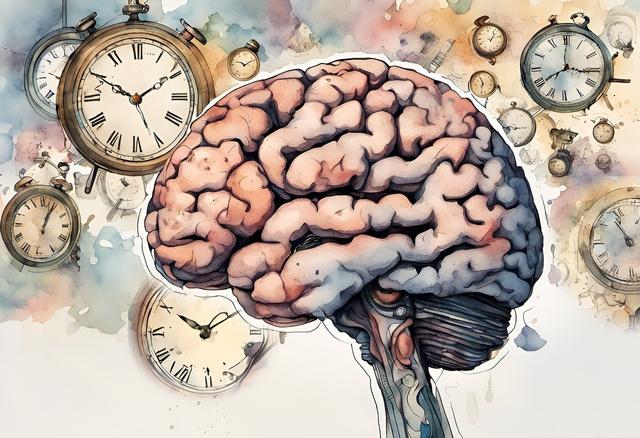
But is it possible to simply become a nocturnal creature and thrive? Unfortunately, it is not a great idea While some individuals may find that they concentrate better during later hours, straying too far from fitness can have adverse effects: A representative example is some blues.. Moreover, failing to sleep between 1 a m and 4 a m can potentially worsen one ' s mood due to the circadian rhythm The key lies in a brain structure evolved from vertebrates called the habenula.
Did you know that a person with an unrestrained "habenula" is more dangerous than a calf without restraint? While the term "habenula" typically refers to a horse's reins, it also denotes a brain structure located in the epithalamus Neurons within the habenula region form complex neural networks that regulate the secretion of neurotransmitters such as dopamine and serotonin, crucial for mood and motivation
The habenula is divided into lateral and medial portions, both easily stimulated by light exposure to the retina from 11 p m to 4 a m When stimulated, the habenula inhibits the short-term generation of dopamine, affecting mood, vigor, and motivation, while long-term effects include a decline in learning ability.
Continuous exposure to light from 11 p m to 4 a m , coupled with wakefulness, can disrupt the systems of vital neurotransmitters such as dopamine and serotonin, potentially leading to health issues Therefore, it's essential to maximize the body's efficiency by sleeping at night and waking in the morning to reap the benefits of a regulated life.

Ongoing research continually highlights the importance of living a regulated life Correlations between depression and sleep duration have been well-documented, as have the benefits of regular meal times Additionally, adhering to a routine can serve as a preventive measure against degenerative diseases such as Alzheimer's. By maintaining regular habits, we can enhance our learning capabilities, enjoy more fulfilling days, and live healthier lives So, despite the temptation to scroll through Instagram late into the night or indulge in snacks at odd hours, it is crucial to prioritize sleep and consume energy at appropriate times As spring approaches, consider establishing new habits, even if setbacks occur along the way Embrace the challenge with determination, as it is bound to bring positive changes to your life.
March 2, 2024 / Ji-eun Park / pje070608@gmail com
THE EFFECT OF THE EFFECT OF THE EFFECT OF
CLIMATE
CLIMATE CHANGE
CHANGE
CLIMATE CHANGE
: PLANTS ARE BLOOMING EARLIER
: PLANTS ARE BLOOMING EARLIER
: PLANTS ARE BLOOMING EARLIER
SEOYOON WON
Due to the early blooming of plants, people are experiencing earlier springs. Compared to the past, the actual blooming patterns of flowers had been pushed forward by approximately 22 days on average This evident change in flowering time indicates a shift in the biological rhythm throughout the ecosystem and sheds light on its corollary consequences
The leading cause of early bloom is climate change
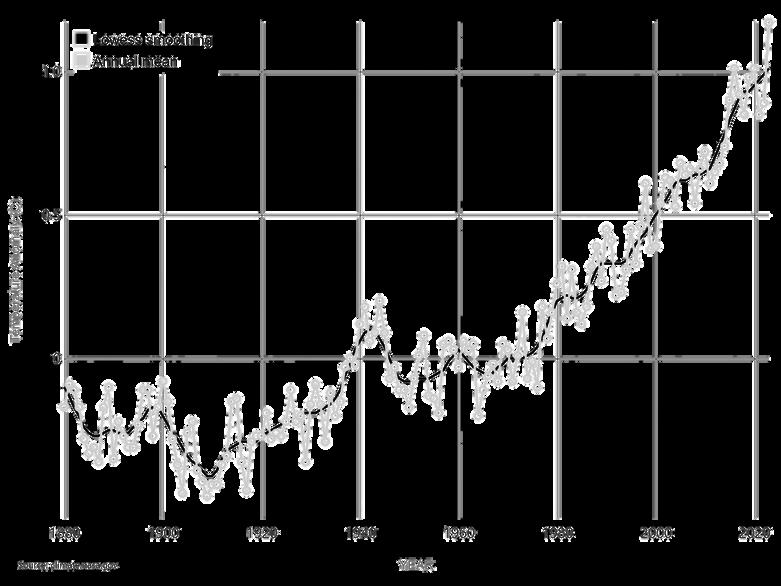
Since the Industrial Revolution, the usage of abundant fossil fuels resulted in the excess amount of greenhouse gases production. These greenhouse gases trap heat from the sun, which could otherwise be released into space It consequently raises the global temperature and leads to climate change According to NASA, approximately 1.36 degree Celsisus has increased in the average global temperature in 2023 compared to that of the late 19th-century
The rise in temperature requires major recognition, because both temperature and daylight serve as two crucial factors for indicating the appropriate blooming period to plants, during the spring season Plants detect the rise in temperature as the signal to make flowers They do so by detecting the warmer soil, where the hormone called florigen travels from the leaves to the plant’s meristems and activates the genes necessary for bloom Blooming is an important process for plants’ survival As plants reproduce through pollination held by pollinators such as bees or butterflies, making a flower which could attract the pollinators is significant for plants’ reproduction
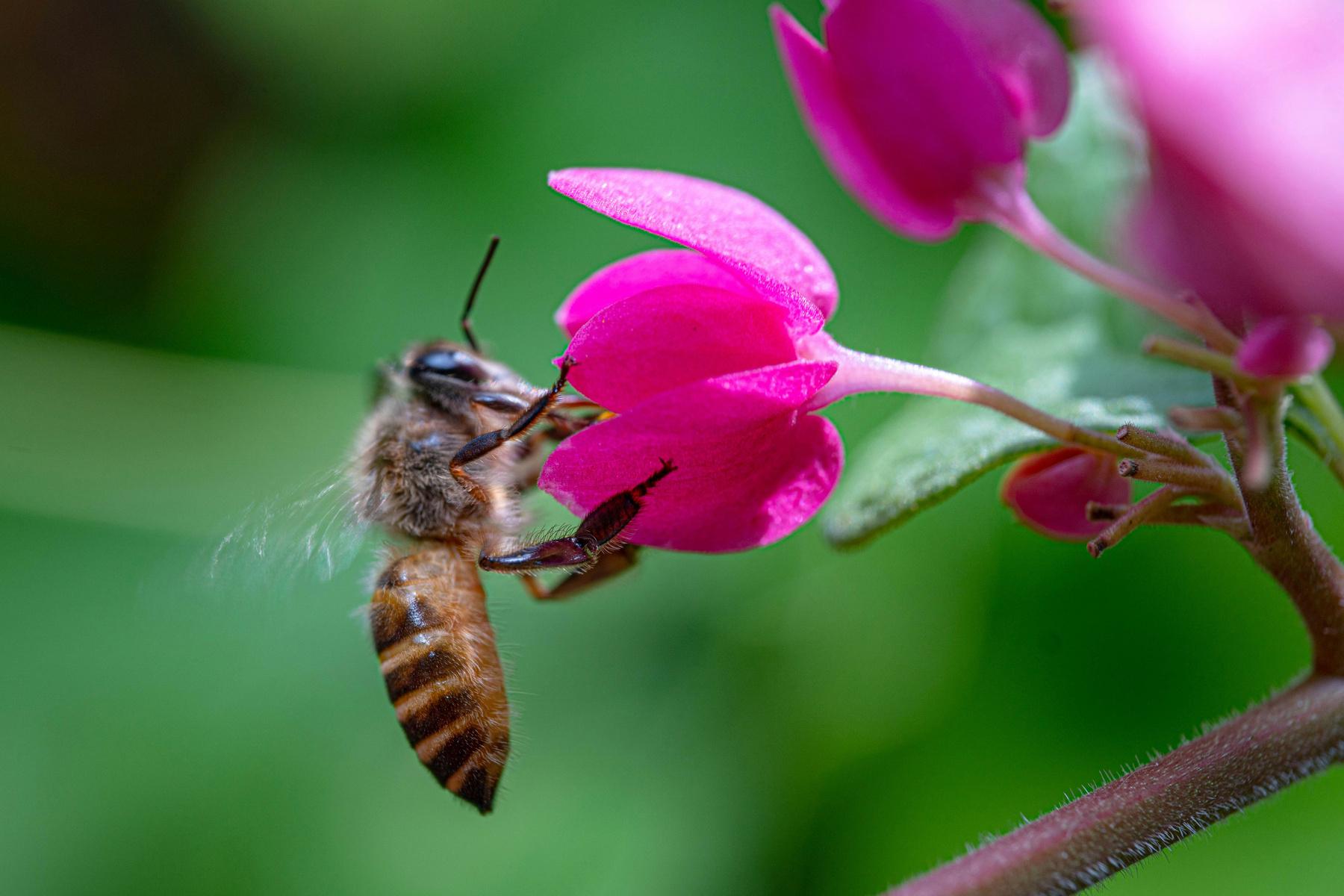
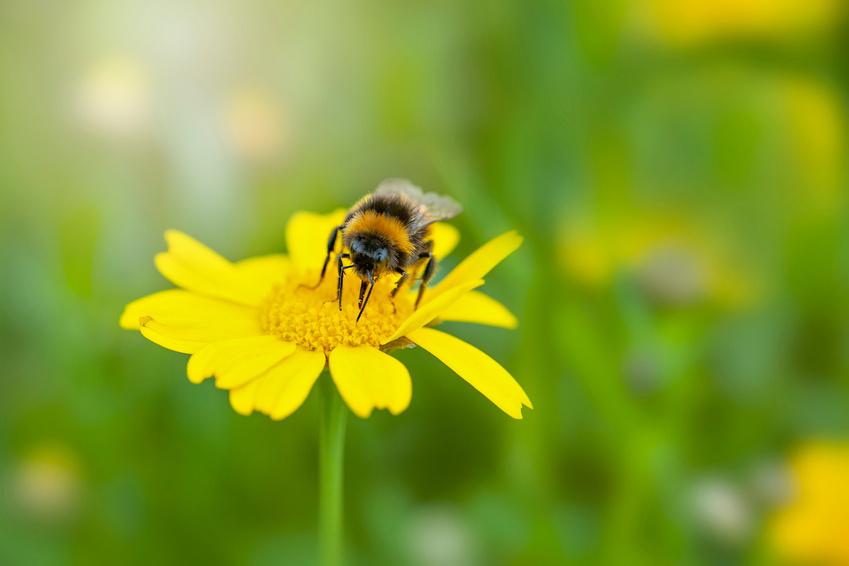
During pollination, bees collect pollen from the anthers, the male reproductive part of the flower, and transfer them to the stigma, which is the female reproductive part of the flower This transfer of pollen allows plants for fertilization of plant ovaries and the production of seeds, resulting in various food sources for living things Furthermore, Bees also benefit from pollination as the pollen they collect is a crucial source for feeding their offspring Without pollen, it is hard for bees to sustain their colony and life.
For pollination to be held normally, timing the plant’s blooming and the pollinator’s movement is crucial However, the appropriate time for plant blooming is being disrupted due to climate change and has risen as a primary concern in spring phenology. Since plants respond to environmental cues for growth, their annual development including blooming has changed during recent years As the temperature warms up earlier, some plants are blooming sooner and sooner. Early bloom creates a “temporal mismatch” between plants and bees Although climate change causes plants to bloom earlier, the window of time when bees are active for pollination remains unchanged. Hence the bees may not be able to access as many flowers as they did in the past As the opportunity for bees to perform pollination between plants declines, the rate of plant reproduction will also decline
Since various living things are intertwined with each other, co-evolving in the ecosystem, a mismatch in timing with other insects or animals’ ecological developments due to early bloom creates a domino effect in the entire ecosystem Many wild plant species which relied on pollination for reproduction will decrease. Consequently, it can lead to a decrease in plant populations, potentially accelerating biodiversity loss Moreover, as the seeds and food sources produced by plants are reduced, the animals that relied on those for food and shelter will start to struggle It will create an inevitable cascade throughout the food chain, ultimately destabilizing the ecosystem dramatically
Climate change is bringing a negative shift in spring phenology As ecosystems provide a variety of benefits to people, the damage in the ecosystem will eventually cause harm to humanity like a boomerang Understanding the significant impact of the ecosystem on humans, active implementations should be initiated to alleviate the impacts of climate change in the near future.
March 1, 2024 / Seoyoon Won / swon1359@gmail com
GREEN TO GOLD: GREEN TO GOLD:
THE PSYCHOLOGICAL IMPACT THE PSYCHOLOGICAL IMPACT OF PLANT COLOR CHANGES OF PLANT COLOR CHANGES
WHY PLANTS CHANGE COLOR IN DIFFERENT SEASONS, HOW CHLOROPHYLL IS PRODUCED, AND HOW COLOR AFFECTS HUMAN PSYCHOLOGY
JOSEPH LIM
The world consists of around 390,000 known species of plants, which all contribute to the ecosystem in their own unique way Although their function and catalyst behind serving these functions may differ, they all benefit the human species in one way or another, whether it may be through providing oxygen or a source of energy However, the importance of color and its fascinating effect on human psychology is often overlooked, even though it can influence the human brain in many different ways
HOW DO PLANTS CHANGE COLOR?
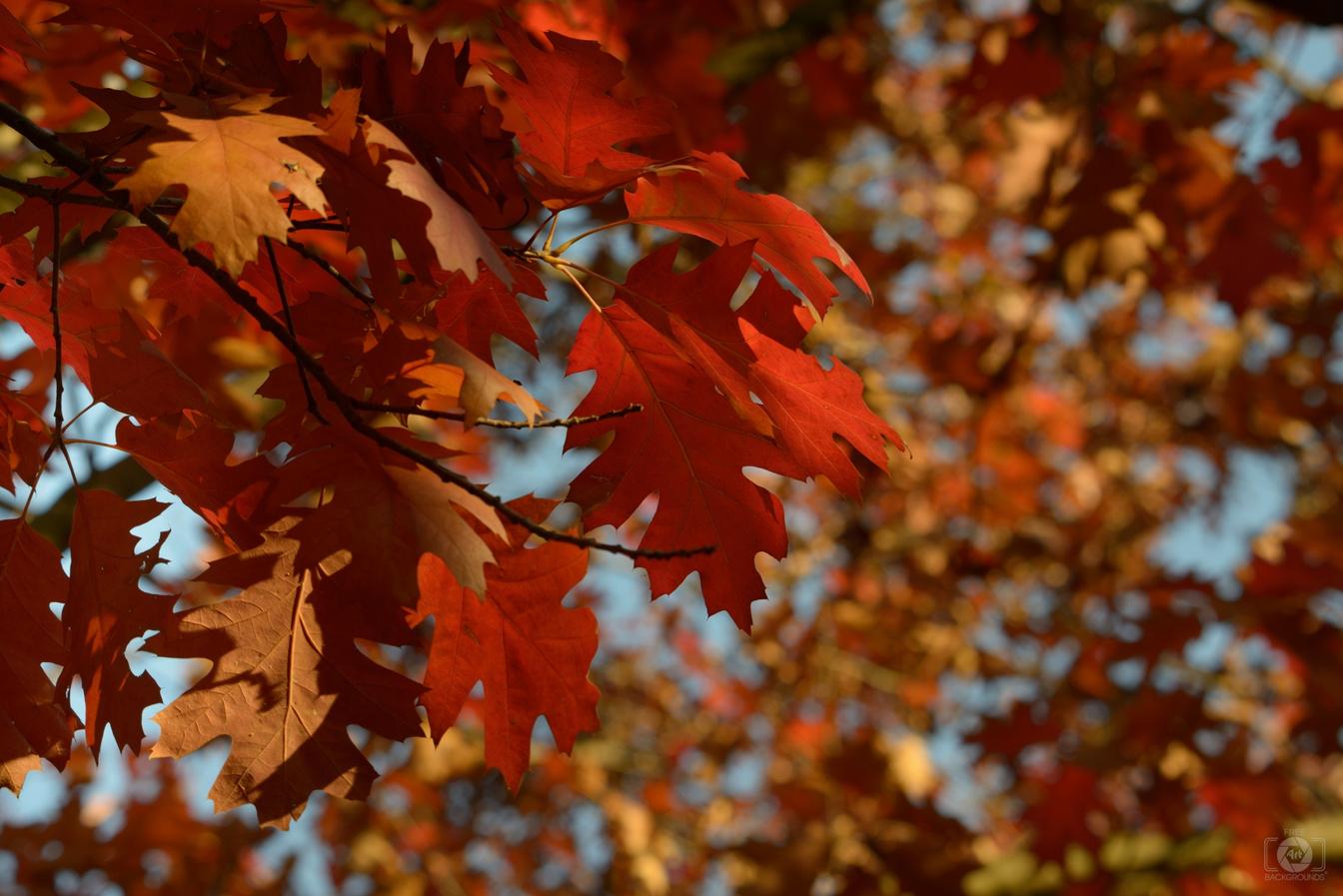
Before discussing the effects of color on human psychology, one must understand the process of how plants change color Color shift in plants is a natural phenomenon that demands certain criterias to be met The lack of sunlight as a result of shortened daylight hours during different seasons leads to certain pigments in the leaves to break down or unmask, thus its reveal of different colors More specifically, the increase of night length in autumn days leads to the stoppage of chlorophyll production until all the chlorophylls are eventually destroyed Chlorophyll is a pigment located in the chloroplast of plants which gives the plants its green color. The absence of chlorophyll unmasks the carotenoids and anthocyanin, two groups of pigments that portray a yellow and orange color on the leaf Carotenoids and anthocyanins are always present in the leaf, but they are masked by the chlorophyll Subsequently, when daylight hours increase as a result of the change in seasons, chlorophyll becomes dominant over the other pigments, and plants embody the familiar color of green once again This process repeats perpetually, creating a loop of color metamorphosis

HOW IS CHLOROPHYLL MADE?
The first phase of chlorophyll biosynthesis, or the production of chlorophyll, requires the amino acid glutamic acid to be converted into a 5 aminolevulinic acid (ALA)
Then, in order to form porphobilinogen (PBG), an organic compound/enzyme, two molecules of ALA are condensed. PBG ultimately creates pyrrole rings, organic compounds characterized by a ring structure of four carbon atoms and one nitrogen atom, in chlorophyll The next phase requires the assembly of a porphyrin structure consisting of four PBG molecules, eventually forming the product protoporphyrin IX
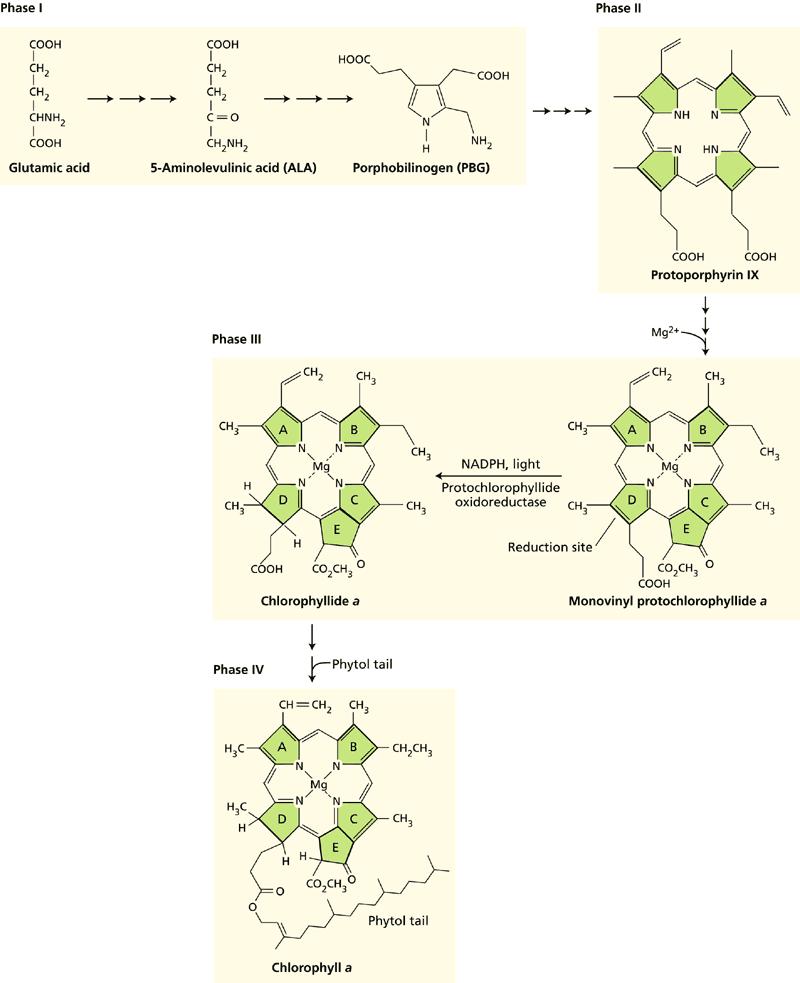
In order for the synthesis to lead to the production of chlorophyll instead of heme, magnesium must be inserted by the enzyme magnesium chelatase into the center of the protoporphyrin IX. Once the magnesium is placed, the next phase of chlorophyll biosynthesis is the formation of the fifth ring, ring e in order to form protochlorophyllide, a colorless precursor of chlorophyll The process entails reducing one of the double bonds in ring D by using NADPH, an important electron donor and a product of the first level of photosynthesis This reaction is stimulated by light in angiosperms and is carried out by the enzyme protochlorophyllide oxidoreductase. Protochlorophyllide is then converted into chlorophyllide a, a biosynthetic precursor of chlorophyll, with the help of an enzyme; protochlorophyllide reductase
The final step includes the attachment of the phytol tail, a long hydrophobic hydrocarbon chain, which is activated by the enzyme chlorophyll synthetase in order to finally form the long awaited chlorophyll
WHAT EFFECTS DOES COLOR BRING TO HUMANS?
A common misconception people hold about plants is that the color has minor effects when compared to its smell and function. However, according to a 2020 study that surveyed the emotional associations of 4,598 people from 30 different countries, people commonly associate certain colors with specific emotions. According to the results, 68% associated red with love, 39% associated green with contentment, 52% associated yellow with joy, and 44% associated orange with joy In other words, the commonly portrayed colors by plants are often associated with positive emotions such as joy and love Additionally, a series of experiments conducted by scientists Elliot and Maier showed that a small stimulus in the color red as compared to another color significantly reduced performance in tests and measures related to reasoning abilities. In other words, when students were presented with the color red, their test scores were poorer compared to exposure to another color Available empirical data from the experiment suggests that because the color red is associated with caution and danger, seeing red activates thoughts about failure, leading to poorer test performances These results suggest a universal effect of red color on intellectual performance, thus proving that color can influence cognitive performance and have effects on human psychology

As therapeutic methods advance with the rapid development of technology, we can expect the advancement of Chromotherapy, or the use of colors to heal, respectively By researching the psychological effects of colors more thoroughly, humans might be able to discover the panacea to all mental disorders
March 1, 2024 / Joseph Lim / jojo08siwa1216@gmail com
INVESTIGATING THE ENVIRONMENTAL AND SOCIAL CHANGES
W O O J I N C H U N G W O O J I N C H U N G
REVIVAL AND REVIVAL AND REJUVENATION: REJUVENATION:
As Spring 2024 unfolds, our world finds itself confronted with pressing environmental issues and societal transformations With each changing season, our planet's landscape serves as a reflection of both nature's resurgence and humanity's evolving dynamics This essay aims to explore the ongoing environmental and social shifts occurring during this vibrant period, drawing insights from diverse sources to offer a comprehensive understanding of the unfolding changes
Environmental Renewal
Spring signals a period of rejuvenation in nature, as dormant life forms awaken and ecosystems experience a resurgence. As outlined by the National Oceanic and Atmospheric Administration (NOAA), Spring 2024 heralds notable shifts in weather patterns, including increase in temperatures and precipitation levels across diverse regions These changes are attributed to intricate environmental dynamics, particularly the ongoing influence of climate change on global weather systems

Furthermore, findings from NASA's Earth Observatory shed light on environmental progress observed during Spring 2024 Satellite imagery captured during this time reveals encouraging signs of recovery in areas previously impacted by human activity For instance, regions once deforested show promising signs of regrowth, indicative of concerted efforts towards reforestation and habitat restoration. Moreover, several urban centers exhibit tangible improvements in air and water quality, underscoring initiatives aimed at curbing pollution and fostering sustainable development
Social Transformation
In Spring 2024, alongside environmental shifts, there are notable changes in societal attitudes and behaviors. The enduring impact of the COVID-19 pandemic, which has reshaped human interaction, continues to influence social dynamics during this season The World Health Organization (WHO) emphasizes ongoing efforts to combat the virus through vaccination campaigns and public health measures, contributing to a gradual return to pre-pandemic norms.
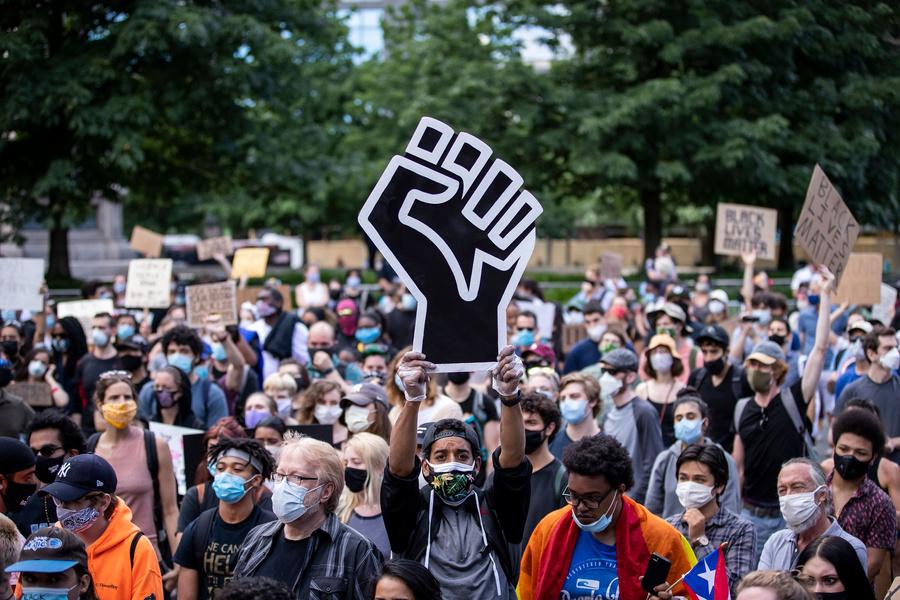
Moreover, Spring 2024 witnesses a surge in activism and advocacy concerning social justice issues Organizations like Amnesty International and Black Lives Matter persist in mobilizing communities and advocating for systemic reforms to address racial inequality and discrimination Concurrently, grassroots movements championing environmental conservation and climate action gain momentum, with youth-led initiatives playing a significant role in raising awareness and instigating change
Technological Innovation
Spring 2024 witnesses a remarkable surge in technological innovation aimed at tackling pressing societal and environmental challenges. The World Economic Forum highlights advancements in renewable energy technologies, particularly in solar and wind power generation These breakthroughs offer promising solutions for reducing reliance on fossil fuels and mitigating the impacts of climate change

Furthermore, strides in artificial intelligence (AI) and data analytics are reshaping multiple sectors, ranging from healthcare to transportation Tech giants like Google and Microsoft are harnessing AI algorithms to optimize resource management and improve energy efficiency. Additionally, smart city initiatives, fueled by Internet of Things (IoT) technologies, are revolutionizing urban landscapes and fostering sustainable urban development
Conclusion
In summary, Spring 2024 stands out as a crucial juncture characterized by environmental rejuvenation, social evolution, and technological advancement While the natural world undergoes a revival, human society faces the complexities of a swiftly transforming landscape. By uniting the efforts of governments, organizations, and individuals, we can navigate these shifts and pave the way for a more resilient and sustainable future for generations to follow
Februrary 29, 2024 / Woojin Chung / boomboysoccer@gmail com
Addressing Seasonal Addressing Seasonal
Infectious Diseases Outbreaks Infectious Diseases Outbreaks in the
Globalized World in the Globalized World
Unveiling the changes in our society and the consequently increased threats

IRIS NAM
As the world develops into sophisticated global communities, many technological advancements and achievements have been made Despite these advancements, however, many problems have also arisen In 2019, COVID-19, which started as a small outbreak in China became a global pandemic threatening millions of lives in only a few months COVID-19 affected many people negatively and the world has still not recovered fully from the traumatic experiences While the scrutinizing threat of infectious diseases has been recognized by many since the recent outbreak, it should be duly noted that there are also seasonal infectious diseases outbreaks that threaten our lives yearly To this end, it is important to raise awareness of these seasonal outbreaks and educate oneself on such issues

Most infectious diseases are known to be present only in certain seasons For example, according to the Columbia University Irving Medical Center(CUIMC), spring is commonly known as chickenpox season while summer is known as lyme disease season Winter is known for being the season of the brutal flu and in autumn, many people catch the common cold I would like to touch upon those that are most present in spring An article by CUIMC states that seasonality occurs not just in acute infectious diseases but also in chronic infections like Hepatitis B which, depending on geography, flares up with greater regularity certain times of the year
Then, how are these infectious diseases affected by the season? How does the change in temperature and precipitation influence such factors of biotic and abiotic environments, disease vectors and hosts, human behavior and such? According to Jaclynn Moskow’s article, infectious diseases are seasonal because of two main reasons On a molecular level, the numbers of circulating lymphocytes and other immune cells have been observed to vary depending on the season Second reason is that temperature, moisture and UV light can affect the infectivity of pathogens
The first infectious disease of spring is the spring fever The historical symptoms of spring fever are joint swelling, loose teeth, poor wound healing and experiencing weakness However in the modern times, people no longer experience such symptoms and rather the term ‘spring fever’ is used to describe the utter excitement at the start of the spring
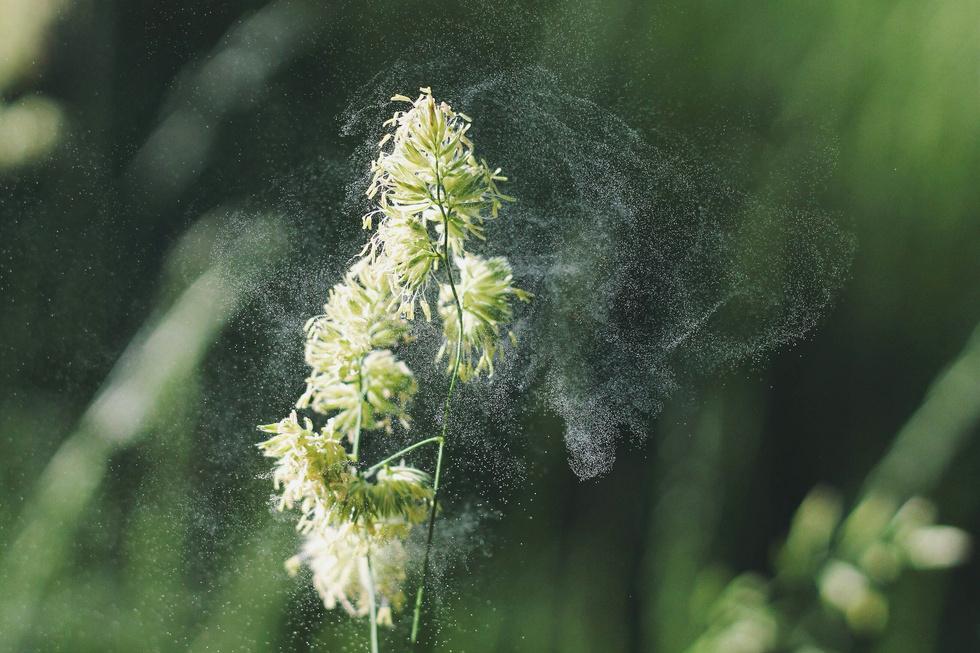
One of the most prevalent spring diseases is seasonal allergies and asthma Trees, grasses and flowers produce pollen during the springtime which instigate allergies and asthma Symptoms of seasonal allergies include congestion, sneezing, coughing, sore throat, post-nasal drip and headache If these symptoms develop into extreme cases, anaphylaxis may occur which is when the immune system releases a flood of chemicals that cause the body to go into shock
Above are two of many infectious diseases that occur in spring. As the world develops more into a globalized society, the awareness of such infectious diseases and those that will be later discovered should be raised. On an individual level, it is crucial to check for any symptoms of such diseases that take extra caution for such seasonal diseases.
March 1, 2024 / Iris Nam / irisenam@gmail com
What is Daylight Savings? What is Daylight Savings?
History of daylight saving time and how it impacts society
History of daylight saving time and how it impacts society

J U N H Y U K B H A N G
when we were young, our parents told us to set the locks 1 hour early and set it back later in the year; we just back later in the year; we just did it without knowing the reason why Little did we know, that 1-hour difference each year may significantly enhance the efficiency of everyone ’ s lives and has profound effects
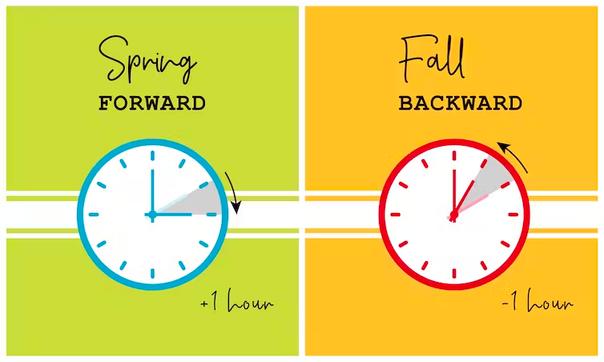
Daylight saving time (DST) is the practice of adjusting clocks forward by one hour during the warmer months, typically in the spring, and setting them back by one hour in the fall The primary goal of this is to make better use of natural daylight and, in theory, reduce the need for artificial lighting in the evenings By aligning waking hours more closely with daylight hours, it's believed that energy consumption for lighting can be reduced
How did DST originate? The invention of DST is often credited to one man: Benjamin Franklin In a 1784 essay titled "An Economical Project," Franklin humorously suggested that people could “economize” on candles by waking up earlier to make use of natural daylight At first, his suggestion was viewed as a joke and was easily disregarded
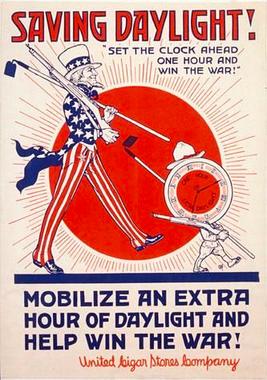
The first practical usage of DST came during WW1 by the Germans They adopted DST in 1916 as a wartime measure to conserve energy Other European countries, such as the United Kingdom and France, followed suit The reasoning behind this was to reduce the need for artificial lighting and save fuel during the war However, after the war, due to no immediate need to save energy, DST was quickly abandoned by most countries Similarly, in WW2, DST, then called “War Time,” was again used by the countries fighting the war to save and conserve energy
Later in the United States, the Uniform Act of 1966 officially set the start and end dates of DST all across the country; it was established so that the last sunday of April can be the start of DST and finish at the end of the first sunday in November At that time, it was not mandatory for all states to
comply–it was rather optional– leading to a patchwork of practices across the nation
Then, in 2005, the Energy Policy Act rearranged the start and end dates for DST to be longer The new rules moved the start of DST to the second Sunday in March and the end to the first Sunday in November, adding more weeks to the daylight-saving period
Different countries and regions have adopted and abandoned DST at various times The rules for implementation, including the start and end dates, vary widely from many factors Some countries, particularly ones closer to the equator where daylight duration is more consistent throughout the year, do not practice DST at all
Although DST is known for its ecofriendly approach, there has been an ongoing debate regarding the multifaceted impact of DST on society: mainly involving health concenrs, productivity issues, and public sentiment For its benefits, proponents argue that DST contributes positively to strength conservation by reducing the reliance on artificial lights for the duration of evenings Additionally, certain industries, in particular retail and outside recreation, may also benefit from extended daylight, as it would extend the available time for consumption and entertainment However, the financial benefits are context-based, and not all sectors might experience the same advantageous effects.
To elaborate, not all sectors worldwide experience the same benefits from DST due to many factors such as geographical location, industry focus, and regional economic structures. Regions closer to the equator with consistent daylight throughout the year or those with indoor-focused industries may not see significant advantages from DST. Additionally, harsh winter conditions in some areas can diminish the impact of extended daylight hours. Therefore, the benefits of DST vary across different sectors and regions globally.
On the contrary, the societal impact of DST raises issues in numerous aspects Firstly, critics contend that concerns involving disruptions to sleep patterns and transient increases in fitness issues pinpoint the potential health implications This includes coronary heart assaults and strokes, for the duration of the adjustment period
However, as mentioned before, DST also provides societal benefits from more efficient usages of daylight hours to strengthened mental health Longer time outdoors helps people sooth and industrial sectors like tourism can work for longer hours without getting impacted
Moreover, safety issues are also debated; while proponents argue that prolonged daytime lessen injuries and crimes within the evening, the opposition claim that the clock adjustments may externally impact the reduction in alertness, extending the possibility of danger Public opinion, nonetheless, varies In the midst of the continuous debate many countries have made adjustments to DST practices, some leaning towards the preferrence of DST and making it permanent Others, on the other hand, completely abolished the idea– to deal with the complex societal dynamics
To conclude , DST still remains a relevant topic of debate, emphasizing the need to balance the potential benefits in energy conservation and economic activity with concerns about health, safety, and disruptions to daily life Do you personally agree that DST overcomes its cons, or do you believe that the harms are too significant to overcome?
February 24, 2024 / Junhyuk Bhang / 1simonjohn9598@gmail com
Change In Seasons, Change In Seasons, Changes In Spring Changes In Spring
ELLEN RYU
When the sky is dark, we feel blue When the days are short, our energy is also cut When it is winter, we feel depressed. The common perception is that people are passive during winter. However, this behavior does not last forever. As winter passes through and spring arrives, changes occur to the human body in many ways.
Positive Changes
As days get longer during spring, the retina, a light-sensitive layer in the back of the eye that connects the eye to the brain, reacts differently. When it is darker during winter, the human body naturally produces more melatonin, a hormone that affects our sleep. As a result, people sleep more and are less active, leading to continuous low mood or sadness. However, as days get shorter in spring, melatonin decreases as well as the lethargic feelings. The increase in sunlight increases energy, and people tend to feel happier.
Another positive effect of spring on the body is that time spent outdoors increases, leading to an increase in exposure to Vitamin D. Vitamin D, a vitamin that increases intestinal absorption of calcium, magnesium, and phosphate, is a crucial portion of well-being. Because Vitamin D is in charge of absorbing calcium, without Vitamin D, our bones “ can become thin, brittle, or misshapen” (NIH, 2023). Therefore, as the weather gets warm and sunlight increases during spring, people want to leave their houses and explore the outside world. As a solution, people go outside to either go on a picnic, exercise, or travel; in 2023, 47 percent of Americans, nearly half the population, had plans to travel in spring. During these trips, people naturally supplement Vitamin D. Exposure to Vitamin D not only benefits people’s bodies physically but also helps to alleviate symptoms of depression and anxiety Therefore, due to the exposure to sunlight and nature, both mental and physical health improve during spring
Negative Changes
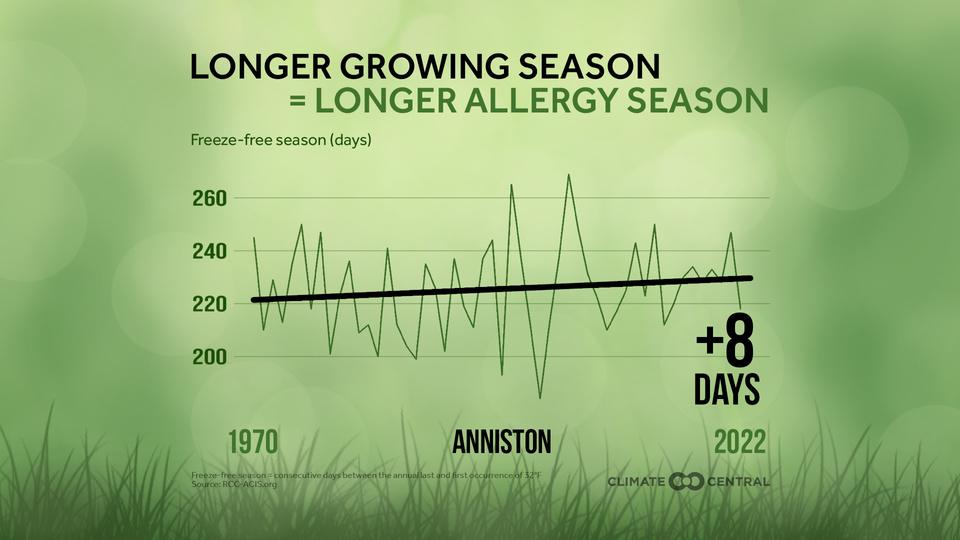
Because spring has many positive impacts on humans, it might seem like having an earlier or longer springtime is ideal. However, an earlier arrival of spring can also have negative effects. As flowers start to bloom earlier, the pollen season becomes longer. Longer exposure to pollen leads to a higher risk of seasonal miseries like seasonal allergies, the sixthmost common cause of chronic illness in the US (USA Facts, 2023). In fact, since 1970, the freeze-free season in the US “lengthened by more than two weeks (15 days) on average ” (Climate Central, 2023). Therefore, longer exposure to seasonal allergies conditions leads to people suffering the allergy symptoms, including sneezing, congestion, and runny nose, for a longer period, which is not the most ideal way to spend time during spring. Furthermore, the change in temperature from winter to spring can cause an increase in headaches and migraines. This is because the barometric pressure, or the force or weight of the air surrounding us, fluctuates. Changes in the barometric pressure impacts the blood flow in the body, which can “contribute to sinus pressure and trigger a migraine episode” (Healthline, 2023). Thus, due to various springtime triggers, the human body can become prone to sickness.
Though people become more active during spring, this vitality does not apply to sexual activities. This is also because of hormones. Levels of testosterone, a hormone that regulates sexual drives, are comparatively low during spring. The reason behind this change is linked to gestation periods, the period of women being pregnant. Because humans have long gestation periods, it is healthier to get pregnant during fall than spring. From an evolutionary perspective, avoiding being pregnant during winter lead to healthier babies as food sources were futile during winter. Therefore, fall was the most ideal time to be pregnant, naturally leading to decrease in testosterone during spring
March 1, 2024 / Ellen Ryu / ellenyryu@gmail com
NAVIGATING NAVIGATING
SEASONAL ALLERGIES SEASONAL ALLERGIES
A deep dive into the causes of Hay Fever and ways we can relieve its symptoms
 LUCY JANG
As snow melts and nature awakens from its winter slumber, so do seasonal spring allergies Whether it is a runny nose, some sneezing, or itchy eyes, spring marks the onset of a plethora of unpleasant symptoms for many people. More commonly known as hay fever, Allergic Rhinitis, according to Cleveland Clinic, is defined as an allergic reaction that causes sneezing, congestion, itchy noses, and watery eyes.

Despite it being called Hay Fever, the disease fortunately has no correlation with hay or fever Hay Fever is caused by a cascade of reactions in the immune system which leads to the body’s release of the natural chemical histamine
When one breathes in allergens tiny particles in the air through their nose or mouth, the body reacts by producing Histamine Although Histamine has many functions including its role in regulating sleep-wake cycles and cognitive functions, the chemical is mainly known for its ability to cause allergy symptoms
Typically, allergens are harmless to the human body However, allergy symptoms such as sneezing, nasal congestion, and eye irritation occur when the immune system overreacts to the allergens present inside the body Although these symptoms are usually limited to one part of the respiratory system, severe reactions can cause signs of anaphylaxis such as hives, difficulties in breathing, and severe nausea
Hay Fever is not identical to infectious rhinitis, otherwise known as the common cold, and therefore is not contagious
One of the reasons why Hay Fever is so common in the spring is because many plants and natural triggers start to emerge along with the warm weather Some common triggers of Hay Fever are mold allergies; cockroach droppings; and pollen from trees, plants, and weeds Pollen is everywhere during spring, which is why many outdoor seasonal allergies occur during this season although Hay Fever can also occur during other seasons as well
With around 20 percent of South Korea’s population suffering from symptoms, Hay Fever is a prevalent disease According to a review published in the National Library of Medicine, the prevalence of allergic diseases has dramatically increased in the recent decades, and are now considered one of the major chronic diseases at the global level The review stated the reason for this is partly related to environmental changes including industrialization and urbanization of many parts of the world
So what are the risk factors for Hay Fever? Allergies are usually inherited, meaning that you are more likely to carry genes for Hay Fever if you have a parent or blood-related family member with allergies In addition to the genetic factors of Hay Fever, people with asthma a lung disease where the body’s airways get swollen and narrow due to excess mucus and eczema a skin condition that causes dry and itchy patches of skin are also more likely to possess Hay Fever
Although symptoms for Hay Fever are noticeable within our daily lives, getting an official diagnosis by a professional healthcare provider may help one relieve the symptoms more efficiently. Allergy tests are commonly performed to determine the causes of Hay Fever. One common example is the blood allergy test In a blood allergy test, also known as an immunoglobulin E (IgE) test, a medical professional takes a sample of the patient’s blood and measures the antibodies to an allergen in that sample In a skin prick test, the skin, usually of the forearm or back, is pricked with a needle after samples of different allergens are placed on it If the tester is allergic to the specific allergen, the skin will become irritated in around 15 to 30 minutes Intradermal testing is similar, but the allergen is placed underneath the skin

Unfortunately, there is no way to prevent hay fever However, changes in one ’ s lifestyle can be made to relieve the symptoms as much as possible The main key to relieve allergy symptoms is avoiding contact with irritants and allergens as much as possible People who carry Hay Fever should avoid touching their nose or mouth with dirty hands and opening windows in homes or cars during the spring.
As flowers bloom and the beauty of spring unleashes its magnificence, it also brings along allergy season. Yet, Hay Fever does not cause severe harm to one ’ s health, and with the correct precautions, you will still be able to appreciate the season ’ s charm.
March 14, 2024 / Lucy Jang / lucyjang0904@gmail com
Fading Tongues Fading Tongues and Waning Springs and Waning Springs
Parallel Narratives Between Language Loss and Springtime Biodiversity Decline
Dominic Hahm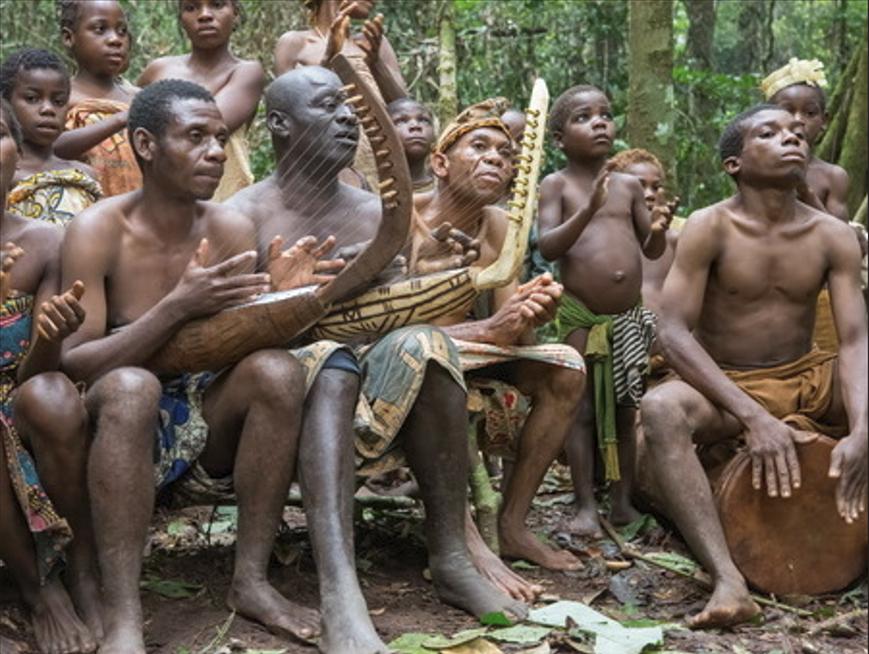
Currently, there are more than 7,000 languages spoken around the world, from the widespread English to the unrecognized Guayabero Yet, even this large number is merely a fraction compared to what was spoken throughout history. Linguists claim that around 31,000 languages existed in human history, signaling that around 80% of all human languages have become extinct.
Similarly, to examine the biodiversity of earth, it is crucial to consider the number of species in existence Although we have not identified these species fully, scientists estimate that there are around 8 7 million species of plants and animals inhabiting the planet today Again, this number may be perceived as large, until compared to the number of species that existed since ancient eras Up to 4 billion species of plants and animals are estimated to have lived at some point during the lifetime of this planet According to these estimates, a staggering 99 8% of all living species have gone extinct up to the present day
Even besides this, language loss and biodiversity decline share more striking similarities; this interconnectedness reveals a symmetric relationship between social and ecological diversity By understanding these parallel narratives, we can implement conservation methods that recognize the intrinsic links between linguistic and environmental diversity, ultimately fostering a more integrated and sustainable approach to social and ecological preservation
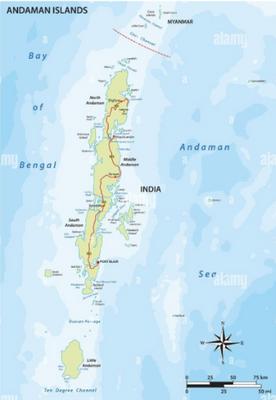
It is crucial that we are aware of the causes of this drastic decline Although there are many factors that influence the diminishment of such human communication, experts identify the imposition of colonial languages on colonized regions to be the primary contributor Specifically, the concept of linguistic imperialism has bothered many indigenous tribes across the ages In linguistic imperialism, whether through force or natural changes, a dominant language suppresses the use of a relatively non-dominant one, in some cases leading to the extinction of that language Examples of this have been well demonstrated by the British colonization of Asia Specifically, the extinction of the Dusner language had been prompted by the British colonization of the Andaman Islands, a union territory of India One of the most eminent languages in the Islands at the time faced devastating threats by the colonizers, eventually resulting in its suppression and depopulation of the indigenous speakers Currently, the language is practically extinct, with an estimated speaking population of just three people
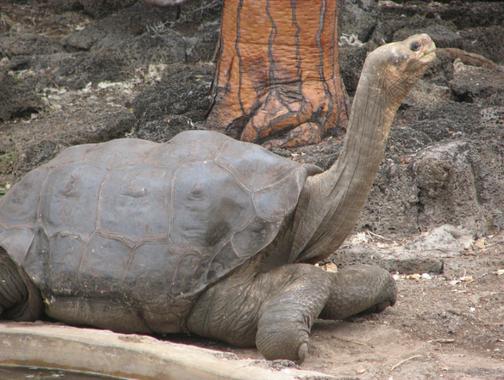
Likewise, the causes of biodiversity loss have also been regularly identified throughout history Mainly, the rapid industrialization of human society is regarded as a significant negative influence on the preservation of biodiversity The increase in human population and economic growth have also endangered species due to a number of different reasons, including but not limited to its ability to pollute environments, destroy habitats, and change the climate The extinction of the Pinta Island Tortoise, a reptile species discovered in 1877, exemplifies the threatening influence of industrialization on relatively uncommon species Human introduction in the late 17th century led to an overexploitation of resources and habitat destruction on the Pinta Island, limiting the available space and resources for the tortoises and eventually leading to their depopulation The species is fully extinct today, with its last member dying in 2012
Language extinction is not confined to the past, but it is an ongoing phenomenon. The rate at which this is happening is intimidating; specialists approximate that around 3000 languages, or half of the languages spoken today, will disappear by the end of the century, at a rate of one every two weeks What lends credibility to this estimate is the menacingly high proportion of currently spoken languages that are indigenous Indigenous languages are more prone to extinction due to their low populations, threats of cultural assimilation, trends towards globalization, and more Currently, around 6,700 of the 7,000 languages spoken around the world are indigenous: over half of the 7,000 have fewer than 10,000 speakers
Similarly, biodiversity decline is also an enduring issue Recently, there has been an average decline of 69 percent in wildlife populations between 1970 and 2018, signifying that biodiversity is diminishing faster than it ever has With cycads (a group of plants) and corals under the most threat, experts predict that without significant conservation strategies, one of three species will be extinct by the year 2100 Again, this trend is even more threatening knowing that more than 44,000 species are currently threatened with extinction in the International Union for Conservation of Nature (IUCN) Red List.
The historical trend and future prospects of language loss and biodiversity loss were similar in many ways; however, their potential impacts on the world are even more comparable, from affecting the globe culturally to eroding traditional knowledge.
To many cultures, language serves as a basic carrier of cultural expressions, values, and traditions. Without this crucial tool gluing together societies and traditions, cultural value diminishes, as linguistic diversity is integral to the richness of a community’s heritage In other words, cultural erosion, or parts of culture becoming lost over time, will undoubtedly start to take place with the disappearance of languages This poses a serious threat to indigenous communities or tribes, as for most of them, their existence solely depends on their ability to continue expressing culture and tradition The adverse impact of cultural erosion extends beyond the affected communities; it also negatively influences the individuals in these communities and the global community as a whole Specifically, individuals may experience the negative effects of cultural erosion through loss of identity With the disappearance of this distinct cultural feature, community members may struggle to connect with their cultural heritage and have trouble finding their sense of belonging Moreover, cultural erosion and the eventual diminution of communities lead to cultural homogenization, which refers to the process by which diverse cultures converge under the influence of more dominant ones With this phenomenon, standardization of products, behaviors, values, and more will certainly take place, leading to further negative effects such as global monoculture
For many communities, biodiversity loss may also correlate with cultural diversity loss As many cultures are deeply represented in language, other cultures are also often represented by their connections with the environment For such communities, traditional practices and beliefs are frequently intertwined with the ways of the ecosystem For instance, the Baka people are part of a renowned tribe of Central Africa, traditionally leading a semi-nomadic lifestyle characterized by intensive hunting, fishing, and gathering With their intricate knowledge of the African rainforest, they strategically gain the resources needed to survive Moreover, they are also characterized by their unique tradition relating to spirituality and music: they engage in various ceremonies and dances in order to connect with the forest and its spirits As communities like this experience biodiversity loss, their long-established, cultural ways of life deteriorate simultaneously In reality, the Baka people suffer from these challenges, facing deforestation, logging, and encroachment of the outside world as significant threats to their cultural identity; as their environment rapidly disappears, the Baka people witness their traditional habitat, food, and forms of entertainment disappear with it
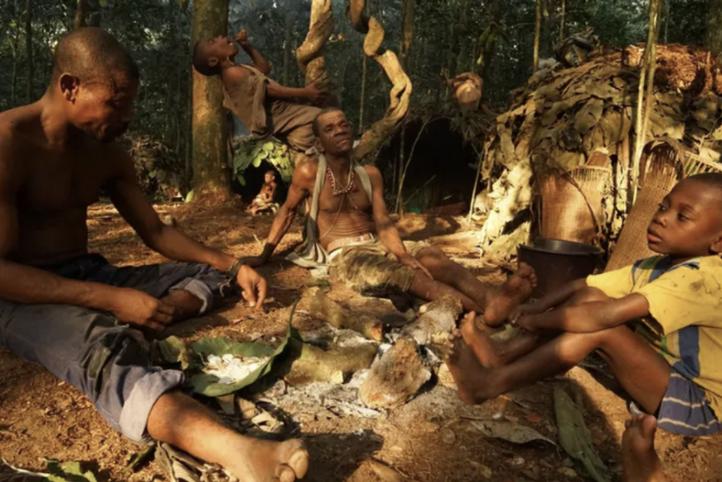
For many communities, biodiversity loss may also correlate with cultural diversity loss. As many cultures are deeply represented in language, other cultures are also often represented by their connections with the environment For such communities, traditional practices and beliefs are frequently intertwined with the ways of the ecosystem For instance, the Baka people are part of a renowned tribe of Central Africa, traditionally leading a semi-nomadic lifestyle characterized by intensive hunting, fishing, and gathering With their intricate knowledge of the African rainforest, they strategically gain the resources needed to survive Moreover, they are also characterized by their unique tradition relating to spirituality and music: they engage in various ceremonies and dances in order to connect with the forest and its spirits As communities like this experience biodiversity loss, their long-established, cultural ways of life deteriorate simultaneously In reality, the Baka people suffer from these challenges, facing deforestation, logging, and encroachment of the outside world as significant threats to their cultural identity; as their environment rapidly disappears, the Baka people witness their traditional habitat, food, and forms of entertainment disappear with it
As such, language loss and biodiversity loss share striking similarities, from its historical trends to impacts and future prospects To avoid these two phenomena from destroying our earth further, we must acknowledge the resemblance between the two issues and strive to devise a comprehensive and effective solution
March 4, 2024 | Dominic Hahm | dominichahm@gmail com
WORKSCITED
THEDYNAMICSOFSEASONALCHANGESONSPORTSINJURYRATES-ETHANKIM
CynthiaRLaBella,MD“EffectofNeuromuscularWarm-uponInjuriesinFemaleSoccerandBasketballAthletesinUrbanPublicHighSchools:ClusterRandomized ControlledTrial”ArchivesofPediatrics&AdolescentMedicine,JAMANetwork,1Nov2011,jamanetworkcom/journals/jamapediatrics/fullarticle/1107636 “WhySpringSportsInjuriesAreCommon&HowtoPreventThem”MichiganHighSchoolAthleticAssociation,11Apr2023,wwwmhsaacom/topics/healthsafety/why-spring-sports-injuries-are-common-how-prevent-them Walston,Zach“DoesStretchingPreventInjury?”PTSolutions,4Aug2022, ptsolutionscom/blog/stretching/#::text=Stretching%20and%20mobility%20exercises%20in,may%20not%20be%20the%20cause AdvanceER.“CommonSpringSportsInjuries.”AdvanceER,22Feb.2022,www.advanceer.com/resources/blog/2022/february/common-spring-sports-injuries/. “Sprains”MayoClinic,MayoFoundationforMedicalEducationandResearch,27Oct2022,wwwmayoclinicorg/diseases-conditions/sprains/symptoms-causes/syc20377938
“ShinSplints”MayoClinic,MayoFoundationforMedicalEducationandResearch,wwwmayoclinicorg/diseases-conditions/shin-splints/symptoms-causes/syc20354105Accessed1Mar2024
THEIMPORTANCEOFLIVINGAREGULATEDLIFE-JIEUNPARK YonhapNews.Kwon,Ji-hyun.(2023)."ChemicalSecretioninthe'Habenula,'anUnknownBrainArea,RelievesDepression."[Online]Available: https://wwwynacokr/view/AKR20230802130200530
NaverKnowledgeEncyclopedia-Habenula[Online]Available:https://termsnavercom/entrynaver?cid=61233&docId=5751235&categoryId=6123
Book:"TheScienceofCircadianRhythms"(Publisher:SACHINPANDA)
[MaternalDeprivationandDepressioninEarlyChildhood]Hong,Ah-ryeumDongAScience-■ResearchersfromtheKoreaBrainResearchInstitutepublishinthe internationaljournal'StressNeurobiology'■Theexternalhabenulaofthebrainplaysasignificantroleindeterminingsusceptibilitytostress|WrittenbyJoJeong-ung's Backyard Fernandez,DiegoCarlos(2019)"LightAffectsMoodandLearningthroughDistinctRetina-BrainPathways"
PLANTSAREBLOOMINGEARLIER-SEOYOONWON
“PlantsAreFloweringaMonthEarlier–Here’sWhatItCouldMeanforPollinatingInsects”TheConversation,7Feb2024,theconversationcom/plants-are-flowering-amonth-earlier-heres-what-it-could-mean-for-pollinating-insects-176324
“TheEcologicalRisksofanEarlySpring”YouTube,YouTube,19Mar2018,wwwyoutubecom/watch?v=RP6GrscHRYI “FlowersAreBloomingupto92DaysEarlierDuetoClimateChange”EarthCom,wwwearthcom/news/flowers-blooming-92-days-earlier-due-to-climate-change/ “FlowersBloomEarlyConfusingBees-EffectsofClimateChangeonFlowers,Bees&PossiblyYou”YouTube,YouTube,20June2021,wwwyoutubecom/watch? vbkTQK2mv4hk.
“GlobalSurfaceTemperature”NASA,NASA,7Feb2024,climatenasagov/vital-signs/global-temperature/ “HowDoFlowersKnowWhentoBloom?”YouTube,YouTube,13May2017,wwwyoutubecom/watch?v=3CmQZTmIRI “Pollination.”NativePlantsandEcosystemServices,www.canr.msu.edu/nativeplants/pollination/.
GREENTOGOLD:THEPSYCHOLOGICALIMPACTOFPLANTCOLORCHANGES-JOSEPHLIM “biochemistry-Howischlorophyllmadeinplants?”ChemistryStackExchange,26June2014,https://chemistrystackexchangecom/questions/13932/how-is-chlorophyllmade-in-plantsAccessed1March2024
Cherry,Kendra“ColorPsychology:DoesItAffectHowYouFeel?”VerywellMind,20February2024,https://wwwverywellmindcom/color-psychology2795824#citation-4Accessed1March2024
“ScienceofFallColors|USForestService”USDAForestService,https://wwwfsusdagov/visit/fall-colors/science-of-fall-colorsAccessed1March2024
Willows,Robert“Chlorophyllsynthesis”MacquarieUniversity,MacquarieUniversity,2006,https://researchersmqeduau/en/publications/chlorophyllsynthesis#::text=Chlorophyll%20is%20synthesized%20within%20the,are%20catalyzed%20by%20soluble%20enzymesAccessed1March2024
Alexander,Andrea“WhyDoLeavesChangeColor?”RutgersUniversity,20September2023,https://wwwrutgersedu/news/why-do-leaves-change-colorAccessed1 March2024
YouTube:Home,3June2009,https://wwwresearchgatenet/publication/343119660LimitedevidencefortheeffectofredcoloroncognitiveperformanceAmetaanalysisAccessed15March2024
REVIVALANDREJUVENATION-WOOJINCHEONG
USDepartmentofCommerce,NOAANationalWeatherService,NOAA’sNationalWeatherService,wwwweathergov/Accessed1Mar2024
NASAEarthObservatory-Home”NASA,NASA,earthobservatorynasagov/Accessed1Mar2024
“WorldHealthOrganization(WHO)”WorldHealthOrganization,WorldHealthOrganization,wwwwhoint/Accessed1Mar2024
“EndExtrajudicialExecutionsinAmharaRegion”AmnestyInternational,26Feb2024,wwwamnestyorg/en/ Home-BlackLivesMatter,blacklivesmattercom/Accessed1Mar2024
“TheWorldEconomicForum”WorldEconomicForum,wwwweforumorg/Accessed1Mar2024
ADDRESSINGSEASONALINFECTIOUSDISEASESOUTBREAKSINTHEGLOBALIZEDWORLD-IRISNAM Grassly,NC,&Fraser,C(2006)SeasonalinfectiousdiseaseepidemiologyProceedingsBiologicalsciences,273(1600),2541–2550https://doiorg/101098/rspb20063604 Baker,RF,Mahmud,AS,Miller,IF,Rajeev,M,Rasambainarivo,F,Rice,BL,Takahashi,S,Tatem,AJ,Wagner,CE,Wang,L,Wesolowski,A,&Metcalf,CJE (2021)InfectiousdiseaseinaneraofglobalchangeNatureReviewsMicrobiology,20(4),193–205https://doiorg/101038/s41579-021-00639-z FismanDN(2007)SeasonalityofinfectiousdiseasesAnnualreviewofpublichealth,28,127–143https://doiorg/101146/annurevpublhealth28021406144128 Markyourcalendar:Allinfectiousdiseasesareseasonal(2022,October3)ColumbiaUniversityMailmanSchoolofPublicHealth https://wwwpublichealthcolumbiaedu/news/mark-your-calendar-all-infectious-diseases-are-seasonal Seasonalinfections-Types,causes&symptoms|SuburbanDiagnostics.(n.d.).SuburbanDiagnosticsIndiaPvt.Ltd.https://www.suburbandiagnostics.com/blog/seasonalinfections-overview
Moskow,J,&Moskow,J(2022,June14)Springtimeinfectiousdiseases:FromspringfevertoLymediseaseGIDEON https://wwwgideononlinecom/blogs/springtime-diseases/ Anaphylaxis-Symptoms&causes-MayoClinic(2021,October2)MayoClinichttps://wwwmayoclinicorg/diseases-conditions/anaphylaxis/symptoms-causes/syc20351468
Flu(Influenza)(2022)PennMedicineRetrievedMarch16,2024,fromhttps://wwwpennmedicineorg/for-patients-and-visitors/patient-information/conditions-treateda-to-z/flu-influenza#::text=Most%20symptoms%20go%20away%20in,may%20not%20feel%20like%20eating Learnaboutfivecommonspringtimeinfectiousdiseasesinchildren----ChineseCenterforDiseaseControlandPrevention(nd) https://enchinacdccn/healthtopics/infectiousdiseases/202304/t20230419265451html
WHATISDAYLIGHTSAVINGS?-JUNHYUKBHNAG Betts,JonathanD“DaylightSavingTime|Definition,History,&Facts”Britannica,https://wwwbritannicacom/topic/Daylight-Saving-TimeAccessed24February2024 Buckle,Anne“WhyDoWeHaveDaylightSavingTime?”TimeandDate,https://wwwtimeanddatecom/time/dst/historyhtmlAccessed25February2024 Mayorquin,Orlando“Whoinventeddaylightsavingtime?Timechangepurposeandorigins”USAToday,21February2023, https://wwwusatodaycom/story/news/nation/2023/02/21/daylight-saving-time-purpose-explained/11275474002/Accessed24February2024 McMillan,Alexx“TheHistoryofDaylightSavingTime|AlumniAssociation”UniversityofColoradoBoulder,7November2022, https://wwwcoloradoedu/coloradan/2022/11/07/history-daylight-saving-timeAccessed25February2024 Waxman,OliviaB“DaylightSavingOrigins:WhoInventedDaylightSavingTime?”Time,4November2016,https://timecom/4549397/daylight-saving-time-historypolitics/Accessed24February2024
CHANGEINSEASONS,CHANGESINSPRING-ELLENRYU Akpınar,Ş,&Karadağ,MG(2022,September13)IsVitaminDImportantinAnxietyorDepression?WhatIstheTruth?NCBIRetrievedMarch14,2024,from https://wwwncbinlmnihgov/pmc/articles/PMC9468237/ Coleman,J(2023,March22)SpringIsStartingEarlier--It'sNotYourImaginationScientificAmericanRetrievedMarch2,2024,from https://wwwscientificamericancom/article/spring-is-starting-earlier-its-not-your-imagination/ Davis,JL(2002,March19)YouGiveMe(Spring)FeverWebMDRetrievedMarch2,2024,fromhttps://wwwwebmdcom/women/features/you-give-me-springfever InterestingThingsThatHappentoYourBodyintheSpring(2023,May15)ActiveBeatRetrievedMarch2,2024,fromhttps://activebeatcom/your-health/interestingthings-that-happen-to-your-body-in-the-spring/ Jacobs,J.(2022,February9).6ReasonstoLovetheSpringSeasonfromaHealthPerspective.PacificPrime.RetrievedMarch2,2024,from https://wwwpacificprimecom/blog/6-reasons-to-love-the-spring-season-from-a-health-perspectivehtml Lee,SW,&Werner,C(2023,March27)UnderstandingandAvoidingSpringMigraineTriggersHealthlineRetrievedMarch14,2024,from https://wwwhealthlinecom/health/migraine/spring-migraine-triggers#takeaway Naughton,S(2023,April8)Seasonofjoy:7in10peoplefeelmorespontaneous,motivatedbyspringtimeStudyFindsRetrievedMarch2,2024,from https://studyfindsorg/spring-motivation-warm-weather/ VitaminD-HealthProfessionalFactSheet(2023,September18)NIHOfficeofDietarySupplementsRetrievedMarch2,2024,from https://odsodnihgov/factsheets/VitaminD-HealthProfessional/ Wein,H(2013,September23)UnderstandingHowTestosteroneAffectsMenNationalInstitutesofHealth(NIH)RetrievedMarch2,2024,from https://wwwnihgov/news-events/nih-research-matters/understanding-how-testosterone-affects-men WhySpringIstheWorstSeasonoftheYear(2020,March9)BusinessInsiderRetrievedMarch2,2024,fromhttps://wwwbusinessinsidercom/why-spring-is-worstseason-of-the-year#warmer-weather-also-equals-more-people-outdoors-crowding-the-sidewalks-beaches-and-places-youre-trying-to-visit-8
NAVIGATINGSEASONALALLERGIES-LUCYJANG
professional,ClevelandClinicmedical“AllergicRhinitis(HayFever)”ClevelandClinic,myclevelandclinicorg/health/diseases/8622-allergic-rhinitis-hay-feverAccessed 1Mar2024
professional,ClevelandClinicmedical“Eczema:WhatItIs,Symptoms,Causes,Types&Treatment”ClevelandClinic,myclevelandclinicorg/health/diseases/9998eczemaAccessed1Mar2024
professional,ClevelandClinicmedical“Asthma:Types,Causes,Symptoms,Diagnosis&Treatment”ClevelandClinic,myclevelandclinicorg/health/diseases/6424asthmaAccessed1Mar2024
professional,ClevelandClinicmedical.“Histamine.”ClevelandClinic,my.clevelandclinic.org/health/articles/24854-histamine.Accessed1Mar.2024.
professional,ClevelandClinicmedical“Anaphylaxis:ASevereAllergicReaction”ClevelandClinic,myclevelandclinicorg/health/diseases/8619-anaphylaxisAccessed1 Mar2024
FADINGTONGUESANDWANINGSPRINGS-DOMINICHAHM
“AFRICA|101LastTribes-BakaPeople”101lasttribescom,2022,www101lasttribescom/tribes/bakahtmlAccessed4Mar2024 Alam,Rafat,andNguyenVanQuyen“InternationalTradeandItsImpactonBiologicalDiversity”CambridgeUniversityPressEBooks,CambridgeUniversityPress,Jan 2001,pp.246–68,https://doi.org/10.1017/cbo9780511551079.011.Accessed4Mar.2024.
“Biodiversity”Nationalgeographicorg,2023,educationnationalgeographicorg/resource/biodiversity/Accessed4Mar2024
“CulturalDiversityorGlobalMonoculture”Mitedu,2024,webmitedu/kken/Public/papers1/Cultural%20DiversityhtmAccessed4Mar2024
“CulturalErosion:ASimpleExplanation-theGeographyTeacher”TheGeographyTeacher,31Mar2023,thegeographyteachercom/culturalerosion/#::text=Cultural%20erosion%20can%20lead%20to,of%20cultural%20diversity%20and%20heritageAccessed4Mar2024 Greenfield,Patrick,etal“TheBiodiversityCrisisinNumbers-aVisualGuide”TheGuardian,TheGuardian,6Dec2022, wwwtheguardiancom/environment/2022/dec/06/the-biodiversity-crisis-in-numbers-a-visual-guide-aoeAccessed4Mar2024 “LanguageDeath”TheEnginesofOurIngenuity,2024,enginesegruhedu/episode/2723Accessed4Mar2024 Maneiro,Sara“ADecadetoPreventtheDisappearanceof3,000Languages–UNESCO-IESALC”Unescoorg,13Apr2020,wwwiesalcunescoorg/en/2022/02/21/adecade-to-prevent-the-disappearance-of-3000-languages/Accessed4Mar2024 many“HowManyDifferentSpeciesHaveExistedonEarth?”BiologyStackExchange,18July2019,biologystackexchangecom/questions/85634/how-many-differentspecies-have-existed-on-earth#::textUp%20to%204%20billion%20species,few%20million%20species%20living%20todayAccessed4Mar2024 Whiting,Kate“SixChartsThatShowtheStateofGlobalBiodiversityLoss”WorldEconomicForum,17Oct2022,wwwweforumorg/agenda/2022/10/nature-lossbiodiversity-wwf/Accessed4Mar2024 Wollacott,Mark.“WhatIsLinguisticImperialism?”LanguageHumanities,LanguageHumanities,11Aug.2011,www.languagehumanities.org/what-is-linguisticimperialismhtmAccessed4Mar2024
Publication: Synthify
Editor: Hajin Ra, Eunha Jeon, Philip Jeon, Haelim Hahn, Jian Kim, Jiyeon Park, Yul Shin, Lucy Jang, Rachel Cho, Dominic Hahm, Jian Hong
Writer: Ethan Kim, Jieun Park, Seoyoon Won, Joseph Lim, Woojin Chung, Iris Nam, Junhyuk Bhang, Ellen Ryu, Lucy Jang, Dominic Hahm
“Spring is nature’s way of showing us that every day is a new beginning”