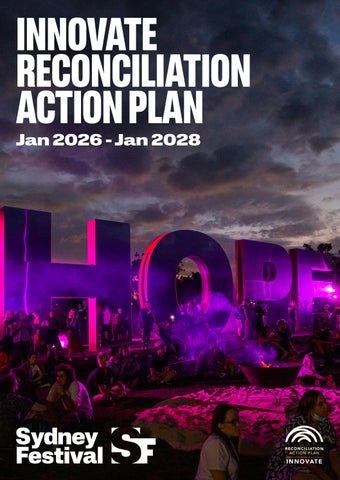
INNOVATE RECONCILIATION ACTION PLAN
Jan 2026 - Jan 2028
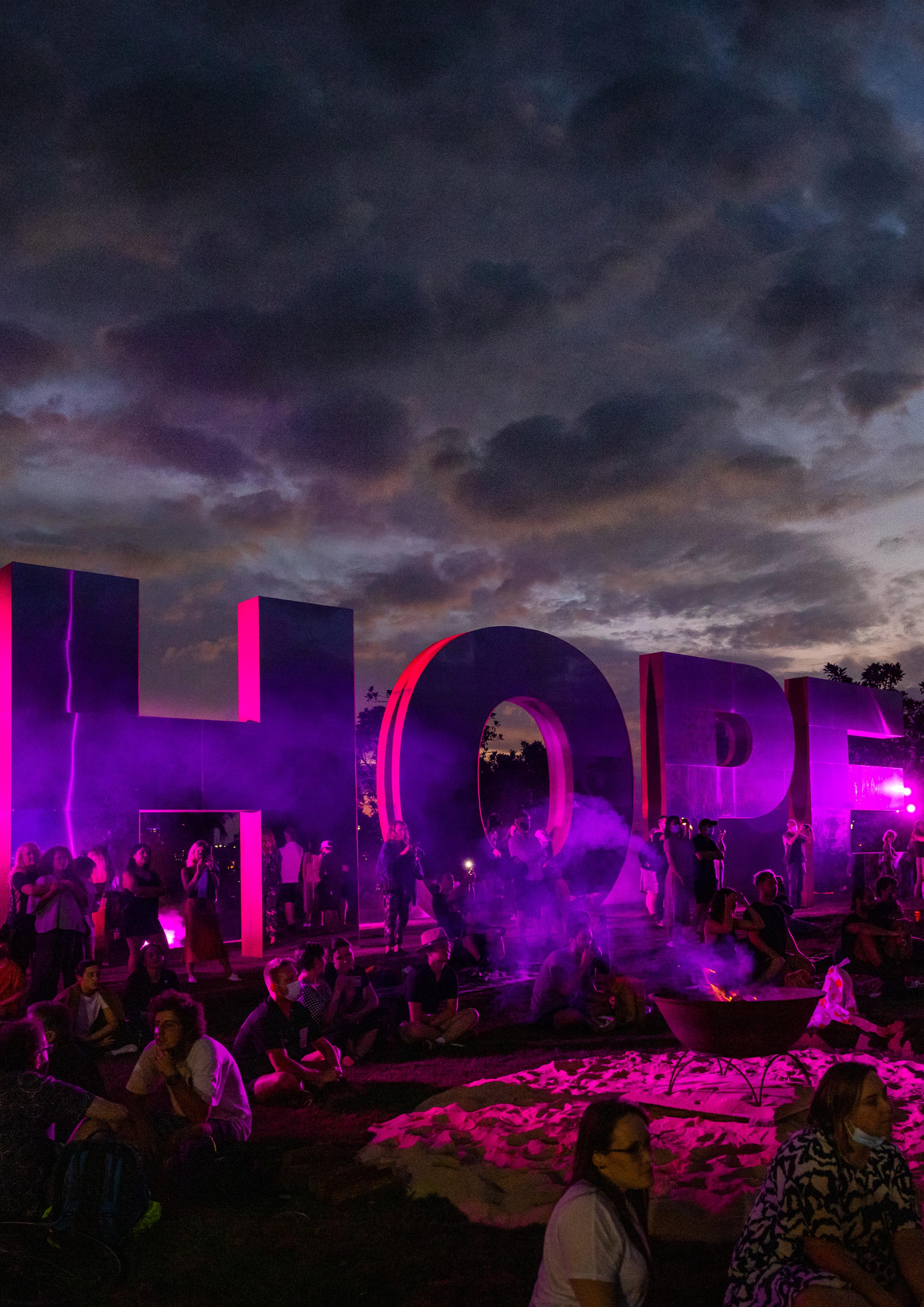
Held Lucy Simpson Sydney Festival 2026
Photo by Victor Frankowski
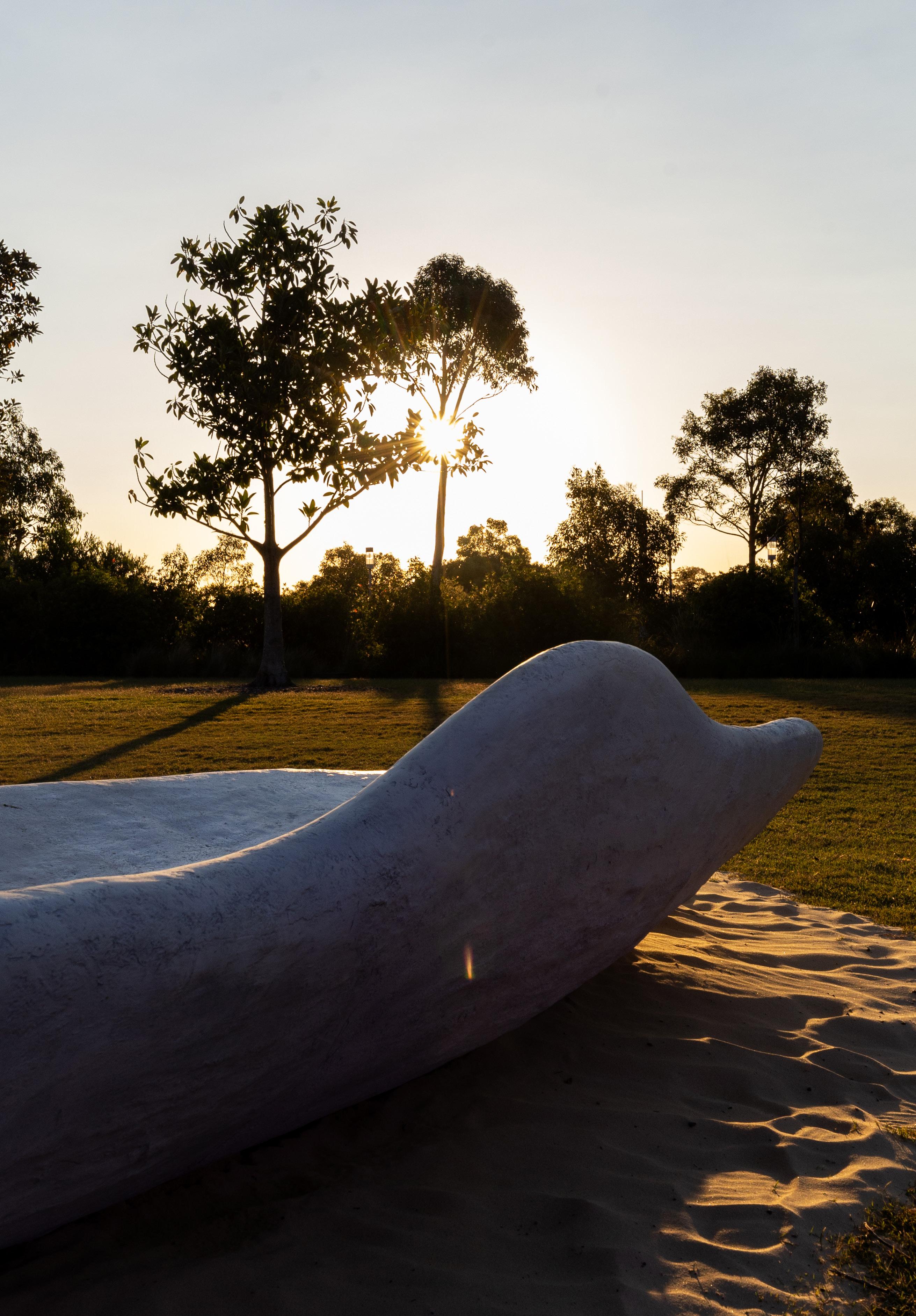
Sydney Festival acknowledges the Traditional Owners of the lands on which the Festival takes place. We pay our respects to Elders past and present, and recognise the continuing connection to lands, waters and communities.
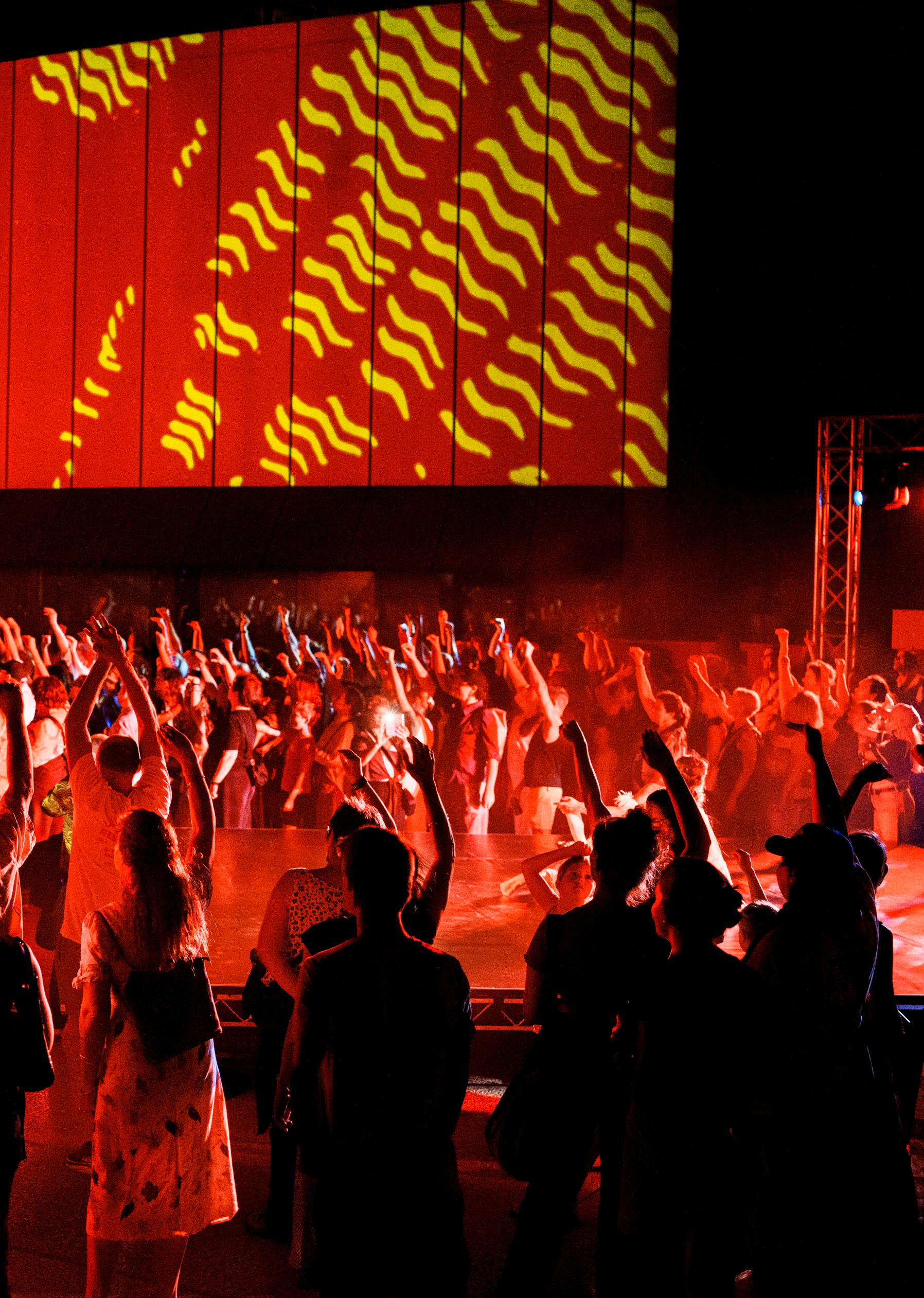
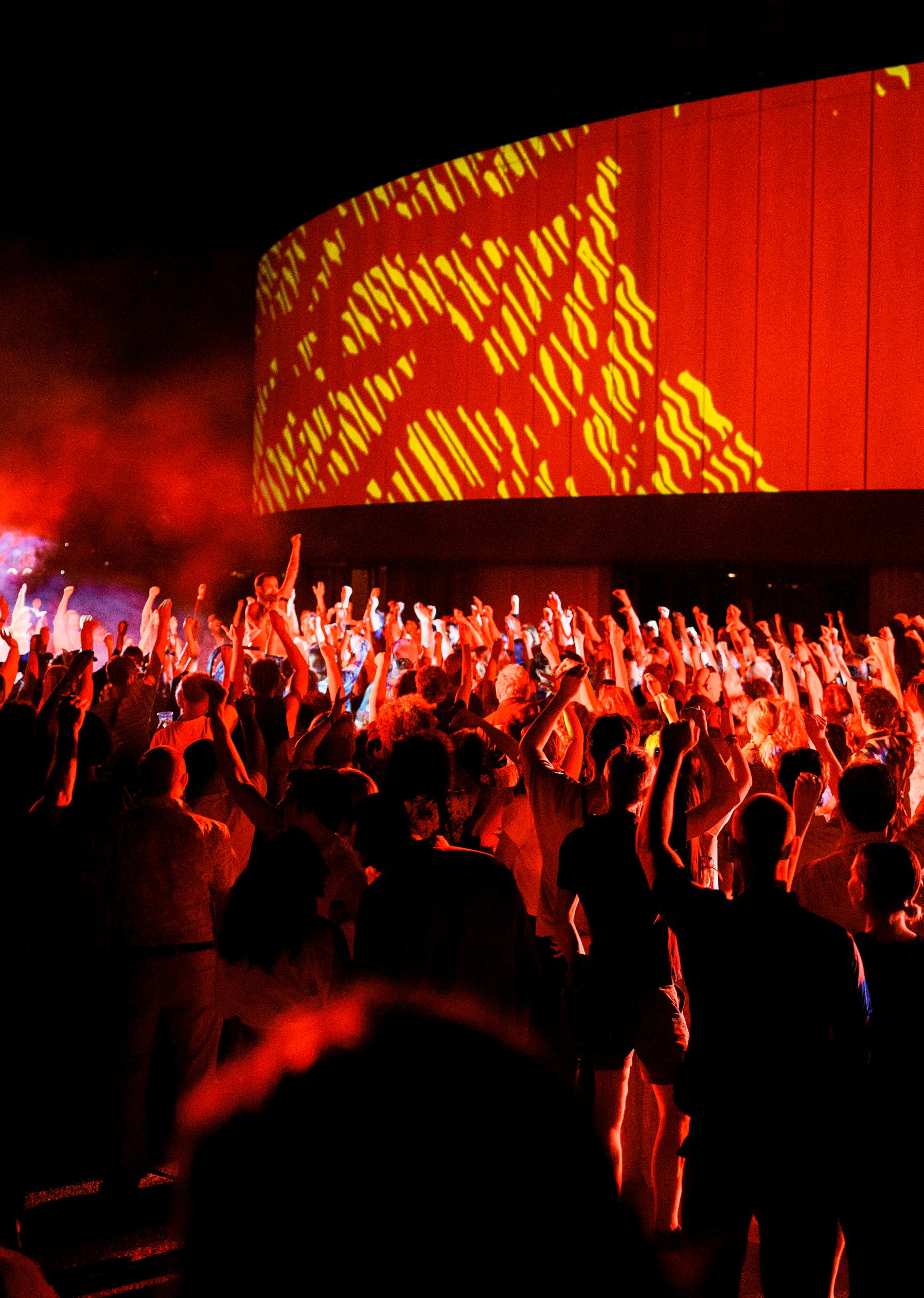
Garabari Joel Bray Sydney Festival 2026
Photo by Stephen Wilson Barker

STATEMENT FROM CEO OF RECONCILIATION AUSTRALIA
Reconciliation Australia commends Sydney Festival on the formal endorsement of its third Innovate Reconciliation Action Plan (RAP).
Since 2006, RAPs have provided a framework for organisations to leverage their structures and diverse spheres of influence to support the national reconciliation movement.
With over 5.5 million people now either working or studying in an organisation with a RAP, the program’s potential for impact is greater than ever. Sydney Festival continues to be part of a strong network of more than 3,000 corporate, government and not-for-profit organisations that have taken goodwill and transformed it into action.
The four RAP types — Reflect, Innovate, Stretch and Elevate — allow RAP partners to continuously strengthen reconciliation commitments and constantly strive to apply learnings in new ways.
An Innovate RAP is a crucial and rewarding period in an organisation’s reconciliation journey. It is a time to build the strong foundations and relationships that ensure sustainable, thoughtful and impactful RAP outcomes into the future.
An integral part of building these foundations is reflecting on and cataloguing the successes and challenges of previous RAPs. Learnings gained through effort and innovation are invaluable resources that Sydney Festival will continuously draw upon to create RAP commitments rooted in experience and maturity.
Video Works
Daniel Boyd
Sydney Festival 2020
Photo by Yaya Stempler
These learnings extend to Sydney Festival using the lens of reconciliation to better understand its core business, sphere of influence and diverse community of staff and stakeholders.
The RAP program’s emphasis on relationships, respect and opportunities gives organisations a framework from which to foster connections with Aboriginal and Torres Strait Islander peoples rooted in mutual collaboration and trust.
This Innovate RAP is an opportunity for Sydney Festival to strengthen these relationships, gain crucial experience and nurture connections that will become the lifeblood of its future RAP commitments. By enabling and empowering staff to contribute to this process, Sydney Festival will ensure shared and cooperative success in the long-term.
Gaining experience and reflecting on pertinent learnings will ensure the sustainability of Sydney Festival’s future RAPs and reconciliation initiatives, providing meaningful impact toward Australia’s reconciliation journey.
Congratulations Sydney Festival on your third Innovate RAP and I look forward to following your ongoing reconciliation journey.
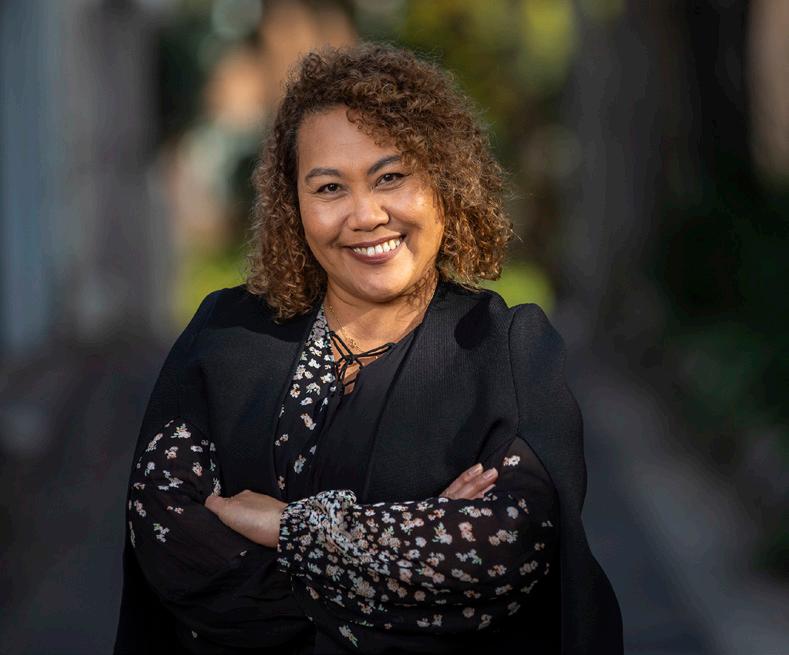
Karen Mundine Chief Executive Officer Reconciliation Australia
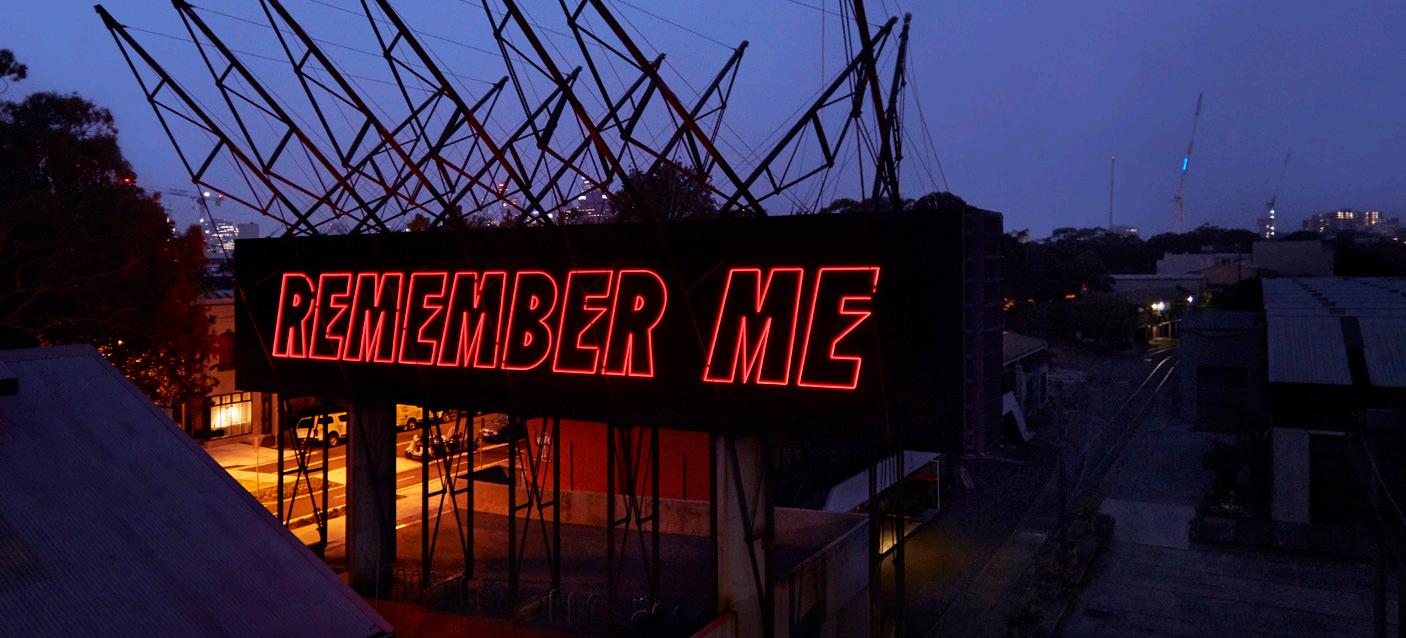
Remember Me Reko Rennie Sydney Festival 2020
Photo by Zan Wimberley
INTRODUCTION
First launched in 2013, our Reconciliation Action Plan (RAP) outlines our commitment towards improving outcomes for Aboriginal and Torres Strait Islander peoples by creating and fostering an organisational environment that cherishes respect, creates opportunity and builds cultural awareness.
Sydney Festival recognises that Sydney is a vast, complex and exuberant city of cultural contrasts and social diversity that Sydney’s Aboriginal and Torres Strait Islander heritage and contemporary cultures lie deep within the city’s identity and are key to an enlightened and progressive festival.
Vigil: Belong Nardi Simpson, Lucy Simpson & Uncle Matthew Doyle
Sydney Festival 2026
Photo by Daniel Boud
A MESSAGE FROM THE CEO
At Sydney Festival, reconciliation is not just an aspiration – it is a responsibility we hold with care and intent. As one of Australia’s leading cultural festivals, we recognise the privilege of presenting work on the lands of the Gadigal people of the Eora Nation, and we are committed to honouring and amplifying First Nations voices, cultures and stories in all that we do.
As we reflect on 50 years of Sydney Festival, we recognise that our journey must always include listening deeply to First Nations voices and ensuring they remain central to the Festival’s vision. We empower First Nations storytelling, embed awareness and respect across the organisation and create pathways for First Nations leadership and creative practice – and we are committed to continuing this work.
Our 2026–2028 Reconciliation Action Plan marks the next chapter in this journey. It is an opportunity to strengthen how we collaborate with First Nations communities, to grow meaningful relationships and to create deeper, long-lasting impact through the Festival. Reconciliation is a shared responsibility, embedded across our leadership, staff and programming, and it is not bound by a single season. Our commitment is to ensure that reconciliation is lived year-round, shaping the way we work and the way we connect with our communities.
I am proud of what we have achieved and even prouder of the path we are on. With the guidance of our First Nations colleagues, partners and communities, we will continue to strengthen our contribution to reconciliation and ensure Sydney Festival remains a place where First Nations culture is celebrated, respected and central.
Christopher Tooher Chief Executive Officer Sydney Festival
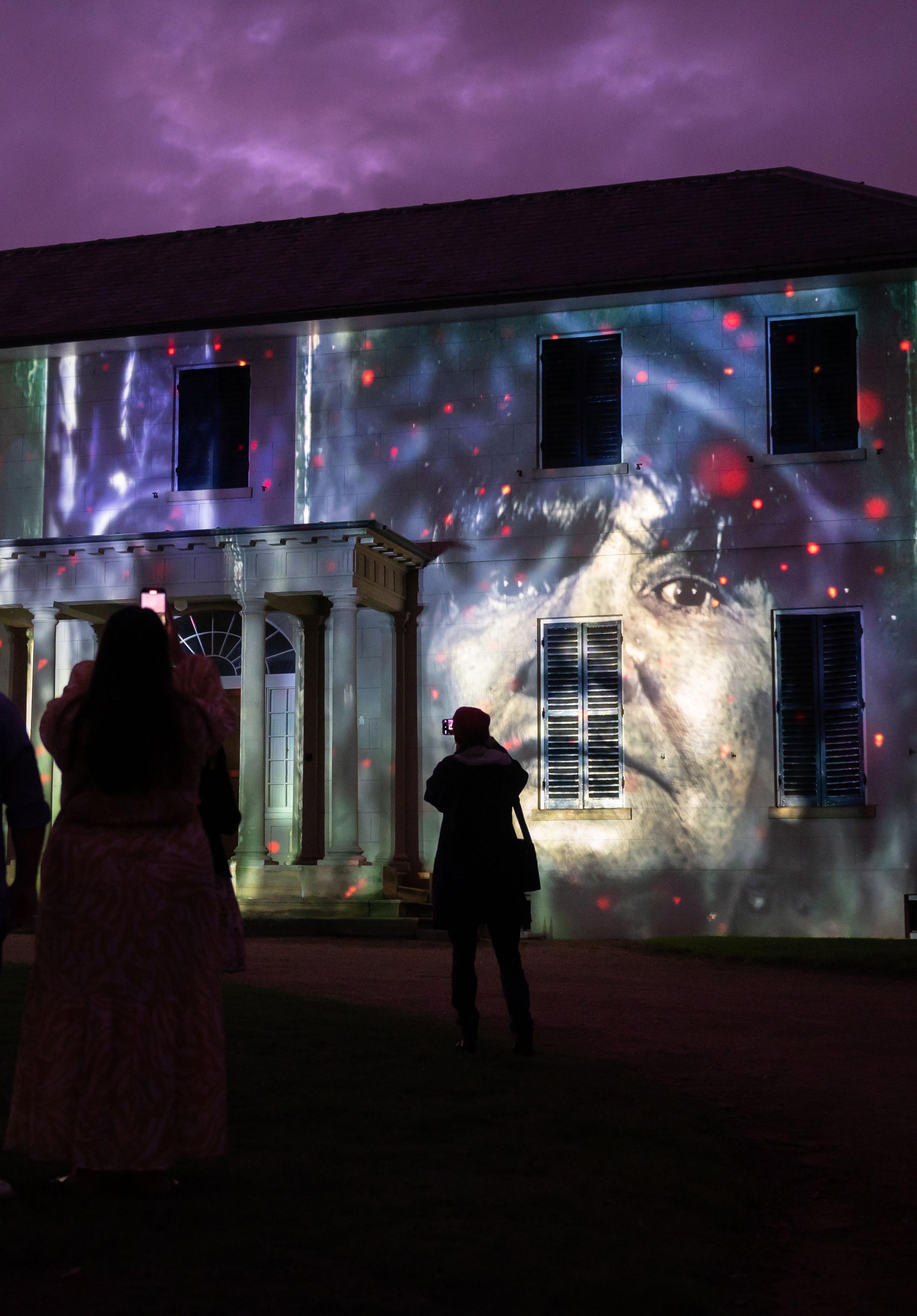
Dyin Nura (Women’s Place)
Brenda L Croft
Sydney Festival 2023
Photo by Wendell Teodoro
OUR VISION FOR RECONCILIATION
Sydney Festival’s vision for reconciliation is to formally and informally engage with Aboriginal and Torres Strait Islander artists and communities, working together to create meaningful opportunities and strengthen equity between First Nations Peoples and Non-First Nations Peoples.
Our 2026-2028 Reconciliation Action Plan (RAP) will focus on enabling and empowering First Nations storytelling through performance and the creative process, as well as increasing employment opportunities throughout the organisation.
We do this by committing to:
• Respect Aboriginal and Torres Strait Islander peoples and cultures
• Offer employment opportunities to Aboriginal and Torres Strait Islander people
• Offer development and presentation opportunities to Aboriginal and Torres Strait Islander artists and arts workers
• Build cultural awareness and understanding among our staff, stakeholders and audiences of the diversity of Aboriginal and Torres Strait Islander stories
• Live and breathe an inclusive and accessible organisational culture
Over recent years, during the development of Sydney Festival’s current RAP, we have continued to take meaningful steps to strengthen our commitment to reconciliation and embed First
Nations voices and perspectives across the organisation. These steps have included hosting Reconciliation Australia’s CEO and Festival Board Member, Karen Mundine, to lead a team conversation about the Voice to Parliament and deepen our understanding of its importance, as well as publicly endorsing the Voice through a statement on our website. We have also recruited a First Nations Producer to help shape and deliver programming in collaboration with artists and communities, and established a RAP Working Group in 2025 to guide the development and implementation of reconciliation initiatives across the Festival.
We have taken further action to ensure lasting structural change within our organisation. An Acknowledgement of Country now features prominently on our website landing page, and we have created a paid opportunity for a First Nations photographer to capture First Nations works across the 2025 and 2026 Festivals, ensuring these stories are documented and shared through a First Nations lens. A First Nations leader has been appointed to our senior management team — recruited through an inclusive process with 50% First Nations panel representation — bringing representation and cultural authority into Festival leadership. In addition, First Nations Board Member Karen Mundine has been appointed Deputy Chair.
Through these actions, Sydney Festival is moving beyond symbolic acknowledgement to embed long-term structural change, reflect our values, and ensure First Nations voices remain at the centre of our work. Looking ahead, we are committed to further developing our procurement processes to engage and support more First Nations suppliers, strengthening these relationships and broadening their impact across the Festival.
OUR BUSINESS
Embracing the art of summer since 1977, Sydney Festival is a city-wide celebration of culture, creativity and the questioning mind. From the streets to the beach, in stately theatres and in secret basements, it animates locations across Greater Sydney with a trailblazing free and ticketed program of theatre, music, dance, visual art and all the experimental in-between places of live performance.
As a dedicated commissioner of new Australian works, Sydney Festival showcases our nation’s diverse storytellers to the world, whilst drawing the world’s finest artists to Sydney.
Sydney Festival’s audacious contemporary programming is at the forefront of arts practice in Australia and up there as one of the most wonderful festivals in the world.
Sydney Festival relies on a mix of government funding; corporate, media and production partnerships; as well as philanthropic giving. Accessibility is central to the Sydney Festival ethos, which is reflected in a commitment to free events, geographic reach to Parramatta and Western Sydney audiences, disability access and the Festival’s ongoing commitment to reconciliation.
Our festival office is located in the Arts Exchange building in the historic area of The Rocks. Sydney Festival has a full time equivalent of 50–60 staff in any given year. We currently employ 1 First Nations staff member within our year-round team. In addition, at least 1 seasonal role is filled by a First Nations contractor. The team curates, plans and presents the annual three-week program of events focused on venues and audiences in Sydney and Parramatta. The organisational structure of the permanent team promotes good
communication, effective ownership by staff members over their areas of responsibility, active support among team members and a flexible and questioning environment where open discussion is encouraged.
Across its history, Sydney Festival has proudly platformed many of Australia’s most respected Aboriginal and Torres Strait Islander artists and companies, whose contributions – spanning theatre, music, dance, visual art and cultural practice – have defined the Festival’s character and embodied the RAP’s vision in action.
In 2012, under Festival Director Lindy Hume, the Festival presented Black Capital – a ground-breaking program of diverse First Nations works that set new standards for scale and ambition. This program established strategies for commissioning, presenting and developing Aboriginal and Torres Strait Islander artists and audiences, laying the foundation for the RAP the following year. In 2013 our first Reconciliation Action Plan provided us with clear objectives to support our strategy and develop employment opportunities across the Festival.
Lieven Bertels (2013–2016) ensured that Aboriginal and Torres Strait Islander arts practice remained at the core of his tenure. His leadership supported major works such as Black
Diggers (2014, with Queensland Theatre Company), The Shadow King, and collaborations with artists including Dalisa Pigram, Vernon Ah Kee, Matt Doyle, Daniel Boyd, Vicki Van Hout and William Barton.
In 2015, the Festival strengthened its governance with the appointment of Professor Larissa Behrendt AO and Darren Dale to the Board, both highly respected Aboriginal leaders in law, education and film.
Wesley Enoch (2017–2021), a proud Noonuccal Nuugi man from Minjerribah, placed Australian stories and First Nations voices at the centre of his five Festivals, delivering the most expansive Aboriginal and Torres Strait Islander programming in the Festival’s history. Highlights included the creation of Bayala (Indigenous language and song revival), The Vigil (from 2019, a now annual moment of reflection and ceremony on 25 January), and landmark works such as 1967: Music in the Key of Yes, Spinifex Gum, Man With The Iron Neck, and BLACK TIES. Artists such as Archie Roach, Ursula Yovich, Dan Sultan, Nardi Simpson, Nathan Maynard, Joel Bray, Jacob Nash and companies including ILBIJERRI Theatre Company, Moogahlin Performing Arts, Marrugeku and Bangarra Dance Theatre were central to this era.
Olivia Ansell (2022–2025) continued this momentum, formalising the role of Creative Artist in Residence, held by Jacob Nash, who brought cultural leadership to projects such as Wudjang:
Not the Past, Future Dreaming, and successive Vigil ceremonies. This period also featured new commissions and collaborations with artists including Dean Cross, Nardi Simpson, William Barton, Emma Donovan, Elaine Crombie, Thea Anamara Perkins, Brenda L. Croft, and companies such as Short Black Opera. The Blak Out program under her leadership amplified Torres Strait Islander voices with works like GURR ERA OP and celebrated iconic stories like Big Name, No Blankets. Board leadership was further strengthened with the appointment of Karen Mundine, CEO of Reconciliation Australia, in 2022.
In 2025, Sydney Festival marked a new chapter with the creation of the Creative Producer – First Nations role, appointing proud Butchulla man Aidan Rowlingson to lead future First Nations programming, succeeding Jacob Nash, who presented his final Blak Out program in 2026. This evolution reflects the Festival’s commitment to embedding Aboriginal and Torres Strait Islander leadership at the highest level.
The same year also saw the appointment of incoming Festival Director Kris Nelson (2026–2029), who led the Festival into its 50th anniversary in 2026. Kris Nelson’s inaugural Festival opened with a rich celebration of First Nations creativity through the Blak Out program, a powerful culmination of Jacob Nash’s tenure that transformed the Festival’s cultural landscape and cemented the principle that First Nations-led
programming must sit at the heart of the Festival.
Blak Out opened with Held (Lucy Simpson, Nardi Simpson and Uncle Matthew Doyle) and featured a series of intergenerational works including Garabari (Joel Bray), Garrigarang Badu (Peta Strachan and Jannawi Dance Clan), Redfern Renaissance, Dear Son, Kankawa Nagarra, and INKABEE, among others. The program also featured the theme of Blak Joy, celebrating connection, creativity, and cultural vitality, and was highlighted by Vigil: Belong, which brought together more than 300 community choir members in a moving act of collective song.
These programs demonstrate the Festival’s ongoing commitment to First Nations creativity and cultural expression while shaping a clear pathway for the next First Nations leader, Aidan Rowlingson, to carry this legacy forward, ensuring that Blak storytelling, joy, and excellence remain central to the Festival’s future.
Today, Sydney Festival continues to uphold its RAP-driven purpose: to commission and present powerful First Nations storytelling, to strengthen pathways for employment and leadership, and to embed Aboriginal and Torres Strait Islander cultures and creativity at the heart of Sydney’s premier arts celebration.
Sydney Festival 2020
Photo by Yaya Stempler
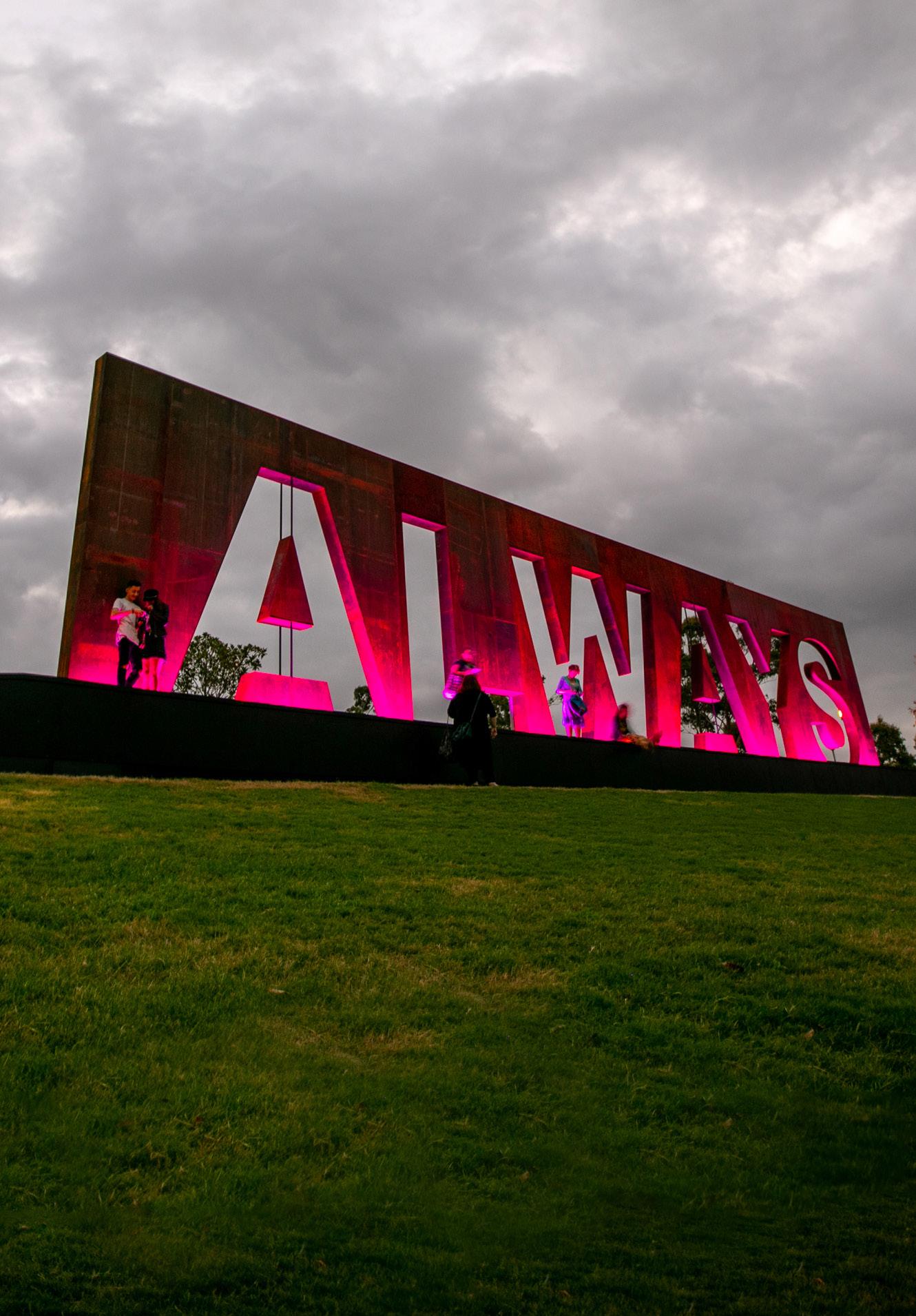
Jacob Nash Sydney Festival 2019
Photo by Jacquie Manning
SPHERE OF INFLUENCE
The Sydney Festival’s sphere of influence is significant and wide-reaching and encompasses the following key stakeholders, organisations and entities that play a vital role in supporting the festival’s commitment to reconciliation, First Nations cultural awareness and the celebration of First Nations heritage.
It serves as a comprehensive reference for understanding the Festival’s network of influence and collaboration in promoting reconciliation through the performing and visual arts. Our diverse network of stakeholders, partners and contributors collectively make this performing arts festival a vibrant and enriching cultural experience. Collaboration and cooperation among these entities are essential for the Festival’s continued success and growth, enriching the local arts scene and fostering community engagement.
1. Festival Organisers: The core team responsible for planning, organising and executing the Sydney Festival. Their roles include artistic direction, logistics management, marketing and overall Festival coordination.
CEO, Festival Director, Head of Programming Operations, Creative Artist in Residence, Marketing Director, Head of Production, Head of Philanthropy, External Relations Director, Customer Services Director, Head of Finance and Administration, Creative Producer – First Nations.
2. Artists and Performers: The creative individuals and groups who participate in the Festival by presenting various forms of performing arts, including but not limited to theatre, music, dance, opera, physical theatre and visual arts.
Actors, Musicians, Dancers, Singers, Directors, Writers, Designers, Visual Artists, Performing Arts Companies.
3. Venue and Technical Partners: Entities that provide venues and spaces for Festival performances, workshops, and exhibitions and entities that supply equipment and services.
Theatre and Performing Arts Centres, Galleries, Outdoor Stages, Lighting, Sound and Staging equipment hirers, Freight, Shipping and Logistic services, Technical crew and contractors.
4. Accommodation and travel Partners: organisations that provide travel services for visiting artists and technicians. Hotels and serviced apartments, Vehicle hire companies, Airlines, Travel agencies.
5. Sponsors and Donors: Organisations and individuals that provide financial support to the festival.
Corporate Sponsors, Local Businesses, Individual Donors, Trust and Foundations.
6. Media Partners: Media outlets that cover the festival, promote its events, and provide a platform for artists to showcase their work.
Social media, Newspapers, Radio Stations, TV Channels, Online Blogs and Magazines.
7. Government and Agencies: All levels of government and their agencies that provide funding for the Festival as well as providing permits, logistical support and precinct services for the Festival.
Local, State and Federal Government, Tourism Agencies, Precinct Agencies
8. Volunteers: Individuals who offer their time and skills to help with various aspects of Festival organisation, such as marshalling, ushering and event information provision.
Student Volunteers, Community Volunteers, Festival Enthusiasts.
9. Vendors and Merchants: Food vendors, artisans, and merchandise sellers who provide services and products during the festival.
Food Trucks, Event caterers, Bar operators, Festival Merchandise Stalls
10. Audience and Attendees: The individuals who attend the Festival, enjoy the performances, and contribute to the Festival’s atmosphere.
Local Residents, Tourists – intra and interstate and international, Art Enthusiasts.
11. Collaborating Festivals and Events: Other local, national or international festivals and events with which Sydney Festival collaborates or shares resources.
Arts Festivals and events, Music Festivals, Arts Conferences.
Who are these strangers and where are they going?
OUR RECONCILIATION JOURNEY
Since launching its first Reconciliation Action Plan (RAP) in 2013, Sydney Festival has committed to embedding reconciliation at the heart of its identity. The RAP was developed to strengthen relationships with Aboriginal and Torres Strait Islander communities, foster cultural respect and ensure that First Nations voices are celebrated within Australia’s premier summer arts festival. It reflects the Festival’s role as a meeting place of ideas and stories, where truth-telling, provocation and collaboration can inspire meaningful change.
Over the years, Sydney Festival has worked closely with the Metropolitan Local Aboriginal Land Council, the City of Sydney Aboriginal and Torres Strait Islander Advisory Panel and respected community leaders to ensure cultural integrity and guidance.
• The Festival’s reconciliation journey has been defined by landmark collaborations and presentations, including:
• Black Diggers (2014), co-commissioned with Queensland Theatre Company, and The Shadow King, both groundbreaking works of First Nations theatre.
• Bayala (from 2017), an Indigenous language program that has taught thousands of Sydneysiders local language and songs.
• Annual traditions such as The Vigil (from 2019), a gathering of reflection, ceremony and performance on the eve of 26 January.
• Celebrated productions like Spinifex Gum (2019), Bran Nue Dae (2020), Wudjang: Not the Past (2022), Hide the Dog (2023), and Big Name, No Blankets (2024).
• Groundbreaking dance and music projects such as Djuki Mala, Tiwi + Jazz, GURR ERA OP, Marrugeku’s Mutiara, and Radical Son’s Bilambiyal
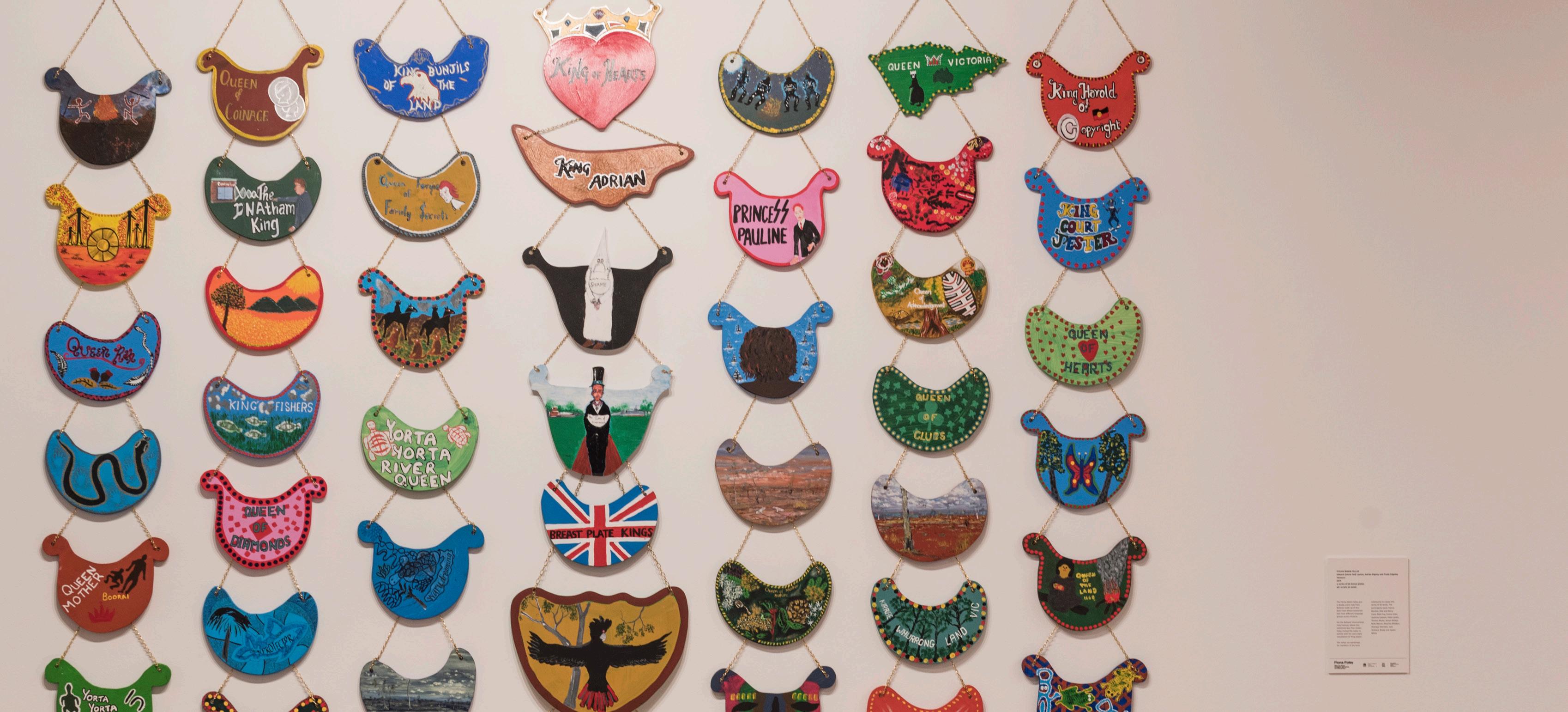
• Major visual art installations and exhibitions by artists including Vernon Ah Kee, Daniel Boyd, Fiona Foley, Taloi Havini, Reko Rennie, Thea Anamara Perkins and Brenda L. Croft
Fiona Foley
Sydney Festival 2020
Photo by Peter Morgan
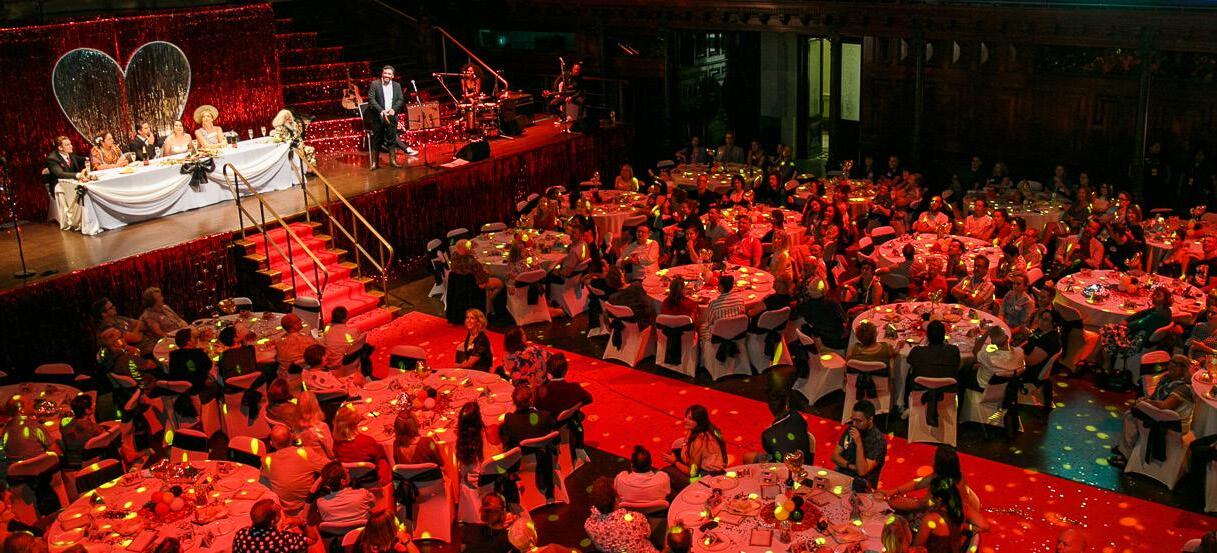
Leadership initiatives, including the appointment of Jacob Nash as the Festival’s first Creative Artist in Residence (2022–25), and in 2025, the creation of the Creative Producer – First Nations role held by proud Butchulla man Aidan Rowlingson
Through our RAP and Blak Out programs, we have consistently championed Aboriginal and Torres Strait Islander stories, traditions and contemporary expressions. By commissioning, presenting and platforming these works, the Festival continues to strengthen cultural understanding, honour custodianship of Country and uphold its responsibility to reconciliation.
The Festival is proud of the organisational outcomes resulting from its commitment to the RAP including; a Welcome To Country protocol document endorsed by the MLALC, Cultural Awareness Training for staff, formal Acknowledgement of Country at all major events and in leading publications, staff events to celebrated NAIDOC Week, secured funding and placements for two paid Aboriginal and Torres Strait Islander internships which resulted in the mapping of clear pathways for employment.
Since 2016 the organisation has offered designated Aboriginal and Torres Strait Islander seasonal employment roles in programming. Demand for these roles from qualified First Nations applicants has been variable which has driven our RAP focus of increasing employment opportunities and made us re-evaluate
our recruitment process to ensure we have a wider-reach to transparent pathways for First Nations arts workers. Additionally, we worked with Arts Ready facilitating two full- time paid internships in administration roles in the organisation. Whilst the internships proved fruitful for both the organisation and the interns, we continue to look for internship programs that align with the organisations’ artistic program and ambitions. Our aim is to provide meaningful opportunities and pathways for First Nations young people that encourages and supports them to pursue a career in the Arts.
An ongoing challenge we continue to learn from, is ensuring First Nations work presented in our annual Festival program is First Nations artist-led, with the right level of community consultation and meeting the required traditional protocols. This RAP will strengthen and expand First Nationsled projects through the establishment of a dedicated senior leadership role within the Festival’s management team.
This position ensures that Aboriginal and Torres Strait Islander perspectives are embedded at the highest level of decision-making, guiding the development, curation and delivery of First Nations-led programs and partnerships. By creating this role, the RAP commits to ensuring that projects are shaped and driven by First Nations voices, fostering authentic storytelling, cultural authority and meaningful collaboration across all aspects of the Festival.
Our Reconciliation Action Plan is championed by our CEO, Christopher Tooher with the support of our RAP Working Group (RWG). Our RWG comprises of 7 team members who represent various departments and levels of Management, with 1 member identifying as an Aboriginal and/or Torres Strait Islander person.
Our RWG are:
• Christopher Tooher; CEO
• Aidan Rowlingson; Creative Producer – First Nations
• Jennifer Stallard; Financial Controller
• Jordan Rahlia; Content Manager
• Nathalie Taylor; Production Manager
• Rosa Coyle-Hayward; Producer –Music
• Sarah Toner; Ticketing Systems Manager
Black Ties Ilbijerri Theatre Company and Te Rēhia Theatre
Sydney Festival 2020
Photo by Yaya Stempler
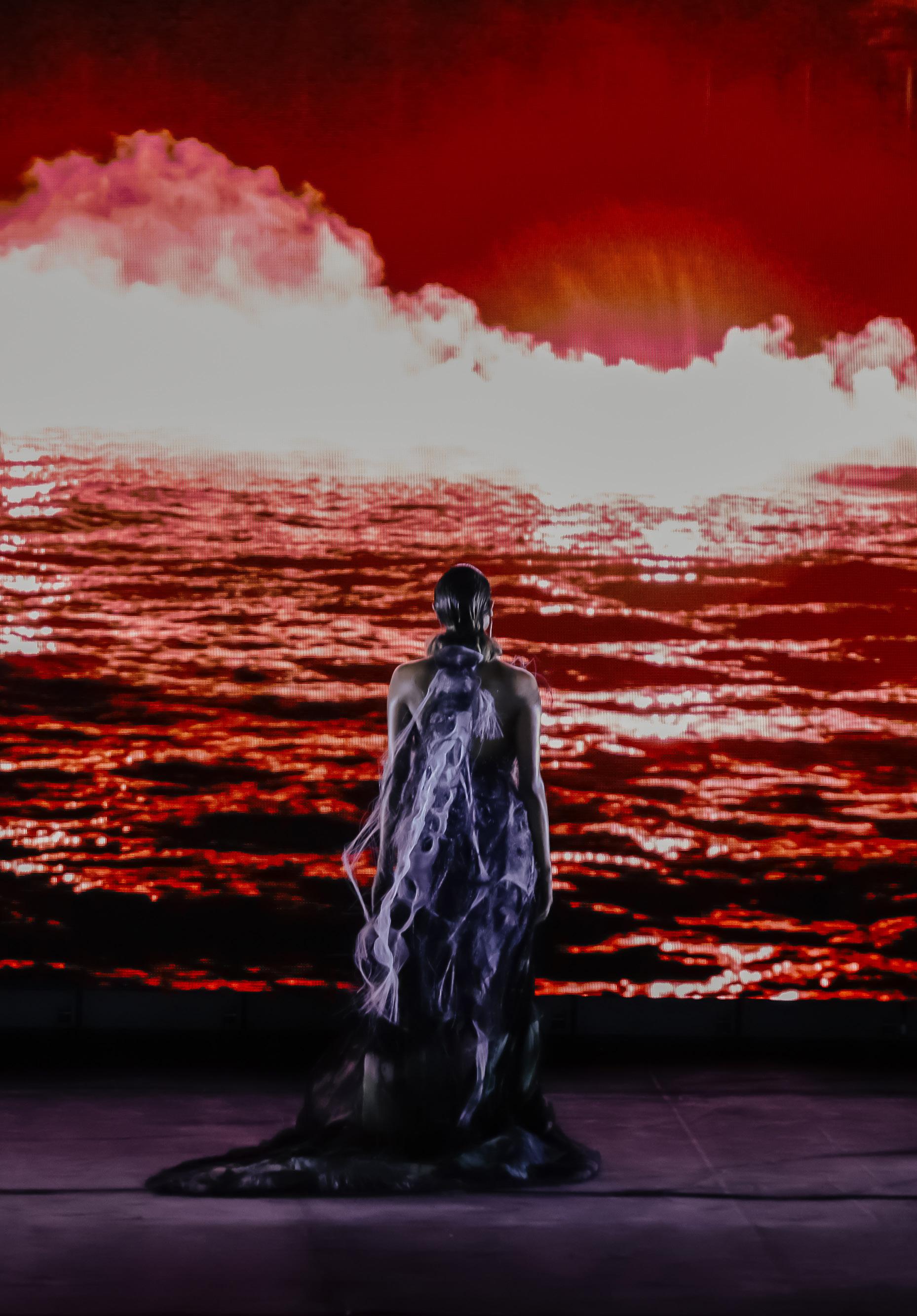
Vigil: Awaken Jacob Nash, Stephen Page, Steve Francis and Matt Marshall
Sydney Festival 2023
Photo by Jacquie Manning
RELATIONSHIPS
As one of Sydney’s principal global meeting places, Sydney Festival has a responsibility to foster and strengthen relationships with Aboriginal and Torres Strait Islander peoples and organisations, so that all citizens can participate in, have access to and feel genuine ownership of, their Sydney Festival.
By creating inclusive pathways for collaboration and consultation with Aboriginal and Torres Strait Islander communities, increasing Aboriginal and Torres Strait islander agency and participation in Festival content, and proactively promoting reconciliation through education, community events and antidiscrimination strategies withing the workplace, the Festival aims to leave a legacy on which to build for future generations. These efforts are essential to Sydney Festival’s cultural identity and relevance in contemporary Australia.
ACTION DELIVERABLE TIMELINE RESPONSIBILITY
Establish and maintain mutually beneficial relationships with Aboriginal and Torres Strait Islander stakeholders and organisations.
Meet with local Aboriginal and Torres Strait Islander stakeholders and organisations to develop guiding principles for future engagement.
Develop and implement an engagement plan to work with Aboriginal and Torres Strait Islander stakeholders and organisations.
Work in collaboration with First Nations artists and companies to ensure their agency in sharing their stories and work with our audience.
Continue consulting and working with Metropolitan Local Aboriginal Land Council.
Network with First Nations arts sector by attending and promoting performances and events.
Maintain First Nations representation on the Sydney festival Board of Directors
Ensure pathways for First Nations audiences are broad and inclusive, welcoming the community to enjoy all of the Festival program. E.g. MobTix Program
Ongoing; Review annually in July
CEO / Festival Director
Ongoing; Review annually in July
CEO
Ongoing; Review annually in July
CEO / Creative Producer – First Nations
Ongoing; Review annually in July
CEO / Festival Director / Creative Producer – First Nations
Ongoing; Review annually in July
Marketing Director / Creative Producer – First Nations
Ongoing; Review annually in July
Chair of the Board
Ongoing; Review annually in July
Marketing Director / Creative Producer – First Nations
ACTION DELIVERABLE TIMELINE RESPONSIBILITY
Build relationships through celebrating National Reconciliation Week (NRW).
Circulate Reconciliation Australia’s NRW resources and reconciliation materials to our staff.
RAP Working Group members to participate in an external NRW event.
Encourage and support staff and senior leaders to participate in at least one external event to recognise and celebrate NRW.
Organise at least one NRW event each year.
Register all our NRW events on Reconciliation Australia’s NRW website.
Promote reconciliation through our sphere of influence.
Develop and implement a staff engagement strategy to raise awareness of reconciliation across our workforce.
Communicate our commitment to reconciliation publicly.
Explore opportunities to positively influence our external stakeholders to drive reconciliation outcomes.
Collaborate with RAP organisations and other like-minded organisations to develop innovative approaches to advance reconciliation.
Promote positive race relations through anti-discrimination strategies.
Conduct a review of HR policies and procedures to identify existing anti-discrimination provisions and future needs.
Develop, implement and communicate an antidiscrimination policy for our organisation.
Engage with Aboriginal and Torres Strait Islander staff and/ or Aboriginal and Torres Strait Islander advisors to consult on our anti-discrimination policy.
Educate senior leaders on the effects of racism.
May 2026 May 2027
May 2026 May 2027
May 2026 May 2027
May 2026 May 2027
May 2026 May 2027
Executive Assistant
March 2026
CEO
CEO
January 2026
February 2026
People & Culture Manager
Content Manager
Ongoing; Review annually in July
People & Culture Manager
Marketing Director
CEO / External Relations Director
CEO
Ongoing; Review annually in July
Ongoing; Review annually in July
Ongoing; Review annually in July
Head of Finance & Administration / People & Culture Manager
Head of Finance & Administration
Head of Finance & Administration / People & Culture Manager
Ongoing; Review annually in July
Head of Finance & Administration
RESPECT
It is essential that Sydney Festival acknowledges, respects and platforms Aboriginal and Torres Strait Islander peoples – their cultures, lands, histories and rights – in order to maintain with integrity its profile as a cultural leader locally, nationally and internationally.
By taking pride in and promoting understanding of First Nations Australian culture and history through artistic programming and within the workplace, and by fostering a sustainable and progressive environment for future Aboriginal and Torres Strait Islander stories, engagement and employment, the Festival can uphold its position as a platform for inclusive and honest national storytelling.
ACTION DELIVERABLE TIMELINE RESPONSIBILITY
Increase understanding, value and recognition of Aboriginal and Torres Strait Islander cultures, histories, knowledge and rights through cultural learning.
Conduct a review of cultural learning needs within our organisation.
Consult local Traditional Owners and/or Aboriginal and Torres Strait Islander advisors to inform our cultural learning strategy.
Develop, implement, and communicate a cultural learning strategy document for our staff.
Provide opportunities for RAP Working Group members, HR managers and other key leadership staff to participate in formal and structured cultural learning.
Establish an ongoing cultural awareness program for both full-time and seasonal staff
Continue to include Vigil celebrations as a cornerstone event of the First Nations program
Ongoing; Review annually in July
People & Culture Manager
Ongoing; Review annually in July
CEO / Creative Producer – First Nations
Ongoing; Review annually in July
Head of Finance & Administration
Ongoing; Review annually in July
People & Culture Manager / Executive Director
July 2026
CEO
Ongoing; Review annually in July
Festival Director
ACTION DELIVERABLE TIMELINE RESPONSIBILITY
Demonstrate respect to Aboriginal and Torres Strait Islander peoples by observing cultural protocols.
Build respect for Aboriginal and Torres Strait Islander cultures and histories by celebrating NAIDOC Week.
Increase staff’s understanding of the purpose and significance behind cultural protocols, including Acknowledgement of Country and Welcome to Country protocols.
Develop, implement and communicate a cultural protocol document, including protocols for Welcome to Country and Acknowledgement of Country.
Invite a local Traditional Owner or Custodian to provide a Welcome to Country or other appropriate cultural protocol at significant events each year.
Include an Acknowledgement of Country or other appropriate protocols at the commencement of important meetings.
RAP Working Group to participate in an external NAIDOC Week event.
Review HR policies and procedures to remove barriers to staff participating in NAIDOC Week.
Promote and encourage participation in external NAIDOC events to all staff.
Actively promote traditional languages and place names through programming and external communications practices
Acknowledge widely accepted traditional place names in marketing communications.
February 2026
February 2026
Creative Producer – First Nations
Ongoing; Review annually in July
Head of Programming Operations
Ongoing; Review annually in July
Head of Programming Operations / All Event Producers
July 2026
July 2027
March 2026
July 2026
July 2027
All Staff
CEO
People & Culture Manager
People & Culture Manager
Ongoing; Review annually in July
Marketing Director
Include ‘Tallawoladah’ (The Rocks) in Sydney Festival’s official address on staff email signatures.
Ongoing; Review annually in July
Marketing Director
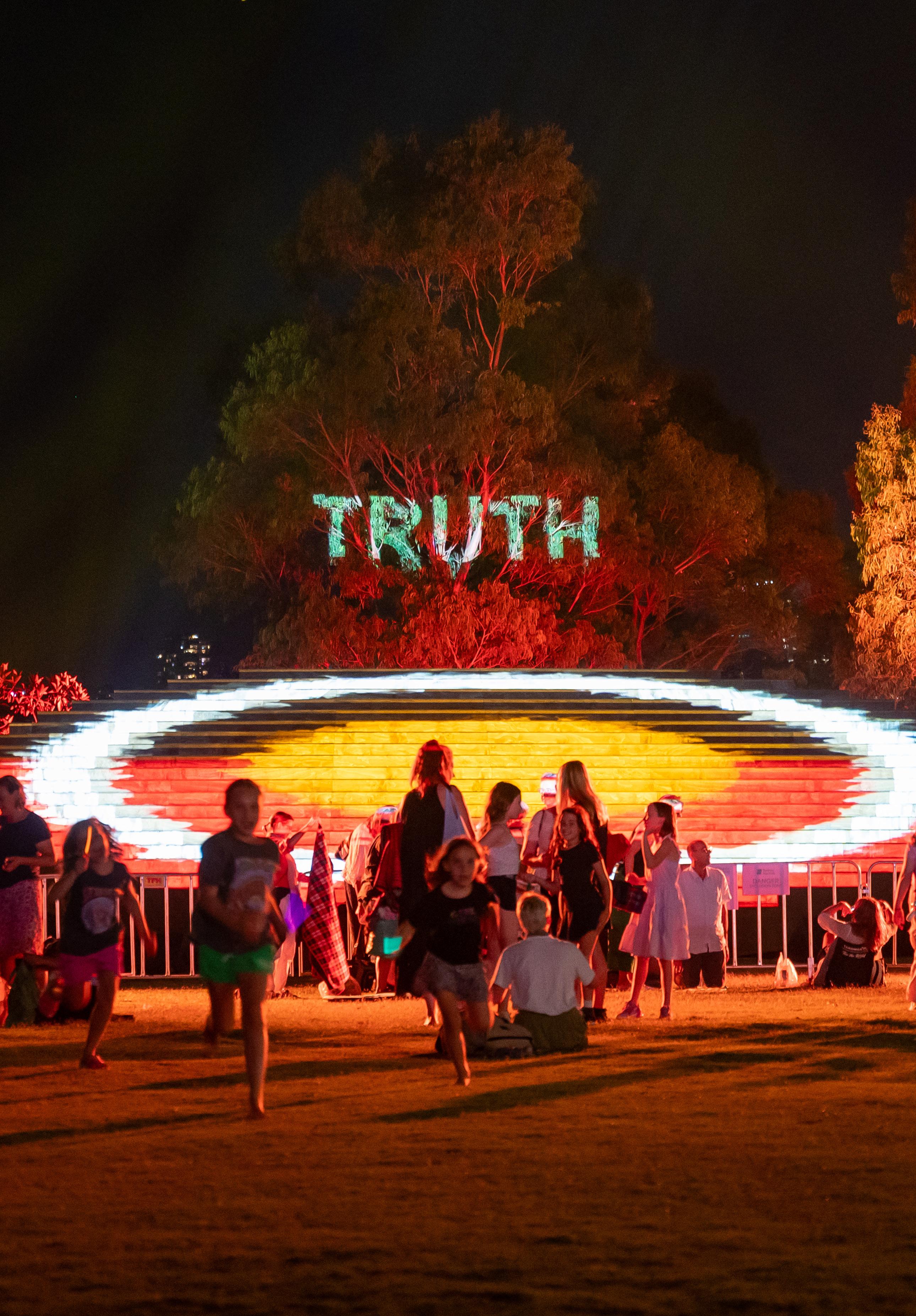
The Future Marliya Choir
Sydney Festival 2024
Photo by Wendell Teodoro
OPPORTUNITIES
Opportunities for Aboriginal and Torres Strait Islander individuals, organisations and communities are important to the program and staff development of Sydney Festival if it is to remain a progressive, inclusive and socially responsible arts organisation.
The growth of this valuable network of arts and corporate professionals through effective recruitment, collaboration with relevant organisations and internship programs will bring new perspectives and awareness of creative and business opportunities, and increase workplace satisfaction. The ongoing appointment of First Nations professionals in positions of leadership and programming is essential to maintaining this diversity or perspective and representation in the Festival’s suppliers and content.
ACTION DELIVERABLE TIMELINE RESPONSIBILITY
Improve employment outcomes by increasing Aboriginal and Torres Strait Islander recruitment, retention, and professional development.
Build understanding of current Aboriginal and Torres Strait Islander staffing to inform future employment and professional development opportunities.
Engage with Aboriginal and Torres Strait Islander First Nations Advisory Committee members to consult on our recruitment, retention and professional development strategy.
Develop and implement an Aboriginal and Torres Strait Islander recruitment, retention and professional development strategy.
Advertise job vacancies to effectively reach Aboriginal and Torres Strait Islander stakeholders.
Review HR and recruitment procedures and policies to remove barriers to Aboriginal and Torres Strait Islander participation in our workplace.
Work with educational organisations to develop training and career development for First Nations arts workers
Participate in a paid internship program i.e. Career Trackers
February 2026
People & Culture Manager
February 2026
CEO / People & Culture Manager
July 2026
People & Culture Manager
Ongoing; Review annually in July
Ongoing; Review annually in July 2026
People & Culture Manager
Head of Finance & Administration / People & Culture Manager
March 2026
March 2026
Creative Producer – First Nations / Head of Programming Operations
Creative Producer – First Nations / Head of Programming Operations
ACTION DELIVERABLE TIMELINE RESPONSIBILITY
Increase Aboriginal and Torres Strait Islander supplier diversity to support improved economic and social outcomes.
Develop and implement an Aboriginal and Torres Strait Islander procurement strategy.
Investigate Supply Nation membership.
March 2026
Head of Finance & Administration
February 2026
Executive Assistant / Administration Officer
Prioritise producing and leadership roles for First Nations people within the organisation.
Develop and communicate opportunities for procurement of goods and services from Aboriginal and Torres Strait Islander businesses to staff.
Review and update procurement practices to remove barriers to procuring goods and services from Aboriginal and Torres Strait Islander businesses.
Develop commercial relationships with Aboriginal and/or Torres Strait Islander businesses.
Ensure no less than one seasonal programming role filled by a First Nations worker.
Maintain an identified First Nations position within the Senior Management team.
February 2026
Head of Finance & Administration
March 2026
Head of Finance & Administration
Ongoing; Review annually in July
Head of Finance & Administration
Ongoing; Review annually in July
Head of Programming Operations
Ongoing; Review annually in July
Head of Programming Operations
GOVERNANCE
Transparent decision-making, accountability through reporting, ongoing funding and meaningful engagement must be maintained in order to follow through with the goals and actions of our Reconciliation Action Plan.
The Festival recognises and upholds the invaluable perspectives and expertise of Aboriginal and Torres Strait Islander representatives in this process, and aims to prioritise equity, inclusivity and cultural respect in its governance structures, policies and practices.
ACTION DELIVERABLE TIMELINE RESPONSIBILITY
Establish and maintain an effective RAP Working group (RWG) to drive governance of the RAP.
Provide appropriate support for effective implementation of RAP commitments.
Maintain Aboriginal and Torres Strait Islander representation on the RWG.
Establish and apply a Terms of Reference for the RWG.
Meet at least four times per year to drive and monitor RAP implementation.
Define resource needs for RAP implementation.
Engage our senior leaders and other staff in the delivery of RAP commitments.
Define and maintain appropriate systems to track, measure and report on RAP commitments.
Appoint and maintain an internal RAP Champion from senior management.
May, August, November, February annually
January 2026
February, May, August, November annually
February 2026
January 2026
CEO
January 2026
CEO
CEO, RWG
People & Culture Manager
CEO
Head of Finance & Administration
January 2026
CEO
ACTION DELIVERABLE TIMELINE RESPONSIBILITY
Build accountability and transparency through reporting RAP achievements, challenges and learnings both internally and externally.
Contact Reconciliation Australia to verify that our primary and secondary contact details are up to date, to ensure we do not miss out on important RAP correspondence.
Contact Reconciliation Australia to request our unique link, to access the online RAP Impact Survey.
Complete and submit the annual RAP Impact Survey to Reconciliation Australia.
June 2026 June 2027
Executive Assistant
Continue our reconciliation journey by developing our next RAP.
Report RAP progress to all staff and senior leaders quarterly.
Publicly report our RAP achievements, challenges and learnings, annually, including in the organisation’s Annual Review
Investigate participating in Reconciliation Australia’s biennial Workplace RAP Barometer.
Submit a traffic light report to Reconciliation Australia at the conclusion of this RAP.
Register via Reconciliation Australia’s website to begin developing our next RAP.
July 2026 July 2027
Executive Assistant
September 2026 September 2027
CEO
March, June, Sept, Dec annually
May 2026 May 2027
CEO
May 2026
January 2028
Marketing Director
Head of Finance & Administration
CEO
June 2027 CEO
Jan 2026 - Jan 2028
CONTACT DETAILS
Name: Rosa Coyle-Hayward
Position: Music Producer
Phone: (02) 8248 6571
Email: rosa.coylehayward@sydneyfestival.org.au
Name: Jordan Rahlia
Position: Content Manager
Phone: (02) 8248 6569
Email: jordan.rahlia@sydneyfestival.org.au