
Still Standing: 90 Years of the Model Village | PG. 20
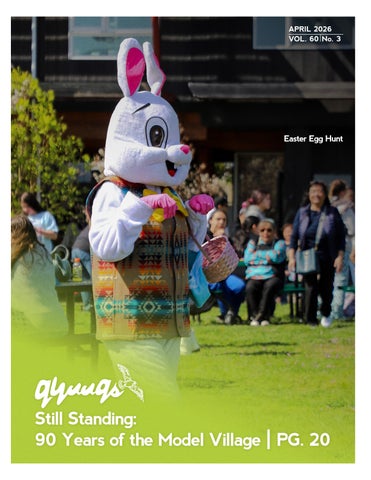
Still Standing: 90 Years of the Model Village | PG. 20
Welcome to the April qyuuqs News!
Ninety years ago Swinomish built some of its first homes – the Model Village. The Tribal Archive wrote a historic feature, Still Standing 90 Years Later, which you can read on PAGE 20.
The Swinomish Senate hosted the Seattle mayor after the Seattle City Light agreement was made. You can learn more about the Seattle City Light Agreement on PAGE 10 and the visit by Seattle Mayor Katie Wilson on PAGE 12.
Connecting with the community they serve, the Swinomish Police Department introduces the people behind the badge. Get to know Detective Sergeant Hirotaka on PAGE 28 and Sergeant Schwahn on PAGE 29.
Tribal member Robin Carneen shares the details of her and her mother witnessing eaglets receiving lessons in the wild. Read her story on PAGE 14. Tribal Elder Janie Beasley was inducted into the Skagit Valley College Hall of Fame! Get the details on PAGE 17. Be sure to check out this year’s Sealant Week photos on PAGE 26.
It looks like spring has sprung and the days are getting longer! We hope you enjoy time with friends and family and are gearing up for all the beautiful days ahead.
Thank you for reading this month’s qyuuqs News.
ya l ka but
Steve Edwards, Chairman (360) 840-5768 | sedwards@swinomish.nsn.us
ya qua l us
Brian Porter, Vice Chairman (360) 840-4186 | bporter@swinomish.nsn.us
kuts bat s t
Jeremy Wilbur, Treasurer (360) 770-7447 | jjwilbur@swinomish.nsn.us
sa-ba-shal-g d
Rodney John, Secretary (360) 708-1387 | rjohn@swinomish.nsn.us
spi sta yup t n
Greg Edwards (360) 854-8612 | gedwards@swinomish.nsn.us
kaniʔtəd
Tandy Wilbur (360) 770-3050 | tandywilbur@swinomish.nsn.us
qws tan ya Aurelia Bailey (360) 853-6376 | awashington@swinomish.nsn.us
t̕alə q talə II
Barbara James (360) 391-3958 | bjames@swinomish.nsn.us
y llakab l
Bruce James Jr. (360) 708-5779 | brucejames@swinomish.nsn.us
siwəlcəʔ
Alana Quintasket (360) 302-0971 | aquintasket@swinomish.nsn.us
nu-was-k -luk
Fred Cayou (360) 708-2401 | fcayou@swinomish.nsn.us
The mission of qyuuqs News is to provide monthly communication to Swinomish Indian Tribal Community Members near and far. We are committed to serving as an apolitical forum for the Swinomish governing officials and all Community Members. qyuuqs News is not intended to reflect the official position of the governing body at Swinomish Indian Tribal Community but rather reflects the ideas, events, and thoughts of individual Community Members and Tribal staff. As such, the Swinomish Tribe makes no claim as to the accuracy or content of any of the articles contained therein.
11406 Moorage Wa, La Conner, WA 98257
Phone (360) 466.7258
*SUBMISSIONS
Send your news tips, stories, and photos to: qyuuqs@swinomish.nsn.us
Submission deadline: 10th day of the month
QYUUQS NEWS
Caroline Ammons, Editor qyuuqs@swinomish.nsn.us
SWINOMISH COMMUNICATIONS
Heather Mills, Communications Manager
Sarah Kellogg, Content Journalist
Katie Bassford, Staff Photographer
Jordan Ekdahl, Graphic Designer LaVonne Long, Social Media Specialist communications@swinomish.nsn.us
This issue is available online at swinomish-nsn.gov/who-we-are/page/ qyuuqs-news
Photos credits: qyuuqs News Staff or as credited. All rights reserved.
Facebook: Swinomish Senate
Linkedin: Swinomish Indian Tribal Community
*qyuuqs News is made available for viewing on the Internet
Website: swinomish-nsn.gov
@SwinomishSenate
When submitting information, stories, and/or photos, please be aware everything published in the print version of qyuuqs News is also published on the Internet and is available to the world. Please consider carefully whether your submissions contain anything you feel may not be suitable or appropriate for the Internet. By submitting your information, stories, and/or photos to qyuuqs News, you agree to publishing your submission in both the print and online versions of qyuuqs News. qyuuqs News is a publication of the Swinomish Indian Tribal Community produced by Swinomish Communications.
Unresponsive to voice or touch
Blue or purple fingernails and lips
Pinpoint-sized pupils
Slow, irregular or stopped breathing Choking or snoring sounds
If you suspect an opioid overdose Call 911 Give Narcan Stay until help arrives
Pale, clammy skin


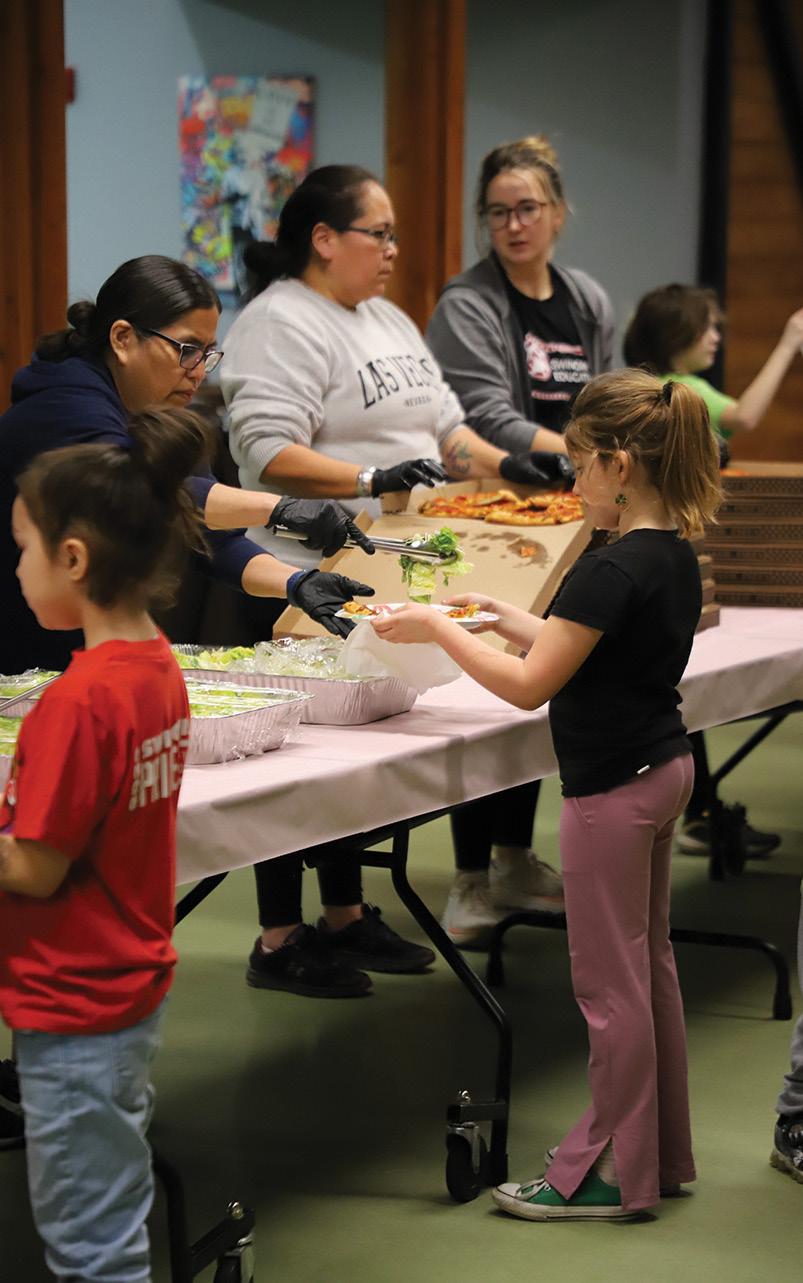
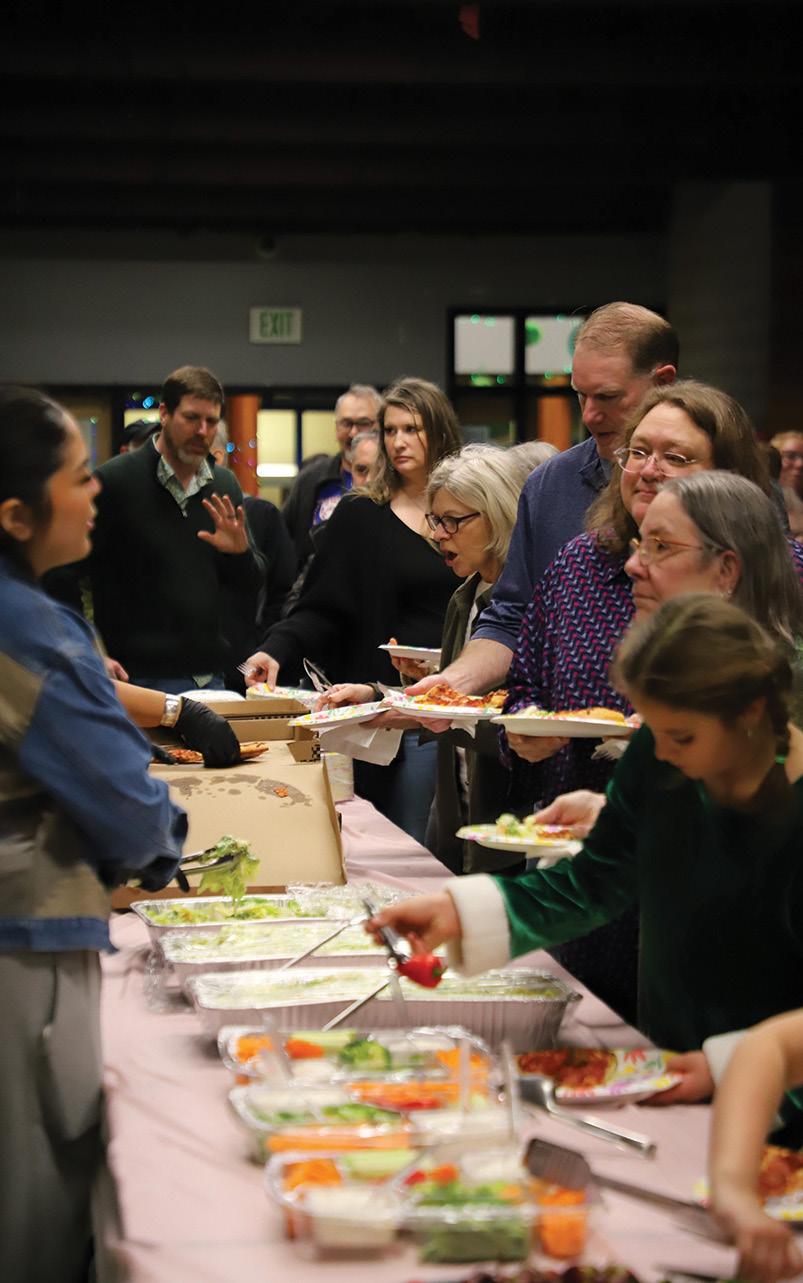
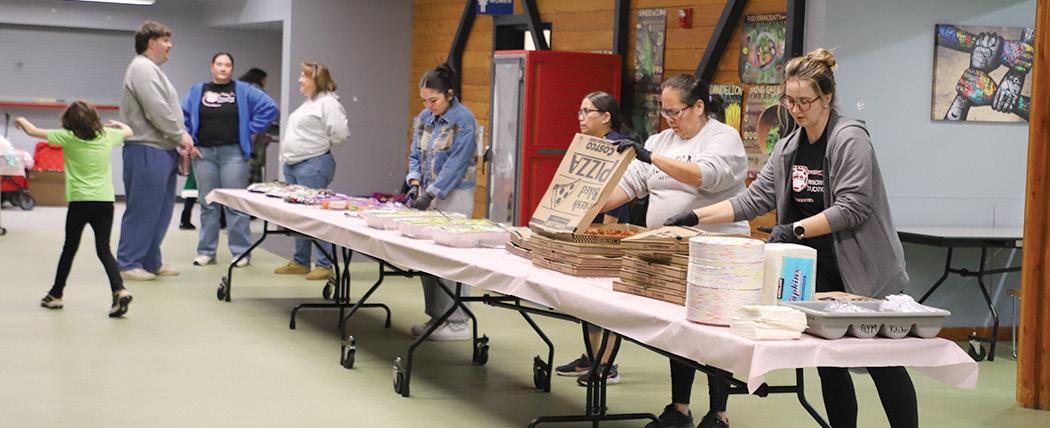
Co-hosted by Swinomish Behavioral Health, Cultural Department, and Domestic Violence

Do you have vessels you need to dispose of?
The recently approved 2026 state budget excludes $5 million in funding for the Department of Natural Resources supported Vessel Turn-In Program, Washington’s no-cost vessel disposal program. Due to this cut, funding for this program is expected to run out long before the original expected date of July 2027.
It is important to act now if you would like to utilize this program.
Tribal members who wish to dispose of their vessels at no cost, please submit your applications to the Washington Department of Natural Resources as soon as possible as the Swinomish Port Authority has limited funds to assist with vessel disposals.
Application: dnr.wa.gov/sites/default/files/2025-05/ aqr_vtip_app.pdf
Once complete, email it to dvrp@dnr.wa.gov or mail it to:
WA State Department of Natural Resources
ATTN: Vessel Turn-in-Program (VTIP) 1111 Washington St. SE. – MS 47027 Olympia, WA 98504-7027
Contact Swinomish Harbormaster Brett Lizotte at blizotte@swinomish.nsn.us or (360) 708-3397 with questions or for application assistance.

APRIL 11
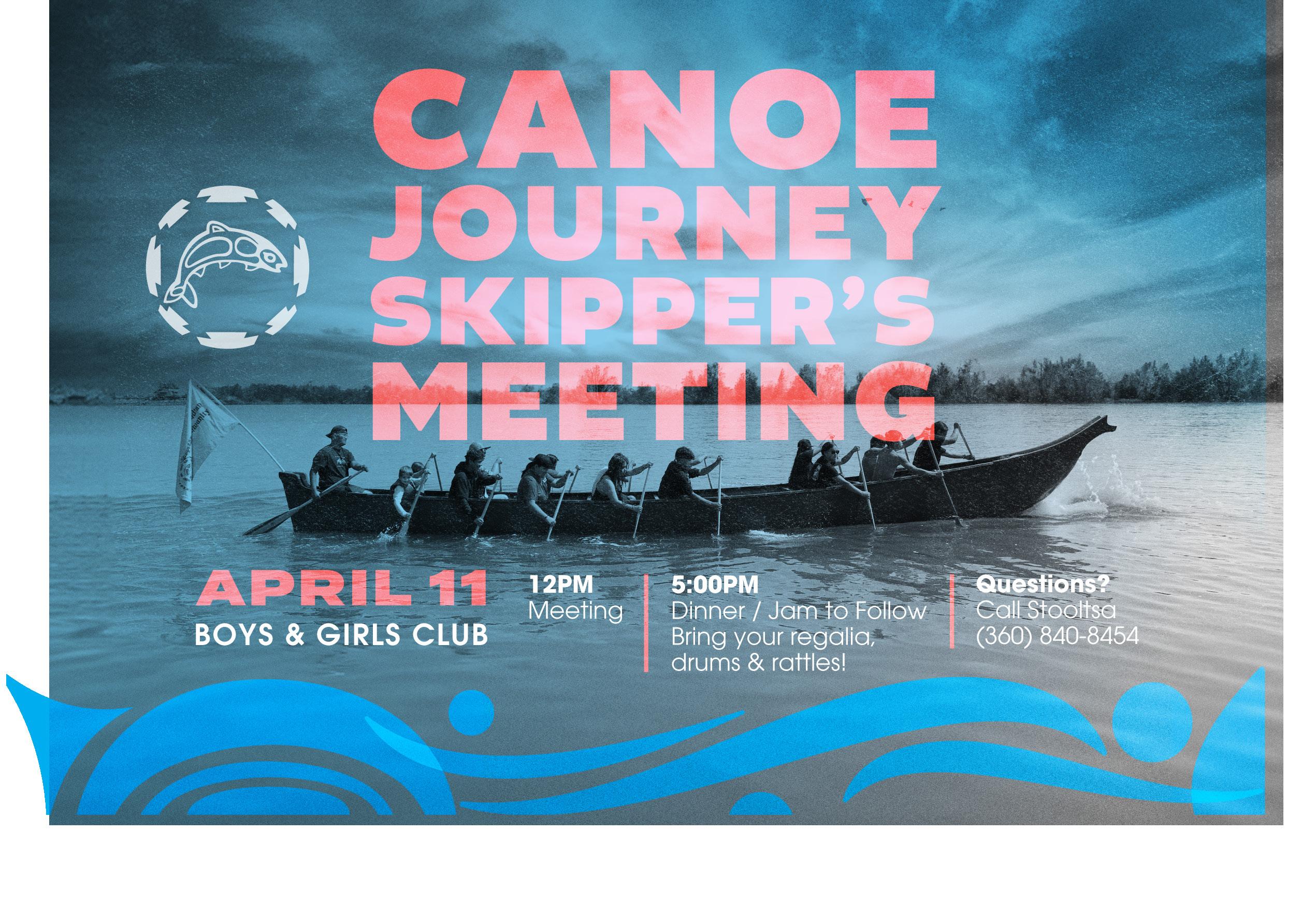
Canoe Journey Skipper’s Meeting + Jam 12 p.m. meeting, 5 p.m. dinner Boys & Girls Club
APRIL 15
Senate Meeting, 9 a.m. Senate Chamber or Zoom
APRIL 22
Community Update Meeting – Enterprises: Casino, Gas Stations + Cannabis, 6-7 p.m. Senate Chamber or Zoom
Investment Club, 6-7 p.m. Social Services Building Community Dinner, 6 p.m. Boys & Girls Club
APRIL 23
Drive-Thru Food Distribution
Elders and families with kids under age 6 will be served first from 11 a.m.-12 p.m. All others start at noon. Come while supplies last! Please use the entrance just north of the Village Market.
Spending Frenzy, 6-8 p.m. Social Services Building

Seattle Will Make Unprecedented Investments in the Skagit River to Jump-Start Salmon Recovery
APRIL 7 – The Swinomish Indian Tribal Community is very pleased that this afternoon, the Seattle City Council unanimously approved the ordinance authorizing the Comprehensive Settlement Agreement among City Light, tribal, federal, state and local partners. This is the final legislative approval step, and now the ordinance goes to Seattle Mayor Wilson for signature.
“The Swinomish Tribe is grateful to the Seattle City Council for approving this historic comprehensive settlement agreement that represents years of good faith negotiations and a deep commitment to restoring the Skagit River ecosystem and recovering our salmon populations for the benefit of future generations,” said Swinomish Tribal Community Chairman Steve Edwards.
The Comprehensive Settlement Agreement approved by the Seattle City Council provides a range of ecosystem benefits over 50 years, including funding and commitments to carry out:
‣ $200 million dollars for mainstem river and estuary habitat restoration;
‣ $979 million dollars for design, engineering and construction of fish passage facilities at the dams;
‣ $10 million dollars for early action scientific studies ahead of fish passage engineering and design;
‣ $37 million dollars for ongoing monitoring and adaptive management; and
‣ Continued flows to protect spawning and incubating Chinook, Chum and Pink salmon.
“Swinomish applauds the City’s Councils substantial investment in the Skagit River, and is committed to using these ratepayer funds wisely. The Tribe supports fish passage at the dams as driven by best science and looks forward to working with our partners and fish passage experts to ensure that fish passage is successful and achieves our goals of advancing recovery of ESA-listed Chinook salmon and Steelhead. Swinomish wants to increase salmon availability for Tribes, Orcas and all Washingtonians,” said Chairman Edwards.
“Swinomish is proud to have played a leadership role in collaboration with our partners at the Upper Skagit Tribe and the Sauk Suiattle Tribe in achieving this historic milestone. The settlement will support transformational
restoration and protection of the entire Skagit River ecosystem and our Treaty protected resources for the benefit of generations to come. As People of the Salmon, the Tribe’s Treaty fisheries are central to its culture, economy and identity. Over the past seven years, the Tribe with City Light and our tribal, federal, state and local partners worked to ensure that stewardship of the Skagit River would leave a legacy of wild salmon so that the next seven generations of Swinomish Tribal members can exercise their Treaty rights as our ancestors have done since time immemorial. The comprehensive settlement agreement will honor our Treaty rights, strengthen the ecology of the river, and will secure our culture and traditions long into the future while also supporting Seattle’s long-term clean energy production,” said Chairman Edwards.
The Swinomish Indian Tribal Community has been impacted by the City of Seattle’s three hydroelectric dams for over 100 years. While Seattle residents enjoyed the benefit of cheap electricity for decades, it came at the expense of the Skagit River ecosystem and the Tribe’s Treaty rights. Swinomish believes the terms of the new license are the strongest and most balanced opportunity to protect and restore the Skagit watershed, continue providing clean power to the residents of Seattle, and support the Tribe’s Treaty rights.
The comprehensive agreement was reached amongst the three Skagit River Tribes, Seattle City Light, the State Departments of Ecology and Fish & Wildlife, and federal agencies including the National Marine Fisheries Service, U.S. Fish & Wildlife Service, U.S. Forest Service, Bureau of Indian Affairs, the National Park Service Seattle, Trout Unlimited, American Rivers, Skagit County and the Skagit Fisheries Enhancement Group. If approved by FERC, the new 50-year license will guide how Seattle invests hundreds of millions of dollars in the Skagit River watershed for estuary and mainstem habitat restoration, ensure flow protections for incubating and rearing salmon, perform scientific research and use adaptive management for climate change, and study and build fish passage at the dams.

Agreement protects treaty rights, supports salmon recovery, and provides path forward for clean energy generation.
MARCH 5 ― The Swinomish Indian Tribal Community today announced the completion of a comprehensive settlement agreement (Agreement) with Seattle City Light and federal, state, and tribal partners related to the proposed new 50-year federal license for Seattle City Light’s three hydroelectric dams on the Skagit River.
The Agreement concludes over seven years of negotiation among tribes, government agencies, and other stakeholders. The Agreement will be considered by the Seattle City Council for approval this month, and then will be submitted to the Federal Energy Regulatory Commission (FERC) for environmental review and public comment as part of the relicensing process.
For the Swinomish Indian Tribal Community, the Agreement reflects the Tribe’s longstanding commitment to protecting the Skagit River and honoring Treatyprotected fisheries that remain central to the Tribe’s culture, economy, and identity.
“As People of the Salmon, restoring and maintaining the health of the Skagit River will always be our highest priority,” said Swinomish Tribal Community Chairman Steve Edwards. “This is a hard-won, fair, and forwardlooking agreement that honors our Treaty rights, strengthens the ecology of the river, and provides a responsible path forward for hydropower generation and salmon recovery.”
Swinomish leaders noted that the Tribe devoted significant time and resources to the settlement process, which took more than seven years to complete. Tribal staff from the Environmental Policy, Wildlife, and Legal departments worked alongside the Swinomish Senate and numerous partner organizations throughout the negotiations. The Agreement includes provisions that should jump-start salmon recovery in the Skagit River, including over $100 million for mainstem river restoration, $75 million for estuary restoration, $979 million for fish passage at the dams, an ongoing commitment to river flows to protect spawning and incubating salmon, and funding for ongoing science and adaptive management throughout the term of the new license.
Other participants in the settlement include Seattle City Light; the Sauk-Suiattle and Upper Skagit Indian Tribes; the Washington State Departments of Ecology and Fish and Wildlife; and federal agencies including the National Marine Fisheries Service, U.S. Fish and Wildlife Service, U.S. Forest Service, Bureau of Indian Affairs, and the National Park Service.
Chairman Edwards said the resulting Agreement represents the most balanced opportunity to protect and restore the Skagit watershed while supporting Seattle’s long-term clean energy generation.
“The terms of this Agreement reflect a shared commitment to protecting the Skagit River while continuing to provide clean power to Seattle residents,” Edwards said. “We believe this Agreement creates the strongest opportunity to safeguard the river, uphold our Treaty rights, and support salmon recovery for generations to come.”
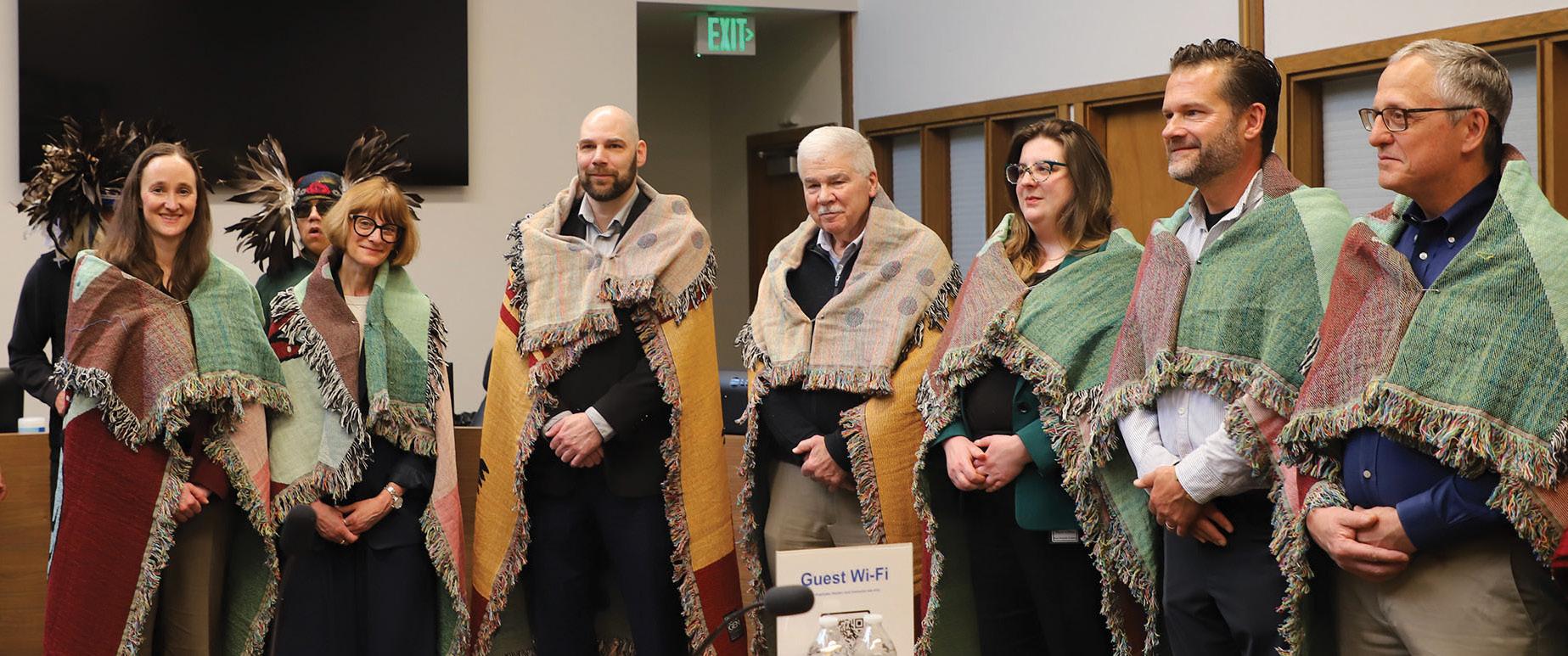
March 20 – Seattle Mayor Katie Wilson, City Council members, and representatives from Seattle City Light visited the Swinomish Senate in support of the Tribe’s recent settlement with the electric utility. The room was filled with mutual gratitude.
“It’s the only home we’ve got,” Tribal Chairman Edwards said. “We’ll take care of it, we’ll take care of our treaty rights. We are blessed. There’s a lot to be thankful for. I thank you, Katie Wilson.”
“I appreciate you and your team coming to visit us,” Tribal Senator Bruce James said. “I believe in relationships, honesty, and trust. Your presence means a lot to us and the Swinomish community.”
After the senators expressed their thanks, Wilson said, “Thank you so much for inviting us to your ancestral homelands. Thank you all for the work on the Seattle City Light deal. Seattle has benefited from power generated by the Skagit. I am thankful for all your work on that.”
Chris Townsend, Seattle City Light’s director of natural resources and licensing, also spoke.
“Thank you for the grace you’ve shown our city,” Townsend said. “Hopefully the benefit will be lasting for your future generations.” He called the agreement “miraculous.”
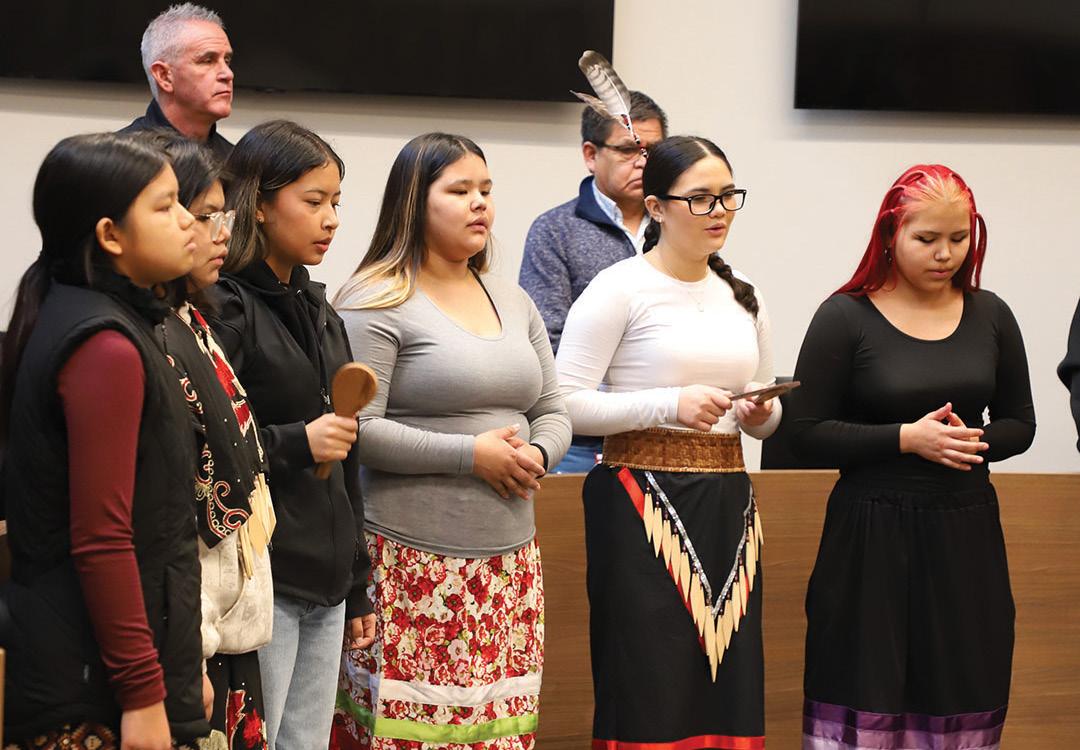
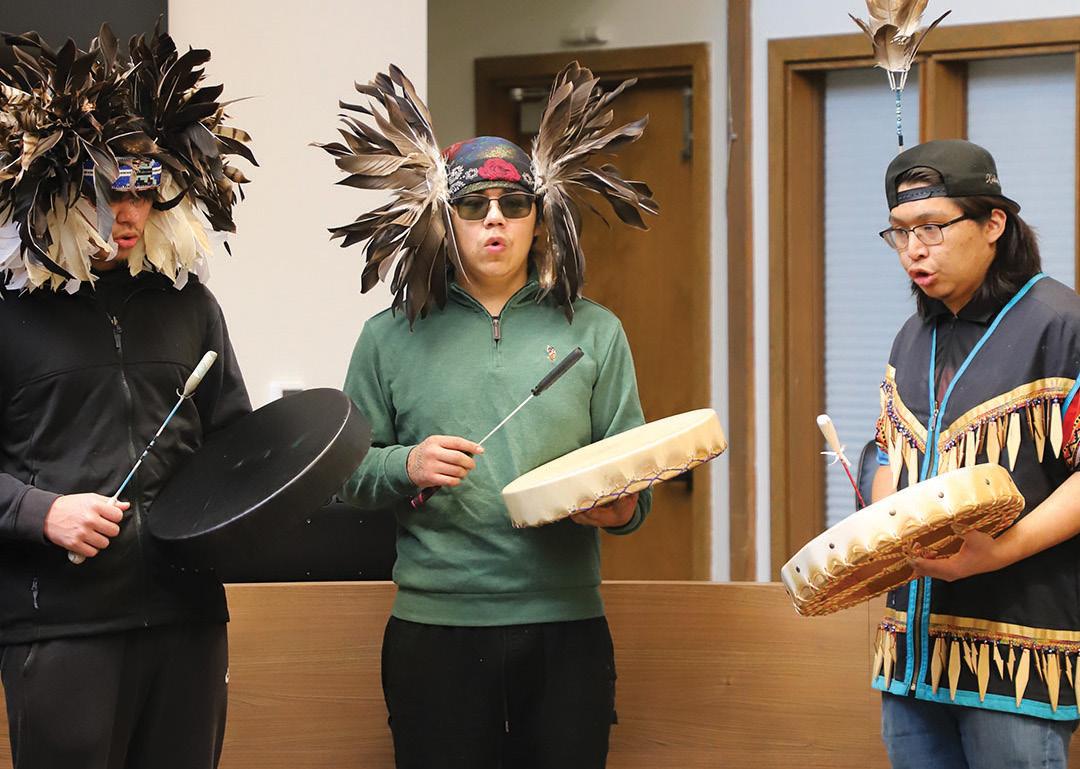
The Swinomish Canoe Family shared songs with the guests, gave words of thanks, and wrapped each of them in a blanket.


JOJO AND JAE JEFFERSON
April is Autism Awareness Month. The Jefferson’s family journey is one of awareness, understanding, acceptance, and support.
We are Jae and Jojo Jefferson. We live in the Swinomish Tribal Community. I, JoJo, am an enrolled Tribal citizen and have lived and raised my older children here. Jae is an enrolled citizen of the Lummi Nation where she has strong roots and a grounded upbringing.

In 2017, we were honored to welcome an infant named Leo into our lives while his parents took strides to get back on their feet. Little did we know we would be honored with another infant, Samuel (“Sam Sam”), five months later. He was so cute with his natural mohawk and lovable mean mug.
While it was always fun watching these two boys grow alongside each other, their development differences were noticeable. With Sam Sam, we would always see him looking at my mom’s pictures, laughing and smiling, but his development was distinctly slower than Leo’s. We did take into consideration they were five months apart.
Sam Sam was the fastest crawler EVER. He could crawl the whole length of the Swinomish gym floor in 30 seconds – no joke. However, he would also bang his head on the floor or spin in circles, and he later developed sleeping difficulties. He didn’t nap and bedtime was usually around 1-2 a.m., and our mornings started at 7 a.m. Poor baby, he didn’t get any sleep.
At his 15-month well-child check, we told the doctor we thought he might be autistic. We explained that Sam Sam avoided eye contact, would bang his head against the floor or wall, and rarely slept. He wasn’t walking or talking yet and he would often run off (“eloping”). He was sensitive to loud noises, didn’t like people holding him (besides me and barely Jae), and bath time became a real challenge. After the doctor confirmed these as signs, we were referred to a support agency for children with autism, as well as to Seattle Children’s Hospital.
There was a 16-month waiting list at Seattle Children’s Hospital, but we were able to see a doctor in Bellingham who was able to complete the diagnosis – Sam Sam was


confirmed nonverbal and on the higher end of the autism spectrum. From there, we were referred for Applied Behavioral Analysis (ABA) therapy.
Our biggest challenge has been bringing awareness to our local communities, and for people to understand autism and Sam Sam. Our challenge isn’t Sam Sam –he has a brilliant mind and is very compassionate, and we are blessed to have someone that shows us how to think differently. We take him to cultural gatherings where participation is up to him as he likes his own space. There are circumstances outside of our home we need to be aware of, precautions we need to take, and considerations to make on his behalf.
Our advice for parents or guardians is this: don’t delay getting your child evaluated. Don’t fight what you are witnessing, and don’t assume your child will grow out of it. Never feel ashamed of your child and their unique behaviors.
The longer you wait to pursue a diagnosis, the more you risk depriving your child of the support they need to grow and thrive. Resources and support focused on autism can make a meaningful difference, helping your child build skills, confidence, and acceptance.
Skagit County is replacing its CodeRED emergency alerts system with Skagit Ready. Because CodeRED is being completely replaced, citizens must sign up for this new service in order to start receiving notifications.
Skagit Ready provides important updates and notices about severe weather, wildfires, preparedness, and other community safety concerns and situations. The alerts are tailored to your address and communication preferences.
This system is not used for emergency alerts such Amber Alerts or Wireless Emergency Alerts (WEA) that automatically appear on cell phones during life-safety emergencies. Skagit Ready shares helpful information earlier so you can stay informed and prepared.
Ready communities are stronger communities. Be Skagit Ready! It takes less than a minute to sign up at https://skagit911.us

ROBIN CARNEEN, TRIBAL MEMBER
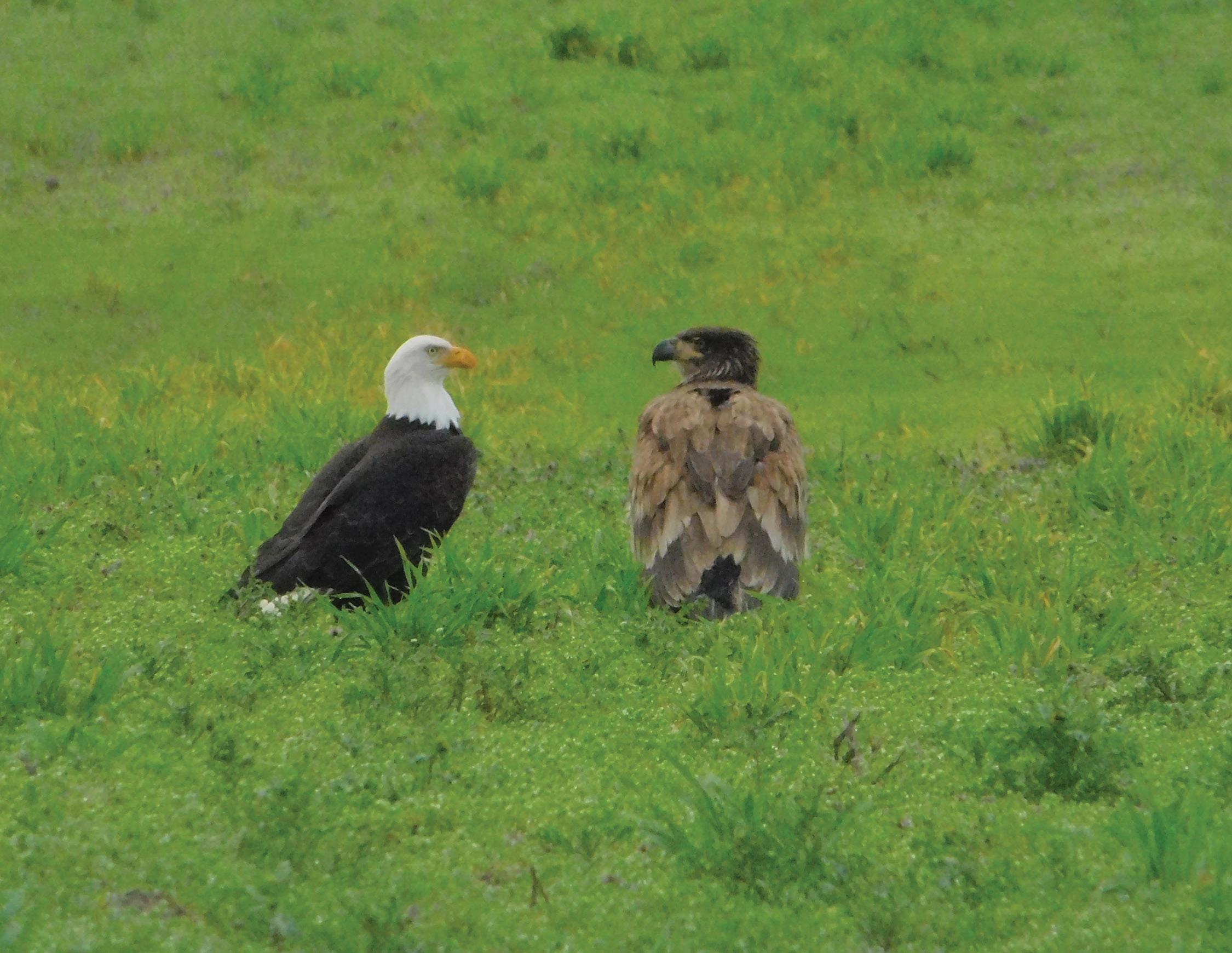
February 4 – To witness a parent bald eagle training their two fledglings in the field across from the La Conner Gardens on Hulbert Road was an incredible and rare treat for my mother, Carneen Allen, and myself. The lesson being taught was obvious: they needed to learn to protect the prey they had already killed, and at the same time, how to keep other predators out of their hunting territory.
Our car window was rolled down as we quietly watched and listened to them. We could hear them communicating with each other with a series of high pitched “whistles.” It was a beautiful exchange of vocalizations. It was hard to tell what kind of prey they had; it looked like a brown rabbit, or what was left of it. The two dark chocolate brown to blackish-brown fledglings took turns either on the ground with their kill or retreating and watching from nearby trees along the road we were parked on.
At one point, the parent bald eagle with its white head, black body, and yellow beak hopped over to have its turn to eat. In an instant though, one of the fledglings swooped down very aggressively with its huge brown wings and dark beak open, making a crying/warning screech to reclaim its turn. This caused a flurry of wings and the parent bald eagle quickly stepped away from the dead prey.
We felt very blessed to see this feeding lesson in the wild; it was both educational and impressive. Eagles are beautiful birds of prey and the national emblem of the United States, and for us, as Native Americans, believed to be messengers to the Creator of all.
Note: We did not get out of our vehicle to take pictures but parked legally, a respectful distance away, and did not cause a traffic hazard while observing these eagles. I also used a zoom lens to take several photos, and we did not linger very long, just enough time to snap off a series of lucky shots.


MICHAEL CLADOOSBY PAGE, SWINOMISH TRIBAL MEMBER
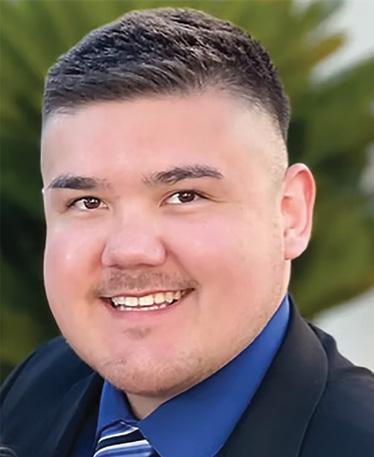
Starting Cedar Root Financial has been one of the most meaningful steps in my personal and professional journey. For years, I knew I wanted to bring together my background in accounting, finance, and technology with my commitment to serving the community. What I didn’t realize at the time was how essential strong support systems are in helping turn entrepreneurial ideas into reality.
This isn’t my first venture. Years ago, I owned a web design business. While it had its successes, it also came with challenges and setbacks that taught me valuable lessons – especially the value of building a strong foundation before trying to scale too quickly. Those lessons carried forward into Cedar Root Financial, reminding me to grow with intention, sustainability, and determination.
My time working in the Swinomish IT Department also helped shape my path. Day by day, I built my technologically savvy, gaining the confidence that would eventually enable me to merge that knowledge with my financial expertise. This combination ultimately gave me the clarity and motivation to take the leap into entrepreneurship.
Swinomish Workforce Development, along with their partner, Center for Inclusive Entrepreneurship Program Manger Victor Ponce, played a key role in turning that motivation into action. The team provided not only resources, but guidance, encouragement, and structure at exactly the time I needed it most. The program wasn’t just about training; it was about building a sustainable business model and learning how to grow responsibly with available resources.
I am deeply grateful for their support and encouragement. They created a space where I could align my vision with practical steps to succeed, and that foundation has already proven invaluable.
Looking ahead, my goal is not only to grow Cedar Root Financial, but to guide other Tribal entrepreneurs as they navigate the financial and technical aspects of their own businesses. I believe that when we share our knowledge and support one another, our entire Tribal economy grows stronger.
I know I still have much to learn, but I also knew the time was right to take this step. With the foundation laid, I am excited for what’s ahead, grateful for the support I’ve received, and hopeful that Cedar Root Financial can be part of a larger story – one of resilience, growth, and shared success in our community.
Learn more about Cedar Root Financial at cedarrootfinancial.com

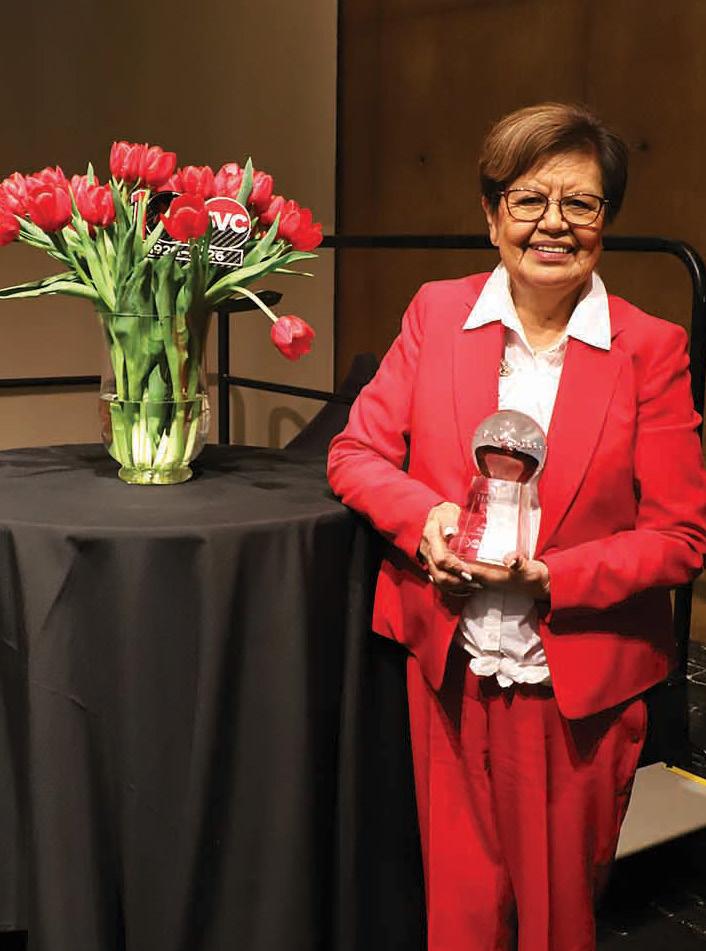
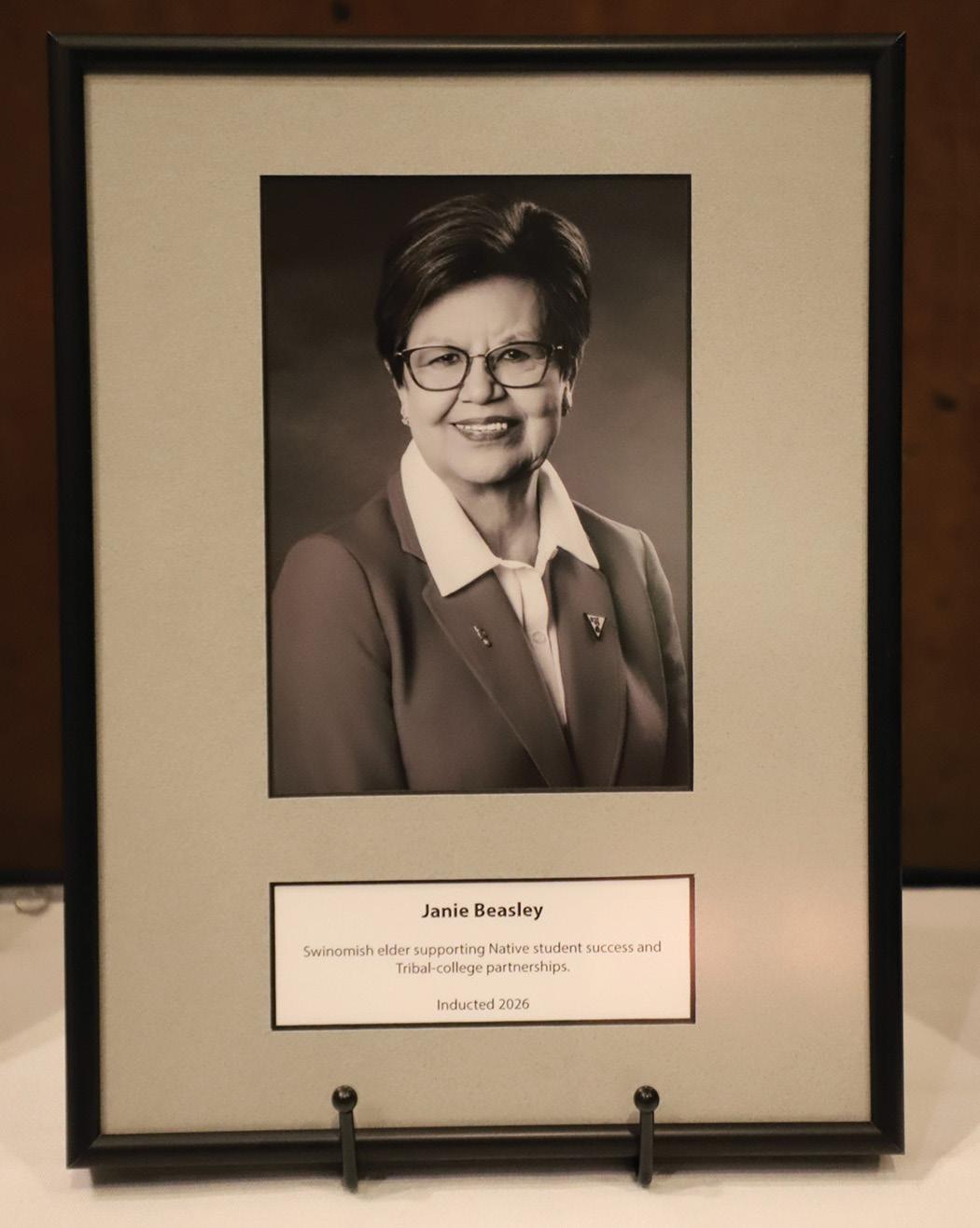
March 20 – Tribal Elder Janie Beasley was inducted into the Skagit Valley College Hall of Fame for her dedication to the college through leadership, service, and sustained support of student success and community advancement. The honor comes as the college marks its 100th year of service.
Janie is a lifelong learner. In 2007, she completed the yearlong Skagit Leadership Program with Skagit Valley College. In 2014, she learned Lushootseed and later taught it at La Conner High School.
Janie also served on the La Conner School Board for 15 years. She currently sits on 10 boards around Skagit County, including:
‣ Swinomish Planning Committee
‣ Swinomish Veterans Committee
‣ La Conner Young Life
‣ La Conner Community News
‣ Marathon Refinery
‣ Anacortes Salvation Army
‣ Teacher for the People
‣ Skagit Valley College Board of Governors
‣ Leadership Skagit
‣ WE Ignite
In recognition of her work, Janie has received the following awards:
‣ SWAN Business & Professional Women of the Year
‣ Enduring Spirit Award
‣ SWAN Lifetime Achievement Award
‣ Soroptimist International of La Conner Ruby Award
‣ La Conner High School Outstanding Alumnus Award
The Swinomish Tribe will work towards building an energy system that aligns with our cultural values and climate adaptation principles, focusing on increasing our use of renewable energy, improving our energy affordability, resilience, and sovereignty, for the betterment of the community.
We are taking a two-pronged approach as we increasingly take ownership of our energy system, addressing big objectives like increasing renewable energy generation and lowering the Tribe’s carbon footprint, while not losing sight of fundamental energy updates that will improve quality of life for the community. Decreasing the energy use of big consumers such as the casino and Tribal government buildings can have a big impact on our overall usage and costs. We are also committed to actions that can make energy more affordable, provide jobs, and get renewable energy to people who want and/ or need it.
The Tribe developed the Renewable Energy Plan of the Swinomish Indian Tribal Community in 2017. This plan was a collaborative effort of more than 30 Tribal members and staff representing multiple Senate Committees, departments, and interests, along with Spark Northwest, a regional energy-focused NGO.
In 2024, Swinomish applied to the Energy Technology Innovation Partnership Project (ETIPP), a program through the Department of Energy that supports energy planning in remote communities. The objective of our ETIPP project is to update the energy plan with particular attention paid to developing actionable next steps and creating a community engagement strategy that focuses on workforce development and education. As part of ETIPP, the Tribe is once again partnering with Spark Northwest, along with the Pacific Northwest National Laboratory and the National Laboratory of the Rockies. The update includes revised goals and timelines and focuses on building a greater understanding of current energy usage and management.
We have been making investments in energy infrastructure and have already completed several projects installing solar panels and battery storage around the community. This includes:
‣ Solar panels and battery storage at 15 Tribal townhouses and six cottages, leading to utility savings and backup power during outages for those residents
‣ Solar panels and battery storage on the Tribal Administration and Fisheries buildings
‣ Solar panels with Tesla Powerwall 3 battery systems on 12 homes
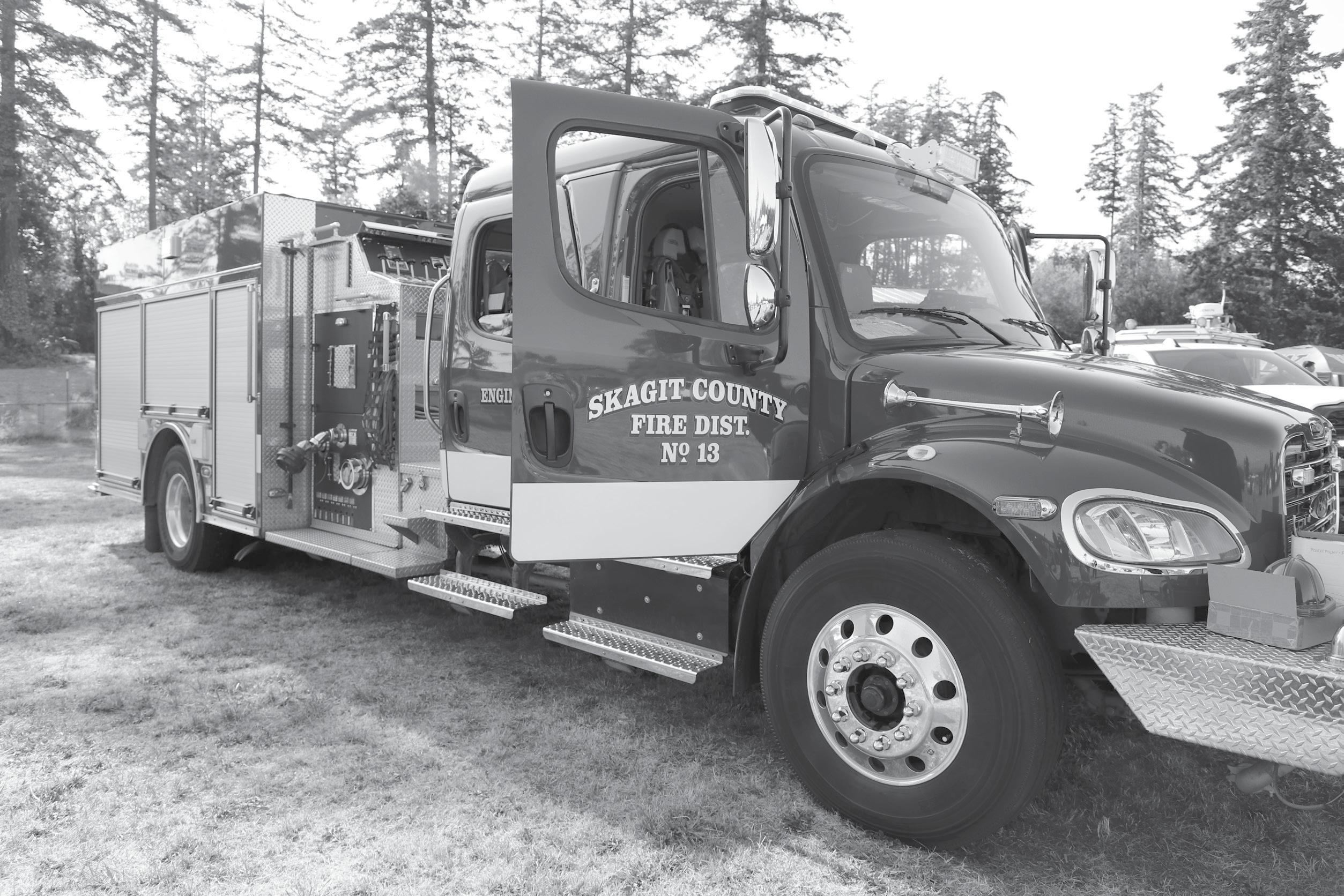
‣ Solar panels on the Fire District 13 station
‣ Several other buildings have been assessed for solar and storage and we will be installing those systems as grant funding becomes available
‣ Solar panels on Social Services and the Boys & Girls Club are installed but not yet commissioned
‣ Solar installation on the building housing Swinomish Medical and the IT Department will begin in May
‣ Seven electric Ford Lightning vehicles will arrive at Swinomish this month
‣ Additional charger locations are in the planning stage
‣ The addition of a charging station for EV boats is in the planning stage
Energy Guiding Principles 1) Preserve Tribal Sovereignty through Energy Independence 2) “Take only what you need”: Pursue Energy Conservation and Efficiency 3) Prioritize Workforce Development, Community Participation, and Engagement 4) Provide Cultural and Policy Leadership 5) Make it Actionable
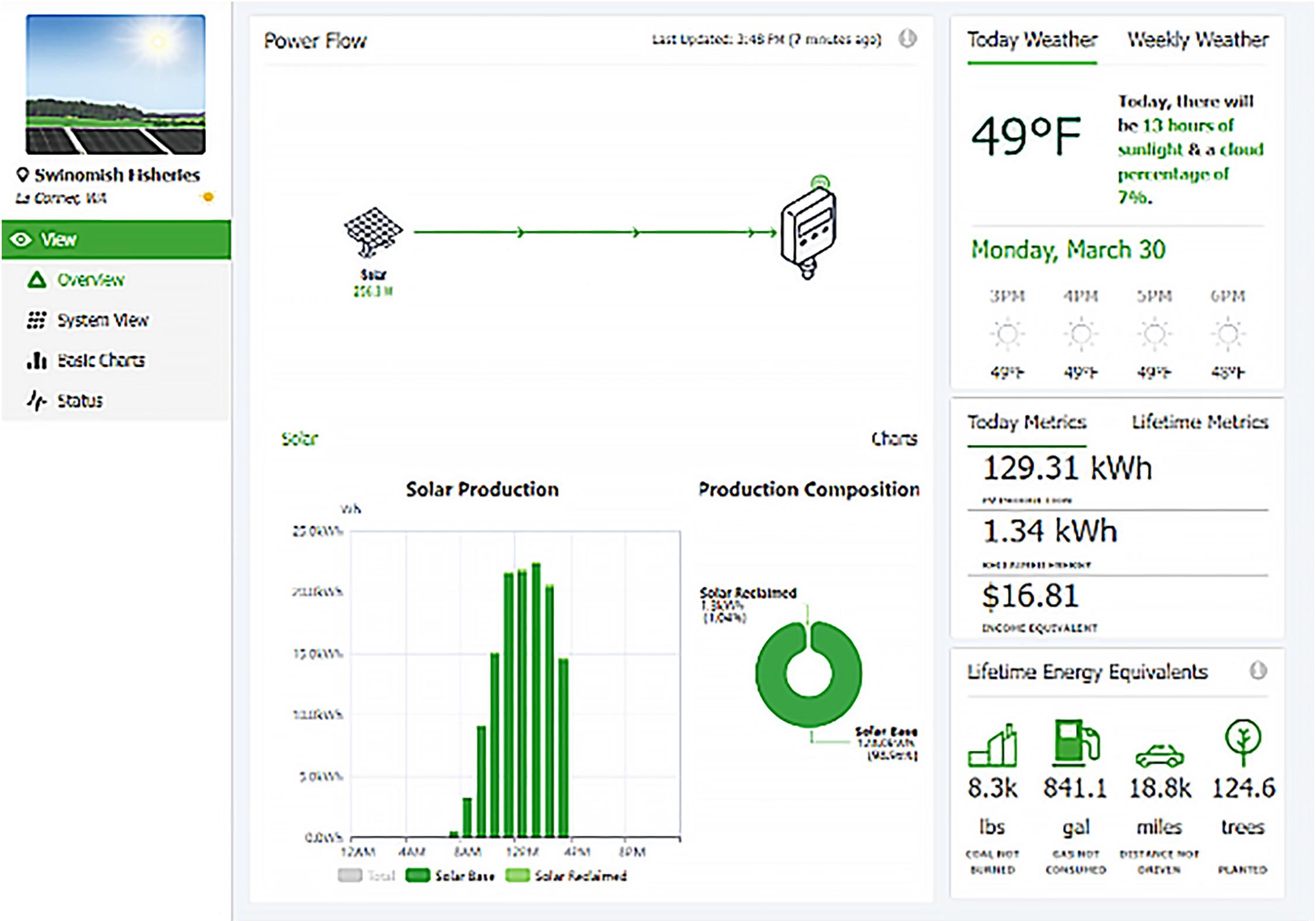
Dashboard displaying the real-time energy generation of the solar system on Swinomish Fisheries. Installed in summer 2025, the system generated just under 11 MWh, equivalent to the actions described in the Lifetime Energy Equivalents box.
PSE representatives will attend the Community Dinner on April 22 to answer questions about home comfort and energy savings, solar energy, electric vehicles and charging, and rebates for energyefficient products such as smart thermostats. Staff can also connect PSE customers with vetted contractors for home improvements and energy assessments.
A utility tax exemption form will be available for Swinomish members living on the reservation. Income-eligible customers can enroll in PSE bill assistance programs.
Energy planning partners from Spark Northwest, Pacific Northwest National Laboratory, and the National Lab of the Rockies will also be available to discuss community energy planning and renewable energy technologies.
KRISTA HAMBURG, TRIBAL ARCHIVE AND RECORDS MANAGER
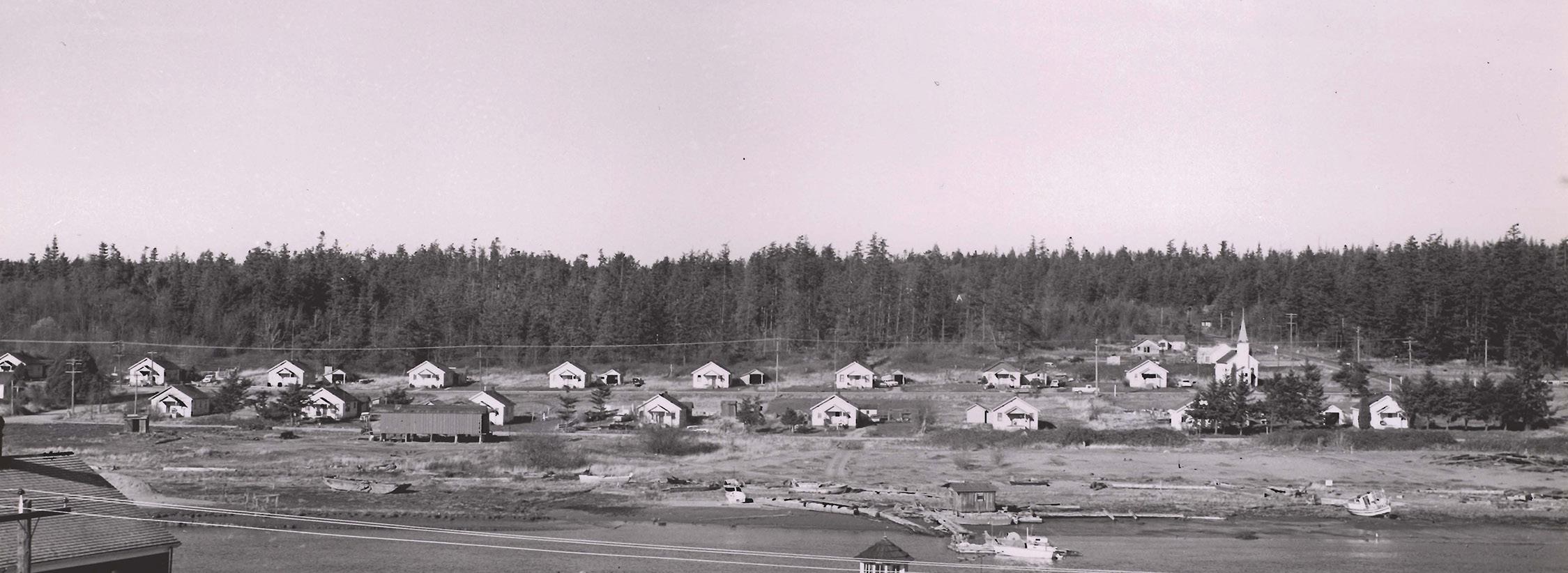
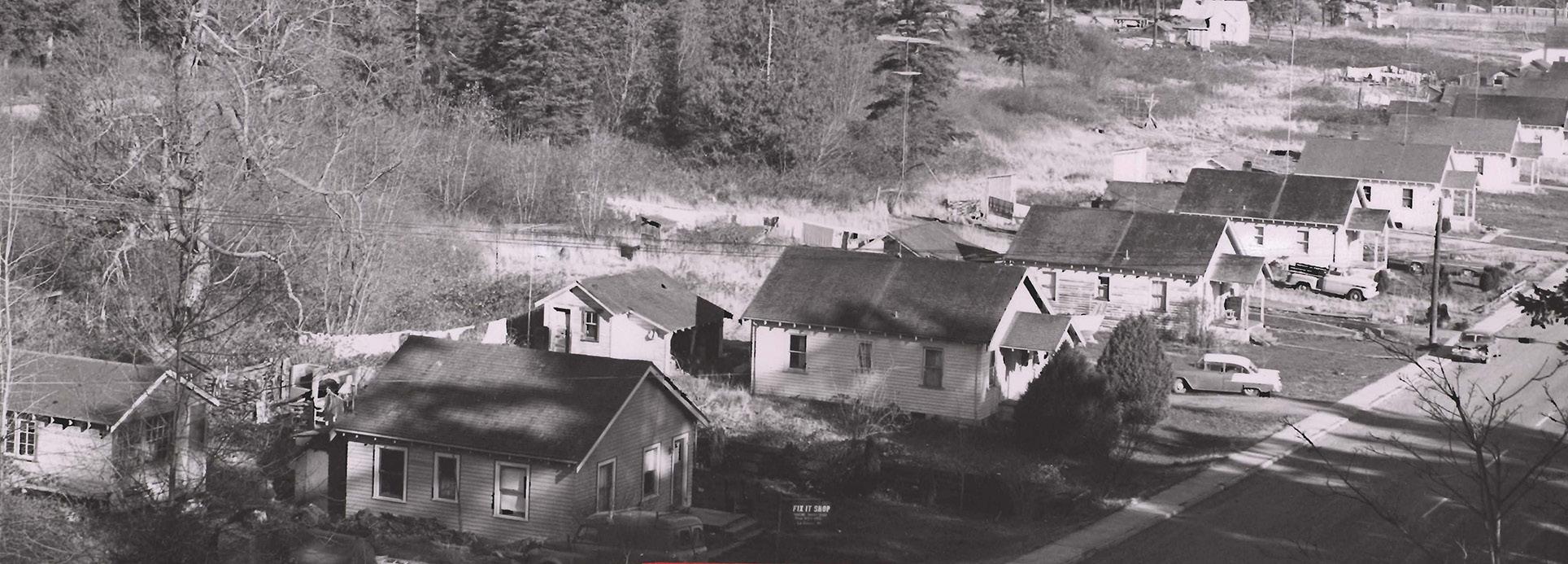
Since 2016, the landscape of the Model Village has continued to evolve. In the past decade, seven additional model village homes have been demolished, bringing total removals to eight with 10 of the 1936 structures still standing. These home removals have cleared the way for progress; many of these historic lots now hold newly rebuilt homes for larger families.
While the buildings may change, the neighborhood is growing in positive and renewed ways – providing more housing for our community than when the project first started 90 years ago.
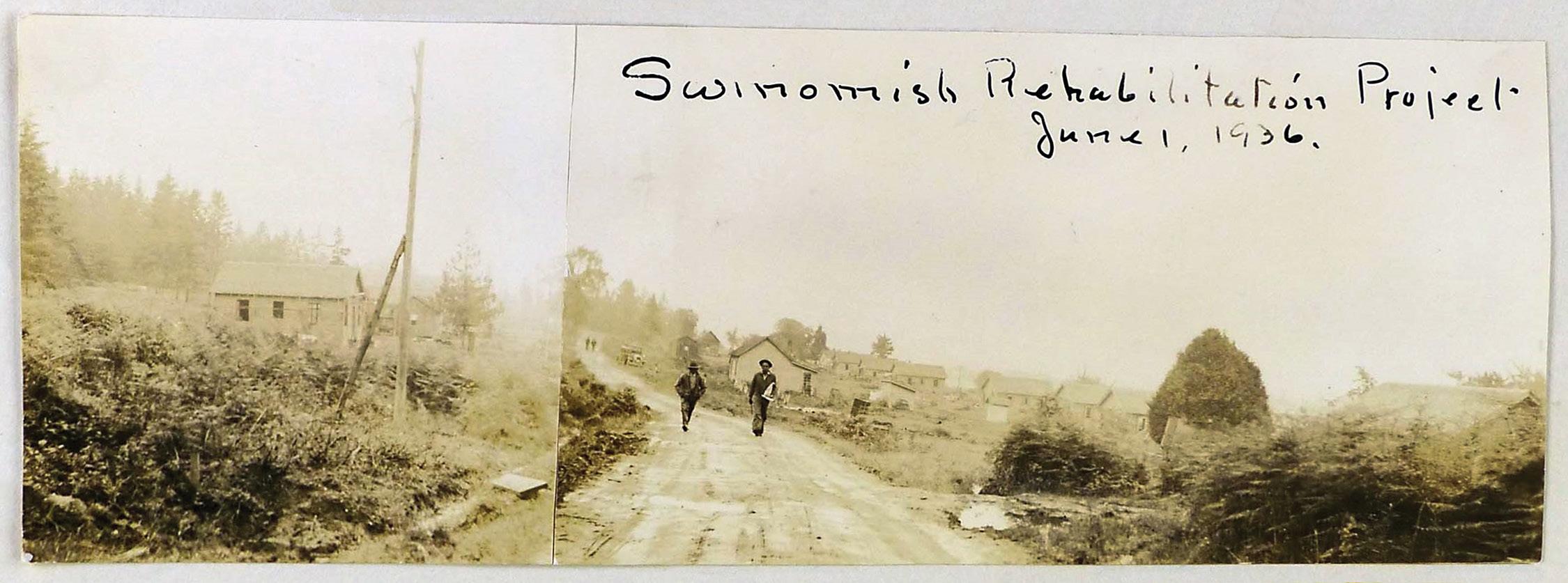
Excerpt from the Model Village Turns 80 by Theresa T. Trebon APRIL 2016, QYUUQS NEWS
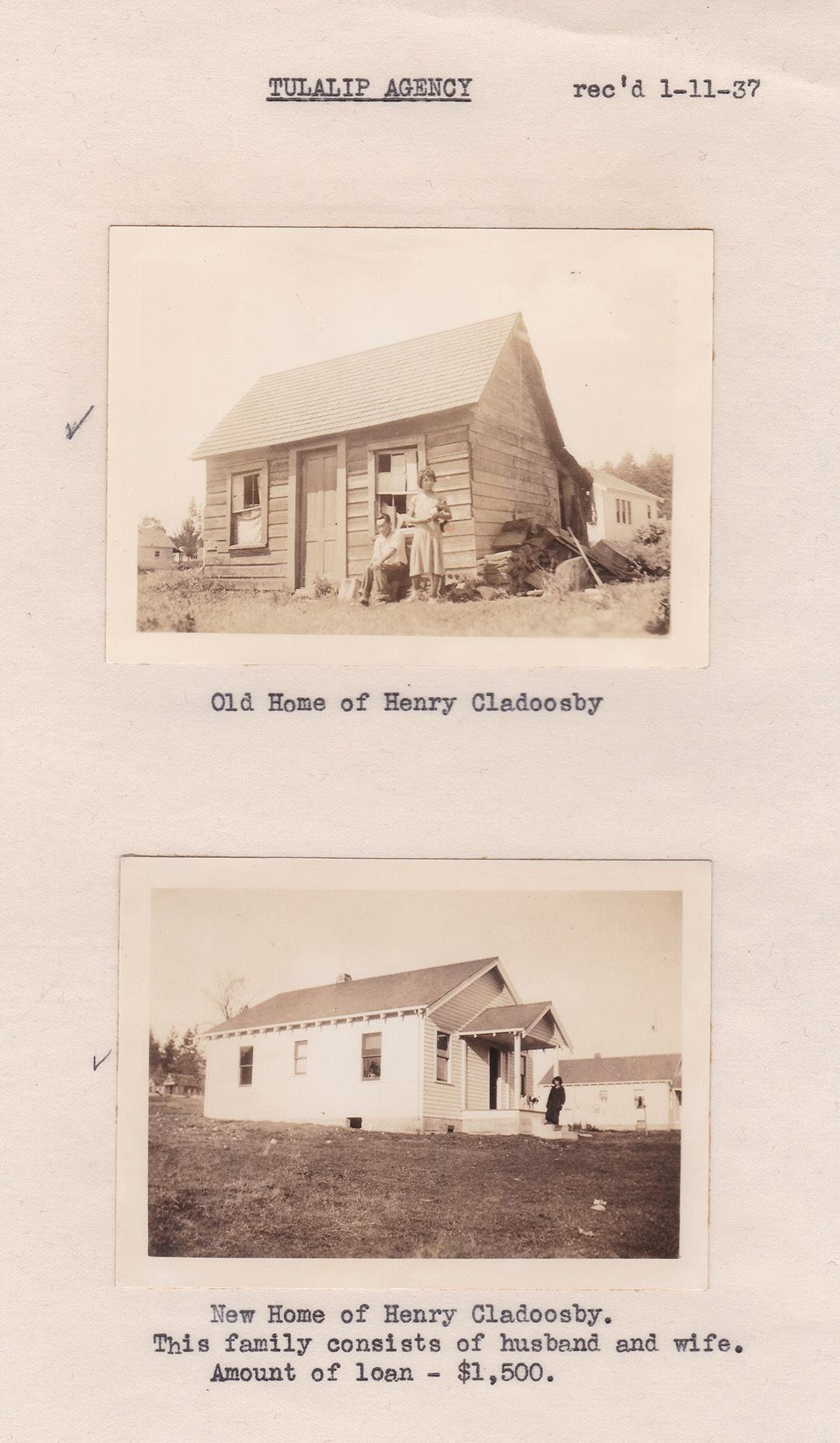
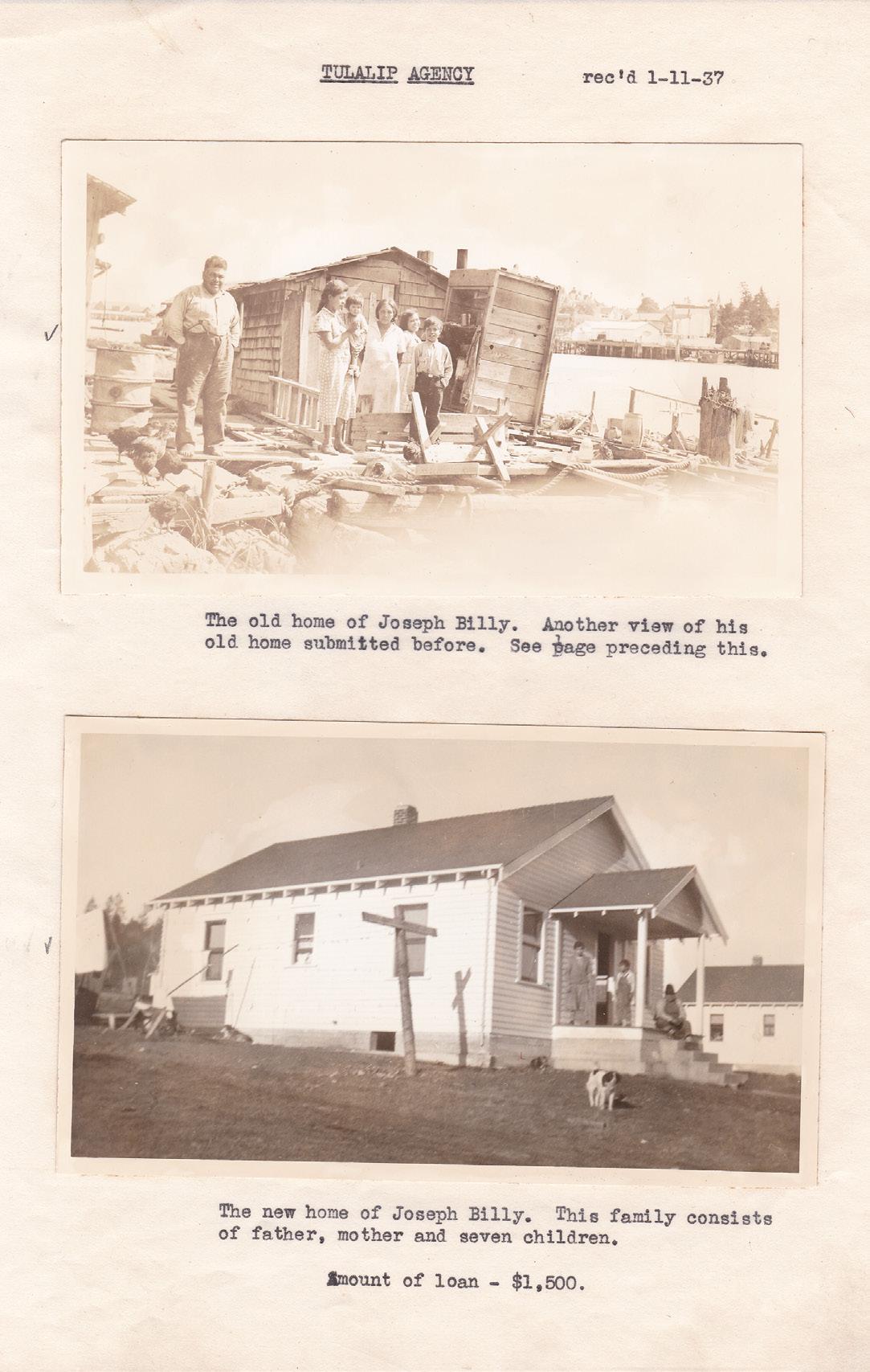
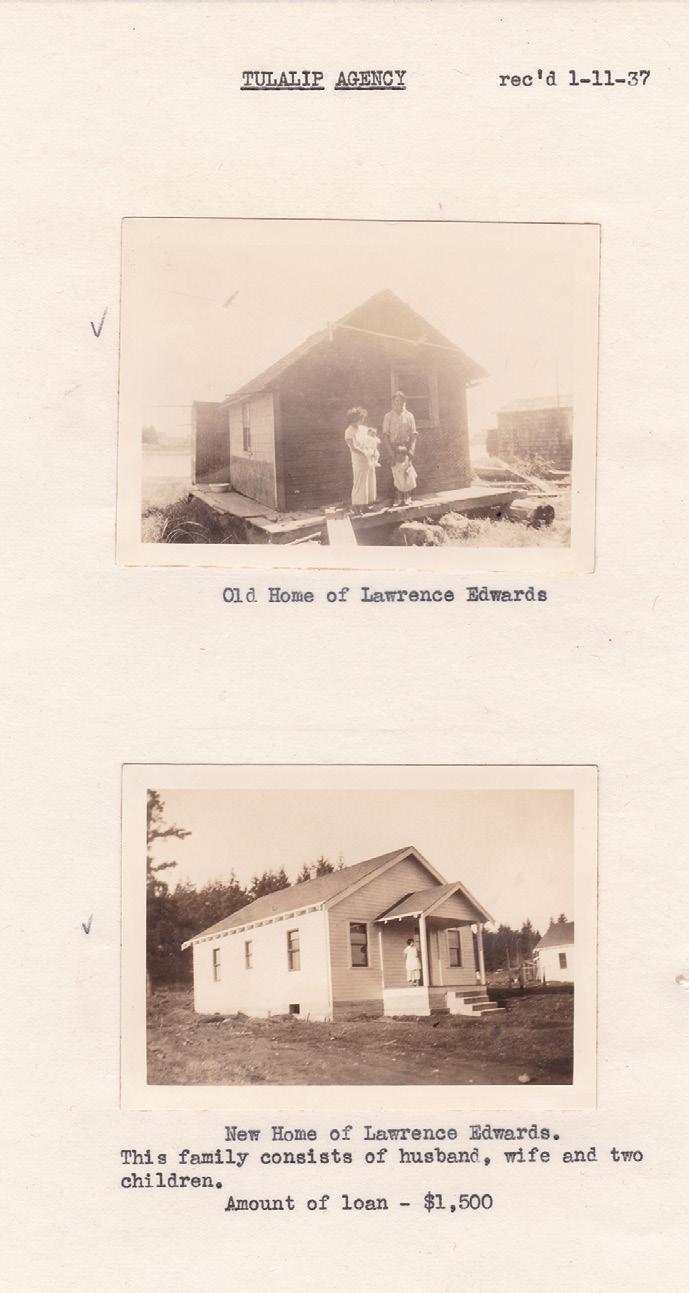
The year was 1936, the midst of the Great Depression. Housing conditions on the Swinomish Reservation were dire for most families and consisted of cold drafty shelters without running water or electricity, floathouses on the beach in front of the village, or, for one family, a large tent.
Health problems were alarming and infant mortality was high. In June 1934, just one week after the passage of the Indian Reorganization Act (IRA), the Puget Sound Mail announced “The Swinomish tribe has already laid plans to take advantage of the provisions of the new law, having applied for the construction of a model village at Swinomish.”
One of those provisions was financing: the IRA not only created opportunities for self-government, it also established a Federal Rehabilitation Fund for tribes that organized under the new law.
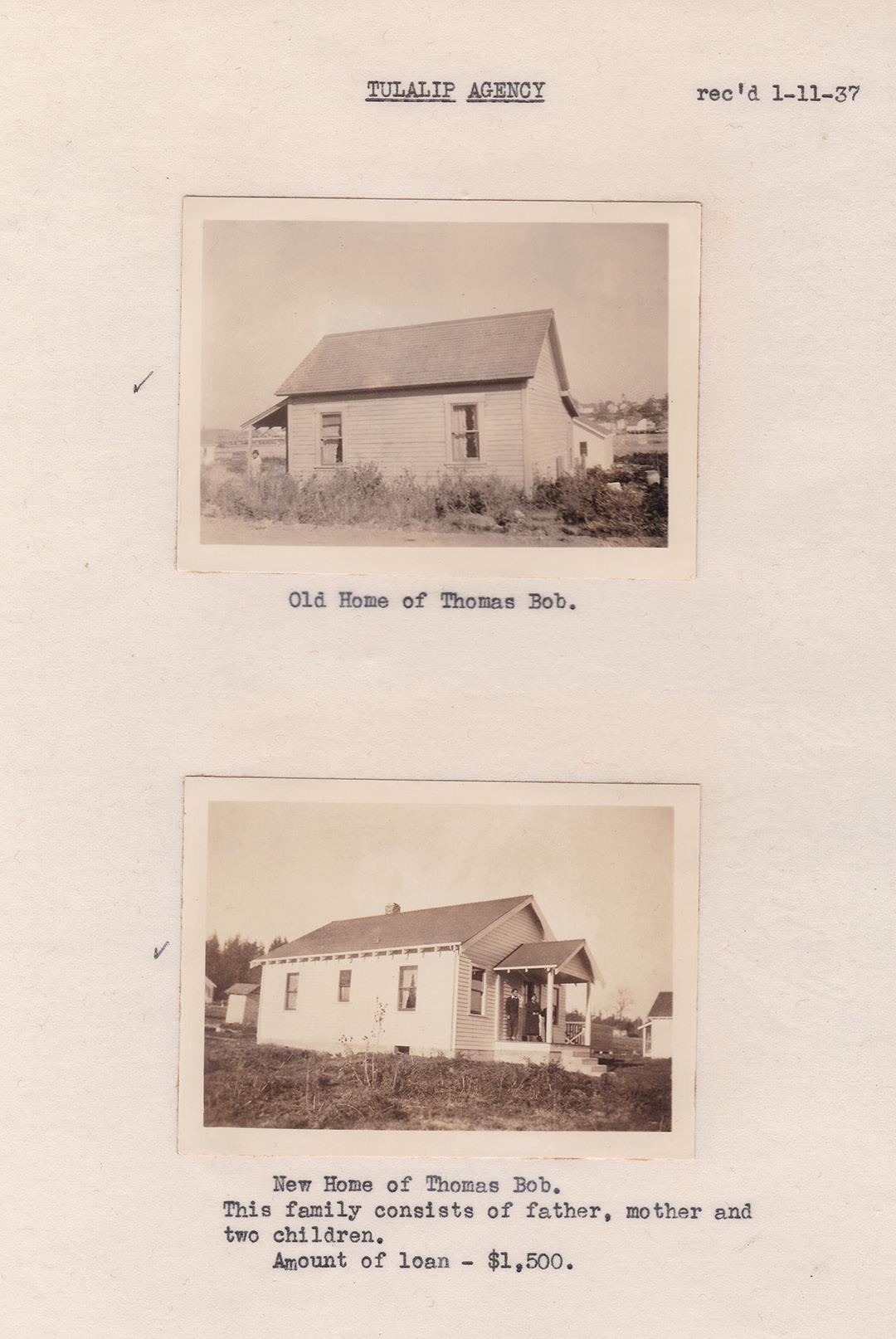
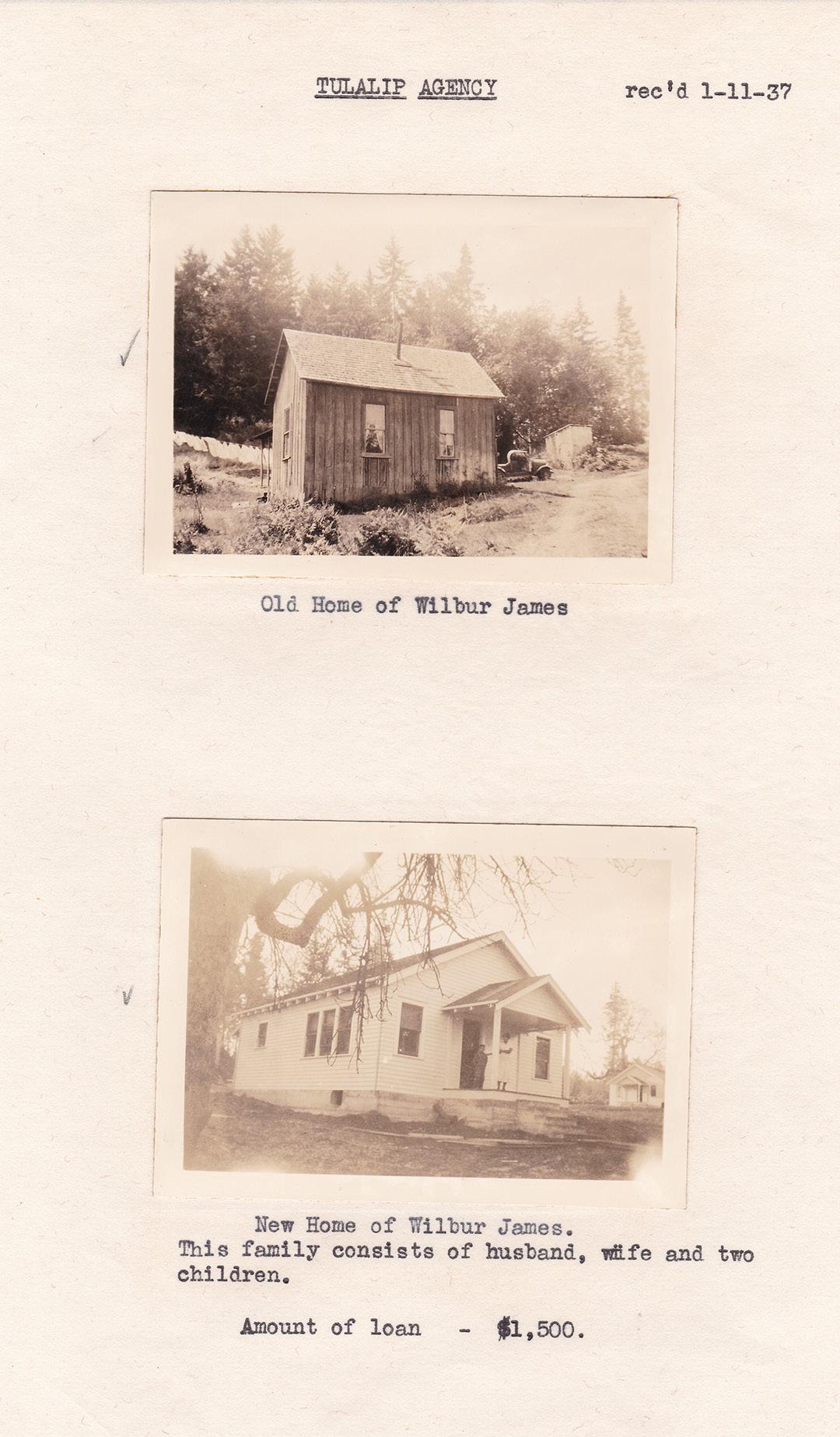
In April 1936, just four months after Swinomish voted to approve its first tribal constitution under the IRA, construction of the “Model Fishing Village” commenced with Rehabilitation Funds.
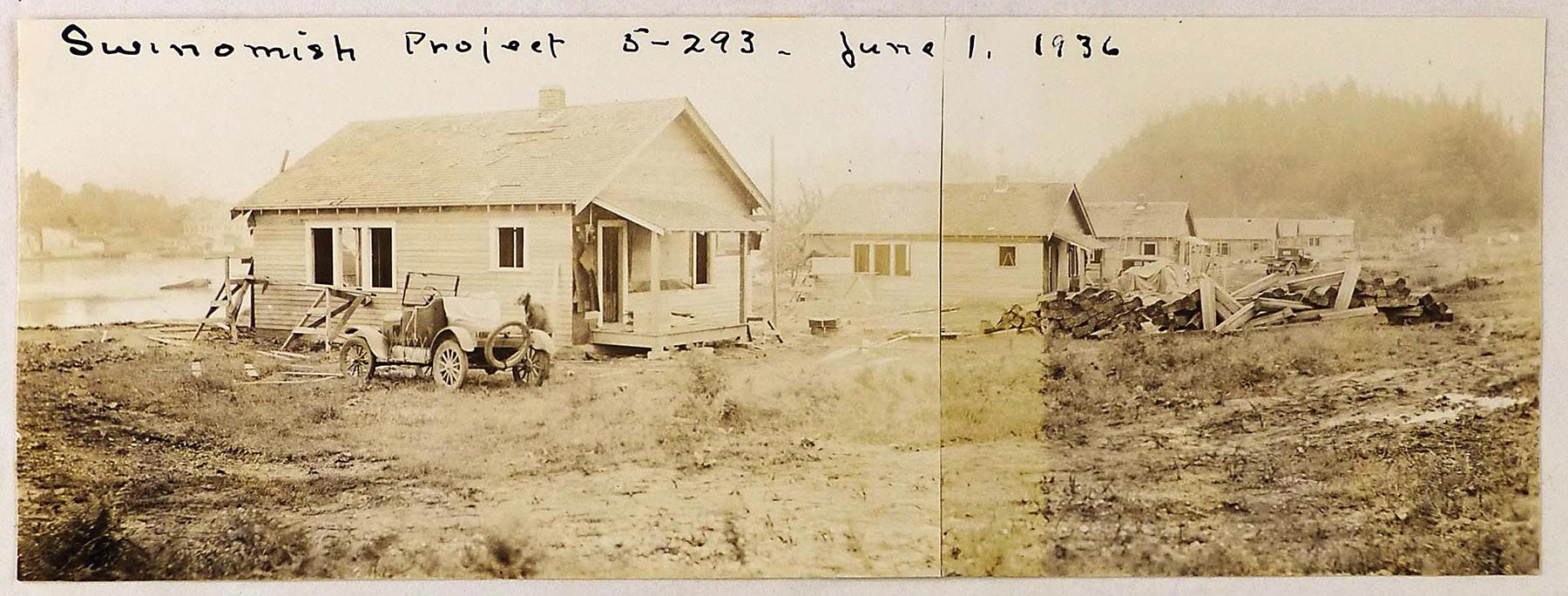
Recent research at the National Archives has uncovered new information about Swinomish’s Model Village project. It was the first IRA funded project to move forward in the Tulalip Agency (which oversaw Swinomish as well as other reservations in the area) and was held up as a prototype for what could be accomplished by tribes that embraced the IRA. But the most exciting find at the National Archives? Actual photos of the Model Village under construction with “before and after” photos of family homes at Swinomish. Just in time for the 80th Anniversary of the Model Village, here is a selection of these historic photos recently acquired by the Tribal Archive. Images for these 1936 family homes at Swinomish are available for viewing at the Tribal Archive: Billy, Bob, Cagey, Cladoosby, Day, Edge, Edwards, Irvine, James, Joe, John, Kadim, Mitchell, Sampson, Scott, Stone, Wilbur, Williams, Willup.
Construction of the Swinomish Model Fishing Village
June 1, 1936
Federal Rehabilitation Project #76096
National Archives, Washington D.C.
Swinomish Tribal Archive

National Archives, Washington D.C.
Swinomish Tribal Archive
National Archives, Washington D.C.
Swinomish Tribal Archive
National Archives, Washington D.C.
Swinomish Tribal Archive
National Archives, Washington D.C.
Swinomish Tribal Archive
c. 1947
Swinomish Tribal Archive Collection
c. 1957
Swinomish Tribal Archive Collection
CREATED BY KRISTA HAMBURG, TRIBAL ARCHIVE AND RECORDS MANAGER
SWINOMISH DENTAL
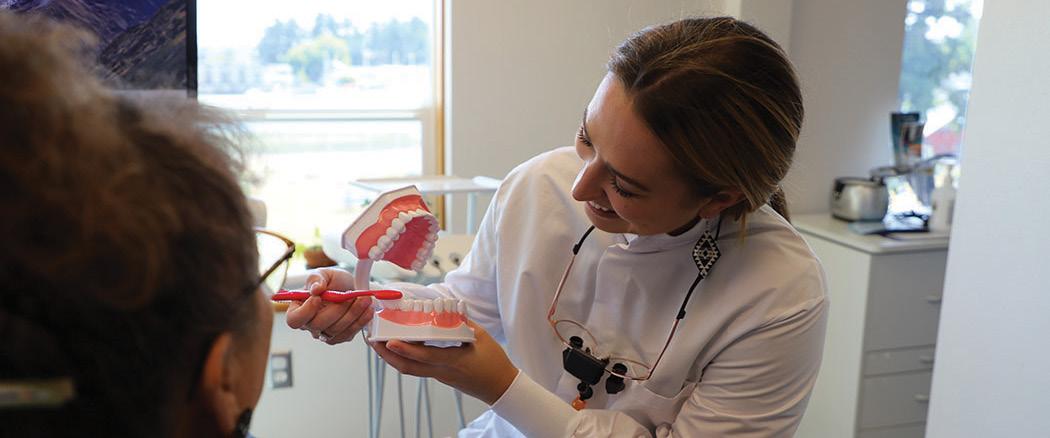
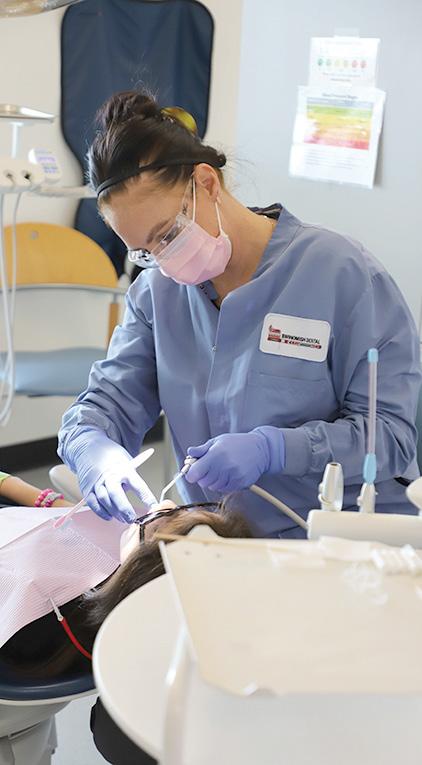
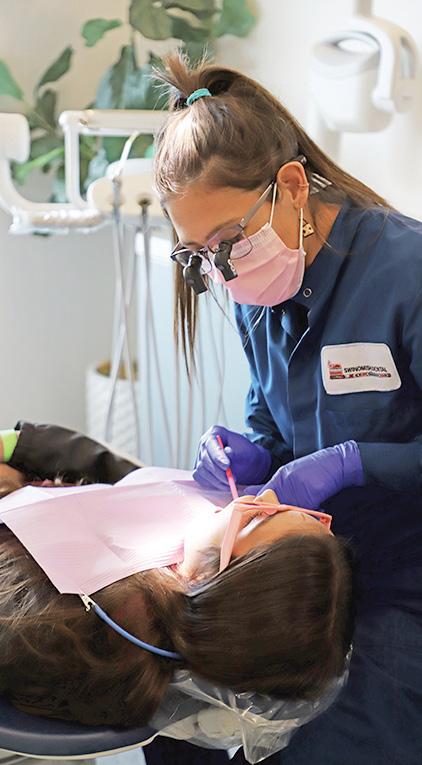
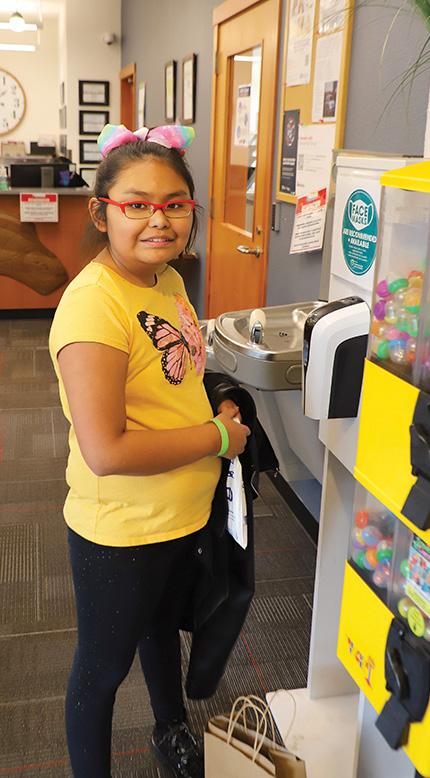
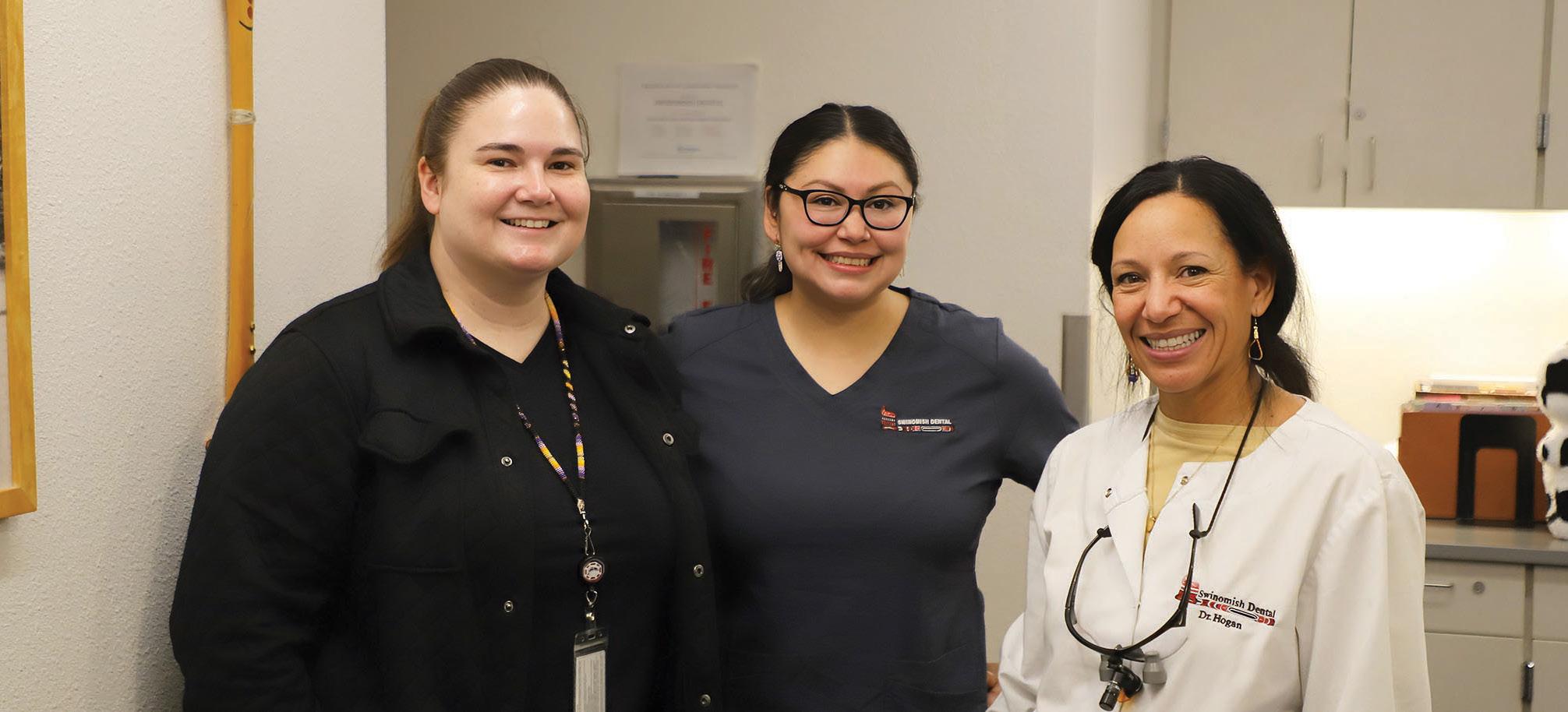
Spring is the perfect time to refresh healthy habits, starting with your smile. April is Oral Cancer Awareness Month, making it an ideal opportunity to recommit to daily brushing and flossing while learning the signs and symptoms of oral cancer. Good oral hygiene and early awareness go hand in hand in protecting both your smile and your overall health.
We all know brushing twice a day helps prevent cavities and gum disease. But did you know your dentist also checks for signs of oral cancer during your regular exam?
Oral cancer affects over 50,000 people in the U.S. each year and can be life-threatening if not caught early. It often develops silently, with symptoms that are easy to overlook like a sore that doesn’t heal, red or white patches in the mouth, difficulty swallowing, or a persistent lump in the mouth or throat. That’s why early detection is so important.
The good news is that a simple, painless screening by your dental provider or a self-check at home could make all the difference.
This month, take a moment to check in on your oral health. Here are four easy steps:
‣ Brush and floss your teeth. Brush twice a day for two minutes using fluoride toothpaste, and floss once a day to remove plaque and food particles between teeth.
‣ Visit your dentist. Don’t skip your regular checkup.
‣ Know the risks. Tobacco use, heavy alcohol consumption, and HPV are all linked to oral cancer. Talk to your dental provider if you have concerns.
‣ Do a self-check. Look for unusual sores, lumps, red or white patches, or persistent pain in your mouth or throat. If you notice anything that doesn’t go away within two weeks, schedule an appointment with your dentist.
Take just a few minutes to examine your mouth, tongue, and throat. Here’s how:
‣ Wash your hands and stand in front of a mirror.
‣ Check your lips. Look for any sores, lumps, or color changes.
‣ Look inside your cheeks. Gently pull each cheek to the side and examine the inner lining for red or white patches, ulcers, or swelling.
‣ Examine your gums. Look for unusual changes in color or texture.
‣ Check your tongue. Stick out your tongue and check the top, sides, and underside for lumps, discoloration, or sores. Gently lift your tongue to see the floor of your mouth.
‣ Look at your throat. Use a flashlight or light from your phone to look at the back of your throat, tonsils, and soft palate. Look for any asymmetry, swelling, or persistent redness.
‣ Feel your neck and jaw. Use your fingers to gently press along your neck, jawline, and under your chin to check for any lumps or areas of tenderness.
‣ Check your face and skin. Look for moles that have grown, changed color, or started to itch or bleed.
‣ This April, commit to more than just brushing – protect your smile and your health with early detection and good habits. Because a healthy mouth is part of a healthy you.
Swinomish Dental is offering elders’ oral cancer screenings on Thursday, April 30, at 2 p.m. at the Senior Center. Join us!


We're

ASSISTANT CHIEF VELMA LOCKREM
The Swinomish Police Department is beginning a new effort to strengthen the connection between our officers, staff, and the community we proudly serve. In the coming months, we will be sharing short introductions and personal bios for every member of our department – from patrol officers and command staff, to support personnel, and everyone who helps keep Swinomish safe.
This project is designed to open the door to better understanding and stronger relationships. Behind every uniform is a person with a story: where they come from, what motivates them, and why they chose a life of service. By sharing these stories, we hope to build trust, transparency, and a deeper sense of partnership with the community.
Each spotlight will include a team member’s role, experience, and a glimpse into who they are. Some may share what inspired them to join law enforcement, others may talk about their families, cultural ties, or the parts of the Swinomish community that mean the most to them.
The Swinomish Police Department looks forward to introducing the people behind the badge and to continue to build strong, respectful relationships with the community we serve.
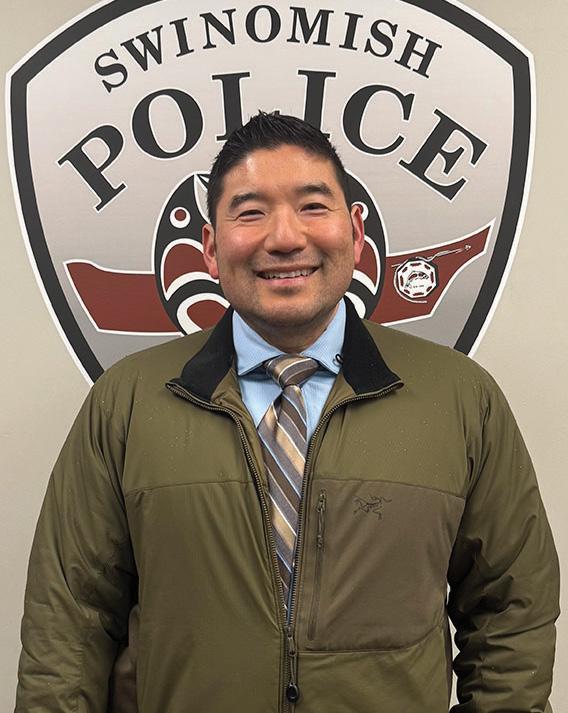
Detective Sergeant Hirotaka's Safety Tip: When riding a bicycle, always make yourself visible. Wear bright or reflective clothing, use front and rear lights – even during the day – and signal your turns clearly. Increased visibility helps drivers see you sooner and reduces the risk of collisions, especially on narrow or low light roadways.
The Swinomish Police Department is proud to highlight Detective Sergeant Hirotaka, who joined the agency in 2024 and has quickly become an essential part of its investigative team. With a long history of complex casework, interagency collaboration, and community centered policing, he brings a vast amount of experience that strengthens the department’s ability to serve the Swinomish Indian Tribal Community.
Detective Sgt. Hirotaka is known for his steady leadership style, thoughtful approach to investigations, and commitment to building trust with residents. His work since arriving at Swinomish includes refining investigative processes, mentoring newer officers, and supporting stronger partnerships with neighboring jurisdictions. Community members can expect to see him engaged in outreach efforts, community events, and safety initiatives throughout the year.
Detective Sgt. Hirotaka’s presence reflects the department’s ongoing investment in experienced leadership and community focused policing. His contributions help ensure that Swinomish remains a safe, connected, and well supported community.
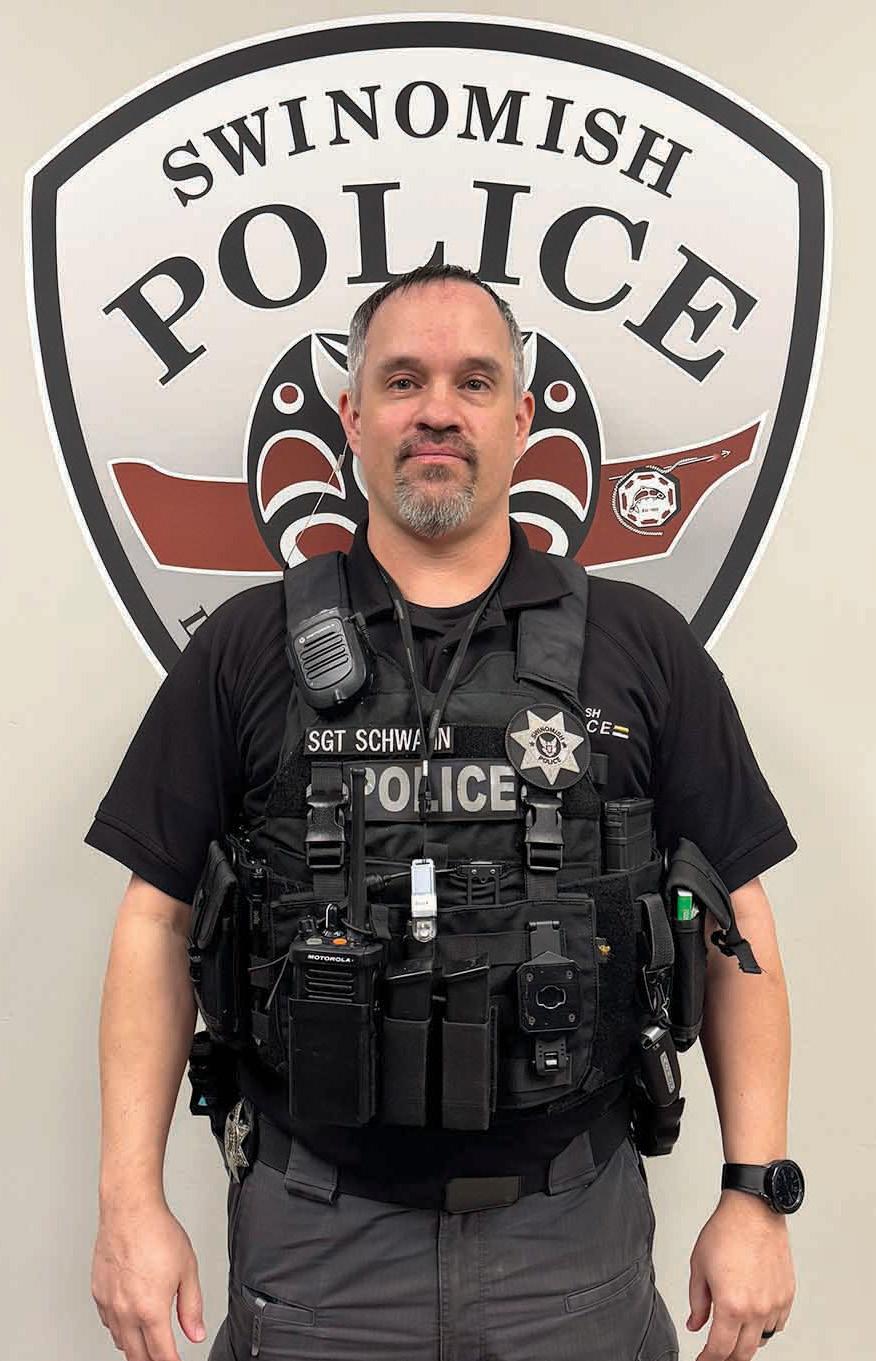
The Swinomish Police Department is proud to spotlight Sergeant Schwahn, a dedicated member of the force who has been serving the Swinomish community since 2016. Over the past decade, he has become known for his reliability, professionalism, and unwavering work ethic — qualities that have made him a trusted presence both within the department and across the community.
Sgt. Schwahn brings a calm, steady leadership style to every shift. Whether he’s responding to calls, supporting fellow officers, engaging with community, or conducting new hire background investigations, he approaches each responsibility with care and consistency. His colleagues describe him as someone who leads by example and embodies the values of service and integrity.
Beyond work, Sgt. Schwahn has a creative side that often surprises people: he is an avid cake decorator. From intricate designs to custom creations, he enjoys the patience and artistry the craft requires. It’s a hobby that highlights a different dimension of his personality and showcases his attention to detail in a whole new way.
Sgt. Schwahn shares, “Look out for your neighbor — be one another’s safety net.”
It’s a simple message with powerful impact, encouraging residents to watch out for one another, stay connected, and help keep the community safe through shared responsibility.
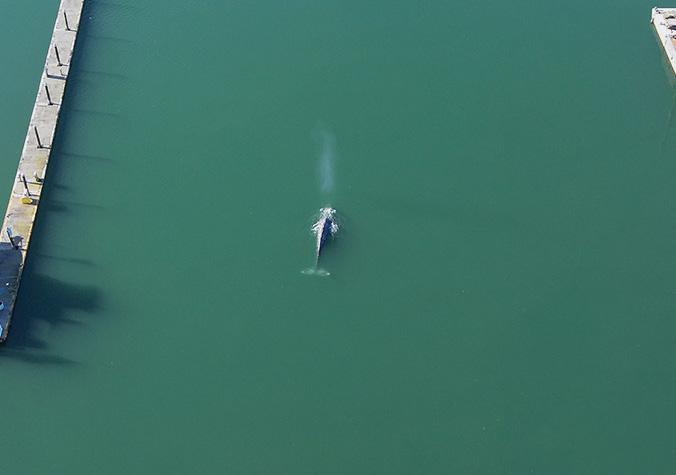
A young gray whale was spotted traveling through the Swinomish Channel on April 7, bringing joy and delight to onlookers. The Skagit County Sheriff’s Office reported in a Facebook post that similar incidents have been documented in the channel, including a sighting in 2020.
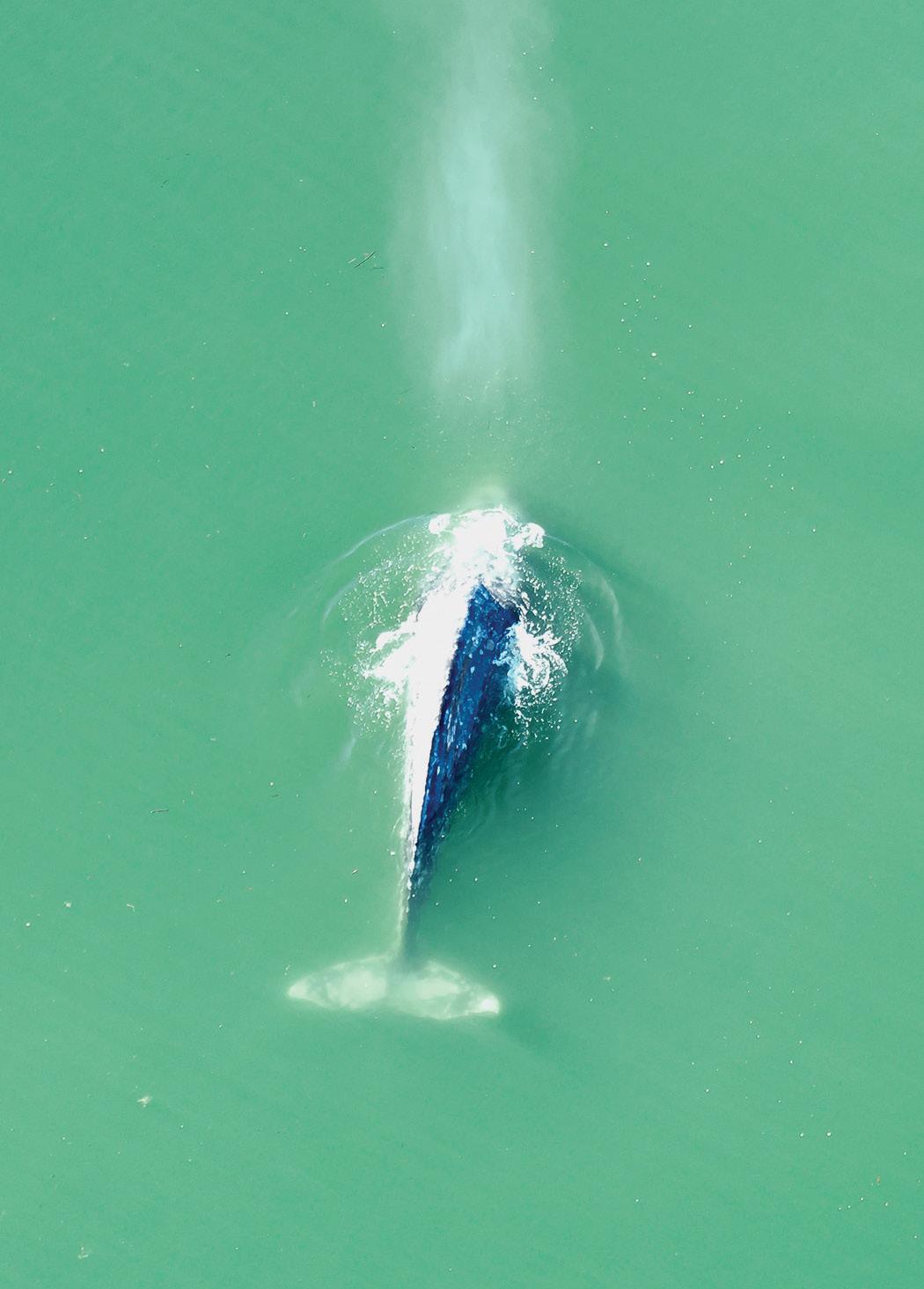
Gray whales migrate seasonally between the waters of Mexico’s Baja California peninsula and Alaska, with a small group remaining along the coast from Canada through California in the summer.
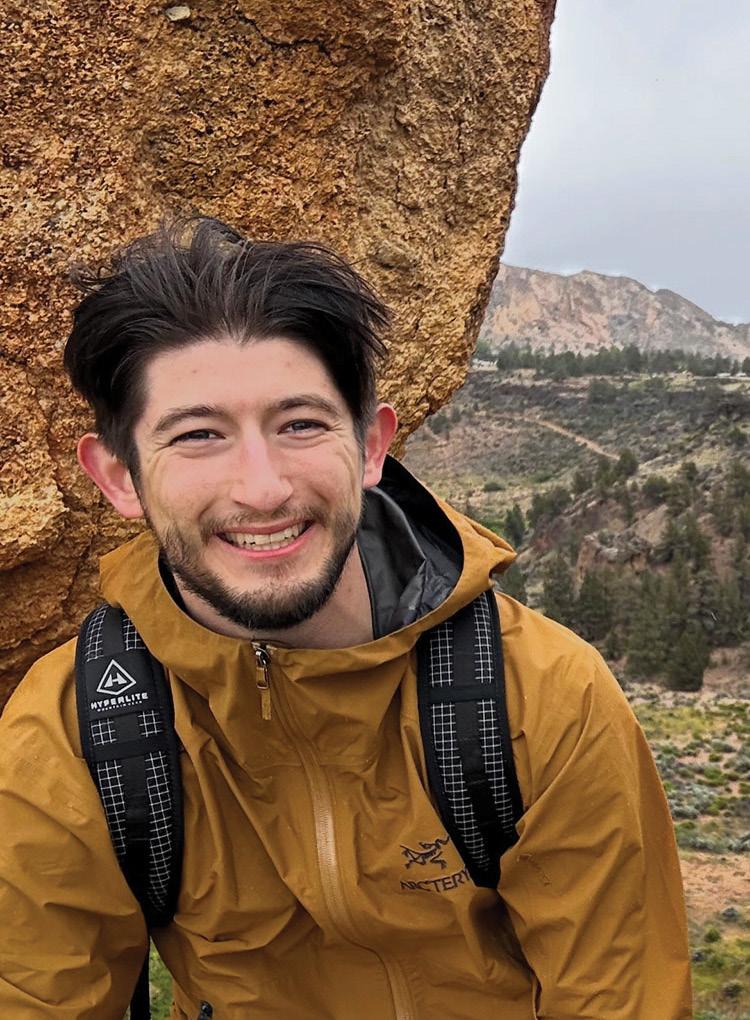
Zach Zontek grew up in Yakima where he spent most weekends hiking, skiing, and kayaking in the Cascade foothills. He ventured from graduating high school in Washington to attending college in Colorado, where he obtained his Bachelor of Arts degree in Spanish with an accompanying French minor. He later moved to Washington D.C. followed by a move to Wales where he earned a Master of Arts in Archives and Records Management from the Aberystwyth University in 2023.
After returning to the United States, he worked as an archivist at the San Diego Air & Space Museum until he was given the opportunity to return to his home state of Washington to fill the important Tribal archivist role at the Swinomish Indian Tribal Community.
Growing up on the east side of the Cascades, Zach has traded sagebrush for ferns and sun for rain. Although in a new environment, he is elated to take part in preserving such a rich local history. In his free time, he will continue his childhood hobbies as he looks forward to exploring the North Cascades and the northwest Washington coastline.
Stop by the Swinomish Tribal Archive to say hello to Zach and explore the Tribe’s collection!
Swinomish Tribal Archive
Email: archive@swinomish.nsn.us Office: (360) 466-7351




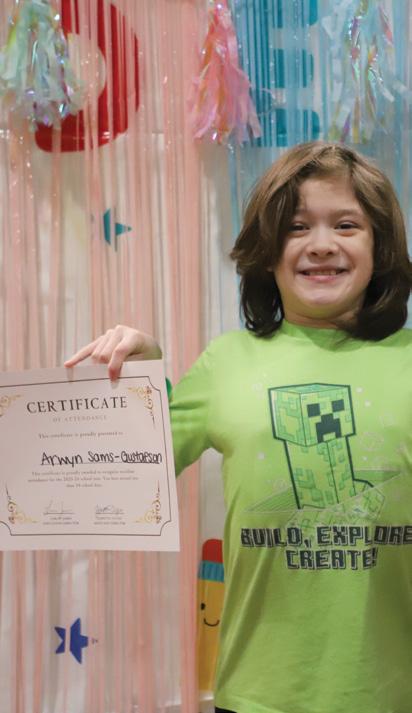
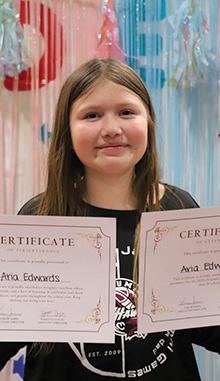
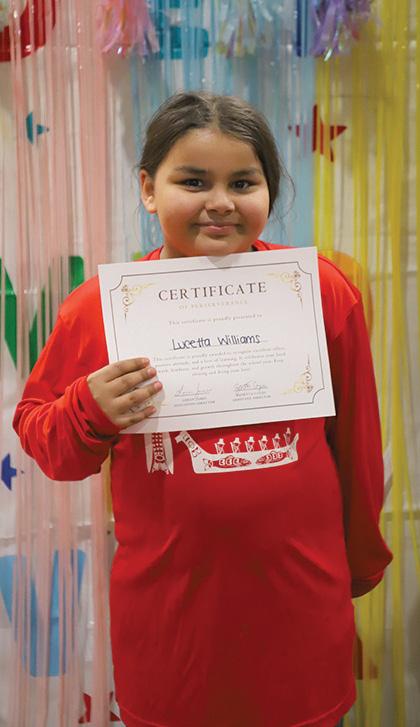
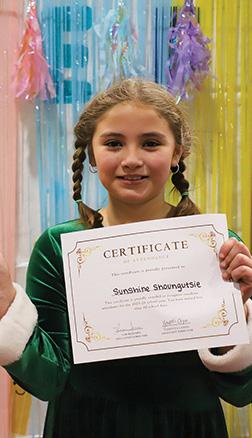
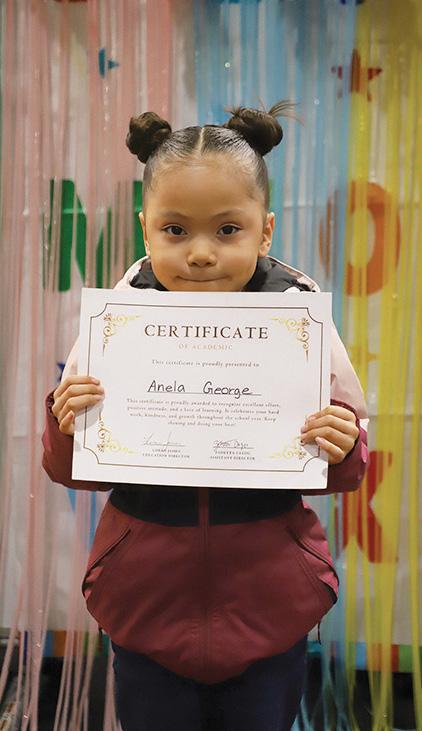
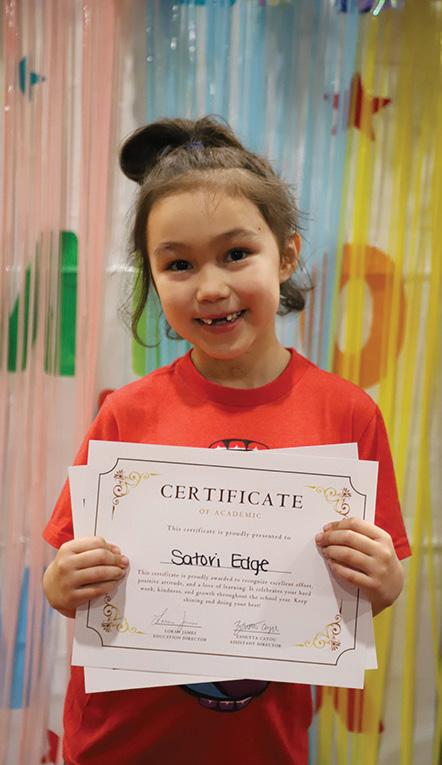
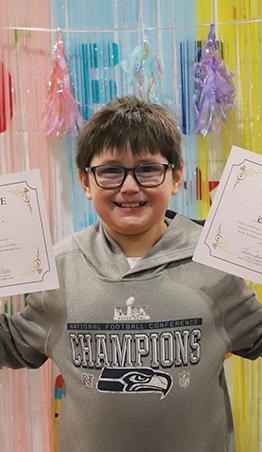
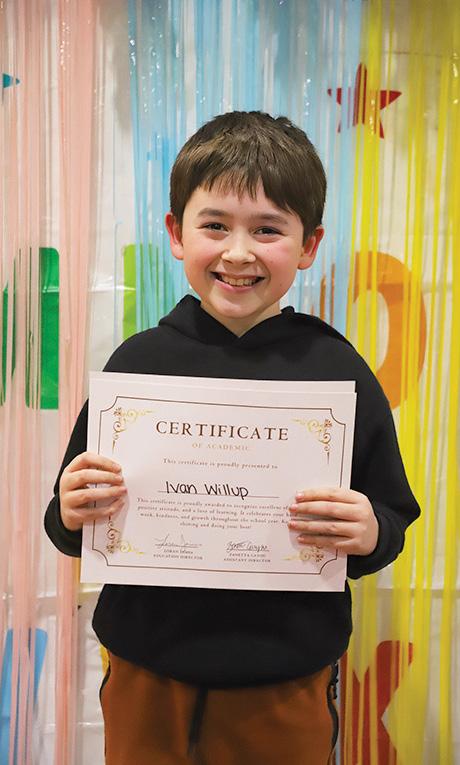


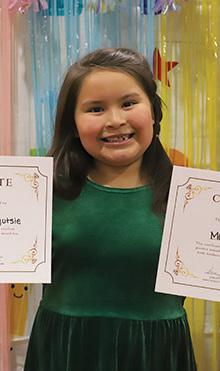
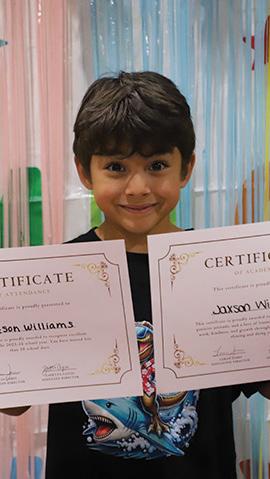

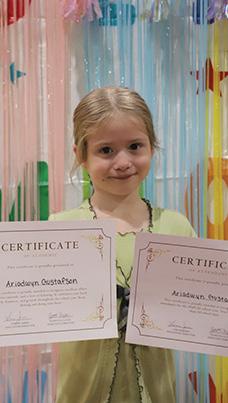
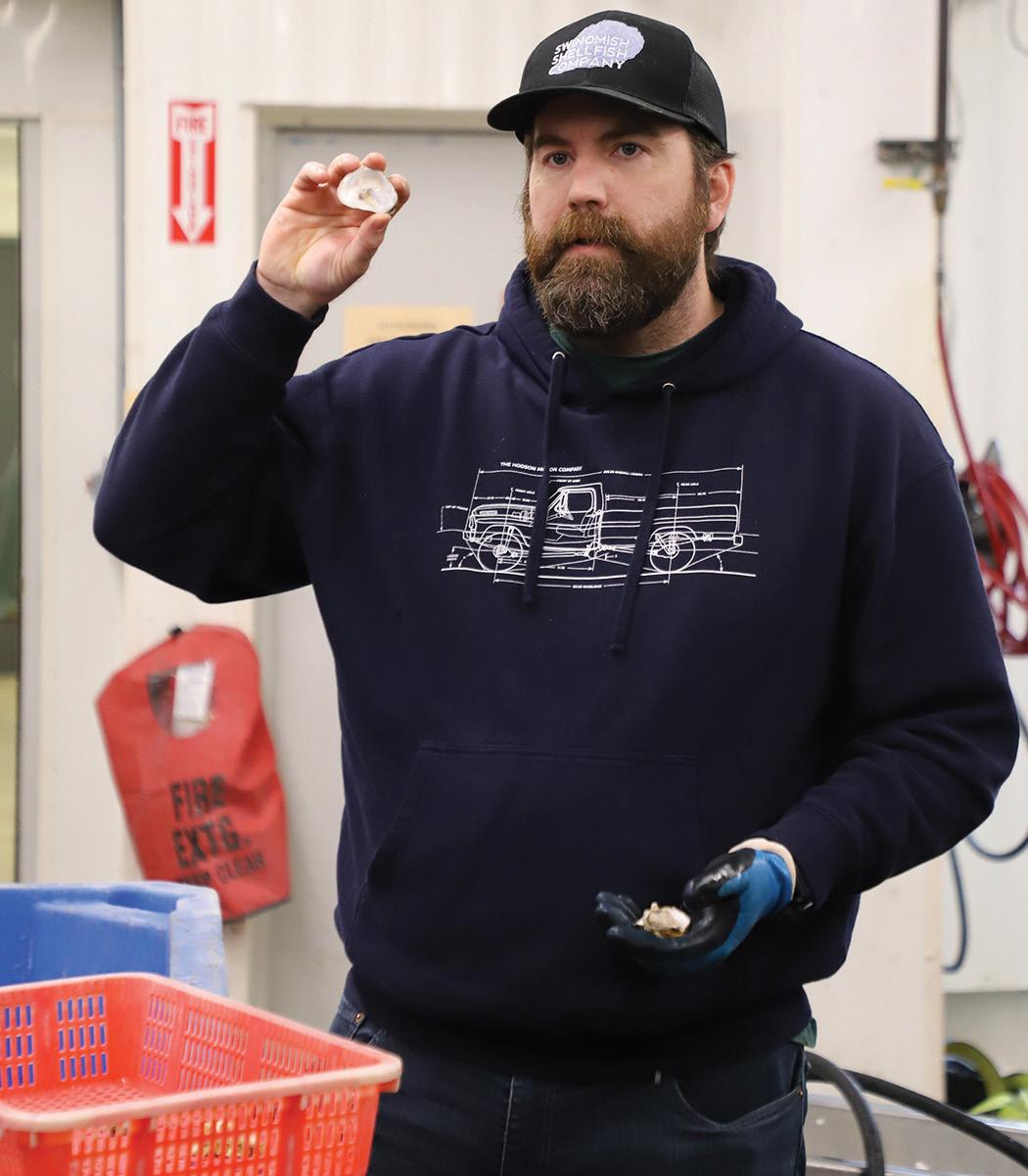
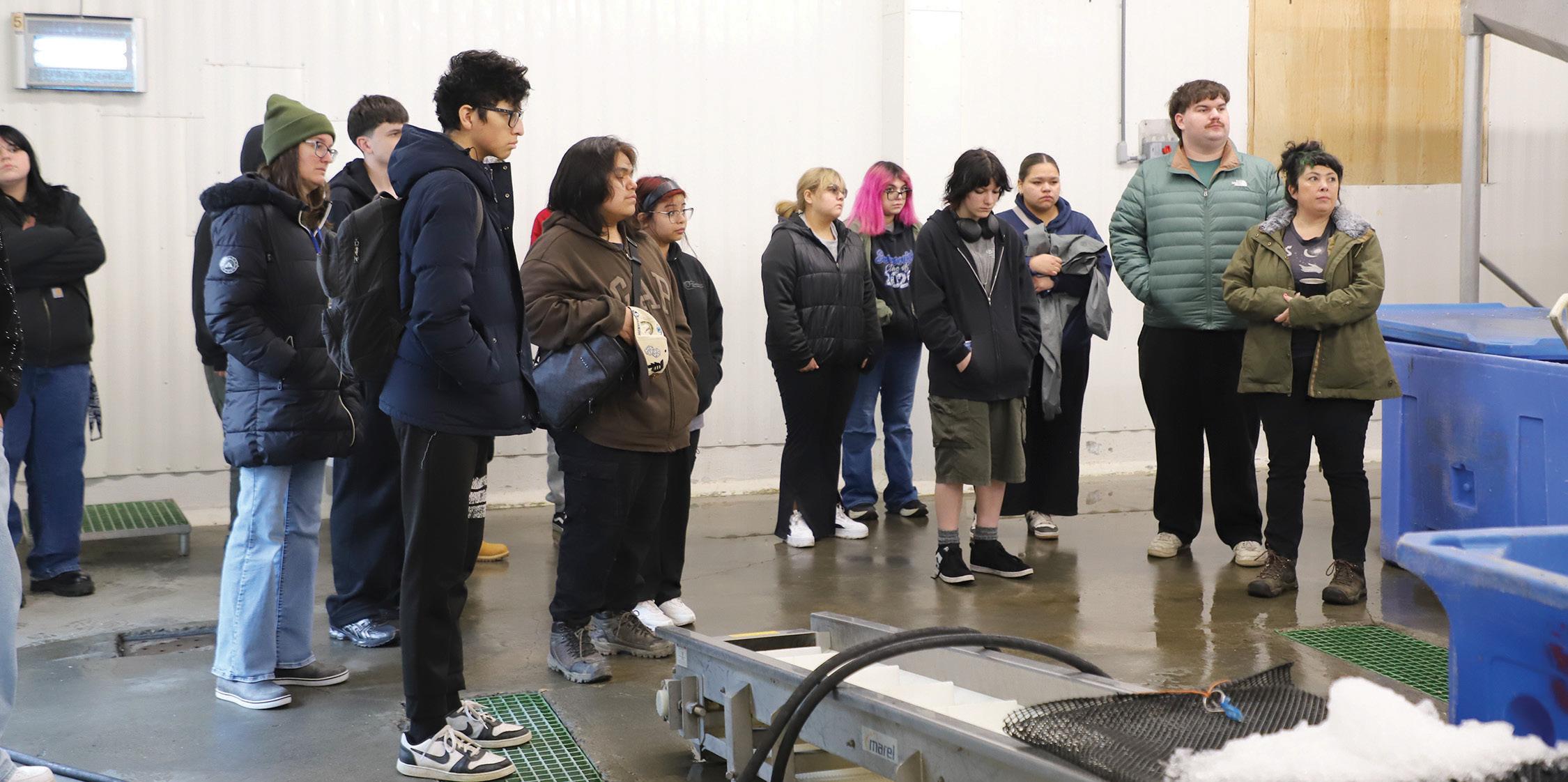
On March 17, the Between Two Worlds class took a field trip to the Swinomish Shellfish Company and Similk Beach as a part of their shellfish week lesson. They learned about contemporary harvest and even some biology of an oyster. At the Shellfish Company the students asked questions to staff and even try a raw oyster if they were brave enough!

and
MICHELLE SKIDMORE, SWINOMISH NUTRITIONIST
New Dietary Guidelines for Americans (DGAs) have been published by the Department of Agriculture. Updated every five years to reflect advances in nutrition science for health and disease prevention, there is controversy that some changes do not reflect current nutrition science. However, there are recommendations nutrition scholars do support!
What to Increase
♦ Produce: Eat 5+ servings of fruit and vegetables daily; include them in every meal.
♦ Fiber: Aim 25-35 grams daily. Choose foods with 3-5+ grams per serving.
♦ Probiotics: Consume fermented foods like yogurt or kefir (dairy or plant-based) every day.
♦ Home Cooking: Prioritize whole foods preparation and cooking at home over processed alternatives. What to Limit
♦ Ultra Processed Foods: Limit ready-to-eat snacks and “heat-and-eat meals” to once a day or less.
♦ Added Sugars: Stick to foods and beverages with 0-5 grams per serving, and avoid any with 10+ grams per serving. Children under 2 years should have 0 grams of added sugar.
Do you have questions about your nutrition? Call Swinomish Medical (360) 466-3167 to schedule an appointment with Registered Dietitian Michelle Skidmore.
MICHELLE SKIDMORE, SWINOMISH NUTRITIONIST
Families love soup, and fresh, canned, and frozen vegetables are WIC foods! Serve with a sandwich, or crackers and cheese.
Servings: 4
15 ounce can diced tomatoes with juice
1 cup canned navy beans, rinsed
1 cup corn, canned or frozen
1 cup green beans, canned or frozen
1 stalk celery, chopped
½ cup onion, chopped or 1 ½ teaspoons onion powder
½ cup whole wheat macaroni
¼ teaspoon black pepper
½ teaspoon salt
½ teaspoon Italian seasoning
¼ teaspoon garlic powder (optional)
3 cups water
Place all ingredients into a large pot and bring to a boil. Turn down the heat, cover the pot, and let simmer at a low boil for 15 minutes. Season to taste before serving.
Your family could be eligible for WIC vegetables! WIC serves children birth to age 5, pregnant, and postpartum women. Foster and family placement caregivers can also apply. For monthly groceries and health resources, contact Swinomish WIC at (360) 319-2756 – telehealth appointments are available.

Regular physical activity is essential for good health and happiness. People with very active jobs (i.e. construction worker, mail carrier) and those who frequently exercise typically reach the weekly recommended activity level of 150 minutes. However, the majority of Americans do not reach this amount because they either have less active jobs or are simply not ready to commit to an exercise routine (or both).
If you need be more active, make sure that you are always on the lookout for little ways to move more. Here are small ways to increase physical activity throughout your day:
1) Take the stairs instead of the elevator
2) Park farther away from the front door
3) Stand instead of sitting (this burns more calories)
4) Take a walk on your lunch break
5) Walk or bike to your destination instead of driving
6) Sit on an exercise ball at your desk instead of a chair (this builds core strength)
7) Do strength or ride a stationary bike while watching TV
8) During commercial breaks do abdominal crunches, jumping jacks, push ups, or simply get up and walk around
9) Take a 10-minute walk in the morning and/or evening
10) Play outside with your kids
11) Take the baby or kids for a stroller or wagon ride
12) Walk or run as your kids ride their bikes
13) Instead of sitting, walk around while watching your child’s sporting event
14) Take your dog for a walk (if you already do this, try making the walk longer or faster)
15) Do squats or lungees while waiting for your food to cook
16) Do a few squats while brushing your teeth
17) Do calf raises while getting ready in front of the bathroom mirror
18) Take a walk when you are frustrated or bored (instead of eating)
19) Plant a garden
20) Maintain your garden (weeding, pruning, etc.)
21) Go for a walk with a friend instead of meeting for coffee
22) Have “walking meetings” at work when meeting with small groups of people (instead of meeting in a room, get up and walk around while talking)
23) Keep hand weights at your desk. Do bicep and tricep exercises while on phone calls
24) Turn on music and dance around the house
25) Instead of making piles around the house, put things back in their place right away
26) Do housework regularly
27) Wash the car by hand instead of the drive-through car wash
28) Take an extra walk through the grocery store aisles before you check out
29) Walk through your golf game instead of driving a cart
30) Get up and walk around after sitting for 30 minutes
31) Wear a good quality pedometer and aim for 10,000 steps per day
Source: American Council on Exercise
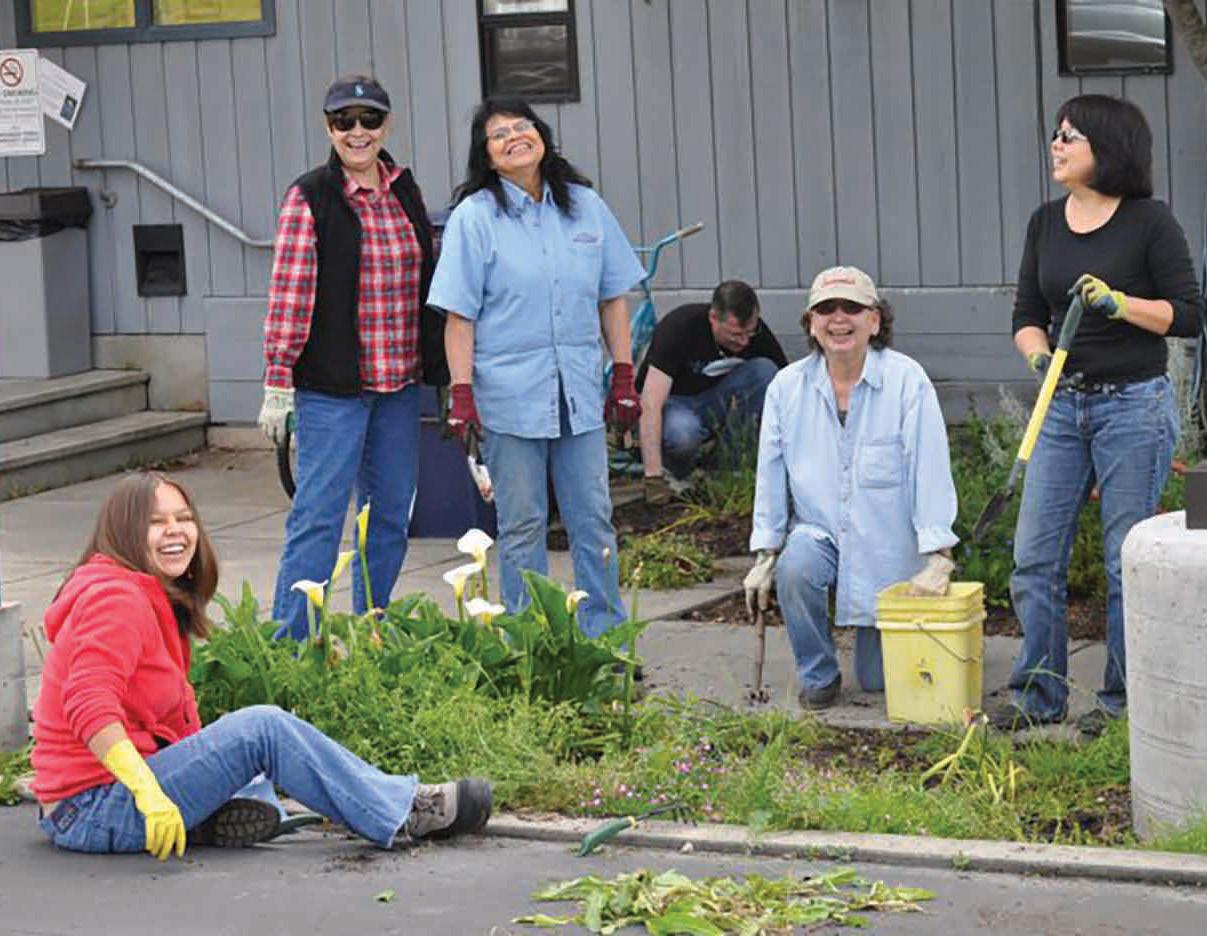
April 30, 1 p.m. - Meet us at the 13 Moons Garden at 17113 Tallawhalt Lane to pick your project. Snacks, beverages, gloves, garbage bags + tools provided!
Projects:
‣ swәdәbš Park cleanup
‣ Snee-Oosh and Lone Tree beach cleanup
‣ Swinomish Village and Tallawhalt street cleanup
‣ 13 Moons Garden prep and plant
Questions? Contact Beth! Call 360-708-8144 or email bwillup@swinomish.nsn.us
DURING THE SPRING CLEAN UP
DUMPSTERS AVAILABLE MONDAY, APRIL 20-MONDAY, MAY 4
Dumpster Locations: 11238 SWINOMISH AVE 9298 RESERVATION LN 11153 SOLAHDWH LN SWADABS PARKING LOT 11119 TALLAWHALT WAY 17600 1ST ST 11253 AVE A 17301 SQUI QUI LN 17134 TALLAWHALT LN 17175 SQUI QUI LN 17545 2ND ST 11176 SWINOMISH AVE