WHAT IS Lunar New Year?
Lunar New Year marks the beginning of the new year based on the lunar calendar and typically falls between late January and mid-February. The celebration lasts about fifteen days and is considered the most important annual holiday in many Asian cultures.
Historically rooted in agricultural societies, Lunar New Year marked the transition into spring and a new planting cycle. Over centuries, it evolved into a cultural festival centered on family reunions, honoring ancestors, and welcoming prosperity and good fortune.
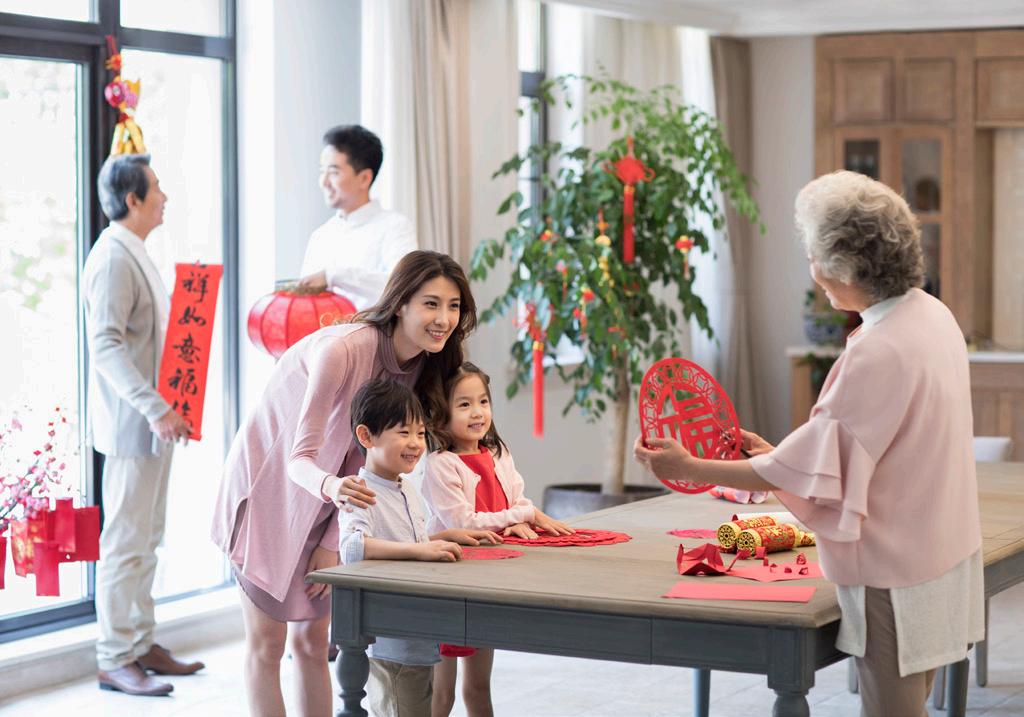
Common traditions across cultures include cleaning homes to remove bad luck from the past year, decorating with red to symbolize joy and fortune, preparing special foods, exchanging lucky money envelopes, and gathering for reunion meals. Although often associated with Chinese culture in the U.S., Lunar New Year is also celebrated in Vietnamese (Tết), Korean (Seollal), and other AAPI communities with distinct customs and foods.
How Lunar New Year Is Celebrated Across AAPI Cultures
While traditions vary, Lunar New Year celebrations across AAPI cultures share a strong focus on family, respect for elders, and hopes for prosperity in the coming year.
In Chinese communities, the holiday—often called Spring Festival—includes reunion dinners, dumplings symbolizing wealth, lantern displays, and lion or dragon dances. Families exchange red envelopes containing money as a blessing for children and younger relatives.
In Korean culture, Seollal is marked by ancestral memorial rites, traditional clothing called hanbok, and a special rice cake soup believed to bring good fortune and symbolize gaining a year of age.
In Vietnamese culture, the holiday is known as Tết and is considered the most important celebration of the year. Preparations begin weeks in advance and center on honoring ancestors, welcoming luck, and gathering with family to share traditional foods.
Across all these cultures, Lunar New Year celebrations reinforce connection across generations and community.
Fun Facts About Lunar New Year
Lunar New Year celebrations date back more than two thousand years and are rooted in ancient agrarian societies marking the arrival of spring and a new agricultural cycle.
The holiday follows a lunar calendar, which is why the date changes each year but always falls between late January and mid-February.
The color red is widely used in decorations and clothing because it symbolizes joy, good fortune, and protection from bad luck.
Although often associated with China, Lunar New Year is celebrated by many Asian cultures worldwide and by millions of people across global diaspora communities, including large celebrations in cities such as San Francisco, Los Angeles, and New York.
Traditional Lunar New Year Foods and Symbolism
Across many Asian cultures, Lunar New Year foods carry symbolic meaning connected to prosperity, longevity, unity, and good fortune. These meanings often come from ingredients, shapes, or even pronunciation of the food’s name in the native language.
Fish is commonly served because its name in Chinese sounds like “surplus,” representing abundance. Dumplings resemble ancient gold ingots and symbolize wealth. Sweet rice cakes
represent growth and progress in the new year. Fruits such as oranges or kumquats symbolize prosperity because their golden color resembles wealth.
The tradition of serving symbolic foods reflects the belief that beginning the year with abundance and positive meaning invites good fortune for the months ahead.
Vietnamese Tết Traditions
Tết Nguyên Đán, often shortened to Tết, means “the first morning of the first day” and marks the Vietnamese Lunar New Year. It represents renewal, gratitude, and the bond between family, ancestors, and community.
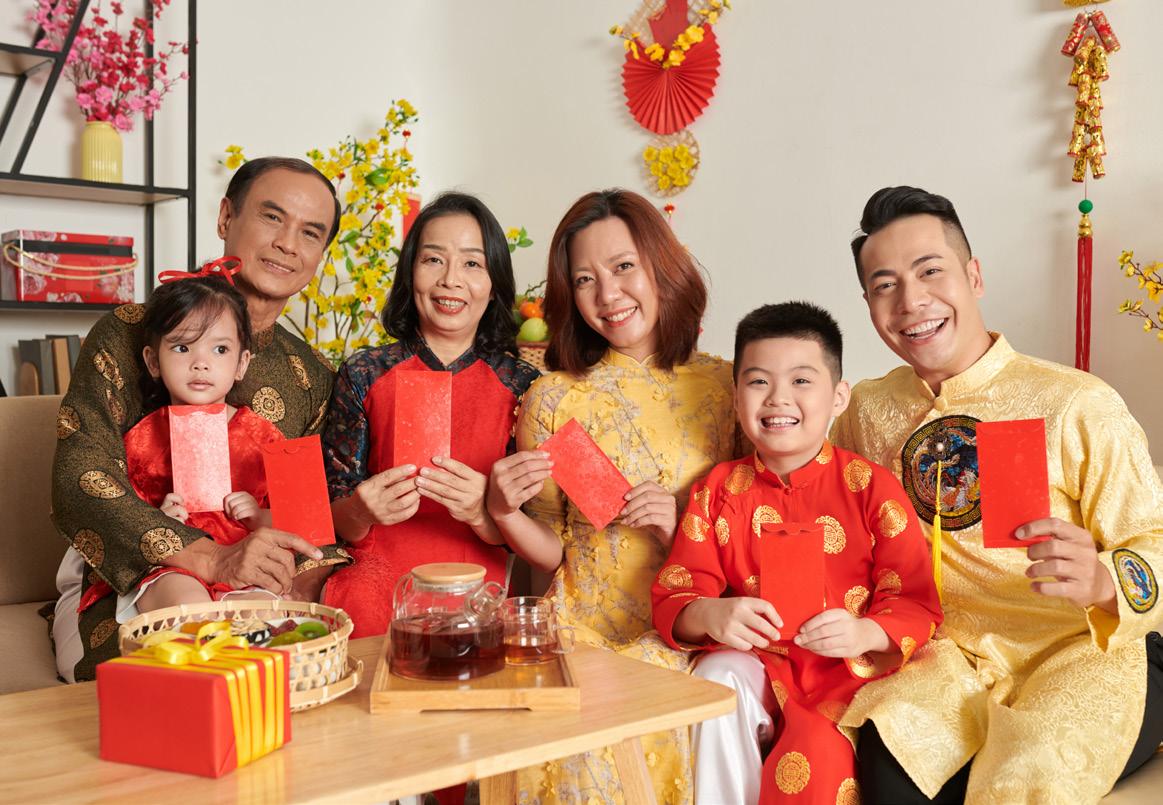
In Vietnamese homes, preparations begin well before the holiday. Families clean and decorate their homes, prepare ancestor altars, and cook traditional foods to share with relatives and guests. The first days of Tết are spent visiting family members, honoring elders, and offering wishes for health, prosperity, and happiness. Children receive lucky money in red envelopes, symbolizing blessings for the new year.
Food plays a central role in Tết celebrations, not only as nourishment but as a symbol of abundance and togetherness. Traditional dishes are prepared in large quantities so the family table is full throughout the holiday, reflecting hopes for prosperity in the coming year.
Bánh Chưng and Bánh Tét
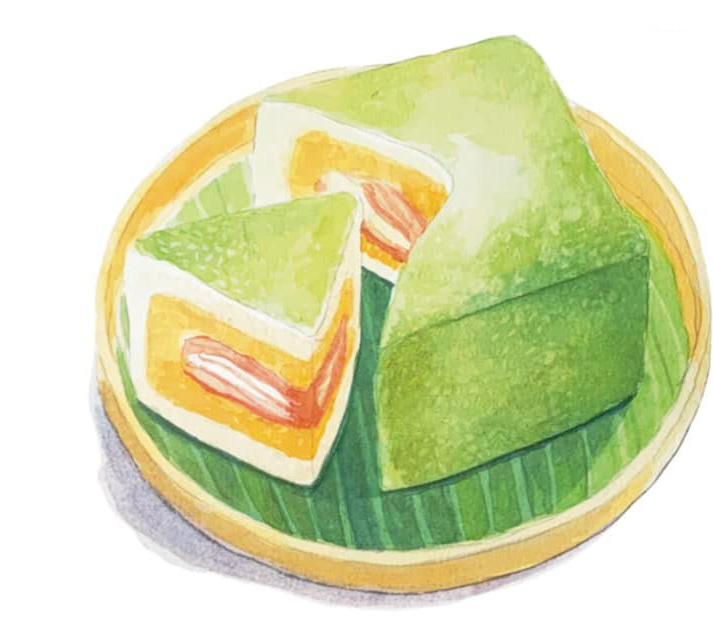
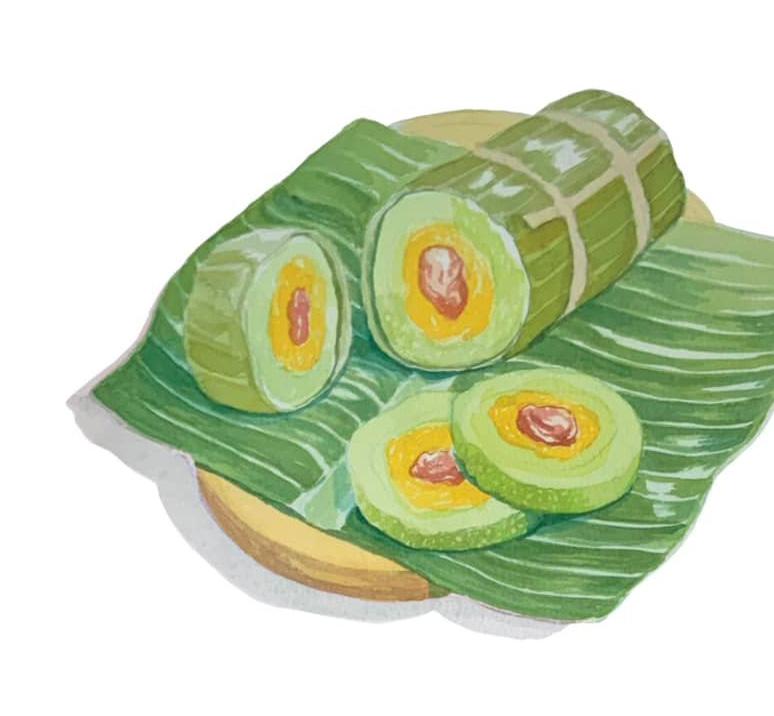
Among all Vietnamese New Year dishes, bánh chưng and bánh tét hold the deepest cultural meaning. These traditional rice cakes are made from sticky rice filled with mung beans and pork, wrapped in banana leaves, and slowly boiled for many hours. Families prepare them together during Tết as both a ritual and a celebration.
Bánh chưng is square in shape and traditionally associated with northern Vietnam, representing the earth. Bánh tét is cylindrical and more common in southern Vietnam, representing continuity and the cycles of life. Together, they symbolize gratitude for the land, harvest, and ancestors.
A well-known Vietnamese legend explains their importance. According to tradition, a humble prince named Lang Liêu created these rice cakes using simple ingredients from the rice fields to honor the earth and the people. His understanding of the deep connection between food, land, and family moved the king to choose him as successor. Since then, Vietnamese families prepare and share these cakes during Tết as a reminder that humility, gratitude, and family are the true foundations of prosperity.
How Bánh Chưng and Bánh Tét Are Enjoyed
During Tết, these rice cakes are typically sliced and served at room temperature as part of family meals or ancestor offerings. Many families also lightly pan-fry slices to create a crisp exterior while keeping the inside soft and fragrant.
They are often eaten with pickled vegetables, such as pickled mustard greens or carrots, which balance the richness of the rice and pork. Fish sauce or chili sauce may also be served alongside.
In modern Vietnamese American kitchens, families sometimes prepare the cakes in new ways, including air-frying slices, pairing them with eggs for breakfast, or serving them as appetizers. These adaptations reflect how diaspora communities continue traditions while blending them with contemporary life.
CLICK HERE to learn different ways of enjoying rice cakes
CLICK HERE to learn how to cook rice cakes in a waffle maker