AAPI
HERITAGE MONTH CELEBRATION
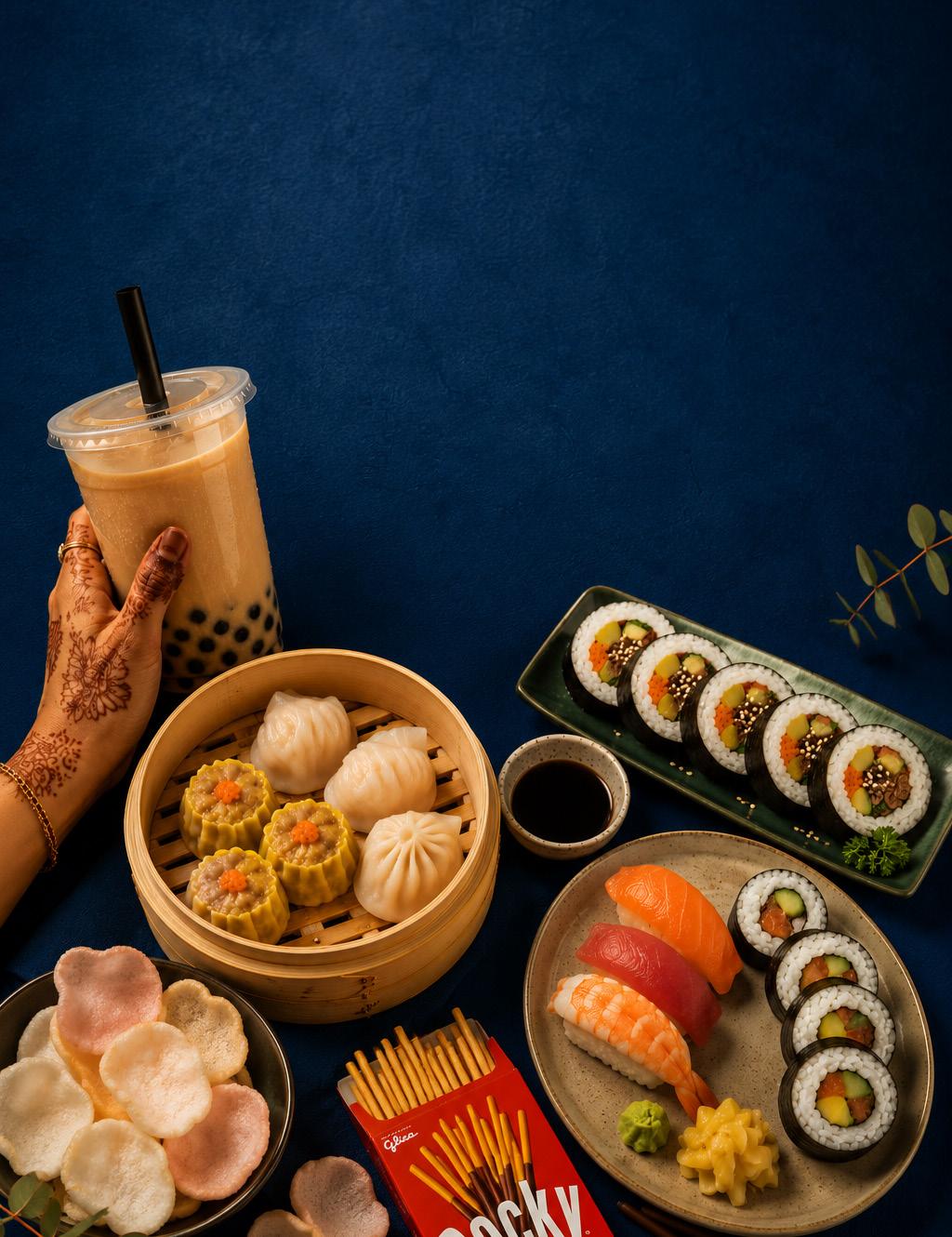
A FOOD FOR THOUGHT
How Flavor, Migration, and Culture
Helped Shape America. A special Booklet celebrating Swinerton AAPI Heritage Month.
How Flavor, Migration, and Culture
Helped Shape America. A special Booklet celebrating Swinerton AAPI Heritage Month.
Food has always been one of America’s greatest love languages.
Long before “foodie culture” became a personality trait, before TikTok food reviews and Michelin-star reservations dominated social feeds, immigrant families were carrying recipes across oceans in handwritten notebooks, memory, and instinct. Food traveled in lunch pails, steam trays, market bags, and stories passed from one generation to the next. For many Asian American, Native Hawaiian, and Pacific Islander families, cooking was never simply about eating. It was about holding onto identity while building a life in unfamiliar places.
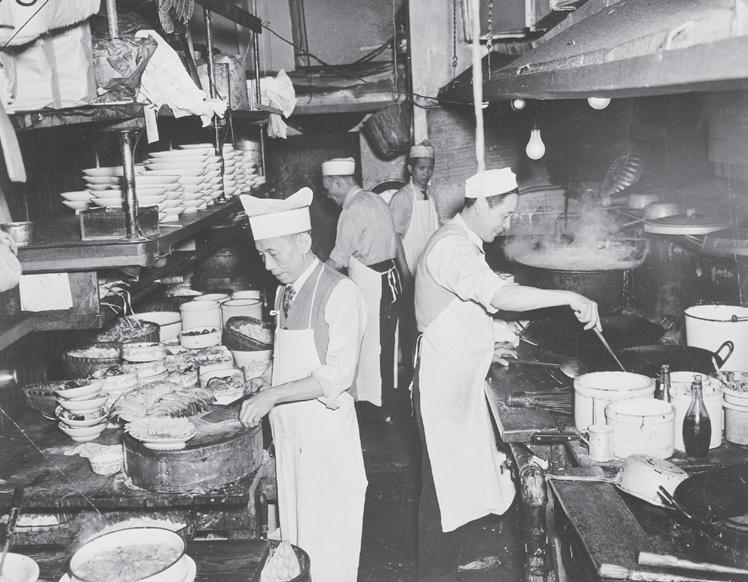
Across America, immigrant communities recreated pieces of home through food. Chinese laborers working on railroads and in mining towns opened restaurants and teahouses that eventually introduced Americans to dim sum, noodles, and Cantonese cooking. Japanese immigrants helped popularize sushi in Los Angeles long before it became a grocery store staple. Korean families packed kimbap for picnics and school lunches decades before social media transformed it into a nationwide craze. Hawaiian plantation communities blended Chinese, Japanese, Filipino, Portuguese, Korean, and Native Hawaiian traditions into what is now recognized as iconic local island cuisine. Even the snacks lining today’s supermarket aisles carry histories of migration, adaptation, and cultural exchange.
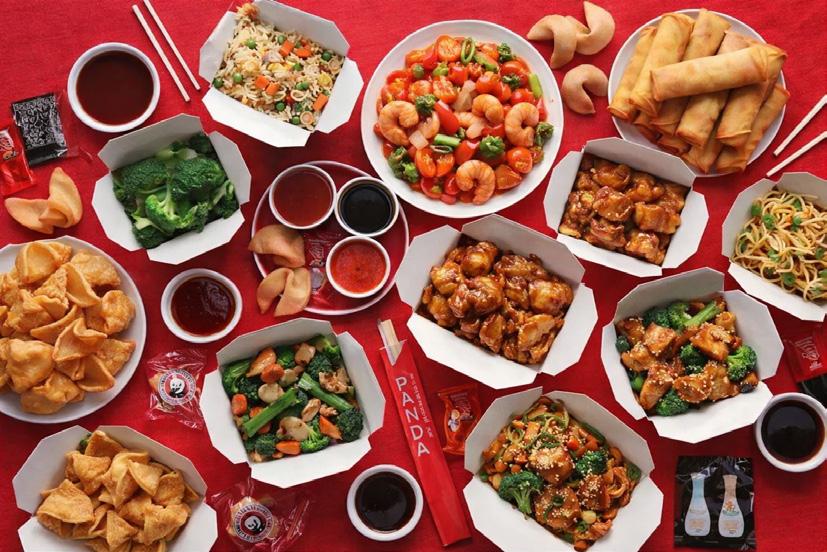
dishes that balanced familiarity with tradition. Korean American chefs fused bulgogi with tacos and burgers. Over time, foods once considered “foreign” became deeply woven into the American culinary landscape.
Today, it is difficult to imagine American food culture without AAPI influence. Boba shops crowd college campuses and suburban plazas alike. Sushi appears everywhere from upscale omakase counters to airport kiosks and grocery stores. Dim sum brunches draw lines that stretch around city blocks. Trader Joe’s frozen kimbap sells out nationwide within hours. Hawaiian plate lunches, poke bowls, ramen bars, Korean fried chicken, Asian snack aisles, and late-night boba runs have become part of everyday American life.
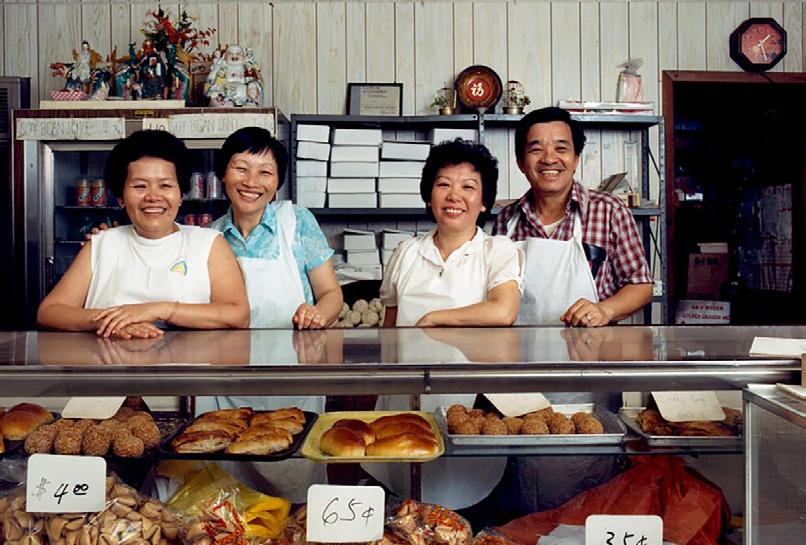
But these foods did not suddenly appear because they became trendy online. Behind every dish is a deeper story shaped by migration, resilience, entrepreneurship, labor, adaptation, and generations of communities building spaces for themselves in America. Food became one of the earliest bridges between cultures. Long before people fully understood each other’s languages, traditions, or histories, they sat across tables and shared meals.
What many of these foods share is a story of reinvention. Early immigrant-owned restaurants often adapted recipes to survive economically and appeal to American tastes. Sushi evolved into California rolls. Chinese restaurants created
AAPI Heritage Month offers an opportunity to celebrate not only the richness and diversity of Asian American, Native Hawaiian, and Pacific Islander communities, but also the lasting cultural fingerprints these communities continue to leave on daily American life. Few places reflect that influence more clearly, or more deliciously, than what ends up on our plates.
The term “AAPI” represents a broad and diverse community that includes more than 50 ethnic groups with roots across East Asia, South Asia, Southeast Asia, Melanesia, Micronesia, and Polynesia. While often grouped under one acronym, these communities reflect hundreds of languages, traditions, migration stories, and cultural experiences that have shaped American life for generations.
AAPI Heritage Month is celebrated each May to honor the histories and contributions of Asian Americans, Native Hawaiians, and Pacific Islanders in the United States. The month commemorates two key moments in history: the arrival of the first Japanese immigrant to the U.S. on May 7, 1843, and the completion of the Transcontinental Railroad on May 10, 1869, which relied heavily on Chinese immigrant labor.
The AAPI experience in America has also been marked by exclusion laws, labor exploitation, internment camps, xenophobia, and cultural erasure. Yet despite these hardships, AAPI communities continued building businesses, neighborhoods, artistic traditions, innovations, and culinary legacies that transformed the cultural fabric of the country.
Today, many aspects of American life are deeply influenced by AAPI communities, from the foods we eat and neighborhoods we visit to the stories we watch and the businesses that shape our cities.
That is why allyship means more than simply enjoying the food or celebrating culture during the month of May. Meaningful allyship begins with curiosity and understanding. It means learning the histories behind communities, supporting AAPI-owned businesses, amplifying AAPI voices, and recognizing the people behind the culture itself.
In Southern California, AAPI history is especially woven into the identity of the region. Long Beach, for example, is home to the largest Cambodian population outside of Cambodia, often referred to as “Little Phnom Penh.”
• Support local AAPI-owned restaurants and shops
• Learn about immigration and labor history
• Attend cultural festivals and events
• Share and amplify AAPI creators and businesses
• Explore museums, books, films, and documentaries by AAPI artists
How Taiwanese bubble tea became America’s favorite customizable drink.
Somewhere between a café drink, a dessert, and a personality trait sits boba tea.
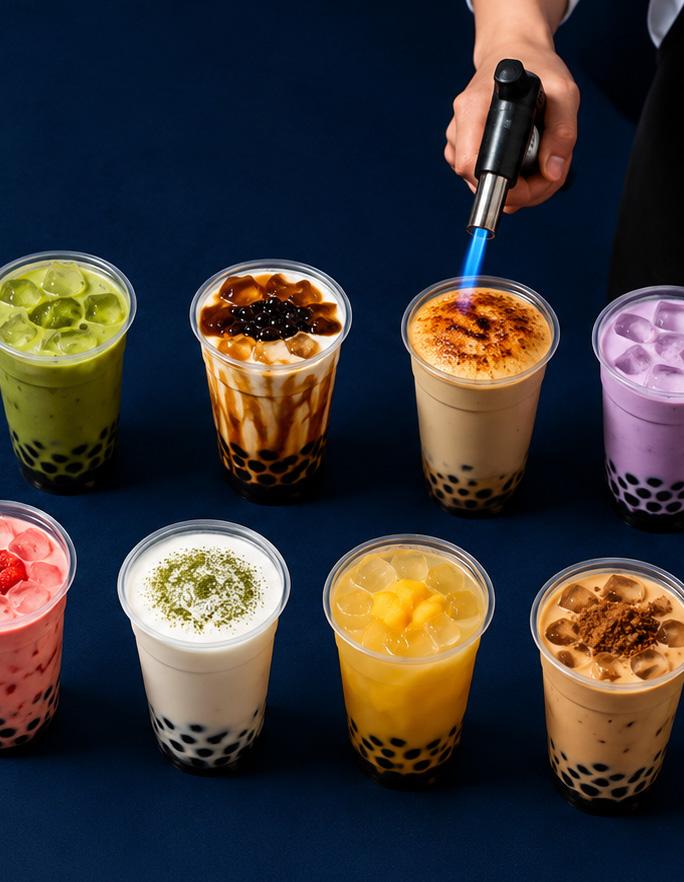
Sweet, chewy, endlessly customizable, and instantly recognizable, bubble tea has grown from a niche Taiwanese specialty into one of America’s defining modern drinks. What began in Taiwan during the 1980s as a playful combination of iced tea, milk, sugar, and tapioca pearls has evolved into a global phenomenon that now lives everywhere from suburban strip malls to luxury shopping centers and college campuses.
Today, ordering boba practically comes with its own vocabulary: “Half sweet. No ice. Extra pearls. Cheese foam.”
But boba’s rise in America reflects a larger immigrant story. Long before it became a TikTok trend, bubble tea quietly grew inside Taiwanese and Asian American communities throughout California, particularly in the San Gabriel Valley and Bay Area during the 1990s. Early boba shops became more than places to grab a drink. They served as gathering spaces for students, late-night study sessions, first dates, and community connection. Somewhere between café, hangout spot, and social hub, boba shops created a sense of familiarity and belonging for many young Asian Americans growing up between cultures.
Then social media transformed bubble tea into a visual obsession. Instagram and TikTok helped launch brown sugar “tiger stripe” milk teas, colorful fruit teas, matcha foam toppings, oversized straws, and aesthetically curated cup shots into mainstream food culture. Suddenly, boba was everywhere.
Yet beneath the trendiness is something more meaningful. For many Asian American millennials and Gen Z consumers, boba became shorthand for identity and shared experience. What once felt niche or unfamiliar became proudly mainstream.
Today, bubble tea represents more than a popular drink. It reflects how immigrant communities continue shaping American culture through entrepreneurship, creativity, and spaces built around connection.
• Language Roots: It is an adaptation of the Chinese word bōbà, which translates to “large-breasted”.
• Pop Culture Influence: Some lore ties the term to Amy Yip, a prominent Hong Kong actress and 1980s pop culture figure known by the nickname “Boba”.
• Bubble Tea vs. Boba: The drink itself gets the name “bubble tea” from the frothy foam created by shaking the tea, or because the pearls look like bubbles. Over time, the slang term “boba” was adopted in America to describe both the topping and the entire beverage itself.
wasn’t just a drink. It became a hangout spot, a study break, and a cultural touchpoint.
The Cantonese teahouse tradition that turned brunch into an event.
Before bottomless mimosas and trendy brunch reservations, there was yum cha
Originating in southern China centuries ago, dim sum began as a teahouse tradition along ancient trade routes where travelers stopped for tea and small bites to rest and recharge. Over time, those modest snacks evolved into one of the world’s most beloved communal dining experiences, centered around conversation, connection, and sharing food around the table.
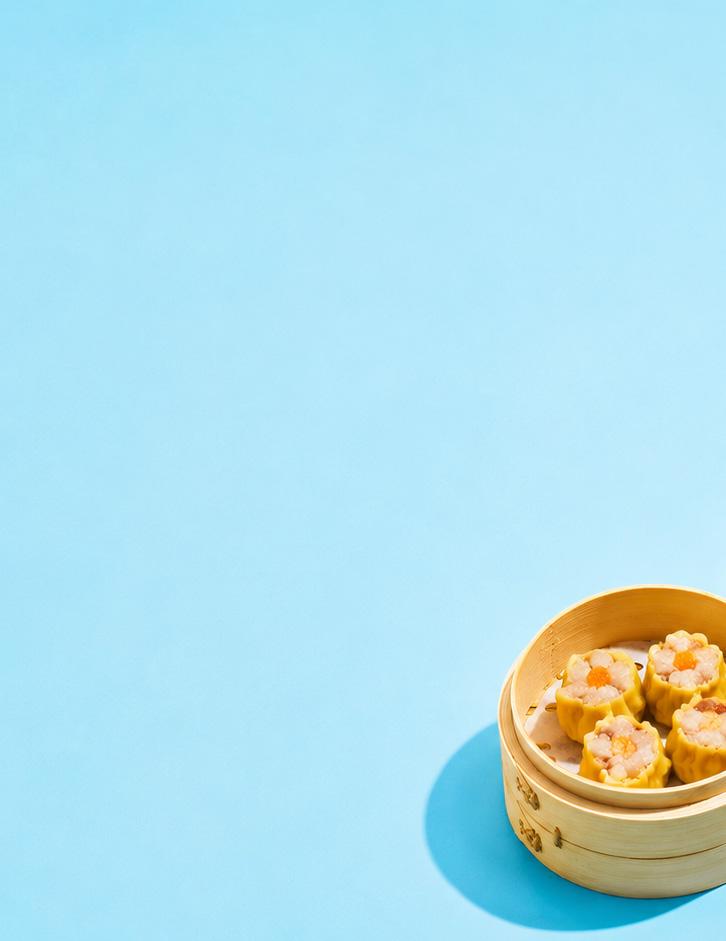
The phrase “dim sum” roughly translates to “touch the heart,” which feels fitting for anyone who has experienced a busy weekend dim sum brunch. The rattling carts weaving through crowded dining rooms, towers of bamboo steamers stacked high, hot tea continuously poured into tiny cups, and family members debating over the last shrimp dumpling are all part of the ritual.
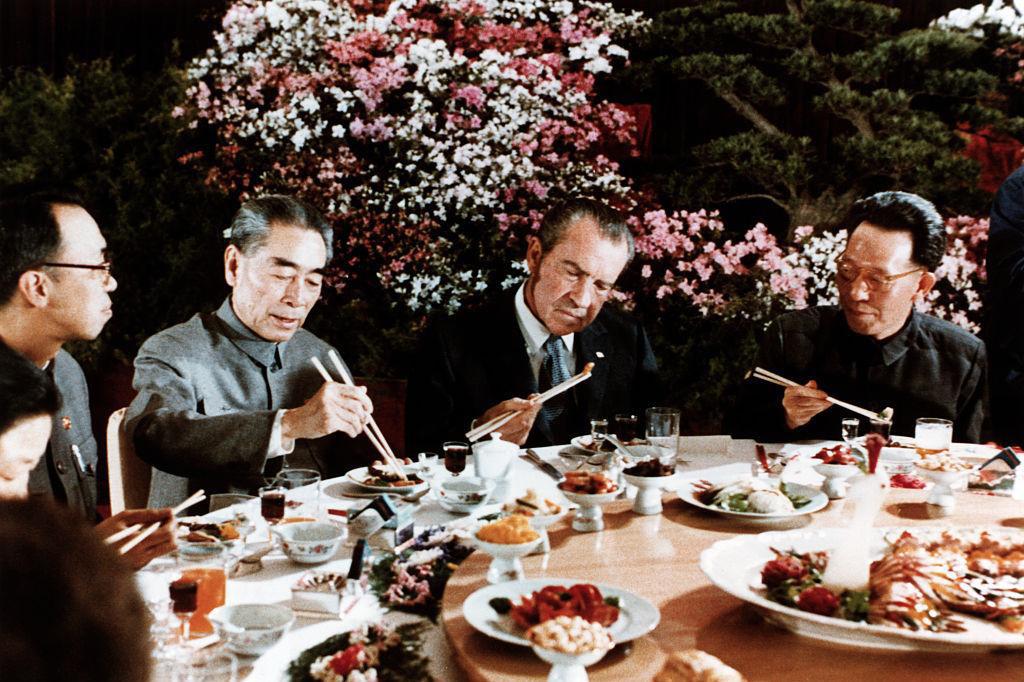
In the United States, dim sum traveled alongside Cantonese immigrants during the Gold Rush and railroad era of the 1800s. Early Chinese teahouses and restaurants primarily served immigrant laborers searching for familiar comfort foods while navigating life in an unfamiliar country. As Chinatowns grew across cities like San Francisco, Los Angeles, and New York, dim sum slowly introduced American diners to dishes and dining traditions they had never experienced before.
Eventually, adventurous diners wandered into crowded Chinatown banquet halls searching for something exciting, flavorful, and communal. America fell in love with dumplings soon after.
Today, dim sum is no longer considered niche cuisine. It has become part of mainstream brunch
culture, drawing long waitlists and weekend crowds eager to share baskets of har gow, siu mai, soup dumplings, and barbecue pork buns.
What makes dim sum special is not only the food itself, but the experience surrounding it. Unlike fast meals built around convenience, dim sum encourages people to slow down, linger, share dishes, refill tea cups, and stay at the table just a little longer.
• Har Gow = shrimp dumplings
• Siu Mai = pork dumplings
• Char Siu Bao = BBQ pork buns
• Turn over the teapot lid to request more tea
• Don’t be afraid to point enthusiastically at passing carts
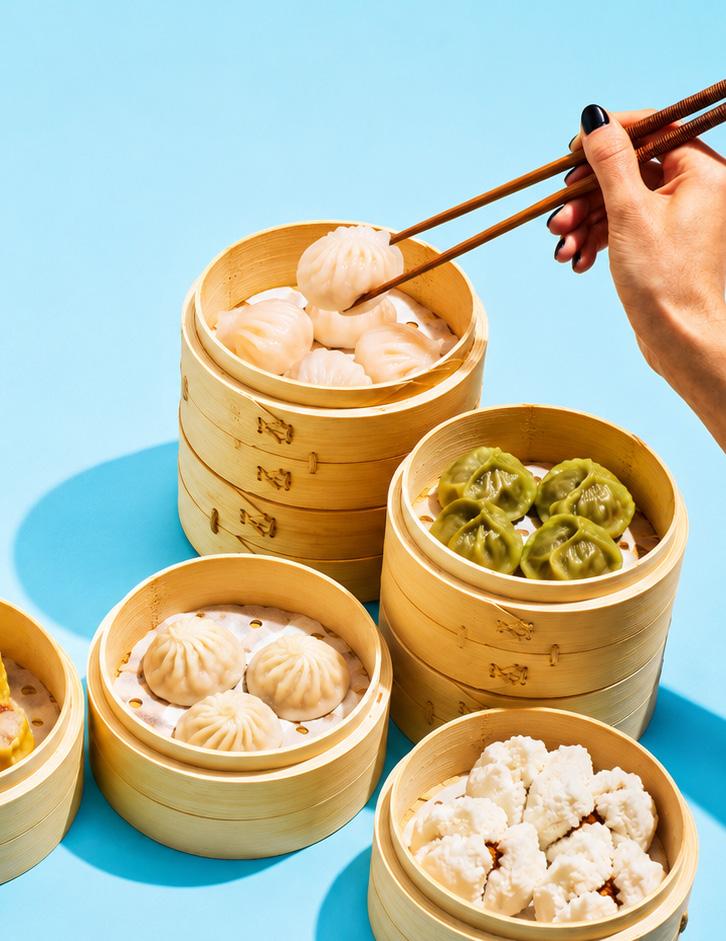
isn’t rushed. It’s a slow conversation disguised as brunch.

From preservation method to global icon.
Long before sushi became supermarket lunch specials and airport grab-and-go boxes, it began in Japan centuries ago as a practical method of preserving fish inside fermented rice. Over time, what started as preservation evolved into one of the world’s most refined culinary art forms, built around balance, freshness, seasonality, and precision.
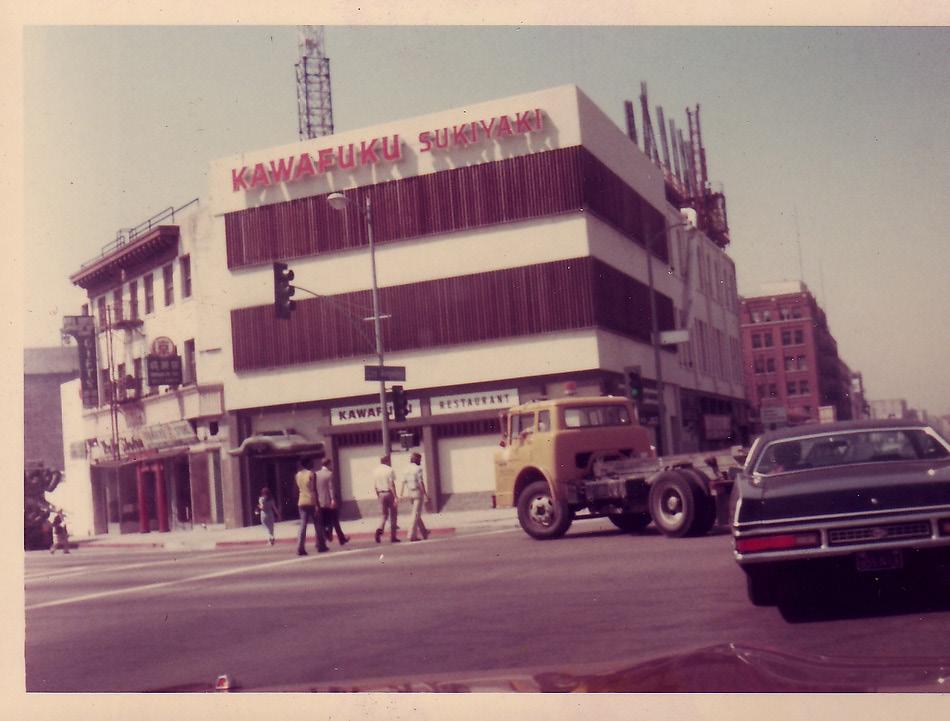
Sushi’s American story, however, truly began in Los Angeles. In 1966, Kawafuku opened in Little Tokyo and became one of the first authentic sushi bars in the United States. Early customers were primarily Japanese businessmen, local Japanese American families, and adventurous Hollywood insiders curious about unfamiliar flavors and dining rituals. At the time, raw fish still felt intimidating to many Americans.
Then came the California Roll. Chefs adapted sushi for American audiences in surprisingly clever ways. Seaweed was hidden inside-out. Rich avocado replaced some of the stronger ocean flavors. Imitation crab offered familiarity. The result was approachable, visually appealing, and easy for firsttime diners to embrace.
It worked. By the 1980s and 1990s, sushi became closely associated with cosmopolitan dining, health-conscious eating, luxury, and trendsetting culture. Today, sushi exists everywhere across the American food landscape, from Michelin-starred omakase counters to grocery-store bento boxes and late-night delivery apps.
Its evolution reflects something larger than food trends alone. Sushi became one of the earliest examples of how immigrant cuisines could adapt, evolve, and eventually reshape mainstream American dining habits.
Korea’s most wholesome main character.
At first glance, kimbap looks familiar to sushi. Both are rolled rice dishes wrapped in seaweed and sliced into bite-sized rounds. But ask almost any Korean person, and they will quickly clarify: “It’s not sushi.”
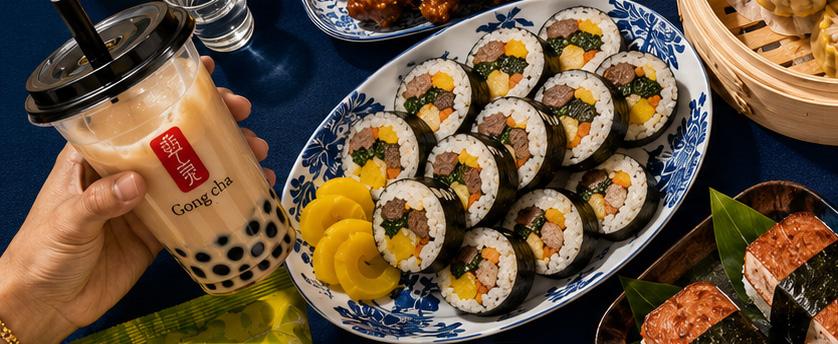
Unlike sushi rice, which is seasoned with vinegar, kimbap rice is traditionally flavored with sesame oil and salt. The fillings are also different, often built around cooked and comforting ingredients like egg, pickled radish, Spam, tuna, bulgogi, or vegetables. The result feels less formal and more deeply tied to everyday life.
Historically, kimbap became Korea’s ultimate comfort and convenience food: portable, affordable, easy to share, and perfect for school lunches, road trips, picnics, and family outings. For many Korean families, kimbap carries the same nostalgic warmth as a packed lunch made by parents or grandparents.
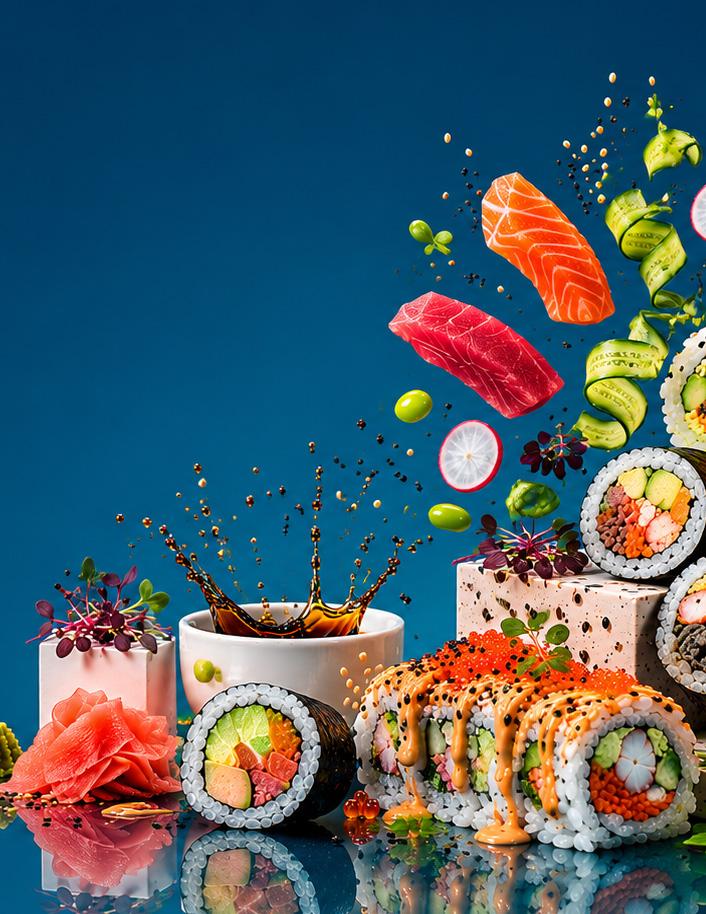
Then Korean pop culture went global. As K-pop, Korean dramas, beauty culture, and Korean entertainment exploded internationally through the Hallyu wave, curiosity around Korean food grew far beyond barbecue and kimchi. American audiences began discovering Korean convenience foods, snacks, cafés, and homestyle dishes that had long existed within Korean communities.
Then came the frozen Trader Joe’s kimbap release in 2023. The product went viral almost instantly. TikTok reviews flooded social media. Grocery stores sold out nationwide. Suddenly, a humble Korean lunchbox staple entered mainstream American grocery culture almost overnight.
Much like sushi decades earlier, kimbap’s rise reflects how food often becomes one of the first gateways into cultural understanding. A single bite can spark curiosity about language, traditions, history, and community.

Before TikTok snack hauls, there was Pocky in your backpack.
Tiny treats. Massive nostalgia. For many Asian American kids growing up in the United States, snacks were more than something to eat after school. They were cultural currency.
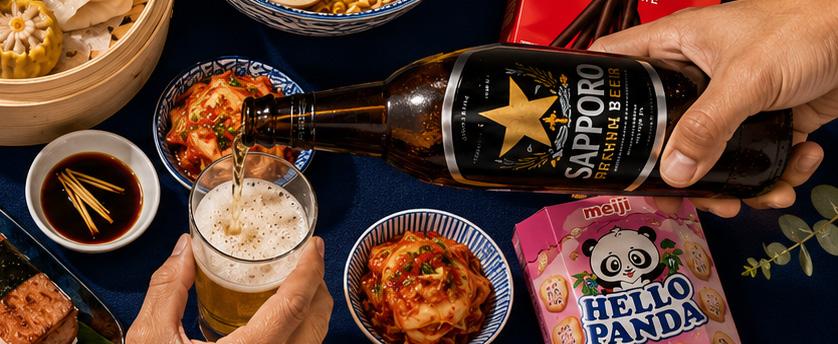
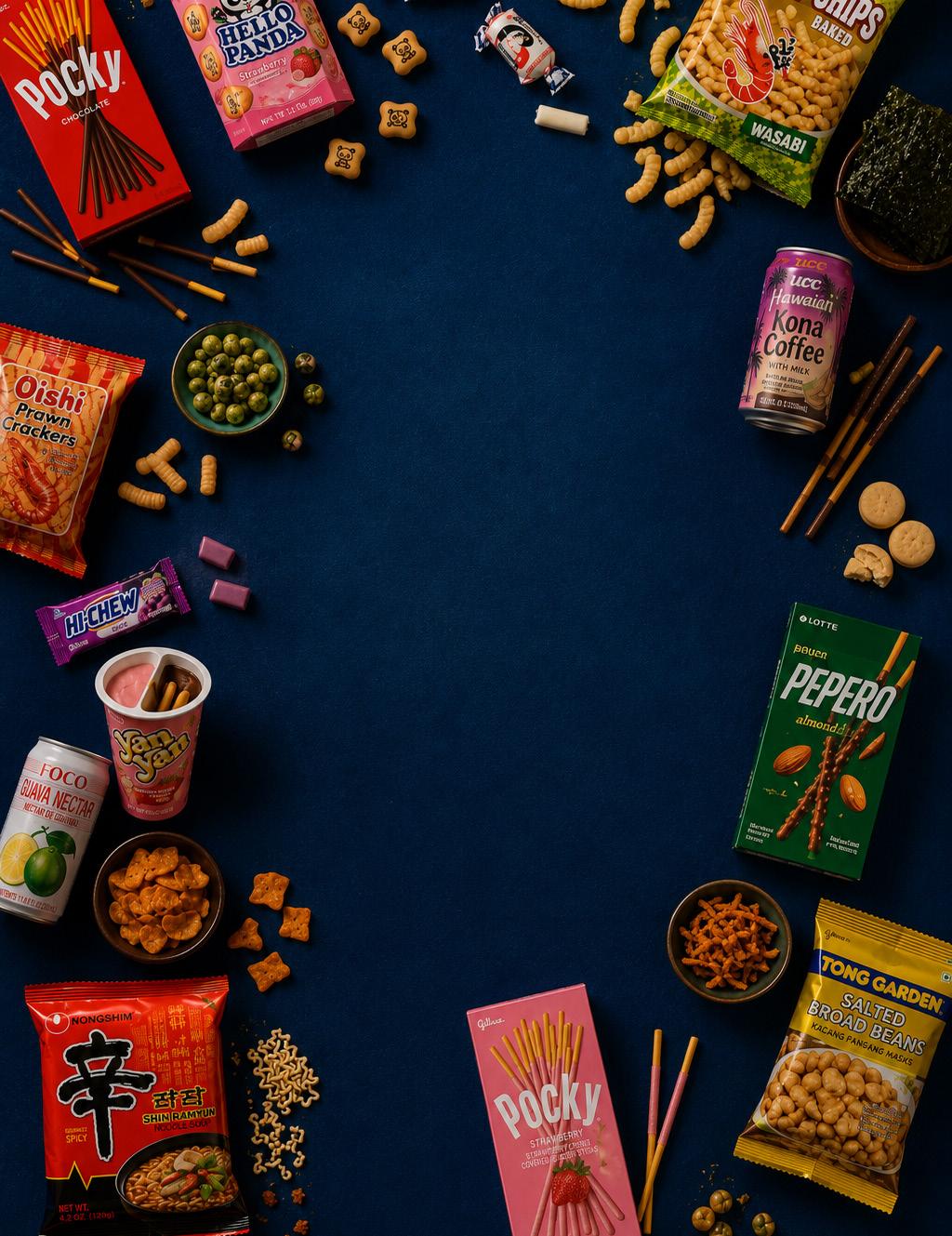
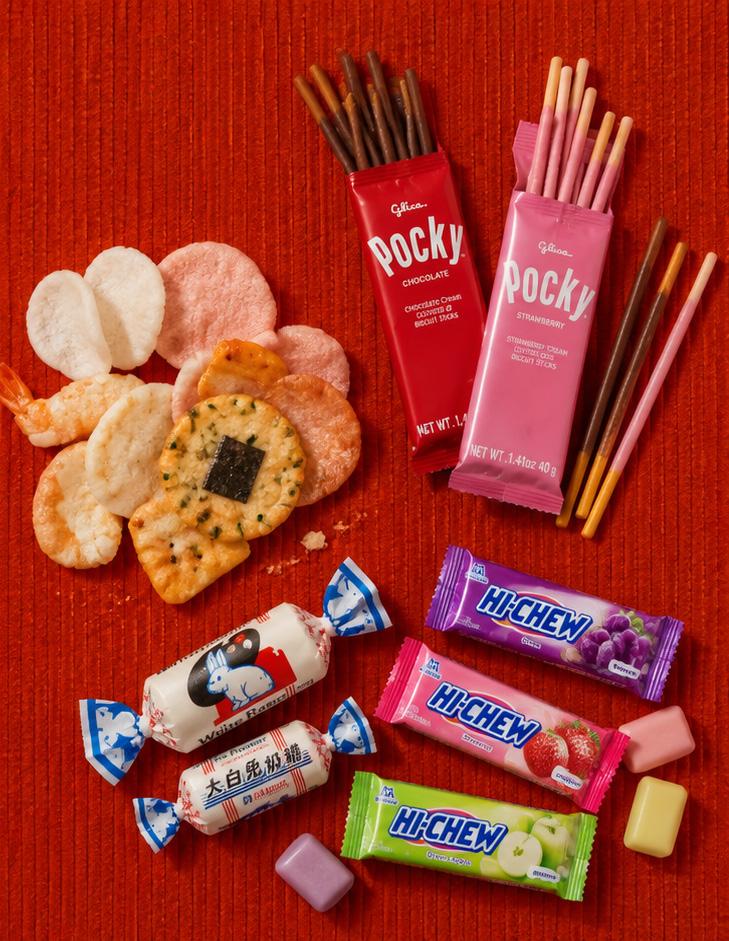
Lunchboxes, pantry shelves, and car rides were filled with brightly colored treats like Pocky, Yan Yan, shrimp chips, Haw Flakes, Hi-Chew, White Rabbit candy, roasted seaweed packs, and mysterious crackers with flavors that were somehow impossible to explain in English. Some snacks tasted sweet, salty, fishy, spicy, or all four at once. Others came wrapped in packaging covered in cartoon mascots, bold colors, and languages many second-generation kids could recognize but not always fully read.
For years, these snacks mostly lived inside immigrant households, Asian supermarkets, and small family-owned convenience stores. Finding them often meant weekend grocery trips to places like 99 Ranch Market or neighborhood Asian plazas where aisles smelled faintly of dried seaweed, instant ramen seasoning, and sweet milk candy.
Then the internet arrived. As food culture exploded online, Asian snacks quietly crossed into the mainstream. The rise of H Mart, social media food creators, mukbang videos, and viral snack taste tests introduced wider American audiences to flavors and brands that immigrant families had known for decades. Suddenly everyone wanted matcha Kit Kats, Korean convenience-store ramen, mochi donuts, milk candy, and spicy noodle challenges.
But for many Asian Americans, these foods carry something deeper than novelty or trendiness. They hold memory.
A single bite of shrimp chips or Hi-Chew can instantly transport someone back to afterschool snacks in the car, road trips with cousins, grandparents handing out candy from purses, or wandering crowded grocery aisles on Saturday afternoons while parents stocked up on rice, sauces, and instant noodles.
Like many immigrant foods, Asian snacks became emotional anchors between generations. Small treats helped preserve familiarity, comfort, and connection in households balancing two cultures at once.
Today, those same snacks sit on mainstream grocery shelves across America, introducing new audiences to flavors that once felt deeply niche and personal. What was once considered “ethnic food” has slowly become part of everyday American snacking culture.
• Most Addictive: Pocky
• Most Confusing to First-Timers: Haw Flakes
• Most Likely to Start a Spice Challenge: Instant ramen
• Most Iconic Convenience Store Combo: Shrimp chips + canned coffee
America’s original fusion food story. Long before “fusion cuisine” became a restaurant buzzword, Hawai‘i was already blending cultures together through food.
Plantation-era Hawai‘i brought together Native Hawaiian, Chinese, Japanese, Filipino, Korean, Portuguese, and other immigrant communities who arrived to work on sugar and pineapple plantations throughout the islands. Workers carried recipes, cooking techniques, and ingredients from home, then slowly adapted them using what was available locally and what neighboring communities shared around the table.
Over generations, those influences blended into what locals simply call “local food.”
Unlike many cuisines built around a single tradition, Hawaiian local cuisine reflects the layered history of migration, labor, survival, and community across the islands. A typical plate lunch might combine Japanese-style rice, American macaroni salad, Korean-influenced barbecue flavors, and Native Hawaiian cooking traditions all on one tray.
But Hawaiian food is more than tropical aesthetics and vacation nostalgia.
It tells the story of communities building identity through adaptation and shared experience. Few dishes represent that story more clearly than Spam musubi.
During World War II, canned Spam became widely available across the Pacific due to U.S. military supply chains and rationing. Local communities throughout Hawai‘i adapted the ingredient into island cooking, pairing grilled Spam with rice and wrapping it in seaweed to create Spam musubi: portable, affordable, salty, comforting, and uniquely local.
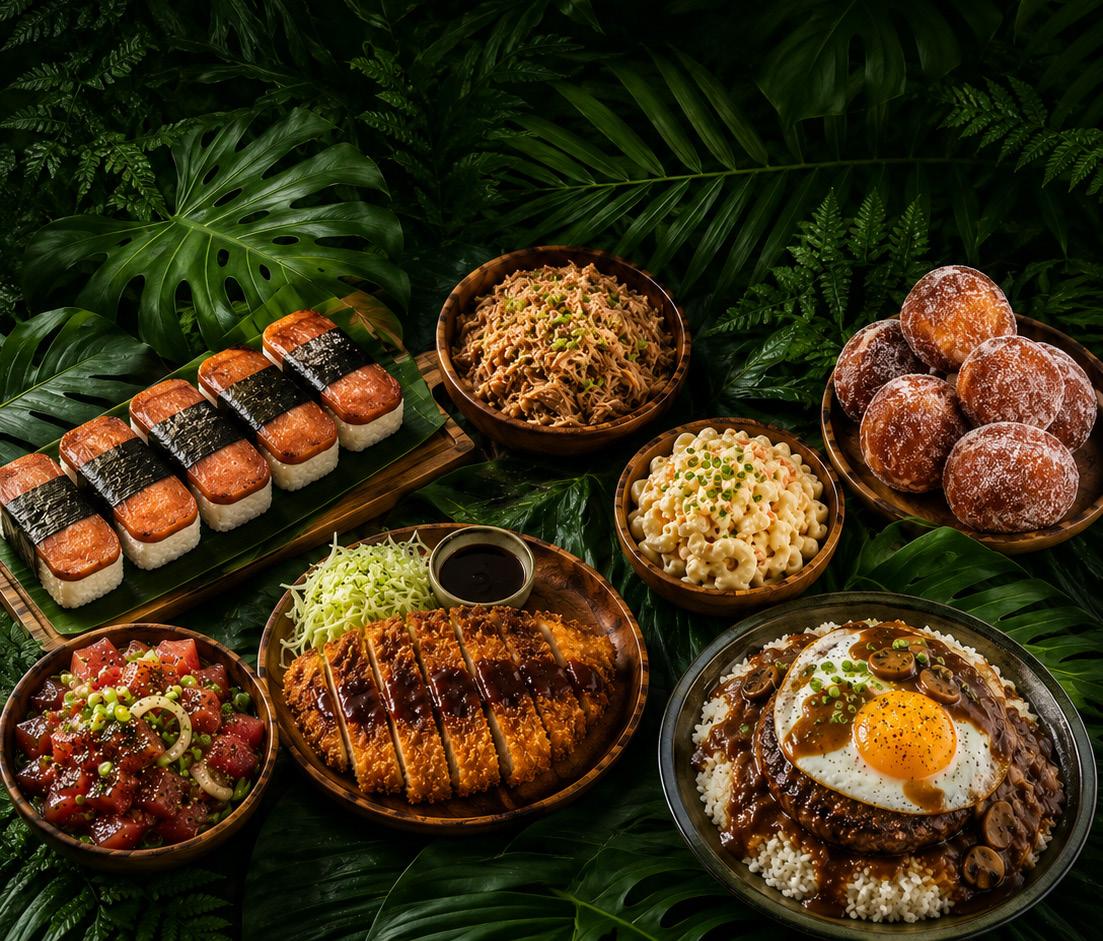


Today, dishes like Spam musubi, kalua pork, chicken katsu, macaroni salad, poke, malasadas, and loco moco have become deeply recognizable far beyond Hawai‘i itself. Poke bowls became one of the fastestgrowing fast-casual food trends in the country. Hawaiian barbecue chains expanded across the mainland. Spam musubi developed an almost cult-like following among travelers, students, and island locals living away from home.
Over time, Spam musubi evolved from wartime practicality into cultural icon status. Today, it can be found everywhere across Hawai‘i, from gas stations and convenience stores to school lunchboxes and high-end cafés.
Much like Hawaiian cuisine itself, the dish reflects resilience, creativity, and the ability to turn different cultural influences into something entirely new.
Because at its heart, Hawaiian food has never been about perfection or strict tradition. It has always been about community, comfort, and bringing people together around the same table.
The
5,000-year-old
art tradition that tells stories through skin.
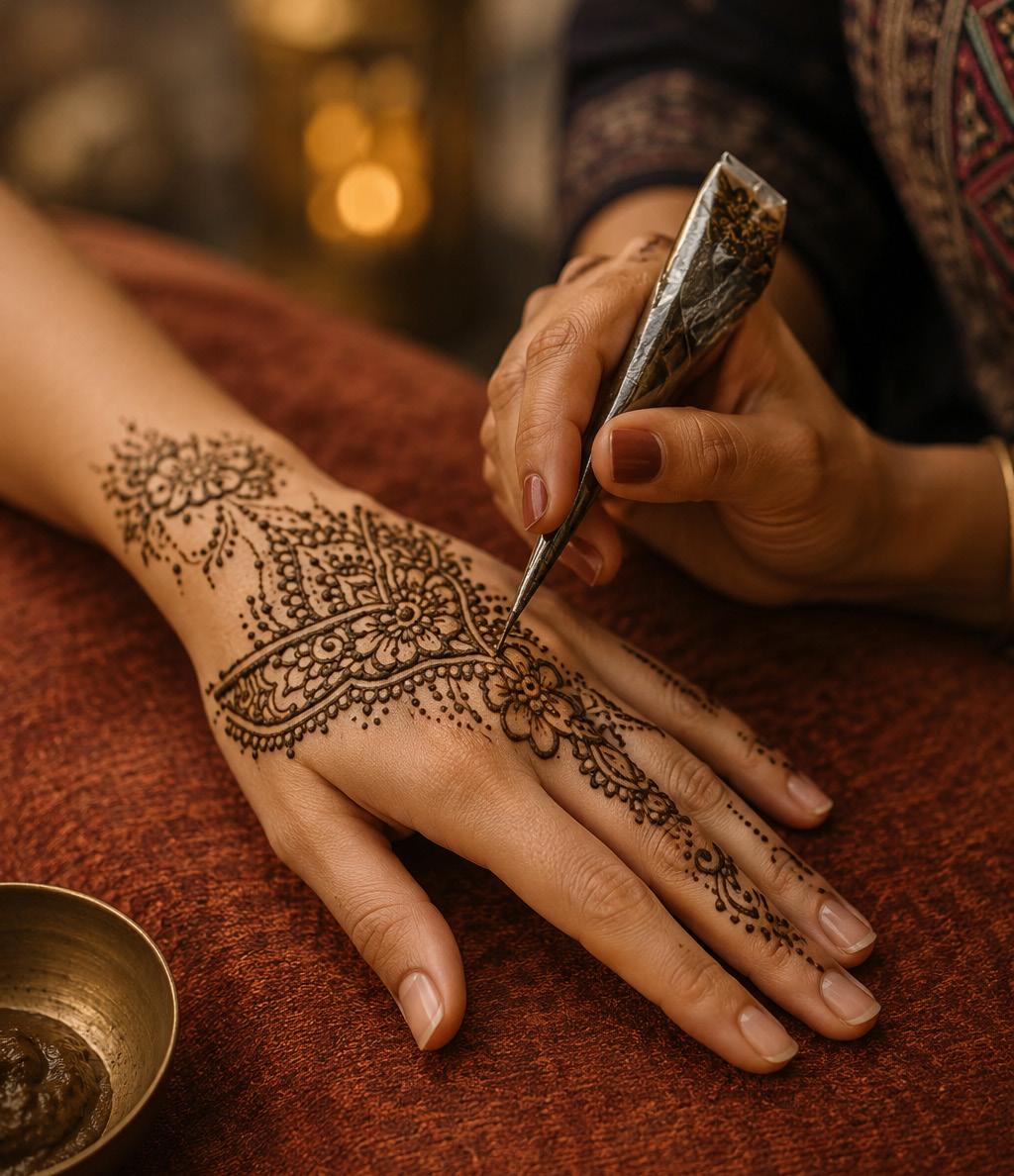
Stories written through skin. Henna, also known as mehndi, is far more than decorative body art. For thousands of years across South Asia, the Middle East, and North Africa, intricate henna patterns have carried deep cultural meaning tied to celebration, spirituality, protection, healing, and joy.
Made from the dried leaves of the henna plant, the natural dye has long been used during weddings, religious festivals, births, and important life milestones. In many South Asian traditions, mehndi ceremonies remain one of the most anticipated parts of wedding celebrations, where family members and friends gather for hours as hands and arms slowly transform into elaborate floral, geometric, and paisley designs.
festivals, fashion editorials, modern fine-line body art, and social media beauty trends. Contemporary artists blend ancient techniques with minimalist styles, creating designs that feel both deeply rooted and modern at the same time.
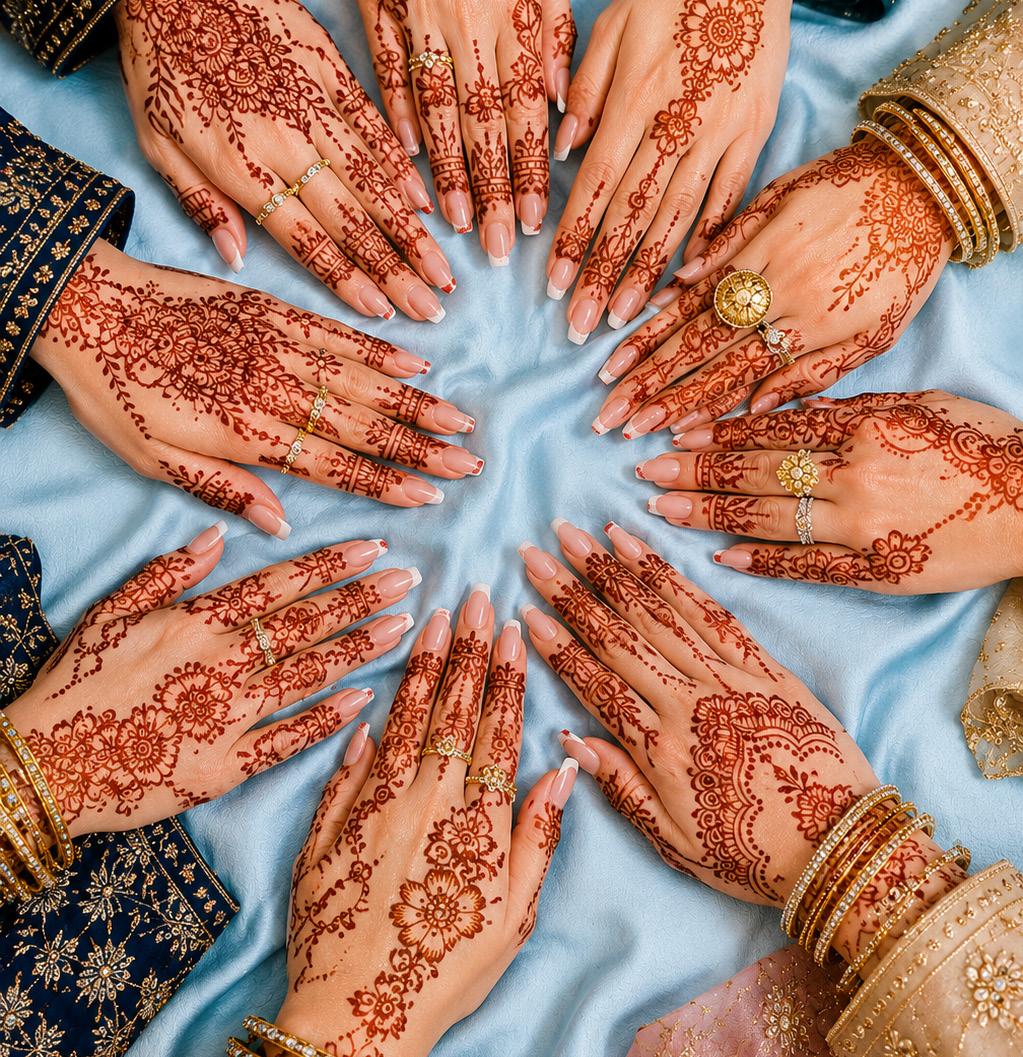
Yet despite its growing popularity worldwide, mehndi remains deeply personal.
Every swirl, floral detail, and handdrawn pattern tells a story about identity, memory, celebration, and connection. Like many cultural traditions carried across generations, henna becomes a way for people to preserve heritage while expressing themselves creatively in the present.
The process itself is deeply communal.
Music plays in the background. Stories are shared. Relatives gather closely together while artists carefully layer intricate lines and patterns onto skin. For many families, the ritual becomes just as meaningful as the final design itself.
Traditionally, darker henna stains were believed to symbolize stronger love, prosperity, and deeper blessings for the person wearing it. Specific motifs and patterns could also represent luck, fertility, protection, or family heritage passed down through generations.
Today, henna continues evolving across cultures and generations. It appears everywhere from traditional bridal ceremonies and Eid celebrations to music

tattoo fades.
The memories don’t.”
Every bite tells a migration story.
Food has always traveled with people. Long before recipes lived online or cooking trends spread through social media, meals and traditions moved through generations by memory, instinct, and storytelling. Families carried recipes across oceans and borders in handwritten notebooks, inside packed lunchboxes, and through the quiet repetition of cooking the same dishes at home year after year.
For immigrant communities, food often became one of the first bridges between cultures. Long before people fully understood each other’s languages, histories, or customs, they sat across tables together and shared meals. Familiar dishes created comfort in unfamiliar places, while restaurants, markets, cafés, and family kitchens slowly introduced new flavors and traditions into American life.
That is the story of AAPI cuisine in America. Not overnight trends or viral food moments, but generations of communities building businesses, opening grocery stores, adapting family recipes, sharing meals with neighbors, and creating spaces where culture could survive and evolve at the same time.
Over time, foods that were once considered unfamiliar became woven into the everyday American experience. Boba shops became community hubs. Sushi transformed from niche dining into supermarket staples. Dim sum turned into weekend brunch culture. Kimbap entered mainstream grocery aisles. Hawaiian plate lunches, Asian snacks, ramen bars, and poke bowls became part of the country’s shared culinary vocabulary.
Behind every dish is a larger story about migration, resilience, adaptation, and identity. Food reflects the ways communities preserve heritage while continuously reshaping culture around them.
Perhaps that is the most powerful thing about food. It allows cultures to meet long before people fully understand each other.
Sometimes allyship begins with listening. Sometimes it begins with learning. And sometimes, it begins with sitting at the same table, sharing a meal, and realizing how connected our stories have always been.
“AAPI Heritage Month.” New York City Public Schools, www.schools.nyc.gov.
“Impactful Ways to Celebrate and Honor AAPI Communities.” CollegeXpress, 2024.
“The Story of How Asian Food Conquered America.” PA Food, www.pa-food.com/blog/asian-cuisine-inamerica/.
“Boba Tea Origin and American Expansion.” National Geographic.
“Dim Sum History and American Popularity.” Asian American News Network.
“Kimbap and the Hallyu Wave.” Institute of Culinary Education.
“History of Sushi.” Michelin Guide.
“Pacific Islander and Hawaiian Culinary Traditions.” National Restaurant Association Educational Foundation.
“Henna Body Art in India.” Natural History Museum.
Lin, Lisa. “23 Asian Snacks That Defined My Childhood.” Healthy Nibbles & Bits.
Additional cultural and historical research sourced from: Smithsonian Channel, Reddit r/KoreanFood, University of Michigan, Refinery29, Mochi Magazine, and various public educational resources.