

2025 WINNERS
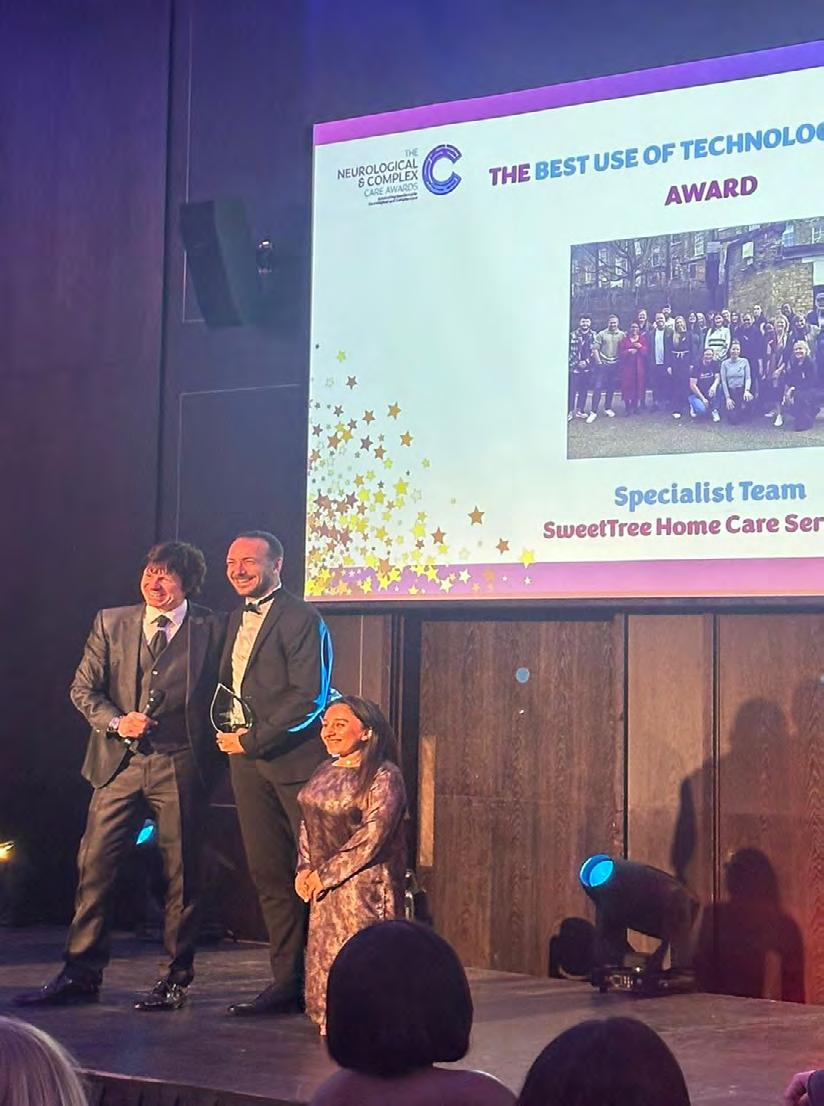
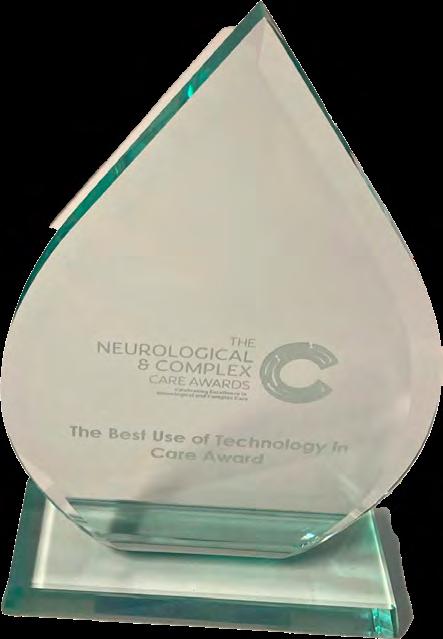
Our latest win of the Best Use of Technology in Care award reflects our commitment to innovation in a forever evolving world
On 28th October 2025, our team attended the Neurological & Complex Care Awards ceremony in London. At the end of the night, we walked home with two wins: a High Commendation for Support Worker of the Year (for our specialist support worker Charles S.), and the Best Use of Technology in Care Award.
“SweetTree demonstrates exceptional innovation in home care, using technology to monitor risks, guide interventions, and enhance independence. Its evidence-driven approach, exemplified by SweetTree Connect, improves outcomes, prevents crises, and supports person-centred care. The measurable impact on clients’ safety, confidence, and wellbeing merits recognition as a model of excellence.”
Statement by Category Judges
With a total of six nominations, we couldn’t be more proud of our dedicated, hardworking staff and their achievements. Our support worker, Gintare N., and our Support Manager, Isabel A., were also among the night’s finalists.
We are constantly striving to improve our clients’ lives using all available means. From monitoring care outcomes to preventing falls and accidents at home, technology plays a key role in care delivery, and will take an even more central point in the coming years. In this issue, we will explore how we are improving the technology we use to support people to live life fully.

by Barry Sweetbaum
Welcome to the latest edition of Sweet Life – a forum for the SweetTree team to share important insights and developments within the care sector, but also their experience of caring for those with age related frailty, dementia, a brain injury, learning disability, neurological condition or palliative care need.
There’s a French saying which translates to ‘the more things change the more they stay the same’. For me this phrase reflects precisely how things work within the care sector. While significant advancements are being made, the true essence of what it means to care will never change, it will always come down to people - those in need of care and those delivering it.
In this edition of Sweet Life we are looking at quality of care; what it means and how advancements in technology, modern therapies and new thinking around care planning and delivery can have a positive effect on individuals living at home and in the community.
Anyone who knows me will be aware I am a passionate believer that quality care can make a huge difference, regardless of someone’s level of need or dependency. ‘Quality care’ is about compassion, understanding and getting both the people and practice right. This for us, comes down to employing team members who truly understand our core values and have a passion for developing themselves in order to achieve the greatest outcomes for those they care for.
That said, I believe that if you can combine great people with the latest thinking and best practice, as we do at SweetTree, amazing outcomes can be achieved. We hope you find this second edition of Sweet Life an enjoyable and informative read. And as always we welcome your feedback. Thank you for reading.

Barry Sweetbaum Founder barry.sweetbaum@sweettree.co.uk

What is the recipe for great care? While many factors contribute to care quality, we know the bottom line is the people behind it. To explore how the right care can have a real impact, we have talked to two SweetTree carers and the clients they regularly support.
At SweetTree, we are proud holders of two consecutive ‘Outstanding’ ratings, which less than 1% of providers can claim. Based on their inspections and on client feedback, the Care Quality Commission (CQC) has rated us as caring, effective, safe, responsive, and well-led.
But what does outstanding care really look like? Which details of everyday life make people feel valued, respected, and empowered? We have visited two of our clients in their own homes to hear it first-hand from them and from their carers.
Our client Jana is a lovely and chatty lady in her 70s who is living with Asperger’s Syndrome. Her carer, Dubem, has worked with her for a long time, and gotten to know her very well. Their relationship is based on compromise, understanding, and respect.
Sam is a young man who lives with his wife and daughter. He had a stroke in 2021, which affected his mobility. Ade, one of our specialist support workers, visits him a few times a week to assist him with day-today tasks. Sharing a common background, both have developed an almost fraternal connection that has taught them both about resilience and courage.
“He’s someone who’s believed in me and made me believe in myself”
SweetTree
client Sam, on support worker Ade
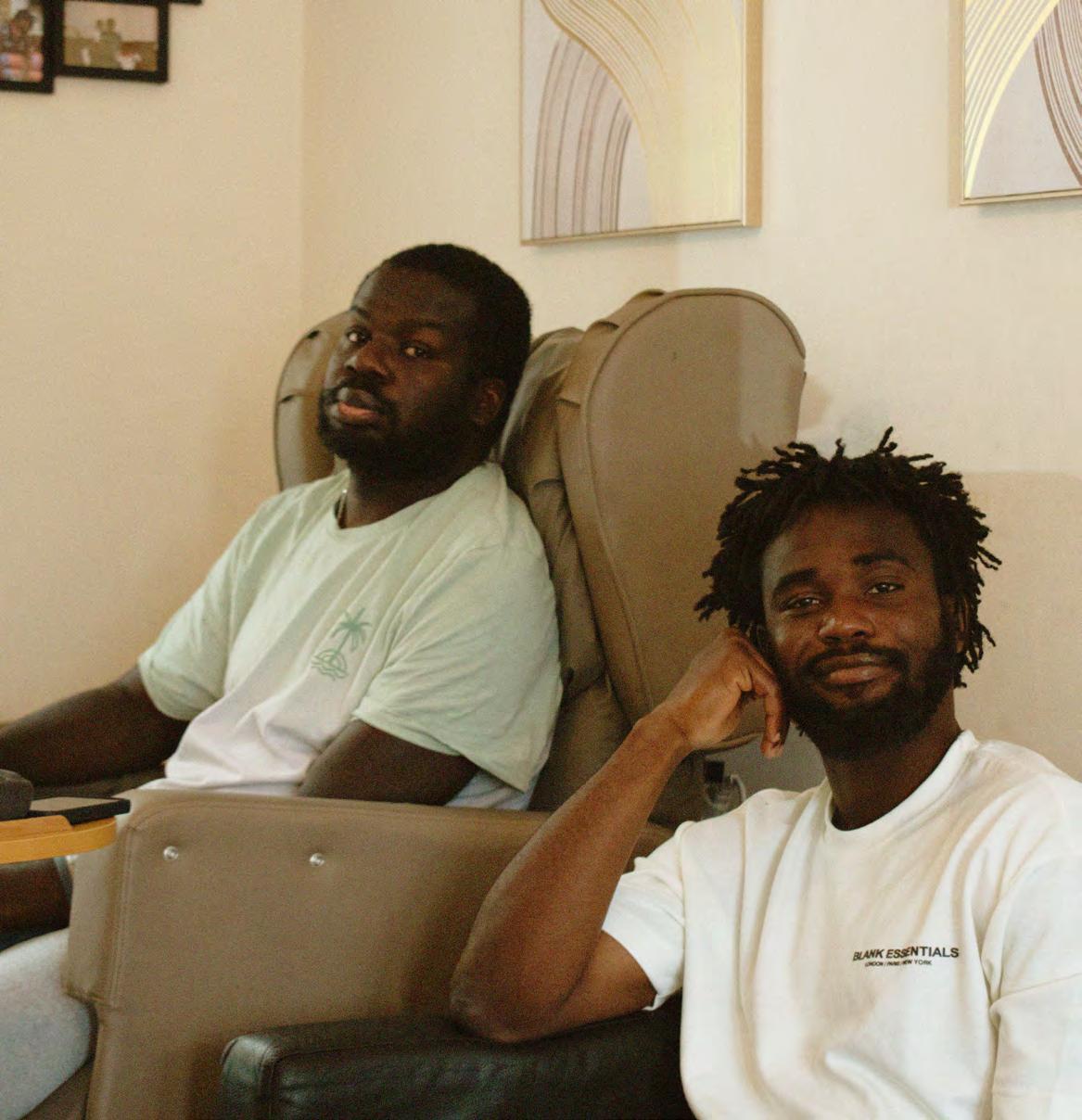

How would you describe your relationship with your support worker?
Sam: “Ade has given me the courage to keep fighting the good fight until I’m able to recover, stand up and walk again for my daughter and my wife. He’s someone that’s believed in me and made me believe in myself. I just turned 37 this year and this situation has been life changing. It has made me value life and made me realise that you can’t take it for granted. I now refer to him as my brother! As Nigerians say in football: I’m five and he’s my six.”
Jana: “She is very nice, strict but friendly. For example, she doesn’t like when my food isn’t wrapped. She’ll help me wrap everything to keep it hygienic. Every Tuesday, Dubem goes shopping with me. I’m a diabetic, so often she’ll advise on what items are best not to buy because they’re too sweet”.
What are some of the biggest lessons you’ve learnt from working in care?
Dubem: “Patience. Learning to be more patient and more understanding are general things that everyone should have. With different people and their different needs and neurodiversities, the level of patience you need varies, so you have to always adjust your approach and learn to understand them. I think that’s the key thing because when you don’t understand someone you can find it difficult to relate to them”.
Ade: “In 2017 I had this sad moment in my life where I lost my mum. At that moment, I felt I didn’t do enough. Going into care was like a moving sanctuary for me that told me to always care for people that love. Because I wasn’t there for my mum, this is a way I can always pay her back, by always being there for people who need help and people who are vulnerable”.
When discussing care, the focus is often placed on its impact on those receiving support. However, both Dubem and Ade spoke openly about how their roles have cshaped them personally and contributing to their personal growtrh. When ask to reflect on what they have learned in the process, Ade was quick to answer: ‘I didn’t know I was someone who could bring the best out of individuals. I wouldn’t say I look down on myself, but I’m someone who is willing to learn and the fact that I see progress in Sam makes me want to do more.” Dubem, on her side, mentioned that she has learned to compromise and understand people better. Although she initially chose care for its flexibility alongside her studies, witnessing the positive difference she could make inspired her to remain in the sector.
Over time, Sam and Jana have seen some meaningful changes in their lives through support. Sam’s mood has noticeably improved with Ade’s presence, enabling him to approach his recovery with strength and positivity. Jana, on her side, has learned about the importance of food safety, and started to develop healthier habits, which she maintains even when Dubem isn’t there to guide her.









A bit about your role... I’m the Talent Acquisition Manager, and work within the HR department. I support with in-office recruitment roles and recruitment strategies, overseeing a team in charge of recruitment for support workers and care assistants. I also make sure that we are being compliant with all standards and regulations.
What do you enjoy about it? I enjoy the impact that I have. I would say that we’ve created a very meaningful organisation having it support vulnerable individuals from a variety of different disorders and conditions. So, I enjoy how meaningful the impact is, not just on the organisation, but our clients and our support workers. We have had several individuals that work their way up into different roles, or the role that they started off in gave them an opportunity to go into something else, and I really enjoy that part of the business. As well as being involved in in projects that I feel like will impact the organisation on a bigger perspective.
Outside of work, what do you look forward to most? In my time off, I feel like I try to prioritise recharging myself. My role can be very hectic, or sometimes there are things that come up with quite a high urgency. So outside of that, I just want to recharge my energy either by being with friends, spending time with family, going out for new food places that I found, or going to the gym.
One highlight about SweetTree. The values and the team culture! I originally joined on a short-term contract and was given the opportunity to extend long-term, which I accepted due to SweetTree’s values and team relations.Everyone from different departments and different services is really there to support you and work together, which also helps hugely when it comes to my role.

Arman Javanmardy Junior Management Accountant & Analyst
“I love SweetTree’s openness to new ideas”

“Everyone from different departments and different services is really there to support you and work together”
A bit about your role... I work as the Junior Management Accountant and Analyst for SweetTree, within the Finance department. I’ve been here for one and a half years. My goal is to make life hassle-free for the end-user. Whether it’s streamlining expenses or finding cost-saving opportunities, I try to remove roadblocks so teams can work smoother. I also provide the key data and variance analysis senior managers need to make decisions, while maintaining our supplier relations.
What do you enjoy about it? I love that I’m not just crunching numbers; I’m encouraged to innovate. SweetTree gives me access to automation tools that most accountants don’t get to use. It allows me to broaden my skillset and provide real, actionable insights that help the business grow, rather than just reporting on the past.
What do you look forward to outside of work? I’m always up for a nature walk— living in Mill Hill gives me great access to local farm and forest trails. Aside from that, I’m a huge F1 and golf fan (you’ll often find me at the driving range), and I love spending weekends trying out new food spots with my mates.
One highlight about SweetTree. The openness to new ideas. If I spot a way to improve a process, I’m backed to do it. I also have to mention my manager, and FD She’s been an incredible mentor, teaching me not just the accounting technicalities, but how to apply commercial awareness to my work and see my ideas through to completion.
A bit about your role... I work as an assistant manager in the general home care department and as a coordinator for the dementia department. My role is all about supporting clients and our care team. I coordinate daily with them and guide the staff to ensure that our services are delivered with compassion, with dignity and in a personcentred way. Every day I work to try and make a meaningful difference in people’s lives.
What do you enjoy about it? My journey with SweetTree began in 2020. I first joined as an aspiring support worker. It was a very important experience for me because I didn’t have any general experience for this sector, so I’m glad the team was able to support me and guide me as well. They provided me with so much support during this time as well as intensive training. I was able to grow, and I eventually became a coordinator for the General Home Care and Dementia services. Currently, I’m in a hybrid role, working as an assistant manager and also as a coordinator, so I get a chance to get the best of both worlds. The role allows me to enjoy staying in contact with clients and being able to guide support workers.
Outside of work, what do you look forward to most? In my time off, I feel like I try to prioritise recharging myself. My role can be very hectic, or sometimes there are things that come up with quite a high urgency. So outside of that, I just want to recharge my energy either by being with friends, spending time with family, going out for new food places that I found, or going to the gym.
One highlight about SweetTree. I love the human connection that you get with supporting your clients and guiding our staff, and also knowing that our work brings lots of comfort, dignity and care to people who need it the most. Also, seeing clients thriving and being supported by a team who truly cares... I think that’s what motivates me the most every day.

Elizabeth Aldazabal Assistant Care Manager and Coordinator
“Seeing clients thriving and being supported by a team who truly cares is what motivates me the most every day”
Our mission extends beyond caring for our clients; it also includes caring for our people. We are committed to ensuring that every team member feels supported, valued, and fulfilled, which is why we continually invest in improving our employee benefits and wellbeing programmes.
A key pillar of this support is our in-house Care Training Academy. From day one, employees gain access to our eLearning platform, which offers a wide range of specialist courses covering areas such as nutrition, iCST, mental health awareness, dysphagia, and other healthcare-related topics, alongside essential soft skills including teamwork and conflict resolution. We actively encourage career progression and have even created a dedicated pathway into the care sector through our ASPIRE programme.
In recognition of our team’s commitment to learning and development, our Academy received the Learning Pool ‘Learning Culture’ Award in 2024. Building on this success, in 2025 we achieved CPD-certified status for our pre-employment training, with more of our popular sessions expected to gain certification in the coming months.


Spinal Cord Injury (SCI) it is an extremely complex and life-altering condition that requires support and health interventions at many stages throughout a person’s life beyond primary injury. It has major personal, physical, psychosocial and financial impacts on the individual and family involved. The approach to spinal injury care must then be holistic, person-centred, and coordinated with all professionals involved.
We talk to Lynda Emerson, Chief Executive and Director of Nursing with Spinal Rehabilitation in Western Australia, to get her professional opinion on what constitutes high quality spinal injury care. Lynda has been a crucial clinical advisor on the recent launch of our spinal injury care service, and we are thrilled to count on her expertise for this exciting journey.
When Lynda Emerson became a student nurse in Belfast in the mid 1980’s, she never thought for one moment that four decades later she would be CEO and Director of Nursing within Spinal Rehabilitation in Western Australia. In her own words, ‘it’s been an interesting journey with lots of highs and a fair share of lows along the way, but, I wouldn’t have it any other way’.
Q: How do you feel about SweetTree’s decision of launching a dedicated spinal injury care service?
Care of the spinal injured is often placed in the ‘too hard’ basket, so she was delighted to learn SweetTree Home Care Services were bravely venturing into this niche area of specialised care.
I am very happy to be part of this exciting project and hope to contribute in some small way towards establishing SweetTree as market leaders in delivering a quality specialised spinal home care service to those who so

desperately depend upon it.
Q: In your opinion, what makes a quality service for spinal care?
A:Spinal care is quite specific and as such, it needs a specific lens cast upon the care, with a focus on prevention of complications and management of co-morbidities. Hence, another quality indicator are preventative strategies and their efficiency, which can be quantified, for example, by the number of hospital admissions, the regularity of infection and the ability to maintain skin integrity.
Above all, it’s not just about providing a quality outcome service but also a service that enables the person to reach the highest possible quality of life. This requires competent and confident staff, regular monitoring, measurement of care standards, and a multifaceted approach to care. The best way to understand the quality of the care provided is to directly ask
the clients and families themselves. They are the ones who know best and they will give you their honest feedback!
Q: Why is early intervention so important after an injury?
Early intervention by a multidisciplinary team after a traumatic spinal cord injury is critical and requires a coordinated approach to the provision of necessary services. This can prevent long-term complications and can significantly increase quality of life.
Additionally, comprehensive hospital discharge planning in preparation for transition home is crucial. This ensures that all necessary services are available and in place to enable the individual to live in the community —either alone or with their families— with the same degree of safety, comfort and choice as any able-bodied member of the
“The person with the SCI must be the centre of all care provided for them”
community would expect.
Q: What skills and competencies must spinal care professionals have?
The most crucial competencies that a spinal injury carer must have are high standards of good basic nursing care; notably, activities of daily living, such as personal care, nutrition and assisting with eating and toileting. Some additional specific knowledge, such as on UTIs and catheterisation, are very beneficial.
Above all, carers must be trained to not just know that something needs to be done but also understand the complications of it not being maintained, as well as the impact this can have on the patient. They should learn holistically, identifying risks at an early stage and having the confidence to report them to a relevant person if they aren’t able to mitigate the risk themselves.
When caring for someone with a spinal injury, it is essential to understand that although the tasks you are performing are essentially for the client, you are effectively caring for the whole family. When going through such a significant change to their lives, family members can go through many stages (carers must have the emotional intelligence to navigate the ever-changing dynamics of relationships.
Q: What shaped your approach to spinal care leadership?
I have worked as a nurse for the past 40 years, of which the last 18 have been focused on spinal injury. I would say that spinal nursing is the most challenging both physically and mentally, but you become very passionate about it.
Due to the relatively low incidence and prevalence of SCI, generalist health professionals of all disciplines rarely see a large number of people with SCI. Therefore, they have difficulty developing and maintaining the clinical skills required to confidently manage the rehabilitation and complications related to SCI, especially the more complex aspects. For this reason, best practice health and rehabilitation services for people with SCI have traditionally always been provided by specialist multidisciplinary SCI teams.
One thing I’ve learned along the way is that the person with the spinal injury must be the centre of all care provided for them. Empowering that person means that after the injury, instead of their life getting limited, they can focus on growing and making life bigger. Some things will look different to what they initially thought, but they will still be possible.
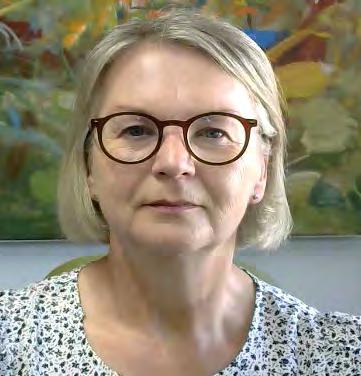
Lynda Emerson CEO and Director of Nursing with Spinal Rehabilitation Department of Health (WA Health)
Visit our website to find out more about how we support individuals with spinal injuries, their families, and all professionals involved in the rehabilitation process. LEARN MORE
With 40 years of experience in nursing, Lynda has devoted the past 18 years to spinal injury rehabilitation and currently works for the Department of Health in Western Australia. In her own words, “working alongside individuals who have suffered a SCI is categorically one of the most challenging, yet humbling experiences I have ever encountered. If you think you’re having a ‘bad day’ or are feeling sorry for yourself because of some minor inconvenience or feel that life is unfair, you only have to sit with someone who has suffered a catastrophic, life-changing spinal injury and suddenly your own issues fall into perspective”.
Technology is reshaping every aspect of our daily lives and, when it comes to supporting an ageing population and helping people live safely and comfortably at home for longer, its potential could be truly transformational.
From smart sensors that can detect changes in daily routines to apps designed to simplify communication and everyday tasks, technology is increasingly playing a role in aiding independence, reducing risk, and enhancing wellbeing.
As a leading home care provider, at SweetTree, we’ve always embraced innovation, not only in the form of digital tools and physical products, but by staying at the forefront of new approaches to care. Technology, and how we can best support our clients to make the full use of it, has naturally been a key area of focus for us; especially as we see our clients faced with a rapidly evolving digital world - something that can be both alarming and confusing.
We want to help each individual in our care to navigate these new challenges, as well as make the most of any opportunities new technologies might present, including for those with hearing, visual and cognitive impairments. Which is why we are delighted to have formed a new partnership with JC Explore, who are doing great things in this space!
Recognising that limited knowledge of what’s available, a lack of confidence and experience, and a wariness of potential risks, were all hurdles to people taking advantage of technology, the team set about offering a solution. One that is changing lives and being delivered with limitless patience, understanding and warmth.
The UK’s population is ageing rapidly. Within the next decade, the number of people aged 80 and over is expected to nearly double. With around 75% of older adults likely to need some form of social care, this presents a significant challenge for health and care services, who are already under significant pressure.
High-quality domiciliary care providers, like ourselves
at SweetTree, are playing a vital role in meeting this growing demand. By helping individuals remain safe and comfortable in their own homes for as long as possible, we can ease some of the pressure on hospitals and residential settings, as part of a collaborative, multidisciplinary framework.
Assistive technology is one area we are very excited about - with new developments and innovations having the potential to further enhance quality of life. But for any technology to truly make a difference, it must be understood and trusted. Confidence and awareness are key, not just for individuals and their families, but also for the care professionals supporting them. Through our collaboration with the brilliant team at JC Explore, we hope to take down some of these barriers.
We’ll be supporting our carers and the wider team to increase their knowledge and understanding of what is available and different tech ‘hacks’ that can help make daily living a little easier. With dedicated training materials and resources as well as 1-to-1 sessions with the JC Explore team, clients are now able to benefit from this partnership and make the most of assistive technology at home.


These recordable devices can be placed around the home to offer reminders for daily tasks, such as being place by the front door to remind someone to take their keys and lock the door.
Placing visual shortcuts on a phone screen, such as a photo of a family member they may wish to call, can help clients with dementia or deteriorating memory stay connected.


This is just one example of an app that is specially designed to aid those with an impairment. In this case, the app provides AI-powered descriptions for individuals who are blind.

Keyboards with oversized, high-contrast keys are designed to support individuals with Parkinson’s, visual impairments, or reduced dexterity. Its use can help reduce typing errors and promote confidence by making digital tasks easier and more accessible.
“At our core, we are dedicated to increasing people’s independence through the use of technology. Our mission is to demystify technology and make it accessible to everyone, regardless of their age or background”
Charley Landsman, JC Explore


Jewish Care’s technology support service is a fantastic London-based resource for individuals and families. With deep expertise in both established and emerging technologies, the team offers tailored, one-to-one guidance to help people use tech in ways that support their independence.
From making GP appointments and sending photos to loved ones, to setting up accessibility features and learning new apps, the service is designed around each person’s unique needs. This includes support for individuals with a range of impairments, including vision, hearing, physical, and cognitive. Help and advice is available in person, over the phone, via video call, or through tutorials. sweettree.co.uk
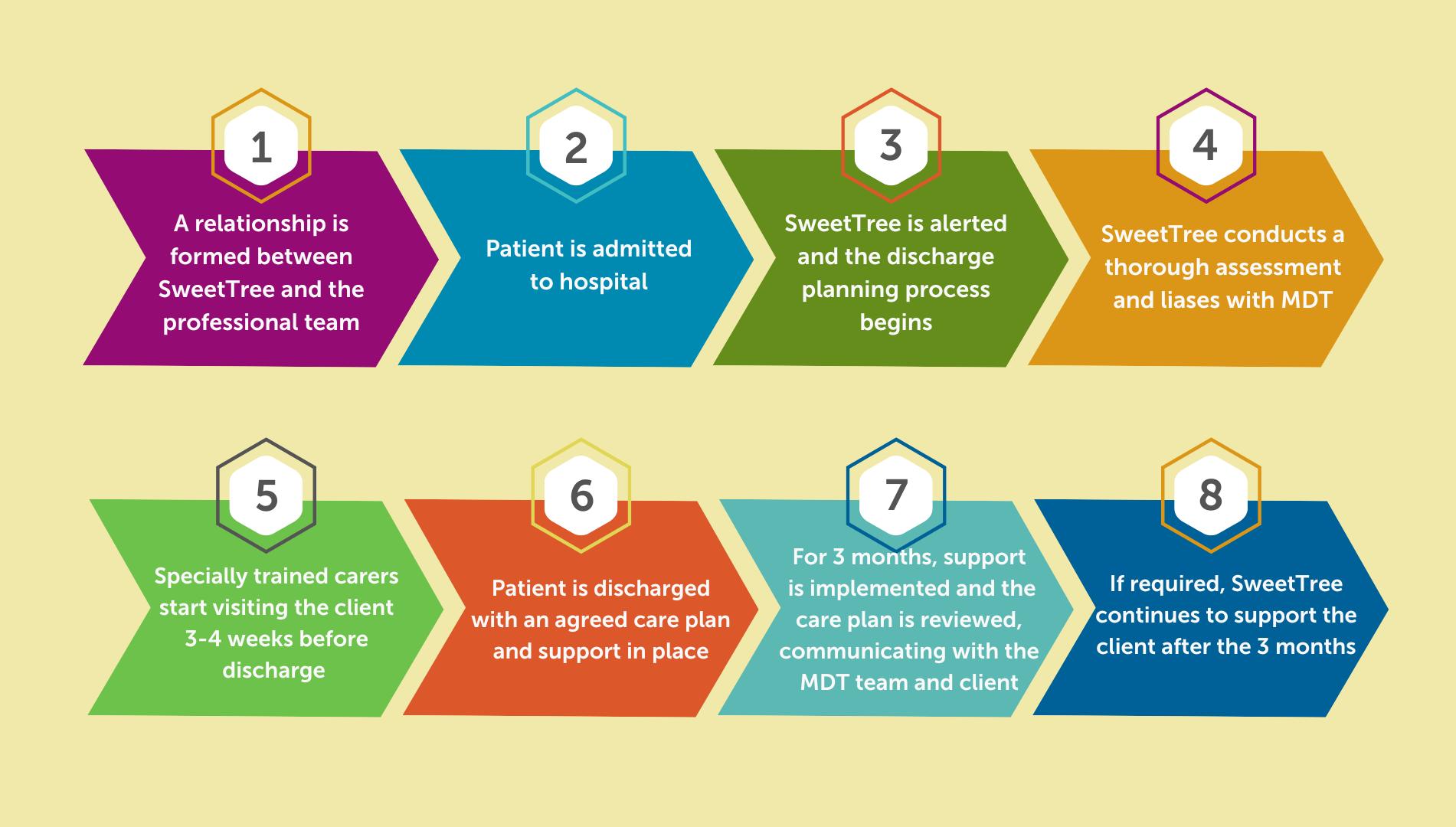
Achieving the best possible outcome for every individual under our care is what drives us at SweetTree, and this commitment sits at the heart of our Assisted Discharge Planning Partnerships. Through our work with hospitals, care homes, and other acute medical settings, we are proud to help teams successfully overcome all challenges inherent in the discharge process.
At SweetTree, we call on our decades of care experience and the specialist knowledge of our team to facilitate a smooth and seamless transition, placing the individual’s needs at its core.
For individuals requiring specialist care and support, such as following a brain injury, one important juncture in their care pathway is making the transition between environments; for example, moving from an acute hospital setting to their home or a supported living facility.
These transitions will often involve multiple stakeholders, all with varying aims and responsibilities, but with one common goal – ensuring the best interests of the patient are upheld, adequate support is put in place, and that the whole process runs smoothly. With so many moving parts, the process risks becoming disjointed, with continuity of care also being a challenge.
For the individual patient, any uncertainty around their transition can leave them feeling unsure about what to expect in their new environment, adding a level of stress at a time when they are adjusting to a lifechanging event.
In addition, without appropriate support in place and the continuation of their rehabilitation from day one, there is the potential for a reduction in the gains they
have made during their inpatient stay.
It also risks non-compliance with required medicine or exercise regimes, which may impact on recovery and comfort – a problem estimated to cost the NHS anywhere between £300M-£800M annually.
Through our SweetTree Discharge Planning Partnerships, we can mitigate these issues, while freeing up the limited resources of individual care settings and preventing last-minute disruptions.
Our primary focus is on enhancing patient outcomes through a seamless, integrated transition process that benefits both patients and care providers.Through the strong relationships we are building with key partners, the benefits of the model are already being clearly demonstrated.
“When I liaised with SweetTree, they were helpful, coming into the hospital and meeting with the patient and team at short notice to help plan a suitable discharge support plan that everyone was happy with”
–
Dr Anna Batho, Critical Care Psychologist, Homerton University Hospital
By working closely with all members of a patient’s
multi-disciplinary team (MDT), the individual and their families, including the clinical team, case managers, OTs and social services, our specialist team at SweetTree will coordinate the community-based support needed for a positive outcome.
This ensures everything runs smoothly, while taking pressure off limited care setting resources, with the right support implemented early on and strong communication between stakeholders being maintained.
The approach not only results in a smooth transition for the individual, with their welfare and care needs being central to the process, but supports positive, long term patient outcomes. By acting as an extension of the MDT, we help to maintain and improve upon rehabilitation gains already made in the inpatient setting.
The specialist care and support provided by our team at SweetTree is goal-centred, delivered by specially trained carers and designed to enable each individual to thrive in their new environment, with ongoing monitoring highlighting where further intervention or support may be required. Where individual patients, or the MDT, have existing relationships with carers or care providers, SweetTree will liaise with these parties as part of the planning process and manage any handovers.
There is no restriction on external involvement, with the discharge planning focused on creating the structure that works best for the partner organisation and individual.
When Mark, a 45-year-old salesman from Southwest London, sustained a traumatic brain injury in a serious car accident, his life changed overnight. The injury caused significant cognitive and physical impairments, meaning he required extensive rehabilitation and ongoing support to begin rebuilding his independence.
After several months in hospital, his discharge home was a significant step that needed careful planning to ensure continuity of care and minimise stress for both Mark and his family.
Through close collaboration with the hospital’s multidisciplinary team, SweetTree developed a tailored discharge plan and began supporting Mark before he left hospital, building a relationship with him, understanding his needs, and preparing him for life at home.
Following discharge, he received one-toone care at home, including help with daily routines, medication, and rehabilitation exercises. This structured yet flexible support helped Mark settle confidently back into his home, regain stability, and improve his overall quality of life, while giving his family muchneeded reassurance.

As we age, hearing loss becomes increasingly common. Its symptoms are so similar to those of dementia that both conditions are often mistaken for one another, and its mutual links overlooked. Research suggests that the risk of developing dementia is higher in individuals experiencing hearing loss, and both conditions can also coexist in an individual. Below, we’ll be exploring the many factors that are affected when dementia and hearing loss overlap and sharing some tips to help you improve how you care for and approach people with these conditions.
Misdiagnosis and Symptom Overlap
Firstly, it is important to note that, because of the significant overlaps in symptoms, hearing loss in the elderly can be mistaken for dementia. For example, when hearing loss and dementia progress, so can changes in behaviour for the person living with them. Being unable to understand what others are saying can leave the person in a constant state of confusion, which may be mistaken for dementia. This misdiagnosis is more likely to happen to those living with undiagnosed hearing loss. To prevent this, get your hearing checked every two years and encourage your loved ones to do
the same. The sooner hearing loss is identified, the better.
Due to their similarities, the methods you would implement to communicate with someone with dementia or hearing loss are the same. Because it can be confusing for people with hearing loss or dementia, clear communication is key. There are general considerations to make, such as slowing down when speaking and reducing background noise, but a few basic rules can go a long way: Get their attention visually before speaking to someone with hearing loss and dementia. This can look like waving, so they can
1. “Wearing hearing aids will make me dependent on them”
The opposite is actually true. Hearing aids allow you to stay connected with others and your surroundings, and without this support, the brain can start to ‘forget’ how to hear, especially when it comes to understanding speech. It’s a case of “use it or lose it”—the less your brain hears, the harder it becomes to interpret sounds clearly.
1: “I only need them for certain situations”
If you only wear your aids now and then, your brain

notice you in their peripheral or approaching them from the front. Avoid coming up from behind and tapping them, because this can scare them or put them in shock as they wouldn’t be able to hear you coming.
Try not to repeat yourself. If the person mishears you, certain vowels and consonants may be difficult for them to hear, so repeating the same sentence and over-explaining may cause more confusion. Instead, rephrase what you’re trying to say using different words, hand signs or writing it down.
If someone has dementia, their brain may find it difficult to process
doesn’t get that consistent stimulation, it can be harder to adapt. So, while it might feel like you’re getting by, you’re not giving yourself the best chance to truly hear well.
3. “They’re a sign of old age”
Hearing loss does become more common as we age. However, many people actually find that once they start using hearing aids regularly, they feel younger and more engaged, as they can join conversations and keep socially active, enabling to enjoy life.
their surroundings. This can be further amplified when they are hard of hearing, making it easy for them to become overwhelmed. If possible, you can improve the situation by:
• Reducing any background noise.
• Asking those around you to speak a little quieter.
• Observing their body language for any indication of discomfort.
It can be difficult for a person with dementia to adapt to change. Learning new routines and getting used to new equipment, such as hearing aids, may be more challenging and take them longer to do. But as a carer, you can do a lot to support and reassure them during a transition process.
For example, positive reinforcement and the reassurance that you’re there to support them can go a long way. Remember, your support is essential to their success. Always consider their mood and the time of day when teaching them something new, as their ability to receive information can be hindered by these.
Dementia can cause the frontal lobe tissue of the brain to shrink, altering executive functions like
“They don’t work for me”
personality and a person’s ability to use logic and reasoning. Where hearing loss is concerned, this can manifest as a person not taking precautions to improve their situation, even when they know it’s good for them.
For example, they may understand that wearing their hearing aid will give them a more comfortable experience, help them to enjoy their day and they may even prefer wearing it. However, due to that lack of logic and reasoning, they may still decide not to wear it or even refuse. In this instance, exercising patience and being supportive are crucial when explaining the value of doing something that will improve their quality of life. The last thing you want to do is force them to do something they don’t want to do, as this may put them off the idea entirely.
When it comes to any additional needs, we must exercise care when interacting with others, especially when their conditions aren’t visible. The average person isn’t at fault for being unfamiliar with the sensitive needs of people with hearing loss and dementia. However, these can happen to any of us, so the more we are familiar with them, the easier it will be to advocate for the right prevention and care for ourselves and one another.

Just like a new pair of glasses, it takes time to adjust. Most audiologists recommend wearing your aids for the majority of the day to speed up this adjustment. This is important even when you’re alone, as your brain will receive environmental sounds even when no one else is around. If your aids still don’t feel right, go back and talk to your audiologist, who can finetune the settings, offer different styles, or provide tips for better comfort.
CHECK YOUR HEARING
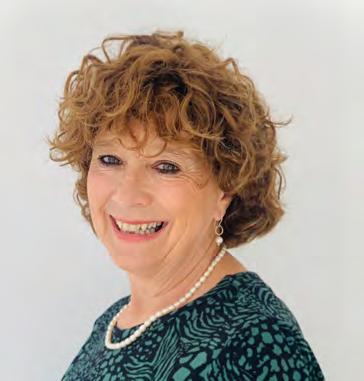
Polly Landsberg Care Services Manager polly.landsberg@sweettree.co.uk
Choosing end-of-life care for a loved one is one of the most emotional and difficult decisions any family will face. You want to honour their wishes, ease their pain, and make sure every moment counts; however, navigating care systems, providers, and medical teams can quickly become overwhelming. At SweetTree, we believe no family should have to manage this alone.
Our specialist palliative Live-In Care service is built around one core mission: to bring comfort, dignity, and expert support into the heart of your home while taking the logistical burden off your shoulders.
End-of-life care is a deeply personal experience, and at such a sensitive time, we believe that families should be able to spend as much time as they choose to with their loved one, rather than having to juggle paperwork, medical appointments, and care schedules.
That’s where comprehensive live-in care makes a meaningful difference. We take full responsibility for coordinating all the moving parts of care, whether that’s liaising with GPs, specialist clinicians, district nurses, social workers, or equipment providers. From arranging new equipment and home adaptations to syncing visits across multiple services, our dedicated team ensures nothing falls through the cracks.
Our specialist support workers are trained in palliative and end-of-life care, not just in theory but in compassionate, practical delivery. Their training is done in house, through our award-winning Training Academy, and includes understanding the stages of advanced illness, recognising subtle changes in needs, and knowing how to provide emotional and spiritual support for both clients and families. They’re not just carers—they’re advocates, companions, and trusted professionals who walk beside you every step of the way.
Remaining at home during the final stages of life can be profoundly meaningful. Familiar surroundings, cherished routines, and a sense of autonomy offer deep comfort for individuals facing a terminal illness.
BENEFITS OF OUR LIVE-IN CARE AT END-OF-LIFE STAGE
• 24/7 one-to-one care tailored to evolving physical, cognitive, and emotional needs
• Expert symptom and pain management, working alongside medical teams
• Respite support to give family carers time to rest and recharge
• Thoughtful companionship and supportive care rooted in respect
• Carers trained in-house at our awardwinning Training Academy
• And most importantly, it gives families space to simply cherish their time together.
Choosing a palliative care provider is a crucial decision and involves multiple considerations, beyond availability and cost. To guide you on your journey, we have prepared a comparative table with some of the essential questions to ask a care provider when exploring end-of-life support. We have used SweetTree as the first example, but recommend using the table comparatively with other providers so you can make an informed decision based on your specific needs and priorities.
Will I receive regular updates?
Daily communication—whether face-toface, over the phone, or via electronic care records—keeps families informed and reassured.
Is the team experienced with my condition?
Ensure carers have specific training in areas like dementia, cancer, or neurological conditions. P
Are the care plans truly personalised?
Your loved one’s needs, preferences, and values should shape their care—not the other way around. P
Can I meet the carers beforehand?
Compatibility matters. Reputable agencies offer pre-introductory meetings and take great care in matching clients with carers who are the right emotional and practical fit. P
Will my cultural and religious circumstances be considered?
Some agencies, such as SweetTree, have carers trained in specific cultural and religious considerations, such as the Jewish way of life. P
Unpaid carers are the quiet heartbeat of our society. They give their time, strength, and love; yet their hard work often remains unrecognised. We believe it’s time to change that.
Nine years ago, we founded National Dementia Carers Day alongside a coalition of partners, including the Alzheimer’s Society, to raise awareness of, celebrate, and support informal dementia carers. For NDCD 2025, we were honored to speak to two remarkable carers, Katie and Jason. Their powerful stories are shared on our blog, and remind us that caring for ourselves and for one another is essential to living with dignity and achieving the highest quality of life possible.
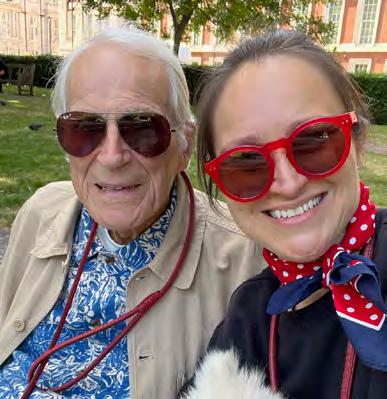
A carer for her father with Alzheimer’s disease, Katie runs an online community for those with ageing parents, and documents her journey and her father’s on Instagram through @dadanddolly.
“ Caring is sacred in my opinion; it’s a wonderful thing that we can do for each other as humans, and it’s the foundation of a good society. You need the balance for things to work, but carers need support and community, and they need to be considered incredibly valuable. ”
READ KATIE’S INTERVIEW
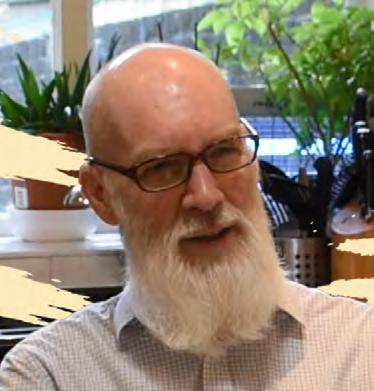
Jason is a registered carer for his father-in-law, as well as a writer and a brilliant storyteller. Despite the challenges of full-time care, he focuses on the growth he has experienced and on the positivity he has found along the way.
“ Whilst we’re alive, there’s a reason and purpose for it, for us to be here on this Earth: having a meaningful impact on others. We don’t often appreciate how significant that impact is, from the point of view of the carer and the point of view of the person being cared for. ”
If you are caring for a loved one living with dementia or know someone who is, we invite you to share their story. Whether you’re an individual or an organisation, there are many meaningful ways to take part in National Dementia Carers Day and help shine a light on the vital role of carers. FIND OUT HOW
Small everyday actions can make a difference in brain health, with some even lowering the risk of cognitive decline as we age. Here are a few fun ways to keep your brain healthy and active.
• Try a New Game or Activity
Research suggests that cognitively stimulating leisure activities, such as the games below, are linked to a reduction in the risk of dementia and a may delay onset of the memory decline in the preclinical stages of dementia.
An anagram is a word or phrase made by rearranging the letters of another word or phrase. Can you unscramble the anagrams below and find each original phrase?
A) Myrtle Spree - Hint: Celebrity
B) Breaking Toads- Hint: Sport
C) Athens Verge- Hint: Film


A triplet is a set of three words that are linked by a common fourth word. The linking word should appear before or after each of the three words to form well-known compound words or phrases.
Here’s an example:
ELEPHANT -HOUSE-SNOW
The correct answer for this triplet would be WHITE, as in white elephant, White House, and Snow White.
Find the linking word for each of the following word triplets:
A) BOARD-HOLE-JACK
B) FIRE-ROAD-STITCH
C) MAKER-TENNIS-STICK
A simple way to do this is by using some of these toppings for your morning yoghurt bowl!
Chia seeds: rich in Omega-3 fatty acids, shown to improve cognitive performance

Almonds: they contain magnesium, which supports neural pathway growth





Berries: packed with antioxidants and polyphenols that can increase neural cells
Cacao powder: the flavanols in cacao reduce neuroinflammation and protect from neurotoxins
Coleridge House
2-3 Coleridge Gardens
London NW6 3QH
T 020 7624 9944
E info@sweettree.co.uk




sweettree.co.uk