MENDING ACROSS BORDERS & BOUNDARIES
JULY 11–NOVEMBER 8, 2025
EXHIBITION ARTISTS
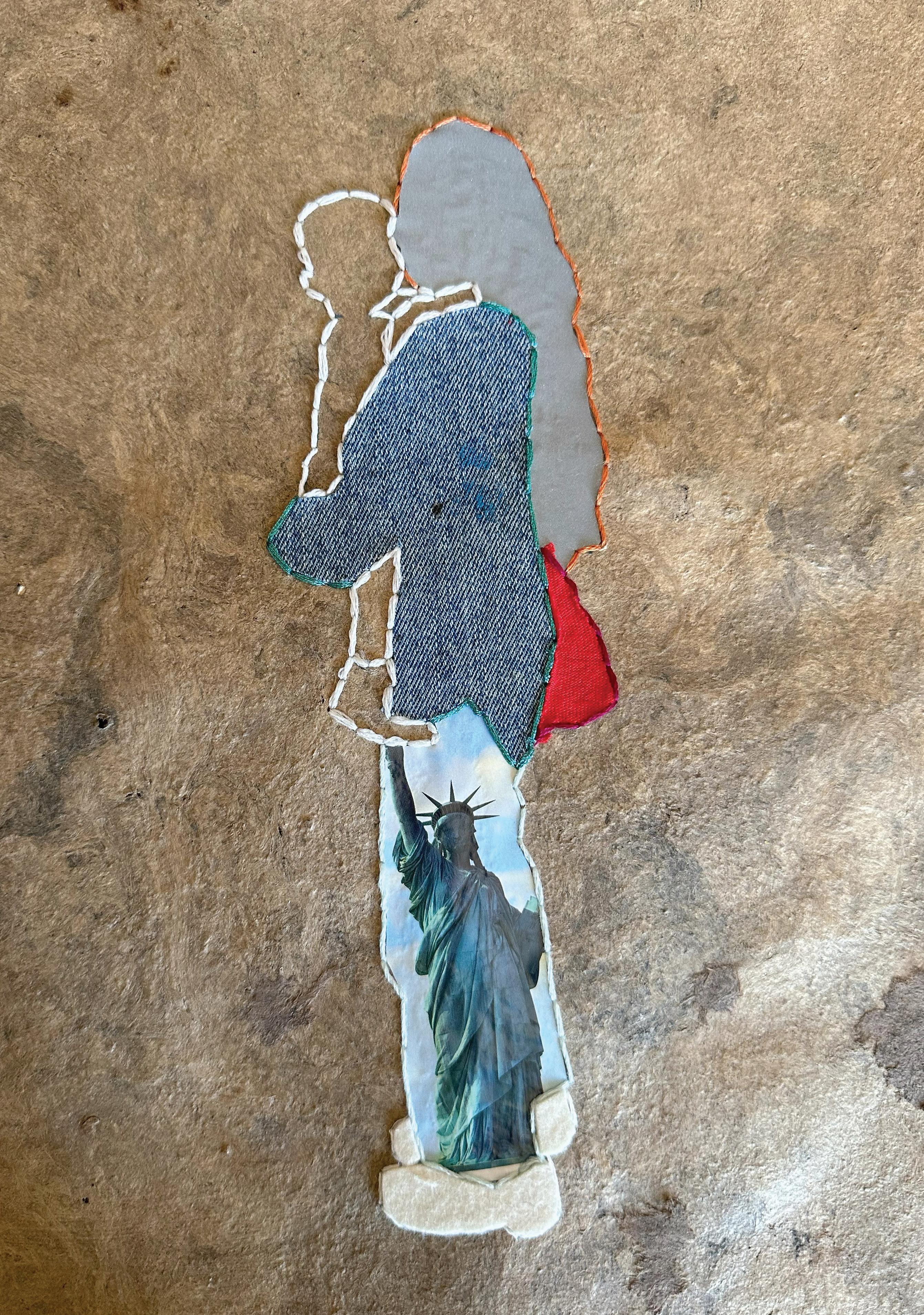
Originally from Michoacán, Mexico, Arleene Correa Valencia is now based in Napa Valley, California. Much of her work draws on her experience as an immigrant to the United States and the experiences of those trying to migrate to the country in recent years. Working on Amate paper, which originated in Mesoamerica, Correa Valencia finds inspiration in the pre-Columbian Codex Boturini, which depicts the Aztec migration from Aztlan to Tenochtitlan (now Mexico City). For the artist, the codex is a reminder of the ways migration is embedded into the human past and present. With stitching, fabric, acrylic paint, and glitter, she depicts families at various points in their own migration stories.
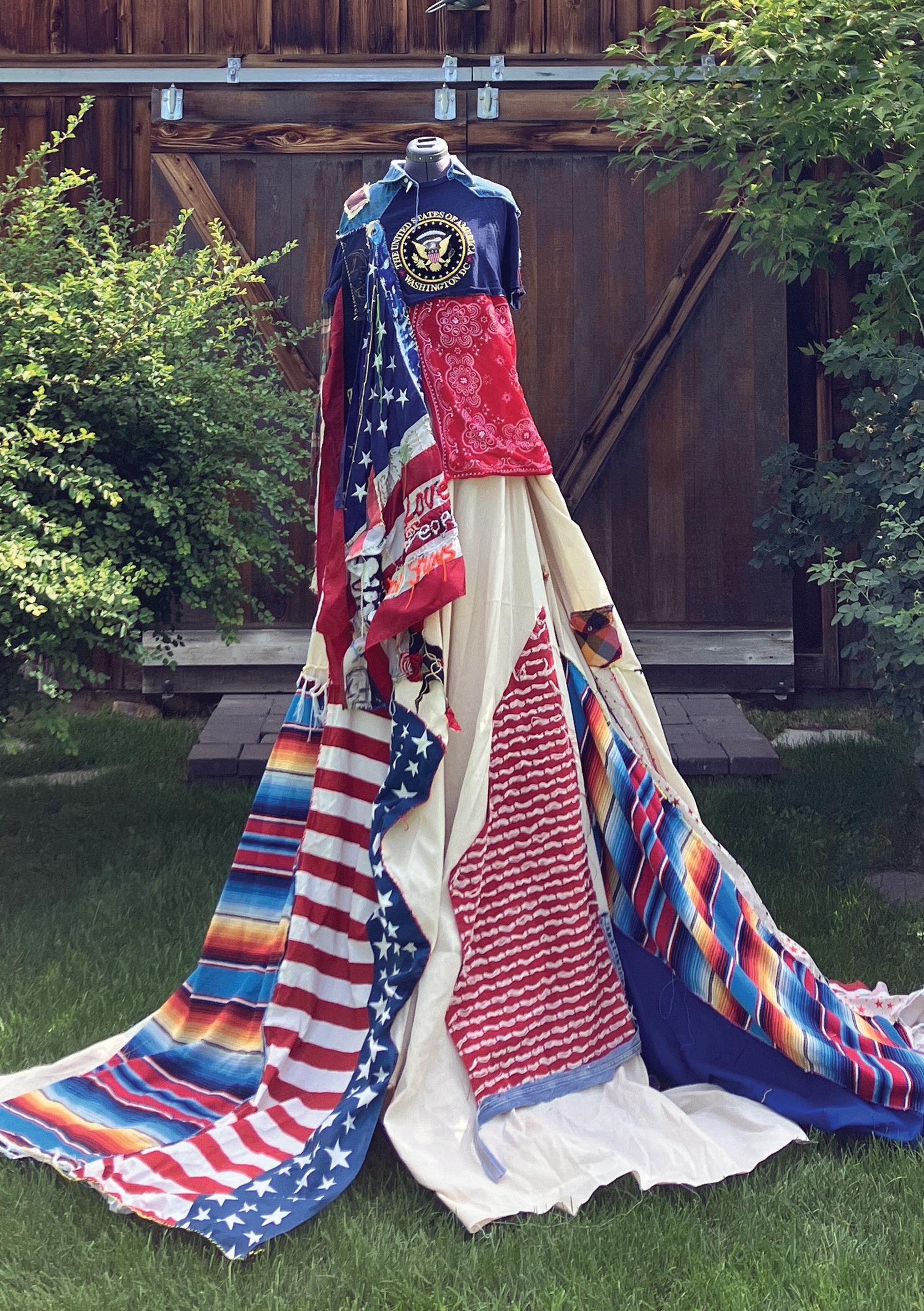
Maria De Los Angeles, too, was born in Mexico and grew up in California. Now Assistant Director for Graduate Studies at the Yale School of Art and based near New York, De Los Angeles’s work crosses mediums, from painting and printmaking to textiles, installation, and performance. She writes “I draw from my own experience and research to speak visually about identity and belonging in relation to migration.” For this exhibition, De Los Angeles made several visits to Hailey, where she met with community partners, including The Advocates and the Hunger Coalition, and led community textile workshops. Participants of all ages embroidered, painted, and drew on fabric patches that De Los Angeles then incorporated into a large Identity Garment, a dress sculpture that reflects De Los Angeles’ own experiences as well as those of Wood River Valley community members. Watercolor monotypes made while in residence at SVMoA depict a floating and winged female figure, an expression of the idea of movement through time and space.
Born and raised in Tucson, Arizona, Ishi Glinsky is a member of the Tohono O’odham Nation. He draws on the traditions of his tribe and other Indigenous nations in works that honor sacred knowledge systems through contemporary tributes. References to objects like traditional baskets, textiles, and jewelry appear in reinterpreted and often monumental form in Glinsky’s sculptures, which he makes with materials of this moment and elements of pop culture, in gestures of culture reclamation and renewal.
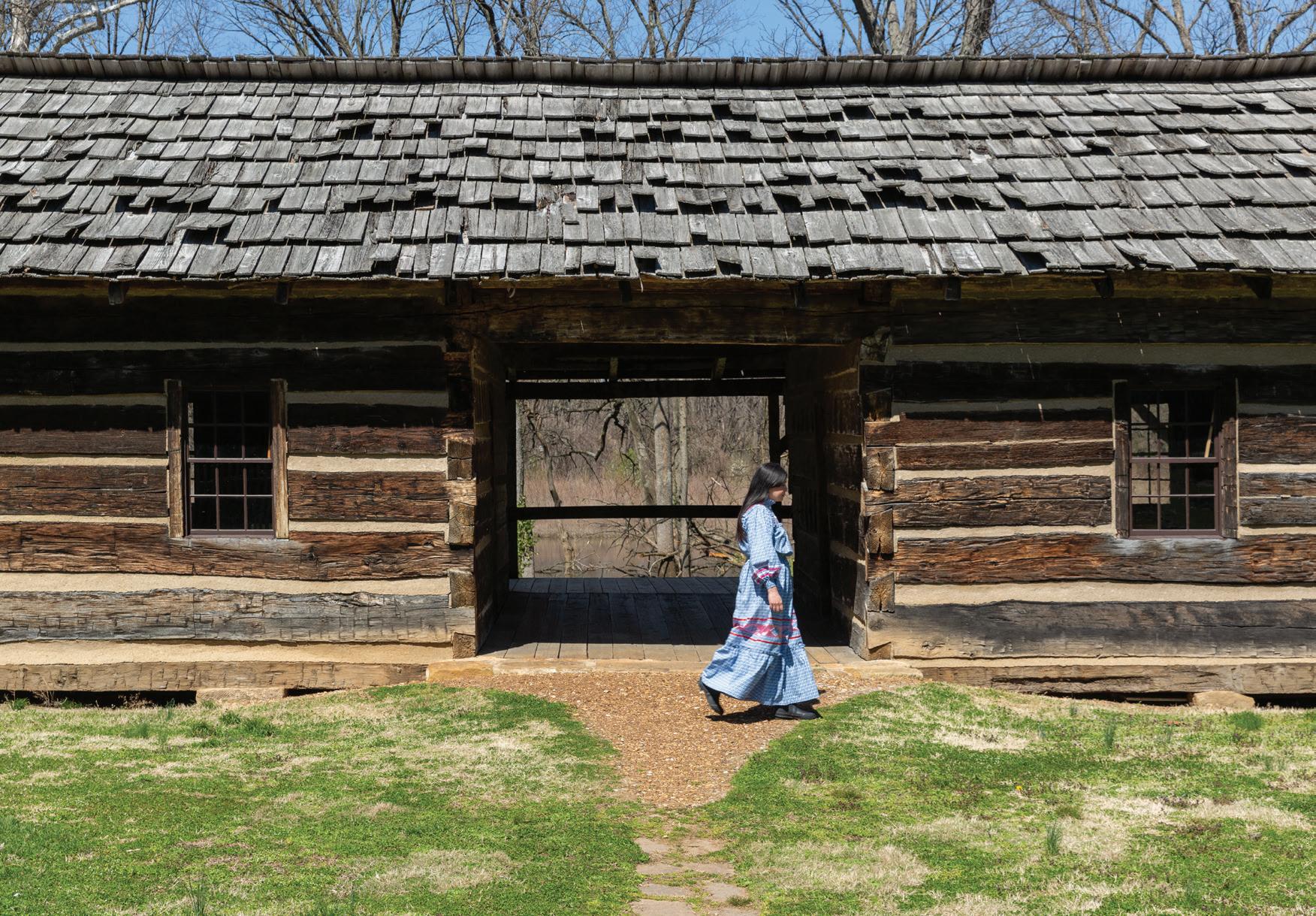
Based in Tulsa, Elisa Harkins (Cherokee, Muskogee) is an artist, singer, electronic music composer, and curator. Much of her work engages with Indigenous music and language revitalization through sound works and installation. Harkins’ installation at SVMoA incorporates elements of Ekvnv (Land) The Sacred Mother from Which We Came, combining photography, video, sculpture, and a ribbon dress in an exploration of the desecration of Indigenous burial mounds in New Harmony, Indiana, the site of two failed utopian experiments. Harkins weaves this history with the Land Back movement’s work to address climate change. For Harkins, the installation offers an opportunity to work towards repair of the cultural harm done at New Harmony.
In addition to her installation in the museum, SVMoA commissioned Harkins to create a new sound installation, The Eagle Song (Vocoder Version). Installed in a phone booth in the garden at the Environmental Resource Center, Harkins describes The Eagle Song (Vocoder Version) as “a reinterpretation of a traditional song using vocoder technology designed by Bell Labs in the 1930s as a
tool for secure telecommunications. The original melody is preserved but processed through an analog filter, transforming the voice into an electronic signal that is part song and part transmission. Installed in a repurposed telephone booth, the work explores how Indigenous knowledge moves across time and technology. The booth, once a tool for long-distance communication, becomes a conduit for ancestral sound carried into the present and future.”
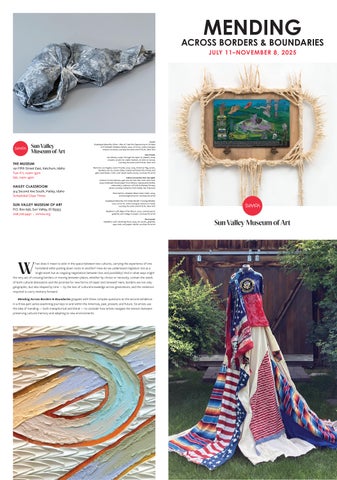
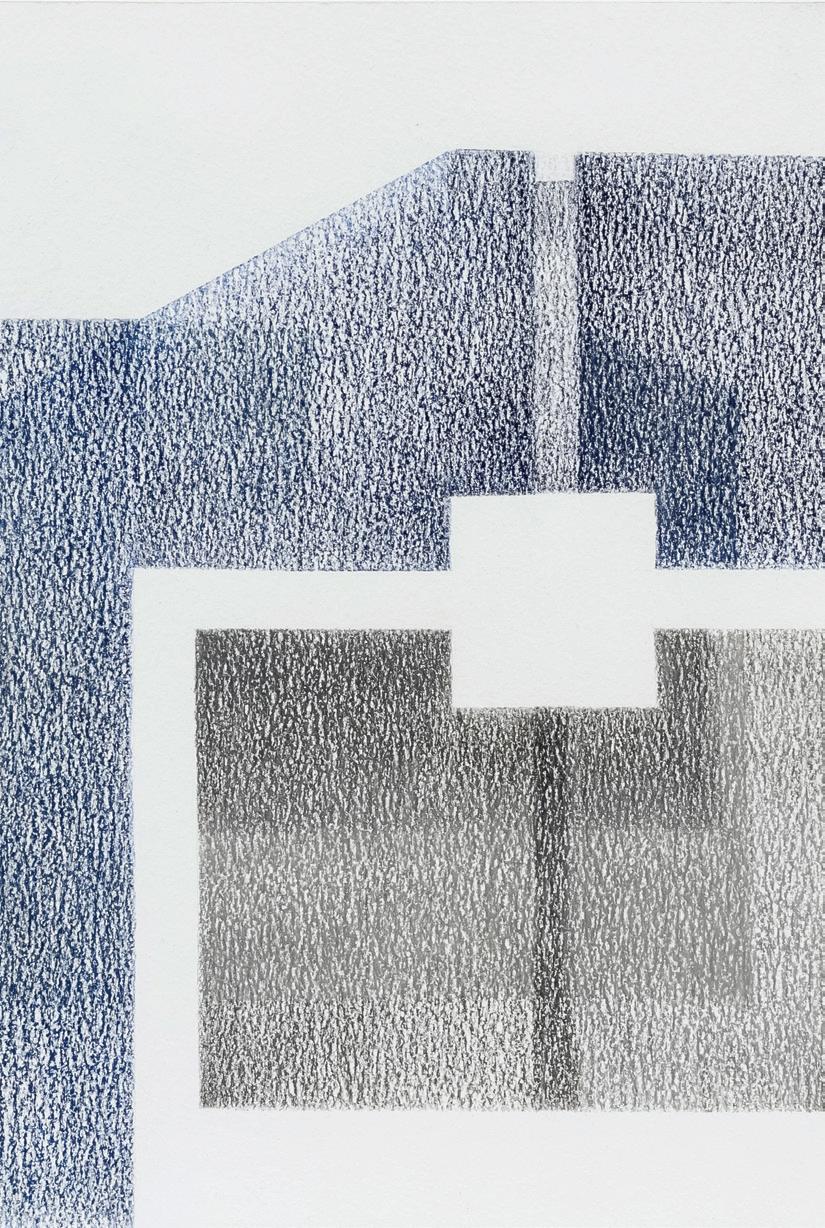
Nazafarin Lotfi was born in Iran and is now based in Chicago. Her practice incorporates drawing, printmaking, photography, and sculpture, often combining the media. Many of her drawings are inspired by real and imaginary walled gardens, as well as maps and cartography. For Lotfi, the drawings are meditations on our connections to places, and the mental space those places take when we are no longer physically connected to them. Gardens, in particular, are for Lotfi spaces for potential creation and repair. Her papier mâché sculptures play with ideas around absence and presence, solid and void, their shapes referencing shrouded bodies, discarded textiles, and other evocative forms.
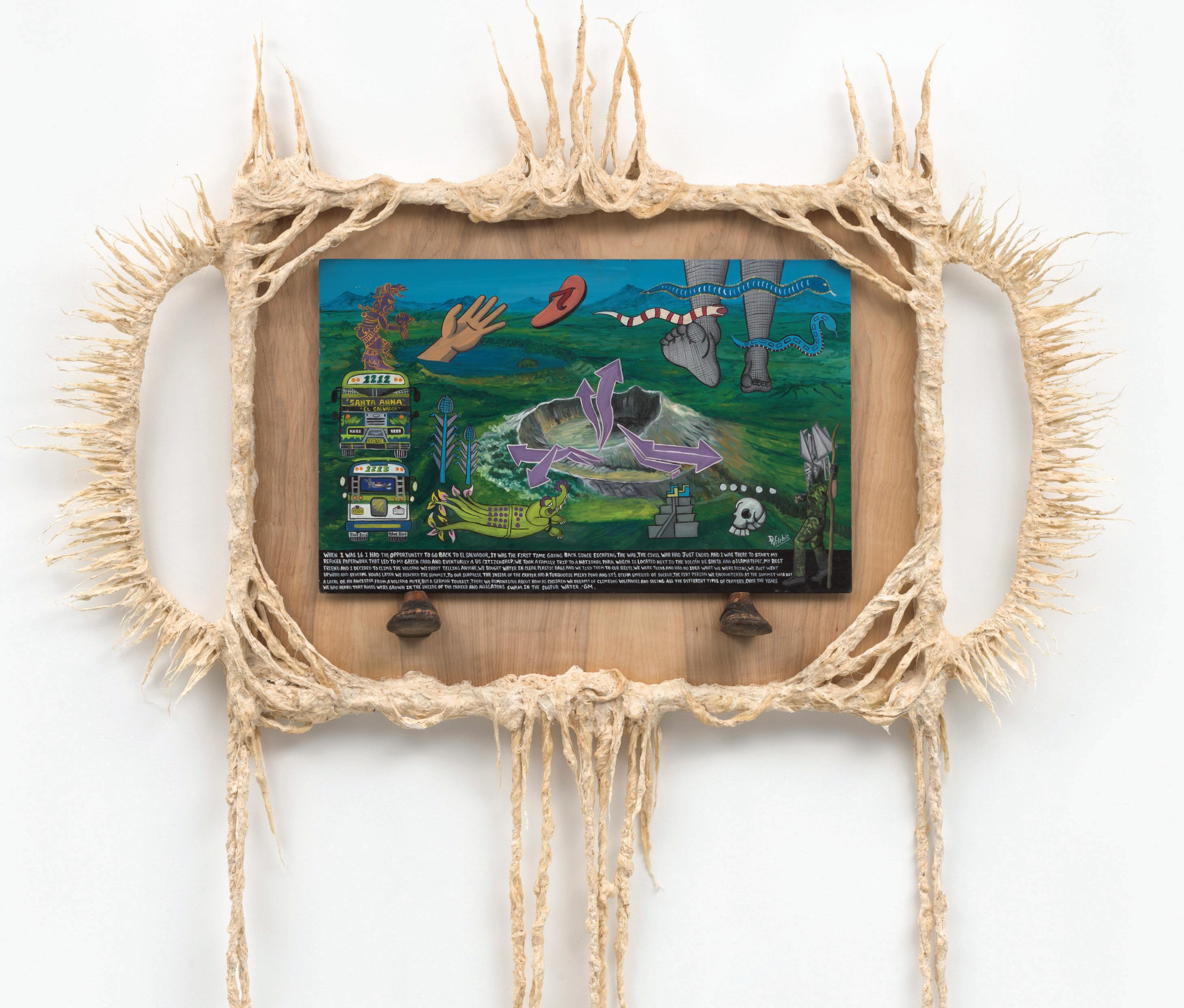
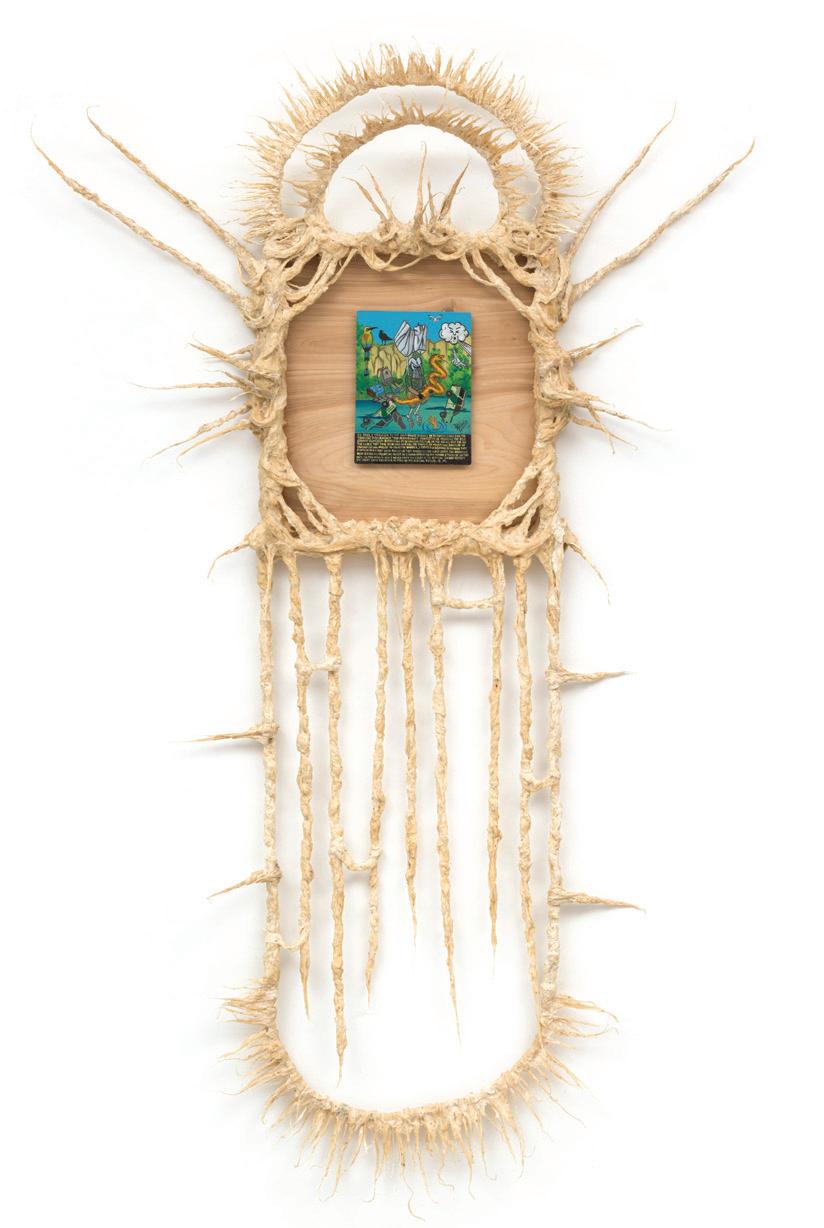
Born in El Salvador and now based in New York, Guadalupe Maravilla works across sculpture, painting, performance, ritual, and installation. Drawing on autobiographical experiences as an unaccompanied child migrant to the United States and as a cancer survivor, Maravilla uses his practice as an expression of activism and repair. Many of his sculptures incorporate gongs and can be activated by the artist in sound ceremonies for those in need of healing. The exhibition includes two of his Retablos, which combine the traditional artform — small paintings on metal made to thank a saint or other religious figure for a miracle — with spiky sculptural elements made from cotton and glue. Maravilla’s retablos refer to moments in his own life, including performances, rituals, and journeys.
CO-CURATED BY COURTNEY GILBERT AND ERIN JOYCE
Special thanks to the Environmental Resource Center for hosting Elisa Harkins’ sound installation, The Eagle Song (Vocoder Version)
EXHIBITION PROGRAMMING
STREET PARTY & OPENING CELEBRATION
Fri, Jul 11
The Museum, 5–8pm 5:15pm: Artist Talk with Maria De Los Angeles
5:30pm: In-Gallery Performance by Elisa Harkins 7pm: Outdoor Performance by Elisa Harkins FREE!
EVENING EXHIBITION TOURS
Thu, Jul 17, Jul 31, Aug 21, Sep 25 & Oct 9
The Museum, 5:30pm FREE, pre-registration recommended
FIRST FRIDAY Fri, Aug 1, Sep 5 & Oct 3
The Museum, 5–7pm FREE!
TEEN WORKSHOP: FIBER LANDSCAPE COLLAGE WITH ASHLEY LARSON
Thu, Aug 7
Hailey Classroom, 1–4pm $20, pre-registration required
ADULT CLASS: PAINTING WITH SOIL WATERCOLOR WITH REBECCA SCHULTZ Sat, Aug 16
Hailey Classroom, 1–3pm $20 member / $25 nonmember, pre-registration recommended
ARTIST TALK: NAZAFARIN LOTFI & CO-CURATOR ERIN JOYCE
Thu, Oct 2
The Museum, 5:30pm FREE for members / $10 nonmember, pre-registration recommended
Exhibition made possible through generous support from the Robert Lehman Foundation Teen Workshop made possible through generous support from the Sahm Family Foundation
Elisa Harkins’ sound installation, The Eagle Song (Vocoder Version) made possible through the Kristin Poole Fund for Program Innovation