SUSTAINABLE PRACTICES HOW
ARE SHAPING THE FUTURE OF URBAN LIVING
Cities today are growing faster than ever, but this rapid urbanization comes at a cost Rising pollution levels, dwindling resources, and the effects of climate change are pushing cities to rethink how they function The challenge is clear: How can urban areas continue to grow while remaining livable, resilient, and environmentally responsible? This is where sustainable practices, supported by ESG solutions (Environmental, Social, and Governance), are stepping in to reshape urban living.
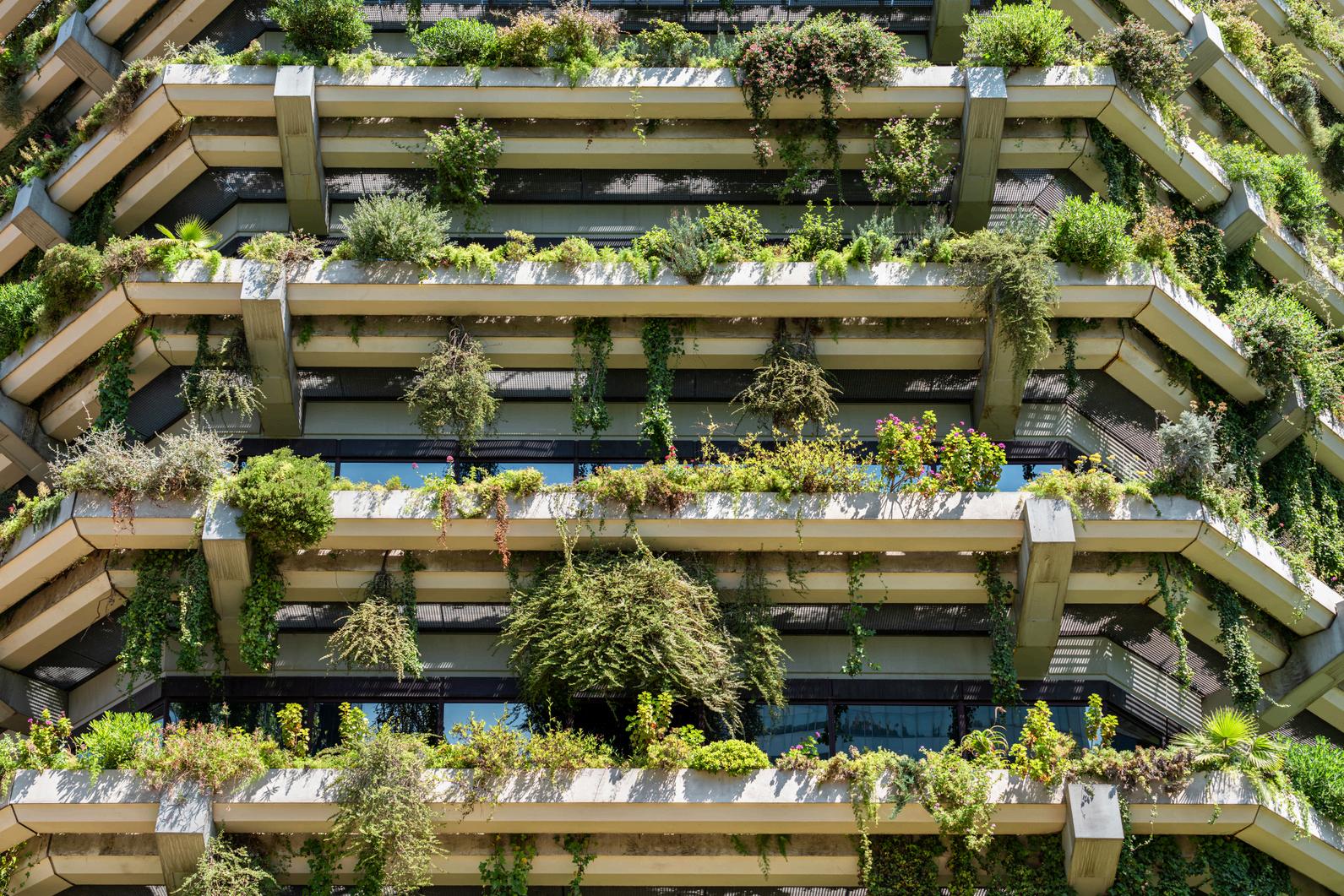
Across the globe, forward-thinking cities are adopting innovative solutions to address these challenges. Singapore, in particular, has emerged as a global leader, showcasing how green buildings, renewable energy initiatives, and comprehensive urban planning can create a sustainable future for urban dwellers.
With over half of the world’s population living in cities and projections estimating that 70% will do so by 2050, cities must find ways to reduce their environmental footprint and improve quality of life.
Globally, cities are integrating ESG solutions to tackle these issues:
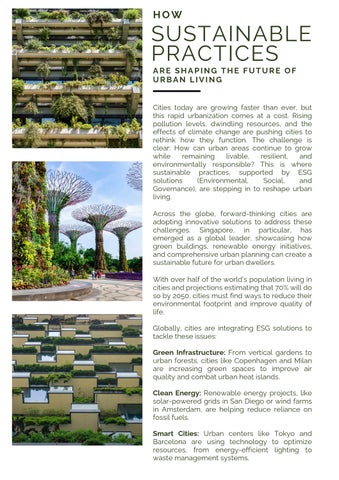
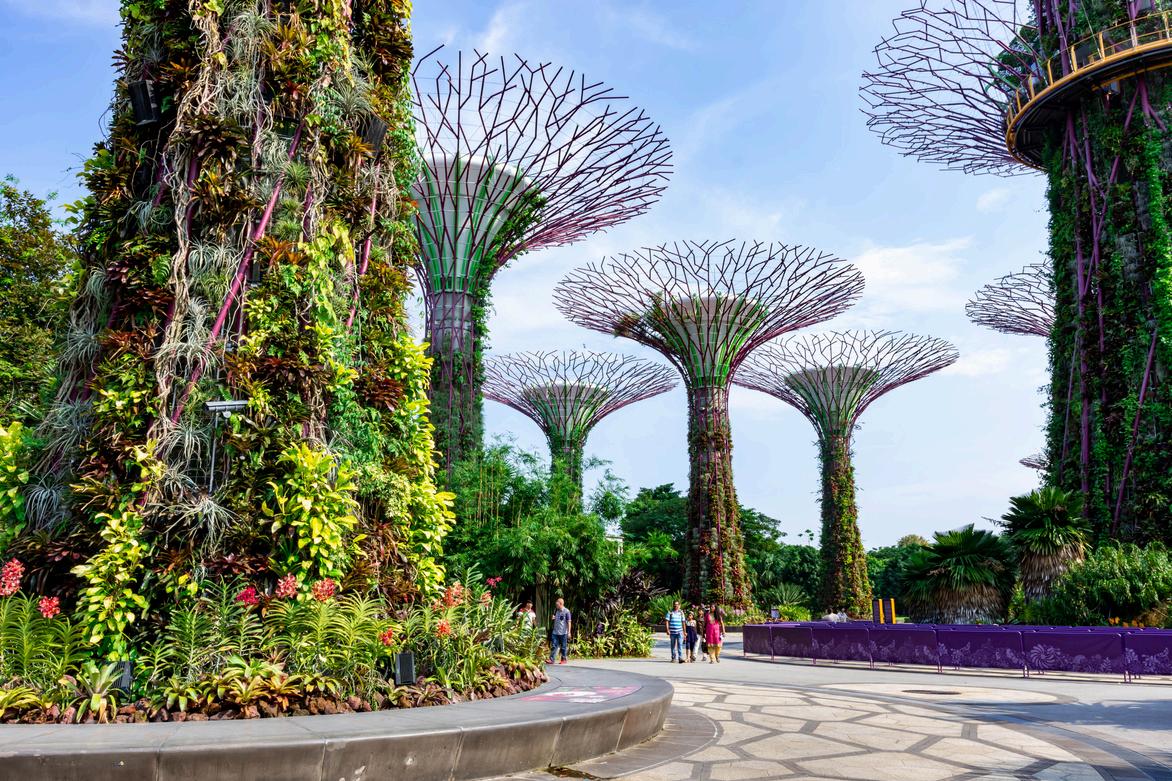
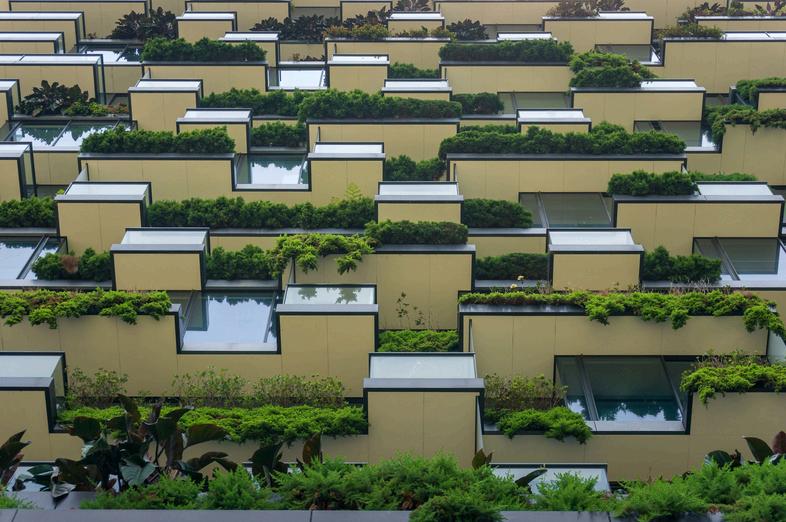
Green Infrastructure: From vertical gardens to urban forests, cities like Copenhagen and Milan are increasing green spaces to improve air quality and combat urban heat islands
Clean Energy: Renewable energy projects, like solar-powered grids in San Diego or wind farms in Amsterdam, are helping reduce reliance on fossil fuels.
Smart Cities: Urban centers like Tokyo and Barcelona are using technology to optimize resources, from energy-efficient lighting to waste management systems
Singapore: A Global Leader in Sustainability
and ESG Initiatives
Singapore stands out as a prime example of urban sustainability done right Despite its limited land and natural resources, the city-state has become a model for integrating ESG solutions into city planning, proving that sustainable development and economic growth can go hand in hand
1
Green Buildings and Urban Spaces
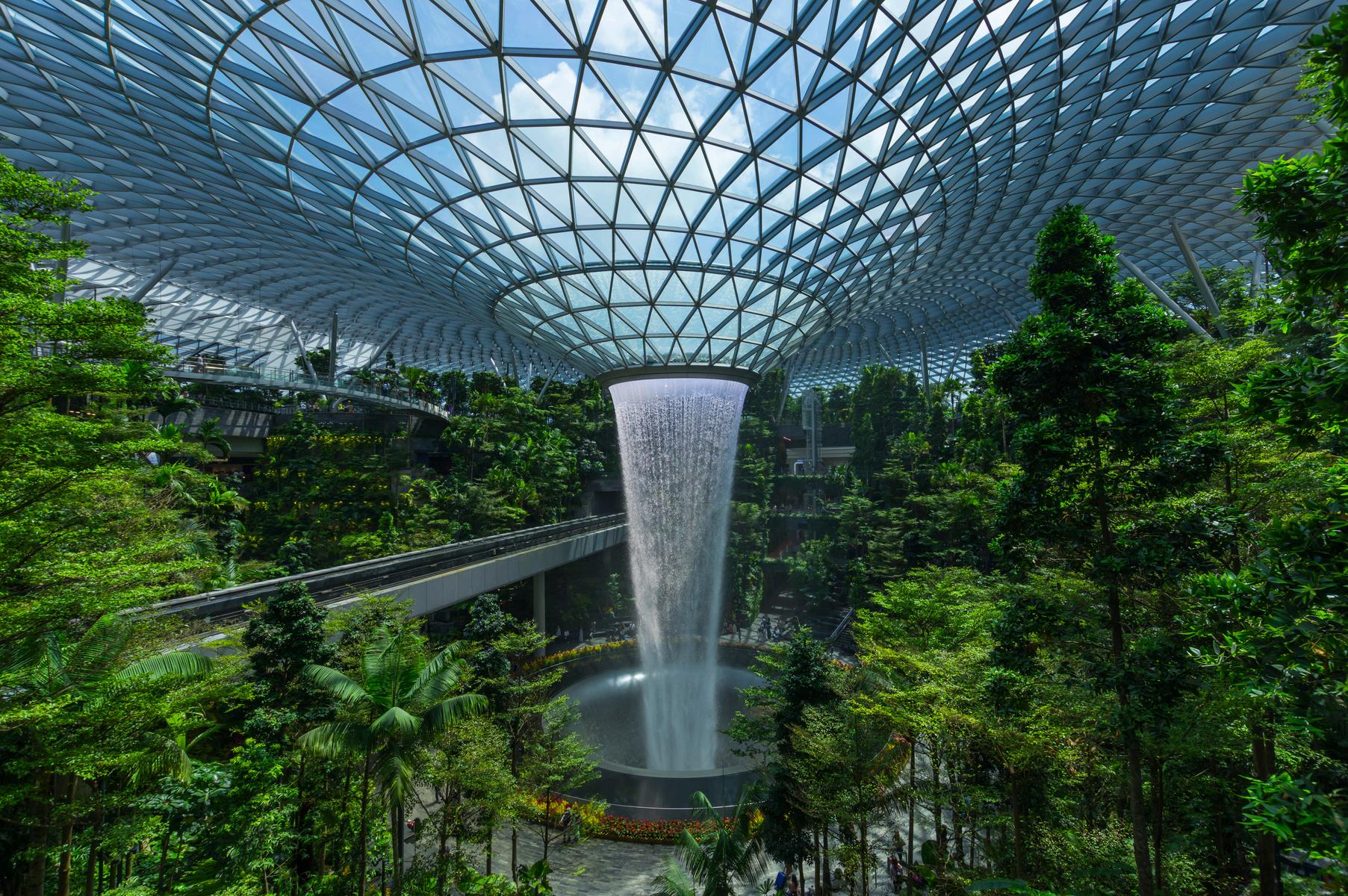
Singapore’s Green Mark certification program has transformed its skyline into a showcase of sustainable architecture Buildings like Marina One, which features a lush central garden that improves natural ventilation and reduces energy consumption, are a testament to the country’s commitment to urban greening The government has also mandated that 80% of buildings meet green standards by 2030, making energy efficiency a priority
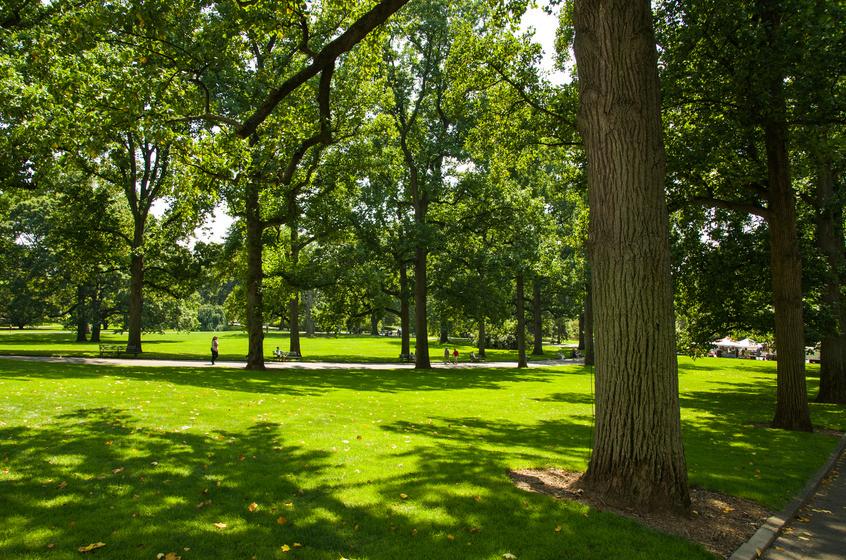
Additionally, initiatives like the Park Connector Network, which links parks and green spaces throughout the city, encourage residents to embrace sustainable lifestyles These spaces improve air quality, reduce heat, and provide healthier living environments.
2
Renewable Energy Adoption
While solar power remains Singapore’s key renewable energy focus, the city has also invested heavily in innovative solutions to overcome land constraints. Projects like the Tengeh Floating Solar Farm, one of the world’s largest offshore floating solar farms are pushing boundaries in renewable energy generation
er Sustainability
ore ’ s NEWater program, which treats ater to produce clean, potable water, is a of circular sustainability By turning a ge into a solution, Singapore ensures selfncy in water resources while reducing mental impact
n Mobility and Reduced sions
at traffic congestion and reduce emissions e has implemented one of the world’s most public transportation systems combined entives for electric vehicles (EVs) Initiatives nding the MRT (Mass Rapid Transit) system eloping EV infrastructure contribute to lower missions and cleaner air
LESSONS FROM SINGAPORE’S ESG SOLUTIONS
Singapore’s success lies in its ability to integrate sustainability into every aspect of urban life. By combining innovation, government policy, and community engagement, the city-state offers valuable lessons for urban centers worldwide:
Policy-Driven Action: Strong government frameworks, like Singapore’s Green Plan 2030, ensure that sustainability goals are clear, measurable, and actionable
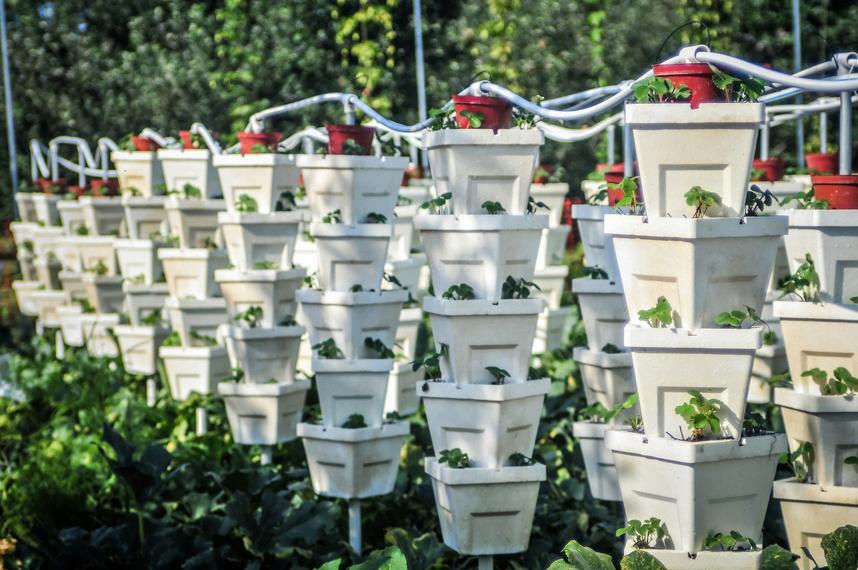
Innovation with Limited Resources: Cities with space or resource limitations can still drive meaningful change by adopting creative ESG solutions, like floating solar farms or vertical gardens.
Balancing Growth and Sustainability: Economic growth doesn’t have to come at the expense of the environment With proper planning, cities can thrive while remaining sustainable
These principles can guide cities looking to transition toward greener futures, proving that even the most urbanized areas can lead the way in susta linability
Singapore’s leadership in sustainable practices serves as a clear reminder: The cities of tomorrow must adapt or risk becoming unlivable By embracing ESG solutions, we can reimagine urban living as a balance between growth and environmental responsibility
From green buildings and clean energy to smarter mobility and resource management, the path forward has already been paved we just need to follow it
So the question is no longer whether cities can afford to go green but rather: How quickly will we demand the changes necessary to create the future cities we deserve? The answer begins with us because sustainable urban living isn’t just a choice; it’s the only way forward