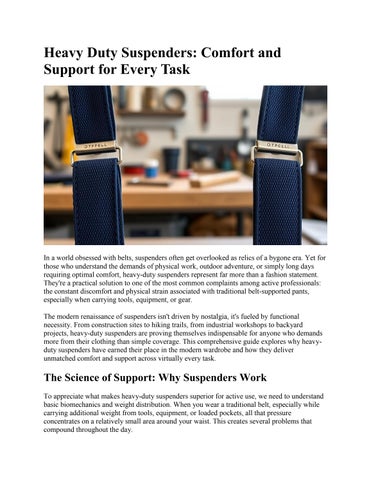
Heavy Duty Suspenders: Comfort and Support for Every Task
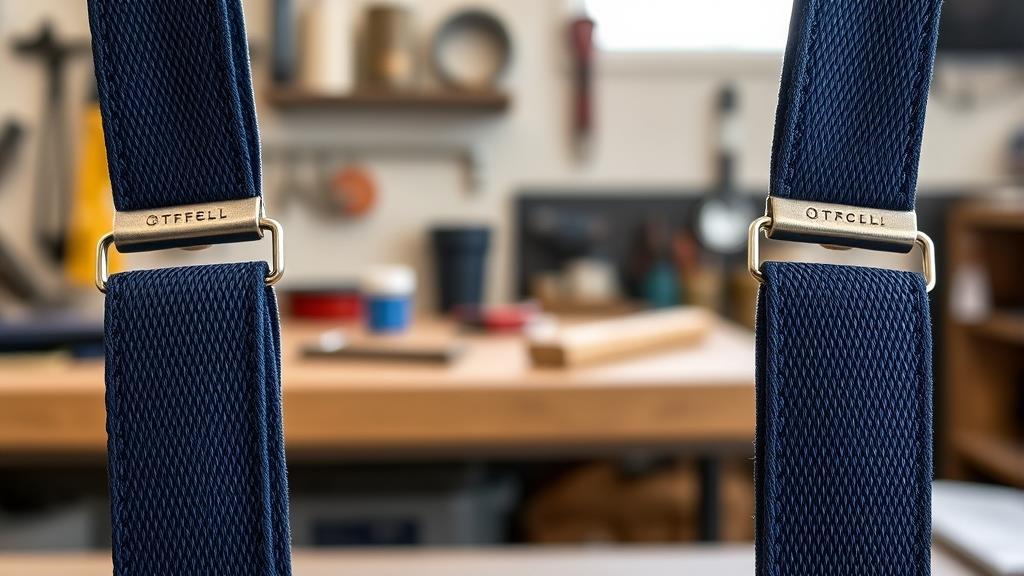
In a world obsessed with belts, suspenders often get overlooked as relics of a bygone era. Yet for those who understand the demands of physical work, outdoor adventure, or simply long days requiring optimal comfort, heavy-duty suspenders represent far more than a fashion statement. They're a practical solution to one of the most common complaints among active professionals: the constant discomfort and physical strain associated with traditional belt-supported pants, especially when carrying tools, equipment, or gear.
The modern renaissance of suspenders isn't driven by nostalgia, it's fueled by functional necessity. From construction sites to hiking trails, from industrial workshops to backyard projects, heavy-duty suspenders are proving themselves indispensable for anyone who demands more from their clothing than simple coverage. This comprehensive guide explores why heavyduty suspenders have earned their place in the modern wardrobe and how they deliver unmatched comfort and support across virtually every task.
The Science of Support: Why Suspenders Work
To appreciate what makes heavy-duty suspenders superior for active use, we need to understand basic biomechanics and weight distribution. When you wear a traditional belt, especially while carrying additional weight from tools, equipment, or loaded pockets, all that pressure concentrates on a relatively small area around your waist. This creates several problems that compound throughout the day.
First, the pressure on your waistline can restrict breathing, particularly when bending or performing physical tasks. This restriction reduces oxygen intake and contributes to faster fatigue. Second, the constant pressure on soft tissue around your abdomen can cause discomfort, chafing, and even digestive issues during long workdays. Third, and most significantly, belts create an imbalanced load that strains your lower back muscles as they work continuously to support and stabilize the weight.
Suspenders fundamentally change this equation by redirecting weight from your waist to your shoulders. Your shoulder girdle, supported by large muscle groups including the trapezius, deltoids, and upper back muscles, is far better equipped to handle sustained loads than the comparatively smaller muscles supporting your lower back and core. This redistribution doesn't just feel better, it actually reduces physical stress and the risk of injury.
The vertical pull of suspenders also helps maintain better posture throughout the day. Rather than the forward-leaning stance many people unconsciously adopt when wearing heavy belts, suspenders encourage an upright position with shoulders back and spine properly aligned. Over years of daily use, this postural difference can have significant long-term health implications.
Understanding Heavy-Duty Construction
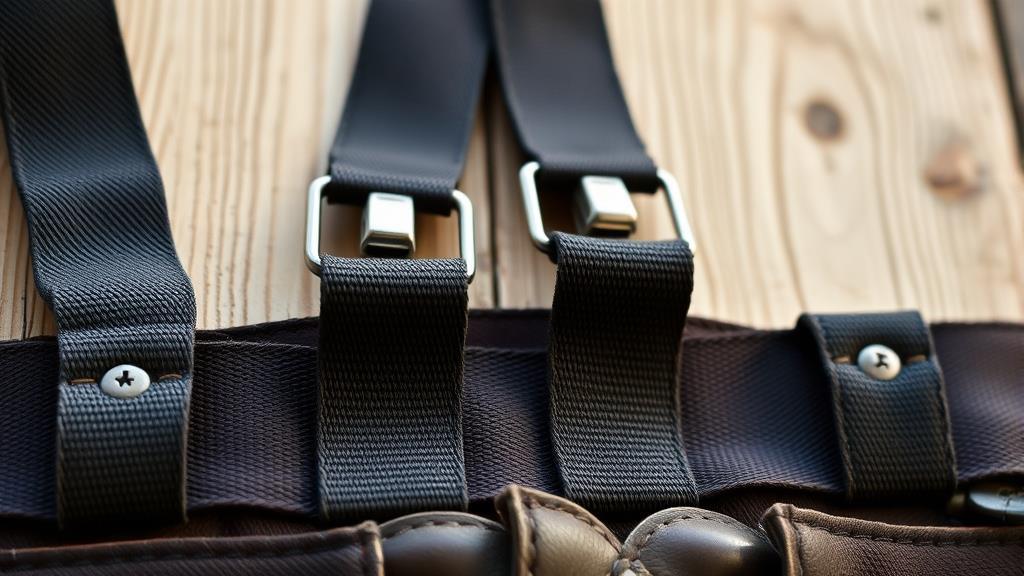
Not all suspenders qualify as "heavy-duty," and understanding what separates professional-grade products from basic accessories helps ensure you invest in suspenders that actually deliver on their promises. Heavy-duty suspenders incorporate specific design elements and materials engineered to withstand demanding conditions and provide reliable performance day after day.
The foundation of any quality suspender is the elastic webbing. Heavy-duty versions use industrial-grade elastic, typically at least 1.5 to 2 inches wide, that maintains consistent tension across temperature variations and throughout thousands of stretch cycles. This elastic must be strong enough to support significant weight without stretching out, yet flexible enough to allow natural movement without restriction. Premium suspenders often incorporate multiple elastic layers or use specialized weaving techniques that enhance durability while maintaining comfort.
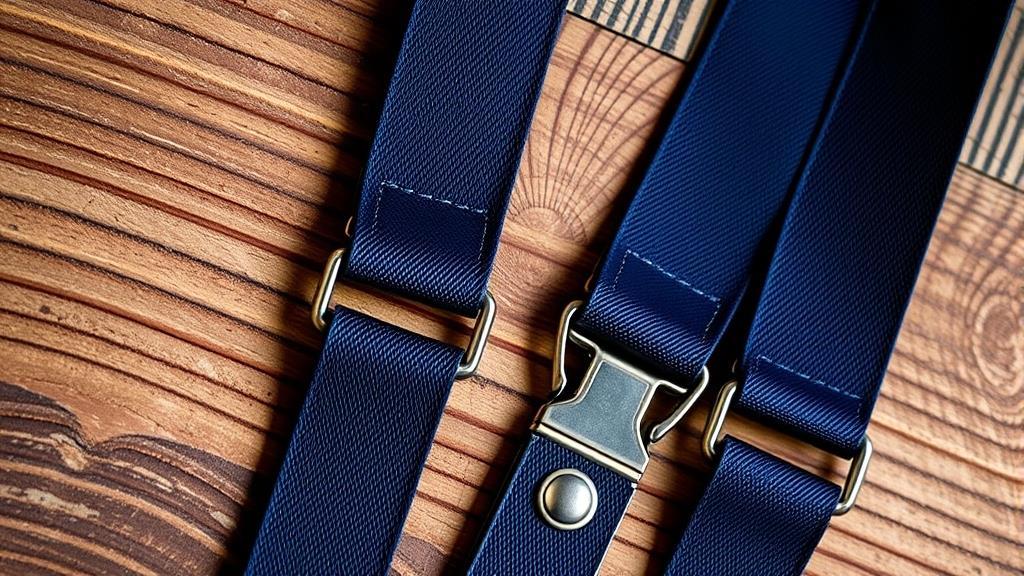
Hardware quality separates the best heavy-duty suspenders from cheaper alternatives. Professional-grade suspenders feature metal components, clips, slides, and connection points, made from nickel-plated steel, brass, or other corrosion-resistant alloys. These components must withstand not just the constant tension of suspender use but also impacts, abrasion from rough materials, and exposure to environmental conditions ranging from rain and humidity to extreme heat or cold.
The attachment system requires special attention. Clip-style suspenders need teeth that grip firmly across various fabric weights and weaves without causing damage. The spring mechanism must provide consistent clamping force year after year, neither loosening with age nor becoming so tight that they're difficult to operate. Button-style suspenders, while less common in heavyduty applications, require reinforced leather patches at connection points to prevent the buttonholes from tearing under stress.
Shoulder padding represents the interface between suspender and body, making it critical for long-term comfort. Heavy-duty suspenders incorporate substantial padding, often half an inch thick or more, covered with soft, moisture-wicking materials. This padding distributes pressure across a wider shoulder area, preventing the cutting and digging that can occur with thin elastic straps, especially under heavy loads.
Comfort Through the Workday
The true test of heavy-duty suspenders isn't how they feel when you first put them on, it's how your body feels at the end of a full workday. Quality suspenders provide cumulative comfort benefits that become more apparent the longer you wear them.
Throughout a typical workday involving physical activity, your body temperature and hydration levels fluctuate. Moisture-wicking materials in premium suspender padding help regulate temperature and prevent the clammy discomfort that develops with non-breathable materials. This seemingly small detail makes a substantial difference during summer work or in heated indoor environments.
The ability to move naturally without constantly adjusting your pants represents another crucial comfort factor. Heavy-duty suspenders keep your pants positioned correctly whether you're bending to pick up materials, climbing ladders, crawling under structures, or reaching overhead. This consistent positioning means you're not constantly thinking about your clothes, allowing you to focus entirely on the task at hand.
For people who carry loaded tool belts, the comfort difference between belt-only support and suspender-assisted support is dramatic. Tool belts can weigh anywhere from 15 to 40 pounds when fully loaded. Suspending this weight from your shoulders rather than your waist eliminates the constant downward pull that causes belts to slip, pants to sag, and lower backs to ache. Many tradespeople report that switching to suspenders eliminated chronic lower back pain they'd attributed to simply "getting older" or "the nature of the job."
Versatility Across Tasks and Environments
One of the most compelling aspects of heavy-duty suspenders is their versatility. The same suspenders that provide support on a construction site work equally well for outdoor recreation, home improvement projects, or even casual everyday wear. This versatility makes them a practical investment that serves multiple aspects of your life.
Professional Work Environments
In trades ranging from carpentry to plumbing, electrical work to HVAC installation, heavy-duty suspenders have become standard equipment for professionals who've discovered their benefits. They're particularly valuable in situations requiring extensive bending, climbing, or working in awkward positions where maintaining proper pant position is challenging. The confidence that comes from knowing your pants will stay exactly where they should allows you to focus fully on safety and quality work.
Outdoor Recreation
Hikers, hunters, and outdoors enthusiasts appreciate suspenders for similar reasons as tradespeople. When carrying backpacks, hunting gear, or photography equipment, suspenders prevent pants from sagging under the weight of loaded pockets or attached gear. They're especially valuable during multi-day expeditions where comfort over extended periods becomes crucial. The ability to layer clothing underneath suspenders without interference makes them practical for variable weather conditions.
Home and Garden Projects
Weekend warriors tackling home improvement projects or serious gardening benefit from the same support and comfort as professionals. Whether you're carrying tools for a deck-building project, spending hours pruning and landscaping, or simply need comfortable support during a long day of various tasks, heavy-duty suspenders provide consistent performance without the learning curve or specialized knowledge required for some equipment.
Everyday Wear
Increasingly, people are discovering that heavy-duty suspenders aren't just for work, they make excellent everyday wear for anyone who values comfort and proper support. Individuals with back problems, those recovering from injuries, or simply people who dislike the restriction of belts find that quality suspenders improve their daily comfort significantly.
Selecting Suspenders for Your Needs
With the variety of heavy-duty suspenders available, selecting the right pair requires considering your specific use cases and preferences. Several key factors help narrow your options to find the ideal match.
Width and Load Capacity
Suspender strap width directly correlates with load-bearing capacity and comfort under weight. Standard 1.5-inch straps work well for everyday use and light to moderate tool belts. If you regularly carry heavy loads or want maximum comfort, 2-inch straps distribute weight more effectively and reduce pressure on your shoulders.
Back Configuration
The two primary back configurations each offer distinct advantages. X-back designs provide superior stability and prevent straps from sliding off your shoulders during movement. They're ideal for active use, climbing, and situations requiring extensive bending. H-back or Y-back designs allow easier removal without fully detaching clips, making them more convenient for bathroom breaks and situations where you frequently need to take the suspenders on and off.
Attachment Method
For versatility, clip-on suspenders provide the most practical solution. They work with any pants and allow easy adjustment and removal. The clips should grip firmly across various fabric weights without causing damage. Button-attachment suspenders offer a cleaner look and slightly more secure connection but require pants with appropriate buttons installed, a limitation for many users.
Adjustment System
Quality suspenders feature smooth-operating adjustment slides that lock securely at your preferred length. The slides should move easily for adjustment but maintain position during use without gradually loosening. Look for metal slides with adequate surface area to distribute pressure without damaging the elastic.
Care and Maintenance
Heavy-duty suspenders, properly maintained, can provide years of reliable service. Most quality suspenders should be hand-washed with mild soap and air-dried. Machine washing and especially machine drying can damage elastic and accelerate wear. After washing, allow suspenders to dry fully before storing to prevent mildew or odor development.
Periodically inspect all hardware for signs of wear, paying particular attention to clips and connection points. Small problems caught early can often be addressed before they lead to failure at inconvenient moments. Check that elastic maintains proper tension and look for fraying or wear at stress points.
Store suspenders hanging or laid flat rather than folded, which can create permanent creases that weaken elastic over time. If you own multiple pairs for different purposes, proper storage helps maintain their condition and makes it easy to select the right pair for each task.
Making the Switch
For those accustomed to belts, transitioning to suspenders requires a brief adjustment period. The different feel and weight distribution take a few days to feel completely natural. Most people report that after this initial adjustment, they find suspenders so much more comfortable that going back to belt-only support feels restrictive and uncomfortable.
Start by wearing suspenders during less demanding tasks to get accustomed to the feel and proper adjustment. Once you've dialed in the correct strap length and positioning, the suspenders should feel secure without pulling or restricting movement. Many users find they need to adjust strap length slightly as they break in, with elastic settling into its optimal working length after several uses.
Conclusion
Heavy-duty suspenders represent a simple yet profoundly effective solution to the common problem of comfortable, secure pant support during physical activity. By redirecting weight from your waist to your shoulders, they reduce strain, improve posture, and provide all-day comfort that belts simply cannot match. Whether you're a professional tradesperson, outdoor enthusiast, or simply someone who values practical comfort, quality heavy-duty suspenders deliver reliable performance across every task. The initial investment in premium suspenders pays dividends in reduced fatigue, improved comfort, and potentially avoiding the long-term back problems that plague so many people in physically demanding roles. Your shoulders are stronger than your waist, your back will thank you for recognizing this fact, and you'll wonder why you didn't make the switch sooner.