Fitted Sheet Straps: Keep Your Sheets Secure on the Bed
The Universal Bedding Problem
Picture this: you're settling in for a good night's sleep, your bed is perfectly made, and everything feels just right. Fast forward to 3 AM, and you're lying on bare mattress while your fitted sheet has transformed into a twisted mess at the foot of your bed. Sound familiar? You're experiencing one of the most common and frustrating household problems that affects millions of people every single night.
The slipping fitted sheet phenomenon has become increasingly problematic in recent years, and there's a good reason why. As mattress technology has evolved with memory foam, hybrid designs, and varying depths, traditional fitted sheets haven't always kept pace. The result is a perfect storm of incompatibility that leaves you wrestling with your bedding instead of enjoying restful sleep. Fortunately, there's a simple, affordable solution that can transform your nightly experience: fitted sheet straps.
Why Fitted Sheets Won't Stay Put
Understanding the root cause of your sheet-slipping problem helps you appreciate why fitted sheet straps are so effective. The issue isn't necessarily that you're buying poor-quality sheets, though that can certainly contribute. Multiple factors conspire to create this nighttime nuisance.
Modern mattresses have become significantly thicker than their predecessors. Twenty years ago, most mattresses measured between seven and nine inches in depth. Today's mattresses commonly range from ten to eighteen inches, with some luxury models exceeding twenty inches. If you've purchased fitted sheets designed for standard-depth mattresses but own a deep pillowtop, the elastic simply doesn't have enough fabric to wrap around and grip properly.
The materials used in contemporary mattresses also play a crucial role. Memory foam, gelinfused foam, and smooth mattress covers create surfaces with minimal friction. Unlike traditional innerspring mattresses with their textured fabric covers, these modern materials offer nothing for your sheets to grip. It's essentially like trying to hold onto a slippery surface, even the best elastic eventually loses the battle against physics.
Additionally, the elastic in fitted sheets naturally degrades over time. Heat from your dryer, chemicals in detergents, and simple mechanical stress from stretching all contribute to elastic fatigue. What once provided a tight, secure fit becomes loose and ineffective, usually long before the sheet fabric itself shows significant wear. This means you might be discarding otherwise perfectly good sheets simply because the elastic has given out.
Finally, your personal sleep style matters more than you might think. Active sleepers who frequently change positions, pull on blankets, or share the bed with pets or partners create constant stress on sheet attachments. Each movement tugs at the fabric, gradually working the corners loose until complete detachment becomes inevitable.
How Fitted Sheet Straps Solve the Problem
Fitted sheet straps approach the slipping sheet problem from an entirely different angle. Instead of relying solely on elastic sewn into the sheet corners, these devices create additional anchor points and apply mechanical tension to keep everything in place. Think of them as insurance for your bedding, they work alongside your sheet's existing elastic to provide backup security that prevents slippage.
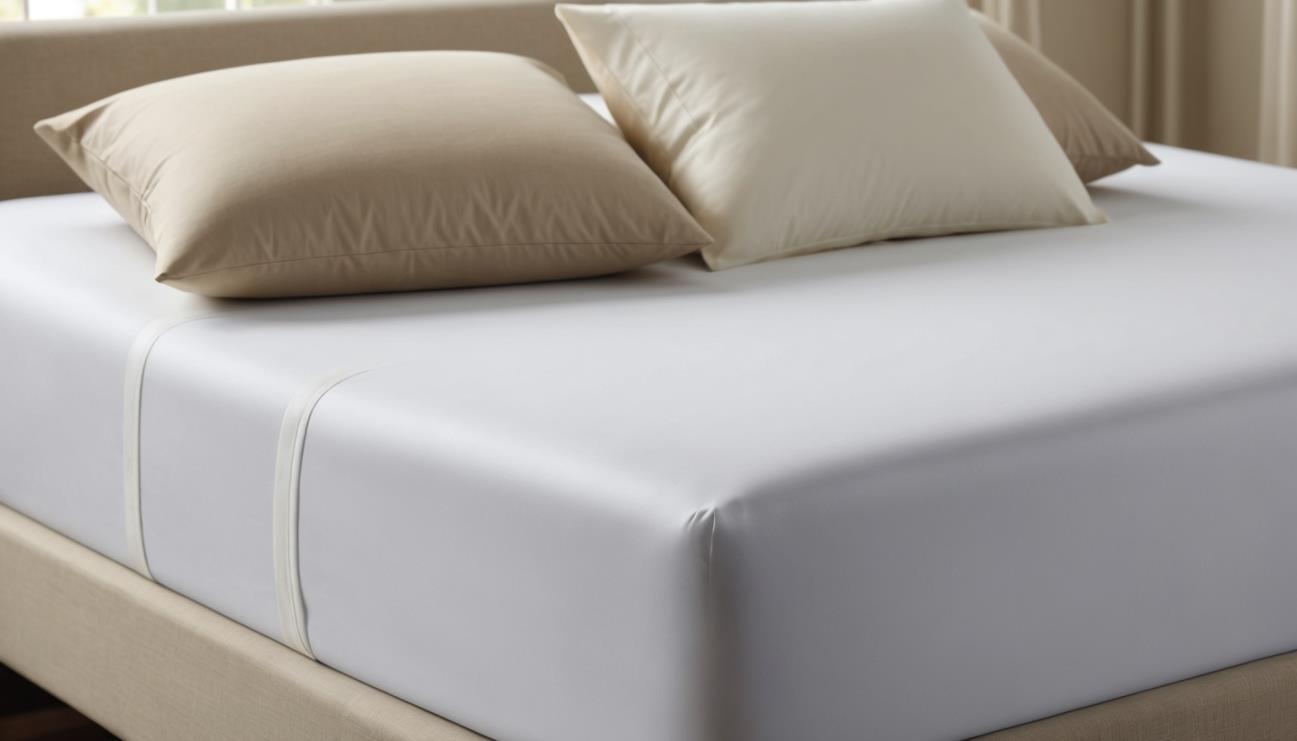
The genius of sheet straps lies in their simplicity. Most designs use strong, adjustable elastic bands connected to clips or grippers. These clips attach to your fitted sheet, usually at the corners, and the elastic runs underneath your mattress, creating constant tension that pulls the sheet taut. Some designs connect opposite corners diagonally, forming an X-pattern beneath the mattress. Others create a perimeter band that wraps around the entire mattress edge. Regardless of the specific configuration, the result is the same: your sheets stay firmly in place regardless of mattress type, sheet age, or sleeping habits.
What makes sheet straps particularly appealing is their universality. Unlike having to purchase new fitted sheets specifically sized for your mattress depth, a single set of quality straps can work across multiple mattress sizes and types. This makes them an economical solution that adapts to your needs, whether you're securing sheets on a dorm room twin bed or a master bedroom California king.
Types of Fitted Sheet Straps Available
The market offers several distinct styles of sheet straps, each with particular advantages depending on your specific situation.
Criss-Cross Suspender Straps
This is the most popular and widely recognized style. Four adjustable straps with clips on each end create an X-pattern underneath your mattress, connecting opposite corners diagonally. The suspender design distributes tension evenly across the entire sheet surface, preventing not just corner pop-off but also the bunching and wrinkling that can occur in the middle of the sheet. These work exceptionally well for all mattress types and are particularly effective for active sleepers because they secure the sheet from multiple angles simultaneously.
Triangle Configuration Straps
For beds positioned against walls or headboards, accessing all four corners can be challenging or impossible. Triangle straps solve this problem by connecting three corners instead of four, typically the two bottom corners and one top corner. While they don't provide quite the same comprehensive hold as four-corner systems, they're significantly better than nothing and are perfect for space-constrained situations like dorm rooms, kids' rooms, or apartments where furniture placement limits access.
Individual Corner Fasteners
These standalone clips attach to each corner independently without connecting to other corners via elastic straps. They're the simplest option and work by gripping both the sheet and mattress simultaneously, essentially extending the holding power of your sheet's corner elastic. While not as effective as connected strap systems for extremely active sleepers, they're quick to install, easy to adjust, and perfectly adequate for situations where corner detachment is the primary problem rather than overall sheet movement.
Wrap-Around Sheet Bands
Rather than focusing on corners, these elastic bands encircle the entire perimeter of your mattress, holding the fitted sheet edge in place all the way around. They're particularly effective for thick mattresses, unusually shaped beds, or situations where you want to ensure a completely smooth, wrinkle-free sleeping surface. The continuous band prevents the sheet from riding up at any point along the edge, not just at the corners.
Key Features That Matter
Not all fitted sheet straps are created equal, and understanding which features contribute to effectiveness and longevity helps you make a smart purchase.
Elastic Quality and Durability
The elastic is the heart of any sheet strap system. High-quality elastic maintains its tension through hundreds of uses and doesn't become brittle or stretched out quickly. Look for thick, reinforced elastic rather than thin, cheap varieties. Some premium options use silicone-enhanced
elastic or specialized synthetic blends engineered for long-lasting resilience. While these cost more upfront, they often outlast multiple sets of budget alternatives, making them more economical in the long run.
Clip Strength and Design
The clips are where your sheets actually attach to the strap system, making them critically important. Clips should open easily enough that you can attach them without struggling, but close firmly enough to maintain their grip through a full night of sleeping movement. Metal clips generally provide superior holding power and durability compared to plastic, though quality plastic clips work fine for lighter-weight sheets and less active sleepers. Look for clips with gripping teeth or textured surfaces that bite into fabric without damaging it.
Adjustability Range
Quality straps offer significant adjustability to accommodate different mattress sizes and personal preference for tension. The adjustment mechanism should be easy to use but secure enough that it won't slip during use. Some systems use sliding buckles, while others employ button-and-hole configurations or simple loop-and-clip designs. Test the adjustment before committing to ensure it stays where you set it rather than gradually loosening over time.
Ease of Installation
Consider your personal situation when evaluating installation requirements. If you have mobility limitations, a heavy mattress, or simply prefer convenience, look for systems that don't require completely lifting your mattress. Some straps attach only to the sheet itself and don't thread underneath at all, while others use hook-and-loop panels that stick to your mattress cover. These alternatives sacrifice some holding power compared to traditional under-mattress straps but offer dramatically easier installation and removal.
Installing Your Sheet Straps Correctly
Proper installation maximizes effectiveness and ensures your sheets stay secure night after night. Start with a clean, properly positioned fitted sheet. Make sure it's pulled down as far as possible on all sides before adding straps, don't rely on the straps to do work your sheet's elastic should handle. The straps are reinforcement, not replacement.
For criss-cross suspender straps, attach one complete diagonal first. Clip one corner, run the strap underneath the mattress to the opposite corner, and attach the second clip. Adjust the tension so the sheet is pulled taut but not overly tight, you should see smooth fabric without wrinkles, but the mattress shouldn't visibly compress inward. Once one diagonal is set, add the perpendicular diagonal, matching the tension to the first. This balanced approach prevents the sheet from being pulled more strongly in one direction than another.
If you're using wrap-around bands, position them at roughly the same height all around the mattress, typically near the bottom third where the mattress meets the box spring or platform.
This creates even pressure distribution and prevents the band from sliding up or down during use. For beds against walls, install those sections first while you have clear access, then complete the remaining sides.
After installation, test your work by firmly tugging each corner. The sheet should resist without the clips slipping or detaching. Slide your hand under the sheet across various sections of the mattress, you should feel smooth, taut fabric without loose areas or bunching. If you find problems, adjust tension as needed before declaring the job complete.
Maintenance and Care Tips
Fitted sheet straps require minimal maintenance but do benefit from occasional attention. Clean the clips and elastic periodically by wiping them down with a damp cloth to remove any dust, skin cells, or fabric fibers that accumulate over time. This is particularly important for metal clips, which can develop residue that reduces gripping power.
Avoid submerging straps in water or putting them through the washing machine, as this accelerates elastic degradation and can cause metal components to rust. If clips become stiff or difficult to operate, a tiny drop of multipurpose oil on the hinge point can restore smooth function. Check straps monthly for signs of wear including fraying elastic, bent or broken clips, or rust formation. Replace straps at the first sign of significant deterioration rather than waiting for failure.
When not in use, store straps in a cool, dry location away from direct sunlight. UV exposure breaks down elastic fibers, significantly shortening lifespan. If you rotate between multiple sheet sets, consider leaving straps attached to sheets during storage so they're ready to use when you make the bed, eliminating the need to install fresh straps each time.
Beyond Better Sleep
The benefits of fitted sheet straps extend beyond simply keeping your sheets in place, though that alone would justify their use. A properly secured, smooth sheet surface actually improves sleep quality by eliminating uncomfortable bunching and wrinkles that can dig into your skin or create pressure points. You're less likely to wake during the night from discomfort, leading to more restorative rest cycles.
There's also a significant convenience factor. How much time have you spent remaking your bed midweek because the sheets came loose? With straps, your bed stays made from one laundry day to the next, saving time and reducing frustration. For anyone who values a tidy, well-kept bedroom, this consistency is invaluable.
Sheet straps also extend the useful life of your fitted sheets. Instead of discarding sheets because the elastic has failed, you can continue using them for years longer with strap assistance. This saves money and reduces waste, making straps an environmentally conscious choice that benefits both your wallet and the planet.