The first time I smelled this perfume, it was love at first scent. The scent is unique, fragrant and long lasting. As a person who has sensitivity toward certain brands of makeup and perfume, I am very careful what products I use. I have used this perfume for quite some time now and I have never had any allergic reaction to it. This perfume is produced with the finest ingredients, and the person who wears it will stand out in a good way. I am a loyal customer, and I will continue to use this amazing perfume. — Carol C.
Students take one class at a time for more focused
Financial aid is available for those who qualify
Dear Readers,
This month’s issue brings together a thoughtful collection of articles focused on practical ways to support everyday wellness. Each feature highlights how informed choices related to food, movement, and personalized care can contribute to long term health. We are grateful for the opportunity to share these insights with our community, and to present resources that encourage readers to explore balanced and sustainable approaches to well being. Our nutrition feature examines how targeted dietary changes are being used to address chronic conditions at their source. The article explains how anti-inflammatory eating patterns and elimination diets can help identify food sensitivities and support gut health through a structured process of removal and reintroduction. Emphasis is placed on using these methods as short term diagnostic tools while maintaining a healthy relationship with food. See our Featured Article on page 16.
This issue also explores functional laboratory testing and how it differs from conventional bloodwork. The article outlines how these tests assess gut health, hormone patterns, nutrient absorption, and detoxification pathways to provide a deeper picture of individual health needs. It emphasizes the importance of working with qualified practitioners to interpret results and guide personalized care plans. For more information, see page 20.
Movement and recovery are addressed in the Fit Body article on balancing high intensity exercise with restorative practices. The article explains how chronic stress and overtraining can affect hormones and metabolism, and it offers guidance on integrating sleep, hydration, and gentle movement to support the nervous system. Read more; see page 22.
PALM BEACH COUNTY, FLORIDA EDITION
Natural Awakenings
3900 Galt Ocean Dr #1403 Fort Lauderdale, Florida 33308 NaturalAwakeningsFla@gmail.com 561-626-5584
Publisher Susan Q Wood
Editor Cheryl Hynes
Design & Production Robin White
Contributing Writers National & Local
Accounting NA Palm Beach
Distribution M&M Media Distribution
MAILED SUBSCRIPTIONS
Yearly subscriptions are available, $39 for 12 monthly issues.
Natural Awakenings Magazine is ranked 5th Nationally in CISION’S® 2016 Top 10 Health & Fitness Magazines
NATIONAL TEAM
CEO Kimberly B. Whittle
COO Michael Bevilacqua
The Conscious Eating article. highlights the role of dietary fiber in reducing the risk of heart disease, diabetes, obesity, and colorectal cancer. It explores the benefits of both soluble and insoluble fiber and offers practical ways to increase intake through colorful, plant focused meals and gradual dietary adjustments. Readers will find accessible strategies for making fiber rich foods part of daily life. For more information, see page 10.
We hope this issue inspires you to explore new ways of caring for your body and creating habits that support long term vitality. Thank you for allowing us to be part of your wellness journey.
“Health is a state of body. Wellness is a state of being.”
~ J. Stanford
Susan Q Wood Publisher
CMO Vee Banionis
Sr. VP Operations Brian Stenzler, DC
National Editor Sandra Yeyati
Editor Brooke Goode
Copy Editor Melanie Rankin
Print Production Specialist Kevin Rankin
Design Director Agnes Mazeikaite
Production Flip180
Executive Admin Julius Frago
CONTACT
Natural Awakenings Publishing Corporation 350 Main Street, Suite 9B
Natural Awakenings is a free publication distributed locally and is supported by our advertisers. Please call 561-6265584 to find a location near you or if you would like copies placed at your business. We do not necessarily endorse the views expressed in the articles and advertisements, nor are we responsible for the products and services advertised. Check with a healthcare professional regarding the appropriate use of any treatment.
Natural Awakenings is printed on recyclable newsprint.
Cristian Zamfir/
Life Coach Counseling in South Florida Helps Clients Gain Clarity and Confidence
Life Coach Counseling South Florida helps individuals create meaningful change by supporting them in gaining clarity, building confidence, and moving forward with purpose. Through private virtual sessions, clients receive personalized guidance designed to help them rebalance priorities, improve communication, and feel less overwhelmed by daily stressors.
Founder Diana Connerty, MA, brings more than two decades of professional counseling experience to her coaching practice. After 24 years as a psychotherapist in New England, Connerty transitioned into life coaching to focus on helping clients address everyday challenges such as relationship struggles, anxiety, and personal transitions. Her holistic background allows her to guide clients toward healthier emotional habits, stronger relationships, and greater self-awareness.
Life Coach Counseling differs from traditional therapy by emphasizing motivation, goal setting, and practical strategies for overcoming obstacles. Rather than diagnosing conditions, coaching sessions focus on helping clients navigate common life concerns that interfere with joy and contentment. Sessions are conducted virtually, allowing clients to receive support in the comfort and privacy of their own homes.
Those seeking personal growth, stress relief, or relationship support are encouraged to explore how life coaching can help them feel more balanced and empowered. For more information or to schedule an appointment or free consultation, call or text Connerty at 508-272-1707. For more information visit LifeCoachSouthFlorida.com. See ad page 30.
The Power of Connecting to Your Intuition
The Art of Decoding Your Gifts training, created by Angie Greenfield, begins April 17th in Hutchinson Island. She invites participants to strengthen their intuition, build confidence, and explore their spiritual gifts in a supportive learning environment. This training is designed to help individuals reconnect with their intuition, support nervous system regulation, learn energy healing techniques, and explore their own unique gifts.
Connecting to our intuition is one of the most powerful tools within us. It offers guidance on where to lean in our lives and what choices support growth and alignment. As we cultivate this relationship, it opens doors to the kind of trust and confidence many of us long to embody.
Each part of the human body is divinely designed with purpose, and intuition is no different. Through intuition, we are guided from a deep inner place beyond the noise of the outside world. We feel the pull, follow the nudge, and listen to the “gut feeling.” Like a muscle, intuition grows through simple practices, unlocking other gifts.
When intuition and gifts integrate, life takes on a deeper experience that can be brought into the world through meaningful purpose work.
To learn more about The Art of Decoding Your Gifts training or one-on-one intuitive healing and empowerment sessions, visit CenterTheHeart.com or call 720-289-2435. See their ad on page 31.
Restore Your Natural Balance –Hair & Skin
AlmaTED Hair Restoration
Combat thinning hair with breakthrough, painless technology. Advanced ultrasound energy works with restorative serums to support scalp health and encourage natural regrowth–no needles, no medications, no downtime required.
What Makes AlmaTED Special:
❑ Completely needle-free and comfortable
❑ Fast 20-30 minute treatments
❑ Clinically proven effectiveness
❑ Ideal for hormonal changes and stress-related shedding
❑ Perfect for early-to-moderate hair loss
Women and men turn to AlmaTED during periods of hormonal change or when noticing early thinning. Many report fuller, thicker, healthier-looking hair after a series of sessions.
Alma Harmony Skin Restoration
Experience comprehensive skin rejuvenation with this state-of-the-art system that combines multiple advanced technologies–including fractional lasers and Intense Pulsed Light (IPL)–for personalized aesthetic care.
Transform Your Skin:
❑ Addresses over 130 skin concerns in one platform
❑ Skin resurfacing, rejuvenation, and tightening
❑ Hair removal and acne scar treatment
❑ Targets pigmented and vascular lesions
❑ Stimulates collagen renewal for improved tone and texture
❑ Minimal downtime with enhanced comfort
Achieve radiant, youthful skin through precision treatments tailored to your unique needs.
Holistic Veterinary Clinic Marks 5-Year Anniversary Serving Pets and Families
March 11th marks a special milestone for Alma Vet Connection as the integrative veterinary practice celebrates its 5-year business anniversary. Founded and led by Dr. Rebecca Steers, Alma Vet Connection is sharing this moment with the community by continuing its mission to offer pets compassionate, whole-health care that blends conventional Western veterinary medicine with traditional Chinese therapies and complementary treatments.
Known for its personalized approach, Alma Vet Connection provides services such as ozone therapy, acupuncture, herbal and food therapy, behavioral counseling, and balanced wellness care, along with dentistry, surgery, advanced medicine, allergy assessment, and senior and hospice support. The practice focuses not only on treating illness, but also on nurturing long-term vitality and quality of life for pets at every stage.
Health Briefs
Jury Is Still Out on Hot Yoga
Steers’ integrative philosophy is rooted in connection, seeing each animal as a unique individual and each family as an essential part of the healing process. Pet parents seeking natural and complementary options alongside conventional care are drawn to Alma Vet Connection’s thoughtful, relationship-centered style of veterinary medicine.
The team looks forward to deepening partnerships with pet families who value prevention, wellness, and a more holistic path to animal health.
Please join them for their 5 year anniversary event on Wednesday, March 11. Stop by anytime from 4pm to 8pm! Contact Alma Vet Connection for your pet's needs. They are located at 11320 Fortune Cir, Ste G1-G2, Wellington, FL 33414. Call (561) 345-2537 or visit their website for more information, AlmaVetConnection.com. See their ads, page 17 and 30.
Bison Outshines Beef for Cardiovascular Health
A 2025 systemic review in Sports Medicine – Open examined the effects of hot yoga on the body and mind. Hot yoga is practiced in warm to hot conditions, typically at temperatures at or above 77° F. The review of 43 studies involving 942 predominantly female participants assessed the immediate and long-term effects of the practice. Many of the studies had small sample sizes or inadequate experimental designs.
The researchers found that body temperature and heart rate rose after a single session of hot yoga, but it did not require greater energy compared to yoga performed at normal temperatures. Longer sessions of hot yoga led to some improvements in flexibility, balance, bone mineral density, body composition and cardiovascular indicators such as blood lipid profiles.
The researchers found encouraging but not definitive evidence that hot yoga may alleviate psychological and affective disorders, as well as improve cognitive function. Noting that there were reports of ill-health following hot yoga practice, the researchers concluded that while hot yoga appears to offer some health and functional benefits, claims that it is superior to other forms of exercise or yoga are not yet backed by strong evidence.
Bison poses a lower risk of fatty plaque formation in the arteries than beef, according to a 2013 doubleblind clinical trial published in Nutrition Research. The study was small, involving 14 healthy males that consumed equal amounts of both meats. Cardiovascular biomarkers were evaluated before and after a single 12-ounce serving, as well as before and after seven weeks of chronic consumption, defined as 12 ounces per day, six days a week.
A single bison meal caused less elevation in triglycerides, oxidative stress and oxidized low-density lipoprotein (LDL or “bad cholesterol”), as well as better artery dilation, compared to the single beef meal. After the seven-week consumption period, neither meat caused weight gain or changes in cholesterol levels. However, beef led to increases in inflammatory and oxidative stress markers, as well as a decline in blood vessel responsiveness, while the bison did not.
Although all meat cuts used in the study were considered lean, bison has a healthier fatty acid profile with more omega-3s and less saturated fat than beef. While both are red meats, bison appears to place less strain on the cardiovascular system, making it a potentially healthier red-meat option.
A new study led by the University of Colorado Boulder and published in Nature Geoscience details the unprecedented 2023 retreat of Antarctica’s Hektoria Glacier, comparable in size to the city of Philadelphia. Using seismic data, satellites and remote sensors, the research team surveyed the glacier, capturing its topography and retreat at different time intervals. They noted that the glacier retreated five miles in just two months, 10 times faster than any previous record. The
scientists believe the glacier floated above the ice plain, exposing it to warm ocean water and tidal forces, which caused large chunks of ice to break off.
This accelerated retreat is reshaping sea-level rise predictions. The study highlights the swift destabilization of grounded glaciers, indicating that current models likely underestimate the pace of Antarctic ice loss and the resulting coastal flooding from sea level rise. This is especially concerning for larger ice sheets like Thwaites, which rivals the size of Great Britain.
Polynesian Island Nation Fights Against Rising Seas
Tuvalu, a country in Oceania comprising nine coral islands and atolls, is home to about 11,000 people. With an average elevation of
just six-and-a-half feet above sea level, it faces a dire threat from climate change and rising sea levels. A 2023 NASA study predicts that most of the country will be submerged below high-tide levels by 2050.
In response to this existential threat, Tuvalu and Australia signed an agreement in 2023 allowing Tuvaluans to resettle in Australia as permanent residents. Should circumstances improve, these residents will have the option to return to their homeland. The first 280 people to relocate were selected in mid-2025, with an anticipated 40 percent of the population moving within the next decade.
Submerged Stone Circles of America
Stonehenge, near Amesbury, England, boasts one of the globe’s most famous ancient standing stones, dating back to 2,500 B.C. Even older stone circles can be found in Japan and Australia. In the United States, two ancient stone arrangements lie at the bottom of the Great Lakes. One is a 9,000-year-old caribou hunting structure on an ancient land bridge that once connected northeast Michigan to southern Ontario, now submerged under Lake Huron. The other is a yet-to-be-studied arrangement of stones at the bottom of Lake Michigan, discovered in 2007. Despite its potential significance, a lack of funding has prevented archaeologists from fully excavating the site. Notably, Lake Michigan was dry until 15,000 years ago.
The nourishment of body is food, while the nourishment of the soul is feeding others. —Ali ibn Abi Talib
Nancy Pauwels/ Shutterstock
Romaine W/Shutterstock
Fiber’s Fun Side
Delicious Ways To Boost Daily Intake
by Maya Whitman
Studies consistently show that the vast majority of Americans fail to consume enough fiber in their diet, even though it has been shown to significantly reduce the risk of heart disease, diabetes, obesity and colorectal cancer. The Academy of Nutrition and Dietetics recommends that adults aim for 14 grams of fiber per 1,000 calories consumed, which is about 25 grams for women and 38 grams for men daily. Adequate fiber is indispensable for lowering inflammation and maintaining digestive, cardiovascular and metabolic health.
Many of us believe that fiber-rich foods are unappetizing and difficult to digest, when in fact, they can be versatile and enjoyable components of a well-rounded diet. “Across cultures, some of the most comforting and flavorful dishes are naturally high in fiber. These meals rely on legumes, vegetables and whole foods as their foundation, and
have done so long before fiber became a nutrition buzzword,” says Registered Dietitian Nutritionist Nichole Dandrea-Russert, author of The Fiber Effect and co-author of Powered by Plants: Nutrient-Loaded 30-Minute Meals to Help You Thrive.
Soluble and Insoluble Fibers
According to the Mayo Clinic, soluble fiber— which dissolves in water and forms a gel-like material in the stomach—slows digestion and increases feelings of fullness, helping us to control our weight and lower cholesterol and blood sugar levels. It is found in beans, oats, apples, bananas, avocados, citrus fruits
and carrots. Insoluble fiber, which does not dissolve in water, helps to move material through the digestive system and adds bulk to stool, helping to prevent constipation and promote regularity. It is found in nuts, beans and vegetables such as cauliflower and potatoes. Most plants have a combination of soluble and insoluble fiber.
Boosting Our Daily Intake
Given all the wonderful fruits, vegetables, grains, seeds, nuts, beans and legumes available, adding fiber is easy, as well as an opportunity to play with flavors, colors and textures. For crunch, color and a refreshing
taste, nothing beats a good slaw with shredded purple cabbage, carrots, green apples, turnip greens and spicy radishes. Sushi roll-ups served with wild rice, avocado and baked sweet potato is a filling, complete meal. To satisfy our sweet tooth, fiber-rich Medjool dates filled with raw pistachios, creamy nut and seed butters or tangy goat cheese hit the spot.
“Fiber comes in a few different forms, and most plant foods contain a mix of them, so you don’t need to overthink it,” explains Sandra Turnbull, a registered dietician and owner of Midlife Nutrition and Coaching, in British Columbia, Canada. “You don’t need to track fiber types. Eating a variety of plant foods naturally gives you the mix your body needs.”
Turnbull points out the variety of textures associated with fiber, including the crunch of vegetables, the creaminess of beans and the chewiness of whole grains. For fiber-rich snacking, her favorite options include popcorn, edamame pods and yogurt with berries. She also highlights the significance of prebiotic fiber, a dietary ally that nourishes beneficial gut bacteria and is found in onions, garlic, leeks, asparagus, bananas, oats and beans.
shaved ginger, fresh herbs, sprouts and microgreens, all drizzled with a squeeze of lemon. She favors a handful of nuts or toasted chickpeas as a healthier alternative to chips.
With fruits, Dandrea-Russert stresses the importance of consuming the skins, particularly those of organic apples, kiwis and grapes, as they offer the benefits of insoluble fiber. In general, she prioritizes whole-food, minimally processed sources of fiber-rich foods, noting, “We’re not just consuming fiber in isolation; we’re benefiting from the full spectrum of compounds that work synergistically in the body.”
General Tips
According to Dandrea-Russert, mild bloating or gas is a normal initial response to consuming fiber and often indicates that beneficial gut bacteria are waking up and thriving. With consistency and patience, digestion typically becomes more comfortable and resilient.
Turnbull advocates for a gradual approach to increasing fiber intake, emphasizing the importance of chewing foods thoroughly and introducing one higher-fiber food at a
Dandrea-Russert recommends adding at least three plant-based colors into each meal, such as blueberries, banana and chia seeds into oatmeal; arugula, tomato and red onion in a sandwich; or sprouts, greens and shredded carrots into a wrap. To start the day, her “avocado toast salad” consists of mashed avocado on whole-grain sourdough, topped with arugula, matchstick radish, red onion,
time to allow the gut to adjust. “Fiber and fluids work best as a team,” she adds. “When people increase fiber without drinking enough, they’re more likely to run into trouble with bloating or constipation. Sip water regularly throughout the day, rather than chugging it all at once.” Incorporating foods with natural fluid content like soups, stews, smoothies or juicy fruits can also help.
Soaking dried beans for 12 to 24 hours and discarding the soaking water before cooking in fresh water can enhance digestibility. Adding a piece of kombu seaweed or spices like ginger, cumin, fennel, coriander seeds or bay leaf to the beans’ cooking water can help reduce gas-producing compounds while subtly enhancing the flavor. Drinking peppermint tea or chewing fresh rosemary leaves after meals can relax digestive muscles and alleviate discomfort.
Adding fiber to our diet is an opportunity to discover new culinary experiences and marvel at the amazing variety of nourishing options. Dandrea-Russert says, “Pausing to feel gratitude for the thousands of edible plants available to us with fiber as their foundation can shift how we relate to food.”
Maya Whitman is a frequent writer for Natural Awakenings.
Veliavik/Shutterstock
Lime Coconut Chia Pudding With Crushed Almonds
YIELD: 2 SERVINGS
¼ cup white (or black) chia seeds
2 Tbsp hemp seeds
1½ cups unsweetened plant-based milk
1 tsp lime zest
2 Tbsp lime juice
2 Tbsp maple syrup
¼ cup shredded unsweetened coconut
2 Tbsp crushed almonds
Add everything but the almonds to a mediumsized bowl or 16-ounce mason jar. Stir well so that the chia seeds are dispersed throughout the milk mixture.
Place in the refrigerator. After approximately 30 minutes, stir the mixture again and let it sit in the refrigerator for another 1 to 2 hours before serving.
When ready to serve, top with crushed almonds.
Recipe and photo courtesy of Nichole DandreaRussert of PurelyPlanted.com.
Creamy Sweet Potato and Bean Soup With Kale
YIELD: 4 SERVINGS
FOR THE SOUP:
1 Tbsp olive oil
1 medium sweet potato, diced
1 medium yellow onion, diced
1 medium bell pepper, diced
2 celery stalks, diced
3 cloves garlic, minced
1 small hot pepper, seeded and diced (optional)
2 bay leaves
2 tsp dried oregano
2 Tbsp red wine vinegar
3 15.5 oz cans of beans, drained (adzuki, black beans
1 14.5 oz can of diced tomatoes
4 cups vegetable broth
½ tsp salt
3 cups chopped kale leaves
FOR THE CASHEW CREAM:
1 cup raw cashews, soaked in hot water for 15 minutes and drained
½ cup water
1 Tbsp lemon juice
1 tsp apple cider vinegar
¼ tsp salt
Heat the olive oil in a large soup pot over medium heat. Add the sweet potato, onion, bell pepper and celery. Sauté for about 5 minutes, stirring often, until the vegetables begin to soften.
Stir in the garlic, hot pepper (if using), bay leaves and oregano. Cook for 1 minute, until fragrant.
Add the red wine vinegar and stir to deglaze the pot. Add the beans, tomatoes, vegetable broth and salt. Bring to a simmer, reduce heat to low and cook uncovered for 20 minutes or until the sweet potatoes are tender.
While the soup simmers, make the cashew cream by blending the soaked cashews, water, lemon juice, apple cider vinegar and salt in a high-speed blender until silky and smooth.
Remove the bay leaves from the soup. Stir in the chopped kale and or cannellini)
Courtesy of Nichole Dandrea-Russert
the cashew cream. Simmer for 1 to 2 minutes, until the kale softens and the soup becomes creamy.
Taste and adjust seasoning with salt, pepper or a splash of vinegar. Serve warm.
Recipe and photo courtesy of Nichole Dandrea-Russert of PurelyPlanted.com.
Creamy and Cozy Veggie Ramen
This creamy, comforting, savory and satisfying coconut-based broth is a feast for the eyes. It also feeds the mind, body and soul.
3 stalks green onion, thinly sliced ¼ cup chopped cilantro
Sriracha or hot sauce of choice to taste (optional)
To a large stockpot over medium-high heat, add the mushrooms, onion and red bell pepper. Stir occasionally until the onions are translucent, about 2 to 3 minutes.
Stir in the garlic, ginger and lemongrass. Cook for another minute.
Add the vegetable broth and 2 cups of water. Bring the mixture to a boil and then add the noodles. Cook for 10 minutes or until the noodles are tender.
In a medium bowl, whisk together the miso, coconut milk, coconut aminos and gochujang until the miso is completely dissolved.
Once the noodles are tender, turn off the heat and stir in the coconut milk mixture.
Add the bok choy and edamame, stirring until the bok choy is slightly wilted. Add the lime juice.
Divide the ramen among four bowls and garnish with a generous amount of green onion, cilantro and sriracha.
Store leftovers in an airtight container in the refrigerator for up to 5 days. The noodles will continue to absorb the broth and may get a bit soggy.
Note: The coconut miso mixture can be prepared ahead of time and stored in an airtight container in the refrigerator for up to 48 hours.
Substitutions: Button mushrooms can be replaced with shiitake, cremini or any other mushroom. Substitute red onion or shallots for the white or yellow onion. Green, yellow or orange bell pepper can replace the red bell pepper. Instead of bok choy, use spinach or kale. Add chickpeas in place of edamame.
Recipe from the cookbook Powered by Plants: Nutrient-Loaded 30-Minute Meals to Help You
Thrive by Food Revolution Network CEO Ocean Robbins and Nichole Dandrea-Russert, MS, RD, published by Hay House.
Angela MacNeil Photography
Insights From The Gut Biome Lab
A Conversation With Ravinder Nagpal
by Sandra Yeyati
Ravinder Nagpal, MSc, Ph.D., an associate professor specializing in nutrition and the microbiome at Florida State University (FSU), helms The Gut Biome Lab, a research team that studies the role of nutrition in maintaining gut health and preventing or treating chronic disease. He serves on the editorial teams of several peer-reviewed medical journals, most notably as editor-in-chief of Gut Microbiome and Health and associate editor of Frontiers in Microbiomes and Frontiers in Nutrition.
Nagpal’s research is supported by numerous governmental agencies, commodity boards and industry associations, including the U.S. Department of Agriculture, Florida Department of Health, Infectious Diseases Society of America, U.S. Environmental Protection Agency, National Institutes of Health, The Institute for Successful Longevity at FSU, Academy of Nutrition and Dietetics, The Almond Board of California and The Peanut Institute.
How do you define the gut microbiome, and why is it important?
The gut microbiome is a very dense, complex community of various bacteria, fungi and protozoa that live in our gut during our entire life span. We are born with a very simple microbiome. As we age, environmental exposures come into play. By the time we are 2 or 3 years of age, our microbiome starts becoming very rich, with over 1,000 species of bacteria and fungi that impact our overall health by helping us to digest food, maintain good metabolism and regulate our intercellular immune system.
How can we determine if we have a healthy microbiome?
The microbiome is very personalized. It varies from person to person, and within a person, the microbiome varies during the life span, depending on the diet, lifestyle habits, travel, medications, etc. There is no gold standard, universal definition of a
Courtesy of Ravinder Nagpal
healthy microbiome. It is the one you carry when you are feeling healthy and fine. However, there are a few specific bacterial species that are known to be beneficial for everyone and some species that are known to be pathogenic for most or all.
When we do our research studies, we collect fecal samples from each subject and scan their entire microbial community. We identify the ratio of beneficial bacteria over opportunistic or pathogenic bacteria, noting any toxigenic or potentially pathogenic bacteria that are out of proportion, which would indicate a bad or unhealthy, misbalanced microbiome known as dysbiosis.
How can we maintain a healthy gut microbiome?
Many factors contribute to a good microbiome, including exercise, good sleep habits and a stress-free routine, but the most important factor is the food that we eat. We have thousands of species of bacteria, and each of those species has their own food preferences. The majority of the diet should be plant-based, including a diversity of fruits, vegetables, salads, minimally processed grains, legumes, nuts and seeds.
Avoid overeating and stay away from ultra-processed foods. Prioritize a nutrient-rich rather than calorie-rich diet. Make sure to consume an organic diet that is free from chemicals, additives, emulsifiers, pesticides and antibiotics. Variety is super important. Eat different foods from all the food groups daily. Different types of fiber support different types of beneficial bacteria, so we need to make sure that our diet is diverse.
Do you recommend taking probiotic or prebiotic supplements?
As long as someone is healthy, they don’t really need probiotic supplements. You already carry your own beneficial probiotics; just nurture them by eating a healthy diet. Probiotics in the U.S. are sold as food supplements, which means that they are not required to be clinically tested and validated, so we may not know if they are actually going to be really effective. Prebiotics, defined as food components like fiber and resistant starches, as well as fermented foods and vegetables, are more effective than commercial probiotic supplements because they feed the indigenous population of beneficial and commensal [neither harmful nor beneficial] bacteria.
What discoveries have you recently made in The Gut Biome Lab?
For decades, Alzheimer’s disease and related dementias were believed to originate exclusively within the brain, driven by the impaired functioning of neurons and proteins, as well as plaque buildup. However, our recent research has revealed that older adults with mild cognitive impairment who are at risk for Alzheimer’s harbor a distinct gut microbiome compared to healthy
After nourishment, shelter and companionship, stories are the thing we need most in the world.
—Philip Pullman
individuals, indicating that gut health could be both a marker and a modifiable risk factor in disease progression. This discovery may facilitate novel avenues for prevention and management, including dietary and lifestyle changes to restore microbiome homeostasis to support neurocognitive health.
Our research has also discovered that obesity can heighten a predisposition to cognitive decline via alterations in gut-microbiome-brain signaling, a mechanism that has been largely under-explored in aging populations. This highlights the gut-muscle-brain axis as a modifiable target to enhance cognitive health in aging populations.
Sandra Yeyati is national editor of Natural Awakenings.
To read a longer version of this conversation, visit TinyURL.com/NagpalWW or scan the QR code.
Using Food To Heal
A Look at Anti-Inflammatory and Elimination Diets
by Hannah Tytus
There is a growing movement to use food as a primary means for preventing and managing disease. Before reaching for pharmaceuticals or even supplements, people are seeking healing on the plate. According to a 2024 academic article in the Nature Partner Journal Science of Food, scientific advances in our understanding of nutrition at the cellular level are driving a food-first strategy. Key micronutrients have been identified to reduce inflammation and promote cellular regeneration and repair, prompting practitioners to champion dietary modifications that soothe chronic symptoms, repair gut integrity, rewire immune signaling and
reach metabolic balance.
“Healing the gut is the backbone of my practice,” says Lorraine Maita, M.D., a triple board-certified internal, integrative and functional medicine specialist who helps patients harmonize their hormones and detoxify their bodies through her Restore & Rejuvenate program at The Feel Good Institute. Whether a patient needs to lose weight, have more energy, regain their focus or sleep better, Maita’s approach centers on eliminating foods that trigger inflammation and replacing them with deeply nourishing ingredients.
Dianne Moore, a functional nutrition coach, restorative health practitioner and founder of MooreBetterFood, asks her clients to keep a food and symptom journal to diagnose the underlying causes of their health challenges. Writing down a detailed description of each meal, as well as the time and how the body responds 30 minutes after eating—including energy levels and any digestion issues or discomfort— helps make patterns more visible without requiring testing.
Anti-Inflammatory Food Protocols
Inflammation is the body’s first line of defense against dangerous pathogens, damaged cells and irritants, as well as a crucial biological process for healing and recovery from injuries and infections. However, problems arise when the immune system remains activated all the time. Chronic inflammation is linked to many health issues, including cancer, cardiovascular disorders and autoimmune conditions, according to a 2024 article in Cells.
A 2023 article published by the medical education platform StatPearls notes that an anti-inflammatory diet is one of many interventions that help calm an overactive immune response. Two of the most popular such diets are the Mediterranean Diet and the Dietary Approaches to Stop Hypertension (DASH) Diet, which prioritize fruits and vegetables, whole grains, unsaturated fats and proteins sourced from legumes and lean meats. Inflammatory foods including highly processed products, high-fat dairy, refined grains
and sugars, artificial sweeteners and industrial seed oils are significantly reduced or eliminated.
Staying well-hydrated and pairing carbohydrates with protein, fiber or fat help keep blood sugar steady—further reducing inflammatory stress, according to the Joslin Diabetes Center. An anti-inflammatory food protocol is best viewed as a long-term foundation, rather than a strict diet.
Elimination Diets
According to Maita, “People that have experienced trauma, infections or general inflammation may become more sensitive to food. Some individuals may even be sensitive to healthy whole foods. Identifying which foods are contributing to common symptoms can be challenging. This is where elimination diets can be helpful.”
An elimination diet is a short-term process that removes specific foods from the diet and then slowly adds them back in while observing changes in symptoms, according to a 2024 educational article published by StatPearls. These diets are commonly used to identify food intolerances or sensitivities and to manage conditions such as irritable bowel syndrome, migraines, allergic skin reactions and other inflammatory or digestive issues.
Most elimination diets focus on common food allergens including wheat, tree nuts, peanuts, animal milk, eggs, soy, fish and shellfish. “A functional medicine elimination diet may also include eliminating corn, all dairy and any artificial ingredients,” says Maita. The process typically begins with an elimination phase, during which these foods are fully removed. This can range from a few days to several weeks in more structured protocols. Even short eliminations can help people notice connections between what they eat and how they feel.
After the elimination period, foods are reintroduced one at a time. If symptoms return after adding a specific food back in, it may be contributing to the problem. Maita notes that the goal is not long-term restriction, but awareness—identifying which foods support health and which may need to be limited or avoided.
Elimination diets work best when they are time-limited and intentional. Staying on restrictive diets too long can lead to nutrient gaps or stress around food, which is why reintroduction and practitioner guidance are important. If symptoms do not improve, the information gained can help determine whether further testing is needed. Used thoughtfully, elimination diets are a practical and accessible tool within a food-first framework.
When To Seek Practitioner Support
According to Maita, an elimination diet can be both therapeutic and diagnostic. The response—or lack thereof—to dietary changes can help clarify whether food is playing a meaningful role in a person’s symptoms, while also informing next steps in care. Additional testing may be necessary to provide more individualized guidance. Maita points out that the interpretation of results is most effective when ordered and reviewed by a trained practitioner that can analyze the data within the context of the patient’s symptom history, diet, lifestyle and stress patterns.
Some of her patients experience a Herxheimer reaction involving a flu-like worsening of symptoms, constipation or extreme cravings. These changes are most often temporary and do not pose a serious risk to health, and she has strategies to prevent or eliminate these reactions. It is helpful to have a roadmap, along with tips for getting through the discomfort. When detox reactions hit, Maita recommends that patients slow down, rest, hydrate with lemon water and spend some time at the sauna or in an Epsom salt bath.
Healing Our Relationship to Food
A key goal of food-first approaches is maintaining a healthy relationship with food. Practitioners encourage their patients to celebrate the foods they can add to their diet, rather than mourn what has been taken away. This includes the rainbow of delicious produce
options they can have on every plate, a rotating selection of proteins and even new ingredients such as venison or bison.
For some patients, elimination diets can open doors to unexpected favorite foods. Moore shares how one patient that discovered she had a sensitivity to salmon, which she loved, found cod— a new fish to enjoy. These experiences help broaden perspectives and reduce feelings of deprivation. Keeping food enjoyable means finding creative alternatives. For example, someone that cannot tolerate garlic bulbs may be able to infuse garlic into oil to capture flavor and nutrients without any associated symptoms.
Food is at the center of all sorts of celebrations and rituals, whether shared with friends and family, or enjoyed alone as an act of self-care. Moore coaches clients that are following an elimination diet to plan ahead for social settings. This may include reviewing a menu online for an upcoming restaurant outing; bringing a diet-compliant dish to a potluck dinner to be enjoyed and shared with others; or politely letting a party host know of any dietary restrictions well in advance of the event. “Most people want to cheer you on if you’re doing something for your health,” she says.
Maita also cautions against setting unrealistic goals. “We are looking for progress, not perfection. You will never reach perfection—relax. Experiment with it,” she says, adding that she has seen patients succumb to orthorexia, a disordered obsession with healthy eating. She also notes that eating the same foods every day can induce or worsen sensitivities. Joyful variety, supportive relationships and flexibility are essential parts of healing.
Food-first approaches are ultimately about discovering what helps the body thrive. Elimination diets and anti-inflammatory protocols offer powerful tools for uncovering sensitivities, reducing inflammation and restoring balance. By focusing on small, sustainable changes, individuals can build a foundation for long-term wellness, vitality and resilience.
Hannah Tytus is an integrative health coach, former writer at the National Institutes of Health and host of the Root Shock podcast, exploring our understanding of health.
New Africa/Shutterstock
Regenerative Technology without injections
Featuring NuvoCell Biologics
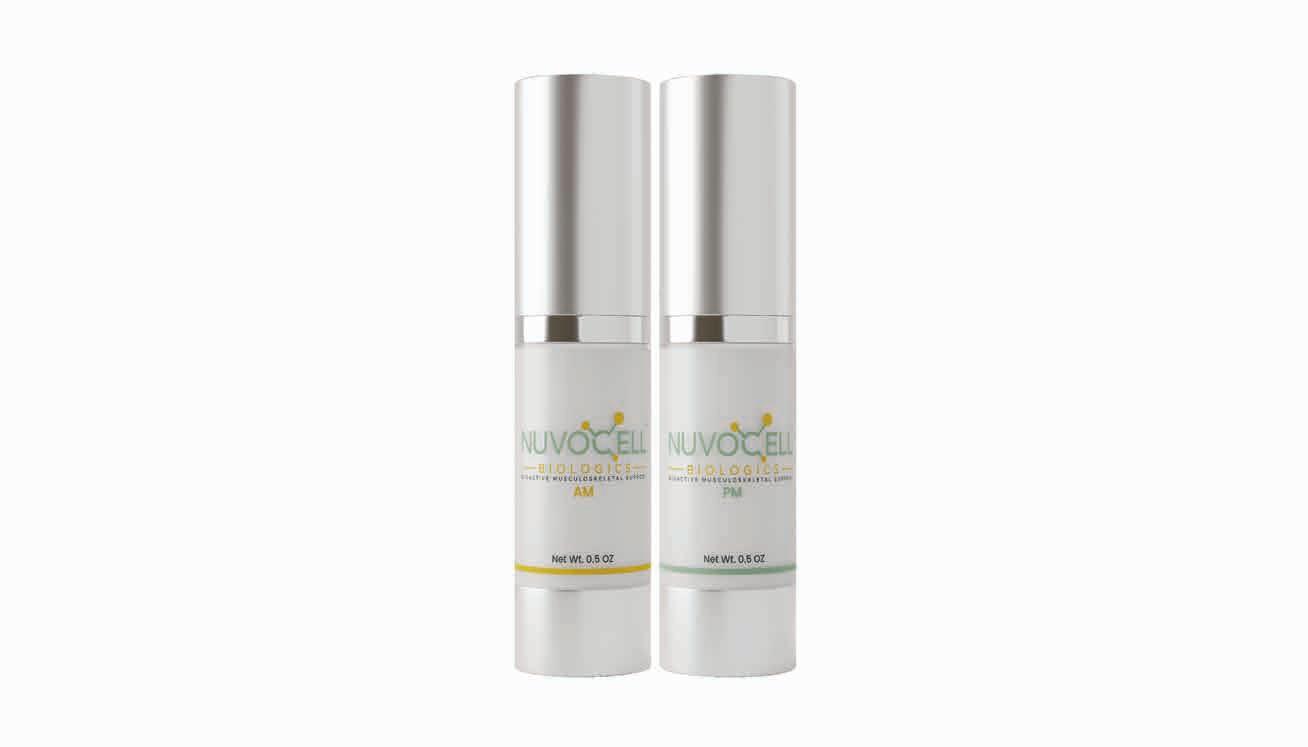
NuvoCell is revolutionizing regenerative medicine by taking the same ingredients currently used in stem cell injections, stabilizing them with lipid nanoparticles, and formulating them into a topical cream with natural transdermal ingredients that act as carriers to deliver powerful regenerative relief to discs, cartilage, muscles, tendons, ligaments, and nerves. All without injections or downtime, and easily applied at home.
51% decrease in pain in just 1 month
In an 80-person pilot study utilizing a transdermal regenerative cream, the average Visual Analog Scale (VAS) pain score among patients diagnosed with chronic low back pain and osteoarthritis decreased by 51%.
TARGET AREAS
Neck
Back
Shoulders
Elbows
Wrists and Hands
Hips
Knees
Ankles
Feet
JoAn was recommended for knee replacement surgery after suffering from debilitating knee pain for years but was determined to find alternative ways to regain her mobility and live pain-free. After just one month of using NuvoCell, she is amazed by the results she has seen in her knee and in her quality of life.
Brian, a 3x world champion rodeo rider, struggled with back pain for years from competing. After trying various treatments, he found real relief with NuvoCell. Hear his story and why he is continuing to use NuvoCell on his back and other areas. Ask your local healthcare provider about NuvoCell or scan the QR code to find a provider in your area.
Brad, a retired contractor, lived with severe shoulder pain for over 50 years after a car accident left him with a separated shoulder, broken collarbone, and torn rotator cuff. A recent fall made things worse, forcing him to give up golf and basketball. Recently, his wife introduced him to NuvoCell. After applying it twice daily for two months, his pain dropped by over 90%. Today, Brad is back to playing golf, shooting hoops, and enjoying life again - pain-free.
Data-Driven Wellness
Functional Lab Testing To Personalize a Healthy Lifestyle
by Hannah Tytus
Functional lab testing extends beyond conventional tests to assess body systems such as gut function, hormone balance, nutrient absorption and detoxification. By analyzing a broader range of biomarkers and using wider reference ranges, practitioners can design personalized nutrition, lifestyle and supplement strategies that address the underlying drivers of health.
When applied judiciously, functional testing empowers patients with actionable insights, guiding them toward improved digestion, nutrient utilization, hormonal balance and overall well-being. Dr. Aumatma Simmons, a double board-certified naturopathic doctor and endocrinologist, underscores the importance of collaborating
with a professional before undertaking functional lab testing to save time, money and confusion. Not all tests are equally reliable, and an experienced practitioner can help separate the fluff from the facts.
“I do not like to over-test because of the expense. If an elimination diet brings symptom relief, for example, then less testing and fewer supplements are needed,” states Lorraine Maita, M.D., an internal, integrative and functional medicine specialist at The Feel Good Institute.
Limits of Conventional Lab Work
“Conventional lab testing is designed based on averages, and those averages are not always what’s optimal,” explains
Simmons, noting that many conventional reference ranges are broad, encompassing a diverse population without specifying what truly constitutes ideal health. From a functional perspective, she says, lab tests are interpreted with a focus on optimizing health, rather than merely adhering to the normal range.
According to Maita, another limitation of conventional lab tests is that they solely indicate the presence of nutrients in the bloodstream without providing insight into the body’s actual absorption or utilization of those nutrients. “Just because you’re eating healthy does not mean that food is being digested, absorbed and assimilated. A lot of blocks can happen along the way,” she explains, adding that functional lab testing adds more detail to help clarify what is really going on in the body.
Common Functional Testing
Stool Test for Gut and Immune Function:
A stool test examines the presence and absence of microorganisms to gain a better understanding of the gut microbiome within the body. In addition to taking a census of the various beneficial bacteria, this test also assesses the presence or absence of specific digestive enzymes, parasites, worms, yeast or inflammation markers. In Maita’s practice, this test allows her team to provide personalized, precision medical care to address microbiome imbalances and immunological stressors.
Food Sensitivity Testing: These tests are designed to assess the immune system’s reaction to specific foods or food additives.
The Mediator Release Test (MRT), used by Simmons, “looks at all of the specific white blood cells in the body and how they respond to a specific food,” she explains. Unlike allergy tests that detect immediate reactions, the MRT identifies delayed immune responses that may cause bloating, fatigue, headaches, joint pain, skin issues or other chronic symptoms. According to Simmons, the results guide personalized dietary modifications to reduce inflammation and enhance overall wellness.
Maita notes, “Food sensitivity testing is sometimes helpful for people who can’t tell what their trigger foods are by just doing an elimination diet. I like to use the Vibrant Wellness test. It will show them if they’ve made antibodies to food, which suggests how well they might do when they remove those foods.”
Functional Nutrient Test: While conventional testing measures the presence of nutrients in the bloodstream, an intracellular blood test—also known as micronutrient testing or functional nutrient testing—measures nutrient levels within red and white blood cells, thus determining whether nutrients are being properly absorbed and utilized by the body.
“A lot of people are taking supplements, but their GI [gastrointestinal system] isn’t absorbing any of it,” Simmons points out, highlighting how functional testing can uncover hidden inefficiencies that standard blood tests and supplementation alone might miss. Citing the trending supplement CoQ10 as an example, she notes that a functional nutrient test may suggest that a patient should take a different form of the supplement for better absorption.
Dried Urine Test for Comprehensive Hormones (DUTCH): This test provides a comprehensive analysis of adrenal and sex hormone function. Unlike conventional cortisol tests, the DUTCH measures levels four times throughout the day and evaluates cortisol
“When we heal the earth, we heal ourselves.” — David Orr
metabolites to explain how the body produces, converts and eliminates cortisol each day.
The DUTCH is also invaluable as a way of mapping the body’s ability to process estrogen. “This is critical because symptoms often attributed to estrogen dominance—such as breast tenderness, irritability, premenstrual syndrome and sub-fertility—are frequently caused, not by excess estrogen itself, but by metabolite buildup or impaired clearance pathways, in which case specialized diindolylmethane (DIM) supplements would be prescribed to support estrogen metabolism,” Simmons explains. “This illustrates why the professional interpretation of DUTCH testing is essential: because it shows whether a hormone imbalance is truly about excess, impaired metabolism or faulty elimination, allowing interventions to be tailored accurately, rather than relying on generalized supplement advice.”
Hannah Tytus is an integrative health coach, former writer at the National Institutes of Health and host of the Root Shock podcast, exploring our understanding of health.
Stress-Free Fitness
The Role of the Nervous System in Exercise Recovery
by Marlaina Donato
High-intensity interval training (HIIT) can lower the risk of cardiovascular disease and cancer, stabilize blood sugar levels, improve body composition and combat depression, but, during times of stress, it can become counterproductive. Chronic stress triggers a steady release of hormones such as cortisol and epinephrine, keeping the sympathetic nervous system in overdrive.
Hitting the gym too hard or too often when we have too much on our plate disrupts the vagus nerve’s ability to shift gears and bring the body back into balance. This is when we might notice fat storage (particularly around the belly), an increased appetite, fatigue, systemic inflammation and lack of muscle gain.
“If you are working out hard and constantly stressed, you are basically fighting against yourself,” says Stephanie Mansour, a Today Show fitness contributor who also provides daily motivation on her fitness app, Step It Up With Steph. “During this time, your cortisol levels spike and make it harder for your body to use insulin properly, which slows down fat burning and even breaks down the muscle that you have been working so hard to gain.”
Feeling wired but tired, experiencing mood swings and getting sick more often are signs that it might be time to dial things back and focus more on recovery. To initiate
a parasympathetic response—the other branch of the autonomic nervous system that helps the body reset—it might be a good time to consider alternative forms of exercise and a diet rich in nourishing foods. Stanford Lifestyle Medicine recommends moderate cardio exercises such as walking, swimming, cycling or light jogging, along with restorative practices like yoga, breathwork, tai chi and Pilates.
Move To Reset and Rest To Recharge
Cindy Brauer, the founder of Mojo Fitness, in Berwyn, Pennsylvania, advocates for a combination of rhythmic flow exercises, followed by intentional cooldowns to activate the parasympathetic system and strengthen vagal integrity.
“Different movement styles speak different languages to the nervous system,” she explains. “Our HIIT-based dance fitness techniques provide a powerful sympathetic challenge. We use creative, ever-changing movement patterns that intentionally elevate heart rate, engage the lungs and stimulate the brain, helping trigger the release of brain-derived neurotrophic factor (BDNF), a crucial protein that supports brain health, learning and adaptability.”
At the end of each class, Brauer leads participants through a series of extensive stretches, balance exercises and breathing
techniques. She emphasizes the importance of consistent routines that strike a balance between predictability and flexibility, enabling the nervous system to feel secure while preserving its capacity for movement.
For nervous system regulation, Mansour recommends a combination of HIIT and yoga or stretching, acknowledging that individual needs may vary at different times. “When balanced, both types of modalities can sustain energy levels throughout the day and facilitate relaxation and unwinding at night, creating a workout system that works best for you.”
In addition to switching up routines, complementary strategies include saunas, cold plunges for vagal tone enhancement and somatic therapies such as myofascial release. Resting without external stimuli like smartphone scrolling can have far-reaching benefits, too. “I encourage my clients to prioritize sleep,” says Mansour. She recommends aiming for seven to nine hours of slumber per night. To enhance sleep quality and counteract stress, she suggests incorporating a few minutes of meditation, outdoor walks or five minutes of stretching every day.
Food Factors
A 2024 study published in the journal Nutrients underscores the pivotal role of nutrition in post-exercise recovery. It emphasizes the significance of consuming adequate
nutrients to replenish glycogen stores, repair muscle tissue, lower inflammation and bolster the immune system. Supporting a healthy microbiome by eating prebiotic-rich foods like oats, apples and flaxseeds can enhance nutrient absorption and aid recovery, especially after exercise. Anti-inflammatory foods rich in healthy fats, including walnuts, eggs, omega-3-rich fish and avocados, will help balance the nervous system.
Brauer highlights the importance of consuming healthy carbs, which support the production of serotonin, a neurotransmitter and hormone that regulates happiness and calmness. Her other recommendations include staying hydrated, getting enough minerals (particularly magnesium and potassium) and practicing mindfulness. “Slowing down at mealtime, chewing fully and eating without constant distractions sends a powerful signal to the vagus nerve that it’s safe to rest and digest,” she adds.
Mansour’s go-to recovery foods include salmon and colorful fruits and veggies that are naturally packed with vitamins and antioxidants. She also reminds us to maintain stable blood sugar levels by eating protein every few hours to prevent sugar cravings or other uncomfortable symptoms of low or high sugar such as fatigue, dizziness, irritability, headaches and weakness.
Marlaina Donato is an author, artist and musician. Connect at WildflowersAndWoodSmoke.com.
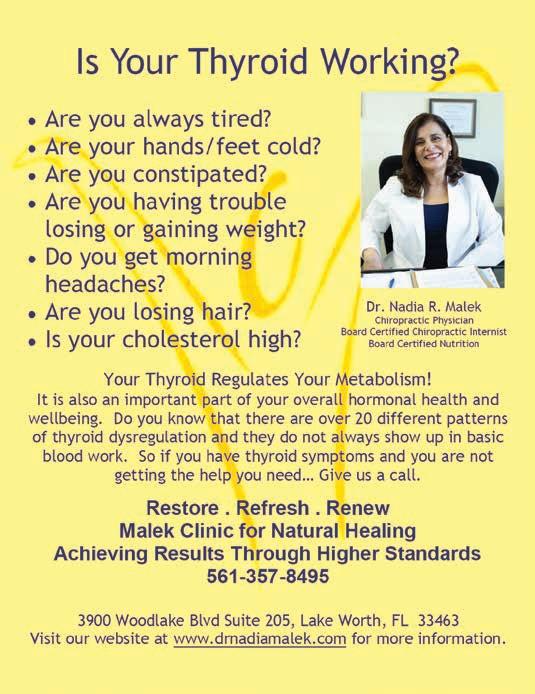
Hormones Imbalanced?
If you or someone you know is experiencing any of these symptoms, chances are Hormone Pellet Therapy is the solution.
Checklist:
q Difficulty Sleeping at Night
q Lack of Energy and Fatigue During the Day
q Reduced Mental Focus and Memory
q Moody, Anxious or Depressed
q Weight Gain including Increased Fat Around Mid-Section
q Inability to Lose Weight Regardless of Healthy Diet & Exercise
q Decreased Muscle Strength
q Muscle and/or Joint Pain
q Reduced Sexual Desire and Performance
The Hydration Habit
Helping Kids Thrive With Every Sip
by Christina Connors
Hydration is one of the most overlooked pillars of children’s health, even though it affects nearly every aspect of how they think, feel and function. Because kids have a higher percentage of total body water, approximately 65 to 80 percent, even slight dehydration can ripple through their day in ways both subtle and significant. The American Academy of Pediatrics recommends four cups of fluids daily for 1-to-3-year-olds, five cups for 4-to-8-year-olds and seven to eight cups for older children. Plain water is the best choice.
Hydration Hurdles
Kids face unique physiological challenges when it comes to staying hydrated. A 2025 systematic literature review in Children revealed that youngsters are frequently dehydrated. About 81 percent of the studies reported dehydration among child athletes, while 69 percent of the studies observed dehydration in nonathletic children, as well.
“In adults, a loss of 2 percent body weight in fluids has adverse effects, but in children, those negative effects are thought to occur at only a 1 percent loss,” explains Heather Mangieri, a registered dietitian nutritionist and author of Fueling Young Athletes: Essential Foods and Fluids for Game Day—and Every Day. Kids don’t always recognize when they’re thirsty. The youngest are especially susceptible to dehydration because they cannot independently communicate their thirst to caregivers or access fluids. School restrictions on bathroom breaks, limited water access and distractions all contribute to children falling behind on fluids.
Hidden Impacts on Brain and Body
“Research has shown that dehydration negatively impacts cognitive performance, particularly in the areas of attention, memory and focus,” says Mangieri. “When kids struggle to concentrate and process information, that can lead to learning challenges.”
A 2019 study published in The Journal of Nutrition involving 9-to-11-year-old participants demonstrated that four days of increased water intake led to improvements in working memory and cognitive flexibility—the mental ability to shift perspectives, adapt thinking and change strategies in response to new
information or changing demands.
Yet signs of dehydration often go unnoticed. “Noticeable thirst is one sign, but other signs are vague and often missed,” explains Mangieri. “Less obvious signs are headache and lightheadedness, irritability, nausea, difficulty paying attention, weakness and fatigue.” She recommends monitoring urine color: pale yellow indicates good hydration, while dark yellow signals dehydration.
Adopting Lasting Practices
Small, consistent strategies can transform a child’s hydration status, and with it, their daily resilience. Start the day with water before
breakfast. After hours of sleep, children wake naturally dehydrated. Create “sip-time” moments at predictable transitions, including when they return home from school, before homework and before bed.
“One of the best ways parents can help promote healthy drinking habits from a young age is by modeling the behavior themselves,” Mangieri counsels. “When kids see their parents filling up their water bottle, carrying it around and drinking from it, they are more likely to develop that habit, too.”
She also recommends letting kids choose and decorate their reusable water bottle. Because drinking out of a straw tends to increase the amount of water consumed without even realizing it, choosing a water bottle with a straw can help. Other fun ideas include colorful twisty straws, ice
cube trays in fun shapes and adding juice from defrosted frozen berries for natural flavoring.
Hydrating foods are integral to good hydration. This includes fruits and vegetables with high water content such as cucumbers, watermelon, celery and tomatoes. “For kids that don’t care for plain fruit, it can be added to oatmeal or yogurt, or pureed and frozen into popsicles, or blended into a smoothie,” Mangieri suggests. “Soups and stews are also great options for picky eaters.”
Added Needs for Active Kids
With sports drinks marketed aggressively to young athletes, many parents wonder whether electrolytes are truly necessary. Mangieri clarifies, “Children that eat a wellbalanced diet and drink adequate fluids can most often get all of the nutrients they need without the use of electrolyte-replacement beverages.”
She notes that children participating in exhaustive exercise for more than an hour, especially in hot, humid weather, may benefit from electrolyte beverages. However, she explains, “Even active kids that sweat a lot can replace their losses without using an electrolyte drink. Since sodium is the main electrolyte lost in sweat, eating sodium-containing foods before and after activity, along with drinking water, can help replace what was lost in sweat.”
The Power of Small Changes
Hydration is foundational self-care supported by simple strategies: a reusable bottle, a morning routine, hydrating foods and consistent encouragement. These tools sharpen focus, stabilize mood, fuel energy and support growing bodies. Start this week with one change: a new, cool-looking water bottle, a morning hydration ritual or cucumber-and-mint-infused water in the fridge. Watch what unfolds when their bodies get what they need, sip by steady sip.
Christina Connors is a writer, keynote singer and workshop facilitator. Learn more at ChristinaConnors.com.
Pet Reactions to Food
How To Ease Their Discomfort
by Ruth Roberts, DVM, CVA, CVH, CVFT, NAN
Persistent itching, recurrent ear infections, digestive upset and dull coats are common in pets and often indicate a food reaction. Distinguishing food allergies from sensitivities can be confusing because their symptoms often overlap. However, understanding the difference is essential to arrive at an accurate diagnosis, effective dietary strategies and better long-term outcomes.
Food allergies occur when the immune system misidentifies a normally harmless food as a threat and triggers an inflammatory response. According to a 2023 article published in the Journal of the American Veterinary Medical Association, when the immune system’s tolerance to food breaks down, the response involves either antibodies or immune cells like T-cells. Common symptoms include persistent itching, recurrent skin or ear infections, vomiting, diarrhea or a combination of skin and tummy symptoms. Over time, even small amounts of the offending ingredient can provoke noticeable reactions.
Food sensitivities, also referred to as food intolerances, differ from food allergies because they do not involve antibodies or immune cells. Instead, food intolerance arises when foods overwhelm the pet’s digestive capacity, its metabolism or its normal gastrointestinal
function. Common symptoms include intermittent diarrhea, gas, vomiting, variable itching and changes in energy or behavior, with reactions often appearing hours or days after the food was eaten.
Although food allergies and food sensitivities can exhibit similar skin and gastrointestinal signs, veterinarians differentiate between them based on reaction patterns, dose sensitivity, timing and response to dietary intervention, rather than relying solely on symptoms.
Dietary Triggers and the Role of Elimination Diets
Food allergies are most often caused by specific proteins. A 2016 study published in BMC Veterinary Research indicates that the most prevalent allergens in dogs include beef, dairy, chicken, wheat and lamb; while in cats, beef, fish and chicken are most frequently implicated. Food sensitivities, on the other hand, are usually related to how the pet’s body handles certain ingredients. These reactions may occur when foods are highly processed, contain additives or are difficult for the pet to digest, rather than being caused by the immune system.
The most reliable way to identify the problematic food is through an elimination diet, followed by gradual reintroduction of ingredients. During the elimination phase, pets are fed a simplified diet with ingredients they have rarely or never eaten. All treats, flavored medications, supplements and table foods are removed during this process. This phase typically lasts eight to 12 weeks, although chronically affected
pets may require a longer duration. Signs like itching, vomiting, diarrhea or ear problems are meticulously monitored. Once symptoms improve or stabilize, individual ingredients are slowly reintroduced one at a time, with several days separating each addition. If symptoms return after a specific ingredient has been reintroduced, that food is identified as the trigger.
A 1994 study published in the Australian Veterinary Journal demonstrates that an elimination diet can lead to improvements, and the recurrence of symptoms confirms food-related reactions. This method also helps veterinarians determine whether the reaction is more consistent with a genuine allergy or a non-immune sensitivity, thus guiding long-term dietary management.
Supporting Healing From the Inside Out
Dr. Peter Dobias, a conventional and integrative veterinarian, emphasizes that food sensitivities and food allergies should be viewed as expressions of deeper systemic imbalances rather than isolated dietary shortcomings. He explains that regardless of whether a pet develops a sensitivity or an allergy, the underlying contributors frequently overlap. These include genetic predisposition, toxin accumulation, nutrient deficiencies, gut dysbiosis (imbalance), chronic stress and limited dietary diversity during early development.
Dobias treats both allergies and sensitivities with foundational restoration rather than symptom suppression. His approach includes feeding species-appropriate, minimally processed whole foods; providing essential nutrients like omega-3 fatty acids, probiotics, vitamins and minerals; supporting liver detoxification; and maintaining spinal and structural health. While allergies often appear more acutely and require immediate management, he stresses that addressing underlying imbalances benefits both conditions.
“Allergies are a signal that the body’s systems and metabolism need support, not just that a single food needs to be eliminated,” Dobias asserts. This perspective helps explain why quick dietary fixes often fail. Removing a single ingredient without addressing digestive capacity, detoxification or inflammation may temporarily reduce symptoms, but it does not resolve the conditions that
allowed reactivity to develop. Effective dietary intervention therefore requires structure, patience and a broader understanding of how food interacts with the whole system.
Ruth Roberts, an integrative veterinarian and holistic health coach for pets, is the creator of The Original CrockPet Diet. Learn more at DrRuthRoberts.com.
Pixel-Shot/Shutterstock
Add your Event: establish an account on NAPalmBeach.com/calendar Deadline: the 10th of the month for print; certain restrictions apply. Email NaturalAwakeningsFLA@gmail.com for details on promoting events online and in print using Natural Awakenings’ multi-platform approach!
MONDAY, MARCH 2
The Power of Connecting to Your Intuition — 7–8pm, and Tuesday, March 10. Free. Live Experiential Webinar. Internationally renowned spiritual teacher and psychic medium Angie Greenfield will guide you through a gentle, embodied way to reconnect with your intuition, becoming a catalyst for change. Plus upcoming training discussed! Register: https://us06web.zoom.us/meeting/ register/R_I0LLwjT5OUd8Wql0kOzw
SATURDAY, MARCH 7
ALIGN 4 Elements Waterfront Yoga and Sound Healing in Ft. Lauderdale — 5-9pm, $25, $39 upgrade, Designed to reconnect mind, body, and spirit through movement, breath, sound, creativity, and community. Move through curated environments inspired by Earth, Air, Fire, & Water, engaging at your own pace within guided flow. Tickets: Align4elements.org/
SAT. & SUN, MARCH 7 & 8
NewLife Expo, Two Day Event — 10am7pm. The Future of Wellness is Here. 60 of your favorite Exhibitors and Speakers. Workshops, Panels, Performances, Free Lectures, and Free Samples. Palm Beach County Convention Center, 650 Okeechobee Blvd, West Palm Beach, FL, 33401. Call 516-897-0900. Tickets: NewLifeExpo.com
WEDNESDAY, MARCH 11
Shamanic Energy Healing and Soundbath with Angie & Nicole — 6:30pm $55. Intimate healing experience to support removing energy blocks, activating your energy channels and receiving divine messages. The voice of indigenous sound instruments will take you on a healing journey. Palm Beach Gardens address and instructions provided with registration: CenterTheHeart.com
Classified Ads
Ways to Advertise...
Place your ad here – Natural Awakenings Magazine gets real results. Reach our readers (for the print issue and the online digital issue). Call 561-626-5584 for more information or order online: NAPalmBeach.com/ pages/classified.
Use our Online Form
Upcoming Events
FRIDAY, APRIL 17—19
The Art of Decoding Your Gifts, Empower your Intuition & Step Boldly into your Purpose Work! — $1,111. 3 Full Day Training Immersion; connecting to yourself and your gifts like never before. Presented by Angie Greenfield, Center the Heart. 720289-2435. Marriott Hutchinson Island Resort, 555 NE Ocean Blvd, Stuart, 34996. CenterTheHeart.com/3dayimmersion
Ongoing Events
Today
Highlight Your Ongoing Event Here! — Our readers attend published health and wellness events. Order using our online system at NAPalmBeach.com. Due date for ordering is the 10th of the month for the following month’s publication.
Saturday
Paddle With A Purpose, Waterway and Shoreline Cleanup — 9–11am, help remove trash (third Saturday monthly). Kayaks, and canoes available on a first come, first serve basis; bringing your own. Location varies. Owen Gaither, Kool2care2@gmail.com
Easy ordering online – NAPalmBeach. com/pages/classified. Due date — 10th of the month for the following month’s issue.
Community Resource Guide
Connecting you to the leaders in natural healthcare and green living in our community. To find out how you can be included in the Community Resource Guide; email NaturalAwakeningsFLA@gmail.com for details.
Acupuncture
GARDENS WHOLISTIC
HEALTH CENTER
Dr. Bill Rice, DC, LAc, DCBCN 4360 Northlake Blvd., 2nd Floor Palm Beach Gardens, 33410
561-439-6644
Healthy-Answers.com
Experience Feeling Great!
Dr. Rice – a wholistic physician serving patients since 1977 using Acupuncture, Kinesiology, Gentle Chiropractic care and Nutritional Counseling. We Listen • We Care • We Get Results.
HEALTH FROM INSIDE OUT
23257 SR 7, Ste 206, Boca Raton
561-414-1587
MyHealthFromInsideOut.com
Experience Natural Healing with Dr. Anne Silva, offering acupuncture and NAET to relieve allergies, pain, weight loss, stress and much more. Restore wellness! Book today!
Alternative Medicine
THE HEALING CENTER FOR ALTERNATIVE MEDICINE
16244 S. Military Trail, Suite 120 Delray Beach FL 33484
561-498-1414
DoctorEsther49@gmail.com
DrElishaOMD.com
Enhancement
Dr. Esther Elisha, AP is a Hadassah Medical School graduate MD practicing alternative medicine.
Acupuncture • Homeopathy • Holistic Therapy
• Tailored Wellness Programs • Pain Management • General Health
We accept all major insurance companies. Call to see if yours covers acupuncture!
Art
CHERIE BENDER, FINE & COMMISSIONED ART STUDIO
561-789-1648
CherieBender.com
Bring joy to your office and home through positive and inspirational art.
Please call to make your vision a reality and speak with artist Cherie.
Beauty & Health
ONENESS PERFUME
OnenessPerfume.com
Scents of Unity: Perfumes That Onenessly Embrace Our Shared Humanity. Discover a fragrance that harmonizes with your values. Join the Movement.
Think Noble • Feel Noble • Be Noble
Scan the display ad’s QR code. See ad page 2.
Conscious Tree Trimming
WOODY’S CREW TREE AND LANDSCAPE
561-325-8917
WoodysTreeCrew@gmail.com
Experienced, Licensed and Insured. ISA Certified Arborist Techniques Used. Trees Big or Small We Do Them All!
See ad page 15.
Craniosacral Therapy
EILEEN YOCHEVED HANDE, BS, MA, LMT
Back in Balance
7025 Beracasa Way, Ste 202C Boca Raton, FL 33433
561-715-6185
BodyMassageAndBeyond.com
Upledger Certified CranioSacral Therapy for All Ages and Alternative Pain Management/Advanced Manual Therapies.
I have developed innovative approaches to Pain Relief through the integration of these Advanced Healing Therapies for the treatment of: Trauma/ Anxiety, Stress, Migraines, TMJ, Car Accident Injuries, Sciatica, Neck/Back Pain, etc. Since 1993. MA14975, MM10999
Dating
REVOLUTION DATING
Kelly Leary, M.S. Miranda Capparelli 5090 PGA Blvd #208 Palm Beach Gardens 561-630-XOXO (9696) 772-932-HERE (4373)
RevolutionDating.com
Are you single? Call to meet the Award-Winning Matchmakers, established in 1991. Every client is prescreened in person at their well-established office. Trusted confidentiality is their practice, and love is their language. Reserve your spot in the club and connect today! #LoveMore2024 #TellYourFriends
You never quite know what you do in life that leaves a seed behind that grows into an oak tree. —Michael Portillo
Dental Health
INTERNATIONAL CENTER FOR DENTAL EXCELLENCE
Yolanda Cintron, DMD
2021 E Commercial Blvd., Ste. 208 Fort Lauderdale FL 33308
954-938-4599
FortLauderdaleDentistry.com
All phases of dentistry for optimum health, holistic, bio-compatible dentistry.
• Sedation dentistry • Removing of toxic metals • Replacing them with biocompatible materials • Laser dentistry for painless surgeries & extractions • Zirconia/ ceramic implants • Natural bone augmentation / Plasma Rich Growth Factor • Oral DNA Testing • Add gums to receding gums.
Functional Medicine
MERNA MATILSKY, M.D., FAARM, AND ABAARM
Boca Center for Healthy Living 2900 N Military Trail, Suite 245 Boca Raton, FL 33431
561-994-2007
BocaMed.com
Facebook.com/bocaimaginewellness
Services Provided by Doctor Matilsky include: Functional and integrative Medicine, Anti-Aging Medicine, Bio-Identical Hormones, Weight Loss, Medical Cannabis, Nutrition Counseling, AlmaTED Hair Restoration, and Alma Harmony Skin Restoration. See ads page 7 and 23.
Holistic Hair Salon
GLISTEN ORGANIC SALON
14545 S. Military Trail
Phenix Salon Suites, Suite 102 Delray Beach, FL 33484
561-767-0371
GlistenOrganic@gmail.com
GlistenSalon.com
“Where nature and beauty meet.” A hidden jewel in the heart of Central Delray. Come and relax in the serene, private environment while receiving the finest in organic and conventional services and products. Let our experience and professionalism guide you to Delray’s First and Best Organic Salon. Celebrating 13 years! See ad page 25
Holistic Veterinarian
HEALING HEART
Nancy A. Keller, DVM, CVH, CVA, CVC 222 W Boynton Beach Blvd. Boynton Beach, FL 33435
561-740-1313
561-740-0819, fax
Integration of Ancient Wisdom and Modern Medicine. Holistic Veterinary Care for our animal friends. See ads on page 6 and 27. By appointment only.
Holistic veterinary care combining conventional and complementary medicine. Fear-free, lowstress environment for your pet’s optimal wellness. Now accepting new patients—call today! See ad page 17.
Life Coach
LIFE COACH COUNSELING SO. FL. Diana Cohen Connerty, MA 508-272-1707, call or text
LifeCoachSouthFlorida.com
Experience compassionate, confidential virtual sessions that provide clarity and breakthrough moments. Overcome challenges, align with your goals, and create lasting personal transformation. Free consultation.
Massage
PREMIER MEDICAL MASSAGE
Michell Robinson
1025 N L St, Lake Worth Beach, 33469
561-900-6743
MarPerkins561@gmail.com PremierMedicalMassage.com
Expert medical massage therapist specializing in pain relief and improved mobility. Helping those who’ve struggled to find effective solutions reclaim comfort and freedom of movement.
Spiritual Advisor
ASTRAL GUIDANCE
Claude 561-504-8432
AstralGuidance.net
Intuitive Tarot and Rune readings for business, love, and life. Compassionate support with clarity and direction. Call, text, or book online!
See ad page 9.
CENTER THE HEART
Angie Greenfield 1801 S Australian Ave West Palm Beach, Florida 33409 720-289-2435
Angie@CenterTheHeart.com CenterTheHeart.com
Release old stories and step into your purpose with supportive, transformational sessions. Experience deep healing, selfconnection, empowerment, and clarity through a unique blend of energy healing, mentorship, and mediumship designed to guide your personal growth and elevation. See ad page 9.
Spiritual Life Coach
ORACLE OASIS
561-316-9535
Hello@OracleOasis.com OracleOasis.com
Intuitive service combining tarot, oracle cards, and pendulum, empowering you with clarity, perspective, and understanding to shape your future and trust your inner guidance.
Wellness
MARIYAM MIDWIFERY AT KING OF THE FOREST
Phoebe Barouk, APRN, CNM
Sarah Rejman, Holistic RN 2188 W Atlantic Ave, Delray Beach, FL 33445
561-299-0712
561-643-8112
Organic wellness market and holistic health services. Community empowerment education, women’s health, homebirth midwifery, lactation support, herbs, supplements, sustainable living, organic local farm fresh food.