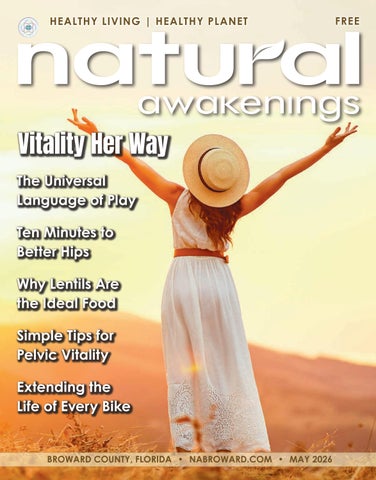
This May issue brings together a thoughtful collection of features designed to support informed choices around daily well-being, with practical insights that can be applied across all stages of life.
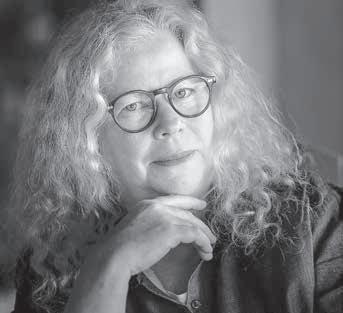
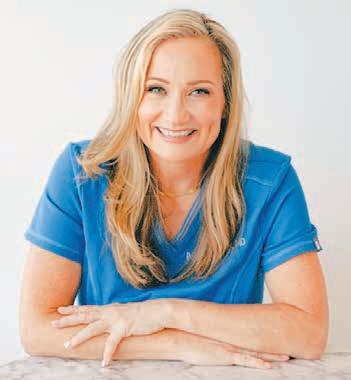
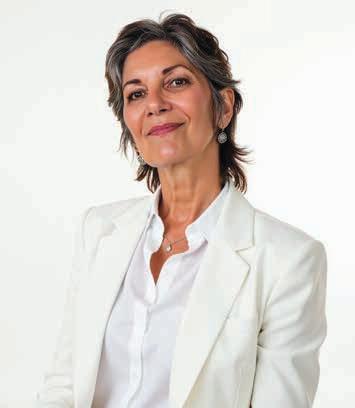
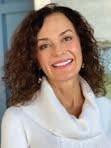
In this month’s Feature article, four women from diverse backgrounds share their perspectives on living with intention and resilience. Behati Hart reflects on her transition from military service to personal development work, while Maria Rodale highlights the role of organic living and meditation in shaping long-term wellness. Dr. Rebecca Hunton offers a functional medicine view on the connection between emotional and physical health, and SaritaLinda Rocco explores the importance of boundaries and energy awareness. Together, these voices present a multidimensional look at what it means to thrive. For the complete article, see page 16.
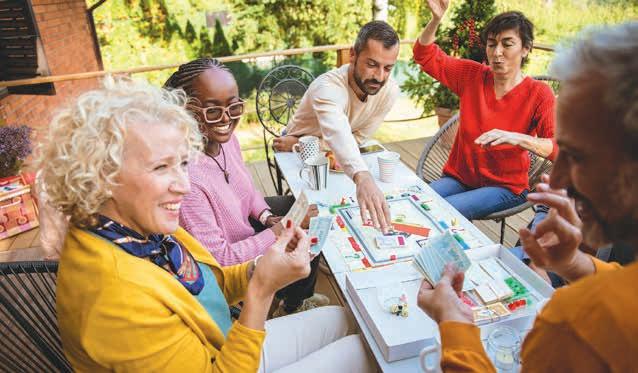
The Inspiration section examines the role of play in adult life, drawing from research on how stress and modern habits can limit the experience of joy. The article outlines how accessible activities such as creative expression, time outdoors and social interaction can help support emotional balance and resilience. Read more, see page 11.
In Fit Body, on page 20, attention turns to hip health and its impact on mobility and comfort over time. With input from physical therapists and yoga practitioners, this piece explores common causes of hip discomfort
and introduces simple, targeted exercises that can be incorporated into a regular routine to support strength and flexibility.
Healing Ways focuses on pelvic floor health, an often overlooked yet essential component of overall wellness. Drawing on clinical research and expert insight from Dr. Anna Cabeca and Kim Vopni, the article provides guidance on strengthening these muscles through integrated movement, breathing and lifestyle awareness. Explore this article, see page 22.
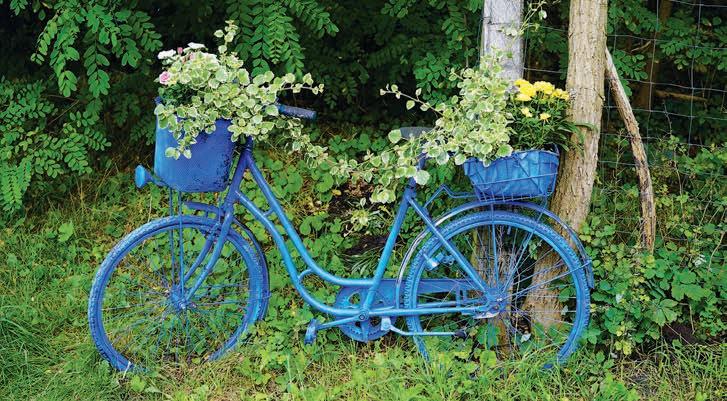
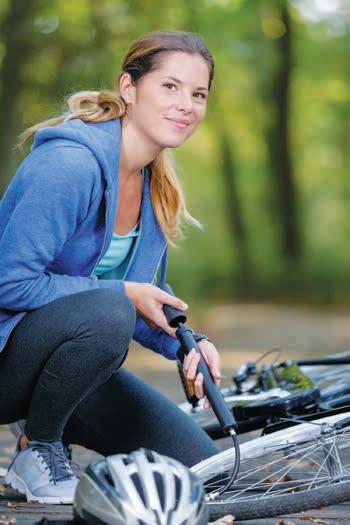
The Eco-Tip article highlights practical ways to extend the life cycle of a bicycle, from regular maintenance to resale, donation, recycling and creative repurposing, supporting both sustainability and accessibility. See page 10.
“Take
care of your body. It is the only place you have to live.” — Jim Rohn
Susan Q Wood Publisher
BROWARD COUNTY, FLORIDA EDITION
CONTACT US
Natural Awakenings
3900 Galt Ocean Dr #1403
Fort Lauderdale, Florida 33308
NaturalAwakeningsFla@gmail.com 954-630-1610
Publisher Susan Q Wood
Editor Cheryl Hynes
Design & Production Robin White
Contributing
Writers National & Local
Accounting NA Broward
Distribution M&M Media Distribution
MAILED SUBSCRIPTIONS
Yearly subscriptions are available, $39 for 12 monthly issues.
Natural Awakenings Magazine is ranked 5th Nationally in CISION’S® 2016 Top 10 Health & Fitness Magazines
NATIONAL TEAM
CEO Kimberly B. Whittle
COO Michael Bevilacqua
CMO Vee Banionis
Sr. VP Operations Brian Stenzler, DC
National Editor Sandra Yeyati
Editor Brooke Goode
Copy Editor Melanie Rankin
Print Production Specialist Kevin Rankin
Design Director Agnes Mazeikaite
Production Flip180
Executive Admin Julius Frago
CONTACT
Natural Awakenings Publishing Corporation 350 Main Street, Suite 9B Bedminster, NJ 07921 Ph: 239-206-2000
Natural Awakenings is a free publication distributed locally and is supported by our advertisers. Please call 954-630-1610 to find a location near you or if you would like copies available at your business.
We do not necessarily endorse the views expressed in the articles & advertisements, nor are we responsible for the products and services advertised. Check with a healthcare professional regarding the appropriate use of any treatment.
Natural Awakenings is printed on recyclable newsprint.
Courtesy of Jake Isham
Reiki Circles Return as a Community Healing Experience
A renewed opportunity for relaxation, balance, and connection is now available to the community through Seated Reiki Circles held each Saturday at the Center for Spiritual Living Fort Lauderdale. Designed to be accessible and welcoming, these gatherings offer participants a chance to experience the calming and restorative benefits of Reiki in a supportive group setting.
The weekly Seated Reiki Circle takes place from 11:00 to approximately 11:45 a.m., with love donations appreciated. Sessions are facilitated by Reiki Master-Teacher Larry Stuart and Reiki Master and Registered
Nurse Eric Needleman, who has been practicing Reiki since 2014 and achieved master-level training in 2021. Together, they offer sessions rooted in Dr. Usui’s Eastern Reiki Method, focusing on gentle energy work that promotes relaxation, stress reduction, and overall well-being.
The offering emerged from a shared desire to bring consistent healing opportunities back to the area. After previously hosting outdoor sessions that were often impacted by weather, the move indoors provides a comfortable, reliable environment for participants.
Needleman, recently retired after 40 years of service as a registered nurse, continues his commitment to community care through these circles, alongside ongoing studies in advanced Reiki practices.
For more information, contact Needleman at 954-736-7589. Seated Reiki Circle: Center for Spiritual Living Fort Lauderdale, 4849 N Dixie Hwy, Oakland Park, FL 33334. See ad page 13.
Carmie Alvaro: Integrative Nutritional Personal Chef
Carmie Alvaro brings a rare combination of culinary mastery and hard-won health wisdom to the table — quite literally. Trained in the traditions of authentic Italian cooking and raised on recipes passed down by immigrant parents who made everything from scratch, Alvaro developed a deep reverence for real, wholesome food long before it became a wellness movement.
A personal health crisis became her turning point. After years as a working personal chef, a prolonged illness led Alvaro to a profound discovery: that food itself could be the most powerful medicine.
Through eliminating inflammatory ingredients and embracing a clean, low-carb, anti-inflammatory approach to eating, she fully restored her own health — and found her true calling.
Today, Alvaro prepares beautifully crafted, chef-quality meals free of gluten, seed oils, GMOs, soy, and artificial ingredients. Whether a client is navigating autoimmune disease, recovering from illness or chemotherapy, or simply committed to thriving, her approach is both nourishing and delicious.
For those ready to experience the healing power of truly clean cuisine, Carmie Alvaro is worth a conversation.
Carmie Healthy Cooking, 514- 839- 0319, CarmieAlvaro@gmail. com, Instagram: @CarmieHealthyCooking. See ad on page 30.
Be your own artist and always be confident in what you’re doing. If you’re not going to be confident, you might as well not be doing it.
—Aretha Franklin
Health Briefs
Cognitive Benefits of Caffeine
Dark Chocolate Linked to Slower Aging
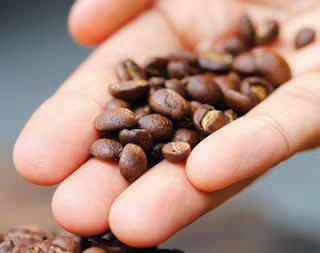
A study published in JAMA reports that caffeine protects against dementia and other forms of cognitive decline. The research followed nearly 132,000 American adults for up to 43 years, analyzing the effect of coffee and tea consumption on dementia risk and cognitive performance. Participants were free of cancer, Parkinson’s disease and dementia at the start of the study. After adjusting for demographic, lifestyle and health-related factors, a higher intake of caffeinated coffee significantly reduced dementia risk.
Those consuming the most caffeinated coffee had an 18 percent lower dementia risk than those consuming the least. Higher caffeinated coffee intake also correlated with a lower likelihood of self-reported cognitive decline and modestly better performance on objective cognitive tests. Tea consumption showed similar patterns, while decaffeinated coffee did not reduce dementia risk or improve cognitive outcomes. The strongest effects were seen with moderate intake, about two to three cups of caffeinated coffee or one to two cups of tea daily.
Participants were drawn from the Nurses’ Health Study (started in 1976) and the Health Professionals Follow-up Study (started in 1986), two of the largest, long-running U.S. studies investigating risk factors for chronic disease.
Research conducted in 2025 by King’s College London and published in Aging reveals a connection between dark chocolate and slower aging. Theobromine, a natural cocoa compound and alkaloid, regulates gene activity and was found in higher levels in the blood of individuals that appeared biologically younger than their chronological age.
Analyzing data from more than 1,600 European adults, researchers estimated the participants’ biological age using two methods: assessing DNA changes that indicate the pace of aging; and measuring telomeres, the protective structures at the end of chromosomes that shorten as we age.
The researchers caution that increased consumption of dark chocolate is not a shortcut to a longer life. Further research is needed to understand theobromine’s interaction with the body and its impact on aging.
Kamonwan_Wankaew/ shutterstock
PeopleImages/shutterstock
Handy Heart-Risk Calculator
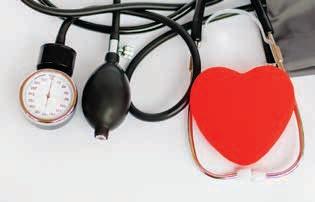
Heart disease is the leading cause of death in the United States, and nearly everyone that experiences a heart attack, stroke or heart failure has at least one risk factor. The American Heart Association offers a free tool called PREVENT to estimate 10-year and 30-year cardiovascular disease (CVD) risk for people aged 30 to 79 without known CVD. Validated in a 2025 study published in the Journal of the American College of Cardiology, the tool’s algorithms are based on 10 years of data from more than 6.5 million Americans without known CVD. It is the first tool to combine cardiovascular, kidney and metabolic health measures. To access the calculator, visit professional.heart.org/en/guidelines-and-statements/ prevent-calculator.
The calculator aims to promote earlier consultation between doctors and patients when higher risk is detected. These conversations can lead to lifestyle changes in diet, sleep quality and stress, alongside treatment, to reduce CVD risk.
Deeper Awareness Through Dance
5Rhythms is a movement meditation practice developed by Gabrielle Roth in the late 1970s. It combines elements of shamanic, ecstatic, mystical and Eastern philosophy, along with influences from Gestalt therapy, a humanistic form of psychotherapy. The practice is founded on the belief that everything is energy, moving in waves, patterns and rhythms. Roth described 5Rhythms as the connection of body, heart, mind and spirit. By moving the body, practitioners aim to quiet the mind and access deeper states of awareness and creativity.
The five rhythms of the practice correspond to different movements and emotional states, danced in a specific sequence: flowing represents grounding and being; staccato signifies clarity and direction; chaos encourages release and transformation; lyrical conveys lightness and joy; stillness brings integration and peace.
5Rhythms participants move through the five rhythms in 60 or 90 minutes. There is no set choreography; individuals are encouraged to move intuitively while barefoot in response to music that reflects the energy of each rhythm.
Promise and Pitfalls of Biological-Age Tests
A December 2025 study in eBioMedicine reports that better cardiovascular health—characterized by a low body mass index, no smoking and healthy blood pressure—slows biological aging in mid-to-late life. This suggests that biological aging is not solely determined by genetics and can be altered by addressing cardiovascular risk factors like smoking, diet, exercise and blood pressure in middle-aged and older adults.
Although promising, this research has been met with caution due to disagreement about the reliability and usefulness of commercial biological-age tests. These tests analyze patterns of DNA methylation, a natural process that regulates gene activity. Scientists use algorithms to compare a person’s methylation profile with large datasets, estimating if their body appears biologically older or younger than expected.
A February 2026 editorial in eBioMedicine (“Epigenetic clocks: advancing biological age measures towards meaningful clinical use”) highlights the limitations of biological-age testing. Most tests use blood or saliva samples, which may not accurately reflect aging in other organs and tissues. Different tests often produce varying results because they use different populations and algorithms. Biological-aging patterns can also differ by sex, lifestyle, environment and disease stage. The eBioMedicine editorial emphasizes that despite their potential to improve disease prevention and deepen our understanding of aging, biological-age tests need further development to address scientific and methodological gaps.
StockFamily/shutterstock
Night-Vision Contact Lenses
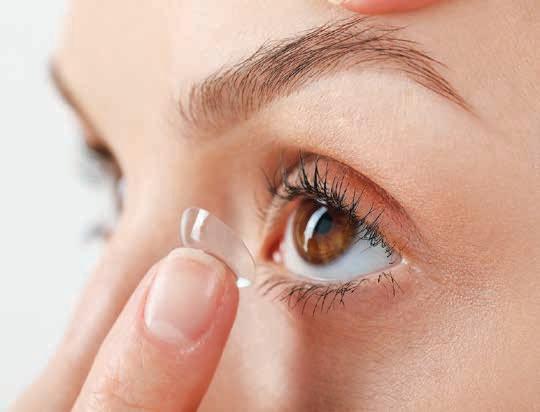
Humans have poor vision in the dark because we lack the reflective, mirror-like layer behind the retina that enhances low-light vision in animals like cats, dogs and owls. To address this, nightvision goggles were invented. A new study in the journal Cell reports that Chinese scientists have developed contact lenses that enable people to see beyond the visible light range and perceive near-infrared light even in the dark.
The lenses were tested on mice and humans. Human participants were able to distinguish spatial details (shapes/locations), temporal information (flickering/movement) and multiple near-infrared colors (red, blue, green) simultaneously without the need for bulky powered equipment. This technology could be used in rescue missions, medical procedures, law enforcement and military operations.
Organic Sales on the Rise
The Organic Trade Association reported that U.S. sales of certified organic products rose by 6.8 percent in 2025, reaching $76.6 billion. By contrast, non-organic sales increased by only 3.4 percent. This growth of organic sales indicates that consumers are increasingly prioritizing their health and the environment, often paying premium prices for organic products.
In 2025, organic food sales totaled $70.1 billion, accounting for 6.1 percent of the total food market. Large increases were observed in organic produce, grocery items, beverages, dairy and eggs, with organic beef experiencing the largest growth, at 44.3 percent. Organic textiles, dietary supplements, personal-care products and pet foods reached $6.5 billion in 2025, making up about 1 percent of the sales in these categories. Concern about pesticides and toxins drove the rise in these sectors.
Solar-Powered Hydrogen Reactor
Hydrogen fuel production usually requires large amounts of energy, making it cost-prohibitive. A paper published in Frontiers in Science outlines key discoveries in photosynthesis and photocatalyst sheets for splitting water into hydrogen and oxygen using solar power. It reports nearperfect conversion of photocatalytic water splitting using ultraviolet light and the potential for scaling to a large outdoor prototype panel reactor system.
The processes remain experimental and will need further research and development to become practical, efficient and scalable, and to ensure safe recovery of the oxyhydrogen gas. If successful, this technology could produce a sustainable, low-cost green fuel to replace fossil fuels for energy.
eehcas/shutterstock
New_Africa/shutterstock
Giving an Old Bike New Life
by Natural Awakenings staff
Bicycling is more than just exercise; it is a joyful, practical and eco-friendly habit. A well-maintained bike is one of the greenest transportation options, reducing carbon emissions and saving money. Whether we ride daily or only when the weather is nice, an annual tune-up ensures every ride is safer, smoother and more enjoyable.
When a bike is collecting dust or replaced by a newer model, it is time to sell, gift or donate it to extend its life and let someone else enjoy it. For bikes beyond repair, recycling or responsible disposal prevents them from ending up in landfills.
Basic Tune-Up: Begin by checking and inflating the tire pressure. Wipe off dirt and lubricate the chain. Test and adjust the brakes for safety. Ensure the seat and handlebars are properly fitted and tightened. For issues like squeaky brakes, skipping gears or a rough ride, consider professional help from a bike repair shop.
Selling Tips: Selling to a friend or neighbor is ideal. Some local bike shops offer trade-ins or credit toward upgrades. Before listing a bike for sale, clean it thoroughly and perform a basic tune-up. Capture high-quality, well-lit photos of all components to attract buyers. To set a competitive price, consult BicycleBlueBook.com or a similar site. List the bike on platforms like Facebook Marketplace, Craigslist, eBay and specialized sites such as BuyCycle.com and BikeFair.org. Be honest about the bike’s condition and specifications, including frame size and any upgrades or damage. For cash transactions, meet in a public, well-lit area for safety.
Donation Strategies: Donate bikes to local bike shops, nonprofit consignment stores, churches, schools, youth centers or charities like Goodwill or The Salvation Army. Call ahead to confirm that the organization accepts bicycles and to check their requirements. Most prefer bikes in working order or easily repairable, but cleaning or repairing
the bike before donating is not necessary.
Recycling Advice: Take unrepairable bikes to a local recycling center. Disassemble metal parts, tires and tubes for recycling through local programs. Junk removal services like 1-800-GOT-JUNK handle disposal and recycling. Community trash collection agencies may pick up old bikes for proper disposal.
Upcycling Ideas: Bike frames and parts can be used to create home decor, sculptures, garden containers and even lamps. Use bike rims for a coffee table, gears for wind chimes, a bike wheel for a clock, bike chains for a chandelier, handlebars for a candelabra, or an intact bike as a garden decoration or plant holder.
Rediscovering Fun
by Marlaina Donato
From crocodiles to kangaroos, animals in the wild and in captivity exhibit playful sides. Ravens have been known to slide down snowy rooftops, and elephants at a waterhole enjoy splashing their siblings just for the heck of it. Scientists deduce that all intelligent, social species invent games that take the edge off the struggles of survival.
Humans are no different, but we tend to quell this predisposition after adolescence. Playing tag, riding bikes or running outdoors are childhood pastimes that boosted our developing brains through the release of feel-good endorphins. As adults, we too often chase the dopamine response with shopping, social media, high-risk activities, or food and alcohol consumption.
In the daily blur of work, obligations and challenges, we tend to forget to set aside the seriousness of life and just play. Feeling selfconscious and fearing judgment from others can be our greatest obstacle to feeling free, but fun might be the medicine we need. Chronic stress or trauma reduces our capacity to feel joy. The less we play, the more our nervous-system response remains compromised, keeping us stuck in fight-or-flight mode.
Rolling around the grass with a beloved pet, camping with the grandkids in the living room on a rainy day, bouncing a ball and playing a fun board game are all wonderful ways to call back the joyful spirit we might have lost. Being goofy and maintaining fun in
a romantic partnership can strengthen bonds and help anchor a couple during hard times.
Lightening up in a world that feels angry 24/7 doesn’t mean we aren’t passionate about what matters. Cranking up music while making dinner, racing a lover back to the house, making up a silly scenario or daydreaming for a few minutes on a lunch break can’t change the world, but it can jumpstart our joy.
Marlaina Donato is an author, painter and composer. Connect at WildflowersAndWoodSmoke.com.
More Than Soup
Lentils as a Modern Wellness Staple
by Maya Whitman
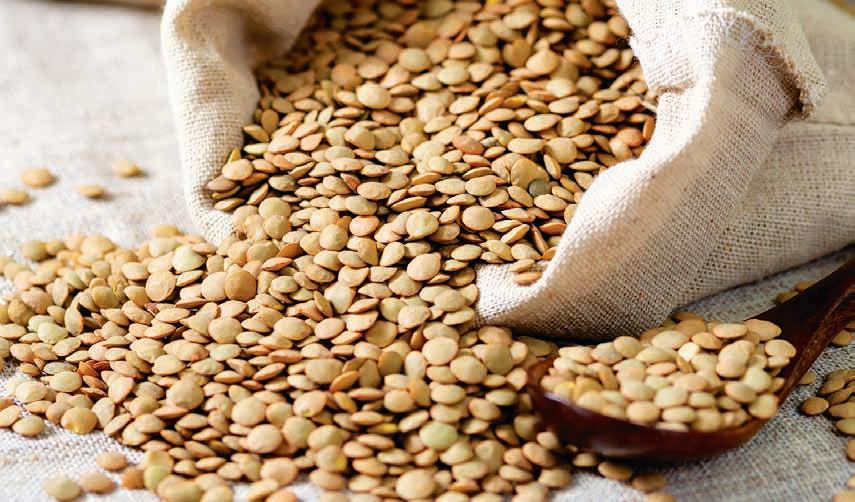
Humans have consumed lentils since the Bronze Age, and cultures worldwide, from the Middle East to the Mediterranean, have long valued them. These nutritious legumes gained popularity as a meat substitute in the United States during World War II and remain a cost-effective ingredient in modern kitchens, with the added benefit of being an ecofriendly, sustainable crop.
“Lentils require less water than many other protein sources, and they enrich the soil in which they’re grown,” says Cynthia Sass, a registered dietitian nutritionist and plantbased recipe developer in Los Angeles.
These small seeds from a legume plant are mild, easy to cook and offer endless possibilities for hearty soups, salads, plant-based “meatloaf”, veggie burgers, dips, stuffings and even sweet desserts. Lentils absorb any
flavors added to them, effortlessly highlighting exotic spices and fresh herbs, and can serve as a surprising flour replacement in delicious baked goods.
“When people discover lentils beyond soup, they often realize just how versatile and satisfying this tiny powerhouse can be. They are one of the most versatile foods in the plant-based kitchen,” says Tracy Gunter, a health strategist and owner of Original Origins Health & Wellness, in Columbia, South Carolina.
Vital Properties
According to the Cleveland Clinic, regular lentil consumption leads to healthier blood pressure levels than eating garbanzos (chickpeas), beans or peas. Their fiber content enhances good gut bacteria and sustains energy throughout the day. Lentils do not cause extreme glucose spikes,
making them an excellent addition to a diabetes-management diet and helpful for reducing excessive systemic inflammation. Rich in selenium and zinc, they boost immune response and contain cardiovascularsupportive minerals like potassium. Lentils also provide iron and offer 25 grams of protein per three-and-a-half ounces. Their high polyphenols content also lowers the risk of cancer, cognitive decline and obesity.
Sass notes, “Lentils make a terrific post-exercise recovery food and can help athletes and active people replenish nutrients they’ve depleted during exercise and heal from the stress a workout puts on muscles and joints.”
Gunter loves lentils for their high nutrition and plant-forward flexibility. “They can easily replace meat in many dishes because of their hearty texture and protein content,” she explains. “They can be seasoned and used as a filling for stuffed peppers, layered into vegetable shepherd’s pie or incorporated into tacos and wraps.”
Varieties and Inspirations
Lentils vary in color and texture, each type cooking differently. Brown lentils are perfect for plant-based “meatloaf”, “meatballs”, vegetarian chili and sloppy joes. Red lentils cook quickly for creamy Italian, Moroccan or Indian-inspired soups, hearty hummuslike dips and curries. Tiny black lentils (Beluga) and French lentils (Puy) add a firm, nutty texture to food bowls and salads and pair well with roasted Yukon gold or sweet potatoes.
Lentils work well in combination with
RC HOLISTIC HANDS SPA
Mother’s Day Specials Book for May’26
• Hydra Facials – $105 (reg. $200)
• TCA Peel – $175 (reg. $250)
• PRP Microneedling – $99 (reg. $175)
• RF Microneedling – $275 (reg. $375)
• Exosomes Microneedling – $175 (reg. $300)
2787 E Oakland Park Blvd., Ste. 312, Ft. Lauderdale 33306 954-934-4515 RCHolisticHandSpa.com
soft-to-medium-grade tofu for comfort food classics like stuffed shells or manicotti. Additionally, lentil-based desserts such as brownies are decadently moist, and lentil puddings are delightful when made with the addition of dried fruits like Medjool dates.
“Lentils can be incorporated into nearly every type of cuisine and can be included whole or pureed,” says Sass. “Cooked lentils can be tossed with pre-made balsamic vinaigrette, olive tapenade, herbed tahini or vegan pesto and served over a bed of greens along with other raw or cooked veggies.” Although they cook within 10 to 40 minutes, depending on the variety, she suggests buying
pre-cooked, steamed lentils in the produce section of many markets as a practical option. Canned organic lentils are another solid alternative.
“One of my favorite ways to prepare lentils is simply simmered with garlic, onion, fresh herbs and a splash of lemon,” says Gunter. “Sometimes the simplest preparations allow their natural flavor and earthy richness to shine.” She also praises the combination of lentils with spices like cumin, turmeric, coriander, smoked paprika and curry, as well as herbs like parsley, cilantro, thyme and rosemary, which aid digestion.
Helpful Tips
Soak lentils for a few hours to enhance digestibility. For perfectly tender lentils, add salt only after cooking. Cook a pot of lentils and store it in the fridge for use throughout the workweek. Freeze any unused, cooled portions for three to six months in airtight containers.
Maya Whitman is a frequent writer for Natural Awakenings.
Liudmila
Zavialova/shutterstock
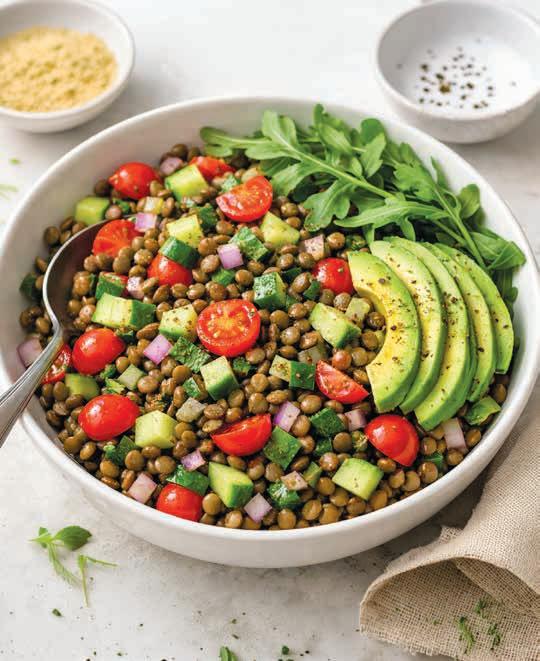
Mediterranean Lentil Power Salad
YIELD: 4 SERVINGS
1 cup green or black lentils
3 cups water
1 cup cucumber, diced
1 cup cherry tomatoes, halved
¼ cup red onion, finely diced
¼ cup fresh parsley, chopped
2 Tbsp fresh lemon juice
2 Tbsp extra virgin olive oil
½ tsp sea salt
¼ tsp black pepper
Rinse lentils and place in a pot with water. Bring to a boil, then reduce heat and simmer about 20 to 25 minutes until tender but still holding their shape.
Drain and allow lentils to cool slightly.
In a bowl, combine the cooled lentils with the cucumber, tomatoes, onion and parsley. Drizzle with lemon juice and olive oil and season with salt and pepper, then toss gently.
This salad is best served at room temperature or chilled. It keeps well for several days and becomes even more flavorful as it marinates.
Recipe and photo courtesy of Tracy Gunter
Creamy Red Lentil Garlic Dip
YIELD: 4 TO 6 SERVINGS
1 cup red lentils
2 cups water
2 garlic cloves
2 Tbsp tahini
2 Tbsp lemon juice
1 Tbsp olive oil
½ tsp cumin
½ tsp sea salt
Pinch of smoked paprika or turmeric, optional
Rinse lentils and add to a saucepan with water and garlic.
Bring to a boil, then simmer about 12 to 15 minutes, until lentils are soft.
Allow to cool slightly, then transfer the lentils and garlic to a blender or food processor. Add the tahini, lemon juice, olive oil, cumin and salt. Blend until smooth and creamy.
Drizzle with olive oil and sprinkle paprika or turmeric on top, if desired. Serve with sliced vegetables, cucumber rounds or warm pita bread.
Recipe and photo courtesy of Tracy Gunter.
Tracy_Gunter
Tracy_Gunter
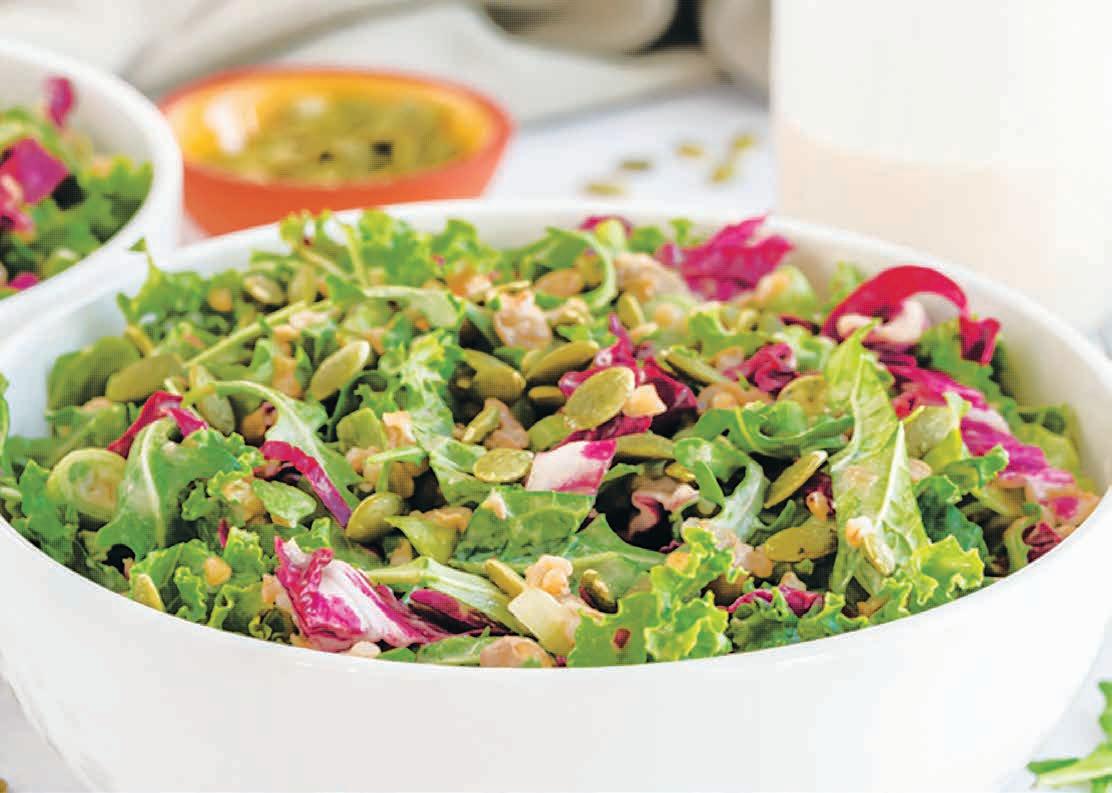
Super Greens and Beans Detox Salad
YIELD: 2 SERVINGS
½ cup dry brown or green lentils, rinsed
½ cup dry bulgur, rinsed
2 cups kale, destemmed and thinly sliced
1 cup radicchio, thinly sliced (approximately 1 small head or ½ medium head)
2 cups arugula, thinly sliced
2-2⅓ cups radishes, thinly sliced
3 cups unwaxed cucumbers, thinly sliced
2 cups red onion, diced
¼ cup raw walnuts or raw pistachios
Salt and pepper to taste
FOR CREAMY GINGER DRESSING
½ cup plain, unsweetened plantbased yogurt
1 Tbsp tahini
2 Tbsp unsweetened rice vinegar
1 Tbsp lime juice
2 tsp coconut aminos or reduced-sodium tamari
1 Tbsp maple syrup
2 tsp Dijon mustard
1 Tbsp minced ginger
In a medium pot over high heat, bring the lentils, bulgur and 2⅓ cups water to a boil.
Reduce the heat to low, cover and simmer for 25 minutes.
To make the creamy ginger dressing, place all the dressing ingredients in a blender along with 2 tablespoons of water and blend until smooth. Set aside.
In a large bowl, combine the kale, radicchio, arugula, radishes, cucumbers and onion with the cooked bulgur and lentils. Drain any excess water from the cooked bulgur and lentils before adding.
Divide the salad between two bowls for a main meal or between four bowls if served as a side. Add the dressing, walnuts, and salt and pepper to taste, and toss well
Recipe from the cookbook Powered by Plants: Nutrient-Loaded 30-Minute Meals to Help You Thrive by Food Revolution Network CEO Ocean Robbins and Nichole Dandrea-Russert, MS, RD, published by Hay House.
Angela_MacNeil_Photography
Strong, Centered and Whole
Women That Inspire Us To Thrive
by Marlaina Donato
Something in the air seems to change when a woman with strong vitality enters a room. Her undefinable life force draws us in, whether it is evident in her step or her smile. Former First Lady Eleanor Roosevelt, poet Maya Angelou and anthropologist Jane Goodall are all iconic examples, but the capacity to thrive is inherent in each of
us through small, consistent investments.
Globally, women are leading the way in consumer choices, eco-forward initiatives and sociopolitical awareness for a more sustainable and compassionate world. Whether on the frontlines fighting for worthy causes, supporting local farmers markets
or putting healthy meals on the table, prioritizing self-care and learning from each other is vital. Here, four inspiring women from different walks of life divulge how they thrive in chaotic times.
Finding Her Authentic Self
Behati Hart served her country for a decade, switching between logistics, computer analysis and paralegal positions in the United States Air Force. As a woman of color in a male-dominated environment, she says she survived by crafting a persona to hide her then-undiagnosed attention-deficit/ hyperactivity disorder and anxiety.
Today, Hart embodies what feels like a more authentic role as a multidisciplinary creator and coach. The author of Just BE: A Memoir About Unmasking and Becoming Human Again designed The BETi Method (Becoming Empowered Through Intelligence) to guide people out of trauma and identity-focused ways of living that compromise the soul’s true calling.
“We allow the world to judge us, accept those judgments as fact and begin wearing masks, titles and labels that reflect others’ expectations of how they want to experience us,” she explains. “We become afraid to experience ourselves—the good, the bad and the ugly. Unmasking is embodying ourselves so that we feel safe with who we really are.”
Noting that trauma and passion are the same energy moving in opposite directions, she says, “Trauma turns fierce aliveness
Courtesy Behati Hart
inward into hypervigilance, protection or freeze responses. Passion turns that same energy outward into creation, connection and joy.”
Numerous activities feed Hart’s soul. “My forever medicines— laughter and dancing—require no prescription and provide cathartic emotional release through physical expression,” she points out. “As an earth-oriented person, being outdoors nourishes my spirit the most. My sacred garden and porch are my grounding spaces where I practice earthing—direct skin contact with the Earth’s surface—because I believe that electrons from the earth may help reduce inflammation.”
Hart believes that we can learn from each other by sharing our experiences. “We don’t always celebrate our stories, especially the stories of other women—ancient and contemporary—who survived and taught us how to become who we are,” she says. “We need survivor stories, revolutionary stories and creator stories. To thrive, we must center the well-being of women and children, while embracing heart-led living—not feminine or masculine, but feminine and masculine, in sacred balance. That’s the future I work toward.”
Enjoying a Wild and Interesting Life
Maria Rodale seamlessly moves from the boardroom to the garden and from science to spirituality, carving out a distinctly unique life while preserving an impactful family legacy. She served as chief executive officer of Rodale, Inc., the publishing company behind Prevention magazine and bestselling book titles, including An Inconvenient Truth, by Al Gore. As a passionate, third-generation advocate for health and Earth literacy, she has penned several books of her own, including Organic Manifesto: How Organic Food Can Heal Our Planet, Feed the World, and Keep Us Safe and Love, Nature, Magic: Shamanic Journeys into the Heart of My Garden.
“I have met enough rich and famous people to know that financial success or fame is no guarantee of happiness or thriving,” she says. “I define success as a safe and warm home, a comfortable bed, good homemade food, happy and healthy kids, family and friends who love me, loving myself, the freedom to create and, of course, good health.”
Rodale prioritizes eating in-season, organic, local food, in moderation. “I also think we create the future by what we ingest— culturally and physically. Just like I avoid fast food and highly processed foods, I avoid horror movies and true crime stories,” she explains.
EMERGE
Navigating identity shifts in motherhood?
A therapist led, 8-week somatic healing experience rooted in nervous system science. Created to help any mother, at any stage of the journey, reconnect with the self that lives beneath the roles of motherhood.
Tuesdays:
Virtual & In-Person
June 9 — July 28 7 pm – 8:30 pm
Contact Maya Weber for details: Maya@SomaReleaseTherapies.com 305.298.9514
include saying a prayer and 30 minutes of meditation in the morning, before doing anything else, lifting weights twice a week, going for walks and adding to her gratitude list before bed. “The direct relationship we each have with our true, ‘higher’ selves and with God is unique for every person and part of our life journey to figure it out,” she says. “I listen to my own inner voice, trust my gut, not getting distracted by rage bait, not dwelling too much on the horrors that I can’t fix or control, and focusing on the things I can do.”
These are mantras she lives by and offers to others: “Stop worrying about what other people think. Treasure your weirdness. Get over your fears and get out there. Do what you, and only you, were born to do.”
Her self-care habits
Modeling a Wholesome Lifestyle
Dr. Rebecca Hunton has always wanted to make a difference, and after dedicating two decades to functional medicine, her tireless efforts shine at Radiantly Healthy, her direct-care practice in central Florida, where patients benefit from unhurried appointments, advanced diagnostics and a collaborative partnership with their healthcare team. By listening closely to her patients—mostly women—she has been able to create a responsive, personalized standard of care that conventional institutions are slow to follow.
“Our culture—especially our workplace culture—is not designed for health or wholeness,” she remarks. “We’re beating ourselves
Courtesy Maria Rodale
up for failing to achieve something that’s genuinely impossible. Many of my female patients are burned out and demoralized— not because they’re failing, but because the target was never reachable. Step one is that awareness. Step two is adding one small, achievable action, and then another. That’s where momentum starts.”
In her integrative practice, one concept emerges with great regularity: there is no health without good mental health. “You can't separate emotional health from physical vitality. I make it a non-negotiable priority, which is part of my ‘just-10-minutes’ philosophy. When time is tight, I commit to
Men Built to Thrive
Coming in June
planking, the indoor bike or functional fitness, even if it’s just for 10 minutes. I maintain an affirmation and gratitude practice, and get outside on most days for some form of physical activity, often cycling.”
Because she believes that food is medicine, and one of the chief contributors to well-being, Hunton practices what she preaches to her patients. “I love to cook,” she explains. “I’m plant-forward, but not vegetarian, and legumes and beans find their way into nearly every dish I make.”
The healing power of community is also top of mind. “I’m thriving when I’m living in close alignment with the personal vision for my life, and that includes physical activity with friends, playing duplicate bridge to keep my mind sharp, as well as teaching and leading others for growth and fulfillment,” she says. “I try to be that person now for the younger women in my life—reaching back rather than just reaching forward.”
Teaching and Learning
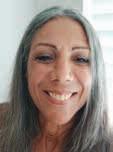
Sarita-Linda Rocco’s journey into wholeness was forged from a crucible of deep grief, motherhood and a life-altering neardeath experience during her mid-20s. These rollercoaster life events left her with debilitating panic attacks, and her search for stability led her to Ayurveda and yoga. Today, Rocco is a renowned teacher and founder of The Nest Collaborative, a holistic haven in West Reading, Pennsylvania.
She is also an innovator and entrepreneur, continually searching for ways to help her students thrive in their body-mind fitness journey. One invention, The Original Superblock, is a specialized prop used to support students during yoga practice.
Rocco’s way of life is straightforward but powerful. She prioritizes foods that keep her blood sugar balanced, minimizing simple carbohydrates and focusing on clean proteins, healthy fats and seasonal vegetables. “I love cooking and find great joy
in building meals around our weekly CSA [community supported agriculture] from a local organic farm,” she says. “Ayurveda spices and herbs are central in my kitchen, and hydration is foundational.”
According to Rocco, “Self-healing begins with setting boundaries with people and situations that deplete energy. I hope women remember their divine feminine power, shakti, from which their creative intelligence and life-generating energy flows. It does not compete. It creates. When women fragment that power through comparison and social pressure, something sacred is lost.”
Even now, hers is a journey of self-discovery and transformation. “Thriving is not perfection. It is honoring my energy moment to moment, knowing when to work with strength and when to rest without guilt,” she explains. “Conscious breathing stabilizes my nervous system more reliably than anything else. I practice regulating my nervous system and building resilience, not using yoga as a workout. I incorporate strength training with bands and weights to support bone health. I walk my dog twice daily most days. One of my most important rituals is fasting after dinner and going to bed by 9 p.m.”
Marlaina Donato is an author, painter and composer. Connect at WildflowersAndWoodSmoke.com.
Courtesy Sarita-Linda Rocco
Courtesy Dr. Rebecca Hunton
Hip Health in Just Minutes a Day
A Simple, Empowering Practice
by Maya Whitman
Hip health is not just a concern for athletes or physical therapy patients. It is essential for the way we move, sit, stand, rest and age. Taking care of our hips does not require long workouts or expensive equipment. For everyone from desk workers to busy moms to women navigating midlife transitions, just 10 minutes of stretching and strengthening exercises on alternate days can improve mobility, strength and flexibility. Consistency is key to achieving long-term ease, confidence and vitality.
Common Causes of Hip Discomfort
Several factors can cause hip discomfort. Tightness or weakness in the pelvic muscles can be problematic because they support the pelvis, hips and spine, helping us walk, turn, bend and squat. In fact, if any muscles that support the hips, like the gluteal muscles (buttocks) are weak, other muscles have to work harder, which can lead to hip and lower-back pain.
Other culprits include hormonal changes, especially a drop in estrogen during menopause,
which can increase hip pain and the need for hip replacement surgery in women. Prolonged sitting or lack of physical activity tends to decrease blood circulation in the area and lower the production of synovial fluid, a crucial lubricant and shock absorber that reduces friction and keeps the joint pain-free.
“We’re often told that hip pain in middle-aged women between 40 and 65 is due to aging or arthritis, but most hip pain I see is chronic. Pain may show up suddenly, but the underlying issue has usually been developing under the surface for months or even years,” says physical therapist Maarit Korpilahde, who created the Hip Revive Method, in Lane, Kansas.
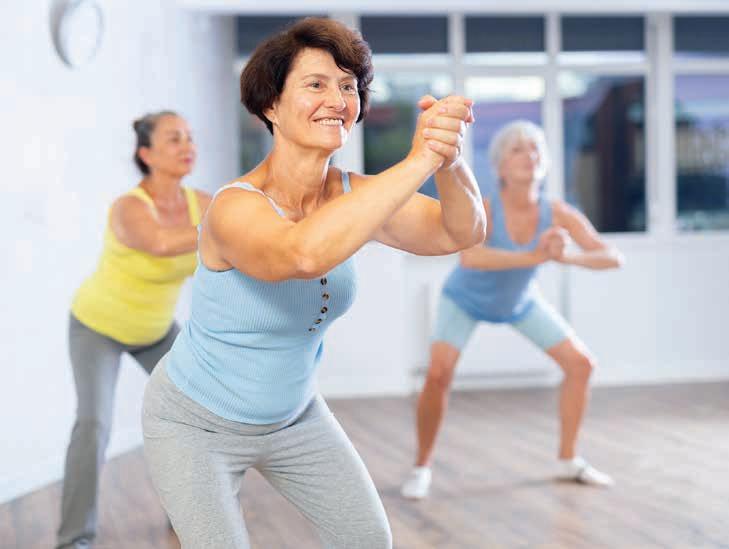
She asserts that prolonged sitting can tighten the deep hip rotators, weaken the gluteal muscles and put more pressure on the front part of the hip socket. She recommends engaging in some movement for 10 to 20 minutes at least three or four times a day. Simple actions like standing up, walking, doing a few mini-squats every hour, taking the stairs or parking a bit farther away can make a difference.
Jordan Ashley, the founder and executive director of Souljourn Yoga Foundation, in Santa Monica, California, often sees women with chronic hip tightness and a “locking” of the sacroiliac joint, which she believes might be linked to emotional issues. “Yoga
traditions often say our hips hold onto our emotions, almost like the body’s junk drawer. All kinds of stress, old hurts and daily worries can get tucked away there,” she explains, noting that the psoas—a deep, long muscle connecting the lumbar spine to the femur—plays a big role in keeping our trunk stable and moving our hips.
Recommended Moves
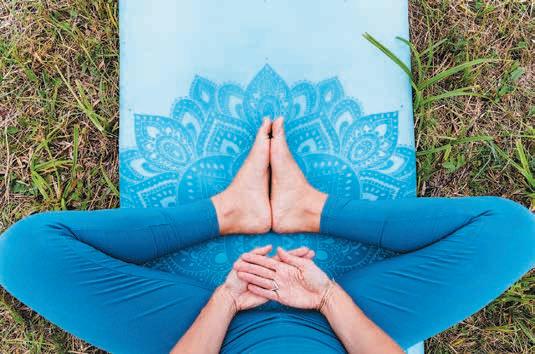
Amanda Neri, a physical therapist and owner of The Pelvic Institute, in Chicago, Illinois, believes in keeping hips active with daily exercises, alternating between strength training and stretching. Her favorite mantras are, “Use it or lose it,” and “It’s never too late.” Strength days can include a glute bridge, standing leg lifts, lunges or resistance-band exercises. On stretch day, yoga poses like the butterfly, frog, happy baby or child’s pose can be great. As with any workout, Neri emphasizes the importance of listening to our bodies and not pushing beyond what feels comfortable.
Standing, Hip-Controlled Articular Rotations: Lift one knee to hip height—this is called hip flexion—and gently make a big, controlled circle without moving the spine or pelvis. Hold onto a wall or something sturdy for balance. “It might feel stiff or crunchy at first, but after six to eight repetitions, it should get a bit easier,” Neri counsels.
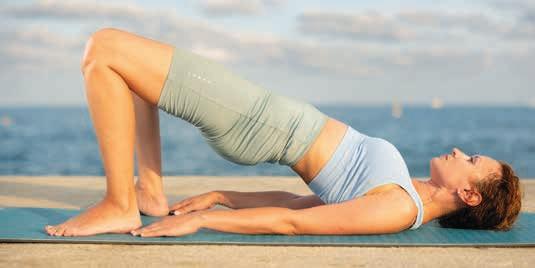
Glute Bridge: Lying on the back with knees bent and feet on the floor, lift the hips up toward the ceiling. Squeeze the glutes and hold for a couple of seconds, then slowly lower back down. Aim for three sets of 10 to 20 repetitions.
Standing Leg Lifts: Stand on one leg and lift the other, straightened, out to the side, front or back to target the hips, glutes or outer thighs. Aim for three sets of 10 to 15 repetitions per leg.
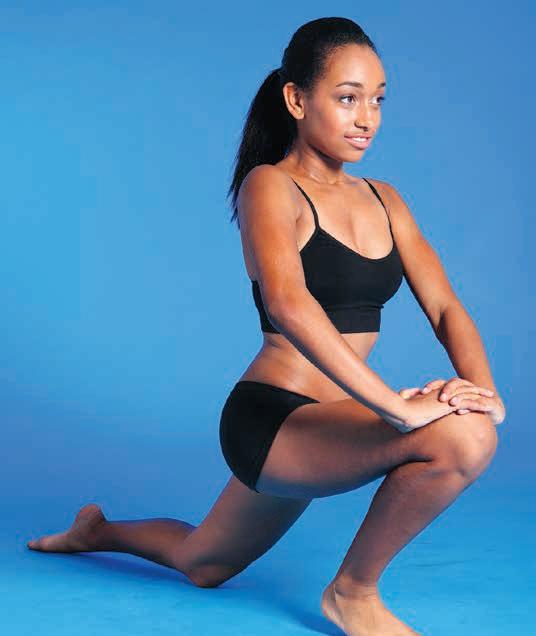
Kneeling Hip Flexor Stretch: Using a yoga mat for comfort, kneel on one knee bent at 90 degrees with the other foot flat on the mat in front. With hands on the thigh of the front leg, gently lean forward and feel a comfortable stretch in the upper thigh and hip. Squeeze the glutes on the supporting side for a deeper stretch. Do two to four repetitions before switching leg positions. Try to hold each stretch for 30 seconds.
Seated Hip Shifts: Sit up straight with feet flat on the floor, hip-width apart. Place a small ball or foam roller between the knees and squeeze gently. Push one knee slightly forward while pulling the other knee back, keeping the torso steady. Repeat this gentle seesaw motion 10 times per side.
Walking Toe Touch: Walk forward while alternately kicking straight legs up to touch the opposite hand. Only raise each leg to the point of comfort, keeping the supporting leg soft at the knee, not locked straight. Walk like this for up to two minutes.
Maya Whitman is a frequent writer for Natural Awakenings.
Glute Bridge
Darrin Henry/shutterstock
Kneeling Hip Flexor Stretch
Pelvic Power
Restoring Strength, Function and Confidence
by Hannah Tytus
The pelvic floor holds the key to vitality, confidence and even pleasure.
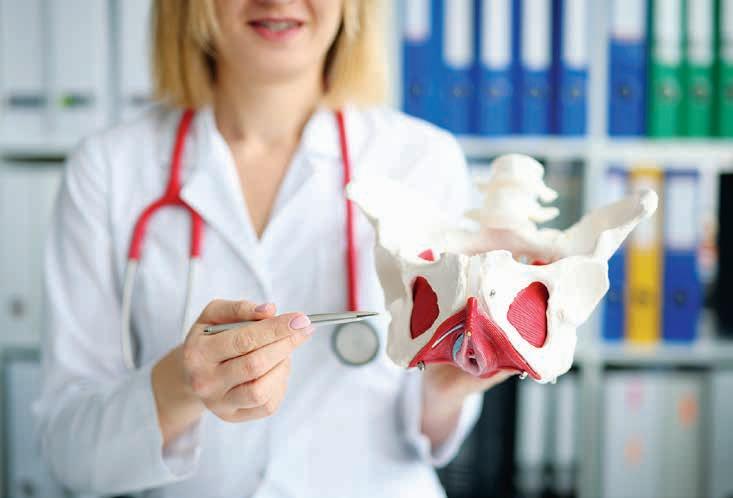
According to Dr. Anna Cabeca, a holistic gynecologist and bestselling author of The Hormone Fix, “Pelvic floor health is essential for overall health. The pelvic floor is a sling of muscles supporting our critical organs, from the uterus to the bladder to the rectum. Everything is held within this bowl of muscles and connective tissue.”
Pelvic floor disorders are prevalent. A 2022 study in Scientific Reports examined more than 25,000 medical records and found that one in three people had a pelvic floor disorder. These included urinary incontinence, pelvic organ prolapse (displacement) and bowel dysfunction, with incontinence and prolapse being the most frequent. Such conditions can significantly alter daily life.
A 2021 survey of 4,556 women with pelvic
floor symptoms showed that 46 percent stopped exercising due to pain or leakage, potentially leading to numerous other issues over time.
Dynamic Exercises for Foundational Integrity
Kim Vopni, a pelvic floor fitness educator and author of Your Pelvic Floor, has dedicated more than two decades to raising awareness about pelvic floor health through her global online community, The Buff Muff Method. Vopni states that the pelvic floor is not just a single muscle but a complex network of muscles in three layers. The first layer mainly affects the sexual response, the second helps with continence and the openings of the urethra, vagina and anus, and the third, deepest layer primarily supports the organs. “Like the biceps or hamstrings, the pelvic
floor can be stretched and strengthened and conditioned,” Vopni points out.
The pelvic floor works in synergy with the diaphragm to create a natural sump pump action that moves fluids, massages organs and supports lymphatic circulation. “The pelvic floor has to work when we are upright—moving, lifting, coughing, sneezing, pushing and jumping. When we inhale, the diaphragm contracts and widens, and ideally the belly expands and the pelvic floor lengthens,” Vopni explains. “With the exhale, the pelvic floor contracts and lifts as the diaphragm recoils upward. We harness this relationship when we want to prevent or overcome pelvic floor symptoms.”
This explains why the clench-and-release movements known as Kegel exercises, to strengthen pelvic floor muscles, are best done with coordinated breathing. According to Vopni, a proper Kegel includes a squeeze and lift on the exhale and a full, blooming release on the inhale. Aim for three sets of 10 repetitions per day, holding each contraction for about 10 seconds.
“People often think the only thing to do for pelvic floor optimization is Kegels, and that tight means strong. The goal is to move beyond isolated squeezes and train the pelvic floor dynamically within wholebody movement, where the breath and pelvic floor coordination are incorporated into exercises such as bridges, squats and lunges,” says Vopni, who recommends consulting a pelvic floor physical therapist for individualized assessment and guidance, particularly after pregnancy or childbirth.
Vopni highlights key habits that support pelvic floor function, such as staying well hydrated, preventing constipation and engaging in pelvic release work to relax chronically tight muscles. Posture is crucial; high-heeled shoes can misalign the pelvis and shorten the calves and hamstrings, leading to involuntary clenching of the glutes and pelvic floor muscles, which impairs optimal function. Vopni recommends wearing “zero drop” shoes whenever
possible, where the heel and toe are at the same distance from the ground, mimicking a natural barefoot position.
The Vaginal Microbiome
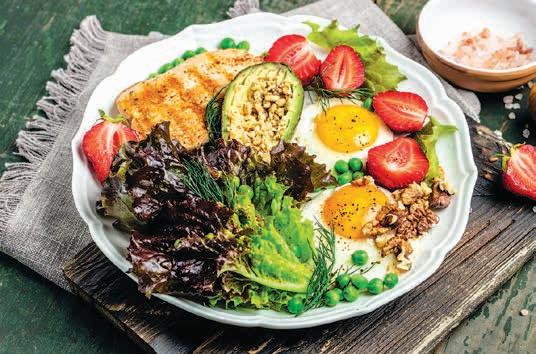
“The vagina has its own microbiome, and many people don’t realize that,” says Cabeca. “When the vaginal microbiome becomes unhealthy, we start to see problems with fertility, sexual function, dryness and infections.” Unlike the gut, which benefits from bacterial diversity, the vaginal microbiome thrives with fewer dominant species. A healthy vaginal microbiome is typically dominated by Lactobacillus species. Cabeca recommends a microbiome-supportive, “keto-green” diet rich in bitter greens, cruciferous vegetables, healthy fats, high-quality proteins and fermented foods, as well as vaginal probiotics taken in capsule form.
“Many vaginal hygiene products can disrupt the microbiome. Because the pelvic floor has so much vascularity [blood vessels], those tissues absorb chemicals very easily. That exposure can affect the
glands and tissues that help keep the vaginal environment healthy,” Cabeca cautions. She recommends choosing organic menstrual products over conventional tampons and menstrual pads; avoiding heavily fragranced cosmetics; and using gentle cleansers such as olive oil–based soaps.
Knowing Our Bodies
Body awareness is a powerful tool for prevention and early intervention. “One of the most important things I tell patients is: Get a mirror and look down there,” Cabeca says. “You need to know your normal anatomy—what it looks like and what it feels like.” Understanding what is typical for our bodies can make it easier to recognize changes.
Hannah Tytus is an integrative health coach, former writer at the National Institutes of Health and host of the Root Shock podcast, exploring the cultural underpinnings of health.
sweet_marshmallow/shutterstock
Lessons for Young Female Athletes
How To Support Resilience, Agency and Joy
by Christina Connors
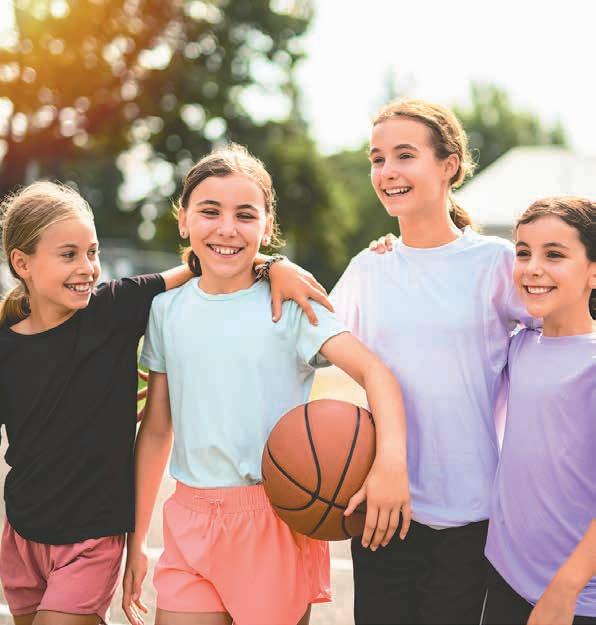
While sports can build confidence, grit and community, girls today often face pressure to over-perform, sacrificing joy for external validation. According to the Women’s Sports Foundation, more than 38 percent of girls in the United States do not participate in sports at all. And for those that do, the pressure to perform can quietly drain the very joy that drew them to the game in the first place.
By age 14, girls drop out of sports at twice the rate of boys, not because of a lack of talent, but for a range of complex factors— from lack of access, cost and transportation challenges to fear of judgment, dwindling confidence and bodies that feel like liabilities rather than assets.
Sports can be among the most powerful laboratories for building lifelong resilience in girls. The field is where they learn to fail forward, push limits, set boundaries and discover that their bodies exist to feel strong, not just look a certain way. The challenge is to make sure they stay long enough to learn those lessons.
The Perfectionism Problem
A 2024 study published in Frontiers in Psychology found that higher perfectionism in young athletes is linked to lower self-esteem, decreased motivation and increased burnout, largely through patterns of selfblame and catastrophizing. Perfectionism often arrives wrapped in good intentions: a coach that pushes hard, parents that
envision a scholarship or a culture that measures worth in scores and rankings. But when achievement becomes the measure of identity, girls learn that love is conditional, based on performance.
According to Casey Seidenberg, an executive life coach and program leader at Human Better EDU who works directly with young female athletes, “Perfectionism is driven by fear: fear of judgment, failure or not being good enough. Healthy striving, by contrast, is motivated by growth, progress, purpose and self-kindness.”
She invites athletes to ask empowering questions after a hard game, such as, “What did I learn? How do I want to recover? How have I bounced back before?” This reframing transforms setbacks into stepping stones and builds the kind of resilience that extends far beyond sport. “When girls understand that mistakes are expected and even valuable, they stop tying their worth to flawless performance and begin focusing on learning and improvement instead,” Seidenberg explains.
In her view, “The shift from mistakes-as-identity to mistakes-as-information is fundamental. A girl that learns to ask, ‘What can I try differently?’ instead of ‘What’s wrong with me?’ is building a skill set that will serve her through every hard thing life delivers, on and off the
field. This is also where girls learn to set boundaries by listening to their own bodies, knowing when to push and when to rest. That discernment, often called the ability to self-regulate, is something many women spend decades trying to reclaim as adults.”
Identity Beyond the Trophy
One of the most common (and damaging) patterns in girls’ sports is the fusion of identity and achievement. When a girl’s sense of self depends entirely on her stats, ranking or coach’s approval, any stumble on the field becomes an existential threat.
Parents and coaches can help dismantle this by expanding the evidence girls collect about who they are. That means reflecting back moments that have nothing to do with winning, saying, “I noticed how you kept going even when that was hard. You were a great teammate today. You asked for help, and that takes strength.”
“It’s not about a trophy for everyone. It’s about our daughters learning valuable life skills, having fun and being part of a community and a team,” says Lindsay O’Neill-O’Keefe, CEO of Wellness Eternal, host of the podcast OptimizeWE and an ACE Fitness wellness coach.
According to Seidenberg, “When girls repeatedly collect evidence that they are worthy even when they struggle, they develop a more resilient, grounded identity—one that lets them take risks, recover from failure and pursue excellence from a place of healthy striving rather than pressure.”
Preventing Burnout
Burnout does not happen overnight. It builds slowly, through overloaded schedules, year-round single-sport specialization and environments where rest is seen as weakness. The signs, says O’NeillO’Keefe, are worth knowing: an inability to focus, withdrawn behavior, anxiety or constant worrying. When a girl that once lit up at practice begins dreading it, something has shifted.
Seidenberg frames burnout as what happens when an athlete slips into the passenger seat, reacting to external demands rather than moving toward her own sense of purpose. Her suggested antidote is to help girls reconnect to the reasons they loved the sport in the first place: the fun, the challenge, the freedom and the friendships. “Reconnection also requires looking beyond sport alone, because happiness is influenced by the full landscape of life, including relationships, rest and community,” she asserts.
What Parents and Coaches Can Do
• Celebrate process over outcome. Comment on effort, courage and character rather than only results. “You made a decision under pressure and kept going” lands differently than “Great game.”
• Model resilience instead of shame. On the drive home after a loss ask, “What was the hardest moment for you today?” or “What felt good?”
• Let girls lead. Resist the urge to over-coach or over-manage.
• Embrace low-pressure play. Community leagues, pickup games and summer programs without the weight of scholarship pressure offer girls room to enjoy movement again.
Christina Connors is a burnout prevention specialist, keynote singer and author. Learn more at ChristinaConnors.com.
Holistic Weight Management for Cats
Tips to Improve Nutrition and Encourage Physical Activity
by Ruth Roberts, DVM, CVA, CVH, CVFT, NAN
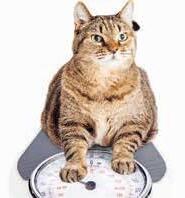
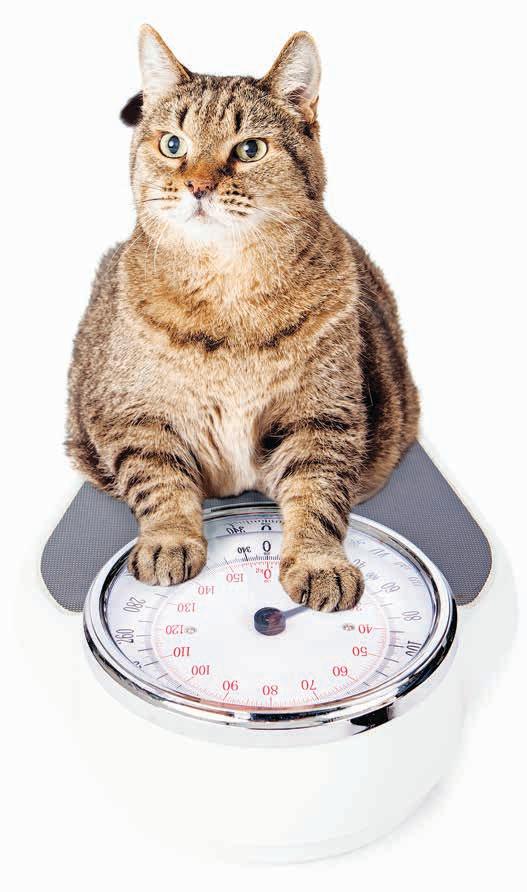
Feline obesity has become one of the most common health threats facing domestic cats. Nearly 60 percent of U.S. cats are overweight, according to research from the University of Illinois. Yet many guardians do not recognize the problem until illness develops. Because cats hide discomfort, early warning signs are often missed. What seems like a harmless extra pound may signal a serious health issue. Addressing this silent epidemic is critical to protecting feline longevity and quality of life.
Why Cats Gain Weight
Feline weight gain rarely has a single cause. It develops from a combination of diet, lifestyle and environment. Indoor cats live longer, but move far less than outdoor cats. In the wild, they spend hours hunting and exploring. Indoor living eliminates such activities. Research in the Journal of Feline Medicine and Surgery confirms that obesity rises when calorie intake regularly exceeds energy use, a common pattern in inactive indoor cats.
Feeding habits drive the problem. Freechoice feeding and energy-dense commercial diets lead to excess weight. Cat wellness advocates Jae Kennedy and Adrienne Lefebvre, CEOs of The Two Crazy Cat Ladies, link modern feeding patterns to rising obesity. “Based on industry sales reports and consumer surveys over the past decade, the vast majority of cat food sold globally is ultra-processed commercial food,”
Kennedy says. Dry kibble, in particular, is produced with a high-heat, multi-step manufacturing process.
According to Lefebvre, “Many kibble formulas contain high levels of carbohydrates and starches, which act like sugar in the body and contribute to weight gain.” Research backs this up. A study published in Preventive Veterinary Medicine found that cats fed primarily dry food were twice as likely to become obese by age 2 compared with cats on wet or mixed diets. High-carbohydrate, calorie-dense food and low activity create the perfect storm for a growing feline obesity epidemic.
The Ripple Effect
Excess weight raises the risk of insulin resistance, which disrupts blood sugar regulation. A study published in the Journal of Feline Medicine and Surgery reports that obesity reduces insulin sensitivity in cats, increasing the likelihood of developing diabetes.
Extra body fat also strains joints and triggers inflammation. A study published in BMC Veterinary Research linked higher body fat to worsening wholebody osteoarthritis scores, particularly in the hips, elbows and leg joints. Over time, joint degeneration can limit mobility and causes chronic pain. Because cats rely on jumping and climbing to navigate their environment, even mild discomfort may significantly alter daily behavior.
Obesity can also trigger deeper physiological changes. A review published in the Journal of the American Veterinary Medical Association notes that excess body fat can create a constant low-level inflammatory state, increasing the risk of metabolic and hormonerelated disorders, joint disease, heart and respiratory problems, urinary issues and even certain cancers.
Recognizing these conditions is challenging because cats instinctively hide pain. Subtle behavioral changes are often the earliest signs. Cats with joint discomfort may hesitate before jumping, stop climbing onto high surfaces or show less interest in play. Because these changes develop gradually, they are frequently mistaken for normal aging, when they may actually reflect underlying health issues linked to excess weight.
Building Healthy Habits
Successful weight management often requires more than cutting portions. A holistic plan integrates nutrition, lifestyle and environment. Species-appropriate diets rich in animal protein and moisture mimic natural prey, while scheduled meals and portion control prevent unhealthy grazing.
“Because we confine our cats to four walls when we bring them inside, it becomes our responsibility to help them move and exercise their bodies,” Kennedy advises. Cats are instinctive hunters, yet indoor environments often provide little opportunity for stalking, climbing or chasing. Environmental enrichment such as puzzle
feeders, vertical climbing spaces and interactive play can help restore these natural patterns of activity.
To help a 26-pound, kibble-loving cat they adopted, Kennedy and Lefebvre hid small portions of food around the house to encourage hunting. The added movement alone jump-started weight loss. Gradually, they introduced fresh food and daily play sessions, and the cat reached a healthy weight in months. The lesson is clear: sustainable weight management relies on consistent habits, balanced nutrition, measured portions and regular activity.
Cats are natural carnivores and fat burners, not carbohydrate processors. Diets rich in animal protein and fat with minimal carbohydrates support healthy metabolism and natural satiety. Transitioning from dry kibble to moisture-rich, high-protein foods, such as quality canned diets or balanced home-prepared meals, improves hydration and kidney health, while helping cats feel satisfied rather than constantly hungry.
Ruth Roberts, an integrative veterinarian and holistic health coach for pets, is the creator of The Original CrockPet Diet. Learn more at DrRuthRoberts.com.
Calendar of Events
Add your Event: establish an account on NABroward.com/calendar Due Date: the 10th of the month for print; certain restrictions apply. Email NaturalAwakeningsFLA@gmail.com for details on promoting events online and in print using Natural Awakenings’ multi-platform approach!
MONDAY, MAY 4
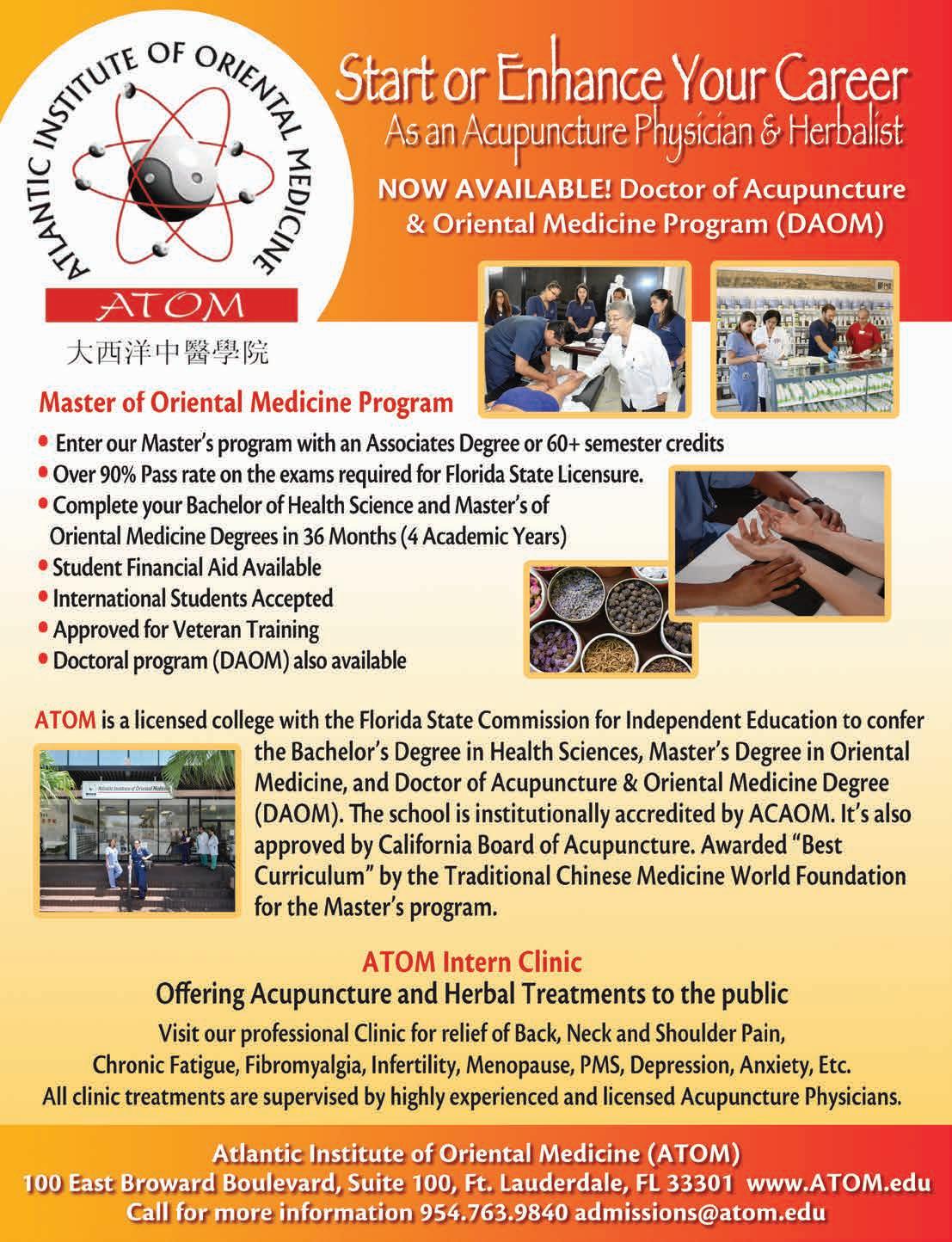
Do you have a desire to help people? Become a licensed Acupuncturist! Earn a master’s degree in Acupuncture and Herbal Medicine in 36 months! ENROLLING NOW! Spring class starts May 4, 2026. ATOM is approved for veterans’ education training, Financial Aid available. Atlantic Institute of Oriental Medicine, call 954-763-9840 ext. 213 or admissions@ atom.edu.
Ongoing Events
Sunday
IANDS - International Association for Near Death Studies — 1st Sunday monthly, 3-5pm. Safe, judgment-free space to share and discuss Near Death Experiences and Spiritual Transformative Experiences. Compassionate, supportive community. Not for networking, selling, or debates, just meaningful listening and sharing together. Locations vary, call for details. Reverend Gail Fein, 305-798-8974.
Garden Farmer’s Market supporting local artists, musicians, alchemists and practitioners — 2nd Sunday monthly, 2-7pm. ThePEMS - 112 Rose Drive, Fort Lauderdale, FL, 33316. 954-604-7930
Monday
ATOM Intern Clinic Open to public — Appointments Monday thru Saturday.
Experience the benefits of Acupuncture & Oriental Medicine. Low cost acupuncture and herbal treatments. Students supervised by Licensed Acupuncturist. 954-7639840 ext. 201, Ft. Lauderdale. ATOM.edu
Monday & Wednesday
Community Acupuncture Project— 10am, Sliding scale $30-50. Acupuncture for the People! Acupuncture can treat chronic pain, stress, anxiety, insomnia, fertility, women’s health, IBS/IBD, and much more! Experience this ancient system of medicine in a cozy group setting. Nine Flowers Acupuncture, 1650 NE 26th Street Ste 101, Wilton Manors. 954-288-9450. nineflowershealing.com.
Monday—Saturday
Atlantic Institute of Oriental Medicine (ATOM) Intern Clinic is Open to the public! Experience the benefits of Acupuncture & Oriental Medicine. Low-cost acupuncture and herbal treatments. Students supervised by Licensed Acupuncturists. Open Mon-Sat. Appointments: 954-7639840 ext. 201, 100 E Broward Blvd, Suite 100, Ft. Lauderdale. ATOM.edu
Tuesday
Pines Iyengar Yoga — Enjoy yoga classes with Asha! Tuesday/Thursday, 5:15-6:15pm. Specializing in small group and individual sessions. Enjoy personalized classes that cater to your needs. Call 954-866-3209 for directions or visit PinesIyengarYoga.com
Saturday
Paddle With A Purpose, Waterway and Shoreline Cleanup — 9–11am, help remove trash (third Saturday monthly). Kayaks, and canoes available on a first come, first serve basis; bringing your own. Location varies. Owen Gaither, Kool2care2@gmail.com
Guided Nature Tour — 10-11:30am, free. Explore abundant gardens. Come and connect with nature as you learn about our abundant South Florida ecosystem. Explore the organic edible garden, food forest, and butterfly garden. Snyder Park - 3299 SW 4th Ave, Fort Lauderdale, 33315. Presented by Heal the Planet, a non-profit. 954-565-2950.
Talk@Ten Saturday with Jon Albee — 10-11am, free. Regenerative backyard gardening protocols with an occasional seed exchange. Diversity for richness and balance. Urban Farming Institute (UFI), 1101 NE 40th Ct, Oakland Park, 954.696.9577.
Train Your Posture: Eliminate Knots, Gain Full Body Strength — Monthly, First Saturday, 11am-Noon, $15, Transform your posture from the inside out using targeted myofascial release and functional training techniques that eliminate tightness and build true stability. SoFlo Biomechanics, 222 N Federal Hwy, Unit 107, Dania Beach. 954-861-0606, SoFloBiomechanics@ gmail.com, SoFloBiomechanics.co.
Seated Reiki Circle — 11–to approximately 11:45am, $Love Donations appreciated. Offered by Larry Stuart, Reiki MasterTeacher since 2008 and Eric Needleman, Reiki Master and Registered Nurse, using Dr. Usui’s Eastern Reiki Method. Held at the Center for Spiritual Living Fort Lauderdale, 4849 N Dixie Hwy, Oakland Park, 33334. 954-736-7589.
Classified Ads
Use Our Online Form
Easy ordering online – NABroward.com/ pages/classified. Due date — 10th of the month.
Connecting you to the leaders in natural healthcare and green living in our community. To find out how you can be included in the Community Resource Guide; email NaturalAwakeningsFLA@gmail.com for details.
Beauty & Health
ONENESS PERFUME
OnenessPerfume.com
Scents of Unity: Perfumes That Onenessly Embrace Our Shared Humanity. Discover a fragrance that harmonizes with your values. Join the Movement. Think Noble • Feel Noble • Be Noble
Scan the display ad’s QR code. See ad page 2.
Chiropractic
KRYSSA CABLE FAMILY
CHIROPRACTIC PA
Kryssa Cable DC, MS, CACCP DrKryssa.com
Comprehensive chiropractic adjustments both traditional and non-force, Acupuncture, Functional Medicine, TMJ and Cranial Work, Applied Kinesiology, Myofascial Release, Nasal Release Technique, Pediatrics Certified, Webster Technique.
Day Spa
RC HOLISTIC HANDS SPA 2787 E Oakland Park Blvd, Suite 312 954-934-4515, Ft Lauderdale RCHolisticHandSpa.com
25+ years treating clients using holistic and medical treatments in combating skin issues with amazing results, in a tranquil stress free environment. See ad page 13.
THE WELLNESS STUDIO
276 S University Dr, Plantation, 33324
786-371-5710
SpaTWS.com
An oasis of serenity in uncertain times—our spa offers Chakra Balancing and Reiki to relieve stress, restore energy flow, and support inner healing.
Dental Health
INTERNATIONAL CENTER FOR DENTAL EXCELLENCE
Yolanda Cintron, DMD
2021 E Commercial Blvd., Ste. 208 Fort Lauderdale FL 33308 954-938-4599
FortLauderdaleDentistry.com
All phases of dentistry for optimum health, holistic, bio-compatible dentistry.
• Sedation dentistry • Removing of toxic metals • Replacing them with biocompatible materials • Laser dentistry for painless surgeries & extractions • Zirconia/ceramic implants • Natural bone augmentation / Plasma Rich Growth Factor • Oral DNA Testing • Add gums to receding gums.
Dr. Chebanu recognizes the importance of natural therapies and health solutions. His office specializes in Biocompatible and Holistic Dentistry, Restorative and Cosmetic Dentistry, Ceramic Dental Implants, Oral Surgery, and TMJ Disorders. See ad page 7.
Education
ATLANTIC INSTITUTE OF ORIENTAL MEDICINE (ATOM)
100 E Broward Blvd., Ste. 100 Fort Lauderdale FL 33301 954-763-9840
ATOM.edu
ATOM offers a Master’s degree and a Doctoral degree in Oriental Medicine. ATOM has an Intern Clinic that is open to the public. See ad back page.
Mandy Hale
Holistic Healing
NEW START NUTRI CENTER
23257 State Rd 7, Ste 104, Boca Raton 561-566-0019
Instagram: @NewStartNutriCenter
Holistic Therapist specializing in Live Blood Analysis. Minerals and vitamins testing, and heavy toxins assessment.
Schedule your appointment today. Prevention—a pillar of natural medicine.
Highly skilled in creating healthy, homemade meals, sauces, dressings, and desserts, with expertise in elimination diet, low-carb, gluten-free, sugar-free, and keto-carnivore dietary approaches.
SuperFoods
LOVING MY GREENS
954-282-9898
Thrive@LovingMyGreens.com
LovingMyGreens.com
Microgreens — locally and organically grown — packed with vitamins, minerals, and antioxidants, fueling your health naturally and supporting a vibrant, nutritious lifestyle. Delivery available.
Wellness
PAZ OF MIND
Paz Nilo
Hollywood Fl, 33020
PazOfMind.com
Paz of Mind offers belief clearing, Bio-Well energy insights, and BioGeometry® Home Solutions to support emotional clarity, balanced energy, and a more harmonious living environment.
Primary Health Care with a Natural Approach including Bioidentical hormone replacement therapy, Quantum Biofeedback, Weight Loss, Detoxification, Natural Allergy Treatment, Herbal and Homeopathic Remedies, Supplements, Nutrition, Lifestyle Counseling, Circulation enhancement/BEMER therapy, BrainTap and NeuralChek. See ad page 13.
Natural Awakenings magazines are freely available at doctor offices, fitness centers, book stores, health care facilities, public libraries, & more. Following are Featured Locations that also carry our free publication: