

Aspiring architectural student with a hands-on learning approach, passionate about community-oriented design, and deeply interested in cultural exchange and urban development. Eager to gain practical on-site experience and engage with diverse design perspectives and community-driven initiatives. I bring strong organizational, collaborative, and leadership skills, and aim to contribute meaningfully to the host organization while deepening my architectural knowledge through immersive fieldwork and cross-cultural engagement.
bhayadyo.prashrit.official@gmail.com +977-9851364509
EDUCATION
KHWOPA ENGINEERING COLLEGE 2022-2027 Bachelor In Architecture
EXPERIENCE
ARCHITECTURAL INTERNSHIP-NORTH 2025 Naggar, Himachal Pradesh, India
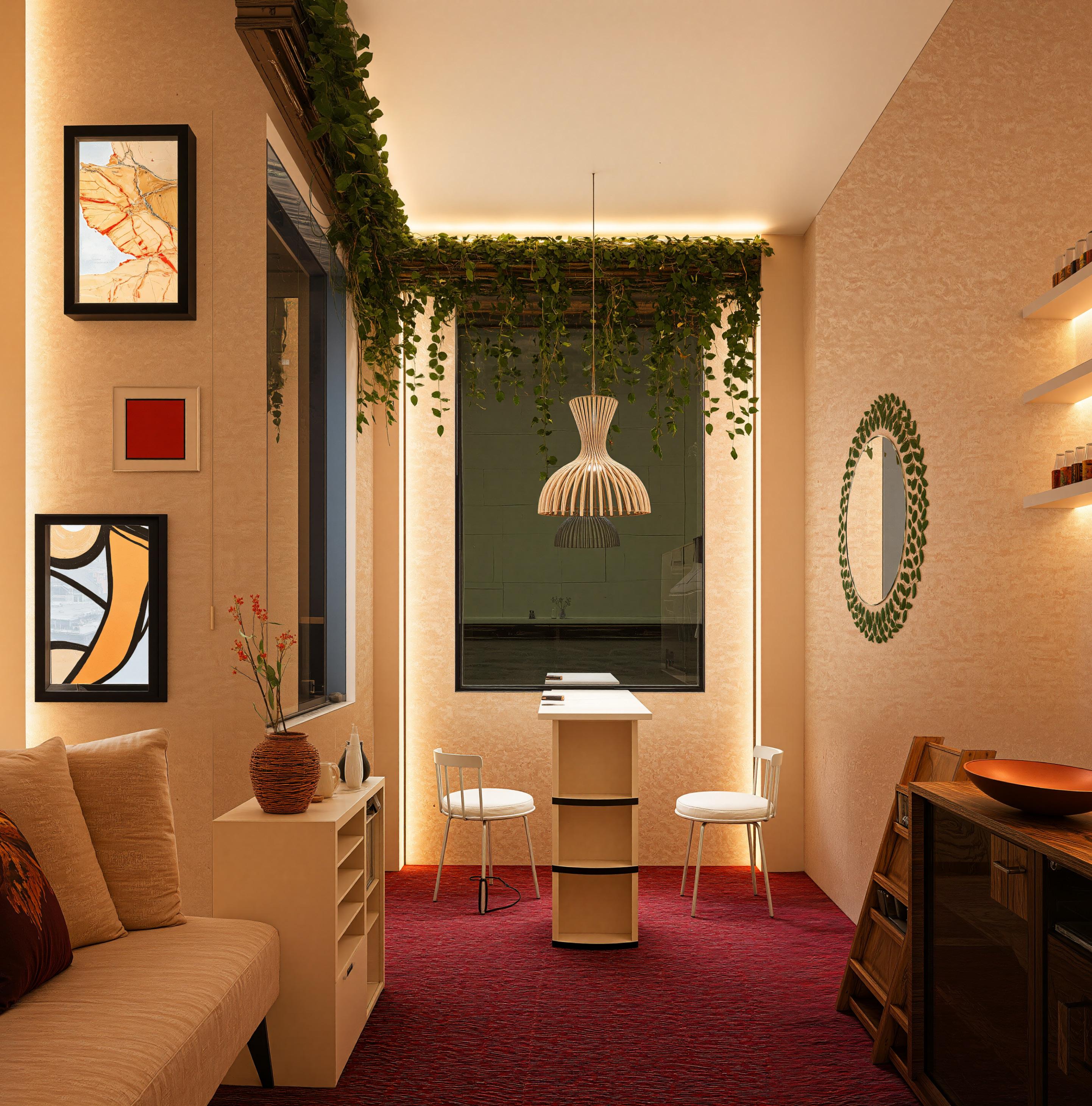
NAIL STUDIO INTERIOR DESIGN (Prettify) 2023 Putalisadak, Nepal
VISUALIZATION, SPATIAL PLANNING, SITE ANALYSIS, 2D RENDERING 2024 Baneshwor, Nepal
NATIONAL ARCHITECTURE EXHIBITION- AAROHAN 2023 Exhibitor, Volunteer
DESIGN COMPETITIONS
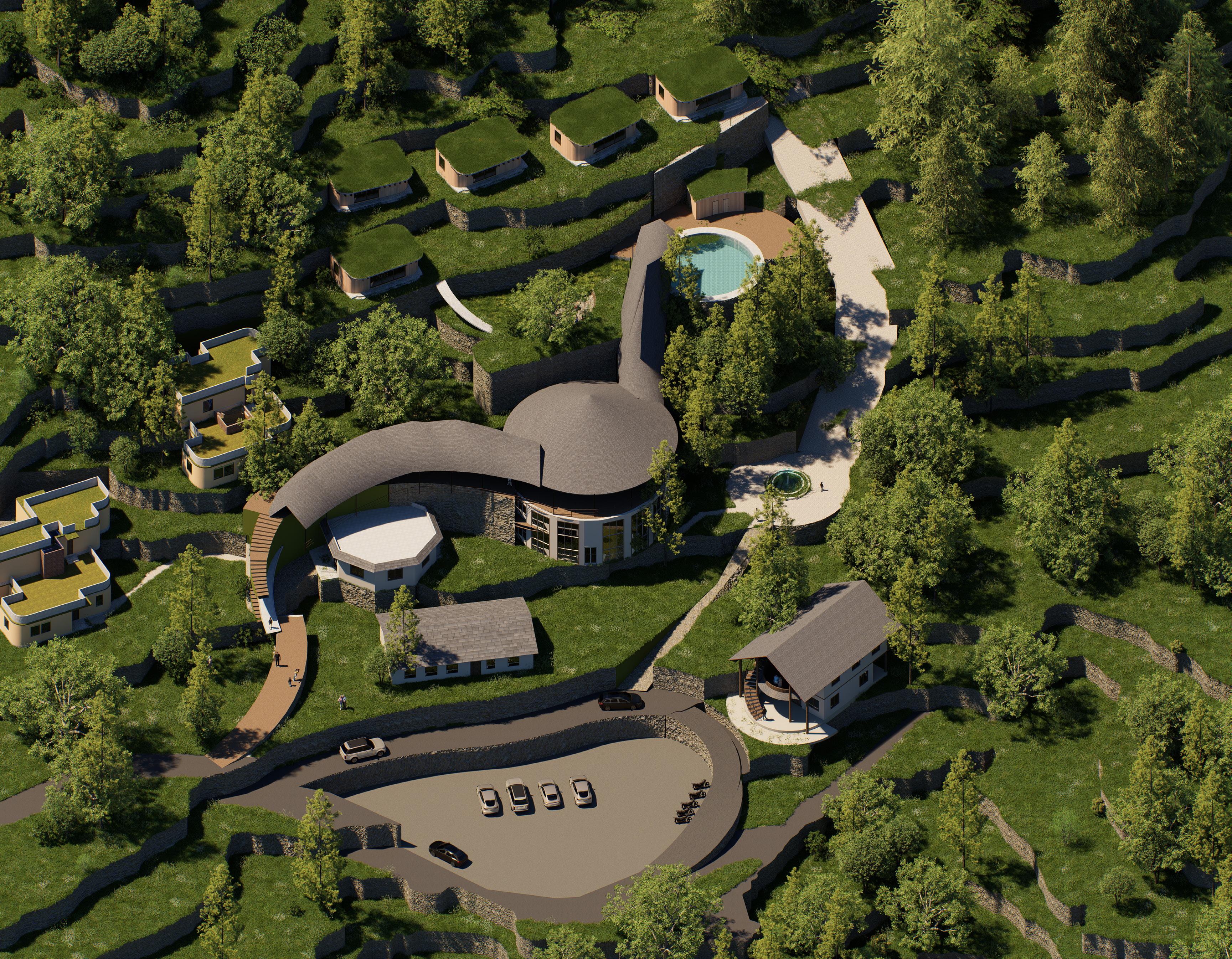
ECO VILLAGE & TOURISM HUB - SETU NEPAL 2025
Khwopa Engineering College
COLLAGE COMPETITION, 25TH NATIONAL EARTHQUAE SAFETY DAY 2023
Khwopa Engineering College
SKILLS
AUTO CAD
SKETCH-UP
D5 RENDER
ADOBE PHOTOSHOP
ADOBE ILLUSTRATOR
ADOBE IN-DESIGN
ENSCAPE
REVIT
RAYON
WORKSHOP & FIELD TRAINING
ACCOUNTANCY TRAINING 2024
BAMBOO PAVILION WORKSHOP 2023 Khwopa Engineering College
WOODWORKING TECHNIQUES WORKSHOP 2022 Khwopa Engineering College
ORGANIZATIONS & LEADERSHIP
NEPAL LAND AND HOUSING ASSOCIATION Nepal Executive Committee Member
BHAKTAPUR CHAMBER OF COMMERCE Bhaktapur, Nepal Youth President
LEO DISTRCIT COUNCIL 325G Nepal Vice Distrcit President
KASA- KHWOPA ARCHITECTURE STUDENTS’ ACTIVITY CIRCLE Libali, Bhaktapur Treasurer
LEO CLUB OF BHAKTAPUR REAL TECH Nepal Original President
CLASS REPRESENTATIVE
2024-2025 4th Sem, 7th Sem
05 MISCELLANEOUS
Selected Competition sheets, Real Life Works
04 NAGGAR CASTLE
Conservation And Adaptive-Reuse Study of The Historic Castle
03 FARM HOUSE
A Modern Farmhouse Inspired by Tradition and Nature
PRIMARY SCHOOL
Space to Enhance the Child’s Development

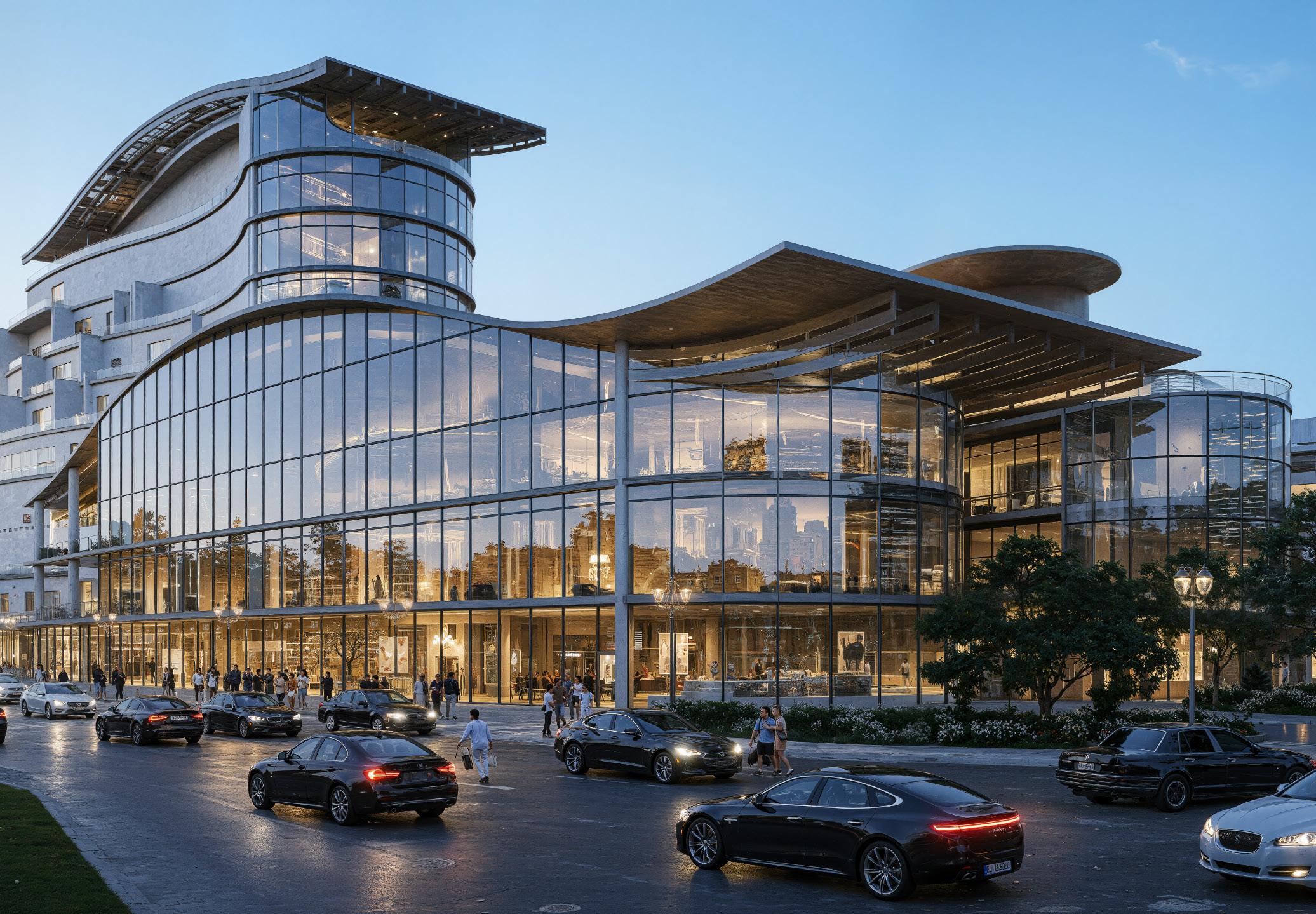
Town Heart Hub: Redesigning the United World Trade Center for a Vibrant Urban Experience, Design Studio V
Location:- Tripureshwor, Kathmandu
Category:- Commercial
Project:- Academic
2st Year 5th Semester, 2023
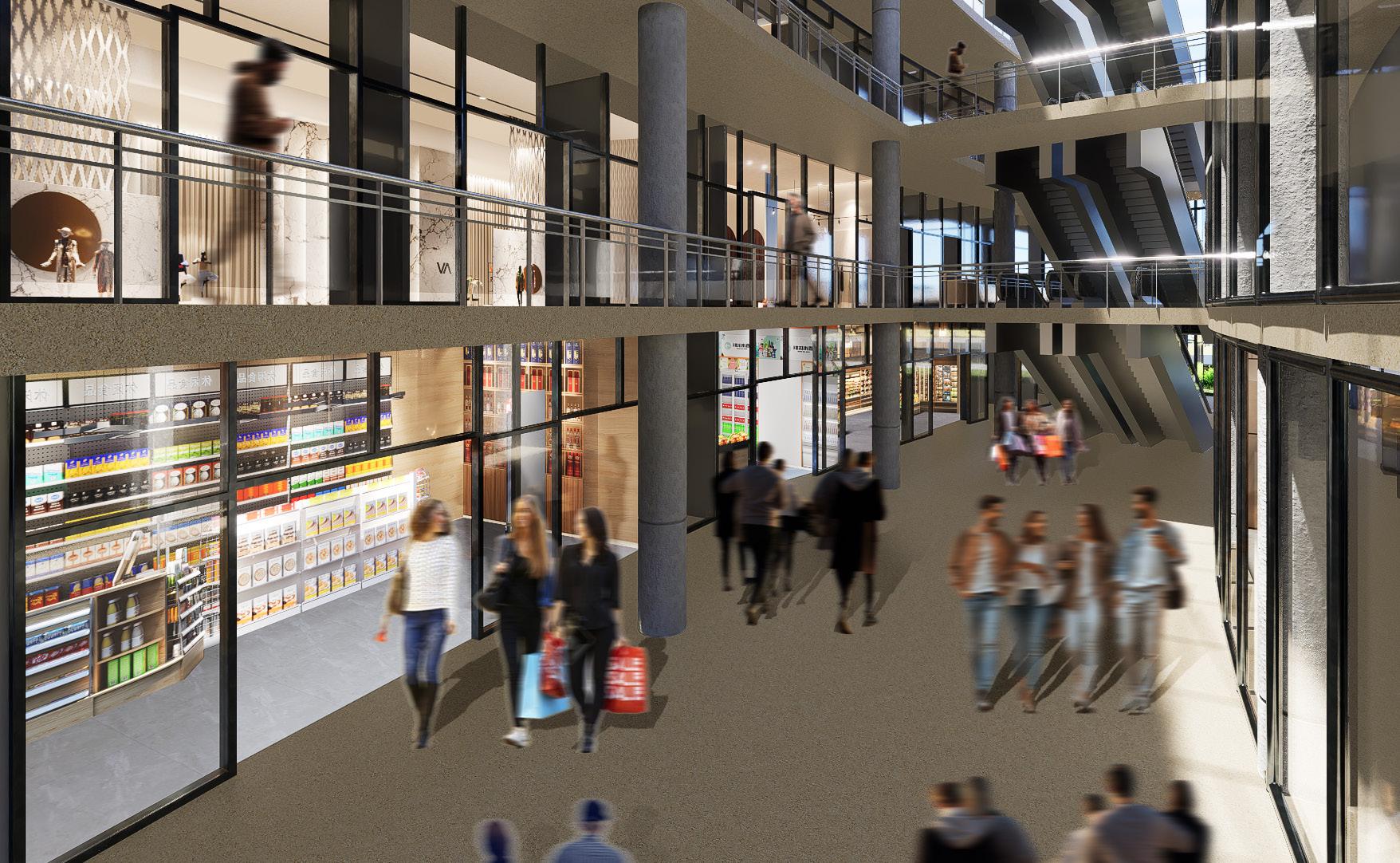
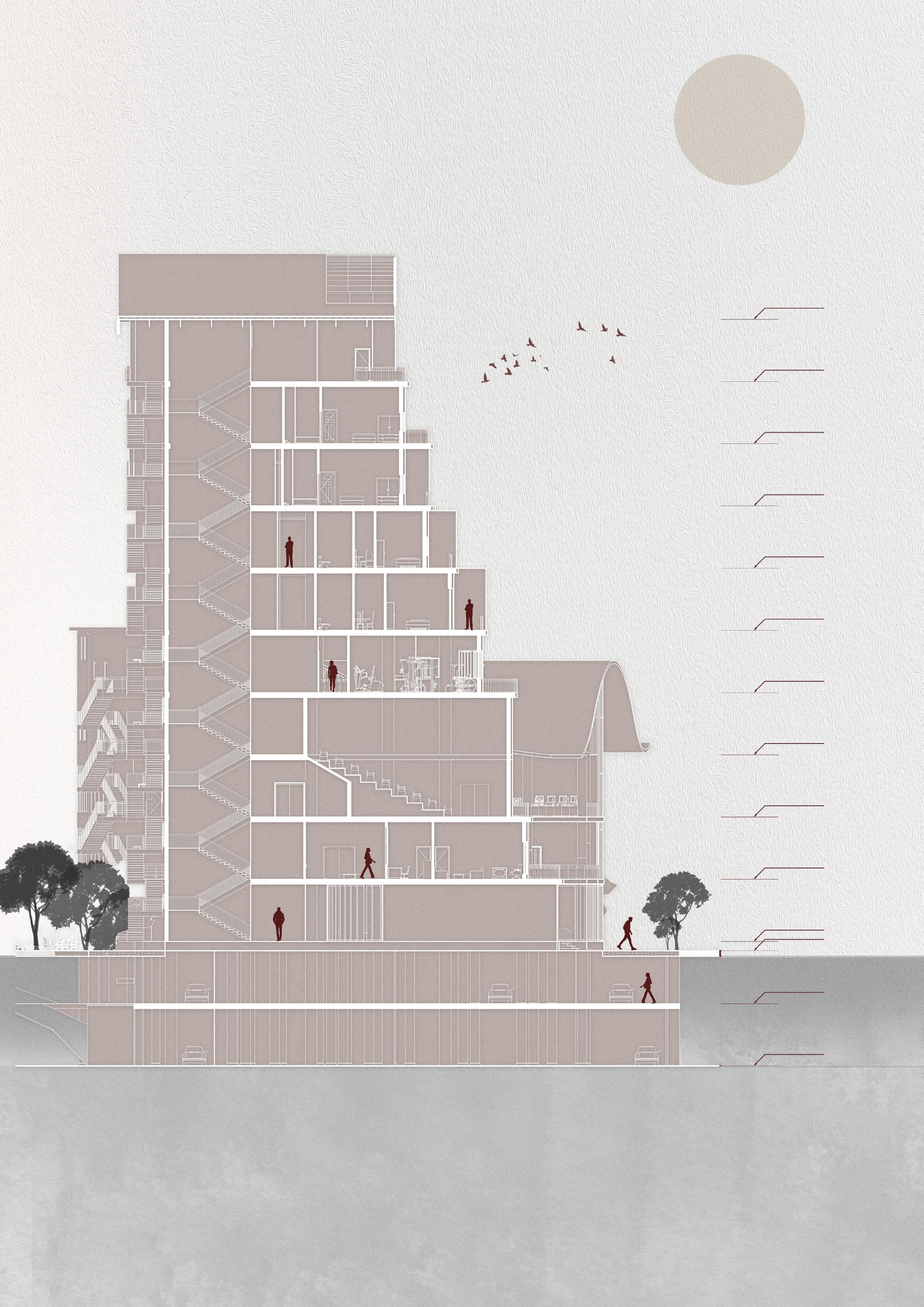
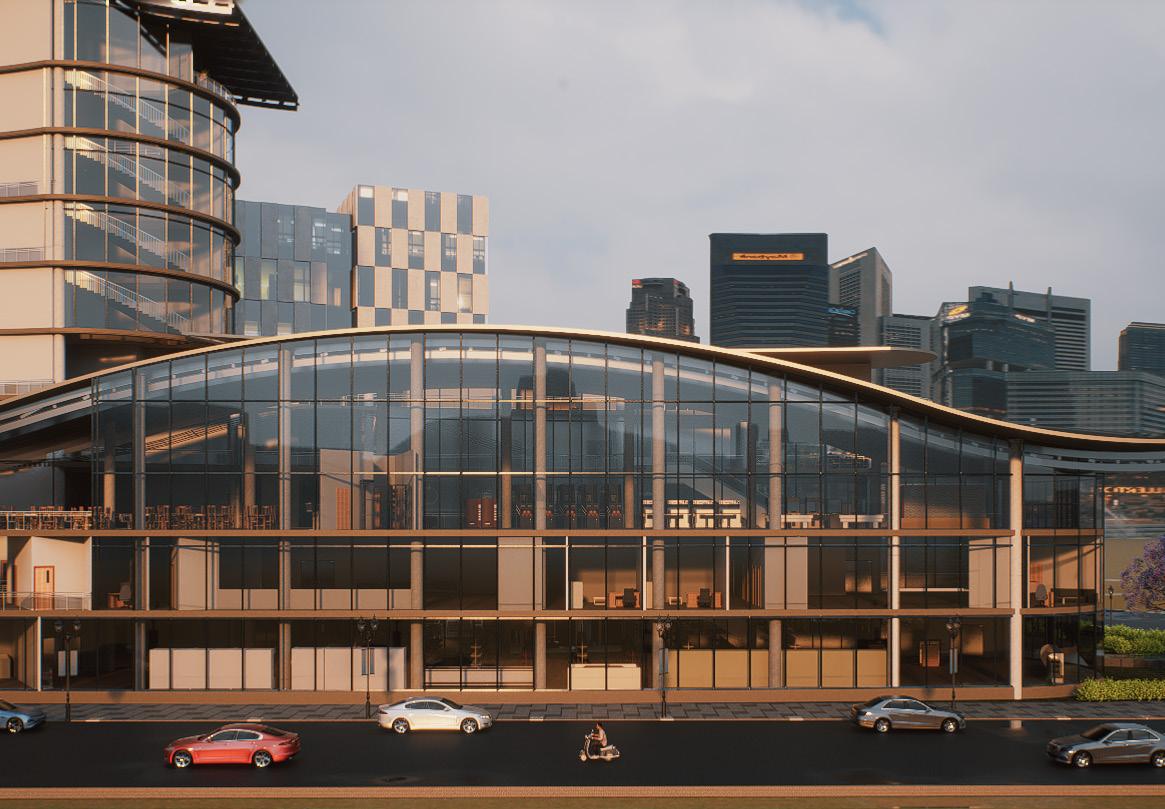
The design concept for the mixed-use commercial redevelopment of the United World Trade Center in Tripureshwor, Kathmandu is centered around creating a dynamic, visually engaging building that enhances both the urban landscape and user experience. The building features curved forms, which not only provide an aesthetically pleasing, organic shape but also create a sense of warmth and openness. The use of extensive glass facades allows for seamless visual connection between the interior and exterior, inviting interaction while enhancing transparency. Inside, the design incorporates multiple pocket spaces, providing intimate areas for relaxation, socializing, and contemplation, further fostering a sense of community within the bustling urban environment. The rooftop offers cafes and a swimming pool, allowing people to unwind while enjoying breathtaking views of the Kathmandu cityscape. This mixed-use building is intended to be a modern, vibrant hub for commerce, leisure, and social connection, redefining the heart of Kathmandu.
Revit, D5, Photoshop
“We shape our buildings; thereafter they shape us.”
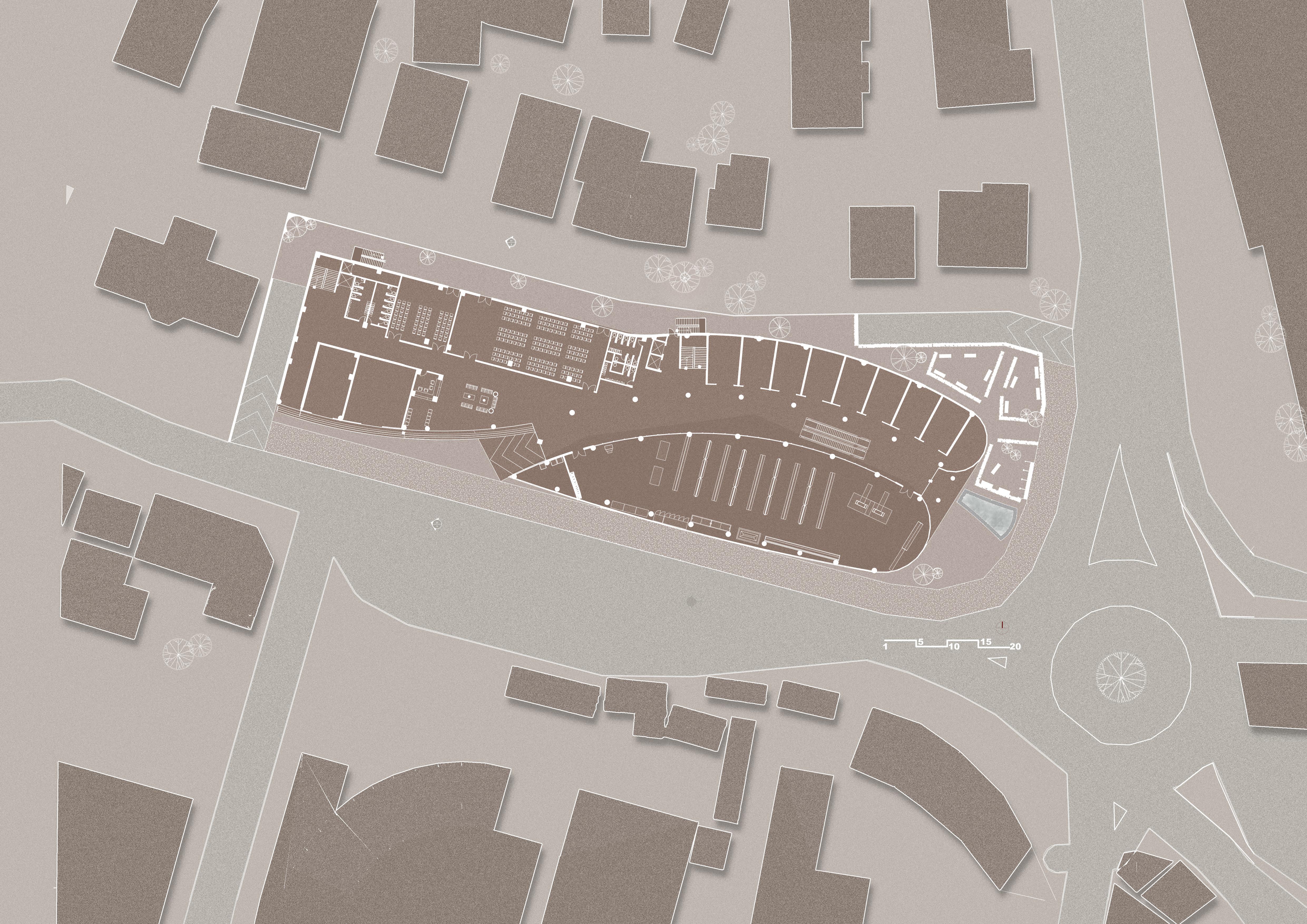
MASTER PLAN

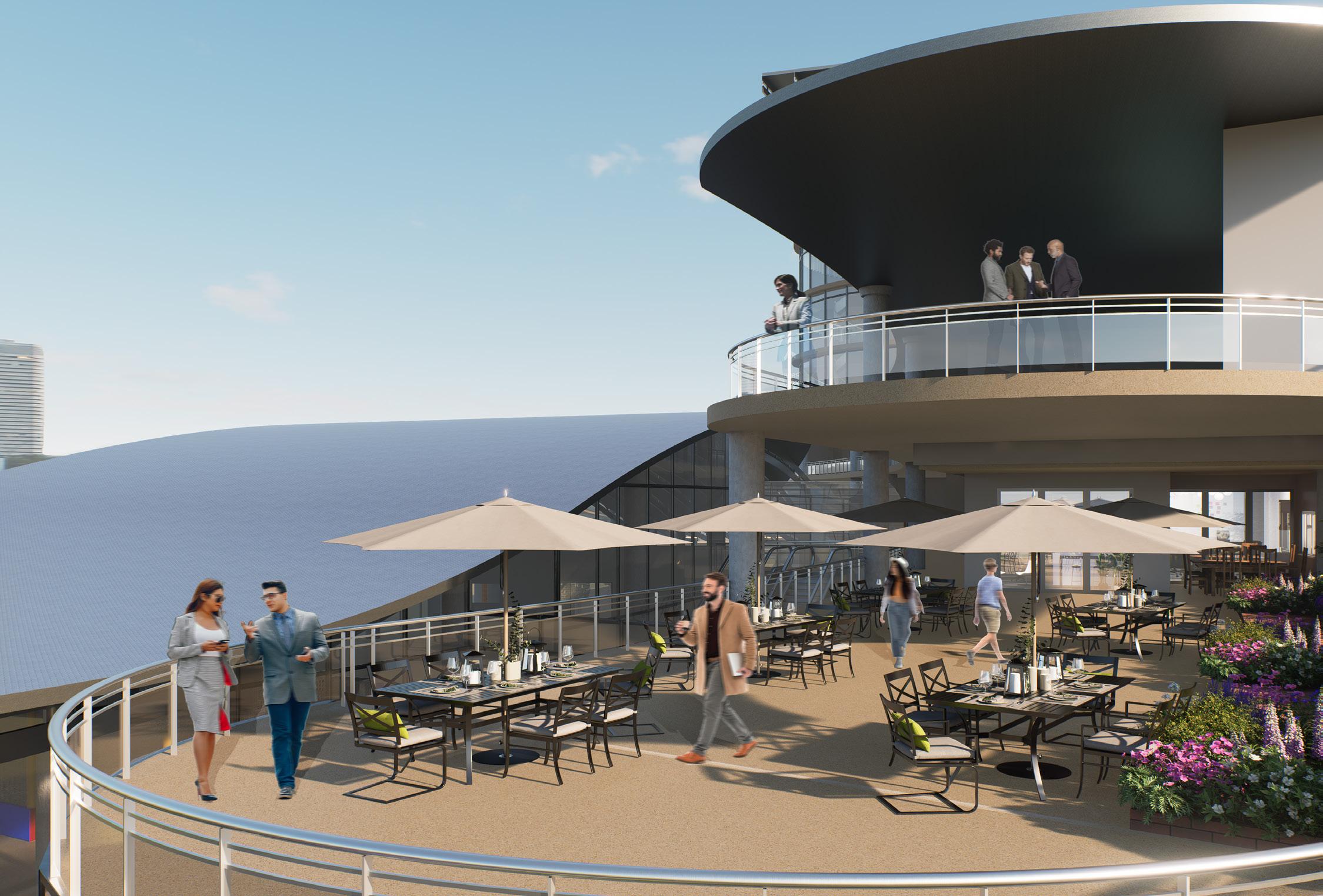
OUTDOOR CAFE SPACE
This outdoor café in Tripureshwor offers a vibrant yet relaxing atmosphere, set on an elevated terrace that opens to sweeping views of the cityscape and the iconic Dasharath Rangashala. Stylish seating shaded by large umbrellas creates an inviting space for casual dining, while lush flowering plants add a touch of natural color and warmth. The modern architectural curves of the surrounding structures frame the scene beautifully, making this café an ideal spot for conversation, leisure, and enjoying Kathmandu’s urban panorama.
LEGEND
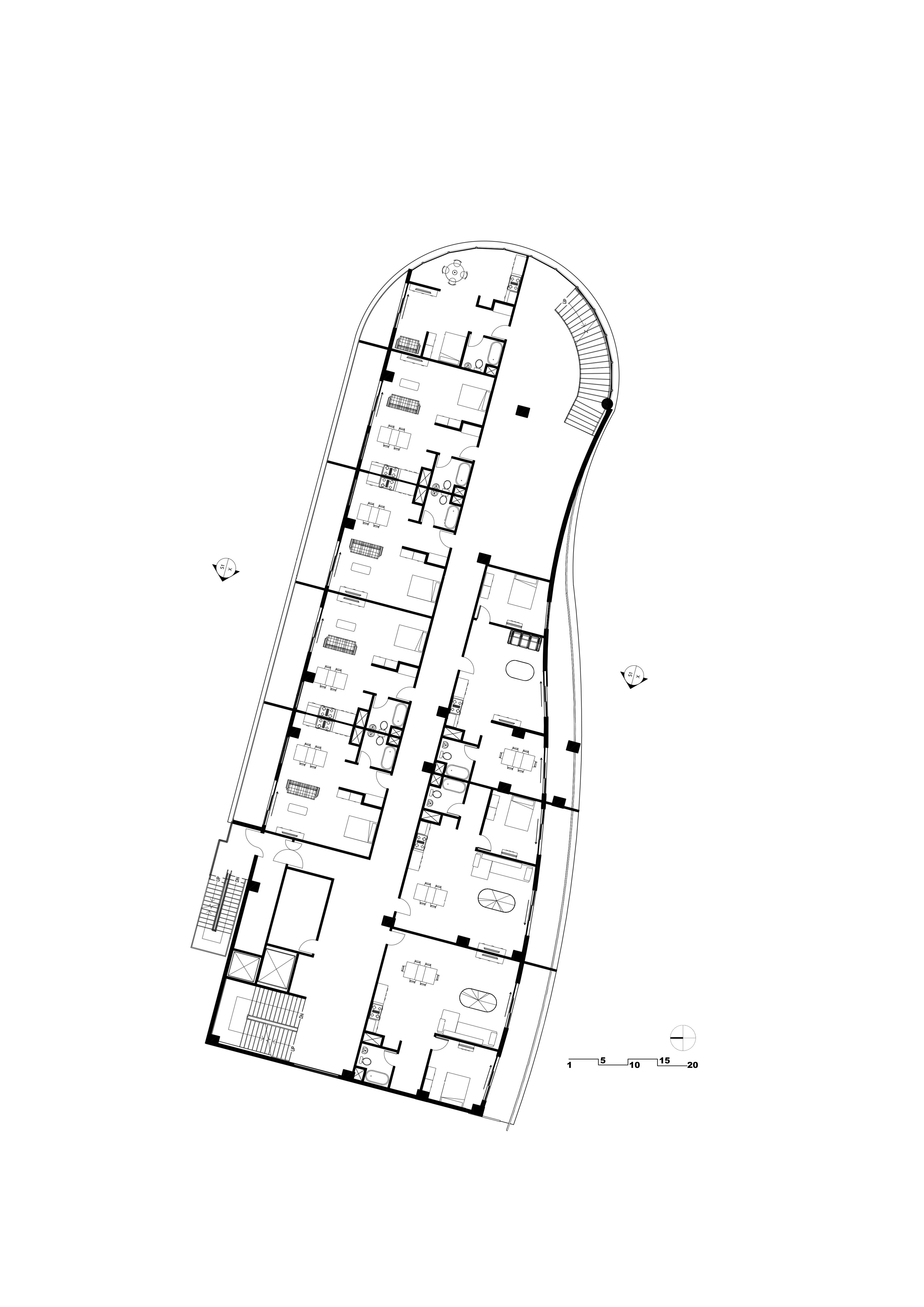
1. LOBBY
SERVICE ROOM
STUDIO APARTMENT 4. 1BHK APARTMENT 5. EMERGENCY STAIRCASE 6. SERVICE LIFT
TYPICAL APARTMENT LAYOUT

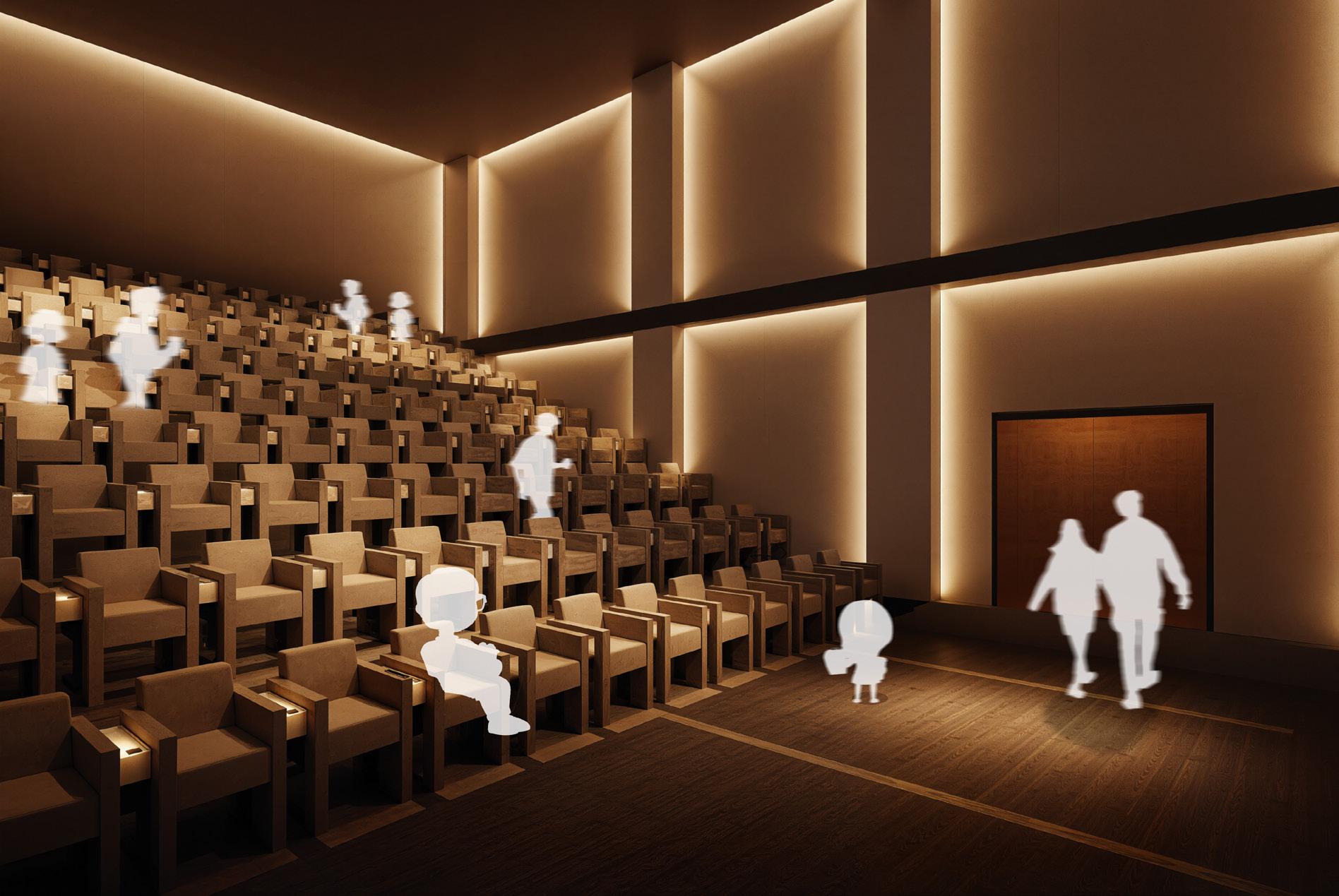
CINEMA HALL VISUALIZATION

Spirals of Learning: Designing a School of Renewal and Collaboration, Design Studio IV
Location:- Madhyapur Thimi
Category:- Primary School
Project:- Academic
2st Year 4th Semester, 2023
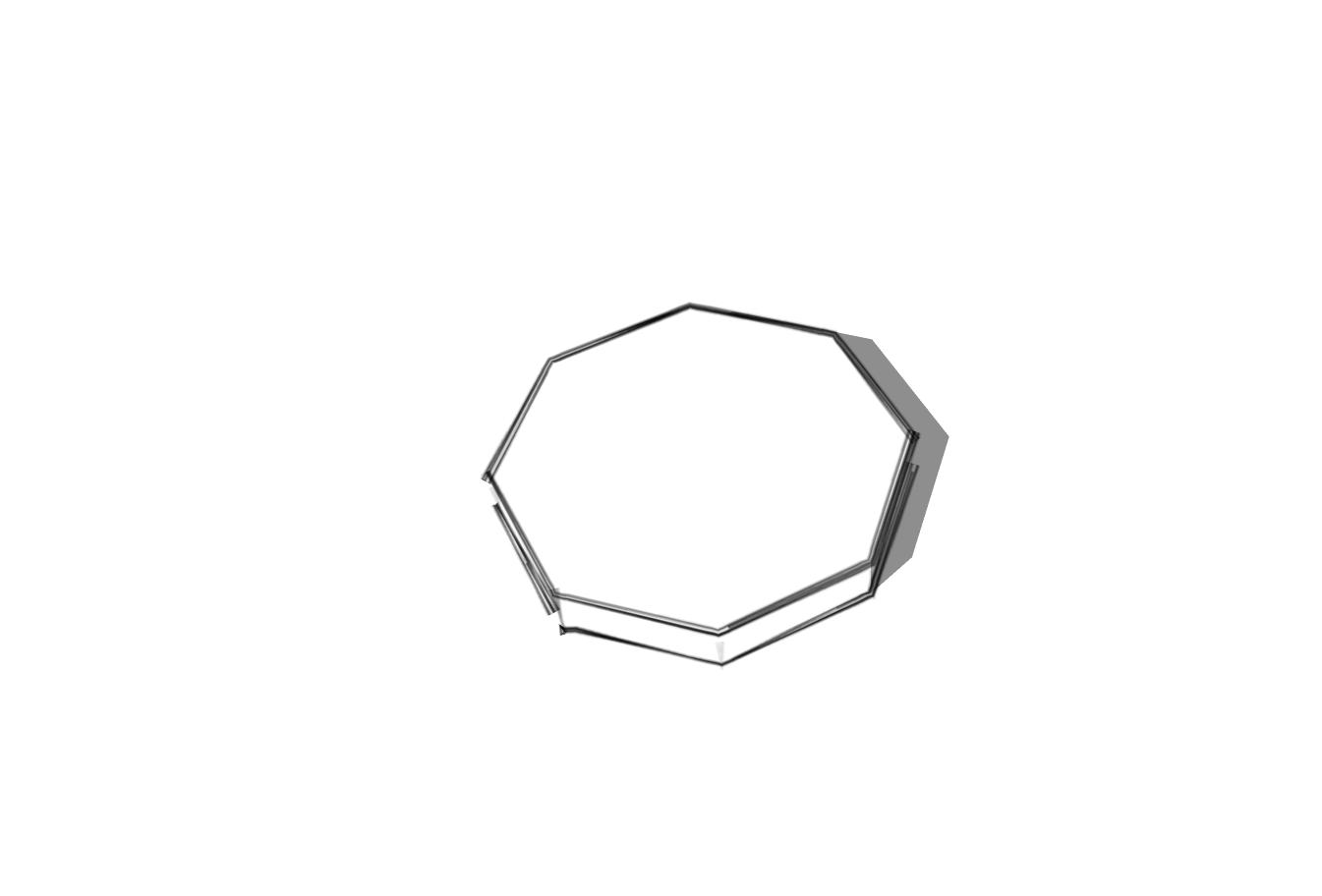
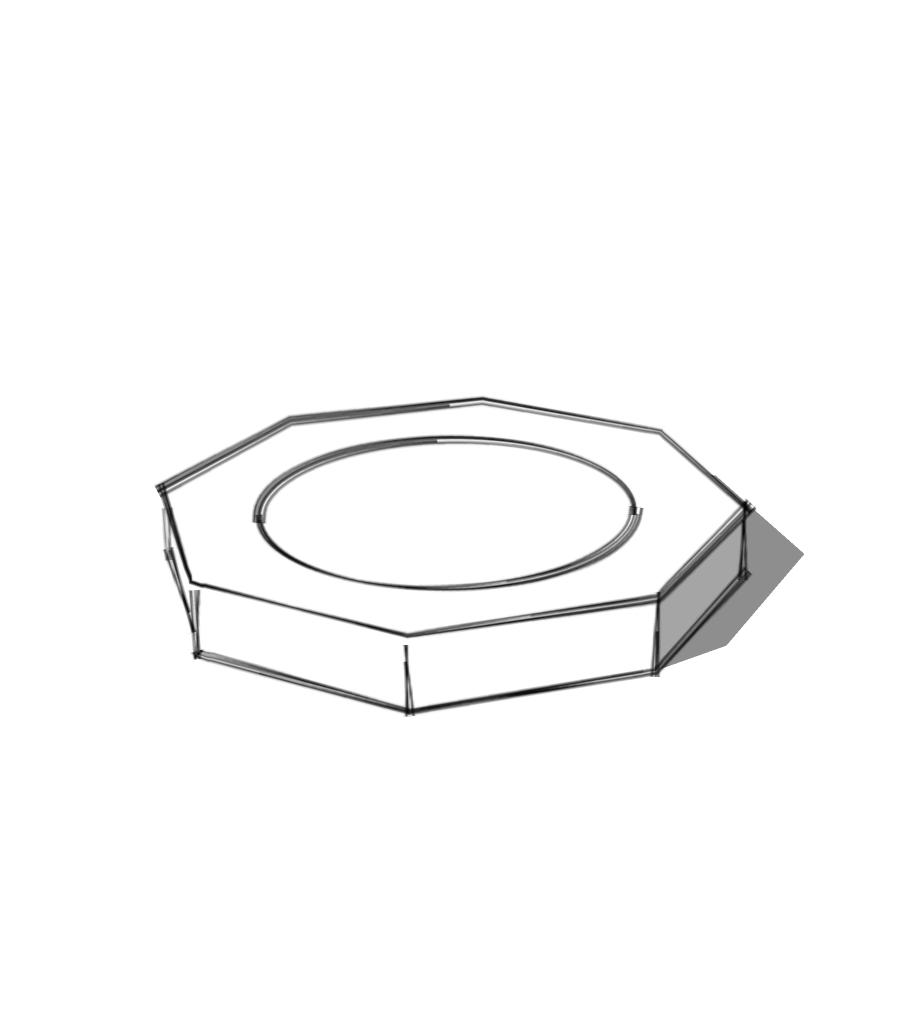
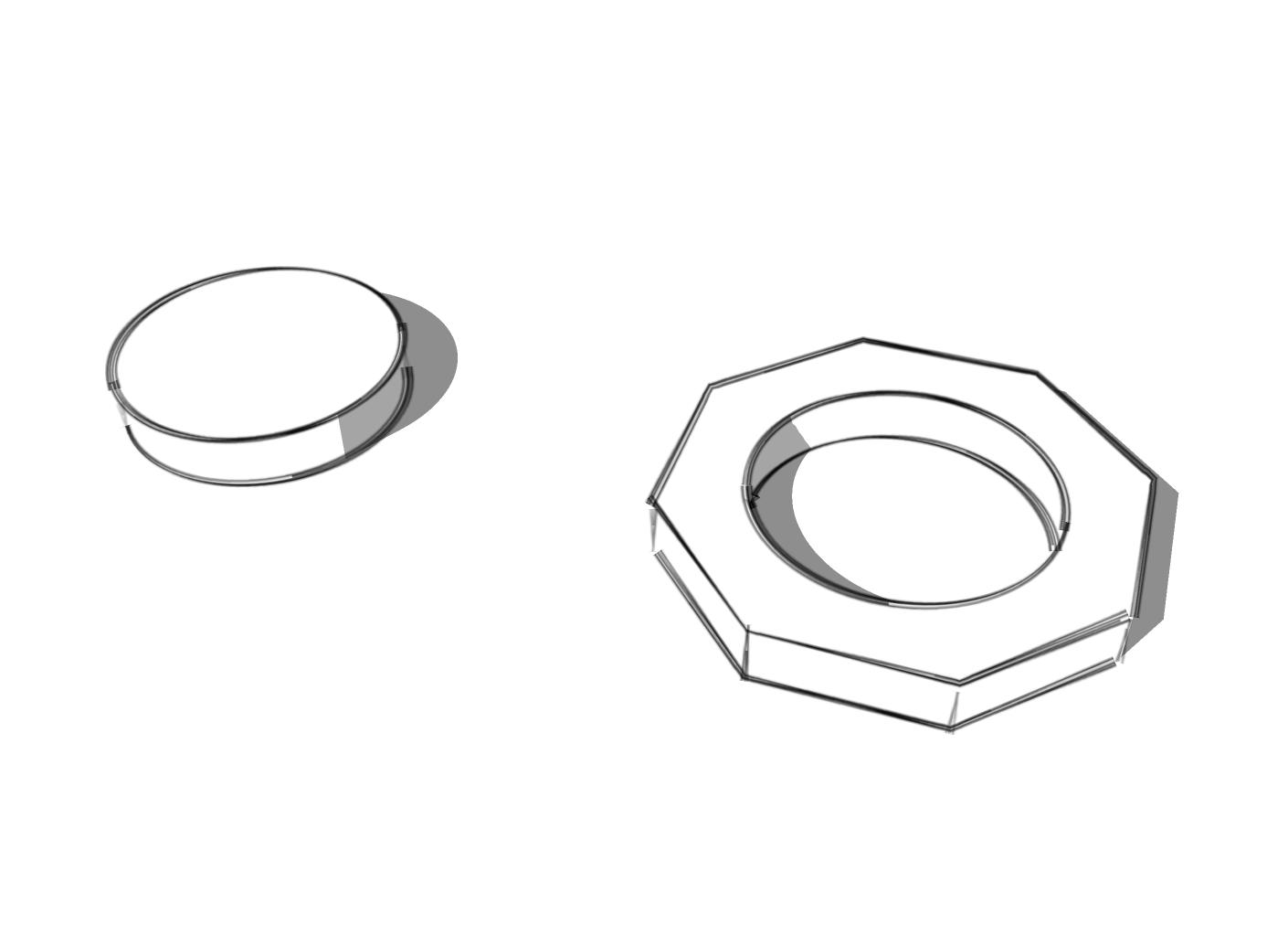
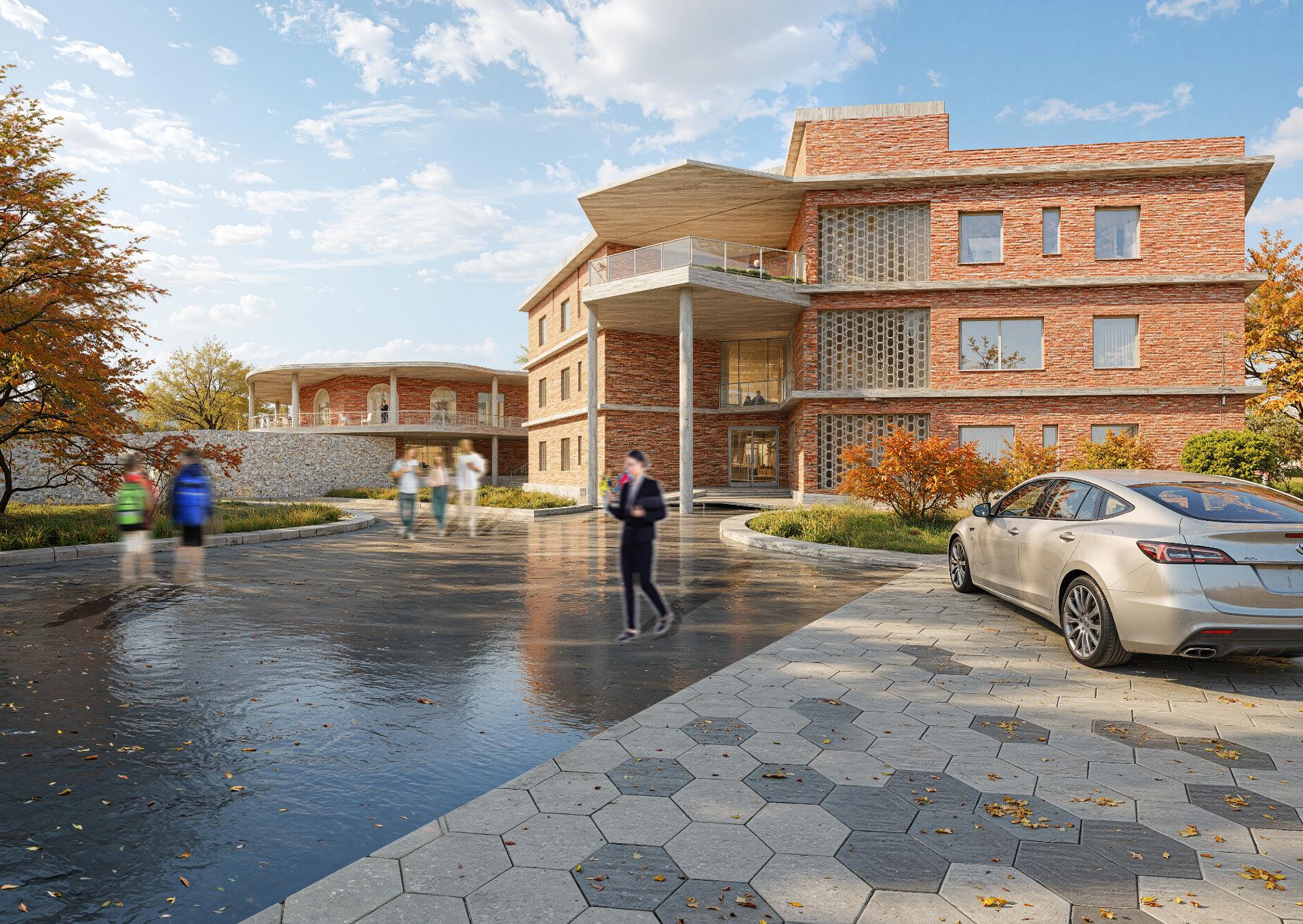
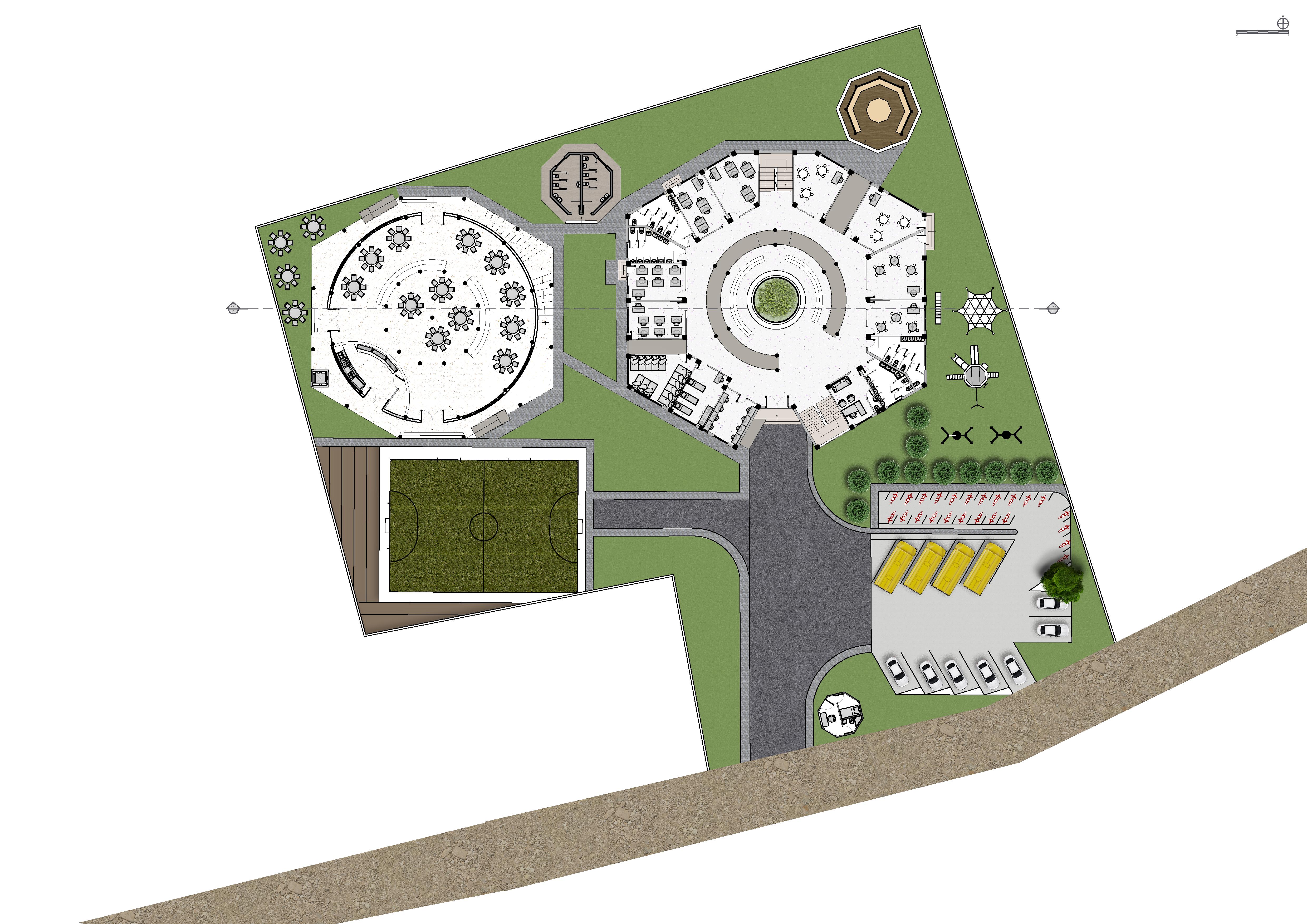
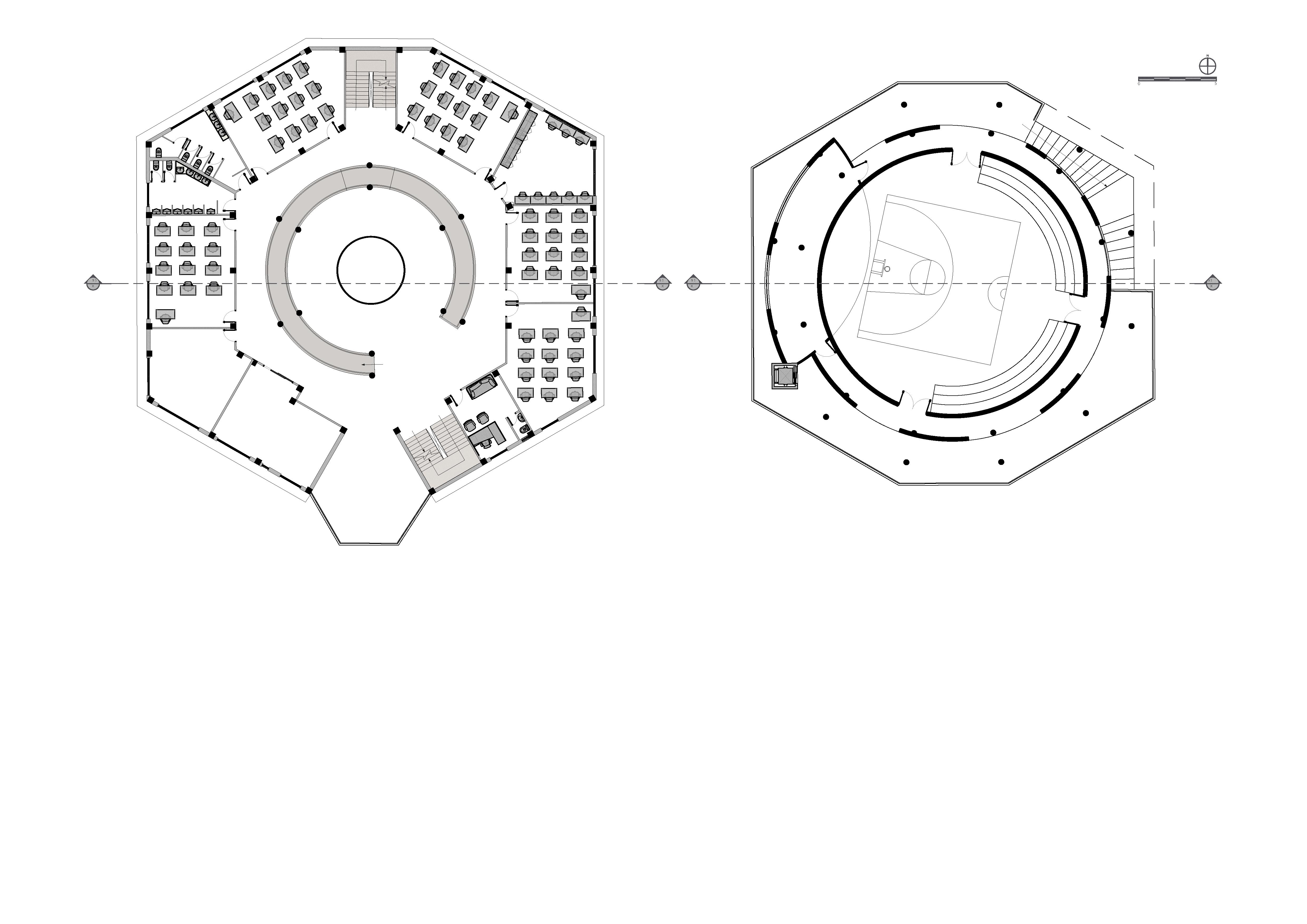
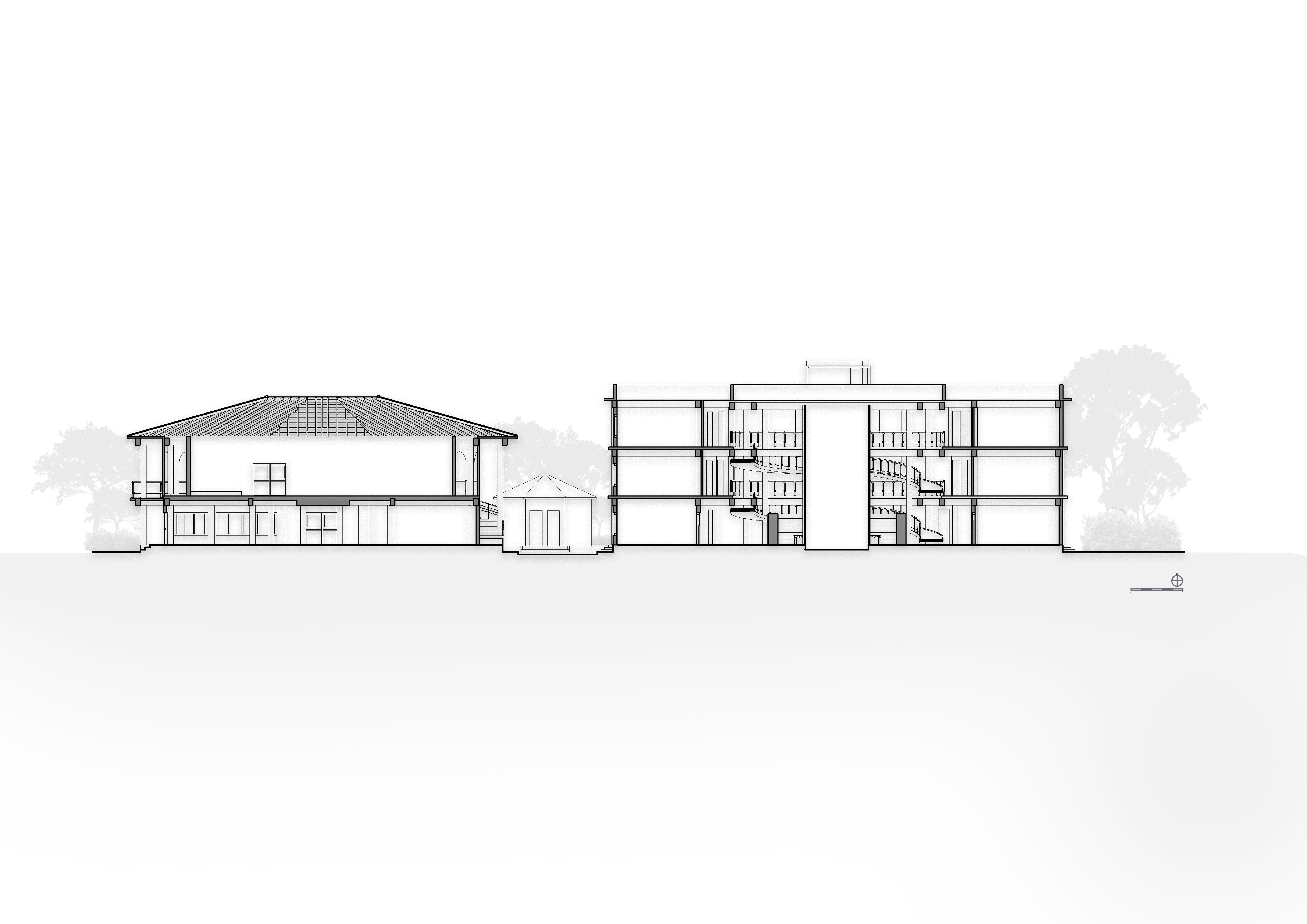
The primary school design in Madhyapur Thimi, Bhaktapur is inspired by the spiral curriculum, expressed through a central circular ramp that guides students on a continuous, upward journey of learning. The use of octagonal and circular forms symbolizes renewal, transition, and teamwork, while allowing natural light to enter from all directions, creating bright and engaging spaces. Rooted in local identity, the design incorporates traditional Bhaktapur brickwork, blending cultural heritage with a modern learning environment that supports growth, collaboration, and holistic development.
“Architecture is the will of an epoch translated into space.”

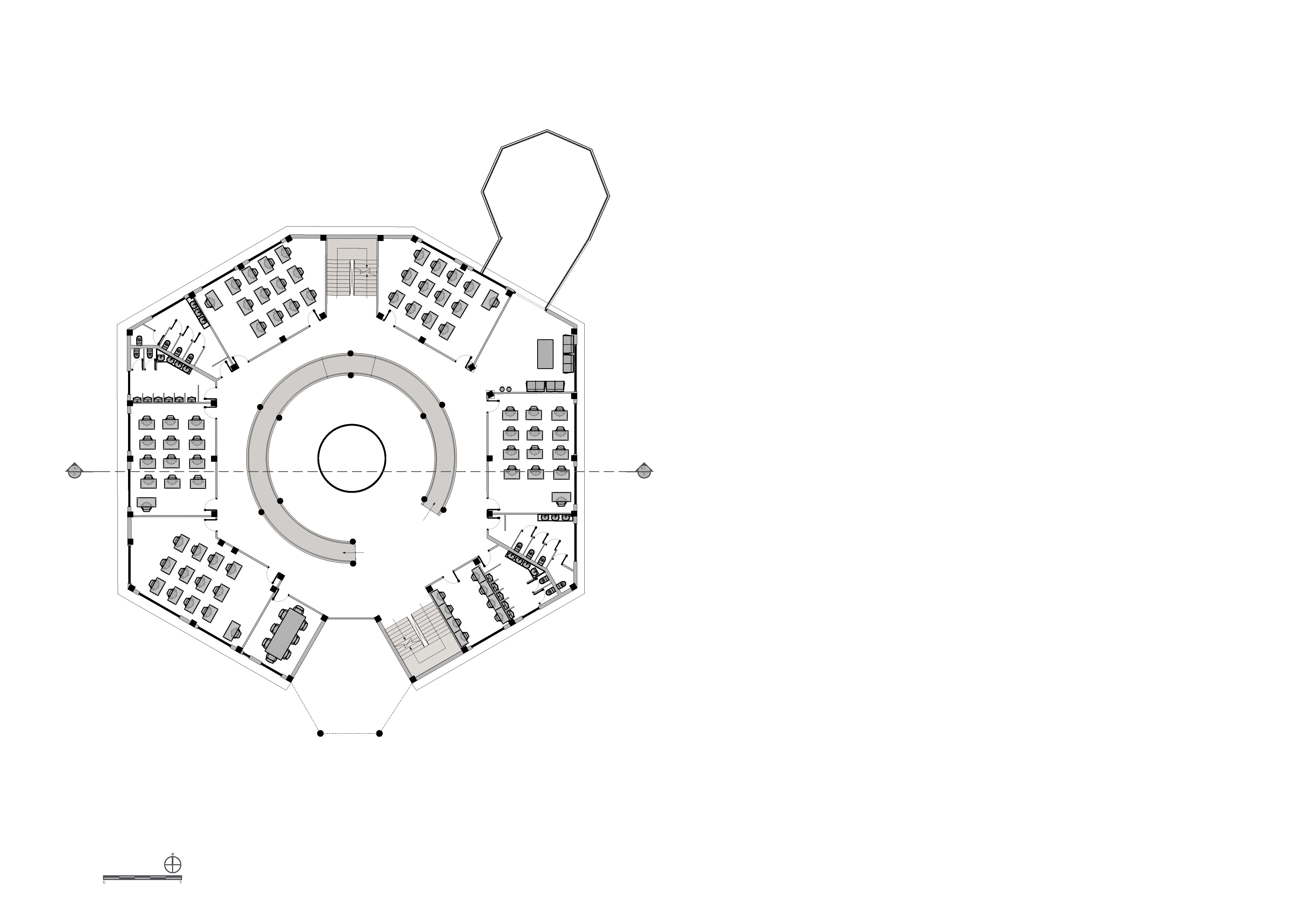
FIRST FLOOR PLAN
LEGEND
1. MEETING ROOM
2. CLASSROOMS
3. BOY’S TOILET
4. GIRL’S TOILET
5. LOUNGE AREA
6. TERRACE
7. TEACHERS ROOM
TOP FLOOR PLAN MULTIPURPOSE HALL PLAN
LEGEND
LEGEND
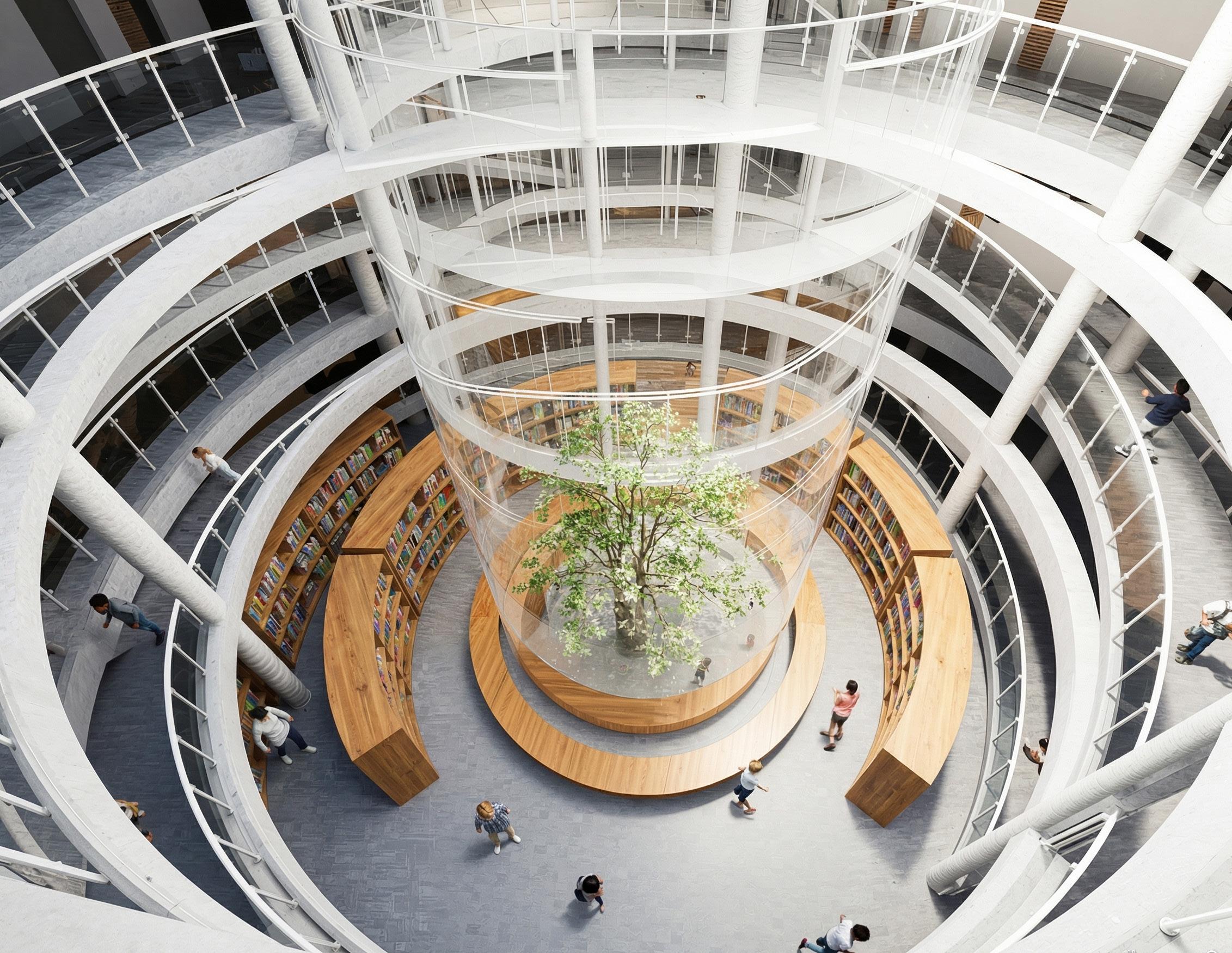
The image depicts a school building with a central void space, featuring a green area at its core, encircled by glass panels. Surrounding the green space is a library, its bookshelves arranged in a circular formation. A ramp spirals around the exterior of the void, offering seamless circulation throughout the space. The design promotes a sense of openness, natural light, and connection to nature, while encouraging movement and interaction within the learning environment.
Hillside Retreat: A Modern Farmhouse Inspired by Tradition and Nature, Design Studio II
Location:- Gumaju Tole, Katunje
Category:- Farm House
Project:- Academic
1st Year 2nd Semester, 2022
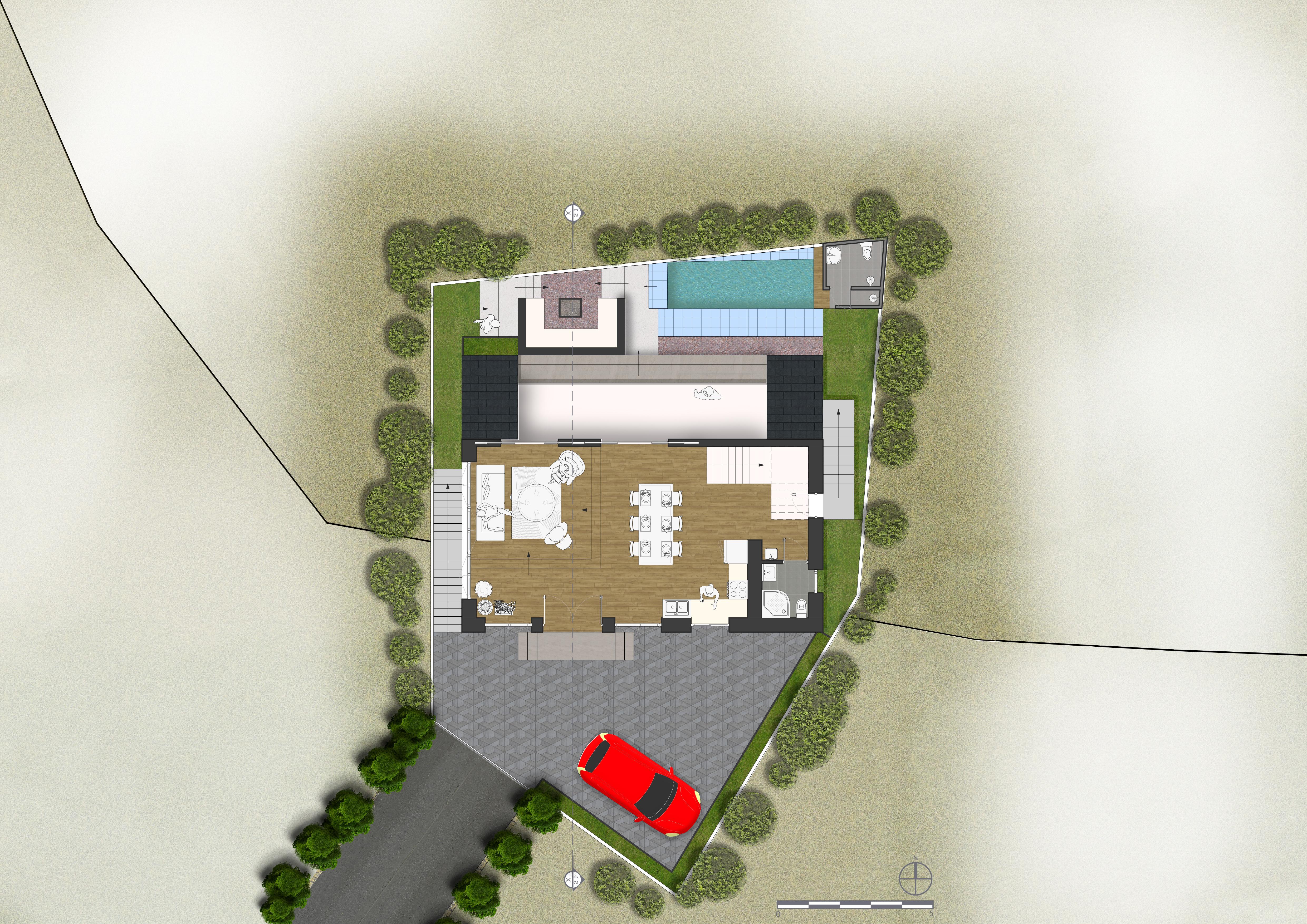
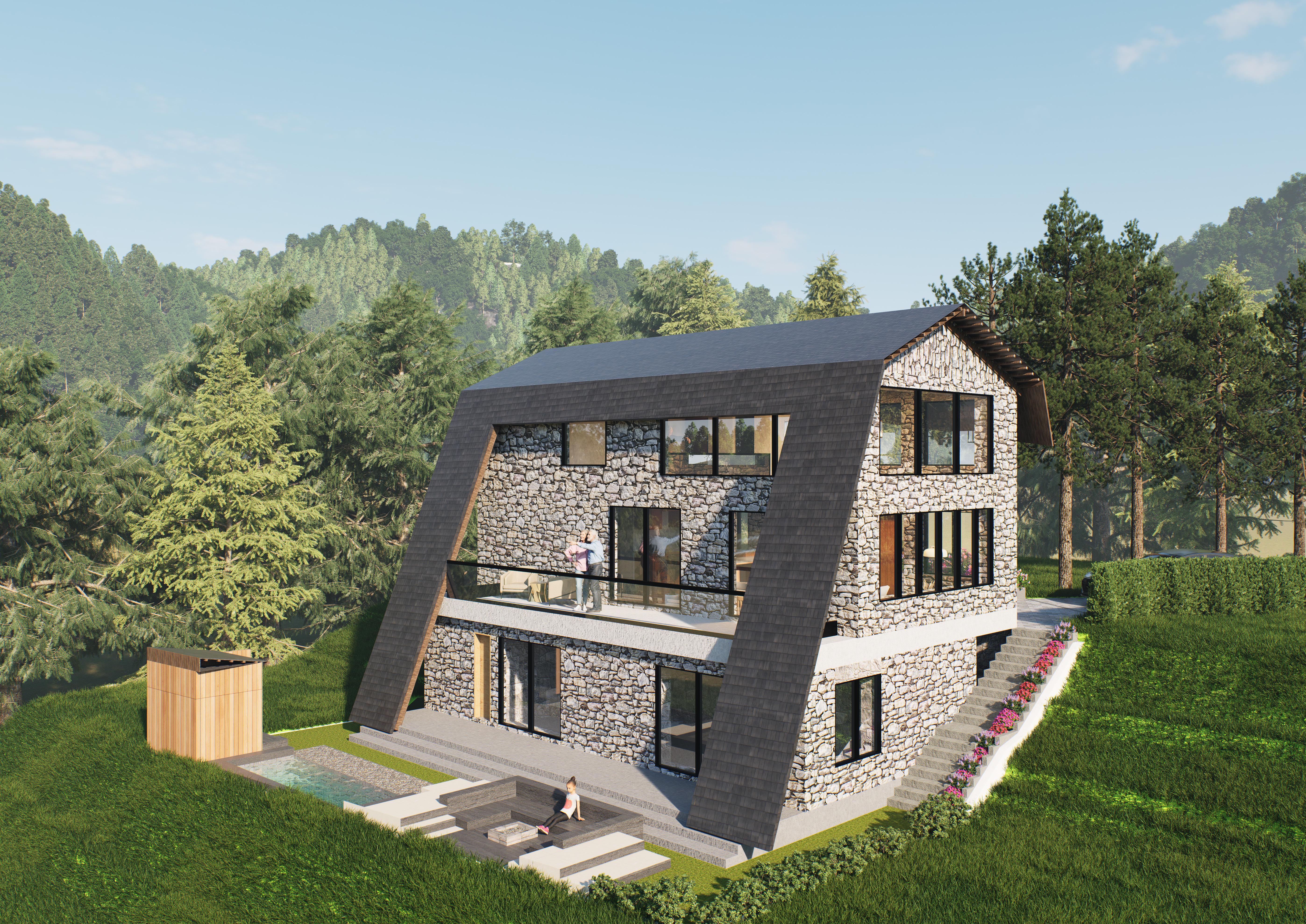
The site at Gumanju Tol, Katunje is situated in an area undergoing rapid urbanization. Despite the surrounding development, this site remains untouched, offering a serene environment. It faces north and is free from any obstructions, providing stunning views of the Bhaktapur Valley and the surrounding mountain ranges.
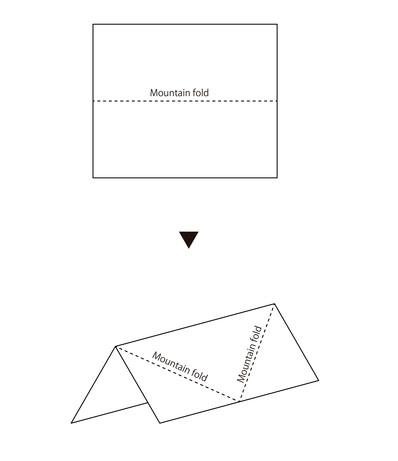
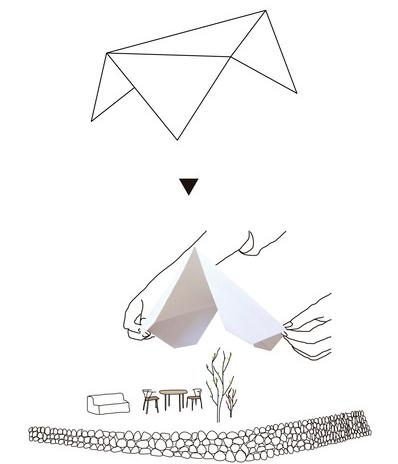
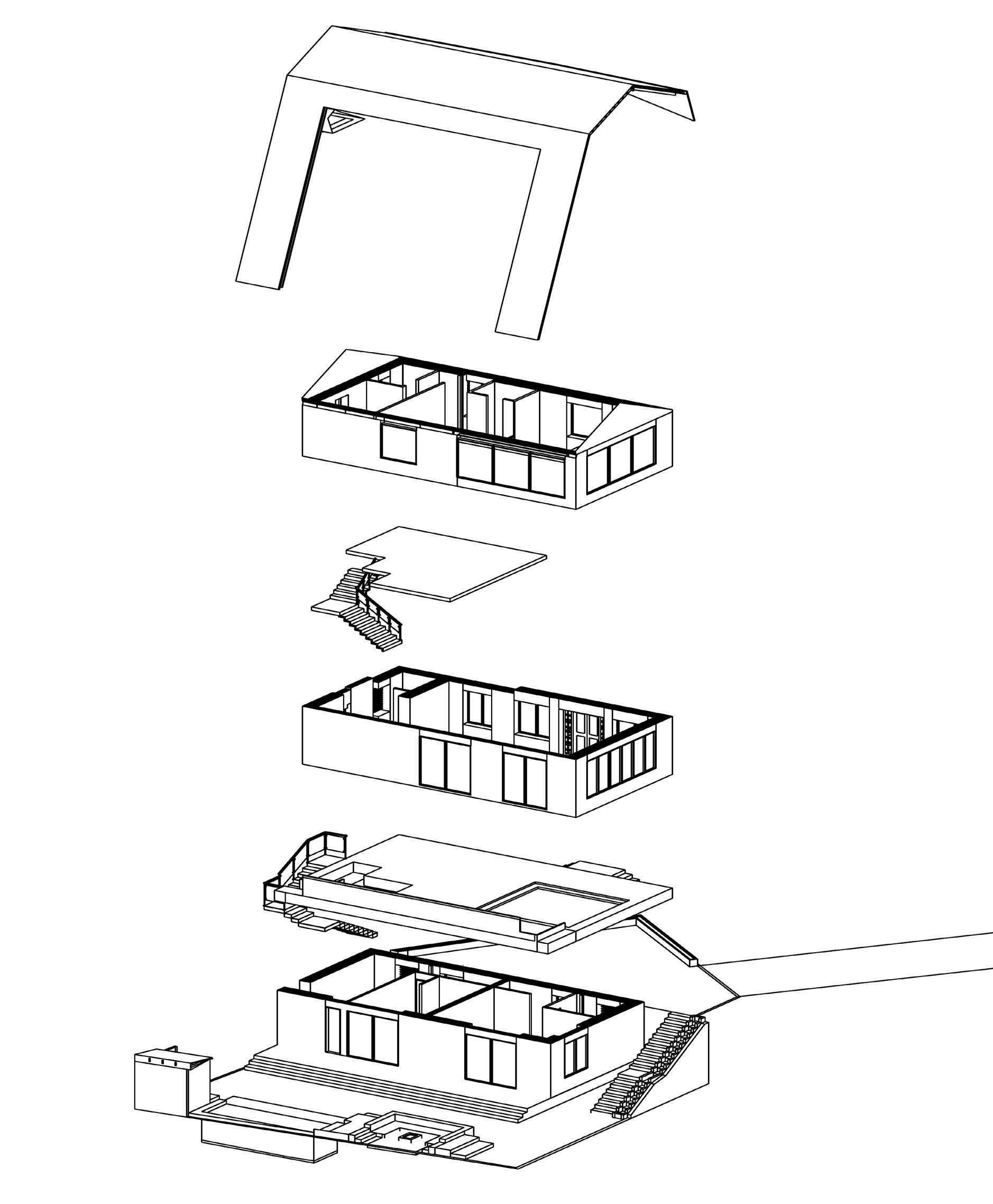
The design concept for this site revolves around creating a farmhouse that feels close to nature, yet far enough from the hustle and bustle of urban life. The idea was to seamlessly integrate the farmhouse with the natural landscape, using natural elements to enhance the experience. The design draws inspiration from the traditional Sherpa houses of Nepal, incorporating their sustainable and functional design features. Additionally, the roof design takes cues from the origami-inspired roofs of Japanese homes, adding a modern, yet culturally respectful touch to the structure. The result is a tranquil retreat that harmonizes with the natural beauty of the area, offering both solitude and connection to the land.
AXONOMETRIC VIEW
LEGEND
MASTER PLAN
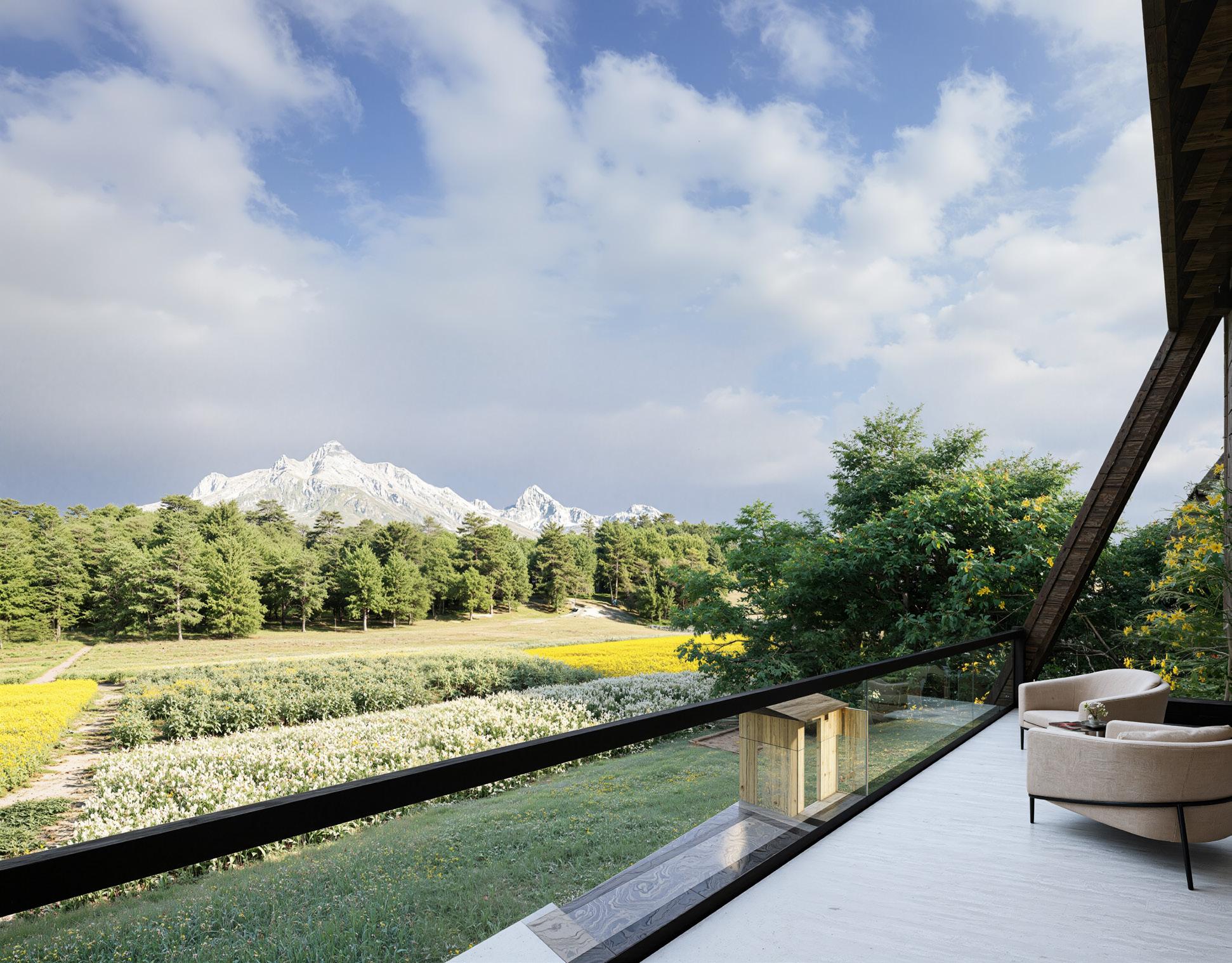
“Architectural responses need to move beyond built response to create a dialogue with larger landscape”
-Ar. Palindra Kannangara
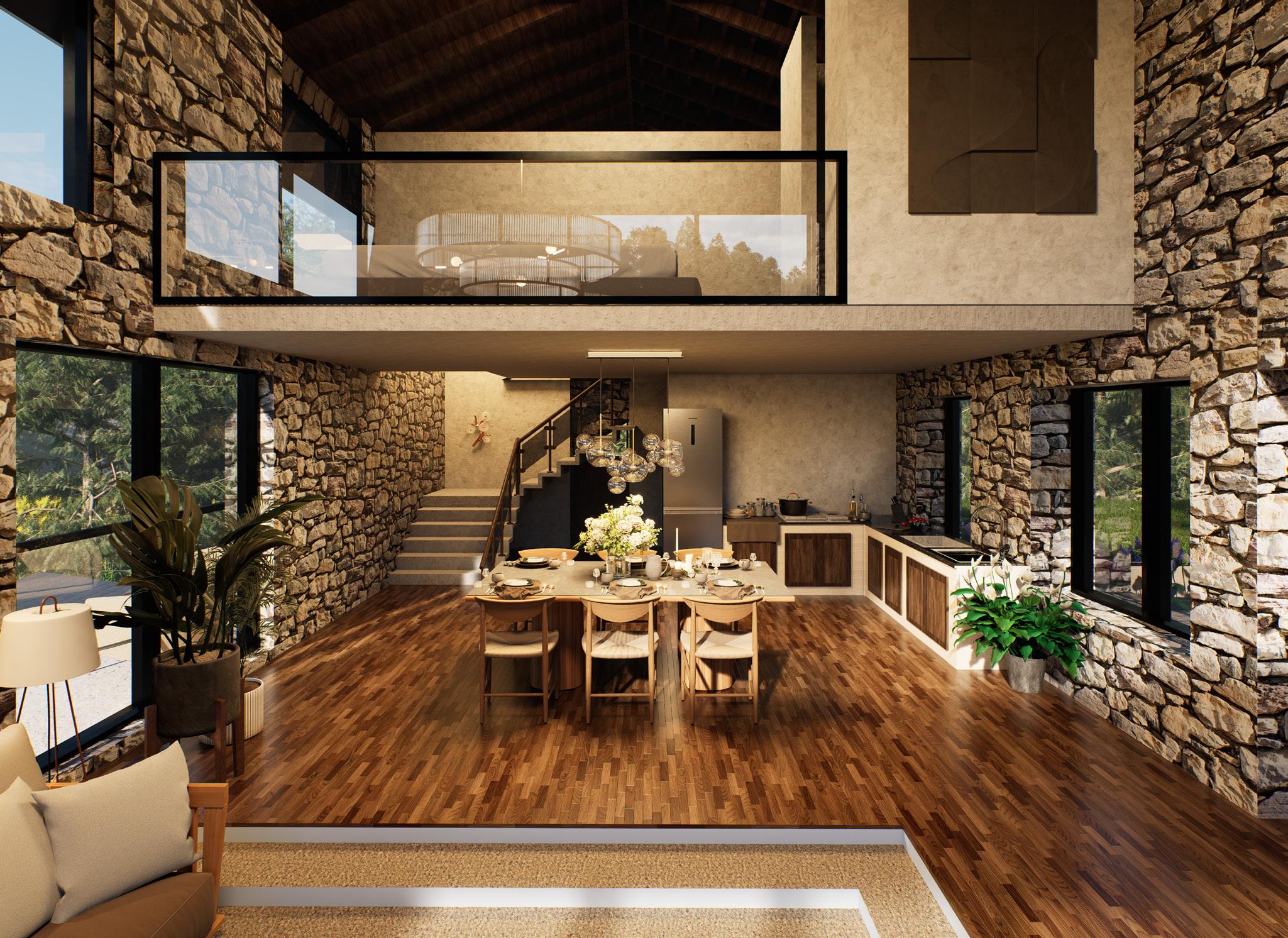
INTERIOR VIEW (MEZZANINE FLOOR)
When designing a modern farmhouse interior, natural materials such as timber, stone, and woven fibers are used to create a warm, grounded atmosphere. A calm, earthy color palette enhances the rustic charm while maintaining a clean, contemporary feel.
Expansive windows bring in abundant natural light, strengthening the connection to the surrounding landscape. The mezzanine floor adds an airy, open character to the home, offering additional living space without sacrificing the spaciousness of the main level. Soft, breathable fabrics like cotton and linen complement the farmhouse aesthetic through upholstery, curtains, and rugs. Thoughtful decorative accents— crafted pieces, natural textures, and simple yet distinctive elements—add personality and comfort to the space.

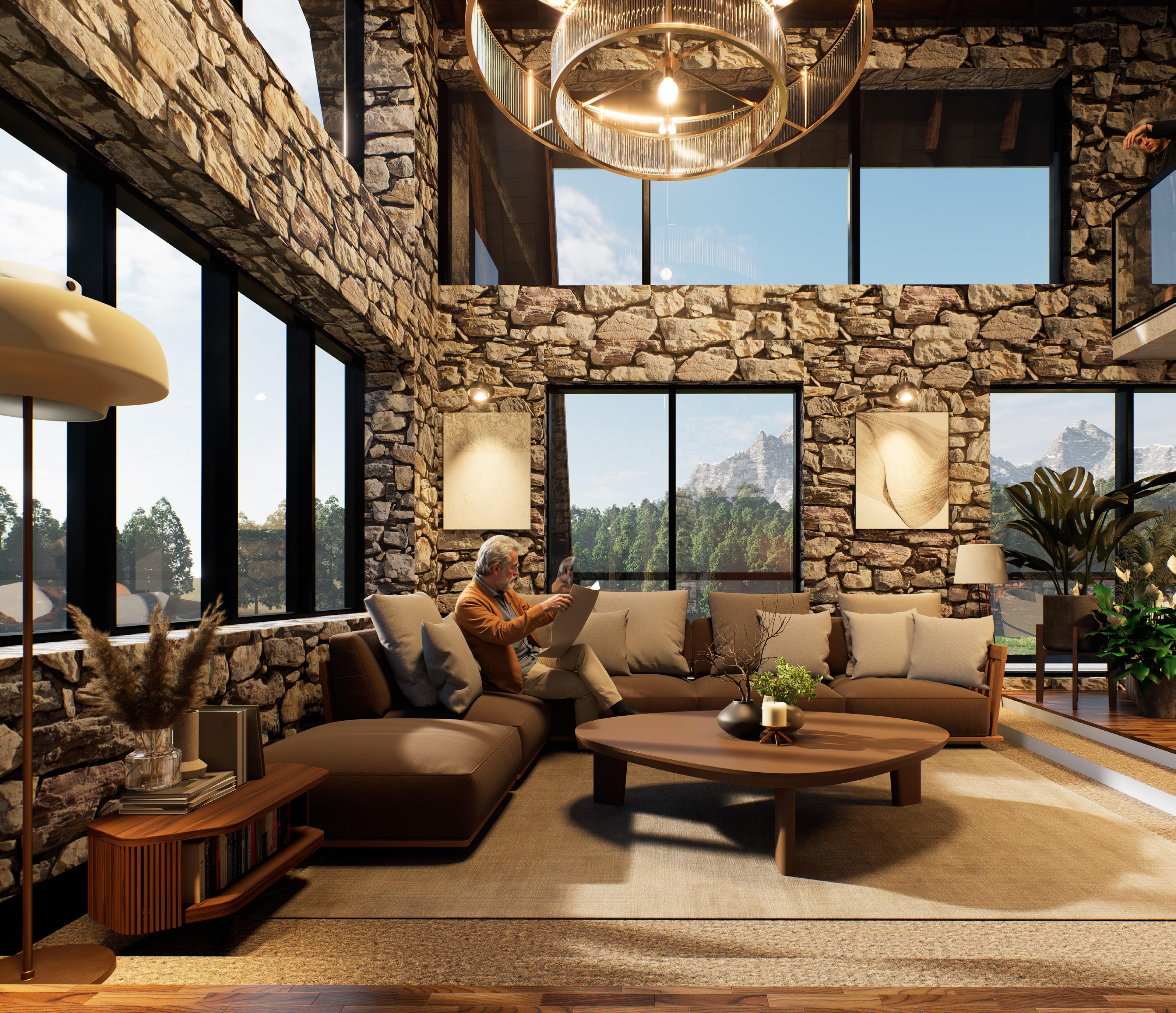
INTERIOR SPACE VISUALIZATION
This image shows a warm, inviting farmhouse interior inspired by Sherpa masonry, with rugged stone walls, large windows framing mountain views, and soft natural light filling the space. A cozy sectional sofa, wooden coffee table, layered neutral textiles, and abundant greenery create a serene, earthy atmosphere, while warm lighting and modern rustic décor enhance the room’s comfortable, lived-in charm.
NAGGAR CASTLE, PRINCIPLE, DOCUMENTATION AND PROPOSAL
LOCATION: Naggar , Kullu , Himachal
Pradesh , India
TEAM : Prashrit Bhayadyo, Sushma Gurung
, Salina Shrestha, Jenith Dandekhu , Shubhashish Shrestha
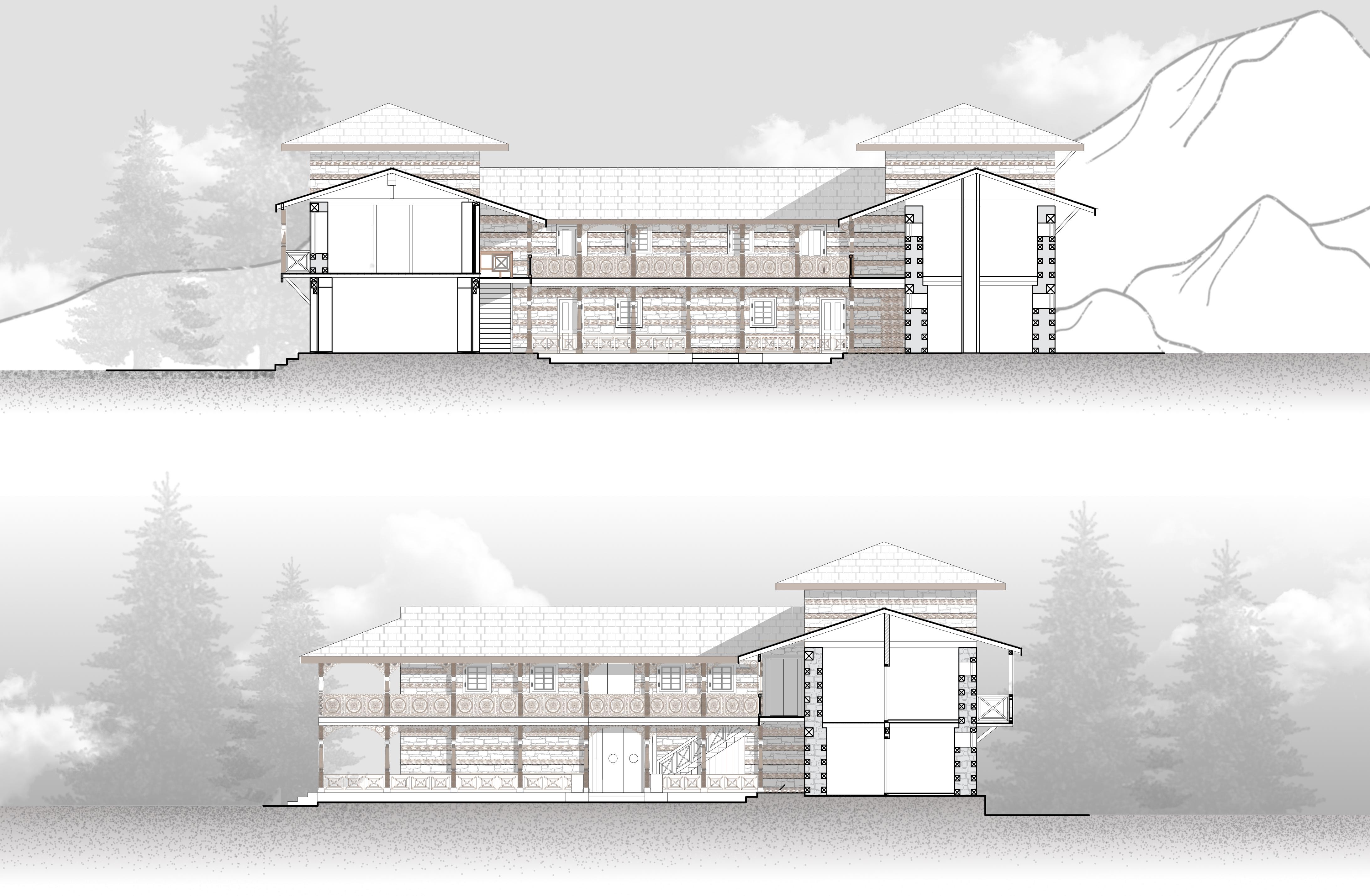
During my internship at NORTH, Himachal Pradesh, India, our team of five architecture interns undertook the study and proposal development for Naggar Castle, a culturally significant heritage structure in Kullu.
The project involved on-site documentation, architectural analysis, and understanding the traditional building techniques of the region, especially the Kathkuni construction system.
Working directly within the landscape and community allowed us to explore how historic architecture can be preserved while integrating sensitive and meaningful new interventions. This project reflects our collective effort to honor local craft, support adaptive reuse, and propose sustainable enhancements rooted in cultural context.
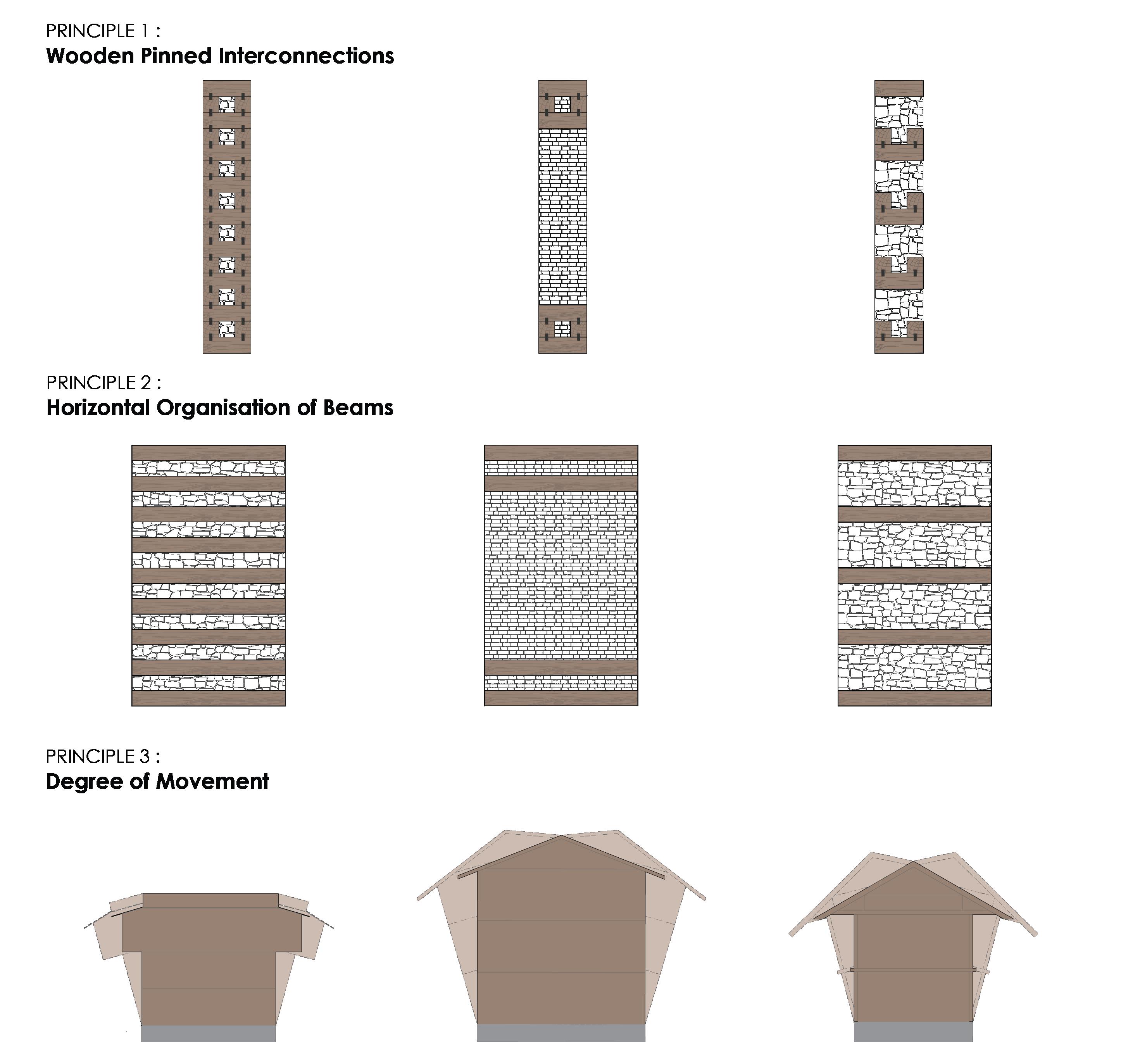
PRINCIPLE OF KATHKUNI
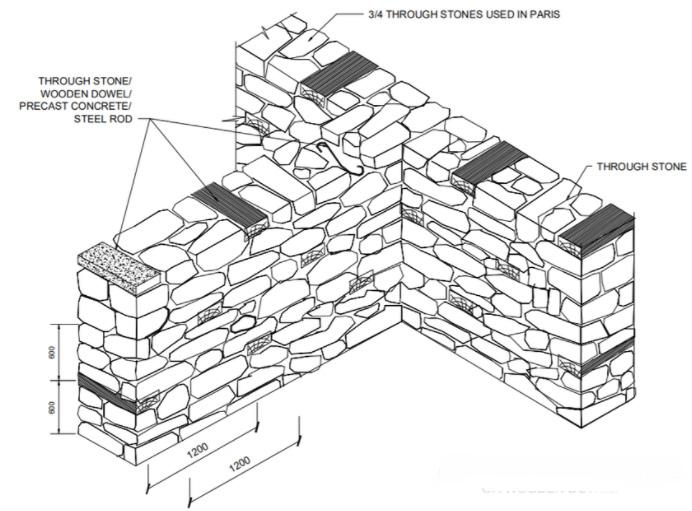
Kathkuni architecture relies on a sophisticated interlocking system of timber and stone that provides both stability and elasticity in Himalayan seismic conditions.
Principle 1: Wooden Pinned Interconnections reflects how Kathkuni walls use wooden members pinned together without metal fasteners. These joints allow the building to dissipate seismic forces through controlled flexibility. At Naggar Castle, the original walls use this technique, where deodar beams lock the stone layers and corners through wooden pegs, ensuring monolithic behaviour.
Principle 2: Horizontal Organisation of Beams represents the characteristic alternating layers of timber and stone. This creates a uniform load distribution and prevents shear failure. In Naggar Castle, the horizontal timber bands act as continuous seismic belts, binding the structure and stopping the stone infill from spreading during earthquakes.
Principle 3: Degree of Movement highlights Kathkuni’s intentional flexibility. The projecting roofs, beam extensions, and elastic timber framework allow slight movement without damage. Naggar Castle retains these overhangs and flexible joints, enabling the historic structure to remain resilient over centuries.

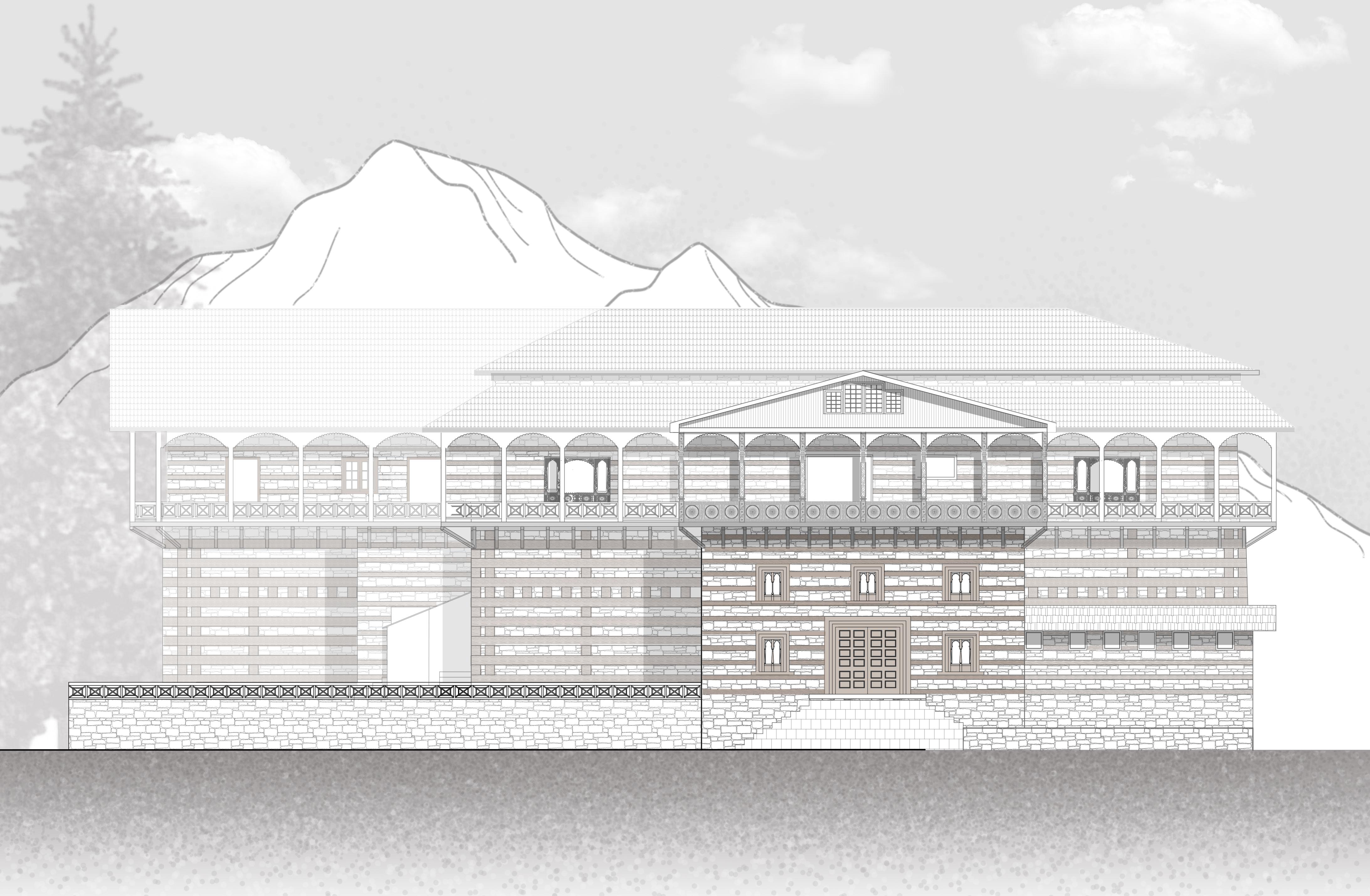
Naggar Castle, located in Kullu, Himachal Pradesh, is a historic hilltop structure built around the 15th century by Raja Sidh Singh of Kullu. Constructed in the traditional Kathkuni style using interlocking stone and timber, the castle served as the royal residence and administrative seat of the Kullu kingdom for centuries. Its architecture reflects both strategic defence needs and the cultural identity of the region.
The restoration of Naggar Castle preserves its historic and cultural essence while giving it a new life through adaptive reuse. By maintaining traditional architecture and introducing spaces for culture, art, and tourism, the castle becomes a living heritage site—honoring the past while engaging the present.






























AXONOMETRIC DRAWING OF NAGGAR CASTLE (WING A)
CHHAPAR (MAIN ROOF)
CHHABBI (SIDE ROOF)
TADA (ATTIC)
CHAUNI / GAJ (PURLIN)
TAAKI (WINDOW)
PATHAR (STONES)
DAAR (HORIZONTAL WOODEN MEMBER) PAWDI / GEDA (STAIRCASE)
BIDGANU (BALCONY)
TAMACHA JOD (BALCONY BEAM JOINT)
FOE / FAWADE (WOODEN FLOORING MEMBERS)
MED (FLOORING)
DARWAZA (MAIN DOOR)



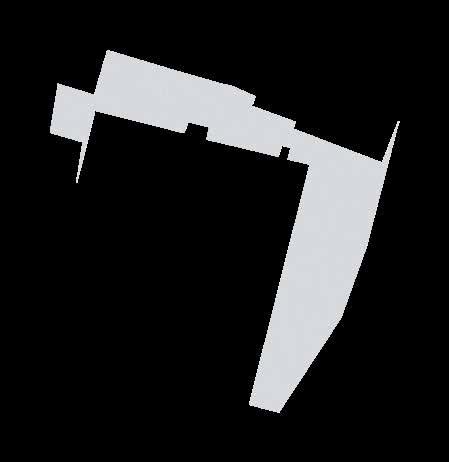
The proposed masterplan systematically organizes circulation, spatial functions, and wayfinding across the Naggar Castle precinct to create a coherent and efficient layout. Distinct movement patterns are established for visitors and hotel guests, beginning at separate entrances and converging at key activity nodes such as the reception, museum areas, temple courtyard, and open photo zones. This structured flow enhances legibility and ensures that users experience the site in a logical and uninterrupted sequence. The zoning framework clearly delineates heritage spaces, hospitality functions, service areas, and retail edges, allowing each component to operate effectively while maintaining the cultural integrity of the complex. Complementing this, signage and information boards are positioned along primary routes to support orientation, mark transitions between zones, and highlight significant points of interest. These elements together provide clarity in navigation and strengthen the interpretive quality of the site. Overall, the masterplan establishes an integrated spatial strategy that respects the castle’s historic character while improving accessibility, visitor engagement, and the functional performance