PASSION COMES IN WAVES


BILLABONG • RVCA • VISSLA • SISSTR
AMUSE • VOLCOM • KINGKONG
HARDWARE • GLOBE • SURFER GIRL
SALTY CREW • LOTTUS • BALIANAS
SOLAS • LILIKOI SWIM • NATAOKA
CREATURES • DAKINE • FKSURF • LIIVE
VHERKUDARA • SUN HUNTERS • MUNDAKA • STAYCOOL • SEXWAX
STICKY BUMPS • SURFMUD • ULU LAB
EUNOIA • NETWORK SURF
IG : outsidecorner.bali.
Website : www.outsidecorner.co
Phone: +62 877 8701 1888
Address : Jalan Labuansait No.89A Uluwatu - Bali

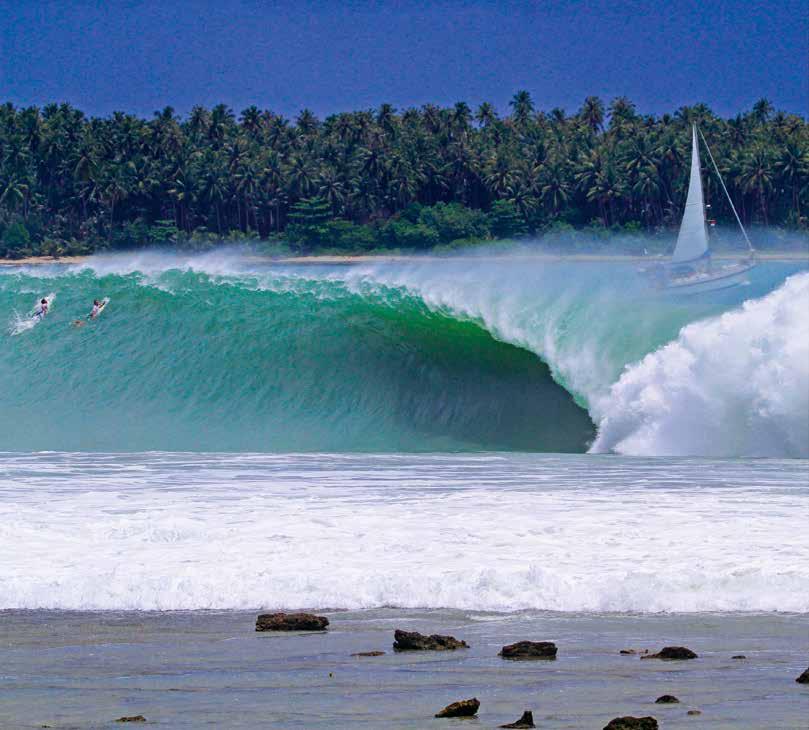
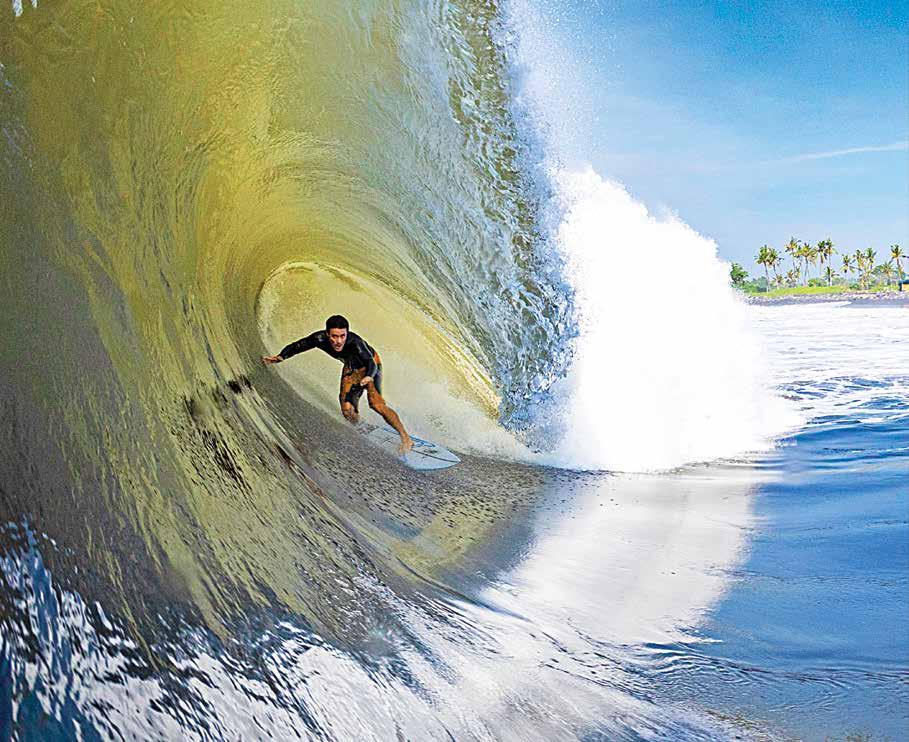
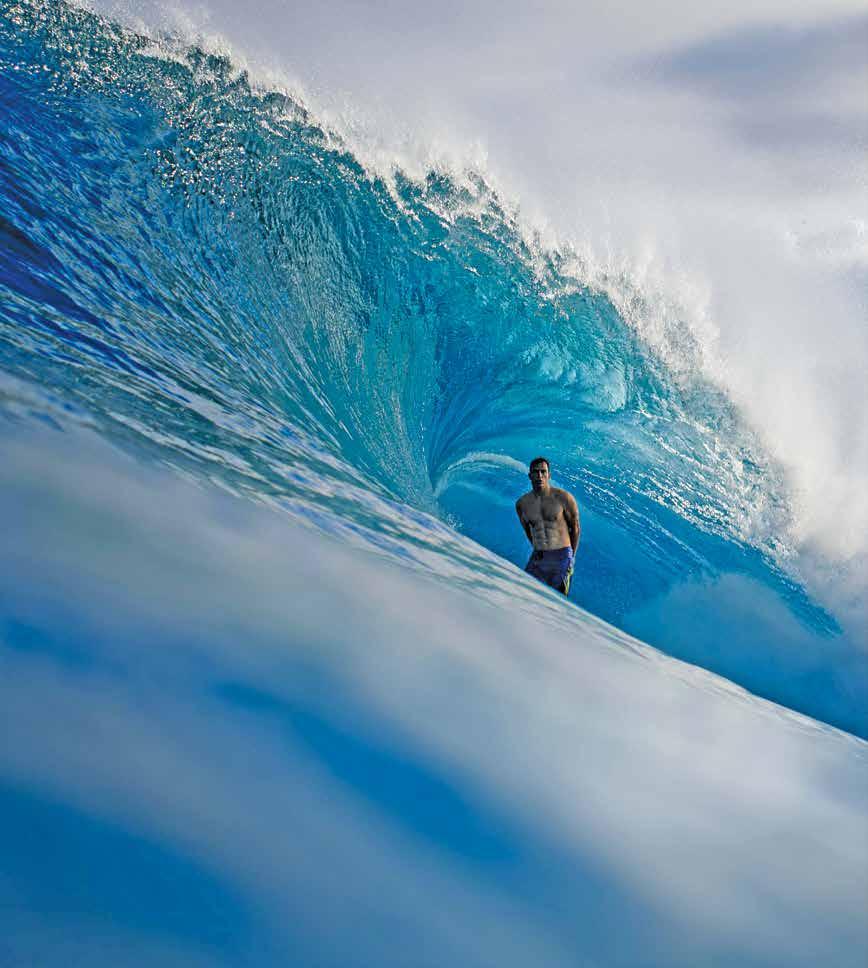
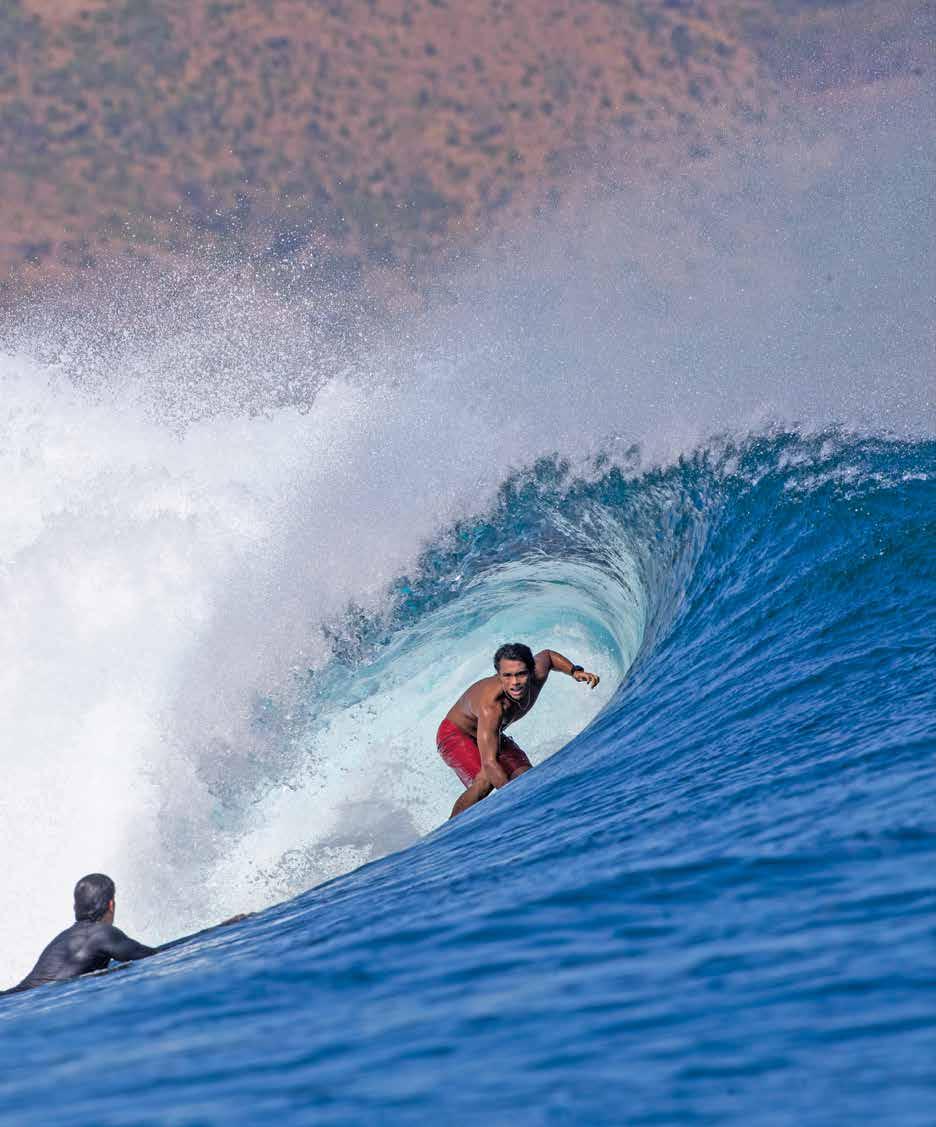
Do we actually belong in there in the first place? Lagundri mega power like this begs the question. Photography by
“And tell me, wasn’t that the best time, that time when we were young and on the sea. The sea that gives nothing, except hard knocks and sometimes a chance to feel your strength”
-From Great Writers and the Sea, Joseph Conrad, “Youth”-
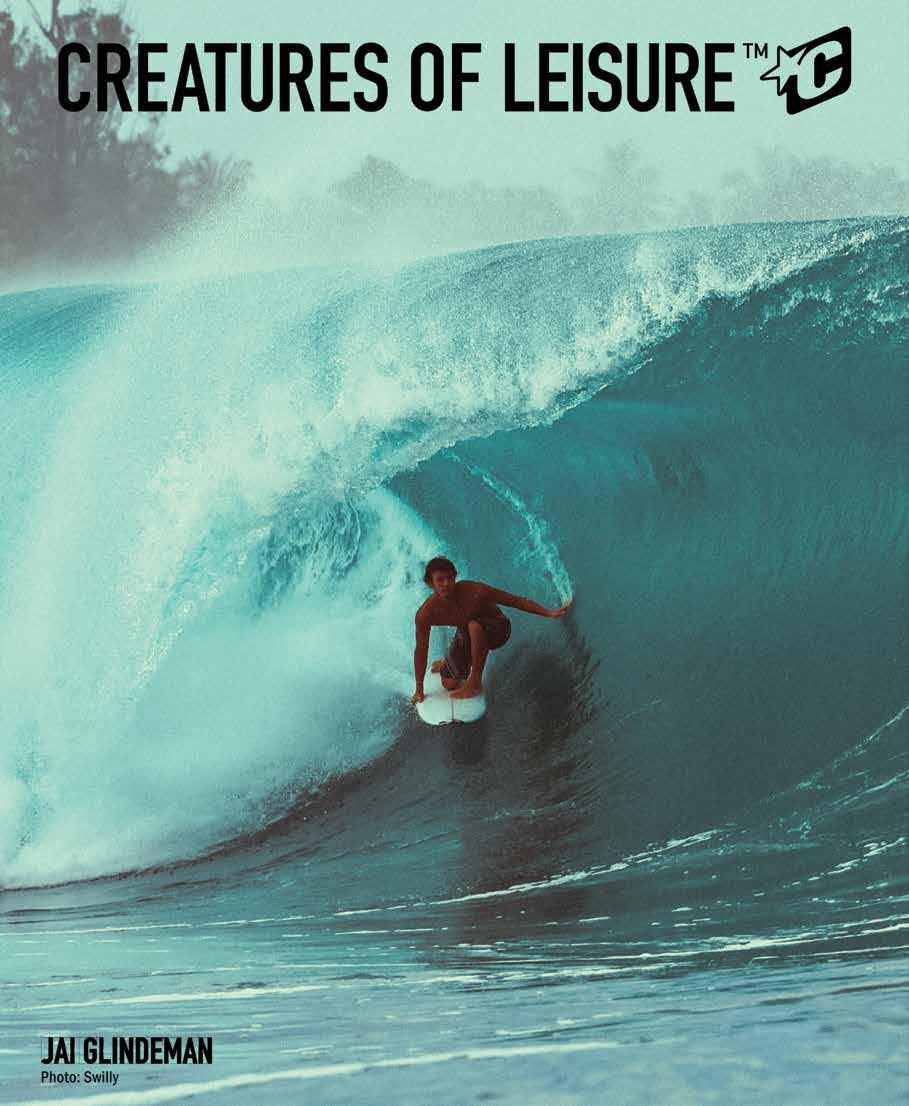
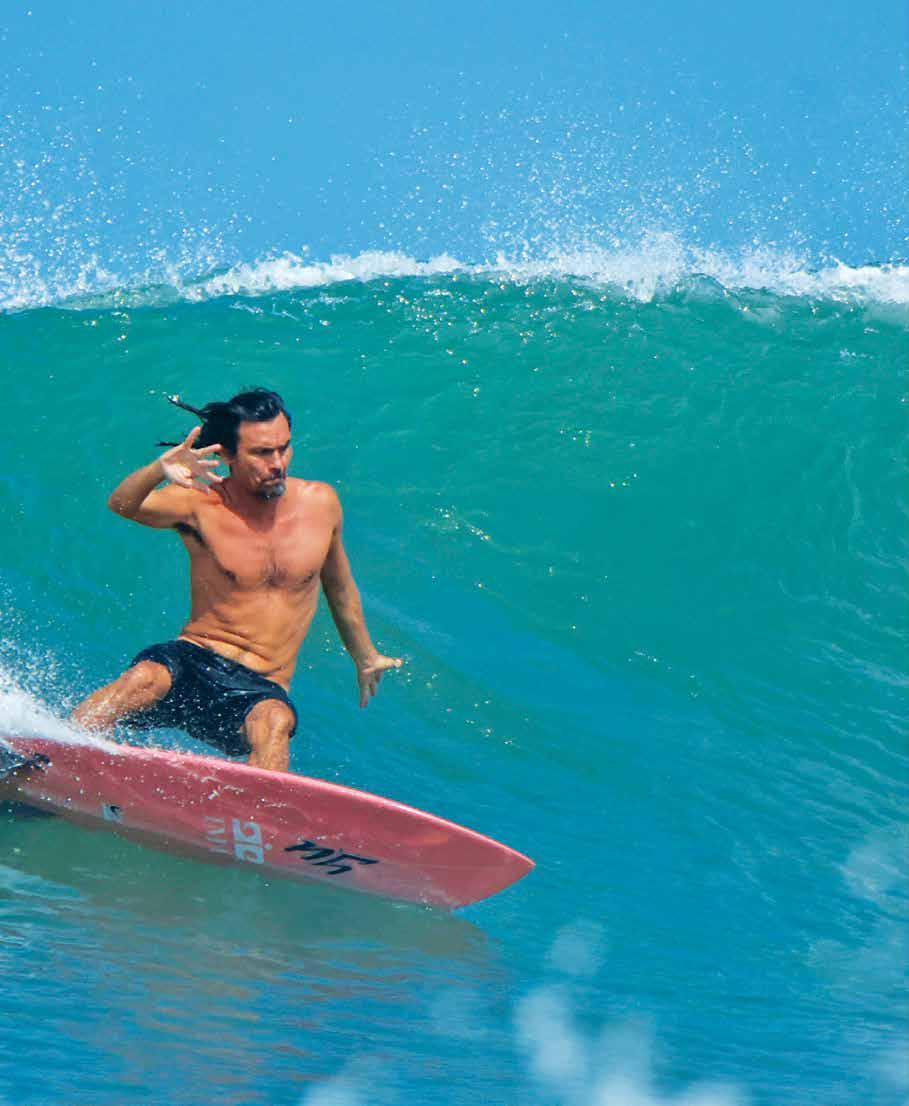
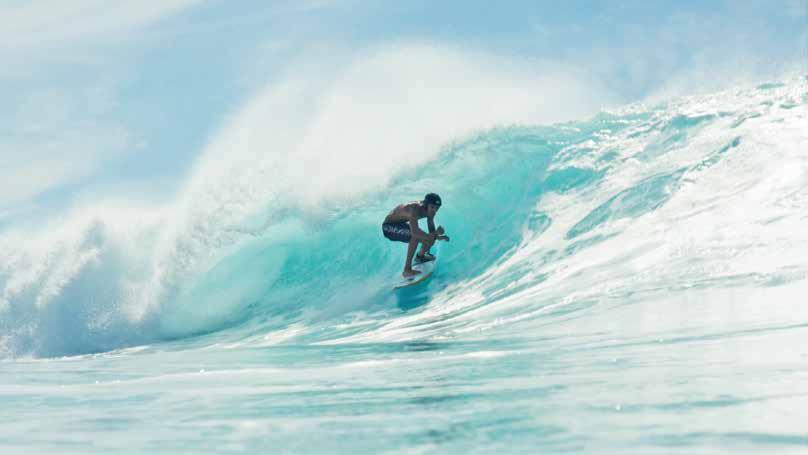
COVER: There is always something soul-satisfying when you are ripping at your home break. The kind of session where nothing can go wrong and the whole world seems to be in perfect sync. Westen Hirst, taking advantage of his homeground advantage somewhere on Sumbawa. Photography by Sumbawa Boyz
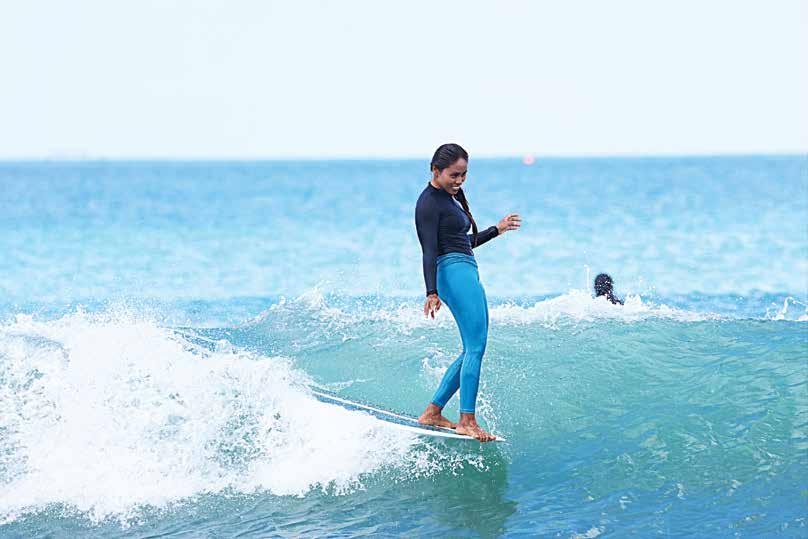
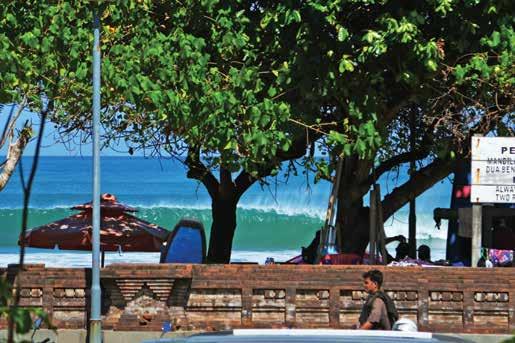
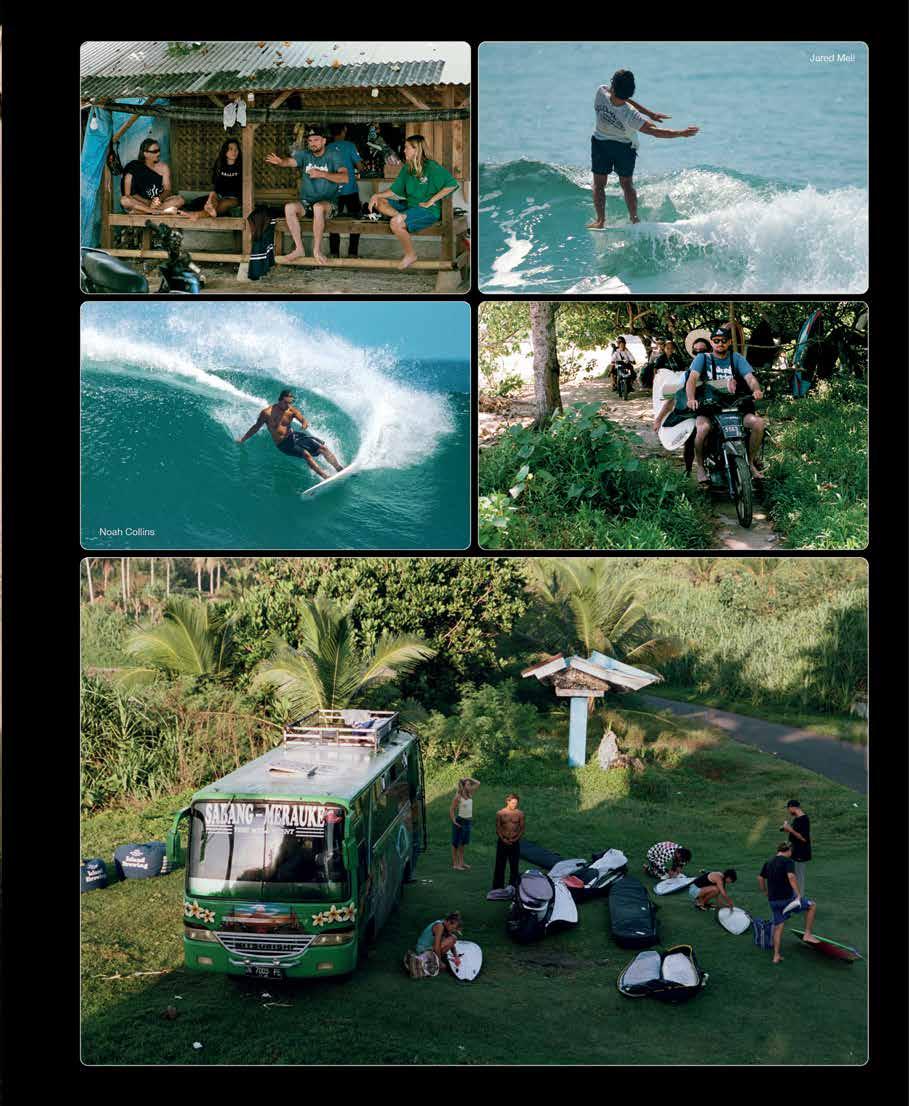
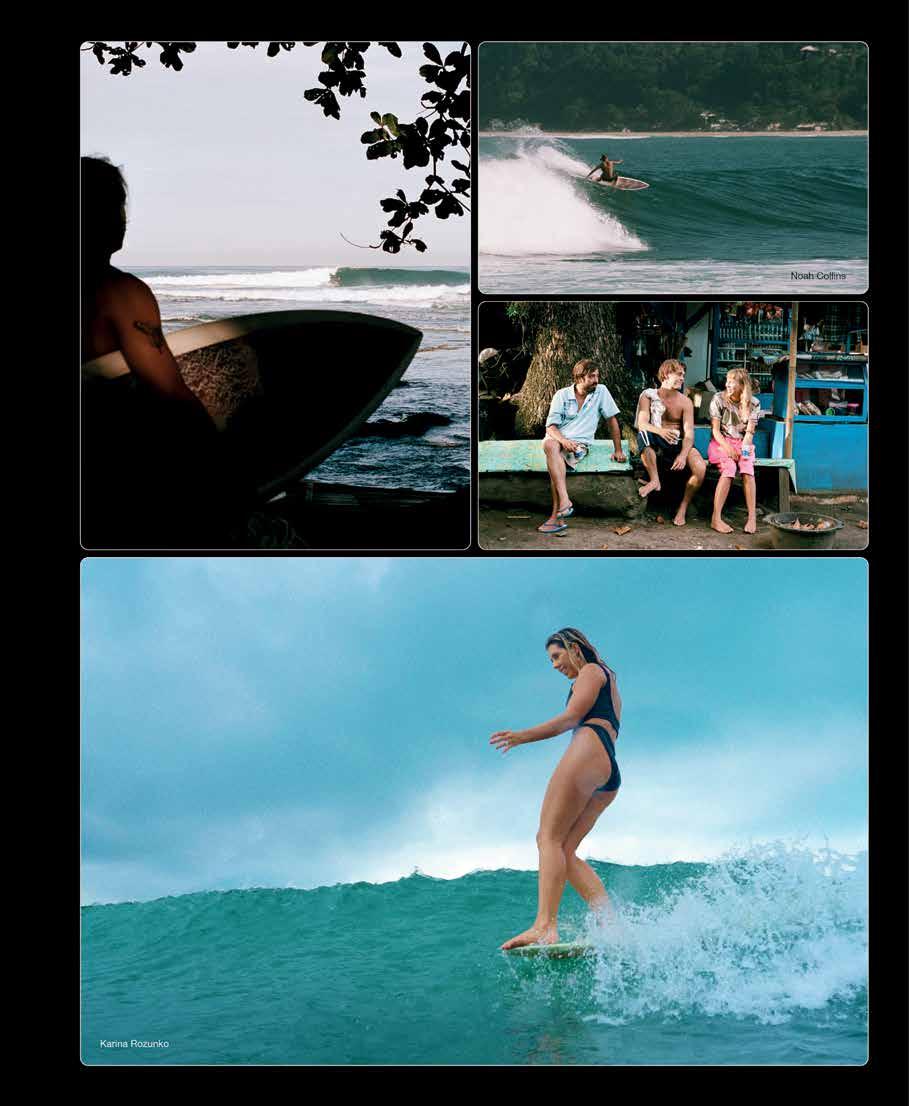
It’s six in the morning. Kuta wakes you up slowly. Not with alarms, but with heat. The kind that pushes through thin hotel curtains and stale fan air. The smell of frangipani drifts in from somewhere outside, sweet and unmistakably Balinese, and before long the streets begin calling. A quick Bali coffee. A rushed breakfast. Then the familiar march toward the beach. Jalan Legian is already alive. The coffee leaves that earthy bitterness on your teeth as scooters buzz past and last night’s memories flicker in fragments. Bintangs, neon lights and bad decisions dissolving into the humid dawn. In Kuta, nights blur at the edges. Every few meters someone calls out an offer. “Massage, boss?” “Transport?” “Bintang towel?” The soundtrack never changes. Then, finally, past the imposing stone beach gates, warming in the dawn, and then feet hit sand.
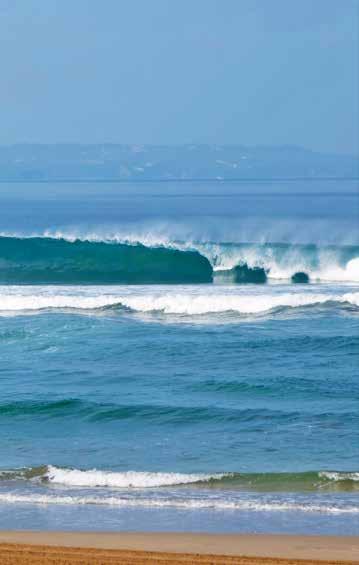
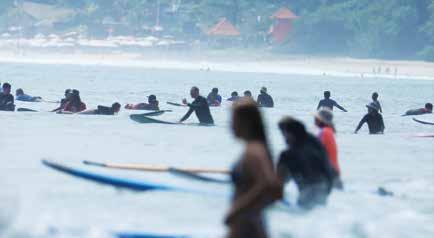
Boards get waxed under a rising tropical sun while the first empty waves roll across the inside section at Kuta Beach. The surf isn’t perfect. You paddle out anyway. That’s the thing about Kuta. It’s never only about the waves.
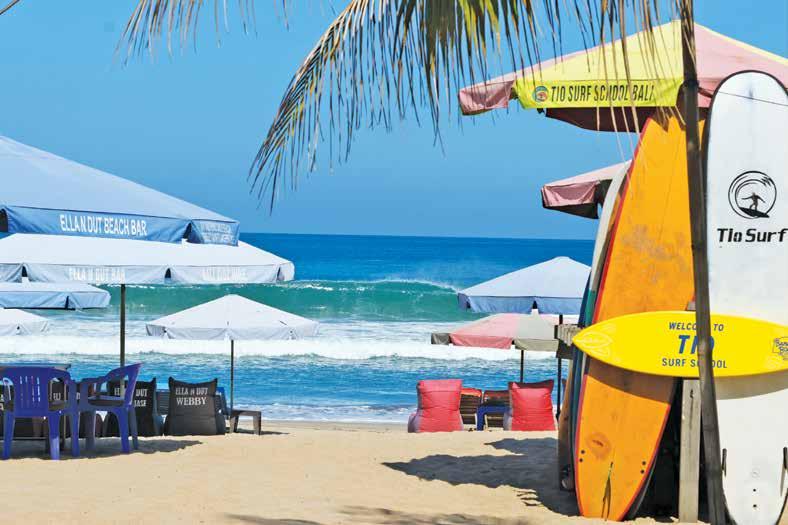
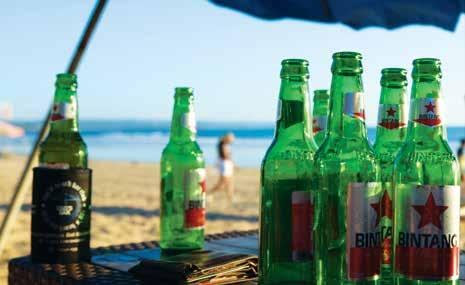
Back on shore, Egg’s Warung. A few umbrellas hammered into the sand, faded plastic tables, red Bintang chairs sinking into the beach. Nothing fancy, but essential.
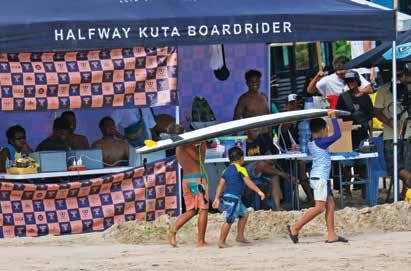
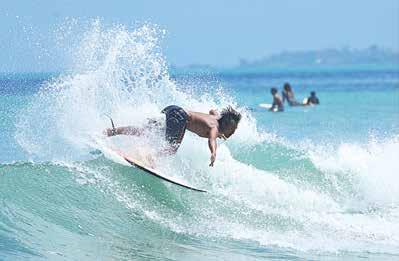
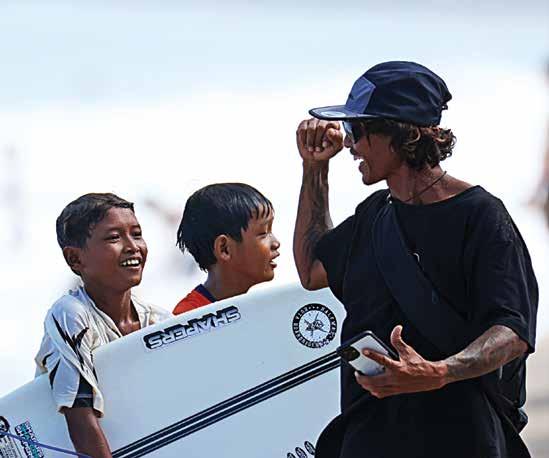
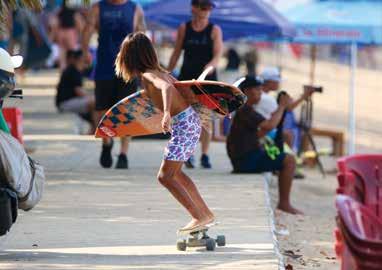
Like dozens of other tiny warungs lining the shore, they survive on cold beers, coconuts, board rentals, and their own personalities. Priceless. Owner Egg slides over a Bintang wrapped in a stubby holder and points at an empty chair. Around him unfolds the same beautiful chaos that has defined Kuta’s surf culture for generations. Sun-bleached surfers strum guitars between sessions, improvising reggae covers with lyrics rewritten to fit their own stories. One guy in oversized sunglasses hustles coconuts and surf lessons to passing tourists while eyeing every blonde who walks by. Another disappears into the shorebreak with a longboard tucked under one arm and a cigarette still hanging from his mouth. It all feels cinematic. Rough around the edges. Perfectly alive.
The trade winds arrive, and then the afternoon and the surf sessions revolve and evolve in an array of different hues. Late now, local boys drift back down to the sand carrying boards under their arms and fresh Bintangs in hand. The tide pushes in. The sunset begins. And Kuta sunsets never disappoint. Emerald water glows under burning orange skies while planes descend toward the airport reef in the distance. Someone cracks open a coconut. Someone else another beer. Music drifts from beach speakers. The whole shoreline seems suspended in that golden hour between surf session and nightlife.
Then, just like that, the night starts again. For years, Kuta’s nightlife operated like its own ecosystem. Surfers, locals, backpackers, and wandering souls moving together through the same electric circuit. The crew gathers on the steps of Gora Beach Inn, passing around vodka mixed with Extra Joss, Indonesia’s infamous energy powder.
“Make you strong,” Ketut laughs. “And easier talk to girls.” Nobody questions the science. The route is ritualistic after that: cheap drinks at Alleycats, obligatory “Faking Pig Dog” photoshoots at Tubes, debates over whether to end up at Engine Room or Paddy’s, roadies grabbed from Apache on the walk north. Eventually, everyone funnels toward Sky Garden, once the ultimate surfer budget hack, where open buffets and all-youcan-drink deals stretched broke surf trips into legendary nights. Wings night. Ear-splitting music. Potential trouble in all glorious forms. All on repeat until sunrise. Then do it all over again on the morrow.
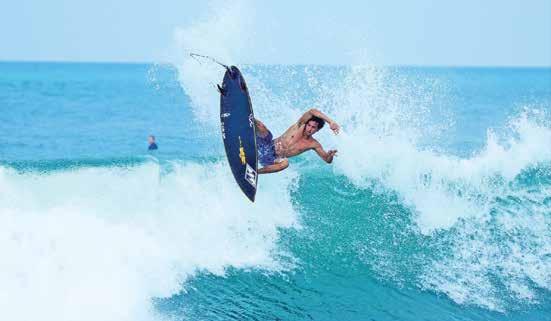
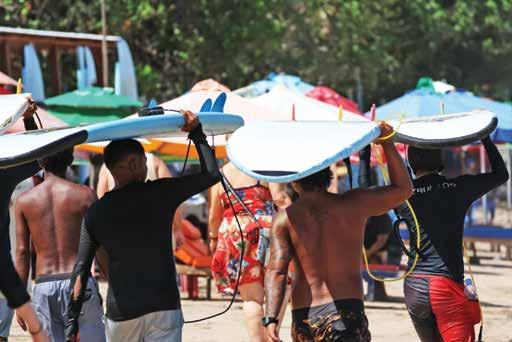
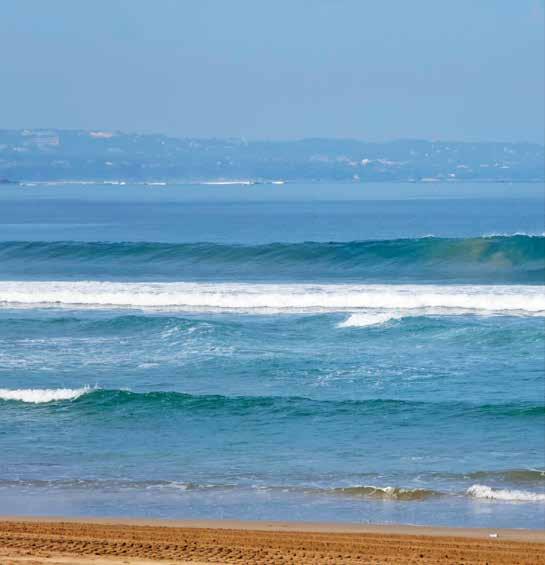
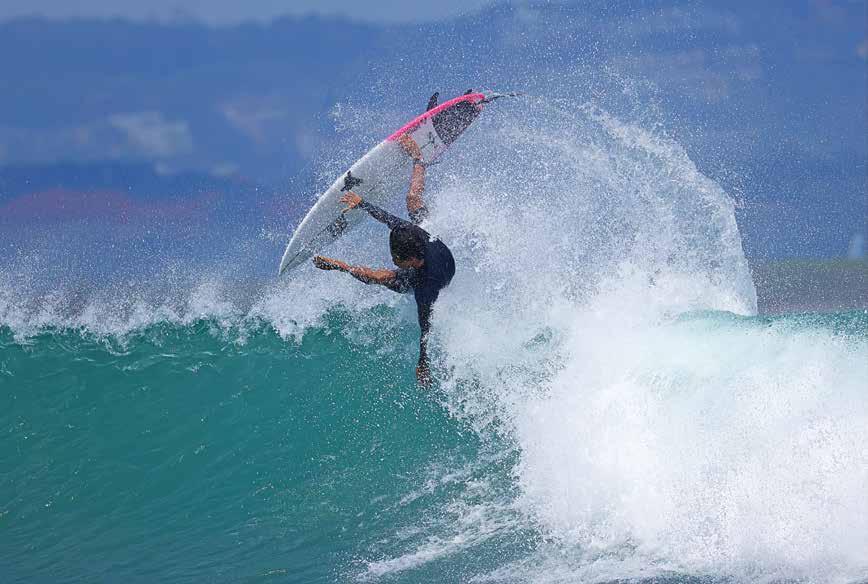
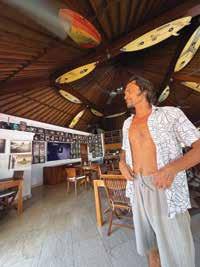
Morning comes heavy but familiar. This time the boys load boards onto traditional Balinese fishing boats and head toward Kuta Reef and Airport Rights. Out there, instructors push first-timers into waves while local chargers weave effortlessly through the crowd, turning ordinary sections into moments of style. By midday, the heat and last night’s hangover drive everyone toward another of our surfing institutions: The Balcony Restaurant. For years, The Balcony was the spiritual clubhouse of Kuta surf culture. Inside, the walls told surfing history better than any museum could. Portraits of legends stared down over melting margarita slushies and half-finished Bintangs. Photos of Rizal Tanjung, Marlon Gerber, the Iron’s brother’s, Kelly, Mick, and generations of Bali chargers captured in frozen moments. Every frame carries salt, stories, and scars. The days that defined a past era of Kuta. Surf, adventure all night, repeat endlessly. And somehow, despite everything, Kuta survives.
Kuta’s pulse never stopped. Egg’s beach bar is still there, even if it sits farther up in Legian now. The beach vendors still whistle “bike bike bike” as scooters crawl through impossible traffic. Massage offers still float through the
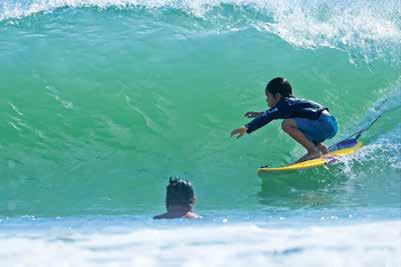
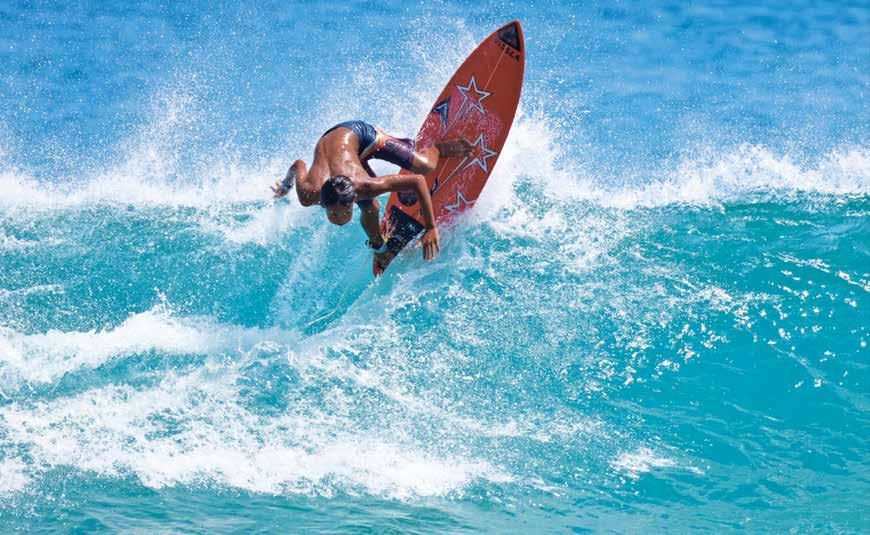
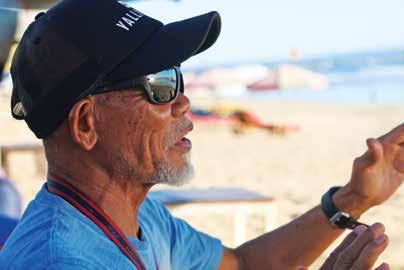

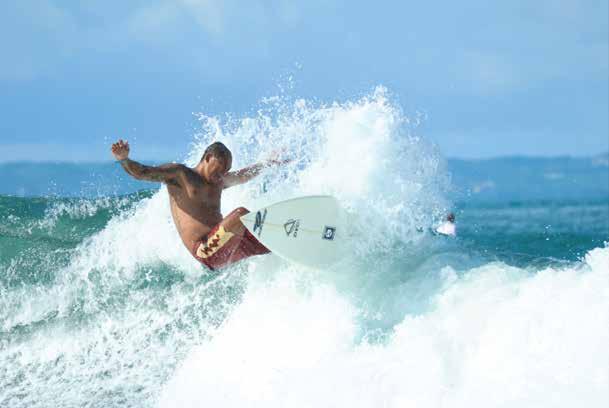

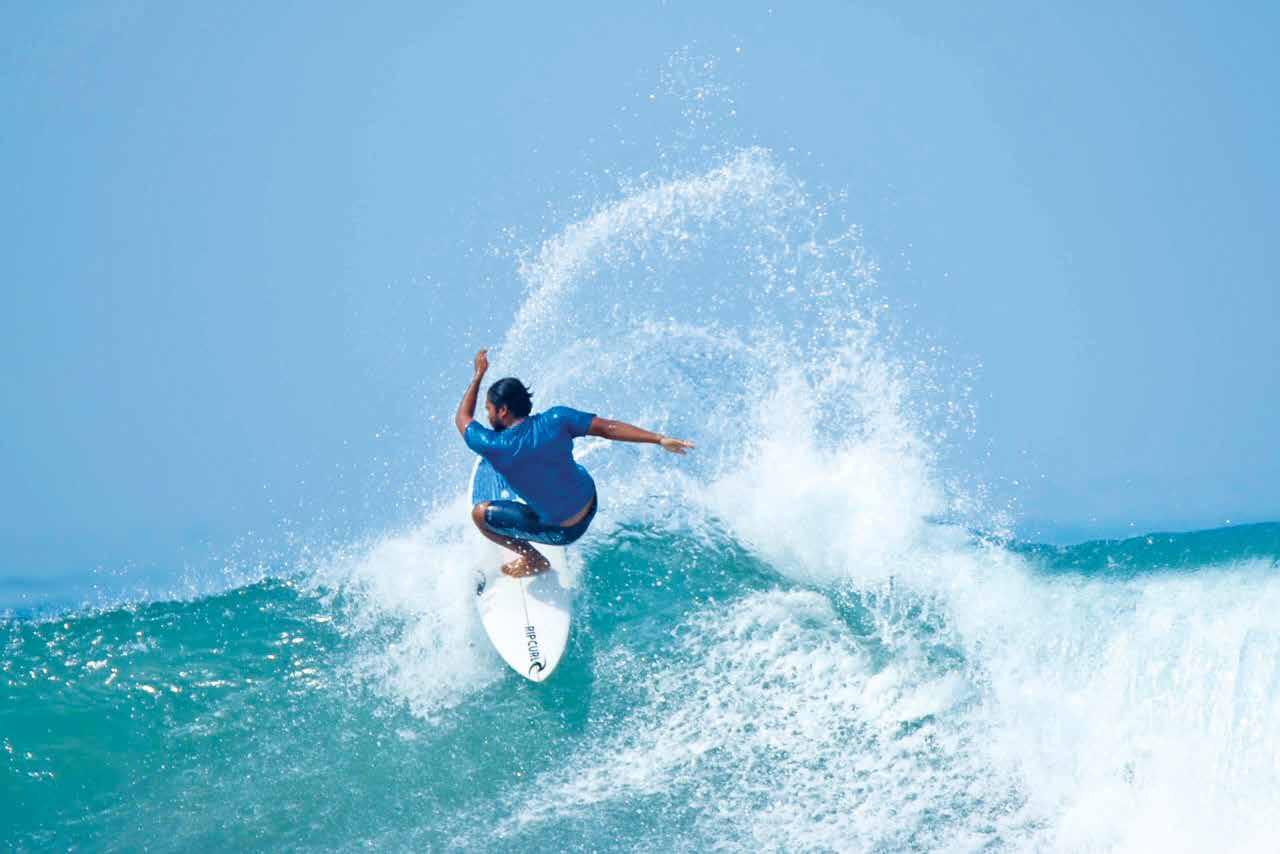
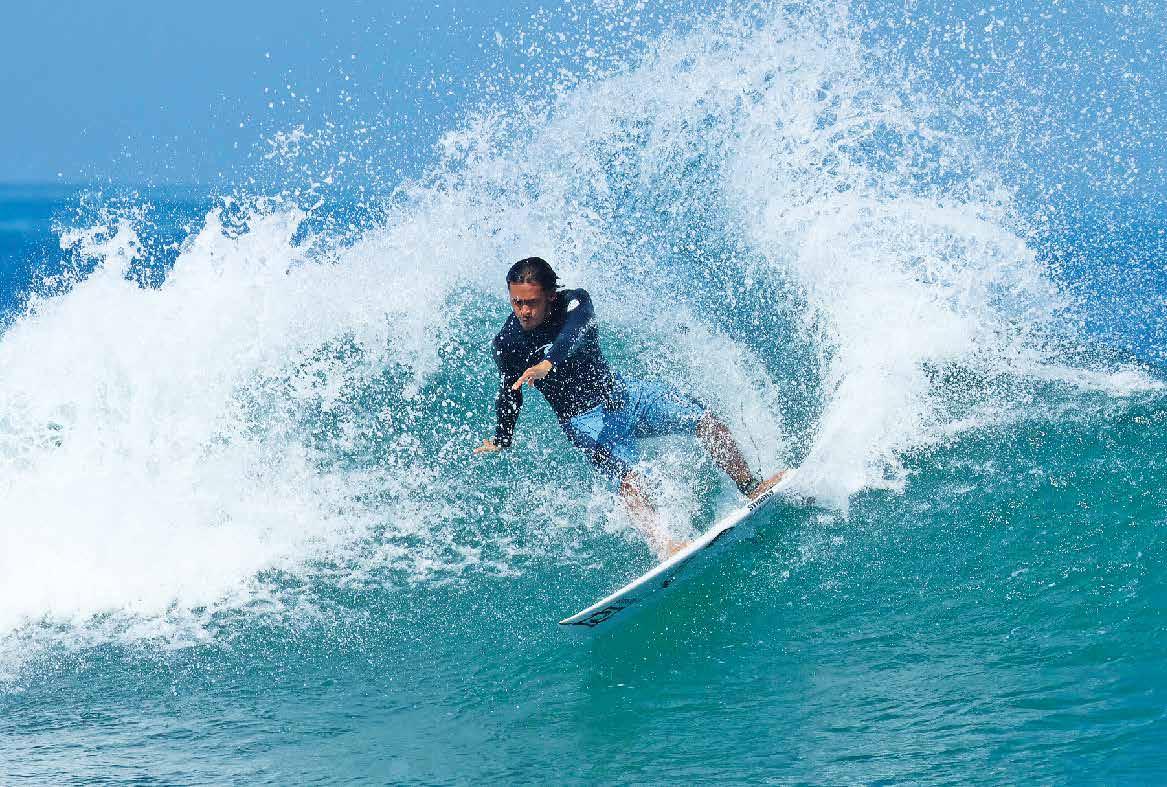
humid air. Taxi drivers still inch along at walking pace, hoping for one more fare. The umbrellas may be blue now instead of red, and trendy cafés may have replaced old warungs along the beachfront path, but the spirit remains untouched. Surfers, locals, and visitors alike, still paddle out, and the new generation of surfers now battle through their Halfway Boardriders contests, keeping the surf spirit alive. The smiles are still there. The guitars are still there.
The surfing is still there. If the big three, Padang Padang, Bingin, and Uluwatu, are the soul of Bali surfing, then Kuta is undoubtedly its beating heart. Loud, brash, chaotic, imperfect, and impossible to stop. The island of the Gods has changed, as all life does, but Kuta keeps moving to the same rhythm it always has. Smiles both inviting and clever, surfboards old and new, Bintangs cold, guitars with rusty strings and sunsets melting into the Indian Ocean like redemption itself.
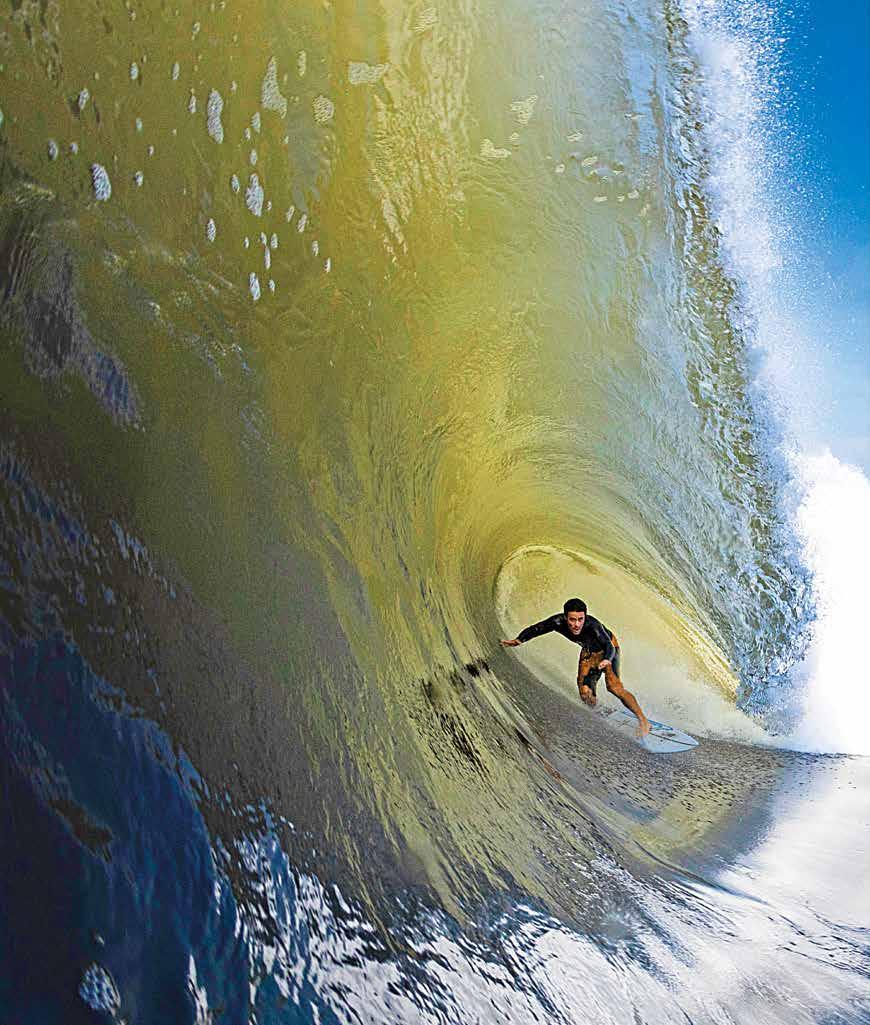
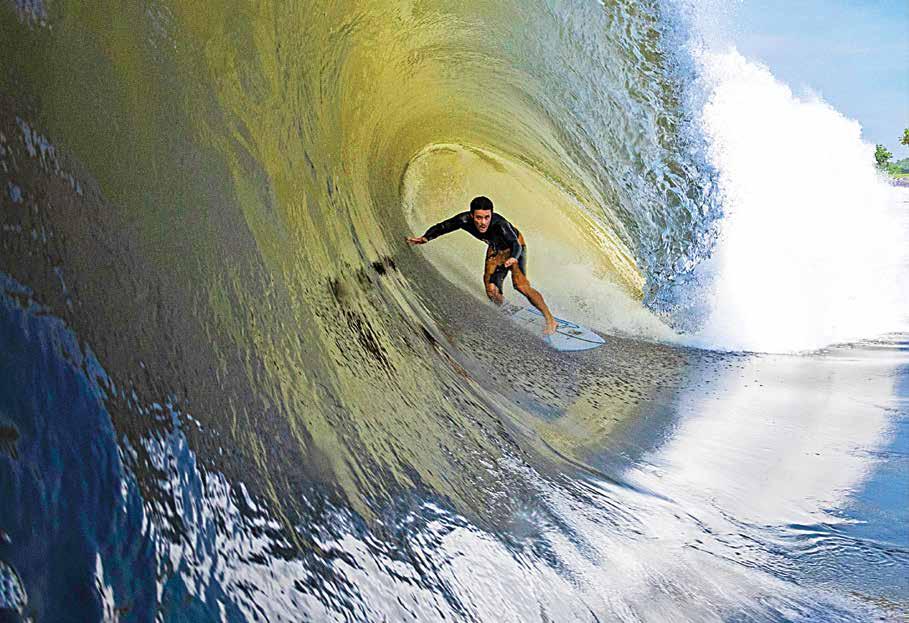
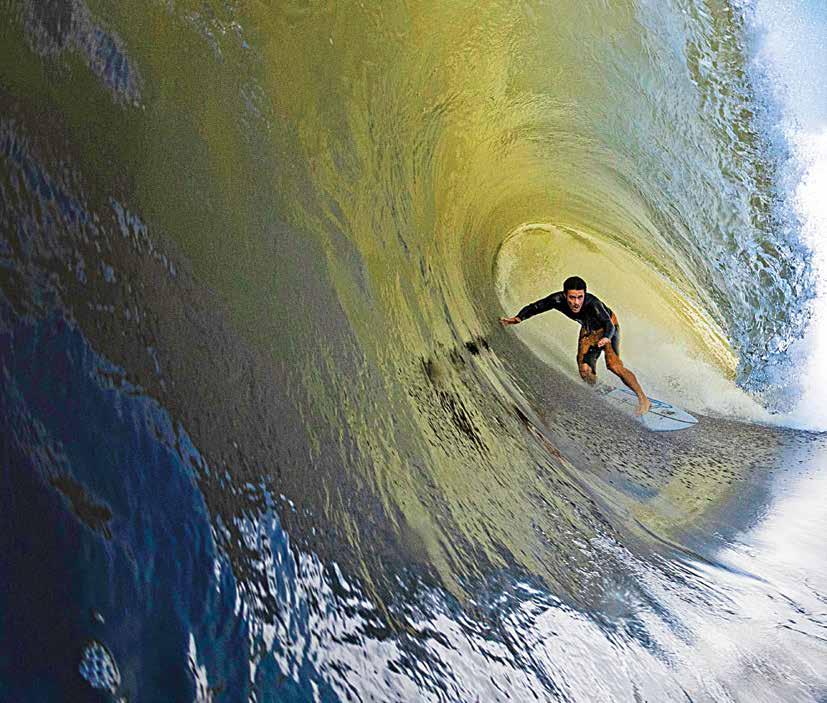
Waikiki sequence, surfer Wayne Miyata is shown doing what Brown describes as “the ultimate thing,” wheeling his big board in from behind the peak at a hollow little wave called “Garbage Hole,” pulling in under the lip, completely disappearing from view, then exiting the curl cleanly; Miyata even gives us the first modern claim. Why Town surfers didn’t start riding Kaisers Bowl in the same manner for another five or so years is the real mystery.
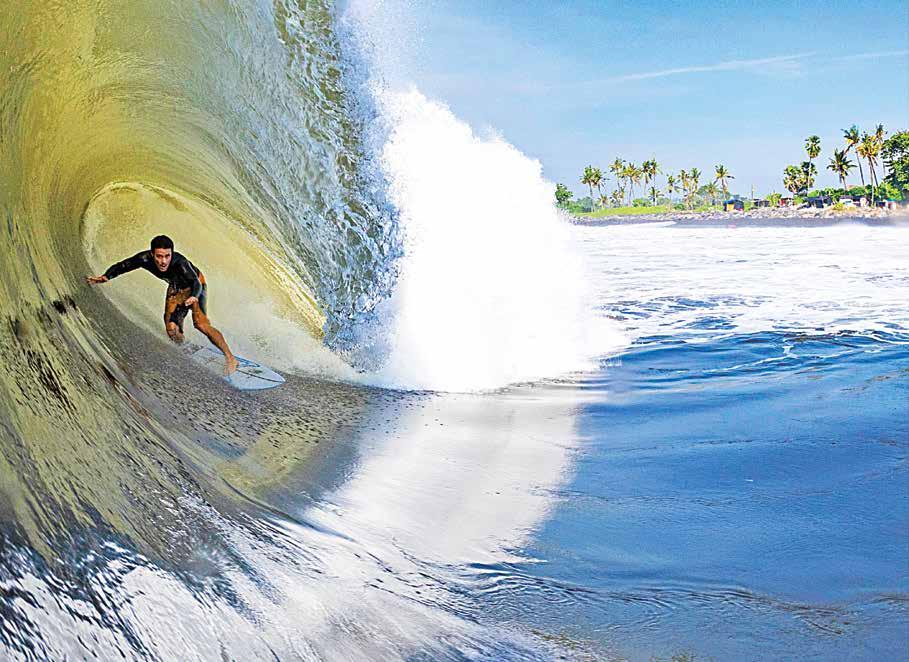
Lee Wilson, exploring not only the architecture of this eastside cavern, but the meaning of it all as well.
Of course, Miyata’s waist-high tube would literally be dwarfed in the film’s climactic Pipeline sequence, in which Windansea brawler Butch Van Artsdalen, also riding a big, heavy longboard, drops in late into a clean Banzai barrel, pulls up mid-face, and locks himself into the curl behind the curtain, only to emerge into the sunlight with his own arrogant version of the claim: sitting down and clapping his hands. Viewed today, you’re seeing a performance that, though apparently unrepeated for almost a decade, actually presented the template that would be applied to the world’s most famous wave by every Pipeline master right up until the first appearance of Michael Ho’s “Pig Dog’ in 1982. My point: it wasn’t the surfboards; it was the head space. We had been shown how the tube could be ridden in big waves and small, we just couldn’t see ourselves in there. The tube was still a mysterious place. The late 1960s “Shortboard Revolution” supercharged this mystique. No doubt about it, the shorter boards made it easier to fit into the tube and, more than any other innovation since the invention of the fin, riding in the tube was a revelation. Though why no one thought to ask Miyata or Van Artsdalen what went on behind the curtain is beyond me.
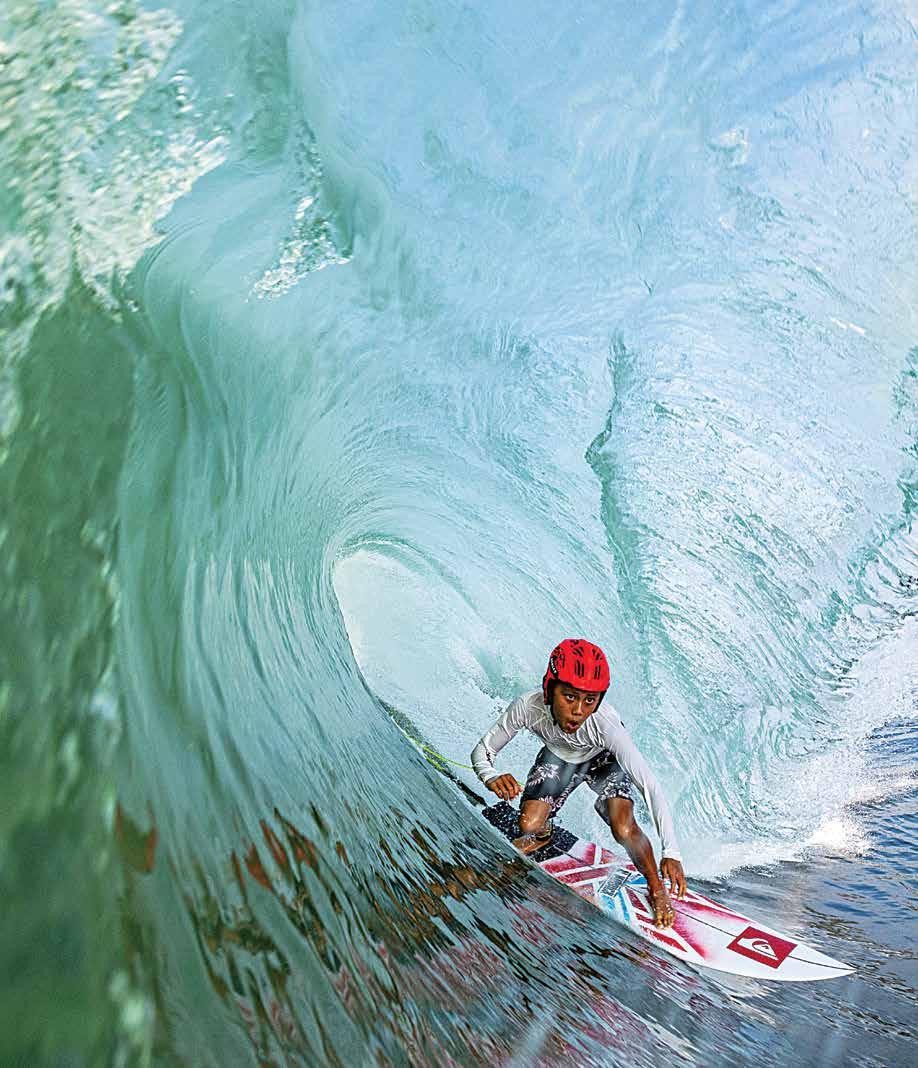
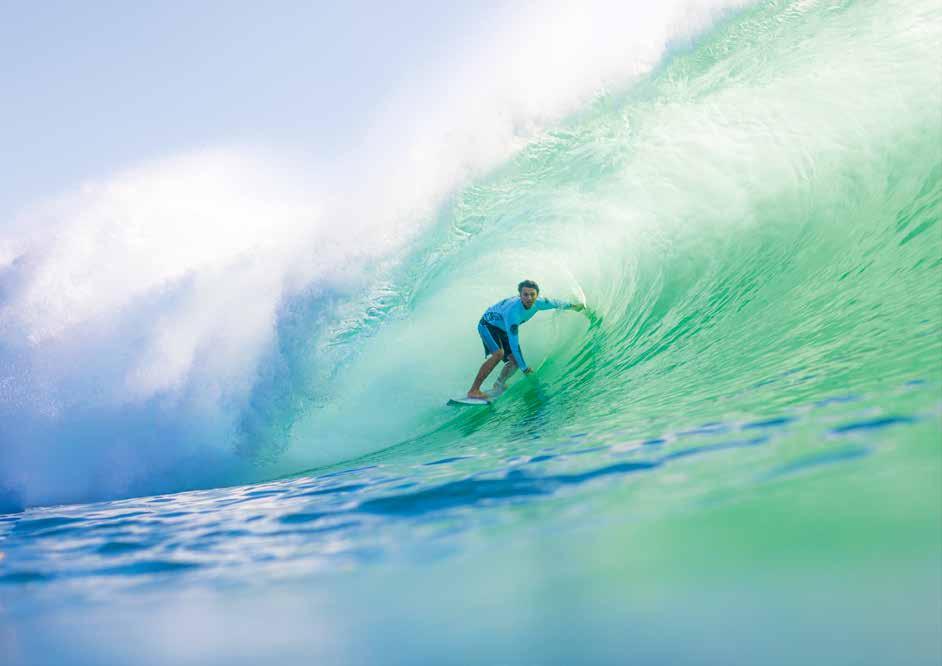
Dawn reveals the possibilities. And for Rocco Rigliaco and Shia Jabrik, the future of tube riding in their hands.
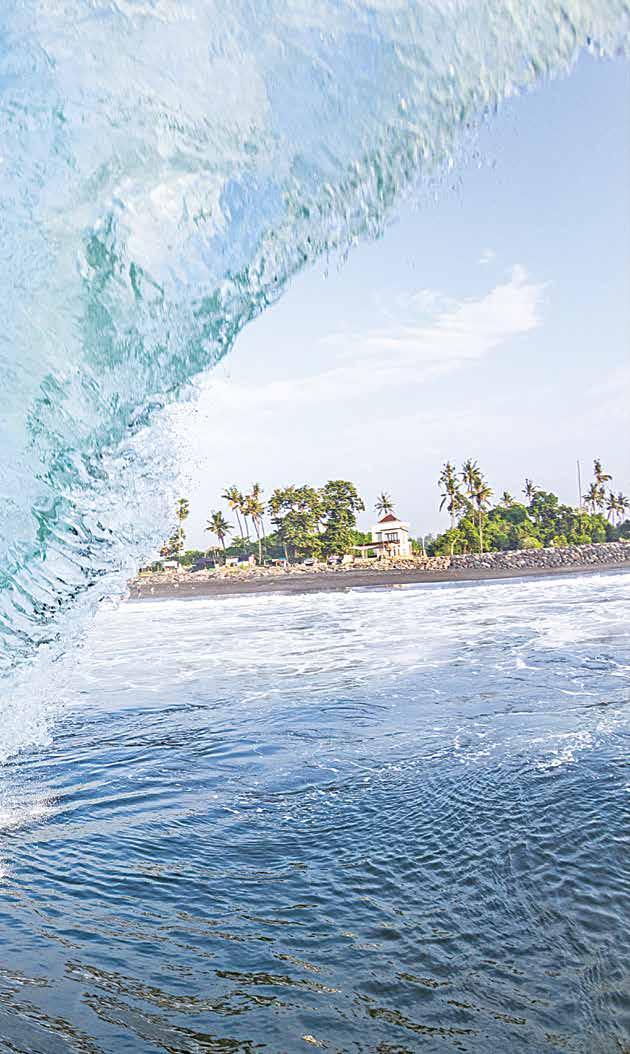
With hot pocket pioneers like George Greenough and Bob McTavish talking about the newly accessible cosmic space with trippy terms like “the green room,” and “the crystal cathedral,” it’s no wonder that the tube ride eventually became imbued with mystical properties. That time spent in the barrel at spots like Honolua Bay, Jeffreys Bay, Scorpion Bay, and even Pipeline was decidedly ephemeral, only added to the trip, bolstering the idea that time spent in that space was somehow special, even mindbending. As 1977 world champion and tube-riding pioneer Shaun Tomson would famously claim, “Time expands in the tube.” Shaun, an otherwise pragmatic performer, would also assert that, from inside the tube, he could affect the shape of the wave with his mind, more proof that even at the top levels of the sport, something about riding in the tube was still accounted inexplicable.
Hard to say exactly when all this changed, but even after the barrel bonanzas at spots like G-Land, Desert Point, Cloudbreak and, of course, the entire Mentawai Archipelago, where the tube still represented a heady trip, I’m going to jump ahead and point to the invention of the GoPro.
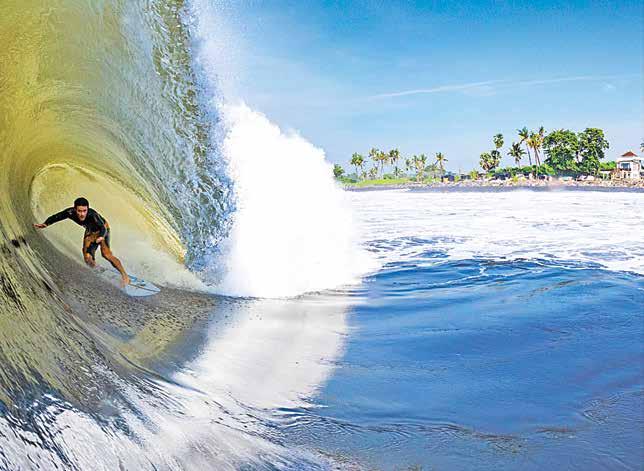
Young surfers today are riding such intense waves, and riding them so intensely, that their tube rides are no longer experiences, but achievements. Shia Jabrik, seeking the inner space.
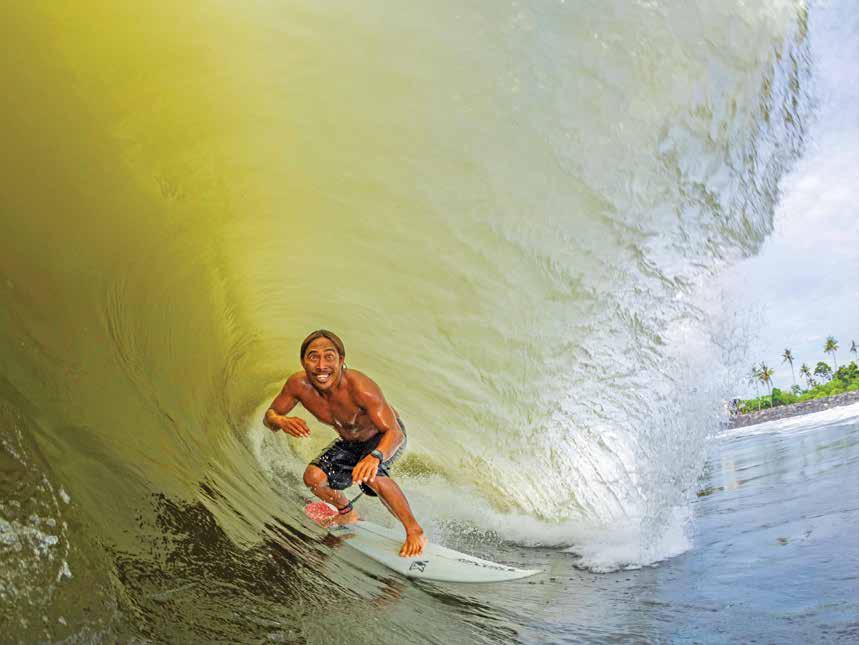
“…consider that, and it becomes obvious that any trip through the interior of any wave is still, well, a real trip”.
considering it inside an eastside bomb.
Oh, cameras had been taken into the tube before. Efforts by futurists like Greenough, Steve Wilkings, and Warren Bolster producing spectacular results. As far back as 1972, the surf film Red Hot Blue featured Pipe Prince Rory Russell riding deep in mid-sized barrels while wearing a clumsy camera helmet. Yet these were only single frames or glimpses, still leaving much to the viewer’s imagination. GoPro POVs, on the other hand, and eventually in the mouth, graphically usurped our collective imagination, exposing every moment, every nuance, every water drop, and every aspect of the space once thought rare. Serving it up, in both realtime and epic slow motion, for minutely detailed examination. Amazing to see, especially for the vast majority of surfers who’ll never get to ride a 50-second Skeleton Bay barrel themselves, but I’ll assert, with a nod to Shaun Tomson, that with the advent of the GoPro tube ride, time in there might slow down, but at the same time something was definitely lost, the mystery was gone.
So how do the two examples of remarkable tube riding referenced at the beginning of this story connect with this theory of mine? It’s in what has replaced the mystery I’ve been referring to. Surfers today are riding such intense waves, and riding them so intensely, that their
tube rides are no longer experiences, but achievements; they’re not shaping the tubes with their minds, they’re surfing out of their minds. Still, even with this shift in consciousness, does it make what these incredibly talented men and women are doing in them any less “the ultimate thing?”
Gratefully, no. Scroll to the end of that Maps to nowhere video where little Caity Simmers re-defined female tube riding in Cape Verde. Simmers exits the water after a tube ride so long it has a plot. A dramatic first, second, and third act, finishing with a traditional Hollywood happy ending. Then she gets a camera stuck in her face, asked how she feels, and you can see how she’s struggling to put it together. Finally, with a look of glazed amazement, she can only giggle, saying, “It was the wave of my life. I was freaking out.” Making it clear that while she may not have been genuflecting in the crystal cathedral, or striving toward the mystic eye, but riding that tube in her modern fashion, going full anaerobic, sprinting through a cylindrical obstacle course as if running from a burning building… consider that, and it becomes obvious that any trip through the interior of any wave is still, well, a real trip.

From the desk of
Jake Howard, Editor, Surfer Magazine:
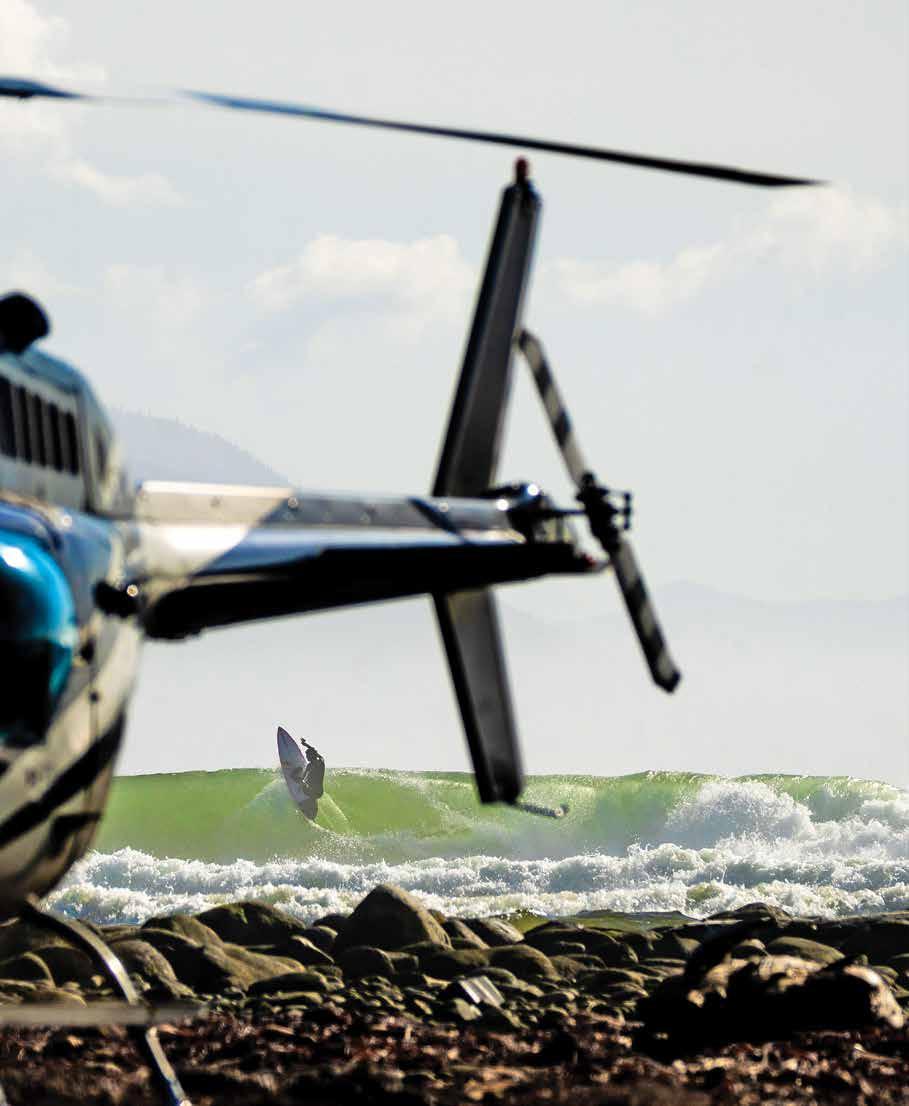
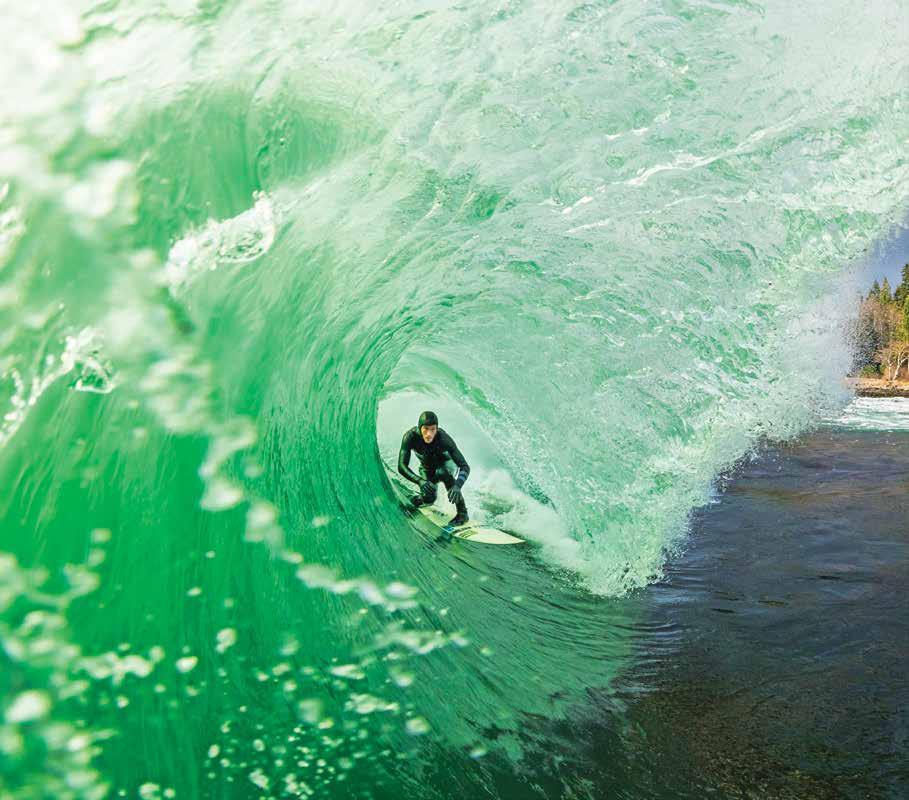
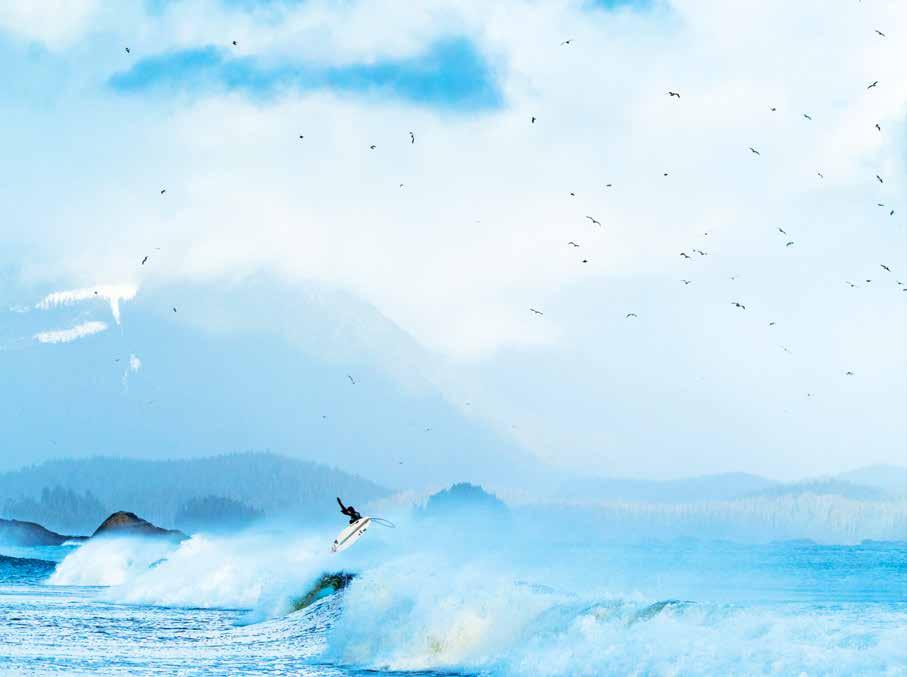
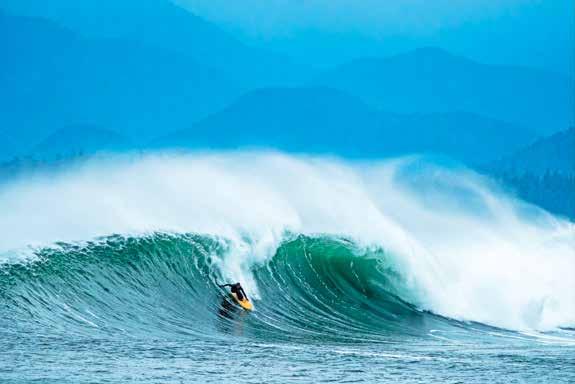
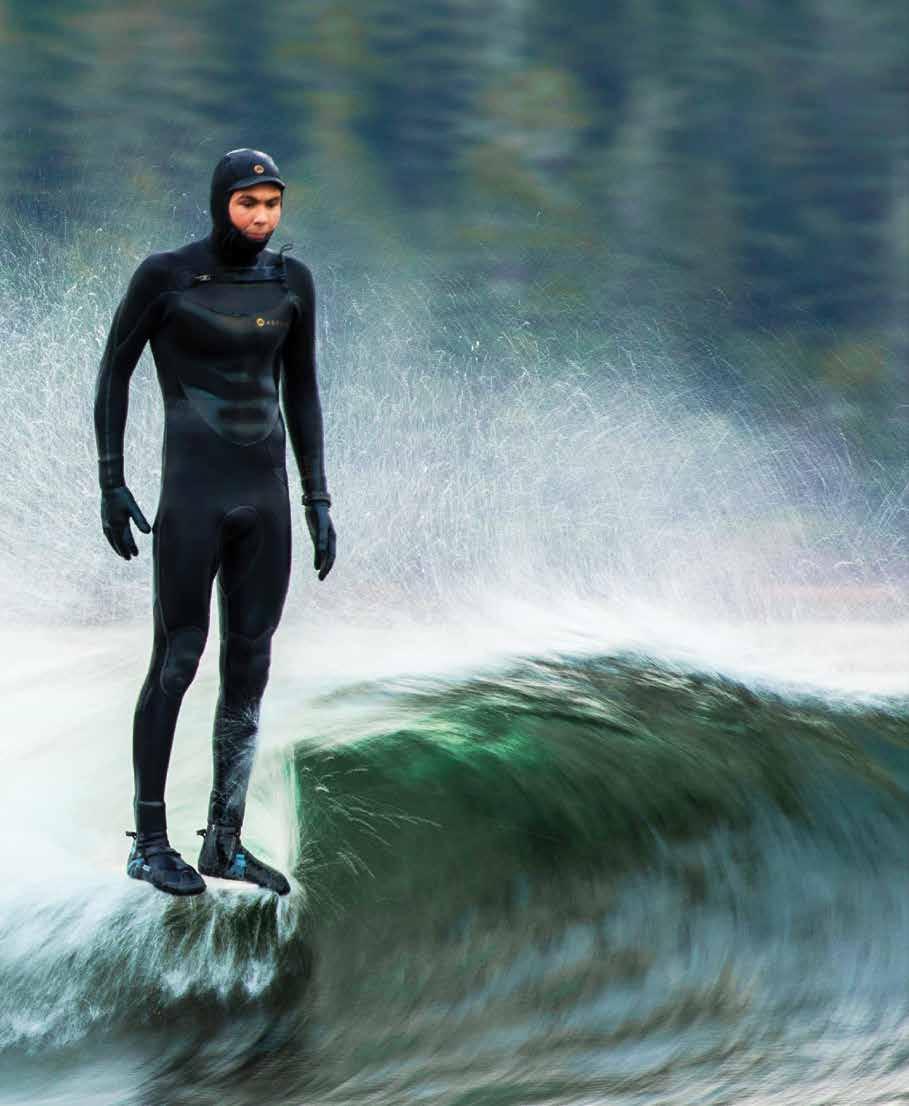
This spring I got my first taste of surfing in British Colombia, and I haven’t been able to get it off my mind since. The people, the place, the waves, the water, the Canadian surfing experience is something special. It cuts down to the core of why we all started chasing waves in the first place. Adventures into the unknown, abundant wildlife, wild weather and the opportunity to create some deep, core surfing memories. Even if it does take full wetsuit booties and gloves. A few weeks ago Canadian photo ace Marcus Paladino reached out to me and shared that he was holding some nice shots from the last couple months. Indulging my newfound love for Canadian waves, I asked him to send some photos along. His trove of A-plus images
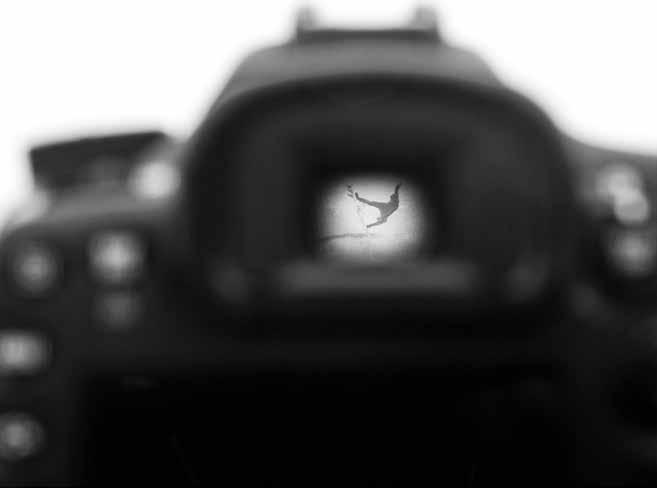
didn’t disappoint. In fact, it did quite the opposite. It inspired me to go back. I’m based in San Clemente, California, and summertime in Southern California can be a bit of a drag. Traffic, clogged lineups. And to be honest, the surf this summer has been lousy. So, when a raft of shots from somewhere as wild and beautiful as Canada’s western flank hit me, it made me want to fall off the grid and search for sanctuary. Ultimately, that’s the power of a good surf photo. It’s not only pleasing to the eye, but it moves you, and gets you moving. It inspires you to get on the open road and get lost and get wet and get somewhere new and wonderous. Yeah, sure, the water’s cold in Canada, damned cold, but it sure beats groveling with thirty WSL hopeful grommets at T-Street in San Clemente. Thanks for the shots, Marcus. And I am on my way.

T A S M A N I A
L I Q U I D
S P A C E

Photography by Jethro Haynes
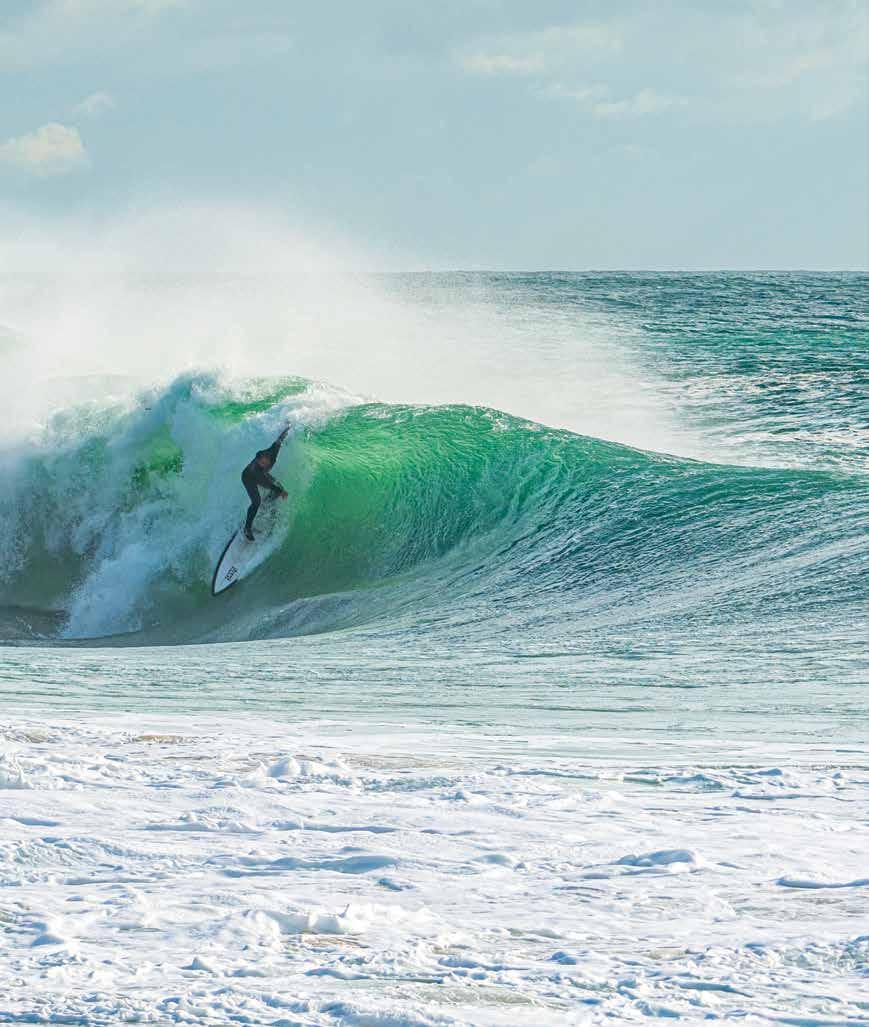
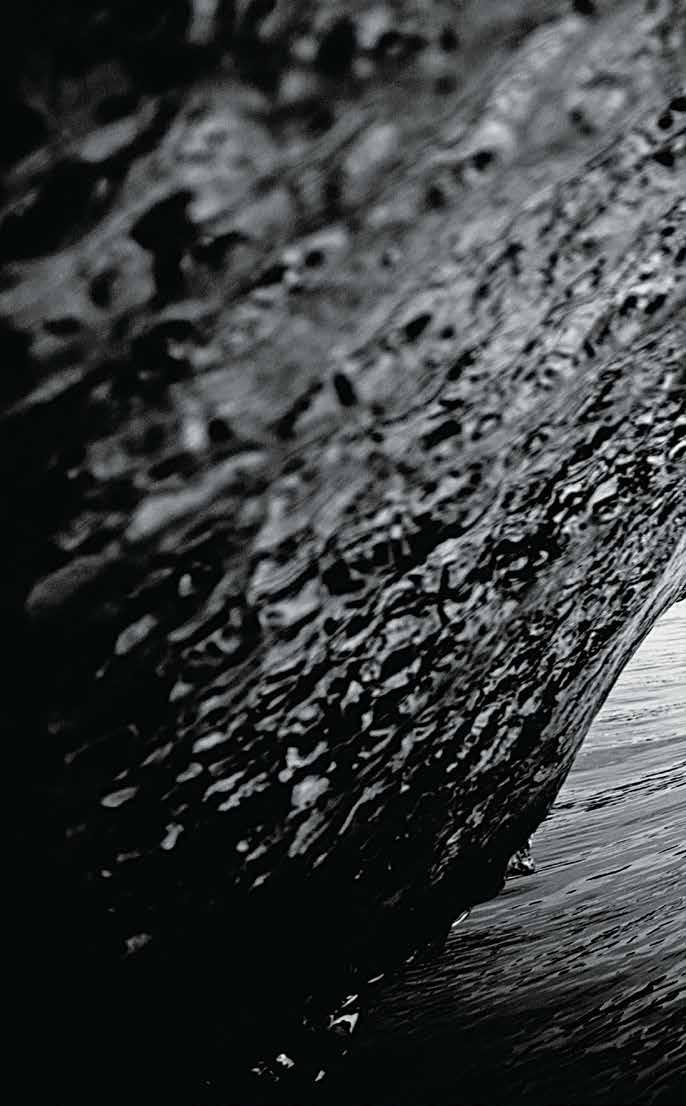
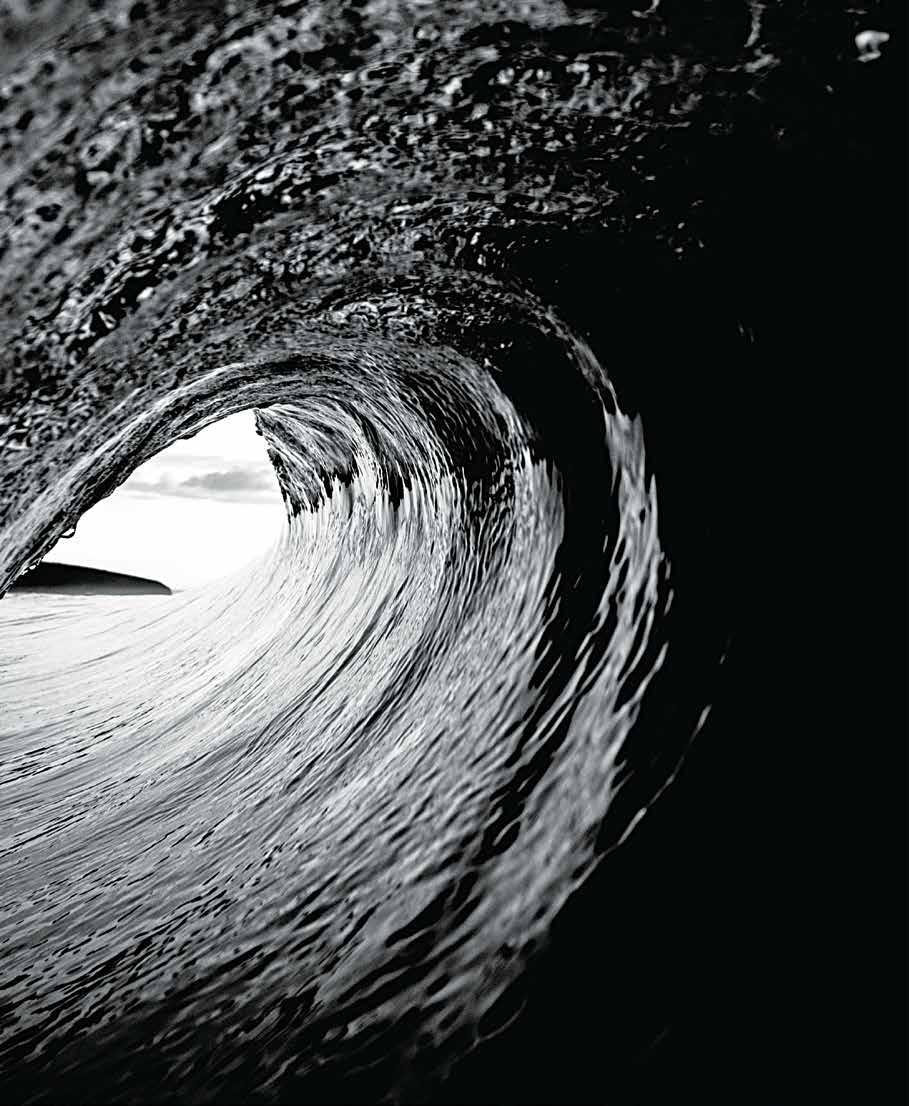
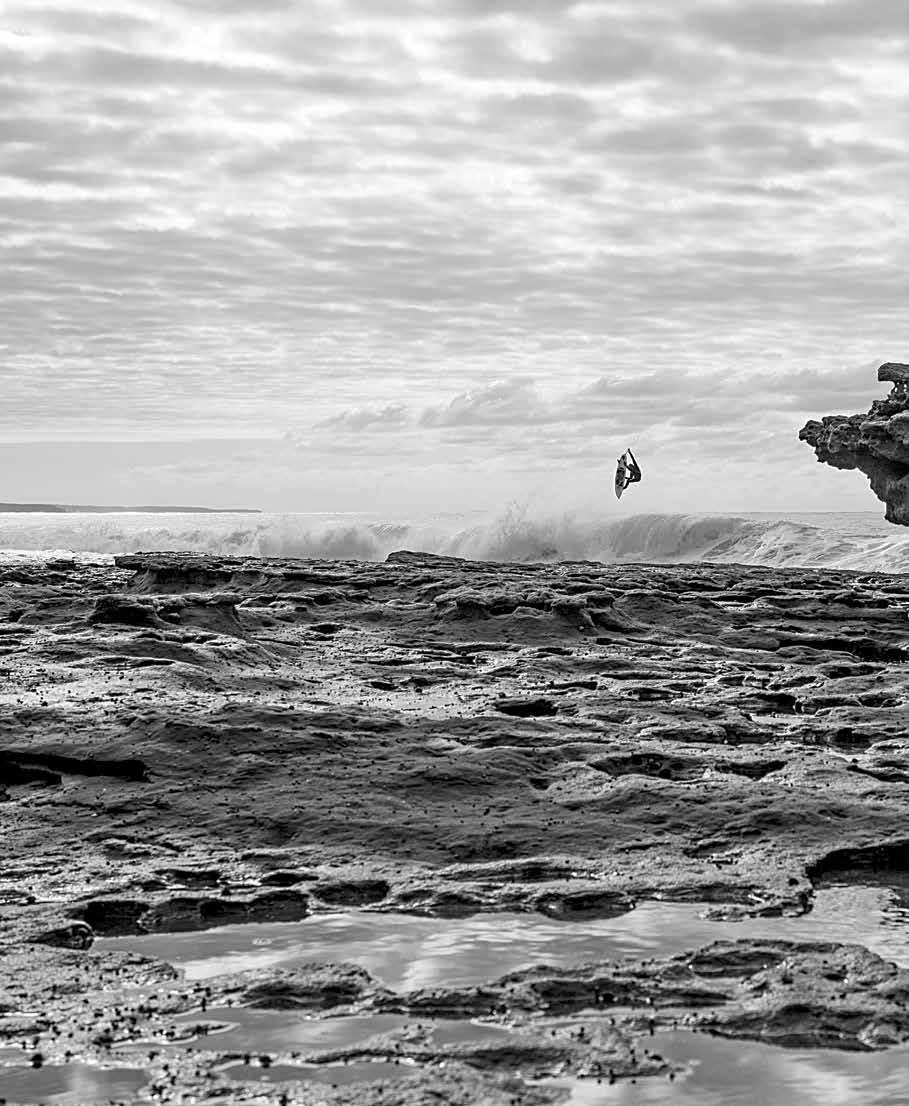
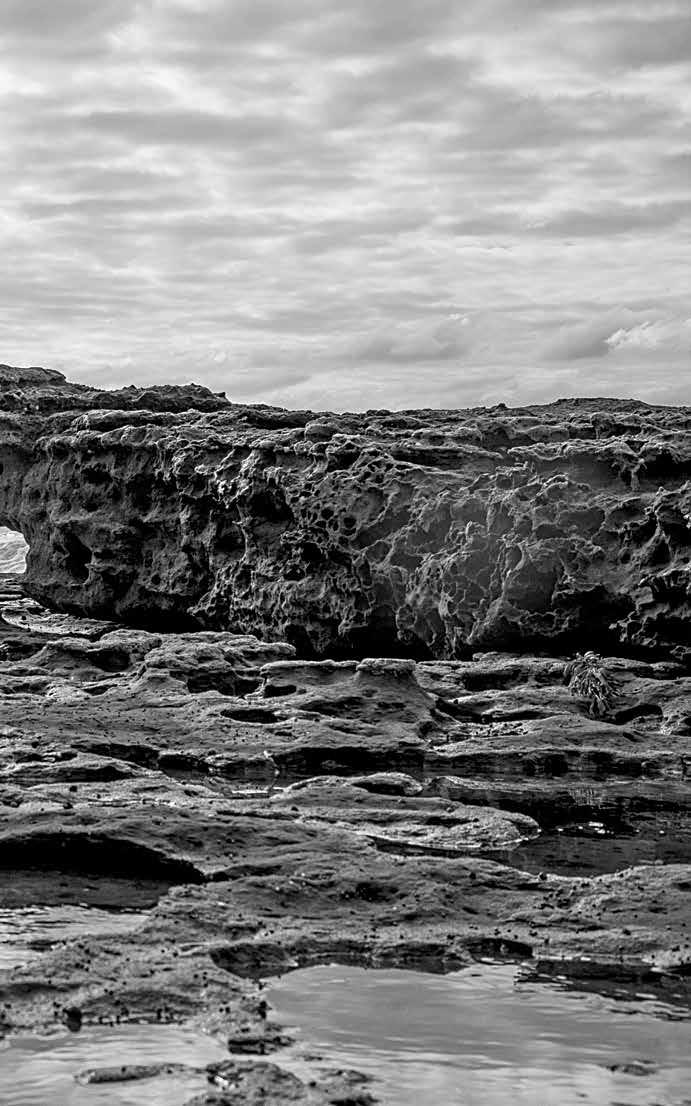
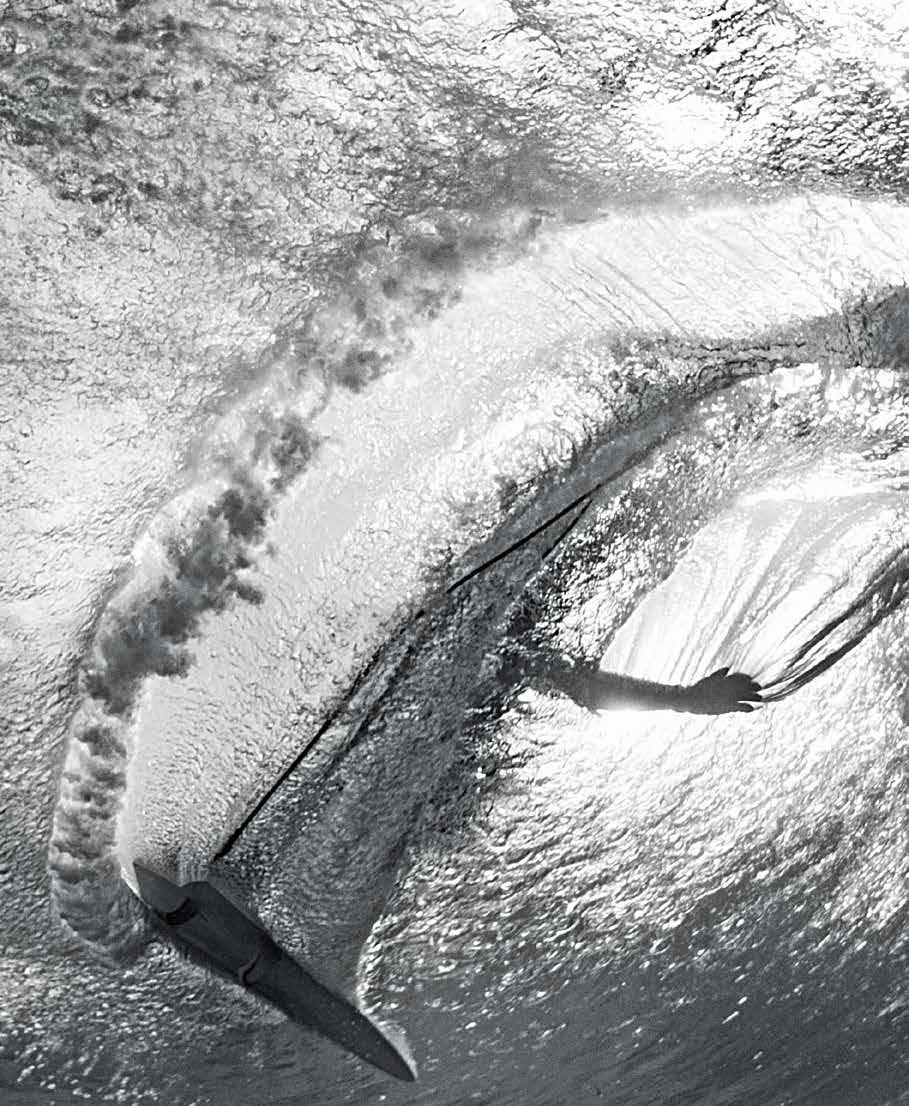
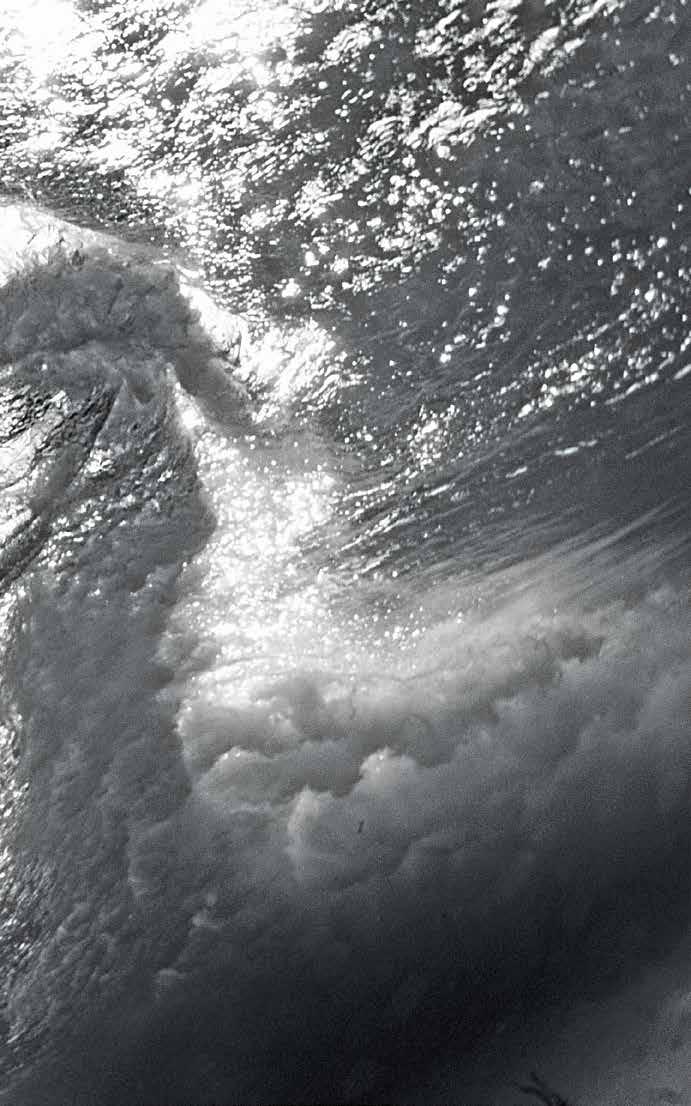
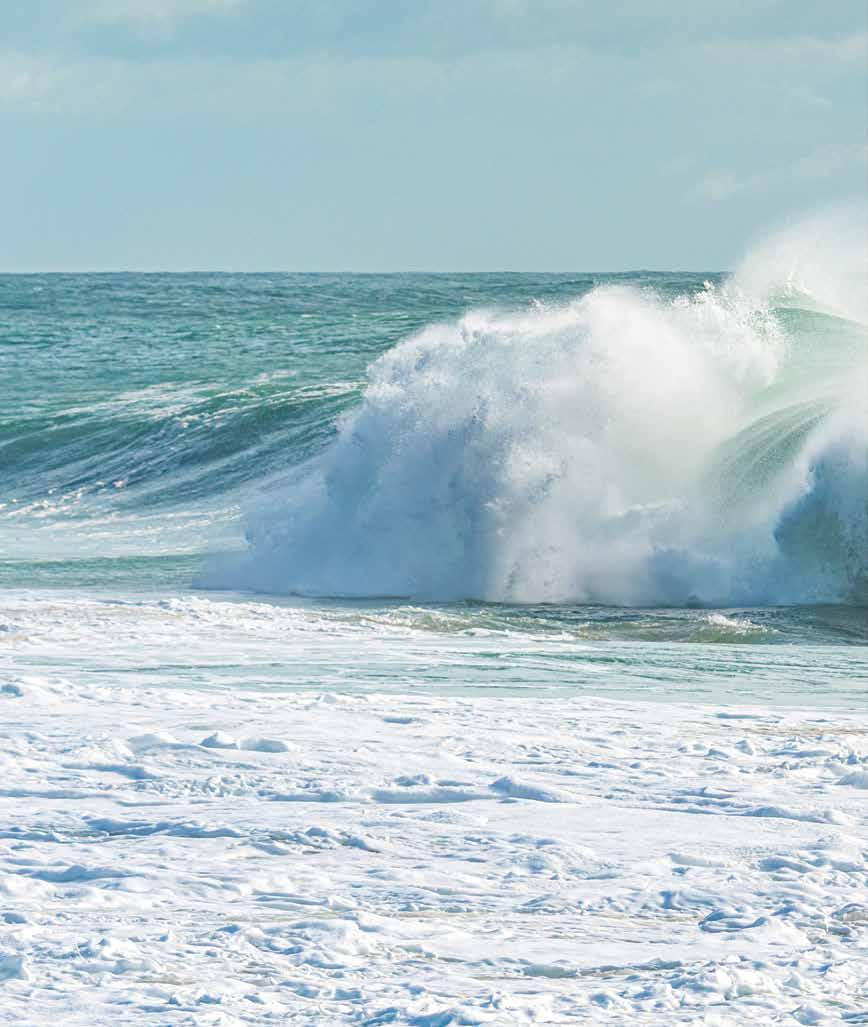
This was one of those one off sessions. Big swell, the right wind, one of the lowest tides of the year. Jethro and I, rolled the dice and ventured an hour north from our usual local haunts. This little cove was firing, and no one was out. I’ve never really seen it like this, but it was breaking off a bit of reef in the corner. It seemed 1 in 10 would break just beside the rock and actually reel along the entire beach, I actually counted the waves from the last good one, but as most ocean enthusiasts know, you just can’t read nature. Nature reads you. Especially the ocean. I got this wave, thought I was cruising and then I saw the bottom drop out. I tried to hold the line regardless through stubborn arrogance. I went below sea level. I remember seeing the beach disappear as I went into Davey Jones’s locker. First time I’ve felt a different kind of fear. The wave wasn’t massive but it was different. I hit the reef, hard. There was a moment however where I got a view. From inside that thing. It was special. And it was new. That’s what I love about surfing. I’m over good popular breaks and waves. I’d rather feed new feelings back to the source through trying to surf weird sketchy waves like this. The likelihood of Injury or even death rises, but so do the feelings of reward and stoke.

A new documentary follows her journey to the most dangerous lineups in the world
By Chris Dodds
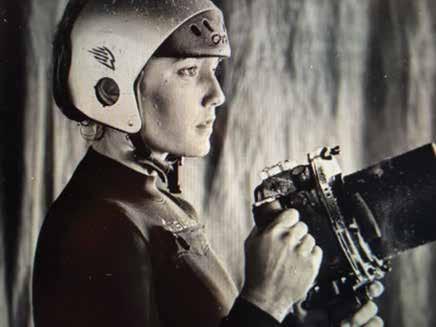
“Christa is probably the person who shoots the most, especially on big days,” says Hawaiian big wave master Mark Healy in the new documentary, First In, Last Out. The documentary details Christa’s story from her beginnings as a competitive swimmer to joining the Coast Guard and her determined rise through the ranks of A-list surf photographers on surfing’s grandest stage, Oahu’s North Shore.
With her hair flipped over her helmet, and her head bobbing in the channel as she swims for hours, she makes for a unique site in male-dominated lineup. Nathan Florence says, “We’ll go out for a morning session and surf for a few hours and then go in. “When we come back out, hours later, Christa’s still out there; she’s out from dark till dark.” Here she is discussing the journey of her life and the making of the film.
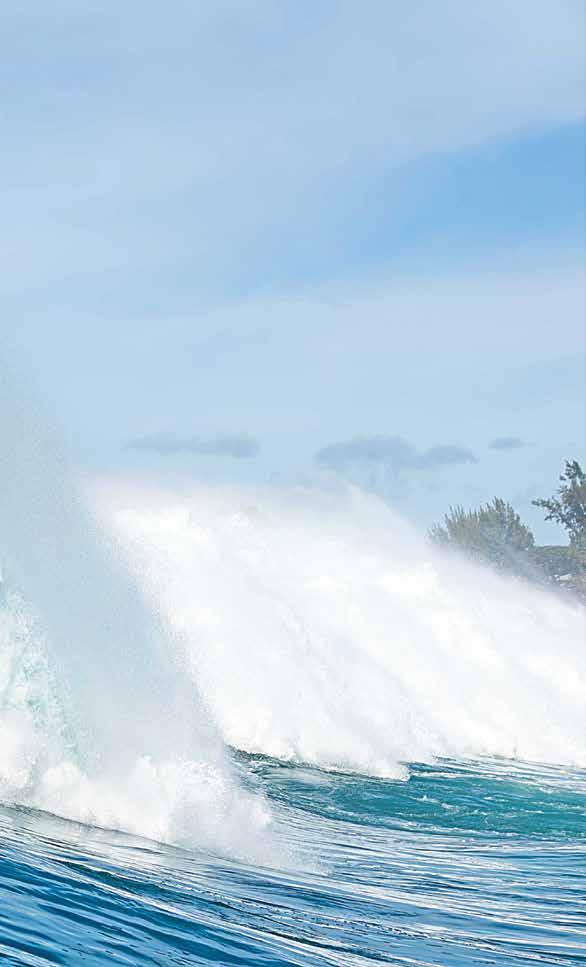
Christa Funk has been able to put her heavy water United States Coast Guard experience to work at backdoor Pipe. Sheldon Paishon, riding here as comfortably as the woman who is capturing his image.
On Beginnings:
Christa Funk: Well, I didn’t just hop into the water at Pipe right off the bat. I started with small days at Sandys, then small days in town, small days at Chuns. You know, just slowly working my way up as I was learning. I first went out to Pipe on a 3-4 foot day with my friend Kenji Croman, and I was happy to have someone with me because I was intimidated by the wave, for sure. I was like ‘Oh My God, This is Pipeline.’ I got fullbody chills and just had this feeling that this was going to change things. I realized I had so much work to do and so many people to be cognizant of, everyone that came before me. So I was at the back of the line and had so much to learn. Everyone always asks if it was intimidating with all the men but that was never an issue for me, I was used to that from the Coast Guard. The wave was what was intimidating.
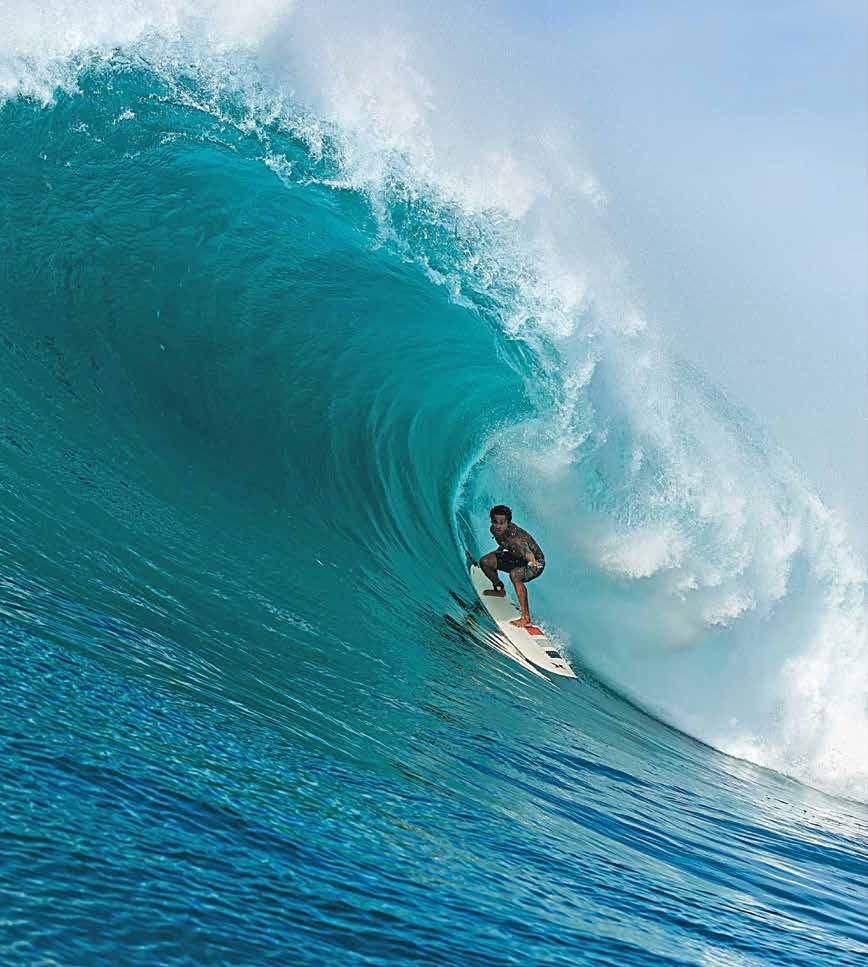
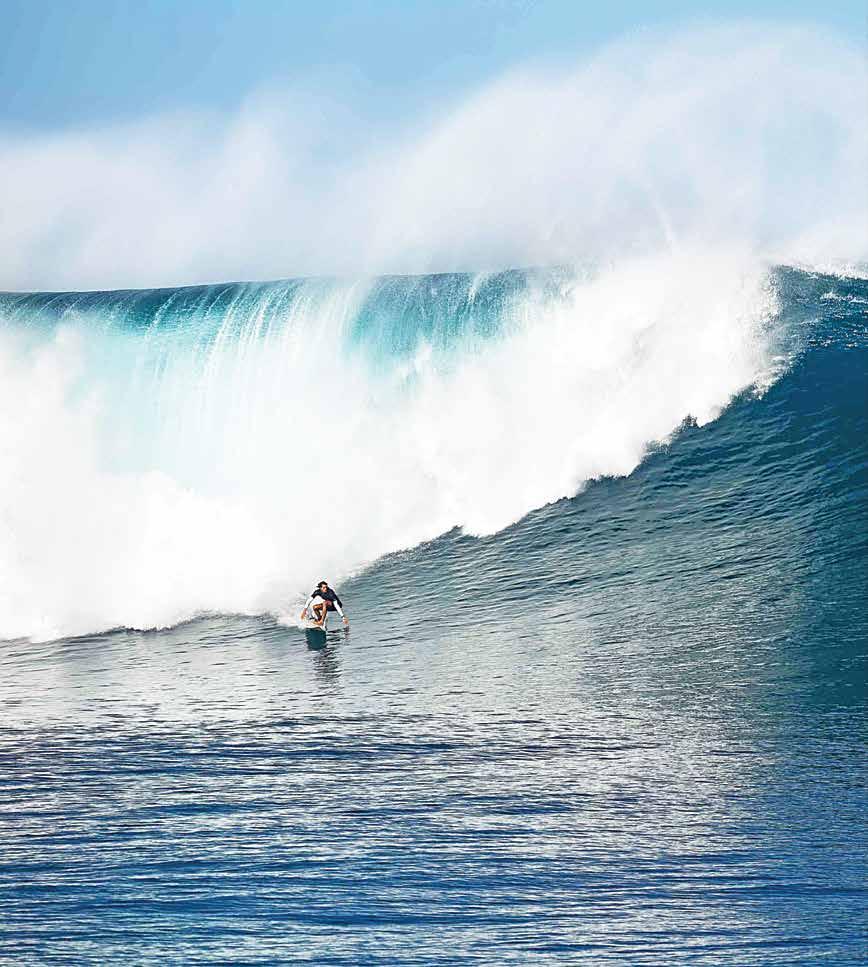
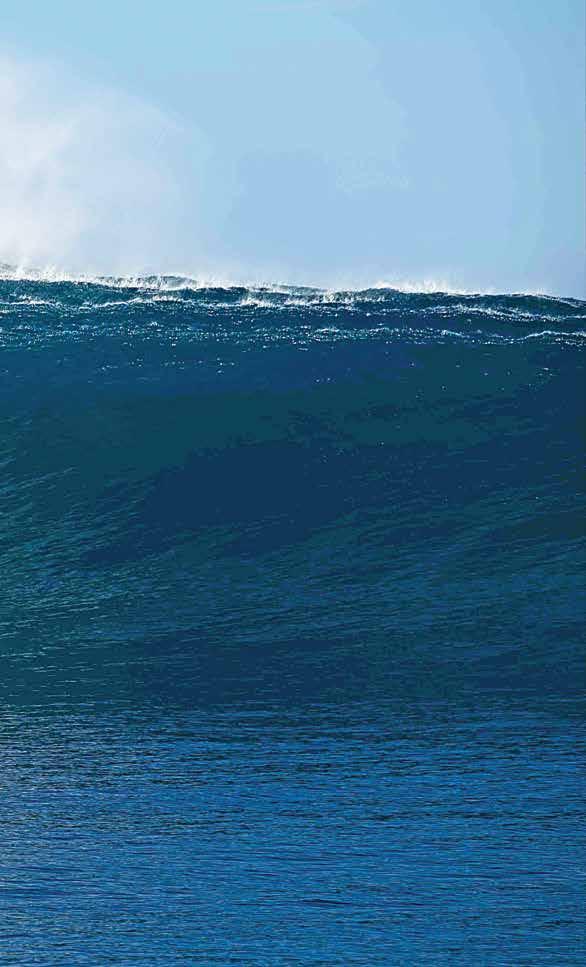
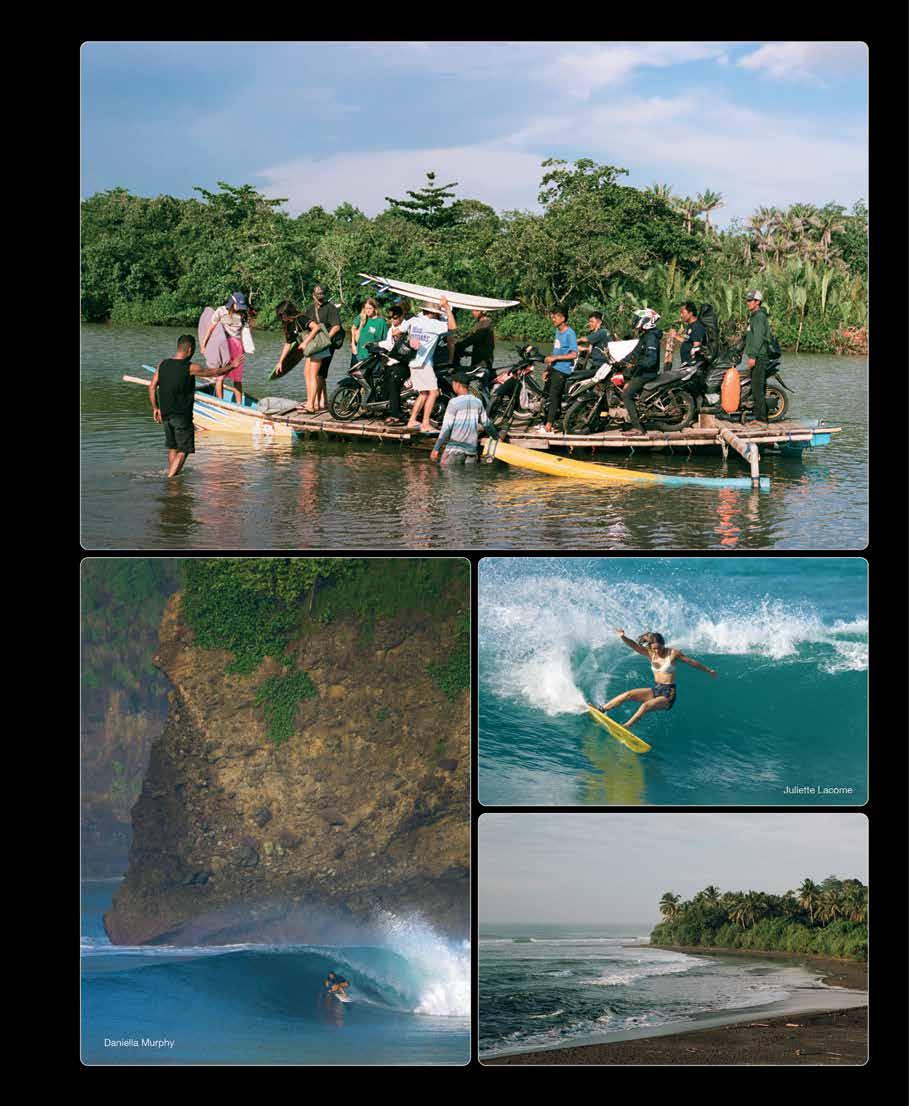
There have not been too many Indonesian heroes at Waimea, but Bali’s own Ben Benson found time to wax up a gun and hit it hard on his last trip to the North Shore. An image made even more incredible by the fact that it was taken by a female photographer swimming around in the impact zone, powered by nothing more than a pair of swim fins.
Was your time in the U.S. Coast Guard helpful?
Absolutely. Pipeline is way more relaxing than the Coast Guard. Out at Pipe, it’s just me. I’m not responsible for a whole crew or a big boat, and that makes it way less stressful. I feel like everything that has happened in my life is like one big tumbleweed that has rolled up to this moment. It started with competitive swimming and distance swims when I was young, then picking up photography at 13 years old, then joining the Coast Guard, and then my shooting career really evolved when I was able to put all the pieces together.
You have a film telling your story now, with some of the biggest names in the sport singing your praise. How has life been recently?
Well, with this kind of work, when it rains, it pours. I’ve had a full schedule lately and I can’t complain about that. Mostly, though, I just feel so very grateful to everybody who has been in my corner, everybody who has supported me, my family, my husband, my friends. It feels like I’ve been able to do a lot in a short amount of time, and that wouldn’t be possible without my community. That’s what being involved in surfing is all about. Community. That’s the best part of all of this.
Christa Funk prefers the intimacy of the swimming perspective in her photography. But one must consider what the safety limit of such behavior could be in a giant surf. For Christa, the limits are yet to be defined. Kainehe Hunt, praying for speed on a monster outer reef.
By Matt George
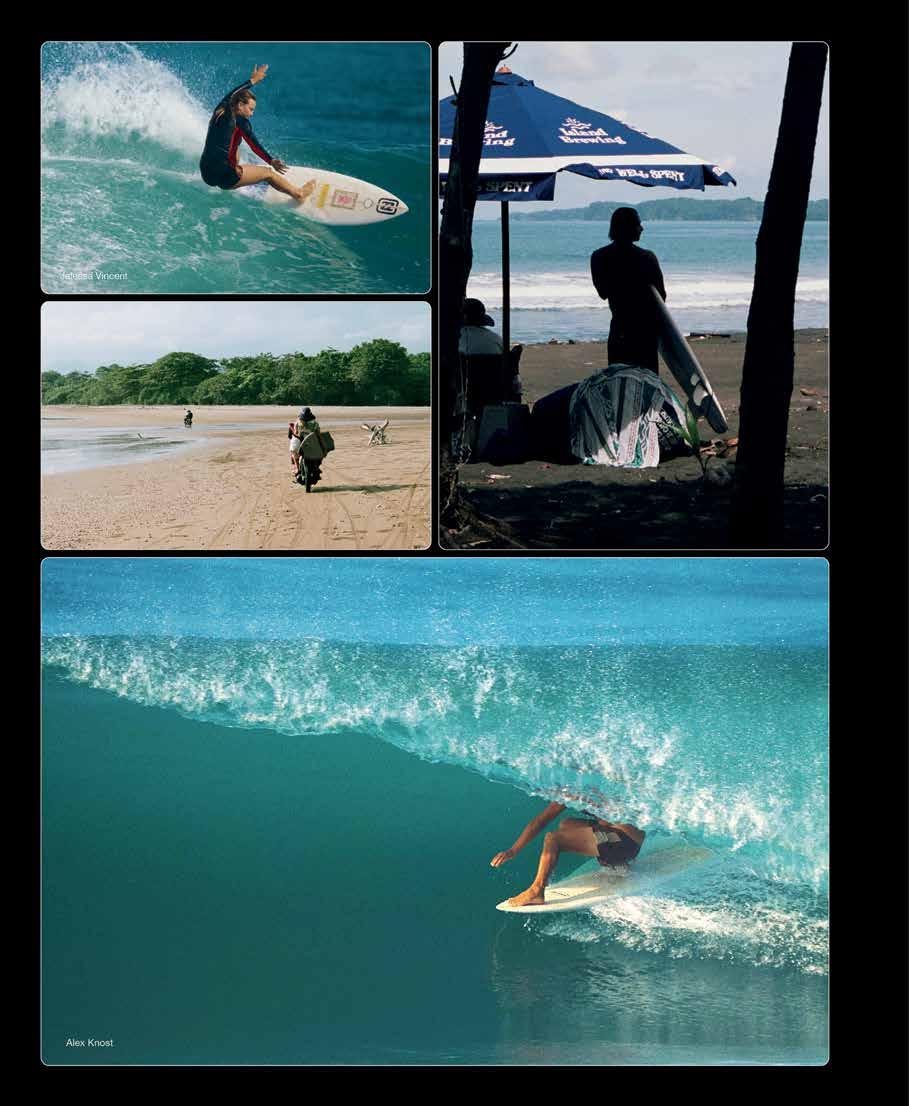
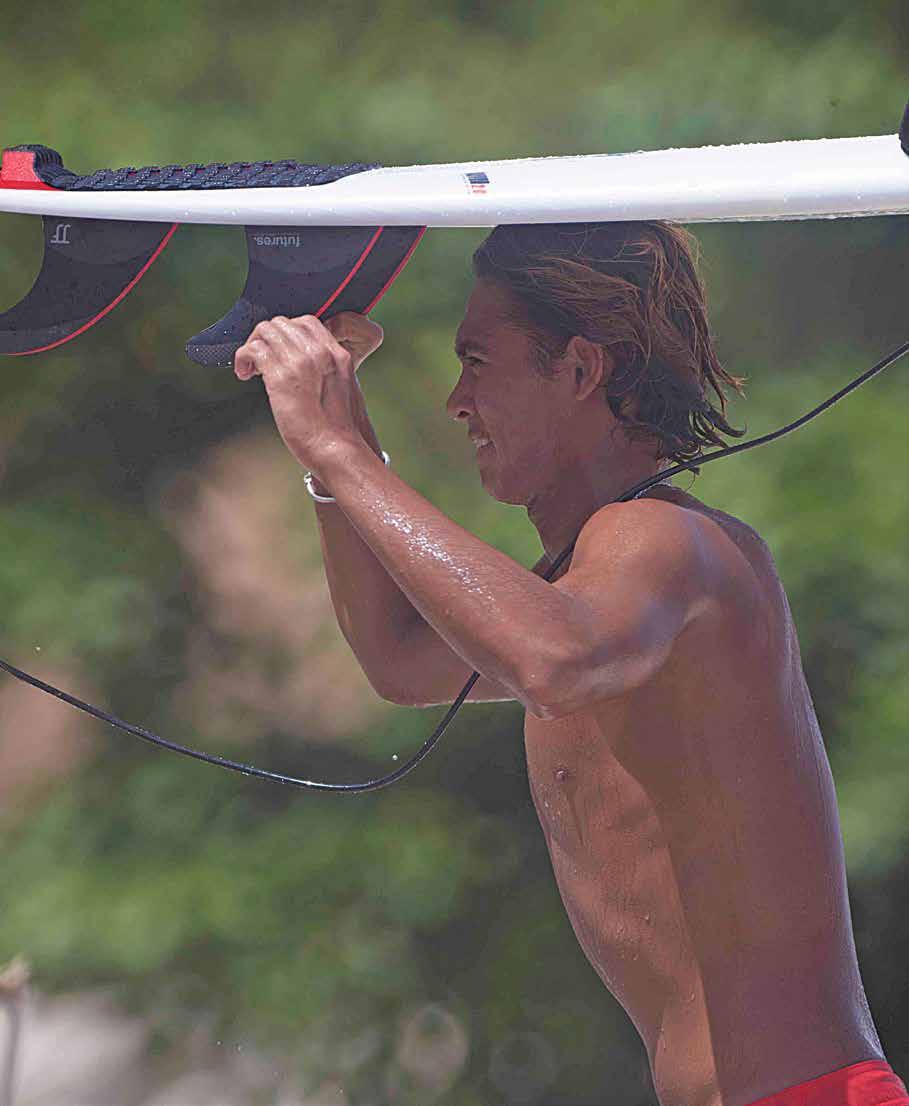
The father of Westen Hirst sits across from you at a wooden table in a small warung in Kuta. And the easiest thing to see in the whole world is how much he loves his son. And it is a tough love. A proper love. A grounded love. In his strong New Zealand accent, his eyes bore into you when he speaks of Westen. When he speaks of his hopes for his son, of his dreams. But mostly, he talks in the way of a plan. A mission. A solution to the other life he created on earth. He knows how talented his son is as a surfer. He knows it in his bones. And he knows what his son dreams of and what his son wants to be. That’s the easy part. The hard part, this Father knows, is taking all that hope and all those dreams and all that power of youth and all that…surfing…and making sure all of it is the building blocks of a rock solid human being, and not an excuse to be something less. That is fatherhood. Because he knows that Motherhood is a fact, but fatherhood is a choice. And it is about the right choices. He knows that you have to watch the support thing. That 24 hour a day support for what his son loves. Because what children perceive as normal in their early years is really the result of their father’s hard work and dedication. And that dedication is a miracle that often goes unnoticed because it becomes the expected reality. But truth be told, a father’s days have an expiration date. A boy becomes a man. His own man. And on that day, that boy must have the toolbox to take his life in the direction that best serves him. Not in the direction that only serves his
pleasures and talents, but in the direction that best serves his thriving. That is the success of fatherhood. Because fatherhood is an honor, and men should be strong enough to step up to the plate and make sure their sons do as well. If that prize is lost, nothing else really matters. Because fatherhood is also a chance to ruin someone from scratch. Westen’s Father knows this. So he lights the fires, stokes them when they become cinders, fans them to flame again and again. As often as needed. Because his son is physical and talented and in love with something bigger than human love. His son is in love with a passion for thrills and spills and a connection with the greatest powers on earth. And that it can serve as those building blocks.
So the Father of Westen Hirst sits across from you at a wooden table in Kuta, with his eyes almost tearful in their intensity, and tells you he has the secret. That the key is in finding the key. The key to unlock the future of a talented boy. And, when the time comes, to hand that key over to the boy. And this is when Westen’s father tells you his secret. That when all is said and done, this fatherhood thing is easy. As long as you’re there.
It takes a hell of a fire inside for 16 year old boy to win the Padang Cup. Westen Hirst, doing exactly that in 2025.
Photo Jorge Cherabaco
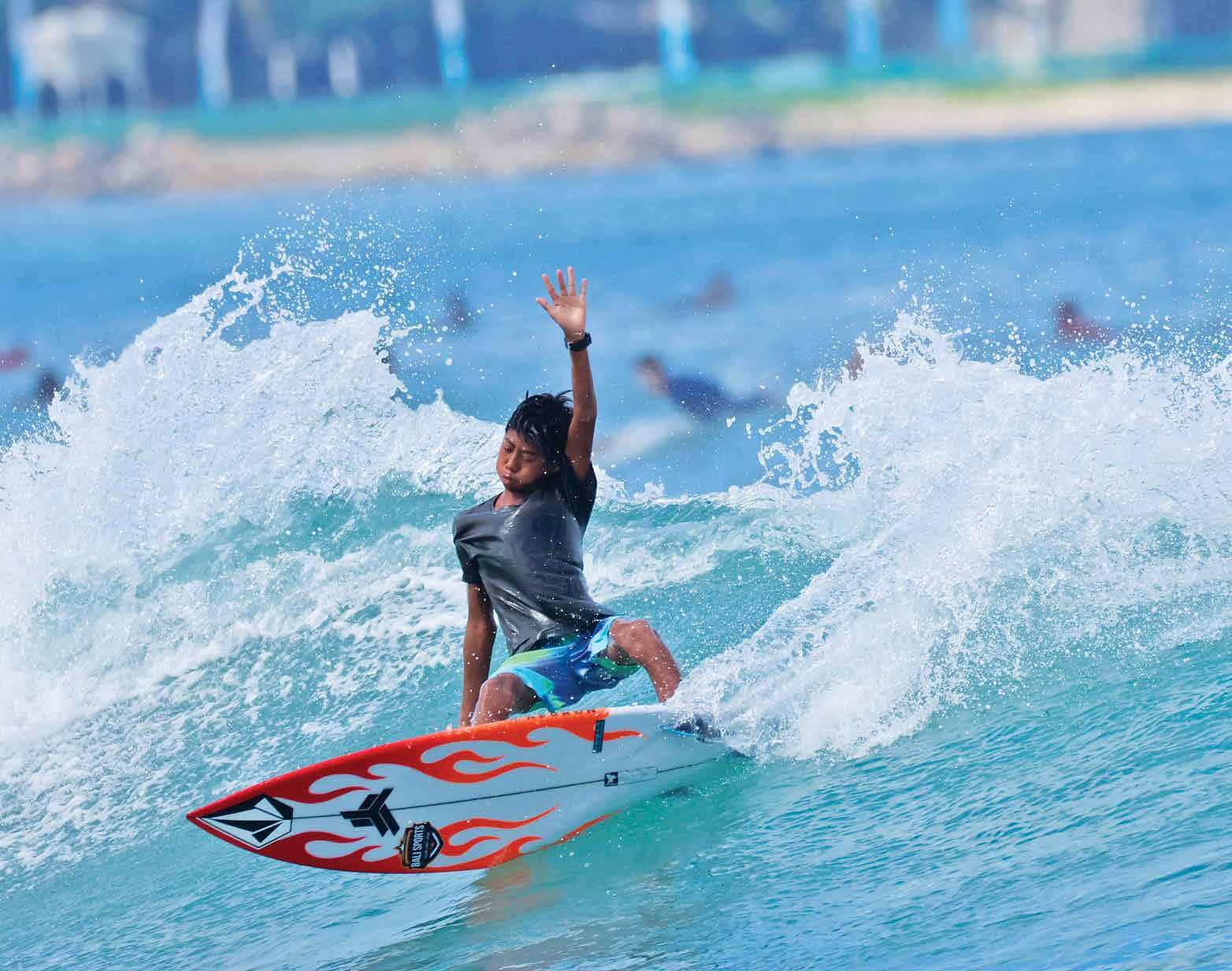
Homegrounds: Legian Beach
A true athlete, both in and out of the water, Rain is not only an champion high jumper at school, but also a skilled and controlled surfer. Active since birth, this young lady can be seen competing in almost every contest on the island, continuing to build her reputation as one of Bali’s most promising young talents. Photography by Antonio Vargas
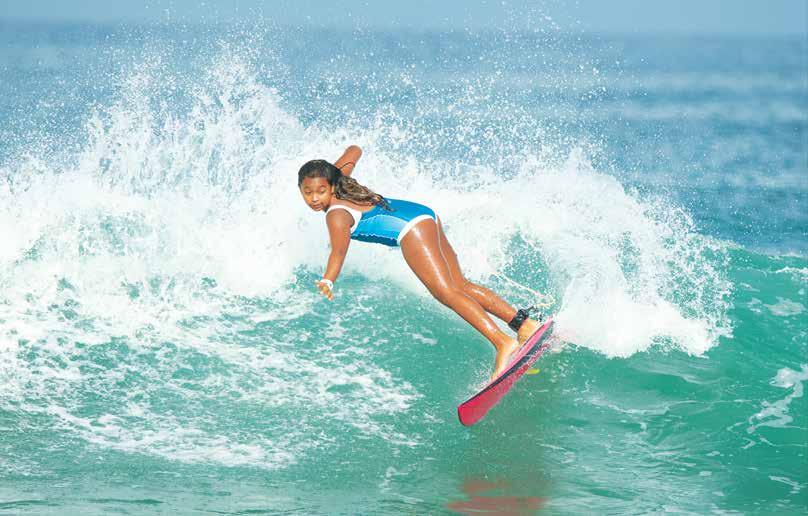
KELIA LEMAY, 12 yrs
Homegrounds: Padma Beach
Kelia has shown from an early age that she possesses natural talent and determination. Just look at teh extension of this turn. Armed with this powerful backhand attack, she already has a competitive edge. Her love for surfing goes beyond the shortboard, too. She’s often spotted on a longboard practicing stylish hang tens. Photography by Antonio Vargas
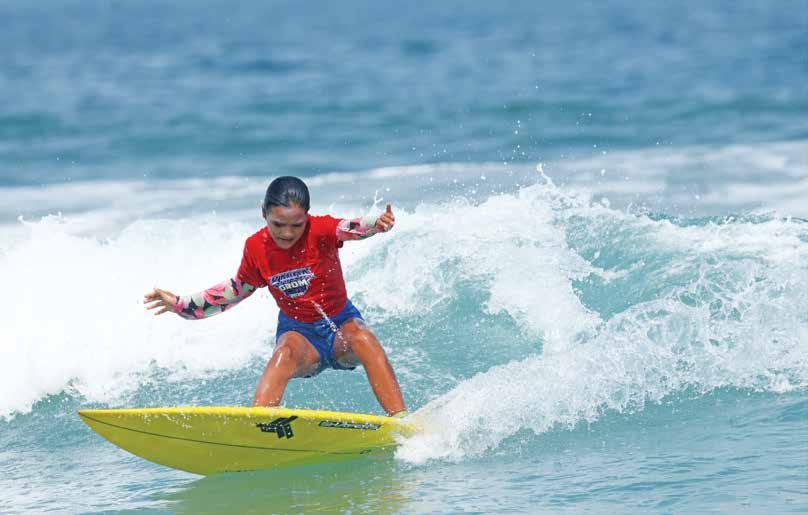
Homegrounds: Halfway Kuta Beach
At the Kanoa Grom Cup, Annisa, one of the youngest competitors, was crowned champion of the Under 12 division, taking the first title of the Bali Triple Crown Grommet competitions. Her dedication and hard work at such a young age are already beginning to pay off, making her another exciting young surfer to watch in the future. Photography by Antonio Vargas
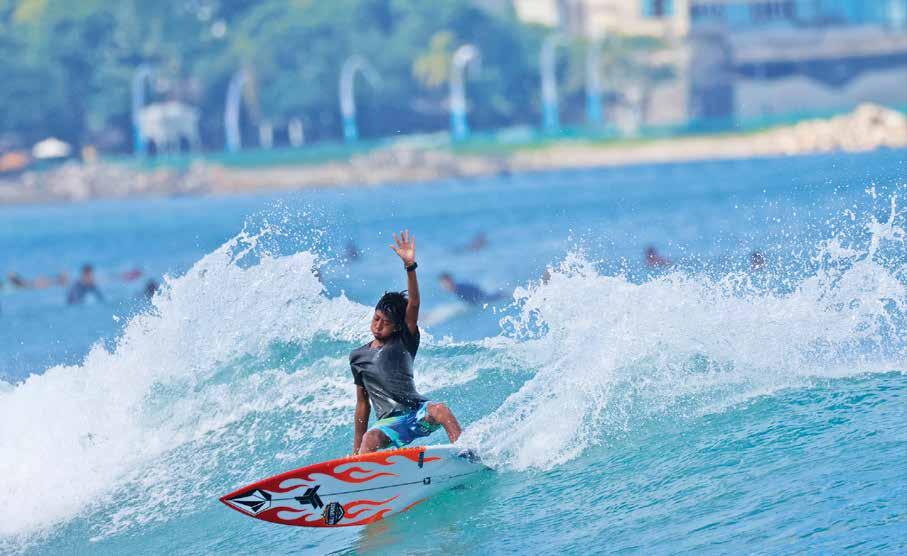
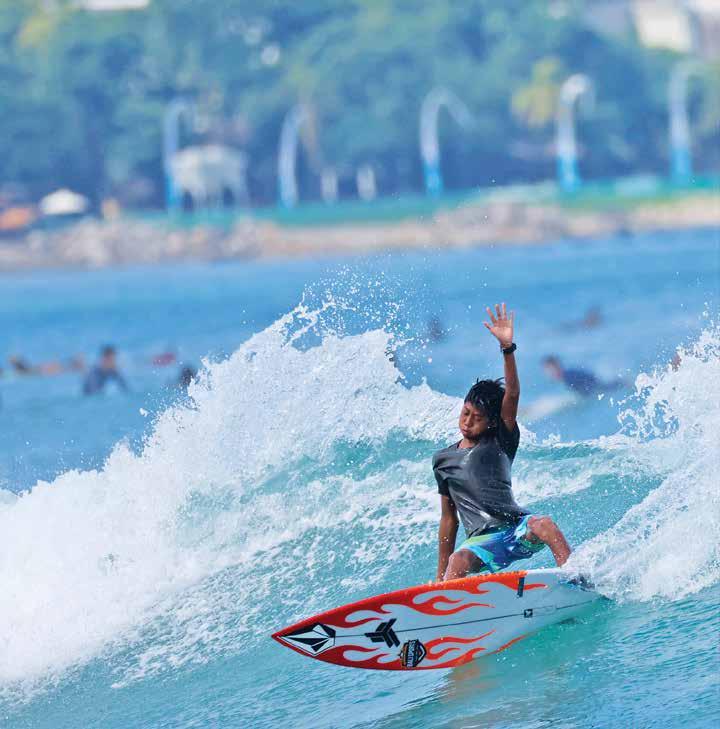
Homegrounds: Legian Beach
“Train, train, and train” That is the motto of this young and dedicated surfer. His signature moves have made him one of the most recognized young surfers on the scene, already attracting major sponsors who believe in his dedication and potential. Photography by Antonio Vargas
Homegrounds: Padma Beach
At Dawn on any given day you’ll find this grommet with a huge smile checking the waves at Padma. But don’t be fooled by his friendly nature. Sunny is one of the top contenders at his local break and is quickly becoming one of the young surfers to watch. Native to Bali, Sunny is also beginning his competitive journey in Australia, where he will participate in the Surfing Australia Junior Series next month.
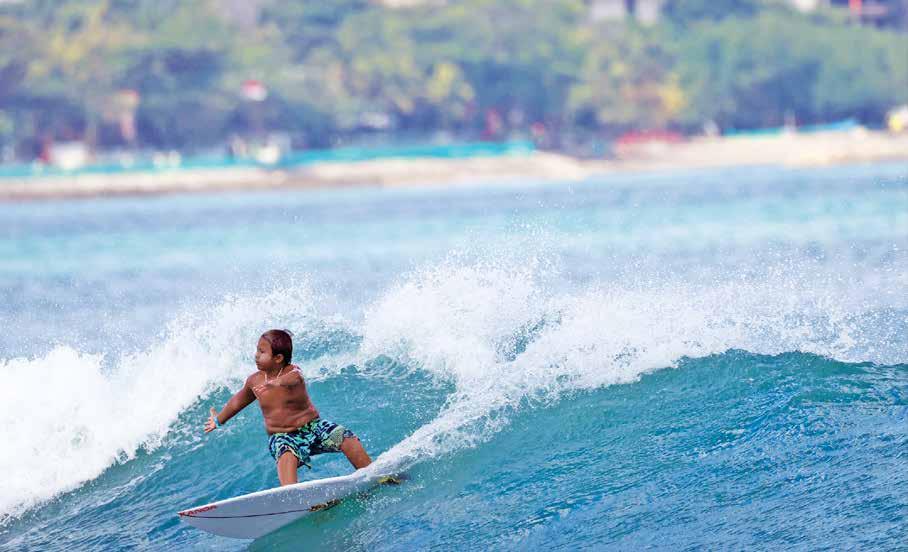
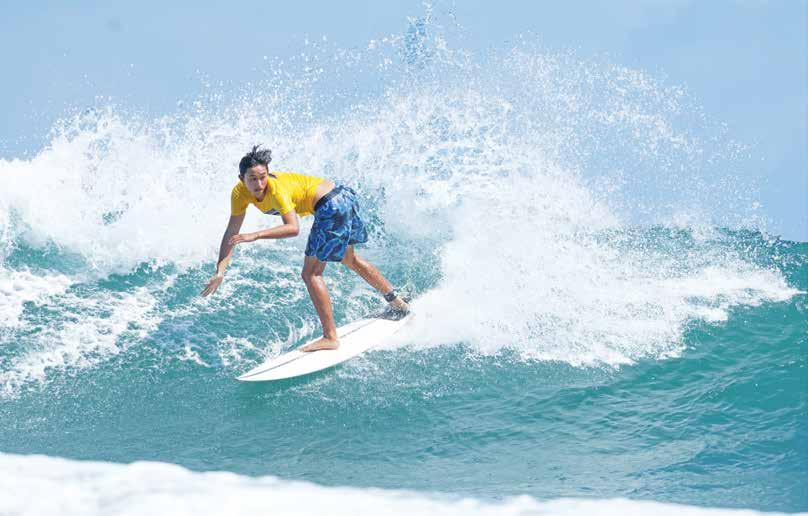
Homegrounds: Legian Beach
Legian Board Riders Club is proud to have this talented surfer among its ranks. Quiet and observant on land, Sunny becomes a true display of talent once he hits the water. His powerful cutbacks show the making of a strong future surfer, while his character and dedication suggest he has a bright future ahead, both in and out of competition. Photography by Antonio Vargas


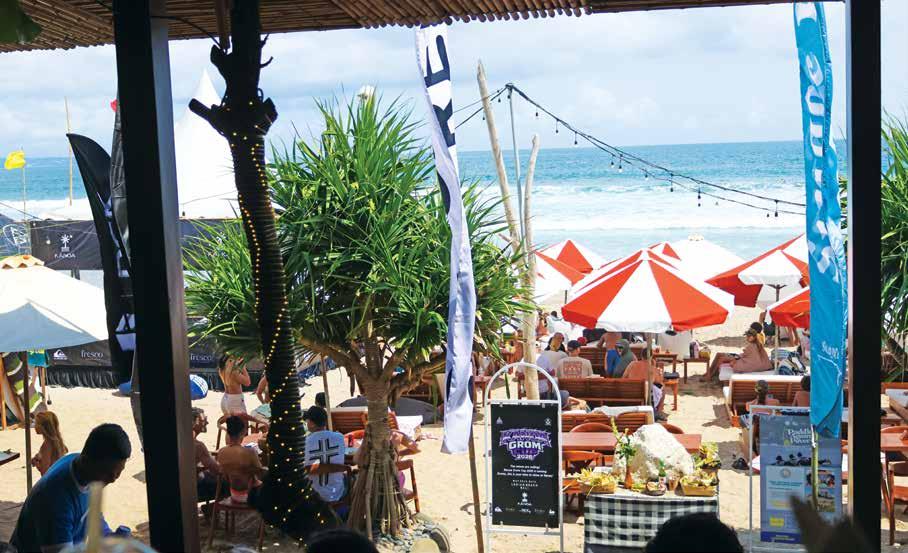
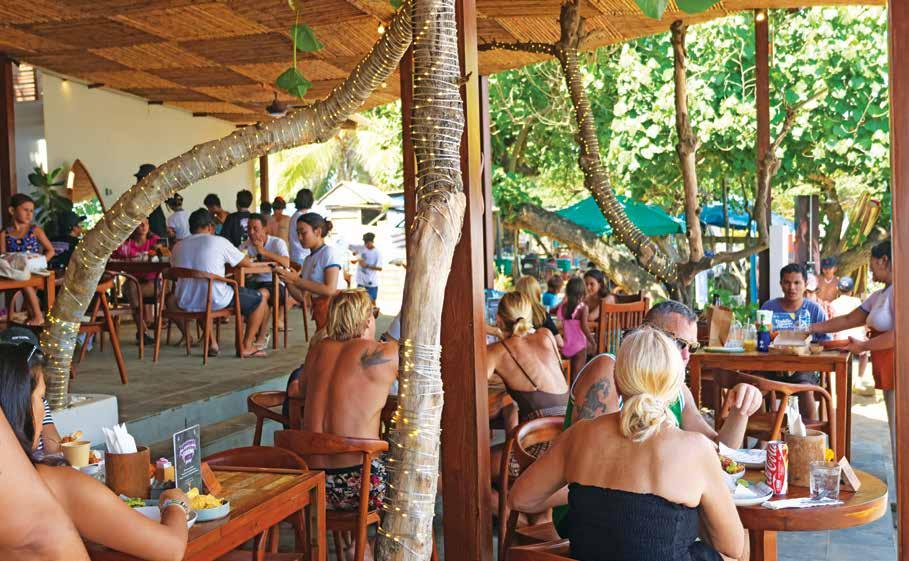
Serving favorite beachside drinks and comfort food every day and every night

DREAMS INTENSITY
DESIRE HAPPINESS
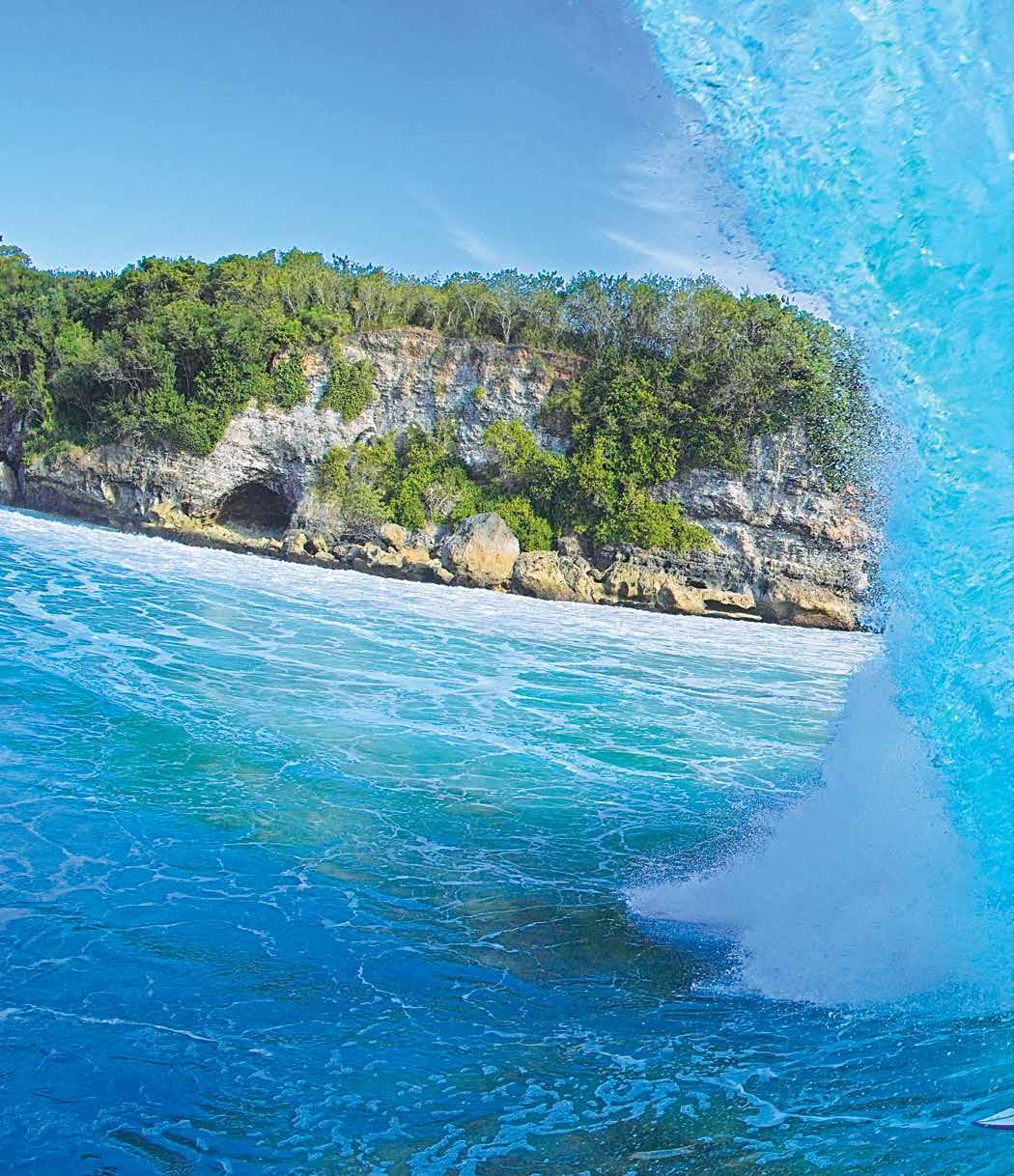
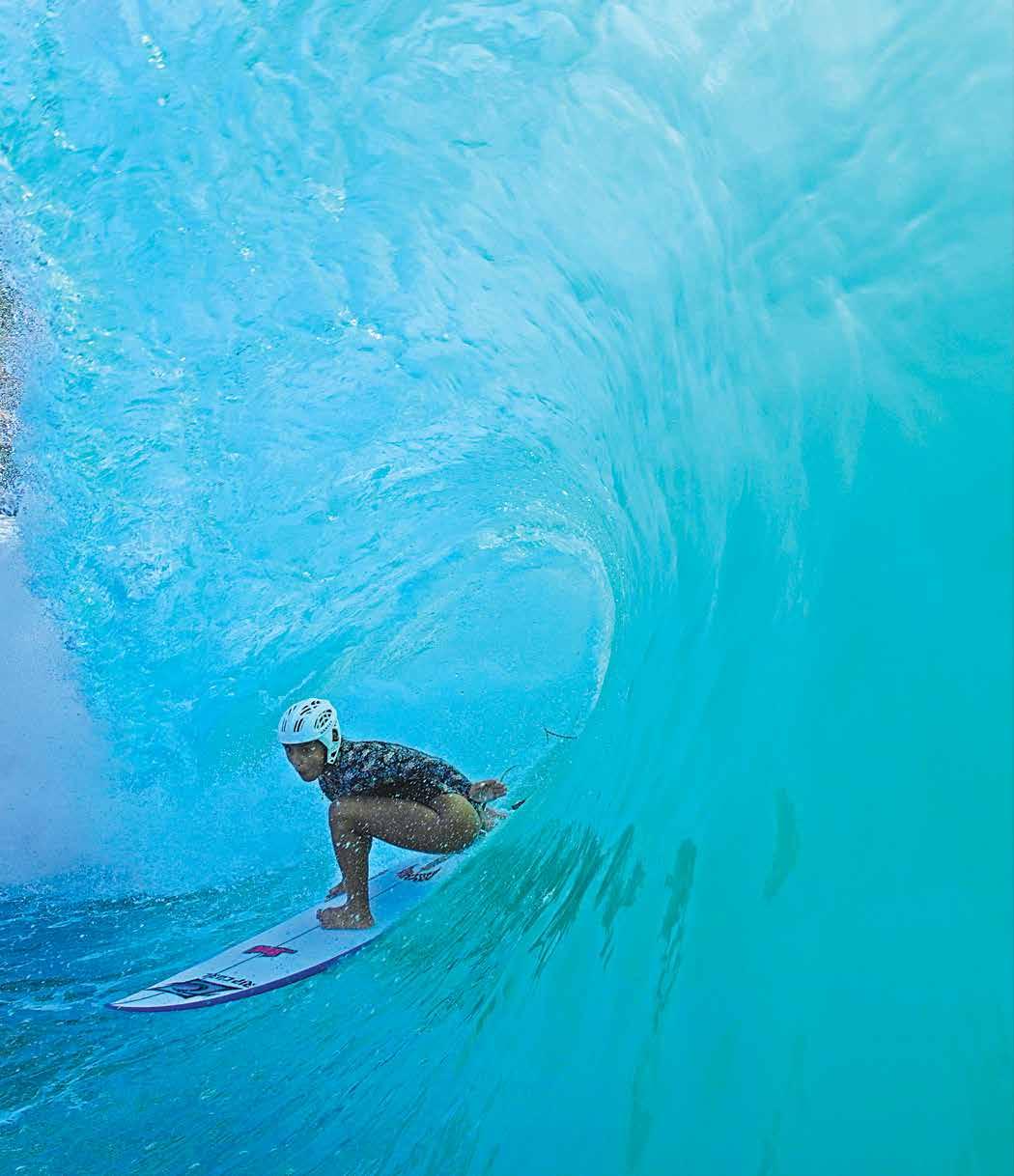
Hard charging Kya Heuer, fresh from her win at the Kanoa Cup, celebrated her birthday the very next day by putting on her helmet, grabbing her gun and rushing the low tide caverns of Padang Padang. When asked about her performance on this day, Kya replied “I’d rather regret the risks than the chances I didn’t take”. Photography by Leo Neves
DREAMS INTENSITY DESIRE HAPPINESS
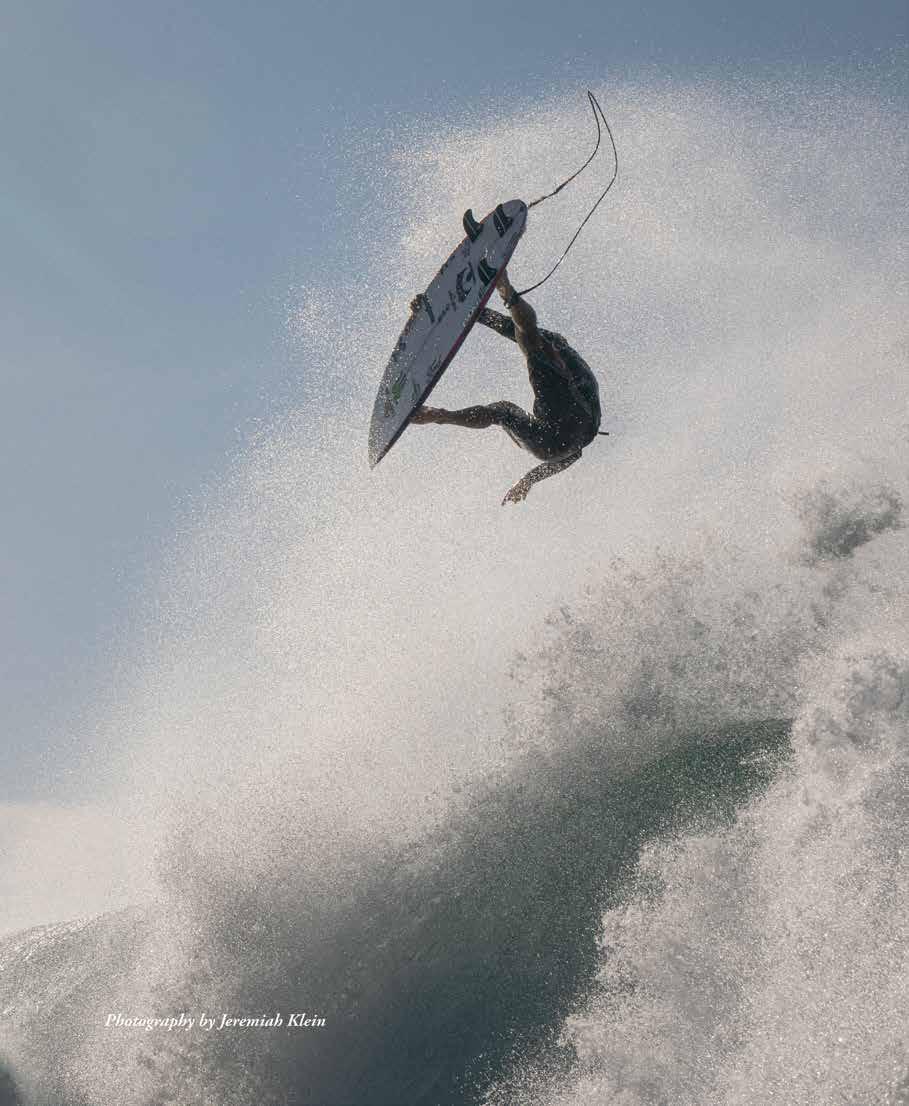
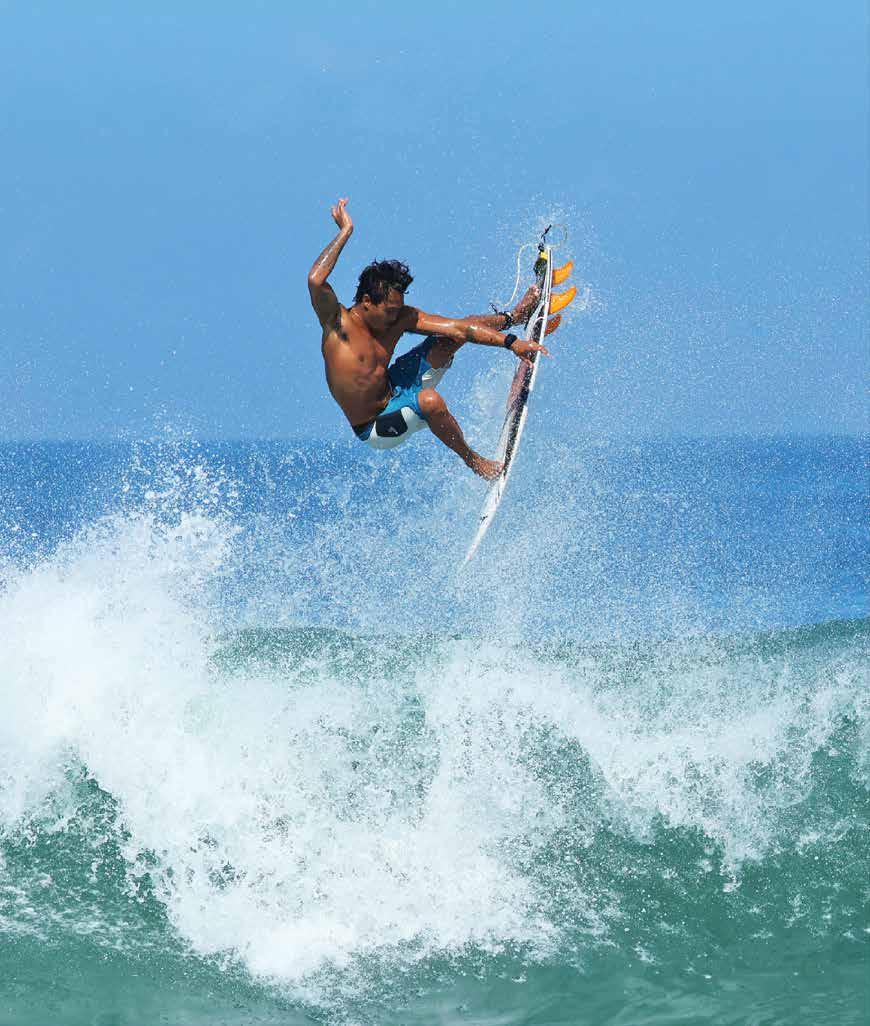
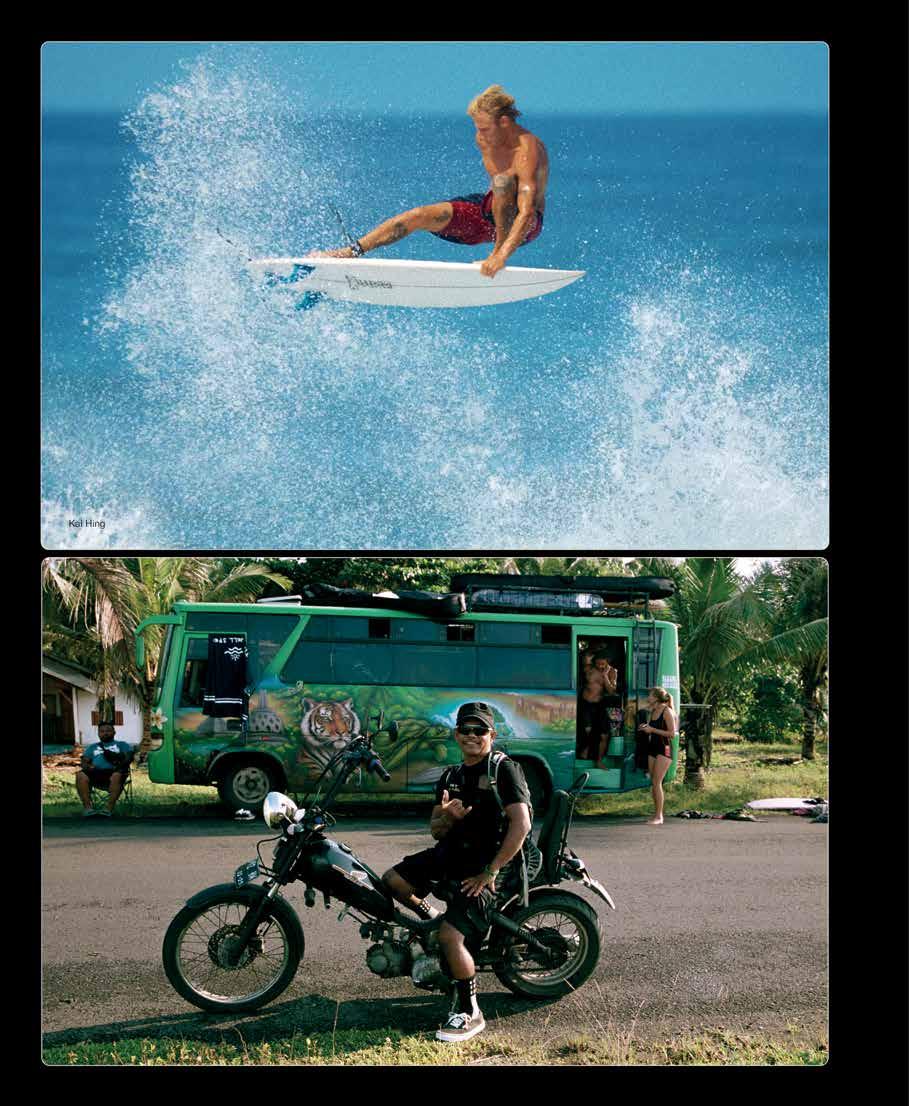
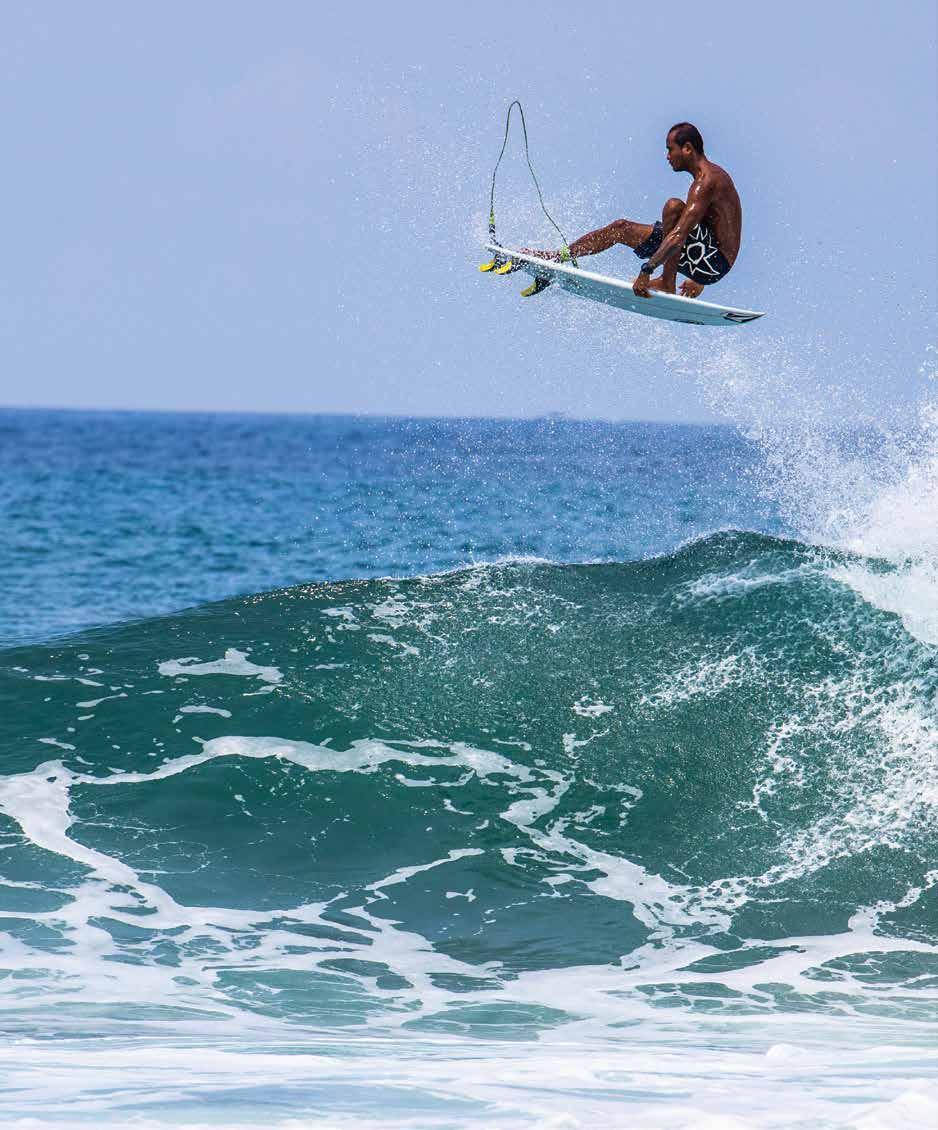
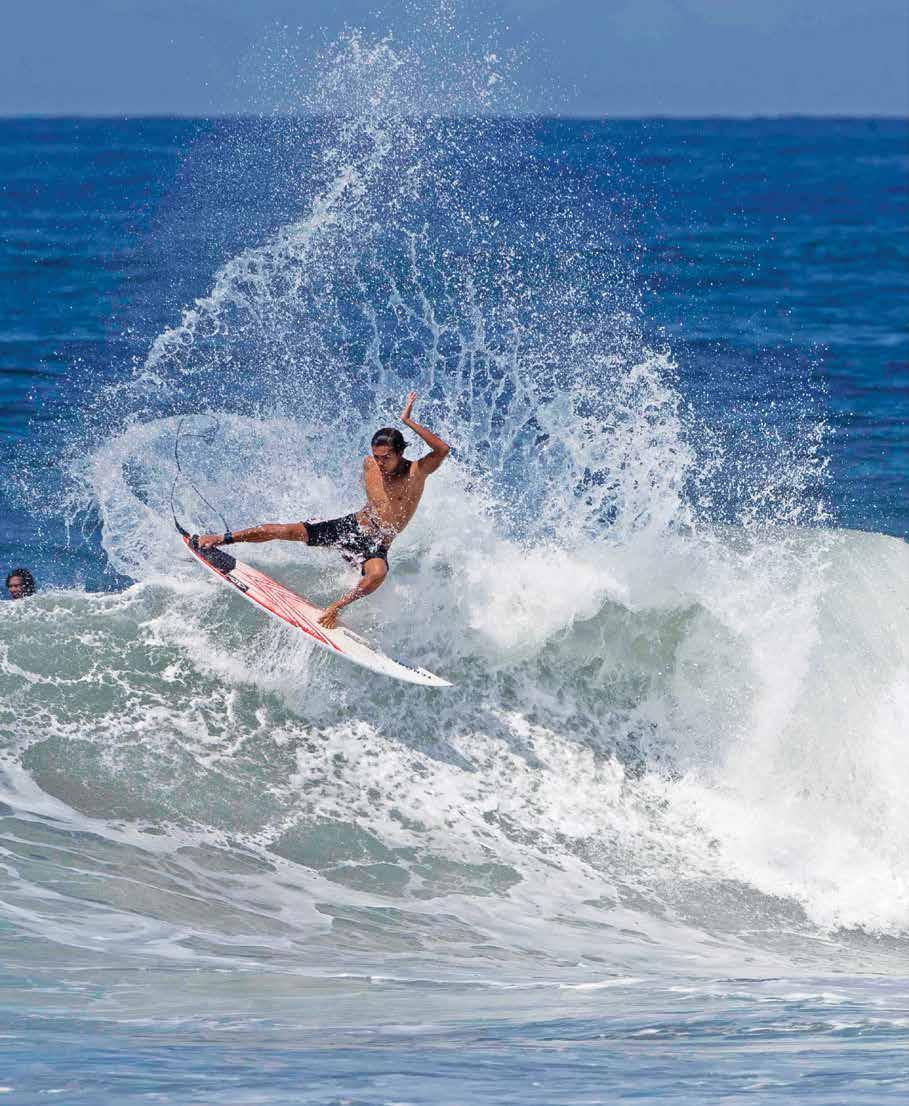
The most underrated and certainly the most stylish of all the city beachbreak boys, Nyoman Satria aerials never fail to take on a sublime beauty. It’s that calm and that poise he has. As if flights like this were as natural as the wave itself.
Photography by Pete Frieden
DREAMS INTENSITY
DESIRE HAPPINESS
DREAMS
INTENSITY
DESIRE
HAPPINESS
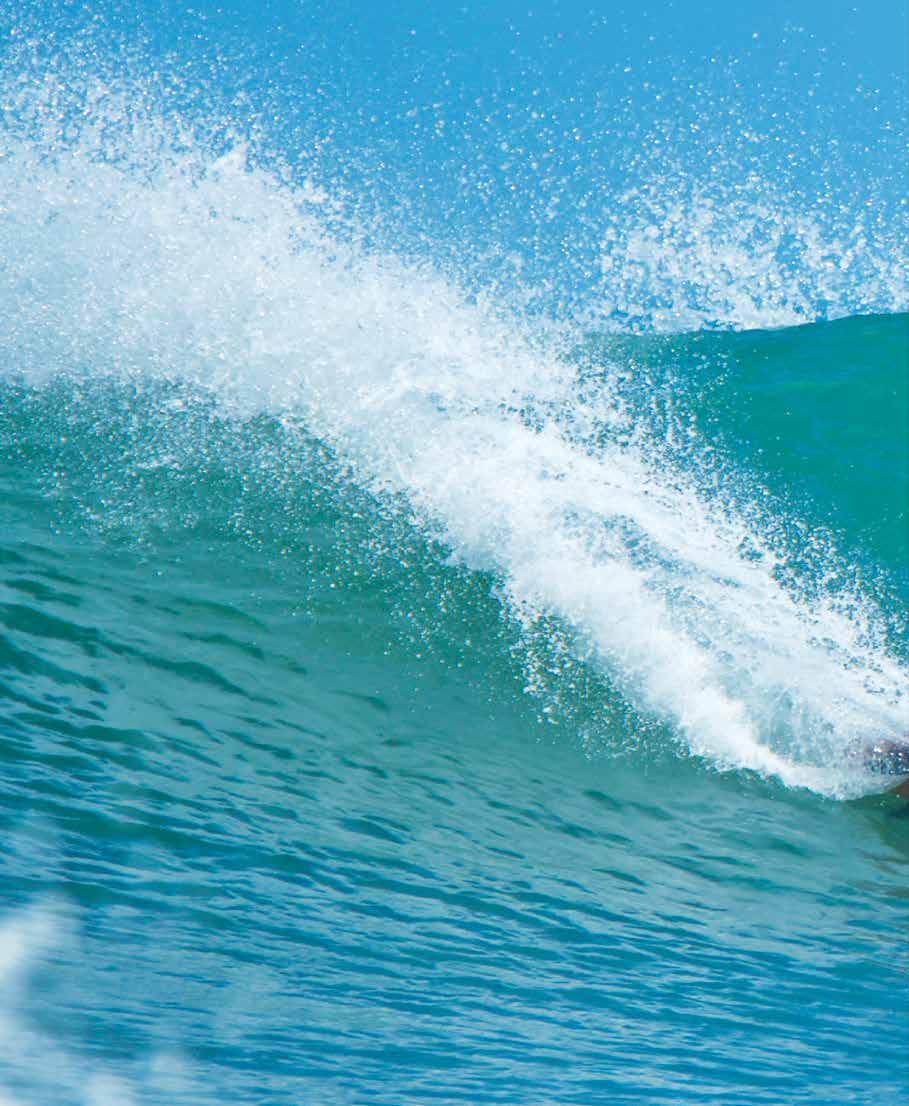
On any Sunday, the famed line-up at Keramas can become a hotbed of visiting international talent. But make no mistake, local surfers still rule these home waters. Varun Tandjung, showing everyone who is really in charge.
Photography
by
Pete Frieden
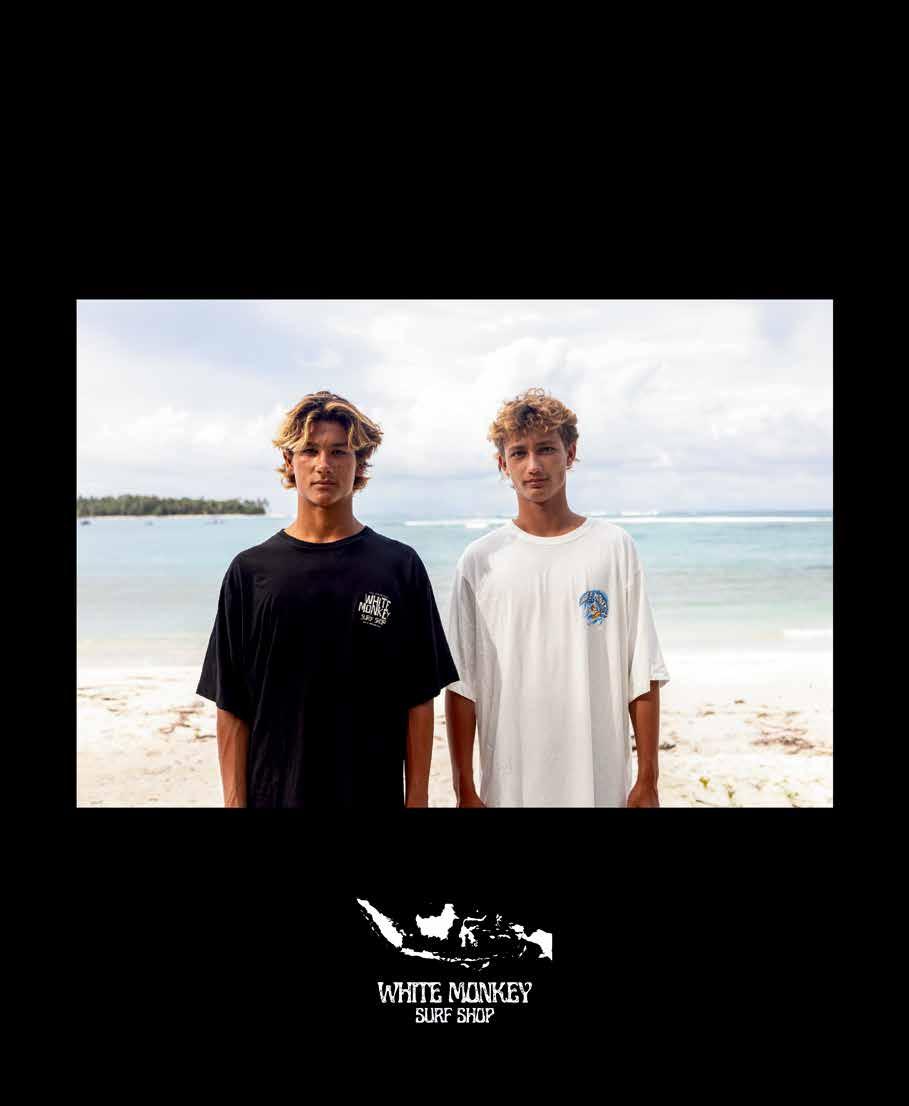

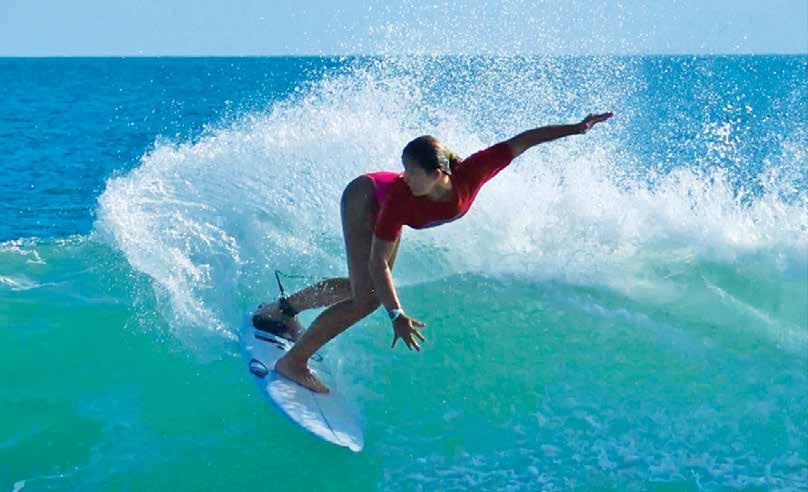
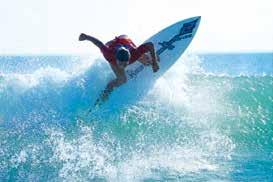
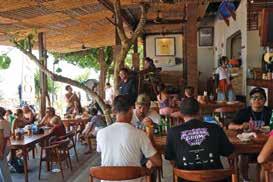
The grommets, both girls and boys, came from every corner of Indonesia and, even better said, every corner of the planet, with participants from Ukraine, Australia, the United States, the Netherlands, New Zealand, Spain, China, Russia, Taiwan, and Italy, among others. Transforming the event into a true celebration of youth surfing. From the opening heats of the first day the last heats on day two. The beach buzzed with excitement as spectators gathered to witness the next generation of surfers showcase their skills on Bali’s world-class waves. But it was the local surfers who came out triumphant, claiming six of the top podium positions by the end of the competition. Phillipe Duke took top honors in the Under 18 Boys division, while Kya Heuer secured victory in the Under 18 Girls division. In the Under 16 division, Taiwan’s Lee Tsechen earned first place, while Paris Nalendra claimed her
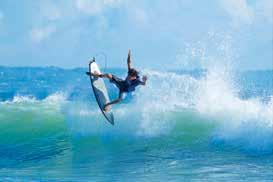
maiden win in Indonesia in the Under 16 Girls category.
The Under 14 Boys division was dominated by Dika Anwar from the powerhouse that is Medewi Board Riders club. And on the girls’ side, Tasya Belyaeva stood proudly on the top step of the podium. The Under 12 competitors were not left out, with Halfway Kuta showcasing the strength of its young surfers. Amanah Putri Annisa earned a well-deserved victory in the girls’ division, while Gusde Junior not only secured first place but also walked away with a custom board from JS Industries. The Kanoa Grom cup would not have been complete without the participation of the youngest members of the crew, who battled the incoming tide in the Push-In division. Showing all spectators the spirit of the future of our sport.
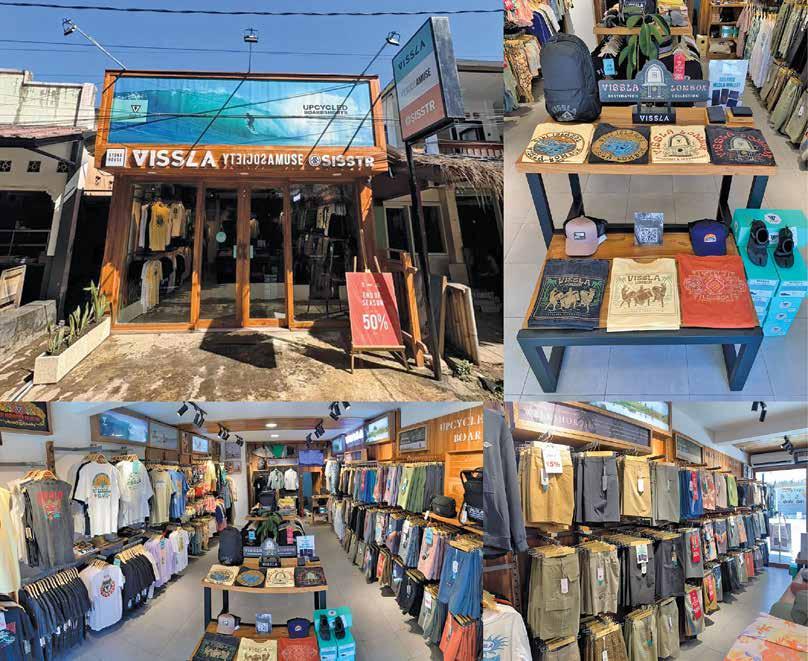
STOKEHOUSE GILI Air is more than just a retail store — it is a true surf lifestyle destination that brings together the spirit of the ocean, adventure, and tropical living in the heart of Gili Air. As the official flagship store for internationally recognized surf and lifestyle brands Vissla, Amuse Society, and sisstrevolution, STOKEHOUSE GILI Air has become a must-visit spot for surfers, travelers, and beach culture enthusiasts from around the world.
What makes this store even more special is that it proudly represents the 8th STOKEHOUSE location, marking another exciting milestone in the growth of the STOKEHOUSE family. Built with passion for surfing, creativity, and coastal culture, the store reflects the energy and freedom that define life by the ocean. Every detail of the space is designed to create a relaxed, welcoming
atmosphere inspired by island living and modern surf culture.
Inside the store, visitors can discover a curated selection of premium apparel, swimwear, boardshorts, t-shirts, and accessories from Vissla, Amuse Society, and sisstrevolution. Each collection combines comfort, functionality, and stylish design, making it perfect for both beach adventures and everyday casual wear.
Located in one of Indonesia’s most beautiful island destinations, STOKEHOUSE GILI Air continues to grow as a hub for the global surf community while supporting the vibrant lifestyle and tourism scene of Gili Air. The store also represents the passion and creativity of the international surfing community worldwide today.
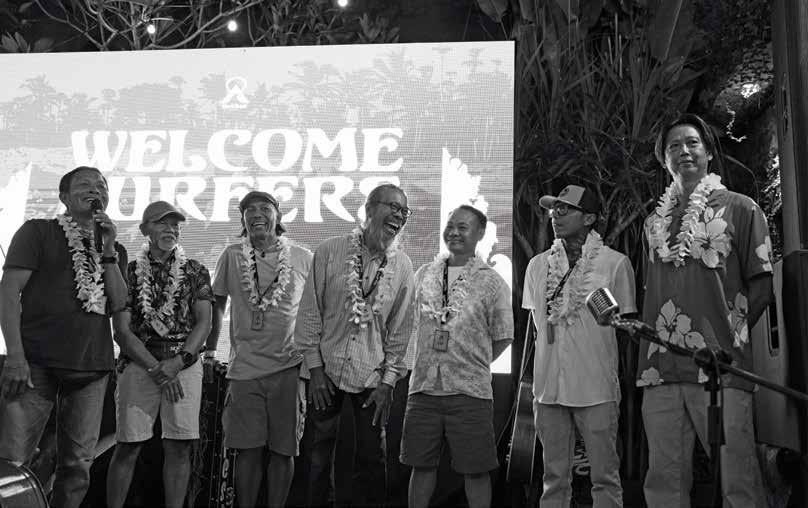
There was something special in the air during the Bali Surfers Gathering at Drifter Surf Shop, Uluwatu. The place was filled with stories, laughter and generations of surfers who helped shape what Bali’s surf culture has become today. We felt so much gratitude for being able to host an evening dedicated to the people who paved the way long before surfing in Bali became what it is now. Legends and pioneers like Ketut Menda, Wayan Gantiyasa, Mangku Weta, Wayan Sudirka, Nyoman Radiasa and Wayan Sujana joined us for a night of connection, storytelling, and reflection on the history of surfing in Bali. These are the people whose passion, courage, and love for the ocean helped create the foundations for the generations that followed.
One of the most meaningful parts of the evening was seeing younger surfers sitting alongside elders, listening closely to stories from the early days. Tales of simple beginnings and the journeys that these legends have gone through over the decades. Respect for those who came before us is what keeps the spirit and the community of surfing alive and thriving.
The screening of Balinese Surfer with scenes from 1976–2001 brought everyone back through an important chapter of Bali’s surfing history, while The Hydrant took over the night and carried the tunes late into the evening.
More than anything, the gathering was a reminder that surfing has always been about community first. Sharing stories, preserving history, and creating spaces where old and new generations can come together is what keeps Bali’s surf culture strong. We’re incredibly thankful to everyone who spent the evening with us and made the night what it was.
Eighteen-year-old founder Daan van Rooijen set out to change safety standards in surfing forever. The result is Mamuli-Surf, a nextgeneration surf helmet engineered specifically for the water, without sacrificing comfort, performance or style.
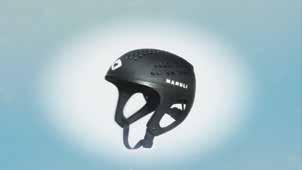
The story behind the brand is personal. On July 10, 2024, Daan’s sister Guusje was hit by another surfer at their home break in Bali. She suffered life-threatening skull and brain damage. It changed everything.
“I realized that in snowboarding, skating, biking and every other extreme sport, wearing helmets is the norm — but in surfing it isn’t. I set out to create a helmet surfers actually want to wear: one that feels comfortable, performs, and looks good in the water.”
Sixteen months later, that idea became reality. Mamuli-Surf launched on Kickstarter on April 7, 2026, with a goal of funding 300 helmets for mold production — and hit that goal. The MamuliSurf helmet is confirmed for market launch in early 2027.
Key Features: The helmet weighs approximately 350 grams, making it one of the lightest surf helmets available. The open ear
design ensures hearing and balance remain completely natural in the water. Optimised ventilation channels allow water to flow straight through on every wipeout and duck dive, preventing the heavy, waterlogged feeling of traditional helmets. The ABS outer shell combined with a dual-layer EPP foam liner provides certified impact protection. The Mamuli-Surf helmet is EN 1385 safety certified for all watersports. Available in multiple sizes for a secure fit, it is designed for full awareness in the water — protecting without compromising performance.
With over 35 million surfers worldwide and more than 5,000 head injuries recorded per year, the need is clear. Mamuli means protection in Sumbanese culture. For Daan, it is more than a name, it is a movement to redefine the safety standard in surfing..
Beyond the product, Mamuli-Surf will donate helmets to remote surf communities in Indonesia where access to healthcare is limited.
The Mamuli-Surf helmet launches globally in 2027. More information at mamulisurf.com and to see more of the helmet and brand you can follow mamuli_surf on Instagram.

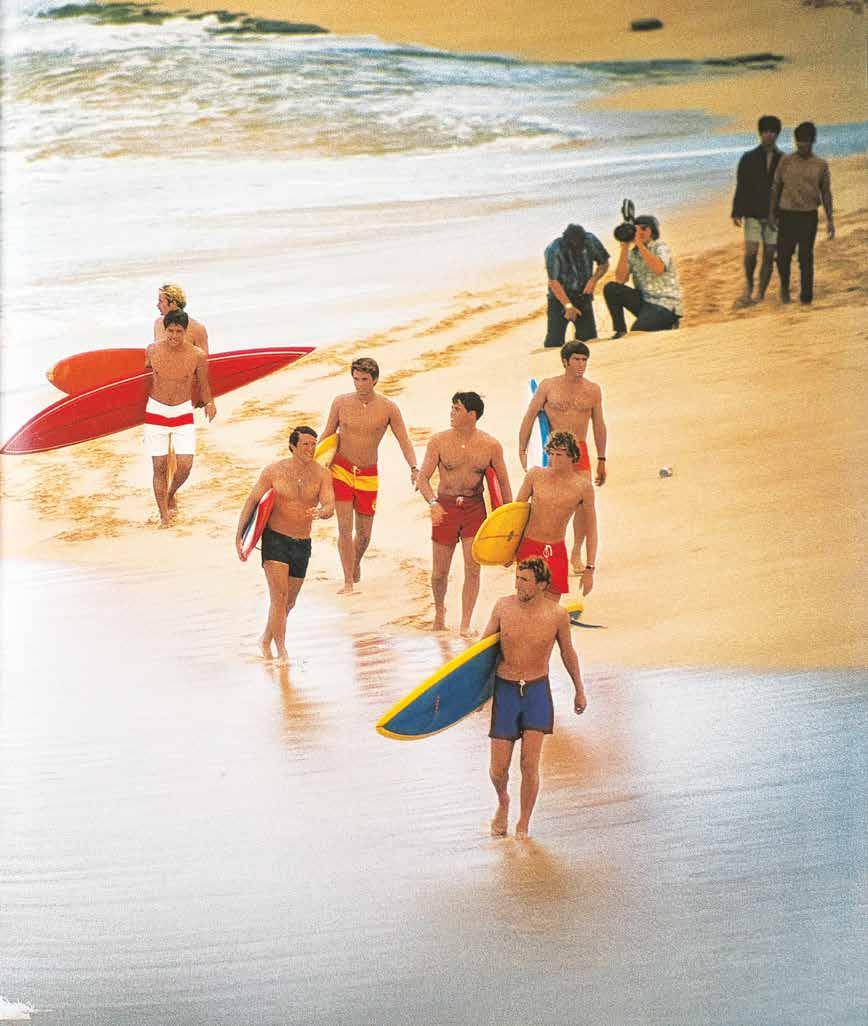
What might at first appear to be simply an evocative photo of a pack of surfers strolling along a Hawaiian beach in the late-1960s is, in fact, a remarkable portrait of the greatest single heat in competitive surfing history. Snapped at the 1969 Duke Kahanamoku Invitational at Sunset Beach, Hawaii, this semi-final matchup featured (back-to-front) Californian super-stylist and celebrated proto-free surfer Billy Hamilton, big wave legend and future Duke winner Eddie Aikau, 1965 World Champion Felipe Pomar, fourtime Peruvian national champion Sergio Barreda, 1963 Peru International and ’69 Makaha men’s champion Paul Strauch, 1968 World Champion Fred Hemmings, number-one WSA 4-A men’s and 1970’s world champion, Rolf Aurness, 1968 Duke and Peru International champion Mike “Ironman” Doyle, and multiple Makaha International men’s champion Joey Cabell. Fierce competitors all, no doubt, yet judging by the collective casual demeanor of this phalanx of uber-talented surfers, take a guess who won that year’s title.