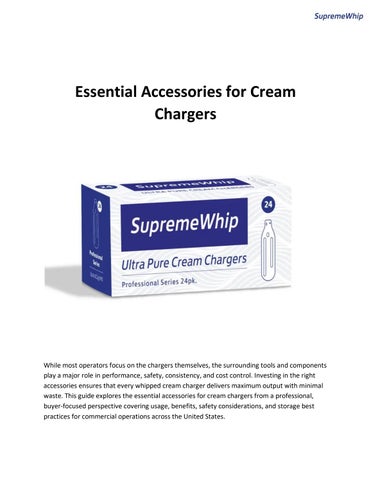

Essential Accessories for Cream Chargers
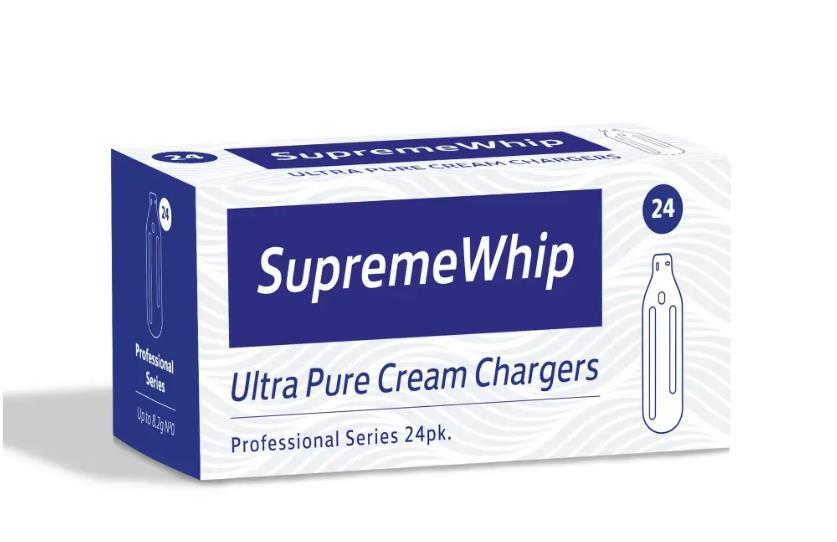
While most operators focus on the chargers themselves, the surrounding tools and components play a major role in performance, safety, consistency, and cost control. Investing in the right accessories ensures that every whipped cream charger delivers maximum output with minimal waste. This guide explores the essential accessories for cream chargers from a professional, buyer-focused perspective covering usage, benefits, safety considerations, and storage best practices for commercial operations across the United States.
1. Whipped Cream Dispenser (Commercial Grade)
The most essential accessory for any cream charger is a high-quality whipped cream dispenser.
Why It’s Critical
A whipped cream charger cannot function independently. It must be used with a compatible dispenser designed to handle pressurized nitrous oxide safely.
Commercial Benefits
Consistent aeration
Faster service during peak hours
Reduced manual labor
Better portion control
Long-term cost efficiency
For U.S. foodservice operations, stainless steel dispensers are preferred over aluminum for heavy-duty use due to increased durability and resistance to wear.
2. Charger Holder (Cartridge Sleeve)
The charger holder is the component that secures the cream charger to the dispenser and punctures the cartridge to release gas.
Why It’s Essential
Ensures proper gas release
Prevents leakage
Maintains pressure integrity
Safety Considerations
Inspect threads regularly
Avoid cross-threading
Replace immediately if cracked
Never overtighten
A damaged charger holder can compromise the performance of even the highest-quality whipped cream charger.
3. Replacement Gaskets and O-Rings
Gaskets and O-rings create airtight seals within the dispenser system.
Why
They Matter
Prevent gas leakage
Maintain consistent pressure
Reduce waste
Protect equipment lifespan
Over time, seals naturally wear down due to repeated pressurization cycles. Commercial kitchens should maintain spare gasket kits on-site to prevent downtime.
Maintenance Tip
Replace seals proactively every 6–12 months depending on usage frequency.
4. Nozzle Tips (Decorative & Functional)
Nozzle tips attach to the dispenser head and control the output pattern.
Types Commonly Used in U.S. Foodservice
Straight tips (smooth flow)
Star tips (textured finish)
Tulip tips (decorative patterns)
Injector tips (precision filling)
Commercial Benefits
Improves presentation
Enhances portion accuracy
Differentiates premium offerings
Supports brand consistency
High-volume establishments may prefer stainless steel tips for durability, while lower-volume operations may use food-grade plastic.
5. Cleaning Brushes
Proper sanitation is mandatory in U.S. commercial kitchens. Cleaning brushes designed for dispenser tubes and nozzle tips ensure thorough hygiene.
Why They’re Important
Remove residue buildup
Prevent clogging
Maintain food safety compliance
Extend equipment lifespan
Disassemble and clean components after each service cycle.
6. Storage Containers for Chargers
Proper storage of cream chargers is critical for both safety and compliance.
Best Practices for U.S. Operators
Store in a cool, dry location
Avoid exposure to heat above 120°F
Keep in original packaging
Restrict access to authorized staff
Implement FIFO (First In, First Out) inventory rotation
Organized storage reduces workplace hazards and improves operational efficiency.
7. Pressure Relief Valves (Replacement Parts)
Some commercial dispensers include pressure relief valves as a safety mechanism.
Why They’re Important
Prevent over-pressurization
Reduce explosion risk
Ensure compliance with safety standards
If the valve shows signs of wear or malfunction, replace immediately.
8. Bulk Charger Dispensers or Racks
For high-volume cafés and restaurants, organized storage racks streamline workflow.
Benefits
Faster access during peak hours
Improved inventory tracking
Reduced clutter
Enhanced safety compliance
Professional kitchens benefit from structured organization systems.
9. Protective Gloves and Safety Training Materials
Although often overlooked, safety gear and documented procedures are essential accessories.
Why It Matters
Protect staff during charger installation
Reduce liability risk
Support OSHA compliance
Standardize operational training
All staff should understand safe handling procedures before using a cream charger system.
Understanding the Role of Brand Quality
Not all chargers and accessories are created equal. Low-quality components may:
Leak gas
Produce inconsistent results
Increase operating costs
Create safety hazards
Professional buyers should prioritize reputable suppliers such as Supreme Whip, which focus on commercial-grade reliability and compliance.