













12. SCANNER NEWS_ Νέα & Ειδήσεις από την αγορά
16. ΝΕW ENTRIES_ Νέα Προϊόντα
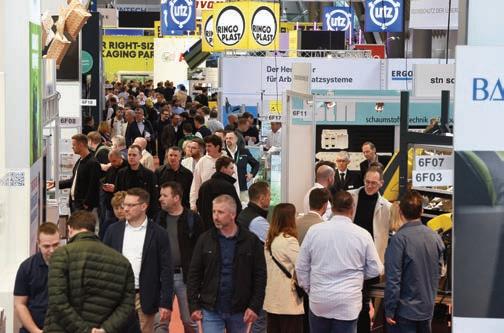
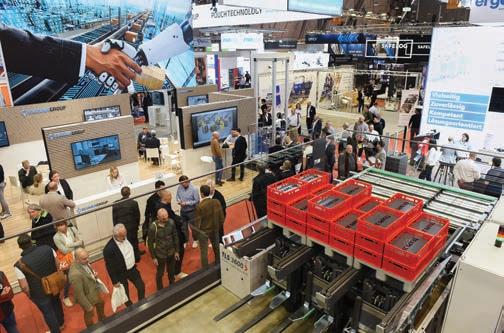
18. pre-EVENT_ Ετοιμαστείτε για την LOGISTICS EXPO 2026 & τα συνέδρια LOGI.C
22. FACE TO FACE_ με την Αφροδίτη Κουτσοπούλου, Vice President Supply Chain ΑΒ Βασιλόπουλος
26. COVER STORY_ Πόσο Data-Driven είναι οι αποθήκες σήμερα;
32. MARKET LOG in_ Robotic Solutions for the Supply Chain
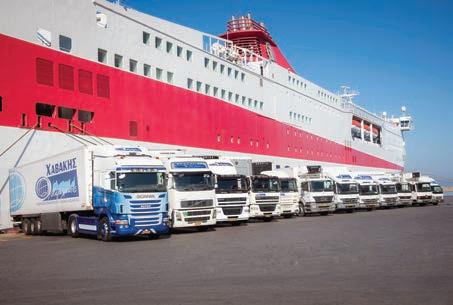
44. LOGISTICS FUNCTION_ Από την Harlas International Transport S.A.
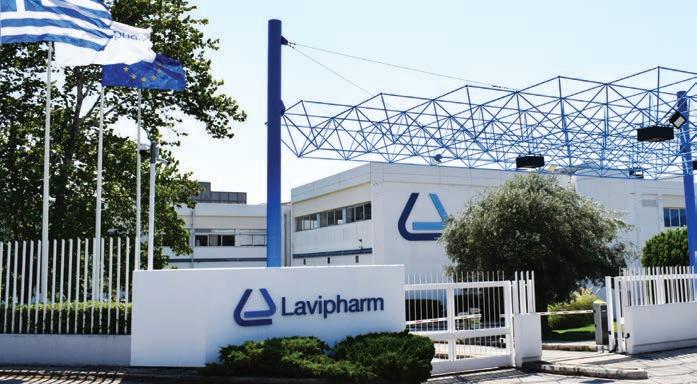
46. LOGISTICS FUNCTION_ Η Lavipharm επιλέγει
48. STRATEGIC THINKING_ Πόσοι
50. STRATEGIC THINKING_
54. HI-TECH_
56.
58. MEGA
62.
64.
68.
72. LOGISTICS
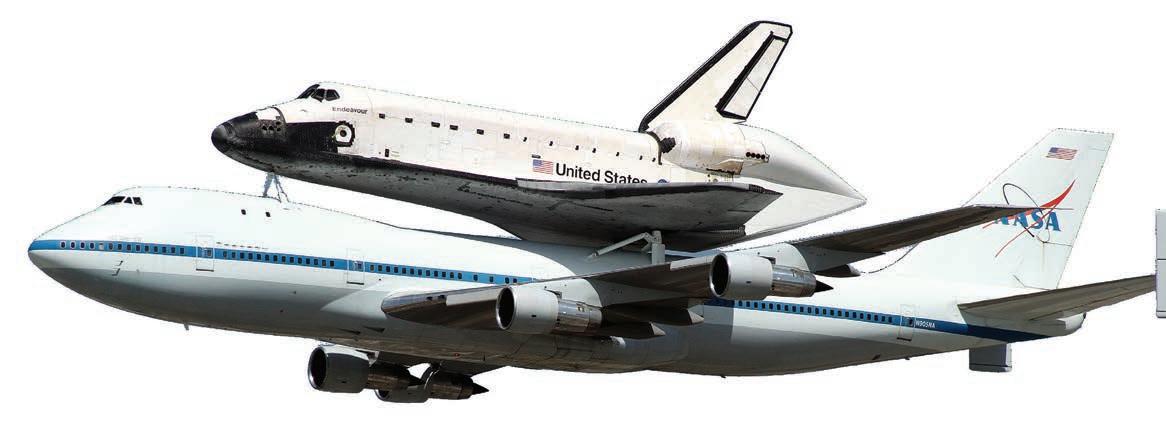
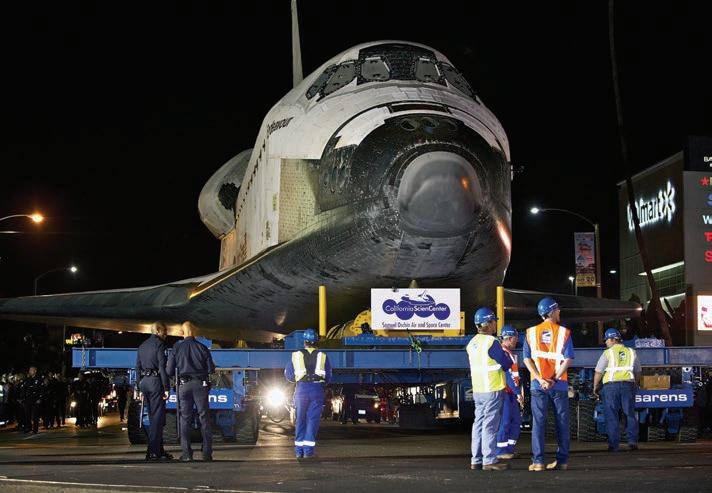
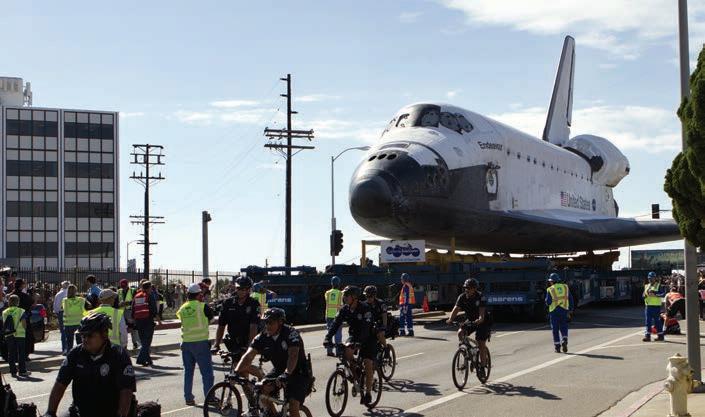
Endeavour
74. WAREHOUSE SOLUTIONS_
82. LOGISTICS IN PRACTICE_
84. NEWS IN ENGLISH_
www.supply-chain.gr

TRUCK & VAN
Project Managers Truck & Van
Art Director & Graphic Designer
Printing & Production Manager
Sales Support
Marketing & Communications Assistant
Digital Marketing Assistant
· km@forumsa.gr
· ekampa@forumsa.gr
Pressious Arvanitidis


O.S.K.


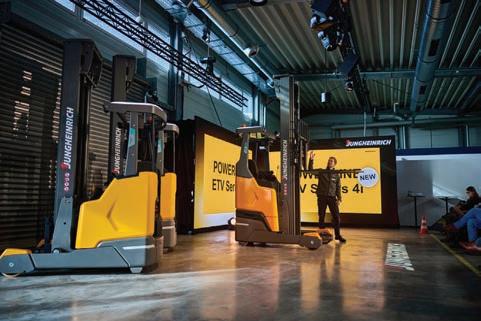
Jungheinrich
Πρόσφατα,
Hamburg Baakenhöft,
τα «Jungheinrich
2026»,
LOGISTICS EXPO
Managing the Supply Chain Networks

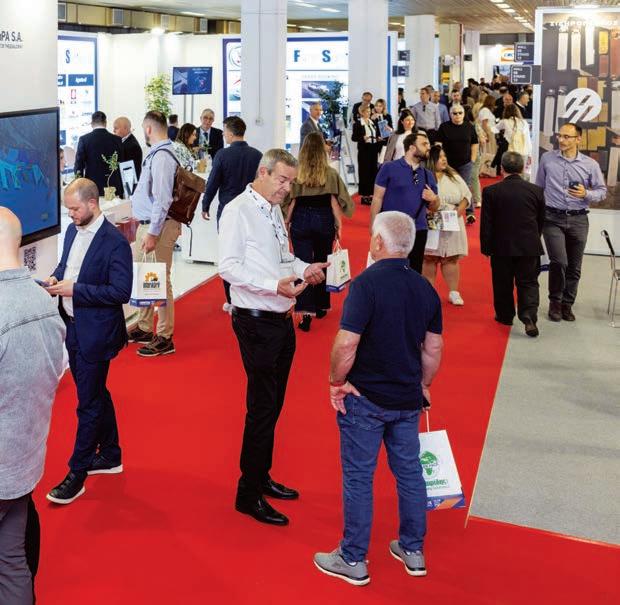
Η TRUCK & VAN EXPO
ΘΕΣΣΑΛΟΝΙΚΗ, μια εξειδικευμένη έκθεση

LOGI.C Conferences:
το Μέλλον της Εφοδιαστικής
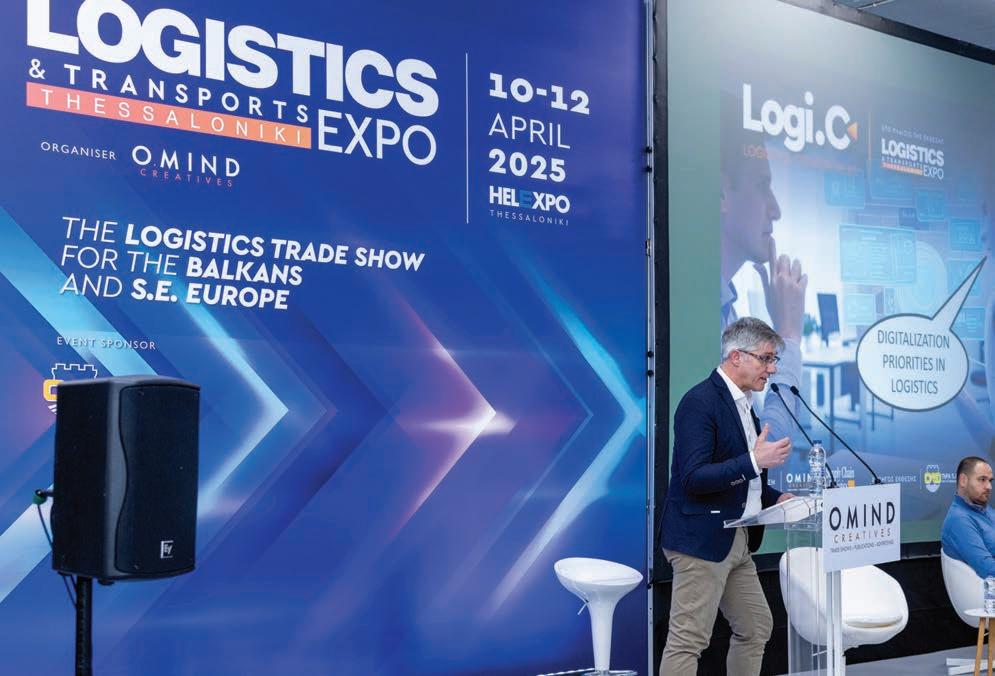
& Logistics (ΣΥΝΔΕΕ&L), o
TRUCK & VAN EVENT
MDF Congress
























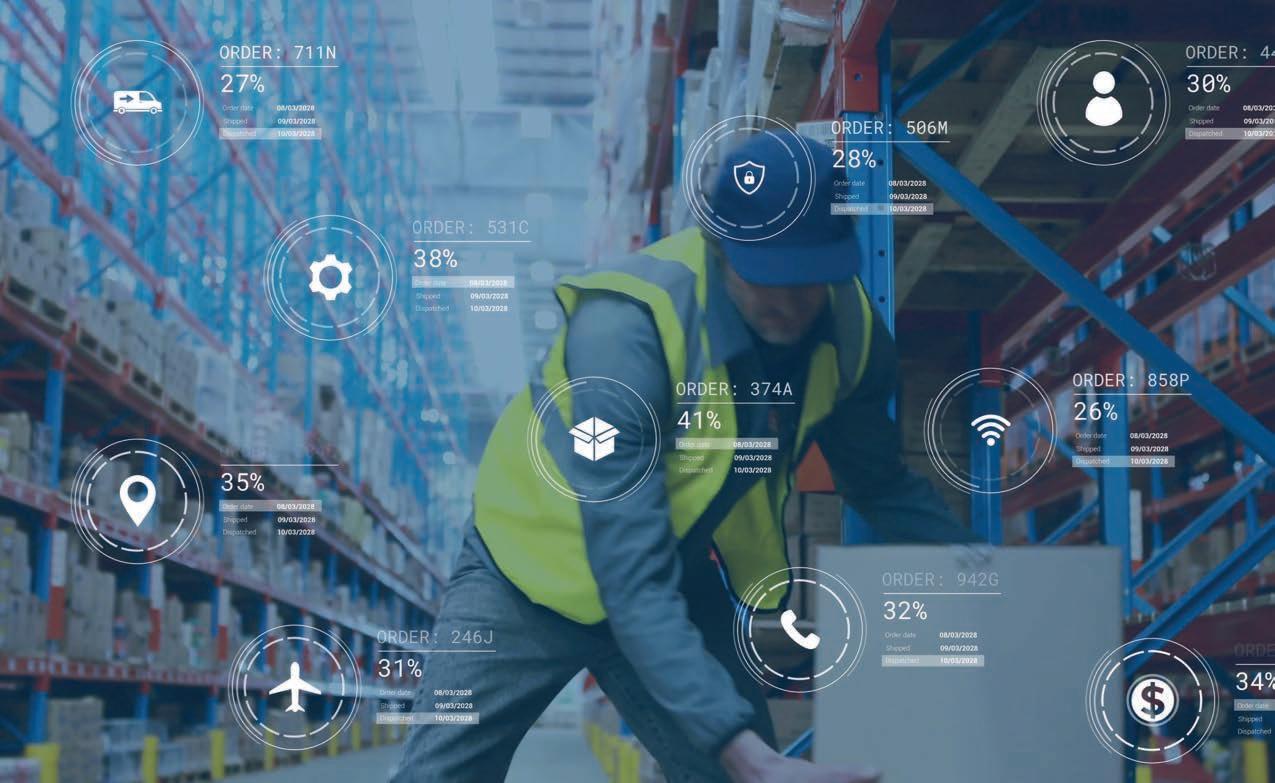
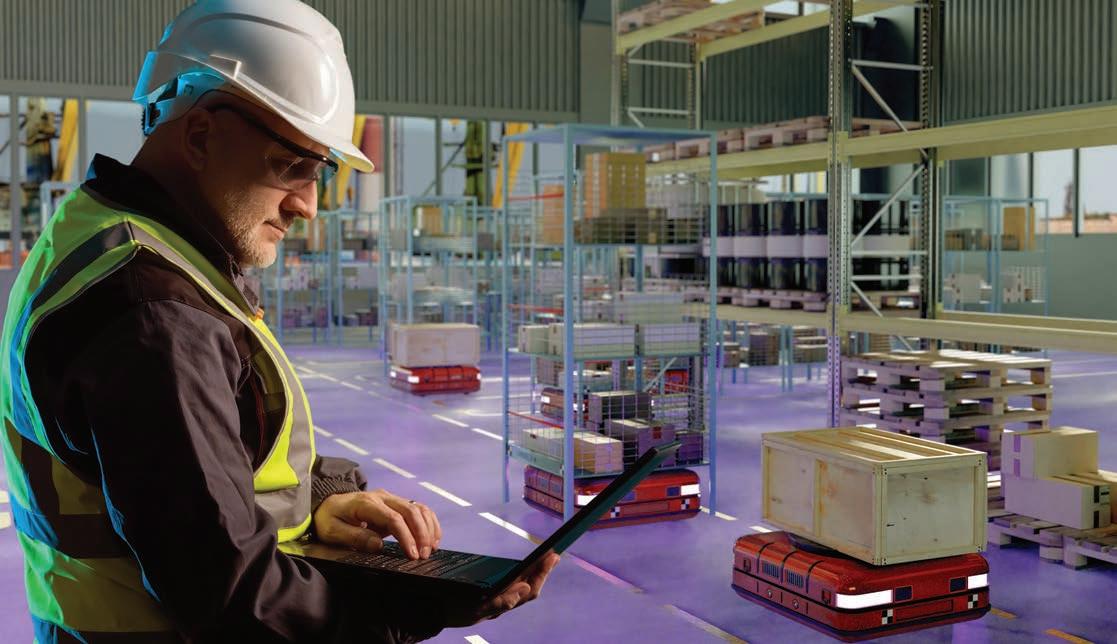

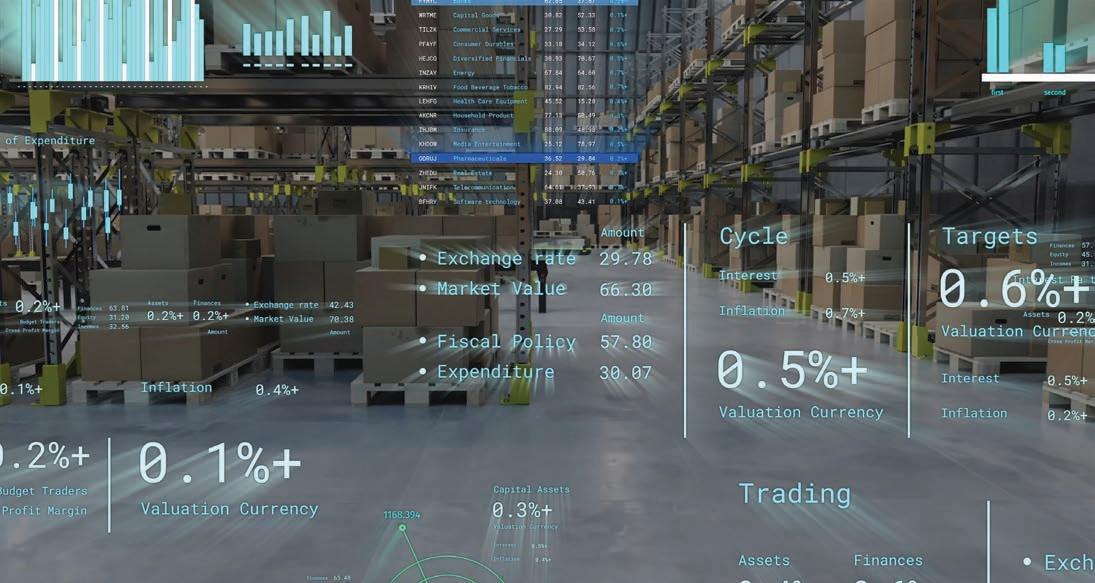

Transformation in the Warehouse




Fournarakis






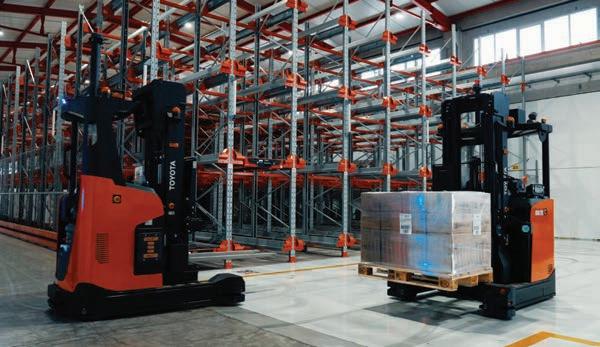
την αυτοματοποίηση ως ένα εξελικτικό ταξίδι και όχι ως μια
απότομη μετάβαση. Μέσα από ένα δομημένο step-by-step μοντέλο, οι επιχειρήσεις μπορούν να ενσωματώσουν λύσεις,

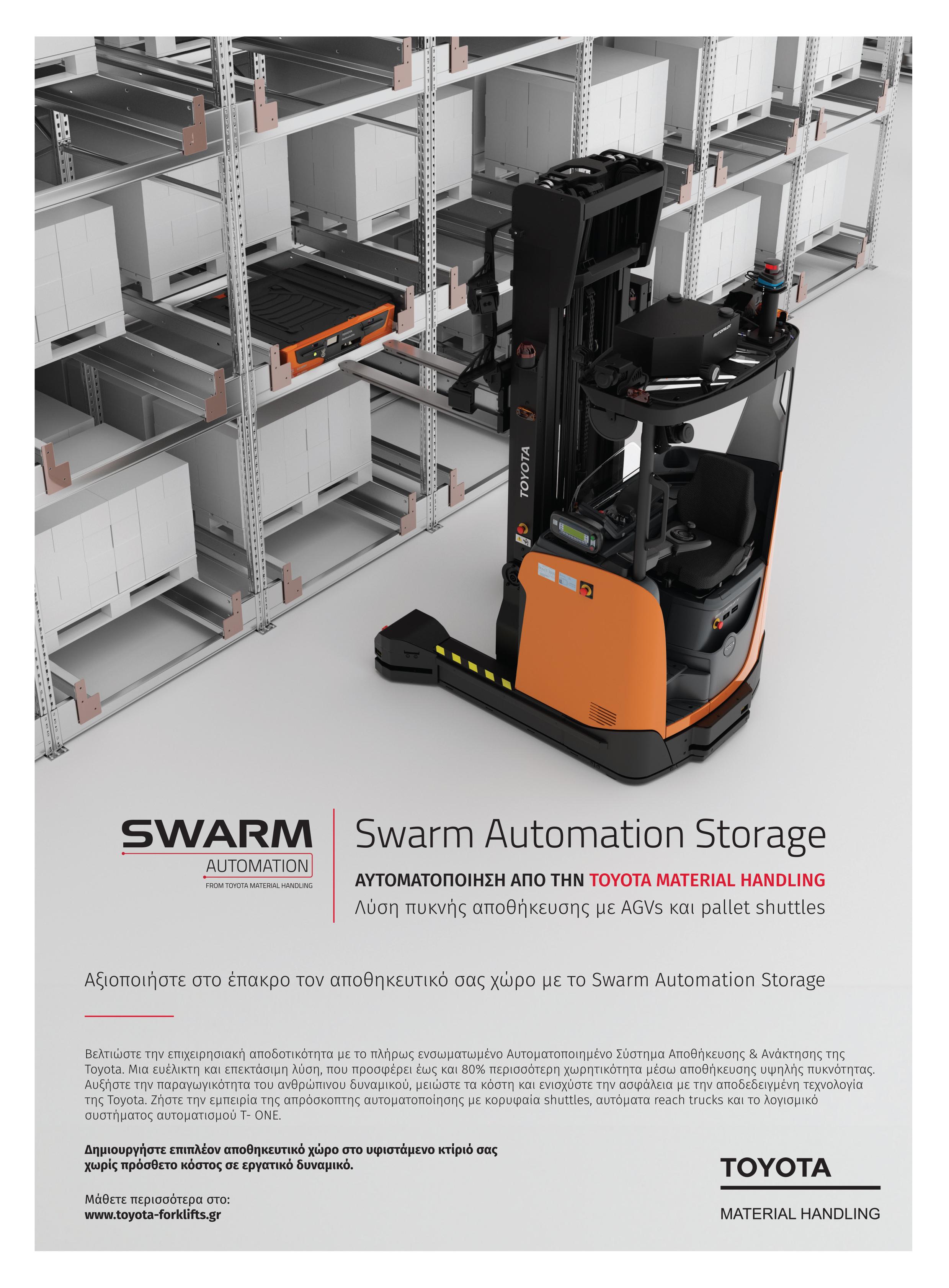
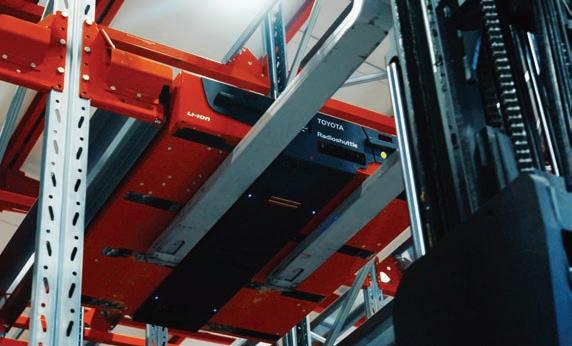
Το έργο ανέδειξε τη δύναμη ενός πλήρως διασυνδεδεμένου οικοσυστήματος, όπου AGVs, shuttle systems και WMS λειτουργούν ως ένα ενιαίο σύστημα, εξασφαλίζοντας πλήρη ιχνηλασιμότητα και συνεχή ροή υλικών. Όπως σημειώνει η κα Δήμητρα Στεργίου, Automation Sales Engineer Engineer της Toyota Material Handling Greece: «Λύσεις όπως το Swarm Automation φέρνουν

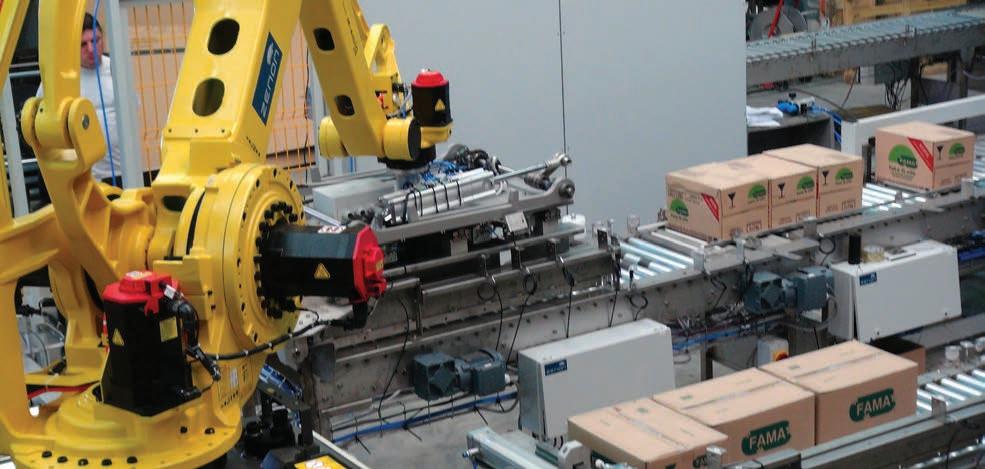
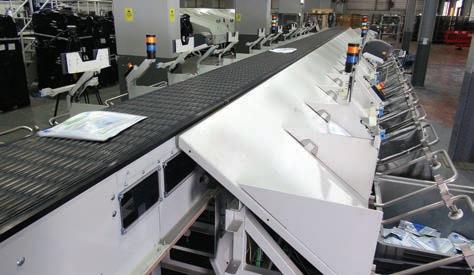
Selves & AGV-like robotics, Shuttles, Carousels, Mini-Loads, Sorters, Packing line systems, καθώς και Smart & Affordable Automations, όπως Voice Picking, Pick-to-Light, Put-Walls / Sort-to-Light, Smart Pick Carts, Smart Glasses, RFID, κ.λπ. Το LVS WCS αποτελεί
Mantis
integration
middleware,
(Warehouse Control System),



•
•
•
•
•
•
•
W: www.theodorougroup.com
E: marketing@theodorougroup.com

Supply Chain Orchestration

HARLAS INTERNATIONAL TRANSPORT S.A.
• On-Board Delivery:
• Global Network
(AI)
Γιατί Harlas;
(Green Logistics).








12.500
206.600.000










επίπεδο
• Ταχεία απόσβεση επενδύσεων: μέσος χρόνος
απόσβεσης 2-3 χρόνια • μετρήσιμα οφέλη: ακρίβεια
αποθεμάτων, αυξημένη παραγωγικότητα, λιγότερα λάθη, καλύτερη αξιοποίηση ανθρώπινου δυναμικού
• Ενίσχυση -και όχι αντικατάσταση- του ανθρώπινου
δυναμικού: 75% αύξηση παραγωγικότητας
και ικανοποίησης εργαζόμενων • 50% αύξηση
προσωπικού μετά την υιοθέτηση AI • δημιουργία νέων
εξειδικευμένων θέσεων εργασίας
• Κύριες προκλήσεις υλοποίησης: έλλειψη τεχνικής
εξειδίκευσης • ενσωμάτωση με υπάρχοντα συστήματα
• προβλήματα ποιότητας δεδομένων



ΕΘΝΙΚΕΣ


Edwards Air Force Base,


Logistic Systems Director της Jungheinrich.






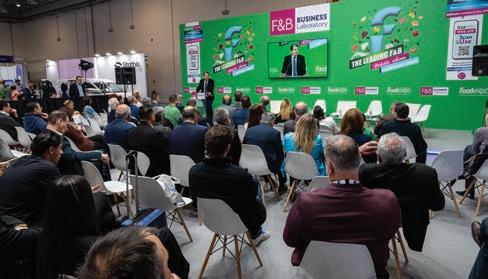
2 Stages: 70+ Speakers & Chefs


Credit
Bannking-AGM,
Department





























86. ARTICLE _ NAVIGATING THE FUTURE WITH AI: DIGITAL INNOVATION TAKES CENTRE STAGE IN ATHENS
88. ARTICLE INTERMODAL TRANSPORT REQUIRES PARTNERSHIP – CARGO CONFERENCE BELGRADE 2025 BROUGHT TOGETHER COMPANIES FROM 15 COUNTRIES
90. ARTICLE _ THE REALITY OF GREENING LOGISTICS
92. ARTICLE _ TOP 10 SUPPLY CHAIN AND LOGISTICS TECHNOLOGY TRENDS FOR 2026
95. ARTICLE_ EUROPORT 2025_ A ROARING SUCCESS WITHN INNOVATION AND COLLABORATION TAKIND CENTRE STAGE




Members of the Greek shipping community gathered at the One&Only Aesthesis resort in Glyfada last week for an event hosted by maritime technology pioneer Orca A titled Navigating the Future with AI – Digital Innovation for Real Gains and Smarter Fleets. The event explored how AI is already reshaping navigational safety, regulation and operational culture across the global fleet – with Greek operators now playing a leading role in its adoption.
Moderator Edwin Lampert set the tone early, emphasising that the evening was not about distant possibilities but about “tangible results being realised today – safer navigation, sharper decision-making and measurable fleet performance”.
EVENT HIGHLIGHT:
SEA TRADERS LOGS DRAMATIC NAVIGATIONAL SAFETY. GAINS USING ORCA AI’S OPERATIONAL PLATFORM
Ioannou Procopiou-led dry-bulk operator Sea Traders and ship-management company Prominence Maritime together control 16 bulkers and employ around 350 seafarers. Their partnership between Orca AI kicked off in late 2024, with five vessels now equipped Orca AI’s AI-powered operational platform.
Significant safety improvements became clearly evident within only a few months.
Capt Nestoras Grigoropoulos, HSSQE Department Manager and DPA) at Sea Traders, explained that by September 2025, the company recorded not only the 64% reduction in close-encounter events in open waters across the Orca-equipped vessels, but also a 15% increase in average minimum distance
In specific regions such as the environmentally sensitive but busy Coral Sea corridor in Australia, the company saw a 60% reduction in close encounters and a 35% increase in minimum distance
As Capt Grigoropoulos pointed out, significantly fewer nearmisses equates to a much-reduced risk of collisions.
The results were even more striking for the Galio, where closeencounter events in congested waters has fallen by 83% and the vessel’s average minimum distance increased by 45%
Capt Grigoropoulos said these figures show clearly how the Orca AI system helps their crews make earlier, better decisions – and when officers know that a well-trained tool is watching alongside them, they become more confident. Confidence builds competence, and competence builds safety, he added.
The strongest endorsement, he said, comes from professionals on board, with crews actively requesting that more vessels be equipped with the system.
Sea Traders integrates Orca AI’s data directly into its safety management processes. Each month, the company analyses the AI reports and circulates tailored performance summaries to every ship – highlighting strengths as well as opportunities for improvement.
The company also uses these insights to create a spirit of friendly competition among its captains. If another master achieves a higher safety score one month, the others want to outperform him next month – which is a great way to drive positive engagement.
Panos Kourkountis, Sea Traders’ Technical Director, said that adopting AI is as much about mindset as metrics. He explained that when testing new technologies, it is necessary to convince three audiences — the crew, the office and finally management. He noted that with a solution that saves fuel, the benefit is easy to quantify, but with something that reduces risk, it is harder; the people using it need to believe it genuinely makes their work safer and easier. He added that such belief comes only through experience.
In terms of cost considerations, Kourkountis stressed that safety investments must be viewed through the lens of avoided losses. Every dollar spent on prevention is money saved on recovery, he added.
Sea Traders and Orca AI continue to deepen their collaboration through regular quarterly business reviews and data-driven benchmarking across the fleet. The next phase will focus on voyage-planning optimisation and tighter integration between operational data and navigational analytics.
Capt Grigoropoulos concluded by saying that for Sea Traders, enhancing navigational safety means fewer incidents, more efficient operations and, in the long term, a strong return on investment.
The programme opened with a presentation by Vassilios Dimoulas, Technology and Innovation Director for East Europe at Bureau Veritas (BV), who outlined the class society’s structured approach to digital transformation. He described how BV’s “smart shipping” framework builds step by step – from computer-based and connected ships, to augmented and ultimately autonomous vessels.
Dimoulas explained that the drive toward digitalisation is underpinned by three key forces: the need for proactive safety management, growing regulatory demands for performance and emissions data, and the rapid evolution of technology itself. Yet, he noted, the transition is far from simple. “Shipping is a traditional industry,” he said, “and the management of change is one of our greatest challenges.”
To guide that change, BV has developed its own class notations and
guidelines for machine learning and data quality, ensuring that early adopters can move ahead safely even while international regulation lags behind. The biggest challenge, he added, remains defining the precise boundary “between human and machine responsibility” – a central theme in the IMO’s forthcoming MASS Code on autonomous ships, which BV is helping to shape.
Closing the speaker line-up, Yarden Gross, CEO and co-founder of Orca AI, tied the evening’s insights together with a clear message: AI is already transforming the maritime world, and it is here to support seafarers, not displace them.
Gross highlighted how connectivity between ships and the cloud has enabled real-time data exchange, allowing AI to enhance situational awareness, reduce workload and assist decision-making. He also pointed to ongoing projects such as Orca’s collaboration with NYK in Japan, where the Japanese line’s newbuilt car carriers will soon operate with autonomous navigation capabilities under human supervision.
“The crew remains central,” he said. “AI acts as a co-pilot – empowering them to perform at their best while reducing fatigue and risk.”
Gross also addressed the regulatory gap that continues to widen between technological capability and formal governance. “Technology will always move faster than regulation,” he said, urging industry stakeholders to define practical standards rather than wait for official mandates.
Panelist Panagiotis Drossos, Managing Director of Capital Ship Management, brought a complementary perspective on the human side of AI adoption. He described how his company introduced similar navigational systems and initially faced scepticism from crews, who feared being monitored. “Once they understood the system wasn’t there to police them but to support them, everything changed,” he said.
The company’s first results even showed an increase in reported nearmisses, which Drossos saw as positive. “It revealed what was already happening but not being captured. The key was to create a culture of learning rather than blame.”
For Drossos, the long-term value of AI lies in improved awareness and shared understanding between ship and shore. “Systems that improve judgement are here to stay,” he said. “Those that distract will go.”
The event concluded with a consensus that AI in shipping has moved beyond experimental trials and into operational reality. Greek owners and managers are now among those proving its value through disciplined adoption and real-world feedback.
Rather than waiting for a perfect regulatory framework, the participants demonstrated a pragmatic approach – building capability, trust and datadriven understanding that will help shape future standards.
The message from Athens was clear: maritime AI is no longer an abstract promise. It is a working part of bridge practice today – and companies willing to engage with it are already seeing the rewards.
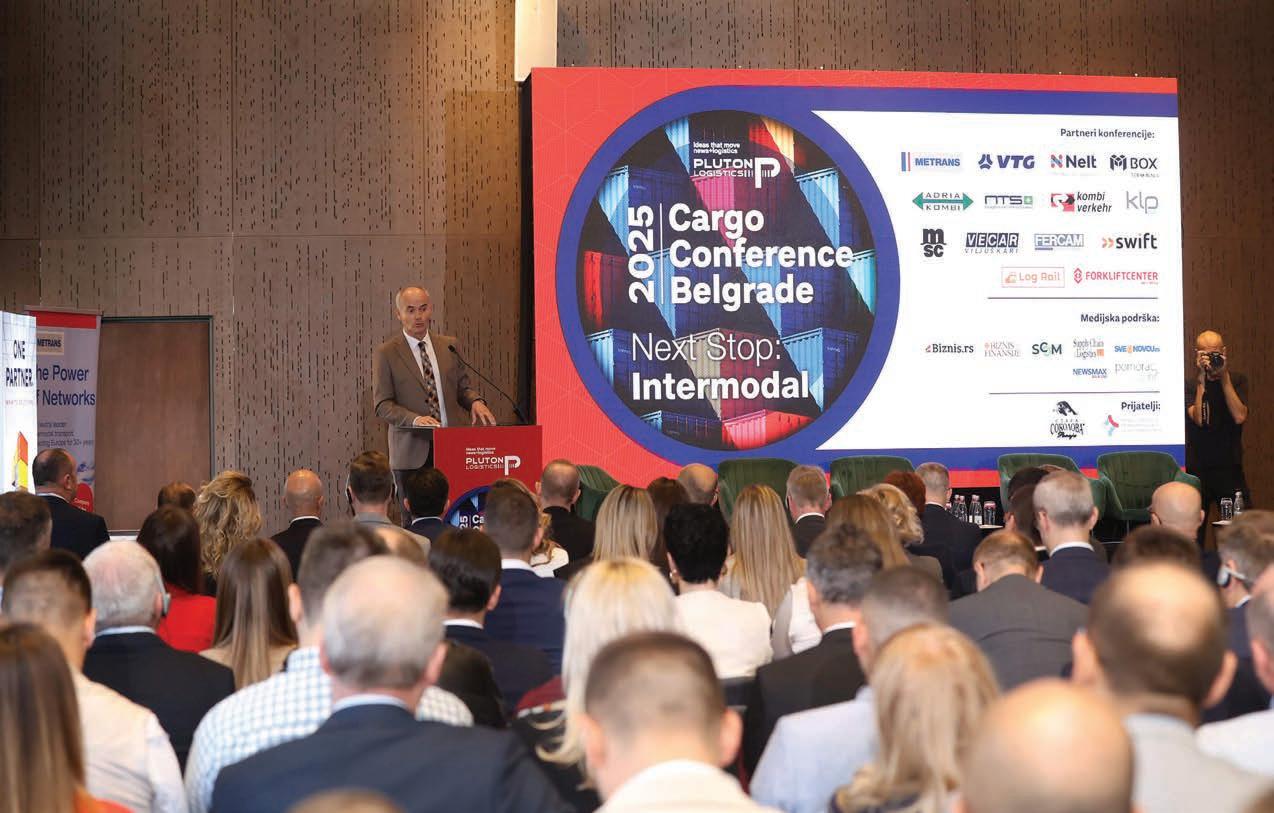
ooperation is the key to developing intermodal transport: between countries in the region, between road and rail, the state and the economy, and between science and the real sector. This was the main conclusion of the second edition of the now traditional event Cargo Conference Belgrade – “Next Stop: Intermodal.”
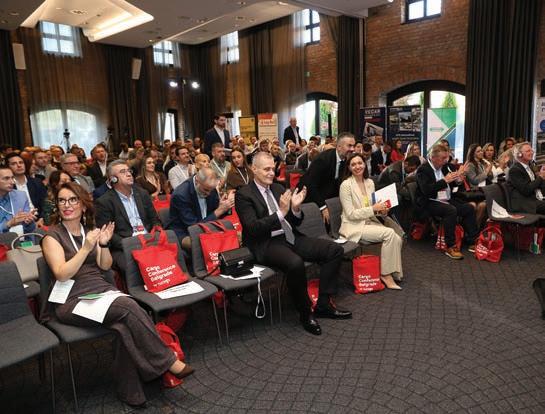
In the large hall of the Radisson Collection Old Mill Hotel in Belgrade, on Thursday, October 30, there was not a single empty seat. More than 200 participants from Serbia, the region, and across Europe – from the Netherlands to Turkey – gathered with a clear goal to discuss the future of intermodal transport, its importance for freight flows, the major investments driving Serbia’s market, and the complex challenges that accompany it.
The conference was officially opened by Ljupka Siljanoska, Deputy Director of the Transport Community, who emphasized
that intermodal transport is not just about infrastructure, but that it is a bridge to a connected, sustainable, and competitive Western Balkans. She stated that intermodality symbolizes connectivity, cooperation, and sustainability and is a key driver of greener and more competitive regional mobility.
• The 2024 Intermodality Study highlights the underuse of river ports, a lack of investment, and the dominance of road transport, which causes congestion and an imbalanced distribution across transport modes. Achieving the goals of the TEN-T network and the Green Deal requires building new multimodal terminals and modernizing railway infrastructure to link industrial and urban zones with main corridors - Siljanoska underlined.
• Serbia, as a regional hub, is confirming success through the intermodal terminal in Batajnica, showing that smart investments bring tangible results.
In his opening address, Professor Milorad Kilibarda, Dean of the Faculty of Transport and Traffic Engineering in Belgrade, pointed out three key prerequisites for the development of intermodal transport in Serbia: efficient railway operations, a national terminal network project, and an appropriate program of state subsidies or incentives. In a realistic reflection, noting that “the same problems have been discussed for 30 years,” Kilibarda expressed concern that none of these prerequisites have yet been met. However, he also recognized positive signs in the market – the entry of private railway operators who now hold over 55% of the market share, the experience and networks of international companies active in Serbia, and growing private investments in terminals
One of the major questions raised at Cargo Conference Belgrade 2025 was whether the Western Balkans can become a new axis of European logistics and gain greater relevance in global logistics flows.
Stevica Carapic, Managing Director of MSC for Serbia, Montenegro, and North Macedonia, and a panelist in “Global Connectivity, Regional Significance,” noted that his company views the region very positively.
• It is very important for us to see intermodal transport developing. What encourages us are the massive infrastructure investments across the countries of the Western Balkans, even though they often mean delays and organizational challenges for us.
Given that institutional support is essential for progress, participants also found great value in the presentation by Natasa Mirkovic, Deputy Director of the Customs Administration, on the third panel “Infrastructure, Innovation, and Connectivity.” Mirkovic reviewed the Customs Administration’s intermodal-related initiatives during last year and announced new automation and digitalization projects that will affect the entire transport industry.
• Our activities in this segment have primarily focused on opening two major terminals – the intermodal terminal in Batajnica, which we made operational by assigning customs officers and launching full customs procedures, not only in transit and supervision but also clearance. Additionally, the opening of the MBOX terminal in Nis last year was a major milestone. We linked that terminal with the Nis Railway Station Customs Office and began conducting all customs procedures there as well - Mirkovic said.
Emphasizing that the Customs Administration’s main role is to serve the economy, she added that support was also provided in the area of rail freight delivery deadlines:
• The current timeframes compared to Europe range from a minimum of 14 to a maximum of 28 days. However, for national
rail transit, we managed to reduce the minimum timeframe within customs procedures to 10 days.
Cargo Conference Belgrade 2025 was organized with the support of sponsoring companies: METRANS, VTG, Adria Kombi, Nelt Group, MBOX Terminals, MSC, FERCAM, Vecar Viljuskari, Kombiverkehr, KLP, Foxit, Forkliftcenter, NTS, and LOG Rail Media partners included Newsmax Balkans, Biznis.rs, Sve o novcu, scm.hr, supply-chain.gr, Pomorac.hr, and Biznis & finansije, while industry partners included the Serbian Supply Chain Professionals’ Association and the Employee Wellbeing Program. Stara Sokolova provided support for the social segment of the event.
The organizer of Cargo Conference Belgrade is the specialized media platform PlutonLogistics (part of Pluton Media), which connects professionals in transport, logistics, supply chain, and trade. PlutonLogistics has created numerous innovative media projects and has received multiple domestic and international awards.
As Editor-in-Chief Marija Kambic emphasized, niche media like PlutonLogistics play not only an informative role but also a vital one in supporting the industry and building community.
• We’ve been doing this for 12 years now, and the Cargo Conference Belgrade format, which we launched in 2024, is especially important to us: it is a professional, international conference that brings together only relevant participants and addresses concrete topics using our long-standing expertise. The fact that we gathered 90 companies from 15 countries here in Belgrade today proves that CCB has become an essential meeting point for the transport community in just two years.

Sustainability is desirable for buyers and sellers of logistics services, but customer ambitions remain stubbornly sensitive to cost, according to a recent panel of The Heavy Lift Group experts.
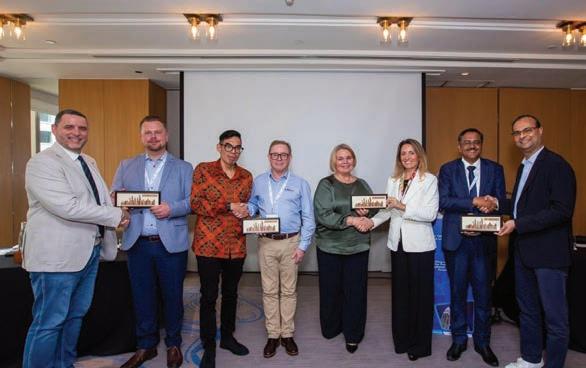
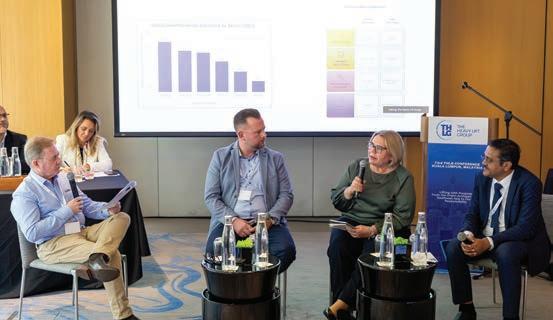
At the 73rd THLG International Conference in Kuala Lumpur, Malaysia, leaders from across the logistics sector gathered for a candid discussion on the realities of driving sustainability in the global transport industry.
Moderated by Darren Bennet, General Manager at AAW Project Logistics, the panel brought together Erik Malmberg, Traffic Director at Begoma, Marianne Blechingberg, Managing
Director of Hacklin Logistics, and Nilesh Sinha, Director of Procam Logistics.
While all three speakers agreed that the industry is under growing pressure to decarbonise, they also found common ground in identifying additional costs as a limiting factor, with customers insistent on full transparency.
Malmberg emphasised the growing importance of reliable data; the data Begoma provides to customers provides the type
of transparency that allows customers themselves to decide on sustainability, he said.
“We stay close to customers, suppliers and partners, offering alternative solutions so customers can choose what the best option is. There is always a difference in cost, of course, and that’s our main barrier to becoming greener within Europe. When we offer green solutions or greener solutions, it always comes back to the cost. And often, the cheaper solution is still chosen.”
Blechingberg highlighted how the sustainability challenge is as operational as it is financial. When customers began requesting Scope 2 calculations (which measure indirect greenhouse gas emissions from purchasing electricity, steam, heat or cooling) Hacklin invested in software which allows them to compare real emission costs to the initial offer.
“Transparency is becoming increasingly important; many of our key customers are assessing us on a regular basis or auditing us. So, it’s not only about providing the data; they are also really checking that we are working according to what we have promised and that all of the ESG parameters are followed.”
Malmberg underscored how pressure from general society continued to move the dial towards greener solutions. “We are all required to do something; we know what’s happening with the climate and with the globe, so we all need to do something.
“One thing we are doing is switching to intermodal solutions. We increase the transit times of the shipments, but we decrease the carbon footprint. Of course, we do this with our customers. Often, they resist in the beginning, but later on when they see it works and when we speak to their customers, they see it can be done quite easily and at a lower cost.”
The challenges customers face in funding sustainability represented a recurrent theme in discussions. Even where RFQs include sustainability as a key requirement, speakers acknowledged that decisions would ultimately be driven by
cost. “Actions taken to enhance sustainability therefore need to be chargeable as a service which does not have a cost impact on the bottom line,” said Blechingberg.
Sinha, of Procam, said discussions on sustainable transport should be viewed in the context of “the irony that… America has withdrawn from climate change commitment while Europe has diluted it”, with investor commitment to green goals also flagging.
In the context of global manufacturing and asset ownership, logistics providers also needed to remain realistic on their level of influence on planetary sustainability, added Sinha.
Nevertheless, the power of accumulated of individual efforts should not be underestimated. “The planet has a limited natural capacity (approx. 20gigaton) to absorb carbon each year, so everything we release into the environment adds to the cumulative burden,” he said. In India, road transport is one of the most significant and fastest-growing sources of emissions, contributing around 12–14% of total CO2 emissions and nearly 80% of transportrelated emissions.
“When you look at the bigger picture, you realise how small contributions can help. We looked at this logically as an organisation. So to optimise decarbonisation, we switched to India’s BS-6 vehicle standards, which has cut sulphur emissions from 30ppm to 5ppm, for example.”
The creation of a green corridor between Singapore and Rotterdam, port automation in Japan and India’s national logistics plan to control carbon emissions provided inspiring, practical examples of what could be achieved, added Sinha.
As a general proviso, he suggested that unless sustainability is considered as a KPI during the evaluation process, there is no incentive for companies to change. “Sustainability is currently on the liability side of the balance sheet. We need to convert this to an asset so it is on the investment side,” he concluded.
• By TRANSMETRICS TEAM

In the ever-evolving realm of technology, few sectors feel the impact as profoundly as logistics and supply chain management. With its abundance of manual processes and diverse data sources ripe for extracting insights, this industry stands to gain immensely from innovation and pioneering trends in Supply Chain and Logistics technology.
Roecent years have ushered the logistics industry into a new era of innovation, driven by artificial intelligence, advanced analytics, and automation. Startups, introducing their trailblazing solutions, add to this momentum. However, these advancements bring not only opportunities but also heightened expectations. As both individuals and businesses demand faster, more costeffective deliveries, logistics companies find themselves at a crossroadsadapt or fade away. This tug-of-war between technology and consumer preferences shapes the exciting future of logistics.
From advanced data analytics to digital twins to AI in Trucking, we have identified the 10 important logistics technologies and trends that will redraw the sector:
Artificial intelligence (AI) has led to significant advances in various industries, including logistics, where its impact has been much more visible over the past years. The McKinsey report predicted that AI will be one of the most important logistics technologies reshaping the sector by 2030, outperforming humans in important but repetitive tasks, especially during the ongoing trade and logistics challenges
Integrating AI into logistics provides several important benefits:
• It optimizes your data through natural language processing (NLP) and machine learning (ML), efficiently handling large databases and increasing operational accuracy across multiple environments.
• AI-powered analytics surpasses manual analytics by leveraging computation power to take into account all the relevant data in the
organization. This empowers logistics efficiency and reduces uncertainty while improving the working conditions of logistics professionals and keeping the costs at bay
• The role of AI in demand forecasting is extremely important considering the e-commerce boom and ever-increasing amount of shipments transported through the logistics networks. AI taps into historical data, combines it with external factors such as holidays, and identifies past trends to forecast future demand, enabling optimal asset management, proactive capacity purchasing, and improved service levels.
• Many new vehicles and robots leverage AI to improve the speed and working conditions of humans on the road and in the warehouse.
• AI can empower strategic decision-making and simulate scenarios if implemented alongside the digital twin. This reduces risk, creates agility, and creates a reliable tool to experiment with your network and realize its full potential.
AI in logistics is reshaping the industry by enriching data, enhancing analytics, transforming forecasts, improving working conditions, and empowering tactical and strategic decision-making processes via powerful scenario planning. However, one should not forget, that with all the recent AI hype come a lot of misconceptions about the capabilities of the technology.
AI is also making advanced computing power accessible to trucking companies of all sizes, not just large enterprises. In 2025 and 2026, truckers face critical challenges, including economic fluctuations, fuel inefficiencies,

driver shortages, and an unpredictable spot market.
AI addresses these by utilizing continuous vehicle, driver, and order data from, you guessed it, Telematics, TMS, fuel cards, toll systems, and even freight exchanges such as Timocom, Trans.eu, etc. By understanding the context of the real-time data as well as the historical order data, AIpowered systems can offer unprecedented decision support for the trucking teams, allowing them to prioritize profitable loads, improve pertruck revenue, and avoid costly mistakes.
Here are some other key AI applications in trucking:
• Computer Vision & Driver Coaching - Cameras paired with AI algorithms provide real-time feedback on driver behavior to prevent accidents and improve fuel efficiency;
• Predictive Analytics - Machine learning forecasts maintenance needs, fuel consumption patterns, and spot rates using vehicle telematics, GPS data, and historical records;
• Dynamic Route Optimization - AI-powered dispatching tools automatically assign optimal routes considering real-time traffic, weather, driver availability, and load specifications;
• Scenario Planning & Digital Twins - Virtual simulations help logistics planners test different strategies and network configurations before implementation;
• Generative AI for Administration - Large language models automate quote generation, contract drafting, and invoice processing, freeing planners to focus on strategic decisions.
To successfully implement AI in trucking operations, companies should identify pain points (such as fuel costs and delivery delays), match them to specific AI solutions, develop a data collection strategy, and gradually integrate changes with team transparency and training.
Another logistics technology to follow is scenario planning which can prove to be a vital tool in managing uncertainties in the supply chain. It employs digital twin technology to simulate processes, anticipate issues, and propose solutions. For example, climate change-related disruptions affecting the shipping of goods, such as the draught in the Panama Canal, can be navigated through scenario planning. The technology can simulate the effect of such events on the transport networks by analyzing historical data, and propose alternative routes or transport modes to avoid disruptions. Another example is DB Schenker Bulgaria which used AI-powered simulations to measure the efficiency and resilience of numerous network setups’. By comparing these, the company identified the best possible way to adjust the network infrastructure and the most optimal linehaul plan. This technology can also prepare organizations to experiment with the effect of different scenarios such as Black Friday peaks, hub addition/ removal, route planning, and service level adjustment.
However, a major prerequisite for establishing a reliable scenario simulation is having centralized data management that represents an accurate single version of the truth for understanding past events and using this data to power up simulations.
Data is the most important asset of any organization in the 21st century and the way you manage and control should be a priority for your logistics business. Data stored in different silos and across many disconnected TMS/ ERP systems is fragmented and does not represent a single version of the truth. In a complex logistics environment, it becomes impossible to make informed and data-driven decisions without having access to full visibility across your operations.
Leveraging data lakes and data warehouses to centralize your data is a straightforward way of getting it under control since it can eliminate the silos, future-proof your business for scalability, and build a foundation for advanced analytics tools.
Data lakes swiftly store vast volumes of unstructured data, a goldmine for data scientists, though proper governance is paramount to avoid chaos. On the other hand, data warehouses are a better fit for organized data, that can support many operational activities such as inventory management, but adapting them could be intricate and costly. Both solutions eliminate data silos, catering to diverse units.
However, it is important to assess the current state of your business as well as the resources that you can spend on centralizing the data management. One thing is clear – if your organization wants to move forward with logistics technology implementations, a strategic approach towards data management and data quality is essential.
Establishing centralized data management and defining how you store it should go hand in hand with stronger governance over the quality of your logistics data.
Errors such as retired employees listed as delivery contacts or inaccuracies in destination zip codes can lead to order delays and substantial financial losses for logistics service providers. Data cleansing, involving data quality correction, is pivotal in minimizing such discrepancies. In the current digital era it is crucial to avoid the “garbage in – garbage out” principle, especially when it comes to companies that want to follow datadriven conclusions. Here are some areas where your organization can focus on to improve your data:
• Ensure that your data follows a consistent and standardized format.
• Remove data duplication caused by multiple data sources or similar issues.
• Address common syntax problems like data errors.
• Leverage historical data and enrichment algorithms to fill in the gaps.
By fostering accurate and reliable data, logistics organizations can streamline their data analytics, and leverage it for precise demand forecasting and operational optimization algorithms.
Reliable big data data analytics is now crucial in logistics operations due to rising demands for efficiency. By leveraging centralized and clean data, logistics service providers can uncover hidden bottlenecks.
With access to detailed historical reporting on operational performance, organizations can detect trends and target inefficiencies on local, regional, and even global levels. Leveraging real-time analytics powered by Telematics
and IoT can uncover another layer of operational excellence. On top of that, companies can set the right KPIs and measurements to handle volumes more effectively, leading to better growth and long-term success.
To implement it, companies can hire digital officers or work with logistics technology providers who have proven experience in working with sector-specific data. Given the amounts of data that companies have and an overall demand for efficient logistics, implementing analytics is no longer optional, but essential for survival in the competitive market. Going a step further and focusing on predictive analytics can enhance supply chain visibility, improve forecasting, optimize planning, and manage unexpected conditions.
Predicting the future is impossible. However, predicting future capacity demand in logistics is something that is already a reality. Implementing tailored forecasting models can improve safety stock management, increase fleet utilization, optimize operations to reduce costs, and enhance employee efficiency.
Short-range demand forecasts, which predict demand a few days or weeks ahead, have a significant impact on operational planning and cost reduction, particularly for companies with low profit margins. To achieve effective fleet repositioning, selling surplus logistics assets, and dynamic pricing strategies, logistics companies should combine demand forecasting with augmented intelligence tools, creating a “human-in-theloop AI” approach that combines AI recommendations with human decision-making.
customer service, and staying competitive. This involves designing a network with strategically located facilities to minimize transportation costs and transit times. Meanwhile, short-term planning involves breaking down long-term objectives into actionable priorities, utilizing logistics technologies like real-time data analytics and AI-powered forecasting to address bottlenecks and optimize resource allocation on the fly. Through this blend of foresight and adaptability, logistics optimization becomes a cornerstone for efficient operations and superior customer satisfaction.
Optimizing logistics processes while simultaneously providing clients with high-quality service is not an easy feat. There are too many variables to consider for a human brain when planning for optimal shipping/delivery. Manual planning processes, especially with multiple transportation legs and unpredictable demand, prove time-intensive.

Focusing on logistics optimization is critical for exceeding customer expectations and ensuring smooth operations within logistics networks. It’s not just about avoiding problems – it’s about carefully refining strategies to build a network that can handle the challenges and fluctuations of modern business.
However, logistics optimization could be extremely challenging as it includes many important variables to consider – inventory management, warehousing, transportation, and distribution, adding a layer of complexity to calculate the optimal way of operating the network.
Logistics planners must adopt a dual approach of long-term vision and short-term agility to plan optimally. Long-term planning should focus on adapting to market dynamics, reducing operational costs, enhancing
To address these hurdles, leveraging AI and smart scheduling offers a solution for optimizing fleet management. Logistics automation platforms integrate diverse data sources to devise efficient routing plans and reduce delays. That can save time for the logistics professionals to focus on what matters – providing an exceptional quality of service. However, to leverage automation to the fullest, business leaders must closely monitor the innovation curve and upskill their workforce to stay competitive.
The best benefits lie in the synergy between humans and technologythose who embrace the available tools alongside investing in training their workforce will succeed in transforming their business to be as efficient as possible.
The doo news is that Logistics efficiency and sustainability are closely intertwined. Elevating one inherently boosts the other. Sustainability initiatives are transforming the logistics industry, introducing eco-friendly strategies that reduce environmental impact. Central to this shift is the savvy use of logistics technology, which streamlines route planning, minimizes empty kilometers, and drives increased utilization.
2025 represents a crucial moment for sustainability in the sector, driven by pressing environmental concerns, notably in Europe where transport-related greenhouse gas emissions account for over 27% of the carbon footprint. With ambitious climate targets set for 2040, the Transport and Logistics sector is under pressure to prioritize sustainability.
Fortunately, logistics technology and alternative fuel vehicles are leading the way towards a future where logistics operations are more environmentally friendly and efficient.


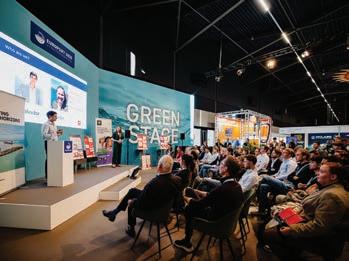
The maritime community came together at Europort 2025, Rotterdam this week to focus minds on the ideas, innovation, and international collaboration needed by an industry that is simultaneously challenged by accelerating energy transition and digitalisation, financial uncertainty and the test of attracting next generation talent.
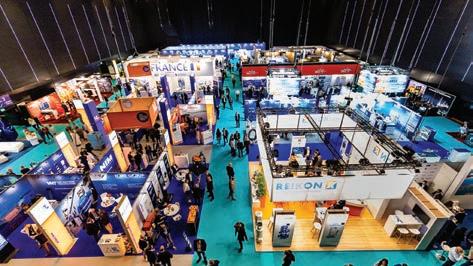
The successful 42nd edition of Europort concluded following four intense days of conferences, networking, award ceremonies and high-powered panel discussions that assessed how global forces are reshaping the industry and creating new opportunities. Welcoming over 23,000 visitors from 87 countries, the sold-out exhibition featured 1,100 exhibitors and 13 national pavilions.
Europort officially opened on Tuesday 4 November during an energetic Opening Summit that drew parallels between the turbulent 1920s and today, encouraging industry to find creative ways to navigate the challenges of our age. In an inspiring keynote, Marja van Bijsterveldt, Special Envoy for the Dutch Maritime Industry highlighted the power of reinvention, as part of a session which set the tone for the collaboration and innovation that would take centre stage in the week ahead.
In one example, Damen introduced its latest innovation in cargo vessel design – the Combi Freighter CF-5000 ICE: a new, scalable series of ice-class ships. In another, the world’s first ‘Circular Route’ proved a popular addition to proceedings. Featuring 15 maritime companies, the route showcased real-world examples of circularity and its role in promoting sustainable growth.
“Circularity isn’t just good for the planet,” said Marjolein Boer, Founder of the Maritime Sisters and co-organiser of the Circular Route. “It increases our strategic autonomy and creates commercial advantages. By reducing reliance on scarce materials, we lower costs, unlock new business models, and future-proof our industry.”
Sustainability and energy transition remained high on the agenda, despite the pause put on the IMO’s Net-Zero Framework at the Marine Environment Protection Committee in October. Discussions at a Maritime Technology Forum (MTF) event ran through a comprehensive set of new
guidelines covering risk assessments for alternative fuels. Championing a harmonised and practical approach, the guidelines aim to bridge the gap between safety assurance and decarbonisation.
The importance of collaboration was a recurring theme throughout. During an exhibition visit, Dutch caretaker Minister for Infrastructure and Water Management, Robert Tieman, praised the event’s scale and role in connecting global maritime stakeholders. The Minister also emphasised the role of governments in fostering conditions where businesses can thrive while maintaining focus on sustainability goals.
“We have to keep an eye on our objectives, but also ensure regulations support, rather than hinder, innovation,” Tieman noted, calling for a balanced approach to red tape and a level playing field for all market participants.
Echoing calls for enhanced collaboration, Petra de Groene, Programme Director, Business, Climate, Port and Grid Congestion, Municipality of Rotterdam, commented, “As a crucial hub, the maritime sector is hugely important for Rotterdam – and for future innovation, collaboration is a key element. The city of Rotterdam aims to stimulate cooperation by bringing partners together, including here at Europort where technology companies and other stakeholders can meet.”
On Friday 7 November, the #YoungEuroport events celebrated the next generation and addressed the need to attract talent to the sector. The programme invited students and young professionals to connect with peers and industry leaders, pitch ideas and participate in debates as they explored what the maritime industry has to offer. The final day also concluded the SAFETY4SEA Europort Awards, which recognised organisations and individuals for their outstanding contributions to smarter, greener shipping and nurturing the next generation of maritime professionals.
“This year’s Europort radiated energy and global connection,” said Raymond Siliakus, Europort Director at Rotterdam Ahoy. “In a time of geopolitical tension, it’s inspiring to see so many people from around the world come together to think in opportunities rather than contradictions. That spirit of collaboration is exactly what drives our industry forward.” Europort will return to Rotterdam 2-5 November 2027.




INTERVIEW
ROLAND W. SCHACHT
BUSINESS UNIT DIRECTOR
E-MOBILITY
MEGAWATT

Ο
«κατάμαυρος» χρυσός
100
PRE-EVENT
COVER

124
LCV DEBUT
110
MARKET
LCV
114
LCV
TRUCK
LCV
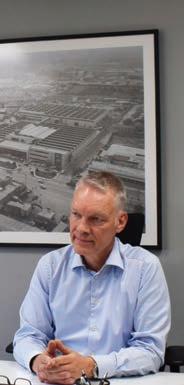
132

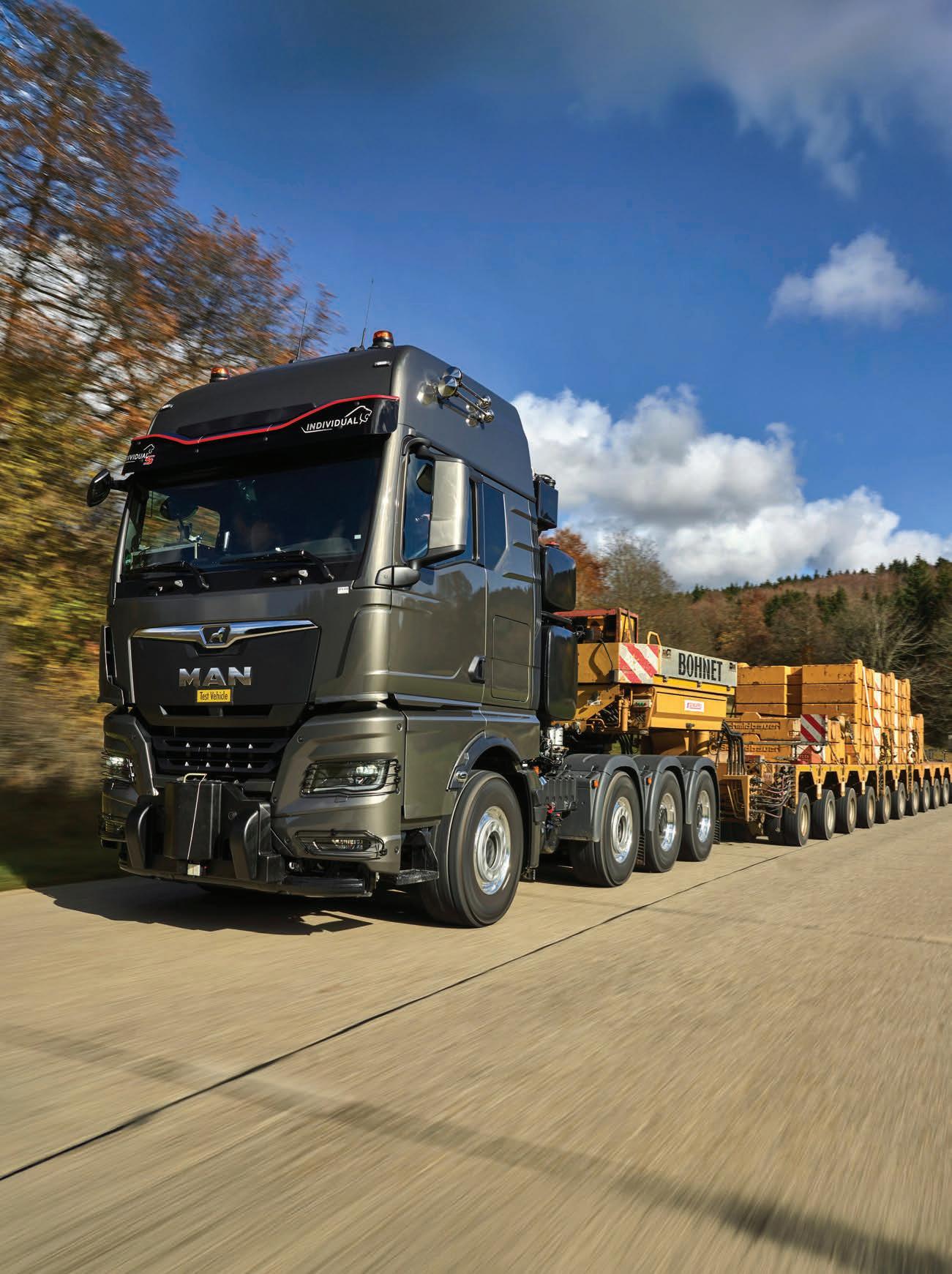
TRUCK INTERVIEW
Roland W. Schacht, Business Unit Director,
136
TRUCK DEBUT
138 TRUCK ELECTRIC
142 PEOPLE MOVER
Φορτηγά
Vans & Vanettes Ηλεκτροκίνητα















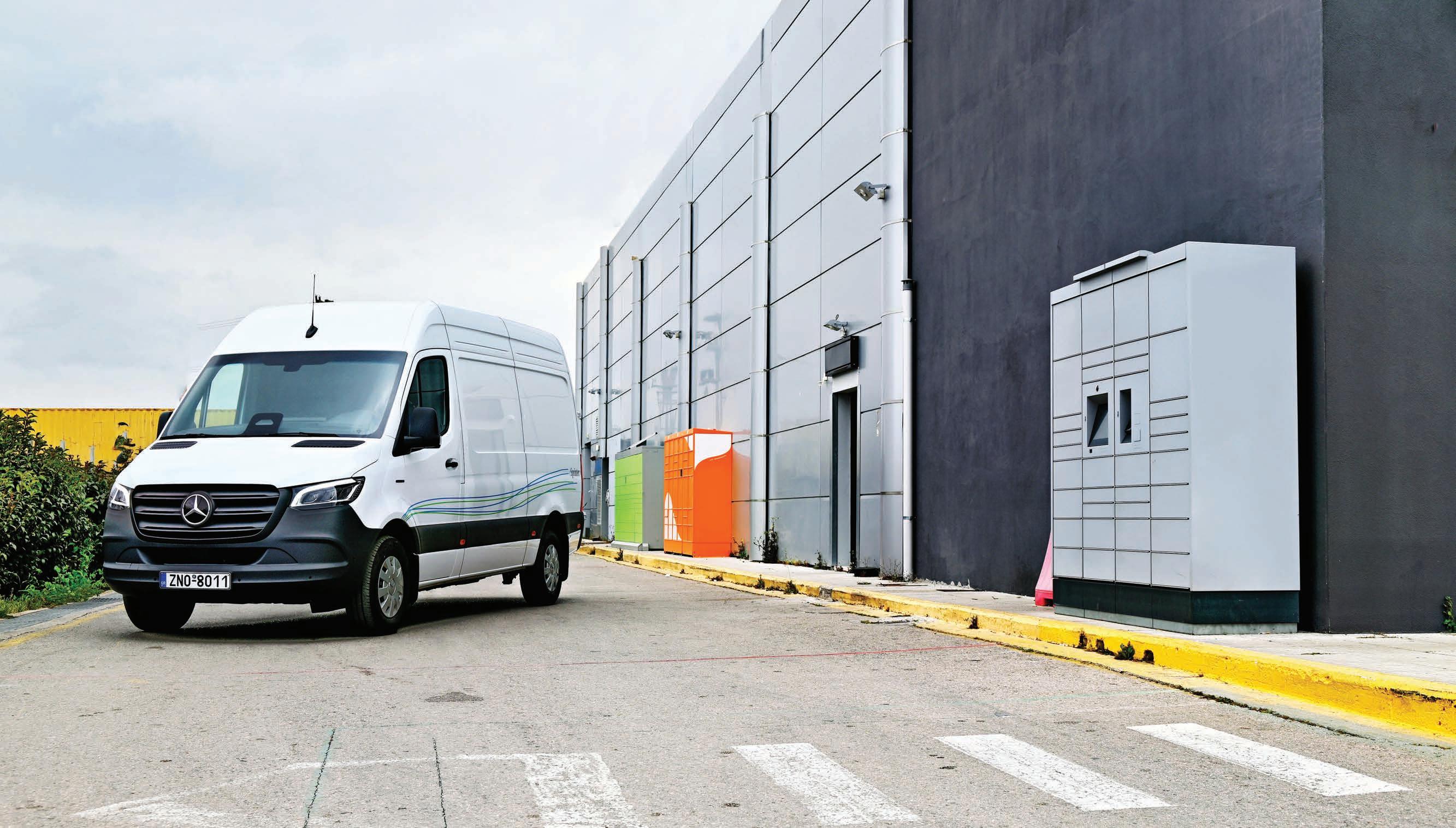
Το σημείο
αναφοράς της κατηγορίας
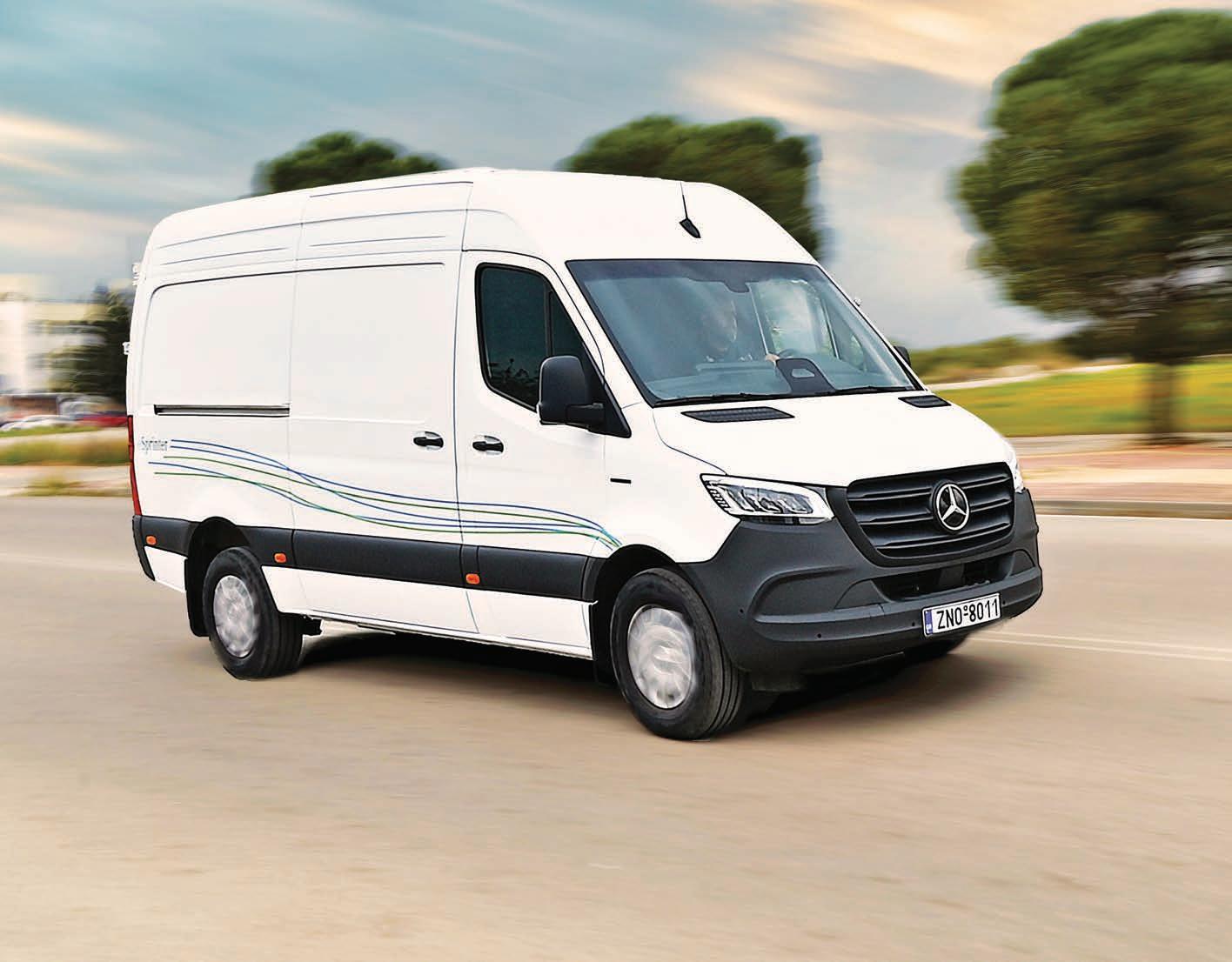
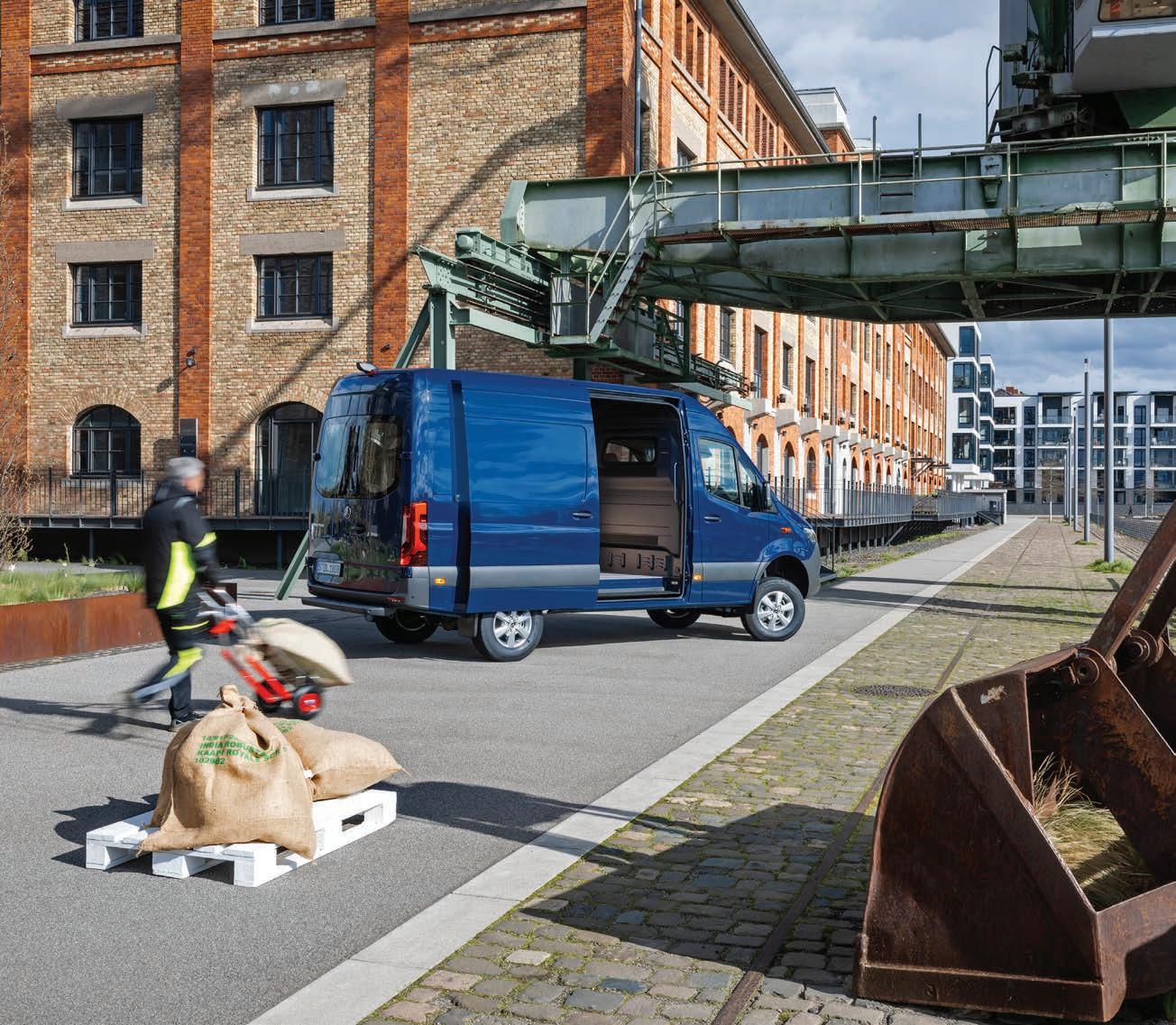
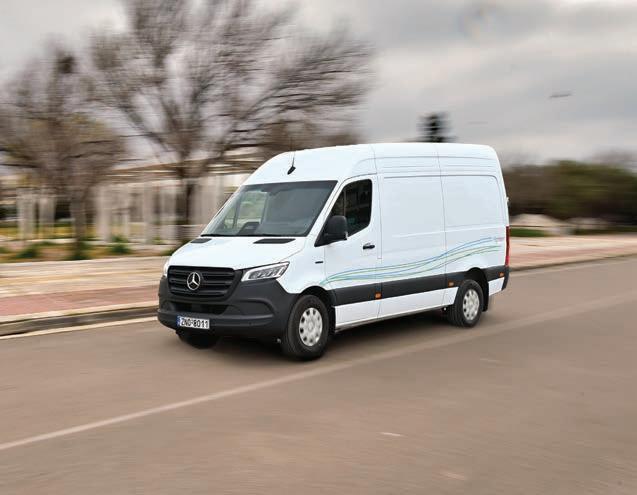
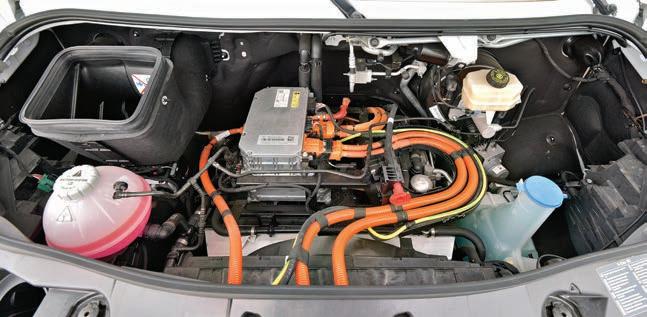
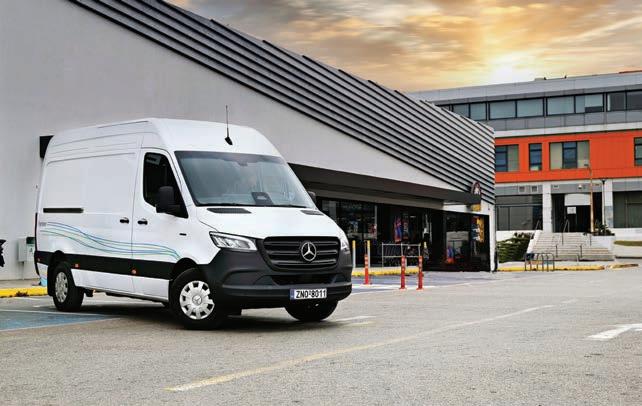
Το eSprinter προσφέρει
προστιθέμενη αξία στους
επαγγελματίες και τους
διαχειριστές στόλων, στηριζόμενο στο τρίπτυχο
«αποδοτικότητα, αυτονομία
και ευελιξία φορτίου», με
το «αστέρι» στη μάσκα να
προσδίδει επιπλέον εταιρικό κύρος. Φωτογραφίες:



OLane Departure Warning.





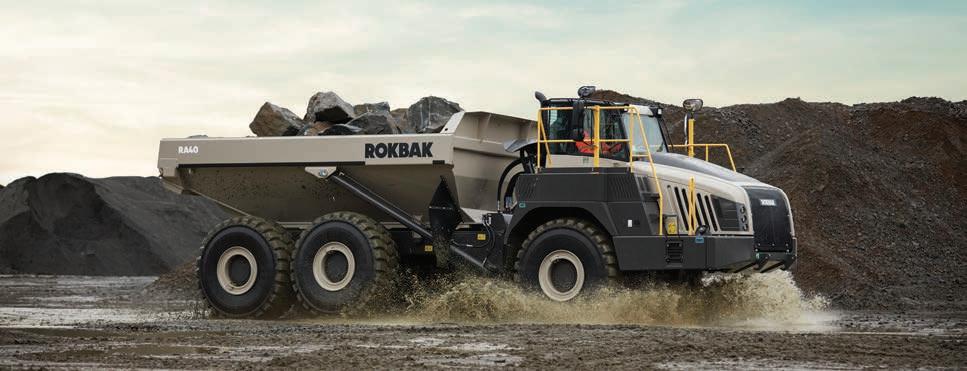
Rokbak
Roland W. Schacht
Business Unit Director,




MERCEDES-BENZ VLE
Η λιμουζίνα
Hτων van

επόμενη




1.
2.
3.
6.