

BETTER SHELVING SOLUTIONS BY VOLUME

Mango Turns fricy

Mango has long had strong consumer appeal, but its role is changing. Once treated mainly as a summer flavour, it is now appearing across more categories, occasions and product formats.
New Zealand’s increasingly diverse population, together with Kiwis’ strong appetite for Asian cuisines, is helping bring swicy flavours into the mainstream. Brands are using mango to deliver the sweetness
in that sweet and spicy combination, making heat more approachable for a wider group of consumers.
Mango is particularly well placed to lead this movement. Its natural sweetness works with chilli, lime, ginger and spice, creating flavours that feel adventurous without being difficult for shoppers to understand. Mango and chilli can bring heat to sauces, snacks, beverages and frozen products while retaining the broad appeal needed to move beyond a niche audience.
In this edition of SupermarketNews, we look at how mango is moving beyond juice, yoghurt and confectionery to find a wider role across the supermarket.
For suppliers and retailers, the opportunity is clear, but a new mango product still needs to
grow the category rather than simply replace another flavour already on the shelf.
Mango can support premium positioning, seasonal launches and limited editions, but familiarity alone will not secure a permanent listing. Products still need a defined occasion, strong packaging cues, repeat purchase and a rate of sale that justifies the space.
Fricy is gaining ground, and brands are using mango to give consumers the sweet and spicy combo they are increasingly looking for. n


















The Food and Grocery Council is an industry association for grocery suppliers providing members networking, events, industry information and strong advocacy. Contact us for information on the benefits of membership: raewyn.bleakley@fgc.org.nz
Networking • Industry Updates
• Conference and Events
• Education and Training
• Advocacy and Law Reform
www.fgc.org.nz
Tania Walters | Publisher
New more fibre to your day Add
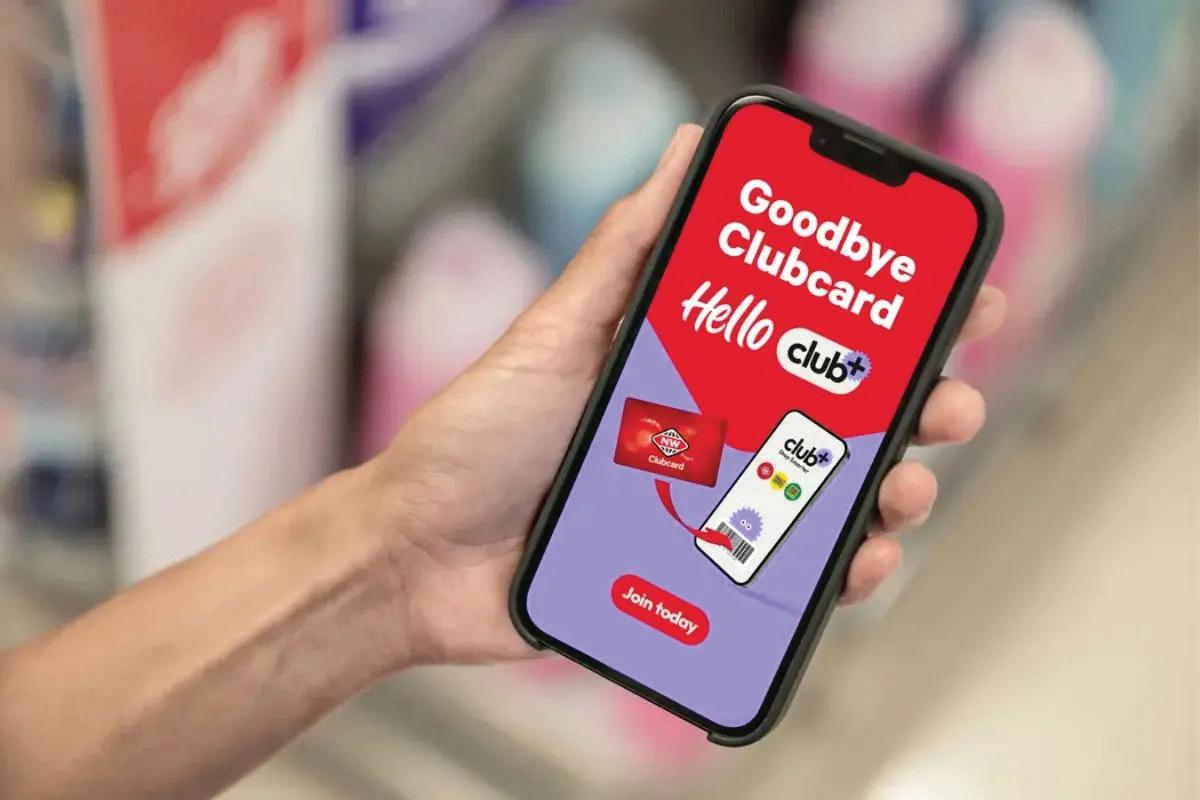
Clubcard Bids
Farewell
After more than a decade of helping New Zealanders save on their groceries, it's time to close a chapter in supermarket shopping.
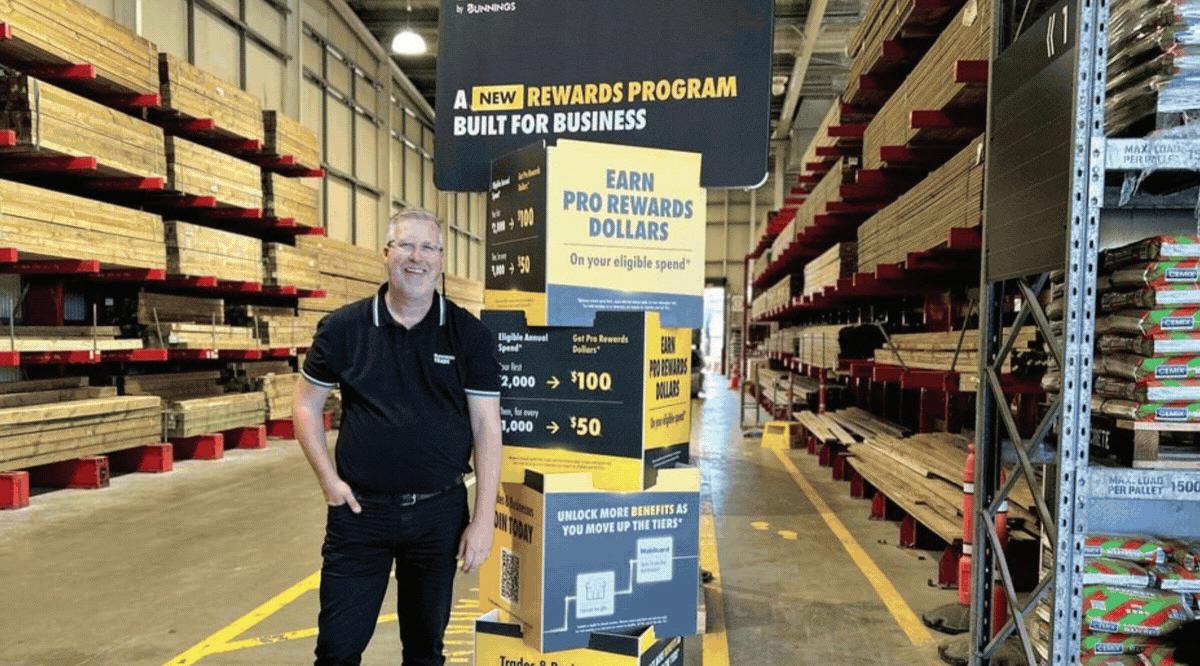
As the cost of doing business has continued to climb, tradies have been looking for smarter ways to stretch every dollar.

Ferrero Appoints New ANZ GM
He will lead Ferrero's Australia and New Zealand business, spanning iconic brands such as Ferrero Rocher, Kinder, Nutella and Tic Tac.

LINZ Guidance To Increase Supermarket Competition
Seymour said that new investment means more choices and lower prices at checkout.



China Focus For Kiwi FMCG Exporters
Under the Trump presidency and amid the Middle East war and crisis, China has positioned itself as a more stable and predictable bet.

Agreement In Force
A landmark agreement between New Zealand and Singapore on essential supplies is now in force.
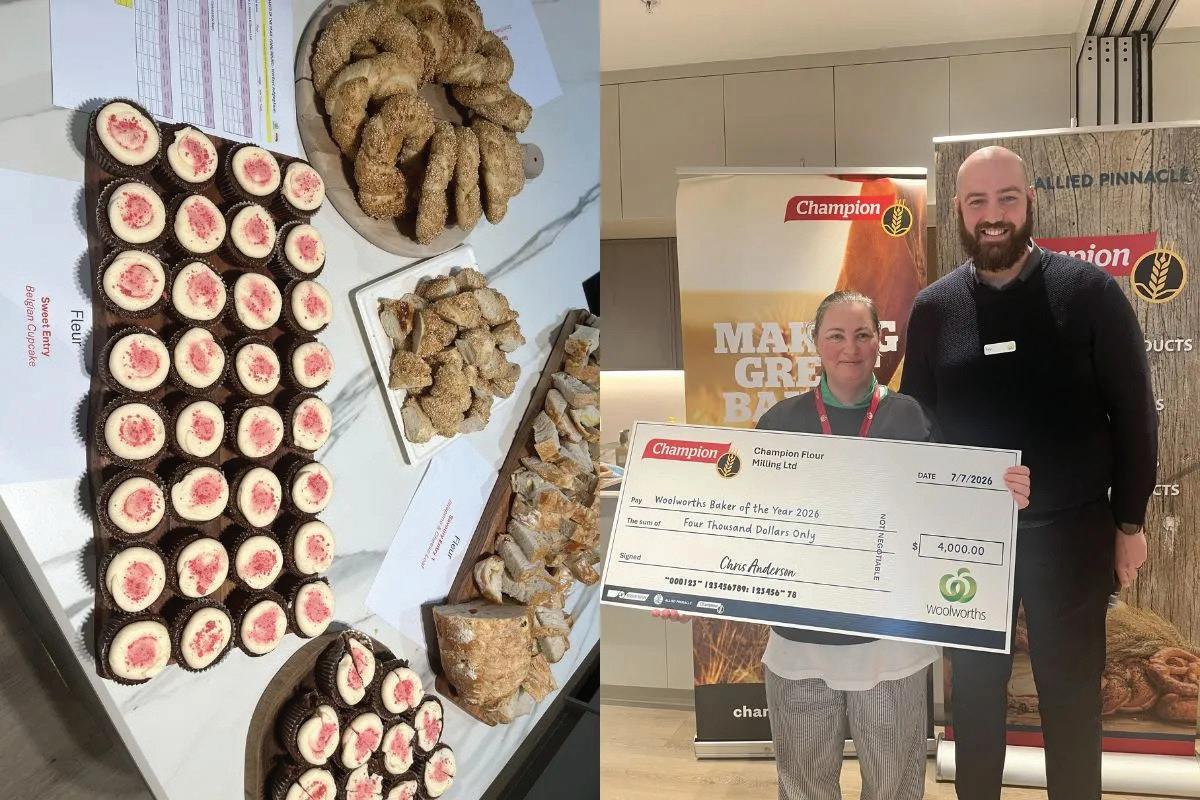
Repeat Success For Woolworths Baker
Palmerston North baker Fleur Blake has become the first two-time winner of Woolworths New Zealand's annual Baker of the Year competition.

eInvoicing Surge Gets Kiwi Businesses Paid Faster
Kiwi businesses are on track to achieve up to NZD 800 million in annual productivity gains once eInvoicing is fully adopted.


LO CAL
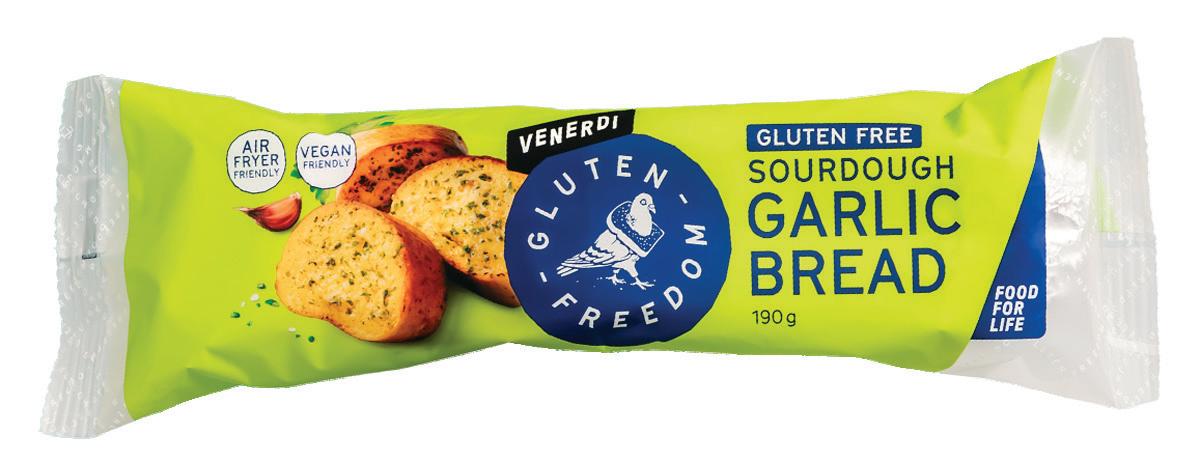
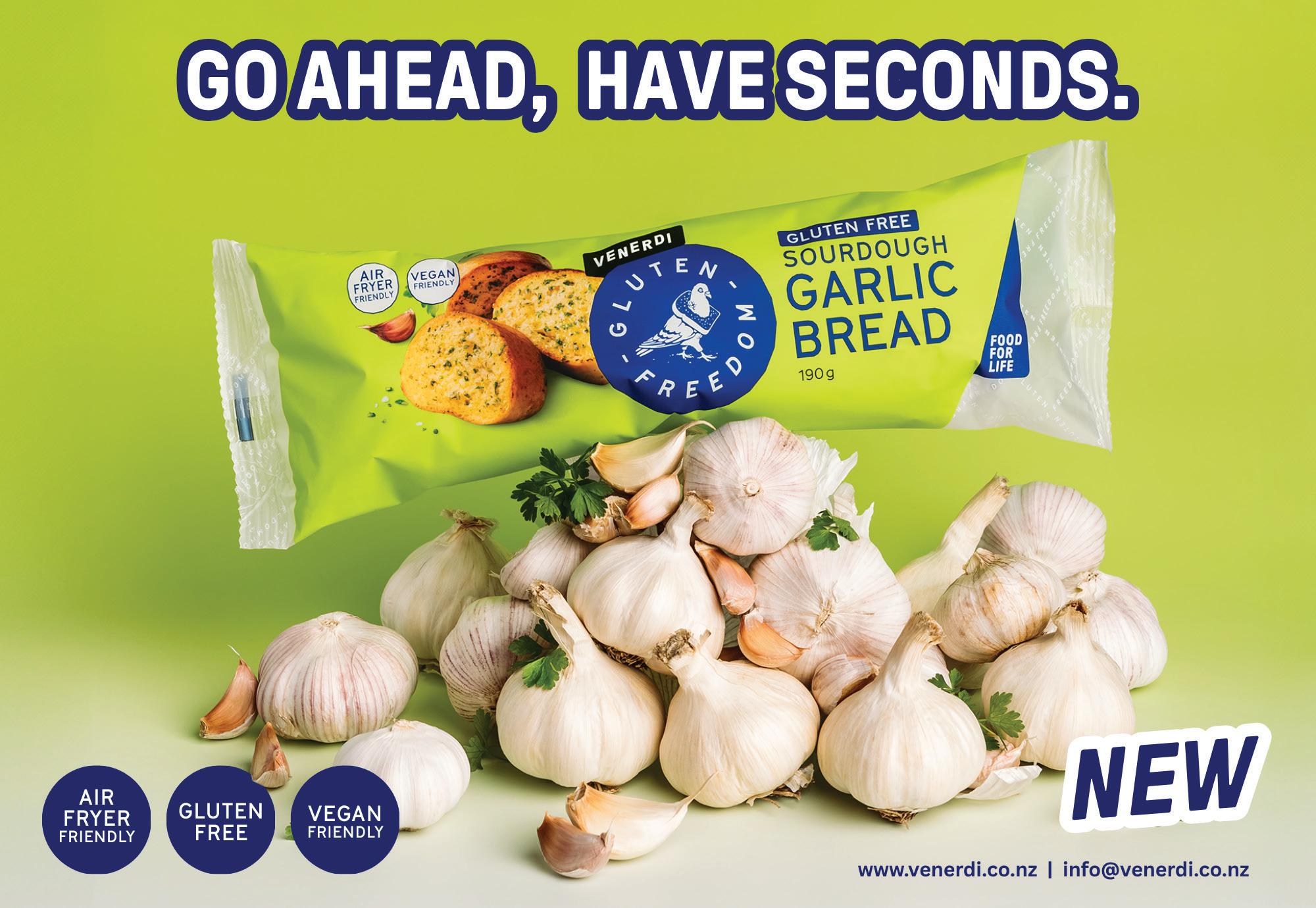
A FRESH TAKE ON GARLIC BREAD
Venerdi
Venerdi Gluten Freedom is bringing a new gluten free twist to the chiller with the launch of their new Sourdough Garlic Bread.
Baked to golden perfection with a soft, fluffy centre and delivers the bold, savoury taste shoppers expect from great garlic bread – without compromise.
Developed for consumers looking for premium gluten free option that doesn’t sacrifice on flavour or texture, Venerdi Gluten Freedom Sourdough Garlic Bread is perfect as a side for family meals, entertaining, soup, BBQs, and more. It offers the same convenience and versatility as traditional garlic bread while meeting the needs of the growing specialty dietary market. Free from gluten, dairy and soy, and vegan friendly. Contact: info@venerdi.co.nz

BARISTA COCONUT MILK
So Good™
Bring café-style coffee home with the newest addition to the So Good Barista range. So Good Barista Coconut is specially crafted to steam, stretch and pour beautifully, creating silky micro-foam and a smooth coconut flavour that complements any espresso of your choice. Perfect for flat whites, lattes and iced coffee, it's an easy way to elevate every cup. Discover more recipes and inspiration at sogood.co.nz
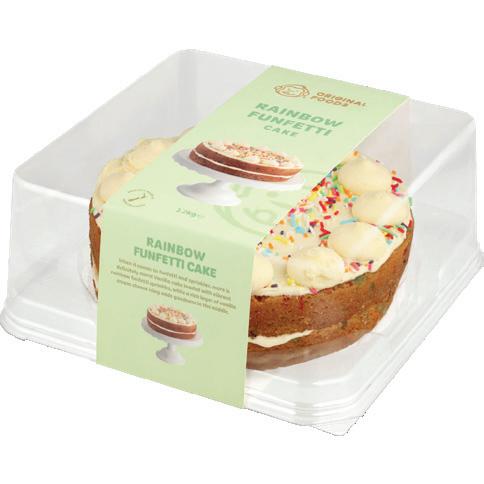
NEW PREMIUM LAYERED ROUND CAKES
Original Foods
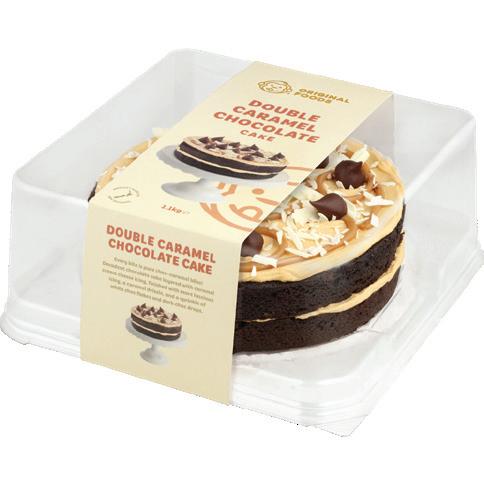
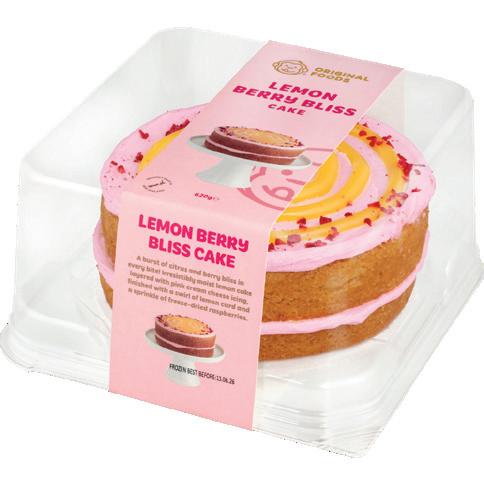
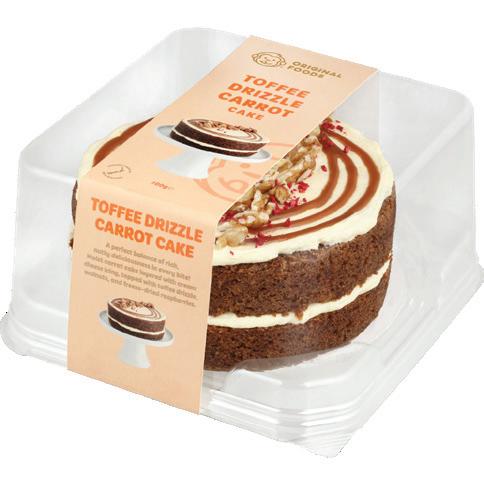
Original Foods’ new Premium Layered Round Cakes are here to steal the spotlight.
Available in 6-inch and 8-inch sizes, these beauties are stacked, drizzled, and dressed to impress.
Dive into the colourful chaos of Rainbow Funfetti, lose yourself in the rich temptation of Double Caramel Chocolate, savour the warmly spiced charm of Toffee Drizzle Carrot, or brighten any moment with the zingy Lemon Berry Bliss.
COOKIE DOUGH, NOW IN A SNACK BAR
Tasti
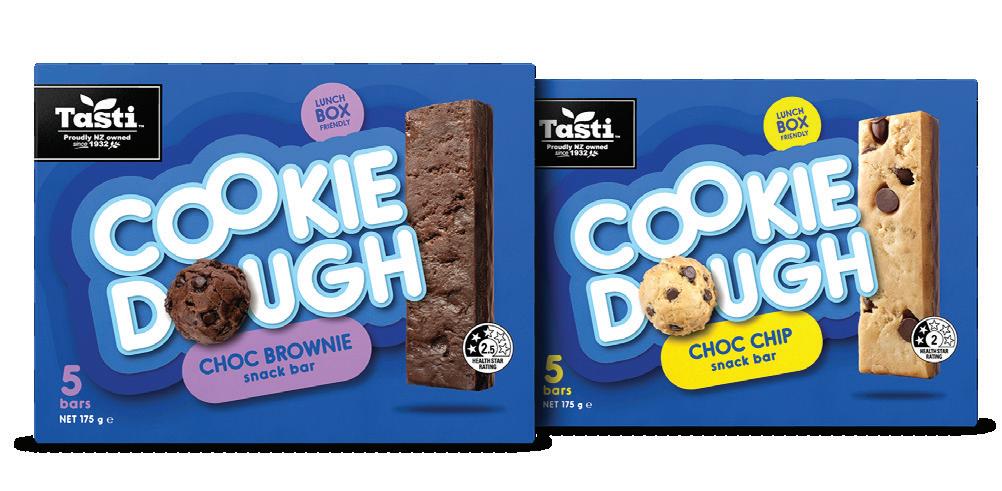
Tasti brings a fresh, fun twist to the snack bar aisle with the launch of Cookie Dough Bars in Choc Chip and Choc Brownie.
Inspired by the taste of cookie dough, the range delivers a permissible indulgence in a bar format. Its distinctive soft, chewy texture creates a unique eating experience, bringing
novelty and excitement to the category. Designed for the whole family, the bars are available in convenient, portion-controlled packs that are ideal for lunchboxes, on-the-go snacking and everyday treating.
For more information, visit www.tasti.co.nz, E. tasti@tasti.co.nz
Ph. 0800 827 841
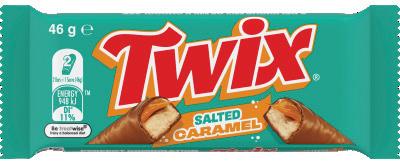
THE PERFECT SWEET AND SALTY TREAT
TWIX
A TWIX Salted Caramel is crunchy and chewy, and packed with extra salt. Every bite of a TWIX Salted Caramel chocolate bar delivers the perfect contrast of salty and sweet, filled with gooey caramel, crunchy biscuit with extra salt.
TWIX Salted Caramel chocolate bars are also covered in delicious, flowing milk chocolate.
TWIX Salted Caramel is the perfect treat, no matter if you are salty or sweet!
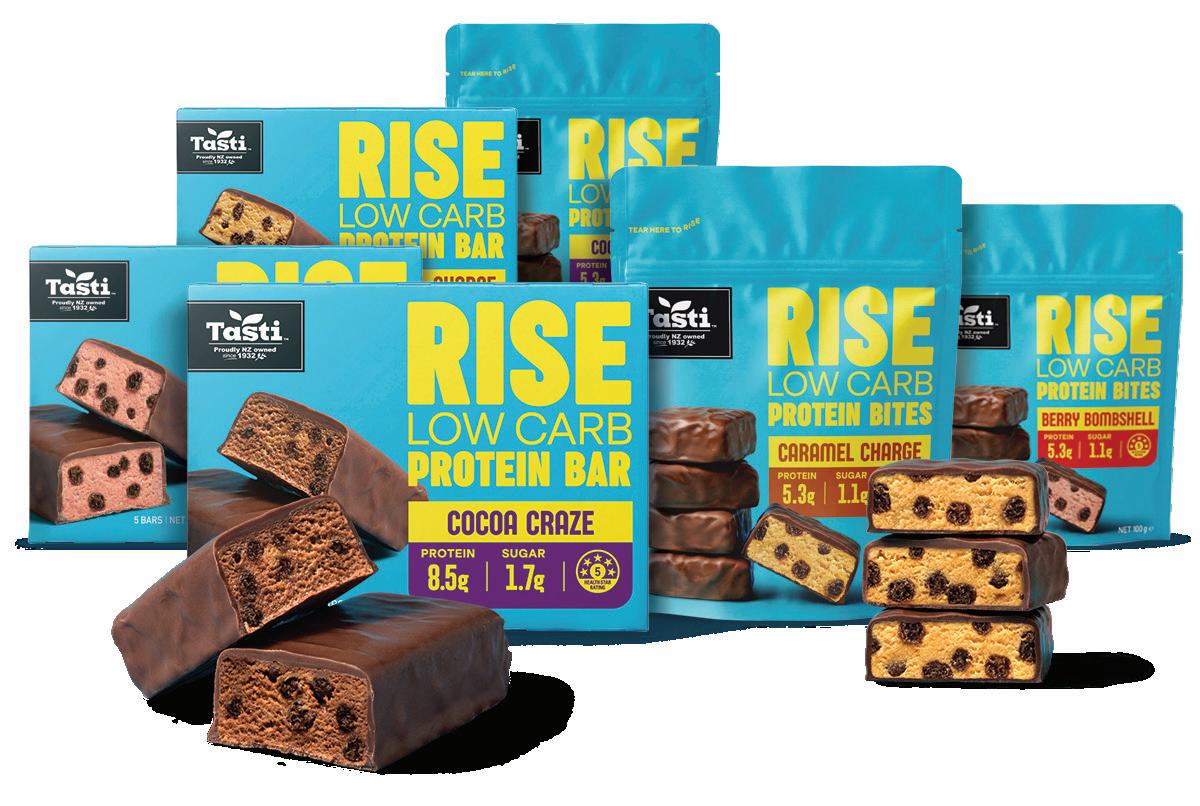
NEW LOW CARB PROTEIN RANGE
Tasti
Tasti has entered the growing low carb protein space with the launch of Tasti Rise - a new protein snack range designed for shoppers seeking low carb, low sugar nutrition without compromising on taste.
The Tasti Rise Low Carb Protein Range launches across two formats - Bars and Bites - each tailored to different snacking occasions and missions.
Tasti Rise Low Carb Protein Bars (160g) | Deliver sports-style protein in a more accessible format. Designed for lunchboxes and convenient on-the-go consumption.
Tasti Rise Low Carb Protein Bites (100g) Tap into the snackification trend, offering a portionable, shareable format ideal for grazing at work or at home.
For more information, visit www.tasti.co.nz, E. tasti@tasti.co.nz, Ph. 0800 827 841
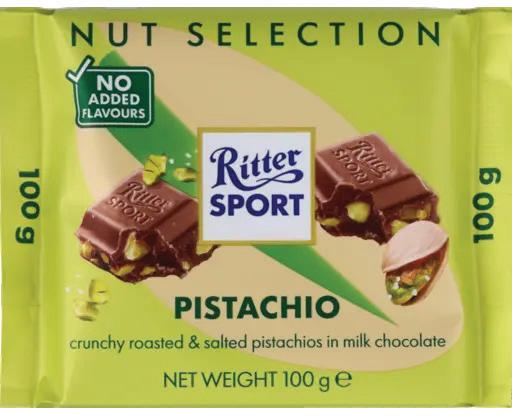
NUT SELECTION CHOCOLATE BLOCKPISTACHIO
Ritter Sport
Golden roasted, perfectly salted pistachios bring the crunch, while smooth milk chocolate wraps them in pure indulgence. Naturally delicious, just perfect!

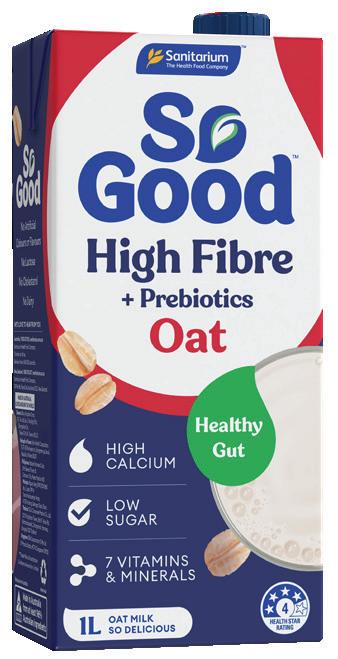
HIGH FIBRE OAT & HIGH FIBRE
ALMOND MILK
So Good™
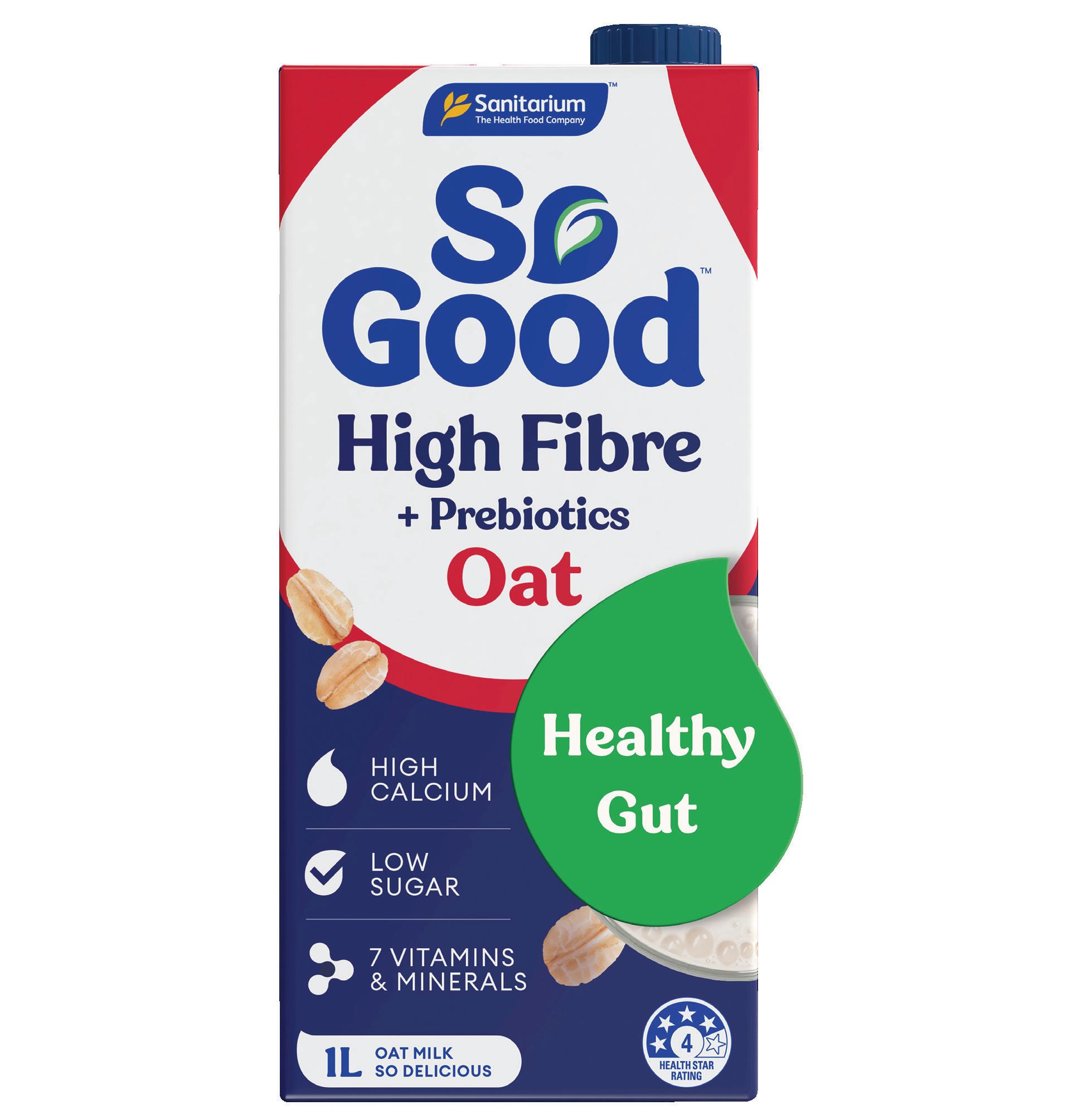
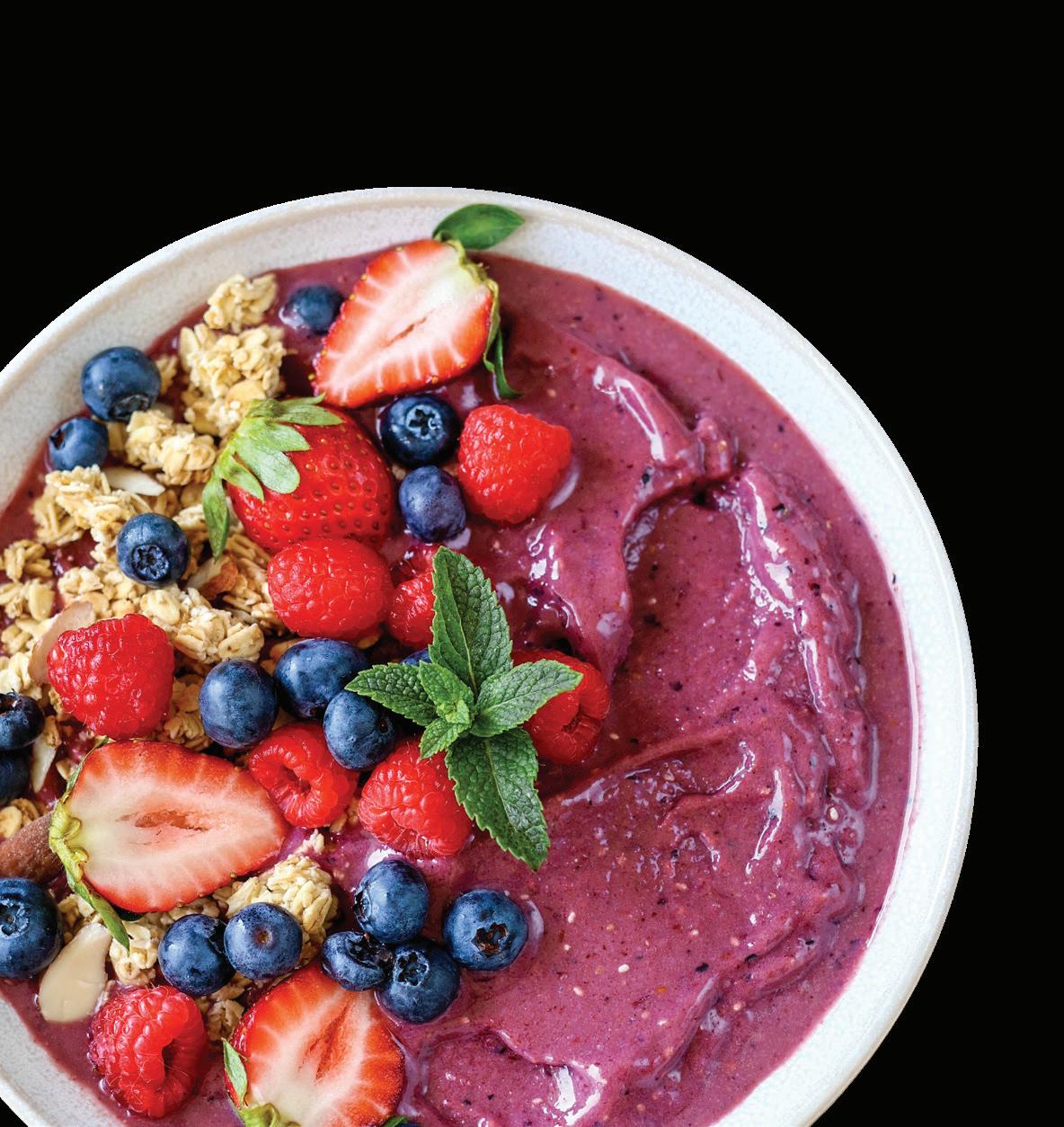
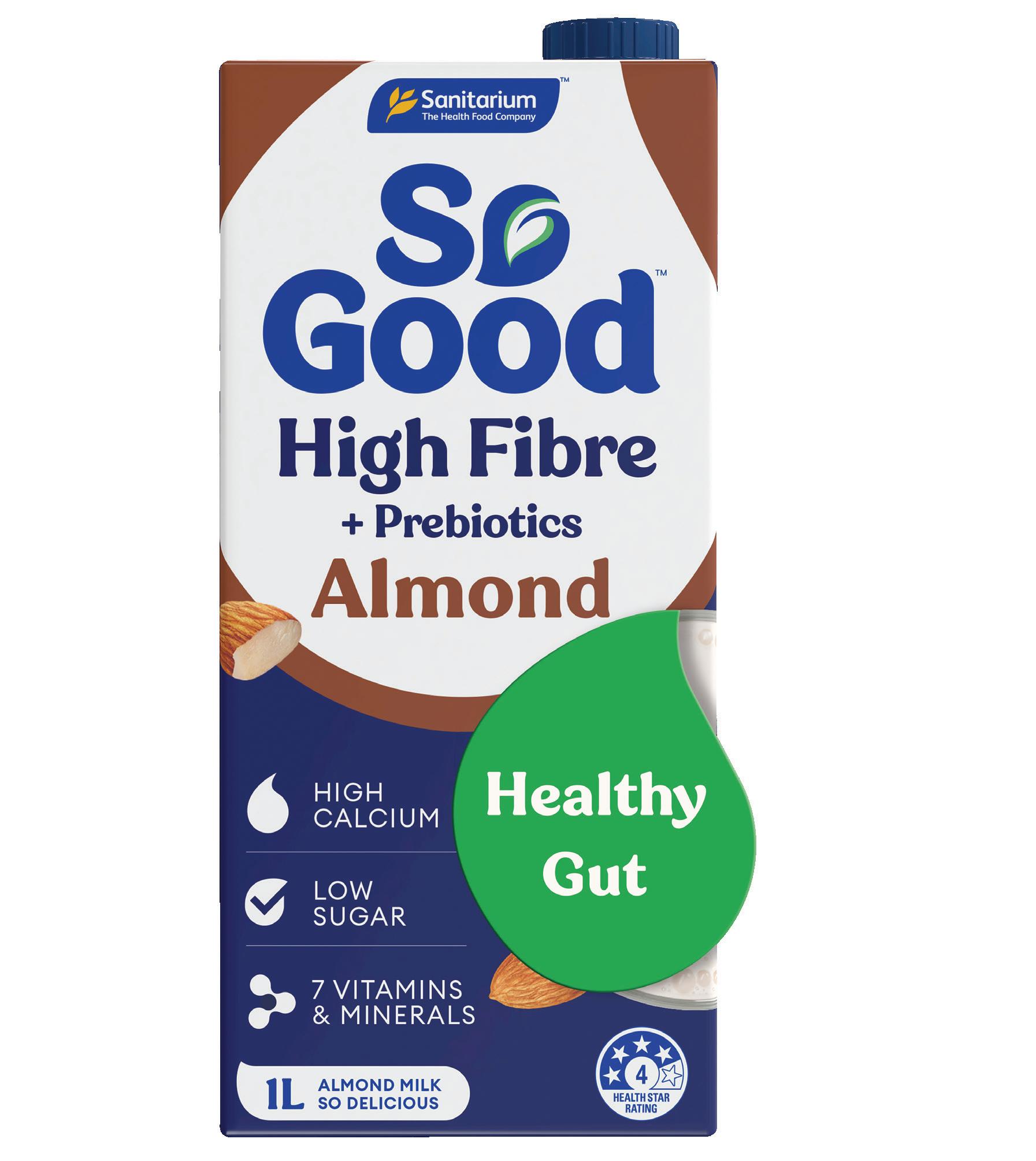
Responding to growing demand for functional nutrition, So Good's new High Fibre Oat and High Fibre Almond plantbased milks combine added fibre and prebiotics to help support gut health, as part of a balanced diet. High in calcium, low in sugar and naturally cholesterol free, they deliver the smooth, creamy taste So Good is known for while making it easy to enjoy more fibre every day. Perfect over cereal, in smoothies or coffee. For recipe inspiration and product information, visit sogood.co.nz
The Commercial Power of Store Flow
Store layout is consistent in New Zealand. The question is whether it is still doing the job. For operators, the pressure is not just price and range. It is how the store itself is working. Stores are expected to deliver more from the same footprint, while labour, cost of goods, and customer expectations continue to shift. Layout is starting to carry more of that weight.
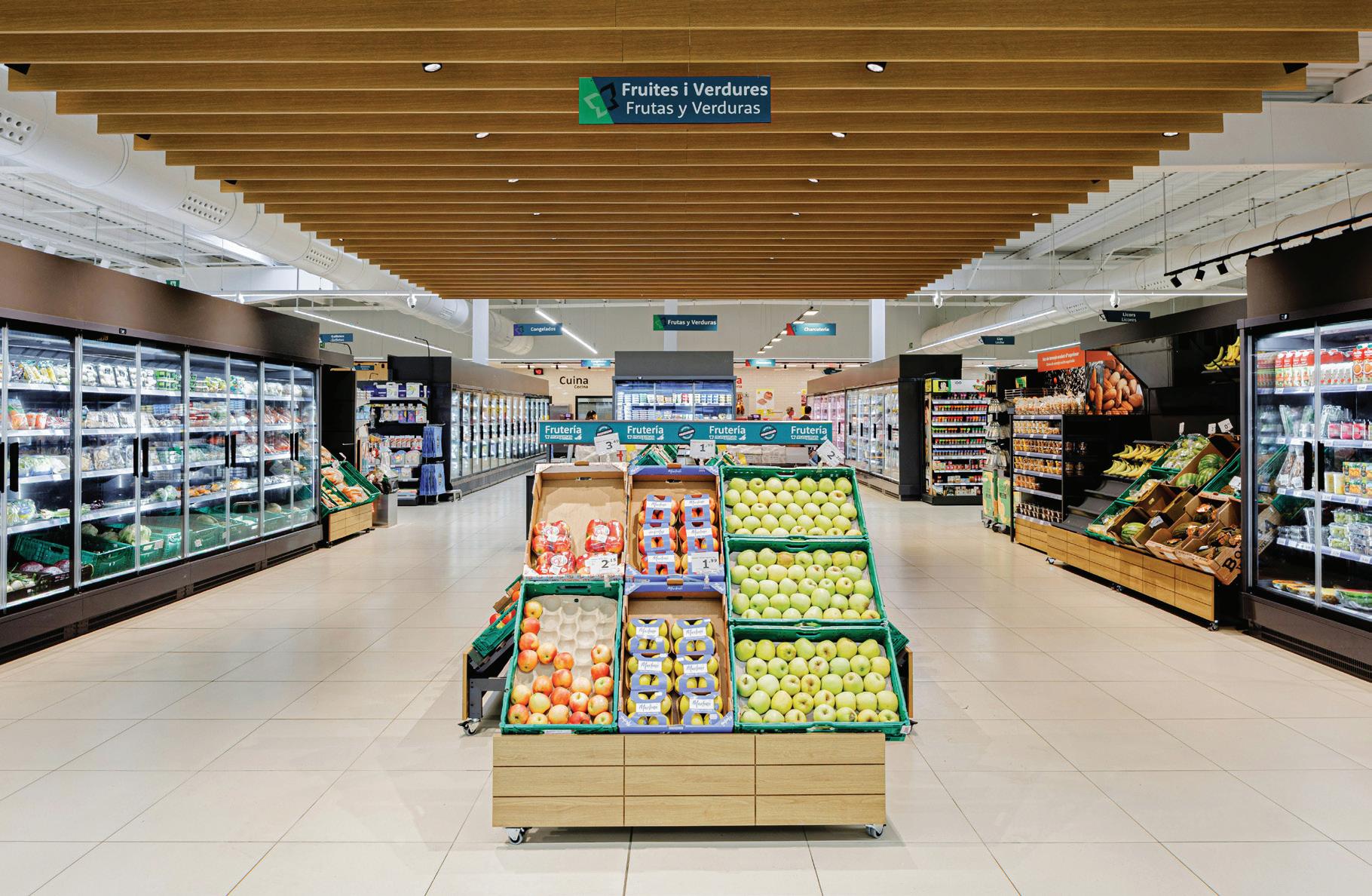
In New Zealand, most supermarkets do not reinvent their layout each time. Banner groups work from formats that have been refined over time. Customers know the flow. Produce at the front, chilled in familiar positions, and a store that can be navigated quickly.
There is value in that. It reduces friction and supports repeat behaviour. It allows customers to shop quickly and confidently.
But it also raises a question. If the layout is consistent, how often is it being reviewed as a commercial lever rather than left as a format?
Schweizer Group puts it simply. Layout is not a backdrop. It is the starting point. Everything that happens in-store, from how customers move to what they buy, sits downstream of it.
That shifts the sequence. Rather than placing categories and fitting them into a space, the starting point becomes customer movement. Where customers slow down. What they see first. Which paths they follow, and which they avoid.
From there, the layout is built to guide that movement.
It sounds straightforward. In practice, it requires a different view of space. Prime space is no longer just high traffic. It is where attention naturally lands. That distinction matters when deciding where categories sit and how they perform.
Customer behaviour is not fixed. Missions vary by trip. Budgets influence decisionmaking. Time pressure changes how a store is navigated. A layout that is not adjusting to that can start to work against the categories it was designed to support.
Much of this comes back to flow. Sightlines that bring key categories into view earlier. Adjacencies that support how customers think about meals. Placement that brings higher-margin or impulse categories into the natural path, rather than leaving them outside it.
The aim is not to control the customer. It is to create a structure that feels intuitive.
That has a direct commercial impact. Not every category receives the same level of exposure when the customer journey is uneven. Some parts of the store are naturally passed through. Others are not. That difference shows up in rate of sale.
It also changes how placement is viewed. Being ranged is one step. Being positioned within the main customer journey is another. The commercial outcome between the two can be materially different.
A second layer sits alongside this, and it is operational.
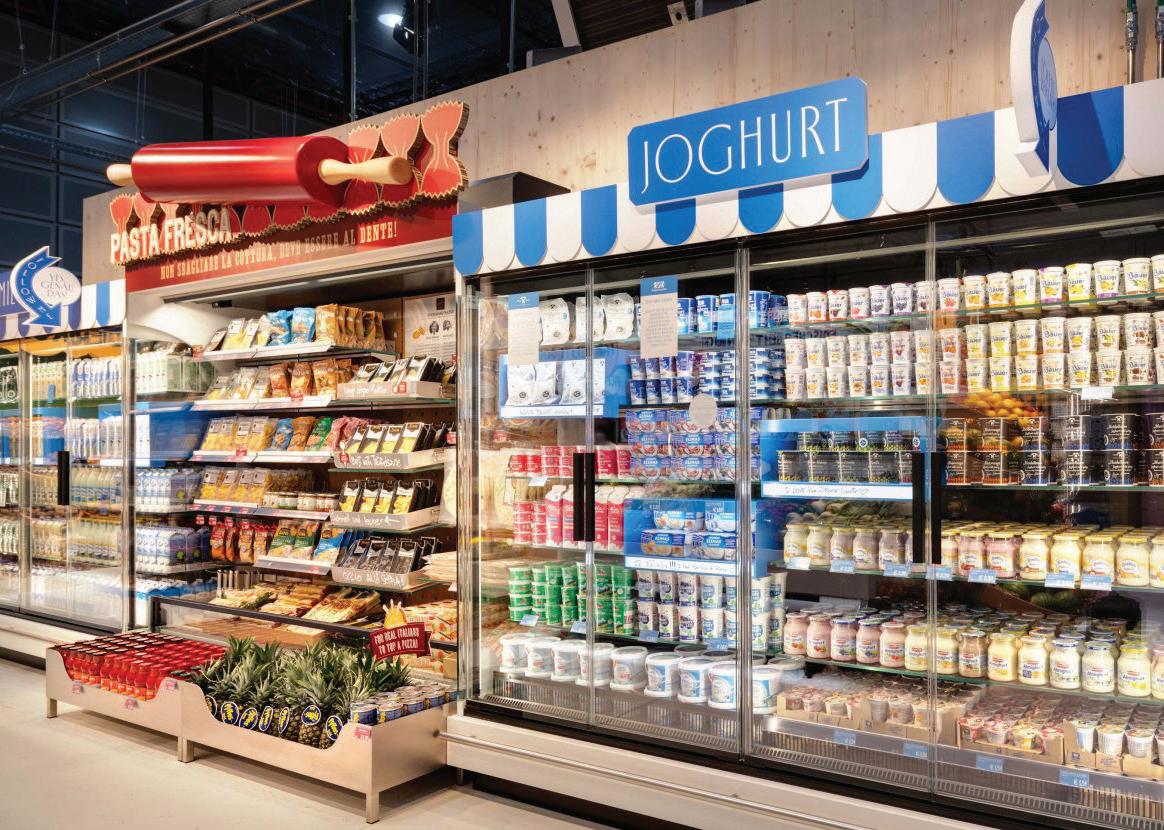
Layout decisions influence how the store runs. Grouped categories can reduce replenishment time. Clear sightlines can improve supervision. Production areas, when visible, can support perceptions of freshness and justify labour investment.
These are not separate considerations. The same layout is driving both sales and efficiency.
There is also the question of how certain categories are treated. Non-food is a consistent example. Positioned at the edge, it relies on planned intent. Positioned within the flow, it benefits from everyday traffic.
That is not a directive to change. It is a prompt to assess whether the current position reflects how customers are actually shopping.
The underlying principle is relatively simple. Layout should guide movement, create orientation, and present products at the right moment in the journey.
For operators working within templated formats, the question becomes where flexibility sits. How often is the layout tested, even in small ways? What is being observed, and what is being adjusted?
Because the commercial reality is difficult to avoid. Products that are not seen do not sell. Categories outside the main flow require customer effort.
Consistency in layout brings efficiency and familiarity. It also requires ongoing attention if it is to keep delivering.
The pressure is not necessarily to redesign. It may be to reassess how the current layout is performing today, not how it was originally designed to perform.
That shifts the layout from something installed to something managed and can evolve. n

Volume design shelving systems around how your operation actually works. And then supply and install them across New Zealand. We ask the right questions. Get the details right. And take responsibility for the outcome. Visit volume.co.nz to find out more.
volume.co.nz | 0800 180 280 | hello@volume.co.nz
fitouts
Whose Store Is It, Anyway?
Last year, a Four Square owner said something to me that I’ve thought about ever since. Liza Bennett, who runs Four Square Bulls, put it simply, “the store doesn’t belong to me. It belongs to my community.”
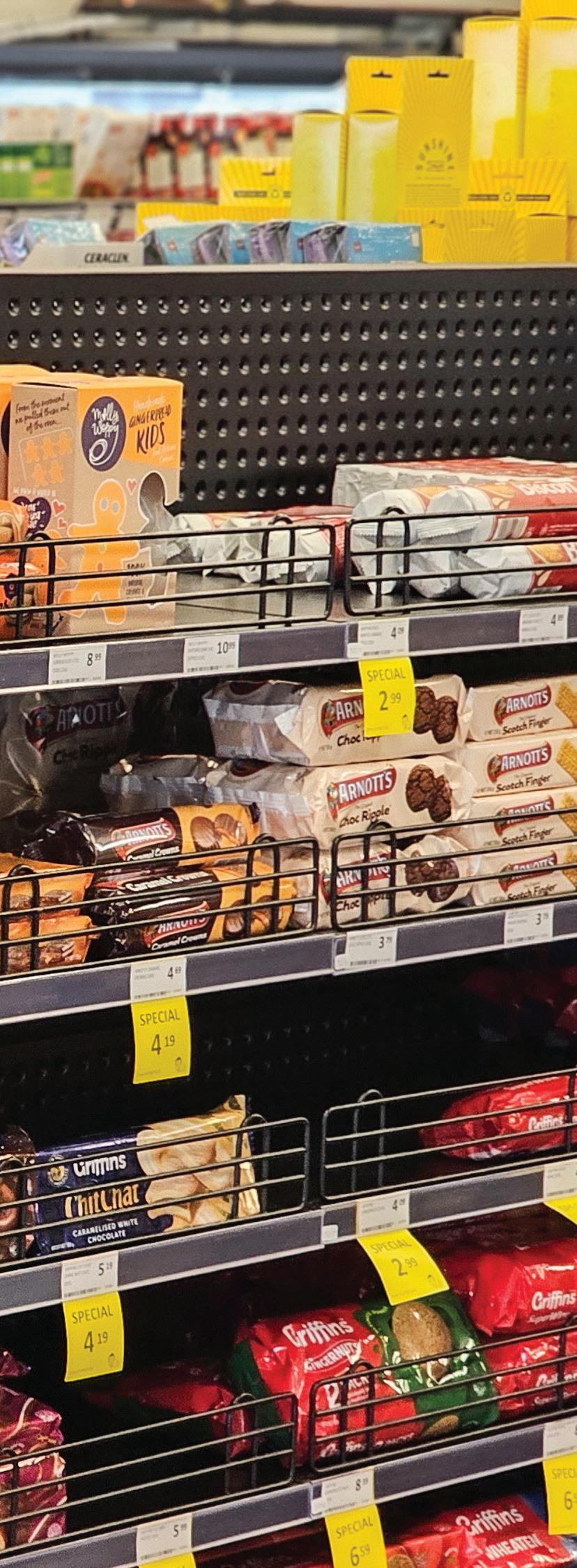
She wasn’t talking about shelving. But it’s stuck with me through every project I’ve worked on since, because it captures something I see play out differently between operators and between suppliers.
When a store owner starts thinking about upgrading their shelving, the instinct is often to start with product. How many bays? What categories need more space? Where does the gondola end? Those are legitimate questions, and they matter. But they’re the second conversation, not the first.
The first conversation is about the people who shop there. I’ve worked on projects where an operator has walked me through their store, telling me who comes in on a Friday afternoon, what the elderly customers struggle to reach, and which aisle the kids cut through on the way home from school.
That information changes how the shelving solution looks. It changes the height of the runs, the width of the aisles, and the placement of the categories.
A store designed around its shoppers works differently from one designed around a planogram.
The shelving company you choose should be asking those questions. Not just taking your floor plan and returning a layout.
Good shelving advice starts with curiosity. Who are your core customers? Are they families doing a weekly shop, or regulars doing daily top-ups? Do you have elderly customers who need lower shelving and wider aisles? Do young parents push prams through your store? Is there a community event that changes your traffic on certain days?
These aren’t abstract questions. They affect where categories sit, how your gondola runs are configured, how much space to give fresh versus ambient, and whether your checkout flow works when it’s busy. A shelving company that doesn’t ask them is designing in the dark.
A shelving upgrade is also a prompt to ask a deeper question: not just how to shelve what you already carry, but whether your range is actually right for your community.
Pritesh and Dipti Bhikha at Four Square Te Puna are a good example. When they decided to double their floor space, the driving question wasn’t what would fit, but what their community had been asking for.
Their customers were making the drive to Tauranga because the local offer wasn’t enough. The new store gave them the room to change that, growing from around 2,000 product lines to 5,000.
New shelving creates capacity. The question worth asking is what you fill it with, and why.
Another question is whether your supplier has been in your store. Don't just look at the drawings. Have they actually walked the floor when customers are present?
The difference between a store that reads well on paper and one that works for real people is often visible the moment you spend an hour watching how shoppers move.
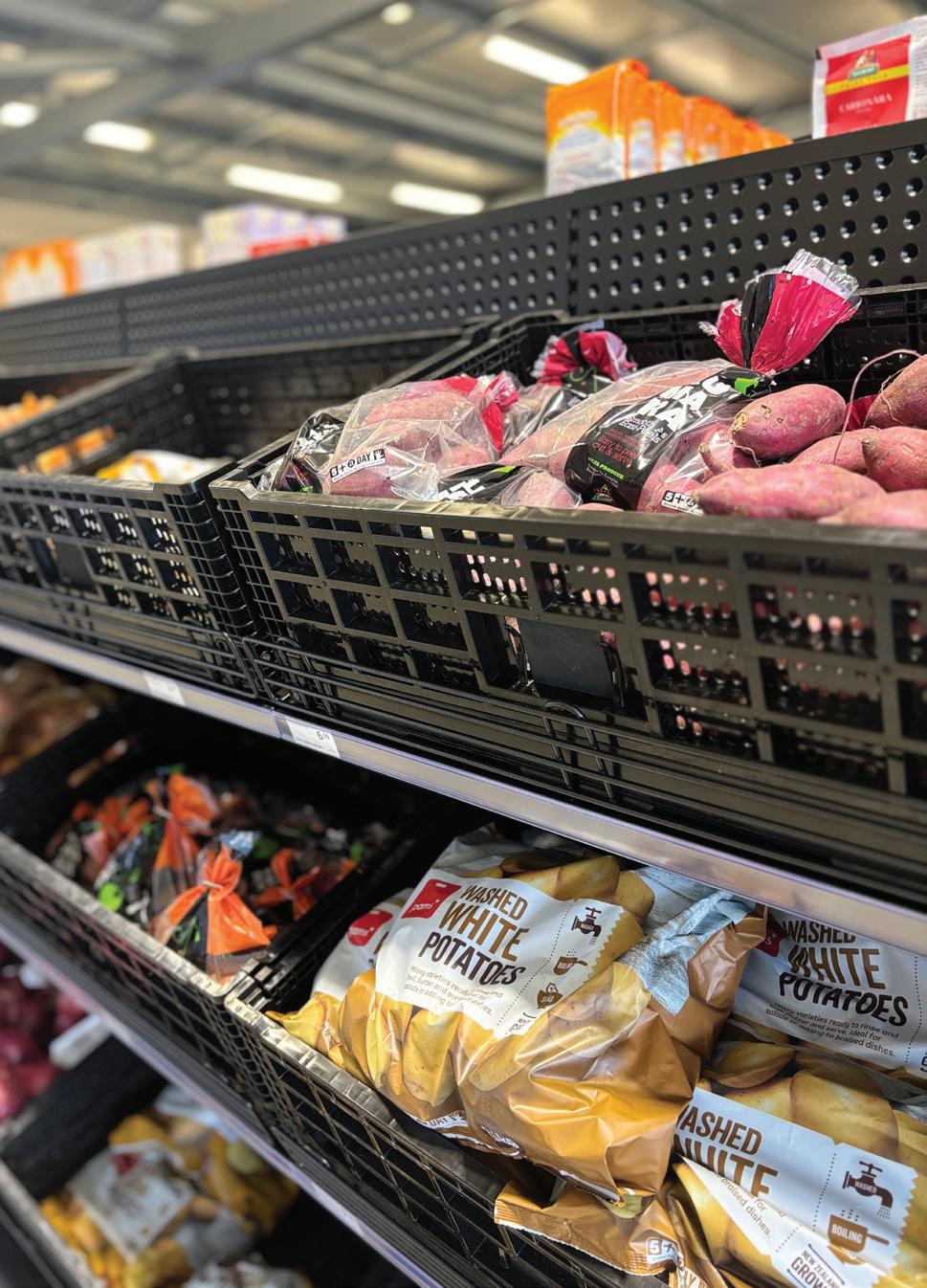
Bennett’s comment has stayed with me because it shifts the frame. If the store belongs to the community, every decision, including shelving, is about what you’re offering them.
A well-designed store is a form of service. A poorly designed one makes things harder than they need to be, even if the product range is right.
The store owners I’ve worked with who get the best outcomes tend to hold that idea somewhere in the background when they’re making decisions. Perhaps not consciously, but it shows up in the questions they ask, and in the results they get.
A shelving project is a significant investment. The return on it depends in part on whether the people advising you understand what the store is for.
Sam McHardy is Commercial Manager at Volume, New Zealand’s specialist supermarket shelving supplier. volume.co.nz

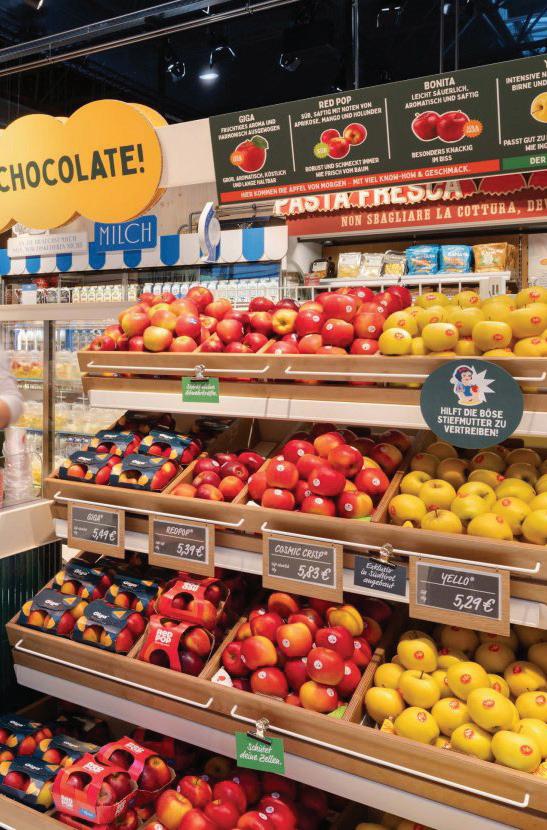
The Growing Commercial Weight of Fresh
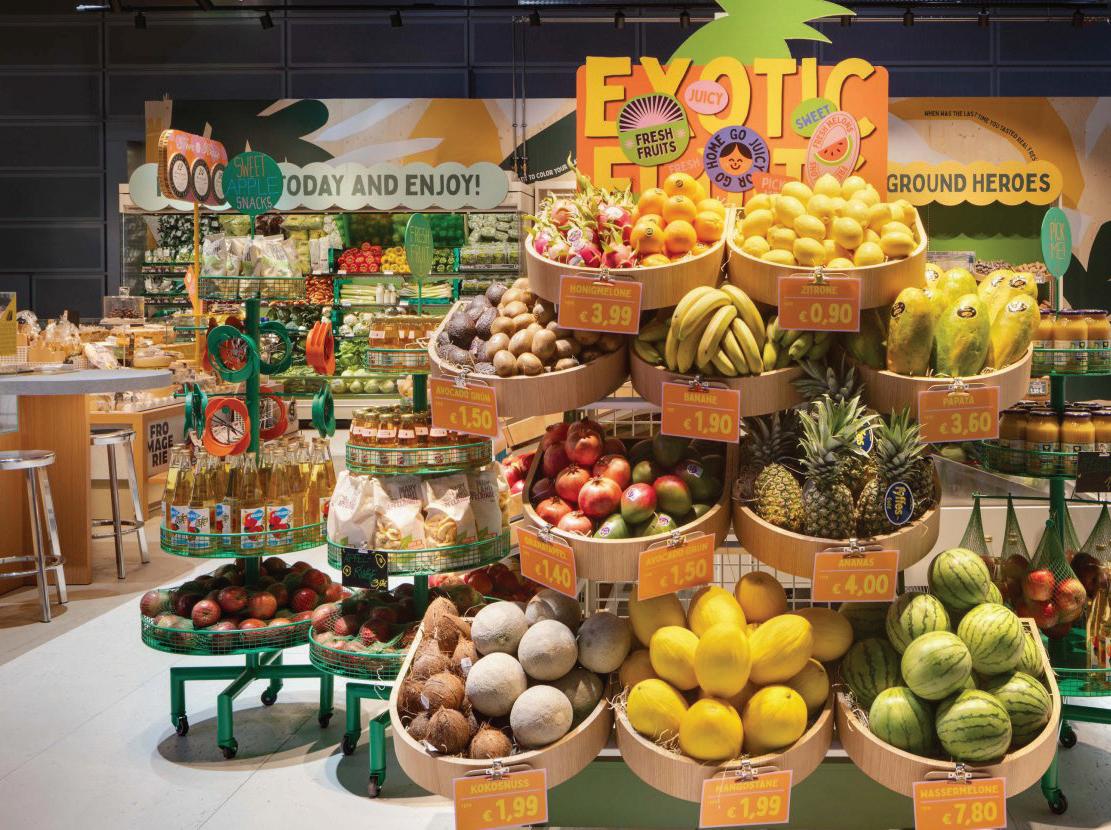
Fresh has always mattered in supermarket performance, but it is starting to carry more of the commercial weight in-store. Not in theory, but in how customers are making decisions.
Price still drives traffic and range still plays its part. But when shoppers are moving between stores, questioning value, and watching spend more closely, fresh is often where the call is made. Quality, availability, and condition are judged quickly. That judgement tends to shape whether the rest of the shop happens at all.
That is where thinking from Schweitzer Group starts to land. Not as a design story, but as a grocery retail performance question.
Product first, then everything else
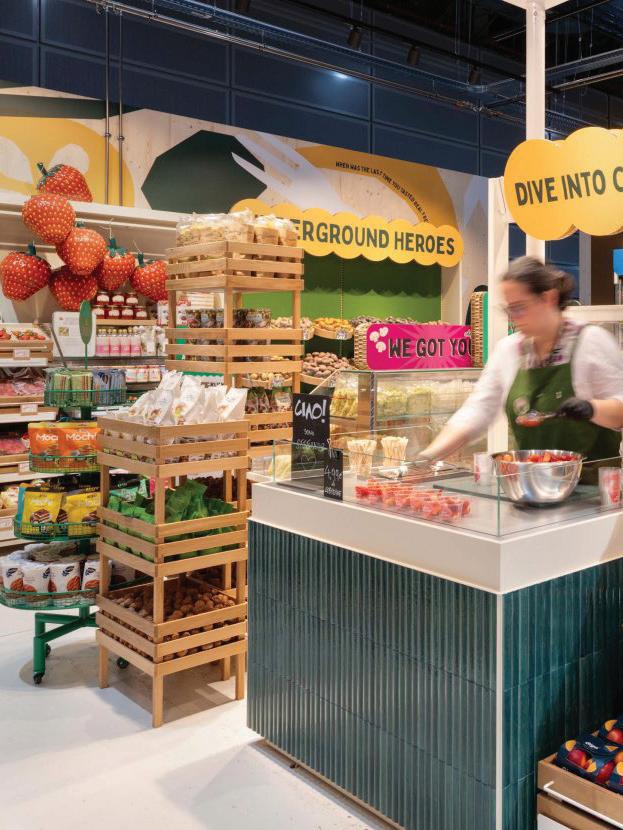
A useful shift in their approach is starting with product rather than fixtures. Many supermarket fresh departments still build the environment first and fit fresh into it. Reversing that puts pressure back on execution. If product leads, then gaps, inconsistency, and rotation are harder to disguise. It also means when it works, it works harder. Displays do more than look good, they help move volume and support fresh food sales.
There is also a more practical view of cross-category selling running through it. Not as theatre, but as a way to build baskets. Customers are not shopping produce, meat, or bakery in isolation. They are working out meals, or at least parts of them. When those connections are consistent, not occasional, it tends to show up in spend per visit rather than just foot traffic.
Schweitzer Group’s emphasis on flexibility also comes through here. Fixed layouts assume stable conditions. That is not the reality most operators are dealing with. Labour moves, demand shifts, and certain lines either accelerate or slow down quickly. Being able to adjust space and flow without a full reset gives stores some control over throughput, waste, and shrink.
Visibility cuts both ways
None of this is new on its own. Most operators would recognise the thinking. Where it becomes more relevant now is in how exposed fresh has become commercially. Waste, shrink, and labour all sit here, so any lift in presentation or visibility tends to show up in the numbers, for better or worse.
There is also a broader context sitting behind it. Shoppers are spreading spend, trading between retailers, and weighing up value in a more deliberate way. Fresh is often the deciding factor in that comparison. It influences perception of quality, but also whether the overall shop feels worth it.
That raises a slightly uncomfortable point. Increasing visibility in fresh can improve rate of sale and basket size, but it also removes cover. If execution is inconsistent, it becomes obvious quickly.
So the conversation is less about whether fresh can do more, and more about how far supermarket fresh departments can be pushed as a driver of performance without exposing where they are not holding up. n
Product Discovery Has Moved Into Consumers’ Homes
For decades, FMCG brands have relied on a familiar formula for introducing and promoting products: secure supermarket distribution, invest in point-of-sale displays, support the launch with advertising and, where budgets allow, run in-store sampling programmes.
While these channels remain important, today’s consumers are discovering products very differently.
Increasingly, product discovery is happening at home, through meal occasions, social media inspiration, online recommendations, and curated experiences that allow consumers to engage with products in a far more meaningful way than a quick taste in a supermarket aisle.
It’s a shift that is changing the way brands think about both new product launches and existing product awareness campaigns.
Traditional product sampling has always faced one major limitation. Consumers often try a product in isolation, outside the context in which they would normally use it. A single mouthful served in a supermarket provides little opportunity to demonstrate how a product fits into a family meal, entertaining occasion, or everyday routine.
In-home product experiences overcome this challenge. Rather than simply tasting a product, consumers prepare meals with it, share it with family and friends, compare it with products already in their pantry and, ultimately, decide whether it deserves a place on their next shopping list. Consumers aren't just sampling products; they're experiencing them in the context of everyday life.
Fresh Box reflects this shift by bringing together supermarket food, beverages and complementary household products through curated experiences that combine premium brands with recipes, meal inspiration and entertaining ideas. Rather than relying on a single moment of trial, Fresh Box creates an ecosystem of consumer engagement that begins before the box arrives and continues after products have been enjoyed at home. Importantly, this approach isn't limited to new product launches. It is equally effective for established brands looking to drive rediscovery, encourage new usage occasions or reconnect with consumers in a meaningful way.
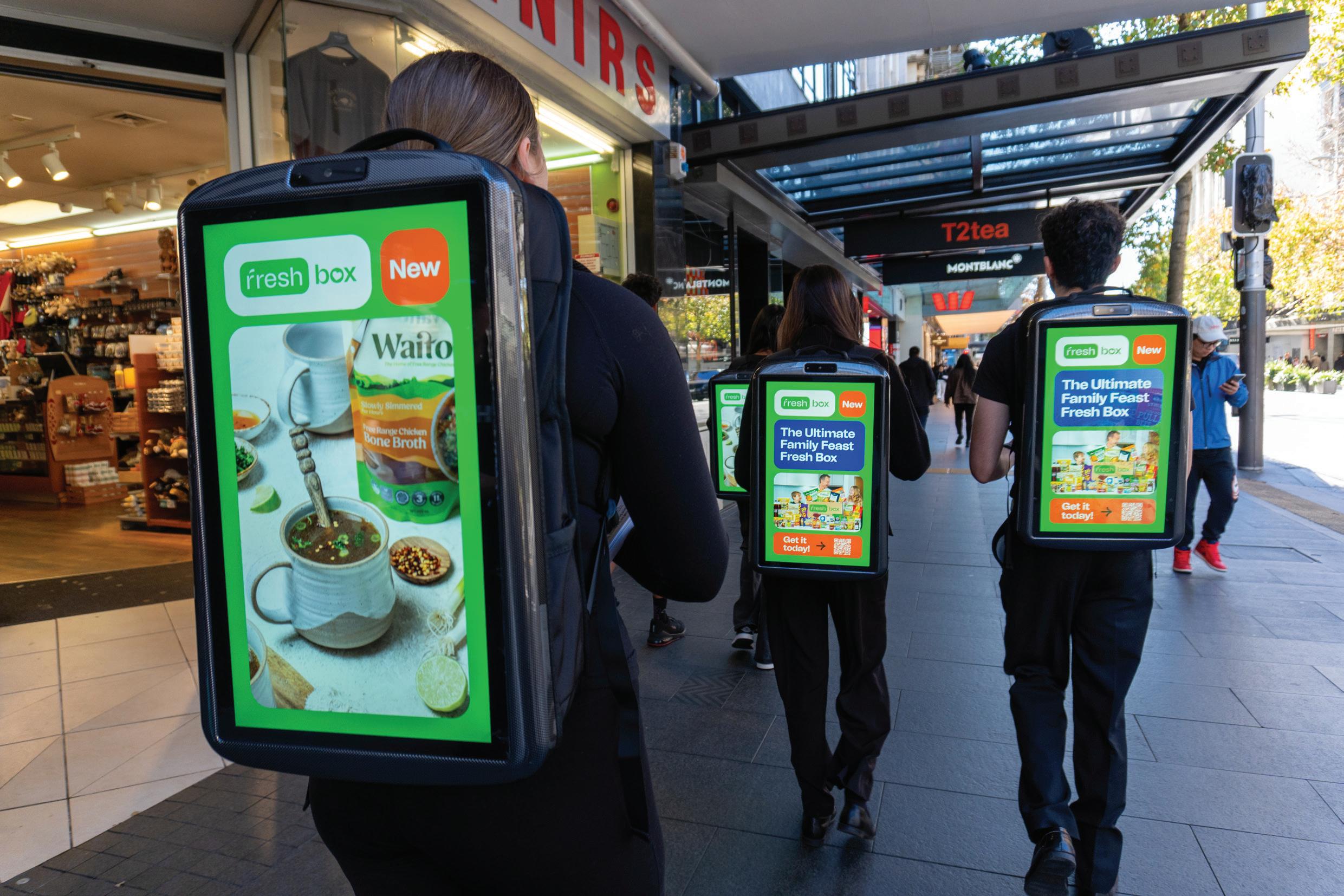
Every Fresh Box campaign is supported by an integrated marketing programme that extends well beyond the box itself. Retail media, digital outdoor advertising (including mobile street activations), social media, influencer partnerships, recipe
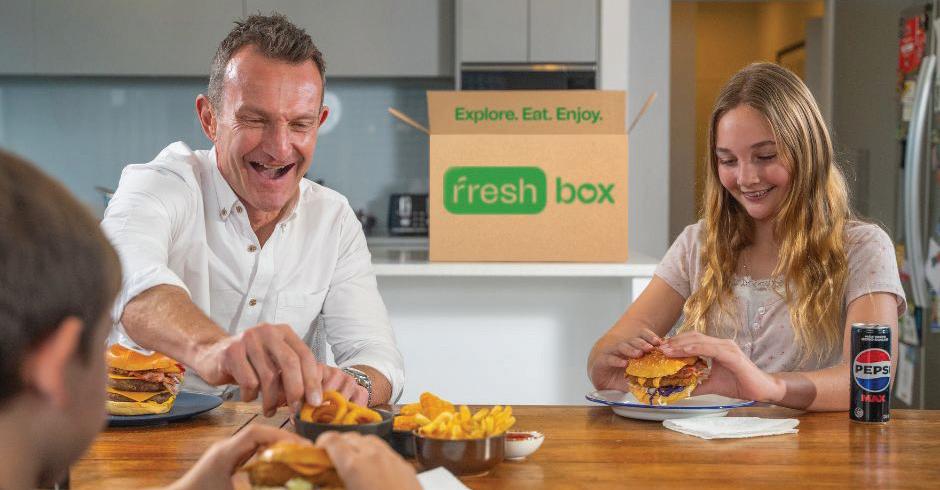
content, and experiential activations create multiple consumer touchpoints before, during and after the Fresh Box experience, extending consumer engagement well beyond the moment of product trial.
Independent consumer research* found Fresh Box achieved a customer satisfaction rating of 4.92 out of 5, while more than 95 percent of participants said they would recommend the experience. The research also found that 70 percent discovered more than 10 new products through their box and over 85 percent intended to purchase products they had trialled.
For suppliers, this redefines what product sampling can achieve. Rather than investing in isolated sampling activities, brands can combine product trial, storytelling, digital amplification and consumer research within a single integrated campaign. Instead of competing for attention among hundreds of products on a supermarket shelf, brands become part of a carefully curated meal occasion where consumers actively prepare, share and enjoy products in a real-life setting. Equally valuable is the quality of feedback generated through these experiences. Knowing whether consumers liked a product is useful. Understanding how they used it and whether it changed future purchasing behaviour is far more valuable. Fresh Box develops tailored research programmes for participating brands, allowing for targeted deep dives into consumer behaviour.
This type of insight is becoming increasingly important as brands seek stronger evidence that marketing investment is influencing long-term purchasing decisions rather than simply generating awareness.
As consumer expectations continue to evolve, successful product launches are likely to rely on more than visibility alone. Brands need to create experiences that encourage genuine trial, inspire confidence, and demonstrate how products fit naturally into consumers’ lives.
As retail marketing continues to evolve, the brands that succeed will be those that move beyond simply generating awareness and instead create genuine consumer experiences. The supermarket shelf remains where purchase happens, but, increasingly, purchasing decisions are being shaped much earlier through real experiences, real meals and real moments in consumers' homes.
Planning is well underway for the rest of the year with more Fresh Boxes in the pipeline for Father's Day and Labour Weekend. Contact mark@fresh.co.nz for more information. n
*Surveys conducted by Tyler's Track and Fresh Box

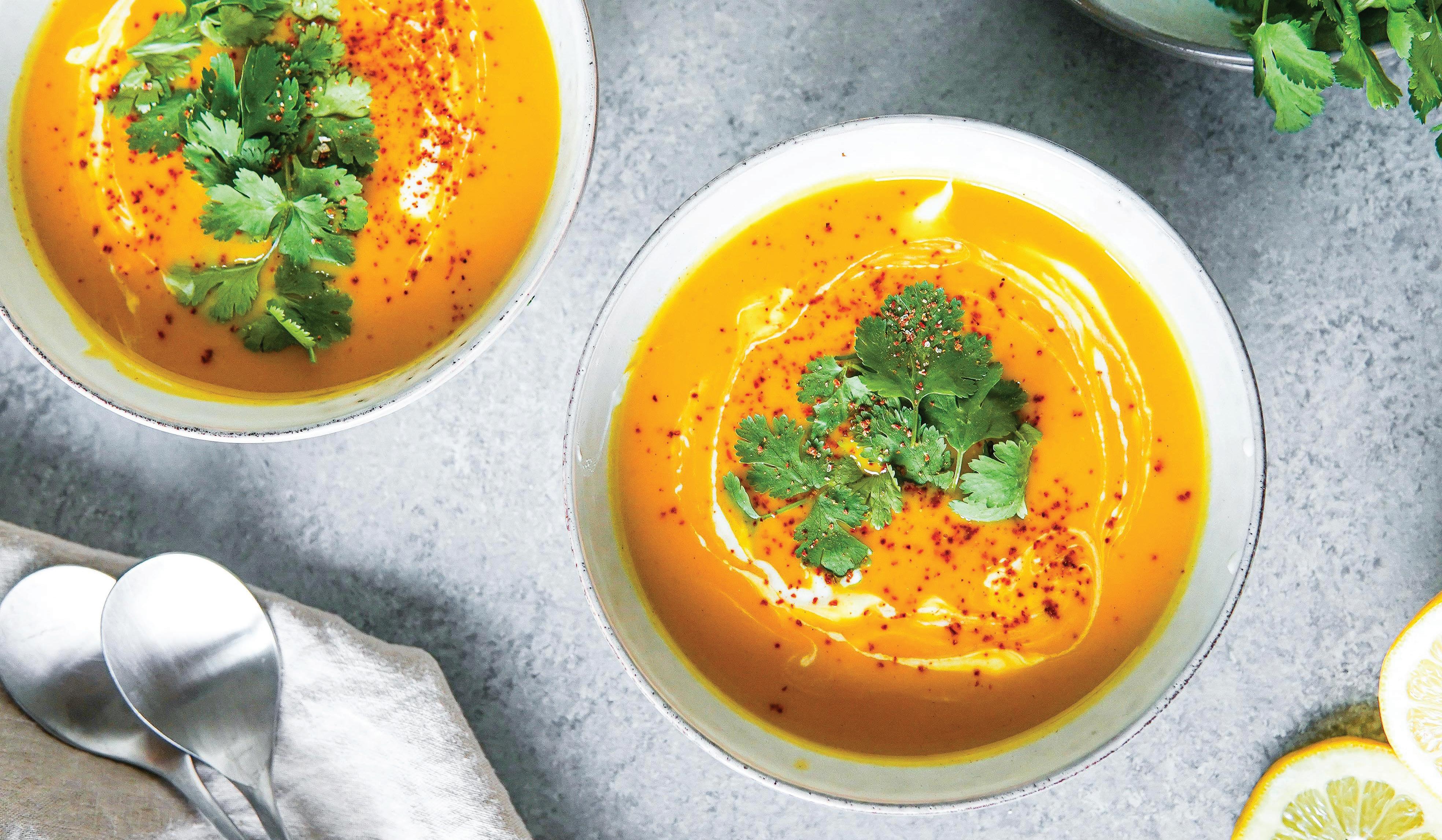
The Humble Winter Soup Makes a Comeback
As winter sets in, retailers have an opportunity to drive sales of seasonal winter vegetables by getting behind one of the easiest, most affordable meal solutions around – homemade vegetable soup.
Winter staples such as broccoli, carrots, cauliflower, kūmara, parsnips and potatoes are currently in plentiful supply and at their most cost-effective, making them ideal candidates for crossmerchandising and value-led promotions built around soup.
“When vegetables are in season, they’re at their best value, best quality and best flavour,” says Dr Carolyn Lister, Principal Scientist at Bioeconomy Science Institute. “Winter vegetables are incredibly versatile, and soups are one of the quickest and easiest ways to turn affordable produce into meals that are nutritious, warming and satisfying for the whole whānau.”
Fresh vegetable soup packs available in the produce department offer shoppers a convenient, ready-to-go option, and can be used to anchor a broader winter soup display alongside loose and pre-packed vegetables.
Buying vegetables in season remains one of the best ways for shoppers to eat well without spending a fortune – a message retailers can reinforce through in-store
signage or recipe cards
“A big pot of soup can often feed a family for several meals, making it ideal for leftovers, lunches or batch cooking ahead of busy weeknights,” Dr Lister says. “Throwing everything into a slow cooker at the start of the day means dinner is ready when you get home. Adding a protein –such as chicken, chickpeas or lentils – is also an easy way to turn simple vegetable soups into complete meals.”
“Winter vegetables might seem simple, but they punch well above their weight nutritionally,” says Dr Lister. “They contain important nutrients including fibre, vitamin C, beta-carotene and antioxidants that help support overall health and wellbeing during the cold winter months.”
Supporting Local Growers
Featuring New Zealand-grown winter vegetables also supports local growers and regional communities during an increasingly challenging period for the fresh produce sector, with production costs continuing to rise on the back of fuel, freight and fertiliser prices.
“New Zealand growers work incredibly hard to keep fresh produce on our shelves year-round,” says Dr Lister. “By choosing local, seasonal vegetables, shoppers are not only getting great value but also supporting the people growing food for our communities.”
With a season-long window of affordability ahead, winter vegetable soup presents retailers with a simple, low-cost promotional hook – one that combines nutrition credentials, value and support for local growers in a single, easy-tomerchandise category.




UNBLOCK & CLEAR NASAL CONGESTION FAST
The Next Fresh Obsession
Some flavours stand the test of time. Chocolate, vanilla and strawberry continue to dominate sweet food and beverage categories, consistently accounting for the largest share of sales.


Justin Maher Founder & Food Technologist Foodie Tech
Limited-time offers (LTOs), however, serve a different purpose. They're designed to generate excitement, attract new consumers and refresh brand perception. Most are seasonal or cyclical, what was trending last winter, or even last decade, often returns anew.
Today, social media accelerates these cycles, creating a constant stream of viral flavour trends. The challenge for brands is considering speed to market which can be three to six months, making it difficult to distinguish between a passing craze and a trend with genuine longevity.
So why mango? Why not orange, plum or lemon? Perhaps the more interesting question isn't why mango, but for how long.
Should brands continue jumping on the mango bandwagon, or should they wait for the next flavour to emerge? It's certainly possible that mango becomes a modern classic alongside chocolate, vanilla and strawberry, but what evidence do we have that it will?
From an ingredient technology perspective, mango still presents challenges. Like many fruits, it is susceptible to enzymatic browning when exposed to oxygen and light, affecting both appearance and flavour. Manufacturers still rely on the same preservation methods utilising
antioxidants, sulphites (where permitted) or processing techniques to minimise these effects. Additional natural colours, such as turmeric, may also be used to help maintain an appealing appearance.
This sensitivity can make mango less versatile than consumers might expect. Naturally dried mango, for example, develops a brown colour that may not align with consumers' expectations in ambient products such as snack bars or breakfast cereals. In beverages, however, opaque packaging and formulation provide greater control over colour and visual appeal, making tropical flavours a more straightforward proposition.
That said, I don't believe enduring trends are usually specific flavours. They're about what those flavours represent.
Today's consumers increasingly seek products perceived as natural, whole and made with real ingredients, while pushing back against foods viewed as ultra-processed. Mango and tropical flavours tap directly into that desire; they evoke freshness, sunshine and authenticity.
So how long does mango have? My prediction... another 24 months before the market starts looking for the next fresh obsession. n
CRISPY COCONUT ROLLS – MANGO FLAVOURED
Be Right
Bring a taste of the tropics to the breakfast aisle with Be Right Crispy Coconut Rolls Mango Flavoured. Made with pure coconut milk and baked, not fried, these deliciously crunchy rolls deliver a unique eating experience that stands out from traditional cereals and snacks. Packed with the vibrant flavour of juicy mango and the natural goodness of coconut, they are gluten and

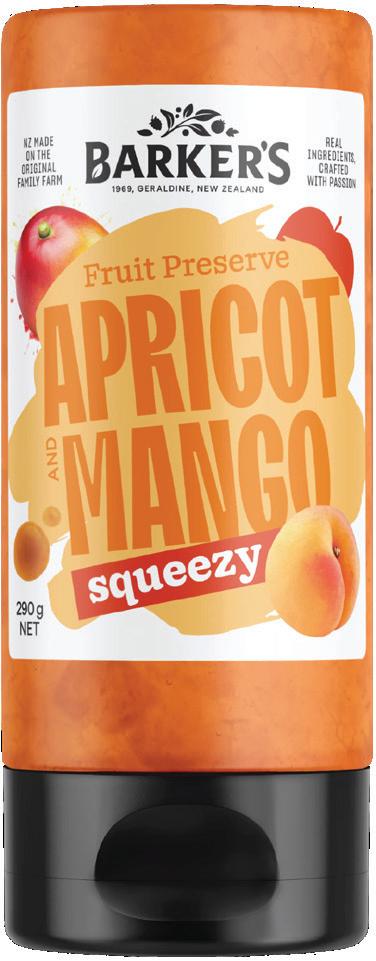
dairy free, contain no added preservatives, and have no MSG added. Perfect enjoyed with milk, yoghurt, or straight from the pack as a convenient snack, Be Right Coconut Rolls cater to growing consumer demand for betterfor-you, plant-based alternatives. Proudly NZ owned and operated, this innovative range offers retailers a genuine point of difference with strong shelf appeal.
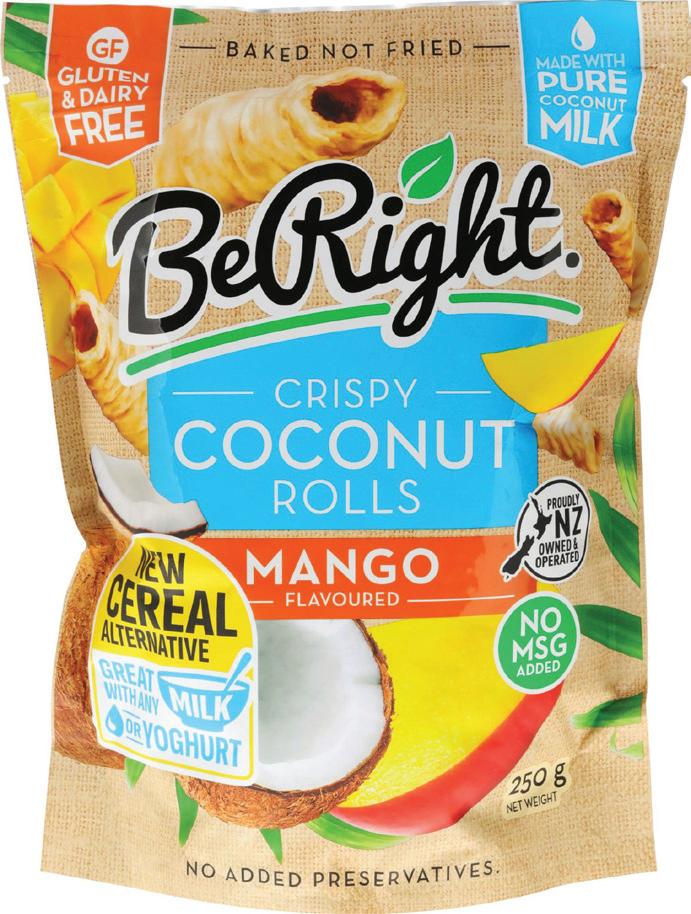
APRICOT & MANGO SQUEEZY FRUIT PRESERVE
Where great taste meets ease in every squeeze. Bursting with ripe flavoursome apricot and mango, and less sugar than a traditional jam, this delicious preserve is easier than ever to enjoy. Simply squeeze and spread on hot toast or add a dollop to your favourite yoghurt or dessert.

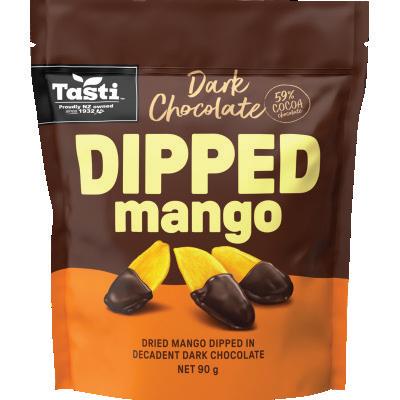
DECADENT DARK CHOC-DIPPED MANGO
The delicious taste of tropical mango, indulgently dipped in rich and smooth, real dark chocolate. Ideal for entertaining, adding colour and variety to a grazing platter or as a delectable snack - simply irresistible! For more information visit www.tasti.co.nz, E: tasti@tasti.co.nz Ph: 0800 827 841
Barker's of Geraldine
Tasti
Australian Mangoes: A Taste of Summer Loved on Both Sides of the Tasman
For many New Zealand consumers, the arrival of Australian mangoes signals the beginning of summer.
With their vibrant colour, sweet aroma and juicy flesh, they have become a seasonal favourite, and in recent years, New Zealand has grown to become the largest export market for Australian mangoes.
Australia produces approximately 70,000 tonnes of mangoes each year, with the vast majority grown across the tropical regions of the Northern Territory and Queensland. Across all regions, growers carefully manage orchards to deliver premium-quality fruit throughout the season.
Although harvesting typically begins in September in the Northern Territory, Australian mangoes are generally available in New Zealand from around October each year, aligning with the start of the Queensland harvest and building through spring and summer.
Consumers can enjoy a diverse range of varieties, including:
• Kensington Pride: Australia’s original mango, celebrated for its rich tropical flavour and distinctive aroma.
• R2E2: a large, round fruit with striking colour, firm flesh and sweet, fresh flavour.
• Calypso®: known for its sweet and juice flavour, low-fibre flesh and strong shelf appeal.
• Honey Gold: recognised for its vibrant golden skin and sweet, rich flavour.
• Keitt: a late-season variety with a mild, sweet flavour and firm flesh.
This varietal mix enables retailers to maintain a consistent supply throughout the season while catering to a range of consumer preferences for flavour, texture and size. For Australian growers, New Zealand is far more than a neighbouring market. It is now Australia’s largest export destination

for mangoes, consistently accounting for around 40 percent of total export volumes. Close proximity between the two countries enables efficient supply chains, ensuring fruit arrives in excellent condition and delivers the premium eating quality for which Australian mangoes are known. Whether enjoyed fresh, added to salads, blended into smoothies or used in desserts,
Australian mangoes continue to offer New Zealand consumers a taste of sunshine and a connection to Australia’s tropical growing regions.
While the next season is still some time away, shoppers can once again look forward to one of summer’s most anticipated fruits, grown by Australian farming families and delivered fresh across the Tasman. n

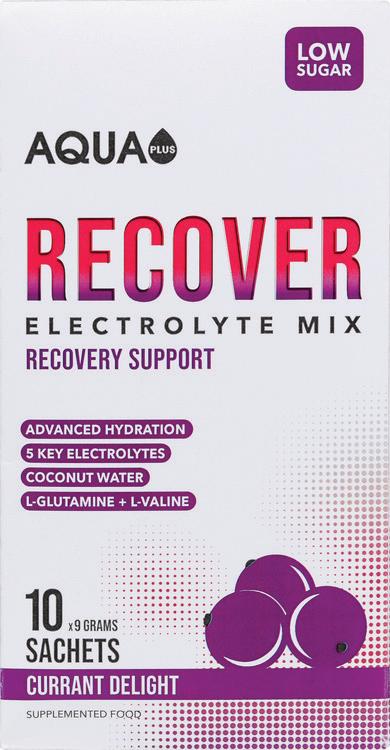
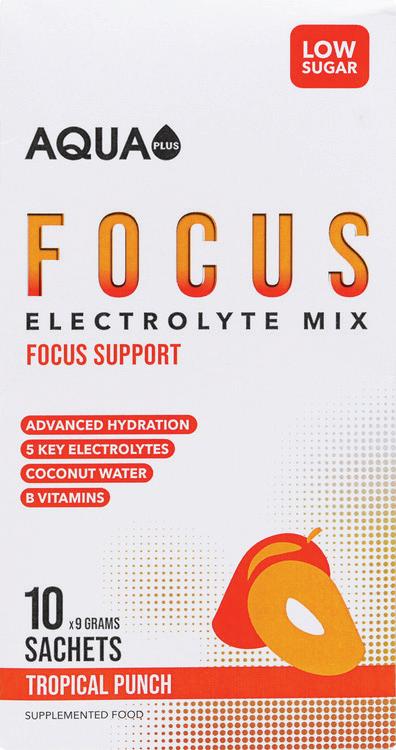


Fricy Gives Mango A New Shelf Role
Mango’s next supermarket opportunity may not come from another sweet tropical blend. The stronger growth angle is in contrast, where mango is paired with chilli, lime, salt, spice, vinegar or savoury cues to give familiar products a sharper adult appeal.
Overseas, this fruit-plus-spice movement is being described as fricy, a shorthand for fruity and spicy. For New Zealand supermarkets, the more useful point is commercial rather than linguistic. It gives suppliers another way to use mango beyond the usual tropical cues, and it gives retailers a more defined shelf story.
For suppliers, that opens a useful point of difference. For retailers, it gives mango a new role in categories that are already crowded with tropical flavours. Mangopassionfruit, mango-orange and mangococonut still work, but they are familiar. Fricy flavour gives mango a different job across sauces, snacks, beverages, meal solutions and foodservice-inspired grocery.
The appeal is not hard to understand. Mango brings sweetness, colour and softness, while heat brings energy and interest. Acidity stops the product from becoming too heavy. Together, they create a flavour profile that feels current without asking shoppers to move too far from the mainstream.
For supermarket buyers, this is where mango becomes more than a seasonal flavour. A mango chilli sauce can sit naturally in meal solutions or BBQ. A
mango-lime dressing can support salads, deli and summer entertaining. A spicy mango snack can add interest to sharing occasions, while a mango jalapeño beverage can give refreshment a more adult cue.
That gives suppliers a broader commercial platform. Instead of launching another tropical line into a chilled or frozen category that may already have several similar products, mango can be used to create a stronger usage occasion. The product can still feel accessible, but it has a clearer reason to stand apart.
Foodservice has helped build this direction. Operators have been using mango in cocktails, salsas, glazes, dressings and spicy sauces because it adds colour and lift without requiring unfamiliar ingredients. Grocery often follows once those flavour cues become familiar enough for home use. That is relevant for retailers because shoppers are increasingly comfortable with foodservice-style flavours in supermarket formats. Meal kits, premium sauces, marinades, frozen snacks, ready meals and RTD drinks have all benefited from flavours that feel like something a customer may have seen in a café, bar or casual dining menu.
Continued on pg. 27

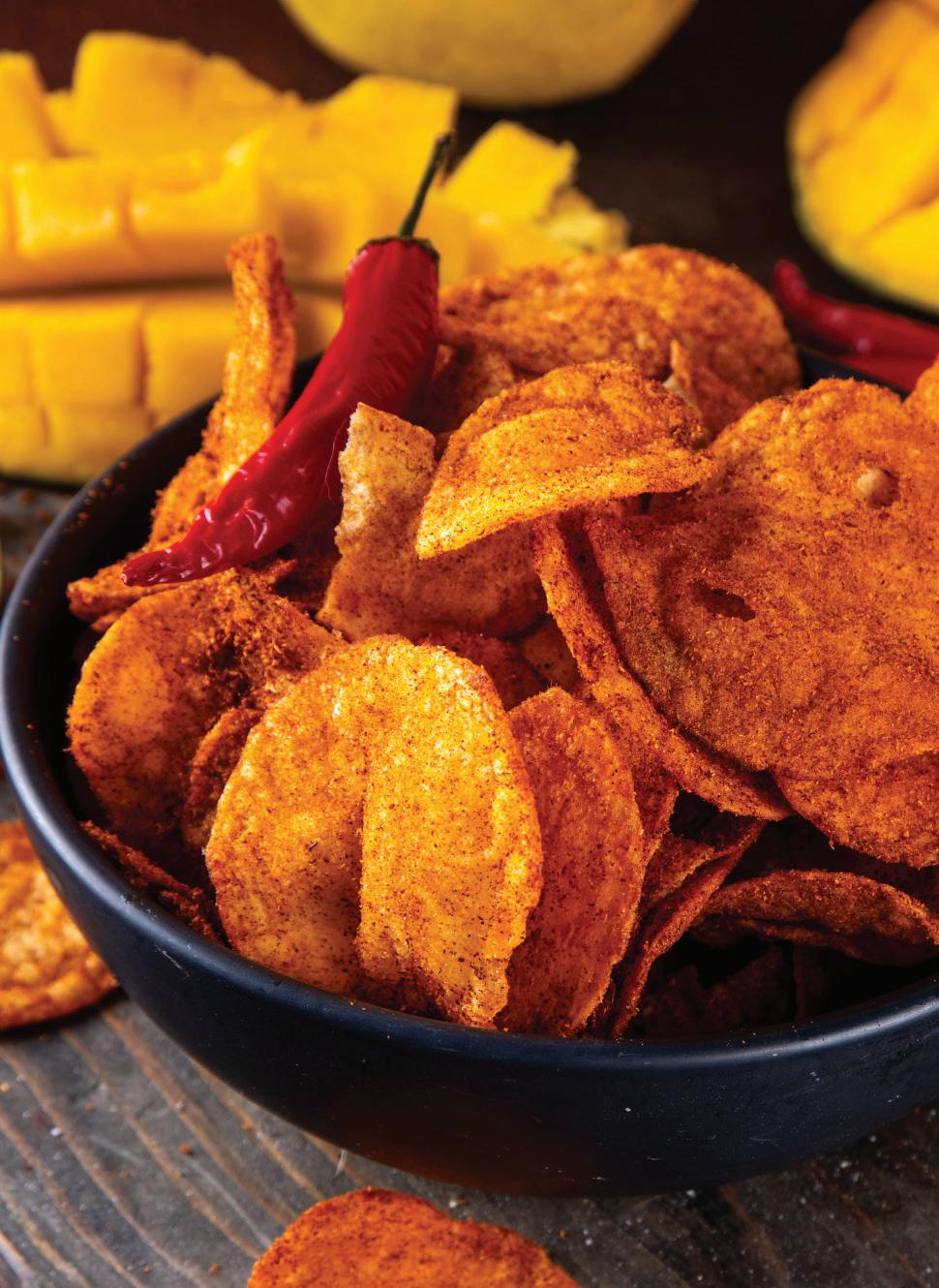
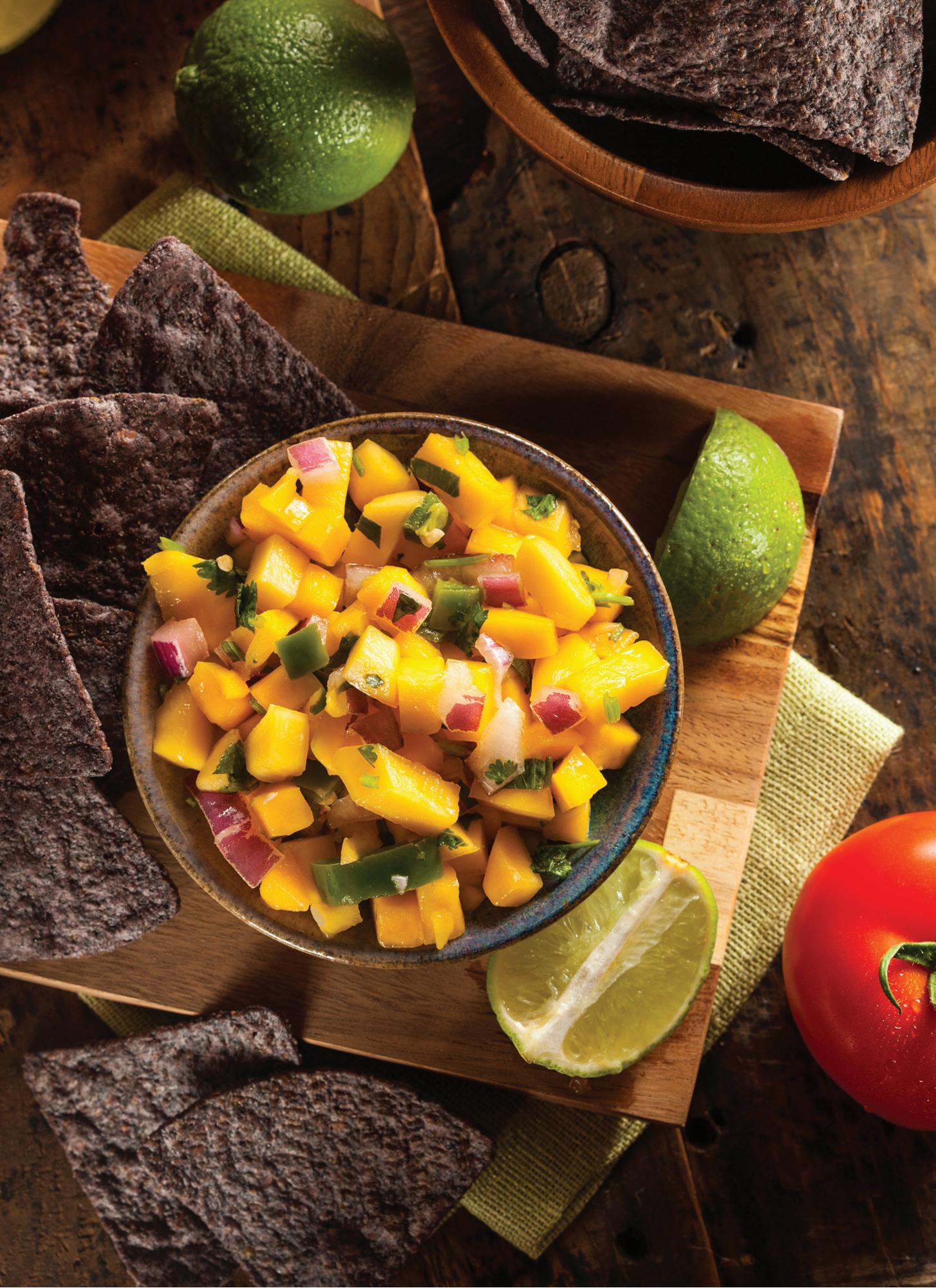
Mango works well in that space because it is not intimidating. A mango chilli sauce sounds more approachable than a very hot sauce built around an unfamiliar pepper variety. A mango lime salsa gives shoppers a clear usage cue. A mango jalapeño drink has enough novelty to stand out, but enough familiarity to avoid feeling too niche.
The opportunity is not limited to sauces. Fricy flavour can work across chips, nut mixes, crackers, jerky-style snacks, chilled dips, frozen finger food, marinades, dressings, soft drinks, mocktails and alcohol-adjacent adult beverages. Each format gives mango a different role, from sweetness and colour to balance and finish. For suppliers, the discipline is choosing the right level of heat for the category. A family sauce may need warmth rather than punch. A snack product can push harder because consumers expect impact. A beverage needs a cleaner finish so the heat does not become tiring. A meal solution needs balance so the product works with protein, rice, salad or bread.
Retailers will also need to think carefully about where these products sit. Fricy mango may not belong beside standard fruit products. In many cases, it will work better with world foods, condiments, entertaining, premium snacks, BBQ, summer displays or adult refreshment.
Shelf placement will influence whether shoppers understand the usage occasion. There is a margin opportunity in this. Products with more complex flavour cues can support premium positioning when they are executed well. A mango chilli glaze, mango lime dressing or spicy mango mixer can carry a stronger value perception than a basic fruit-flavoured line, giving suppliers more room to protect margin if the product delivers.
The risk is overplaying the trend. Fricy flavour is useful, but it can quickly become gimmicky if the product has no clear use. A mango chilli product still has to answer a practical shopper question. What do I put it on? Who in the household will use it? Why would I buy it again?
This is where product format becomes as important as flavour. A sauce can show usage through serving suggestions. A snack can communicate intensity and occasion. A beverage can lean into refreshment, summer or adult social drinking. A frozen product can be positioned around entertaining or quick meals. Without that clarity, the flavour combination may attract curiosity but fail to build repeat purchase.
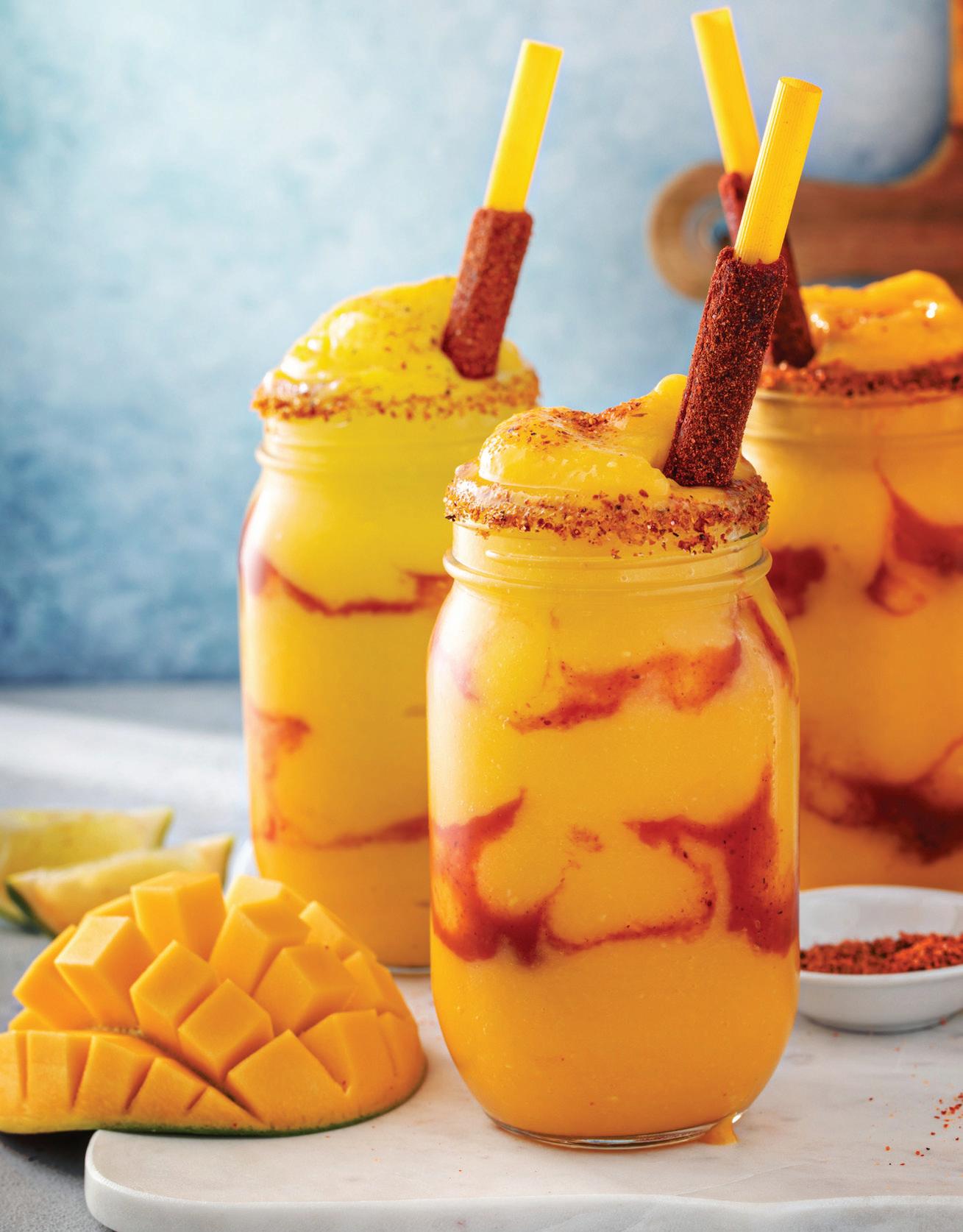
Suppliers also need to be careful with cultural cues. Mango with chilli, salt or chamoy-style influence has roots in established food traditions. The strongest products will treat those cues with some intelligence rather than turning them into a loose novelty claim. That does not mean making the product complicated. It means being clear about flavour, usage and the inspiration behind it.
For retailers, fricy mango can help bring energy into categories that need refreshment. Condiments, snacks and RTDs are obvious opportunities, but there may also be room in chilled dips, ready meals, meat glazes and deli-adjacent products. The common thread is occasion. These products need to make a meal, snack
or drink feel more interesting.
Mango’s role in this space is commercially useful because it reduces the risk attached to bolder flavours. It gives suppliers a way to introduce heat without alienating mainstream shoppers. It also gives retailers a product story that can sit across summer, entertaining, BBQ, global flavours and adult refreshment.
The next phase of mango will not be won by sweetness alone. It will be won by products that use mango to create contrast, whether through chilli, lime, salt, smoke, vinegar or spice. For suppliers, that means building the flavour around a real usage occasion. For retailers, it means backing the products that can move beyond trial and earn their place through repeat purchase. n

Mango Moves From Seasonal Flavour
To Shelf Strategy
Mango has become a harder-working flavour for retailers and suppliers. It still carries summer, colour and tropical appeal, but it now appears across enough supermarket categories that it can no longer be treated as a seasonal add-on.

That creates a clear ranging question. For supermarket buyers, brand owners and category teams, the issue is not whether shoppers recognise mango. The question is whether another mango SKU will drive incremental sales or simply sit beside existing tropical products and weaken the point of difference.
Mango has expanded beyond juice and ice blocks. It now features in yoghurt pouches, probiotic yoghurt, chilled drinks, electrolyte beverages, sparkling drinks, teas, muesli bars, nut crunch, baby food, sorbet, chutney, sauces and savoury protein formats.
That breadth matters commercially because mango now works across multiple shopper missions. It can sit in lunchbox convenience, summer refreshment, guthealth dairy, low-sugar hydration, premium frozen dessert, family snacking and meal solutions. Few fruit flavours can stretch that far without losing mainstream recognition.
For brand owners, mango is a useful tool for range reviews. It can refresh an existing line without asking shoppers to understand a completely unfamiliar profile. A mangopassionfruit pouch, mango yoghurt, mango sparkling drink or mango snack bar can feel new enough to justify trial, but familiar enough to reduce risk at shelf.
The risk is sameness. Mango often pairs with passionfruit, peach, orange or coconut. Those pairings make commercial sense because they soften acidity and strengthen the tropical cue, but if every product follows the same formula, multiple lines end up doing the same job.
Mango’s value is not in novelty. Its strength is its familiarity, flexibility and ability to adapt to new formats. That makes it commercially useful, but also easy to overuse.
Mango should not be added simply because tropical is trending. It needs a clear role in the range: a children’s option, a no-added-sugar alternative, a gut-health product, a premium indulgence, a summer promotion or a stronger flavour cue within an established category.
The strongest mango products have a defined occasion. In dairy, mango can create a smooth, bright flavour for yoghurt, smoothies and pouches. In drinks, it can deliver colour and sweetness while supporting hydration, energy or low-sugar positioning. In snacks, it can make healthier formats feel less austere.
Mango also gives category teams a seasonal promotional platform that spans departments, not just fresh, frozen, or chilled drinks. A coordinated tropical range can bring together beverages, dairy, snacks, frozen desserts and selected meal solutions, giving suppliers a stronger
case for supporting activity.
There is a procurement angle too. Mango products vary widely in format, ingredient load and supply chain complexity. A mango-flavoured beverage has different cost and stability pressures from a mango yoghurt, sauce or frozen product. Buyers will look past the flavour name and assess whether the product can hold quality, margin and availability through the season.
Mango’s value is not in novelty. Its strength is its familiarity, flexibility and ability to adapt to new formats. That makes it commercially useful, but also easy to overuse.
The point is not to add mango everywhere. It is to choose where mango clearly improves the offer. Suppliers will get more value from the flavour when it gives shoppers a reason to buy again, not when it simply adds another tropical line to an already crowded category. n
Whole, Local & Built on Trust
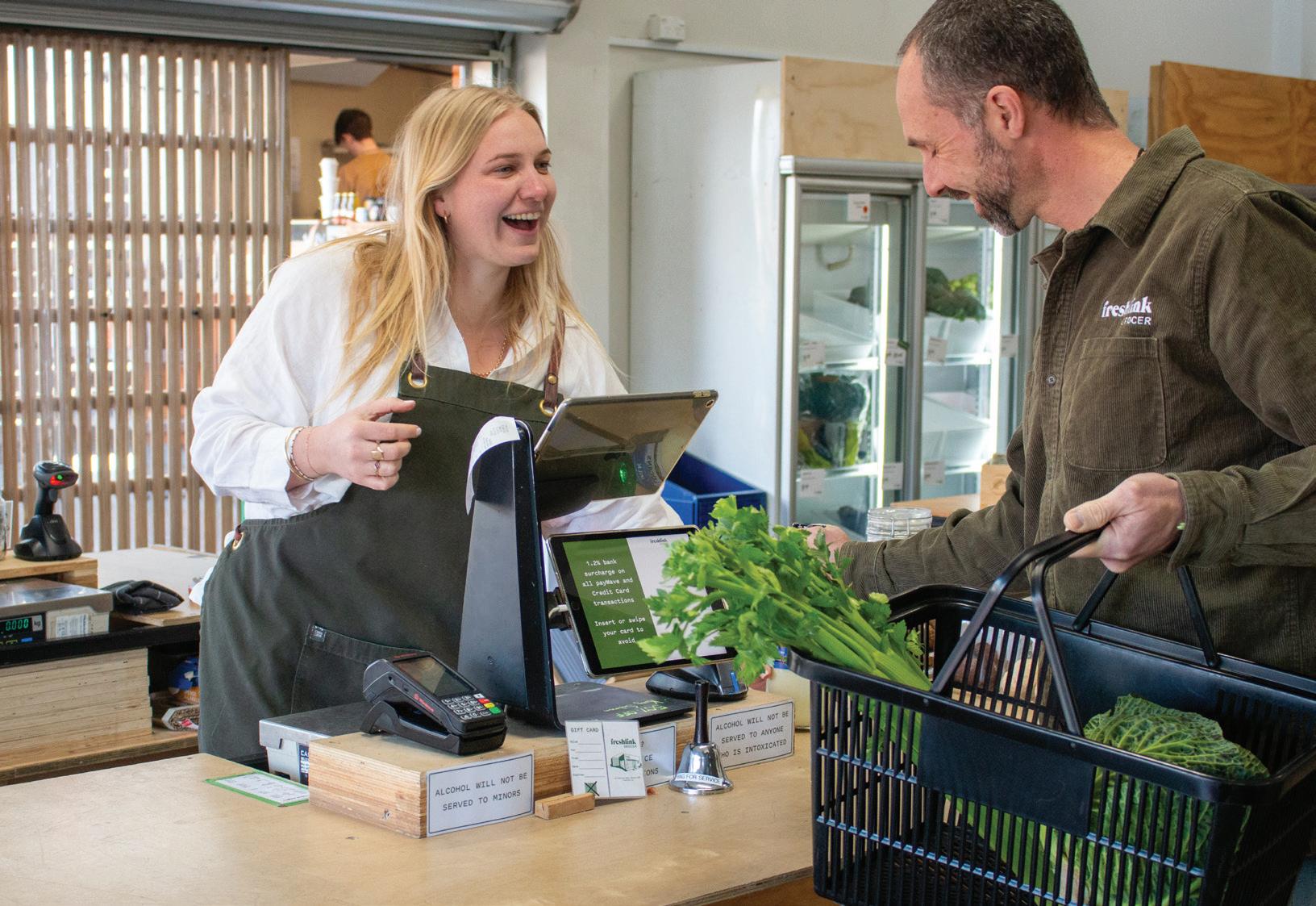
When Jesse Herbert thinks about what he wants to stock on shelves, it comes down to one simple rule: No sh*t in the shop!
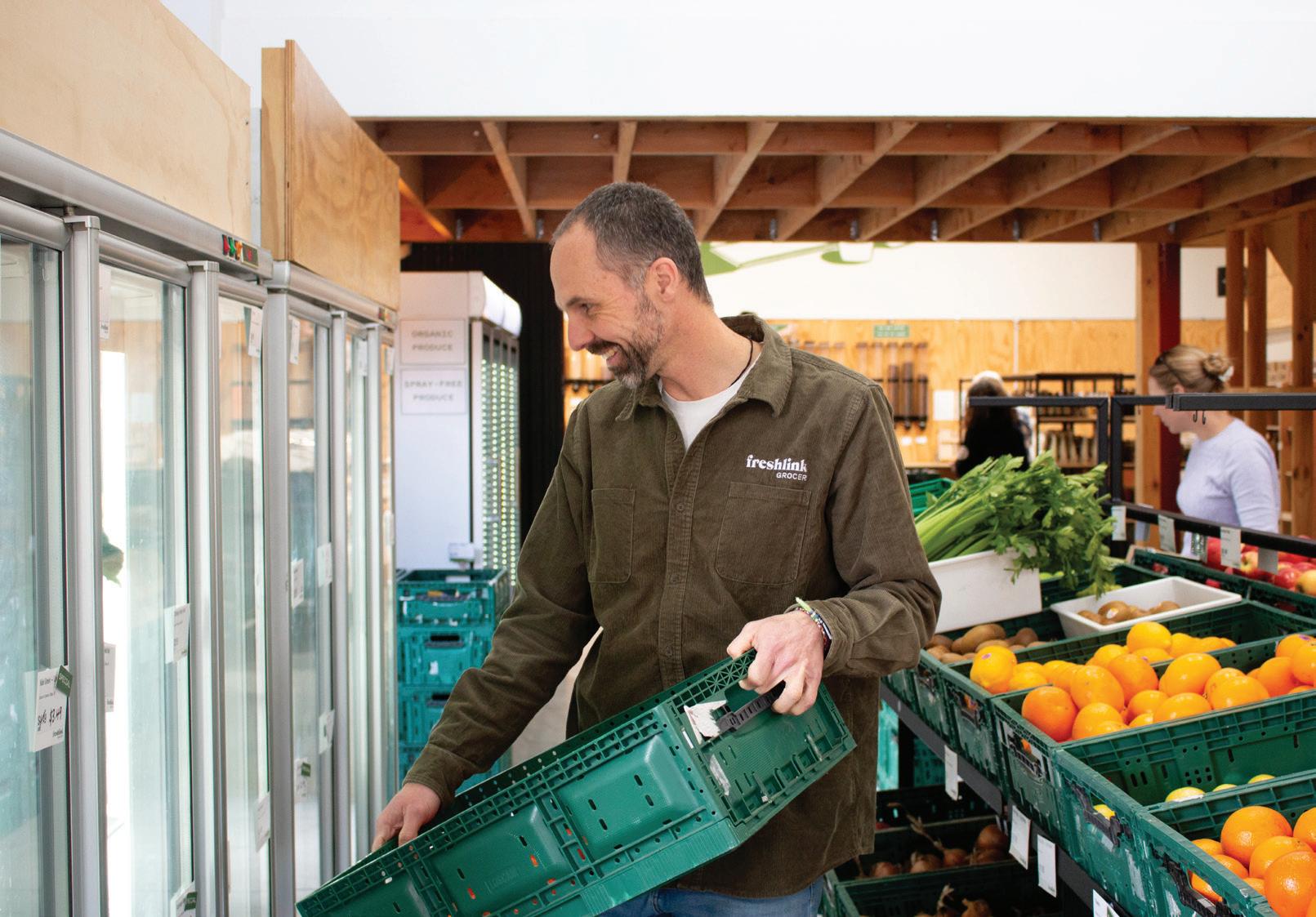
For the Wānaka Freshlink Grocer owner, that means ensuring everything in the store is 100 percent wholefoods. Before any product enters the shop, it goes through a rigorous screening process to ensure there are no hidden additives, preservatives, stock, thickened cream, or refined sugar.
Herbert said there is no need for customers to scan the ingredients list when they grab a product off the shelf because the team at Freshlink has already done it for them.
“Trust us, everything in-store is real food, and good for you and your loved ones”.
The grocer supports local suppliers by stocking fruit and vegetables grown by independent Southland and Otago farmers.
“Whole and local - it’s the foundation for everything that Freshlink does. It’s our vision, it’s our goal.”
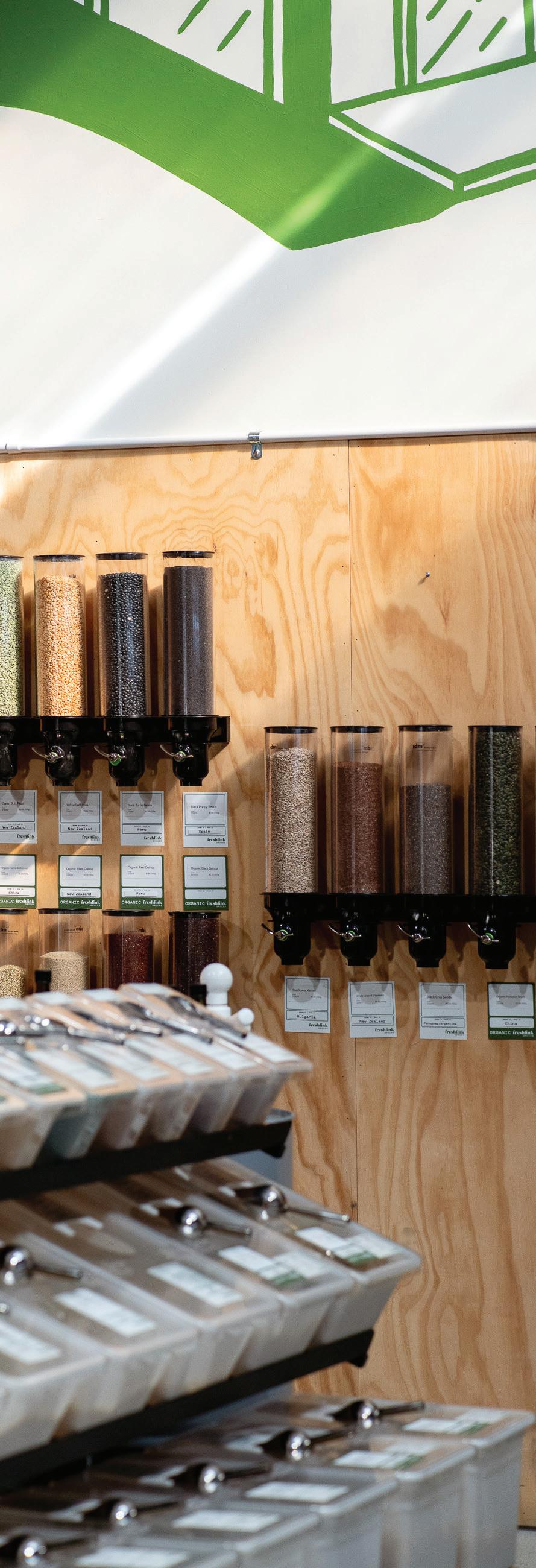
Freshlink has also been actively working to minimise single-use packaging and landfill waste. Thirty percent of Freshlink’s products are available to purchase in bulk from refillable containers. The containers work well for locals stocking up their pantry
or for visitors who do not want to buy in bulk.
The grocer’s collaborative effort with third-generation farmer John McRae of Glendhu Station to establish the Glendhu Station Compost Hub helps divert between 25 and 30 tonnes of food waste from landfill every year.
Additionally, the finished compost from the hot-composting system is used at the station to support sustainable land management and native planting initiatives. The long-term aim is to use the compost to grow food on the land and supply it back to Freshlink.
Herbert said customers were becoming more interested and actively buying food made right here in New Zealand.
“New Zealand has incredible growing conditions for a variety of foods, and the ability to feed its population eight times over,” he added.
“Our plan is to continue hyper-localising New Zealand’s food system by supporting local farmers, growers and artisans.”
The goal was to decentralise New Zealand’s food system, and Wānaka just happened to be the starting point. n


Australian Retailers Building A Strong, Sustainable Fresh Produce Sector
The International Fresh Produce Association (IFPA) recently appointed three new Directors to the Australian-New Zealand Board with vast knowledge across retail landscapes and global production insights.

IFPA A-NZ serves an AUD 24 billion fresh produce and floral supply chain, focused on increasing demand and access to the fresh produce and floral products across Australia and New Zealand, while removing barriers to a thriving business environment. Here are some insights from the three new directors.
Kenny MacLeod, Coles Business Category Manager Fresh Produce, Vegetables, Salad and Value Add, has observed a growing demand for healthy snacks, with strong growth across the range of bite-sized vegetables, particularly tomatoes, baby cucumbers, mini vine capsicums and carrots.
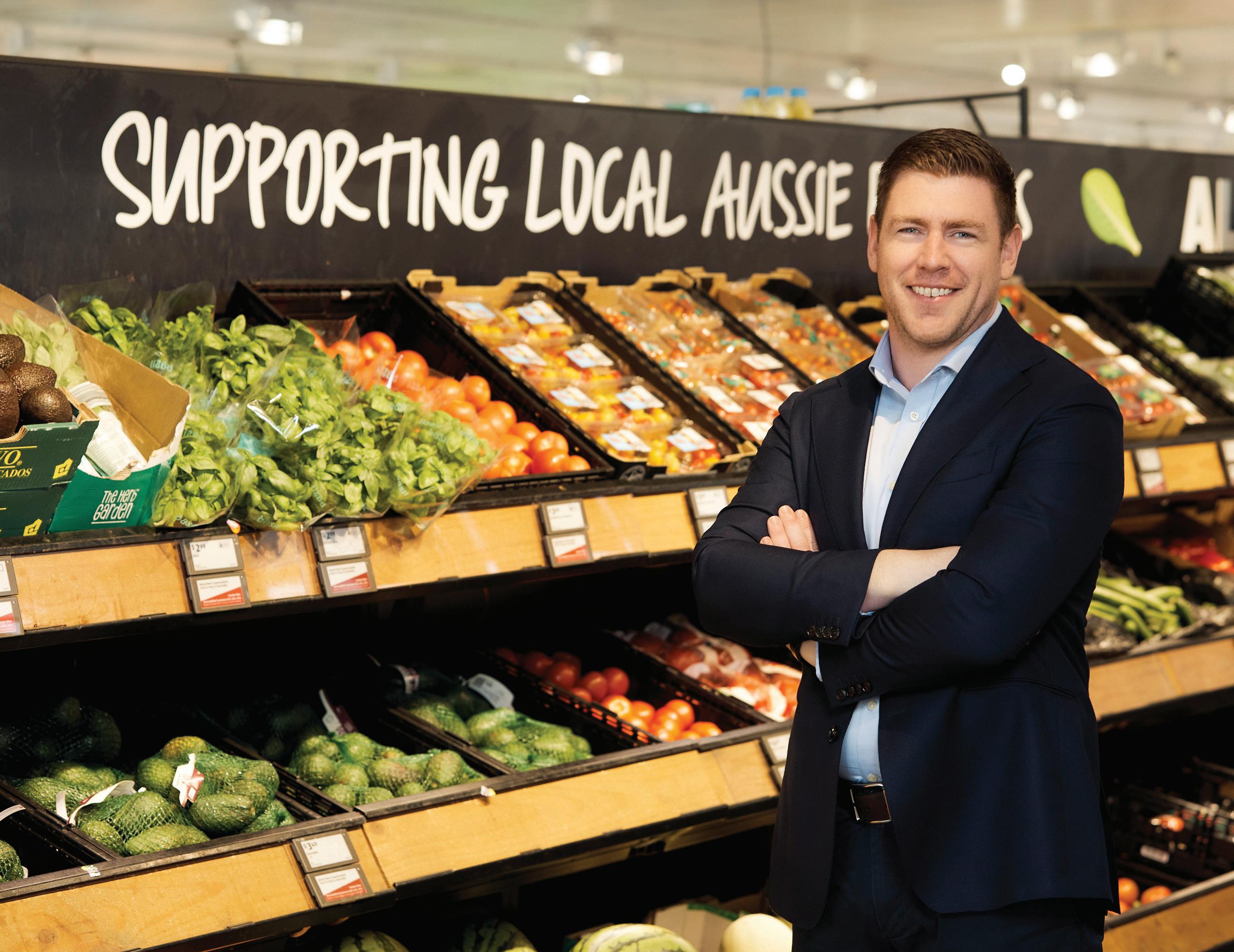
The Coles Value Add range offers a broad selection of ready-to-enjoy fruit, salad and vegetable products that help make healthy eating easier for busy households.
MacLeod said that these products have become a popular choice for school lunchboxes and as a daily nutritious snacking option, as convenience and value remain front of mind for customers seeking fresh options that require less time and effort without compromising on quality.
Similarly, Christian Parsons, Costa Group, mentioned that consumer trends have continued to move towards higher flavour and more convenient eating options. He said that growers have also become more responsive to consumer needs, deliberately planting varieties that appeal to consumers and enhance their experiences, such as seedless mandarins and snacking tomatoes.
Matt Atley, IFPA Board of Directors, highlighted that the berries category has seen strong growth and attributed this to
loyalty to a single retailer, largely driven by increased price sensitivity.
He said shoppers have actively chased promotions, and given the ongoing cost-ofliving pressures, he expected this trend to continue and potentially increase over the next year.
Parsons added that consumers also want to be assured that their fresh produce has been grown and sourced ethically, from environmental expectations around sustainable farming practices and labour engagement, through to the supply chain, such as the use of sustainable and recyclable packaging.
To meet these expectations and plan for the future, he said the industry needed to continue to adapt and innovate, finding new, more efficient, and sustainable ways of operating to remain both commercially viable and to grow the industry in real terms.
“We need to both leverage the advantages Australia and New Zealand producers have in Asian markets versus competitors' (and
contribute positively to food security in both domestic and global markets by sharing Australia and New Zealand’s world-leading best practice production know-how to expand supply windows and further drive demand.
“Costa has established a farming footprint in Africa and Asia, bringing jobs, healthy food, and improved living conditions to many communities, showing how, as an industry, we can have a significant positive impact on local and regional communities worldwide,” he said.
MacLeod added that IFPA Australia-New Zealand has also played an important role in supporting the fresh produce industry by bringing together growers, retailers and other industry partners.
Through its work, the organisation has encouraged Australians to enjoy more fresh produce as part of a healthy, balanced diet, which closely aligned with Coles’ purpose of helping Australians eat and live better every day, while supporting a strong and sustainable fresh produce sector. n
The future of FMCG needs you
One of the most rewarding aspects of working in New Zealand's FMCG industry is seeing the strength of the talent coming through. That was on full display recently when more than 80 emerging leaders gathered in Auckland for the New Zealand Food & Grocery Council's latest Future Leaders event.

Raewyn
Chief Executive, New Zealand Food & Grocery Council
The outstanding turnout reinforced just how much interest there is among younger professionals to engage with their peers and hear from industry leaders.
These events are organised by the NZFGC Talent & Diversity Working Group – a group of NZFGC members and retailer representatives who work on a range of activities as an investment for our entire industry. The Future Leader events aim to create a place for early-career professionals to connect and learn from experienced leaders and experts in a networking setting.
The focus of the most recent event was resilience in a fast-changing FMCG environment, and our panel brought together a fantastic mix of perspectives from across the industry. Leadership expert Robin Davies facilitated the panel featuring Monique Brooks (Mars NZ), Kayla Brooks (Suntory Oceania) and Guntard Edelmann (Swisse Wellness), who shared honest insights drawn from their experiences on the front lines of FMCG. Their stories gave realworld examples of how they manage when the pace of business intensifies.
A huge thank you goes to Andrew Donegan and the Kraft Heinz Wattie's team for hosting us, and to the NZFGC Talent & Diversity Working Group, whose energy continues to make these events possible.
As well as being a wonderful charity fundraising event, the Grocery Charity Ball also offered an opportunity for the NZFGC to host two of the attendees from our Future
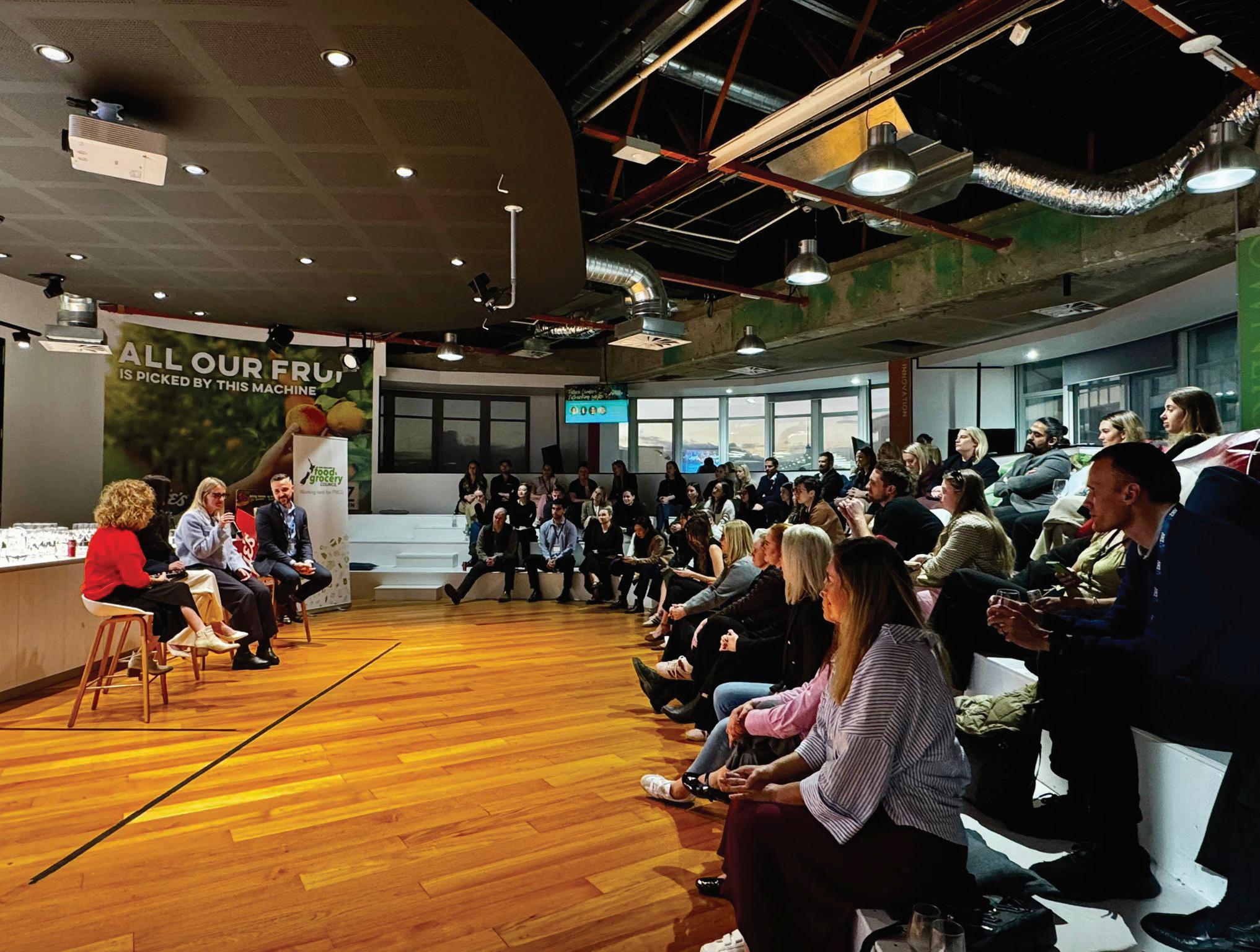
The NZFGC Future Leaders Event hosted at Kraft Heinz Watties
Leaders event, Rebecca Ripley and Isaac Leung, alongside Minister for Commerce, Manufacturing, and Small Business, Hon Cameron Brewer. Facilitating emerging talent participation in established industry events strengthens and ensures a diversity of voices are part of the conversations shaping our sector's future.
And what a night it was.
The Grocery Charity Ball once again showcased the generosity and spirit that define the industry, raising funds this year for Blood Cancer NZ. Congratulations to the Grocery Charitable Trust team on delivering another outstanding event in support of a hugely worthy cause.
Our Future Leader events celebrate our industry and help to build a strong talent pipeline for the future. In support of that endeavour, we are also making a final call for businesses to get involved in the FMCG Futures Summer Internship Programme.
Your summer intern could become your next great hire! Every year, talented university students are looking for opportunities to gain real-world experience
in New Zealand's food and grocery industry over the summer break.
If you've ever thought about hiring an intern, this is a great way to do this! The FMCG Futures Internship Programme makes it easy for businesses to connect with students eager to contribute, learn and make a difference - and we’d love to see more businesses taking up the wonderful opportunity to have a summer intern.
With university semester two now underway, recruitment and placement matching will begin shortly. Even if you're only exploring the idea, I encourage you to register your interest and learn more about what the programme can offer. See more here: https://www.fgc.org.nz/ fmcgfuturessummerinterns.

Bleakley
Liquid Ambition Conference includes return of impressive beverage awards event
After a 10-year hiatus, the NZ Non-Alcoholic Beverage Awards have returned and are now open to all New Zealanders working within the sector. And, it’s not too late to enter, with applications open until August 7!

The premier awards evening, to be held on October 15 this year, will be part of the sector’s annual conference called Liquid Ambition: The Future of New Zealand Beverages.
NZ Non-Alcoholic Beverage Council co-chair Nick Sawyer says the awards are not just an event; they are a strategic asset designed to elevate the profile of the entire beverage industry – entries are open to both NZBC members and non-members.
“With that inclusivity in mind, the awards offer a platform to shine, whether you are an established household name or a rising star,” Nick says.
The award categories are as follows:
• Best Beverage Innovation: Recognising ground-breaking new products, formats, ingredients, or processes.
• Brand of the Year (Established & Emerging): Celebrating brands that demonstrate outstanding market performance, compelling brand storytelling, and deep consumer trust.
• Emerging Leader: Honouring talented individuals with fewer than 10 years in the industry who are demonstrating measurable impact and shaping the future of the sector.
• Industry Champion: Recognising a career or legacy of outstanding, long-term contribution to the New Zealand nonalcoholic beverage industry.
The awards dinner will be held at the conclusion of the NZBC annual conference. Early bird tickets to the conference – also available to non-NZBC members – are available until August 14.
NZBC co-chair Sam Borgfeldt says an impressive calibre of speakers will take to the podium at the conference, and they’re sure to inform and entertain. The mix will include a comedian, an Olympian, an award-winning strategist and brand-builder; a woman with a company named Love Muscle, and another who created a clean RTD cocktail.
They are: Matt Dilly – Agricultural Economist - ANZ; Cormac Henry – ANZ F&D Specialist - Mintel; Tom Walsh –Olympian and Keynote speaker; Leigh Hart – Keynote Speaker; Nic Blakeley – CEO –MBIE; Bron Williams – Strategy Director and Co-Founder – Essential Viewing; Holly McGrath – Co-Founder and Managing Director - Clean Collective; and Karina Young – Founder – Love Muscle.
In addition, the conference’s innovation panel will comprise: Will Ward – Business Manager – Liquor & Beverages –Foodstuffs; Rebecca Brook – Founder and Strategic Growth Advisor – Rise Growth Lab; and Jamie Matthewson – General Manager for Impulse Grocery and Liquor –Woolworths.
Check the website www. nzbeveragecouncil.org.nz/events for more on these speakers and innovation panel members.
Sam say’s the conference will throw the spotlight on innovation, resilience and the future of NZ’s beverage industry.
He says the Liquid Ambition conference’s MC is well versed in resilience and ambition.
Sarah Cowley Ross is a former Olympian and one of Aotearoa’s most versatile multi discipline athletes (she’s a high jump and
heptathlon champion). She has built a purposeful career at the intersection of sport, wellbeing, and storytelling and says her sporting background has laid the foundation for a life defined by resilience, curiosity, and a deep commitment to empowering others through sport and movement.
She is a sports broadcaster, columnist and commentator, podcast co-host, qualified physiotherapist, storyteller, advocate for women’s sports and women’s leadership, and has served in many governance roles.
Her work is driven by the belief that sport and storytelling can help build a healthier, more connected Aotearoa where people of all ages feel inspired to move, belong and thrive.
Her personal mantra? Never Miss a Monday – start the week with intention, joy and confidence.
The one-day conference will begin with registration at 8.30am and conclude with a dinner and the awards presentation to be held at Tote on Ascot, Ellerslie Event Centre. Non NZBC members are welcome to join members at the event. Tickets are now available at www.nzbeveragecouncil. org.nz/events
The conference organisers would like to thank the following sponsors for their ongoing support of the NZ Beverage Council: Platinum Sponsors – Sensient Technologies, Gold Sponsors – Chelsea, and Silver Sponsors – Alchemy Agencies and RD2 International Ltd.
www.nzbeveragecouncil.org.nz

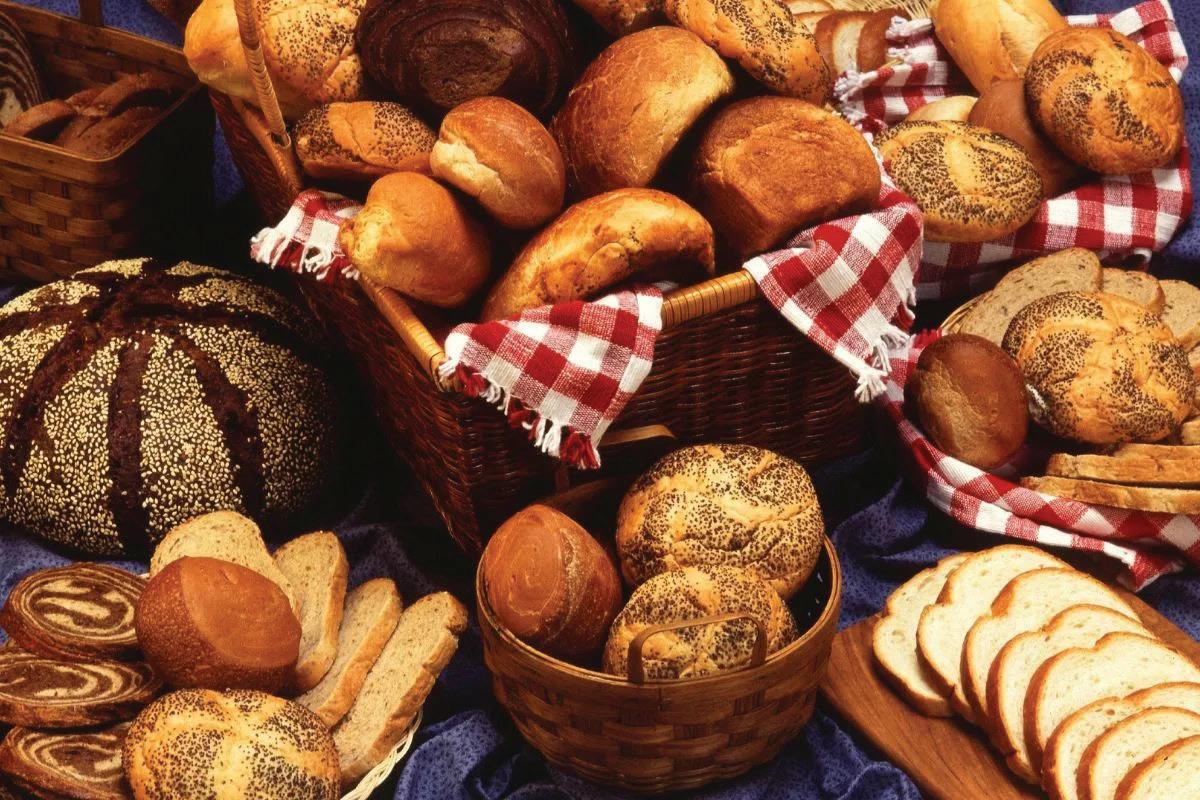
ABF Completes
Acquisition Of Hovis Group Limited
Associated British Foods has announced that it has completed its acquisition of Hovis Group Limited from Endless LLP.
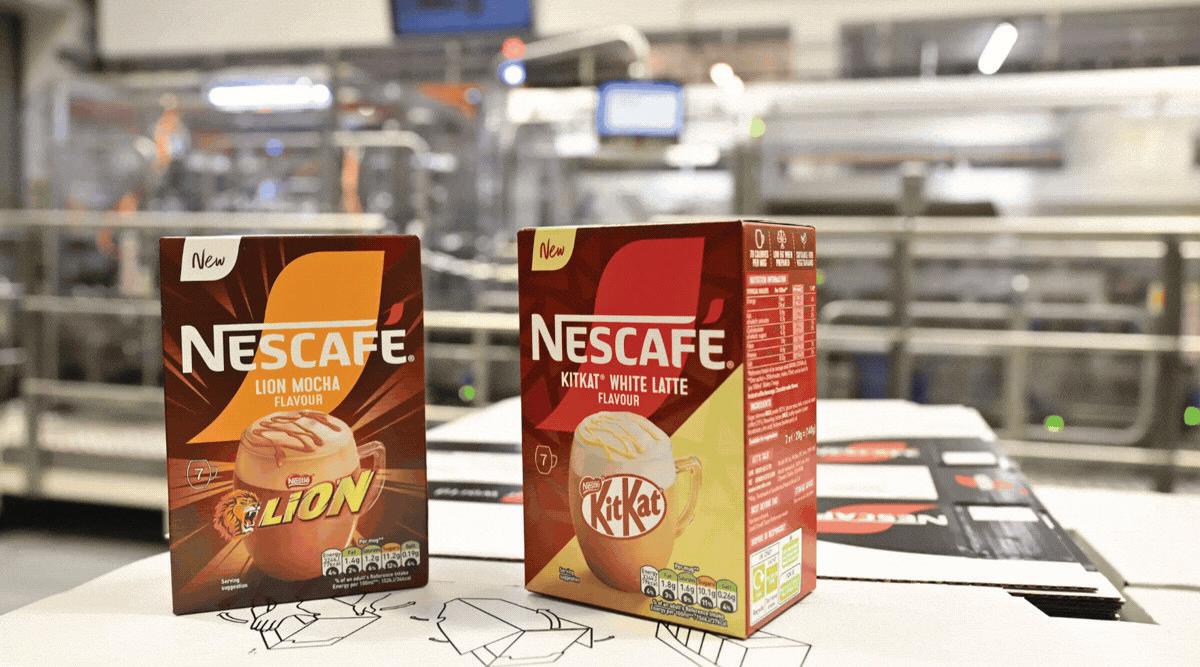
Nestlé Drives Coffee Growth With Confectionery Collabs
Nestlé has launched two new Nescafé frothy coffee products, Nescafé KitKat White Flavour Latte and Nescafé Lion Flavour Mocha.

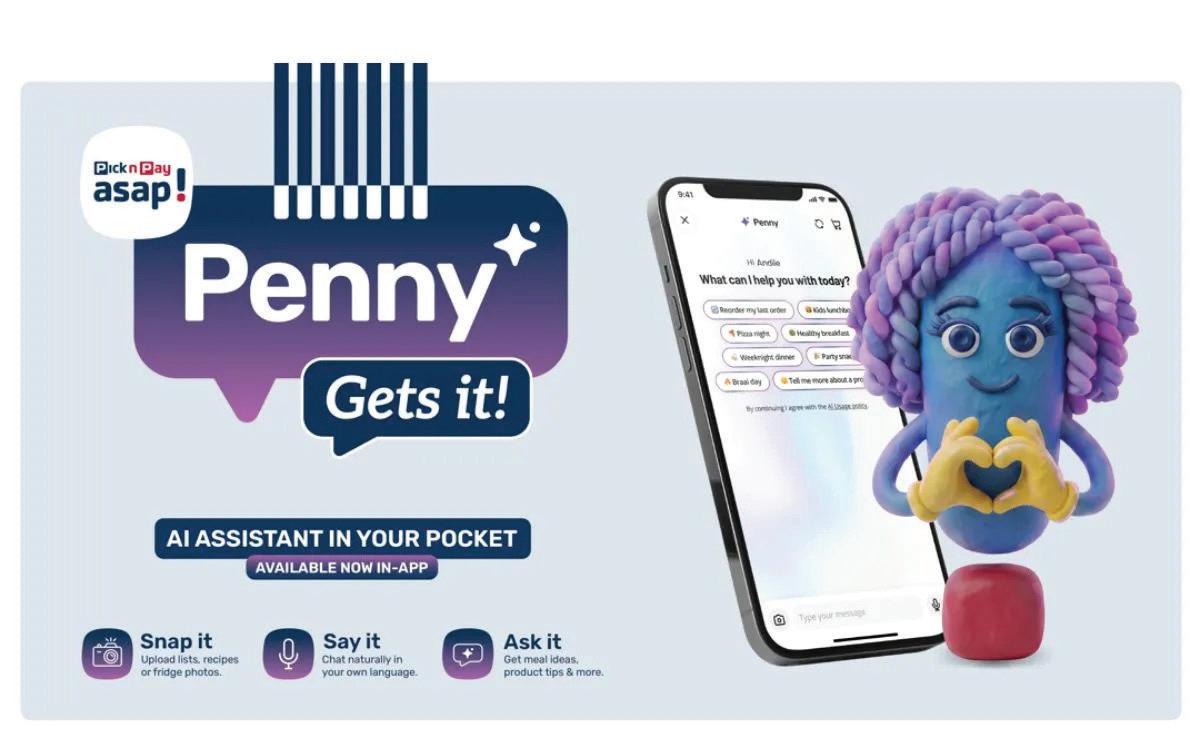
AWS Startups has released an independent global study of more than 3,400 startup founders and senior leaders.

Carrefour Reduces Plastic Packaging
Building on its track record in plastic reduction, with 25,000 tons removed since the launch of Act For Food.

Calls For Junk Food Marketing Restrictions
Cancer Council Australia and a coalition of public health leaders have called on the Government to take action on unhealthy food marketing aimed at children.
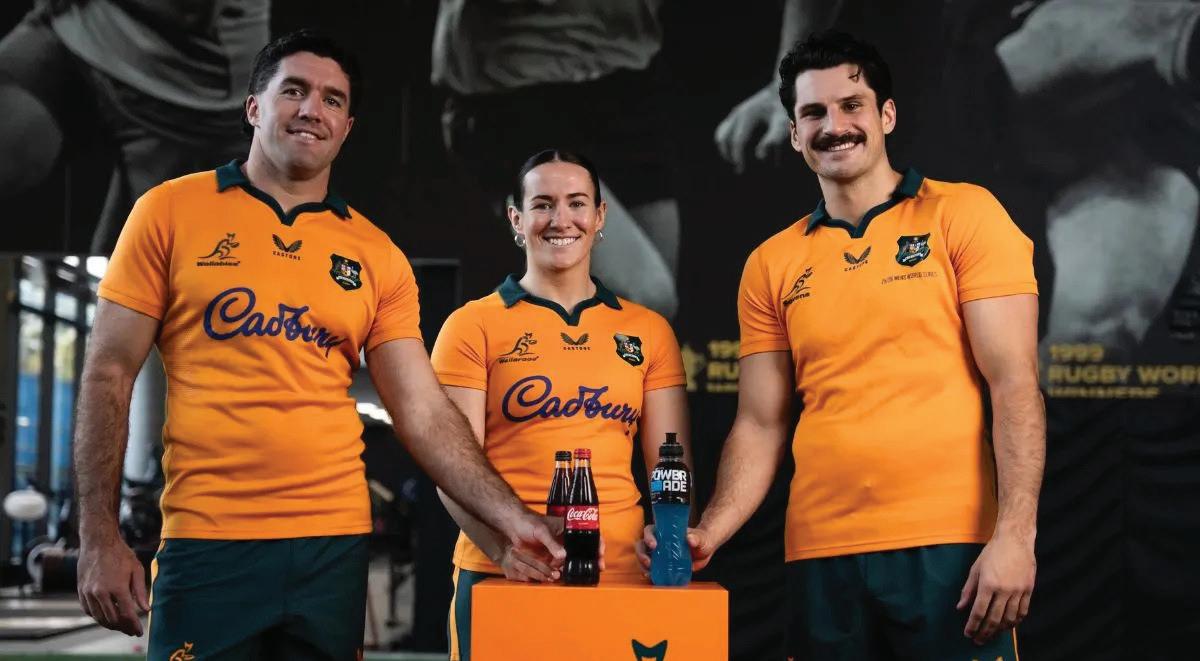
Coca-Cola Strikes Two Rugby Union Partnerships
Coca-Cola has announced two landmark partnerships with the Men’s Rugby World Cup 2027 and Rugby Australia.

Time To Bin The Date Label Confusion
Nestlé has launched ‘Sniff, Look, Taste,’ a pilot in collaboration with OzHarvest, designed to tackle one of the most common causes of household food waste: date label confusion.
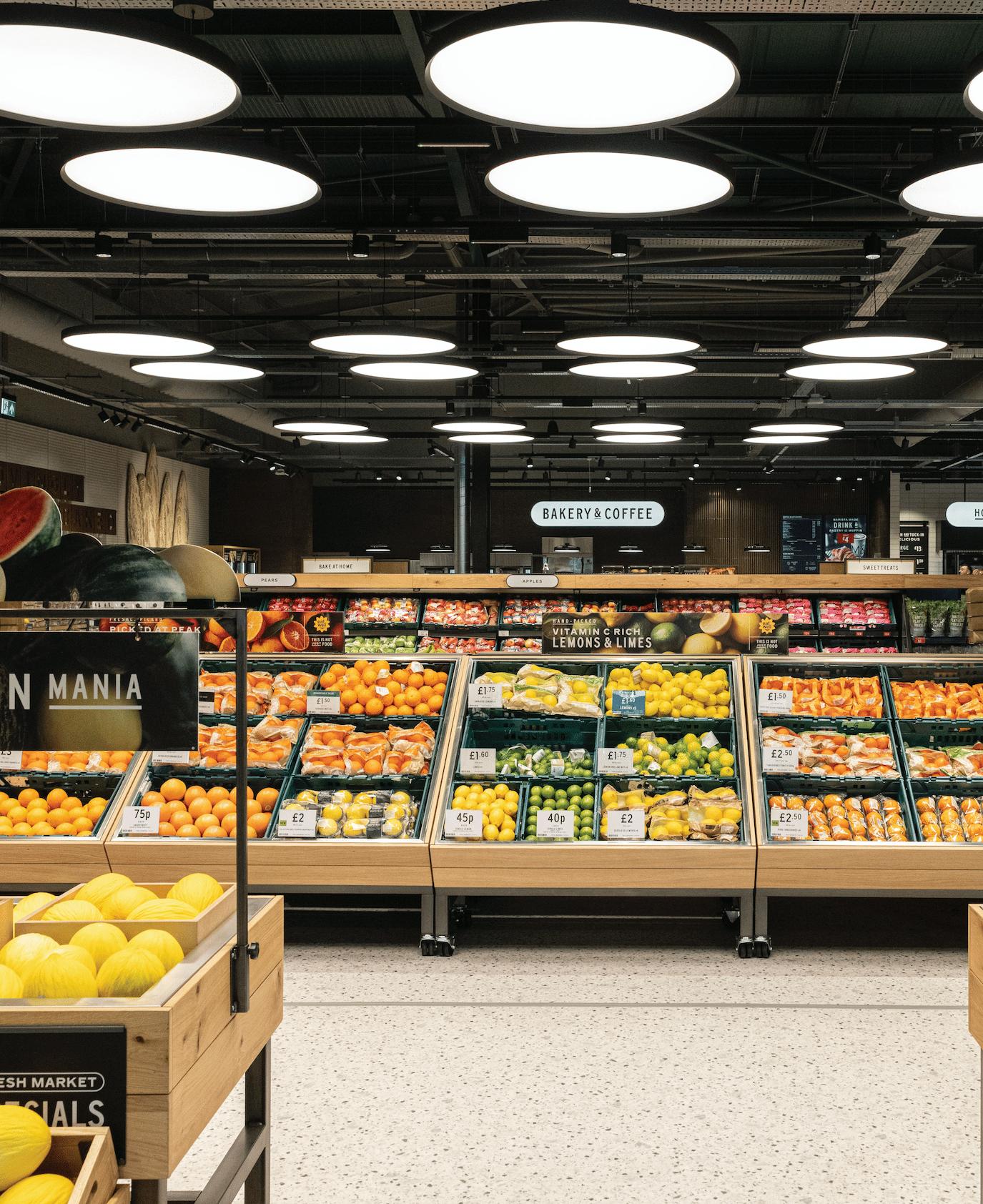

Biggest Ever Standalone M&S Food Store
M&S has doubled the size of its Food business and reinvested in what matters most to family customers.
M&S announced the opening of its largest ever standalone Food store in Godalming, Surrey, and an expansion of the Remarksable Value range to 175 products to encourage families to do more of their weekly shop.
The new store was a former Homebase site acquired as part of the wider investment in new and renewed stores to modernise the business, creating larger food stores which can offer the full range of Food and better cater to weekly, family shoppers.
The brand-new store in Godalming will open on the 16th of July and has been designed around how modern families shop. The store features multi-temperature areas for herbs, organic and fruit, so customers can get what they need in one place, a larger in-store bakery, and a brand-new kitchen shop with home wear essentials like pots, pans and cooking utensils.
Other in-store innovations include wider fresh produce areas, a rotisserie chicken counter and family-friendly touches including mini trolleys for children.
The new store will carry the full Remarksable Value range, expanding to 175 products, adding 29 everyday shoppinglist staples, including Fruit & Fibre Cereal Flakes, White Bread Finger Rolls, Pork
Shoulder Steaks and Microwavable Rice.
Remarksable Value is not an entry-level own-label proposition. It has brought together everyday M&S products that have been benchmarked against the wider UK grocery market while maintaining the same quality, sourcing, ingredient and welfare standards customers expect from M&S.
M&S has become the fastest growing retailer with families for value and volume, and the recent investments in Remarksable Value products have helped shift perceptions of M&S Food among families, including 100 percent traceable British beef mince, freerange eggs, milk, fresh fruit and vegetables, and higher-welfare Oakham Gold chicken.
“We’re doubling our Food business with investment where family customers are asking for it most: bigger, better stores and more trusted value on the products families buy every week,” said Alex Freudmann, Managing Director of M&S Food.
“Godalming will be our biggest ever standalone Food store and an example of the kind of modern, full-range Foodhall we’re investing in as we double the size of the business. At the same time, expanding Remarksable Value to 175 products means more customers can get everyday low prices without compromising on the M&S quality they expect.” n
GL O BAL
OAT EXPERTISE IN A BOTTLE Quaker
Quaker has put nearly 150 years of oat expertise into a bottle.
Quaker Oat Shake & Go is the latest breakthrough innovation from PepsiCo featuring functional ingredients to further meet growing demand for food and beverages that deliver on convenience, nutrition and flavour.
A convenient, easy-to-prepare option, Quaker Oat Shake & Go can help fuel consumers wherever the day takes them. It comes in two flavours, Strawberry & Banana and Cinnamon Vanilla, both crafted with no artificial preservatives, artificial flavours, or added colours.
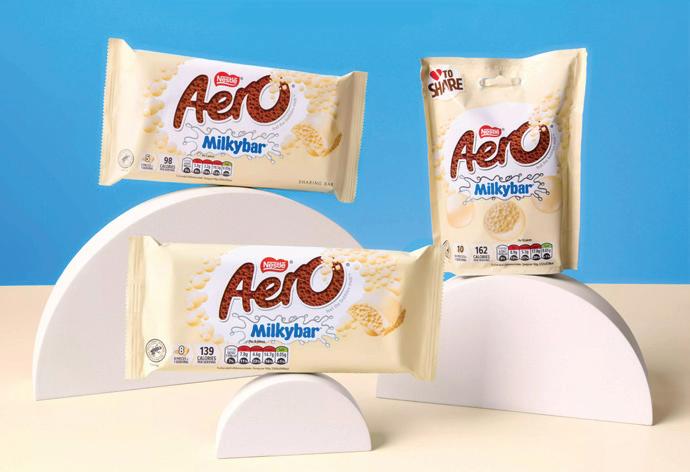
AERO X MILKYBAR
Nestlé
Nestlé Confectionery brands, Aero and Milkybar, have teamed up to give shoppers across the UK and Ireland a delicious collaboration.
Combining the classic bubbles of Aero with the creamy white chocolate of Milkybar, the brands have created the perfect treat to share with family and friends.


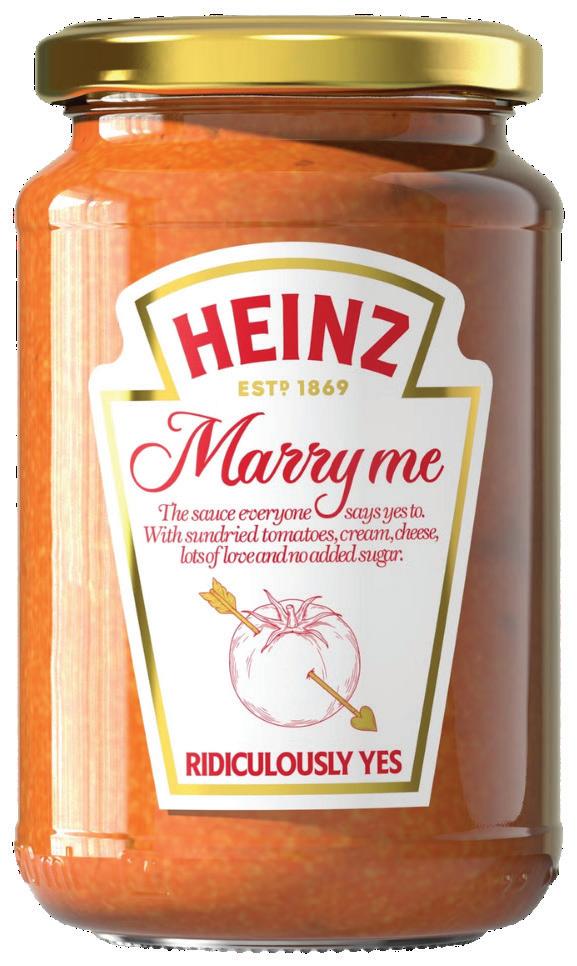
TRACES OF HAPPILY EVER AFTER
Heinz
Fall in love with pasta night all over again with the new Heinz Marry Me Pasta Sauce. Rich, creamy and full of flavour, the Heinz Marry Me Pasta Sauce is the perfect addition to your next meal, inspired by the viral "marry me" recipe.
Made with sundried tomatoes, cream, cheese, lots of love and no added sugar, this is the sauce everyone will say yes to.
When it comes to Heinz, you can choose one for a lifetime or have fun exploring our full range of Heinz Pasta Sauces: Cherry Tomato & Basil, Mascarpone & Grana Padano, Roasted Garlic, Tomato & Chilli and our classic Bolognese.
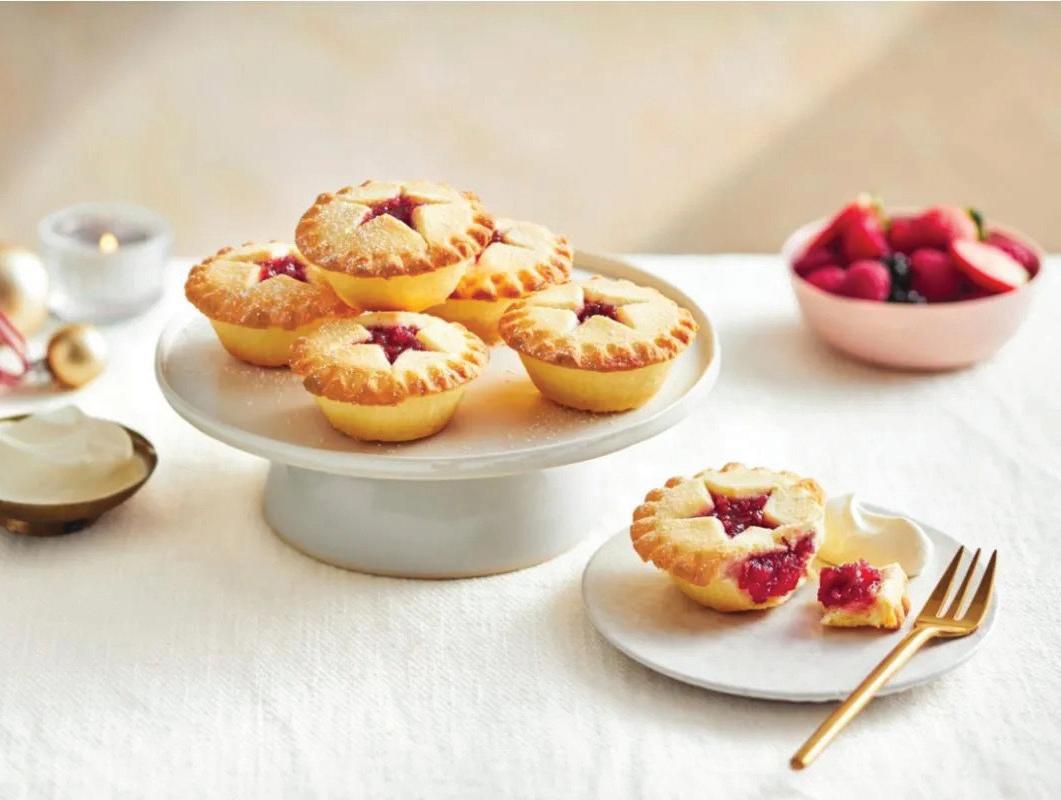
EXPANDING CHRISTMAS IN JULY RANGE
Coles
Coles has brought the comforting flavours of Christmas to the middle of winter, expanding its Christmas in July range this year.
Available throughout July while stocks last, the new Coles Pull Apart Ham with Smokey Maple Glaze features slow-cooked pork in a sweet and sticky maple glaze that's ready to heat and eat.
Customers can also enjoy the Coles Finest Free-Range Triple
Smoked Leg Ham Portion, ideal for glazing at home. Both hams are available at the same price they were during Christmas 2025, helping customers enjoy a festive feast at a great value.
To complete the meal, customers can pair their ham with crowdpleasing sides, including Coles Finest Frozen Duck Fat Australian Potatoes and Coles Finest Triple Smoked Ham & Three Cheese Croquettes.
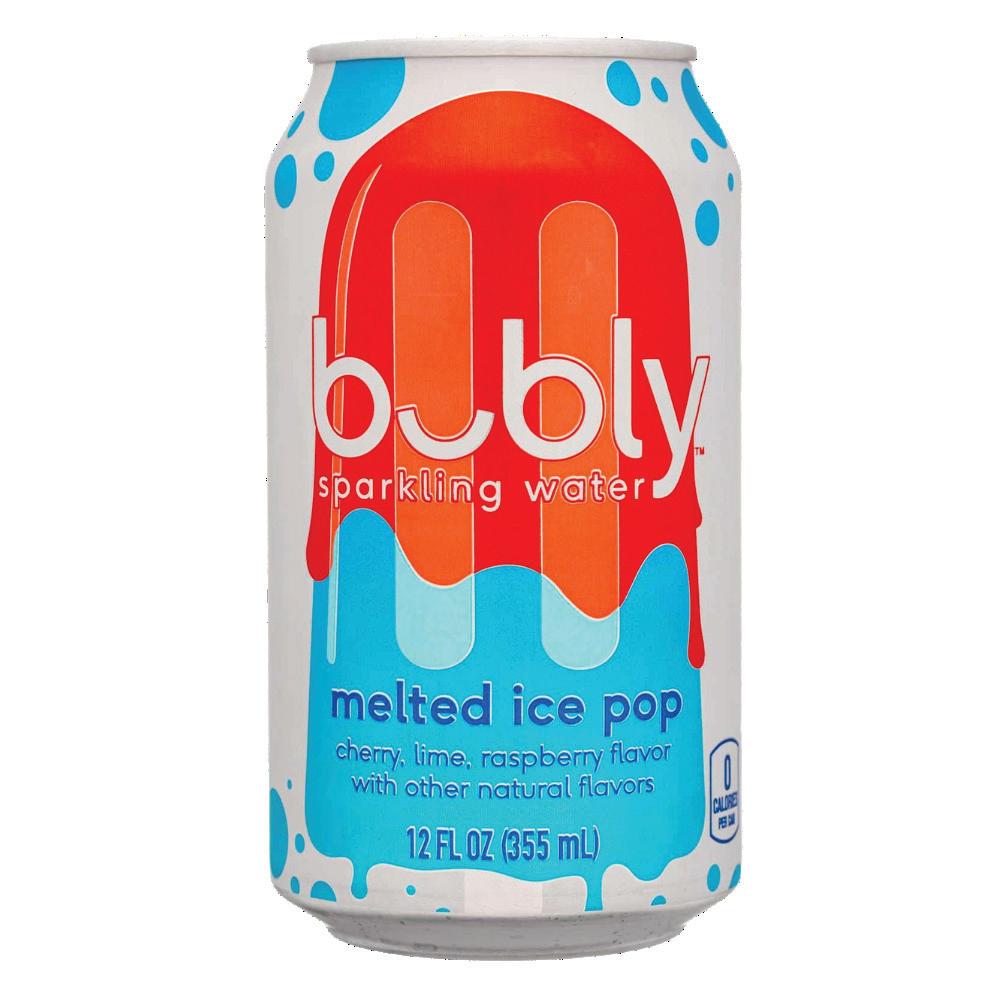
BRINGING Y2K DREAMS TO LIFE WITH CHAD
MICHAEL MURRAY
bubly
To celebrate its nostalgic summer-exclusive flavour, Melted Ice Pop, bubly has partnered with millennial heartthrob actor Chad Michael Murray for a Y2K-inspired campaign and limited-edition bundle designed to send fans straight back to their first summer crush. Murray stars alongside creator, podcast host, and self-proclaimed “90s and 00s historian” Erin Miller in a Y2K-inspired social video that brings the first-crush fantasy to life.
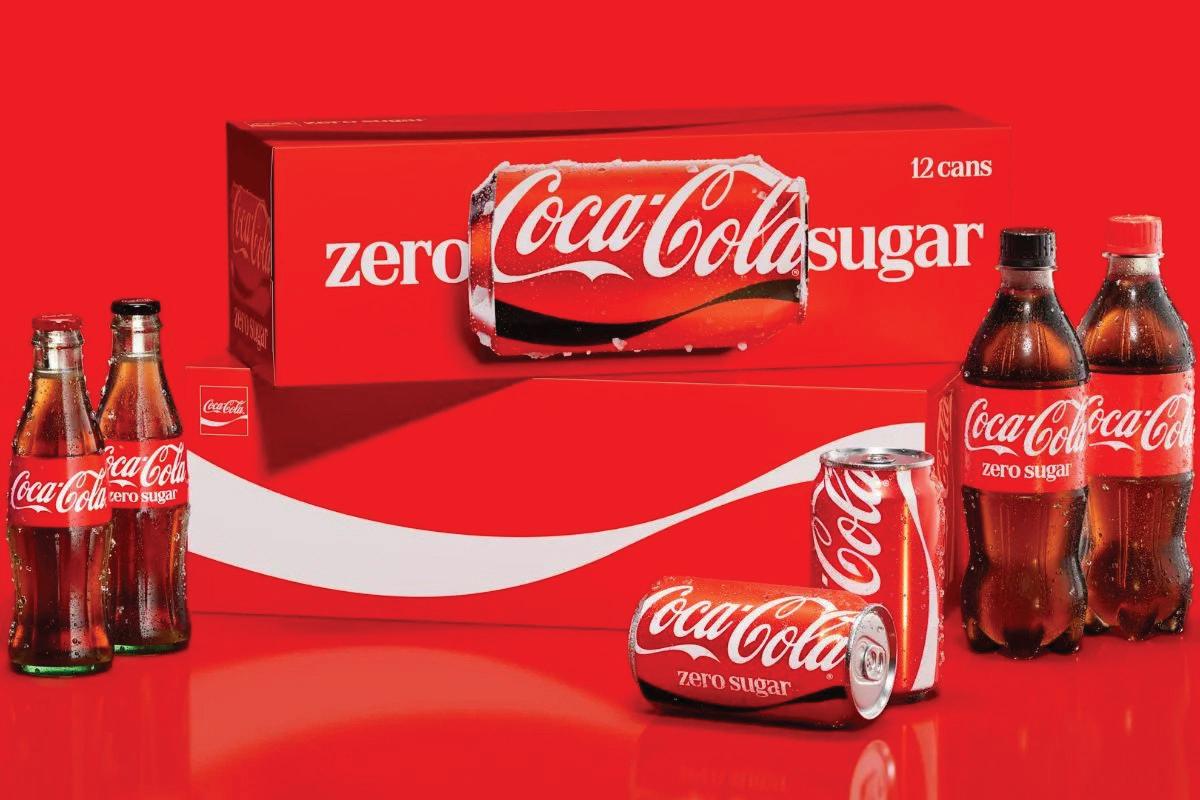
SHARPENING VISUAL IDENTITY
Coca-Cola
The Coca-Cola Company launched a new global visual identity system, rolling out across Latin America, Europe, the Middle East and Asia. Built on the strategic principle of making every Coca-Cola execution look and feel unmistakably Coca-Cola, the visual refresh has signalled a new era of brand consistency and standout across more than 200 markets.

FRESH THERAPEUTIC DIET PORTFOLIO
Royal Canin
Royal Canin has announced the launch of Royal Canin Fresh Veterinary Diets, the brand's first fresh, fully-cooked therapeutic diet portfolio available exclusively through veterinarians. Formulated to support dogs with specific health conditions, Royal Canin Fresh Veterinary Diets provide complete and balanced nutrition, along with the therapeutic precision and scientific rigour that veterinarians expect from the brand in a fresh, fully cooked format that many pet owners seek.
LIMITED-EDITION
OSCAR PIASTRI CANS
Monster
Coca-Cola Europacific Partners (CCEP) has brought even more Formula 1 excitement to chillers with the launch of limited-edition Monster Energy cans featuring Oscar Piastri. Available across Monster Energy Original and Monster Energy Zero Sugar, the collectable cans transform two of Monster's top-performing SKUs with a striking new design celebrating one of Formula 1's brightest young talents. The launch followed the recent introduction of the limited-edition Monster Energy Lando Norris Gold Can, which continued Monster's celebration of Formula 1 and gave retailers another opportunity to tap into fans' passion for the sport.

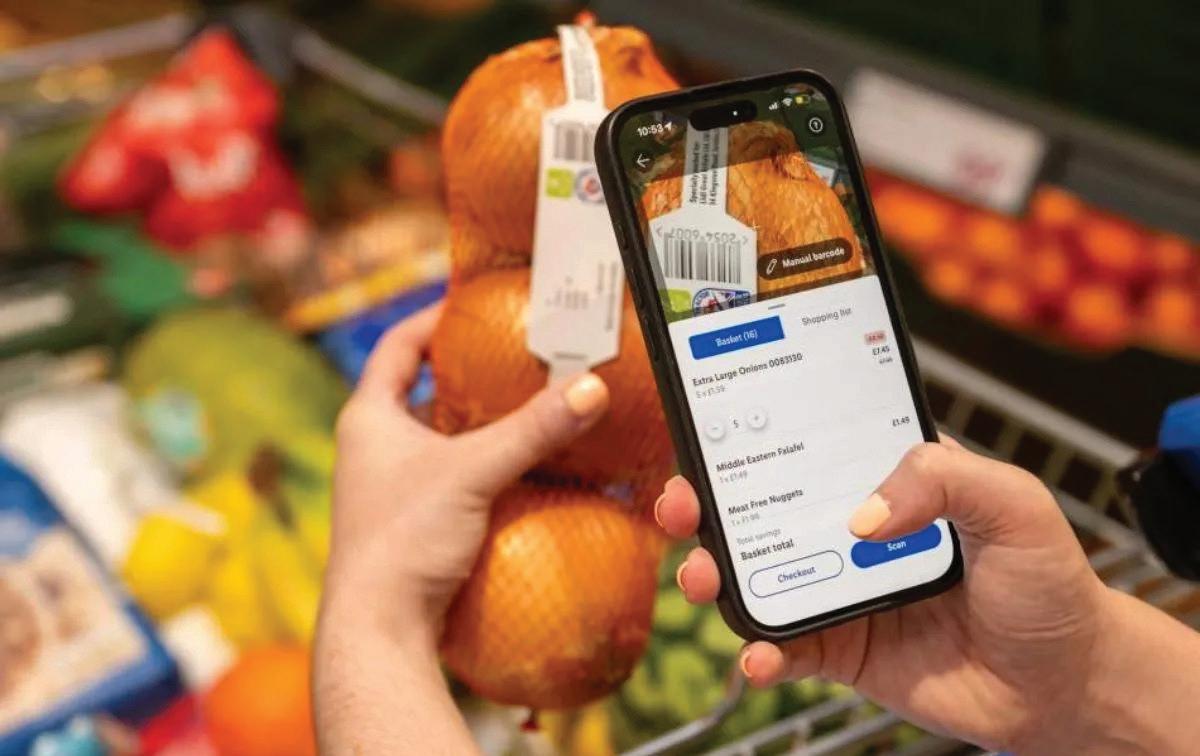
Lidl & Go Rolls Out to 37 New Stores
Lidl GB has expanded its Lidl & Go self-scanning trial to 37 additional stores across the UK, following positive customer feedback from the initial seven-store pilot.
The phased rollout will see the feature become available to shoppers across Scotland, the South East and the wider South of England throughout July.
Integrated within the Lidl Plus app, this feature will allow customers to scan products as they shop, track their spending and savings in real time, and complete their purchase more seamlessly at checkout.
The feature is available directly through customers' own smartphones, with no requirement for dedicated in-store scanning devices.
Feedback from the initial trial has shown particular appeal among customers shopping with children and those looking for greater flexibility during their shop, allowing them to move through the store at their own pace while keeping track of their spending.
Louise Weise, Chief Customer Officer at Lidl GB, said that the early response from the initial phase has been encouraging.
“Customers are telling us they value the control and visibility it gives them over their
spend, and the flexibility to shop at their own pace,” she said.
“This next wave of stores brings the feature to many more customers, and we’ll continue to take on board feedback to evolve the offering as we go.”
The expansion formed part of Lidl GB's increased investment in digital innovation, aimed at making shopping easier, more convenient and more flexible for customers, while ensuring that traditional payment methods and staffed tills remain available across its stores.
That includes a significant 60 percent increased investment into personalised coupons on the Lidl Plus app this year, alongside the introduction of Lidl Points in May, which offers a flexible rewards system that gives customers more control over their savings.
By also integrating features such as Lidl Pay, Click, Reserve & Collect and shopping lists, Lidl GB has not simply matched other supermarkets, but used technology to elevate the entire shopping journey. n
CCEP Invests in Fanta to Help Convenience Retailers
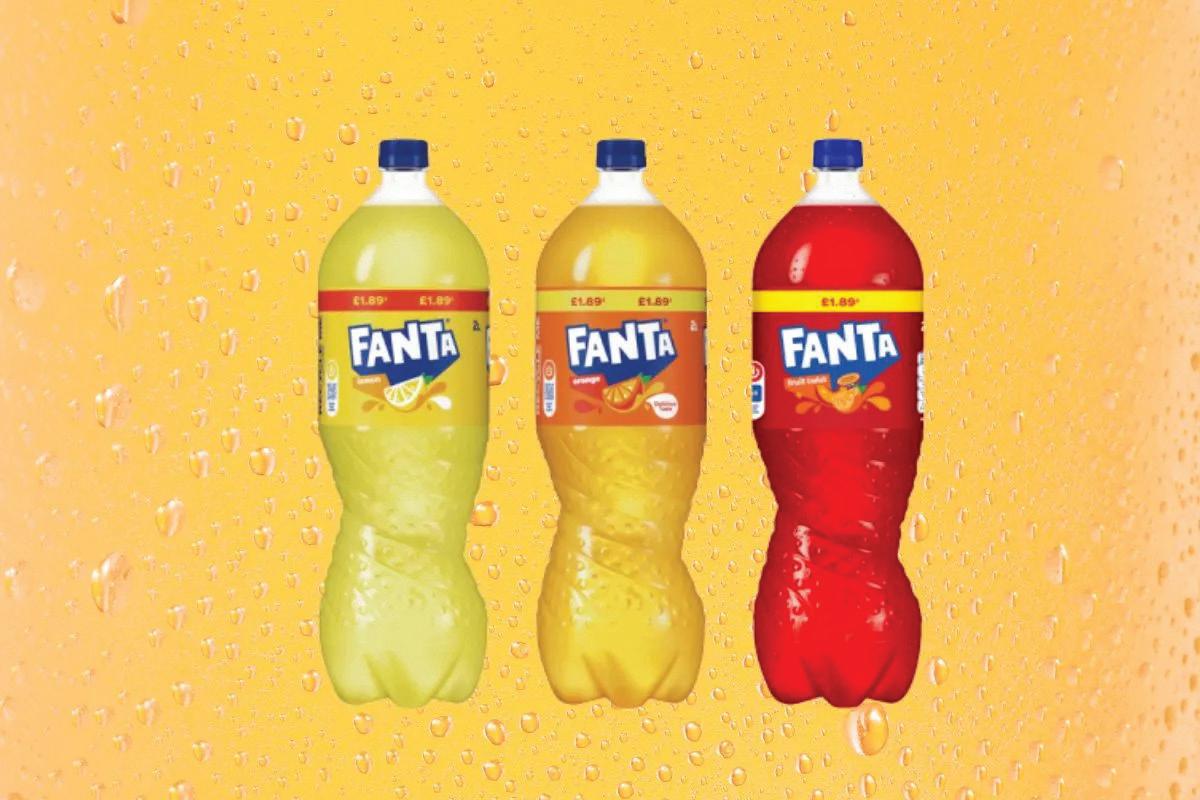
Coca-Cola Europacific Partners has made a multimillion-pound investment behind a limitedtime price-marked pack (PMP) initiative across its 2L Fanta range, helping convenience retailers offer shoppers standout value ahead of the biggest sharing occasions of the summer.
The aim is to help retailers drive sales across the Fanta range and capitalise on demand for the number one flavoured carbonate brand in GB retail, which accounts for almost one in every five flavoured carbonates sold there.
PMPs communicate value to shoppers and deliver a nearly 48 percent higher rate of sale than plain-pack soft drinks across symbol and independent convenience stores each week.
The "When It's Gone, It's Gone" packs
also feature bold new front-of-pack pricing, helping shoppers quickly spot the value on shelf.
"Summer is one of the biggest retail moments of the year for soft drinks, and we know shoppers are looking for brands they trust at prices that represent genuine value,” said Ruth Fawcett, Wholesale & Independent Convenience Associate Director at Coca-Cola Europacific Partners GB.
“That's exactly what this investment is designed to deliver. Fanta is a summer
socialising favourite, and we know visible value drives sales in convenience. By reducing our 2L PMP to GBP 1.89 and introducing Fanta Lemon into the range for the first time, we're giving retailers a compelling reason to stock up and shoppers an equally compelling reason to buy."
Available now while stocks last, the limited-time promotion reduces the Fanta 2L PMP from GBP 2.15 to GBP 1.89 for Fanta Orange and Fanta Fruit Twist, and introduces Fanta Lemon in a 2L PMP for the first time at the same price point.
Kwik Trip x Eagle Eye AI Personalised Loyalty Campaigns
Kwik Trip, Inc., one of the largest family-owned convenience store chains in the United States, has led the convenience industry into the new age of AI-powered personalised loyalty campaigns.
By partnering with Eagle Eye, Kwik Trip Inc. has introduced a level of personalisation, precision targeting and ROI transparency for CPG-funded promotions that were previously unachievable at scale in the convenience channel.
As a result of the partnership, participating CPG brands will be able to engage Kwik Trip’s 5.25 million loyalty members through individually targeted and gamified promotions rather than broad discounts. Eagle Eye’s platform can provide campaign performance reporting to participating suppliers, supporting sales attribution and ROI measurement.
“Our CPG partners have always been central to how we deliver value for our guests, and the partnership with Eagle Eye gives us an entirely new way to work with them,” said David Jackson, Director of Loyalty and Digital Marketing at Kwik Trip, Inc.
“With Personalised Challenges, we can offer brands a targeted, measurable promotional vehicle that drives real incremental behaviour. That's a win for our guests, our suppliers, and our business.”
A New Model for Personalised Promotions
Eagle Eye's Personalised Challenges solution has proven to be an AI-powered gamification model that incentivises incremental spending by presenting individualised "challenges" based on each member’s purchase history, predicted behaviour, and promotion sensitivity.
Many of the world’s most recognisable retailers successfully use Personalised Challenges, and Kwik Trip has now brought the model to the American c-store sector.
“Kwik Trip has built one of the most respected loyalty programs in U.S. convenience retail, and our partnership takes it to the next level,” said Jeff Baskin, Chief Revenue Officer at Eagle Eye.
“By activating Eagle Eye’s Personalisation engine with Challenges, Kwik Trip is bringing the kind of AI-driven personalisation currently utilised by major retailers all around the world to drive loyalty and attributable incrementality to
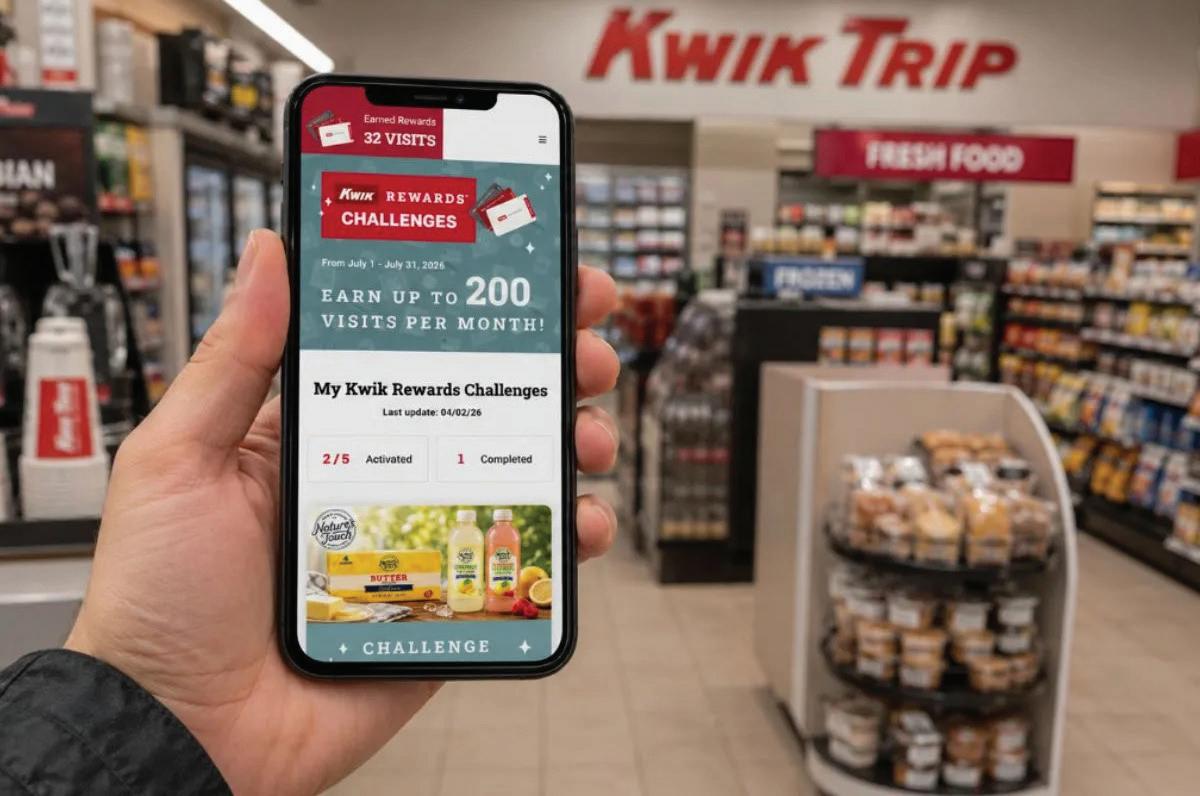
its partner brands at significant scale, while also creating a first-class experience for their guests.”
AI-Powered Precision at Enterprise Scale
The Kwik Trip partnership represents another successful deployment of Eagle Eye’s AI Personalisation platform and its Challenges program, demonstrating the effectiveness of habitual, game-like engagement in high-frequency fuel and convenience retail environments.
Kwik Trip entered this partnership with a clear expectation that guest privacy and data protection would remain paramount.
As Eagle Eye worked with Kwik Trip to implement its AI-driven loyalty and promotions solution, it was evident that Kwik Trip is deeply committed to safeguarding guest information and maintaining its guests' trust.
Guest data remains under Kwik Trip’s control and is used solely to support the operation and enhancement of its loyalty program, with no sale or uncontrolled sharing of individual guest information.
By prioritising secure processing, transparency, and responsible data use, Kwik Trip demonstrates that meaningful personalisation can be delivered in a way
that aligns with strong privacy standards and long-standing guest trust.
"The economics of AI-personalised loyalty are proven. For C-store operators trying to drive additional trips and get an additional item in the basket, Personalised Challenges deliver a 7:1 sales-to-reward ratio. Kwik Trip is leading the way for what personalisation looks like for the industry,” said Joel Percy, VP North America, Eagle Eye Solutions.
Learnings for the APAC Region
Aaron Crowe, Head of Revenue, APAC at Eagle Eye, said the partnership was an exceptional example of loyalty innovation that convenience and grocery operators can embrace across the region.
"Kwik Trip shows what AI-led, personalised loyalty looks like at scale in convenience, and it's exactly the model APAC retailers are now asking for.
Convenience and grocery operators across the region are moving away from broad, points-based programmes towards real-time, individualised offers, and that shift is where Eagle Eye is winning,” said Crowe.
“The Kwik Trip partnership proves we can power millions of personalised customer interactions a day, and we're already bringing that same capability to convenience and grocery players here in APAC." n
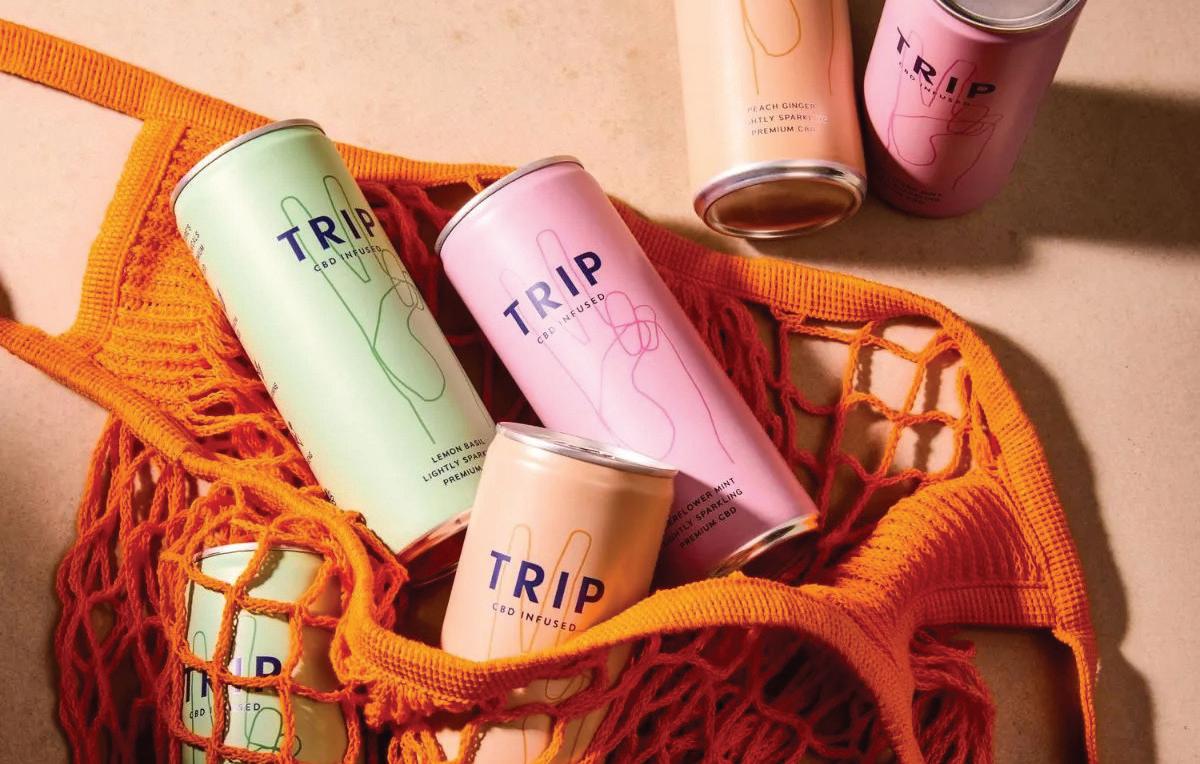
Waitrose Predicts Record Sales for CBD & Non-Alcoholic
Waitrose has braced for an unprecedented surge in lowalcohol, alcohol-free, and CBD drink sales as England fans geared up for a gruelling 1 a.m. kick-off against Mexico this Monday.
With the match stretching into the early hours, supporters ditched the traditional hangover for steady focus.
Waitrose has already seen low- and no-alcohol sales climb by over 35 percent last week alone, a figure it predicts will be shattered this weekend. Online searches for alcohol-free beer have exploded by 200 percent, while mocktail recipe searches are up 19 percent.
Sales of Zero per cent 12-packs are skyrocketing too - Guinness 0.0, Corona Cero and Peroni 0.0 have already seen sales triple.
The New Matchday fuel: CBD and Magnesium
It's not just non-alcoholic beer taking centre stage. Waitrose predicted a record night for functional wellness drinks as fans looked to manage the late-night tension.
Top sellers for Monday were expected to include Goodrays CBD, the CBD-infused drinks designed to help the body focus and relax, and Trip Wild Strawberry and OHMG Water, both of which contain Magnesium to help the body unwind and regulate sleep and mood.
A Busy Night for Rapid Delivery
Monday is also projected to be the supermarket's busiest ever night for ondemand grocery delivery.
During Scotland's 2:00 am clash against Haiti in June, rapid delivery orders spiked by 42 percent. England's knockout game is set to eclipse that record after Waitrose announced last week that it has extended its on-demand delivery hours in more than 50 stores for the duration of the World Cup.
While times vary by location, most participating shops will now deliver until midnight, with select stores operating 24/7 to ensure no fan is left stranded without midnight snacks or cold drinks.
"A 1 A.M. kick-off on a school night is the ultimate test of endurance for England fans. We’re seeing a massive shift in how the nation watches football; fans want the matchday buzz without the morning hangover,” said Sarah Holland, drinks buyer for Waitrose.
“Stocking up on alcohol-free beers and calming CBD drinks isn’t just a trend; it's a brilliant tactical substitution to get supporters through 90 minutes of late-night drama and straight into bed." n