












Global supply is doing what it has always done under pressure. It exposes where reliance has gone too far.
For supermarkets and their supplier base, the issue is not theoretical. One day it is fuel disruption pushing freight costs and delivery timing out. The next it is gaps on shelf because something held up offshore has not landed when expected. These are not isolated events anymore. They are becoming part of the operating environment.
That puts local supply back into focus, not as a marketing
line, but as a commercial decision.
New Zealand has leaned heavily on global sourcing to keep prices competitive. In stable conditions, that model works. Scale delivers cost efficiency. Range breadth improves. But when something shifts, whether it is fuel, freight capacity, or geopolitical tension, the system has very little flexibility built into it.
Local suppliers operate differently. Shorter lead times. More direct relationships. Greater ability to adjust production runs when demand moves. None of that removes cost pressure, but it does change how quickly issues can be responded to.
For buyers, this raises a more practical question. How often is local supply being considered as part of risk management, not just range diversity?
Range reviews tend to prioritise rate of sale, margin, and category role. That remains critical. But supply continuity is
starting to carry more weight. A product that lands consistently can outperform a cheaper option that arrives inconsistently.
There is also a secondary effect. Supporting local suppliers builds capability within the market. It creates options. When offshore supply tightens, those options matter.
That does not mean a shift away from global sourcing. It means rebalancing. Looking at where local suppliers can strengthen categories, reduce exposure, and provide a level of certainty that offshore cannot always guarantee.
The retailers who treat local supply as part of their operating strategy, not just their brand story, will be better placed to manage disruption. Because disruption doesn't always give notice. n

















The Food and Grocery Council is an industry association for grocery suppliers providing members networking, events, industry information and strong advocacy. Contact us for information on the benefits of membership: raewyn.bleakley@fgc.org.nz
• Networking • Industry Updates
• Conference and Events
• Education and Training
• Advocacy and Law Reform
The Ministry for Primary Industries’ Exporter Help team supports new and established New Zealand exporters with advice and ongoing support on regulation and certifications. We make it easier to understand exporting requirements so you can reach more markets overseas and grow your sales with confidence.
The Grocery Action Group welcomed the announcement from NZ First that it will campaign on breaking up supermarket giant Foodstuffs,
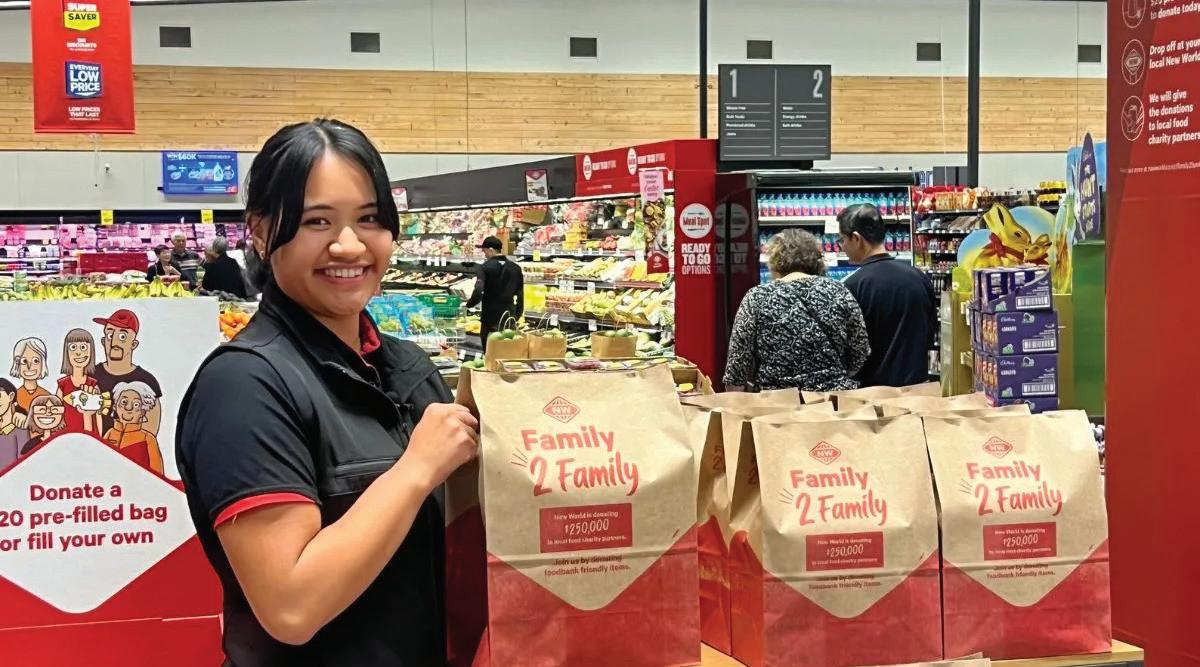
With demand for food support remaining high, food banks and City Missions are bracing for another busy winter.


Fonterra Co-operative Group Ltd has announced the appointment of Richard Allen as its next Chief Executive Officer, succeeding Miles Hurrell.

The Reserve Bank has a big job ahead of it, bringing pricing behaviour and inflation pressures under control, according to Infometrics’ latest economic forecasts.
Laundry might be a routine chore, but for many New Zealand households it’s becoming increasingly challenging to keep on top of. Busy schedules mean many people are turning to shorter, colder wash cycles to save time and energy.
Research shows that around 50% of Kiwi households now wash laundry at 20°C using cycles under one hour.1 While convenient, these quicker washes can create a new problem: stubborn stains that simply don’t come out the first time.
According to research, time is the number one pain point in the laundry category, with many consumers saying laundry feels “never ending”.2 At the same time, expectations for performance remain high. In fact, 28% of consumers say stains are not completely removed in short cycles,3 highlighting the challenge households face when trying to balance speed with cleaning performance.
That’s where the latest innovation from Vanish comes in. The new Vanish Napisan Gold Pro Turbo Stain Remover Powder has been developed to tackle tough stains effectively, even in quick and cold wash cycles.
A typical 30-minute wash cycle contains only around eight minutes of actual main wash time. This limited window makes it challenging to fully break down and remove stains and, as a result, more efficacious cleaning chemistry is needed to help close this performance gap.
Vanish’s new Gold Pro Turbo Stain Remover formula addresses this challenge with a unique Accelerator System,
formulated to turbocharge stain removal performance during shorter cycles in a cold wash. Combined with Vanish’s trusted Oxi Action formula, it works to lift and break down tough stains quickly, helping clothes come out clean even in a 30-minute wash.
The result is Vanish’s most advanced stain removal performance in quick and cold cycles, formulated to deliver satisfying results while fitting seamlessly into modern laundry routines.
From food and starch spills to greasy marks and outdoor dirt, everyday stains can be difficult to remove in quick washes. The Vanish Gold Pro Turbo formula is designed to help tackle a wide range of stubborn stains.
The formula is free from chlorine bleach,4 making it suitable for regular use and works alongside detergent to provide more effective stain removal than detergent alone.5
For households looking to care specifically for white garments, Vanish has also introduced Turbo White, designed to remove stains and revitalise whites in just 30 minutes.
Beyond stain removal, Vanish Gold Pro Turbo Pink range features a Colour Transfer Inhibitor, which helps prevent colour
transfer by locking in dyes6 – stopping colours from transferring, such as a red shirt staining a white one. The Pink range of the product can also help tackle lingering odours on cotton fabrics when used as a soaking solution, leaving clothes smelling fresh after washing.
Supporting this focus on clothing life longevity, the product comes in a tub made with 45% recycled plastic,7 reflecting Vanish’s ongoing efforts to improve packaging sustainability while helping households care for the clothes they already own.
Available now
Vanish Napisan Gold Pro Turbo Stain
Remover Powder is available in 1kg and 2kg packs and can be found at Woolworths New Zealand and New World stores nationwide.
For households balancing busy schedules with the need for effective cleaning, Vanish’s latest innovation aims to make laundry simpler, faster and more effective — helping ensure that clothes live longer with Vanish.8
[1, 2] Toluna 2023 Laundry Habits NZ, July
[3] Toluna U&A NZ July 2025
[4] The product contains an oxygen-based bleach
[5] At 20°C, on a short cycle vs detergent alone
[6] Which may occur in hot wash (60°C)
[7] Excluding lid
[8] At 20°C, on a short cycle vs detergent alone on a heavy duty cycle.





OUR MOST ADVANCED STAIN REMOVAL IN COLD AND SHORT CYCLES

On 1 May, big changes are coming to the Grocery Supply Code. The 2025 Code contains enhanced rights for suppliers and responsibilities for regulated grocery retailers. Grocery industry players will want to become familiar with these, and we briefly summarise some key changes.
The new code –clear and strong protections
The 2025 Code provides stronger protection for suppliers in the areas of:
• Retaliation;
• Investment buying; and
• Payments for wastage.
The Code also establishes new recordkeeping requirements to enable the Commerce Commission to access material that might have influenced a retailer’s decision. This will help the Commission assess the rationale for a retailer's decision and, therefore, its compliance with the Code, GICA and supply agreement.
Retaliation
Protection against retaliation is not a new feature under GICA. In the 2023 Code, retaliation was one factor among many that could lead to a finding of a breach of the retailer's good-faith obligations. Also, it was not a genuine reason for delisting if the delisting was a punishment for a complaint, concern or dispute. These protections remain in the 2025 Code.
However, a new clause in the 2025 Code (clause 30) is more direct. It clarifies and defines the circumstances in which a supplier may not retaliate. Where a supplier exercises, or indicates it will exercise, a right under the 2025 Code against a retailer, the retailer cannot act in any way that is detrimental to the supplier.
The clause lists eight examples of detrimental action:
• Delisting groceries;
• Requiring excessive promotional or marketing contributions;
• Rejecting groceries;
• Changing the location of groceries instore or online;
• Delaying restocking;
• Reducing restocking;
• Cancelling orders; or
• Terminating, varying, or not renewing the supply contract.
This list is not exhaustive.
A retailer may not retaliate against a supplier for exercising its rights under the Code or a supply agreement, or for interacting with the Commerce Commission or the Grocery Industry Dispute Resolution Scheme. This means that suppliers can speak confidently and confidentially with the Commission or the scheme provider, New Zealand Dispute Resolution Centre (NZDRC), about their concerns and explore the Commission’s powers and NZDRC’s dispute-resolution processes under the scheme without fear of retaliation.
The 2025 Code provides that the action is not retaliation if the retailer can establish it was taken or threatened to be taken for genuine commercial reasons, and not as a punishment. The onus to prove this is on the retailer.
The 2025 Code tightens provisions relating to funded promotions. The key change addresses the practice of “investment buying”: over-ordering stock at a promotional price and reselling it at a nonpromotional price after the promotion ends. From 1 May, if the retailer does this, it must repay the supplier the proportion of the supplier’s promotional funding that relates to those groceries.
The 2023 Code prevented retailers from charging suppliers for grocery waste that is no longer within the supplier's control. However, there was a carve-out. The supply agreement could specify when a retailer could charge for wastage, within certain limits and subject to conditions. That carve-out has been removed. Clause 14 of the 2025 Code prohibits a retailer from charging for wastage of groceries that are outside the supplier's control. This aligns with the Code’s provisions on shrinkage.
These, along with other changes, have been put in place to strengthen protections for suppliers. Enhanced record-keeping obligations and increased access to those records by the Commerce Commission are an extra burden for retailers but are likely to increase transparency in decision-making. Investment buying is no longer incentivised, and charging suppliers for in-store wastage is prohibited. Good-faith conduct and delisting processes have also been addressed, and we expect that these will be relevant to disputes brought to the scheme for resolution.
If you are a supplier navigating a dispute with a retailer, NZDRC administers the Grocery Industry Dispute Resolution Scheme and is here to help. Visit www. grocerydispute.co.nz to learn more about the process and for contact details.


How
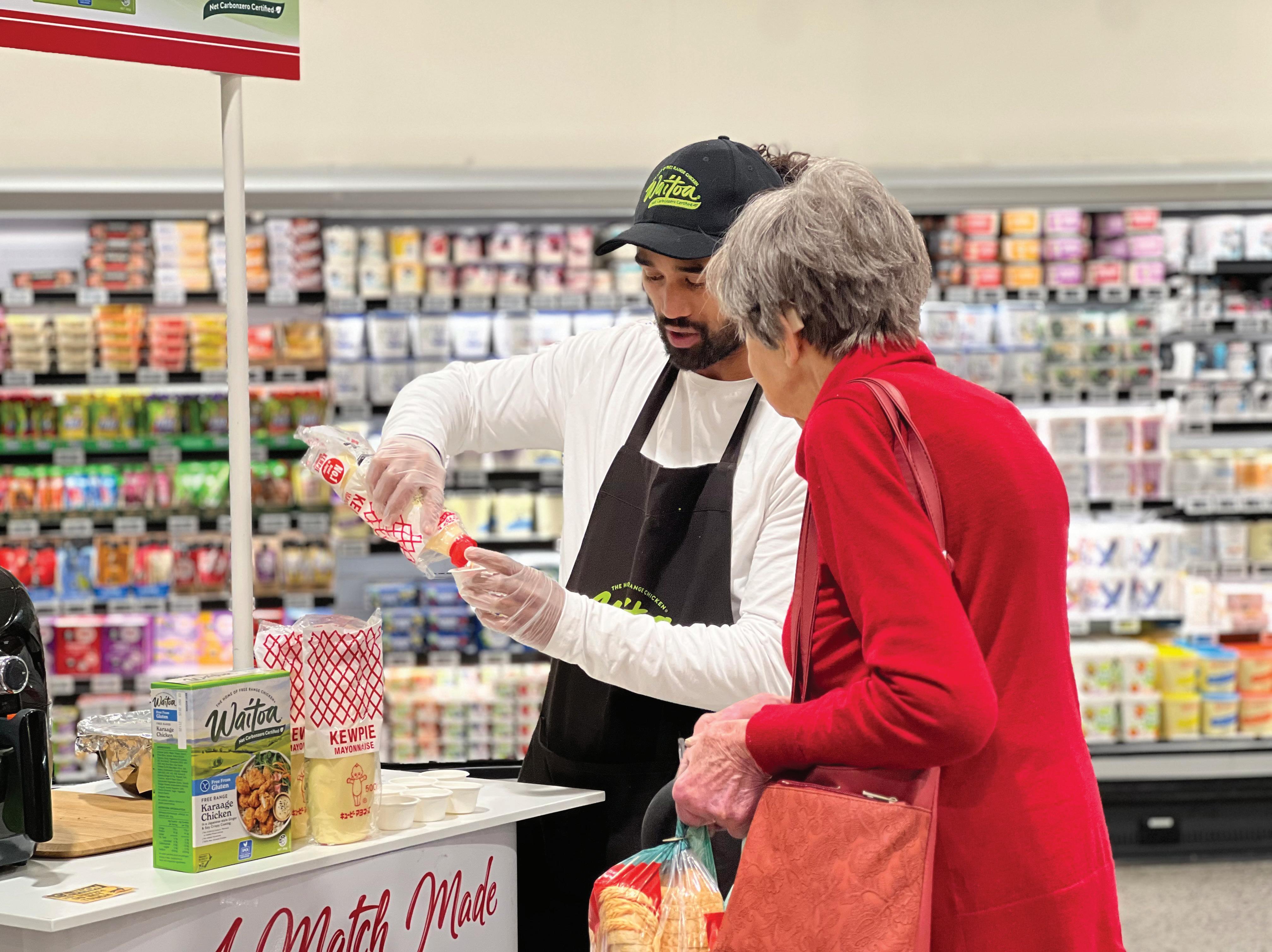
For years, a 20% conversion rate was considered a solid result in in-store sampling. Christchurch-founded Orbit Marketing says that number should embarrass the industry, and clients happy with it are leaving thousands of dollars on the table.
If you’re a brand manager signing off on in-store sampling campaigns, there’s a question worth sitting with: what conversion rate are you actually getting — and what should you be getting?
Across New Zealand’s experiential marketing industry, a 20% conversion rate has long been treated as a respectable result. Agencies report it confidently. Brand managers accept it. Budgets get renewed on the back of it. Basically, if one in five people who try your product end up buying it, then everyone is happy.
But a growing body of campaign data suggests that benchmark is way too low. Orbit Marketing, a nationwide experiential agency, now in its fifth year of operation, is making a case that the gap between industry-standard results and what’s actually achievable is far wider than most brand managers realise.
“As an agency, we can’t guarantee high foot traffic in store, but when all factors are aligned, anything below a 40% conversion rate is nothing to brag about,” said Olivia Brown, CEO and Co-Founder of Orbit Marketing.
“That’s not a controversial opinion. That’s just what the data shows when you build your operations around selling, not sampling.”
The numbers are hard to argue with. Orbit consistently records conversion rates between 60% and 80% across categories nationwide — routinely doubling and tripling the results that have been accepted as industry standard.
A recent campaign for Bird & Barrow recorded an 82% conversion rate, with brand ambassadors averaging 97 units sold per fourhour shift. The agency’s top five stores moved between 170 and 244 units per session —
figures Orbit says are typical of its campaigns but rare across the broader industry.
The agency has recorded compounding revenue growth year-on-year, a trajectory it attributes directly to the gap between its results and what brands have been getting elsewhere.
Globally, the experiential marketing industry is valued at more than US$53 billion, with brands shifting spend back toward in-person activations following years of digital-first strategies.
“We’re not a sampling agency. We’re a sales agency,” said Brown.
“Any agency can hand out samples. The skill is in converting those interactions into purchases. Our brand ambassadors are trained to sell, and our data shows it.”
Brown says the most common pushback she encounters in business development is brands telling her they’re happy with their current agency.
“They’re happy because they think 20% is where the benchmark sits,” she said.
“They’ve been with the same provider for years and nobody’s shown them what’s actually possible. You could spend the same budget and get three or four times the result. Once brands see that, there’s no going back.”
Part of Orbit’s appeal is around measurability. As companies pour budgets into digital advertising and in-store media
placements — floor stickers, shelf tags, digital screens — the agency argues that face-to-face activation remains the most provable form of consumer marketing, provided you measure it properly.
“You can spend $50,000 on in-store media and not be able to prove buyer intent,” Brown said.
“When our brand ambassadors are standing at the point of sale, we know how many units moved. That’s provable ROI, and it’s why our clients keep coming back.”
Every campaign is followed by a detailed post-campaign analysis report, giving brand managers granular data on conversion rates, units sold, consumer sentiment and market insights — a level of accountability the agency says few competitors match.
Michael Welten, CFO and Co-Founder, draws a direct parallel with digital performance marketing.
“Brands are used to seeing conversion rates and cost-per-acquisition from their digital spend,” he said. “We’re delivering that same level of transparency, but offline, in store, with real shoppers.”
Orbit’s national reach is another differentiator, with the agency delivering campaigns from Northland to Southland.
“Most of our competitors are Aucklandcentric,” Welten said. “We have an amazing Auckland team, but we get the same results
right across the country. Brands are starting to realise they don’t need to accept patchy coverage outside the main centres.”
The agency has expanded from its FMCG roots into retail, liquor and health, working with brands including Suntory Oceania and Specsavers. Through its trans-Tasman partnership with an Australian agency, Orbit also offers brands the ability to replicate New Zealand campaigns across Australia.
For Brown, the ambition is straightforward: to reset what brand managers expect from experiential spend.
“Everyone shifted to digital during COVID and many brands haven’t come back,” she says.
“But that’s partly because the experiential results they were getting before weren’t strong enough to justify the investment. If the industry had been delivering 60 to 80% conversion all along, the conversation would look very different.”
For more, visit www.orbitmarketing.co.nz


New Zealand has a flourishing food and fibre sector, with businesses sending products around the world every day. The country’s strong reputation for producing consistently high-quality and trusted products, positions the sector to drive sustainable growth that benefits all New Zealanders. Global demand shows no signs of slowing; with export revenue forecasted to continue growing.

The Ministry for Primary Industries (MPI) is committed to doubling the value of exports to $106 billion by 2034, a goal that relies on all parts of the food and fibre production system. MPI’s Exporter Help service supports businesses to expand into overseas markets and navigate their exporting journey.
Exporter Help
Exporter Help delivers one-to-one advice, and develops educational resources such as guides and webinars, to assist food and fibre businesses understand the rules and become more confident in sending their products overseas.
The free Exporter Help service is available to businesses of all sizes, no matter where they are in their exporting journey. This means any business can seek support; from
those just exploring the idea of exporting, to those that are already established and need specific requirements clarified. Exporter Help works to provide accurate and up-todate information, enabling businesses to work efficiently and avoid costly mistakes. The team has supported many businesses, including wine producer Giesen Wines.
Giesen Wines’ export success
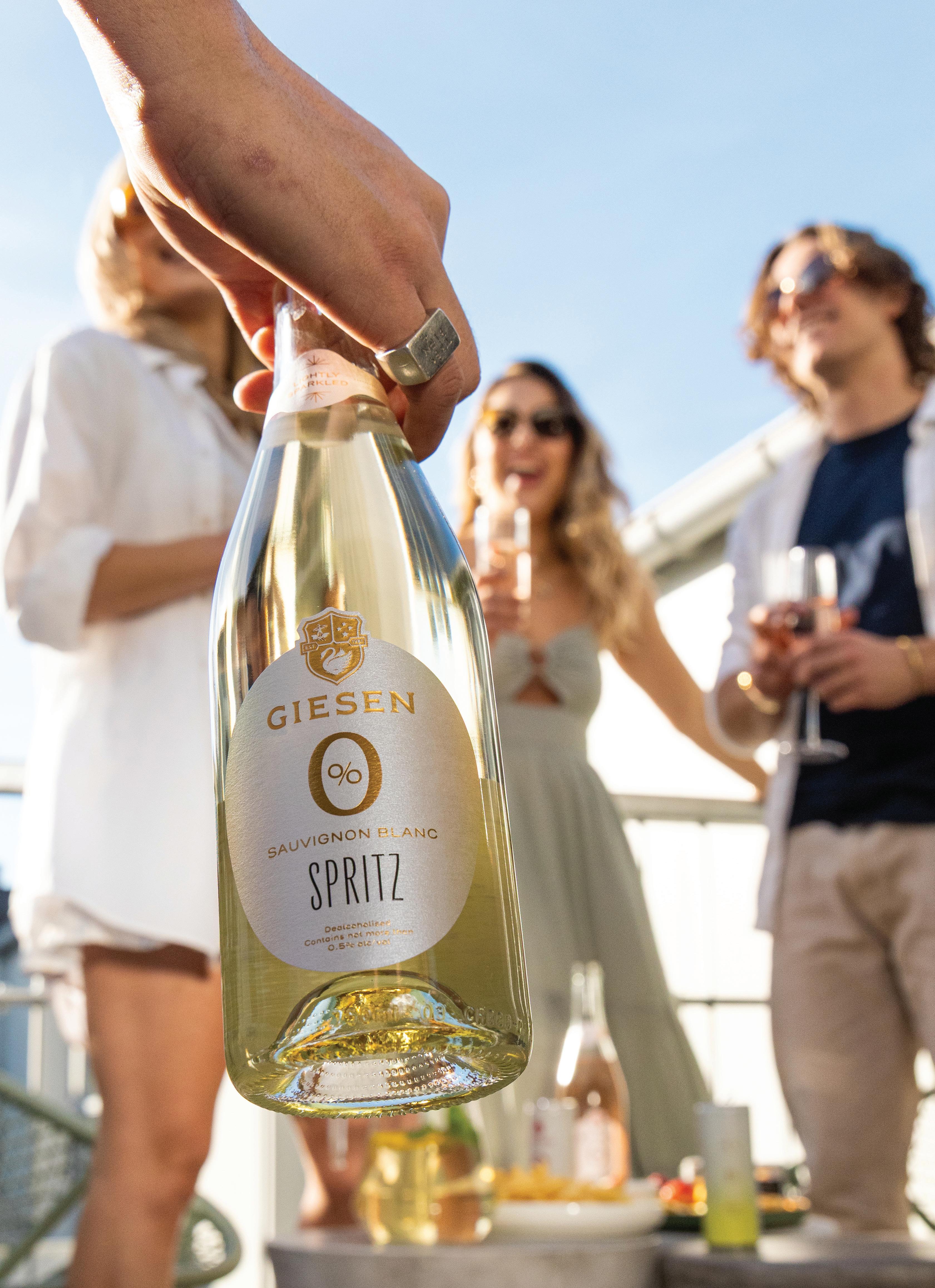
Giesen Wines specialises in dealcoholised and low-alcohol wines alongside their traditional wine portfolio, and was the first to produce and export dealcoholised New Zealand Sauvignon Blanc. Founded in 1981 by brothers Theo, Alex, and Marcel Giesen, the business has grown from its early beginnings into a globally successful brand. The company began exporting in 1988, initially sending wine to Great Britain.
Today, Giesen products are exported to over 25 countries, and are among the top-selling premium dealcoholised wine brands in the United States.
Throughout Giesen’s export journey, the Exporter Help team has provided support with a range of export related queries. These have often arisen due to differing regulatory requirements in overseas markets, particularly for dealcoholised products.
Exporter Help has worked closely with other MPI teams to provide tailored advice, ensuring Giesen has a clear pathway to export their dealcoholised wines, that product definitions are met, and that the appropriate certification requested by overseas markets can be supplied.
Thanks to Exporter Help’s assistance, Giesen has the confidence to continue exploring new export opportunities and to proudly represent New Zealand on the global stage.
Giesen is just one of thousands of businesses that Exporter Help has supported, and continues to support, on their export journey.
Contact the Exporter Help team with your exporting questions by emailing exporterhelp@mpi.govt.nz, calling 0800 674 490, or by visiting the MPI website at www.mpi.govt.nz/export/gethelp-with-exporting/.


Culley's
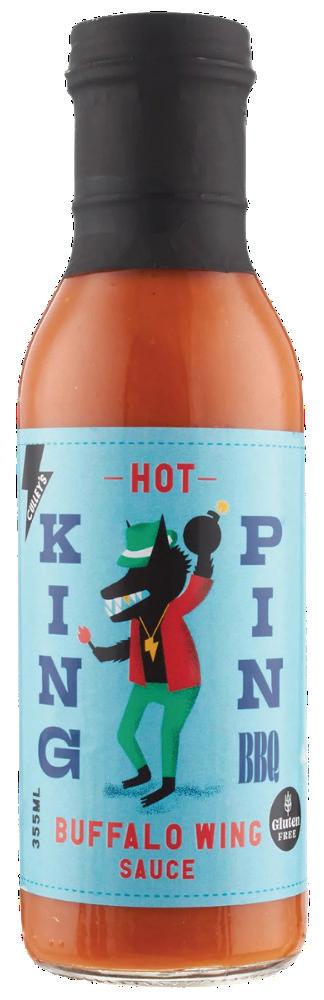
Back by popular demand, Culley's Hot Buffalo Wing Sauce is a Kiwi take on the traditional American-style wing sauce with an extra hit of heat. If you like a kick of heat on your chicken wings, this is the sauce for you.
Nescafé x Krispy Kreme
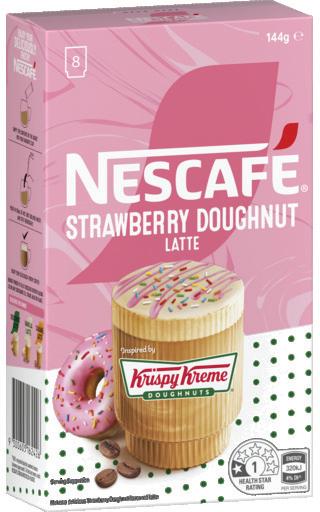
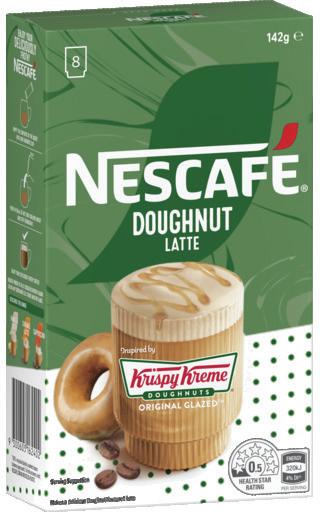
The ultimate collaboration for sweet-toothed Kiwis has arrived. NESCAFÉ and Krispy Kreme have teamed up to launch a new frothy coffee range of Lattes, inspired by Krispy Kreme.
Marrying two iconic brands, the new frothy coffee range blends NESCAFÉ's signature coffee, inspired by the flavours of not one but two iconic Krispy Kreme doughnuts.
The range includes two mouthwatering choices: NESCAFÉ Doughnut
Latte, inspired by Krispy Kreme’s Original Glazed doughnut, and NESCAFÉ Strawberry Doughnut Latte, reminiscent of the pink-sprinkled favourite. The single-serve sachets are the perfect pick-me-up for a Kiwi craving a decadent coffee.
Nestlé Head of Marketing ANZ, Melissah Toomey, said that this collaboration was truly a match made in sweet-treat heaven and will no doubt delight coffee lovers across the country.
Barker's
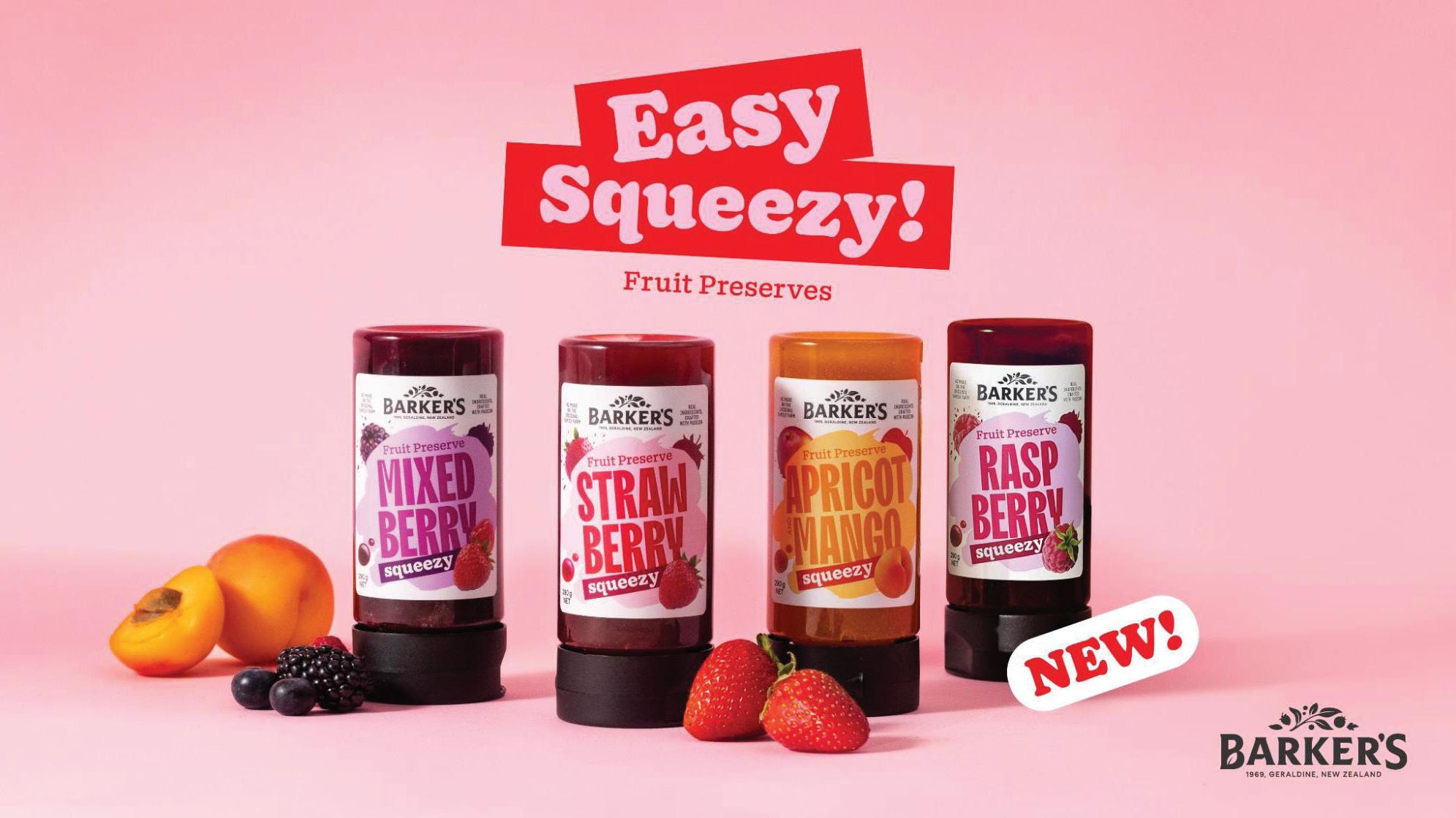
Barker's Squeezy - where great taste meets ease in every squeeze!
Bursting with ripe fruit, and less sugar than a traditional jam, these delicious preserves are now easier than ever to enjoy. Choose from Strawberry, Mixed Berry, Apricot & Mango or NEW flavour Raspberry - simply squeeze and spread on hot toast or dollop over yoghurt or dessert. Available now at a supermarket near you.

Mondelez International
The fan favourite from the 90s is heading back to shelves due to popular demand, after last appearing in stores in 2015.
Crispy Potato is the latest flavour to return to shelves as part of the Ritz In A Biskit brand family, following the successful relaunch of In A Biskit in 2021, which saw fan-favourites Chicken and Drumstix flavours make a comeback.
Woolies
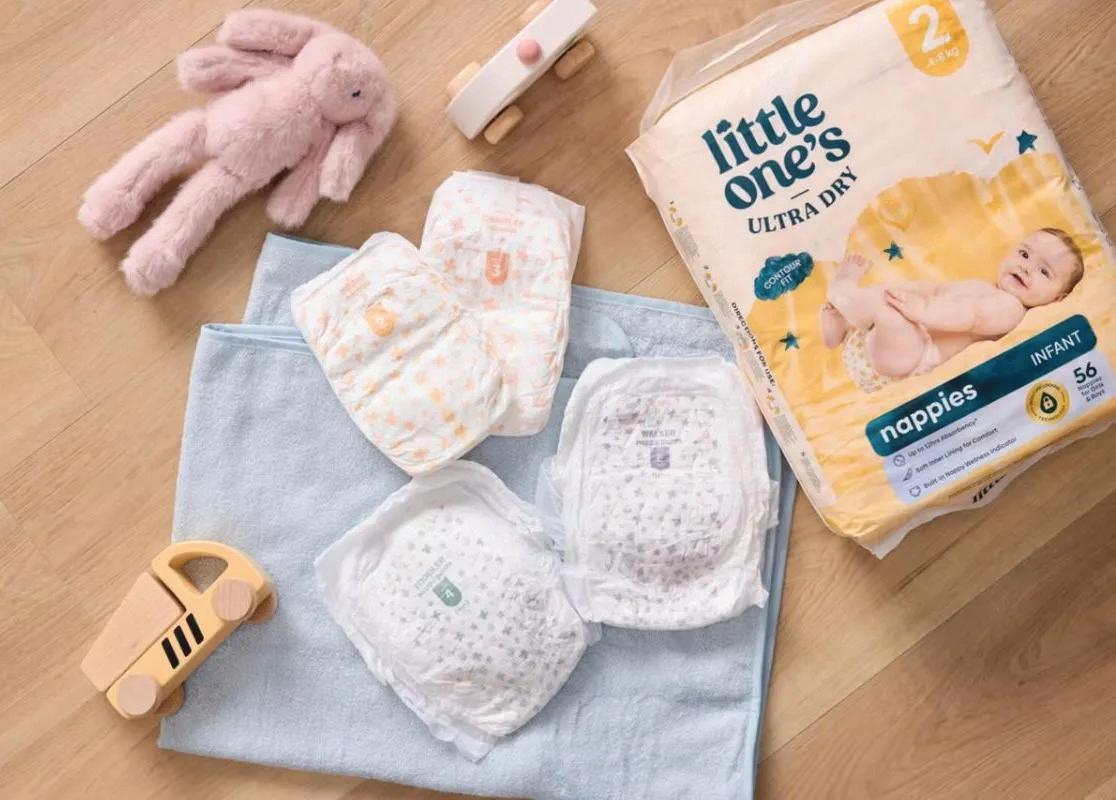
Woolworths has relaunched its Little One’s nappy range this month, delivering a total product overhaul to offer better quality while maintaining its commitment to budget-friendly value.
Following extensive research and customer feedback, Little One’s nappies have been completely redesigned
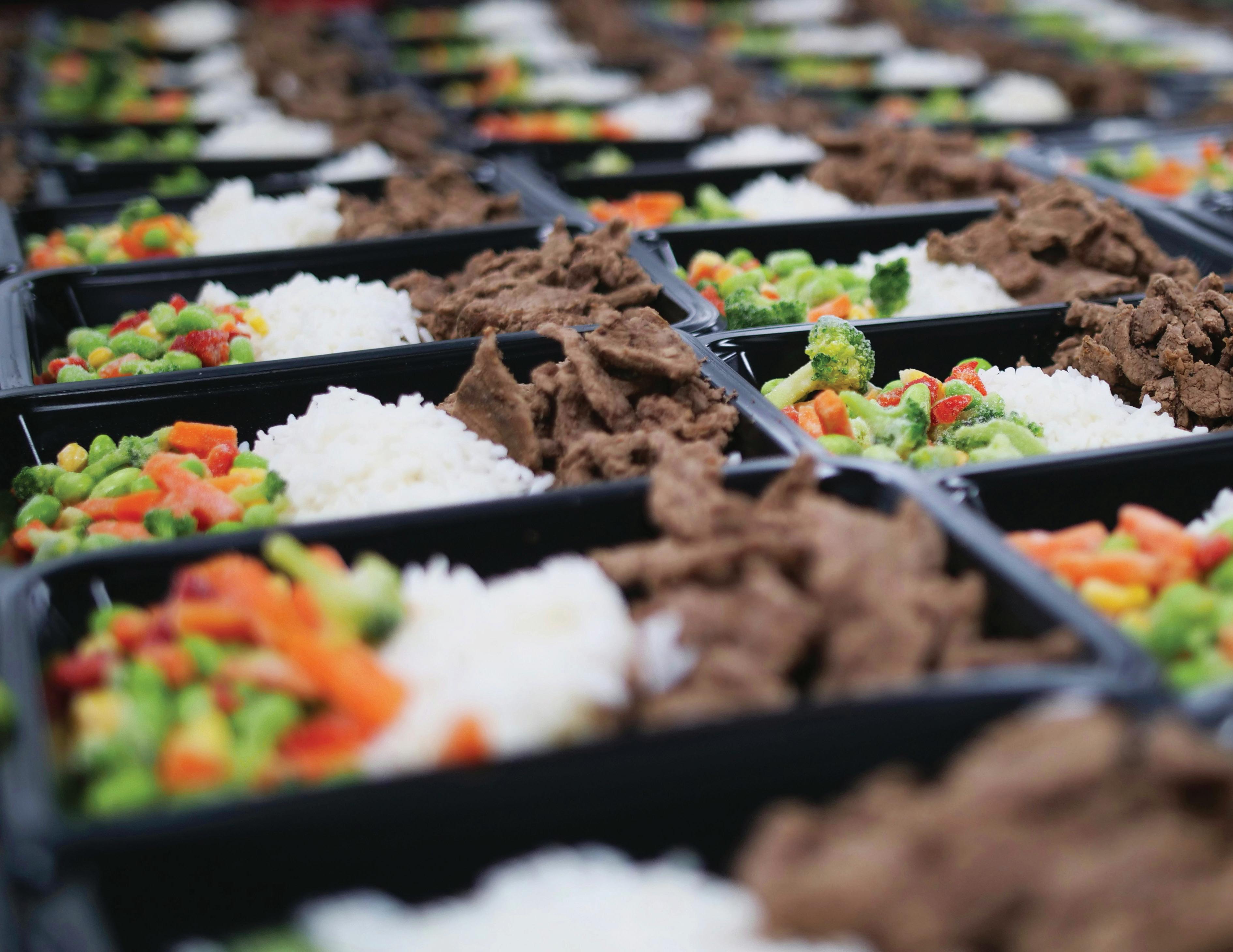
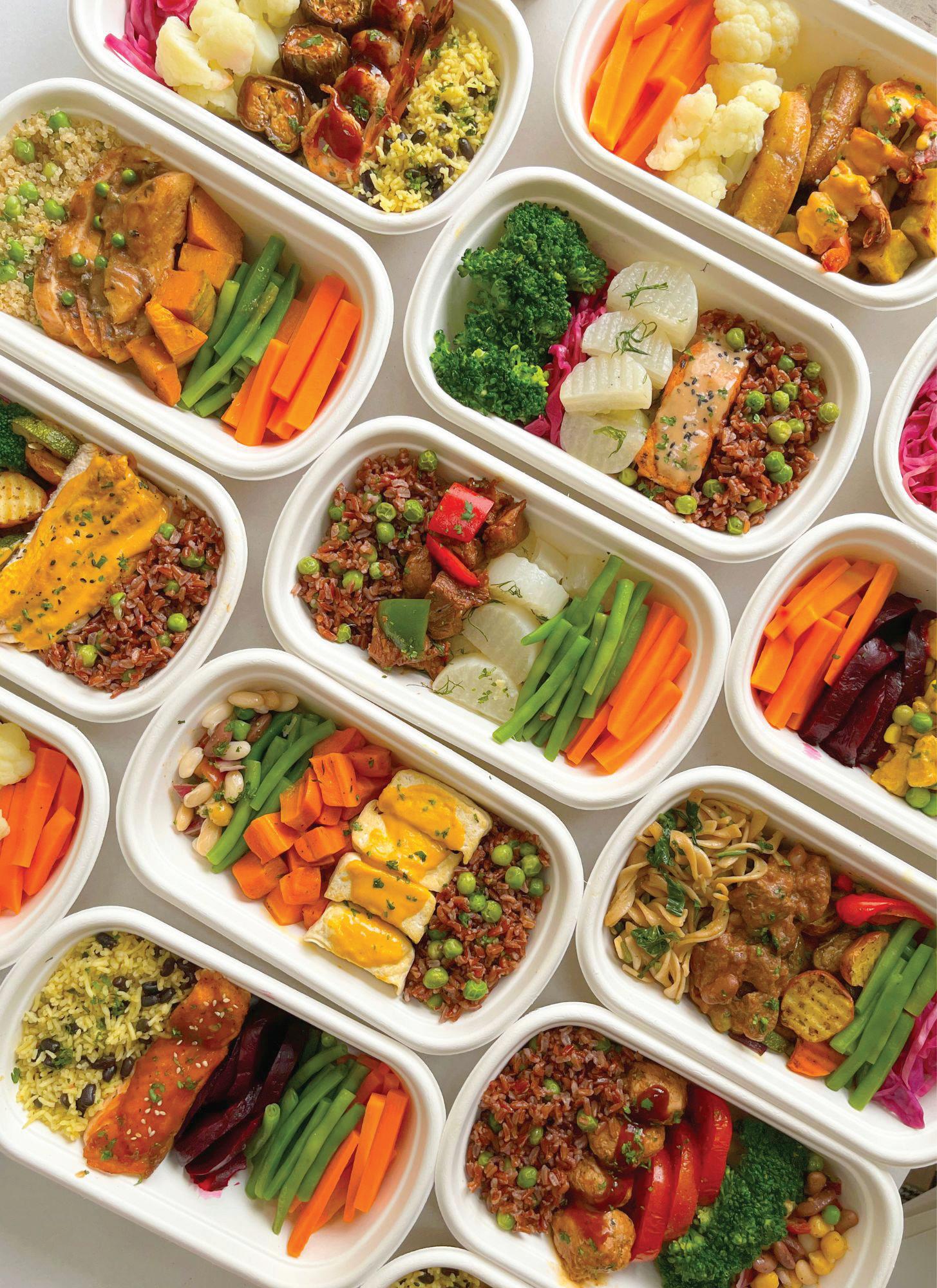
Frozen food trends have become increasingly intertwined with the evolution of consumers’ modern lifestyles.
Convenience is still key, but other priorities like health and indulgence have inspired new formulations. Consumers have also become more experimental and open to new cuisines, but value remains a core drive.
Innova’s “Trending in Frozen F&B –Global” report explained the current state of the global frozen food market and how brands can innovate to meet consumer needs.
How is the Global Frozen Food Market Redefining Food and Beverage for Modern Lifestyles?
While frozen meals were once favoured for convenience alone, they now address a variety of consumer needs by offering fresh ingredients, chef-inspired meals, and budget-conscious options. The rising demand for healthy food options has also driven key frozen food trends such as lowsugar, low-carb, and high-protein options.
The growth of urbanisation and disposable incomes is also contributing to the adoption of products in this category.
Although frozen food innovation has declined across most regions over the last five years, the category still shows growth potential. This can be achieved by enabling brands to better engage with consumers and create opportunities for exploration in the frozen food market.
More than two in three consumers are open to trying new cuisines, with novel and global flavours driving frozen food trends. This opens the door for brands to innovate in their flavour offerings that draw on multiple cultural traditions.
According to Innova’s food trends research, ready meals and side dishes account for the largest percent of frozen food and beverage launches. Within these categories, Asian taste profiles are the top
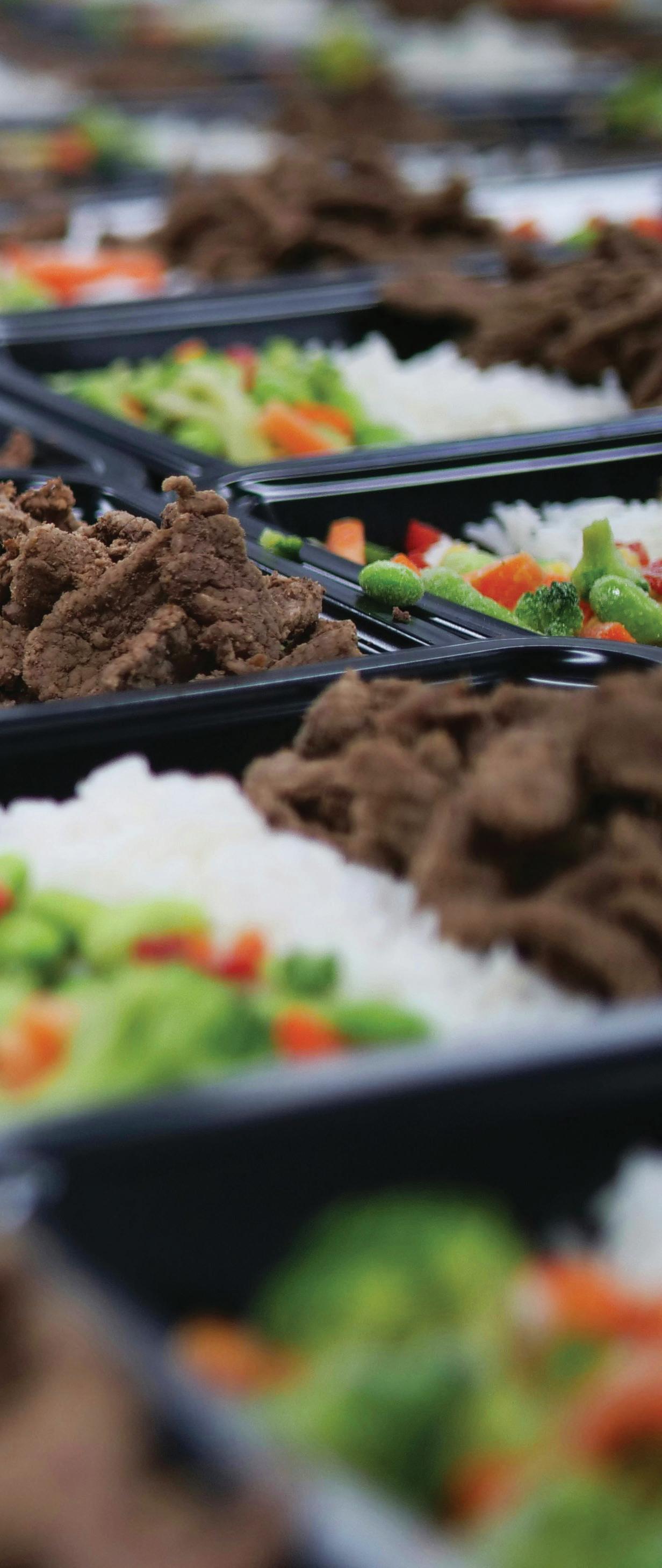
flavours that consumers gravitate towards. For example, Sainsbury’s offers a teriyaki chicken and jasmine rice frozen meal, reflecting a popular Japanese dish.
How are Frozen Food Brands Addressing Health Expectations?
Beyond global flavour inspirations, frozen meal brands can cater to the healthy indulgence trend by balancing consumers' desire for both nutrition and satisfaction. Consumers are seeking options that provide nutritional value alongside flavour and convenience in the frozen food market. For example, single-serve meals can be redefined as vehicles for nutrition.
KANZEN MEAL demonstrates this frozen food trend by utilising food science, Japanese culinary techniques, and tools to create nutrient-dense offerings.
In general, frozen formats can also help brands support clean and health claims, as they preserve nutrients without the
need for heavy processing or additives. This enables manufacturers to promote shorter and natural ingredient lists that meet consumer expectations. In fact, the crossover of these with traditional and indulgent claims can appeal to a wide range of consumers. Additionally, 24 percent of consumers say added nutrients make indulgent food or drinks feel healthier, so protein-rich treats, such as ice cream, can cater to those seeking balance.
Why Does Value-Based Innovation Resonate with Consumers in the Frozen Food Market?
Almost half of consumers are concerned about the impact of climate change on the environment. As a result, consumers are looking for ways to make positive contributions through their food and beverage choices. This provides a clear opportunity for brands to prove they are leading in the frozen food market in terms of quality and ethics.
For example, Pitaya Foods has launched a new Swirl Smoothie Bowl line in the US. Beyond tropical flavours and nutritional benefits, the brand promotes organic and sustainable farming practices and environmental responsibilities that align with consumers’ concerns.
Affordability concerns are also influencing frozen food innovations. This is evident in the fact that private-label brands are among the fastest-growing in frozen food launches.
Aldi is leading these global launches, offering consumers premium products at reasonable prices. Their rapid product rotation and efficient supply chain also contribute to greater consumer access to frozen foods worldwide.
What’s Next for Global Frozen Food and Beverage Trends?
Looking ahead, frozen food innovation will increasingly offer more health benefits. Probiotics, vitamins, and adaptogens are among the ingredients that can be expected. Brands are also investing in more sustainable formats, and when it comes to convenience, portion control and meal kits will also see growth, as they tailor to diverse household needs.
Finally, affordability and premiumisation will continue to drive the frozen food market, with brands positioning frozen as a “smart premium” option that delivers on nutrition, indulgence, and convenience without breaking the bank.
The role of frozen foods has shifted from convenience to essential, shaping how consumers approach everyday meals.
According to the National Frozen & Refrigerated Foods Association, eating habits in the USA have changed as meals have become less structured; snacking is on the rise, and consumers seek foods that offer flexibility, variety, and value.
The frozen food aisle has met that demand with a wave of innovation, from globally inspired flavours to air-fryer-ready formats and portion-smart options.
During this March’s Frozen Food Month, the National Frozen & Refrigerated Foods Association (NFRA) spotlighted how frozen foods align with how consumers cook, snack, and plan meals today.
“Frozen foods have always been a trusted solution for busy households, but the aisle today reflects how much eating habits have evolved,” said Tricia Greyshock, President and CEO of NFRA.
“Whether it’s new flavours, smarter formats or products that help reduce waste, frozen foods are designed for real life, offering flexibility, variety and meaningful value for modern routines.”
NFRA consumer research underscored the role of frozen foods in everyday eating and meal planning, with most consumers relying on them for convenience, affordability, and variety. Product innovation and flash-freezing technology have boosted their appeal, delivering bold flavours, preserved nutrition and flexible, low-prep meal options.
Conagra Brands' Future of Frozen Food 2026 further highlighted four transformative trends shaping the frozen food department.
"Frozen food is no longer just about convenience, it's about meeting consumers wherever, and however they're eating," said Bob Nolan, senior vice president of demand science at Conagra Brands.
"As households grow more complex and budgets stay top of mind, frozen food delivers on quality, nutrition and affordability in a big way."
Frozen foods are leading the way by offering high-protein options across meals, snacks and desserts, helping consumers easily meet their daily nutrition needs. Frozen breakfast has also expanded beyond mornings, gaining popularity as an all-day meal and snack option, particularly among younger consumers.
As dining out becomes more expensive, consumers have turned to frozen for restaurant-quality meals at home, combining taste, value and convenience, also supporting a return to shared, family-style dining, with multi-serve meals providing an affordable way to feed households.
New data from the Power of Frozen in Retail report indicated that many shoppers are buying frozen foods with a specific meal or day in mind, meaning that frozen foods have evolved from a “just in case” option to an essential part of weekly routines. The top three purchase drivers reported by shoppers reinforce this shift: ease of preparation, price, and taste.
Amid ongoing economic pressure, consumers have changed how they shop and cook, including preparing more meals at home, meal planning, and prioritising reducing food waste.
As households feel the pinch of rising supermarket prices, Canstar research in Australia found that frozen foods continue to grow in popularity, with 66 percent of shoppers surveyed eating at least one frozen meal a week.
While convenience is the biggest driver for most shoppers, they value frozen fruit and veg for their year-round availability, cost-effectiveness, and reduced waste.
Canstar revealed that shoppers could cut costs by more than 50 percent by choosing frozen over fresh produce.
Its analysis of prices for staple fruit and vegetable items such as broccoli, spinach and strawberries at major supermarkets found frozen options were, on average, 53 percent cheaper than their fresh counterparts. Some items delivered even bigger savings, with frozen blueberries coming in more than 70 percent cheaper.
Canstar spokesperson Eden Radford said that switching just half of the regular fruit and vegetable shop could deliver significant savings for households at a time when grocery costs are set to rise.
“Opting for frozen food can also help stabilise the budget, with seasonal volatility playing less of an impact on pricing, while the ease of convenience can save families precious time,” he said.
“Frozen isn’t the only switch that could help shoppers save, with the decision to go for home-brand products also a great way to help drop the cost of a shop. At a time when every dollar counts, the freezer aisle is proving to be a powerful ally for Australian households, and the savings really do add up.” n
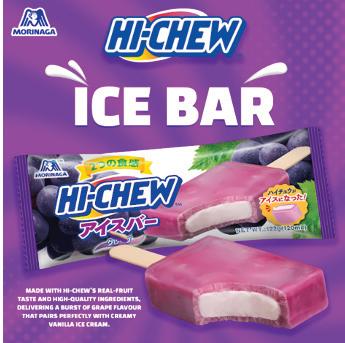
The iconic chew you love, now in a refreshing ice bar! Experience your favourite chewy treat in a whole new way.
The Hi-Chew Ice Bar brings the iconic, juicy fruit flavour of Japan’s beloved candy to the freezer. Each bar features a delightful dual texture, a crisp outer layer and a soft, creamy centre that mimics the signature chewiness of classic Hi-Chew.
Perfect for a sunny afternoon or a sweet, on-the-go refreshment, it’s a fun snack for kids and adults alike. Grab one today and enjoy the ultimate cooling moment with a burst of authentic fruit flavour.
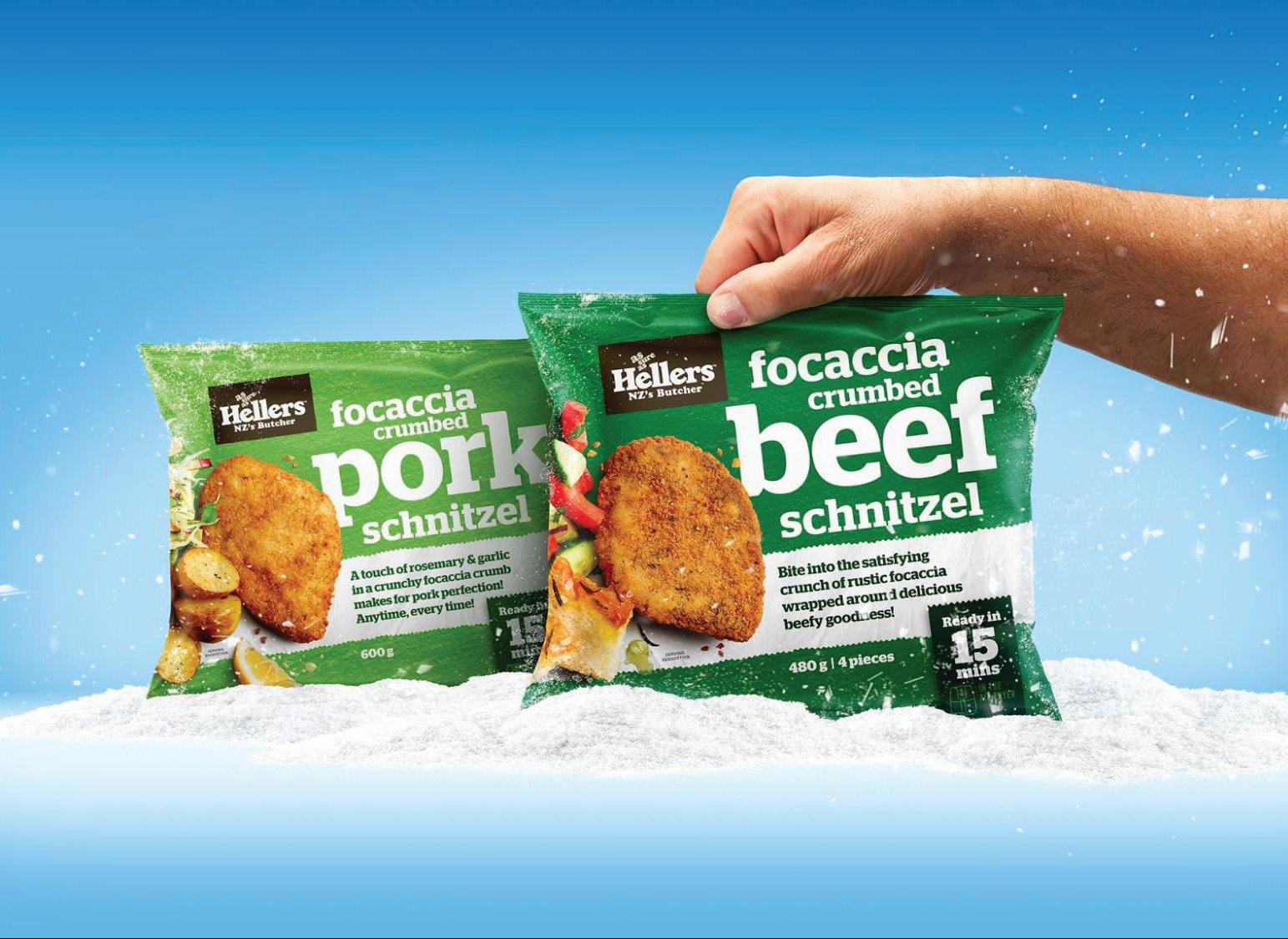
Hellers is redefining frozen as a smart, high-protein meal solution, not just a backup.
With strong growth in frozen meat and poultry, the brand is capitalising on rising demand for convenient, quality dinner options.
While chicken still leads, pork is among the fastestgrowing segments, and beef remains steady, highlighting a shift toward greater variety.
Hellers’ expanded schnitzel range taps into this, introducing beef and pork to unlock new meal occasions and broaden household appeal. Backed by double-digit growth, improved taste and texture, and clear on-pack communication, the range is built to drive trial and repeat purchase.
Supported by in-store sampling and targeted media investment, Hellers is helping retailers capture growth while reshaping perceptions of frozen as both convenient and crave-worthy.

Cheese lovers rejoice! Howler Hotdogs have just added two popular Korean Style Corndogs to their range. Mozzarella cheese on a stick (coated in batter) and the “Half and Half” – where literally half of the sausage inside is replaced with a stick of Mozzarella cheese. Airfryer friendly and made using quality New Zealand ingredients these allows consumers to enjoy this popular street food at home.
For more information www.howlerhotdogs.co.nz or contact your local KML rep.
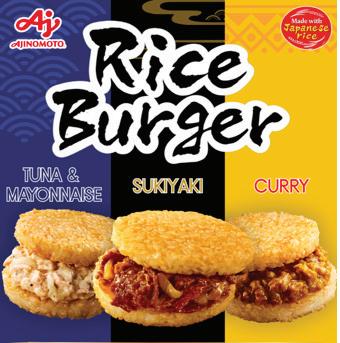
A new snack alternative to pies, the Rice Burger is making its New Zealand debut! Available in three delicious flavours: Sukiyaki, Tuna & Mayonnaise, and Curry.
This frozen, ready-to-eat meal replaces traditional burger buns with rice, creating a unique and balanced option. The result is a tasty, satisfying meal that’s hearty yet lighter than a pie or regular burger.
• Frozen for easy storage - enjoy at home or in the office whenever hunger strikes
• Perfect for those looking to try something different
• A new light meal option that’s both satisfying and guilt-free
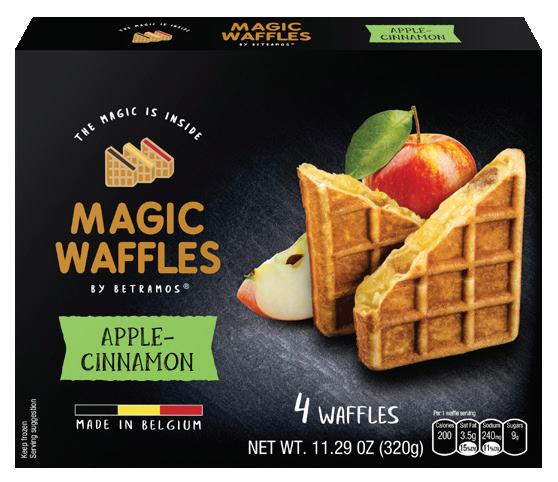
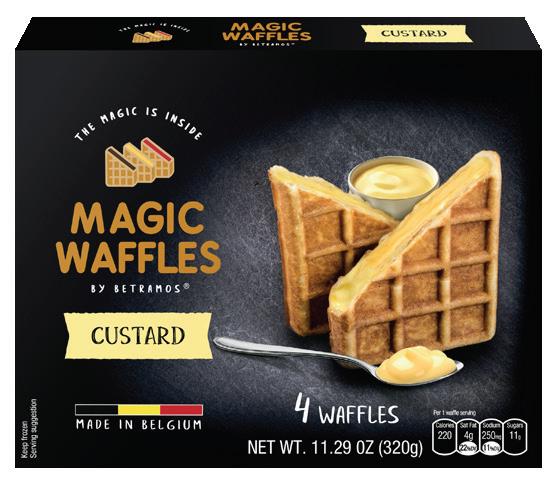
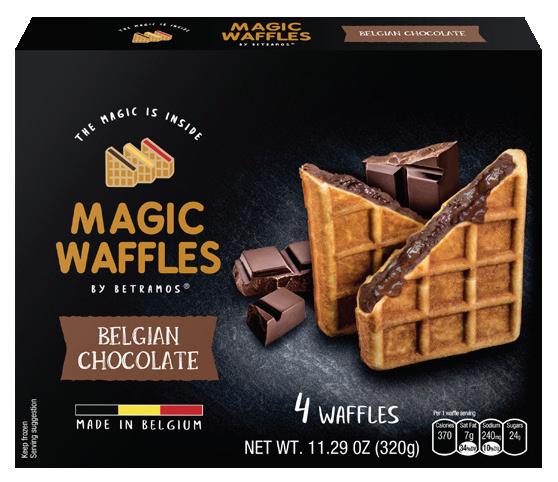
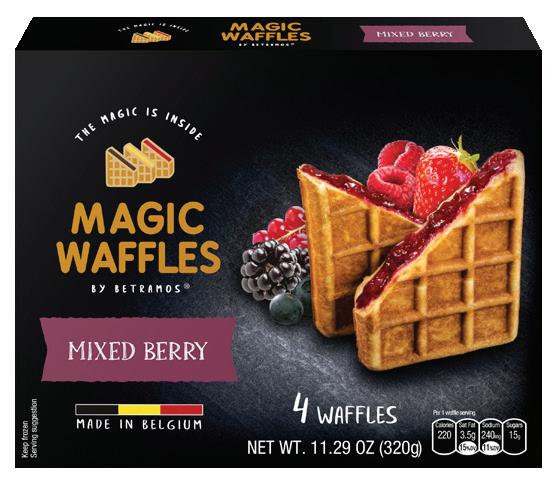
Half waffle, half filling, all magic! Magic Waffles bring a new level of indulgence to the frozen dessert category with a unique 50% golden-crisp waffle and 50% delicious filling combination. They are a true innovation designed to stand out in the dessert aisle.
Crafted in Belgium using a trusted heritage family recipe, each 80 g waffle delivers premium quality and irresistible taste in every bite. The range includes four crowd-pleasing flavours—Apple Cinnamon, Belgian Chocolate, Custard, and Mixed Berry—offering something for every shopper.
Packed in convenient 4 x 320 g retail boxes, Magic Waffles are perfectly suited for both impulse purchases and family occasions. Combining European craftsmanship with everyday convenience, they offer retailers a fresh, exciting product that brings variety, value, and appeal to the frozen category while capturing shopper attention and driving sales.
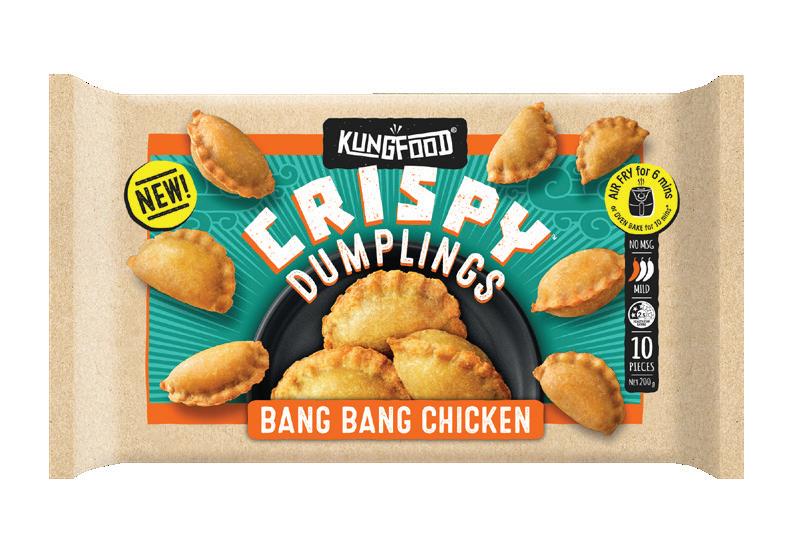
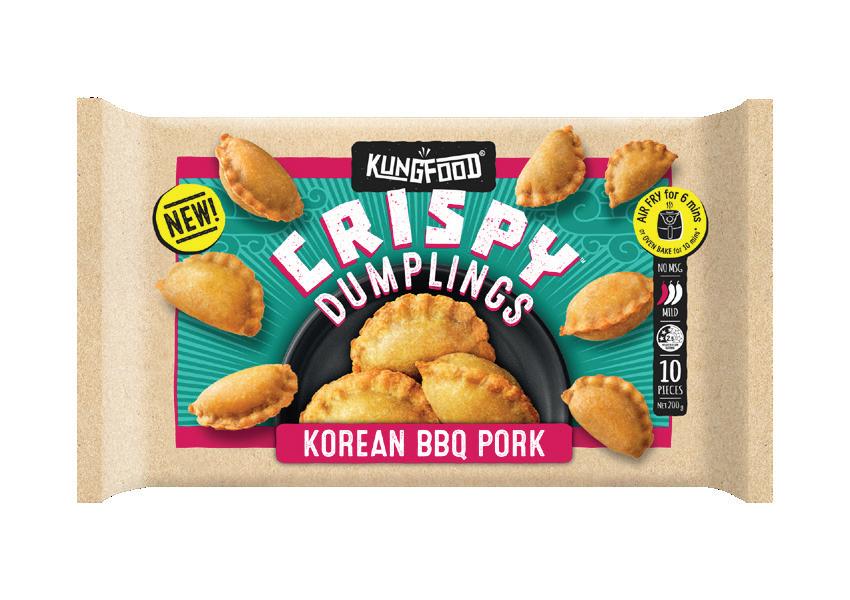
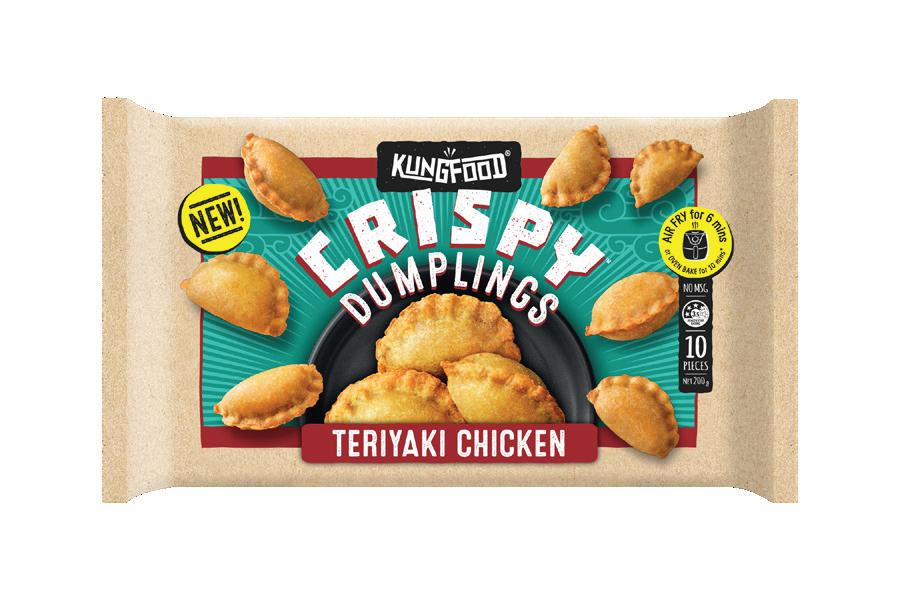
With a specially crafted pastry, KUNGFOOD Crispy Dumplings™ crisp up to golden brown when air-fried for 6 minutes or oven-baked for 10 minutes. Bursting with delicious Asian Fusion fillings, the range includes Teriyaki Chicken, Korean BBQ Pork and Bang Bang Chicken. Now available at Woolworths stores nationwide and in New World and Pak’nSave stores in the South Island.

The reality facing the country and FMCG businesses is tough right now. The ongoing fuel price shock continues to hit hard, driving up transport and distribution costs at a time when margins are already under intense pressure.


Add rising energy and labour costs, alongside growing regulatory and compliance demands, and it’s clear this is a demanding operating environment - even for the most sophisticated businesses.
This month’s column contribution has been a tricky one to write. Over the coming weeks, the NZ Food & Grocery Council team planned to put real energy into growing our membership and running a strong call to action, encouraging more businesses to get involved. We considered a sharp, wellexecuted marketing campaign which is key to success in FMCG but we looked hard at the pressures our sector is under and quickly concluded the most important thing we can do right now is demonstrate the value of what we do in real time.
At the same time, a strong and effective industry voice doesn’t just happen. It is built on collective support, shared insight, and the ability to represent the real-world
experiences of businesses in a credible way. So right now, that means we are actively briefing officials and decision makers across government about current supply chain pressures, as they make decisions on policies such as the National Fuel Plan. We’re focused on supporting members by providing timely information, practical guidance and clear context, helping businesses understand what’s changing, what it means for them, and how best to respond in a fast-moving environment. It goes without saying - if you need to, please get in touch.
We’ve also been supporting members navigating the many rounds of consultation on the Commerce Commission’s Wholesale Supply Inquiry, with upcoming changes to the Grocery Code (taking effect from May). Our Code training continues in partnership with Next Gen Group. Since January over 150 people have been trained in the new Code. Connection across the sector matters, so we provide events and engagement to build strong professional networks that support knowledge-sharing and leadership. Our events programme is busy already, including our May member meeting, networking and emerging leaders evenings, our partnerships with the Kaleidoscope Forum and Grocery Charity Ball, and our Annual Conference later this year in November. This year we also launched our NZFGC Leaders Webinar series, led by leadership coach Robin Davies, to support FMCG leaders with grounded leadership capability.
Our member-led working groups - the Grocery Industry Advisory Committee, Health & Regulatory, Talent & Diversity, Small & Medium Enterprises, Supply Chain, and Sustainability Committee
(which supports the work of the Recycling Leadership Forum) enable representatives from member companies to collaborate, share expertise and contribute directly to work on key industry issues - from competition to front of pack labelling. Practical initiatives, such as our summer product availability planning toolkit and the FMCG Futures intern programme are driven by these groups, to deliver genuine value for industry.
It’s also about keeping the faith, so to this end we partnered with ASN Media to create the Shared Horizons series spotlighting stories behind our sector: of innovation, resilience and community impact. We launched the first season following Covid, at a time when there was a real need to tell positive stories and encourage the sector. Now, more than ever, these stories of resilience and leadership matter.
At times like these, quality advocacy and reliable information are key to keeping up and staying ahead. So, if you’re considering whether joining us is right for you, we encourage you to look at the value we deliver, the connections we foster, the advocacy we lead, and the way the NZFGC shows up for the sector when it matters most.
You can find out more about our latest work at fgc.org.nz, along with everything you need to know about becoming a member – or get in touch with our team!

Odi introduces a new organic range of pouches, snacks and more, combining premium ingredients with a premium price point to drive value on shelf.

High iron
High protein
Made from real wholefoods No synthetics
Less than 5 grams of sugar

There’s been a subtle shift in how local supply is being viewed, and it’s not coming through as a clear push. It’s more in the way conversations are unfolding. The types of questions being asked. The areas buyers seem to pause on a little longer during range reviews. For New Zealand brand owners, it’s not a headline change, but it’s there.
Why supply chain risk is back in the buying conversation
The backdrop is doing most of the work. Demand is patchy, costs are still moving around, and there’s less tolerance for things not going to plan. Imported product is still a big part of the mix, but the downsides are harder to ignore when they show up. Lead times drift, freight shifts, and when something goes off track, it can take time to fix. That tends to show up in the basics, availability, consistency, missed windows.
Global supply chains are still more efficient on cost in many cases, but they are less forgiving when something shifts. That doesn’t make them a problem, but it does change how comfortable buyers are carrying that risk. When something slips, it’s not always easy to pull it back quickly.
For a lot of brand owners, the pressure is closer to home. Cash is tighter, and there’s less room to absorb delays or carry extra stock. A late shipment or something that can’t be adjusted ties things up quickly. It limits what you can do next. Producing locally, where it’s an option, doesn’t remove that pressure, but it can take some of the edge off it. It gives you a bit more control over timing.
Where local supply fits when performance is under pressure
Local supply tends to come into the conversation from that angle. Not as a replacement for imported product, but as a different set of trade-offs. It’s less about cost, more about how quickly you can respond when something changes. Shorter lead times,
easier communication, fewer moving parts. From a buyer’s side, it still comes back to performance. Products need to move and supply needs to hold. If local production helps with that, it gets noticed. If it doesn’t, it won’t carry much weight on its own. That seems to be where most decisions land.
At the same time, the scale piece hasn’t gone away. Larger, centralised supply chains still deliver cost advantages, and in some categories that will continue to lead. But they can be slower to adjust. Local supply offers a bit more flexibility. How much that matters will depend on the category and how tight things are.
It’s probably overstating it to say there’s a push to buy local. That makes it sound more deliberate than it is. It’s more that local supply is sitting there as one way to reduce friction when things are already under pressure. Sometimes that’s enough to make a difference. Sometimes it just sits in the background.
For brand owners, it’s less about changing direction and more about being clear on where you stand. If you’re producing locally, it’s worth understanding how that helps you, and whether you’re actually bringing that into the conversation. If you’re not, then it comes back to how you’re managing the risks that come with that and how visible that is.
The pressure on shelf isn’t easing. Decisions feel tighter, and there’s less margin for things to drift. Local supply won’t carry a product on its own, but it can take some pressure out of the system. In the current environment, that seems to be where it’s finding its place. n

JUNA is a premium, New Zealand-made sparkling drink designed to simplify women’s wellness.
Formulated with carefully selected vitamins and minerals that contribute to normal energy metabolism¹³⁴, psychological function²³⁴ and regulation of hormonal activity², JUNA is designed to support how you feel day to day.*
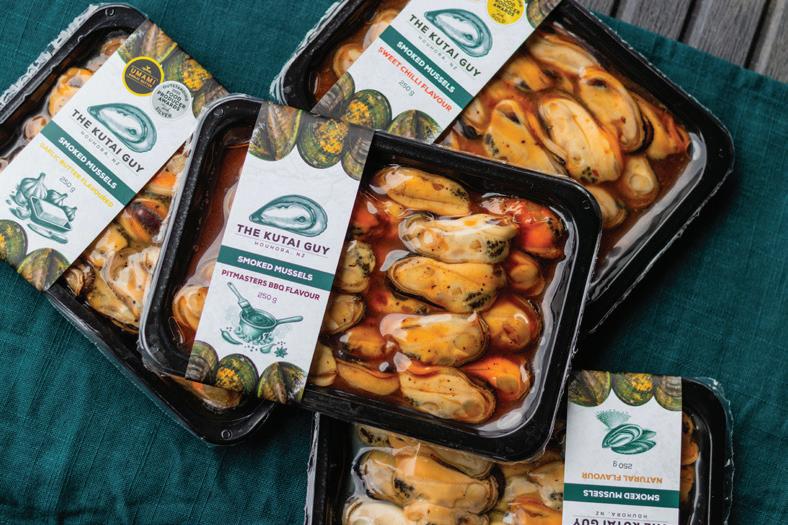
The Kutai Guy is making waves across New Zealand with its award-winning range of traditionally smoked green-lipped mussels. Hand-shelled and crafted in small batches in the Far North, the range includes Sweet Chilli, Garlic Butter, Natural, and the new BBQ flavour.
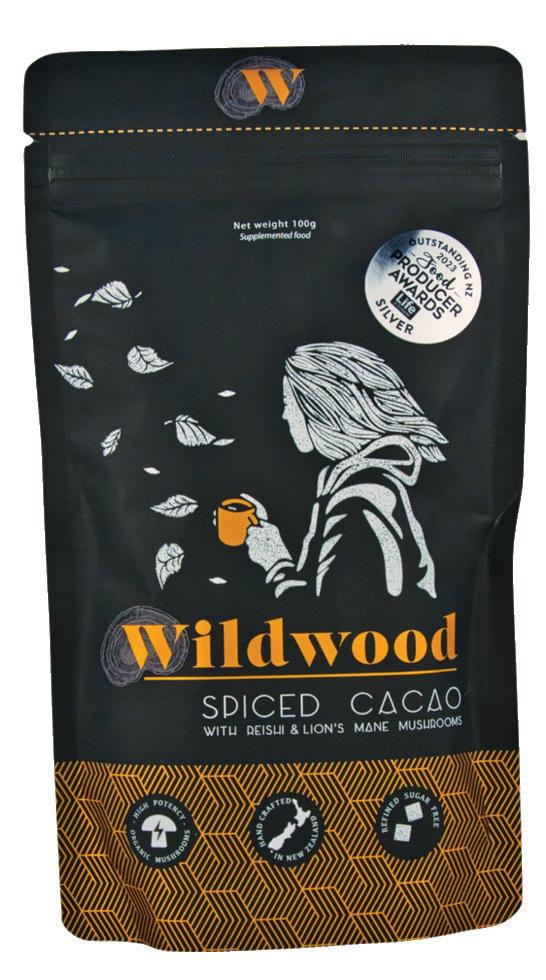
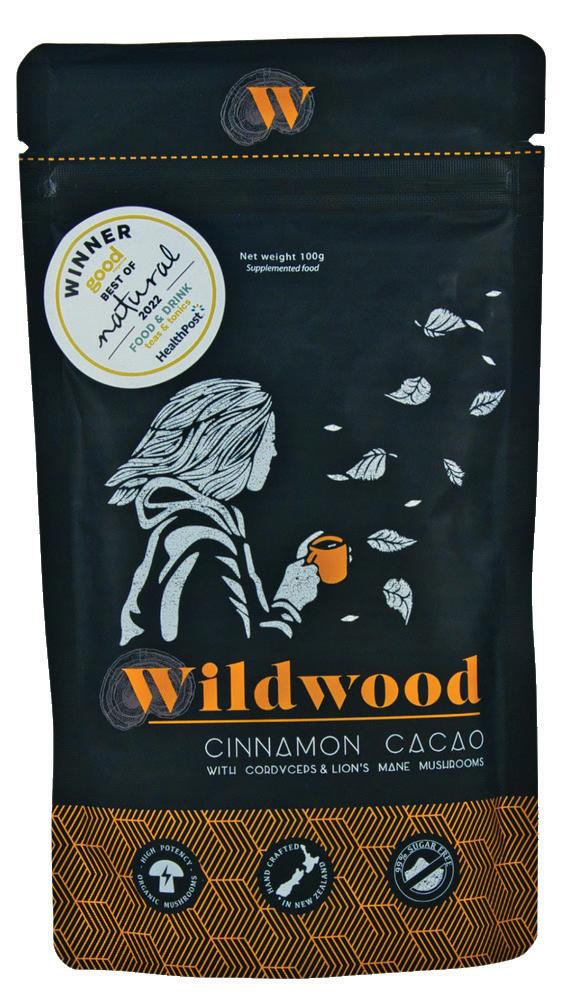
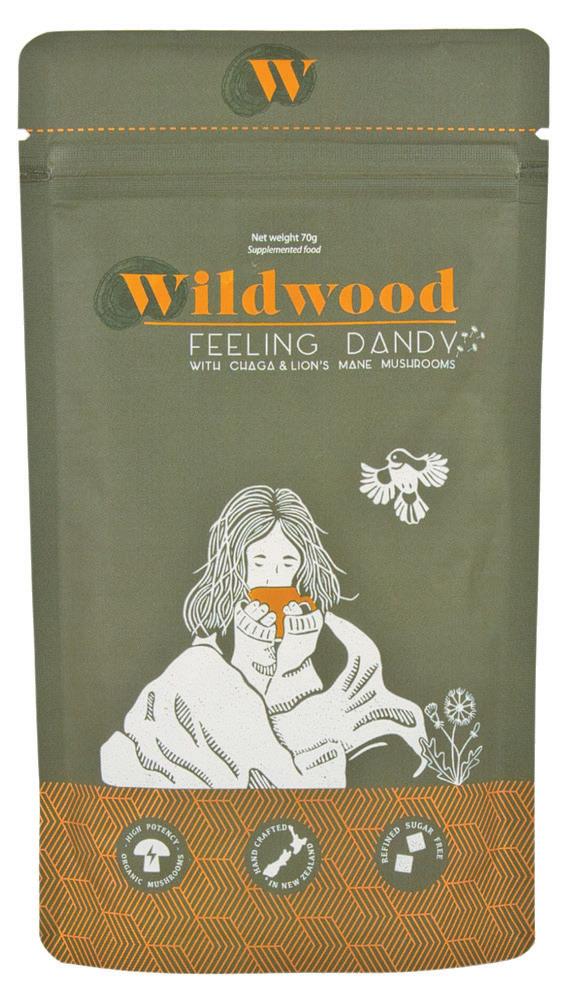
Real ingredients. Potent mushrooms. Deeply delicious. Wildwood functional mushroom blends are made in Nelson using certified organic, fruiting body extracts and ceremonial grade cacao, ethically sourced, clean, and genuinely good for you.
Spiced Cacao, Cinnamon Cacao, and Feeling Dandy. Three blends to nourish your mornings, your evenings, and everything in between.
Because looking after yourself shouldn't feel like compromise.
Backed by strong in-store performance and a loyal following, the brand continues to grow through authentic storytelling, nationwide distribution and high repeat purchase. A high protein, ready-to-eat product delivering quality, flavour and real connection.
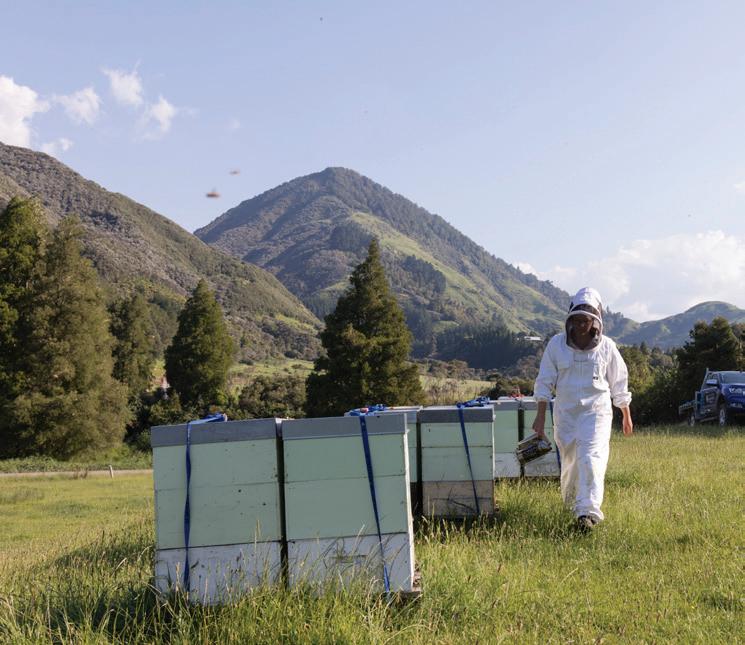
Through the combination of his passion for beekeeping and his love of New Zealand’s beautiful South Island, Terry Bone founded Biohoney.
The company and family take pride in building deeply personal, trusting relationships with master beekeepers throughout the South Island of New Zealand, sourcing only the highest-quality honey for our products in a sustainable, ethical way. Every season, Bone travels throughout
With just 21 calories and 98 percent sugar-free, it’s a clean, refreshing alternative to traditional functional drinks. Lightly sparkling and easy to enjoy daily, it fits seamlessly into modern routines.
*When consumed as part of a healthy, varied diet. ¹ Riboflavin (B2) ² Vitamin B6 ³ Vitamin C ⁴ Magnesium.
the South Island meeting with beekeepers, some of whom he has known for several decades.
“The people we choose to work with are often second or third-generation beekeepers who prioritise bees over profit,” said Bone, founder and director.
“We recognise these people as master beekeepers and have registered a Master Beekeeper logo and trademark which acknowledges their specialised skill and craft.”
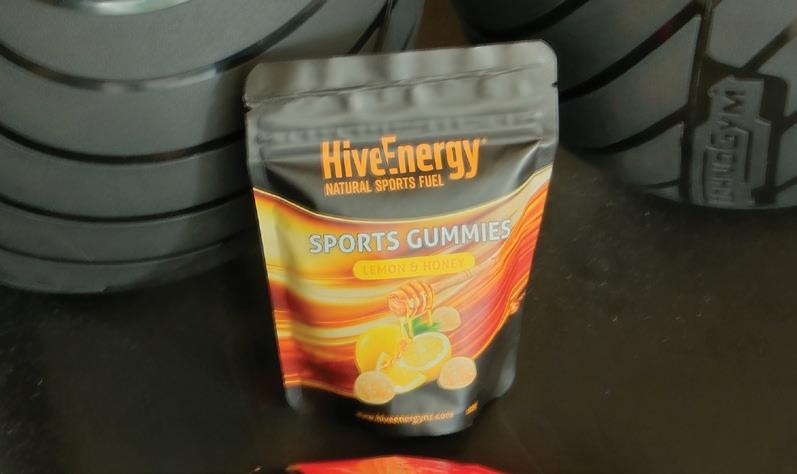
HiveEnergy is a natural, honey-based energy supplement aligned with key consumer trends: Energy, Real Food, Better Carbs, and Mind & Mood. It delivers great taste with no harsh aftertaste and is chemical-free, making it gentle on the gut and safe for children.

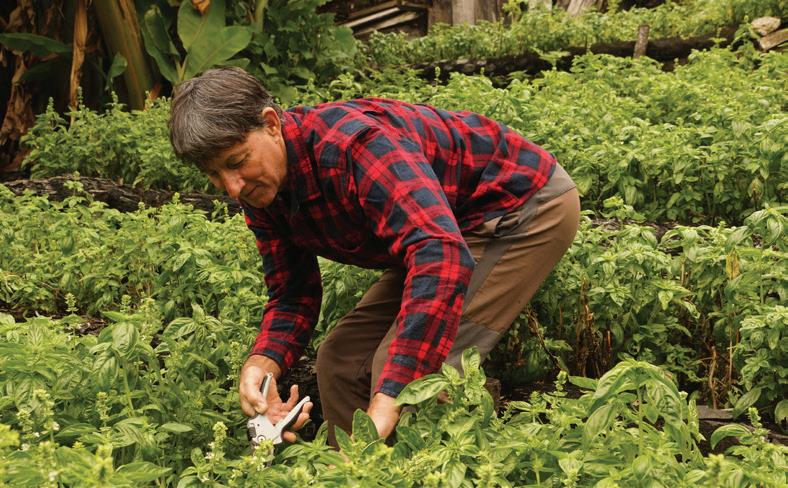
Tauranga-based Aroha Kai’s innovative approach to creating delicious artisan fermented products can be found in every jar of their handcrafted vegan-friendly basil pesto, sauerkraut or kimchi.
Typically uncompromising, Aroha Kai’s founder, Don Allardice, boasts “for optimum
Its dual-carb blend of fructose and glucose provides sustained energy without spikes or crashes, while supporting hydration and immunity. Packed in convenient sachets, every purchase also supports youth mental health through I Am Hope.
Holly Gold - Liquid Bacon is the newest product innovation from Holly Bacon, a fifth-generation family business based in Hawke’s Bay since 1914.
Holly Gold, a triple-smoked bacon lard, brings traditional flavour to modern kitchens. Holly only uses 100 percent New Zealand
pork across their range, supplying both supermarkets, retail and wholesale customers nationwide.
Holly's award-winning dry-cured bacon remains at the heart of what they do, backed by over a century of family commitment to quality.
flavour we use only 100 percent own grown herbs in our pesto – no spinach or kale fillers, and for our kimchi we’ll only use Asian cabbage, and we put in loads of flavoursome ingredients ".
Aroha Kai – the love of flavoursome, healthy, fermented foods.

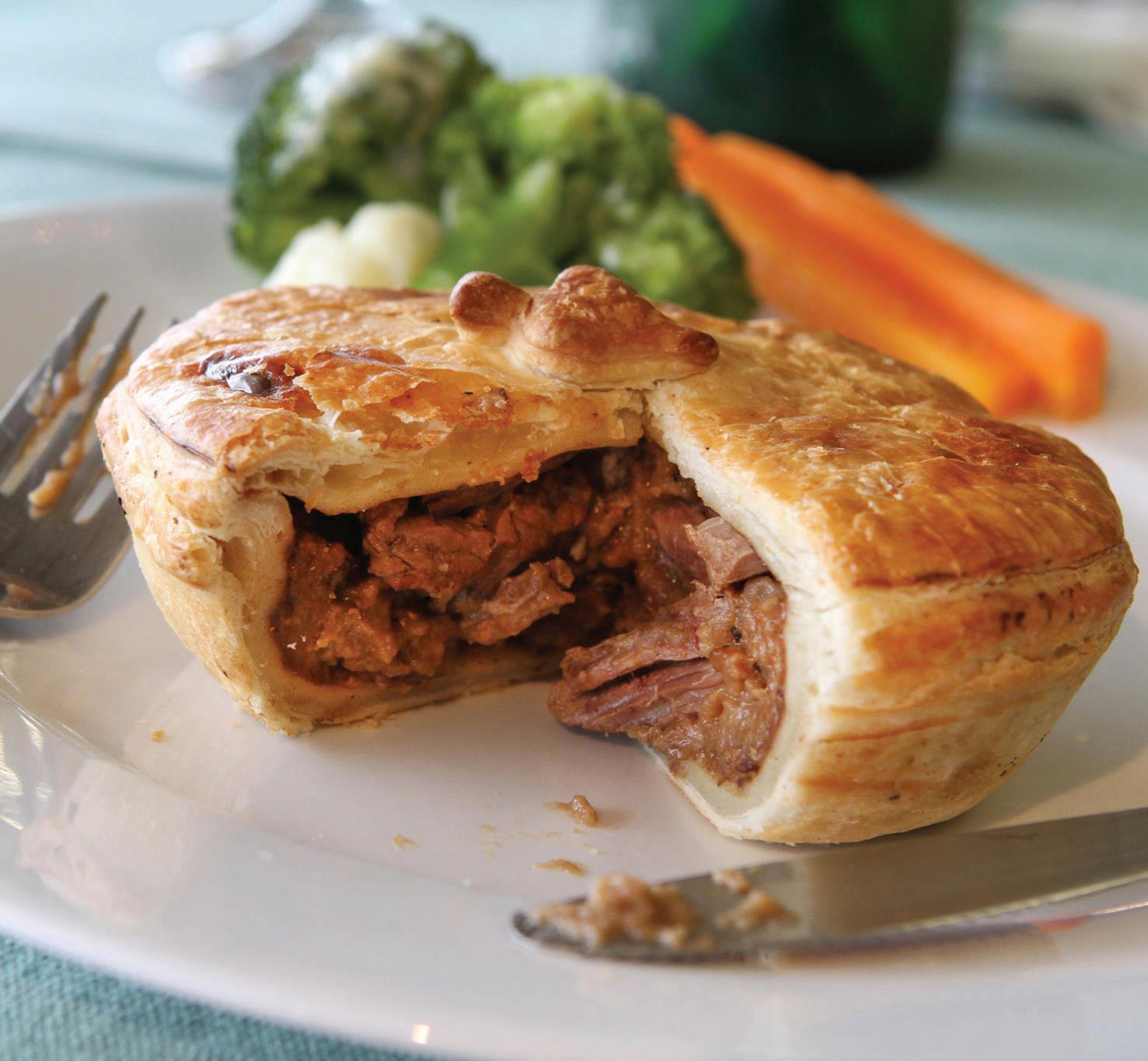
We blend the best ingredients, we use old-fashioned methods, and once-commonplace ingredients with a handson approach to ensure our pies rival the best.
With sustainability at the heart of what they do, Goulter’s Vinegar is committed to crafting high-quality, affordable vinegar products. As specialists in vinegar production, the name says it all – Goulter’s. From household favourites to innovative health blends, its flagship product remains the Certified Organic Apple Cider Vinegar, made using only the finest organic New Zealand apples grown just outside Nelson on the Appleby plains.
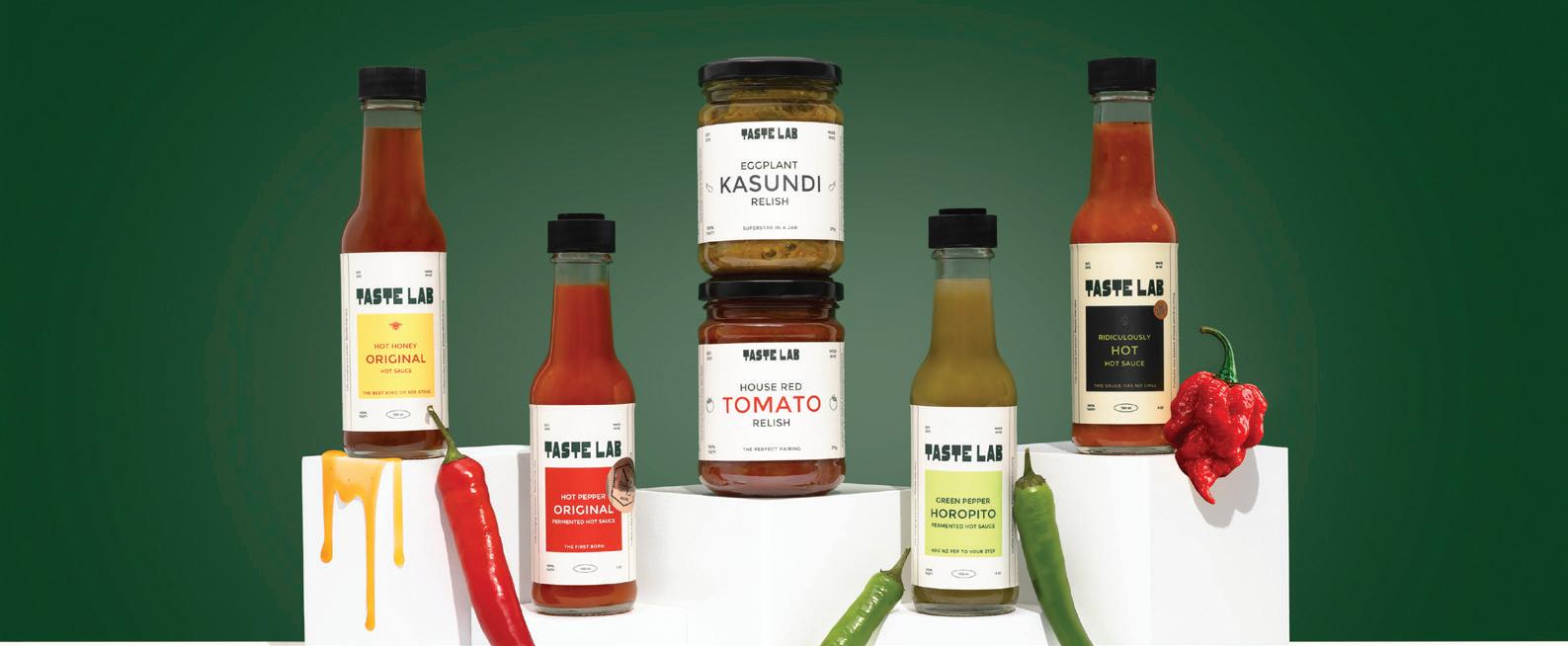
Built on Taste. We do the experimenting, so you don’t have to. Taste Lab started with hot sauce, but from day one, the focus has always been flavour. The range of 10 sauces was created with flavour first, heat second, using fermentation and unexpected flavour combinations to build depth and character. That same thinking now shapes a broader range, from Eggplant Kasundi and tomato relish to spice blends. Plenty gets tested in the Lab, but only the good stuff makes it out.

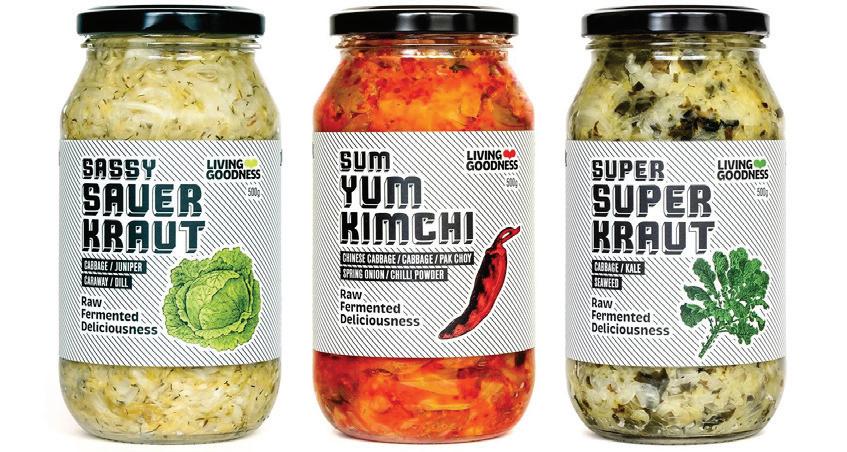
Living Goodness is an Auckland-based artisan food company that specialises in producing raw, fermented foods sauerkraut and kimchi. Founded in 2015 by husbandand-wife team Peter Kearns and Fiona Dykes, the company focuses on improving gut health through fermenting locally sourced ingredients with imported herbs and spices. They have six fabulous flavours: the milder Sassy Sauerkraut with dill, caraway seeds &
juniper berries, the spicy but sour Sum Yum Kimchi, an earthy Heartbeet Kraut with beetroot, red & green cabbage, the super tasty Super Superkraut with wakame seaweed & kale and the simple but splendid Naked Kraut, pure cabbage and Himalayan salt. Their products can be found in all major supermarkets as well as smaller independent stores across New Zealand. Try some Living Goodness today because this Kraut Rocks.
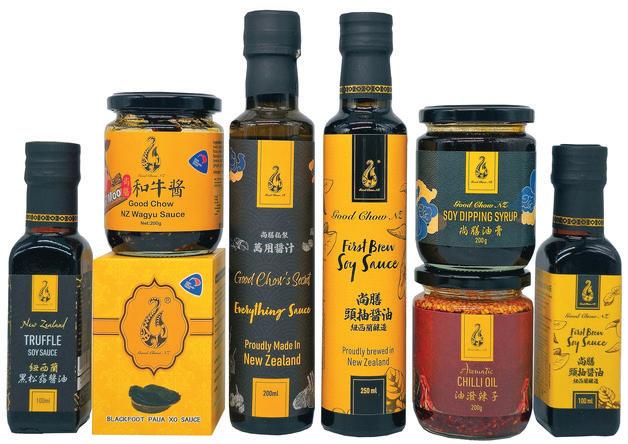
From reviving a century-old family soy brewing legacy to crafting modern, versatile condiments from local ingredients, as long as there is Good Chow in your kitchen, the flavours of your cooking will be taken care of. Recommended by top New Zealand chefs. From NZ Truffle Soy Sauce, Pork Lard Chilli Paste, Paua XO Sauce, and more, reliable flavour starts here.
Locally crafted, seriously delicious 100% plant-based chocolate your customers will crave

chocolate range that is winning hearts and repeat purchases with every bite. Wonderland Chocolate will bring something truly special to your shelves… sustainable, joyful treats your customers will come back for again and again.
Find us on Upstock or email kate@wonderlandchocolate.co.nz for more information.
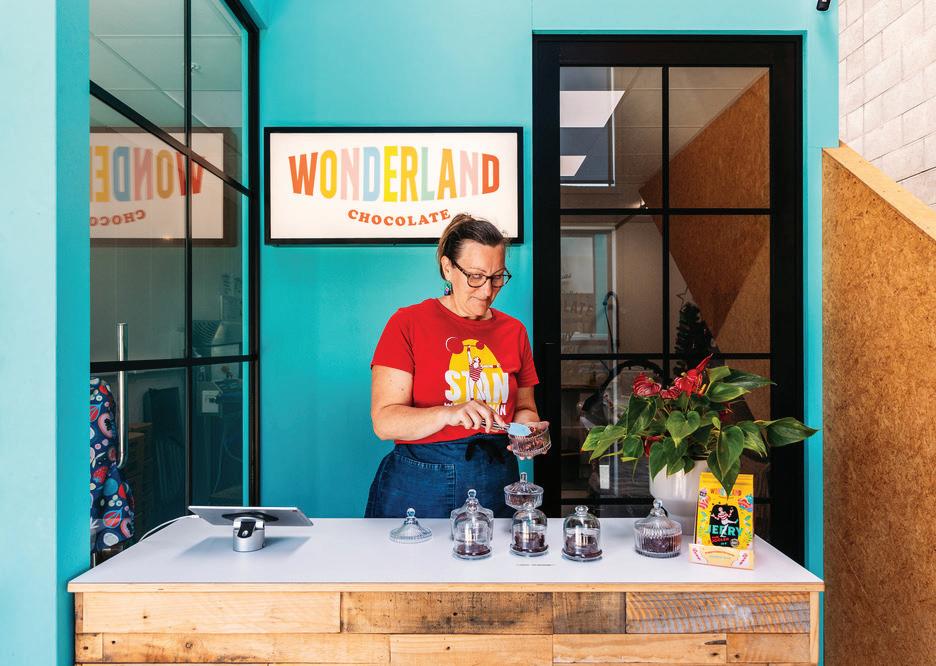




Being a New Zealand-made chocolate brand shapes almost every decision made at Wonderland Chocolate, from being part of and supporting local communities to ingredient sourcing and how the product sits on the shelf.
By prioritising quality and integrity over shortcuts, Kate Necklen, founder, works with local suppliers to drive product differentiation, as “New Zealand-made” only matters if it translates into something meaningful.
At the origin level, Wonderland Chocolate is very deliberate about transparency and quality. The cacao is sourced through transparent trade relationships from the Dominican Republic and Vanuatu, and the cacao butter comes from Papua New Guinea.
Closer to home, the brand prioritises New Zealand-grown ingredients such as hazelnuts from Blenheim and Black Doris plums from Hawke’s Bay. These are ingredients that not only taste better but also bring a recognisable local provenance that customers respond to.
Beyond that, many of the ingredients come from New Zealand-based suppliers like Davis Trading. While those ingredients may be sourced globally, there’s still a strong local layer, as these businesses employ New Zealanders and contribute to their local communities.
Whether that’s premium positioning or a story that genuinely helps the product sell through, such as the brand reference to the Wonderland Adventure Park in Wellington, which operated from 1907 to 1912.
At the same time, operationally, being New Zealand-made means the brand is closer to its customers and more responsive.
“We can move quickly, test, iterate, and adapt based on what’s working in-market, which is a real advantage in a category that can be quite traditional,” said Necklen.
“It does come with trade-offs as costs are higher and scale looks different compared to offshore production. But for us, that forces clarity around where we play, who we’re for, and how we deliver value to both customers and retail partners. Ultimately, being New Zealand-made is one of the foundations of our brand, underpinning our quality and story.”
Producing chocolate locally in New Zealand comes with clear trade-offs and meaningful advantages.
The biggest challenge is cost. Manufacturing in New Zealand is simply more expensive than offshore. Necklen added that scale is another factor, with offshore manufacturing enabling volume and consistency at a level harder to achieve locally, particularly in a category like chocolate, where margins can be tight.
On the flip side, she said that these constraints also create opportunities. From her perspective, local production forces discipline.
“It keeps us focused on making products that earn their space, not just because they’re New Zealand-made, but because they deliver on quality, story, and performance.”
Necklen also observed a growing expectation around quality and transparency. She said that shoppers want to know where products are made, what’s in them, and that there’s some integrity behind the brand.
“Locally made plays into this, but only when the product delivers on taste and overall experience as well, we have to deliver flavour and joy first and foremost.”
Ultimately, Necklen concluded that it’s a balance between craft and consistency. Looking ahead, her goal isn’t to stay small, but to scale in a way that still feels considered, and continues to deliver for both customers and retail partners. n

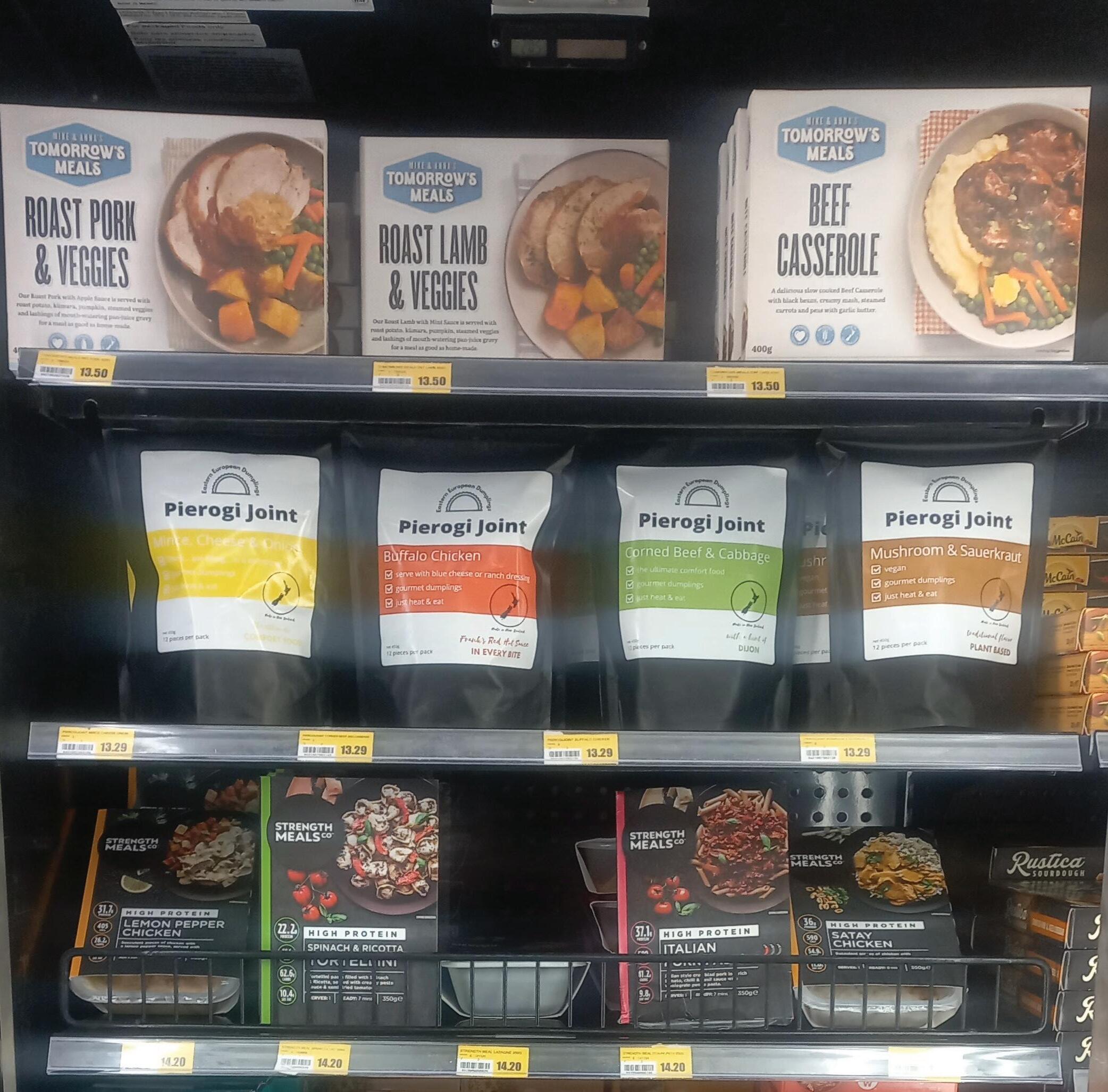
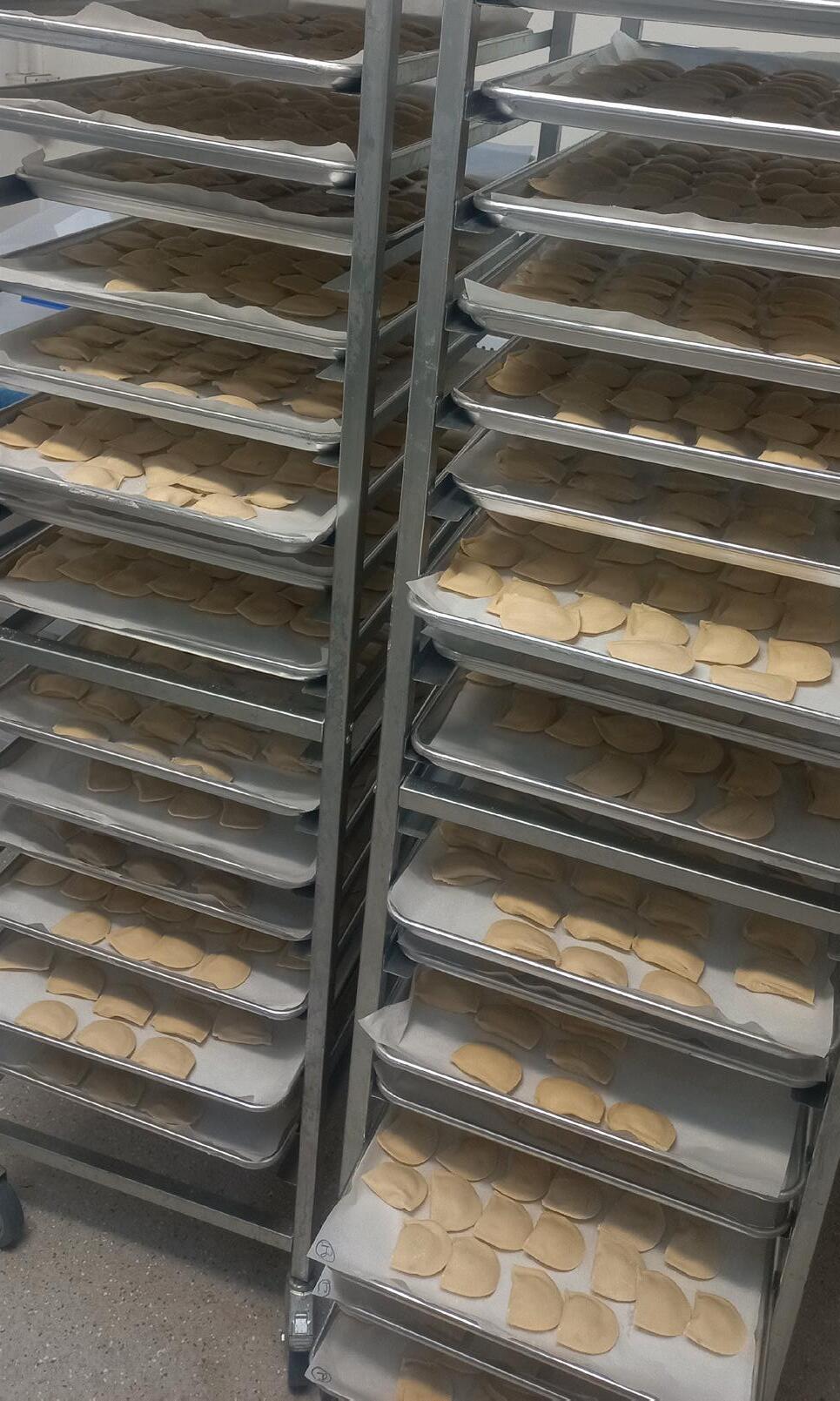
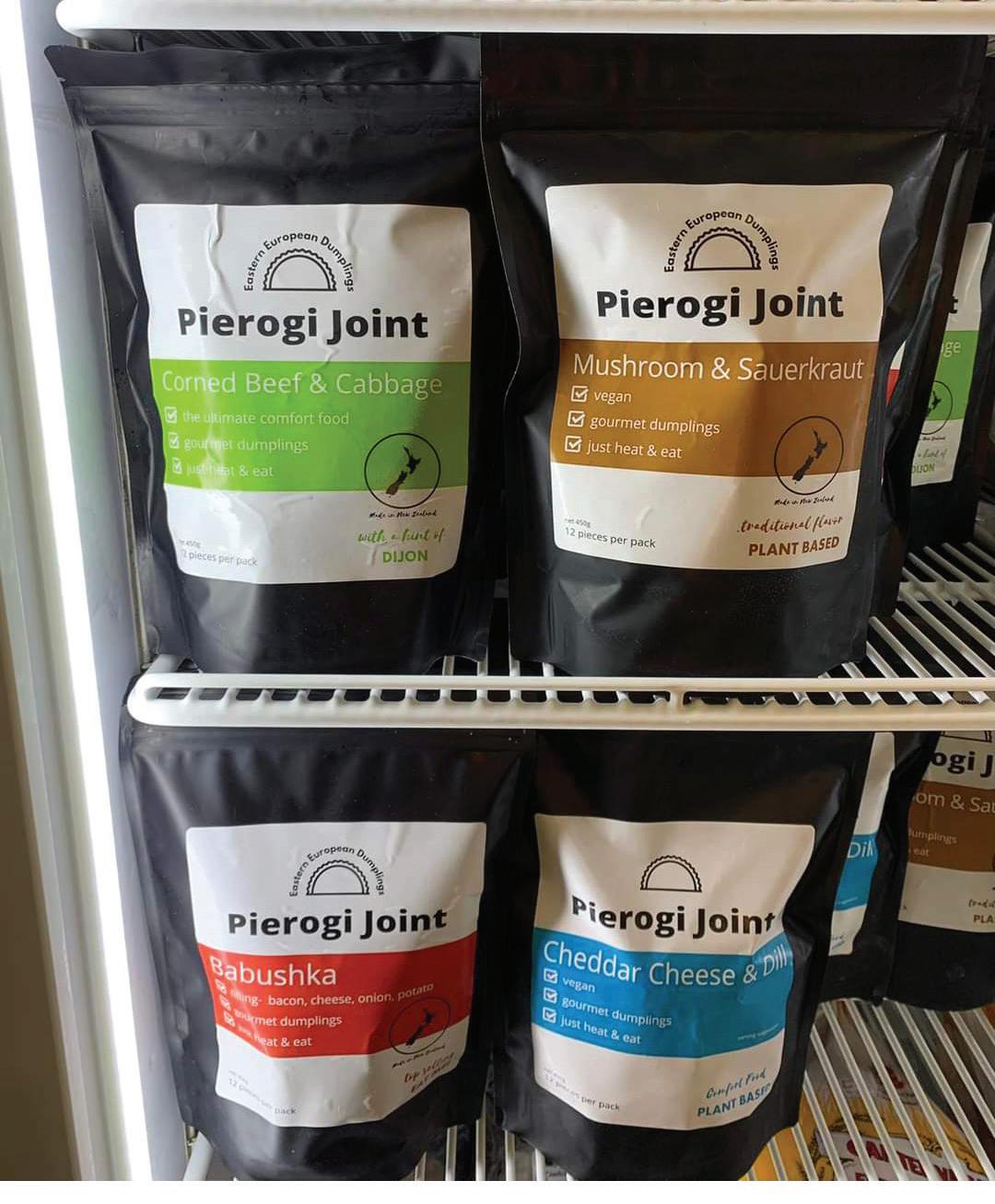
Winning eight gold medals and the Supreme Winner title at the 2025 NZ Artisan Awards was an absolute motivation for Pierogi Joint’s journey to the shelves.
From starting in her kitchen and at farmers' markets across Christchurch to this award, Kate Grater, owner of Pierogi Joint, has been focused on what comes next.
“At the moment, it's full steam ahead. Looking for new opportunities within the food service sector and the continued presence and growth in the North Island,” she said.
Since her recent move into retail, Grater has learned a few lessons scaling production to meet supermarket demand.
Rather than attempting to range widely, her advice was to start with a tight portfolio of top-performing products. As supermarket ranges are limited and packaging costs are often higher than anticipated, prioritising best-sellers and building volume around them was critical.
Grater also emphasised the importance of being fully prepared before approaching supermarket buyers. This included having a tried-and-tested recipe that can be scaled,
ensuring consistent ingredient supply yearround, and clearly defining serving size and positioning.
For Pierogi Joint, product development has been driven by repetition and real-world feedback. Multiple fillings were trialled over time, with top performers emerging through consistent sales. Customer feedback also played an important role in shaping the range, though Grater highlighted the need to balance listening with strategic focus.
She mentioned that not every request can be accommodated, for example, while gluten-free options are frequently requested, they are unfeasible. In contrast, demand for plant-based and vegan options has been successfully integrated into the brand's offering, enabling it to expand.
Grater added that it was also important to deliver a compelling pitch, as suppliers often have only a short window to capture category managers' attention. Retailers require confidence that new products will sell, so suppliers must be able to present
We become great communicators and quickly find solutions to problems. There is less middle management to work through. By anticipating issues based on feedback, sales trends, logistical or barcode-related issues, and the usual suspects, a local business can fall back on relationships within the sector and source solutions quickly.
their point of difference and outline how they will support demand.
Becoming supermarket-ready is both time-intensive and capital-heavy, and while growth opportunities can be appealing, sustainable scaling is key to success.
According to Grater, local businesses offer a level of 'going above and beyond', know the marketplace well and can adapt and pivot as necessary. She believed that local will always be the best option for sustainability, especially amid ongoing freight and cost volatility.
“We don't necessarily have the same deep pockets as the large-scale competitors, so we become creative in our approach to stay relevant and at the forefront of buyers' and category managers' minds,” she said.
“We become great communicators and quickly find solutions to problems. There is less middle management to work through. By anticipating issues based on feedback, sales trends, logistical or barcode-related issues, and the usual suspects, a local business can
fall back on relationships within the sector and source solutions quickly.”
Pierogi Joint works closely with its suppliers, and almost all of its natural ingredients come from New Zealand. To date, Grater has chosen to keep manufacturing and packaging in-house to maintain product quality and protect pricing integrity.
New Zealand is a small country with many rural pockets, and being a South Island-based frozen manufacturer has its advantages, as it helps keep shelves stocked when tariffs, transportation delays, higher petrol prices, and strained product margins all impede the import of products.
Despite rising costs, grocery store volumes, product margins, and product relevance, Grater said she has been able to maintain product supply without disruption so far.
“True advantage is here. Products sourced overseas will struggle to maintain retail prices should this pressure continue. We will stay the course, whereas they may
need to change and minimise package size, etc,” she added.
For 2026, her goal is to define the business model clearly.
“We started as a gourmet dumpling, and at its roots, pierogi is a humble and delicious dumpling. My goal is to create a product that can feed a family, a student, or a senior on a budget, something that directly competes with the Asian dumpling market and appeals to every income stream.” n

Having led multiple major grocery organisations, Tim Cartwright, Executive General Manager, FreshChoice & SuperValue Supermarkets, has a leadership philosophy shaped by one consistent truth: retail only works when you start with the customer and work backwards.
Every decision, from pricing and format to supply chain, must improve the customer experience in a way that is sustainable for the broader ecosystem. Equally important is the team behind that execution.
“High performance in grocery is never about one individual, it’s about building competent, coordinated and motivated teams who understand the mission and move together,” he said.
“I’ve learned that clarity of direction, trust, and capability development are what unlock sustained results. When teams feel part of a journey, especially one where transformation is possible, performance lifts.”
Over the years, what has continued to motivate Cartwright is that retail is dynamic, and it was necessary to stay
ahead of the curve, understand people deeply, both customers and teams, and continuously improve.
The process of transformation, aligning people, sharpening strategy and seeing tangible improvement in customer outcomes, has been incredibly energising because grocery retail impacts everyday life.
“When you improve quality, value or convenience, you’re improving real outcomes for families across the country. That responsibility and opportunity never loses its relevance.”
Cartwright was attracted to the potential of FreshChoice, which had strong foundations, a committed base of independent owners, and a meaningful community presence, yet felt like a rough diamond.
The brand itself wasn’t widely recognised or clearly defined, and that created an opportunity. He also genuinely believed in the power of the franchise model and that when independent local owners are properly supported, they can deliver extraordinary outcomes for their communities.
“I’ve always loved running businesses and building them with intent. But what makes FreshChoice unique is the direct impact you have on entrepreneurs' lives. You’re not just improving a store, you’re helping independent owners build sustainable businesses, create jobs, and serve their communities well,” said Cartwright.
“That’s a powerful opportunity. And with focus, alignment and commitment, I firmly
20 minutes with

believe FreshChoice can become a truly aspirational, community supermarket brand for New Zealanders.”
As supermarkets have increasingly become community hubs, providing everyday solutions rather than just products, the stores must be designed around the shopping missions of the communities they serve, and a one-size-fits-all approach no longer works.
Customers have also begun looking for convenience-led solutions, and supermarkets that simplify everyday life will remain essential. At the same time, scale and efficiency still matter. The future lies in combining operational discipline and buying power with genuine local relevance.
FreshChoice’s approach to modernisation is both customer-led and operationally disciplined. At the front end, they have rolled out the FreshChoice 3.0 concept, an elevated shopping experience that places food at the centre. Layout, flow and navigation are designed to be intuitive and frictionless.
Fresh food credibility is also critical, and the store must clearly communicate freshness, quality and care from the moment a customer walks in. Food should be the hero, visually, commercially and experientially.
When customers enter, they should feel welcomed and comfortable, a place they want to spend time in, not rush through. That emotional connection matters, and each store is tailored to its community.
Behind the scenes, modernisation is just as important with FreshChoice simplifying operating models, improving systems and embedding clearer standards.
Private label is another strategic tool that has helped strengthen value perception, supporting differentiation and delivering compelling quality at accessible price points.
Importantly, private label is not about increasing share for the sake of it. It’s about curating the right range for local customers and ensuring it complements the broader offer. When thoughtfully balanced alongside strong branded partnerships, it enhances the overall value proposition rather than replacing it.
Cartwright highlighted that the New Zealand grocery sector is highly competitive, intensely scrutinised and extremely valueconscious. Retailers have been navigating rising input costs, utilities, wages and compliance requirements, while customers remained sharply focused on value.
He said competition was strong across multiple formats and operators, all competing for the same customer, and that dynamic kept the market disciplined and focused on delivering everyday value.
At the same time, the sector has evolved. Innovation continues across loyalty, format development and customer experience, and retailers have been working hard to balance affordability with quality, availability and service, because customers expect all of those things simultaneously. He also mentioned that cost pressure remained significant across labour, utilities, compliance and supply chain.
“It is a challenging environment, but one that also rewards clarity of strategy, operational excellence, and strong partnerships. The sector's focus remains consistent: delivering trusted value to New
New Zealand is a smaller, highly competitive and uniquely challenging market. That means you must move with pace. You have to be willing to think big, test ideas quickly, learn fast and continuously improve. What worked yesterday may not work tomorrow. Agility matters.
First, You Must Have a Clear, Well-Defined Strategy.
You need to know your winning aspiration, where you play, how you will win, and what unique capabilities you must build to get there. Without that clarity, organisations drift. With it, alignment follows. When people understand the ambition and the path, momentum builds. Strategy is a set of disciplined choices that guide every decision.
Second, the Customer is the Boss.
You are only as good as what your customers are saying about you today. They can choose you, or not, every single week. That keeps you sharp. It forces humility and continuous improvement. Customer trust is earned daily, through value, quality, availability and service. If you lose sight of that, nothing else matters.
Third, it’s About People and Partnerships.
High performance requires the right team, motivated, capable and aligned around a common journey. Transformation is never achieved by individuals; it is built by coordinated teams who believe in where they are going.
Zealand households in a sustainable way.”
However, within those challenges sit genuine opportunities. Retailers who move with clarity and speed will win. The ability to make disciplined decisions quickly, test and learn, and continuously improve will be critical. There is also a significant opportunity in sharper localisation. As lifestyles evolve, supermarkets that provide convenient, trusted everyday solutions will remain essential.
Strong supply partnerships will remain fundamental, as will investment in team capability. The retailers who are brave, entrepreneurial, and willing to innovate while remaining disciplined in execution will create sustainable advantage.
Ultimately, retail performance is a function of people. Where teams are clear, capable and aligned around the customer, value creation follows. The operators who combine speed, local relevance and strong partnerships will shape the next phase of growth in New Zealand grocery.
Over the next few years, Cartwright has clear priorities for FreshChoice, including strategically expanding the footprint, elevating store health and retail execution across the network, strengthening and clarifying the FreshChoice brand, scaling loyalty and convenience, strengthening the franchise proposition, and building capability within the ecosystem.
His ambition is simple: to grow FreshChoice into one of New Zealand’s most trusted and loved community supermarket brands, and deliver sustainable value for customers, franchisees and partners alike. n
Equally important are supply partnerships. One principle I strongly believe in is being the best possible customer to your suppliers. When you work closely with partners, transparently and collaboratively, you unlock better innovation, stronger value and better execution for customers. Retail is an ecosystem.
Ultimately, sustainable performance is an outcome of getting the fundamentals right, having a clear strategy, customer focus, team capability, and strong partnerships. When those are aligned, growth follows.

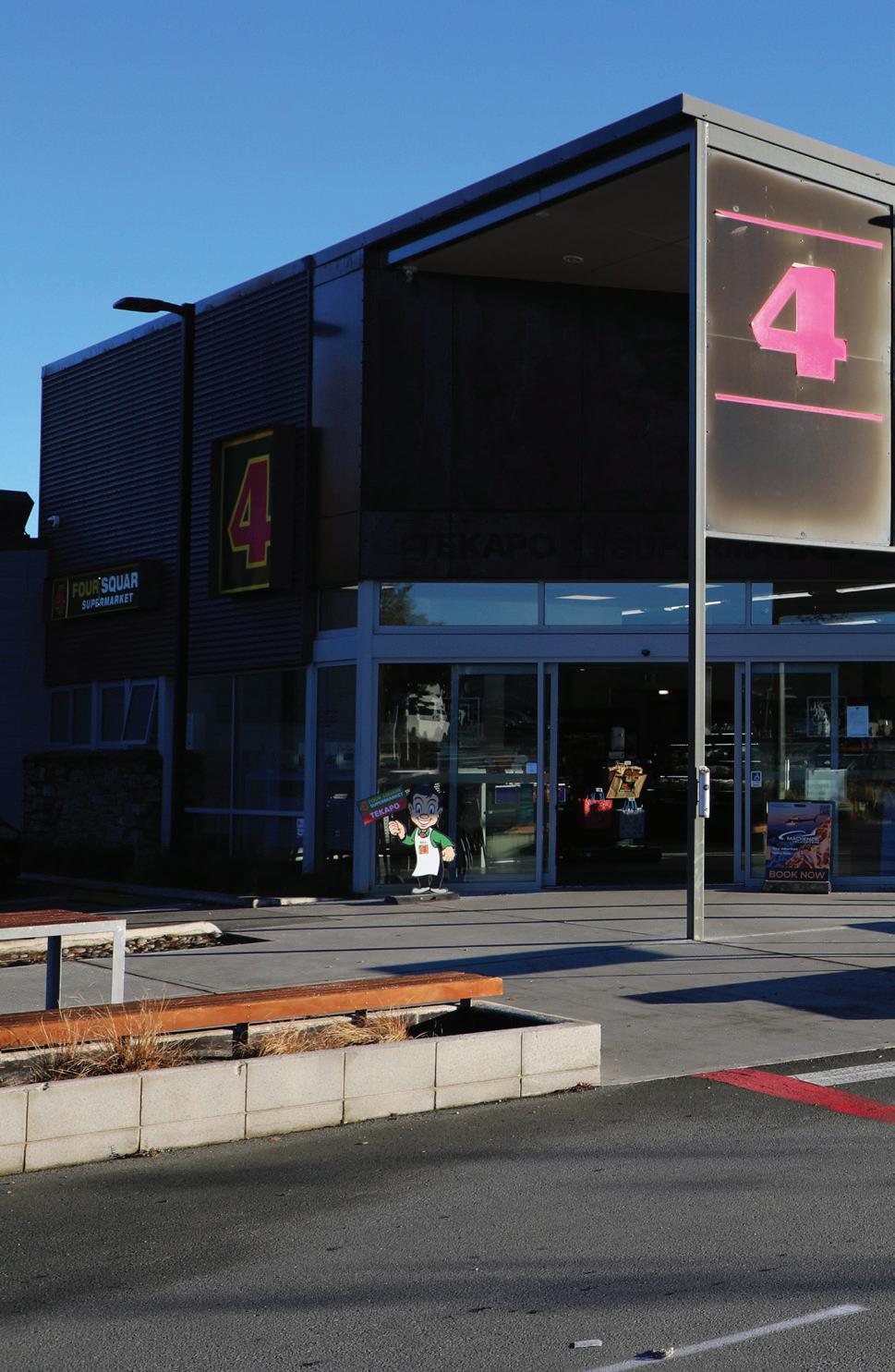


Casey Jeffries, Owner-Operator, Four Square Tekapo, was excited about working on growing the store in all aspects.
As the store was built back in 2017, the Foodstuffs team worked with Jeffries to deliver the fit-out from start to finish, which took about a year.
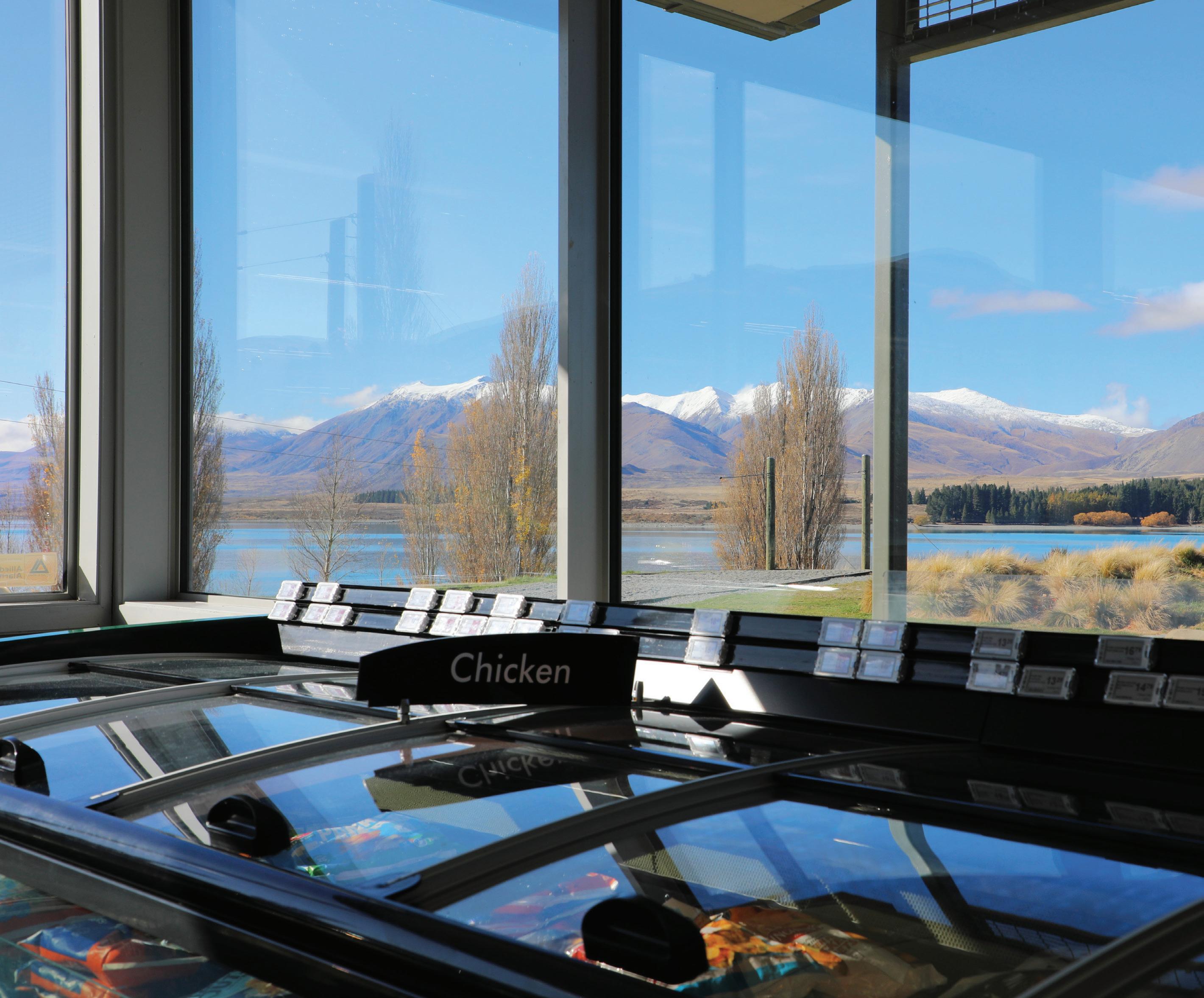
“We are super lucky to have a purposebuilt building and are really excited about giving it a 4.0 facelift,” said Jeffries, who would like to claim the ‘unofficial' best supermarket view in New Zealand.
According to Jeffries, food-to-go has been a major highlight of the store, with the kitchen team whizzing up everything from sushi and pies to Pad Thai and bao buns. This space is going to have some new, exciting things happening within the next year to make the offering even bigger.
Snacks have become another growing category, with new and yummy options always hitting the shelves, from cheese chutney and cracker snack packs to chocolate-covered nuts.
At the same time, Jeffries noted that the plant-based and sustainability categories have become normalised in everyday markets and that there is no need for a specialised section for them anymore, as the
range is so large now; the products have just migrated into the rest of the category.
The store also proudly supports local suppliers, such as Geraldine eggs and the famous Fairlie Bakehouse pies.
Jeffries’ favourite community activity has been the Race Tekapo events, where athletes pass through Four Square Tekapo Mini Mart at the finish line. The store love community engagement. We are honoured to support a number of local sports teams and have weekly interactions with the local school when dropping off their weekly free fruit.
“Tekapo is absolutely stunning, and it’s an absolute privilege to keep Four Square Tekapo in the family, with our daughters following the lead, who can be found stocking ice creams or working on the checkout.”
Along with the family, the store team is fun, vibrant, and hard-working, ensuring the customer is at the centre. A large portion of the staff members are on their working holiday visa, allowing the Jeffries’ to work with awesome people from around the world. n
Around the world, supermarkets are under pressure from governments and society to help shoppers eat better.
From government-backed healthy food guidelines to a wave of consumer interest in plantbased and allergen-free eating, the direction of travel is clear. What is less obvious to many retailers is that the infrastructure needed to encourage healthier choices is already sitting inside their loyalty platform waiting to be used.
The challenge of one-size offers
For the past decade, loyalty programmes have largely operated as discount engines. Earn points, redeem points, repeat. That model has value, but it misses the chance to combine behavioural incentives with nutritional intelligence, and change what people put in their trolleys.
The problem with traditional promotional offers in grocery is that they are healthagnostic. A 20% discount on any item in the frozen section is just as likely to drive sales of a high-sugar dessert as it is fruit or vegetables. The mechanic is neutral to health and that neutrality has consequences.
The question that forward-looking retailers are beginning to ask is this: What if the offer engine could distinguish between products not just by category or brand, but by nutritional profile, dietary suitability, and health score?
How Tesco is doing it
In the UK, Tesco has been exploring exactly this kind of approach through a collaboration that brings together Eagle Eye's loyalty and promotions platform with Spoon Guru's food intelligence technology. Spoon Guru (which is partlyowned by Woolworths Group) uses machine learning and nutrition expertise to classify every product across a retailer's range by attributes, including vegan, glutenfree, nut-free, low-sugar, and Halal. That classification layer unlocks something
genuinely new, which is the ability to build healthy eating challenges specifically targeted at Clubcard members.
The mechanic works like this. A shopper is presented with a challenge – say, to purchase products meeting a specific nutritional criteria within a given shopping window, for example “5-A-DAY” healthy choices. Eagle Eye's platform adjudicates the challenge, verifying that the items scanned qualify under Spoon Guru's product taxonomy, and issues the reward upon completion. There is no manual claim process. The feedback loop is automated, which matters enormously if you want to make it simple for people to change behaviour.
What this means for other grocery retailers
The opportunity for supermarkets is to move towards what might be called purposeful loyalty – programmes designed not only to retain a shopper, but to genuinely improve their basket quality over time.
The commercial logic is sound. Retailers that help shoppers achieve their health goals build emotional loyalty that mass discounting simply cannot replicate. A shopper who completes a three-week fruit and vegetable challenge and earns a meaningful reward does not just save money – they associate the store with a positive health outcome. That is a very different kind of relationship.
The three things you need to get right
Running health-oriented challenges at scale requires three things to be in place.
First, a loyalty engine that can adjudicate multi-condition offers.
Second, a reliable product taxonomy that classifies your range by nutritional attributes with sufficient depth and accuracy. Without this, you cannot define what counts as a qualifying product in a way that is both commercially useful and nutritionally meaningful.
Third, personalisation capability: the ability to match the right challenge to the right shopper based on their existing purchase history. A shopper who already buys predominantly healthy products needs a different challenge from one whose basket skews heavily processed.
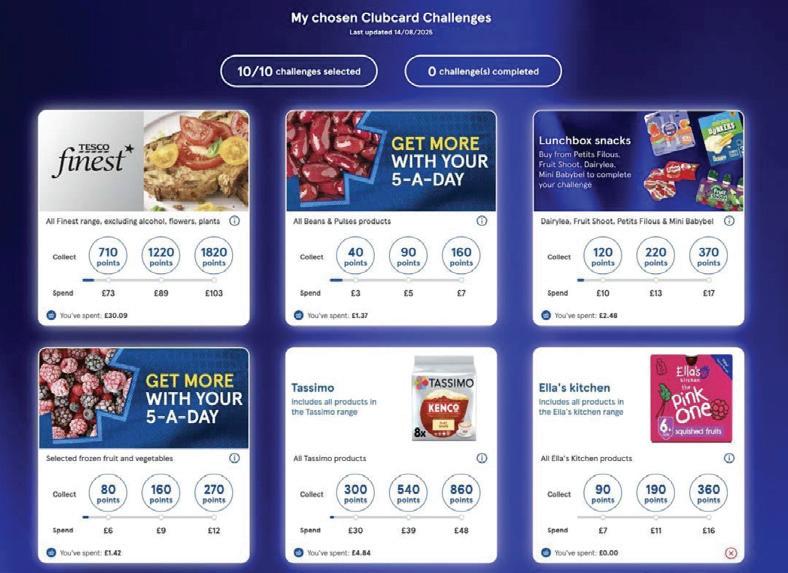
The good news is that most retailers are not starting from zero. Loyalty programmes are well established and there is growing consumer openness to apps and digital engagement around food. The infrastructure pieces are largely there. What has been missing is the nutritional intelligence layer and the willingness to design offers with health outcomes, not just redemption rates, as the primary KPI.
That is starting to change and retailers who move early on this will find themselves with a meaningful competitive advantage.

Jonathan Reeve Regional Sales Director ANZ Eagle Eye

New Zealand citrus growers are preparing for a strong autumn season, with encouraging signs for both Satsuma mandarins and locally grown limes.
Ian Albers, CEO of First Fresh NZ, says favourable growing conditions in key regions have helped set up good quality crops, with Northland and Gisborne expected to deliver steady supply through the coming months.
“We had a good spring and early summer which really set the crop up well,” Albers says. “From what we’ve seen out in the orchards so far, fruit quality is looking very good. Weather between now and harvest will always influence the final result, but conditions leading into the season have generally been favourable.”
Northland will once again kick off the Satsuma mandarin season, with harvest expected to begin in the first week of April and continue until the end of May. Gisborne fruit will likely come on stream around April 20th (although it could be earlier this year depending on ripening
conditions). Production will peak in midMay and volume is expected to remain strong until mid-July.
Northland growers are forecasting that 80% of this year’s crop will fall into the large size profile, while Gisborne growers also report fruit size will be up compared to 2025. Overall, fruit volume should be similar to last year.
Satsuma mandarins remain one of the most popular seasonal citrus lines in the produce department. “We’re seeing steady growth year on year. Being easy peel and seedless make Satsumas the ‘go to’ choice for lunch boxes and convenient snacking.”
Retailers are encouraged to get behind upcoming promotional activity. Teaser campaigns to let shoppers know the season is around the corner can be an effective way to create excitement and anticipation in the coming weeks.
During peak supply, traditional marketing tactics will likely deliver great results. Mailer promotions supported by prominent in-store displays work well for drawing consumers’ attention and driving sales.
Alongside mandarins, juicy green New Zealand limes are also gaining momentum as the local season gathers pace.
Gisborne orchards are currently in full production, with growers reporting a fantastic-looking crop and promising pack-
out rates. Northland production has also started on schedule, with volumes expected to increase steadily through the coming weeks and continue through to July.
“Now that New Zealand limes are in season, consumers can continue to have limes in their fruit bowl for culinary uses such as Mexican, Vietnamese or Thai cuisine, as well as many seafood recipes. They are also great for adding a bit of zest and brightness to drinks,” Albers says.
Retailers can help prompt additional purchases through clever positioning.
“Off-location bins near seafood and liquor are a great way to prompt customers to think about the utilisation of limes. Near avocados and herbs are great for sparking consumer ideas, and alongside lemons is also good.”


Arepa has masterminded an innovative new product soon to hit retail shelves and likely to create a stir given its simultaneous gut and brain benefits.
Mathew Remmerswaal, who is Head of Operations at NZ’s Brain food technology company Ārepa, says the new product - a brain + gut soda - is the only product in NZ with a “tri-biotic formulation”. It’s a combination of the company’s patented formula with a tri biotic – not just pre and pro, but also, post biotic. It’s also to be celebrated, Mathew says, as it communicates the benefits his company’s ingredients have on the “brain-gut axis”.
“We have landed on a new category for our brain health and we’re excited”.
Mathew says the most exciting aspect of this latest innovation — Brain Gut Soda — is its development as a product designed to support both mental clarity and gut health
in seven days. While he acknowledges this is a strong claim, he says it is “underpinned by Ārepa’s commitment to scientifically grounded formulation and the use of FSANZ-approved ingredients.”
At Ārepa, the brain is king. From scientifically proven brain nutrition, to the company’s mission to teach people more about their brains and how to treat them right… it’s all about brains working better. Now the gut has been thrown in the mix too.
The Brain Gut Soda is the result of a joint venture between Ārepa and Australasian beverage manufacturing, sales and distribution business Socialsmiths that is assisting with the development, production and delivery of the new product.
Available in three flavours (Raspberry

and Lemonade; pineapple and ginger; and lemon and lime) the Brain Gut Soda will be on supermarket shelves this spring, and within the next month at high end grocers, and top cafes and delicatessens.
Mathew says now that Ārepa is well established and has a very competent beverage partner, the company can build on its past research and development and move into developing a new business model in dietary supplements and supplemented food. In the past all resources went into beverages.
“Curiosity has led us to change how we run our business so we can create more products we are happy with, always with the aim of meeting our consumer needs,” he says.
Delivering the best possible products for consumers is what his brand hangs its hat on.
“Our consumers are people who are super aware of, and have great knowledge of, what they are putting in their bodies and the benefits it is going to bring to them. We are always thinking of their needs and our focus is on helping them make their brains work better. That is what drives our innovation,” Mathew says.
Ārepa consumers tend to be people who know what their bodies need and how to get the best out of them. The company strives to create innovative products designed with

Mathew Remmerswaal Head of Operations Ārepa
those consumers in mind, solving problems for them, Mathew explains.
The team has been working on this new product for about six months, building on years of knowledge.
Through the Brain Gut Soda, Ārepa and Socialsmiths will be able to introduce brain health to a larger category – that is, people who understand gut health.
“It’s our way to make brain health more accessible to consumers – it will now be available in the ‘better for your gut’ soda category.
“We will be educating those consumers on not only the benefit a healthy gut has for their gut, but also the synergistic benefits it provides their brain,” Mathew says.
Coming up with this symbiotic product relationship in New Zealand makes sense, he believes, given NZ is excellent at creating ingredients for great gut health. Our yoghurt, for example, is some of the best in the world. The value in some of those products is immense.
Ārepa’s innovative approach is certainly taking this Auckland-based business places. The business is progressing in international markets, bringing new innovative products to life internationally and is now considering how to unlock more of this opportunity locally in New Zealand. (See the boxed information below).
In addition to the Socialsmiths join venture, the company has also established a partnership with a South Korean enterprise.
That partner sells and distributes existing Ārepa product. Now the two are developing high-end food and supplement products to be sold in South Korea.
“We plan to have a new product range available for South Korean consumers this year. We’re sourcing highly innovative ingredients to use in our formulations – some which have only recently been scientifically proven and accepted by mainstream nutrition. One particular ingredient is home grown here in NZ,” Mathew says.
While he applauds the fact NZ has a strong regulatory framework that ensures high-quality, safe products for consumers, he hopes to see some progression in line with food technology in the near future.
“As food technology evolves, there’s an opportunity for that framework to continue evolving alongside it - particularly in areas like functional and performance nutrition.”
Mathew explains that South Korea has a Health Functional Food (HFF) Act (effective since 2004) that regulates the manufacture, import, and sale of functional ingredients and products to ensure safety and efficacy. Functional food acts in places like South Korea and Japan legally recognises that food can have specific, proven physiological effects beyond basic nutrition. This means brand owners, marketers, and retailers can speak about the benefits of what their products deliver to consumers.
“These examples of innovative food regulation support innovative brands’ journeys to market, and more importantly the consumer gets served better products.”
“Following suit could be an opportunity for NZ – a chance to improve NZ’s food system and serve consumers who are curious about functional foods and nutrition performance," Mathew says.



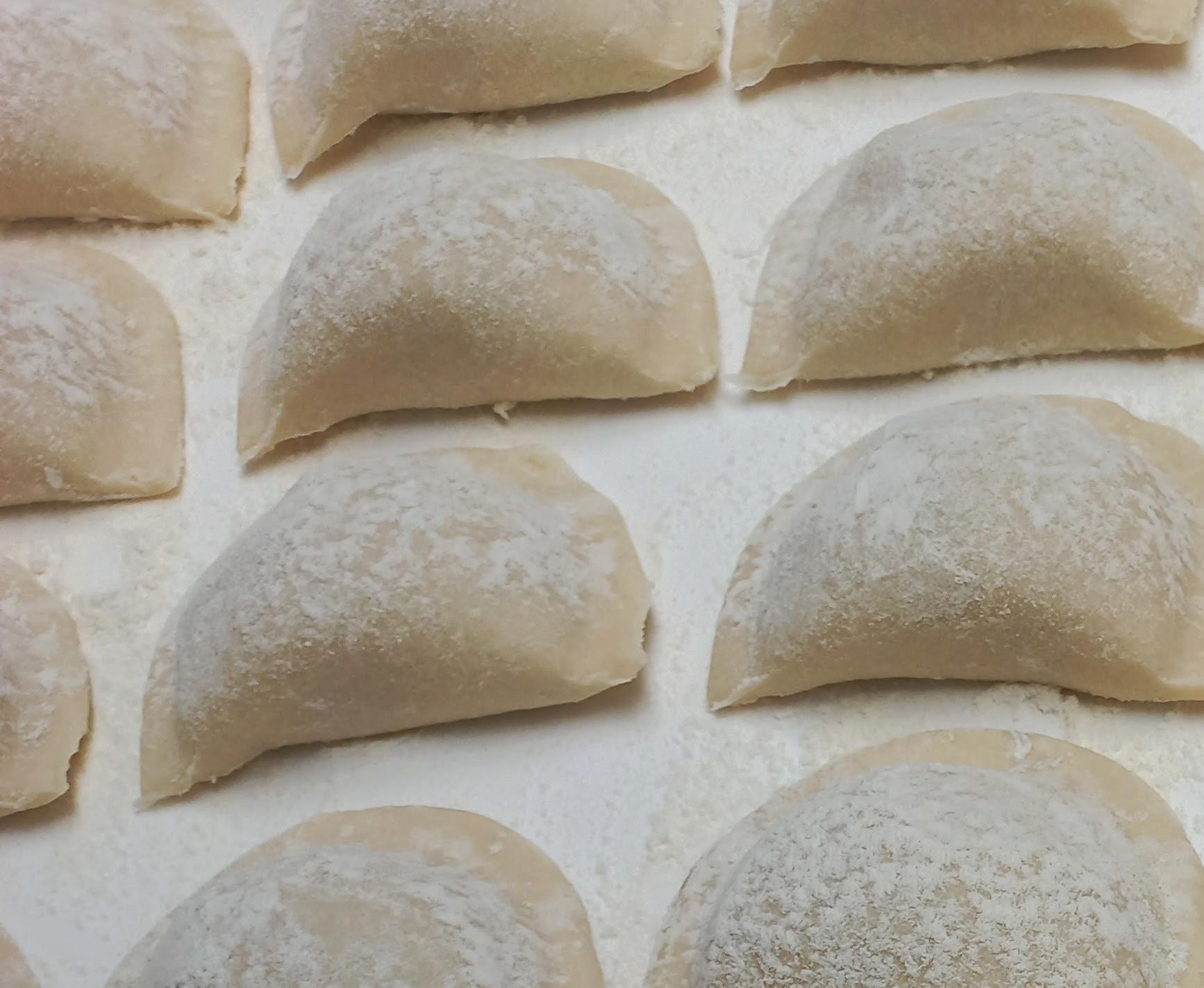
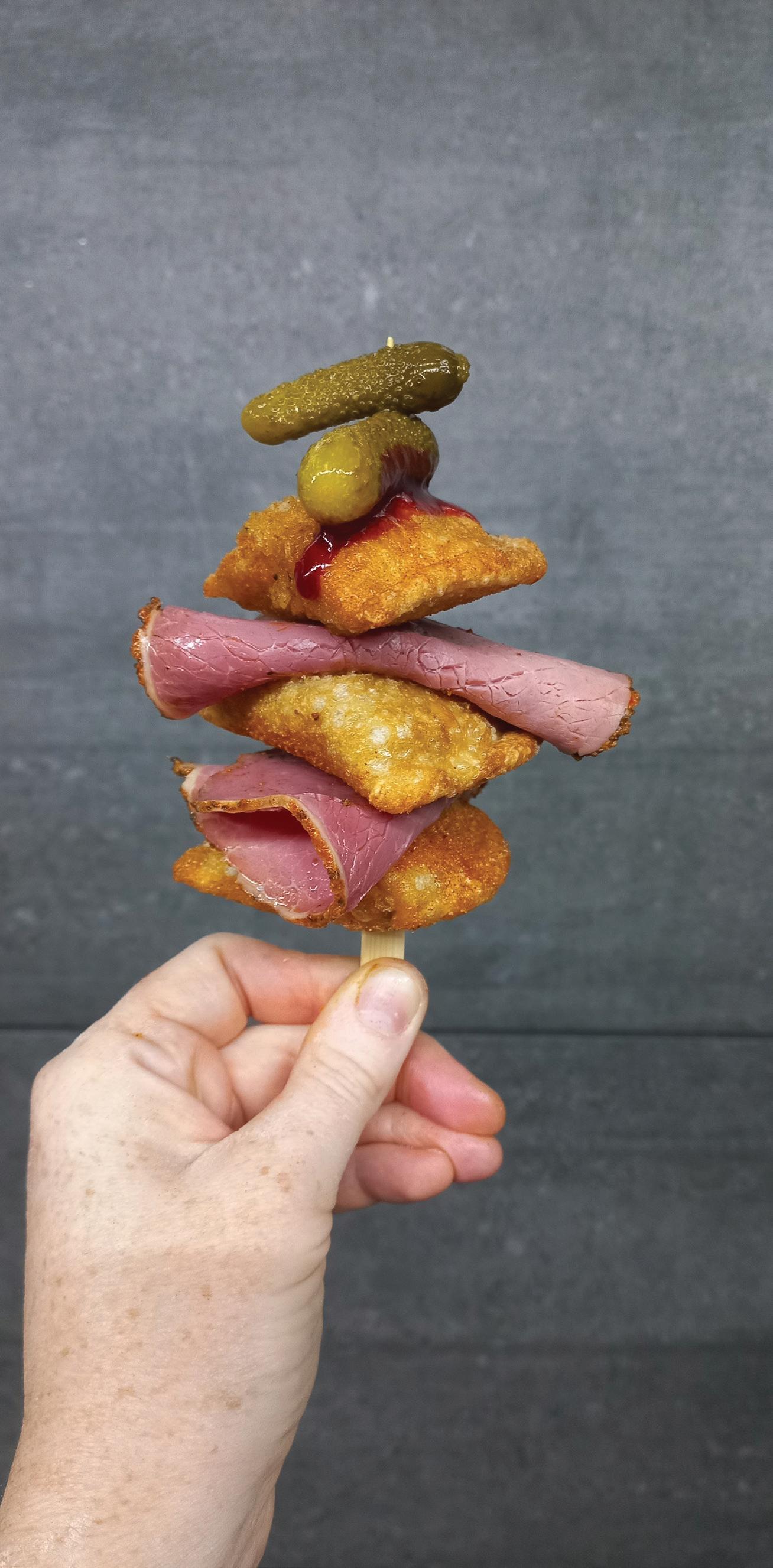

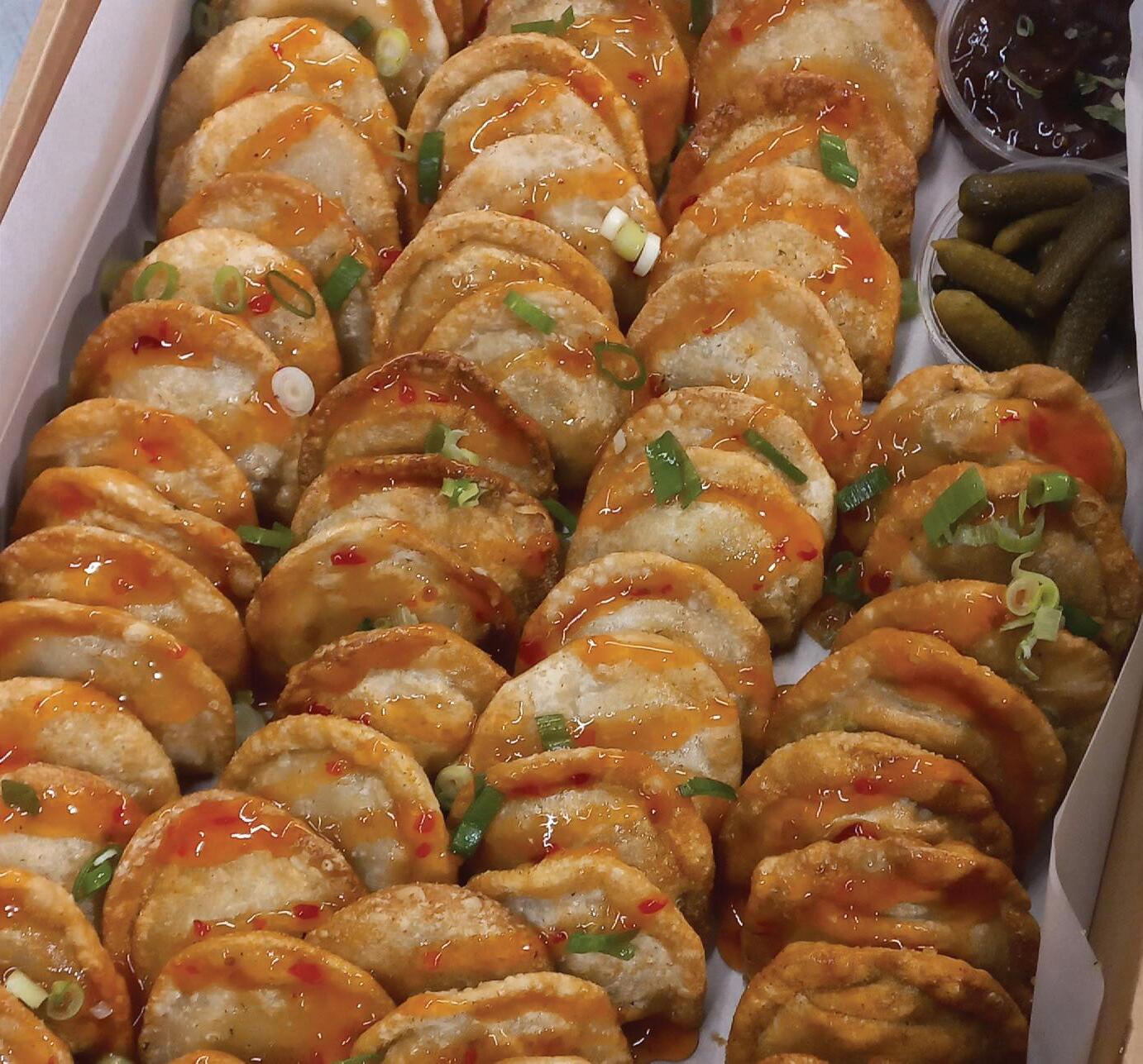
pierogijoint.co.nz pierogijoint@gmail.com
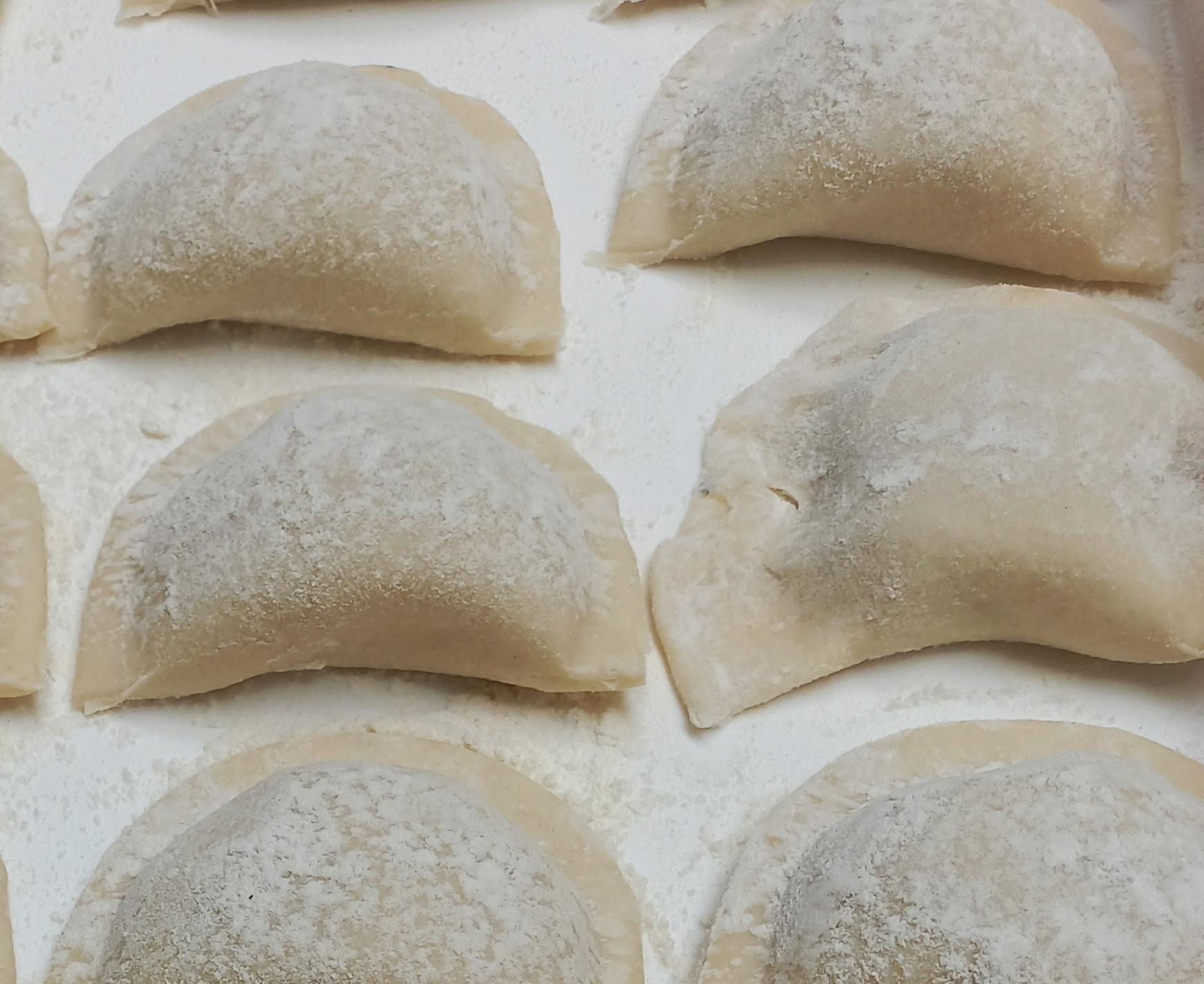
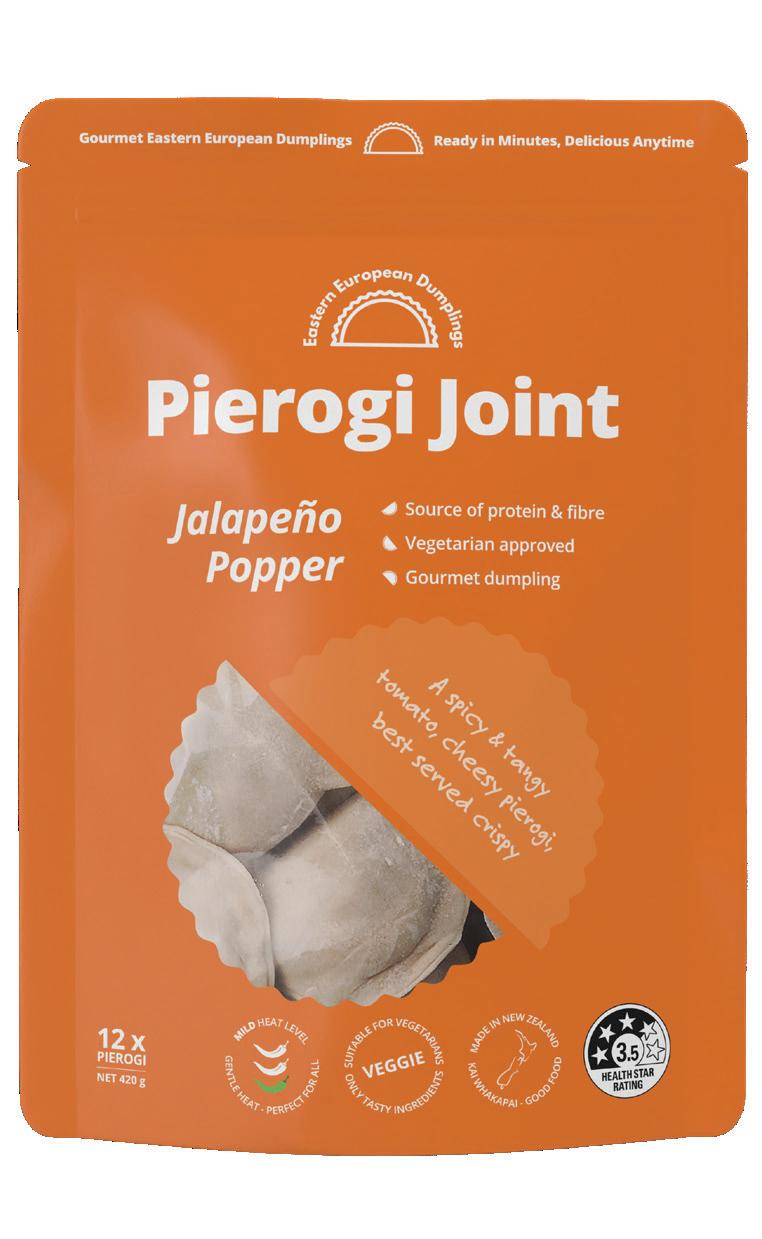
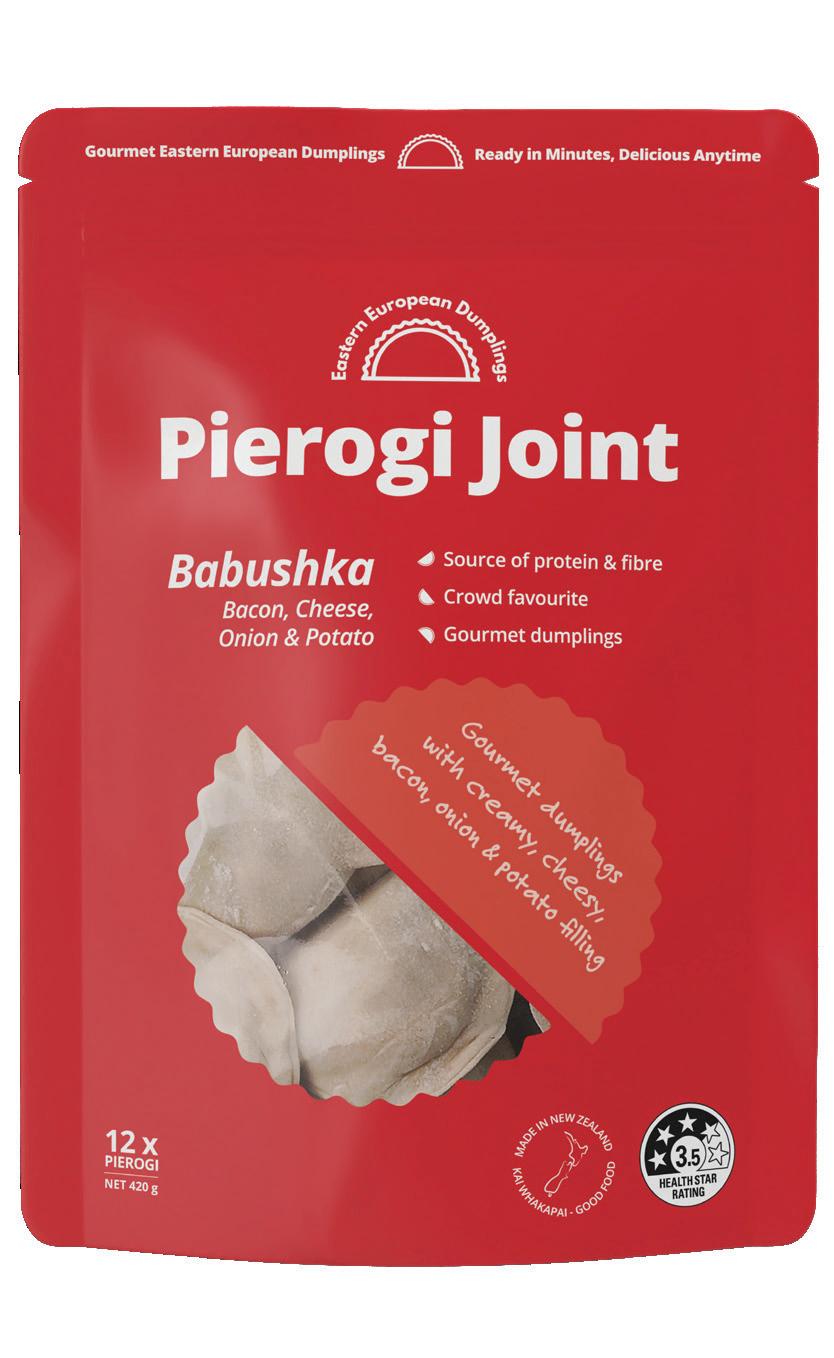
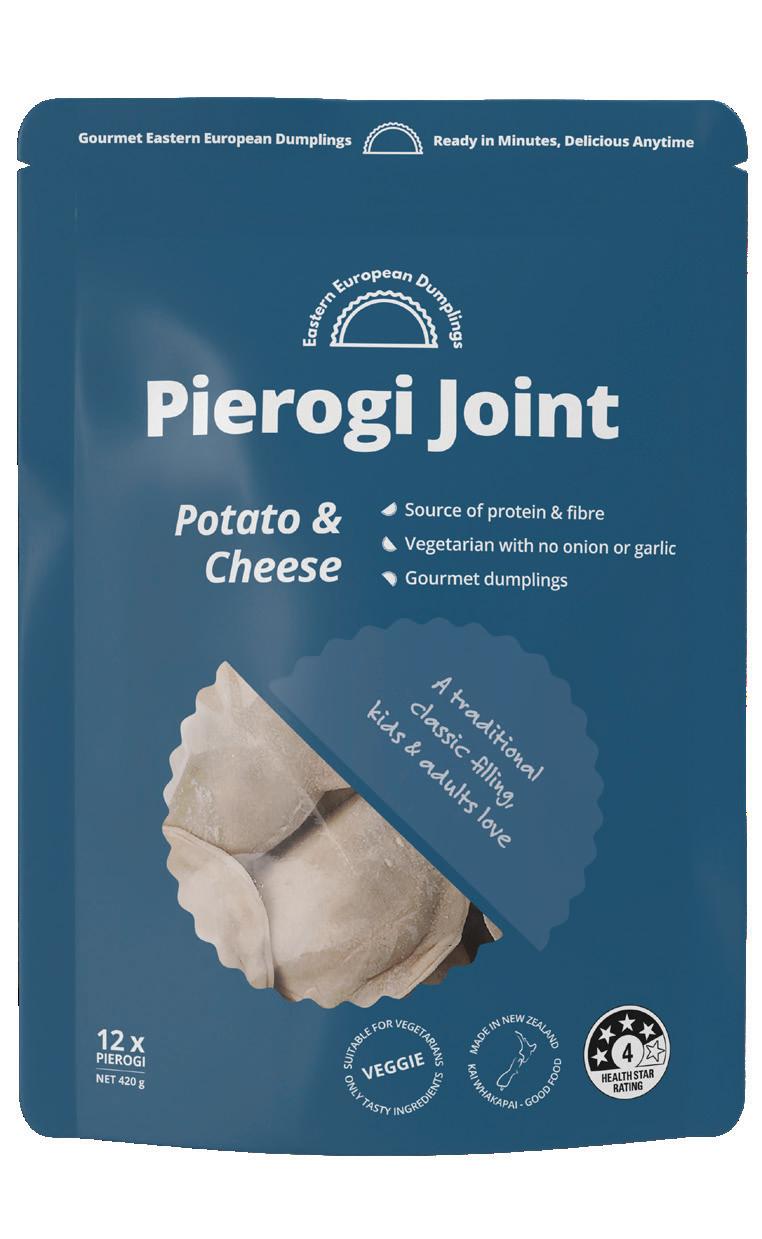
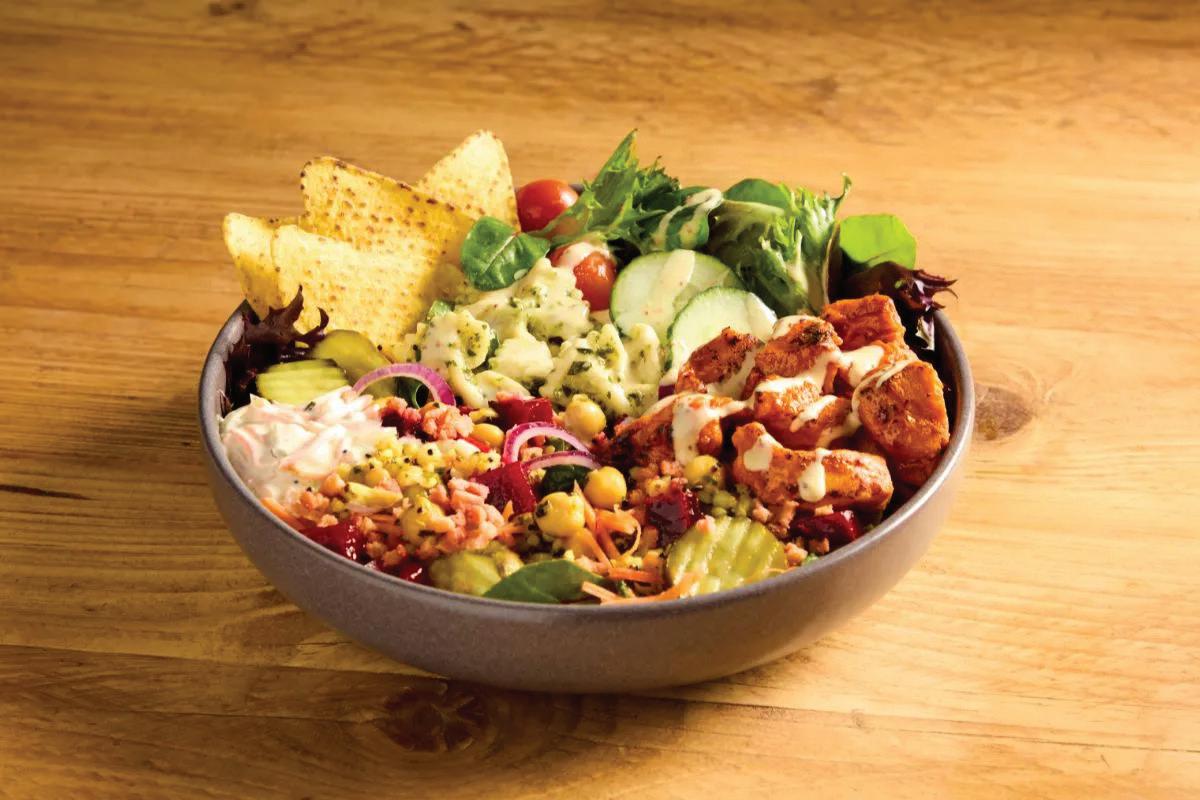
Morrisons' iconic salad bar is getting even bigger and better, with a host of delicious new additions landing in stores
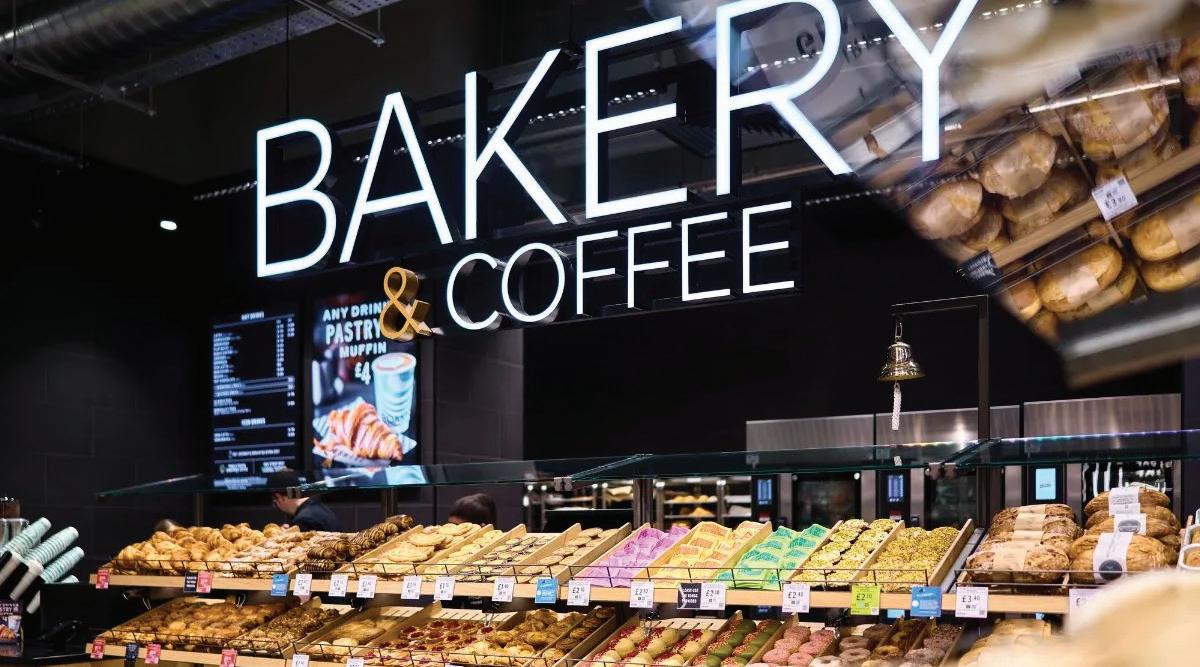
M&S has revealed Wednesday, the 22nd of April, as the opening date for its brand-new food store at Fairacres Retail Park.
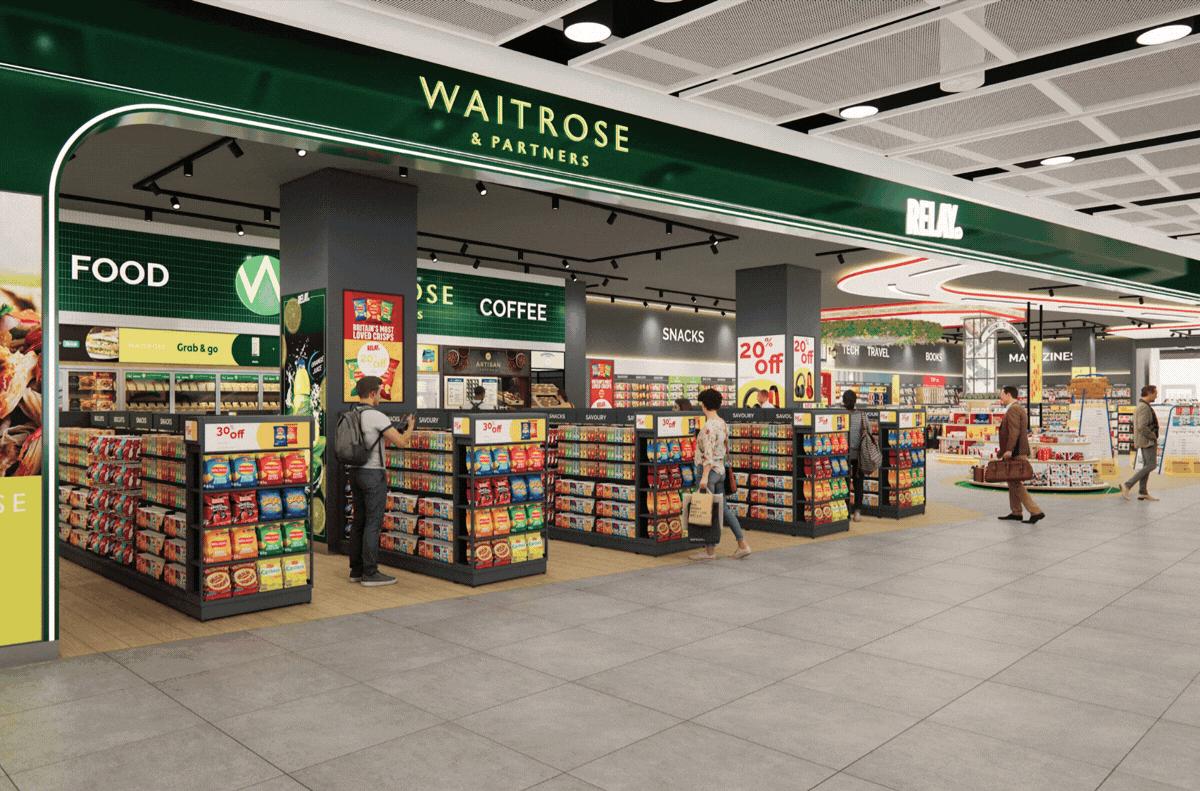
Waitrose has expanded into airport travel retail for the first time, through a wholesale partnership with Lagardère Travel Retail.

happy, the lifestyle coffee brand has expanded into the refrigerated aisle with the launch of its new 48oz Cold Brew.
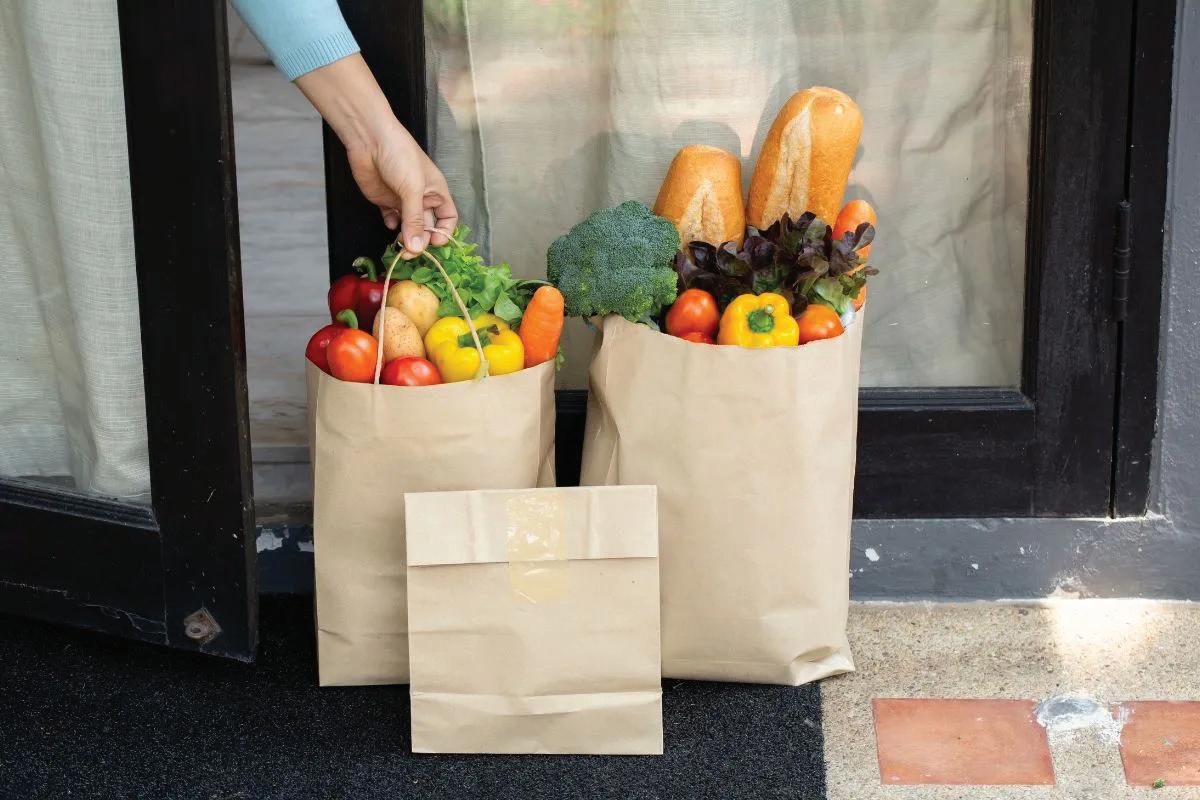
Instacart has announced its acquisition of Instaleap, a global enablement and fulfilment solutions services platform that empowers retailers to streamline and scale their online operations.

Facial Recognition Technology has become increasingly popular with businesses, especially in the interests of safety and security.

Skip, Canada's homegrown delivery network, has added Loblaw Companies Limited to its expanding retail network

The Government has removed unnecessary barriers to installing electric vehicle (EV) charging infrastructure.
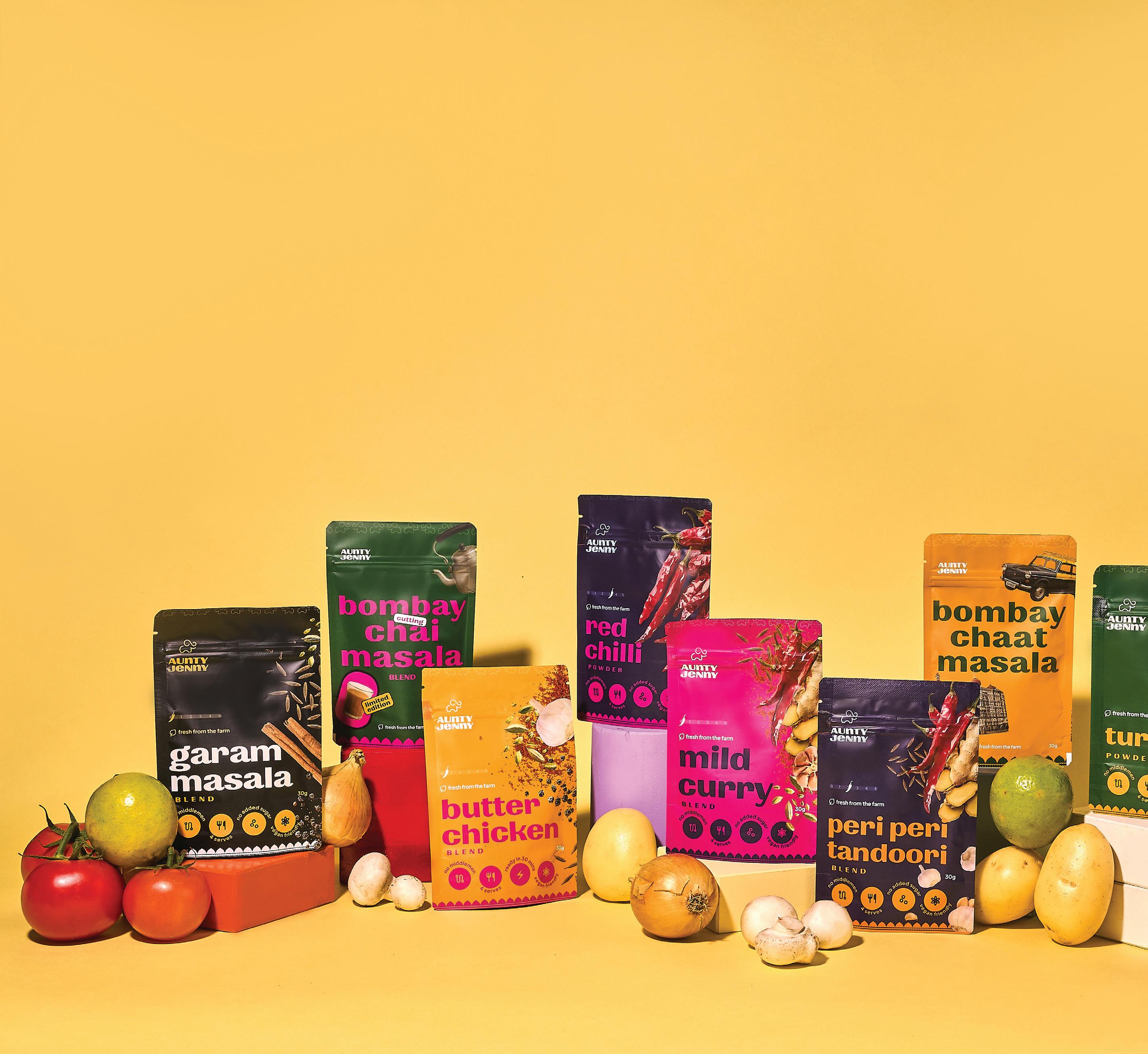
The spice category doesn’t often make headlines, but it’s quietly telling us a lot about how shoppers and retailers are thinking right now. In an environment where price pressure is real and trust matters more than ever, everyday pantry staples are being scrutinised in a way they haven’t been for years.

At Aunty Jenny Spices, we’ve structured our range around one clear principle: deliver genuine value for shoppers while remaining commercially viable for retailers. That’s meant building a considered range of core pantry spices, ultimately around 20 SKUs, that reflect how people actually cook, rather than inflating ranges with novelty or duplication. Each product earns its place by turning consistently and being easy for retailers to range, replenish and manage.
What we’re seeing across the category is a shift away from excess. Shoppers are becoming more selective. They’re less interested in premium blends with long ingredient lists and more focused on whether the basics actually deliver on flavour and freshness. “No nasties” has become table stakes, it’s no longer
a differentiator. What’s changing is that people are starting to ask why something tastes better, not just what is on the label.
That’s where everyday pantry staples are reclaiming ground. Premium still has a place, but it’s increasingly occasion-driven. The weekly shop is about reliability and value. Shoppers want to know that the cumin or paprika they buy this week will perform the same way next week, without paying extra for positioning that doesn’t add value at the stove.
Supply chain has become central to this conversation. From the outset, we built Aunty Jenny Spices to scale, not retrofit later. That meant prioritising supplier relationships, compliance and logistics early, so fill rates don’t become a problem as distribution grows nationally. Those systems are designed to support national distribution, not just regional expansion. Consistency is non-negotiable for retailers. A product can have a strong story, but if it isn’t on shelf when shoppers expect it, loyalty disappears quickly.
One of the biggest learnings from working with independent grocers is the importance of clarity. Independents know their shoppers intimately and are quick to assess whether a product will earn its space. They want brands that are easy to explain, easy to range and dependable in supply. Larger banner groups, by contrast, place greater emphasis on systems, scale and national consistency. Both demand discipline, just applied in different ways.
In-store performance is where all of this comes together. We’ve invested heavily in pack design that communicates quickly: clear product names, clean layouts and a proposition that doesn’t require a sales pitch. Shelf readiness matters. If a shopper has to work to understand a product, they’ll default to what they already know. We also support retailers with simple merchandising
tools that prioritise visibility and navigation rather than clutter.
Loyalty within the Aunty Jenny range is driven by repeat use. When everyday spices deliver better flavour consistently, shoppers notice, and they come back. It’s not about chasing trends; it’s about earning a permanent place in the pantry.
From a retail perspective, an ideal rollout is measured and performance-led. Start with a strong core, prove velocity, then expand thoughtfully. Steady growth builds confidence, for retailers and shoppers alike. Looking ahead, the biggest growth opportunities in spices over the next two years sit firmly in the middle of the aisle. For retailers, the opportunity is not more noise in spices, but stronger performance from the core of the category, improving everyday turn rather than relying on promotional spikes. Brands that can deliver that through better sourcing, clearer communication and reliable supply will win. The future of the category isn’t louder. It’s better.
By Ramneek Wayne, Co-Founder, Aunty Jenny Spices
For further information, please contact: Jacinta Chapman, Managing Director, The Baobab Agency
E: jacinta@thebaobabagency.com.au
M: 0409 8504 13
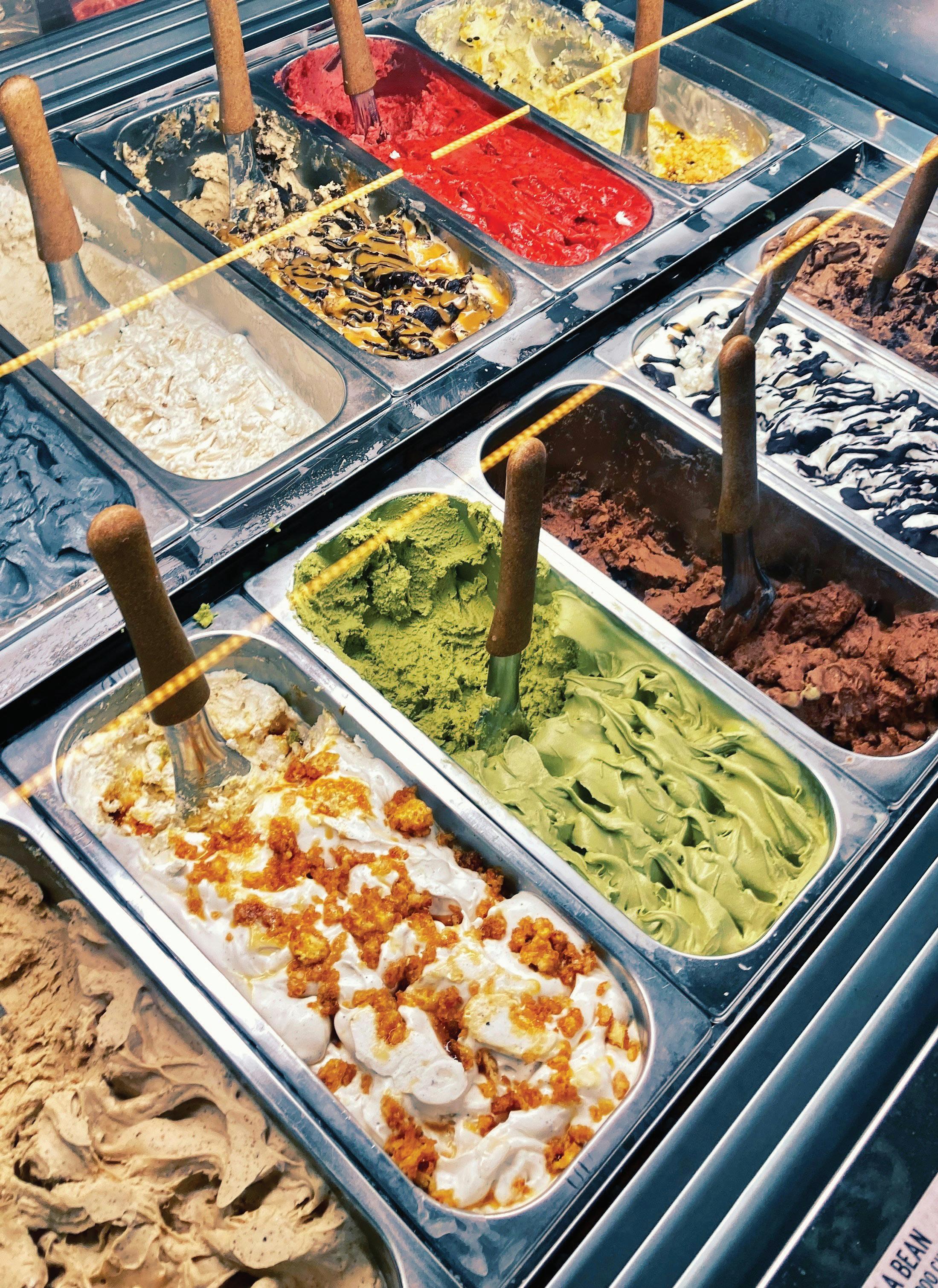
Ice Cream and gelato are resilient categories; even when budgets are tight, ice cream remains an affordable luxury, a reward and a treat.

Dene Brosnan Board Chair
According to the NZ Ice Cream & Gelato Association's estimates, the total New Zealand ice cream and gelato market is worth approximately NZD 550 million to NZD 600 million annually at the retail level. In terms of volume, Kiwis have continued to consume around 65 to 70 million litres a year.
The 28.4-litre per person figure has been New Zealand’s ‘claim to fame’ for years, and came from a global survey, ranking all countries in the world.
“As far as we can tell, Kiwis' love of ice cream and gelato endures, and our country remains one of the highest per-capita consumers of ice cream globally,” said Dene Brosnan, Board Chair.
Over the last 12 months, the NZ Ice Cream & Gelato Association has observed value growth of around five percent in supermarket sales, excluding the foodservice and convenience channels.
Brosnan said this meant that while people aren't necessarily eating more ice cream, they are spending more on the products they choose. It also reflects the wider business trading environment with escalating input costs.
Historically, the split has been roughly 70 to 75 percent retail and 25 to 30 percent foodservice (including scoop shops, restaurants, and hospitality), but there was a swing toward retail during the postpandemic years as home-indulgence peaked.
However, over the last 18 months, foodservice has also begun to recover as tourism has returned to New Zealand and Kiwis head back out for social experiences and enjoy their favourite treat.
Growth is predominantly value-driven rather than volume-driven, and although inflation has led to price increases, Brosnan highlighted that premiumisation was the real story.
He said that New Zealanders have become increasingly discerning about the ice cream and gelato they enjoy, trading up to premium tubs and handmade/batch-made varieties. This was further evident in the growing number of scoop stores opening across the country and entries in the various awards, which continue to grow in the gelato categories.
Additionally, supermarkets have moved to give more freezer space to premium formats.
Brosnan said that multipacks and premium single-serve options are standout performers. The convenience of a preportioned, high-quality treat aligns with the modern lifestyle and drives consumer demand. He also saw smaller/mini formats gain traction, allowing for indulgence without guilt.
Conversely, the traditional 2-litre tub is under some pressure as households become smaller and consumers prioritise flavour and quality over volume.
Like every business, ice cream and gelato makers are under cost pressure and operating in a global environment of uncertainty.
“It’s a very tough time for all our members, large and small.”
While dairy prices have stabilised slightly from the 2024 peaks, energy and coldchain logistics costs remain high. Frozen distribution, packaging and other inputs have become expensive.
While manufacturers have tried to manage costs more efficiently, they have reached a point where they can no longer absorb them.
At the same time, Brosnan said that the 'New Zealand Made' story is stronger than ever, with consumers worldwide loving the ice cream made in New Zealand. He concluded that growth will come from innovation, new flavour combos, new smaller/single-serve sizes, and dairy-free alternatives that taste as good as traditional ice cream and gelato.
“New Zealanders are a nation of ice cream and gelato lovers, and that’s not changing, but the way we enjoy it is becoming more sophisticated.”

The Convenience & Impulse NZ Expo and Industry Symposium remain standout events on the FMCG calendar, bringing together retailers and suppliers from across New Zealand for two days focused on product discovery, networking and business growth.
Tailored for convenience and foodservice operators, the Expo spans petrol stations, dairies, corner stores, independent groceries, and takeaway outlets, showcasing the latest in snacking, hot and cold beverages, foodservice solutions, forecourt equipment, and in-store merchandising.
With new, on-trend products, visitors have direct access to innovations that enhance both store performance and the customer experience.


Running alongside the exhibition, the Industry Symposium delivers expert-led sessions covering category insights, international trends, best practices, and key advocacy updates, offering retailers practical takeaways to apply in their businesses.
With more than 70 suppliers and hundreds of attendees in one location, the event is a platform for connection, insight and commercial opportunity.
HERE
13-14 May 2026
Due Drop Events Centre, Auckland, NZ


Be sure to drop in and check out the exciting food concepts on the J.L.Lennard stand 43, an interesting and enticing blend of self-service and serve-over concepts designed and displayed to bring easy profits and low waste to your business.
On the hot side, whether it’s a zero food waste pizza concept or a fried food offer
that doesn’t need any extraction hood, J.L.Lennard has the solution.
On the cold side, you can experience auto portion DOLE soft serve, multiflavoured shakes and simple slush.
Something for everyone. n
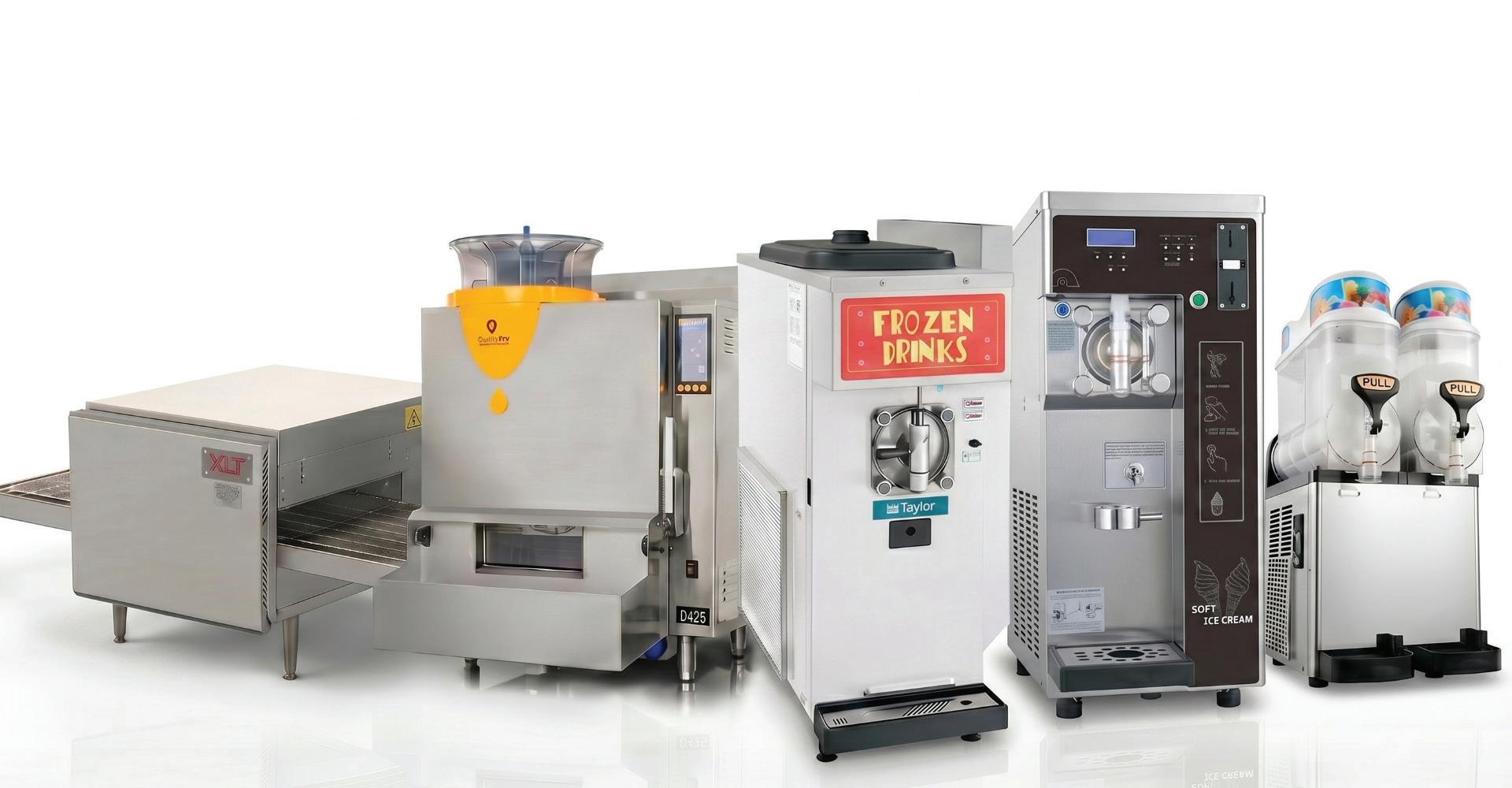













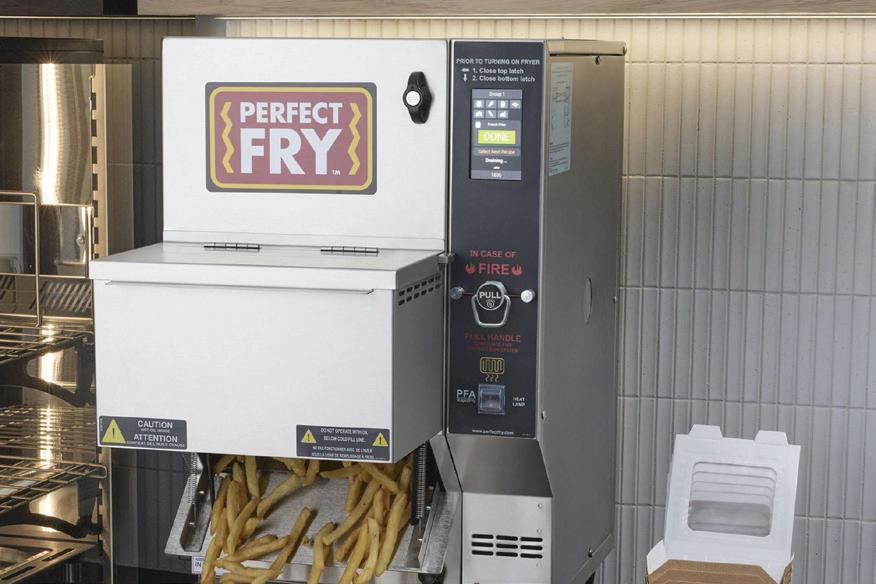
Fried food generates large profits from direct sales and from its ability to draw additional customers to your business. The Perfect Fryer's unique design enables fried food to be produced in a small space-saving environment.
The Perfect Fry has an in-built filtration and exhaust system. The unit is fully automated and simple to use, ensuring a perfect frying result every time, in just three minutes, quick and easy. Minimal food waste as the product is taken from the freezer straight into the machine.
Come and see the two fantastic new models, PFA7202 and PFC5702, at Stand 13 and try delicious, fresh hot fries.
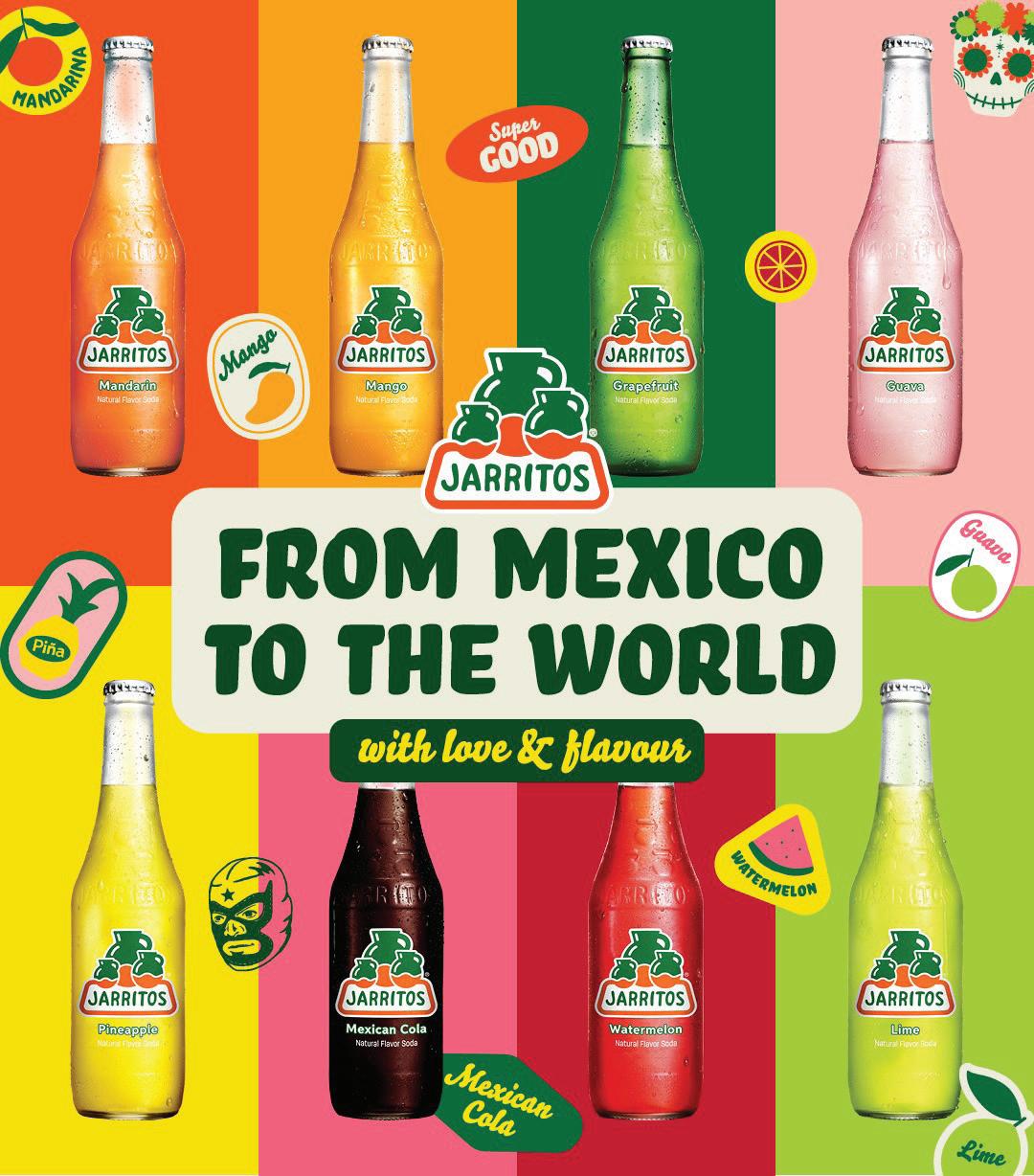
Jarritos
Jarritos is an iconic Mexican soda brand, trusted since 1950 and now enjoyed in over 40 countries. Made in Mexico, its heritage-inspired glass bottles and retro design tap into the growing demand for authentic, nostalgic products that stand out on shelf.
A proven impulse driver in the chiller, Jarritos differentiates itself from standard soft drinks with
its vibrant packaging and bold fruit flavours. It attracts younger, trend-led shoppers and those looking for something new, helping bring incremental traffic into store.
Its wide flavour range encourages trial and repeat purchase, while pairing well with hot food and snacks— making it an ideal graband-go add-on that drives visibility and basket spend.
At Cossiga, the team loves making food look great, and convenience is no exception. At the upcoming C&I Expo, Stand 66, they’re putting the spotlight on grab-and-go solutions, designed to make fresh food service simple, efficient, and ready when customers are. The focus is on helping operators deliver high-quality presentations with ease, while maintaining food safety in fast-paced environments.
Cossiga has also introduced the STG Compact Chiller, featuring sustainable R290 refrigerant technology. Compact and adaptable, it can sit neatly on a countertop without the need for bench integration, delivering a level of efficiency and flexibility that sets a new benchmark in the market.
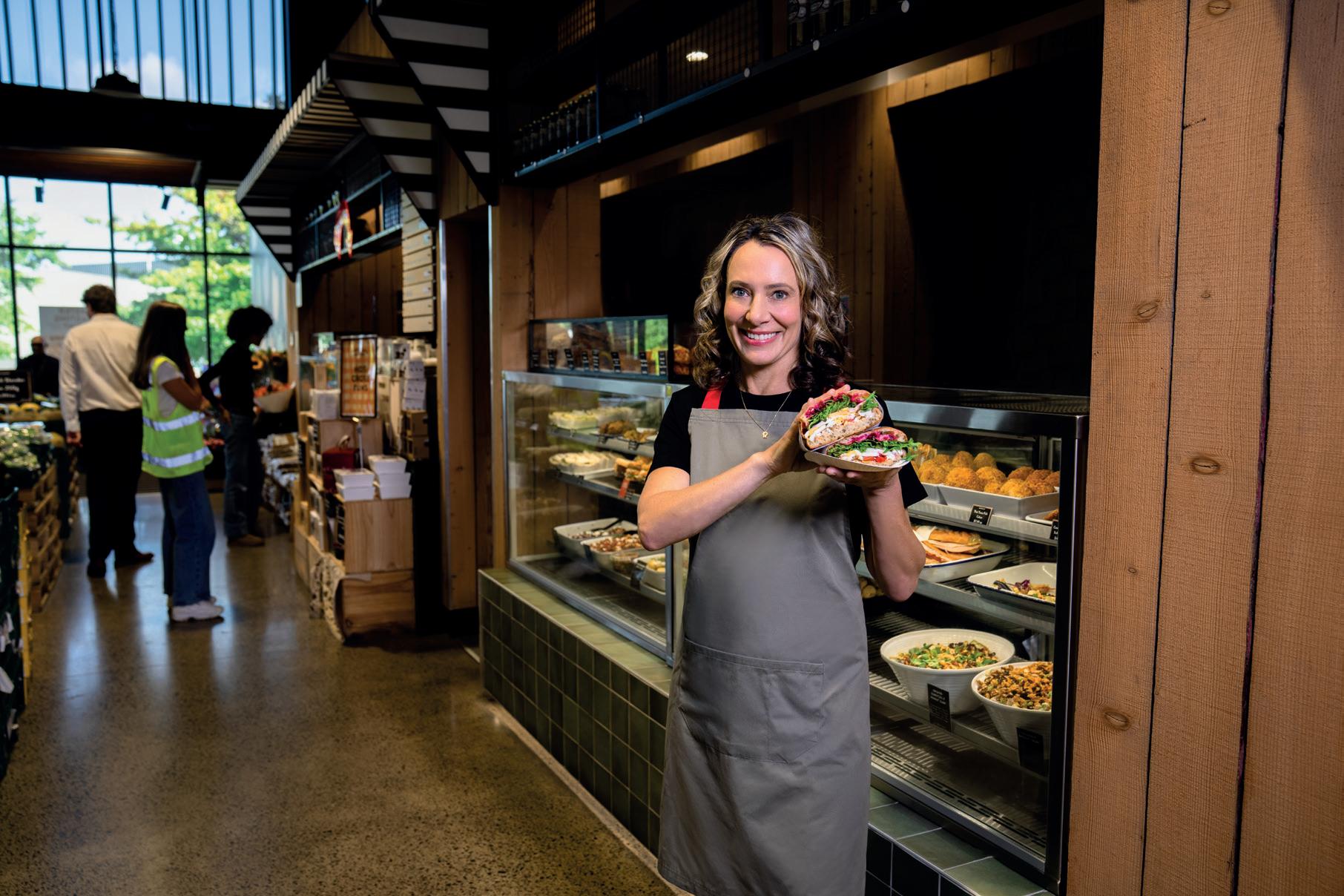
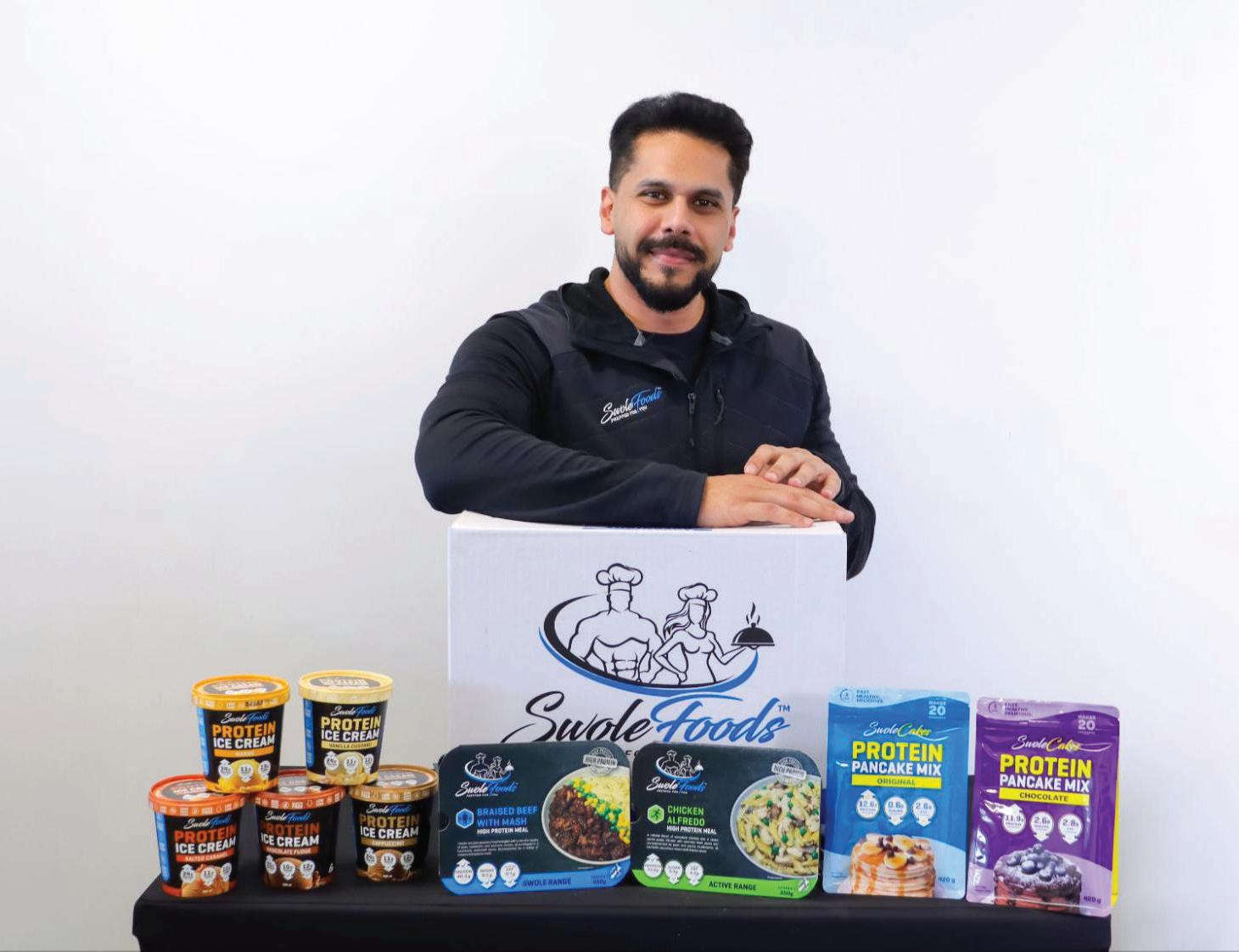
Swolefoods is a New Zealand-based challenger brand redefining convenience food with high-protein, betterfor-you alternatives. Founded in 2019, the business has rapidly grown across supermarkets, petrol stations, and direct-to-consumer channels by delivering meals, protein pancakes, and protein ice cream that balance nutrition with indulgence. Designed for today’s health-conscious consumer, Swolefoods products are high in protein, low in sugar, and built for real lifestyles. With strong retail traction and growing brand awareness, Swolefoods partners with retailers to drive category growth, attract new customers, and deliver premium, functional food options that perform both on shelf and in repeat purchase.
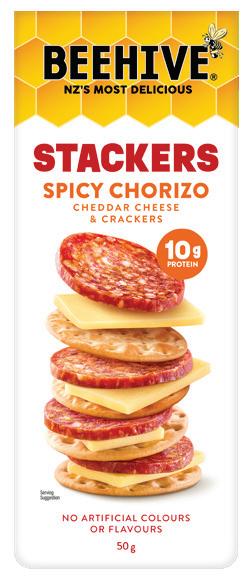
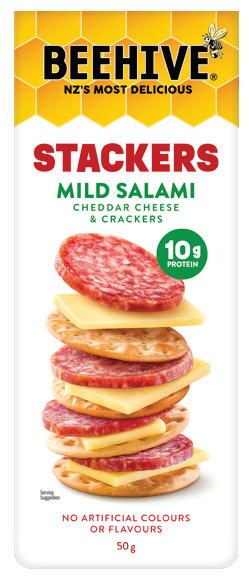
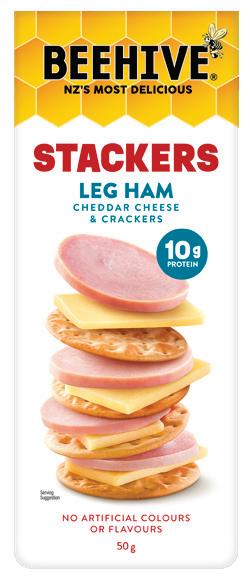
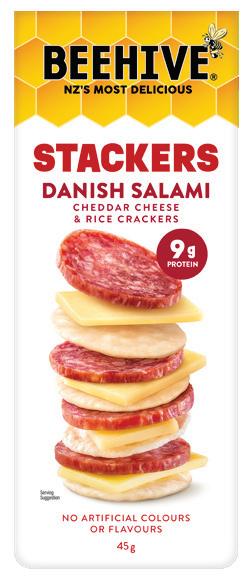
Beehive Stackers are a delicious, all in one snack perfect for busy lifestyles on the go.
This tasty snack contains real quality deli meats, NZ cheddar cheese and crackers in a format that’s easy, fun and convenient to eat on the go, no prep required.
Each snack portion contains 4 servings of deli meat, cheese and crackers that delivers a good source of protein, individually portioned and packed so you don’t have to compromise on quality. Try these as an easy lunchbox or after school snack for the kids or have them in the office for when you need a pick me up snack during the day. Available in four delicious flavours, Mild Salami, Leg Ham, Danish Salami and Spicy Chorizo, pick some up in the Cheese aisle of your supermarket.
For further details, please contact your Premier Beehive sales presentative.


With roots in hospitality and gaming environments where protecting vulnerable people and enforcing exclusions are critical, WatchGuard learned that retail faced strikingly familiar challenges, such as staff dealing with repeat offenders, limited ability to enforce trespass notices, and incidents escalating before anyone could respond.
According to Ankit Bhasin, Chief Strategy Officer, a major difference between retail, hospitality, and gaming is scale and pace, as stores are often understaffed and lack a door host at the entrance.
“That's precisely the gap WatchGuard fills. Our technology acts as that ever-vigilant presence at the door, working silently in the background so staff can focus on serving customers rather than scanning faces,” said Bhasin.
When a customer enters a store, WatchGuard’s AI-driven technology captures their image from the camera feed. It compares it against the store's watchlist of known excluded individuals, all in real-time. If there's a match, the relevant staff member receives an immediate alert, allowing them to act before a situation escalates.
Designed to minimise false positives, WatchGuard’s accuracy and speed are at its core. The technology runs passively in the background without slowing down or interfering with normal store operations.
An issue Bhasin highlighted was the inability to enforce trespass notices effectively. A retailer might go through the proper process of issuing a trespass, only to have that individual walk straight back in the following week. Without a system to identify them at the door, the notice becomes almost meaningless.
Therefore, WatchGuard built a trespass notice function directly into the system. Staff can select a person's image from the live identification feed and generate
a trespass notice either in the moment or upon the individual's return. This removes a significant administrative barrier, ensuring exclusions are documented properly and enforced consistently.
Given the growing pattern of repeat offenders across multiple sites within the same retail group, WatchGuard also has customisable watchlists that enable a group to share exclusion data across its network.
Privacy is a major consideration, and WatchGuard operates with a single, clearly defined purpose: verifying that a person entering a store is not on an exclusion list. It is not used for marketing, profiling, or any other secondary purpose.
In practice, if someone enters a store and there is no match in the watchlist, their facial data is automatically and securely deleted within 72 hours. No data is retained on innocent shoppers.
Where there is a match, and it is manually confirmed, information is held only for the duration of the exclusion period, after which it is automatically deleted. All data is encrypted, stored securely, and access is restricted to authorised personnel only.
“We know that compliance can be overly burdensome, especially for mid to smaller retailers. They are often not resourced to develop the highly complex policies and procedures required in this developing market. That is why every store operating with WatchGuard is provided with detailed policies to ensure compliance with New Zealand legislation,” said Bhasin.
“We also take transparency seriously.
Each store provides clear signage at the entrance that informs customers that a facial recognition exclusion system is in place and explains its purpose. Our full privacy statement is publicly available and written in plain language.”
Bhasin added that the team actively encourages retailers and their customers to ask questions.
He was confident that WatchGuard is fully compliant with New Zealand’s privacy laws and was happy to work through the details with any retailer who wanted to understand them, especially smaller-format stores, which are often the most vulnerable as they typically operate with one or two staff and face the same repeat offenders as larger retailers without the same resources to respond.
The system is straightforward to implement, doesn't require a dedicated IT team to manage, and scales to the size of the operation. A single-site operator can run the same core functionality as a national chain without the enterprise price tag.
Bhasin added that New Zealand, for a long time, relied on deterrence for retail security, and now the shift towards intelligent, real-time systems has changed the paradigm entirely.
He saw facial recognition becoming a standard layer of retail infrastructure, particularly as awareness grows around staff safety and the real cost of retail crime. He also anticipated greater collaboration between retailers, with shared watchlists allowing the industry to respond collectively to organised retail crime rather than each business operating in isolation.
“What excites us most is the cultural shift this enables. Retail has a significant staff retention challenge, and safety is a big part of that. When staff feel safe, they're more engaged, more confident in their interactions with customers, and more likely to stay in their roles,” he concluded.
WatchGuard is offering readers an exclusive 50 percent off for the first 3 months on sign-up. n
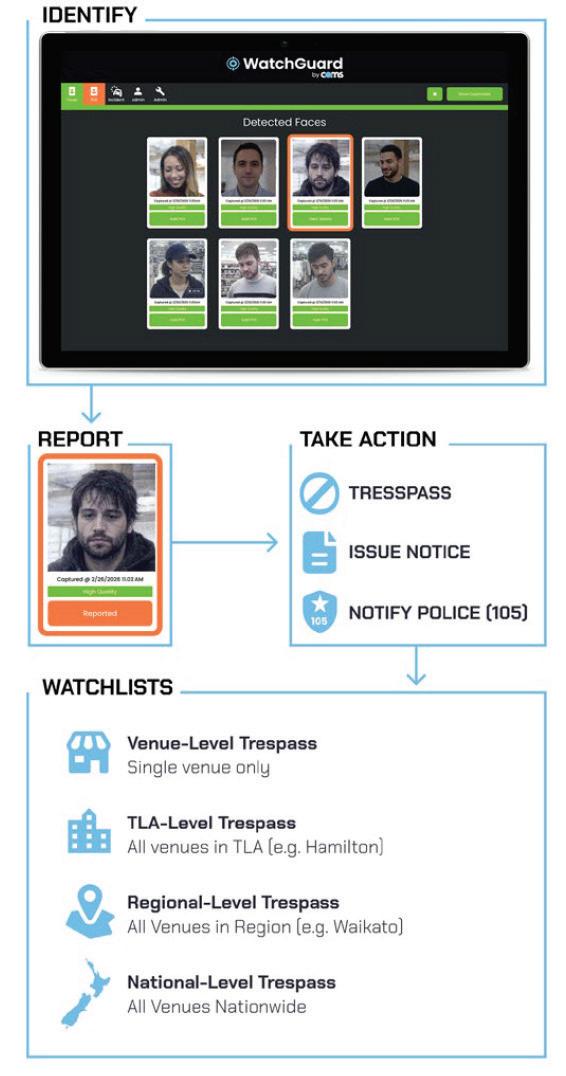

Designed for clarity, control, and peace of mind.
• Harness AI-driven surveillance
•
• Connect to networked watchlists
• Issue trespass notices
• Notif y Police through 105
• Maintain NZ privacy compliance
In the fast-moving world of New Zealand retail, floor space is valuable currency. For smallformat stores, independent grocers, and urban metro sites, the challenge has always been how to expand a chilled, frozen or heated offering without the costs of significant structural works, external plant rooms, and operational downtime.
For nine decades, McAlpine Hussmann has been delivering expertise and reliability that drives commercial success, consistently adapting to industry shifts and embracing new technologies to meet the evolving needs of clients. That legacy of innovation is exemplified by their plug-and-play approach, with modular solutions designed to maximise every square metre of a store’s earning potential and empower stores to evolve with current and future food trends.
The Power of Modular: Flexibility Without Compromise Traditional refrigeration solutions can be complex and include heavy infrastructure that isn’t well suited for small buildings.
McAlpine Hussmann helps small-format stores refine their path to growth by prioritising flexibility without sacrificing industrial-grade cooling power. Modular, plug-and-play solutions are driving success for smart retailers through four key pillars:
• Speed to Market: In a competitive landscape, timing is everything. New units can be positioned and powered up in hours rather than days.
• Future-Proof Efficiency: By using natural refrigerants, these plug-and-play units offer ultra-low Global Warming Potential (GWP) while significantly reducing energy consumption.
• Low Infrastructure Stress: Modular units are the ideal choice for metro-style stores
where traditional remote refrigeration systems are complex and expensive to install.
• Visual Impact: Sleek, low-profile designs with high-clarity glass are engineered to drive impulse purchases and ensure your inventory looks its best under the lights.
McAlpine Hussmann’s plug-and-play range offers immediate retail agility, backed by the comprehensive capabilities that have defined the business since 1935. Their expertise spans the entire spectrum of climate control, from initial design and engineering to expert manufacturing, installation, and ongoing maintenance. This end-to-end approach ensures a seamless process for every project. As an industry leader, McAlpine Hussmann has embraced advanced sustainable practices,
including the implementation of Transcritical CO2 units. These environmentally friendly systems align with modern demands for both high-performance cooling and ecological responsibility, helping New Zealand businesses reduce their carbon footprint while enhancing energy efficiency.
With 13 branches nationwide, McAlpine Hussmann has the proven resources to deliver consistent service across multiple sites or provide focused local support wherever you are located. They understand that in the food and grocery sector, uptime is critical. Their 24/7 service and maintenance network ensures that expert technicians are always ready to provide a rapid response, minimising disruption and safeguarding your operational integrity. Retailers who can adapt their layouts
quickly to meet seasonal trends or new product categories are the ones who stay ahead. Partnering with McAlpine Hussmann means choosing a legacy of unparalleled expertise with a futurefocused approach. Whether you are a small independent or a large-scale commercial operation, McAlpine Hussmann provides provide tailor-made solutions that integrate into your setting to enhance profitability.
Visit McAlpine Hussmann at the Convenience & Impulse Retailing Expo this 13-14 May 2026. The team will be on hand at Stand 89 to discuss your specific needs and show you how to maximise your floor's earning potential with scalable plugand-play solutions. Find out how they can help your business stay cool, compliant and competitive. n

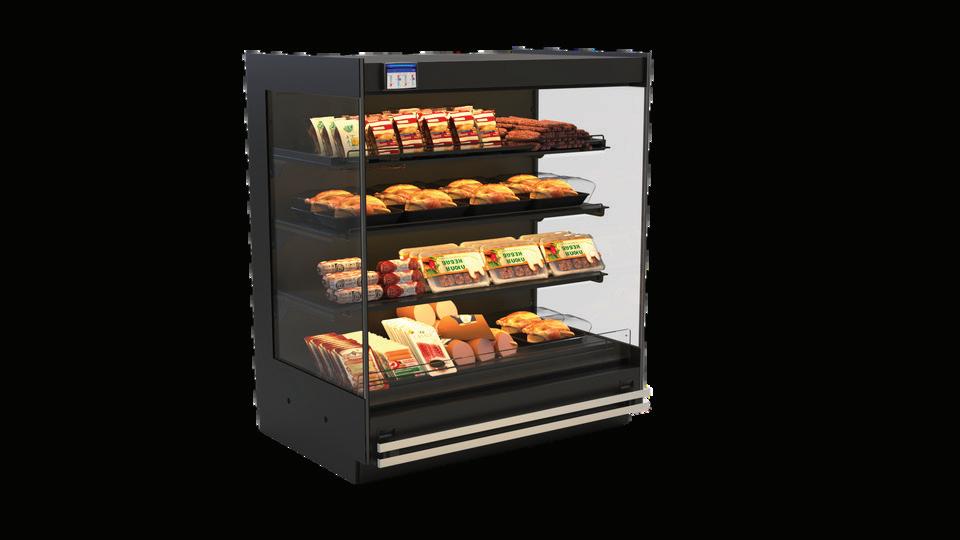
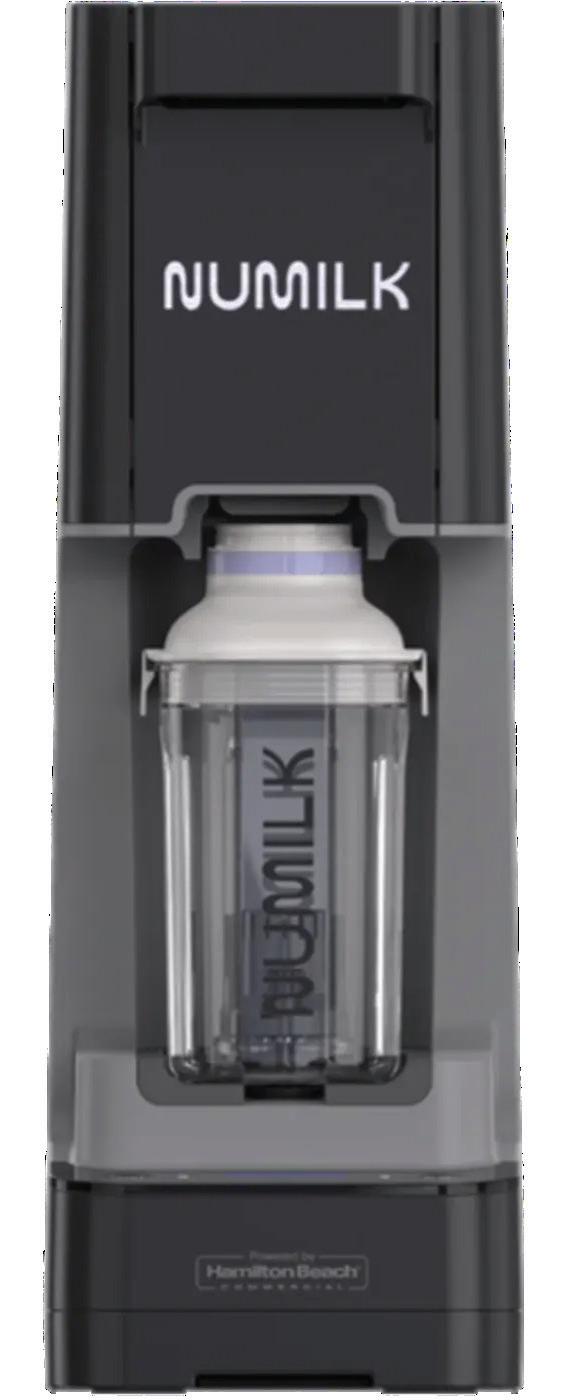

12-14 April 2027
NEC, Birmingham
iSqueeze, the UK’s largest provider of fresh juice machines, has joined forces with US-based Numilk to launch an alternative milk machine dispensing the best-tasting, fresh plant-based milks at the push of a button.
Offering convenience and freshness, businesses can now serve premium-quality plant-based milks and lattes in recyclable pouches, taking up 8 times less storage space than traditional bulky cartons.
iSqueeze makes it easy for businesses to ditch the cartons and save up to 15 percent on their plant-based milks. Food outlets such as cafes, bars, delis, and gyms
will be able to dispense high-quality, fresh plant-based milks and speciality lattes to customers in seconds from a countertop machine that takes up minimal space.
By simply inserting one of the Numilk pouches into the reusable bottle on the base machine, two litres of fresh plant-based milk can be made instantly, with no artificial ingredients, minimal packaging waste, and no need to stock or refrigerate cartons.
iSqueeze is selling three collections of Numilk barista milks and ready-toserve speciality lattes made with real ingredients, with no gums, no fillers, and no preservatives. n

Building on the success of its bestselling Creatine+ range, Warrior has taken on-the-go nutrition to the next level with the launch of its Creatine+ Sachets. These game-changing, convenient sachets have been designed to help consumers reach their health and wellness goals anytime, anywhere.
Each sachet delivers the same powerful performance support as the brand’s bestselling Creatine+ tub range.
Available in a refreshing Mixed Berry flavour, Warrior Creatine+ Sachets combine Warrior’s top-selling creatine with four targeted functional blends, designed to meet a range of wellness and performance goals.
Proudly made in the UK, Warrior Creatine+ Sachets are GMP-certified, tested and trusted for clean, premium sports nutrition.
Whether an athlete, a gym regular, or just looking to boost your health and wellness, Warrior Creatine+ Sachets have made it easier than ever to unlock full potential, with the perfect balance of performance, convenience and revitalising support. n

The ACAPMA Conference, previously known as the APFIF (Asia Pacific Fuel Industry Forum), serves as the premier event for the fuel retail, distribution, and contracting sectors in Australia, New Zealand, and across the Asia Pacific region.
The annual conference organised by the Australasian Convenience and Petroleum Marketers Association brings together the fuel industry for learning, networking, planning, and celebration. It prioritises knowledge and expertise exchange across the region while also creating opportunities for the supply of products and services to strengthen relationships and expand networks.
Each year, ACAPMA develops a schedule featuring captivating and informative speakers and presentations that deliver a wealth of knowledge, a hallmark of the event. Attendees will have the opportunity to hear from prominent figures in the fuel industry, transport sector leaders, international political advisers, and various industry commentators and experts.
The ACAPMA Fuel & Convenience Awards celebrate excellence within the Australian fuel and convenience sector across different categories, including the Fuel Retailer of the Year Award for both small and large businesses, as well as the Fuel Distributor of the Year Award. These awards are externally judged by an independent panel of experts, completely separate from the industry.
Alongside the segment excellence awards, the ACAPMA Awards feature the prestigious Marg Taylor Memorial Award for Community Spirit, which honours fuel companies that have shown outstanding leadership and have positively influenced their local communities. This award was named in memory of Margaret Taylor, who served ACAPMA/APADA for over 35 years, guiding, protecting, and supporting its members from 1979 to 2014.
As ACAPMA celebrates its 50th anniversary, it is returning home to Melbourne, with the Pullman Melbourne Albert Park hosting the 2026 ACAPMA Conference. n

Trovr Tech Ltd has launched the TrovrQUBE in the UK, a compact, smart, self-service recycling unit designed to help independent retailers participate in the upcoming Deposit Return Scheme (DRS) without the cost, complexity, or footprint of traditional systems.
Set to launch on the 1st of October 2027, the UK DRS will require retailers selling drinks in PET plastic bottles and cans to accept empty containers and refund a deposit of around 20p per item.
While supermarket chains typically rely on Reverse Vending Machines (RVMs), these units often cost more than GBP 10,000, require significant space, and involve complex installation, making them impractical for many of the UK’s independent convenience stores.
The TrovrQUBE has addressed this gap with a solution designed specifically for smaller retail environments. Roughly the size of an ATM, it can be easily installed in-store, enabling customers to return containers quickly, cleanly, and efficiently. Each item is scanned, weighed, and verified using an anti-fraud system, ensuring only eligible containers are accepted and processed in line with DRS requirements. Beyond compliance, the system unlocks clear commercial value for retailers. By acting as a return point, stores can earn handling fees per container while increasing footfall and driving repeat visits.
Through the Trovr Merchant Dashboard, retailers can monitor collections, track payments, and launch targeted in-app promotions, converting recycling activity into customer engagement and incremental revenue.
For consumers, the experience is simple, fast, and rewarding. Deposits can be redeemed via traditional paper vouchers or digitally through the Trovr app, where users can also store value, access rewards, or donate to charity, creating a more engaging and flexible recycling journey.
TrovrQUBE units are already deployed across Malta, Romania, Poland, and Austria,
with the initial UK rollout now underway. Early installations in London build on successful UK trials delivered in partnership with West Suffolk Council, where Trovr’s recycling technology and rewards platform were tested across leisure centres and educational sites, driving strong community engagement and recycling participation.
“The DRS will fundamentally reshape how customers interact with local retailers. Every bottle and can will carry a deposit, and that value has to be returned somewhere. If the process isn’t easy, customers will go elsewhere. We built the TrovrQUBE to ensure independent retailers can compete, offering a solution that is affordable, compact, and ready for the 2027 rollout,” said Nick Yeatman, Founder and CEO of Trovr.
“This isn’t just about compliance. It’s about turning a regulatory requirement into a commercial opportunity. Retailers can earn handling fees, increase footfall, and strengthen their role within the community by becoming a trusted recycling return point.”
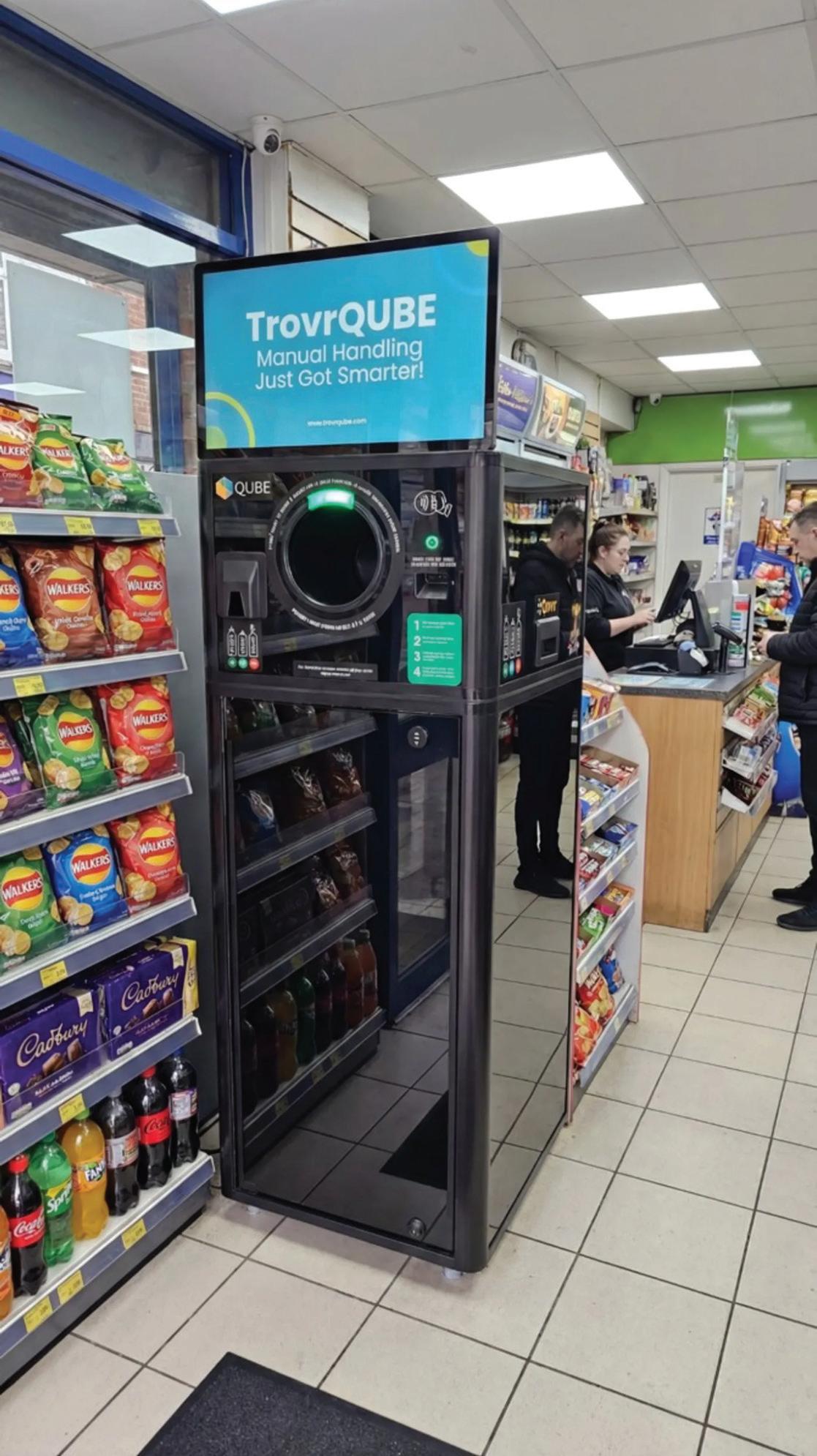
Trovr’s platform combines hardware, software, and digital engagement into a single ecosystem. Using barcode recognition, weight sensors, and real-time data tracking, the system ensures full traceability and fraud prevention while integrating with the DRS infrastructure.
In addition, the TrovrQUBE has been designed with flexibility in mind, supporting both manual handling operations and integration with wider DRS infrastructure. Its compact footprint, low energy consumption, and plug-andplay setup make it a practical solution for high-traffic urban locations and smaller community stores alike.
Unlike traditional systems, the TrovrQUBE brings recycling closer to the point of purchase, helping retailers capture returning customers and increase basket spend. By turning recycling into a digital, reward-led experience, Trovr has redefined how consumers engage with sustainability at a local level.
As DRS approaches, solutions that balance compliance with commercial viability will be critical. The TrovrQUBE positions independent retailers not just to participate, but to compete, offering a scalable, future-ready solution that aligns environmental responsibility with real business value. n
REGISTER HERE
12-14 April 2027
NEC, Birmingham


Digital display specialist ADI said forecourt operators could significantly increase footfall and retail revenue by adopting a comprehensive digital LED strategy across their sites.
With more than 8,000 forecourt sites across the UK and non-fuel shop sales reaching billions, the forecourt sector has rapidly evolved into a hybrid retail environment driven by convenience, foodto-go and longer customer dwell times.
According to Mark Burke, Client Engagement Manager at ADI, digital LED technology has become essential for forecourt operators looking to capitalise on these changing behaviours.
“Forecourts today are no longer simply places to refuel,” said Burke.
“They are increasingly dynamic retail destinations where drivers stop for coffee, food, parcels or EV charging. Digital LED allows operators to communicate with customers in real time and influence purchasing decisions in a way that
traditional signage simply can’t.”
ADI has more than two decades of experience delivering digital display installations across multiple sectors. Burke believed that the same expertise can now help forecourts adapt to major industry changes, from EV charging behaviour to new fuel price transparency laws coming into force this year.
“Digital signage could be the difference between a driver passing by or turning into your forecourt,” he said.
“That roadside presence is crucial. Once customers are on-site, digital screens help maximise revenue by highlighting promotions, guiding the customer journey and ultimately increasing their spend per visit.”
ADI provides a complete digital ecosystem across the forecourt environment, from roadside price totems to in-store displays.
Notably, the specialist also teaches their clients how to manage their digital assets assertively, enabling them to control their own content using ADI’s content management system.
Using ADI’s expertise, digital price totems can deliver real-time fuel pricing, EV charging information and promotional messaging in high-brightness LED formats that are far more visible than traditional boards.
ADI’s partnership with digital display manufacturer Kuori also allows the company to deliver a complete signage package, combining large-format LED installations with smaller digital assets.
Beyond installation, ADI provides a full consultancy and service model, supporting forecourt operators from early concept and site surveys through to installation, maintenance and repair. n
Since the beginning, the Night ‘n Day chain has had a strong focus on diversifying its offering, which has allowed it to evolve more quickly than traditional petrol stations and convenience stores.

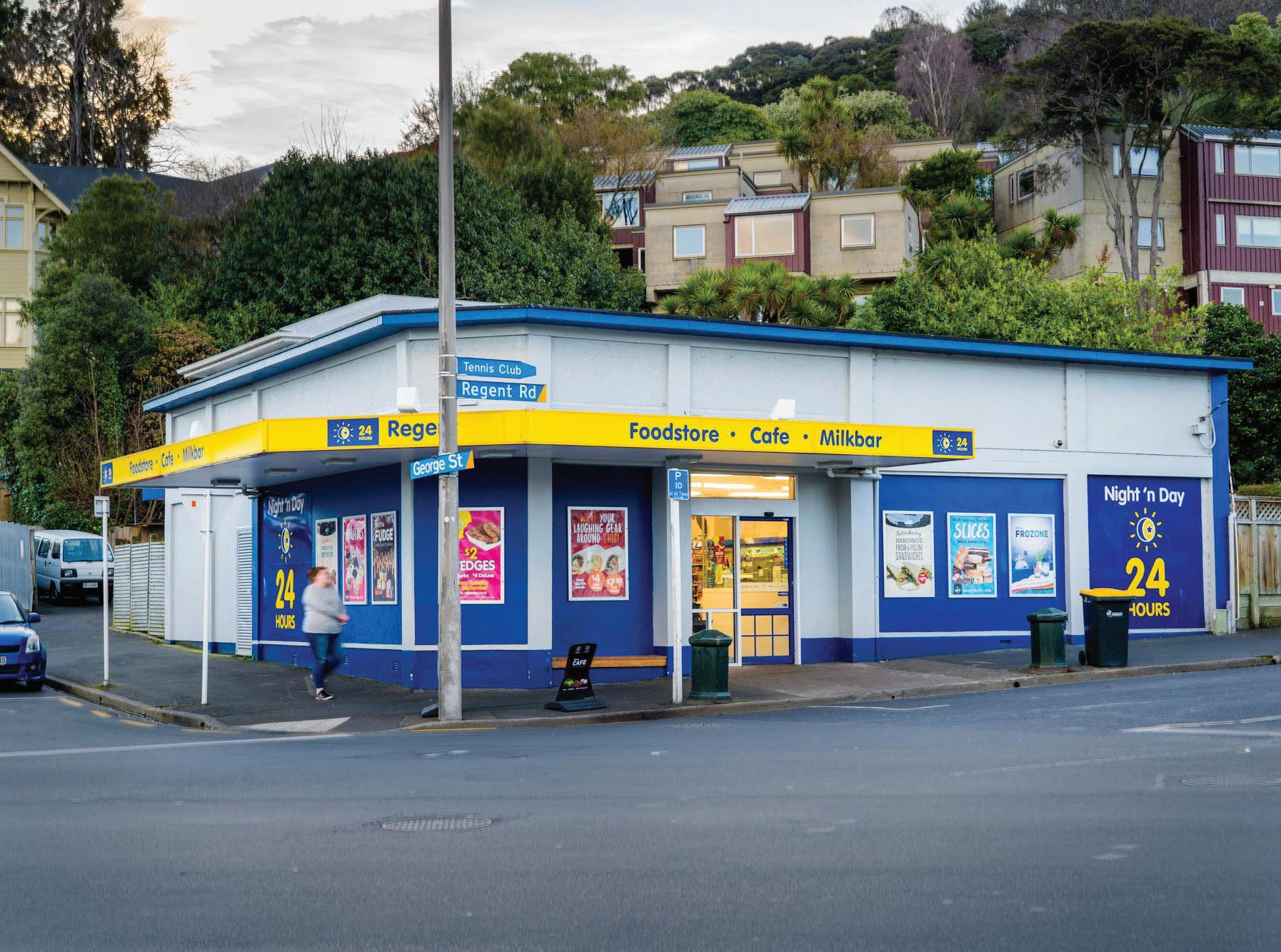
They've naturally been evolving ahead of forecourt models and have continued to meet immediate customer needs on accessibility, range, and quality food and beverage options rather than being an add-on to fuel.
Matthew Lane, General Manager, Night ‘n Day, observed a significant shift toward fresh, ready-to-eat options, supported by innovation within categories and limitedtime offers, while the food-to-go offering has evolved from impulse to intent.
While both types of visits are still occurring, Lane said more customers are coming in with a clear purpose and seeking out specific products.
“Customers are more selective about where they go and where they spend their money, having a clear purpose for their visit, which may result in more frequent, but smaller, visits versus a larger basket shop. Value and convenience are the main drivers that determine where a customer chooses to shop,” said Lane.
“At Night ‘n Day, core pillars such as food-to-go, milkbar, and coffee help to drive repeat visits of current customers as well as attract new ones, increasing both customer frequency and average basket spend.”
Lane added that there were flow-on effects through the cost of goods and consumer spending behaviour. Rather than someone popping into a café for eggs and avocado on toast, they might come into a Night ‘n Day for a breakfast muffin and a coffee. He said there’s still the need for indulgence or treating themselves; however, they’re being more conscious of their choices when it comes to cost and frequency.
Speed to market and operational agility, i.e., going from idea to concept that can be executed quickly, have helped to set Night ‘n Day apart. Strong supplier relationships are critical to maintaining consistency and availability across the network, with close collaboration minimising disruption and maximising efficiency.
According to Lane, basics executed well give customers a foundation to rely on and build trust and brand equity, while innovation helps maintain the current customer base and attract new ones.
“Quality, accessibility, and speed all go hand in hand. If someone chooses to trust you with the limited time they have available, you need to provide the best-quality product within an acceptable timeframe so they can pop in and out and get on with their day,” he added.
“Customers are time-poor and missionbased, and we need to meet them where they’re at. We might be their “quick breakfast before work”, “lunch break in between site visits”, or “ice creams for the kids after sport” visit, so they’re choosing us for a reason, and we need to honour their time and expectations.”
Looking ahead, Lane sees the biggest growth opportunity in food-to-go and premium offerings, with convenience becoming a destination for food and beverages rather than just a top-up shop for milk and bread.
Leveraging NPD will become essential to stay ahead of changing customer expectations, along with expansions into new locations and formats that prioritise accessibility and convenience. n
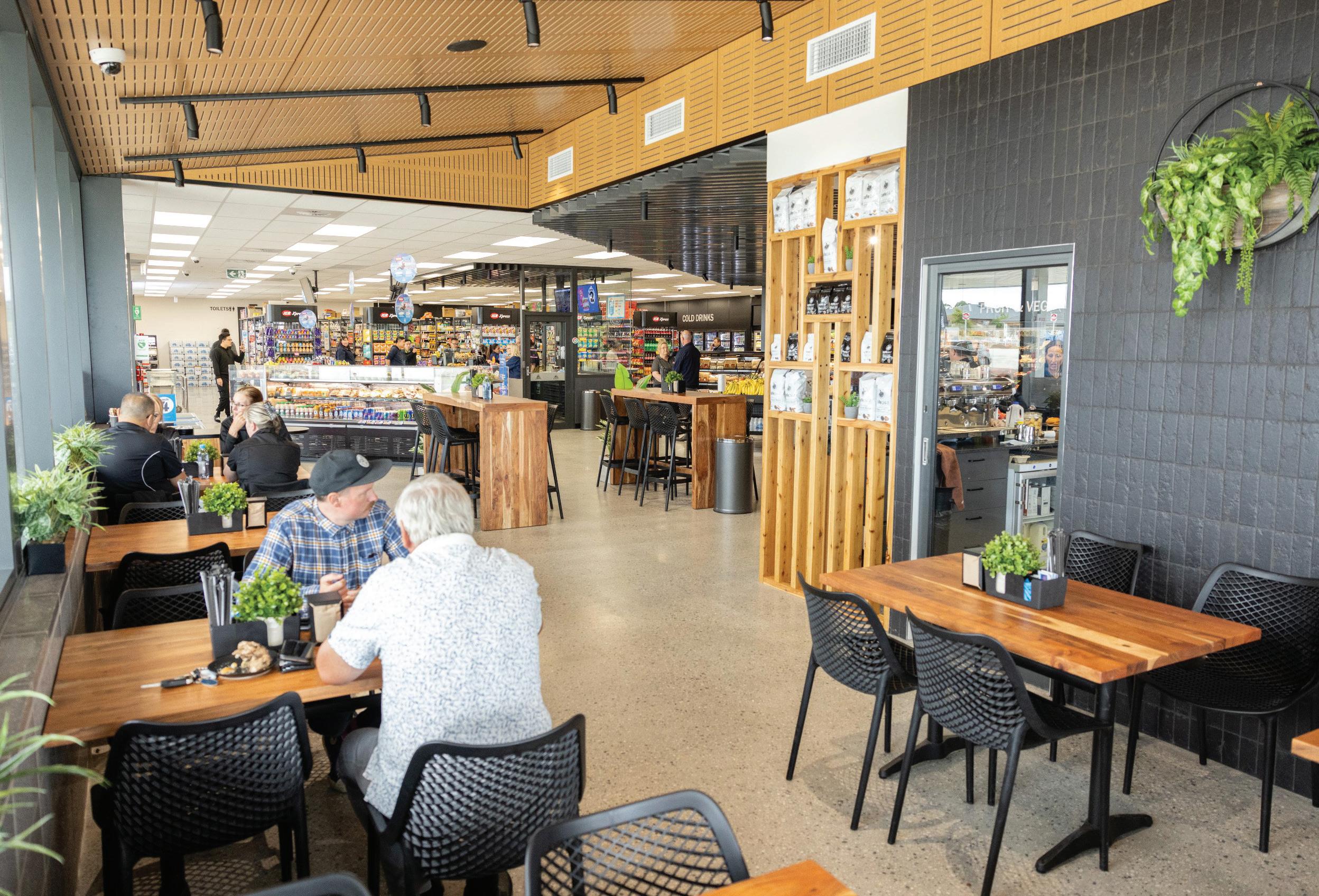
Convenience and food-to-go have shifted from a simple grab-and-go concept to a more tailored, experienceled offer that drives both foot traffic and spend.
There is now a stronger focus on fresh, made-to-order and missionbased meal solutions, giving customers more relevant options across different dayparts and occasions.
At the same time, stores are creating a warmer, café-style ambience, encouraging customers to stay longer, turning quick stops into destination visits and increasing dwell time and basket size.
Underpinning this is data-driven ranging, using customer insights to ensure the right products are available at the right time, improving availability, relevance, and repeat visits.
APCO’s investment in fresh food and caféstyle concepts has yielded important lessons, the biggest being the shift to thinking and operating like a true foodservice business.
Beverley Eastgate, Category Manager, said that one of the real challenges has been the operator mindset.
“Many of our operators came into the
network when the model was largely fuel and convenience with a small food offer, and now we’re asking them to deliver a much more complex, food-led proposition that makes up close to 40 percent of total shop sales,” said Eastgate.
“That shift takes time and support, as it requires a stronger focus on consistency, speed, product quality, and team capability, areas where customers naturally compare us to QSRs.”
She said that APCO has learned that keeping things simple is key, with streamlined menus, efficient equipment, and clear processes making it easier for teams to execute well day in, day out.
Additionally, creating a warm, café-style environment has helped meet customer expectations around both quality and experience. Still, it’s the ongoing investment in training and supporting the teams that really makes the difference in bringing that offer to life in-store. n
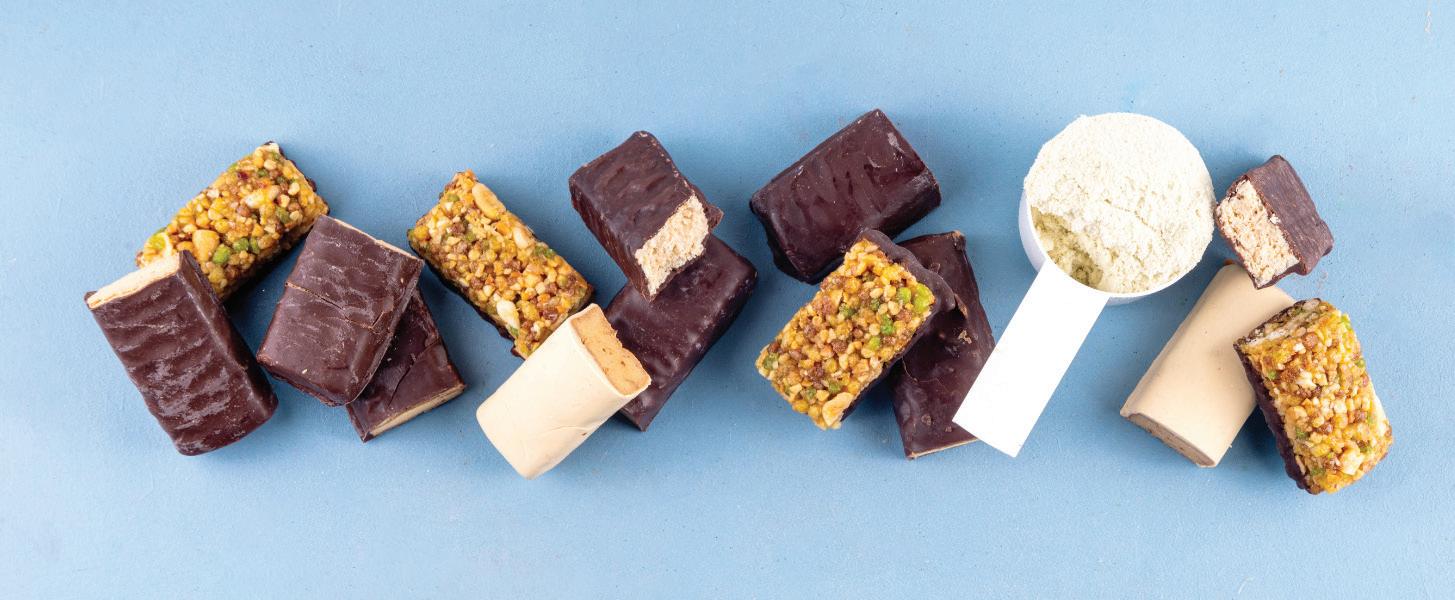
Trends like functionality, indulgence, and value have endured across the global food and beverage industry, and global innovation, driven by shifting consumer preferences, has become increasingly nuanced.
This year, Innova Market Insights launched the Top Ten Trends of 2026, and its Top Global Trends 2026 in Snack report examined these trends through the lens of the snack category, highlighting which global snack trends are the most important and what brands should keep in mind for new product development.
Protein demand is as strong as ever, with three in five global consumers actively including more of the ingredient in their diets as part of healthy snacking habits.
Bean-based snacks and meat snacks represent the highest penetration of global launches with protein claims. Protein is also heralded as a functional snack ingredient by global consumers for its overall health benefits, from supporting focus and energy levels to sport performance, healthy ageing, and weight management.
The latter will be a core snack market innovation opportunity, as new snack launches with both protein and weightmanagement claims remain low.
In addition, high-protein and snack trends indicate that quality will win over quantity, and consumers care more about how well the body can absorb or use proteins than about content alone.
Indulgence has been reshaped across categories, becoming increasingly multidimensional. Brands that succeed in the global market will elevate consumption moments by balancing comfort, healthier enjoyment, mood-enhancement, and rich sensory experiences.
Both familiarity and adventure resonate with the indulgence seeker. As a result, brands should look for a balance between the two when it comes to snack market innovation and new product development. Interesting texture combinations are global snack trends that brands are leveraging to achieve this.
Health is also fundamental to an indulgent food or beverage experience, and innovations should spotlight low-sugar and natural ingredient approaches to capture the health-conscious consumer and support healthy snacking habits.


Global snack trends have largely aligned with household composition, from singleperson homes to couples with children. These snacking preferences have also influenced format preferences, with singleserve leading everyday moments.
Resealable products designed for sharing have also become preferred for snacking occasions, addressing on-the-go and social needs. Intersecting with global trends, functional snack ingredients, like protein anchor snacks, anchor to specific moments. For example, products like high-protein chips can be positioned as a healthy movienight option or a snack between meals to address both high-protein and snack trends.
Food heritage is another driver of snack market innovation, resonating with both consumers looking to elevate their local identities and those seeking to explore global flavours. 23 percent of consumers said maintaining their traditional recipes was an important part of their diets, yet the definition of “traditional F&B” varied by region.
For example, in the Asia Pacific, traditional ingredients and methods are central, while regional and local recipes define tradition for Latin American consumers. Nevertheless, a majority of consumers were also open to trying traditional foods with a modern twist or new formats. This performs best when authentic flavours are preserved.
This trend underscored the importance of actionable sustainability and responsibility measures in the snack market. Sustainability is a factor consumers consider when purchasing food and beverages. It is often a tiebreaker, and for many consumers, demonstrating support for farmers, local communities, environmental protections, or sustainable packaging justifies premium pricing.
New product development should therefore align with consumer-preferred practices. Messaging on ingredient sourcing will also play a large role in gaining consumer trust, as ingredient transparency is at the top of consumers’ lists. n

Walk through any supermarket today and it’s clear the definition of “health food” has changed.
High-protein snacks now sit next to everyday staples. Functional drinks promise energy, focus or better sleep. Plant-based alternatives continue to expand. Gut health, immunity and low-sugar options are no longer niche categories. They are becoming part of how millions of consumers shop every week.
Wellness is no longer a trend, but a shift in how people think about food and lifestyle.
And, while supermarket shelves have evolved quickly, the shopping experience itself often hasn’t kept pace.
For many consumers, grocery shopping still feels surprisingly generic. The promotions are broad and product
recommendations often miss the mark. Loyalty offers don’t always reflect what shoppers actually buy.
That gap matters because wellness is deeply personal. And increasingly, customers expect the retailers they shop with to recognise that.
Consumers today approach health and wellness with very different goals. One shopper might be focused on high-protein foods to support training. Another may be trying to reduce sugar or improve gut health. A family might be navigating food allergies or dietary restrictions.
Yet too often, they receive the same promotions, the same product suggestions and the same digital experiences. That’s a missed opportunity.
Research consistently shows that shoppers value personalisation when it’s done well. In fact, 83% of consumers say personalised shopping experiences are important and 74% are more likely to purchase
when recommendations reflect their preferences, according to Amperity’s State of Personalisation in Retail research.
At the same time, many consumers still say their shopping experiences feel generic. For supermarkets, wellness categories are where this gap becomes most obvious. These purchases are intentional. They reflect lifestyle choices. And, customers increasingly expect retailers to understand those choices.
Most supermarkets already have the ingredients needed to deliver more personalised experiences.
Loyalty programmes capture purchase history. E-commerce platforms track browsing behaviour. Mobile apps record interactions. Marketing systems track campaign engagement.
But in many organisations, these data sources still live in separate systems.
When customer data is fragmented, it becomes difficult to see the complete picture of a shopper’s needs. The result is familiar
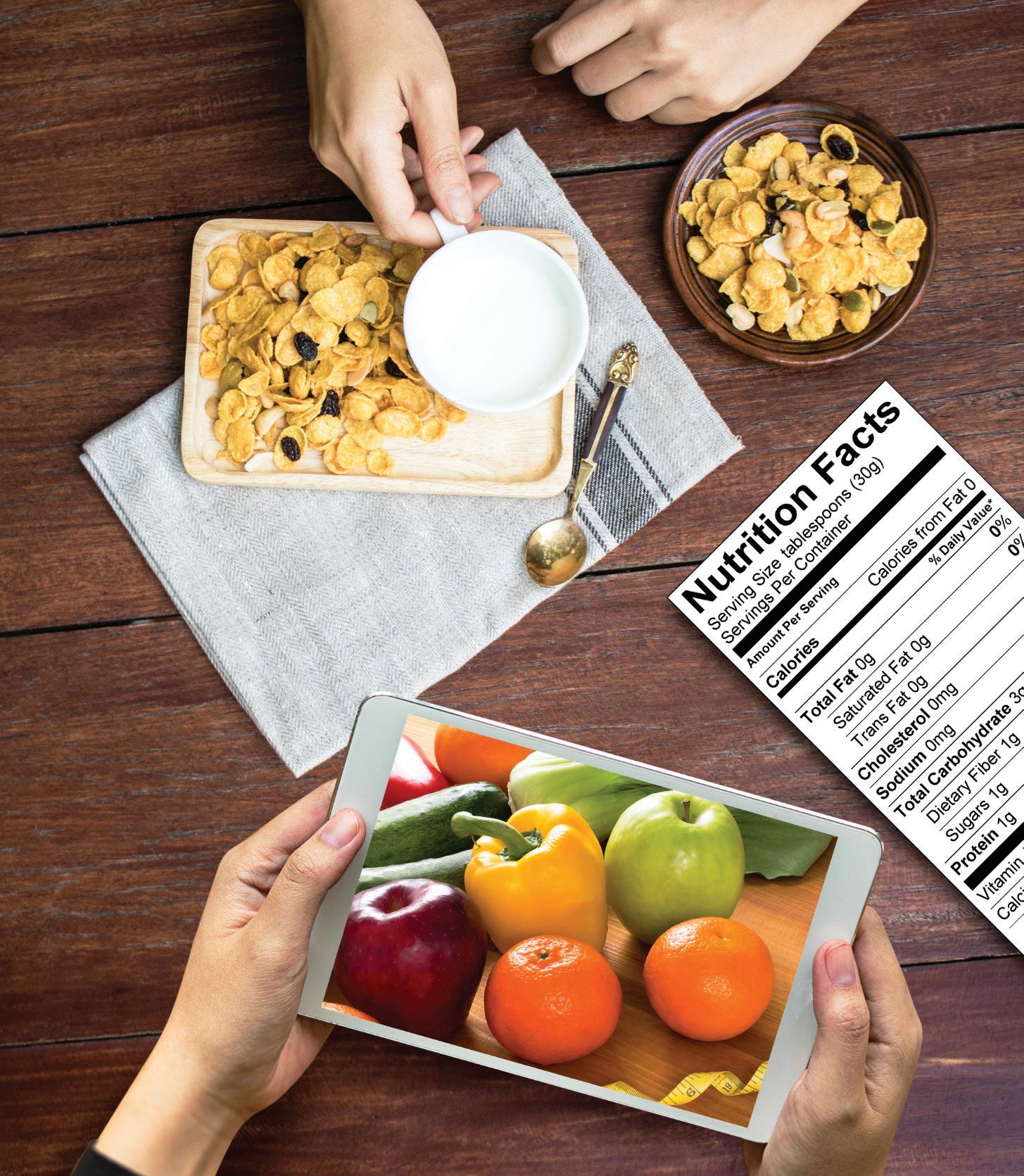

to most consumers: irrelevant offers, poorly timed messages and recommendations that don’t reflect their actual preferences.
This disconnect is common across retail. Recent consumer research from Amperity found that more than half of shoppers still describe retail experiences as generic, highlighting the gap between the personalisation brands promise and what customers actually experience.
Retailers that are investing in unified customer data are starting to close that gap. When purchase behaviour, digital activity and loyalty data connect into a single customer profile, supermarkets can start delivering experiences that feel genuinely useful rather than purely promotional.
When personalisation works, it should feel less like marketing and more like assistance. Imagine a shopper who regularly purchases gluten-free products and plantbased proteins. Instead of receiving broad promotions, they might see new products
aligned with those preferences, relevant recipe inspiration, or targeted offers in categories they frequently purchase.
Or, consider parents managing food sensitivities for their children.
Personalisation could help surface suitable alternatives, simplify product discovery and remove friction from what can often be a stressful shopping experience.
Even small improvements in relevance can make a significant difference. When retailers demonstrate they understand their customers’ needs, trust grows.
And, trust is critical in wellness categories where consumers are making choices about their health and wellbeing.
Australia’s supermarket sector is highly competitive. Price will always matter, but experience increasingly plays a role in where customers choose to shop. Retailers that use customer insight to deliver better relevance can create stronger loyalty over time.
That doesn’t necessarily mean complex technology or intrusive data collection. Many of the most effective personalisation strategies rely on information customers have already chosen to share through loyalty programmes or purchase behaviour. The key is using that data intelligently.
Supermarkets that invest in understanding the ‘customer behind the basket’ can move beyond transactional relationships and start building something far more valuable –long-term trust.
The next phase of wellness retail will likely become even more personalised. We are already seeing the rise of AI-driven product recommendations, tailored nutrition advice and digital tools that help consumers better understand their health.
Retailers that connect those emerging capabilities with their customer data will be able to create far more relevant shopping experiences. The supermarkets that succeed in this environment won’t necessarily be the ones with the largest wellness ranges. They will be the ones that best understand the people buying them.
Because in the end, wellness isn’t just about products on a shelf. It’s about the individual customer standing in front of it.