The Winter Battle for Date Night

Caitlan Mitchell Editor-in-Chief caitlan@reviewmags.com
Winter has always separated the restaurants people casually visit from those they intentionally leave the house for. When the weather turns cold, convenience starts to win out. Supermarket hot cabinets, meal kits, and “fakeaway” dinners have become increasingly sophisticated, giving consumers easy ways to stay home. Add rising living costs into the mix, and date night is often one of the first luxuries quietly cut back.
That is why restaurants and cafés cannot afford to simply wait for diners to return this winter. They need to give people a genuine reason to leave the house.
Not through discounting, but through experience.
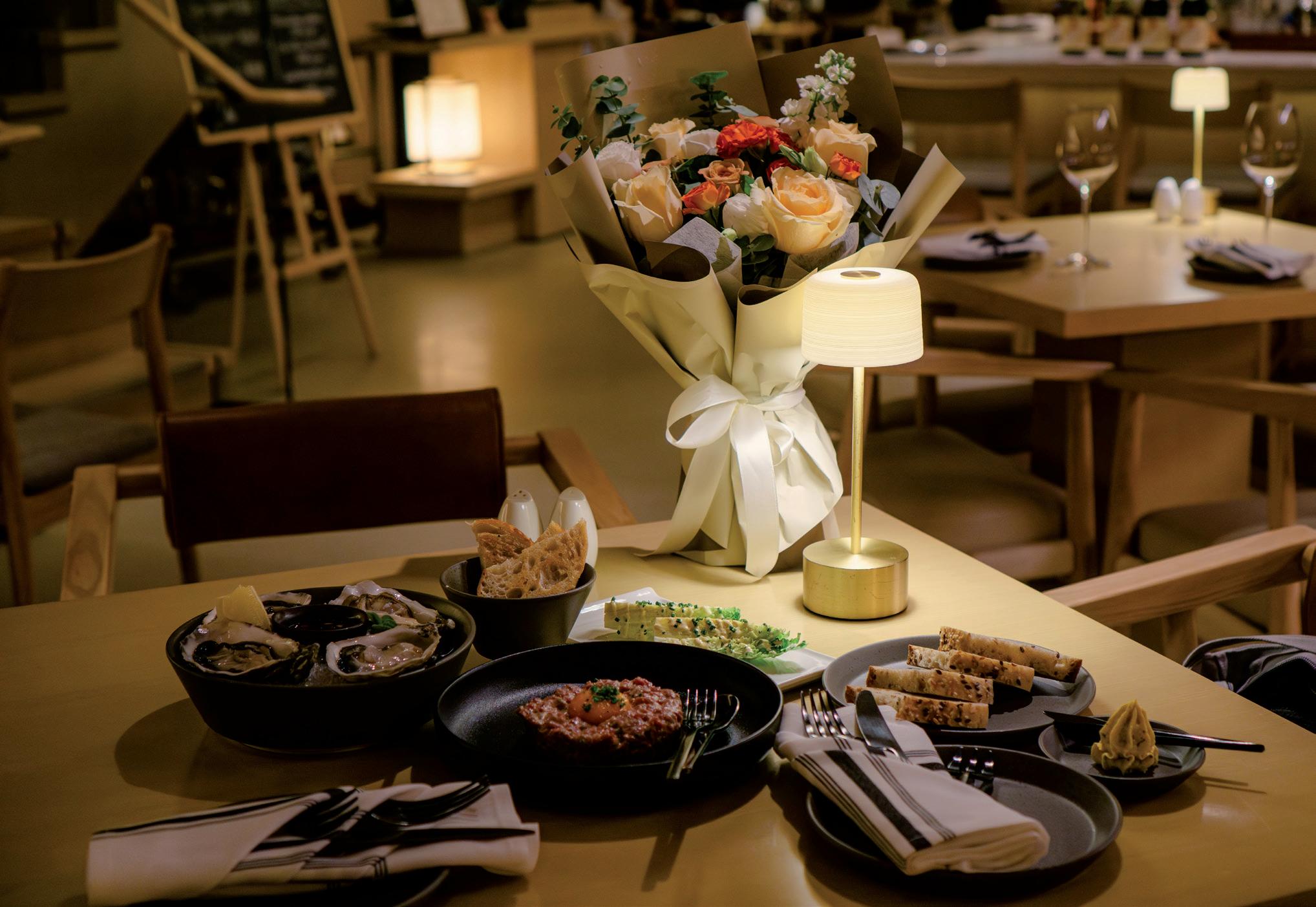
Supermarkets can replicate convenience, but they cannot recreate atmosphere. They cannot offer warm lighting, thoughtful service, music, conversation, or the feeling of sitting across from somebody in a space designed to feel special. That emotional connection is still hospitality’s greatest advantage.
Across this issue, we explore ways venues can elevate simple ingredients into memorable menu
moments. Sometimes it is not about expensive luxury ingredients, but thoughtful execution and creativity.
A tea-infused cocktail, a beautifully presented seasonal dessert, housemade sauces, or clever winter specials can turn simple, highmargin ingredients into something customers feel excited to order.
Consumers are still spending money on experiences that feel worthwhile. Concerts, cinemas, and live events continue to draw crowds because people crave moments that break

Publisher: Tania Walters, tania@reviewmags.com
General Manager: Kieran Mitchell, kieran@reviewmags.com
Editor-in-Chief: Caitlan Mitchell, caitlan@reviewmags.com
Editorial Associate: Sam Francks, Jenelle Sequeria
Advertising: Caroline Boe, caroline@reviewmags.com
Pamela Vasquez-Gutierrez, pam@reviewmags.com
Graphic Designer: Raymund Santos


the routine of work and winter weather. Restaurants need to position themselves in that same space. Date night should feel like an experience people cannot recreate at home.
The venues that will win this winter are the ones creating atmosphere alongside strong menus. Spaces that feel warm, social, inviting, and worth lingering in will always have an advantage over a supermarket meal eaten on the couch.
Restaurants were never supposed to compete on convenience alone.


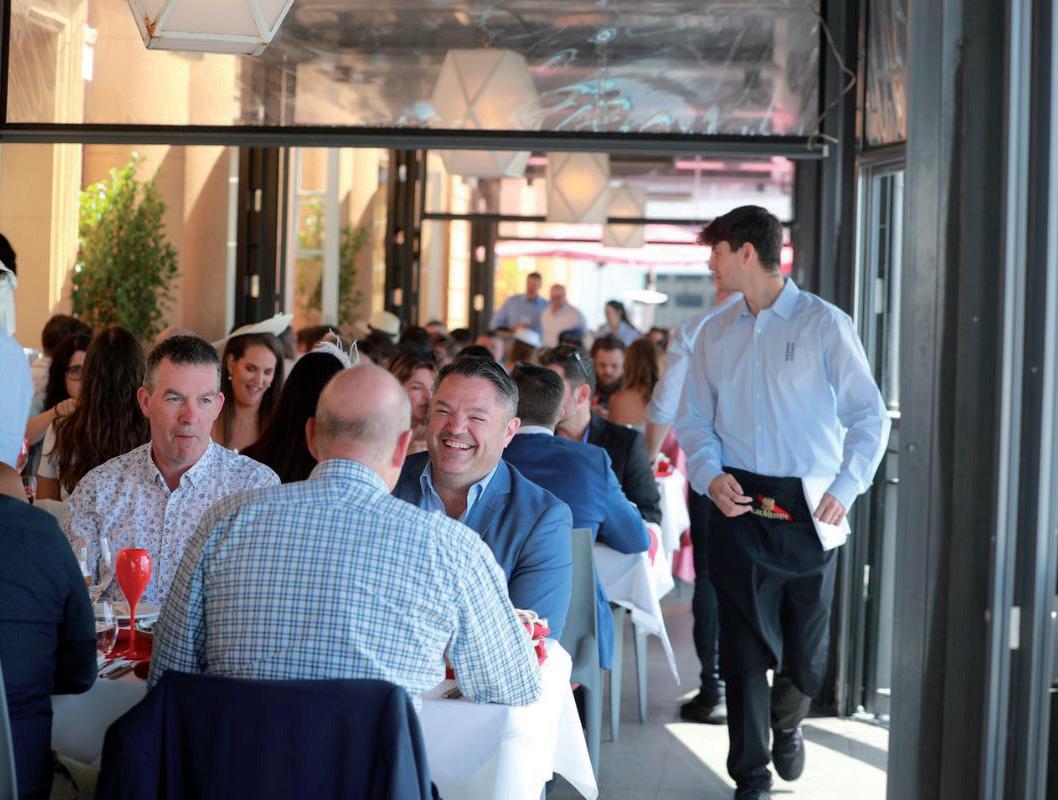
Harbourside Ocean Bar Grill to Close
Auckland's Harbourside Ocean Bar Grill has announced it will cease operating next month, bringing an end to 38 years of service.
One of Auckland’s popular dining spots, Harbourside Ocean Bar Grill, is set to close its doors next month.
Since it opened in downtown Auckland back in 1988, Harbourside Ocean Bar Grill has been an icon of the local hospitality market. Its closure is said to be due to lower sales and ever-increasing costs.
→ READ MORE ONLINE
Stoddart NZ Acquires 60% Shareholding in Hoodmaster
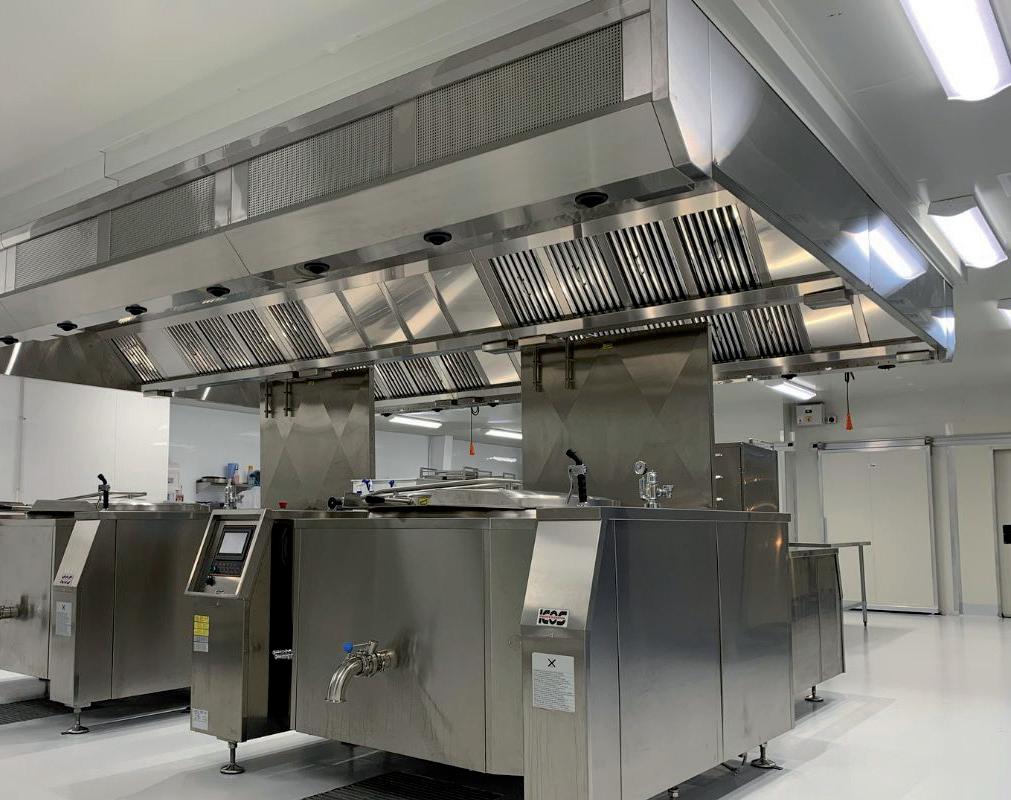
Stoddart NZ Ltd has acquired a 60 percent shareholding in Hoodmaster Ltd.
Stoddart NZ said it was excited to announce that it has acquired a 60 percent shareholding in the existing business of Hoodmaster Ltd from current owners David and Samantha Bottom.

READ MORE ONLINE


Josh Emett Joins Air NZ
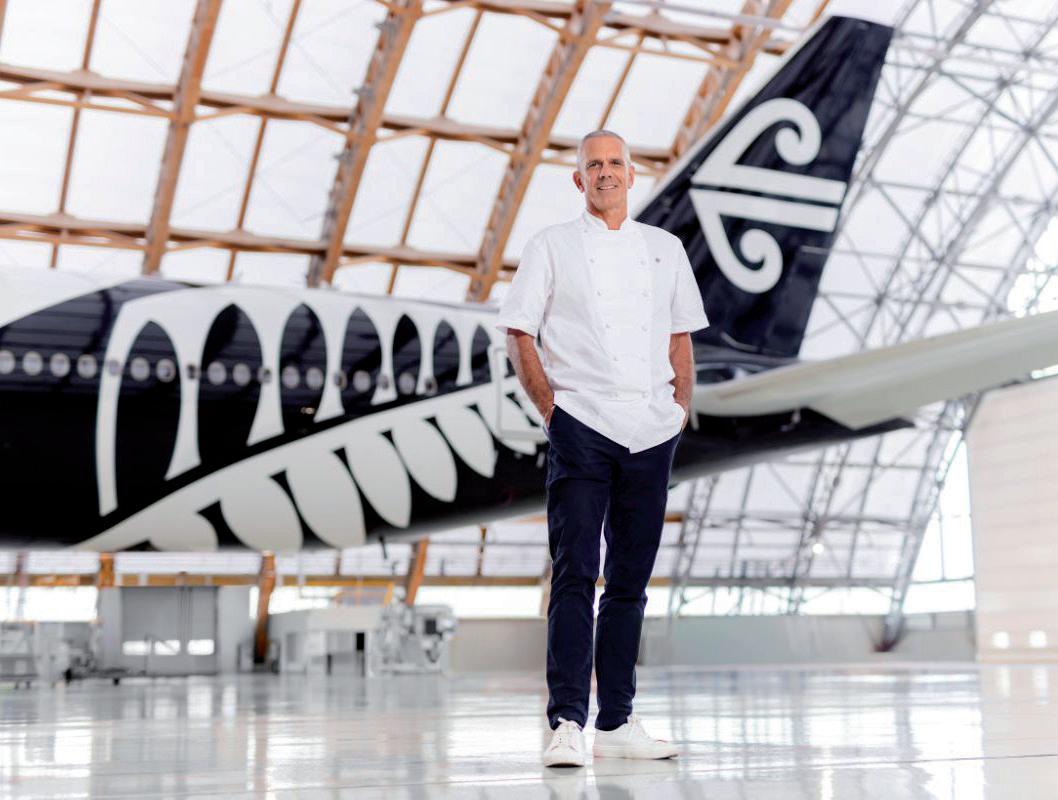
Josh Emett has been named as Air New Zealand's new Culinary Ambassador, and has designed a new menu for in-flight meals.
Air New Zealand has announced celebrated New Zealand chef Josh Emett, one of the country's most recognised chefs and restaurateurs, as its new Culinary Ambassador. Emett is the only New Zealand chef to have earned Michelin stars across three restaurants in London, New York, and Los Angeles during his time with Gordon Ramsay.
→ READ MORE ONLINE
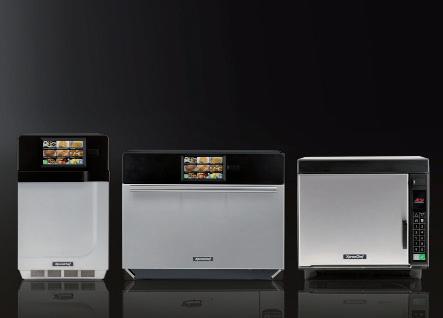

REVOLUTIONISE YOUR HEAT AND EAT OFFERING WITH MENUMASTER
Menumaster delivers speed, efficiency, strength, and durability – which is why it is the microwave oven of choice for fast food chains, service stations, supermarkets, convenience stores, cafés and restaurants. Comprising a complete range of commercial microwave and accelerated microwave, convection, infra-red ovens designed to meet the needs of the most demanding hot food serving environments.

Knowing Your Strategy
Upselling requires a careful balance of strategic planning without being overly pushy on the menu. Businesses ultimately want their customers to get the most out of their products and services while increasing their revenue, but without forcing them into paying extra for something they don’t want.
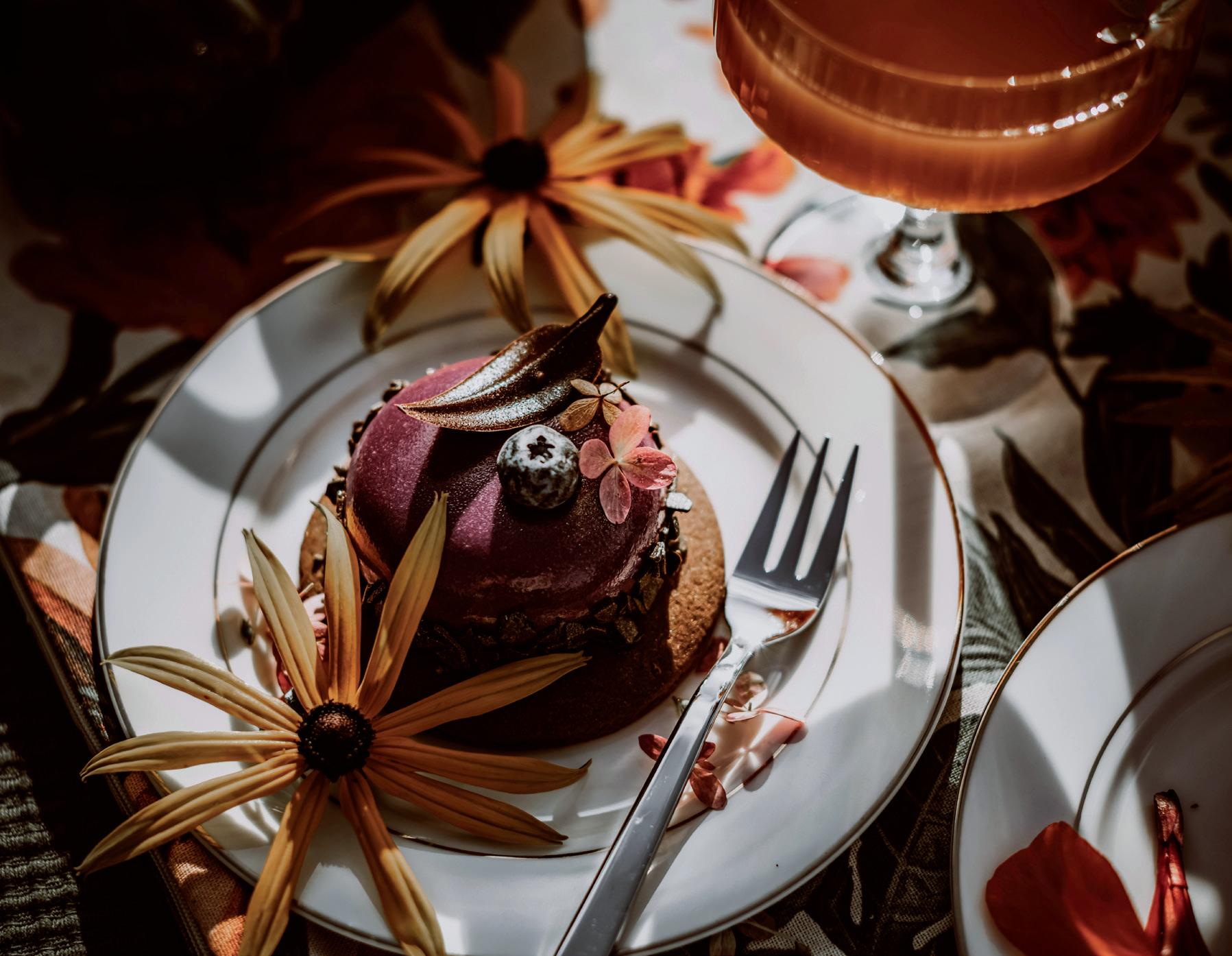
More often than not, customers have made up their minds before their order is taken. If the menu offers fries with a burger or salmon with eggs benedict, customers are more likely to choose the cheaper option instead of paying for a new side dish altogether.
Offering a premium ingredient for less as an “add-on” is a more attractive option for customers. In the current climate, customers have been extremely mindful of their spending. So if they think they are getting a good deal, that’s the option they are going to go for.
One of the most effective ways to encourage this is to suggest additional options that don’t cost too much. For example, customers can order extra toppings on pizza or pasta
dishes and sides such as curly fries or garlic bread for the table.
Sauces and dressings can also be effective add-ons that are inexpensive for the customer to order, but, if done consistently, can become an effective way to increase revenue. As long as eateries aren’t insistent or too pushy, then customers will appreciate the suggestion.
Upselling will only be effective when the timing is right. Customers don’t want to be bombarded with several options after only looking at the menu for a couple of minutes. Let them ease into the process after ordering a drink or an appetiser. They might also want to extend their dining experience with a dessert or coffee after their meal.
Allowing them time to enjoy their meal will increase the chance of them saying yes to further orders.
Alternatively, some customers looking for a quick bite to eat will appreciate suggestions if time is of the essence, regardless of whether they have read the menu yet.
Customers will expect restaurants to have specific recommendations, and often wait to hear these before placing their order. This is an opportunity to upsell without customers needing too much time to think. An example of this could be suggesting a bottle of wine rather than just two glasses, or if a customer has already ordered their meal, suggest a beverage that would best fit their order. This also opens more opportunities to further upsell the menu.
Upselling menu items with high profit margins is obviously the most preferred technique for businesses. However, customers may not be interested in the most expensive items, making it a careful task to increase revenue without being overly pushy.
Making subtle changes to the menu will also alter the mindset of customers, such as more appealing descriptions of items that eateries would like to upsell, or listing them in an order that customers are more likely to direct their attention to. Customisation plays into this, especially when eateries are able to tailor-make their order exactly how the customer wants it.
Knowing when to pull back from upselling is important for businesses, too. If a customer isn’t in the mood, then trying to make them spend more than they want could go wrong quickly. Instead, ensure they are comfortable, and don’t sacrifice positive customer service for trying to upsell. Customers can become irritated with their service, which will limit any chance of repeat business. Customer loyalty and satisfaction are more important in the long-term benefit of the business than upselling the menu.
Beyond the Bread Basket
While the humble bread basket may seem like a courtesy for operators and an expectation by guests, there is no reason why it cannot showcase flavour and creativity.
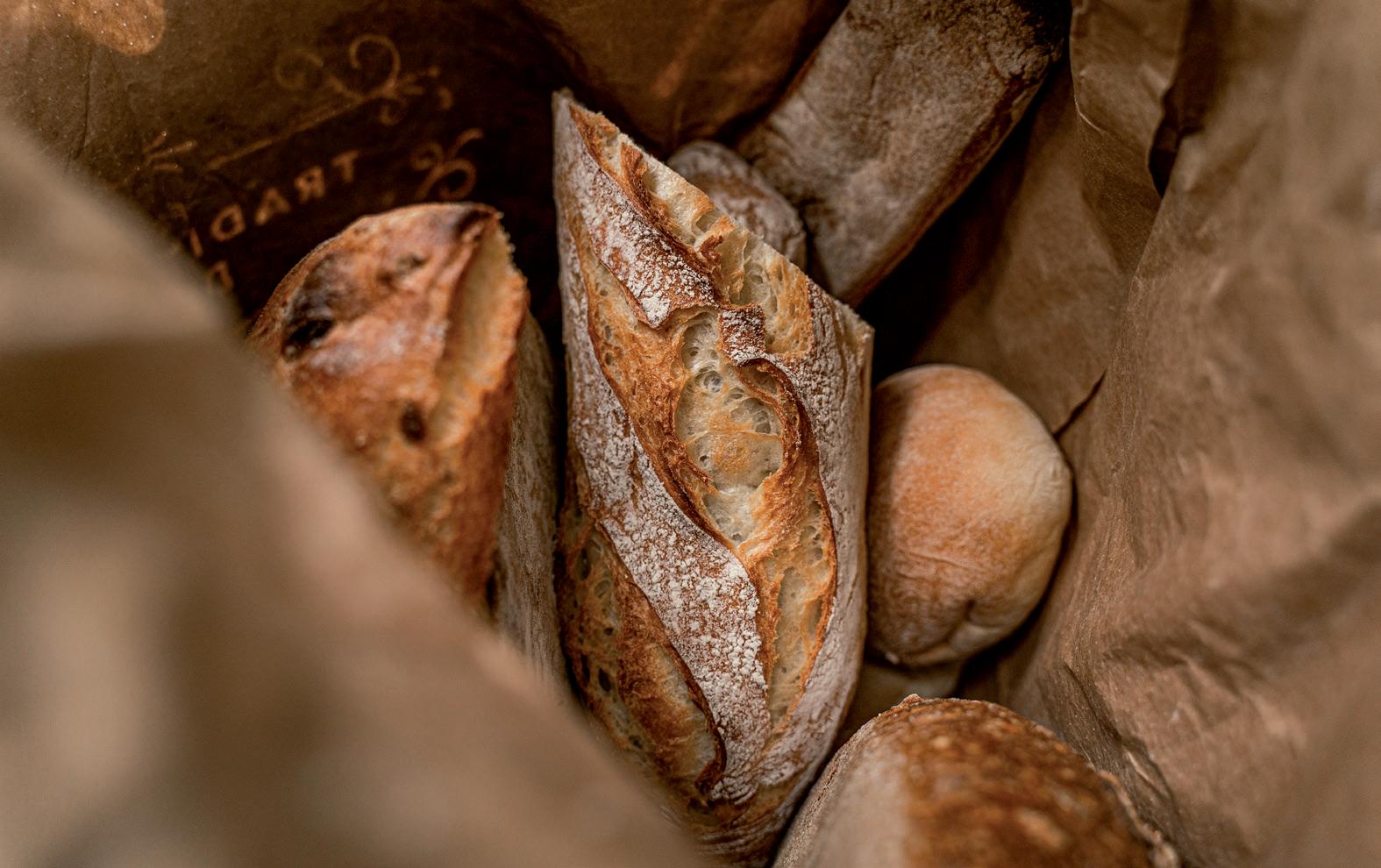
From baguettes to brioche, focaccia to sourdough, there are endless ways that bread can be presented on the menu, and many ways that chefs can make it the star of the show. In the current dining age, bread has become a subtle way for restaurants to generate further revenue and culinary artistry.
Impressing guests is the first step. Diners are likely to order bread as a starter, therefore making it essential that chefs get it right. Adding flavour to the dish is the next step.
A side dish of carefully curated dips and oils will allow guests to try something new, or experience a sampler of what they can expect from their main. Classic choices like
hummus, tzatziki, baba ghanoush or taramasalata offer a variety of flavours that customers are familiar with.
Depending on the season, chefs have the opportunity to showcase new flavours on the menu through chutneys and relishes that reflect the current menu. This is also a chance to offer guests a house-made product, or a new flavour pairing they may not have experienced before.
Herbed oils have also been a key trend that restaurants have jumped on. For some customers, the simpler is the better. A pinch of rock salt and a light drizzle of oil is all that is needed in many cases.
Garlic breads, cheesy breadsticks and pull-apart options have long been popular customers' orders, especially for larger groups and families with children. It’s important not to overlook the power that garlic bread has on the menu, and how chefs can elevate this dish to make it a must-order item.
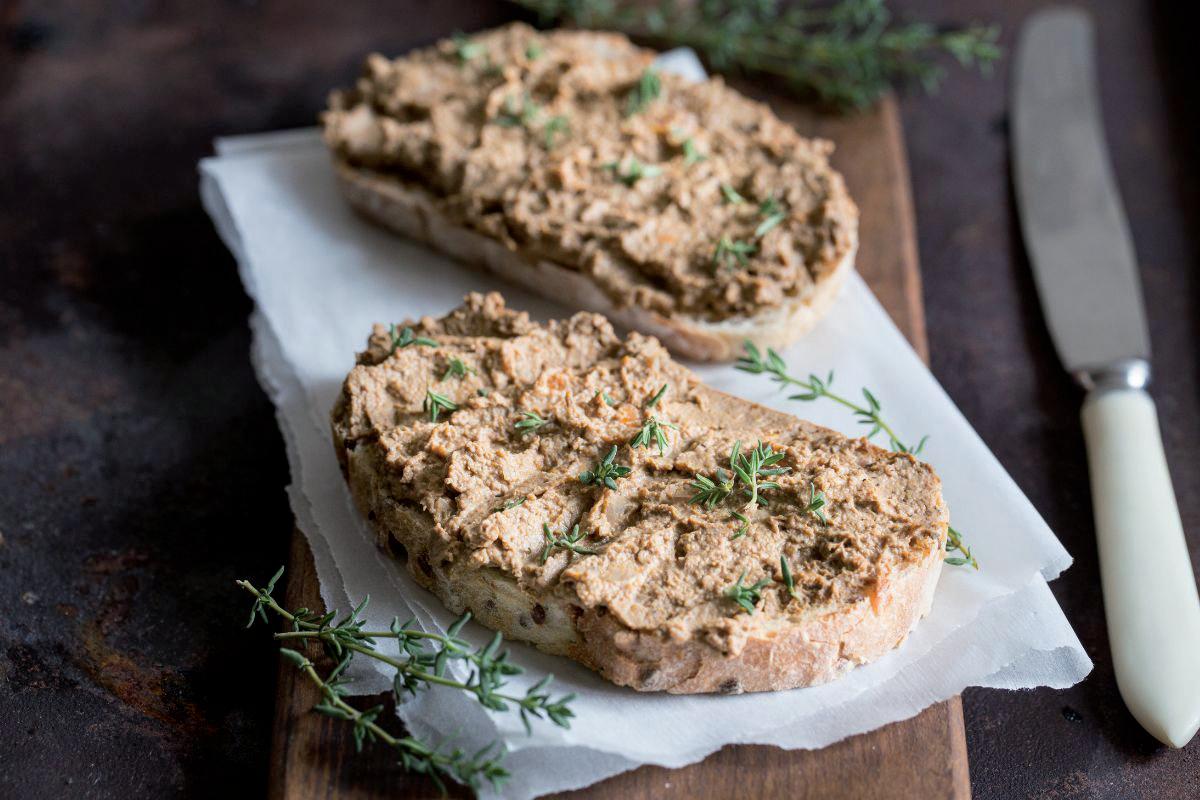
Premium appetiser pairings will transform a simple bread dish into a well-presented, vibrant offering for customers to begin their meal. For set meals, chefs can be clever in their pairing choices, such as pate or cheese that reflects the next course.
While commonly seen during lunch or dinner service, bread is extremely powerful at breakfast as well. Nearly every breakfast dish comes with bread of some sort, and diners often look forward to a hearty slice of sourdough to start their day.
Entice customers with different varieties, such as croissants or freshly cooked bagels. The more appealing the item is, the more demand there will be from customers. This will also minimise food waste and enable operators to profit from the demand for bread.
Bread is popular universally, whether it’s a flat bread, in loaf form, or even available in gluten-free options. There will always be demand for bread from customers, making it the perfect excuse for operators to upsell their product and profit from it.
Small Plates with Big Flavour
Whether it’s a quick bite to eat or something to order over a couple of drinks, bar snacks are a staple of the menu for any eatery. Reimagining the bar menu will unlock untapped potential for chefs and operators to showcase to customers, and incorporate existing ingredients.
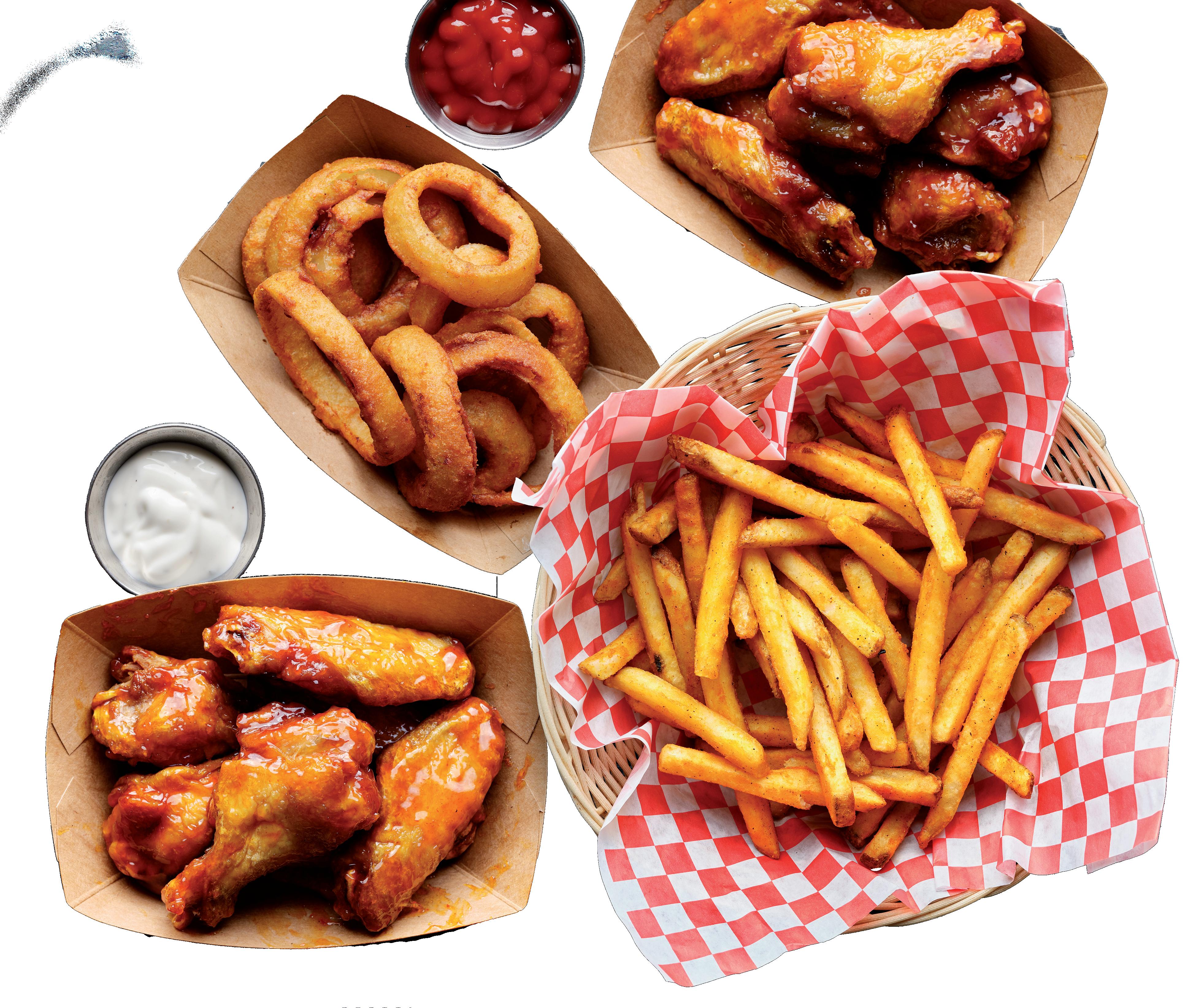
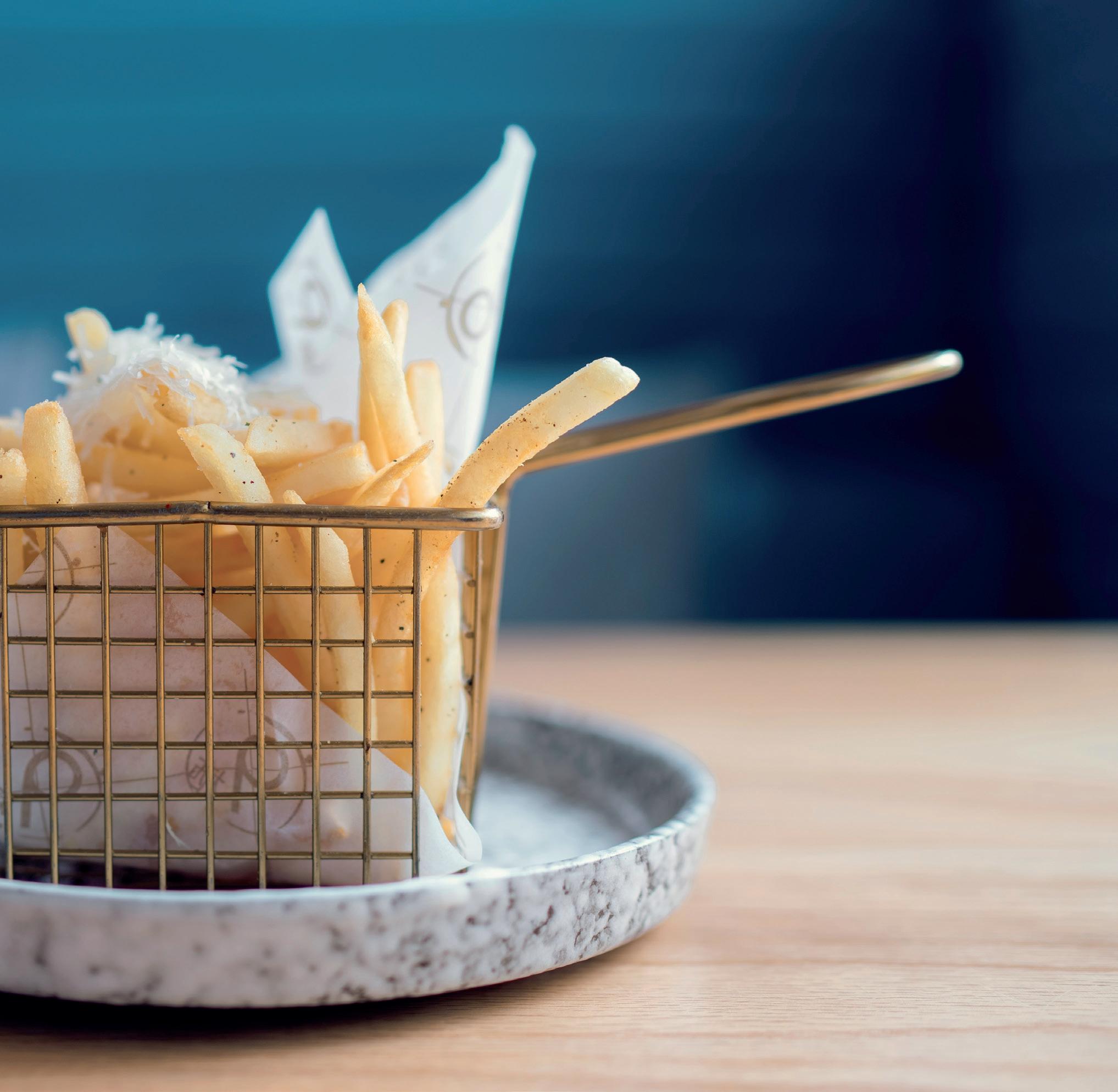
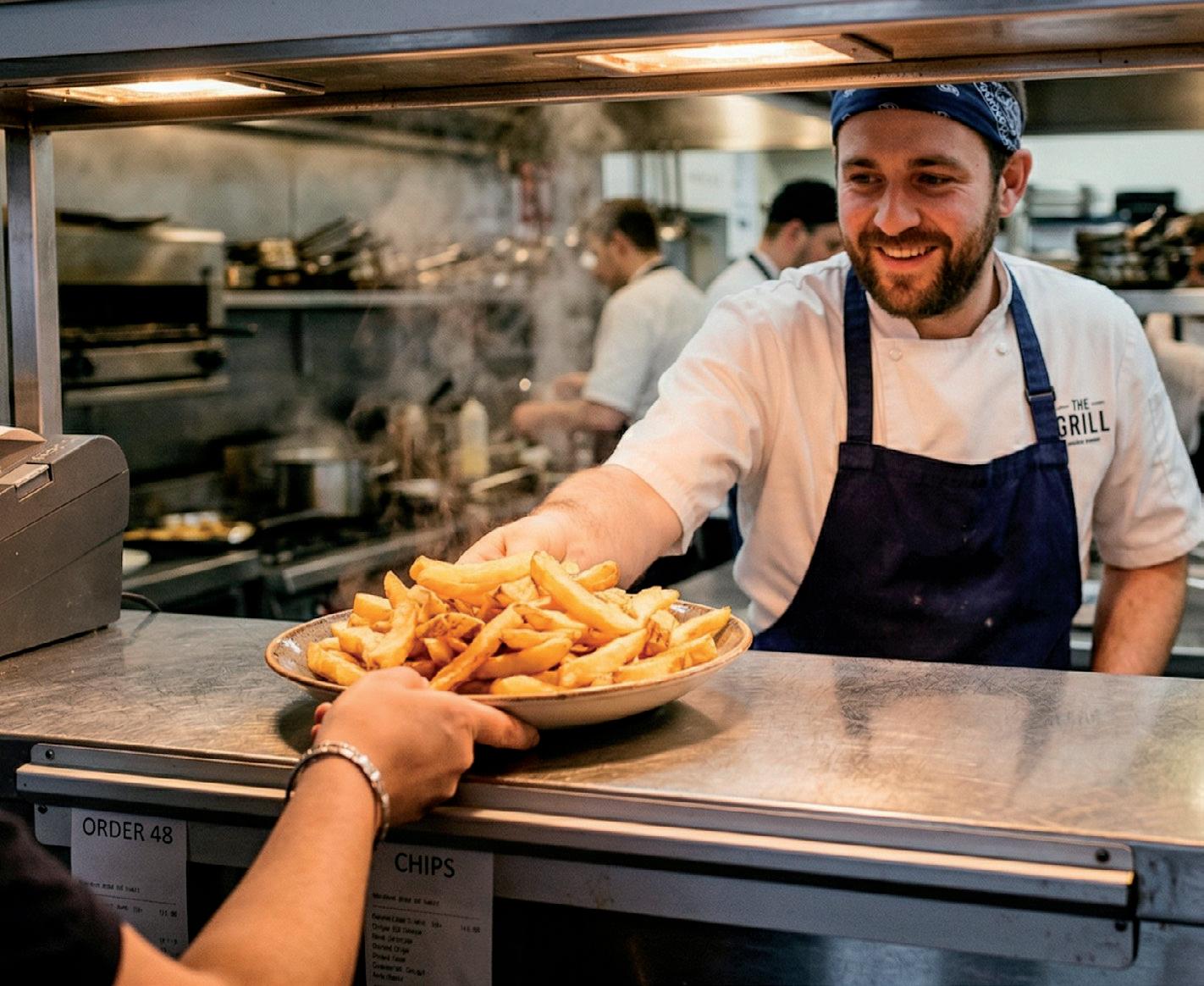
Fries are arguably one of the most ordered bar snacks on the menu, which is why operators should tap into this demand through elevated options to tempt customers with.
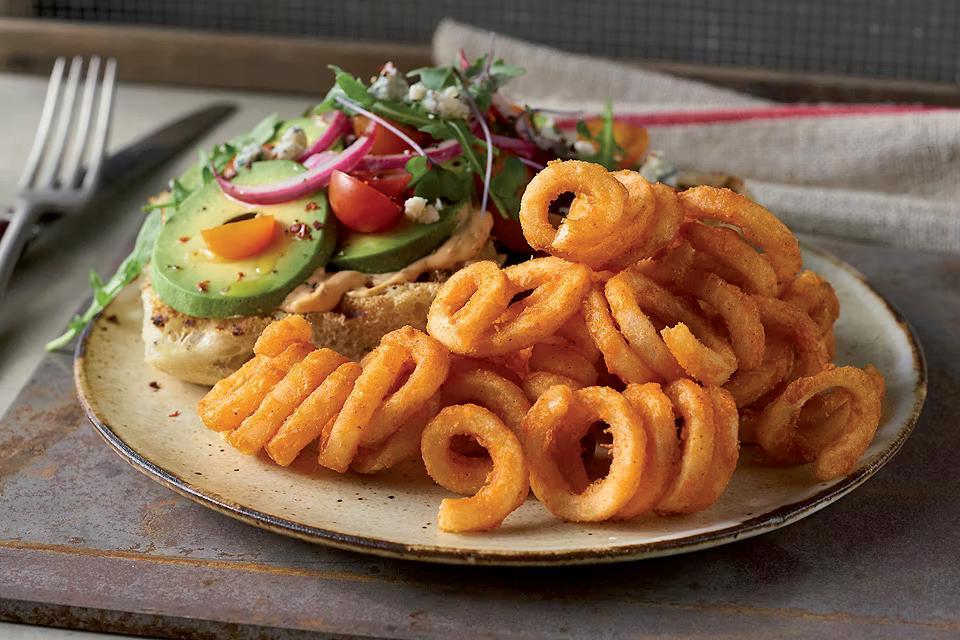
Curly fries are an excellent example of this. While the flavour remains, the novelty is different, making them an ideal choice for families, or even for something a bit different. Truffle fries are also a subtle way to elevate a simple bowl of fries, but offer a more in-depth flavour experience.
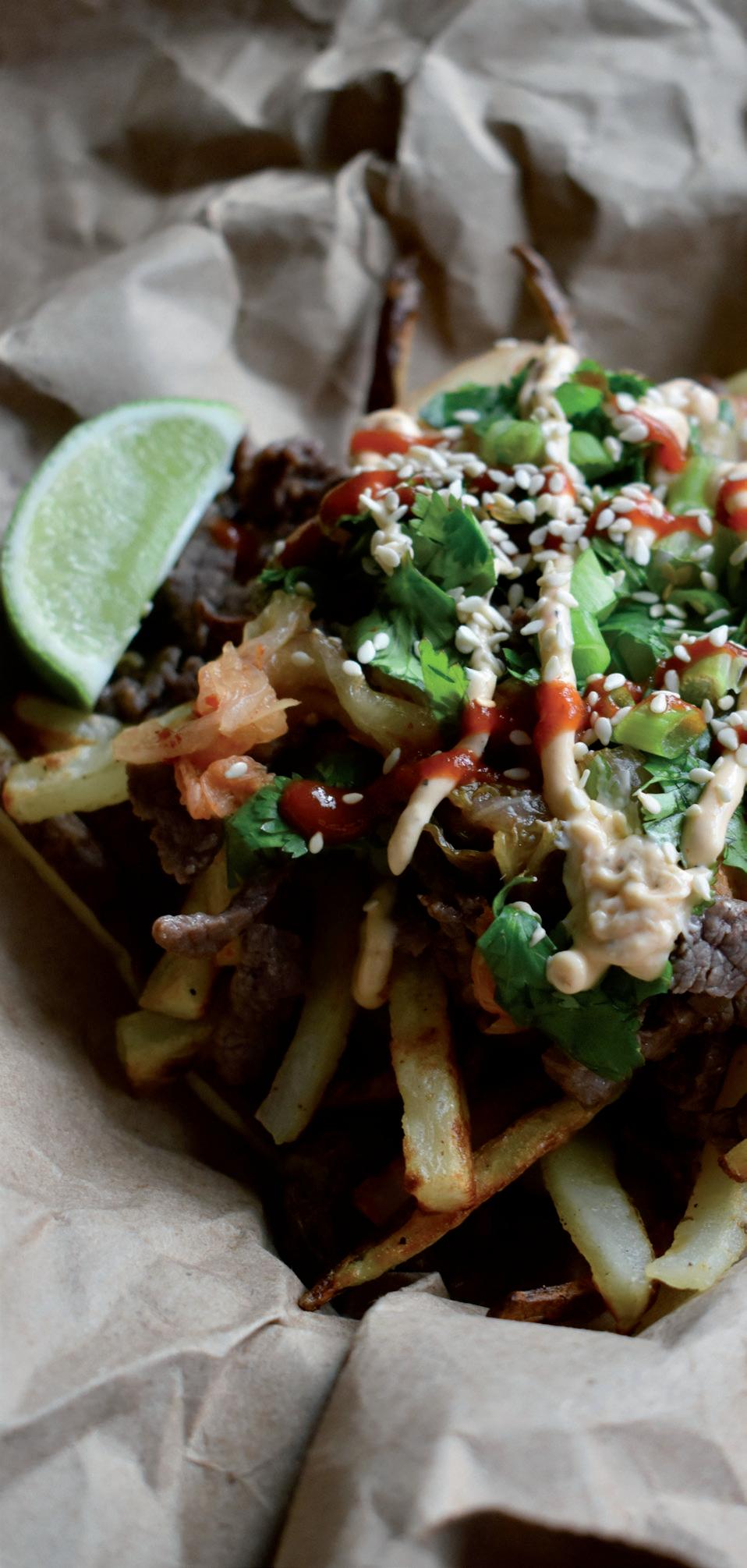
Loaded fries have never been more popular with customers, and with so many different options, it’s clear to see why it’s a popular choice among customers. Loaded fries provide operators the chance to use existing ingredients from the kitchen, whilst profiting off an elevated serving of fries. Flavour combinations can be traditional, such as cheese and bacon served with sour cream, to more elevated, like BBQ pulled pork, served with a generous drizzle of BBQ sauce, cheddar cheese and coleslaw.
Chefs can also be inspired by fusion dishes when curating different toppings for loaded fries, like Mexican street corn served with cotija cheese,
mayonnaise and lime juice, or a Greek style served with feta cheese, olives, diced tomatoes and red onion.
Loaded fries are also quick to assemble, meaning there is no delay in the kitchen, and customers won’t get hungry. Especially during peak business hours, or for special events like sports or concerts, loaded fries have become a go-to for customers, largely due to their ability as a dish to appear more substantial than a regular bowl of fries.
Customers now have a level of expectation around bar snacks. Establishments that offer a more elevated bar menu show they have adapted to the modern dining culture, and can offer punters something different.
Although the dishes may seem to be upscale, they are reimagined options that still cost the same to supply. This is evident through the growing demand for versatile dishes that can be customised to consumer preferences.
Sliders are a perfect example of a versatile dish, with a range of potential meats, fillings, or buns available. Consider offering an unexpected combination, such as lobster with tomato salsa and crumbed bacon or tempura pumpkin

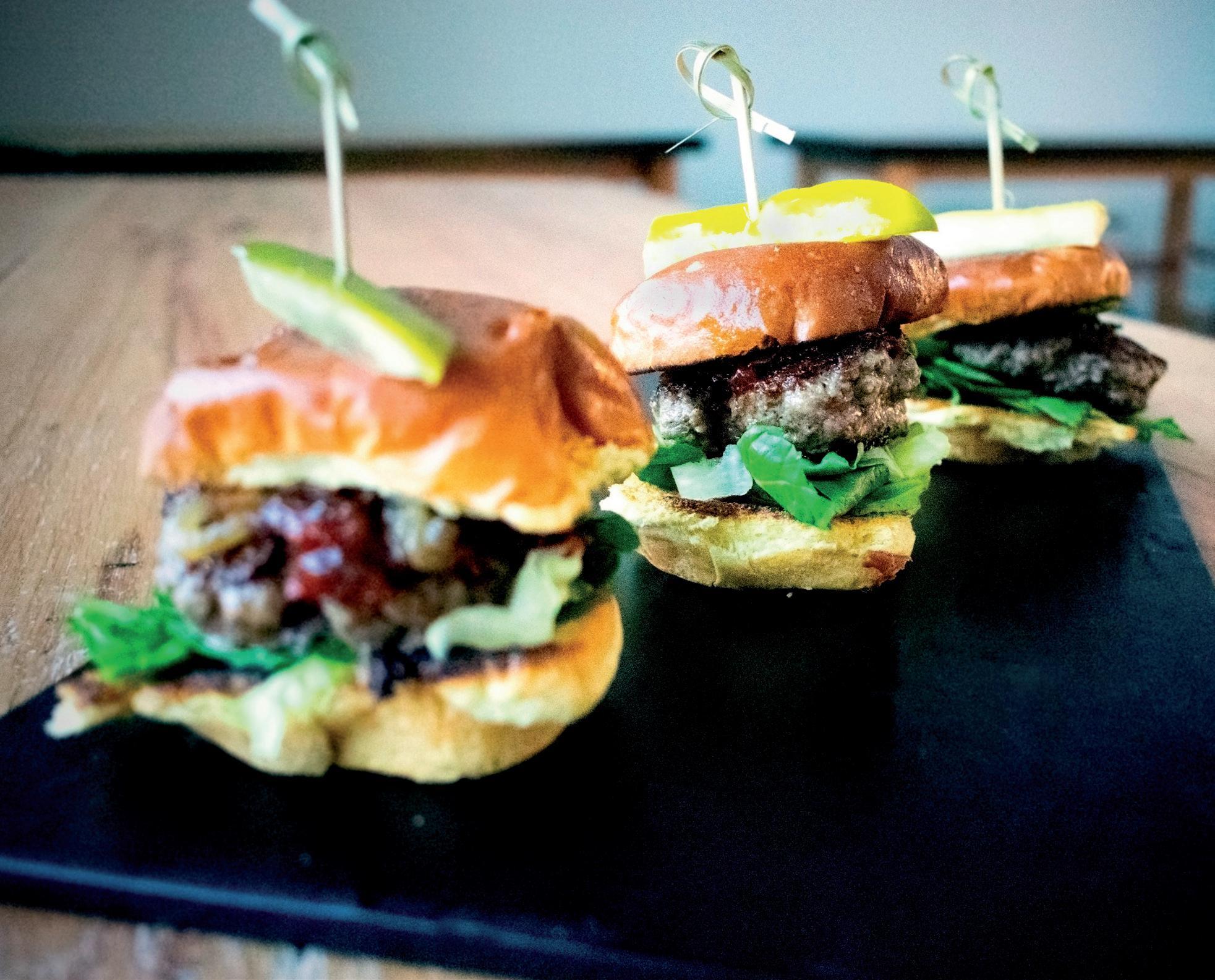
served with bao buns. Although not the size of a full burger, sliders are an excellent option for the bar due to their size and convenience.
Light and simple dishes have become popular for customers ordering at the bar, and a good way for chefs to use fresh produce that would otherwise go to waste.
Consider pan-frying where possible and the inclusion of vegetables as a potential option. Vegetableonly dishes have become a major attraction for punters, such as chargrilled cauliflower, caramelised carrots, or stuffed zucchini.
As potatoes are an expected element of a bar menu, explore new ways to showcase different serving styles. Potato lackies, baby spuds prepared with olive oil, or even roasted sweet potatoes have trended overseas. There are other alternative options to consider instead of potatoes, such as roasted butternut, yams, or locally sourced kumara.
Introducing new flavours onto the bar menu will introduce customers to an elevated experience, and show that, although a smaller dish, there is still room for vibrancy and culinary flair for every course.
Would you Like Fries With that?
While many restaurants want customers to stay longer to increase their spend, it’s important to remember the benefits of upselling menu items for takeaway orders.
If a customer is tempted to buy a dessert but is already feeling full, ordering one to go could be the best option for them, especially if they are craving it.
For QSR’s, the benefits of upselling the menu can be leveraged through technology. An example of this is digital kiosks, which can increase sales by 38 percent by ensuring consistent, personalised upselling during every transaction, according to data collected by Lightspeed.
QSR’s are less concerned with being subtle when trying to upsell, and are more focused on consistency. Ensuring that ordering services can identify the opportunities to increase the average cost per sale and then ensuring it is then offered to every customer is the most effective way for QSR’s to upsell.
Whether a customer is only after a cheeseburger or wanting to or a family meal, consistently asking them if they’d like to upsize to a large order will subtly increase revenue, especially if prices are displayed in front of them. Customers already spending 30 to 40 dollars are less likely to flinch at spending an extra few dollars to upsize their order. Whereas customers wanting to order something small will want more bang for their buck, especially if the order surpasses the $10 threshold.
Customers will always expect to be asked if they’d like to turn their order into a meal by adding fries or a
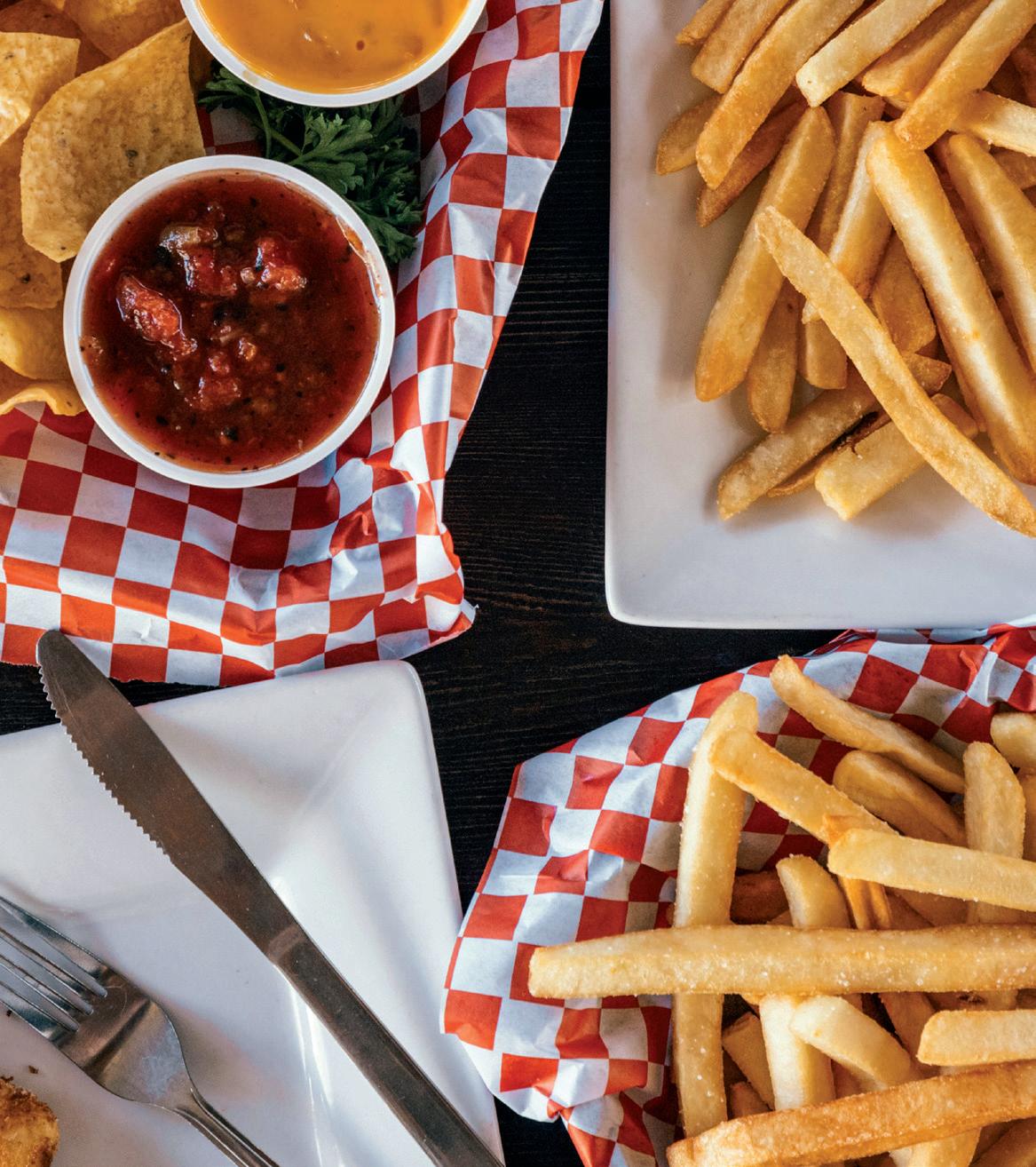
drink. Especially for QSR businesses, there is an expectation that they will be offered to add fries and a drink to make their order a combo.
For businesses that offer online ordering, customers spend 30 percent more, on average, when placing their order on their phone at home than they do in-store at the kiosk.
Customers don’t mind paying an additional few dollars for extra toppings or a side, and occasionally will redesign their entire order in order to get a meal deal when ordering online. They are less likely to do this if they order in-store, making the first point of contact with them online a more important factor.
Recently, QSR’s have flocked to AI as a way to increase their customer outreach and upselling strategies.
Launched in April, Starbucks became one of the first major chains to incorporate ordering off ChatGPT into its customer outreach. The Starbucks app in ChatGPT has been designed to translate customers’ inspiration into beverage suggestions crafted to their preferences. Customers can simply enter prompts into the platform or upload images that best depict their aspirations.
“The beta Starbucks app in ChatGPT is part of our ongoing effort to make drink discovery at Starbucks a personal experience,” the chain said in a statement.
“We’ve enhanced discovery in the Starbucks app with a trending
beverage category and a secret menu, harnessing the power of customisation that occurs every day in social media and with our baristas.”
In the United States, Pizza QSR chain Little Caesars has also introduced AI ordering on its app. Described as perfect for groups or larger orders, the feature can evaluate customer preferences, how many people are being fed, dietary requirements, budget constraints and delivery preferences. It then crafts personalised meal recommendations instantly.
Anita Klopfenstein, Global Chief Information and Digital Officer at Little Caesars, said, from a technical standpoint, this app has demonstrated the power of connecting enterprise restaurant systems with large language models.
"We've built a sophisticated backend that enables ChatGPT to access our menu, pricing, and store locator data in real-time while maintaining security and compliance standards. This is just the beginning of how AI will transform the restaurant industry," she said.
For upselling in the QSR market, the process can be as natural and intuitive as having a conversation. Making customers feel comfortable with their orders, or using technology to upsell their traditional order, is the most effective way to elevate the customer experience while generating more revenue at the same time.
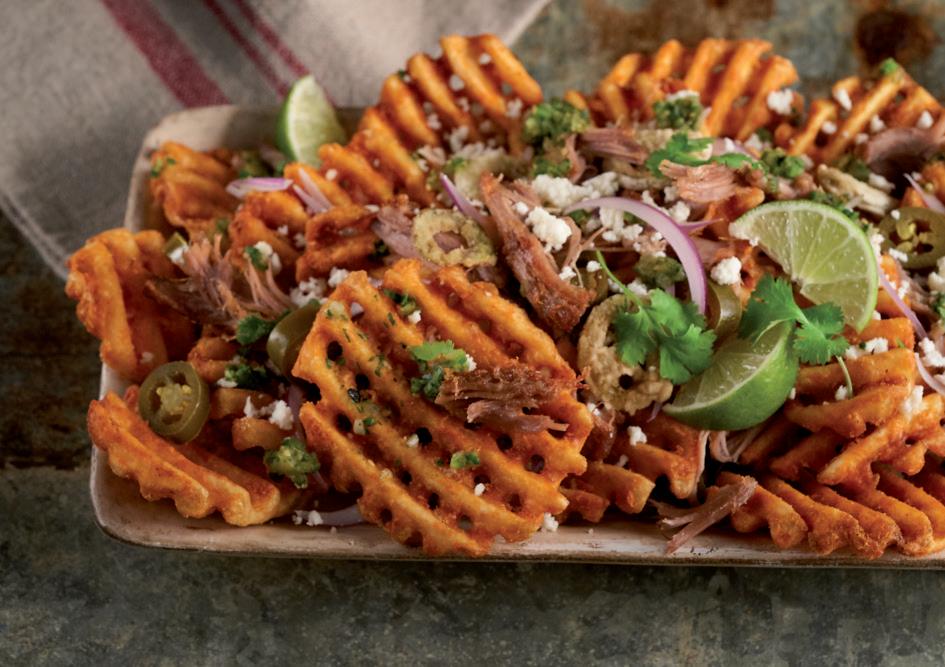
Lamb Weston Pork Carnitas Recipe
From side dishes to bar snacks, keeping the flavours vibrant on the menu will have customers coming back for more, whether it's for a quick bite or a main course.
Ingredients
240g Lamb Weston Seasoned CrissCuts
120g shredded pork
60g cow feta cheese
60g finely chopped jalapeño
30g sliced red onion
3-4 lime wedges
3-4 sprigs of coriander
3-4 jalapeno slices
Method
Prepare Lamb Weston Seasoned CrissCuts according to the pack instructions
Heat shredded pulled pork
Layer fries on a plate with shredded pulled pork
Place sliced red onion and chopped jalapeño
Sprinkle with cheese and add coriander
Place lime wedges to finish
Serves
1 -2

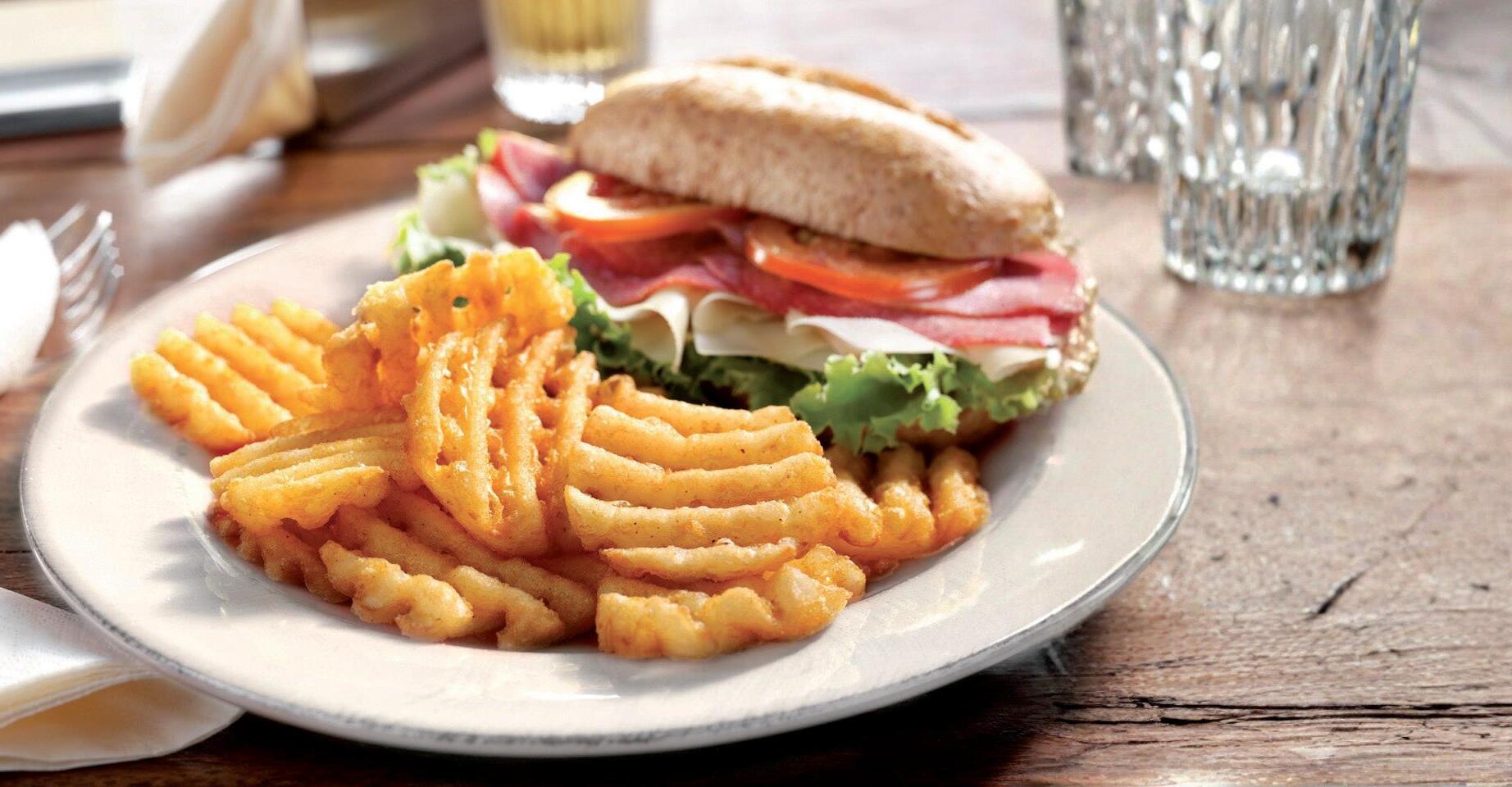
Seasoned Twisters® Seasoned Crisscuts® &



Bring bold flavour and unbeatable crunch to every serve with Lamb Weston Seasoned™ Twisters™ and CrissCuts™ Skin‐On. Coated in a signature seasoned batter, these fries stay crispy and craveable across dine‐in, drive‐through, and takeout.
The iconic Twister™ Fry adds fun, curly appeal and standout plate coverage, while the CrissCut™ Skin‐On delivers a golden, waffle‐style bite that brings texture and uniqueness to any menu
Two distinctive shapes One irresistible crunch The fries customers come back for!
Flavours that Make the Season
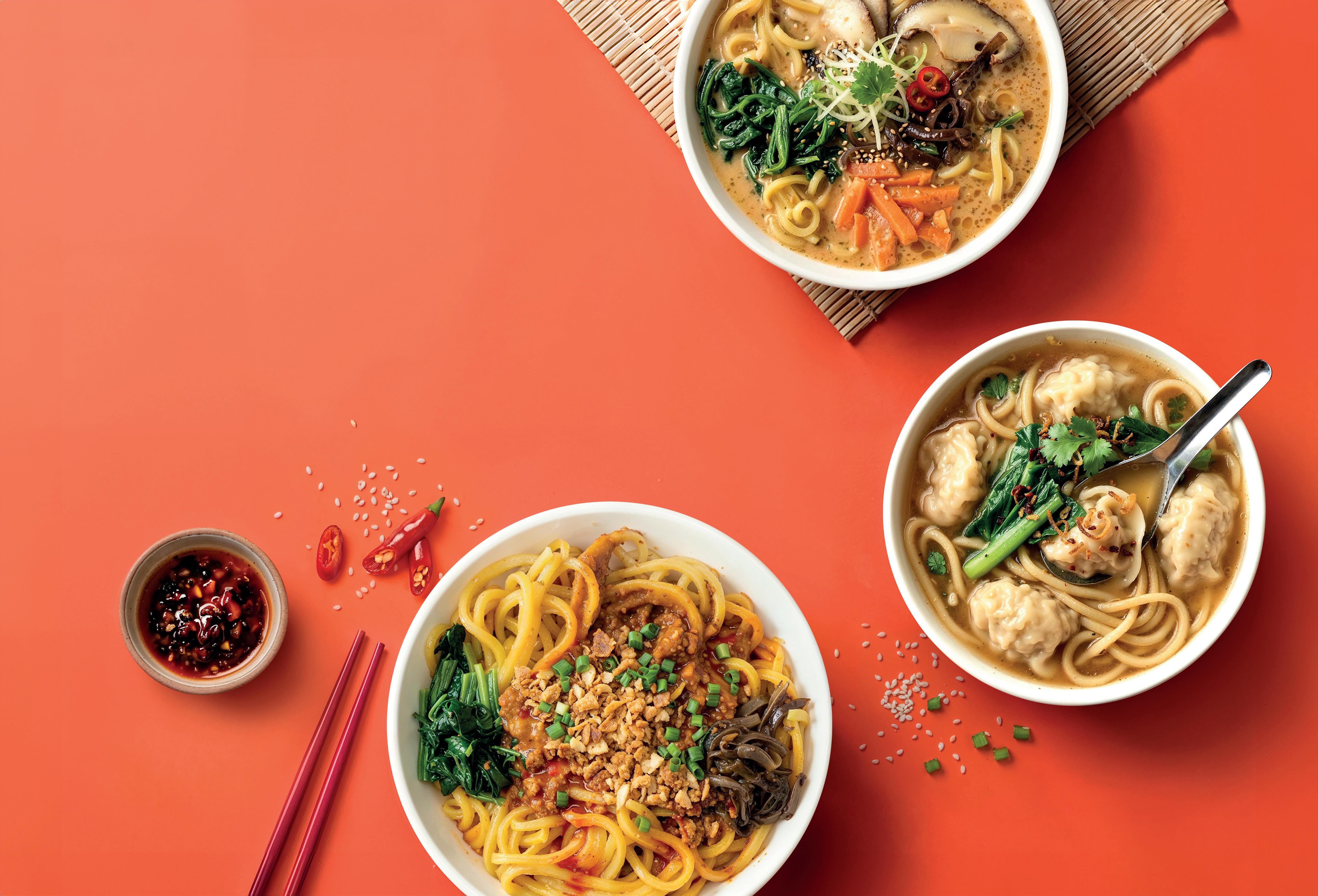
Winter brings richer flavours and dishes that deliver warmth in both taste and creativity. From new flavour pairings to adapting to emerging trends, diners will naturally gravitate toward dishes that feel comforting and indulgent.
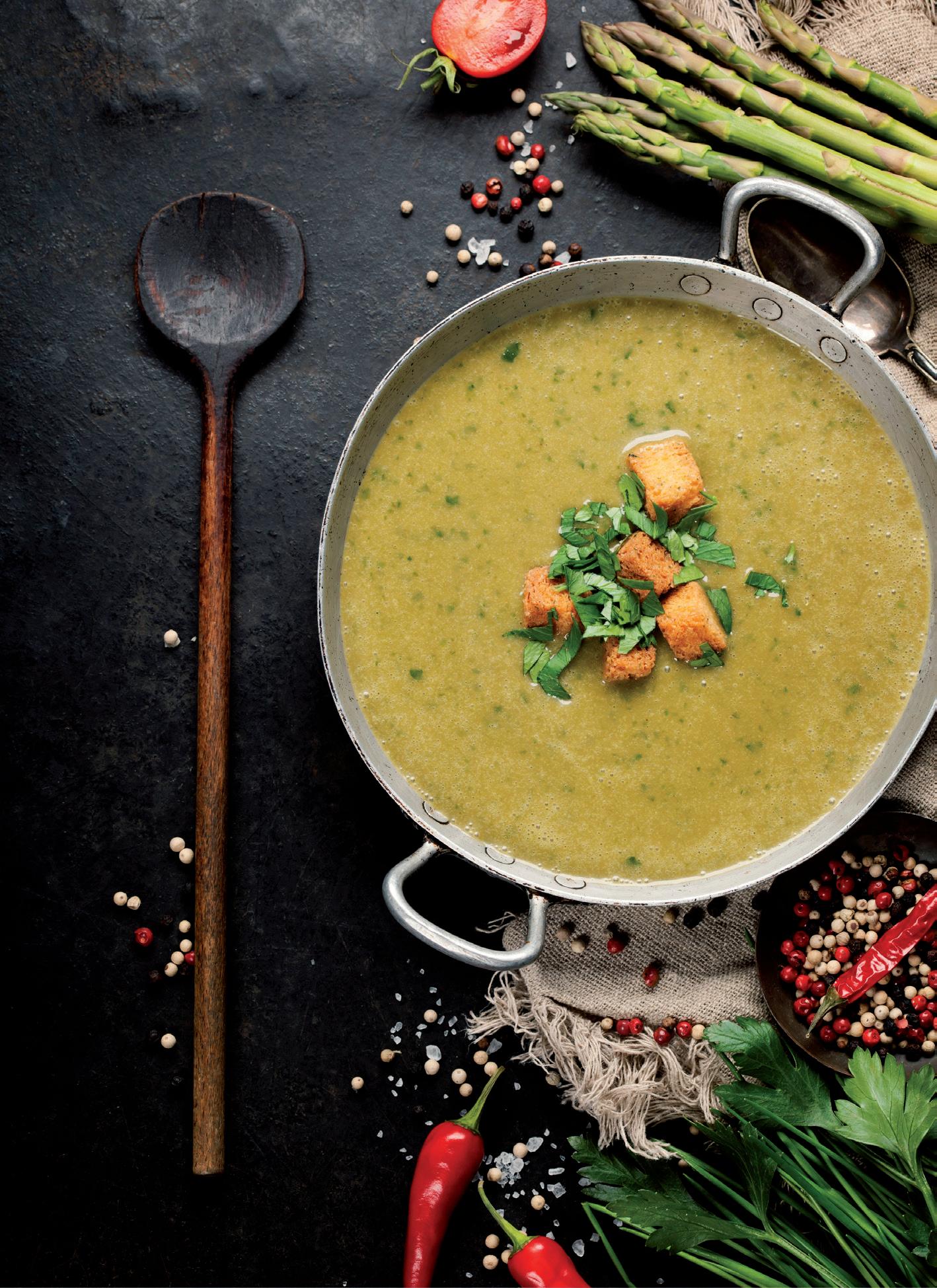
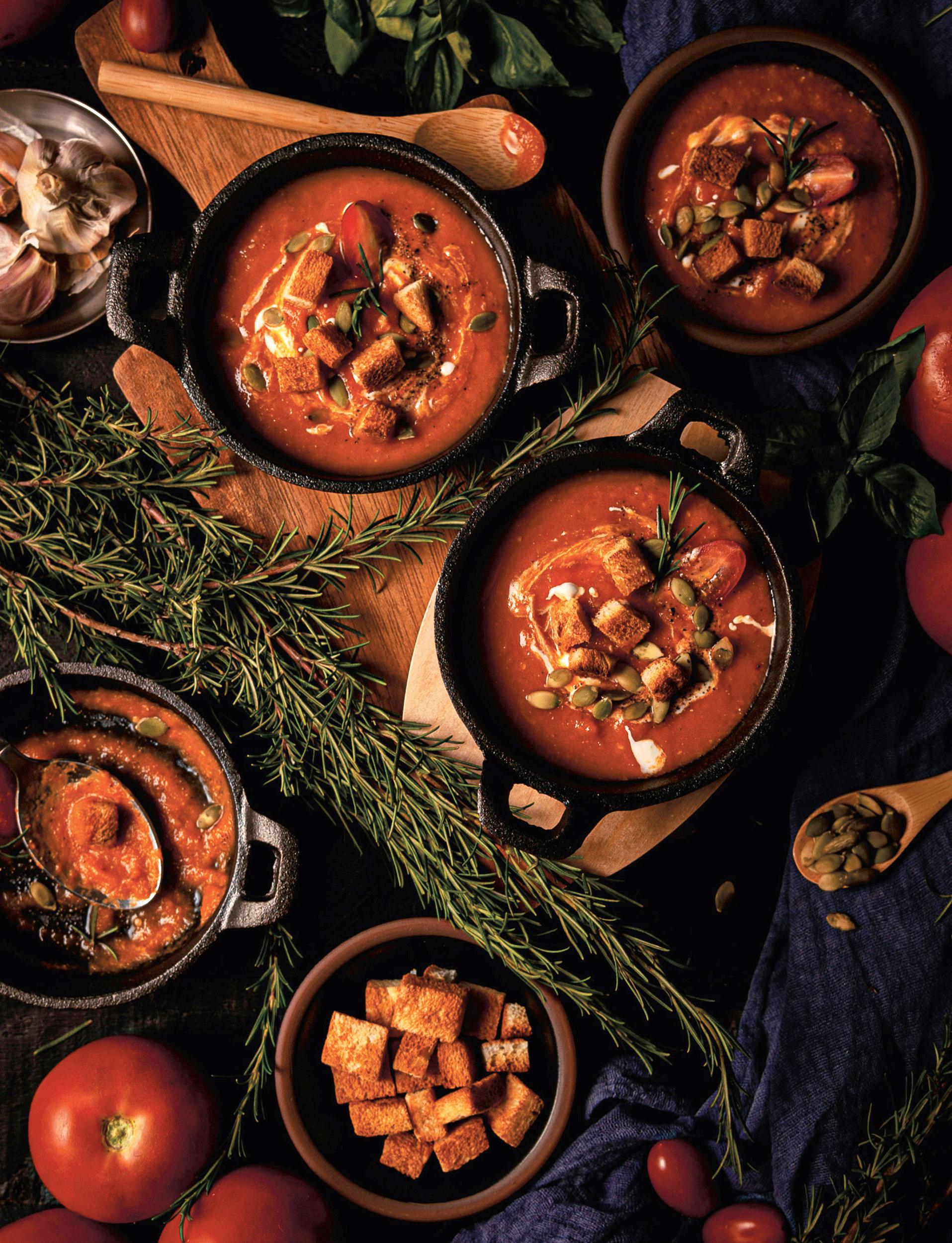
Soup has remained one of the most effective ways to showcase what customers want to see on the menu during the cooler months.
Chef Michael Tse of Stella Restaurant & Bar in South Yarra said soup’s popularity can be linked to its availability to be ordered at any time of the day.
“I believe that people enjoy soup, particularly during this season, because it has a warming effect on the body, especially during the winter season. It is not only easy to consume but also packed with flavours that make it a delicious meal option,” said Tse.
Tse said more adventurous soup flavours have been introduced as chefs test out new and unique ingredients.
“They also draw inspiration from local communities and diverse cultural backgrounds. I personally think that this trend will lead to the discovery of new and exciting flavours for this dish.” Customers want to see an element of depth in what they are ordering. Slow-cooked meats, braised dishes, and hearty stews bring bold, developed flavours that suit colder weather. Ingredients like beef, lamb, and game pair well with robust sauces built on red wine, stock reductions, and aromatic vegetables. These dishes not only satisfy hunger but create a sense of occasion, encouraging guests to linger longer.
Lucas Lee, Head Chef at Wakuwaku Restaurant, said some element of starch should accompany soup, be it noodles, pasta, dumplings, rice or bread.
“The way these starches absorb the flavours of the soup enhances the overall dining experience, creating a harmonious blend of tastes and textures. It’s a delightful marriage of flavours that elevates both the soup and the accompanying carbohydrate, offering diners a truly satisfying meal,” said Lee.
Lee suggested that simple ingredients can be highly valuable when innovating a soup recipe. An example he gave was adding ginger oil for warmth, aka yuzu kosho, for a spicy kick, and seaweed and oysters for a taste of the ocean.
He said it was important to showcase the versatility and creativity that can be infused into a simple
broth. Lee has recently introduced the ‘Tentsuyu’ broth, which is made from traditional Japanese cuisine with its base in Dashi and seasoned with light soy sauce and mirin.
“Innovation in soup, like what I’m doing with the Tentsuyu broth, keeps culinary traditions fresh and exciting while still paying homage to the comforting aspects that make soup such a beloved dish.”
Root vegetables also come into their own during winter. Carrots, parsnips, kumara, and pumpkin offer natural sweetness and versatility, whether roasted, mashed, or folded into soups. Their earthy flavours work particularly well alongside herbs like rosemary, thyme, and sage, which add warmth and fragrance to a dish. These combinations feel familiar and comforting, which is exactly what many diners are looking for.
Spice is an essential element in
crafting a comforting and familiar dish during the colder months. An important role too, but in a different way than in summer. Instead of bright, sharp heat, winter menus benefit from warming spices. Think cinnamon, nutmeg, clove, and smoked paprika. These flavours add depth without overwhelming the palate and can be used across both savoury and sweet dishes. A subtle touch of spice can elevate a classic dish into something more memorable.
Ultimately, winter flavours should feel generous and satisfying. Diners are looking for meals that provide comfort and a break from the cold, and menus that reflect that mindset are more likely to resonate. By embracing seasonal ingredients and richer profiles, restaurants can create offerings that feel both timely and appealing.
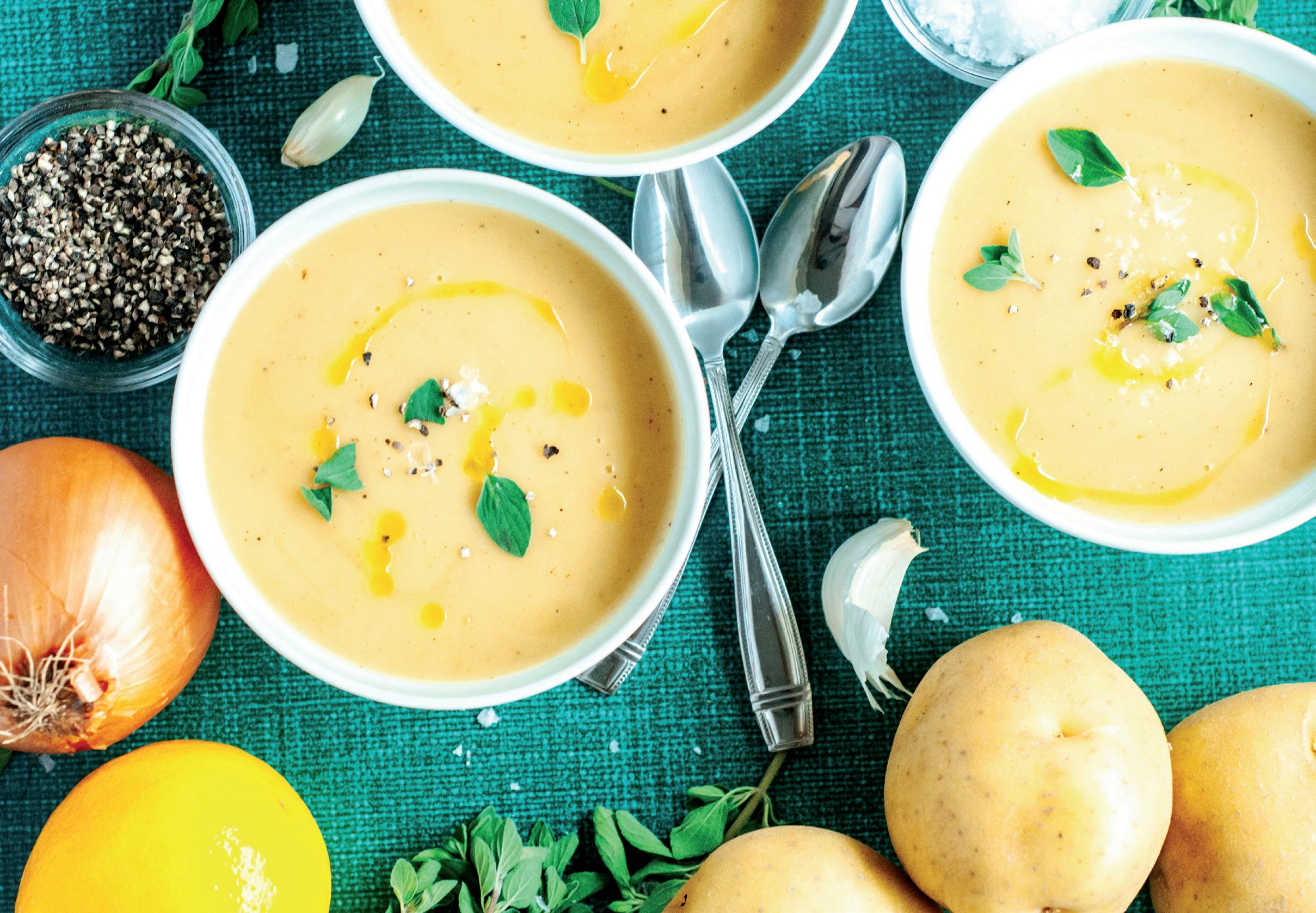
Tea Behind the Bar A New Ingredient for Elevated Drinks
As venues continue looking for ways to create memorable beverage experiences, tea is finding a new home behind the bar. From spirit-forward cocktails to low-ABV serves and refined mocktails, premium loose-leaf tea offers depth, aroma, texture, and versatility that traditional syrups and mixers often can’t replicate.

Interested in Exploring Tea Behind the Bar?
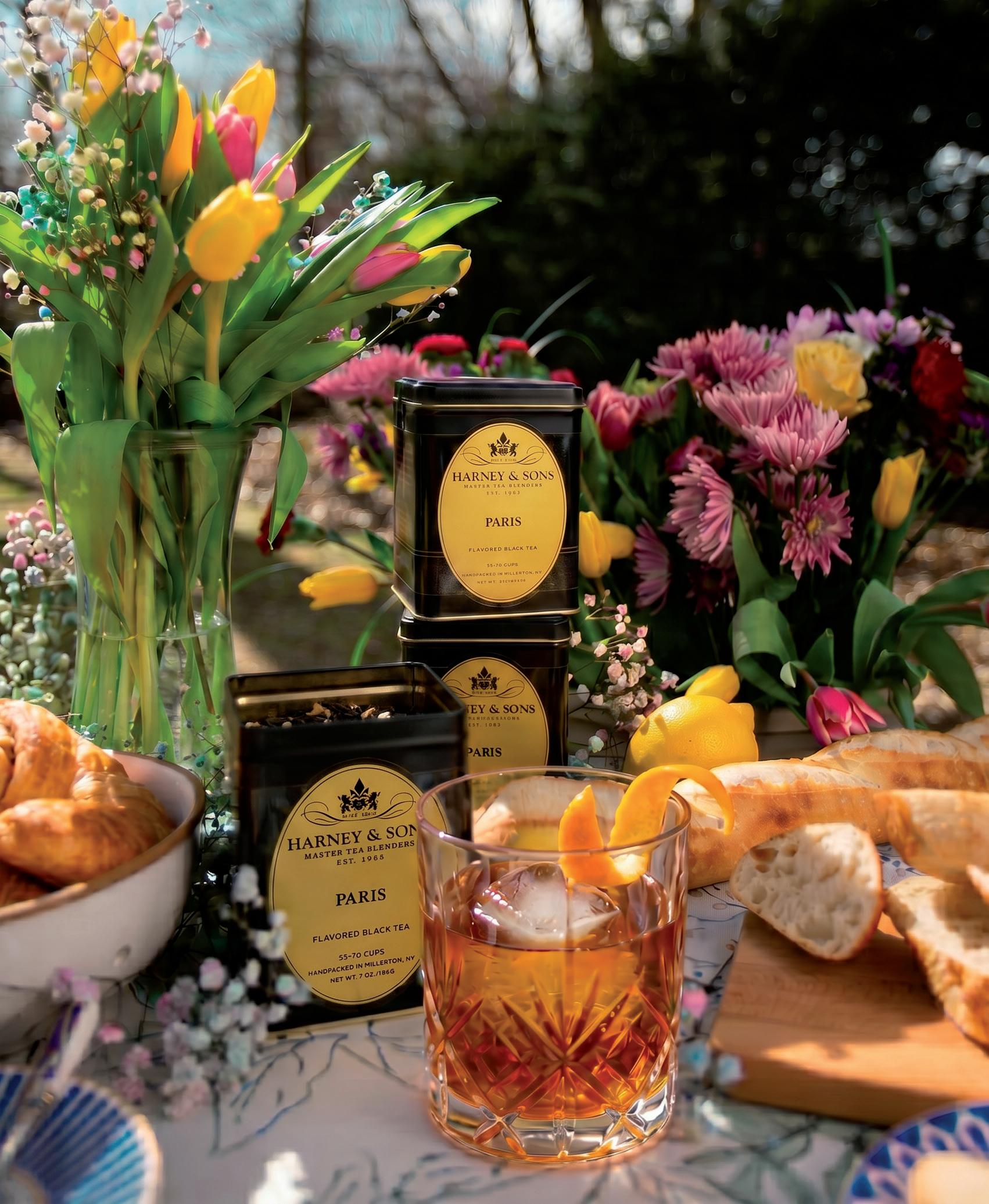
At Harney & Sons, we’ve seen growing interest from bars, restaurants, and cafés incorporating tea into signature serves to add both theatre and complexity. One standout example came from a collaboration for a latesummer wedding, where our Paris blend was paired with bourbon to create a refreshing yet elegant cocktail that quickly became a guest favourite.
The recipe centred around a strongbrewed infusion of Paris, our signature black tea with notes of vanilla, bergamot, and stone fruit. Combined with bourbon and a bright citrus sour mix, the tea softened the spirit while adding layers of fruit and floral character.
Paris Sweet Tea Bourbon:
25ml Sour Mix
50ml Bourbon
100ml Strong Brew Harney & Sons
Paris Tea
The result is balanced, aromatic, and approachable, a cocktail that feels elevated without becoming overcomplicated.
Tea also offers venues an opportunity to create unique seasonal menus with minimal overhead. From smoky black teas in winter serves to bright fruit tisanes in summer spritzes, tea can be infused, batched, cold brewed, or used as a finishing element across a wide variety of beverage styles.
For hospitality operators wanting to elevate their drinks offering, tea presents an accessible way to introduce something distinctive to the menu while creating memorable customer experiences.
Email us at info@harneyteas.co.nz ask the Harney & Sons team for a complimentary sample pack, and discover how our blends can inspire your next signature sip.
Elevating with Ease
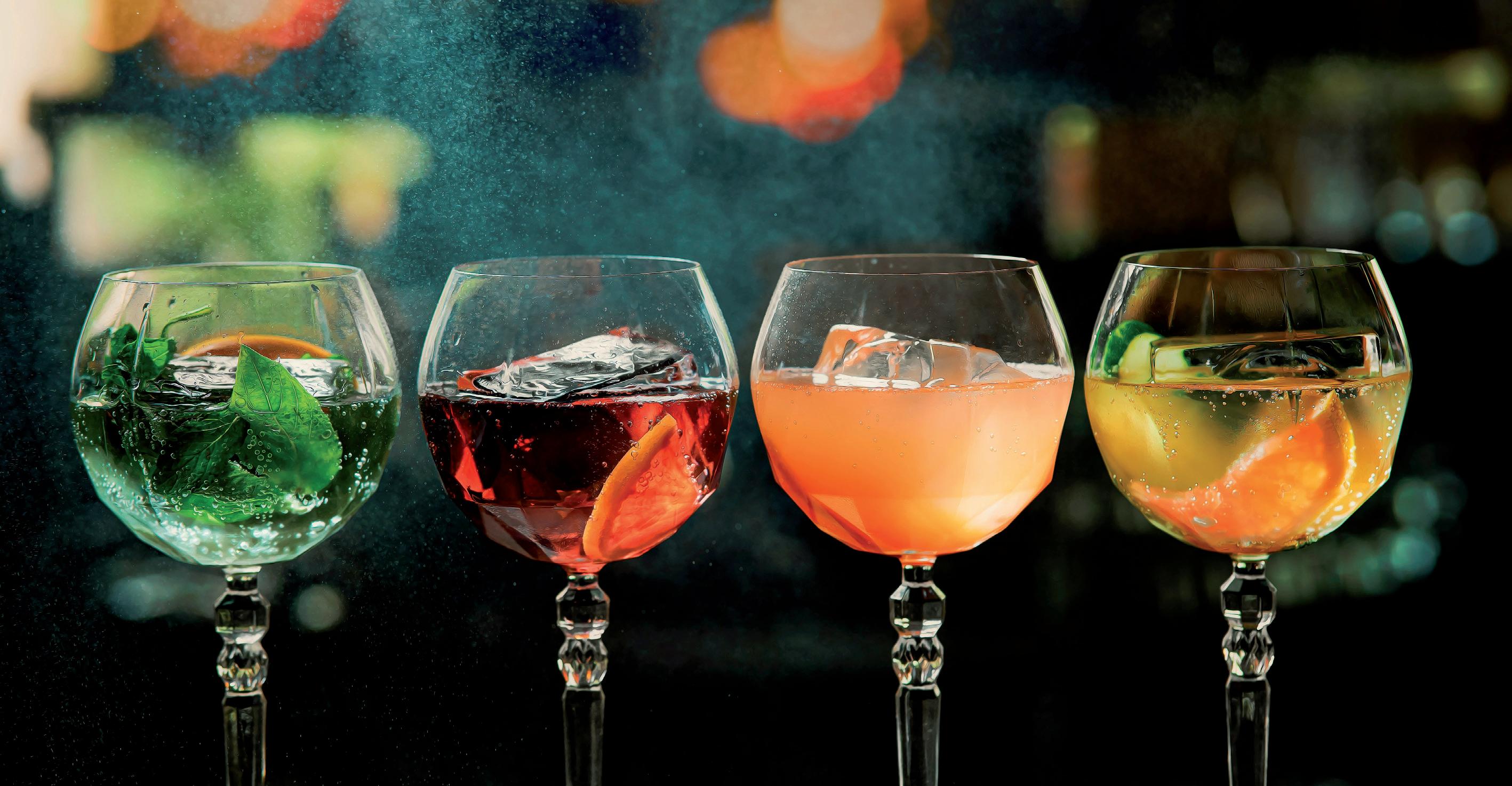
Bars of all sizes have the ability to elevate their cocktail menu. As something that had only been found in the rooftop cocktail lounges in major cities.
Neighbourhood pubs, sports bars, hotel bars and even small-town taverns had found opportunities to incorporate this trend. A classic drink menu can instantly feel elevated with small visual enhancements.
For example, a simple espresso martini topped with three coffee beans and a dusting of cocoa has a more premium touch, or a margarita with fresh lime, a chilli salt rim and a wedge of charred citrus is a more tailored and personalised approach.
The recipe may not have changed dramatically, but the customer experience has.
Seasonality has also become a major trend that bars can profit from, alternating the use of fresh fruit, herbs and edible garnishes to reflect the time of year.
Summer cocktails often feature strawberries, passionfruit and citrus, whereas winter menus lean toward cinnamon sticks, rosemary, star anise and dark berries. These touches give mixologists a way to refresh menus without overhauling stock. A slight change in garnish can make a drink feel new and encourage repeat orders from regular guests.
A move toward tableside
presentation has also been a priority for bars. Some venues now choose to pour sparkling wine at the table, light herbs in front of guests, or serve cocktails under smoke-filled cloches. While these ideas look sophisticated, they don’t have to be expensive for operators to produce. Even something as simple as adding crushed ice, a decorative skewer of berries, or a dramatic stemware choice could create an impact. The key to delivering this effectively has been consistency and confidence.
Presentation is the key to selling the second drink. Customers who enjoyed the experience of the first round and were impressed by the attention to detail and service are more likely to order again. This lifts spend per head, which remains one of the most important figures for any bar operator. A stronger average transaction across a night will make a major difference to weekly revenue.
Bartenders who confidently describe the garnish or point out
the fresh herbs help to reinforce the premium nature of the drink, making the service feel intentional rather than decorative. It also tells the guest they were buying something crafted, not just poured.
This type of service is something that any bar can implement. It doesn’t depend on budget, location or size. A small investment in fresh garnishes, quality glassware and a little creativity could transform an ordinary cocktail into something guests talk about. In an industry where margins were often under pressure, this has become one of the simplest ways to add value without dramatically increasing cost.
Bars that recognised this have understood that guests rarely remember every ingredient in a cocktail, but they remember how it tasted and how it made them feel. When a drink looks special, smells inviting, and arrives with a sense of occasion, it has become more than a beverage and a highlight on a night out.
Mixing it Up
Innovation and creativity are the biggest drivers for beverages, especially at a foodservice level.
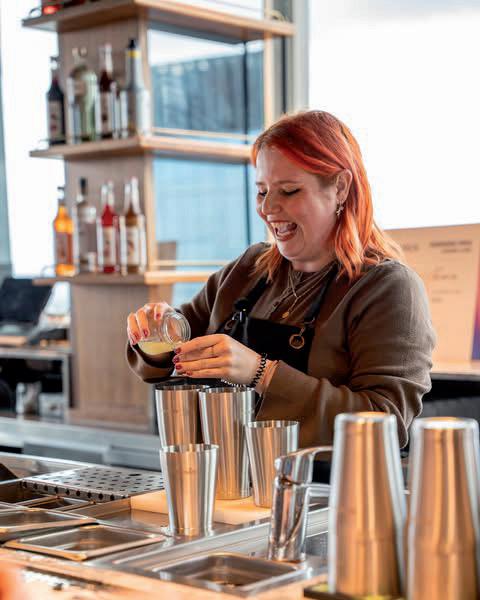
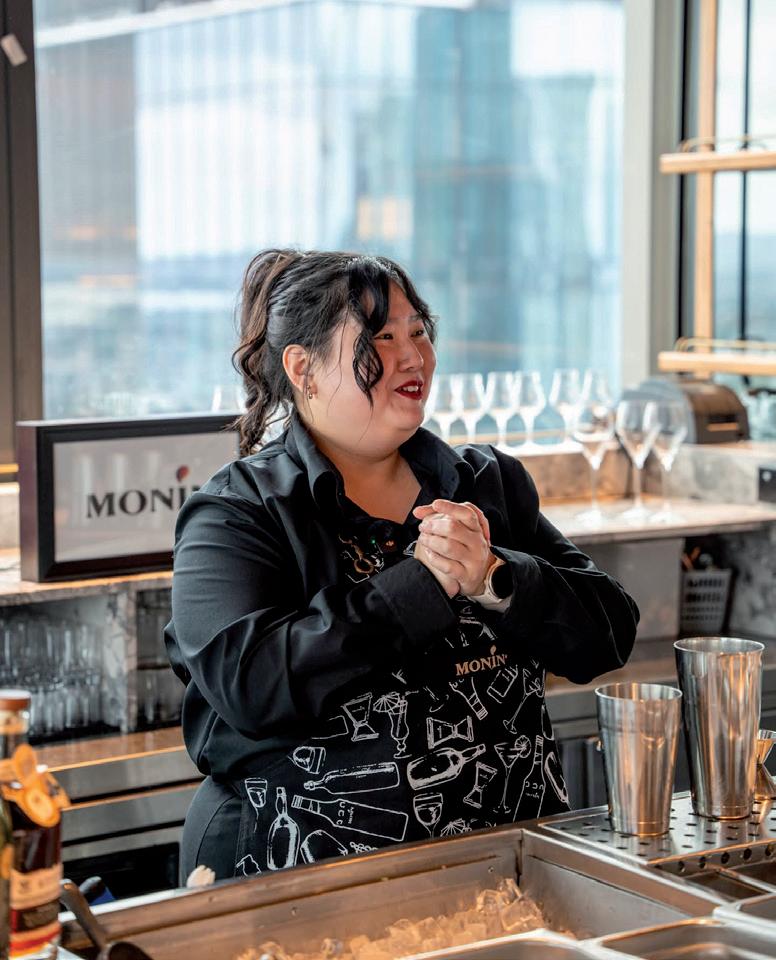
This was on show at the recent MONIN Cocktail Cup finals, where the future of mixology and up-andcoming trends were in focus.
The MONIN Cocktail Cup 2026 New Zealand National Final brought together some of the country’s most talented bartenders for an inspiring showcase of creativity, craftsmanship, and innovation behind the bar.
Held at Bar Albert in Auckland, this year’s competition challenged finalists to reinterpret classic cocktails through the theme Timeless Twists, which encouraged competitors to
look beyond tradition and reimagine familiar favourites through modern techniques, bold flavour pairings, and contemporary presentation.
The result was an exceptional evening that highlighted the depth of talent emerging across New Zealand’s hospitality industry. From refined execution to original storytelling and flavour innovation, each finalist delivered a unique perspective on modern cocktail culture.
The six national finalists represented a diverse mix of venues and regions across the country. Leon Sittisart from Auckland represented
Panacea, Mijash Hamal Thakuri from Auckland represented The Grill, SkyCity Auckland, Theodore Tjandra of Auckland represented Truth or Dare, Niamh Haszard from Te Anau represented The Fat Duck Gastropub, Sandesh Thapa from Auckland represented Himalayan Fusion, and Stefani from The Langlands Hotel travelled from Invercargill to compete.
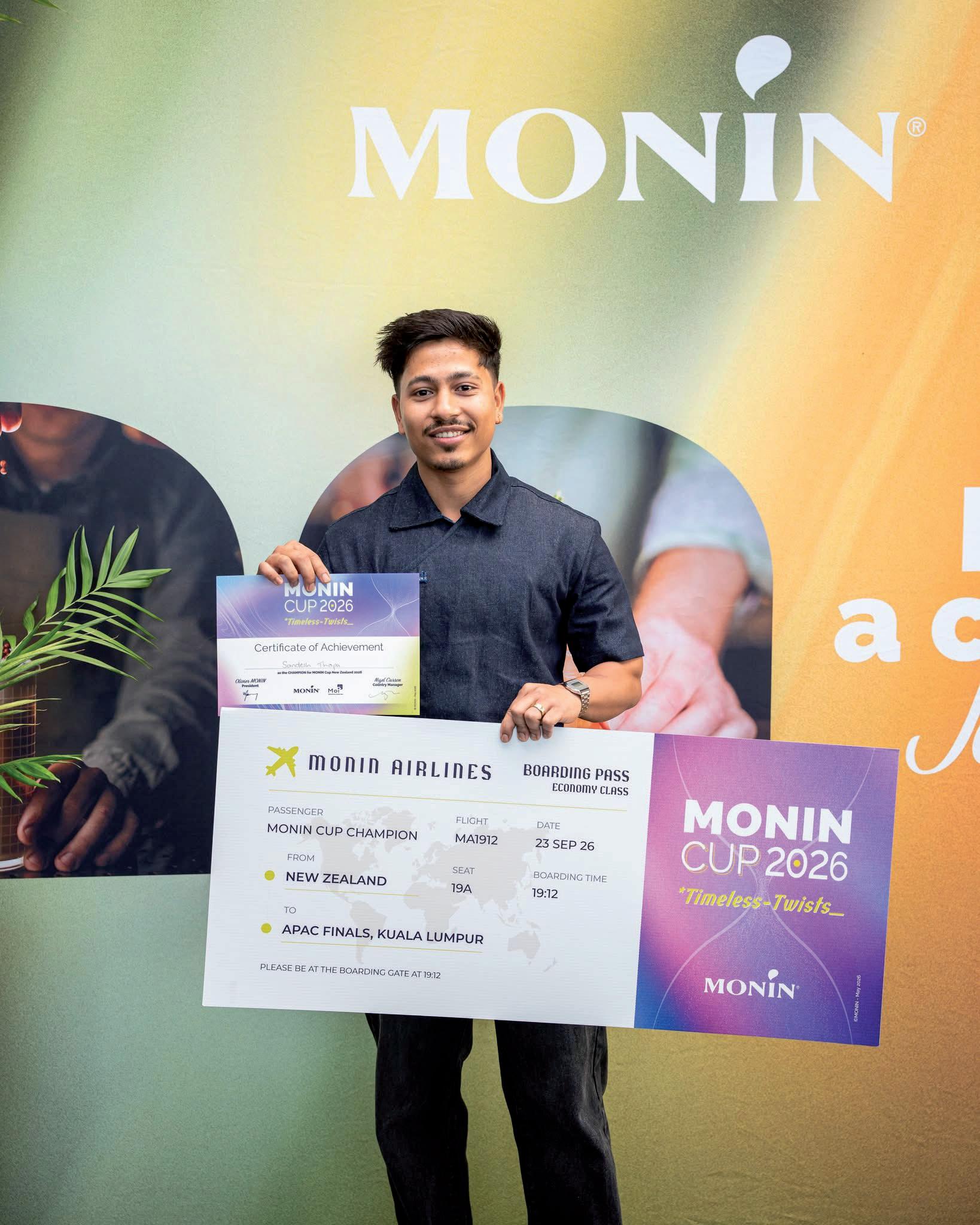
Following a highly competitive final, Sandesh Thapa was named the MONIN Cocktail Cup 2026 New Zealand Champion.
Thapa impressed the judging panel with a cocktail that combined
technical precision, creativity, and a strong interpretation of the Timeless Twists brief. His ability to balance flavour innovation with classic inspiration secured him the national title and the opportunity to represent New Zealand on the global stage.
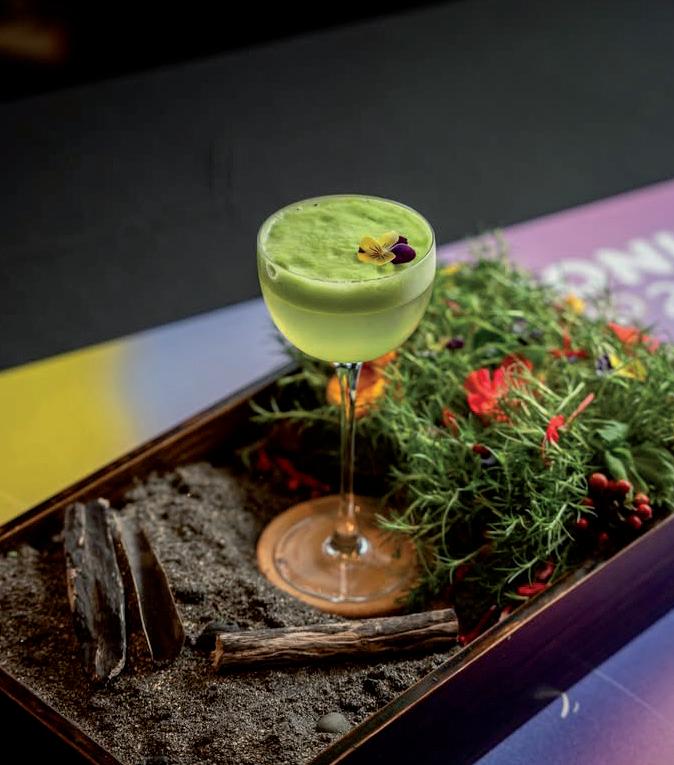
His cocktail, ‘From Sea to the Garden’, was inspired by the naval history of the classic Gimlet. He said he has always loved simple sour-style cocktails, and the Gimlet has always been one of his favourites.
These days, Thapa has felt the popularity of the Gimlet has become quieter, so he wanted to reintroduce and elevate it through modern techniques while still preserving its original structure of gin, citrus and balance.
“MONIN was one of the first syrup brands introduced to me during my early bartending journey, so it has always felt familiar and inspiring. The legacy, consistency, and constant
development of new flavours from MONIN are truly amazing.
Competitions like MONIN Cocktail Cup are also very important because they are not just platforms to make cocktails, they are platforms for bartenders to shine, grow, and rise toward the world stage,” said Thapa.
Winning the competition has meant a lot to him personally and professionally.
“It motivates me even more to continue sharpening my knowledge and skills, represent New Zealand proudly, and showcase my passion for modern bartending to the world.”
The MONIN Cocktail Cup has become one of the hospitality industry’s leading platforms for recognising and developing emerging bartending talent, while fostering creativity and innovation within the on-premise community.
MONIN New Zealand extended its thanks to all finalists, judges, venue
partners, and attendees who helped bring the event to life.
As cocktail culture continues to evolve, the MONIN Cocktail Cup 2026 demonstrated that New Zealand’s bartending scene is in exceptionally strong hands.
inspiration Signature in a Splash
A great cocktail has often been defined by its balance, be it the spirit, acidity, sweetness or aroma; all play a part in creating the perfect blend. One of the most underrated tools behind the bar, however, has been the use of syrup to enhance flavour, add texture, and turn a drink from having a standard expectation to a showstopper on the menu.

For many bars, syrups have become the easiest way to transform a familiar drink into something unique, memorable and far more profitable. They have introduced flavour, depth and personality, often with only a few millilitres added to the glass.
Syrups are versatile and work for every style of beverage and bar. From high-end cocktail lounges to local pubs and clubs, premium bottled syrups kept behind the bar instantly broaden the menu. It has been one of the simplest ways to create variety without adding complexity to stock or preparation.
Classic sugar syrup has always been a staple. It balances citrus in sours, softens stronger spirits and brings consistency to countless recipes. But modern bars have moved well beyond that. Flavoured syrups have opened the door to endless creativity, allowing venues to refresh drinks and add signature touches without redesigning an entire cocktail list.
Sweet syrups remained the most common starting point. Vanilla, caramel, hazelnut and salted toffee have become increasingly popular, especially in bars that serve dessertstyle cocktails. A touch of caramel
syrup in an espresso martini will create a richer finish. Vanilla could soften vodka-based drinks or add a rounded sweetness to tropical cocktails. Hazelnut paired particularly well with cream liqueurs, dark rum and coffee-based serves, turning a familiar recipe into something guests saw as premium.
That perceived premium was where the opportunity lay. A few cents’ worth of syrup will justify several extra dollars on the menu. Customers have rarely questioned the price increase when the drink sounded distinctive or seasonal. A standard old-fashioned becomes a signature serve when made with maple syrup instead of sugar. A mojito turns into something new when passionfruit or elderflower syrup is introduced. The cost increase for operators will remain small, but the sale price often jumps considerably.
Coffee syrups are especially important as the espresso martini boom continues to navigate local shores. Bars have embraced resurfaced flavours like mocha, caramel coffee, vanilla bean and even spiced coffee syrups to create variations on the classic.
Coffee-loving customers will gravitate toward these options,
especially in the evening when cocktails replace the after-dinner dessert. Some bars have created entire espresso martini menus, using different syrups to produce half a dozen options from the same base ingredients. The trend has not only been efficient, but also highly profitable.
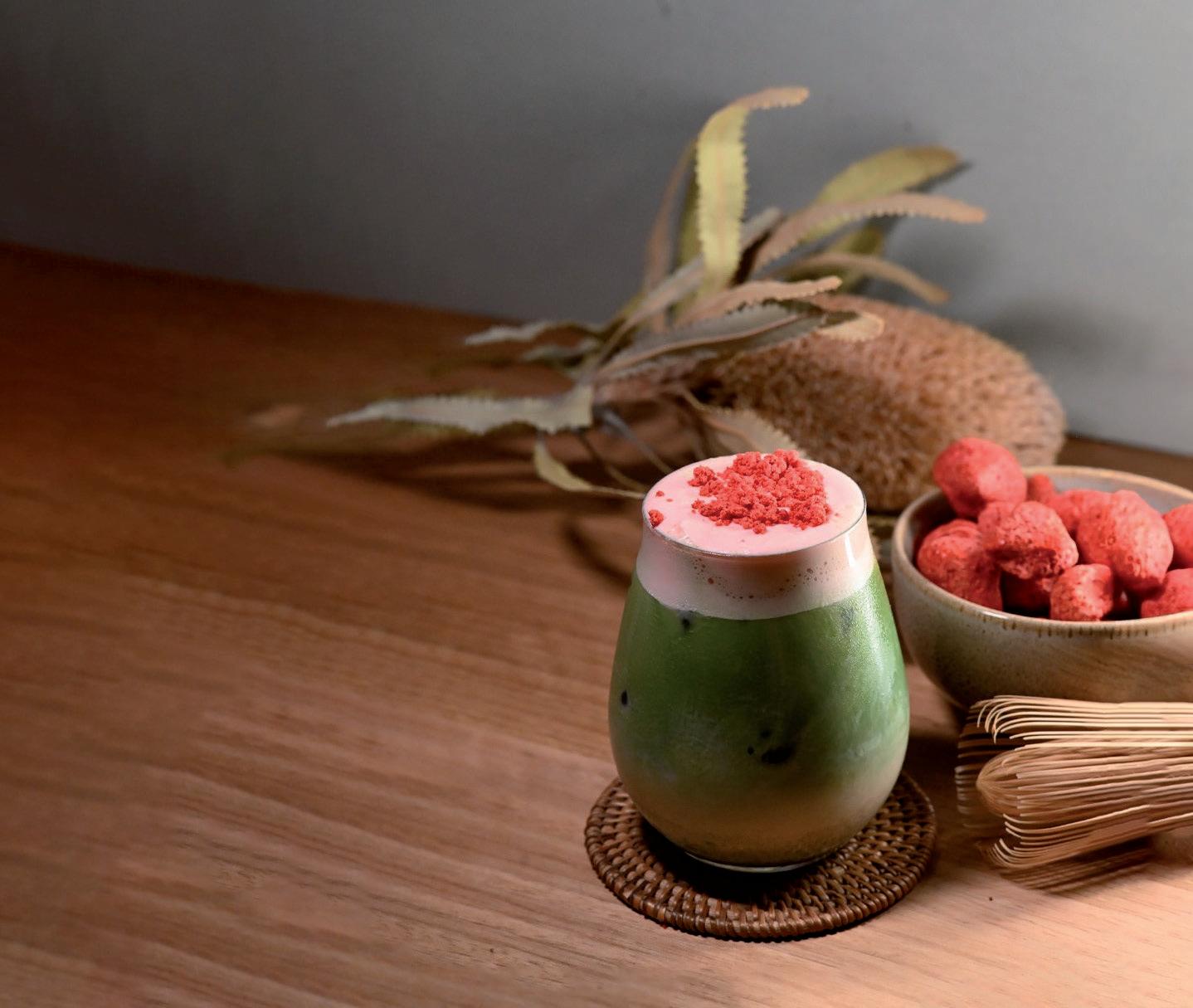
Tea syrups have also emerged as a leading trend, especially through social media influence. Earl Grey has become popular in gin cocktails, bringing floral and citrus notes. Chai syrup pairs naturally with dark rum, bourbon and cream-based drinks, and is particularly popular in cooler months. Green tea syrups have added subtle bitterness and freshness to vodka cocktails, while peach tea or iced tea-style syrups have found a place in summer spritzes and long drinks.
Tea has introduced a complexity that many syrups lack. It can add tannins, fragrance and a slightly sophisticated edge that appeals to customers looking for something different. For bars wanting to stand out, tea syrups offer an easy way to make a menu feel curated and current. They also align with broader consumer trends, as customers increasingly seek drinks inspired by café flavours and global ingredients.
The Midas Touch
Cocktails have always been more than just a regular drink. In the modern bar trade, it has become a theatre experience that patrons expect. Customers not only pay for flavour anymore, they also want the moment the glass arrives at the table, the first impression, the photo on their phone, and the conversation that follows.
For bars willing to think creatively, turning a simple cocktail into an experience has become one of the easiest and most profitable menu enhancements to adopt.
In many cases, without requiring a major refurbishment, expensive equipment, or hiring a new mixologist, it starts with something as simple as a garnish.
A carefully placed sprig of rosemary, a dehydrated orange wheel, a cluster of berries, or even an edible flower could change how customers perceive a signature cocktail. The ingredients in the glass may have remained relatively inexpensive, but the presentation has increased its perceived value significantly.
shifts in hospitality over the past decade. Guests now buy with their
eyes first, and social media has played a major role in their decision-making. Drinks that look memorable are shared online, photographed at the table, and recommended to friends. For bars, this is free advertising.
Mixologist Mohit Sharma said customers have shown greater interest in the stories behind their drinks, including the distilleries, journeys, motivations, and products.
“This trend will likely become a focal point in conversations between bartenders and customers,” he said.
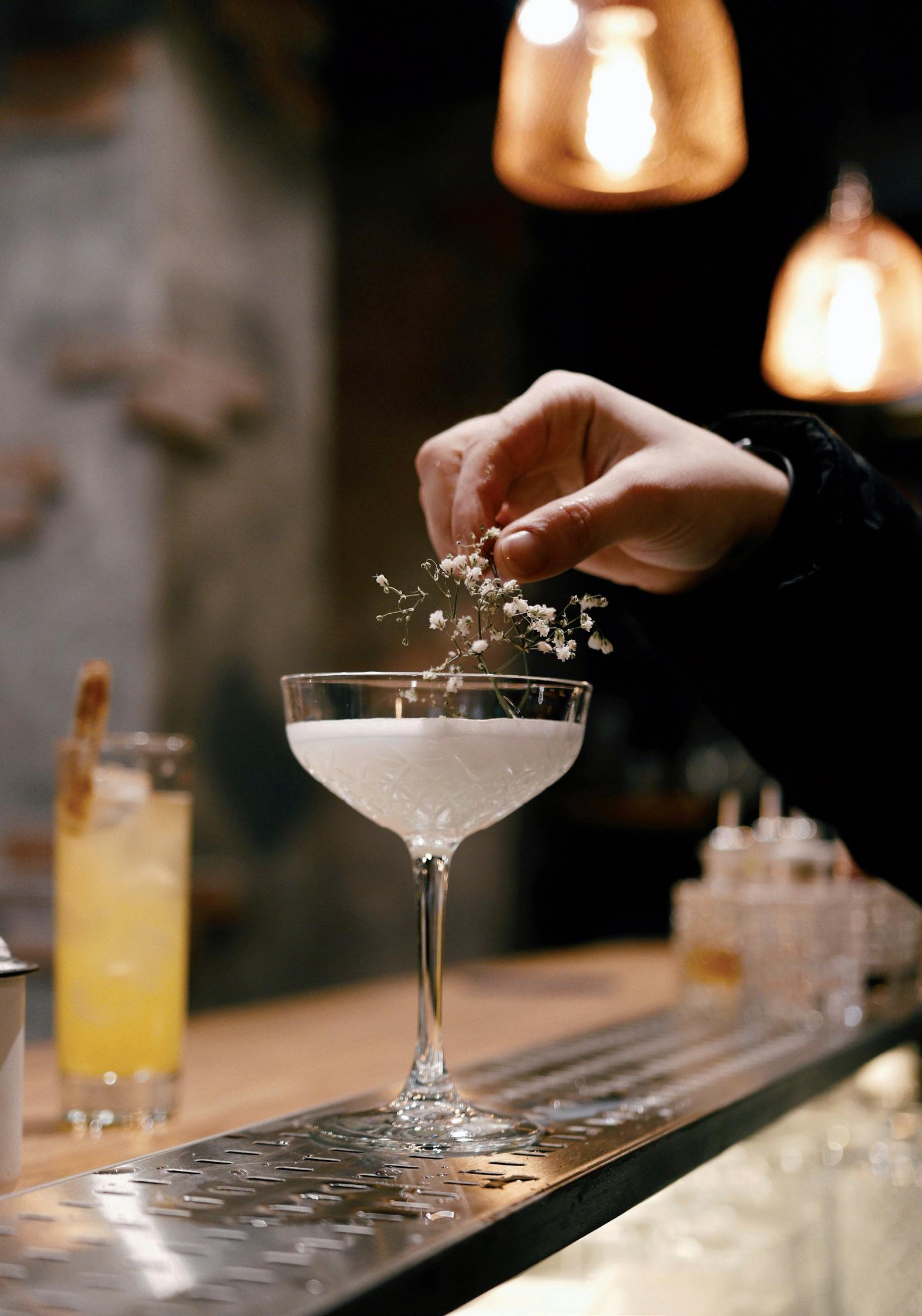
The rise of botanical flavours has added to this movement. Bars have increasingly used rosemary, thyme, mint and lavender not just for flavour but for atmosphere and fragrance.
A smoked or spiced rosemary sprig creates aroma before the first sip. Mint brings freshness and colour, while a twist of flamed orange peel adds to the spectacle. The process of serving has become part of the product, and customers often remember the presentation just as much as the taste.
Elevating the service and presentation of beverages has been especially profitable due to the markup on cocktails already being strong. The difference between a standard gin and tonic and a premium signature serve will come down to the fine details. A bar can serve the same base spirit, add a premium tonic, a branded glass, and fresh berries and herbs, and charge several dollars more. While the extra cost to operators is minimal, the profit margin is considerable.
Chris Gear, Owner of 4Bars Distillery in Christchurch, said elevating cocktails was something he believed in, without overcharging customers too much. He said a Gin and Tonic at 4Bars Distillery was reasonably priced at NZD 16 and is often served with hand-cut, dehydrated orange slices and paired with juniper berries, making it a very popular customer request.
To make for a more premium experience, the bar serves only artisanal tonic water in individual bottles, allowing guests to have as little or as much as they want. Paired with a generous amount of gin, Gear said that punters have enjoyed being able to select their tonic of choice, and that pouring it themselves allows for personal preference.
“Customers don’t want cheap and nasty beverages. They enjoy the product, along with the brand’s backstory and being able to be in the environment where their spirits were made can be the difference they’re looking for.”
Budgeting for Growth
The Prime Minister’s recent pre-Budget speech highlighted the challenge of securing the country’s future in a volatile world. There was a strong focus on economic resilience, productivity, growth and business confidence. Those are themes that resonate strongly for hospitality as we navigate another complex operating environment.
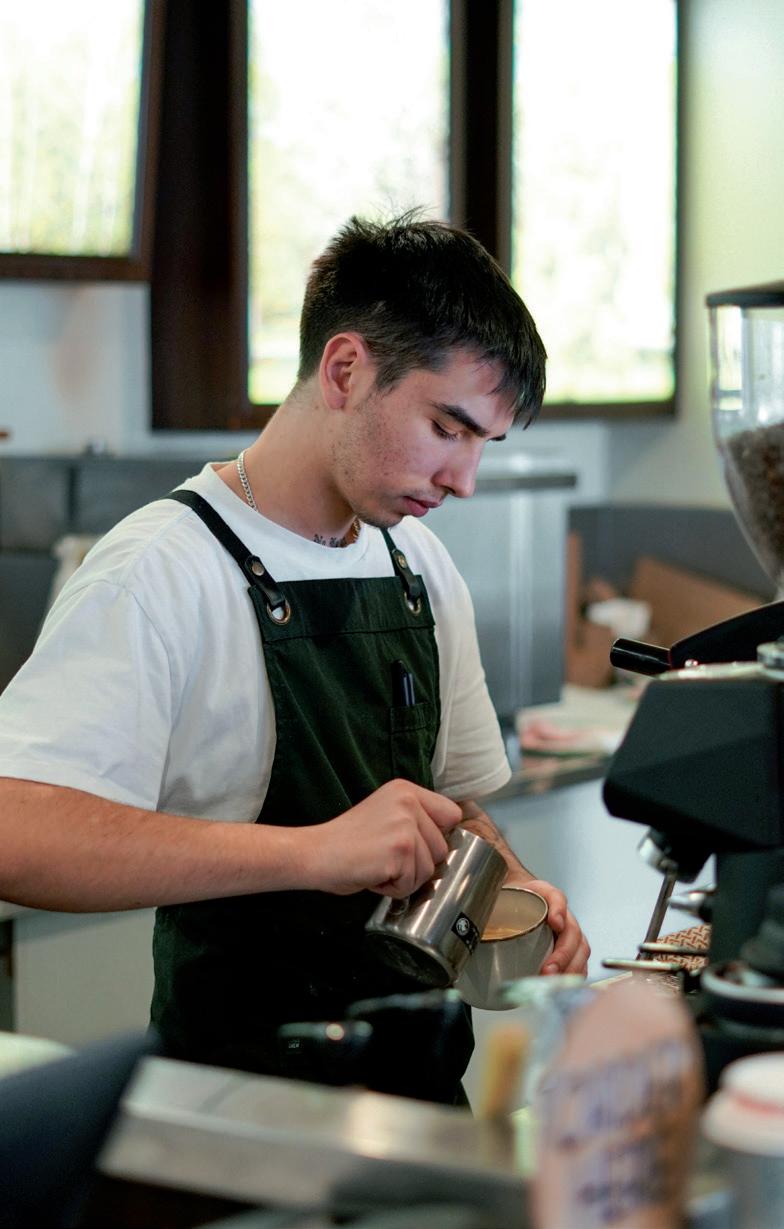
After a rollercoaster start to the year, this year’s Budget comes at a time when trading conditions remain mixed across the country, and many businesses are continuing to balance rising costs with understandably cautious consumer spending. Ongoing global uncertainty has also once again highlighted how quickly operating conditions can shift.
In this environment, the ability to plan and invest with confidence becomes increasingly important. Hospitality businesses need the right settings to support long-term growth, workforce development and productivity. There are several areas where targeted investment could make a real difference for hospitality businesses over the next 12 months. One of the most important areas to focus on is workforce development. Hospitality has always been an industry built on people, practical skills, and adaptability. Some of the most effective programmes are those designed closely alongside industry itself, where training reflects the real operational needs of hospitality businesses.
Continued investment in industryled training initiatives and workforce development programmes would help create more work-ready employees, strengthen career pathways, and support businesses to build long-term workforce capability across the sector.
Across our industry, businesses continue to invest in retention, leadership development and skills development for their teams despite managing tight margins and rising operating costs, recognising these areas are critical to building productive and sustainable businesses.
Productivity in hospitality is not simply about doing more with fewer people. It is about building businesses with strong systems, skilled teams, good leadership and the ability to adapt quickly to changing conditions. Practical support for leadership development, technology and productivity tools could have a meaningful impact for many hospitality businesses, particularly smaller operators without large internal resources.
Tourism and events investment also remain important. The industry has already seen the positive impact that targeted tourism initiatives and major events can have, particularly in regional centres where increased visitation flows directly through to local hospitality businesses. We have appreciated the Government’s investment in hospitality as part of the Tourism Boost initiative, as well as support for Michelin’s arrival in New Zealand. Maintaining momentum in this area will be important, particularly in a highly competitive global tourism environment where New Zealand remains a long-haul destination competing for visitor attention and spending.
There is also an opportunity to continue investing in and promoting New Zealand’s food and hospitality story as part of our wider tourism offering. Culinary tourism has become an increasingly important part of the visitor experience, and
every region has its own identity to showcase, from local produce and wineries to cafés, restaurants and unique hospitality experiences. Better coordination and investment in promoting those regional experiences can strengthen tourism, support local economies, and further reinforce New Zealand’s distinct hospitality offering internationally.
Alongside investment in our workforce development and productivity, practical improvements to the operating environment also remain important for hospitality businesses. The Hospitality Sector Review currently underway through the Ministry for Regulation is a positive step, particularly given the complexity many operators navigate across employment, immigration, food safety and local government requirements. In practice, the efficiency and consistency of government systems can be just as important as new policy initiatives. Whether it is navigating regulatory requirements, accessing support programmes, or better coordination across government agencies, reducing unnecessary complexity can help ease pressure and support operators already managing significant operational pressure.
As an industry, we understand we are operating within a wider economic environment shaped by uncertainty and ongoing cost pressures. But if growth, productivity and resilience are priorities for New Zealand over the coming years, then hospitality must be part of that conversation too. The opportunity now is to create settings that allow businesses not just to navigate uncertainty, but to invest, innovate and grow confidently within it.

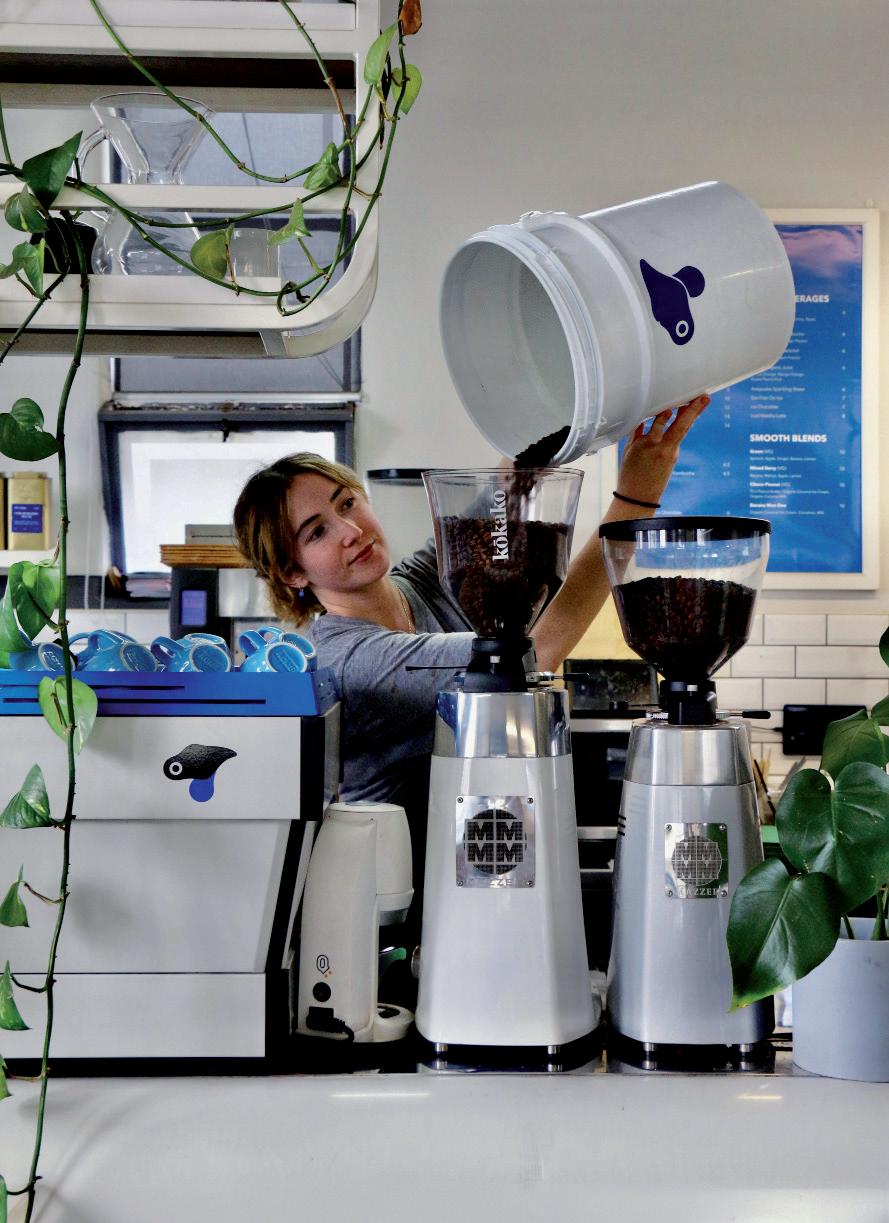
Roasted in Tāmaki Makaurau, proudly poured at over 100 cafes and restaurants across Aotearoa.
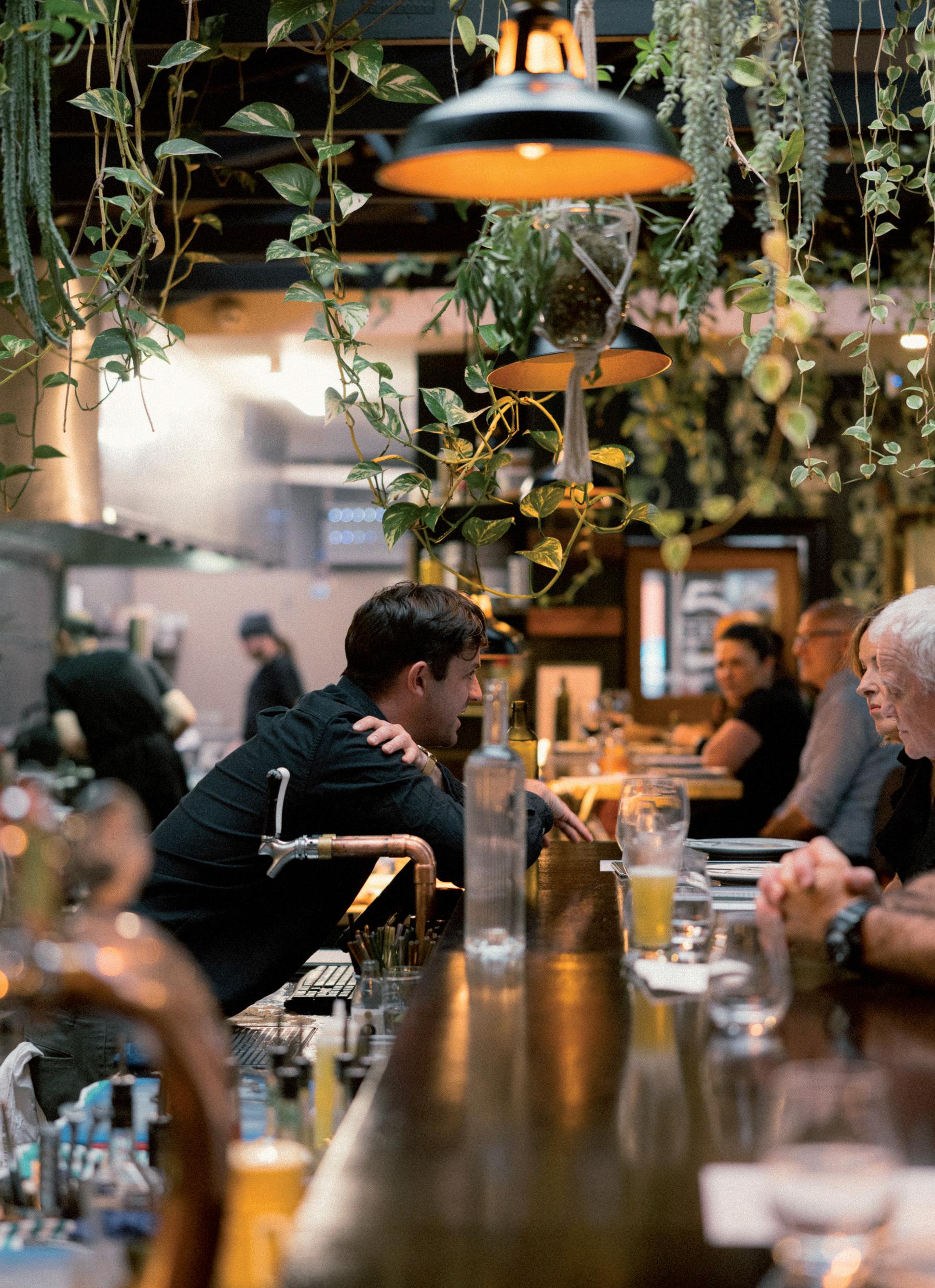
Feeling the Vibe, Beyond the Stadium
Chris Penny, co-owner of 5th Street, said he has loved seeing more and more people come through Christchurch and that tourism brings an awesome vibe to the city.
One NZ Stadium is a major asset to Christchurch, according to Penny, and he was a huge fan of everything that it has done for so many people.
“Although we are quite distant from the stadium and may not directly benefit from the events, we think anything good for the city will in turn be good for the overall hospitality scene,” he said.
Penny agreed that the stadium will improve Christchurch businesses in the long-term, especially for hospitality.
“Even the businesses inside the stadium are so much cooler and at a much higher standard than other stadiums around the country. I think it's been a really great way to show off the level of what's happening down here. And then, of course, all the restaurants and bars in the area will do great every time something is on.”
Sports-related hospitality has always been strong in Christchurch, and after 15 years without a suitable stadium, its opening has introduced more opportunities for more businesses.
Penny said Cantabrians are sports mad, and that the recent Super Rugby Round felt more like a celebration of the rise of Christchurch as a whole instead of just rugby.
“Wherever there are celebrations, there are going to be hospitality venues.”
He added that meeting and serving people from all over the world has been both fun and interesting, and chatting to customers who have moved to Christchurch from all over the country has been really great. He said that the more residents and visitors who visit 5th Street can only be good for business.
Penny believed that 5th Street was unique because of its consistently cohesive culture within the team.
“Other than that, it's just good,
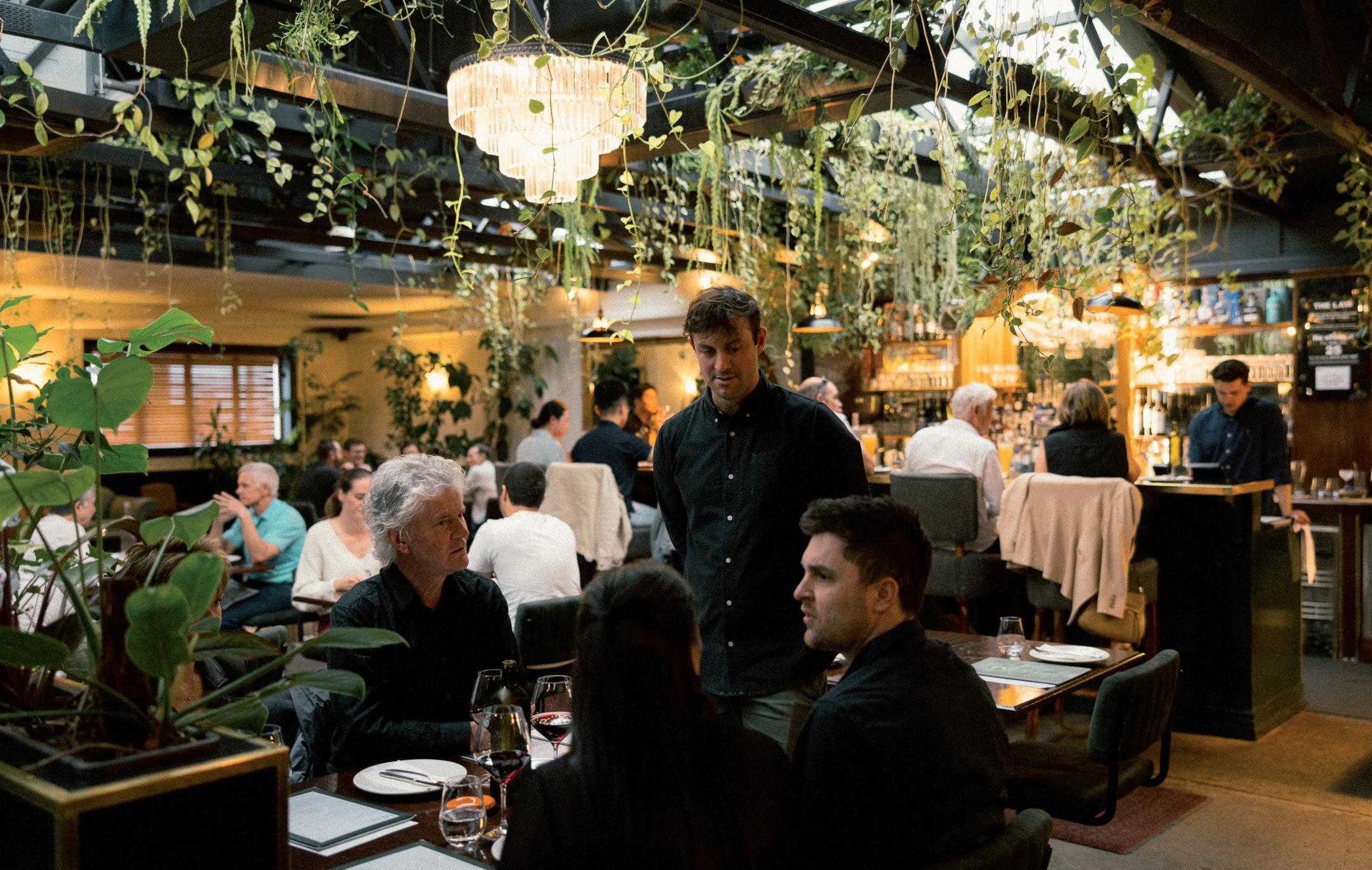
honest food and drinks. We aim to deliver at a really high standard without taking ourselves too seriously, and I guess that resonates with the people of Christchurch.”
Business has remained steady over the last 12 months, and Penny said there are still a lot of the same familiar faces, which he is always grateful for and never takes for granted.
He said the biggest highlight over the last 12 months has been witnessing the city absolutely come alive, and that Christchurch is growing in so many ways.
“There seems to be an underlying optimism around the city, and being even a small part of that feels really awesome.”
Now that the stadium is complete, Penny would like to see attention directed towards the Cathedral. He’s curious to know what it would look like when it’s finished and what the square will look and feel like once it is all back open.
“I think it will feel like a really monumental occasion.”
5th Street opened in 2018 following the success of Hello Sunday Cafe. Over the years, it has become a staple of the Christchurch hospitality scene. Penny said the restaurant is fortunate to have immense customer loyalty, and to have a mix of regulars, tourists, and people celebrating special occasions.
Chris Gear, Owner of 4 Bars Distillery, said that the opening of the new stadium in Christchurch has meant that people now go beyond their local pub. He said that it has brought people back into the city, generating more business across the region.
He described its opening weekend as a massive event for the city, and that there was a definite buzz around the city that it hadn’t had for a while.
“It was reminiscent of Christchurch before the earthquake, and has been a catalyst for bringing people back into the city,” said Gear.
He added that it felt Christchurch had been left off the country’s events lineup for too long, and that pumping more events into the city would only be positive for businesses.
A Unique Way to Bring the Community Together
For close to 15 years, Christchurch’s hospitality sector has suffered without a main attraction to bring customers into the city.
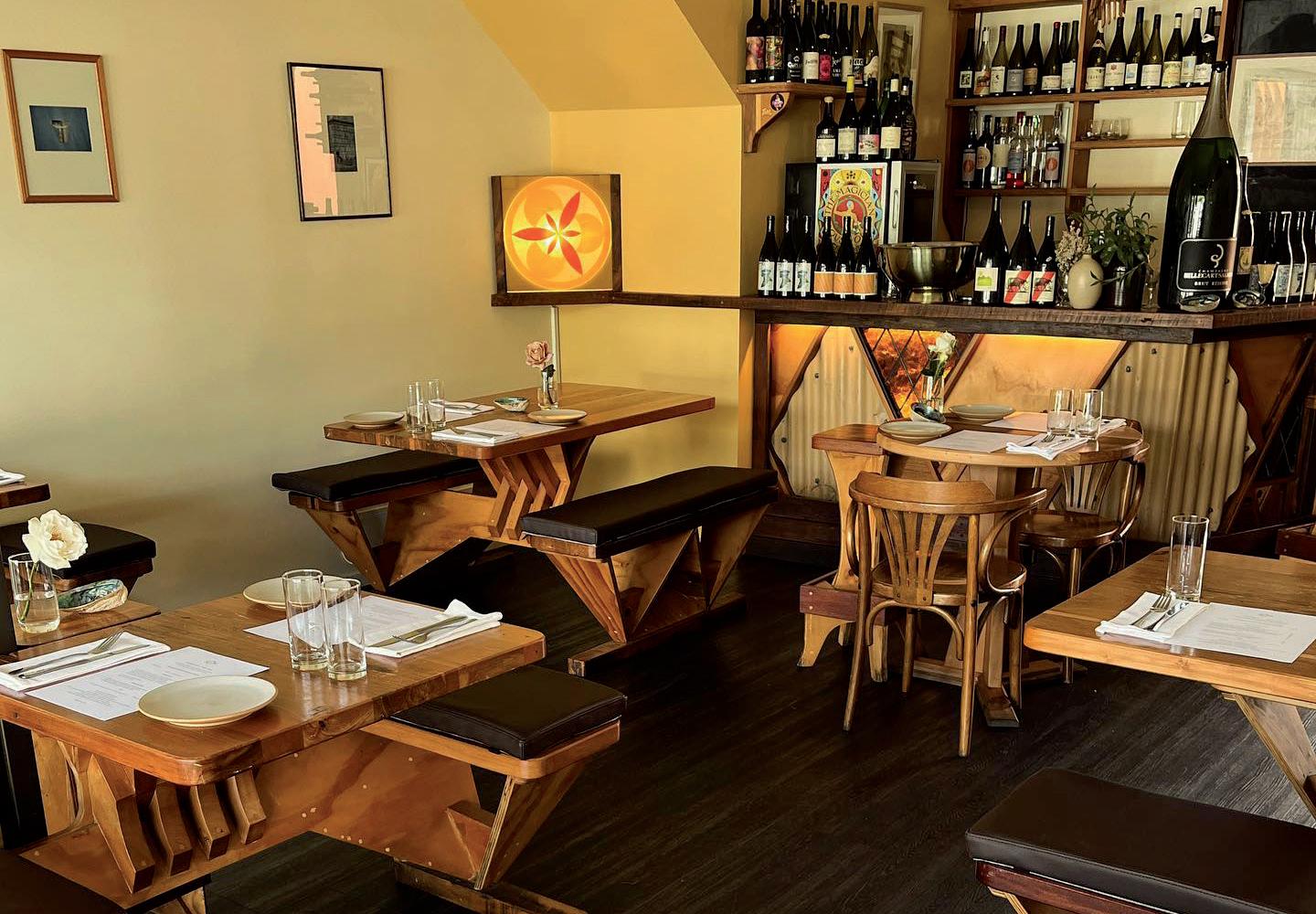
Alex Davies, Owner and Operator of Gatherings Restaurant, said that the opening weekend for One NZ Stadium was incredibly busy.
“We are excited to see the culture around the stadium take hold and become more established,” he said.
He said that more visitors choosing to visit the city have meant that businesses like his have been able to celebrate the region with more people, which has made local operators happy.
“It gives people hope, it creates a new heart for the city, it feels fantastic and gives the city a sense of optimism. It is fantastic for long-term growth and hope for us all.”
Davies established the concept for Gatherings Restaurant in Christchurch’s post-earthquake period, where he operated in the
middle of the rubble with an arts organisation. He said the goal was to celebrate the region and give people optimism, looking past the rubble and celebrating the region.
He added that partnering with the community has been important to the restaurant’s identity.
“We support local farmers and the community around us through our purchasing. Our furniture was designed and made from recycled timbers upcycled from damaged properties from the earthquakes. We offer an open space for our team to thrive, and allow people to grow.”
Gatherings Restaurant works with each season and micro-season to offer its guests uniquely tailored cuisine. Its menu changes weekly, and Davies said the team take pride in offering the best hospitality and truly care about their service.
Years of Construction Pays Off
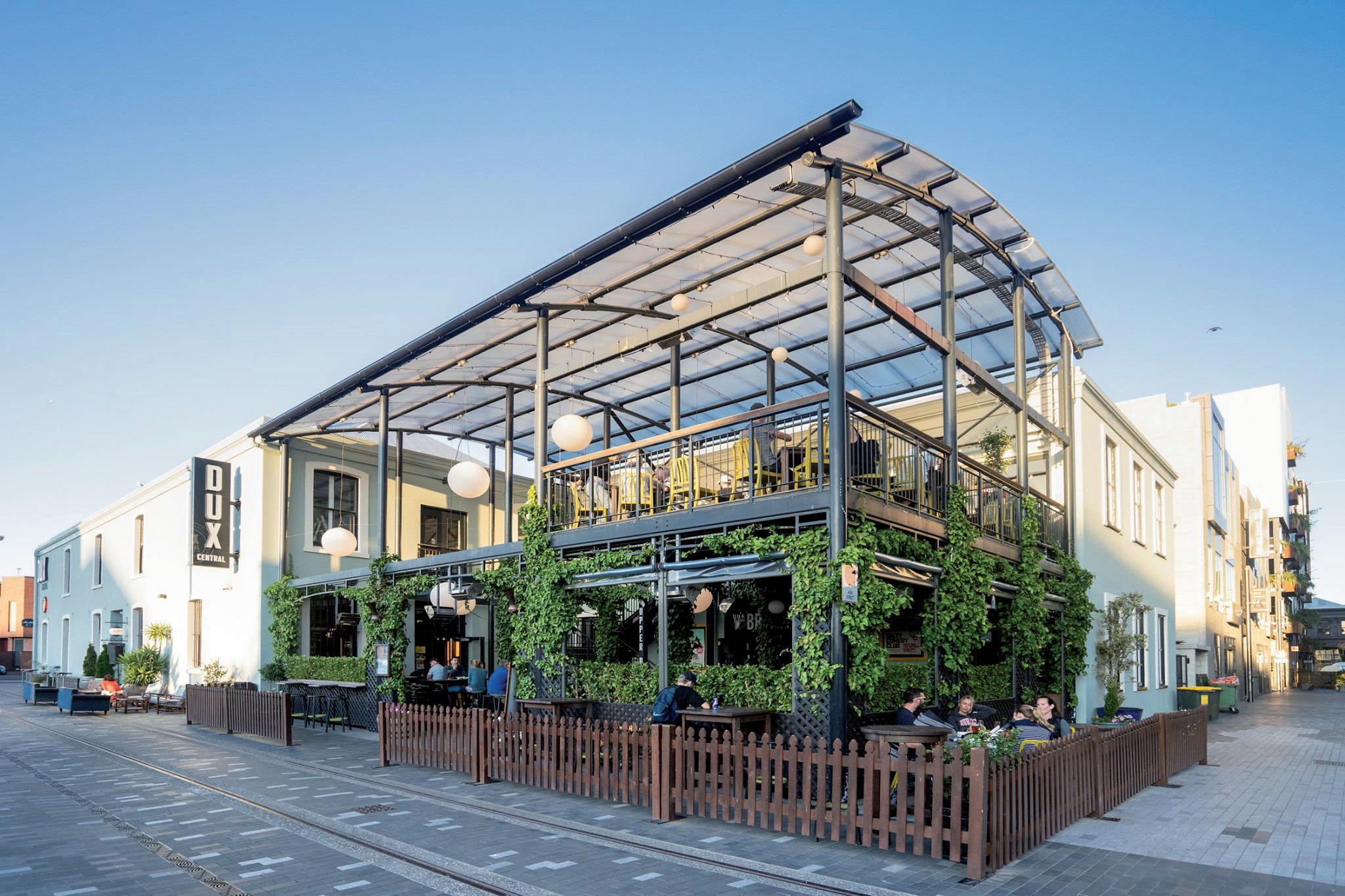
Despite what seemed to be endless roadworks and construction in the area, Dux Central Operations Manager Ross Herrick said seeing the new One NZ Stadium come to completion, and opening with the Super Round of Super Rugby weekend, far exceeded his expectations and was a highlight of the past year.
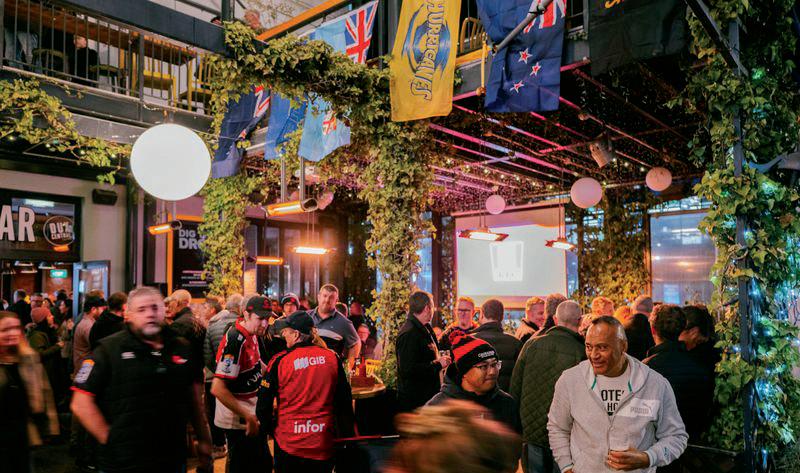
Herrick said new venues like the stadium, the new convention centre, and Metro Sports Centre have definitely added confidence to the city as a whole.
“Sports draw a large number of people together, and Cantabrians do love their sports. It is great to see the widening of sporting codes being made more accessible to Christchurch, such as League and Football,” he said.
Location and accessibility are the main pillars for Dux Central, as well as craft beer, live music, and versatile function spaces. Herrick said that Dux Central also has one of the best outdoor settings in Christchurch, and its gastro pub menu offers something for most appetites, including vegetarian, seafood, carnivore and as many dietary requirements as it can.
Although the completion of the stadium has brought an influx of business for Dux Central, Herrick said it would be in the business’s best interest to see development continue in the eastern part of the central city. He added that there are still a number of bare land sites and dilapidated buildings that need attention.
One goal for Dux Central is to maintain its standards in food and service, and its team is excited to see what the One NZ Stadium can bring.
“We are looking forward to seeing the different styles of events, including the different sporting codes, music and corporate events and how they will impact on us here.”
Showcasing Emerging Excellence
Nurturing the talents of New Zealand’s emerging stars of the culinary stage has been a paramount priority for the industry. With recent accomplishments highlighting local excellence, 2026 is set to be a busy year for young chefs across the country.
Preparations are underway for the NZ Chefs Hospitality Championships at MIT this October, with entries already rolling in and a comprehensive program forthcoming.
NZ Chef’s collaboration with Worldchefs continues to strengthen our foundation, highlighted by the success of the Young Chefs Club, Auckland and the upcoming mentor session led by Youth Development Director Geoff Scott.
Members are encouraged to book their places for ‘Info Chef 2026,’ set for 8 June in Christchurch at Te Pae, following the success of last year’s event. Booking is available via the Chefs Shop on the NZ Chefs website.
INFO CHEF 2026 will bring together chefs, culinary students, and industry leaders from across the country. This flagship event has been designed to inspire, connect and showcase the future of hospitality through innovation, sustainability and collaboration.
At recent industry gatherings, standout presentations, notably by Belinda Moore, have sparked renewed enthusiasm for ongoing learning. NZ Chefs have encouraged members to explore the professional opportunities she shared, including upcoming online sessions designed to enhance skills and connections.
NZ Chefs President Shannon Fryer particularly noted the excellence
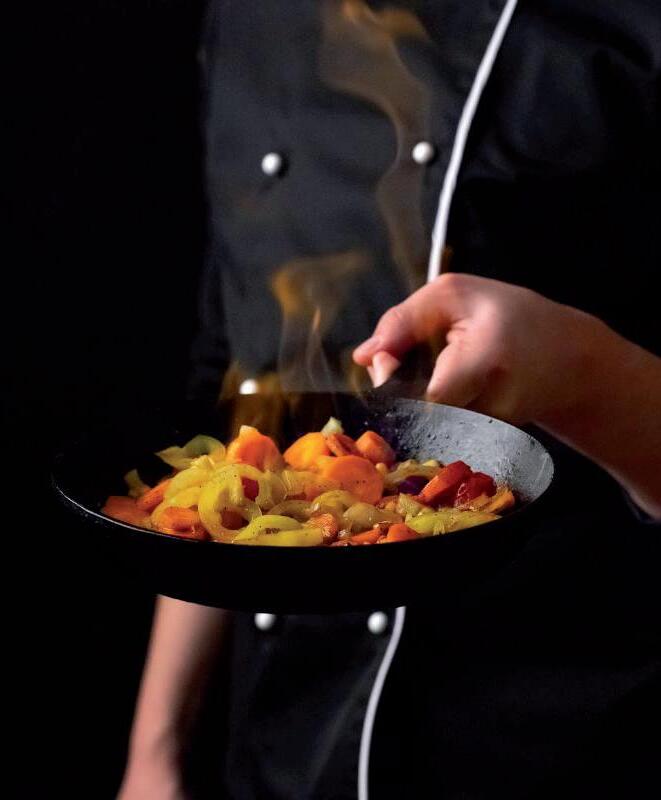
demonstrated by emerging chefs in New Zealand.
The Young Chefs Club – Auckland group from AUT, under the mentorship of Chef Scott, will represent New Zealand at the Worldchefs Congress in Wales. Their participation in the Young Chefs Forum and a subsequent culinary tour of London’s renowned food scenes exemplify the invaluable professional development opportunities available to our future leaders. We extend our gratitude to everyone who supported this outstanding achievement.
The 2026 Secondary and Tertiary Training Hospitality Competition is set to take place in May at the Manakau Institute of Technology. Applications close on the 12th of May.
The M.I.T. Secondary School Competition allows students to showcase their culinary, baking or hospitality skills in a competition arena. Categories range from static presentations to live cookery, and barista categories. The competition will be held on the 26th of May.
All competition categories are judged in accordance with the Guidelines for Culinary Arts and Restaurant Service Competitions available from the New Zealand Chefs Association. Competitors are awarded a certificate of participation, and where appropriate, the certificate will be endorsed accordingly as either
Bronze, Silver or Gold.
Craig Lucas, Head of School of Hospitality, Tourism and Service Industries at Manukau Institute of Technology, said that building on a strong legacy, the upcoming May competitions will provide an exciting platform for both secondary and tertiary students to demonstrate their talents across culinary, baking, and hospitality disciplines.
“With categories spanning static displays, live cookery, and barista service, the event continues to celebrate skill, creativity, and industry readiness in a dynamic, competitive environment,” said Lucas.
“As Head of School, I am proud to support an event that not only showcases the capability of our learners but also reinforces the standards and professionalism expected within the industry.”
Another calendar highlight, registrations for the 2026 Nestlé Golden Chef’s Hat Award are now open. The competition, now in its 61st year, has continued to support the next generation of chefs across New Zealand and Australia. Open to apprentice and junior chefs aged 18 to 24 years old as at 31 December 2026, the competition provides a platform for young chefs to test their skills, gain industry experience and connect with peers and mentors across the foodservice sector.

Living the Dream
Born and raised in a small village in Punjab, India, Navseerat Kaur has turned her passion for food and hospitality into an evergrowing career.
Having learnt to cook at only 10 years old, Kaur admitted it wasn’t love at first sight, and instead, more like an arranged marriage for which she happened to find solace.
It became her safe space, and after contemplating what type of other career she could choose, she never found anything that gave her the same satisfaction as the kitchen did.
For the past decade, Kaur has worked across several different roles in hospitality. She has mostly worked for cafes as she’s a natural early riser, and has fallen in love with how diverse the cafe concept can be.
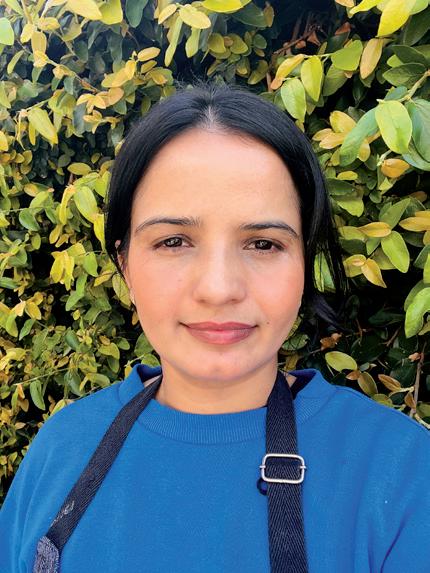
Over time, she has moved into leadership roles and gained confidence, running teams and handling the pressures that come with hospitality. In 2016, Kaur decided to pack her bags and move to New
Zealand, where she trained to be a chef at culinary school.
Opening her own space was always a dream for Kaur, and achieving that goal has been by far the biggest milestone in her career to date.
This became a reality after a chance encounter with global influencer Simon Squibb. The founder of HelpBnk.com, Squibb has gained a following of over six million on Instagram and over eight million on TikTok, and after a successful career as an entrepreneur, has since made the dreams of many others come true. Most of the time, these are people he has never met before.
After being impressed with Kaur’s culinary creations, Squibb (who lives in the UK and was on holiday in New Zealand at the time) gifted her NZD 50,000 to open her own restaurant and is not asking for it back.
Kaur said Squibb was only there to have lunch with his family, and it was a busy Saturday, meaning she was playing waitress as well as chef.
“I happened to recognise him and just said hi and that I am a fan of what he does for people, and after that he asked me about my dream. Let’s just say it was a metamorphosis for me. It had changed my life completely,” she said.
Kaur added that nobody in her family owns their own business, let alone any of the women, and so this was something she couldn’t believe would ever happen to her.
“Simon believed in my vision and wanted to help to make it happen. What started as a conversation turned into an opportunity that helped bring Pink Broccoli to life. Since then, the support from people online and from the local community has
been overwhelming in the best way possible.”
Beyond the social media attention, the experience reminded Kaur of how powerful kindness and community support can be.
“I’m incredibly grateful for everything that has come from it.”
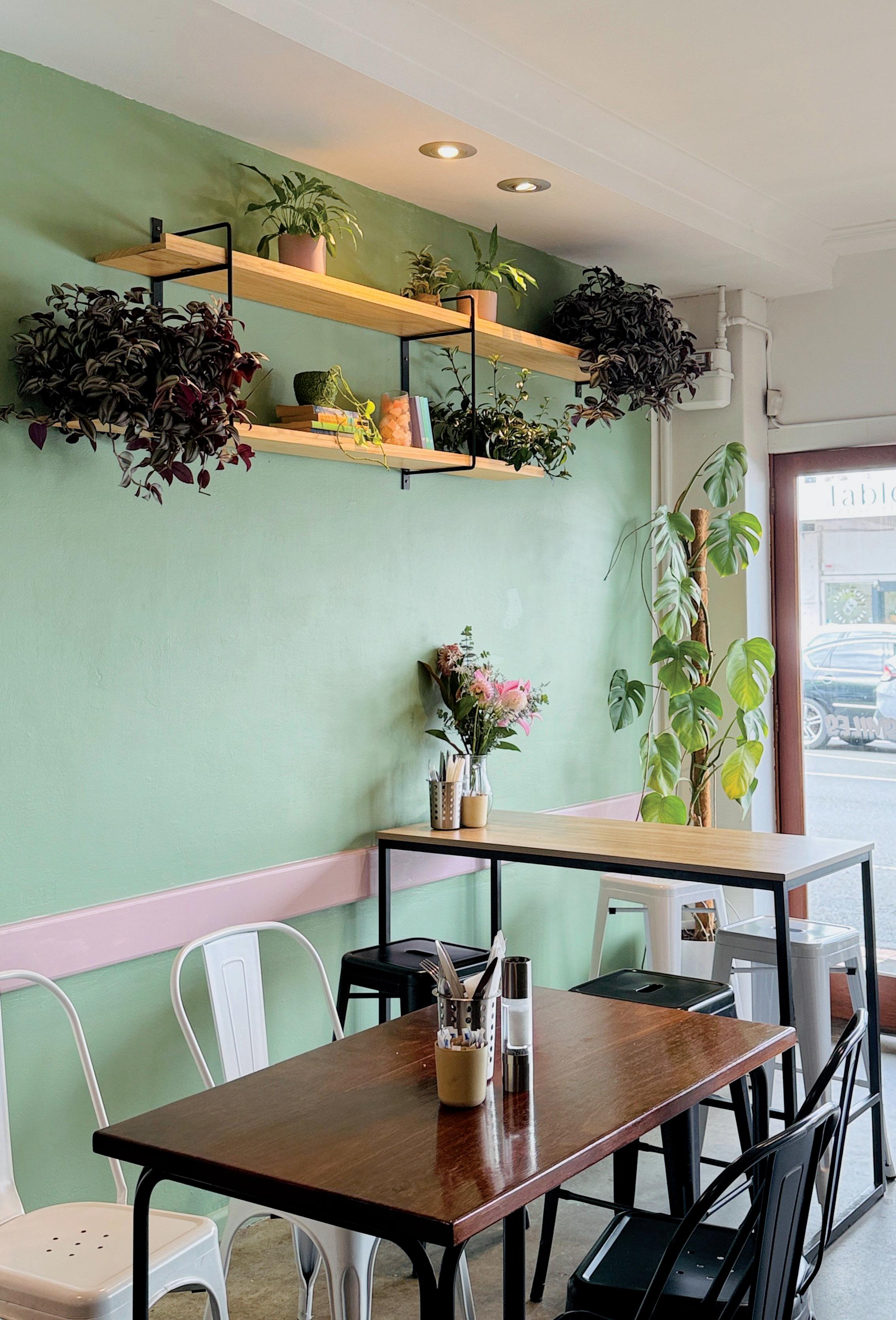
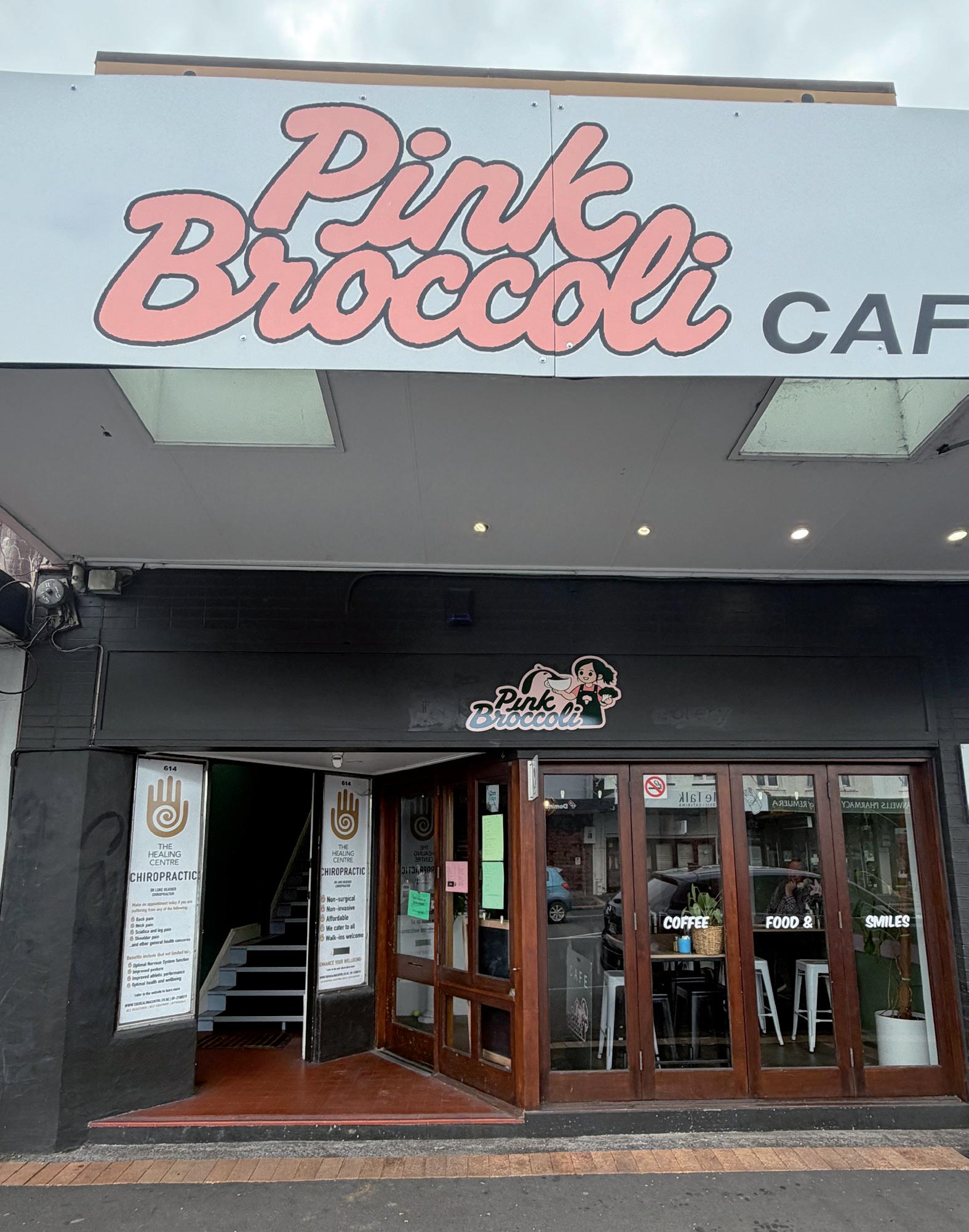
Pink Broccoli, located along Remuera Road, has paid homage to its roots and has continued to serve the old menu, but this will be changing soon.
Popular dishes that customers keep coming back for include kiwi
classics like mince on toast, or more adventurous dishes like chicken bacon waffles, balsamic mushrooms, and chilli scrambled eggs. Kaur said that both pasta dishes, which Squibb ordered, have remained on the menu.
Right now, her biggest focus is to continue to grow Pink Broccoli in a sustainable way and build a strong team and community around it. She said opening a restaurant is only the beginning, and that maintaining consistency and creating a great experience every day is the real challenge. She is also exploring new dishes, hosting more events and collaborations, and continuing to build the brand both locally and online.
“The support we’ve received has been incredible, and I want to make sure we continue giving people a reason to come back.”
She added that her next goal is to keep growing creatively as a chef and a business owner.
For up-and-coming chefs, Kaur said that often passion isn’t enough on its own, and that they will need resilience, patience, and a willingness to learn every part of the business. She said that hospitality can be incredibly rewarding, but it is also demanding physically, mentally and financially.
She said it is important to learn as much as possible before opening a restaurant, and that it’s essential to understand food costs, staffing, systems, and customer experience just as much as cooking itself.
“Don’t be afraid to ask for help, and don’t compare your journey to anyone else’s. Most importantly, create something authentic to you. People connect with genuine stories and genuine hospitality.”
Kaur said she is incredibly grateful to everyone who has supported her journey so far, from her local and regular customers to the people who believed in her before her dream became a reality.
“Hospitality is about people at the end of the day, and seeing customers return, recommend us to friends and connect with what we’re building means everything. We’re still very new, but we’re excited for what’s ahead.”
Owner Pink Broccoli
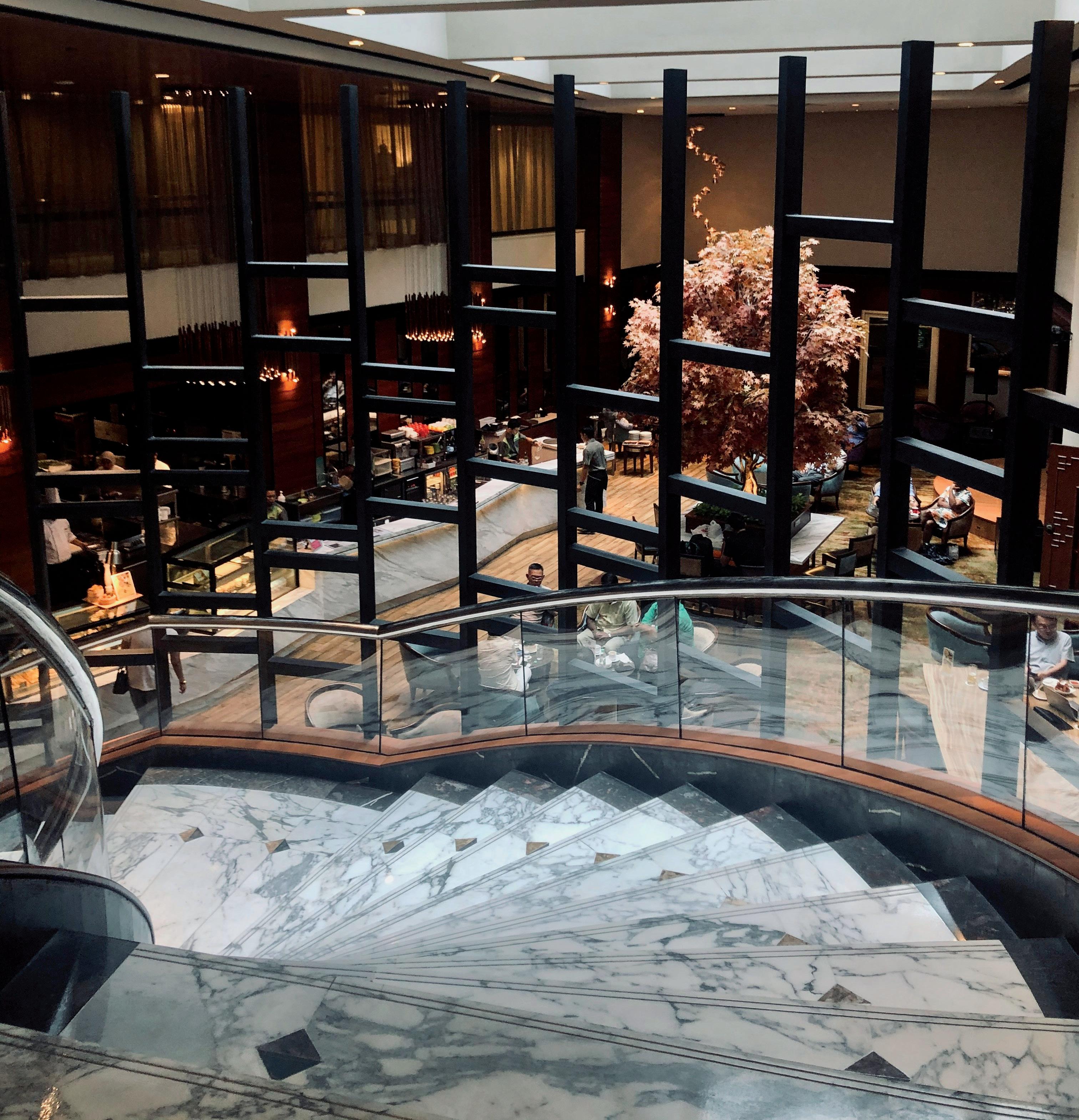
becomes more visible as layouts expand and service models diversify.
Hotels have long worked across multiple environments. Lobby, café, restaurant, bar and shared areas all carry different expectations. Restaurants and cafés are moving in the same direction, adding outdoor seating, takeaway zones or split dining areas.
The issue is not just physical separation. These spaces are often operating at different speeds at the same time.
A hotel lobby mid-morning, a café in peak lunch service, and a bar preparing for evening trade all require different sound profiles. In many properties, these environments run concurrently. Without structured control, sound overlaps or conflicts.
Operators often rely on loosely connected systems or local control. Volume levels compete. Playlists drift. Staff adjust settings independently, creating variation within the same property. What works in one space does not translate to another.
Movement exposes this quickly. A calm lobby can give way to an overly loud café. A restaurant may feel disconnected from the bar alongside it. The shift is subtle, but it affects how the overall experience is read.
The operational impact is immediate. Staff step in to correct sound conflicts between zones, usually during service. These are small interventions, but they happen when attention is already stretched.
This is where control becomes
more relevant than selection.
Multi-zone systems allow operators to manage different environments independently while maintaining a consistent baseline. Volume, style and transitions can be set centrally rather than adjusted locally.
As spaces multiply, managing sound as a single layer becomes harder to justify.
The shift is towards treating each environment as part of a connected system. Not isolated spaces, but coordinated ones.
For operators, the question is not whether each space sounds right in isolation. It is whether sound across the property is being controlled or left to be managed one area at a time.
Sound Across the Day
Service does not run at a single speed, yet many operators still treat music as if it does. For restaurants, cafés and hotels, that mismatch becomes more visible as trading patterns tighten.
Daypart thinking, the way operators break the day into trading periods based on customer behaviours and service flow, already shapes menus, staffing and service style. Sound often sits outside that structure, left to whoever is on shift.
Breakfast is functional. Customers want clarity, pace and ease. In hotels, this is tied to departures. In cafés, it is built around routine. Music that is too heavy or inconsistent disrupts that flow, often through volume rather than selection.
By lunch, the room changes. Turnover becomes more important. Tables need to move without creating pressure. Staff often manage this manually, adjusting playlists or volume in response to how the room feels. The outcome varies between days and shifts.
Evening service carries a different expectation again. Customers are more likely to stay. Sound supports that shift when it builds gradually, rather than changing abruptly.
The issue is not a lack of awareness. It is reliance on manual control.
Manual playlist management introduces variability at each transition point. A morning playlist runs too long. Volume does not adjust as the room fills. Staff do not always have time to intervene.
Automation introduces structure rather than removing control.
Daypart programming allows operators to define how sound behaves across the day. Breakfast, lunch and evening can carry distinct profiles. Transitions are timed rather than reactive.
The benefit is consistency. Staff are not required to interpret how music should change. The system holds that structure in place.
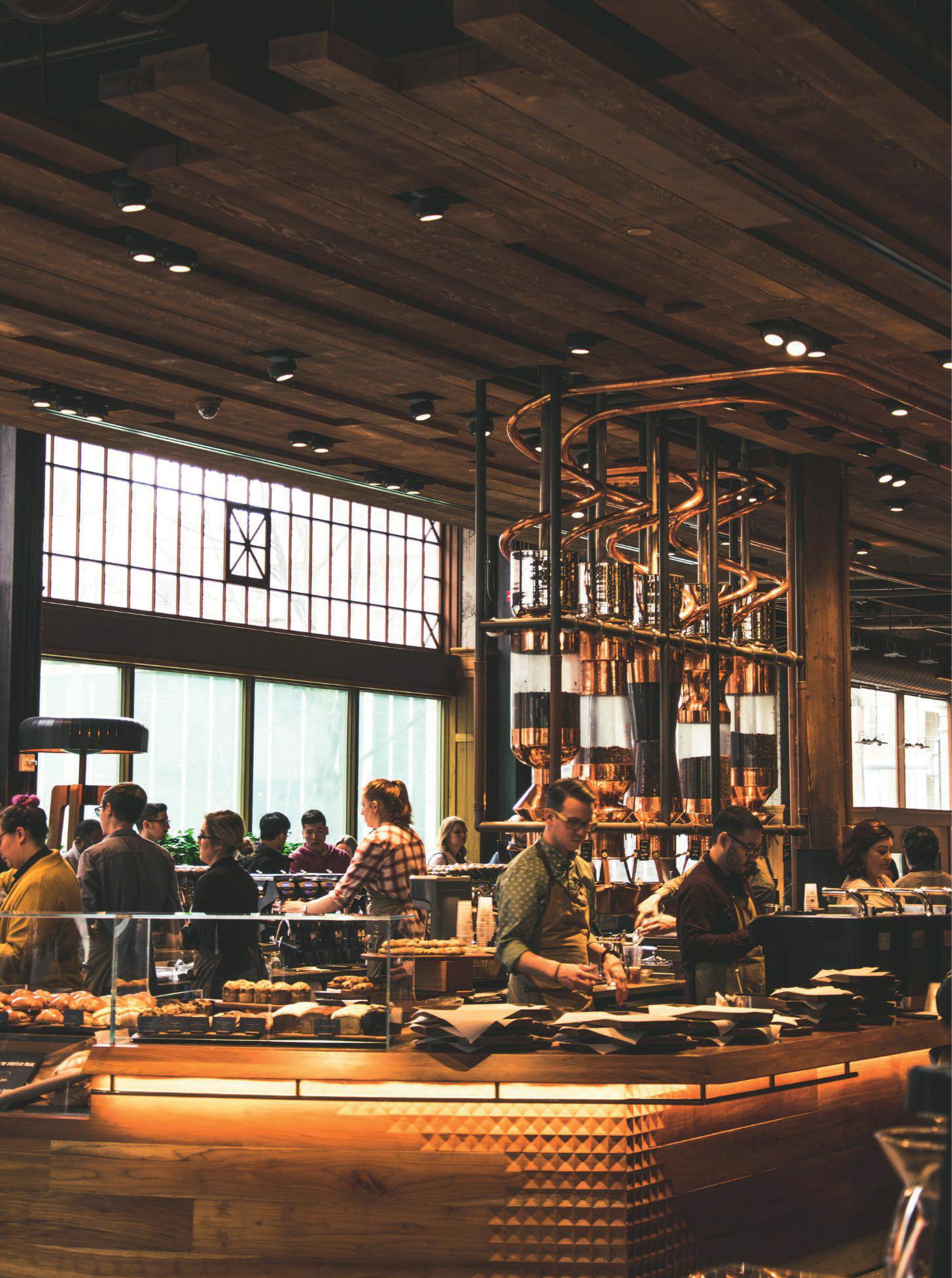
The broader shift is towards treating
When Everything Aligns to Customer Expectations
The first few seconds matter more than most operators are willing to admit. Not because customers analyse the space in detail, but because they do not. The decision forms quickly, often before a menu is opened or a staff member engages.
What sits behind that moment is not a single element. It is how multiple elements arrive together.
For restaurants, cafés and hotels, brand is often developed in parts. Menu design sits with one team, signage with another, digital presence somewhere else. Music is handled locally. Table settings evolve over time. Each decision makes sense on its own. Alignment is where it either holds or breaks.
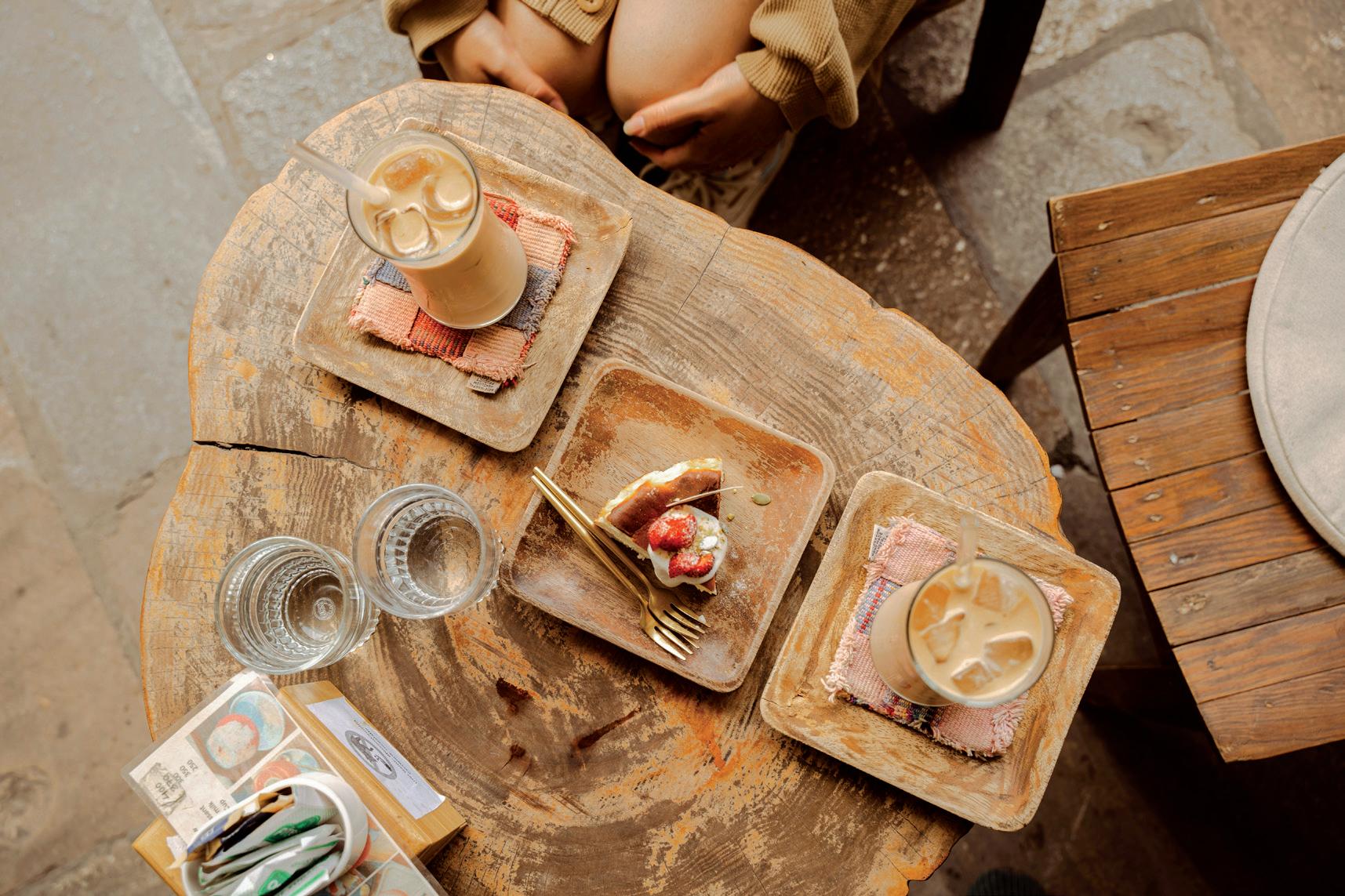
Customers do not experience a venue in channels. They experience it as a single environment. The tone of the website sets an expectation before arrival. Signage confirms or shifts that expectation at the door. Menus, lighting, music and table presentation continue that sequence.
When those elements sit comfortably together, the experience feels coherent. When they do not, the disconnect is immediate.
Music sits within this, but not in isolation.
In many venues, it is still treated as an operational detail rather than part of the brand expression. Playlists are built locally. Volume is adjusted during service. Changes are made in response to the room.
That approach can work. It becomes harder to sustain when the rest of the brand has been defined more deliberately.
The contrast shows up quickly.
A venue positioned one way carries a soundtrack that suggests something else. In hotel environments, guests moving between spaces encounter shifts that feel unrelated. The issue is not individual decisions. It is how they sit together.
Menus, signage and digital presence follow the same pattern.
Language, layout and imagery all signal positioning. When they do not align with the physical environment, customers adjust their expectations on arrival.
Table presentation and lighting reinforce or undermine that position.
None of these elements operate independently. They are read together.
Hospitality itself still sits at the centre of the experience. How customers are greeted and how service is delivered will always carry weight. What has changed is that these interactions now land within an environment that has already set an expectation.
When setting and service align, the experience feels natural. When they do not, staff are often left to compensate.
Most decisions are still made in isolation. Menu updates, website changes, music selection and table presentation follow different timelines.
Some operators are starting to review these elements together.
Not as a redesign, but as an ongoing check. Does the space feel as intended? Do the elements support each other?
This is not about uniformity.
Different dayparts and spaces require variation. The aim is not to remove those differences, but to ensure they sit within a consistent frame.
Music becomes part of that discussion.
For operators, the question is not whether each element works on its own. It is whether the overall environment reflects what the business is trying to present.
That is what the customer experiences from the moment they enter.