

For cafés and restaurants, this is not just a petrol story. It is a margin story, a demand story, and potentially a survival story.
It is easy to read rising fuel prices as a consumer problem first. Fewer discretionary coffees. Fewer second drinks. A softer Friday night. That will be part of it, but it misses the bigger issue. Petrol does not just change how customers feel. It changes how hospitality businesses function. MBIE is already warning that petrol and diesel prices are expected to stay high and may continue to rise in coming weeks, and it is explicitly telling businesses to plan ahead for higher fuel costs.
That matters because fuel works its way through nearly every line of a hospitality P&L. Freight lifts. Supplier delivery costs lift. Packaging becomes more expensive because petrochemical inputs are under pressure. Food costs come under strain through transport and dieselheavy production and distribution. That is why the current market is starting to feel uncomfortably similar to COVID-era disruption, but without the buffer of government support. This time, the pressure looks more like a rolling commercial squeeze.
Costs move first. Customers pull back second. Relief does not arrive at all.
Across the sector, operators are already talking in more defensive terms. The conversation is shifting from growth to protection. The instinct in periods like this is often to look inward first, trim labour, tighten rosters, push prices where possible. That will happen, but it is only part of the equation. The more material opportunity may sit upstream, in how operators work with suppliers.
There is a case for reopening conversations that, in more stable periods, tend to sit on autopilot. Pack sizes, delivery frequency, minimum order quantities, product specifications, even menu inputs that have simply carried over year to year. Not every supplier will have room to move, but some will, particularly if the conversation is framed around volume certainty, simplified ranges or longerterm alignment rather than one-off price pressure.
The menu itself becomes part of that discussion. The 2026 menu is unlikely to reward complexity. It will favour dishes that travel well across dayparts, use overlapping ingredients, and minimise waste. It is not about stripping back to basics, but about making sure every element earns its place commercially.
There is also a practical conversation to be had around substitution and sourcing. Local alternatives where supply is more stable. Slight spec adjustments that reduce cost without compromising the dish. Even small shifts, repeated across a menu, can change the margin profile more than a headline

Publisher: Tania Walters, tania@reviewmags.com
General Manager: Kieran Mitchell, kieran@reviewmags.com
Editor-in-Chief: Caitlan Mitchell, caitlan@reviewmags.com
Editorial Associate: Sam Francks, Jenelle Sequeria
Advertising: Caroline Boe, caroline@reviewmags.com
Graphic Designer: Raymund Santos
price increase that risks pushing customers away.
For suppliers, this period is not without risk either. Volume volatility, rising input costs and customer hesitation all feed back up the chain. That creates a shared incentive to find workable ground. Operators that approach suppliers with a clear view of their numbers and a willingness to collaborate rather than simply negotiate are more likely to find solutions that hold.
Even if the Iran conflict ended tomorrow, that would not mean an immediate unwind. Supply contracts, freight rates, packaging costs, insurance settings and buying behaviour do not snap back overnight.
So the message for cafés and restaurants is not to wait for normality. It is to model for disruption now, and to do it in partnership where possible. Assume turnover softens. Assume some costs stick longer than expected. Use that as a base to rework menus, reset supplier conversations and strip out inefficiencies before they become critical.
The risk is not simply higher petrol. The risk is trying to manage it alone, when parts of the solution sit outside the four walls of the business.



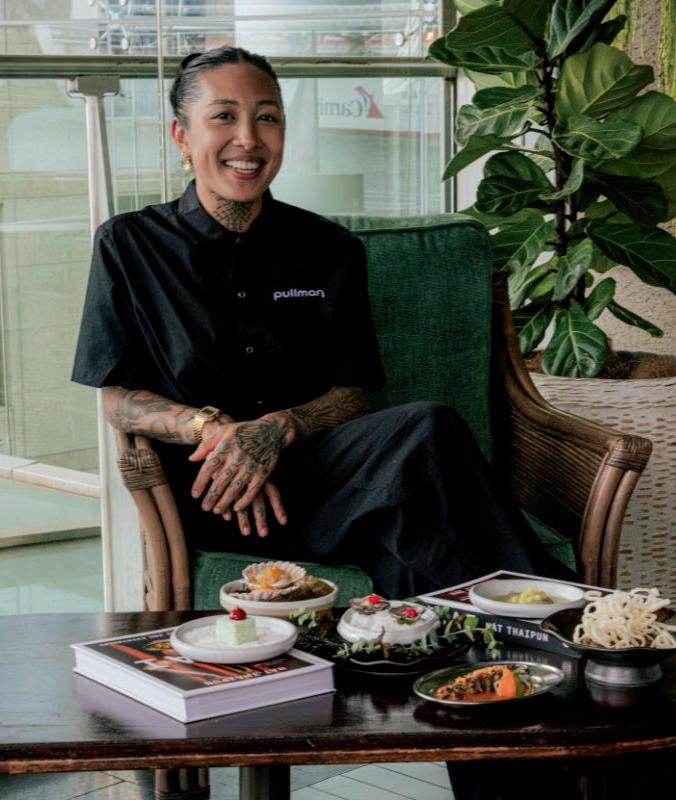
Acclaimed chef Nat Thaipun has announced a new menu for Pullman Hotels, set to launch throughout the portfolio in mid-March.
Pullman Hotels has turned up the heat on hotel bar dining, introducing a new menu takeover by celebrated chef, bestselling author and MasterChef winner Nat Thaipun. Launching from mid-March, the menu will be available until October at Pullman Auckland Hotel & Apartments and Pullman Rotorua alongside participating Pullman Hotels in Australia and Asia.
→ READ MORE ONLINE

Conflict in the Middle East may seem a world away for many, but its impact has struck a major chord for the New Zealand Seafood industry.
New Zealand’s seafood sector is beginning to feel the ripple effects of the latest conflict in the Middle East, with disrupted shipping routes and rapidly rising fuel costs creating significant challenges for exporters.
Seafood New Zealand Chief Executive Lisa Futschek said the instability in the region is creating uncertainty across the entire supply chain.
→ READ MORE ONLINE
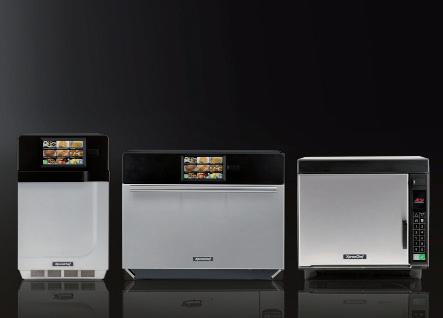
Menumaster delivers speed, efficiency, strength, and durability – which is why it is the microwave oven of choice for fast food chains, service stations, supermarkets, convenience stores, cafés and restaurants. Comprising a complete range of commercial microwave and accelerated microwave, convection, infra-red ovens designed to meet the needs of the most demanding hot food serving environments. STOCK AVAILABLE IN OUR AUCKLAND WAREHOUSE


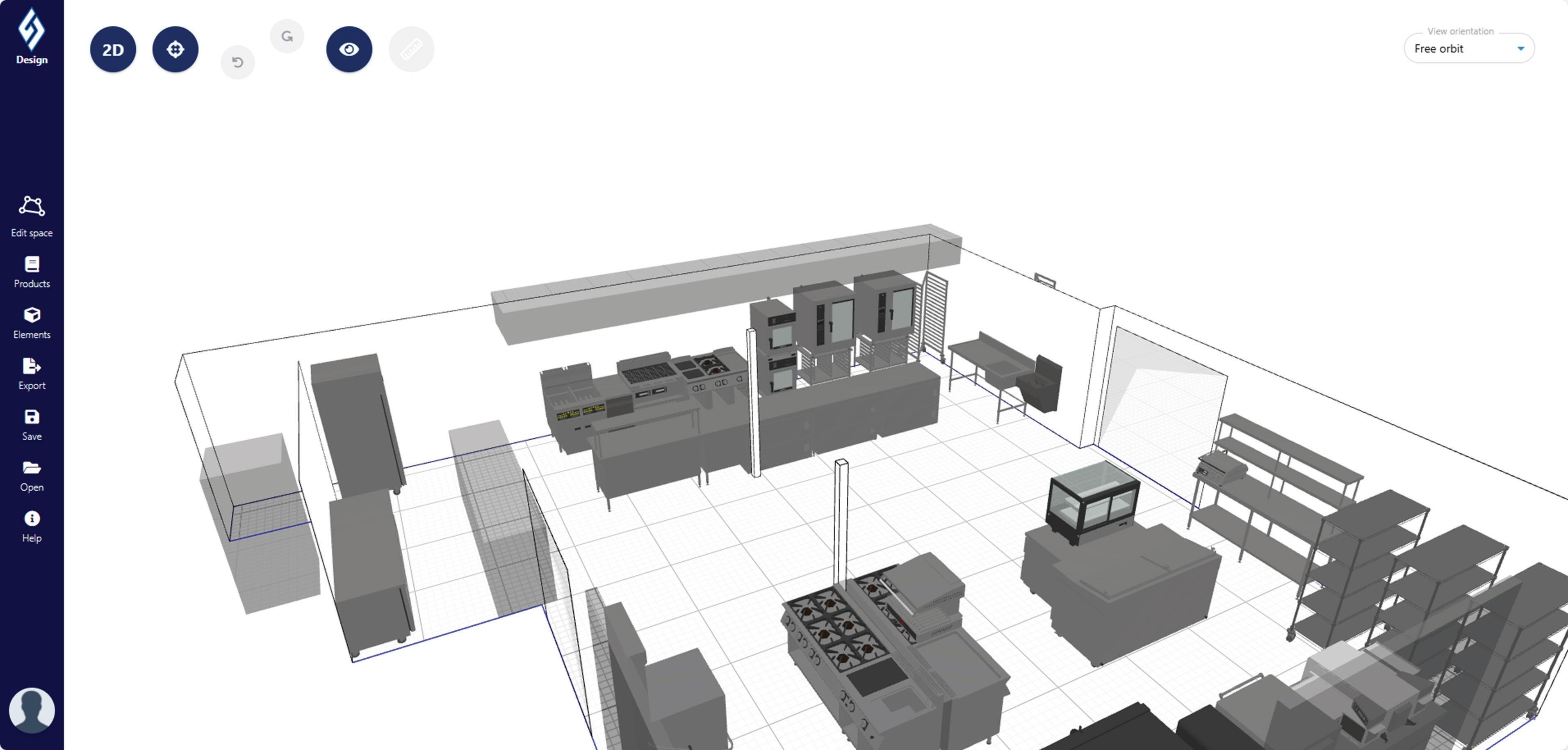
The kitchen Sketch Tool Youʼve always wanted
Simplify the creation & quoting of commercial kitchen concepts with Stoddartʼs online Sketch Tool.

There are only a couple of weeks to go until 2026 Hospitality Training Trust grant applications close on the 10th of April.
Applications for 2026
Hospitality Training Trust grants will close on the 10th of April. If you haven't applied yet, now is the time.
Hospitality Training Trust Grants support visionary ideas within the sector, such as a project businesses would like to see adopted in the industry, or an outstanding worker who would benefit from specific training.
Last year, grants were awarded to a variety of organisations, furthering their commitment to the industry. These included Auckland & Waterfront Theatres for training staff to manage deaf and disabled patrons, the Bed & Breakfast Association for online training workshops, and the DINE Academy to invest in the future of hospitality, tourism and youth.
The Hospitality Training Trust was set up to encourage and support training in the sector. Since the trust was founded in 2011, it has continued to promote the development of excellence, leadership, talent and knowledge in the industry.
To date, the Trust has awarded a range of Grants, initially for projects sponsored by the Hospitality Standard Institute and in 2012 to projects proposed by Service Skills Institute (trading as ServiceIQ). From 2013, applications were invited from other hospitality sector participants.
Grants have previously been awarded to a range of projects, such as training for completion of judging qualifications, host responsibility training, Australasia
tapas competition, PDP for young leaders in the tourism sector, support for pre-employment training and youth development for those at risk, Cheesemaker Awards, including Cheesemaker of the Year, and support of an online hospitality
Hospitality Training Trust grant applications are now open, closing on the 10th of April Get in touch at htt.org.nz
associations, businesses or individuals
Trust around building excellence across the hospitality sector.

Early engagement with Inland Revenue helps hospitality operators manage rising tax debt, stabilise cashflow pressures, and focus on moving forward.
“I’m from the tax department, and I’m here to help you” is a phrase that often raises a wry smile from business owners. Few operators instinctively believe it. Yet many restaurant and café owners will quietly acknowledge that their actual dealings with Inland Revenue are more constructive than expected. For businesses carrying tax debt, early conversations are practical, measured and focused on finding a pathway forward.
Running a hospitality venue is a constant balancing act. Wages must be met, suppliers paid, and rent and utilities covered on time. When trading conditions tighten, tax can gradually move down the priority list. The difficulty is that unpaid tax rarely stands still. Interest and penalties can cause debt to grow quickly, sometimes reaching levels that feel impossible to manage. What begins as a short-term cashflow decision can develop into a significant
financial pressure point.
Inland Revenue generally allows time for businesses to catch up when payments are missed. Instalment arrangements can often be set up through myIR or with the support of an accountant, helping to prevent further penalties from being added. Problems tend to arise when tax obligations are left unattended for extended periods. A PAYE shortfall that initially appears manageable can escalate sharply once compounding costs are factored in.
According to Inland Revenue, many businesses across the hospitality sector are facing tax debts that reach into the six-figure range. In these situations, the outcome often depends less on the size of the debt, and more on how owners respond once the position becomes clear.

One family-run hospitality group only recognised the full extent of its tax issues after the director experienced ongoing health challenges and compliance responsibilities slipped. GST and income tax arrears had built up over several years. When other family members stepped in, they replaced the director and began working closely with their accountant and Inland Revenue to stabilise the situation. Because current tax obligations were being met and there were genuine reasons for the earlier non-compliance, Inland Revenue agreed to remove penalties provided the core debt and interest were repaid under a realistic plan. The family sold assets, made lump-sum payments
across some entities and structured instalment arrangements for the remainder. Strengthening governance and financial oversight proved critical in regaining control.
A takeaway operator faced a different reality. After building a significant tax debt, the director initially attempted to trade through the issue. Some repayments were made and an instalment plan was agreed, but continued trading pressures meant the arrangement could not be sustained. Inland Revenue indicated liquidation was likely.
Instead, the director requested time to sell the business. Evidence of an active sale process, including legal representation and interested buyers, provided enough assurance for Inland Revenue to delay enforcement. While the eventual sale did not fully clear the debt, a portion was written off once the business ceased trading. With no ongoing risk to future tax revenue, further recovery action was considered unlikely.
In another case, a restaurant continued operating despite clear advice that closure should be considered. Owners were motivated by loyalty to staff and community expectations, yet did not have a viable plan to address a growing PAYE liability. As trading continued, so did the debt, increasing the eventual impact. Inland Revenue ultimately moved to liquidate the business and is now assessing whether recovery can be pursued against the owners personally.
These situations reflect a common pattern. Businesses that engage early, stay current with new tax obligations and seek professional advice tend to have more options available. Conversely, hoping to trade out of a mounting tax position can allow the problem to grow unchecked, much like the beanstalk in the well-known story.
Opening a conversation with Inland Revenue sooner rather than later can reduce stress, create clarity and help operators make more informed decisions about the future of their business.
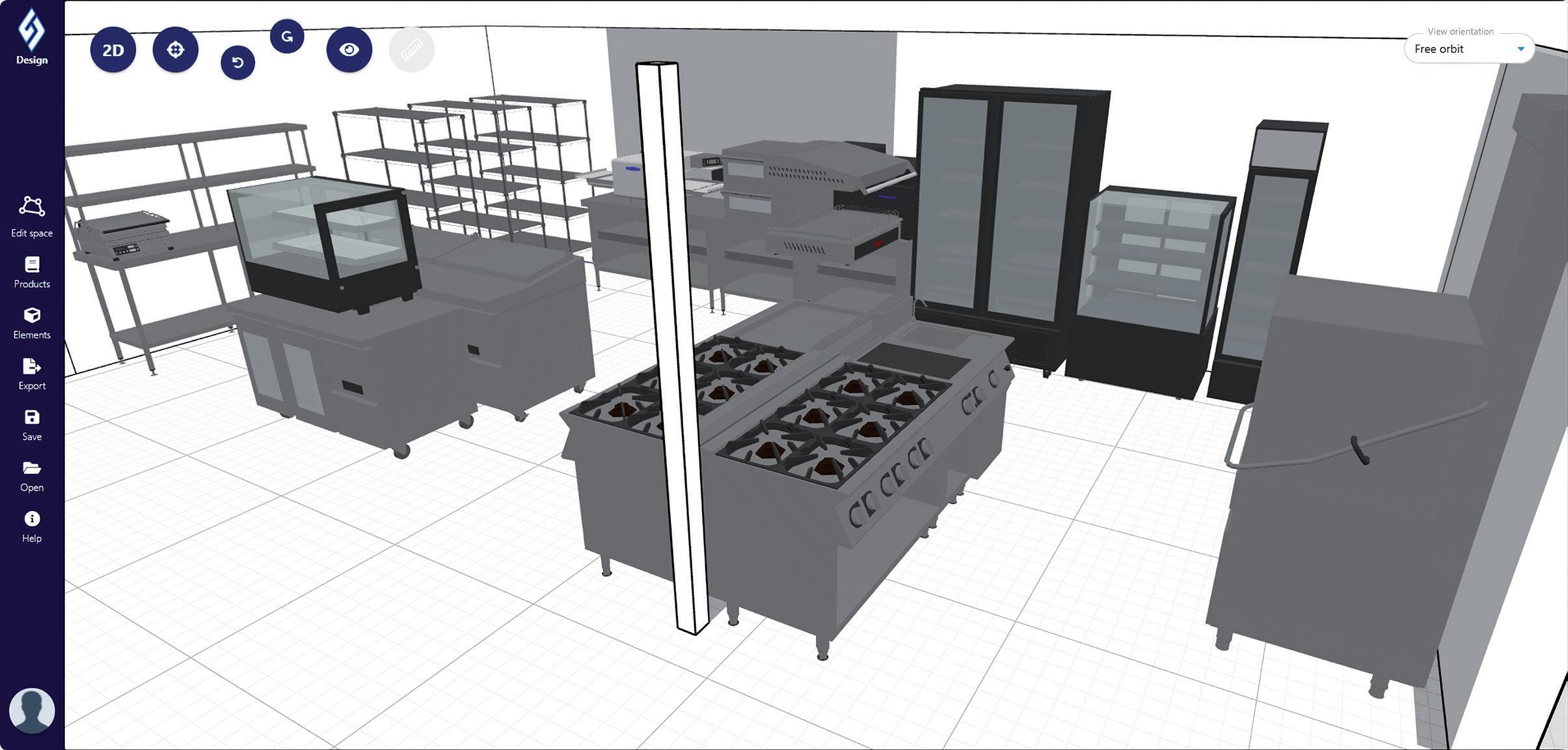
Designing a kitchen is one of the biggest decisions restaurants will make. A wellplanned kitchen saves money, reduces staff stress, and helps you serve customers faster. A poorly planned one is expensive to fix later. The Stoddart Sketch Tool has made this a seamless process, allowing businesses to visualise the space before it’s even built. Think of the kitchen as a production line for food.
How the Stoddart Sketch Tool Helps
Visualise exactly what the kitchen will look like, and place real equipment into the layout by using the Stoddart Sketch Tool. It will also indicate just how much space is needed for the necessary equipment.
Start With the Menu, Not the Equipment
Before looking at ovens or benches, it’s essential to consider what food will be served, how fast it must come out, how many customers will be served during peak times, and whether it's for dine-in, takeaway, or both.
The menu determines every decision that is made, especially kitchen space, staff numbers and equipment. For example, a burger shop and a cafe might be the same size, but they need completely different kitchens.
Picture the Food Journey
Food should move in one direction only, starting from its delivery, storage, preparation, cooking, service, waste, and washing up.
If staff cross paths through the kitchen, service slows down. Good kitchens feel logical to walk through.
Using the Stoddart Sketch Tool can help to visually test this flow before anything is built.
Divide the Kitchen into Zones
The most successful kitchens include storage (including refrigerators and freezers), preparation areas, a cooking line, service/pass areas and a dishwashing area. It’s essential to keep dirty areas away from food preparation areas.
Choose Equipment Carefully
It’s important to purchase equipment that matches the menu, not what looks the most impressive. Consider whether or not it will be used every day, if it can speed up service, whether it will be easy to clean, and if staff are able to use it safely.
A smaller, efficient kitchen will often outperform a crowded one.
Make Staff Movement Easy
Members of the kitchen team walk kilometres every shift, and every extra step costs time and labour.
A good design will allow fridges to be near prep fridges, cooking equipment to be grouped together, clear walking paths around the space, and no tight corners during busy service.
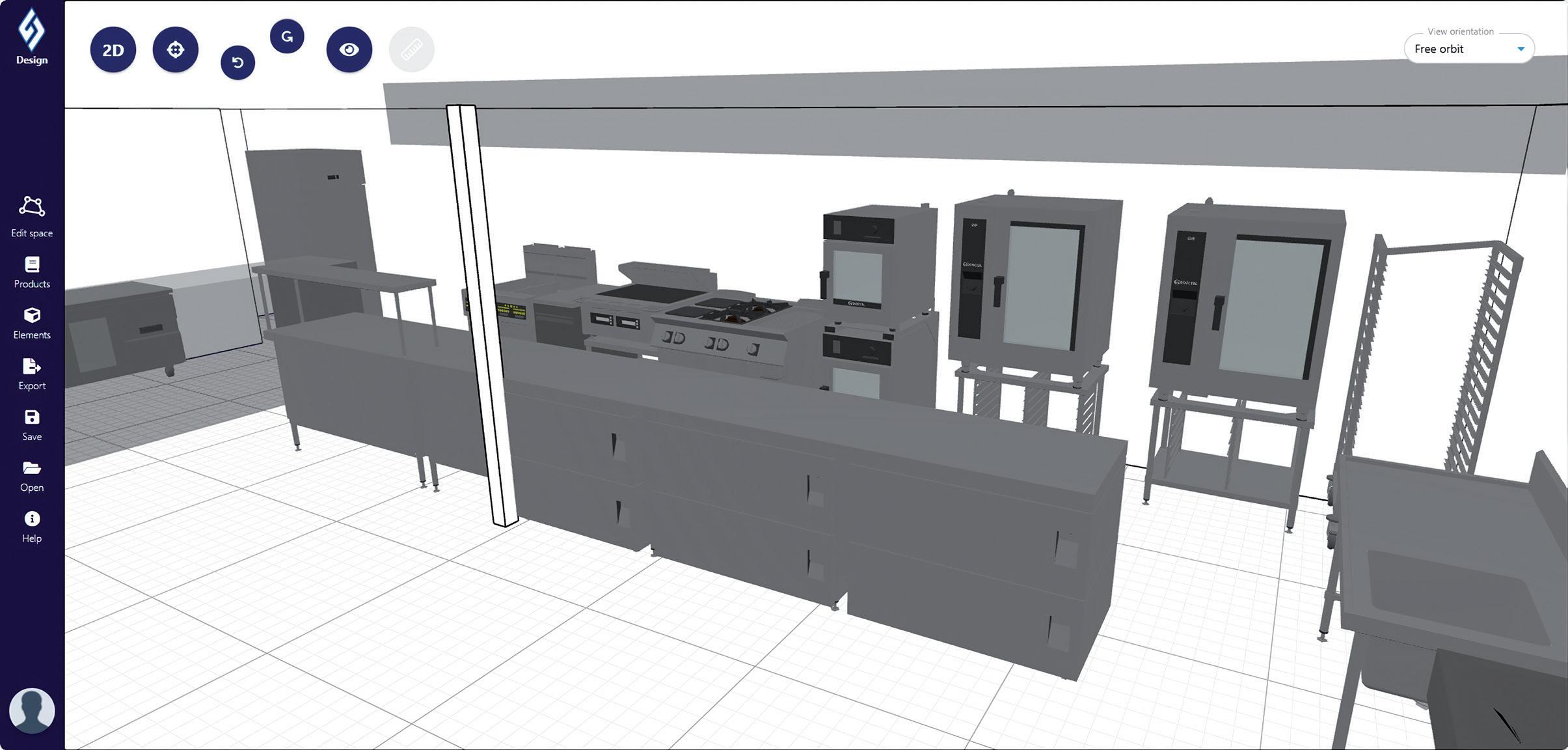
An efficient kitchen needs to have the right services for the equipment purchased, such as power, gas, water, drainage, and extraction and ventilation.
Moving services later is an expensive exercise, and can sometimes cost tens of thousands of dollars. Designing layouts created using the Stoddart Sketch Tool will assist builders, electricians and service technicians to understand placement early.
Health inspectors care about cleaning access. Therefore, it is vital to include space behind equipment, stainless steel surfaces, floor drains, and handwash sinks.
It’s essential to remember that if it’s too hard to clean, then it may fail inspections eventually.
Before anything is finalised, envisioning what the space would look like during its busiest service will help to navigate what priorities need to be taken into account. Consider where the chefs will stand, where the service fridges will be placed, where the equipment is placed for cooking, where the plates will be stored, where the dirty dishes will be placed, and if the area will flow for drop off and pick up for front-of-house staff.
Moving equipment around digitally will make it feel natural and suit the workflow for every member of the kitchen team.
Business operators should ask themselves what will happen if business doubles, if there is room for another fridge, or if adding takeaway service increases the kitchen’s requirements. Designing flexibility now will avoid expensive renovations later.
Before signing off on the kitchen’s design, check if the workflow makes sense, whether staff paths are clear, if the equipment will fit in comfortably, whether there is enough room for cleaning access, and if utilities are confirmed.
The golden rule for first-time owners to remember is to design for speed, simplicity and workflow, not appearance. Customers don’t usually see the kitchen layout, but they can feel its impact through faster service, consistent food, and happier staff.
For more information, visit stoddart.co.nz or contact info@stoddart.co.nz | 0800 79 1954


The search for Australia and New Zealand’s top young culinary talent begins as career-shaping competition enters its seventh decade.
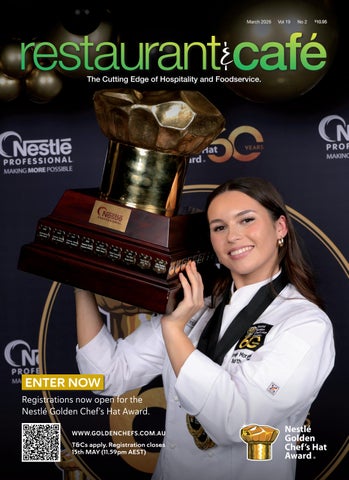
With kitchens under pressure and skilled chefs in high demand, celebrating and supporting emerging talent has never been more important. Nestlé Professional has opened applications for the 2026 Nestlé Golden Chef’s Hat Award, inviting the next wave of young chefs from New Zealand and Australia to step forward.
Since its launch over 60 years ago, the programme has helped more than 8,000 emerging chefs build the skills required to thrive in modern foodservice. The competition remains a proven pathway for young chefs to gain hands-on experience and build connections within the industry, supported by Nestlé Professional, NZChefs and Australian Culinary Foundation (ACF).
“Chef and skill shortages remain one of our industry’s biggest challenges. The Nestlé Golden Chef’s Hat Award gives young chefs the confidence, capability and connections to thrive and, in turn, helps to shape a stronger, more sustainable future for foodservice,” said Nestlé Professional General Manager, Kristina Czepl.
The competition has evolved to meet the needs of those entering the industry, producing celebrated alumni who have gone on to own businesses, advance culinary innovation and lead renowned establishments across the world.
Winner of the 2025 competition, Emily Morgan from Auckland, said the experience was instrumental in accelerating her career.
“Winning the Nestlé Golden Chef’s Hat Award opened doors I wouldn’t have had otherwise. It pushed me to refine my skills, think creatively under pressure, and connect with others in the industry. I’d encourage any young chef to enter, the experience you gain is invaluable.”
The search for this year’s Golden Chef begins
Founded in 1965, the Nestlé Golden Chef’s Hat Award is Australia’s longest-running culinary competition. Entry is free and open to apprentice and junior chefs aged 18–24 across New Zealand and Australia. Emerging talent will be given the chance to win their share of $28,000 AUD* in prizes, with the grand prize including an incredible 7-day international culinary trip to Singapore, valued at AUD 10,000.
Regional and metro cook-offs will run from June to July, with more than 300 chefs expected to enter in hopes of securing one of 11 regional finalist spots.
The Grand Final will be held at Melbourne’s Fine Food Australia in September, where finalists will cook in front of a live audience for the prestigious title of Nestlé Golden Chef of the Year, with the winner announced at an Industry Awards Dinner.
Legacy programme enters new chapter of fostering culinary talent
The Nestlé Golden Chef’s Hat Award goes beyond recognising culinary skills, with wellbeing and inclusion core to the competition. For a thirdyear running, its partnership with The Burnt Chef Project will provide young chefs with access to mental health resources and practical support.
Nestlé Professional will also continue its work with the National Indigenous Culinary Institute (NICI), supporting mentorship, training and skills development that create meaningful career pathways for Indigenous chefs.
The 2026 programme is proudly backed by a strong line-up of returning partners, including Rare Medium (MLA Foodservice Division), Koi Knives, Solidteknics, and Nestlé Professional’s leading brands Maggi, Buitoni and Nestlé Docello. It is with their support and expertise that the competition can continue to champion the industry’s talented young chefs and provide careershaping opportunities.
Entries for the 2026 Nestlé Golden Chef’s Hat Award are now open and close at 11:59pm AEST on 15 May 2026.
For more information or to apply online, visit https://www. goldenchefs.com.au/

Cafe Collective – Goodman Fielder Foodservice Entries open February 2026
A nationwide café promotion supporting independent cafés. Businesses sign up, purchase participating products and go in the draw to win prizes, business support packages and promotional opportunities. The programme is designed to support café growth and supplier partnerships.
Anchor Signature Drink Challenge 2026
Registrations close 10 April 2026
The hunt is on to find New Zealand’s best Signature Drink, with registrations now open for the Anchor™ Signature Drink Challenge 2026. Whip up a signature, feature it on your menu, and the public will vote for the Grand Winner.
Hospitality Training Trust – 2026 Grants
Applications close 10 April 2026
The Hospitality Training Trust offers education and training grants for people working in the hospitality industry to help fund courses, training, travel or professional development opportunities.
Flavours of Plenty Festival
16 April – 3 May 2026
Held in the heart of the Bay of Plenty, the Flavours of Plenty Festival celebrates local producers, chefs and restaurants. The festival includes dining events, tastings, food experiences and the popular Plates of Plenty restaurant competition.
Monin Cup 2026
Entries close 19 April 2026
A beverage creation competition where competitors create innovative drinks using Monin syrups and products. Drinks are judged on creativity, balance, presentation and technique.
Lewisham Awards
Voting opens 20 April – closes 4 May Awards night 31 May 2026
The Lewisham Awards recognise excellence in Auckland hospitality including best cafés, restaurants, bars, chefs, front-of-house and hospitality businesses, with public voting and industry judging.
Aotearoa Brewers Cup Championship 2026
1–2 May 2026
Baristas will prepare brewed coffee for judges and are assessed on flavour, technique, consistency and presentation.
Nestlé Golden Chef’s Hat Award 2026
Entries close 15 May 2026
The search for Australia and New Zealand’s top young culinary talent begins as career-shaping competition enters its seventh decade. With kitchens under pressure and skilled chefs in high demand, celebrating and supporting emerging talent has never been more important. Nestlé Professional has opened applications for the 2026 Nestlé Golden Chef’s Hat Award, inviting the next wave of young chefs from New Zealand and Australia to step forward.
Worldchefs Congress & Expo
16–19 May 2026 – Newport, Wales
An international hospitality industry event bringing together chefs, educators and suppliers for competitions, demonstrations, networking and industry education. FEBRUARY

Info Chef 2026
8 June 2026
Hosted by NZ Chefs, participants will test both culinary knowledge and practical cooking skills through written tests and cooking challenges.
Australasian Gaming Expo
11–13 August 2026 – Sydney
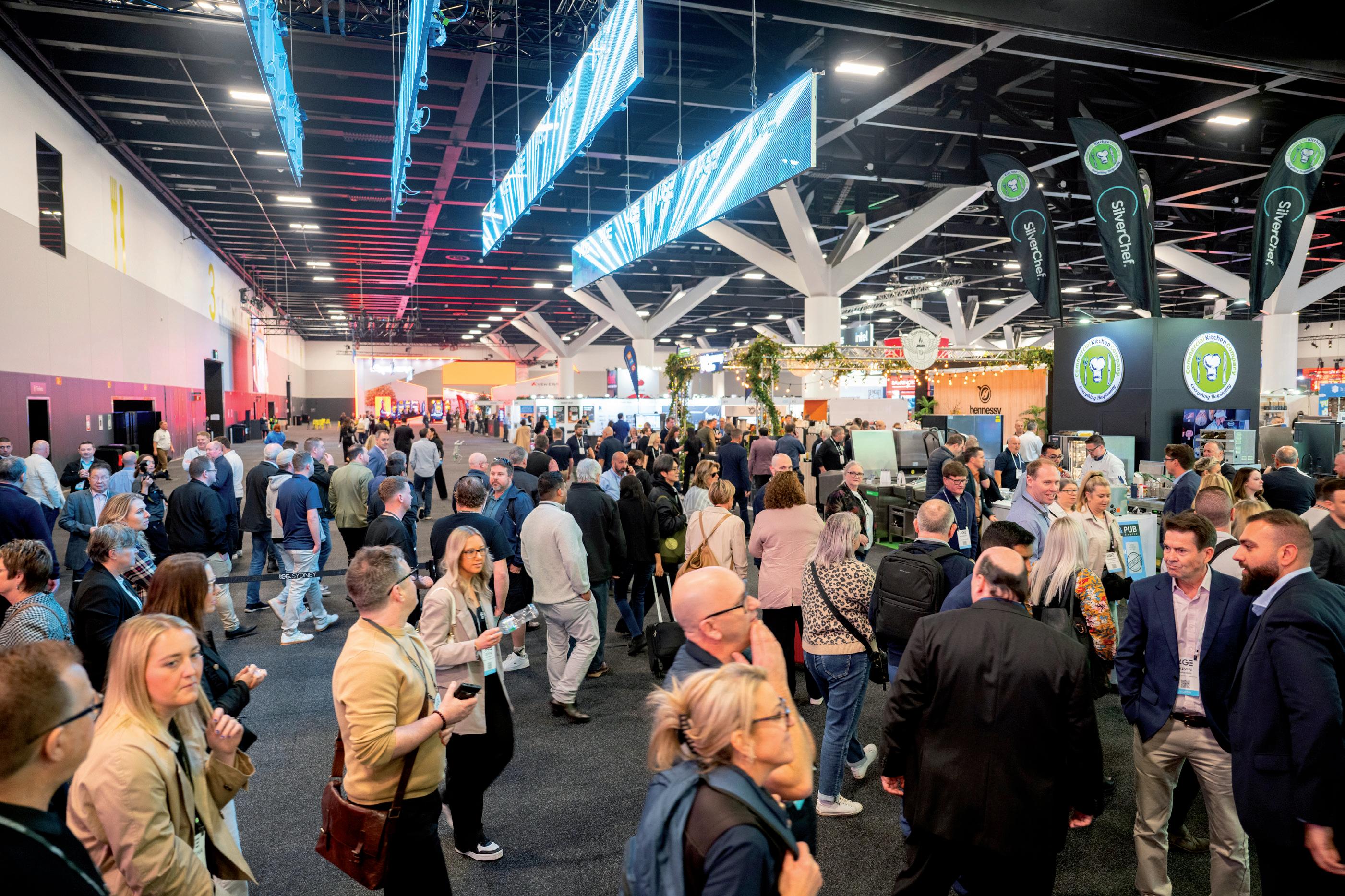
A major hospitality and gaming industry trade show featuring equipment, foodservice innovations, technology and hospitality business solutions.
National Secondary Schools Culinary Challenge
28 August 2026
A national culinary competition for secondary school students showcasing cooking skills, teamwork and hospitality career pathways.
Bocuse d'Or Asia Pacific 2026
22–23 September 2026
One of the world’s most prestigious chef competitions, where top chefs compete at an international level with high-level culinary technique and presentation.
NZ Chefs Hospitality Championships – MIT
Auckland 3–5 October 2026
New Zealand’s national hospitality competition featuring chef, pastry, restaurant service and student culinary competitions.


In an age where drinking culture is changing rapidly, it has never been more important for establishments to stay up to date with the latest trends, flavours, preferences and customer behaviours.
Beyond the standard options, offering a diverse range of drinks is essential.
Almost half of frequent customers actively seek non-alcoholic alternatives, which has demonstrated a shift in drinking habits. Meanwhile, customers have traditionally been willing to pay more for premium and craft beverages. This has indicated that quality is just as important as variety.
A recent report by the Brewers Association of New Zealand showed that bar-goers are slowly but steadily moving away from beer in order to try new options.
Executive Director Dylan Firth said the message was clear, and Kiwis are drinking less and more moderately.
“Beer consumption is now at its lowest point on record. That’s not just

a short-term fluctuation; it reflects long-term behavioural change. Kiwis are moderating, and beer is playing a central role in that shift.”
While moderation is a positive social trend, Firth said the decline in beer volumes also reflects sustained economic pressure.
Beer remains New Zealand’s most popular alcoholic beverage, accounting for 60 percent of total beverage volume. Of the beer available for consumption in 2025, 86 percent was produced in New Zealand, highlighting the sector’s strong domestic base.
Pubs that offer a strong, well-curated selection of drinks, both alcoholic and alcohol-free, are better positioned to attract a wider customer base.
Sprits NZ CEO, Robert Brewer, said
there are certainly noticeable trends that stand out among emerging consumer behaviours. He said data taken in October last year shed light on how customers have begun to pace themselves while drinking, which was an indicator of good, social drinking habits.
“For spirits, and in particular the ever-popular cocktail, almost 40 percent of those surveyed say they consume these premium drinks more slowly than other drinks. We call this the “sip and savour” approach, which we’ve been observing in the market for a few years now.”
Including new and emerging drinking trends will set any establishment apart from those stuck in the past, especially as the industry continues to adapt to evolving changes.



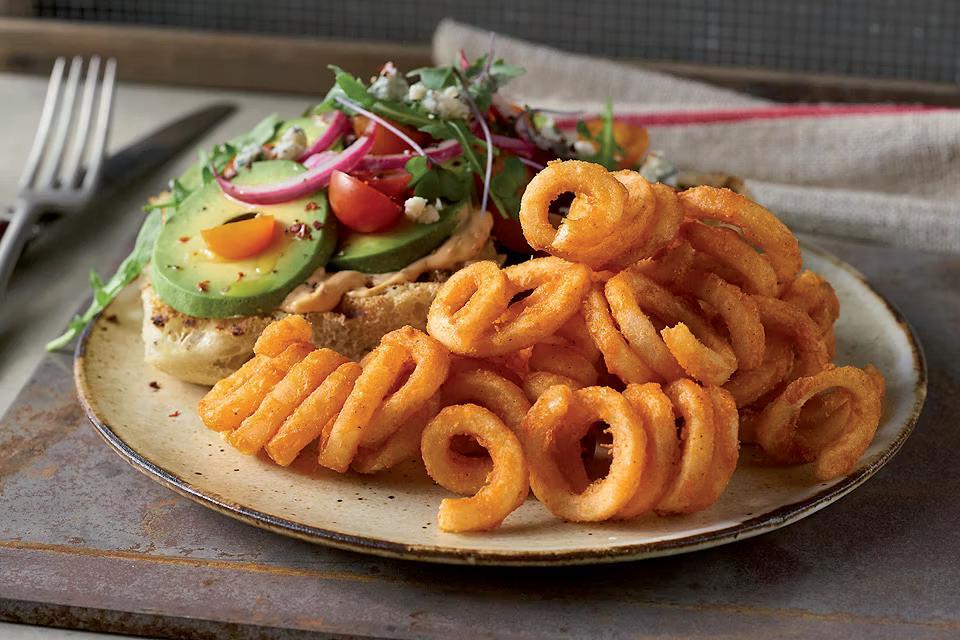
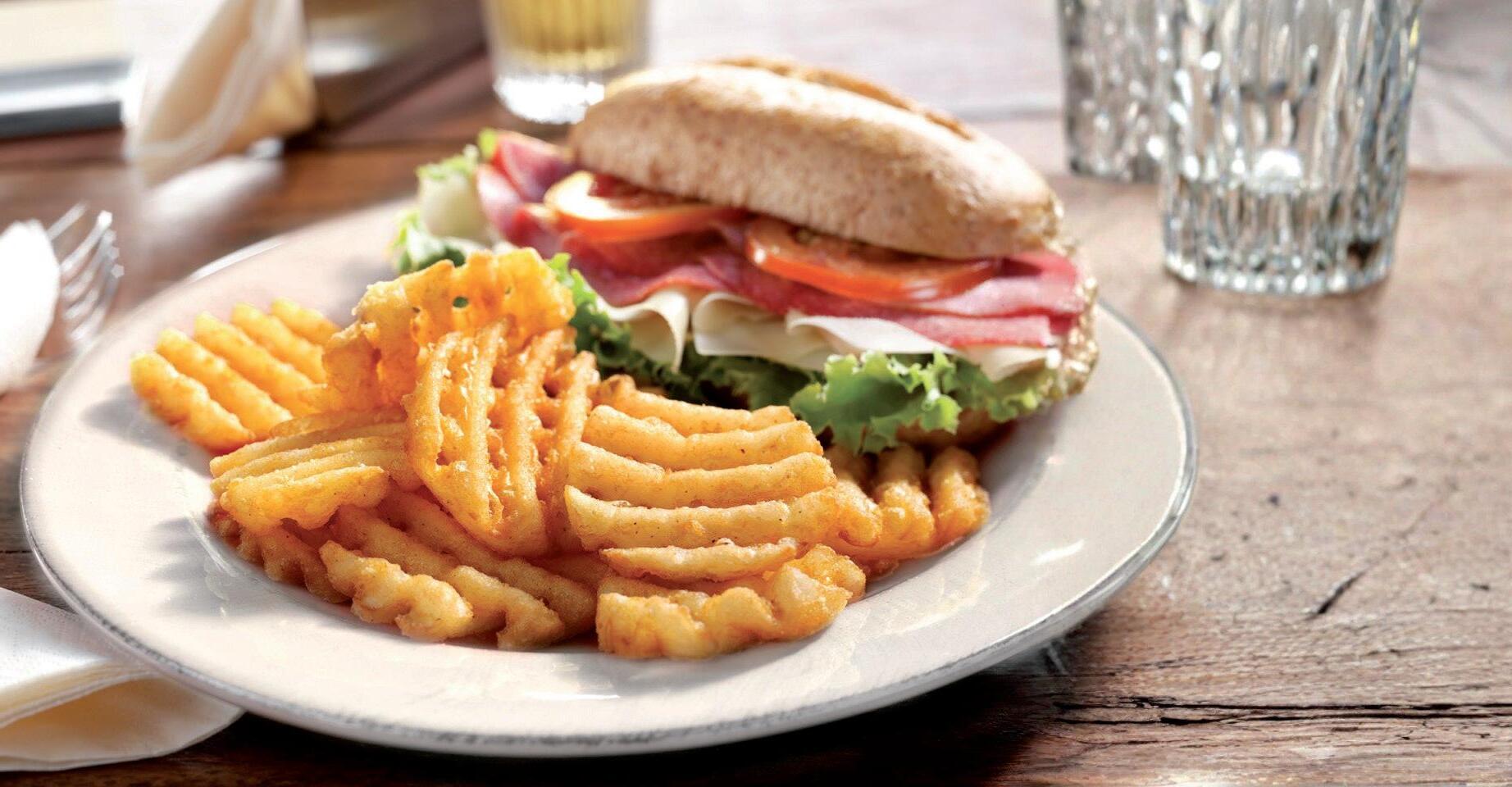
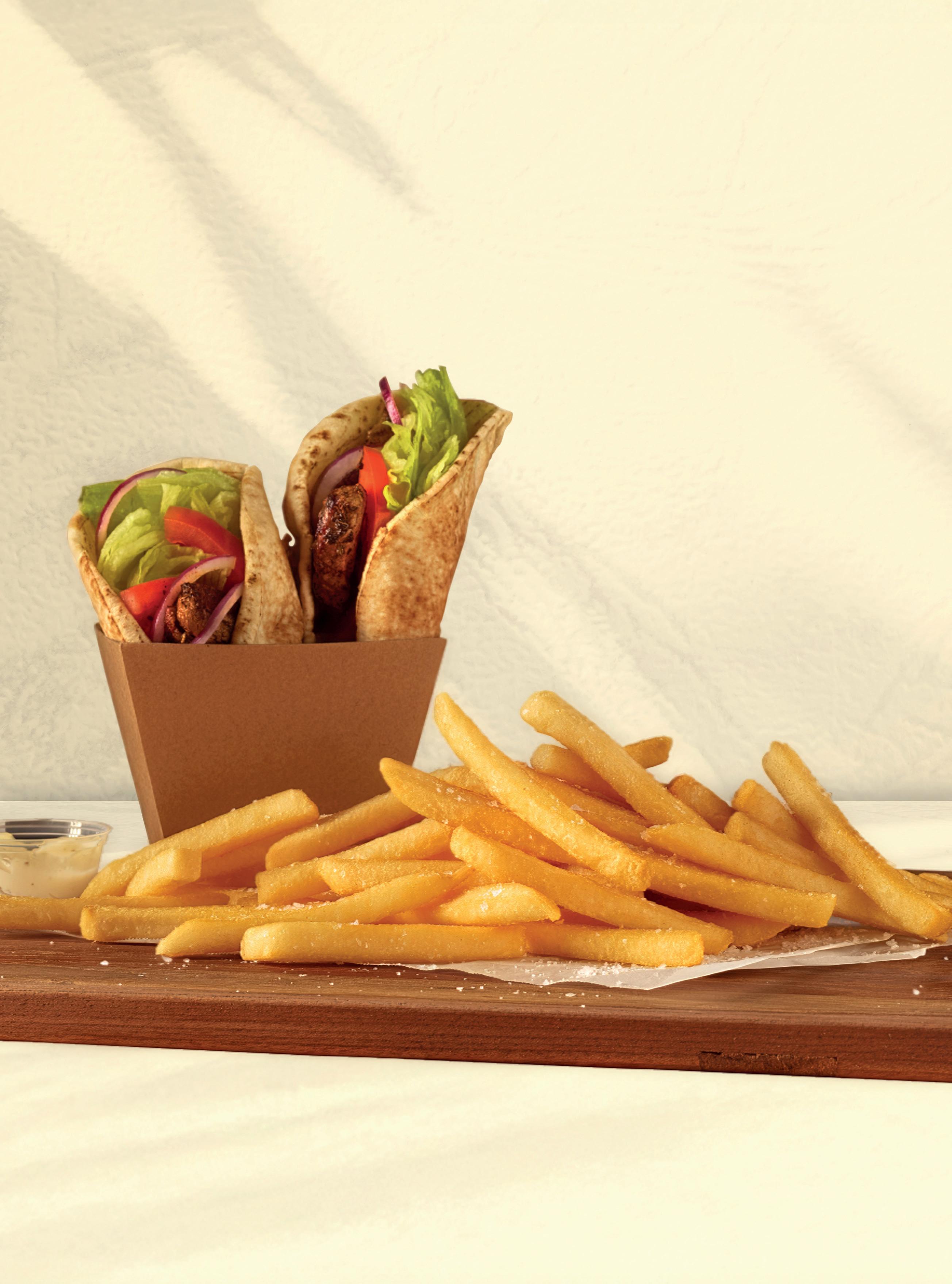
Bring bold flavour and unbeatable crunch to every serve with Lamb Weston Seasoned™ Twisters™ and CrissCuts™ Skin‐On. Coated in a signature seasoned batter, these fries stay crispy and craveable across dine‐in, drive‐through, and takeout.
The iconic Twister™ Fry adds fun, curly appeal and standout plate coverage, while the CrissCut™ Skin‐On delivers a golden, waffle‐style bite that brings texture and uniqueness to any menu.
Two distinctive shapes One irresistible crunch The fries customers come back for!
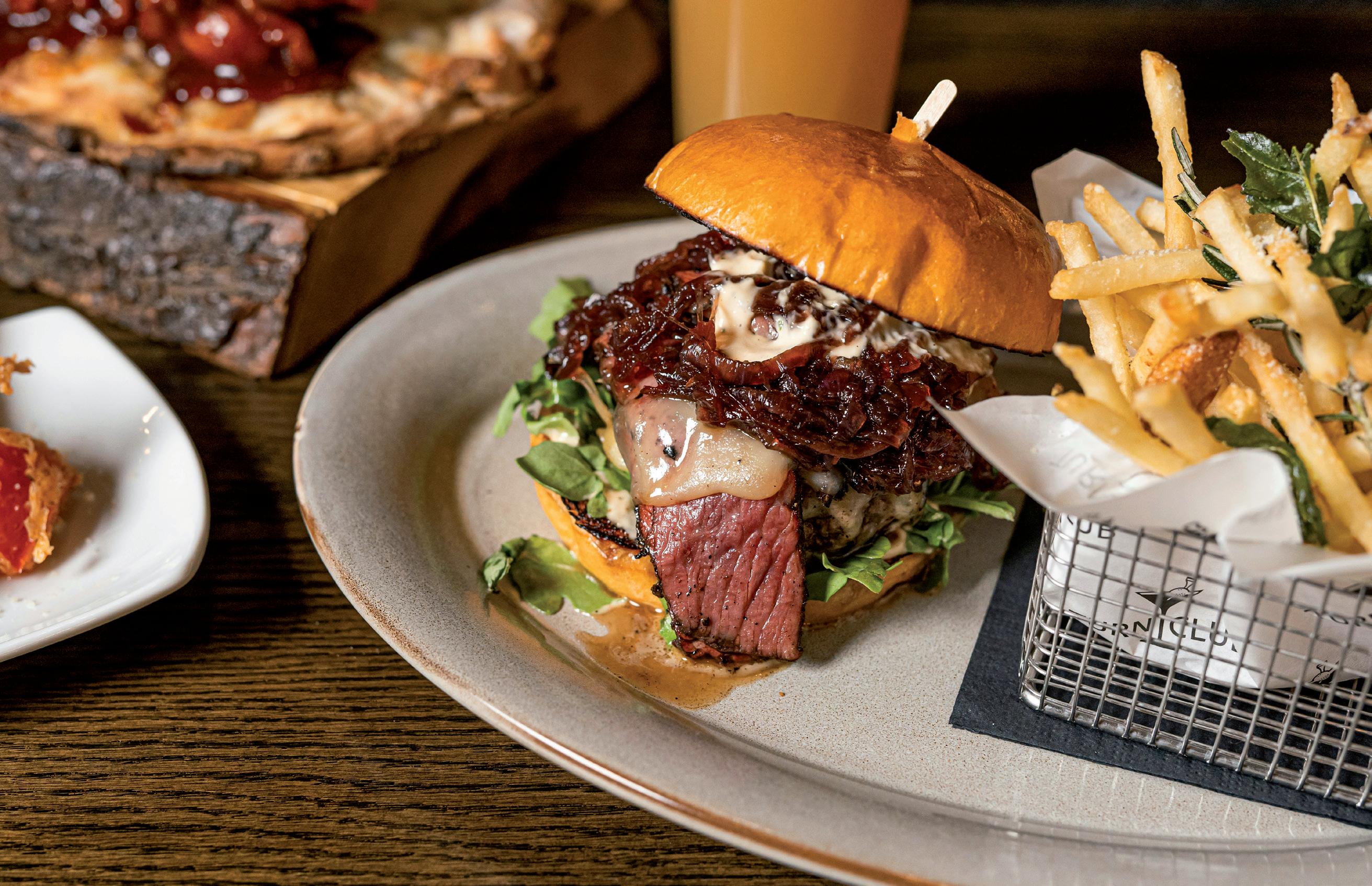
While staples like fish and chips or burgers still deserve a place on the menu, the task isn't to recreate the pub menu; it's to give it a new sense of life.
Over time, diner expectations have changed. As taste preferences grow more adventurous and food culture expands, the role of the kitchen in pubs and bars has begun to evolve. Customers no longer see pub food purely as an accompaniment to a pint of beer. Instead, it has become a reason to visit in its own right.
While classic menu options still hold an important place, many operators have broadened their offerings to include globally inspired dishes, seasonal specials and more refined takes on traditional favourites. A simple burger might now feature locally sourced beef and house-made sauces. Fish and chips may be paired with premium batter, fresh market fish and carefully prepared, quality sides. These alterations reflect a broader trend: that quality ingredients and thoughtful preparation shape how customers perceive a venue.
For pubs and bars, food has become a powerful brand signal. In a competitive industry landscape, this can be the difference between a pub that survives and one that becomes an occasional destination.
Jay Clement, Executive Chef at Bar
Rosa, said keeping the menu simple yet effective is a big advantage for customers, as they will be able to clearly decide what they’d like to order. He also said it was important not to overlook the power of housemade products either.
“I believe all our house-made products will speak for themselves, from pasta made fresh every morning to our house-cured guanciale. Also, we have kept our produce locally sourced and free range,” he said.
Clement added that a relaxed menu will allow customers to feel relaxed as well.
“Enjoying a nice meal and a cold one has always been the backbone of the menu.”
Menu evolution also provides operators with an opportunity to create experiences that extend beyond everyday service. An example of this is themed nights, such as burger night or Taco Tuesday, which have become an essential way for any establishment to strategically showcase its offerings to its customers. Specific themed nights can turn an ordinary midweek service into something customers look forward to and even make it a regular event. The appeal lies not just in the
dishes themselves, but in the sense of occasion that surrounds them.
Ultimately, businesses need to create the conversation. Customers will talk about them, bring their friends along, and often plan their week around them. That kind of anticipation can strengthen a pub’s relationship with its community. Instead of simply being a place people visit when convenient, the venue becomes part of their routine.
Pairing a themed menu with drink specials, limited-time collaborations with local producers, or seasonal tasting events will encourage customers to engage with the venue in new ways. Each initiative introduces novelty while maintaining the familiarity that regular patrons value.
The evolution of the pub menu has reflected the larger shift in hospitality thinking. Food is no longer just a supporting act to the bar. It has become a central element of the pub’s identity, shaping how customers experience the space and how often they return. For operators willing to treat their menu as a living part of the venue rather than a static list of dishes, the kitchen can become one of the most powerful drivers of loyalty and growth.
For establishments of any kind, hosting events in order to attract foot traffic can be a daunting task.
In the post-pandemic environment, weeknights can be quiet for bars and pubs. This is a prime reason why events and entertainment offerings are among the most reliable ways to ensure a decent crowd and lively atmosphere.
Among the most popular is the humble quiz night. From the friendly banter to the constant scratching of brains, quiz nights will always bring punters in at anytime of the year. Perfectly timed after work, it gives customers a chance to share an end-of-day tipple, catch up with friends, and take a moment to relax. This means more beverages sold, the high chance they will order dinner, and even more drinks throughout the evening, especially as the average quiz will last for at least two hours.
Customers love the competitive side to the quiz, trying to outsmart each other, while some are there simply because it's a social occasion. For many, this will be the only time during the week they will have the time to see friends or family. For businesses, this is an opportunity to introduce new menu items and drinks, or even the perfect way to introduce a new establishment to the local community. It's less of a knowledge test and more of a bit of fun, but with the security of a decent crowd attending, businesses will be sure of a successful night for the books.
Hosting a weekly quiz will cost, especially if organised through a service. But this is an investment, especially if it's a weekly event. If it's a success, then customers are not just likely to return, they will bring additional friends along with them.
Across the country, quiz nights have become a staple in what customers expect from a pub. This isn't just a
concept that will work only for elite establishments, but businesses of all sizes. No matter the location, there is always demand from customers to prove how much they know about movies and music, or learn about random facts they have never heard of before.
While quiz nights are the key for during the week, the weekend also presents many opportunities to profit from events.
Themed nights, such as 80s or 90s, Country & Western, or Girls Night Out, are an excellent way for businesses to host a memorable night for customers, while charging an entry fee, selling specialised themed drinks, and opening up the dance floor all night long. For cities and towns with a thriving nightlife, this is a way to compete with other businesses, offer a point of difference, and stand out in a busy crowd.
An example of this is "Mamma Mia" night, hosted at Dr Rudi's Rooftop Brewing Co. in Auckland's Viaduct. Promising a DJ spinning timeless classics all night long, the event has appealed to a wide audience of all ages.
Charging anywhere from NZD 15 to NZD 30 a ticket, themed nights and parties are an affordable night out for customers. With no venue hire free, and the possibility of walk-ins, this is also an affordable event for bars and pubs to host.
Similar concepts have included karaoke nights, lip sync battles, and choir nights. It's a reason for customers to make the most of a night out, and it's a genius way for businesses to identify new markets to appeal to. To go the extra mile, live music and lighting displays will create an attractive on-street appeal, and




are likely to make customers want to return again and again.
If an early evening event is more suited, businesses should consider cocktail making classes, where customers can learn from bar staff about how to prepare their signature cocktail, or the popular "sip and paint" concept, where customers can enjoy a glass of wine while learning to paint.
Entertainment doesn't have to be only classified to events. Offering customers a gaming lounge is a valuable asset to a business' operations, especially due as they can generate consistent-high margin revenue throughout the week.
Despite being heavily regulated, pokies have long been considered among the most popular gaming machines in New Zealand, with annual profits often surpassing NZD 1 billion annually. They encourage customers to stay longer, order more food and beverages, and the likelihood to return.
Gaming machines require minimal operational management from establishments, as they are typically managed by third party gaming companies. This means low costs and no need to handle repairs. A gaming lounge can be the perfect solution to awkward or unused areas of the venue, turning space into an additional income generator.
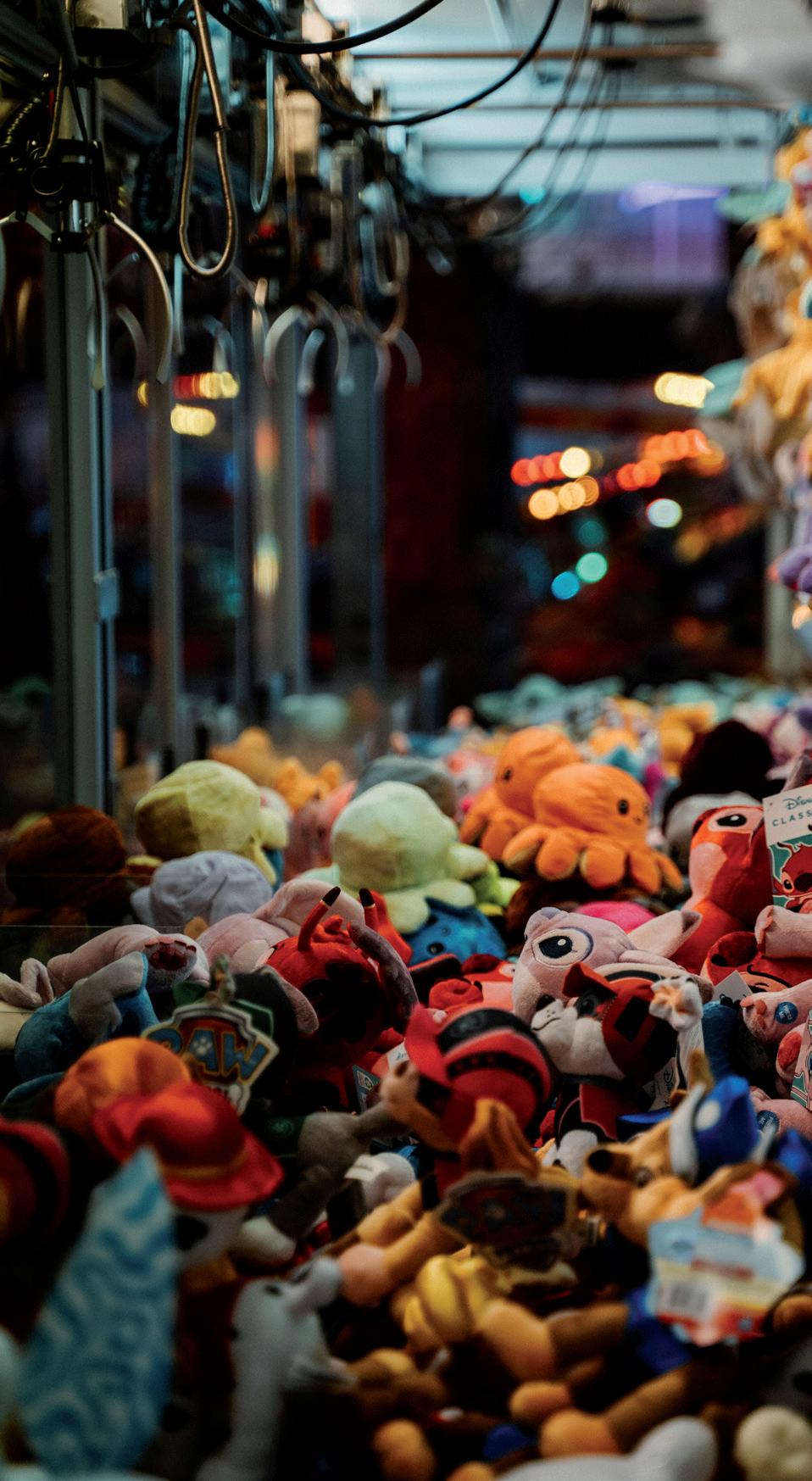
While gambling machines cater to adults, there are additional options for family-friendly businesses, such as toy claw machines and video games.
Introducing something that will appeal to customers will tap into the high demand for entertainment on a night out. There is always something for every customer and every establishment, even if it means thinking outside the box.
For many punters, a pub is far more than just a place they can go for a drink. It is a shared space where a community can gather, where they can meet new people, and somewhere they will want to return again and again.
Understanding this difference is crucial for operators. Customers won't return to a pub purely because the beer is cold or the food is decent. Instead, they will return because the space feels familiar, and because they recognise faces behind the bar. Regular customers are not just patrons. They are what keep the venue's doors open.
This is why strong pubs often resemble small social ecosystems. Customers are likely to show repeat behaviours, such as ordering the same thing every time, or choosing to sit at the same table, not because it is the best seat in the house, but because it has become “their spot”. These rituals create emotional attachments for customers, which turn into loyalty.
For operators, being able to maintain that sense of community requires constant attention to its offerings, and how it looks after its customers. A pub cannot simply open its doors and assume that customers will automatically return. It must be nurtured through strategic engagements and a willingness to give people reasons to gather. To achieve this, there are many ways to make customers feel included, turning an occasional visit into a must-do priority.
Events such as quiz nights, live music evenings, competitions, or showing live sports create a shared experience. There is also a psychological element at play. Regularly scheduled events will give customers something to anticipate. A weekly quiz night or a monthly comedy

evening eventually becomes part of a customer's routine, and stops being optional and starts feeling essential. Promotions can offer a similar service, especially when they are targeted as an experience instead of a discount. For example, a seasonal craft beer showcase, a local brewery tap takeover, or a rotating regional food night can introduce novelty without turning away regulars. Customers should be able to feel that they are discovering something new while still enjoying the comfort of a familiar environment.
Being able to introduce these successfully will show that the venue is alive and evolving. Establishments can run the risk of becoming predictable if there isn't a sense of variety in the mix, which can slowly dissolve interest. By incorporating fresh ideas, operators can grow from knowing that their business is engaged with its audience and listening to their feedback.
A live band may bring in new faces who could become regulars. Sports nights might draw in a crowd that had not previously considered the venue their local. When these newcomers encounter an existing base of loyal patrons, they quickly absorb the atmosphere that makes the pub special.
Listening to customers will help to build on how their community outreach will grow. A pub that invests in its community will receive that back, and word of mouth is still the most powerful tool in attracting new customers. In an industry where margins are tight and competition is constant, that kind of loyalty is invaluable.



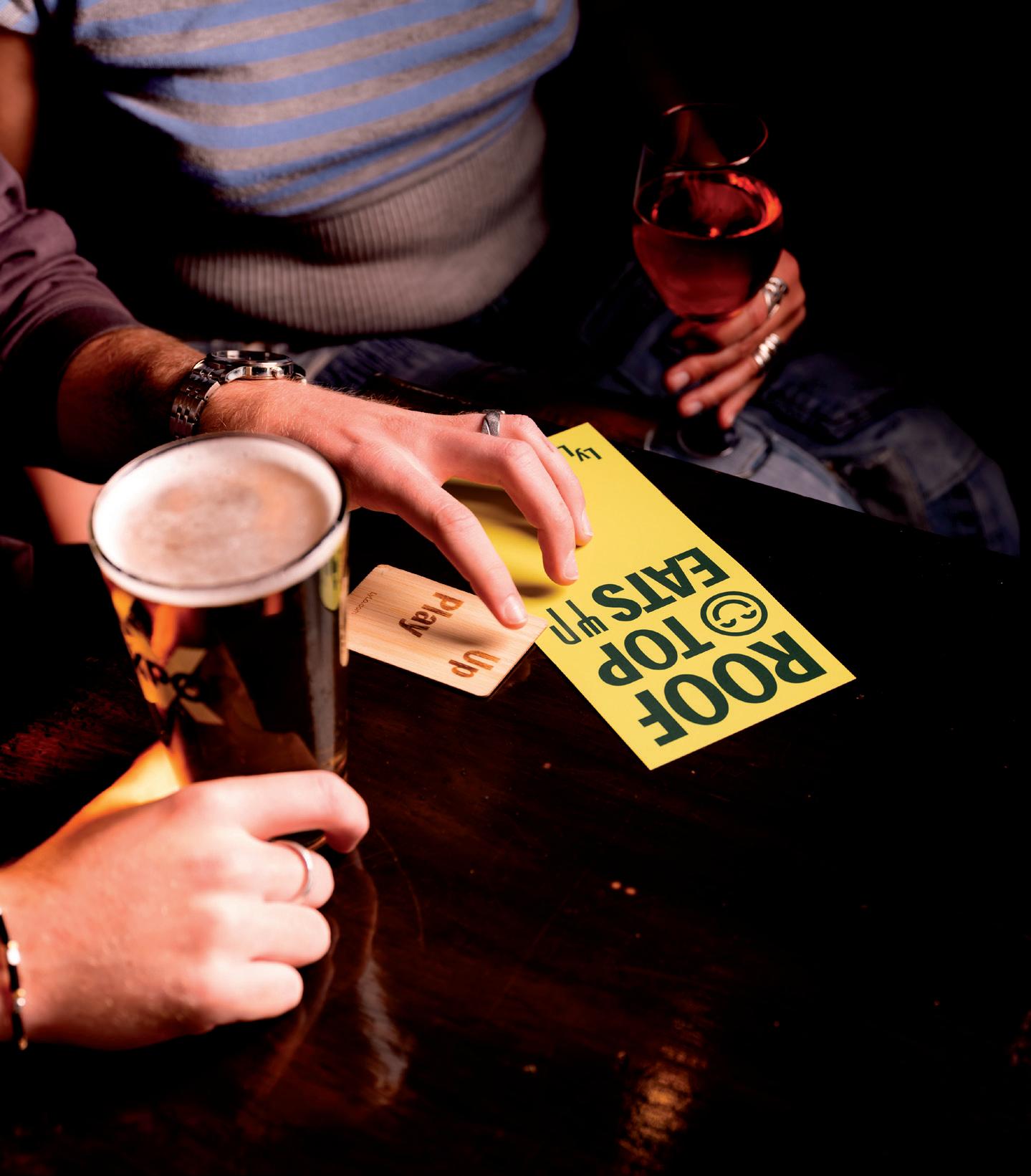

Customers are always on the watchful hunt for something new, especially when a trend becomes the "next big thing".
While the concept of a bar and its role in society is unlikely to change, they could look vastly different to how customers know them now in a decade's time. With smart technology and specialised software making operating a bar easier and easier, there is a high chance that the customer experience will change, as opposed to just behind-the-scenes management.
Bars have already begun introducing new systems into their service, from smart pouring to integrated POS platforms. Many have looked for new ways to entice customers while investing on what the future of bar service may look like.
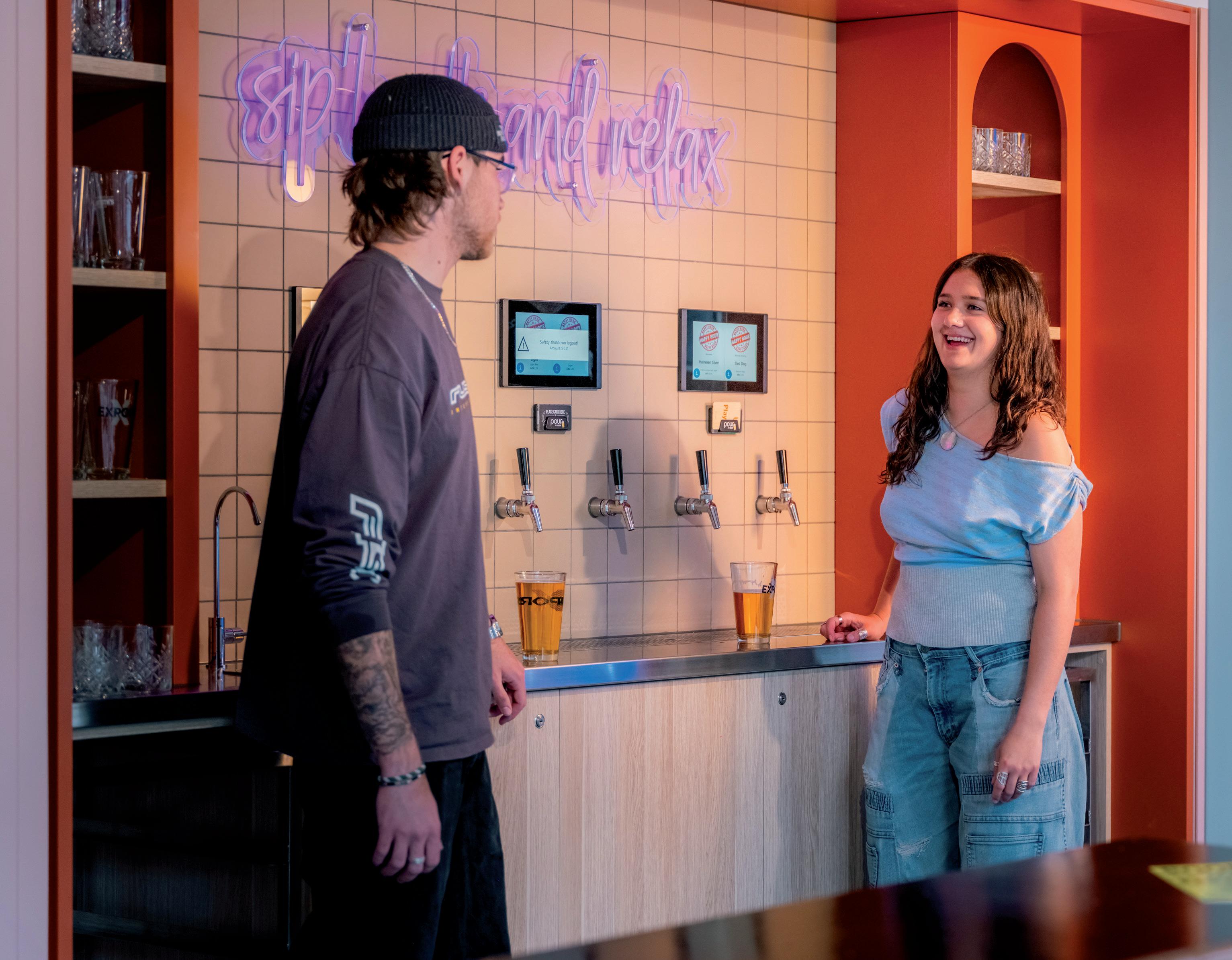
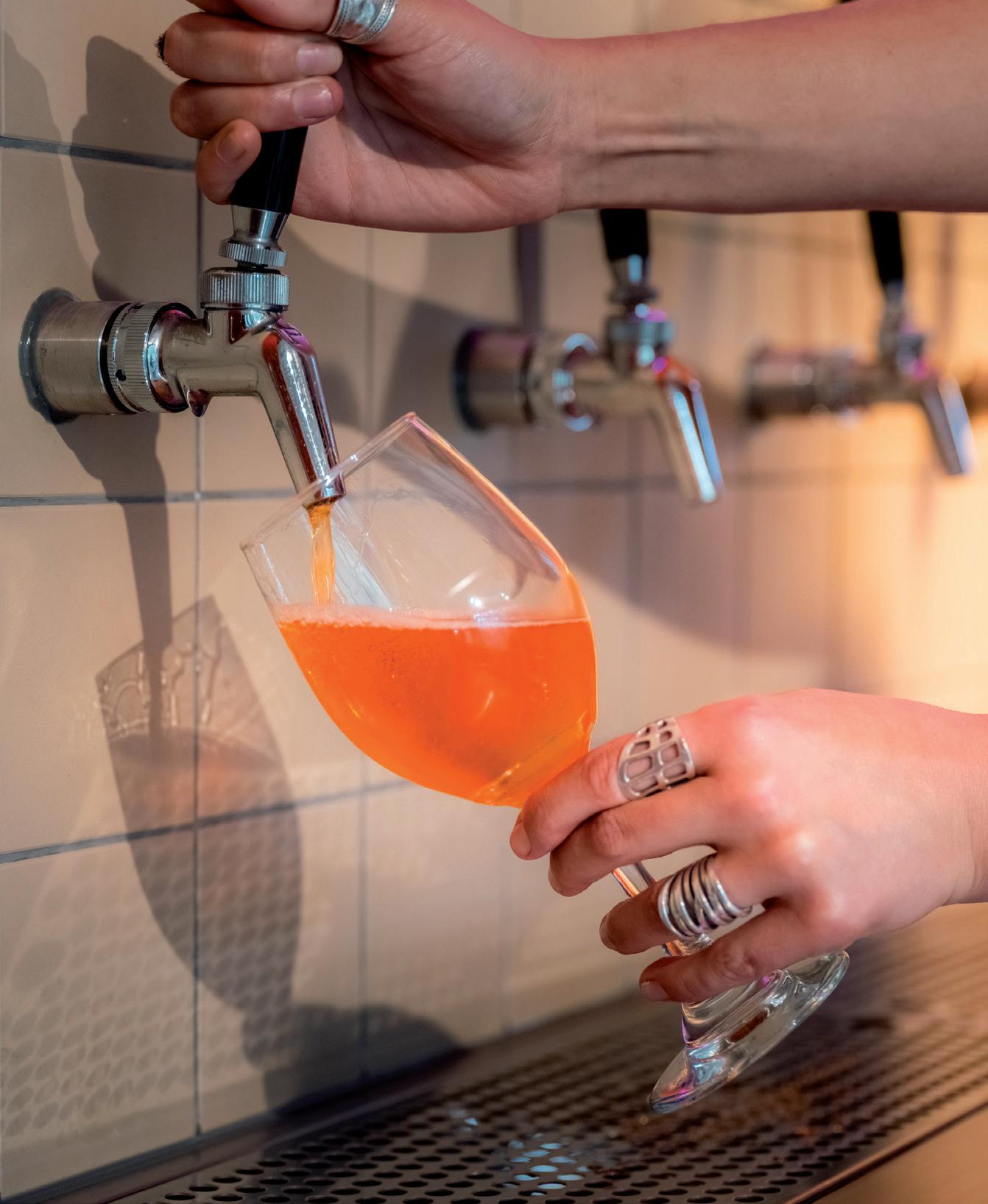
For one Queenstown pub, that was introducing New Zealand's very first Beer Wall, allowing customers to have a hands-on experience at selecting their preferred tipple, quite literally.
By simply tapping their card for payment, customers at Lylo's Rooftop Bar can pour craft beers, ciders, or even signature cocktails without the need for waiting in line or the need for bartenders.
“Innovation is in our DNA. We’re always looking for ways to make a difference and redefine what a stay at LyLo looks like. Our new rooftop kitchen leans into this alongside what we believe is New Zealand’s first accommodation self-pour wall,” said LyLo Managing Director Tim Alpe.
He said that customers should forget the traditional bar experience, as this was the next generation of drinking, allowing social and interactive connection between the bar and the customer, while offering seriously good fun at the same time.
"We have been trialling the technology at LyLo Brisbane, and our customers are raving about the experience. Perfect for sundowners with new friends, guests can mix, match and taste to their heart’s content without waiting in line, and the best part is they can try before they buy.”
Before pouring, guests show their ID to a supervising staff member. They can also drink responsibly with builtin sobriety limits and oversight by a trained LCQ-certified bar manager.
For bars wanting to manage their sustainable footprint, installations such as the Beer Wall replace hundreds of individual glass bottles with reusable kegs and precision-pour technology to significantly cut down on glass waste, overpouring, and product loss. Each ounce is tracked and paid for, reducing wastage and ensuring almost 100 percent keg yield. Systems also use energy-efficient cooling and dispensing technology to minimise foam and excess waste.
This modern step forward will help bars and pubs to adapt to future trends, whilst preparing for the demands of generational preferences.
While clubs offer a place for communities to gather and share a drink, conditions are becoming increasingly difficult to navigate.
One pressing issue that Clubs New Zealand is calling on the Government to address is introducing a 50 percent reduction to excise tax on draught beer sold for on-premises consumption, supporting the wider industry's push for a more balanced and sustainable approach to alcohol taxation.
This adjustment would directly support community clubs, hospitality venues and local breweries at a time when operating costs continue to rise.
Chief Executive Lucy Waterreus said the current excise settings are contributing to an affordability problem that is pushing people away
from supervised licensed venues such as clubs and into private drinking environments.
"Our clubs operate as community hubs that are safe, welcoming places where people connect. But year after year, we are being hit with excise increases that flow straight through to the price of a pint. Members on fixed incomes feel those increases immediately, and many simply stay home. That's not good for community connection, and it's not good for responsible consumption."
Industry data shows that the share of beer consumed in on-premise venues has fallen sharply over the past decade, from roughly 40 percent to about 15 percent, with the cost of going out identified as a major driver of that decline. Surveys indicate that nearly half of New Zealanders sometimes choose to drink at home because of price, and this jumps significantly among people who regularly drink draught beer.
"A targeted reduction for draught beer is a simple, practical fix that supports the places where safer drinking happens and will go a long way to ensuring our clubs and community venues remain viable and accessible," Waterreus added.
Internationally, countries such as Australia and the United Kingdom have already adopted differentiated excise settings that recognise the community and economic value of onpremises venues.
"Our clubs are staffed by locals, supported by volunteers and used by members who rely on them for connection. A modest, targeted change would help protect jobs, keep clubs viable and promote consumption within responsible, licensed venues."
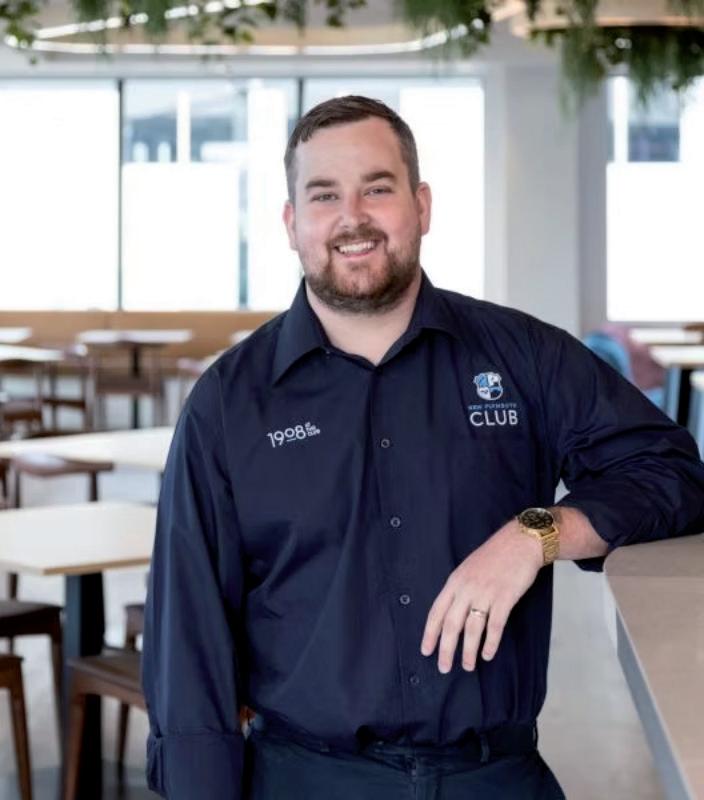
If you ask Ryan King what his club means to him, you are certain to get a few pool stories and a heartfelt answer about family and how the New Plymouth Club has shaped his life.
“The club has been a part of my family for three generations. It started when I was just a little kid tagging along with my dad,” said King.
“He played pool. So did my grandad. I loved hanging around the tables until I was old enough to play myself.”
That time came earlier than most. At eight years old, King officially joined the New Plymouth Club as a junior member, with a special dispensation from the club to play. Since then, it’s been his second home.
Now 27, King is still at the club five or six times a week. He spends his time playing pool, coaching, or helping steer the club as one of the youngest committee members in New Zealand.
“Working on the committee has been a fantastic experience. It’s been incredible to watch the Club grow and change under the leadership of The PCG committee, Donna, Board and staff. Eight years ago, I thought clubs were just for old guys drinking beer,” he said.
“At our highest, we have had 12,500 members, and the place is packed with 18-20-year-olds on the weekends.”
It’s not just the crowd that’s changed at New Plymouth. The club has also had a glow-up, with renovations completed at the end of 2023. The club won a TSB Business Excellence Award in 2024 as a result.
“We dropped the membership fee from NZD 79 to NZD 15, and suddenly the place came alive. It’s familyfriendly now. It’s a vibe.”
King said it the club community was also a place to chase dreams, as fellow members will always show their support in droves. Last year, he
qualified for the New Zealand team to play at the World Champs in Ireland.
“Unfortunately, I had to give it a miss this time due to the arrival of a new baby, but I’ve made the team for this year, and I can’t wait to represent New Zealand.”
With his brother working behind the bar and three generations of Kings
now club members, he said the next step was to aim for life membership.
“I wouldn’t be where I am without my Club,” he said.
“It’s always been safe, always been welcoming. And on a Taranaki summer’s day, there’s nothing better than a cold pint on the deck overlooking the ocean.”
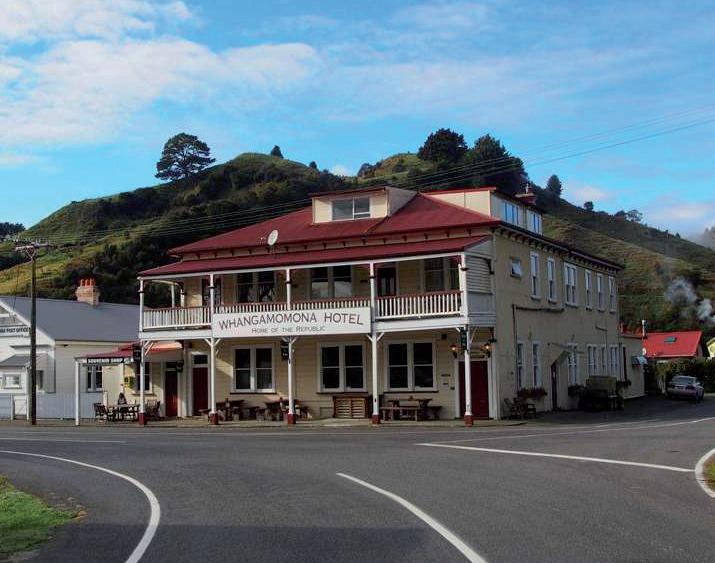
New Zealand's most remote pub, The Whangamōmona Hotel, attracts more than 25,000 customers every year. Located on the outskirts of the Taranaki region, The Whangamōmona Hotel has recently changed hands, beginning a new chapter for the 114-year old business.
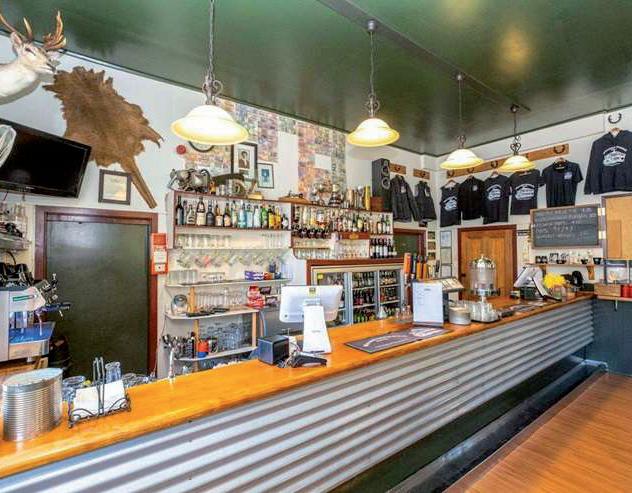
New owner, Tony Massey, said the decision to purchase the business was simply because his family wanted a lifestyle change. Along with his wife, Rachael, and children, Massey said the timing felt right.
“We just wanted a complete lifestyle change. We were working a lot, and we just thought, ‘Something has to change’. We just spent no time with the kids because we were both working flat out. Whereas if we bring our job home, if we are all just there, we can be together and chip in and out of work.”
Whangamōmona, a town of roughly 20 residents, has long been proud of its historic pub. It has generated local tourism year-after-year, and the Hotel annually accommodates over 5,000 staying guests in its 22 rooms.
Having spent much of his working life in remote areas, the fact The Whangamōmona Hotel is located an hour away from the nearest towns didn't faze Massey. The town only got mobile phone coverage three years ago. It was also the only state highway in the country not to be completely tar-sealed, but that finally
changed last year when the final stretch was completed.
This has meant the pub has continuously had to navigate complicated procurement systems, often relying on local producers due to the remote location not being on the route for many suppliers.
Massey said the opportunity was too good to pass up. The sale includes the neighbouring Whangamōmona Lodge and Post Office and some surrounding land, which the couple have earmarked for a stage for bands to perform on.
“It’s just something different, and it’s been a Kiwi icon. As a young Kiwi myself, I was keen to see it carry on.”
The pub has been described as the closest thing in New Zealand to the Wild West, and visitors have often enjoyed purchasing one of the pub's own passports and having it stamped for a fee to commemorate their visit.
Despite the change of ownership, the pub will remain a core asset to the community. Massey said he planned to continue running the business as it was for now.
“We are not going to change anything. It’s doing really well right now.”
Nurturing the talents of New Zealand’s emerging stars of the culinary stage has been a paramount priority for the industry. With recent accomplishments highlighting local excellence, 2026 is set to be a busy year for young chefs across the country.
Preparations are underway for the NZ Chefs Hospitality Championships at MIT this October, with entries already rolling in and a comprehensive program forthcoming.
NZ Chef’s collaboration with Worldchefs continues to strengthen our foundation, highlighted by the success of the Young Chefs Club, Auckland and the upcoming mentor session led by Youth Development Director Geoff Scott.
Members are encouraged to book their places for ‘Info Chef 2026,’ set for 8 June in Christchurch at Te Pae, following the success of last year’s event. Booking is available via the Chefs Shop on the NZ Chefs website.
INFO CHEF 2026 will bring together chefs, culinary students, and industry leaders from across the country. This flagship event has been designed to inspire, connect and showcase the future of hospitality through innovation, sustainability and collaboration.
At recent industry gatherings, standout presentations, notably by Belinda Moore, have sparked renewed enthusiasm for ongoing learning. NZ Chefs have encouraged members to explore the professional opportunities she shared, including upcoming online sessions designed to enhance skills and connections.
NZ Chefs President Shannon Fryer particularly noted the excellence
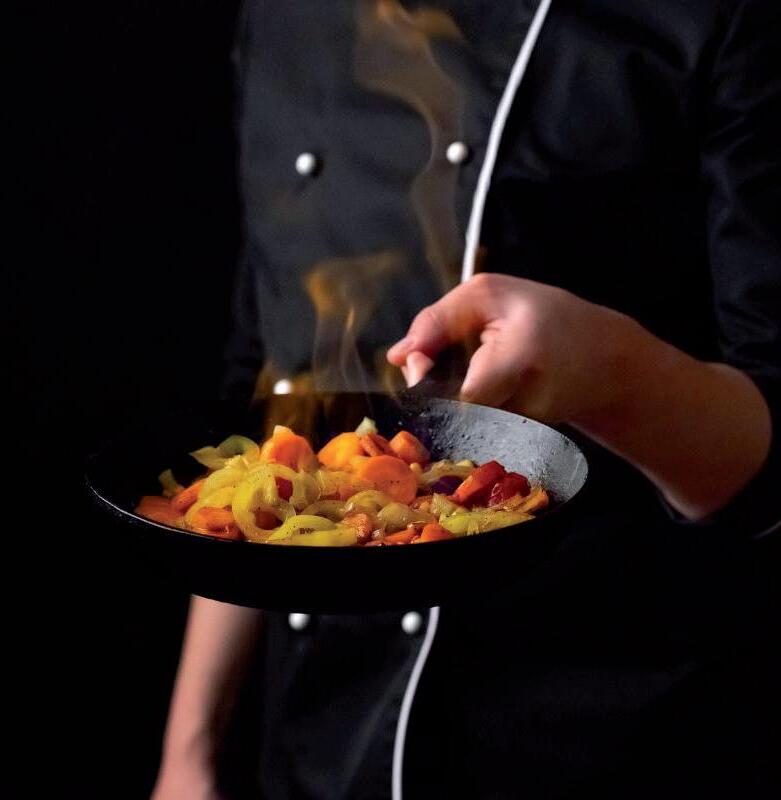
demonstrated by emerging chefs in New Zealand.
The Young Chefs Club – Auckland group from AUT, under the mentorship of Chef Scott, will represent New Zealand at the Worldchefs Congress in Wales. Their participation in the Young Chefs Forum and a subsequent culinary tour of London’s renowned food scenes exemplify the invaluable professional development opportunities available to our future leaders. We extend our gratitude to everyone who supported this outstanding achievement.
The 2026 Secondary and Tertiary Training Hospitality Competition is set to take place in May at the Manakau Institute of Technology. Applications close on the 12th of May.
The M.I.T. Secondary School Competition allows students to showcase their culinary, baking or hospitality skills in a competition arena. Categories range from static presentations to live cookery, and barista categories. The competition will be held on the 26th of May.
All competition categories are judged in accordance with the Guidelines for Culinary Arts and Restaurant Service Competitions available from the New Zealand Chefs Association. Competitors are awarded a certificate of participation, and where appropriate, the certificate will be endorsed accordingly as either
Bronze, Silver or Gold.
Craig Lucas, Head of School of Hospitality, Tourism and Service Industries at Manukau Institute of Technology, said that building on a strong legacy, the upcoming May competitions will provide an exciting platform for both secondary and tertiary students to demonstrate their talents across culinary, baking, and hospitality disciplines.
“With categories spanning static displays, live cookery, and barista service, the event continues to celebrate skill, creativity, and industry readiness in a dynamic, competitive environment,” said Lucas.
“As Head of School, I am proud to support an event that not only showcases the capability of our learners but also reinforces the standards and professionalism expected within the industry.”
Another calendar highlight, registrations for the 2026 Nestlé Golden Chef’s Hat Award are now open. The competition, now in its 61st year, has continued to support the next generation of chefs across New Zealand and Australia. Open to apprentice and junior chefs aged 18 to 24 years old as at 31 December 2026, the competition provides a platform for young chefs to test their skills, gain industry experience and connect with peers and mentors across the foodservice sector.